
Transform Natural Spirulina Powder into Tasty Superfood Recipes
Jul 24, 2026
If you want to make tasty, marketable products out of blue-green algae, Natural Spirulina Powder (Spirulina platensis) can help. It can be used by companies that make foods, supplements, and functional drinks. Because it is so healthy, Natural Spirulina Powder has gone from being a niche health ingredient to a hot superfood ingredient. It has a lot of good things for you, like iron, B vitamins, essential amino acids, and powerful antioxidants like phycocyanin. We've learned from working with makeup brands, vitamin companies, and functional food makers that Natural Spirulina Powder needs to be mixed in a way that keeps its health benefits while still making it taste good. This means making sure you know what makes it special and how to control the taste profile.
Understanding Natural Spirulina Powder and Its Benefits
What Makes Natural Spirulina Powder a Premium Functional Ingredient
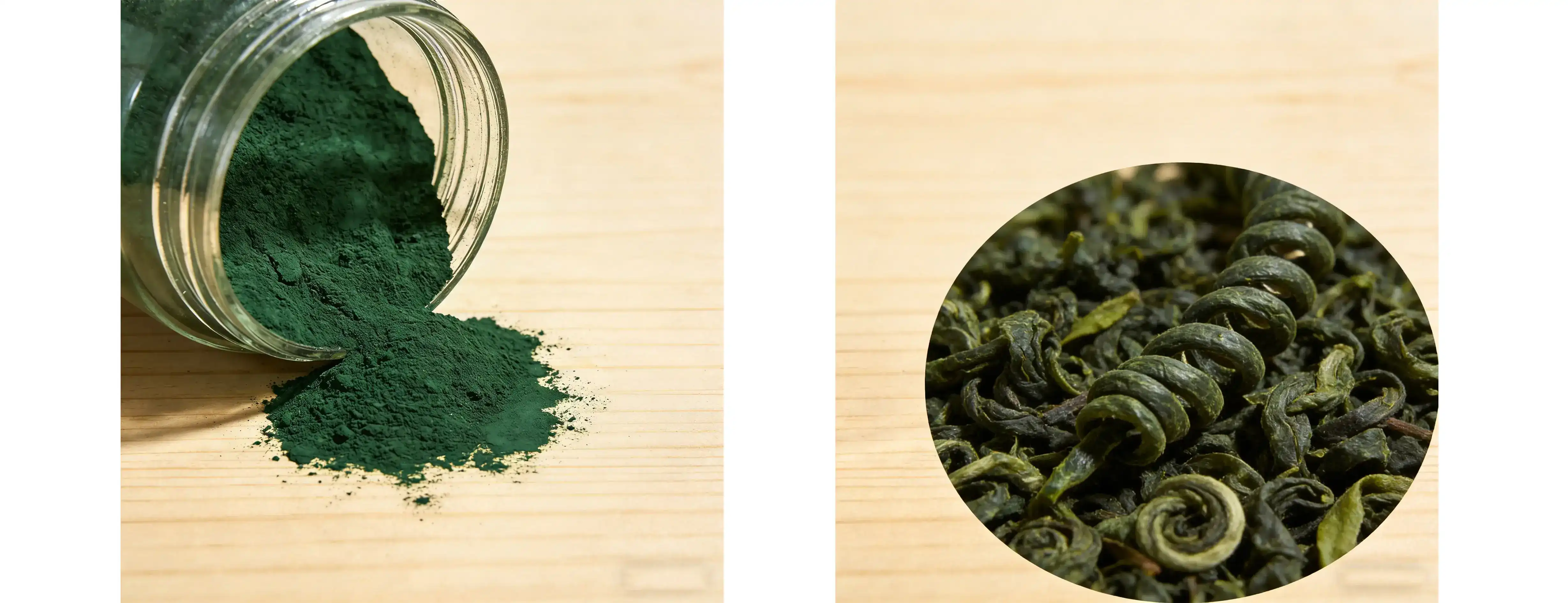
Natural Spirulina Powder comes from algae that were grown and picked with care and then ground into a fine green powder that keeps all of its health benefits. Seven grams of dry Spirulina has a lot of vitamins A, B6, and K in it. It has 4.02 grams of protein, 95.2 mg of potassium, and 2 mg of iron. Because it is full of nutrients, this meal is great for companies that make healthy, clean-label products. Powder is easier to mix than pills or flakes, so it can be used to make shakes, drinks, protein bars, and other healthy foods. Many people who want to buy Spirulina ask what "natural" or "organic" means. Organic farming is different from other types of farming because it follows strict rules for farming that are watched over by governing bodies. This is very important for high-end stores.
Core Nutritional Profile and Functional Benefits
There are useful things in Natural Spirulina Powder besides just basic macronutrients. 10–18% of Spirulina is made up of the blue pigment phycocyanin. It is a powerful antioxidant that gets rid of free radicals that are created by the environment and the body's natural processes. So, Natural Spirulina Powder is a great ingredient for products that help people live busy lives, give them energy, and keep their health in general. All nine necessary amino acids are found in Spirulina, which makes it a better plant-based protein source than many others. This is something that buying managers like. It is even better because it has gamma-linolenic acid (GLA), an omega-6 fatty acid. Strong product claims based on these health benefits are appealing to modern customers who want natural, whole-food ingredients instead of fake ones.
Recommended Usage Guidelines for Large-Scale Production
Food scientists and formulation managers should consider the Natural Spirulina Powder flavor while creating recipes. Earthy, watery flavor. Standard supplement doses are 3–8 grams per serving. Most foods and drinks should have 1 to 3 grams per serving to balance nutrients and flavor. This powder doesn't alter when the pH is between 4.5 and 8.0; thus, it works with most drinking systems. Below pH 4.0, mixed acids may require binding agents like carbohydrates to prevent powder from adhering. Temperature sensitivity is another consideration. Too much heat when cooking breaks down phycocyanin, making it unhealthy. Our tech team recommends adding Natural Spirulina Powder to cool or cold water. Our straight powder standard has several particle sizes. This helps the powder blend evenly in dry and moist solutions.
Comparing Natural Spirulina Powder with Alternative Supplements
Quality Differentiation and Bioavailability Analysis
When buying, managers look at Natural Spirulina Powder next to chlorella, wheatgrass, or regular protein powders; they need to know what makes each one work better or worse. To get the most nutrients out of chlorella, its cellulose cell wall needs to be broken down mechanically. The structure of Spirulina cells, on the other hand, lets nutrients enter the cell directly, without any extra work. Low doses work best for most people because of this absorption edge. It is possible to absorb about 83% of the protein in Natural Spirulina Powder, which is higher than many plant proteins and more like egg protein. More micronutrients are found in Natural Spirulina Powder than in pea or rice protein powders. It has small amounts of minerals that separated protein sources often don't have. Companies that want to make their products stand out by adding more than one nutrient should use Natural Spirulina Powder. It has many benefits that support a premium positioning.
Form Factor Considerations for Production Efficiency
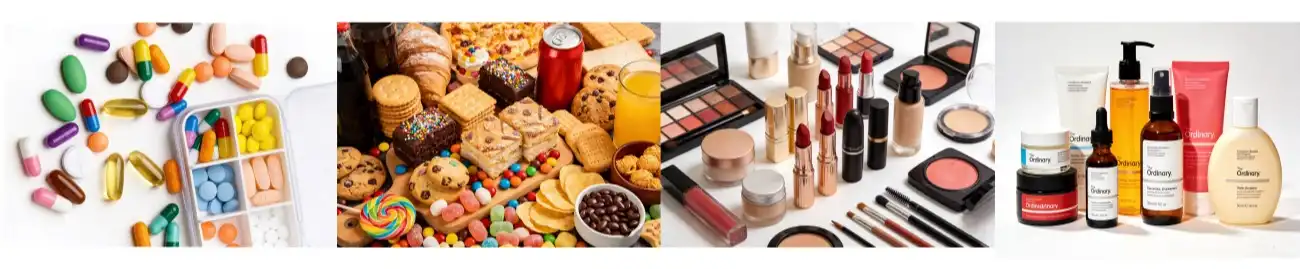
Powder, pills, capsules, and flakes are all different kinds of Spirulina that are made for different reasons. With the straight powder form that we sell, you can make a huge range of recipes. You can fine-tune the amount, and it works with machines that mix drugs for you. Powder can be made in the same way that protein drinks, smoothie bowls, energy bars, and baked goods are. You just need a few extra ingredients and some special tools to make tablets. Even though flaked Spirulina looks nice as a garnish, it can be hard to spread out evenly on squares. It's easier to keep track of stock for medium-sized production runs when it comes in 25-kilogram drums. The tight seal also keeps the food fresh. You can try out different recipes without spending a lot of money because the minimum order size is 25 kilograms. When you are making a new product, this is very helpful.
Transforming Natural Spirulina Powder into Delicious Superfood Recipes
Flavor Masking Strategies and Recipe Development Principles
A lot of people say that Natural Spirulina Powder tastes green or a little seaweedy. Brands have the most trouble figuring out how to deal with its unique taste when they use it. People who write recipes try to make food that is both healthy and tasty for most people. Coconut, pineapple, mango, and banana all have sweet, nice smells that go well with the earthy taste of Natural Spirulina Powder. Things get thicker and less sour when you add cream or coconut milk to them. These flavors go well with Natural Spirulina Powder because they don't hide its taste. They taste great in smoothies and desserts. When it comes to how well different groups of people like new products, formulation chemists who work on commercial products might want to hold sensory panels with those groups. On the other hand, athletes and people who are interested in health and fitness tend to handle the natural taste of Spirulina better than most people.
Five Proven Recipe Concepts for Commercial Applications
- Add 1.5 grams of Natural Spirulina Powder to spinach, frozen mango, coconut water, chia seeds, and honey for an energy-boosting green smoothie. This recipe yields 15 grams of protein per serving. Color remains brilliant, flavor stays cold and pleasant. This recipe makes powdered or bottled beverages.
- Each 60-gram plant-based protein bar should include 2 grams of Natural Spirulina Powder, dates, almond butter, rolled oats, and dark chocolate chips. Dates hold together without adhesive. It simplifies clean label placement. Protein in Natural Spirulina Powder improves nutrition without increasing serving size.
- Superfood Guacamole Enhancement: Add 0.5 grams of Natural Spirulina Powder to 100 grams of guacamole to boost the color and add subtle umami notes that complement the avocado's creamy smoothness. This software is great for food service and restaurant outlets looking to innovate their offerings.
- Nutritional Hummus Blend: Add 1 gram of Natural Spirulina Powder to normal hummus recipes to make them vibrant green and 15% more protein. This helps consumers eat healthier versions of their favorite meals. Adding tahini and lemon juice to Natural Spirulina Powder makes sense.
- Fortified Baked Goods: Adding 0.8 to 1.2 grams of Natural Spirulina Powder to a muffin, cookie, or energy bite makes it healthier without affecting its rise or composition. Matcha or cocoa makes Natural Spirulina Powder easier to integrate into formulation matrices.
Real-World B2B Integration Case Studies
Big companies that make functional drinks have successfully put out lines of drinks with extra Natural Spirulina Powder by being open with customers and teaching them about the goods. People are more likely to choose a brand again if they explain where their Spirulina comes from, what it does for your body, and how they grow it in a way that doesn't hurt the environment. One company that sells sports nutrition said that spirulina-based protein drinks with full ingredient lists on the boxes kept 23% more customers. Someone else who makes functional foods found that Natural Spirulina Powder products sold better when they were mixed with known flavours instead of being sold as "green" choices by themselves. This shows that slowly teaching people about health is better than sending them a lot of health messages at once.
Procurement Guide for Natural Spirulina Powder: Finding the Right Supplier
Essential Certification and Quality Standards
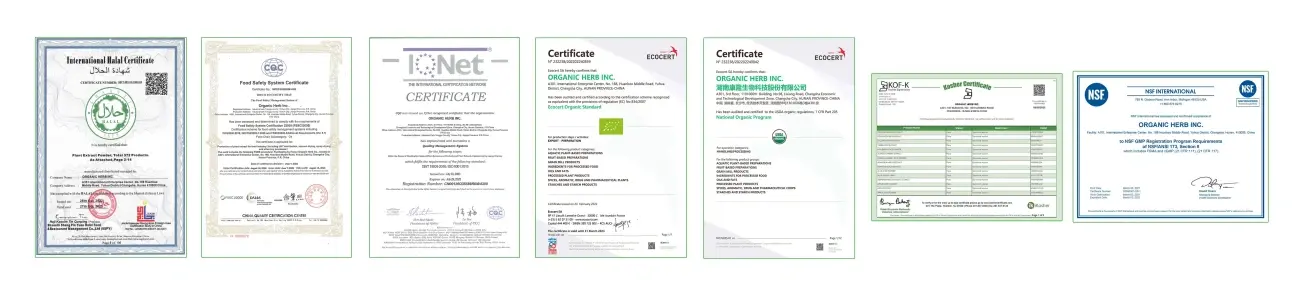
Finding a good Natural Spirulina Powder provider requires more than pricing. NSF GMP ensures that medicine-making procedures satisfy standards, FSSC22000 ensures that food safety systems operate, and organic accreditation from respectable bodies. Our building maintains Kosher and Halal certifications. It enables brands that serve many clients to access new markets. Purchasing managers should request COAs for each manufacturing batch. These reveal heavy metal, microbial, and active compound counts. Spirulina quality varies greatly by cultivation. Closed-system photobioreactors produce cleaner, less contaminated commodities than open pond systems. Both may create lawful ingredients with proper handling.
Evaluating Supplier Capabilities and Transparency
Production, regular wait times, and competent service distinguish outstanding vendors from commodity merchants. Our 10-day order-to-ship period makes stock tracking straightforward. This helps companies assess client response to new offerings. Four large US outlets provide timely overseas delivery and orders. This protects the supply chain. Trust the vendor if they disclose where the crops originate from, how they are processed, and how quality is monitored. Our Jiangxi factory uses new low-temperature processes to safeguard heat-sensitive nutrients and eliminate microorganisms. Purchasing teams should inquire about suppliers' R&D capabilities. Formulation scientists who understand constituent interactions may speed up product development and avoid expensive reformulation.
Strategic MOQ Negotiation and Logistics Optimization
Knowing minimum order quantities is crucial while buying. This applies mainly to young or established enterprises testing new product areas. Our 25-kilogram MOQ balances manufacturing efficiency and client independence. It enables clients to conduct relevant formulation testing without crowding the warehouse. Packaging in 25-kilogram barrels keeps items dry and out of the sun and rain. People should consider land costs as well as per-kilogram prices while buying. Shipping reliability, documentation accuracy, and tax management impact purchase expenses. Build connections with suppliers that give free samples to test things out before buying a lot. Before mass production, formulation teams may utilize our sample tool to ensure color consistency, product spreadability, and flavor profile compatibility with recipe grids.
Maximizing ROI and Ensuring Quality in Spirulina Powder Procurement
Critical Quality Verification Tests and Standards
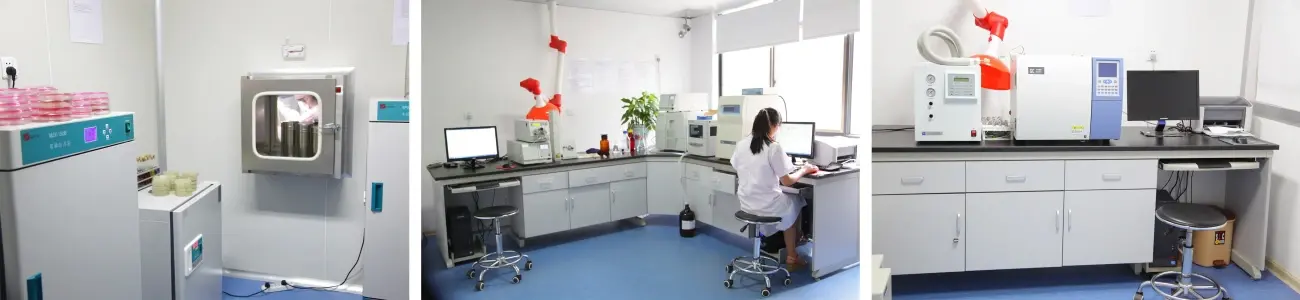
Different tests are required to prove the quality of Natural Spirulina Powder. Hi-Performance Liquid Chromatography (HPLC) measures phycocyanin, confirming active chemical quantities. Nutrition labels can't be inaccurate since they employ the Kjeldahl or Dumas technique to calculate protein content. Customer safety and brand reputation are protected by lead, cadmium, mercury, and arsenic testing. This is crucial because plants accumulate these metals. We test each batch of output using HPLC-ELSD, GC-MS, and atomic absorption spectrophotometry at our quality control lab. Moisture content analysis stops microbial development in stored food. Correctly treated natural spirulina powder should contain less than 8% moisture. Particle sizes affect mixing and perception. Our straight powder standard ensures that particles possess the same characteristics and blend smoothly in liquid and solid compositions.
Storage and Handling Best Practices
It is important to think about the environment in order to keep the quality of Natural Spirulina Powder good throughout the supply chain. The powder should be kept somewhere cool and dry, out of direct sunlight, and where the humidity is less than 60%. Because light breaks down phycocyanin, the bright blue-green colour that makes the product look good is not as bright. Oxygen makes delicate fatty acids break down faster, which can make food taste bad. The 25-kilogram drums we use are made of materials that keep out light and air, so the food stays fresh. For stores to make sure that goods are at their best when they are used, they should use first-in, first-out (FIFO) inventory movement. If you store it right, Natural Spirulina Powder will stay good for 24 months after you make it. This gives you enough time to plan most production processes.
Custom Formulation Opportunities with OEM Partners
OEM features can be used to make unique formulations for brands that want to stand out by using their own Spirulina blends. Our 27 senior researchers, who are professors and people with Ph. D.s, work with clients to find the best Spirulina concentration, ways to hide flavours, and pairs of ingredients that work well together. Superfoods like chlorella, wheatgrass, or acai leaf could be mixed with Natural Spirulina Powder to make full "greens" meals. Microencapsulation is a type of co-processing that can keep delicate compounds safe and make it easier for them to mix with tough materials. Because we use nano-membrane isolation and freeze-drying technologies, we have full control over the properties of the end product. When brands pay for custom development, they get formulations and intellectual property benefits that are hard for competitors to copy. They can charge more because of this.
Conclusion
Natural Spirulina Powder is a flexible and nutrient-dense ingredient that opens up a lot of possibilities for useful foods, dietary supplements, and new drink products. To successfully add Natural Spirulina Powder, you need to know about its taste, nutritional value, and how to process it. You should also pick suppliers whose quality is consistent, who follow the rules, and who can help you with technical issues. With these recipe ideas and tips for preparing Natural Spirulina Powder, you can turn it from a raw ingredient into tasty foods that will make your business stand out in the market. Checking licenses, being honest with sellers, and doing analytical tests as part of a planned approach to buying can help protect a brand's image and cut costs at the same time. Customers want more plant-based nutrition goods with clean labels. Businesses that use Natural Spirulina Powder as a strategic addition instead of just another thing will be able to meet that demand.
FAQ
1. What is the recommended shelf life for Natural Spirulina Powder in bulk storage?
If you keep Natural Spirulina Powder in sealed containers below 25°C and away from water and direct sunlight, it will stay at its best for about 24 months after you make it. Our 25-kilogram drums are strong enough to keep most things in a storage safe. One good way to tell is to check the colour strength. Severe loss of colour means that the phycocyanin is breaking down, so the product needs to be used right away.
2. How does Natural Spirulina Powder interact with other common supplement ingredients?
Natural Spirulina Powder works well with most of the vitamins, minerals, plant proteins, and herbal products that are used in nutraceuticals. It's easy to mix the powder with fibre sources, adaptogenic herbs, and protein isolates, and it doesn't work badly. Don't mix Natural Spirulina Powder with things that need a very acidic pH (below 3.5) unless you add stabilisers. When these things happen, the Spirulina may separate.
3. Can Natural Spirulina Powder withstand standard food processing temperatures?
It is possible for Natural Spirulina Powder to handle light heat (up to 90°C for short amounts of time) during production processes like extrusion. But being exposed to high temperatures for a long time breaks down nutrients that are sensitive to heat, like phycocyanin. The best times to add Natural Spirulina Powder are when things are cooling down or when they don't need to be heated up too much. Most of the time, Spirulina keeps 70–85% of its nutritional value when it is mixed into batter or dough instead of being spread on top.
Partner with OHI: Your Trusted Natural Spirulina Powder Manufacturer
The first thing you need to do to make great spirulina-based products is to find a trusted source of ingredients that meets your quality standards and production dates. Pharmaceutical-grade manufacturing standards are met by OHI (Organic Herb Inc., Stock Number: 872223), which also has reasonable prices and friendly customer service. We have certifications for quality that cover a wide range of market conditions, such as NSF GMP, FSSC22000, ISO9001, Kosher, Halal, and Organic. This is our Spirulina platensis. It's a straight powder that stays very stable and bright green. It looks like a fine powder that comes from algae that haven't been water-extracted. Send us an email at info@organic-herb.com to get free samples and talk about what you need in a mixture. The people who work in procurement expect a top Natural Spirulina Powder supplier like OHI to have the knowledge, capacity, and dependability they need. They can help with both new product development projects and making sure that well-known product lines always have enough stock.
References
1. Becker, E.W. (2007). "Micro-algae as a source of protein." Biotechnology Advances examines spirulina's amino acid profile and protein quality metrics.
2. Deng, R. and Chow, T.J. (2010). "Hypolipidemic, antioxidant, and anti-inflammatory activities of microalgae Spirulina." Cardiovascular Therapeutics documents bioactive compound functionality.
3. Kulshreshtha, A., Zacharia, A.J., et al. (2008). "Spirulina in health care management." Current Pharmaceutical Biotechnology reviews applications in functional foods.
4. Mao, T.K., Van de Water, J., and Gershwin, M.E. (2005). "Effects of a Spirulina-based dietary supplement on immune parameters." Journal of Medicinal Food, exploring nutritional impacts.
5. Spolaore, P., Joannis-Cassan, C., et al. (2006). "Commercial applications of microalgae." Journal of Bioscience and Bioengineering analyzes market trends and processing methods.
6. United States Department of Agriculture (USDA) FoodData Central. "Seaweed, spirulina, dried." Nutritional composition database for standardized spirulina analysis.
Standard Disclaimer (DSHEA):
These statements have not been evaluated by the Food and Drug Administration.
This product is not intended to diagnose, treat, cure, or prevent any disease.

Send Inquiry
Related Industry Knowledge
- Cinnamon Powder vs. Cinnamon Bark Extract Powder: Which is Right for Your Formulation?
- Are Red Radish Extracts Good for You?
- Chamomile Extract: NDA's Guide to Skin & Hair Benefits
- Bitter Apricot Extract: How It’s Made and What Sets It Apart
- What is red yeast rice good for?
- Learn More About Bitter Apricot Seed
- Polyporus Umbellatus Extract Explained: From Raw Material to Final Product
- What is sage used for?
- Roseroot extract (Rhodiola rosea) for stress & exhaustion
- Natural Rhodiola Rosea Extract for Endurance and Metabolic Efficiency