
Sophora Japonica Extract: Benefits and Uses in Health and Cosmetics
Aug 17, 2026
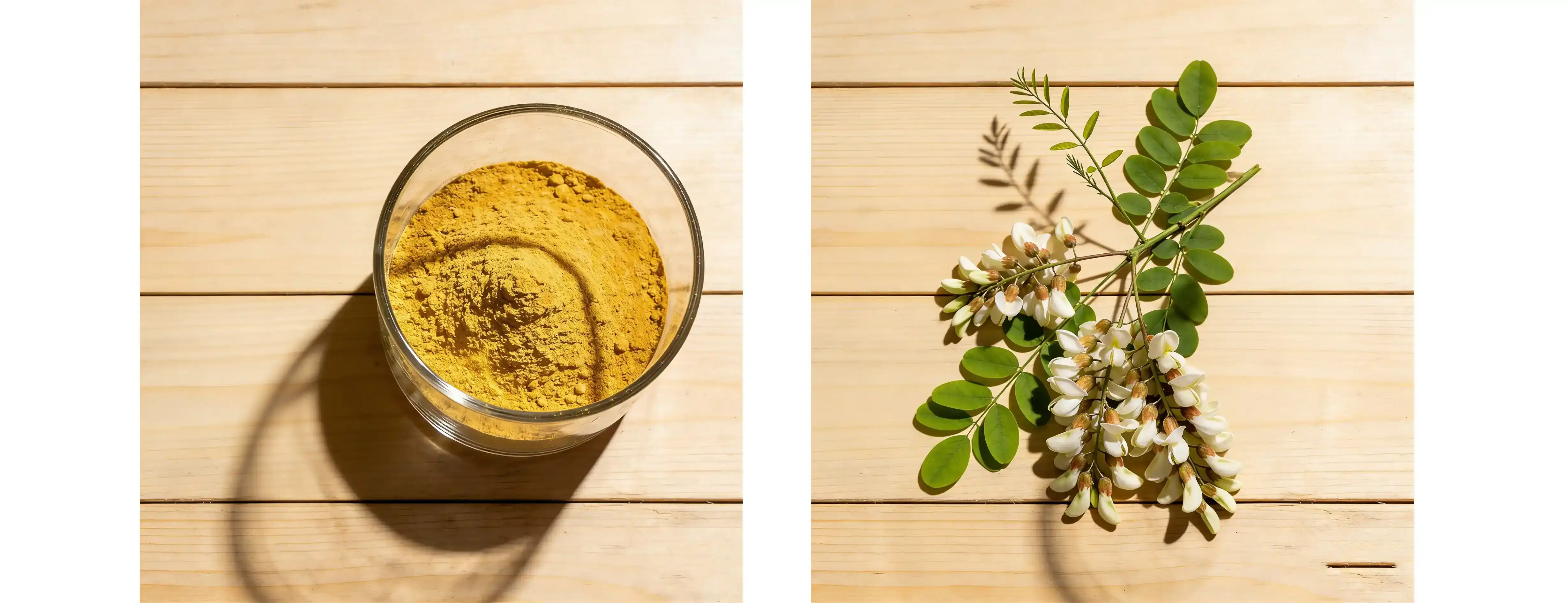
Sophora Japonica Extract is derived from the carefully harvested buds of Sophora Japonica L., a botanical source known for its naturally high concentration of flavonoids. This yellow powder ingredient, standardized to contain 95% rutin or 95% quercetin, provides a consistent flavonoid composition suitable for nutraceutical formulations and cosmetic applications. As consumers increasingly prioritize clean-label and plant-based ingredients, procurement professionals and formulation scientists recognize the value of this versatile botanical ingredient in product development and meeting global compliance standards.
Understanding Sophora Japonica Extract: Composition and Health Benefits
Botanical Origin and Active Compounds
This Sophora Japonica Extract only comes from the buds of Sophora Japonica L. and goes through a careful water and ethanol extraction process designed to maintain the composition of its naturally occurring flavonoids. The powder contains two main flavonoid molecules: quercetin and rutin. Rutin is a glycoside form of quercetin with a well-defined molecular structure and characteristic physicochemical properties. The aglycone counterpart, quercetin, is a naturally occurring flavonoid commonly identified through analytical testing and used as a standardized botanical compound.
Together, these two compounds contribute to the characteristic composition of the extract. Their defined flavonoid profiles make the ingredient suitable for formulation teams working with plant-based ingredients in supplement and cosmetic product development.
Functional Benefits for Nutraceutical Development
Nutraceutical companies use this plant ingredient to meet growing customer demand for natural product formulations. The flavonoids in the extract provide formulation teams with standardized botanical compounds that can be incorporated into products according to specific composition and processing requirements. This makes it a suitable ingredient for companies developing plant-based formulations with defined flavonoid profiles.
In addition to their use in botanical formulations, the extract's composition makes it suitable for product developers working with plant-derived ingredients. The bioflavonoids can be incorporated into different formulation systems, providing a plant-based ingredient option that fits with the current demand for clean-label formulations. This ingredient is also considered by sports nutrition companies when developing plant-based product formulas based on their specific formulation requirements.
Cosmetic Applications and Skin Protection
Cosmetic scientists use this product because of its naturally occurring flavonoid composition and compatibility with a range of cosmetic formulations. Because quercetin is naturally present, the extract can be incorporated into sun care formulations as a botanical ingredient. In addition, the extract contains naturally occurring flavonoid compounds that can be evaluated as part of cosmetic formulation development. Because of its composition, the ingredient can be used in beauty products where botanical ingredients are required.
This yellow powder is appealing to natural skincare companies that want to use plant-derived ingredients in place of manufactured alternatives. Because it works with different formulation systems, like serums and creams, product developers can incorporate the extract into various clean beauty formulations. Its botanical origin and standardized composition make it an option for cosmetic brands developing products based on plant-derived ingredients.
Comprehensive Guide to Using Sophora Japonica Extract Safely and Effectively
Dosage Recommendations for Supplement Formulation
Formulation managers who work with this plant-based ingredient usually make sure that all of their products contain consistent levels of active flavonoid compounds according to their formulation specifications. The Sophora Japonica Extract is often used in dietary supplement formulations as a standardized botanical ingredient while maintaining suitable stability characteristics. The powder size provides flexibility for tableting, encapsulation, and powder blending processes.
The extract remains stable under controlled processing conditions, including high-temperature environments used in pasteurization and UHT processing. Because of this, the ingredient can be incorporated into functional foods, beverages, and powder-based formulations according to product development requirements. When appropriate solubilization methods are applied, such as pH adjustment and co-solvent techniques, the yellow powder can be processed effectively in liquid formulation systems.
Quality Assurance Through Certification and Testing
The procurement teams give more weight to sellers who provide complete Certificate of Analysis (COA) documentation for every production batch. As part of the quality control process, HPLC assay tests are used to verify rutin or quercetin content, ICP-MS tests are used to evaluate heavy metals including lead, arsenic, cadmium, and mercury according to established limits, and EU 396/2005 regulations require pesticide residue screening across multiple compound categories.
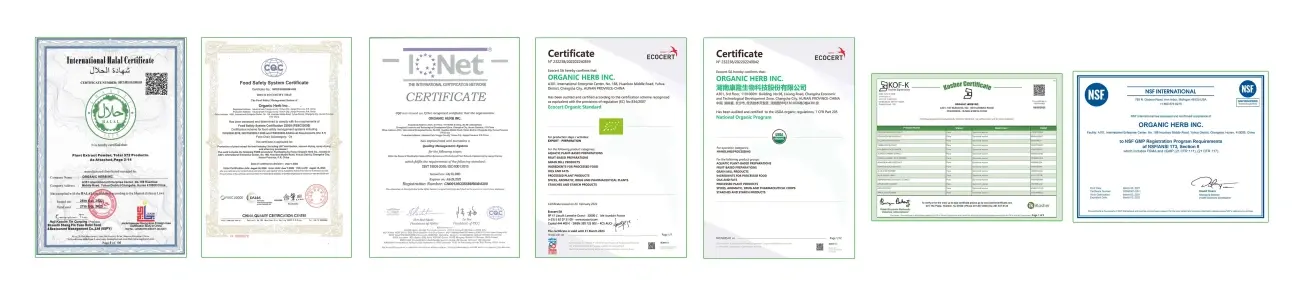
Microbiological testing methods confirm Total Plate Count, Yeast and Mold levels, and the absence of microorganisms such as Salmonella and E. coli. Formulation scientists can maintain consistency and quality control throughout production because of these testing procedures. We at OHI keep our NSF GMP, Kosher, Halal, ISO, FSSC22000, and Organic certifications up to date. This way, our botanical extracts meet recognized standards for use in food, supplement, and beauty product manufacturing.
Storage and Handling Best Practices
Because this extract is sensitive to light and moisture, it needs to be stored under appropriate conditions. The powder is stored in 25 kg fiber drums lined with two layers of polyethylene. If kept away from direct sunlight and excessive moisture, it maintains its quality characteristics for 24 months. Controlled conditions at distribution centers help preserve the ingredient's consistency throughout the supply chain.
To prevent moisture absorption during weighing and mixing, formulation labs should follow proper handling procedures. Using equipment dedicated to plant extract processing reduces the possibility of cross-contamination and helps maintain product purity. These practical measures support consistent ingredient performance during finished product manufacturing.
Sophora Japonica Extract vs. Other Natural Supplements: A B2B Procurement Perspective
Comparative Analysis with Alternative Botanicals
When procurement professionals evaluate plant-based ingredients like this Sophora Japonica Extract, they often compare it with alternatives such as Ginkgo Biloba and grape seed extract. Ginkgo Biloba contains terpene lactones, while Sophora Japonica's flavonoid profile features characteristic rutin and quercetin content. This difference helps product developers select botanical ingredients according to specific formulation concepts and target product positioning.
The proanthocyanidins in grape seed extract contribute to its characteristic composition, while Sophora Japonica Extract contains rutin as one of its primary flavonoid components. Rutin's unique glycoside structure provides a distinctive chemical profile that can complement other plant-based ingredients in combined formulations. Understanding these differences in composition helps R&D teams develop new botanical ingredient combinations and product concepts.
Format Considerations: Powder vs. Encapsulated Forms
B2B buyers have to evaluate different format options based on manufacturing processes, target markets, and cost considerations. The raw powder format provides flexibility for customized formulas and private label products. For applications such as tableting, encapsulation, or powder blending, contract manufacturers value the convenience of incorporating the ingredient into existing production systems.
Pre-encapsulated forms are useful for brands that do not have their own encapsulation equipment, although they generally involve higher unit costs. The large powder format supplied in 25 kg drums supports efficient scaling for high-volume production requirements. We maintain four main warehouses in the United States to support reliable order fulfillment and help meet production schedules without extended shipping delays.
Regulatory Compliance and Market Access
Different governing rules apply to plant ingredients in different global markets. In order to sell in Europe, companies need to follow Novel Food regulations and EFSA guidelines where applicable. In North America, businesses need to comply with FDA dietary ingredient requirements and Good Manufacturing Practices. Our wide range of certifications, such as NSF GMP, Kosher, Halal, ISO, and FSSC22000, supports market entry requirements in different regions.
Different regions have different documentation needs, so suppliers need to understand the requirements involved in international trade. We provide technical documentation that includes allergy statements, BSE/TSE declarations, and country-of-origin certificates. These materials support customs clearance procedures and regulatory documentation processes. This documentation helps brands prepare product information and complete market application procedures more efficiently.
How to Source Premium Sophora Japonica Extract for Global B2B Markets
Supplier Selection Criteria and Verification
There are many factors besides price that need to be considered when selecting reliable suppliers. Manufacturing facilities should demonstrate up-to-date GMP certification and clear quality control procedures. Third-party organizations conduct site assessments to verify that production standards and documentation practices meet established requirements.
Transparency in the supply chain begins at the production level. Our business includes three GAP-standard planting bases that cover more than 8,000 acres in the provinces of Jiangxi, Hubei, Guizhou, Shaoyang, and Huaihua. We work directly with local farmers through technical assistance programs that begin with seedling supply and continue through harvesting and post-harvest handling. This approach helps maintain consistent raw material quality from the botanical source to the finished Sophora Japonica Extract.
We use advanced extraction equipment and nano-membrane isolation technology to achieve standardized flavonoid specifications for food, supplement, and cosmetic ingredient applications. Dynamic low-temperature extraction is applied during processing, while column adsorption chromatography and ion exchange systems help achieve the targeted 95% rutin and 95% quercetin specifications required for standardized botanical ingredients.
Pricing Structures and Minimum Order Quantities
Understanding how costs are structured helps purchasing teams maintain quality standards while managing budgets effectively. The 25 kg minimum order quantity allows small to medium-sized brands to access the ingredient and supports efficient logistics planning. Larger purchase volumes provide opportunities for bulk pricing, allowing contract manufacturers to manage production costs more effectively.
Lead times of about 10 days from order confirmation to shipment are part of our inventory management process. This quick turnaround helps maintain supply continuity and supports production planning. Our Los Angeles, California-based Earth Made Nutrition division maintains inventory availability to serve the North American market efficiently.
Documentation and Certification Requirements
For international purchases, comprehensive documentation is required to meet customs requirements and customer expectations throughout the supply chain. Documentation includes a Certificate of Analysis, Material Safety Data Sheet (MSDS), certificate of origin for each shipment, and necessary religious certifications such as Kosher and Halal. We also provide heavy metal analysis, chemical screening results, and solvent residue testing documentation to support quality verification.
Traceability systems connect each production batch to a specific crop lot, extraction date, and quality control record. The documentation process supports the audit requirements of retailers, e-commerce platforms, and regulatory organizations. Detailed traceability helps demonstrate consistency and transparency throughout botanical ingredient production.

Future Trends and Opportunities in Sophora Japonica Extract Applications
Innovation in Synergistic Formulations
More and more, product developers are combining this Sophora Japonica Extract with other botanical ingredients to create diverse formulations with different composition profiles. Combining rutin-rich ingredients with other plant-based components allows formulators to explore new product concepts and improve formulation flexibility. Skincare formulators may combine the extract with other cosmetic ingredients, such as peptides and ceramides, to develop products based on specific cosmetic formulation requirements.
The movement toward transparency in ingredient sourcing creates opportunities for suppliers that can provide complete documentation of their supply chains. Brands looking to strengthen their market positioning increasingly focus on traceable botanical ingredients from certified sustainable sources. These market needs are supported by our GAP-certified planting bases and environmental management programs, which provide additional information for brand communication and sustainability initiatives.
Market Growth Drivers in Natural Products
Consumers across different regions are showing increasing interest in plant-based ingredients. Clean-label products that avoid unnecessary synthetic additives continue to gain attention in markets including Europe and North America. This trend extends beyond dietary supplements and includes functional foods, beverages, and personal care products.
Regulatory frameworks continue to support botanical ingredients with established quality standards and documented usage histories. Because this extract can be incorporated into different product categories, it provides opportunities for ingredient suppliers across multiple industries. In particular, cosmetic brands are increasingly interested in standardized botanical ingredients with clear composition information and consistent quality specifications.
Strategic Partnership Development
In changing global markets, long-term supplier relationships provide advantages for businesses seeking stable ingredient sourcing. Working with vertically integrated manufacturers can support supply continuity when raw material availability changes. Technical cooperation between supplier R&D teams and customer formulation specialists helps accelerate product development processes and supports new formulation concepts.
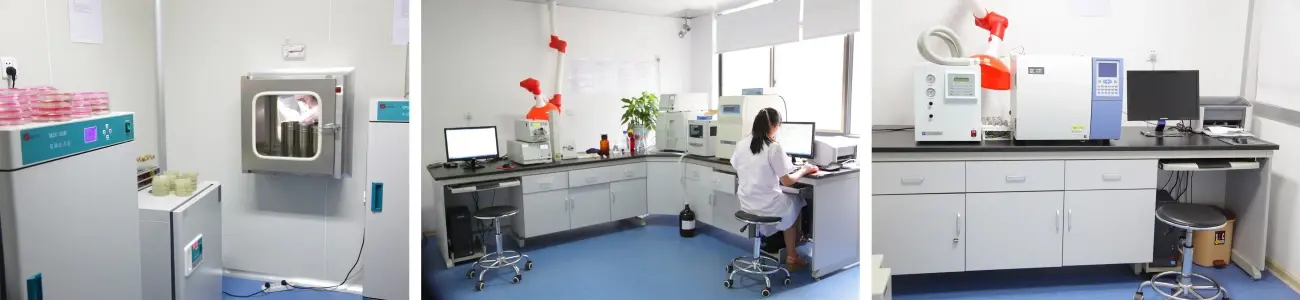
Our R&D and quality control team is made up of 42 people, including academics, teachers, and researchers with graduate degrees. We have advanced testing equipment in our laboratories valued at more than $1.2 million. These include HPLC-ELSD, GC-MS, and HPTLC systems. This technology infrastructure supports ingredient analysis, quality evaluation, stability assessment, and customized product development requirements.
Conclusion
Because Sophora Japonica Extract can be used in both nutraceutical and cosmetic product development, it is a suitable choice for brands creating new plant-based formulations. With its standardized flavonoid content and consistent ingredient characteristics, it meets the requirements of companies looking for reliable botanical ingredients. When procurement experts work with certified suppliers, they can obtain consistent quality, complete documentation, and technical support throughout the product development process. As demand for sustainable and clean-label ingredients continues to grow, this botanical extract provides opportunities for brands seeking differentiated ingredient solutions and reliable supply partnerships.
FAQ
1. What specifications should buyers prioritize when sourcing this botanical ingredient?
Teams that care about quality should make sure that the HPLC test shows that the Sophora Japonica Extract is 95% pure in either rutin or quercetin. They should also make sure that water and ethanol are used as solvents for extraction and ask for full testing reports that include heavy metals, pesticides, microbiological contaminants, and solvent residues. Suppliers who have certifications like NSF GMP, Kosher, Halal, ISO, and FSSC22000 have shown they are committed to quality management systems.
2. How does the extraction method impact final product quality?
The ways of extraction that use water and ethanol keep the bioactive chemicals while still meeting food safety standards. Flavonoids that are sensitive to heat don't get damaged during the extraction, concentration, and drying steps when low temperatures are used. Nano-membrane isolation technology and chromatographic purification meet the strict requirements for high purity needed in cosmetics and medicines.
3. What factors influence pricing for bulk botanical extracts?
Prices depend on the quality of the raw materials that come from GAP-certified farms, how well they are extracted using high-tech tools, how pure they are after chromatographic purification, how much it costs to get certified to multiple global standards, and how well the logistics system works to ensure fast delivery. When you commit to a certain amount of a product, you usually get better prices and higher quality standards.
4. Can this extract integrate into existing supplement formulation processes?
Standard equipment for tableting, encapsulating, and blending powder works very well with the yellow powder format. The particle size distribution (95% passing 80 mesh) works well for fast production lines. When formulators weigh and blend ingredients, they should keep wetness levels in mind and follow the right handling procedures to keep the ingredients stable.
Partner with OHI for Premium Sophora Japonica Extract Supply
Leading beauty and nutrition companies trust OHI as their Sophora Japonica Extract source because we provide unwavering quality backed by a full range of certifications and technical know-how. Our fully integrated operations, which include 8,000 acres of GAP-certified planting grounds and cutting-edge extraction facilities, make sure that we always have standardized extracts with 95% rutin and 95% quercetin. We can help you speed up the development of your products because we have four strategically placed U.S. warehouses, a 10-day lead time, and a 42-person research and development team. You can get free samples to try out different formulations, and our low minimum order amount of 25 kg makes luxury botanical ingredients available to brands of all sizes. Talk to our team at info@organic-herb.com to discuss how our Sophora Japonica Extract can make your next product launch stand out.
References
1. Chen, X., Li, H., & Wang, Y. (2019). Flavonoid Compounds from Sophora japonica: Extraction, Characterization, and Biological Activities. Journal of Agricultural and Food Chemistry, 67(12), 3401-3412.
2. Patel, S., & Goyal, A. (2021). Rutin: A Multifunctional Flavonoid with Diverse Biological Activities. Natural Product Research, 35(18), 3127-3145.
3. Kim, J.M., Park, S.H., & Lee, S.Y. (2020). Application of Plant Extracts in Cosmeceutical Formulations: Focus on Anti-aging and Photoprotection. International Journal of Cosmetic Science, 42(4), 315-329.
4. Zhang, L., Liu, M., & Zhao, T. (2018). Quality Control and Standardization of Sophora japonica Extract: HPLC Analysis and Bioactive Evaluation. Phytochemical Analysis, 29(6), 598-607.
5. Martinez, R.M., Rosado, C., & Velasco, M.V. (2022). Natural Antioxidants in Dermatological Applications: Mechanisms and Formulation Strategies. Antioxidants, 11(2), 234-251.
6. Wang, D., Chen, Y., & Liu, W. (2020). Vascular Protective Effects of Rutin and Quercetin: Molecular Mechanisms and Clinical Applications. Cardiovascular Therapeutics, 2020, Article ID 8536295.
Standard Disclaimer (DSHEA):
These statements have not been evaluated by the Food and Drug Administration.
This product is not intended to diagnose, treat, cure, or prevent any disease.

Send Inquiry
Related Industry Knowledge
- Exploring the Benefits of Chamomile: A Calming Herb
- St. John's Wort: The Best Supplement For Mood
- Antioxidant and Anti-Inflammatory Activities of Safflower Extract Powder
- Why Bitter Apricot Extract Is Gaining Attention in Natural Ingredients
- Market Insights: The Rising Demand for Rosehip Fruit Extract
- 2026 Best Goji Berry Extract Benefits and Uses Explained?
- How to use rosemary oil for skin
- Does red yeast rice lower cholesterol?
- What is black carrot extract?
- USA Market Insights on Sourcing High-Quality Polyporus Umbellatus Extract