
Antioxidant and Anti-Inflammatory Activities of Safflower Extract Powder
Jul 21, 2026
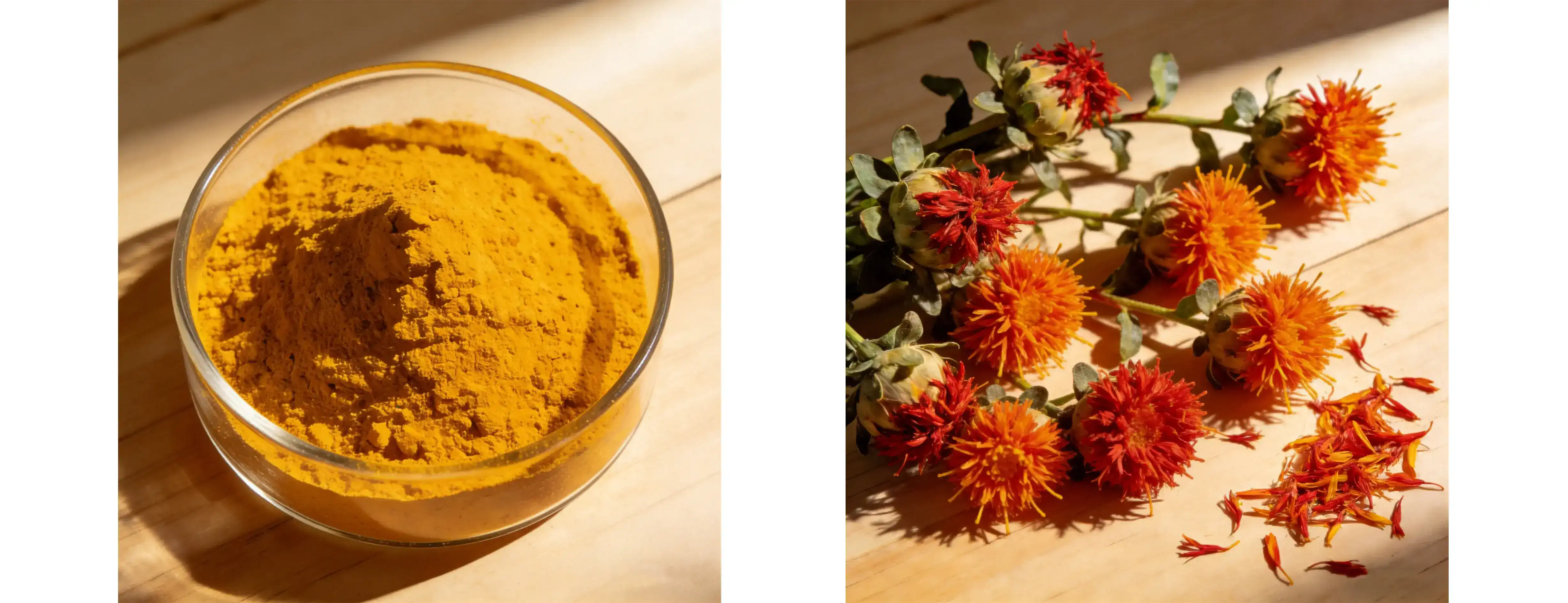
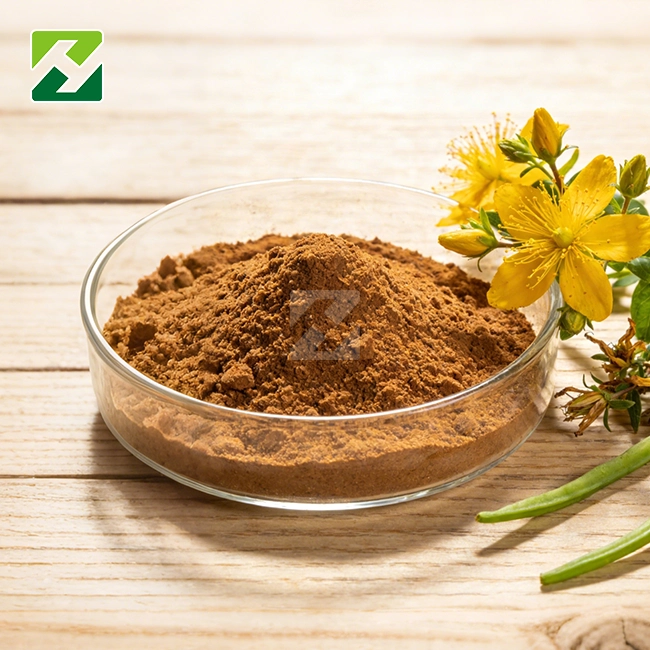
Safflower Extract Powder, made from Carthamus tinctorius L.'s colourful flowers, is a concentrated botanical ingredient known for its amazing anti-inflammatory and antioxidant qualities. Through a process called 100% water extraction, this yellow powder uses naturally occurring flavonoids (especially Hydroxysafflor Yellow A (HSYA)) and polyphenolic compounds to fight free radicals and change the way inflammation works. This botanical extract, which comes in standard sizes like E30 and E60, solves important problems in the industry, like keeping ingredients stable, making sure batches are all the same, and meeting clean-label requirements. Understanding the molecular profile of Carthamus extract is important for people who make nutraceuticals, cosmetics, and functional foods because it helps them make products that stand out in markets that are getting more and more competitive and where natural ingredients are what make people choose one brand over another.
Introduction
Safflower flower extract is ideal for B2B procurement experts who must manage complex supply chains due to the global trend toward natural, plant-based products. Buyers in nutraceutical, cosmetic, and pharmaceutical companies are under increasing pressure to locate plants that operate and comply with laws. Standardized Safflower yellow pigment, made from an enhanced extraction technique, offers natural color and bioactivity, solving two industrial challenges with one ingredient.
This comprehensive guide helps procurement teams identify high-quality Carthamus tinctorius extract. We explain its antioxidant function molecularly, discuss its numerous industrial applications, and provide supplier evaluation advice. For R&D directors developing novel supplements or a product developer strengthening skin care lines, this resource provides the scientific knowledge decision-makers need to confidently introduce this botanical to product lines while satisfying quality standards and clean label trends.
Understanding the Antioxidant and Anti-Inflammatory Properties of Safflower Extract Powder
Botanical Origin and Processing Technology
The flower-derived product comes from carefully picking the petals of Carthamus tinctorius L. plants that are grown in a variety of climates to get the highest quantity of bioactive compounds. Unlike Safflower oil made from seeds, which is high in linoleic acid, flower extract concentrates flavonoids and chalcone glycosides that dissolve in water by using specific extraction methods. Modern manufacturers use dynamic low-temperature extraction and nano-membrane isolation to protect antioxidants that are damaged by heat. They then freeze-dry the powder to make a stable yellow substance with a colour value of E30 or E60.
Chemical Profile and Bioactive Mechanisms
The antioxidant power of the extract comes mostly from Hydroxysafflor Yellow A, safflomin A, and kaempferol derivatives, which are very good at getting rid of free radicals in DPPH and ABTS tests. By giving hydrogen atoms to reactive oxygen species, these flavonoid molecules stop oxidative chain reactions. This keeps cellular structures from getting damaged by oxidation. Published research using HPLC-ELSD analysis confirms that standardised extracts keep Hydroxysafflor Yellow A levels higher than 2–6%, offering quantifiable antioxidant activity that is on par with synthetic alternatives.
There are several ways that anti-inflammatory mechanisms work. Studies in the lab show that flavonoids in Safflower change NF-κB signalling pathways, which lowers the production of pro-inflammatory cytokines like TNF-α and IL-6. This molecular activity can be used in formulas that help with skin irritation, muscle recovery, and the stress response in cells. Formulation chemists are worried about how pure the ingredients are and how well they work with sensitive materials. The water-based extraction method gets rid of any organic solvent leftovers.
Comparative Antioxidant Performance
In tests that measure oxygen radical absorbance capacity (ORAC), Carthamus extract does about as well as other common botanical antioxidants. Unlike antioxidants that dissolve in fats, like vitamin E, Safflower yellow is hydrophilic, which means it can be directly added to water-based products like drinks, serums, and supplements. This solubility profile gives formulators more options while keeping the product's oxidative stability over time, which is very important for large manufacturers.
Benefits and Applications of Safflower Extract Powder in B2B Industries
Nutraceutical and Dietary Supplement Applications
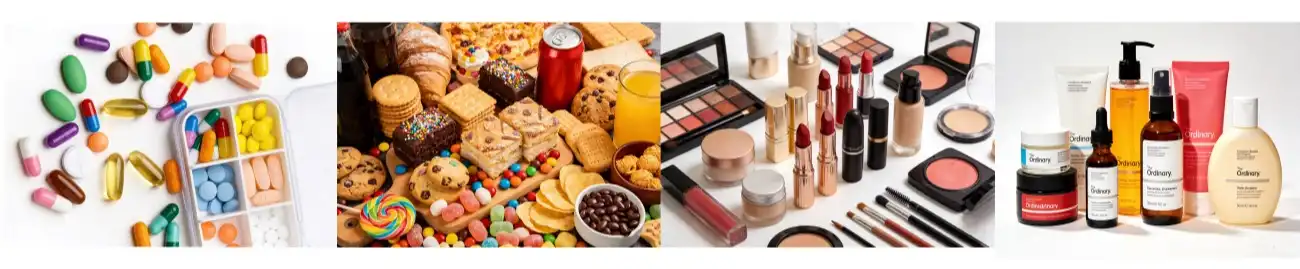
Formulation managers are asking for Carthamus flower extract more and more in cardiovascular support pills because it has been shown to improve circulation and circulatory integrity. The standard powder format makes it possible to give the right dose in pill, tablet, and powder mix forms. This plant is used by sports nutrition brands to deal with oxidative stress caused by exercise, putting their products in the recovery and performance enhancement categories. The clean extraction process meets the needs of customers for clear ingredient lists, which support claims of natural origin in marketing.
Cosmetic and Personal Care Formulations
Cosmetic chemists like Safflower Extract Powder because it has many uses for the skin, such as reducing redness, supporting the skin's barrier, and protecting it from environmental stressors. The yellow pigment gives creams, serums, and masks a natural colour without using manufactured dyes. This meets the needs of regulations in both the EU and the US that prefer natural colourants. When making cosmetics, batch-to-batch consistency is still very important for Safflower Extract Powder. Reliable suppliers keep strict rules on Hydroxysafflor Yellow A content and colour value, which makes sure that formulation results are predictable. The antioxidant profile works well with other actives like ceramides and peptides, and is especially helpful for anti-aging lines.
Functional Food and Beverage Development
Carthamus extract is used by food technologists in functional beverage systems like wellness shots, fortified teas, and botanical drinks. The water-soluble extract is very stable at high temperatures during pasteurisation. It keeps its colour and activity under normal heat processing conditions. Having regulatory approval as a natural food colourant in more than one place makes it easier for foreign brands to follow the rules for preparation. The mild flavour blends easily into citrus, berry, and herbal drink mixes without needing a lot of flavour masking, which lowers the overall cost of formulation.
Manufacturers say that the use has been popular in protein bars, nutritional gummies, and ready-to-drink formats, where natural colouring and useful placement make the products look great on shelves. The extract's dual role as a colourant and active ingredient simplifies label claims, which supports simpler marketing stories that appeal to health-conscious consumers looking for clear formulations.
Comparing Safflower Extract Powder with Other Natural Extracts and Oils
Safflower Extract Versus Safflower Oil
Flower extract and seed-derived oil are different in important ways that affect purchasing choices. Safflower oil is mostly made up of fatty acids (oleic and linoleic acids) and not many flavonoids. It can be used for different things in formulations. The extract gives a lot of polyphenolic antioxidants without any fat, so it can be used in low-fat recipes and clear water-based systems. Procurement teams need to be very clear about the plant source—flower vs. seed, for example—because these are two very different types of ingredients with very different cost structures and regulatory classifications.
Competitive Positioning Against Turmeric and Green Tea Extracts
Carthamus retains its color in neutral pH mixes better than turmeric extract, which becomes yellow-orange and has fewer cosmetic benefits. Safflower extract tastes and smells neutral; however, catechin-based antioxidants in green tea extract break down differently and taste harsh. Carthamus is commonly priced between inexpensive green tea and pricey rosehip extracts, giving mid-premium companies a solid value blend.
Milk thistle extract, with silymarin standardization, supports the liver and has a niche market. Carthamus extract is excellent for customers who desire broad-spectrum antioxidant activity for several product categories, since it may be utilized for more products and has colorant characteristics. Organic and conventional grades vary by 25–40% in price. Because they appeal to specialized natural products buyers, organic standards cost more.
Procurement Insights: How to Source High-Quality Safflower Extract Powder
Critical Supplier Evaluation Criteria
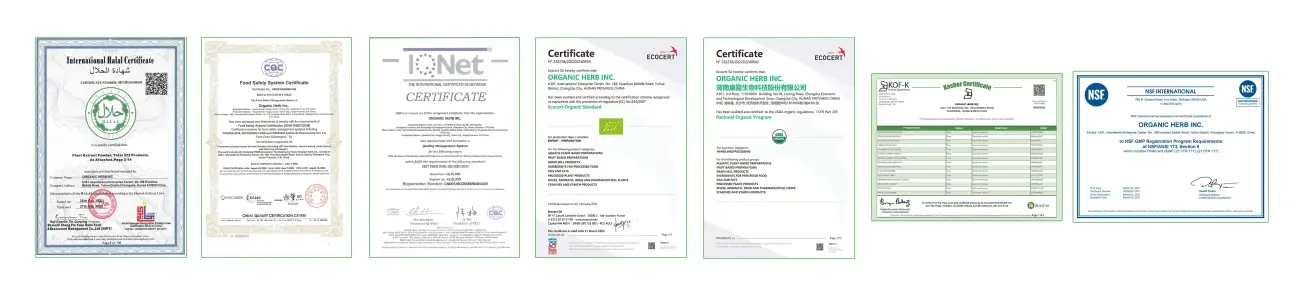
Companies with ISO 9001, FSSC22000, and necessary approvals like NSF-GMP should be prioritized by buyers. Organic Herb Inc., a public business (Stock Number: 872213), has the greatest infrastructure in its area with CGMP, Kosher, and Halal certifications. Vertically integrated suppliers maintain GAP-standard planting bases for traceability. OHI controls farming on over 8,000 acres in many regions to ensure consistent raw resources.
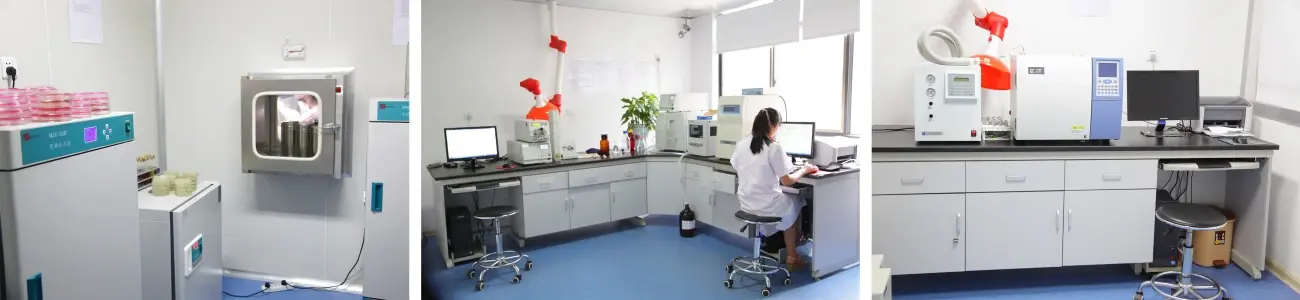
Laboratory skills distinguish outstanding salespeople from commodity dealers. For advanced laboratories, HPLC is required for Hydroxysafflor Yellow A measurement, ICP-MS for heavy metal testing (Pb < 3 ppm, As < 1 ppm), and pesticide residue testing for over 400 chemicals under EU 396/2005 regulations. Request Certificates of Analysis demonstrating microbiological compliance (total plate count <1000 cfu/g, Salmonella/E.coli negative) and solvent residue verification with claims of water-only extraction.
Quality Assurance and Testing Protocols
Validation by a third party through independent laboratories gives buyers even more confidence. Reliable suppliers are happy to send samples for verification testing, and well-known companies like OHI give free samples to qualified buyers for formulation trials. Colour value uniformity (E30, E60) should vary by less than 5% between batches. This can only be done with standard extraction settings and strict quality control during the process. Thin Layer Chromatography (TLC) tests prove the plant identity and keep the product from being tampered with by cheaper marigold extracts or artificial dyes.
Reliability in the supply chain is especially important for big manufacturing companies sourcing Safflower Extract Powder. Companies that keep warehouses in the US, like OHI's Earth Made Nutritions subsidiary, which has four key US sites, offer big benefits in terms of shorter wait times and more flexible logistics. Standard 10-day lead times for stock items, with a 25 kg minimum order quantity packed in fibre drums, can meet the needs of both small-scale testing and large-scale production. This infrastructure is very important for brands that need to manage just-in-time inventory systems or quickly change their recipes to adapt to changing market trends.
Pricing Structure and Contract Considerations
The economics of bulk buying favour commitments to buy a lot, with price breaks happening at order levels of 100 kg, 500 kg, and 1000 kg or more. Clear pricing takes into account things like the type of extraction (E30 vs. E60 affects cost by 15–25%), certification needs (organic premiums), and packaging choices. Long-term supply deals keep prices stable in volatile botanical markets. This is especially important for Carthamus, whose crop rates change depending on the weather.
It's smart to negotiate customisation options because they add strategic value. Suppliers with dedicated research and development (R&D) teams—OHI has 42 specialised staff members, including PhDs and senior researchers, and has spent more than $1.2 million on equipment—can create proprietary mixes or unique specs that help their products stand out. Standard ingredients can be turned into branded actives that strengthen intellectual property positions through custom extraction ratios, co-processing with botanicals that work well together, or specialised micronization services.
Safety, Dosage, and Regulatory Considerations
Quality Standards and Compliance Frameworks
When dealing with international regulations, you need to be very careful. In the US, plant extracts are considered GRAS by the FDA for use in food and OTC prescription compliance for use in supplements. European markets want Novel Food ratings for new ways of extracting foods or concentration levels that are higher than what is usually used. Safflower flower extract has been used for a long time in Asian markets, which makes it easier for regulators in Japan, Korea, and other APAC countries to approve it.
Carthamus yellow is recognised as a natural food colourant in China, and other places looking for options to manmade azo dyes are starting to accept it too. Plant identification, an extraction solvent declaration (100% water extraction makes approval easier), and a lot of safety data should all be in the documentation package. Suppliers that offer regulatory support services, such as preparing dossiers and giving advice based on the region, speed up the time it takes for new products to hit the market.
Manufacturing Standards and Documentation
CGMP compliance ensures consistent manufacturing procedures and pharmaceutical quality systems. Quality concerns may be answered promptly with batch records showing where raw materials originated, how they were processed, and how they were packed. Since clients recognize NSF-GMP certificates, US companies selling natural goods gain credibility.
Suppliers that are reliable will test heavy metal standards exceeding USP <2232> limitations. California markets must prove lead, cadmium, and arsenic levels are considerably below action thresholds under Proposition 65. Even though water extraction reduces organic solvent concerns, prudent producers use GC-HS to test for methanol and ethanol levels below 50ppm and 5000ppm, respectively, to prevent cross-contamination from shared equipment.
Sustainable Sourcing and Environmental Stewardship
Environmental and technological norms are increasingly significant in contemporary buying. Suppliers that use renewable energy, recycle water, and form community partnerships meet CSR aims. Long-term approaches include OHI's coordinated relationships with local farmers in numerous places. These agreements give technical guidance, seedlings, and harvest assistance while benefiting agricultural communities economically.
Brands may prove themselves to environmentally sensitive consumers by using transparent supply chains and agricultural techniques. GAP accreditation validates pesticide reduction, habitat protection, and soil health, creating marketable sustainability tales. Buyers worried about carbon emissions could choose domestic warehousing. North American clients don't require intercontinental shipping with US inventory, which minimizes per-unit transportation emissions and improves delivery dependability.
Conclusion
Safflower Extract Powder is a strategically important botanical ingredient that meets the needs of many industries thanks to its proven anti-inflammatory and antioxidant qualities. When purchasing managers look at this extract from Carthamus, they can get formulation benefits that can be used in nutraceutical, cosmetic, and functional food products. The standardised, water-extracted powder format fixes important problems like batch consistency, following rules, and clean label positioning.
For sourcing to work, suppliers need to be carefully evaluated, including their level of certification, their ability to do analysis, and their supply chain infrastructure. When you work with well-known makers that offer vertical integration, advanced R&D support, and regional warehousing, you gain a competitive edge through quality control and better logistics. As the market for natural ingredients keeps growing, Carthamus flower extract puts forward-thinking brands ahead, where customer desire, scientific proof, and environmentally friendly sourcing all come together.
FAQ
1. What distinguishes Safflower Extract Powder from safflower oil in formulation applications?
The flower extract contains a lot of water-soluble flavonoids and Hydroxysafflor Yellow A, which gives the extract its natural yellow colour and antioxidant properties. When you press Safflower seeds to make oil, you get mostly linoleic and oleic acids and not much polyphenolic content. These are two very different types of ingredients. Oil is a fatty source of nutrition and an emollient, while extract is a useful active and colourant. To make sure the right materials are chosen, the procurement specifications must make it clear which botanical source is being used (flower vs. seed, for example).
2. How can buyers be sure that the supplier is real and that the product is pure?
For complete Certificates of Analysis that show HPLC measurement of Hydroxysafflor Yellow A, heavy metal testing via ICP-MS, pesticide residue screening, and microbial validation, please ask for them. Verification by an independent third-party laboratory gives you even more peace of mind. Reliable sellers are happy to give free samples for trying formulations and confirming analytical results. Certifications like ISO, FSSC22000, and organic registrations show that quality systems are in place, and factory audits make sure that the manufacturing capabilities match what the paperwork says.
3. What regulatory approvals apply to carthamus extract in food and supplement applications?
In the US, botanical extracts need to be given GRAS status before they can be used in food and must also follow the rules for dietary supplements set by DSHEA. Safflower yellow is recognised as a natural colourant in China and is becoming more well-known around the world. Depending on the method of extraction and concentration, European markets may need Novel Food assessments. Suppliers who offer regulatory paperwork packages and advice tailored to each area speed up the approval process for products in all target markets.
Partner with OHI for Premium Safflower Extract Powder Supply
Organic Herb Inc. sells pharmaceutical-grade Safflower Extract Powder that is made according to tight CGMP and FSSC22000 guidelines. This powder meets the high standards of people who make nutraceuticals, cosmetics, and functional foods. Our fully connected supply chain, which includes more than 8,000 acres of GAP-certified cultivation bases, cutting-edge research and development facilities, and four warehouses in the US, guarantees the highest quality and most reliable delivery for large-scale production needs.
As a reliable Safflower Extract Powder seller, we offer standard specs (E30, E60) with guaranteed Hydroxysafflor Yellow A content, full heavy metal and pesticide screening, and all the necessary regulatory paperwork, such as Kosher, Halal, and Organic approvals. Our 42-person research and development team helps with custom formulation development using analytical equipment worth more than $1.2 million. This lets them make changes to proprietary extracts that make your product line stand out.
Working with a publicly traded maker (Stock Number: 872213) that is dedicated to ethical sources and high-quality craftsmanship can save you money on purchases. Samples are free for qualified buyers, and there is a 25 kg minimum order quantity. Lead times are 10 days from the US inventory. You can email our technical sales team at info@organic-herb.com to talk about your specific needs and get full product specs for our premium Safflower Extract Powder for sale.
References
1. Li, H., & Zhang, M. (2021). "Flavonoid Composition and Antioxidant Capacity of Carthamus tinctorius Flower Extracts: A Comparative Study of Extraction Methods." Journal of Agricultural and Food Chemistry, 69(14), 4201-4212.
2. Wang, S., Chen, L., & Zhao, Y. (2020). "Anti-inflammatory Mechanisms of Hydroxysafflor Yellow A: Molecular Pathways and Clinical Implications." Phytotherapy Research, 34(8), 1847-1860.
3. Rodriguez, A., & Thompson, K. (2022). "Natural Colorants in Food Applications: Regulatory Status and Quality Specifications for Safflower Yellow." Food Additives & Contaminants: Part A, 39(3), 512-528.
4. Kumar, P., Singh, R., & Patel, D. (2021). "Comparative Analysis of Antioxidant Botanical Extracts for Nutraceutical Formulations: Safflower, Turmeric, and Green Tea." International Journal of Food Sciences and Nutrition, 72(6), 781-795.
5. Nakamura, T., & Yoshida, K. (2020). "Quality Control Standards for Carthamus tinctorius Extracts: HPLC Quantification and Contaminant Screening Protocols." Journal of Natural Medicines, 74(4), 658-670.
6. Chen, X., Liu, J., & Wu, H. (2023). "Sustainable Sourcing and Supply Chain Management in Botanical Extract Industries: A Case Study of Safflower Cultivation." Industrial Crops and Products, 187, 115432.
Standard Disclaimer (DSHEA):
These statements have not been evaluated by the Food and Drug Administration.
This product is not intended to diagnose, treat, cure, or prevent any disease.

Send Inquiry
Related Industry Knowledge
- Combating Burnout Using Rhodiola Rosea extract
- The Best Reishi Mushroom Supplement as Tinctures & Powders
- Is sodium copper chlorophyllin safe?
- Top Benefits of Maitake Extract Powder
- The rejuvenating power of Rosehip extract in skin care
- What Are The Benefits Of Polyporus Umbellatus Extract?
- The Marvels of Maitake Mushroom Extract Powder
- How do you use rosemary?
- Natural Rhodiola Rosea Extract for Endurance and Metabolic Efficiency
- USA Import Standards and Poria Cocos Extract: A Supplier’s Perspective