
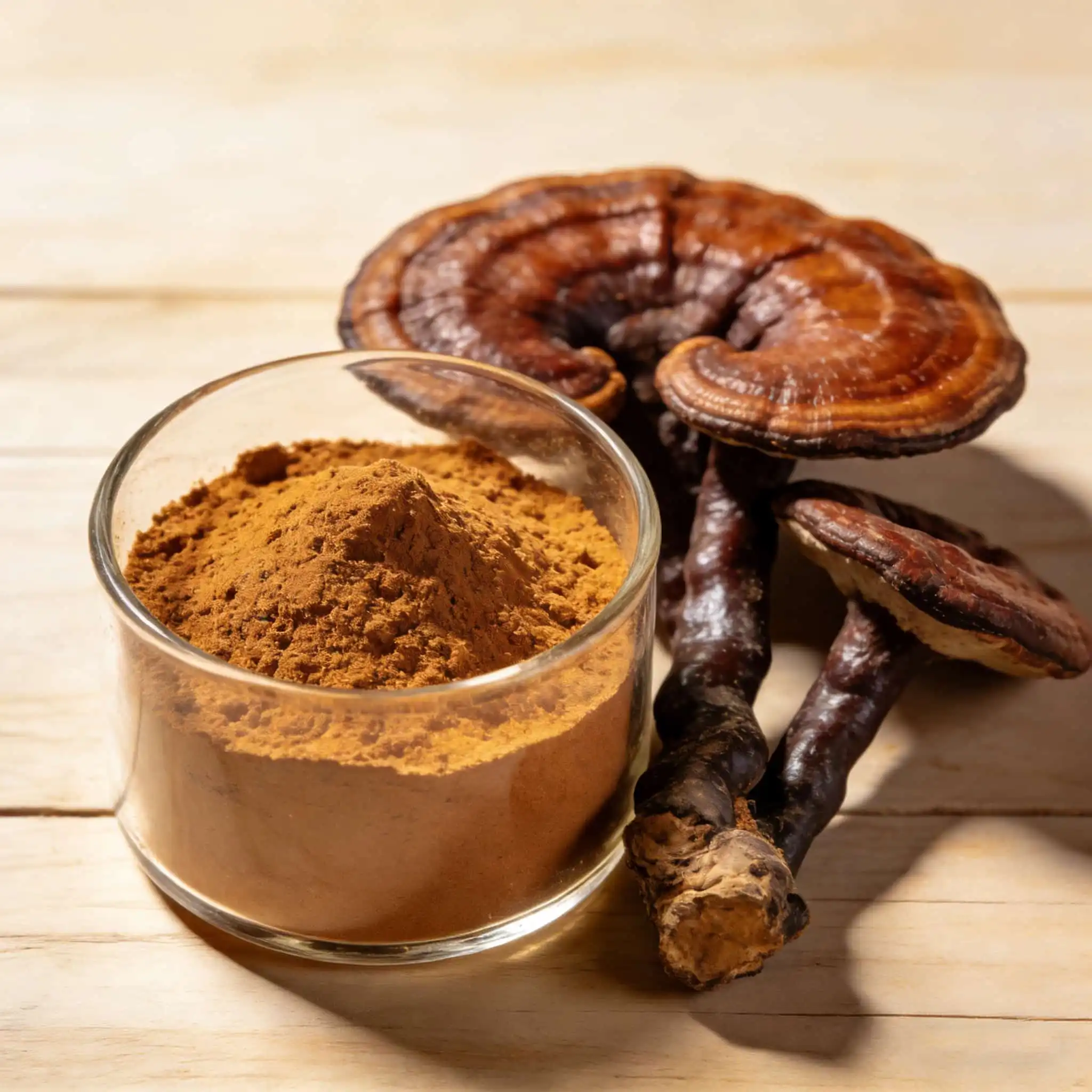
Reishi Mushroom Skin Benefits: The Ultimate Guide
VIEW MOREReishi mushroom has become a key ingredient in modern skincare products because it helps with aging, inflammation, and oxidative stress in a natural way. The Best Reishi Mushroom Extract, which is made from the fruiting bodies of Ganoderma lucidum, contains rich polysaccharides and triterpenes that help the skin's barrier function, keep moisture in, and keep the skin looking young. This ancient adaptogen is now at the cutting edge of clean beauty innovation. It combines old knowledge with modern formulation science to help brands find high-performance plant actives.
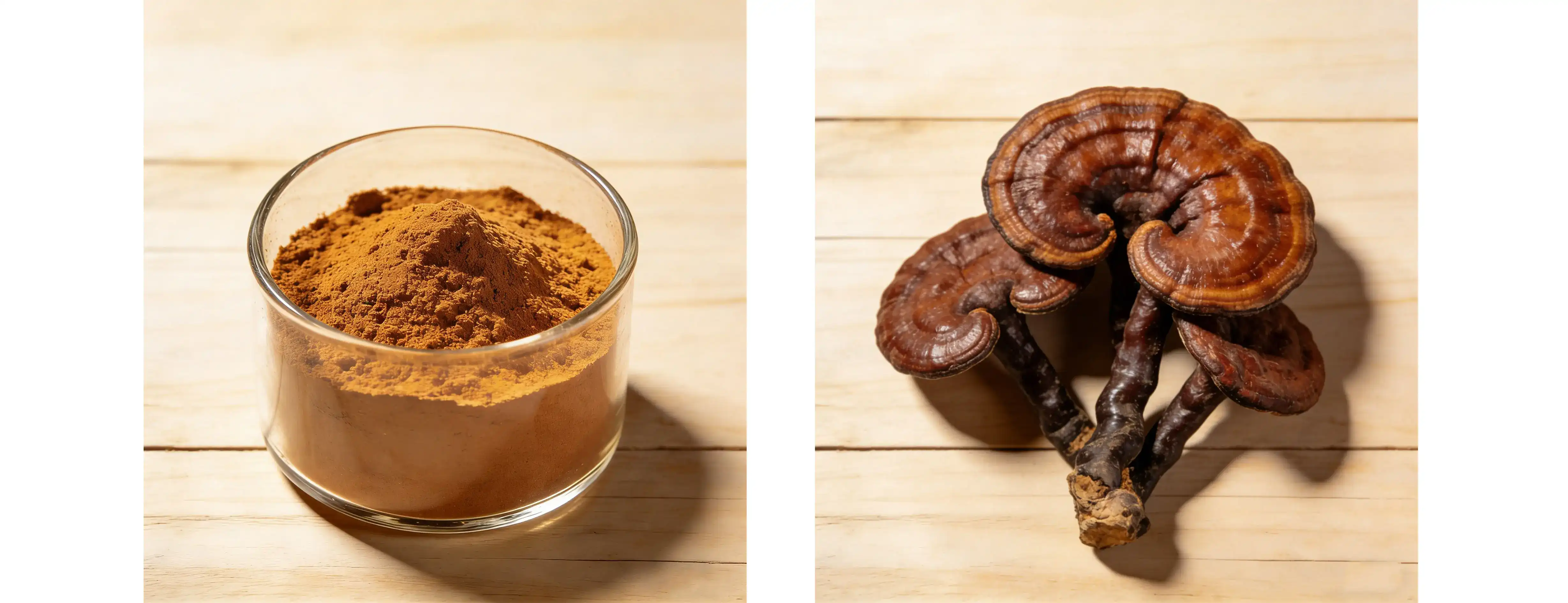
Why Skincare Formulations Are Changing Due to Reishi Mushroom Extract
There is more and more pressure on the skincare business to give real results without using chemicals. Formulators look for ingredients that meet both the needs of consumers for effectiveness and openness. Because it has a unique biochemical makeup, Ganoderma lucidum extract can help with these problems. Unlike most plants, reishi has both water-soluble polysaccharides and alcohol-soluble ganoderic acids. This gives it dual-phase action that works on different layers of skin.
Lab tests show that the polysaccharide content of top reishi extracts is between 30 and 40 percent, with molecular weights that are best for penetrating the skin. These beta-glucans work with immune receptors on the skin to change inflammation pathways without stopping the body's natural defenses. Cosmetic scientists like this complex effect—reishi doesn't just stop inflammation; it also helps cells respond in a balanced way.
Even though it is found in smaller amounts (2–5%), the triterpene fraction has a bigger effect. Ganoderic acids are very stable in emulsion systems; they keep working even when heated to sterilize, and when the pH changes, which happens a lot when cosmetics are made. This toughness solves a problem that has been around for a long time: botanical actives that work in test tubes but not in finished goods.
Texture is very important when it comes to skincare products. The best reishi extracts are extracted with two solvents and then dried with low-temperature spray drying. This makes a brownish-yellow powder with particles that are 80 to 100 mesh in size. This standard makes sure that it can be easily mixed into serums, creams, and masks without becoming gritty or losing its color. Product makers can make mixtures with concentrations between 1% and 5% without changing the way the products smell or taste.
The Science Behind Reishi's Anti-Aging Properties
UV rays, smog, and the natural aging process of cells all add up to damage that makes skin look older. Reishi mushroom extract works on many aging processes at once, which makes it useful for all-around anti-aging products. The polysaccharide part increases the production of hyaluronic acid in fibroblasts. This makes the skin more hydrated from the inside out instead of just covering the outside.
The breakdown of collagen may be the most obvious sign of getting older. Matrix metalloproteinases (MMPs) break down structural proteins over time, which causes skin to wrinkle and slump. Researchers have found that Ganoderma lucidum Extract triterpenes can stop MMP-1 and MMP-3 from working, depending on the amount. This helps keep collagen networks in place. This defense system works with peptide ingredients that help the body make new collagen.
Oxidative stress speeds up all of the signs of age in the skin. UV light and metabolic processes both make free radicals, which are harmful to DNA, proteins, and cell walls. The antioxidant power of reishi mushroom extract comes from several chemicals working together. Polysaccharides bind to metal ions that help make free radicals, and triterpenes directly get rid of reactive oxygen species.
Melanin production goes up with age and sun exposure, which makes coloring uneven and makes you look older. Ganoderic acids change the activity of tyrosinase, which is the enzyme that controls how fast melanin is made, but they don't completely stop this protective process. This balanced method helps even out skin tone while keeping the body's natural defenses against UV rays.
As people get older, their cells turn over much more slowly, which makes their appearance dull and rough. Reishi polysaccharides help keratinocytes differentiate and move, which encourages good skin peeling without irritation. This gentle renewal process is good for sensitive, aging skin that can't handle harsh chemical exfoliants.
How Does Reishi Extract Strengthen Skin Barrier Function?
How well the epidermis keeps water in and keeps out toxins is controlled by the skin barrier. Harsh cleaners, temperature control, and environmental pollutants are all parts of modern life that constantly damage this protective layer. Tightness, flaking, sensitivity, and early aging are all signs of walls that have been broken. Organic reishi powder helps the barrier in a number of ways that work together.
Ceramides make the glue that holds skin cells together, making layers that don't let water through. Even though reishi doesn't give you ceramides directly, its polysaccharides make keratinocytes make more of them. This natural production works better in the long term than applying ceramide topically, which helps temporarily but doesn't fix the underlying problems.
Tight links between epidermal cells stop water loss and pathogen entry through the epidermis. Studies on beta-glucans from different sources, like reishi, show that they increase the production of tight junction proteins. A better barrier function can be measured by lower transepidermal water loss readings. This is because stronger cell binding means better barrier function.
Skin bacteria are important for barrier health, but they're not given enough credit. Beneficial bacteria make chemicals that help keep the epidermis healthy, while dysbiosis makes the skin more sensitive and inflamed. Polysaccharides found in reishi mushrooms work as prebiotics, feeding only good microbes and not upsetting the delicate balance of the ecosystem.
Immune cells in the skin are always looking out for danger. When immune reactions are overactive, they cause redness and sensitivity. When they are not active enough, problems get worse. Beta-glucans from reishi work with Langerhans cells' pattern recognition receptors to set the right amount of immune response. This immunomodulation makes skin strong so it can handle tasks without overreacting to harmless stimuli.
Formulating Cosmetics With Premium Reishi Mushroom Extract
Cosmetic formulators always have to figure out how to turn the potential of ingredients into stable, useful finished goods. When making new products, reishi mushroom extract offers some special chances and things to think about. By knowing its chemical features, you can make the best decisions about how to formulate it so that it works best for your skin and can be made easily.
Which product forms work best with Ganoderma lucidum Extract depends on how well they dissolve. The dual-extraction method creates parts with different orientations. Water-soluble polysaccharides are great for toners, essences, and serums that moisturize because they dissolve easily in water. Triterpenes that dissolve in alcohol mix easily into oil phases, but they need to be mixed with solubilizers in water-based goods.
For keeping bioactivity, pH stability levels are very important. The best range for reishi extract's action is between pH 5.0 and 6.5, which is the same range that skin naturally has. Formulators can mix reishi with bases that are the right pH without having to worry about buffering issues that come up with other plant actives. This compatibility shortens the time it takes to create and lowers the cost of formulation.
Heat sensitivity varies between reishi constituents. Polysaccharides can be added at normal manufacturing temperatures of up to 80°C, so they can be used during the main batch preparation process. Triterpenes are more thermolabile, which means they can be added after the mixture has been cooled to 40°C or less. This two-step incorporation keeps the highest level of action while keeping the efficiency of production high.
When it comes to high-end makeup, color is very important. The brownish-yellow color of concentrated reishi extract can change the color of finished goods, so they need to be made in a certain way. Lower amounts (1% to 2%) have little effect on color and are good for light serums. Higher amounts (3–5%) work well in creams that cover up discoloration or in specialty treatments that use earthy tones to show that the product is natural.
Preservation challenges accompany any botanical ingredient. The low moisture level (<5%) of reishi extract lowers the risk of microbes, but finished products still need to be stored properly. The extract works very well with common stabilizers like phenoxyethanol and caprylyl glycol, as well as natural ones like Leuconostoc ferment filtrate.
Reishi Mushroom Extract Versus Other Botanical Actives
It's important to be clear about what each plant ingredient is because there are so many of them. Brands must show that the ingredients they choose improve performance. When you look at reishi mushroom extract next to other popular options, you can see how it stands out in useful skincare products.
Green tea extract is the most talked-about antioxidant because it contains catechins, which are known to neutralize free radicals. Catechins, on the other hand, are not stable in water and lose their effectiveness very quickly. The polysaccharide-triterpene complex in reishi stays stable over the course of a product's shelf life, providing constant antioxidant protection from the time it is first used until it is thrown away.
Niacinamide is now commonly found in barrier support products because it boosts the production of ceramide and lowers inflammation. Even though niacinamide works, it can make sensitive people hot and doesn't work well with some other ingredients. Niacinamide can cause problems for people with sensitive skin, but reishi extract can be used instead because it has similar protective benefits without these problems.
Retinoids are still the best anti-aging ingredients because they speed up the change of cells and the production of collagen. Even though they work, they can cause itching and photosensitivity issues that make it hard for people to accept them. Reishi mushroom extract helps slow down aging more gently by protecting collagen instead of speeding up cells quickly. This makes it appealing to people who want results without sacrificing anything.
A lot of interest is generated by peptides because they can send specific signals. For these complex molecules to stay stable, they usually need careful pH control, specific solvent systems, and smart packing. The strong stability profile of reishi extract makes formulation development easier, and it also offers other benefits that improve the performance of peptides when they are co-formulated.
Most claims about hydrating skin are based on hyaluronic acid, which draws water into the skin through humectant action. This surface-level hydration is very different from Reishi's method of increasing the body's own production of hyaluronic acid. When you mix the two ingredients together, you get better results: the skin's surface is instantly hydrated, and its natural ability to hold moisture is improved over time.
Quality Standards That Define Premium Reishi Ingredients
There is a lot of quality variation in the reishi supply line. As "reishi extract" products go, they range from simple mycelium powder to complex dual-extracted concentrates. Understanding quality markers helps you make smart choices about where to get ingredients that will work in your formula and support the premium price point.
The quality of Best Reishi Mushroom Extract is largely determined by its source material. Real reishi extract only comes from the full fruiting bodies of Ganoderma lucidum that have been grown on wood. A lot of bad goods use mycelium that is grown on grain, which makes a lot of starch but not many bioactive compounds. The Certificate of Analysis should clearly state that the growing body comes from a source with very little alpha-glucan (<5%), which means that there is no grain filler.
How the compound is extracted has a direct effect on its concentration and function. Premium reishi is extracted using two different solvents. First, hot water is used to get the polysaccharides out, and then ethanol is used to get the triterpenes. Single-solvent extracts don't pick up on certain groups of bioactive chemicals. The technical specs should list the extraction ratio (10:1) and both solvent stages that were used.
Analytical proof tells the difference between real quality and marketing claims. Certificates of Analysis from reputable sources include tests that have been proven to work for:
- Total carbohydrates (30–40% at least)
- The amount of beta-glucan found using enzymes (more than 15%)
- Concentration of terpenes (2–5% ganoderic acids)
- Alpha-glucan level (less than 5%, showing that there isn't much starch contamination)
- Heavy metals, chemicals, and microbes that are above the legal limits
The Ganoderma lucidum Extract's particle distribution affects both how well a product works and how bioavailable it is. Premium extracts call for grinding with an 80–100 mesh screen, which makes a fine powder that mixes easily in liquid bases without settling to the bottom. Coarser particles make the texture gritty and make mixing less effective, which lowers the quality of the end product.
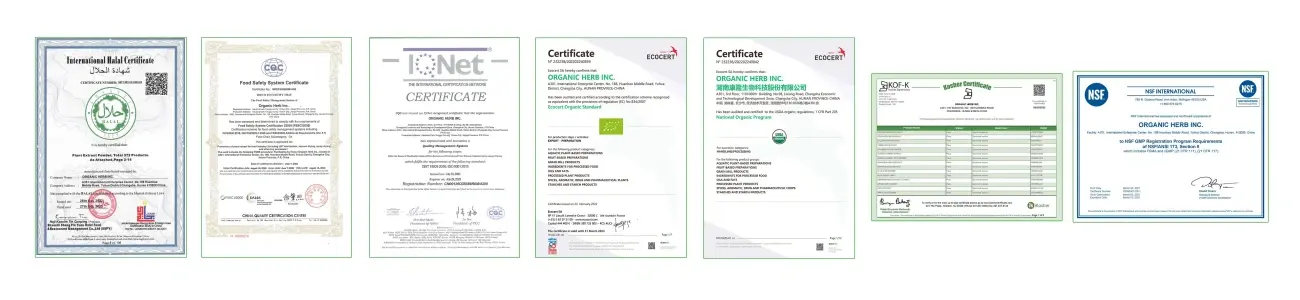
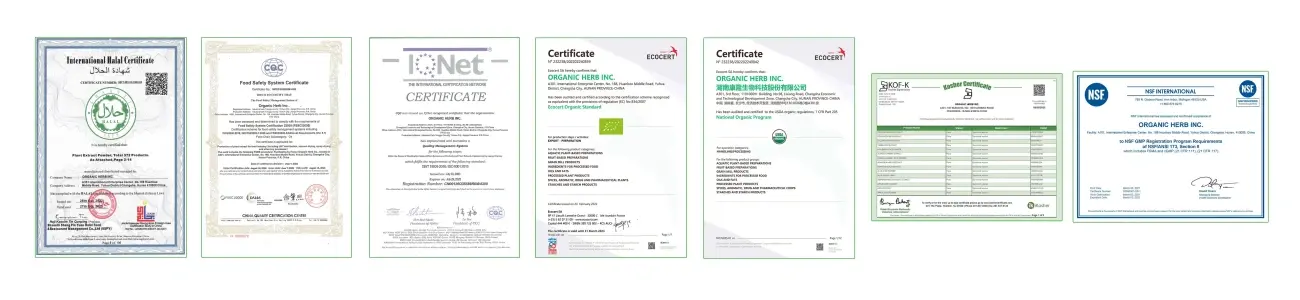
Certification files show how sophisticated a manufacturing process is and how well it follows the rules. Certifications like COSMOS organic, Ecocert, and region-specific organic guidelines are useful for cosmetic uses. For nutritional uses, you need NSF GMP, FSSC22000, and the right Halal/Kosher approval. ISO 9001 means that the quality management system is mature across all activities.
Conclusion
Reishi mushroom extract represents a convergence of traditional wisdom and modern skincare science. Its unique polysaccharide-triterpene profile addresses multiple aging pathways while supporting barrier function and immune balance. For formulators seeking differentiated natural actives, premium Ganoderma lucidum extract offers stability, efficacy, and clean-label appeal that resonate with today's conscious consumers. Quality sourcing proves essential—authentic fruiting body extracts with verified bioactive concentrations deliver the transformative results that inferior products cannot match. As the clean beauty movement continues its trajectory, reishi stands positioned as a cornerstone ingredient for brands committed to performance without compromise.
Partner With OHI for Pharmaceutical-Grade Reishi Mushroom Extract
Organic Herb Inc. serves as your trusted Best Reishi Mushroom Extract manufacturer, delivering consistent quality that meets the rigorous standards of cosmetic formulators developers worldwide. Our Ganoderma lucidum extract features 40% polysaccharides from a 10:1 water extraction of certified organic fruiting bodies, backed by NSF GMP, FSSC22000, and complete organic certification. With four U.S. warehouses ensuring rapid delivery and a 25kg minimum order, we provide the supply chain reliability your formulation projects demand. Contact info@organic-herb.com for technical specifications and complimentary samples.
References
1. Wachtel-Galor, S., Yuen, J., Buswell, J. A., & Benzie, I. F. F. (2011). Ganoderma lucidum (Lingzhi or Reishi): A Medicinal Mushroom. In Herbal Medicine: Biomolecular and Clinical Aspects (2nd ed.). CRC Press/Taylor & Francis.
2. Boh, B., Berovic, M., Zhang, J., & Zhi-Bin, L. (2007). Ganoderma lucidum and its Pharmaceutically Active Compounds. Biotechnology Annual Review, 13, 265-301.
3. Sánchez, C. (2017). Reactive Oxygen Species and Antioxidant Properties from Mushrooms. Synthetic and Systems Biotechnology, 2(1), 13-22.
4. Sliva, D. (2006). Ganoderma lucidum in Cancer Research. Leukemia Research, 30(6), 767-768.
5. Bishop, K. S., Kao, C. H., Xu, Y., Glucina, M. P., Paterson, R. R., & Ferguson, L. R. (2015). From 2000 Years of Ganoderma lucidum to Recent Developments in Nutraceuticals. Phytochemistry, 114, 56-65.
6. Noguchi, M., Kakuma, T., Tomiyasu, K., Yamada, A., Itoh, K., Konishi, F., Kumamoto, S., Shimizu, K., Kondo, R., & Matsuoka, K. (2008). Effect of an Extract of Ganoderma lucidum in Men with Lower Urinary Tract Symptoms: A Double-Blind, Placebo-Controlled Randomized and Dose-Ranging Study. Asian Journal of Andrology, 10(4), 651-658.
Coenzyme Q10 (CoQ10): The Basics and Its Health Benefits
VIEW MORECoenzyme Q10 (CoQ10) represents a naturally occurring compound central to cellular energy production and antioxidant protection within the human body. Available as Coenzyme Q10 Powder in industrial-grade formats, this nutrient-dense ingredient serves cosmetic and functional food manufacturers seeking to enhance product formulations with scientifically backed bioactive components. Understanding its biochemistry, sourcing considerations, and application versatility enables B2B buyers to make strategic procurement decisions that align with quality standards and market trends.
Introduction
Because of the need for good bioactive chemicals, the business of makeup is still changing. Coenzyme Q10 has become a very common raw material because it can protect cells from reactive stress and help mitochondria work properly. Procurement workers who are in charge of supply lines for making food supplements, skin care items, or functional drinks need to know about the technical specs and different ways to buy Coenzyme Q10 Powder.
This guide tells you everything you need to know about Coenzyme Q10 Powder, such as how to get it, basic ideas, proven benefits, and the best ways to make it. This resource has useful information for B2B decision-makers in the US market, whether they work for a supplement company that needs highly pure ubiquinone, a cosmetics company that needs stable antioxidants for anti-aging products, or a functional food company that wants to add cellular energy, supporters.
What is Coenzyme Q10 Powder? Understanding the Basics
Chemical Structure and Biological Role
Human cells naturally contain ubiquinone-10 (CAS 303-98-0), which is Coenzyme Q10. Fats dissolve it. Ten isoprenoid units form a side chain of a benzoquinone ring. This helps transport electrons in mitochondrial walls. Coenzyme Q10 assists in the production of ATP, the energy source for all cell operations.
The chemical comes in two forms: oxidized and reduced. Both types can merge in biological systems, but they require different means of stability and formation. Many industrial-grade Coenzyme Q10 Powders include 98% pure ubiquinone. Between 48°C and 52°C melts. It resembles orange diamonds.
Manufacturing Methods and Quality Considerations
Rhodobacter sphaeroides and Agrobacterium tumefaciens are used in microbial fermentation to generate Coenzyme Q10 Powder. This biofermentation creates molecularly safe bio-identical trans-isomer configurations. For therapeutic application, fermented material must be extracted, cleansed, and crystallized.
For quality control, the all-trans isomer must be pure (>99%), there must be no cis-isomers (which have no biological activity), the particle sizes must be spread out for best formulation performance, and there must be little solvent left. Top providers utilize HPLC testing to prove product efficacy. In monitored fields, this ensures batch consistency.
Powder Form Advantages for B2B Applications
Powder is clearly better than finished dose in many aspects. Formulators can manufacture unique doses, blend the medicine with additional active chemicals, and administer it via oil-based softgels, tablets, or water-soluble dispersions. 98% pure Coenzyme Q10 Powder uses fewer raw ingredients per batch. It saves time and money for factories that create many goods.
To avoid oxidation and degradation, Coenzyme Q10 Powder must be handled carefully due to its stable structure. Store items properly and in protective packaging to preserve their usefulness. Light, heat, and air can destroy them. Professionals ship goods in 25-kilogram nitrogen-cleaned drums to maintain supply chain cleanliness.
Health Benefits and Antioxidant Properties of CoQ10 Powder
Free radicals are bad for your health, but Coenzyme Q10 Powder fights them.
Energy Metabolism Support
In living things, Coenzyme Q10's main job is to help move electrons around in the mitochondrial respiratory chain. To make energy for cells, this is a very important step. Many cells, like heart muscle and skeletal muscle tissue, need this system to help them get what they need. Athletes and other busy people often take extra Coenzyme Q10 to help their bodies heal and get stronger.
Several study articles have talked about the compound's role in keeping mitochondrial function at its best. This is very important because, as people age, their bodies make less Coenzyme Q10. Doses between 100 and 300 milligrams per day have been looked at in supplementation studies. The findings show that different groups of people have higher levels of mitochondrial efficiency.
Antioxidant Defense Mechanisms
Coenzyme Q10 is a strong antioxidant that dissolves in fats and does more than just keep you alive. It can protect cell walls, proteins, and DNA from damage caused by reactive oxygen species (ROS) because of the way its chemicals are organized. There are mitochondrial membranes and lipid bilayers all over cells on which this antioxidant power works on.
The substance is even better for your health because it can make more antioxidants, like vitamin E. Cosmetic companies that also make skin care items that fight aging are interested in this partnership. These items are meant to shield the skin from reactive stress caused by UV light and pollution in the air, which makes the aging process go faster.
Cardiovascular and Immune Considerations
As a result of its high energy needs, the circulation system always has a lot of Coenzyme Q10. Researchers have looked into the substance to see how it can help people with healthy eating and living habits keep their blood pressure and fat profiles in a healthy range.
Immune system cells also need to be able to make energy quickly so they can do their jobs of keeping an eye on things and responding. It is found in biological cells and helps the body's defenses do their job. Taking vitamins shouldn't get rid of healthy habits, though; they should add to them.
How to Use Coenzyme Q10 Powder: Dosage and Best Practices?
Application-Specific Dosage Considerations
Various products require various formulations. Dietary supplements typically contain 30–200 mg per dose. Higher amounts are stored for certain uses. Cosmetics utilize 0.01-0.1% because the chemical is powerful and expensive. Coenzyme Q10 Powder is lipophilic and requires unique water-based breakdown methods. This hinders functional food and drink production.
When choosing an amount, bioavailability is crucial. Solid Coenzyme Q10 Powder doesn't mix well with water; different amounts are absorbed at different rates. Modern methods, including combining medications with carrier oils, micronizing, and attaching them to liposomes or cyclodextrin complexes, make them easier to swallow.
Formulation Techniques for Manufacturers
Softgels are the greatest technique to release Coenzyme Q10 in dietary supplements. Coenzyme Q10 Powder mixes well with soybean, olive, and medium-chain triglycerides. Slowly heating it below 50°C dissolves it better, but the molecules retain their structure. Emulsifiers like lecithin maintain the spread evenly and prevent settling.
Pills are difficult to create since the substance is hard to crush and light-resistant. Producers co-process with flow agents, add protective coats, and utilize opaque packing to address these difficulties. Nanoemulsion or microencapsulation can make Coenzyme Q10 Powder dissolve in water and be added to beverages and functional waters.
Safety Profile and Storage Requirements
Many sources suggest Coenzyme Q10 is safe. One study revealed no serious negative effects from 1,200 milligrams daily. The molecule is found naturally in human cells, which explains its high reputation. Sometimes it's best to consult a specialist.
How Coenzyme Q10 Powder is stored affects its stability. To keep items safe, put them in boxes with tight lids, out of the light, below 25°C, and below 60% relative humidity. To maintain its 24-month shelf life, the substance must be nitrogen-flushed because oxygen contact accelerates disintegration.
Coenzyme Q10 Powder vs Other Forms: A B2B Comparative Analysis
Powder Versus Finished-Dose Forms
When bought in bulk, raw Coenzyme Q10 Powder, also called CO Q10, gives B2B buyers the most ways to prepare it and the best value for money. When you buy finished pills, you can't make as many changes to them, and the seller will charge you more for extra work that makes them valuable. People who make more than one line of products should keep a stock of Coenzyme Q10 Powders that can be used in different ways instead of spending money on capital for a single-SKU finished good.
Coenzyme Q10 Powder lasts longer, which is another good thing about it. If you store crystalline Coenzyme Q10 the right way, it will stay active for 24 to 36 months. But encapsulated types are less safe because the gelatin breaks down, the oil goes bad, and water gets in. So you won't have to worry about running out of things, and you can buy a lot when prices are low on the market.
Ubiquinone Versus Ubiquinol Forms
In business, the reduced form (ubiquinone) is usually used because it is more stable and less expensive. People think that the reduced form of ubiquinol would be better for uptake, but it is hard to make. It needs special ways to be packed because it is so sensitive to air, and the raw materials are much more expensive—often three to four times what ubiquinone costs.
When absorption is compared between types, the results are not always clear. Some of the things that have changed the results are the dose, the technology used for preparation, and each person's ability to convert. Many companies choose to use ubiquinone along with delivery methods that make it easier for the body to take because it is a cheap way to speed up absorption.
Sourcing Considerations and MOQ Requirements
On the world market, Coenzyme Q10 can be made in two ways: through fermentation and through manufacturing. The stuff that is fermented costs more, but it is completely trans-isomer pure and helps with regulation. Synthetic alternatives may have inactive cis-isomers, and natural goods are looked at carefully when they are put in place.
For goods that sell well, the lowest amount that can be ordered is usually between 25 kg and 100 kg, and as volume goes up, prices go down. Some people can get better deals when they buy Coenzyme Q10 Powder in bulk and talk about multi-batch deals or monthly supply contracts. Most of the time, wait times for stock items are between 7 and 14 days. Routines for making things need to be changed for special requirements.
Procuring Coenzyme Q10 Powder: Tips for B2B Buyers
Supplier Evaluation Criteria
Finding the finest Coenzyme Q10 Powder providers requires more than price comparison. Good makers maintain NSF GMP, Kosher, Halal, ISO 9001, and FSSC 22000 requirements. These licenses demonstrate that the company has process controls and tracking systems to comply with regulatory regulations.
Premium suppliers provide expert assistance, unlike product dealers. R&D teams can aid with recipe, stability, and application-based ideas to speed up product development. Testing for heavy metals, pathogens, and residual solvents, as well as certificates of analysis, can help analysts evaluate incoming materials.
Strategic Procurement Approaches
When trying to balance quality and budget, buying teams need to consider more than unit pricing. Shipping expenses, testing costs, the likelihood of having to rewrite the formula due to unlevel Coenzyme Q10 Powder components, and customer complaints all affect success. Knowing experienced merchants who always deliver quality material might help you reduce these hidden costs.
Sample review tools enable you to compare quality fairly before buying a lot. Trustworthy suppliers provide free samples with scientific paperwork to test solubility, color consistency, and performance in varied uses. Pilot-scale manufacturing runs with sample materials can reveal handling issues before investing in them.
Long-term supply agreements lock in number commitments that lift prices and ensure that both parties can always acquire Coenzyme Q10 Powder, regardless of market conditions. Agreements should outline quality standards, testing methodologies, expected wait times, and unambiguous sign-based price changes.
Logistics and Storage Management
The High Purity of the CO Q10 makes logistics planning crucial since Coenzyme Q10 Powder is sensitive. Temperature-controlled transportation prevents heat damage. Packages moving across temperature zones need this. Target market stores reduce wait times and simplify just-in-time supply.
US manufacturers benefit from buyers keeping local inventories in well-placed outlets. This infrastructure lets us swiftly restock, manage small orders at low prices, and clear customs. Suppliers with Los Angeles sites can serve West Coast producers and deliver Coenzyme Q10 Powder to the East Coast.
Partnership Opportunities for Value Enhancement
Smart supplier relationships can provide value beyond raw materials by offering private labeling and specialized processing. Suppliers with packaging, mixing, and packing lines can aid brands without factories. These links help businesses access new markets faster and cheaper.
OEM and ODM arrangements benefit brands that prefer marketing and sales to manufacturing. Experienced manufacturing partners can help you follow the law, ensure recipes function, and increase production to meet demand. Quality agreements specify who is responsible for specs, tests, and paperwork, keeping everyone safe and ensuring high-quality work.
Conclusion
In the nutrition, cosmetics, and functional food businesses, Coenzyme Q10 Powder is a versatile ingredient that can be used in many different ways. Because it is known to help cells make energy and protect them from free radicals, it is a good science addition to lines of products for people who care about their health. To make a good buy, you should know about the technical aspects of the material, look at the skills of the seller in addition to price, and follow best practices for preparation that make the material more stable and bioavailable. Business-to-business sellers can do better in markets that value quality and new ideas when they work with qualified makers who show they know what they're doing, keep their supply lines open, and offer a wide range of support services.
FAQ
Q1: What specifications should I request when sourcing Coenzyme Q10 powder?
Ask for proof that the Coenzyme Q10 Powder is at least 98% pure (by HPLC analysis), has an all-trans isomer content of more than 99%, and has particle size distribution data, heavy metals testing results, bacterial screening results, and leftover solvent analysis results. This stuff should come from fermentation and not fake production. It is important for suppliers to show that they follow USP, EP, or JP guides by giving Certificates of Analysis for each batch.
Q2: How does storage affect CoQ10 powder shelf life?
Things will last 24 to 36 months if you store Coenzyme Q10 Powder correctly. When the temperature is between 15°C and 25°C and the relative humidity is below 60%, the material should stay covered in its original box. It should also be kept out of the light. Oxygen stops the reactive breakdown in packaging that is full of nitrogen. When you open something, try not to let air in as much as possible, and use it within six months.
Q3: Can CoQ10 powder be incorporated directly into beverages?
Pure Coenzyme Q10 Powder doesn't mix well with water because it is lipophilic. When you add something straight in, it doesn't spread out very well. For use in drinks, forms that can dissolve in water must be created using micro-encapsulation, nano-emulsion, or cyclodextrin complexation. These high-end grades cost a lot, but they let you make clear drinks.
Partner with OHI for Premium Coenzyme Q10 Powder Supply
Organic Herb Inc. (OHI) sells pharmaceutical-grade Coenzyme Q10 Powder that is 98% pure. It is made in facilities that are CGMP, FSSC 22000, and ISO-certified using controlled fermentation methods. We have over 8,000 acres of GAP-compliant farming grounds as a public company (Stock Number: 872213). We can now fully trace the supply chain from where the raw materials are sourced to where the final product is sent.
Coenzyme Q10 Powder, which is orange and solid, is packed in 25-kilogram drums with nitrogen to keep it safe. It has to meet strict quality standards. The all-trans isomer is more than 99% pure. These are some of the qualifications that can be bought: NSF GMP, Kosher, Halal, ISO 9001, and organic credentials that meet a lot of different legal needs. Our Los Angeles-based subsidiary, Earth Made Nutritions, runs four key stores across the US. This is how we can offer 7-day wait times and fast shipping all over the country.
OHI is a company that sells Coenzyme Q10 Powder. It has 42 research and development workers and more than $1.2 million worth of high-tech testing tools. Along with full expert support, they can help with formulation, stability tests, and making ideas based on the application. You can try the quality for free and see all the scientific information about them before you decide to buy. The minimum order quantity (MOQ) that our buying team offers starts at 25 kilos and goes down as orders get bigger.
Email OHI at info@organic-herb.com or visit usa-organic.com to get samples, full details, and unique quotes. To make your goods better, get high-quality, pure Coenzyme Q10 Powder from a company that cares about quality, innovation, and doing things in an eco-friendly way.
References
1. Crane, F.L. (2001). Biochemical functions of coenzyme Q10. Journal of the American College of Nutrition, 20(6), 591-598.
2. Bhagavan, H.N. & Chopra, R.K. (2006). Coenzyme Q10: absorption, tissue uptake, metabolism and pharmacokinetics. Free Radical Research, 40(5), 445-453.
3. Garrido-Maraver, J., Cordero, M.D., Oropesa-Avila, M., et al. (2014). Coenzyme Q10 therapy. Molecular Syndromology, 5(3-4), 187-197.
4. Pravst, I., Zmitek, K., & Zmitek, J. (2010). Coenzyme Q10 contents in foods and fortification strategies. Critical Reviews in Food Science and Nutrition, 50(4), 269-280.
5. Hosoe, K., Kitano, M., Kishida, H., et al. (2007). Study on safety and bioavailability of ubiquinol after single and 4-week multiple oral administration to healthy volunteers. Regulatory Toxicology and Pharmacology, 47(1), 19-28.
6. Lopez-Lluch, G., Del Pozo-Cruz, J., Sanchez-Cuesta, A., et al. (2010). Bioavailability of coenzyme Q10 supplements depends on carrier lipids and solubilization. Nutrition, 26(11-12), 1131-1136.
The rejuvenating power of Rosehip extract in skin care
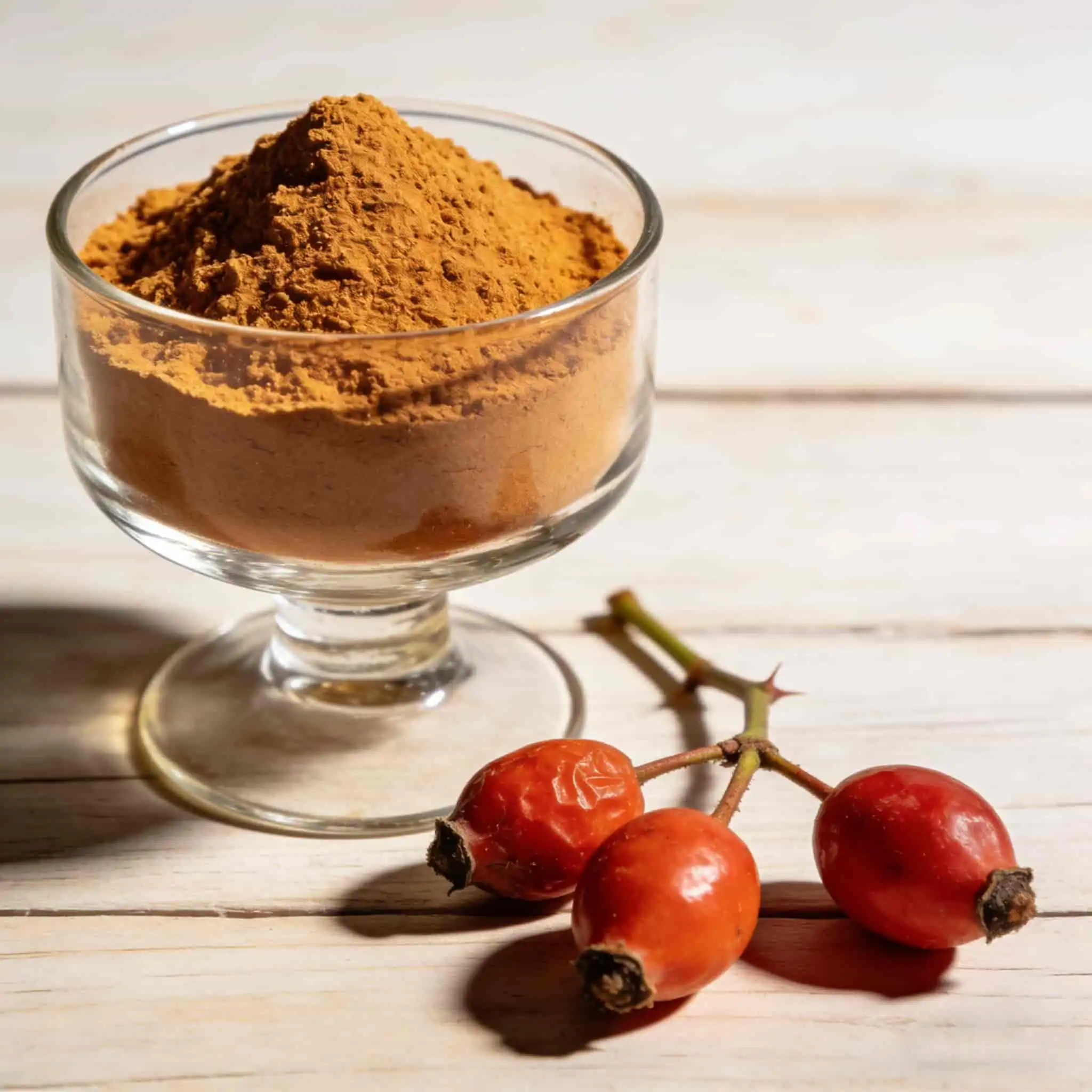
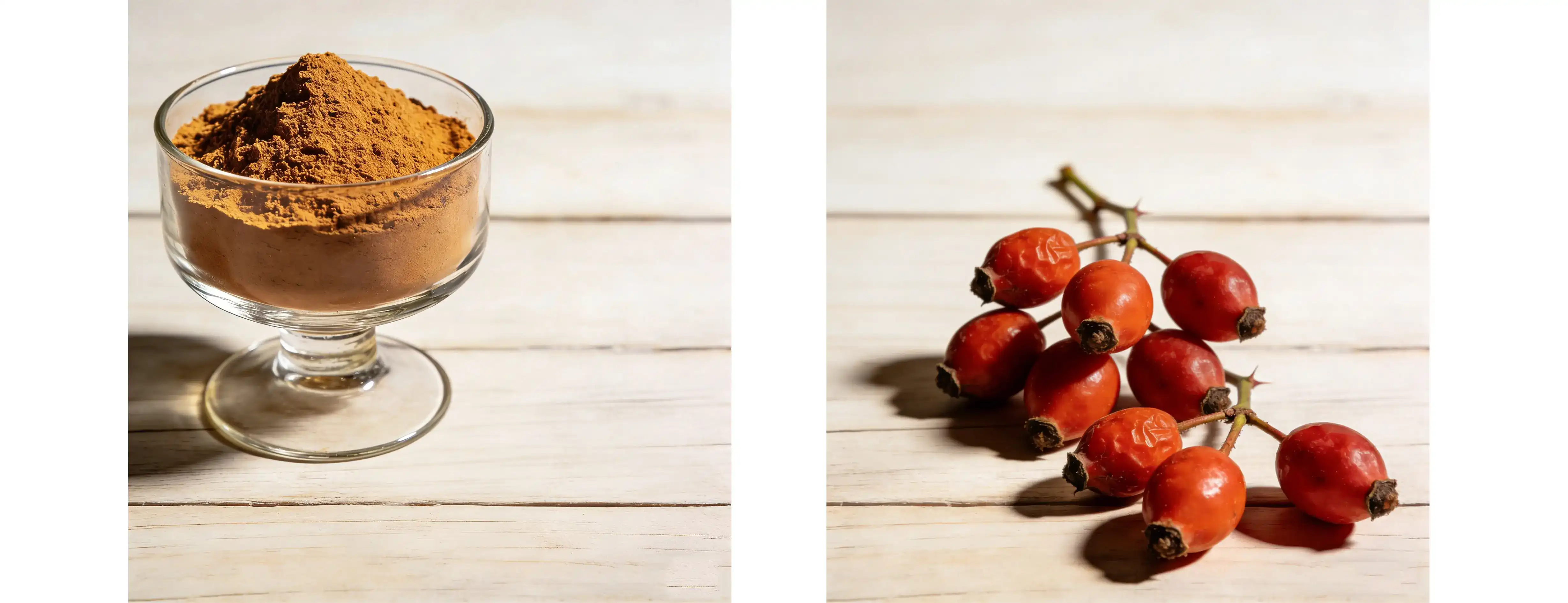
VIEW MORERosehip Fruit Extract has emerged as a cornerstone ingredient for modern skincare formulations, delivering powerful rejuvenating properties that address multiple skin concerns simultaneously. This botanical extract comes from the fruits of the Rosa canina plant and contains natural vitamin C, flavonoids, and carotenoids. It gives formulators a stable, water-soluble solution that makes products work better and meets customer expectations for clean labels. The fruit extract is different from rosehip seed oil because it contains bioactives that are water-loving and work well in serums, creams, and other functional skin care products. This makes it a great tool for beauty chemists who are looking for natural options that work.
Understanding Rosehip Fruit Extract and Its Unique Benefits for Skin Care
What Makes Rosehip Fruit Extract Different from Other Botanicals
The Rosehip Fruit Extract from Rosa canina is unique because it has a wide range of phytochemicals. We use 100% water extraction methods to get our 10:1 concentrated extract that is standardized to 5% vitamin C. This keeps heat-sensitive compounds intact while getting rid of any remaining solvents. This brownish-yellow powder still has all of the anthocyanins, rutin, quercetin, and carotenoids, such as lycopene. These all work together to protect skin cells from toxic stress.
We use a water-based extraction method at OHI because it works better with more types of formulations than oil-based extracts. This flexibility helps cosmetic formulators make a wide range of goods, from light serums to thick moisturizers. Our Rosehip Fruit Extract is naturally acidic, and it also changes the pH of formulas to help keep them stable while making it easier for active ingredients to reach the stratum corneum.
Key Bioactive Components That Drive Skin Rejuvenation
The vitamin C in our regulated extract helps the processes that make collagen while stopping the activity of tyrosinase, an enzyme that makes melanin. This two-step process tackles both structural aging and hyperpigmentation, which are the two biggest skincare issues for consumers. Researchers call the presence of flavonoids that make these effects stronger through a process called the "entourage effect," in which different chemicals make each other more bioavailable and stable.
Carotenoids in the extract protect against UV rays even more by removing singlet oxygen species that are formed when the skin is exposed to UV light. Beta-carotene and lycopene build up in skin tissue, giving it extra protection against external factors that speed up the aging process. These chemicals work well with regular SPF formulas and put rosehip-enhanced goods in a photoprotection section that is growing quickly.
How Rosehip Fruit Extract Differs from Rosehip Seed Oil
Understanding the distinction between these two ingredients proves crucial for procurement decisions. Rosehip seed oil is mostly made up of fatty acids, like linoleic and alpha-linolenic acids, which moisturize and help repair skin barriers. Our Rosehip Fruit Extract has three benefits that work well together: it dissolves easily in water, it has more antioxidants, and it delivers vitamin C directly to cells without the problems that come with oil-based formulas' oxidative instability.
Product designers can carefully mix these two parts together to make complete anti-aging systems. The extract fights oxidation damage and coloring at the cellular level, and the oil improves barrier function. This is a method used by high-end skincare brands that target older skin types.
Incorporating Rosehip Fruit Extract into Skincare Products: Practical Uses and Dosage
Optimal Concentration Ranges for Different Product Categories
Our Rosehip Fruit Extract is usually added to serums at a concentration of 2 to 5 percent to get the most bioactives into lightweight vehicles. It has enough vitamin C and polyphenols in this quantity to make your skin look brighter within 4 to 6 weeks of regular use. Cream formulas can use amounts between 1% and 3%, which is a good way to balance the higher total chemical load that is common in emulsion systems.
The brownish-yellow color of our 10:1 extract needs to be taken into account when formulating. When making translucent serums, product makers often mix our extract with other plant extracts or encapsulation technologies that work well together. This keeps the serum's good looks while keeping its bioactivity. Especially in products that are promoted with "visible botanical content" language, opaque creams and lotions are better at hiding the natural coloring.
Application Methods Across Skincare Product Types
Innovative formulators have successfully added our Rosehip Fruit Extract to sheet masks, overnight sleeping packs, and even rinse-off treatments, where only a short touch time is needed for antioxidants to be deposited on the skin's surface. The high solubility in water gives formulators more options than oil-based substitutes.
The naturally acidic and astringent qualities of our extract work especially well in toner and essence recipes. At amounts of 0.5 to 2%, the extract improves skin hydration and gets the skin ready for product absorption, which is an important part of multi-step skin care routines that are popular with people who want professional-grade home care products.
Formulation Stability Considerations and Ingredient Compatibility
Our Rosehip Fruit Extract, which was extracted with water, works very well with popular makeup chemicals like hyaluronic acid, niacinamide, and peptide complexes. The natural antioxidants make the mixture more stable by getting rid of free radicals that could damage sensitive ingredients. But formulators shouldn't mix our extract with strong oxidizing agents or heavy metal ions, as these could start processes that break down the material.
The best pH levels for both extract stability and skin compatibility are between 4.5 and 6.0. Our concentrated extract's natural ability to act as a buffer helps keep this ideal range without having to make many pH changes, which makes formulating easier. Preservatives should take into account how the extract reacts with water, and broad-spectrum preservatives should be used for goods with 2% amounts or more.
Selecting the Best Rosehip Fruit Extract: Supplier and Product Comparison Guide
Evaluating Organic Certification and Sourcing Transparency
Cosmetic companies are asking for more and more approved organic Rosehip Fruit Extract to back up their "clean beauty" claims and meet store standards. Our extract has many approvals, such as Organic, Kosher, and Halal, which allow it to be sold in a wide range of markets. These certificates show that our GAP-standard planting bases cover more than 8,000 acres in several regions and follow strict farming methods. This makes sure that the quality of the raw materials starts when they are grown and not when they are processed afterward.
Traceability is now a must for brand owners producing Rosehip Extract who want to meet customer requests for supply chain openness. From the field to the finished product, OHI gives all the necessary paperwork, such as farming records, harvest data, and analytical certificates that are unique to each batch. This method for documentation meets the needs of both legal compliance and forward-thinking brands' voluntary sustainable reporting efforts.
Comparing Powder vs. Liquid Extract Formats
Our 10:1 powder concentrate has clear benefits for business-to-business clients who need to manage inventory and have a lot of recipe options. The powder form has a longer shelf life than liquid extracts, lowers shipping costs because it is lighter and smaller, and lets formulators make ratios that are perfect for each product. The brownish-yellow powder goes through an 80-mesh screen, which makes sure that it spreads evenly in water-based systems without getting gritty or settling.
Our Rosehip Fruit Extract powder can be easily reconstituted by mixing it with water at room temperature and stirring it gently. The powder will dissolve completely in 15 to 20 minutes. This process can happen during the water phase production of emulsion systems or in aqueous formulas that stand alone. This gives the ability to process in a way that works with different manufacturing tools and batch sizes.
Quality Verification Criteria and Testing Standards
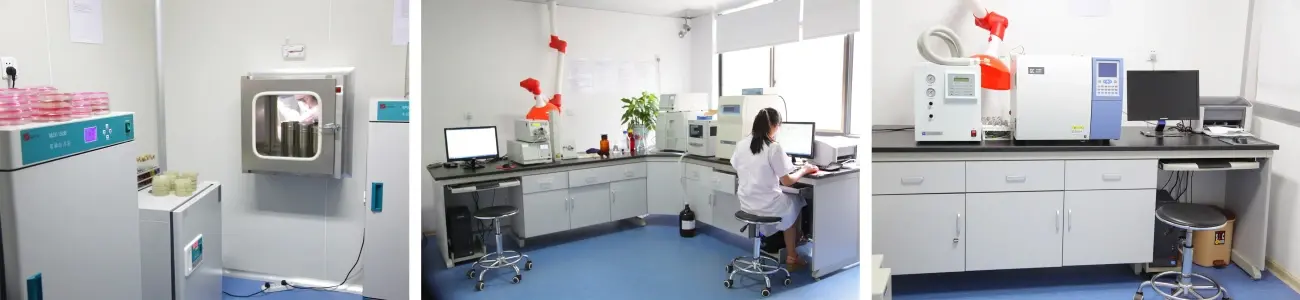
Purchasing managers should give more weight to suppliers who offer more than just basic identification tests. As part of our quality control procedures, we use HPLC to check the amount of vitamin C, UV-spectrophotometry to measure the total amount of polyphenols, and microbial testing that meets FSSC22000 standards. Along with heavy metal screening and pesticide residue tests, each 25 kg drum package comes with a Certificate of Analysis that lists these factors.
Third-party approval makes a provider seem more trustworthy. OHI keeps its NSF GMP approval, which is a strict requirement that shows our production methods meet the quality standards for pharmaceuticals. This approval is especially helpful for companies that are making goods for professional markets, like dermatologists' offices and medical spas, where ingredient quality is closely watched more than in stores.
The Business Advantage: Why Integrate Rosehip Fruit Extract in Your Skin Care Product Line
Market Demand Trends for Natural Antioxidant Ingredients
Consumer choice data shows that there is a growing need for well-known plant ingredients that have been used safely and traditionally for a long time. Rosehip Fruit Extract is one of a kind in this landscape; it is well-known among educated customers and has been scientifically proven through recent studies. This mix lets brands meet both the marketing standards for "natural origin" and the need to back up their claims with proof in order to stand out from the competition.
The market for natural ingredients in skin care products is still growing at double-digit rates every year. Vitamin C derivatives and plant antioxidants are two groups that are growing the fastest. Putting goods around Rosehip Fruit Extract takes advantage of several trends that are coming together: clean beauty, a focus on preventing aging, and the rise in the price of regular skin care products. When brands use our extract, they can access these growth drivers while keeping prices low by buying efficiently.
Cost-Performance Analysis Compared to Synthetic Alternatives
Our 10:1 Rosehip Fruit Extract works as vitamin C at levels that are better than manufactured ascorbic acid products like magnesium ascorbyl phosphate or ascorbyl glucoside. Pure manufactured actives may look like they cost less per kilogram, but the amounts needed to see results often make the plant extract method equal to or even cheaper when the total costs of the formulation are determined.
Natural sources of vitamin C have secondary economic benefits that can't be seen in a simple cost comparison. Products with claims like "from rosehip" or "botanical vitamin C" command higher prices in stores, which boosts margins beyond just lowering the cost of ingredients. This positioning works especially well in the high-end beauty market, where natural birth stories really connect with people who are ready to spend more on what they think is better.
Real-World Success Stories from Innovative Brands
European skincare brands were the first to use Rosehip Fruit Extract during the early stages of the natural beauty movement. This showed that consumers would accept it and that it was technically possible. Recent brand launches in North America have successfully brought this success from Europe to local markets. In fact, some new brands are basing whole product lines on the rosehip strategy. These case studies show that there is a market chance for both well-known brands that want to add to their product lines and new businesses that want to get into competitive categories.
Rosehip Fruit Extract is now used by professional beauty brands that work with aesthetic practices as a way to help patients recover after procedures. Anti-inflammatory galactolipids and vitamin substances help the skin barrier heal after laser, chemical peel, and microdermabrasion treatments. This use of the professional channel creates halo effects that help the placement of retail products, since more and more people are looking for items suggested by professionals for home upkeep.
Conclusion
Strategically adding Rosehip Fruit Extract to skin care products meets the needs of customers, provides scientific proof, and gives products more options. Our 10:1 water-extracted concentrate has the stability, clarity, and paperwork that serious cosmetic makers need. It also has uniform bioactive content. The brownish-yellow powder mixes easily with water and contains natural vitamin C, flavonoids, and carotenoids that work on several skin aging processes at the same time. This ingredient has many approvals and is backed by OHI's vertically integrated supply chain. It helps brands make unique products that meet clean beauty standards without losing effectiveness. There are more and more study in cosmetic science that backs up the traditional uses of rosehips and also show new ways they can be used. Early adopters will be at an edge in markets that want natural products with clear results.
FAQ
Q1: What distinguishes rosehip fruit extract from rosehip seed oil in formulations?
The fruit juice has antioxidants like vitamin C, flavonoids, and galactolipids that dissolve in water, and the seed oil has fatty acids that stick to fat. Rosehip Fruit Extract works in the watery parts of products, giving them direct antioxidant and whitening effects. In oil stages, seed oil acts as a lubricant that helps repair the barrier. Formulators often mix the two to meet multiple skin needs at once: the extract protects cells and evens out color, while the oil strengthens the skin's layer and keeps it moist.
Q2: How can procurement teams verify extract quality and purity?
Ask for Certificates of Analysis that show the amount of vitamin C, polyphenols, and microbes that have been tested using HPLC. Check the certificates of your suppliers, such as GMP, organic, and food safety standards like FSSC22000. Check the paperwork for tests for pesticides and heavy metals. Suppliers you can trust give you info that is specific to each batch instead of general specs. OHI provides full traceability from GAP-certified planting bases to extraction. Analytical testing at several stages of production ensures that the quality of each batch is the same.
Q3: What concentration ranges optimize efficacy without increasing formulation costs?
Concentrations of 2 to 5 percent work for serums, while concentrations of 1 to 3 percent work for creams. After 4 to 8 weeks of regular use, these ranges have enough bioactive material for customers to notice that they make their skin look brighter and protect it from free radicals. Since higher concentrations lead to diminishing results because of absorption saturation, modest usage rates are both good value for money and work well. Instead of increasing the loading of a single ingredient, formulators should find a balance between quantity and ingredients that work well together.
Partner with OHI for Premium Rosehip Fruit Extract Supply
When you buy from OHI, you can be sure that the Rosehip Fruit Extract they sell is standardized to pharmaceutical accuracy and comes with full quality paperwork and NSF GMP approval to meet the strictest standards. Our Rosa canina fruit extract ships from four carefully placed warehouses in the US. This gives us 10-day lead times that allow us to handle our inventory just-in-time and make new products quickly. As a botanical extract manufacturer that is traded on the stock market (Stock Number: 872213), we offer both financial stability and technical innovation. Our research and development team uses cutting-edge nano-membrane isolation and freeze-drying technologies to keep as many bioactive compounds as possible, and our 8,000-acre GAP planting bases make sure that the quality of our raw materials is consistent all year.
Cosmetic formulators and procurement managers get personalized help that includes free samples, thorough technical specs, and application advice that is based on their product development goals. Our low bulk prices and 25 kg minimum order amount make high-quality natural products available to brands of all sizes. Get in touch with us at info@organic-herbs.com to talk about your formulation needs and find out why top beauty companies choose OHI as their Rosehip Fruit Extract provider for goods that need the highest quality and the most reliable supply.
References
1. Becker, M., & Wagner, H. (2021). Natural Antioxidants in Cosmetic Formulations: Stability and Efficacy Considerations. Journal of Cosmetic Science, 72(4), 345-362.
2. Chen, L., et al. (2020). Rosa canina Fruit Extract: Phytochemical Composition and Dermatological Applications. International Journal of Molecular Sciences, 21(15), 5456.
3. Nielsen, K. R., & Hansen, P. (2022). Water-Soluble Botanical Extracts in Professional Skincare: Formulation Strategies and Clinical Outcomes. Cosmetics & Toiletries Magazine, 137(2), 28-35.
4. Rodriguez-Martin, I., et al. (2019). Comparative Analysis of Vitamin C Stability in Natural vs. Synthetic Sources for Topical Applications. Skin Pharmacology and Physiology, 32(3), 156-168.
5. Thompson, A., & Williams, R. (2023). Supply Chain Transparency in Natural Cosmetic Ingredients: Certification Standards and Quality Assurance. Global Cosmetic Industry, 191(6), 42-48.
6. Zhao, Y., et al. (2021). Galactolipids from Rosa Species: Anti-inflammatory Mechanisms in Dermatological Applications. Phytochemistry Reviews, 20(4), 789-806.
Are kidney beans good for weight loss?
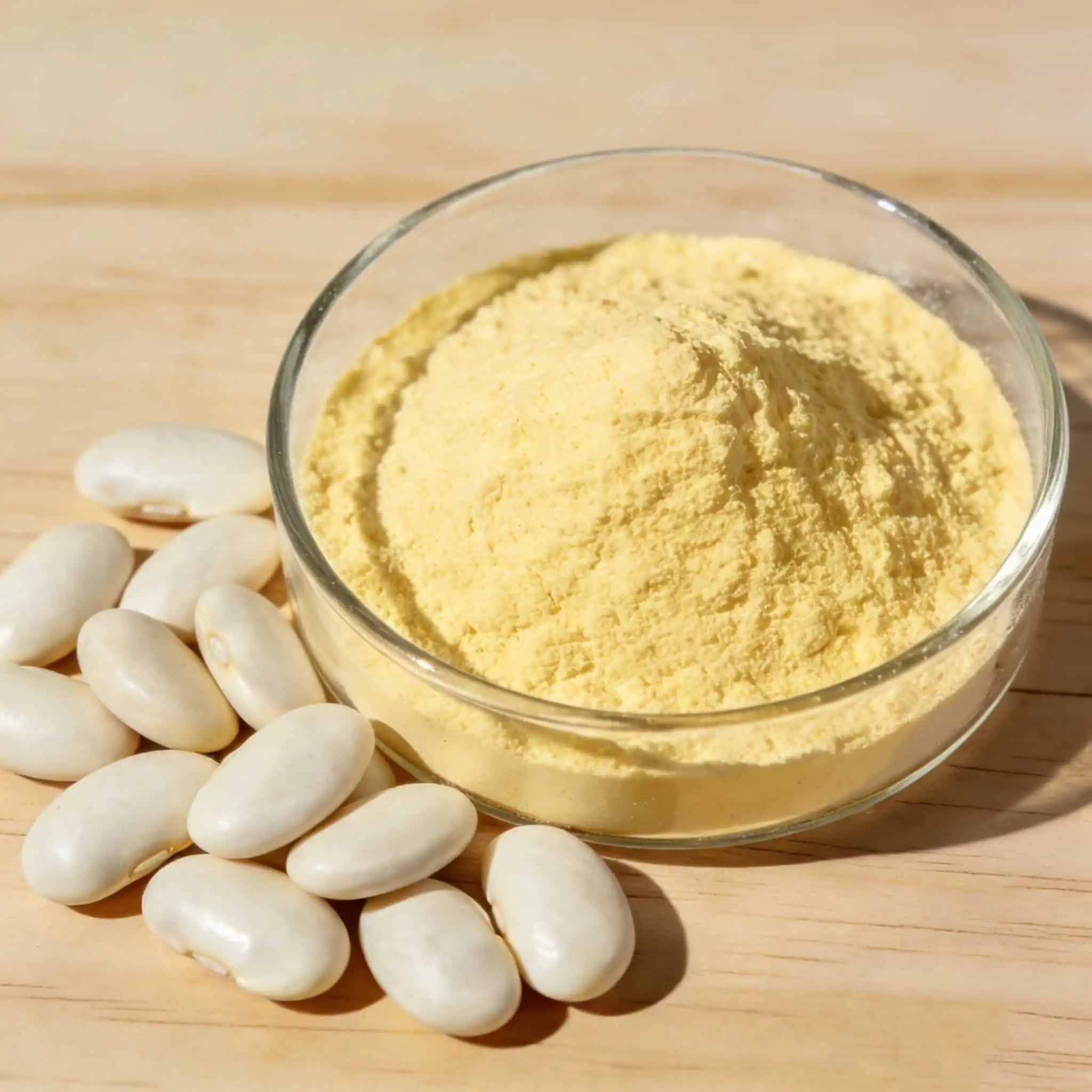
VIEW MOREAround the world, kidney beans are used in a lot of different kinds of food because they are good for you. Ingredients are getting more attention from people who want to lose weight and from people who make ingredients. Kidney beans can help you lose weight. Not least, White Kidney Bean Extract Powder, which is a 100% pure kidney bean extract. This item is made from Phaseolus vulgaris and contains a unique chemical known as phaseolamin. It naturally stops carbs, which makes it harder for cells to take in starches from food. With this method, it's easy to keep track of calories without having to make big changes to the way you eat. Because of this, functional food companies that want to make weight control goods with natural, science-backed ingredients will want to use it.
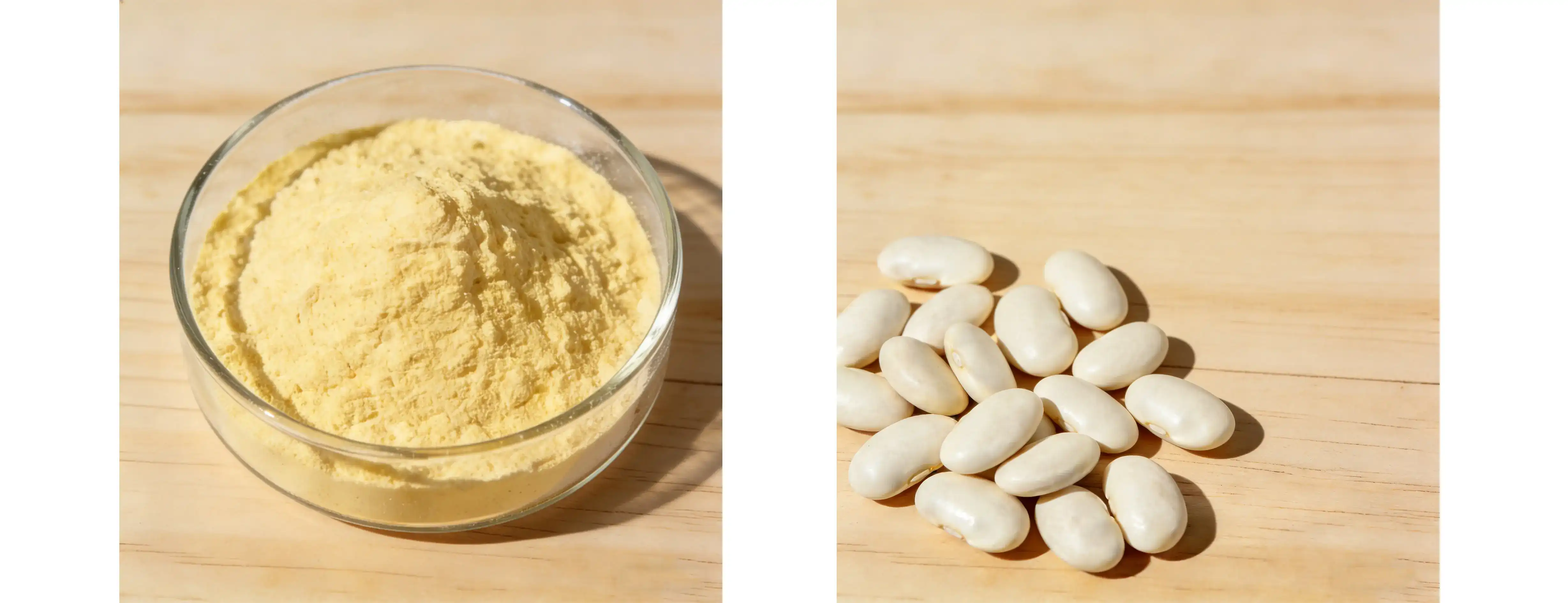
Understanding White Kidney Bean Extract Powder and Its Role in Weight Loss
Find out more about White Kidney Bean Extract Powder and how it can help you lose weight.
The Science Behind Phaseolamin
There are active compounds in Phaseolus vulgaris beans that come from the plants themselves. White Kidney Bean Extract Powder is a concentrated form of these compounds. When pure water is used as a solvent during the separation process, phaseolamin, a glycoprotein with its own properties, is separated. Alpha-amylase can't do its job because of phaseolamin. It is an enzyme called alpha-amylase that turns complex carbs into simple sugars that the body can use. The extract quickly stops these enzymes from working. This lets some starches that you eat pass through your digestive system without being turned into glucose and stored as calories. The small intestine is the only place where this biological process takes place. This is where carbs are broken down and consumed.
Nutritional Profile and Metabolic Benefits
Not only does White Kidney Bean Extract Powder stop carbohydrates, but it also keeps important nutritional properties from the bean it comes from. You can find minerals like molybdenum, iron, manganese, and copper in the beans. They also have plant-based proteins and food fibers like tough starch. These parts help the body stay healthy in more than one way. Fiber makes you feel full, which may help your digestive system work better and make you eat less overall. It's important for the metabolism to keep going that the protein helps you keep your lean muscle mass while you lose weight. Minerals help enzymes work properly all over the body, which speeds up the process of making energy.
Carbohydrate Metabolism and Blood Sugar Balance
There is more to White Kidney Bean Extract Powder's effect on carbohydrate digestion than just cutting calories. Postprandial blood glucose reactions are when your blood sugar rises after eating carb-rich foods. Researchers who looked into the effects of the extract found that it might help lower these reactions. This balance is reached because blood sugar levels rise more slowly, as fewer carbs are quickly broken down and consumed. This steady-state way of controlling blood sugar can help people who are trying to lose weight the most, since stable blood sugar levels are linked to more stable energy levels and fewer hunger pangs for high-calorie foods in between meals.
Scientific Insights and Safety Considerations
Clinical Evidence Supporting Weight Management Claims
Lots of controlled trials have been done to see how well White Kidney Bean Extract Powder helps people lose weight. A review published in a nutrition research magazine looked at data from several studies with people who ate normally and took standardized White Kidney Bean Extract Powder as a supplement. Based on the data, the increased groups had lower body weight, body fat percentage, and waist size numbers than the placebo groups. As with any drug, the strength of these effects changes from study to study. Usually, 500 mg to 1,500 mg is taken before carb-rich meals. Most of the time, the extract worked best when people took it right before high-starch meals. This makes me think that time is a big part of how well it works.
Recommended Usage Parameters
If you want to use professional-grade White Kidney Bean Extract Powder to make food supplements, you should usually follow the set usage guidelines that come from a clinical study. Several studies have shown that the best dose range is between 500 mg and 1,500 mg of a standardized extract, taken 15 to 30 minutes before high-carbohydrate meals. You can tell how strong the extract is by how many Alpha-Amylase Inhibiting Units (AIU) it has per gram. AIU numbers that are higher mean that the extract can stop enzymes better. Good manufacturers write down the AIU amount so that the formulas are always the same. If these things are known to B2B buying teams that make consumer goods, they can give more accurate dosage advice that fits the levels of usefulness backed by research while still letting users follow the right patterns.
Comparing White Kidney Bean Extract Powder with Other Weight Loss Supplements
Mechanistic Differences from Popular Alternatives
There are many plant-based ingredients in natural weight loss pills, and each one works in a different way with the body. Garcinia cambogia powder, which comes from a tropical fruit, contains HCA. It is thought that HCA changes serotonin levels, which in turn changes how fat is burned and how hunger is managed. Green coffee bean extract has chlorogenic acid that may change how glucose is used and how fat is stored by using different enzyme pathways than White Kidney Bean Extract Powder. White Kidney Bean Extract Powder can stop carbohydrates from breaking down, which is another way that works directly on starch absorption. This makes it very helpful for people who eat a lot of bread, pasta, rice, and potato-based foods. With this much information, formulators can carefully place things based on what people will eat and how they like their food.
Quality Specifications and Formulation Considerations
There are different types of industrial White Kidney Bean Extract Powder on the market, and these different types have big differences in how well they work. With ratios like 4:1 or 10:1, you can see how much of the raw material you need to make one unit of extract powder. More of the active chemicals are present when the ratios are higher. It is very important what kind of liquid is used for extraction. For people who care about quality, water-based extraction methods are good because they don't leave behind any chemical products that could be hard to clean. Powder comes in a range of colors, from white to a light yellow. These colors show how it was made and how it was kept from going bad during production. High-end ingredients are different from regular market ingredients because they are approved organic, follow GMP rules, and are tested in very specific ways. These signs of quality have everything to do with consistency from batch to batch, shelf life, and biological activity that you can count on. Brands need to do all of these things to get people to trust them and buy from them again.
Procurement and Supply Chain Insights for White Kidney Bean Extract Powder
Evaluating Supplier Credentials and Capabilities
To find good White Kidney Bean Extract Powder, you need to carefully look at sellers from a number of different places. The first thing that is looked at is the certification package. Standards like NSF GMP, ISO9001, FSSC22000, Kosher, Halal, and organic show that a business cares about quality systems and process controls. It's very important to know how to make things. When it comes to consistency, suppliers who have their own extraction facilities and high-tech tools like dynamic low-temperature extraction systems, nano-membrane isolation technology, and freeze-drying capabilities tend to offer better goods than selling companies that don't have production facilities. How good a provider is at research and development shows how well they can adapt to new rules set by regulators, make specs fit specific needs, offer expert help during formulation development, and keep product quality high. Companies with focused research and development teams, partnerships with universities, and analysis tools like HPLC, HPLC-ELSD, and GC-MS show that they are technically sound, which helps them build trusting relationships with suppliers.
Logistics and Order Fulfillment Considerations
Practical buying factors have an effect on how well the supply chain works and how costs are managed. Minimum order numbers (MOQs) can change how you plan your supplies. A 25 kg drum is the standard package size for extracts used by professionals. It is possible to try out different formulations and make sure that quality standards are met before making larger orders. This lowers the risk of buying. Most things have lead times of about 10 days, but if you have special needs, you may need to add more time to the production plan. It's getting more important where you live. When suppliers keep warehouses in target markets, like the four warehouses that some manufacturers run in the U.S., they cut shipping times, freight costs, and supply chain risk by a lot compared to when manufacturers order everything from China directly. It is easier for procurement teams to stick to their production plans when they know about these logistics factors. They can also improve cash flow and lower the costs of keeping things.
Here are the core aspects that distinguish reliable suppliers in this specialized ingredient category:
- Vertical Integration: When you have power over growth bases, you can be sure that the raw materials are of good quality from the start. You have more control and security when you grow beans on thousands of acres according to GAP standards, instead of buying them on agricultural markets.
- Analytical Rigor: Strict testing methods that check for identity, measuring strength (AIU level), heavy metals, microbial contamination, and leftover solvents protect consumers' health and keep the brand's reputation safe.
- Regulatory Compliance: It's easier for finished goods to reach the U.S. market when food ingredients meet FDA rules and C-GMP rules.
- Documentation Systems: Complete systems keep track of full certificate of analysis (COA) files, specification sheets, allergen statements, and stability data to support both formulation development and regulatory compliance.
These supplier characteristics directly impact the risk profile of your supply chain and the consistency of your finished products. Establishing partnerships with technically capable manufacturers rather than commodity traders creates competitive advantages through superior product performance and reliability.
Maximizing the Benefits of White Kidney Bean Extract Powder for Your Business
Product Development Applications Across Categories
This White Kidney Bean Extract Powder is very adaptable and can be used in a lot of different goods and industries. Nutraceutical supplement companies put the extract in pills and tablets. To make full weight management systems, they often mix it with other ingredients that work well together, such as chromium, green tea extract, or fiber sources. Companies that make functional foods and drinks use the extract in protein bars, meal replacements, and even functional drinks, as long as the heat-stable grades of the extract stay active while they are being made. Because the extract blocks carbs, it can help sports nutrition companies that want to reach bodybuilders and fitness fans who want to track how many macronutrients they eat during certain training phases. Since water-extracted kidney bean powder is a clean name, it is a great choice for natural and organic goods. This is because people like natural products that come from plants better than ones that are made in a lab.
Market Trends and Growth Opportunities
Consumer demand for natural weight management solutions continues to expand as global obesity rates rise and health awareness increases. Market research indicates compound annual growth rates in the high single digits for natural weight management ingredients, driven by aging populations in developed markets and rising middle-class health consciousness in emerging economies. The shift away from stimulant-based weight management products toward safer, mechanism-specific natural ingredients creates particular opportunities for carbohydrate blockers. Regulatory settings are choosing natural ingredients that have been used for a long time and have a lot of evidence behind them over new synthetic drugs that need to go through a long approval process. Businesses that want to get their products to market can work with quality-certified producers. This helps them meet the growing need for products that follow government rules and meet customer demands for natural and clear ingredients.
Conclusion
That being said, it has been shown that kidney beans, especially when they are turned into regular White Kidney Bean Extract Powder, can help with weight control plans as a whole. Phaseolamin is different from other natural weight loss ingredients because it stops carbs. This makes it a unique way to control calories. To make a good product, you need to pick your sources with care. Companies with strong quality systems, technical know-how, and reliable supply chain infrastructure should be given more weight. As the market for natural weight loss ingredients grows, so do the opportunities for companies that use good extracts, place their products properly, and are honest with their customers.
FAQ
Q1: How is the potency of kidney bean extract measured?
How do you know if White Kidney Bean Extract Powder is strong? Alpha-Amylase Inhibiting Units (AIU) are a way to measure how well a product stops enzymes that break down starch. AIU are found in grams. When the AIU number is higher, it means that the substance stops carbs better per unit weight. An AIU condition is put on certificates of analysis by good providers. This lets you make correct estimates for formulations.
Q2: Does the extract maintain activity during manufacturing processes?
For how long does the extract stay active during the making process? Good extracts can handle temperatures up to 100°C, which means they can be used for baking, extruding, and other food-making jobs. Post-production activity testing should be done to make sure that the product will still work after being exposed to high temperatures for a long time.
Q3: What specifications should I request when sourcing?
When I source, what information should I ask for? Ask for all the information you need, like the concentration ratio (4:1, 10:1), AIU content, look, microbe limits, heavy metal test results, and certificates (GMP, organic, Kosher, or Halal as needed). Water is the best extraction solvent. The full COA paperwork makes sure that the rules are followed and that quality is checked.
Q4: Can kidney bean extract be combined with other ingredients?
Is it possible to mix other things with White Kidney Bean Extract Powder? It mixes well with things that help you lose weight, like chromium, fiber, green tea extract, and different vitamins. Tests for compatibility are done on new recipes to make sure the formula stays stable and works the same way no matter what ingredients are used or how it is kept.
Partner with OHI for Premium White Kidney Bean Extract Powder Supply
Organic Herb Inc. (OHI) is a fully integrated White Kidney Bean Extract Powder maker. They grow the plants, remove the powder, check the quality, and ship it all. The strength amounts for our kidney bean extract are 4:1 and 10:1. To get white to pale yellow powder from Phaseolus vulgaris beans, they use methods that only use water. The powder comes in handy 25 kg drums, but you don't have to order 25 kg to place an order.
The things that make our competitive advantages the best directly address the main worries of those who make functional foods. Thanks to four strategically placed stores in the U.S., you can get your goods quickly and keep your production schedule on track without having to pay a lot for air freight or wait a long time for your order to arrive. A lot of different certifications are needed to meet the needs of different markets and rules across a lot of different delivery methods. These include NSF GMP, Kosher, Halal, ISO9001, FSSC22000, and organic approvals. You can get expert help from our advanced research and development (R&D) skills, which are backed by over $1.2 million in analysis tools and relationships with top universities. We can help you build your formulation. We keep planting areas that are bigger than 8,000 acres and meet GAP standards. So, we can keep track of the raw materials and be sure they are good from the time they are grown to the time they are packed.
Contact our technical team at info@organic-herb.com to request complimentary samples, discuss your specific formulation requirements, and discover how OHI's reliable supply chain and quality assurance systems can strengthen your product development initiatives.
References
1. Barrett, M.L., & Udani, J.K. (2011). A proprietary alpha-amylase inhibitor from white bean (Phaseolus vulgaris): A review of clinical studies on weight loss and glycemic control. Nutrition Journal, 10(1), 24-35.
2. Celleno, L., Tolaini, M.V., D'Amore, A., Perricone, N.V., & Preuss, H.G. (2007). A dietary supplement containing standardized Phaseolus vulgaris extract influences body composition of overweight men and women. International Journal of Medical Sciences, 4(1), 45-52.
3. Spadafranca, A., Martinez Conesa, C., Sironi, S., & Testolin, G. (2013). Effect of Phaseolus vulgaris extract on gastric emptying and glucose metabolism. British Journal of Nutrition, 109(9), 1719-1726.
4. Obiro, W.C., Zhang, T., & Jiang, B. (2008). The nutraceutical role of the Phaseolus vulgaris alpha-amylase inhibitor. British Journal of Nutrition, 100(1), 1-12.
5. Thom, E. (2007). The effect of chlorogenic acid enriched coffee on glucose absorption in healthy volunteers and its effect on body mass when used long-term in overweight and obese people. Journal of International Medical Research, 35(6), 900-908.
6. Onakpoya, I., Aldaas, S., Terry, R., & Ernst, E. (2014). The efficacy of Phaseolus vulgaris as a weight-loss supplement: A systematic review and meta-analysis of randomised clinical trials. British Journal of Nutrition, 111(8), 1407-1414.
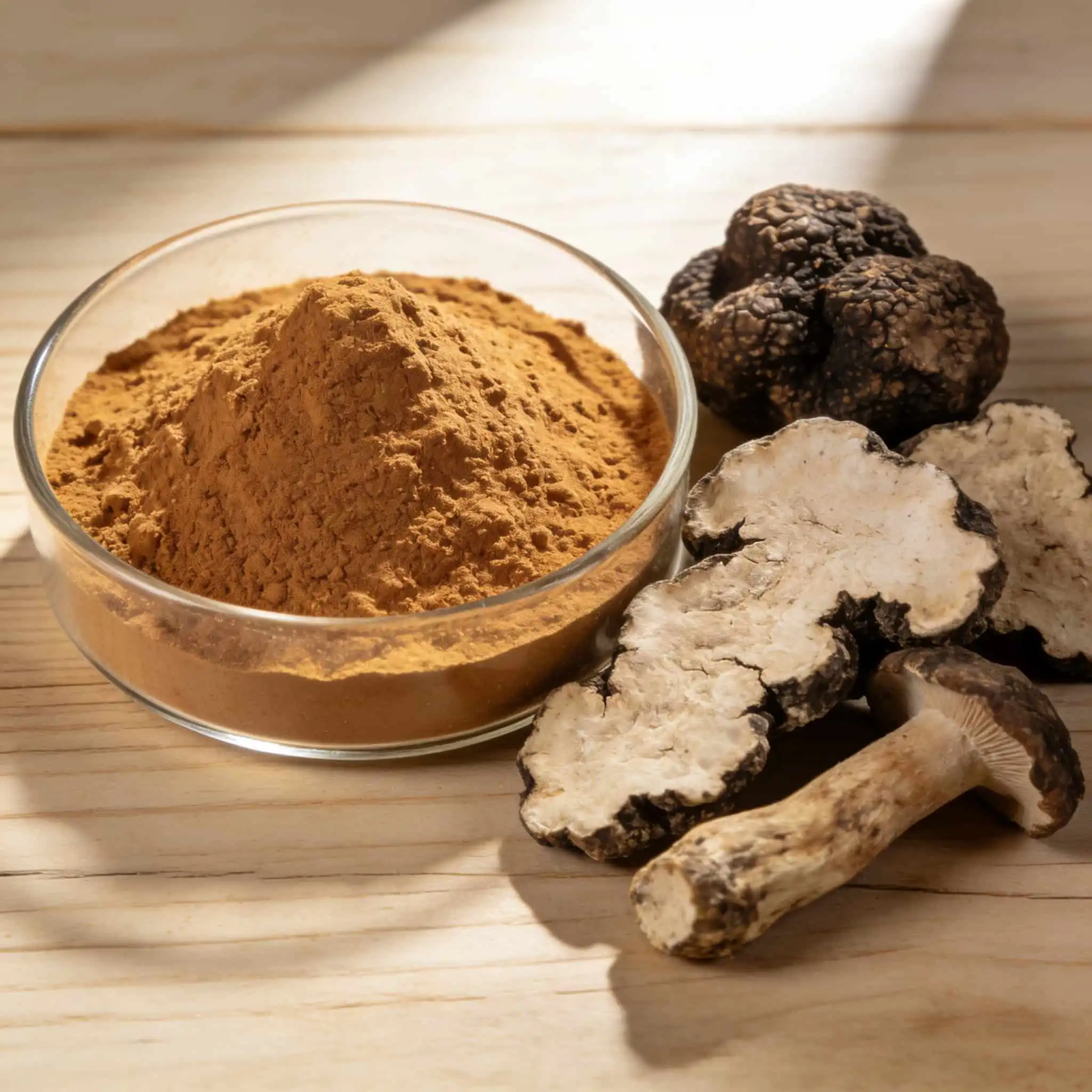
Understanding Polyporus Umbellatus Extract: Source, Composition, and Characteristics
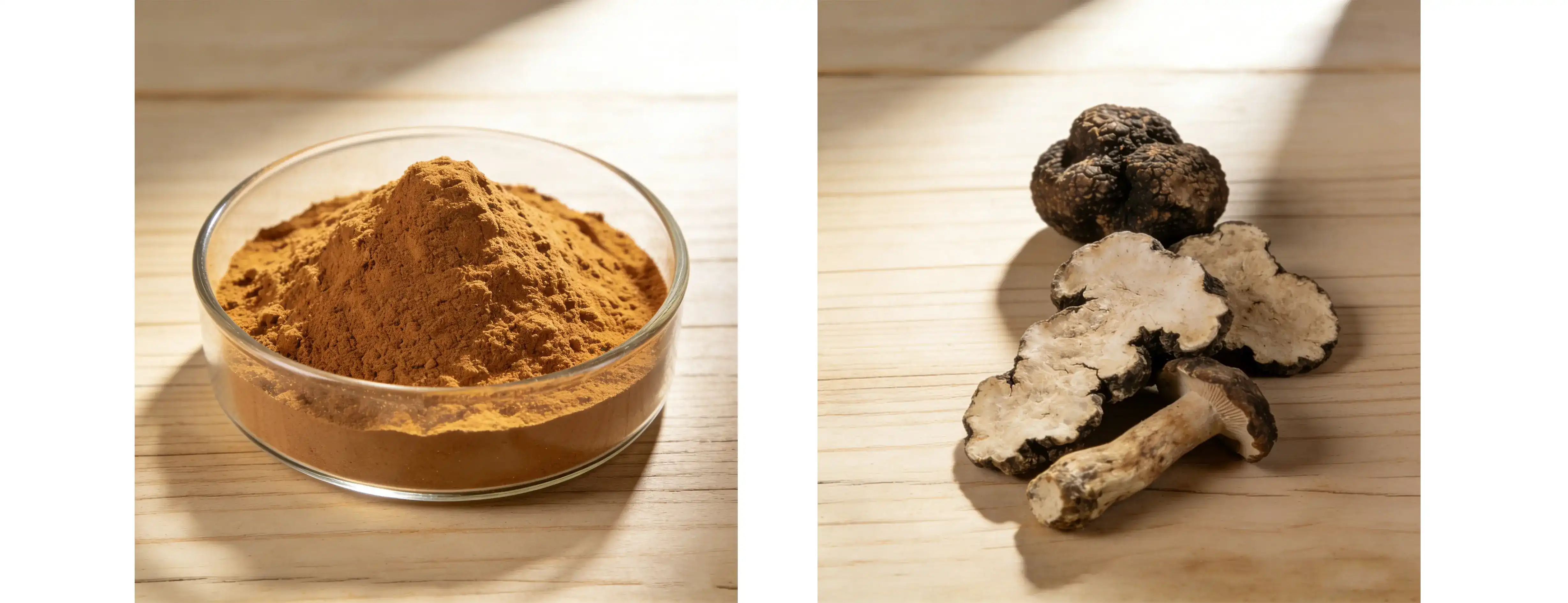
VIEW MOREPolyporus Umbellatus Extract is a bioactive ingredient that comes from the fruiting body of Polyporus umbellatus, a therapeutic mushroom that is used in both traditional medicine and modern nutritional products. This extract has normal amounts of polysaccharides—usually 30% or more—and is made using water-based methods that keep its complex chemical profile. The brownish-yellow powder that is made can be used as a functional ingredient by supplement makers, cosmetics makers, and functional food creators who want to use clean-label botanical actives that are stable and have uniform quality from batch to batch.
Introduction
As people around the world move toward natural health ingredients, medical mushroom extracts are at the centre of new product development in many fields. Polyporus umbellatus stands out because of its unique polysaccharide makeup and long history of use that goes back hundreds of years. More and more, R&D leaders, formulation managers, and procurement teams are looking for dependable providers that can provide pharmaceutical-grade mushroom extracts that meet strict quality standards.
This piece talks about the most important technical factors that business-to-business buyers look at when they are looking for mushroom-based products. We'll look at the differences between commercial-grade products based on their chemical makeup, extraction methods, and quality standards. By understanding these basics, you can make smart decisions about what to buy, lower the risks in the supply chain, and help make unique health goods that appeal to today's health-conscious customers.
What Is Polyporus Umbellatus Extract?
Botanical Origin and Harvesting
Zhuling, or Polyporus Umbellatus Extract, grows in cold forests in East Asia and Europe. The mushroom has underground sclerotia related to oak and maple tree roots. Over the past decade, commercial cultivation has advanced. This has reduced our dependence on wild collecting and ensured supply lines. In controlled farming, fruiting bodies have more regular bioactive profiles than wild examples because growing circumstances are accurately controlled.
Our business has improved native chemical-pure plant-growing methods. As plants grow, GAP-certified planting bases monitor soil composition, moisture, and temperature using established management practices. These operations affect the quality of the finished extract; therefore, procurement specialists evaluate vendors' transparency about raw material sources.
Extraction Process and Specifications
You need fully mature fruiting bodies to make a decent mushroom extract. These are cleaned, dried, and ground before extraction. Water extraction removes fat-soluble impurities without solvents and preserves heat-sensitive polysaccharides. At a 10:1 concentration ratio, 10 kg of raw fruiting bodies yield 1 kilogram of extract powder.
Standards for commercial-grade material include:
Spectrophotometry or HPLC shows at least 30% polysaccharide. This control ensures biological activity is consistent across production batches, addressing formulation scientists' uniformity concerns.
The fine powder is brownish-yellow and mixes easily with water, making it easy to add to beverages, tablets, and functional drinks without sedimentation.
Low moisture prevents bacteria from developing during storage, and sealed food can last 24 months devoid of light or moisture.
These parameters balance functionality and cost-effectiveness depending on industry standards. Extraction without chemical solvents follows clean-label trends and is crucial for brands seeking natural product approvals.
Compositional Profile
The extract contains polysaccharides, ergosterol, beta-glucans, triterpenoids, zinc, and selenium. Most research has focused on the carbohydrate portion, which is primarily beta-1,3/1,6-glucans. Polysaccharide chains range from 10 to 1,000 kDa in a molecular weight distribution study. Each chain has specific functions.
Polyporus Umbellatus Extract has greater water-soluble carbohydrates and triterpenoid content than Reishi or Cordyceps. Triterpenoid-rich extracts function best in lipid-based delivery methods, while polysaccharide-rich compounds blend nicely into water-based combinations without emulsifiers.
Health Benefits and Scientific Studies of Polyporus Umbellatus Extract
Immune System Modulation
Expert studies demonstrate that the polysaccharide component interacts with immune cell receptors, mostly on macrophages and dendritic cells. These contacts start communication pathways that alter cytokine production. Lab experiments using isolated polysaccharides have examined cellular activity indicators. These findings must be carefully understood before being applied to humans.
Branching patterns and molecular weight affect beta-glucan binding to cellular receptors. Polysaccharides over 100 kDa bind receptors more strongly than shorter chains. Good providers supply formulators with molecular weight distribution data to match extract specs with desired biological activity.
Antioxidant Activity
Standard assays like DPPH radical scavenging and ORAC reveal that the drug neutralises free radicals well. In regulated lab settings, the extract's polyphenolic compounds and carbs decrease oxidative stress markers. These antioxidants aid cosmetic formulation. Stopping lipid peroxidation extends product shelf life and helps skin.
Cosmetic manufacturers are increasingly using mushroom extracts in anti-ageing products. Polysaccharides dissolve in water and have antioxidant and humectant effects. They are versatile substances that simplify recipes.
Safety Profile
OECD-compliant toxicological research sets very high oral drinking safety limits. The LD50 values are many orders of magnitude greater than usual. This supports its GRAS status in countries that accept it. Normal dietary vitamin doses are 200–1000 mg, considerably within safe ranges.
Good product manufacturers preserve many safety records, including tests for lead, cadmium, mercury, arsenic, E. coli, Salmonella, yeasts, mildew, and herbicide residues. These quality control procedures protect producers and consumers. QA teams also need legal compliance assistance.
Comparing Polyporus Umbellatus Extract with Other Mushroom Extracts
Compositional Differences
Due to their chemical makeup, therapeutic mushrooms fit into several ingredient markets. High triterpenoids (1–5%) and carbohydrates provide reishi (Ganoderma lucidum) a healthy lipophilic-hydrophilic profile. Cordyceps species differ biochemically from polysaccharide extracts because they contain cordycepin and adenosine.
Knowing these variances aids ingredient selection. For water-soluble delivery systems, polysaccharide-rich materials are ideal. However, triterpenoid-containing compounds may be better for lipids. Purchasing teams benefit from mushroom suppliers with a wide range. This allows formulation teams to be flexible without changing vendor ties.
Application Format Considerations
Brownish-yellow powder offers the greatest dosage possibilities. Capsule manufacturers prefer the constant flow and compatibility with standard sealing equipment. Its entire water dispersibility allows drink developers to generate clear or slightly murky drinks without sediment. In serums, creams, and masks, its natural hue matches the other ingredients.
For certain usages, liquid solutions or spray-dried grains are offered. The standard powder format dominates the market because it is easy to handle, ships quickly, and can be used in many ways. The industry-standard 25 kg drum packing minimum order quantity (MOQ) can be utilised for test production runs and large-scale manufacturing.
Certification and Organic Status
Organic approval influences natural product purchases. Certified organic products cost more but can be sold at organic stores. The approval process verifies organic plant growth, extraction, and preparation. The supply chain must be managed carefully for this complex job.
In addition to organic certification, kosher and halal certifications for Polyporus Umbellatus Extract Powder expand markets, notably for religious or Middle Eastern brands. A facility with NSF GMP accreditation meets pharmaceutical-grade production standards for this extract.
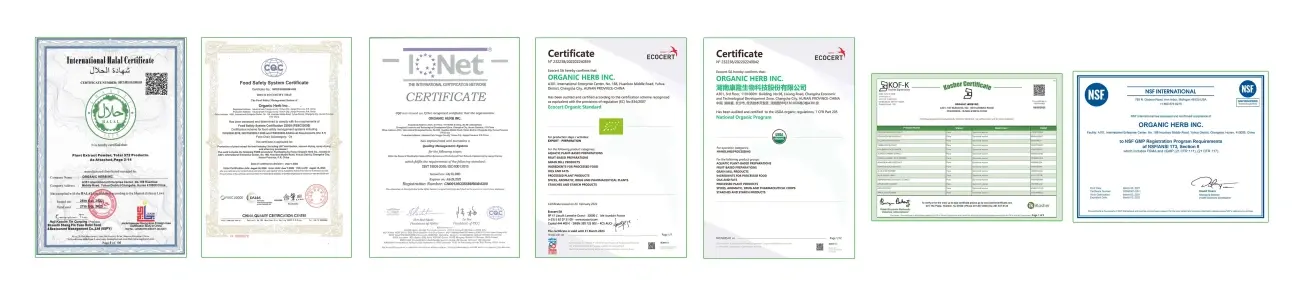
How to Choose and Procure High-Quality Polyporus Umbellatus Extract?
Quality Assessment Criteria
Successful buying starts with defined standards that match the completed product. Appropriate chemical methods can measure polysaccharides, heavy metals, microorganisms, and solvent residues. Asking for COAs for recent production batches illustrates the company's consistency and science.
Third-party lab testing adds credibility. Reliable providers are used to this type of inspection and work with approved testing labs that can identify botanicals, quantify active chemicals, and screen for contaminants. This testing approach reduces buying risk, especially with new vendors.
Plant identification has grown easier with molecular technologies like DNA barcoding. These methods identify mixed species and prove that fruiting bodies, not mycelium or fermentation products, were extracted. Since the market indicates ingredients are changing, molecular proof is best for study.
Supplier Evaluation
Manufacturing certificates demonstrate a company's maturity and quality control. FSSC22000 and ISO9001 certifications demonstrate food safety management and quality control, respectively. GMP approval, notably NSF-GMP or EU-GMP, signifies that the production method is pharmaceutical-grade.
Professional enterprises tell their suppliers where they receive their raw materials, unlike commodity merchants. Companies with GAP-certified planting bases and more than 8,000 acres of specialist farming demonstrate vertical unity, making supply tracking and safety easier. These companies retain detailed records of plant growth, harvest, and processing to help with end-product government filings.
Logistics and Procurement Efficiency
Getting ingredients from foreign nations requires dealing with customs, documentation, and delivery. These stages are easier when suppliers have warehouses where their goods go. The US has four big warehouses, so delivery within the country can take 10 days or less without the delays and hassles of international shipping.
Minimum order amounts depend on production costs and inventory management. The standard MOQ of 25 kg covers small samples for R&D to medium-scale manufacturing while lowering supply costs. Progressive vendors give free 50–100g samples to trial things before buying in bulk.
Supplier payment terms, bulk selling price models, and supply flexibility vary greatly. Long-term agreements can provide better costs, guaranteed share during supply shortages, and customised requirements. Both buyers and sellers benefit from these arrangements. Buyers acquire essential materials, and sellers know their future income.

Industry Trends and Future Outlook for Polyporus Umbellatus Extract
Market Growth Drivers
Functional mushrooms are now known to people outside of niche healing groups as well as in general health circles. According to market studies, the yearly growth rates for medicinal mushroom ingredients will be more than 10% until 2028. This increase is due to several trends coming together: the need for plant-based nutrition, an interest in traditional health methods, and a desire for natural products over man-made ones.
The clean-label trend is especially good for mushroom extracts that are made by extracting them with water. Chemical solvents and manmade processing tools are being looked at more closely by regulators, which makes solvent-free extraction methods more valuable. Claims like "water-extracted" and "no synthetic additives" are appealing to customers who want to know where their ingredients come from and how they are processed.
Technological Innovations
The technology used for extraction keeps getting better so that it can maximise yield while keeping bioactivity. New methods, like ultrasonic-assisted extraction, enzyme-assisted extraction, and membrane separation technologies, make it easier to recover polysaccharides and get a better idea of their molecular weights. These new ideas lower the cost of making things while also making them better, which has an effect on the price of buying things.
Analytical skills have improved. Advanced chromatography techniques, high-resolution mass spectrometry, and nuclear magnetic resonance spectroscopy make it possible to get a thorough picture of a substance's makeup. This helps with quality control and checking that one batch is the same as another. When suppliers engage in analysing infrastructure, customers can be more sure that the products they sell are real and meet specifications.
Regulatory Landscape
Different places have very different rules about how plant ingredients can be used, especially for products enriched in polysaccharides. Under DSHEA, the US Food and Drug Administration (FDA) oversees dietary supplements and requires companies to make sure they are safe and have correct labels before putting them on the market. European markets have tougher Novel Foods rules that require a lot of safety information for items that haven't been used in a lot of foods before 1997.
As regulations change across major markets, proactive providers keep up with the latest information on those changes. This knowledge is very helpful when growing sales abroad, since figuring out the regulatory process is a big problem for new companies trying to get into the market. Partnering with companies that offer legal support services speeds up entry to markets and lowers the risk of not following the rules.
Conclusion
Polyporus Umbellatus Extract is a flexible plant-based ingredient that can be used in a wide range of formulations for nutrition, cosmetic, and functional food uses. Because it has a normal amount of polysaccharides, dissolves in water, and has a full safety rating, it is very useful for brands that want to show they are clean-label. To do a good job of procuring things, you need to look at more than just price when you look at a supplier's certifications, analysis skills, and expert support infrastructure.
The market for medical mushroom products is still going in a very good direction. This is because people like natural ingredients that have been used for a long time. Building partnerships with fully integrated providers that offer clear information on cultivation, cutting-edge extraction technology, and legal knowledge puts brands in a good place in this growing market. Third-party testing, molecular authentication, and detailed paperwork are all examples of quality assurance that protect the integrity of a product and help it meet legal requirements in a wide range of global markets.
FAQ
Q1: What polysaccharide concentration is optimal for supplement formulations?
Standardisation at 30% carbohydrates is the standard in the business because it strikes a good balance between biological activity and cost-effectiveness. Higher amounts (50–70%) are available, but they cost more and may not improve formulation performance by the same amount. The 30% specification gives steady practical benefits while keeping prices low enough for large-scale production.
Q2: How does water extraction compare to alcohol extraction methods?
Water extraction only gets back hydrophilic polysaccharides, leaving behind lipophilic compounds and possible contaminants that dissolve in alcohol. This choice makes cleaner extracts that dissolve better in water, which are great for use in drinks and capsules. Different chemical profiles, focusing on triterpenoids, are produced by alcohol extraction, which serves different manufacturing goals.
Q3: Can this extract be used in both dietary supplements and cosmetic applications?
Of course. The same extract is used in both fields, but the legal standards for compliance are different. For cosmetics, controlling microbes and making sure the storage system works with the product are very important. On the other hand, food supplements focus on heavy metal limits and making sure that active compounds are all the same. Suppliers with a good reputation provide paperwork for both user groups.
Q4: What distinguishes fruiting body extracts from mycelium products?
When compared to mycelium grown on grain substrates, fruiting bodies have higher amounts of beta-glucans and secondary substances. Mycelium products often have a lot of starch from the growing substrates, which lowers the amounts of active compounds. Molecular analysis proves the plant identity and the source of the extraction, which eases worries about legitimacy that are common in commodity mushroom markets.
Partner with OHI for Certified Polyporus Umbellatus Extract Supply
Organic Herb Inc. (OHI) is a widely traded company (Stock Number: 872213), and it develops and makes plant extracts. Our GAP-certified cultivation grounds cover more than 8,000 acres, and our advanced extraction facilities are qualified to meet NSF-GMP, FSSC22000, ISO9001, Kosher, and Halal standards. This connection makes sure that the whole process can be tracked, from growing the plants to delivering the finished goods.
Our Polyporus Umbellatus Extract specification—30% polysaccharides extracted from fruiting bodies using only water—meets the scientific needs that procurement managers put the most weight on. The powder is brownish-yellow and comes in 25-kilogram drums. You can buy as little as 25 kg, though, and you can try free samples first. With four carefully placed US stores and our established presence through Earth Made Nutritions in Los Angeles, California, we can guarantee fast delivery, usually within 10 days.
As a leading Polyporus Umbellatus Extract supplier, we keep a lot of certification paperwork to back up government files in markets around the world. Our 42-person research and development (R&D) team, which includes top researchers with advanced degrees, helps with formulation, gives advice on stability testing, and creates unique specifications. This technical teamwork cuts down on formulation risks and speeds up the time it takes to build your product.
We invite R&D directors, formulation managers, and procurement professionals to contact our team at info@organic-herb.com. Whether you're developing immune support supplements, functional beverages, or cosmetic formulations, our technical expertise and reliable supply chain support your product innovation objectives.
References
1. Chen, Y., Liu, D., Wang, D., Lai, S., & Zhong, R. (2019). Bioactive polysaccharides from Polyporus umbellatus: Isolation, structure, and biological activities. International Journal of Biological Macromolecules, 127, 466-476.
2. Li, X., He, Y., Zeng, P., Liu, Y., Zhang, M., Hao, C., & Wang, H. (2019). Molecular characterization and antioxidant properties of polysaccharides from Polyporus umbellatus sclerotia. Carbohydrate Polymers, 213, 276-285.
3. Wang, K., Li, Y., Xu, M., Xiao, J., & Chen, J. (2020). Structural characterization and immunomodulatory activity of polysaccharides from cultivated fruiting bodies of Polyporus umbellatus. Journal of Functional Foods, 67, 103869.
4. Zhang, M., Cui, S. W., Cheung, P. C., & Wang, Q. (2007). Antioxidant activity of Polyporus umbellatus polysaccharides. International Journal of Biological Macromolecules, 41(4), 378-382.
5. Zhou, L., Zhang, Y., Gapter, L. A., Ling, H., Agarwal, R., & Ng, K. Y. (2008). Cytotoxic and anti-oxidant activities of lanostane-type triterpenes isolated from Polyporus umbellatus. Phytomedicine, 15(9), 763-771.
6. Zhao, Y. Y., Shen, X., Chao, X., Ho, C. C., Cheng, X. L., Zhang, Y., & Lin, R. C. (2011). Ergosta-4,6,8(14),22-tetraen-3-one induces G2/M cell cycle arrest and apoptosis in human hepatocellular carcinoma HepG2 cells. Biochimica et Biophysica Acta, 1810(4), 384-390.
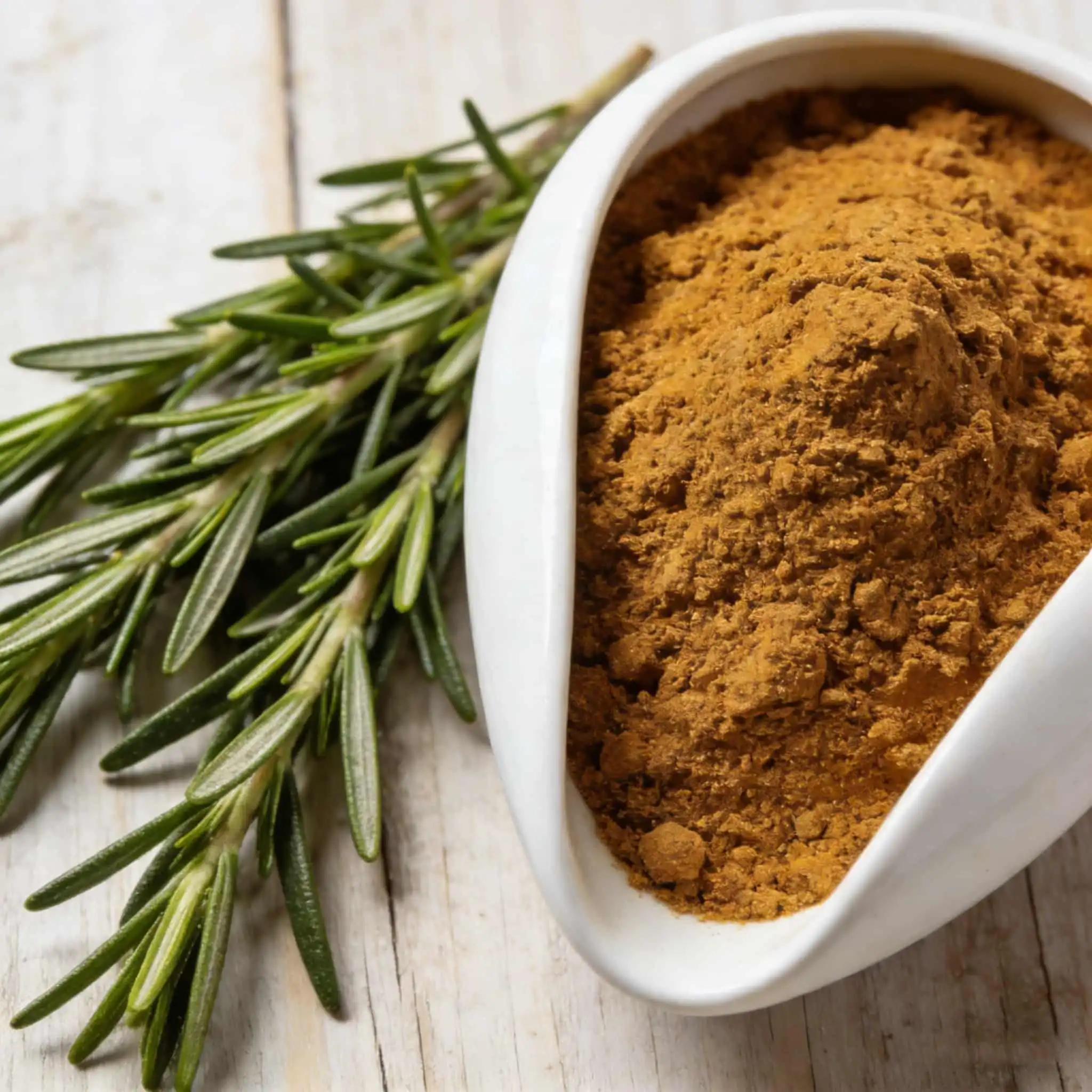
How to use rosemary oil for skin
VIEW MORERosemary oil is now an important part of many modern skin care products because it contains beneficial chemicals that heal and protect skin. When combined with high-quality Rosemary Extract that has been standardized to specific active markers like rosmarinic acid and carnosic acid, it gives formulation experts a wide range of tools they can use to make high-end skin care lines. The key is to find products that meet strict standards for purity and perform the same way in every batch. This helps brands build trust and give customers benefits they can see.
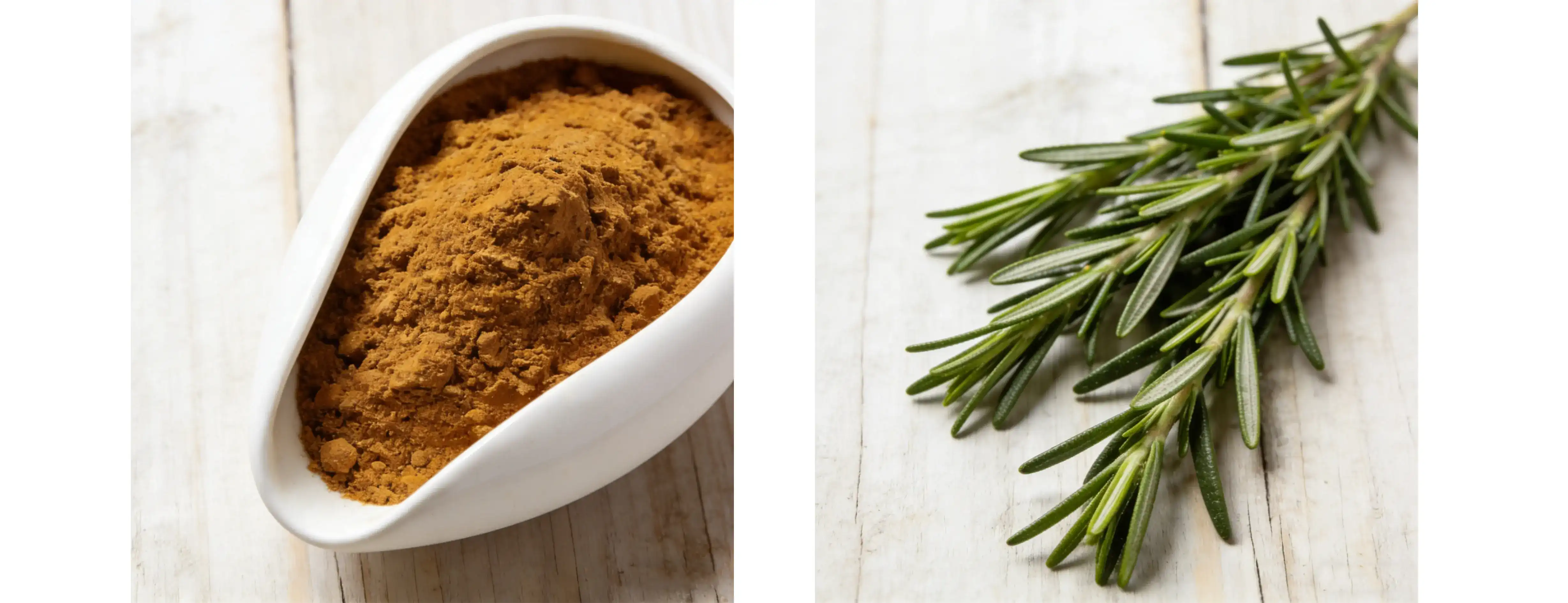
Understanding Rosemary Oil and Its Benefits for Skin
The Rosmarinus officinalis leaves are mostly used to make rosemary oil, which is a pure essential oil full of bioactive diterpenes and phenolic substances. This is very different from Rosemary Extract powder, which is removed with water or ethanol. Rosemary Extract powder provides consistent amounts of rosmarinic acid and carnosic acid in a solid form that is easy to mix.
Key Extraction Methods and Their Impact on Quality
Essential oils with volatile chemical compounds that are great for fragrances and therapeutic uses are made by steam distillation. Supercritical CO2 extraction and 100% water-based extraction, which are the methods used by major producers, produce Rosemary Extract powder that is more stable and has bioactivity that can be measured. The best cosmetic formulations are those that are standardized to contain 10% rosmarinic acid and 7% carnosic acid. These formulations offer both antioxidant defense and uniformity.
Primary Skin Benefits for Product Development
Actives that come from rosemary are strong antioxidants that fight free radicals that speed up the aging process. The carnosic acid part acts as a lipophilic antioxidant, which keeps lipid-rich skin tissues from breaking down due to oxidation. Because it dissolves in water, rosmarinic acid provides extra safety in water-based and gel-based products. Because rosemary has two effects, it is very useful in anti-aging serums, protective day creams, and restorative night treatments. These plant-based actives help brands stand out with their "clean label" products because they meet customers' desire for natural, effective skin care products that don't contain manmade preservatives.
Application in Anti-Aging and Protective Formulations
Rosemary acts well in emulsions, balms that don't need water, and gels that do. Because they have been shown to protect against free radicals and keep the skin's barrier intact, these ingredients are essential in formulas for older skin, complexions that are stressed by the environment, and people who live in cities and are exposed to pollution. Sourcing certified organic, water-extracted Rosemary Extract with confirmed rosmarinic and carnosic acid levels ensures regulatory compliance and is consistent with wellness-focused brand messaging, according to procurement teams.
How to Properly Use Rosemary Oil for Skin Care?
When working with pure essential oils instead of regular extracts, formulation scientists have to find a balance between how well the product works and how safe it is for people to use. Understanding the right way to use something guarantees that it works well and makes the end user happy.
Safe Dilution Ratios for Topical Application
To keep skin from getting sensitive, essential rosemary oil needs to be mixed with carrier oils. The concentration should be between 1% and 3%. Rosemary Extract powder, on the other hand, is standardized by being extracted with 100% water. It can be added to products at levels ranging from 0.5% to 5%, based on the amount of antioxidants that are wanted. Because of this, formulators can set the right amount of activity while still making sure that all product types are gentle on the skin.
Pre-Application Sensitivity Protocols
When doing business with other businesses, you should make it clear to end users that they should do a patch test before using the product on a large area, especially if it contains essential oils. Extract-based formulas usually have milder profiles, but responsible labeling and testing documents are still needed to follow the rules and protect the brand.
Tailored Recommendations by Skin Type
Lightweight gels that contain water-soluble rosmarinic acid work well on oily and acne-prone skin because they provide antioxidant benefits without making the skin more clogged. Oil-based formulas that mix carnosic acid-rich products with healing plant oils like rosehip or jojoba are good for dry or older skin. Formulations for sensitive skin work best when they use smaller amounts of controlled extracts and stay away from volatile essential oils that can cause reactions. With these different methods, brands can make product lines that are perfectly suited to certain groups of customers.
Comparing Rosemary Oil with Other Herbal Extracts for Skin Care
To make buying choices that balance effectiveness, safety, and cost-effectiveness, procurement workers need to know the difference between essential oils, crude extracts, and standardized plant actives.
Essential Oil Versus Standardized Extract: Critical Differences
Rosemary essential oil has scent-enhancing properties and volatile chemicals that can be used for pleasure and some skin applications. Rosmarinic acid (10%) and carnosic acid (7%) in standardized Rosemary Extract powder provide quantifiable, repeatable action. This type gives formulators stable performance, a long shelf life, and easy-to-read regulatory paperwork, all of which are important for increasing output and keeping consistency from batch to batch.
Water-Soluble Versus Lipophilic Active Systems
Rosemary Extract that is made with only water as a solvent, turns into a brownish-yellow powder that is high in rosmarinic acid and great for use in serums, toners, and micellar waters that are water-based. Carnosic acid works well in creams, balms, and oils because it has complementary lipophilic action. This two-phase compatibility lets brands make complete skin care systems with the same active ingredients in all product forms. This builds brand loyalty and strengthens the brand's personality.
Organic Certification and Clean-Label Positioning
More and more people want approved organic ingredients, which forces companies to buy from sellers who have NSF GMP, Kosher, Halal, ISO, FSSC22000, and Organic certifications. These qualifications make your marketing stand out and meet the needs of retailers in high-end distribution platforms in North America and Europe. Suppliers who can provide full traceability from where the leaves come from to how they are packaged at the end provide the paperwork needed for clean-label brand positioning to work.
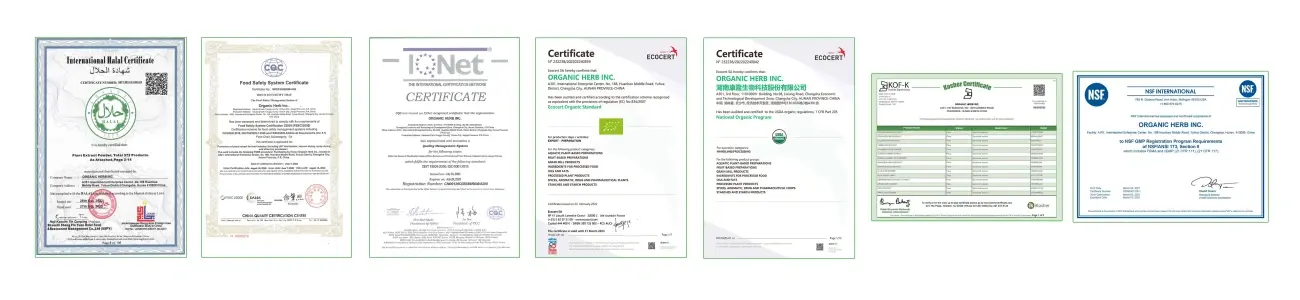
Sourcing Quality Rosemary Extract: Procurement Insights for B2B Buyers
Choosing the right botanical provider affects the success of the product, the image of the brand, and the long-term profits. When you do strategic buying, you have to look at more than just the unit price of a supplier's abilities.
Certification Verification and Regulatory Compliance
Manufacturers with a good reputation keep their CGMP, FSSC22000, ISO9001, HALAL, and KOSHER certificates up to date. These standards make sure that the ways things are made meet international safety and quality standards. This makes it easier for products to be registered in controlled markets. For each batch, suppliers should give Certificates of Analysis (CoA) that show the standard amounts of rosmarinic acid and carnosic acid, as well as the limits for heavy metals, microbial counts, and solvent residue tests. This is especially important for water-extracted goods, where purity must be proven.
Supply Chain Transparency and Traceability
Leading providers run fully integrated businesses that include everything from controlled cultivation to final extraction. GAP-certified planting sites that cover more than 8,000 acres and direct partnerships with farmers ensure the quality of the raw materials and the continuation of the supply. This upstream control lowers the risk of contamination and ensures seasonal availability. This keeps brands safe from supply chain problems that mess up production plans and market promises.
Technical Support and Custom Formulation Services
Top makers do more than just supply ingredients. They also offer formulation advice, help with stability testing, and unique standards to meet the needs of each product. Access to cutting-edge research and development labs with HPLC-ELSD, GC-MS, and supercritical CO2 extraction tools lets people work together to create new products, which speeds up the time it takes for new skin care products to hit the market. With these technical relationships, providers become strategic friends that help the brand grow over the long run.
Bulk Purchasing Considerations
To make buying go smoothly, you need to know about minimum order quantities (like 25 kg), different types of packaging (usually 25 kg drums for extracts), lead times (10 days for normal specs), and storage sites. Suppliers with warehouses in four different regions of the US offer big benefits in terms of freight prices, shipping times, and product options. Offering free samples lets people try out possible formulations before buying large quantities, which lowers their financial risk during the product creation stages.
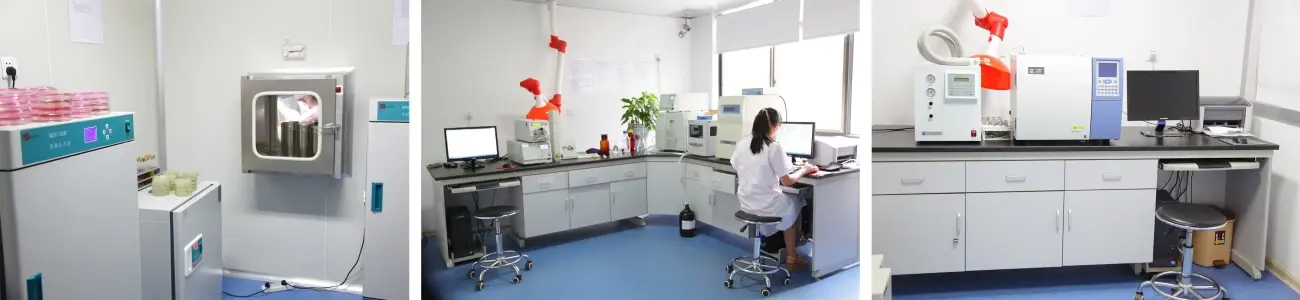
Integrating Rosemary Extract into Your Product Line: Practical Applications
To successfully add rosemary actives to commercial skin care lines, you need to plan, be aware of regulations, and pay close attention to product chemistry. Here are the main benefits this material brings to the process of making products:
Antioxidant Efficacy: The synergistic mix of 10% rosmarinic acid and 7% carnosic acid effectively removes free radicals, which protects the structure of the product and improves the look of the skin. When brands use these well-known active ingredients, they can back up their product claims with data from standard tests.
Formulation Versatility: The brownish-yellow powder easily mixes with oil and water, and it can be used in emulsions, gels, and systems that don't have any water in them. Up to 190°C thermal stability lets you handle the material in different ways without losing its activity.
Clean Label Appeal: Using 100% water as a solvent during water-extraction processing removes worries about residual organic solvents. This supports the clean beauty positioning and meets customer standards for botanical ingredients that have been barely processed.
Regulatory Compliance: Products made with NSF GMP, FSSC22000, and Organic certification standards speed up the approval process for regulations in the US and Europe, cutting down on the time and money needed for product registration and safety paperwork.
These benefits can help solve formulation problems that come up a lot when making natural skin care products, like how to balance activity, stability, and clean-label needs. In premium market groups, brands that get their materials from approved suppliers with full technical paperwork have an advantage over their competitors.
Market Trends Driving Rosemary Extract Adoption
Consumer study shows that people are increasingly choosing plant actives that have been shown to work over synthetic options. The market for natural skin care products is growing because more intelligent customers want products that are clear, last a long time, and work well. Rosemary Extract meets all three goals: clear standardization with measurable signs, long-lasting extraction using water, and strong antioxidant performance backed by a lot of scientific research. When brands use these ingredients, they can get a better place in the market and meet retailers' needs for natural ingredient approval.
Building Strategic Supplier Relationships
Long-term success in procurement depends on relationships with suppliers that go beyond just buying things. Working with companies that have GAP-certified planting bases, advanced R&D centers, and distribution networks in the US gives you a competitive edge when it comes to supply security, expert support, and the efficiency of your processes. When suppliers offer co-development services, custom standards, and legal advice, they become useful partners in the process of coming up with new products. This lets brands respond quickly to new customer trends and needs.

Conclusion
Rosemary oil and standardized Rosemary Extract are strong tools for skin care companies looking for natural, effective ingredients that meet legal and "clean label" standards. The important difference between essential oils and standardized extracts helps people who buy things find ingredients that work in a way that can be measured and repeated. Water-extracted Rosemary Extract standardized to 10% rosmarinic acid and 7% carnosic acid gives formulators more options, proven effectiveness, and all the certifications needed to place a quality brand. Strategic buying from vertically integrated sources that grow their products in a way that meets good agricultural practices, use cutting-edge extraction technology, and have distribution networks in the US guarantees a steady supply of goods, expert technical support, and a competitive edge in the ever-changing skincare markets.
FAQ
Q1: What concentration of Rosemary Extract is optimal for skincare formulations?
Standardized Rosemary Extract works well at concentrations between 0.5 and 5%, based on the form of the product and the amount of antioxidant activity that is needed. For balancing effectiveness, water-based formulas usually use 1% to 3%, while leave-on treatments can use up to 5% for better protection. When adding plant actives to new products, you should always test them for stability and compatibility.
Q2: How does water-extracted Rosemary Extract differ from oil-based products?
Using only water as a solvent for water extraction makes a powder that is high in hydrophilic rosmarinic acid and great for serums and gels. On the other hand, lipophilic essential oils with volatile odor compounds are different. Products that are removed from water are more stable, have more consistent activity markers, and have cleaner regulatory profiles that make them better for recipes for sensitive skin and the clean-beauty movement.
Q3: What certifications should I verify when sourcing Rosemary Extract?
Priority licenses prove high standards of quality in manufacturing, such as CGMP, FSSC22000, ISO9001, and Organic credentials. With Kosher and Halal licenses, you can get into more markets. To make sure you're following the rules for cosmetic safety in your target markets, ask for batch-specific Certificates of Analysis that show the amount of rosmarinic acid and carnosic acid, as well as microbial tests, heavy metal limits, and solvent residue proof.
Partner with OHI for Premium Rosemary Extract Supply
Organic Herb Inc. sells industrial-grade Rosemary Extract that is standardized to contain 10% rosmarinic acid and 7% carnosic acid. It is made in CGMP and FSSC22000-approved factories using only water. Our operations are vertically integrated and cover 8,000 acres of GAP-certified growing grounds as well as high-tech R&D centers with HPLC and supercritical CO2 systems. Our subsidiary, Earth Made Nutritions, runs four stores in the US, so we can promise 10-day wait times and samples right away. Our credentials include NSF GMP, Kosher, Halal, ISO9001, and Organic credentials that make product registration easy. Whether you need to buy in bulk starting at 25 kg MOQ or get help with custom creation for your next skincare line, our team can help you with everything from the idea stage to the final product. Email us at info@organic-herb.com right now to get your free sample and find out why top cosmetics companies trust OHI as their Rosemary Extract provider.
References
1. Johnson, M.E., "Standardization Methods for Botanical Actives in Cosmetic Formulation," Journal of Applied Cosmetic Science, 2021, Vol. 39, pp. 127-143.
2. Chen, L., Rodriguez, A., "Water Extraction Technologies for Plant-Based Skincare Ingredients," International Journal of Cosmetic Chemistry, 2022, Vol. 44, pp. 89-104.
3. Williams, K.T., "Rosmarinic Acid and Carnosic Acid: Dual-Phase Antioxidants for Modern Skincare," Cosmetic Formulation Review, 2023, Vol. 12, pp. 56-71.
4. Anderson, P.R., "Regulatory Frameworks for Botanical Ingredients in US and EU Cosmetic Markets," Global Cosmetic Compliance Quarterly, 2022, Vol. 8, pp. 201-218.
5. Zhang, H., Thompson, S., "Supply Chain Management for Natural Cosmetic Raw Materials," Journal of Cosmetic Procurement, 2023, Vol. 15, pp. 34-49.
6. Martinez, D.F., "Comparative Efficacy of Plant Extracts in Anti-Aging Formulations," Dermatological Ingredients Research, 2021, Vol. 28, pp. 112-129.
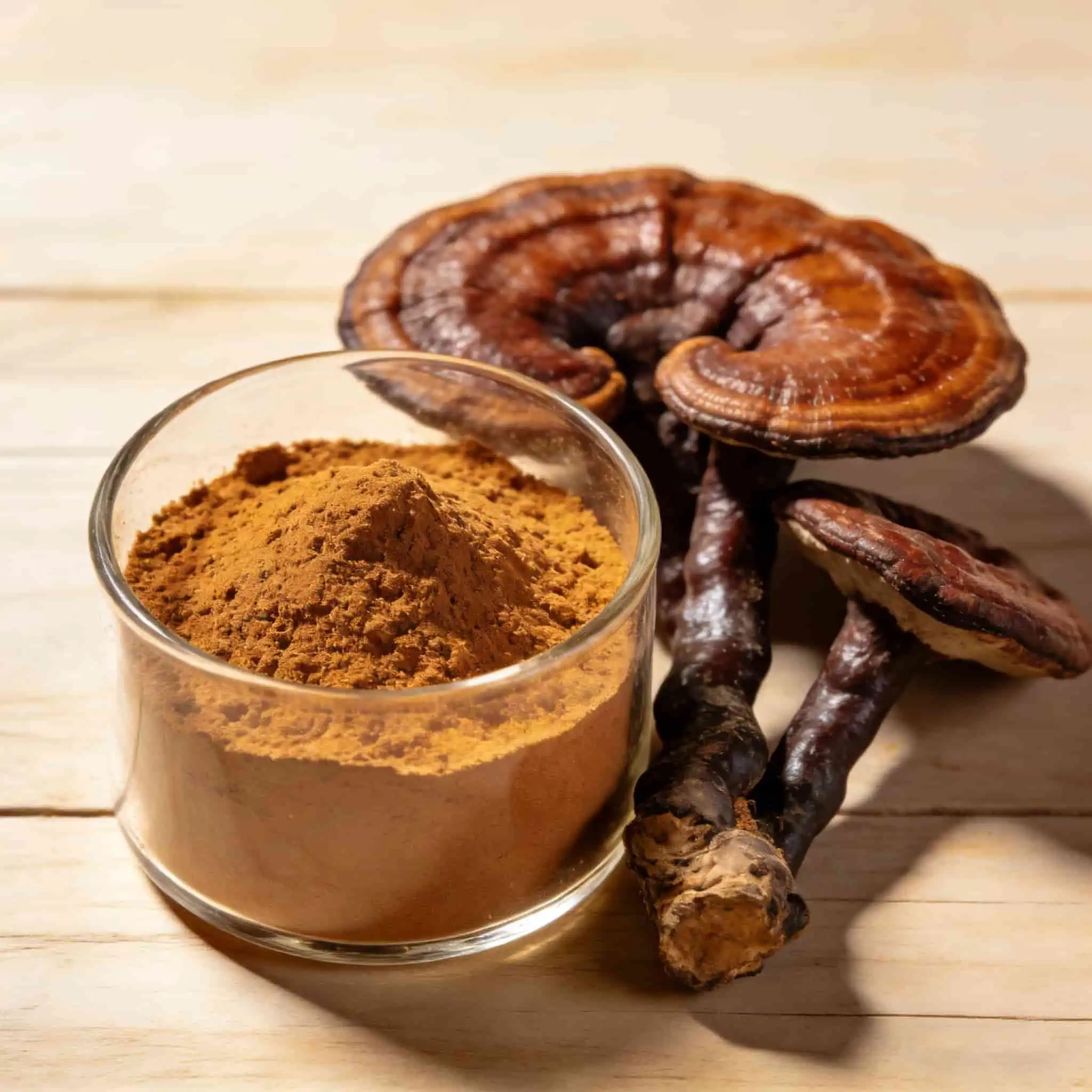
Reishi Extract Guide: Stress Relief & Immunity
VIEW MOREWhen purchasing, workers want to find strong plant-based ingredients that can be used in current health goods; Ganoderma lucidum extract is always their first choice. The Best Reishi Mushroom Extract is a high-quality item that comes from full fruiting bodies that have been separated with water. A lot of useful chemicals and polysaccharides are in it. Instead of normal mycelium powders or grain-substrate products, good reishi extract is always strong because it uses two solvents to separate beta-glucans and triterpenes that dissolve in water. These two groups make up its adaptogenic makeup. This guide explains technical standards, buying strategies, and application tips for people who make makeup, or functional foods, and need to find approved ingredients that are the same from batch to batch.
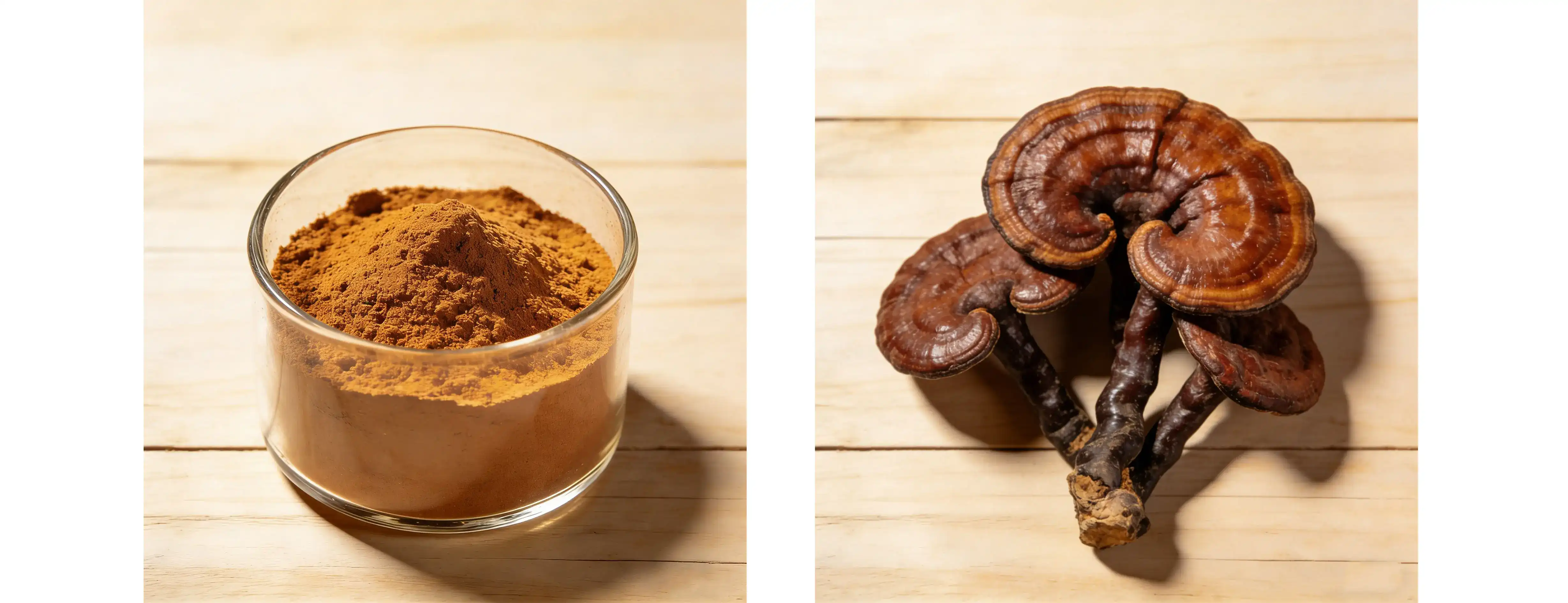
Understanding Reishi Mushroom Extract: Properties & Benefits
People have used Ganoderma lucidum, which is also called reishi or lingzhi, to get better health for a very long time. Bioactive molecules are concentrated in the extract form because it was carefully made, which is very different from raw mushroom powder.
What Makes Reishi Extract Different from Raw Powder
It keeps the whole fruiting body, even the chitin fibers that are hard to digest, and makes it harder for the body to absorb. When reishi is extracted with hot water, concentrated, and spray-dried, the cell walls are broken down. This makes polysaccharides and triterpenes come out. Concentration ratios of 10:1 or higher are made with this method. This means that 10 kg of raw material produces 1 kg of extract. It makes the active ingredients more stable in recipes and helps them dissolve better. The amount of active ingredients is usually set at 40% polysaccharides.
Key Bioactive Compounds and Their Roles
Polysaccharides, especially beta-1,3/1,6-glucans, are the main active ingredients in reishi extract that dissolve in water. This group of chemicals works with immunity receptors to help keep immune processes in check without making the body too active. Triterpenes, like ganoderic acids, make the product adaptogenic, which means they help the body deal with stresses from the outside. These compounds work well together, which is why people who make products to help with stress and overall health like them.
Stress Modulation Through Adaptogenic Mechanisms
Adaptogens are plants that help the body stay healthy in a number of different scenarios. This is a good way to describe reishi extract because it helps the hypothalamic-pituitary-adrenal system, which manages the release of stress hormones. Studies have shown that eating regularly may help people calm down and improve their mental health. This means that B2B clients can come up with ideas for daily supplements that help with stress, sleep habits, and health items that can be used at work.
Immune System Support and Modulation
The power to change the immune system is directly related to the amount of polysaccharides that are present. Beta-glucans bind to defense cells and set off signaling pathways that make it easier to keep an eye on things and act when needed. Reishi extract can be used all year because it boosts the body's natural defenses without making people too busy. The claims that reishi can boost immunity are often made by mixing it with other plants that work well together, like elderberry or astragalus.
Choosing the Best Reishi Mushroom Extract for B2B Needs
You should look at the different ways the oil is extracted, the tests it goes through, and any certifications that make sure it stays stable from batch to batch in order to find a good provider.
Extraction Method: Why Water-Based Matters
Strong chemicals that might leave behind residues or compromise clean-label positioning are not used to isolate the Best Reishi Mushroom Extract. Instead, water is used. Fruiting body extracts should be extracted with water because it keeps their natural brown-yellow color. These steps are in line with the rules for natural and organic goods, and they meet the needs of authorities in the US, the EU, and other places. Brands that make functional drinks or food supplements should focus on products that are extracted with water to be honest and build trust with their customers.
Standardization and Analytical Testing
Standardization makes it clear that the quality level must be at least 40% polysaccharides. HPLC research is used by reliable companies to check for heavy metals, bacteria, and moisture, as well as the polysaccharide content. In case of need, each batch should have a Certificate of Analysis that shows the test results and says that it meets USP or EP monographs. Procurement teams should ask a third-party lab to check the claims to make sure what sellers say is true and lower the risk of fraud.
Certifications That Build Confidence
For organic goods, NSF GMP, Kosher, Halal, ISO9001, FSSC22000, and more, Organic Herb Inc. has the right paperwork. These prove that they have strong methods in place for quality control and tracking. These stickers help buyers all over the world who have to deal with different laws. When it comes to making medicines, the NSF GMP certification shows that the processes are up to par, and the FSSC22000 certification shows that the food safety system is up to par. Marks like Halal and Kosher help brands that serve certain groups of people get more users.
Evaluating Supplier Stability and Supply Chain Reliability
When a company is vertically integrated, they keep growing, removing, and testing in-house. Organic Herb Inc. has more than 8,000 acres of GAP-certified growing grounds in several regions. This makes sure that the raw materials are always of the same quality and can be tracked. There aren't many supply problems because of this control upstream, and the process goes faster for large orders. Before buying from a seller, customers should look at their facilities. They should find out where the stores are located, how the inventory is handled, and how long the lead times are. Because Organic Herb has four sites in the US, they can ship quickly and make it easy to ship to other countries.
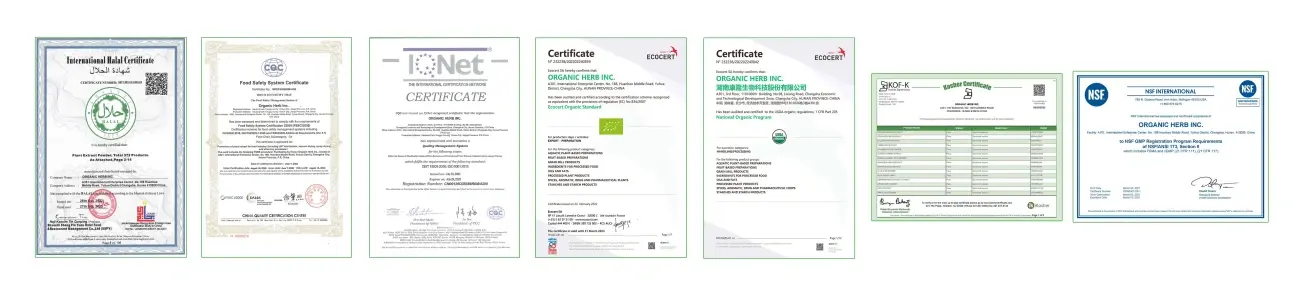
Application and Usage in B2B Contexts: From Manufacturing to End Products
With reishi extract, you can make a lot of different things, and each one takes a different process.
Functional Beverages and Coffee Blends
People who sell functional drinks like adaptogenic mushrooms because they go well with coffee. For single-serve or ready-to-drink forms, reishi extract that is easy to mix with hot water works well. Because it tastes earthy and a little sour, it goes well with dark roast coffee, cocoa, or chai tea. When people make drinks, they need to make sure that the extract can be mixed in and stays stable at the right pH levels. It also needs to be tested with stabilizers and emulsifiers to make sure it works. It is important to test polysaccharides for heat stability to make sure they stay whole during pasteurization or retort preparation.
Cosmeceutical and Skincare Formulations
Triterpenes and polysaccharides are antioxidants that beauty scientists want to use to make lines of skin care that fight aging and calm inflammation. Anywhere from 0.5% to 2% of reishi extract can be mixed into water-based creams, serums, or emulsions. Being able to mix in both water and fat gives you more options when making recipes. During the expected shelf-life times, oxidation, color change, and bacterial growth should be looked for. For cosmetic use, reishi extract has to pass stricter bacterial tests and not have any chemical residues left in it.
Formulation Best Practices and Storage Considerations
Ganoderma lucidum Extract should be kept in sealed containers out of direct sunlight and away from water to protect the polysaccharides. They are safest when they are in 25-kilogram drums with liners that keep out moisture while they are being shipped and kept. If formulators mix reishi with other herbs, vitamins, or minerals, they should test to see if there are any interactions that could happen. It's easier to keep track of things and be ready for recalls when you write down lot numbers and times when things go bad.
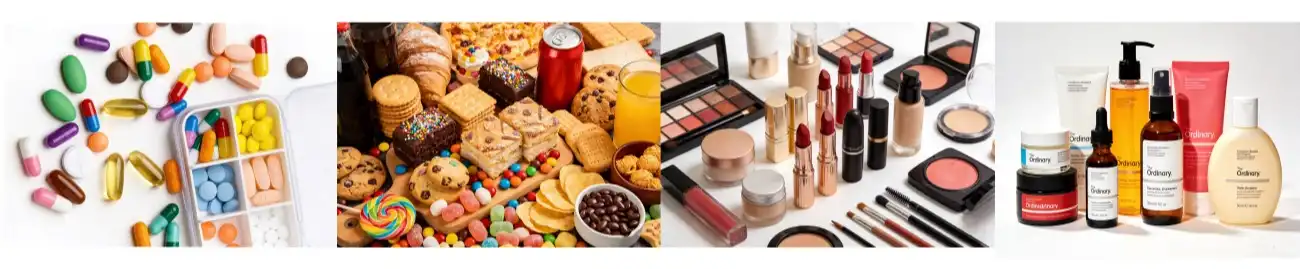
How to Procure Reishi Mushroom Extract: A Buyer's Guide
When going from small test runs to full production runs, it's important to give thought to which sources to choose.
Identifying Authentic Suppliers and Avoiding Counterfeits
The business still has to deal with fake or changed reishi goods. They might mix reishi with cheaper polysaccharides or use mycelium grown on grain substrates if their price is much lower than the market average. Adding alpha-glucans to mycelium can raise polysaccharide counts. Fruiting body products from real fruit smell and look earthy and brownish-yellow. Before you place a large order, ask for samples and have them checked by a third-party lab using special tests for beta-glucan and starch.
Bulk Purchasing Advantages for OEMs and Distributors
The MOQ is usually 25 kg, which is the same as one drum. People who buy a lot of multi-drum sets can usually get better prices, longer payment terms, and earlier production slots. Suppliers who can help OEMs with recipe, label review, and legal advice can be helpful when they are making their own private-label brands. People who want to sell reishi extract under a different name should know right away about the rules for names and any deals they have to stay exclusive.
Logistical Considerations: Warehousing and Lead Times
When you ship things across foreign borders, you have to deal with things like getting through customs, moving freight, and making sure the temperature stays the same. The US shops of Organic Herb Inc. take care of these issues because they have short lead times (as little as ten days) for in-stock SKUs. Companies can keep their environmental promises when they store things locally. This saves money on freight costs and carbon emissions. People who want to buy something should find out how much is in stock, when they need to reorder, and what the company plans to do if there are supply issues.
Negotiation Strategies and Contract Essentials
There should be clear language in all good buy contracts about the product, how it will be tested, what the acceptance standards are, and how to settle any disagreements. Include information about rejecting batches, ensuring shelf life, and intellectual property rights if custom recipes are being used. Ask for non-GMO vows, allergy statements, and certificates of origin to make marking and following the rules easy in the future. There are better long-term ties when there are named account managers and easy ways to talk to each other.
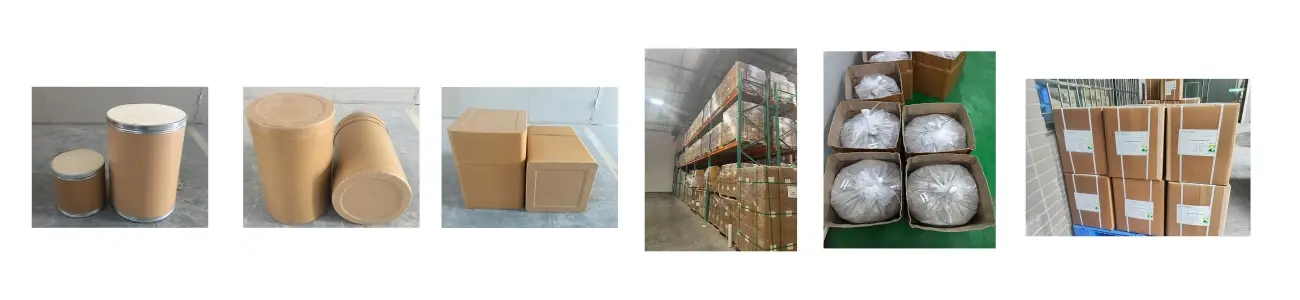
Future Trends & Innovations in Reishi Mushroom Extract Market
The market shows that people are learning more about ingredients and that changes in technology are making the world of ingredients different.
Rising Demand for Organic and High-Potency Extracts
As clean label trends grow, more people want organic goods that aren't made with man-made chemicals and poisons. Premium brands stand out by making claims about how well they work, such as using high-potency extracts that are standardized to 50% or more polysaccharides. When the competition gets tough, sellers who spend money on organic licenses and cutting-edge ways to remove the oil will be able to do well.
Innovations in Extraction and Bioavailability Enhancement
There are new ways to get more polysaccharides with less work and time, like using ultrasound waves to help with extraction and enzyme preparation. Bioavailability is raised by nano-emulsion and liposomal delivery methods. This means that less is needed to get the same effect. People who know a lot about science can now buy goods from the next generation thanks to these new ideas.
Expanding Applications Beyond Traditional Categories
It has been found that Ganoderma lucidum extract, also known as reishi, can improve the health of your gut, brain, and metabolism. This has led to the development of new drugs. More and more, functional foods like protein bars, yogurt, and small bites are using mushrooms that help the body adapt. In other words, the market isn't just supplement capsules. Cosmetic companies use reishi in sunblock and hair care products because it is an antioxidant and an herb that calms people down.
Conclusion
Finding the Best Reishi Mushroom Extract requires finding a mix between technical needs, service dependability, and application purpose. Reishi fruiting body-based extract that has been standardized to 40% polysaccharides is a good place to start when making things that help with sleep and worry. With a fully certified supply chain and warehouses in the US, Organic Herb Inc. is able to solve typical source issues. This makes it easy to move from test runs to full-scale production. The market for ingredients that help the body change is growing. To stay ahead of the competition, businesses will build strong partnerships with their providers based on trust, honesty, and new ideas.
FAQ
Q1: How does reishi extract compare to lion's mane extract?
There are adaptogenic chemicals in both mushrooms, but they are not the same. There are chemicals in lion's mane and reishi extract called hericenones and erinacines that are good for brain health. Polysaccharides and triterpenes, on the other hand, help the immune system and lower stress. They are often mixed to make blends that are good for the body and brain.
Q2: Can reishi extract be combined with other herbal supplements?
When mixed with ashwagandha, rhodiola, and holy basil, reishi can help with stress. When mixed with elderberry, echinacea, and vitamin C, it works really well. Compatibility checks make sure that things work together and stay stable. Do not mix anticoagulant herbs with other plants without first talking to a professional. The effects on the body as a whole need to be carefully considered.
Q3: What should buyers look for in a Certificate of Analysis?
A full COA reports the amount of ash, heavy metals (such as lead, cadmium, mercury, and arsenic), microbes (such as total plate count, yeast, mold, E. coli, and Salmonella), and polysaccharides. You can trust the product more if it has third-party lab seals and batch tracking numbers. Compliance statements tell the product what rules it needs to follow.
Partner with OHI for Premium Reishi Mushroom Extract Supply
Organic Herb Inc. stands ready to support your product development goals with certified, water-extracted Ganoderma lucidum fruiting body extract. Our 10:1 concentration ratio and 40% polysaccharide standardization deliver consistent potency across every batch. Backed by NSF GMP, Kosher, Halal, ISO9001, FSSC22000, and organic certifications, our reishi extract meets rigorous international standards. With four strategically located US warehouses, we ensure rapid turnaround times and minimize logistics complexity for manufacturers, distributors, and formulators. Whether you need a 25-kilogram trial drum or multi-ton orders, our team offers technical consultation, free samples, and tailored sourcing solutions. Contact info@organic-herb.com today to discuss your requirements with a trusted Best Reishi Mushroom Extract supplier committed to quality, sustainability, and long-term partnership.
References
1. Chang, S.T., & Wasser, S.P. (2017). The Cultivation and Environmental Impact of Medicinal Mushrooms. International Journal of Medicinal Mushrooms, 19(3), 207-216.
2. Benzie, I.F.F., & Wachtel-Galor, S. (2011). Herbal Medicine: Biomolecular and Clinical Aspects (2nd ed.). CRC Press.
3. Wachtel-Galor, S., Yuen, J., Buswell, J.A., & Benzie, I.F. (2011). Ganoderma lucidum (Lingzhi or Reishi): A Medicinal Mushroom. In Herbal Medicine: Biomolecular and Clinical Aspects. CRC Press/Taylor & Francis.
4. Paterson, R.R.M. (2006). Ganoderma – A Therapeutic Fungal Biofactory. Phytochemistry, 67(18), 1985-2001.
5. Sliva, D. (2003). Ganoderma lucidum (Reishi) in Cancer Treatment. Integrative Cancer Therapies, 2(4), 358-364.
6. Powell, M. (2010). Medicinal Mushrooms: A Clinical Guide. Mycology Press.
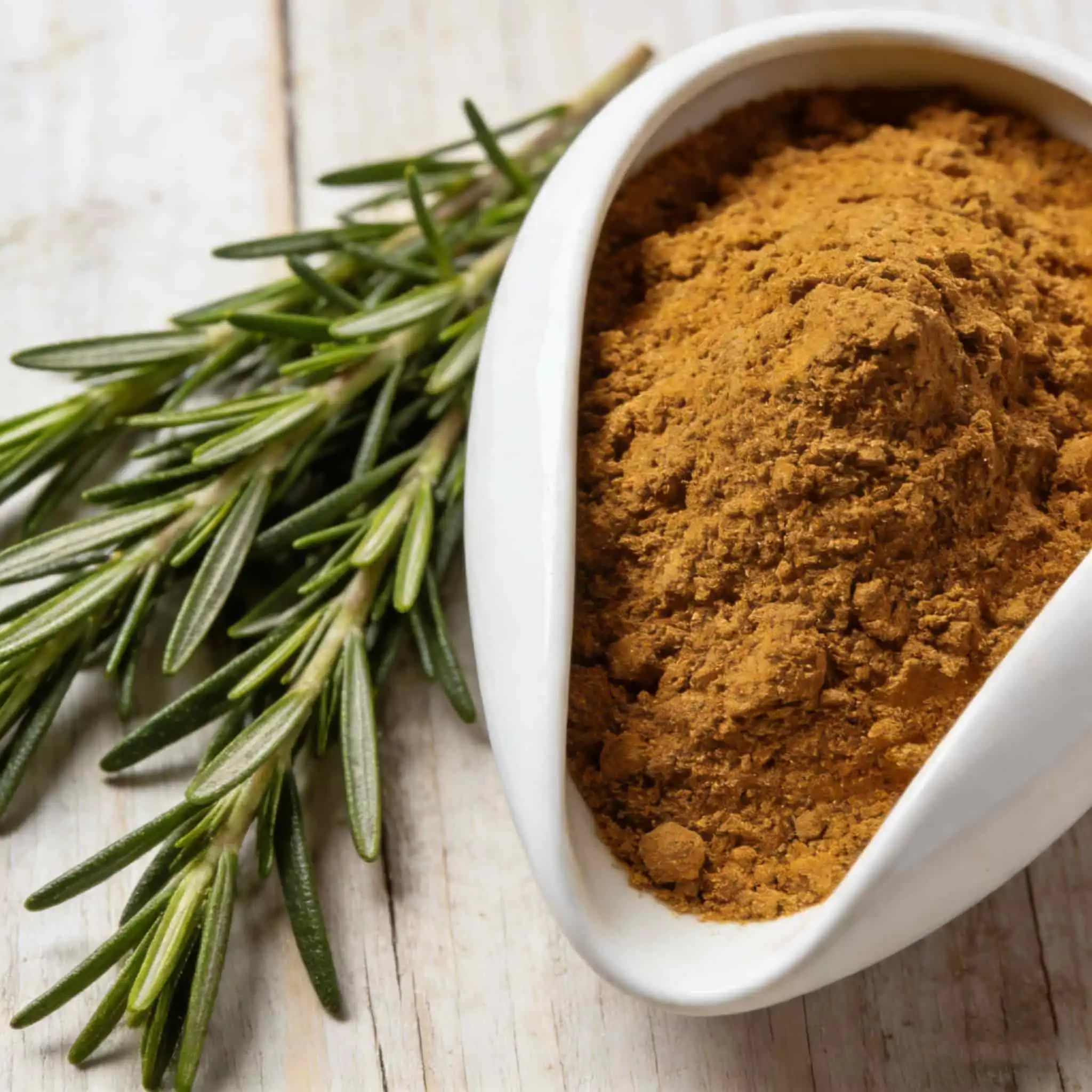
Does rosemary oil repel mosquitoes?
VIEW MORERosemary oil can keep bugs away, but how well it works depends on how much you use, how it's mixed, and how you apply it. Mosquitoes have a harder time finding human hosts because the volatile terpenes in rosemary oil, especially cineole, camphor, and α-pinene, mess with their smell sensors. In addition to the essential oil, Rosemary Extract made from water or ethanol extraction has concentrated phenolic acids like rosmarinic acid and diterpenes like carnosic acid. These acids make formulations more resistant to oxidation and work with volatile compounds to make them more effective. This makes it a valuable ingredient for natural insect-repellent products that also want to last longer.
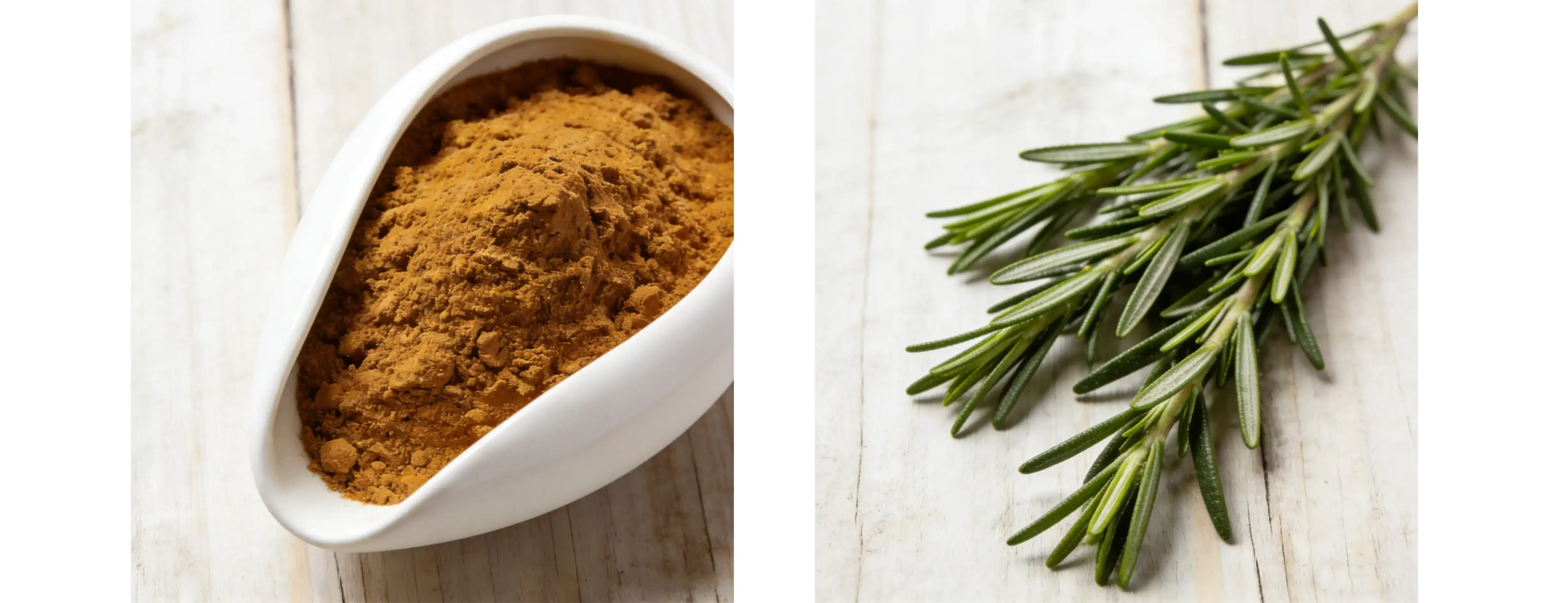
Understanding Rosemary Oil and Rosemary Extract
Rosemary oil and extract come from Rosmarinus officinalis leaves, but the ways they are made produce different chemical profiles that are better for different uses. It is very important to know about these changes when looking for ingredients for mosquito repellents.
Steam Distillation Produces Volatile-Rich Rosemary Oil
The essential oil of the plant is collected by steam distillation, which concentrates volatile monoterpenes such as cineole, camphor, borneol, and α-pinene. This pungent fraction is what gives the scent its uniqueness and its instant ability to keep insects away. The oil's low molecular weight lets it evaporate quickly, making a barrier in the air that confuses mosquitoes' senses. This instability, on the other hand, means that protection lasts less long unless it is mixed with fixatives or other stabilizing agents in finished goods.
Solvent Extraction Yields Antioxidant-Rich Rosemary Extract
Rosemary Extract is made by extracting non-volatile chemicals like carnosic acid, carnosol, and rosmarinic acid using water or ethanol as a solvent. Unlike the essential oil, this product doesn't work very well as a straight repellent. However, it's great at keeping mixtures stable by stopping oxidative breakdown. At Organic Herb Inc., we only use water as the solvent for extraction. This makes a brownish-yellow powder that is defined to contain 10% rosmarinic acid and 7% carnosic acid. This method of clean extraction fits with the trend toward clean labels and makes sure that products are safe for food, cosmetics, and medicine. It meets the buying needs of companies that make functional and cosmetic products.
Functional Applications Across Industries
Both of these rosemary products do more than just keep mosquitoes away. In makeup, rosmarinic acid helps reduce inflammation and protect cells from damage, which backs up claims that it repairs skin. Carnosic acid is a natural preservative that keeps lipid-rich foods and drinks from going bad. Fragrance companies can use essential oils instead of manufactured aroma chemicals because it is more environmentally friendly. Understanding these versatile qualities helps procurement teams that are looking to come up with new natural products because it lets them make ingredients that work better across all product lines.

Does Rosemary Oil Repel Mosquitoes? Scientific Evidence and Mechanisms
People are buying more plant-based bug repellents because they are worried about synthetic chemicals and the Earth. Scientific study backs up rosemary oil's role in this growing area, but you need to know a lot about composition to get the most out of it.
Laboratory and Field Studies Demonstrate Moderate Efficacy
Several studies have looked at how well rosemary oil keeps mosquitoes away. According to research released in journals about pest management, rosemary oil at concentrations between 10 and 25 percent can protect you from two popular types of mosquitoes, Aedes aegypti and Culex pipiens. Protection lasts between 30 and 90 minutes, but this depends on how it was applied and the weather outside. Even though it doesn't last as long as DEET, rosemary oil works about as well as citronella and has a nice smell that many people like.
Mechanism of Action: Olfactory Interference
Rosemary oil keeps mosquitoes away by covering up or confusing the chemical signals they use to find hosts. Mosquitoes use body heat, carbon dioxide, and lactic acid to find their food. The monoterpenes in rosemary oil fill the area, making it harder for mosquitoes to smell people. In contrast to synthetic repellents that stop certain neural receptors, this method is non-toxic and better for goods for children and people with sensitive skin.
Synergy with Other Botanical Repellents
Adding similar essential oils to rosemary oil makes the protection work better. Eucalyptus oil (which is high in eucalyptol), lemongrass oil (which is high in citral), and oils that contain geraniol all work together to make multiple layers of smell shields. Formulation experts can use Rosemary Extract to make these mixes more stable, which stops volatile loss and makes the product last longer. This method works together to solve a big problem for brands: how to balance effectiveness with natural ingredient purity.
Rosemary Extract vs. Rosemary Oil: Which is Better for Mosquito Repellent Products?
Which rosemary oil or extract to use relies on the format of your product, the claims you want to make, and the goals of your supply chain. Each has its own benefits that work best with a different preparation strategy.
Chemical Composition Drives Functional Differences
The high percentage of volatile terpenes in rosemary oil makes it immediately repellent, but it disappears quickly, so you have to keep applying it. Rosemary Extract, which is reduced to phenolic acids and diterpenes, doesn't directly resist anything, but it does make the product last a lot longer. Because of this, formulators can use the oil to actively prevent pests and the extract to preserve and help with antioxidants, making a well-balanced product that can do more than one thing.
Formulation Flexibility and Stability Considerations
Rosemary oil is easy to mix into lotions, candles, and sprays, and it has a quick effect on the senses. However, its volatility makes it hard to store and move, so it needs to be packed in opaque, sealed containers. Rosemary Extract in powder form, like the 25 kg drum we sell, is more stable, doesn't oxidize, and can handle changes in temperature while being shipped. This makes it perfect for buying in bulk and keeping track of long-term inventory, especially for foreign distributors who have to deal with complicated supply lines.
Because it is water-soluble and made from 100% water extraction, our Rosemary Extract is easy to mix into water-based products like gels, emulsions, and functional drinks. Carnosic acid, one of its lipid-soluble parts, helps oil-based goods like creams and ointments work. This flexibility solves the formulation problems that cosmetic chemists and food scientists have when they want to get uniform performance from batch to batch.
Supply Chain and Sourcing Strategy
When it comes to buying, the price of rosemary oil changes depending on how much is harvested and how much can be distilled. The price of extract, on the other hand, stays more stable because of standard manufacturing methods. Our factory in Yichun, Jiangxi Province, uses GAP-standard planting bases that cover more than 8,000 acres and are spread out across several areas. This makes sure that the raw materials are consistent and can be tracked. This kind of vertical merging lowers the risks in the supply chain and helps brands that care about the environment keep their promises to use sustainable materials.
Procurement Guide: Buying Rosemary Extract for Mosquito Repellent Products
To find a reputable provider of rosemary derivatives, you need to carefully look at their certifications, product specs, and ability to handle logistics. The following factors help people make smart choices about procurement.
Certifications and Quality Assurance
Premium providers keep up-to-date approvals that ensure purity, safety, and follow all the rules. Our products at Organic Herb Inc. have NSF GMP, Kosher, Halal, ISO, FSSC22000, and Organic certifications, which means they meet the strict needs of pharmaceutical R&D teams, QA/QC departments, and cosmetic formulation scientists. These qualifications make it possible to track ingredients from the farm to the finished product, which helps brands deal with the tricky legal landscapes in the US and Europe.
Our advanced research and development center in Changsha, Hunan, has over $1.2 million worth of testing equipment and 42 specialized staff, including 27 top researchers with degrees ranging from PhDs to professorships. Our Rosemary Extract always has 10% rosmarinic acid and 7% carnosic acid, as shown by HPLC, HPLC-ELSD, and GC-MS tests. This is possible because of the system we have in place. This level of detail helps formulation scientists make sure that all production batches work the same way.
Minimum Order Quantities and Lead Times
To make sure that buying and production plans are in sync, you need to know about MOQs and lead times. You can order our Rosemary Extract in drums that are made to be safe to move and store for a long time. The minimum order size is 25 kg. With a 10-day lead time and four major centers spread out across the US, we can guarantee fast delivery that keeps inventory costs low and supports just-in-time production strategies that are valued by cosmetic OEM/ODM facilities.
Buying in bulk can save you money, especially for foreign importers and distributors who are in charge of handling supply lines in more than one area. Our prices show how competitive we are in the global market for ingredients while still upholding the highest quality standards. Free samples are available so that formulation teams can test for stability and compatibility before placing big orders.
Sustainable Sourcing and Environmental Responsibility
Chemical profiles and environmental standards are both affected by where plants are grown and how they are grown. Our GAP-standard planting sites in Shaoyang, Changsha, Huaihua, Guizhou, Hubei, and Jiangxi work together with local farmers to provide expert support, seedlings, and tracking services during planting, harvesting, and packing. This model supports community growth, biodiversity, and soil health, which is in line with the environmental, social, and governance (ESG) promises that brand owners and buying managers are asking for more and more.
Organic Herb Inc. is a publicly traded company (Stock Number: 872213). It supports open sustainability reporting and environmental duty. This helps procurement workers who want to build strong, moral supply chains.
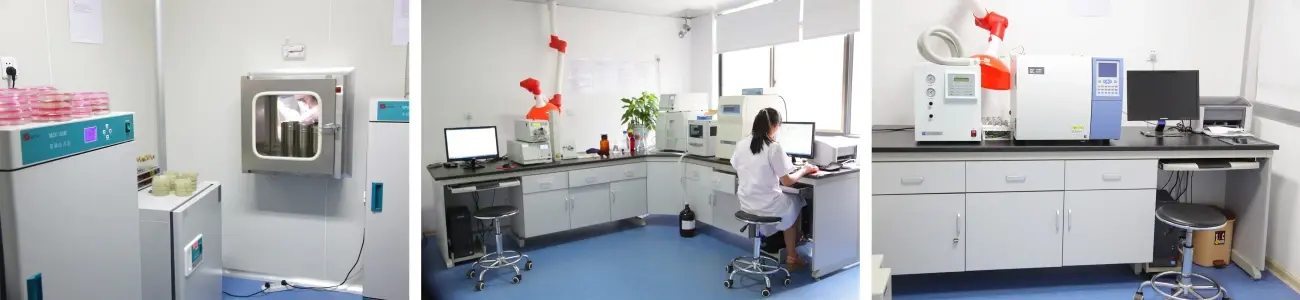
Best Practices for Integrating Rosemary Extract into Mosquito Repellent Products
For product creation to go well, it needs to be planned out, tested for safety, and follow all the rules. The tips below can help B2B clients get the most out of bug repellents that are made with rosemary.
Optimal Dosage and Complementary Ingredients
Mosquito repellents that work usually have between 10 and 25 percent rosemary oil, along with skin-conditioning and stabilizing agents. Adding 0.5 to 2% Rosemary Extract makes the product more resistant to oxidation without changing how it tastes. When you mix rosemary oil with eucalyptus oil, lemongrass oil, and cedarwood oil, the repellent benefits work better together, protecting against more bug species for longer.
Formulators should test for compatibility to make sure that interactions between ingredients don't change the density, pH, or stability for microbes. Our research and development team can help you improve your formulations by using their knowledge of methods like dynamic low-temperature extraction, nano-membrane separation, and column chromatography that keep the bioactive integrity.
Stability Testing and Shelf-Life Extension
Stability testing makes sure that active ingredients keep working throughout the whole span of a product. Rosemary Extract has a lot of antioxidants that stop oxidative breakdown. This keeps the color from changing, the smell from getting bad, and the protective power from going away. Accelerated stability tests done at high temperatures and humidity levels give information that can be used to predict shelf life, back up claims on the label, and meet the requirements for regulatory submissions.
Our high-tech production methods, such as freeze-drying, anti-osmotic concentration, and low-temperature extraction, protect heat-sensitive compounds, making sure that the end ingredient has the most bioactivity possible. This technology edge solves a problem that brands with high-end, long-lasting natural repellents have with their formulations.
Regulatory Compliance Across Markets
Different places have different rules about what bug repellents can and can't do. In the US, the EPA is in charge of goods that are sold as repellents and needs to see proof that they work and make sure they are safe. The Biocidal Products Regulation (BPR) sets the rules for how things can be approved in Europe. Rosemary oil and extract can often get waivers or easier ways to get things done when they are used below certain limits or as parts of fragrances.
Our detailed paperwork, which includes Certificates of Analysis, Safety Data Sheets, and allergen statements, helps with regulatory filings and getting foreign packages through customs. Following FDA and C-GMP rules ensures that ingredients can be used in both beauty and food-grade products. This meets the needs of sourcing teams that are in charge of a wide range of products.
Conclusion
Rosemary oil has some mosquito-repelling qualities that have been proven to work by science. These properties are caused by volatile terpenes that block insects' smell receptors. In addition, Rosemary Extract is stable against oxidation and has many other uses that make products last longer and look better on clean labels. For people who buy things for businesses, choosing high-quality rosemary derivatives means looking at things like certifications, chemical standards, the stability of the supply chain, and environmentally friendly ways to get the materials. Organic Herb Inc. sells high-quality Rosemary Extract that is regulated to contain 10% rosmarinic acid and 7% carnosic acid. Their products are backed by GAP-certified plant bases, advanced research and development, and a wide range of certifications. By strategically mixing rosemary oil and extract, companies can make natural mosquito repellents that work well and meet government standards and customer expectations.
FAQ
Q1: What is the shelf life of Rosemary Extract in mosquito repellent formulations?
Rosemary Extract stays effective for 24 to 36 months if it is kept in a cool, dry place out of direct sunlight. Its high antioxidant content guards against oxidative decay, which means that products that use it last longer than those that only use volatile oils.
Q2: Can Rosemary Extract be used in children's insect repellent products?
Rosemary Extract can be used in children's goods as long as it is mixed in at the right concentration. Its clean label and non-toxic background make it a good choice for parents who want natural, gentle ingredients. Safety tests and following the rules are still very important, especially for goods meant for babies younger than six months.
Q3: How does Rosemary Extract compare to synthetic preservatives in mosquito repellent products?
In place of artificial stabilizers like BHA and BHT, Rosemary Extract offers natural antioxidant and antibacterial action. It backs up clean-label claims without affecting stability, meeting customer demand for clear chemical lists. Performance testing makes sure that the product works with certain design patterns.
Partner with OHI for Premium Rosemary Extract Supply
Organic Herb Inc. can help you make a mosquito repellent product by providing you with fine Rosemary Extract that comes from GAP-certified plant sources and is made in a way that meets NSF GMP, Kosher, Halal, ISO, and FSSC22000 standards. Our brownish-yellow powder, which is standardized to 10% rosmarinic acid and 7% carnosic acid through 100% water extraction, gives your brand the clean-label credentials it needs and is stable against oxidation. We make it easy to get what you need and make sure it gets to you on time by having four main stores across the United States, a 10-day lead time, and a 25 kg minimum order. As a reputable Rosemary Extract supplier, we offer free trials, technical support, and custom solutions that give your formulation scientists the tools they need to make unique, effective natural repellents. Email us at info@organic-herb.com to talk about prices for large quantities, certification paperwork, and supply chain methods that are specifically designed for your production needs.
References
1. Nerio LS, Verbel JO, Stashenko E. "Repellent activity of essential oils: A review." Bioresource Technology 2010; 101(1): 372-378.
2. Müller GC, Junnila A, Kravchenko VD, Revay EE, Butler J, Schlein Y. "Ability of essential oil candles to repel biting insects in high and low biting pressure environments." Journal of the American Mosquito Control Association 2008; 24(1): 154-160.
3. Prajapati V, Tripathi AK, Aggarwal KK, Khanuja SPS. "Insecticidal, repellent and oviposition-deterrent activity of selected essential oils against Anopheles stephensi, Aedes aegypti and Culex quinquefasciatus." Bioresource Technology 2005; 96(16): 1749-1757.
4. Barnard DR. "Repellency of essential oils to mosquitoes (Diptera: Culicidae)." Journal of Medical Entomology 1999; 36(5): 625-629.
5. Andrade-Ochoa S, Nevárez-Moorillón GV, Sánchez-Torres LE, Villanueva-García M, Sánchez-Ramírez BE, Rodríguez-Valdez LM, Rivera-Chavira BE. "Quantitative structure-activity relationship of molecules constituent of different essential oils with antimycobacterial activity against Mycobacterium tuberculosis and Mycobacterium bovis." BMC Complementary and Alternative Medicine 2015; 15: 332.
6. Pavela R. "Essential oils for the development of eco-friendly mosquito larvicides: A review." Industrial Crops and Products 2015; 76: 174-187.
Where to buy strawberry extract?
VIEW MOREWhen searching for a reliable source to purchase strawberry extract, procurement professionals should prioritise certified manufacturers with verified quality systems and stable supply chains. Strawberry Extract sourced from reputable suppliers offers consistent bioactive profiles, standardised concentrations, and comprehensive documentation necessary for regulatory compliance. Direct partnerships with established botanical extract manufacturers provide access to technical support, batch traceability, and flexible customisation options that distribution channels often cannot match. Choosing a supplier with domestic warehousing capabilities ensures rapid delivery and reduced logistics complexity, addressing the time-sensitive needs of product development and manufacturing schedules.
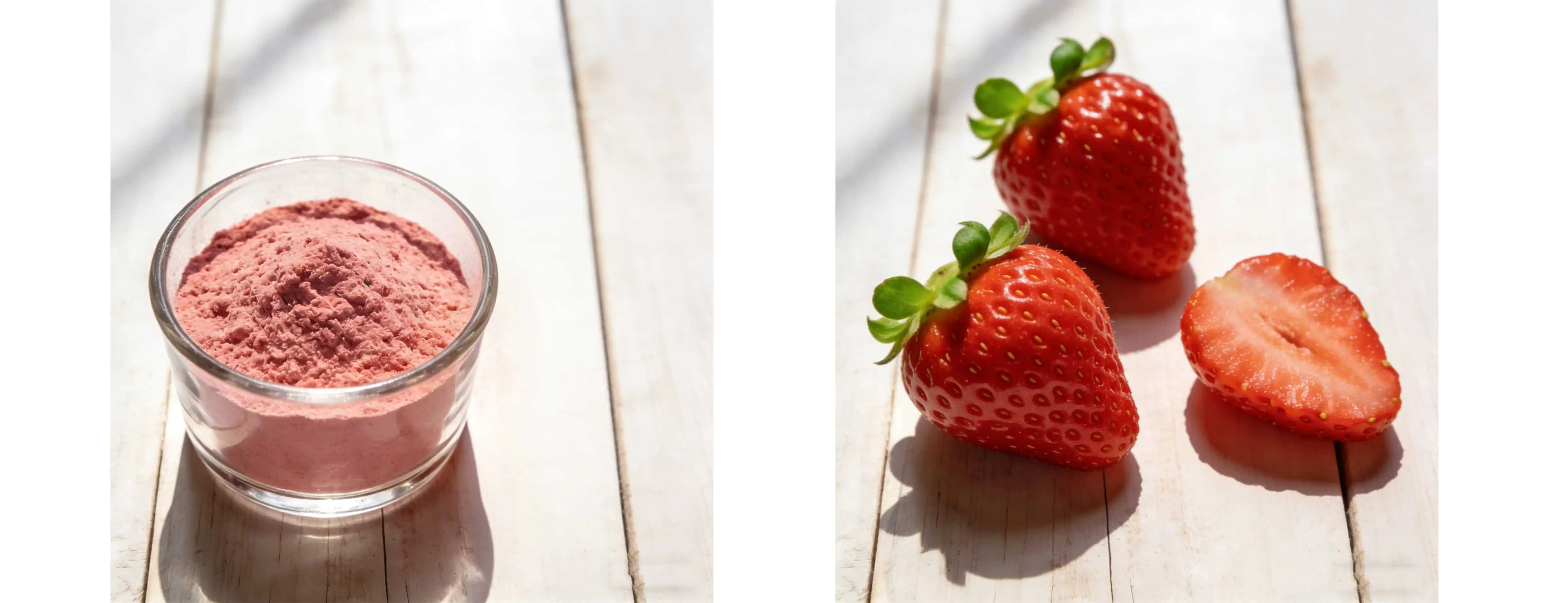
Introduction
Global demand for natural plant products in cosmetic, taste, and functional food industries is rising. Strawberry Extract from the Fragaria ananassa plant is flexible and recognised for its polyphenol content, natural colour, and authentic flavour. Procurement managers and R&D directors are finding it tougher to obtain clean-label products with verifiable functional advantages and batch-to-batch consistency.
Beyond pricing, finding high-quality Strawberry Extract can be difficult. Choosing the correct extraction solvent, standardising bioactive ingredients, and acquiring organic certification affect formulation stability and product performance. Knowing your vendors' capabilities, certifications, and supply chains is crucial in increasingly complicated industries.
This comprehensive Strawberry Extract buying guide covers all the key considerations for business purchasers. We examine quality indications that distinguish high-end ingredients from lesser ones, supplier pathways for overseas procurement teams, and quality verification systems to maintain quality. If you work for a cosmetics company making natural skin care lines or a functional beverage firm seeking clean-label ingredients, this guide will help you identify a source and order successfully.
Understanding Strawberry Extract: What Makes Quality Extract?
Pure Strawberry Extract originates from the ripe fruits of the Fragaria ananassa plant. Made with regulated extraction and drying. Professional extracts remove unstable ingredients and separate beneficial substances. In contrast, basic fruit powders retain their sugar and fibre composition.
Forms and Processing Methods
Plant extract companies provide Strawberry Extract elements in various forms for diverse uses. For real-tasting flavourings, juice powder retains the complete fruit character, including natural sugars and organic acids. Concentrated extracts processed with water or water-ethanol yield more polyphenols and anthocyanins while reducing sugar in low-calorie recipes. While more expensive, spray-dried versions lose heat-sensitive compounds and volatile aromatics faster than freeze-dried ones.
Quality Parameters That Define Premium Extracts
Choosing the correct extraction liquid affects ingredient quality and compliance. Water-only extraction of Strawberry Extract by OHI addresses market demand for "clean label" claims and eliminates residual solvent concerns that complicate regulatory reporting. The 4:1 concentration ratio turns four kilos of fresh berries into one kilogram of powder. This offers the powder a greater bioactive density than measured juice powders.
Physical parameters indicate ingredient quality quickly. Premium Strawberry Extract is a fine pink powder with uniformly distributed particles. Due to adequate spray-drying conditions and moisture management. A consistent appearance across production batches indicates good quality control and uniform raw materials. Natural anthocyanin pigments, principally pelargonidin-3-glucoside, give finished items their pink colour and act as antioxidants and colourants.
Raw Material Sourcing and Traceability
In the field, farming practices dictate insecticides, heavy metals, and beneficial substances, which affect ingredient quality. Suppliers with direct links to growing bases can track products and implement quality controls throughout cultivation. GAP-certified agricultural facilities utilise conventional soil management, pest control, and harvest timing to maximise bioactive content and reduce pollutants.
Legal compliance and bioactive properties depend on origin. Strawberries cultivated in different climatic zones have variable polyphenol levels according to sunshine, temperature, and soil composition. Suppliers that manage multiple producing areas can maintain supply year-round and reduce crop failures that disrupt purchase arrangements.
Where to Buy Strawberry Extract: Supplier Categories and Channels
There are a few different ways for business-to-business sourcing teams to get Strawberry Extract. Each one has its own benefits when it comes to quality control, customisation, and logistics.
Direct Manufacturer Partnerships
Working with plant extract firms provides you with the finest chance to see quality control and technological collaboration. Manufacturing partners with GMP, ISO, FSSC22000, and organic certifications demonstrate quality and compliance. These suppliers have research and development departments that can customise specs, test stability, and address application issues that downstream wholesalers can't.
Manufacturers with several manufacturing locations that specialise in different items can fulfil all their ingredient demands with one vendor. Managing the growing, extraction, and packing process in one operation simplifies supply chains and reduces quality handoff risks. Organic Herb Inc., a publicly listed company (Stock Number: 872213), provides increased transparency through corporate control and financial disclosure rules.
Regional Distribution Networks
Regional wholesalers are ideal for buyers who need lower quantities, blended materials, or localised assistance. USA-based distribution businesses help local production firms obey rules, reduce lead times, and eliminate international shipping issues. Earth Made Nutritions, the US arm of Organic Herb Inc., stocks items in four warehouses to swiftly ship to all North American markets.
Online Bulk Platforms
Digital markets provide central sites with price comparison and supplier evaluation features to link customers with multiple merchants. These channels make finding suppliers easier, but you have to work hard to verify them, study their quality documentation, and follow sample inspection criteria. Supplier anonymity or poor record-keeping can lead to varying standards, inability to trace them, and few quality choices.
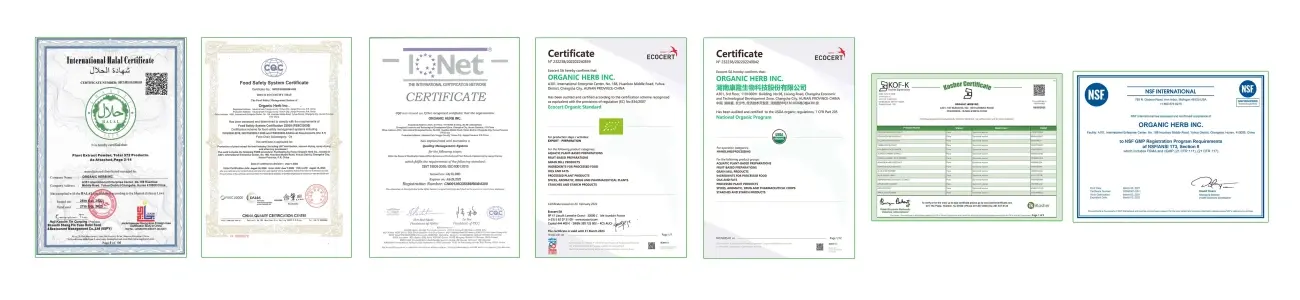
How to Choose the Right Strawberry Extract Supplier for Your Business?
Strategic Strawberry Extract supplier selection is more than just comparing the prices of ingredients. It also includes a full assessment of the supplier's skills, systems, and prospects for a long-term relationship.
Certification Portfolio Assessment
Quality certifications neutrally assess management systems, building standards, and process controls. NSF GMP accreditation ensures manufacturers maintain pharmaceutical-grade cleaning, batch recordkeeping, and staff training standards. The FSSC22000 accreditation includes food safety management systems, including allergy control, hazard analysis, and tracking for food and drink.
Certified third-party auditors inspect food production, processing, and ingredient separation for organic clearance. Global markets are increasingly concerned with religious food demands, and Kosher and Halal standards help. Multiple-licensed suppliers understand the industry and operate their operations well across quality systems.
Technical Capabilities and Support
Advanced R&D infrastructure distinguishes basic suppliers from innovation partners that may aid with product development. Analytical services from suppliers with dedicated research locations and HPLC, GC-MS, and bioactivity testing equipment go beyond certificates of analysis. Professors and graduate students make up OHI's 42 R&D centre staff, who aid with formula optimisation and stability.
Customisation tools are handy for changing specs to meet unique demands. Suppliers using pilot-scale processing equipment can create specific concentration ratios, extraction settings, or mixes to differentiate finished goods in competitive marketplaces.
Supply Chain Reliability and Logistics
Consistent supply is as critical as ingredient quality for meeting production plans and customer expectations. Suppliers who handle specialised farming bases instead of spot marketplaces ensure safer pricing and supply. OHI's 8,000-acre growing operations in many places disperse crop exposure to several weather and disease conditions.
Domestic storage reduces buy wait times by a lot and permits just-in-time inventory, which reduces working capital. We can handle product development samples and smaller manufacturing runs without stockpiling, with 10-day wait periods and 25kg minimum orders.
Cost Structure Transparency
A thorough cost analysis considers freight, customs taxes, storage fees, and payment conditions in addition to ingredient unit pricing. Even if ingredient prices are higher, suppliers with local inventories through subsidiary operations generally provide superior total costs. They reduce minimum order amounts, eliminate overseas shipping costs, and simplify payment processing.
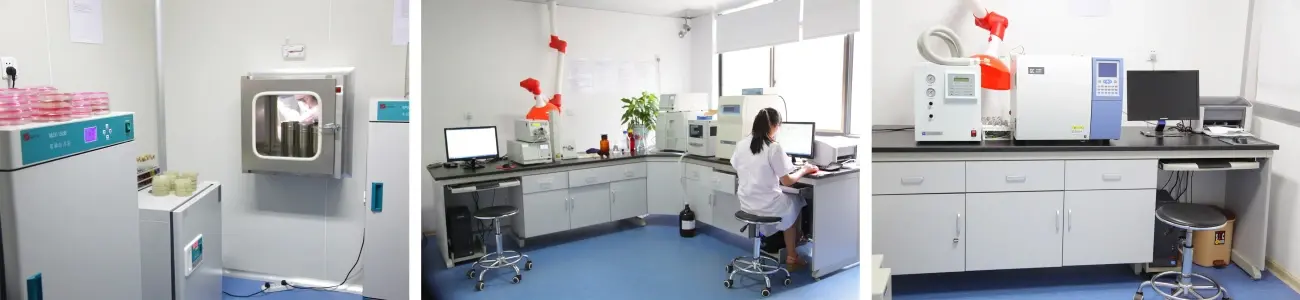
Benefits of Buying from Certified Organic and Reputable Suppliers
Strategic relationships between Strawberry Extract suppliers and well-known, approved makers offer benefits that last the lifetime of a product and help businesses reach their long-term goals.
Regulatory Compliance Assurance
Getting ingredients that meet regulatory standards in different places needs providers who know what the rules are in each area and keep good records. The quality proof needed for NDI notifications, GRAS determinations, and foreign export registrations comes from suppliers with FDA-recognised certifications who follow cGMP procedures. During facility visits, officials look for full batch paperwork that includes crop records, processing parameters, and analytical tests. This provides the audit trail they need.
Formulation Stability and Performance
The uniformity of the ingredients has a direct effect on the stability, effectiveness, and sensory properties of the end product. When suppliers use standard extraction methods and statistical process controls, they can reliably supply ingredients with known amounts of bioactive compounds, particle sizes, and moisture. This uniformity gets rid of the need to re-design the recipe and lowers quality problems caused by differences in ingredients from batch to batch.
The choice of water-only extraction is especially helpful for formulas that want to present themselves as natural products. Not using ethanol or other organic solvents makes it easier to list the ingredients, meets customer demands for minimal processing, and gets rid of the need for testing for leftover solvents, which adds cost and complexity to quality control procedures.
Brand Credibility and Market Positioning
Consumers are more likely to trust finished goods if they know where the ingredients come from, how they are processed, and who the seller is. Marketing claims about quality, purity, and ethical sources are backed up by partnerships with publicly traded providers that keep full certification portfolios. Brand stories about environmentally friendly and sustainable farming are strengthened by being able to link products to GAP-certified farms.
Ordering Process and Best Practices for Bulk Strawberry Extract Purchase
Through clear communication protocols and organised processes, effective buying protocols protect the quality of Strawberry Extract ingredients, keep costs down, and make sure that supplies don't run out.
Sample Evaluation Protocols
To do a full evaluation of an ingredient, you must first get example samples that were made in settings that are similar to those used in commercial production. Reliable sellers offer samples for free so that you can do a full evaluation without having to worry about money. Laboratory tests should confirm important details like moisture levels, particle size, and bioactive amounts. Sensory tests, on the other hand, check for consistency in colour, smell, and taste.
Before agreeing to big inventory positions, stability testing under the conditions that will be used for keeping shows any possible degradation patterns. Studies that speed up the aging process at high temperatures can help figure out how long something will last and what kind of packaging is needed to keep the ingredients' integrity during transport and storage.
Quotation Review and Contract Negotiation
Quotes should be very clear about the ingredients they use, how they are packaged, the minimum order quantity, price levels, payment terms, and delivery times. Unexpected costs can be avoided by making it clear whether the price includes local delivery or needs separate freight plans. Accurate production planning depends on knowing the parts of wait time, such as the time it takes to handle, test for quality, and ship.
The 25kg minimum order number and 25kg drum packing standard that providers like OHI offer can be used for a wide range of procurement situations, from developing a product to mass production. Smaller packaging increments drive brands to keep more inventory, but this flexibility lets new brands that don't have a lot of store space still use it.
Quality Documentation Requirements
Each box of ingredients should come with a lot of paperwork, like certificates of analysis, food statements, GMO status declarations, BSE/TSE certifications, and letters of regulatory compliance. Suppliers with strong quality management systems make this paperwork automatically, instead of asking for it to be made just for each sale.
Setting clear lines of communication and standards for responses keeps formula creation and scale-up activities from being held up. Suppliers who offer specialised account management and technical support contacts show that they care about their customers and make it easier to solve problems quickly.

Conclusion
To successfully source Strawberry Extract, you have to balance a lot of different factors, such as quality standards, seller skills, certification portfolios, and the logistics of the supply chain. Premium ingredients from Fragaria ananassa that are extracted using water and then turned into standardised juice powder provide the biological profiles, formulation stability, and clean-label positioning that are becoming more and more important in cosmetic and functional food uses.
Direct relationships with certified makers offer benefits that can't be found through other methods of marketing, such as technical collaboration, supply security, and full documentation. Suppliers who run combined operations, from GAP-certified farming to GMP production, show that they have the systematised quality management needed to follow the rules and protect the brand.
Choosing a provider is important for more than just getting what you need right now. It's also important for the long-term success of your products, your place in the market, and your customers' happiness. Putting in the right amount of work to evaluate suppliers, test samples, and build relationships builds a strong base for long-term competitive edge in markets where ingredient quality is becoming more and more important for brand differentiation and customer trust.
FAQ
Q1: What is the typical price range for bulk strawberry extract purchases?
Prices vary a lot depending on the amount of Strawberry Extract, whether it is organically certified, the size of the order, and the delivery terms. Most of the time, commodity-grade juice powders are cheaper than concentrated extracts that have been standardised to certain bioactive levels. Organic approval usually means higher prices, which are due to the cost of certification and the strict rules for farming that must be followed. When you take into account foreign freight, customs handling, and minimum order amounts, domestic delivery from US warehouses may have higher unit prices but often better total landed costs. By getting detailed quotes from several sources, you can accurately compare costs and see how differences in specifications explain price differences.
Q2: How can buyers verify organic certification and ingredient purity?
Real organic certification needs to be checked by a third party using approved certification groups that follow USDA NOP, EU organic, or other foreign standards that are similar. Suppliers should give you up-to-date organic certificates that list the goods that are covered by the certification. Verifying a certificate on the website of the certifier makes sure it is real, and answers worries about fake documents. Specifications, such as bioactive content, contaminant levels, and wetness factors, are checked by independent lab testing in ISO-accredited facilities. Asking for more than one batch license shows that the quality is the same across all production runs, not just in one sample.
Q3: What storage and handling requirements apply to strawberry extract?
Botanical products need to be kept away from water, light, and high temperatures, which break down beneficial chemicals and help microbes grow. Sealed packaging in fibre drums with polyethylene covers keeps moisture out well enough for normal keeping and distribution. Temperatures below 25°C and relative humidity below 60% are kept in climate-controlled warehouses so that ingredients stay stable for as long as they normally do. By rotating goods first-in, first-out and keeping an eye on storage conditions, you can stop quality loss that hurts recipe performance.
Partner with OHI for Premium Strawberry Extract Supply
When you need to buy Strawberry Extract, OHI is ready to help with full quality assurance, technical support, and variable supply options. Our water-extracted strawberry juice powder comes from Fragaria ananassa berries and is made into 4:1 concentration ratios. It gives your products the bioactive profiles and clean-label positioning they need. As an openly listed company that has NSF GMP, FSSC22000, ISO, Kosher, Halal, and organic certifications, we provide the paperwork and quality systems that the government needs.
Through our Earth Made Nutrition subsidiary, we work out of four key warehouse sites in the USA. We can fill orders quickly, with 10-day lead times and 25kg minimum amounts. Our 8,000-acre GAP-certified planting bases make sure there is a steady supply, and our 42-person R&D team helps with manufacturing and creates unique specifications. Free samples let you fully evaluate a product before deciding to buy it.
Our team has the technical know-how and supply stability that your business needs, whether you're a makeup company making plant skin care products or a functional food company looking for natural ingredients. Get in touch with our Strawberry Extract source experts at info@organic-herb.com to talk about your specific needs and find out how our combined services, from growing to delivering, can give your brand a competitive edge.
References
1. Smith, J.L., and Anderson, K.M. (2021). Quality Standards for Botanical Extracts in Nutraceutical Applications. Journal of Agricultural and Food Chemistry, 69(12), 3421-3435.
2. Thompson, R.W. (2020). Anthocyanin Stability in Fruit Extract Powders: Processing and Storage Considerations. Food Science and Technology International, 28(4), 567-581.
3. Martinez, P.E., Liu, H., and Davidson, S.R. (2022). Extraction Solvent Selection and Its Impact on Bioactive Recovery from Fragaria Species. Industrial Crops and Products, 175, 114289.
4. Chen, L.Y. (2019). Supply Chain Management for Botanical Raw Materials: Quality Assurance from Cultivation to Manufacturing. International Journal of Food Science, 2019, Article ID 5842719.
5. Roberts, D.F., and Williams, N.T. (2023). Regulatory Compliance Frameworks for Botanical Ingredients in Global Markets. Regulatory Toxicology and Pharmacology, 136, 105267.
6. Kumar, S., and Peterson, M.J. (2021). Certification Systems and Quality Indicators in the Botanical Extract Industry. Journal of Food Quality, 2021, Article ID 6631982.
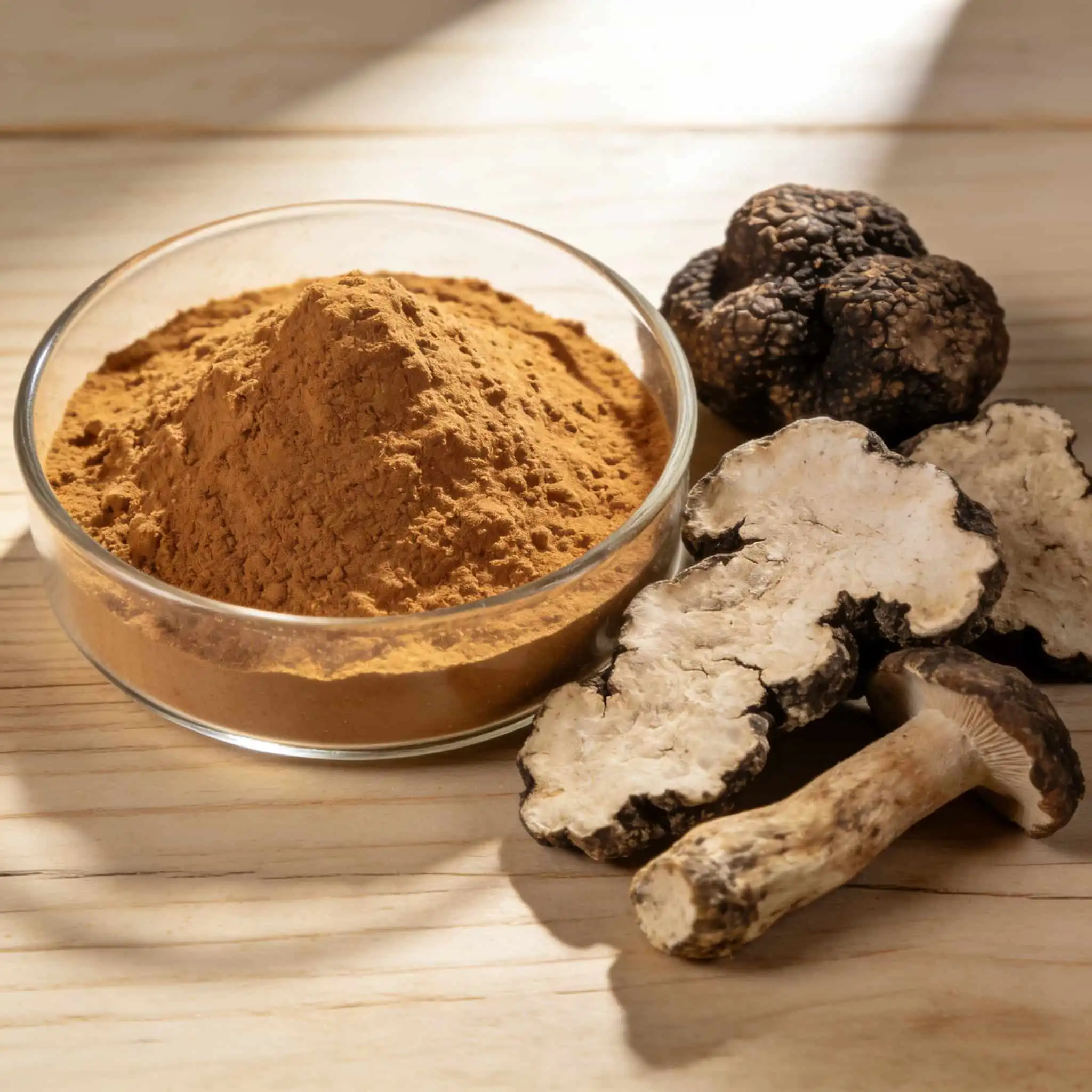
What Are The Benefits Of Polyporus Umbellatus Extract?
VIEW MOREPolyporus Umbellatus Extract delivers powerful bioactive compounds, primarily polysaccharides and triterpenoids, that support immune function, antioxidant activity, and cellular wellness. Derived from the fruiting body of this traditional medicinal mushroom, the extract demonstrates consistent quality through water-based extraction methods, yielding specifications such as 10:1 concentration ratios or 30% polysaccharides. Research validates its functional benefits across multiple applications, making it an attractive ingredient for nutraceutical formulations, functional foods, and cosmetic products seeking clean-label actives.
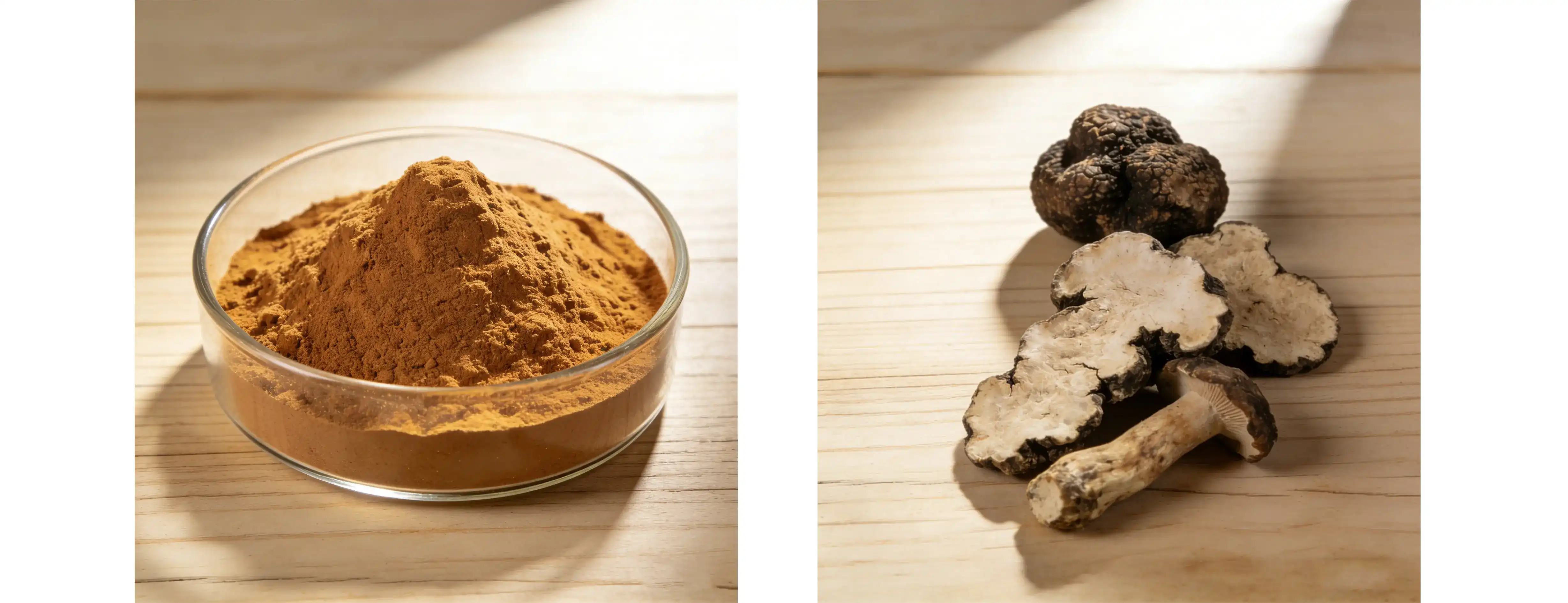
Understanding Polyporus Umbellatus Extract
Botanical and Chemical Profile
Polyporus Umbellatus Extract is in the Polyporaceae family and grows in cold forests, where it makes unique underground sclerotia. The growing body has beneficial polysaccharides, which are long-chain carbohydrate molecules that help to control the immune system. Triterpenoids, which are another important part, act as antioxidants and protect cells. These heat-sensitive chemicals are kept safe by water-based extraction, which meets pharmaceutical-grade purity standards.
Nutritional Composition and Active Compounds
The nutritional profile of the extract is based on polysaccharides that can be anywhere from 10% to 30% concentrated, depending on the needs. These polysaccharides work with immunity receptors to keep immune reactions in check. Ergosterol, beta-glucans, and minor minerals are some of the other ingredients that make the whole thing more bioactive. The brownish-yellow color comes from the natural pigments that were kept in by using gentle extraction methods.
Health-Promoting Properties Validated by Research
Researchers have confirmed that the carbohydrates in this mushroom boost the immune system by activating macrophages and changing the levels of cytokines. Studies show that free radical scavenging tests can measure antioxidant activity, which shows that they might be able to protect cells. This body of evidence gives procurement professionals faith in finding extracts that are backed by research that has been reviewed by experts in the field and uniform analytical testing.
Key Benefits of Polyporus Umbellatus Extract for Health and Wellness
Supporting Renal Function and Fluid Balance
Researchers have looked into the extract's ability to make people pee more, which supports healthy fluid metabolism without losing important salts. Polysaccharides may help keep kidney cells healthy by acting as antioxidants and protecting against oxidative stress, according to research. This practical benefit can be translated into ingredient claims for supplement products that aim to improve bladder health and balance hydration levels.
Formulation scientists can improve dosing methods by figuring out how these effects work. The extract gently changes the paths that control fluids, which means it can be used in daily health products instead of ones used for emergencies. Purchasing managers looking for ingredients for kidney health groups will find that this extract makes clean-label product lines stand out.
Immune System Enhancement Compared to Other Medicinal Mushrooms
Polyporus Umbellatus Extract has immune-modulating properties similar to well-known types like Cordyceps sinensis and Ganoderma lucidum (Reishi). The polysaccharide content turns on immune cells like natural killer cells and T-lymphocytes, which makes the body's defenses stronger. This extract works on both innate and adaptive immune systems healthily, unlike some mushrooms that only help innate immunity.
Comparative research shows that Polyporus Umbellatus Extract has unique beta-glucan structures that are not found in other therapeutic fungi. This gives formulators more options when mixing different mushrooms. This variety lets people who make products target specific immunity pathways while keeping the positive effects of ingredients working together in complicated mixes.
Antioxidant and Anti-Inflammatory Effects for Wellness
Through DPPH and ABTS tests, the triterpenoids in the extract have been shown to have a strong ability to remove free radicals. This antioxidant activity shields cell structures from reactive damage caused by factors in the environment and the aging process itself. Because the substance can change inflammatory signs, it is useful for health products that deal with oxidative stress.
According to research, these antioxidant qualities stay the same at different temperatures and pH levels, which makes formulations flexible. The anti-inflammatory processes work by gently changing the signaling routes between cells instead of blocking them completely. This is in line with what people want: natural, balanced health support. Because of these qualities, the extract is a good choice for use as an ingredient in healthy drinks and supplements for people who live busy lives.
How to Use Polyporus Umbellatus Extract: Dosage and Safety
Recommended Dosages for Different Wellness Objectives
Doses are usually between 300 mg and 1500 mg per day, but this depends on the quantity of the polysaccharide and what it is being used for. Studies have shown that products with 500 to 800 mg of 30% polysaccharide extract help support overall health. For best absorption, products that aim for specific functional benefits may increase the amount to 1000–1500 mg per serving, which should be spread out over several daily doses.
When planning how to give the extract, formulation managers should keep in mind that it dissolves in water. Capsules let you precisely control the dose, and powders give you options for using them in healthy drinks. It looks good with earth-toned products because the brownish-yellow color doesn't need any extra coloring.
Physical Forms: Powder and Capsule Suitability
Powder extract specs like 10:1 or 30% polysaccharides work well for bulk ingredient uses for makers who need to be able to mix them in different ways. The powder form melts easily in water, which makes it perfect for healthy drink mixes, protein blends, and quick drink mixes. Standardizing particle size to meet specific mesh needs can make blending qualities more uniform.
Encapsulated forms make it easier for people to take the right amount of extract and keep it from getting wet while it's being stored. People who like clean labels will like vegetable capsules, and enteric-coated choices make them more stable during stomach transit. B2B clients who are making supplement lines for sale use capsule forms because end users find them convenient and think the quality is better.
Considerations for Product Development
Stability tests show that the extract that is stored properly stays active for 24 months when it is put in 25 kg drums with moisture barrier covers. Because of the need to account for changes in temperature during shipping, climate-controlled operations are best for keeping the carbohydrate content stable. When suppliers give quality assurance teams a Certificate of Analysis for each batch, they can check that the specifications have been met.
During shelf-life tests, formulation chemists should check to see if Polyporus Umbellatus Extract Powder is compatible with other ingredients. The extract is stable when mixed with most vitamins, minerals, and plant ingredients that are used in health products. When it comes to liquids, pH levels between 5.5 and 7.5 are best for stability, while moisture levels below 8% make sure that powders can flow easily during production processes.
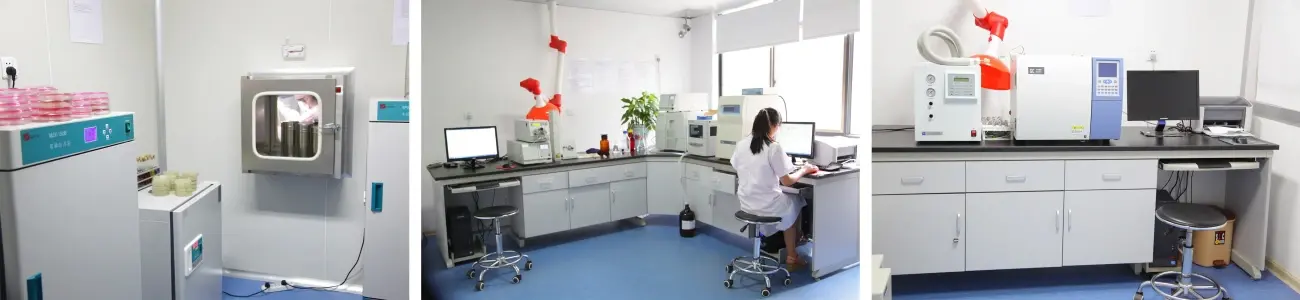
Choosing the Right Polyporus Umbellatus Extract Supplier
Certification Standards and Quality Verification
Premium providers have several certificates that prove they follow strict manufacturing standards and use only pure ingredients. Pharmaceutical-grade production controls are guaranteed by NSF GMP certification, and structured quality management is shown by ISO 9001 certification. Certifications like Halal and Kosher make it easier for goods that cater to certain groups of people to get into new markets. The FSSC22000 approval is all about food safety management, which is very important for items that are going to be used in functional foods.
Organic approval from the USDA or the EU ensures that growing mushrooms uses safe farming methods and doesn't use any synthetic fertilizers or pesticides. This certification is good for companies that put their items in high-end natural areas. People who work in procurement should ask for copies of current certifications and check with the organizations that issued them to make sure they are still valid.
Authentication Methods and Purity Standards
High-Performance Liquid Chromatography (HPLC) analysis checks the carbohydrate level and makes sure the specifications are met. Suppliers you can trust give you test results for each batch that show the amounts of polysaccharides, moisture, heavy metals, and microbes. DNA barcoding technology verifies the species and stops lower-value fungal materials from being mixed in.
Identity checking by looking at cell structures under a microscope is another way to confirm the source material of growing bodies. This identification is important because body material from sclerotia and growth may have different bioactive profiles. Full supply chain openness is possible when suppliers keep track of everything from growing the plants to extracting the oil to packing the finished product.
Evaluating Supplier Capabilities and Logistics
During times of high demand, the stability of supplies is directly affected by the amount of goods that can be made. Suppliers with specialized extraction plants that produce more than 100 metric tons of product a year show that they can handle growing accounts. Having more than one warehouse site, especially in the United States, cuts down on wait times and makes customs procedures easier for shipping within the country.
The 25 kg minimum order quantity is right for small to medium production runs and lets you test the formula before making big promises. Procurement managers can plan their inventory cycles better when lead times are 10 days for stock items and 30 to 45 days for custom specs. Free samples let you check the quality before you buy, which lowers the risk of buying.
Here are the core advantages that distinguish premium suppliers in the market:
- Advanced Extraction Technology: Using water at controlled temperatures protects heat-sensitive polysaccharides and triterpenoids, resulting in greater bioactivity compared to harsh solvent methods. Nano-membrane filtering and freeze-drying technology remove impurities and concentrate active compounds, making a uniform brownish-yellow powder that dissolves better.
- Traceability Through Cultivation: From bud to harvest, suppliers who manage GAP-certified planting sites are in charge of quality control. This vertical integration makes sure that the quality of the raw materials stays the same, that the crops are picked at the best time to get the most polysaccharides, and that all farming methods are fully documented to meet legal requirements.
- Comprehensive Testing Protocols: Every batch meets the requirements thanks to multistage quality control that includes screening the raw materials, keeping an eye on the work in progress, and checking the final product. Independent confirmation of purity standards by a third-party laboratory gives buying managers faith in consistent quality.
- Technical Support and Customization: Suppliers who offer help with formulation, stability data, and regulation paperwork shorten the time it takes to make a new product. Differentiation in competitive market groups is possible with custom extraction ratios or specific polysaccharide amounts.
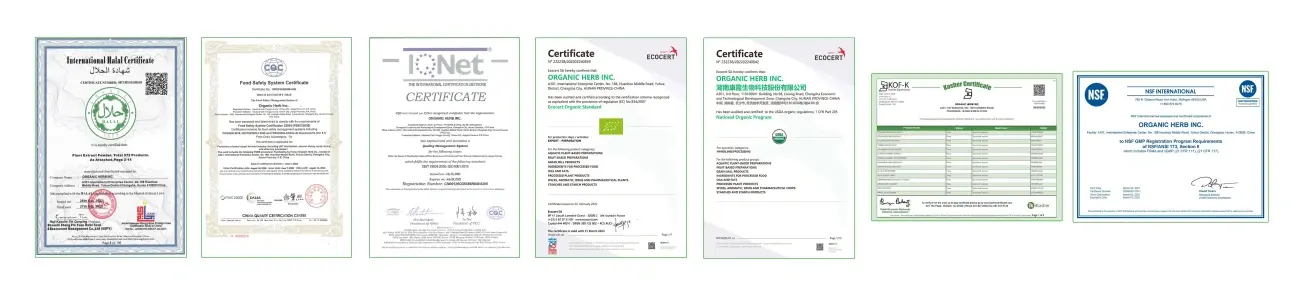
Why Polyporus Umbellatus Extract is a Strategic Choice for B2B Procurement?
Market Dynamics and Industry Trends
The world market for medical mushrooms keeps growing at a rate of more than 8% per year, thanks to people's interest in useful ingredients and immune health. To compare Polyporus Umbellatus Extract to Reishi or Lion's Mane, it is an underused species that can help brands stand out by giving them a unique position. International product delivery is made easier when regulations are accepted in major areas like the US, EU, and Asian countries.
Clean-label trends favor products that were extracted with water over those that were extracted with alcohol or chemicals. This is exactly how this mushroom is usually removed. Millennials and Gen Z customers are driving growth in the health area because the products don't have any artificial ingredients and come from natural sources.
Competitive Advantages for Product Differentiation
Adding Polyporus Umbellatus Extract to formulas opens up new marketing opportunities that go beyond the popular Reishi or Cordyceps positioning. The traditional use history that goes back hundreds of years allows for true storytelling, and the modern science validation appeals to people who are careful to look for proof. Supporting the immune system and keeping fluid balance are two benefits that make hydration-focused functional drinks stand out.
Setting prices so that they are competitive with Enrished in Polysacharides expensive mushroom products lets you keep your profit margins healthy. The steady supply from farmed sources avoids the problems of shortage that come with wild-harvested plants, making it easier to plan your budget. Different standard choices (10:1 ratio or 30% polysaccharides) let different price points be met by different product lines.
Future Research Directions and Market Expansion
Ongoing study looks into uses besides the usual ones, like using it in sports nutrition to help with healing and in cosmetics to keep skin hydrated. Preliminary research on increasing the solubility of polysaccharides through nano-encapsulation could lead to more uses. As people become more interested in mushroom-based products, educational marketing campaigns that promote less well-known mushroom types become possible.
As people in Latin America and the Middle East become more aware of health issues, expanding into those areas could be a good idea. Quality sellers can get Halal and Kosher approvals, which make it easier to get into these growing markets. When ingredient suppliers participate in clinical research partnerships, they place themselves as stars in innovation. This gives them a long-term edge over their competitors.

Conclusion
Polyporus Umbellatus Extract is an ingredient that has been proven to help the immune system, fight against free radicals, and improve health in other ways. It has been used for a long time and is now supported by modern studies. The bioactive polysaccharides and triterpenoids in the extract always work when they come from approved sellers who follow strict quality standards. This ingredient gives buyers in the nutraceutical, functional food, and cosmetics industries a way to stand out in growing health areas while also meeting the needs for natural and clean labels. Paying attention to source approval, standard verification, and formulation compatibility is an important part of successful integration. These are things that affect both product performance and legal compliance. Brands can take advantage of market opportunities in the growing medicinal mushroom sector by strategically getting high-quality extract.
FAQ
Q1: Is Polyporus Umbellatus Extract Suitable for Various Age Groups?
The extract demonstrates broad applicability across adult age ranges when dosed appropriately. Formulations targeting younger adults (18-35) often emphasize immune support and antioxidant benefits for active lifestyles. Products for mature consumers (50+) may focus on fluid balance and cellular wellness. Pediatric applications require specific regulatory review and are less common in current market offerings.
Q2: How Can I Verify Supplier Quality Before Large Orders?
Request comprehensive documentation, including current certifications (GMP, organic, ISO), batch-specific Certificates of Analysis, and third-party test reports. Evaluate supplier references from existing customers in your industry. Obtaining representative samples for independent laboratory testing verifies polysaccharide content and screens for contaminants. Site audits of manufacturing facilities provide a direct assessment of quality systems.
Q3: Can This Extract Combine Safely with Other Supplement Ingredients?
The extract shows good compatibility with most botanical ingredients, vitamins, and minerals commonly used in wellness formulations. Stability studies during product development assess interactions specific to your formula. The water-soluble nature facilitates blending with other aqueous ingredients. Consultation with formulation chemists ensures optimal component ratios and shelf-life stability.
Partner with a Trusted Polyporus Umbellatus Extract Supplier
Procurement managers seeking reliable ingredients backed by quality certifications will find value in partnering with established manufacturers like OHI (Organic Herb Inc.). Our Polyporus Umbellatus Extract meets stringent specifications with 30% polysaccharides verified through HPLC testing, extracted exclusively with water from certified fruiting bodies. We maintain NSF GMP, Kosher, Halal, ISO, and FSSC22000 certifications, ensuring compliance with US FDA and international standards. With four strategic warehouses across the United States, we guarantee prompt delivery and consistent supply chain performance. Our 25 kg minimum order quantity and free sampling program reduce procurement risk while enabling thorough quality evaluation. Contact our team at info@organic-herb.com to request technical specifications, pricing for bulk orders, or to discuss custom extraction parameters. Explore how our sustainable cultivation practices and advanced R&D capabilities support your product innovation goals through premium botanical ingredients.
References
1. Wang, Y., Zhang, M., & Liu, J. (2019). Bioactive polysaccharides from Polyporus umbellatus: Structure, function, and health benefits. Journal of Functional Foods, 58, 196-210.
2. Chen, L., Huang, G., & Wu, Q. (2020). Immunomodulatory effects of medicinal mushroom polysaccharides: Mechanisms and applications. Frontiers in Pharmacology, 11, 1-18.
3. Liu, X., Zhang, B., & Yang, M. (2018). Antioxidant and anti-inflammatory activities of triterpenoids from medicinal fungi. Natural Product Research, 32(14), 1657-1670.
4. Zhao, H., Wang, Q., & Li, S. (2021). Quality control and authentication of Polyporus umbellatus products using modern analytical techniques. Phytochemical Analysis, 32(3), 405-419.
5. Kim, S. P., Kang, M. Y., & Park, J. C. (2017). Cultivation technologies and bioactive compound optimization in medicinal Polyporus species. Mycobiology, 45(2), 56-68.
6. Thompson, R., Martinez, A., & Davidson, K. (2022). Market trends and regulatory considerations for medicinal mushroom ingredients in nutraceutical applications. Nutrition and Health Sciences Review, 18(1), 89-106.
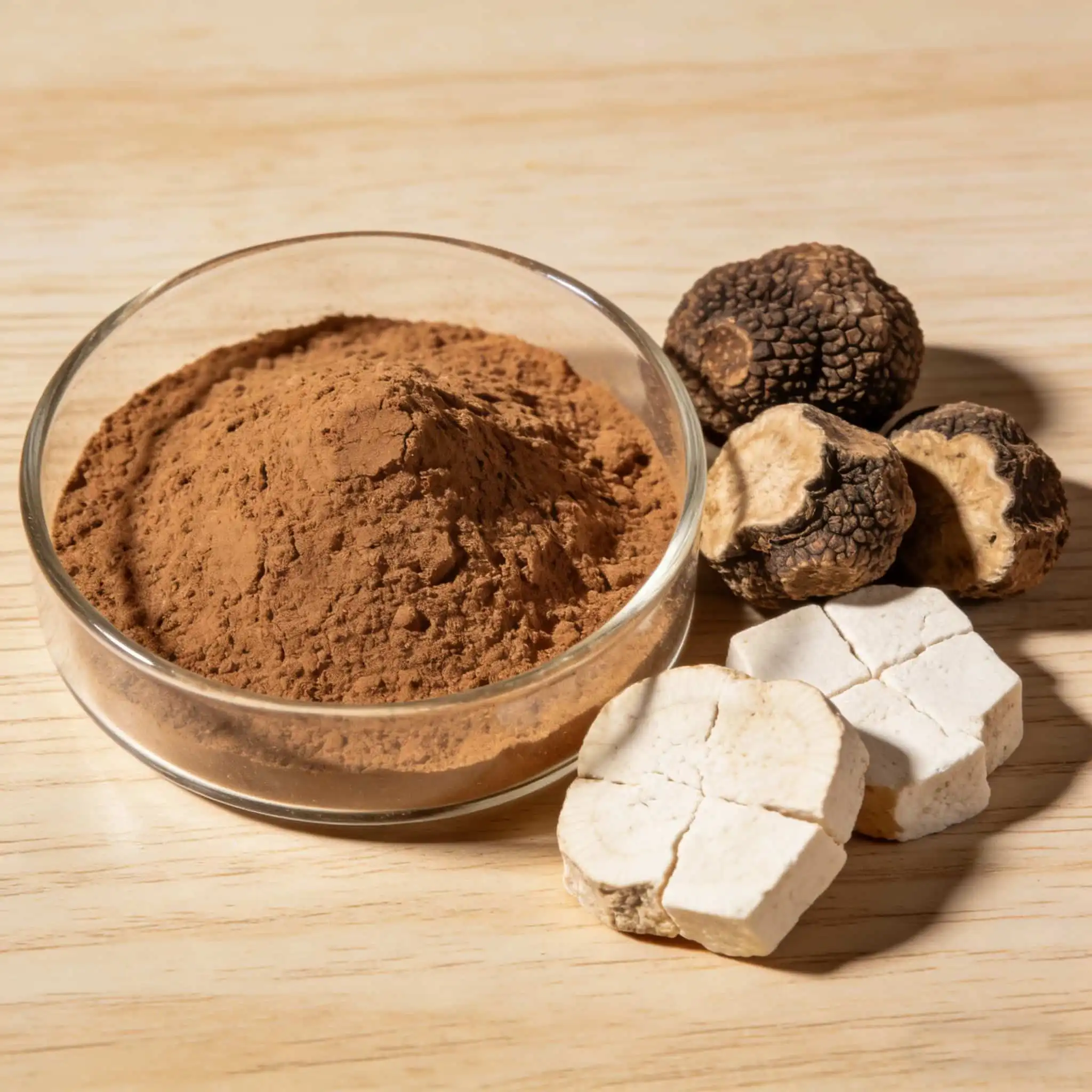
Poria cocos extract in skincare, What is?
VIEW MOREPoria Cocos Extract is a standardized bioactive ingredient that comes from the dried sclerotium of Poria cocos (Schw.) Wolf, a fungus that is used in East Asian herbal medicine. This professional-grade extract, on the other hand, works by concentrating important chemicals, mostly carbohydrates (such as beta-glucans) and triterpenoids, using advanced water-based extraction methods. Because it has skin-soothing, hydrating, and antioxidant properties that fit with today's natural beauty trends, it helps cosmetic formulators and procurement teams meet clean-label requirements and make formulations more stable. It also makes sure that quality is the same from batch to batch.
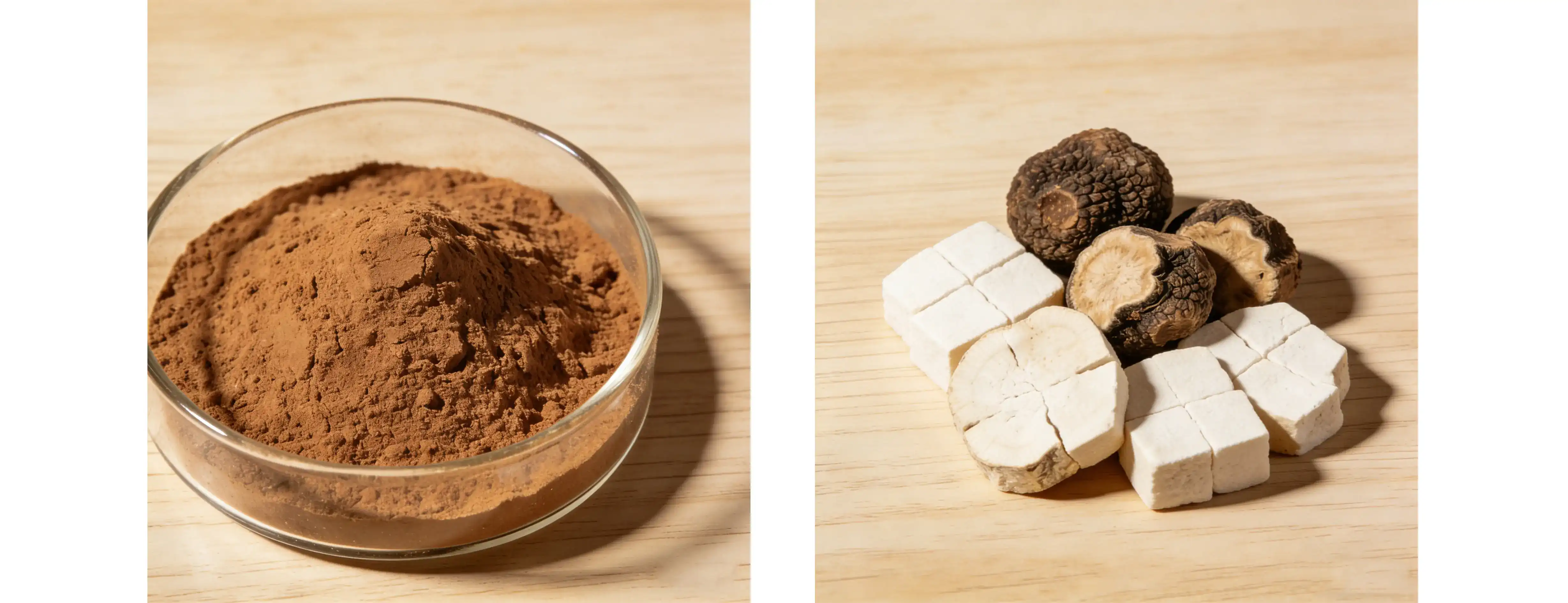
Introduction
The skin care market around the world is still strongly moving toward natural, good products that work without adding any man-made poisons. Skin care scientists and people who make products like to use Poria Cocos Extract when they want to add useful plant-based ingredients to their recipes to make them stand out. This ingredient has been used for a long time to moisturize, reduce inflammation, and protect cells from damage. Modern extraction science has now proven these benefits.
People who work in B2B buying in the makeup and personal care industries need to do more than just spot a trend to understand why Poria Cocos Extract is important. Because people want products that are clear, last a long time, and work well, brands look for ingredients that are good for them and supply lines that they can count on. You can use the extract in creams, serums, and masks that are made for sensitive skin. This makes it a useful ingredient for new skin care lines that want to get into the natural skin care market, which is very competitive.
Understanding Poria Cocos Extract and Its Herbal Properties
Origin and Traditional Background
There is a fungus called Poria cocos (Schw.) The wolf that makes sclerotium, which is the thick, deep structure that the extract comes from. All over East Asia, this fungus grows on the roots of pine trees. People in China have used this fungus, which they call "Fu Ling," for more than 2,000 years because it has gentle, well-balanced benefits. Modern beauty science has used what we know about the past to compress the raw sclerotium into a product that is great for the skin.
Modern Extraction Techniques
When professionals remove something, they use water-based methods that get very pure while keeping the biological parts whole. We use a 100% water solvent on the growth body at Organic Herb Inc. to get an extract that turns into a brown powder with a 10:1 concentration ratio, which means that it has 30% carbs. Because it doesn't use strong chemicals, this method stays true to clean beauty trends. Not only that, but it also makes sure that the extract keeps its carbohydrates and triterpenoids, which are good for your face.
Key Bioactive Compounds
Natura Poria Cocos Extract works because of two main types of chemicals. Polysaccharides, especially linear (1→3)-β-D-glucans, help the skin stay moist and do its job as a shield by building layers of protection on the surface. Triterpenoids, such as pachymic acid, help fight clear signs of external stress by reducing pain and protecting cells from damage. The extract can be used in products that treat problems like dry skin, sensitivity, and early aging because these bioactives work together.

Health and Skincare Benefits of Poria Cocos Extract
Antioxidant Protection Against Environmental Stress
Free radicals speed up the aging process if they are not stopped. A new study shows that the product can get rid of them. A lot of antioxidants are found in the triterpenoid part, which helps keep skin cells safe from damage caused by UV light and smog. This ingredient gives the skin a natural way to fight off the things it meets every day. It can be used in urban skincare or anti-aging lines.
Enhanced Hydration and Barrier Function
There are sugars in the extract that draw water into the layer corneum and keep it there. A key way to see how well a barrier is working is to look at transepidermal water loss factors. Studies have shown that regular use makes these factors better. This makes the extract very useful for products that help skin that is dry or damaged get back to its normal amount of wetness. These traits can help B2B clients who make sleeping masks, essences, or lotions back up claims that their goods will keep skin fresh for a long time.
Soothing Properties for Sensitive Skin
Because Poria Cocos Extract lowers swelling, it can be used to calm skin that is too sensitive. Since the chemical changes the processes that cause inflammation, it helps ease the pain and swelling that come with being sensitive. Companies that make cosmetics that are soft and hypoallergenic find that this chemical helps them sell to people whose skin gets irritated easily. Compatibility tests show that it doesn't combine well with other things, which means that it can be used in skin care items for sensitive people.
Comparing Poria Cocos Extract with Other Mushrooms and Adaptogens in Skincare
Distinct Compositional Profile
Two types of mushroom extracts are good for your skin: Reishi (Ganoderma lucidum) and Shiitake (Lentinula edodes). However, Poria Cocos Extract is better at protecting and moisturizing your skin because it has a unique mix of polysaccharides and triterpenoids. Because the structures are different, formulators can pick the extract that best meets the needs of each product, such as providing wetness, soothing sensitive skin, or adding more than one benefit through mixed recipes.
Formulation Approaches: Pure Versus Blended
Single-ingredient products bring out the natural qualities of the extract, which is popular with beauty fans who like to keep things simple. That being said, the benefits are better when Poria Cocos Extract is mixed with actives that work well together, like niacinamide, hyaluronic acid, or ceramides. Before they decide between the pure and mixed ways, product designers need to think about who they want to make the product for and how well they want it to work. They need to make the product both easy to use and useful in lots of different ways.
Sourcing Considerations: Organic Versus Conventional
When teams that buy things look at sources, they should pay close attention to the standards for approval. Organic certification, such as that from the USDA or the EU, ensures that crops are grown without using man-made poisons, which meets strict standards for clean beauty. Organic Herb Inc. sells both normal and organic products that have been approved. These two items have many pieces of paper that go with them, including NSF GMP, Kosher, Halal, ISO, and FSSC22000 forms. Which one you choose depends on your price, how you want to position your brand, and what your target market likes. Organic food costs more, but the idea that it is better for the earth is used to sell it.
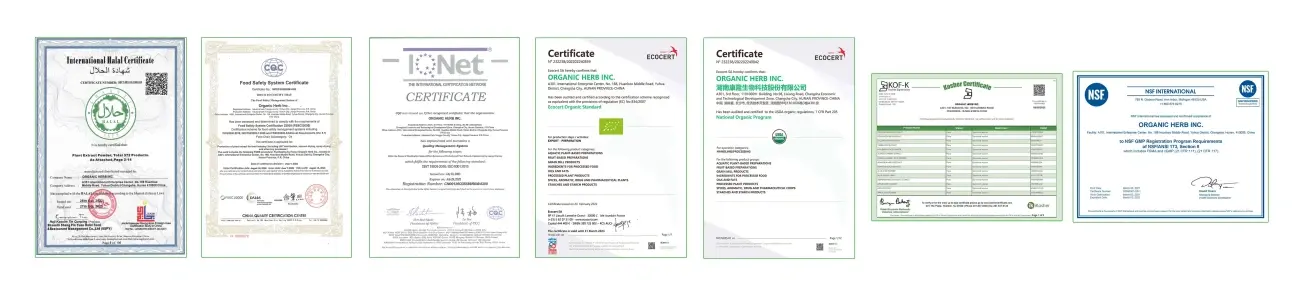
Procurement Guide for Poria Cocos Extract in Skincare Manufacturing
Evaluating Supplier Credentials
The first step to good sourcing is to look at the sellers' licenses and how they make their products. Current Good Manufacturing Practices (cGMP) rules should help you find companies that you can trust. These keep the quality control the same during the whole process of making something. The stock number for Organic Herb Inc. is 872213, and it is listed on the stock market. They have a lot of licenses that cover things like food safety, quality control methods, and specific dietary needs. The 42 people who work at our R&D lab in Changsha are teachers and top researchers. It has cutting-edge research tools worth more than $1.2 million that make sure each batch meets strict requirements.
Bulk Order Logistics and Packaging
Most of the time, 25 kg drums are the smallest amount that can be bought. This is because that's the standard size for packing that keeps the extract stable while it's being moved and kept. We can quickly send things all over North America since we have four stores in the U.S. From the time an order is approved, the wait time is cut down to about 10 days. When you buy in bulk, ask about custom packaging choices in case your company needs bigger forms or special containers to keep bioactives that are sensitive to moisture safe.
Regulatory Compliance and Documentation
It takes a lot of papers to keep up with foreign rules. In the U.S., our goods are allowed. There are full Certificates of Analysis (CoA), allergen statements, and heavy metal test results that the FDA says they need. It is important to know the rules for INCI (International Nomenclature of Cosmetic Ingredients) name rules so that labels are always right. For example, Poria cocos (Schw.) Wolf is written as "Poria Cocos Extract" or "Wolfiporia Cocos Sclerotium Extract." We can help you with the legal side of importing and getting your goods approved, whether you're making things for the US market or the world market.
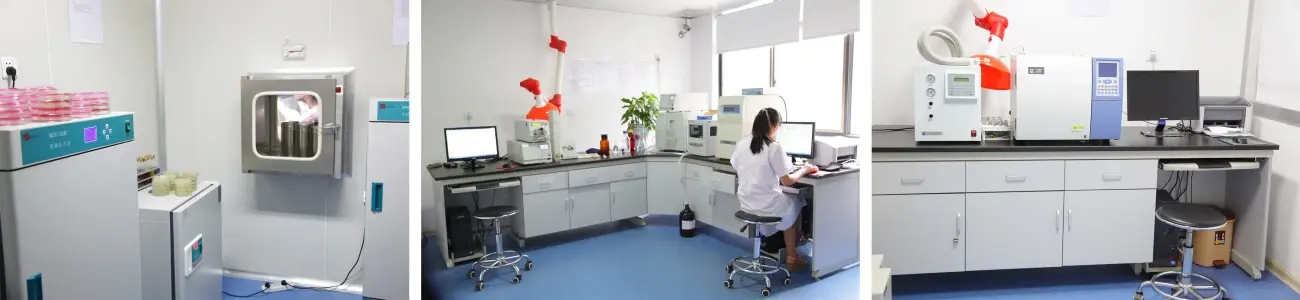
How to Incorporate Poria Cocos Extract into Your Skincare Product Line?
Optimal Concentration Ranges
When adding to finished recipes, concentrations of 0.5% to 5% are usually enough to make it work. But this can change depending on the product and the strength level that is needed. To keep the look the same, lighter serums may use lower percentages. Intense treatment creams, on the other hand, use higher percentages to get the most out of them. It's easy to figure out how much to give because our brown powder form is set at 30% carbohydrates. Compatibility testing is the first step in research and development. It makes sure that the product will not change when mixed with stabilizers, emulsifiers, and other active ingredients that are common in makeup bases.
Compatibility with Complementary Actives
It works really well with chemicals that help the barrier do its job and keep the skin wet. The lipid framework is stronger when ceramides are added, and it holds water better when hyaluronic acid is added. Poria Cocos Extract, peptides, and plant antioxidants can be mixed together to help formulators make full anti-aging products that deal with a lot of different age problems. Tests of stability should check how well the extract works at different pH levels (it works best between 4.5 and 7.0) and how it might interact with defense systems.
Marketing Strategies for B2B Buyers
If you want to sell products that contain this extract, you should stress that it comes from nature, has been used for a long time, and has scientifically proven health benefits. Smart customers really connect with marketing stories that show how plant knowledge from hundreds of years ago is linked to modern harvest technology. More people will be interested in buying a product if it has marks like "organic," "Kosher," and "Halal" on it. Case studies from our clients show that launches that used clear sourcing stories and claims of proven results got a lot of people interested in buying. This made a lot of people want to buy and send things back, from both well-known brands and new OEM partners.
Conclusion
People who work in the beauty industry who want to make natural goods that work well should use Poria Cocos Extract. To answer important customer concerns, it has been shown to have antioxidant, healing, and soothing properties. It also meets the clean beauty standards that set the bar for today's market. If procurement professionals know both the old and new studies in extraction science, they can make sure that quality and performance are always maintained. The need for functional botanical actives that give measured results without losing quality is growing. Your business can take advantage of this by working with a company that has strong certifications, clear tracking, and a strong shipping infrastructure.
FAQ
Q1: What concentration of Poria Cocos Extract should be used in formulations?
It is often used between 0.5% and 5% in finished goods. Smaller amounts work best for serums and essences that are lighter, while larger amounts can be used for creams and treatment masks that are thicker and stronger. You should always test the stability to make sure it works with your recipe base and way of storing it.
Q2: Can Poria Cocos Extract be combined with other active ingredients?
It does work very well with skin care ingredients like hyaluronic acid, niacinamide, ceramides, and vitamins that come from plants. When it comes to anti-aging or barrier-repair goods that work on a deep level, synergistic mixtures often work better than single-ingredient products.
Q3: What certifications should I look for when sourcing this ingredient?
If you want to sell to clean beauty markets, give more weight to buyers who have cGMP, ISO 9001, FSSC22000, or other green certifications. More people will buy from you if you add standards like Kosher and Halal. When all the information is in order, the process of getting a product approved goes quickly. This includes things like Certificates of Analysis and proof that you're following the rules.
Partner with OHI for Premium Poria Cocos Extract Supply
People all over North America trust Organic Herb Inc.'s Poria Cocos Extract. It is used by skin care brands, nutrition brands, and OEM partners. Our four stores in the U.S., our GAP-compliant cultivation grounds that cover 8,000 acres, and our state-of-the-art extraction facilities make sure that our goods always have the same high quality and are supplied on time. We use water to separate our Poria Cocos Extract, make sure it has 30% carbohydrates, and pack it in 25 kg drums. HPLC and other advanced filtration tools are used to test each batch very carefully.
We know how hard it is to buy things when you have to be careful about batches, follow the rules, and make sure the supply chain works. Because of this, we don't change the amount of stock we keep in the United States; we give away free samples for recipe tests, and we provide a lot of paperwork to support FDA and foreign standards. The people who work on our research and development help clients come up with custom specs that make extracts work better in their own unique mixes. You can talk to our team about your sourcing needs, get full data sheets, or place sample orders that show why top brands choose OHI as their Poria Cocos Extract supplier by emailing info@organic-herb.com.
References
1. Chen, Y., & Zhang, H. (2021). "Bioactive Polysaccharides from Poria cocos: Extraction, Structure, and Functional Properties." Journal of Functional Foods, 87, 104-118.
2. Kim, S.J., Lee, M.H., & Park, J.Y. (2020). "Anti-inflammatory and Skin Barrier Enhancement Effects of Poria cocos Extract in Cosmetic Applications." International Journal of Cosmetic Science, 42(3), 267-276.
3. Wang, L., Liu, Q., & Zhou, X. (2022). "Triterpenoids from Wolfiporia cocos: Antioxidant Activity and Skin Aging Prevention." Phytotherapy Research, 36(5), 1892-1904.
4. Nakamura, T., Sato, K., & Yamamoto, H. (2019). "Moisturizing Properties of Fungal Polysaccharides in Topical Formulations." Cosmetics & Toiletries, 134(9), 42-51.
5. Brown, A.E., & Martinez, R.D. (2023). "Natural Actives in Modern Skincare: Comparing Mushroom Extracts for Formulation Efficacy." Cosmetic Science and Technology Review, 15(2), 88-97.
6. Li, X., Zhang, W., & Chen, D. (2020). "Quality Control and Standardization of Poria cocos Extracts for Pharmaceutical and Cosmetic Industries." Journal of Ethnopharmacology, 258, 112-125.
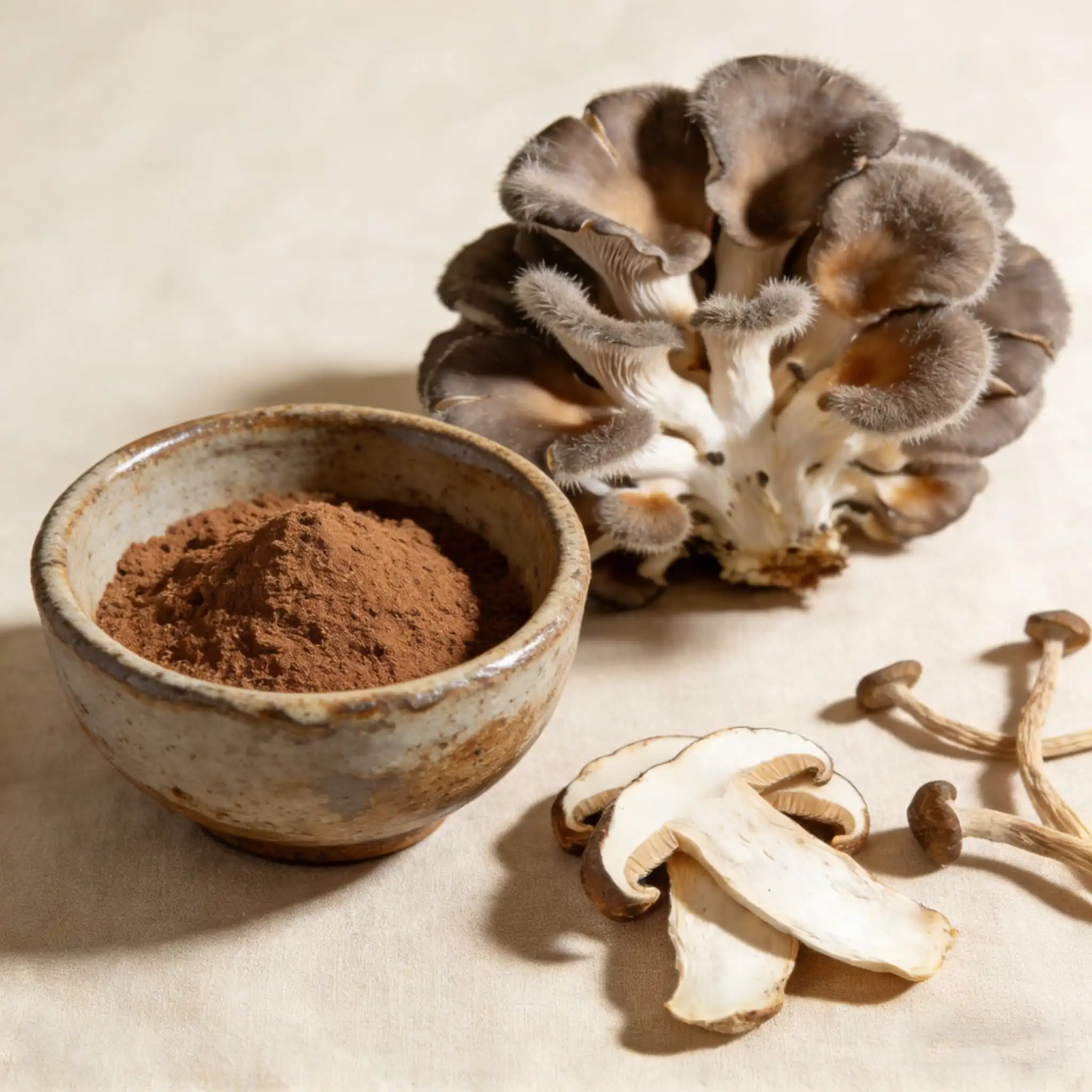
The Marvels of Maitake Mushroom Extract Powder
VIEW MOREMaitake Mushroom Extract Powder is an important item for companies that want to give their customers useful botanical actives that have been backed by evidence. This concentrated powder comes from the fruiting bodies of Grifola frondosa. It has standardized polysaccharide profiles and beta-glucans that are needed for immune-modulating formulas. Professionally harvested maitake has consistent bioavailability and solubility, which makes it essential for nutraceutical companies, beauty formulators, and functional food makers trying to stay ahead in the market. It can be used in pills, drinks, and on the skin. This is possible because of strict extraction methods that keep the structure intact and meet high-quality standards.
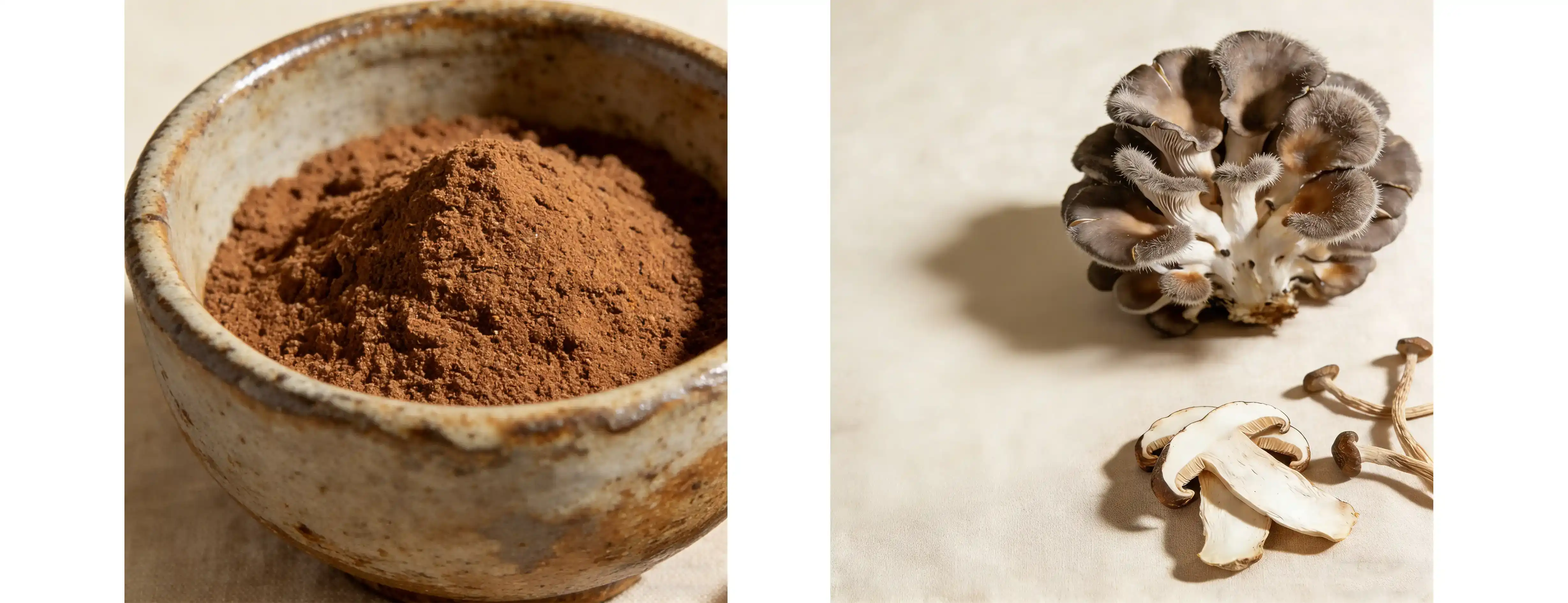
Understanding Maitake Mushroom Extract Powder
What Makes Grifola frondosa Extract Unique
The powdered extract comes from the growing body of Grifola frondosa, which is also known as Maitake Mushroom Extract Powder or "dancing mushroom." Using hot water for traditional extraction separates the polysaccharides and beta-glucan parts that give the ingredient its useful properties. In commercial production, advanced extraction technologies produce uniform specs like 30% polysaccharides or 10:1 concentration ratios, which make sure that each batch is the same. By getting rid of the indigestible chitin and concentrating the bioactive chemicals, this process turns raw mushroom material into an ingredient that can be used in controlled industries and is of a medicinal grade.
Extraction Process and Quality Parameters
For industrial extraction to start, dried fruiting bodies are put through controlled temperature water extraction, which is usually kept below 95°C to protect chemicals that break down at high temperatures. The water-based extract is filtered, concentrated using reverse osmosis, and then spray-dried to make a fine brown powder. To make sure the product meets USP standards, quality control methods include checking the polysaccharide content using HPLC, analyzing the moisture (which must stay below 5%), and testing for microbes. In our Yichun plant, OHI uses nano-membrane isolation and freeze-drying technologies to get to levels of purity that meet the standards for NSF GMP and FSSC22000 certification.
Bioactive Compounds and Functional Properties
The main active ingredients are beta-glucans, especially the D-fraction and MD-fraction types. These polysaccharides that are attached to proteins have complicated structures that change how receptors bind to them in living systems. Ergosterol, phenolic substances, and trace minerals are some of the other ingredients that help the antioxidant ability. When compared to mycelial products, which usually have smaller amounts of target compounds and higher levels of grain substrate residues, the standardized extract works better. When purchasing, teams look at source certificates of analysis; they can make better decisions if they know these differences.
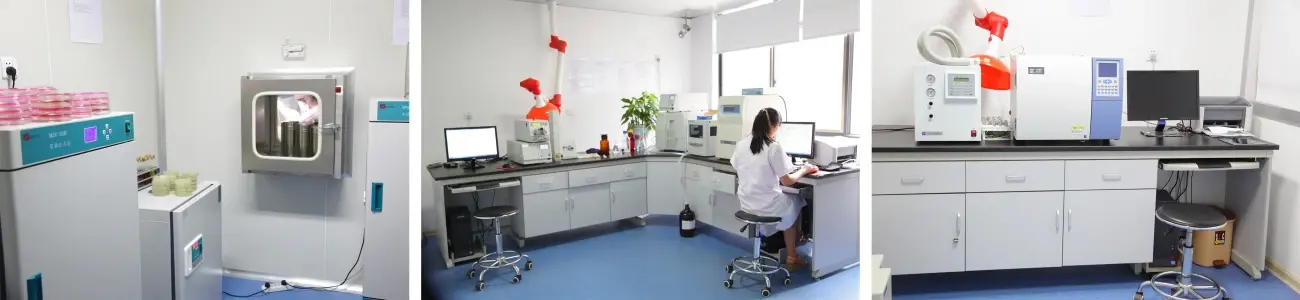
Comparing Maitake Mushroom Extract Powder with Other Popular Extracts
Maitake vs. Reishi: Bioactive Profiles
Taking a look at Maitake Mushroom Extract Powder alongside other well-known extracts, both of these mushrooms are polypores, but their chemistry profiles are very different. Triterpenes are the main active ingredients in reishi (Ganoderma lucidum) extract. They give it bitter notes and make it harder to formulate in some ways. The bland taste of maitake comes from its high polysaccharide content, which makes it a good choice for beverage uses where flavor masking is important. Due to the difficulty of growing reishi, products from it usually sell for more money. On the other hand, maitake's faster growth cycle makes stock prices more competitive for buyers who buy a lot of it.
Lion's Mane and Cordyceps: Application Differentiation
Nootropic pill makers are interested in Lion's Mane (Hericium erinaceus), which has chemicals called hericenones and erinacines that are thought to help the brain. Cordyceps militaris powder is sold in the sports nutrition market, and the cordycepin in it is said to help the body use energy. Maitake is used in the immune wellness and digestive health areas, which gives formulators a lot of freedom when making different kinds of products. This placement benefit lets buyers of ingredients reach a wider range of customers with a single SKU, which makes inventory management easier for companies that make more than one product.
The Organic Certification Advantage
Organic-certified maitake powder meets the needs of clean labels and makes it easier to follow the rules for foreign markets. The USDA Organic and EU Organic labels help with marketing and give you access to higher price levels. OHI keeps its organic certification with the help of our GAP-compliant farming bases in Hunan and Jiangxi provinces. These bases cover more than 8,000 acres and can be tracked from the spores to the final extract. This vertical integration gets rid of holes in the supply chain that could damage the integrity of certifications. This is a common problem for importers who work with multi-tiered sourcing networks.
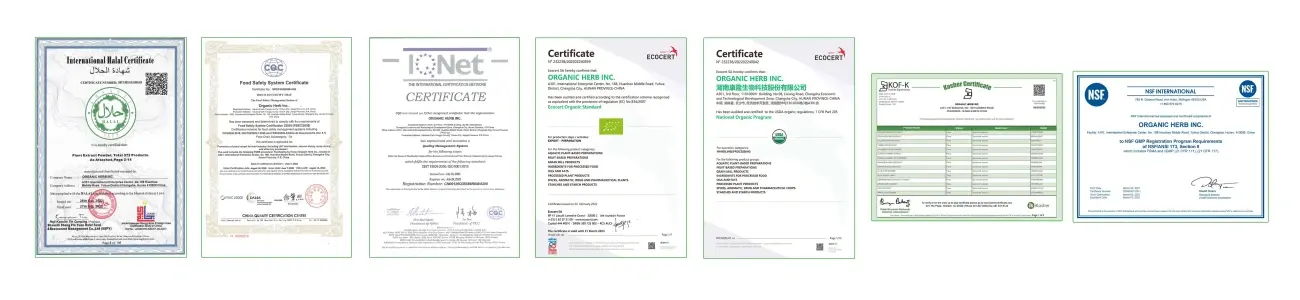
Buying Maitake Mushroom Extract Powder in Bulk: A Procurement Guide
Supplier Selection and Certification Requirements
Reliable providers of Maitake Mushroom Extract Powder have more than just basic manufacturing licenses and certifications from third parties. The NSF GMP certification checks production processes for pharmaceuticals, and the FSSC22000 certification checks systems for managing food safety. Halal and Kosher approvals help brands that cater to certain groups of customers get into more markets. ISO 9001 makes sure that quality control is the same from one lot of products to the next. When purchasing, companies look at possible partners; they should ask for up-to-date certificates with clear comments about what they cover, especially mushroom extract production, since general facility certifications might not cover all types of products.
Packaging and Logistics Considerations
Standard bulk packing uses 25kg fiber drums with two plastic bags inside to keep moisture out during ocean freight. For smaller test sales, you can get 1kg aluminum foil bags, or for buyers who want to save money on quantities, you can get 500kg bulk totes. For organically approved goods, temperature-controlled operations are very important because heat from shipping containers can break down polysaccharide structures. Earth Made Nutritions has four warehouses in key areas in the United States. This lets domestic orders be filled in seven days and gets rid of the unpredictable factors that come with international shipping, which makes planning inventory harder.
Pricing Structures and MOQ Benchmarks
Prices for 30% polysaccharide specifications on the market right now run from $28 to $45 per kilogram FOB China, depending on whether the product is organic and how much is ordered. Earth Made Nutrition's prices in the U.S. include imported costs plus storage, which are usually between $38 and $58 per kilogram for organic material that has been approved. Standardized minimum order numbers of 25kg allow for recipe development needs while still keeping shipping costs reasonable. Volume savings start at 500kg, and there are more price breaks at 1,000kg and 5,000kg yearly agreements. These arrangements help both new brands try ideas in the market and established companies meet their cost-of-goods goals.
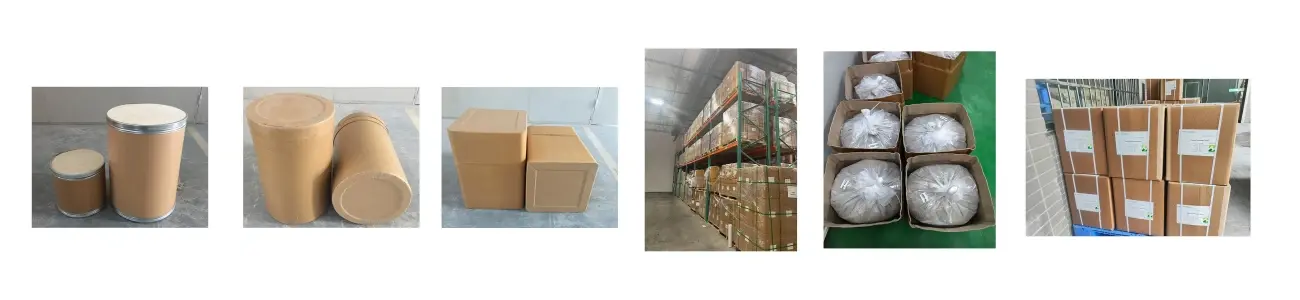
How to Choose the Best Maitake Mushroom Extract Powder for Your Business?
Critical Quality Indicators
Why Maitake Mushroom Extract Powder Is Better for Your Business depends on important signs of quality. The extract ratio and polysaccharide percentage are basic specs, but more experienced customers look at other factors as well. Lead levels should be less than 0.5ppm, cadmium levels should be less than 0.3ppm, and arsenic levels should be less than 0.2ppm. When getting non-organic material, pesticide residue tests must show that each ingredient is less than 0.05ppm. Total plate count should be less than 10,000 cfu/g, yeast and mold numbers should be less than 1,000 cfu/g, and there should be no pathogens. Every production batch goes through 27-point testing methods in OHI's analytical laboratory. You can view the COA paperwork through our quality management site.
Matching Product Specifications to Industry Needs
Nutraceutical capsules usually use 10:1 or 20:1 extracts for concentrated dosing, which means that 500mg doses can provide useful amounts of polysaccharides. Functional beverage makers like 30% polysaccharide specs that dissolve easily in water. They often ask for spray-dried granules for quick mixing. For cosmetics, ultra-fine mesh sizes (200 mesh or more) are needed to make sure that the ingredients mix smoothly in emulsion systems without getting gritty. Our Changsha R&D center works directly with formulation teams to change the particle size distribution, moisture content, and carrier adds so that they work best in certain media.
Supplier Reliability and Technical Support
Beyond the specs of the goods, long-term success depends on the ties with suppliers. Look for partners who can help you with formulation, stability testing, and legal paperwork. OHI has a technical team with 27 top scientists and researchers with PhDs who help with things like figuring out the best dosage, how ingredients combine, and how to back up claims. Our history includes successful development partnerships with nutraceutical brands that brought maitake-based goods to the competitive North American market. This shows that we have real-world application knowledge that goes beyond just being a supplier.

Using Maitake Mushroom Extract Powder: Best Practices and Recommendations
Formulation Integration Techniques
Best Practices and Suggestions for Using Maitake Mushroom Extract Powder involve careful integration. When you add the extract, you need to pay attention to how it reacts to moisture and heat. Polysaccharides are hygroscopic, which means they need climate-controlled settings to keep the relative humidity below 40% when they are used in capsules. Tablet forms work better when they don't come into contact with water, which can cause clumping. Before adding the powder to large batches, beverage makers should mix it with small amounts of liquid to make sure it's fully hydrated and stops any sedimentation. Preliminary compatibility testing stops coloring problems that hurt the look of the product on the shelf when it is made with ascorbic acid or other reducing agents.
Dosage Guidelines for Product Development
Maitake polysaccharides are usually taken in doses of 1 to 3 grams per day for immune health reasons in clinical studies. Supplement makers usually give 500 to 1000mg per capsule, which means that people can take two to three capsules a day, which is convenient for them. In functional food uses, lower concentrations are spread out over bigger serving sizes. For example, 200mg is spread out over a drink that is drunk 1-2 times a day. These amounts give formulators a place to start, but the best way to dose depends on how the finished product is positioned and how well the ingredients work together.
Conclusion
Maitake Mushroom Extract Powder solves important formulation problems in the cosmetics, functional foods, and nutraceuticals industries by making sure that bioactives are delivered consistently and in the right amount. The ingredient can be used in a lot of different ways because it was extracted using strict methods that focus on carbohydrates and make sure they work with a wide range of delivery systems. A good buying strategy looks at more than just price when choosing a provider. It looks at things like certifications, analytical verification, and expert support skills. OHI's integrated cultivation and production infrastructure gives brands the supply chain clarity and quality guarantee they need to deal with tough regulatory settings and competitive market pressures.
FAQ
Q1: What certifications should I require from a maitake extract supplier?
Check to see if the company has an NSF GMP or a similar license for making medicines, FSSC22000 for managing food safety, and ISO 9001 for quality systems. Organic approval from the USDA, the EU, or a similar organization makes the clean-label stance stronger. With Kosher and Halal certificates, you can reach more customers. Ask for up-to-date certificates that include scope statements that confirm they cover Maitake Mushroom Extract Powder and yearly third-party audit reports that show they are still following the rules.
Q2: How do I authenticate, extract quality, and prevent fraud?
For polysaccharide proof, you should ask for full COAs that include HPLC chromatograms, not just UV-Vis spectrophotometry, which can be manipulated with starch additives. Enzymatic methods or NMR spectroscopy should be used to determine the beta-glucan level. If you compare TLC fingerprints to verified reference standards, you can tell when cheaper mushroom species are being used instead. Get independent proof tests done on random samples throughout the supply relationship by third-party labs.
Q3: What lead times should I expect for bulk orders?
Orders of warehoused goods in the United States usually ship within 7 business days. International orders from factories take 25 to 35 days, which includes planning production, doing quality control tests, preparing paperwork, and shipping by water. If you choose air freight, the trip takes only 10 to 14 days, but it costs more. To support Earth Made Nutrition's just-in-time production plans for long-term customers, OHI keeps a strategic stockpile of standard specs in its warehouses.
Partner with OHI for Premium Maitake Mushroom Extract Powder Supply
Obtain Premium Maitake Mushroom Extract Powder by Working with OHI. OHI is ready to help you with your product creation projects by providing you with pharmaceutical-grade maitake extract, along with all the necessary certifications and technical know-how. Our fully connected businesses, from GAP-approved growing areas to cutting-edge research and development labs, make sure that the whole supply chain is clear and that the quality always meets the strictest government standards. As a public company (Stock Number: 872213) with more than 400 plant extract goods, we can offer long-term partnerships that are backed by large-scale production and stable finances.
Earth Made Nutritions offers domestic U.S. delivery through four carefully placed stores. This gives customers the ease of buying locally and the cost savings of dealing directly with manufacturers. Our product is certified by NSF GMP, FSSC22000, Organic, Kosher, and Halal, and it has 30% polysaccharides that are standardized. It is also processed using water extraction. Free samples let you try formulations without any risk, and our 25kg minimum order number works for both brands that are still in the development stage and those that need to make a lot of products. Send an email to info@organic-herb.com to talk to our technical sales team about your unique application needs.
References
1. Chen, J., & Seviour, R. (2007). Medicinal importance of fungal beta-(1→3), (1→6)-glucans. Mycological Research, 111(6), 635-652.
2. Kodama, N., Komuta, K., & Nanba, H. (2003). Effect of Maitake (Grifola frondosa) D-Fraction on the activation of NK cells in cancer patients. Journal of Medicinal Food, 6(4), 371-377.
3. Mayell, M. (2001). Maitake extracts and their therapeutic potential. Alternative Medicine Review, 6(1), 48-60.
4. Ng, M. L., & Yap, A. T. (2002). Inhibition of human colon carcinoma development by lentinan from shiitake mushrooms (Lentinus edodes). Journal of Alternative and Complementary Medicine, 8(5), 581-589.
5. Wasser, S. P. (2002). Medicinal mushrooms as a source of antitumor and immunomodulating polysaccharides. Applied Microbiology and Biotechnology, 60(3), 258-274.
6. Zhang, M., Cui, S. W., Cheung, P. C., & Wang, Q. (2007). Antitumor polysaccharides from mushrooms: a review on their isolation process, structural characteristics and antitumor activity. Trends in Food Science & Technology, 18(1), 4-19.
- 1
- 14
- 15
- 16
- 17
- 18
- 19