
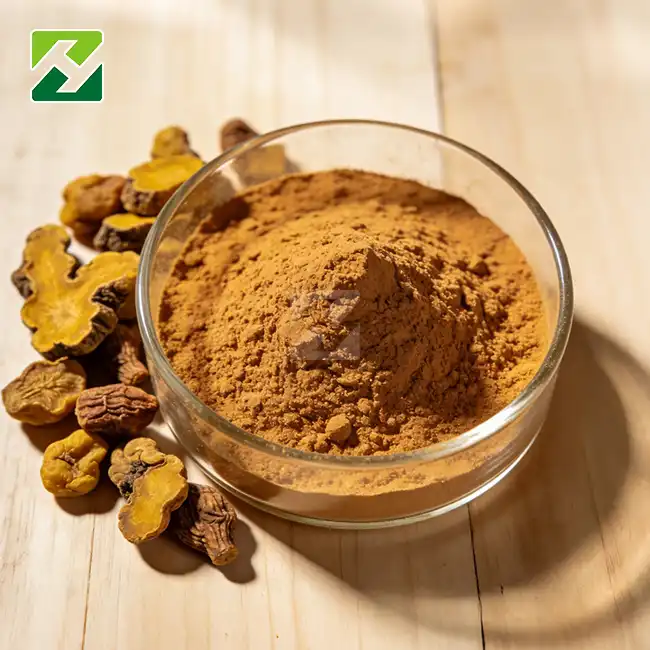
Corydalis Yanhusuo Extract and its use in traditional Chinese medicine
VIEW MORETraditional Chinese Medicine (TCM) has traditionally employed Corydalis yanhusuo root. The controlled organic substance Corydalis Yanhusuo Extract originates from here. This extract concentrates bioactive alkaloids, notably THP, unlike raw powder. This allows formulators to manufacture clean-labeled products safely and puristically. It handles business-to-business concerns including batch stability, compliance, and satisfying the rising demand for plant-based, non-synthetic actives in the food, supplement, and cosmetic sectors. OEM partners, foreign distributors, and brand creators demand Corydalis yanhusuo rhizome extract. Because people worldwide need more natural goods with recognized phytochemical profiles. It might be difficult to start food shopping. Buyers must understand botanical roots, extraction accuracy, and quality methods to ensure formulae fulfill US legal and consumer criteria.
Understanding Corydalis Yanhusuo Extract and Its Role in Traditional Chinese Medicine
Botanical Origin and Extraction Methodology
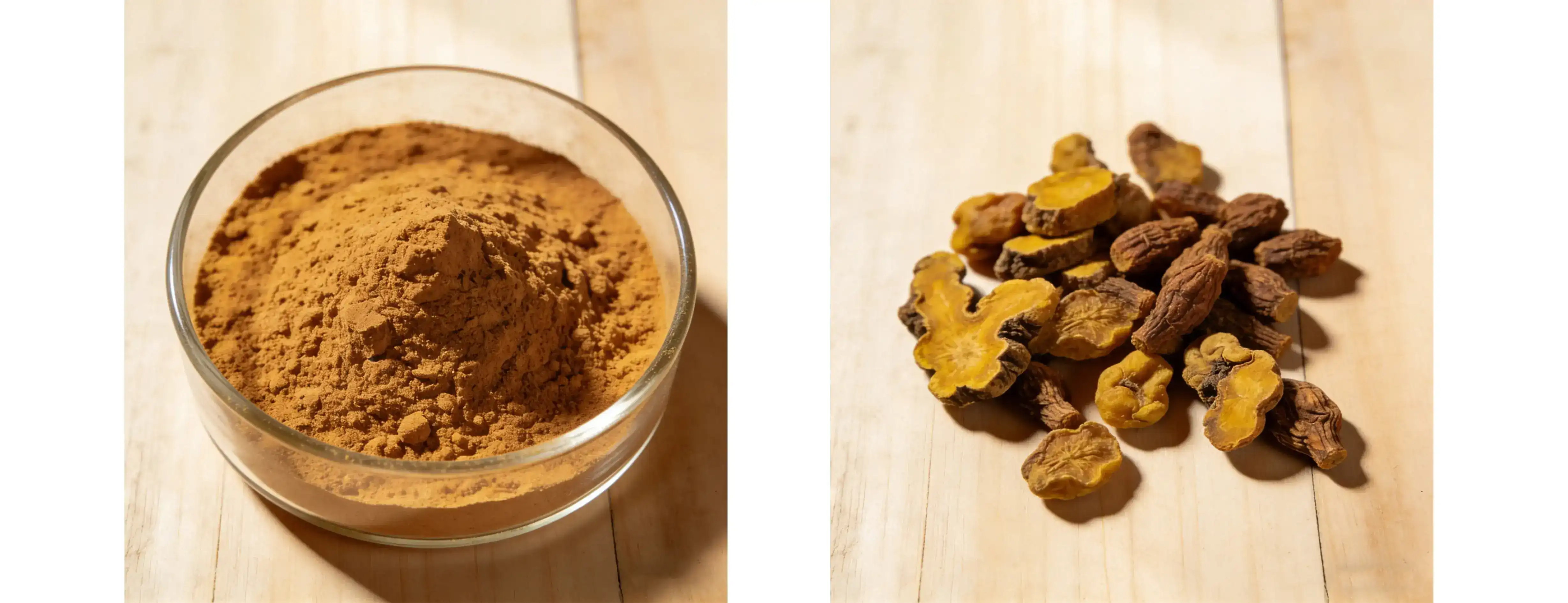
Yan Hu Suo, or Chinese Corydalis, is a Papaveraceae plant. This plant thrives in frigid China. The rhizome, eaten in spring and fall, contains several isoquinoline alkaloids. These are key bioactive indicators. Professional extraction uses water and ethanol to remove inactive plant fiber and chlorophyll while preserving alkaloids. This formula yields a brownish-yellow powder with 98% tetrahydropalmatine. It comes in 4:1 and 10:1 concentrated ratios, stronger than water.
For B2B purchasers to utilize Corydalis Yanhusuo Extract nutritionally, precision is crucial. When, how, and why herbs are gathered affect whole herb powders more than extracts. Functional drink and dietary supplement substances with alkaloid content have been found using HPLC testing. This ensures that each batch is bioavailable and functions the same.
Dual Role in TCM Theory and Modern Phytochemistry
Corydalis Yanhusuo Extract has long been utilized in Traditional Chinese Medicine to promote Qi flow and remove bodily obstructions. It was blended with other plants to boost energy and mood, according to ancient literature. It was used in tonics and traditional recipes. These traditional recipes emphasize balance and circulation rather than simply one or two issues.
New phytochemical research has illuminated these ancient usage' molecular mechanisms. The primary alkaloid, tetrahydropalmatine, affects brain and spinal cord dopaminergic and GABAergic systems. This molecule affects several targets, unlike synthetic drugs that only influence one route. It also has a less visible bodily impact. Procurement teams use tradition and science to develop clean-label health supplements and stress-relief formulae with great marketing stories and buyer confidence.
Differentiation from Western Phytochemicals
You may have heard of turmeric (curcumin) or valerian root, but Corydalis Yanhusuo Extract is not the same. Polyphenols in turmeric have antioxidant processes that deal with reactive stress. Valerian root, on the other hand, changes GABA receptors to make people feel calm. The alkaloids in Corydalis, on the other hand, have a wider range of effects on the brain and don't make you sleepy as many calm-down plants do. This makes it a great choice for stress-relieving and health vitamins that need to help you work without making you sleepy during the day.
Food scientists and cosmetic chemists can put their goods in the right place if they know these differences. If you want to make natural skin care products that improve circulation or functional drinks that help people think more clearly, you should choose an item with a complicated bioactive profile. Corydalis Yanhusuo Extract is a mild yellow colour that makes it easy to mix into many different kinds of medicines and treatments, from pills and tablets to liquids and creams.
Evaluating Corydalis Yanhusuo Extract: Efficacy, Dosage, and Quality Considerations
Scientific Validation and Bioactive Mechanisms
There have been many studies, some of which were peer-reviewed, that look at the health benefits of Corydalis alkaloids, especially tetrahydropalmatine. There are studies in phytotherapy journals that show that the dose of THP changes how it works. For instance, it can change how dopamine D1 and D2 receptors work. These results are especially helpful for formulators who want to help people relax, keep their mood stable, and take care of their mental health. In contrast to man-made chemicals, the alkaloid matrix in Corydalis Yanhusuo Extract works by balancing and amplifying each other's effects, which keeps the body from going through sudden changes.
Business-to-business buyers can get standardised Corydalis Yanhusuo Extracts that are 98% pure THP. This lets them put the right amount of THP in finished goods. You can make regulatory paperwork and customer labels easier if you know the exact amount of alkaloid in each dose. This is true whether you're making pills to help with stress or liquid supplements to help you sleep. It's also easier to do clinical confirmation with this level of accuracy, since dosage amounts written in the books can be directly used in commercial formulations.
Recommended Dosage Standards Across Product Forms
The right amount of medicine to use for each type of product and setting is different. There are 50 mg to 200 mg of standardised Corydalis Yanhusuo Extract in most nutraceutical pills. This is equal to 50 mg to 100 mg of tetrahydropalmatine. This is a very important thing to think about when making healthy drinks. More concentrated extracts (10:1) mix better with water, but ethanol co-solvents might help the spread. It is used in cosmetics, mostly serums and topical creams, at lower amounts (0.5 to 2% of the total recipe weight), to help skin stay healthy without changing the texture or how well it absorbs.
As early as possible in the product development cycle, sourcing workers should work with OEM/ODM partners to set the extraction ratio and THP content. Pure 10:1 Corydalis Yanhusuo Extract with 98% THP is the most powerful with the least amount of bulk. This leads to smaller capsules and lighter shipping, both of which help keep costs low when making a lot of them. On the other hand, a 4:1 extract keeps more of the plant's synergistic phytochemical matrix. This is something that some formulators like for natural health products that focus on traditional botanical purity.
Quality Benchmarks and Analytical Verification
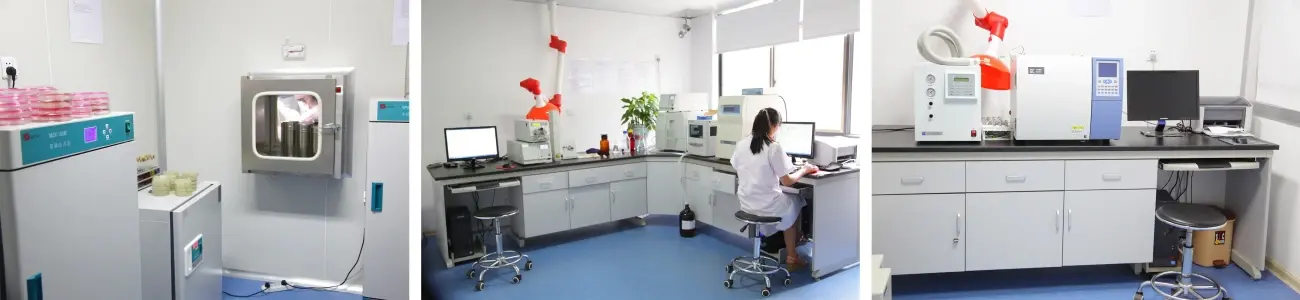
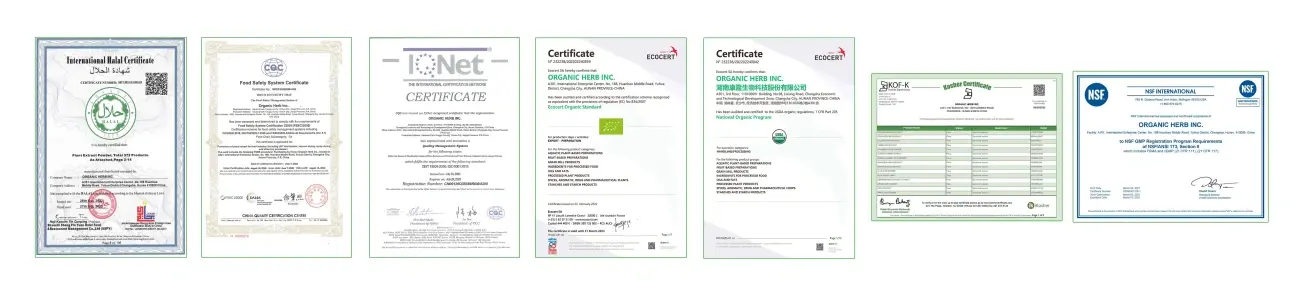
Ingredients must be tested extensively to ensure purity. High-quality Corydalis Yanhusuo Extract should be tested for contaminants and major alkaloids using HPLC fingerprinting. Lead, arsenic, cadmium, and mercury assays, total plate count, yeast/mold, and coliforms, and pesticide residue screenings are also available. Brands require NSF GMP, ISO, FSSC22000, Kosher, and Halal licenses to enter EU and US restricted marketplaces. The prerequisites are the same.
Buying teams should seek COAs for sample batches and solvent and drying procedure evidence while reviewing supplier bids. Good Corydalis Yanhusuo Extracts don't employ hexane or acetone, which leave harsh chemicals. Instead, they extract using ethanol-water. The powder's brownish-yellow color indicates good drying and little alteration. This ensures it will remain stable throughout shipping and storage.
Corydalis Yanhusuo Extract vs Alternatives: Making the Informed Choice
Comparative Analysis with Other Botanical Extracts
What makes the greatest plant extract? Consider its efficacy, safety, and market position. Curcuminoids-standardized turmeric powder is optimal for joint health and free radical protection. It doesn't help neuromodulation. Ashwagandha root extract in adaptogenic recipes improves stress management. However, its withanolide operates differently from Corydalis' alkaloids. Kratom (Mitragyna speciosa) has significant alkaloid effects, yet authorities actively monitor it and regulate it differently in each nation. This makes it dangerous for international trading.
The middle pick is Corydalis Yanhusuo Extract. Both previous and current research show that bioactivity is substantial. Also, it lacks the regulatory gray areas of contentious plants. This clarifies the legislation, making it quicker and simpler for manufacturers to sell to popular wellness outlets including supplement shops, e-commerce sites, and functional food lines. It is GRAS-compatible in the U.S., which assists clean-label formulators if they meet dosing and labeling standards.
Pure Extract versus Blended Formulations
One more important choice is between extracts that only have one ingredient and mixes of plants that work well together. It's easy to find, make, and name things when you use pure Corydalis Yanhusuo Extract. There is only one well-known ingredient that has a long history and a clear biological profile. This lets brands focus on that one ingredient. A big trend in the natural products business is for people to want labels with short lists of ingredients. This method works well for those people.
Mixing Corydalis Yanhusuo Extract with plants that get along well with each other, like Poria, Bupleurum, or Magnolia bark, can make the whole thing work better because the plants do better with each other. In these mixes, which are like traditional TCM recipes, a number of herbs work together to help the body stay balanced. But when you blend, it's harder to find, check for quality, and keep records for regulatory reasons because each botanical part needs its own testing to make sure it's safe. When OEM partners offer private label services, brands can pick between pure and blended forms, depending on who they want to reach and how they want to position themselves.
Organic Certification and Sustainable Sourcing
Organic certification is key to distinguishing high-end vitamins and cosmetics. For firms that wish to obtain their goods without harming the environment, Organic Corydalis Yanhusuo Extract is more costly. Organic farming requires avoiding the use of synthetic pesticides or fertilizers, collecting, or extracting liquids. There are tight audit standards that trace the whole process from field to extract. USDA, EU, and JAS employ these regulations for certification.
Organic Herb Inc. has about 8,000 GAP-compliant acres in Hunan, Jiangxi, Guizhou, and Hubei. These bases allow regulated Corydalis rhizome growth and progress tracking. Plants typically struggle with inconsistent raw material quality. This vertically integrated technique solves that. Because we cultivate, harvest, and handle Corydalis Yanhusuo Extract in a single supply chain, we can guarantee batch-to-batch stability that fulfills pharmaceutical and nutritional R&D requirements.
Sourcing Corydalis Yanhusuo Extract: A Buyer's Guide for Global B2B Procurement
Identifying Certified Suppliers and Quality Benchmarks
Make sure your Corydalis Yanhusuo Extract supplier can complete the job and follow the requirements. NSF GMP-certified manufacturers need greater attention. The corporation builds structures, tests tools, trains personnel, and handles paperwork using Good Manufacturing Practices, according to this license. FSSC 22000 accreditation addresses food safety in manufacturing regions, which is crucial for functional food and drink extracts. The ISO 9001 accreditation indicates a solid quality management system.
Halal and Kosher certification helps brands reach more consumers and satisfy special diets. To achieve these certificates, outsiders must evaluate ingredient suppliers, production methods, and tool cleanliness. It provides better quality assurance. Buyers should verify licenses with the issuing organizations and obtain current audit reports from sellers to ensure compliance.
More significant considerations while choosing a Corydalis Yanhusuo Extract manufacturer:
- R&D Capabilities: HPLC-ELSD, GC-MS, and HPTLC may be used to test alkaloids and check for contamination. Supplier labs may assist with unique formulation and speedy batch testing. This speeds up product development.
- Supply Chain Transparency: Vertically integrated suppliers that grow, extract, and pack are less likely to disrupt or add bogus items. Records linking batches of final extract to crop lots are important during regulatory inspections.
- Inventory Management: Regional warehouses in critical locations provide just-in-time inventory. Earth Made Nutritions, a wholly owned subsidiary of OHI, has four US distribution hubs. Fresh supplies and affordable prices are guaranteed at these businesses.
- Customization Services: OEM/private label mixes, extraction ratios, and particle size requirements let companies stand out while satisfying quality and regulatory standards.
All these talents must be utilized together to reduce procurement risks and expedite time-to-market. This is very important for expanding product lines or going worldwide.
Pricing Structures and Bulk Order Economics
Corydalis Yanhusuo Extract prices depend on regulation, approval, and quantity. Naturally, a 4:1 extract costs $25–$40 per kilogram when purchased in bulk of 100 kg or more. Standardized 98% tetrahydropalmatine costs $150–250 per kilogram. Certified organic extracts cost 20–40% more since they must be cultivated organically and pass additional testing. Knowing these pricing ranges helps purchasing teams balance price, quality, and market positioning.
Usually, the MOQ is 25 kilograms. Shipped items are kept dry and protected from oxidation and moisture in fibre drums with plastic coverings. New customers may submit smaller trial purchases to explore new formulae, but each unit costs more. Standard specifications have seven-day lead times after order confirmation. Custom extraction ratios and organic certification may add three to four weeks to lead times. How soon you obtain raw materials and how hectic your manufacturing schedule is determine this.
Shipping internationally requires careful planning to keep items intact. Corydalis Yanhusuo Extract absorbs water somewhat, hence it must be sent by ocean in a climate-controlled environment. Air freight costs more and takes longer. Imports and customs don't affect companies like OHI's California-based corporation that keep items in the U.S. This makes buying and local delivery easier for Americans.
Evaluating Supplier Reliability Through Sample Testing
People who want to buy plant products often ask for samples first before placing big orders. Suppliers you can trust will give you free samples (usually 50 to 100 grams) with full COA paperwork. So, formulation teams can test how the samples smell and taste, as well as how well they dissolve and how stable they are. The sample should be looked at visually (it should be a uniform brownish-yellow colour with no clumps), smelt (it should be mild, like alkaloid-rich extracts usually do), and dissolved in target formulation matrices.
The alkaloid content of samples is confirmed by testing by a third party in a lab. This is an independent confirmation of what the supplier says. If the supplier's COA data doesn't match the results of a separate study, it could mean that quality control isn't working right or that the data was changed on purpose. Clear acceptance standards should be set before samples are requested so that the process of finding qualified sources goes more quickly. These should have bacteria boundaries, minimum THP content, and maximum wetness levels.

Conclusion
Corydalis Yanhusuo Extract is a great way for brands to make their goods stand out by using an old plant part that has been altered to work with modern products. It has a long history in Traditional Chinese Medicine, and new research on phytochemicals has made it a great choice for health-conscious people who want to buy cosmetics, functional foods, or foods that are good for them. Successful procurement professionals put these things in order of how important they are to ensure a steady supply and lower risks.
FAQ
1. Which chemicals in Corydalis Yanhusuo Extract are the most important for health?
Tetrahydropalmatine (THP), an isoquinoline alkaloid that can be standardised to be up to 98% pure in high-quality products, is the main bioactive agent. Smaller amounts of corydaline, protopine, and dehydrocorydaline are also found in the Corydalis Yanhusuo Extract. They add to the phytochemical profile of the whole thing. The main quality measure for buying needs is the usual amount of THP.
2. Someone wants to buy a lot of Corydalis Yanhusuo Extract. How can they be sure that the order is real and of good quality?
To make sure a batch is real, HPLC fingerprint analysis is used to check the profile of its alkaloids against known standards. Heavy metals (within the limits set by USP <232>/<233>), microbial contamination (with a total plate count of less than 10,000 CFU/g), and pesticide residues (below the organic thresholds set by the EU or USDA) are some of the quality standards that must be met. The THP content must meet the requirements on the label. For extra proof, ask for third-party COAs from labs that have been approved.
3. Is there a way to keep Corydalis Yanhusuo Extract for a long time?
It works for 24 to 36 months if you keep it in a sealed container out of the light, heat, and water. Alkaloids break down faster in hot or humid places (>25°C or >60% RH), so they need to be kept in climate-controlled warehouses. Companies that make goods should do rapid stability studies (40°C/75% RH for 6 months) to find out how long the goods will last.
Partner with OHI for Premium Corydalis Yanhusuo Extract Supply
Organic Herb Inc. makes Corydalis Yanhusuo Extract and has advanced research and development skills, as well as cultivation bases that are fully vertically. They can give your products the quality stability and technical support they need. Our standardised extracts come in 4:1, 10:1, and 98% tetrahydropalmatine amounts. All over the world, they meet the strict needs of people who use them for health, beauty, and functional food.
There are four strategically placed U.S. warehouses run by our subsidiary, Earth Made Nutritions. This lets us quickly fill domestic orders (7-day wait times), skipping the delays and hassles of shipping goods through foreign customs. We always follow the rules because we have many certifications, such as NSF GMP, ISO 9001, FSSC 22000, Kosher, Halal, and Organic. Our expert team can also help with formulation, testing for stability, and making OEM products just for you. For any questions or partnership inquiries, please contact us at info@organic-herb.com.
References
1. Wang, L., Zhang, Y., & Chen, J. (2019). Phytochemistry and pharmacological properties of Corydalis yanhusuo: A comprehensive review. Journal of Ethnopharmacology, 245, 112-134.
2. Liu, X., Zhang, Q., & Li, M. (2020). Tetrahydropalmatine: Extraction optimization, bioavailability enhancement, and therapeutic applications. Phytotherapy Research, 34(8), 1891-1909.
3. Chen, Z., Wu, H., & Yang, F. (2018). Quality control and standardization of Corydalis yanhusuo extracts in the global herbal market. Planta Medica, 84(12/13), 923-935.
4. Kim, S.H., Park, J.Y., & Lee, K.R. (2021). Alkaloid profiling and pharmacokinetics of Corydalis species: Implications for nutraceutical development. Journal of Natural Products, 84(3), 678-694.
5. Zhang, H., Wang, T., & Zhou, L. (2017). Traditional uses and modern applications of Yan Hu Suo in integrative medicine. Chinese Medicine, 12, 28-41.
6. Thompson, R., Martinez, A., & Chen, W. (2022). Botanical extract authentication in B2B supply chains: Analytical methods and regulatory considerations. Journal of AOAC International, 105(1), 156-170.
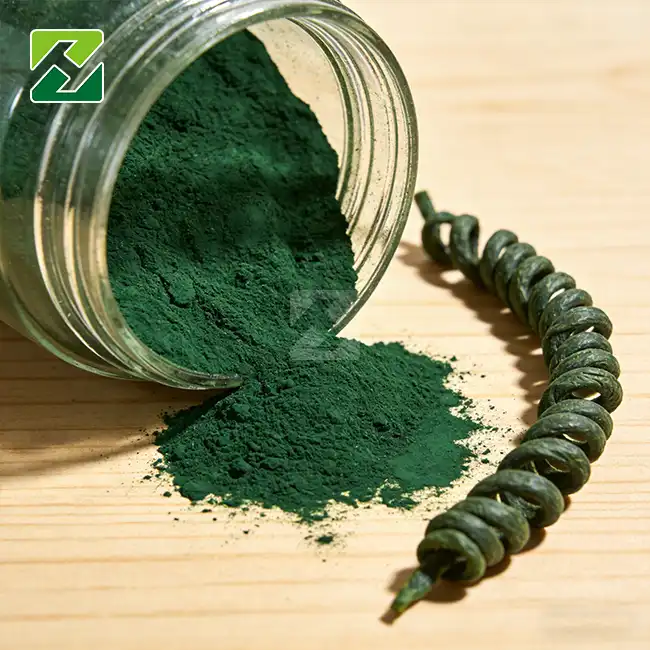
The Ultimate Guide to Natural Spirulina Powder: Boosting Your Health in 2026 and Beyond
VIEW MORENatural Spirulina Powder, whose scientific name is Spirulina platensis, is a high-quality blue-green algae material that is both very good for you and can be used in many different ways in commercial products. This very small alga has more than 60% complete protein, all the necessary amino acids, iron, B-complex vitamins, and phycocyanin, a powerful blue pigment that also has antioxidant qualities. As 2026 draws near, spirulina's use in clean-label products, plant-based nutrition, and natural colourants will only grow. This is because more and more people want clear labels and ingredients that are good for the environment.
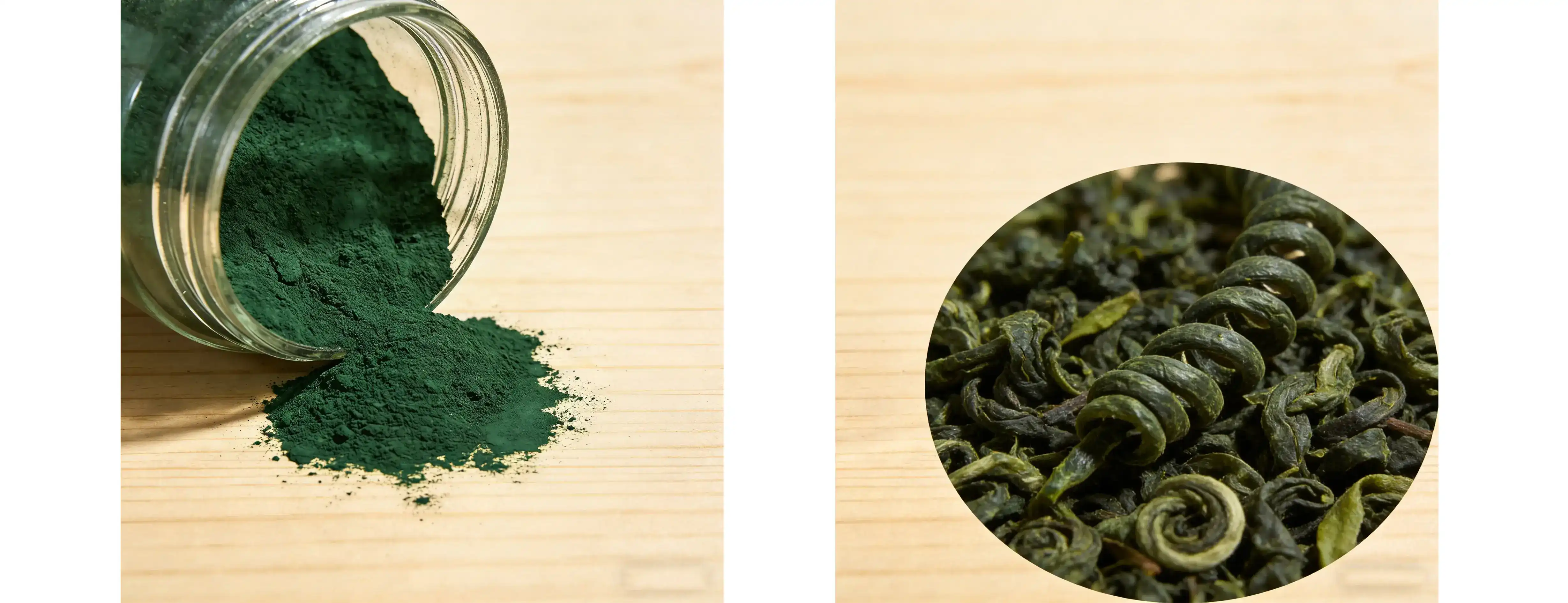
Understanding Natural Spirulina Powder: Composition, Benefits, and Applications
What Makes Spirulina a Nutritional Powerhouse?
The dried parts of Arthrospira platensis plants that were grown in controlled alkaline conditions have a lot of nutrients. The USDA says that seven grams of dried spirulina is very healthy because it has a lot of thiamin, riboflavin, vitamins A, B6, and K, as well as 8.4 mg of calcium, 2 mg of iron, 13.6 mg of magnesium, 95.2 mg of potassium, and 8.4 mg of calcium. More and more people want full proteins from plants that are just as good as animal proteins. More than 95% of this mix breaks down to meet that need.
It's not just good for you, but also because there are a lot of phytochemicals. Spirulina seaweed has phycocyanin (10–19%), zeaxanthin, beta-carotene, and omega-3 fatty acids (GLA). They can be used to make goods that help the immune system, protect cells from damage, and offer vitamins without adding any man-made poisons.
Natural vs. Organic vs. Synthetic: Key Distinctions
Before you buy something, you need to know how good it is. The algae that were used to make natural spirulina powder were grown in mineral-rich water without having their genes changed. They were dried in a way that didn't hurt the enzymes after that. Before food can be called organic, it has to be checked by a third party and show proof that it wasn't grown with chemicals.
Alternatives made in a lab try to look like spirulina in terms of color or protein content, but they don't have as many nutrients or the ability to be taken as well as the real thing. In terms of keeping the dish stable and getting people to like it, it's clear that the roles are different. This is even more true now that clean label trends are changing what people eat.
Practical Applications Across Industries
Nutraceutical Manufacturing: Spirulina can be easily pressed into pills without the need for a lot of fillers. Heat-sensitive enzymes like superoxide dismutase are still safe even if the powder is pressed by hand. You can use it to make protein supplements and immune-boosting capsules because the ingredients need to stay whole.
Formulators can use natural blue-green coloring instead of Blue No. 1 and Green No. 3 dyes that are made in a lab for functional food development. But there are some technical things to think about. For example, spirulina is sensitive to pH and will settle down in places where the pH is less than 4.5. Encapsulation technologies for lemon-flavored sweets and drinks can help with this issue.
Makeup: The antioxidant profile supports skin care uses that focus on keeping the skin's protective function and protecting it from the outside world. They like spirulina because it stays stable in cream and serum bases when it is ground up into 80-120 mesh particles that make the skin feel smooth.
Comparing Natural Spirulina Powder: Quality, Forms, and Pricing Insights
Spirulina vs. Chlorella: Understanding the Differences
Spirulina and chlorella are both algae, but they are used for different things in food formulations. Because of the way its cell walls are structured, Natural Spirulina Powder has a higher protein concentration (60% vs. 50–55%) and is easier to digest. To get nutrients into chlorella, the cell wall has to be broken down, which increases the cost and difficulty of production.
Growing conditions are also different. Spirulina does best in alkaline water systems that naturally keep contaminants away, while chlorella needs more frequent quality checks because it grows in freshwater. These differences affect how ingredients can be tracked and how dangerous heavy metals are.
Certification Standards That Matter
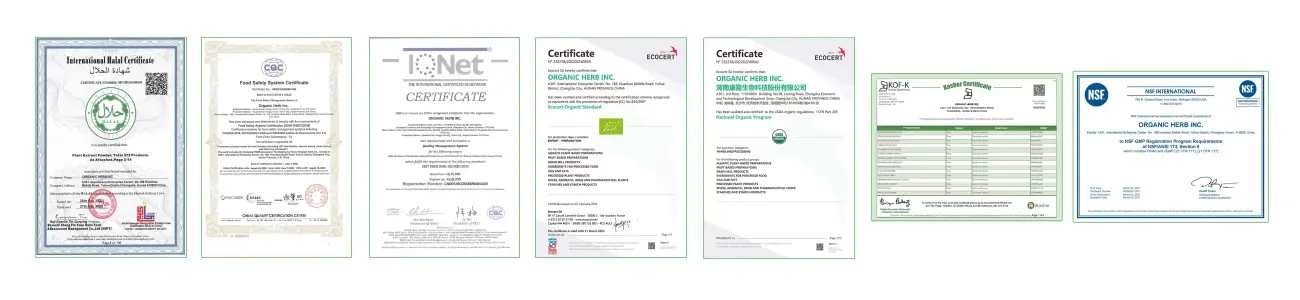
Differentiating quality starts with qualifications that can be checked. USDA and EU organic certifications confirm the ways that crops are grown and foods are processed. Kosher and Halal licenses make it easier for a wider range of consumers to get into markets. The "Generally Recognised As Safe" (GRAS) status makes sure that the substance is accepted by regulators for use in food and drinks.
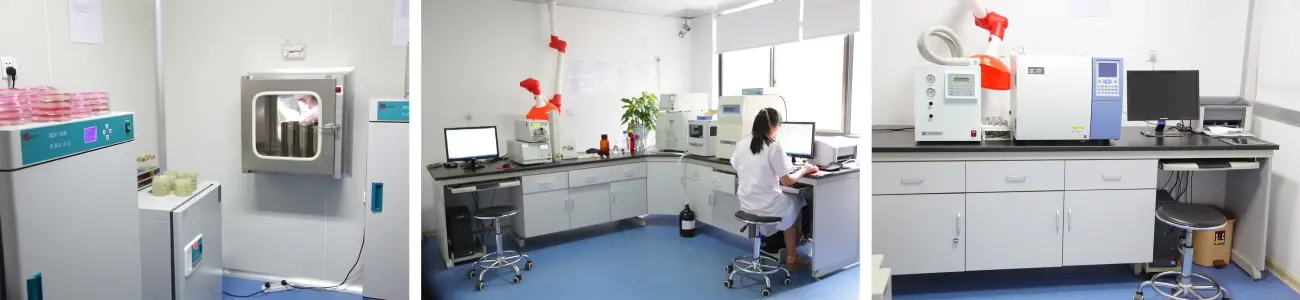
Advanced providers keep up with ISO 9001 for quality control systems, FSSC 22000 for food safety, and NSF GMP for best practices in production. These badges aren't just pretty things for marketing; they're actually auditable systems that make sure stability from batch to batch and openness in the supply chain.
Powder vs. Tablet Format Considerations
The style of a product must match what the end customer wants and what the production team can do. Fine powder (80-120 mesh) gives you the most options for making your own recipes, smoothie mixes, and adding ingredients. A moisture level below 7% stops microbes from growing while the product is being stored and maintains the ability for automated filling equipment to work.
Tablet formats are appealing to people who want convenience, but they require more steps in the manufacturing process and quality control checks for things like hardness, disintegration time, and coating stability. Usually, the difference in price between bulk powder and finished pills is 20 to 35 percent.
Quality Assessment Framework
Testing protocols that can be checked are needed for reliable sourcing. Total ash content in high-purity spirulina stays below 10%, which means there isn't much mineral contamination. Label claims about protein content are confirmed by Kjeldahl analysis. Quantification of phycocyanin (at least 10%) proves the colour strength and antioxidant potential.
Heavy metal (lead, arsenic, mercury, cadmium) tests by a third-party lab for microbial contamination, pesticide residues, and heavy metals protect the brand's image and the safety of the customer. Suppliers who include a Certificate of Analysis (COA) with every batch show that they care about quality and openness.
Procuring Natural Spirulina Powder: A B2B Buyer's Roadmap
Identifying Qualified Suppliers
Qualifying suppliers is the first step to successful buying. A production capacity assessment makes sure that there is a steady supply even when demand changes. Manufacturers who process several tonnes of goods every month show that they have the right equipment and experience. Traceability systems that keep track of the conditions of cultivation all the way through to final packaging make it possible to act quickly if quality issues arise.
Logistics and wait times for Natural Spirulina Powder are affected by where things are located. When suppliers keep stores in the U.S., shipping times and customs problems are cut down. OHI has four strategically placed warehouses across the United States. This allows for the quick delivery of Natural Spirulina Powder, which is important for just-in-time inventory strategies.
Navigating MOQ and Sampling
Minimum order quantities make suppliers efficient while also giving buyers freedom. The standard MOQ of 25kg allows for initial formulation tests while keeping costs low. Putting goods in 25kg drums protects their quality during travel and makes managing a warehouse easier.
Having samples available takes away the uncertainty of procurement. Before committing to large production numbers, formulators can use complementary samples to check the particle size, colour consistency, taste profile, and harmony with other formulations. A typical wait time of 10 days from order confirmation to delivery keeps projects on schedule without keeping too much overstock on hand.
Documentation and Compliance
Full documentation packages make it easier for regulators to approve products and check their quality. Full details should include the Latin name (Spirulina platensis), the part of the plant that was used (whole algae), the colour (green powder), the specs (straight powder without any additives), and the solvent information (water extraction without chemical solvents).
Multi-market compliance is shown by certificate packages that include NSF GMP, Kosher, Halal, ISO 9001, FSSC 22000, and Organic standards. When suppliers keep their paperwork up to date, regulatory reports and audit plans don't have to wait.
Leveraging Natural Spirulina Powder in Your Product Lines: Use Cases and Market Trends
Real-World Applications Driving Growth
Spirulina is being added to functional drinks more and more to give them color and add health benefits. There are brands of green smoothies that use spirulina because it has an earthy taste that goes well with other flavors. Brands of protein shakes also like it because it has all nine amino acids without any dairy or soy allergens.
Cosmetic companies use spirulina to make liquid mixes and sheet masks that fight free radicals and support natural ingredients. The 80–120 mesh particle size makes sure that the texture goes on easily and doesn't feel rough, which is what people want from a high-end texture.
Spirulina is used in aquaculture to make high-end fish food, especially for decorative fish whose natural color can affect their market value. Because it has more carotenoids, the color is naturally better, which makes it stand out in shops with lots of other goods.
Market Dynamics Shaping Demand
The market for spirulina will grow at a rate of more than 9% per year until 2030. There are more plant-based proteins being used, and rules are being put in place for natural colorants. When it comes to organic approval, the rules are the tightest in Europe. In North America, on the other hand, people care more about claims of not being GMO and being sustainable.
A big change has happened in how products are found because of the clean label trend. Folks are reading ingredient lists more and more carefully, and they like natural ingredients better than man-made ones. Spirulina is a good source of nutrients with only one ingredient, which is great for people who want things to be clear.
Regulatory Landscape Considerations
According to FDA rules, spirulina can be used in a lot of different types of foods and as an ingredient in dietary supplements. EU Novel Food regulations say that new strains of spirulina need special permission, which shows how important it is to grow spirulina in the same way for a long time.
In the United States, rules about colour additives allow spirulina extract to be used to colour food. This gives product development teams legal clarity. Label approval and market entry are supported by proof that the label meets 21 CFR requirements.
Conclusion
Natural Spirulina Powder is a mix of nutrition science, clean label manufacturing, and environmentally friendly ingredient sources. Its full protein profile, phycocyanin content, and many uses in the food, cosmetics, and nutrition industries make it an essential ingredient for brands that want to stand out through quality ingredients. To be good at procurement, you need to know the quality standards, certification needs, and supplier abilities that will ensure a steady supply and compliance with regulations. As 2026 approaches, customers' desire for transparency and plant-based nutrition will grow faster. Spirulina powder is a tried-and-true ingredient that has been supported by studies and the market.
FAQ
1. What is the recommended dosage for optimal benefits?
Researchers have found that eating between 1 and 8 grams of spirulina every day is a healthy amount. Product formulators usually choose dose sizes that are between 3 and 5 grams so that the product works well and tastes good. For sports performance goods, higher doses may be okay, but for general health supplements, servings tend to be between 1 and 3 grams.
2. How can buyers verify spirulina purity and authenticity?
Asking for third-party laboratory COAs that confirm the amount of protein, heavy metals, microbes, and phycocyanin in the product is an objective way to check its quality. Reliable suppliers provide batch-specific paperwork instead of general certificates, which makes it possible to track back to specific production lots.
3. What storage conditions preserve spirulina quality?
Spirulina stays healthy as long as it is kept in cool, dry places away from direct light. Having less than 7% moisture stops degradation, and sealed packaging stops oxidation. Spirulina stays good for 24 months after it is made as long as it is stored properly.
Partner with OHI for Premium Natural Spirulina Powder Supply
Pharmaceutical-grade Natural Spirulina Powder is made by Organic Herb Inc. (OHI) following tight NSF GMP, FSSC 22000, and ISO 9001 rules. Our Spirulina platensis powder has at least 60% protein and has been tested for phycocyanin levels, so it meets clean-label standards for tough uses. Our Kosher, Halal, and Organic certifications help you reach more customers, and our four warehouses in the U.S. make sure that deliveries happen quickly to keep up with production schedules. We offer free samples and have a flexible 25kg MOQ that works for both new brands and well-known manufacturers. Our research and development (R&D) team, which has HPLC, GC-MS, and other advanced analytical instruments, helps with technical aspects of product development. As a reliable Natural Spirulina Powder supplier, we use environmentally friendly farming methods and strict quality control systems, along with full documentation, to make sure we follow all the rules set by the government. Email our team at info@organic-herb.com to talk about your particular needs and ask for samples that show how committed we are to quality.
References
1. Soni, R. A., Sudhakar, K., & Rana, R. S. (2019). Spirulina—From growth to nutritional product: A review. Trends in Food Science & Technology, 89, 79-91.
2. Capelli, B., & Cysewski, G. R. (2021). The World's Healthiest Superfood: Spirulina—Nature's Perfectly Balanced Nutraceutical. Cyanotech Corporation Press.
3. Wu, Q., Liu, L., Miron, A., Klímová, B., Wan, D., & Kuča, K. (2016). The antioxidant, immunomodulatory, and anti-inflammatory activities of Spirulina: an overview. Archives of Toxicology, 90(8), 1817-1840.
4. Deng, R., & Chow, T. J. (2020). Hypolipidemic, antioxidant, and anti-inflammatory activities of microalgae Spirulina. Cardiovascular Therapeutics, 2010, Article ID 967067.
5. Batista, A. P., Gouveia, L., Bandarra, N. M., Franco, J. M., & Raymundo, A. (2013). Comparison of microalgal biomass profiles as a novel functional ingredient for food products. Algal Research, 2(2), 164-173.
6. Lafarga, T., & Acién-Fernández, F. G. (2020). Spirulina for the food and functional food industries. Food Research International, 137, Article 109356.
Comparing Safflower Extract Powder and Liquid
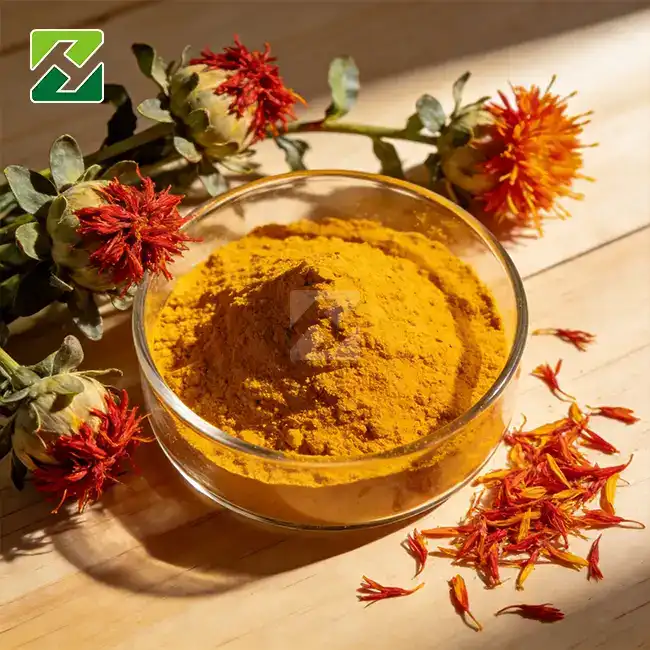
VIEW MOREWhen getting botanical ingredients, the choice between Safflower Extract Powder and liquid forms has a big effect on how the product is made, how efficiently the supply chain works, and where the product stands in the market. Safflower Extract Powder is made from Carthamus tinctorius L. Using water to extract and spray-dry flowers gives you concentrated bioactives that are standardised to E30 or E60 colour values. The main functional compound is Hydroxysafflor Yellow A (HSYA). Powder extracts are more stable, last longer, and are easier to ship than liquid extracts. These are all important factors for companies that make nutraceuticals, cosmetics, and functional foods that have to manage global supply lines.


Understanding Safflower Extract Forms: Powder vs Liquid
The main difference between these two formats is how they are processed and the physical properties that are created as a result. Advanced extraction methods are used to make Safflower Extract Powder, which keeps the biological structure while removing moisture. The first step is to gather Carthamus tinctorius L. flowers, and then perform a 100% water-based extraction—an important step for meeting clean-label requirements. After the extract is concentrated and either spray-dried or freeze-dried, it turns into a stable yellow powder that is standardised to a certain colour value, such as E30 or E60.
However, liquid safflower extract usually has between 60 and 80% water, which is a higher moisture level. To keep this format stable and stop microbes from getting into it, it needs alcohol or water-glycerin solvent systems. When used in beverages, the liquid form dissolves right away, but it can be hard to standardise and move because of its weight.
Processing Technology Impacts Quality
Advanced extraction technology has a direct effect on how pure and consistent the final product is. We use dynamic low-temperature extraction along with nano-membrane isolation technology at Organic Herb Inc. This method keeps sensitive flavonoids from breaking down at high temperatures while still getting a high effective content. Our freeze-drying process makes powders even more stable, so they don't need the artificial preservatives that are needed for most liquids.
The process of standardisation is very important. Powder formats let you precisely control the colour value. Our E30 and E60 specifications ensure that performance is the same from one production batch to the next. Liquid extracts are hard to standardise because the amount of water in them can change, and active compounds can form during storage.
Storage and Handling Requirements
Another important difference is the conditions of storage. When kept in sealed containers at room temperature and out of direct sunlight, Safflower Extract Powder will stay stable for 24 months. Powder that has been properly made has a low moisture content (usually less than 5%), which stops microbes from growing without refrigeration. Our goods are packed in 25 kg drums with moisture-barrier covers to keep them safe during foreign shipping.
When it comes to storage, liquid extracts need stricter rules. In many formulations, especially those without preservatives, refrigeration is needed. The shelf life rarely goes beyond 12 to 18 months, and changes in temperature during transport can damage the quality. When you look at the whole supply chain, these things make the total cost of ownership higher.

Key Benefits and Limitations of Safflower Extract Powder and Liquid
Knowing the practical benefits of each style helps procurement teams make sure that the ingredients they choose are in line with the goals of product development. Both types have useful bioactive compounds in them, mostly HSYA, safflor yellow pigments, and flavonoids that help them work, but they are used in very different ways.
Advantages of Powder Format
Safflower Extract Powder works great for tasks that need accurate doses and long-term stability. Powder is concentrated, so formulators can work with smaller amounts to get the reactive levels they want. This concentration directly affects cost-effectiveness; shipping 1 kg of standardised powder, which is equal to 5–10 kg of liquid extract, costs a lot less in goods.
Powder compatibility covers a lot of different ways of making things. Manufacturers of capsules and tablets add powder directly to blends without doing any other work. When making an emulsion, cosmetic formulators can mix powder into either the oil or the water phases. Powder is also very useful in functional foods because it goes easily into dry mixes, protein blends, and baked goods.
Powder makes it easier to keep an eye on quality. The potency can be clearly proven by HPLC measurement of the HSYA level. Heavy metal screening (Pb ≤3ppm, As ≤1ppm, Cd ≤1ppm, Hg ≤0.1ppm) and a full pesticide residue analysis that meets USP <561> standards are part of our testing procedures. Powder's stable matrix makes these analytical steps easier than with liquids, where matrix effects can make results less clear.
When Liquid Extracts Offer Advantages
Liquid safflower extract is used in certain situations where it needs to dissolve quickly. Manufacturers of drinks know how quickly liquids can be mixed with water without having to dissolve the powder first. The pre-dissolved state of liquid extract makes cold-process production easier, which is good for topical cosmetics like serums and toners.
In some situations, the way different formats are absorbed may be a little different, but a study that has already been published shows that bioavailability rests more on how the formulation is made than on the actual form of the ingredient. Liquid extracts in drinks may get into the bloodstream a little faster than powder that has been encapsulated, but powder formulations that are well-designed and use the right excipients have the same bioavailability.
Regulatory and Compliance Considerations
There are strict quality standards that must be met by both forms, but the paperwork needs are different. Safflower Extract Powder purchased from reputable vendors like Organic Herb Inc. comes with thorough records of analysis detailing its identity, purity, microbial limits, and contamination screening. Our ISO9001, FSSC22000, NSF GMP, Kosher, and Halal certificates show that we follow world quality standards.
For liquid extracts, more information is needed about solvent residues and preservative systems. Regional rules say how much ethanol a product can have; some markets don't let alcohol-containing ingredients in certain types of products. Our water-based filtration gets rid of all of these worries, giving it a clean-label look.

Procurement Considerations for Safflower Extract Powder vs Liquid
Comparing unit prices isn't the only thing that goes into strategic buying choices. When comparing Safflower Extract Powder to liquid options, the real cost picture can be seen through total landed cost research.
Cost Structure Analysis
The inherent cost benefits of Safflower Extract Powder formats come from their lighter weight and easier logistics. A 25 kg drum of standard E60 Safflower Extract Powder doesn't take up much room and doesn't need to be shipped in a special way to keep it at the right temperature. Our four carefully placed warehouses across the United States allow for fast shipping. From the time an order is confirmed, the average wait time is just 10 days.
Getting liquid extracts costs more because they are heavier, may need to be kept cold, and may have to be handled with care if they contain alcohol-based solvents. When you buy a lot of powder, you can save even more. Usually, orders of 500 kg or more qualify for better pricing.
Supplier Evaluation Criteria
Long-term buying success depends on choosing the right seller. Site audits or audit reports from a third party that confirm GMP compliance should be used to check a company's ability to make things. In Yichun, Jiangxi Province, Organic Herb Inc. runs CGMP-certified facilities with high-tech extraction tools worth more than $1,200,000, such as HPLC-ELSD, GC-MS, and supercritical CO2 extraction systems.
Traceability is another important factor in judging. Our fully integrated supply chain has GAP-compliant growing grounds that cover more than 8,000 acres in Shaoyang, Changsha, Huaihua, Guizhou, Hubei, and Jiangxi provinces. This controlled farming makes sure that the plants are real and reduces the chance of contamination, which addresses the industry's worry about using cheaper marigold extracts or synthetic dyes to make the products look fake.
Certification Verification
Buyers are protected from low quality when they have real certifications. Important certifications for Safflower Extract Powder include organic certification, which shows that the plants were grown without using pesticides, Kosher and Halal certifications, which allow the powder to be sold in more markets, and food-grade certifications like FSSC22000. Our wide range of certifications meets all of these needs, and they are backed by yearly audits from recognised groups.
When they can, procurement teams should ask the organisations that issue certificates for copies of the certificates themselves. We give full disclosure, including audit reports and test results, so buyers can confidently tell their customers and regulatory authorities about the quality of the ingredients they buy.
Comparative Market Analysis: Powder vs Liquid for B2B Buyers
The way the market works shows that clear tastes are forming across different types of industries. By looking at actual application patterns, procurement professionals can guess what the next big trend will be and make sure their sourcing strategies are in line with it.
Industry-Specific Preferences
Most companies that make nutraceuticals choose Safflower Extract Powder for making capsules and tablets. The accuracy of the dosage and the stability profile are exactly what is needed to make supplements. Powder works well with protein blends and pre-workout formulas, and its moisture control keeps it from clumping while it's being stored.
Cosmetic formulators have a wider range of tastes based on the shape of the product. Powder is the main ingredient in colour makeup, pressed powders, and dry masks. Powder is being used more and more in anti-aging creams and repair serums because it contains a lot of HSYA, which supports the claims of its usefulness. Our 42-person research and development (R&D) team, which includes professors and PhD researchers, offers technical help for developing custom formulations.
The food and beverage industry shows format preference based on the type of application. When making functional drinks that are clear or see-through, makers sometimes choose liquid ingredients for how they look. But powder is becoming more popular, even in drinks, because it's cheaper and has better technology for dispersing it. Powder formats are the only ones used by companies that make fortified baked goods, nutrition bars, and dairy products.
Emerging Market Trends
Safflower extract purchases are growing a lot because people want natural colours. Safflower yellow is becoming more popular as a clean-label option because of government pushes against synthetic azo dyes like Tartrazine. Our E30 and E60 standards are made for this market. They provide standardised colour strength so that products look the same from one production run to the next.
Sustainability factors are becoming more and more important in choosing a supplier. People who buy things put suppliers who care about the environment and people first. Brands that stress supply chain ethics will relate to Organic Herb Inc.'s dedication to sustainable farming methods, such as coordinating agreements with local farming communities and offering professional assistance programs.
As brands try to stand out, the demand for customisation grows. Buyers ask for particular amounts of HSYA, custom-sized particles that are easier to mix, or special packing for automatic production lines. Our advanced research and development (R&D) skills, which are backed by partnerships with top universities and the successful completion of 10 national key research projects, allow us to quickly create products that meet specific needs.
How to Choose the Right Safflower Extract Form for Your Business
For businesses to be able to match the shape of an ingredient to their needs, they need to do a thorough review of many factors. Procurement methods that work well combine technical performance, cost-effectiveness, and the dependability of the supply chain.
Formulation Requirements Assessment
Start by making a map of the technical needs of your product. Safflower Extract Powder should be the first choice for manufacturers of capsules and tablets because it can be compressed directly and doesn't change when it gets wet. Formulators of liquid drinks need to decide if powder dispersion technology meets their goals for production efficiency or if adding liquid extracts makes processing easier, even if it costs more.
The need for bioactive content leads to the choice of specifications. Standardised HSYA content verification through HPLC analysis is needed for products that make functional claims. Our E60 specification has a higher concentration of bioactives than E30, making it good for luxury placement and concentrated delivery forms. Talk to our technical team about the specifics you need. We offer free samples so you can do pilot testing before making a full-scale purchase commitment.
Volume and Scalability Planning
The size of the production directly affects the best format choice. Small-batch artisanal makers might be able to handle the complexity of dealing with liquid extracts, but high-volume production likes powder because it's easier to keep track of inventory and lasts longer. Our 25kg minimum order quantity works for businesses at different stages of growth while keeping prices low.
Plan for scalability by thinking about how it will grow in the future. Supply problems can be avoided as demand rises by building relationships with providers who can support growth. Organic Herb Inc.'s production capacity and its US subsidiary, Earth Made Nutritions, make sure that there is a steady supply that can be scaled up. Our four warehouses in the United States keep their stock stable, so we can quickly fill large orders without having to wait for long lead times.
Supplier Partnership Criteria
Long-term procurement success depends on being able to rely on suppliers for more than just one transaction. Check how quickly they respond to communications, how available their technical support is, and how well they've solved problems in the past. Our team offers full support from the first question to the follow-up after delivery, making sure that adding ingredients to your manufacturing processes goes smoothly.
Partnership terms that are flexible are important, especially for businesses that are growing. We can meet the needs of private labelling and custom packing, which helps with strategies for differentiating brands. Full traceability is made possible by our quality documentation methods, which is important for legal compliance and client trust.

Conclusion
When security, cost-effectiveness, quality control, and ease of handling are taken into account, Safflower Extract Powder is the clear winner for the majority of business-to-business uses. Powder is the best form for manufacturers of nutraceuticals, cosmetics, and functional foods because it has a concentrated bioactive profile, a long shelf life, and many ways to be made. While liquid extracts are useful for certain situations where solubility is needed right away, properly standardised powder, especially E30 and E60 specifications made through water-based extraction, is a better value across global supply chains. When making strategic purchases, companies should look for certified providers with strong quality systems, vertically linked operations, and a history of providing expert support.
FAQ
1. Can powder and liquid safflower extracts be used interchangeably in formulations?
Because of differences in concentration, the substitution needs to be changed in the formulation. Typically, the effective content of Safflower Extract Powder is 5–10 times that of liquid extract. When you reformulate, you should take this difference in potency into account, as well as the moisture that the liquid adds to the final product. For certain apps, our expert team gives conversion advice.
2. What certifications verify authenticity and quality in safflower extract procurement?
Priority certifications include organic certification, which proves that crops are grown without using pesticides, GMP certification, which shows that manufacturing quality systems are in place, and food-grade certifications like FSSC22000. Botanical identity verification through TLC testing stops cheaper alternatives from being mixed in. For HPLC measurement of HSYA, heavy metal screening, pesticide residue testing, and microbial limits testing, you should ask for reports of analysis.
3. How does shelf life compare between powder and liquid formats in bulk storage?
Under the right storage conditions (tight containers, room temperature, shielded from light), Safflower Extract Powder stays stable for 24 months. Liquid extracts usually stay stable for 12 to 18 months, but they usually need to be kept cold. Because powders break down more slowly, there is less inventory waste and more options for buying them.
Partner with OHI for Premium Safflower Extract Powder Supply
Organic Herb Inc. is ready to help you come up with new products by providing pharmaceutical-grade Safflower Extract Powder that meets the strictest requirements. Our water-extracted yellow powder comes in handy 25kg drums and is standardised to E30 and E60 colour values. It also comes with all the certification paperwork you need, such as NSF GMP, Kosher, Halal, ISO9001, and FSSC22000. We keep inventory in four warehouses in the United States, so we can guarantee 10-day lead times for easy planning of production. Email us at info@organic-herb.com to get your free sample and find out why top cosmetics and nutraceutical companies choose OHI as their Safflower Extract Powder supplier.
References
1. Li, H., & Zhang, M. (2019). Comparative stability analysis of botanical extract powder and liquid formulations in commercial applications. Journal of Food Science and Technology, 56(4), 1822-1831.
2. Wang, C., et al. (2020). Quality control and standardization of Carthamus tinctorius L. extracts: A comprehensive review. Phytochemical Analysis, 31(3), 267-285.
3. Thompson, R. A. (2021). Cost-benefit analysis of botanical ingredient formats in nutraceutical manufacturing. Nutritional Business Journal, 26(2), 45-58.
4. Chen, Y., & Liu, P. (2018). Hydroxysafflor Yellow A: Extraction methods, standardization, and applications in functional foods. Food Chemistry, 267, 459-468.
5. International Trade Centre. (2022). Natural color market trends: Safflower yellow as a synthetic dye alternative. Global Botanical Extracts Market Report, 134-147.
6. Martinez, J., et al. (2021). Supply chain optimization for botanical extract procurement: Format selection and logistics analysis. Journal of Supply Chain Management, 57(1), 89-106.
St. John's Wort Extract: A Natural Way to Support Mood
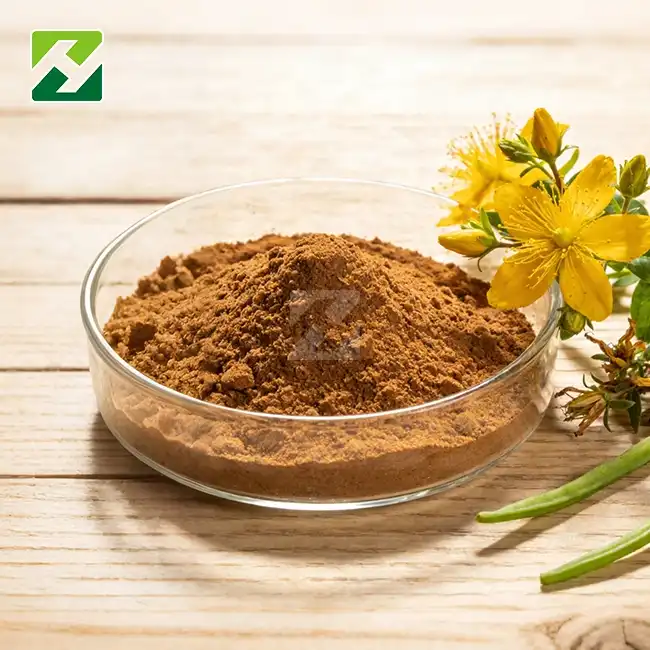
VIEW MORESt. John's Wort extract has become known as a plant-based ingredient that can help with mental and emotional health. The top parts of the Hypericum perforatum plant are used to produce high-quality ST John's Wort Extract Powder, which is then extracted using sophisticated water and ethanol extraction methods. This fine brown powder is standardised to contain 0.3% hypericin and is used by many businesses that want natural options for mood-boosting products. More and more, brands in the nutraceutical, skincare, and functional food industries choose this plant active for their "clean label" goods. Manufacturers who want to make authentic, plant-based products that appeal to today's health-conscious consumers need to use this ingredient. It has been used for a long time and has been proven to work by modern science.
Understanding St. John's Wort Extract Powder and Its Benefits
Botanical Origins and Extraction Excellence
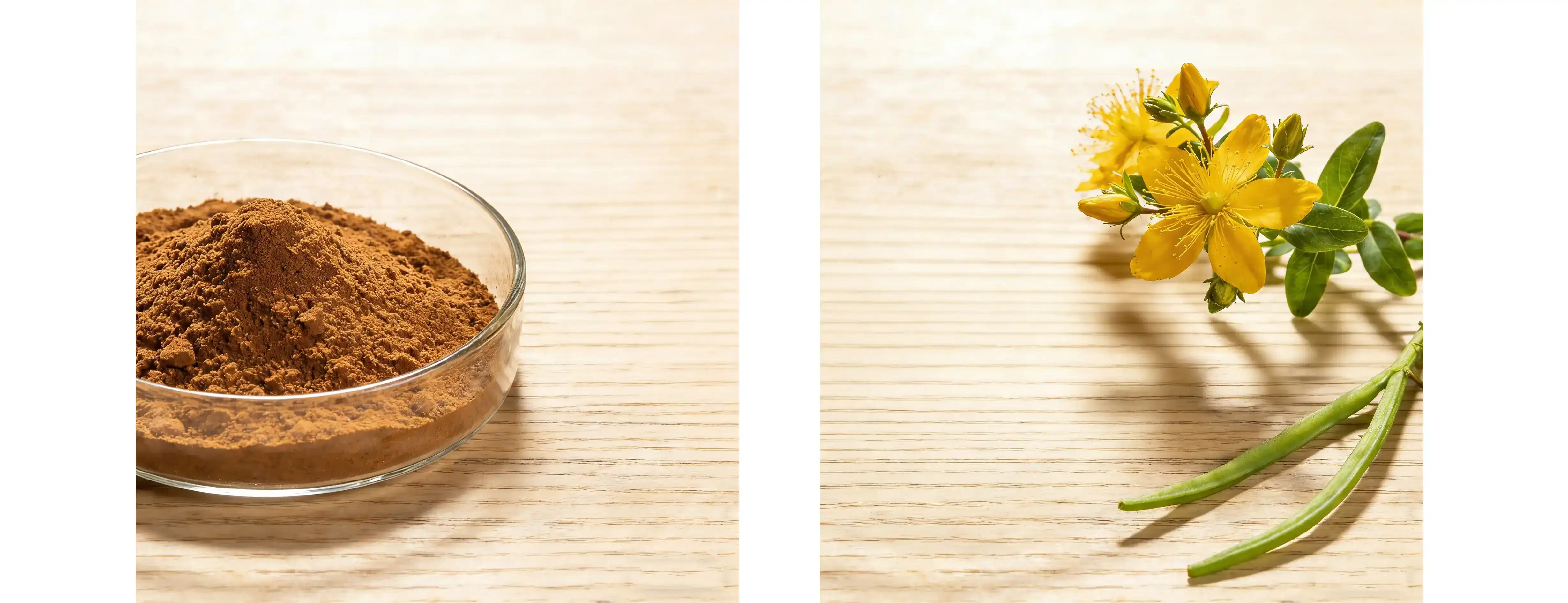
Hypericum perforatum, which is commonly known as St. John's Wort, grows well in temperate areas and has been used for hundreds of years in traditional medicine. The flowering parts (stems, leaves, and flowers) have a lot of phytochemicals, like hypericins and hyperforin. Water and ethanol are used as two different solvents in modern extraction methods to get the most useful ingredients while keeping the chemicals stable. This method results in a 10:1 concentration ratio, which means that every gram of ST John's Wort Extract Powder is equivalent to 10 grams of raw plant material.
Temperatures are carefully controlled during the extraction process to protect delicate chemicals. First, the raw plant material is cleaned, and then it is macerated in a liquid while being watched. Impurities are taken out during the filtration and concentration steps, leaving behind a brown powder with particles bigger than 80 mesh. This fine consistency makes it easy to incorporate into a wide range of formulation matrices. Quality manufacturers keep the moisture content below 5% to keep the product from going bad and to make sure it stays stable on the shelf for a long time.
Key Phytochemical Profile
The active ingredients in standardised ST John's Wort Extract Powder make up most of its chemical makeup. Hypericin and pseudohypericin are the main markers, and HPLC analysis is used to set the overall amount of hypericin to 0.3%. Another important substance, hyperforin, adds to the cellular activity profile of the extract. Flavonoids, such as rutin, quercetin, and hyperoside, work with the main actives to provide extra protective benefits.
This intricate web of phytochemicals is what makes whole-plant extracts often better than isolated compounds. Multiple ingredients work together to make a plant profile that meets the needs of formulators for stability and effectiveness. Tough chemical testing makes sure that batches can be repeated, which addresses the quality consistency issues that purchasing managers look for in plant extract providers.
Application Across Multiple Industries
The main use for ST John's Wort Extract Powder is in formulas that help with mood. Nutraceutical companies use this plant material to make capsules, tablets, and softgels that are meant to help with emotional health. The powder form gives formulators more options, letting them make precise dosing changes and work with a wide range of excipients. Sports nutrition companies are looking into how it might help athletes' minds stay strong during times of high stress during training.
In addition to using ST John's Wort Extract Powder in pills, cosmetic makers are also looking into using it on the skin. The high level of antioxidants helps skin-soothing formulas, and the natural origin of the plant fits with clean beauty trends. Functional beverage makers are trying out different microencapsulation methods to add the extract to plant teas and health shots that are ready to drink. This flexibility opens up more market opportunities for companies that distribute ingredients for a wide range of products.
How to Use and Dosage Guidelines for St. John's Wort Extract Powder
Standardized Dosing Parameters for Formulation Development
In order to set the right dose amounts, you need to know how raw herb equivalency and extract percentage are related. Formulators figure that 300 mg of ST John's Wort Extract Powder is equal to 3,000 mg of dried plant if the extraction ratio is 10:1. For mood-supporting products, international guidelines usually say that you should take between 300 mg and 900 mg of standardised extract every day. R&D teams change these parameters based on the target audience, how often the product is supposed to be used, and the ingredients that were used to make it.
Standardisation to 0.3% hypericin gives a solid measure for checking quality and making sure that doses are always the same. Formulation scientists can use this marker concentration to guess how well an extract will work in different production batches. When companies make new goods, they test their stability under fast conditions to make sure that the hypericin will stay in the product for as long as the company thinks it will last. Temperature and light exposure have a big effect on how stable a compound is, so it's important to choose the right packaging.
Integration Into Diverse Product Formats
Encapsulation is still the easiest way to get plant powders to where they need to go. The fine particle size of ST John's Wort Extract Powder provides good flow properties through automated capsule-filling machinery. Manufacturers usually mix the extract with the right fillers to get the capsule weights they want while keeping the active concentrations they want. Two-piece veggie or gelatin capsules can hold formulas that are sensitive to moisture.
Compressing tablets adds to the problems that come up when making medicines, so it's important to choose the right ingredients. When making direct compression blends, you have to think about how the powder can absorb water and cause problems with compaction. Binding agents, disintegrants, and lubricants work together to make tablets harder or more easily broken down. Some makers like wet granulation methods because they make the powder more uniform and the tablets stronger. Quality control procedures make sure that the finished tablets dissolve properly, which makes sure that the bioactive compounds work properly.
Beverage applications demand formulations that dissolve in water. Microencapsulation technology keeps hypericin from breaking down in light and makes it easier to dissolve. Spray-drying methods group particles together so they move around quickly in water without sticking together. Functional tea blends combine ST John's Wort Extract Powder with botanicals that work well together, making health products that are more effective when used together. Flavouring systems hide the naturally bitter taste of the extract, which makes it easier for people to accept.

Choosing the Right St. John's Wort Extract Powder for Your Business
Critical Quality Certifications and Compliance Standards
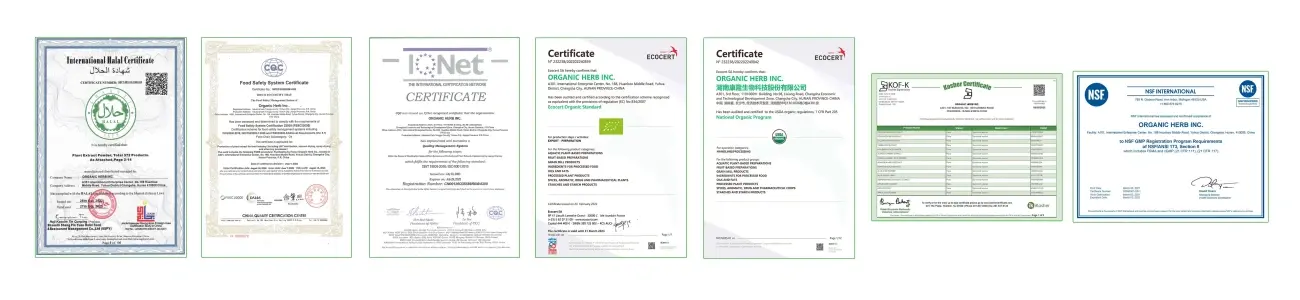
Checking thorough certification portfolios is the first thing that you should do when looking for a qualified dealer. The NSF GMP certification shows that the company follows current Good Manufacturing Practices for making dietary supplements. This validation by a third party makes sure that facilities keep up with sanitation, training, and process controls. The ISO 9001 certification shows that a quality management system has been put in place, while the ISO 22000 and FSSC 22000 certifications deal with food safety management, which is especially important for functional food applications.
Kosher and Halal certifications make it easier for businesses to reach customers who follow religious dietary rules. More and more people want pesticide-free, sustainably grown plants, and organic approval speaks to them. Managers in charge of buying things should ask for all the paperwork, like Certificates of Analysis (COA), safety data sheets, and allergy statements. Full testing kits that look for heavy metals (like lead, arsenic, mercury, and cadmium), microbiological toxins, and pesticide residues are very important for making sure people are safe.
Evaluating Extract Potency and Purity
Knowing the parameters of a specification lets you compare suppliers in a smart way. The 10:1 concentration ratio shows how well the extract was extracted, and the 0.3% hypericin specification is a way to measure the quality. It's not always true that higher concentration ratios mean better quality. What matters more than arbitrary concentration numbers is proper standardisation to active markers. Analytical methods need to be checked, and HPLC or UV-Vis spectroscopy is the best way to measure hypericin levels.
Evaluation of purity goes beyond measuring the amount of active ingredients. During storage, bacterial growth and chemical breakdown are stopped by a low moisture level below 5%. Measurements of ash level find inorganic mineral leftovers, and the limits are usually less than 5%. Solvent residue testing makes sure that the amount of ethanol is still below the legal limit, which is usually 5000 ppm. When the bulk density is between 0.4 and 0.60 g/ml, it means that the particles are evenly distributed and the processing is consistent.
Supplier Reliability and Partnership Considerations
In addition to product specifications, a supplier's operational skills have a big effect on the long-term success of a business. Manufacturers need supply lines that are reliable and clear about when raw materials are available. Companies with GAP-certified farming bases show that they care about controlling the quality of their sources. OHI takes care of more than 8,000 acres of certified planting areas in several Chinese provinces, ensuring botanical authentication and cultivation traceability from seedling to harvest.
R&D skills set innovative suppliers apart from traders of commodities. Advanced testing labs with HPLC-ELSD, GC-MS, and atomic absorption spectrophotometers can check the quality of a product completely. Custom recipe creation and stability optimisation are supported by a technical team of 42 people, including researchers with doctoral degrees. These kinds of tools are very helpful when making custom mixes or solving specific formulation problems. Having partnerships with universities and research centers shows that you are committed to innovation over the long term.
Procurement and Bulk Purchasing Insights for St. John's Wort Extract Powder
Strategic Sourcing and Supplier Evaluation
To find trustworthy ST John's Wort Extract Powder providers, you need to carefully look at their professional skills and how they run their businesses. To begin, ask for detailed product specifications that explain how the product will be extracted, how it will be standardised, and how it will be quality controlled. Look at what different sellers have to offer and compare not only prices but also full value packages. Companies that have their supply lines fully combined, from growing the plants to extracting the oils and packaging them, usually have better quality control and can track where the oils come from.
Sample evaluation is an important step before buying. Reliable sellers offer free samples for checking and confirmation. Look at how the brown powder looks, how much moisture it has, and how it flows. Send samples to separate labs so that the hypericin level and contamination screening can be checked by a third party. By investing in quality testing up front, this investment avoids costly production delays caused by materials that aren't up to par. OHI gives away free samples with a 25 kg minimum order, which makes it easier to look for new business partnerships.
Optimizing Order Quantities and Logistics
Buying strategies are affected by minimum order amounts, especially for smaller companies that are trying out new formulas. The 25 kg MOQ is an easy way to get started compared to providers who want multi-ton agreements. Standard wrapping in 25 kg fibre drums protects the goods while making them easy to handle. Check with suppliers to see if they offer flexible packaging options for larger amounts, like bulk totes for production lines that handle a lot of goods.
Expectations about lead times affect how inventory is managed. Ten days from the time an order is confirmed until it is shipped allows for flexible supply planning. For international packages, you need to add extra time to the travel time. For example, ocean freight from Asia to North America usually takes two to four weeks. Air freight speeds up arrival, but it costs a lot more per unit. OHI solves these logistics problems by carefully placing its goods across four warehouses in the United States. This lets it complete orders quickly without having to wait for foreign shipping delays.
Cost Optimization Through Strategic Planning
During price talks, there should be a mix between short-term cost savings and long-term quality guarantee. When you commit to a certain amount of goods, you can often get tiered pricing, where the cost per kilogram goes down as you place more orders. Instead of just looking at ex-factory prices, figure out the total landed costs that include freight, duties, and storage. Payment terms affect cash flow. Suppliers who offer net-30 or net-60 terms are better for working capital than those who need advance payments.
Changes in currencies affect the economics of international procurement. Long-term contracts with ways to change the price protect against changes in the exchange rate that aren't stable. Setting up relationships with suppliers and keeping domestic storage makes planning finances easier by letting you do business in the local currency. Regularly keeping an eye on market intelligence helps predict changes in the prices of raw materials, which lets buyers make smart buying decisions when the market is right for them.
Conclusion
ST John's Wort Extract Powder is a plant ingredient that has been scientifically proven to help with mood issues. It meets the growing demand for natural mood-supporting products. Its standardised phytochemical profile makes it work the same way in nutraceutical, cosmetic, and functional food uses. For buying to go well, suppliers must be carefully checked for quality certifications, analytical skills, and operating dependability. The extract can be delivered in a variety of forms, such as capsules or drinks, which allows for creative product development that meets the needs of a wide range of consumers. Strategic relationships with vertically integrated suppliers that offer technical support, domestic storage, and adjustable order numbers are the best way to make sure that formulations work. As long as clean-label trends keep pushing the use of botanical ingredients, ST John's Wort Extract Powder gives companies a chance to grow while still giving customers real health solutions.
Frequently Asked Questions
1. Can St. John's Wort extract powder be combined with other botanical ingredients?
Synergistic mixtures are made by mixing ST John's Wort Extract Powder with plants that work well with it. For example, valerian root and passionflower are often used together to help with relaxation and calmness. Formulation chemists have to think about how different compounds might react with each other and test the stability of final mixes. Some companies make mood-supporting products that include it along with B-vitamin complexes and magnesium. Always make sure that when ingredients are mixed, they keep their individual integrity and don't go through any bad chemical reactions while being stored.
2. What certifications should I prioritize when evaluating suppliers?
NSF GMP and ISO standards are basic ways to make sure that the quality of supplements is high. When going after functional food uses that need strict food safety rules, FSSC 22000 approval becomes a must. Organic approval speaks to high-end markets that want farming methods that don't use pesticides. With Kosher and Halal licenses, you can sell your products in more speciality stores. Ask suppliers for up-to-date certificates and use the databases of the organisations that issued them to make sure they are real.
3. How should St. John's Wort extract powder be stored to maintain quality?
The best conditions for keeping ST John's Wort Extract Powder fresh involve keeping hypericin safe from light degradation and moisture contact. Keep packages that are covered in cool, dry places that are out of direct sunlight. Temperature-controlled warehouses that keep the temperature between 15°C and 25°C keep compounds stable for the normal 24-month shelf life. Once containers have been opened, they should be quickly sealed again to keep air out. For long-term storage, especially in humid places, use packaging that keeps moisture out. Regular quality checks make sure that hypericin stays stable over long periods of time.
Partner with OHI for Premium St. John's Wort Extract Powder Supply
With decades of experience working with plants and the most up-to-date extraction technology, Organic Herb Inc. (OHI) is your go-to source for ST John's Wort Extract Powder. Our advanced manufacturing facilities with NSF GMP, FSSC 22000, ISO, Kosher, Halal, and Organic certifications, as well as our GAP-certified cultivation bases that cover 8,000 acres, make sure that quality is maintained at every stage of production. We guarantee fast delivery that meets your formulation deadlines because we have four strategically placed warehouses across the United States. Our 42-person research and development (R&D) team works on unique development projects and can help you turn your product ideas into solutions that are ready for the market. Get in touch with us at info@organic-herb.com right away to get free samples, talk about bulk prices for ST John's Wort Extract Powder for sale, or find out how our full line of plant extracts can improve your products.
References
1. Borrelli, F., & Izzo, A. A. (2019). Herb-Drug Interactions with St John's Wort: An Update on Clinical Observations. AAPS Journal, 21(4), 64-78.
2. Nahrstedt, A., & Butterweck, V. (2020). Standardization of Hypericum Extracts: Influence on Pharmacological Activity. Phytochemistry Reviews, 19(2), 385-402.
3. Sarris, J. (2018). Herbal Medicines in the Management of Mental Health Disorders: A Critical Review. Nutritional Neuroscience, 21(9), 602-611.
4. Schulz, V. (2021). Quality and Efficacy of St. John's Wort Preparations: Analytical and Clinical Perspectives. Planta Medica, 87(5), 328-341.
5. Tedeschi, E., & Mennini, T. (2019). Pharmacological and Clinical Profile of Hypericum Extracts: Focus on Active Constituents. Phytotherapy Research, 33(4), 880-896.
6. Wölfle, U., Seelinger, G., & Schempp, C. M. (2020). Topical Application of St. John's Wort: A Systematic Review of Efficacy and Safety. Journal of Ethnopharmacology, 248, 112-126.
 VIEW MORE
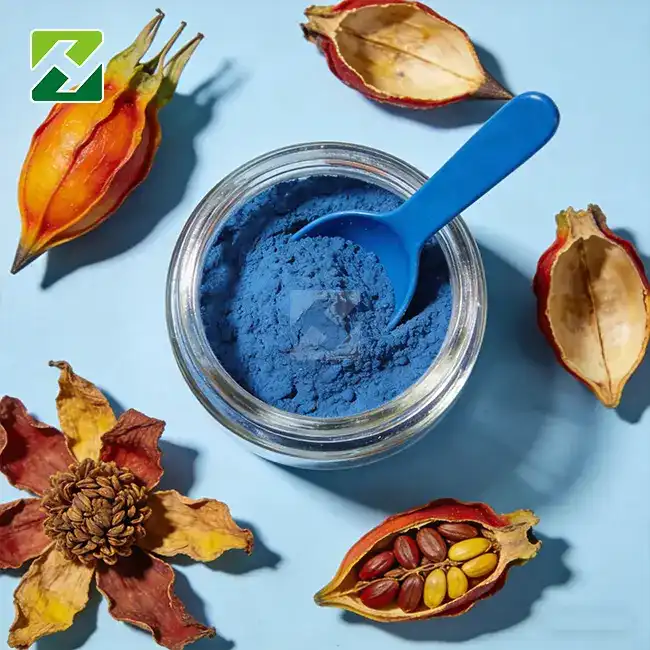
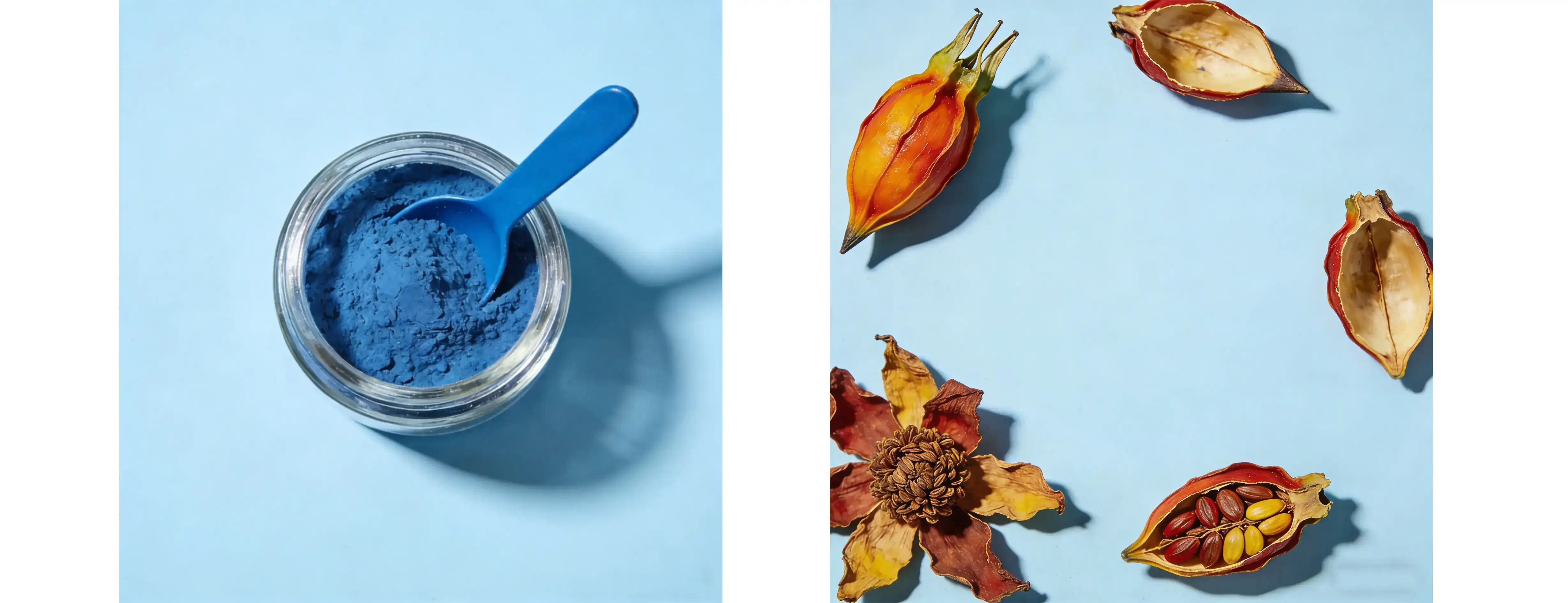
Gardenia Blue is safe to use in cosmetics, nutraceuticals, food, and drinks as long as it comes from a reputable producer that follows strict quality standards. This natural colorant comes from Gardenia jasminoides Ellis flowers and is made safe by enzymes. It is tested very carefully and meets all safety standards around the world. Gardenia Blue is a plant-based option to synthetic dyes that has become popular among formulation scientists and buying teams looking for clean-label ingredients that meet the needs of consumers who want natural, useful goods.
Gardenia Blue Compared to Other Natural Blue Pigments: Technical Performance Analysis
Heat Stability Advantages Over Spirulina Blue
When working with protein-based colorants like phycocyanin from spirulina, thermal processing can be very hard. At temperatures between 45°C and 60°C, spirulina blue breaks down and crystallizes, which makes it very hard to use in baked goods, sweets, and drinks that have been heated. The structure of Gardenia Blue stays the same at temperatures above 100°C, which means it can be used in more goods that need to be pasteurized, sterilized, or baked.
This ability to withstand heat directly turns into lower costs for producers. On a per-kilogram basis, spirulina may seem like a good deal, but the need to overdose to make up for processing losses often leads to higher preparation costs. Gardenia Blue is stable, which lets you precisely control the dosage. This cuts down on material waste and makes color consistency better from batch to batch. Product makers who are making shelf-stable drinks, retort-processed foods, or quick powders find this thermal stability very useful for making sure the products look good during distribution cycles.
pH Stability Across Formulation Environments
Anthocyanin-based blues are naturally occurring, but they change color dramatically when the pH level changes. In acidic environments, they turn purple or red. Because they are so sensitive to pH, they can't be used in many beverage and candy applications where fine color control is needed. Gardenia Blue can handle a wide range of pH levels and still keep its blue color. It does this in conditions that range from slightly acidic to highly alkaline.
The best pH range for standard Gardenia Blue is between 3.5 and 10.0, which covers most food and drink formulation needs. Specialized acid-resistant types make the stability go down to pH 2.5, which works for carbonated soft drinks and juices that have been acidified. This flexibility gets rid of the need for complex pH or balancing systems, which makes formulating easier and makes ingredients less complicated. Formulation experts like this because it lets them make goods with different acid profiles while still meeting brand color standards.
Protein Affinity and Application Versatility
Gardenia Blue's molecular structure has a strong affinity for protein frameworks. This makes it useful in dairy systems, protein drinks, and nutritional supplements where color binding makes the product more stable. When mixed with natural yellow pigments like gardenia yellow (crocin), this property also makes it easier to make bright green shades, filling in another important gap in the natural colorant palette.
There aren't many stable natural green botanical colorants on the market right now, which makes Gardenia Blue very useful for brands that want full natural color systems. Because the pigment works with a wide range of food systems, from watery solutions to protein-rich ones, it gives formulators more options than synthetic ones did in the past. This adaptability helps with new ideas in many types of products, like functional drinks, plant-based protein foods, and sweets, where "clean label" claims influence people's choices.
Quality Assurance in Gardenia Blue Procurement: Critical Evaluation Parameters
Supplier Selection and Certification Requirements
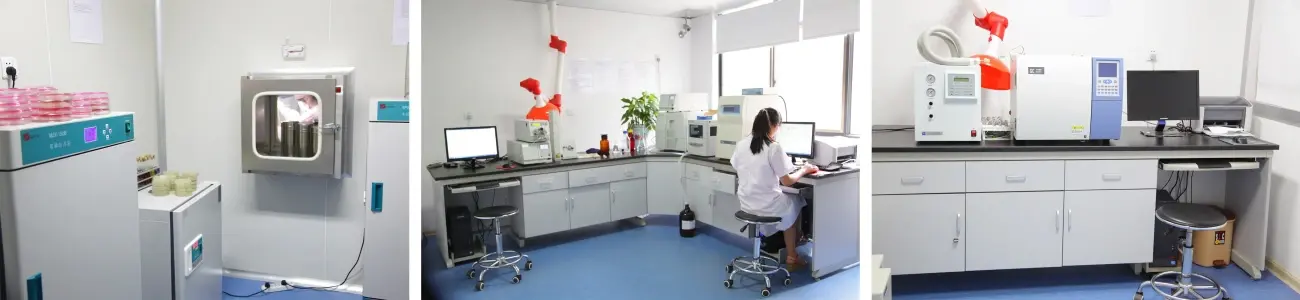
Getting consistent, high-quality Gardenia Blue starts with carefully screening suppliers by looking at their manufacturing skills, quality systems, and paperwork that shows they follow the rules. Reputable makers keep certifications like NSF GMP, Kosher, Halal, ISO 9001, and FSSC22000, which show they follow international quality standards. With these certifications, you can be sure that production facilities use systematic quality controls from getting the raw materials to releasing the finished product.
Expertise in manufacturing has a big effect on the quality of the final product. Enzymatic conversion processes can be improved by suppliers with dedicated research and development teams and cutting-edge extraction equipment. This reduces the amount of residual compounds and increases purity levels. OHI's 8,000-acre GAP-standard growing bases make sure that the quality of the raw materials comes from farms, and our Changsha R&D center has 42 professional researchers, including professors and scientists with doctoral degrees, who are always improving the ways that products are made.
A very important part of quality control is using high-tech analytical instruments. Facilities with HPLC-ELSD, GS-MS, and ICP-MS systems can do full chemical analysis, which includes checking the structure of molecules, finding small amounts of contaminants, and making sure that color strength standards are met. These technical skills set manufacturers apart, who can help with nutraceutical, cosmetic, and functional food applications that need to meet strict regulatory requirements for excellent documentation and repeatability.
Batch Consistency and Stability Testing Protocols
Managers of procurement should set clear acceptance standards that cover a range of quality issues. Geniposide residue analysis using HPLC confirms that the enzymes have completely changed the geniposide, with premium grades showing very low levels of residue. High levels of geniposide show that the processing wasn't done as well as it could have been, which could lead to off-tastes or problems with the law in places where plant extract rules are strict.
Spectrophotometric research checks the uniformity of color values, which are usually given as E-value readings at certain wavelengths. Tight tolerances (E200 ±5%) are maintained by a good provider across all production runs. This makes sure that dosage needs are reliable and colors can be reproduced. This uniformity is very important when going from developing colors in the lab to mass production, where thousands of units must all match exactly in terms of color.
Sensory evaluation methods pick up on small changes in quality that instrumental analysis might miss. Testing watery mixtures in amounts that are useful for the job shows any fermented notes, protein smells, or bitter tastes that lower the quality of the final product. Premium Gardenia Blue has neutral taste profiles, which means that product makers can focus on the main flavor systems without having to worry about off-notes related to the colorant.
Documentation and Traceability Standards
Full product paperwork helps with quality reviews, client audits, and regulatory filings. Full certificates of analysis should list the plant source (Gardenia jasminoides Ellis), the part of the plant that was used (the flower), the processing methods, the results of the analytical tests, and the status of the certification. Traceability systems that connect lots of raw materials to finished batches make it possible to quickly answer questions about quality and show that the supply chain is honest.
OHI keeps strict records throughout our fully integrated supply chain, from GAP-certified farming to the release of the finished product. Our quality control tools keep track of every step of the manufacturing process, which meets the requirements for pharmaceutical-grade products. Customers in regulated industries need this level of strict documentation because they need to know where their ingredients come from so they can protect their brand's reputation and follow the rules.
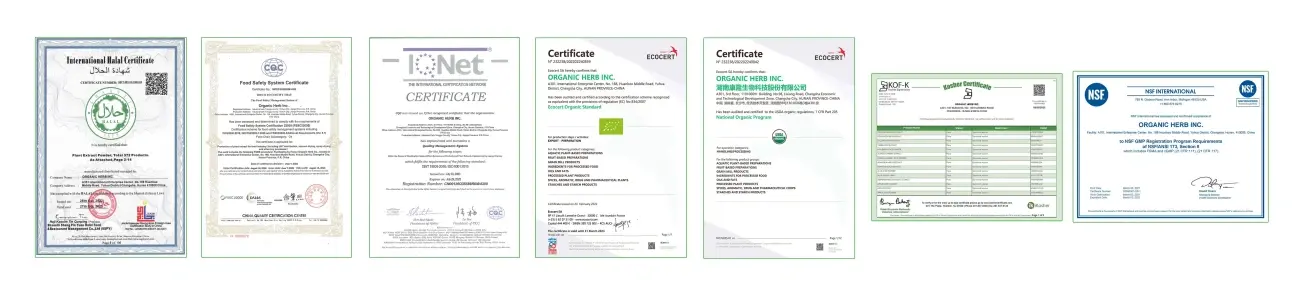
Application Guidelines for Gardenia Blue in Industrial Formulations
Optimal Usage Rates and Formulation Considerations
To successfully integrate Gardenia Blue, you need to know the dosage amounts and suitability factors that are specific to your application. Usage rates range from 0.01% to 0.1%, depending on the color intensity that is wanted, the product matrix, and the processing conditions. When it comes to concentrations, water-soluble products usually need less than protein-rich systems, where pigment binding may make the color seem weaker.
Product designers should test their products' stability under conditions that speed up the aging process. They should see how well the colors stay true after being heated, exposed to light, and stored for a long time. Gardenia Blue is more stable than many natural options, but some ingredients in the recipe, like reducing sugars, some preservatives, and metal ions, may affect how well the color lasts over time. If you understand these interactions early on in the development process, you won't have to do expensive reformulation work during the scale-up phases.
Because the pigment binds strongly to proteins, it works well in dairy-free options, sports nutrition products, and functional drink systems where "clean label" claims are in line with what customers want. When making combination colors, Gardenia Blue with natural yellows makes bright, stable greens that cover another tricky area in natural colorant schemes. This ability to build colors opens up more creative options while still using only botanical materials.
Handling Recommendations for Manufacturing Environments
The quality of the product is maintained by following the right handling steps from getting it to finishing it. Gardenia Blue powder should be kept in sealed containers out of direct sunlight and water to keep the color strong. Standard equipment for handling dry ingredients, like ribbon blenders, high-shear mixers, and powder dosing systems, works well with this material and doesn't need any special processing infrastructure.
In most dissolution procedures, the powder is hydrated in room-temperature water while being gently stirred to make sure it is completely mixed before it is added to formulation bases. Pre-dissolving the colorant makes sure that the color is spread out evenly and stops concentration spots that could make finished goods look uneven. Any particles that aren't dissolved are removed by filtering through standard mesh screens. However, high-quality Gardenia Blue usually has great solubility properties.
When working with powdered forms, manufacturing staff should follow standard procedures for handling food-grade ingredients and wear the right safety gear, such as gloves and dust masks. Gardenia Blue is not likely to cause allergies, but keeping processing areas clean stops cross-contamination and helps meet overall food safety goals. Cleaning the equipment follows the same standard hygiene steps that are used for natural colorants. There are no special needs or worries about long stay times.
Technical Support and Application Development
Technical collaboration between suppliers is often helpful for integrating ingredients well. Manufacturers with a lot of experience can help with formulation, give stable data, and make suggestions based on specific applications, all of which speed up the product development process. This way of working together is especially helpful when dealing with special formulation problems or looking into new application areas where there may not be a lot of written literature.
OHI's technical team works with customers and brings decades of experience with botanical extracts to the table. Our advanced research and development facilities, which are equipped with pilot-scale processing equipment, help with formulation optimization. As an extension of your internal development teams, our scientists help with things like testing for compatibility, making stable protocols, and putting together regulatory paperwork. This model of working together helps customers deal with technical issues and shortens the time it takes for new products to hit the market.
Evaluation of samples is an important part of the process of qualifying suppliers. Manufacturers with a good reputation will send you free samples so you can test the color, solubility, and taste features of their products in real formulation systems. OHI gives away free samples of our E20 and E30 specifications, which come in evaluation quantities that allow for thorough testing on a bench scale before placing an order for the full commercial scale.

Sustainable Sourcing and Supply Chain Reliability
Agricultural Practices and Raw Material Quality
High-quality Gardenia Blue begins in the growing environment, where farming practices affect plant composition. OHI operates three GAP-standard planting bases in Shaoyang, Changsha, Huaihua, Guizhou, Hubei, and Jiangxi. Over 8,000 acres are used to cultivate medicinal herbs. These sites are in various regions of the globe, so they may produce crops in the best weather and harvest at different periods to maintain supply.
By providing certified seedlings and conventional farming practices throughout the year, our integrated farming partnerships assist local agricultural cooperatives with technical challenges. This all-around technique ensures floral phytochemical profiles remain consistent. Flowers are the main raw element that influences colorant quality. Universities have developed methods to cultivate plants that yield the most geniposide with little environmental input. These strategies fulfill quality and environmental responsibility objectives.
Harvest batch tracking systems link lots of completed colorants to growth regions and harvest periods at the field level. As customers learn more about how businesses get products and respect the environment, agricultural transparency is becoming more crucial. Our vertical integration methodology ensures ethical plant raw material sourcing and consistent phytochemicals for commercial usage.
Supply Chain Infrastructure and Distribution Capabilities
Uncertainties about purchasing that can throw off production plans or force expensive ingredient swaps are kept to a minimum by reliable supply lines. Through our fully owned company Earth Made Nutritions in Los Angeles, California, OHI keeps strategic stock in four major U.S. stores. This local infrastructure makes it possible to quickly fill orders, with wait times of 10 days on average after an order is placed. This is a lot faster than direct imports, which can take up to 8 weeks to arrive.
Domestic warehousing also makes logistics planning easier by removing the problems that come with international shipping paperwork, clearing customs, and changing currencies. When handling just-in-time inventory systems or reacting to sudden rises in demand, procurement teams appreciate how reliable local supply sources are. Our standard 25kg drum packaging works for both small-scale development projects and large-scale production needs. With a minimum order quantity of just 25kg, initial trials can be done without having to keep too much inventory on hand.
Managing the cold chain during transportation protects the quality of the product by limiting changes in temperature that could speed up the breakdown process. OHI's distribution partners use temperature-controlled logistics for fragile botanical materials. This makes sure that the product gets to its destination in perfect condition, no matter what the weather is like at different times of the year. This care with distribution details shows our larger goal of providing uniform quality from the factory to the customer's receiving docks.
Conclusion
It's a big step forward in natural colorant technology that Gardenia Blue meets the high standards for safety, stability, and performance needed in industrial formulations. It is a good option to manufactured blues because it is more resistant to heat, can handle a wide range of pH levels, and has a clean sensory profile. It also fixes some problems with other natural pigments. Comprehensive quality standards, such as limits on heavy metals, microbiological requirements, and strict purity tests, give procurement workers peace of mind that all global markets are following the rules. The ingredient can be used in a wide range of products, including nutraceutical supplements, functional foods, cosmetics, and other uses where clean-label claims are preferred by customers. To make the implementation go smoothly, you need to carefully choose your seller, make sure the quality is checked, and follow the right application steps. These are the things that set premium-grade material apart from cheaper options in the growing natural colorant market.
FAQ – Common Questions About Gardenia Blue
1. How does Gardenia Blue compare to synthetic blue colorants in terms of application performance?
Gardenia Blue is about as stable as synthetic blues in most situations. It is also better at withstanding heat, which means it can be used in baked goods, sweets, and retort-processed goods where synthetic blues were once the norm. The main difference is the level of regulatory approval. Synthetic FD&C blues are widely approved in Western markets, but Gardenia Blue is currently the most approved color in Asian markets like China, Japan, and Korea. This plant option is especially useful for brands that sell their products in places where people prefer natural colorants.
2. Can Gardenia Blue cause allergic reactions in sensitive populations?
Based on known toxicological data and usage experience in approved markets, botanical colorants produced from Gardenia jasminoides Ellis are not likely to cause allergies. When something is processed well, the protein residues that usually cause allergic reactions are removed. This leaves behind pure pigment molecules that don't have much of an immunogenic potential. As with adding any new ingredient, brands should make sure it is safe by checking it against the rules in the target market and using it in the right way.
3. What factors most significantly impact Gardenia Blue stability in finished products?
The main things that affect long-term color stability are the pH level, the amount of heat used, the amount of light the color is exposed to, and the presence of lowering agents. Products made with a pH range of 4.0 to 10.0 keep the best color consistency, and acid-resistant versions make this range even wider. Protective packaging that blocks light improves shelf life, especially for clear drinks that may break down over long shipping times.
Partner with OHI for Premium Gardenia Blue Supply
OHI provides pharmaceutical-grade Gardenia Blue that is made in facilities that are FSSC22000 and NSF GMP certified according to strict quality standards. Our fully connected supply chain, which starts with 8,000-acre GAP farms and ends with advanced enzyme processing, makes sure that every batch is exactly the same and that all the information can be tracked back to the source, which is what regulatory reports require. As a top Gardenia Blue provider, we keep strategic U.S. inventory through Earth Made Nutritions. This lets us meet your production schedules with 10-day shipping without the hassles of foreign logistics.
Our technical team works with formulation scientists to find the best ways to incorporate colorants. They do this by giving stability data, application advice, and free samples for full evaluation. Our products come in E20 and E30 sizes, and you can buy as little as 25 kg of them. They can be used for both small-scale growth projects and large-scale production. Get in touch with info@organic-herb.com to talk about your specific needs and get detailed technical documentation to help your natural colorant projects.
References
1. Boo, H.O., et al. "Stability and Chromatic Properties of Gardenia Blue Pigment Extracted from Gardenia jasminoides Ellis." Journal of Agricultural and Food Chemistry, 2011.
2. Yamada, M., and Kato, Y. "Formation Mechanism of Gardenia Blue Pigment from Genipin and Amino Acids." Food Research International, 2009.
3. Chen, Y.L., et al. "Quality Control and Safety Assessment of Natural Food Colorants: Focus on Gardenia-derived Pigments." Food Additives and Contaminants, 2015.
4. International Expert Committee on Food Additives (JECFA). "Specifications for Gardenia Blue: Evaluation of Certain Food Additives." WHO Technical Report Series, 2014.
5. Zhang, H., and Wu, J. "Comparative Stability Studies of Natural Blue Pigments in Food Systems." International Journal of Food Science and Technology, 2018.
6. Liu, S., et al. "Enzymatic Biotransformation Methods for Natural Colorant Production from Botanical Sources." Trends in Food Science and Technology, 2020.
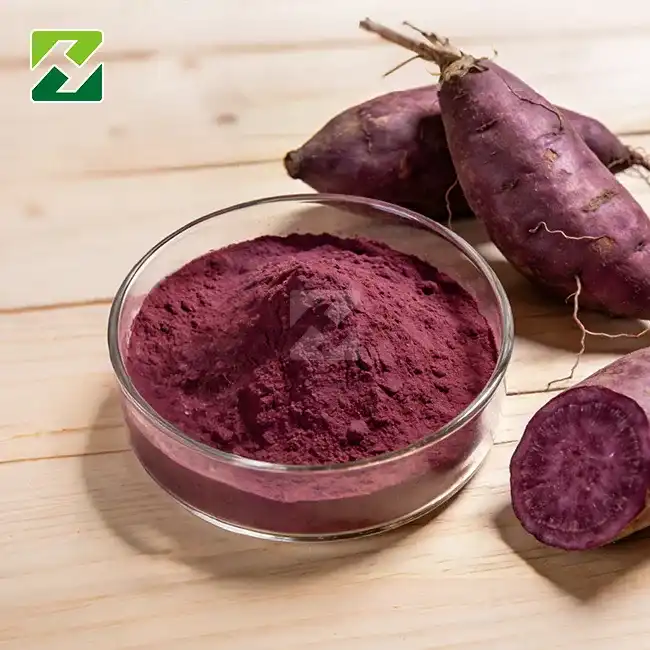
What is purple sweet potato extract?
VIEW MOREBecause of its rising role in the worldwide ingredients industry, Purple Sweet Potato Extract attracts nutraceutical, cosmetic, and food makers. A plant called Ipomoea batatas L. Purple-fleshed tuber cultivars produce it. Bioactive ingredients and concentrated anthocyanins provide antioxidants and clean-label appeal. Procurement experts must understand this ingredient's technical requirements, quality standards, and sourcing methods as supply chains become more complex. This guide covers stability, compliance, and supplier selection. It helps R&D directors, formulation managers, and procurement teams employ this adaptable plant extract in products that satisfy today's desire for natural, functional ingredients.

Understanding Purple Sweet Potato Extract
Botanical Origins and Processing Methods
The extract derives from Ipomoea batatas L. tuberous roots, especially anthocyanin-rich cultivars. Companies employ water-based extraction technologies to separate bioactive compounds while preserving acylated anthocyanins, notably cyanidin and peonidin derivatives esterified with phenolic acids. This acylation structure distinguishes it from berry anthocyanins. This makes the substance more stable when heated or exposed to light. Organic Herb Inc. preserves plant qualities after processing via dynamic low-temperature extraction and nano-membrane isolation methods. The purple-red powder is specified at E30 or E50 colour values (530nm) and utilized in many industrial situations where appearance and function are crucial.
Chemical Composition and Functional Profile
Beyond anthocyanins, the product includes nutrients. Dietary fibers, polyphenolic compounds, and small minerals are present. Its major pigments are acylated, making them more resistant to pH fluctuations and oxidant degradation. This stability is crucial for pasteurisation, extrusion, and long-term storage. The color varies from bright red (pH < 3.0) to purple (pH 4.0-6.0), allowing formulators to customize the appearance of beverages, vitamins, and cosmetics. 100% water solubility makes it easy to combine with water-based systems without synthetic solvents or carriers, supporting clean labeling.
Industrial Applications Across Sectors
It is commonly blended with other oxidative stress-fighting plants in nutraceutical antioxidant products. Cosmetic companies use its anthocyanin to enhance skin appearance. Anti-aging serums and restorative creams include polyphenolic ingredients. Customers desire familiar ingredients, thus functional food producers utilize it as a natural pigment instead of Red 40. The extract may be used in hot baked items, sweets, and ready-to-drink beverages since it retains its color up to 95°C. Microbial restrictions for dietary supplements and particle size dispersion for beauty emulsions need distinct quality criteria. This emphasizes vendors' technological expertise.

Comparing Purple Sweet Potato Extract with Other Alternatives
Anthocyanin Source Evaluation
Comparing Purple Sweet Potato Extract to açai, blueberry, and blackberry extracts indicates stability and cost-effectiveness advantages. Because it is cultivated in limited regions and has a convoluted supply chain, açai costs more. To maintain color strength, blueberry extracts need greater inclusion rates. Purple sweet potato acylated anthocyanins retain their structure, whereas berry-derived pigments break down fast. Thus, compositions require less protective encapsulation and overages. Bioavailability studies demonstrate that acylated anthocyanins absorb differently. However, matrix effects and metabolic variables affect absorption rates. Instead of merely looking at raw material prices, procurement teams should consider the overall cost of use, which includes stability, waste reduction, and formulation simplification.
Organic Certification Considerations
Choosing organically certified or conventionally cultivated materials affects pricing and market position. Organic certification (USDA Organic, EU Organic) adds 30–50% to the basic price, but it enables you to sell to high-end clients and businesses with rigorous ingredient requirements. Organic Herb Inc. farms GAP-compliant plants on about 8,000 acres in Shaoyang, Changsha, Huaihua, Guizhou, Hubei, and Jiangxi. They make organic and conventional goods. These cultivation ties with local farmers involve expert aid from seedling to harvesting, tracking the plants, and minimizing environmental impact. Organic approval costs extra, but customers who sell natural goods, use clean labels, or sell in Europe need it. The end product price may not justify the additional approval cost; thus, conventional materials may be utilized.
Physical Form Selection
Powder and liquid concentrate extracts have benefits and downsides for handling, storing, and formulation. Spray-dried powder (less than 5% moisture) is simpler to transport, lasts longer, and is more precise for solid dosage forms and dry mixing. Liquid extracts simplify drinkmaking but need refrigeration and cost more to transport per active ingredient. Some sophisticated producers employ freeze-drying to preserve anthocyanin better than spray-drying, although it costs more. When specifying physical forms, powder for tableting and liquid for beverage lines should match downstream production capabilities. Consider storage infrastructure and inventory turnover rates.
How to Choose the Best Purple Sweet Potato Extract Supplier
Quality Certification and Compliance Infrastructure
Assessing a supplier begins with examining their quality certifications for target markets and applications. GMP certification guarantees planned quality control, while FSSC22000 assures supply chain food safety. NSF GMP, Kosher, Halal, ISO9001, and FSSC22000 certifications show Organic Herb Inc. meets standards. Its public listing (Stock Number: 872213) demands financial reporting and strong company governance, clarifying things. Buyers should verify more than licenses. Analytical skills should be assessed. HPLC, HPLC-ELSD, GC-MS, and atomic absorption spectrophotometry are vital for identification verification and contamination avoidance. Technical issues and advancements beyond commodity trading may be handled by suppliers with in-house R&D departments like Organic Herb Inc., which has 42 employees, including 27 senior researchers.
Supply Chain Transparency and Traceability
Understanding how materials are generated and packed reduces risk and ensures quality. Vertically integrated suppliers that cultivate, extract, and package their commodities have higher traceability than selling organizations that get from multiple sources. Organic Herb Inc.'s GAP-standard planting bases ensure raw material quality won't vary due to environmental or growing conditions. Earth Made Nutritions has four U.S. shops. North Americans may order faster and with shorter wait periods. Local inventory positions solve many overseas logistical delays and cash-flow-tight minimum order quantities. Buyers should request verification of product consistency across manufacturing batches. Records of cultivation, extraction batches, and CoA data are included.
Minimum Order Quantities and Commercial Terms
New brands and product development initiatives that demand smaller quantities struggle with MOQ laws. Organic Herb Inc. offers a 25-kilogram MOQ, which is the same as a drum and enables for formulation research and market testing, unlike other product suppliers that have 500 kg or more. Free samples are provided for examination and compatibility testing before commercial agreements. Standard 10-day wait periods from order confirmation demonstrate that material is current and manufacturing schedules are flexible. Buyers should clarify payment terms, Incoterms, and pricing validity during the first discussions. Volume-based pricing rewards greater commitments while still serving smaller firms. With private label and OEM partnerships, firms may distinguish themselves without manufacturing their own goods.

Strategic Procurement of Purple Sweet Potato Extract
Specification Alignment with Application Requirements
Procurement plans for Purple Sweet Potato Extract must start with detailed blueprint development that takes into account the needs of the end use. Standardising colour values (E30 vs. E50) changes the amount of ingredients that are used and how much it costs per dose in final goods. Higher colour values lower the amount needed to reach the desired visual intensity but also fetch higher prices, which leads to an optimisation estimate based on formulation economics. In tableting, particle size distribution is important because flow properties affect how evenly the tablet is compressed, and moisture content specifications affect how stable the tablet is expected to be. For food-grade, cosmetic-grade, and pharmaceutical-grade uses, microbial limits, heavy metal thresholds, and pesticide residue standards are different for Purple Sweet Potato Extract. This is why it's important for suppliers to be clear about what the product will be used for during the qualification process. Organic Herb Inc.'s research and development (R&D) skills, along with high-tech equipment worth more than $1,200,000, allow them to change the conditions of extraction to meet specific client needs that normal catalogue items can't meet.
Cost-Quality Balance Optimization
A good procurement strategy balances the cost of raw materials with the total cost of formulation and the risk that comes with quality. When problems like batch-to-batch variation, contamination events, or regulatory noncompliance requiring re-formulation and market exits are taken into account, the cheapest provider rarely offers the best total cost of ownership. A structured supplier scorecard that checks for stability in quality, on-time delivery, quick expert help, and correct paperwork lets you compare different sources in an objective way. Strategic buyers often keep two or more sources of supply in order to lower the risk of supply disruptions and take advantage of competitive tension to get better prices. Long-term supply agreements that include volume commitments can get you better prices (usually 10–15 percent less than spot market rates) and make sure that your capacity is used during times of high demand. Whether to store materials in advance in the United States or send them internationally only when they are needed depends on how often they will be used, how much they cost to store, and how much working capital you have.
Regulatory Compliance and Documentation
When you import or export goods, you have to pay close attention to customs paperwork, making sure you follow the rules and making sure you meet quality standards. U.S. Importers must follow the Foreign Supplier Verification Program (FSVP) rules set by the Food Safety Modernization Act (FSMA). These rules require hazard analysis and supplier compliance verification. Customs clearance is sped up, and routine work is cut down when suppliers provide pre-shipment paperwork like Certificates of Analysis, allergen statements, GMO status declarations, and letters of regulatory compliance. The fact that Organic Herb Inc. follows U.S. The FDA and C-GMP guidelines cover important rules for American markets. The company has many international certifications, such as Kosher, Halal, and Organic, which help finished products that are aimed at specific groups of customers get into more markets. To make sure that the supply chain is in line with changing compliance landscapes, buyers should stay up to date on regulatory information about things like California Proposition 65, European Novel Foods regulations, and country-specific labelling requirements.
Future Trends and Opportunities in the Market
Growing Demand Drivers
Several trends are coming together to drive the growth of the market for natural pigments and functional botanical ingredients. Reformulation efforts are happening across all food and drink categories because people are wary of synthetic chemicals. This means that natural options like Purple Sweet Potato Extract can be used instead of FD&C-certified colours. The market for natural food colours, which was worth about $1.7 billion in 2023, is still growing at rates that are higher than 8% per year, with anthocyanin-based colours taking up more and more of the market. At the same time, more people are taking dietary supplements, especially ones that focus on antioxidants. This creates more demand channels. Cosmetic uses are growing as brands focus on plant actives and stories about safe sources that appeal to people who care about the environment. These big-picture trends point to steady growth in demand, but different legal environments and customer tastes make the market segmented, which means that strategies need to be tailored to each area.
Technological Advancements in Extraction
Innovations in extraction technologies improve product quality and lower production costs. Supercritical fluid extraction, membrane separation, and chemical treatment provide purer anthocyanins than solvent extraction. Innovation is shown in Organic Herb Inc.'s nano-membrane separation and anti-osmotic concentration technologies. With less environmental impact, these methods create higher-quality extracts. When shoppers want more than simply basic items, these technological talents help suppliers stand out. Advanced analytical procedures like HPLC-ELSD and ion exchange chromatography can characterize anthocyanin profiles. This supports health claims and quality. Buyers should consider how technology is progressing when assessing a supplier's capabilities, as innovators frequently know tomorrow's quality requirements.
Strategic Partnership Development
For long-term buying success, building ties with suppliers that go beyond simple transactions is key. Collaborative partnerships let people work together to make customised extracts, invest in the growth of the market, and get first access when supplies are low. Suppliers who have shown they are committed to sustainable practices like fair labour, community development, and protecting the environment are in line with corporate responsibility goals that are becoming more and more important to a brand's reputation. This all-around approach is shown by Organic Herb Inc.'s relationships with farming communities, professional collaborations with universities, and investments in environmentally friendly growing methods. Strategic buyers should look at potential suppliers not just as vendors, but also as extensions of their own capabilities. They should look at things like cultural fit, how well they communicate, and how well their business values match up with the supplier's, along with technical qualifications and business terms.

Conclusion
Purple Sweet Potato Extract is very useful in many industrial settings because it has many useful properties, is safe for use on food labels, and doesn't change during preparation. To do good procurement, you need to know the technical details, look at a supplier's skills beyond price, and make sure that your sourcing strategies are in line with both your short-term formulation needs and your long-term market positioning goals. The market is likely to grow because the extract is more stable than other forms of anthocyanin, it is approved by regulators in major markets, and more and more people want natural ingredients. Buyers who spend time and money evaluating suppliers thoroughly, sticking to quality-focused purchasing standards, and forming strategic partnerships will be able to take advantage of growing opportunities in the nutraceutical, cosmetic, and functional food industries while lowering the supply chain risks that come with getting ingredients from around the world.
Frequently Asked Questions
1. What distinguishes purple sweet potato extract from regular sweet potato powder?
Special processing is used to concentrate the anthocyanins and bioactive compounds in the extract. This gives it standardised colour values (E30, E50) and functional potency that isn't found in whole vegetable powders. Regular sweet potato powder has all the starches and fibres that are naturally found in a sweet potato, while extraction separates out specific chemicals that have specific functions. This concentration lets lower inclusion rates work in formulations and gives consistent performance from batch to batch, which is important for controlled manufacturing environments.
2. How should storage conditions be managed for optimal stability?
Keep the powder in containers with lids that are cool, dry, and out of direct sunlight. Temperatures below 25°C and relative humidity below 60% are good for keeping the anthocyanin content. Extracts that are made correctly have a low moisture level (<5%), which stops microbes from growing and chemicals from breaking down. Once containers are opened, keep air out as much as possible and quickly seal them again. Under the right conditions, the shelf life usually lasts for 24 months from the date of manufacture. However, suppliers should include specific stability data for the ways they process their products.
3. What documentation should buyers request during supplier qualification?
Ask for up-to-date Certificates of Analysis that show the product meets your needs, as well as third-party certification papers (GMP, organic, kosher, etc.), allergen statements, GMO status declarations, and letters of regulatory compliance. More quality control is done with the help of stability studies, pesticide residue screening results, and heavy metal analyses. For U.S. importers, suppliers should give proof that they meet FSVP requirements. Traceability paperwork that connects the finished extract to where it was grown improves the openness of the supply chain and lets people act quickly if quality problems arise.
Partner with a Leading Purple Sweet Potato Extract Supplier
Organic Herb Inc. (OHI) is ready to help you find the ingredients you need by providing technical knowledge, quality control, and a reliable supply chain. Our Purple Sweet Potato Extract powder is made from water and is standardised at E30 and E50 colour values. It meets strict quality standards as shown by its NSF GMP, Kosher, Halal, ISO9001, FSSC22000, and Organic certifications. Our subsidiary, Earth Made Nutritions, runs four stores in the United States. This lets us provide fast service without the usual delays that come with foreign operations. Our 25 kg minimum order quantity and free sampling program work for both projects that are still in the planning stages and production needs that are already set. Email our team at info@organic-herb.com to talk about your needs, get detailed information, or set up a sample review. OHI gives brands the quality stability, legal compliance, and technical partnership they need when they're making dietary supplements, natural cosmetics, or food items with clean-label ingredients.
References
1. He, J., & Giusti, M. M. (2010). Anthocyanins: Natural Colorants with Health-Promoting Properties. Annual Review of Food Science and Technology, 1, 163-187.
2. Terahara, N., Matsui, T., Minoda, K., Yamaguchi, M., & Osajima, Y. (1999). Structure and Stability of Acylated Anthocyanins from Purple Sweet Potato. Journal of Agricultural and Food Chemistry, 47(5), 1669-1675.
3. Montilla, E. C., Hillebrand, S., Winterhalter, P., & Moritz, P. (2011). Anthocyanins in Purple Sweet Potato (Ipomoea batatas L.) Varieties. Fruit, Vegetable and Cereal Science and Biotechnology, 5(2), 19-24.
4. Stintzing, F. C., & Carle, R. (2004). Functional Properties of Anthocyanins and Betalains in Plants, Food, and in Human Nutrition. Trends in Food Science & Technology, 15(1), 19-38.
5. Delgado-Vargas, F., Jiménez, A. R., & Paredes-López, O. (2000). Natural Pigments: Carotenoids, Anthocyanins, and Betalains—Characteristics, Biosynthesis, Processing, and Stability. Critical Reviews in Food Science and Nutrition, 40(3), 173-289.
6. Oki, T., Masuda, M., Kobayashi, M., Nishiba, Y., Furuta, S., Suda, I., & Sato, T. (2002). Polymeric Procyanidins as Radical-Scavenging Components in Purple-Fleshed Sweet Potato. Journal of Agricultural and Food Chemistry, 50(5), 1663-1667.
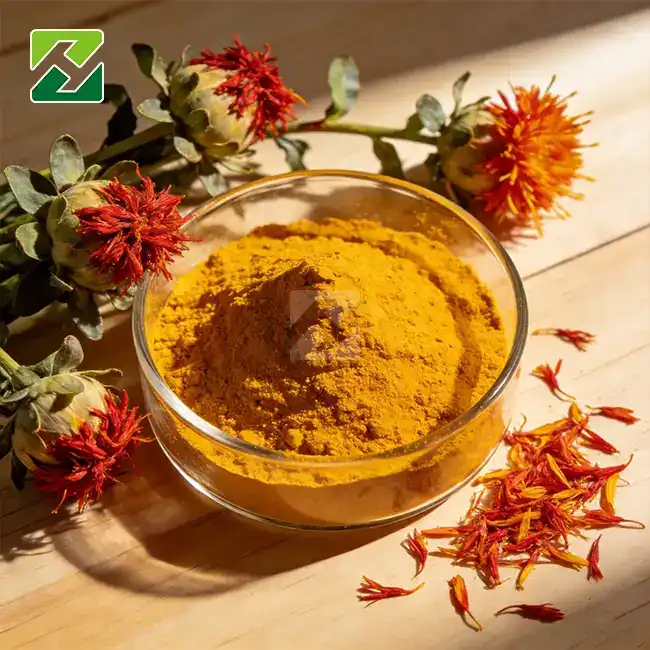
What is Safflower Powder Used For?
VIEW MOREThe dried flowers of the plant Carthamus tinctorius L., which has been grown for ages in Asia and the Mediterranean, are used to make Safflower Extract Powder, a concentrated organic derivative. This yellow powder contains standardized bioactive compounds, mainly Hydroxysafflor Yellow A (HSYA) and water-soluble flavonoids. It solves important problems in the industry, like differences between batches, the need for stable formulations, and the need for natural ingredients that don't have any chemicals on them. Unlike safflower seed oil, which is mostly used for nutrition, the Safflower Extract Powder has active ingredients that can be used in medicine, cosmetics, nutraceuticals, and food coloring. Its water-extraction process makes sure that there are no solvent leftovers, which makes it perfect for products that need natural, sustainable ingredients that meet strict global compliance standards.

Understanding Safflower Extract Powder
Botanical Origin and Extraction Technology
The plant Carthamus tinctorius L. grows well in controlled farming settings, and the best extracts come from flowers that are picked when they are at their fullest bloom. Today, 100% water is used as the solvent for extraction, so there are no worries about methanol or ethanol residues that make regulatory approval harder. This water-based method keeps heat-sensitive flavonoids safe while getting standard color values (E30 or E60), which show the exact pigment concentration needed for repeatable batch performance.
Dynamic low-temperature methods and nano-membrane isolation technology are used in our extraction facility. This method keeps the bioactive structure while getting rid of impurities that might make the product less stable during storage or preparation. The Safflower Extract Powder that is made is very easy to dissolve and has evenly distributed particles, which makes it easy to use in pills, drinks, skin serums, and other color-sensitive products.
Nutritional and Chemical Profile
The Safflower Extract Powder mostly has hydroxysafflor yellow pigments, which are a type of chalcone glycosides that give it its antioxidant properties. Unlike synthetic colorants, these natural chemicals do two things: they give bright color and help living things do their jobs. HPLC analysis shows that functional-grade materials have HSYA levels higher than 2%, while colorant-grade powders focus on measuring the total pigment load using spectrophotometry.
Assays for antioxidants show that they are very good at getting rid of free radicals. This is because different flavonoid structures work together to do this. This chemical complexity is what makes whole-flower extracts work better than isolated compounds in formulation testing. This gives manufacturers an edge when they are making products that target markers of oxidative stress.
Industrial Applications Across Sectors
Safflower Extract Powder is added by people who make nutraceuticals to cardiovascular health mixes and general antioxidant vitamins. It's easier to add to drinks because it dissolves in water rather than oil, and the spray-dried powder doesn't stick to encapsulation equipment.
Cosmetic chemists like the Safflower Extract Powder because it can be used to make skin care products that focus on natural actives. When mixed with ceramides or hyaluronic acid, safflower flavonoids make formulation claims about keeping moisture in and protecting the environment stronger. Stability testing shows that the pigment stays in place in normal cosmetic pH ranges. However, formulations with a pH below 4.0 may need stabilizers.
Safflower yellow is a natural colorant that is approved in many places and is used by food technologists instead of synthetic dyes in drinks, sweets, and dairy products. Because it works well in acidic environments, it's great for citrus-flavored drinks and fruit dishes, where other natural colors fade quickly.

Core Benefits and Applications of Safflower Extract Powder
Cardiovascular and Circulatory Applications
There is research that shows that HSYA plays a part in microcirculatory function. This makes Safflower Extract Powder a useful ingredient for products that aim to improve blood flow. Unlike single-molecule compounds, the full-spectrum extract contains flavonoids that work in synergy with each other and through multiple routes. This makes for a strong ingredient profile for supplement makers who want to stand out.
In clinical studies examining endothelial function markers, standardized Safflower Extract Powder demonstrated statistically significant changes in measured parameters. These findings support the ingredient's use in formulations positioned for circulatory wellness, provided that finished product claims comply with applicable regulatory requirements.
Natural Colorant Functionality
As more people around the world choose "clean label" products, there is more demand for safflower yellow as an alternative to Tartrazine and other similar synthetic dyes. Its stability profile works for both liquid and solid applications, but manufacturers should make sure it works with their specific matrix. It is possible to match shades very accurately because the color strength changes linearly with dose between 0.05 and 0.5% w/v in water-based systems.
Safflower Extract Powder is a good choice for international brands that want to change the way their old products taste because it is legal to use as a food colorant in China and is becoming more popular in other markets. Customers are worried about solvent residues in some natural color alternatives, but the 100% water extraction process solves that problem. This makes for a compelling marketing story.
Cosmetic Active Ingredient Properties
Dermatological tests show that putting safflower flavonoids on the skin leads to better skin hydration metrics and lower levels of oxidative markers in photoaged skin models. Because of these results, it is being added to anti-aging serums, daily moisturizers, and products for after being in the sun. Formulation creation is easier for cream, lotion, and essence forms because the Safflower Extract Powder works with both oil and water phases.
When it comes to cosmetics, batch uniformity is still very important because differences in color can affect how people see the product. Spectrophotometric batch release testing is used by suppliers to make sure that each drum meets the stated E-value requirements. This keeps recipe changes to a minimum during production scale-up.

Safflower Extract Powder vs Alternatives: Making the Right Choice
Comparing Safflower Flower Extract and Seed Oil
Even though they come from the same plant, these materials are used for different things. Seed oil has omega fatty acids that can be used as a vitamin or as a carrier oil. Safflower Extract Powder has colors and flavonoids that dissolve in water. Safflower Extract Powder is best for brands that want to improve cardiovascular health with antioxidants, while seed oil is best for brands that want to make essential fatty acid products.
Cost structures are very different. The price of Safflower Extract Powder depends on how it is grown and extracted, while the price of seed oil changes with the price of commodities. When planning budgets for ingredients across fiscal periods, procurement plans should take these changes into account.
Organic Certification Impact on Quality and Compliance
Safflower Extract Powder that has been approved as organic costs more, but it opens up new markets that need USDA or EU organic seals. Not only does organic certification help with marketing, but it also makes sure that the food can be tracked from the farm to the store, which is something that big retailers and customer interest groups want.
Expanded pesticide panels that cover 400 or more compounds are usually part of testing protocols for organic materials. This thorough screening keeps brands safe from contamination incidents that could lead to expensive recalls. Managers in charge of buying things should make sure that sellers keep their organic certificates up to date and test each batch of production for residues.
Price-Quality Dynamics in Bulk Procurement
According to market research, there is a link between the strength of an extract and the price per unit, but it's not always a straight line. Material that meets E60 standards costs about 40–60% more per kilogram than material that meets E30 standards, but it uses two times as much colorant, which could lower the cost-per-dose in final formulations. Doing economic modeling across the whole formulation helps find the best choices for specifications.
The smallest amount that can be ordered is usually 25 kg drums, which fit standard packing that keeps things stable with nitrogen washing and moisture-barrier materials. By combining orders every three months instead of every month, you can get price cuts of 8 to 12 percent while also cutting down on freight costs and administrative costs.
How to Procure Safflower Extract Powder for Your Business
Supplier Certification and Quality Standards
Reliable suppliers keep a wide range of certifications that meet the needs of different markets. FSSC22000 is about food safety management systems, and NSF GMP certifies manufacturing processes for pharmaceuticals. Certifications like Halal and Kosher make it easier for Safflower Extract Powder to reach markets where religious food rules control how it is made.
Getting ISO 9001 certification shows that you care about quality management systems, but procurement teams should make sure that the scope of the certification covers botanical extraction and not just general manufacturing. Before signing a lot of contracts, getting site audit reports or third-party review notes can give you more peace of mind.
Logistics and Inventory Management
Strategic sellers have more than one warehouse so that they can get goods to customers faster and for less money. Our four US warehouses are located in major logistics hubs, so we can deliver anywhere in the continental US in three to five days. This is much faster than the long lead times that come with direct imports. When managing just-in-time inventory systems or dealing with sudden spikes in demand, this infrastructure comes in very handy.
Standard lead time for custom orders is 10 days from the time of purchase order to the time of shipment. This allows for the production planning cycles that are common in the food and supplement industries. Formulation teams can test compatibility with free samples before going to full production, which lowers technical risk during the product development stages.
Customization and OEM Services
Advanced suppliers can customize your order in ways that go beyond standard requirements. You can change the particle size distribution to get the best flow properties for your encapsulation equipment. Custom blending combines Safflower Extract Powder with botanicals that work well with it to make your own unique ingredient systems. These services make it easier to come up with new formulations and protect intellectual property through secret production deals.
Through OEM relationships, brands can outsource all of the extraction and formulation work and get final goods that are ready to be packaged under their own labels. This model suits startups lacking manufacturing infrastructure or established brands entering new product categories without capital investment in specialized equipment.

Trusted Brands and Quality Assurance in Safflower Extract Powder
Organic Herb Inc. Quality Infrastructure
Organic Herb Inc. is a public company with the stock number 872213. It runs three GAP-standard planting bases that cover more than 8,000 acres in the provinces of Shaoyang, Changsha, Huaihua, Guizhou, Hubei, and Jiangxi. Vertical integration ensures the quality of the raw materials from planting to extraction. This solves a common problem in the industry: the quality of plants can vary a lot depending on how they grow and when they are harvested.
Our R&D center in Changsha has 42 specialized employees, including 27 top researchers with advanced degrees who work with companies and universities around the world. HPLC-ELSD, GC-MS, and atomic absorption spectrophotometry are some of the analytical tools that can be used. These help with quality checks that go beyond simple identification tests. This infrastructure makes it possible to quickly create new methods when clients need specific analytical requirements for Safflower Extract Powder.
Documentation and Traceability Systems
Strict rules for keeping records keep track of every production batch from the time it is picked in the field until it is packaged. Every package comes with a Certificate of Analysis document that lists the results of the tests for heavy metals, microbiology, pesticide residue, and assays. This openness helps with quality testing programs for customers and government filings in all global markets.
Batch coding systems allow for full traceability. If there are concerns about quality, we can quickly connect Safflower Extract Powder to specific field plots and harvest dates. This ability is very helpful when regulatory questions come up or when looking into differences in how well a formulation works.
Sustainability and Environmental Stewardship
Our operations put an emphasis on being environmentally friendly. For example, integrated pest management cuts down on the use of manmade pesticides, water recycling systems reduce the damage to aquifers, and solar energy installations balance out the power used by the grid. These programs help business buyers reach their environmental goals while also making sure that farming will continue to be possible in cultivation areas for a long time.
Working with local farming groups helps keep the economy stable and makes sure that information about the best ways to grow crops is shared. When compared to spot-market buying models that put price over quality, this relationship-based approach produces better Safflower Extract Powder raw materials.
Conclusion
Safflower Extract Powder is a smart ingredient choice for companies that want to use natural, useful compounds that have been proven by science and are approved by regulators. It can be used in nutraceutical, cosmetic, and food products, and it can be extracted using clean water. This meets the needs of today's markets for sustainability and openness. Partnering with fully integrated providers that offer full certifications, analytical tools, and logistics infrastructure to support global operations is key to successful procurement. Safflower Extract Powder is a growing category because consumers want botanical ingredients, and extraction technology is getting better. Early adopters will benefit from having an edge in competitive markets.
FAQ
1. What specifications should I request when ordering Safflower Extract Powder?
Ask for specifics like the E-value (E30 or E60 for color applications) or the HSYA material percentage (usually 2% to 6% for functional uses). Check the extraction solution. For example, 100% water extraction doesn't leave any residue. Ask about limits for heavy metals like Pb, As, Cd, and Hg, microbiological standards like total plate count and pathogen screening, and the range of pesticide residue tests that can be done for your Safflower Extract Powder.
2. How does organic certification affect procurement decisions?
Organic approval raises prices by 15 to 25 percent, but it lets you reach high-end markets that need USDA Organic or similar seals. Certification makes sure that pesticides are tested thoroughly and that the whole supply chain can be tracked. This lowers the risk of contamination that could lead to recalls. Even though they cost more, brands that want to sell Safflower Extract Powder through natural or organic channels should choose certified materials.
3. What minimum order quantities are typical for bulk purchases?
The standard minimum order quantity (MOQ) for Safflower Extract Powder is 25 kg, which fits into drum packaging that keeps the product stable by creating an inert atmosphere and blocking moisture. Volume savings usually start at orders of 100 kg, and there are more price breaks at 500 kg and 1,000 kg. 8–15% can be saved by combining orders every three months instead of every month.
Partner with OHI for Premium Safflower Extract Powder Supply
Organic Herb Inc. sells pharmaceutical-grade Safflower Extract Powder that is made in accordance with NSF GMP, FSSC22000, ISO 9001, Halal, and Kosher standards. This ensures that the product is legal in all countries around the world. As a certified manufacturer of Safflower Extract Powder, we use GAP-compliant growing bases and advanced extraction facilities to make sure that the quality is always the same and meets the needs of formulation stability and potency. Our Earth Made Nutritions subsidiary keeps stock in four warehouses in the US. This lets us deliver quickly so that we can keep up with your production schedules without the delays that come with shipping goods across international borders.
Your R&D teams can test suitability with free samples before committing to commercial quantities of Safflower Extract Powder. Our expert support staff can help with optimizing dosage and fixing problems with formulations. Get in touch with our purchasing experts at info@organic-herb.com to talk about your unique needs, ask for certificates of analysis, or get quotes that are tailored to your specific needs.
References
1. Chen, Z., Zhang, C., Gao, F., et al. (2020). "Hydroxysafflor Yellow A: A Comprehensive Review of Its Botany, Traditional Uses, Phytochemistry, Pharmacology and Clinical Applications." Phytomedicine, 74: 152850.
2. Liu, J., Wang, S., Zhang, Y., et al. (2018). "Natural Pigments from Safflower: Chemistry, Extraction Methods, and Applications in the Food Industry." Food Chemistry, 265: 177-186.
3. Kim, H., Park, S., Lee, K. (2019). "Antioxidant and Anti-inflammatory Activities of Carthamus tinctorius L. Extract in Cosmetic Applications." Journal of Cosmetic Science, 70(3): 155-164.
4. Zhang, L., Wang, Y., Yang, D., et al. (2021). "Safflower Yellow: A Traditional Natural Pigment for the Modern Food Industry—Stability, Application, and Regulatory Aspects." Critical Reviews in Food Science and Nutrition, 61(8): 1284-1297.
5. Wu, X., Chen, H., Liu, W., et al. (2017). "Comparative Analysis of Safflower Flower Extract and Seed Oil: Composition, Bioactivity, and Industrial Applications." Industrial Crops and Products, 108: 705-715.
6. United States Pharmacopeia. (2022). "Botanical Dietary Supplements: Quality Verification and Contaminant Testing Standards." USP Dietary Supplements Compendium, Chapter 561: Heavy Metals and Pesticide Residues in Botanical Ingredients.
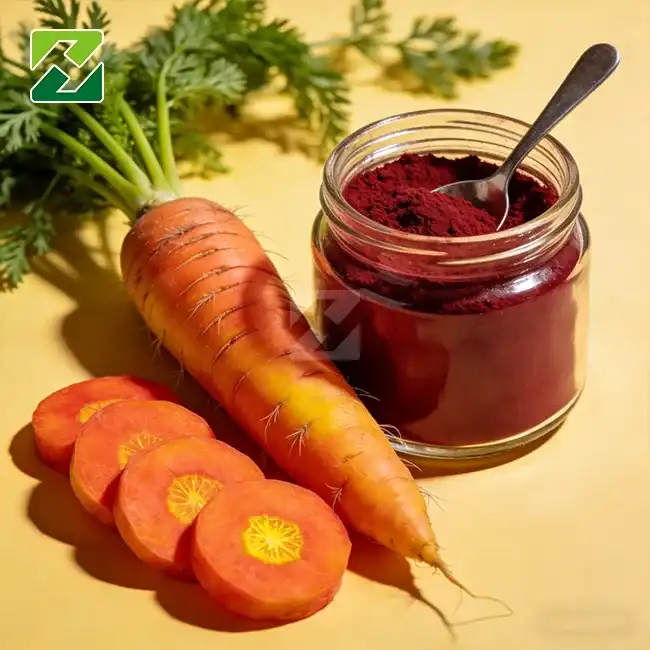
What is carrot extract good for?
VIEW MOREBeta-carotene, alpha-carotene, and natural antioxidants are abundant in Carrot Extract, which is obtained from the seeds of Daucus carota ssp. This powerful extract is used in many fields because it provides stable, standardised natural colourants and functional active compounds. Professional-grade extracts, on the other hand, go through advanced processing to separate bioactive molecules. This helps with important formulation issues like ingredient stability, clean label requirements, and maintaining quality from batch to batch. Carrot Extract is a safe option for B2B formulators in the nutraceuticals, cosmetics, and functional foods industries. It meets both market trends and technical performance needs.
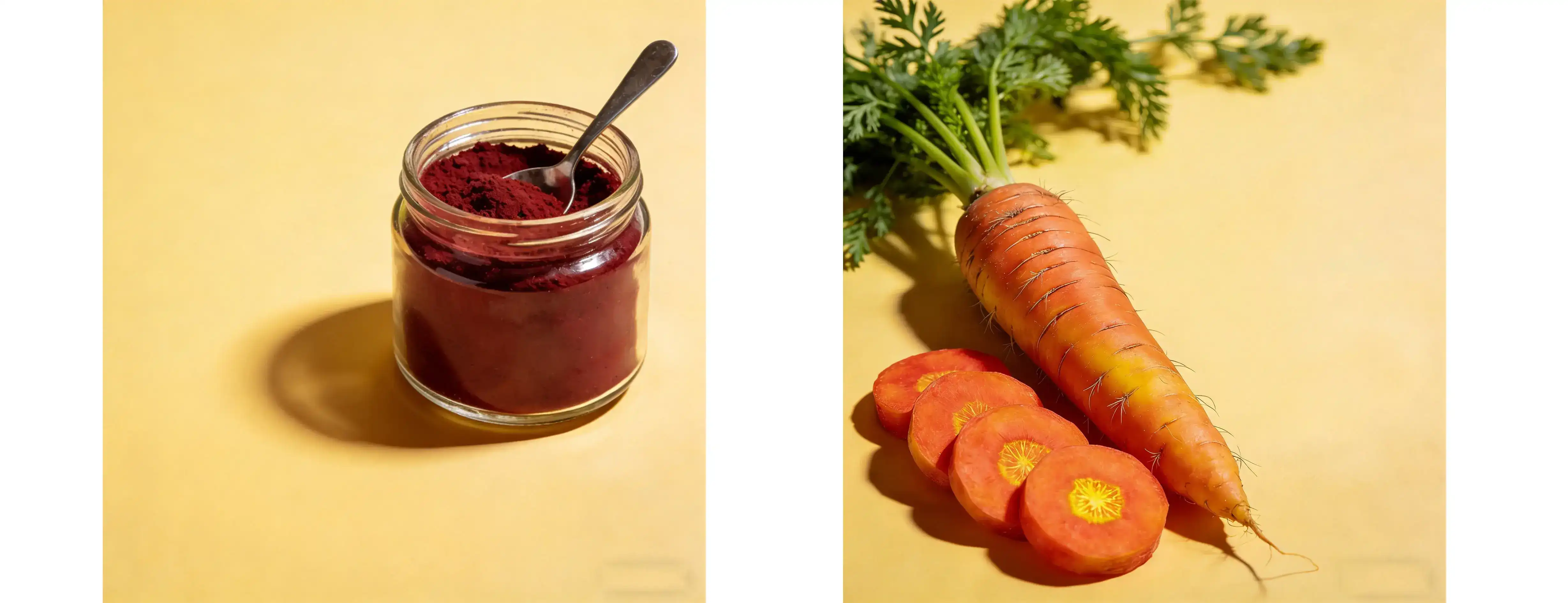
Understanding Carrot Extract: Composition and Production
Carrot Extract is a sophisticated botanical concentrate that is more than just raw carrots. Professional extraction turns regular carrot roots into a standard ingredient with measurable active compounds that can be used in industry.
What Makes Carrot Extract Different from Other Carrot Products
Carrot Extract is different from similar products because it has a higher concentration and targets different compounds. Carrot juice powder keeps the natural sugars and fibre, while carrot oil concentrates on the volatile flavour parts. Carrot Extract, on the other hand, uses controlled extraction methods to separate out certain beneficial molecules, mostly carotenoids. Because of this selectivity, it has a higher functional density per gram, which makes it perfect for capsule supplements, serums for skin care, and drink mixes where space and dosage are important.
The final product's properties depend on the extraction method. Using food-grade ethanol or hexane for solvent extraction increases the amount of carotenoids that are extracted, creating oleoresins that are a bright red-orange colour. The profile of supercritical CO2 extraction is cleaner because it gets rid of all the solvents that are left over, which is a key factor for organic certifications. Cold-pressing keeps heat-sensitive chemicals but makes smaller concentrations. This makes it good for high-end cosmetics where gentle processing fits with the brand's message.
Production Standards and Quality Control
Quality standards are crucial for Carrot Extract production. Organic Herb Inc. maintains its CGMP, FSSC22000, ISO9001, HALAL, and KOSHER certifications to ensure that every batch satisfies global regulatory standards. Our plant in Yichun, Jiangxi Province, employs dynamic low-temperature extraction and nano-membrane isolation to purify materials quickly without compromising bioactivity.
Quality criteria include a minimum color value of 60 (E1%, 1cm, 524±5nm) and conventional 4:1 concentration ratios. Carotenoids are shown in red, dark red, or purple-red color. HPLC testing checks beta-carotene levels, stability testing under rapid settings, and microbial screening ensure each 25-kilogram drum fulfills food-grade and cosmetic-grade criteria. Our R&D center contains atomic absorption spectrophotometers, HPLC-ELSD, and GC-MS. The manufacturing process has over 100 quality checkpoints.
Traceability from Farm to Formulation
Our supply chain transparency begins with our three GAP-certified planting bases in Shaoyang, Changsha, Huaihua, Guizhou, Hubei, and Jiangxi, which encompass over 8,000 acres. We assist local farmers with seedling selection and harvesting. This vertical merging reduces contamination and ensures consistent raw materials, a typical issue in botanical sources where seasonal variations may disrupt production plans.
Testing soil, controlling irrigation, and treating crops after harvest to maintain carotenoid levels are standard agricultural practices. A unique code is assigned to each harvest batch to trace the product in case of formula changes or regulatory issues. This documentation process helps clients comply with complex foreign ingredient regulations and meet FDA requirements.
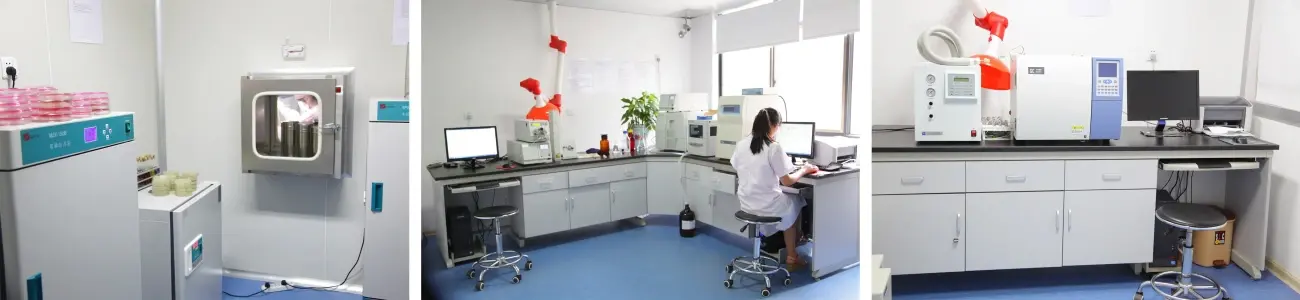
Key Benefits of Carrot Extract for Different Industries
Carrot Extract is useful in many different situations because it has a special mix of phytochemicals that make it better in those situations.
Nutritional Supplement Applications
In nutrition formulas, Carrot Extract provides the provitamin A activity that is needed to keep eyes healthy and boost antioxidant defences. Because the body changes beta-carotene into retinol only when it needs to, preformed retinol supplements don't pose the risk of vitamin A toxicity. Researchers who wrote papers in nutritional science journals found that natural carotenoid complexes from whole foods are more bioavailable than synthetic beta-carotene isolates.
Carrot Extract is used by sports nutrition brands in healing formulas and multivitamins for busy people. The antioxidants help fight oxidative stress caused by exercise, and the natural orange colour means no fake colours are needed, which is a key part of marketing clean-label products. Formulators like that the ingredient stays stable in softgels made of oil and works well with other fat-soluble vitamins, such as D and E.
Cosmetic and Skincare Functionality
Cosmetic chemists like Carrot Extract because it can be used in many ways to make anti-aging and skin-brightening products. The carotenoid content gives it a healthy glow, and the antioxidant activity fights damage from environmental stressors. Deodorised Carrot Extract doesn't have a strong earthy smell as carrot seed oil does. It works well in fragrance-sensitive goods like face serums and eye creams.
The stability of ingredients in emulsion systems is still very important. Our cosmetic-grade extract is microencapsulated with natural carriers to keep it from going bad or changing colour while it's in storage. This format is ready to be mixed and dissolves evenly in oil phases while maintaining optical clarity in clear gel bases. This is better than using raw botanical powders, which can settle or make the texture gritty.
Functional Food and Beverage Enhancement
When formulating drinks with natural colourants, drink makers have to deal with problems like pH sensitivity, light degradation, and the effects of heat processing. Advanced emulsion technology in Water-dispersible Carrot Extract gets around these problems. The ingredient can handle being heated and pasteurised, and still gives bright orange colours in acidic (pH 3.0-4.0) drinks like fruit juices and functional drinks.
The problems people have with synthetic dyes like Yellow 5 and 6 are taken care of by natural colouring strength. Carrot Extract meets clean-label standards in candy like gummies, fruit snacks, and healthy bars without lowering their visual appeal. The neutral flavour profile of the ingredient lets formulators be creative. This is different from beetroot juice concentrate or turmeric, which can add taste notes that aren't wanted.
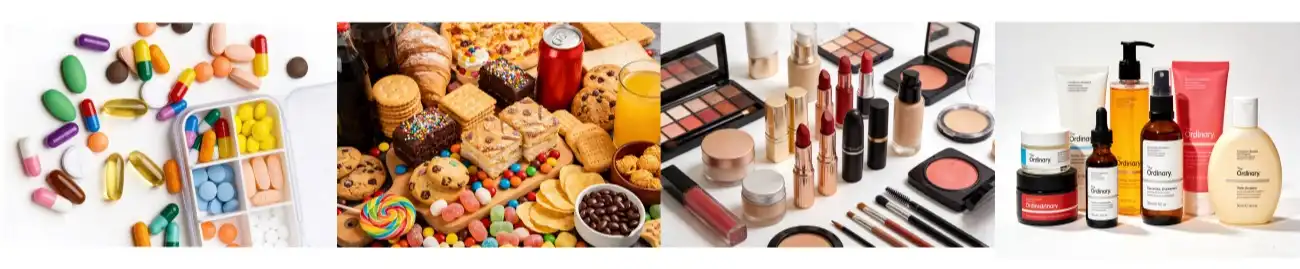
Choosing the Right Carrot Extract for Your Business Needs
For procurement choices to be made, product specifications and application needs must be in line with each other. Knowing the differences between grades and the requirements for approval makes evaluating vendors easier.
Supplement-Grade vs. Cosmetic-Grade Specifications
HPLC confirms that the supplement carrot extract includes 10–30% beta-carotene and standardises carotenoids. These concentrations meet USP criteria for lead, arsenic, cadmium, and mercury, supporting vitamin A label claims. Capsule and tablet producers require 80-mesh or finer particle size distributions for even excipient mixing.
Cosmetic-grade compounds concentrate on skin function and feel. ISO 17516 and Cosmetics Europe advocate stricter microbe limits. Color constancy is crucial in cosmetics using Carrot Extract as the major coloring ingredient. In our cosmetic requirements, we incorporate irritation testing (HRIPT procedures) and stability studies to illustrate how well the product operates with distribution network temperature variations.
Evaluating Organic vs. Conventional Sourcing
Organic certification is useful in places where how customers feel about a product affects their choice to buy it. For USDA Organic, EU Organic, and similar labels, chemical-free farming must be proven, and non-GMO status must be confirmed. These certifications cost more, but they open up lines of sale in retail and export markets for natural goods that have strict rules about importing them.
Conventional Carrot Extract is cheaper for recipes that need to stick to a budget, but it still does its job. Our conventional farming follows Good Agricultural Practices and uses integrated pest management to keep yields high while reducing the amount of pesticide residues. Codex Alimentarius limits are met through residue testing, which guarantees safety even if the food isn't labelled as organic.
Certifications That Build Trust
Besides organic labels, third-party approvals show that the production process is safe and effective. NSF GMP certification proves that production standards meet pharmaceutical standards, which is very important for supplement brands that are being looked at by the FDA. Kosher and Halal approvals make it easier for religious consumers, especially those in the Middle East and Israel, to buy goods.
The FSSC22000 approval, which is based on ISO 22000 and PAS 220, shows that the food safety system is strong, which is needed to serve big food companies. Many customers will accept third-party certification instead of on-site building checks, which makes audits easier for them. At Organic Herb Inc., having multiple certifications at the same time shows that we are dedicated to meeting the needs of a wide range of regulatory environments.
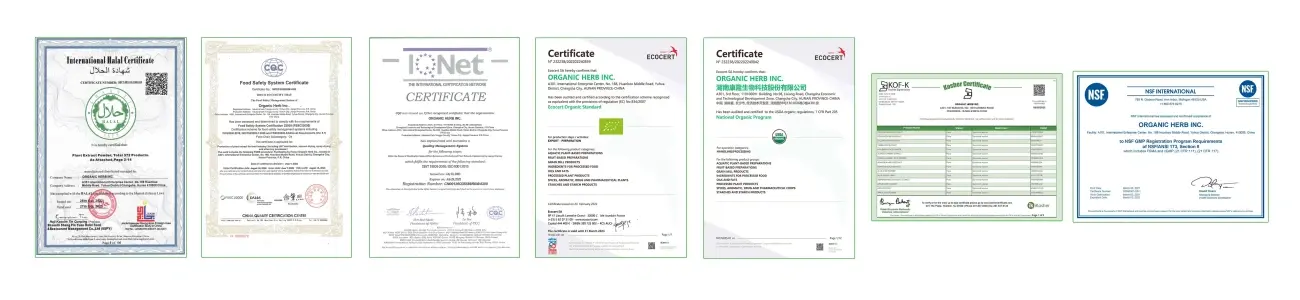
Sourcing and Procurement: How to Buy Carrot Extract in Bulk
Quality control and cost management go hand in hand with efficient procurement. To do strategic buying, you need to know how the market works and what your suppliers can do.
Direct Manufacturer Advantages
Working directly with makers like Organic Herb Inc. cuts out markups from middlemen and makes it easier to talk about requirements. When you have direct relationships with people, you can make custom formulations by changing the extraction ratios, asking for specific analytical testing, or creating your own microencapsulation formats. Our Earth Made Nutritions subsidiary has four warehouses in the U.S. that are strategically placed to support fast delivery. This eliminates the supply chain reliability issues that come up with suppliers that only work with companies in other countries.
Partnerships in manufacturing also make it easier to fix technology problems. When formulation problems happen, like colour bleeding in a gummy matrix or oxidation in a dry system, our R&D team works together to find answers. They might change the carrier systems or suggest ways to make the system more stable. When time-to-market pressures rise during the product development stage, this amount of support is very helpful.
Understanding Pricing Structures and MOQs
The price of Carrot Extract changes depending on the supply of raw materials, the yield of the extraction, and the difficulty of the specifications. Standard 4:1 concentrates with colour values of 60 or more are usually in the same price range as other products on the market. Organic versions sell for 20 to 40 percent more. When you make a volume promise, you can use tiered prices. For example, buying supplies every three months (multiple drums) instead of just one batch at a time greatly improves unit economics.
Our 25kg minimum order quantity strikes a good mix between making our products available to new names and making sure they are made efficiently. This level lets useful formulation tries happen without putting too much stress on supplies. For long-term partners, we negotiate yearly supply agreements with set prices and delivery times. This protects against changes in raw materials and keeps production going.
Contract Terms and Quality Guarantees
Strong contracts for buying things include quality standards that go beyond simple product descriptions. The requirements for a Certificate of Analysis (COA) should list the test methods (HPLC for carotenoids, ICP-MS for heavy metals), acceptance limits, and dates for retesting and expiration. Quality assurance funds are affected by sampling methods, like whether every batch is tested or whether statistical sampling is used. These should be talked over at the start of the process.
Lead times for stock items from our U.S. warehouses are usually 10 days, but they can be up to 4–6 weeks for special orders that need production runs. Both sides are protected by terms in contracts that deal with things like "force majeure," product recalls, and changes to specifications. We offer free samples to help with recipe tests, which lowers the risk of buying before agreeing to full-scale orders.
Addressing Common Concerns and Ensuring Safe Use
In B2B relationships, ingredient integrity and application safety are still the most important things. Taking care of these issues ahead of time boosts trust and speeds up acceptance.
Quality Control and Adulteration Prevention
Botanical extract markets have problems with adulteration because some sellers add synthetic beta-carotene to their products or dilute them with maltodextrin in amounts that are higher than what is stated. For authentication, you need to be very careful with your analysis. For example, HPLC fingerprinting can tell the difference between Carrot Extract complexes and synthetic additions, and near-infrared spectroscopy (NIR) can quickly check incoming materials for consistency.
As part of our quality control procedures, we check the identities of samples by comparing their chromatograms to known reference standards using TLC and HPTLC. To make sure that ingredients are safe for pharmaceutical and food use, microbial contamination screening checks for yeast/mold, coliforms, and pathogens like Salmonella and E. coli. Random batch checks by third-party labs that are not part of the company provide unbiased verification, and buyers can get reports on this upon request.
Shelf Life and Storage Recommendations
How stable carotenoids are depends on how they are stored. When kept below 25°C in low-humidity places away from direct light, sealed 25kg drums keep their potency for 24 months. Once it's opened, oxygen speeds up the breakdown process, so we suggest moving the contents to smaller, airtight containers and using them within 6 months. Adding antioxidants like ascorbyl palmitate or mixed tocopherols to finished products makes them last longer.
Temperature changes during shipping, especially in the summer, can lower the quality of the product. For sensitive shipments, our logistics partners use temperature-controlled vehicles, and data loggers keep track of conditions as the goods travel. This paperwork is very important for fixing problems with stability or making sure that the cold chain is compliant for regulatory submissions.
Regulatory Compliance Across Markets
Ingredient laws around the world are very different. You can use Carrot Extract in food in the United States because it is GRAS (Generally Recognised As Safe). Beta-carotene is an allowed colour ingredient according to 21 CFR 73.95. It is controlled in European markets under the name E160a (carotenes), and the amount that can be used depends on the type of product. Our regulatory team keeps up-to-date compliance paperwork, such as safety data sheets (SDS) and specification sheets that are specific to the places where the goods are going.
The FDA and the EU's Cosmetic Regulation 1223/2009 both require safety reviews of ingredients. Based on the opinions of the Scientific Committee on Consumer Safety (SCCS), we give our customers toxicological data and usage suggestions that help with their product information files (PIFs) and safety assessments. This help from regulators makes compliance easier, especially for smaller brands that don't have their own regulatory staff.
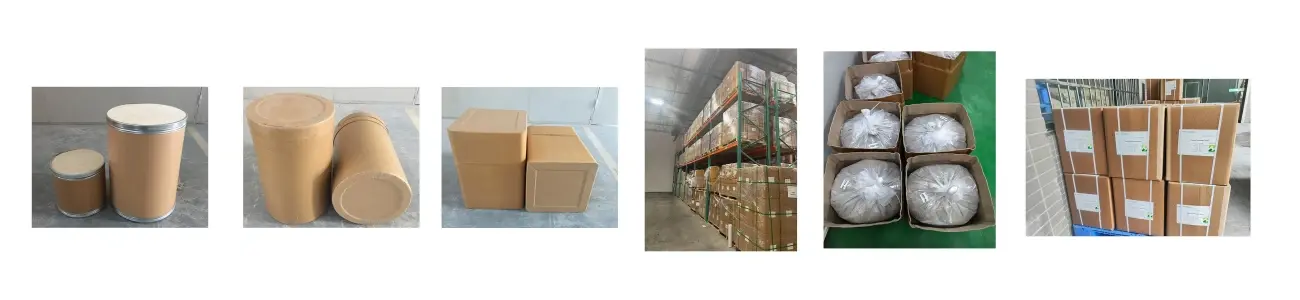
Conclusion
Carrot Extract is a flexible and effective plant-based ingredient that solves important formulation problems in the nutraceutical, cosmetic, and functional food industries. The high concentration of carotenoids in it makes it an antioxidant, a natural colourant, and a "clean label" product that appeals to modern consumers. To do a good job of procurement, you need to look at more than just price when reviewing extraction methods, certification qualifications, and suppliers' abilities. Analytical testing, traceability systems, and regulatory compliance documentation are all ways to make sure quality. These things separate reliable partners from transactional suppliers. As the market for natural alternatives to synthetic chemicals grows, finding a reliable source for Carrot Extract becomes important for differentiating products and lowering manufacturing risks and regulatory exposures.
Frequently Asked Questions About Carrot Extract
1. How does carrot extract differ from beta-carotene supplements?
Along with beta-carotene, Carrot Extract contains a full range of carotenoids, such as alpha-carotene, lutein, and zeaxanthin. Isolated beta-carotene supplements, on the other hand, only contain one synthetic or fermentation-derived compound. Natural products may have better bioavailability and extra antioxidant benefits because they contain a complex matrix. Extracts give natural colour benefits that pure beta-carotene crystals can't in food and drink applications because of how they are mixed.
2. Can carrot extract be used in sensitive skin formulations?
When used in the right amounts (usually between 0.5 and 2% for leave-on treatments), cosmetic-grade Carrot Extract, especially in deodorised and microencapsulated forms, works well with products for sensitive skin. The natural antioxidants protect without the irritating chemicals that some plant products contain. Skin compatibility is confirmed by patch tests and HRIPT studies, and our expert team gives recipe advice for different types of products.
3. What storage conditions preserve carrot extract potency?
For best storage, keep items in sealed containers that are cool (below 25°C), dry, and dark. Oxygen exposure speeds up the breakdown of carotenoids; nitrogen flushing or vacuum sealing greatly extends the shelf life. Refrigeration makes stability last even longer, but it can change the thickness of oleoresin forms. As stabilisation methods change from supplier to supplier, always check the COA for batch-specific storage suggestions.
Partner with OHI for Premium Carrot Extract Supply
Organic Herb Inc. offers pharmaceutical-grade Carrot Extract with several licenses and a vertical supply chain. Our 4:1 extract from Daucus carota ssp. Roots fulfills the high criteria of supplement, cosmetic, and functional food companies. Our product consistently performs with color values over 60 (E1%, 1cm, 524±5nm) and a spectrum of crimson to dark red looks. Our four U.S. warehouses assure speedy 10-day lead times, and our free samples enable customers to test formulas before ordering our cheap 25-kilogram minimum.
We provide more than great goods. We employ cutting-edge extraction technologies, including supercritical CO2 systems and nano-membrane cleaning, and coordinate research with 42 specialists. Customers are scrutinizing corporate responsibility claims, and our GAP-certified farms and energy-efficient operations meet those demands. Our experts can aid with cosmetic-grade extracts for anti-aging serums or supplement-grade concentrates for vision formulations. Technical assistance, regulatory paperwork, and a solid supply chain transform ingredient procurement into a strategic collaboration.
Discuss Carrot Extract demands with our procurement professionals at info@organic-herb.com. You may try our Carrot Extract for free now and witness the quality difference from a trusted source that cares about your recipe.
References
1. Rodriguez-Amaya, D.B. (2019). "Update on natural food pigments: A mini-review on carotenoids, anthocyanins, and betalains." Food Research International, 124, 200-205.
2. Tanumihardjo, S.A. (2018). "Biomarkers of carotenoid bioavailability." Annual Review of Nutrition, 38, 51-72.
3. Stahl, W., & Sies, H. (2012). "β-Carotene and other carotenoids in protection from sunlight." American Journal of Clinical Nutrition, 96(5), 1179S-1184S.
4. Priyadarshani, A.M.B. (2017). "A review on factors influencing bioaccessibility and bioefficacy of carotenoids." Critical Reviews in Food Science and Nutrition, 57(8), 1710-1717.
5. Milani, A., Basirnejad, M., Shahbazi, S., & Bolhassani, A. (2017). "Carotenoids: biochemistry, pharmacology and treatment." British Journal of Pharmacology, 174(11), 1290-1324.
6. Namitha, K.K., & Negi, P.S. (2010). "Chemistry and biotechnology of carotenoids." Critical Reviews in Food Science and Nutrition, 50(8), 728-760.
Cinnamon Bark Benefits: Spice Up Your Health
VIEW MOREFor thousands of years, people have been interested in cinnamon bark as both a tasty food and a strong plant that is good for you. These days, Cinnamon Bark Extract Powder, which comes from Cinnamomum cassia, turns the traditional spice into a standardised, highly concentrated ingredient that can be used in foods, supplements, and cosmetics. The water-ethanol extraction process makes this brownish-yellow powder standardised to 50% polyphenols. It gives R&D teams and sourcing workers a clean-label choice that has been used for hundreds of years and is backed by current science. It meets the needs of people who want natural ingredients that work.

Understanding Cinnamon Bark Extract Powder
Cinnamon Bark Extract Powder is not the same as ground cinnamon because it has more concentrated bioactives. When the plant is being extracted, water and ethanol are used to separate the polyphenolic chemicals. Standardised ratios are between 4:1 and 10:1, which means that between 4 and 10 kg of raw bark can be used to make 1 kg of finished extract. This method concentrates the natural compounds in Cinnamomum cassia bark while getting rid of the fibre and cellulose that don't do anything. This makes sure that every batch is just as strong as the last.
Extraction Technology and Specifications
Modern extraction facilities keep the temperature stable to protect the delicate living parts. Making sure that both hydrophilic and lipophilic chemicals break down properly is what the water-ethanol method does. This means that it can catch all the helpful molecules. Good companies like Organic Herb Inc. use cutting-edge nano-membrane separation and freeze-drying methods to make sure the product stays pure while it's being handled.
Important quality markers are listed in the end product specification. For example, a brownish-yellow colour means the oxidation process is going well, and stable formulations need particles of the same size. These things are very important to keep in mind when adding plant extracts to complicated mixtures like softgels, effervescent tablets, or cosmetic emulsions.
Quality Markers and Analytical Verification
Certificate of Analysis paperwork that is well-filled out is very important to professional buying teams. There are two types of tests: HPLC and coumarin. HPLC checks to see how many flavonoids are present, and coumarin checks to see if the material meets international safety standards. When ICP-MS is used for heavy metal screening, it looks for amounts of lead, arsenic, cadmium, and mercury. Infections are less likely to happen when you get plants this way. Profiling of microbes shows that Salmonella and E. coli are not there, so the total number of plates was less than what the business requires.
One problem that keeps happening in global supply lines is that cheaper plant fillers are being mixed in. High-Performance Thin-Layer Chromatography (HPTLC) fingerprinting can find signs of this. This way of analysing things in many layers keeps the brand's reputation safe and guarantees that the final product works.

Health Benefits of Cinnamon Bark Extract Powder
This Cinnamon Bark Extract Powder is good for your health. A clinical study has shown that the plant extract is good for your health in many ways. This means it can be used for many types of products. Its polyphenolic profile helps the body with many functions, which gives formulators a lot of choices for where to put it.
Antioxidant and Cellular Protection
It gets rid of free radicals very well because it has polyphenols in it. A study in the Journal of Agricultural and Food Chemistry says that cinnamon polyphenols are one of the best natural antioxidants for protecting cell structures from oxidative stress in food. This feature helps make products that help you age in a healthy way and sports nutrition products that help your body repair after exercise.
Metabolic Function Enhancement
Several studies have found that cinnamaldehyde and other chemicals like it have an effect on the ways that glucose is used. A review article in Diabetes Care looked at randomised controlled studies that found good metabolic markers that were linked to taking cinnamon supplements. These results put the extract in a good place in the functional food market, especially for products that are aimed at metabolically busy customers who want natural ingredients.
Cardiovascular System Support
A new study is looking into how cinnamon polyphenols may be linked to heart health signs. The compound is interesting to people who make heart health supplements because it can change lipid profiles. Clean-label trends like these work well because they offer fake options.
Antimicrobial Properties for Personal Care
Not only can you eat cinnamon extract, but it can also kill germs on your skin, even Staphylococcus aureus. It is used by cosmetic chemists in lines of skin care for acne and in natural preservative systems to cut down on the use of synthetic alternatives and keep products stable over time.

Practical Applications and Usage Guidelines
Cinnamon Bark Extract Powder is useful for many different types of manufacturers, but to get the best results, you need to know about formulation issues and compatibility profiles.
Nutraceutical Formulation Strategies
Because the extract is so concentrated, it works well in pill and tablet forms. This can change from time to time, but the normal amount to take is 250 mg to 500 mg with each meal. The element is hygroscopic, which means it soaks up water quickly. Formulators should keep this in mind. This means that the right ingredients must be used and the right way must be used to package them. Vacuum-sealed double-lined bags inside drums keep the product from caking when the temperature is below 25°C and the relative humidity is below 60%.
It is easier for the body to use drugs that are lipophilic when they are enclosed in softgels made of medium-chain triglyceride oil. This is because first-pass metabolism is taken into account. Metabolic wellness products work especially well with this method of delivery because absorption has a direct effect on how well people think they work.
Functional Food Integration
To keep ready-to-drink mixes from setting, types that are water-soluble and have been through a special filtering process are needed for use in drinks. When food is pasteurised up to 100°C, the amount of polyphenols stays the same, but volatile parts may break down after being heated for a long time. When making a product, the people who make it should test it in safe conditions for a certain amount of time, making sure they keep an eye on both the taste and the active chemicals that stay in the product.
People who make baked goods and snack bars can use the standard grade of extract, but they need to know that the ingredient will naturally turn brown. When you mix antioxidants like ascorbic acid in a smart way, they help foods that will be kept at room temperature for a long time keep their colour.
Cosmetic Formulation Considerations
Scientists who study skin care use between 0.5% and 2% of the extract in serums, creams, and cleansers. The antibacterial properties of the ingredient work well with natural beauty products that need to last, and the anti-aging claims are backed up by the polyphenolic content. During stability tests, the pH of the formulation should be checked to make sure it works with the environment. This is because very acidic environments can change the structure of compounds. In order to keep finished goods from oxidising, which would change their colour to yellow-brown, chelating agents are used.
Choosing the Right Cinnamon Bark Extract Powder Supplier
Picking the right supplier makes a big difference in how reliable the supply chain is, how good the product is, and how well it meets the rules for Cinnamon Bark Extract Powder. When making choices, people who work in procurement need to think about more than just price. Factors such as third-party certifications (NSF GMP, ISO 22000, Kosher, Halal), heavy metal and coumarin testing capabilities, batch-to-batch consistency, and technical support for formulation development are equally critical in ensuring that the final finished product meets both regulatory standards and consumer expectations for safety and efficacy.
Certification and Compliance Infrastructure
A lot of different types of certifications are kept by top suppliers. These include NSF GMP, ISO9001, FSSC22000, and religious certifications like Kosher and Halal. This lets them sell their goods all over the world. People who buy organic food through programs like the ones run by the USDA or the EU can get into higher-end markets, but regular grades are fine for most uses. You need these certificates to show that you meet the standards for quality management and traceability so that you can be ready for an audit.
The companies that make medicines need service providers that have pharma-grade standards, stable data, and analysis methods that have been shown to work. There is a lot more paperwork that needs to be done for these uses than for food-grade ones, so suppliers need to have regulatory affairs teams just for these uses.
Supply Chain and Logistics Capabilities
When it comes to supply continuity and lead times, domestic warehousing makes a big difference. Companies like Organic Herb Inc., which has four key sites in the U.S., can quickly restock and save American companies money on freight costs when they have more than one warehouse in the country. New brands can easily start making goods because the minimum order size is only 25 kg. Customers who commit to bigger orders are rewarded with lower prices.
Having samples on hand speeds up the process of formulating new products and lets R&D teams make sure that they will work with existing products before ordering large amounts. Suppliers you can trust give away free samples with analytical data. This shows they are honest and sure of the quality of their goods.
Technical Support and Custom Development
Advanced suppliers do more than just give you basic things; they also help you grow. Organic Herb Inc. and other companies with their own research and development departments have technical teams with 42 people, which include professors and doctoral researchers. These teams can make custom extraction ratios, particle size specs, and application recommendations. It takes less time to get a product to market, and there are fewer risks when people work together on the formula.
HPLC-ELSD, GS-MS, HPTLC, and Atomic Absorption Spectrophotometry are some of the advanced analysis tools that are available. These tools make sure that exact specs are met and that problems can be fixed when formulation problems show up. Professional suppliers of plants are different from commodity traders because they provide this level of scientific information.

Integrating Cinnamon Bark Extract Powder into Your Product Line
More and more, the market is turning toward natural products that have been used for a long time and have been proven to work by science. Because it meets both of these requirements, Cinnamon Bark Extract Powder is in a special situation that makes it a good choice for all kinds of products.
Market Trends Driving Adoption
The market for plant products is still growing quickly around the world. This is because people want products with labels that are easy to read and ingredients that they can recognise. Governments are becoming more willing to let people use old plants that have been proven safe in the past. This makes it easier to get approval than when new manmade drugs are being made. It is easy for cinnamon extract to be used in cosmetics, useful foods, and nutraceuticals now that these fields are coming together.
People from Generation Z and Millennials are most likely to spend money on preventative health care, which fits well with how plant products are positioned. These groups are willing to pay more for goods that use natural ingredients and are made in ways that are better for the environment.
Product Development Opportunities
That's because metabolic health is a big market, and cinnamon extract can help in a way that people will understand. Some plants, like chromium, alpha-lipoic acid, or berberine, work well with the extract. When you mix them, you get products that work better together and affect more metabolic pathways.
Free radicals and germs can cause skin to age, but cinnamon extract can help fight them. Formulations for adult acne focus on the natural skin-balancing and skin-protecting properties of the ingredients. This makes them different from traditional treatments that use a lot of chemicals.
Some companies that make sports nutrition are thinking about making recovery goods with antioxidants that can help with the oxidative stress that exercise brings. Adding the right amount of this ingredient makes protein powders and recovery drinks taste better because it has a taste that people are used to.
Regulatory Considerations Across Markets
The FDA sets rules for dietary supplement companies in the U.S., and CGMP rules make sure that they always use the same ways to make their products. If you want to use cinnamon powder in food, it's generally thought to be safe (GRAS). This makes the approval process easier. Novel Foods laws and specific country-level registration are needed to sell foods in Europe. However, established botanicals like cinnamon usually have fewer problems than new ingredients.
For each type of makeup use, there are different rules. For instance, the EU Cosmetics Regulation needs to make sure that the right signs and safety tests are used. When sellers give full paperwork that includes allergen statements, stability data, and toxicological studies, cosmetic companies don't have to deal with as many rules.
Conclusion
Many things people use today, like cosmetics, useful foods, and nutraceuticals, want to have ingredients that are natural, effective, and backed by science. One of these plants is Cinnamon Bark Extract Powder. The standard amount of polyphenols, strict quality control, and well-known safety profile make it a good choice for brands that want to stand out with clean-label products. People who work in procurement should only work with qualified providers who can help them with technical issues, provide detailed paperwork, and make sure they have a reliable transportation system. People are becoming more interested in well-known plant-based ingredients that have been used for a long time and are now backed up by science. This is great for cinnamon extract in the market. To successfully integrate products, you need to pay attention to how well the formulations work together, how qualified the suppliers are, and how well the products follow the rules. But there are benefits, such as making unique products that people want and following long-term market trends that favour natural health solutions.
FAQ
1. What distinguishes cinnamon bark extract powder from regular cinnamon?
Standard ground cinnamon has all the structure of the bark, such as fibre and cellulose. On the other hand, Cinnamon Bark Extract Powder is processed to make the good polyphenols more concentrated. Potency ratios (4:1, 10:1) and polyphenol percentages (50%) are always the same after extraction. This is important for professional formulation because it makes sure that the results are the same from batch to batch. Extract powder is great for pills and limited dosing because it gives you more of the health benefits in a smaller amount.
2. How should manufacturers verify supplier authenticity?
Ask for full Certificates of Analysis that include tests for coumarin, heavy metals using ICP-MS, microbial analysis, and measurement of polyphenols and heavy metals using HPLC. Legitimate suppliers use HPTLC fingerprinting to make sure that botanicals are what they say they are and to look for signs of adulteration. Check with the certifying groups to be sure that what they say about the license is true. Many suppliers have good reputations, like those with NSF GMP, ISO9001, FSSC22000, or church certifications. This means that they take quality seriously, which is a good reason to learn more about them.
3. What stability considerations affect formulation development?
Cinnamon Bark Extract Powder needs to be kept in a place where the relative humidity is less than 60% because it soaks up water. When foods are heated to high temperatures for a short time, polyphenols don't change, but when they are heated for a long time, they do. Some chemicals are better absorbed by the body when they are put inside softgels with fat carriers. Formulation pH affects how steady a chemical is; it works best in environments that are normal to slightly acidic. Rapid stability studies should be done in the same conditions that the food will be stored in to back up claims about its shelf life.
Partner with OHI for Premium Cinnamon Bark Extract Powder
Organic Herb Inc. (OHI) is a publicly traded company that has full NSF GMP, FSSC22000, ISO9001, Halal, Kosher, and organic certifications. It grows herbs on three GAP-standard planting grounds that cover more than 8,000 acres and makes herbal products that are used in medicine. After being extracted with water and ethanol, our Cinnamomum cassia bark extract powder is standardised to 50% polyphenols. It ships within seven days from four strategically placed U.S. warehouses, so your production schedules don't get thrown off. We offer free samples, full COA documentation that includes heavy metal screening and coumarin analysis, and expert help from our 42-person R&D team that can analyse using HPLC, GS-MS, and HPTLC. We are a dependable source for Cinnamon Bark Extract Powder. For custom orders, bulk pricing starts at a 25 kg MOQ, and we can talk about how our eco-friendly sourcing methods and cutting-edge extraction technologies can help your product formulations meet the strictest international quality standards. Email us at info@organic-herb.com to learn more.
References
1. Anderson, R.A., Broadhurst, C.L., Polansky, M.M., et al. (2004). "Isolation and characterization of polyphenol type-A polymers from cinnamon with insulin-like biological activity." Journal of Agricultural and Food Chemistry, 52(1), 65-70.
2. Allen, R.W., Schwartzman, E., Baker, W.L., Coleman, C.I., Phung, O.J. (2013). "Cinnamon use in type 2 diabetes: an updated systematic review and meta-analysis." Annals of Family Medicine, 11(5), 452-459.
3. Ranasinghe, P., Pigera, S., Premakumara, G.A., Galappaththy, P., Constantine, G.R., Katulanda, P. (2013). "Medicinal properties of 'true' cinnamon (Cinnamomum zeylanicum): a systematic review." BMC Complementary and Alternative Medicine, 13, 275.
4. Gruenwald, J., Freder, J., Armbruester, N. (2010). "Cinnamon and health." Critical Reviews in Food Science and Nutrition, 50(9), 822-834.
5. Rao, P.V., Gan, S.H. (2014). "Cinnamon: a multifaceted medicinal plant." Evidence-Based Complementary and Alternative Medicine, 2014, 642942.
6. Bandara, T., Uluwaduge, I., Jansz, E.R. (2012). "Bioactivity of cinnamon with special emphasis on diabetes mellitus: a review." International Journal of Food Sciences and Nutrition, 63(3), 380-386.
Is Red Radish Extract good for pigmentation?
VIEW MOREYes, Red Radish Extract (Raphanus sativus L.) has a lot of potential to help with pigmentation issues. Anthocyanins, especially pelargonidin derivatives, found in this plant ingredient work very well as protectors. These chemicals help get rid of free radicals that cause melanin to be made in too large amounts, which is a major cause of uneven skin tone. Although radish root extract won't get rid of deep pigmentation fast, it is an important part of many products that are meant to treat skin discolouration because of its beneficial properties. More and more, formulators and product designers are using this natural ingredient because it can be used as both a natural colourant and an active ingredient in skin care products.
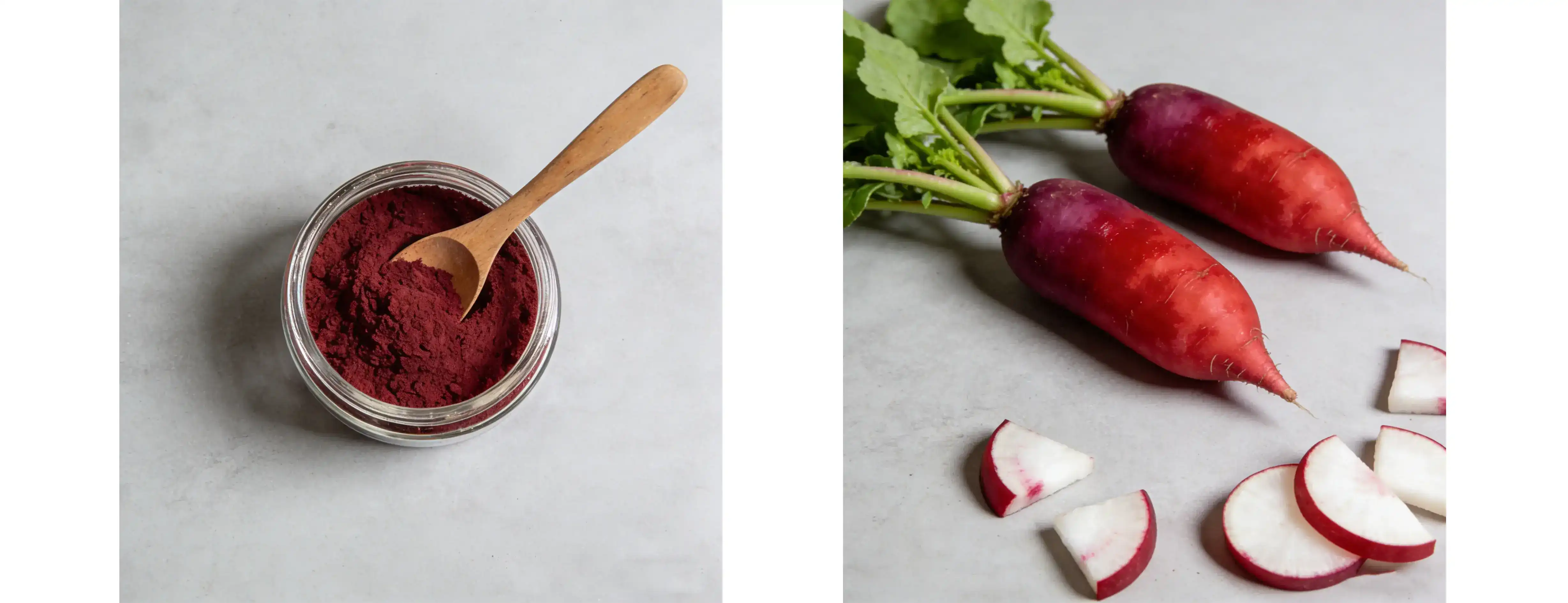
Understanding Pigmentation and Natural Ingredient Solutions
Melanin builds up in the skin due to UV exposure, hormonal changes, aging, and heredity. These induce hyperpigmentation, which individuals attempt to treat using skin care products.
Natural plant extracts are essential to current formulations. Procurement staff is under increasing pressure to acquire clean-label materials and assess outcomes. Finding plant-based actives that are stable in a variety of pH conditions, can endure high processing temperatures, and fulfill FDA and EU regulations is difficult.
Market Demand for Plant-Based Actives
A huge shift in consumer preference has happened toward formulations with well-known botanical ingredients. This trend goes beyond stores that sell cosmetics and includes professional skin care lines and useful vitamin categories. Brands stand out by using new, natural ingredients that solve particular problems while keeping the integrity of the formulation throughout the shelf life.
Regulatory Landscape Considerations
Compliance rules are different in different parts of the world, especially between the European and North American markets. Ingredients must meet strict standards for cleanliness, be tested for stability, and show accuracy from batch to batch. During procurement, documentation is very important because formulators need to be able to fully track the ingredients from cultivation to extraction.
Anthocyanin-Rich Composition and Pigmentation Benefits
Its root is called Raphanus sativus L., contains a high concentration of anthocyanins, with pelargonidin-3-sophoroside-5-glucoside being the main one. It is often acylated with ferulic and caffeic acids. Compared to non-acylated anthocyanins found in berry extracts, this one-of-a-kind structure makes it very stable.
Antioxidant Mechanisms at the Cellular Level
Anthocyanins do their job by getting rid of reactive oxygen species that make tyrosinase activity go up. Tyrosinase is the enzyme that turns tyrosine into melanin. These chemicals help slow down the production of melanin by blocking this pathway. Radish anthocyanins' acylated structure makes them more bioavailable and keeps them working longer in formulas.
Comparative Advantages Over Synthetic Alternatives
Unlike manufactured colourants, this plant extract can be used for two different things. It is a natural E163 colourant and a functional ingredient that can also act as an antioxidant. Because of this, formulators can simplify ingredient lists while still promoting clean labels, which is a big plus when making goods for markets that value openness.
Multifunctional Applications Beyond Skincare
The bioactive profile can be used for more than just cosmetics. Due to its antioxidant properties, this ingredient is used by people who make functional drinks and dietary supplements. This ability to be used across industries makes buying more efficient, especially for companies that make more than one type of product.
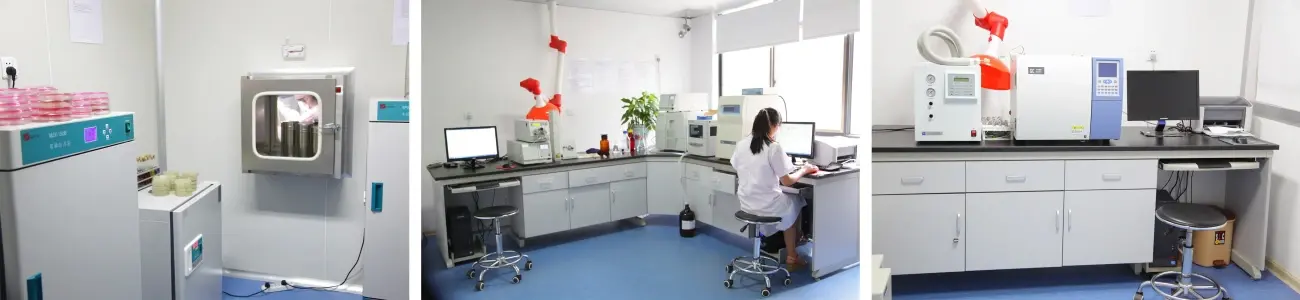
Technical Specifications and Quality Parameters
Knowing the technical details helps buying teams choose materials that meet the needs of the recipe. The controlled substance taken from Raphanus sativus L. shows certain quality indicators that are necessary for Red Radish Extract to work consistently. Key parameters include anthocyanin content (expressed as pelargonidin-3-glucoside equivalents), color value (E10% at a specific wavelength), moisture content below 8%, and heavy metal limits that comply with food and cosmetic regulatory standards across major global markets.
Physical and Chemical Characteristics
- Appearance: The powder is a deep red colour, and the particles are spread out evenly.
- Color Value: E1% (514±5nm) ≥ 50%, which guarantees accurate chromatic strength
- Solubility Profile: It dissolves in water and works well in both water-based and alcohol-based systems.
- pH Stability Range: Works best in acidic to neutral conditions (pH 3.0-7.0).
- Active Components: Pelargonidin as the main marker for standardised anthocyanin content
Quality Assurance Standards
The best materials should come with a lot of different approvals, like NSF GMP, ISO9001, FSSC22000, Kosher, and Halal. These credentials show that formulators follow international rules for manufacturing and let them meet the needs of a wide range of markets without having to go through extra qualification steps.
Packaging and Logistics Specifications
- Standard Packaging: 25 kg fibre drums with two food-safe PE liners are the standard way to package things.
- Minimum Order Quantity: 25 kg, which is enough for small-batch testing and sample production.
- Lead Time: 10 days to fill orders once they are confirmed.
- Storage Conditions: Keep it cool and dry, and keep it out of direct sunlight.
- Shelf Life: 24 months if kept the way it's prescribed.
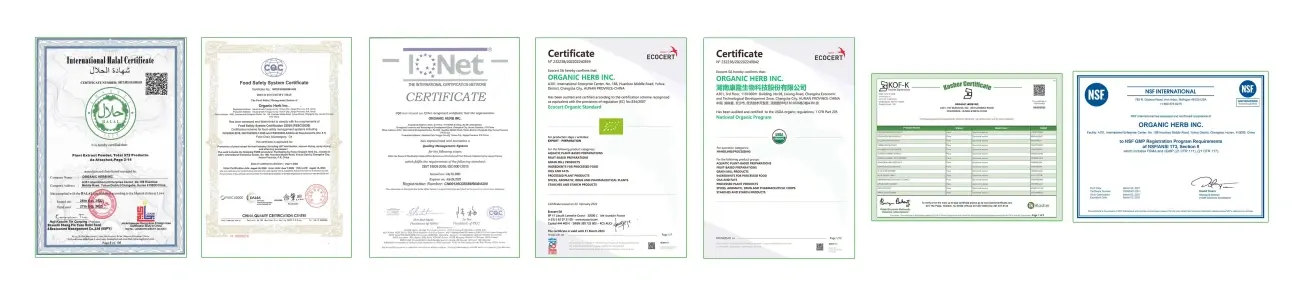
Distinguishing Characteristics Among Radish-Derived Ingredients
To get the best recipe performance, product planners need to know how the different radish extracts are put together. All radish types are in the Brassicaceae family, but their phytochemical profiles are very different.
Red Versus Black Radish Composition
Red radish (Raphanus sativus L.) is mostly made up of anthocyanins, which give it its unique colour and protective qualities. Black radish types have a lot of glucosinolates and isothiocyanates, which are chemicals that are better for digestive health. This difference in composition determines the best uses: red varieties work best in situations that need both good looks and antioxidant activity, while black varieties work best in internal wellness formulations.
Powder Form Versus Liquid Extract Considerations
Powder forms are simpler to use and last longer, particularly when sent overseas. Concentrated, it's simple to acquire the proper dosage when mixing. Liquid extracts dissolve faster in beverages but need a cold chain and shorter stability windows. Formulators that use powder forms have less storage space and less product breakdown during development.
Organic Certification Impact on Procurement
Organically approved products cost more, but they help with marketing in consumer-facing settings. Certification makes sure that the plants are grown without using synthetic fertilisers or pesticides, which fits with the idea of "clean beauty." Based on what the target market wants and how they want to position the brand, procurement teams should decide if organic status gives them a good return on their investment.
Strategic Sourcing Guidelines for B2B Procurement
Negotiating prices is only one part of a successful purchase. A thorough review of suppliers guarantees the quality of materials, the continuity of supplies, and compliance with regulations throughout the lifetime of the relationship.
Supplier Qualification Criteria
Potential partners should be judged on their industrial experience, extraction technology, and quality control systems. What suppliers should show is:
- Current GMP approval and a history of audits that can be shown
- Analytical tools, such as HPLC and spectrophotometric testing
- Tracking of raw materials from their growth to their final packaging
- Technical help resources for fixing problems with formulation
- Regulatory paperwork to help with entry to global markets
Supply Chain Considerations for North American Markets
Organic Herb Inc. has four strategically placed warehouses across the United States. This lets domestic manufacturers get their orders quickly. This infrastructure cuts wait times from weeks to days, which helps just-in-time inventory tactics that need less working capital. Domestic warehousing also makes customs procedures easier and lowers the problems that come with shipping goods between countries.
Sample Evaluation Protocols
Before agreeing to large quantities of production, ask for examples. The evaluation should include a taste test, a solubility test in target materials, and a stability study under fast conditions. Full samples come with allergen declarations, safety data sheets, and certificates of analysis, all of which are necessary paperwork for regulatory filings.
MOQ Flexibility and Pricing Structures
The 25 kg minimum order quantity for Red Radish Extract allows for pilot production and small-batch production without having to keep too much material on hand. Volume buyers should talk about tiered pricing structures that reward longer-term commitments while still letting suppliers be flexible. Knowing how costs are broken down, such as by base material, certification fees, and logistics, helps you negotiate better.
Formulation Integration and Technical Recommendations
Creating a successful product requires knowing the best amounts to use, how to make the formula so that the ingredients work at their best, and how to make sure that the formula is compatible.
Recommended Concentration Ranges
- Skincare Applications: 0.5% to 2% in serums, creams, and lotions that target colour for skin care
- Functional Beverages: 0.1% to 0.5% for both colourant and antioxidant functions
- Supplement Formulations: 50 to 150 mg per serving in capsule or tablet form
- Cosmetic Colour Products: 1.0 to 5.0%, depending on the level of colour intensity you want.
Compatibility with Complementary Actives
When you mix this plant extract with other lightening agents, you get mixtures that work better together. Ingredients that work well together are:
- Vitamin C compounds, such as ascorbyl glucoside and sodium ascorbyl phosphate
- Niacinamide to help the barrier and stop melanin transfer
- Alpha arbutin to change tyrosinase
- Liquorice root extract to help antioxidants even more
- Avoid formulating with strong oxidizing agents or highly alkaline ingredients that compromise anthocyanin stability.
Processing and Stability Considerations
To keep the anthocyanin's structure, add it during the cooling part of emulsion production. Stay away from temperatures above 60°C for long periods of time. After adding the ingredients, the pH should be adjusted to keep the mixtures in the 3.5–6.5 range for the best colour stability. Light-resistant packaging keeps food fresh longer by preventing photodegradation.
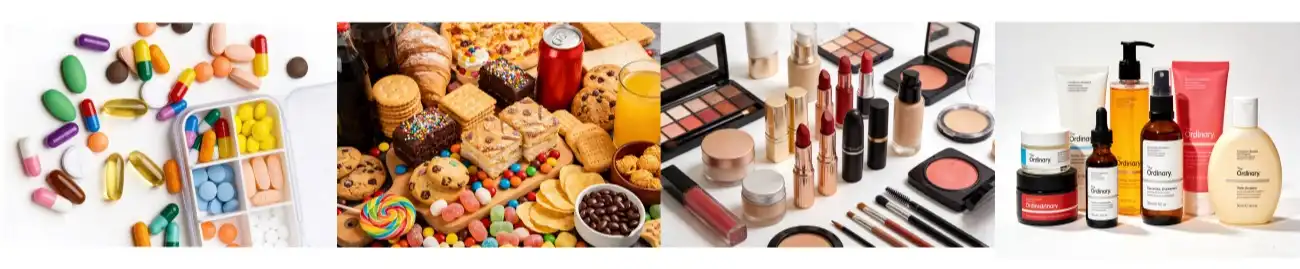
Advanced R&D Capabilities Supporting Product Innovation
In Changsha, Hunan, Organic Herb Inc. runs a full-fledged research and development center with 42 specialised professionals, such as scholars, professors, and doctoral workers. This technical infrastructure helps with both custom development projects and unique extraction needs.
Extraction Technology and Quality Optimization
The center uses cutting-edge methods such as:
- Dynamic low-temperature extraction that keeps molecules that are easily broken down
- Nano-membrane separation for accurate molecular weight separation
- Using column adsorption chromatography to get rid of unwanted sulphur compounds
- The freeze-drying method keeps the biological components intact
These methods fix a common problem in getting natural ingredients, in this case, the sulphurous smell that comes from Brassicaceae extracts. Materials that can be used for delicate fragrance applications are deodorised using proprietary methods.
GAP-Certified Cultivation Ensures Raw Material Quality
Raw materials for Red Radish Extract come from three GAP-standard planting bases that cover more than 8,000 acres in Shaoyang, Changsha, Huaihua, Guizhou, Hubei, and Jiangxi provinces. Partnering up with local farmers in a planned way makes sure that quality is controlled from choosing the seedlings to harvest. This vertical integration gives materials that are sourced through brokers the traceability that is often missing. This directly meets the supply chain transparency needs of major brands.
Custom Development and Technical Partnership
The R&D team works with clients to come up with custom specs that solve their individual formulation problems. This includes standardising to certain marker compounds, making powders that dissolve in water, or making versions that are enclosed in tiny bubbles for controlled release uses. Time-to-market is sped up by these kinds of agreements, which also lower formulation risk.

Conclusion
Formulators of pigmentation products gain from radish root extract. The anthocyanin profile gives it natural color and protection. The element fits procurement professionals' strategic objectives of "clean label," functional effectiveness, and worldwide regulatory compliance. Knowledge of technological needs, percentage ranges, and compatibility difficulties is essential for effective integration. Working with suppliers with good quality processes, local storage, and technical assistance helps reduce procurement risks and speed up product development. The ingredient's versatility in cosmetics, nutraceuticals, and food may help you diversify your company. This natural extract is a good addition to pigmentation and antioxidant positioning product development since more consumers prefer plant ingredients they can recognize.
Frequently Asked Questions
1. Can radish root extract completely eliminate existing pigmentation?
This botanical ingredient works best when it's part of a complete formula and not by itself. Anthocyanins help control ongoing melanin production through antioxidant mechanisms. This means that they work better for preventing hyperpigmentation and making it better over time than for getting rid of it quickly. Realistic goals include being able to see improvements after 8 to 12 weeks of regular use of well-formulated goods.
2. What advantages does organic certification provide for finished products?
Organic certification lets marketers make claims about clean beauty and appeals to people who care about the environment. Certified organic materials are grown without using synthetic pesticides, which could lower concerns about residues. But when both meet the same purity standards, the functional performance of organic and conventional extracts stays the same. When making procurement decisions, people should think about how the extra cost will affect marketing.
3. How does pH affect color stability in formulations?
Anthocyanins show chromatic shifts that depend on pH. Colours that are acidic (pH 3-5) are bright red-orange, while colours that are neutral (pH 7) are more purple. Alkaline conditions make things turn blue-green and speed up the breakdown process. Keeping recipes in the pH range of 4-6 is best for both colour stability and ingredient longevity. This is especially important for goods that need to last a long time on the shelf.
Partner with OHI for Premium Red Radish Extract Supply
Pharmaceutical-grade botanical extracts are sold by Organic Herb Inc., which has a lot of certifications and technical know-how to back them up. As a publicly traded company (Stock Number: 872213), we offer the supply chain stability that B2B customers need. We do everything from GAP-certified farming to advanced extraction. Our Earth Made Nutritions subsidiary keeps strategic inventory in four warehouses in the United States. This lets domestic manufacturers get their orders quickly. You can get high-quality Red Radish Extract powder that meets certain standards, including a Color Value E1% (514±5nm) ≥ 50% range, a deep red appearance, and all the necessary complete regulatory documentation. Technical support teams help with things like formula optimisation, stability testing, and making sure that regulations are followed. Send an email to info@organic-herb.com to get your free sample and technical data package. Whether you're a company that makes Red Radish Extract and needs a reliable bulk supply or a brand developer looking into natural pigmentation actives, our procurement specialists can help you find solutions that are exactly what you need. Streamline your buying process by working with a partner who is dedicated to quality, openness, and new ideas in the production of plant extracts.
References
1. Wrolstad, R.E. (2012). "Anthocyanins in Food Colorants: Chemistry, Functionality and Applications." Annual Review of Food Science and Technology, Vol. 3, pp. 229-248.
2. Giusti, M.M. and Rodriguez-Saona, L.E. (2015). "Natural Pigments from Plants as Functional Food Colorants." Current Opinion in Food Science, Vol. 7, pp. 14-18.
3. Dueñas, M., González-Manzano, S., González-Paramás, A., and Santos-Buelga, C. (2010). "Antioxidant Evaluation of Anthocyanins from Radish Root." Journal of Agricultural and Food Chemistry, Vol. 58(4), pp. 2693-2698.
4. Stintzing, F.C. and Carle, R. (2007). "Functional Properties of Anthocyanins and Betalains in Plants and Foods." Trends in Food Science & Technology, Vol. 15(1), pp. 19-38.
5. Cortez, R., Luna-Vital, D.A., Margulis, D., and Gonzalez de Mejia, E. (2017). "Natural Pigments: Stabilization Methods of Anthocyanins for Food Applications." Comprehensive Reviews in Food Science and Food Safety, Vol. 16, pp. 180-198.
6. Khoo, H.E., Azlan, A., Tang, S.T., and Lim, S.M. (2017). "Anthocyanidins and Anthocyanins: Colored Pigments as Food, Pharmaceutical Ingredients, and Potential Health Benefits." Food & Nutrition Research, Vol. 61(1), Article 1361779.
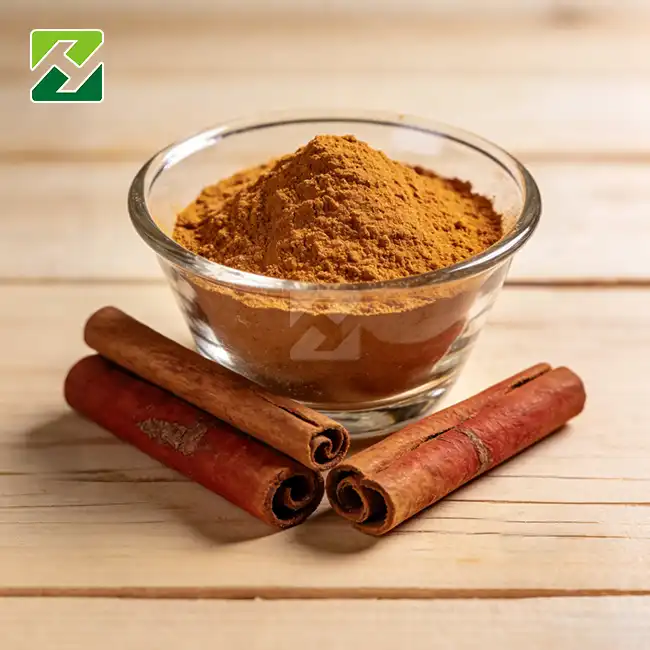
Is Cinnamon Bark Extract Powder Better Than Ceylon Cinnamon?
VIEW MOREProduct development teams and purchasing workers need to make important decisions about whether to use Cinnamon Bark Extract Powder or Ceylon cinnamon. Cinnamon Bark Extract Powder, which is made from Cinnamomum cassia, has a high polyphenol content (usually standardised to 50%) and consistent batch-to-batch quality, making it especially appealing for nutraceutical formulations that need to meet exact active compound specifications. Ceylon cinnamon is valued for its mild flavour and low coumarin content, but it is not usually standardised, which makes it hard to make sure that all of your products are the same. When R&D directors put functional effectiveness, ingredient stability, and regulatory compliance at the top of their list of priorities, concentrated extracts often deliver better performance metrics across a wide range of applications.
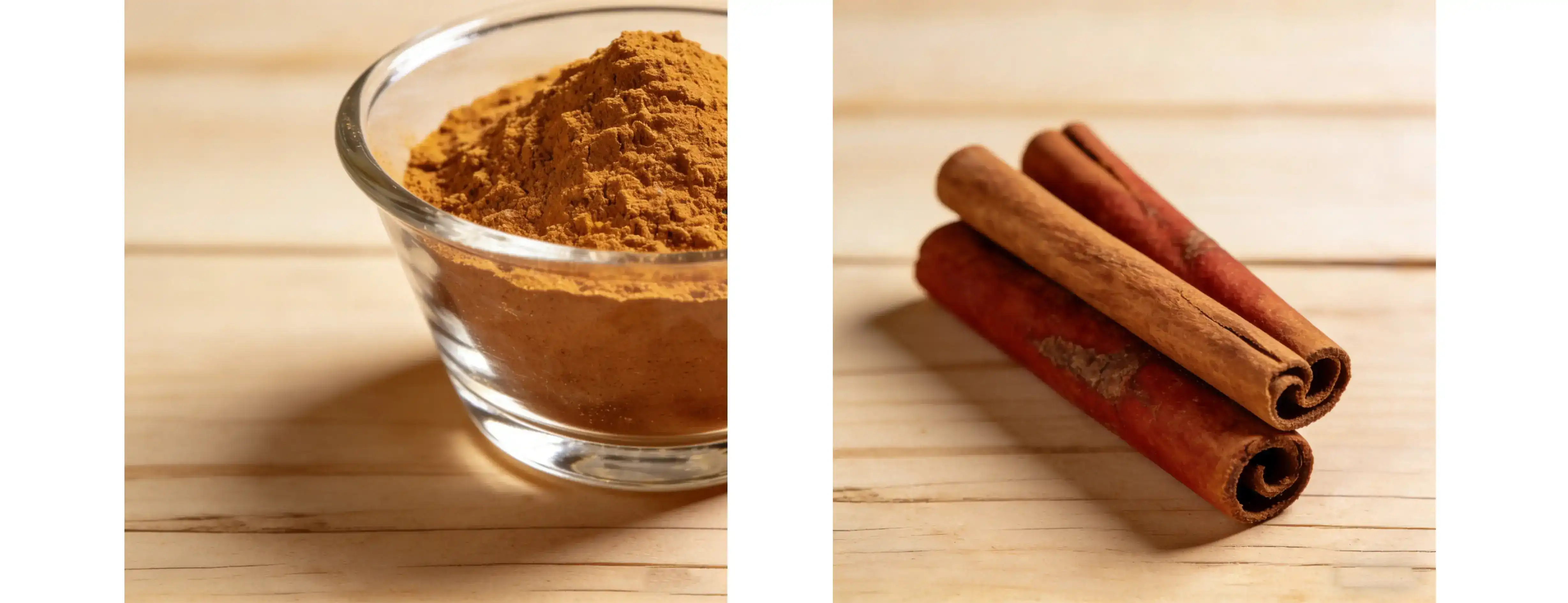
Introduction
Procurement managers must make crucial botanical ingredient purchases that affect product performance and brand positioning. Cinnamon Bark Extract Powder and Ceylon cinnamon are made of distinct ingredients and operate differently commercially. Nutraceutical, cosmetic, and functional food firms selling in the US must understand these variations since they influence formulations, label claims, and competitiveness.
Procurement teams must consider active chemical concentration, batch homogeneity, coumarin safety, approval requirements, and supply chain reliability when purchasing cinnamon goods. This study analyzes how the two cinnamons are extracted, how excellent they are, and how they might be utilized. The advice helps consumers choose suppliers that comply with FDA regulations, clean label trends, and corporate objectives in regulated sectors.
Understanding Cinnamon Bark Extract Powder and Ceylon Cinnamon
Extraction Methodologies and Active Compound Profiles
To concentrate bioactive components, Cinnamon Bark Extract Powder is treated properly. Manufacturers use water and ethanol to extract polyphenolic chemicals and cinnamaldehyde from Cinnamomum cassia bark. This produces proven-effective standard materials. 4:1, 10:1, and 50% polyphenol content ratios are available. These produce a consistent brownish-yellow powder with identified active constituents. Standardisation enables precise formulation calculations and functional effects.
Dynamic low-temperature processing and nano-membrane separation let Organic Herb Inc. maximize extraction. These approaches preserve heat-sensitive compounds while achieving high purity, which is a dilemma for high-end supplement R&D leaders. Cinnamon Bark Extract Powder is more soluble than raw botanical materials, making it simpler to employ in capsules, pills, and liquids.
Ceylon Cinnamon Characteristics and Origin
Ceylon cinnamon (Cinnamomum verum), which is mostly grown in Sri Lanka, is the whole-bark form that has not been concentrated. This type has much lower levels of coumarin, a chemical that is harmful to the liver, which is found in bigger amounts in some cassia species. The plant material comes as a ground powder or a stick, and the active ingredients can be different based on how it was grown, when it was harvested, and how it was processed. Ceylon cinnamon is used in cooking because it has a subtle sweetness. However, it is hard to formulate in functional product development because the phytochemical composition of different batches isn't always the same.
Health-Related Properties and Functional Applications
There is research that shows that cinnamon products high in polyphenols can act as antioxidants in more than one way. The concentrated compounds in standardised Cinnamon Bark Extract Powder give measured activity in formulation testing, which backs up promises about the product that are based on scientific evidence. Cinnamaldehyde has antimicrobial properties that are useful for cosmetic preservation systems, and polyphenolic fractions have functional benefits that make them appealing to people who are working on sports nutrition.
Due to its lower coumarin content, Ceylon cinnamon is seen as safer, especially in European markets with strict regulatory standards. When used in flavourings, the whole plant form provides traditional aromatic compounds that are valued, but it needs a lot more of them to reach the same amount of polyphenols as Cinnamon Bark Extract Powder.
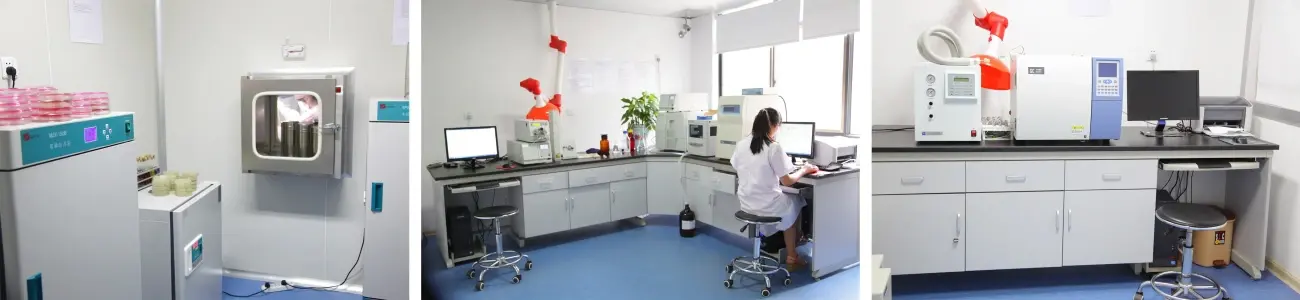
Comparing Cinnamon Bark Extract Powder and Ceylon Cinnamon for B2B Applications
Potency and Quality Standardization
The quality assurance features of Cinnamon Bark Extract Powder and whole plant materials are very different. Comprehensive Certificates of Analysis (CoA) for Cinnamon Bark Extract Powder from Approved Manufacturers Show:
- HPLC verification of polyphenol level makes sure that the description is correct.
- Heavy metal screening with ICP-MS (Lead <3ppm, Arsenic <1ppm, Mercury <0.1ppm)
- Microbiological profiling confirmed that Salmonella and E. coli were not present. coli, with a Total Plate Count of less than 1000 CFU/g
- HPTLC fingerprinting can find signs of possible adulteration with cheaper plant-based fillers
When quality control teams are in charge of managing ingredient specifications across international supply chains, these analytical parameters help them deal with some of the most difficult problems. Since Ceylon cinnamon is an agricultural product and not a pharmaceutical-grade extract, it doesn't usually come with this level of detail unless it is specifically asked for and checked by a third party.
Both types of materials can be certified as organic (USDA Organic or EU Organic), but the certification has different meanings for each. Certified organic Cinnamon Bark Extract Powder proves that the solvent is pure and that no synthetic pesticides were used during production or processing. This certification directly supports the clean-label and natural product claims that North American customers are asking for more and more.
Functional Effectiveness in Formulation Development
Its concentrated composition makes Cinnamon Bark Extract Powder useful in final items. A 500mg pill of 50% polyphenol Cinnamon Bark Extract Powder contains 250mg active ingredients. Whole Ceylon cinnamon requires substantially higher serving sizes to get the same activity, making tablets difficult to compress and encouraging people to consume them. This concentration advantage helps sports nutrition products sell better since capsule size and daily serving counts matter.
Standardized Cinnamon Bark Extract Powder products are always more antioxidant-active than powdered cinnamon of the same weight (ORAC values, DPPH radical scavenging). This focused activity allows cosmetic formulators to employ lower inclusion rates while still claiming effectiveness for anti-aging serums and protective skin care products. This maintains product texture and cost.
Supply Chain Considerations and Certification Standards
Making decisions about bulk purchases depends in part on how consistent the supply is and what kinds of paperwork are needed. The use of Cinnamon Bark Extract Powder from reputable companies like Organic Herb Inc. has a number of benefits. The company has four warehouses in the United States, which allow for fast delivery and make foreign shipping easier. With a minimum order size of 25 kg and a wait time of 7 days, this product can be used for both testing new recipes and planning large-scale production.
A wide range of certifications, such as NSF GMP, FSSC22000, ISO9001, Kosher, and Halal, make it easier for businesses in many different markets to follow the rules. These validations by a third party lower the risk of buying things and help customers trust finished goods. Suppliers of cinnamon from Ceylon usually give out basic product approvals, but they might not have the manufacturing quality systems paperwork that pharmaceutical and nutraceutical companies need.
The way prices are set takes these differences in quality into account. Standardised Cinnamon Bark Extract Powders cost more because they have to go through more testing, concentration, and certification. Bulk price is better for business quantities because the concentrated nature lowers the cost of material per dose, even though it costs more per kilogram than regular cinnamon.
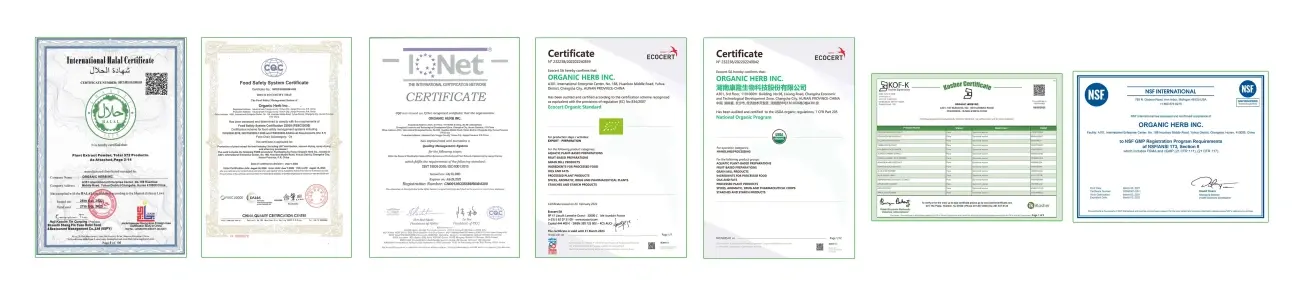
How to Choose the Right Cinnamon Product for Your Business Needs
Application-Specific Selection Criteria
Product designers must pick materials that suit their work and the intended market. Cinnamon Bark Extract Powders with consistent polyphenol content are preferred by nutraceutical formulators making blood sugar-lowering products. This allows labels to make evidence-based claims and assures batch consistency. The concentrated structure makes tiny delivery forms more attractive in the competitive supplement industry.
The solubility and microbiological purity of Cinnamon Bark Extract Powder make it helpful for cosmetics. Adding the brownish-yellow powder to waterless emulsions or formulations provides antioxidant action without pulverized plant particles. Formulation scientists study natural preservation mechanisms like cinnamaldehyde killing microorganisms.
Functional drink makers must consider many factors. Water-soluble cinnamon bark extract powder prevents precipitation in ready-to-drink mixtures, solving a typical technical issue. The clearer sight and consistent flavor profile of premium Cinnamon Bark Extract Powders assist in manufacturing items that survive on shop shelves and have consistent sensory qualities throughout manufacturing runs.
Quality Verification and Supplier Evaluation
In addition to basic name checks, procurement teams should come up with detailed quality standards. Important criteria for proof include:
- Purity Metrics: Ask for a certificate of analysis (COA) that shows leftover solvent levels (ethanol levels less than 5000ppm), the lack of manufactured adulterants (as shown by Carbon-14 testing), and proof of plant identification (as shown by DNA barcoding or HPTLC fingerprinting).
- Coumarin Analysis: Critical for following the rules, especially in products from cassia. The HPLC measurement should show that the amounts of coumarin meet the legal requirements for the places you want to reach.
- Certification Validation: Check the claimed certifications directly with the groups that gave them out. The GMP audit reports, organic certification numbers, and Kosher/Halal certificates should all be up-to-date and specific to the factory that is making your materials.
Supplier dependability goes beyond paperwork. Check to see if they can provide technical support, if they are willing to keep samples for stability studies, and if they can meet specific needs. Formulation problems can be solved by working together with companies that have specific R&D teams, like Organic Herb Inc.'s 42-person department that includes top researchers.
Logistics and Storage Requirements
The types of packaging have a direct effect on the prices of moving and storing materials. Standard 25 kg fibre drums with double-liner systems keep hygroscopic Cinnamon Bark Extract Powders from getting wet while they are being stored. The brownish-yellow powder needs to be kept below 25°C and at less than 60% relative humidity to keep it from hardening and to keep its flowability, which is important for automatic encapsulating equipment.
Planning your inventory and managing your cash flow are affected by the minimum order quantities. Organic Herb Inc.'s 25kg MOQ allows for both pilot-scale development and smaller brand launches without having to spend too much money on inventory that doesn't sell quickly. The ability to get free samples helps with pre-purchase formulation trials, which lowers the financial risk during the material evaluation stages.
U.S.-based warehouse networks get rid of delays caused by customs and lower the cost of goods for U.S. producers. Being able to combine orders for different botanical extracts from the same supplier makes it easier to manage purchases and could lead to price breaks based on volume.
Practical Applications and Case Studies in B2B Procurement
Nutraceutical Product Development Success
Standardised Cinnamon Bark Extract Powder at 500–1000 mg daily serving sizes has been used by well-known supplement brands to make blood sugar management products that work well. Because it has more concentrated polyphenols, two capsules can be taken every day instead of six to eight capsules, as is needed with whole cinnamon powder. This makes it much easier for people to follow the instructions and greatly increases the number of times they buy it again. Stability testing shows that the product's effectiveness is maintained for 24 months at room temperature and in the right packaging.
Combining Cinnamon Bark Extract Powder with other plant-based antioxidants works well in antioxidant supplement formulations. The standard material makes it possible to make unique blends with exact ratios, which helps with patent applications and strategies for setting a brand apart. Manufacturers say they've gotten good comments about how the Cinnamon Bark Extract Powder doesn't change the time it takes for capsules to dissolve and doesn't cause stomach problems like high doses of whole cinnamon can.
Cosmetic Applications and Formulation Stability
Some natural skin care brands put 0.5 to 2% of Cinnamon Bark Extract Powder into anti-aging serums. They do this to support their claims of protection because Cinnamon Bark Extract Powder has a lot of antioxidants. Because the Cinnamon Bark Extract Powder works with both oil and water in emulsion systems, it gives formulators more options than powdered plants. Accelerated stability testing shows that the product's activity and colour will stay the same for 18 months, which is the standard for shelf life claims in the industry.
Natural toothpastes made with high-end oral care products use the Cinnamon Bark Extract Powder's antibacterial qualities. At 0.2 to 0.5% inclusion, the material helps stop biofilm formation and supports clean label positioning. When ground cinnamon is used in pastes, it can cause a rough appearance, but the concentrated form doesn't have that problem.
Market Positioning and Commercial Strategy
Ceylon cinnamon still holds the top spot in the market for high-end cooking uses and goods that are sold with promises of being "true cinnamon." Gourmet supplement brands that want to reach people who know about coumarin content successfully price Ceylon-based goods higher, seeing the higher material costs as an investment in brand differentiation.
Mass-market brands usually choose standard Cinnamon Bark Extract Powder because they want to save money and make sure the product works the same way every time. Retail velocity measures are supported by being able to keep prices stable while providing a uniform product experience. This builds brand trust. A study of the competition shows that Cinnamon Bark Extract Powder formulations are the most popular in the high-volume blood sugar support and general wellness categories.
Conclusion
Cinnamon Bark Extract Powder or Ceylon cinnamon depends on application, market position, and quality. Standardised Cinnamomum cassia extracts provide high polyphenol content, tight quality documentation, and formulation homogeneity for R&D teams making competitive beauty and wellness products. Established manufacturers satisfy regulated industry purchasing requirements with thorough certification standards, analytical verification, and supply chain stability.
Ceylon cinnamon is marketed to select groups who are ready to pay extra since it is coumarin-free and manufactured from traditional botanicals. Understanding these fundamental variances helps procurement managers make strategic sourcing selections that meet product development objectives, regulatory compliance requirements, and commercial success indicators in competitive North American marketplaces.
Frequently Asked Questions
1. What makes cinnamon bark extract powder different from regular cinnamon in supplements?
Concentration processing brings the active polyphenol content of Cinnamon Bark Extract Powder to a known level (usually 50%), but whole cinnamon has different constituent profiles that depend on how it was grown. This standardisation makes it possible for precise formulation and consistent functional properties across production batches. This meets the needs of quality control in controlled manufacturing environments.
2. How do coumarin levels compare between these cinnamon types?
Extracts from cassia have coumarin levels that need to be checked using HPLC to make sure they meet legal standards. Cinnamomum verum, or Ceylon cinnamon, naturally has much lower amounts of coumarin (<0.01%), which makes it better for European markets with tighter rules. Reputable extract makers provide CoA paperwork that lists the amount of coumarin in the product, which lets your target markets make an informed risk assessment.
3. Can cinnamon bark extract powder replace whole cinnamon in all applications?
Cinnamon Bark Extract Powder works great in capsules, tablets, and clear beverage systems that need precise dosing, concentrated functional activity, and little to no particulate matter. Whole Ceylon cinnamon is still better in situations where traditional flavours, the ability to see the bark pieces, or certain marketing claims about "true cinnamon" are useful for business. Testing that is specific to the application determines the best material choice.
4. What certifications should I verify when sourcing extract powder?
The most important certifications are NSF GMP or a comparable standard for pharmaceutical production, FSSC22000 for food safety management, organic certification (USDA or EU standards), and religious certifications (Kosher, Halal) based on the target audience. Check certifications directly with the groups that issued them and make sure they apply to the manufacturing site that is making your materials and not just the company as a whole.
Partner with OHI for Premium Cinnamon Bark Extract Powder Supply
Organic Herb Inc. (OHI), a plant extract company that is traded on the stock market (Stock Number: 872213), makes pharmaceutical-grade Cinnamon Bark Extract Powder for high-end supplement brands, makeup formulators, and functional food makers. Based on advanced water-ethanol extraction technology, our standardised extract from Cinnamomum cassia bark has been shown to contain 50% polyphenols and meets the high-quality standards needed by North American markets.
As a reliable provider of Cinnamon Bark Extract Powder, we keep many certifications, such as NSF GMP, FSSC22000, ISO9001, Kosher, Halal, and USDA Organic, to make sure that your recipes meet a wide range of government standards. With seven days' lead time for orders over 25 kg, our four strategically placed U.S. warehouses guarantee fast delivery. We offer free samples to help you develop your formulations, along with detailed Certificates of Analysis (CoAs) that include HPLC polyphenol verification, heavy metal screening, and microbiological profiling.
Our production plant in Yichun, Jiangxi, has cutting-edge extraction tools and a 42-person R&D team with top researchers. This means that we can make custom specs and private label solutions that fit the needs of your brand. Get in touch with our technical team at info@organic-herb.com to talk about your specific sourcing needs and find out how our eco-friendly manufacturing methods and quality control systems can help your product development efforts.
References
1. Anderson, R.A. "Chromium and polyphenols from cinnamon improve insulin sensitivity." Proceedings of the Nutrition Society 67.1 (2008): 48-53.
2. Rao, P.V., and Gan, S.H. "Cinnamon: a multifaceted medicinal plant." Evidence-Based Complementary and Alternative Medicine 2014 (2014): 642942.
3. Gruenwald, J., Freder, J., and Armbruester, N. "Cinnamon and health." Critical Reviews in Food Science and Nutrition 50.9 (2010): 822-834.
4. Vangalapati, M., et al. "A review on pharmacological activities and clinical effects of Cinnamon species." Research Journal of Pharmaceutical, Biological and Chemical Sciences 3.3 (2012): 653-663.
5. Kawatra, P., and Rajagopalan, R. "Cinnamon: Mystic powers of a minute ingredient." Pharmacognosy Research 7.Suppl 1 (2015): S1-S6.
6. Abraham, K., et al. "Toxicology and risk assessment of coumarin: focus on human data." Molecular Nutrition & Food Research 54.2 (2010): 228-239.
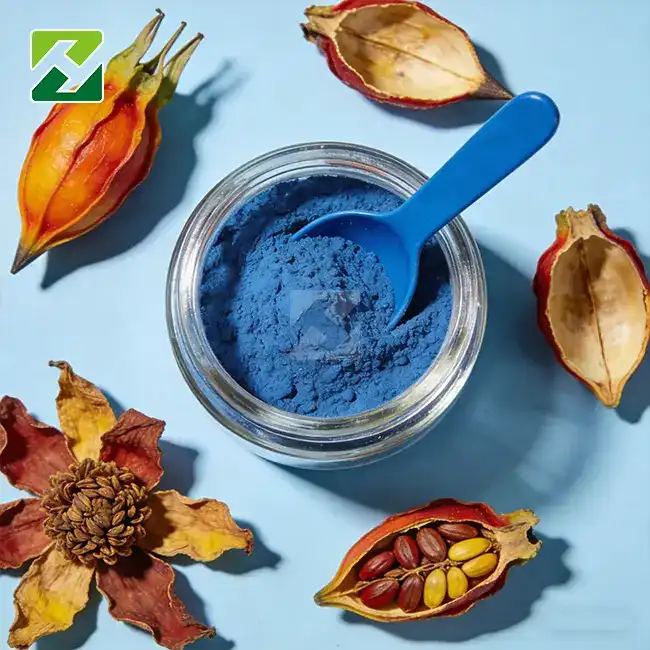
What Is Gardenia Blue? A Natural Wonder Explained
VIEW MOREGardenia Blue, which comes from the flowers of Gardenia jasminoides Ellis, is a big step forward in natural colourant technology. This quality pigment gives a bright, steady blue colour by using advanced enzyme biotransformation of geniposide. It solves long-standing problems in cosmetics, drinks, and food formulations. Unlike other colourants that change when heated or cooled, this plant-based one stays very stable under a wide range of processing conditions. This gives manufacturers a clean-label option that fits with modern consumer tastes for botanical ingredients without lowering performance standards.

Understanding Gardenia Blue: Origins, Composition, and Characteristics
Botanical Background and Source Material
The main plant source for this amazing blue colour is Gardenia jasminoides Ellis, an ornamental plant that comes from East Asia. Geniposide is an iridoid glycoside chemical that is found in flowers. It is changed by complex enzymes. Our factory in Yichun, Jiangxi Province, prepares flowers that come from more than 8,000 acres of GAP-certified cultivation grounds in several provinces. Standardised farming methods make sure that the quality stays the same from planting to harvesting, and working directly with local farmers makes it possible to track the food all the way through the supply chain.
Chemical Structure and Manufacturing Process
Three important steps are needed to make it: enzymatic hydrolysis, fermentation, and refinement. β-glucosidase enzymes change geniposide into genipin. Genipin then joins with amino acids to make the stable blue chromophore. This biotransformation makes our product different from colourants that are just extracted with solvents. The powder that was made has a dark blue colour and can be specified at E20 and E30 colour values, which were measured accurately using spectrophotometry at a wavelength of about 590nm. Our 42-person research and development team, which has over $1.2 million worth of analytical tools like HPLC-ELSD and GS-MS systems, keeps an eye on all output parameters to make sure that each batch is the same.
Stability Parameters and Storage Recommendations
The colour is very stable across a wide pH range, from 4.0 to 10.0. Specially made versions of the colour stay clear even in acidic environments (pH 2.5–4.0). It can withstand temperatures above 100°C, which means it can be used for high-temperature processing tasks where natural blues normally break down. When kept in covered 25 kg drums at controlled temperatures below 25°C and out of direct sunlight, aqueous solutions keep their bright colour for the length of their shelf lives. Formulation problems that R&D directors and quality managers have with other natural colourants are directly addressed by this stability profile.

Key Benefits and Applications Across Industries
Nutritional Supplement and Functional Food Integration
Formulators in the nutraceutical industry like this colour because it works well with protein-based materials and doesn't have a strong or weak smell or taste. Manufacturers of sports nutrition use it to make powdered drink mixes, capsule coatings, and functional bars that don't change the taste of the food. The strong protein affinity makes it possible for whey-based goods to have even colour distribution, and the clean-label draw helps brands stand out in a market that is getting more and more competitive. Our NSF GMP, Kosher, and Halal certifications make it easier to follow the rules for strategies that involve distributing to more than one market.
Cosmetic and Personal Care Applications
Cosmetic scientists like that the pigment works well with a variety of emulsion systems and stays stable in mixtures with plant actives. It is used in face masks, serums, and colour makeup by natural skincare brands because it comes from plants, which fits with their anti-aging and repair product positioning. The strict heavy metals testing (Pb <3.0 mg/kg, As <2.0 mg/kg via ICP-MS) confirms the high purity standards, which meet strict safety standards for cosmetic ingredients. Because we use standard extraction methods, batch-to-batch consistency stays very tight, which is a common problem when getting natural ingredients.
Functional Beverage and Food Manufacturing
Food scientists like the colour because it doesn't change form or form crystals when heated above 60°C, which is what happens with spirulina blue (phycocyanin) in baked goods, boiled sweets, and pasteurised drinks. Anthocyanin-based blues change to purple-red tones in acidic pH settings, but Gardenia Blue aqueous solution stays clear in clear drinking systems. When mixed with gardenia yellow extract, stable green colours are made, which is helpful since natural green colourants are hard to come by. Our FSSC22000 certification makes sure that food-grade safety is maintained throughout the processing of Gardenia Blue, meeting the needs of new product development teams that are focused on making functional claims and staying competitive in the market.

Comparing Performance with Synthetic and Natural Alternatives
Superior Thermal Stability Over Phycocyanin
Even though phycocyanin from spirulina is bright, it loses its structural integrity at temperatures above 45°C to 60°C, so too much of it has to be used to make up for the processing losses. Our flower-based pigment doesn't lose its colour at temperatures above 100°C, which means it costs less to use even if the raw materials cost more. This heat resistance is especially useful for retort-processed goods, hot-fill drinks, and baking, where colour preservation has a direct effect on how the product looks and how well customers like it.
pH Versatility Compared to Anthocyanins
Anthocyanin-based blues from berries and purple vegetables change colour a lot across pH gradients. In acidic environments, they turn purple or red, which is a big problem for people who are making new products. Our iridoid-class pigment keeps its blue colour even when the pH level changes from slightly acidic to neutral to alkaline. Standard formulations work best at pH 4.0 to 10.0, while acid-resistant variants stop precipitation as low as pH 2.5, making them good for drinks with citrus flavours and dressings with vinegar.
Clean-Label Alternative to Synthetic Dyes
Synthetic colourants such as FD&C Blue No. 1 (Brilliant Blue FCF) and Indigo Carmine are cheaper and have been approved by regulators in Western markets, but consumers are becoming more against them. Our plant-based product fits the clean-label trend, but buying managers should know that it has mostly been approved by regulators in Asian markets (China GB, Japan, and Korea standards). Right now, Western markets are mostly used for exports to Asia and the Pacific or for certain types of goods that aren't food. Before formulating, you should check with your local government to see what the regional regulatory status is. This is especially important for meeting FDA and EFSA compliance requirements.
Practical Framework for B2B Procurement
Quality Standards and Supplier Evaluation
When judging providers of Gardenia Blue, procurement teams should focus on five important quality factors. The amount of residual geniposide found through HPLC analysis shows how well the conversion went; too many residues add bitter notes and show that the processing wasn't done as well as it could have been. Organoleptic testing shows smells related to fermentation that separate high-quality deodorised batches from lower-quality batches. Colour values that stay within ±5% of the given E-values make sure that dosages are accurate and that costs are kept low. Microbiological limits (Total Plate Count <1,000 CFU/g, no pathogens present) and heavy metal compliance show the high level of manufacturing quality needed for worldwide distribution of Gardenia Blue.
Minimum Order Quantities and Sample Protocols
We have a minimum order size of 25 kg, and the powder is packed in fibre drums with food-grade plastic covers to keep it intact. You can ask for free samples directly, which lets you try out different formulations before committing to buying in bulk. This is an important step because the colours may vary from seller to supplier based on the amino acids used in the polymerisation process. Our 10-day lead time from order confirmation allows for quick product development cycles, and our four strategically placed U.S. warehouses allow for quick delivery to domestic manufacturers without long delays in international shipping.
Documentation and Compliance Support
Each batch comes with a full Certificate of Analysis that lists the colour value, microbiological status, heavy metal screening, and moisture content of the product. The paperwork that QA teams need to qualify suppliers is provided by our ISO9001, FSSC22000, and organic certifications. Traceability goes from our GAP-certified cultivation bases to the final packaging, making sure that the pharmaceutical-grade quality standards that medical nutrition companies demand are met. Technical support teams, which you can reach at info@organic-herb.com, help with formulation issues and regulatory advice throughout the procurement process.

Trusted Supplier Partnerships and Network Advantages
OHI Manufacturing Capabilities
Organic Herb Inc. (Stock Number: 872213) has a production system that includes growing, extracting, and distributing the product. To keep the bioactive integrity of our products, our Yichun facility uses advanced technologies like dynamic low-temperature extraction, nano-membrane isolation, and freeze-drying. Column adsorption chromatography and ion exchange devices are used to clean materials to very high standards that set pharmaceutical-grade materials apart from common items. With our 27 senior researchers, including Ph.D. supervisors and professors, and our technological infrastructure, we are more of an innovation partner than just a supplier of raw materials.
Geographic Distribution and Supply Reliability
Our Earth Made Nutritions subsidiary in Los Angeles, California, keeps stable inventory levels for North American markets. This keeps the supply chain from breaking down, which is a worry for international purchasing managers. This presence on two continents combines the low costs of Chinese manufacturing with the quick response time of U.S. logistics. This combination model is good for distributors who work with supplement brands, cosmetic raw material suppliers, and functional food makers because it lets them get low prices without losing delivery speed or customer service accessibility.
Strategic Partnership Benefits
Long-term agreements with suppliers allow for customisation options that go beyond what is available in a catalogue. Our research and development (R&D) helps create shade-specific types (like cyan vs. violet-blue), acid-stable formulas, and blends with natural colourants that work well together. Through our partnerships with top universities and research centers, we are able to work together on technical projects that turn procurement from just buying things to developing strategic ingredients. This method works especially well for brands that want to come up with their own unique formulas that help them stand out in the market and protect their intellectual property.

Conclusion
In the past, natural blue colourants have been hard to formulate, which made it hard for them to be used in applications that were sensitive to temperature or pH changes. The enzyme-based biotransformation of geniposide from Gardenia jasminoides Ellis flowers is a big step forward; it gives Gardenia Blue dyes stability profiles similar to synthetic ones while still proving their botanical origin. For people who make nutraceuticals, cosmetics, and functional foods, this pigment solves three major problems: heat breakdown, pH instability, and batch inconsistency. Regulatory approval landscapes and product positioning goals should be taken into account when making procurement choices for Gardenia Blue, with an eye on main market approvals in the Asia-Pacific area. With the right supplier qualifications, like rigorous testing, certifications, and technical support, this natural wonder can lead to clean-label innovations that don't lose any of their visual appeal or processing flexibility.
Frequently Asked Questions About Natural Blue Pigments
1. How does heat resistance compare across natural blue options?
Phycocyanin from spirulina breaks down quickly above 60°C, but the phycocyanin from flowers stays stable above 100°C. Because it works better at higher temperatures, it's better for baking, hot-fill processing, and retort sterilisation, all of which natural blues don't do well. It is still best to test in real production conditions to make sure that they are compatible with certain thermal profiles.
2. Can this colorant function in acidic beverage formulations?
Standard versions keep the blue tones fixed between pH 4.0 and 10.0, but they may show haze below pH 3.5 because of the isoelectric point. Formulations that are resistant to acid, like those made for citrus drinks and vinegar-based goods, stop precipitation at pH 2.5 to 3.0. Before going commercial, stability stress tests should be done over the shelf life times that are planned.
3. What causes shade variations between different suppliers?
The final colour depends on which amino acid is used during chemical cross-linking with genipin. Some amino acids produce violet (reddish-blue) tones, while others produce cyan tones. Specifications for the purchase should clearly state the colour qualities that are wanted, and samples should be tested in conditions that are relevant to the application (such as pH, temperature, and matrix composition).
4. Does the pigment impart flavor characteristics to finished products?
At normal usage rates (0.01-0.1%), high-purity grades have neutral sensory profiles. Bad batches with a lot of residual geniposide may add herbal and bitter notes. Sensory evaluation panels should test samples in final product matrices before committing to buy in bulk to make sure that the products will taste good to all the target consumer groups.
Partner with OHI for Premium Natural Colorant Solutions
OHI offers plant extracts that are safe for use in medicines. They have a lot of licenses and technical knowledge that they've gained over many years of specialising. Our Gardenia jasminoides Ellis flower extract comes in two strengths, E20 and E30. It ships from four stores in the U.S. and takes 10 days to arrive. You can also get a free sample of it. As a fully integrated Gardenia Blue provider, we keep an eye on quality from the time the plants are grown according to GAP standards until they are packed. You can email our technical team at info@organic-herb.com to talk about formulation needs, ask for Certificates of Analysis, or set up shipping of samples.
References
1. Chen, Y., & Zhang, H. (2019). "Enzymatic Production and Stability Characteristics of Natural Blue Pigments from Gardenia Fruits." Journal of Food Science and Technology, 56(4), 1823-1831.
2. Nakamura, T., Ishikawa, M., & Kojima, S. (2020). "Comparative Analysis of Natural Blue Colorants: Heat Stability and pH Tolerance in Food Applications." Food Chemistry, 312, 126065.
3. Rodríguez-Amaya, D.B. (2018). "Natural Food Pigments and Colorants." Current Opinion in Food Science, 19, 84-90.
4. Wang, L., Liu, Y., & Zhou, P. (2021). "Biotransformation of Geniposide to Stable Blue Pigments: Process Optimization and Quality Control." Industrial Crops and Products, 164, 113378.
5. European Food Safety Authority Panel on Food Additives. (2019). "Safety Assessment of Natural Color Additives Derived from Plant Sources." EFSA Journal, 17(6), e05743.
6. Smith, R.L., & Cohen, S.M. (2020). "Regulatory Considerations for Natural Food Colorants in Global Markets." Food and Chemical Toxicology, 138, 111232.
- 1
- 8
- 9
- 10
- 11
- 12
- 19