
The Ultimate Guide to Natural Spirulina Powder: Boosting Your Health in 2026 and Beyond
Aug 10, 2026
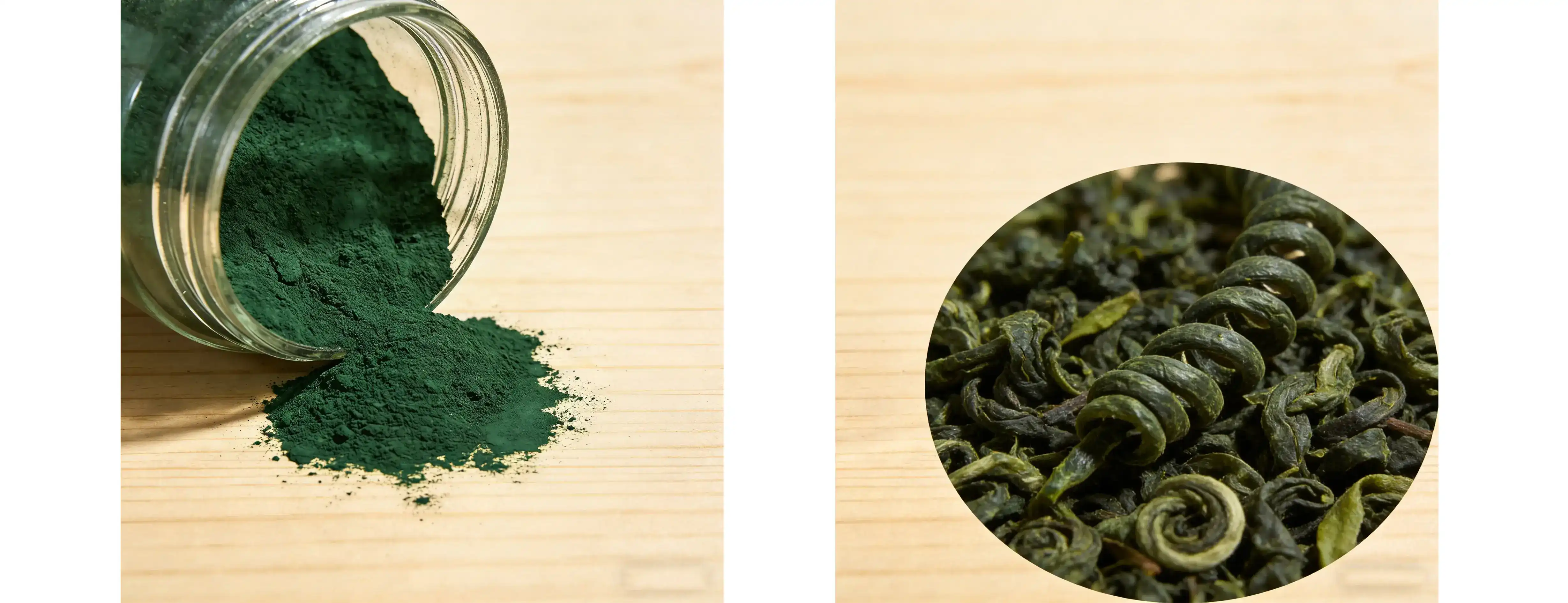
Natural Spirulina Powder, whose scientific name is Spirulina platensis, is a high-quality blue-green algae material that is both very good for you and can be used in many different ways in commercial products. This very small alga has more than 60% complete protein, all the necessary amino acids, iron, B-complex vitamins, and phycocyanin, a powerful blue pigment that also has antioxidant qualities. As 2026 draws near, spirulina's use in clean-label products, plant-based nutrition, and natural colourants will only grow. This is because more and more people want clear labels and ingredients that are good for the environment.
Understanding Natural Spirulina Powder: Composition, Benefits, and Applications
What Makes Spirulina a Nutritional Powerhouse?
The dried parts of Arthrospira platensis plants that were grown in controlled alkaline conditions have a lot of nutrients. The USDA says that seven grams of dried spirulina is very healthy because it has a lot of thiamin, riboflavin, vitamins A, B6, and K, as well as 8.4 mg of calcium, 2 mg of iron, 13.6 mg of magnesium, 95.2 mg of potassium, and 8.4 mg of calcium. More and more people want full proteins from plants that are just as good as animal proteins. More than 95% of this mix breaks down to meet that need.
It's not just good for you, but also because there are a lot of phytochemicals. Spirulina seaweed has phycocyanin (10–19%), zeaxanthin, beta-carotene, and omega-3 fatty acids (GLA). They can be used to make goods that help the immune system, protect cells from damage, and offer vitamins without adding any man-made poisons.
Natural vs. Organic vs. Synthetic: Key Distinctions
Before you buy something, you need to know how good it is. The algae that were used to make natural spirulina powder were grown in mineral-rich water without having their genes changed. They were dried in a way that didn't hurt the enzymes after that. Before food can be called organic, it has to be checked by a third party and show proof that it wasn't grown with chemicals.
Alternatives made in a lab try to look like spirulina in terms of color or protein content, but they don't have as many nutrients or the ability to be taken as well as the real thing. In terms of keeping the dish stable and getting people to like it, it's clear that the roles are different. This is even more true now that clean label trends are changing what people eat.
Practical Applications Across Industries
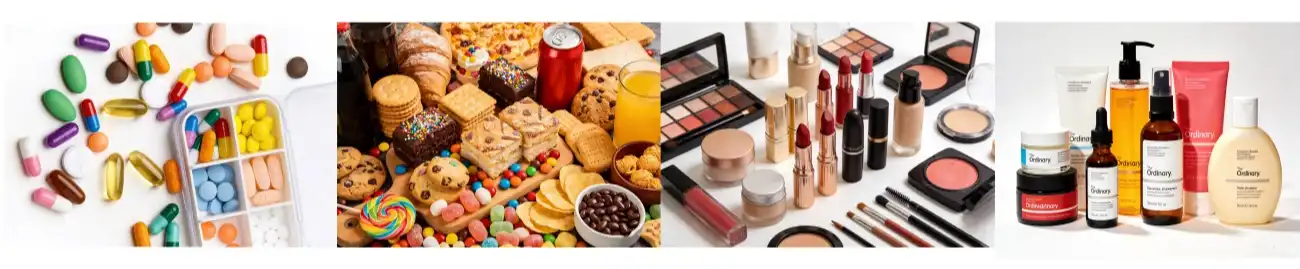
Nutraceutical Manufacturing: Spirulina can be easily pressed into pills without the need for a lot of fillers. Heat-sensitive enzymes like superoxide dismutase are still safe even if the powder is pressed by hand. You can use it to make protein supplements and immune-boosting capsules because the ingredients need to stay whole.
Formulators can use natural blue-green coloring instead of Blue No. 1 and Green No. 3 dyes that are made in a lab for functional food development. But there are some technical things to think about. For example, spirulina is sensitive to pH and will settle down in places where the pH is less than 4.5. Encapsulation technologies for lemon-flavored sweets and drinks can help with this issue.
Makeup: The antioxidant profile supports skin care uses that focus on keeping the skin's protective function and protecting it from the outside world. They like spirulina because it stays stable in cream and serum bases when it is ground up into 80-120 mesh particles that make the skin feel smooth.
Comparing Natural Spirulina Powder: Quality, Forms, and Pricing Insights
Spirulina vs. Chlorella: Understanding the Differences
Spirulina and chlorella are both algae, but they are used for different things in food formulations. Because of the way its cell walls are structured, Natural Spirulina Powder has a higher protein concentration (60% vs. 50–55%) and is easier to digest. To get nutrients into chlorella, the cell wall has to be broken down, which increases the cost and difficulty of production.
Growing conditions are also different. Spirulina does best in alkaline water systems that naturally keep contaminants away, while chlorella needs more frequent quality checks because it grows in freshwater. These differences affect how ingredients can be tracked and how dangerous heavy metals are.
Certification Standards That Matter
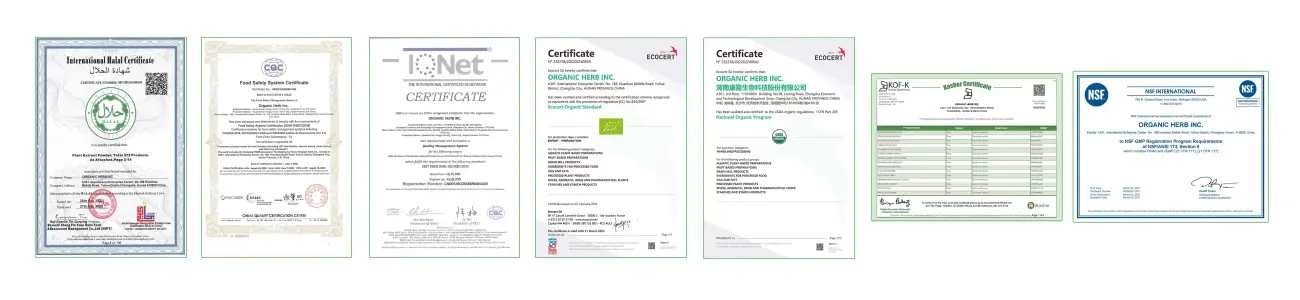
Differentiating quality starts with qualifications that can be checked. USDA and EU organic certifications confirm the ways that crops are grown and foods are processed. Kosher and Halal licenses make it easier for a wider range of consumers to get into markets. The "Generally Recognised As Safe" (GRAS) status makes sure that the substance is accepted by regulators for use in food and drinks.
Advanced providers keep up with ISO 9001 for quality control systems, FSSC 22000 for food safety, and NSF GMP for best practices in production. These badges aren't just pretty things for marketing; they're actually auditable systems that make sure stability from batch to batch and openness in the supply chain.
Powder vs. Tablet Format Considerations
The style of a product must match what the end customer wants and what the production team can do. Fine powder (80-120 mesh) gives you the most options for making your own recipes, smoothie mixes, and adding ingredients. A moisture level below 7% stops microbes from growing while the product is being stored and maintains the ability for automated filling equipment to work.
Tablet formats are appealing to people who want convenience, but they require more steps in the manufacturing process and quality control checks for things like hardness, disintegration time, and coating stability. Usually, the difference in price between bulk powder and finished pills is 20 to 35 percent.
Quality Assessment Framework
Testing protocols that can be checked are needed for reliable sourcing. Total ash content in high-purity spirulina stays below 10%, which means there isn't much mineral contamination. Label claims about protein content are confirmed by Kjeldahl analysis. Quantification of phycocyanin (at least 10%) proves the colour strength and antioxidant potential.
Heavy metal (lead, arsenic, mercury, cadmium) tests by a third-party lab for microbial contamination, pesticide residues, and heavy metals protect the brand's image and the safety of the customer. Suppliers who include a Certificate of Analysis (COA) with every batch show that they care about quality and openness.
Procuring Natural Spirulina Powder: A B2B Buyer's Roadmap
Identifying Qualified Suppliers
Qualifying suppliers is the first step to successful buying. A production capacity assessment makes sure that there is a steady supply even when demand changes. Manufacturers who process several tonnes of goods every month show that they have the right equipment and experience. Traceability systems that keep track of the conditions of cultivation all the way through to final packaging make it possible to act quickly if quality issues arise.
Logistics and wait times for Natural Spirulina Powder are affected by where things are located. When suppliers keep stores in the U.S., shipping times and customs problems are cut down. OHI has four strategically placed warehouses across the United States. This allows for the quick delivery of Natural Spirulina Powder, which is important for just-in-time inventory strategies.
Navigating MOQ and Sampling
Minimum order quantities make suppliers efficient while also giving buyers freedom. The standard MOQ of 25kg allows for initial formulation tests while keeping costs low. Putting goods in 25kg drums protects their quality during travel and makes managing a warehouse easier.
Having samples available takes away the uncertainty of procurement. Before committing to large production numbers, formulators can use complementary samples to check the particle size, colour consistency, taste profile, and harmony with other formulations. A typical wait time of 10 days from order confirmation to delivery keeps projects on schedule without keeping too much overstock on hand.
Documentation and Compliance
Full documentation packages make it easier for regulators to approve products and check their quality. Full details should include the Latin name (Spirulina platensis), the part of the plant that was used (whole algae), the colour (green powder), the specs (straight powder without any additives), and the solvent information (water extraction without chemical solvents).
Multi-market compliance is shown by certificate packages that include NSF GMP, Kosher, Halal, ISO 9001, FSSC 22000, and Organic standards. When suppliers keep their paperwork up to date, regulatory reports and audit plans don't have to wait.
Leveraging Natural Spirulina Powder in Your Product Lines: Use Cases and Market Trends
Real-World Applications Driving Growth
Spirulina is being added to functional drinks more and more to give them color and add health benefits. There are brands of green smoothies that use spirulina because it has an earthy taste that goes well with other flavors. Brands of protein shakes also like it because it has all nine amino acids without any dairy or soy allergens.
Cosmetic companies use spirulina to make liquid mixes and sheet masks that fight free radicals and support natural ingredients. The 80–120 mesh particle size makes sure that the texture goes on easily and doesn't feel rough, which is what people want from a high-end texture.
Spirulina is used in aquaculture to make high-end fish food, especially for decorative fish whose natural color can affect their market value. Because it has more carotenoids, the color is naturally better, which makes it stand out in shops with lots of other goods.
Market Dynamics Shaping Demand
The market for spirulina will grow at a rate of more than 9% per year until 2030. There are more plant-based proteins being used, and rules are being put in place for natural colorants. When it comes to organic approval, the rules are the tightest in Europe. In North America, on the other hand, people care more about claims of not being GMO and being sustainable.
A big change has happened in how products are found because of the clean label trend. Folks are reading ingredient lists more and more carefully, and they like natural ingredients better than man-made ones. Spirulina is a good source of nutrients with only one ingredient, which is great for people who want things to be clear.
Regulatory Landscape Considerations
According to FDA rules, spirulina can be used in a lot of different types of foods and as an ingredient in dietary supplements. EU Novel Food regulations say that new strains of spirulina need special permission, which shows how important it is to grow spirulina in the same way for a long time.
In the United States, rules about colour additives allow spirulina extract to be used to colour food. This gives product development teams legal clarity. Label approval and market entry are supported by proof that the label meets 21 CFR requirements.
Conclusion
Natural Spirulina Powder is a mix of nutrition science, clean label manufacturing, and environmentally friendly ingredient sources. Its full protein profile, phycocyanin content, and many uses in the food, cosmetics, and nutrition industries make it an essential ingredient for brands that want to stand out through quality ingredients. To be good at procurement, you need to know the quality standards, certification needs, and supplier abilities that will ensure a steady supply and compliance with regulations. As 2026 approaches, customers' desire for transparency and plant-based nutrition will grow faster. Spirulina powder is a tried-and-true ingredient that has been supported by studies and the market.
FAQ
1. What is the recommended dosage for optimal benefits?
Researchers have found that eating between 1 and 8 grams of spirulina every day is a healthy amount. Product formulators usually choose dose sizes that are between 3 and 5 grams so that the product works well and tastes good. For sports performance goods, higher doses may be okay, but for general health supplements, servings tend to be between 1 and 3 grams.
2. How can buyers verify spirulina purity and authenticity?
Asking for third-party laboratory COAs that confirm the amount of protein, heavy metals, microbes, and phycocyanin in the product is an objective way to check its quality. Reliable suppliers provide batch-specific paperwork instead of general certificates, which makes it possible to track back to specific production lots.
3. What storage conditions preserve spirulina quality?
Spirulina stays healthy as long as it is kept in cool, dry places away from direct light. Having less than 7% moisture stops degradation, and sealed packaging stops oxidation. Spirulina stays good for 24 months after it is made as long as it is stored properly.
Partner with OHI for Premium Natural Spirulina Powder Supply
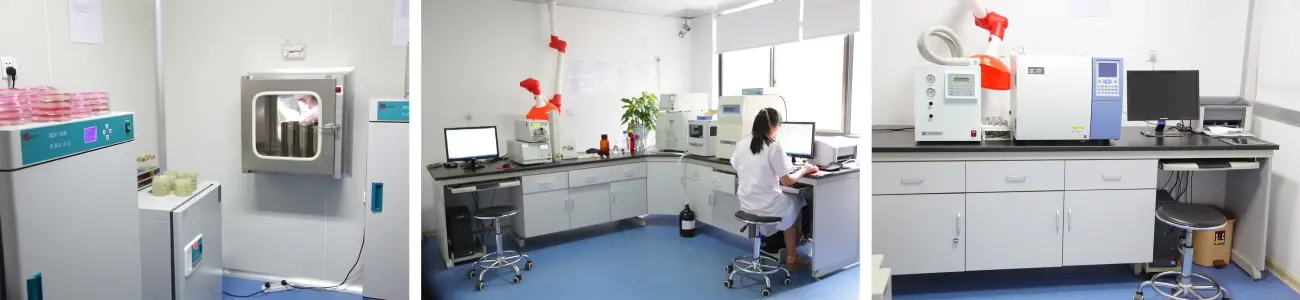
Pharmaceutical-grade Natural Spirulina Powder is made by Organic Herb Inc. (OHI) following tight NSF GMP, FSSC 22000, and ISO 9001 rules. Our Spirulina platensis powder has at least 60% protein and has been tested for phycocyanin levels, so it meets clean-label standards for tough uses. Our Kosher, Halal, and Organic certifications help you reach more customers, and our four warehouses in the U.S. make sure that deliveries happen quickly to keep up with production schedules. We offer free samples and have a flexible 25kg MOQ that works for both new brands and well-known manufacturers. Our research and development (R&D) team, which has HPLC, GC-MS, and other advanced analytical instruments, helps with technical aspects of product development. As a reliable Natural Spirulina Powder supplier, we use environmentally friendly farming methods and strict quality control systems, along with full documentation, to make sure we follow all the rules set by the government. Email our team at info@organic-herb.com to talk about your particular needs and ask for samples that show how committed we are to quality.
References
1. Soni, R. A., Sudhakar, K., & Rana, R. S. (2019). Spirulina—From growth to nutritional product: A review. Trends in Food Science & Technology, 89, 79-91.
2. Capelli, B., & Cysewski, G. R. (2021). The World's Healthiest Superfood: Spirulina—Nature's Perfectly Balanced Nutraceutical. Cyanotech Corporation Press.
3. Wu, Q., Liu, L., Miron, A., Klímová, B., Wan, D., & Kuča, K. (2016). The antioxidant, immunomodulatory, and anti-inflammatory activities of Spirulina: an overview. Archives of Toxicology, 90(8), 1817-1840.
4. Deng, R., & Chow, T. J. (2020). Hypolipidemic, antioxidant, and anti-inflammatory activities of microalgae Spirulina. Cardiovascular Therapeutics, 2010, Article ID 967067.
5. Batista, A. P., Gouveia, L., Bandarra, N. M., Franco, J. M., & Raymundo, A. (2013). Comparison of microalgal biomass profiles as a novel functional ingredient for food products. Algal Research, 2(2), 164-173.
6. Lafarga, T., & Acién-Fernández, F. G. (2020). Spirulina for the food and functional food industries. Food Research International, 137, Article 109356.
Standard Disclaimer (DSHEA):
These statements have not been evaluated by the Food and Drug Administration.
This product is not intended to diagnose, treat, cure, or prevent any disease.

Send Inquiry
Related Industry Knowledge
- What is Safflower Powder Used For?
- Are pepitas good for you?
- What is Cinnamon Bark Extract Powder used for?
- Benefits of Purple Sweet Potato Extract Against Endothelial Progenitor Cell Migration
- Exploring the Uses of Certified Organic Coprinus Comatus Extract
- How is soybean oil made?
- How to Choose High-Quality Goji Extract Powder for Your Needs
- Where to buy saw palmetto?
- The rejuvenating power of Rosehip extract in skin care
- Understanding Polyporus Umbellatus Extract: Source, Composition, and Characteristics