
Is Cinnamon Bark Extract Powder Better Than Ceylon Cinnamon?
Aug 3, 2026
Product development teams and purchasing workers need to make important decisions about whether to use Cinnamon Bark Extract Powder or Ceylon cinnamon. Cinnamon Bark Extract Powder, which is made from Cinnamomum cassia, has a high polyphenol content (usually standardised to 50%) and consistent batch-to-batch quality, making it especially appealing for nutraceutical formulations that need to meet exact active compound specifications. Ceylon cinnamon is valued for its mild flavour and low coumarin content, but it is not usually standardised, which makes it hard to make sure that all of your products are the same. When R&D directors put functional effectiveness, ingredient stability, and regulatory compliance at the top of their list of priorities, concentrated extracts often deliver better performance metrics across a wide range of applications.
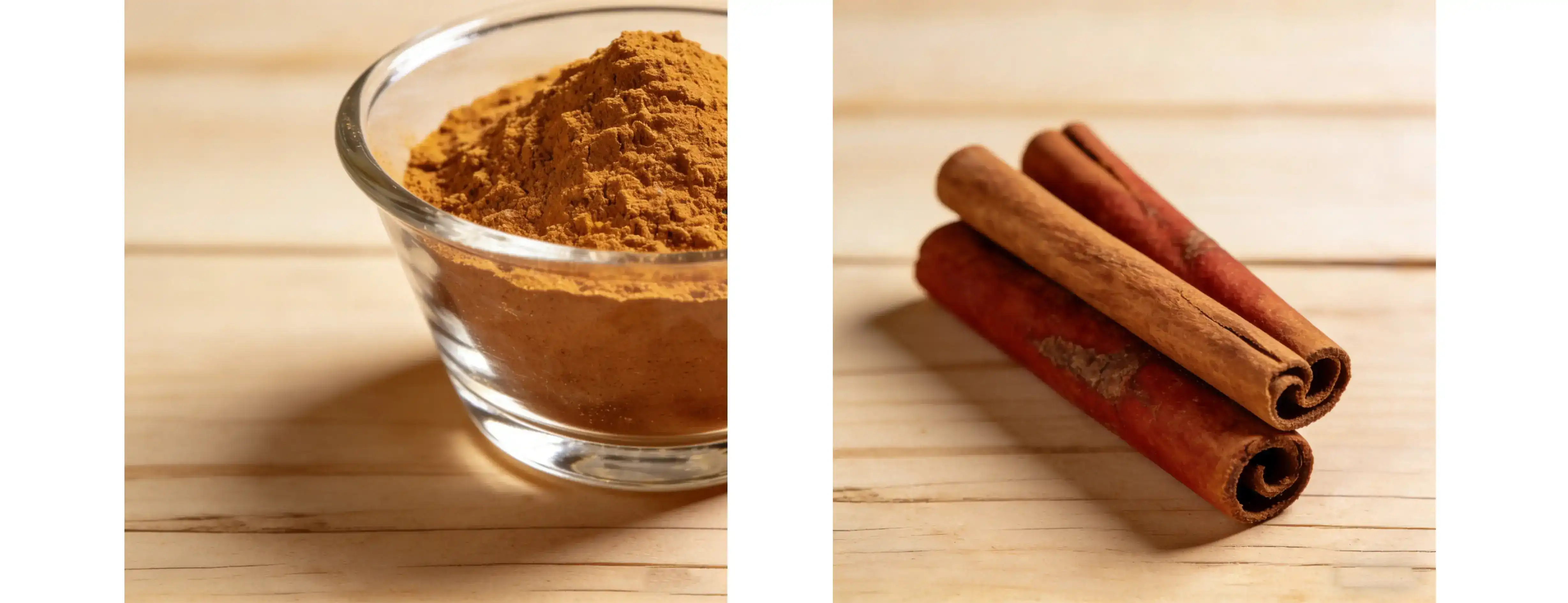
Introduction
Procurement managers must make crucial botanical ingredient purchases that affect product performance and brand positioning. Cinnamon Bark Extract Powder and Ceylon cinnamon are made of distinct ingredients and operate differently commercially. Nutraceutical, cosmetic, and functional food firms selling in the US must understand these variations since they influence formulations, label claims, and competitiveness.
Procurement teams must consider active chemical concentration, batch homogeneity, coumarin safety, approval requirements, and supply chain reliability when purchasing cinnamon goods. This study analyzes how the two cinnamons are extracted, how excellent they are, and how they might be utilized. The advice helps consumers choose suppliers that comply with FDA regulations, clean label trends, and corporate objectives in regulated sectors.
Understanding Cinnamon Bark Extract Powder and Ceylon Cinnamon
Extraction Methodologies and Active Compound Profiles
To concentrate bioactive components, Cinnamon Bark Extract Powder is treated properly. Manufacturers use water and ethanol to extract polyphenolic chemicals and cinnamaldehyde from Cinnamomum cassia bark. This produces proven-effective standard materials. 4:1, 10:1, and 50% polyphenol content ratios are available. These produce a consistent brownish-yellow powder with identified active constituents. Standardisation enables precise formulation calculations and functional effects.
Dynamic low-temperature processing and nano-membrane separation let Organic Herb Inc. maximize extraction. These approaches preserve heat-sensitive compounds while achieving high purity, which is a dilemma for high-end supplement R&D leaders. Cinnamon Bark Extract Powder is more soluble than raw botanical materials, making it simpler to employ in capsules, pills, and liquids.
Ceylon Cinnamon Characteristics and Origin
Ceylon cinnamon (Cinnamomum verum), which is mostly grown in Sri Lanka, is the whole-bark form that has not been concentrated. This type has much lower levels of coumarin, a chemical that is harmful to the liver, which is found in bigger amounts in some cassia species. The plant material comes as a ground powder or a stick, and the active ingredients can be different based on how it was grown, when it was harvested, and how it was processed. Ceylon cinnamon is used in cooking because it has a subtle sweetness. However, it is hard to formulate in functional product development because the phytochemical composition of different batches isn't always the same.
Health-Related Properties and Functional Applications
There is research that shows that cinnamon products high in polyphenols can act as antioxidants in more than one way. The concentrated compounds in standardised Cinnamon Bark Extract Powder give measured activity in formulation testing, which backs up promises about the product that are based on scientific evidence. Cinnamaldehyde has antimicrobial properties that are useful for cosmetic preservation systems, and polyphenolic fractions have functional benefits that make them appealing to people who are working on sports nutrition.
Due to its lower coumarin content, Ceylon cinnamon is seen as safer, especially in European markets with strict regulatory standards. When used in flavourings, the whole plant form provides traditional aromatic compounds that are valued, but it needs a lot more of them to reach the same amount of polyphenols as Cinnamon Bark Extract Powder.
Comparing Cinnamon Bark Extract Powder and Ceylon Cinnamon for B2B Applications
Potency and Quality Standardization
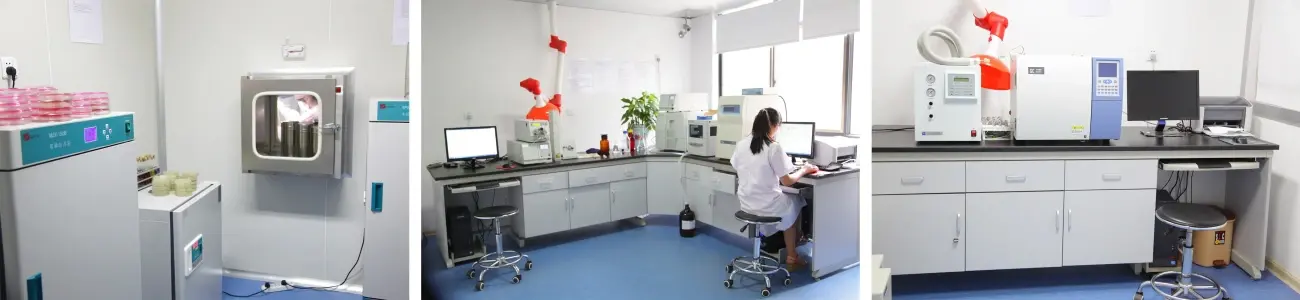
The quality assurance features of Cinnamon Bark Extract Powder and whole plant materials are very different. Comprehensive Certificates of Analysis (CoA) for Cinnamon Bark Extract Powder from Approved Manufacturers Show:
- HPLC verification of polyphenol level makes sure that the description is correct.
- Heavy metal screening with ICP-MS (Lead <3ppm, Arsenic <1ppm, Mercury <0.1ppm)
- Microbiological profiling confirmed that Salmonella and E. coli were not present. coli, with a Total Plate Count of less than 1000 CFU/g
- HPTLC fingerprinting can find signs of possible adulteration with cheaper plant-based fillers
When quality control teams are in charge of managing ingredient specifications across international supply chains, these analytical parameters help them deal with some of the most difficult problems. Since Ceylon cinnamon is an agricultural product and not a pharmaceutical-grade extract, it doesn't usually come with this level of detail unless it is specifically asked for and checked by a third party.
Both types of materials can be certified as organic (USDA Organic or EU Organic), but the certification has different meanings for each. Certified organic Cinnamon Bark Extract Powder proves that the solvent is pure and that no synthetic pesticides were used during production or processing. This certification directly supports the clean-label and natural product claims that North American customers are asking for more and more.
Functional Effectiveness in Formulation Development
Its concentrated composition makes Cinnamon Bark Extract Powder useful in final items. A 500mg pill of 50% polyphenol Cinnamon Bark Extract Powder contains 250mg active ingredients. Whole Ceylon cinnamon requires substantially higher serving sizes to get the same activity, making tablets difficult to compress and encouraging people to consume them. This concentration advantage helps sports nutrition products sell better since capsule size and daily serving counts matter.
Standardized Cinnamon Bark Extract Powder products are always more antioxidant-active than powdered cinnamon of the same weight (ORAC values, DPPH radical scavenging). This focused activity allows cosmetic formulators to employ lower inclusion rates while still claiming effectiveness for anti-aging serums and protective skin care products. This maintains product texture and cost.
Supply Chain Considerations and Certification Standards
Making decisions about bulk purchases depends in part on how consistent the supply is and what kinds of paperwork are needed. The use of Cinnamon Bark Extract Powder from reputable companies like Organic Herb Inc. has a number of benefits. The company has four warehouses in the United States, which allow for fast delivery and make foreign shipping easier. With a minimum order size of 25 kg and a wait time of 7 days, this product can be used for both testing new recipes and planning large-scale production.
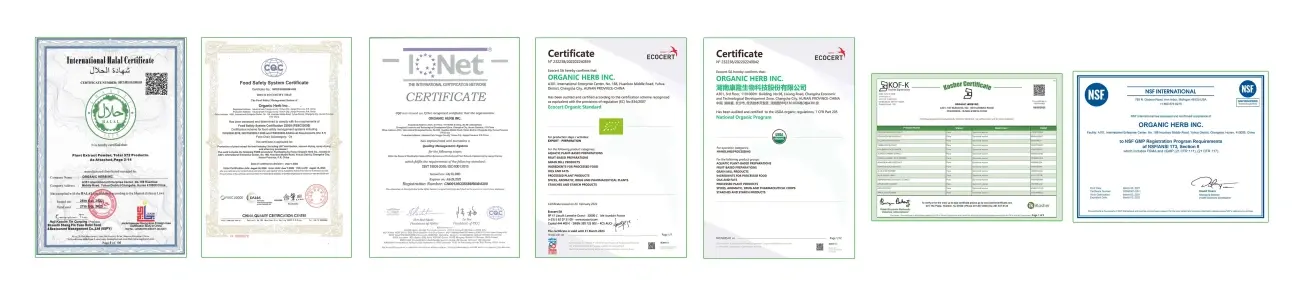
A wide range of certifications, such as NSF GMP, FSSC22000, ISO9001, Kosher, and Halal, make it easier for businesses in many different markets to follow the rules. These validations by a third party lower the risk of buying things and help customers trust finished goods. Suppliers of cinnamon from Ceylon usually give out basic product approvals, but they might not have the manufacturing quality systems paperwork that pharmaceutical and nutraceutical companies need.
The way prices are set takes these differences in quality into account. Standardised Cinnamon Bark Extract Powders cost more because they have to go through more testing, concentration, and certification. Bulk price is better for business quantities because the concentrated nature lowers the cost of material per dose, even though it costs more per kilogram than regular cinnamon.
How to Choose the Right Cinnamon Product for Your Business Needs
Application-Specific Selection Criteria
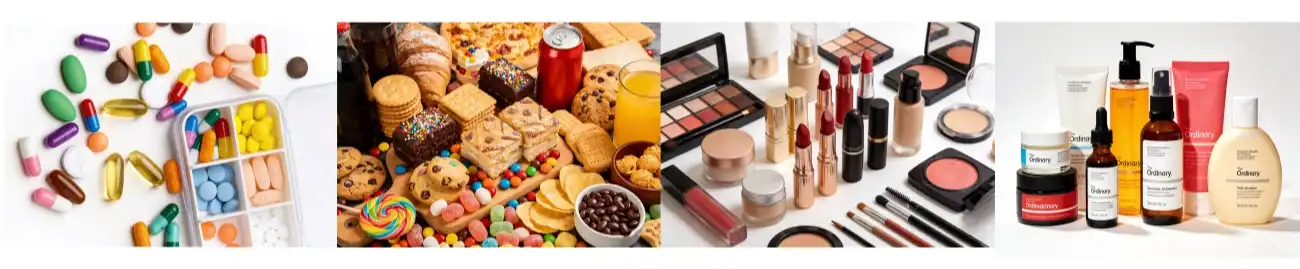
Product designers must pick materials that suit their work and the intended market. Cinnamon Bark Extract Powders with consistent polyphenol content are preferred by nutraceutical formulators making blood sugar-lowering products. This allows labels to make evidence-based claims and assures batch consistency. The concentrated structure makes tiny delivery forms more attractive in the competitive supplement industry.
The solubility and microbiological purity of Cinnamon Bark Extract Powder make it helpful for cosmetics. Adding the brownish-yellow powder to waterless emulsions or formulations provides antioxidant action without pulverized plant particles. Formulation scientists study natural preservation mechanisms like cinnamaldehyde killing microorganisms.
Functional drink makers must consider many factors. Water-soluble cinnamon bark extract powder prevents precipitation in ready-to-drink mixtures, solving a typical technical issue. The clearer sight and consistent flavor profile of premium Cinnamon Bark Extract Powders assist in manufacturing items that survive on shop shelves and have consistent sensory qualities throughout manufacturing runs.
Quality Verification and Supplier Evaluation
In addition to basic name checks, procurement teams should come up with detailed quality standards. Important criteria for proof include:
- Purity Metrics: Ask for a certificate of analysis (COA) that shows leftover solvent levels (ethanol levels less than 5000ppm), the lack of manufactured adulterants (as shown by Carbon-14 testing), and proof of plant identification (as shown by DNA barcoding or HPTLC fingerprinting).
- Coumarin Analysis: Critical for following the rules, especially in products from cassia. The HPLC measurement should show that the amounts of coumarin meet the legal requirements for the places you want to reach.
- Certification Validation: Check the claimed certifications directly with the groups that gave them out. The GMP audit reports, organic certification numbers, and Kosher/Halal certificates should all be up-to-date and specific to the factory that is making your materials.
Supplier dependability goes beyond paperwork. Check to see if they can provide technical support, if they are willing to keep samples for stability studies, and if they can meet specific needs. Formulation problems can be solved by working together with companies that have specific R&D teams, like Organic Herb Inc.'s 42-person department that includes top researchers.
Logistics and Storage Requirements
The types of packaging have a direct effect on the prices of moving and storing materials. Standard 25 kg fibre drums with double-liner systems keep hygroscopic Cinnamon Bark Extract Powders from getting wet while they are being stored. The brownish-yellow powder needs to be kept below 25°C and at less than 60% relative humidity to keep it from hardening and to keep its flowability, which is important for automatic encapsulating equipment.
Planning your inventory and managing your cash flow are affected by the minimum order quantities. Organic Herb Inc.'s 25kg MOQ allows for both pilot-scale development and smaller brand launches without having to spend too much money on inventory that doesn't sell quickly. The ability to get free samples helps with pre-purchase formulation trials, which lowers the financial risk during the material evaluation stages.
U.S.-based warehouse networks get rid of delays caused by customs and lower the cost of goods for U.S. producers. Being able to combine orders for different botanical extracts from the same supplier makes it easier to manage purchases and could lead to price breaks based on volume.
Practical Applications and Case Studies in B2B Procurement
Nutraceutical Product Development Success
Standardised Cinnamon Bark Extract Powder at 500–1000 mg daily serving sizes has been used by well-known supplement brands to make blood sugar management products that work well. Because it has more concentrated polyphenols, two capsules can be taken every day instead of six to eight capsules, as is needed with whole cinnamon powder. This makes it much easier for people to follow the instructions and greatly increases the number of times they buy it again. Stability testing shows that the product's effectiveness is maintained for 24 months at room temperature and in the right packaging.
Combining Cinnamon Bark Extract Powder with other plant-based antioxidants works well in antioxidant supplement formulations. The standard material makes it possible to make unique blends with exact ratios, which helps with patent applications and strategies for setting a brand apart. Manufacturers say they've gotten good comments about how the Cinnamon Bark Extract Powder doesn't change the time it takes for capsules to dissolve and doesn't cause stomach problems like high doses of whole cinnamon can.
Cosmetic Applications and Formulation Stability
Some natural skin care brands put 0.5 to 2% of Cinnamon Bark Extract Powder into anti-aging serums. They do this to support their claims of protection because Cinnamon Bark Extract Powder has a lot of antioxidants. Because the Cinnamon Bark Extract Powder works with both oil and water in emulsion systems, it gives formulators more options than powdered plants. Accelerated stability testing shows that the product's activity and colour will stay the same for 18 months, which is the standard for shelf life claims in the industry.
Natural toothpastes made with high-end oral care products use the Cinnamon Bark Extract Powder's antibacterial qualities. At 0.2 to 0.5% inclusion, the material helps stop biofilm formation and supports clean label positioning. When ground cinnamon is used in pastes, it can cause a rough appearance, but the concentrated form doesn't have that problem.
Market Positioning and Commercial Strategy
Ceylon cinnamon still holds the top spot in the market for high-end cooking uses and goods that are sold with promises of being "true cinnamon." Gourmet supplement brands that want to reach people who know about coumarin content successfully price Ceylon-based goods higher, seeing the higher material costs as an investment in brand differentiation.
Mass-market brands usually choose standard Cinnamon Bark Extract Powder because they want to save money and make sure the product works the same way every time. Retail velocity measures are supported by being able to keep prices stable while providing a uniform product experience. This builds brand trust. A study of the competition shows that Cinnamon Bark Extract Powder formulations are the most popular in the high-volume blood sugar support and general wellness categories.
Conclusion
Cinnamon Bark Extract Powder or Ceylon cinnamon depends on application, market position, and quality. Standardised Cinnamomum cassia extracts provide high polyphenol content, tight quality documentation, and formulation homogeneity for R&D teams making competitive beauty and wellness products. Established manufacturers satisfy regulated industry purchasing requirements with thorough certification standards, analytical verification, and supply chain stability.
Ceylon cinnamon is marketed to select groups who are ready to pay extra since it is coumarin-free and manufactured from traditional botanicals. Understanding these fundamental variances helps procurement managers make strategic sourcing selections that meet product development objectives, regulatory compliance requirements, and commercial success indicators in competitive North American marketplaces.
Frequently Asked Questions
1. What makes cinnamon bark extract powder different from regular cinnamon in supplements?
Concentration processing brings the active polyphenol content of Cinnamon Bark Extract Powder to a known level (usually 50%), but whole cinnamon has different constituent profiles that depend on how it was grown. This standardisation makes it possible for precise formulation and consistent functional properties across production batches. This meets the needs of quality control in controlled manufacturing environments.
2. How do coumarin levels compare between these cinnamon types?
Extracts from cassia have coumarin levels that need to be checked using HPLC to make sure they meet legal standards. Cinnamomum verum, or Ceylon cinnamon, naturally has much lower amounts of coumarin (<0.01%), which makes it better for European markets with tighter rules. Reputable extract makers provide CoA paperwork that lists the amount of coumarin in the product, which lets your target markets make an informed risk assessment.
3. Can cinnamon bark extract powder replace whole cinnamon in all applications?
Cinnamon Bark Extract Powder works great in capsules, tablets, and clear beverage systems that need precise dosing, concentrated functional activity, and little to no particulate matter. Whole Ceylon cinnamon is still better in situations where traditional flavours, the ability to see the bark pieces, or certain marketing claims about "true cinnamon" are useful for business. Testing that is specific to the application determines the best material choice.
4. What certifications should I verify when sourcing extract powder?
The most important certifications are NSF GMP or a comparable standard for pharmaceutical production, FSSC22000 for food safety management, organic certification (USDA or EU standards), and religious certifications (Kosher, Halal) based on the target audience. Check certifications directly with the groups that issued them and make sure they apply to the manufacturing site that is making your materials and not just the company as a whole.
Partner with OHI for Premium Cinnamon Bark Extract Powder Supply
Organic Herb Inc. (OHI), a plant extract company that is traded on the stock market (Stock Number: 872213), makes pharmaceutical-grade Cinnamon Bark Extract Powder for high-end supplement brands, makeup formulators, and functional food makers. Based on advanced water-ethanol extraction technology, our standardised extract from Cinnamomum cassia bark has been shown to contain 50% polyphenols and meets the high-quality standards needed by North American markets.
As a reliable provider of Cinnamon Bark Extract Powder, we keep many certifications, such as NSF GMP, FSSC22000, ISO9001, Kosher, Halal, and USDA Organic, to make sure that your recipes meet a wide range of government standards. With seven days' lead time for orders over 25 kg, our four strategically placed U.S. warehouses guarantee fast delivery. We offer free samples to help you develop your formulations, along with detailed Certificates of Analysis (CoAs) that include HPLC polyphenol verification, heavy metal screening, and microbiological profiling.
Our production plant in Yichun, Jiangxi, has cutting-edge extraction tools and a 42-person R&D team with top researchers. This means that we can make custom specs and private label solutions that fit the needs of your brand. Get in touch with our technical team at info@organic-herb.com to talk about your specific sourcing needs and find out how our eco-friendly manufacturing methods and quality control systems can help your product development efforts.
References
1. Anderson, R.A. "Chromium and polyphenols from cinnamon improve insulin sensitivity." Proceedings of the Nutrition Society 67.1 (2008): 48-53.
2. Rao, P.V., and Gan, S.H. "Cinnamon: a multifaceted medicinal plant." Evidence-Based Complementary and Alternative Medicine 2014 (2014): 642942.
3. Gruenwald, J., Freder, J., and Armbruester, N. "Cinnamon and health." Critical Reviews in Food Science and Nutrition 50.9 (2010): 822-834.
4. Vangalapati, M., et al. "A review on pharmacological activities and clinical effects of Cinnamon species." Research Journal of Pharmaceutical, Biological and Chemical Sciences 3.3 (2012): 653-663.
5. Kawatra, P., and Rajagopalan, R. "Cinnamon: Mystic powers of a minute ingredient." Pharmacognosy Research 7.Suppl 1 (2015): S1-S6.
6. Abraham, K., et al. "Toxicology and risk assessment of coumarin: focus on human data." Molecular Nutrition & Food Research 54.2 (2010): 228-239.
Standard Disclaimer (DSHEA):
These statements have not been evaluated by the Food and Drug Administration.
This product is not intended to diagnose, treat, cure, or prevent any disease.

Send Inquiry
Related Industry Knowledge
- 6 Natural Spirulina Powder Benefits: What The Science Actually Says About This Blue-Green Algae Supplement
- St. John's Wort: What It Is, Properties, When to Take It
- Top 5 Uses of Poria Cocos Extract in 2026
- How to use grape seed extract powder for skin
- Does rosemary oil repel mosquitoes?
- What Are The Benefits Of Polyporus Umbellatus Extract?
- Poria cocos extract in skincare, What is?
- Ultimate Guide to Poria Cocos: Health Benefits & Uses
- Natural Rhodiola Rosea Extract: Origin, Composition, and Key Features
- Natural Rhodiola Rosea Extract for Endurance and Metabolic Efficiency