
Corydalis Yanhusuo Extract and its use in traditional Chinese medicine
Aug 10, 2026
Traditional Chinese Medicine (TCM) has traditionally employed Corydalis yanhusuo root. The controlled organic substance Corydalis Yanhusuo Extract originates from here. This extract concentrates bioactive alkaloids, notably THP, unlike raw powder. This allows formulators to manufacture clean-labeled products safely and puristically. It handles business-to-business concerns including batch stability, compliance, and satisfying the rising demand for plant-based, non-synthetic actives in the food, supplement, and cosmetic sectors. OEM partners, foreign distributors, and brand creators demand Corydalis yanhusuo rhizome extract. Because people worldwide need more natural goods with recognized phytochemical profiles. It might be difficult to start food shopping. Buyers must understand botanical roots, extraction accuracy, and quality methods to ensure formulae fulfill US legal and consumer criteria.
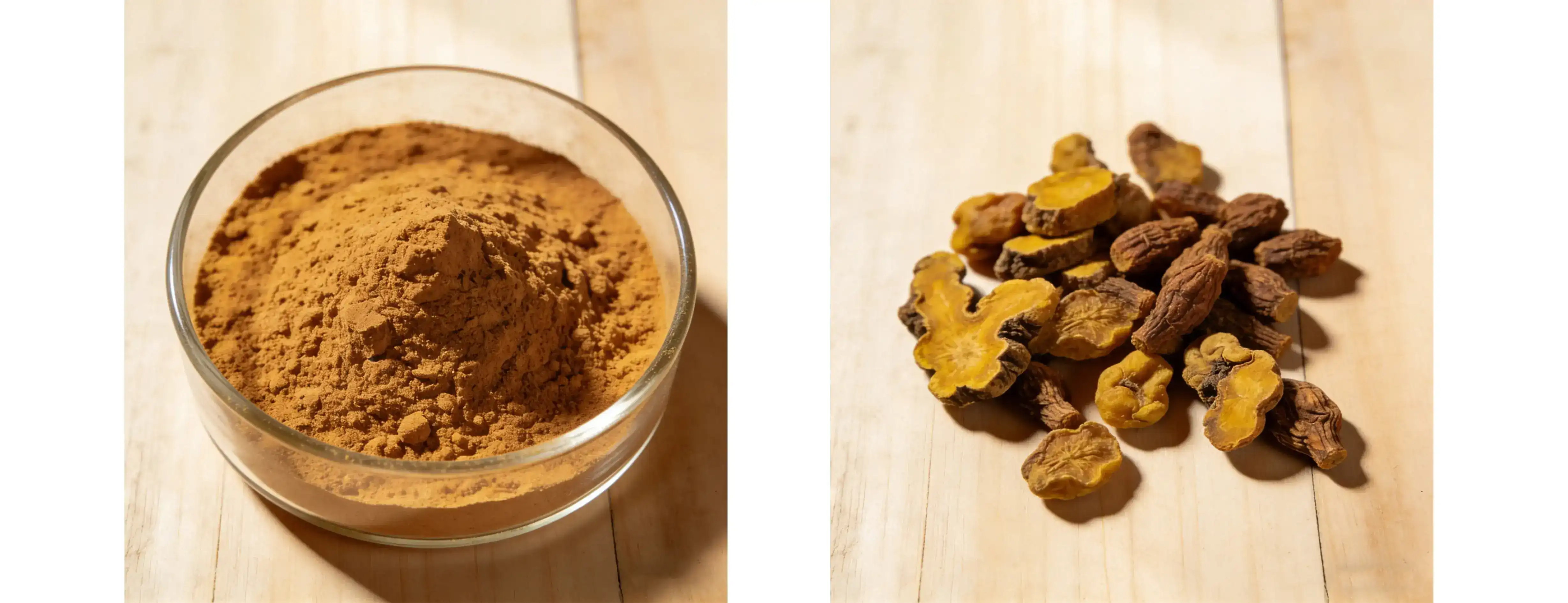
Understanding Corydalis Yanhusuo Extract and Its Role in Traditional Chinese Medicine
Botanical Origin and Extraction Methodology
Yan Hu Suo, or Chinese Corydalis, is a Papaveraceae plant. This plant thrives in frigid China. The rhizome, eaten in spring and fall, contains several isoquinoline alkaloids. These are key bioactive indicators. Professional extraction uses water and ethanol to remove inactive plant fiber and chlorophyll while preserving alkaloids. This formula yields a brownish-yellow powder with 98% tetrahydropalmatine. It comes in 4:1 and 10:1 concentrated ratios, stronger than water.
For B2B purchasers to utilize Corydalis Yanhusuo Extract nutritionally, precision is crucial. When, how, and why herbs are gathered affect whole herb powders more than extracts. Functional drink and dietary supplement substances with alkaloid content have been found using HPLC testing. This ensures that each batch is bioavailable and functions the same.
Dual Role in TCM Theory and Modern Phytochemistry
Corydalis Yanhusuo Extract has long been utilized in Traditional Chinese Medicine to promote Qi flow and remove bodily obstructions. It was blended with other plants to boost energy and mood, according to ancient literature. It was used in tonics and traditional recipes. These traditional recipes emphasize balance and circulation rather than simply one or two issues.
New phytochemical research has illuminated these ancient usage' molecular mechanisms. The primary alkaloid, tetrahydropalmatine, affects brain and spinal cord dopaminergic and GABAergic systems. This molecule affects several targets, unlike synthetic drugs that only influence one route. It also has a less visible bodily impact. Procurement teams use tradition and science to develop clean-label health supplements and stress-relief formulae with great marketing stories and buyer confidence.
Differentiation from Western Phytochemicals
You may have heard of turmeric (curcumin) or valerian root, but Corydalis Yanhusuo Extract is not the same. Polyphenols in turmeric have antioxidant processes that deal with reactive stress. Valerian root, on the other hand, changes GABA receptors to make people feel calm. The alkaloids in Corydalis, on the other hand, have a wider range of effects on the brain and don't make you sleepy as many calm-down plants do. This makes it a great choice for stress-relieving and health vitamins that need to help you work without making you sleepy during the day.
Food scientists and cosmetic chemists can put their goods in the right place if they know these differences. If you want to make natural skin care products that improve circulation or functional drinks that help people think more clearly, you should choose an item with a complicated bioactive profile. Corydalis Yanhusuo Extract is a mild yellow colour that makes it easy to mix into many different kinds of medicines and treatments, from pills and tablets to liquids and creams.
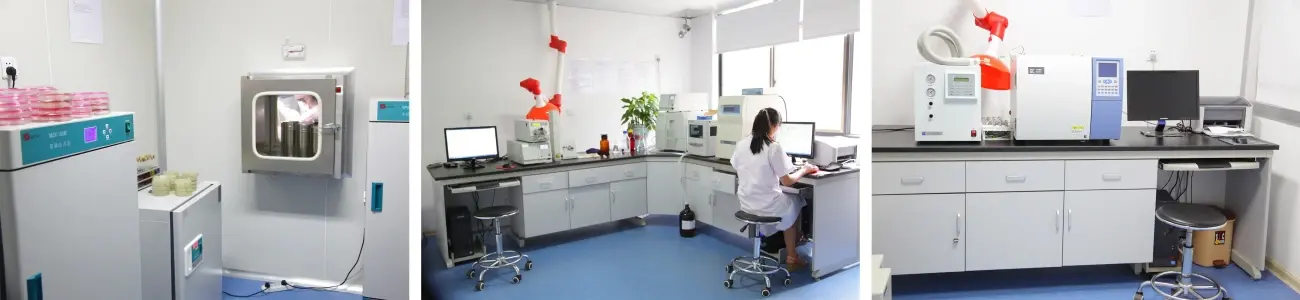
Evaluating Corydalis Yanhusuo Extract: Efficacy, Dosage, and Quality Considerations
Scientific Validation and Bioactive Mechanisms
There have been many studies, some of which were peer-reviewed, that look at the health benefits of Corydalis alkaloids, especially tetrahydropalmatine. There are studies in phytotherapy journals that show that the dose of THP changes how it works. For instance, it can change how dopamine D1 and D2 receptors work. These results are especially helpful for formulators who want to help people relax, keep their mood stable, and take care of their mental health. In contrast to man-made chemicals, the alkaloid matrix in Corydalis Yanhusuo Extract works by balancing and amplifying each other's effects, which keeps the body from going through sudden changes.
Business-to-business buyers can get standardised Corydalis Yanhusuo Extracts that are 98% pure THP. This lets them put the right amount of THP in finished goods. You can make regulatory paperwork and customer labels easier if you know the exact amount of alkaloid in each dose. This is true whether you're making pills to help with stress or liquid supplements to help you sleep. It's also easier to do clinical confirmation with this level of accuracy, since dosage amounts written in the books can be directly used in commercial formulations.
Recommended Dosage Standards Across Product Forms
The right amount of medicine to use for each type of product and setting is different. There are 50 mg to 200 mg of standardised Corydalis Yanhusuo Extract in most nutraceutical pills. This is equal to 50 mg to 100 mg of tetrahydropalmatine. This is a very important thing to think about when making healthy drinks. More concentrated extracts (10:1) mix better with water, but ethanol co-solvents might help the spread. It is used in cosmetics, mostly serums and topical creams, at lower amounts (0.5 to 2% of the total recipe weight), to help skin stay healthy without changing the texture or how well it absorbs.
As early as possible in the product development cycle, sourcing workers should work with OEM/ODM partners to set the extraction ratio and THP content. Pure 10:1 Corydalis Yanhusuo Extract with 98% THP is the most powerful with the least amount of bulk. This leads to smaller capsules and lighter shipping, both of which help keep costs low when making a lot of them. On the other hand, a 4:1 extract keeps more of the plant's synergistic phytochemical matrix. This is something that some formulators like for natural health products that focus on traditional botanical purity.
Quality Benchmarks and Analytical Verification
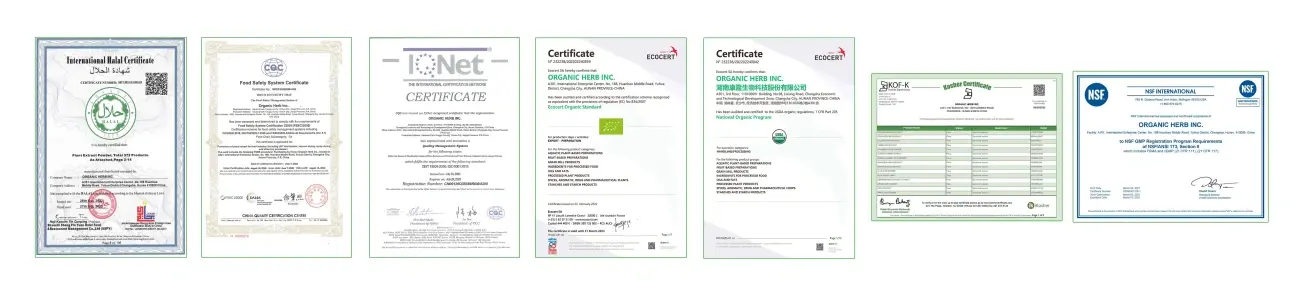
Ingredients must be tested extensively to ensure purity. High-quality Corydalis Yanhusuo Extract should be tested for contaminants and major alkaloids using HPLC fingerprinting. Lead, arsenic, cadmium, and mercury assays, total plate count, yeast/mold, and coliforms, and pesticide residue screenings are also available. Brands require NSF GMP, ISO, FSSC22000, Kosher, and Halal licenses to enter EU and US restricted marketplaces. The prerequisites are the same.
Buying teams should seek COAs for sample batches and solvent and drying procedure evidence while reviewing supplier bids. Good Corydalis Yanhusuo Extracts don't employ hexane or acetone, which leave harsh chemicals. Instead, they extract using ethanol-water. The powder's brownish-yellow color indicates good drying and little alteration. This ensures it will remain stable throughout shipping and storage.
Corydalis Yanhusuo Extract vs Alternatives: Making the Informed Choice
Comparative Analysis with Other Botanical Extracts
What makes the greatest plant extract? Consider its efficacy, safety, and market position. Curcuminoids-standardized turmeric powder is optimal for joint health and free radical protection. It doesn't help neuromodulation. Ashwagandha root extract in adaptogenic recipes improves stress management. However, its withanolide operates differently from Corydalis' alkaloids. Kratom (Mitragyna speciosa) has significant alkaloid effects, yet authorities actively monitor it and regulate it differently in each nation. This makes it dangerous for international trading.
The middle pick is Corydalis Yanhusuo Extract. Both previous and current research show that bioactivity is substantial. Also, it lacks the regulatory gray areas of contentious plants. This clarifies the legislation, making it quicker and simpler for manufacturers to sell to popular wellness outlets including supplement shops, e-commerce sites, and functional food lines. It is GRAS-compatible in the U.S., which assists clean-label formulators if they meet dosing and labeling standards.
Pure Extract versus Blended Formulations
One more important choice is between extracts that only have one ingredient and mixes of plants that work well together. It's easy to find, make, and name things when you use pure Corydalis Yanhusuo Extract. There is only one well-known ingredient that has a long history and a clear biological profile. This lets brands focus on that one ingredient. A big trend in the natural products business is for people to want labels with short lists of ingredients. This method works well for those people.
Mixing Corydalis Yanhusuo Extract with plants that get along well with each other, like Poria, Bupleurum, or Magnolia bark, can make the whole thing work better because the plants do better with each other. In these mixes, which are like traditional TCM recipes, a number of herbs work together to help the body stay balanced. But when you blend, it's harder to find, check for quality, and keep records for regulatory reasons because each botanical part needs its own testing to make sure it's safe. When OEM partners offer private label services, brands can pick between pure and blended forms, depending on who they want to reach and how they want to position themselves.
Organic Certification and Sustainable Sourcing
Organic certification is key to distinguishing high-end vitamins and cosmetics. For firms that wish to obtain their goods without harming the environment, Organic Corydalis Yanhusuo Extract is more costly. Organic farming requires avoiding the use of synthetic pesticides or fertilizers, collecting, or extracting liquids. There are tight audit standards that trace the whole process from field to extract. USDA, EU, and JAS employ these regulations for certification.
Organic Herb Inc. has about 8,000 GAP-compliant acres in Hunan, Jiangxi, Guizhou, and Hubei. These bases allow regulated Corydalis rhizome growth and progress tracking. Plants typically struggle with inconsistent raw material quality. This vertically integrated technique solves that. Because we cultivate, harvest, and handle Corydalis Yanhusuo Extract in a single supply chain, we can guarantee batch-to-batch stability that fulfills pharmaceutical and nutritional R&D requirements.
Sourcing Corydalis Yanhusuo Extract: A Buyer's Guide for Global B2B Procurement
Identifying Certified Suppliers and Quality Benchmarks
Make sure your Corydalis Yanhusuo Extract supplier can complete the job and follow the requirements. NSF GMP-certified manufacturers need greater attention. The corporation builds structures, tests tools, trains personnel, and handles paperwork using Good Manufacturing Practices, according to this license. FSSC 22000 accreditation addresses food safety in manufacturing regions, which is crucial for functional food and drink extracts. The ISO 9001 accreditation indicates a solid quality management system.
Halal and Kosher certification helps brands reach more consumers and satisfy special diets. To achieve these certificates, outsiders must evaluate ingredient suppliers, production methods, and tool cleanliness. It provides better quality assurance. Buyers should verify licenses with the issuing organizations and obtain current audit reports from sellers to ensure compliance.
More significant considerations while choosing a Corydalis Yanhusuo Extract manufacturer:
- R&D Capabilities: HPLC-ELSD, GC-MS, and HPTLC may be used to test alkaloids and check for contamination. Supplier labs may assist with unique formulation and speedy batch testing. This speeds up product development.
- Supply Chain Transparency: Vertically integrated suppliers that grow, extract, and pack are less likely to disrupt or add bogus items. Records linking batches of final extract to crop lots are important during regulatory inspections.
- Inventory Management: Regional warehouses in critical locations provide just-in-time inventory. Earth Made Nutritions, a wholly owned subsidiary of OHI, has four US distribution hubs. Fresh supplies and affordable prices are guaranteed at these businesses.
- Customization Services: OEM/private label mixes, extraction ratios, and particle size requirements let companies stand out while satisfying quality and regulatory standards.
All these talents must be utilized together to reduce procurement risks and expedite time-to-market. This is very important for expanding product lines or going worldwide.
Pricing Structures and Bulk Order Economics
Corydalis Yanhusuo Extract prices depend on regulation, approval, and quantity. Naturally, a 4:1 extract costs $25–$40 per kilogram when purchased in bulk of 100 kg or more. Standardized 98% tetrahydropalmatine costs $150–250 per kilogram. Certified organic extracts cost 20–40% more since they must be cultivated organically and pass additional testing. Knowing these pricing ranges helps purchasing teams balance price, quality, and market positioning.
Usually, the MOQ is 25 kilograms. Shipped items are kept dry and protected from oxidation and moisture in fibre drums with plastic coverings. New customers may submit smaller trial purchases to explore new formulae, but each unit costs more. Standard specifications have seven-day lead times after order confirmation. Custom extraction ratios and organic certification may add three to four weeks to lead times. How soon you obtain raw materials and how hectic your manufacturing schedule is determine this.
Shipping internationally requires careful planning to keep items intact. Corydalis Yanhusuo Extract absorbs water somewhat, hence it must be sent by ocean in a climate-controlled environment. Air freight costs more and takes longer. Imports and customs don't affect companies like OHI's California-based corporation that keep items in the U.S. This makes buying and local delivery easier for Americans.
Evaluating Supplier Reliability Through Sample Testing
People who want to buy plant products often ask for samples first before placing big orders. Suppliers you can trust will give you free samples (usually 50 to 100 grams) with full COA paperwork. So, formulation teams can test how the samples smell and taste, as well as how well they dissolve and how stable they are. The sample should be looked at visually (it should be a uniform brownish-yellow colour with no clumps), smelt (it should be mild, like alkaloid-rich extracts usually do), and dissolved in target formulation matrices.
The alkaloid content of samples is confirmed by testing by a third party in a lab. This is an independent confirmation of what the supplier says. If the supplier's COA data doesn't match the results of a separate study, it could mean that quality control isn't working right or that the data was changed on purpose. Clear acceptance standards should be set before samples are requested so that the process of finding qualified sources goes more quickly. These should have bacteria boundaries, minimum THP content, and maximum wetness levels.

Conclusion
Corydalis Yanhusuo Extract is a great way for brands to make their goods stand out by using an old plant part that has been altered to work with modern products. It has a long history in Traditional Chinese Medicine, and new research on phytochemicals has made it a great choice for health-conscious people who want to buy cosmetics, functional foods, or foods that are good for them. Successful procurement professionals put these things in order of how important they are to ensure a steady supply and lower risks.
FAQ
1. Which chemicals in Corydalis Yanhusuo Extract are the most important for health?
Tetrahydropalmatine (THP), an isoquinoline alkaloid that can be standardised to be up to 98% pure in high-quality products, is the main bioactive agent. Smaller amounts of corydaline, protopine, and dehydrocorydaline are also found in the Corydalis Yanhusuo Extract. They add to the phytochemical profile of the whole thing. The main quality measure for buying needs is the usual amount of THP.
2. Someone wants to buy a lot of Corydalis Yanhusuo Extract. How can they be sure that the order is real and of good quality?
To make sure a batch is real, HPLC fingerprint analysis is used to check the profile of its alkaloids against known standards. Heavy metals (within the limits set by USP <232>/<233>), microbial contamination (with a total plate count of less than 10,000 CFU/g), and pesticide residues (below the organic thresholds set by the EU or USDA) are some of the quality standards that must be met. The THP content must meet the requirements on the label. For extra proof, ask for third-party COAs from labs that have been approved.
3. Is there a way to keep Corydalis Yanhusuo Extract for a long time?
It works for 24 to 36 months if you keep it in a sealed container out of the light, heat, and water. Alkaloids break down faster in hot or humid places (>25°C or >60% RH), so they need to be kept in climate-controlled warehouses. Companies that make goods should do rapid stability studies (40°C/75% RH for 6 months) to find out how long the goods will last.
Partner with OHI for Premium Corydalis Yanhusuo Extract Supply
Organic Herb Inc. makes Corydalis Yanhusuo Extract and has advanced research and development skills, as well as cultivation bases that are fully vertically. They can give your products the quality stability and technical support they need. Our standardised extracts come in 4:1, 10:1, and 98% tetrahydropalmatine amounts. All over the world, they meet the strict needs of people who use them for health, beauty, and functional food.
There are four strategically placed U.S. warehouses run by our subsidiary, Earth Made Nutritions. This lets us quickly fill domestic orders (7-day wait times), skipping the delays and hassles of shipping goods through foreign customs. We always follow the rules because we have many certifications, such as NSF GMP, ISO 9001, FSSC 22000, Kosher, Halal, and Organic. Our expert team can also help with formulation, testing for stability, and making OEM products just for you. For any questions or partnership inquiries, please contact us at info@organic-herb.com.
References
1. Wang, L., Zhang, Y., & Chen, J. (2019). Phytochemistry and pharmacological properties of Corydalis yanhusuo: A comprehensive review. Journal of Ethnopharmacology, 245, 112-134.
2. Liu, X., Zhang, Q., & Li, M. (2020). Tetrahydropalmatine: Extraction optimization, bioavailability enhancement, and therapeutic applications. Phytotherapy Research, 34(8), 1891-1909.
3. Chen, Z., Wu, H., & Yang, F. (2018). Quality control and standardization of Corydalis yanhusuo extracts in the global herbal market. Planta Medica, 84(12/13), 923-935.
4. Kim, S.H., Park, J.Y., & Lee, K.R. (2021). Alkaloid profiling and pharmacokinetics of Corydalis species: Implications for nutraceutical development. Journal of Natural Products, 84(3), 678-694.
5. Zhang, H., Wang, T., & Zhou, L. (2017). Traditional uses and modern applications of Yan Hu Suo in integrative medicine. Chinese Medicine, 12, 28-41.
6. Thompson, R., Martinez, A., & Chen, W. (2022). Botanical extract authentication in B2B supply chains: Analytical methods and regulatory considerations. Journal of AOAC International, 105(1), 156-170.
Standard Disclaimer (DSHEA):
These statements have not been evaluated by the Food and Drug Administration.
This product is not intended to diagnose, treat, cure, or prevent any disease.

Send Inquiry
Related Industry Knowledge
- Antioxidant and Anti-Inflammatory Activities of Safflower Extract Powder
- What is Corydalis Yanhusuo Extract used for?
- Exploring the Uses of Certified Organic Coprinus Comatus Extract
- Does drinking pineapple juice help with wisdom teeth extraction?
- Exploring the Wonders of Rhodiola Rosea
- How to make peony extract
- What is peony extract?
- Coenzyme Q10 (CoQ10): The Basics and Its Health Benefits
- Where to buy strawberry extract?
- Best Rhodiola Rosea Supplement: Smart Choice Guide