
Is Gardenia Blue safe?
Aug 6, 2026
Gardenia Blue is safe to use in cosmetics, nutraceuticals, food, and drinks as long as it comes from a reputable producer that follows strict quality standards. This natural colorant comes from Gardenia jasminoides Ellis flowers and is made safe by enzymes. It is tested very carefully and meets all safety standards around the world. Gardenia Blue is a plant-based option to synthetic dyes that has become popular among formulation scientists and buying teams looking for clean-label ingredients that meet the needs of consumers who want natural, useful goods.
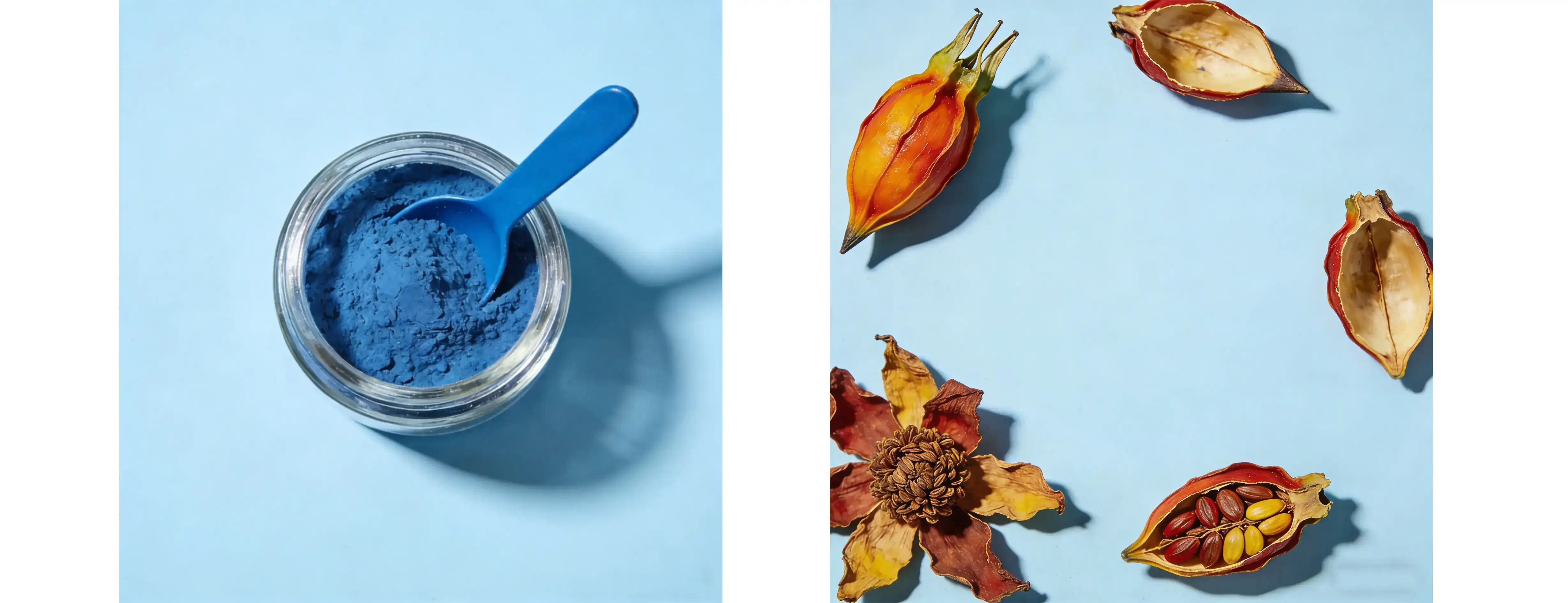
Gardenia Blue Compared to Other Natural Blue Pigments: Technical Performance Analysis
Heat Stability Advantages Over Spirulina Blue
When working with protein-based colorants like phycocyanin from spirulina, thermal processing can be very hard. At temperatures between 45°C and 60°C, spirulina blue breaks down and crystallizes, which makes it very hard to use in baked goods, sweets, and drinks that have been heated. The structure of Gardenia Blue stays the same at temperatures above 100°C, which means it can be used in more goods that need to be pasteurized, sterilized, or baked.
This ability to withstand heat directly turns into lower costs for producers. On a per-kilogram basis, spirulina may seem like a good deal, but the need to overdose to make up for processing losses often leads to higher preparation costs. Gardenia Blue is stable, which lets you precisely control the dosage. This cuts down on material waste and makes color consistency better from batch to batch. Product makers who are making shelf-stable drinks, retort-processed foods, or quick powders find this thermal stability very useful for making sure the products look good during distribution cycles.
pH Stability Across Formulation Environments
Anthocyanin-based blues are naturally occurring, but they change color dramatically when the pH level changes. In acidic environments, they turn purple or red. Because they are so sensitive to pH, they can't be used in many beverage and candy applications where fine color control is needed. Gardenia Blue can handle a wide range of pH levels and still keep its blue color. It does this in conditions that range from slightly acidic to highly alkaline.
The best pH range for standard Gardenia Blue is between 3.5 and 10.0, which covers most food and drink formulation needs. Specialized acid-resistant types make the stability go down to pH 2.5, which works for carbonated soft drinks and juices that have been acidified. This flexibility gets rid of the need for complex pH or balancing systems, which makes formulating easier and makes ingredients less complicated. Formulation experts like this because it lets them make goods with different acid profiles while still meeting brand color standards.
Protein Affinity and Application Versatility
Gardenia Blue's molecular structure has a strong affinity for protein frameworks. This makes it useful in dairy systems, protein drinks, and nutritional supplements where color binding makes the product more stable. When mixed with natural yellow pigments like gardenia yellow (crocin), this property also makes it easier to make bright green shades, filling in another important gap in the natural colorant palette.
There aren't many stable natural green botanical colorants on the market right now, which makes Gardenia Blue very useful for brands that want full natural color systems. Because the pigment works with a wide range of food systems, from watery solutions to protein-rich ones, it gives formulators more options than synthetic ones did in the past. This adaptability helps with new ideas in many types of products, like functional drinks, plant-based protein foods, and sweets, where "clean label" claims influence people's choices.
Quality Assurance in Gardenia Blue Procurement: Critical Evaluation Parameters
Supplier Selection and Certification Requirements
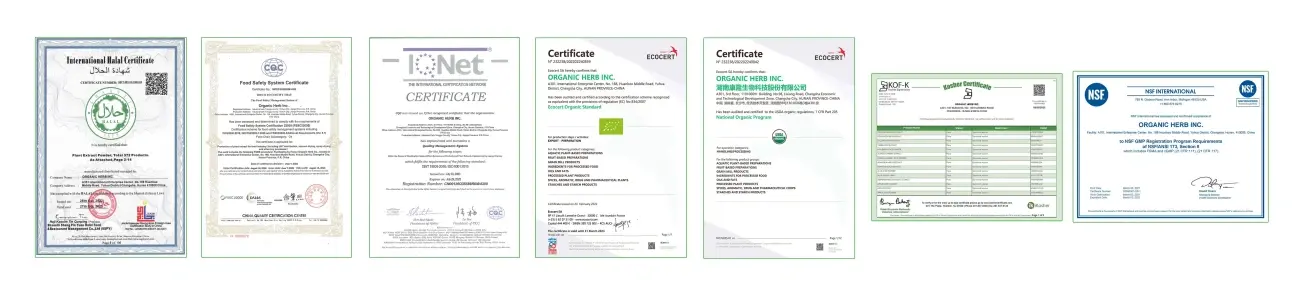
Getting consistent, high-quality Gardenia Blue starts with carefully screening suppliers by looking at their manufacturing skills, quality systems, and paperwork that shows they follow the rules. Reputable makers keep certifications like NSF GMP, Kosher, Halal, ISO 9001, and FSSC22000, which show they follow international quality standards. With these certifications, you can be sure that production facilities use systematic quality controls from getting the raw materials to releasing the finished product.
Expertise in manufacturing has a big effect on the quality of the final product. Enzymatic conversion processes can be improved by suppliers with dedicated research and development teams and cutting-edge extraction equipment. This reduces the amount of residual compounds and increases purity levels. OHI's 8,000-acre GAP-standard growing bases make sure that the quality of the raw materials comes from farms, and our Changsha R&D center has 42 professional researchers, including professors and scientists with doctoral degrees, who are always improving the ways that products are made.
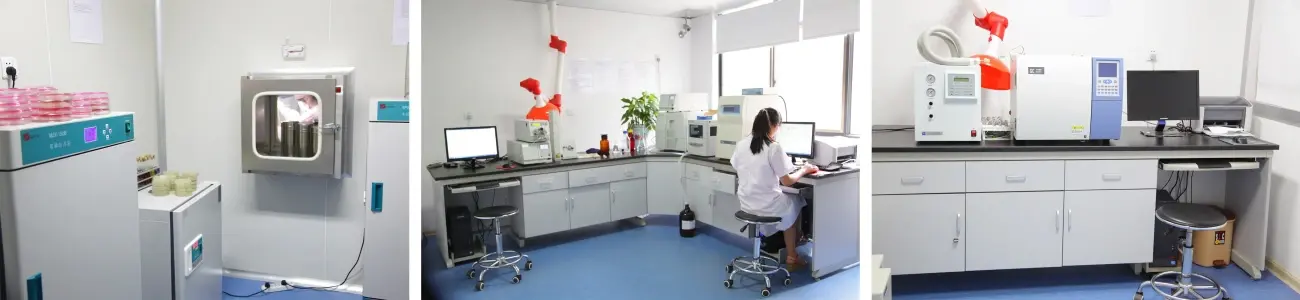
A very important part of quality control is using high-tech analytical instruments. Facilities with HPLC-ELSD, GS-MS, and ICP-MS systems can do full chemical analysis, which includes checking the structure of molecules, finding small amounts of contaminants, and making sure that color strength standards are met. These technical skills set manufacturers apart, who can help with nutraceutical, cosmetic, and functional food applications that need to meet strict regulatory requirements for excellent documentation and repeatability.
Batch Consistency and Stability Testing Protocols
Managers of procurement should set clear acceptance standards that cover a range of quality issues. Geniposide residue analysis using HPLC confirms that the enzymes have completely changed the geniposide, with premium grades showing very low levels of residue. High levels of geniposide show that the processing wasn't done as well as it could have been, which could lead to off-tastes or problems with the law in places where plant extract rules are strict.
Spectrophotometric research checks the uniformity of color values, which are usually given as E-value readings at certain wavelengths. Tight tolerances (E200 ±5%) are maintained by a good provider across all production runs. This makes sure that dosage needs are reliable and colors can be reproduced. This uniformity is very important when going from developing colors in the lab to mass production, where thousands of units must all match exactly in terms of color.
Sensory evaluation methods pick up on small changes in quality that instrumental analysis might miss. Testing watery mixtures in amounts that are useful for the job shows any fermented notes, protein smells, or bitter tastes that lower the quality of the final product. Premium Gardenia Blue has neutral taste profiles, which means that product makers can focus on the main flavor systems without having to worry about off-notes related to the colorant.
Documentation and Traceability Standards
Full product paperwork helps with quality reviews, client audits, and regulatory filings. Full certificates of analysis should list the plant source (Gardenia jasminoides Ellis), the part of the plant that was used (the flower), the processing methods, the results of the analytical tests, and the status of the certification. Traceability systems that connect lots of raw materials to finished batches make it possible to quickly answer questions about quality and show that the supply chain is honest.
OHI keeps strict records throughout our fully integrated supply chain, from GAP-certified farming to the release of the finished product. Our quality control tools keep track of every step of the manufacturing process, which meets the requirements for pharmaceutical-grade products. Customers in regulated industries need this level of strict documentation because they need to know where their ingredients come from so they can protect their brand's reputation and follow the rules.
Application Guidelines for Gardenia Blue in Industrial Formulations
Optimal Usage Rates and Formulation Considerations
To successfully integrate Gardenia Blue, you need to know the dosage amounts and suitability factors that are specific to your application. Usage rates range from 0.01% to 0.1%, depending on the color intensity that is wanted, the product matrix, and the processing conditions. When it comes to concentrations, water-soluble products usually need less than protein-rich systems, where pigment binding may make the color seem weaker.
Product designers should test their products' stability under conditions that speed up the aging process. They should see how well the colors stay true after being heated, exposed to light, and stored for a long time. Gardenia Blue is more stable than many natural options, but some ingredients in the recipe, like reducing sugars, some preservatives, and metal ions, may affect how well the color lasts over time. If you understand these interactions early on in the development process, you won't have to do expensive reformulation work during the scale-up phases.
Because the pigment binds strongly to proteins, it works well in dairy-free options, sports nutrition products, and functional drink systems where "clean label" claims are in line with what customers want. When making combination colors, Gardenia Blue with natural yellows makes bright, stable greens that cover another tricky area in natural colorant schemes. This ability to build colors opens up more creative options while still using only botanical materials.
Handling Recommendations for Manufacturing Environments
The quality of the product is maintained by following the right handling steps from getting it to finishing it. Gardenia Blue powder should be kept in sealed containers out of direct sunlight and water to keep the color strong. Standard equipment for handling dry ingredients, like ribbon blenders, high-shear mixers, and powder dosing systems, works well with this material and doesn't need any special processing infrastructure.
In most dissolution procedures, the powder is hydrated in room-temperature water while being gently stirred to make sure it is completely mixed before it is added to formulation bases. Pre-dissolving the colorant makes sure that the color is spread out evenly and stops concentration spots that could make finished goods look uneven. Any particles that aren't dissolved are removed by filtering through standard mesh screens. However, high-quality Gardenia Blue usually has great solubility properties.
When working with powdered forms, manufacturing staff should follow standard procedures for handling food-grade ingredients and wear the right safety gear, such as gloves and dust masks. Gardenia Blue is not likely to cause allergies, but keeping processing areas clean stops cross-contamination and helps meet overall food safety goals. Cleaning the equipment follows the same standard hygiene steps that are used for natural colorants. There are no special needs or worries about long stay times.
Technical Support and Application Development
Technical collaboration between suppliers is often helpful for integrating ingredients well. Manufacturers with a lot of experience can help with formulation, give stable data, and make suggestions based on specific applications, all of which speed up the product development process. This way of working together is especially helpful when dealing with special formulation problems or looking into new application areas where there may not be a lot of written literature.
OHI's technical team works with customers and brings decades of experience with botanical extracts to the table. Our advanced research and development facilities, which are equipped with pilot-scale processing equipment, help with formulation optimization. As an extension of your internal development teams, our scientists help with things like testing for compatibility, making stable protocols, and putting together regulatory paperwork. This model of working together helps customers deal with technical issues and shortens the time it takes for new products to hit the market.
Evaluation of samples is an important part of the process of qualifying suppliers. Manufacturers with a good reputation will send you free samples so you can test the color, solubility, and taste features of their products in real formulation systems. OHI gives away free samples of our E20 and E30 specifications, which come in evaluation quantities that allow for thorough testing on a bench scale before placing an order for the full commercial scale.
Sustainable Sourcing and Supply Chain Reliability
Agricultural Practices and Raw Material Quality
High-quality Gardenia Blue begins in the growing environment, where farming practices affect plant composition. OHI operates three GAP-standard planting bases in Shaoyang, Changsha, Huaihua, Guizhou, Hubei, and Jiangxi. Over 8,000 acres are used to cultivate medicinal herbs. These sites are in various regions of the globe, so they may produce crops in the best weather and harvest at different periods to maintain supply.
By providing certified seedlings and conventional farming practices throughout the year, our integrated farming partnerships assist local agricultural cooperatives with technical challenges. This all-around technique ensures floral phytochemical profiles remain consistent. Flowers are the main raw element that influences colorant quality. Universities have developed methods to cultivate plants that yield the most geniposide with little environmental input. These strategies fulfill quality and environmental responsibility objectives.
Harvest batch tracking systems link lots of completed colorants to growth regions and harvest periods at the field level. As customers learn more about how businesses get products and respect the environment, agricultural transparency is becoming more crucial. Our vertical integration methodology ensures ethical plant raw material sourcing and consistent phytochemicals for commercial usage.
Supply Chain Infrastructure and Distribution Capabilities
Uncertainties about purchasing that can throw off production plans or force expensive ingredient swaps are kept to a minimum by reliable supply lines. Through our fully owned company Earth Made Nutritions in Los Angeles, California, OHI keeps strategic stock in four major U.S. stores. This local infrastructure makes it possible to quickly fill orders, with wait times of 10 days on average after an order is placed. This is a lot faster than direct imports, which can take up to 8 weeks to arrive.
Domestic warehousing also makes logistics planning easier by removing the problems that come with international shipping paperwork, clearing customs, and changing currencies. When handling just-in-time inventory systems or reacting to sudden rises in demand, procurement teams appreciate how reliable local supply sources are. Our standard 25kg drum packaging works for both small-scale development projects and large-scale production needs. With a minimum order quantity of just 25kg, initial trials can be done without having to keep too much inventory on hand.
Managing the cold chain during transportation protects the quality of the product by limiting changes in temperature that could speed up the breakdown process. OHI's distribution partners use temperature-controlled logistics for fragile botanical materials. This makes sure that the product gets to its destination in perfect condition, no matter what the weather is like at different times of the year. This care with distribution details shows our larger goal of providing uniform quality from the factory to the customer's receiving docks.
Conclusion
It's a big step forward in natural colorant technology that Gardenia Blue meets the high standards for safety, stability, and performance needed in industrial formulations. It is a good option to manufactured blues because it is more resistant to heat, can handle a wide range of pH levels, and has a clean sensory profile. It also fixes some problems with other natural pigments. Comprehensive quality standards, such as limits on heavy metals, microbiological requirements, and strict purity tests, give procurement workers peace of mind that all global markets are following the rules. The ingredient can be used in a wide range of products, including nutraceutical supplements, functional foods, cosmetics, and other uses where clean-label claims are preferred by customers. To make the implementation go smoothly, you need to carefully choose your seller, make sure the quality is checked, and follow the right application steps. These are the things that set premium-grade material apart from cheaper options in the growing natural colorant market.
FAQ – Common Questions About Gardenia Blue
1. How does Gardenia Blue compare to synthetic blue colorants in terms of application performance?
Gardenia Blue is about as stable as synthetic blues in most situations. It is also better at withstanding heat, which means it can be used in baked goods, sweets, and retort-processed goods where synthetic blues were once the norm. The main difference is the level of regulatory approval. Synthetic FD&C blues are widely approved in Western markets, but Gardenia Blue is currently the most approved color in Asian markets like China, Japan, and Korea. This plant option is especially useful for brands that sell their products in places where people prefer natural colorants.
2. Can Gardenia Blue cause allergic reactions in sensitive populations?
Based on known toxicological data and usage experience in approved markets, botanical colorants produced from Gardenia jasminoides Ellis are not likely to cause allergies. When something is processed well, the protein residues that usually cause allergic reactions are removed. This leaves behind pure pigment molecules that don't have much of an immunogenic potential. As with adding any new ingredient, brands should make sure it is safe by checking it against the rules in the target market and using it in the right way.
3. What factors most significantly impact Gardenia Blue stability in finished products?
The main things that affect long-term color stability are the pH level, the amount of heat used, the amount of light the color is exposed to, and the presence of lowering agents. Products made with a pH range of 4.0 to 10.0 keep the best color consistency, and acid-resistant versions make this range even wider. Protective packaging that blocks light improves shelf life, especially for clear drinks that may break down over long shipping times.
Partner with OHI for Premium Gardenia Blue Supply
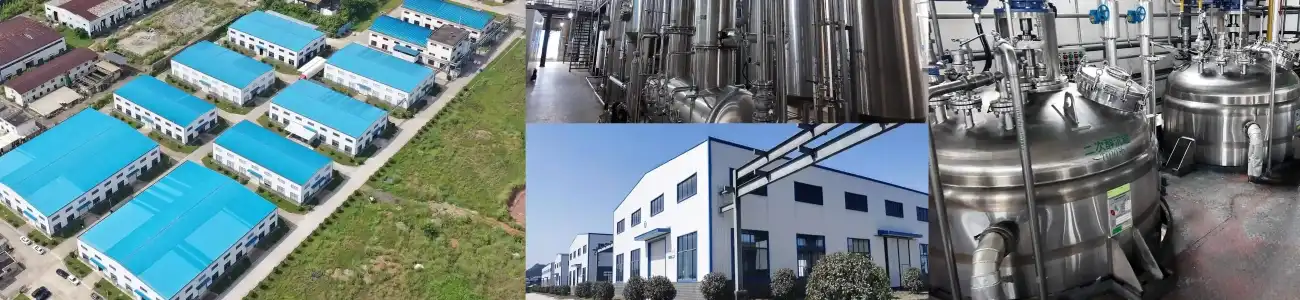
OHI provides pharmaceutical-grade Gardenia Blue that is made in facilities that are FSSC22000 and NSF GMP certified according to strict quality standards. Our fully connected supply chain, which starts with 8,000-acre GAP farms and ends with advanced enzyme processing, makes sure that every batch is exactly the same and that all the information can be tracked back to the source, which is what regulatory reports require. As a top Gardenia Blue provider, we keep strategic U.S. inventory through Earth Made Nutritions. This lets us meet your production schedules with 10-day shipping without the hassles of foreign logistics.
Our technical team works with formulation scientists to find the best ways to incorporate colorants. They do this by giving stability data, application advice, and free samples for full evaluation. Our products come in E20 and E30 sizes, and you can buy as little as 25 kg of them. They can be used for both small-scale growth projects and large-scale production. Get in touch with info@organic-herb.com to talk about your specific needs and get detailed technical documentation to help your natural colorant projects.
References
1. Boo, H.O., et al. "Stability and Chromatic Properties of Gardenia Blue Pigment Extracted from Gardenia jasminoides Ellis." Journal of Agricultural and Food Chemistry, 2011.
2. Yamada, M., and Kato, Y. "Formation Mechanism of Gardenia Blue Pigment from Genipin and Amino Acids." Food Research International, 2009.
3. Chen, Y.L., et al. "Quality Control and Safety Assessment of Natural Food Colorants: Focus on Gardenia-derived Pigments." Food Additives and Contaminants, 2015.
4. International Expert Committee on Food Additives (JECFA). "Specifications for Gardenia Blue: Evaluation of Certain Food Additives." WHO Technical Report Series, 2014.
5. Zhang, H., and Wu, J. "Comparative Stability Studies of Natural Blue Pigments in Food Systems." International Journal of Food Science and Technology, 2018.
6. Liu, S., et al. "Enzymatic Biotransformation Methods for Natural Colorant Production from Botanical Sources." Trends in Food Science and Technology, 2020.
Standard Disclaimer (DSHEA):
These statements have not been evaluated by the Food and Drug Administration.
This product is not intended to diagnose, treat, cure, or prevent any disease.

Send Inquiry
Related Industry Knowledge
- Antioxidant and Anti-Inflammatory Activities of Safflower Extract Powder
- Cinnamon Powder vs. Cinnamon Bark Extract Powder: Which is Right for Your Formulation?
- Is Sophora Japonica Extract Good For Skin?
- Exploring the Unique Properties of Maitake Mushroom Extract Powder
- How is soybean oil made?
- How is raspberry flavoring made?
- The Benefits of Rhodiola Rosea Are Too Good to Miss
- Bitter Apricot Extract: How It’s Made and What Sets It Apart
- Coenzyme Q10 (CoQ10): Biohacking Mitochondria for Energy, Longevity, and Anti-Ageing
- The Health Benefits and Uses of Polyporus Umbellatus Fries