
Is Red Radish Extract good for pigmentation?
Aug 4, 2026
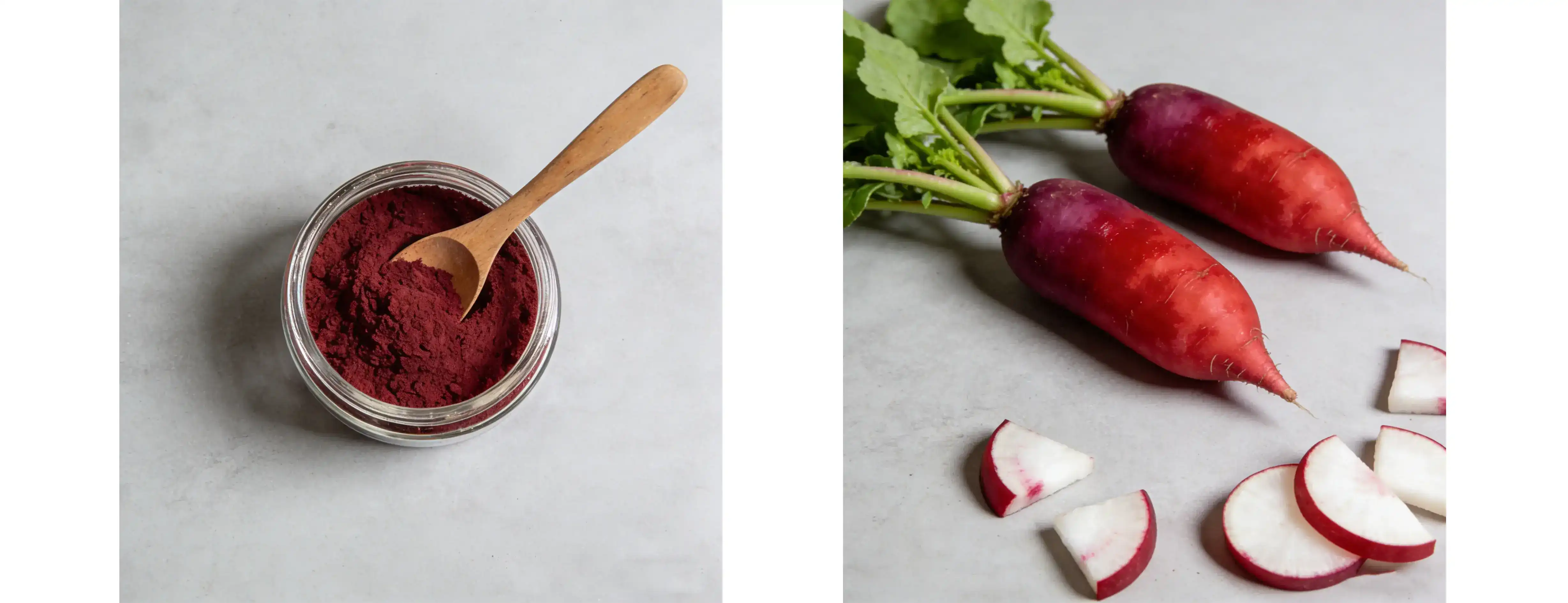
Yes, Red Radish Extract (Raphanus sativus L.) has a lot of potential to help with pigmentation issues. Anthocyanins, especially pelargonidin derivatives, found in this plant ingredient work very well as protectors. These chemicals help get rid of free radicals that cause melanin to be made in too large amounts, which is a major cause of uneven skin tone. Although radish root extract won't get rid of deep pigmentation fast, it is an important part of many products that are meant to treat skin discolouration because of its beneficial properties. More and more, formulators and product designers are using this natural ingredient because it can be used as both a natural colourant and an active ingredient in skin care products.
Understanding Pigmentation and Natural Ingredient Solutions
Melanin builds up in the skin due to UV exposure, hormonal changes, aging, and heredity. These induce hyperpigmentation, which individuals attempt to treat using skin care products.
Natural plant extracts are essential to current formulations. Procurement staff is under increasing pressure to acquire clean-label materials and assess outcomes. Finding plant-based actives that are stable in a variety of pH conditions, can endure high processing temperatures, and fulfill FDA and EU regulations is difficult.
Market Demand for Plant-Based Actives
A huge shift in consumer preference has happened toward formulations with well-known botanical ingredients. This trend goes beyond stores that sell cosmetics and includes professional skin care lines and useful vitamin categories. Brands stand out by using new, natural ingredients that solve particular problems while keeping the integrity of the formulation throughout the shelf life.
Regulatory Landscape Considerations
Compliance rules are different in different parts of the world, especially between the European and North American markets. Ingredients must meet strict standards for cleanliness, be tested for stability, and show accuracy from batch to batch. During procurement, documentation is very important because formulators need to be able to fully track the ingredients from cultivation to extraction.
Anthocyanin-Rich Composition and Pigmentation Benefits
Its root is called Raphanus sativus L., contains a high concentration of anthocyanins, with pelargonidin-3-sophoroside-5-glucoside being the main one. It is often acylated with ferulic and caffeic acids. Compared to non-acylated anthocyanins found in berry extracts, this one-of-a-kind structure makes it very stable.
Antioxidant Mechanisms at the Cellular Level
Anthocyanins do their job by getting rid of reactive oxygen species that make tyrosinase activity go up. Tyrosinase is the enzyme that turns tyrosine into melanin. These chemicals help slow down the production of melanin by blocking this pathway. Radish anthocyanins' acylated structure makes them more bioavailable and keeps them working longer in formulas.
Comparative Advantages Over Synthetic Alternatives
Unlike manufactured colourants, this plant extract can be used for two different things. It is a natural E163 colourant and a functional ingredient that can also act as an antioxidant. Because of this, formulators can simplify ingredient lists while still promoting clean labels, which is a big plus when making goods for markets that value openness.
Multifunctional Applications Beyond Skincare
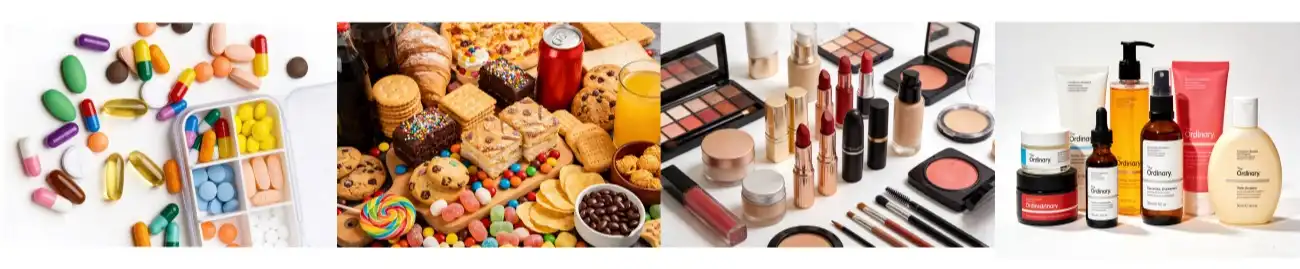
The bioactive profile can be used for more than just cosmetics. Due to its antioxidant properties, this ingredient is used by people who make functional drinks and dietary supplements. This ability to be used across industries makes buying more efficient, especially for companies that make more than one type of product.
Technical Specifications and Quality Parameters
Knowing the technical details helps buying teams choose materials that meet the needs of the recipe. The controlled substance taken from Raphanus sativus L. shows certain quality indicators that are necessary for Red Radish Extract to work consistently. Key parameters include anthocyanin content (expressed as pelargonidin-3-glucoside equivalents), color value (E10% at a specific wavelength), moisture content below 8%, and heavy metal limits that comply with food and cosmetic regulatory standards across major global markets.
Physical and Chemical Characteristics
- Appearance: The powder is a deep red colour, and the particles are spread out evenly.
- Color Value: E1% (514±5nm) ≥ 50%, which guarantees accurate chromatic strength
- Solubility Profile: It dissolves in water and works well in both water-based and alcohol-based systems.
- pH Stability Range: Works best in acidic to neutral conditions (pH 3.0-7.0).
- Active Components: Pelargonidin as the main marker for standardised anthocyanin content
Quality Assurance Standards
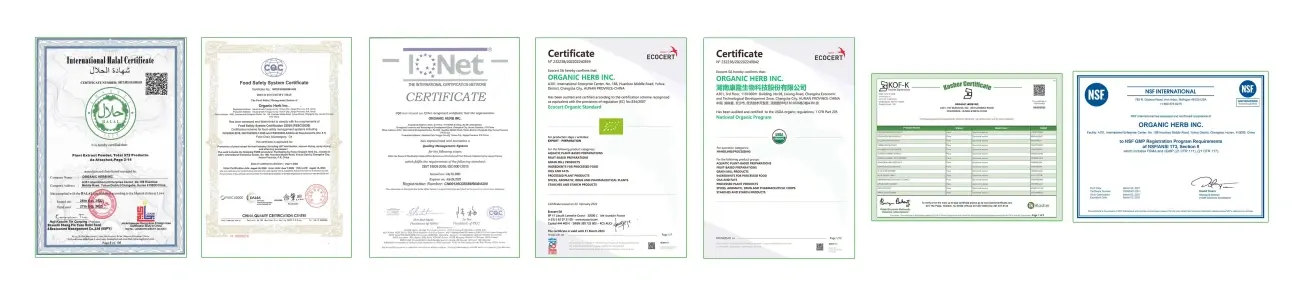
The best materials should come with a lot of different approvals, like NSF GMP, ISO9001, FSSC22000, Kosher, and Halal. These credentials show that formulators follow international rules for manufacturing and let them meet the needs of a wide range of markets without having to go through extra qualification steps.
Packaging and Logistics Specifications
- Standard Packaging: 25 kg fibre drums with two food-safe PE liners are the standard way to package things.
- Minimum Order Quantity: 25 kg, which is enough for small-batch testing and sample production.
- Lead Time: 10 days to fill orders once they are confirmed.
- Storage Conditions: Keep it cool and dry, and keep it out of direct sunlight.
- Shelf Life: 24 months if kept the way it's prescribed.
Distinguishing Characteristics Among Radish-Derived Ingredients
To get the best recipe performance, product planners need to know how the different radish extracts are put together. All radish types are in the Brassicaceae family, but their phytochemical profiles are very different.
Red Versus Black Radish Composition
Red radish (Raphanus sativus L.) is mostly made up of anthocyanins, which give it its unique colour and protective qualities. Black radish types have a lot of glucosinolates and isothiocyanates, which are chemicals that are better for digestive health. This difference in composition determines the best uses: red varieties work best in situations that need both good looks and antioxidant activity, while black varieties work best in internal wellness formulations.
Powder Form Versus Liquid Extract Considerations
Powder forms are simpler to use and last longer, particularly when sent overseas. Concentrated, it's simple to acquire the proper dosage when mixing. Liquid extracts dissolve faster in beverages but need a cold chain and shorter stability windows. Formulators that use powder forms have less storage space and less product breakdown during development.
Organic Certification Impact on Procurement
Organically approved products cost more, but they help with marketing in consumer-facing settings. Certification makes sure that the plants are grown without using synthetic fertilisers or pesticides, which fits with the idea of "clean beauty." Based on what the target market wants and how they want to position the brand, procurement teams should decide if organic status gives them a good return on their investment.
Strategic Sourcing Guidelines for B2B Procurement
Negotiating prices is only one part of a successful purchase. A thorough review of suppliers guarantees the quality of materials, the continuity of supplies, and compliance with regulations throughout the lifetime of the relationship.
Supplier Qualification Criteria
Potential partners should be judged on their industrial experience, extraction technology, and quality control systems. What suppliers should show is:
- Current GMP approval and a history of audits that can be shown
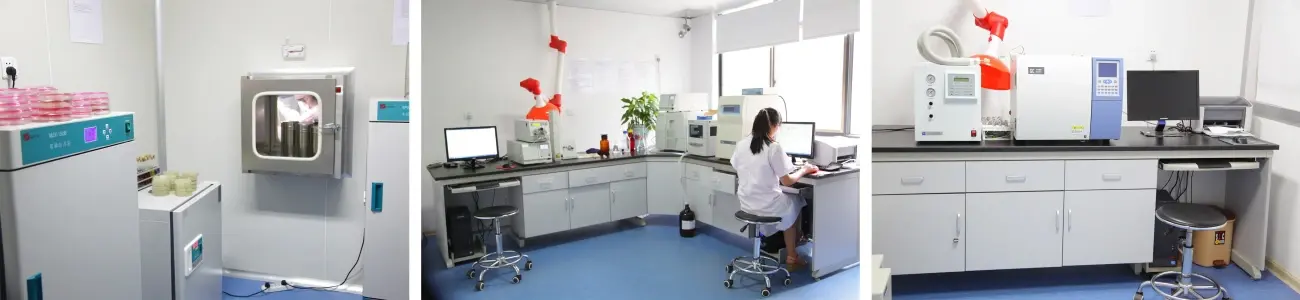
- Analytical tools, such as HPLC and spectrophotometric testing
- Tracking of raw materials from their growth to their final packaging
- Technical help resources for fixing problems with formulation
- Regulatory paperwork to help with entry to global markets
Supply Chain Considerations for North American Markets
Organic Herb Inc. has four strategically placed warehouses across the United States. This lets domestic manufacturers get their orders quickly. This infrastructure cuts wait times from weeks to days, which helps just-in-time inventory tactics that need less working capital. Domestic warehousing also makes customs procedures easier and lowers the problems that come with shipping goods between countries.
Sample Evaluation Protocols
Before agreeing to large quantities of production, ask for examples. The evaluation should include a taste test, a solubility test in target materials, and a stability study under fast conditions. Full samples come with allergen declarations, safety data sheets, and certificates of analysis, all of which are necessary paperwork for regulatory filings.
MOQ Flexibility and Pricing Structures
The 25 kg minimum order quantity for Red Radish Extract allows for pilot production and small-batch production without having to keep too much material on hand. Volume buyers should talk about tiered pricing structures that reward longer-term commitments while still letting suppliers be flexible. Knowing how costs are broken down, such as by base material, certification fees, and logistics, helps you negotiate better.
Formulation Integration and Technical Recommendations
Creating a successful product requires knowing the best amounts to use, how to make the formula so that the ingredients work at their best, and how to make sure that the formula is compatible.
Recommended Concentration Ranges
- Skincare Applications: 0.5% to 2% in serums, creams, and lotions that target colour for skin care
- Functional Beverages: 0.1% to 0.5% for both colourant and antioxidant functions
- Supplement Formulations: 50 to 150 mg per serving in capsule or tablet form
- Cosmetic Colour Products: 1.0 to 5.0%, depending on the level of colour intensity you want.
Compatibility with Complementary Actives
When you mix this plant extract with other lightening agents, you get mixtures that work better together. Ingredients that work well together are:
- Vitamin C compounds, such as ascorbyl glucoside and sodium ascorbyl phosphate
- Niacinamide to help the barrier and stop melanin transfer
- Alpha arbutin to change tyrosinase
- Liquorice root extract to help antioxidants even more
- Avoid formulating with strong oxidizing agents or highly alkaline ingredients that compromise anthocyanin stability.
Processing and Stability Considerations
To keep the anthocyanin's structure, add it during the cooling part of emulsion production. Stay away from temperatures above 60°C for long periods of time. After adding the ingredients, the pH should be adjusted to keep the mixtures in the 3.5–6.5 range for the best colour stability. Light-resistant packaging keeps food fresh longer by preventing photodegradation.
Advanced R&D Capabilities Supporting Product Innovation
In Changsha, Hunan, Organic Herb Inc. runs a full-fledged research and development center with 42 specialised professionals, such as scholars, professors, and doctoral workers. This technical infrastructure helps with both custom development projects and unique extraction needs.
Extraction Technology and Quality Optimization
The center uses cutting-edge methods such as:
- Dynamic low-temperature extraction that keeps molecules that are easily broken down
- Nano-membrane separation for accurate molecular weight separation
- Using column adsorption chromatography to get rid of unwanted sulphur compounds
- The freeze-drying method keeps the biological components intact
These methods fix a common problem in getting natural ingredients, in this case, the sulphurous smell that comes from Brassicaceae extracts. Materials that can be used for delicate fragrance applications are deodorised using proprietary methods.
GAP-Certified Cultivation Ensures Raw Material Quality
Raw materials for Red Radish Extract come from three GAP-standard planting bases that cover more than 8,000 acres in Shaoyang, Changsha, Huaihua, Guizhou, Hubei, and Jiangxi provinces. Partnering up with local farmers in a planned way makes sure that quality is controlled from choosing the seedlings to harvest. This vertical integration gives materials that are sourced through brokers the traceability that is often missing. This directly meets the supply chain transparency needs of major brands.
Custom Development and Technical Partnership
The R&D team works with clients to come up with custom specs that solve their individual formulation problems. This includes standardising to certain marker compounds, making powders that dissolve in water, or making versions that are enclosed in tiny bubbles for controlled release uses. Time-to-market is sped up by these kinds of agreements, which also lower formulation risk.

Conclusion
Formulators of pigmentation products gain from radish root extract. The anthocyanin profile gives it natural color and protection. The element fits procurement professionals' strategic objectives of "clean label," functional effectiveness, and worldwide regulatory compliance. Knowledge of technological needs, percentage ranges, and compatibility difficulties is essential for effective integration. Working with suppliers with good quality processes, local storage, and technical assistance helps reduce procurement risks and speed up product development. The ingredient's versatility in cosmetics, nutraceuticals, and food may help you diversify your company. This natural extract is a good addition to pigmentation and antioxidant positioning product development since more consumers prefer plant ingredients they can recognize.
Frequently Asked Questions
1. Can radish root extract completely eliminate existing pigmentation?
This botanical ingredient works best when it's part of a complete formula and not by itself. Anthocyanins help control ongoing melanin production through antioxidant mechanisms. This means that they work better for preventing hyperpigmentation and making it better over time than for getting rid of it quickly. Realistic goals include being able to see improvements after 8 to 12 weeks of regular use of well-formulated goods.
2. What advantages does organic certification provide for finished products?
Organic certification lets marketers make claims about clean beauty and appeals to people who care about the environment. Certified organic materials are grown without using synthetic pesticides, which could lower concerns about residues. But when both meet the same purity standards, the functional performance of organic and conventional extracts stays the same. When making procurement decisions, people should think about how the extra cost will affect marketing.
3. How does pH affect color stability in formulations?
Anthocyanins show chromatic shifts that depend on pH. Colours that are acidic (pH 3-5) are bright red-orange, while colours that are neutral (pH 7) are more purple. Alkaline conditions make things turn blue-green and speed up the breakdown process. Keeping recipes in the pH range of 4-6 is best for both colour stability and ingredient longevity. This is especially important for goods that need to last a long time on the shelf.
Partner with OHI for Premium Red Radish Extract Supply
Pharmaceutical-grade botanical extracts are sold by Organic Herb Inc., which has a lot of certifications and technical know-how to back them up. As a publicly traded company (Stock Number: 872213), we offer the supply chain stability that B2B customers need. We do everything from GAP-certified farming to advanced extraction. Our Earth Made Nutritions subsidiary keeps strategic inventory in four warehouses in the United States. This lets domestic manufacturers get their orders quickly. You can get high-quality Red Radish Extract powder that meets certain standards, including a Color Value E1% (514±5nm) ≥ 50% range, a deep red appearance, and all the necessary complete regulatory documentation. Technical support teams help with things like formula optimisation, stability testing, and making sure that regulations are followed. Send an email to info@organic-herb.com to get your free sample and technical data package. Whether you're a company that makes Red Radish Extract and needs a reliable bulk supply or a brand developer looking into natural pigmentation actives, our procurement specialists can help you find solutions that are exactly what you need. Streamline your buying process by working with a partner who is dedicated to quality, openness, and new ideas in the production of plant extracts.
References
1. Wrolstad, R.E. (2012). "Anthocyanins in Food Colorants: Chemistry, Functionality and Applications." Annual Review of Food Science and Technology, Vol. 3, pp. 229-248.
2. Giusti, M.M. and Rodriguez-Saona, L.E. (2015). "Natural Pigments from Plants as Functional Food Colorants." Current Opinion in Food Science, Vol. 7, pp. 14-18.
3. Dueñas, M., González-Manzano, S., González-Paramás, A., and Santos-Buelga, C. (2010). "Antioxidant Evaluation of Anthocyanins from Radish Root." Journal of Agricultural and Food Chemistry, Vol. 58(4), pp. 2693-2698.
4. Stintzing, F.C. and Carle, R. (2007). "Functional Properties of Anthocyanins and Betalains in Plants and Foods." Trends in Food Science & Technology, Vol. 15(1), pp. 19-38.
5. Cortez, R., Luna-Vital, D.A., Margulis, D., and Gonzalez de Mejia, E. (2017). "Natural Pigments: Stabilization Methods of Anthocyanins for Food Applications." Comprehensive Reviews in Food Science and Food Safety, Vol. 16, pp. 180-198.
6. Khoo, H.E., Azlan, A., Tang, S.T., and Lim, S.M. (2017). "Anthocyanidins and Anthocyanins: Colored Pigments as Food, Pharmaceutical Ingredients, and Potential Health Benefits." Food & Nutrition Research, Vol. 61(1), Article 1361779.
Standard Disclaimer (DSHEA):
These statements have not been evaluated by the Food and Drug Administration.
This product is not intended to diagnose, treat, cure, or prevent any disease.

Send Inquiry

Related Industry Knowledge
- Is Purple Sweet Potato Extract good for hormones?
- How Goji Berry Extract Can Transform Your Skincare?
- Seabuckthorn Extract for Skin: What the Concentrated Form Actually Does
- St. John's Wort: What It Is, Properties, When to Take It
- The Benefits of Rhodiola Rosea Are Too Good to Miss
- Exploring the Wonders of Rhodiola Rosea
- Coenzyme Q10 (CoQ10): Biohacking Mitochondria for Energy, Longevity, and Anti-Ageing
- The rejuvenating power of Rosehip extract in skin care
- When to take saw palmetto morning or night?
- What is black carrot extract?