
Key Factors to Consider When Sourcing Grape Skin Extract Powder
Aug 17, 2026
When procuring Grape Skin Extract Powder, procurement experts must consider various interlinked elements that affect product performance and market competitiveness. With 30% polyphenols, this violet-red powder from Vitis vinifera L. is rich in anthocyanins, flavonoids, and resveratrol. Purity verification, supplier certificates, extraction procedure, batch consistency, regulatory compliance documents, and supply chain dependability are crucial. Understanding these criteria helps nutraceutical, cosmetic, and functional food R&D directors, formulation managers, and procurement teams choose clean-label ingredients with consistent bioactive performance.
Understanding Grape Skin Extract Powder: Composition and Benefits
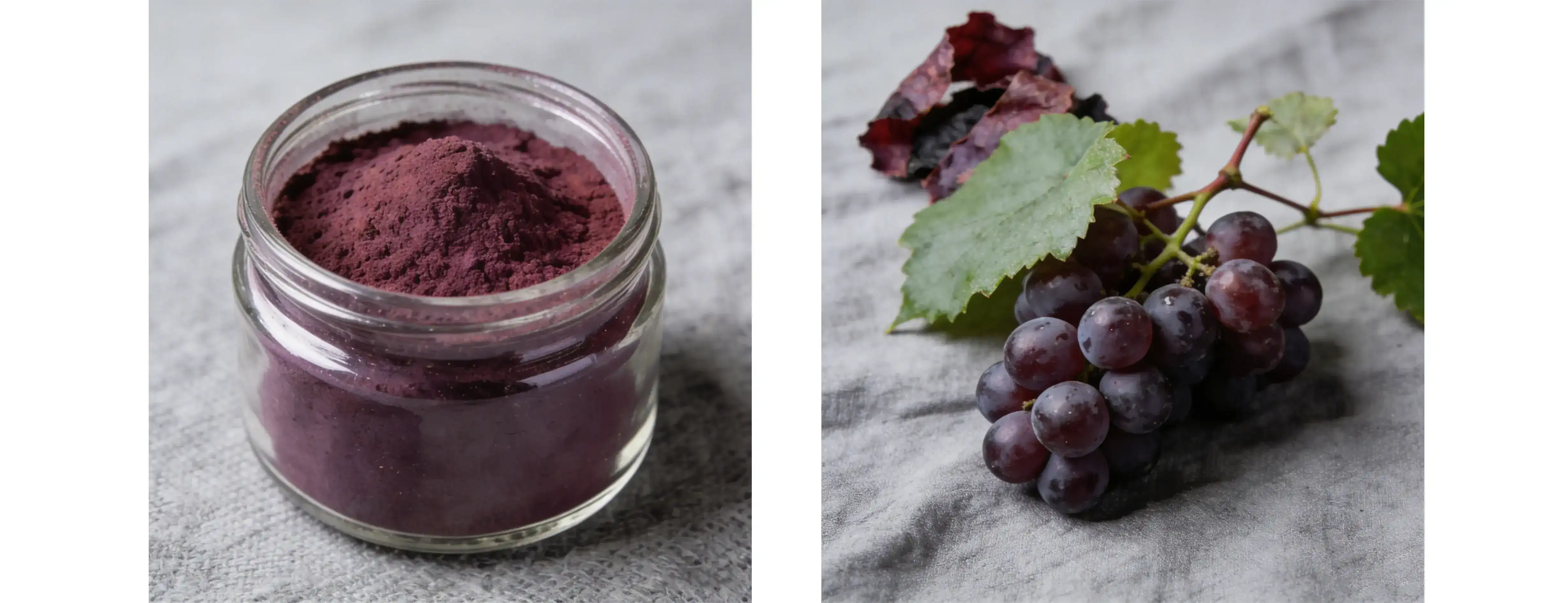
Grape Skin Extract Powder is different from other botanical ingredients because the polyphenols that are concentrated during the extraction process make it stand out. Whole grape powders keep the sugars and fiber, but this special extract separates the bioactive compounds that are mostly found on the skin of the Vitis vinifera L. plant.
What Makes This Extract Distinctive
Using water and ethanol as solvents in the extraction process protects chemicals that are sensitive to heat while meeting standard requirements for concentration ratios between 4:1 and 30:1. This two-solvent method collects both anthocyanins, which dissolve in water, and resveratrol, which dissolves in alcohol. Together, they form a complete phytochemical matrix. The violet-red color shows that there is a lot of anthocyanin in the food, which is useful as an antioxidant and a natural colorant in recipes.
Bioactive Compound Profile
Polyphenols are the main active ingredient, and spectrophotometric analysis shows that standardized products usually have 30% total polyphenols. These chemicals include proanthocyanidins, catechins, and quercetin molecules that work together to make antioxidants stronger. Even tho it is found in small amounts, resveratrol is very useful for formulas that help with aging and heart health. The anthocyanin part can keep its color in a range of pH conditions, from red in acidic settings to purple-blue in neutral ones.
Application Advantages Across Industries
Nutraceutical companies use this extract as an antioxidant supplement because it isn't bitter like grape seed extracts. Cosmetic makers like that it can be used as both an active ingredient and a natural color that fits with the trend toward "clean beauty." Functional beverage makers like that it dissolves easily in water and works well in a range of pH environments. The extract can be used in a lot of different areas because it is very stable when it is properly made and because it meets customers' desire for well-known plant-based ingredients.
Essential Quality Parameters When Selecting Grape Skin Extract Powder
A quality review involves checking many factors in a planned way that affect both how well something works and whether it follows the rules. To tell the difference between high-quality goods and lower-quality ones, procurement teams need clear standards.
Standardization and Purity Verification
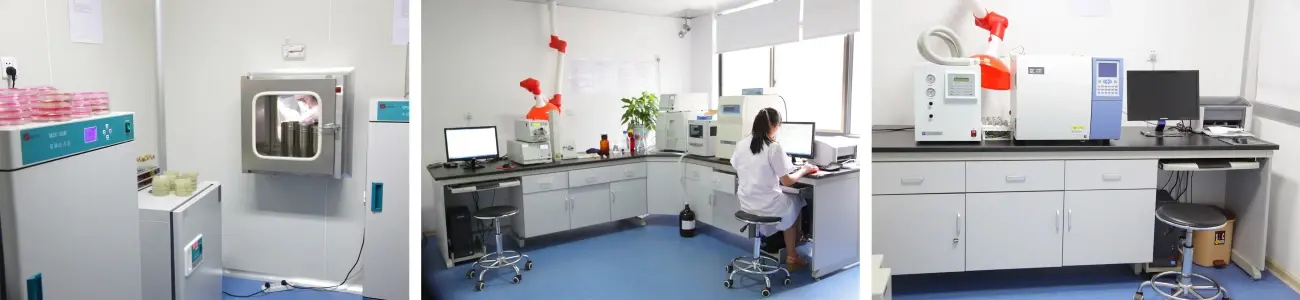
Standards for 30% polyphenols provide a minimal level of homogeneity, although testing is crucial. Fast screening using UV-Vis spectrophotometry may exaggerate bioactive content by incorporating bigger polymers that aren't readily broken down by living organisms. HPLC can detect and quantify target chemicals like resveratrol and anthocyanins. Instead of using total phenolic values, get a Certificate of Analysis with thorough testing techniques to ensure polyphenol content.
Purity includes active compounds and contaminant screening. Heavy metal tests should indicate levels below regulatory limits (lead <3 ppm, arsenic < 2 ppm, cadmium < 1 ppm, mercury < 0.1 ppm). USP rules require microbiological tests to demonstrate total plate count, yeast/mold presence, and pathogen absence. For conventional (non-organic) materials, pesticide residue screening is crucial. Multi-residue analysis may be employed for field treatments.
Certification Requirements
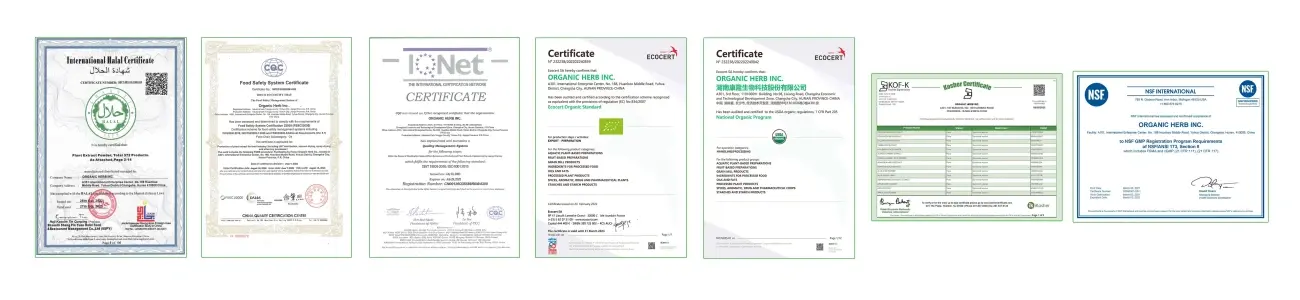
Suppliers with full certification portfolios are committed to quality and compliance. The firm follows dietary product-specific GMPs with NSF GMP certification. The Global Food Safety Initiative requires ISO 22000 and other programs, which the FSSC22000 certification provides. Organic certification from the USDA or EU ensures food originates from recognised farms and is prepared safely. This attracts clean label companies.
Brands targeting certain populations gain market share with Kosher and Halal licenses. ISO 9001 accreditation indicates a quality management system beyond food demands. Procurement managers should request current certification documents and ensure that scope statements cover Vitis vinifera L. Skin Extract manufacture.
Solubility and Particle Size Consistency
Particle size impacts formulation performance and bioavailability. Standard 80-mesh screening (177-micron holes) ensures beverage and pill dissolving rates are adequate. Smaller particle sizes make suspensions more stable in liquids but may cause particles to clump together in wet locations. A particle size distribution study helps predict production handling.
Being soluble in water is a huge advantage over grape seed oils, which need additional labour. Solubility testing at proper pH and temperature conditions prevents formulation errors during product development. The intensity of the violet-red colour may indicate anthocyanin content, although spectrophotometry is more reliable.
Supplier Evaluation and Procurement Considerations
When looking for a provider of Grape Skin Extract Powder, it's important to look at more than just the product specs. You should also look at how reliable the supply chain is and how well the technical support system works.
Manufacturing Transparency and Traceability
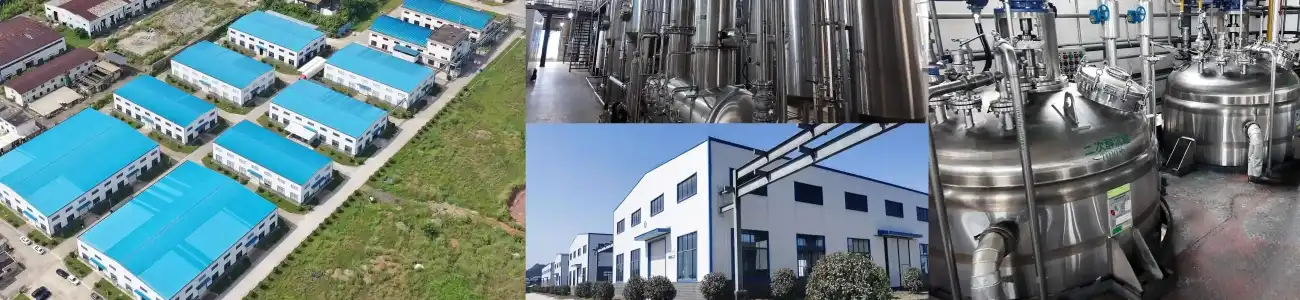
Fully integrated suppliers, from vineyards to fruit extraction, monitor quality better than brokers who acquire supplies on the spot. OHI, which manages over 8,000 acres of GAP-standard planting grounds, can trace raw supplies. This diversity assures a continuous supply even when the weather alters crops.
Quality depends on the extraction plant's power. Advanced technologies including column chromatography, nano-membrane filtration, and freeze-drying may safely concentrate heat-sensitive compounds. Polyphenols don't break down as rapidly when providers employ low-temperature extraction procedures; therefore, antioxidant power is increased.
Regulatory Documentation and Compliance Support
When you buy something from another country, you need to provide a lot of paperwork to help with customs clearing and regulatory filing. Suppliers should offer standard packages that include a Certificate of Analysis, an Allergen Statement, a BSE/TSE Compliance Declaration, a GMO-Free Statement, and regulatory status documents specific to the country. Prior notice filing information and FDA registration numbers make the customs process easier for people who are importing into the US.
During recipe creation, technical support that goes beyond basic requirements is very helpful. Suppliers with their own research and development teams can help with application advice, suggesting the best rates of usage, and fixing problems with steadiness in certain matrix situations. Having access to this scientific knowledge shortens the time it takes to create a product and lowers the cost of reformulating it.
Logistics and Delivery Reliability
Lead time estimates affect inventory and production timing. US warehouses' 7-day lead periods for in-stock products enable just-in-time purchasing, reducing inventory and working capital. Suppliers with four regional shops around the US deliver faster than direct imports, which take 30–45 days via ocean freight.
Packaging design influences product stability and handling. Standard 25-kilogram fibre barrels with polyethylene lids prevent air and dampness during storage and transport. The 25-kilogram minimum order quantity balances small samples for initial testing with big batches. Asking for stability data showing a 24-month shelf life under specified storage circumstances (below 25°C, 60% relative humidity) helps maximise inventory rotation.
Comparison and Decision-Making: Choosing the Right Grape Skin Extract Powder
In order to choose the right ingredients strategically, you need to compare them in more than just price. The best choices about where to source things are based on how well different types of extracts work in different situations.
Grape Skin Extract Versus Grape Seed Extract
Even tho they both come from Vitis vinifera, these extracts have different chemical profiles that make them useful for different tasks. Concentrating proanthocyanidins in grape seed extract gives it a unique astringency that makes it perfect for cardiovascular support formulas where bitterness isn't a big deal. When you take anthocyanins from Grape Skin Extract Powder, they have a softer taste, better color, and more polyphenols, such as resveratrol.
The anthocyanin content in Natural Grape Skin Extract is especially useful for cosmetic uses because it gives skin a natural purple-red color and acts as an antioxidant. Compared to grape seed extract, which is not as easily dissolved in water, this ingredient is easier to mix into toners, serums, and watery creams. Manufacturers of functional drinks with antioxidant claims and natural coloring without synthetic dye claims work well together.
Concentration Ratio Selection
Different manufacturing goals and cost concerns are met by the different concentration ratios (4:1, 10:1, or 30% standardized polyphenols). When the concentration ratio is lower (4:1), the bioactive amounts are modest, which is good for functional foods that can handle higher inclusion rates. In normal capsule forms, mid-range concentrations (10:1) strike a good mix between low cost and effective release of polyphenols.
Standardized 30% polyphenol specs give the most reliable recipe performance, letting you accurately calculate the antioxidant capacity of each batch. This standardization is especially helpful for cosmetic brands that want to make claims about antioxidants or color intensity that are based on numbers. Ratio-based or standardized specifications should be chosen based on the flexibility of the formulation, the strategy for label claims, and the budget.
Organic Versus Conventional Sourcing
The price of organic Grape Skin Extract Powder is higher, but it opens up new markets for people who care about being certified organic. This investment is a good one for brands that want to reach natural product stores, people who care about the environment, or people who want to get organic certification for their finished products. Regular products have similar polyphenol profiles and are cheaper, so they can be used in mass markets where organic approval doesn't give them much of an edge.
The choice goes beyond the cost of the ingredients and includes how the finished product is positioned, which retail outlets are targeted, and the brand's personality. To do the cost-benefit comparison, you need to look at rival formulations and how much people are willing to pay for organic claims. Suppliers who offer both organic and conventional options give brands more options for how they want to be served.
Best Practices and Recommendations for Sourcing Grape Skin Extract Powder
Using systematic procurement methods for Grape Skin Extract Powder reduces variations in quality and builds stronger relationships with suppliers that help a business grow over the long run.
Sample Testing and Pre-Purchase Validation
You may test the product before buying in bulk by requesting free samples. Testing should be done as in manufacturing, including how the item dissolves, how stable its colour is, how it tastes, and how well it combines with other substances. By evaluating stability fast under high temperatures and humidity, you can estimate its lifespan and identify potential problems.
Third-party laboratory verification provides impartial quality assurance, unlike vendor Certificates of Analysis. Check for contaminants, establish identities using HPLC fingerprinting, and assess essential bioactives to fulfil market criteria. This investment in pre-purchase certification prevents costly quality issues as manufacturing increases.
Contractual Quality Agreements
Making quality expectations official through written agreements makes it clear who is responsible and what can be done about it. All important factors, such as polyphenol content, moisture level, microbe limits, and heavy metal levels, should have acceptable amounts set out in the specifications. Putting in testing dates and shelf-life guarantees keeps the product from going bad too quickly while it's being stored.
Including non-conformance procedures in contracts makes it clear who is responsible when materials don't meet requirements. Having plans for replacing materials, getting back the money spent, or quality investigation processes in place stops disagreements that could slow down production. Including these protections in the first agreements is much easier than trying to work out solutions during quality crises.
Long-Term Partnership Development
Setting up ties with chosen suppliers has benefits that go beyond simple transactions. When there aren't enough supplies, volume agreements let you set more favorable prices and give priority to certain orders. Collaborative product development projects use the technical know-how of suppliers to make new formulas that give products a better competitive edge.
Regular contact schedules, such as business reviews every three months, help with problem-solving and growth efforts all the time. Sharing information about new consumer trends with suppliers helps them predict what ingredients you'll need in the future and come up with new products that fit with your overall strategy. With these partnerships, suppliers go from being just vendors to being strategic assets that help the business reach its growth goals.
Conclusion
Finding good Grape Skin Extract Powder requires a thorough check of the product's ingredients, the supplier's skills, compliance with regulations, and strategy agreement with the formulation goals. The standard 30% polyphenol extract is from Vitis vinifera L. vines. Skins can be used in a lot of different ways in nutrition, cosmetics, and useful food products. Choosing sources with strong certifications like NSF GMP, FSSC22000, and organic references helps make sure that regulations are followed and quality is always the same. When making a procurement decision, you should think about technical specifications, costs, and strategic factors like the reliability of the supply chain and the chance to form a partnership. Structured evaluation procedures, such as sample testing, third-party verification, and written quality agreements, can help reduce sourcing risks and set brands up for long-term competitive advantage.
FAQ
1. How does polyphenol standardization differ from concentration ratio specifications?
Polyphenol standardization makes sure that each batch has the same amount of beneficial substance (30% polyphenols) by checking it analytically. This makes sure that all batches work the same way. Concentration ratios (4:1, 10:1) show how much grape skins weigh compared to the finished powder, but they don't guarantee polyphenol levels, which depend on the quality of the raw materials and how well they are extracted.
2. What distinguishes water-ethanol extraction from other methods?
The water-ethanol extraction method can get both the water-loving anthocyanins and the fat-loving resveratrol compounds, which makes the polyphenol profiles complete. This two-solvent method keeps processing temperatures lower than pure water extraction, which protects bioactives that are damaged by heat. The method is purer than mechanical pressing, and it doesn't use harsh chemicals that need to be tested for residues for a long time.
3. Why does particle size matter for formulation performance?
A standard 80-mesh particle size (177-micron holes) makes sure that particles dissolve quickly in water and are spread out evenly in dry mixes. Finer particles have a larger surface area, which makes them bioavailable more quickly. However, they may be harder to handle because they make dust or are sensitive to moisture. Formulation changes don't happen between production runs when particle sizes are spread out evenly.
4. Can this extract replace synthetic colorants in beverage applications?
The violet-red anthocyanin pigmentation is a natural color that works well in acidic drinks (pH 3.0-4.5), where it stays stable. The amount of anthocyanin in a plant is related to its color strength, which makes shade growth predictable. Different places have different rules about what is allowed as a natural colorant, so it needs to be checked for certain areas.
Partner with OHI for Premium Grape Skin Extract Powder Supply
Work with OHI to get high-quality Grape Skin Extract Powder. OHI offers fully integrated services that cover more than 8,000 acres of GAP-certified planting bases. These are done through advanced extraction centers that use nano-membrane filtration and freeze-drying technology. Our violet-red Grape Skin Extract Powder is standardized to 30% polyphenols and has many certifications, such as NSF GMP, FSSC22000, Kosher, Halal, and Organic badges, which make the legal process easier. We have four strategically placed warehouses in the US that allow us to deliver orders of at least 25 kg within seven days. We also have strict quality standards that are checked through HPLC analysis and full contaminant screening.
Our 42-person research and development (R&D) team, which includes senior researchers with advanced degrees, provides technical support that goes beyond basic requirements and includes testing for stability and formulation optimization. As a sustainable, publicly traded company (Stock Number: 872213), we offer honesty and dependability that protect the integrity of your brand. Email our team at info@organic-herb.com to get your free sample, look over our thorough Certificates of Analysis, and talk about your unique needs.
References
1. Flamini R, Mattivi F, De Rosso M, Arapitsas P, Bavaresco L. Advanced knowledge of three important classes of grape phenolics: anthocyanins, stilbenes and flavonols. International Journal of Molecular Sciences, 2013; 14(10): 19651-19669.
2. Xia EQ, Deng GF, Guo YJ, Li HB. Biological activities of polyphenols from grapes. International Journal of Molecular Sciences, 2010; 11(2): 622-646.
3. Georgiev V, Ananga A, Tsolova V. Recent advances and uses of grape flavonoids as nutraceuticals. Nutrients, 2014; 6(1): 391-415.
4. González-Paramás AM, Esteban-Ruano S, Santos-Buelga C, de Pascual-Teresa S, Rivas-Gonzalo JC. Flavanol content and antioxidant activity in winery byproducts. Journal of Agricultural and Food Chemistry, 2004; 52(2): 234-238.
5. Dani C, Oliboni LS, Vanderlinde R, Bonatto D, Salvador M, Henriques JA. Phenolic content and antioxidant activities of white and purple juices manufactured with organically-produced grapes. Food and Chemical Toxicology, 2007; 45(12): 2574-2580.
6. Rockenbach II, Rodrigues E, Gonzaga LV, Caliari V, Genovese MI, Gonçalves AE, Fett R. Phenolic compounds content and antioxidant activity in pomace from selected red grapes widely produced in South America. Food Chemistry, 2011; 127(1): 174-179.
Standard Disclaimer (DSHEA):
These statements have not been evaluated by the Food and Drug Administration.
This product is not intended to diagnose, treat, cure, or prevent any disease.

Send Inquiry
Related Industry Knowledge
- Cinnamon Bark Benefits: Spice Up Your Health
- Is Red Radish Extract good for pigmentation?
- Can peony extract substitute Plaquenil?
- Organic Poria Cocos Extract: Benefits and Uses
- Grape Extract: Nature's Power for Skin Health
- How to make peony extract
- Are kidney beans good for weight loss?
- Poria cocos extract in skincare, What is?
- Polyporus Discover its nutrients and properties
- USA Import Standards and Poria Cocos Extract: A Supplier’s Perspective