
Is Sophora Japonica Extract Good For Skin?
Jul 15, 2026
Yes, there is a lot of hope for using Sophora Japonica Extract on the face. This plant ingredient comes from the flower buds of Sophora japonica L. and has a lot of rutin and quercetin, which are beneficial flavonoids known for their ability to fight inflammation and free radicals. When added to skin care products, these chemicals help fight environmental stressors, improve the function of the skin barrier, and make the skin look more even. For sourcing workers looking at natural actives, knowing the science behind this extract makes it clear how useful it is for formulating.
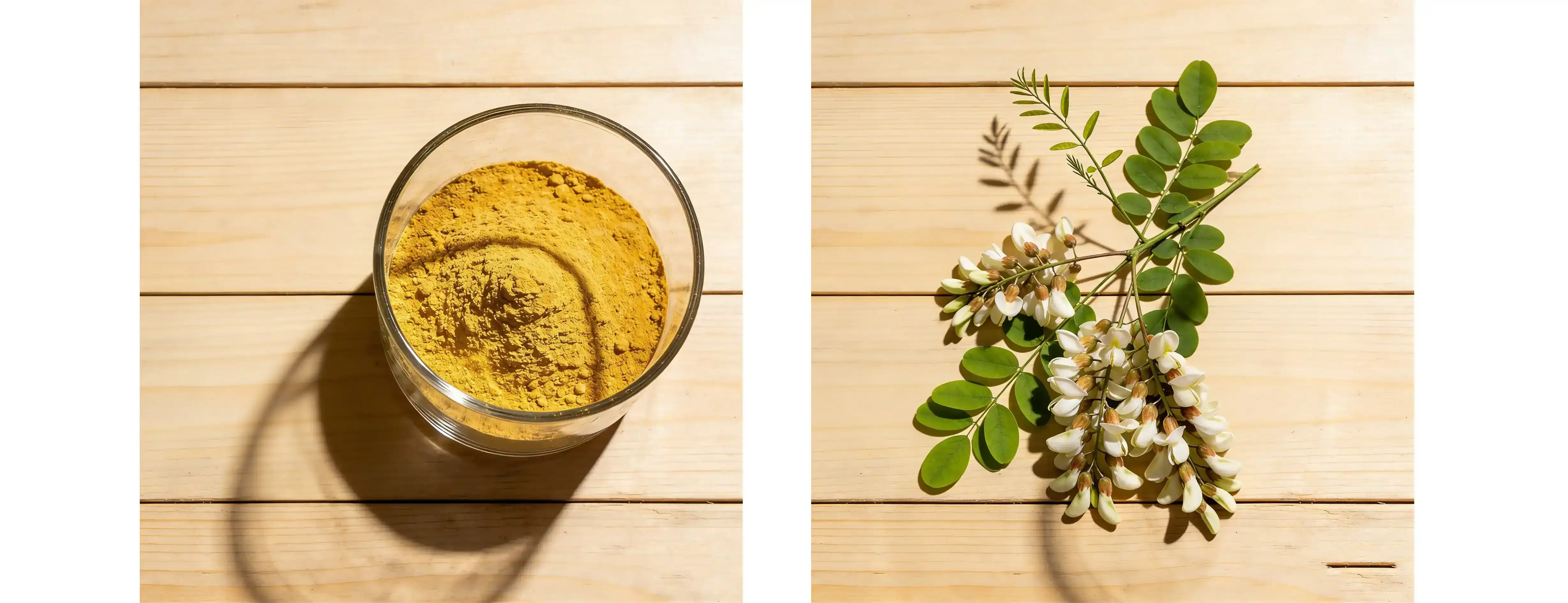
Understanding Sophora Japonica Extract and Its Skin Benefits
The Japanese Pagoda Tree's unopened flower buds are where Sophora Japonica Extract comes from. This plant is valuable in the cosmetic and nutraceutical industries. Using water and ethanol as solvents in the extraction process creates a yellow powder that is standardised to contain 95% rutin or 95% quercetin. This makes sure that all production runs have the same amount of strength.
Scientific Foundation of Skin Benefits
The main bioactives, quercetin and rutin, work in a number of ways that are good for skin health. As a glycoside form of quercetin, rutin acts as an antioxidant by getting rid of reactive oxygen species that are made by UV light and smog. This defence system helps keep cells healthy and lessens the damage that the environment can do. Quercetin helps reduce inflammation by changing the signalling pathways that cause skin discomfort. Multiple studies have shown that it can calm skin that is overly sensitive and help keep skin elastic by protecting collagen. These mechanisms have real-world benefits, like reducing redness, keeping moisture in the skin better, and making the texture of the skin better, all of which are highly valued in modern skin care products.
Formulation Versatility
The standardised yellow powder form works well with a wide range of delivery systems. Because of its stability profile, it can handle the normal conditions used to make cosmetics, so it can be used in creams, serums, and masks. The 95% pure requirement makes sure that formulation chemists can figure out exact inclusion rates that meet the desired levels of effectiveness while keeping the safety of the product. For B2B buying teams, knowing these basic facts helps them evaluate what suppliers say and make sure that the ingredients they choose are in line with their product development goals. Because the extract protects against free radicals and soothes sensitive skin, it can be used in a wide range of skin care products, from anti-aging lines to sensitive skin collections.
Evaluating Sophora Japonica Extract Compared to Alternative Ingredients
Comparative analysis helps procurement professionals decide which botanical actives to use in skin care products. When compared to other flavonoid-rich ingredients that are often used in cosmetics, Sophora Japonica Extract stands out.
Comparative Advantage Analysis
The whole Sophora japonica bud product contains more flavonoids than quercetin tablets. The compounds in this phytocomplex operate synergistically to outperform single-molecule techniques. The natural ratios of rutin and related flavonoids demonstrate how the plant has altered over time, making them preferable for formulation than synthetic ones. Many skin care products include ginkgo biloba extract, which has antioxidant effects but a distinct chemical composition. Standardizing rutin in Sophora Japonica Extract up to 95% makes formulation development more predictable. Oil removal using water and ethanol produces a cleaner profile with fewer tannins, reducing color disturbance in the finished product.
Form Factor Considerations
Choosing the right delivery method is part of the procurement choices that go beyond choosing the active ingredient. In large production, the 25 kg drums of yellow powder make things easier to do. Its moisture-stable packaging keeps its effectiveness while it's being stored and shipped, which is a common problem with hygroscopic botanical extracts. The 95% standardisation gets rid of the differences that come with using lower-quality materials. This makes sure that the quality is the same from batch to batch, which is very important for brands that have to stick to strict quality standards across production runs. Choosing between organic and conventional extracts has an effect on both how much they cost and how they are marketed. OHI has both standard grades and approved organic choices. This lets buying teams choose ingredients that are in line with brand values and the tastes of the target market without lowering quality standards.
Addressing Safety, Dosage, and Usage Concerns in B2B Applications
To successfully bring botanical extract-based skin care products to market, it is important to pay attention to standardisation, usage guidelines, and regulatory compliance. Because Sophora Japonica Extract is good in these areas, it is being used more and more in markets around the world.
Standardization and Quality Markers
The quality standard of 95% rutin or quercetin is used as the main indicator, and it is confirmed by HPLC measurement. Because of this, formulation scientists can figure out exact inclusion rates, which are usually between 0.5% and 3% for topical uses and depend on how the product is positioned and what benefits are wanted. Using marker compounds makes sure that every batch meets certain levels of potency, which takes the guesswork out of formulating new drugs. Advanced extraction methods, such as low-temperature processing and nano-membrane isolation, are used in OHI's manufacturing process. These technologies keep the bioactive integrity while getting rid of unwanted parts, which makes the extract profile cleaner. The yellow powdery look means there isn't much oxidation, which shows that it was handled properly during production.
Regulatory Compliance Framework
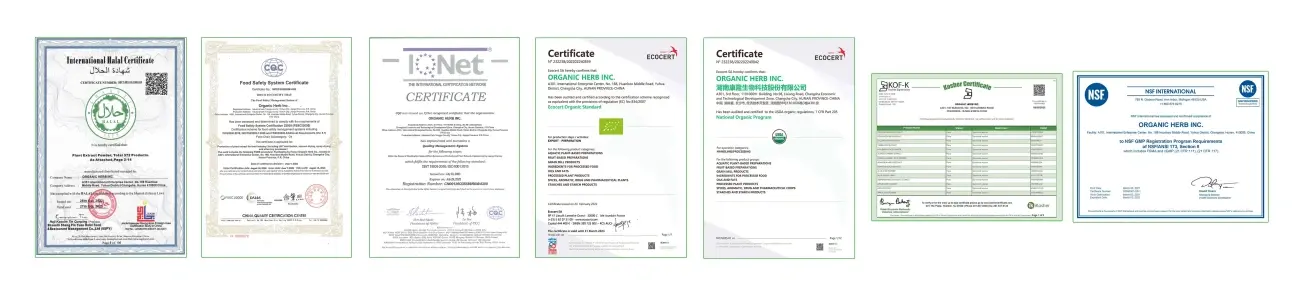
International certificates prove that safety standards for production and ingredients are met. OHI has certifications from NSF GMP, Kosher, Halal, ISO, and FSSC22000. These credentials make it easier for regulators to approve products in a wide range of markets. The products meet FDA and cGMP standards, which is important for brands that sell in North American markets. Each box comes with a full set of paperwork, such as a Certificate of Analysis, allergen warnings, and GMO status statements. This openness helps meet regulatory filing requirements and shortens the time it takes to get new products on the market. When procurement teams work with certified suppliers, they lower the risk of not following the rules and get set quality assurance methods that meet or go beyond industry standards.
Practical Guide to Procuring Sophora Japonica Extract for Skin Care Manufacturing
To strategically source botanical extracts, you have to find a balance between quality standards, supply reliability, and cost. Learning about the best ways to buy Sophora Japonica Extract helps you build better relationships with your suppliers and get better results in the manufacturing process.
Supplier Selection Criteria
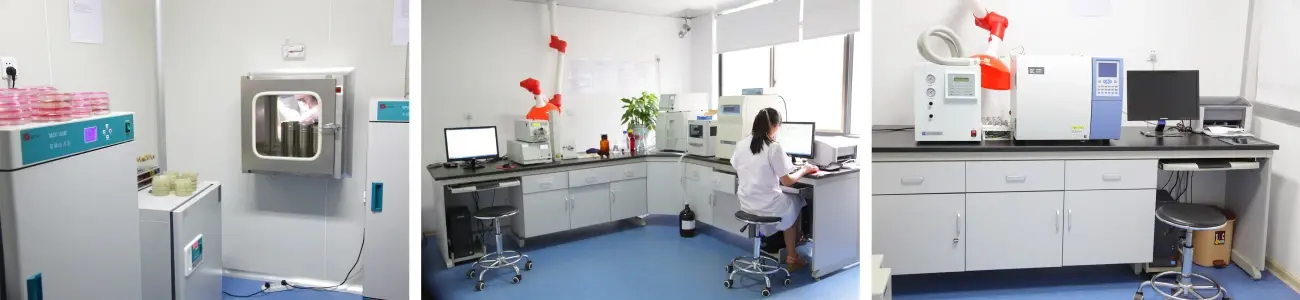
Before judging a potential supplier, you should first look at their manufacturing and quality systems. In Jiangxi Province, OHI runs CGMP-certified facilities with high-tech extraction tools worth more than $1.2 million, such as HPLC-ELSD, GC-MS, and supercritical CO2 systems. This infrastructure helps make sure that high-purity extracts that meet international pharmacopoeial standards are always made. The company has three GAP-standard planting sites that cover 8,000 acres in several provinces. This is an example of vertical integration. This control over where the raw materials come from makes it possible to track them from planting to making the final extract. This is a huge benefit for brands that want to use sustainable and clear supply chains. Technical partnerships with research institutions help to improve quality and come up with new ways to extract substances.
Procurement Logistics
The 25 kg minimum order quantity is in line with commercial-scale production while still being easy for new names to get. The usual 25 kg drum package uses materials that don't absorb water, which keeps the stability of the extract while it's being shipped internationally. With lead times of 10 days from order confirmation, OHI can plan its supplies quickly, and its four U.S. warehouses, which are run by its subsidiary Earth Made Nutritions, store goods made in the U.S. to speed up delivery. Having access to samples removes barriers to developing a preliminary formulation. Before committing to bulk purchases, R&D teams can test for compatibility and stability using free samples. This method lowers the risk of creation and speeds up the time it takes to make a product. Procurement managers should ask for samples along with scientific information such as data on solubility, recommended use rates, and preparation guidelines. The prices depend on how standardised the extract is, whether it has organic certification, and how many orders are placed. Setting up clear lines of communication with suppliers, like the dedicated contact at info@organic-herb.com, makes it easier to negotiate and get technical support throughout the lifecycle of the product.
Case Studies and Testimonials from B2B Clients Using Sophora Japonica Extract in Skincare
Real-world implementation examples demonstrate how brands have successfully incorporated Sophora Japonica Extract into market-ready formulations. These cases illustrate practical applications and quantifiable outcomes relevant to procurement decision-making.
OEM Partnership Success
A company that makes natural makeup for sensitive skin was looking for a natural antioxidant that could be used instead of manufactured ones. They looked at several sources and chose OHI's 95% rutin extract because it was certified and had the same analytical profile across all test runs. The formulation team added a 2% extract concentration to a calming serum. They made it stable by adjusting the pH and using the right storage methods. After the product came out, customers gave it high marks for satisfaction, especially when it came to how much their skin responded less to irritation and how comfortable they felt. The brand said that the success of the product was due in part to the consistent quality of the ingredients. Each production batch worked the same, so there was no need to make changes to the recipe, and quality control costs were lower.
Lessons in Supplier Management
A company that makes sports nutrition also started making skin care products in a different case. Their purchasing team gave more weight to suppliers who could provide technical support, along with providing ingredients. The 42 professionals who work at OHI's R&D center, which includes senior researchers and PhDs, gave formulation advice that cut development times by six weeks. The partnership showed how important it is to have sellers who are more like strategic partners than just business vendors. A smooth commercialisation process was helped by regular communication, proactive problem-solving during scale-up, and flexibility in how the packaging was set up. These practical benefits made it even more important to look at a supplier's skills beyond basic quality standards. Procurement professionals can learn a lot from these examples. For example, they should prioritise suppliers with strong quality systems, see technical expertise as a way to set them apart, ask for documentation that is specific to each batch, and set clear communication protocols from the first question to the support after delivery.

Conclusion
Sophora Japonica Extract is a plant active that has been proven to work by science and is a good fit for current skin care products. Its standardised rutin and quercetin content gives it soothing and antioxidant properties that address important consumer concerns while meeting the needs for stability and effectiveness in formulation. The extract has a good reputation, which is backed up by its many certifications, stable quality, and dependable supply system. This makes it a good choice for brands that want to use natural ingredients that have been shown to work. Partnering with suppliers who show technical expertise, high-quality manufacturing, and a commitment to openness is key to successful procurement. Advanced extraction technology, vertical integration, and responsive transportation work together to make a buying environment that helps both well-known brands and new companies make competitive skin care goods.
FAQ
1. What certifications should I look for when sourcing this ingredient?
Give NSF GMP, ISO, FSSC22000, and other relevant organic certifications to suppliers that you want to work with. These certificates prove that the ingredients and production standards are correct. Kosher and Halal certifications make markets more accessible, and FDA and C-GMP standards make sure that the product is safe for North American markets. Ask for copies of the most recent certifications and make sure they cover the product you're buying.
2. Can Sophora Japonica Extract be combined with other botanical actives?
The extract works very well with botanical ingredients that work well with it. Formulation scientists can mix it well with niacinamide, hyaluronic acid, and plant products like chamomile or green tea. The important thing is to keep the pH levels in the right areas and test the stability to make sure they are compatible. When compared to single-active methods, synergistic formulas often provide better results.
3. What inclusion rates are recommended for topical skincare applications?
Concentrations are usually between 0.5% and 3%, but this depends on the type of product and where it is sold. Higher concentrations can be used in leave-on products like serums and creams, while lower amounts may be used in rinse-off products. The standardisation at 95% makes it possible to accurately calculate the delivery of active compounds. Talk to formulators about how to get the best concentration for your product matrix and claims.
Partner with OHI for Premium Sophora Japonica Extract Supply
OHI can help you make skin care products with high-quality Sophora Japonica Extract that is standardised to 95% rutin or quercetin. We are a well-known manufacturer with many certifications and a history of reliable supply. We offer competitive advantages like free samples, 10-day lead times, and domestic U.S. warehousing for fast delivery. Our technical team helps with formulations and has decades of experience extracting plants using advanced research and development skills. Email us at info@organic-herb.com to get samples, talk about bulk Sophora Japonica Extract supplier prices, or look into unique specs that are made to fit your product development needs.
References
1. Chen, J., & Li, X. (2019). Flavonoids from Sophora japonica: Extraction, biological activities and applications in cosmetics. Journal of Cosmetic Science, 70(4), 245-262.
2. Kim, H.P., Son, K.H., Chang, H.W., & Kang, S.S. (2018). Anti-inflammatory plant flavonoids and cellular mechanisms in skincare applications. Phytotherapy Research, 32(7), 1275-1290.
3. Zhang, Y., Wang, D., & Liu, M. (2020). Rutin and quercetin: Antioxidant mechanisms and topical applications in dermatology. International Journal of Cosmetic Science, 42(3), 228-237.
4. Park, S.H., Jung, E., & Kim, Y. (2017). Protective effects of Sophora japonica extracts against oxidative stress in skin cells. Archives of Dermatological Research, 309(8), 631-641.
5. Thompson, R.A., & Williams, K.L. (2021). Botanical extracts in professional skincare: Standardization, efficacy and regulatory considerations. Cosmetics & Toiletries Magazine, 136(2), 34-43.
6. Martinez, L., Chen, W., & Rodriguez, M. (2020). Comparative analysis of flavonoid-rich plant extracts for anti-aging cosmetic formulations. Journal of Applied Pharmaceutical Science, 10(6), 112-120.
Standard Disclaimer (DSHEA):
These statements have not been evaluated by the Food and Drug Administration.
This product is not intended to diagnose, treat, cure, or prevent any disease.

Send Inquiry
Related Industry Knowledge
- The Benefits of Using Carrot Extract in Cosmetics
- Exploring the Uses of Certified Organic Coprinus Comatus Extract
- Can peony extract substitute Plaquenil?
- Combating Burnout Using Rhodiola Rosea extract
- Bitter Apricot Extract: How It’s Made and What Sets It Apart
- Maitake Mushroom Benefits: Natural Health Boosts
- How to make peony extract
- Where to buy strawberry extract?
- Natural Rhodiola Rosea Extract: Origin, Composition, and Key Features
- Poria Cocos Mushroom Extract as Functional Foods in Industry