
The Complete Guide to Carrot Extract
Jul 23, 2026
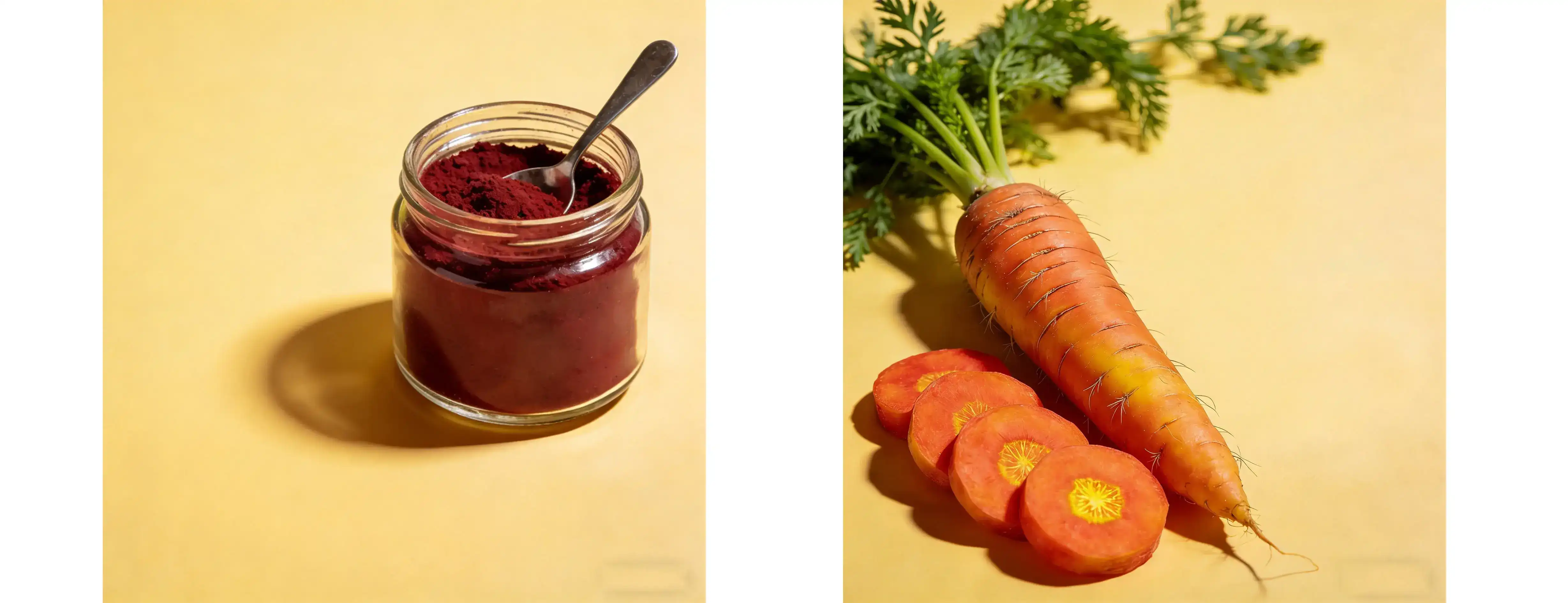
Carrot Extract is a strong plant concentrate that comes from the roots of the Daucus carota subspecies. It has a lot of health benefits and can be used in a lot of different fields. This concentrated ingredient has standard amounts of beta-carotene, anthocyanins, and essential carotenoids. Formulation workers looking for natural options with clean labels must have it. Manufacturers use advanced extraction methods, such as supercritical CO2 and solvent-based methods, to turn raw carrot biomass into high-performance powders and oleoresins that help solve important problems in the development of supplements, cosmetics, and functional foods.

Understanding Carrot Extract: Composition, Benefits, and Applications
What Defines Professional-Grade Carrot Extract?
Carrot Extract is very different from regular carrot powder because of how it is concentrated and how it is standardised. The ingredient comes from the roots of the Daucus carota subspecies plant. The active compounds are separated through a process called rigorous extraction. Our standard requires a colour value of at least 60 (E1%, 1cm, 524±5nm) and a concentration ratio of 4:1. This makes sure that all production batches have the same amount of potency. Different types of carrots have different amounts of anthocyanins, which give them a range of colours from red to dark red or purple-red.
The process of extraction keeps the bioactive compounds while getting the level of nutrients that can't be reached with raw agricultural material. This solves one of the biggest problems with buying things: seasonal changes and food quickly going bad are big problems when it comes to natural ingredients. The controlled manufacturing of the extract gives us measurable data that is needed for consistency in the formulation.
Compositional Advantages for Product Development
When tested using HPLC, the amount of beta-carotene is usually between 10% and 30%. Alpha-carotene, gamma-carotene, and other phytonutrients are also present. The physical properties of the spray-dried powder or liquid oleoresin make it easy to mix with a wide range of materials.
Some important compositional aspects include better colouring strength than juice powders, which makes the extract cost-effective at lower inclusion rates. The natural antioxidant profile helps the product last longer, which is good for both the stability of the formulation and the health positioning of the product to consumers. Multiple regulatory frameworks are met by this ingredient. It meets USP/EP monographs for beta-carotene sources and can make clean-label claims under organic certification protocols.
Application Versatility Across Industries
In the making of nutraceuticals, compounds from carrots provide vitamin A activity without the problems that come with synthetic retinol. The extract can be found in supplement forms like capsules, tablets, and powder. It supports claims about eye health and immune function that are based on solid nutritional science. The antioxidant properties of the ingredient are used in anti-aging serums and repair formulas in cosmetics, where natural plant actives help differentiate the product from others on the market.
Functional food and drink companies use the extract as a natural colourant that can be used instead of synthetic dyes like Yellow 5 and 6. Because it is heat stable, especially when stabilised with tocopherols, the ingredient can handle high temperatures used in baking and candy making. This heat resistance is better than that of many other natural colourants, which makes formulation easier.

Carrot Extract vs Alternative Products: Making the Right Choice
Powder Format Versus Liquid Oleoresin
Choosing between powder and liquid forms depends on the needs of the application and the infrastructure for processing. Spray-dried powder is easy to work with and dose accurately in solid formulas. If it is packaged properly, it will last longer on the shelf. The standard for 25 kg drum packaging gives you useful amounts for medium-sized production runs while keeping the material fresh.
Liquid oleoresins have a higher concentration, but they need to be stored in a certain way and mixed with water before they can be used in systems. The decision affects both how hard it is to make the formula and how much the end product costs. Powder formats usually work better with the way things are already made, especially for companies that are switching from using synthetic ingredients to natural ones.
Organic Certification Versus Conventional Extraction
Differentiating quality goes beyond the method of extraction and includes agricultural sourcing. Carrot Extract with Organic Certification is more expensive, but it meets the needs of the fast-growing clean-label market. The certification covers growing methods, extraction solvents, and processing aids, all of which need to be backed up by paperwork to meet regulatory requirements.
In situations where organic claims don't add much to the market value, conventional extracts are cheaper and still work just as well. When choosing between certified and standard choices, procurement teams should think about the types of customers they want to attract and how they compare to their competitors. Our NSF GMP, Kosher, Halal, ISO, FSSC22000, and Organic certifications give us the freedom to meet the needs of all of our customers.
Bioavailability Considerations in Formulation
The bioavailability of carotenoids depends on the presence of lipids and the reduction in particle size. Microencapsulated or beadlet forms make it easier for water to mix with them, which is important for beverage applications and some supplement formats. These more advanced delivery systems cost more, but they solve formulation problems that make raw extract less useful.
There are pros and cons to both natural and synthetic beta-carotene supplements. Synthetic forms offer precise dosing and lower cost per unit of provitamin A activity, while natural extracts provide a spectrum of carotenoids that work together to protect cells. Even though it costs more, the plant choice is becoming more popular in the market. This is because consumers like it better, and there are legal benefits to using clean labels.

Sourcing Carrot Extract: A Comprehensive B2B Procurement Guide
Identifying Qualified Suppliers and Verification Protocols
A successful buying process starts with qualifying suppliers by checking their production capacity, quality systems, and compliance with regulations. Verification of certificates should confirm that ISO, FSSC22000, and other relevant regional certifications are still valid. The review of the documentation must include a Certificate of Analysis (COA) for the most recent production batches. This shows that the specifications were met and that the products were free of contaminants.
The manufacturing country affects both how people think about quality and how imports are handled. Advanced instruments like HPLC-ELSD, GS-MS, HPTLC, and atomic absorption spectrophotometry are used in extraction facilities to make sure the quality of the samples. Organic Herb Inc. runs this kind of analytical infrastructure, which helps make documentation clear which speeds up the approval process for regulators.
Traceability systems should keep track of where raw materials come from and how they are extracted and packed. Our GAP-standard planting bases, which cover 8,000 acres in a variety of climates, make sure that the botanical material we use meets standards for pharmaceutical use. This vertical integration gets rid of the lack of transparency in the supply chain that makes compliance checks harder.
Strategic Considerations for Bulk Purchasing
The smallest amount that can be ordered at once is usually 25 kg drums. This is done to keep things fair for both the buyer and the supplier. Larger commitments are rewarded by volume pricing structures, but procurement teams must still look at storage stability and turnover rates. We keep a 10-day lead time so that we can quickly restock without having too much safety stock.
A sample review is an important part of doing your research before committing to production-scale work. You can test compatibility within your unique formulation matrix with free samples, which can show you any possible conflicts or processing problems. This step to lower the risk is especially helpful when changing the way existing products work or when releasing new apps.
Pricing negotiations should consider total landed cost, including freight, customs duties, and warehousing.
When negotiating prices for Carrot Extract, the total landing cost should be taken into account. This includes freight, customs fees, and storage. Our four warehouses in the U.S. make transportation easier and allow us to send to customers in the U.S. just in time. This advantage in infrastructure makes supply chains less likely to break down and lowers freight costs compared to direct imports.
Documentation Requirements for Regulatory Compliance
For both import and formulation, full technical paperwork is needed. This includes specification sheets with information on physical and chemical parameters, allergen statements, GMO status announcements, and heavy metal testing results. FDA rules for food-grade uses require proof of GRAS status and the right wording on the sticker.
Kosher and Halal certifications make it easier for products that are aimed at certain groups of people to reach new customers. For these religious food certifications to stay valid, suppliers must regularly be inspected, and records must be kept up to date. Our up-to-date licenses make compliance easier for customers who serve a wide range of areas.
Leveraging Carrot Extract in Industry: Case Studies and Practical Applications
Nutraceutical Product Enhancement
As a result of customer demand for chemicals that are easy to recognise, major supplement brands have changed the formulas of their multivitamins to use natural beta-carotene instead of synthetic beta-carotene. The change only needed small changes to the recipe, but it had big benefits for marketing. Clean-label branding helped brands stand out in supplement areas with a lot of competition.
Companies that make sports nutrition use the extract in recovery formulas because it helps the body's antioxidant defences work better with other performance-enhancing ingredients. The natural colouring gets rid of the claims about synthetic dyes while still providing nutrition. This dual use of an ingredient improves the efficiency of the formulation and the cost structure.
Cosmetic Innovation and Natural Beauty Formulations
Skincare brands that cater to people who like natural beauty use active ingredients that come from carrots in serums and creams. The ingredient backs up claims of anti-aging through known antioxidant processes and passes the review of an ingredient group made up of knowledgeable consumers. Formulators say it works well with other botanical actives and emulsion systems.
OEM cosmetics makers that work with more than one brand use our consistent quality to make production faster across all lines. Our analytical methods and standard extraction factors keep a tight grip on batch-to-batch consistency, which is one of the most difficult parts of getting natural ingredients.
Functional Food and Beverage Applications
When making functional drinks, it can be hard to find the right balance between keeping the natural colour and meeting processing needs. When made in the right pH ranges, our Carrot Extract can survive temperatures high enough to kill germs and keep its colour for the normal amount of time that a product is stored. This performance fixes a major problem with other natural colourants.
Fortified food makers like that the addition does two things: it improves the look of the food and adds nutrients. The concentration ratio gives you useful amounts of nutrients at rates that don't change the way the food tastes. Product developers say that it works well in bars, baked goods, and dairy alternatives.

Conclusion
Carrot Extract is a key botanical ingredient that can be used to meet a number of formulation goals in the nutraceutical, cosmetic, and functional food industries. The concentrated nature solves problems with vitamin density and meets the needs of the clean-label market. To do great procurement, you need to carefully vet suppliers by looking at their analysis skills, certification files, and how open the supply chain is. When choosing between powder and liquid forms of a product, the processing infrastructure and application needs should be taken into account. As the industry moves forward, natural options to synthetic compounds are becoming more popular. This means that ingredients made from carrots will continue to grow. Strategic relationships with highly skilled providers give businesses a competitive edge through consistent quality, help with regulations, and quick processes. Making smart choices about where to get products will improve both their performance and your return on investment, setting the stage for long-term market success.
Frequently Asked Questions
1. What are the primary advantages of carrot extract in B2B applications?
The botanical concentrate has three main benefits: it has a high nutrient density that provides provitamin A activity in small amounts; it uses natural colouring instead of synthetic dyes and provides antioxidant activity; and it meets consumer demand for clear ingredients on the label. Standardisation gets rid of the differences in farming that make accuracy in recipes harder to achieve.
2. How can procurement teams verify extract quality before large-scale purchasing?
The first step in quality control is to look over the certificate and make sure that the analytical specifications meet your needs. Ask for a Certificate of Analysis for the most recent production batches that shows heavy metal analysis, microbial tests, and HPLC-verified carotenoid content. Before committing, you can find out about compatibility and performance traits by trying a free sample with your unique recipe.
3. Does the extract suit different formulation matrices and processing conditions?
When properly formulated, the ingredient can be used in a number of different ways. Powders are easy to mix into solid medicines and drinks made from dry mixes. Because it is heat-stable, it can be used in baked goods and pasteurised liquids. When used in cosmetics, oil absorption and pH values need to be taken into account. Technical advice makes sure that the format you choose is the best one for your processing infrastructure.
Partner with OHI for Your Carrot Extract Supply Needs
When purchasing, teams are looking for a dependable Carrot Extract provider, Organic Herb Inc. can help them in many ways. Our supply chain security is better than that of private traders because we grow on an 8,000-acre GAP-certified farm, use modern extraction methods, and store our products in the United States. Our 42-person R&D team, which includes professors and graduate workers, can help you solve formulation problems throughout the whole process of making a new product.
We keep four key warehouses in the U.S., which lets us deliver quickly and meet production plans without having to pay too much for storage. Tough quality systems (such as CGMP, FSSC22000, ISO9001, Halal, and Kosher certifications) and clear documentation make following the rules easier. Our free samples and technical advice lower the risks of development, whether you're changing the way existing products work or putting out new apps. As a trusted Carrot Extract manufacturer that wants you to succeed, please email our team at info@organic-herb.com to talk about your needs and get custom solutions.
References
1. Rodriguez-Amaya, D.B. (2016). "Natural Food Pigments and Colorants." Current Opinion in Food Science, 7, 20-26.
2. Stahl, W. and Sies, H. (2012). "β-Carotene and Other Carotenoids in Protection from Sunlight." American Journal of Clinical Nutrition, 96(5), 1179S-1184S.
3. Prakash, V. (2018). "Leafy Greens and Carrot-Based Food Products: Nutritional and Functional Properties." Food Science and Technology International, 24(6), 467-483.
4. Swapna, M.S. and Tharakesh, K. (2017). "Bioavailability of Beta-Carotene from Plant-Based Food Products: Processing and Formulation Effects." Journal of Food Science and Technology, 54(10), 3086-3095.
5. Dufossé, L. (2018). "Microbial and Natural Pigments for Food Applications: Technical, Regulatory, and Sustainability Aspects." Handbook on Natural Pigments in Food and Beverages, Woodhead Publishing, 3-20.
6. McClements, D.J. and Li, Y. (2020). "Enhancing Bioavailability of Lipophilic Bioactives Using Excipient Emulsions: Application to Beta-Carotene Loaded Nanoemulsions." Food & Function, 11(2), 1235-1245.
Standard Disclaimer (DSHEA):
These statements have not been evaluated by the Food and Drug Administration.
This product is not intended to diagnose, treat, cure, or prevent any disease.

Send Inquiry
Related Industry Knowledge
- The Complete Guide to Carrot Extract
- Are Red Radish Extracts Good for You?
- How Goji Berry Extract Can Transform Your Skincare?
- A Complete Guide to Sophora Japonica Extract
- St. John's Wort: What It Is, Properties, When to Take It
- Exploring the Unique Properties of Maitake Mushroom Extract Powder
- The Best Reishi Mushroom Supplement as Tinctures & Powders
- Market Insights: The Rising Demand for Rosehip Fruit Extract
- The Benefits of Rhodiola Rosea Are Too Good to Miss
- Exploring the Wonders of Rhodiola Rosea