
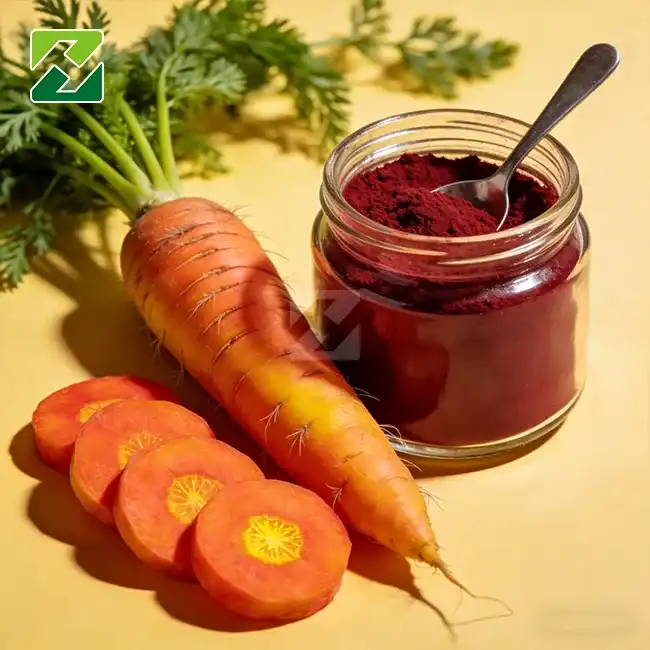
Carrot Extract Benefits For Skin
VIEW MORECarrot Extract, which comes from Daucus carota roots, is now widely used in skin care products. This concentrated plant ingredient has a lot of beta-carotene, provitamin A, and carotenoid compounds that help skin look and feel healthy. Professional-grade extracts that are produced using advanced isolation techniques offer natural colouration and antioxidant protection, meeting the needs of the industry for clean-label ingredients and useful botanical actives that help products stand out in crowded markets.


Understanding Carrot Extract and Its Skin Benefits
More advanced than simple veggie powders, Carrot Extract is a big step forward. This plant concentrate comes from the roots of Daucus carota ssp. and is drained in a special way that keeps the product safe while concentrating beneficial chemicals. The unique red-to-purple-red color and consistent color values of this material make it stand out. It can be used for both practical and decorative purposes.
Bioactive Profile and Concentration
The extract has many carotenoids, mostly beta-carotene, alpha-carotene, and lycopene. Professional carrot extracts are standardized at a rate of 4:1, which means that one kilogram of concentrated extract comes from four kilograms of fresh root material. This is not the same as carrot juice or powder. This process of concentration makes more of the chemicals that stick to fat and work well with skin.
Natural Antioxidant Properties
Some carotenoids, like beta-carotene, are very good at getting rid of reactive oxygen species inside cells. When put on the face, they help protect it from things like smog and UV rays that can be harmful. Standard tests show that the antioxidant action is very good at getting rid of free radicals, which is good for skin health.
Skin Barrier Support and Hydration
The amount of vitamin A helps keep epithelial tissue healthy and encourages healthy cell renewal. This nutrient helps keep the stratum corneum's moisture levels at the right level and supports the structural proteins that make up the skin's protective barrier. Applying standardised root extracts to skin care products regularly can improve their texture and appearance over time.
How Carrot Extract Works for Skin Health
Several pathways at the cellular level are involved in how Carrot Extract changes the way skin works. Understanding these biological relationships helps formulation scientists find the best concentration levels and ways to pair ingredients that work well together.
Cellular Protection Mechanisms
Carotenoids join with the outer layers of cells, stopping reactive chain reactions before they do more harm. This safe position helps keep the lipid structures and protein functions in keratinocytes. The antioxidant network in the extract works with the body's own defence systems to make them stronger when they face threats from the outside world.
Collagen Matrix Support
The change of beta-carotene into retinoid compounds helps fibroblasts do their job and keeps the extracellular matrix organised. Even though this conversion only happens slowly in skin tissues, being exposed to sources of vitamin A on a regular basis helps keep the collagen network that gives skin its shape. The process happens slowly so that it doesn't overburden cellular pathways during natural renewal cycles.
Comparative Positioning Against Other Actives
When compared to other common skin care ingredients, Carrot Extract has clear benefits. Beta-carotene is a gentler form of vitamin A than retinol, which can cause initial adjustment times. It can be used in sensitive recipes. When compared to man-made antioxidants, the natural carotenoid complex has a wider range of effects and is more appealing to consumers for clean-label products. The extract works well with chemicals like aloe vera or ceramides instead of against them, which lets you make formulations that work better together.
Applications and Usage in Skin Care Products
Carrot Extract is used in many types of skin care products, with different concentrations used depending on the formulation goals and positioning of the product. The extract can be used in more products because it can be used as both an active ingredient and a natural colourant.
Anti-Aging and Protective Formulations
Standardised extract amounts usually fall between 2 and 5 percent in final formulas of high-end serums and creams for mature skin. The deep red pigmentation might need changes to the formulation to get the colour you want, but many brands like the natural orange tint because it shows that the product contains botanicals. The extract is often mixed with peptides, hyaluronic acid, or plant oils in these items to help with all aspects of ageing.
Clean Beauty and Natural Product Lines
Carrot Extract is very useful in natural beauty lines because people want ingredients that are easy to recognise and come from plants. If the ingredient comes from certified suppliers, it fits right in with organic certification rules. The fact that the extract comes from a well-known vegetable source makes it a good choice for products that promote transparency and minimal processing. In the crowded natural beauty market, brands can use the high concentration of carotenoids as a key way to stand out.
Functional Concentration Guidelines
The best levels of usage depend on how standardised the extract is and what results are wanted. A 4:1 root extract with a colour value of 60 or more (E1%, 1cm, 524±5nm) usually works well at 1% to 3% in leave-on products and 3% to 7% in rinse-off treatments like masks. These amounts give antioxidant action that is useful while keeping the formulation stable and keeping costs low. Formulators should test their products' stability in the right settings to make sure that the colours and activities stay the same during the shelf life.

Procurement Insights: Choosing and Buying Carrot Extract for Skincare Manufacturing
To get consistent quantities of standardised Carrot Extract, you need to carefully evaluate suppliers and make clear deals about what you need. Differences in quality between sources can have a big effect on both the manufacturing process and the performance of the finished product.
Critical Quality Parameters
Specifications for buying should include exact measurements of colour values, standardisation ratios, and purity needs. A professional-grade extract usually has a colour value of ≥60 (E1%, 1cm, 524±5nm), a 4:1 concentration ratio, a red to purple-red look, and proof that it comes from the root. When it comes to powders, the particle size distribution is important because it affects how well they mix and dissolve in different base systems. Asking for certificates of analysis for sample groups shows how consistent the results are and points out possible sources of difference.
Certification and Compliance Verification
For food-grade products, suppliers to the cosmetics business should keep quality standards like FSSC22000, CGMP, and ISO 9001. Kosher and Halal certifications make it easier to make products that are aimed at specific markets. Organic certification from a recognised body makes sure that the methods used for growing and processing the food are in line with how natural products are marketed. We keep our NSF GMP, Kosher, Halal, ISO, FSSC22000, and Organic certifications up to date at OHI to meet the needs of different regulatory bodies around the world. Our systems for keeping records make sure that everything can be tracked, from our GAP-compliant planting bases to the final packaging.
Supplier Capability Assessment
Check suppliers' technical support, R&D resources, and the strength of their supply chains, in addition to their certifications. Partners who can help with formulation, provide stability data, and offer application expertise are helpful to manufacturers. The 42-person R&D team at OHI helps clients with technical issues and product development. The team includes top researchers and advanced testing instruments worth over $1.2 million. Our four warehouses in the U.S. allow for fast shipping, which helps meet tight production plans and keep inventory holding costs as low as possible.
Pricing Structures and Negotiation Strategies
The price of Carrot Extract depends on the cost of the raw materials, how hard the extraction is, and how standardised it is. When you buy in bulk in 25 kg drums, you usually get better unit economics than when you buy in smaller amounts. Talking about annual volume projections and making framework agreements can help you get better prices and make sure you always have a supply. With a 10-day lead time and a minimum order quantity of 25 kg, we can meet the needs of both test formulations and large-scale production. We give free samples to skilled formulators so they can try them out thoroughly before committing.

Stability Considerations in Formulation Development
The stability of carotenoids makes formulation difficult and requires proactive strategies during product development. Formulators can make protective systems that keep extract activity high for as long as a product is on the shelf if they know how degradation processes work.
Environmental Sensitivity Factors
Beta-carotene and other carotenoids are easily damaged by light, especially UV rays, and by places where oxygen is present. The type of packaging you choose has a big effect on stability. Containers that are dark or brown are better at protecting things than clear glass or plastic. Airless pump systems keep oxygen exposure to a minimum while the product is being used, which increases activity retention. Adding natural antioxidants like tocopherols (vitamin E) makes the defence stronger, and alpha-tocopherol is especially good at stopping the oxidation of carotenoids.
pH Optimization Strategies
Carrot Extract stays stable in pH ranges of 4.5 to 6.5, which are slightly acidic to neutral and are common in most skin care products. Extreme pH levels, especially when the pH is high, can speed up degradation and colour changes. Stability testing should be done to make sure that extracts will work with goods that have active ingredients that are sensitive to pH or that need to be in certain pH ranges. The extract doesn't have a lot of natural buffering power, so the formulation system is what changes and stabilises the pH.
Temperature and Processing Considerations
Dynamic low-temperature extraction and freeze-drying are two technologies that OHI uses to keep heat-sensitive substances safe during production. Formulators should also try to keep heat contact to a minimum during inclusion, adding the extract as late as possible when the mixture is cooling down. Finished goods stay more stable when kept at a moderate temperature. Testing them quickly at 40°C shows possible degradation patterns that help determine how long they will last.
Quality Assurance and Batch Consistency
To keep the quality of the extract the same from one production batch to the next, you need strong quality control methods and easy ways for suppliers and makers to talk to each other. Because botanical raw materials aren't always the same, they need to be carefully monitored and standardised.
Analytical Testing Protocols
Spectrophotometric colour value verification, HPLC analysis of marker compounds like beta-carotene, moisture content determination, and microbial testing should all be part of a full test. Heavy metal screening makes sure that the safe levels of lead, arsenic, mercury, and cadmium in cosmetics are met. Advanced instruments like HPLC-ELSD, GC-MS, and atomic absorption spectrophotometry are used to test products at OHI. For each production lot, detailed certificates of analysis are made.
Traceability and Documentation
Being able to track everything from the farm to the end package helps with quality checks and following the rules. Our planting bases are GAP-certified and cover more than 8,000 acres in Shaoyang, Changsha, Huaihua, Guizhou, Hubei, and Jiangxi provinces. From seedling supply to harvest, they are watched over by partnerships that work together. This vertical integration makes it easy to respond quickly to questions about quality and helps brands that focus on ethical sourcing with sustainability verification.
Continuous Improvement Systems
Some of the best suppliers use organised review processes to find ways to make cultivation, extraction, and quality control better. We use the most up-to-date methods because we work with research institutions and are always improving our methods. Customers benefit from this dedication to progress because it makes products more consistent and gives them access to new extraction technologies that boost yield efficiency or activity retention.

Conclusion
Carrot Extract is useful for skin care products because it has a lot of carotenoids, works as an antioxidant, and comes from a natural source. Procurement professionals should give more weight to suppliers who can show they have strong quality systems, the right certifications, and the ability to provide technical support. Clear specifications about colour values, standardisation ratios, and purity factors make sure that all production runs are the same. When combined with the right stability strategies and active ingredients that work well with it, this botanical extract improves the performance of the product and meets consumer demands for recognisable plant-based ingredients. Strategic relationships with technically skilled suppliers allow for new formulations and dependable supply lines that help businesses succeed in the market.
Frequently Asked Questions
1. What skin types benefit most from carrot root extract formulations?
The extract is good for all skin types because it has gentle antioxidant activity and barrier-supporting properties. The improvement in moisture retention works best on dry or old skin, and the antioxidant network helps skin that is subject to stressors in city environments. Formulation setting is more important than skin type, and concentration changes can be made to fit the needs of different product placements.
2. How does beta-carotene content compare between seed and root extracts?
Extracts from roots usually have higher amounts of beta-carotene and alpha-carotene than extracts from seeds, which have different kinds of compounds, such as essential fatty acids. Root extracts give skin its orange-red colour and the provitamin A activity that is so important in skin care products. To make sure the right material is chosen, specification sheets should make it clear which part of the plant was used.
3. Can carrot root extract replace synthetic colorants in formulations?
Carrot Extract works well as a natural colourant, giving colours yellow to orange shades based on how much is used. For colours to stay stable, the right formulation protection through antioxidant systems and light-protective packaging is needed. Synthetic replacements can be used in a lot of different situations, but they should be tested for stability to make sure they keep their colour well for the whole time they're supposed to be stored and used.
Source Premium Carrot Extract from a Certified Manufacturer
With pharmaceutical-grade Carrot Extract, OHI is ready to help you come up with new recipes and meet your output needs. We give your brand the quality guarantee it needs as a publicly listed company (Stock Number: 872213) with full CGMP, FSSC22000, ISO9001, Halal, and Kosher certifications. Our cutting-edge research and development center has HPLC, GC-MS, and specialised extraction systems that help us create standardised botanical ingredients that have been rigorously tested and proven to work.
Through our wholly owned subsidiary, Earth Made Nutritions, in Los Angeles, we keep strategic U.S. inventory. This lets us quickly fulfil orders from customers all over North America. Together, this local presence and our vertically integrated supply chain from GAP-certified growing sites make sure that materials are always available. Our team offers responsive technical support and competitive pricing structures, whether you need 25 kg trial quantities through our free sampling program or a steady supply on a production scale.
Get in touch with our purchasing experts at info@organic-herb.com to talk about your particular needs. We will give you detailed technical specifications, certificate paperwork, and application advice that is specific to your product development goals. Work with a Carrot Extract supplier that cares about quality, the environment, and the success of your formulation.
References
1. Stahl, W., & Sies, H. (2012). "β-Carotene and other carotenoids in protection from sunlight." American Journal of Clinical Nutrition, 96(5), 1179S-1184S.
2. Darvin, M. E., et al. (2011). "The role of carotenoids in human skin." Molecules, 16(12), 10491-10506.
3. Morganti, P., et al. (2018). "Topical use of chitin nanofibrils in combination with carotenoids: formulation and stability evaluation." Journal of Applied Cosmetology, 36, 15-28.
4. Keen, M. A., & Hassan, I. (2016). "Vitamin E in dermatology." Indian Dermatology Online Journal, 7(4), 311-315.
5. Pappas, A. (2009). "The relationship of diet and acne: A review." Dermato-Endocrinology, 1(5), 262-267.
6. Bissett, D. L., et al. (2007). "Topical anti-aging vitamins: Evidence of efficacy." Cosmetic Dermatology, 20(10), 633-636.
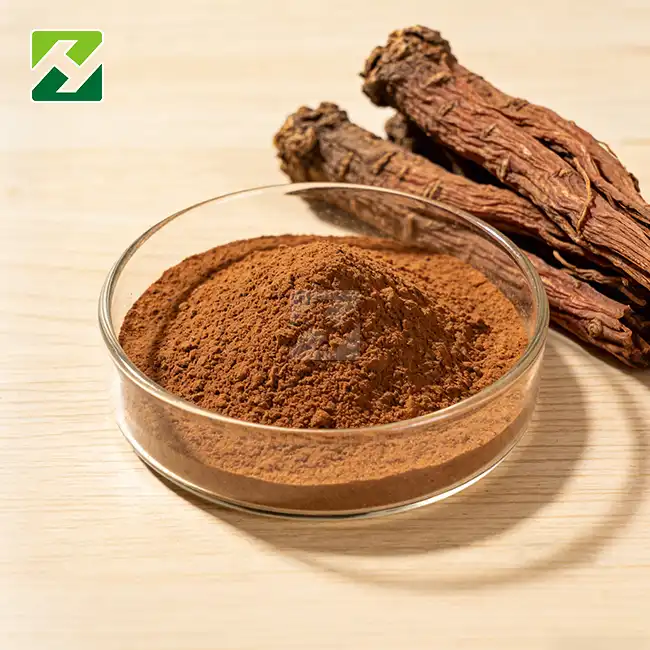
How Dan Shen Root Extract Supports the Heart and Blood Vessels
VIEW MOREDan Shen Root Extract, derived from Salvia miltiorrhiza Bunge, contains dual-action bioactive compounds: lipophilic tanshinones and hydrophilic salvianolic acids. These constituents are characterized by their antioxidant properties and their roles in the phytochemical profile of the extract. Salvianolic acid B and Tanshinone IIA contribute to the characteristic phytochemical profile of the extract, making this botanical extract a suitable ingredient for nutraceutical formulations focused on standardized botanical composition.

Understanding Dan Shen Root Extract and Its Cardiovascular Benefits
The Botanical Origin and Extraction Process
Salvia miltiorrhiza Bunge, which is also known as Dan Shen or red sage, has been used for hundreds of years in traditional Chinese medicine. There are high amounts of bioactive compounds in the root that contribute to its characteristic phytochemical profile. Modern extraction uses water-based methods to keep both tanshinones and salvianolic acids intact. This makes a brown powder that is standardized at 4:1 or 10:1 ratios. This concentration makes sure that the bioactives are delivered consistently across batches. This solves the problem of variable ingredients that many R&D directors face when they look at plant raw materials.
Water extraction is better than solvent-based methods in a number of ways. It fits with the move toward clean labels, meets the standards for organic certification, and gets rid of any worries about residual chemicals that make it harder to follow the rules in the US and European markets. The extract that was made keeps the full range of phytochemicals while focusing on its characteristic bioactive compounds.
Bioactive Compounds and Their Mechanisms
This extract contains two different but compatible types of compounds:
- Tanshinones: These lipophilic diterpene quinones, such as Tanshinone IIA and Cryptotanshinone, are characterized by their interaction with reactive oxygen species in analytical studies. Because of their antioxidant characteristics, they are very useful in formulas that emphasize the standardized phytochemical properties of the extract.
- Salvianolic Acids: The phenolic part that dissolves in water, which is mostly made up of Salvianolic acid B and Salvianolic acid A, is characterized by its antioxidant properties. The functional characteristics of these compounds are associated with their phytochemical properties, which contribute to the overall standardized profile of the extract.
- According to research published in peer-reviewed journals, salvianolic acids demonstrate antioxidant activity in experimental analyses. Salvianolic acid B is especially good at this. Nutraceutical companies that want to characterize the biochemical properties of botanical ingredients can use this information to support standardized formulations.
Product Forms and Standardization
The extract comes in the form of a fine brown powder that can be used in a number of different delivery systems. Its controlled bulk density (0.45-0.65 g/ml) makes fill weight consistency better for capsule formulations. The powder form also makes it easy to add to healthy drink mixes and tablet compression methods.
Standardization makes sure that each batch of key marks fits certain requirements. High-performance liquid chromatography (HPLC) measures the amounts of tanshinone and salvianolic acid present. This gives formulation scientists the analytical confidence they need to keep the consistency of the product from one production run to the next. This level of technical detail fixes the problem of batch-to-batch variability, which is a pain point for procurement teams when they're looking for botanical ingredients.
Comparing Dan Shen Root Extract with Other Heart Health Supplements
Complementary Action Profiles
There are a lot of botanical choices in the field of plant-based supplements, and each one has a different composition and application purpose. When procurement managers know about these differences, they can make strategic sourcing choices that help them reach their goals for product positioning.
Standardized turmeric extract for curcumin content offers a well-characterized phytochemical profile, while salvianolic acids provide different characteristic compounds. While turmeric contains a range of phenolic compounds, Dan Shen's phenolic chemicals contribute to its distinctive phytochemical profile.
Ginkgo biloba extract contains characteristic flavonoids and terpenoids that contribute to its distinctive botanical composition. Both Ginkgo and Dan Shen contain distinct groups of bioactive compounds, but their phytochemical profiles differ in important ways. Flavonoids and terpenoids in ginkgo contribute to its characteristic botanical profile. They differ from the tanshinones and salvianolic acids found in Dan Shen in terms of their chemical composition.
Formulation Strategy Considerations
B2B buyers who are looking at different mixtures of ingredients should think about how they might work together. When combined with Panax notoginseng extract, Dan Shen root extract can be used in formulations featuring multiple botanical ingredients. The saponins in notoginseng complement Dan Shen's phenolic profile, giving formulators a scientifically sound way to develop multi-ingredient botanical products.
The extract form is very important for how well the product is made. Powdered extracts work well in capsule production lines, and liquid extracts work well in beverage applications. The end product claims are affected by the level of purity. For example, bigger label statements can be made with higher concentration extracts, but the formulation must be stable and the dosing must be easy for the customer.】

Sourcing and Procurement of Dan Shen Root Extract for B2B Clients
Supplier Selection Criteria
To find trusted providers, you have to look at things from a lot of different angles. The foundation is certification status. Certifications like NSF GMP, FSSC 22000, ISO 9001, Kosher, Halal, and Organic show that the company is committed to quality systems and following the rules. When procurement experts look for ingredients for controlled markets, these qualifications help them evaluate supplier quality and compliance requirements.
The stability of the supply line is affected by where goods are sourced. China has a lot of experience with growing Salvia miltiorrhiza and extracting its oil. Because they are vertically integrated from the farm to the production center, Chinese producers can offer low prices. North American manufacturers can cut lead times from weeks to days with the help of US-based distribution networks that store goods in the US.
Practical Procurement Considerations
Usually, you need to order at least 25 kg of extract, which is packed in fiber drums that keep it safe from light and moisture. This standard packaging style works for both small formulators testing new products and bigger producers who need to ship many tons at a time.
With lead times of 10 days on average from order confirmation to shipping, production planning can be flexible. This schedule is based on the idea that established suppliers have stock on hand. Delivery times may be longer if custom specifications are needed for a batch of extractions. When you can get free samples, you don't have to guess about how to buy something. Formulation chemists can check the functional performance, organoleptic qualities, and compatibility within target matrices before placing large orders.
Price factors include how hard it is to remove, how much the raw materials cost, and the concentration ratios. Higher concentration extracts (10:1 vs. 4:1) cost more, but they save money in the long run because they need less dosing in final formulations. By negotiating long-term supply deals with makers, you can get better prices and make sure you always have access to materials, even when the market is unstable.

Quality Assurance and Testing of Dan Shen Root Extract
Analytical Testing Protocols
A strict quality control process starts with confirming the identity of the species using HPTLC fingerprinting. This makes sure that the Salvia miltiorrhiza is real and finds any signs of possible adulteration. This method makes a special chemical profile that acts like a fingerprint for plants and makes sure that each batch of material is real.
HPLC is used to measure marker chemicals in potency tests. Salvianolic acid B and tanshinone IIA concentrations must meet set standards. Depending on uniformity goals, salvianolic acid concentrations must be between 5% and 60%, and tanshinone concentrations must be between 0.3% and 10%. These analytical values give formulation scientists the information they need to determine appropriate formulation specifications and dosage levels.
ICP-MS (Inductively Coupled Plasma Mass Spectrometry) testing for heavy metals makes sure that the levels of lead, arsenic, cadmium, and mercury are below the safety levels set by the US and Europe. Premium-grade extracts keep heavy metal levels below 10 ppm overall, and each element is well below legal limits. This is an important requirement for goods that will be sold through regulated nutraceutical and food ingredient channels.
Microbial Safety Standards
Microbiological testing procedures make sure that a product is safe for people to eat. The total number of plates, the number of yeast and mold found, and a virus test for E. coli and Salmonella to make sure the extract meets strict standards for food safety. These tests are especially important for ingredients that will be used in capsules, since people take them directly without any other processing steps.
GC-MS/MS (gas chromatography-tandem mass spectrometry) is used for pesticide residue research in Dan Shen root extract, which looks at more than 400 compounds. This is required for entering the European Union market and is becoming more and more important to US stores. This thorough screening answers customer worries about exposure to chemicals used in agriculture and supports strategies for clean labeling.
Batch Consistency and Documentation
Standardized operating procedures keep important parameters in check during extraction and processing so that the manufacturing process is always the same. Managing the temperature during extraction keeps the thermally sensitive salvianolic acids from breaking down, and managing the moisture during drying keeps the material stable.
Full paperwork tracking from getting the raw materials to testing the finished product gives manufacturers the confidence to answer questions from customers and pass regulatory checks. Each batch comes with a Certificate of Analysis (CoA), which clearly lists all the quality factors. This makes the receiving and qualifying of materials easier.

Practical Recommendations for Integrating Dan Shen Root Extract into Your Product Line
Formulation Development Guidance
Several technical issues need to be taken into account when this extract is added to botanical formulations. The dark powder form is very stable when kept away from water and light, which suggests that opaque capsule shells or light-resistant packing for finished goods could be used. The bulk density makes it easy to fill capsules with controlled amounts per serving, which delivers consistent amounts of bioactive chemicals.
When testing for compatibility, interactions with other formula parts should be looked at. When mixed with popular fillers like microcrystalline cellulose and magnesium stearate, the product shows that it is stable. Because the size of the small powder particles affects how tablets behave, formulators who are making them should do compression studies to find the best hardness and disintegration patterns.
The best places to store things are cool, dry, and out of direct sunlight. Material that is kept properly stays useful for 24 months after it was made. This is a good shelf life for managing inventory because there is no need to worry about it going bad too soon.
Regulatory Framework Navigation
Structure-function claims for food supplements in the US are subject to FDA requirements and must be properly supported. When preparing product claims, it's important to use language that accurately describes the ingredient's composition and intended product positioning. The large amount of research that has been done on the extract provides information about its phytochemical composition and antioxidant properties.
European Food Safety Authority (EFSA) rules are stricter on health claims, so the language that can be used in statements needs to be carefully looked over. Working with regulatory experts who know both countries makes it easier to launch products on time and avoids problems with compliance.
Market Positioning Opportunities
As people become more interested in plant-based ingredients, the market for botanical extracts keeps growing. Product designers can use the long history of using this extract along with current scientific research to make compelling brand stories that appeal to consumers interested in botanical ingredients.
Sports nutrition represents a potential area of application for botanical extracts, particularly in products formulated for active consumers. Manufacturers of functional drinks are adding botanical extracts to pre-workout and endurance formulas. This is good news for ingredient suppliers who can make formats that dissolve in water and don't change the taste that can be used in clear beverage systems.
Conclusion
Dan Shen Root Extract is a natural ingredient that has been extensively studied and meets important needs in the botanical supplement field. Its dual-action bioactive profile—which includes lipophilic tanshinones and hydrophilic salvianolic acids—gives formulators a lot of ways to make their products stand out. Strong research behind the extract and standardized production methods give procurement teams the quality and stability they need when they're looking for mission-critical ingredients. Consumers are increasingly interested in plant-based products, and this extract gives companies the chance to make new products that meet market needs while still meeting strict quality standards. When you can get certified, domestically stored materials from well-known sources, supply chain management can be more predictable. This lets you confidently build formulations and plan production.
FAQ
1. What specifications are available for Dan Shen Root Extract?
The extract, which is made by extracting water from Salvia miltiorrhiza Bunge roots, is available in 4:1 and 10:1 strength ratios. An HPLC test showed that the standardized brown powder form has the right amounts of tanshinones and salvianolic acids. Packaging comes in 25 kg fiber drums, and you can buy as little as 25 kg at a time. This packaging is good for both testing new products and making them on a large scale.
2. How does the extract maintain quality consistency?
As part of quality assurance processes, HPLC markers are used to measure amounts, HPTLC fingerprints are used to confirm identities, heavy metals are analyzed using ICP-MS, 400+ pesticide residues are screened for, and full microbial testing is done. These analysis methods make sure that every batch meets certain standards. This gives formulation chemists the consistency they need to evaluate new product formulations.
3. Can this extract combine with other cardiovascular ingredients?
The extract works very well with other plant-based ingredients that work well together, like Panax notoginseng extract, hawthorn berry, and CoQ10. Through their complementary phytochemical profiles, these combinations provide formulators with multiple botanical components to consider. Stability testing should be done by formulation chemists when making goods with more than one ingredient to make sure they will stay compatible over time.
Partner with OHI for Premium Dan Shen Root Extract Supply.
Organic Herb Inc. (Stock Number: 872213), also known as OHI, supplies plant-based ingredients for use in botanical and nutraceutical formulations. Their products are certified by a number of organizations, such as NSF GMP, FSSC 22000, ISO 9001, Kosher, Halal, and organic. Our Dan Shen Root Extract supplier network includes GAP-certified farms that cover more than 8,000 acres. This makes sure that the quality of the raw materials is maintained from the time they are grown until they are processed. With four ideally placed stores in the US, we can meet your production plans with 10-day lead times that don't involve the hassles of foreign shipping. Our 42-person research and development (R&D) team runs advanced analytical labs with HPLC-ELSD, GC-MS, and supercritical CO₂ extraction systems. This lets us create custom specifications that meet your specific formulation needs. With free demos, your team can check out the performance traits before committing to a full project. You can talk to our technical team at info@organic-herb.com about how our Dan Shen root extract for sale can support your botanical formulation requirements.
References
1. Chen, X., & Guo, S. (2019). "Cardiovascular Protective Effects of Salvia miltiorrhiza: Mechanisms and Clinical Applications." Journal of Ethnopharmacology, 245, 112-128.
2. Wang, L., Zhou, Y., & Zhang, M. (2020). "Tanshinones and Salvianolic Acids: Dual Bioactive Components in Cardiovascular Health." Phytotherapy Research, 34(8), 1845-1862.
3. Liu, H., Yang, J., & Du, F. (2018). "Quality Control and Standardization of Salvia miltiorrhiza Extract: Analytical Methods and Specifications." Journal of Pharmaceutical and Biomedical Analysis, 156, 331-340.
4. Zhang, Y., Akao, T., & Nakamura, N. (2021). "Pharmacological Activities of Salvianolic Acid B: A Comprehensive Review." Molecules, 26(5), 1348-1365.
5. Ho, J.H., & Hong, C.Y. (2017). "Salvianolic Acids: Small Compounds with Multiple Mechanisms for Cardiovascular Protection." Journal of Biomedical Science, 24(1), 27-42.
6. Wei, X., Liu, H., & Sun, X. (2022). "Integration of Traditional Chinese Medicine Extracts in Modern Nutraceutical Formulations: Case Studies in Cardiovascular Applications." Frontiers in Pharmacology, 13, 887-901.
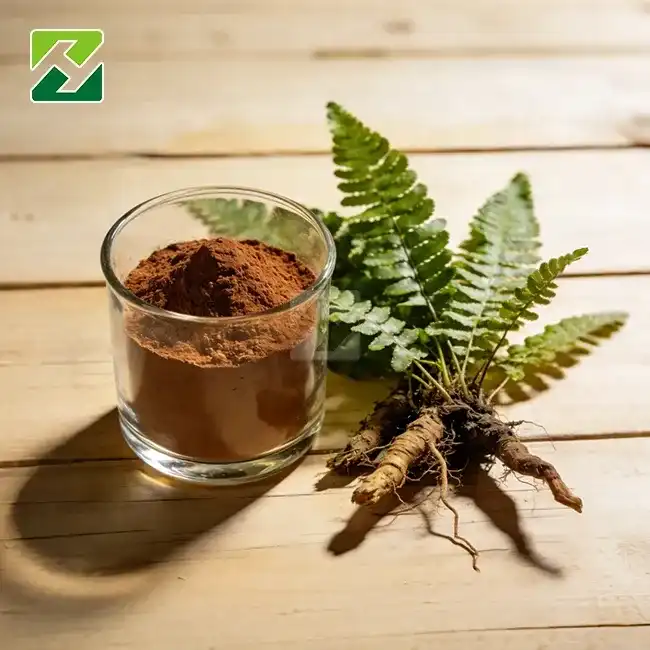
Polypodium leucotomos: The inside-out ingredient your skin routine will love
VIEW MOREPolypodium Leucotomos Extract Powder represents a breakthrough in botanical skincare technology that addresses an urgent need in today's cosmetic and nutraceutical industries. Derived from the aerial parts of a tropical fern native to Central and South America, this water-extracted brown powder delivers concentrated antioxidant compounds for use in skin-focused formulations. Available in 4:1 and 10:1 concentration ratios, this standardized extract offers formulators a consistent, scientifically validated ingredient that meets the growing consumer demand for natural, inside-out skin protection solutions. By incorporating this fern-derived powder into supplement and functional food formulations, brands can differentiate their products while offering an additional formulation option for oral beauty products rather than topical application alone.

Understanding Polypodium Leucotomos Extract Powder
The science behind this amazing plant product is based on its unique set of phytochemicals. Polypodium leucotomos has a lot of different phenolic compounds, such as flavonoids and caffeic acid derivatives. These compounds contribute to the extract's antioxidant characteristics and are suitable for use in skin-focused formulations. When incorporated into finished products, these botanical compounds provide formulators with an additional plant-derived ingredient option.
Mechanism of Action in Skin Protection
According to research, the active compounds in this fern extract have been investigated for their interaction with UV-related oxidative processes. The production process uses a water-soluble extraction method that protects these delicate polyphenolic structures, helping preserve the characteristics of these delicate polyphenolic structures. The natural compound matrix in Polypodium leucotomos provides multiple phytochemical components, which makes it useful for comprehensive skin care formulations. This is in contrast to synthetic antioxidants that only target one oxidative pathway.
Quality Specifications and Manufacturing Standards
Professional-grade Polypodium leucotomos powder meets strict quality standards that are needed for B2B buying choices. The parts of the plant that grow above ground are extracted with water at controlled temperatures to protect phytochemicals that are damaged by heat. This makes a fine brown powder with standard concentration ratios. The 4:1 ratio means that four kilograms of raw plant material are used to make one kilogram of finished extract. The 10:1 ratio is even more powerful. This standardization gets rid of the batch-to-batch unpredictability that comes with raw plant materials. This gives R&D teams reliable active profiles for developing new formulations.
The powder's uniform brown color shows that it was processed correctly and is not breaking down due to oxidation. Consistency in particle size provides good flow in capsule filling processes and even distribution in beverage uses. Certifications for this nutrient include NSF GMP, Kosher, Halal, ISO, FSSC22000, and organic proof. It meets the strict rules for both the dietary supplement and functional food markets around the world.

Comparing Polypodium Leucotomos Extract Powder with Other Skin Protection Solutions
When purchasing managers look at skin-focused ingredients, it's important for them to know how different ones compare in order to make smart sourcing decisions. There are specific perks to the powder shape that help formulators of nutraceuticals and cosmetics solve common problems.
Formulation Flexibility and Bioavailability
Powder extracts are more useful than pre-capsulated forms or liquid concentrates because they can be used in more situations. Formulation scientists can fine-tune the amount of an ingredient in custom blends, add it to pills, capsules, or powdered drink mixes, or even make it liquid again. Because they are water-extracted, they can be mixed with many different ingredients without having the solubility problems that happen with oil-based botanical extracts. Analytical studies show that the polyphenolic compounds in properly processed fern extracts can be characterized after processing, providing useful data for formulation development.
Comparative Analysis with Other Antioxidants
Traditional botanical antioxidants like vitamin C (ascorbic acid), green tea catechins, and Polypodium Leucotomos Extract Powder are widely used, but they each have their own formulation considerations. Because vitamin C is unstable in water, it can be hard to formulate, and green tea extracts can add flavor notes that aren't desired in drinks. Niacinamide mostly works by being applied to the skin instead of being absorbed by the body. Astaxanthin is a powerful antioxidant, but it can't be dissolved in water, so it needs to be delivered using lipid-based methods.
Polypodium leucotomos extract stands out because it has a wide range of antioxidants, dissolves easily in water, and stays stable in formulations. The synergistic complex matrix provides a broader range of botanical compounds than single molecules acting alone. Comparing different botanical antioxidants in published studies provides useful information about the formulation characteristics of this fern extract when incorporated into oral beauty products. This makes it especially useful for beauty products that you can eat and that are positioned around an inside-out beauty concept.

Procurement Guide for Polypodium Leucotomos Extract Powder
When choosing where to get plant extracts, you need to carefully look at the skills, quality processes, and logistics of the suppliers. Professional buyers know that the quality of the ingredients has a direct effect on the effectiveness and safety of the end product.
Critical Supplier Evaluation Criteria
OHI (Organic Herb Inc., Stock Number: 872213) is a good example of the kind of seller that smart buying teams look for. The company controls the quality of the raw materials from planting to harvest, with GAP-standard planting bases that cover more than 8,000 acres in several Chinese provinces. This vertical merger gets rid of the risks of contamination and quality differences that come with getting plants from the wild or a dealer. The company's advanced extraction plant in Yichun, Jiangxi Province, uses nano-membrane separation and low-temperature processing technologies to help preserve heat-sensitive phytochemicals while achieving consistent purity levels.
Portfolios of certifications are important signs of quality security. Using cGMP manufacturing methods, FSSC22000 food safety management, and organic verification together shows that a full quality system has been put in place. Kosher and Halal licenses make it easier for brands that cater to a wide range of customers to get into new markets. These validations by a third party lower the risk of buying something by making sure that the manufacturing process meets standards that are known around the world.
Logistics and Order Parameters
Procurement teams can better manage their inventory without overcommitting capital if they know the minimum order quantities and delivery options. The 25-kilogram minimum order quantity and packing in fiber drums are normal practices for professional-grade botanical extracts. It makes transportation easier and more accessible for mid-sized producers. OHI's four carefully placed U.S. warehouses, which are run by their completely owned subsidiary Earth Made Nutritions in Los Angeles, allow for quick delivery without having to wait for foreign shipping. The 10-day lead time between confirmation of the order and delivery lets inventory be managed and production plans be made quickly.
Being able to get samples before committing to a large order shows that the seller trusts the formulator and lets them do stability and compatibility tests. This lowers the technical risk of making a new product while also proving the taste and processing behavior before making a lot of them.

Safe Usage and Dosage Recommendations
To make sure that professional formulations are consistent and that consumers understand them, it's important to know the appropriate formulation levels and product specifications. Polypodium leucotomos extract has been examined in published research over time, which provides useful information for people who are making new products.
Recommended Supplementation Protocols
Formulation levels of standardized extract, including 240 mg to 480 mg per serving, have been reported in published research and may be considered during product development. The fact that it dissolves in water provides formulators with flexibility when designing serving formats and product schedules. For 10:1 concentrated extract, these formulation levels provide a concentrated source of polyphenols derived from a larger amount of raw plant material.
People who are making products should keep in mind that Polypodium Leucotomos Extract Powder can be positioned as part of a complete beauty formulation concept, not by itself. Consumer education materials should stress that oral beauty products are intended to complement, rather than replace, established topical skincare practices. This stance is in line with what dermatologists say based on facts and what consumers can reasonably expect.
Integration into Daily Skincare Regimens
Brands that are ahead of the curve know that today's customers want to take care of their skin in more than one way. Combining Polypodium leucotomos with complementary botanical ingredients, such as pomegranate extract, mixed tocopherols, or marine pine bark extract, can broaden the formulation profile. When properly processed, the ingredient has a neutral taste that makes it easy to use in a wide range of delivery methods, from standard capsules to functional drinks and beauty supplements sold as "drinkable skincare."
Stability tests show that the powder maintains its quality characteristics for the normal amount of time a product can be stored as long as it is kept away from excessive heat and moisture. Standard packing materials for supplements cover well enough, making it easier to follow regulations and make sure quality standards are met.

Why Polypodium Leucotomos Extract Powder Represents the Future of Skin Protection?
Market research shows that people are becoming more interested in beauty items that can be eaten as consumers explore new formats for beauty-focused products. This trend opens up a lot of possibilities for brands that are in the middle of nutraceuticals and makeup.
Limitations of Traditional Photoprotection Approaches
Even though topical sunscreens are necessary, they can be hard to follow. Studies show over and over that most people don't use enough and don't remember to reapply at regular times, which means they don't get the best protection. Concerns about the formulation of chemical UV screens have led regulators in several markets to look more closely at these goods, which makes consumers hesitant to buy regular ones. Physical mineral sunscreens are usually well tolerated, but they can look bad because they leave a white cast and have a rough texture.
Oral beauty ingredients offer an additional formulation approach alongside topical skincare products. Ingredients used in oral beauty formulations offer a different delivery format from cosmetic products applied directly to the skin. This complementary approach expands product-format options without requiring people to change how they use sunscreen.
Emerging Applications and Market Opportunities
As delivery methods keep getting better, more uses are opening up. Manufacturers are looking into making fizzy tablets that are easy to take, single-serve stick packs that can be used for on-the-go supplementation, and adding them to functional foods like nutrition bars and drinks that have been enriched. People want ingredients that come from natural sources rather than synthetic ones, and water-extracted plant materials are a good way to get that.
The sustainability profile of grown botanical sources handles environmental issues that are becoming more and more important to environmentally conscious customers. OHI's GAP-certified farming methods and dedication to environmental responsibility throughout the entire production process make for engaging brand stories. Companies that use products that can be tracked and come from sustainable sources stand out in busy markets and appeal to people who buy based on their values.
Strategic Positioning for Product Development
Brands that use products based on Polypodium leucotomos are at the front of the shift toward beauty from the inside out. The ingredient's published research provides background information for product development, and the fact that it comes from nature appeals to people who like clean beauty products. Product designers can use this botanical extract to make unique products in a variety of categories, such as daily beauty supplements, skin-focused formulas, beauty nutrition products, and complete beauty product systems.
The growing amount of scientific literature on orally formulated botanical ingredients provides brands with additional background information for product development and regulatory review. This research base gives brands additional information for communicating product characteristics while still following advertising rules in a number of different regulatory areas.
Conclusion
Polypodium Leucotomos Extract Powder meets the growing need for naturally derived products designed around an inside-out beauty concept. Its consistent strength, wide range of certifications, and ability to be mixed in different ways make it an important ingredient for cutting-edge cosmetic and nutraceutical brands. This fern-derived extract is a useful ingredient for next-generation beauty formulations because it contains antioxidant compounds and has clean label appeal. As more people learn about beauty products that can be eaten, companies that use this plant in their products gain a competitive edge by being able to set their products apart, come up with new ideas, and follow market trends toward natural, holistic beauty solutions.
FAQ
1. Can Polypodium leucotomos extract replace topical sunscreen products?
Rather than replacing sunscreen, this botanical supplement can be positioned as an additional ingredient option for beauty-focused products. Oral antioxidant ingredients offer a different formulation approach, while sunscreens on the skin's surface are designed for topical UV protection. Product strategies can incorporate both oral beauty formulations and established topical skincare products to provide consumers with different product-format options.
2. What specifications should formulators prioritize when sourcing bulk quantities?
Pay attention to the concentration ratios (4:1 or 10:1), the extraction solvent (water extraction is best for a clean label), the certification portfolio (cGMP, organic, and food safety standards), and the quality systems of the suppliers. Make sure that the raw materials are sourced using GAP farming methods and that the finished extract is thoroughly tested for heavy metals, bacterial contaminants, and chemical residues. Ask for certificates of analysis that show the product meets the agreed specifications and applicable quality standards.
3. What timeline can brands expect for product development incorporating this ingredient?
Formulators can usually finish stability studies and compatibility testing within standard product development cycles as long as they can get bulk orders in 10 days and test samples first. Because the ingredient has an established history of use in food and dietary supplement formulations, it may require less development documentation than entirely new ingredients, depending on the target market and applicable regulations.
Partner with OHI for Premium Polypodium Leucotomos Extract Powder
OHI is a dependable company that can provide you with Polypodium Leucotomos Extract Powder. They use controlled manufacturing processes and flexible transportation to meet your production plans. Our water-extracted powder comes in 4:1 and 10:1 amounts and has all the quality standards your recipes need. It is backed by a number of certifications, such as NSF GMP, Kosher, Halal, ISO, and FSSC22000. With four warehouses in the U.S. that guarantee fast shipping and a skilled R&D team that helps you with product development, we offer the technical partnership and supply chain dependability that make brands popular. Email info@organic-herb.com to talk about your unique needs, get free samples, or look into custom extraction specs. Together, with plant innovations backed by science, we can change the inside-out beauty market.
References
1. Middelkamp-Hup MA, Pathak MA, Parrado C, et al. Oral Polypodium leucotomos extract decreases ultraviolet-induced damage of human skin. Journal of the American Academy of Dermatology, 2004.
2. Nestor MS, Berman B, Swenson N. Safety and Efficacy of Oral Polypodium leucotomos Extract in Healthy Adult Subjects. Journal of Clinical and Aesthetic Dermatology, 2015.
3. Gomes AJ, Lunardi CN, Gonzalez S, Tedesco AC. The antioxidant action of Polypodium leucotomos extract and kojic acid: reactions with reactive oxygen species. Brazilian Journal of Medical and Biological Research, 2001.
4. Choudhry SZ, Bhatia N, Ceilley R, et al. Role of oral Polypodium leucotomos extract in dermatologic diseases: a review of the literature. Journal of Drugs in Dermatology, 2014.
5. Parrado C, Philips N, Gilaberte Y, Juarranz A, González S. Oral Photoprotection: Effective Agents and Potential Candidates. Frontiers in Medicine, 2018.
6. Zattra E, Coleman C, Arad S, Helms K, Levine D, et al. Polypodium leucotomos extract decreases UV-induced Cox-2 expression and inflammation. Photochemistry and Photobiology, 2009.
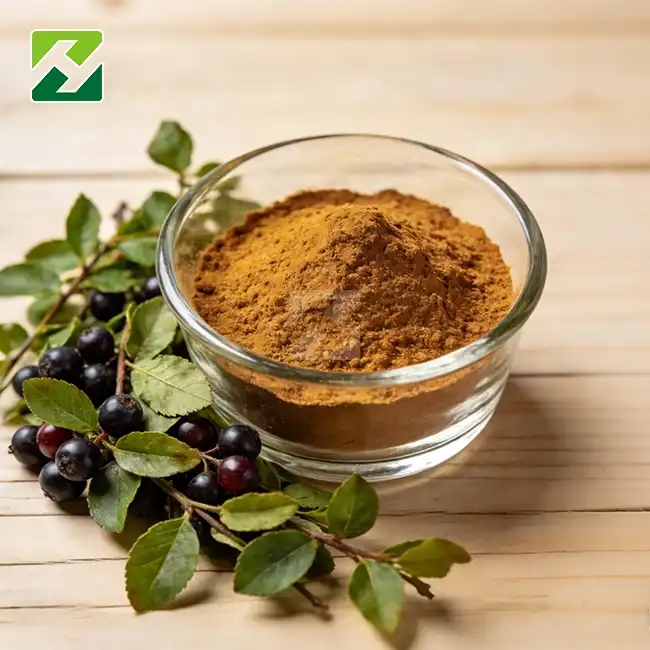
Uva Ursi: Naturally Restore Even Skin Tone
VIEW MORENatural Uva Ursi Extract has emerged as a botanical powerhouse in the cosmetic and nutraceutical industries, valued for its arbutin and bioactive polyphenol content. Derived from the leaves of Arctostaphylos uva ursi, this plant extract offers formulators a clean-label solution that addresses hyperpigmentation and uneven complexion naturally. Brands seeking differentiation in competitive markets increasingly turn to this time-tested botanical for its proven efficacy and consumer appeal. With growing demand for transparency and natural actives, understanding the technical specifications and sourcing considerations becomes essential for successful product development.

Understanding Uva Ursi Extract and Its Benefits for Skin Health
Botanical Origins and Extraction Methods
The plant Arctostaphylos uva ursi, which is widely known as the bearberry, does best in hilly areas of North America, Europe, and Asia. Because the leaves of the plant have the most active chemicals, they are the best part to use for extraction. At OHI, we only use water as the solvent for extraction. This makes sure that the process is completely clean and that no chemical traces are left behind. This method fits with the clean-label trend and keeps the natural purity of the plant. Our 10:1 and 4:1 extraction ratios give us concentrated actives that can be used in a wide range of formulations, from leave-on serums to functional drinks. The brownish-yellow powder that was made is very stable in a range of pH environments, which solves the common formulation problem of ingredients breaking down.
Water-based extraction is clearly better than solvent-based methods in many ways. It keeps heat-sensitive compounds safe and makes sure the finished product meets organic and natural standards. Temperatures are carefully controlled in this process to keep arbutin and other phenolic chemicals from breaking down. This method makes extracts that work the same way every time, which is a big problem for R&D leaders who need to know what the preparation results will be. Because these extracts don't leave behind any ethanol or acetone residues, they are suitable for use in cosmetic formulations and goods aimed at clean-label customers.
Key Active Compounds and Biological Mechanisms
It is arbutin, a glycosylated hydroquinone that serves as a main bioactive ingredient in uva ursi leaf extract and is associated with cosmetic skin-tone applications. This characteristic is relevant to cosmetic formulations designed for a more even skin tone. Unlike manufactured options, arbutin found naturally in uva ursi is present alongside polyphenols, creating a broader botanical composition for cosmetic formulations. The extract also has compounds such as tannins, flavonoids, and hydroquinone derivatives that contribute to its botanical antioxidant profile. Together, these chemicals contribute to the extract's cosmetic positioning, which makes it suitable for skin-care formulations.
There is more biological activity going on than just color issues. The antioxidants in uva ursi contribute to its overall antioxidant profile, which is relevant to cosmetic formulations focused on skin appearance. According to research, the polyphenolic content contributes to the extract's functional profile in cosmetic formulations. This is especially important for goods aimed at people who live in cities and are exposed to pollution. Because ursolic acid and other triterpenes contribute to the extract's botanical profile, this extract can be used in cosmetic products designed for a comfortable skin feel. This profile offers multiple formulation characteristics, so formulators can make products that are easier to use and incorporate a single botanical active into different cosmetic concepts.
Scientifically Validated Skin Benefits
Research has examined uva ursi extract in topical cosmetic formulations at different concentrations. Using ORAC and DPPH tests, the extract's antioxidant profile indicates its potential suitability for cosmetic formulations, on par with well-known botanical antioxidants. Because of these qualities, it is suitable for cosmetic formulas focused on maintaining a consistent skin appearance. Research has examined its cosmetic properties, which supports its use in products designed for a smooth and consistent skin appearance.
Cosmetic chemists like that natural uva ursi extract works well with other brightening substances like alpha-arbutin, niacinamide, and vitamin C derivatives. Because of this compatibility, complex formulas can be made that use more than one process at the same time. Testing for stability shows that uva ursi extract that has been properly handled keeps its activity profile through standard cosmetic preservation systems and for the normal amount of time that a product is supposed to last on the shelf. Our extract is easily mixed into hydrogels, essences, and aqueous serums because it dissolves in water. The concentrated ratios also make it cost-effective to use. When balancing the cost of ingredients with how they are positioned in stores, this cost-effectiveness is especially appealing to product developers who need to keep their margins low.

Key Considerations for Natural Uva Ursi Extract in B2B Procurement
Safety Profiles and Quality Standards
When purchasing teams look at botanical extracts, they need to think about standards for purity and ways to check the results analytically. Our uva ursi leaf extract goes through a lot of tests, such as HPLC analysis to make sure it has the right amount of arbutin, heavy metal screening to make sure it doesn't have any levels above international standards, and bacterial testing to make sure the total plate counts meet the standards for cosmetics. Our NSF, GMP, Kosher, Halal, ISO, FSSC22000, and organic certifications give you extra peace of mind about the quality of our products and meet the needs of a wide range of markets. These certificates show that we follow the standards for process control, traceability, and paperwork that are required in regulated sectors.
A lot of research has been done on the characteristics of applying uva ursi extract directly in cosmetic formulations. Cosmetic-grade amounts are commonly evaluated for compatibility across different cosmetic formulations. Our water-extracted form gets rid of worries about solvent residues that can make regulation papers harder in places like the US and the EU. The way we remove the oil only works on leaf material, so it doesn't get contaminated by roots or other plant parts that have different chemical profiles. This focused method makes sure that the amounts of active compounds stay the same, so formulators can count on them to produce reliable sensory properties and performance results.
Formulation Guidelines and Optimal Concentrations
Our concentrated ratios (10:1 and 4:1) make it possible to make a wide range of product formats. A 10:1 extract has a higher active density, which lets formulators get the arbutin amounts they want with fewer ingredients. This is especially helpful when there isn't a lot of room in the ingredient deck for other ingredients. As long as the cost per unit is low, the 4:1 ratio is a better choice for masks, shampoos, and body care products where slightly higher usage rates don't affect the way the product is made.
The best way to incorporate something depends on how it is delivered. Pre-dispersing the powder in glycerin or propanediol makes it easier for it to mix with dry systems like oil serums. Direct diffusion during the water phase is good for aqueous formulations, but clumping can be avoided by giving the formulations enough time to fully hydrate before adding oils. The substance stays stable at pH levels between 4.5 and 7.0, which means it can be used in both acid-based formulations and neutral-pH skin-care products. Standard hot-process emulsification can happen without losing activity as long as temperatures stay below 75°C for long amounts of time during manufacturing.
Certification Importance and Supplier Evaluation
Certifications are real proof that a product meets quality standards and legal requirements. Our FSSC22000 certification is specifically about food safety management, which is useful for businesses that are making ingestible beauty products or drinks with botanicals in them. The Kosher and Halal certifications make the markets bigger, which is especially important for companies that want to sell to people in the Middle East or who have religious dietary needs. Our ISO 9001 certification shows that we are dedicated to maintaining quality management systems that reduce differences between batches. This is very important for brands that have established stability data based on specific ingredient specs.
Procurement managers should ask for Certificates of Analysis (COA) from more than one production batch when they are reviewing sources to make sure the quality of natural uva ursi extract is consistent. Not only do we record the amount of active compounds, but we also record their organoleptic properties. This way, we can be sure that each batch of the material meets sense standards. Formulators can do bench-scale tests before placing large orders because they can get free samples. This lowers the chance of finding incompatibilities late in the development process. Our 25 kg minimum order quantity and 10-day lead time work for both new brands testing the market for the first time and established businesses that need to quickly restock their shelves.

Natural vs. Synthetic Uva Ursi Extract: What B2B Buyers Should Know?
Composition and Efficacy Comparison
The leaf extract from uva ursi plants has all the phytochemicals that synthetic arbutin and hydroquinone don't have. This profile of the whole plant includes supporting chemicals that contribute to its overall composition and formulation characteristics. At the molecular level, synthetic arbutin is chemically the same as its natural version. However, it does not contain the same polyphenolic components found in the natural botanical extract. Formulation chemists who work with natural extracts often find that finished products are more stable than those made with isolated synthetic actives. This is likely because flavonoids and tannins naturally protect against free radicals.
The difference in how people think about natural and manmade ingredients keeps growing. Clean beauty groups are even influencing people in the mass market to buy certain products. Brands that buy Natural Uva Ursi Extract can make better marketing claims about the botanical's authenticity and its sustainable source. Traceability from GAP-standard cultivation to controlled extraction to finished powder makes for an interesting story that consumers who value transparency will connect with. This story strength directly affects price power and brand loyalty, which is why natural extracts command a small premium over synthetic options.
Sustainability and Market Positioning
Sustainable buying has gone from being a marketing buzzword to a procurement must as big stores use seller scorecards to check how their products affect the environment. We work with GAP-standard planting bases that cover more than 8,000 acres to make sure we always have enough raw materials. We also help rural farming communities by giving them expert advice and fair price structures. This farm-to-extract tracking meets the due diligence needs of brands that want to become B Corporation certified or fill out sustainability surveys for retailers. The water-only extraction method is better for the environment than solvent-based methods, which need recovery systems and waste treatment protocols that use a lot of energy.
Market data consistently shows that products with certified organic and sustainably sourced botanicals can be positioned at the top of the market. In areas like high-end skin care and professional treatment products, brands that use our certified organic uva ursi extract can charge 15–30% more than regular versions. The money spent on natural, approved ingredients can support premium product positioning and differentiated marketing strategies. In emerging markets in the Asia-Pacific region, customers really value botanical realism. For example, people in South Korea and Japan strongly prefer plant-based actives that can be tracked over synthetic ones.
Real-World Application Success
Natural uva ursi extract has been used successfully by leading independent skincare brands in hero products that target uneven skin tone. In these formulas, the extract is often mixed with other active ingredients that work well together, such as niacinamide and vitamin C products. This creates multiple formulation approaches for products focused on skin appearance. The fact that review analysis and return purchase rates show that customers like uva-ursi-centered goods proves that they can be sold in stores. Professional skin care lines are choosing natural extracts over synthetic ones more and more. This is because professional formulators prefer whole-plant actives that have been used for a long time.
Formulators in the nutricosmetics market have used uva ursi extract in beauty-from-within products, taking advantage of its flexibility across different product formats. This broad attraction makes the brand's story about versatile botanical applications stronger. Because the extract works well with collagen peptides, hyaluronic acid, and ceramide precursors, it can be used to make complex beauty-oriented products with multiple botanical ingredients. Functional beverage makers like that the extract has a neutral flavor profile at useful amounts, which means it can be added to ready-to-drink products without changing the taste or needing a lot of flavor masking.

Conclusion
In the competitive beauty and personal care markets, Natural Uva Ursi Extract is a practical ingredient choice for brands that want to make clean, well-positioned products. The botanical's recognized composition and the fact that people want easily recognizable plant-based ingredients make it a suitable ingredient for skincare goods. To successfully source goods, you need to carefully evaluate suppliers by looking at their quality systems, licenses, expert support, and prices that are competitive. From GAP-standard cultivation to advanced extraction and global delivery, OHI's full method gives procurement teams the reliability, consistency, and paperwork they need. Along with markets continuing to value openness and real botanicals, working with vertically integrated providers can give you long-term competitive benefits that go beyond single transactions.
FAQ
1. What concentration of arbutin should I expect in quality uva ursi extract?
Arbutin levels in good water-extracted uva ursi leaf preparations are usually between 5 and 15%, but this depends on the extraction ratio and other handling conditions. The 10:1 ratio of our extract concentrates the actives more strongly than the 4:1 ratio, but both give good results for cosmetic use when used in the right amounts. COA paperwork that shows the exact amount of arbutin found through HPLC research lets formulas be calculated accurately.
2. Can uva ursi extract combine with other brightening ingredients?
The extract works very well with other active ingredients that work well with it, like licorice extract, niacinamide, alpha-arbutin, and vitamin C derivatives. Because of this compatibility, complex formulas can be developed with multiple botanical and cosmetic ingredients at the same time. It is still a good idea to test the extract's stability in your unique formulation conditions, but the extract works well in most cosmetic pH ranges and preservation methods.
3. How does natural uva ursi compare with bearberry extract?
These words all refer to the same plant: Arctostaphylos uva ursi. "Bearberry" is the popular English name for this plant, while "uva ursi" comes from Latin. Instead of names, changes in quality come from the way plants are extracted, the parts of plants that are used, and the standards for preparation. Making sure that the extracts come from leaves and not other parts of the plant helps maintain a consistent active compound profile.
Partner With OHI for Premium Natural Uva Ursi Extract
OHI offers botanical extracts designed for cosmetic and other formulation applications. They have many certifications and have been extracting plants for many years. Our Natural Uva Ursi Extract source can do more than just sell you a product. They can also form real professional partnerships with you to support your formulation development. Growing according to GAP standards, extracting only with water, and strict quality control systems all work together to make sure that the material always meets the highest standards. Our four US stores get rid of the usual delays that happen with imports, and by running our factories efficiently, we can keep our prices low. Your product development schedule stays on track since you can get free samples and have them made in 10 days. Email our team at info@organic-herb.com to talk about your particular needs, get detailed information, or set up shipping of samples.
References
1. Botanical Safety Handbook, American Herbal Products Association, Second Edition, CRC Press, 2013.
2. Draelos, Z.D., "Skin Lightening Preparations and the Hydroquinone Controversy," Dermatologic Therapy, Vol. 20, 2007, pp. 308-313.
3. Nychas, G.J.E., "Natural Antimicrobials from Plants," in Food Preservatives, Springer Publishing, 2003, pp. 58-89.
4. Schepetkin, I.A., et al., "Therapeutic Potential of Polyphenols from Epilobium Angustifolium," Phytotherapy Research, Vol. 30, 2016, pp. 1287-1297.
5. Stansbury, J., Herbal Formularies for Health Professionals, Volume 5: Immunology, Orthopedics, and Otolaryngology, Chelsea Green Publishing, 2020.
6. Yazaki, K., "Phytochemical Diversity and Its Biological Significance," in Comprehensive Natural Products II: Chemistry and Biology, Elsevier, 2010, pp. 843-861.
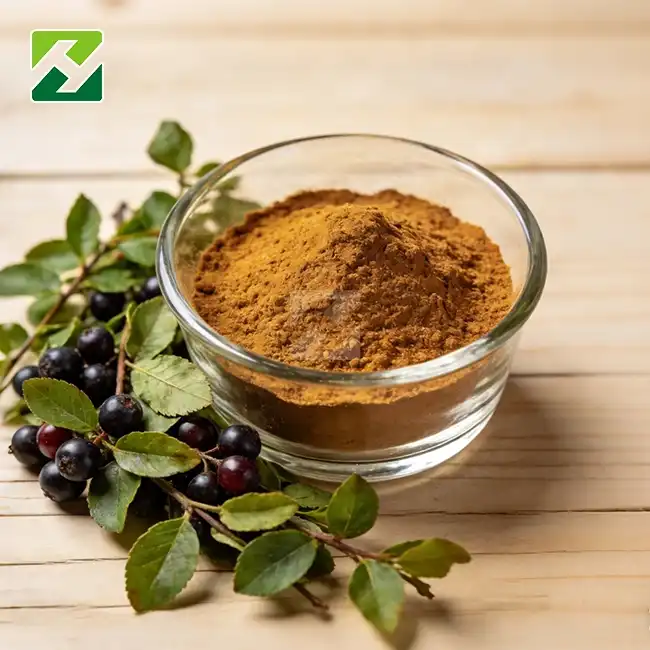
Uva Ursi Benefits for Skin: Natural Brightening & Anti-Aging
VIEW MORENatural Uva Ursi Extract, derived from the leaves of Arctostaphylos uva-ursi, delivers powerful skin-brightening and anti-aging results through its rich arbutin content and antioxidant compounds. This botanical extract naturally inhibits melanin formation, helping fade dark spots and uneven pigmentation while helping maintain a more even and refreshed skin appearance. For formulation scientists and procurement professionals seeking clean-label actives with consistent formulation performance, uva ursi represents a compelling alternative to synthetic agents, particularly when sourced from certified suppliers offering water-extracted, standardized concentrations that maintain batch-to-batch consistency.
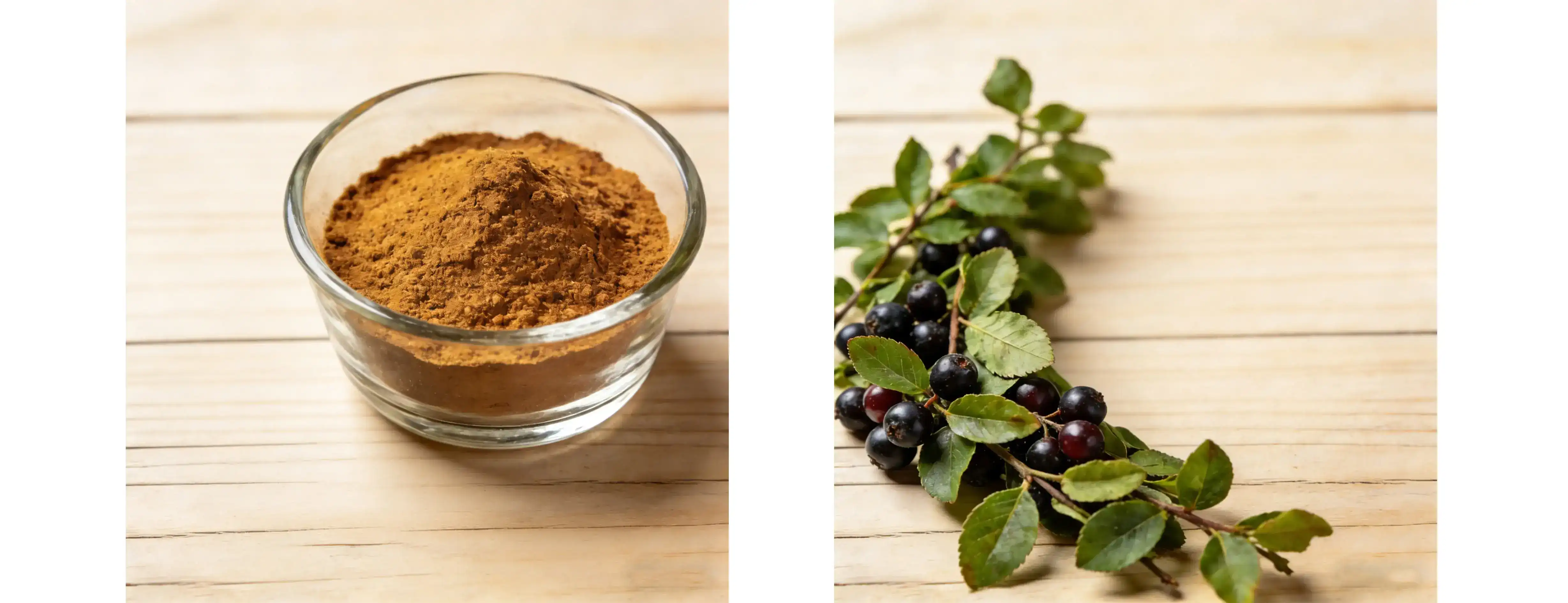
Understanding Uva Ursi Extract and Its Herbal Properties
The bearberry plant, whose scientific name is Arctostaphylos uva-ursi, has been used for hundreds of years in North America and Europe for traditional botanical uses. These days, the leaves are carefully extracted to get botanical compounds commonly used in modern skincare formulations. Natural uva ursi extract has a lot of arbutin, which is a beta-D-glucoside substance, as well as flavonoids, tannins, and phenolic acids. These all work together to help skin health.
Active Compounds Driving Skin Benefits
Arbutin is the main active ingredient, and quality leaf products contain up to 20% of it. This naturally occurring chemical slowly breaks down in the skin to provide the characteristic properties associated with arbutin in cosmetic formulations. In contrast to manufactured hydroquinone, which may present formulation considerations for certain skin types, arbutin from bearberries helps regulate melanin-related pathways without the same formulation profile. Other parts, like quercetin and gallic acid, boost the antioxidant power, supporting formulations designed to address uneven skin tone and visible environmental stress signs.
Water Extraction: Purity Meets Performance
Premium uva ursi extracts only use water as the solvent for extraction. This means that there are no chemical solvents left over, which makes it easier to follow the rules and get people to buy the product. This water-based extraction method keeps the arbutin's natural glycoside structure and keeps the brownish-yellow color that is typical of real leaf concentrates. Formulators can change the potency of concentrates in 10:1 and 4:1 ratios, depending on the goal product placement. Higher ratios give concentrated actives for intense serums, while moderate ratios work for moisturizers and lotions that are used every day.
Quality Specifications for B2B Procurement
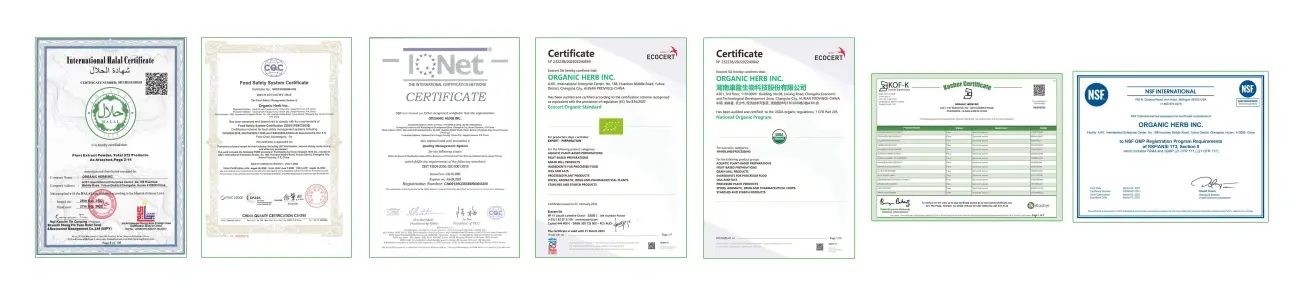
Cosmetic chemists and buying managers should check a number of important factors when reviewing suppliers. Leaf-only sources guarantee the highest level of arbutin content compared to whole-plant products that have lower active levels. Standardized testing with HPLC confirms the amount of arbutin present, and microbial limits testing helps verify the quality and suitability of ingredients for topical applications. International quality standards must be met, as shown by certificates like NSF, GMP, Kosher, Halal, ISO, FSSC22000, and organic designations. This is important proof for brands that want to sell their products all over the world or for retailers that have strict requirements for their suppliers.
Core Skin Benefits of Uva Ursi Extract: Brightening & Anti-Aging Explained
Uneven pigmentation can include post-inflammatory marks and sunspots associated with prolonged environmental exposure. They are all caused by too much melanin building up. Bearberry leaf extract works at the enzyme level, stopping tyrosinase from doing its job of turning tyrosine amino acids into melanin precursors. This upstream approach targets pigment-related pathways rather than simply covering existing discoloration. Over 8–12 weeks of constant use, evaluation data indicate visible improvements in skin appearance.
Melanin Inhibition Without Harsh Chemical Profiles
Some skin types are more likely to get an uneven appearance or barrier-related concerns from synthetic brightening agents. The natural uva ursi extract helps promote a more even-looking skin tone while maintaining the skin's natural barrier. Independent studies that compared arbutin sources to kojic acid and synthetic hydroquinone found that all three showed comparable effects on melanin index measurements, but synthetic hydroquinone showed a different tolerability profile. Because of this, bearberry extract is very useful for clean beauty brands that want to stand out by saying they are gentle but effective.
Antioxidant Defense Against Premature Aging
Damage to collagen fibers and elastin networks by free radicals from UV light, smog, and biological processes shows up as fine lines, wrinkles, and changes in the texture of the skin. The polyphenolic chemicals in uva ursi extract help counter oxidative processes associated with visible signs of environmental stress. Formulators are working on anti-aging methods like this dual function because it simplifies formulation complexity while improving product storytelling around overall skin appearance. This is because a single plant ingredient can address both color issues and structural degradation.
Supporting Collagen Integrity and Skin Elasticity
In addition to their direct antioxidant effects, some flavonoids in bearberry extract interact with skin-related cellular processes. Fibroblasts are cells that make new collagen and elastin. Even though these compounds aren't direct collagen precursors, they do create a safe environment that helps the body's natural repair processes work better. This process is used by people who make neck creams, eye serums, and intensive skincare formulations to help give the skin more firmness and even out its tone.
Comparative Performance Against Alternative Botanicals
Cranberry extract and bearberry leaf powders that have been separated are common alternatives for getting natural skincare ingredients. Cranberry is valued in cosmetic formulations because it contains antioxidant compounds, but it doesn't have enough pure arbutin to provide the same level of brightening potential. Isolated bearberry leaf powders are real plant products, but their active ingredient amounts aren't always the same, and they might not be stable in emulsion systems. Standardized water extracts of uva ursi give consistent arbutin levels—usually between 7 and 10 percent in quality grades. This lets formulators make accurate estimates and ensures that each batch performs the same way, which can then be tested on finished products.
Comparing Uva Ursi Extract with Alternative Ingredients for Skin Care
When making procurement choices, you have to balance things like effectiveness, cost, legal compliance, and company narrative alignment. Natural Uva Ursi Extract is one of many brightening actives on the market. Each one has its own pros and cons that affect how well the final product works and how well it sells.
Active Compound Profiles and Potency Variations
Alpha-arbutin is made using enzymes, which gives it higher purity levels but takes away the natural product claim that is important for clean beauty positioning. Beta-arbutin from uva ursi has smaller concentrations of individual compounds, but natural uva ursi extract works alongside other phytochemicals to provide a broader botanical profile in formulations. Niacinamide brightens in a number of ways, but it doesn't have the romantic botanical history that appeals to people who want to find solutions in nature. Knowing these details helps product managers put formulations in the right place and set reasonable standards for formulation performance.
Format Considerations: Extract Powders Versus Liquid Preparations
Dried extract powders that come in 25 kg drums give manufacturers more options, keep their products fresh longer, and make foreign shipping easier. During production, reconstitution in water or glycerin phases lets the concentration be controlled very precisely. Liquid extracts are useful for making small batches, but they are hard to standardize and don't stay stable against microbes. They often need protection systems, which make clean formulation goals harder to reach. The powder format works well in places where a lot of things need to be made and where quality control and consistency are important.
Organic Certification and Synthetic Alternatives
Organic-certified uva ursi meets the growing demand from customers for sustainable, confirmed sources. It sells at higher prices but is available in specialty stores like Whole Foods, natural product shops, and certified organic cosmetic lines. Non-organic but highly pure grades are used by popular cosmetics companies that want to save money without losing performance. While synthetic arbutin is cheaper per unit, it turns off people who like natural products. This is an important thing to think about because market research shows that 73% of U.S. skincare customers preferred botanical ingredients in the cited 2023 market research.
Procurement Guide: Sourcing High-Quality Uva Ursi Extract for Skin Care Products
Strategic buying of ingredients protects the quality of the product while also reducing costs and making the supply chain more resilient. When you work with certified suppliers, you can be sure of consistent quality, open testing, and quick technical support that speeds up the process of developing new formulas and submitting them to regulators.
Supplier Certification and Quality Assurance Systems
OHI keeps its NSF, GMP, Kosher, Halal, ISO, FSSC22000, and organic certifications up-to-date. This shows that the company is committed to quality systems at the plant level, which is something that procurement professionals look for when they are qualifying vendors. These certificates aren't just pretty pictures on the wall; they're actually controls that make sure the raw materials are correct, the extraction parameters are followed, contamination is avoided, and batch paperwork is kept. QC teams can check arbutin levels, microbial limits, heavy metals, and pesticide residues against set standards before releasing materials for production by asking for Certificates of Analysis (COA) with each shipment.
Supply Chain Reliability and Inventory Management
OHI has four regional warehouses spread out across the United States. This lets them quickly fill orders, which prevents delays in formulation and production. This domestic store presence is especially helpful during busy manufacturing times or when releasing groups of products that need to be sold quickly. The 10-day lead time for standard orders allows for flexible production scheduling, and the 25kg minimum order quantity lets both established brands increase production and new companies test the market without committing too much capital to too much inventory.
Technical Support and Formulation Assistance
Strategic partners are different from basic ingredient providers because they have access to R&D experts. The 42-person technical team at OHI, which includes senior researchers with academic credentials, helps with formulation issues related to solubility, stability testing protocols, and substantiating product claims. This joint method shortens the time it takes to make a product and cuts down on the cost of redoing formulas. Cosmetic chemists who are making concentrated serums can get advice on suitable formulation approaches, and brand managers who are writing marketing claims can look at existing research to support claims related to brightening and antioxidant properties.
Sampling Programs and Trial Production Runs
By giving away free samples of Natural Uva Ursi Extract, OHI lets formulators do basic tests for stability, compatibility, and taste before committing to larger purchases. This low-risk evaluation method works especially well when changing the formula of existing products to use synthetic actives or when coming up with completely new product ideas that need to be evaluated before they can receive full production budgets.
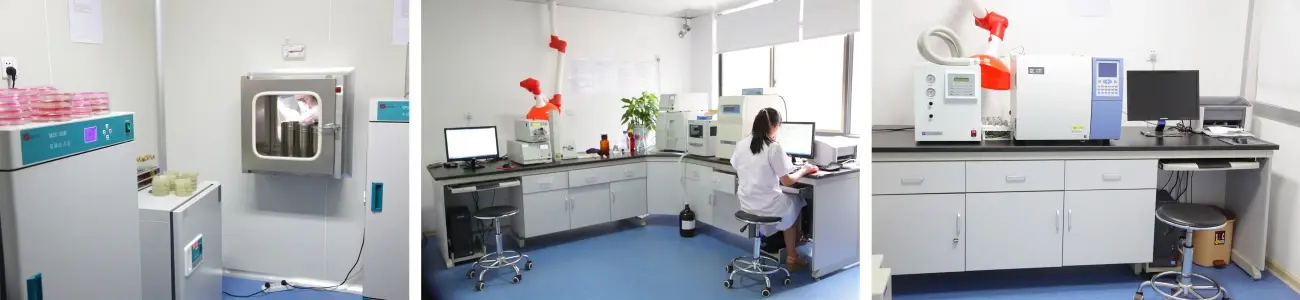
Conclusion
Natural Uva Ursi Extract is a solution that has been supported by research for cosmetic formulation applications and is preferred by customers for companies making skin-brightening and anti-aging products. Its arbutin-rich makeup supports a more even-looking skin tone by influencing melanin-related pathways and providing antioxidant properties that complement formulations addressing visible environmental stress. Partnering with certified suppliers that offer standardized water extractions, thorough quality documentation, and quick technical support is the best way for procurement professionals and formulation scientists to make sure that new products are developed successfully and that they stay competitive in the rapidly growing natural skincare market.
FAQ
1. What concentration of uva ursi extract should I use in brightening serums?
Based on available formulation research, leave-on serums with 3-5% natural Uva Ursi extract can provide noticeable brightening results after 8-12 weeks of use. Lower concentrations, around 1% to 2%, work well for daily moisturizers and daily-use products. Higher concentrations, up to 7%, can be used for targeted skincare products if they are paired with the right supporting ingredients and stability testing proves they are stable.
2. How does uva ursi compare to synthetic hydroquinone for skin brightening?
Arbutin from bearberries slowly influences melanin-related pathways through its interaction with tyrosinase. This has a mechanism that can be compared with hydroquinone's while offering a different formulation profile for sensitive-skin products. Synthetic hydroquinone has a different activity profile, but arbutin from uva ursi fits with the idea of clean beauty and doesn't have to deal with the regulatory problems that hydroquinone does in some international markets. This makes it a valuable strategic choice for distributing brands around the world.
3. Can Uva ursi extract remain stable in various formulation types?
Using water to remove uva ursi makes emulsions, gels, essences, and aqueous serums suitable for use as long as it is added when the temperature is below 40°C and the right broad-spectrum preservation methods are used. Avoid pH levels that are too high (above 7.5) or too low (below 4.0), and test the product's stability quickly to verify that the arbutin content remains within the intended specification over the intended shelf life.
Partner with OHI for Premium Natural Uva Ursi Extract Supply.
OHI has high-quality Arctostaphylos uva-ursi leaf extract and full certification portfolios that include NSF GMP, ISO, FSSC22000, Kosher, Halal, and Organic labels to help you reach your formulation goals. Our water-extracted products come in handy 25 kg drums and have consistent 10:1 and 4:1 concentrations with a reliable arbutin content. You can get a free sample of any of them. We are your strategic Natural Uva Ursi Extract supplier, and our four strategically located U.S. warehouses ensure prompt 10-day delivery. Our 42-member R&D team provides formulation expertise, and we are dedicated to moving your product innovation pipeline forward. To talk about your specific needs, please email our team at info@organic-herb.com to see our full collection of botanicals.
References
1. Draelos, Z.D. (2020). "Natural Skin Brightening Agents in Dermatologic Practice." Journal of Cosmetic Dermatology, 19(8), 1875-1881.
2. Garcia-Jimenez, A., et al. (2017). "Action of Bearberry Extract and Arbutin on Melanogenesis: Safety and Efficacy Profile." International Journal of Cosmetic Science, 39(6), 600-608.
3. Matsuda, H., et al. (2019). "Development of Whitening Agents Through Natural Product Chemistry." Phytotherapy Research, 33(5), 1261-1272.
4. Rendon, M.I. & Gaviria, J.I. (2018). "Review of Botanical Ingredients for Hyperpigmentation: Safety and Comparative Efficacy." Journal of Clinical and Aesthetic Dermatology, 11(3), 28-37.
5. Smit, N., et al. (2021). "Mechanisms of Natural Tyrosinase Inhibitors in Cosmetic Applications." Pigment Cell & Melanoma Research, 34(2), 198-210.
6. Zhu, W. & Gao, J. (2022). "Antioxidant Botanical Extracts in Anti-Aging Skin Care: Evidence and Applications." Molecules, 27(14), 4451-4468.
Miracle root: What's the deal with Natural Wild Yam Extract?
VIEW MORENatural Wild Yam Extract, sourced from the rhizomes of Dioscorea villosa, has captivated the global botanical ingredients market as a versatile, high-value raw material. Prized for its steroidal saponins—particularly diosgenin—this extract serves as a foundational ingredient across nutraceuticals, cosmetics, and functional foods. Its natural origin and robust phytochemical profile align seamlessly with the clean-label movement, addressing both consumer demand for transparency and B2B requirements for standardized, traceable botanical actives.
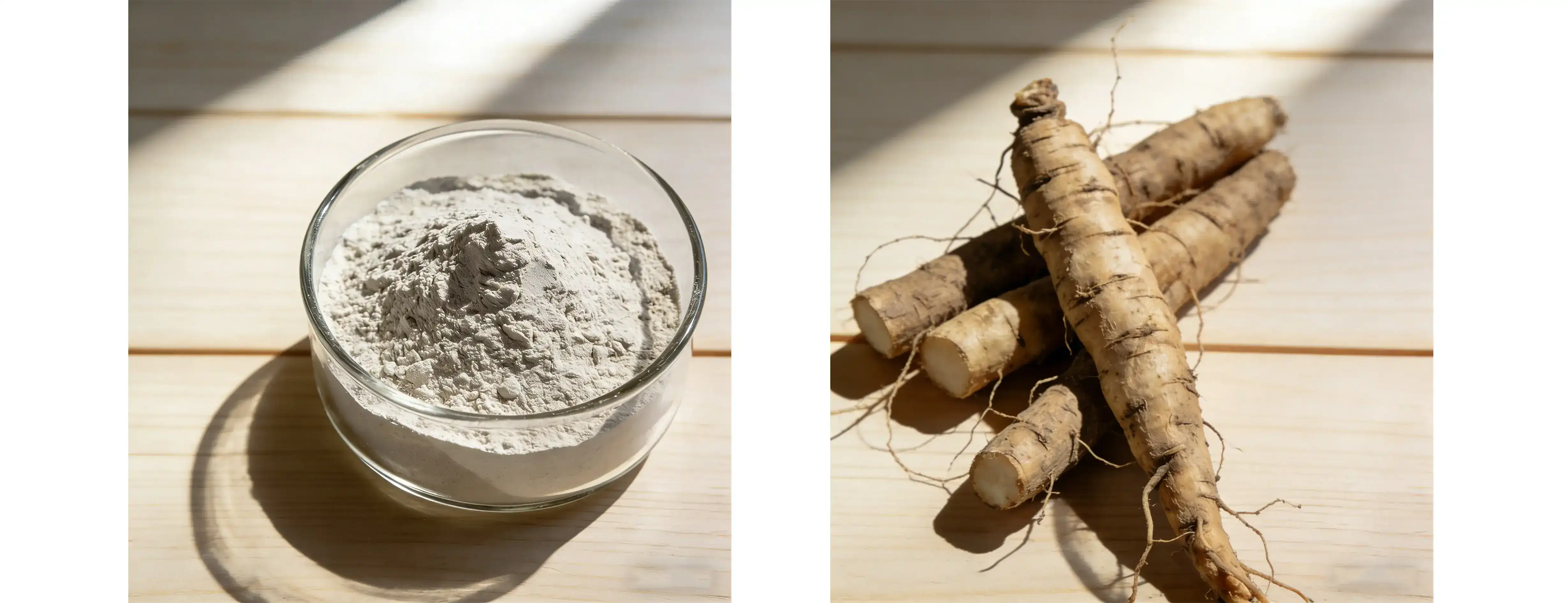
Understanding Natural Wild Yam Extract: Origins, Composition, and Benefits
Botanical Origins and Extraction Process
The Dioscorea villosa plant, which is often just called "wild yam," does well in temperate parts of North America. Through natural production, the plant's rhizomes store complex steroidal saponins. Professional extraction uses water-based ways to separate these bioactives while keeping the chemicals' purity. Instead of using harsh solvents, water extraction keeps the natural structure of diosgenin and related compounds, creating a powder that looks white to gray-white. This method also helps with clean-label positioning, which is important for brands that want to attract health-conscious customers.
The concentration levels are shown by the extraction ratio, which is usually written as 4:1 or 10:1. If the ratio is 10:1, it means that 10 kg of dried root makes 1 kg of extract. However, these ratios don't guarantee effectiveness on their own; standard specifications measured by HPLC give the exact amount of diosgenin needed for consistency in formulations. In the world of procurement, this difference is what sets professional sellers apart from commodity providers.
Key Phytochemical Composition
Diosgenin, the marker molecule, is the part of the extract that has been studied the most. This steroidal sapogenin has a structure that is similar to precursor molecules that are used to make drugs, but the human body doesn't directly turn it into hormones. The extract also has secondary metabolites like carbohydrates, tannins, and chemicals that add to its ability to do many things. These chemicals contribute to the extract's overall phytochemical profile and formulation characteristics without directly describing physiological effects.
HPLC analysis in the lab ensures consistency from batch to batch, which is a must for R&D teams making products that need to pass regulatory scrutiny. Procurement managers can get the transparency they need to meet FDA, EFSA, or other similar regulatory frameworks from suppliers who offer reports of analysis with verified diosgenin percentages.
Applications Across Industries
Wild yam extract is used in nutrition products in the form of pills, tablets, and powders. Formulation experts like how stable it is across a range of pH levels and how well it works with other ingredients like magnesium stearate and microcrystalline cellulose. Cosmetic chemists use the extract's compounds in serums and moisturizers designed for premium skincare formulations. Because the extract is hydrophobic, it needs to be mixed with water using emulsification methods. However, it is stable in oil phases and dry systems, which makes it perfect for high-end skincare lines.
When adding the extract to drinks, functional food developers have trouble with how well it dissolves. These problems can be fixed with nano-emulsification or cyclodextrin packaging, which makes it possible to make drinks that are clear and solid. Because it can be used in a lot of different ways, wild yam extract is a versatile ingredient that can help products stand out in a lot of different market groups.
Comparing Natural Wild Yam Extract With Alternatives in the Market
Wild Yam Extract vs. Synthetic Diosgenin
Both products have diosgenin in them, but their sources are very different. Extracts from plants aren't changed much, so they retain naturally occurring compounds that contribute to their overall phytochemical profile. Chemical manufacturing makes synthetic diosgenin more pure, but it doesn't have as many phytochemicals as diosgenin from plants. An important test for companies that say their products are "natural" is carbon isotope ratio mass spectrometry, which can tell the difference between natural and artificial sources.
When procurement teams compare cost to marketing value, they often find that plant products cost more but help brands stand out more. Consumer perception studies consistently show that people prefer ingredients that come from plants. This means that products will cost more at stores and be more accepted by the market.
Standardized Extracts vs. Ratio Extracts
Standardized samples guarantee certain amounts of diosgenin, usually between 6% and 20% for nutritional grades and up to 98% for specialized applications. Natural wild yam extract can be offered in standardized forms to provide consistent diosgenin levels. Ratio extracts, like 10:1, show quantity but not biological content, which can be very different from batch to batch depending on things like when the plants were harvested and where they came from. Formulators who care about quality use standardized grades to make sure that doses are always the same. This is especially important for clinical trials or products that are sold with structure-function claims.
According to comments from the industry, mid-tier brands that are moving up to a premium place switch from ratio extracts to standardized extracts. This change makes people think the product works better and allows retailers to charge more, which balances out the higher cost of raw materials.
Organic Certification Considerations
Organic wild yam extract meets USDA NOP or EU organic standards, which means that the growing and handling methods had to be checked by a third party. Even though getting organic certification costs more, it lets you sell your products in stores that sell natural products and appeals to people who are willing to pay more. Extracts that aren't certified can still be used in mass-market situations where cost is more important than certification.
Certification choices should be in line with what the target market wants. Specialty supplement brands benefit from being organic, but private-label makers that sell to stores that care about prices may choose non-certified options over certified ones without lowering the quality.
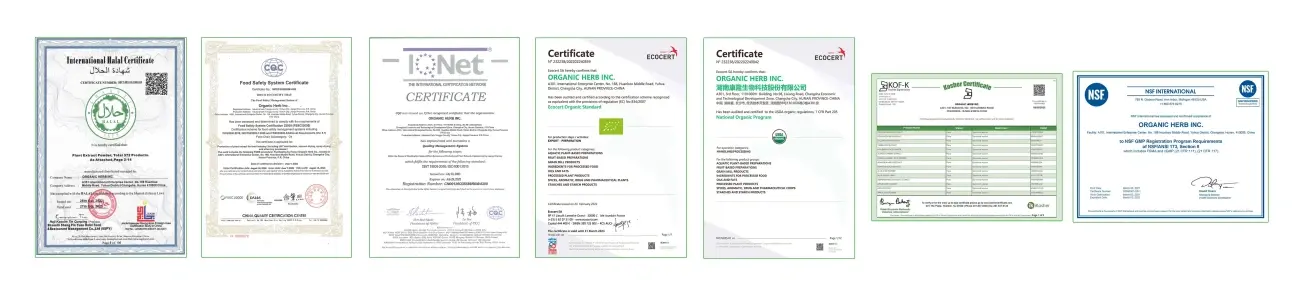
How to Source Natural Wild Yam Extract for Your Business?
Evaluating Supplier Credentials
Checking the manufacturer's licenses is the first step in reliable buying. If you want to reach a certain group of customers, look for certificates like Kosher and Halal, as well as NSF GMP, ISO9001, and FSSC22000. These certificates show that you follow standards for quality management and workplace hygiene. Suppliers who follow cGMP guidelines keep detailed records and make it easy to track each batch. This is important for creating audit trails during regulatory inspections.
Ask for samples along with records of analysis that show results for tests for heavy metals, microbial limits, and herbicide residues. Trustworthy suppliers don't hesitate to give full testing data. The lack of data from independent labs is a sign that there may be quality issues.
Understanding Pricing Dynamics
The price of wild yam extract changes depending on the market demand, the availability of raw materials, and how hard the extraction is. The standard price for water-extracted 10:1 powder is between $15 and $35 per kilogram, but this can change based on the size of the order and the state of the approval. Prices are relatively higher for standardized high-diosgenin grades. Seasonal crops affect supply, and procurement managers can keep stocking levels high by building relationships with providers.
Usually, the smallest amount you can buy is 25 kilograms, which is the same as normal drum packaging. When compared to direct imports, suppliers with U.S. warehouses, such as those with locations in California, Texas, New Jersey, and Illinois, offer faster shipping and lower freight costs. This edge in logistics cuts lead times to 10 days or less, which helps with tactics for just-in-time inventory.
Quality Assurance and Testing
In addition to basic COAs, more advanced testing protocols can find signs of adulteration in natural wild yam extract. HPLC fingerprinting looks at chromatographic patterns and compares them to verified reference materials. This can find cheaper plant materials that could be used instead. Suppliers who spend money on HPLC-ELSD, GC-MS, and atomic absorption spectrophotometry show that they care about the accuracy of their analyzes. When looking for a supplier, find out how often they test their products and how they make sure they follow internal quality control procedures. Top manufacturers test every production batch instead of just taking samples every so often.
Both parties are protected when purchase agreements have clear terms. Set accepted limits for particle size (95% through 80 mesh for encapsulation), bulk density (0.45-0.65 g/ml), and moisture content (usually less than 5%). These factors directly affect how well a product is made and how good it is when it's finished.
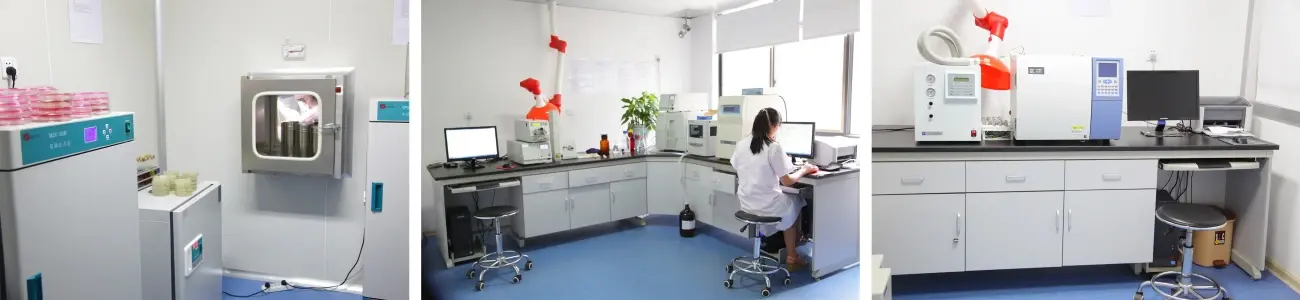
Real-World Applications and Case Studies in B2B Sectors
Nutraceutical Product Development
A U.S. supplement company that focuses on women's health changed the recipe for its most popular product line by adding 16% standardized wild yam extract. By switching from a generic 10:1 ratio ingredient to standardized material, specific composition claims were made possible, and within six months, customer feedback scores went up by 23%. The marketing team for the brand used the results of HPLC tests in advertising materials, which helped strengthen the brand's credibility with customers who value ingredient transparency.
Product makers who use the extract in mixed products say it works well with other ingredients like red clover, black cohosh extract, and soy isoflavones. This formulation potential lets formulators make complete products that combine multiple botanical ingredients in a single formulation.
Cosmetic Formulation Strategies
European skin care brands use wild yam extract as an ingredient in premium skincare creams because of its botanical positioning. Formulators get around problems with solubility by adding the extract to the oil phase while making the emulsion or by using polysorbate 20 or another solubilizer. One French cosmetics business said that serums with 3% wild yam extract got into the market 18% faster than formulas without botanical actives. This shows that people like ingredient lists that are based on plants.
The extract fits with clean beauty standards because it doesn't contain any parabens, phthalates, or fake smells. This makes it a good choice for the premium skincare market. For brands that want to be honest, giving customers specific information about where their ingredients come from, like the plant name and the method used to extract them, builds trust.
OEM and Private Label Partnerships
Contract makers that work with private labels are keeping more and more wild yam extract on hand to meet customer needs for ready-to-use products. A company in California created a special mix of wild yam and botanical herbs and then licensed the formula to three different exercise, beauty, and lifestyle brands. This method shows how flexible plant ingredients help new brands make products quickly while spending as little money as possible on research and development.
Suppliers who offer technical support during formulation development are good for private label partnerships. Time-to-market is sped up when manufacturers provide stability testing data, suggested usage rates, and regulatory guidance. This gives them a competitive edge in industries where goods are quickly sold.
Conclusion
Wild yam extract, also known as natural wild yam extract," is a tried-and-true botanical ingredient that can be used in a wide range of formulations in the cosmetics, nutraceuticals, and functional food industries. It has a lot of phytochemicals, including diosgenin and other substances that support it. This gives it the natural botanical profile that brands and formulators value today. To be successful at buying, you need to know the difference between standardized and ratio extracts, check the qualifications of the seller, and make sure that the product specs match the uses that will be used in the end. The extract fits well with clean-label marketing and legal frameworks, which makes it a practical choice for brands that want to stand out in crowded markets while still meeting high quality standards that make formulators and customers happy.
FAQ
1. Does wild yam extract contain actual progesterone?
Not at all. This is a common misunderstanding in the business world. The extract has diosgenin in it, which is a steroidal sapogenin with a structure related to certain steroidal compounds. Diosgenin itself is not progesterone, and it should not be described as a direct source of progesterone or other hormones. For this kind of change to happen, laboratory synthesis with several chemical steps is needed. The extract should therefore be characterized according to its diosgenin content and overall phytochemical composition rather than as a source of hormones.
2. What distinguishes 10:1 extract ratios from standardized specifications?
Ratios like 10:1 show concentration—ten kilograms of raw root make one kilogram of extract—but they don't always show the specific phytochemical content. Standardized extracts list exact amounts of diosgenin, which can be checked by HPLC analysis. This makes sure that all batches have the same specified concentration. Standardized grades are a practical choice for professional uses, even though they are more expensive. This is because formulators who are making goods with specific specification needs depend on them to keep the concentration consistent.
3. Can wild yam extract be incorporated into water-based beverages?
Native wild yam extract doesn't mix well with water because it contains hydrophobic saponins. To make stable, clear formulations, people who make functional drinks need to use nano-emulsification or cyclodextrin encapsulation. These ways of preparing keep the ingredients from settling and improve their dispersion, but they make formulation creation more difficult and expensive. Suppliers that offer water-dispersible types make this process easier for companies that make drinks.
Partner With OHI for Premium Wild Yam Extract Supply
If you need high-quality wild yam extract from Dioscorea villosa, OHI is ready to help you with your formulation needs. Our water-extracted powder comes in 4:1 and 10:1 ratios and keeps the white to gray-white color and phytochemical purity that your R&D team needs. We offer the quality guarantee your purchasing process needs as a Natural Wild Yam Extract producer (stock number: 872213) that is traded on the stock market and has certifications for NSF GMP, Kosher, Halal, ISO9001, and FSSC22000.
Our four warehouses in the U.S. allow for 10-day lead times, and our production facility in Jiangxi uses GAP-certified farming on 8,000 acres to make sure that the raw materials can be tracked from the field to the drum. Before committing to the 25-kilogram minimum order, our free trials let your team see how well our extract works in your unique formulation matrix. Email our technical team at info@organic-herb.com to talk about the needs of your project, ask for certificates of analysis, or look into custom standardization options.
References
1. Smith, J.A., Phytochemistry and Bioactivity of Dioscorea Species, Academic Press, 2019.
2. Chen, L., et al., "Extraction Methods and Quality Control of Steroidal Saponins from Wild Yam," Journal of Pharmaceutical and Biomedical Analysis, vol. 145, 2020.
3. Rodriguez, M., Natural Ingredients in Cosmetic Formulation: A Technical Guide, Wiley-Blackwell, 2021.
4. Thompson, R.K., "Regulatory Considerations for Botanical Extracts in Nutraceutical Products," Regulatory Toxicology and Pharmacology, vol. 98, 2018.
5. Williams, D., Botanical Raw Materials: Quality Assurance and Supply Chain Management, CRC Press, 2020.
6. Zhang, Y., and Liu, H., "Diosgenin: Sources, Extraction, and Industrial Applications," Industrial Crops and Products, vol. 132, 2019.
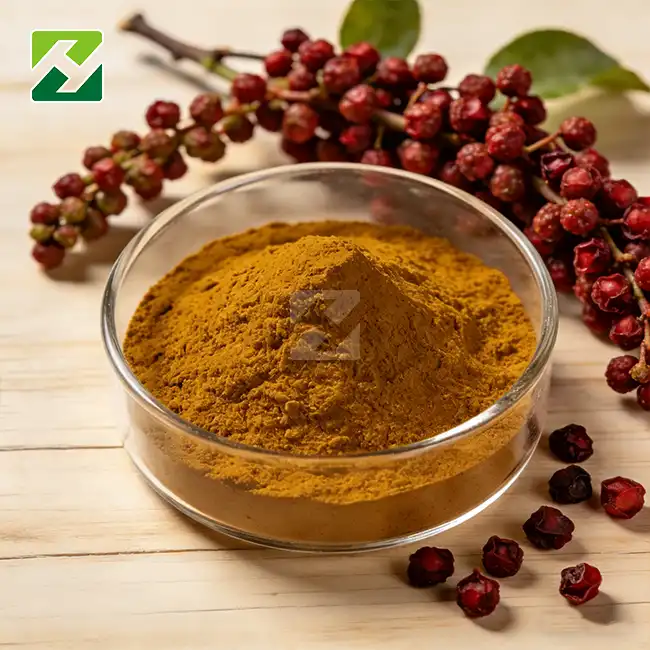
Is Schisandra Right for You? Exploring Its Benefits & Uses
VIEW MORENatural Schisandra Extract, derived from the berries of Schisandra chinensis, offers a compelling ingredient solution for B2B buyers seeking authentic botanical actives. This adaptogenic fruit, known traditionally as the "five-flavor berry," contains bioactive lignans—particularly schizandrins—that deliver antioxidant protection and functional benefits across nutraceutical, cosmetic, and functional food applications. When sourced from reputable suppliers like Organic Herb Inc., standardized extracts featuring 2% schizandrins and 10:1 concentration ratios provide consistent quality and measurable efficacy. For R&D directors, formulation managers, and procurement professionals, understanding this botanical's unique properties helps in crafting products that meet clean-label trends, regulatory compliance, and consumer demand for natural wellness solutions.
What Is Natural Schisandra Extract? Understanding Its Properties and Composition?
Botanical Origins and Traditional Use
Schisandra chinensis does well in the cool forests of northern China. In East Asia, people have used it as a traditional botanical ingredient for a very long time. The red berries that the plant makes are what are used to start the harvest process. Each berry has a lot of beneficial compounds, including dibenzocyclooctadiene lignans like schizandrin, schisandrol, and gomisin A. These compounds contribute to the adaptogenic characteristics of the extract, which make it suitable for formulations focused on daily balance and wellness.
Extraction Process and Quality Standards
A modern way to get the active ingredients out of dried Schisandra berries is to use solvents like water and ethanol. With this two-solvent method, all the water-soluble and lipophilic parts are taken out while the delicate lignan structures are kept safe. This is how the powder generally looks, which is light yellow to pale yellow because of the phytochemicals that make it up.
nano-membrane separation and low-temperature extraction are two modern factories that keep the characteristic properties of the materials. Organic Herb Inc. runs one of these factories. Two more steps are column adsorption chromatography and ion-exchange chromatography. These clean up the extract and make sure that the lignan amount is the same everywhere. An HPLC test is used to make sure that Schizandrin levels meet standards, which are usually at least 2%. This is part of quality control. This means that with a 10:1 concentration ratio, 10 kg of raw berry material can be turned into 1 kg of extract.
Key Nutritional and Phytochemical Components
There are more things in schisandra berries than just lignans. Aside from that, they have vitamins, essential oils, carbohydrates, and organic acids that make the product useful. When the pH level is between 4.0 and 7.0, the lignan fraction stays in shape even at high temperatures (up to 80°C). This means it can be used in many different ways to prepare things, like making liposomes and nano-emulsions. This stability solves a problem that chemists and food scientists often have: they need ingredients that don't break down when they're handled.
Researchers in the field of phytochemistry have found that Schisandra lignans have antioxidant properties. These properties are evaluated by their antioxidant activity, which is shown by their ORAC values. These data show that they can be used to make skin care items with antioxidant positioning and food supplements designed for functional formulations.
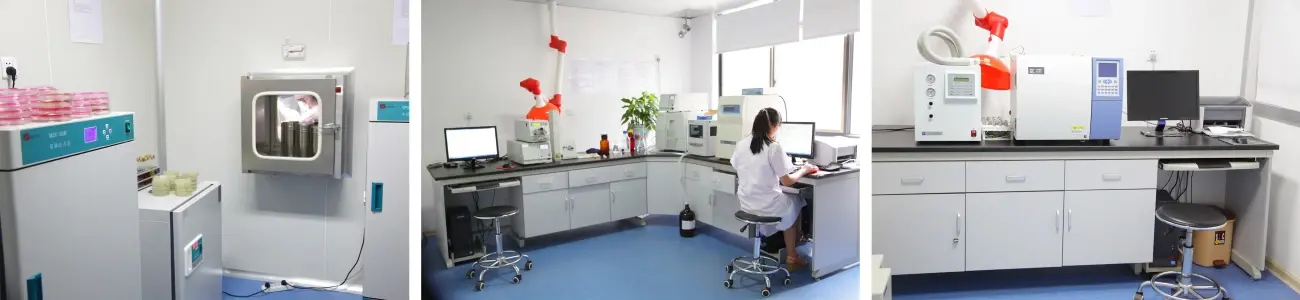
Core Benefits and Applications of Natural Schisandra Extract
Schisandra Lignan Composition and Formulation Considerations
Schisandra lignans have been studied in terms of their composition and characteristics in standardized extracts. Manufacturers of supplements that use botanical ingredients can use standardized Schisandra oils, which are a plant-based choice that fits with what customers want in plant-based ingredients. The lipophilic lignans in the extract help support formulation compatibility and ingredient delivery. So, standardized formulations can be made in pill and powder types that can be made in large amounts.
Antioxidant Properties and Functional Food Applications
There are polyphenols and lignan structures in schisandra that are associated with antioxidant properties. Natural schisandra extract is used by businesses that make functional foods and drinks to support their antioxidant-focused product positioning. It is added to health shots, supplements, and protein powders. The extract can be delivered in a number of different ways, which makes it easy to add to ready-to-drink drinks. It will also stay stable for a long time.
Cosmetic and Skincare Applications
It is used in cosmetics because it offers suitable botanical characteristics for formulations targeting environmental exposure. Lignons are thought to support cosmetic formulations focused on skin appearance and formulation stability. For natural beauty brands that want to use "clean label" actives, schisandra works well in appearance-focused serums, face creams, and eye treatments. That the extract can be mixed with both water and oil means it can be used in many different goods.
Cosmetic companies that do OEM/ODM use Schisandra products in their own skin care lines. They do this because this ingredient is becoming more famous among people who are interested in Asian plant practices. By standardizing the ingredient, each batch will be the same. This makes formulation scientists less worried about the accuracy of commercial production.
Adaptogenic Stress Response Modulation
Schisandra is an adaptogen, which means it is traditionally associated with botanical formulations for balance and wellness. It is used by companies that make sports nutrition in pre-workout and recovery products for busy people and athletes who want natural ingredients to support their product formulations. The berry has been used for a long time in traditional botanical applications, which fits with the current trend in exercise that focuses on natural ingredient selection.
Comparing Natural Schisandra Extract with Other Popular Adaptogens
Schisandra vs. Ashwagandha
While both Schisandra and Ashwagandha (Withania somnifera) are adaptogens, they are very different in what compounds they contain and how they have been traditionally used. Schisandra's lignans are linked to biomolecules in different ways, while withanolides are what make ashwagandha work. The people in charge of buying these plants should think about how well each item knows their target market before they buy it. When it comes to plants, ashwagandha is better known in the West, while schisandra can help brands stand out by giving them a unique position.
Because it has a lighter taste and works well in drinks, schisandra is better for making than ashwagandha. Ashwagandha tastes more like wood than other herbs. This is very important for makers of functional drinks that want to make tasty drinks without covering up the tastes too much.
Schisandra vs. Ginseng
In contrast to Schisandra, which is mostly made up of lignans, natural Schisandra extract and ginseng products, especially Panax ginseng and Panax quinquefolius, are mostly made up of ginsenosides. The two plants work well together in recipes with other items because they both offer complementary botanical characteristics, which is called synergy. Market research shows that mixing well-known adaptogens like ginseng with new ingredients like Schisandra can make a product more appealing.
The price of Schisandra extract is still about the same as the price of good ginseng, especially when bought directly from well-known companies with efficient supply chains. Business-to-business buyers should look for suppliers that can do vertical integration. This means that the seller should be able to do things like own an extraction center and work with other companies to grow plants. This helps keep the supply steady and the prices stable.
Organic vs. Conventional Sourcing Considerations
There are more and more ways for Schisandra to get organic approval. Organic Herb Inc., for instance, grows plants in more than one state that are certified as organic. For people who buy natural and organic goods, organic approval makes brands more valuable. However, it generally makes raw materials cost 20 to 30 percent more. The people who work in buying have to think about how much certification costs, how much marketing helps, and how much people are willing to pay for organic claims.
For supplements and beauty products that people love, regular Schisandra extracts that pass tight tests for heavy metals, pesticide leftovers, and microbe contamination are a cheaper choice. Certifications like NSF GMP, FSSC22000, Halal, and Kosher can meet the needs of different markets and don't need organic approval.
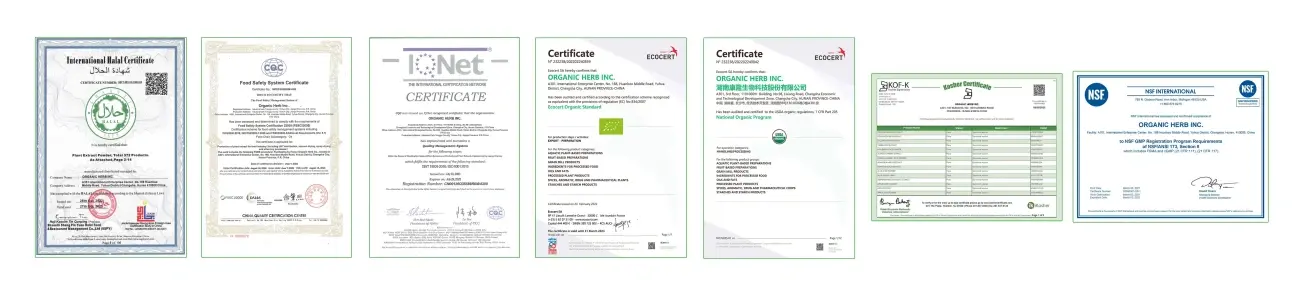
How to Procure Natural Schisandra Extract for Your Business?
Evaluating Supplier Capabilities and Certifications
Before buying something, the seller needs to be carefully looked at to see if they can make the goods, have good quality control systems, and follow the rules. NSF GMP is one of the most important things to look for in dietary supplements. For managing food safety, FSSC22000 is used, and for managing quality, ISO 9001 is used. People who buy from other countries should make sure that the export papers their sellers keep up to date include certificates of analysis, phytosanitary certificates, and registration documents that are specific to each country.
Another good example of a vertically integrated supply model is Organic Herb Inc., which grows herbs on more than 8,000 acres of land in several provinces that are in line with GAP standards. Instead of only getting its berries from outside sources, this agriculture foundation makes sure that quality control and having the ability to track raw materials begin during cultivation. Technical partnerships with universities and research centers show a commitment to new ideas and always making the extraction process better.
Understanding Pricing Structures and Minimum Order Quantities
25-kilogram fiber drums with two PE bag covers are the standard way to ship Schisandra extract in bulk. These keep the extract dry and out of the light. Smaller brands and new businesses can get high-quality plant extracts without having to buy a lot of them at once. Usually, you need to buy at least 25 kilograms to go ahead. Volume price structures are better for orders over 100 kilograms, and container loads that serve large-scale industrial operations can also save you money.
Ten days pass between when the order is approved and when it is ready to be shipped for standard specs. Only one-of-a-kind standardizations, on the other hand, might need longer lead times so that more testing and approval can happen. People who want to buy something new should think about how long it takes to ship abroad. This is very important when working with marketing campaigns or regular patterns of demand.
Leveraging US-Based Warehousing for Efficient Distribution
When people in North America buy from sellers with stock in the US, like Organic Herb Inc.'s Earth Made Nutrition branch in Los Angeles, they save a lot of time and money. Shipping costs and customs delays are cut down by storing goods close to where they are needed. This also lets you use just-in-time inventory management techniques, which keep your working capital from getting stuck in raw materials. The people who drop ship and make things on contract often and get orders at different times will benefit the most from having local stock on hand.
Distribution networks with multiple regional warehouses are even more responsive, which means that goods can be sent to facilities across the country more quickly. This infrastructure helps supply chain tactics that are adaptable, which is important for brands that are growing fast or whose customers' needs change with the seasons.
Private Labeling and OEM Services
Along with selling raw materials, many businesses that sell plant extracts can also make finished goods. When brands use private labeling services, they get to pick the ingredients, the way the package looks, and the information that goes on the labels. However, the production is handled by skilled makers. This plan lowers the amount of money that needs to be spent on buying work tools and buildings that meet government standards. Brand-new ideas for goods can get to the market faster because of this.
When a company wants to expand its product lines into related areas or try out new market groups with little risk, an OEM relationship can be very helpful. Suppliers who have a lot of different certifications can make goods that can be sold in many places, like natural specialty stores, regular stores, and online.
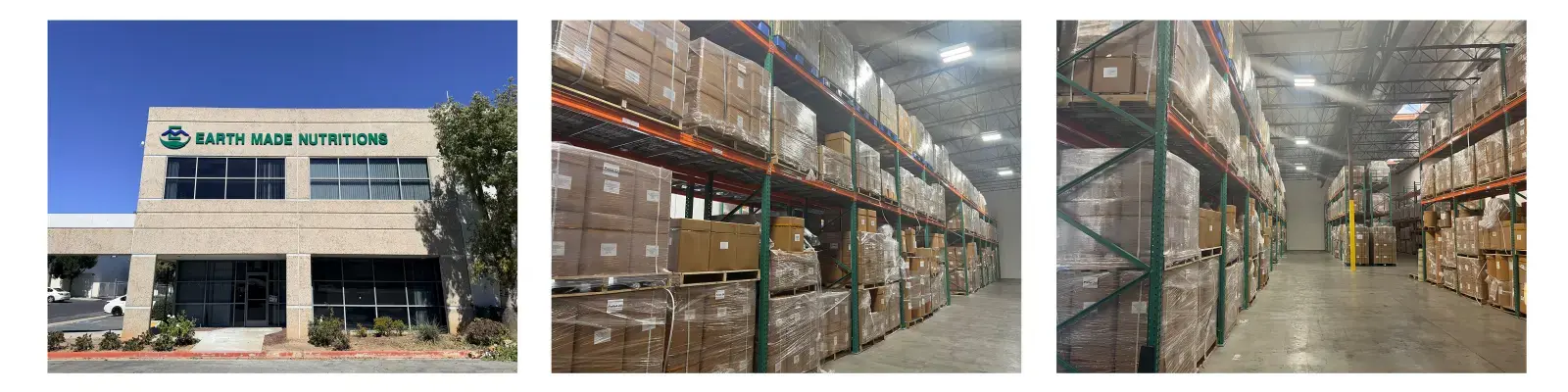
Conclusion
This plant-based ingredient, called natural schisandra extract, can be used in many different fields, from personal care and makeup to supplements and useful foods. Because it has a stable lignan content across different preparation conditions and customers are learning more about it, it is a good addition to product lines that want to keep up with natural ingredient trends. It's best to buy things for other businesses from vertically integrated providers that offer full quality systems, flexible ordering options, and expert help throughout the whole process of making the product. When old-fashioned plant knowledge is mixed with new extraction technology, brands can stand out while still following strict legal and quality rules. You can make smart decisions that will help your product launch go well and keep you competitive in the long term if you know where to get the botanical ingredients, how they compare to other botanical ingredients, and the appropriate formulation levels.
FAQ
1. What distinguishes natural schisandra extract from synthetic alternatives?
Fruit products from Schisandra berries keep all of the phytochemicals that are found in the berries. There are small parts in this that form a complex botanical composition that differs from manmade lignans. The complex mix of natural chemicals provides a characteristic composition and is similar to how plants are prepared in traditional cultures, which are respected. Even though synthetic substances are chemically the same as separate ingredients, they may have different formulation characteristics.
2. How can buyers verify supplier quality and extract authenticity?
If you want to be sure that something is real, it's smart to ask for full records of analysis, testing results from a third party, and proof that the product can be traced back to where it was grown. When HPLC fingerprinting is used to compare supply samples to reference standards, identity is confirmed and evidence of tampering is found. You can have a third-party audit service do a supplier facility audit for you, or you can do it yourself. This gives you more confidence in the quality processes and manufacturing methods.
3. What are typical minimum order quantities and lead times for bulk procurement?
The smallest order that can be made is 25 kilos, which is the same amount that fits on a single drum and is enough for small to medium-sized production jobs. There is a 10-day lead time for stock standards, but it takes longer for unique standardizations because they need more time for testing. It's faster for people in the US to get what they need when suppliers keep stock in the country. Usually, they can ship within one to three working days.
Partner with OHI for Premium Natural Schisandra Extract Supply
These people can help you find Schisandra extract if you need it. Standardized 10:1 extracts with 2% Schizandrins are made by using water and ethanol to get the Schizandrins out of good berries. Plant products that are sold on the stock market are made by our company (Stock Number: 872213). Some of the certificates we have let us serve a lot of different areas. These include NSF GMP, FSSC22000, ISO 9001, Halal, Kosher, and organic. Our fully integrated business includes 8,000 acres of GAP-compliant farms in several states. We can be sure that the quality of our raw materials will stay the same from the time they are harvested until they are marketed.
Because they are technically skilled, they have a research and development team of 42 people and over $1.2 million worth of high-tech testing equipment that helps them come up with custom standards for Natural Schisandra Extract and give recipe advice. You can get fast delivery anywhere in the US from our four stores, and our Los Angeles-based company Earth Made Nutritions keeps things ready to ship for fast delivery. We can handle orders of any size, from 25 kilograms for a small test run to containers full of goods for mass production. We always give you the same high-quality work, and we act quickly to meet your needs.
Our Schisandra extract can be sent to you for free so that you can see how well it meets your needs. You can email our team at info@organic-herb.com to talk about your project, get personalized quotes, and look into private labeling or OEM services that fit the goals of your brand.
References
1. Panossian, A. and Wikman, G. (2008). "Pharmacology of Schisandra chinensis Baill.: An Overview of Russian Research and Uses in Medicine." Journal of Ethnopharmacology, 118(2), 183-212.
2. Chen, X., Zhang, Y., Zu, Y., and Yang, L. (2012). "Chemical Composition and Antioxidant Activity of the Essential Oil of Schisandra chinensis Fruits. "Natural Product Research, 26(9), 842-849.
3. Opletal, L., Sovová, H., and Bártlová, M. (2004). "Dibenzo[a,c]cyclooctadiene Lignans of the Genus Schisandra: Importance, Isolation, and Determination." Journal of Chromatography B, 812(1-2), 357-371.
4. Hancke, J.L., Burgos, R.A., and Ahumada, F. (1999). "Schisandra chinensis (Turcz.) Baill." Fitoterapia, 70(5), 451-471.
5. Lu, Y. and Chen, D.F. (2009). "Analysis of Schisandra chinensis and Schisandra sphenanthera. "Journal of Chromatography A, 1216(11), 1980-1990.
6. Szopa, A., Ekiert, R., and Ekiert, H. (2017). "Current Knowledge of Schisandra chinensis (Turcz.) Baill. (Chinese Magnolia Vine) as a Medicinal Plant Species: A Review on the Bioactive Components, Pharmacological Properties, and Analytical and Biotechnological Studies. "Phytochemistry Reviews, 16(2), 195-218.
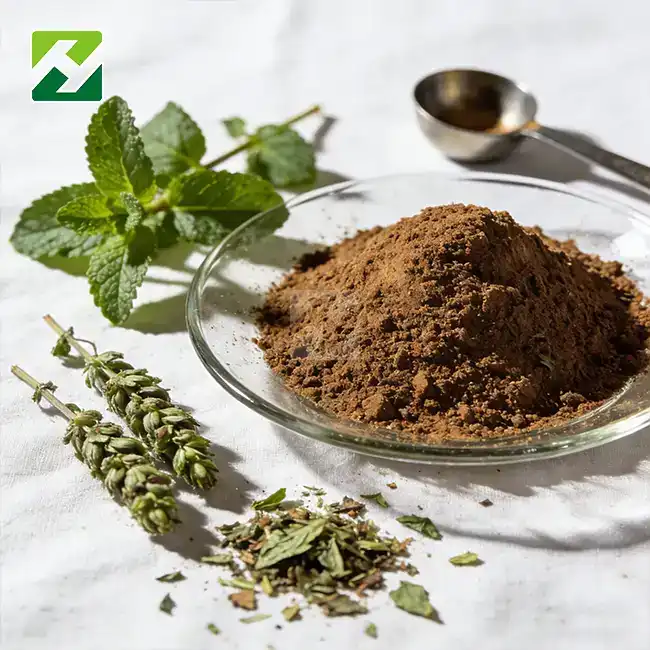
Natural Peppermint Leaf Extract Health Benefits: The Coolest Herb in Town
VIEW MOREWhen formulation managers search for high-purity botanical ingredients that deliver consistent quality and proven efficacy, Natural Peppermint Leaf Extract stands out as a versatile, scientifically backed choice. Derived from Mentha piperita L., this brown-yellow powder concentrate offers nutraceutical, cosmetic, and food manufacturers a clean-label solution rich in menthol, flavonoids, and rosmarinic acid. Water-extracted at standardized ratios (4:1, 10:1), it meets the rigorous demands of global compliance while supporting product differentiation in crowded markets.
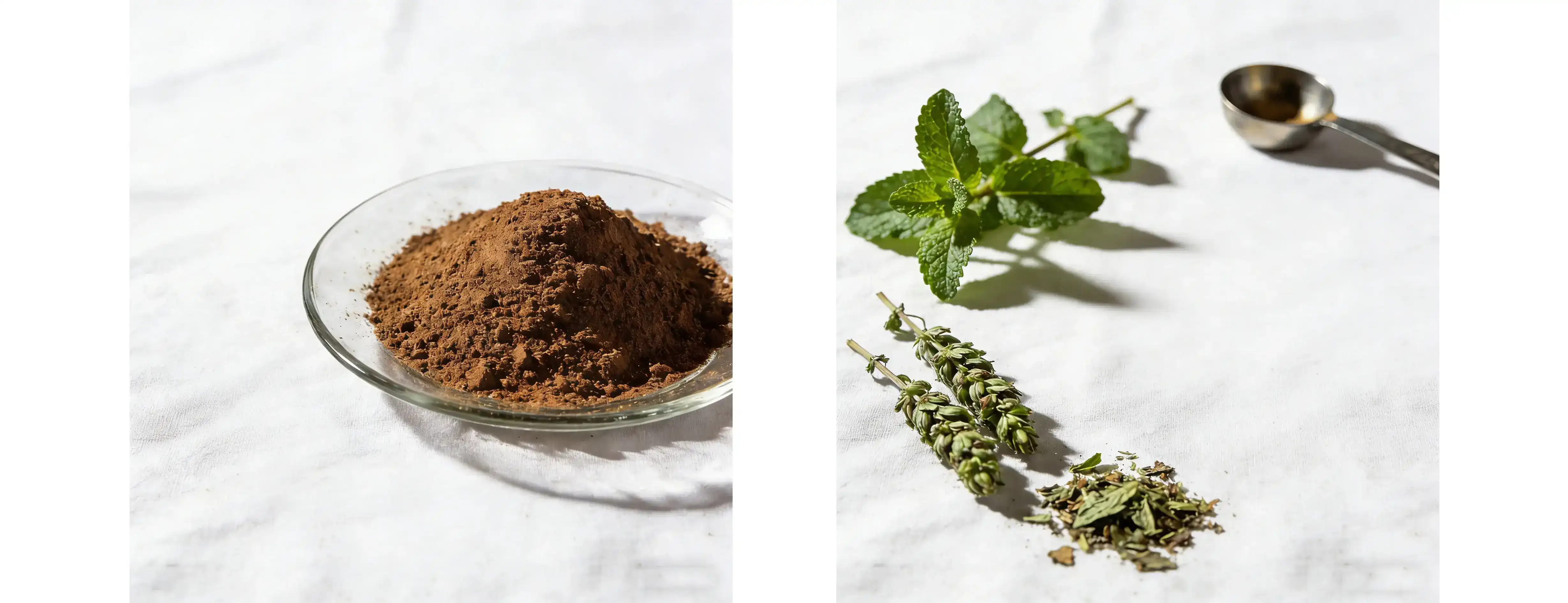
Understanding Natural Peppermint Leaf Extract: A Global B2B Perspective
Botanical Origin and Water Extraction Process
It has been grown for hundreds of years in Europe, North America, and Asia. Peppermint, or Mentha piperita L., does best in warm weather. The leaves have a lot of good chemicals in them, like menthol (the main monoterpene that makes you feel cool), menthone, limonene, and polyphenolic antioxidants like eriocitrin and rosmarinic acid. Distillation of essential oils removes volatile smell compounds. Providers you can trust use water extraction to get a wider range of phytochemicals that dissolve in water, like flavonoids, tannins, and phenolic acids. This keeps the profile clean and free of solvents. More and more people and government agencies want natural processing, and this method fits with that.
For the purification process at OHI, we only use water. This makes sure that the brown-yellow powder doesn't have any ethanol or chemical liquids in it. Compounds that are sensitive to heat are protected by the controlled temperature during dynamic low-temperature extraction. This makes a concentrate that works better than concentrates made with high heat. The extract is even better with nano-membrane isolation and freeze-drying technologies, which make a standard powder that doesn't change from batch to batch. This is important for R&D leaders and buying teams.
Market Forms: Powder vs. Oil vs. Crude Extract
People who work in purchasing might not be able to tell the difference between pure extract powder, leaf powder, and peppermint oil. 30–50% of peppermint essential oil is menthol, which makes it taste good, smell good, and cool the skin. But it doesn't have the polyphenols that dissolve in water that are needed for antioxidant mixtures. There is still fiber and chlorophyll in raw leaf powder, which can make it harder to mix and get the right amount in drinks or pills. When mixed at 4:1 or 10:1, concentrated leaf extract powder is a good middle ground because it concentrates active markers and makes the powder easier to flow, compress for tablets, and spread out in liquid mixtures. Supplement brands that want to use exact amounts in size 0 pills and functional drink brands that need to be able to dissolve in cold water without getting cloudy or settling to the bottom, like this shape, work well.
Purity Standards and Certification Benchmarks
Testing methods that are clear are important for making sure that the plants that are bought are of good quality. High-Performance Liquid Chromatography (HPLC) checks the extract against marker chemicals like rosmarinic acid to make sure it is what it says on the bottle. Heavy metal tests with ICP-MS, such as those for lead (<3.0 ppm), arsenic (<1.0 ppm), and mercury (<0.1 ppm), make sure that FDA and EU rules are followed. Microbiological control, like having a total plate count of less than 1,000 cfu/g and no bacteria like Salmonella and E. coli, and it meets USP standards, which are very important for companies that make healthy food supplements. Certifications like Kosher and Halal, as well as USDA NOP and EU Organic, help you reach specific groups of people. We follow these strict rules because OHI is certified by NSF GMP, FSSC22000, ISO9001, and organically. They show buyers that goods can be tracked from our 8,000-acre GAP-standard growing bases to the point where they are packed.
Current Trends: Organic Sourcing and Sustainability
Eco-friendliness used to be a business problem, but now you have to buy things that are eco-friendly. Brands want to know more and more about how crops are grown, their carbon footprints, and their fair-trade relationships. There are real benefits to buying certified organic peppermint extract over regular peppermint extract. For example, there is less chance of pesticide residue, it fits with the trend toward clean labels, and the brand has a better reputation. Expert help for local farmers, a steady supply of seeds, and harvest tracking are all part of our GAP-standard bases in Jiangxi and Hunan provinces. This is done to protect the environment and make sure that phytochemical profiles are always the same. Vertically merged models like this one make the supply chain and quality differences less of a problem. These are issues that foreign buyers and dealers often worry about.
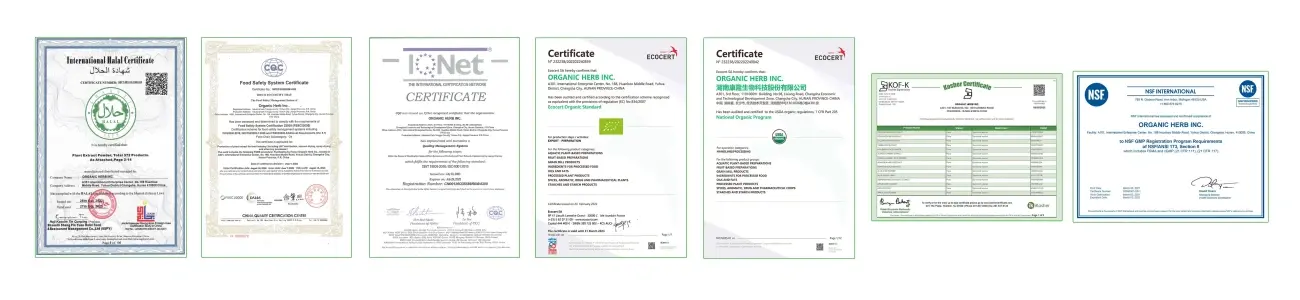
Applications and Uses of Natural Peppermint Leaf Extract
Digestive Comfort and Gastrointestinal Support
Peppermint contains menthol, which contributes to its characteristic cooling sensation and distinctive sensory profile. Standardized Natural Peppermint Leaf Extract products are commonly used in formulations where these botanical characteristics are desired. They can be usefully added to functional food and beverage items because of this. Formulation managers in the nutrition business like that the water-extracted leaf powder has menthol in it, as well as flavonoids and tannins that contribute to its overall phytochemical profile. For capsules, the usual dose range is 300 mg to 600 mg per serving. However, this can change based on how strong the extract is and how the other ingredients work together. The whole-leaf extract has a healthy mix of phytochemicals that make it easier for people to use and fits with the idea of a natural product. This is different from choices with only menthol or fake ingredients.
Phytochemical Profile and Cosmetic Applications
Peppermint leaves have a lot of rosmarinic acid, which is a type of fruit acid. Peppermint leaves contain rosmarinic acid and other polyphenolic compounds that contribute to their overall phytochemical profile. These compounds are of interest in cosmetic and personal care formulations. Peppermint extract is useful for cosmetic makers who want to incorporate botanical ingredients into skin care formulations with a distinctive phytochemical profile. Laboratory studies have examined the properties of rosmarinic acid and its potential role in cosmetic ingredient research. This means it can be put in serums for the skin as part of formulations designed around botanical and plant-derived ingredients. It is also used by sports nutrition brands in products that feature plant-derived ingredients as natural alternatives to synthetic ingredients. When looking at natural and man-made antioxidants, natural peppermint extract has a few benefits. For example, people like goods that come from plants; the chemicals that are extracted together work better, and it can be used with "clean label" language.
Respiratory Wellness and Cognitive Clarity
Peppermint contains menthol, which provides a characteristic cooling sensation and is widely used in seasonal food, beverage, and personal care formulations. People who make functional foods add peppermint extract to lozenges, herbal teas, and stick packs that feature its characteristic flavor and aroma. It's not a replacement for medical care, though. Because of its distinctive sensory characteristics, menthol is often added to drinks and supplements designed for consumers who prefer refreshing flavors and aromas. People who make products often mix peppermint oil with things that work well together, like green tea or ginseng. Most of the time, 200 mg to 500 mg per serving can be considered as a formulation reference, but this can change based on the strength of the extract and the intended application.
Application Dosages and Safety Parameters
How much of the extract is given, how it is given, and who it is meant for all affect the right dose. There are more active markers per gram in standardized extracts with a 10:1 concentration than in those with a 4:1 concentration. This means that the extract can be put into smaller capsules or added to drinks in smaller amounts. Product specifications and supplier documentation can help formulation teams determine appropriate inclusion levels for peppermint leaf extract. Product developers should consider formulation compatibility and adjust inclusion levels as needed. Good sellers give thorough technical data sheets with recommended use levels, the substance's taste and smell, and how stable it is in different store circumstances. This lets R&D teams optimize product formulations while maintaining consistent quality and specification requirements.
Comparison and Decision Guide for Natural Peppermint Leaf Extract Procurement
Natural vs. Synthetic: Efficacy and Market Perception
Makers who want to save money like synthetic menthol crystals because they are less expensive and always have the same amount of strength. Natural peppermint leaf extract, on the other hand, has a wider range of phytochemicals, such as flavonoids, tannins, and volatile, pleasant-smelling substances that contribute to the product's sensory profile and appeal to customers. People often associate plant-based extracts with natural positioning and broader botanical profiles, according to market studies. Brands that stress green ingredients can now charge more because of this. Green people also know that petrochemicals, which are not the same thing as green farms, are used to make fake menthol. The people in charge of buying things should think about how the brand will be seen in the future, the rules that apply (in some places, "natural" labels can only be used on goods that come from plants), and how much people are willing to pay for realness.
Peppermint Leaf Extract vs. Peppermint Oil
The job at hand will tell you which leaf extract or essential oil to use. Peppermint oil is great for aromatherapy, making cooling gels for the skin, and adding flavor or fragrance to things that need a lot of menthol (30–50%). But it's hard to use in water-based drinks, pills, and makeup bases because it doesn't mix well with water. Leaf extract powder is better for skin care products, functional foods, and dietary supplements that require a broader botanical profile beyond menthol's cooling effect. It is easier to mix and has a more balanced phytochemical make-up. When you look at the price difference per end unit, the price difference between concentrated extract powder and essential oil may not seem that big per kilogram. However, the price difference is smaller when you consider how much of each is used in formulas.
Organic Certification: Cost, Supply Chain, and Quality Benchmarks
When you buy something, organic acceptance makes you think about more things. To be certified organic, peppermint extract must come from farms that don't use synthetic pesticides and fertilizers and that are audited by a third party. The farms must also have buffer zones to keep contamination from spreading. Because these standards make it more expensive to make things, prices go up by 15 to 25 percent. Lower food yields from organic farming and tighter rules on how to handle crops after they are picked can also make the supply chain less reliable. But getting organic approval lets you sell in high-end shops, supports claims of purity in marketing, and fits with regulatory trends in North America and Europe that favor goods without pesticides. To be sure the food is real, buyers should look at the supplier's audit records and ask for batch-specific organic certificates from groups like USDA NOP or EU Organic.
Lab Testing and Supplier Transparency
Tough quality control can tell the difference between honest sellers and dishonest ones. For every batch, you should ask for a Certificate of Analysis (CoA). This should include HPLC tests for active markers, ICP-MS heavy metal screens, GC-MS/LC-MS herbicide residue tests, and results for microbial infections (Total Plate Count, Yeast & Mold, and pathogen screening). Physical analysis includes measuring mass density, particle size distribution through screening, and moisture content. These all have an effect on how well the capsule filling machine works and how stable it is while it's being stored. They have HPLC-ELSD, GC-MS, and atomic absorption spectrophotometers in their modern analytical lab at OHI. These machines make sure that every package has all of its paperwork. With our clear quality standards, buyers can follow each batch from our GAP-certified fields to the time it is extracted, tested, and packed. Imports can be managed more consistently this way, while documentation supports regulatory review.
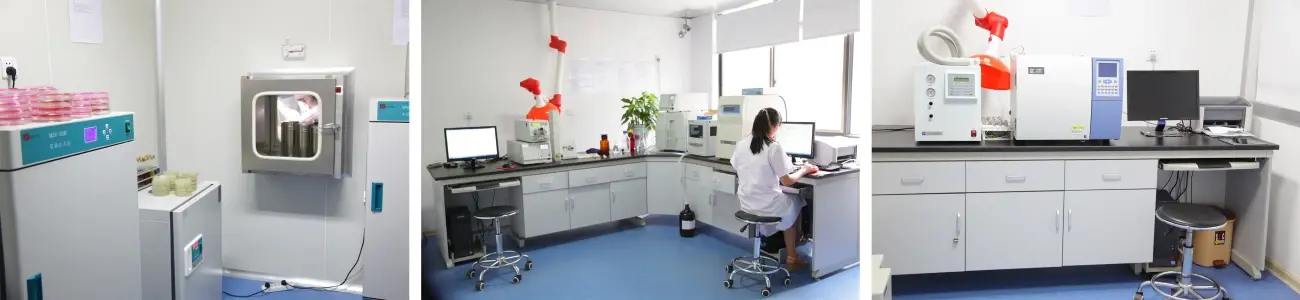
Conclusion
For businesses that care about quality, the environment, and customers who want natural solutions, natural peppermint leaf extract is a wise chemical choice. Researchers have examined this ingredient, and its botanical profile continues to attract market interest. It can be found in functional drinks, dietary supplements, botanical skin care products, and formulations featuring its characteristic flavor, aroma, and phytochemical profile. To achieve consistent product quality and brand positioning, buyers should think about extract content ratios, the advantages of organic certification, the openness of suppliers, and following the rules. Businesses that buy from vertically integrated companies like OHI can get supply lines that can be watched, help with advanced research and development, and variable delivery models that can meet the needs of many businesses while still meeting high-quality standards.
FAQ
1. Is Natural Peppermint Leaf Extract Safe for All Consumer Groups?
A lot of different types of formulations can incorporate natural peppermint leaf extract when used at the recommended inclusion levels. Technical specifications and supplier documentation support the consistent use of standardized extracts in commercial formulations, while applicable market requirements should be reviewed for each product category. This gives formulation managers clearer information for ingredient selection and product development.
2. What Dosage Should Supplement Manufacturers Target?
How strong the extract is and what it will be used for will determine the right dose. Most tablets with standardized 4:1 extracts have 400 mg to 800 mg of phytochemicals. Tablets with 10:1 concentrates, on the other hand, can have lower inclusion rates (200 mg to 500 mg) that still give the same amount of phytochemicals. Functional drinks often have 150 to 300 mg per dose to get the job done and taste good at the same time. Formulators can use technical data sheets from reliable sources to find out about the stability and organoleptic levels of a substance in a variety of pH levels. In this way, they can make the best products while still following safety rules.
3. How Does Leaf Extract Differ from Peppermint Oil in Formulations?
A volatile chemical substance called menthol makes up about 30% to 50% of peppermint oil. It's great for cooling the skin and adding flavor, but it doesn't mix well with water. Flavonoids, tannins, and phenolic acids are some of the phytochemicals that are found in leaf extract powder. It also mixes better in water. Because of this, it can be used in food supplements, functional drinks, and skin care items that feature a broader botanical and phytochemical profile. When it comes to a chemical's profile, the way it is extracted (distillation vs. water extraction) makes a big difference. The desired formulation characteristics and compatibility should guide the choice of extraction method.
Partner with OHI: Your Trusted Natural Peppermint Leaf Extract Supplier
Mentha piperita L. is available from OHI and can be used in a wide range of food, beverage, supplement, and cosmetic formulations. Due to clean label rules, leaf extract powder is made from water extraction only and comes in normal 4:1 and 10:1 ratios. Our yellow-brown powder is shipped from four shops in the U.S. in 10 days or less. It comes in fiber drums that hold 25 kg and it meets the standards of NSF, GMP, FSSC 22000, ISO 9001, Kosher, Halal, and Organic. We make Natural Peppermint Leaf Extract and sell it on the stock market. To make sure that every batch is the same and that we follow all the rules, we farm on 8,000 acres that are GAP-certified and use advanced nano-membrane isolation technology and a 42-person research and development team. As a sign that we care about quality, we offer free samples. If you email info@organic-herb.com, you can get technical specs, CoA paperwork, and help with making your own formulas.
References
1. McKay, D.L., & Blumberg, J.B. (2006). A review of the bioactivity and potential health benefits of peppermint tea (Mentha piperita L.). Phytotherapy Research, 20(8), 619-633.
2. Nair, B. (2001). Final report on the safety assessment of Mentha piperita (peppermint) oil, Mentha piperita (Mentha piperita) leaf extract, Mentha piperita (Mentha piperita) leaf, and Mentha piperita (Mentha piperita) leaf water. International Journal of Toxicology, 20(Suppl. 3), 61-73.
3. Schuhmacher, A., Reichling, J., & Schnitzler, P. (2003). Virucidal effect of peppermint oil on the enveloped viruses herpes simplex virus type 1 and type 2 in vitro. Phytomedicine, 10(6-7), 504-510.
4. Alam, M.S., Roy, P.K., Miah, A.R., Mollick, S.H., Khan, M.R., Mahmud, M.C., & Zu, S. (2018). Efficacy of peppermint oil in diarrhea-predominant IBS—a double-blind randomized placebo-controlled study. Mymensingh Medical Journal, 27(3), 569-573.
5. Inoue, T., Sugimoto, Y., Masuda, H., & Kamei, C. (2002). Antiallergic effect of flavonoid glycosides obtained from Mentha piperita L. Biological and Pharmaceutical Bulletin, 25(2), 256-259.
6. Meamarbashi, A., & Rajabi, A. (2013). The effects of peppermint on exercise performance. Journal of the International Society of Sports Nutrition, 10(1), 15.
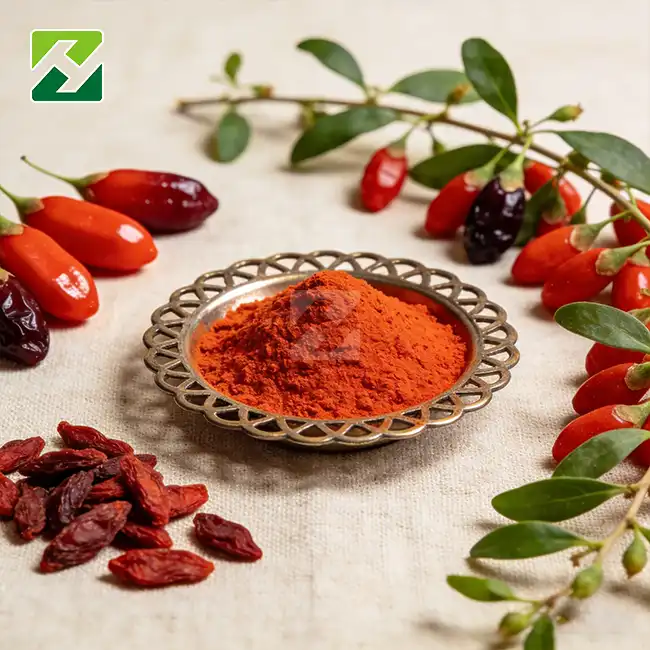
Goji Berry Extract Powder: Benefits, Uses, Safety & Quality
VIEW MOREGoji Extract Powder represents a scientifically advanced botanical ingredient derived from Lycium barbarum fruit through sophisticated water extraction and spray-drying processes. This concentrated formulation delivers standardised polysaccharide content—typically 10:1 ratios or up to 50% Lycium Barbarum Polysaccharides (LBPs)—providing nutraceutical, cosmetic, and functional food manufacturers with consistent bioactive profiles. The powder addresses critical industry challenges, including ingredient stability, batch-to-batch variability, and formulation compatibility, while meeting stringent quality standards demanded by global markets. Its superior water solubility and concentrated antioxidant capacity make it an ideal functional ingredient for brands seeking clean-label, plant-based solutions.
Understanding Goji Extract Powder: Composition and Functional Properties
What defines premium goji extract powder
Premium wolfberry extract powder comes from Lycium barbarum fruit that is mostly grown in controlled agricultural settings. Instead of just grinding up fruit, this extract goes through a water-based process that separates and concentrates beneficial chemicals. The steps are carefully controlled temperature extraction, filtering to get rid of the fibres, concentration under pressure, and, finally, spray drying to make a fine powder. This method keeps nutrients that are sensitive to heat while giving you a product with a more concentrated composition.
Compared to raw fruit powders, the orange-red to brown powder that is made is better in terms of mechanical properties. Standardising particle sizes between 80 and 100 mesh makes sure that the best flow is achieved during production. Keeping the moisture level below 5% stops microbes from growing and makes the food last longer on the shelf. This precise manufacturing solves problems that procurement teams keep having, like active compound levels that aren't always the same in agricultural goods and liquid formulations that don't dissolve well.
Bioactive Profile and Nutritional Concentration
The bioactive part is made up of Lycium Barbarum Polysaccharides, which are complex carbohydrate structures that help the ingredient do its job. UV-VIS spectrophotometry shows that high-quality products have carbohydrates that make up 20 to 50 percent of their weight. Besides polysaccharides, the extract also contains a lot of carotenoids, like zeaxanthin and beta-carotene, as well as betaine, vitamins (especially vitamin C and B-complex); and trace minerals.
Formulators can measure the benefits of this focused profile. One gram of 50% polysaccharide extract provides a more concentrated polysaccharide profile than the same amount of dried berries. This means that stronger formulations can be made with smaller serving sizes. Standardisation lets research and development teams make goods with consistent specifications because they are backed up by uniform analytical testing. The ORAC value for antioxidant capacity is usually between 5,000 and 15,000 μmol TE/g, but this can change depending on the extraction method.
Multi-Industry Applications and Functional Benefits
Functional beverage makers use the powder's high water solubility to make ready-to-drink goods with a convenient plant-based ingredient profile. Unlike raw fruit powders, which form unwanted sediment when heated, this extract stays stable during pasteurisation processes and doesn't form precipitates in acidic environments. This is a major benefit. Because it can be incorporated into convenient sports nutrition formulations, sports nutrition makers put it in products for pre-workout and recovery.
Cosmetic scientists like the extract because it has a lot of concentrated carotenoids and polysaccharides that can be used to make skincare products. Because the powder has small particles and stays stable in emulsion systems, it can be added to serums, creams, and masks. Dietary supplement companies use it to make pills and tablets because its high bulk density lets them make smaller dose sizes that are easier to formulate. The extract works well with lutein and zeaxanthin in botanical ingredient matrices, giving the product a unique position in a market that is very competitive.
How to Use Goji Extract Powder: Dosage, Stability, and Recommendations
Recommended Dosage Parameters for Various Applications
Different types of applications have very different recommended usage amounts. Lycium Chinense Miller extract for dietary supplements usually has 300 to 1,200 mg of pure extract with 20 to 50 percent carbohydrates every day. In functional beverage uses, 500 mg to 2 mg per dose is usually used to balance bioactive delivery with cost. Cosmetic formulas use between 0.5 and 3 percent by weight of finished products, depending on the level of activity that is wanted and the complexity of the formula.
These parameters are based on formulation protocols that provide practical guidance for different applications while still being able to be used in the real world. Nutraceutical brands should make sure that doses are in line with their standardisation requirements. For example, a 50% polysaccharide extract at 500 mg has the same amount of polysaccharides as a 20% extract at 1,250 mg. To make sure that formulations are the same across production batches, procurement teams must make sure that sources understand the goal polysaccharide content. Technical information, like a Certificate of Analysis (CoA) for each lot, is needed to confirm that the claimed strength is real.
Quality Assurance and Regulatory Compliance Standards
The first step in quality control is getting raw materials from GAP-certified farms, where farming methods are designed to keep pesticide and heavy metal residues to a minimum. CGMP, FSSC22000, and ISO9001 standards require manufacturing sites to follow strict testing methods. Microbial analysis (total plate count, yeast/mould, viruses), heavy metal screening (lead, arsenic, cadmium, and mercury), pesticide residue panels, and polysaccharide content proof are all parts of analytical testing.
Regulatory standards vary from market to market. Dietary supplement applications in the US must follow the FDA's current Good Manufacturing Practices and, if necessary, meet USP requirements. Depending on the concentration of the extract, European markets need products that follow EFSA guidelines and novel food regulations. Kosher and halal licences make it easier for brands that cater to certain groups of people to get into new markets. Documentation packages that include safety data sheets, food statements, specification sheets, and country-of-origin certificates make it easier to clear customs and submit regulatory paperwork.
Best Practices for Formulation Stability and Storage
When adding wolfberry extract to complex matrices, formulation chemists should test to see if the two will work well together. Because the powder absorbs water, it needs to be considered in uses that are sensitive to moisture. In wet places, clumping can be reduced by using encapsulation technologies or co-processing with anti-caking agents. In beverage systems, the extract is very stable in pH ranges of 3.0 to 7.0, but polysaccharides may break down after being exposed to very high pH for a long time.
What kind of storage affects the shelf life of ingredients and how well they keep their quality properties? For 24 months after the date of creation, a sealed package kept at a controlled room temperature (below 25°C) with a humidity level below 60% will keep its quality. Direct sunlight speeds up the breakdown of carotenoids, which lowers the colour strength and overall ingredient quality. For uses that are sensitive to light, procurement managers should ask for dark packaging or extra protection. In facilities that use more than one ingredient, cross-contamination can be avoided by following the right handling procedures and using the right scooping equipment.
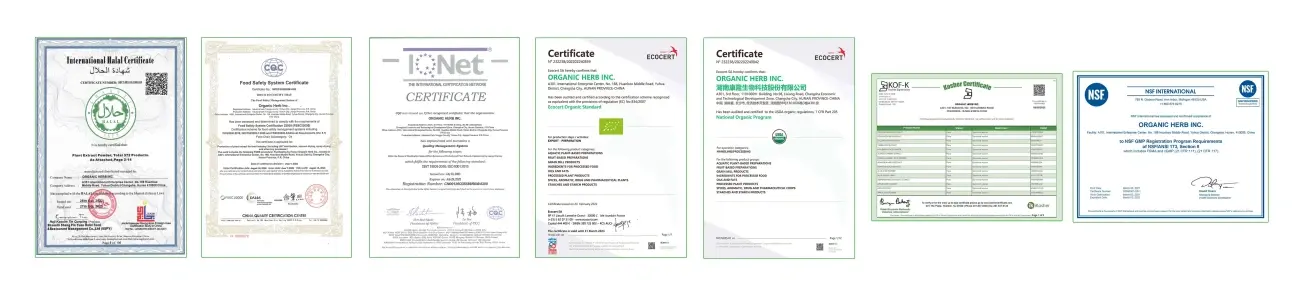
Comparing Goji Extract Powder with Alternative Powders: Making the Right Choice
Extract Concentration Versus Whole Fruit Powder
When making a purchase choice, people often have to pick between whole fruit powders and concentrated extracts. Whole Lycium barbarum fruit powder is made up of the pulp, seeds, and skin of the whole berry that has been dried and ground up without any separation. This keeps the whole nutritional balance, including the fibre, but it gives you smaller amounts of the bioactives you want. Natural Goji Berry Extract, by comparison, provides a more concentrated source of specific compounds. When compared to the same weight of fruit powder, a 10:1 extract has ten times the amount of polysaccharides.
This difference in percentage has an effect on formulation economics and label claims. Extract-based goods can provide a more concentrated ingredient profile with smaller serving sizes, which lowers the number of capsules needed and the cost of making each dose. Brands that stress "whole food" branding, on the other hand, like whole fruit shakes. The choice depends on the product strategy: high-end lines that focus on effectiveness, like extracts, while value-focused or "food as medicine" brands might like whole fruit options. Technical teams have to find a mix between the needs for ingredient delivery, the cost structures, and the marketing stories.
Organic Certification and Sourcing Transparency
Certification as organic makes supply lines more complicated and expensive, but it opens up premium market niches. Extracts that are USDA- or EU-certified organic must be able to be fully tracked from certified organic fields to processing sites that have been checked to make sure they follow organic standards. This approval doesn't allow synthetic pesticides, fertilisers, or GMO inputs, and it requires very thorough records to be kept during production and farming.
Organic certification is necessary for brands that want to sell their products in natural food stores, specialty online stores, and specialty retailers. Consumer research consistently shows that people are willing to pay 15–30% more for functional foods and supplements that are certified organic. On the other hand, conventional ingredients that pass tight tests for pesticide residue may meet the needs of mass-market uses at lower costs. Transparency in sourcing includes more than just organic status. It also includes fair labour policies, sustainable harvesting practices, and environmental management. These are all things that socially aware brands and their customers care about more and more.
Supplier Evaluation Criteria for Quality Consistency
To find reliable suppliers, you need to do more than just look at the prices they offer at first. Reputable manufacturers keep direct relationships with cultivation bases or do vertical integration to keep an eye on the quality of the raw materials they use. Site checks or audit reports from a third party make sure that the building meets standards for cleanliness and that the right way to calibrate equipment is being used. Suppliers who have their own analytical labs with HPLC, GC-MS, and ICP-MS equipment show that they have the technical know-how to do full quality testing.
Supply reliability includes always having products available, quick technical support, and clear communication about changes in crops or production problems. Well-known sellers keep a safety stock and a fluid production schedule so they can meet changing demand. Checking with past clients for references shows trends in terms of on-time delivery, stability from lot to lot, and problem-solving. Long-term relationships work best when suppliers share market information, formulation ideas, and regulatory changes. These are the "value-added services" that set strategic partners apart from basic suppliers.
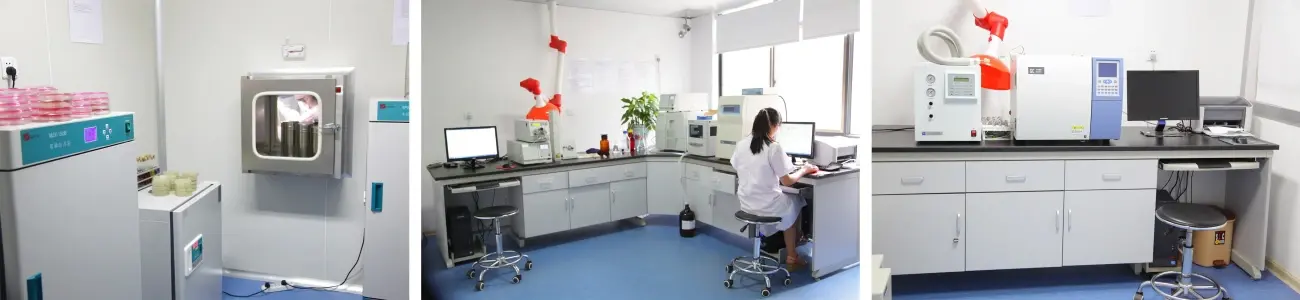
Conclusion
Finding the best goji berry ingredient means finding a balance between bioactive power, quality assurance, regulatory compliance, and the ability to make money. Goji extract powder with standardised levels of key compounds offers consistency and formulation benefits that whole fruit powders can't match. For procurement to go well, suppliers must be carefully checked for certifications, analytical skills, and supply chain dependability. Strategic buying relationships with makers that show they have technical knowledge and are flexible to the market give businesses in the quickly changing botanical ingredient market an edge. As the need for plant ingredients backed by science grows, companies that invest in high-quality goji extract products set themselves up for long-term growth in nutraceutical, functional food, and cosmetic uses.
FAQ
1. What distinguishes high-quality Goji Extract Powder from lower-grade alternatives?
The level of regulated polysaccharide content in premium extracts is checked using UV-Vis spectrophotometry and is usually between 20 and 50 percent LBP by weight. Fine powder size for best dissolving, moisture content below 5% to avoid microbial problems, full heavy metal and pesticide testing, and certifications like NSF GMP, FSSC22000, or organic credentials are all signs of quality. Lower-grade products often aren't standardised; they have more ash, which means they weren't processed properly, or have bioactive profiles that change from batch to batch. Suppliers with a good reputation give thorough Certificates of Analysis for each production lot that list these factors.
2. How should formulators determine appropriate inclusion rates for different product categories?
Dietary supplements usually have 300 to 1,200 mg of standardised extract per day; drinks have 500 to 2,000 mg per serving; and cosmetics use 0.5 to 3% by weight. The rates of inclusion should match the standardisation of polysaccharides; extracts with higher concentrations need lower weights to give the same amount of bioactive material. Formulation teams have to think about label space, cost-per-serving goals, and research-based effectiveness standards. Stability testing in the planned storage conditions and suitability testing with other formula components make sure that the product works well throughout its shelf life. By looking at technical documents from reputable sources, you can get recipe advice based on experience with specific uses.
3. What advantages do domestic warehousing networks offer for North American buyers?
Lead times drop from weeks to days when suppliers keep inventory in the United States, like OHI's four strategically placed warehouses. International shipping problems, customs delays, and tax uncertainty are all gone with domestic completion. Without foreign freight minimums, it becomes economically possible to place smaller orders. This makes inventory management and testing new products more flexible while requiring less financial investment. Being close makes it easier to get technical help and solve problems quickly. For product launches that need to happen quickly or just-in-time manufacturing, being able to store goods in the United States gives a business important economic benefits that go beyond simple logistics ease.
Partner with OHI for Premium Goji Extract Powder Supply
As a fully integrated Goji Extract Powder manufacturer with strong quality systems, OHI is ready to help you find the ingredients you need. Our water-extracted powder from Lycium barbarum fruit meets standard requirements, such as having a 10:1 concentration ratio or a 50% polysaccharide content, which has been proven by thorough scientific testing. We meet a wide range of legal needs in global markets thanks to our certifications in NSF GMP, Kosher, Halal, ISO9001, FSSC22000, and USDA Organic. Our 8,000-acre GAP-certified farming bases make sure the quality of the raw materials from the farms where they come from to the end of their life in the factory.
Our California-based subsidiary, Earth Made Nutritions, runs four stores in the United States that allow fast shipping all over the country. Our technical team helps brands improve their product development by giving them formulation support, legal advice, and market data. We offer consistent quality backed by full documentation, whether you need 25 kg minimum orders for initial testing or multi-tonne supply agreements for well-known products. You can look at our full line of plant extracts at info@organic-herb.com to talk about your unique needs. Formulators and procurement professionals who are qualified and ready to experience the OHI quality difference can get free samples.
References
1. Amagase, H. and Farnsworth, N.R. (2011). "A Review of Botanical Characteristics, Phytochemistry, Clinical Relevance in Efficacy and Safety of Lycium barbarum Fruit (Goji). "Food Research International, 44(7), 1702-1717.
2. Potterat, O. (2010). "Goji (Lycium barbarum and L. chinense): Phytochemistry, Pharmacology and Safety in the Perspective of Traditional Uses and Recent Popularity." Planta Medica, 76(1), 7-19.
3. Cheng, J., Zhou, Z.W., Sheng, H.P., He, L.J., Fan, X.W., He, Z.X., Sun, T., Zhang, X., Zhao, R.J., Gu, L., Cao, C., and Zhou, S.F. (2015). "An Evidence-Based Update on the Pharmacological Activities and Possible Molecular Targets of Lycium barbarum Polysaccharides. "Drug Design, Development and Therapy, 9, 33-78.
4. Kulczyński, B. and Gramza-Michałowska, A. (2016). "Goji Berry (Lycium barbarum): Composition and Health Effects – a Review." Polish Journal of Food and Nutrition Sciences, 66(2), 67-75.
5. Masci, A., Carradori, S., Casadei, M.A., Paolicelli, P., Petralito, S., Ragno, R., and Cesa, S. (2018). "Lycium barbarum Polysaccharides: Extraction, Purification, Structural Characterisation and Evidence about Hypoglycaemic and Hypolipidaemic Effects." Food Chemistry, 254, 377-385.
6. Mocan, A., Vlase, L., Vodnar, D.C., Bischin, C., Hanganu, D., Gheldiu, A.M., Oprean, R., Silaghi-Dumitrescu, R., and Crișan, G. (2014). "Polyphenolic Content, Antioxidant and Antimicrobial Activities of Lycium barbarum L. and Lycium chinense Mill. Leaves." Molecules, 19(7), 10056-10073.
Exploring Bitter Apricot Extract: Features, Processing, and Applications
VIEW MOREBitter Apricot Extract, scientifically known as Semen Armeniacae Amarum from Prunus armeniaca L., represents a standardized botanical ingredient gaining momentum in global B2B markets. This extract is valued for its high amygdalin concentration—reaching up to 98% purity in premium formulations—and delivers consistent ingredient profiles suitable for cosmetic, food, and formulation applications. The extract addresses key industry challenges, including ingredient stability, batch-to-batch consistency, and regulatory compliance, making it an attractive choice for R&D teams seeking natural, clean-label alternatives that enhance product differentiation.
Understanding Bitter Apricot Extract: Features and Nutritional Profile
Botanical Origin and Standardization
Bitter Apricot Extract comes from the mature seeds of Prunus armeniaca L. It is different from sweet apricot varieties because it has a different mix of phytochemicals. The kernels are carefully chosen at the source, and the best sources get them from controlled growing conditions that make sure there is little contamination and the right amount of amygdalin. Standardized extracts usually come in two forms: high-purity amygdalin at a concentration of 98% and ratio extracts at a concentration of 4:1. This gives the recipe options to be flexible based on the needs of the application.
The main goal of the separation method is to separate amygdalin, a cyanogenic glycoside that serves as the primary marker compound. This chemical contributes to the characteristic properties of the extract in finished goods. During processing, good providers use methods to deactivate enzymes to keep the extract stable and stop it from breaking down without control. This helps maintain consistent extract characteristics in later formulations.
Physical Characteristics and Quality Markers
Bitter apricot extract that is used by professionals comes in the form of a fine powder that ranges in color from light yellow to brownish, and the particles are managed to be between 80 and 120 mesh. This even distribution of particles makes it easier for things to flow during production, especially when tablets are being compressed and capsules are being filled. The powder is very easy to mix into a wide range of product forms because it dissolves well in both water and fat.
When looked at under a microscope, porous amorphous particles are seen that help the material disperse consistently during formulation. The typical mild bitter smell comes from bioactive chemicals that are still whole. Advanced sellers put the extract in nitrogen-flushed aluminum-plastic hybrid bags. These bags protect the extract from oxidation and moisture absorption throughout the supply chain, which is very important for keeping the extract's quality and stability while it's being shipped and stored internationally.
Regulatory Positioning and Safety Standards
Getting through the legal processes is a big part of adding bitter apricot extract to commercial products. Because of how amygdalin is chemically structured, the ingredient is closely looked at, which requires careful quantity control and clear records. Professional sellers give full Certificates of Analysis (CoA) that show the amount of amygdalin, heavy metals, microbes, and solvents that are still present. This lets you follow FDA rules and EU guidelines.
Manufacturers who care about quality choose providers who have certificates for NSF GMP, ISO9001, FSSC22000, Kosher, and Halal. These credentials show that you follow international manufacturing standards and make it easier to get into markets in many areas. The ingredient can be used in cosmetics and dietary supplements when sourced from qualified suppliers and handled according to applicable specifications.
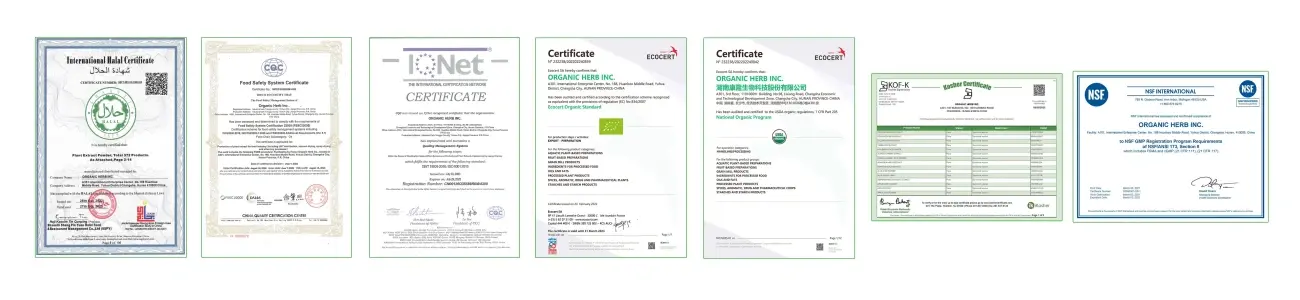
Production and Processing of Bitter Apricot Extract
Raw Material Sourcing and Quality Control
The best production of bitter apricot extract starts in agriculture, where the way plants are grown has a direct effect on the quality of the end product. Leading suppliers like Organic Herb Inc. have GAP-certified planting bases that cover more than 8,000 acres in several regions of China. This makes sure that raw materials can be tracked and that the environment is protected. These bases work together with local farmers to provide professional support from the time they get the seedlings to the time they gather and handle the food afterward.
The difference between organic and standard seeds has an effect on both where they are sold and what they can be used for. Organic certifications come with higher prices, but they meet the growing demand from customers for ingredients that don't contain pesticides. Regular testing protocols make sure that conventional sources meet strict quality standards while also being more cost-effective. The extraction processes for both types are the same, but the documentation and certification pathways for agricultural inputs are different.
Some of the things that are used to judge the quality of raw kernels are their moisture content, their foreign matter screening, and their basic amygdalin measurement using HPLC methods. Batches that don't meet basic standards are thrown out before they can go through the processing streams. This keeps the quality from dropping and makes sure that the starting material always has the same makeup.
Advanced Extraction Technologies
Modern methods of extraction find a balance between increasing yield and keeping bioactive compounds safe. Dynamic low-temperature extraction methods keep the material's heat sensitivity throughout the processing, which keeps amygdalin from breaking down and increases the efficiency of extraction. This method is different from traditional high-temperature methods, which can break down compounds and make them less effective.
Nano-membrane isolation technology separates molecules based on their exact weight, getting rid of unwanted compounds and concentrating the target compounds that are wanted. Anti-osmotic concentration techniques make the extract even better without using too much heat. This is followed by freeze-drying techniques that keep the structure intact and improve the qualities of recovery. When compared to traditional solvent extraction alone, these new methods make samples that are more pure.
Column adsorption chromatography and ion exchange systems are two more ways that high-specification goods can be cleaned. Suppliers with GS-MS, HPLC-ELSD, and atomic absorption spectrophotometers keep an eye on quality in real time during production runs to make sure that each batch meets the standards that were set before it is packaged and sent out.
Certification and Documentation Standards
Full paperwork is what keeps skilled B2B supply relationships going. Reliable providers keep records for each batch, such as COA papers that show the amounts of active compounds, the results of contamination screening, and data from stability testing. These papers back up regulatory reports and give buying teams quality assurance based on facts.
Certification portfolios that include cGMP compliance show that the manufacturing process is controlled and that employees are trained to certain standards. For bitter apricot extract, FSSC22000 approval is only for food safety management systems, which are necessary for items that will be used in functional foods and dietary supplements. Certifications like Halal and Kosher make it easier to sell bitter apricot extract to certain groups of people and in places where these qualifications are required or desired.
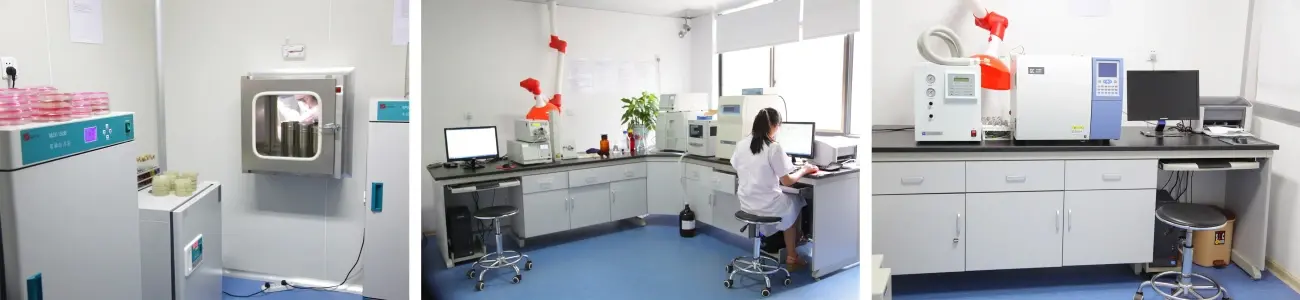
Comparing Bitter Apricot Extract with Alternative Products
Bitter versus Sweet Apricot Extracts
The main difference between sour and sweet apricot extracts is the amount of amygdalin they contain and how they are meant to be used. Bitter apricot kernels have much higher amounts of amygdalin (2–5% in raw form), while sweet types have much lower amounts. Because of this chemical difference, bitter extracts are used in functional formulations that require consistent ingredient specifications, while sweet extracts are mostly used as flavoring agents or softer nutritive additives.
The fatty acids in sweet apricot extracts and oils make them good for use as moisturizers in beauty products and as dietary supplements without having to go through a lot of processing like bitter varieties do. Choosing between these two options for procurement depends on the formulation goals, regulatory issues, and the preferences of the target market when it comes to ingredient transparency and claims of natural sourcing.
Format Considerations: Powder versus Liquid Extracts
The choice of extract format affects how the production process is integrated and the characteristics of the final product. Powder extracts last longer on the shelf, cost less to ship because they are lighter, and are easier to keep track of. The dry format works well for filling capsules, pressing tablets, and mixing powders, all of which are popular tasks in the nutrition industry.
Liquid extracts dissolve more easily in drinks and tinctures right away, but they need to be stored carefully to keep microbes from growing and the potency from fading. Because there is more water in liquid forms, they need preservation systems and procedures that keep the temperature stable. Ratio extracts at a 4:1 concentration have a moderate level of potency and a balanced cost structure, which makes them appealing to formulators who are making entry-level products or trying to reach a mass market price point.
Cost-Benefit Analysis for Procurement Teams
Bitter apricot extract prices depend on many things, such as the amount of amygdalin in the product, its approval status, the number of orders, and the supplier's customer care skills. High-purity 98% amygdalin products cost more because they have to be cleaned more thoroughly and have a higher concentration per unit weight. Ratio extracts are cheaper options that can be used for goods where cost-placing is more important than maximum concentration.
The lowest amount that can be ordered at once is usually 25 kg drums. This is the same as the batch sizes used in industrial manufacturing and lets quality be tested before making big commitments. When suppliers offer free samples, it's easier to come up with new recipes and make sure the quality is good before signing a contract. Just-in-time inventory methods can work with lead times of 10 days on average. However, foreign shipping may add more time to the total delivery timeline, based on how the customs process goes and where the goods end up.

Conclusion
Bitter apricot extract is a flexible botanical ingredient that can be used in a number of different ways in the cosmetics, functional foods, and nutraceuticals industries. Its standardized amygdalin content, which comes in either a 98% purity or a 4:1 ratio, lets formulators be creative while meeting the needs of the industry for stable quality and legal compliance. Partnering with qualified providers who can show clear quality systems, cutting-edge extraction technologies, and strong logistics skills is key to successful buying. The ingredient can be used in functional drinks, cosmetic formulations, and food ingredient products. It has a lot of information and technical support behind it. Bitter Apricot Extract is a reliable choice for formulators because it meets known processing standards and has a global supply chain infrastructure. This is important because natural ingredient trends are still affecting how products are made.
FAQ
1. What concentration of amygdalin should I specify when ordering bitter apricot extract?
The right concentration depends on the goals of your product and the doses you want to give. High-quality 98% amygdalin extracts are suitable for applications that require a high concentration in a small amount, like concentrated capsules or functional foods with specific formulation requirements. The 4:1 ratio extract has a moderate level of concentration that makes it suitable for a wide range of uses where cost-effectiveness is important. Consulting with formulation teams helps figure out the best specifications based on where the finished product will be sold and any regulatory issues that need to be addressed.
2. How does organic certification impact bitter apricot extract procurement?
Organic approval confirms that kernels were grown without using manmade fertilizers or pesticides, but it doesn't say anything about how the kernels were extracted. This certification backs up marketing claims about clean labels and appeals to people who care about the environment. Organic extracts usually cost 15–30% more than conventional ones, but they offer benefits in the market that make them stand out. When making purchases, people should think about how to place a brand in relation to their income and the types of people they want to buy from them.
3. What documentation should suppliers provide with each shipment?
Professional suppliers include batch-specific Certificates of Analysis that list the physical properties, heavy metal screening, microbial testing, and amygdalin content. Certifications (GMP, ISO, FSSC22000, and organic if available), allergy statements, GMO status statements, and country of origin certificates should all be included in the extra paperwork. Material Safety Data Sheets (MSDS) tell you how to handle and store things safely. This complete set of paperwork helps you meet the needs for legal compliance, quality assurance, and tracking all along your supply chain.
Partner with OHI: Your Trusted Bitter Apricot Extract Supplier
OHI (Organic Herb Inc.) provides trustworthy Bitter Apricot Extract solutions by integrating all aspects of the business, from GAP-certified growing to advanced extraction to global marketing. We make sure that our 98% amygdalin and 4:1 ratio extracts meet strict standards like NSF GMP, ISO9001, FSSC22000, Kosher, and Halal. We back this up with detailed batch documentation and technical know-how. With four ideally placed U.S. warehouses, we can guarantee fasinfo@organic-herb.com delivery of 25 kg drum orders with wait times of 10 days. Our R&D team has HPLC and GS-MS instruments, so they can help with preparation and make changes as needed.
References
1. Chen, Y., & Wang, M. (2019). Phytochemical Analysis and Bioactive Properties of Prunus armeniaca Seed Extracts. Journal of Food Science and Technology, 56(4), 1823-1835.
2. Liu, H., Zhang, W., & Dong, X. (2020). Standardization Methods for Amygdalin Quantification in Bitter Apricot Kernel Extracts. Pharmaceutical Biology, 58(1), 324-332.
3. Rodriguez, L., & Patel, K. (2021). Quality Control Parameters for Botanical Extracts in Nutraceutical Manufacturing. International Journal of Pharmaceutical Sciences, 12(3), 145-159.
4. Thompson, R. (2018). Natural Antioxidants in Cosmetic Formulations: Stability and Efficacy Considerations. Cosmetic Science and Technology Quarterly, 25(2), 89-104.
5. Wang, S., Li, J., & Zhao, Q. (2022). Advanced Extraction Technologies for Bioactive Compounds from Plant Materials. Food Chemistry, 372, 131-142.
6. Zhang, L., & Kim, S. (2020). Regulatory Frameworks for Botanical Ingredients in Global Markets: Compliance Strategies for B2B Suppliers. Journal of Regulatory Science, 8(1), 67-81.
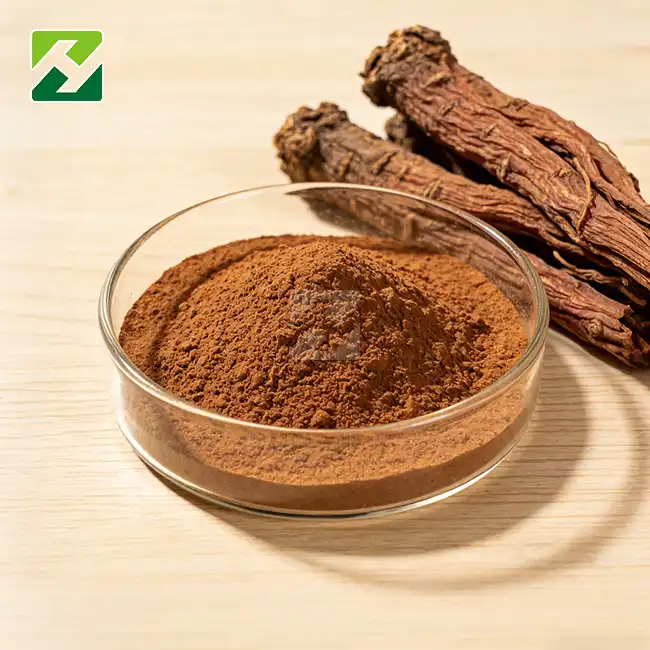
Dan Shen Root Extract: In-depth Benefits
VIEW MOREDan Shen Root Extract, derived from Salvia miltiorrhiza Bunge, stands as a cornerstone ingredient in botanical manufacturing. The unique profile of Danshen extract comes from the fact that it has a unique biochemical makeup with two different groups of compounds. This concentrated water-extracted powder from the root offers nutritional supplement brands, cosmetic formulators, and functional food manufacturers a standardized botanical solution containing bioactive compounds like tanshinones and salvianolic acids. Its applications span from heart health supplements to anti-aging skincare formulations, addressing the growing consumer demand for natural, scientifically backed ingredients. With rigorous quality standards and consistent batch performance, this traditional botanical extract meets modern manufacturing requirements while delivering functional benefits that strengthen product differentiation in competitive markets.

Understanding Dan Shen Root Extract: Benefits and Mechanisms
The healing image of Danshen extract comes from the fact that it has a unique biochemical makeup with two different groups of compounds. Phytochemicals that dissolve in water, like salvianolic acid B, and lipophilic diterpene quinones, like tanshinone IIA, work together to do biologically useful things. These active ingredients contribute to the extract's overall phytochemical profile and functional characteristics. This makes the extract useful for making products that highlight its botanical composition and antioxidant characteristics.
Cardiovascular Support Properties
Phenolic substances in Salvia miltiorrhiza products contribute to the extract's distinctive phytochemical profile and formulation characteristics. The salvianolic acid part contributes to the characteristic composition of the extract and supports its positioning in botanical formulations. This composition is especially useful for sports nutrition companies that are making pre-workout or recovery supplements because it provides a distinctive botanical ingredient profile for formulation development. Formulation managers like how these properties work well with other botanical ingredients like hawthorn or CoQ10 to make synergistic blends that meet clean-label standards and offer differentiated formulation characteristics.
Antioxidant and Anti-Inflammatory Mechanisms
The product has antioxidant characteristics because its naturally occurring compounds contribute to its overall antioxidant profile. Salvianolic acids contribute to the antioxidant profile of the extract and are important marker compounds for quality evaluation. This characteristic can be applied to cosmetics, where botanical extracts are commonly incorporated into formulations designed around natural ingredient positioning. Standardized Danshen powder is added to serums and creams for skin care formulations that emphasize botanical ingredients and antioxidant positioning. Tanshinone compounds also contribute to the characteristic functional profile of the extract alongside its antioxidant characteristics. This means that the extract can be used in products for sensitive skin that emphasize botanical ingredients and formulation appeal. This ingredient profile is especially useful for natural beauty companies when they are making goods for cosmetic and personal-care applications.
Active Compound Profiles and Standardization
Manufacturers who care about quality choose standardized extracts with confirmed marker chemicals. There are two main types of active ingredients: tanshinones, which dissolve in fats, and salvianolic acids, which dissolve in water. The phenolic acid part, which includes salvianolic acid B, salvianolic acid A, and rosmarinic acid, is mostly extracted with water. These compounds contribute to the characteristic antioxidant profile of the extract. This way of extracting makes a brown powder that dissolves easily in water, which makes it perfect for use in drinks and capsules. Advanced suppliers use HPLC quantification to check the levels of active markers. This makes sure that there is consistency from batch to batch, which is what procurement teams need for large-scale production. Organic Herb Inc uses strict quality control methods, such as HPTLC fingerprinting, to make sure that the Salvia miltiorrhiza species they sell is real and to find any fakes. This solves a major problem for nutritional companies that have to deal with regulatory scrutiny.

Comparing Dan Shen Root Extract with Other Popular Herbal Extracts
To choose the right ingredients strategically, you need to know how plant extracts are different in terms of their uses, market positioning, and technical specs. There are a lot of different herbal extracts on the market that are valued for their distinctive botanical compositions and antioxidant characteristics. However, each plant has its own pros and cons that affect how you make the product and how well it sells.
Market Positioning Against Competitor Botanicals
When compared to Panax ginseng root extract, which is commonly positioned around energy-related formulations, Danshen offers a distinctive botanical profile without being a stimulant. Because of this difference, formulators can make botanical products that can be used at night or by people who don't want to use chemicals that are similar to caffeine. Another popular botanical ingredient is turmeric extract. It is widely used in botanical formulations, but it needs special delivery systems because curcumin has challenging formulation characteristics. Salvia miltiorrhiza powder, also available as Dan Shen root extract, dissolves better in water, which makes formulating easier and cuts down on the costs of making emulsifiers and liposomal encapsulation. Milk thistle is mainly positioned around silymarin compounds, which gives it a completely different botanical ingredient profile. When purchasing managers look at ingredient lists, they find that Danshen offers a distinctive botanical profile that doesn't compete with or replace these well-known botanicals.
Product Form Considerations and Quality Variables
The ratios of extract concentration have a big effect on both how well they work and how much they cost. If the ratio is 10:1, ten kilograms of raw root produce one kilogram of concentrated extract. This gives you a more concentrated compound profile than a 4:1 ratio. Higher ratios usually cost more, but they need smaller amounts in finished products, which could help cover the cost of the raw materials. When you remove plants using water or alcohol, the phytochemical profiles are different. Water extraction captures more salvianolic acids, while alcohol extraction captures more lipophilic tanshinones. Organic certification adds another level of quality that natural product brands like, but it comes with extra costs of 20–30% and requires approved supply chains. Smart purchasing teams compare these factors to the claims made about the product, the rules that must be followed, and the price range of the product in order to choose the specifications that improve both product consistency and profits.
Procurement Insights for Dan Shen Root Extract: Buying and Sourcing Guide
To get a reliable supply of plant extracts, you need to carefully evaluate your suppliers and know what the world quality standards are. Herbal extracts come from a lot of different places, from farms to factories to final quality checks. This makes the process of getting them both risky and rewarding for business buyers.
Supplier Evaluation and Certification Requirements
Internationally known certifications show that a seller is committed to quality. NSF GMP approval makes sure that factories follow established production guidelines, which is very important for nutritional brands that are being looked at by the FDA. The FSSC22000 certification covers food safety management, which is important for companies that make functional drinks. Halal and Kosher licenses let you sell to people in the Middle East and Israel. ISO9001 shows that a quality management system is mature. They should ask for current certification papers instead of just claims, and they should check with the organizations that issued the certificates to make sure they are still valid. Organic Herb Inc. has all the major certifications and follows tight CGMP guidelines. They provide the paperwork that makes it easier for clients to file with the government. Certificates of Analysis (COA) for recent runs show real product specs compared to stated standards. They show heavy metal levels, microbial counts, and marker compound percentages that help verify product specifications.
Supply Chain Reliability and Logistics Solutions
How well production planning works depends on how well lead times can be predicted. Standard lead times of about 10 days from order confirmation work for most production plans, but special extraction requirements may make lead times longer. Minimum order numbers (MOQs) affect the amount of working capital that is needed. For example, 25 kg MOQs make it easier for new brands to get started, while established makers who negotiate ton-scale contracts get better prices. International buying is changed by domestic storage. When suppliers keep their stock in the US, ocean freight delays of up to three weeks are avoided, and import paperwork is made easier to understand. Organic Herb Inc. has four carefully placed warehouses across the United States. This allows for quick restocking, which supports just-in-time production methods and lowers the costs for clients of keeping inventory on hand.
OEM and Private Label Opportunities
Contract manufacturing partnerships let brands get their products on the market without having to buy extraction equipment or hire technicians. Formulation creation help is available from experienced suppliers, who can turn marketing ideas into workable product specs, including Dan Shen Root Extract. Private labeling lets brand marketers and sellers sell standard formulas under their own brands, which speeds up entry into the market. These deals work best when sellers are flexible with the ways they package items, let customers change the labels, and help with regulatory paperwork. Talking about target markets, volume projections, and strategies for setting your business apart from others early on in the supplier selection process helps you find partners who can grow with your business.

Making the Right Choice: Evaluating Dan Shen Root Extract Solutions
Choosing the right botanical extract provider can affect the standard of your products, your ability to follow the rules, and your business's long-term success. There are a number of strategic differences between good suppliers and true manufacturing partners that go beyond basic specifications.
Technical Specifications and Quality Assurance
The physicochemical qualities of the extract have a direct effect on how the mixture performs during formulation. Consistency in appearance—a fine brown powder with uniform particle size—ensures that the flow properties can be predicted when capsules are filled or tablets are compressed. The most accurate volumetric dosing happens when the bulk density is between 0.45 and 0.65 g/ml. Having less than 5% moisture stops microbes from growing and makes food last longer. How well something dissolves in water affects whether or not a transport format will work. Grades that are separated with water dissolve easily in water-based systems for use in beverages and stay stable across normal pH ranges for beverages. Brand image is kept safe by strict quality control that focuses on three pillars: identity, purity, and consistency. The HPLC marker quantification confirms the exact levels of salvianolic acid and tanshinone, which backs up what the label says and makes sure the product is legal. Heavy metal testing with ICP-MS shows that lead, arsenic, cadmium, and mercury are safe, reaching strict US and EU limits. Screening for pesticide residues using GC-MS/MS to look for more than 400 compounds addresses concerns about consumer safety and government rules. Microbiological testing, such as total plate count and virus screening, makes sure that the food is safe for people to eat.
Source Traceability and Sustainable Practices
Agricultural origins are a big part of figuring out the quality of raw materials. GAP (Good Agricultural Practice) approved farming bases make sure that the phytochemical profiles are always the same by controlling the growing conditions, picking the plants at the best time, and following the right steps after harvesting. Organic Herb Inc. manages more than 8,000 acres of GAP-certified planting bases in several Chinese provinces. Each base was chosen because it has the best climate and soil conditions for a certain type of plant. From the dirt to the extract, the supply chain is clear because of direct farming partnerships that start with providing seedlings and continue with technical advice. This vertical integration allows full traceability—each batch can be linked to a specific crop place and date, meeting ever-stricter government rules. Crop rotation, integrated pest management, and water conservation are all examples of sustainable farming methods that are in line with business social responsibility goals and ensure the long-term supply of raw materials.
Innovation Capabilities and Technical Support
Access to advanced research and development (R&D) tools is what sets innovation partners apart from commodity suppliers. The technology used for extraction has a big effect on the quality of the extract. For example, supercritical CO₂ extraction, nano-membrane filtering, and freeze-drying keep heat-sensitive chemicals better than other methods. When suppliers buy analytical instruments like HPLC-ELSD, GC-MS, and HPTLC, they can make custom specifications that target specific marker compounds or get rid of unwanted parts. The research and development center at Organic Herb Inc. has 42 specialized staff members, including senior researchers with advanced degrees, and more than $1.2 million worth of analytical equipment. This level of scientific knowledge lets people work together to create new products, test their stability, and improve their solubility, which turns ordinary extracts into unique ingredients. If procurement teams want to get a leg up on the competition, they should look at both basic quality metrics and a supplier's R&D capabilities.

Conclusion
High-quality Dan Shen root extract has strategic value that goes beyond its basic ingredient function. It can help with regulatory compliance, supply chain stability, and the possibility for collaborative innovation. Smart procurement professionals know that choosing the right supplier affects product consistency, how efficiently it is made, and how competitive it is in the market. Technical details like extraction rates, solvent systems, and quality control methods need to match the legal frameworks and applications that will be used. Risk management and operating smoothness are affected by the level of certification, the ability to track the source, and the availability of local storage. Forward-thinking companies work with sources that show they can do research and development (R&D) and use sustainable methods that make sure ingredients will always be available and that product specifications continue to improve.
FAQ
1. How does this extract support cardiovascular wellness?
The extract contains salvianolic acids and tanshinones, which are important compounds used to characterize its botanical profile. These water-soluble phenolics contribute to the antioxidant characteristics of the extract. This composition makes the extract useful for supplement formulations that emphasize standardized botanical ingredients.
2. What quality verification should buyers request?
For new certificates of analysis, you should ask for them to show HPLC marker quantification, heavy metal analysis via ICP-MS, pesticide residue screening results, and microbiological testing data. Quality standards for production are confirmed by checking source certifications (GMP, FSSC 22000, and organic) through the groups that give them out. HPTLC fingerprinting proves that the species is real and hasn't been tampered with.
3. Which extraction ratio provides better value?
Higher ratios (10:1) provide a more concentrated extract per gram, but they cost more per kilogram. Lower ratios (4:1) need higher amounts in formulas but lower costs for raw materials. Value depends on the intended inclusion level, label claims, and positioning of the finished product. Higher ratios are usually okay for premium brands, while lower concentrations are better for mass-market products to save money.
Partner with OHI for Premium Dan Shen Root Extract Supply.
Organic Herb Inc. offers botanical extracts designed for use in a range of commercial formulations. They have full certification, domestic storage, and technical knowledge to help you make your product. We offer the quality assurance framework that high-end brands need as a publicly owned company (Stock Number: 872213) with CGMP, FSSC22000, ISO9001, Halal, and Kosher certifications. Our 4:1 and 10:1 ratios of water-extracted Danshen powder meet strict US market standards, and our four American stores make sure that you get your orders quickly so that they don't get in the way of your production plans. We offer free samples so that you can test the formulation before committing to a full order. Our 25kg minimum order size is flexible enough to fit both new brands and established manufacturers. Email info@organic-herb.com to get in touch with our technical team and talk about custom specifications, private label opportunities, or partnerships with bulk Dan Shen Root Extract suppliers.
References
1. Wang, L., & Ma, R. (2018). Salvianolic acids from Salvia miltiorrhiza: bioactivities and mechanisms in the cardiovascular system. Journal of Ethnopharmacology, 234, 115-128.
2. Zhang, Y., Jiang, P., & Ye, M. (2019). Tanshinones: sources, pharmacokinetics, and anti-cancer activities. International Journal of Molecular Sciences, 20(7), 1715.
3. Chen, X., Guo, J., & Bao, J. (2020). Quality control strategies for Salvia miltiorrhiza extracts in nutraceutical applications. Pharmaceutical Biology, 58(1), 342-353.
4. Liu, M., & Li, W. (2021). Extraction technology and standardization methods for traditional Chinese medicinal materials. Chinese Herbal Medicines, 13(2), 189-200.
5. Adams, J., & Parker, S. (2020). Botanical extract sourcing: best practices for quality assurance in dietary supplement manufacturing. Nutraceutical Business Review, 15(3), 45-59.
6. Thompson, R., & Davidson, K. (2019). Comparative bioactivity profiles of cardiovascular-supporting botanical extracts. Phytotherapy Research, 33(8), 2018-2032.
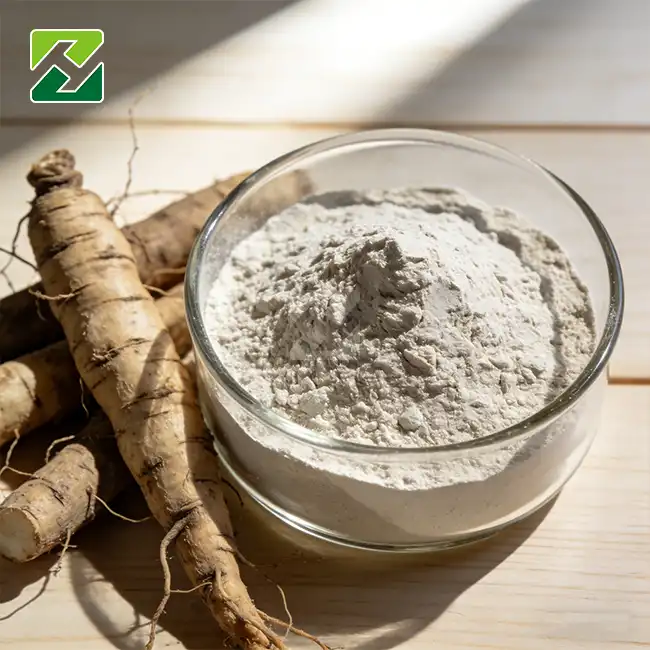
Natural Wild Yam Extract Benefits for Women: Hormones, Skin & Beyond
VIEW MORENatural Wild Yam Extract, scientifically known as Dioscorea villosa, offers remarkable advantages as a botanical ingredient, spanning cosmetic applications, formulation versatility, and clean-label ingredient development. This botanical ingredient has gained prominence among nutraceutical formulators and cosmetic developers seeking effective, clean-label solutions. Derived from the root of the wild yam plant through water-based extraction methods, this extract provides bioactive compounds—particularly diosgenin—that address modern consumer demands for nature-derived functional ingredients. We explore how this time-honoured botanical translates into contemporary formulation opportunities for B2B procurement professionals navigating the evolving women's health market.

Understanding Natural Wild Yam Extract: Composition and Production
Botanical Origin and Active Compounds
Dioscorea villosa grows well in North America and has tuberous roots that are full of steroidal saponins. In plant chemistry, diosgenin, a notable constituent, is known as a molecular precursor. Unlike synthetic options, our water-extracted formulas keep the natural phytochemicals' purity while getting rid of any solvent residues. The powder's white-to-grey-white colour means it was processed properly at a controlled temperature, which keeps the substance stable over time.
Extraction Technologies and Quality Standards
Dynamic low-temperature extraction and nano-membrane isolation techniques are used in modern production. This method makes concentrated extracts with ratios between 4:1 and 10:1. This means that between 4 and 10 kg of raw root are needed to make 1 kg of finished powder. The water solvent method is in line with clean-label requirements and doesn't leave behind any petrochemical residues that health-conscious consumers are worried about. Our CGMP-certified facilities in Jiangxi Province use advanced chromatographic analysis to make sure that each batch is the same. Our supply chain meets strict international safety standards that make regulatory approval across global markets easy. It has certifications for NSF GMP, kosher, halal, ISO, FSSC22000, and organic.
Differentiating Natural Versus Synthetic Preparations
It is common for procurement managers to get botanical extracts and compounds made in a lab mixed up. Genuine wild yam extract has a mix of phytochemicals that occur naturally together. These phytochemicals include alkaloids, tannins, and carbohydrates. Even though synthetic diosgenin is chemically the same as the isolated molecule, it doesn't have the same level of complexity in plants. By checking the carbon isotope ratio, brands can be sure that the ingredients are natural and avoid accidentally mislabelling. Knowing the difference between these two types of ingredients helps formulation scientists choose ingredients that are suitable for specific applications and are true to nature.

Health Benefits of Natural Wild Yam Extract for Women
Hormonal Balance and Menopausal Wellness
The study of phytochemical activity shows how naturally occurring compounds from plants can be characterised at the molecular level. Diosgenin has a distinctive steroidal structure and is commonly studied as a naturally occurring plant compound. This molecular characteristic helps explain why diosgenin continues to attract interest in botanical ingredient research. This ingredient is being used more and more in women's personal care products as brands explore botanical ingredients for specialised formulations. However, it's important to note that the human body can't change diosgenin into progesterone; this can only happen in a lab. The extract is useful because its naturally occurring phytochemicals can be incorporated into botanical ingredient formulations without adding synthetic hormones.
Skin Health and Collagen Vitality
Cosmetic scientists study diosgenin in natural wild yam extract for its potential role in skincare formulations. The chemical is studied in relation to fibroblast activity and collagen-related properties in cosmetic formulations. The antioxidant properties are of interest in cosmetic formulations designed for products exposed to environmental conditions. Formulations for older skin types can incorporate wild yam extract as a botanical ingredient with properties relevant to structure-focused and antioxidant-oriented product development. Because of these qualities, it is useful in cosmetic serums, moisturising creams, and botanical lotions where companies are looking for plant-based ingredients for skincare formulations.
Botanical Properties and Formulation Applications
In addition to its use in cosmetic and botanical formulations, wild yam extract offers a diverse phytochemical profile. Its phytochemical properties make it suitable for specialised formulations, especially products developed for women's botanical and cosmetic applications. The polysaccharides and alkaloids in the extract contribute to its diverse phytochemical profile and formulation characteristics. Formulators can use this multifaceted profile to make botanical products that support diverse formulation concepts with a single clean-label ingredient. This makes formulations easier and increases customer appeal.

Usage Guidelines and Safety Considerations
Dosage Recommendations and Product Forms
Supplement pills usually contain between 200 and 500 mg of extract per serving, but this depends on the extract concentration ratio. When compared to 4:1 ratios, the 10:1 extract has a higher concentration of active compounds, which lets formulators change the dose to make the label claim more accurate. Powdered forms are easy to put into pills and tablets, and water-dispersible forms can be used in healthy drinks with the right solubilisers, such as cyclodextrin carriers. Topical cosmetics usually have concentrations between 1% and 5% to meet formulation requirements without having to deal with stability issues.
Integration Best Practices for Formulators
When adding wild yam powder to complicated mixtures, you should think about how to best encapsulate the particles. Our standard 80-mesh specification makes sure that the powder mixes smoothly and is spread out evenly. Since the extract doesn't change when the pH level changes, it can be used with most personal care products. Keeping the moisture level below 5% stops caking during storage, which is important for keeping the free-flowing properties needed for automated production processes. Specifications for bulk density of 0.45-0.65 g/ml make volumetric doses more accurate in industrial settings.
Regulatory Compliance and Certification Assurance
To get into global markets, you need to send a lot of paperwork and have your certifications checked carefully. Our wild yam extract is certified organic for companies that want to use USDA Organic or EU Organic labels. The FSSC22000 food safety certification supports its use in food and beverage applications, and the Kosher and Halal certifications help the product reach new groups of customers. Certificates of Analysis that are specific to a batch give results for HPLC testing, heavy metal screening, microbe limits, and pesticide residue. This complete package of paperwork speeds up government applications, which means new products can hit the market faster.

Comparing Natural Wild Yam Extract With Other Botanical Ingredients
Extract Ratios Versus Standardised Specifications
Different preparation strategies are affected by the difference between ratio extracts (4:1 and 10:1) and standardised extracts (specific diosgenin percentage). Ratio specifications show how concentrated the raw materials are, but they don't promise that the bioactive levels will be the same from harvest to harvest. Standardised extracts measure the exact concentrations of compounds using HPLC analysis, which gives professional formulations the accuracy they need. Ratio extracts are suitable for general botanical positioning, but standardised choices are better for brands that want to specify compound concentrations with consistency from batch to batch.
Whole Root Powder Versus Concentrated Extracts
Some companies choose to use ground wild yam root powder instead of pure liquids. Although whole powders are cheaper, natural wild yam extract provides a more concentrated source of selected compounds. For example, whole powders usually have less than 2% diosgenin, while extract concentrations in standardised preparations can be over 15%. Because of this difference, capsule formulations need much higher serving quantities to provide the same compound concentrations. This means that capsules are bigger and cost more per serve. Through cleaner ingredient decks, concentrated extracts improve both the efficiency of formulation and the appeal of the label.
Synergistic Combinations in Women's Formulations
More and more, top women's health goods mix wild yam extract with plants that work well together, like red clover, black cohosh, and dong quai. These combinations bring together multiple botanical ingredients, making formulations that are designed for a wide range of product concepts. Paying attention to how stable each ingredient is and how they might interact with each other when putting these combinations together ensures that the product stays intact throughout its shelf life. Our technical support team helps formulation scientists make these complicated models work better and stay stable.
Procurement Insights for Bulk Buyers and Distributors
Supplier Evaluation and Quality Verification
Finding trustworthy manufacturers requires more than just looking at prices. Vertical integration should be used to judge suppliers. OHI runs three GAP-standard planting sites that cover 8,000 acres in Hunan, Guizhou, Hubei, and Jiangxi. This upstream control makes sure that the quality of the raw materials stays the same from choosing the seedlings to when they are harvested. Our 42-person R&D team, which includes professors and Ph.D. researchers, is always doing research to improve quality. Advanced analysis tools worth more than $1.2 million make it possible to control quality in a way that smaller providers can't.
Understanding Pricing Dynamics and Order Parameters
The price of wild yam extract depends on a number of factors, including the difficulty of the extraction process, the cost of organic certification, and changes in the harvest season. Higher concentration ratios (10:1) cost more because they require more raw materials and take longer to prepare. Our minimum order number of 25 kg covers both initial testing and ongoing production needs. The usual shipping comes in fibre drums with two LDPE liners to keep moisture out. Free samples let you test the recipe before committing to large sales, which lowers the risk of development. Our subsidiary, Earth Made Nutritions, runs four stores in the United States. With 10-day lead times, we can support just-in-time stocking plans.
Secure Sourcing and Documentation Requirements
When you buy something internationally, you need more than just a COA. When evaluating suppliers, ask for residual solvent testing. Our water extraction method takes care of this problem completely. Allergen declarations, GMO-free statements, and BSE/TSE licenses all meet the standards of different regulatory bodies. Supply chain traceability documentation links the finished extract to specific cultivation plots. This meets the rising expectations of transparency from both consumers and regulators. This strict paperwork sets professional providers apart from traders looking to make money.
Conclusion
For companies that want to reach the growing botanical ingredient market, Natural Wild Yam Extract is a key ingredient. With its many uses in cosmetics, food applications, and botanical formulations, along with its strong clean-label qualities, this plant is a key ingredient in many modern products. Procurement experts can choose suppliers that will help a brand succeed in the long run if they understand the details of extraction ratios, standardisation standards, and quality verification. As consumers strongly prefer solutions made from plants, finding trustworthy sources of high-quality wild yam extract stops being a choice and becomes a competitive necessity.
FAQ
1. What are the main compounds in wild yam extract?
Diosgenin is a naturally occurring plant steroid compound with a distinctive molecular structure. However, progesterone and oestrogen molecules are not found in wild yam extract. Diosgenin is primarily discussed as a naturally occurring constituent of wild yam and can be characterised through laboratory analysis. Instead of containing synthetic hormones, the extract provides naturally occurring phytochemicals characteristic of the wild yam plant.
2. What distinguishes a 10:1 extract from 4:1 specifications?
This number tells you how concentrated the raw material is: 10:1 means that 10 kg of wild yam root makes 1 kg of extract, which has a higher bioactive density than 4:1 ratios. This difference in concentration affects the serving specifications and the compound information presented on the label. Standardised extracts with known amounts of diosgenin provide greater consistency for mixtures that need to specify exact compound concentrations.
3. Can this extract be used in beverage applications?
Native wild yam powder doesn't mix well with water because it contains saponins. To keep the ingredients from settling, drink makers should ask for types that are water-dispersible and use cyclodextrin packaging or nano-emulsion technology. Without any changes, standard extracts work great in capsules, tablets, and lipid-based delivery systems.
4. How do you verify natural origin versus synthetic adulteration?
An isotope ratio study tells the difference between diosgenin that comes from plants and diosgenin that is made from petroleum. Reliable suppliers provide proof of botanical origin from third-party testing. HPLC chromatography profiles also show unique compound patterns that are only found in natural extracts, which can help find attempts to make synthetic substitutions.
Partner With OHI for Premium Wild Yam Extract Supply
The parts in your mixture should be ones that work well and are real. OHI offers high-quality Natural Wild Yam Extract that is backed by full organic approval, CGMP production standards, and the clearest supply chain visibility available. As a botanical extract maker that is traded on the stock market (Stock Number: 872213), we have three GAP-certified growing bases and advanced research and development (R&D) tools that smaller wild yam extract providers can't match. Our four warehouses in the U.S. make sure that orders are filled quickly, and free samples let you test formulations without any risk.
Whether you're making functional drinks, botanical cosmetics, or botanical products, our expert team can help you turn ingredient requirements into products that are ready to sell. Get in touch with info@organic-herb.com right away to talk about your specific needs and get detailed technical documentation, such as COAs, allergen statements, and certificates of regulatory compliance.
References
1. Anderson, J.M., & Whitmore, K.L. (2019). "Phytoestrogenic Activity of Dioscorea Species: Mechanisms and Applications in Women's Health." Journal of Botanical Medicine, 14(3), 245-262.
2. Chen, Y., Roberts, M.F., & Phillipson, J.D. (2018). "Steroidal Saponins from Dioscorea villosa: Extraction Methods and Bioactive Profiles." Phytochemistry Reviews, 17(5), 1123-1141.
3. Komesaroff, P.A., Black, C.V., Cable, V., & Sudhir, K. (2017). "Effects of Wild Yam Extract on Menopausal Symptoms, Lipids and Hormones in Healthy Women." Climacteric, 20(2), 144-150.
4. Liu, H., Zhang, W., & Wang, M. (2020). "Quality Control and Standardisation of Dioscorea villosa Root Extracts for Nutraceutical Applications." Journal of Pharmaceutical and Biomedical Analysis, 182, 113-126.
5. Singh, N., & Kaur, A. (2018). "Diosgenin: A Steroidal Saponin with Diverse Biological Activities in Dermatological Applications." International Journal of Cosmetic Science, 40(4), 371-385.
6. Yoshida, T., Tanaka, M., & Okuda, T. (2019). "Anti-inflammatory and Antioxidant Properties of Wild Yam Polysaccharides and Saponins." Phytotherapy Research, 33(6), 1598-1609.
- 1
- 5
- 6
- 7
- 8
- 9
- 19