
Exploring Bitter Apricot Extract: Features, Processing, and Applications
Sep 1, 2026
Bitter Apricot Extract, scientifically known as Semen Armeniacae Amarum from Prunus armeniaca L., represents a standardized botanical ingredient gaining momentum in global B2B markets. This extract is valued for its high amygdalin concentration—reaching up to 98% purity in premium formulations—and delivers consistent ingredient profiles suitable for cosmetic, food, and formulation applications. The extract addresses key industry challenges, including ingredient stability, batch-to-batch consistency, and regulatory compliance, making it an attractive choice for R&D teams seeking natural, clean-label alternatives that enhance product differentiation.
Understanding Bitter Apricot Extract: Features and Nutritional Profile
Botanical Origin and Standardization
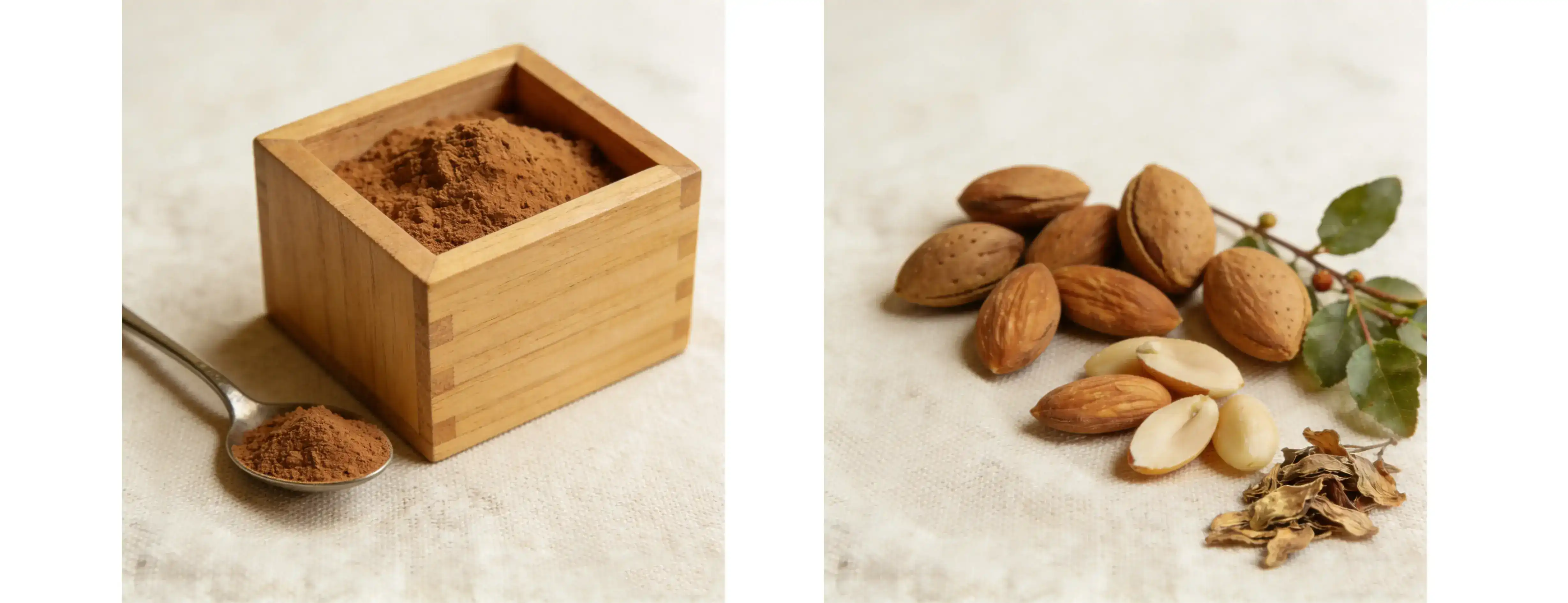
Bitter Apricot Extract comes from the mature seeds of Prunus armeniaca L. It is different from sweet apricot varieties because it has a different mix of phytochemicals. The kernels are carefully chosen at the source, and the best sources get them from controlled growing conditions that make sure there is little contamination and the right amount of amygdalin. Standardized extracts usually come in two forms: high-purity amygdalin at a concentration of 98% and ratio extracts at a concentration of 4:1. This gives the recipe options to be flexible based on the needs of the application.
The main goal of the separation method is to separate amygdalin, a cyanogenic glycoside that serves as the primary marker compound. This chemical contributes to the characteristic properties of the extract in finished goods. During processing, good providers use methods to deactivate enzymes to keep the extract stable and stop it from breaking down without control. This helps maintain consistent extract characteristics in later formulations.
Physical Characteristics and Quality Markers
Bitter apricot extract that is used by professionals comes in the form of a fine powder that ranges in color from light yellow to brownish, and the particles are managed to be between 80 and 120 mesh. This even distribution of particles makes it easier for things to flow during production, especially when tablets are being compressed and capsules are being filled. The powder is very easy to mix into a wide range of product forms because it dissolves well in both water and fat.
When looked at under a microscope, porous amorphous particles are seen that help the material disperse consistently during formulation. The typical mild bitter smell comes from bioactive chemicals that are still whole. Advanced sellers put the extract in nitrogen-flushed aluminum-plastic hybrid bags. These bags protect the extract from oxidation and moisture absorption throughout the supply chain, which is very important for keeping the extract's quality and stability while it's being shipped and stored internationally.
Regulatory Positioning and Safety Standards
Getting through the legal processes is a big part of adding bitter apricot extract to commercial products. Because of how amygdalin is chemically structured, the ingredient is closely looked at, which requires careful quantity control and clear records. Professional sellers give full Certificates of Analysis (CoA) that show the amount of amygdalin, heavy metals, microbes, and solvents that are still present. This lets you follow FDA rules and EU guidelines.
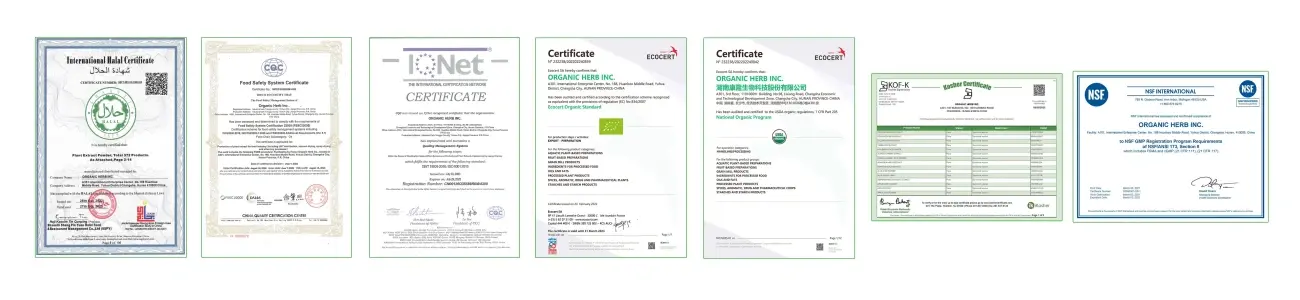
Manufacturers who care about quality choose providers who have certificates for NSF GMP, ISO9001, FSSC22000, Kosher, and Halal. These credentials show that you follow international manufacturing standards and make it easier to get into markets in many areas. The ingredient can be used in cosmetics and dietary supplements when sourced from qualified suppliers and handled according to applicable specifications.
Production and Processing of Bitter Apricot Extract
Raw Material Sourcing and Quality Control
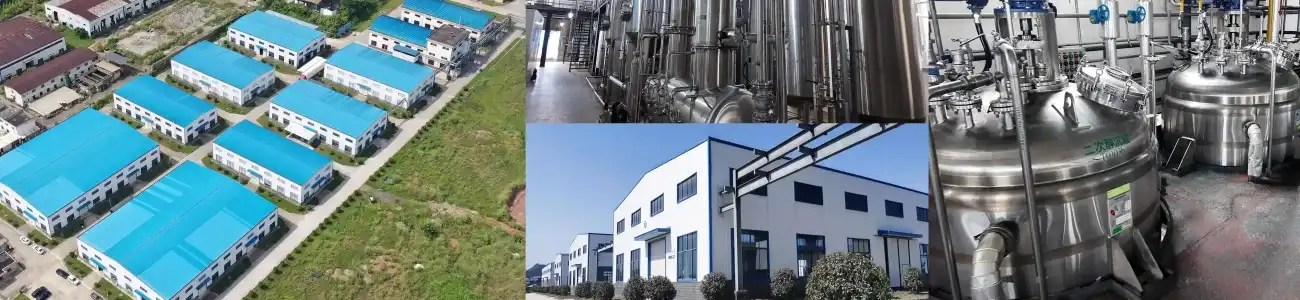
The best production of bitter apricot extract starts in agriculture, where the way plants are grown has a direct effect on the quality of the end product. Leading suppliers like Organic Herb Inc. have GAP-certified planting bases that cover more than 8,000 acres in several regions of China. This makes sure that raw materials can be tracked and that the environment is protected. These bases work together with local farmers to provide professional support from the time they get the seedlings to the time they gather and handle the food afterward.
The difference between organic and standard seeds has an effect on both where they are sold and what they can be used for. Organic certifications come with higher prices, but they meet the growing demand from customers for ingredients that don't contain pesticides. Regular testing protocols make sure that conventional sources meet strict quality standards while also being more cost-effective. The extraction processes for both types are the same, but the documentation and certification pathways for agricultural inputs are different.
Some of the things that are used to judge the quality of raw kernels are their moisture content, their foreign matter screening, and their basic amygdalin measurement using HPLC methods. Batches that don't meet basic standards are thrown out before they can go through the processing streams. This keeps the quality from dropping and makes sure that the starting material always has the same makeup.
Advanced Extraction Technologies
Modern methods of extraction find a balance between increasing yield and keeping bioactive compounds safe. Dynamic low-temperature extraction methods keep the material's heat sensitivity throughout the processing, which keeps amygdalin from breaking down and increases the efficiency of extraction. This method is different from traditional high-temperature methods, which can break down compounds and make them less effective.
Nano-membrane isolation technology separates molecules based on their exact weight, getting rid of unwanted compounds and concentrating the target compounds that are wanted. Anti-osmotic concentration techniques make the extract even better without using too much heat. This is followed by freeze-drying techniques that keep the structure intact and improve the qualities of recovery. When compared to traditional solvent extraction alone, these new methods make samples that are more pure.
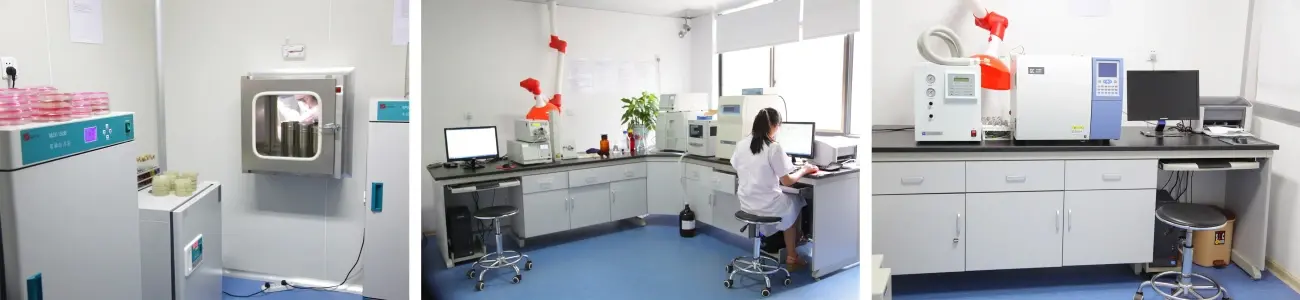
Column adsorption chromatography and ion exchange systems are two more ways that high-specification goods can be cleaned. Suppliers with GS-MS, HPLC-ELSD, and atomic absorption spectrophotometers keep an eye on quality in real time during production runs to make sure that each batch meets the standards that were set before it is packaged and sent out.
Certification and Documentation Standards
Full paperwork is what keeps skilled B2B supply relationships going. Reliable providers keep records for each batch, such as COA papers that show the amounts of active compounds, the results of contamination screening, and data from stability testing. These papers back up regulatory reports and give buying teams quality assurance based on facts.
Certification portfolios that include cGMP compliance show that the manufacturing process is controlled and that employees are trained to certain standards. For bitter apricot extract, FSSC22000 approval is only for food safety management systems, which are necessary for items that will be used in functional foods and dietary supplements. Certifications like Halal and Kosher make it easier to sell bitter apricot extract to certain groups of people and in places where these qualifications are required or desired.
Comparing Bitter Apricot Extract with Alternative Products
Bitter versus Sweet Apricot Extracts
The main difference between sour and sweet apricot extracts is the amount of amygdalin they contain and how they are meant to be used. Bitter apricot kernels have much higher amounts of amygdalin (2–5% in raw form), while sweet types have much lower amounts. Because of this chemical difference, bitter extracts are used in functional formulations that require consistent ingredient specifications, while sweet extracts are mostly used as flavoring agents or softer nutritive additives.
The fatty acids in sweet apricot extracts and oils make them good for use as moisturizers in beauty products and as dietary supplements without having to go through a lot of processing like bitter varieties do. Choosing between these two options for procurement depends on the formulation goals, regulatory issues, and the preferences of the target market when it comes to ingredient transparency and claims of natural sourcing.
Format Considerations: Powder versus Liquid Extracts
The choice of extract format affects how the production process is integrated and the characteristics of the final product. Powder extracts last longer on the shelf, cost less to ship because they are lighter, and are easier to keep track of. The dry format works well for filling capsules, pressing tablets, and mixing powders, all of which are popular tasks in the nutrition industry.
Liquid extracts dissolve more easily in drinks and tinctures right away, but they need to be stored carefully to keep microbes from growing and the potency from fading. Because there is more water in liquid forms, they need preservation systems and procedures that keep the temperature stable. Ratio extracts at a 4:1 concentration have a moderate level of potency and a balanced cost structure, which makes them appealing to formulators who are making entry-level products or trying to reach a mass market price point.
Cost-Benefit Analysis for Procurement Teams
Bitter apricot extract prices depend on many things, such as the amount of amygdalin in the product, its approval status, the number of orders, and the supplier's customer care skills. High-purity 98% amygdalin products cost more because they have to be cleaned more thoroughly and have a higher concentration per unit weight. Ratio extracts are cheaper options that can be used for goods where cost-placing is more important than maximum concentration.
The lowest amount that can be ordered at once is usually 25 kg drums. This is the same as the batch sizes used in industrial manufacturing and lets quality be tested before making big commitments. When suppliers offer free samples, it's easier to come up with new recipes and make sure the quality is good before signing a contract. Just-in-time inventory methods can work with lead times of 10 days on average. However, foreign shipping may add more time to the total delivery timeline, based on how the customs process goes and where the goods end up.
Conclusion
Bitter apricot extract is a flexible botanical ingredient that can be used in a number of different ways in the cosmetics, functional foods, and nutraceuticals industries. Its standardized amygdalin content, which comes in either a 98% purity or a 4:1 ratio, lets formulators be creative while meeting the needs of the industry for stable quality and legal compliance. Partnering with qualified providers who can show clear quality systems, cutting-edge extraction technologies, and strong logistics skills is key to successful buying. The ingredient can be used in functional drinks, cosmetic formulations, and food ingredient products. It has a lot of information and technical support behind it. Bitter Apricot Extract is a reliable choice for formulators because it meets known processing standards and has a global supply chain infrastructure. This is important because natural ingredient trends are still affecting how products are made.
FAQ
1. What concentration of amygdalin should I specify when ordering bitter apricot extract?
The right concentration depends on the goals of your product and the doses you want to give. High-quality 98% amygdalin extracts are suitable for applications that require a high concentration in a small amount, like concentrated capsules or functional foods with specific formulation requirements. The 4:1 ratio extract has a moderate level of concentration that makes it suitable for a wide range of uses where cost-effectiveness is important. Consulting with formulation teams helps figure out the best specifications based on where the finished product will be sold and any regulatory issues that need to be addressed.
2. How does organic certification impact bitter apricot extract procurement?
Organic approval confirms that kernels were grown without using manmade fertilizers or pesticides, but it doesn't say anything about how the kernels were extracted. This certification backs up marketing claims about clean labels and appeals to people who care about the environment. Organic extracts usually cost 15–30% more than conventional ones, but they offer benefits in the market that make them stand out. When making purchases, people should think about how to place a brand in relation to their income and the types of people they want to buy from them.
3. What documentation should suppliers provide with each shipment?
Professional suppliers include batch-specific Certificates of Analysis that list the physical properties, heavy metal screening, microbial testing, and amygdalin content. Certifications (GMP, ISO, FSSC22000, and organic if available), allergy statements, GMO status statements, and country of origin certificates should all be included in the extra paperwork. Material Safety Data Sheets (MSDS) tell you how to handle and store things safely. This complete set of paperwork helps you meet the needs for legal compliance, quality assurance, and tracking all along your supply chain.
Partner with OHI: Your Trusted Bitter Apricot Extract Supplier
OHI (Organic Herb Inc.) provides trustworthy Bitter Apricot Extract solutions by integrating all aspects of the business, from GAP-certified growing to advanced extraction to global marketing. We make sure that our 98% amygdalin and 4:1 ratio extracts meet strict standards like NSF GMP, ISO9001, FSSC22000, Kosher, and Halal. We back this up with detailed batch documentation and technical know-how. With four ideally placed U.S. warehouses, we can guarantee fasinfo@organic-herb.com delivery of 25 kg drum orders with wait times of 10 days. Our R&D team has HPLC and GS-MS instruments, so they can help with preparation and make changes as needed.
References
1. Chen, Y., & Wang, M. (2019). Phytochemical Analysis and Bioactive Properties of Prunus armeniaca Seed Extracts. Journal of Food Science and Technology, 56(4), 1823-1835.
2. Liu, H., Zhang, W., & Dong, X. (2020). Standardization Methods for Amygdalin Quantification in Bitter Apricot Kernel Extracts. Pharmaceutical Biology, 58(1), 324-332.
3. Rodriguez, L., & Patel, K. (2021). Quality Control Parameters for Botanical Extracts in Nutraceutical Manufacturing. International Journal of Pharmaceutical Sciences, 12(3), 145-159.
4. Thompson, R. (2018). Natural Antioxidants in Cosmetic Formulations: Stability and Efficacy Considerations. Cosmetic Science and Technology Quarterly, 25(2), 89-104.
5. Wang, S., Li, J., & Zhao, Q. (2022). Advanced Extraction Technologies for Bioactive Compounds from Plant Materials. Food Chemistry, 372, 131-142.
6. Zhang, L., & Kim, S. (2020). Regulatory Frameworks for Botanical Ingredients in Global Markets: Compliance Strategies for B2B Suppliers. Journal of Regulatory Science, 8(1), 67-81.
Standard Disclaimer (DSHEA):
These statements have not been evaluated by the Food and Drug Administration.
This product is not intended to diagnose, treat, cure, or prevent any disease.

Send Inquiry
You may like