
Goji Berry Extract Powder: Benefits, Uses, Safety & Quality
Sep 1, 2026
Goji Extract Powder represents a scientifically advanced botanical ingredient derived from Lycium barbarum fruit through sophisticated water extraction and spray-drying processes. This concentrated formulation delivers standardised polysaccharide content—typically 10:1 ratios or up to 50% Lycium Barbarum Polysaccharides (LBPs)—providing nutraceutical, cosmetic, and functional food manufacturers with consistent bioactive profiles. The powder addresses critical industry challenges, including ingredient stability, batch-to-batch variability, and formulation compatibility, while meeting stringent quality standards demanded by global markets. Its superior water solubility and concentrated antioxidant capacity make it an ideal functional ingredient for brands seeking clean-label, plant-based solutions.
Understanding Goji Extract Powder: Composition and Functional Properties
What defines premium goji extract powder
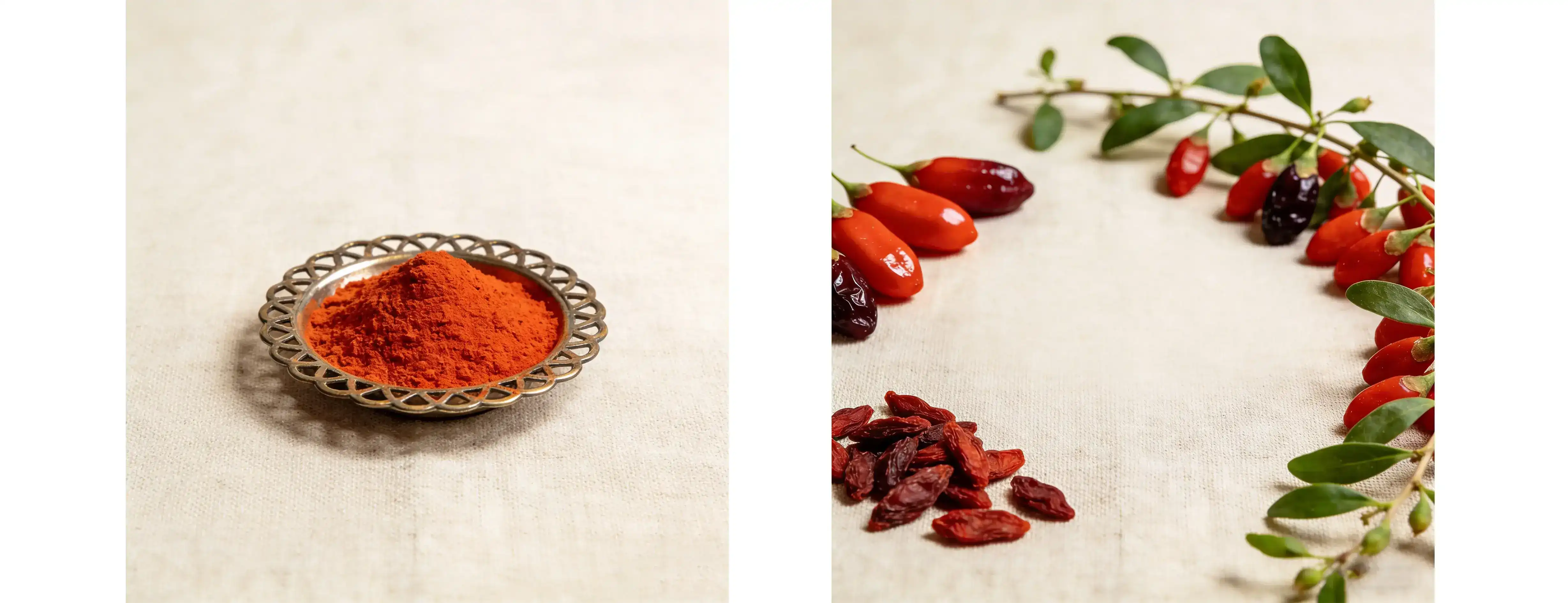
Premium wolfberry extract powder comes from Lycium barbarum fruit that is mostly grown in controlled agricultural settings. Instead of just grinding up fruit, this extract goes through a water-based process that separates and concentrates beneficial chemicals. The steps are carefully controlled temperature extraction, filtering to get rid of the fibres, concentration under pressure, and, finally, spray drying to make a fine powder. This method keeps nutrients that are sensitive to heat while giving you a product with a more concentrated composition.
Compared to raw fruit powders, the orange-red to brown powder that is made is better in terms of mechanical properties. Standardising particle sizes between 80 and 100 mesh makes sure that the best flow is achieved during production. Keeping the moisture level below 5% stops microbes from growing and makes the food last longer on the shelf. This precise manufacturing solves problems that procurement teams keep having, like active compound levels that aren't always the same in agricultural goods and liquid formulations that don't dissolve well.
Bioactive Profile and Nutritional Concentration
The bioactive part is made up of Lycium Barbarum Polysaccharides, which are complex carbohydrate structures that help the ingredient do its job. UV-VIS spectrophotometry shows that high-quality products have carbohydrates that make up 20 to 50 percent of their weight. Besides polysaccharides, the extract also contains a lot of carotenoids, like zeaxanthin and beta-carotene, as well as betaine, vitamins (especially vitamin C and B-complex); and trace minerals.
Formulators can measure the benefits of this focused profile. One gram of 50% polysaccharide extract provides a more concentrated polysaccharide profile than the same amount of dried berries. This means that stronger formulations can be made with smaller serving sizes. Standardisation lets research and development teams make goods with consistent specifications because they are backed up by uniform analytical testing. The ORAC value for antioxidant capacity is usually between 5,000 and 15,000 μmol TE/g, but this can change depending on the extraction method.
Multi-Industry Applications and Functional Benefits
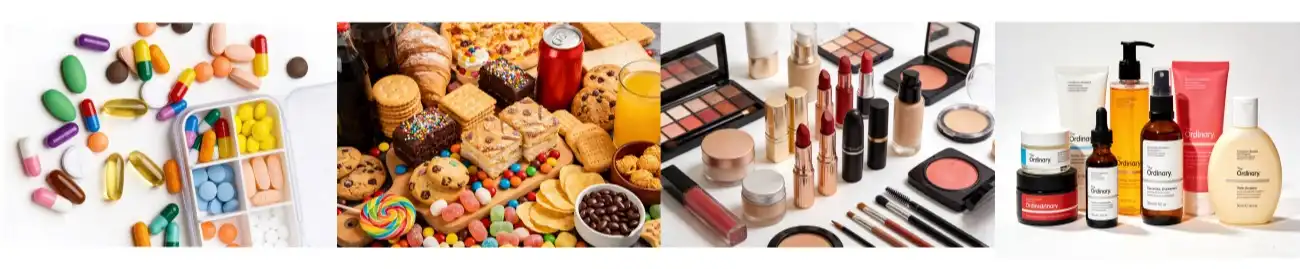
Functional beverage makers use the powder's high water solubility to make ready-to-drink goods with a convenient plant-based ingredient profile. Unlike raw fruit powders, which form unwanted sediment when heated, this extract stays stable during pasteurisation processes and doesn't form precipitates in acidic environments. This is a major benefit. Because it can be incorporated into convenient sports nutrition formulations, sports nutrition makers put it in products for pre-workout and recovery.
Cosmetic scientists like the extract because it has a lot of concentrated carotenoids and polysaccharides that can be used to make skincare products. Because the powder has small particles and stays stable in emulsion systems, it can be added to serums, creams, and masks. Dietary supplement companies use it to make pills and tablets because its high bulk density lets them make smaller dose sizes that are easier to formulate. The extract works well with lutein and zeaxanthin in botanical ingredient matrices, giving the product a unique position in a market that is very competitive.
How to Use Goji Extract Powder: Dosage, Stability, and Recommendations
Recommended Dosage Parameters for Various Applications
Different types of applications have very different recommended usage amounts. Lycium Chinense Miller extract for dietary supplements usually has 300 to 1,200 mg of pure extract with 20 to 50 percent carbohydrates every day. In functional beverage uses, 500 mg to 2 mg per dose is usually used to balance bioactive delivery with cost. Cosmetic formulas use between 0.5 and 3 percent by weight of finished products, depending on the level of activity that is wanted and the complexity of the formula.
These parameters are based on formulation protocols that provide practical guidance for different applications while still being able to be used in the real world. Nutraceutical brands should make sure that doses are in line with their standardisation requirements. For example, a 50% polysaccharide extract at 500 mg has the same amount of polysaccharides as a 20% extract at 1,250 mg. To make sure that formulations are the same across production batches, procurement teams must make sure that sources understand the goal polysaccharide content. Technical information, like a Certificate of Analysis (CoA) for each lot, is needed to confirm that the claimed strength is real.
Quality Assurance and Regulatory Compliance Standards
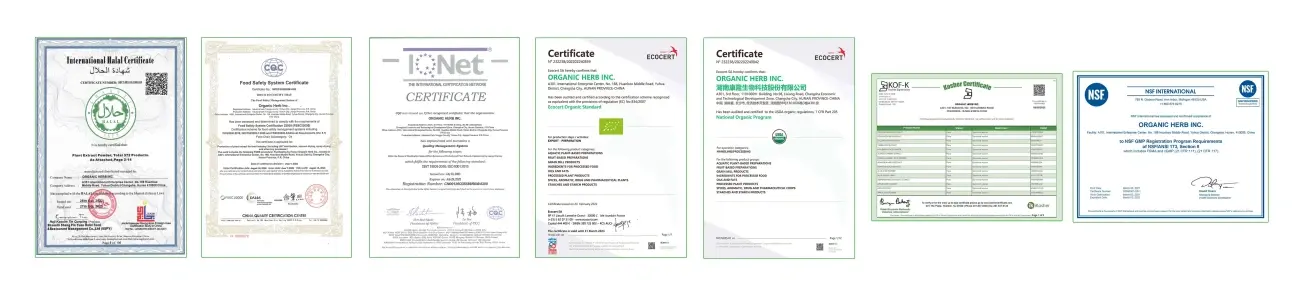
The first step in quality control is getting raw materials from GAP-certified farms, where farming methods are designed to keep pesticide and heavy metal residues to a minimum. CGMP, FSSC22000, and ISO9001 standards require manufacturing sites to follow strict testing methods. Microbial analysis (total plate count, yeast/mould, viruses), heavy metal screening (lead, arsenic, cadmium, and mercury), pesticide residue panels, and polysaccharide content proof are all parts of analytical testing.
Regulatory standards vary from market to market. Dietary supplement applications in the US must follow the FDA's current Good Manufacturing Practices and, if necessary, meet USP requirements. Depending on the concentration of the extract, European markets need products that follow EFSA guidelines and novel food regulations. Kosher and halal licences make it easier for brands that cater to certain groups of people to get into new markets. Documentation packages that include safety data sheets, food statements, specification sheets, and country-of-origin certificates make it easier to clear customs and submit regulatory paperwork.
Best Practices for Formulation Stability and Storage
When adding wolfberry extract to complex matrices, formulation chemists should test to see if the two will work well together. Because the powder absorbs water, it needs to be considered in uses that are sensitive to moisture. In wet places, clumping can be reduced by using encapsulation technologies or co-processing with anti-caking agents. In beverage systems, the extract is very stable in pH ranges of 3.0 to 7.0, but polysaccharides may break down after being exposed to very high pH for a long time.
What kind of storage affects the shelf life of ingredients and how well they keep their quality properties? For 24 months after the date of creation, a sealed package kept at a controlled room temperature (below 25°C) with a humidity level below 60% will keep its quality. Direct sunlight speeds up the breakdown of carotenoids, which lowers the colour strength and overall ingredient quality. For uses that are sensitive to light, procurement managers should ask for dark packaging or extra protection. In facilities that use more than one ingredient, cross-contamination can be avoided by following the right handling procedures and using the right scooping equipment.
Comparing Goji Extract Powder with Alternative Powders: Making the Right Choice
Extract Concentration Versus Whole Fruit Powder
When making a purchase choice, people often have to pick between whole fruit powders and concentrated extracts. Whole Lycium barbarum fruit powder is made up of the pulp, seeds, and skin of the whole berry that has been dried and ground up without any separation. This keeps the whole nutritional balance, including the fibre, but it gives you smaller amounts of the bioactives you want. Natural Goji Berry Extract, by comparison, provides a more concentrated source of specific compounds. When compared to the same weight of fruit powder, a 10:1 extract has ten times the amount of polysaccharides.
This difference in percentage has an effect on formulation economics and label claims. Extract-based goods can provide a more concentrated ingredient profile with smaller serving sizes, which lowers the number of capsules needed and the cost of making each dose. Brands that stress "whole food" branding, on the other hand, like whole fruit shakes. The choice depends on the product strategy: high-end lines that focus on effectiveness, like extracts, while value-focused or "food as medicine" brands might like whole fruit options. Technical teams have to find a mix between the needs for ingredient delivery, the cost structures, and the marketing stories.
Organic Certification and Sourcing Transparency
Certification as organic makes supply lines more complicated and expensive, but it opens up premium market niches. Extracts that are USDA- or EU-certified organic must be able to be fully tracked from certified organic fields to processing sites that have been checked to make sure they follow organic standards. This approval doesn't allow synthetic pesticides, fertilisers, or GMO inputs, and it requires very thorough records to be kept during production and farming.
Organic certification is necessary for brands that want to sell their products in natural food stores, specialty online stores, and specialty retailers. Consumer research consistently shows that people are willing to pay 15–30% more for functional foods and supplements that are certified organic. On the other hand, conventional ingredients that pass tight tests for pesticide residue may meet the needs of mass-market uses at lower costs. Transparency in sourcing includes more than just organic status. It also includes fair labour policies, sustainable harvesting practices, and environmental management. These are all things that socially aware brands and their customers care about more and more.
Supplier Evaluation Criteria for Quality Consistency
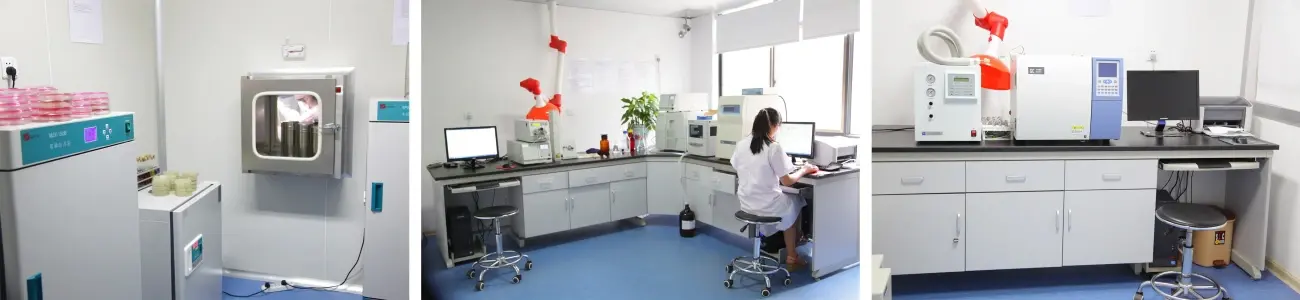
To find reliable suppliers, you need to do more than just look at the prices they offer at first. Reputable manufacturers keep direct relationships with cultivation bases or do vertical integration to keep an eye on the quality of the raw materials they use. Site checks or audit reports from a third party make sure that the building meets standards for cleanliness and that the right way to calibrate equipment is being used. Suppliers who have their own analytical labs with HPLC, GC-MS, and ICP-MS equipment show that they have the technical know-how to do full quality testing.
Supply reliability includes always having products available, quick technical support, and clear communication about changes in crops or production problems. Well-known sellers keep a safety stock and a fluid production schedule so they can meet changing demand. Checking with past clients for references shows trends in terms of on-time delivery, stability from lot to lot, and problem-solving. Long-term relationships work best when suppliers share market information, formulation ideas, and regulatory changes. These are the "value-added services" that set strategic partners apart from basic suppliers.
Conclusion
Finding the best goji berry ingredient means finding a balance between bioactive power, quality assurance, regulatory compliance, and the ability to make money. Goji extract powder with standardised levels of key compounds offers consistency and formulation benefits that whole fruit powders can't match. For procurement to go well, suppliers must be carefully checked for certifications, analytical skills, and supply chain dependability. Strategic buying relationships with makers that show they have technical knowledge and are flexible to the market give businesses in the quickly changing botanical ingredient market an edge. As the need for plant ingredients backed by science grows, companies that invest in high-quality goji extract products set themselves up for long-term growth in nutraceutical, functional food, and cosmetic uses.
FAQ
1. What distinguishes high-quality Goji Extract Powder from lower-grade alternatives?
The level of regulated polysaccharide content in premium extracts is checked using UV-Vis spectrophotometry and is usually between 20 and 50 percent LBP by weight. Fine powder size for best dissolving, moisture content below 5% to avoid microbial problems, full heavy metal and pesticide testing, and certifications like NSF GMP, FSSC22000, or organic credentials are all signs of quality. Lower-grade products often aren't standardised; they have more ash, which means they weren't processed properly, or have bioactive profiles that change from batch to batch. Suppliers with a good reputation give thorough Certificates of Analysis for each production lot that list these factors.
2. How should formulators determine appropriate inclusion rates for different product categories?
Dietary supplements usually have 300 to 1,200 mg of standardised extract per day; drinks have 500 to 2,000 mg per serving; and cosmetics use 0.5 to 3% by weight. The rates of inclusion should match the standardisation of polysaccharides; extracts with higher concentrations need lower weights to give the same amount of bioactive material. Formulation teams have to think about label space, cost-per-serving goals, and research-based effectiveness standards. Stability testing in the planned storage conditions and suitability testing with other formula components make sure that the product works well throughout its shelf life. By looking at technical documents from reputable sources, you can get recipe advice based on experience with specific uses.
3. What advantages do domestic warehousing networks offer for North American buyers?
Lead times drop from weeks to days when suppliers keep inventory in the United States, like OHI's four strategically placed warehouses. International shipping problems, customs delays, and tax uncertainty are all gone with domestic completion. Without foreign freight minimums, it becomes economically possible to place smaller orders. This makes inventory management and testing new products more flexible while requiring less financial investment. Being close makes it easier to get technical help and solve problems quickly. For product launches that need to happen quickly or just-in-time manufacturing, being able to store goods in the United States gives a business important economic benefits that go beyond simple logistics ease.
Partner with OHI for Premium Goji Extract Powder Supply
As a fully integrated Goji Extract Powder manufacturer with strong quality systems, OHI is ready to help you find the ingredients you need. Our water-extracted powder from Lycium barbarum fruit meets standard requirements, such as having a 10:1 concentration ratio or a 50% polysaccharide content, which has been proven by thorough scientific testing. We meet a wide range of legal needs in global markets thanks to our certifications in NSF GMP, Kosher, Halal, ISO9001, FSSC22000, and USDA Organic. Our 8,000-acre GAP-certified farming bases make sure the quality of the raw materials from the farms where they come from to the end of their life in the factory.
Our California-based subsidiary, Earth Made Nutritions, runs four stores in the United States that allow fast shipping all over the country. Our technical team helps brands improve their product development by giving them formulation support, legal advice, and market data. We offer consistent quality backed by full documentation, whether you need 25 kg minimum orders for initial testing or multi-tonne supply agreements for well-known products. You can look at our full line of plant extracts at info@organic-herb.com to talk about your unique needs. Formulators and procurement professionals who are qualified and ready to experience the OHI quality difference can get free samples.
References
1. Amagase, H. and Farnsworth, N.R. (2011). "A Review of Botanical Characteristics, Phytochemistry, Clinical Relevance in Efficacy and Safety of Lycium barbarum Fruit (Goji). "Food Research International, 44(7), 1702-1717.
2. Potterat, O. (2010). "Goji (Lycium barbarum and L. chinense): Phytochemistry, Pharmacology and Safety in the Perspective of Traditional Uses and Recent Popularity." Planta Medica, 76(1), 7-19.
3. Cheng, J., Zhou, Z.W., Sheng, H.P., He, L.J., Fan, X.W., He, Z.X., Sun, T., Zhang, X., Zhao, R.J., Gu, L., Cao, C., and Zhou, S.F. (2015). "An Evidence-Based Update on the Pharmacological Activities and Possible Molecular Targets of Lycium barbarum Polysaccharides. "Drug Design, Development and Therapy, 9, 33-78.
4. Kulczyński, B. and Gramza-Michałowska, A. (2016). "Goji Berry (Lycium barbarum): Composition and Health Effects – a Review." Polish Journal of Food and Nutrition Sciences, 66(2), 67-75.
5. Masci, A., Carradori, S., Casadei, M.A., Paolicelli, P., Petralito, S., Ragno, R., and Cesa, S. (2018). "Lycium barbarum Polysaccharides: Extraction, Purification, Structural Characterisation and Evidence about Hypoglycaemic and Hypolipidaemic Effects." Food Chemistry, 254, 377-385.
6. Mocan, A., Vlase, L., Vodnar, D.C., Bischin, C., Hanganu, D., Gheldiu, A.M., Oprean, R., Silaghi-Dumitrescu, R., and Crișan, G. (2014). "Polyphenolic Content, Antioxidant and Antimicrobial Activities of Lycium barbarum L. and Lycium chinense Mill. Leaves." Molecules, 19(7), 10056-10073.
Standard Disclaimer (DSHEA):
These statements have not been evaluated by the Food and Drug Administration.
This product is not intended to diagnose, treat, cure, or prevent any disease.

Send Inquiry
You may like