
Is Schisandra Right for You? Exploring Its Benefits & Uses
Sep 1, 2026
Natural Schisandra Extract, derived from the berries of Schisandra chinensis, offers a compelling ingredient solution for B2B buyers seeking authentic botanical actives. This adaptogenic fruit, known traditionally as the "five-flavor berry," contains bioactive lignans—particularly schizandrins—that deliver antioxidant protection and functional benefits across nutraceutical, cosmetic, and functional food applications. When sourced from reputable suppliers like Organic Herb Inc., standardized extracts featuring 2% schizandrins and 10:1 concentration ratios provide consistent quality and measurable efficacy. For R&D directors, formulation managers, and procurement professionals, understanding this botanical's unique properties helps in crafting products that meet clean-label trends, regulatory compliance, and consumer demand for natural wellness solutions.
What Is Natural Schisandra Extract? Understanding Its Properties and Composition?
Botanical Origins and Traditional Use
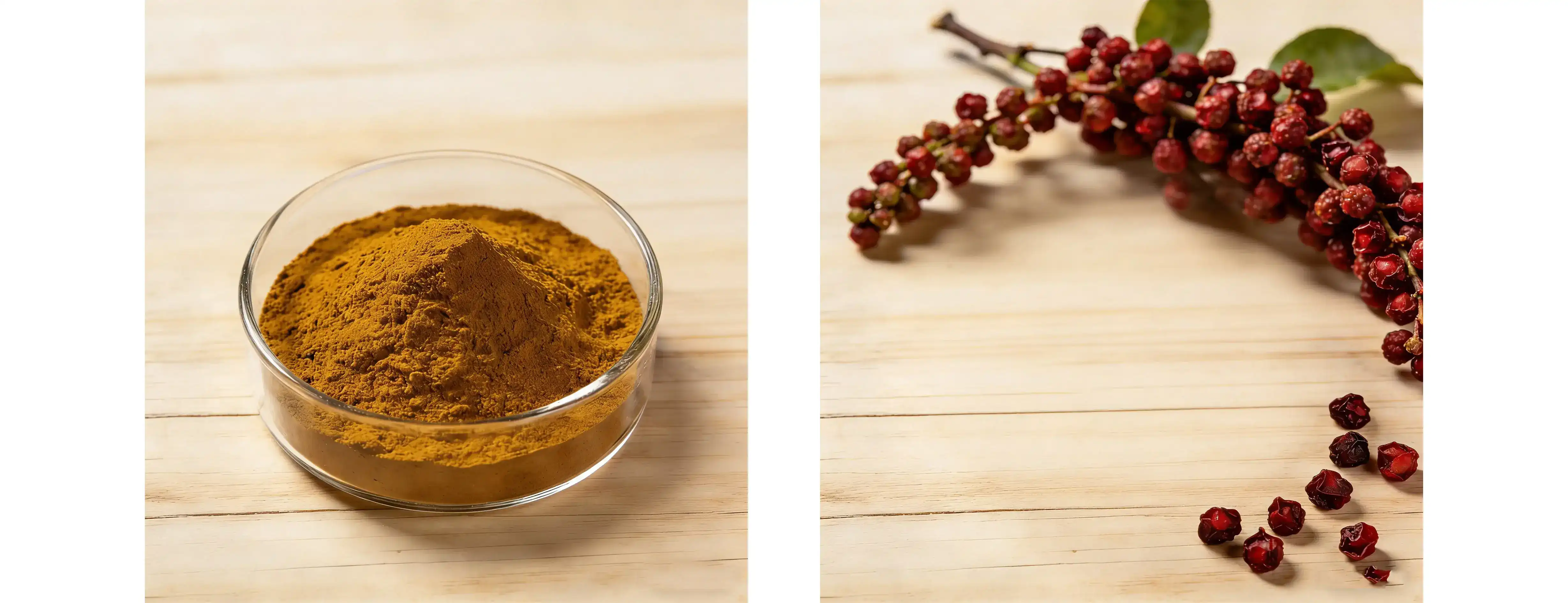
Schisandra chinensis does well in the cool forests of northern China. In East Asia, people have used it as a traditional botanical ingredient for a very long time. The red berries that the plant makes are what are used to start the harvest process. Each berry has a lot of beneficial compounds, including dibenzocyclooctadiene lignans like schizandrin, schisandrol, and gomisin A. These compounds contribute to the adaptogenic characteristics of the extract, which make it suitable for formulations focused on daily balance and wellness.
Extraction Process and Quality Standards
A modern way to get the active ingredients out of dried Schisandra berries is to use solvents like water and ethanol. With this two-solvent method, all the water-soluble and lipophilic parts are taken out while the delicate lignan structures are kept safe. This is how the powder generally looks, which is light yellow to pale yellow because of the phytochemicals that make it up.
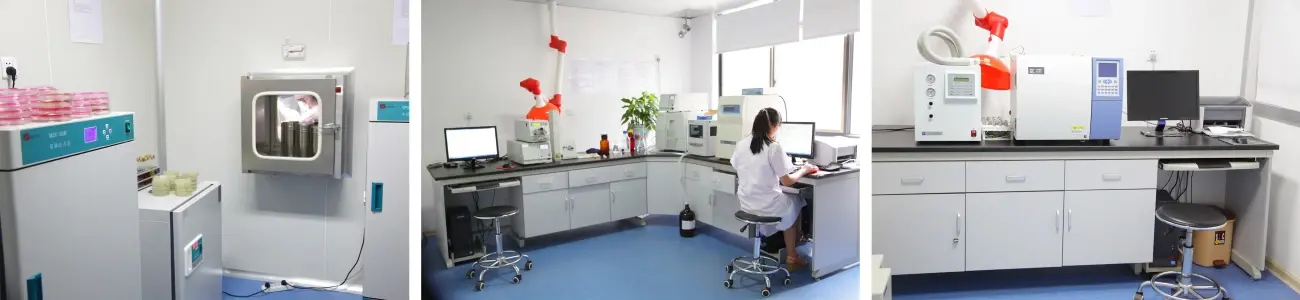
nano-membrane separation and low-temperature extraction are two modern factories that keep the characteristic properties of the materials. Organic Herb Inc. runs one of these factories. Two more steps are column adsorption chromatography and ion-exchange chromatography. These clean up the extract and make sure that the lignan amount is the same everywhere. An HPLC test is used to make sure that Schizandrin levels meet standards, which are usually at least 2%. This is part of quality control. This means that with a 10:1 concentration ratio, 10 kg of raw berry material can be turned into 1 kg of extract.
Key Nutritional and Phytochemical Components
There are more things in schisandra berries than just lignans. Aside from that, they have vitamins, essential oils, carbohydrates, and organic acids that make the product useful. When the pH level is between 4.0 and 7.0, the lignan fraction stays in shape even at high temperatures (up to 80°C). This means it can be used in many different ways to prepare things, like making liposomes and nano-emulsions. This stability solves a problem that chemists and food scientists often have: they need ingredients that don't break down when they're handled.
Researchers in the field of phytochemistry have found that Schisandra lignans have antioxidant properties. These properties are evaluated by their antioxidant activity, which is shown by their ORAC values. These data show that they can be used to make skin care items with antioxidant positioning and food supplements designed for functional formulations.
Core Benefits and Applications of Natural Schisandra Extract
Schisandra Lignan Composition and Formulation Considerations
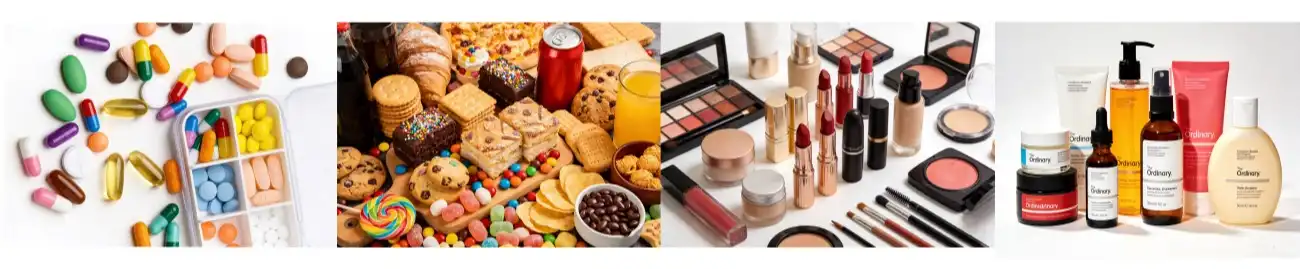
Schisandra lignans have been studied in terms of their composition and characteristics in standardized extracts. Manufacturers of supplements that use botanical ingredients can use standardized Schisandra oils, which are a plant-based choice that fits with what customers want in plant-based ingredients. The lipophilic lignans in the extract help support formulation compatibility and ingredient delivery. So, standardized formulations can be made in pill and powder types that can be made in large amounts.
Antioxidant Properties and Functional Food Applications
There are polyphenols and lignan structures in schisandra that are associated with antioxidant properties. Natural schisandra extract is used by businesses that make functional foods and drinks to support their antioxidant-focused product positioning. It is added to health shots, supplements, and protein powders. The extract can be delivered in a number of different ways, which makes it easy to add to ready-to-drink drinks. It will also stay stable for a long time.
Cosmetic and Skincare Applications
It is used in cosmetics because it offers suitable botanical characteristics for formulations targeting environmental exposure. Lignons are thought to support cosmetic formulations focused on skin appearance and formulation stability. For natural beauty brands that want to use "clean label" actives, schisandra works well in appearance-focused serums, face creams, and eye treatments. That the extract can be mixed with both water and oil means it can be used in many different goods.
Cosmetic companies that do OEM/ODM use Schisandra products in their own skin care lines. They do this because this ingredient is becoming more famous among people who are interested in Asian plant practices. By standardizing the ingredient, each batch will be the same. This makes formulation scientists less worried about the accuracy of commercial production.
Adaptogenic Stress Response Modulation
Schisandra is an adaptogen, which means it is traditionally associated with botanical formulations for balance and wellness. It is used by companies that make sports nutrition in pre-workout and recovery products for busy people and athletes who want natural ingredients to support their product formulations. The berry has been used for a long time in traditional botanical applications, which fits with the current trend in exercise that focuses on natural ingredient selection.
Comparing Natural Schisandra Extract with Other Popular Adaptogens
Schisandra vs. Ashwagandha
While both Schisandra and Ashwagandha (Withania somnifera) are adaptogens, they are very different in what compounds they contain and how they have been traditionally used. Schisandra's lignans are linked to biomolecules in different ways, while withanolides are what make ashwagandha work. The people in charge of buying these plants should think about how well each item knows their target market before they buy it. When it comes to plants, ashwagandha is better known in the West, while schisandra can help brands stand out by giving them a unique position.
Because it has a lighter taste and works well in drinks, schisandra is better for making than ashwagandha. Ashwagandha tastes more like wood than other herbs. This is very important for makers of functional drinks that want to make tasty drinks without covering up the tastes too much.
Schisandra vs. Ginseng
In contrast to Schisandra, which is mostly made up of lignans, natural Schisandra extract and ginseng products, especially Panax ginseng and Panax quinquefolius, are mostly made up of ginsenosides. The two plants work well together in recipes with other items because they both offer complementary botanical characteristics, which is called synergy. Market research shows that mixing well-known adaptogens like ginseng with new ingredients like Schisandra can make a product more appealing.
The price of Schisandra extract is still about the same as the price of good ginseng, especially when bought directly from well-known companies with efficient supply chains. Business-to-business buyers should look for suppliers that can do vertical integration. This means that the seller should be able to do things like own an extraction center and work with other companies to grow plants. This helps keep the supply steady and the prices stable.
Organic vs. Conventional Sourcing Considerations
There are more and more ways for Schisandra to get organic approval. Organic Herb Inc., for instance, grows plants in more than one state that are certified as organic. For people who buy natural and organic goods, organic approval makes brands more valuable. However, it generally makes raw materials cost 20 to 30 percent more. The people who work in buying have to think about how much certification costs, how much marketing helps, and how much people are willing to pay for organic claims.
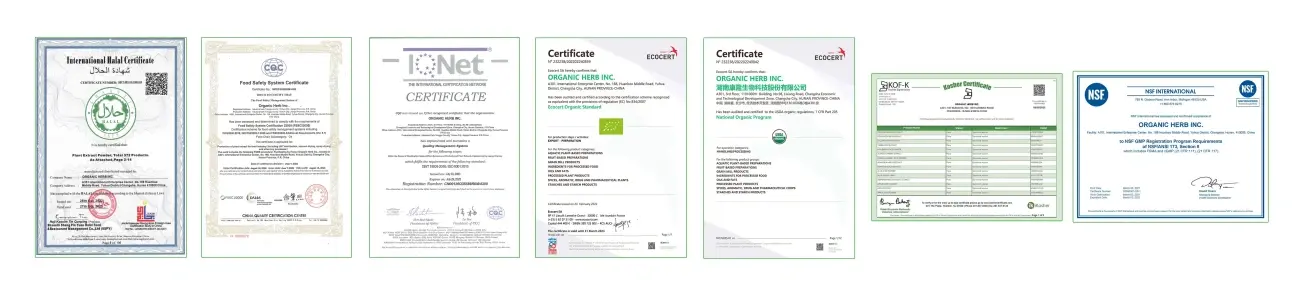
For supplements and beauty products that people love, regular Schisandra extracts that pass tight tests for heavy metals, pesticide leftovers, and microbe contamination are a cheaper choice. Certifications like NSF GMP, FSSC22000, Halal, and Kosher can meet the needs of different markets and don't need organic approval.
How to Procure Natural Schisandra Extract for Your Business?
Evaluating Supplier Capabilities and Certifications
Before buying something, the seller needs to be carefully looked at to see if they can make the goods, have good quality control systems, and follow the rules. NSF GMP is one of the most important things to look for in dietary supplements. For managing food safety, FSSC22000 is used, and for managing quality, ISO 9001 is used. People who buy from other countries should make sure that the export papers their sellers keep up to date include certificates of analysis, phytosanitary certificates, and registration documents that are specific to each country.
Another good example of a vertically integrated supply model is Organic Herb Inc., which grows herbs on more than 8,000 acres of land in several provinces that are in line with GAP standards. Instead of only getting its berries from outside sources, this agriculture foundation makes sure that quality control and having the ability to track raw materials begin during cultivation. Technical partnerships with universities and research centers show a commitment to new ideas and always making the extraction process better.
Understanding Pricing Structures and Minimum Order Quantities
25-kilogram fiber drums with two PE bag covers are the standard way to ship Schisandra extract in bulk. These keep the extract dry and out of the light. Smaller brands and new businesses can get high-quality plant extracts without having to buy a lot of them at once. Usually, you need to buy at least 25 kilograms to go ahead. Volume price structures are better for orders over 100 kilograms, and container loads that serve large-scale industrial operations can also save you money.
Ten days pass between when the order is approved and when it is ready to be shipped for standard specs. Only one-of-a-kind standardizations, on the other hand, might need longer lead times so that more testing and approval can happen. People who want to buy something new should think about how long it takes to ship abroad. This is very important when working with marketing campaigns or regular patterns of demand.
Leveraging US-Based Warehousing for Efficient Distribution
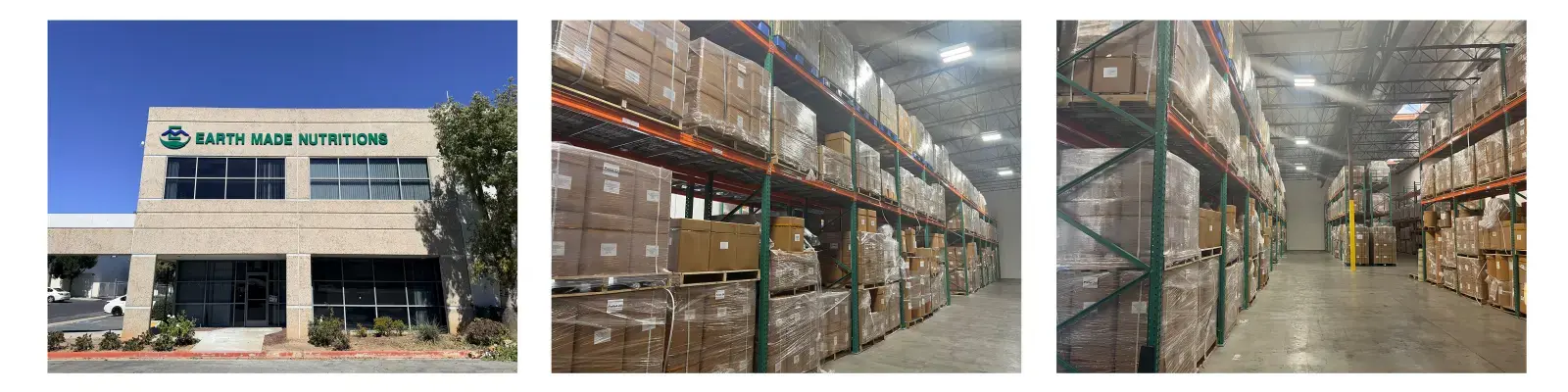
When people in North America buy from sellers with stock in the US, like Organic Herb Inc.'s Earth Made Nutrition branch in Los Angeles, they save a lot of time and money. Shipping costs and customs delays are cut down by storing goods close to where they are needed. This also lets you use just-in-time inventory management techniques, which keep your working capital from getting stuck in raw materials. The people who drop ship and make things on contract often and get orders at different times will benefit the most from having local stock on hand.
Distribution networks with multiple regional warehouses are even more responsive, which means that goods can be sent to facilities across the country more quickly. This infrastructure helps supply chain tactics that are adaptable, which is important for brands that are growing fast or whose customers' needs change with the seasons.
Private Labeling and OEM Services
Along with selling raw materials, many businesses that sell plant extracts can also make finished goods. When brands use private labeling services, they get to pick the ingredients, the way the package looks, and the information that goes on the labels. However, the production is handled by skilled makers. This plan lowers the amount of money that needs to be spent on buying work tools and buildings that meet government standards. Brand-new ideas for goods can get to the market faster because of this.
When a company wants to expand its product lines into related areas or try out new market groups with little risk, an OEM relationship can be very helpful. Suppliers who have a lot of different certifications can make goods that can be sold in many places, like natural specialty stores, regular stores, and online.
Conclusion
This plant-based ingredient, called natural schisandra extract, can be used in many different fields, from personal care and makeup to supplements and useful foods. Because it has a stable lignan content across different preparation conditions and customers are learning more about it, it is a good addition to product lines that want to keep up with natural ingredient trends. It's best to buy things for other businesses from vertically integrated providers that offer full quality systems, flexible ordering options, and expert help throughout the whole process of making the product. When old-fashioned plant knowledge is mixed with new extraction technology, brands can stand out while still following strict legal and quality rules. You can make smart decisions that will help your product launch go well and keep you competitive in the long term if you know where to get the botanical ingredients, how they compare to other botanical ingredients, and the appropriate formulation levels.
FAQ
1. What distinguishes natural schisandra extract from synthetic alternatives?
Fruit products from Schisandra berries keep all of the phytochemicals that are found in the berries. There are small parts in this that form a complex botanical composition that differs from manmade lignans. The complex mix of natural chemicals provides a characteristic composition and is similar to how plants are prepared in traditional cultures, which are respected. Even though synthetic substances are chemically the same as separate ingredients, they may have different formulation characteristics.
2. How can buyers verify supplier quality and extract authenticity?
If you want to be sure that something is real, it's smart to ask for full records of analysis, testing results from a third party, and proof that the product can be traced back to where it was grown. When HPLC fingerprinting is used to compare supply samples to reference standards, identity is confirmed and evidence of tampering is found. You can have a third-party audit service do a supplier facility audit for you, or you can do it yourself. This gives you more confidence in the quality processes and manufacturing methods.
3. What are typical minimum order quantities and lead times for bulk procurement?
The smallest order that can be made is 25 kilos, which is the same amount that fits on a single drum and is enough for small to medium-sized production jobs. There is a 10-day lead time for stock standards, but it takes longer for unique standardizations because they need more time for testing. It's faster for people in the US to get what they need when suppliers keep stock in the country. Usually, they can ship within one to three working days.
Partner with OHI for Premium Natural Schisandra Extract Supply
These people can help you find Schisandra extract if you need it. Standardized 10:1 extracts with 2% Schizandrins are made by using water and ethanol to get the Schizandrins out of good berries. Plant products that are sold on the stock market are made by our company (Stock Number: 872213). Some of the certificates we have let us serve a lot of different areas. These include NSF GMP, FSSC22000, ISO 9001, Halal, Kosher, and organic. Our fully integrated business includes 8,000 acres of GAP-compliant farms in several states. We can be sure that the quality of our raw materials will stay the same from the time they are harvested until they are marketed.
Because they are technically skilled, they have a research and development team of 42 people and over $1.2 million worth of high-tech testing equipment that helps them come up with custom standards for Natural Schisandra Extract and give recipe advice. You can get fast delivery anywhere in the US from our four stores, and our Los Angeles-based company Earth Made Nutritions keeps things ready to ship for fast delivery. We can handle orders of any size, from 25 kilograms for a small test run to containers full of goods for mass production. We always give you the same high-quality work, and we act quickly to meet your needs.
Our Schisandra extract can be sent to you for free so that you can see how well it meets your needs. You can email our team at info@organic-herb.com to talk about your project, get personalized quotes, and look into private labeling or OEM services that fit the goals of your brand.
References
1. Panossian, A. and Wikman, G. (2008). "Pharmacology of Schisandra chinensis Baill.: An Overview of Russian Research and Uses in Medicine." Journal of Ethnopharmacology, 118(2), 183-212.
2. Chen, X., Zhang, Y., Zu, Y., and Yang, L. (2012). "Chemical Composition and Antioxidant Activity of the Essential Oil of Schisandra chinensis Fruits. "Natural Product Research, 26(9), 842-849.
3. Opletal, L., Sovová, H., and Bártlová, M. (2004). "Dibenzo[a,c]cyclooctadiene Lignans of the Genus Schisandra: Importance, Isolation, and Determination." Journal of Chromatography B, 812(1-2), 357-371.
4. Hancke, J.L., Burgos, R.A., and Ahumada, F. (1999). "Schisandra chinensis (Turcz.) Baill." Fitoterapia, 70(5), 451-471.
5. Lu, Y. and Chen, D.F. (2009). "Analysis of Schisandra chinensis and Schisandra sphenanthera. "Journal of Chromatography A, 1216(11), 1980-1990.
6. Szopa, A., Ekiert, R., and Ekiert, H. (2017). "Current Knowledge of Schisandra chinensis (Turcz.) Baill. (Chinese Magnolia Vine) as a Medicinal Plant Species: A Review on the Bioactive Components, Pharmacological Properties, and Analytical and Biotechnological Studies. "Phytochemistry Reviews, 16(2), 195-218.
Standard Disclaimer (DSHEA):
These statements have not been evaluated by the Food and Drug Administration.
This product is not intended to diagnose, treat, cure, or prevent any disease.

Send Inquiry
You may like