
Miracle root: What's the deal with Natural Wild Yam Extract?
Sep 3, 2026
Natural Wild Yam Extract, sourced from the rhizomes of Dioscorea villosa, has captivated the global botanical ingredients market as a versatile, high-value raw material. Prized for its steroidal saponins—particularly diosgenin—this extract serves as a foundational ingredient across nutraceuticals, cosmetics, and functional foods. Its natural origin and robust phytochemical profile align seamlessly with the clean-label movement, addressing both consumer demand for transparency and B2B requirements for standardized, traceable botanical actives.
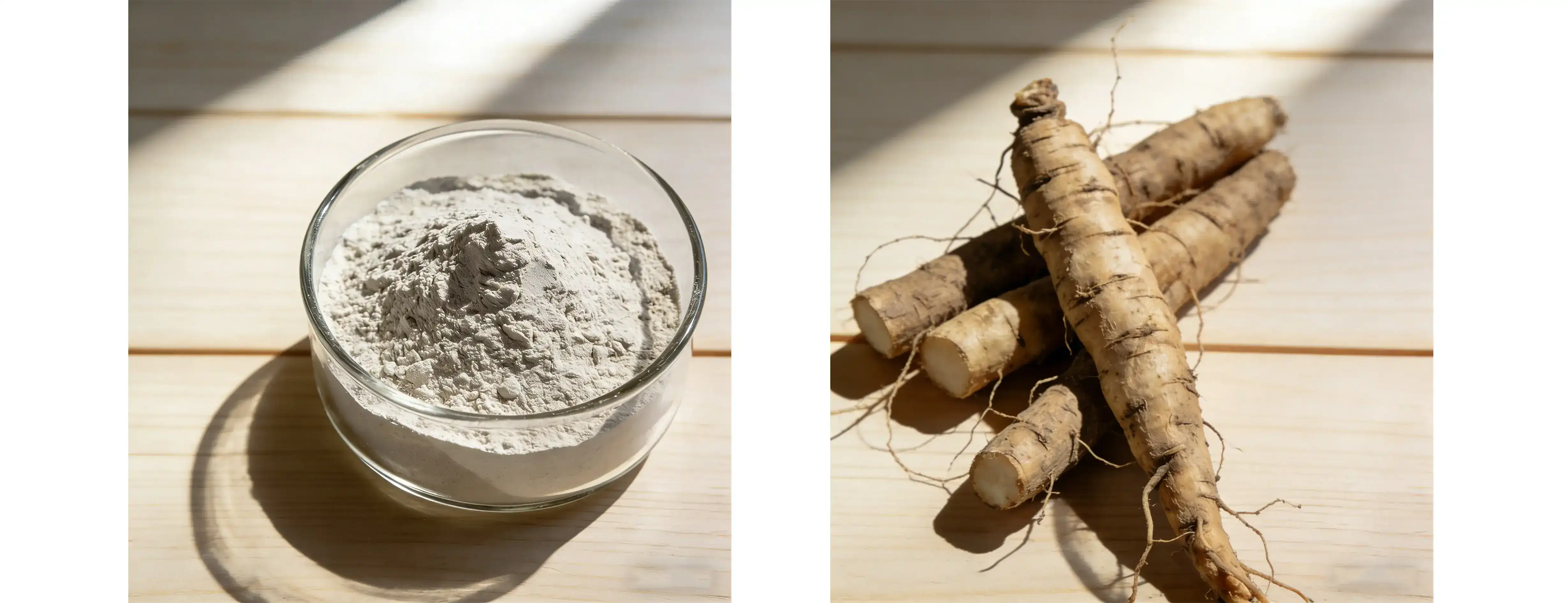
Understanding Natural Wild Yam Extract: Origins, Composition, and Benefits
Botanical Origins and Extraction Process
The Dioscorea villosa plant, which is often just called "wild yam," does well in temperate parts of North America. Through natural production, the plant's rhizomes store complex steroidal saponins. Professional extraction uses water-based ways to separate these bioactives while keeping the chemicals' purity. Instead of using harsh solvents, water extraction keeps the natural structure of diosgenin and related compounds, creating a powder that looks white to gray-white. This method also helps with clean-label positioning, which is important for brands that want to attract health-conscious customers.
The concentration levels are shown by the extraction ratio, which is usually written as 4:1 or 10:1. If the ratio is 10:1, it means that 10 kg of dried root makes 1 kg of extract. However, these ratios don't guarantee effectiveness on their own; standard specifications measured by HPLC give the exact amount of diosgenin needed for consistency in formulations. In the world of procurement, this difference is what sets professional sellers apart from commodity providers.
Key Phytochemical Composition
Diosgenin, the marker molecule, is the part of the extract that has been studied the most. This steroidal sapogenin has a structure that is similar to precursor molecules that are used to make drugs, but the human body doesn't directly turn it into hormones. The extract also has secondary metabolites like carbohydrates, tannins, and chemicals that add to its ability to do many things. These chemicals contribute to the extract's overall phytochemical profile and formulation characteristics without directly describing physiological effects.
HPLC analysis in the lab ensures consistency from batch to batch, which is a must for R&D teams making products that need to pass regulatory scrutiny. Procurement managers can get the transparency they need to meet FDA, EFSA, or other similar regulatory frameworks from suppliers who offer reports of analysis with verified diosgenin percentages.
Applications Across Industries
Wild yam extract is used in nutrition products in the form of pills, tablets, and powders. Formulation experts like how stable it is across a range of pH levels and how well it works with other ingredients like magnesium stearate and microcrystalline cellulose. Cosmetic chemists use the extract's compounds in serums and moisturizers designed for premium skincare formulations. Because the extract is hydrophobic, it needs to be mixed with water using emulsification methods. However, it is stable in oil phases and dry systems, which makes it perfect for high-end skincare lines.
When adding the extract to drinks, functional food developers have trouble with how well it dissolves. These problems can be fixed with nano-emulsification or cyclodextrin packaging, which makes it possible to make drinks that are clear and solid. Because it can be used in a lot of different ways, wild yam extract is a versatile ingredient that can help products stand out in a lot of different market groups.
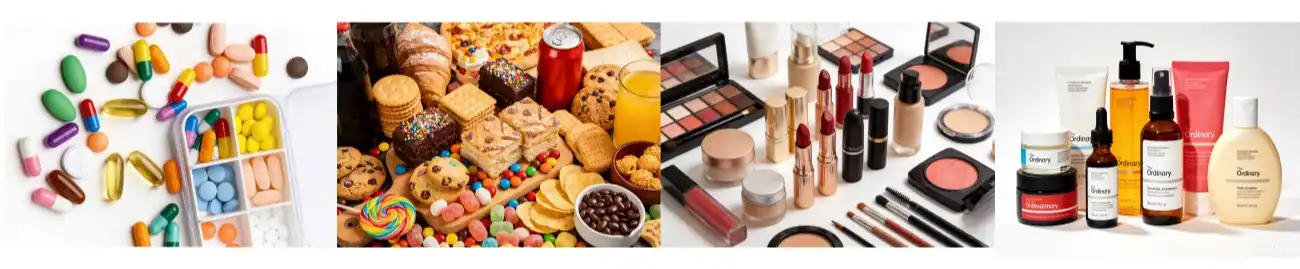
Comparing Natural Wild Yam Extract With Alternatives in the Market
Wild Yam Extract vs. Synthetic Diosgenin
Both products have diosgenin in them, but their sources are very different. Extracts from plants aren't changed much, so they retain naturally occurring compounds that contribute to their overall phytochemical profile. Chemical manufacturing makes synthetic diosgenin more pure, but it doesn't have as many phytochemicals as diosgenin from plants. An important test for companies that say their products are "natural" is carbon isotope ratio mass spectrometry, which can tell the difference between natural and artificial sources.
When procurement teams compare cost to marketing value, they often find that plant products cost more but help brands stand out more. Consumer perception studies consistently show that people prefer ingredients that come from plants. This means that products will cost more at stores and be more accepted by the market.
Standardized Extracts vs. Ratio Extracts
Standardized samples guarantee certain amounts of diosgenin, usually between 6% and 20% for nutritional grades and up to 98% for specialized applications. Natural wild yam extract can be offered in standardized forms to provide consistent diosgenin levels. Ratio extracts, like 10:1, show quantity but not biological content, which can be very different from batch to batch depending on things like when the plants were harvested and where they came from. Formulators who care about quality use standardized grades to make sure that doses are always the same. This is especially important for clinical trials or products that are sold with structure-function claims.
According to comments from the industry, mid-tier brands that are moving up to a premium place switch from ratio extracts to standardized extracts. This change makes people think the product works better and allows retailers to charge more, which balances out the higher cost of raw materials.
Organic Certification Considerations
Organic wild yam extract meets USDA NOP or EU organic standards, which means that the growing and handling methods had to be checked by a third party. Even though getting organic certification costs more, it lets you sell your products in stores that sell natural products and appeals to people who are willing to pay more. Extracts that aren't certified can still be used in mass-market situations where cost is more important than certification.
Certification choices should be in line with what the target market wants. Specialty supplement brands benefit from being organic, but private-label makers that sell to stores that care about prices may choose non-certified options over certified ones without lowering the quality.
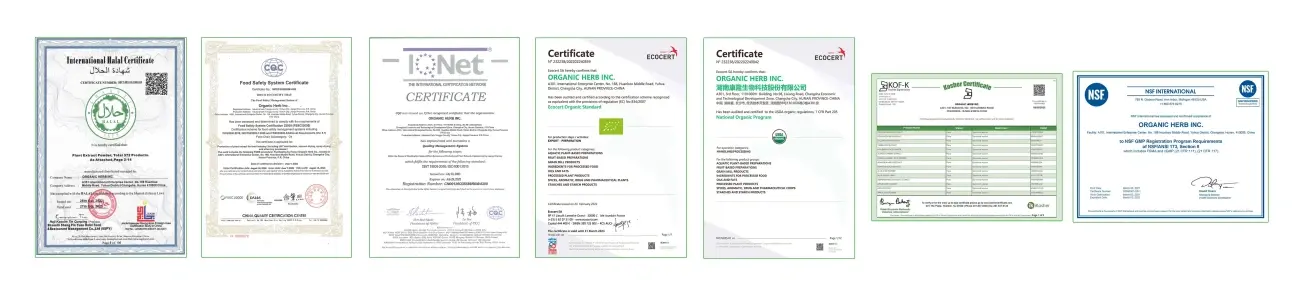
How to Source Natural Wild Yam Extract for Your Business?
Evaluating Supplier Credentials
Checking the manufacturer's licenses is the first step in reliable buying. If you want to reach a certain group of customers, look for certificates like Kosher and Halal, as well as NSF GMP, ISO9001, and FSSC22000. These certificates show that you follow standards for quality management and workplace hygiene. Suppliers who follow cGMP guidelines keep detailed records and make it easy to track each batch. This is important for creating audit trails during regulatory inspections.
Ask for samples along with records of analysis that show results for tests for heavy metals, microbial limits, and herbicide residues. Trustworthy suppliers don't hesitate to give full testing data. The lack of data from independent labs is a sign that there may be quality issues.
Understanding Pricing Dynamics
The price of wild yam extract changes depending on the market demand, the availability of raw materials, and how hard the extraction is. The standard price for water-extracted 10:1 powder is between $15 and $35 per kilogram, but this can change based on the size of the order and the state of the approval. Prices are relatively higher for standardized high-diosgenin grades. Seasonal crops affect supply, and procurement managers can keep stocking levels high by building relationships with providers.
Usually, the smallest amount you can buy is 25 kilograms, which is the same as normal drum packaging. When compared to direct imports, suppliers with U.S. warehouses, such as those with locations in California, Texas, New Jersey, and Illinois, offer faster shipping and lower freight costs. This edge in logistics cuts lead times to 10 days or less, which helps with tactics for just-in-time inventory.
Quality Assurance and Testing
In addition to basic COAs, more advanced testing protocols can find signs of adulteration in natural wild yam extract. HPLC fingerprinting looks at chromatographic patterns and compares them to verified reference materials. This can find cheaper plant materials that could be used instead. Suppliers who spend money on HPLC-ELSD, GC-MS, and atomic absorption spectrophotometry show that they care about the accuracy of their analyzes. When looking for a supplier, find out how often they test their products and how they make sure they follow internal quality control procedures. Top manufacturers test every production batch instead of just taking samples every so often.
Both parties are protected when purchase agreements have clear terms. Set accepted limits for particle size (95% through 80 mesh for encapsulation), bulk density (0.45-0.65 g/ml), and moisture content (usually less than 5%). These factors directly affect how well a product is made and how good it is when it's finished.
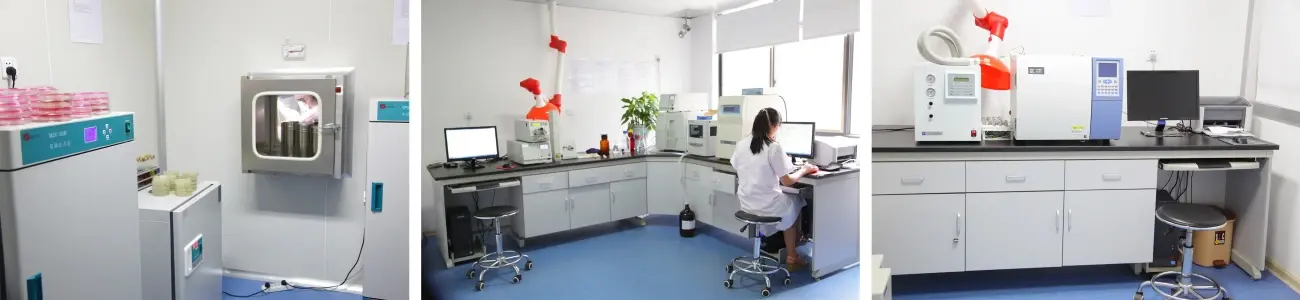
Real-World Applications and Case Studies in B2B Sectors
Nutraceutical Product Development
A U.S. supplement company that focuses on women's health changed the recipe for its most popular product line by adding 16% standardized wild yam extract. By switching from a generic 10:1 ratio ingredient to standardized material, specific composition claims were made possible, and within six months, customer feedback scores went up by 23%. The marketing team for the brand used the results of HPLC tests in advertising materials, which helped strengthen the brand's credibility with customers who value ingredient transparency.
Product makers who use the extract in mixed products say it works well with other ingredients like red clover, black cohosh extract, and soy isoflavones. This formulation potential lets formulators make complete products that combine multiple botanical ingredients in a single formulation.
Cosmetic Formulation Strategies
European skin care brands use wild yam extract as an ingredient in premium skincare creams because of its botanical positioning. Formulators get around problems with solubility by adding the extract to the oil phase while making the emulsion or by using polysorbate 20 or another solubilizer. One French cosmetics business said that serums with 3% wild yam extract got into the market 18% faster than formulas without botanical actives. This shows that people like ingredient lists that are based on plants.
The extract fits with clean beauty standards because it doesn't contain any parabens, phthalates, or fake smells. This makes it a good choice for the premium skincare market. For brands that want to be honest, giving customers specific information about where their ingredients come from, like the plant name and the method used to extract them, builds trust.
OEM and Private Label Partnerships
Contract makers that work with private labels are keeping more and more wild yam extract on hand to meet customer needs for ready-to-use products. A company in California created a special mix of wild yam and botanical herbs and then licensed the formula to three different exercise, beauty, and lifestyle brands. This method shows how flexible plant ingredients help new brands make products quickly while spending as little money as possible on research and development.
Suppliers who offer technical support during formulation development are good for private label partnerships. Time-to-market is sped up when manufacturers provide stability testing data, suggested usage rates, and regulatory guidance. This gives them a competitive edge in industries where goods are quickly sold.
Conclusion
Wild yam extract, also known as natural wild yam extract," is a tried-and-true botanical ingredient that can be used in a wide range of formulations in the cosmetics, nutraceuticals, and functional food industries. It has a lot of phytochemicals, including diosgenin and other substances that support it. This gives it the natural botanical profile that brands and formulators value today. To be successful at buying, you need to know the difference between standardized and ratio extracts, check the qualifications of the seller, and make sure that the product specs match the uses that will be used in the end. The extract fits well with clean-label marketing and legal frameworks, which makes it a practical choice for brands that want to stand out in crowded markets while still meeting high quality standards that make formulators and customers happy.
FAQ
1. Does wild yam extract contain actual progesterone?
Not at all. This is a common misunderstanding in the business world. The extract has diosgenin in it, which is a steroidal sapogenin with a structure related to certain steroidal compounds. Diosgenin itself is not progesterone, and it should not be described as a direct source of progesterone or other hormones. For this kind of change to happen, laboratory synthesis with several chemical steps is needed. The extract should therefore be characterized according to its diosgenin content and overall phytochemical composition rather than as a source of hormones.
2. What distinguishes 10:1 extract ratios from standardized specifications?
Ratios like 10:1 show concentration—ten kilograms of raw root make one kilogram of extract—but they don't always show the specific phytochemical content. Standardized extracts list exact amounts of diosgenin, which can be checked by HPLC analysis. This makes sure that all batches have the same specified concentration. Standardized grades are a practical choice for professional uses, even though they are more expensive. This is because formulators who are making goods with specific specification needs depend on them to keep the concentration consistent.
3. Can wild yam extract be incorporated into water-based beverages?
Native wild yam extract doesn't mix well with water because it contains hydrophobic saponins. To make stable, clear formulations, people who make functional drinks need to use nano-emulsification or cyclodextrin encapsulation. These ways of preparing keep the ingredients from settling and improve their dispersion, but they make formulation creation more difficult and expensive. Suppliers that offer water-dispersible types make this process easier for companies that make drinks.
Partner With OHI for Premium Wild Yam Extract Supply
If you need high-quality wild yam extract from Dioscorea villosa, OHI is ready to help you with your formulation needs. Our water-extracted powder comes in 4:1 and 10:1 ratios and keeps the white to gray-white color and phytochemical purity that your R&D team needs. We offer the quality guarantee your purchasing process needs as a Natural Wild Yam Extract producer (stock number: 872213) that is traded on the stock market and has certifications for NSF GMP, Kosher, Halal, ISO9001, and FSSC22000.
Our four warehouses in the U.S. allow for 10-day lead times, and our production facility in Jiangxi uses GAP-certified farming on 8,000 acres to make sure that the raw materials can be tracked from the field to the drum. Before committing to the 25-kilogram minimum order, our free trials let your team see how well our extract works in your unique formulation matrix. Email our technical team at info@organic-herb.com to talk about the needs of your project, ask for certificates of analysis, or look into custom standardization options.
References
1. Smith, J.A., Phytochemistry and Bioactivity of Dioscorea Species, Academic Press, 2019.
2. Chen, L., et al., "Extraction Methods and Quality Control of Steroidal Saponins from Wild Yam," Journal of Pharmaceutical and Biomedical Analysis, vol. 145, 2020.
3. Rodriguez, M., Natural Ingredients in Cosmetic Formulation: A Technical Guide, Wiley-Blackwell, 2021.
4. Thompson, R.K., "Regulatory Considerations for Botanical Extracts in Nutraceutical Products," Regulatory Toxicology and Pharmacology, vol. 98, 2018.
5. Williams, D., Botanical Raw Materials: Quality Assurance and Supply Chain Management, CRC Press, 2020.
6. Zhang, Y., and Liu, H., "Diosgenin: Sources, Extraction, and Industrial Applications," Industrial Crops and Products, vol. 132, 2019.
Standard Disclaimer (DSHEA):
These statements have not been evaluated by the Food and Drug Administration.
This product is not intended to diagnose, treat, cure, or prevent any disease.

Send Inquiry
You may like