
Uva Ursi Benefits for Skin: Natural Brightening & Anti-Aging
Sep 3, 2026
Natural Uva Ursi Extract, derived from the leaves of Arctostaphylos uva-ursi, delivers powerful skin-brightening and anti-aging results through its rich arbutin content and antioxidant compounds. This botanical extract naturally inhibits melanin formation, helping fade dark spots and uneven pigmentation while helping maintain a more even and refreshed skin appearance. For formulation scientists and procurement professionals seeking clean-label actives with consistent formulation performance, uva ursi represents a compelling alternative to synthetic agents, particularly when sourced from certified suppliers offering water-extracted, standardized concentrations that maintain batch-to-batch consistency.
Understanding Uva Ursi Extract and Its Herbal Properties
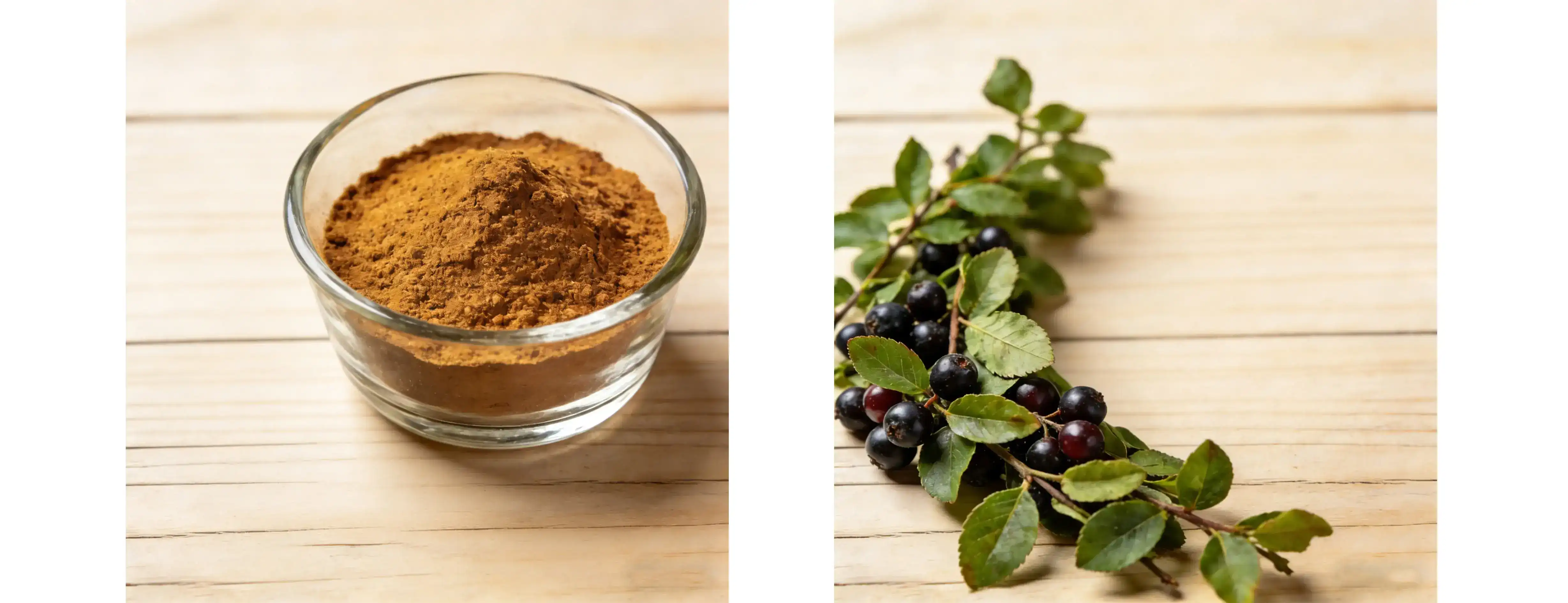
The bearberry plant, whose scientific name is Arctostaphylos uva-ursi, has been used for hundreds of years in North America and Europe for traditional botanical uses. These days, the leaves are carefully extracted to get botanical compounds commonly used in modern skincare formulations. Natural uva ursi extract has a lot of arbutin, which is a beta-D-glucoside substance, as well as flavonoids, tannins, and phenolic acids. These all work together to help skin health.
Active Compounds Driving Skin Benefits
Arbutin is the main active ingredient, and quality leaf products contain up to 20% of it. This naturally occurring chemical slowly breaks down in the skin to provide the characteristic properties associated with arbutin in cosmetic formulations. In contrast to manufactured hydroquinone, which may present formulation considerations for certain skin types, arbutin from bearberries helps regulate melanin-related pathways without the same formulation profile. Other parts, like quercetin and gallic acid, boost the antioxidant power, supporting formulations designed to address uneven skin tone and visible environmental stress signs.
Water Extraction: Purity Meets Performance
Premium uva ursi extracts only use water as the solvent for extraction. This means that there are no chemical solvents left over, which makes it easier to follow the rules and get people to buy the product. This water-based extraction method keeps the arbutin's natural glycoside structure and keeps the brownish-yellow color that is typical of real leaf concentrates. Formulators can change the potency of concentrates in 10:1 and 4:1 ratios, depending on the goal product placement. Higher ratios give concentrated actives for intense serums, while moderate ratios work for moisturizers and lotions that are used every day.
Quality Specifications for B2B Procurement
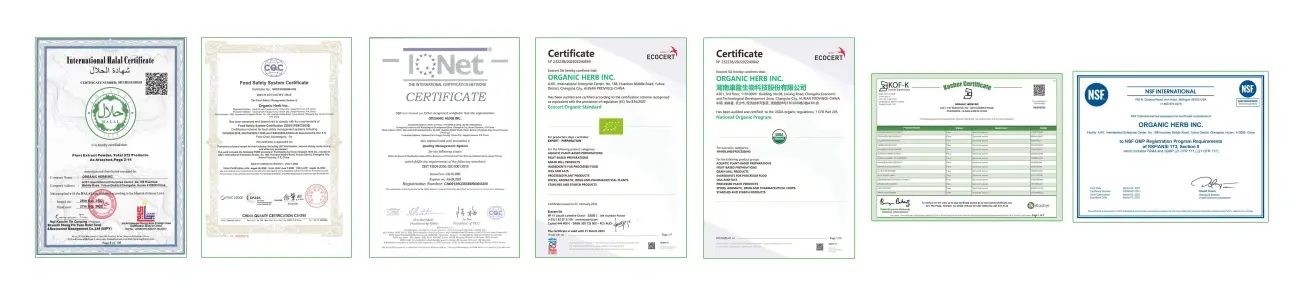
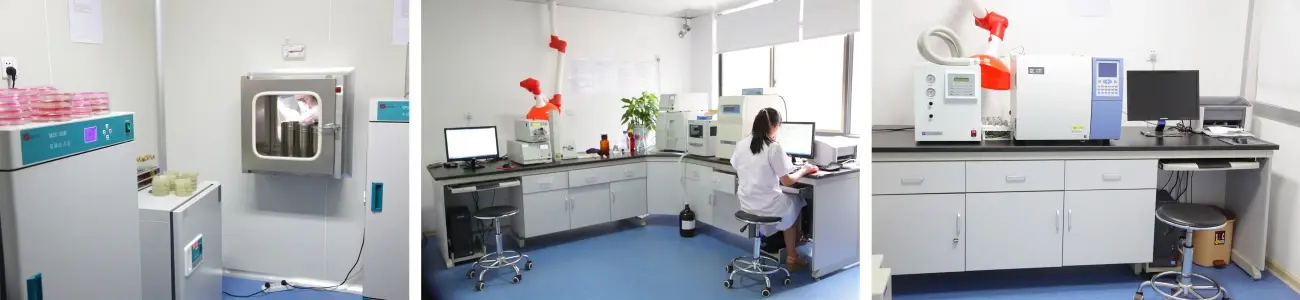
Cosmetic chemists and buying managers should check a number of important factors when reviewing suppliers. Leaf-only sources guarantee the highest level of arbutin content compared to whole-plant products that have lower active levels. Standardized testing with HPLC confirms the amount of arbutin present, and microbial limits testing helps verify the quality and suitability of ingredients for topical applications. International quality standards must be met, as shown by certificates like NSF, GMP, Kosher, Halal, ISO, FSSC22000, and organic designations. This is important proof for brands that want to sell their products all over the world or for retailers that have strict requirements for their suppliers.
Core Skin Benefits of Uva Ursi Extract: Brightening & Anti-Aging Explained
Uneven pigmentation can include post-inflammatory marks and sunspots associated with prolonged environmental exposure. They are all caused by too much melanin building up. Bearberry leaf extract works at the enzyme level, stopping tyrosinase from doing its job of turning tyrosine amino acids into melanin precursors. This upstream approach targets pigment-related pathways rather than simply covering existing discoloration. Over 8–12 weeks of constant use, evaluation data indicate visible improvements in skin appearance.
Melanin Inhibition Without Harsh Chemical Profiles
Some skin types are more likely to get an uneven appearance or barrier-related concerns from synthetic brightening agents. The natural uva ursi extract helps promote a more even-looking skin tone while maintaining the skin's natural barrier. Independent studies that compared arbutin sources to kojic acid and synthetic hydroquinone found that all three showed comparable effects on melanin index measurements, but synthetic hydroquinone showed a different tolerability profile. Because of this, bearberry extract is very useful for clean beauty brands that want to stand out by saying they are gentle but effective.
Antioxidant Defense Against Premature Aging
Damage to collagen fibers and elastin networks by free radicals from UV light, smog, and biological processes shows up as fine lines, wrinkles, and changes in the texture of the skin. The polyphenolic chemicals in uva ursi extract help counter oxidative processes associated with visible signs of environmental stress. Formulators are working on anti-aging methods like this dual function because it simplifies formulation complexity while improving product storytelling around overall skin appearance. This is because a single plant ingredient can address both color issues and structural degradation.
Supporting Collagen Integrity and Skin Elasticity
In addition to their direct antioxidant effects, some flavonoids in bearberry extract interact with skin-related cellular processes. Fibroblasts are cells that make new collagen and elastin. Even though these compounds aren't direct collagen precursors, they do create a safe environment that helps the body's natural repair processes work better. This process is used by people who make neck creams, eye serums, and intensive skincare formulations to help give the skin more firmness and even out its tone.
Comparative Performance Against Alternative Botanicals
Cranberry extract and bearberry leaf powders that have been separated are common alternatives for getting natural skincare ingredients. Cranberry is valued in cosmetic formulations because it contains antioxidant compounds, but it doesn't have enough pure arbutin to provide the same level of brightening potential. Isolated bearberry leaf powders are real plant products, but their active ingredient amounts aren't always the same, and they might not be stable in emulsion systems. Standardized water extracts of uva ursi give consistent arbutin levels—usually between 7 and 10 percent in quality grades. This lets formulators make accurate estimates and ensures that each batch performs the same way, which can then be tested on finished products.
Comparing Uva Ursi Extract with Alternative Ingredients for Skin Care
When making procurement choices, you have to balance things like effectiveness, cost, legal compliance, and company narrative alignment. Natural Uva Ursi Extract is one of many brightening actives on the market. Each one has its own pros and cons that affect how well the final product works and how well it sells.
Active Compound Profiles and Potency Variations
Alpha-arbutin is made using enzymes, which gives it higher purity levels but takes away the natural product claim that is important for clean beauty positioning. Beta-arbutin from uva ursi has smaller concentrations of individual compounds, but natural uva ursi extract works alongside other phytochemicals to provide a broader botanical profile in formulations. Niacinamide brightens in a number of ways, but it doesn't have the romantic botanical history that appeals to people who want to find solutions in nature. Knowing these details helps product managers put formulations in the right place and set reasonable standards for formulation performance.
Format Considerations: Extract Powders Versus Liquid Preparations
Dried extract powders that come in 25 kg drums give manufacturers more options, keep their products fresh longer, and make foreign shipping easier. During production, reconstitution in water or glycerin phases lets the concentration be controlled very precisely. Liquid extracts are useful for making small batches, but they are hard to standardize and don't stay stable against microbes. They often need protection systems, which make clean formulation goals harder to reach. The powder format works well in places where a lot of things need to be made and where quality control and consistency are important.
Organic Certification and Synthetic Alternatives
Organic-certified uva ursi meets the growing demand from customers for sustainable, confirmed sources. It sells at higher prices but is available in specialty stores like Whole Foods, natural product shops, and certified organic cosmetic lines. Non-organic but highly pure grades are used by popular cosmetics companies that want to save money without losing performance. While synthetic arbutin is cheaper per unit, it turns off people who like natural products. This is an important thing to think about because market research shows that 73% of U.S. skincare customers preferred botanical ingredients in the cited 2023 market research.
Procurement Guide: Sourcing High-Quality Uva Ursi Extract for Skin Care Products
Strategic buying of ingredients protects the quality of the product while also reducing costs and making the supply chain more resilient. When you work with certified suppliers, you can be sure of consistent quality, open testing, and quick technical support that speeds up the process of developing new formulas and submitting them to regulators.
Supplier Certification and Quality Assurance Systems
OHI keeps its NSF, GMP, Kosher, Halal, ISO, FSSC22000, and organic certifications up-to-date. This shows that the company is committed to quality systems at the plant level, which is something that procurement professionals look for when they are qualifying vendors. These certificates aren't just pretty pictures on the wall; they're actually controls that make sure the raw materials are correct, the extraction parameters are followed, contamination is avoided, and batch paperwork is kept. QC teams can check arbutin levels, microbial limits, heavy metals, and pesticide residues against set standards before releasing materials for production by asking for Certificates of Analysis (COA) with each shipment.
Supply Chain Reliability and Inventory Management
OHI has four regional warehouses spread out across the United States. This lets them quickly fill orders, which prevents delays in formulation and production. This domestic store presence is especially helpful during busy manufacturing times or when releasing groups of products that need to be sold quickly. The 10-day lead time for standard orders allows for flexible production scheduling, and the 25kg minimum order quantity lets both established brands increase production and new companies test the market without committing too much capital to too much inventory.
Technical Support and Formulation Assistance
Strategic partners are different from basic ingredient providers because they have access to R&D experts. The 42-person technical team at OHI, which includes senior researchers with academic credentials, helps with formulation issues related to solubility, stability testing protocols, and substantiating product claims. This joint method shortens the time it takes to make a product and cuts down on the cost of redoing formulas. Cosmetic chemists who are making concentrated serums can get advice on suitable formulation approaches, and brand managers who are writing marketing claims can look at existing research to support claims related to brightening and antioxidant properties.
Sampling Programs and Trial Production Runs
By giving away free samples of Natural Uva Ursi Extract, OHI lets formulators do basic tests for stability, compatibility, and taste before committing to larger purchases. This low-risk evaluation method works especially well when changing the formula of existing products to use synthetic actives or when coming up with completely new product ideas that need to be evaluated before they can receive full production budgets.
Conclusion
Natural Uva Ursi Extract is a solution that has been supported by research for cosmetic formulation applications and is preferred by customers for companies making skin-brightening and anti-aging products. Its arbutin-rich makeup supports a more even-looking skin tone by influencing melanin-related pathways and providing antioxidant properties that complement formulations addressing visible environmental stress. Partnering with certified suppliers that offer standardized water extractions, thorough quality documentation, and quick technical support is the best way for procurement professionals and formulation scientists to make sure that new products are developed successfully and that they stay competitive in the rapidly growing natural skincare market.
FAQ
1. What concentration of uva ursi extract should I use in brightening serums?
Based on available formulation research, leave-on serums with 3-5% natural Uva Ursi extract can provide noticeable brightening results after 8-12 weeks of use. Lower concentrations, around 1% to 2%, work well for daily moisturizers and daily-use products. Higher concentrations, up to 7%, can be used for targeted skincare products if they are paired with the right supporting ingredients and stability testing proves they are stable.
2. How does uva ursi compare to synthetic hydroquinone for skin brightening?
Arbutin from bearberries slowly influences melanin-related pathways through its interaction with tyrosinase. This has a mechanism that can be compared with hydroquinone's while offering a different formulation profile for sensitive-skin products. Synthetic hydroquinone has a different activity profile, but arbutin from uva ursi fits with the idea of clean beauty and doesn't have to deal with the regulatory problems that hydroquinone does in some international markets. This makes it a valuable strategic choice for distributing brands around the world.
3. Can Uva ursi extract remain stable in various formulation types?
Using water to remove uva ursi makes emulsions, gels, essences, and aqueous serums suitable for use as long as it is added when the temperature is below 40°C and the right broad-spectrum preservation methods are used. Avoid pH levels that are too high (above 7.5) or too low (below 4.0), and test the product's stability quickly to verify that the arbutin content remains within the intended specification over the intended shelf life.
Partner with OHI for Premium Natural Uva Ursi Extract Supply.
OHI has high-quality Arctostaphylos uva-ursi leaf extract and full certification portfolios that include NSF GMP, ISO, FSSC22000, Kosher, Halal, and Organic labels to help you reach your formulation goals. Our water-extracted products come in handy 25 kg drums and have consistent 10:1 and 4:1 concentrations with a reliable arbutin content. You can get a free sample of any of them. We are your strategic Natural Uva Ursi Extract supplier, and our four strategically located U.S. warehouses ensure prompt 10-day delivery. Our 42-member R&D team provides formulation expertise, and we are dedicated to moving your product innovation pipeline forward. To talk about your specific needs, please email our team at info@organic-herb.com to see our full collection of botanicals.
References
1. Draelos, Z.D. (2020). "Natural Skin Brightening Agents in Dermatologic Practice." Journal of Cosmetic Dermatology, 19(8), 1875-1881.
2. Garcia-Jimenez, A., et al. (2017). "Action of Bearberry Extract and Arbutin on Melanogenesis: Safety and Efficacy Profile." International Journal of Cosmetic Science, 39(6), 600-608.
3. Matsuda, H., et al. (2019). "Development of Whitening Agents Through Natural Product Chemistry." Phytotherapy Research, 33(5), 1261-1272.
4. Rendon, M.I. & Gaviria, J.I. (2018). "Review of Botanical Ingredients for Hyperpigmentation: Safety and Comparative Efficacy." Journal of Clinical and Aesthetic Dermatology, 11(3), 28-37.
5. Smit, N., et al. (2021). "Mechanisms of Natural Tyrosinase Inhibitors in Cosmetic Applications." Pigment Cell & Melanoma Research, 34(2), 198-210.
6. Zhu, W. & Gao, J. (2022). "Antioxidant Botanical Extracts in Anti-Aging Skin Care: Evidence and Applications." Molecules, 27(14), 4451-4468.
Standard Disclaimer (DSHEA):
These statements have not been evaluated by the Food and Drug Administration.
This product is not intended to diagnose, treat, cure, or prevent any disease.

Send Inquiry
You may like