
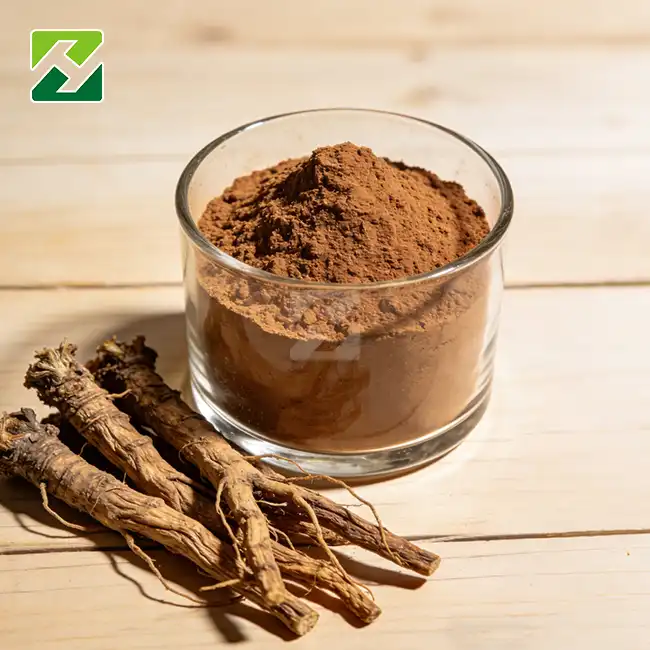
Valerian Root For Sleep: Beginners' Guide
VIEW MOREValerian root is a good beginning point for sourcing natural sleep support ingredients. For generations, Europeans and Asians have used Valeriana officinalis to relax and sleep. The best valerian root extract for procurement experts and product developers requires standardised potency, purity, and traceability. This guide covers everything B2B buyers need to know about botanical science and supplier evaluation so you can confidently choose your next product line.
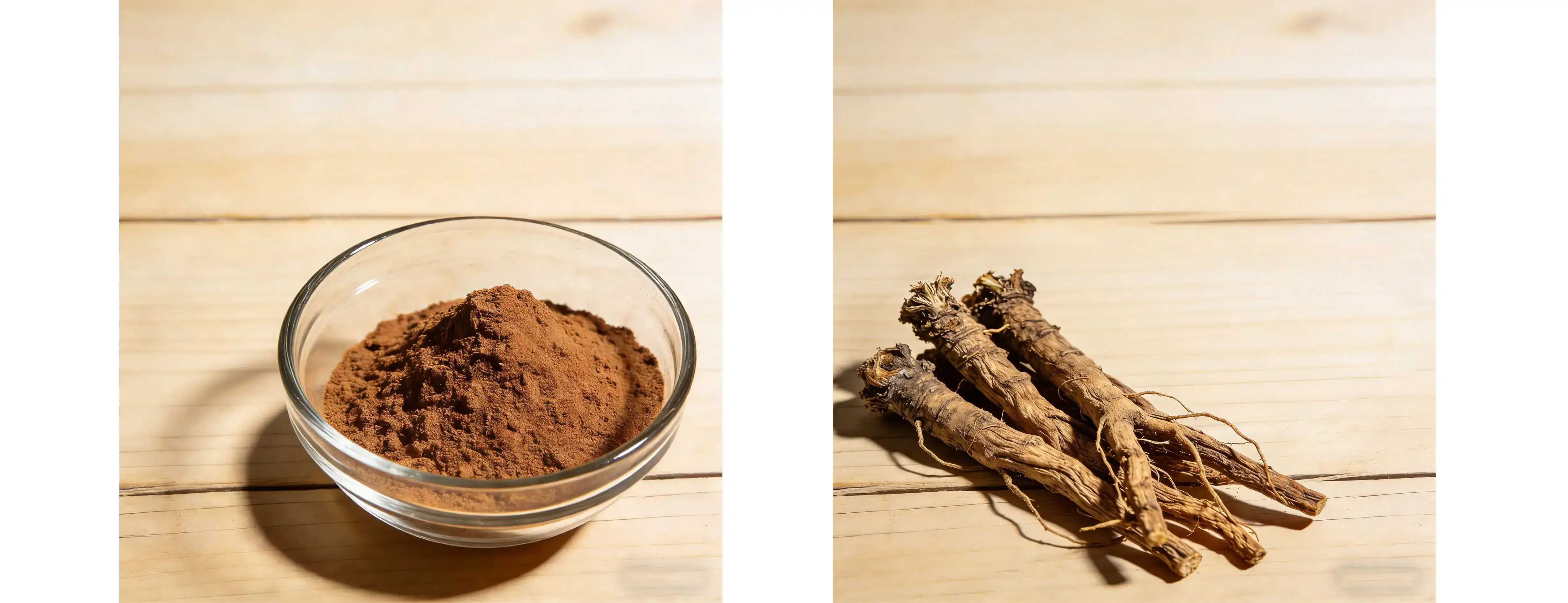
Understanding Valerian Root and Its Benefits for Sleep
How Valerian Root Supports Natural Sleep
Valerian root extract does not work the same way as man-made sleep aids. Valepotriates, isovaleric acid, and valerenic acids are the main chemicals that make it work. In the brain and spinal cord, these chemicals work with the GABA-A receptor system. The brain feels calmer because of this interaction, which helps people fall asleep faster without becoming dependent on them like regular sedatives do.
A 2006 meta-analysis in the American Journal of Medicine looked at 16 studies that met certain criteria and found that valerian root may help people sleep better without any bad effects. Tests have shown that taking 300–600 mg of a standardized product (≥0.8% valerenic acids, as tested by HPLC) 30 minutes before bed works.
Valerian root is different from other plant-based sleep aids. Melatonin mostly controls the circadian rhythm, while apigenin and chamomile work together in a weak way. Valerian root, on the other hand, is a more general depressant because it changes both how sleep starts and how it is structured. For this reason, supplement companies that want to help adults who have trouble sleeping sometimes use it a lot.
Comparing Different Types of Valerian Root Extracts for Procurement
Extract Forms and Their Formulation Relevance
On the market, you can find a lot of different kinds of valerian root ingredients, with the best valerian root extract being a popular choice among them. Each one is good for different things. If you figure out these changes early on, you won't have to spend a lot of money later on changing the recipe.
Here are the core forms procurement teams typically evaluate:
- Dry Powder Extract (4:1 or 10:1): Strong liquids form several pills and tablets. Every kg of raw root used to generate 1 kg of extract has 10 times more active compounds. OHI sells 4:1 and 10:1 Valeriana officinalis extract. Extracting it with water alone makes it suitable for clean-label and organic products.
- Water-Extracted Brownish Powder: By extracting in water, active compounds are retained, and solvent waste is avoided. This makes it ideal for bedtime tea mixtures and stress-relieving shots, although solvent usage must be avoided.
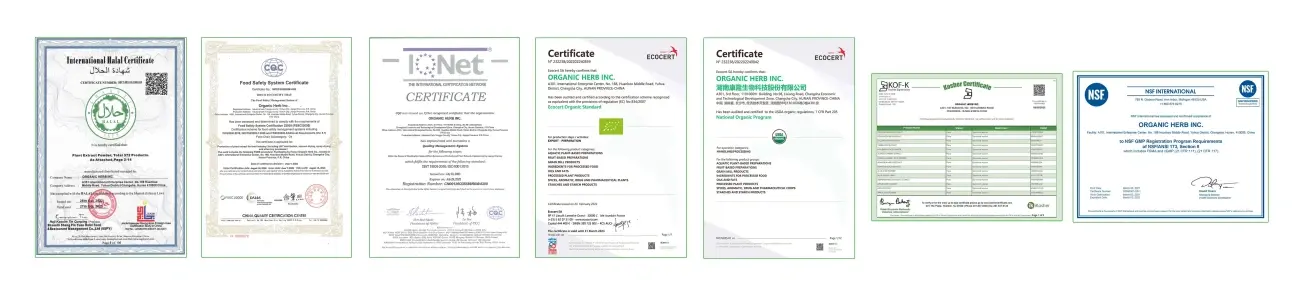
- Organic-Certified Extract: Clean labels are growing in the U.S. supplement sector. The addition of organic certification is making supplements stand out in the market. OHI certifies your goods as Organic, Kosher, Halal, ISO, FSSC22000, and NSF GMP; therefore, many groups trust it.
These distinctions matter because end users have different standards, and rules vary from place to place. If you choose the wrong form, your formulation could become unstable, or the end product might not be able to reach as many customers. Procurement managers should check that the selection of extract specs matches the format of the product they want to buy before they start talking to sellers.
How to Select the Best Valerian Root Extract for Your Business Needs?
Key Evaluation Criteria for B2B Buyers
You need to do more than just look at price charts to find a good seller of the best valerian root extract. It's important to know how to control quality, how reliable the supply chain is, and how true certificates are. The following are important things that your QA and procurement teams should look at before choosing a provider:
- A test using TLC or HPTLC to confirm the species of the item proves that it is real. This makes sure that the plant is Valeriana officinalis and not Valeriana wallichii or Valeriana fauriei, which are two different species with different ways of working.
- Power Test: The best way to do the power test is to get an HPLC study that shows the total amount of valerenic acids is at least 0.8%. At times, the results from UV tests are wrong and can be too high.
- Heavy Metal Test: This test looks for heavy metals like mercury (< 0.1 ppm), arsenic (< 1.0 ppm), lead (< 3.0 ppm), and arsenic (< 1.0 ppm). That's what the USP and EP say about these metals.
- There were no Salmonella, E. coli, or Staphylococcus aureus on the plates, and the total plate count was less than 10,000 cfu/g.
- Proof from the GC that there is no toxic solvent overflow for residual solvent compliance. This is rather important for getting things out with ethanol or methanol.
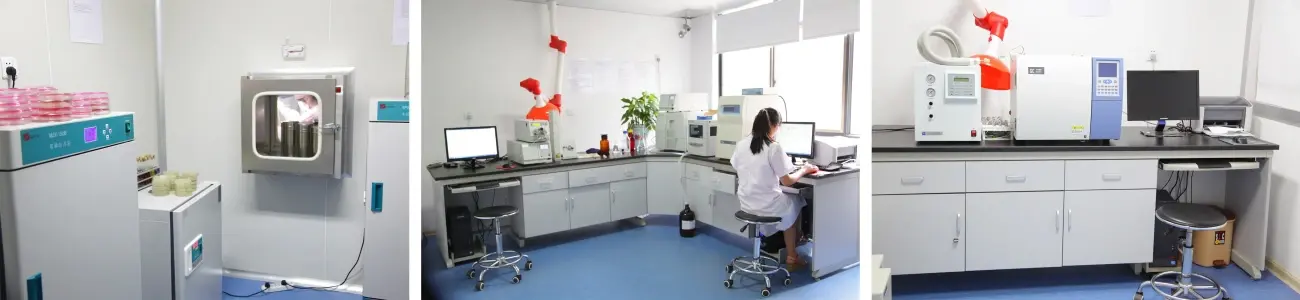
Of course, all of these tests are done on OHI's Valeriana officinalis extract, and full records can be found if you ask for them. The extract is sent out in 25 kg drums that have two PE inner liners to keep it from drying out and caking. From the time the order is confirmed, the lead time is about 10 days.
Practical Guide to Using and Marketing Valerian Root Extract Products
Formulation Strategies and Market Positioning
The best valerian root extract is good for a lot of different kinds of things. It works well with magnesium glycinate and passionflower extract in strong sleep aids, giving them a soothing taste that makes your product more appealing to more people. When the brown powder is mixed with maltodextrin carriers and taste-masking technologies to get rid of the earthy taste, it mixes better into functional drinks.
From a business point of view, what makes the U.S. supplement market work right now is being open. Brands that use logos from a third party, HPLC tests to prove their strength, and claims about their sources always do better than brands that just use general botanical language. OHI can trace its supply all the way back to its Jiangxi Province growing sites that are GAP-certified. This is where more than 8,000 acres of Valeriana officinalis are grown using controlled farming methods and with the help of local farming communities.
Because the supply chain is so open, business-to-business buyers need to be able to back up their marketing claims with strong ingredient stories. This also helps stores meet their documentation needs and builds trust in your brand with pickier customers.
Conclusion
Valerian root powder is still one of the plant-based sleep aids that has been studied the most. For procurement pros, the choice comes down to finding a product that has been properly checked to make sure it is real, works, and meets the legal needs of the target market. You can get the best valerian root extract, Valeriana officinalis extract from OHI, in two different water-extracted forms: 4:1 and 10:1. It is a safe, clean-label-friendly base for sleep aid formulas in supplements, functional drinks, and other products. With four warehouses in the U.S. and a normal lead time of 10 days, the goods are always available, and the supply chain is always stable.
FAQ
Q1: What is the recommended dosage for valerian root extract in finished formulations?
Before going to bed, people who take 300–600 mg of a pure extract (with at least 0.8% valerenic acid) have been shown to sleep better. In small amounts, they might still work if mixed with plants that get along well with each other, like passionflower or hops.
Q2: What is the difference between a 4:1 and 10:1 valerian root extract?
The number shows how much concentration there is. To make 1 kg of 10:1 extract, 10 kg of raw root is needed. This means that there are more active chemicals per gram. The amount you want to give each capsule or dish should match the one you pick.
Q3: Why does valerian root extract have a strong odor?
A chemical called isovaleric acid, which is found naturally in valerian root, gives it its strong smell. You can tell that active ingredients are there because of this smell. Some high-end extracts may be deodorized or packaged in a way that masks the smell without affecting their effectiveness.
Q4: How do I verify extract authenticity from a supplier?
As well as HPTLC recognition records and certificates, you should also ask for the results of heavy metal tests and microbiological tests. If you believe a supplier, they will give you all the COA paperwork and let a third party check them out.
Partner with OHI for a Trusted Valerian Root Extract Supplier Relationship
OHI delivers pharmaceutical-grade best valerian root extract, Valeriana officinalis extract, with NSF GMP, Kosher, Halal, ISO, FSSC22000, and Organic certifications. Backed by four U.S. warehouses, a 10-day lead time, and free samples available at a 25 kg MOQ, we support your product development from formulation to market. Reach out to our team at info@organic-herb.com to request product documentation and discuss your bulk procurement needs.
References
1. Bent, S., Padula, A., Moore, D., Patterson, M., & Mehling, W. (2006). Valerian for sleep: A systematic review and meta-analysis. American Journal of Medicine, 119(12), 1005–1012.
2. Leathwood, P. D., Chauffard, F., Heck, E., & Munoz-Box, R. (1982). Aqueous extract of valerian root improves sleep quality in man. Pharmacology Biochemistry and Behavior, 17(1), 65–71.
3. Taibi, D. M., Landis, C. A., Petry, H., & Vitiello, M. V. (2007). A systematic review of valerian as a sleep aid: Safe but not effective. Sleep Medicine Reviews, 11(3), 209–230.
4. Fernández-San-Martín, M. I., Masa-Font, R., Palacios-Soler, L., Sancho-Gómez, P., Calbó-Caldentey, C., & Flores-Mateos, G. (2010). Effectiveness of valerian on insomnia: A meta-analysis of randomized placebo-controlled trials. Sleep Medicine, 11(6), 505–511.
5. Houghton, P. J. (1999). The scientific basis for the reputed activity of valerian. Journal of Pharmacy and Pharmacology, 51(5), 505–512.
6. European Medicines Agency. (2016). Assessment Report on Valeriana officinalis L., Radix. Committee on Herbal Medicinal Products (HMPC), EMA/HMPC/150848/2015.
Uva Ursi for Skin: Naturally Lighten and Brighten Your Look
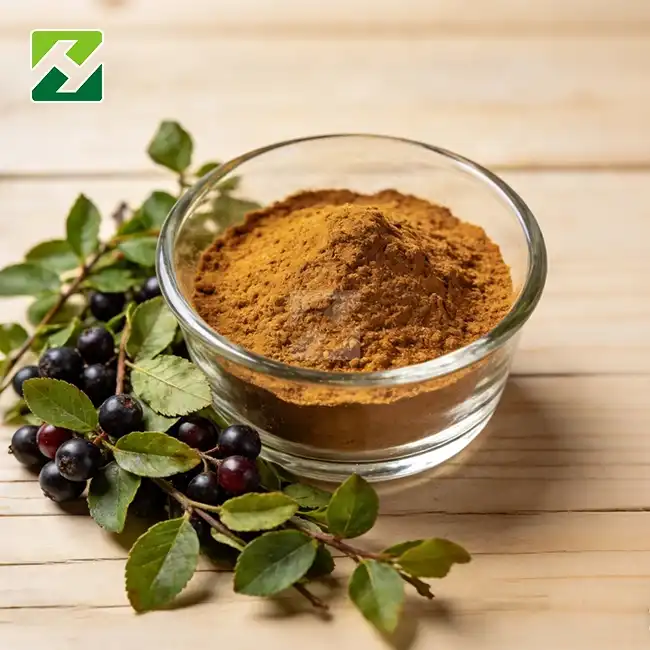
VIEW MOREPlant-based brightening ingredients are becoming more popular in natural skin care products, which you may have noticed. One of the most sought-after ingredients in this field is natural uva ursi extract, which is made from the leaves of Arctostaphylos uva-ursi, which is also known as bearberry. This plant, which was pulled using water, is full of arbutin, tannins, and flavonoids, which have been shown to tone and brighten the skin. The uva ursi leaf extract is a strong, science-backed choice that you should seriously think about if you're making a brightening serum, a clean-label cream, or a functional supplement.


Understanding Uva Ursi Extract and Its Skin Benefits
Lots of real people, not just companies, think that bearberry leaf extract can help your skin. Many studies of phytochemistry led to this. The main bioactive ingredient is arbutin, which is nature's beta-arbutin. The main enzyme that starts the production of melanin, tyrosinase, stops working. By stopping this enzyme from doing its job, it slows down the production of melanin at the layer level. This means that over time, the dark spots and uneven colour will fade.
Arbutin's Mechanism: More Than Just Skin Lightening
Tyrosinase can't work because of arbutin, an antioxidant found in the plant Arctostaphylos uva-ursi. The way its phenolic structure is built makes this possible. According to a 2019 study released in the Journal of Cosmetic Dermatology, people with mild hyperpigmentation saw a big drop in their melanin index scores at the end of 8 weeks. This plant, Ursi, has tannins that can help with pain. If your skin is sensitive or reacting, this is different from stronger brightening agents because it helps calm it down.
Why the "Entourage Effect" Matters for Formulators?
Full-plant bearberry extract, also known as natural uva ursi extract, which has flavonoids like quercetin and isoquercitrin, is not the same as separated, man-made arbutin. Extra anti-inflammatory properties are found in these chemicals that aren't found in pure manufactured molecules. People with sensitive skin are less likely to be bothered by the finished goods if this is done. You can find clean-label brands that are good for people with sensitive skin that use these plants together because they work well together.

How to Effectively Use Uva Ursi Extract in Skincare Products?
You need to pay attention to the quantity, pH, and how well the ingredients work together when you add uva ursi leaf extract to a recipe. Serums and creams with concentrations of 1% to 3% usually work well to make the skin look brighter. The extract stays most stable in places that are slightly acidic (pH 3.5–6.5). This is because it keeps arbutin from splitting into free hydroquinone, which is a very important EU market requirement.
Synergistic Pairings That Amplify Results
It is possible to get much better results by mixing bearberry extract with other active ingredients that work well with each other. Uva ursi extract has been shown to keep vitamin C from turning brown when mixed with magnesium ascorbyl phosphate, a stable form of vitamin C. This is because of oxidative stability, which is a problem that many whitening solutions have. Another pair that works well together to treat hyperpigmentation is licorice root extract and niacinamide. They do so in different but complementary ways. This makes a whitening method with several working parts that cosmetic companies like that want for clinical-grade results.
Another useful thing about the extract is that it can still work at temperatures up to 80°C. In other words, it can be used in emulsification processes that happen in a hot environment. This makes it easier for companies that make makeup and nutrition products to work together on their production.

Comparing Uva Ursi Extract to Other Natural Skin Lighteners
One of the best natural face-lifts is Uva ursi extract. Rules prevent many stores from selling synthetic hydroquinone, which works. Oxidation of kojic acid is frequent. Alpha-arbutin is popular, but it's chemical-based and lacks phytochemicals. However, uva ursi's natural beta-arbutin works and is clean-labelled.
Organic-Certified vs. Conventional Extracts
US and European beauty care manufacturers are increasingly using organic bearberry leaf extract, a type of natural uva ursi extract. People care more about food origins, and organic certification shows an open supply chain. Business-to-business buyers need regulatory positioning and brand equity. Water-removed uva ursi powder fulfils COSMOS and NATRUE natural beauty standards and the "free-from" trend.
Procurement Guide: Sourcing High-Quality Uva Ursi Extract for Skin Care
You need to know what makes a good product different from a bad one before you can find the right bearberry extract. As part of the EU's quality standards, arbutin levels must be checked by HPLC, free hydroquinone levels must be below 10 ppm, heavy metal levels must be controlled with lead below 3 ppm, and microbial compliance must be met according to USP <61> and <62>.
Those who supply goods should have clear paperwork, such as a Certificate of Analysis (CoA), information on how consistent batches are with each other, and proof that the goods have been tested by a third party. These are some of the most important things to think about before you buy something:
- Procedure for extraction: Using only water to extract arbutin protects its integrity and prevents problems with solvent residue, making it useful for both cosmetic and dietary uses.
- Specification choices: By using a 10:1 or 4:1 extract ratio, formulators can find the right concentration for each application and exercise level.
- Approvals: NSF GMP, ISO 9001, FSSC22000, Kosher, Halal, and organic approvals are good signs of skilled manufacturing and market readiness.
- Standard 25 kg/drum packaging and a 25 kg minimum order quantity (MOQ) allow for easy scaling for both pilot batches and commercial production runs.
Opting for natural uva ursi extract, all of these things make it less risky to buy something and help make sure that the item always works the same way. To keep to an agile product development schedule, it can also help to work with suppliers that offer free demos and short wait times, usually 10 days.

Case Studies and Industry Applications: Uva Ursi Extract in Successful Skin Care Lines
Extract from uva ursi leaves is used in many different types of goods. It is the main ingredient in high-performance brightening serums that stop melanogenesis. It also stays more stable in oil-in-water mixes than kojic acid. Because it has a lot of tannin and gallic acid, it works well to kill S. aureus and E. coli bugs in recipes that don't have many or any stabilizers. This lets the sign say "preservative-free" without changing the safety of the product.
Uva ursi is being used as a main ingredient in more and more beauty lines by OEM and private label companies. They use the fact that it comes from nature to make it stand out in places that are already full. Because extraction technology is getting better, arbutin yield and environmental scores are also getting better. These changes are in line with new trends in buying habits and organic certification.
Conclusion
An old plant active called uva ursi has been studied a lot and has a clear place in the market for new skin care ingredients. Tyrosinase can't do its job, and it can keep cells from getting hurt. Regulators have looked it over and said it can be used on clean labels. This makes it a good choice for formulators who work with functional foods, cosmetics, and nutraceuticals. As more people look for natural ways to make their skin look brighter, brands that want to be honest about what they use will continue to use natural uva ursi extract, a standard form of bearberry leaf extract.
FAQ
Q1: Is uva ursi extract suitable for all skin types?
Most people don't mind using uva ursi leaf juice on their skin. Because it has flavonoids that make it soothing, it can be used in skin care products for people with sensitive skin. Because it is less harsh than fake whitening agents, formulators who work with sensitive skin like it a lot. A popular way to make goods is still to use sensitivity patch testing.
Q2: How does natural beta-arbutin differ from synthetic alpha-arbutin?
The main part of natural Arctostaphylos uva-ursi extract is beta-arbutin, which is found in the plant itself. The whole-plant extract has more phytonutrients, like quercetin and isoquercitrin, that work with the anti-inflammatory benefits of the synthetic molecules to make them more effective. Synthetic alpha-arbutin is better for enzymes because it is more stable.
Q3: What concentration is recommended for skin brightening formulas?
The range of 1.0% to 3.0% for brightening the skin is backed by clinical data from the business world. Some supplements that are standardized to arbutin derivatives have doses that are between 100 mg and 500 mg per serving.
Q4: Can this extract be used in clear water-based formulas?
Yes. It's easy for water to mix with uva ursi powder that is made from only water. Chelating agents, such as disodium EDTA, help keep clear goods keep their colors. Metal ions and tannins can change the color of some products.
Partner with OHI for Premium Natural Uva Ursi Extract Supply
Natural uva ursi extract from Organic Herb Inc. (OHI) is a source that recipe teams all over the world, including those in the US, trust. There are two strengths of our bearberry leaf extract: 10:1 and 4:1. It looks like a brownish-yellow powder and is made with water. It is Kosher, Halal, ISO, FSSC22000, and Organic, and it is also approved by NSF GMP. With four warehouses in the U.S., a 10-day lead time, and free samples with a 25 kg MOQ, we make it easy to source. Send us an email at info@organic-herb.com right now to get your sample.
References
1. Draelos, Z.D. (2007). Skin lightening preparations and the hydroquinone controversy. Dermatologic Therapy, 20(5), 308–313.
2. Funasaka, Y., Chakraborty, A.K., Hayashi, Y., et al. (1999). Modulation of melanocyte-stimulating hormone receptor expression on normal human melanocytes: evidence for a regulatory role of arbutin. British Journal of Dermatology, 141(2), 216–222.
3. Hamed, S.H., Sriwiriyanont, P., deLong, M.A., et al. (2006). Comparative efficacy and safety of deoxyarbutin, a new tyrosinase-inhibiting agent. Journal of Cosmetic Science, 57(4), 291–308.
4. Nakajima, M., Shinoda, I., Fukiwake, T., & Kuwata, T. (1998). Inhibitory effect of arbutin on melanin synthesis in response to UV-radiation. Biological & Pharmaceutical Bulletin, 21(5), 535–537.
5. Parvez, S., Kang, M., Chung, H.S., et al. (2006). Survey and mechanism of skin depigmenting and lightening agents. Phytotherapy Research, 20(11), 921–934.
6. Smit, N., Vicanova, J., & Pavel, S. (2009). The hunt for natural skin whitening agents. International Journal of Molecular Sciences, 10(12), 5326–5349.
Natural Spirulina Powder Nutrition: The Complete Guide to This Superfood Powerhouse
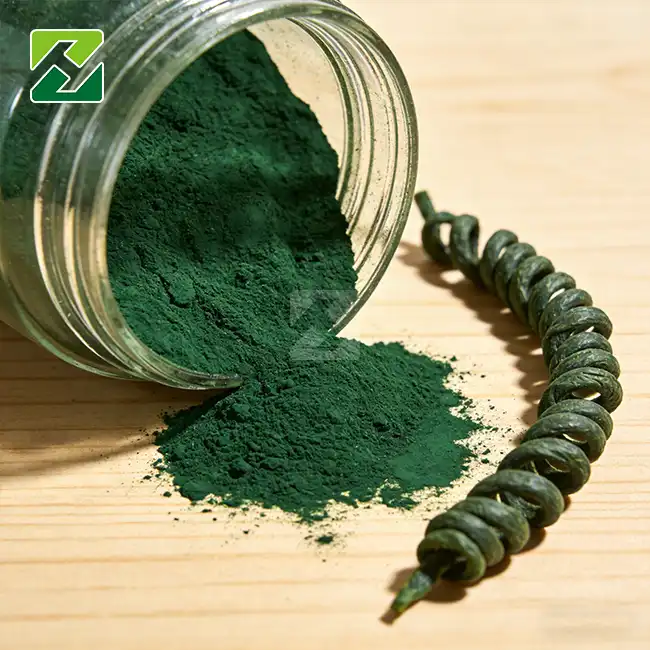
VIEW MORENatural spirulina powder (Spirulina platensis) is one of the most nutrient-dense substances available to formulation specialists today. From blue-green algae grown in controlled alkaline water systems, this fine green powder is a concentrated matrix of complete protein, phycocyanin antioxidants, B-complex vitamins, iron, and important fatty acids like GLA. To construct a competitive, science-backed product, you must first grasp the complete spectrum of its nutrition, whether it’s a functional supplement, a clean-label beverage, or a natural cosmetic formulation.
What Is Natural Spirulina Powder and Why Does Its Composition Matter?
Origin and Classification
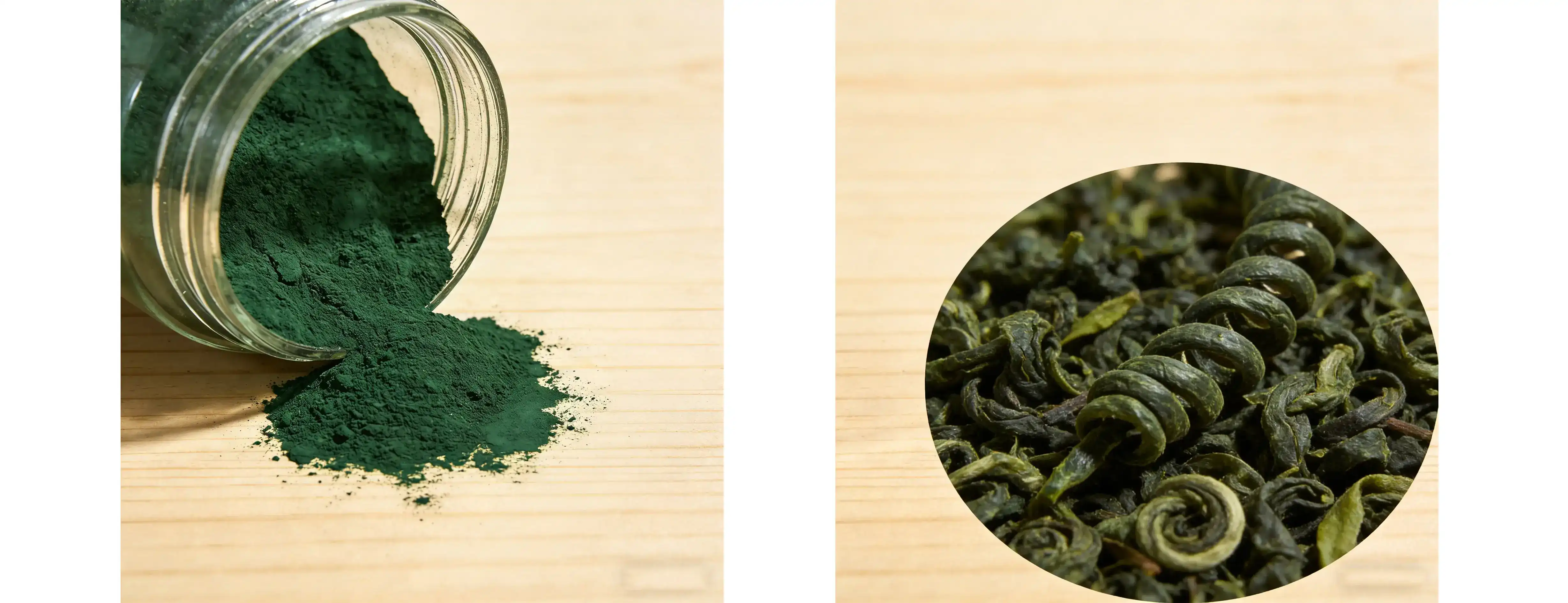
Spirulina platensis, commonly known as Arthrospira platensis, is a very small cyanobacterium that creates food by photosynthesis. Cyanobacteria, like bacteria, can change their metabolism and create food as plants do. As a crop for commercial purposes, it is cultivated in alkaline ponds that are enclosed or semi-enclosed, with tight regulations on pollution. It is selected and then spray-dried at controlled temperatures and then pulverised into a fine green powder that is 80 to 120 mesh. These techniques preserve heat-sensitive bioactives and remove the oxidised "fishy" smell that results from utilising substandard items.
Nutritional Profile at a Glance
I can't believe how healthy Spirulina platensis powder is. It is more digestible than most plant-based protein sources and has at least 60% protein by dry weight. It also has all nine necessary amino acids. There are many things in the powder, such as phycocyanin (10–19%), chlorophyll a, zeaxanthin, beta-carotene, B-complex vitamins, vitamin K, iron, and calcium. Omega-3 fatty acid (GLA) levels are much higher in this powder than in chlorella and other microalgae powders.
Natural spirulina powder has a higher soluble protein structure and more phycocyanin antioxidant potential than chlorella. That being said, chlorella has the most chlorophyll and a harder cell wall that needs to be broken up by hand in order to be eaten. Which one is better is up to the goal application and end-consumer benefit claim.
Evidence-Based Benefits and Practical Formulation Uses
Functional Benefits Driving Industry Demand
Spirulina has been shown in reputable journals to boost the immune system, fight free radicals, keep energy levels in check, and assist with weight loss. A blue-green color comes from phycocyanin, which is also very good at getting rid of free radicals. The powder is an even better antioxidant because it works as a superoxide dismutase (SOD). This is very helpful for vitamin and sports nutrition items that are meant to keep cells healthy.
Here are the primary application formats used across B2B industries:
- Nutraceutical tabletting and encapsulation: Spirulina powder can be properly crushed without affecting the structure of heat-sensitive enzymes too much. This makes it a reliable active ingredient for supplements for energy and immune support.
- Functional food and beverage colourant: Gives a brilliant blue-green colour when used as the starting material for phycocyanin extraction. Formulators should be aware that it’s pH-sensitive (pigment precipitation occurs below pH 4.5), thus it’s ideal with acidic materials such as sweets or citrus drinks.
- Cosmetic actives: Algae extracts rich in antioxidants are easy to put into anti-aging serums, face masks, and repair solutions as a cosmetic active element. That’s because they can be marketed as “natural.”
- High-value aquaculture feed: Carotene pigments like zeaxanthin and beta-carotene, also referred to as “high-value aquaculture feed,” improve skin appearance and increase larval survival in koi and ornamental shrimp farms.
Natural spirulina powder is more of a multi-sector raw material than a single-channel ingredient because it can be used in so many different ways. Procurement teams that know about this flexibility are very helpful when making a wide range of products.
Comparing Grades and Formats: Making the Right Choice for Your Business
Organic spirulina is grown without the use of herbicides or pesticides. Rather, nitrogen supplies from plants are used. That is evident from C14 testing and USDA/EU organic clearance. In conventional grades, non-irradiated inorganic fertilisers that are still permitted in most regions across the world are utilised. This level is more expensive, yet it fits better in the natural, clean label and high-end supplement markets.
It is always ideal to store spirulina as a bulk powder since it is cheaper per gramme, offers more cooking alternatives, and has a longer shelf life when stored in controlled settings. Customers appreciate capsules because they are easy to use, but this makes it tougher for the formulator to combine spirulina with other active ingredients in the proper proportions.
Four quality vectors are non-negotiable in responsible procurement when evaluating suppliers
- Microcystin analysis: To distinguish safe spirulina generated in the laboratory from unsafe algal blooms in nature, microcystin level was determined to be less than 1 µg/g. This was done by ELISA or HPLC .
- Heavy Metals: ICP-MS test indicated lead level below 3.0 ppm, arsenic level below 1 ppm, cadmium level below 1 ppm, and mercury level below 0.1 ppm.
- Microbiology: Microbiology testing showed a total plate count of <100,000 cfu/g and negative results for Salmonella, E. coli, and Staphylococcus aureus.
- Pheophorbide levels: This is what happens when chlorophyll breaks down, and it is kept around 60-80 mg/100g so customers don’t have to worry about photosensitivity.
These elements are the technical beginning point for any credible quality assurance chat you might have with a probable natural spirulina powder source.
Sourcing Natural Spirulina Powder: A B2B Buyer's Guide
You can't just choose a supplier based on price. Your relationship with a seller may either help or hurt your production plan. It depends on the amount of certification, the paperwork needed to make sure that each batch is the same, and the transportation system in place. If teams are looking for places to get natural spirulina powder, they should ask for third-party COAs, data that compares different amounts, and papers that show how the powder was grown, gathered, and dried.
Organic Herb Inc. (OHI), a publicly listed company (Stock No. 872213), supplies Spirulina platensis straight powder with the following confirmed specifications:
- Latin name: Spirulina platensis
- Specification: Straight Powder
- Appearance: Green Powder (80–120 mesh)
- Plant part used: Algae
- Protein: ≥60%
- Phycocyanin: 10–19%
- Moisture: <7%
- Packaging: 25 kgs/drum
- MOQ: 25 kgs
- Lead time: 10 days
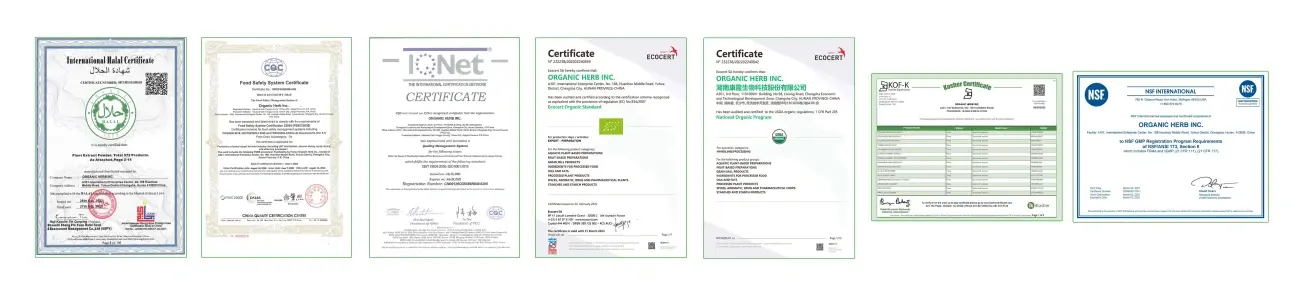
- Certificates: NSF GMP, Kosher, Halal, ISO, FSSC22000, Organic
- Free samples: Available on request
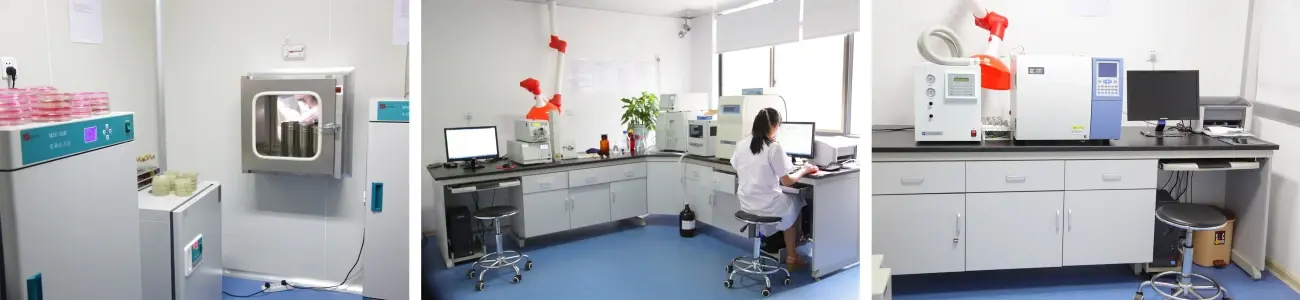
OHI operates four strategically positioned warehouses across the United States, enabling prompt domestic delivery. All products comply with US FDA and C-GMP standards, backed by a 42-member R&D and QC team equipped with HPLC, GC-MS, HPTLC, and ICP-MS instrumentation.
Maximizing ROI: Market Trends and Strategic Positioning
Aquaculture, functional foods, cosmetics, and nutraceuticals are all growing markets for natural spirulina powder around the world. And this is because more and more people want natural colorants and proteins that come from plants instead of man-made dyes like Blue No. 1 and Green No. 3. In the vitamin and functional food markets, which are getting more and more crowded, brands that sell spirulina as a clean-label, non-GMO, and traceable ingredient gain measurable differentiation in increasingly crowded supplement and functional food markets.
OHI cares about sustainable shopping and taking care of the environment as real-world ideas, not just marketing buzzwords. Dynamic low-temperature extraction, nano-membrane separation, and freeze-drying are some of the most cutting-edge techniques that are used in its plant in Yichun, Jiangxi Province, to make sure that every batch keeps its biological integrity. When purchasing teams build long-term partnerships with skilled sellers like OHI, they lower the chance of variation and make sure that the quality of the products stays the same over time.
Conclusion
Natural spirulina powder is different from most useful ingredients because it can be used in aquaculture, nutraceuticals, food and drinks, skin care, and more. It is one of the best raw materials for preparation experts because it has a lot of phycocyanin antioxidants, high protein absorption, and can meet a lot of different certification standards. Brands that want to follow the clean-label trend can use spirulina because it works well and has clear sourcing information that customers and regulators today expect.
FAQ
Q1: Is spirulina powder safe for use in food-grade manufacturing?
Yes. Natural spirulina powder is GRAS, which means it can be used all over the world in food-grade ways. For compliance, the standards for heavy metals, bacteria, and microcystin must be met. Tests by a third party are needed to prove these limits.
Q2: What dosage range is standard in supplement formulations?
A useful amount for most nutraceutical goods is between 1 and 3 grams per serving. More is used in sports nutrition items that focus on protein.
Q3: How do I verify the purity of a spirulina powder sample before bulk purchase?
Ask a third-party lab that has been approved to give you a full COA that shows how much protein, phycocyanin, moisture, total ash, heavy metals, and microbiology data there is.
Q4: Does spray-drying affect the nutritional quality of spirulina?
Spray drying at a steady temperature protects the shape of proteins and the SOD enzymes' ability to work. The smell of rust from batches that weren't dried properly is also gone, so the powder can be used in food.
Partner with OHI for Premium-Grade Spirulina Powder Supply
It is safe to trust OHI to make natural spirulina powder for brands all over the US that make cosmetics, supplements, and useful foods. Within 10 days, our straight Spirulina platensis powder will ship from US stores, and you can try it for free. The minimum amount that can be ordered is 25 kgs. Email our team at info@organic-herb.com for more information, a COA, or a bulk price quote right now.
References
1. Karkos, P. D., et al. "Spirulina in Clinical Practice: Evidence-Based Human Applications." Evidence-Based Complementary and Alternative Medicine, 2011.
2. Deng, R., & Chow, T. J. "Hypolipidemic, Antioxidant, and Antiinflammatory Activities of Microalgae Spirulina." Cardiovascular Therapeutics, 2010.
3. Kulshreshtha, A., et al. "Spirulina in Health Care Management." Current Pharmaceutical Biotechnology, 2008.
4. Belay, A. "The Potential Application of Spirulina (Arthrospira) as a Nutritional and Therapeutic Supplement in Health Management." Journal of the American Nutraceutical Association, 2002.
5. Wu, Q., et al. "The Antioxidant, Immunostimulatory, and Anti-Inflammatory Activities of Spirulina: An Overview." Archives of Toxicology, 2016.
6. Finamore, A., et al. "Antioxidant and Anti-Inflammatory Effect of Spirulina on Immune Function." Nutrients, 2017.
St. John's Wort Extract Powder: Uses, Safety & Evidence
VIEW MORESt. John's Wort extract powder, derived from Hypericum perforatum, has earned consistent attention across the nutraceutical, cosmetic, and functional food industries. As a standardized botanical concentrate, st john's wort extract powder delivers measurable concentrations of hypericin and hyperforin — two bioactive compounds that researchers have studied extensively for their influence on neurotransmitter pathways. Whether you're an R&D director formulating a mood-support supplement or a procurement manager sourcing clean-label botanical actives, understanding what this extract offers at the ingredient level is the logical starting point.
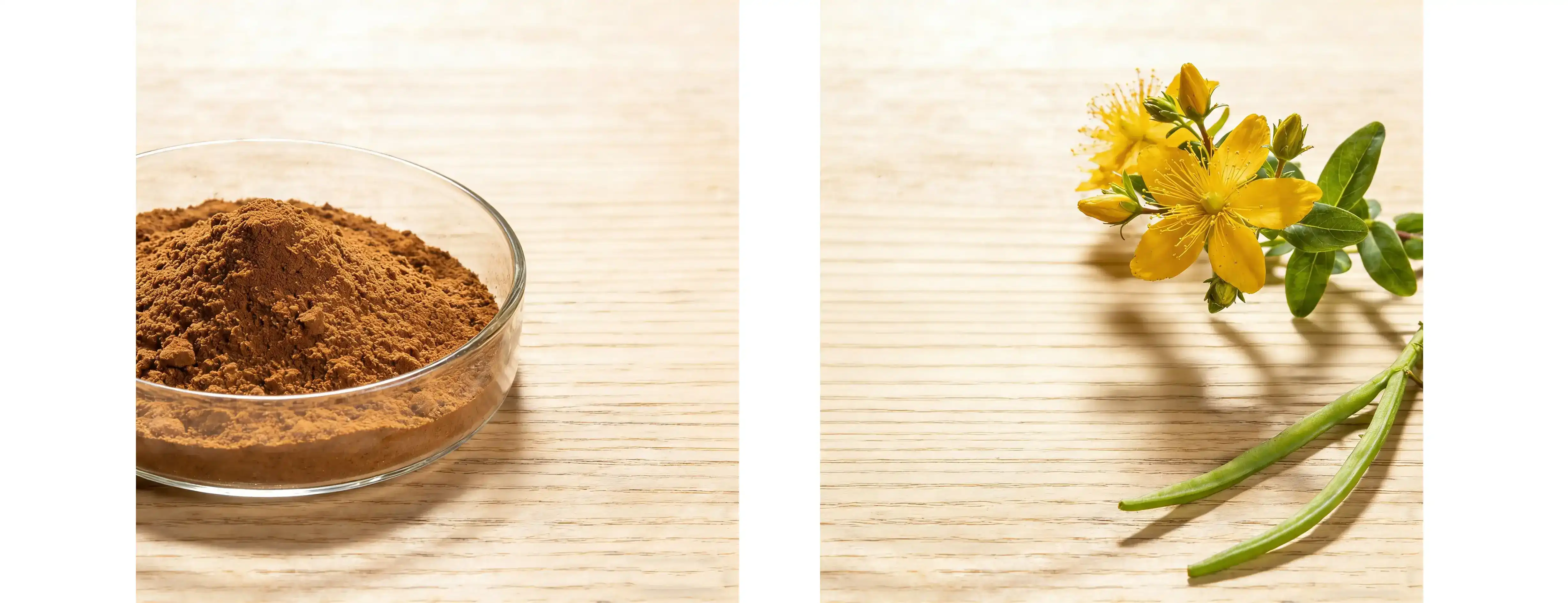
Understanding St. John's Wort Extract Powder
Hypericum perforatum has been used for hundreds of years and has a recorded past. Today, advances in extraction science have turned that legacy into a consistent, repeatable ingredient that formulators can use with confidence.
Bioactive Profile and Extraction Science
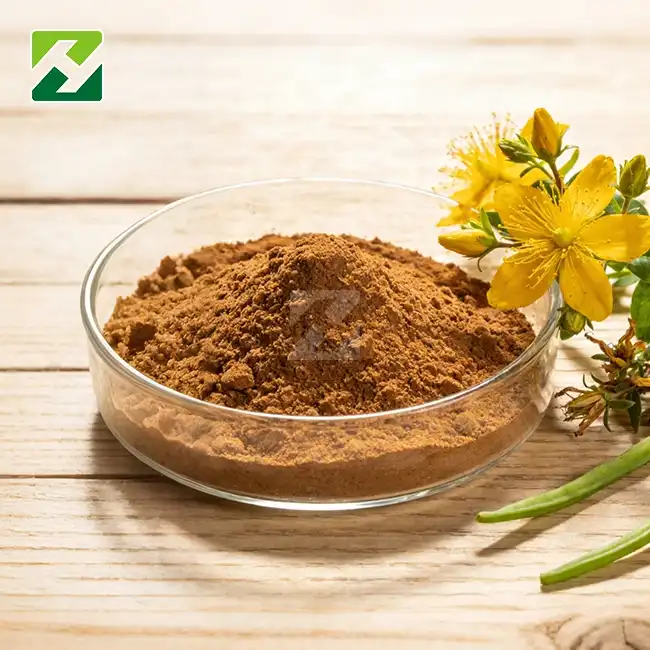
The plant's leaves are used in a water-and-ethanol co-solvent system to make OHI's Hypericum Perforatum extract. This two-solvent method successfully combines both naphthodianthrones (hypericins) and phloroglucinols (hyperforin), while also getting rid of the raw plant biomass's fibrous cellulose and environmental impurities. The brown powder that was made has a concentration ratio of 10:1 and is regulated to 0.3% hypericin, which is the same level of accuracy as the standards used in peer-reviewed clinical research.
Standardization is very important at the business-to-business level because raw herbal grinds cause batch-to-batch variations that make it hard to make accurate product claims. A standardized extract gets rid of that uncertainty, giving people who make medicines a solid therapeutic index to work from.
Mood Regulation and Neurotransmitter Influence
Several published clinical meta-analyses, including a Cochrane review of 29 trials, have found that Hypericum perforatum extracts st john's wort extract powder, work better than placebo and are about as effective as standard pharmaceutical agents in studies aimed at people with mild to moderate mood problems. The suggested way works by changing the reuptake of serotonin, dopamine, and norepinephrine. This plant-based substance is different from synthetic compounds that only work on one receptor. This multi-pathway activity is a meaningful differentiator for product developers making mood-wellness or stress-resilience formulations.
Safety, Dosage, and Responsible Formulation
Dosage Parameters for B2B Applications
In clinical tests, the recommended daily dose is between 300 mg and 900 mg of standardized extract (0.3% hypericin), spread out over two or three doses. At the ingredient supply level, OHI's 10:1 extract means that formulators work with a more concentrated material, which means that they need to use lower inclusion rates to reach their goal hypericin levels than they would with powders with a lower ratio. This means that the cost per finished unit is lower and the weight of the capsules inside is lower.
Formulation Considerations and Interactions
One well-known chemical characteristic must be taken into account by formulators: It is known that Hypericum perforatum extract can activate the CYP3A4 enzyme pathway. This means that finished products that contain this extract should have the right information on the label about how to use them with certain drugs, like blood thinners and immunosuppressants. Responsible product makers don't see this as a problem; instead, they see it as their duty to name and document, and open suppliers like OHI back this up with full technical dossiers and records of traceability.
Hypericin breaks down easily in light and is easily oxidized. This is taken care of by OHI with low-temperature extraction methods and nitrogen-flush packing, which keep the activity going from production to delivery.
Comparing Forms and Quality: Choosing the Right Extract
This plant is sold in the ingredient market in a number of different physical forms. Procurement teams can choose the right grade for their application when they understand the trade-offs.
Here are the main differences that you should think about:
- Standardized powder (10:1, 0.3% hypericin): The most versatile format for encapsulation, tablet pressing, and dry-blend nutraceutical applications. Offers superior dosage precision and longest shelf stability when properly packaged. OHI's brown powder grade fits this specification precisely.
- Tinctures and liquid extracts: Better suited for direct-use herbal products but introduce solvent management complexity in manufacturing and reduce shelf life. Less practical for large-scale B2B formulation.
- Blended or non-standardized powders: Lower cost entry point but introduce the batch variability problem that standardized extracts are specifically designed to solve. Not recommended where product claims depend on consistent bioactive delivery.
The st john's wort extract powder standard is made up of 10:1 and 0.3% hypericin. It is the most flexible form for encapsulation, tablet pressing, and dry-blend nutraceutical uses. When properly packaged, it gives more accurate dosage and lasts longer on the shelf. This is a perfect match for OHI's dark powder grade. - Tinctures and liquid extracts: These work better for direct-use herbal products, but they make manufacturing more difficult and shorten the shelf life. Not as useful for large-scale B2B creation.
Documented hypericin level checked by HPLC is the most important quality sign when comparing suppliers. UV spectrophotometry alone is not enough. Using reference standards, HPLC can identify individual molecular interactions, giving accuracy high enough for pharmaceutical use. UV testing measures a wider range of absorbance and usually gives higher percentage numbers that don't show the real concentration of the chemical. As part of every batch certificate, OHI's QC lab gives out HPLC results.
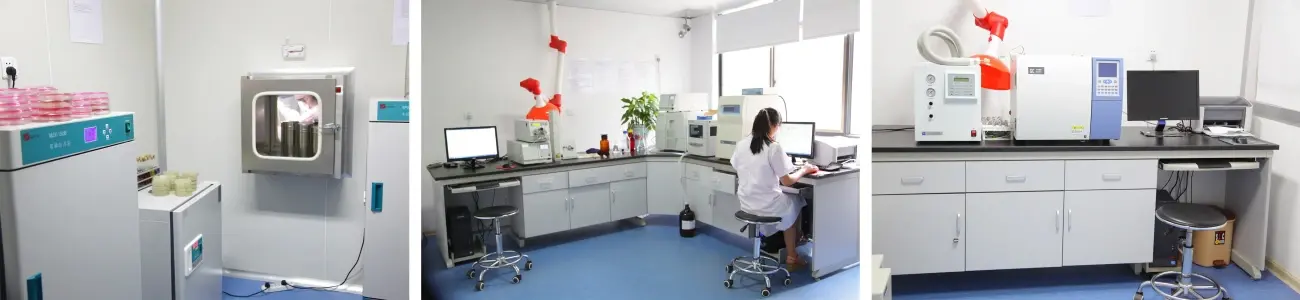
Procurement and Sourcing Strategies
It takes more than just comparing prices to find a reliable source for botanical extracts on an industrial scale. Total purchase value is affected by the reliability of the supply chain, the accuracy of the paperwork, and the speed with which transportation can respond.
What to Evaluate in a Supplier
Earth Made Nutritions, an OHI wholly owned subsidiary based in Los Angeles, California, runs four warehouses across the United States. Because of this domestic inventory system, buyers in the U.S. can get confirmed stock quickly instead of having to wait for foreign transit lead times. The normal wait time for making something from OHI's factory in Jiangxi is 10 days. The MOQ is set at 25 kg per drum, which is a good starting point for small-scale tests and pilot batches.
The company has three GAP-certified planting bases that cover more than 8,000 acres. These bases allow upstream traceability that most ingredient distributors can't match. From helping with seedlings to harvesting and packing, OHI keeps a written record of the chain of custody. This is something that more and more pharmaceutical and nutritional customers want for regulatory applications.
For procurement teams looking to source st john's wort extract powder and save money, the benefits of buying in bulk become clear above the 25 kg minimum order quantity. You can get free samples to check the quality before making a commitment. This takes away the main risk of sourcing in a new seller relationship.
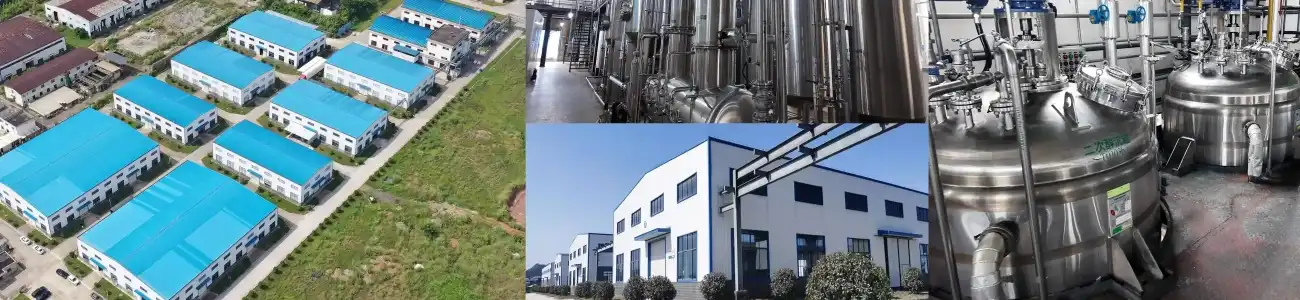
Applications in B2B Health Product Development
Nutraceutical and Supplement Formulations
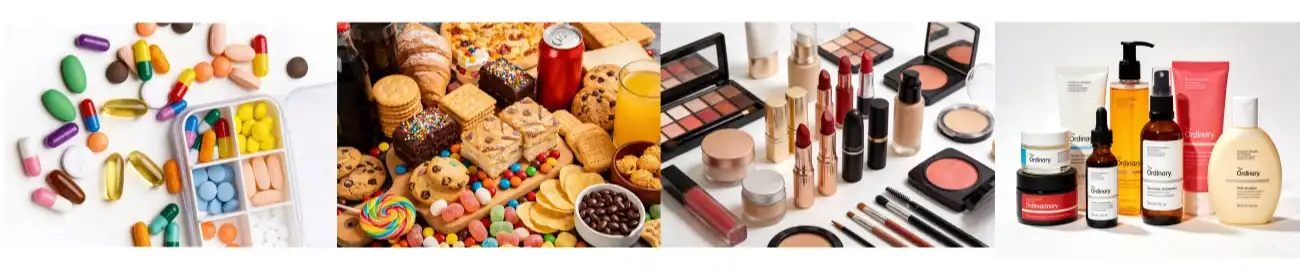
Mood and health supplements are still the main market use for standardized Hypericum perforatum extract powder. According to data from the U.S. market, botanical mood-support goods are regularly one of the fastest-growing categories of dietary supplements. OEM and private-label manufacturers can use OHI's extract as the core ingredient in stress-management, emotional balance, and sleep-quality products. All of these categories are seeing steady demand growth from customers who like natural ingredients.
Cosmetic and Topical Applications
In addition to being used in food, hypericin and hyperforin are also being used in cosmetics because they are antioxidants and calm the skin. Skincare brands and OEM cosmetic makers that need to get active botanicals will be able to use OHI's standardized powder for topical uses where activity documentation and batch consistency are musts.
Conclusion
In the global nutritional market, st john's wort extract powder is still one of the plant ingredients that has been studied the most in clinical settings. Standardization to 0.3% hypericin, confirmed by HPLC, tells the difference between a professionally made product and raw herbal material. For business-to-business buyers, whether they are making supplements, cosmetic actives, or functional foods, the three things that matter most are bioactive stability, supply chain tracking, and certification coverage. Because it is made in the U.S. and has a 42-person R&D and quality control team, OHI's Hypericum Perforatum product actually helps with all three.
FAQ
Q1: Is 0.3% hypericin the industry standard for supplement formulations?
Yes. Most of the clinical studies that have been reviewed on Hypericum perforatum extracts used solutions that were standardized to 0.3% hypericin. It is now standard for nutraceutical-grade stuff to have this quantity, and that is what OHI provides.
Q2: Why do UV and HPLC test results differ for the same batch?
UV spectrophotometry finds out how much total naphthodianthrone is absorbed, while HPLC separates different chemicals by comparing them to a standard. HPLC is the best way to make sure that pharmaceuticals are safe, and it usually gives a more accurate and conservative percentage reading.
Q3: Can this extract be used in liquid beverage applications?
Standard brown powder grade doesn't dissolve completely in water, so it will settle to the bottom of clear drinks. For beneficial drink uses, you need a grade that is microencapsulated or water-dispersible. Talk to OHI's technical team about custom formats.
Q4: What certifications does OHI's extract carry?
OHI is certified by NSF GMP, Kosher, Halal, ISO, FSSC22000, and Organic. Products meet U.S. FDA and C-GMP guidelines, which helps them get into North America, Europe, and important Asian markets.
Q5: What is the minimum order quantity and sample policy?
The minimum order quantity is 25 kg per drum. Qualified buyers can get free samples to check the quality on their own before making large orders. The lead time is 10 days after the order is confirmed.
Partner with OHI — Your Trusted St. John's Wort Extract Powder Supplier
OHI offers pharmaceutical-grade Hypericum perforatum extract powder that is certified as Organic, Kosher, and Halal by NSF GMP. They also have four stores in the U.S. to ensure fast shipping. We offer free samples, a 25 kg minimum order quantity, and full scientific documents as a verified manufacturer of st john's wort extract powder. Please email us at info@organic-herb.com to ask for your sample right away.
References
1. Linde, K., et al. — St John's Wort for Major Depression. Cochrane Database of Systematic Reviews, 2008.
2. Müller, W.E. — Current St John's Wort Research from Mode of Action to Clinical Efficacy. Pharmacological Research, 2003.
3. Butterweck, V. — Mechanism of Action of St John's Wort in Depression: What Is Known? CNS Drugs, 2003.
4. Bilia, A.R., et al. — St. John's Wort and Depression: Efficacy, Safety and Tolerability. Phytomedicine, 2002.
5. Izzo, A.A., & Ernst, E. — Interactions Between Herbal Medicines and Prescribed Drugs: An Updated Systematic Review. Drugs, 2009.
6. European Medicines Agency — Assessment Report on Hypericum perforatum L. EMA/HMPC, 2018.
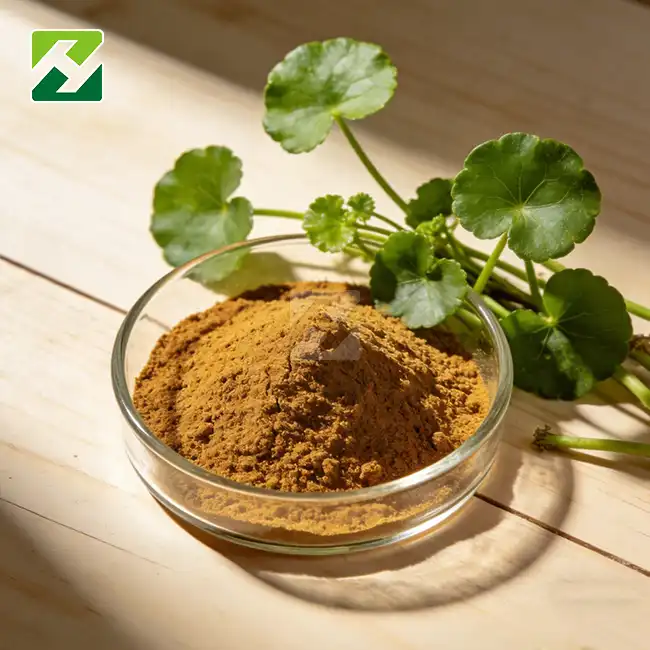
Madecassoside vs Centella Asiatica Extract: Skincare Benefits, Formula Use, and Supplier Guide
VIEW MOREThe choice between madecassoside and natural Centella asiatica extract is typically a decisive one for product performance, as formulation teams and procurement managers weigh the merits of botanical actives. Both are derived from Centella asiatica L., but have different roles in cosmetic, nutraceutical, and functional skin care products. This guide details the differences between them, discusses practical formulation issues, and assists B2B buyers in making sound sourcing decisions grounded in research.

Understanding Madecassoside and Centella Asiatica Extract
Botanical Origins and Active Compounds
Prostrate Centella asiatica L. is grown across Asia. Triterpenoid saponins such as asiaticoside, madecassoside, asiatic acid, and madecassic acid are found throughout the plant. USP/EP monographs acknowledge these substances as the Titrated Extract of Centella Asiatica (TECA) standard mix.
Another unique glycoside in this class is madecassoside. The structure-function profile is known, and when highly purified, it can target certain activities. The triterpenoid-rich Whole Centella asiatica extract preserves the phytochemical matrix and adds bioactivity.
Natural vs. Synthetic vs. Organic Variants
The source form of natural centella asiatica extract is particularly crucial when buying in a business-to-business setting. In natural extracts obtained from the whole plant using water and ethanol, the glycoside ratios remain consistent. Although synthetic madecassoside shares the same core structure, it lacks the minor molecules that may contribute to formulation synergy. Organic versions produced following verified farming practices meet clean label demands and comply with international regulations such as the EU Cosmetics Regulation and the US Food and Drug Administration’s rules.
Skincare Benefits and Uses: Madecassoside vs Centella Asiatica Extract
What the Research Shows
Published studies in dermatology have demonstrated that both types of substances affect the function of the skin barrier and collagen synthesis. The full-spectrum extract promotes the formation of Type I and Type III collagen and inhibits matrix metalloproteinases (MMPs) that degrade skin structure. More pure madecassoside is particularly good at repairing barriers and helping skin bounce back post-surgery, such as laser ablation or microneedling.
Centella asiatica extract as a whole can help with more skin disorders. It lowers inflammation; therefore, it can be utilised in treatments for sensitive, reactive, or environmentally stressed skin. Research on scar management has demonstrated that it can heal wounds, and this ability has been exploited in silicone-based gel systems that modify the behaviour of fibroblasts and maintain normal collagen ratios in recovered tissue.
Application-Specific Use Guidelines
Which of these two ingredients to use depends on the goal of the formulation. In real life, this is how B2B formulators usually tell them apart:
- Madecassoside (high-purity isolated form): Best suited for post-procedure repair masks, targeted barrier serums, and eye contour formulations addressing structural laxity. Works well in nano-encapsulated or anhydrous delivery systems. Recommended concentration range is typically 0.1–1.0% depending on purity grade.
- Whole Centella asiatica extract (standardized to 10% or 30% asiaticosides): Preferred in anti-aging emulsions, soothing toners, and functional skincare lines where broad-spectrum botanical activity supports product claims. Compatible with aqueous formulations at 0.5–2.0% inclusion levels.
When properly added, both types show high tolerance levels in formulations for sensitive skin, and they both fit with the growing customer desire for plant-based actives in cosmetics.

Formula Insights and Product Forms for B2B Procurement
Choosing the Right Physical Form
Natural centella asiatica extract can be bought in the form of a powder, a liquid mixture, or drops. Each has its own pros and cons for mass production. The most common form in bulk is brownish-yellow powder, which is better at staying stable on the shelf, easy to transport, and simple to dose in dry-mix or reconstituted formulations. Liquid forms can be spread more quickly, but they need to be kept in a controlled cold chain and have shorter shelf lives.
For procurement teams looking at Organic Herb Inc. (OHI) specifications, the following extract grades are available:
- 4:1 and 10:1 concentration ratios — suitable for nutraceutical capsules and functional food applications where whole-plant potency ratios matter
- 10% Asiaticosides standardized extract — ideal for general skincare and supplement formulations requiring consistent active loading
- 30% Asiaticoside standardized extract — suited to high-potency cosmeceuticals, medical aesthetics products, and pharmaceutical-adjacent applications
All types are made by extracting water and ethanol from the whole Centella asiatica L. plant. They are packed in 25 kg drums, and you have to buy at least 25 kg.
Regulatory Compliance Considerations
Getting things that meet US FDA and EU regulations requires a lot of paperwork at every step of the process. Assay data that has been checked by HPLC, solvent residue analysis (GC-HS), heavy metal testing by ICP-MS, pesticide screening for more than 500 chemicals, and bacterial control records are all things that must be included in the evaluation. The centella asiatica extract from OHI has been certified by NSF GMP, Kosher, Halal, ISO, FSSC22000, and Organic, which means it meets the paperwork needs of major global markets.

Supplier and Brand Guide for Natural Centella Asiatica Extract and Madecassoside
What to Evaluate in a Reputable Supplier
Picking a supplier is more than just looking at price per kilogram. A reliable supply relationship is built on being able to trace back to the source of the cultivation, having consistent phytochemical ratios from batch to batch, and having certification paperwork that can be checked. Active chemical concentrations are directly affected by where the plant comes from. For example, Centella asiatica grown under controlled GAP-standard settings gives more reliable triterpene profiles than biomass bought on the open market.
OHI takes care of more than 8,000 acres of GAP-certified planting grounds in Jiangxi, Guizhou, Hubei, and other provinces. They do this through farmer partnership programs that provide seedlings, expert help, and care for crops after they are harvested. From growing the plants to extracting them, this vertical integration makes it possible for buying managers to track the supply chain in a useful way at every step.
Logistics and Sourcing Advantages
OHI handles the natural centella asiatica extract business through Earth Made Nutritions, a fully owned US company based in Los Angeles, California. OHI has four main warehouses spread out across the United States. They deliver within the country with a standard lead time of seven days. Free samples can be used for qualification testing before committing to a large order. This is helpful for R&D teams that need to check for stability and compatibility before increasing production.
Decision-Making Framework for B2B Buyers
The best way to make a formulation work is to match the right ingredient to the right use. Madecassoside works well in situations that need high-purity performance claims, INCI naming clarity, and single-molecule accuracy. Whole Centella asiatica extract has a bigger range of active ingredients that can support more label claims and different formulation forms at more affordable prices.
There are four things that procurement teams should look at: the purity of the ingredients (checked by HPLC), the openness of the supply chain (including GAP sourcing paperwork), the compliance of the certification with the rules in the target market, and the response of the seller (including sample availability and technical support). The OHI R&D center in Changsha has 42 specialists working there, including PhD researchers. The center offers both technical advice and business supply, which is a big plus for teams working on new products.

Conclusion
Madecassoside and natural centella asiatica extract are both proven to be good for your skin, but they are used in different ways in different formulations. Isolated madecassoside works well for precise tasks, while standardized whole-plant extract is good for a wide range of tasks. Understanding this difference helps business-to-business buyers make better purchasing choices when they care about quality, compliance, and supply reliability. You can be sure that your finished product will work the same way from batch to batch if you choose a supplier with proven sourcing, advanced extraction technology, and strong certification credentials.
FAQ
Q1: What is the difference between madecassoside and asiaticoside?
The plant Centella asiatica L. has both asiaticoside and madecassoside. Asiaticoside is linked to asiatic acid, and madecassoside is linked to madecassic acid. Each one has its own bioactivity profile. Madecassoside is known for its work on skin barriers, while asiaticoside has more research on how it affects collagen.
Q2: Can Centella asiatica extract be used in both topical and ingestible products?
Yes. Foods and supplements that are good for you use standardized ingredients in 4:1 or 10:1 amounts. Standardized cosmetic powders with 10% and 30% asiaticosides are mixed with other ingredients to make serums, creams, and masks. The right standard and purity grade depend on what the product is going to be used for.
Q3: What certifications should I require from a Centella asiatica extract supplier?
Ask for at least NSF GMP, ISO, and FSSC22000 certifications along with a full COA that includes HPLC assay data. For foreign markets, Kosher, Halal, and Organic certifications are more signs of a trustworthy provider.
Q4: How stable is Centella asiatica extract in aqueous formulations?
Glycoside types, like madecassoside and asiaticoside, dissolve in water and stay stable at normal working temperatures. To keep glycosidic bonds safe, don't let heat last longer than 80°C.
Partner with OHI for Reliable Centella Asiatica Extract Supply
OHI is a reliable source for natural centella asiatica extract. They use GAP-certified suppliers, the latest extraction technology, and US-based warehouses to make sure orders are filled quickly. We offer free samples of our standard grades, which are 10% and 30% asiaticosides. They are certified by NSF GMP, Kosher, Halal, and Organic. To get specifications and start the qualification process right away, email our team at info@organic-herb.com.
References
1. Bylka, W., Znajdek-Awiżeń, P., Studzińska-Sroka, E., & Brzezińska, M. — Centella asiatica in cosmetology. Postepy Dermatol Alergol, 2013.
2. Hashim, P., Sidek, H., Helan, M. H. M., Sabery, A., Palanisamy, U. D., & Ilham, M. — Triterpene composition and bioactivities of Centella asiatica. Molecules, 2011.
3. Maquart, F. X., Bellon, G., Gillery, P., Wegrowski, Y., & Borel, J. P. — Stimulation of collagen synthesis in fibroblast cultures by a triterpene extracted from Centella asiatica. Connective Tissue Research, 1990.
4. Ratz-Łyko, A., Arct, J., & Majewski, S. — Moisturizing and antiinflammatory properties of cosmetic formulations containing Centella asiatica extract. Indian Journal of Pharmaceutical Sciences, 2016.
5. Kimura, Y., Sumiyoshi, M., Samukawa, K., Satake, N., & Sakanaka, M. — Facilitating action of asiaticoside on collagen synthesis and wound healing in vitro and in vivo. Phytomedicine, 2008.
6. Shukla, A., Rasik, A. M., Jain, G. K., Shankar, R., Kulshrestha, D. K., & Dhawan, B. N. — In vitro and in vivo wound healing activity of asiaticoside isolated from Centella asiatica. Journal of Ethnopharmacology, 1999.
Grape Skin Extract Powder vs Grape Seed Extract: Key Differences Explained
VIEW MOREWhen sourcing botanical actives for supplement, cosmetic, or functional food applications, one question comes up often: what separates grape skin extract powder from grape seed extract? Both come from Vitis vinifera L., but they differ significantly in active compound profiles, color properties, and end-use applications. Grape skin extract powder is standardized for anthocyanins and polyphenols, making it a natural colorant and antioxidant ingredient. Grape seed extract, by contrast, is rich in oligomeric proanthocyanidins (OPCs). Choosing the right one directly affects your formulation outcome and market positioning.

Understanding Grape Skin Extract Powder and Grape Seed Extract Powder
What Is Grape Skin Extract Powder?
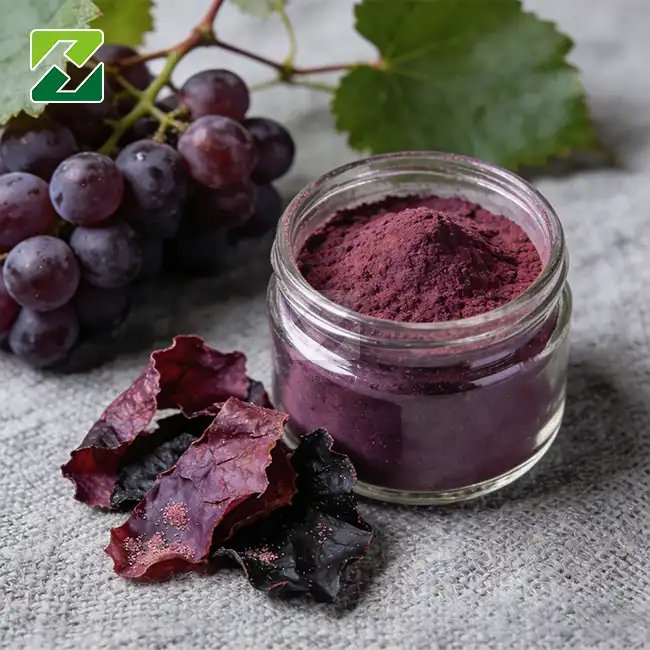
Grape skin extract powder is made from the Vitis vinifera L. skin that is left over after wine is made. A lot of the good polyphenolic chemicals that are found in grapes are in these skins. Some of these are resveratrol, flavonoids, and anthocyanins. It turns into a very fine, violet-red powder that can be mixed with alcohol or water. It stands out from other plant-based ingredients because of its dark color.
What Is Grape Seed Extract?
The small seeds inside wine grapes are used to make grape seed extract. Because it has oligomeric proanthocyanidins (OPCs), it is one of a kind. Studies that were reviewed by experts in the field have found that these tannins are 20–50 times stronger antioxidants per unit weight than vitamins C and E. On the other hand, the seed turns into a powder that is light tan to brown and doesn't change color much. It's not the same thing, even though it comes from the same plant.
Shared Origin, Different Profiles
If you want natural color, a lot of anthocyanins, or a lot of resveratrol, grape skin extract powder is the best choice. There are times when it's important to make sure that all antioxidants are the same. Teams that buy things can avoid design mistakes that cost a lot of money if they know this difference.
Core Differences: Composition, Benefits, and Applications
Active Compound Comparison
There are two different types of marker compounds in the two samples. Here is a straight look at what they have in common and what makes them different:
- Grape skin extract powder for vitis vinifera L. skin extract: Mostly made up of resveratrol, flavonoids, and anthocyanins, which are all standardized to 5–30%. It can be used to find the natural color value (E 1% 1cm > 15 at 520 nm). According to 21 CFR 73.170, it is marked as "grape skin extract powder" or enocianina in the US and as E163 in the EU.
- Grape seed extract: OPCs, or oligomeric proanthocyanidins, are the main actives. They are usually checked with UV light to make sure they are 95% pure. There aren't many anthocyanins in it, and the color doesn't make sense. A lot of studies on the heart and antioxidants use it.
There are big changes between these that affect how they are managed, what is written on the label, and how the finished goods work.
Health Benefits Supported by Research
Researchers have found that every part of the food is good for you in its own way. This was written about in the Journal of Agricultural and Food Chemistry. Anthocyanins found in grape skin help keep blood vessels healthy and lower oxidative stress. OPCs in grape seed have been studied a great deal because they can boost circulation and get rid of free radicals, according to a study in the journal Free Radical Biology and Medicine. Because of these differences, the end product can legally make the claims that the B2B formulators can't.
Application Domains
Each extract works well with a certain type of product. When color and polyphenol content are crucial, grape skin extract powder can be used as a natural food coloring, antioxidant supplement, or active ingredient in skin care products. These days, you can find grape seed extract in items that help your heart, fight aging on the skin, and help you heal and fight free radicals during sports. This could make people angry, and it could also help the government get more work done.

Procurement Considerations for B2B Buyers
Quality and Sourcing Standards
Why do R&D leaders and purchasing teams care about where the ingredients come from? They care just as much about how good the ingredients are. When it comes to grape skin extract powder, some of the most important quality standards are a set amount of pigment or polyphenol, sulfur dioxide (SO₂) residues below 50 ppm, and proof that it wasn't made from GMOs. Supervisors who buy things should not only get statements from suppliers; they should also ask for analysis reports that have been checked by HPLC for each batch. For brands that are known for having clean labels, it's important that every batch is the same.
Evaluating Suppliers
If you want to buy natural grape skin extract from a company, you should think about more than just price. When looking for a supplier, people who want to buy things should make sure of these things:
- Certifications held: The NSF GMP, ISO 9001, FSSC 22000, Kosher, Halal, and Organic standards show that quality control is done at the system level.
- Extraction method transparency: I want to be clear about the extraction method: for food- and medicine-grade products, water/ethanol extraction is usually used. Proof of liquid remains is needed.
- Lead time and inventory: There is less risk in the supply line when the provider has stores in the US and can serve within days.
- MOQ flexibility: If you want to see if something works, you should be able to get free samples and ship at least 25 kg.
All of these things show how well a seller can meet your group's needs, product due dates, and government paperwork.
OEM and Private Label Options
A lot of supplement and beauty brands need more than just a bulk ingredient. What they want is also not clear to them, and they need help making that clear. There is one company that brands work with that does both OEM and private label work. This means that brands can get ingredients and finished goods from the same company. It takes less time to get to market, and it costs less to coordinate.

Grape Skin Extract Powder vs Grape Seed Extract: Usage and Performance Insights
Formulation Compatibility
When added to drinks, grape skin extract powder works best when the pH level is less than 3.5. The anthocyanins stay put, which is what gives the color its bright red tone. When the pH level goes above 4.0, the color turns purple, and it breaks down over time. This sensitivity to pH is built into the formula, so food experts have to keep it in mind when they make new things. And grape seed extract doesn't change color based on pH. It stays the same color over a wider pH range.
Storage and Handling
Both extracts need to be kept in labeled drums in a dry, cool place below 25°C so they stay fresh. The bags need to have two layers of lining and a lock. Because grape skin extract powder soaks up water, silicone desiccant packs should be put inside double packaging. The sugars and acids that are naturally found in fruit cause this to happen.
Market Trends
In the US market for useful foods and drinks, natural dyes are making great progress. In 2023, Grand View Research found that the global market for natural food colors was worth more than USD 2.1 billion. With the end of lab-made colors like Red 40, this number is expected to keep going up. People are told that instead, anthocyanins from grape skin extract powder are safe and simple to understand. In this case, the nutraceutical brand has a powder that gives color and fights free radicals at the same time.

Conclusion
The same plant is used to make both grape skin extract powder and grape seed extract, but they are used in different ways. That which comes from the skin has resveratrol, anthocyanins, and natural color. The extract from the seed has antioxidant activity that is focused on OPC. Business-to-business buyers should look at what the label says, how it will be used, and the laws and rules. The best way to keep your business and the money you've spent on recipes safe is to buy from a well-known source that can be tracked and has regular quality control.
Frequently Asked Questions
1. What is the primary difference between grape skin extract and grape seed extract?
The main difference is the kind of drug ingredients that make them work. Resveratrol and a lot of anthocyanins can be found in grape skin extract powder. These are what make it colored and change the way chemicals work. OPCs, which are proanthocyanidins, can be found in grape seed extract. They're strong vitamins that don't change things' colors much. They have different roles in formulation because of these differences.
2. What specifications does OHI's grape skin extract carry?
You can get grape skin extract powder from OHI in 4:1, 10:1, and 30% polyphenols specifications. It is extracted with water and ethanol. It comes in 25 kg drums and is a violet-red powder. You can get samples for free, and it takes seven days to make them. Some of the standards are ISO, FSSC 22000, NSF GMP, Organic, Kosher, and Halal.
3. How do I verify extract purity before bulk purchase?
Ask for an analysis report that lists the amounts of heavy metals, toxins, anthocyanins or polyphenols, and sulfur dioxide (SO₂) residues that were checked with HPLC. Suppliers with a good reputation provide full tracking papers and COAs that are unique to each batch.
4. Is grape skin extract safe for food-grade use?
21 CFR 73.170 says that grape skin extract powder does not need to be approved in the US. It's used in many foods and drinks. The paperwork your supplier gives you should always be food-grade and follow FDA and C-GMP rules.
Request a Sample from OHI — Your Trusted Grape Skin Extract Powder Manufacturer
Grape skin extract powder sold by Organic Herb Inc. (OHI) is safe for use in medicine and has been certified by NSF GMP, Kosher, Halal, ISO, and FSSC 22000. OHI has four stores in the U.S. and a seven-day wait time, so they can help you get your goods on time. Here are the steps you need to take to get free demos. You can email us at info@organic-herb.com to tell us what you need or to find out what our bulk prices are.
References
1. He, J., & Giusti, M. M. (2010). Anthocyanins: Natural colorants with health-promoting properties. Annual Review of Food Science and Technology, 1, 163–187.
2. Bagchi, D., Bagchi, M., Stohs, S. J., et al. (2000). Free radicals and grape seed proanthocyanidin extract. Toxicology, 148(2–3), 187–197.
3. Xia, E. Q., Deng, G. F., Guo, Y. J., & Li, H. B. (2010). Biological activities of polyphenols from grapes. International Journal of Molecular Sciences, 11(2), 622–646.
4. Castañeda-Ovando, A., Pacheco-Hernández, M. L., Páez-Hernández, M. E., et al. (2009). Chemical studies of anthocyanins. Food Chemistry, 113(4), 859–871.
5. Grand View Research. (2023). Natural Food Colors Market Size, Share & Trends Analysis Report. Grand View Research.
6. Cos, P., De Bruyne, T., Hermans, N., et al. (2004). Proanthocyanidins in health care: Current and new trends. Current Medicinal Chemistry, 11(10), 1345–1359.
Goji Extract Powder vs Goji Berry Powder: What’s the Difference?
VIEW MOREIn the event that you are employed in the fields of nutraceutical formulation, functional food creation, or cosmetic production, it is quite probable that you have come across both goji extract powder and goji berry powder listed in the catalogues of various suppliers. They are fairly distinct components, despite the fact that they have a similar sound. Goji extract powder is a standardised and concentrated derivative of Lycium barbarum fruit. It is obtained by extracting the fruit with water and then spray-drying it in order to produce detectable amounts of Lycium Barbarum Polysaccharides (LBP). Powdered goji berries are just entire fruits that have been dried and powdered. Due to the fact that selecting the incorrect form might have an impact on the product's efficacy, stability, and regulatory posture, the difference is quite important.
Understanding Goji Extract Powder and Goji Berry Powder
What Is Goji Extract Powder?
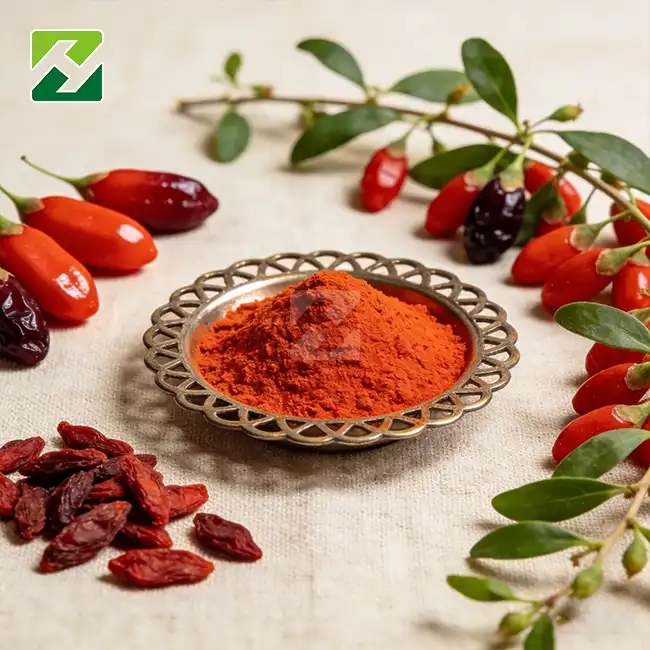
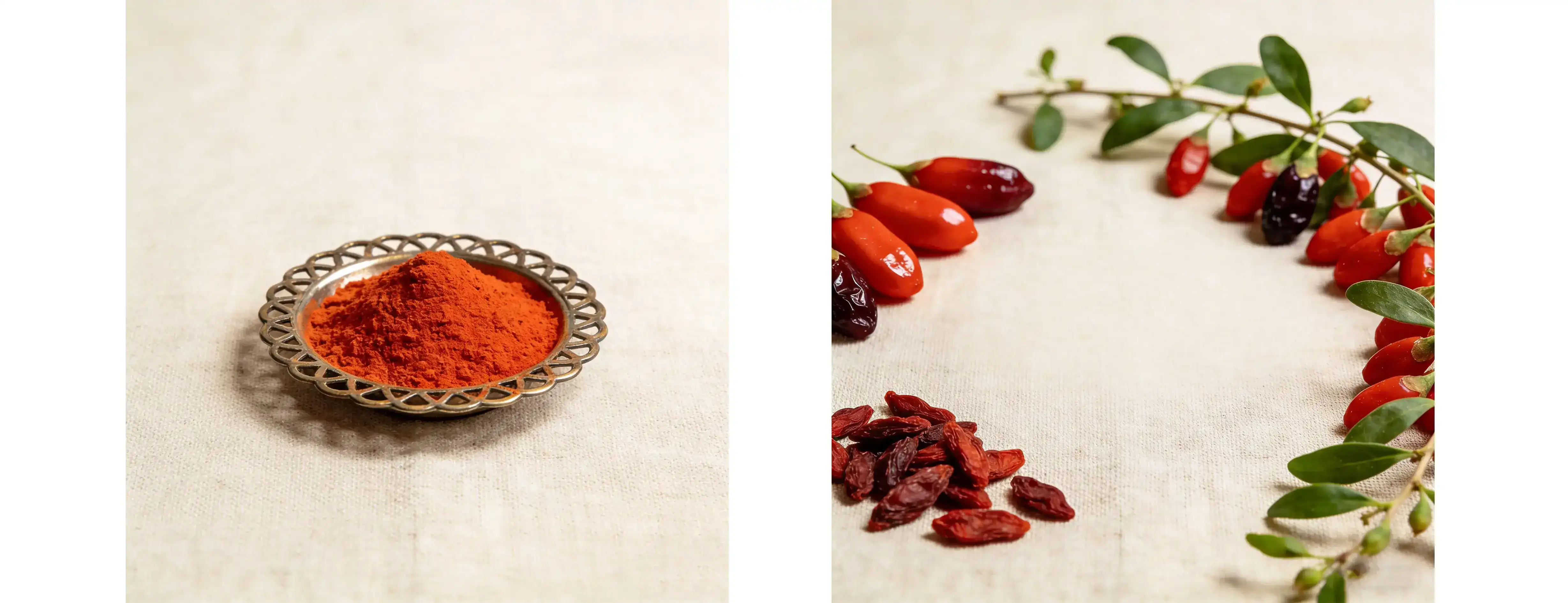
The dried fruit of the Lycium barbarum L. plant is extracted and used in its production. After being filtered, compacted, and dried with a spray, the powder is then used. This process transforms the meal into a powder that ranges in colour from orange-red to brown and contains a certain quantity of herbal compounds. In most cases, this level is a 10:1 concentration, which indicates that there are fifty percent polysaccharides. This information is derived from UV-Vis spectrophotometry. By using standardisation, we are able to guarantee that every batch has precisely the same quantity of the active substance. When it comes to the labelling and clinical placement of supplements, this should be taken into consideration.
What Is Goji Berry Powder?
The process of making goji berry powder involves drying out entire goji berries and then grinding them into a powder consistency. All of the fruit's nutrients, including fibre, natural sugars, carotenoids, and vitamins, are preserved, despite the fact that it does not alter any of the bioactive components. On account of the fact that it is cultivated in various locations and collected using a variety of methods, every batch has a unique quantity of carbs. The formulators who want to make particular claims about how it works will find that it is not as accurate, but it will appear nice on a clean-label panel.
How Their Applications Differ Across Industries
On the other hand, in some business-to-business scenarios, one of the types is more effective than the other. The following is a breakdown that makes perfect sense:
- Goji extract powder is suitable for use in formulations that need low hygroscopicity, solubility, and LBP concentration. These formulations include high-potency capsules, functional beverage bases, and cosmeceutical products of various kinds. It is able to distribute effectively in aqueous environments without considerable sedimentation because of its tiny particle size, which ranges from 80 to 100 mesh.
- When fibre content and natural food claims are the key selling point rather than standardised bioactive delivery, goji berry powder is an effective ingredient to use in whole-food nutritional products, smoothie mixes, and culinary applications.
There is a separate clear lane for each type. If a team is familiar with a particular lane, they will be able to produce stronger specifications for products from the beginning of the process.
Key Differences Impacting Procurement Decisions
Potency, Concentration, and Dosage Consistency
The amount of active ingredient in berry powder is not nearly as high as that in lycium chinense miller extract powder and grams. It only takes 200 mg of a 50% polysaccharide extract to do the work of several grams of raw berry powder. This changes the number of pills, the price per piece, and the location of the final product. For people in charge of R&D and planning, this difference changes how the whole product is put together.
Quality Control and Certification Requirements
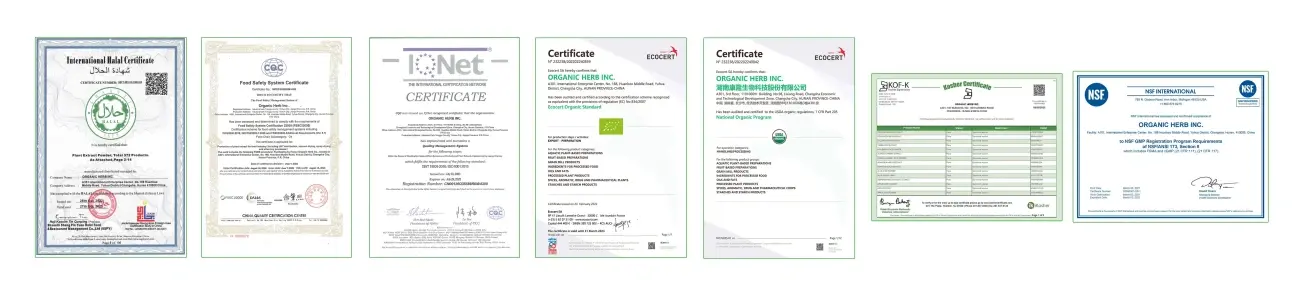
There's more that procurement teams need than just an analysis license when they buy things for the US or EU market. There should be less than 5% moisture, no sulfur dioxide (which can be checked with the Monier-Williams method or LC-MS), and a color that is calibrated within an acceptable E range for batch consistency. A lot of drug stores and online stores need certifications like NSF GMP, ISO 9001, Kosher, Halal, FSSC 22000, and Organic.
Pricing, Lead Times, and Supply Chain Factors
Extract powder costs more per kilogram because it needs to be processed. However, it generally costs less in the end because it is easy to use. Berry powder costs less at first, but it can need higher inclusion rates and can vary more from batch to batch. You should also think about lead time as a buying manager. It will take two weeks less to ship if they work with a provider that keeps stock in the US.
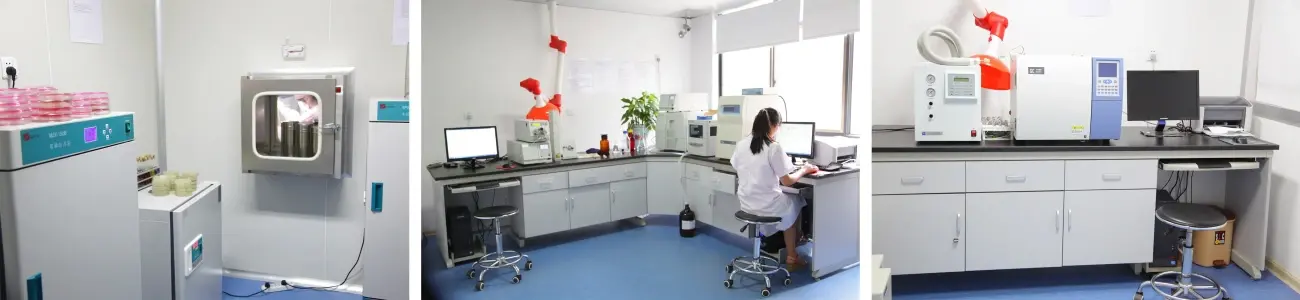
Benefits and Limitations of Each Form
Functional Benefits and Application Context
Goji extract powder has a lot of Lycium Barbarum Polysaccharides, zeaxanthin, and betaine. Supplements are said to be good for your eyes and immune system, and these chemicals back that up. The water-soluble extract mixes easily into the watery part of emulsions used in products that are put on the skin. It helps fight aging and free radicals without making the mixture less stable.
People make useful snacks and whole-food supplements like goji berry powder because it naturally contains vitamins, amino acids, and fiber, which makes it a more complete food. In food-grade settings, where natural color and structure make the product more enjoyable, it works well.
Shelf Life, Stability, and Adulteration Risks
Both kinds need to be kept in a safe place. In double-lined plastic bags inside fiber drums, extract powder should be kept below 25°C and with a relative humidity of less than 50%. This is because sugar is already in the powder. If you don't treat berry powder right, it will likely stick together.
Fraud is still a real problem in common plant markets. When you work with a service that offers full tracking, batch-specific testing, and HPLC-verified standards, that risk goes down a lot. These things can't be talked about by brands that have to answer to authorities.
Regulatory Labeling and Compliance
Claims on the label that the extract powder is "standardized to 50% polysaccharides" are backed up by proof, which in controlled markets makes the product more reliable. There are a lot of "whole food" or "fruit powder" claims on berry powder, which are good for people who like clean labels but not so good for research settings. It will help you pick the right ingredients if you know which claim your product needs.
How to Choose the Right Goji Product for Your Business
Align Ingredient Form With End-Use Requirements
Standardized natural goji berry extract powder lets you know exactly how much to use and how well it dissolves in your formula, whether it's for eye health, immune support, or making functional drinks. When making a product that is about whole-food nutrition, fiber, or having "superberry" ingredients, goji berry powder is the better choice. This choice starts with what the end product is said to do, not how much the ingredients cost.
Supplier Evaluation Criteria
When you're looking at different suppliers, make sure you ask for proof of things like the analysis certificate for each batch, details about the solvent used for extraction, the results of heavy metal tests, and an update on the certification. It is much easier to be sure that the things you buy are legal if the company you buy from has NSF GMP, Kosher, Halal, ISO 9001, FSSC 22000, and Organic certifications, as well as stock in a warehouse in the US.
Cost-Benefit Analysis Beyond Unit Price
When you buy something, its real value comes from its stable performance over the course of its production run, its ability to protect you against laws, and its speed to market. It is cheaper and less risky to place a rush order with a supplier that has four warehouses in the US and a lead time of seven days. You can let your formulation team test the item before you place a 25 kg minimum order if you can get a free sample before you buy a lot of it.
Market Insights and Trends in Goji Procurement
Rising Demand for Standardized Botanical Extracts
In the US market for health supplements, ingredients that are regulated and checked are becoming more and more popular. There are now high-LBP extracts in the recipes of brands that used to use regular fruit powders. This is to back up their structure-function claims and make their labels stand out. The market for polysaccharide ingredients is slowly growing, and LBP from goji is being used more and more in products that claim to be good for your eyes and immune system.
Regulatory Pressure and Clean-Label Expectations
More attention is being paid to supplement claims by the US FDA and FTC. Things that have been standardized and certified by a third party do much better in compliance reviews. People who buy to sell need information from suppliers that includes tests for chemical residues, confirmation of GMO status, and the ability to find out where the product came from.
Technology-Driven Quality Improvements
Advanced water extraction, nano-membrane filtration, and spray drying are all used together to make ingredients that are cleaner, more concentrated, and easier to dissolve... with less water left over. Better bioavailability and less variation in raw botanical goods are made possible by these technologies. When providers spend this much time and money planning the process, it's more likely that each batch of production will turn out the same.
Conclusion
You should think about what your product needs to do to decide between goji extract powder and goji berry powder. The strength of extract powder stays the same, it dissolves better, and the label claims can be backed up by officials. Berry powder is a whole food that is safe to eat and can be used in many ways. There is no one right specification that is always better. It depends on the situation. When buying ingredients for nutraceuticals, makeup, or functional foods, getting this difference right at the beginning of the process saves time and keeps the quality of the final product high.
Frequently Asked Questions
1. Can goji extract powder fully replace goji berry powder in all formulations?
Not always. Extract powder is better suited to high-potency supplements and functional beverages where standardized bioactives are required. Berry powder remains the preferred option in whole-food products where fiber, natural color, and minimal processing are part of the product story.
2. What certifications should I require when placing a bulk order?
At minimum, request NSF GMP, ISO 9001, and a current certificate of analysis with HPLC verification. For US retail distribution, Kosher, Halal, and Organic certifications are frequently required by buyers. FSSC 22000 is important for food-grade applications.
3. How is LBP content measured and verified?
Lycium Barbarum Polysaccharide content is measured by UV-Vis spectrophotometry. Reputable suppliers provide batch-specific test reports. HPLC analysis can provide additional confirmation of composition and purity.
4. Is the extraction solvent safe for food and supplement use?
Water extraction is the standard method for food-safe goji extract production. This avoids solvent residue concerns associated with ethanol or other chemical solvents, making the ingredient suitable for clean-label and food-grade formulations.
Source Your Goji Extract Powder With OHI
Organic Herb Inc. (OHI) is a licensed company that sells goji extract powder. The goods are made in China, and they have an office in the US called Earth Made Nutrition Inc. in Los Angeles, California. Our Lycium barbarum extract comes in two different strengths: 10:1 or 50% polysaccharide standardization. As an orange-red to brown powder, it comes in 25 kg drums. We have four warehouses in the US and offer quality that has been checked. The lead time is seven days. Organic, Kosher, Halal, ISO, FSSC 22000, and NSF GMP are some of the certifications we have. Email info@organic-herb.com to get a free sample or a bulk price.
References
1. Amagase, H., & Farnsworth, N. R. (2011). A review of botanical characteristics, phytochemistry, clinical relevance in efficacy and safety of Lycium barbarum fruit. Food Research International.
2. Breithaupt, D. E. (2007). Identification and quantification of zeaxanthin diesters in plants using liquid chromatography-mass spectrometry. Journal of Agricultural and Food Chemistry.
3. Chang, R. C., & So, K. F. (2008). Use of anti-aging herbal medicine Lycium barbarum against aging-associated diseases. Cellular and Molecular Neurobiology.
4. Li, X. M., Ma, Y. L., & Liu, X. J. (2007). Effect of the Lycium barbarum polysaccharides on age-related oxidative stress in aged mice. Journal of Ethnopharmacology.
5. Potterat, O. (2010). Goji (Lycium barbarum and L. chinense): Phytochemistry, pharmacology and safety in the perspective of traditional uses and recent popularity. Planta Medica.
6. US Pharmacopeial Convention. (2023). Dietary Supplement Ingredient Databases and Botanical Monographs. United States Pharmacopeia.
 VIEW MORE
Serenoa repens L., more often known as saw palmetto, is a fan palm that grows slowly and is indigenous to the southeastern area of the United States, namely Florida and the Gulf Coast region. Over the course of many centuries, Native Americans have used the dark purple berries of this plant as a source of nutrition and a health supplement. To this day, saw palmetto extract powder is the most well-known commercial product of the plant. This powder is a standardised botanical ingredient that is obtained from the seeds of the plant and is abundant in fatty acids and phytosterols. As a result of its adaptability in processing and measured bioactive content, this powder form has gained widespread use in the supplement, cosmetic, and functional food industries.
Understanding Saw Palmetto and Its Extract Powder
Origin and Botanical Identity
Although it is the sole species in its genus, Serenoa repens is found growing naturally in coastal scrublands throughout the United States, including in states such as Florida, Georgia, and South Carolina. Because of its sharp, saw-toothed leaf stalks, the plant may grow to heights of two to four meters, which is where the popular name comes from. When the berries have reached their full maturity, they are picked once a year in the late summer. These berries are the major raw material for commercial extraction. Due to the fact that they are composed of lipids, they are distinguished from the majority of other botanical extracts in terms of their bioactive density.
From Berry to Powder: The Extraction Process
Ethanol is used as the extraction solvent in the production of saw palmetto extract powder supplied by OHI. This process involves extracting the lipid-soluble actives from the seed of the plant. After that, the extract that was produced is either microencapsulated or spray-dried in order to generate a powder that is white and free-flowing. The raw saw palmetto oil is sticky, prone to oxidation, and difficult to dose properly in solid-form products. This conversion from oily extract to powder overcomes a key difficulty that arises throughout the formulation process. Without compromising the integrity of the fatty acid profiles, the powder formulation avoids the handling concerns that were previously present.
Key Bioactives: Fatty Acids and Phytosterols
Free fatty acids, including lauric, oleic, myristic, and palmitic acids, as well as phytosterols, most notably beta-sitosterol, which are the key bioactive substances found in this extract, are the primary chemical components. Formulators have the ability to pick the optimum concentration for their application thanks to the fact that OHI provides two standardised specifications: 25% Fatty Acids and 45% Fatty Acids. The GC-FID technique, which is a conventional approach, is used to quantify these active fractions. This technique assures that each batch is of the labelled potency. Additionally, the presence of beta-sitosterol provides extra importance across a variety of market areas, ranging from active ingredients for topical hair care to supplements for men's health.
Benefits and Usage of Saw Palmetto Extract Powder
Prostate Health Applications
Saw palmetto extract powder is one of the plant ingredients that has been looked into the most in the men's health field. One of its main jobs is to stop the enzyme 5-alpha-reductase from changing testosterone into DHT, which is linked to benign prostatic hyperplasia (BPH). In 2018, the journal Phytotherapy Research published a study that found good evidence that saw palmetto can help with prostate pain and urinary flow at doses of 320 mg/day of standardized liposterolic extract. When it comes to two-piece capsules, the 45% fatty acid powder form makes it easy for manufacturers to meet this standard.
Hair and Scalp Health Formulations
Saw palmetto for androgenetic alopecia is getting a lot more attention. In the same way that 5-alpha-reductase inhibition makes hair follicles smaller, DHT can be used in serums and supplement stacks that aim to make hair thicker by stopping this process. When cosmetic chemists work with powder, they find it easier to mix it with oil to make leave-in conditioners and scalp treatments. It is most often the 25% fatty acid specification that is chosen for lighter functional uses and uses on the skin.
Dosage Guidance and Safety Profile
A daily dose of 160 mg to 320 mg of liposterolic extract is what most people take every day. The exact rates depend on how many fatty acids are in the powder. Claims of clean labels are backed up by the white powder look and a neutral carrier. Many studies have shown that at the amounts that are suggested, there are no side effects. Structure/function claims made by the FDA say that the ingredient is usually thought to be safe for people to use in dietary supplements.
Making Informed Decisions: Comparing Saw Palmetto Extract Powder with Alternatives
Saw Palmetto Powder vs. Pharmaceutical Options
The drug that looks the most like it is finasteride, which is a prescription 5-alpha-reductase inhibitor. Finasteride works really well to stop DHT, but it has a lot of symptoms that make it hard for people to use. As a natural, over-the-counter choice that has a good safety record, saw palmetto extract powder stands out. Botanicals are a better choice for supplement brands that want to reach health-conscious customers because they work better with "clean label" marketing and make it easier to get into a wider market because they are not legally drugs.
Organic vs. Non-Organic: Why Certification Matters
When procurement teams buy a lot of saw palmetto extract powder, they need to make sure that the approval is still valid. Organic ingredients cost more, but you can find them in stores that sell natural and clean-label goods. Organic, NSF GMP, Kosher, Halal, ISO, and FSSC22000 are some of the certifications that OHI has. This means that people in more than one controlled market can use its goods at the same time. It's more likely that non-organic versions will still have pesticides on them, which makes it harder to get into the upscale US and EU markets.
Benchmarking Supplier Quality Standards
There are various kinds of saw palmetto powder. To find out more about the quality, look at the particle size distribution (95% to 80 mesh), bulk density (0.45 to 0.65 g/ml), fatty acid fingerprint ratios (especially the lauric acid profile), and moisture content. People who want to buy from new companies should ask for certificates of analysis, proof of third-party testing, and pharmacopeial compliance data (USP/EP). HPLC, GC-MS, and HPTLC tools worth more than $1.2 million are used by OHI's quality control team to test each product in groups to make sure it meets the standards.
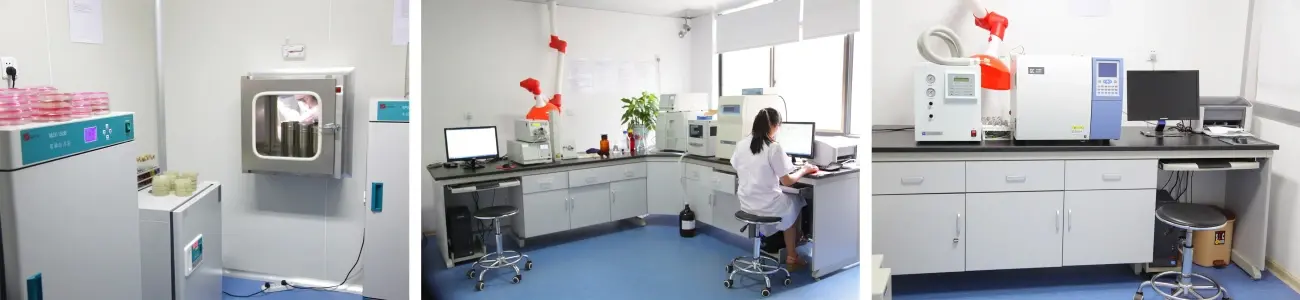
Procurement Guide for Saw Palmetto Extract Powder
Product Specifications at a Glance
The following information will help you decide if you want to buy OHI's saw palmetto extract powder:
- Latin Name: Serenoa repens L.
- Specifications: 25% Fatty Acids / 45% Fatty Acids
- Solvent: Ethanol
- Appearance: White Powder
- Plant Part Used: Seed
- Packaging: 25 kgs/drum
- MOQ: 25 kgs
- Lead Time: 10 days
- Certifications: NSF GMP, Kosher, Halal, ISO, FSSC22000, Organic
- Free Sample: Available upon request
From standards for purity to the type of packaging, these factors cover the most important needs that most formulation teams look at when they first start to evaluate a supplier.
Sourcing Channels and Logistics Support
An OHI company called Earth Made Nutrition, which is based in Los Angeles, California, runs four regional warehouses all over the United States. People in the US can get things without having to wait a long time for them to be shipped from other countries thanks to this local inventory system. It takes about 10 days to get an order after you place it. The goods are safe and healthy, and they follow strict rules set by the plant in Yichun, Jiangxi Province, China. This makes it possible to find every batch.
Value-Added Services for B2B Buyers
Private labeling, making custom specifications, and working together on formulations between OEMs and ODMs are all possible with OHI. There are 42 people in the OHI R&D and QC department. They are PhDs, professors, and senior researchers. It can work directly with R&D teams that need to make their own mixes or meet certain ratio requirements. When brands get this much technical help, it takes them less time to make new supplements or cosmetics that can compete in the market.
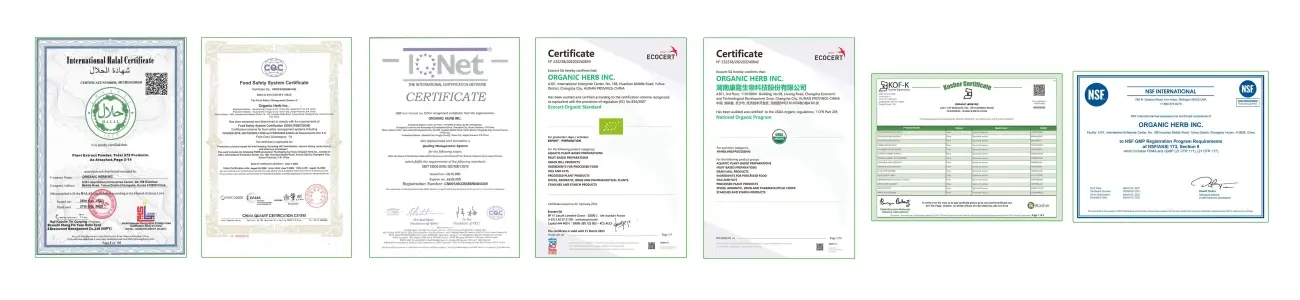
Future Trends and Market Outlook for Saw Palmetto Extract Powder
Growth in Hair Care and Women's Wellness
Saw palmetto isn't just used in vitamins for men's prostates anymore. The ingredient is becoming more famous in the market for women's health, especially as a way to treat hair loss caused by hormones and keep the scalp healthy. Regulatory plant actives are being used in more and more functional hair care brands' recipes to make them stand out from other hair care brands. Because of this change, more people want powder forms that can be taken by mouth or put on the skin.
Regulatory Landscape and Clean-Label Trends
It's still up to the FDA and EFSA to decide how to name and sell plant extracts. When people buy saw palmetto for the US and EU markets, they need to make sure that the item meets certain standards for proof of claims about how it works and what it is made of. In high-end stores, labels that say "organic" or "non-GMO" are becoming the norm. Buyers can get help meeting these standards in a number of different places with OHI's certification stack.
Sustainability and Supply Chain Resilience
The need for ingredients that come from environmentally friendly sources is changing the way brands buy ingredients. Throughout its whole supply chain, OHI uses sustainable development principles. For example, it uses GAP-standard planting bases that cover more than 8,000 acres and environmentally friendly ways to make its products. This link to social and environmental duty will make brand stories stand out for buyers who want to improve the tracking of their ingredients.
Conclusion
Saw palmetto (Serenoa repens L.) is known for having a long list of bioactives that are useful in many fast-growing markets, from hair care products to supplements for men's health. When it comes to manufacturing and stability, saw palmetto extract powder is much better than oil-based extracts. The product from OHI meets the legal and technical requirements that important B2B buyers need. It comes in standard forms with 25% and 45% fatty acids, ethanol extraction, a white powder look, and a bunch of certifications. You can trust OHI because they have stock in US warehouses, quick lead times, and a lot of help with research and development.
FAQ
1. What is the standard dosage of saw palmetto extract powder for supplement formulations?
A lot of doctors say that taking 160 to 320 mg of pure liposterolic extract every day is good for you. To meet this range of goals, formulators need to figure out the best rates for adding 45% fatty acids to powder forms. Always check with your regulatory expert to make sure that your claim about structure or function is in line with FDA rules.
2. What is the difference between 25% and 45% fatty acid specifications?
The 25% standard has fewer total fatty acids and is good for uses that need a softer effect or a wider range of formula compatibility, like serums for the skin. Because the 45% standard has more active ingredient per gram, it is better for capsules that are taken by mouth and are meant to help the prostate or make hair thicker.
3. How do I verify the quality of a saw palmetto extract powder batch?
This is what you should ask for: a formal report that lists the heavy metals, microbial limits, particle size, and fatty acid makeup by GC-FID. There are two more ways to be sure that lauric acid is real and works: pharmacopeial (USP/EP) fingerprint ratios and proof from a third party.
4. Does OHI offer samples before bulk ordering?
Yes. In order to get people to buy, OHI gives away free trials. The least amount of stock you can buy is 25 kgs per drum, and the lead time is usually 10 days. Get in touch with the team to ask for a sample.
Partner With OHI for Certified Saw Palmetto Extract Powder Supply
The company OHI is a good one to buy saw palmetto extract powder from. Their warehouse is in the US, and the wait time is 10 days. They are certified in NSF GMP, Kosher, Halal, ISO, FSSC22000, and Organic, among other things. Our extraction method, which is based on research and development and is set to 25% or 45% fatty acids, helps make sure that the quality of each batch is the same when a lot of them are bought at once. Email us at info@organic-herb.com right now to get a free sample or talk about how much it costs in bulk.
References
1. Tacklind J, et al. Cochrane Database of Systematic Reviews, 2012.
2. Bent S et al. "Saw Palmetto for Benign Prostatic Hyperplasia." New England Journal of Medicine, 2006.
3. Prager N, et al. "A Randomized, Double-Blind, Placebo-Controlled Trial to Determine the Effectiveness of Botanically Derived Inhibitors of 5-Alpha-Reductase in the Treatment of Androgenetic Alopecia." Journal of Alternative and Complementary Medicine, 2002.
4. Habib FK, et al. "Serenoa repens (Permixon) Inhibits the 5-alpha-Reductase Activity of Human Prostate Cancer Cell Lines." Prostate, 2005.
5. European Medicines Agency. Assessment Report on Serenoa repens (W. Bartram) Small, Fructus. EMA/HMPC, 2018.
6. Shi R et al. "Saw Palmetto Extracts for Male Pattern Baldness: A Systematic Review and Meta-Analysis." Skin Appendage Disorders, 2020.
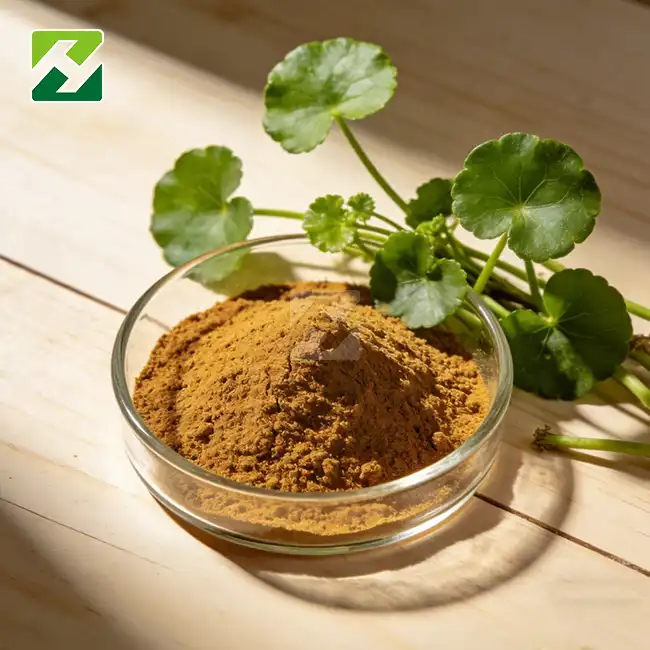
Centella asiatica: morning or evening? - Nopal Life
VIEW MOREIf you are wondering whether to apply Centella asiatica in the morning or evening, the short answer is: both windows work, but for different reasons. Natural centella asiatica extract delivers antioxidant support during the day, helping skin handle environmental stress, while evening application aligns with the skin's tissue-repair activity. For product formulators and supplement brands, understanding this timing logic is just as important as sourcing the right ingredient. Getting both right means your finished product performs where it counts.

Understanding the Benefits of Centella Asiatica Extract
What Makes This Botanical Unique
Please let me know if this herb should be taken in the morning or the evening. It will work for many different reasons, no matter what the case is. A product of Centella asiatica that comes from natural sources helps the skin deal with the stress that comes from everyday life. For some reason, going to sleep at night can help your face heal itself. They need to know this sequence of events in order to find the right ingredient, and people who make pills and other products need to know it too. Things will work out well in the end if you are good at both of these tasks.
Traditional Chinese Medicine (TCM) and Ayurvedic medicine have both used this very small plant for a long time. It does best where it's damp. The plant in question is Centella asiatica L., which is also known as Gotu Kola. This substance can work in living things because it contains four triterpenoid molecules. The five parts in question are Asiaticoside, Madecassoside, Asiatic Acid, and Madecassic Acid. It lowers reactive stress and stops skin cells from talking to each other about swelling when these molecules are present. High-performance liquid chromatography (HPLC) shows that standardised extracts with known amounts of triterpenes always have the same level of potency. With raw plant powder, this is not the case.
Key Functional Properties
Scientific studies have shown that extracts from Centella asiatica can help with a number of things, such as: The matrix metalloproteinases (MMPs) are what break down the structure of skin. MMPs work better with the help of triterpenes. They improve collagen types I and III when they are present. The review piece that came out in Molecules in 2020 proved that these two things happen inside of cells. The ability to fight free radicals: Glycosides that break down in water get rid of free radicals and keep the skin safe from UV rays all day. It has been shown that Asiaticoside speeds up the growth of new skin cells in damaged skin. It has been shown that this method works by using bio-cellulose masks after laser skin care procedures that remove skin cells.
- The chemical triterpenes can change collagen by encouraging the production of type I and type III collagen while blocking matrix metalloproteinases (MMPs), which are enzymes that break down skin structure. This two-way action at the cellular level was proven by a review that came out in Molecules in 2020.
- While the plant is exposed to daylight, water-soluble glycosides can remove harmful free radicals. This protects against oxidative damage caused by ultraviolet light.
- Providing help for wound repair, Asiaticoside has been shown to speed the process of epithelialisation in skin that has been weakened. In dermatological settings that use bio-cellulose masks after ablative procedures, this trait has been proven to be true.
There is a direct link between these factors and how useful the recipe is, whether you're making a cream to help with scars, a liquid to fight ageing, or a product to help people recover from surgery.
Why Purity and Extraction Method Matter
It is safer to use the 30% Asiaticoside standardized natural Centella asiatica extract than the 4:1 crude extract. The amount of glycosides to genins stays the same whether water or ethanol is used to remove them. So there are no dangerous liquids left over. When formulators see a brownish-yellow powder with a real HPLC fingerprint, they know for sure what is going into a batch.

Morning vs. Evening Application: When to Use Centella Asiatica
The Case for Morning Use
During the day, skin is exposed to the most reactive stress. Free radicals are made by both UV light and dirty air. It hurts the way barriers are built and breaks down collagen. Free radicals can damage skin, but some skin care products with broad-spectrum SPF and Centella asiatica triterpene glycosides can protect it from them. The serums and gels that are made should be light and absorb quickly. These are the best for this time of year because they let sunscreen stick well and don't get in the way.
The Case for Evening Use
Skin cells change the most from 11 PM to 4 AM. Through the skin, less water is lost, and sensors become more alert. This makes it easier for chemicals to get into the skin and do their job. If you take Gotu Kola extract in the evening, it can help your body's natural rhythm. This is mainly true for skin care items that help with fine lines, scar healing, or sensitive skin. This is because Asiatic Acid and Madecassic Acid are lipophilic genins. They can get to deeper layers of skin when mixed with thicker creams or dry systems.
Why B2B Formulators Should Care About Timing
High-end skin care is claiming that their products last longer and longer. People stick with brands that make their goods easy to use, and they follow "AM/PM" patterns. For the copy to make sense, this plan needs to be backed up by clear, measured results from the active ingredient at each step. This can only be done if the extract's bioactive profile is fully understood and stays the same.
Comparative Insights: Centella Asiatica Extract vs. Alternatives
How It Compares to Raw Gotu Kola Powder
You can keep the cellulose, chlorophyll, and tannins that you don't need in ground whole-plant powder. They are taken out of standardized extracts by fractionating. This makes every gram fifty to one hundred times stronger.
Against Synthetic Soothing Agents
This concentration benefit cuts down on the chemicals in beauty serums and vitamin pills, making the labels easier for people to read.
Centella Extract vs. Aloe Vera
Artificial pain killers like allantoin and bisabolol are thought to be pure, but Centella asiatica can be used for more things. Researchers found that natural Centella extract calmed the skin better than man-made products that are meant to do the same thing. This is because Madecassoside and Asiaticoside work together in a way that no man-made chemical can.
Procurement Guide: Sourcing High-Quality Centella Asiatica Extract
Find out most of what you need to know about getting natural centella asiatica extract to make things in this paper. Before they place a bulk order, procurement teams need to make sure of the following:
- HPLC Assay: Confirms the exact percentage of total triterpenes and the Asiaticoside-to-Madecassoside ratio. This is non-negotiable for standardized grades.
- Heavy Metal Testing (ICP-MS): Centella asiatica is bio-accumulative. Lead must remain below 3 ppm, Arsenic below 2 ppm, and Cadmium below 1 ppm.
- Solvent Residue (GC-HS): Ethanol-extracted grades must show residual solvent below 5,000 ppm; toxic solvents like methanol must be absent.
- Microbiological Counts: Total plate count must stay below 1,000 CFU/g for use in preservative-sensitive or natural formulations.
- Pesticide Residue Screening: EU and US export compliance requires coverage of at least 500 substances.
Tests for Heavy Metals (ICP-MS): Centella asiatica is stored in the body. Lead levels must stay below Arsenic levels must stay below 3 parts per million. CAD must not be more than 1 ppm, which is 2 parts per million.
When ethanol is used to get a grade, there can't be more than 5,000 parts per million of solvent left over. Also, it can't have any liquids that are bad for you, like methanol. All of the plate counts must stay below 1,000 CFU/g if the product is natural or doesn't need to be preserved.
Things that are sent to the EU and the US must be checked for pesticide residue on at least 500 items in order to follow the rules.

Best Practices for Incorporating Centella Asiatica Into Skincare Routines
Sequencing in AM/PM Routines
Products for the care of the skin that include centella extract are most effective when used in the morning, after the face has been washed and toned, but before the application of sunscreen. After serums that contain water and prior to creams that cover the skin, they are used at midnight before the sun goes down. You should apply the product to skin that is slightly wet in order to improve the effectiveness of the water-soluble glycosides. However, the lipophilic genins that are included in oil-phase products are still able to penetrate the skin.
Formulation Stability Tips
The extract should only be introduced when the temperature is below 40 degrees Celsius and the temperature of the process is above 80 degrees Celsius. This is because of the reason stated above. Although the process of deterioration is accelerated by ultraviolet light, it may be slowed down by amber glass or by sturdy airtight boxes. In the event that the colour remains consistent from one batch to the next, this is a quick method for determining the quality of the product before it is subjected to further in-depth examinations. This indicates that the extraction and the standard purity have been carried out correctly if the colour is a brownish yellow.
Patch Testing and Gradual Introduction
When a product is finished, there are guidelines that must be followed in order to test patches on a set of consumers that are similar to the intended market. This is evidence that the rules are able to deal with it. Experiment with the extract at several concentrations, ranging from 0.1 to 2%. More of the substance will be applied if the skin finds it to be beneficial and continues to be stable. The building of confidence in the product is accomplished via this step-by-step procedure before going large.
Conclusion
There are different reasons why the natural centella asiatica extract works in the morning and evening. These reasons are important for how the mixture is made in each case. This is used in the morning to keep the area safe, and this is used at night to heal cells. People who use this ingredient can only be honest about when they made their goods if the ingredient stays the same. If you want a product that works, you must first find a source with certified output, clear batch data, and written plans for quality systems.
Frequently Asked Questions
1. What specifications are available for Centella asiatica extract?
OHI offers Centella asiatica L. (whole plant) in 4:1 and 10:1 ratios, plus standardized grades at 10% and 30% Asiaticoside. The solvent is water and ethanol. Appearance is a brownish-yellow powder. MOQ is 25 kg/drum, with a 7-day lead time and free samples available.
2. What certifications does the extract carry?
The product holds NSF GMP, Kosher, Halal, ISO, FSSC22000, and Organic certifications, supporting compliance across supplement, cosmetic, and food applications in the US market.
3. Can this extract be used in both topical and ingestible products?
Yes. Water-soluble glycosides (Asiaticoside, Madecassoside) suit both oral and topical formats. For cosmetics, the lipophilic genins are best dissolved in glycols or ethanol before adding to an emulsion's oil phase.
4. How quickly can bulk orders be shipped from the US?
OHI maintains inventory across four US warehouse locations. Standard orders ship within 7 days of confirmation, supporting supply chain reliability for domestic manufacturers.
Partner With OHI for Centella Asiatica Extract Supply
It is safe to buy from OHI because they only use natural centella asiatica extract. In the US, there are four stores that are NSF GMP, Organic, Kosher, and Halal certified. Their R&D team is made up of 42 leaders in different fields. We ship in bulk within 7 days, and we give away free samples so that your team can try the product out before they decide to buy it. Please email us at info@organic-herb.com to find out how much it costs. We can work with you to make a number that is unique to you.
References
1. Bylka, W., Znajdek-Awiżeń, P., Studzińska-Sroka, E., & Brzezińska, M. (2013). Centella asiatica in cosmetology. Postępy Dermatologii i Alergologii, 30(1), 46–49.
2. Gohil, K. J., Patel, J. A., & Gajjar, A. K. (2010). Pharmacological review on Centella asiatica: A potential herbal cure-all. Indian Journal of Pharmaceutical Sciences, 72(5), 546–556.
3. Hashim, P., Sidek, H., Helan, M. H. M., Sabery, A., Palanisamy, U. D., & Ilham, M. (2011). Triterpene composition and bioactivities of Centella asiatica. Molecules, 16(2), 1310–1322.
4. James, J. T., & Dubery, I. A. (2009). Pentacyclic triterpenoids from the medicinal herb Centella asiatica. Molecules, 14(10), 3922–3941.
5. Ratz-Łyko, A., Arct, J., & Pytkowska, K. (2016). Moisturizing and anti-inflammatory properties of cosmetic formulations containing Centella asiatica extract. Indian Journal of Pharmaceutical Sciences, 78(1), 27–33.
6. Somboonwong, J., Kankaisre, M., Tantisira, B., & Tantisira, M. H. (2012). Wound healing activities of different extracts of Centella asiatica in incision and burn wound models. BMC Complementary and Alternative Medicine, 12, 103.
Rhodiola: Adaptogen for Mental Balance & Cognitive Health
VIEW MOREOn the international market for adaptogens, natural rhodiola rosea extract has garnered a certain amount of attention, and there is a solid reason for this. Using the roots of Rhodiola rosea L., a hardy perennial that is endemic to Arctic and alpine areas, this botanical ingredient is able to concentrate two distinct classes of bioactive compounds, namely rosavins and salidroside, into a powder that is consistent and quantifiable. This extract provides a well-studied, clean-label solution that is in line with both consumer demand and regulatory expectations in the United States market. It is intended for use by R&D directors, formulation managers, and procurement teams who are in the process of sourcing ingredients for products that support energy, stress resilience, or cognitive health.
Understanding Natural Rhodiola Rosea Extract
Botanical Origin and Plant Profile
Rhodiola rosea may be found growing in regions that are cold and up in the mountains, such as Siberia, Scandinavia, and some regions of Central Asia. For hundreds of years, people have been discussing the root in the context of traditional herbal medicine practitioners. The portion of the plant that is used for the extraction process is this one. According to the regulations of Good Agricultural Practice (GAP), the roots that we purchase from OHI must be safe and can be traced from the time they are planted until they are harvested. The flavour is somewhat acidic, and the aroma is reminiscent of potent herbs. The extract is a powder that ranges in colour from yellow to brown.
Key Bioactive Compounds
The chemical compounds known as rosavins, which include rosavin, rosarin, and rosin, as well as salidroside, which is a tyrosol glycoside, are the ones that demonstrate the effectiveness of this extract. 3% rosavins and 1% salidroside are the amounts of phytochemicals that are naturally present in actual R. rosea root. This product has the same quantity of these phytochemicals. One form of rhodiola that is more affordable, for instance, has salidroside but not a great deal of rosavins. As a result of this, this ratio is very significant. To put it another way, the identification of species is an essential component in acquiring valuable objects.
Extraction and Standardization Method
Ethanol and water are two examples of solvents that are used in our extraction method. It is possible to separate polar phenylpropanoids using this approach, which does not require the use of carriers that are manufactured in a laboratory. In order to preserve the functional structure, the use of nano-membrane isolation and dynamic low-temperature separation becomes necessary. Both the quantity of rosavin and salidroside present in each batch may be verified using an HPLC test, while the species can be verified through an HPTLC fingerprint. If you store it appropriately (below 25 degrees Celsius and below 60 percent relative humidity), the moisture content and ash content will remain below five percent. That is to say, the food has the potential to survive anywhere from 24 to 36 months.
Benefits and Safety Profile of Rhodiola Rosea Extract
Adaptogenic Activity and Stress Resilience
Rhodiola rosea extract is an adaptogen, which means that it assists the body in maintaining its functioning while it is under high levels of mental or physical stress. Specifically, it alters the manner in which the body responds to stress, including the functioning of the HPA axis and the regulation of monoamine neurotransmitters. In clinical investigations, it has been shown that rosavins in doses ranging from 200 to 600 milligrams per day (three percent) may assist individuals in experiencing less fatigue and enhancing their ability to think effectively while they are under stress.
Cognitive and Mood Support Applications
People who are making brain health pills, nootropic stacks, or mood balance goods can use rhodiola rosea extract in a number of different ways. It works well with L-theanine, B vitamins, and other adaptogens in hard-shell pills, softgels, or RTM (ready-to-mix) powders. The extract does a good job when mixed with dry ingredients. It is best to use a water-soluble grade with a fine filter and a maltodextrin transport for ready-to-drink drinks so that the mixture doesn't settle.
Quality Certifications That Matter in B2B
Companies that wish to sell dietary supplements in the United States are required to ensure that their products are risk-free and that they comply with all of the regulations. Rhodiola rosea extract that we produce has been awarded a number of certifications, including organic, NSF GMP, Kosher, Halal, IS09001, and FSSC 22000. In every run, ICP-MS is used for the purpose of heavy metal screening. The United States Pharmacopoeia (USP) guidelines are followed while conducting tests for pesticide residue, and GC-HS is used to check for solvent residue. Formulation managers are able to determine with certainty that the documentation they need in order to launch products that are FDA-compliant is accurate thanks to these controls.
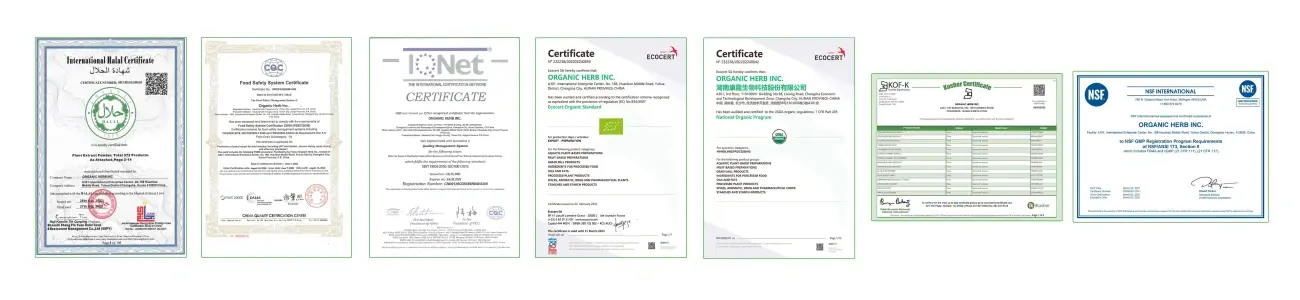
Comparing Rhodiola Rosea Extract with Other Adaptogens
Rhodiola vs. Ashwagandha and Ginseng
Every adaptogen operates in a different manner. Because it helps keep cortisol levels in control and aids sleep, a chemical known as ashwagandha, also known as Withania somnifera, is often included in supplements that are intended for use in the evening. You get your energy from the ginsenosides found in Panax ginseng, which also assist your immune system in functioning properly. Rhodiola rosea is able to do its task in a shorter amount of time. There have been studies that have shown that it reduces feelings of fatigue and increases mental endurance. As a result of this, it is an excellent option for meals that are designed to stimulate the brain and provide fuel for athletes who need assistance throughout the day.
Natural Extract vs. Adulterated or Synthetic Alternatives
There is a significant possibility that synthetic salidroside might be added to rhodiola before it is distributed to potential customers. For the purpose of satisfying the requirements of the paper industry, some vendors spread false information about the products they sell by combining low-cost synthetic salidroside with materials that are mostly derived from R. crenulata. C14 carbon dating and HPTLC plant identification are two methods that are used by reputable firms to demonstrate the provenance of natural rhodiola rosea extract. People should always be sure to ask for a certificate of analysis (COA) that not only shows total salidroside but also clear HPLC peaks for rosavin, rosarin, and rosin when they are purchasing anything.
Organic Certification and Supplier Credibility
There is a growing correlation between the positioning of a brand in the United States market and the organic acceptance that it receives. It is common practice for organic food stores and clean-label businesses to require evidence that an item originated from a certified organic source before listing it on their shelves. It is possible for vendors to get these accounts without having to go through further checks by a third party if they use rhodiola extract that has been organically certified by the Organic Health Institute (OHI). To put it another way, this makes it more affordable for enterprises that manufacture brand-name supplements as well as for foreign imports.
Procurement Guide for Rhodiola Rosea Extract
Key Supplier Qualification Criteria
You can't just look at the price per kilogram to judge a supplier. These are the main things that people who work in the nutrition business should look for:
- Species authentication: HPTLC fingerprint showing R. rosea-specific rosavin bands, not R. crenulata
- Standardization documentation: HPLC CoA confirming ≥3% rosavins and ≥1% salidroside per batch
- Safety screening: Heavy metals (Pb < 3 ppm), pesticide residues, PAHs, and solvent residues within USP limits
- Certifications on file: NSF GMP, ISO 9001, FSSC 22000, Kosher, Halal, and Organic
HPTLC for rhodiola rosea extract shows rosavin lines that are only found in R. rosea and not in R. crenulata, which proves the species.- Proof of standardization: an HPLC COA showing at least 3% rosavins and at least 1% salidroside in each batch.
To make sure the food was safe, heavy metals (Pb < 3 ppm), pesticide residues, PAHs, and solvent residues that are within USP standards were looked at. We have proof that our products are NSF GMP, ISO 9001, FSSC 22000, Kosher, Halal, and organic on file.
Product Format and Logistics Details
In addition to ensuring that the brand remains consistent over the duration of a product's life, these checks reduce the likelihood of the product being reformulated.
Questions to Ask Before Placing an Order
If you ask these questions before you commit to purchasing anything, you will be able to safeguard your investment in the actual product. Methanol should not be used as the extraction solvent; rather, water and ethanol should be used. For the purpose of ensuring that the consistency is correct, get three batch COAs in a row. Furthermore, check that the organic certificate covers the lot that is being offered, and enquire about the quantity of samples that you want in order to place an order. People who meet the requirements are eligible to get free samples from OHI, and the first test does not have to be for a certain quantity of the product.
Why Choose OHI's Rhodiola Rosea Extract
Verified Purity and Traceability
OHI extract is produced in Yichun, Jiangxi Province, in accordance with the C-GMP regulations. All the way from the raw root to the finished powder that is completed, we are able to maintain track each batch. Our center for research and development is located in Changsha, Hunan, and it employs 42 people, some of whom have doctoral degrees and are among the most accomplished researchers. Tools such as high-performance liquid chromatography (HPLC), high-performance thin-layer chromatography (HPTLC), gas chromatography mass spectrometry (GC-MS), and freeze-drying apparatus are used by them. It is produced in the same manner each and every time: with 0.3 percent rosavins, 1% salidroside, water and ethanol for extraction, and a colour that ranges from yellow to brown.
US-Based Inventory and Supply Reliability
With four warehouses located in the United States, we provide supplement companies and distributors with the peace of mind they need in order to maintain their production schedules successfully. It complies with the rules set out by the FDA and C-GMP in the United States, and it comes with all of the necessary papers for customs and regulatory approval.
Sustainable Sourcing Philosophy
With the assistance of leading educational institutions, the OHI manages more than 8,000 acres of GAP-certified planting sites throughout a number of regions in China. We provide assistance to agricultural communities by providing them with seeds, providing them with technical training, and monitoring the yield. Using this procedure causes less damage to the land, and it is also simpler to locate the components that are required. This source tale is about something that companies in the United States that make any kind of environmental claim will comprehend.
Conclusion
There is a clear phytochemical process and a standardization profile that can be used to measure how well rhodiola rosea extract works as an adaptogen. There are a lot of different ways that brands can make products with this ingredient that are good for mental health, sports nutrition, or stress resilience. It also has a clean label and a lot of literature to support it. To make it work in your product, you need to get it from a natural rhodiola rosea extract supplier that you know will consistently send you real, specification-confirmed material. This supplier should also have the right certifications, the ability to track products, and the US logistics infrastructure to help you meet your production deadline.
Frequently Asked Questions
1. What is the recommended dosage of rhodiola rosea extract for cognitive applications?
Standardised to 3% rosavins, the average dosage for clinical studies is between 200 and 600 milligrams per day. When it comes to maintaining plasma levels of phenylpropanoid glycosides throughout the day, the majority of formulators divide this into two daily dosages.
2. How do I verify extract authenticity when sourcing from a supplier?
In addition to a total rosavin figure, you should request an HPLC chromatogram that displays individual peaks for rosavin, rosarin, and rosin. If you want to validate the natural compound's provenance, you should also ask for documentation of the HPTLC botanical ID and enquire about the availability of C14 carbon analysis.
3. What certifications should a qualified rhodiola rosea extract supplier hold?
Check for certifications such as NSF GMP, ISO 9001, FSSC 22000, Kosher, Halal, and Organic for your product. Manufacturing quality, food safety systems, religious conformity, and clean-label sourcing are some of the topics that are covered by these.
Partner with OHI for Certified Rhodiola Rosea Extract Supply
Rhodiola rosea extract that has been certified as natural rhodiola rosea extract can be bought at OHI. A US warehouse is where you can pick it up, and there is a 10-day lead time. It comes with all the paperwork you need. Because our MOQ is 25 kg, we can try new goods and make more of them. You can email us at info@organic-herb.com to get a free sample, a sheet with product details, or prices for your new product.
References
1. Darbinyan, V., et al. "Rhodiola rosea in stress-induced fatigue." Phytomedicine, 2000.
2. Shevtsov, V. A., et al. "A randomized trial of two different doses of Rhodiola rosea extract versus placebo." Phytomedicine, 2003.
3. Olsson, E. M., et al. "A randomised, double-blind, placebo-controlled, parallel-group study of the standardised extract SHR-5 of the roots of Rhodiola rosea in the treatment of subjects with stress-related fatigue." Planta Medica, 2009.
4. Panossian, A., & Wikman, G. "Effects of Adaptogens on the Central Nervous System and the Molecular Mechanisms Associated with Their Stress-Protective Activity." Pharmaceuticals, 2010.
5. Brown, R. P., Gerbarg, P. L., & Ramazanov, Z. "Rhodiola rosea: A Phytomedicinal Overview." HerbalGram, 2002.
6. Perfumi, M., & Mattioli, L. "Adaptogenic and central nervous system effects of single doses of 3% rosavin and 1% salidroside Rhodiola rosea L. extract in mice." Phytotherapy Research, 2007.
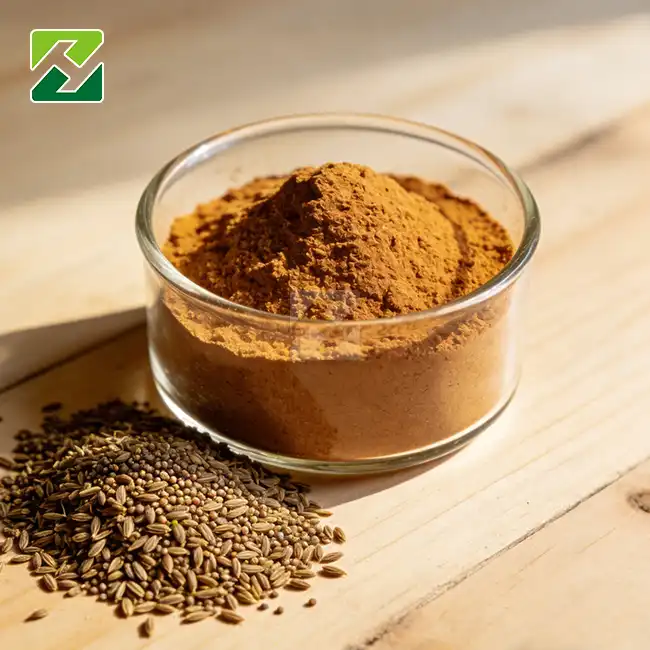
Surprising Benefits of Natural Celery Seed Extract
VIEW MORENatural celery seed extract — derived from the seeds of Apium graveolens — has quietly become one of the most requested botanical ingredients in the B2B ingredient market. Standardized to deliver consistent levels of bioactive phthalides such as 3-n-butylphthalide (3nB) and apigenin, this extract addresses a real gap in nutraceutical formulation: predictable potency from a natural source. For R&D directors, formulation managers, and procurement teams sourcing ingredients for supplements, functional foods, or personal care products, this guide breaks down what makes this ingredient worth serious attention.
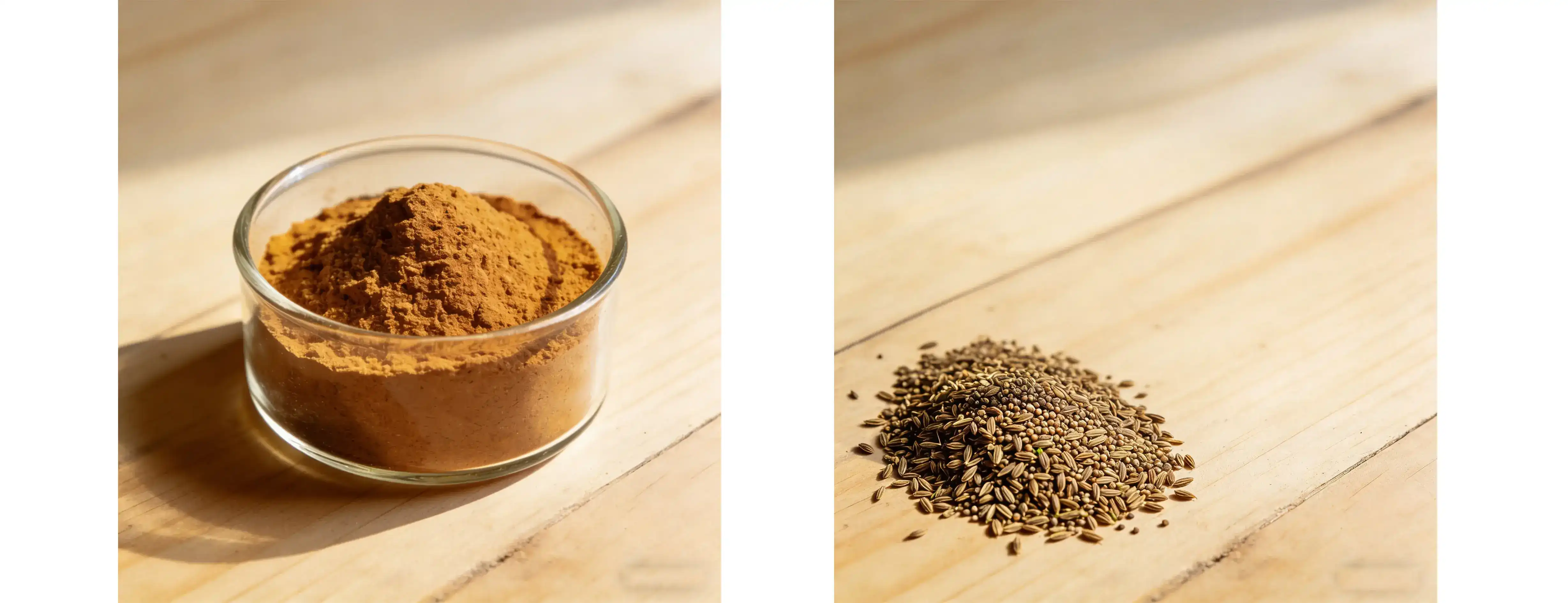
Understanding Natural Celery Seed Extract and Its Health Benefits
What Is It, Exactly?
This very strong celery seed extract comes from the seeds of the Apium graveolens plant. The OHI version that is extracted with water comes in two concentrations: 4:1 and 10:1. It smells different and looks like a brownish-yellow powder. This standardized extract is not the same as celery stalk powder or cold-pressed seed oil because it is made to have the same amount of bioactive compounds in every batch.
Key Bioactive Compounds
The most important active markers are phthalides, especially 3nB, and apigenin, a flavonoid that has been researched for its health benefits. Phthalides give celery its unique smell, and some people think they are good for you. The strength of a 10:1 extract is about 10 times that of raw seed powder. For finished goods, this means they will work better per gram.
Why the Market Is Paying Attention
These days, people want pure products and clean labels a lot more. The Natural Marketing Institute says that more than 65% of people in the U.S. who buy supplements make sure that the ingredients are natural. Apium graveolens seed extract meets this need and also has bioactivity that can be measured. This makes it easier for brands to say that their products are good for your heart, joints, and vitamins.
Practical Uses, Dosage, and Safety of Celery Seed Extract
Application Scenarios That Matter to B2B Buyers
This part of the code can be used in three different ways. These things should help procurement teams decide if someone is a good fit:
Capsules and tablets for health supplements: For uric acid support and joint relief, most people take 75 to 150 mg of a 10:1 extract that is standardized to about 2.2% 3nB every day. You can mix the form that is extracted with water well with vitamin C and tart cherry extract in pills without breaking down the volatile chemicals.- Food and Drink That Work: The water-soluble extract grade from OHI works well with fortified foods and is safe to use in food. Before they can be used in drinks, standard lipophilic grades need to be microencapsulated so that they don't settle.
Nitrates from celery seeds are used as natural preservatives in the food business. They are used to process meat with a clean label. There are no fake chemicals in the natural celery seed extract, which is a natural source of nitrate that helps keep the color steady and stops pathogens from growing. This is something that is becoming more and more important in premium processed meat categories.
- Dietary Supplement Capsules & Tablets: A 10:1 extract standardized to approximately 2.2% 3nB is typically used at 75–150 mg daily in uric acid support and joint comfort formulas. The water-extracted form integrates cleanly into capsule blends alongside ingredients like tart cherry extract and Vitamin C without degradation of volatile compounds.
- Functional Food & Beverage: For food-grade applications, OHI's water-soluble extract grade supports compatibility in fortified foods. Standard lipophilic grades require micro-encapsulation for use in beverages to prevent sedimentation.
- Clean-Label Meat Processing: In the food industry, celery seed–derived nitrates serve as natural curing agents. The extract acts as a natural nitrate source to support color stability and inhibit pathogen growth without synthetic additives — a growing requirement in premium processed meat categories.
When using the clean extraction method (only water as a solvent), there will be very little solvent left over, and the ingredients will be safe for food and easy to read on the label.
Formulation Considerations
The extract from celery seeds can hold some water. This means that the oil needs to be kept in sealed fiber drums inside double-lined plastic bags so that the volatile oil parts don't stick together and go bad. That's why OHI sends in boxes that are 25 kg/drum and meet this standard. The shelf life stays the same as long as it is kept below 25°C and dry.
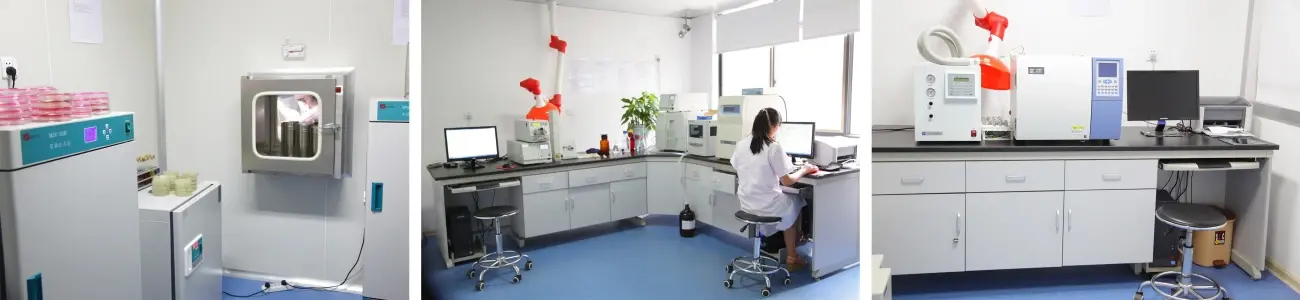
Comparing Celery Seed Extract with Alternatives
Extract vs. Raw Powder
Most of the time, raw celery seed powder only has about 0.05% 3nB. A product from OHI that is 10 times stronger can have up to 20 times that mass. If the formulation team wants to back up what's written on the label, the raw powder can't consistently give therapeutic-range amounts from batch to batch.
Water Extraction vs. Solvent Extraction
The hexane-based extraction method makes more oil, but it leaves behind solvents that aren't good for a clean label policy. Ethanol/water or pure water extraction is how OHI does it. This method saves both polar compounds (apigenin) and non-polar compounds (3nB) without the risk of loss. Our QA teams need to know this because they are in charge of making sure that FDA and EU standards are met.
Natural vs. Synthetic Routes
Someone or some business sells manufactured phthalide isolates. These are good for giving the right dose, but they make it hard for companies to sell natural supplements. Made-in-China actives can't meet the needs of customers and stores that want proof that the product comes from a plant. Synthetic alternatives cannot support claims of organic certification and tracking like natural celery seed extract from confirmed agricultural sources can.
When people decide what to buy and how to place a company over the long term, these differences matter. In the long run, it saves a lot of money to choose the right form from the start.
Procurement Insights: How to Source Quality Celery Seed Extract
Certifications That Protect Your Supply Chain
If you want to buy natural celery seed extract from a company, make sure they have certifications. The company OHI has certifications for being Kosher, Halal, Organic, NSF GMP, and ISO9001. The goods are safe and meet the rules set by the US FDA and C-GMP. International buyers will find it much easier to follow the rules when they bring goods into the country and register them with this set of paperwork.
Quality Testing Standards to Request
People who want to buy something should ask all sellers for the following papers:
- HPLC assay confirming 3nB and apigenin concentrations to verify label claim accuracy
- TLC or HPTLC authentication to rule out adulteration with celery leaf or stalk — cheaper substitutes that lack equivalent bioactivity
- Pesticide residue screening in compliance with USP \<561\> or EU Regulation 396/2005
- Heavy metal testing and PAH screening, with Benzo(a)pyrene limits below 10 ppb
- Allergen ELISA testing, given that celery is a recognized allergen in EU regulations
Celery leaf or stalk, which are cheaper options but don't have the same bioactivity, should be checked with TLC or HPTLC to make sure it hasn't been messed with.
Logistics and Lead Time
They have an atomic absorption spectrophotometer, HPLC, GC-MS, and an HPTLC in their quality control lab at OHI. This lets them check each package at the batch level.
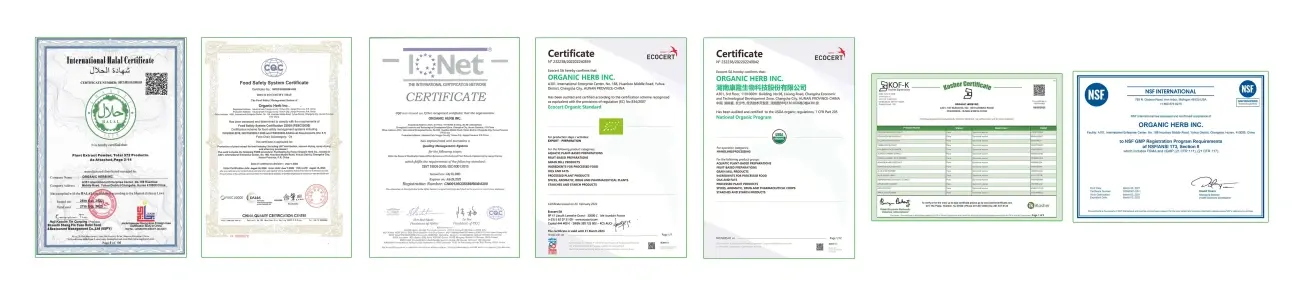
Integrating Celery Seed Extract Into Your Product Line
Nutraceutical and Supplement Applications
If a supplement company wants to make high-potency capsules for heart health and joint health, the 10:1 ratio extract works best. Since the ingredient is extracted with water, it is completely in line with claims of being natural or clean. For OEM and ODM users, OHI also helps with private label paperwork and making sure that the concentration specs are right.
Functional Food and Beverage Opportunities
The OHI water-soluble extract grade works perfectly with the normal steps used to make food. This means that food scientists can use it to make snacks that are healthier, functional teas, or drink mixes with plants. The yellow-brown powder mixes well and passes through an 80-mesh sieve to make the mixing even.
Cosmetic and Personal Care Integration
Apigenin is liked by people who work on personal care goods because it is an antioxidant. Formulations that focus on natural antioxidant protection can benefit from celery seed extract. This is especially true for serums and toners, where botanical ingredients help build brand recognition.
Conclusion
Apium graveolens plant seeds can be used to make a safe and useful ingredient for many types of products. With phthalides and apigenin in its bioactive profile, natural celery seed extract has a level of functionality that raw powder forms just can't match. It is safe and easy for buying teams to get the ingredients they need from OHI's water-extracted, approved extract because the company is based in the US and has all the necessary paperwork and quality infrastructure. You can use this ingredient to help make new supplements, foods, and personal care products because it meets high quality standards, has an approved open supply chain, and has low MOQ terms.
Frequently Asked Questions
1. What is the difference between 4:1 and 10:1 celery seed extract?
The ratio refers to concentration: a 10:1 extract requires 10 kg of raw seed to produce 1 kg of extract, making it roughly 2.5 times more concentrated than the 4:1 version. For high-potency supplement formulas, the 10:1 is preferred; for functional food applications where lower active doses suffice, 4:1 is more cost-effective.
2. Is water extraction better than ethanol extraction for this ingredient?
Water extraction produces a clean-label product with no solvent residue concerns and is compatible with organic certification. It preserves both polar and non-polar compounds effectively. For brands prioritizing label transparency and regulatory simplicity, water-extracted grades are the preferred choice.
3. What certifications should I require from a celery seed extract supplier?
At minimum, look for GMP certification, ISO9001, and food safety credentials such as FSSC22000. Kosher and Halal certifications are important for global distribution. OHI holds all of these, along with Organic certification.
4. Can this extract be used in beverages?
Standard grades may cause sedimentation in liquid applications. Micro-encapsulated or nano-emulsified formats are recommended for optical clarity. Consult OHI's technical team for beverage-specific grade recommendations.
Source High-Purity Celery Seed Extract From OHI — Certified Natural Celery Seed Extract Supplier
The OHI apium graveolens seed extract is non-GMO, organic, kosher, halal, and approved by NSF GMP for natural celery seed extract. It is safe to use in food and medicine. They make it easy to buy from them by having four stores in the US, free trials, and a lead time of seven days. No matter if you're making a new functional food or adding to your line of supplements, our technical team is here to help you from the drawing board to the delivery truck. Send us an email at info@organic-herb.com right now to get a sample.
References
1. Powanda, M. C., Whitehouse, M. W., & Rainsford, K. D. (2015). Celery Seed and Related Extracts with Antiarthritic, Antiulcer, and Antimicrobial Activities. Progress in Drug Research, 70, 133–153.
2. Dianat, M., Veisi, A., Ahangarpour, A., & Fathi Moghaddam, H. (2014). The Effect of Hydro-Alcoholic Celery (Apium graveolens) Leaf Extract on Cardiovascular Parameters in Animal Models. Avicenna Journal of Phytomedicine, 4(3), 171–176.
3. Baananou, S., Bouftira, I., Mahmoud, A., Boukef, K., Marongiu, B., & Boughattas, N. A. (2013). Antiulcerogenic and Antibacterial Properties of Apium graveolens Essential Oil and Extract. Natural Product Research, 27(12), 1075–1083.
4. Mencherini, T., Cau, A., Bianco, G., Della Loggia, R., Aquino, R. P., & Autore, G. (2007). An Extract of Apium graveolens var. dulce Leaves: Structure of the Active Principle and its Activity on Inflammation. Journal of Pharmacy and Pharmacology, 59(6), 891–897.
5. Natural Marketing Institute. (2022). Health & Wellness Trends Database: U.S. Supplement Consumer Survey. Natural Marketing Institute.
6. European Food Safety Authority (EFSA). (2012). Scientific Opinion on the Safety and Efficacy of Celery (Apium graveolens) Seed Extract. EFSA Journal, 10(10), 2918.
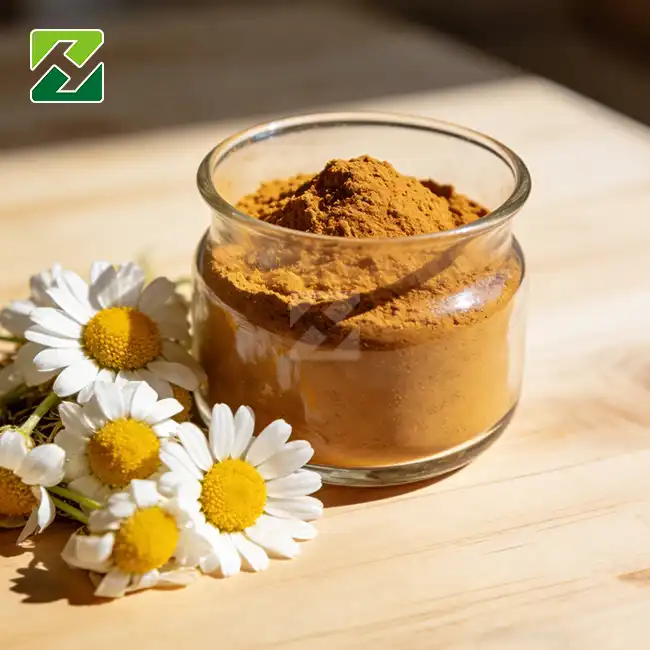
Can you take chamomile extract every day?
VIEW MOREYou can take chamomile extract every day, and many formulators build daily-use products around it for that reason. Derived from the dried flower heads of Matricaria recutita (German Chamomile), this botanical ingredient is standardized to deliver consistent levels of apigenin and alpha-bisabolol. Within recommended dosage ranges, daily intake is generally well-tolerated. For B2B buyers, the real question is not just about end-user safety—it is about sourcing an extract with verified potency, batch consistency, and traceable quality documentation that supports long-term product performance.

Understanding Chamomile Extract: Uses and Benefits
A detailed guide for CEOs and people who work in business-to-business procurement
What Makes It Different From Chamomile Tea
The amount of active chemicals in chamomile tea changes based on how hot the water is and how long the tea is brewed. On the other hand, a normal powder extract keeps a certain amount of apigenin, like 5% Apigenin, so the people who make the formula can be sure that each batch has the right amount of active ingredient. This level of accuracy is necessary in the supplement and cosmetics businesses.
Key Bioactive Compounds and Their Roles
The main things that make chamomile extract made for professionals special are
- Apigenin (flavonoid): Functions as a GABA-receptor modulator, supporting calm and relaxation claims in sleep and stress formulations.
- Alpha-bisabolol (sesquiterpene alcohol): Reduces surface redness and supports skin barrier repair in dermocosmetic applications.
- Chamazulene: A powerful antioxidant formed during steam distillation, valued in blue chamomile oil but also present in ethanolic extracts.
Because these chemicals work together, formulators have an ingredient that can do more than one thing. This is based on science that can be measured.
Industry Applications Across Multiple Sectors
Because it is meant to be used every day, this extract works in all areas. Supplement companies use it to make pills that help people sleep and deal with stress. It is put into creams and serums to make the skin feel better. The people who make functional drinks use food-grade extracts to back up their claims that their drinks can lower inflammation. The extract can be taken out using either water or ethanol, which means it can be used in preparation methods that work with both water and lipids.

Is It Safe to Take Chamomile Extract Every Day?
Safety in business-to-business is all about paperwork, not just following the rules of a plant. This is what the proof says:
Clinical Support for Daily Use
Several studies looked at by experts in the field show that chamomile preparations high in apigenin are safe to use every day as long as the right amount is taken. It was published in 2017 in the journal Phytomedicine that people who took standardized chamomile extract for 26 weeks did not have any bad effects. This information can help formulators feel good about the label directions they write.
Considerations for Specific Populations
When formulators make products for a lot of different people, they should remember that some groups, like pregnant women and people who take blood thinners, may need extra information on the label. This is normal for people who take dietary supplements, and it doesn't stop them from making new products. You can speed up this process of paperwork if your seller gives you full technical dossiers.
Why Sourcing Quality Controls Safety Outcomes
The formulation is really at risk if the extract isn't from a reliable source and the amount of apigenin in it varies. What was supposed to happen changes when the current load changes from batch to batch. It is important to buy from certified suppliers who offer COA paperwork, HPLC testing, and batch traceability. This gives your quality assurance team the information they need to protect your brand and keep your products working well.

How to Choose Quality Chamomile Extract for Daily Use
The type of extract is just as important as the plant that it comes from. These things should be looked at by procurement teams before they send out a purchase order.
Specification Options and What They Signal
There are three main types of OHI's Matricaria recutita flower extract: Extract which is made from 4 kg of dried flower to 1 kg of extract. It works well for general-purpose supplements and food uses that need to save money.Ten:1 Ratio Extract: This has more of it and works well for capsule-based products where dose per unit is important.
This standardized 5% apigenin extract makes sure that there is a steady amount of active markers, which is important for any recipe that wants to make specific claims about its functions.
- 4:1 Ratio Extract: 4 kg of dried flower yields 1 kg of extract. Suitable for general-purpose supplement and food applications where cost efficiency is a priority.
- 10:1 Ratio Extract: Higher concentration, appropriate for capsule-based supplements where dose per unit is a critical parameter.
- 5% Apigenin Standardized Extract: Guarantees a fixed active marker level, required for any formulation making specific functional claims.
Water and ethanol are used as liquids to make all three. This makes a brownish-yellow powder that can be used in many different ways. These extraction parameters protect the active compound's structure while lowering worries about solvents that may be left behind.
Certifications That Matter in U.S. Market Entry
You need approval support when you buy things for the American market. Because it is Kosher, Halal, Organic, NSF GMP, and ISO certified, OHI's chamomile extract is safe for use. These credentials cover things like food safety management, dietary needs, and quality systems. They directly meet the standards for food and vitamins set by the FDA and cGMP.
Evaluating Supplier Reliability
An honest service provider should have more than just a bunch of certificates. A short lead time (OHI sends within 7 days), a 25 kg minimum order amount with 25 kg/drum packaging, and U.S. warehouse stock for shipping within the U.S. are also things that they should offer. OHI has four warehouses in the U.S., so orders can be filled quickly without having to wait for ocean freight. This is a big plus for procurement teams that are in charge of tight production schedules, which they will notice right away.

Integrating Chamomile Extract Into Your Product or Supply Chain
Formulation Compatibility and Dosage Guidance
The Malabar recutita extract from OHI can be made with both water and ethanol. This makes it easy to add to capsule mixes, tablet premixes, topical serums, and functional beverage powders. In supplements, the usual amount of ratio extracts is between 200 mg and 400 mg per serve. Normalized apigenin grades, on the other hand, need less of an inclusion rate to work the same way.
Bulk Purchasing and Private Label Advantages
Businesses that buy in bulk get better deals and a steady supply. You can put your own label on a finished chamomile extract supplement or cosmetic active because OHI supports private label production. This means that your business doesn't have to build up its own extraction capabilities. People who make and sell supplements and want to add more plants to their line-up without spending a lot of money can use this technique.
Supply Chain Documentation and Logistics
The OHI plants are in Yichun, which is in Jiangxi Province. A 42-person R&D and QC team with HPLC, GC-MS, and freeze-drying technology helps them do their job. They grow crops on more than 8,000 acres of land that meets GAP standards. Every batch of powder can be tracked from the time the raw materials are gathered to the time it is made. You can also get full paperwork for regulatory filings, import filings, and checks by a third party.

Best Practices for Daily Chamomile Extract Formulations
How this item is mixed and checked for quality must be thought about in order to get the most out of it.
Stability Preservation in Final Products
It stays stable in acidic pH conditions, but it breaks down after being in UV light for a long time. When it comes to liquids, bags that are dark or yellow last 12 to 24 months longer. Dry powders can be stored in sealed drums with controlled humidity. One reason OHI's 25 kg drum package has a moisture barrier layer is because of this.
Batch-to-Batch Consistency Protocols
Any batch that is made should have a certificate of analysis (COA) that says how much apigenin, heavy metals, bacteria, and chemicals are still there. HPLC is used to check every batch that OHI gives out before it goes out, and if necessary, the tests can be done again by a third party.
Communicating Efficacy to End Consumers
When you teach people about the science behind botanical standardization, like what a 5% apigenin level means and why it's important, they're more likely to stick with your brand. Brands in the wellness area that use clear language on their labels and cite written research build trust, which makes people want to buy again.

Conclusion
Chamomile extract can be used every day and has been shown to be helpful by science. It can be found in vitamins, cosmetics, food, and drugs. You need to get a standard, certified extract from a supplier whose quality systems have been checked and whose supply capacity is always the same if you want it to work in your line of products. You can get OHI's Matricaria recutita flower extract in 4:1, 10:1, and 5% Apigenin strengths. It works well enough and has all the paperwork it needs to be sold in the U.S. and around the world. They have stock in U.S. warehouses; you only have to wait 7 days, and they offer free samples, so it's easy to go from testing to production.
FAQ
1. Is a 10:1 ratio extract more potent than a 5% apigenin extract?
Not all the time. A 10:1 ratio talks about how much concentration there is, not how much active marker there is. Every gram of a controlled extract of 5% apigenin will have a certain amount of flavonoids. So, it's the better choice for any product that says on the label that it works.
2. Can chamomile extract be used in clear functional beverages?
Powder extracts that are used every day might cloud water a bit. For clear drink uses, pick a format that dissolves in water or that is instant-grade. You can get help from OHI's technical team to choose the best specification for your needs.
3. What certifications should I require from a chamomile extract supplier for U.S. distribution?
Check for at least NSF GMP, ISO, and FSSC22000. More people can buy from you if you get Kosher and Halal approvals. It is important for natural food and supplement companies in the U.S. to use clean labels, and getting organic approval helps with that.
4. What is the minimum order quantity, and is sampling available?
The minimum order quantity (MOQ) for OHI is 25 kg, which is one drum. Before you place a full order, you can get free samples to test in the lab. The normal lead time from U.S. warehouse stock is 7 days after you confirm your order.
Partner With OHI for Your Chamomile Extract Supply
Many well-known names in the United States use chamomile extract, which is made by OHI, a trustworthy business. We make sure that our flower extract from the Matricaria recutita plant meets NSF GMP, ISO, Kosher, Halal, Organic, and FSSC22000 standards. We have stock in the U.S. warehouse that can be sent anywhere in the country quickly. When someone places an order, they get all the technical information they need for free. The wait time is 7 days. Please email our team at info@organic-herb.com to get a sample or talk about what you need for your recipe.
References
1. Srivastava, J. K., Shankar, E., & Gupta, S. — Chamomile: A herbal medicine of the past with bright future — Molecular Medicine Reports, 2010.
2. Amsterdam, J. D., et al. — A randomized, double-blind, placebo-controlled trial of oral Matricaria recutita (chamomile) extract therapy for generalized anxiety disorder — Journal of Clinical Psychopharmacology, 2009.
3. Miraj, S., & Alesaeidi, S. — A systematic review study of therapeutic effects of Matricaria recutita chamomile — Electronic Physician, 2016.
4. Amsterdam, J. D., et al. — Long-term chamomile (Matricaria chamomilla L.) treatment for generalized anxiety disorder: A randomized clinical trial — Phytomedicine, 2016.
5. McKay, D. L., & Blumberg, J. B. — A review of the bioactivity and potential health benefits of chamomile tea — Phytotherapy Research, 2006.
6. Bhaskaran, N., et al. — Apigenin inhibition of UV-B induced inflammatory responses — Journal of Investigative Dermatology, 2011.
- 1
- 2
- 3
- 4
- 5
- 6
- 19