
St. John's Wort Extract Powder: Uses, Safety & Evidence
Sep 29, 2026
St. John's Wort extract powder, derived from Hypericum perforatum, has earned consistent attention across the nutraceutical, cosmetic, and functional food industries. As a standardized botanical concentrate, st john's wort extract powder delivers measurable concentrations of hypericin and hyperforin — two bioactive compounds that researchers have studied extensively for their influence on neurotransmitter pathways. Whether you're an R&D director formulating a mood-support supplement or a procurement manager sourcing clean-label botanical actives, understanding what this extract offers at the ingredient level is the logical starting point.
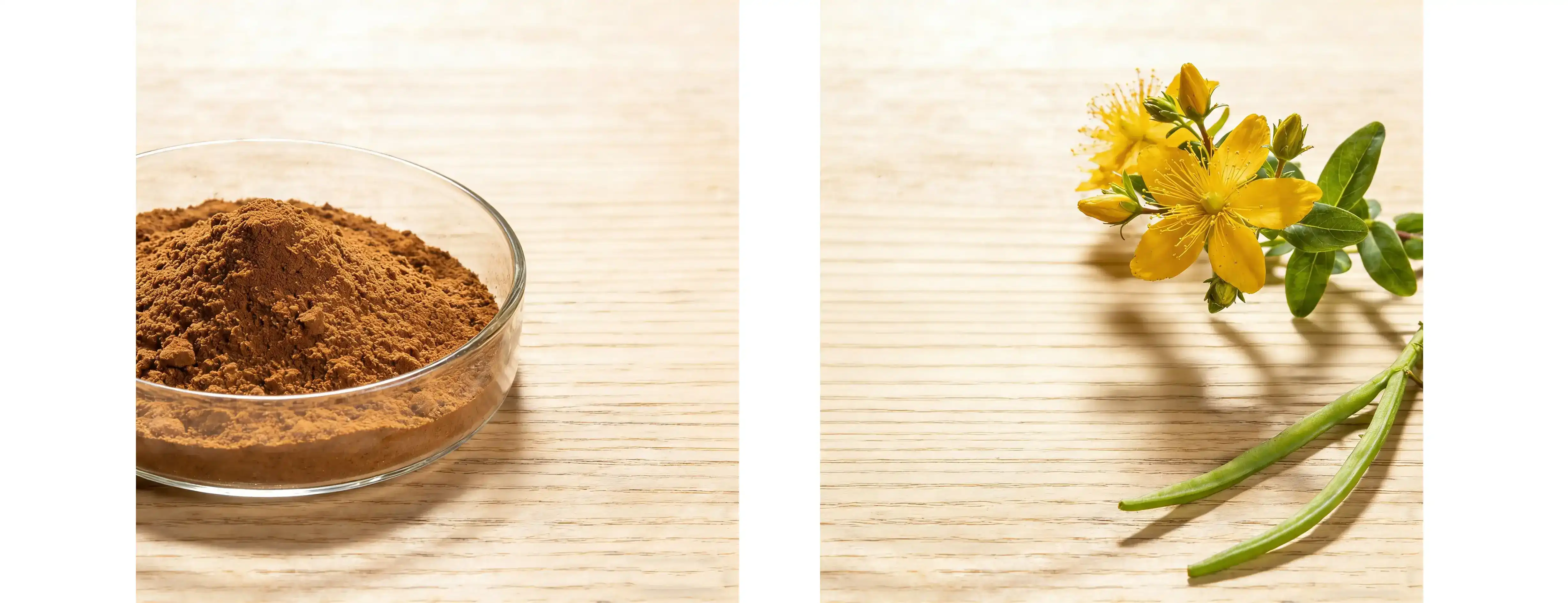
Understanding St. John's Wort Extract Powder
Hypericum perforatum has been used for hundreds of years and has a recorded past. Today, advances in extraction science have turned that legacy into a consistent, repeatable ingredient that formulators can use with confidence.
Bioactive Profile and Extraction Science
The plant's leaves are used in a water-and-ethanol co-solvent system to make OHI's Hypericum Perforatum extract. This two-solvent method successfully combines both naphthodianthrones (hypericins) and phloroglucinols (hyperforin), while also getting rid of the raw plant biomass's fibrous cellulose and environmental impurities. The brown powder that was made has a concentration ratio of 10:1 and is regulated to 0.3% hypericin, which is the same level of accuracy as the standards used in peer-reviewed clinical research.
Standardization is very important at the business-to-business level because raw herbal grinds cause batch-to-batch variations that make it hard to make accurate product claims. A standardized extract gets rid of that uncertainty, giving people who make medicines a solid therapeutic index to work from.
Mood Regulation and Neurotransmitter Influence
Several published clinical meta-analyses, including a Cochrane review of 29 trials, have found that Hypericum perforatum extracts st john's wort extract powder, work better than placebo and are about as effective as standard pharmaceutical agents in studies aimed at people with mild to moderate mood problems. The suggested way works by changing the reuptake of serotonin, dopamine, and norepinephrine. This plant-based substance is different from synthetic compounds that only work on one receptor. This multi-pathway activity is a meaningful differentiator for product developers making mood-wellness or stress-resilience formulations.
Safety, Dosage, and Responsible Formulation
Dosage Parameters for B2B Applications
In clinical tests, the recommended daily dose is between 300 mg and 900 mg of standardized extract (0.3% hypericin), spread out over two or three doses. At the ingredient supply level, OHI's 10:1 extract means that formulators work with a more concentrated material, which means that they need to use lower inclusion rates to reach their goal hypericin levels than they would with powders with a lower ratio. This means that the cost per finished unit is lower and the weight of the capsules inside is lower.
Formulation Considerations and Interactions
One well-known chemical characteristic must be taken into account by formulators: It is known that Hypericum perforatum extract can activate the CYP3A4 enzyme pathway. This means that finished products that contain this extract should have the right information on the label about how to use them with certain drugs, like blood thinners and immunosuppressants. Responsible product makers don't see this as a problem; instead, they see it as their duty to name and document, and open suppliers like OHI back this up with full technical dossiers and records of traceability.
Hypericin breaks down easily in light and is easily oxidized. This is taken care of by OHI with low-temperature extraction methods and nitrogen-flush packing, which keep the activity going from production to delivery.
Comparing Forms and Quality: Choosing the Right Extract
This plant is sold in the ingredient market in a number of different physical forms. Procurement teams can choose the right grade for their application when they understand the trade-offs.
Here are the main differences that you should think about:
- Standardized powder (10:1, 0.3% hypericin): The most versatile format for encapsulation, tablet pressing, and dry-blend nutraceutical applications. Offers superior dosage precision and longest shelf stability when properly packaged. OHI's brown powder grade fits this specification precisely.
- Tinctures and liquid extracts: Better suited for direct-use herbal products but introduce solvent management complexity in manufacturing and reduce shelf life. Less practical for large-scale B2B formulation.
- Blended or non-standardized powders: Lower cost entry point but introduce the batch variability problem that standardized extracts are specifically designed to solve. Not recommended where product claims depend on consistent bioactive delivery.
The st john's wort extract powder standard is made up of 10:1 and 0.3% hypericin. It is the most flexible form for encapsulation, tablet pressing, and dry-blend nutraceutical uses. When properly packaged, it gives more accurate dosage and lasts longer on the shelf. This is a perfect match for OHI's dark powder grade. - Tinctures and liquid extracts: These work better for direct-use herbal products, but they make manufacturing more difficult and shorten the shelf life. Not as useful for large-scale B2B creation.
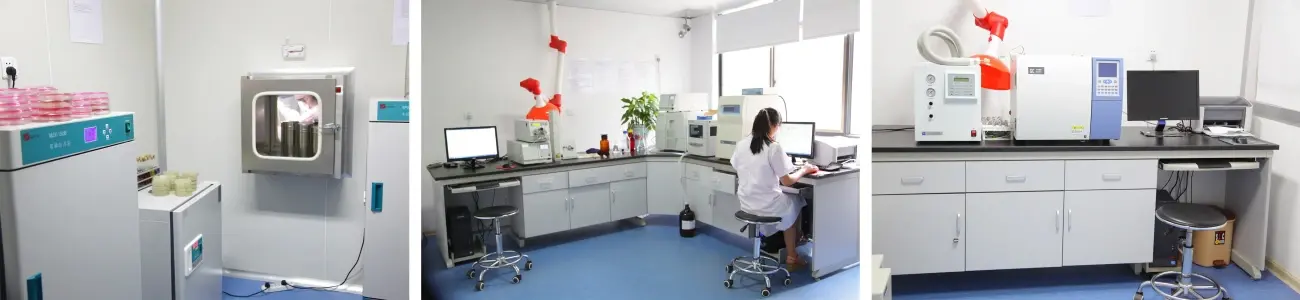
Documented hypericin level checked by HPLC is the most important quality sign when comparing suppliers. UV spectrophotometry alone is not enough. Using reference standards, HPLC can identify individual molecular interactions, giving accuracy high enough for pharmaceutical use. UV testing measures a wider range of absorbance and usually gives higher percentage numbers that don't show the real concentration of the chemical. As part of every batch certificate, OHI's QC lab gives out HPLC results.
Procurement and Sourcing Strategies
It takes more than just comparing prices to find a reliable source for botanical extracts on an industrial scale. Total purchase value is affected by the reliability of the supply chain, the accuracy of the paperwork, and the speed with which transportation can respond.
What to Evaluate in a Supplier
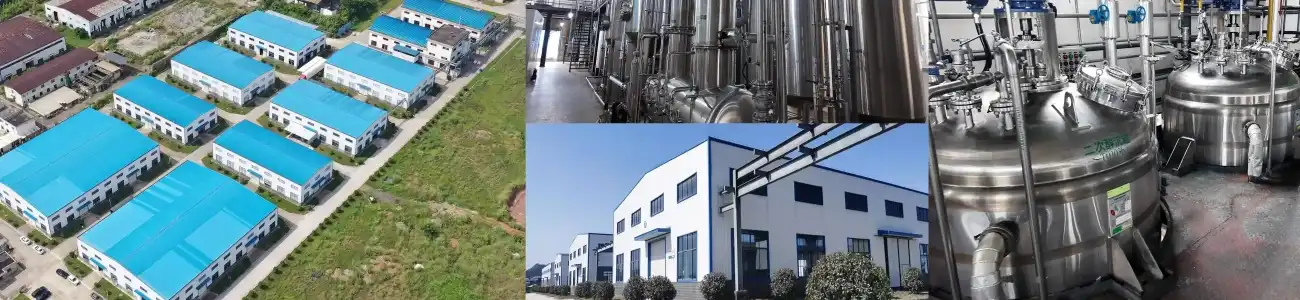
Earth Made Nutritions, an OHI wholly owned subsidiary based in Los Angeles, California, runs four warehouses across the United States. Because of this domestic inventory system, buyers in the U.S. can get confirmed stock quickly instead of having to wait for foreign transit lead times. The normal wait time for making something from OHI's factory in Jiangxi is 10 days. The MOQ is set at 25 kg per drum, which is a good starting point for small-scale tests and pilot batches.
The company has three GAP-certified planting bases that cover more than 8,000 acres. These bases allow upstream traceability that most ingredient distributors can't match. From helping with seedlings to harvesting and packing, OHI keeps a written record of the chain of custody. This is something that more and more pharmaceutical and nutritional customers want for regulatory applications.
For procurement teams looking to source st john's wort extract powder and save money, the benefits of buying in bulk become clear above the 25 kg minimum order quantity. You can get free samples to check the quality before making a commitment. This takes away the main risk of sourcing in a new seller relationship.
Applications in B2B Health Product Development
Nutraceutical and Supplement Formulations
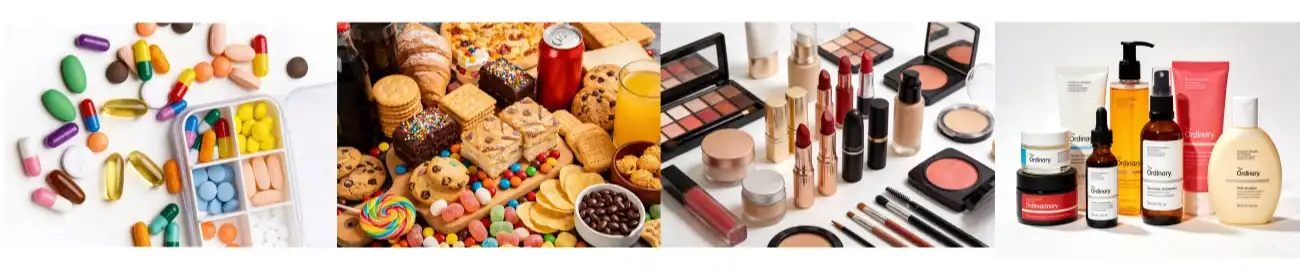
Mood and health supplements are still the main market use for standardized Hypericum perforatum extract powder. According to data from the U.S. market, botanical mood-support goods are regularly one of the fastest-growing categories of dietary supplements. OEM and private-label manufacturers can use OHI's extract as the core ingredient in stress-management, emotional balance, and sleep-quality products. All of these categories are seeing steady demand growth from customers who like natural ingredients.
Cosmetic and Topical Applications
In addition to being used in food, hypericin and hyperforin are also being used in cosmetics because they are antioxidants and calm the skin. Skincare brands and OEM cosmetic makers that need to get active botanicals will be able to use OHI's standardized powder for topical uses where activity documentation and batch consistency are musts.
Conclusion
In the global nutritional market, st john's wort extract powder is still one of the plant ingredients that has been studied the most in clinical settings. Standardization to 0.3% hypericin, confirmed by HPLC, tells the difference between a professionally made product and raw herbal material. For business-to-business buyers, whether they are making supplements, cosmetic actives, or functional foods, the three things that matter most are bioactive stability, supply chain tracking, and certification coverage. Because it is made in the U.S. and has a 42-person R&D and quality control team, OHI's Hypericum Perforatum product actually helps with all three.
FAQ
Q1: Is 0.3% hypericin the industry standard for supplement formulations?
Yes. Most of the clinical studies that have been reviewed on Hypericum perforatum extracts used solutions that were standardized to 0.3% hypericin. It is now standard for nutraceutical-grade stuff to have this quantity, and that is what OHI provides.
Q2: Why do UV and HPLC test results differ for the same batch?
UV spectrophotometry finds out how much total naphthodianthrone is absorbed, while HPLC separates different chemicals by comparing them to a standard. HPLC is the best way to make sure that pharmaceuticals are safe, and it usually gives a more accurate and conservative percentage reading.
Q3: Can this extract be used in liquid beverage applications?
Standard brown powder grade doesn't dissolve completely in water, so it will settle to the bottom of clear drinks. For beneficial drink uses, you need a grade that is microencapsulated or water-dispersible. Talk to OHI's technical team about custom formats.
Q4: What certifications does OHI's extract carry?
OHI is certified by NSF GMP, Kosher, Halal, ISO, FSSC22000, and Organic. Products meet U.S. FDA and C-GMP guidelines, which helps them get into North America, Europe, and important Asian markets.
Q5: What is the minimum order quantity and sample policy?
The minimum order quantity is 25 kg per drum. Qualified buyers can get free samples to check the quality on their own before making large orders. The lead time is 10 days after the order is confirmed.
Partner with OHI — Your Trusted St. John's Wort Extract Powder Supplier
OHI offers pharmaceutical-grade Hypericum perforatum extract powder that is certified as Organic, Kosher, and Halal by NSF GMP. They also have four stores in the U.S. to ensure fast shipping. We offer free samples, a 25 kg minimum order quantity, and full scientific documents as a verified manufacturer of st john's wort extract powder. Please email us at info@organic-herb.com to ask for your sample right away.
References
1. Linde, K., et al. — St John's Wort for Major Depression. Cochrane Database of Systematic Reviews, 2008.
2. Müller, W.E. — Current St John's Wort Research from Mode of Action to Clinical Efficacy. Pharmacological Research, 2003.
3. Butterweck, V. — Mechanism of Action of St John's Wort in Depression: What Is Known? CNS Drugs, 2003.
4. Bilia, A.R., et al. — St. John's Wort and Depression: Efficacy, Safety and Tolerability. Phytomedicine, 2002.
5. Izzo, A.A., & Ernst, E. — Interactions Between Herbal Medicines and Prescribed Drugs: An Updated Systematic Review. Drugs, 2009.
6. European Medicines Agency — Assessment Report on Hypericum perforatum L. EMA/HMPC, 2018.
Standard Disclaimer (DSHEA):
These statements have not been evaluated by the Food and Drug Administration.
This product is not intended to diagnose, treat, cure, or prevent any disease.

Send Inquiry
You may like