
Goji Extract Powder vs Goji Berry Powder: What’s the Difference?
Oct 16, 2026
In the event that you are employed in the fields of nutraceutical formulation, functional food creation, or cosmetic production, it is quite probable that you have come across both goji extract powder and goji berry powder listed in the catalogues of various suppliers. They are fairly distinct components, despite the fact that they have a similar sound. Goji extract powder is a standardised and concentrated derivative of Lycium barbarum fruit. It is obtained by extracting the fruit with water and then spray-drying it in order to produce detectable amounts of Lycium Barbarum Polysaccharides (LBP). Powdered goji berries are just entire fruits that have been dried and powdered. Due to the fact that selecting the incorrect form might have an impact on the product's efficacy, stability, and regulatory posture, the difference is quite important.
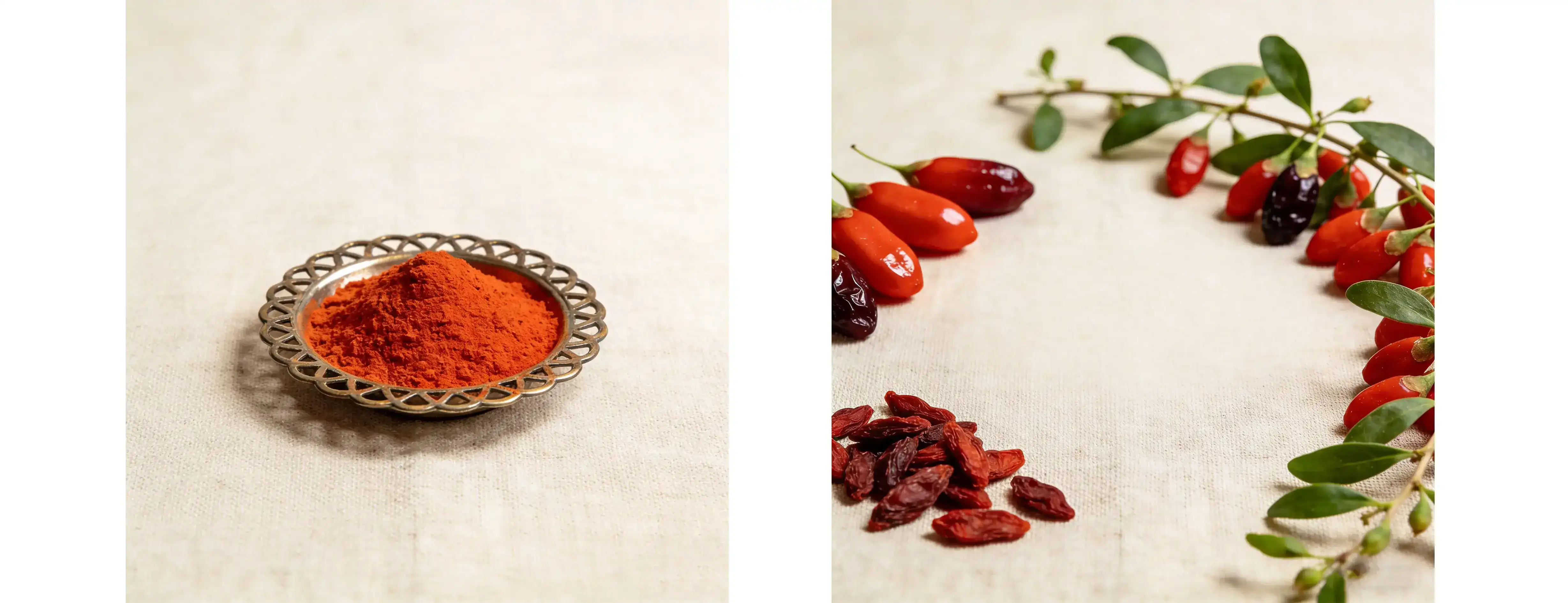
Understanding Goji Extract Powder and Goji Berry Powder
What Is Goji Extract Powder?
The dried fruit of the Lycium barbarum L. plant is extracted and used in its production. After being filtered, compacted, and dried with a spray, the powder is then used. This process transforms the meal into a powder that ranges in colour from orange-red to brown and contains a certain quantity of herbal compounds. In most cases, this level is a 10:1 concentration, which indicates that there are fifty percent polysaccharides. This information is derived from UV-Vis spectrophotometry. By using standardisation, we are able to guarantee that every batch has precisely the same quantity of the active substance. When it comes to the labelling and clinical placement of supplements, this should be taken into consideration.
What Is Goji Berry Powder?
The process of making goji berry powder involves drying out entire goji berries and then grinding them into a powder consistency. All of the fruit's nutrients, including fibre, natural sugars, carotenoids, and vitamins, are preserved, despite the fact that it does not alter any of the bioactive components. On account of the fact that it is cultivated in various locations and collected using a variety of methods, every batch has a unique quantity of carbs. The formulators who want to make particular claims about how it works will find that it is not as accurate, but it will appear nice on a clean-label panel.
How Their Applications Differ Across Industries
On the other hand, in some business-to-business scenarios, one of the types is more effective than the other. The following is a breakdown that makes perfect sense:
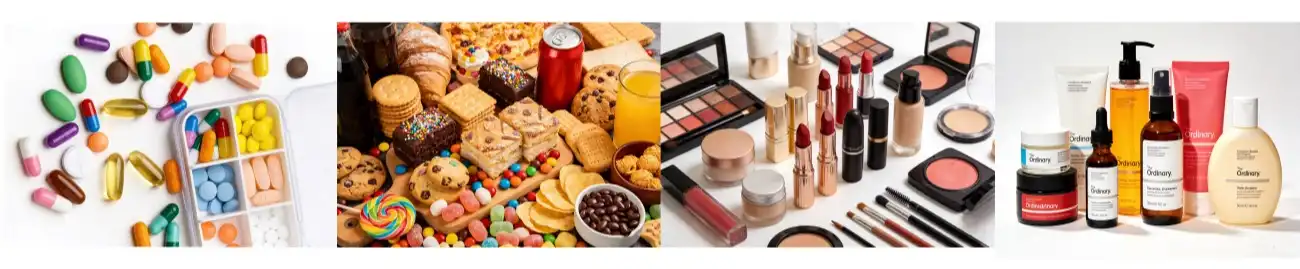
- Goji extract powder is suitable for use in formulations that need low hygroscopicity, solubility, and LBP concentration. These formulations include high-potency capsules, functional beverage bases, and cosmeceutical products of various kinds. It is able to distribute effectively in aqueous environments without considerable sedimentation because of its tiny particle size, which ranges from 80 to 100 mesh.
- When fibre content and natural food claims are the key selling point rather than standardised bioactive delivery, goji berry powder is an effective ingredient to use in whole-food nutritional products, smoothie mixes, and culinary applications.
There is a separate clear lane for each type. If a team is familiar with a particular lane, they will be able to produce stronger specifications for products from the beginning of the process.
Key Differences Impacting Procurement Decisions
Potency, Concentration, and Dosage Consistency
The amount of active ingredient in berry powder is not nearly as high as that in lycium chinense miller extract powder and grams. It only takes 200 mg of a 50% polysaccharide extract to do the work of several grams of raw berry powder. This changes the number of pills, the price per piece, and the location of the final product. For people in charge of R&D and planning, this difference changes how the whole product is put together.
Quality Control and Certification Requirements
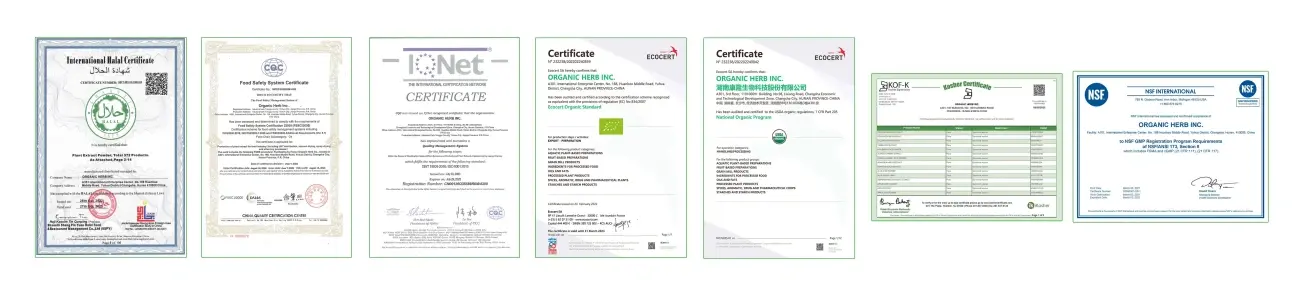
There's more that procurement teams need than just an analysis license when they buy things for the US or EU market. There should be less than 5% moisture, no sulfur dioxide (which can be checked with the Monier-Williams method or LC-MS), and a color that is calibrated within an acceptable E range for batch consistency. A lot of drug stores and online stores need certifications like NSF GMP, ISO 9001, Kosher, Halal, FSSC 22000, and Organic.
Pricing, Lead Times, and Supply Chain Factors
Extract powder costs more per kilogram because it needs to be processed. However, it generally costs less in the end because it is easy to use. Berry powder costs less at first, but it can need higher inclusion rates and can vary more from batch to batch. You should also think about lead time as a buying manager. It will take two weeks less to ship if they work with a provider that keeps stock in the US.
Benefits and Limitations of Each Form
Functional Benefits and Application Context
Goji extract powder has a lot of Lycium Barbarum Polysaccharides, zeaxanthin, and betaine. Supplements are said to be good for your eyes and immune system, and these chemicals back that up. The water-soluble extract mixes easily into the watery part of emulsions used in products that are put on the skin. It helps fight aging and free radicals without making the mixture less stable.
People make useful snacks and whole-food supplements like goji berry powder because it naturally contains vitamins, amino acids, and fiber, which makes it a more complete food. In food-grade settings, where natural color and structure make the product more enjoyable, it works well.
Shelf Life, Stability, and Adulteration Risks
Both kinds need to be kept in a safe place. In double-lined plastic bags inside fiber drums, extract powder should be kept below 25°C and with a relative humidity of less than 50%. This is because sugar is already in the powder. If you don't treat berry powder right, it will likely stick together.
Fraud is still a real problem in common plant markets. When you work with a service that offers full tracking, batch-specific testing, and HPLC-verified standards, that risk goes down a lot. These things can't be talked about by brands that have to answer to authorities.
Regulatory Labeling and Compliance
Claims on the label that the extract powder is "standardized to 50% polysaccharides" are backed up by proof, which in controlled markets makes the product more reliable. There are a lot of "whole food" or "fruit powder" claims on berry powder, which are good for people who like clean labels but not so good for research settings. It will help you pick the right ingredients if you know which claim your product needs.
How to Choose the Right Goji Product for Your Business
Align Ingredient Form With End-Use Requirements
Standardized natural goji berry extract powder lets you know exactly how much to use and how well it dissolves in your formula, whether it's for eye health, immune support, or making functional drinks. When making a product that is about whole-food nutrition, fiber, or having "superberry" ingredients, goji berry powder is the better choice. This choice starts with what the end product is said to do, not how much the ingredients cost.
Supplier Evaluation Criteria
When you're looking at different suppliers, make sure you ask for proof of things like the analysis certificate for each batch, details about the solvent used for extraction, the results of heavy metal tests, and an update on the certification. It is much easier to be sure that the things you buy are legal if the company you buy from has NSF GMP, Kosher, Halal, ISO 9001, FSSC 22000, and Organic certifications, as well as stock in a warehouse in the US.
Cost-Benefit Analysis Beyond Unit Price
When you buy something, its real value comes from its stable performance over the course of its production run, its ability to protect you against laws, and its speed to market. It is cheaper and less risky to place a rush order with a supplier that has four warehouses in the US and a lead time of seven days. You can let your formulation team test the item before you place a 25 kg minimum order if you can get a free sample before you buy a lot of it.
Market Insights and Trends in Goji Procurement
Rising Demand for Standardized Botanical Extracts
In the US market for health supplements, ingredients that are regulated and checked are becoming more and more popular. There are now high-LBP extracts in the recipes of brands that used to use regular fruit powders. This is to back up their structure-function claims and make their labels stand out. The market for polysaccharide ingredients is slowly growing, and LBP from goji is being used more and more in products that claim to be good for your eyes and immune system.
Regulatory Pressure and Clean-Label Expectations
More attention is being paid to supplement claims by the US FDA and FTC. Things that have been standardized and certified by a third party do much better in compliance reviews. People who buy to sell need information from suppliers that includes tests for chemical residues, confirmation of GMO status, and the ability to find out where the product came from.
Technology-Driven Quality Improvements
Advanced water extraction, nano-membrane filtration, and spray drying are all used together to make ingredients that are cleaner, more concentrated, and easier to dissolve... with less water left over. Better bioavailability and less variation in raw botanical goods are made possible by these technologies. When providers spend this much time and money planning the process, it's more likely that each batch of production will turn out the same.
Conclusion
You should think about what your product needs to do to decide between goji extract powder and goji berry powder. The strength of extract powder stays the same, it dissolves better, and the label claims can be backed up by officials. Berry powder is a whole food that is safe to eat and can be used in many ways. There is no one right specification that is always better. It depends on the situation. When buying ingredients for nutraceuticals, makeup, or functional foods, getting this difference right at the beginning of the process saves time and keeps the quality of the final product high.
Frequently Asked Questions
1. Can goji extract powder fully replace goji berry powder in all formulations?
Not always. Extract powder is better suited to high-potency supplements and functional beverages where standardized bioactives are required. Berry powder remains the preferred option in whole-food products where fiber, natural color, and minimal processing are part of the product story.
2. What certifications should I require when placing a bulk order?
At minimum, request NSF GMP, ISO 9001, and a current certificate of analysis with HPLC verification. For US retail distribution, Kosher, Halal, and Organic certifications are frequently required by buyers. FSSC 22000 is important for food-grade applications.
3. How is LBP content measured and verified?
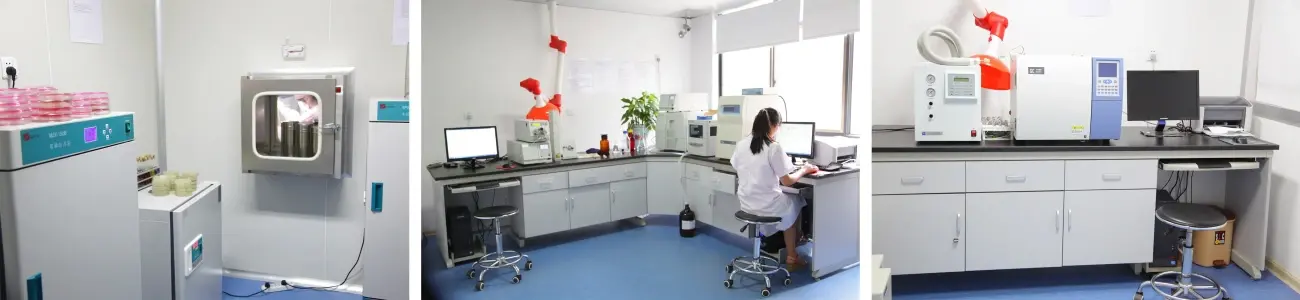
Lycium Barbarum Polysaccharide content is measured by UV-Vis spectrophotometry. Reputable suppliers provide batch-specific test reports. HPLC analysis can provide additional confirmation of composition and purity.
4. Is the extraction solvent safe for food and supplement use?
Water extraction is the standard method for food-safe goji extract production. This avoids solvent residue concerns associated with ethanol or other chemical solvents, making the ingredient suitable for clean-label and food-grade formulations.
Source Your Goji Extract Powder With OHI
Organic Herb Inc. (OHI) is a licensed company that sells goji extract powder. The goods are made in China, and they have an office in the US called Earth Made Nutrition Inc. in Los Angeles, California. Our Lycium barbarum extract comes in two different strengths: 10:1 or 50% polysaccharide standardization. As an orange-red to brown powder, it comes in 25 kg drums. We have four warehouses in the US and offer quality that has been checked. The lead time is seven days. Organic, Kosher, Halal, ISO, FSSC 22000, and NSF GMP are some of the certifications we have. Email info@organic-herb.com to get a free sample or a bulk price.
References
1. Amagase, H., & Farnsworth, N. R. (2011). A review of botanical characteristics, phytochemistry, clinical relevance in efficacy and safety of Lycium barbarum fruit. Food Research International.
2. Breithaupt, D. E. (2007). Identification and quantification of zeaxanthin diesters in plants using liquid chromatography-mass spectrometry. Journal of Agricultural and Food Chemistry.
3. Chang, R. C., & So, K. F. (2008). Use of anti-aging herbal medicine Lycium barbarum against aging-associated diseases. Cellular and Molecular Neurobiology.
4. Li, X. M., Ma, Y. L., & Liu, X. J. (2007). Effect of the Lycium barbarum polysaccharides on age-related oxidative stress in aged mice. Journal of Ethnopharmacology.
5. Potterat, O. (2010). Goji (Lycium barbarum and L. chinense): Phytochemistry, pharmacology and safety in the perspective of traditional uses and recent popularity. Planta Medica.
6. US Pharmacopeial Convention. (2023). Dietary Supplement Ingredient Databases and Botanical Monographs. United States Pharmacopeia.
Standard Disclaimer (DSHEA):
These statements have not been evaluated by the Food and Drug Administration.
This product is not intended to diagnose, treat, cure, or prevent any disease.

Send Inquiry
You may like