
Rhodiola: Adaptogen for Mental Balance & Cognitive Health
Oct 15, 2026
On the international market for adaptogens, natural rhodiola rosea extract has garnered a certain amount of attention, and there is a solid reason for this. Using the roots of Rhodiola rosea L., a hardy perennial that is endemic to Arctic and alpine areas, this botanical ingredient is able to concentrate two distinct classes of bioactive compounds, namely rosavins and salidroside, into a powder that is consistent and quantifiable. This extract provides a well-studied, clean-label solution that is in line with both consumer demand and regulatory expectations in the United States market. It is intended for use by R&D directors, formulation managers, and procurement teams who are in the process of sourcing ingredients for products that support energy, stress resilience, or cognitive health.
Understanding Natural Rhodiola Rosea Extract
Botanical Origin and Plant Profile
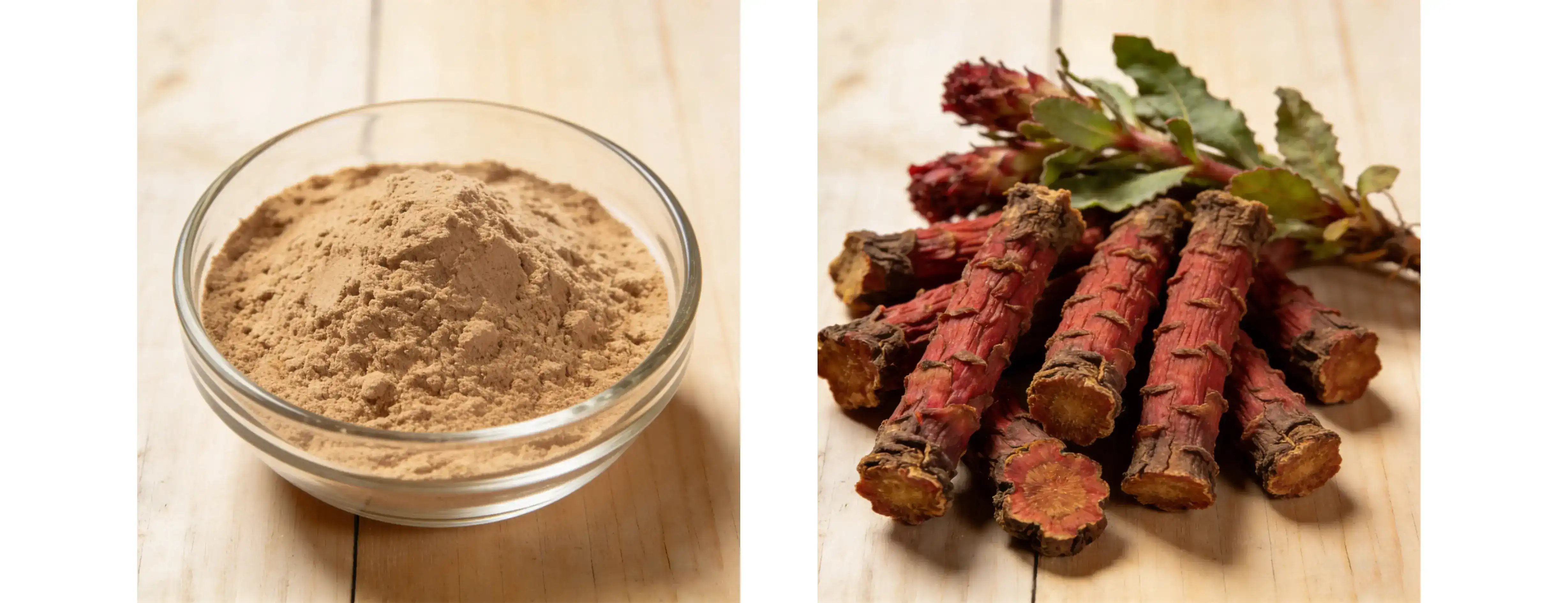
Rhodiola rosea may be found growing in regions that are cold and up in the mountains, such as Siberia, Scandinavia, and some regions of Central Asia. For hundreds of years, people have been discussing the root in the context of traditional herbal medicine practitioners. The portion of the plant that is used for the extraction process is this one. According to the regulations of Good Agricultural Practice (GAP), the roots that we purchase from OHI must be safe and can be traced from the time they are planted until they are harvested. The flavour is somewhat acidic, and the aroma is reminiscent of potent herbs. The extract is a powder that ranges in colour from yellow to brown.
Key Bioactive Compounds
The chemical compounds known as rosavins, which include rosavin, rosarin, and rosin, as well as salidroside, which is a tyrosol glycoside, are the ones that demonstrate the effectiveness of this extract. 3% rosavins and 1% salidroside are the amounts of phytochemicals that are naturally present in actual R. rosea root. This product has the same quantity of these phytochemicals. One form of rhodiola that is more affordable, for instance, has salidroside but not a great deal of rosavins. As a result of this, this ratio is very significant. To put it another way, the identification of species is an essential component in acquiring valuable objects.
Extraction and Standardization Method
Ethanol and water are two examples of solvents that are used in our extraction method. It is possible to separate polar phenylpropanoids using this approach, which does not require the use of carriers that are manufactured in a laboratory. In order to preserve the functional structure, the use of nano-membrane isolation and dynamic low-temperature separation becomes necessary. Both the quantity of rosavin and salidroside present in each batch may be verified using an HPLC test, while the species can be verified through an HPTLC fingerprint. If you store it appropriately (below 25 degrees Celsius and below 60 percent relative humidity), the moisture content and ash content will remain below five percent. That is to say, the food has the potential to survive anywhere from 24 to 36 months.
Benefits and Safety Profile of Rhodiola Rosea Extract
Adaptogenic Activity and Stress Resilience
Rhodiola rosea extract is an adaptogen, which means that it assists the body in maintaining its functioning while it is under high levels of mental or physical stress. Specifically, it alters the manner in which the body responds to stress, including the functioning of the HPA axis and the regulation of monoamine neurotransmitters. In clinical investigations, it has been shown that rosavins in doses ranging from 200 to 600 milligrams per day (three percent) may assist individuals in experiencing less fatigue and enhancing their ability to think effectively while they are under stress.
Cognitive and Mood Support Applications
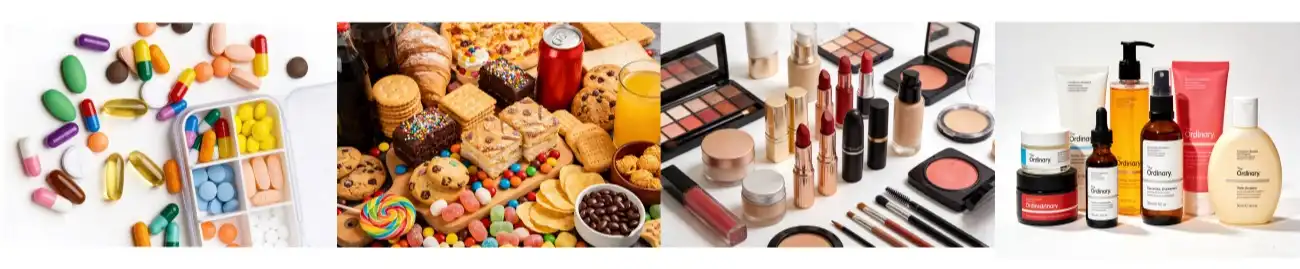
People who are making brain health pills, nootropic stacks, or mood balance goods can use rhodiola rosea extract in a number of different ways. It works well with L-theanine, B vitamins, and other adaptogens in hard-shell pills, softgels, or RTM (ready-to-mix) powders. The extract does a good job when mixed with dry ingredients. It is best to use a water-soluble grade with a fine filter and a maltodextrin transport for ready-to-drink drinks so that the mixture doesn't settle.
Quality Certifications That Matter in B2B
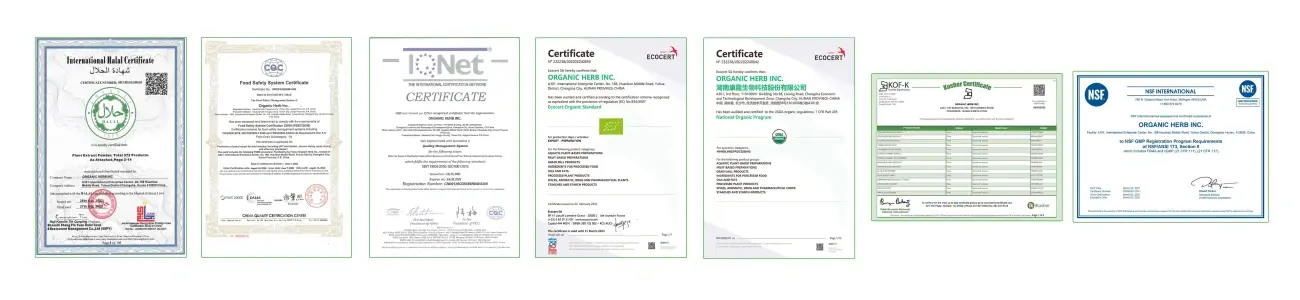
Companies that wish to sell dietary supplements in the United States are required to ensure that their products are risk-free and that they comply with all of the regulations. Rhodiola rosea extract that we produce has been awarded a number of certifications, including organic, NSF GMP, Kosher, Halal, IS09001, and FSSC 22000. In every run, ICP-MS is used for the purpose of heavy metal screening. The United States Pharmacopoeia (USP) guidelines are followed while conducting tests for pesticide residue, and GC-HS is used to check for solvent residue. Formulation managers are able to determine with certainty that the documentation they need in order to launch products that are FDA-compliant is accurate thanks to these controls.
Comparing Rhodiola Rosea Extract with Other Adaptogens
Rhodiola vs. Ashwagandha and Ginseng
Every adaptogen operates in a different manner. Because it helps keep cortisol levels in control and aids sleep, a chemical known as ashwagandha, also known as Withania somnifera, is often included in supplements that are intended for use in the evening. You get your energy from the ginsenosides found in Panax ginseng, which also assist your immune system in functioning properly. Rhodiola rosea is able to do its task in a shorter amount of time. There have been studies that have shown that it reduces feelings of fatigue and increases mental endurance. As a result of this, it is an excellent option for meals that are designed to stimulate the brain and provide fuel for athletes who need assistance throughout the day.
Natural Extract vs. Adulterated or Synthetic Alternatives
There is a significant possibility that synthetic salidroside might be added to rhodiola before it is distributed to potential customers. For the purpose of satisfying the requirements of the paper industry, some vendors spread false information about the products they sell by combining low-cost synthetic salidroside with materials that are mostly derived from R. crenulata. C14 carbon dating and HPTLC plant identification are two methods that are used by reputable firms to demonstrate the provenance of natural rhodiola rosea extract. People should always be sure to ask for a certificate of analysis (COA) that not only shows total salidroside but also clear HPLC peaks for rosavin, rosarin, and rosin when they are purchasing anything.
Organic Certification and Supplier Credibility
There is a growing correlation between the positioning of a brand in the United States market and the organic acceptance that it receives. It is common practice for organic food stores and clean-label businesses to require evidence that an item originated from a certified organic source before listing it on their shelves. It is possible for vendors to get these accounts without having to go through further checks by a third party if they use rhodiola extract that has been organically certified by the Organic Health Institute (OHI). To put it another way, this makes it more affordable for enterprises that manufacture brand-name supplements as well as for foreign imports.
Procurement Guide for Rhodiola Rosea Extract
Key Supplier Qualification Criteria
You can't just look at the price per kilogram to judge a supplier. These are the main things that people who work in the nutrition business should look for:
- Species authentication: HPTLC fingerprint showing R. rosea-specific rosavin bands, not R. crenulata
- Standardization documentation: HPLC CoA confirming ≥3% rosavins and ≥1% salidroside per batch
- Safety screening: Heavy metals (Pb < 3 ppm), pesticide residues, PAHs, and solvent residues within USP limits
- Certifications on file: NSF GMP, ISO 9001, FSSC 22000, Kosher, Halal, and Organic
HPTLC for rhodiola rosea extract shows rosavin lines that are only found in R. rosea and not in R. crenulata, which proves the species.- Proof of standardization: an HPLC COA showing at least 3% rosavins and at least 1% salidroside in each batch.
To make sure the food was safe, heavy metals (Pb < 3 ppm), pesticide residues, PAHs, and solvent residues that are within USP standards were looked at. We have proof that our products are NSF GMP, ISO 9001, FSSC 22000, Kosher, Halal, and organic on file.
Product Format and Logistics Details
In addition to ensuring that the brand remains consistent over the duration of a product's life, these checks reduce the likelihood of the product being reformulated.
Questions to Ask Before Placing an Order
If you ask these questions before you commit to purchasing anything, you will be able to safeguard your investment in the actual product. Methanol should not be used as the extraction solvent; rather, water and ethanol should be used. For the purpose of ensuring that the consistency is correct, get three batch COAs in a row. Furthermore, check that the organic certificate covers the lot that is being offered, and enquire about the quantity of samples that you want in order to place an order. People who meet the requirements are eligible to get free samples from OHI, and the first test does not have to be for a certain quantity of the product.
Why Choose OHI's Rhodiola Rosea Extract
Verified Purity and Traceability
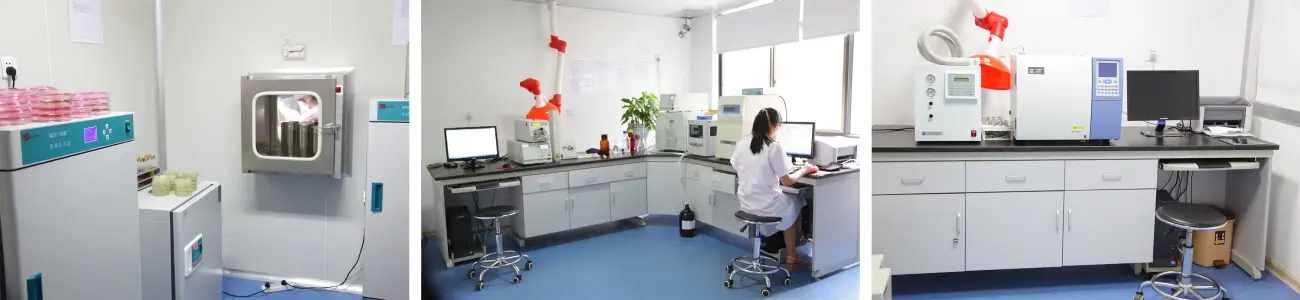
OHI extract is produced in Yichun, Jiangxi Province, in accordance with the C-GMP regulations. All the way from the raw root to the finished powder that is completed, we are able to maintain track each batch. Our center for research and development is located in Changsha, Hunan, and it employs 42 people, some of whom have doctoral degrees and are among the most accomplished researchers. Tools such as high-performance liquid chromatography (HPLC), high-performance thin-layer chromatography (HPTLC), gas chromatography mass spectrometry (GC-MS), and freeze-drying apparatus are used by them. It is produced in the same manner each and every time: with 0.3 percent rosavins, 1% salidroside, water and ethanol for extraction, and a colour that ranges from yellow to brown.
US-Based Inventory and Supply Reliability
With four warehouses located in the United States, we provide supplement companies and distributors with the peace of mind they need in order to maintain their production schedules successfully. It complies with the rules set out by the FDA and C-GMP in the United States, and it comes with all of the necessary papers for customs and regulatory approval.
Sustainable Sourcing Philosophy
With the assistance of leading educational institutions, the OHI manages more than 8,000 acres of GAP-certified planting sites throughout a number of regions in China. We provide assistance to agricultural communities by providing them with seeds, providing them with technical training, and monitoring the yield. Using this procedure causes less damage to the land, and it is also simpler to locate the components that are required. This source tale is about something that companies in the United States that make any kind of environmental claim will comprehend.
Conclusion
There is a clear phytochemical process and a standardization profile that can be used to measure how well rhodiola rosea extract works as an adaptogen. There are a lot of different ways that brands can make products with this ingredient that are good for mental health, sports nutrition, or stress resilience. It also has a clean label and a lot of literature to support it. To make it work in your product, you need to get it from a natural rhodiola rosea extract supplier that you know will consistently send you real, specification-confirmed material. This supplier should also have the right certifications, the ability to track products, and the US logistics infrastructure to help you meet your production deadline.
Frequently Asked Questions
1. What is the recommended dosage of rhodiola rosea extract for cognitive applications?
Standardised to 3% rosavins, the average dosage for clinical studies is between 200 and 600 milligrams per day. When it comes to maintaining plasma levels of phenylpropanoid glycosides throughout the day, the majority of formulators divide this into two daily dosages.
2. How do I verify extract authenticity when sourcing from a supplier?
In addition to a total rosavin figure, you should request an HPLC chromatogram that displays individual peaks for rosavin, rosarin, and rosin. If you want to validate the natural compound's provenance, you should also ask for documentation of the HPTLC botanical ID and enquire about the availability of C14 carbon analysis.
3. What certifications should a qualified rhodiola rosea extract supplier hold?
Check for certifications such as NSF GMP, ISO 9001, FSSC 22000, Kosher, Halal, and Organic for your product. Manufacturing quality, food safety systems, religious conformity, and clean-label sourcing are some of the topics that are covered by these.
Partner with OHI for Certified Rhodiola Rosea Extract Supply
Rhodiola rosea extract that has been certified as natural rhodiola rosea extract can be bought at OHI. A US warehouse is where you can pick it up, and there is a 10-day lead time. It comes with all the paperwork you need. Because our MOQ is 25 kg, we can try new goods and make more of them. You can email us at info@organic-herb.com to get a free sample, a sheet with product details, or prices for your new product.
References
1. Darbinyan, V., et al. "Rhodiola rosea in stress-induced fatigue." Phytomedicine, 2000.
2. Shevtsov, V. A., et al. "A randomized trial of two different doses of Rhodiola rosea extract versus placebo." Phytomedicine, 2003.
3. Olsson, E. M., et al. "A randomised, double-blind, placebo-controlled, parallel-group study of the standardised extract SHR-5 of the roots of Rhodiola rosea in the treatment of subjects with stress-related fatigue." Planta Medica, 2009.
4. Panossian, A., & Wikman, G. "Effects of Adaptogens on the Central Nervous System and the Molecular Mechanisms Associated with Their Stress-Protective Activity." Pharmaceuticals, 2010.
5. Brown, R. P., Gerbarg, P. L., & Ramazanov, Z. "Rhodiola rosea: A Phytomedicinal Overview." HerbalGram, 2002.
6. Perfumi, M., & Mattioli, L. "Adaptogenic and central nervous system effects of single doses of 3% rosavin and 1% salidroside Rhodiola rosea L. extract in mice." Phytotherapy Research, 2007.
Standard Disclaimer (DSHEA):
These statements have not been evaluated by the Food and Drug Administration.
This product is not intended to diagnose, treat, cure, or prevent any disease.

Send Inquiry
You may like