
Valerian Root For Sleep: Beginners' Guide
Sep 23, 2026
Valerian root is a good beginning point for sourcing natural sleep support ingredients. For generations, Europeans and Asians have used Valeriana officinalis to relax and sleep. The best valerian root extract for procurement experts and product developers requires standardised potency, purity, and traceability. This guide covers everything B2B buyers need to know about botanical science and supplier evaluation so you can confidently choose your next product line.
Understanding Valerian Root and Its Benefits for Sleep
How Valerian Root Supports Natural Sleep
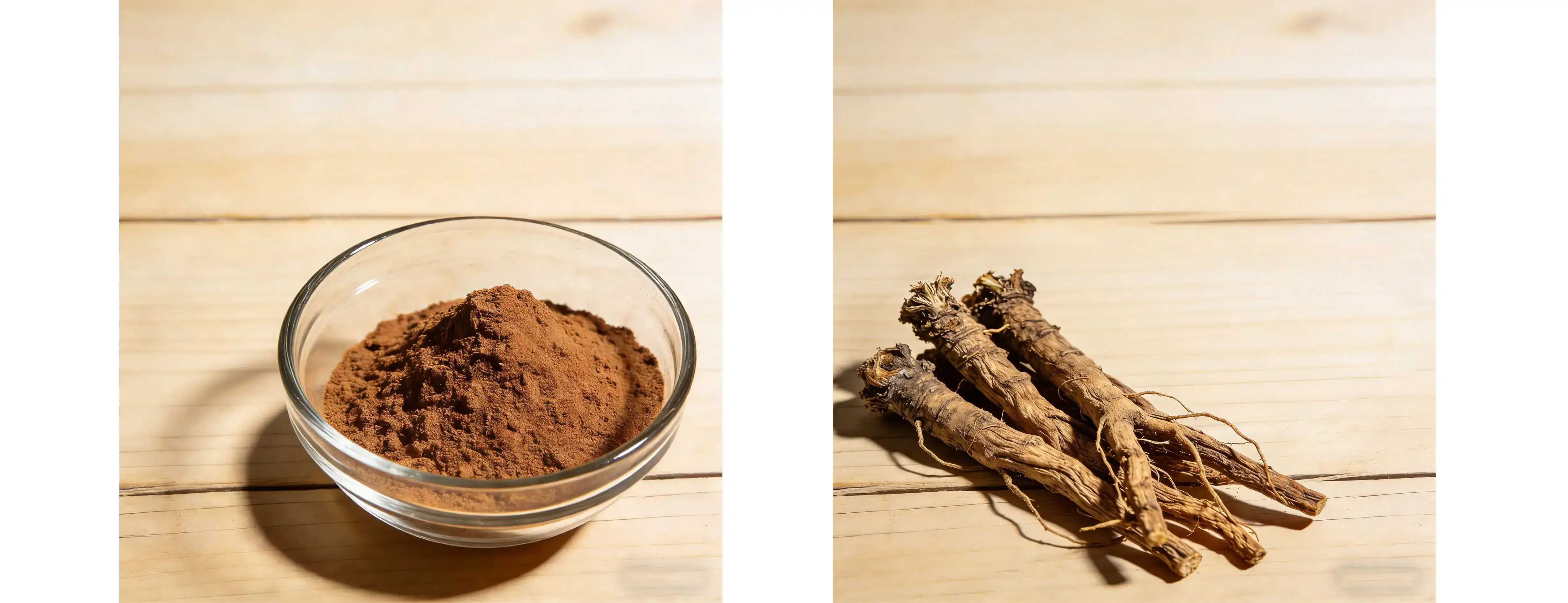
Valerian root extract does not work the same way as man-made sleep aids. Valepotriates, isovaleric acid, and valerenic acids are the main chemicals that make it work. In the brain and spinal cord, these chemicals work with the GABA-A receptor system. The brain feels calmer because of this interaction, which helps people fall asleep faster without becoming dependent on them like regular sedatives do.
A 2006 meta-analysis in the American Journal of Medicine looked at 16 studies that met certain criteria and found that valerian root may help people sleep better without any bad effects. Tests have shown that taking 300–600 mg of a standardized product (≥0.8% valerenic acids, as tested by HPLC) 30 minutes before bed works.
Valerian root is different from other plant-based sleep aids. Melatonin mostly controls the circadian rhythm, while apigenin and chamomile work together in a weak way. Valerian root, on the other hand, is a more general depressant because it changes both how sleep starts and how it is structured. For this reason, supplement companies that want to help adults who have trouble sleeping sometimes use it a lot.
Comparing Different Types of Valerian Root Extracts for Procurement
Extract Forms and Their Formulation Relevance
On the market, you can find a lot of different kinds of valerian root ingredients, with the best valerian root extract being a popular choice among them. Each one is good for different things. If you figure out these changes early on, you won't have to spend a lot of money later on changing the recipe.
Here are the core forms procurement teams typically evaluate:
- Dry Powder Extract (4:1 or 10:1): Strong liquids form several pills and tablets. Every kg of raw root used to generate 1 kg of extract has 10 times more active compounds. OHI sells 4:1 and 10:1 Valeriana officinalis extract. Extracting it with water alone makes it suitable for clean-label and organic products.
- Water-Extracted Brownish Powder: By extracting in water, active compounds are retained, and solvent waste is avoided. This makes it ideal for bedtime tea mixtures and stress-relieving shots, although solvent usage must be avoided.
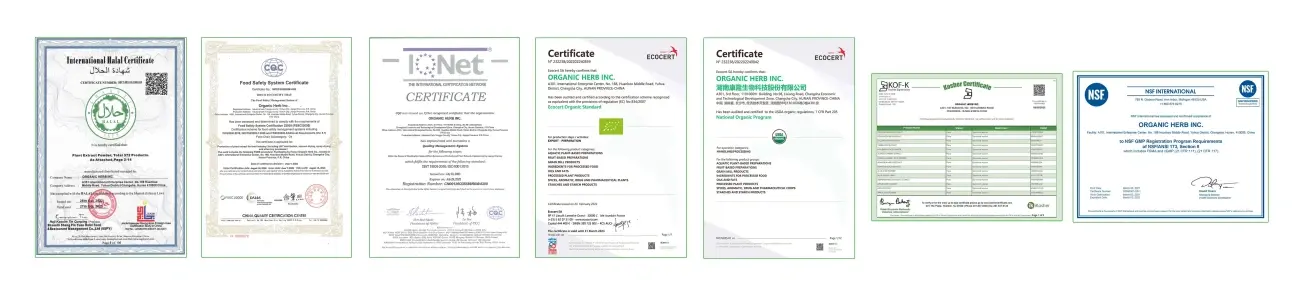
- Organic-Certified Extract: Clean labels are growing in the U.S. supplement sector. The addition of organic certification is making supplements stand out in the market. OHI certifies your goods as Organic, Kosher, Halal, ISO, FSSC22000, and NSF GMP; therefore, many groups trust it.
These distinctions matter because end users have different standards, and rules vary from place to place. If you choose the wrong form, your formulation could become unstable, or the end product might not be able to reach as many customers. Procurement managers should check that the selection of extract specs matches the format of the product they want to buy before they start talking to sellers.
How to Select the Best Valerian Root Extract for Your Business Needs?
Key Evaluation Criteria for B2B Buyers
You need to do more than just look at price charts to find a good seller of the best valerian root extract. It's important to know how to control quality, how reliable the supply chain is, and how true certificates are. The following are important things that your QA and procurement teams should look at before choosing a provider:
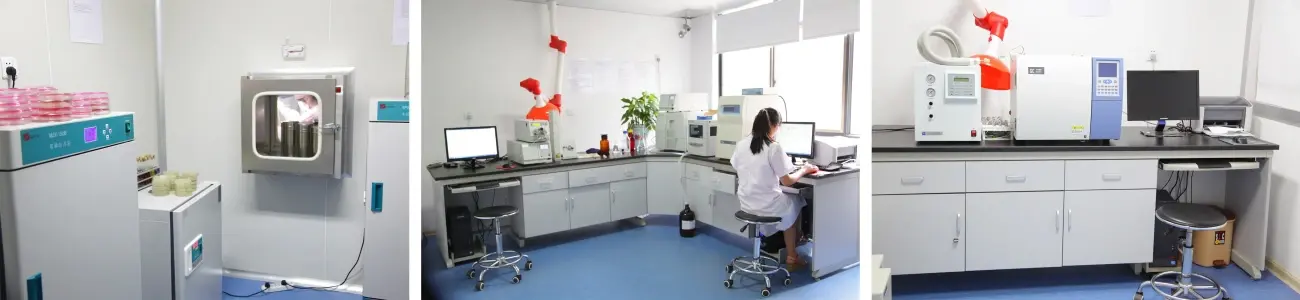
- A test using TLC or HPTLC to confirm the species of the item proves that it is real. This makes sure that the plant is Valeriana officinalis and not Valeriana wallichii or Valeriana fauriei, which are two different species with different ways of working.
- Power Test: The best way to do the power test is to get an HPLC study that shows the total amount of valerenic acids is at least 0.8%. At times, the results from UV tests are wrong and can be too high.
- Heavy Metal Test: This test looks for heavy metals like mercury (< 0.1 ppm), arsenic (< 1.0 ppm), lead (< 3.0 ppm), and arsenic (< 1.0 ppm). That's what the USP and EP say about these metals.
- There were no Salmonella, E. coli, or Staphylococcus aureus on the plates, and the total plate count was less than 10,000 cfu/g.
- Proof from the GC that there is no toxic solvent overflow for residual solvent compliance. This is rather important for getting things out with ethanol or methanol.
Of course, all of these tests are done on OHI's Valeriana officinalis extract, and full records can be found if you ask for them. The extract is sent out in 25 kg drums that have two PE inner liners to keep it from drying out and caking. From the time the order is confirmed, the lead time is about 10 days.
Practical Guide to Using and Marketing Valerian Root Extract Products
Formulation Strategies and Market Positioning
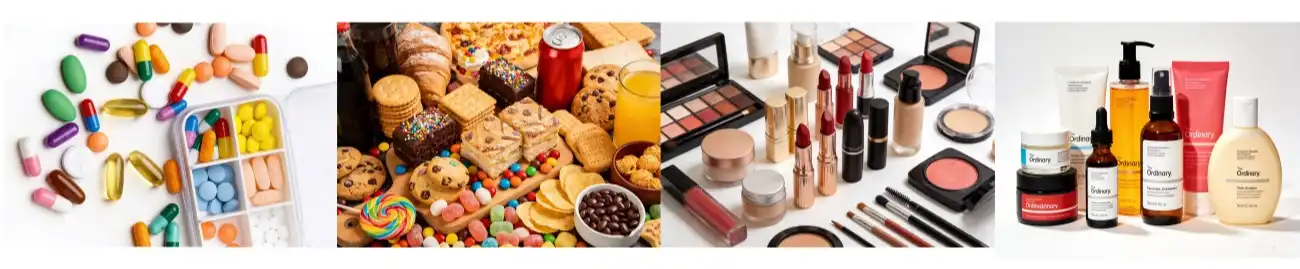
The best valerian root extract is good for a lot of different kinds of things. It works well with magnesium glycinate and passionflower extract in strong sleep aids, giving them a soothing taste that makes your product more appealing to more people. When the brown powder is mixed with maltodextrin carriers and taste-masking technologies to get rid of the earthy taste, it mixes better into functional drinks.
From a business point of view, what makes the U.S. supplement market work right now is being open. Brands that use logos from a third party, HPLC tests to prove their strength, and claims about their sources always do better than brands that just use general botanical language. OHI can trace its supply all the way back to its Jiangxi Province growing sites that are GAP-certified. This is where more than 8,000 acres of Valeriana officinalis are grown using controlled farming methods and with the help of local farming communities.
Because the supply chain is so open, business-to-business buyers need to be able to back up their marketing claims with strong ingredient stories. This also helps stores meet their documentation needs and builds trust in your brand with pickier customers.
Conclusion
Valerian root powder is still one of the plant-based sleep aids that has been studied the most. For procurement pros, the choice comes down to finding a product that has been properly checked to make sure it is real, works, and meets the legal needs of the target market. You can get the best valerian root extract, Valeriana officinalis extract from OHI, in two different water-extracted forms: 4:1 and 10:1. It is a safe, clean-label-friendly base for sleep aid formulas in supplements, functional drinks, and other products. With four warehouses in the U.S. and a normal lead time of 10 days, the goods are always available, and the supply chain is always stable.
FAQ
Q1: What is the recommended dosage for valerian root extract in finished formulations?
Before going to bed, people who take 300–600 mg of a pure extract (with at least 0.8% valerenic acid) have been shown to sleep better. In small amounts, they might still work if mixed with plants that get along well with each other, like passionflower or hops.
Q2: What is the difference between a 4:1 and 10:1 valerian root extract?
The number shows how much concentration there is. To make 1 kg of 10:1 extract, 10 kg of raw root is needed. This means that there are more active chemicals per gram. The amount you want to give each capsule or dish should match the one you pick.
Q3: Why does valerian root extract have a strong odor?
A chemical called isovaleric acid, which is found naturally in valerian root, gives it its strong smell. You can tell that active ingredients are there because of this smell. Some high-end extracts may be deodorized or packaged in a way that masks the smell without affecting their effectiveness.
Q4: How do I verify extract authenticity from a supplier?
As well as HPTLC recognition records and certificates, you should also ask for the results of heavy metal tests and microbiological tests. If you believe a supplier, they will give you all the COA paperwork and let a third party check them out.
Partner with OHI for a Trusted Valerian Root Extract Supplier Relationship
OHI delivers pharmaceutical-grade best valerian root extract, Valeriana officinalis extract, with NSF GMP, Kosher, Halal, ISO, FSSC22000, and Organic certifications. Backed by four U.S. warehouses, a 10-day lead time, and free samples available at a 25 kg MOQ, we support your product development from formulation to market. Reach out to our team at info@organic-herb.com to request product documentation and discuss your bulk procurement needs.
References
1. Bent, S., Padula, A., Moore, D., Patterson, M., & Mehling, W. (2006). Valerian for sleep: A systematic review and meta-analysis. American Journal of Medicine, 119(12), 1005–1012.
2. Leathwood, P. D., Chauffard, F., Heck, E., & Munoz-Box, R. (1982). Aqueous extract of valerian root improves sleep quality in man. Pharmacology Biochemistry and Behavior, 17(1), 65–71.
3. Taibi, D. M., Landis, C. A., Petry, H., & Vitiello, M. V. (2007). A systematic review of valerian as a sleep aid: Safe but not effective. Sleep Medicine Reviews, 11(3), 209–230.
4. Fernández-San-Martín, M. I., Masa-Font, R., Palacios-Soler, L., Sancho-Gómez, P., Calbó-Caldentey, C., & Flores-Mateos, G. (2010). Effectiveness of valerian on insomnia: A meta-analysis of randomized placebo-controlled trials. Sleep Medicine, 11(6), 505–511.
5. Houghton, P. J. (1999). The scientific basis for the reputed activity of valerian. Journal of Pharmacy and Pharmacology, 51(5), 505–512.
6. European Medicines Agency. (2016). Assessment Report on Valeriana officinalis L., Radix. Committee on Herbal Medicinal Products (HMPC), EMA/HMPC/150848/2015.
Standard Disclaimer (DSHEA):
These statements have not been evaluated by the Food and Drug Administration.
This product is not intended to diagnose, treat, cure, or prevent any disease.

Send Inquiry
You may like