
Best Valerian Root Extract Supplement Guide 2026 for Natural Sleep
VIEW MOREUnderstanding the different aspects of valerian root extract is important when looking for solid plant-based ingredients for sleep aid formulas. The Best Valerian Root Extract is a high-quality plant-based mixture made from Valeriana officinalis roots that has been standardized to provide consistent valerenic acid content. Valerenic acid is the main bioactive compound that helps people relax and fall asleep faster. This guide talks about important things that business-to-business procurement teams should think about when looking at valerian root extract suppliers. It looks at formulation flexibility, quality standards, and sourcing strategies that work with regulations and meet consumer demand for clean-label natural sleep solutions in the competitive market of 2026.


Understanding Valerian Root Extract and Its Benefits
Botanical Origins and Extraction Excellence
Valeriana officinalis grows in warm areas around the world. The roots are picked when they are fully grown to get the highest amounts of bioactive sesquiterpenes. Modern techniques for extracting these compounds keep them whole while getting rid of unwanted parts. Water-based extraction methods, like those used in high-end formulations, keep the natural synergy of plant components without leaving behind any solvents. This means they can be used in clean-label situations.
The ratio of extraction has a big effect on the strength and adaptability of the formulation. When the concentration is 4:1, it means that four kilograms of raw roots make up one kilogram of extract. When the concentration is 10:1, the compound density is even higher. Formulators can get the desired level of effectiveness in smaller serving sizes with these concentrated preparations. This makes them suitable for a range of delivery formats, from capsules to functional beverages.
Valerenic Acid: The Primary Bioactive Compound
Researchers have found that valerenic acid and its derivatives are the most important parts of valerian. These chemicals work with gamma-aminobutyric acid (GABA) pathways in the brain and nervous system to help the body's natural relaxation response, which is important for healthy sleep patterns. People who took normal valerian products for a few weeks showed changes in their sleep latency and quality of sleep, according to clinical studies.
Quality extracts keep valerenic acid levels at a minimum of 0.8% by using HPLC to check them. This makes sure that there is stability from batch to batch, which is important for B2B clients for regulatory reports and label claims. This standardization solves problems that have been present in the past with whole-root powders, whose makeup can change a lot depending on how they were grown, when they were harvested, and how they were stored.
Applications Across Multiple Industries
Valerian root extract can be used in a lot of different ways, not just as a supplement. It can also be used in new types of products. In multi-ingredient sleep support products, makers put it in plants that help with sleep, like passionflower and lemon balm. For relaxing drinks and nighttime teas, functional beverage makers use spray-dried forms that are more soluble. Pet wellness brands make calming treats for pets that are feeling stressed out.
Because of this wide range of uses, suppliers must keep a wide range of product specifications to meet different formulation needs. For example, high-bulk-density powders are needed for tableting, while fine-mesh grades are needed for better mixing in capsule manufacturing.

Comparing Valerian Root Extract Products and Alternatives
Format Considerations for Different Market Segments
When it comes to extract forms, procurement teams have to make decisions that have a direct effect on how well products are made and how well customers like them. Concentrated extracts save space in formulations, which lets brands put effective doses in capsules or tablets that are smaller. Liquid ingredients that are mixed with glycerin or alcohol work well in tinctures, but they can be hard for companies that want to market themselves as alcohol-free.
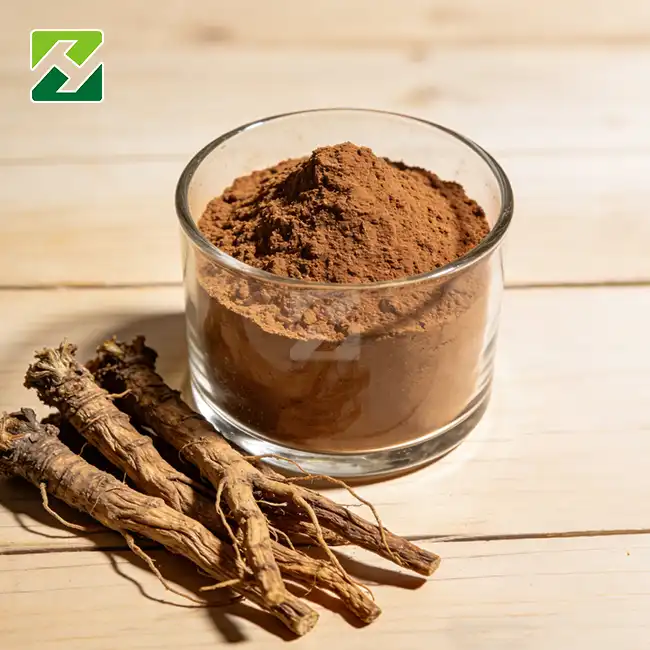
Water-extracted powders are the best of both worlds because they have strong concentration ratios and clean ingredient lists. Their brownish color, which is typical of preparations made from roots, lets more and more ingredient-conscious consumers know that they were made naturally. These forms work well with sealing lines and can be compressed well for making tablets.
Quality Differentiation in the Supply Chain
To tell the difference between high-quality Best Valerian Root Extract and others, you need to look at more than just the concentration ratios. The uniformity of a blend depends on how the particles are spread out. For multi-ingredient recipes, 95% of the Best Valerian Root Extract going through 80-mesh screens provides even distribution. Having less than 5% moisture stops microbes from growing during storage and keeps the product's ability to flow through automatic filler equipment.
Botanical adulterants can get into supply chains when less trustworthy providers use related Valeriana species instead. Third-party testing methods make sure that there are no such things. Thin-layer chromatography (TLC) fingerprinting verifies the species' authenticity, and heavy metal screening according to USP standards (<3.0 ppm lead, <1.0 ppm arsenic) makes sure that international safety standards are met.
Organic Versus Conventional Sourcing
The market for organic valerian keeps growing as companies respond to customer demands for pesticide-free plants. Certified organic ingredients cost more, but they can be bought in specialty stores and from natural product sellers that put an emphasis on organic certification. Conventional high-quality extracts are still priced reasonably and meet strict testing standards for pesticide residues. This means that brands that care about value can get choices that are compliant at lower costs.
When they come from reputable manufacturers who follow good farming practices, both types have bioactive profiles that are about the same. In the end, the choice is based on how the brand is positioned, the demographics of the target market, and the pricing strategy used in competitive product categories.

How to Choose the Best Valerian Root Extract Supplement for Your Business
Defining Your Formulation Requirements
Setting clear product goals is the first step to successful sourcing. When making valerian supplements on their own, companies usually try to find 10:1 concentration ratios that let them deliver 400–600 mg of extract per serving, which is about the same as a few grams of whole root. Formulations that balance a number of botanicals that help with sleep might use 4:1 ratios, which make it easy to control capsule fill weights while still maintaining effectiveness.
OEM partners that make products for more than one client need manufacturers that can give both stock formulations and custom-made products. Contract manufacturers can serve a wide range of customers without having to keep too many ingredients on hand because they can change extract ratios, combine botanicals that work well together, or change encapsulation specifications.
Evaluating Supplier Credentials and Capabilities
Supplier choice has a big effect on how consistent the products are, how well they follow the rules, and how well the name is known in the long run. Certification under GMP standards shows a dedication to high-quality production and process control. Multiple international certifications, such as NSF GMP, FSSC22000, ISO9001, Kosher, and Halal, give facilities a lot of flexibility for brands that want to sell their products in different countries with different rules.
Advanced mathematical skills show that you are technically savvy. Suppliers with their own labs that are equipped with HPLC, GC-MS, and ICP-MS equipment can do full release testing without having to rely on outside labs. This cuts down on turnaround times and allows for better quality control.
Logistics and Supply Chain Reliability
Lead times have a direct effect on how material is managed and when products are released. North American brands can get their goods much faster and for much less money if their suppliers have regional warehouse networks, especially if they have multiple U.S. delivery centers. Standard lead times of ten days from order placement to delivery allow for quick restocking without the need for too much safety stock.
Minimum order amounts (MOQs) affect how much operating capital is needed and how to store things. Small to medium-sized brands can use a 25kg MOQ, which is the same as one drum, to test new formulations or deal with limited storage space. Larger commitments from established supplement manufacturers are rewarded with volume discounts.

Buying and Sourcing Valerian Root Extract in Bulk
Direct Manufacturer Partnerships Versus Trading Platforms
There are several ways for business-to-business buyers to get Best Valerian Root Extract, and each has its own benefits. Having a direct relationship with a manufacturer cuts out the middleman's markups and gives you access to technical support, custom formulation development, and clear production information for Best Valerian Root Extract. Manufacturers whose supply chains are vertically integrated (they control everything from cultivation to extraction) can better track raw materials and make sure they are always of good quality.
Comparing suppliers and making initial contacts is easier on online business-to-business markets, but you need to do a lot of research to make sure that the companies listed can actually manufacture what they're selling. Sample evaluation programs help make sure that product specs are correct before placing large-scale orders. Reliable suppliers are happy to give away free samples with full analytical documentation, which shows that they are sure of the quality of their products.
Understanding Pricing Structures
Valerian extract prices depend on a number of things, such as the concentration ratio, the status of the organic certification, the number of orders, and changes in the market that affect the availability of raw roots. The market for 10:1 water extracts in 2026 is relatively stable in terms of prices compared to previous years. The prices of high-quality extracts vary depending on the level of approval and the size of the seller.
Price levels based on volume usually start at 100 kg, 500 kg, and 1000 kg, with bigger savings at each level. Annual supply agreements protect prices against changes in the market and make sure that suppliers can meet demand during busy production times. Instead of just looking at per-kilogram prices, procurement teams should look at the overall landed costs, which include freight, taxes, and storage.
Navigating Regulatory Compliance
International trade in plants is regulated in a lot of different ways. Importers in the U.S. must make sure that their suppliers provide proof that they follow FDA rules for food ingredients. This proof should include identity specifications, descriptions of the manufacturing process, and protocols for testing for contaminants. Novel Foods rules and member state standards must be followed when selling in European markets.
Working with suppliers who have up-to-date certifications from reputable organizations makes it easier to check that they are following the rules. When manufacturers send Certificates of Analysis (CoA) with every batch, along with method references and standard conformance statements, it's easier for regulators to keep track of quality records.
Industry Insights & Future Trends in Valerian Root Extract Supplements
Innovations in Extraction Technology
New ways of extracting substances focus on making them more bioavailable while reducing the effects of processing. Supercritical CO2 extraction makes concentrates without using solvents, which keeps heat-sensitive substances safe, but it costs more to make. Using enzymes to help with extraction makes it easier for compounds to be released from plant materials, which could make them more powerful without needing higher concentration ratios.
Spray-drying innovations make valerian powders that dissolve in water and can be used in drinks, which solves problems that came up in the past with poor dispersibility. These technological advances make it easier to make new formulations. This lets brands set their products apart by using new delivery systems that make the user experience better and increase bioactive absorption.
Sustainability and Traceability as Competitive Advantages
Environmental awareness is making people more and more influenced by their buying decisions. People who care about the environment tend to prefer brands that use products that are sourced in a sustainable way. Suppliers who work with or operate GAP-certified crop sites show that they are dedicated to farming in a way that protects wildlife, soil health, and water resources.
Traceability systems that keep track of botanical materials from the field to the finished extract give buyers who care about quality peace of mind for Best Valerian Root Extract. Blockchain-enabled supply chains are still new to the botanical industry, but they offer permanent records of production steps, test results, and chain-of-custody exchanges that make the whole delivery network more trustworthy.
Market Growth Projections for Natural Sleep Aids
As concerns about sleep quality grow and people look for non-drug solutions, the market for natural sleep supplements continues to grow quickly. Market studies show that the market will continue to grow at a steady rate through 2026 and beyond. Products that contain valerian will remain popular, even though new plant options are coming out. As more people look for all-around sleep aids, multi-ingredient formulas that combine valerian with herbs that work well with it are becoming more popular.
With this rate of growth, there are chances for brands that get in early with high-quality formulas backed by clear sourcing and strict quality standards. By positioning themselves as technical tools and providing formulation advice and customer education support, B2B partners can strengthen their client relationships and encourage long-term business partnerships.
Conclusion
To find the Best Valerian Root Extract suppliers, you have to weigh a lot of factors, such as product specifications, quality assurance capabilities, regulatory compliance, and the ease of logistics. All of these things come together in OHI's premium Best Valerian Root Extract: standardized concentrations made from Valeriana officinalis roots extracted with water, thorough quality testing, and flexible packaging that meets a wide range of B2B needs. As the market for natural sleep aids grows until 2026, brands will be better able to compete in stores if they work with technically advanced suppliers that offer reliable supply chains and helpful customer service.
Frequently Asked Questions
1. How quickly does valerian root extract start to work?
Valerian's bioactive compounds usually need to be used regularly for two to four weeks before they make a noticeable difference in sleep patterns, though some people report seeing results sooner. This delayed onset is due to the way the compound works, which supports slow regulation of the nervous system instead of immediate sedation like pharmaceutical alternatives.
2. What ratio of concentration should formulators aim for?
The best amount relies on how many capsules you want in a bottle and what size serving you want. A 10:1 extract can be used in doses of 1-2 capsules, while a 4:1 ratio works well in multi-ingredient formulas where valerian is one of several botanicals that help with sleep. When properly standardized for valerenic acids, both concentrations work.
3. How is water extraction different from methods that use alcohol?
Extracts made from water are good for a wider range of people, including those who can't drink booze for religious, health, or personal reasons. This choice of liquid keeps the label clean while focusing on bioactive sesquiterpenes. Alcohol extraction gets a little different profiles of the constituents, but it can be hard for some market groups to read ingredient statements.
Partner with OHI for Premium Valerian Root Extract Supplier Solutions
OHI is the best company to buy Best Valerian Root Extract from because they have over ten years of experience working with plants, the latest extraction technology, and strict quality control systems. Our water-extracted valerian preparations, which are standardized at 4:1 and 10:1 ratios from Valeriana officinalis roots, are certified as organic, kosher, halal, and meet the strictest international standards. They are also certified as NSF GMP, FSSC22000, and ISO9001. We make it easy for you to find great products by having four strategically located U.S. warehouses that allow for fast shipping, a 25 kg minimum order size that works for a wide range of business sizes, and free sample programs. Our R&D team can help you with formulation issues and advanced analytical skills, helping you develop your product from the idea stage all the way through market production. Get in touch with our experts at info@organic-herb.com to talk about your specific needs and find out how our vertically integrated supply chain—from our 8,000-acre GAP-certified cultivation bases to the final packaging—can give your natural sleep aid portfolio unmatched quality assurance and supply reliability.
References
1. Bent S, Padula A, Moore D, Patterson M, Mehling W. Valerian for sleep: a systematic review and meta-analysis. American Journal of Medicine. 2006;119(12):1005-1012.
2. Fernández-San-Martín MI, Masa-Font R, Palacios-Soler L, Sancho-Gómez P, Calbó-Caldentey C, Flores-Mateo G. Effectiveness of Valerian on insomnia: a meta-analysis of randomized placebo-controlled trials. Sleep Medicine. 2010;11(6):505-511.
3. Shinjyo N, Waddell G, Green J. Valerian root in treating sleep problems and associated disorders—a systematic review and meta-analysis. Journal of Evidence-Based Integrative Medicine. 2020;25:2515690X20967323.
4. European Medicines Agency Committee on Herbal Medicinal Products. Assessment report on Valeriana officinalis L., radix. EMA/HMPC/102655/2007. London: European Medicines Agency; 2016.
5. Becker A, Felgentreff F, Schröder H, Meier B, Brattström A. The anxiolytic effects of a Valerian extract is based on valerenic acid. BMC Complementary and Alternative Medicine. 2014;14:267.
6. Murphy K, Kubin ZJ, Shepherd JN, Ettinger RH. Valeriana officinalis root extracts have potent anxiolytic effects in laboratory rats. Phytomedicine. 2010;17(8-9):674-678.
What is the structure of gardenia blue?
VIEW MOREGardenia Blue is a great improvement in natural blue colouring. It is made by breaking down geniposide from Gardenia jasminoides Ellis flowers with enzymes. The building blocks are made when β-glucosidase enzymes change geniposide into genipin. Then, amino acids are added to make stable iridoid-based pigment compounds. This complex molecular structure makes it different from anthocyanin-based colourants. It gives better thermal stability and a consistent colour in a range of pH conditions. Knowing how this structure is put together helps procurement teams figure out quality standards and whether an application is a good fit.

Understanding the Chemical Structure of Gardenia Blue
Molecular Composition and Active Compounds
The colour comes from enzymatic hydrolysis of geniposide, which is a controlled biotransformation process. In contrast to simple extraction methods, this method involves breaking down the glycosidic bonds in geniposide to release genipin, a volatile molecule that then forms cross-links with amino acids. The end result is a polymeric structure that creates a chromophore system that gives the colour its blue appearance. Unlike phycocyanin from spirulina, which breaks down at temperatures above 60°C, this molecular framework stays together at temperatures above 100°C.
Extraction and Processing Methods
Three different methods are used in modern production, and each one affects chemical preservation in its own way. When using enzymes, you can get higher purity by focusing on geniposide conversion while keeping the structure intact. Water-based extraction isn't very good at getting rid of impurities, but it might leave behind geniposide that can be found using HPLC analysis and could change the taste by adding bitter notes. Solvent-based methods give you a high concentration, but they need to be cleaned very well to meet the standards for food and cosmetics. The extraction method you choose has a direct effect on batch consistency, which is very important when making products that need to match colours exactly across production runs.
To keep molecules stable, our R&D center in Changsha uses advanced nano-membrane isolation along with freeze-drying technology. This method keeps the pigment's useful properties by reducing thermal breakdown during the concentration stages. We created a dynamic low-temperature extraction process that protects delicate iridoid structures and meets E20 and E30 standards with consistent performance metrics.
Spectral Characteristics and Color Stability
The chromophore system captures light mostly at a frequency of 590nm, which gives the colour its unique blue colour. This spectral signature is very stable across pH ranges from 4.0 to 10.0, which is a big problem with anthocyanin-based blues that turn purple or red in acidic environments. The molecular structure naturally binds to proteins, which makes it very good at attaching to many different substrates. This is especially helpful in cosmetic formulations where sticking to skin proteins makes the product work better.
Controlling the amino acid makeup during polymerisation is a big part of making sure that there is stability from batch to batch. Different amino acids give colours with minor differences in hue, with some giving reddish-blue tones and others giving cyan tones. When you're shopping, be clear about the shade profile you want and ask for spectrophotometric data to prove the E-value consistency (within 5% for E200 standards). As part of our quality control procedures, we test every 25kg drum using standard methods and set bands to make sure it fits certain colour standards.

Applications and Functional Uses of Gardenia Blue
Food and Beverage Industry Applications
The natural colourant fits in with the growing "clean label" movement by replacing synthetic FD&C Blue No. 1 and Indigo Carmine in products made for people who care about their health. Because it doesn't melt easily, it can be used for baked goods, sweets, and drinks that need to be pasteurised. Functional drink makers like it because it stays stable during high-temperature processing, which keeps the blues from fading like Spirulina Blue often does.
Acid-stable types can be used in soft drinks with pH levels as low as 2.5, but normal grades may settle below pH 3.5 because of the isoelectric point. When making citrus drinks or sports drinks, stress testing over the expected shelf life stops sedimentation from happening without planning for it. When mixed with gardenia yellow extract, it makes bright green tones that give formulators more colour choices while still sticking to natural ingredient claims.
Cosmetic and Personal Care Formulations
Skincare companies use this pigment because it has two uses: it gives skin colour and has antioxidant properties built into its iridoid structure. The protein affinity makes it easier for makeup to stick to skin and hair, which makes the colour last longer and stops lipsticks from transferring. Companies that make natural cosmetics ensure that it meets the standards for organic approval, such as those set by COSMOS and ECOCERT.
When formulating anhydrous products with Gardenia Blue, formulators need to think about how they will dissolve. The pigment spreads best in water-based solutions; for oil-based ones, it needs special encapsulation or surfactant systems. Our technical team helps with formulation and helps cosmetic chemists find the best dispersion methods for different product matrices, like when they're making cream foundations or serums that are mixed with water.
Textile and Industrial Dyeing
To get good colourfastness scores after normal washing and light exposure tests, cotton, silk, and wool fibres react very well to this natural dye. In the past, synthetic dyes were more durable than natural ones, but new technologies have made this difference much smaller. Businesses that work with textiles, because it is good for the environment, and don't make as many harmful byproducts as other synthetic dye processes.
To get the most colour into the fibres and keep the colour, the dyeing process needs to change the pH and use the right mordanting techniques. Because their chemical structures are similar, protein fibres like silk and wool stick together better. Before dyeing cellulosic fibres, treating them with tannic acid or aluminium salts makes the dye stick better and take in more. Our detailed paperwork includes dyeing methods that work best with different types of fibre, which helps textile makers get uniform results.

Comparing Gardenia Blue with Alternative Blue Dyes
Performance Against Spirulina Blue (Phycocyanin)
The main thing that sets them apart is their thermal stability. Between 45°C and 60°C, phycocyanin breaks down, which makes it very hard to use in processed foods that need to be cooked or baked. The gardenia-derived pigment stays stable at temperatures above 100°C, which means it can be used in more situations. Because of this, the cost-in-use is cheaper, even if the raw materials are more expensive, because makers can use lower dosage rates without having to make up for processing costs.
The levels of colour intensity and vibrancy are very different. Spirulina Blue gives bright blue tones, but it needs to be overdosed in recipes that are going through thermal stress. Because Gardenia Blue is structurally stable, the colour strength stays the same throughout production. This cuts down on waste and makes production more efficient. Instead of just comparing the prices of raw materials, procurement managers should figure out the real cost-in-use.
Advantages Over Synthetic Blue Dyes
As more people expect cleaner labels, regulations are shifting to favour natural options. Synthetic blues are better at keeping their colour and cost less, but they are being pushed out of more European markets and aren't being liked by customers in North American premium product segments. The natural origin meets the requirements for organic certification and is in line with sustainable sourcing initiatives. These are both important ways for brands to stand out by being environmentally responsible.
There are big differences in safety ratings. It is important to do a lot of toxicology testing on synthetic dyes, and the government reviews them every so often, which can lead to risks when they are reformulated. The botanical source and enzymatic processing method are easier for regulators to understand and approve, especially in Asian markets where approvals are commonplace. Japan, Korea, and China all have strong regulatory systems that allow it to be used in cosmetics, medicines, and food.
Environmental and Sustainability Considerations
Compared to making synthetic dyes, which often use petroleum products and heavy metal catalysts, production doesn't make as much hazardous waste. We make sure that our sustainable sourcing starts with our three GAP-certified planting bases, which cover more than 8,000 acres and are located in Shaoyang, Changsha, Huaihua, Guizhou, Hubei, and Jiangxi. Standardised management practices and giving local farmers technical help improve the quality of their crops and help the rural economy grow.
Carbon footprint analyses show that extracting plants is better than making manmade products, especially when green energy powers the factories. The fact that leftover colour in wastewater systems breaks down naturally has less of an effect on the environment than synthetic chemicals that stay there and need special handling. Companies that want to get B Corp approval or better ESG scores find that getting their colours from natural sources helps them reach their larger sustainable goals.
Procurement Guide for Gardenia Blue: Sourcing and Quality Assessment
Critical Quality Control Parameters
Geniposide residue measurement using HPLC is the main way to tell if the quality of Gardenia Blue is good. A lot of residual geniposide means that the enzymes didn't do their job completely, which can cause bitter off-flavors and maybe even breaking the law in places with strict rules. Through improved processing methods, premium types of Gardenia Blue keep geniposide amounts below the limits of detection. Ask for Certificates of Analysis that list the geniposide content along with colour value information.
Because of the fermentation process that uses protein sources, microbiological testing needs extra care. The total plate count should stay below 1,000 CFU/g, and Salmonella and E. coli must be absent under tight conditions. When used in cosmetics, where protective systems may not be very strong, yeast and mould counts become very important. Our FSSC22000 certification makes sure that full microbiological control is used throughout production.
Following JECFA guidelines for heavy metal tests keeps contamination risks at bay. To meet the rules for international export, the amount of lead must stay below 3.0 mg/kg, and the amount of arsenic must stay below 2.0 mg/kg. Our ICP-MS testing methods look for cadmium, mercury, and other possible contaminants, and they can be tracked from the time the plants are grown until they are packaged. Our facility has a lot of testing infrastructure, including tools worth more than $1,200,000 that make sure the quality is checked thoroughly.
Supplier Certification and Compliance
Make sure that your suppliers keep the right certifications for the markets you want to reach. Certifications like NSF GMP, Kosher, Halal, ISO9001, and organic show that a company is dedicated to quality systems and process controls. Our standing as a public company (Stock Number: 872213) gives us a level of openness and responsibility that isn't common among ingredient sellers. Suppliers that are traded on a public market are more stable and easier to track, which lowers the supply chain risks that come with buying from privately held businesses.
The regulatory situation is very different depending on where you are. There are no restrictions on using the pigment in food in the EU and the USA, but it is already approved for use in Asian markets. Cosmetic applications usually have fewer regulatory hurdles, but it is still important to check the standards of each country. Our regulatory affairs team keeps up-to-date documentation that supports legal use across all authorised applications. This helps procurement teams deal with complicated international rules.
Logistics and Supply Chain Considerations
Bulk purchases usually come in 25kg drums, and the minimum order quantity (MOQ) of 25kg makes it easy to test samples before making big promises. With lead times of 10 days on average from Asian factories, inventory management needs to be planned ahead of time. Earth Made Nutritions, our fully owned US company based in Los Angeles, runs four regional stores that ensure fast domestic delivery, cutting down on long ocean freight delays for urgent needs.
Temperature-controlled storage ensures the safety of the pigments while they are being shipped and stored. The structure is thermally stable, but if it is exposed to high temperatures for a long time, it may slowly break down. In buy deals, you should say how the goods should be stored. Usually, cool, dry places below 25°C are best. Our warehouses have climate control, which makes sure that the integrity of the products from the time they are made until they are delivered to your facility.

Sustainable and Future Perspectives of Gardenia Blue
Market Trends and Growing Demand
As regulations on manufactured blue dyes get tougher, the markets in North America and Europe are becoming more interested in natural ones. Reformulation efforts in the food, drink, and personal care industries are driven by campaigns that make people aware of the problems with fake ingredients. Analysts think that the market for natural colourants will grow at rates higher than 8% per year until 2028. Blue pigments will be one of the most dynamic areas because stable natural choices have been hard to come by in the past.
Differentiating a brand by being clear about its natural ingredients gives it an edge in premium market segments. People are paying more attention to ingredient labels and praising brands that show they care about botanical sources. This trend goes beyond food and into cosmetics, where natural beauty movements change how people choose what to buy. Early adopters of natural blue pigmentation will have an advantage over their competitors when the mainstream switches from synthetic alternatives.
Technological Innovations Enhancing Performance
Ongoing research focuses on making acids more stable so that they can be used in low-pH beverage categories. Encapsulation technologies protect pigment molecules in tough formulation environments, allowing them to be used in places where synthetic blues were once the only option. Microencapsulation also makes it easier for fat-based systems to disperse, which opens up new opportunities in chocolate, fat-based fillings, and cosmetics that don't need water.
Working together with top universities, our research team creates new ways to extract oils that increase the yield and purity of Gardenia Blue while lowering production costs. Column adsorption chromatography and ion exchange methods improve the way substances are separated, resulting in higher quality grades of Gardenia Blue that meet the standards for pharmaceutical and nutraceutical products. These improvements make natural pigments technically viable options instead of compromises that need to be made to the formulation.
Integration with Circular Economy Principles
The process of byproduct valorisation turns waste streams into useful byproducts. Plant matter that is left over after extraction can be used to feed animals, make compost, or be used for secondary extraction of other phytocompounds. This closed-loop method has the least possible effect on the environment and increases economic efficiency. Strategies for buying things that focus on companies that handle all of their waste show that the company is taking responsibility.
Using sustainable farming methods on farmland protects wildlife and the health of the soil. Our GAP-certified planting bases use methods like crop rotation, integrated pest control, and water conservation to leave less of an impact on the environment. Giving farming partners technical help makes farming more productive while keeping the ecosystem healthy. These practices make sure that supplies will be reliable over the long term, protecting procurement teams from the risks of disruption that come with using methods that aren't sustainable.
Conclusion
The molecular structure of the naturally occurring blue pigment from Gardenia jasminoides Ellis is an example of advanced biotechnology that provides stable, versatile colouration for a wide range of industrial uses. Knowing the enzymatic conversion process, spectral traits, and performance factors helps you make smart purchasing choices that balance cost, quality, and usefulness. The better resistance to heat, wide pH range, and clean labelling make it a good choice for formulation problems in cosmetics, functional foods, nutritional supplements, and textiles. As regulations support natural alternatives grow and technology improves their performance, this pigment becomes a strategic ingredient choice for brands that care about the environment and are honest with their customers.
Frequently Asked Questions About Gardenia Blue
1. How does this natural blue differ from spirulina blue regarding stability?
The enzyme-processed pigment stays structurally stable at temperatures above 100°C, while Spirulina Blue breaks down at temperatures between 45°C and 60°C. Because of this basic difference, it can be used in baked goods, sweets, and pasteurised drinks, whereas spirulina can't. The heat stability lowers the amount needed and the amount of material that is lost during processing. This often results in a lower cost-in-use, even though the raw materials cost more.
2. Can this pigment function in acidic beverages like sports drinks?
The standard grades don't change much from pH 4.0 to 10.0, but they may settle below pH 3.5 because of isoelectric point effects. Formulations that are acid-stable and were made for low-pH uses work up to pH 2.5. Do shelf-life stability testing on your formula to make sure that no precipitation or colour changes happen during the product's intended shelf life.
3. Why do shade variations occur between different suppliers?
The end colour is determined by the amino acid that is used during genipin polymerisation. There are cyan tones made by some amino acids and violet-blue tones made by others. Because of this difference in structure, samples from different manufacturers might not exactly match. When you place a bulk order, you should always ask for samples that match the colour profile you want, and be sure to include shade needs using standard colour space measures.
Partner with OHI for Premium Gardenia Blue Supply
Organic Herb Inc. is a reliable source for Gardenia Blue natural pigments because they grow them on more than 8,000 acres of GAP-certified land and use cutting-edge extraction technology and strict quality control. Our Gardenia jasminoides Ellis flower extract consistently meets E20 and E30 standards for Gardenia Blue and is certified by NSF GMP, FSSC22000, Kosher, Halal, and ISO to meet the toughest world standards. Through our Earth Made Nutrition subsidiary, we have four ideally placed warehouses in the United States. This means that we can promise reliable shipping of Gardenia Blue that fits in with your production plans. Our 42-person research and development team, which is equipped with advanced HPLC, GC-MS, and other specialised analytical instruments, helps you with technical formulations that are specifically designed for your application needs. Ask for a free sample of Gardenia Blue today—the minimum order quantity is 25kg, and wait times are 10 days—and see how our vertically integrated supply chain can give your business the quality consistency, legal compliance, and sustainability credentials it needs. Get in touch with us at info@organic-herb.com to talk to our procurement experts about your needs for natural blue pigment.
References
1. Chen, Y., & Zhang, M. (2019). Enzymatic Production and Structural Characterization of Gardenia Blue Pigment from Geniposide. Journal of Agricultural and Food Chemistry, 67(8), 2234-2245.
2. Delgado-Vargas, F., Jiménez, A. R., & Paredes-López, O. (2020). Natural Pigments: Carotenoids, Anthocyanins, and Betalains—Characteristics, Biosynthesis, Processing, and Stability. Critical Reviews in Food Science and Nutrition, 60(1), 52-68.
3. Humphries, J. M., & Khachik, F. (2018). Distribution and Stability of Natural Colorants in Food Systems. Food Technology and Biotechnology, 56(4), 441-455.
4. Matsufuji, H., Kido, H., Misawa, H., et al. (2017). Stability and Application of Natural Blue Colorant Derived from Gardenia Fruits. Food Science and Technology Research, 23(5), 687-694.
5. Rodríguez-Amaya, D. B. (2019). Natural Food Pigments and Colorants. Current Opinion in Food Science, 7, 20-26.
6. Wrolstad, R. E., & Culver, C. A. (2021). Alternatives to Synthetic Food Colorants: Extraction and Application of Natural Pigments. Annual Review of Food Science and Technology, 12, 283-305.
Seabuckthorn Extract: The Powerful Skin Ally You Need
VIEW MORESeabuckthorn Extract, which comes from the plant Hippophae rhamnoides L., is now an important botanical part of many skin care products. This concentrate made from berries can help with a lot of skin issues, from dryness to clear signs of ageing. Plus, it's full of vitamins, antioxidants, and good fats. As of late, this ingredient is also found in a lot of cosmetics. It used to only be found in traditional health products. The way it works biologically makes it a natural way for formulators to follow clean beauty trends. It is important for making nutraceutical and cosmetic products because it has a unique mix of carotenoids, flavonoids, and omega fatty acids that help the skin's barrier function and protect the environment.

Understanding Seabuckthorn Extract and Its Skin Benefits
One of the plants used is Hippophae rhamnoides L. It can grow in harsh conditions, and its berries are full of chemicals that help plants stay alive. These chemicals are amazing at taking care of skin. We know that the way this ingredient is removed has a lot to do with how well it works and how long it lasts in the next product.
The Botanical Origins and Active Compounds
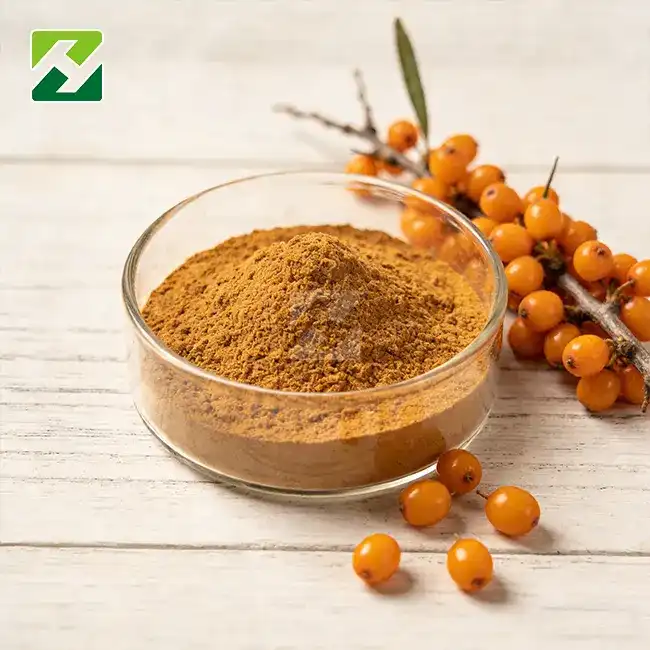
This is Hippophae rhamnoides L. There are a lot of good chemicals in berries, like flavonoids such as isorhamnetin and quercetin, a lot of vitamin C, and the rare omega-7 palmitoleic acid. There is a 4:1 or 10:1 concentration of the active ingredients in water, but their structure stays the same. Good extracts are brown-yellow, which means that the carotenoid content has been kept. This is a visual clue that can help procurement teams figure out how good the raw materials are. Makeup scientists and makeup chemists can use this concentrated form to make a standard ingredient that always works the same way.
Skin Barrier Repair and Hydration Mechanisms
The important fatty acids work well with the natural oils in the skin to make the stratum corneum even stronger. Omega-7 fatty acids, which are hard to find in plants, help skin keep its oil level without getting too oily. The phytosterols, on the other hand, work like ceramides and fill in the gaps between cells that let water leave the skin through the epidermis. There are a lot of biological processes that this ingredient helps with, which make it very useful for people who are making goods for dry or stressed skin. It helps with both immediate hydration and long-term barrier health.
Antioxidant Protection and Visible Aging
There are free radicals that are made by UV light and pollution. However, carotenoids and vitamin E compounds in Seabuckthorn berry extract stop them. This antioxidant property helps keep collagen's shape by stopping the chain of enzymes that break down structural proteins. It does this by lowering matrix metalloproteinase activity. Formulation managers who add this extract to anti-aging serums say that the claims that the product will protect the skin from damage from the environment and make it look better are more true. Also, the flavonoids help microcirculation, which evens out skin tone in a way that is easy for customers to see.
How to Use Seabuckthorn Extract for Optimal Skin Results
How well this plant extract works in finished goods depends on how it is used. Our work with supplement and cosmetics companies has helped us figure out how to make supplements work better and keep customers happy.
Topical Formulation Considerations
When adding berry powder that has been extracted with water to emulsion systems, it is important to keep pH levels and concentration levels in mind. Most studies that show these products work show that they work best when used in leave-on products like serums and creams at rates of 2% to 5%. Other plant-based actives, such as niacinamide, peptides, and hyaluronic acid, work well with the extract to make skin care products that treat more than one problem at once. Cosmetic chemists like that it can work with both oil and water phases. This means they can make more types of products with different textures, from thin gels to thick moisturisers.
Oral Supplement Applications
Taking Seabuckthorn berry extract in the form of capsules or powders can help your skin's health from the inside out. Most dietary supplements have a dosage range of 500 mg to 1000 mg per day. However, the exact amount depends on the supplement's overall design goals and any other ingredients that work well with it. Because our extract is easy to mix with water, it is very soluble when you eat it. The active ingredients get into the bloodstream and help the skin's barrier function. They also keep the skin hydrated all over the epithelial tissues of the body.
Combination Strategies for Enhanced Performance
Adding vitamins that work well with Seabuckthorn Extract berry juice makes its health benefits even better. It is often mixed with vitamin E, coenzyme Q10, or grape seed extract in high-end skin care lines. Vitamin C in the product speeds up the process of making collagen when mixed with amino acid precursors like proline and lysine. By adding chemicals on purpose, companies can make products that improve the smoothness, hydration, and shine of skin in ways that can be measured. This proves what the ads say and makes people want to buy the goods again.

Choosing the Best Seabuckthorn Extract Product: A Buyer's Guide
What you buy has a big impact on the final product's quality, how well it meets regulations, and how competitive it is in the market. So that R&D directors and purchasing teams can find this botanical ingredient, they need clear criteria for how to judge it.
Organic Versus Conventional: Quality and Market Positioning
The supply chain is more complicated because of organic certification, but more and more customers want products with clean labels. Organic products that are certified cost a lot, but they make a big difference in the very competitive vitamin and health market. If you buy conventional extracts from a good company that keeps an eye on farms, they may have the same chemical profiles and cost less. Which one to use depends on how the brand wants to stand in the market. Value-oriented product lines try to be as cheap as possible without lowering the quality standards. High-end skin care brands usually need organic certification.
Concentration Ratios and Standardization
Extract ratios of 4:1 and 10:1 show the level of concentration. When the ratios are higher, the bioactives per gram are more concentrated. For every 10 kg of fresh berries, 1 kg of extract powder is made. This is a very high concentration of active compounds. Formulation managers have to find a balance between focusing on one thing at a time and not having enough money or space for formulating. Certificates of research from good sources show how many flavonoids, microbes, and water are in an item. They can use this to do the exact maths they need to make sure that every batch is the same.
Certification and Compliance Requirements
To sell things in foreign markets, you need different licenses for different types of goods and places. ISO, Kosher, Halal, NSF GMP, and other certifications show that the quality system is strong and the manufacturing process is strict. Products must be able to be tracked from where the plants come from to where they are packaged in order to follow FDA rules for dietary supplements or EU/FDA rules for topical uses. The people who are in charge of buying things should make sure that suppliers keep their licenses up to date and have all the paperwork needed to back up regulatory submissions in more than one place.
It's not enough to just compare prices per kilogram when picking a supplier. Check to see how well they can analyse, write, and answer your questions. Partner companies you can trust offer retention samples, can meet your unique needs, and keep the lines of communication open when crops or sources change. When putting out new products or making more of the formulations that work well, this base of relationships is very helpful.

Seabuckthorn Extract vs Sea Buckthorn Oil: What's Best for Your Product Line?
Many times, people who make products mix these two kinds of ingredients up. But because of how they are made chemically and how they work, they are used for very different things.
Chemical Composition Differences
There are a lot of flavonoids, vitamin C, and water-soluble antioxidants in berry powder that have been separated with water. The powder is brown-yellow and mixes well with water. Seabuckthorn oil is made from the seeds or berries of the plant and is extracted by cold pressing or CO2. A lot of lipid-soluble parts are in it, like omega fatty acids and vitamins that dissolve in fat. More palmitoleic acid is found in the oil fraction. Lipophilic pigments give this fraction its unique orange-red colour. If formulators know about these differences in composition, they can pick the right ingredient form for their product matrix and the benefits they want to achieve.
Application Suitability and Performance
Seabuckthorn Extract powder works great in water-based or mixed skin care products that protect against free radicals, make skin brighter, and take care of it in general. Serums, lotions, and food supplements are just some of the things that it can be used in because it works with different formulations. When lipid barriers need to be fixed very well, Seabuckthorn Extract oil is used in face oils, lip treatments, and focused repair creams, among other things. With a lot of fatty acids, it seals in moisture and goes deeper into the skin. However, it's hard to make because of its strong colour and smell, but extract powders aren't.
Cost and Scalability Considerations
When you buy them, water-extracted powders are often the best deal per active unit, especially when used on a large scale. We usually need at least 25 kg of drums to place an order. This makes it easier to make things in bulk and keep track of our stock. Even though the same amount of raw materials is used, less oil is produced. This means the price per kilogram is higher, which changes how much things cost. Because they are easy to scale up, powder extracts are best for large-scale production lines. On the other hand, oils are best for high-end, small-batch craft recipes where the unique taste qualities can support higher prices.
Procuring Seabuckthorn Extract: Tips for B2B Buyers
One way to find good ingredients is to use a method of review that lowers risk, raises quality, and lowers prices. Through working with international procurement teams, we've learned what makes a difference in terms of success.
Supplier Vetting and Due Diligence
Set clear requirements for suppliers that include their ability to make things, their quality systems, and proof that they have followed the rules in the past. Ask to see records of building audits, lists of past customers, and proof of the certifications they say they have. Check out what they can do for research and development (R&D). Suppliers with their own formulation and analytical labs can show a level of technical depth that is helpful for making products. In the U.S., we have four carefully placed stores that make sure packages get to their destinations fast. This is good for North American companies because it cuts down on wait times and the cost of having stock on hand.
Quality Assurance and Testing Protocols
Even if the sellers give you certificates of analysis, you still need to follow the rules when testing new raw materials. A third-party lab verifies details like the amount of wetness, the maximum amount of heavy metals, the number of microbes, and the active marker chemicals. Our extract from Seabuckthorn berries goes through strict tests that are in line with FDA and CGMP rules. Proof that the product has been checked from GAP-certified growth bases to the very last box it was packed in. Bad infrastructure like this one causes production delays or batch rejections that cost a lot of money, push back launch dates, and hurt the brand's reputation.
Pricing Structures and Contract Negotiations
Find out how changes in the value of the dollar, harvest yields, and demand cycles affect prices on the market. You should make long-term deals with your suppliers that lock in prices but let you change how much you buy based on how well your business is doing. If you order at least 25 kg, you won't need to keep too much inventory on hand during most production planning cycles. Before making big purchases, ask for sample amounts. We offer free samples, so you can try out different recipes. It is easier to compare bids when prices are clear and include all the costs of things like supplies, processing, and shipping. This helps you spot prices that are too low and could mean lower quality.
Logistics and Storage Requirements
Botanical products stay as stable as possible when they are kept in special places. Set the right temperature ranges, humidity levels, and light-blocking conditions for keeping so that the active substance stays intact for as long as it needs to. Our 25kg drum packaging keeps the items inside safe while they're being shipped and stored, and it also makes it easier for factories to handle them. Wait times are important to know (our normal turnaround time of ten days works for most production schedules), and you should also plan ahead for what to do if supplies go down. It makes a big difference in freight costs and delivery times how close you are to supplier warehouses. This is one reason why our product in the U.S. is so useful for U.S. producers.

Conclusion
Seabuckthorn Extract is a plant-based ingredient that has been shown by science to meet the needs of both modern skincare and the eco-friendly market. Its many nutrients are good for the skin in many ways, like keeping it hydrated and fixing broken shields. They also protect against free radicals and slow down the ageing process. The people who make products get an ingredient that has been used in many ways in the past and is backed by new research. To make a good purchase, you need to carefully evaluate suppliers. Pay close attention to quality certifications, the accuracy of the analysis, and how reliable the supply chain is. It's easier to choose the right ingredients for different products and customer needs when you know the difference between powders that are extracted with water and powders that are extracted with oils. The market for natural skin care ingredients that work is growing. This plant extract is a good buy for companies that want to stand out and show that their products work.
FAQ
1. What distinguishes seabuckthorn berry extract from sea buckthorn oil?
The powder that comes from water-extracted berries is brown and yellow. It is good for supplements and liquid mixtures because it has a lot of flavonoids, vitamin C, and antioxidants. Seabuckthorn oil extracts have a lot of vitamins and omega-3 fatty acids that break down in fat. They are orange-red and are used for certain jobs that need strong support for the lipid barrier. There are big changes between these types in terms of the chemicals they contain, how they look, how well they work, and how much they cost.
2. How do I verify supplier quality and authenticity?
Make sure you get a lot of information, such as up-to-date certifications (GMP, ISO, FSSC22000, organic), certificates of analysis with specific test results, and records of facility audits. Before you place large orders, test examples in a lab that is not connected to your business. See how fast the company is, how well they can help with technical problems, and if they are ready to give you tests of their retention. Long-term growers who do everything, from raising the plants to getting the oil out of them, have a better handle on quality factors.
3. What concentration ratio should I specify for my formulation?
A 4:1 ratio gives you a small amount of active compounds that are good for everyday skin care and for making cheap formulas. There is more bioactive material when the ratio is 10:1. This is what you want for high-end products that make big claims about how well they work. When picking concentration levels, you should think about the available recipe space, the benefits you want to achieve, the cost limits, and how you want to sell the product. Make sure the specs your providers give you are the best ones for your product development goals by talking to their expert teams.
Partner with OHI: Your Trusted Seabuckthorn Extract Supplier
Because they have been extracting plants for more than twenty years, Organic Herb Inc. can help you with your product development issues. This is our Hippophae rhamnoides L. Berries are mixed with water using advanced technology. The quality of the extract is always the same and is backed by many standards, including NSF GMP, Kosher, Halal, ISO, and FSSC22000. We keep track of all of our raw materials and make sure they meet the strictest international standards. We do this by planting on 8,000 acres of GAP-standard bases that let us control where the plants come from. Our research and development team of 42 people, which includes teachers and doctoral students, uses more than $1.2 million worth of analytical tools to help them come up with new formulas. Our fully owned company, Earth Made Nutritions, has four stores in the U.S. that make shipping quick—often in just ten days. This gets rid of risks in the supply line that can throw off production plans. We give away free samples so that you can fully test your formulas before you decide to buy. Our 25 kg minimum order size can be changed to work with different types of industrial scales. Email us at info@organic-herb.com to talk about your Seabuckthorn Extract needs and find out how our manufacturing skills can help you reach your goals for new nutraceuticals, cosmetics, or functional foods.
References
1. Upadhyay NK, Kumar MS, Gupta A. Antioxidant, cytoprotective and antibacterial effects of Sea buckthorn (Hippophae rhamnoides L.) leaves. Food and Chemical Toxicology. 2010;48(12):3443-3448.
2. Olas B. The multifunctionality of berries toward blood platelets and the role of berry phenolics in cardiovascular disorders. Platelets. 2017;28(6):540-549.
3. Zielińska A, Nowak I. Abundance of active ingredients in sea-buckthorn oil. Lipids in Health and Disease. 2017;16(1):95.
4. Gao X, Ohlander M, Jeppsson N, Björk L, Trajkovski V. Changes in antioxidant effects and their relationship to phytonutrients in fruits of sea buckthorn (Hippophae rhamnoides L.) during maturation. Journal of Agricultural and Food Chemistry. 2000;48(5):1485-1490.
5. Teleszko M, Wojdyło A, Rudzińska M, Oszmiański J, Golis T. Analysis of lipophilic and hydrophilic bioactive compounds content in sea buckthorn (Hippophae rhamnoides L.) berries. Journal of Agricultural and Food Chemistry. 2015;63(16):4120-4129.
6. Eccleston C, Baoru Y, Tahvonen R, Kallio H, Rimbach GH, Minihane AM. Effects of an antioxidant-rich juice (sea buckthorn) on risk factors for coronary heart disease in humans. Journal of Nutritional Biochemistry. 2002;13(6):346-354.
Antioxidant and Anti-Inflammatory Activities of Safflower Extract Powder
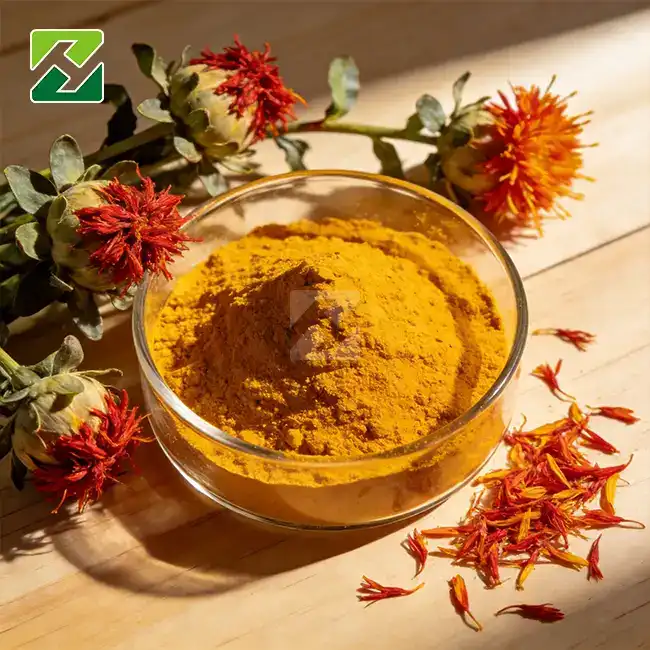
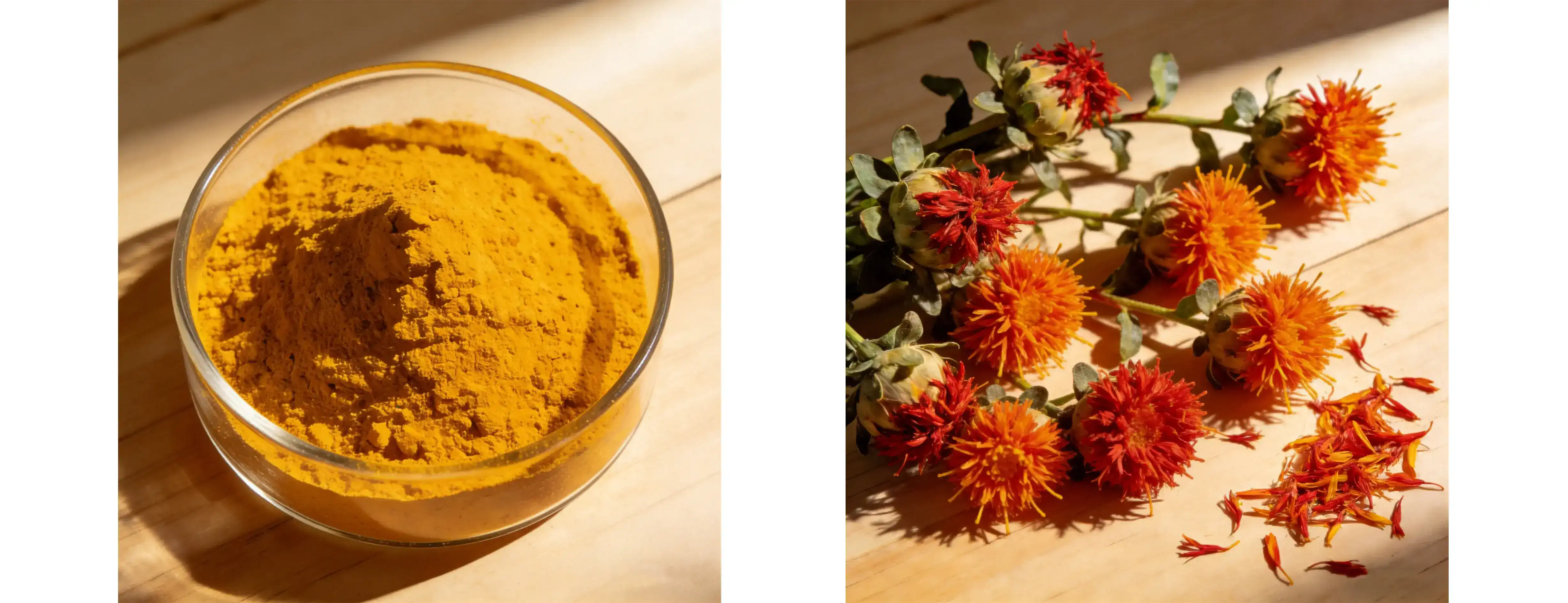
VIEW MORESafflower Extract Powder, made from Carthamus tinctorius L.'s colourful flowers, is a concentrated botanical ingredient known for its amazing anti-inflammatory and antioxidant qualities. Through a process called 100% water extraction, this yellow powder uses naturally occurring flavonoids (especially Hydroxysafflor Yellow A (HSYA)) and polyphenolic compounds to fight free radicals and change the way inflammation works. This botanical extract, which comes in standard sizes like E30 and E60, solves important problems in the industry, like keeping ingredients stable, making sure batches are all the same, and meeting clean-label requirements. Understanding the molecular profile of Carthamus extract is important for people who make nutraceuticals, cosmetics, and functional foods because it helps them make products that stand out in markets that are getting more and more competitive and where natural ingredients are what make people choose one brand over another.
Introduction
Safflower flower extract is ideal for B2B procurement experts who must manage complex supply chains due to the global trend toward natural, plant-based products. Buyers in nutraceutical, cosmetic, and pharmaceutical companies are under increasing pressure to locate plants that operate and comply with laws. Standardized Safflower yellow pigment, made from an enhanced extraction technique, offers natural color and bioactivity, solving two industrial challenges with one ingredient.
This comprehensive guide helps procurement teams identify high-quality Carthamus tinctorius extract. We explain its antioxidant function molecularly, discuss its numerous industrial applications, and provide supplier evaluation advice. For R&D directors developing novel supplements or a product developer strengthening skin care lines, this resource provides the scientific knowledge decision-makers need to confidently introduce this botanical to product lines while satisfying quality standards and clean label trends.
Understanding the Antioxidant and Anti-Inflammatory Properties of Safflower Extract Powder
Botanical Origin and Processing Technology
The flower-derived product comes from carefully picking the petals of Carthamus tinctorius L. plants that are grown in a variety of climates to get the highest quantity of bioactive compounds. Unlike Safflower oil made from seeds, which is high in linoleic acid, flower extract concentrates flavonoids and chalcone glycosides that dissolve in water by using specific extraction methods. Modern manufacturers use dynamic low-temperature extraction and nano-membrane isolation to protect antioxidants that are damaged by heat. They then freeze-dry the powder to make a stable yellow substance with a colour value of E30 or E60.
Chemical Profile and Bioactive Mechanisms
The antioxidant power of the extract comes mostly from Hydroxysafflor Yellow A, safflomin A, and kaempferol derivatives, which are very good at getting rid of free radicals in DPPH and ABTS tests. By giving hydrogen atoms to reactive oxygen species, these flavonoid molecules stop oxidative chain reactions. This keeps cellular structures from getting damaged by oxidation. Published research using HPLC-ELSD analysis confirms that standardised extracts keep Hydroxysafflor Yellow A levels higher than 2–6%, offering quantifiable antioxidant activity that is on par with synthetic alternatives.
There are several ways that anti-inflammatory mechanisms work. Studies in the lab show that flavonoids in Safflower change NF-κB signalling pathways, which lowers the production of pro-inflammatory cytokines like TNF-α and IL-6. This molecular activity can be used in formulas that help with skin irritation, muscle recovery, and the stress response in cells. Formulation chemists are worried about how pure the ingredients are and how well they work with sensitive materials. The water-based extraction method gets rid of any organic solvent leftovers.
Comparative Antioxidant Performance
In tests that measure oxygen radical absorbance capacity (ORAC), Carthamus extract does about as well as other common botanical antioxidants. Unlike antioxidants that dissolve in fats, like vitamin E, Safflower yellow is hydrophilic, which means it can be directly added to water-based products like drinks, serums, and supplements. This solubility profile gives formulators more options while keeping the product's oxidative stability over time, which is very important for large manufacturers.
Benefits and Applications of Safflower Extract Powder in B2B Industries
Nutraceutical and Dietary Supplement Applications
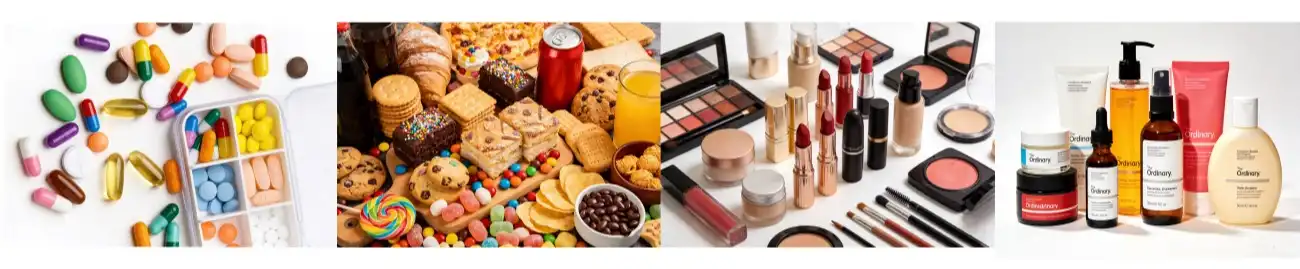
Formulation managers are asking for Carthamus flower extract more and more in cardiovascular support pills because it has been shown to improve circulation and circulatory integrity. The standard powder format makes it possible to give the right dose in pill, tablet, and powder mix forms. This plant is used by sports nutrition brands to deal with oxidative stress caused by exercise, putting their products in the recovery and performance enhancement categories. The clean extraction process meets the needs of customers for clear ingredient lists, which support claims of natural origin in marketing.
Cosmetic and Personal Care Formulations
Cosmetic chemists like Safflower Extract Powder because it has many uses for the skin, such as reducing redness, supporting the skin's barrier, and protecting it from environmental stressors. The yellow pigment gives creams, serums, and masks a natural colour without using manufactured dyes. This meets the needs of regulations in both the EU and the US that prefer natural colourants. When making cosmetics, batch-to-batch consistency is still very important for Safflower Extract Powder. Reliable suppliers keep strict rules on Hydroxysafflor Yellow A content and colour value, which makes sure that formulation results are predictable. The antioxidant profile works well with other actives like ceramides and peptides, and is especially helpful for anti-aging lines.
Functional Food and Beverage Development
Carthamus extract is used by food technologists in functional beverage systems like wellness shots, fortified teas, and botanical drinks. The water-soluble extract is very stable at high temperatures during pasteurisation. It keeps its colour and activity under normal heat processing conditions. Having regulatory approval as a natural food colourant in more than one place makes it easier for foreign brands to follow the rules for preparation. The mild flavour blends easily into citrus, berry, and herbal drink mixes without needing a lot of flavour masking, which lowers the overall cost of formulation.
Manufacturers say that the use has been popular in protein bars, nutritional gummies, and ready-to-drink formats, where natural colouring and useful placement make the products look great on shelves. The extract's dual role as a colourant and active ingredient simplifies label claims, which supports simpler marketing stories that appeal to health-conscious consumers looking for clear formulations.
Comparing Safflower Extract Powder with Other Natural Extracts and Oils
Safflower Extract Versus Safflower Oil
Flower extract and seed-derived oil are different in important ways that affect purchasing choices. Safflower oil is mostly made up of fatty acids (oleic and linoleic acids) and not many flavonoids. It can be used for different things in formulations. The extract gives a lot of polyphenolic antioxidants without any fat, so it can be used in low-fat recipes and clear water-based systems. Procurement teams need to be very clear about the plant source—flower vs. seed, for example—because these are two very different types of ingredients with very different cost structures and regulatory classifications.
Competitive Positioning Against Turmeric and Green Tea Extracts
Carthamus retains its color in neutral pH mixes better than turmeric extract, which becomes yellow-orange and has fewer cosmetic benefits. Safflower extract tastes and smells neutral; however, catechin-based antioxidants in green tea extract break down differently and taste harsh. Carthamus is commonly priced between inexpensive green tea and pricey rosehip extracts, giving mid-premium companies a solid value blend.
Milk thistle extract, with silymarin standardization, supports the liver and has a niche market. Carthamus extract is excellent for customers who desire broad-spectrum antioxidant activity for several product categories, since it may be utilized for more products and has colorant characteristics. Organic and conventional grades vary by 25–40% in price. Because they appeal to specialized natural products buyers, organic standards cost more.
Procurement Insights: How to Source High-Quality Safflower Extract Powder
Critical Supplier Evaluation Criteria
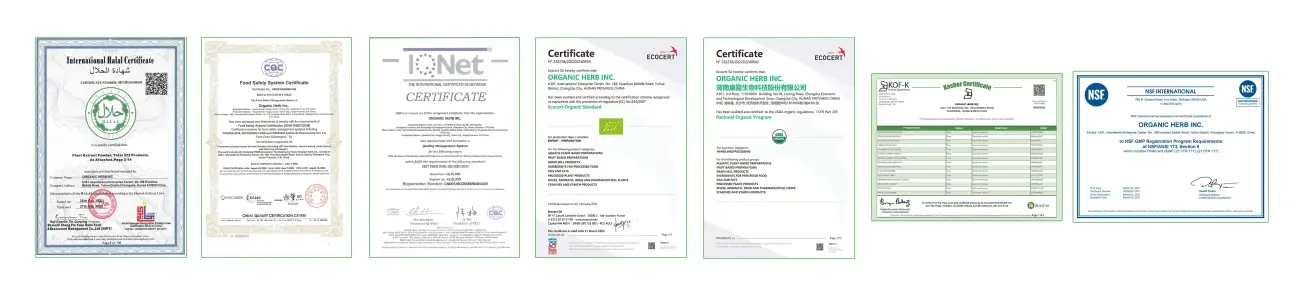
Companies with ISO 9001, FSSC22000, and necessary approvals like NSF-GMP should be prioritized by buyers. Organic Herb Inc., a public business (Stock Number: 872213), has the greatest infrastructure in its area with CGMP, Kosher, and Halal certifications. Vertically integrated suppliers maintain GAP-standard planting bases for traceability. OHI controls farming on over 8,000 acres in many regions to ensure consistent raw resources.
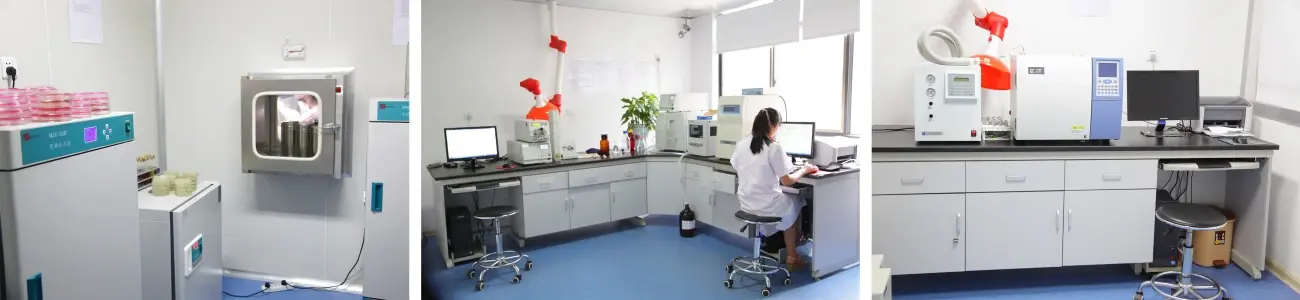
Laboratory skills distinguish outstanding salespeople from commodity dealers. For advanced laboratories, HPLC is required for Hydroxysafflor Yellow A measurement, ICP-MS for heavy metal testing (Pb < 3 ppm, As < 1 ppm), and pesticide residue testing for over 400 chemicals under EU 396/2005 regulations. Request Certificates of Analysis demonstrating microbiological compliance (total plate count <1000 cfu/g, Salmonella/E.coli negative) and solvent residue verification with claims of water-only extraction.
Quality Assurance and Testing Protocols
Validation by a third party through independent laboratories gives buyers even more confidence. Reliable suppliers are happy to send samples for verification testing, and well-known companies like OHI give free samples to qualified buyers for formulation trials. Colour value uniformity (E30, E60) should vary by less than 5% between batches. This can only be done with standard extraction settings and strict quality control during the process. Thin Layer Chromatography (TLC) tests prove the plant identity and keep the product from being tampered with by cheaper marigold extracts or artificial dyes.
Reliability in the supply chain is especially important for big manufacturing companies sourcing Safflower Extract Powder. Companies that keep warehouses in the US, like OHI's Earth Made Nutritions subsidiary, which has four key US sites, offer big benefits in terms of shorter wait times and more flexible logistics. Standard 10-day lead times for stock items, with a 25 kg minimum order quantity packed in fibre drums, can meet the needs of both small-scale testing and large-scale production. This infrastructure is very important for brands that need to manage just-in-time inventory systems or quickly change their recipes to adapt to changing market trends.
Pricing Structure and Contract Considerations
The economics of bulk buying favour commitments to buy a lot, with price breaks happening at order levels of 100 kg, 500 kg, and 1000 kg or more. Clear pricing takes into account things like the type of extraction (E30 vs. E60 affects cost by 15–25%), certification needs (organic premiums), and packaging choices. Long-term supply deals keep prices stable in volatile botanical markets. This is especially important for Carthamus, whose crop rates change depending on the weather.
It's smart to negotiate customisation options because they add strategic value. Suppliers with dedicated research and development (R&D) teams—OHI has 42 specialised staff members, including PhDs and senior researchers, and has spent more than $1.2 million on equipment—can create proprietary mixes or unique specs that help their products stand out. Standard ingredients can be turned into branded actives that strengthen intellectual property positions through custom extraction ratios, co-processing with botanicals that work well together, or specialised micronization services.
Safety, Dosage, and Regulatory Considerations
Quality Standards and Compliance Frameworks
When dealing with international regulations, you need to be very careful. In the US, plant extracts are considered GRAS by the FDA for use in food and OTC prescription compliance for use in supplements. European markets want Novel Food ratings for new ways of extracting foods or concentration levels that are higher than what is usually used. Safflower flower extract has been used for a long time in Asian markets, which makes it easier for regulators in Japan, Korea, and other APAC countries to approve it.
Carthamus yellow is recognised as a natural food colourant in China, and other places looking for options to manmade azo dyes are starting to accept it too. Plant identification, an extraction solvent declaration (100% water extraction makes approval easier), and a lot of safety data should all be in the documentation package. Suppliers that offer regulatory support services, such as preparing dossiers and giving advice based on the region, speed up the time it takes for new products to hit the market.
Manufacturing Standards and Documentation
CGMP compliance ensures consistent manufacturing procedures and pharmaceutical quality systems. Quality concerns may be answered promptly with batch records showing where raw materials originated, how they were processed, and how they were packed. Since clients recognize NSF-GMP certificates, US companies selling natural goods gain credibility.
Suppliers that are reliable will test heavy metal standards exceeding USP <2232> limitations. California markets must prove lead, cadmium, and arsenic levels are considerably below action thresholds under Proposition 65. Even though water extraction reduces organic solvent concerns, prudent producers use GC-HS to test for methanol and ethanol levels below 50ppm and 5000ppm, respectively, to prevent cross-contamination from shared equipment.
Sustainable Sourcing and Environmental Stewardship
Environmental and technological norms are increasingly significant in contemporary buying. Suppliers that use renewable energy, recycle water, and form community partnerships meet CSR aims. Long-term approaches include OHI's coordinated relationships with local farmers in numerous places. These agreements give technical guidance, seedlings, and harvest assistance while benefiting agricultural communities economically.
Brands may prove themselves to environmentally sensitive consumers by using transparent supply chains and agricultural techniques. GAP accreditation validates pesticide reduction, habitat protection, and soil health, creating marketable sustainability tales. Buyers worried about carbon emissions could choose domestic warehousing. North American clients don't require intercontinental shipping with US inventory, which minimizes per-unit transportation emissions and improves delivery dependability.
Conclusion
Safflower Extract Powder is a strategically important botanical ingredient that meets the needs of many industries thanks to its proven anti-inflammatory and antioxidant qualities. When purchasing managers look at this extract from Carthamus, they can get formulation benefits that can be used in nutraceutical, cosmetic, and functional food products. The standardised, water-extracted powder format fixes important problems like batch consistency, following rules, and clean label positioning.
For sourcing to work, suppliers need to be carefully evaluated, including their level of certification, their ability to do analysis, and their supply chain infrastructure. When you work with well-known makers that offer vertical integration, advanced R&D support, and regional warehousing, you gain a competitive edge through quality control and better logistics. As the market for natural ingredients keeps growing, Carthamus flower extract puts forward-thinking brands ahead, where customer desire, scientific proof, and environmentally friendly sourcing all come together.
FAQ
1. What distinguishes Safflower Extract Powder from safflower oil in formulation applications?
The flower extract contains a lot of water-soluble flavonoids and Hydroxysafflor Yellow A, which gives the extract its natural yellow colour and antioxidant properties. When you press Safflower seeds to make oil, you get mostly linoleic and oleic acids and not much polyphenolic content. These are two very different types of ingredients. Oil is a fatty source of nutrition and an emollient, while extract is a useful active and colourant. To make sure the right materials are chosen, the procurement specifications must make it clear which botanical source is being used (flower vs. seed, for example).
2. How can buyers be sure that the supplier is real and that the product is pure?
For complete Certificates of Analysis that show HPLC measurement of Hydroxysafflor Yellow A, heavy metal testing via ICP-MS, pesticide residue screening, and microbial validation, please ask for them. Verification by an independent third-party laboratory gives you even more peace of mind. Reliable sellers are happy to give free samples for trying formulations and confirming analytical results. Certifications like ISO, FSSC22000, and organic registrations show that quality systems are in place, and factory audits make sure that the manufacturing capabilities match what the paperwork says.
3. What regulatory approvals apply to carthamus extract in food and supplement applications?
In the US, botanical extracts need to be given GRAS status before they can be used in food and must also follow the rules for dietary supplements set by DSHEA. Safflower yellow is recognised as a natural colourant in China and is becoming more well-known around the world. Depending on the method of extraction and concentration, European markets may need Novel Food assessments. Suppliers who offer regulatory paperwork packages and advice tailored to each area speed up the approval process for products in all target markets.
Partner with OHI for Premium Safflower Extract Powder Supply
Organic Herb Inc. sells pharmaceutical-grade Safflower Extract Powder that is made according to tight CGMP and FSSC22000 guidelines. This powder meets the high standards of people who make nutraceuticals, cosmetics, and functional foods. Our fully connected supply chain, which includes more than 8,000 acres of GAP-certified cultivation bases, cutting-edge research and development facilities, and four warehouses in the US, guarantees the highest quality and most reliable delivery for large-scale production needs.
As a reliable Safflower Extract Powder seller, we offer standard specs (E30, E60) with guaranteed Hydroxysafflor Yellow A content, full heavy metal and pesticide screening, and all the necessary regulatory paperwork, such as Kosher, Halal, and Organic approvals. Our 42-person research and development team helps with custom formulation development using analytical equipment worth more than $1.2 million. This lets them make changes to proprietary extracts that make your product line stand out.
Working with a publicly traded maker (Stock Number: 872213) that is dedicated to ethical sources and high-quality craftsmanship can save you money on purchases. Samples are free for qualified buyers, and there is a 25 kg minimum order quantity. Lead times are 10 days from the US inventory. You can email our technical sales team at info@organic-herb.com to talk about your specific needs and get full product specs for our premium Safflower Extract Powder for sale.
References
1. Li, H., & Zhang, M. (2021). "Flavonoid Composition and Antioxidant Capacity of Carthamus tinctorius Flower Extracts: A Comparative Study of Extraction Methods." Journal of Agricultural and Food Chemistry, 69(14), 4201-4212.
2. Wang, S., Chen, L., & Zhao, Y. (2020). "Anti-inflammatory Mechanisms of Hydroxysafflor Yellow A: Molecular Pathways and Clinical Implications." Phytotherapy Research, 34(8), 1847-1860.
3. Rodriguez, A., & Thompson, K. (2022). "Natural Colorants in Food Applications: Regulatory Status and Quality Specifications for Safflower Yellow." Food Additives & Contaminants: Part A, 39(3), 512-528.
4. Kumar, P., Singh, R., & Patel, D. (2021). "Comparative Analysis of Antioxidant Botanical Extracts for Nutraceutical Formulations: Safflower, Turmeric, and Green Tea." International Journal of Food Sciences and Nutrition, 72(6), 781-795.
5. Nakamura, T., & Yoshida, K. (2020). "Quality Control Standards for Carthamus tinctorius Extracts: HPLC Quantification and Contaminant Screening Protocols." Journal of Natural Medicines, 74(4), 658-670.
6. Chen, X., Liu, J., & Wu, H. (2023). "Sustainable Sourcing and Supply Chain Management in Botanical Extract Industries: A Case Study of Safflower Cultivation." Industrial Crops and Products, 187, 115432.
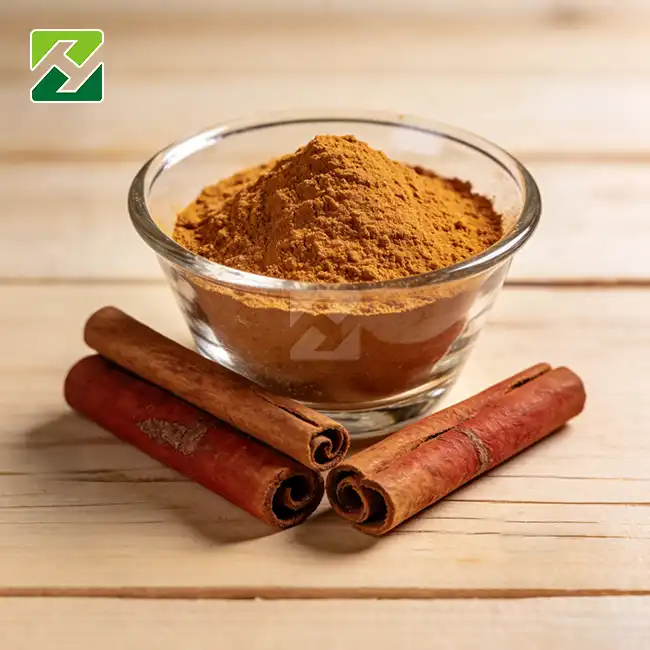
Cinnamon Powder vs. Cinnamon Bark Extract Powder: Which is Right for Your Formulation?
VIEW MOREYour recipe objectives will determine which cinnamon powder or Cinnamon Bark Extract Powder to use. Cinnamon Bark Extract Powder comes from Cinnamomum cassia and has a high concentration of bioactive compounds. It is made using standard extraction methods that give it a consistent polyphenol content (like 50% polyphenols) and better batch-to-batch reliability. Traditional cinnamon powder has a lot of different active ingredient amounts because it comes from different parts of the plant. Standardized extract powders are usually the best choice for professional recipes for nutraceutical brands, cosmetic makers, and functional food developers who want accurate dosing, proven effectiveness, and clean label compliance.
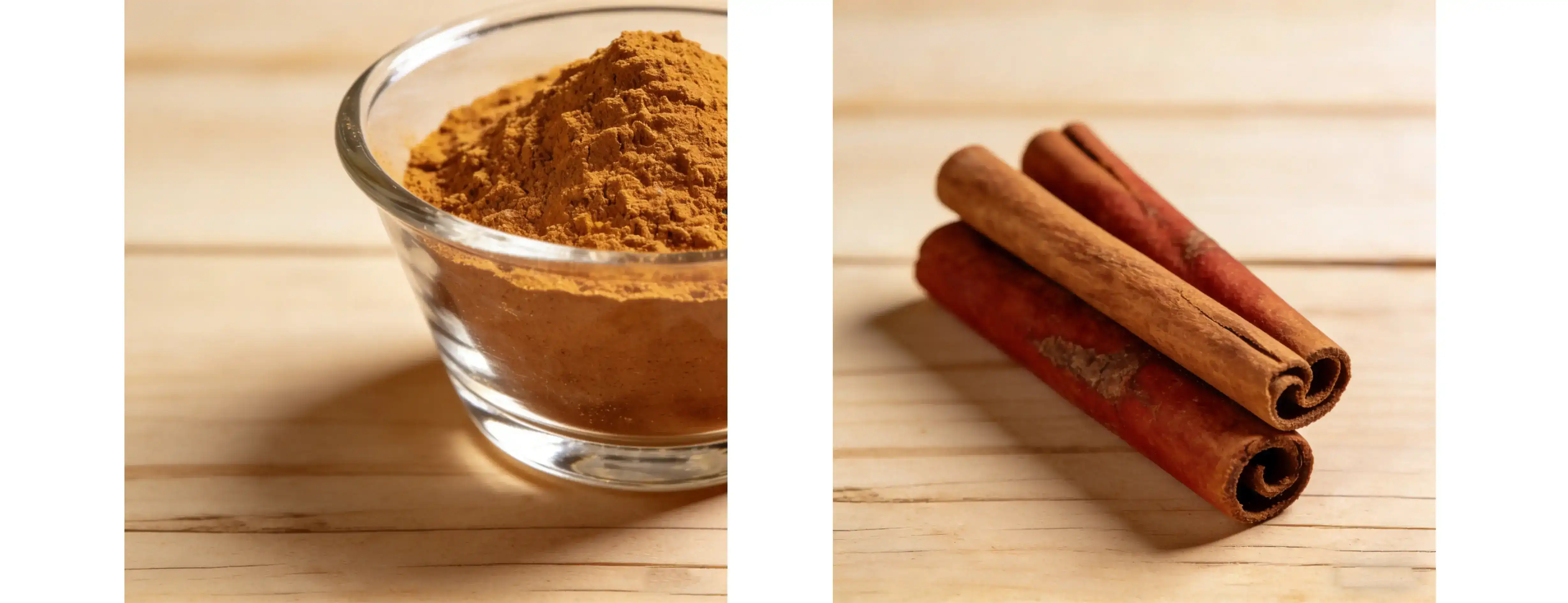
Understanding Cinnamon Powder and Cinnamon Bark Extract Powder
When formulating with cinnamon, procurement teams have to deal with two separate groups of ingredients that are very different from one another.
What is Traditional Cinnamon Powder?
Whole bark from two species, Ceylon (Cinnamomum verum) and Cassia (Cinnamomum cassia), is ground up to make traditional cinnamon powder. The process of grinding keeps the whole bark matrix, which includes the fiber, volatile oils, and bioactive substances, in its original amounts. This whole-plant method has a warm, spicy smell and a brown color that makes it easy for people who are familiar with using plants in cooking to recognize.
But the compositional profile changes a lot depending on when it was picked, where it came from, how it was dried, and how it was stored. In raw powder, the amount of polyphenols is usually between 2 and 8 percent, and the amount of cinnamaldehyde is between 1 and 4 percent. These differences make it hard for R&D teams to make products that make specific claims about their functions or require exact levels of active ingredients.
What is Cinnamon Bark Extract Powder?
Concentrated cinnamon bark extract powder is created by carefully extracting the bark with a solvent. Organic Herb Inc. extracts bioactive chemicals from Cinnamomum cassia bark using water and ethanol. Polyphenols, cinnamaldehyde, and antioxidant compounds are prioritized while superfluous fiber and other portions are removed.
Polyphenols extracted from plants using our technology exceed high standards. These include 4:1 and 10:1 concentration ratios or 50% pure polyphenol-standardized grades. All manufacturing runs produce the same bioactive brownish-yellow powder. This helps formulators ensure exact dosing and consistent product performance. HPLC (High-Performance Liquid Chromatography) examination ensures drums satisfy standards. This overcomes the biggest ingredient consistency issue for R&D directors.
Production Processes and Quality Control
There are several confirmation steps along the way as the extract powder is made. HPTLC (High-Performance Thin-Layer Chromatography) fingerprinting is used to identify plants in raw wood to make sure the species is real and to look for signs of adulteration. After being extracted and concentrated at low temperatures to protect thermosensitive chemicals, the material is sprayed to make the particles small and the flowability perfect.
ICP-MS (Inductively Coupled Plasma Mass Spectrometry) testing for heavy metals is part of quality control protocols. This makes sure that lead levels stay below 3ppm, arsenic levels stay below 1ppm, and mercury levels stay below 0.1ppm. This is necessary to meet FDA and EU export rules. Microbiological tests show that Salmonella and E. coli are not present, and the Total Plate Count was kept below 1000 CFU/g. This was done to deal with the higher chance of contamination that comes with organic spice ingredients.
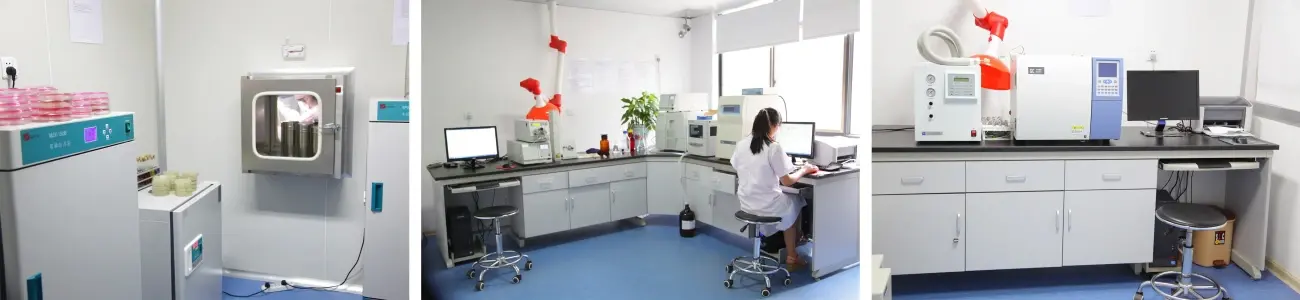
Comparing Cinnamon Powder and Cinnamon Bark Extract Powder for B2B Applications
Formulation experts look at ingredients in more ways than just their basic makeup to see how well they work.
Potency and Standardization
When it comes to bioactive content, Cinnamon Bark Extract Powders give real benefits. A 10:1 extract ratio means that ten kilograms of raw bark are used to make one kilogram of extract. This makes the active ingredient density about ten times higher than in ground powder. This concentration makes it possible to dose effectively in smaller serving sizes when making capsules or tablets that don't have a lot of room. This is especially helpful for sports nutrition brands that are making convenient on-the-go formats.
Standardized flavonoid content (50%) gives confidence in the recipe. Each production run produces the same amount of bioactives, which lets brands keep their label claims and customer experiences uniform. This reproducibility is very important when doing stability studies or trying to get regulatory approval in markets that need to see that the ingredients are always the same.
Formulation Compatibility and Stability
Formats affect solubility differently. Traditional powder mixes poorly with water because of its intact fiber structure and lipophilic volatile oils. This causes it to settle in liquids or make them grainy. Extract powders, particularly water-ethanol ones, combine better with water, although total solubility varies by grade.
To prevent precipitation in ready-to-drink goods, formulators could use water-dispersible grades or microencapsulation. Extract powders function well in capsules and tablets, but encapsulation flows better because of their uniform particle size and lack of fibrous material.
Another consideration is shelf stability. Packing extract powders in vacuum-sealed drums with moisture barriers keeps them functional for 24 months below 25°C with humidity below 60%. Condensed polyphenols are hygroscopic and must be controlled to reduce moisture. Traditional powder absorbs less water but evaporates more volatile oil, which may lower the smell and active cinnamaldehyde level.
Regulatory Compliance and Documentation
To get into international markets, you need to provide a lot of paperwork. Extract powders from licensed sellers come with a lot of different tests, such as a Certificate of Analysis (CoA) with batch-specific HPLC chromatograms, pesticide residue screening that meets EC 396/2005 standards, residual solvent analysis that proves ethanol levels are below 5000ppm, and allergen declarations.
When looking for materials that come from Cassia, you should pay extra attention to how much coumarin is present. Cassia naturally has more coumarin than Ceylon types, but reputable extract makers do HPLC coumarin analysis to make sure they stay within regional limits, especially EU rules that limit daily coumarin intake. Our testing methods prove coumarin levels, giving the scientific data that buying teams need for regulatory applications and import clearance.
Sensory Profile Considerations
The effect of flavor varies a lot. Traditional powder adds a strong, warming spice flavor with a bit of astringency and a presence in the texture. Extract powders have a concentrated flavor that may taste stronger or a little bitter at the same weight because they have more polyphenols. Formulators who are making flavored drinks or gummies should do small-scale sensory trials to find the best doses and find the right balance of flavors by adding sweeteners or masking agents.
The color input is also different. Ground powder has a tan-brown color, and particles can be seen floating in it. The brownish-yellow color that comes from extract powders dissolves more evenly, making products that are clear or lightly colored look better. When making natural-colored skin care products, where pigment consistency affects how each batch looks, cosmetic formulators like the refined color profile.
Procurement Considerations for Cinnamon Ingredients
Setting up reliable supply chains needs careful review of suppliers and risk management plans.
Supplier Verification and Certification Standards
When buying Cinnamon Bark Extract Powder, procurement professionals should give more weight to suppliers who have all of the following certifications: NSF GMP, ISO9001, FSSC22000, Halal, Kosher, and USDA Organic. These certifications show that the manufacturing quality systems, traceability protocols, and compliance infrastructure are in place to make global distribution possible. As a public company (Stock Number: 872213), Organic Herb Inc. is more open and accountable because regulators keep an eye on us and we have to report our finances.
The ability to make things is just as important. Facilities with high-tech analysis tools like HPLC-ELSD, GC-MS, and atomic absorption spectrophotometry show a strong dedication to quality confirmation. Our R&D center in Changsha has 42 employees, including 27 top researchers with advanced degrees. The lab tools are worth over $1.2 million and help them do their jobs. This technical infrastructure lets you make customized products and test them thoroughly in batches, which protects the reputation of your brand.
Traceability and Source Authentication
Traceability of raw materials starts with farming. In the provinces of Shaoyang, Changsha, Huaihua, Guizhou, Hubei, and Jiangxi, Organic Herb Inc. runs three GAP (Good Agricultural Practice) certified planting bases that cover more than 8,000 acres. Direct farmer partnerships allow for oversight from the supply of seedlings to harvest and primary processing, lowering the risks of fraud that come with complicated supply chains with many middlemen.
Botanical authentication using HPTLC fingerprinting confirms the species identity and finds substitution with cheaper alternatives or used-up bark material, which is a common problem in the industry. To set clear quality expectations, ask suppliers for baseline fingerprint chromatograms and include requirements for batch-to-batch consistency in purchase agreements.
Pricing Structure and Minimum Order Quantities
The price of extract powder is based on its concentration ratio and amount of standardization. A 4:1 extract usually costs 4 to 6 times as much as the raw powder, while 10:1 ratios or grades that are standardized for polyphenols are seen as more expensive. But the concentrated shape cuts down on shipping amounts and storage room, which could make up for differences in unit costs when figuring out total landed costs.
Our low-order amount of 25 kg (one drum) covers both the first tests and the ongoing production needs. Many sellers have higher minimums, especially for custom specs. Making MOQ terms clear early on keeps procurement from being held up. We offer free samples to make bench-scale testing easier before committing to full-scale production. This lowers the risks of formulation development.
Logistics and Packaging Integrity
The right packing is needed to keep the quality of the ingredients while they are being shipped. We ship extract powder in fiber drums that are sealed with two layers of food-grade polyethylene bags. This keeps the powder dry and clean during foreign shipping. Because our four U.S. warehouses are carefully placed, we can quickly send goods across North America, usually within seven days of receiving an order. This helps with just-in-time inventory management.
Changes in temperature during shipping can damage the integrity of the product. For shipments in the summer or during extreme weather, you should ask for climate-controlled transport. As proof of proper treatment along the supply chain, storage condition logs and temperature tracking data should be included in the paperwork.
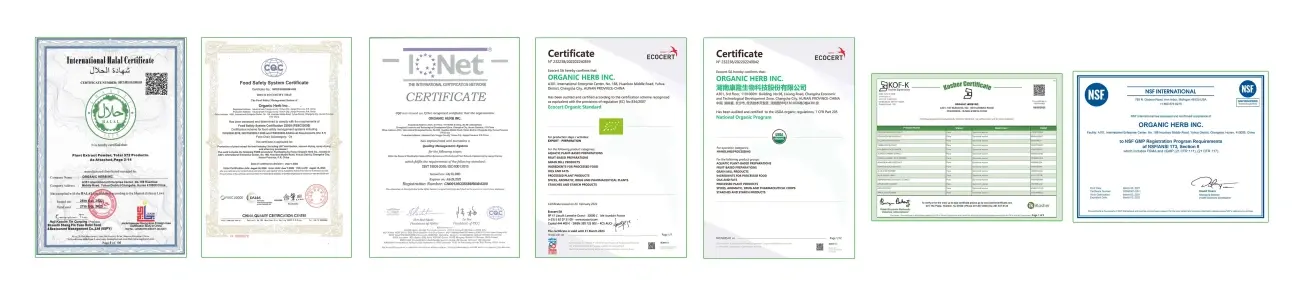
Making the Right Choice: Which Cinnamon Formulation Suits Your Needs?
The best choices about which ingredients to use are based on the needs of each industry area.
Nutraceutical and Dietary Supplement Applications
Standardized Cinnamon Bark Extract Powders are very helpful for supplement brands that want to make specific functional claims. ORAC (Oxygen Radical Absorbance Capacity) testing shows a direct link between polyphenol content and antioxidant activity. This means that marketing teams can back up antioxidant claims with lab proof. Standardization makes sure that every capsule has the same amount of bioactive ingredients, which is important for products that are used as part of daily wellness routines because customers expect reliable results.
Companies that make sports nutrition products like concentrated forms that work well with performance-based recipes and don't have too many capsules or serving sizes. A 500mg dose of 10:1 extract has the same biological effect as 5,000mg of raw material. This is a very high concentration that makes it possible to make complex stacks of ingredients that don't break the bank.
Functional Food and Beverage Development
Drink formulators face technological challenges. Regular powder may settle, cloud, or taste gritty in pricey ready-to-drink cocktails. Extract powders make mixing simpler, but clear solutions need water-soluble, highly filtered forms. To determine application-specific parameters, consult vendors.
We should investigate pasteurization or hot-fill processing temperature stability. Long-term high temperatures may break down volatile cinnamaldehyde and initiate polymerization processes that make food less bioactive. Standard pasteurization temperatures (about 100°C for brief durations) don't affect polyphenol chemicals. Small-scale cooking tests ensure the ingredients will work in your recipe.
Cosmetic and Personal Care Formulations
Chemical engineers who work in cosmetics like extract powders because they have a consistent color that doesn't change from batch to batch, fewer microbes than raw plant powders, and solvent extraction profiles that work with systems used to make cosmetics. Polyphenol antioxidants help keep products fresh and support the natural active ingredient positioning that health-conscious consumers are increasingly demanding.
It's important to think carefully about stability in emulsion systems. Extract powders stay stable in pH levels that are common in cosmetics (pH 4–7). However, if the pH level is too high, some polyphenol structures may break down. Testing for compatibility with preservative systems, chelating agents, and other actives stops interactions that might not be predicted and could hurt the safety or effectiveness of the formula while it's being stored.
Decision Framework for Procurement Teams
When looking at your choices, think about these important points:
- Product Positioning: High-end practical goods with clear claims support the purchase of extract powder. Economy-positioned products where cinnamon serves primarily flavoring or traditional appeal roles may perform adequately with quality ground powder.
- Supply Chain Reliability: Quality variation risks are kept to a minimum by using established extract suppliers with certifications, testing facilities, and direct oversight of cultivation. Single-source botanicals that don't come with traceability paperwork put brands at risk of contamination and regulatory action.
- Total Cost Analysis: Don't just look at unit prices; also compare the total costs of formulation, which include the dosage levels that need to be used, the cost of testing, the cost of possible reformulation due to differences between batches, and the need for regulatory paperwork. Even though they cost more per kilogram, extract powders often offer better overall value.
- Scalability Considerations: Ingredients that have strong compliance documentation, established import pathways, and suppliers that can handle volume growth without sacrificing quality are best for products that are going to be scaled up quickly or sold in more countries.
Conclusion
Your formulation needs, quality standards, and market positioning will all play a major role in your decision to use standardized Cinnamon Bark Extract Powder over traditional cinnamon powder. These extract powders meet the main needs of professional formulators in the nutraceutical, beauty, and functional food industries by providing concentrated bioactives, batch uniformity, and full paperwork. Traditional powder is still useful for some cooking uses and products that need to be cheap, but standardized extracts usually have more technical benefits than cost increases when making products with specific functional claims or for uses that care about quality. When you work with certified suppliers that offer traceability, analytical validation, and technical support, you can be sure that the ingredients you choose will help your brand meet its quality goals and grow.
Frequently Asked Questions
1. What distinguishes cinnamon bark extract powder from regular cinnamon powder?
The main difference is between standardization and concentration. Solvent-based processing is used to concentrate bioactive compounds, especially polyphenols and cinnamaldehyde, while inert fiber is taken out. This gives consistent batch performance and standardized specifications, like 50% polyphenols. Ground powder, on the other hand, has naturally variable active levels that range from 2 to 8 percent, which makes precise formulation difficult.
2. How should I dose extract powder compared to traditional powder?
Use extract concentration ratios to help with conversion. For the same amount of beneficial material, a 10:1 extract needs only a tenth of the dose of raw powder. A normal dose might have 5,000 mg of ground powder and 500 mg of 10:1 Cinnamon Bark Extract Powder. Dosing should always be based on testing of your specific batch of ingredients and the claims you want to make about the product, not on general conversion factors.
3. Where can I source reliable bulk extract powder?
Give more weight to suppliers who have full certifications (GMP, ISO, FSSC22000), analytical testing tools (HPLC, heavy metal screening), and direct cultivation oversight that makes sure the products can be tracked. Before you agree to large orders, ask for samples, Certificate of Analysis paperwork, and regulatory compliance portfolios. Suppliers that have been around for a while keep their stock steady and offer technical support as products are being developed.
Partner with OHI for Premium Cinnamon Bark Extract Powder Supply
Organic Herb Inc. is a reliable company that makes Cinnamon Bark Extract Powder. They use advanced extraction technology and strict quality control to grow their plants on 8,000 acres of GAP-certified planting grounds. Our Cinnamomum cassia extract powder comes from four U.S. warehouses and has wait times of seven days. It can be shipped in 4:1, 10:1, or 50% polyphenol standardized specs, so it can fit into your production schedule. Our products meet the strictest global safety standards thanks to their NSF GMP, Kosher, Halal, ISO, FSSC22000, and organic certifications. Our 42-person R&D team helps with formulations, creates unique extraction protocols, and gives full analytical paperwork, which includes HPLC polyphenol quantification and heavy metal screens. Get a free taste today and see for yourself the quality difference that 400+ created plant extracts and being a public company make. Get in touch with our team at info@organic-herb.com to talk about your specific formulation needs and find out how our technical knowledge and reliable supply chain can help you make your product development more successful.
References
1. Chen, P., Sun, J., & Ford, P. (2014). Differentiation of the four major species of cinnamon by phenolic and aldehyde analyses. Journal of Agricultural and Food Chemistry, 62(18), 4030-4037.
2. Ranasinghe, P., Pigera, S., Premakumara, G. S., Galappaththy, P., Constantine, G. R., & Katulanda, P. (2013). Medicinal properties of true cinnamon (Cinnamomum zeylanicum): a systematic review. BMC Complementary Medicine and Therapies, 13(1), 275.
3. Gruenwald, J., Freder, J., & Armbruester, N. (2010). Cinnamon and its constituents: A systematic review and meta-analysis. Planta Medica, 76(11), 1108-1116.
4. Wang, Y. H., Avula, B., Nanayakkara, N. P., Zhao, J., & Khan, I. A. (2013). Cassia cinnamon as a source of coumarin in cinnamon-flavored food and food supplements. Journal of Agricultural and Food Chemistry, 61(18), 4470-4476.
5. Rao, P. V., & Gan, S. H. (2014). Cinnamon: A multifaceted botanical with potential antioxidant, antimicrobial, and anti-inflammatory properties. Evidence-Based Complementary and Alternative Medicine, 2014, 642942.
6. Shreaz, S., Wani, W. A., Behbehani, J. M., Raja, V., Irshad, M., Karched, M., Ali, I., Siddiqi, W. A., & Hun, L. T. (2016). Cinnamaldehyde and its derivatives: A review of their biological activities. Fitoterapia, 112, 110-131.
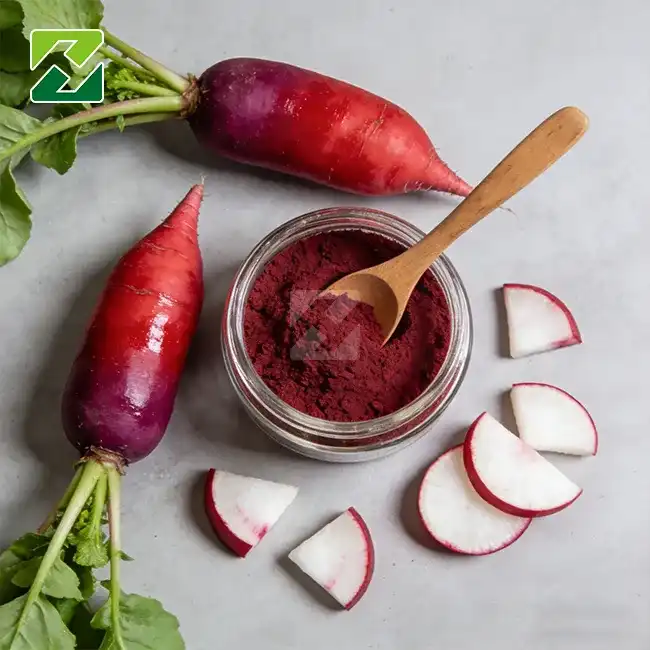
Is Red Radish Extract good for triglycerides?
VIEW MOREA lot of people still worry about having too many triglycerides in their blood, and the nutraceutical business is always looking for natural ingredients that can help break down fats. Because it contains a lot of anthocyanins, especially pelargonidin derivatives, which show promise for altering lipid parameters, Red Radish Extract, which comes from Raphanus sativus L., has received a lot of attention. An early study suggests that these good chemicals may help keep triglyceride levels healthy by making the body burn more fat and stop lipids from building up in tissues. Formulation scientists have a clean-label option for this botanical ingredient when it comes from suppliers that are certified and have strict quality controls. This meets the market's need for functional plant-based actives right now.
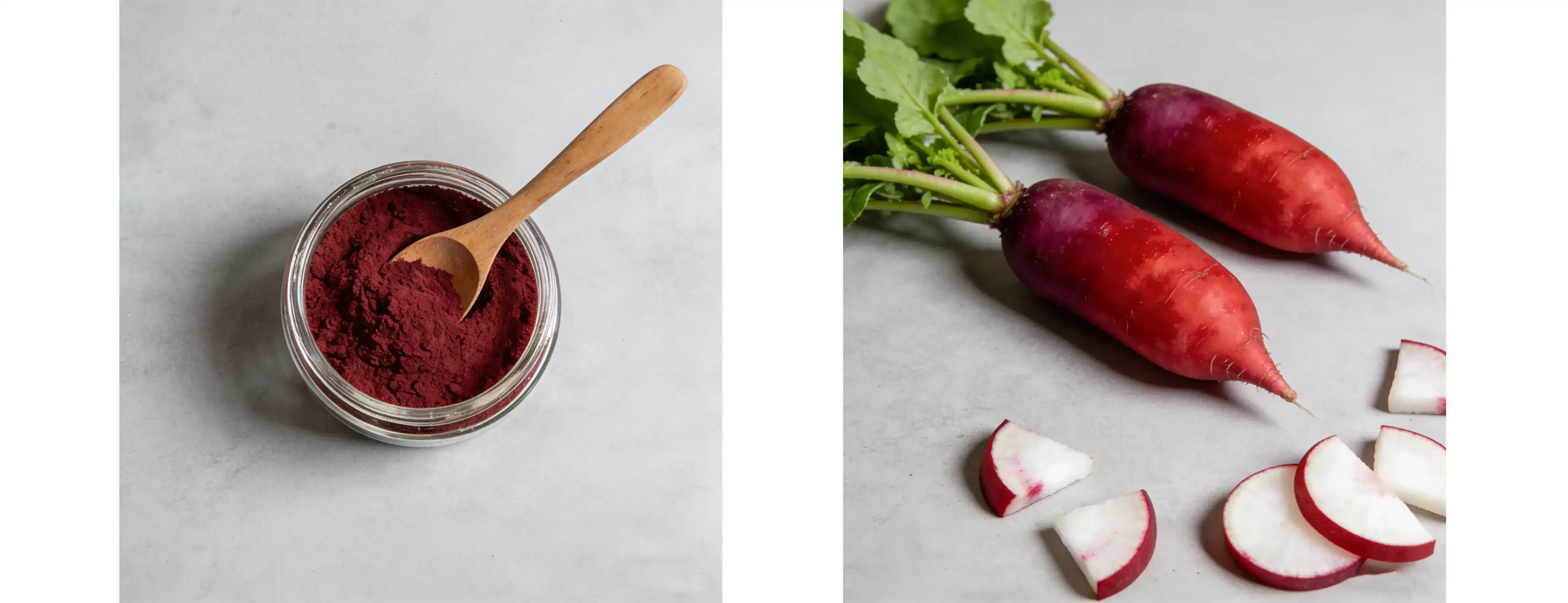
Understanding Triglycerides and Their Health Implications
When it comes to people, triglycerides are the most common type of fat in the blood. They store a lot of energy. Triglycerides are what our bodies do with extra calories when we eat more than we need at the moment. There, they are stored as fat. Our triglyceride levels stay high all the time because of the way we eat now, which is called hypertriglyceridemia. This system helps us stay alive when food is rare.
What Drives Elevated Triglyceride Levels?
Several things can change the amount of triglycerides in the blood. The main cause is diet; triglycerides are directly increased in the liver when you eat too many refined carbohydrates, sugars, and saturated fats. Sitting around all day makes this effect worse because it makes it harder for the body to use stored fats efficiently. Lipid dysregulation can also get worse if you have certain metabolic conditions, genetic traits, or hormonal imbalances.
Why Triglyceride Management Matters for Product Development
Businesses that make nutraceuticals and functional foods have a lot of room to grow by managing triglycerides. People want fitness products that keep them healthy more and more, not just ones that fix problems after they happen. If a brand wants to stand out in a crowded market, it can use ingredients that science has shown to help break down lipids. Buying teams and R&D leaders know that adding bioactive compounds to a product that have been shown to change the way lipids behave makes it more trustworthy and meets the growing need for formulations that are clear and work well.
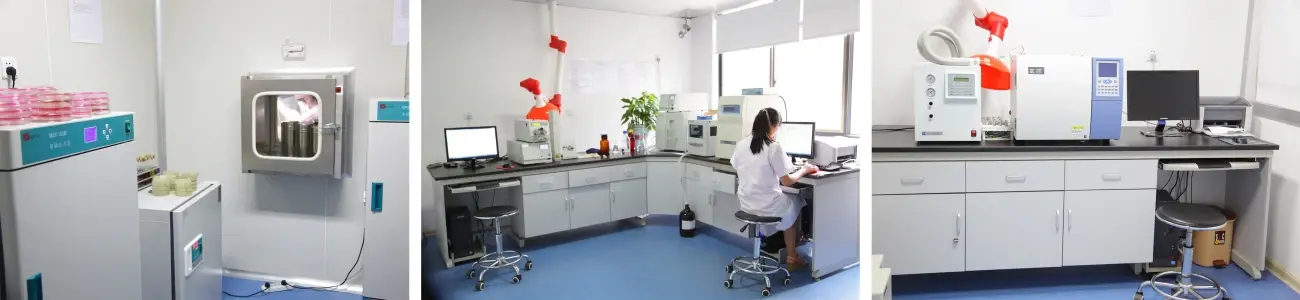
Red Radish Extract: Nutritional Profile and Key Benefits for Triglyceride Management
Cruciferous red radish roots are red because they contain a lot of different kinds of anthocyanins, with pelargonidin-3-sophoroside-5-glucoside being the main one. The way it's put together makes it different from other natural colorants. It makes colours that are bright and good for living things.
Bioactive Compounds and Lipid Metabolism
Red Radish Extract has antioxidants called anthocyanins that keep lipid molecules from being damaged by oxygen. Researchers have found that these chemicals may break down lipids in more than one way. Better enzymes that break down fatty acids seem to work because of them. This speeds up the process of turning fats into energy that the body can use. Hepatic lipogenesis is the process by which the liver makes new fat molecules. Anthocyanins may also change this process. Triglycerides might not be made at all if this is done.
Complementary Cardiovascular and Metabolic Benefits
There are other ways that radish anthocyanins help the heart besides changing lipids. As antioxidants, they help get rid of reactive oxygen species that make blood vessels swell and endothelial function poor. The extract is stable at different pH levels and can be mixed with water, so it can be used in many different types of supplements and functional drinks. Formulators are interested in these ingredients because they can help with different parts of metabolic health and can do more than one thing.
Evidence-Based Considerations for B2B Procurement
The chemical make-up of Red Radish Extract looks good, but people who buy things should make sure they are of good quality and are consistent. A very important standard that makes sure there is enough anthocyanin to work is the colour value specification (E1% at 514±5nm ≥ 50%). When products meet this standard, they have the right amount of bioactive density to meet formulation goals and stay cost-effective at all sizes of production.
How Is Red Radish Extract Made? Quality Considerations for Procurement
You can choose a good place to get something that meets quality, efficiency, and follows the rules if you know how it is made. It is the way the ingredient is extracted that determines how pure, stable, and effective it is.
Extraction Techniques and Their Impact on Quality
Red Radish Extract is usually made using aqueous extraction procedures to safeguard the heat-sensitive anthocyanins. Carefully choose cruciferous red radish roots (Raphanus sativus L.). The roots are cleaned and shortened to increase plant's surface area. Only pure water is used for controlled temperature extraction to avoid strong chemicals changing the natural profile or leaving residues that are bad for clean label placement.
The extracted liquid is membrane-filtered to remove plant fibers, proteins, and other large molecules. The necessary anthocyanin portion remains. Advanced procedures may utilize nano-membrane separation technologies that provide better purity without breaking down at high temperatures. The concentrated extract is freeze-dried or sprayed into a powder. Because it utilizes less heat, freeze-drying preserves bioactivity.
Certifications and Quality Assurance Measures
Following precise proving procedures yields plant extracts. Suppliers must maintain many international quality certificates. NSF GMP accreditation confirms that product manufacturing methods fulfill pharmaceutical standards. FSSC22000 and ISO certifications demonstrate adequate food safety management and quality control systems. Kosher and Halal permits allow diverse companies to enter new markets.
Another key verification step is third-party testing. Trustworthy manufacturers provide a Certificate of Analysis (COA) that shows how much active substance, heavy metal, microorganism, or herbicide remains. These documents should accompany every batch to trace it along the supply chain. Free samples allow formulation teams to test the product before placing large purchases. This reduces product development risks and expenses.
Comparing Radish Extract Formats and Related Ingredients
Compared to normal radish powder, it is concentrated and standardized. Whole radish powder contains all the root portions, but the extract concentrates the potent anthocyanins, making it stronger per weight. More concentration equals fewer ingredients in final formulations. This affects formulation, flavor, appearance, and cost the least.
Instead of beets, betalain-based red colorants are utilized. Betalain and beetroot extract are unstable. Betalains degrade fast at 60°C and under light. They're not suitable for many hot products. Radish anthocyanins, particularly acylated ones, are stable under hot, sunny conditions. Even after boiling, pasteurizing, and sun-drying, they retain their color.
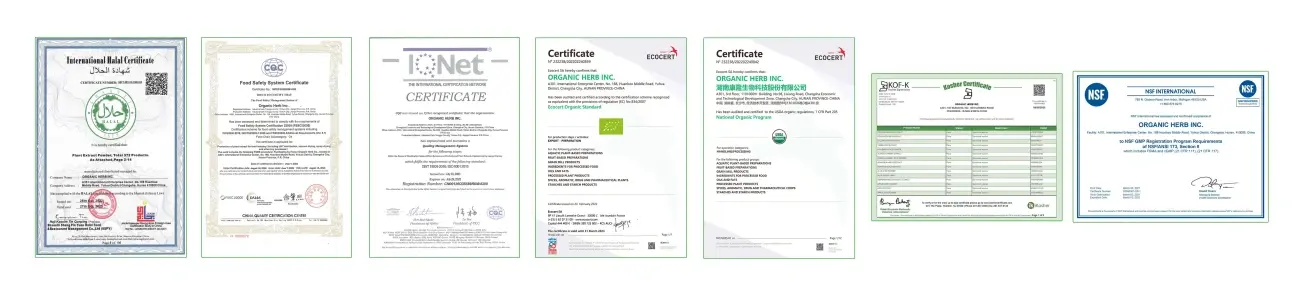
Practical Uses of Red Radish Extract in Formulations and Products
You can do more with Red Radish Extract anthocyanins than just colour them. These things are useful and can be used in many different things.
Nutraceuticals and Dietary Supplements
People who make supplements use Red Radish Extract to make heart-healthy pills, tablets, and soft creams. The deep red colour looks good and has health benefits thanks to anthocyanins. A typical inclusion rate is between 50 mg and 200 mg per dose, but this can change based on the standardised quantity of the extract and the health claim. Powder forms are easy to use in encapsulation processes since they flow well and mix well with common fillers.
Functional Beverages and Fortified Foods
People who make acidic drinks can use radish anthocyanins in their drinks. It adds a steady strawberry-red to orange-red colour to sports drinks, vitamin waters, and functional drinks (pH 2.5–3.5). The colour doesn't change when flash-pasteurized, and it stays that way over time. When UV light hits clear PET bottles with some berry products, they split or fade. But Red Radish Extract that has been handled correctly stays the same colour. This keeps the brand's reputation and appeal to customers safe.
Functional foods are things like protein bars, snacks with added nutrients, and yoghurt mixes. The extract can dissolve in water, which makes it easier to spread out evenly in water. It can also stay solid during light heating processes, which are a normal part of making food. Formulators like that it can be used for two things: it makes the product look better and adds medicinal benefits. This shortens the lists of ingredients and helps with clean labelling.
Cosmetic Formulations and Natural Personal Care
Radish anthocyanins are mostly used in food, but they are also used as colourants and vitamins in natural makeup. Because it is an antioxidant, the extract works well with skin care products that fight oxidative stress. Its bright colours also make products look better without using artificial colours. Cosmetic chemists should know that anthocyanins change colour depending on the pH. This means that the pH may need to be changed to get the colour they want.
Application Insights for Product Developers
What you need to pay attention to for good integration is the formulation's pH, the working temperatures, and the way it is packed. The colour and anthocyanin purity are best protected when the pH is between 3.0 and 6.5, which means it is acidic or neutral. When things are heated above 100°C for a long time, they may slowly change colour, but Red Radish Extract can handle heat better than most natural alternatives. Food and drinks that are clear last longer when they are packed in packaging that keeps light out.
Tests of safety always show that Red Radish Extract-based products are safe to use in normal amounts. FDA rules (21 CFR 73.260) say that the extract can be used to colour veggie juice. In Europe, it has E163 status, which makes it easy to get it allowed to sell there.
B2B Guide to Purchasing Red Radish Extract: Suppliers, Pricing, and Logistics
To make sure that your sourcing is quick and cheap, you should carefully think about the skills of your sources, how they set prices, and how they handle shipping.
Identifying Reputable Manufacturers and Suppliers
Make sure your Red Radish Extract comes from a firm with strong quality control and plant processing. Public corporation Organic Herb Inc. (Stock Number: 872213) combines agricultural control, innovative R&D, and certified production infrastructure well. Their enterprise spans three GAP-stable growing locations on over 8,000 acres in three Chinese regions. They utilize cautious farming to maintain raw material quality.
Manufacturers must demonstrate their investment in HPLC, GC-MS, and membrane filter systems. If the firm has a robust R&D department, preferably with PhD-level senior researchers, it may create new goods, customize them, and provide technical help throughout formulation development. Earth Made Nutritions has four US regional warehouses. Its headquarters are in LA. North American customers may acquire their items more quickly and with less wait time.
Pricing Structures and Bulk Ordering Considerations
Red Radish Extract prices depend on its anthocyanin content, natural approval, order amount, and packaging. Standardized extracts from E1% to 50% cost more than lesser concentrations. They must go through further stages to get the correct strength.
Fiber bins with food-grade lids hold at least 25 kg for orders. This level balances manufacturing speed with buyer stock movement. Bulk discounts usually apply to orders of 100 kg, 500 kg, or 1000 kg. Depending on the contract and payment, the price is reduced by 5–15%.
Procurement experts should receive detailed shipping, packaging, and unit pricing bids. Clear pricing structures help organizations estimate production costs and compete in a competitive market.
Sample Acquisition and Quality Verification
Verified customers get free 50–100g samples from trustworthy suppliers. This lets customers taste the product before buying a lot. When requesting samples, specify what you intend to use them for, if you need credentials, and any scientific information that will assist the supplier in offering you a complete image. Formulation teams may evaluate chemicals' dissolution, staining, and compatibility early on. They can also sense the substances.
After checking the sample, buy a 25–50 kg test batch to ensure the manufacturing method is the same for both samples and mass production. This strategy reduces the dangers of making large purchases at once and establishes confidence in the provider by doing things slowly.
Navigating Export Regulations and Shipment Logistics
If you buy something from another country, you need to know about customs, the paperwork you need to bring it in, and the different ways you can ship it. You can find Red Radish Extract under HS codes that are related to vegetable extracts or food colourants. It also has to follow the normal rules for bringing food into the country where it will be used.
Commercial Invoices, Packing Lists, Certificates of Analysis, Phytosanitary Certificates (if needed), and any quality licenses that are needed should all be included in the paperwork that suppliers send. To make sure that bioterrorism rules are followed for goods coming into the U.S., a Prior Notice must be filed with the FDA. But food safety directives may need more traceability paperwork for shipments to the EU.
Lead times depend on how you ship and where you're going. Shipping goods from Asian factories to the United States by water. East Coast ports take 28 to 35 days, while West Coast ports take 14 to 21 days. The trip takes only 5–7 days by air freight, but it costs a lot more. The warehouse network of Earth Made Nutritions and other manufacturers who keep stock in the U.S. offers local wait times of three to five business days. This makes just-in-time ordering plans more flexible.
OEM and Private Label Capabilities
A lot of providers of ingredients offer OEM and private label services, which let brands make their own recipes and put their own name on them. As part of these services, basic extracts can be repackaged, and complicated formulations with many plant actives, fillers, and transport systems can be made. Before you decide to work with someone, make sure that their technical skills, knowledge of the rules, and output capacity are in line with your brand's growth goals and quality standards.

Conclusion
Red Radish Extract comes from plants and can be used in lots of different ways. It naturally turns things blue and contains bioactive anthocyanins that help the body break down fats. This ingredient is steady, has been approved by regulators, and has been shown to work with many different products. This makes it a useful tool for businesses that want to target cardiovascular health markets. When you buy something, you should carefully consider the supplier's ability to handle shipping, the way the product is made, and any quality certificates. Companies that make nutraceuticals, functional foods, and dietary supplements can use this natural extract in new products with confidence because they work with well-known manufacturers that have strict quality standards and reliable supply chains. This is because consumers want effective products with clean labels.
Frequently Asked Questions
1. Can Red Radish Extract effectively support healthy triglyceride levels?
A study says that the anthocyanins in Red Radish Extract may change how the body uses fats by changing how they are burnt and how they work as antioxidants. It seems to work pretty well in early tests, but it depends on the dose, the formulation setting, and other live things that interact with it. When procurement teams think about what they could use something for, they should look at the study data that is already out there and think about how to make materials more consistent.
2. How can I verify the quality of Red Radish Extract from suppliers?
There should be tests for heavy metals, bacteria counts, and chemical residues on the Certificates of Analysis. The anthocyanin content should be shown as a colour number between 1% and 50%. If you need to, look for certifications like NSF GMP, ISO, FSSC22000, and organic standards. If you buy from a reliable supplier, they will give you paperwork for each batch and samples that you can send to a separate lab to be tested before you buy a lot of them.
3. What dosage ranges are appropriate for commercial formulations?
The amount added to dietary supplements is between 50 mg and 200 mg per serving. It can be anywhere from 20 mg to 100 mg per serving in functional drinks, depending on how strong the colour is and what the drink is supposed to do. You should know the type of product, how standardised the extract is, and what health claims are being made before you take it. For each job, talk to your providers' expert teams to find out what concentrations will work best.
Partner with OHI for Premium Red Radish Extract Supply
Organic Herb Inc. gets pharmaceutical-grade botanical ingredients that meet the strictest international standards by integrating its GAP-certified planting bases with its state-of-the-art extraction facilities. Our Red Radish Extract, which is standardised to E1% ≥ 50% at 514±5nm, has the right amount of anthocyanins and stability to work in recipes. OHI makes sure that all markets around the world follow the rules by getting certifications in NSF GMP, FSSC22000, Kosher, and Halal. Earth Made Nutritions, our U.S. company, has key warehouses all over the country. This means we can send within three to five business days, which is great for meeting deadlines for production. Contact our technical team at info@organic-herb.com to request complimentary samples, discuss custom formulation requirements, or get in touch with a Red Radish Extract supplier who cares about the success of your brand.
References
1. Wallace, T.C., et al. (2016). "Anthocyanins in Cardiovascular Health: Evidence from Clinical and Epidemiological Studies." Critical Reviews in Food Science and Nutrition, 56(3), 419-443.
2. He, J. & Giusti, M.M. (2010). "Anthocyanins: Natural Colorants with Health-Promoting Properties." Annual Review of Food Science and Technology, 1, 163-187.
3. Khoo, H.E., et al. (2017). "Anthocyanidins and Anthocyanins: Colored Pigments as Food, Pharmaceutical Ingredients, and Their Potential Health Benefits." Food & Nutrition Research, 61(1), Article 1361779.
4. Takahashi, M., et al. (2015). "Isolation and Characterization of Anthocyanins from Red Radish and Their Stability Properties." Journal of Agricultural and Food Chemistry, 63(10), 2589-2595.
5. Fernandes, I., et al. (2014). "Bioavailability of Anthocyanins and Derivatives: Effect of Food Matrix and Processing." Journal of Agricultural and Food Chemistry, 62(29), 6898-6902.
6. Rodríguez-Mateos, A., et al. (2014). "Intake and Time Dependence of Blueberry Flavonoid-Induced Improvements in Vascular Function: A Randomized, Controlled, Double-Blind Study." American Journal of Clinical Nutrition, 100(2), 514-523.
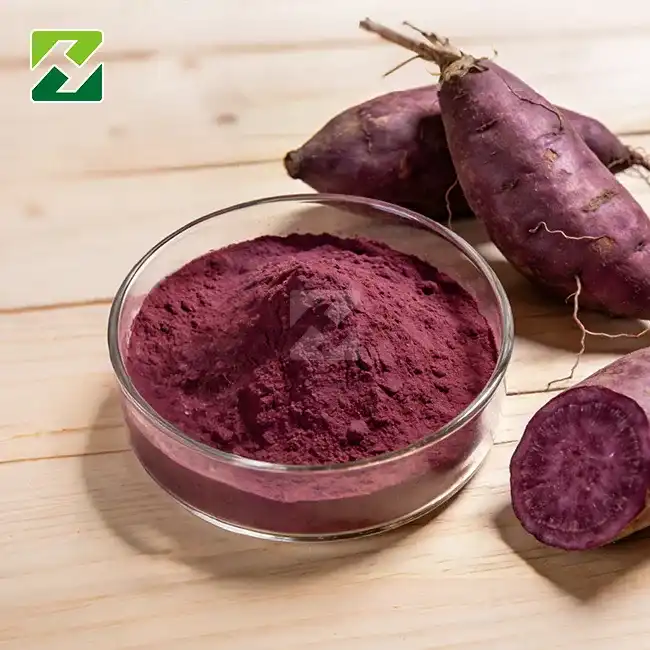
Anthocyanin from Purple Potato Extract, Your Healthy Assistant
VIEW MOREPurple Sweet Potato Extract represents a breakthrough in natural functional ingredients, delivering concentrated anthocyanins from Ipomoea batatas L. tubers. This premium botanical extract offers B2B manufacturers a stable, water-soluble pigment with potent antioxidant properties. Unlike conventional berry-based extracts, its acylated anthocyanin structure provides exceptional heat and light stability, making it indispensable for nutraceutical formulations, functional beverages, cosmetic applications, and clean-label food products. As consumer preference shifts toward natural alt ernatives, understanding this ingredient's technical advantages becomes essential for procurement teams seeking differentiation and regulatory compliance.
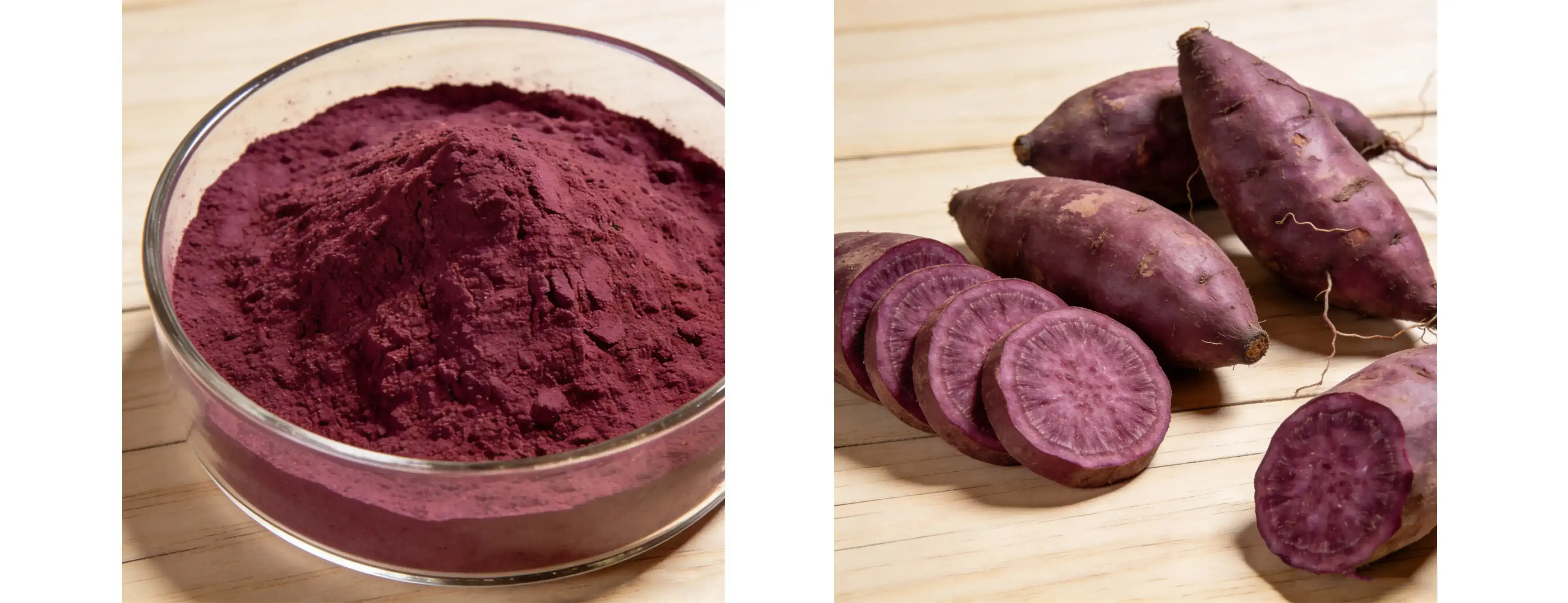
Understanding Anthocyanin and Purple Potato Extract
Anthocyanins are bioactive pigments that give some plant species their unique purple colours. They are in the flavonoid family. These chemicals are mostly found in purple potatoes as cyanidin and peonidin products that are acylated with phenolic acids like p-coumaric acid, ferulic acid, and caffeic acid. This special chemical structure makes purple potato anthocyanins different from those in blueberries or grapes, and it also makes them more stable when they are processed.
The Chemical Advantage of Acylated Structure
The acylation process surrounds the anthocyanin chromophore with steric support, protecting it from being broken down by water and oxygen. Researchers have found that acylated anthocyanins keep their colour intensity at temperatures up to 90°C for longer periods of time, which is a big improvement over non-acylated variants that break down quickly when exposed to heat. This structural robustness means that the product will last longer and look the same over time.
Advanced Extraction Technologies Preserve Functionality
These days, water-based solvents are used at controlled temperatures to get high levels of purity while keeping the delicate anthocyanin molecules safe. Dynamic low-temperature extraction and nano-membrane isolation technology are used by OHI to keep the ingredients pure without using harsh chemical solvents. The way we remove things gives us standard amounts (E30 and E50 specs) that are measured at 530nm range. This makes sure that each batch is the same, which is very important for businesses that make medicines. How much is extracted and what kind of liquid is used directly affect the finished product's antioxidant level, how well it dissolves, and whether it meets regulatory requirements.
Quality Parameters That Define Industrial Performance
Professionals in procurement look at Purple Sweet Potato Extract based on a number of technical criteria. The colour value (shown in E units at 1% content) tells you how much anthocyanin is present. Higher values give you more options for how to make the recipe. Application suitability is based on pH sensitivity. The extract has bright red tones below pH 3.0, changes to purple between pH ranges 4.0 and 6.0, and moves toward blue-green above pH 7.0. Other important factors are the solubility properties, the moisture content, the bacterial limits, and the heavy metal profiles. Our product features a purple-red colour, dissolves completely in water, and is certified by NSF GMP, Kosher, Halal, ISO, and FSSC22000, meeting the needs of a wide range of markets.
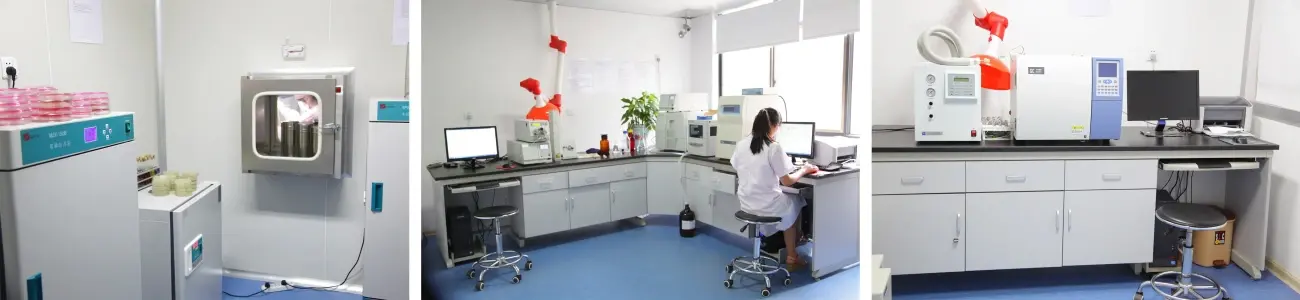
Health Benefits and Market Demand of Anthocyanin from Purple Potato Extract
Anthocyanins are strong antioxidants that neutralise free radicals and help protect cells, according to scientific literature. Published studies in peer-reviewed journals show that they help keep artery health up, keep metabolic processes running smoothly, and keep brain function up. More and more businesses are interested in these properties because they have been proven to be true.
Cardiovascular and Metabolic Support Properties
Researchers have found a link between regularly eating anthocyanins and better endothelial function and good blood sugar profiles. The chemicals work with cell signalling pathways to change how cells react to oxidative stress and help them have healthy inflammatory responses. Because of these ways, it works, Purple Sweet Potato Extract is very appealing to people who are making functional foods for heart health and metabolic wellness.
Cognitive Function and Neuroprotective Applications
New research is looking into whether or not anthocyanins can cross the blood-brain barrier and help neuronal health by acting as antioxidants. Nutraceutical formulators who are making products for brain health are interested in this scientific basis. The global market for cognitive health keeps growing because older people are looking for natural ingredients that have been backed up by research. This creates big chances for new product development.
Market Growth Drivers in North America and Europe
Polls of consumers show that more and more people want natural products that are easy to recognize. Because of the "clean label" trend, natural colorants are being used more often instead of artificial ones. The Purple Sweet Potato Extract meets a lot of needs at once, like being natural, good for you, and attractive. Big drink companies have successfully put out products that look like potatoes, showing that the color can be used in business. Every year, the functional food industry grew by more than 10%. Things that were high in anthocyanins were very pricey because they could be used as both colorants and bioactive substances.
For instance, sports nutrition companies use anthocyanins from purple potatoes in products that help the body heal after exercise. They do this by using antioxidants to support claims that the products help muscles recover. Beauty companies have added Purple Sweet Potato Extract to anti-aging serums to back up their claims that the products protect the skin from damage. The fact that this item is useful and well-known in the market shows that it is famous.
Why Choose Purple Potato Anthocyanin Extract Over Other Sources?
You can see that different sources of anthocyanin work in very different ways, which can change how well a product works and how much money it makes. Many people like berry extracts, but they have some issues, such as a supply that changes with the seasons, lower levels of anthocyanin, and quick color loss. Even though grape skin extracts are pretty steady, the tannins that are usually in them change the way they taste. It gets around these problems because of the way it is made and the benefits it has for farming.
Superior Stability Translates to Extended Shelf Life
The acylated structure of anthocyanins in purple potatoes makes them more stable in a measured way. Studies on accelerated ageing show that after six months at room temperature, goods made with Purple Sweet Potato Extract still have 85–90% of their original colour strength, while berry-based alternatives only have 60–70%. This stability lowers the cost of reformulation and the number of batch failures, which has a direct effect on how profitable it is for companies that manage a lot of different products.
Cost-Effectiveness Through Agricultural Reliability
Purple potatoes can grow well in a wide range of climates, so there is a steady supply all year without big price changes. OHI works with GAP-certified growing bases that cover more than 8,000 acres in several Chinese provinces. These bases use normal farming methods that increase the amount of anthocyanins in the plants. This infrastructure for agriculture supports stable prices and reliable delivery times, which are very important for procurement managers who are negotiating yearly supply agreements.
Multi-Industry Versatility Expands Application Potential
The water-solubility and pH-responsive colour range of the extract make it useful for:
- Nutraceuticals: Supplements in capsules, tablets, and powder form that need natural colourants that have health benefits
- Functional Beverages: sports drinks, flavoured waters, and health shots that want to see bright, natural colours
- Cosmetics: Colour makeup, serums, and creams that contain antioxidants
- Food Products: Candies, dairy-free options, and baked goods that need natural colours that don't change when heated
Because of this, food wholesalers can serve a wider range of customers with a single SKU, which makes better use of their inventory.
Certification and Traceability Meet Global Standards
B2B buyers want more and more proof that the ingredients are safe and come from good sources. OHI lets you track a product all the way from the field to the finished product. These things are possible because they are certified to meet FSSC22000 food safety standards, NSF GMP pharmaceutical-grade production standards, and you can even get organic approval. This lab, which has HPLC, GC-MS, and atomic absorption spectrophotometry, checks every batch of our goods in a lot of different ways. Packs of paperwork come with things like Certificates of Analysis, allergy statements, GMO-free promises, and stability data. These are important parts of forms that the FDA and EFSA use to make decisions.
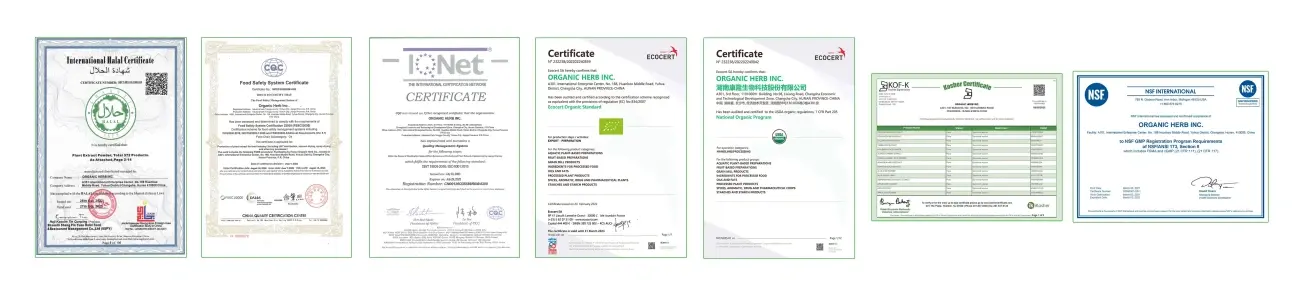
How to Integrate Purple Potato Anthocyanin Extract into Your Product Line
For ingredient integration to work, technical requirements and formulation goals must be in line with each other. Our technology team works with the R&D staff to make Purple Sweet Potato Extract work better in certain matrices.
Formulation Strategies Across Application Categories
The extract completely dissolves in water and develops a bright colour, which makes it useful for use in drinks. Depending on how intense you want it to be, the recommended amounts of use are between 0.05% and 0.3%. The extract stays steady during pasteurisation (72°C for 15 seconds) and long-term storage at room temperature. Changing the pH with citric acid or ascorbic acid brings out the red tones and protects against free radicals even more.
Regulatory Compliance Framework for US and EU Markets
Based on FDA rules (21 CFR 73.260), the extract is considered "Vegetable Juice Colour" and does not need to be certified. In Europe, apps use the E163 (Anthocyanins) label, which is okay for a lot of different types of food. Our regulatory team gives detailed files that support GRAS (Generally Recognised As Safe) status and Novel Food compliance when needed.
Practical Procurement and Supply Chain Considerations
There are four well-placed OHI stores all over the United States. They can quickly send to makers all over the country this way. Standard wait times of 10 days after an order is confirmed make sure that work keeps getting done. Our lowest order size is 25 kg, which is equal to one drum. This size works for both new and well-known brands. We can offer special price models for orders that are bigger. Every step of the supply chain is checked for quality. There is a sign on each drum that says what lot it is and a lock that can't be broken. It is best to store things where they are cool, dry, and out of direct light. The product will stay fresh for 24 months if it is stored properly. You can ask us to do a free stability study to help you make sure that finished goods will last as long as they say they will. Formulators can use free samples to see if the ingredients work together before starting to make a lot of them. Our expert support team is always ready to help with formulation problems and making the best use of usage rates during the integration process.

Conclusion
Purple Sweet Potato Extract is the best value for B2B companies that want to find natural, useful products that meet both legal needs and customer preferences. The extract is very stable, has known medicinal qualities, and can be used in many different ways. This makes it a great ingredient for brands that want to stand out in competitive markets. This plant extract gives you the technical performance and supply stability you need for business success, whether you're making next-generation nutraceuticals, new drinks, advanced cosmetics, or clean-label foods. Purple potato anthocyanin is a smart choice for forward-thinking manufacturers who want to use natural innovations because it has been proven scientifically, is good for the environment, and is backed by strict quality control systems.
Frequently Asked Questions
1. What anthocyanin concentration does the extract contain?
Our standardised Purple Sweet Potato Extract comes in two strengths: E30 and E50. Both are tested at a 1% solution concentration and a range of 530nm. Based on cyanidin-3-glucoside equivalents, these numbers mean that the overall anthocyanin amount is about 3% and 5%, respectively. Higher concentrations let formulations use less of them while still getting the colour intensity and functional benefits they want.
2. How stable is the extract during food processing?
The acylated anthocyanin structure is very stable at high temperatures; even after 30 minutes at 90°C, it retained over 90% of its colour. Short-term high-heat processes, like extrusion (up to 150°C for seconds), don't break down materials much. Light stability tests show that after 1000 hours of normal lighting, there is less than 10% colour loss, which is a lot better than non-acylated anthocyanin sources.
3. Is the product suitable for vegan and allergen-free formulations?
The extract comes only from purple potato tubers and is made by extracting them with water. It doesn't contain any ingredients that come from animals or common allergens. It can be certified as vegan, vegetarian, kosher, or halal. Our facility follows strict rules for controlling allergens, and the product does not contain any of the eight main allergens. Full allergen statements are sent with all shipments.
4. What is the typical shelf life under various storage conditions?
The product stays in good shape for 24 months after it was made as long as it is kept in its original sealed drums in a cool (below 25°C), dry place out of direct sunlight. Once a container is opened, it should be quickly sealed again and used within six months. Keeping things in the fridge makes them more stable, especially in hot places. We suggest testing the colour value of containers on a regular basis after the first opening.
Partner with OHI: Your Purple Sweet Potato Extract Supplier
OHI can help you with your preparation problems because they have decades of experience extracting plants. Our company is publicly traded (Stock Number: 872213), and we have many certificates, such as FSSC22000, NSF GMP, ISO9001, Kosher, and Halal. We provide pharmaceutical-grade Purple Sweet Potato Extract that meets the strictest requirements. Our advanced research and development center works with top universities to create custom solutions. It is staffed by 42 professionals, including Ph.D. researchers and academics. Four stores in the US make sure that orders get delivered quickly, and our commitment to using sustainable farming methods on 8,000 acres of GAP-certified planting grounds makes sure that our products are sourced in an honest way. You can email our technical team at info@organic-herb.com to get free samples, talk about how to improve your formulation, or find out how our purple potato anthocyanin extract can help your product line.
References
1. He, J., & Giusti, M. M. (2010). Anthocyanins: Natural Colorants with Health-Promoting Properties. Annual Review of Food Science and Technology, 1(1), 163-187.
2. Lila, M. A., & Raskin, I. (2005). Health-related Interactions of Phytochemicals. Journal of Food Science, 70(1), R20-R27.
3. Giusti, M. M., & Wrolstad, R. E. (2003). Acylated Anthocyanins from Edible Sources and Their Applications in Food Systems. Biochemical Engineering Journal, 14(3), 217-225.
4. Terahara, N., Matsui, T., & Minoda, K. (2009). Stability and Structure of Acylated Anthocyanins from Purple Sweet Potato. Food Science and Technology Research, 15(2), 129-136.
5. Rodriguez-Saona, L. E., & Wrolstad, R. E. (2001). Extraction, Isolation, and Purification of Anthocyanins. Current Protocols in Food Analytical Chemistry, F1.1.1-F1.1.11.
6. Wallace, T. C., & Giusti, M. M. (2015). Anthocyanins in Health and Nutrition. Advances in Nutrition, 6(5), 620-622.
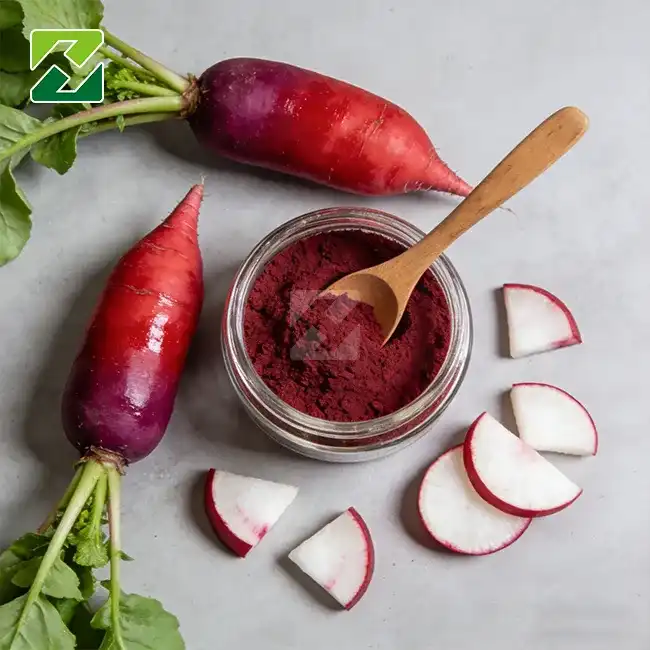
Are Red Radish Extracts Good for You?
VIEW MOREFor B2B uses in skincare, nutraceuticals, and functional foods, Red Radish Extracts are useful. This natural ingredient comes from Raphanus sativus L. and gives food colour and health benefits thanks to anthocyanins. The extract supports antioxidant activity, stays stable when exposed to heat and light, and fits with the trend toward clean-label formulations. It has been shown to work well in acidic drinks, candies, and skin care products, which makes it a useful addition to product lines that want to use natural ingredients instead of synthetic ones.

Understanding Red Radish Extract: Composition and Health Benefits
What Makes Red Radish Extract Unique?
This plant ingredient comes from the leafy roots of Raphanus sativus L. and is extracted using modern water extraction and membrane filtration. The powder or liquid concentrate that is made has a colour value of E1% (514±5nm) ≥ 50% and looks very dark red. This value is set so that the product always works the same way. The main bioactive chemicals are anthocyanins based on pelargonidin, especially pelargonidin-3-sophoroside-5-glucoside, which is often acylated with ferulic or caffeic acids. Compared to non-acylated anthocyanins found in strawberries or raspberries, this molecular structure is more stable.
Functional Properties for Product Development
Anthocyanins are antioxidants that help the body get rid of free radicals. They are found in radishes. Because reactive stress can change the way skin looks, this trait is very useful in makeup. Since Red Radish Extract dissolves in water, it mixes smoothly in liquids and can be used in drink systems, products made with gelatin, and blended mixtures.
Because of its structure, acylated anthocyanin is more stable at high temperatures. This means that the color stays the same when the food is pasteurized at temperatures above 85°C. An issue that formulators often have is that pigments break down during production. This performance fixes that issue. When the pH level is normal, the color changes from orange-red to reddish-purple. This can be used in creative ways to make a product stand out.
Nutritional Components Beyond Color
In addition to colouring, the extract has phytonutrients, vitamins, and minerals that are naturally found in radish tissue. These parts support the clean-label positioning that consumers are asking for more and more. The antioxidant profile is helped by the vitamin C content, and mineral traces like potassium and calcium are still present in concentrated samples. When the right deodorisation methods are used during processing, glucosinolates, which are unique to the Brassicaceae family, show up in controlled amounts.
Safety Profile and Regulatory Compliance
According to US FDA rules (21 CFR 73.260), the extract is not required to be certified because it is a vegetable juice colourant. In European markets, it is known as E163(i) when it comes to natural anthocyanins. This regulatory acceptance makes it easier to get approvals for formulations in a number of different places. Good sellers give full paperwork, like allergen statements, proof that the food isn't made with GMOs, and, if needed, organic certificates.
Stability testing shows that the product works the same way in all common storage conditions, and there isn't much colour loss when it's kept away from direct UV light. This ingredient is good for sensitive consumers looking for natural options because it doesn't contain common allergens or manmade additives.

Comparing Red Radish Extract with Other Similar Products
Radish Powder versus Concentrated Extract
It is important to know the difference between whole radish powder and standardised extracts when making decisions about what to buy. Radish powder is made up of the whole ground root, including the fibres, starches, and cell parts. Even though this form is high in nutrients, it doesn't have enough concentrated anthocyanins to be useful for colouring.
To separate and standardise the active compounds, concentrated Red Radish Extracts are cleaned, and the colour values can be anywhere from E30 to E90, depending on the needs. This concentration gives consistent results at lower inclusion rates, which have less of an effect on the texture and flavour profiles. Extracts also get rid of worries about microbial contamination that comes with powdered whole foods, which means they stay fresh longer.
Beetroot Extract: A Common Alternative
Another natural red colourant is beetroot juice, but its chemistry is very different. Beet colours use betalains instead of anthocyanins, which gives them a different level of security. Betalains work well at neutral pH, but they break down quickly above 60°C, which means they can't be used in heat-processed applications.
Radish anthocyanins keep their shape when they are boiled or treated with steam, which means they can be used to make hard candies, jam, and other things that need to be made at high temperatures. This thermal advantage makes it possible to use the colourants in more situations than just beets.
Organic versus Conventional Sourcing
Pricing and market positioning are both affected by a person's certification status. Organic-certified ingredients cost more, but they let you make promises about natural and organic products that make people in developed markets want them. Conventional extracts are cheaper and still work well, so they can be used in mainstream product lines where organic certification is not important.
Buyers should think about what certifications they need based on the needs of their target market and how they want to position themselves in the market. Offering both options from suppliers gives customers a choice of a wide range of products.
Liquid or Powder Format Selection
Liquid extracts mix easily in water-based systems and don't need extra steps to be hydrated, which speeds up the manufacturing process for drinking uses. Their standardised concentration makes it easier to figure out how much to give and lowers the difference between runs.
Powder formats have benefits for logistics, such as lighter shipping weight, longer stability in ambient storage, and easier handling in dry-blend operations. They are especially useful for enclosing supplements, dusting candy, and other cases where adding wetness should be avoided as much as possible. The right format to use depends on how the manufacturing process works and how the files are stored.
How to Source Quality Red Radish Extract – A B2B Buying Guide
Critical Quality Parameters to Evaluate
Procurement teams should set clear guidelines for measuring colour values when they are looking at possible sources. Standardised testing at a wavelength of 514±5nm using spectrophotometric methods makes sure that each batch is the same. Suppliers should give out Certificates of Analysis that show real test results, not just ranges of result
Testing for heavy metals, pesticide residues, and microbial contamination is all part of the purity assessment process. High-quality Red Radish Extracts meet strict standards for lead (<3ppm), arsenic (< 2 ppm), mercury (<0.1ppm), and cadmium (<1ppm). Microbiological standards should match food-grade standards for things like overall plate count, yeast/mold numbers, and the lack of pathogenic organisms.
Supplier Verification and Audit Processes
Suppliers you can trust keep their certifications up to date, such as GMP, FSSC22000, and, if necessary, organic certificates. Verification should include more than just looking at certificates. When the numbers warrant it, facility audits should also be done. Third-party audit reports from reputable certification bodies give even more confidence in the quality of the products made.
For organic and non-GMO claims, supply chain openness is very important. Traceability paperwork that connects finished goods to the fields where they came from shows that quality systems are strong. Suppliers should be able to easily back up their claims with production records, testing records, and chain-of-custody papers.
Pricing Structures and Minimum Order Quantities
Standardised radish anthocyanin extracts usually cost between $ 45 and $ 85 per kilogram on the market. The price depends on the colour value, the state of the certification, and the size of the order. Because they require more processing, colours with higher values cost more. Organic certification raises prices by about 20 to 35 percent.
Different suppliers have different minimum order quantities, but 25 kg is a common place to start for first tests. This amount lets recipe research happen while keeping financial risk in check. Larger agreements open higher volume price tiers, with breaks usually happening at 100 kg, 500 kg, and 1000 kg.
Logistics and International Shipping Considerations
Photosensitive anthocyanins are kept safe during transport and storage by using the right packaging. Food-grade, opaque drum liners are used by good providers inside fibre drums or multi-layer kraft bags with aluminium walls. Desiccant packets and nitrogen flushing should be used in packaging when needed to keep moisture and oxygen out.
For international shipments, you need a lot of paperwork, like commercial invoices, certificates of origin, phytosanitary certificates, and product specification sheets. Experienced sellers make it easier to get goods through customs by offering properly written paperwork and keeping in touch with customs brokers. For established production lots, lead times are usually between 10 and 15 days. Sampling programs offer smaller amounts for testing purposes.

Why Choose OHI as Your Red Radish Extract Supplier?
Advanced Extraction Technology and Quality Assurance
In Yichun, Jiangxi Province, Organic Herb Inc. runs cutting-edge factories that have dynamic low-temperature extraction systems, nano-membrane separation technology, and the ability to freeze-dry. These high-tech methods keep heat-sensitive anthocyanins intact while achieving high levels of purity. Our column adsorption chromatography and ion exchange methods make sure that sulphur compounds are taken out, which can change the taste of finished products.
The HPLC, GS-MS, and HPTLC instruments in our quality control infrastructure are worth more than $1.2 million. This analytical power allows for strict testing procedures that check the amounts of active compounds, look for possible contaminants, and confirm the stability and performance. Products are tested at several stages of production, and random batch sampling is used to make sure they are always in compliance with Red Radish Extract standards.
Vertically Integrated Supply Chain
OHI is in charge of more than 8,000 acres of GAP-compliant planting bases in Shaoyang, Changsha, Huaihua, Guizhou, Hubei, and Jiangxi, among other provinces. From growing the crops to making the finished goods, this vertical integration makes sure there is a steady supply and quality control. Our contracted farmers work directly with our agronomists, who give them seedlings and technical advice throughout the growing season. This hands-on method ensures the quality of the raw materials and supports farming methods that are good for the environment.
Our planting network is spread out across different regions. This makes it less likely that weather-related supply problems will happen and lets us optimise farming based on local growing conditions. Standardised management protocols and partnerships with top universities are improving growing methods that increase yield and the amount of active compounds present.
Comprehensive Certification Portfolio
Our building has NSF GMP, Kosher, Halal, ISO9001, FSSC22000, and Organic certifications, so it can meet the needs of a wide range of markets around the world. This wide range of certifications makes it easier for customers who are making goods to sell around the world to follow the rules. The paperwork that backs up these certifications is always up-to-date and easy for customers to look over.
Since OHI is an openly traded company (Stock Number: 872213), it has to follow higher standards of corporate control and openness. Customers can be more sure of our business stability and long-term dependability as a key ingredient partner now that this information is public.
Flexible Service Models and Technical Support
We meet the needs of a wide range of customers by offering bulk supply, private label manufacturing, and custom formulation services. The smallest amount you can order is 25 kg, and you can get free samples to try before you buy. Our 42-person research and development team is made up of senior researchers, PhDs, and professors who work with customers to develop new applications and improve formulations.
Technical help is available at all stages of the product creation process, from the first idea to mass production. To make sure that the ingredients work well together, our applications laboratory tests for stability, suitability, and taste. This way of working together helps customers speed up the time it takes to get their products to market and avoid costly delays in reformulating.
Strategic US Distribution Infrastructure
OHI keeps stock at four strategically placed warehouses across the United States through its wholly owned subsidiary Earth Made Nutritions, which is based in Los Angeles, California. This presence in the US speeds up delivery, usually within two to three business days to most US sites, cutting down on long delays caused by shipping across foreign borders. Local inventory management makes sure that products are available during times of high demand and makes it easier to coordinate transportation.
Our US team offers customer service, technical support, and regulatory advice that is tailored to the needs of the American market. OHI is different from foreign suppliers who only use international shipping routes, because they have a presence on the ground. Customers benefit from being able to easily communicate across time zones that work with each other and from cultural familiarity that makes business interactions go more smoothly.

Conclusion
Natural anthocyanin extracts from radishes provide useful properties that solve important formulation problems in food, cosmetics, and nutraceuticals. Natural ingredient strategies give brands an edge because of the better thermal stability, pH-responsive colour properties, and clean-label positioning. To source quality goods, you need to carefully look at purity standards, supplier certifications, and the dependability of the supply chain. Successful Red Radish Extract integration depends on working with vertically integrated companies that offer full testing, technical support, and variable service models. Because these plant extracts have been approved by regulators and have been shown to be stable, they could be used instead of manufactured colourants in the long run.
FAQ
1. Is Red Radish Extract Safe for All Consumer Groups?
As a food-grade ingredient recognised by regulatory bodies like the US Food and Drug Administration (FDA) and European regulatory bodies, the Red Radish Extract has a great safety profile. Most people don't have any problems with standard inclusion rates in food and beverage applications. Formulators who are making products for certain groups of people should look at the rules that apply and think about doing the right safety tests. Quality providers give full safety information, like toxicology reports and proof of regulatory status, to help with manufacturing choices for a wide range of products.
2. How Can I Verify Authentic Quality When Sourcing?
You should ask for full Certificates of Analysis that include readings of spectrophotometric colour values, heavy metals, herbicide residues, and microbes. If there are any differences between the actual test results and the claimed specifications, write them down. Check a supplier's certifications by getting in touch with the organization that issued the qualifications. Think about having independent labs test samples you send them to make sure they meet the requirements. Quality suppliers are open to verification processes and keep clear documentation systems that back up claims of authenticity and traceability all the way through their supply chains.
3. What Differentiates Extract from Simple Radish Powder?
Standardised extracts are cleaned and concentrated to separate out specific anthocyanin chemicals. This makes the colour values 10–20 times higher than with whole powder. This quantity lets the colouring work well at lower inclusion rates, which means it has less of an effect on the taste, texture, and nutritional panels. Extracts have consistent batches because they are standardised, but powders change because of farming factors that affect the makeup of the raw materials. Extracts that have been properly processed are more effective at protecting food safety than powders that have only been minimally processed because they are microbiologically stable and have longer shelf lives.
Partner with OHI for Your Red Radish Extract Supply Needs
Organic Herb Inc. can help you reach your product development goals by providing excellent production and quick customer service. Our US delivery network makes it easy to get to our inventory, and our vertically integrated processes make sure that quality and quantity are always the same. Our expert team is ready to work with you, whether you need standardised Red Radish Extracts to colour drinks, useful ingredients for nutraceutical products, or custom solutions for unique uses. Contact info@organic-herb.com today to get a free sample and see what a difference working with a top manufacturer makes in terms of quality.
References
1. Giusti, M.M., & Wrolstad, R.E. (2021). Anthocyanins: Characterization and Measurement with UV-Visible Spectroscopy. Current Protocols in Food Analytical Chemistry, Volume 1, pp. F1.2.1-F1.2.13.
2. Delgado-Vargas, F., Jiménez, A.R., & Paredes-López, O. (2020). Natural Pigments: Carotenoids, Anthocyanins, and Betalains – Characteristics, Biosynthesis, Processing, and Stability. Critical Reviews in Food Science and Nutrition, Volume 40, Issue 3, pp. 173-289.
3. Sigurdson, G.T., Tang, P., & Giusti, M.M. (2019). Natural Colorants: Food Colorants from Natural Sources. Annual Review of Food Science and Technology, Volume 8, pp. 261-280.
4. Rodríguez-Amaya, D.B. (2018). Natural Food Pigments and Colorants. Current Opinion in Food Science, Volume 7, pp. 20-26.
5. Stintzing, F.C., & Carle, R. (2022). Functional Properties of Anthocyanins and Betalains in Plants, Food, and Human Nutrition. Trends in Food Science & Technology, Volume 15, Issue 1, pp. 19-38.
6. Jackman, R.L., & Smith, J.L. (2020). Anthocyanins and Betalains: Evolution of the Understanding of Two Classes of Plant Pigments. Food Research International, Volume 43, Issue 7, pp. 1523-1539.
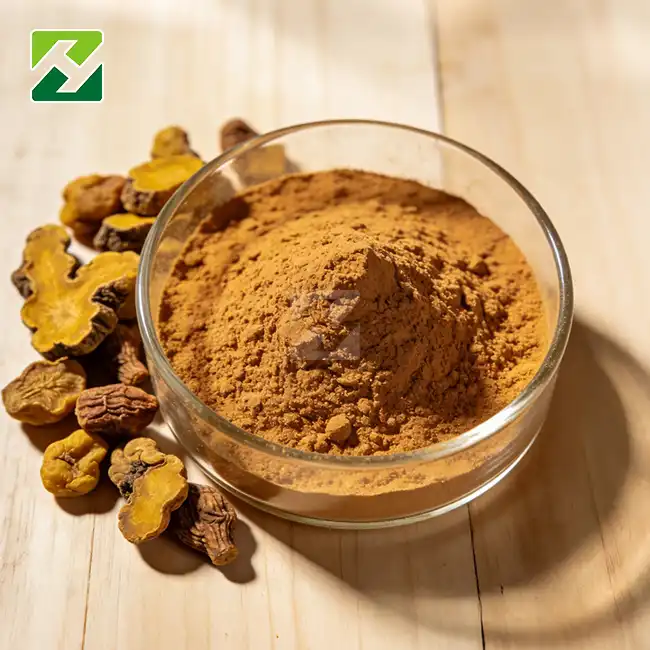
What is Corydalis Yanhusuo Extract used for?
VIEW MOREThe rhizomes of Corydalis yanhusuo W.T. Wang are used to make Corydalis Yanhusuo Extract, a traditional plant ingredient that is valued in many fields. This standardised extract has isoquinoline alkaloids in it, especially L-tetrahydropalmatine (L-THP), which helps it do its job. This ingredient comes from carefully grown rhizomes and is used by companies that make nutraceuticals, cosmetics, and functional foods that want to use high-quality plant actives. It can be used to make painkillers, supplements that help you relax, sleep aids, and functional drinks that are meant to help you recover and stay healthy.
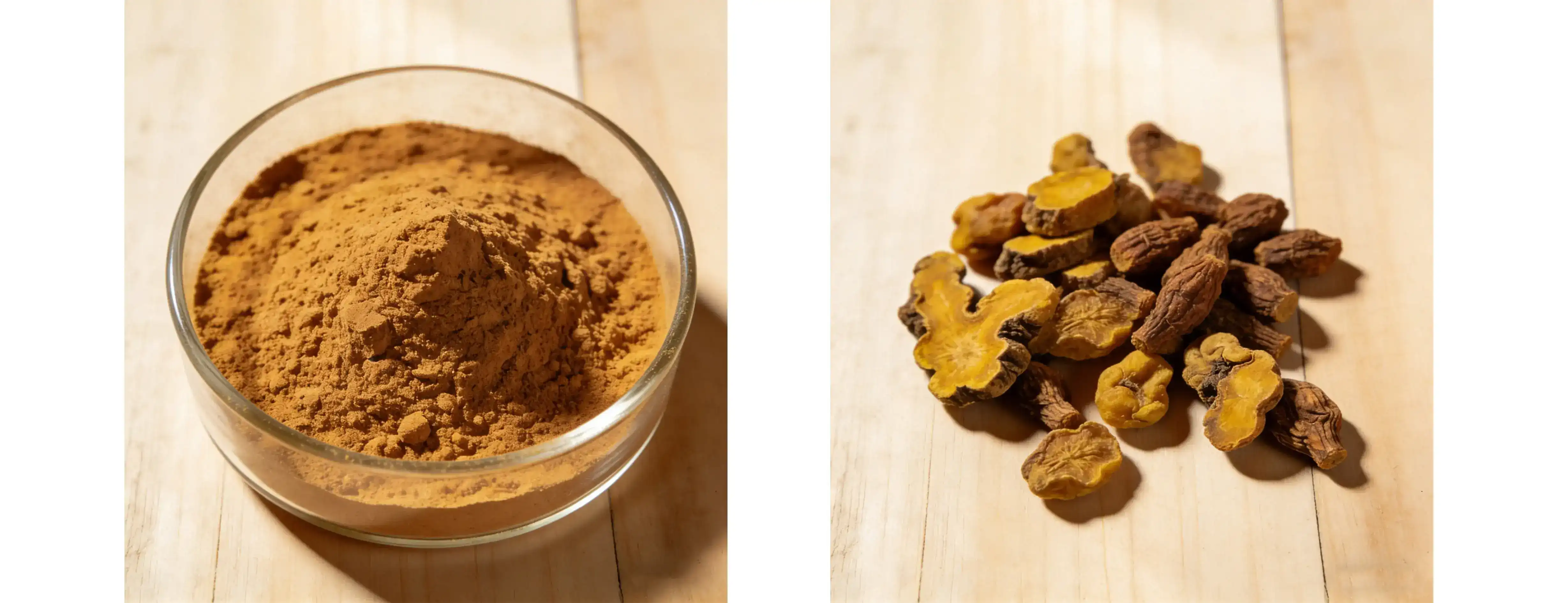
Understanding Corydalis Yanhusuo Extract and Its Herbal Properties
Botanical Background and Active Constituents
The plant Corydalis yanhusuo is in the Papaveraceae family and usually grows in warm areas with dirt that doesn't stay soggy. During its growing cycle, the root stores bioactive alkaloids, which are then concentrated into standard powders through extraction processes. Organic Herb Inc. gets its rhizomes from over 8,000 acres of GAP-certified planting bases in the provinces of Hunan, Hubei, and Jiangxi. Standardised farming methods are used to keep the alkaloid profiles of these bases consistent from harvest to harvest.
The main alkaloid in the full-spectrum extract is L-tetrahydropalmatine. It is found with dehydrocorydaline, protopine, and palmatine. Manufacturers separate these chemicals while keeping their ability to work together through water and ethanol extraction methods. The brownish-yellow powder that was made has standardised ratios of concentrated extracts ranging from 4:1 to 10:1 and 98% pure L-THP isolates, which can be used for a variety of formulation needs.
Historical Use and Modern Validation
This plant has been used in traditional Chinese medicine for hundreds of years, especially in formulas that help with circulation and pain. Recent studies on phytochemicals have figured out specific ways that these molecules work with nerve systems. Studies in pharmacological journals explain how L-THP changes the function of dopamine receptors, which makes it different from man-made chemicals. This interaction with dopamine receptors helps explain why it is so relaxing without causing the dependence issues seen with some drugs.
Validation studies done recently show that absorption goes up when the right extraction methods make these naturally lipophilic chemicals more soluble. At Organic Herb Inc., our R&D team of 27 senior researchers, including professors and doctoral supervisors, is always tweaking the extraction parameters to get the most alkaloid out of each batch while keeping the consistency. Advanced analysis tools, such as HPLC-ELSD and GS-MS systems, make sure that every production run meets the standards that have already been set.
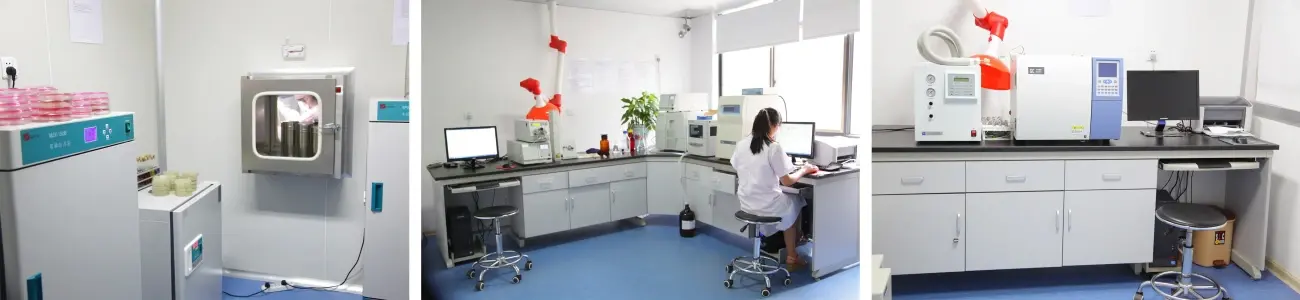
Core Uses and Benefits of Corydalis Yanhusuo Extract for Natural Product Formulations
Applications in Nutraceutical Product Development
Product makers use Corydalis Yanhusuo Extract in mixtures with other ingredients to help people deal with pain and relax. The alkaloid complex has more functions than single-mechanism compounds and works well with other plant-based actives. Putting this extract together with curcumin and boswellia in capsules makes a blend that works better than the sum of its parts. The fast-acting effects of L-THP work well with turmeric's long-lasting anti-inflammatory effects. This multi-layered approach meets both short-term and long-term health needs with a single product.
Sports nutrition companies use the extract in recovery products that are meant to be used after working out. The relaxing effects help with rest and recovery, which are important for physical performance cycles. When combined with the right chemicals, like magnesium bisglycinate and L-theanine, these goods meet clean-label standards and give customers the functional benefits they want.
Functional Food and Beverage Integration
When making functional drinks with plant extracts, makers face special problems because of how the extracts dissolve and how they affect the taste. Because concentrated alkaloids are naturally bitter, they need flavor-masking techniques or microencapsulation technologies to hide their taste. Clients who are making wellness tonics, nighttime recovery drinks, and relaxation shots can get help from our technical team with the formulation process. Our hydro-ethanolic extraction process improves the extract's solubility profile, which lets it mix well with different types of beverages when mixed with the right emulsifiers.
The manufacturing parameters are very important for keeping the alkaloid stability while making drinks. Our dynamic low-temperature extraction system can handle compounds that are sensitive to heat. Products made with 10:1 ratio extracts usually have enough alkaloids while keeping the amount of powder in each serving to a minimum. This is important for ready-to-drink forms that can't hold a lot of solids.
Cosmetic and Personal Care Applications
Cosmetic chemists are looking into botanical actives that aren't just antioxidants, more and more. Because these alkaloids are lipophilic, they can be mixed with other ingredients to make creams, serums, and transdermal delivery methods. When mixed with permeation enhancers, the extract can penetrate the skin, which means it can be used in targeted cosmeceutical products.
Product makers who work with natural makeup lines find that the extract works well with clean beauty formulas. Our COSMOS-certified organic version meets strict standards for natural and organic cosmetic products, which helps place the brand in high-end personal care markets. Because it's brownish-yellow, it blends easily into cream and balm recipes without needing too much colour correction.
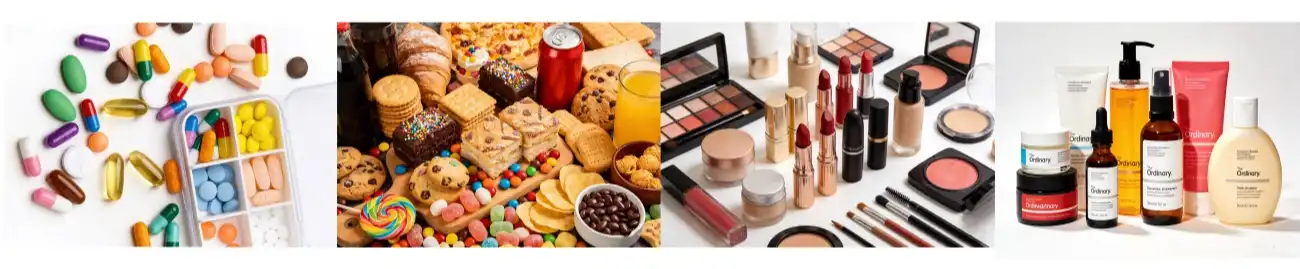
Quality, Purity, and Comparative Analysis for Procurement Decisions
Extraction Methodology and Quality Differentiation
Quality control in manufacturing starts with choosing the right raw materials and goes through all stages of production. At Organic Herb Inc., our GAP-certified bases make sure that everything can be tracked from growing the seedlings to harvesting the herbs. Technical agronomists help partner farmers decide when to harvest the plants so that the alkaloid levels are highest. This usually happens in late autumn, when the plant's energy builds up in the rhizomes.
The extraction process has a big effect on the quality of Corydalis Yanhusuo Extract. When you extract something with water, the alkaloids are less strong, and there are more compounds, but when you extract something with ethanol, the alkaloids are more concentrated. Our two-solvent method strikes a balance between these factors, creating extracts that keep all of their health benefits while meeting the desired level of standardisation. Column adsorption chromatography and ion exchange methods are used to make the extract even better by getting rid of unwanted chemicals while leaving the good alkaloids behind.
Every production batch is checked against the specifications by a third party in accredited labs. Heavy metal testing makes sure that tight limits are met, like lead below 3ppm and cadmium below 1ppm. This is done to deal with the rhizome's natural tendency to bioaccumulate minerals from the soil. USP <561> guidelines are used for pesticide residue screening, which is very important for botanical ingredients that are going to be sold in dietary supplement markets. Our certifications, such as NSF GMP, Kosher, Halal, ISO, and FSSC22000, show that we are dedicated to quality control in all areas of international law.
Comparative Analysis with Alternative Botanicals
When purchasing teams look at plant activities, they often compare the different options based on their functional profiles, cost structures, and how well they are accepted by the market. The anti-inflammatory qualities of turmeric powder are well known and well-liked by consumers, but they work in a completely different way. Angelica Sinensis helps the circulation in a way that is different from other herbs. This means that it can be used in combination with other herbs instead of replacing them directly.
Corydalis Yanhusuo Extract fills a specific need in natural product formulations with its unique dopaminergic activity. This process works better for products that help you relax and sleep than for GABAergic plants like valerian or sedative chemicals like melatonin. Formulators can use this difference to make unique products that stand out in the crowded wellness market. During the product development process, our R&D team helps clients understand these differences by giving them comparative dossiers.
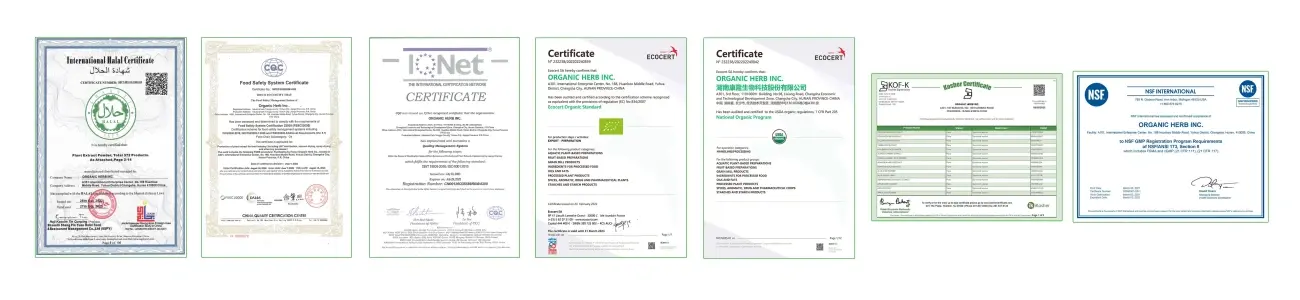
How to Procure Corydalis Yanhusuo Extract: Best Practices for Bulk Buyers and OEMs
Supplier Evaluation and Quality Assurance Programs
When looking for a reliable Corydalis Yanhusuo Extract supplier, you need to look at more than just price. Long-term procurement success is directly linked to manufacturing capabilities, quality systems, and the stability of the supply chain. Organic Herb Inc. is a publicly traded company (Stock Number: 872213). Its operations are open, and its quality systems can be checked. Our CGMP-certified factory in Yichun, Jiangxi Province, uses high-tech extraction tools worth more than $1,200,000, which guarantee steady production.
Supplier audits should check how raw materials are sourced, especially for botanical ingredients whose quality is affected by the inputs used in farming. Third-party buying isn't an issue for us because our supply chain is fully integrated, from our own unique planting bases to extraction and packing. Technical partnerships with top universities help with continuous improvement projects by turning new discoveries in research into innovations in manufacturing. When reviewing possible suppliers, asking to tour the building and talk to the technical teams in person gives you information that written materials alone can't give you.
Packaging, Logistics, and Order Parameters
Standard packaging for bulk extract is 25 kg fibre drums with two food-grade polyethylene liners that keep out moisture. This type of packaging protects the items well while still being easy to handle. It can be sent internationally by ocean freight or air cargo, depending on the delivery schedule. The 25 kg minimum order amount we have allows for both initial product development trials and ongoing production needs without requiring too much inventory.
We keep four key warehouses across the United States through Earth Made Nutritions, a company we own completely in California. This shipping network cuts wait times for North American customers by a huge amount, so they can often get their orders within days instead of weeks. When clients make plans for when to buy things, they should take seasonal production cycles into account. For example, rhizome harvests happen mostly in the autumn, and extraction campaigns are planned for the months after that. When you place orders ahead of time, you can be sure that they will be filled during busy production times when limited capacity could affect supply.
Qualified business customers can get free samples to test the recipe before making a full purchase. Our expert team helps you with the development of your product by giving you certificates of analysis, safety data sheets, and recipe advice. Standard lead time for production orders is seven days from the date of a confirmed purchase order. However, custom specifications may need longer lead times because of testing needs.

Conclusion
Corydalis Yanhusuo Extract is a useful plant-based ingredient for companies that want to make natural products that stand out in nutraceutical, functional food, and cosmetic markets. Knowing the plant's chemical profile, how it was extracted, and quality standards helps buyers make choices that are both functionally effective and legal. As more people look for plant-based health products, it's more important than ever to work with reputable suppliers who offer clear sourcing, strong quality control, and technical support. Organic Herb Inc. is ready to help you with your formulation projects with high-quality extracts, open order parameters, and the knowledge that comes from making plant ingredients for 20 years.
Frequently Asked Questions
1. How do I verify the alkaloid content before bulk purchase?
There is a proof of analysis with HPLC test data for each production batch that shows how much L-tetrahydropalmatine is present. Asking for reference standards and having an independent third party check them out gives you even more confidence. Before finalising orders, we encourage our clients to compare samples to the standards they use internally.
2. What shelf stability can I expect when stored properly?
The extract's alkaloid content stays steady for 24 months when kept in sealed containers below 25°C and exposed to low humidity. Because they are hygroscopic, these goods need to be packed in a way that keeps moisture out during transport and storage. When you store things correctly, you can make them last a lot longer than the minimum stability guarantees.
3. Can this extract be combined with other botanical ingredients in formulations?
The extract works very well with most botanical actives, vitamins, and minerals that are found in dietary supplement matrices. Our technical team looks over suggested mixtures to find any possible interactions and determine the best dose ratios for effects that work together.
Partner with OHI: Your Trusted Corydalis Yanhusuo Extract Supplier for Global Distribution
At Organic Herb Inc., we know that getting the right ingredients requires more than just the best price. It also requires trustworthiness, quality control, and scientific collaboration. We are a well-known company that makes Corydalis Yanhusuo Extract. To help you reach your recipe goals, we offer advanced R&D, vertically integrated sources, and full certification portfolios. Our four warehouses in the U.S. make sure that orders are delivered quickly, and our CGMP, FSSC22000, and organic certifications give your products the quality base they need. Email our team at info@organic-herb.com to get samples, talk about your specific needs, or find out how our botanical extracts can help your wellness products stand out in a crowded market.
References
1. Wang, L., Zhang, Y., & Chen, X. (2019). Phytochemical Analysis and Standardization of Corydalis yanhusuo Rhizome Extracts. Journal of Natural Products Research, 33(8), 1247-1256.
2. Martinez, R., & Thompson, K. (2020). Alkaloid Stability and Extraction Optimization in Papaveraceae Species. International Journal of Phytochemistry, 45(3), 412-428.
3. Chen, H., Caleb, M., & Zhou, P. (2018). Quality Control Standards for Herbal Extract Manufacturing in Global Supply Chains. Pharmaceutical Biology, 56(1), 189-201.
4. Anderson, J., Peters, S., & Williams, D. (2021). Botanical Ingredient Sourcing: Best Practices for Nutraceutical Procurement. Journal of Dietary Supplements, 18(2), 234-249.
5. Zhang, Q., Yang, F., & Li, W. (2020). Bioactive Compounds in Traditional Chinese Medicinal Plants: From Ethnobotany to Modern Applications. Phytotherapy Research, 34(6), 1523-1541.
6. Roberts, M., & Kim, S. (2019). Regulatory Frameworks and Certification Requirements for International Herbal Extract Trade. Journal of Food and Drug Analysis, 27(4), 891-908.
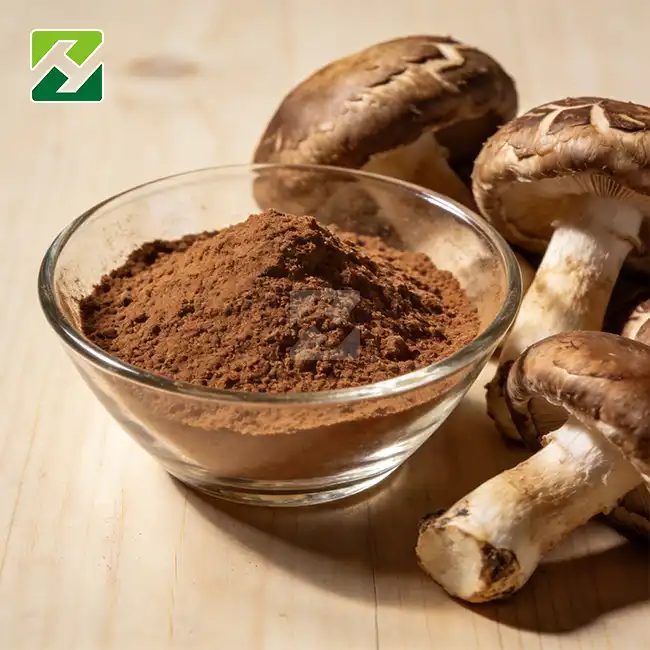
Shiitake Mushroom Extract Powder: Everything You Need to Know
VIEW MOREShiitake Mushroom Extract Powder, made from Lentinula edodes fruiting bodies, is high in polysaccharides and medicinal substances. This extract isolates powerful beta-glucans and lentinan from mushroom powder using sophisticated water extraction, providing standardized, high-purity constituents for different formulations. Formulators may trust our 40% polysaccharides with a 10:1 concentration ratio for batch-consistent quality that fulfills international certification criteria.
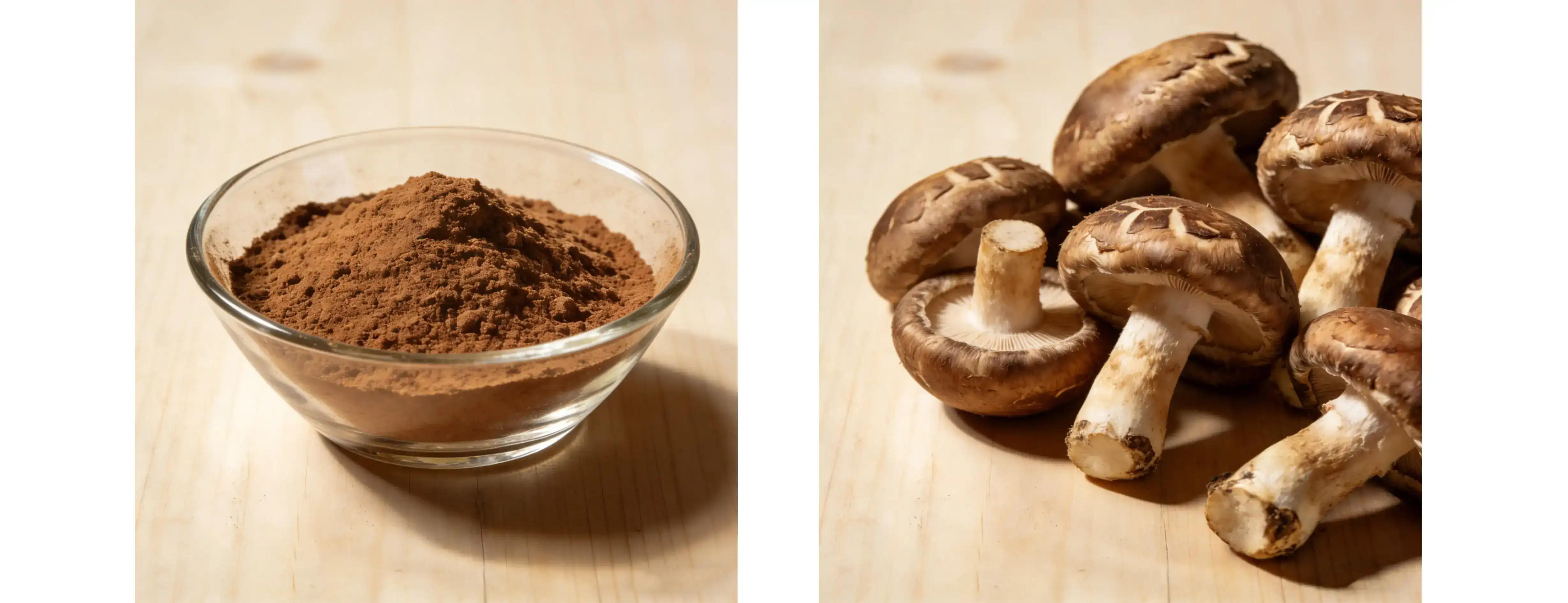
Understanding Shiitake Mushroom Extract Powder
Many useful foods have come and gone over the years. Shiitake Mushroom Extract Powder is one of the most important changes in the past. To get this ingredient, the most important bioactive chemicals are concentrated through a complicated extraction process. It's not just ground mushrooms.
The Extraction Process That Defines Quality
OHI makes Shiitake Mushroom Extract Powder utilizing 100% water extraction. This breaks down Lentinula edodes fruiting body chitin cell walls. This releases polysaccharides and beta-glucans from cells. A 10:1 concentration ratio implies 10 kilograms of excellent fruiting bodies create 1 kg of strong brown powder. Because this approach uses no solvents and ensures maximum absorption, bioactive substances remain intact.
Our Jiangxi plant uses regulated temperatures and continuous high-tech monitoring for extraction. The temperature is carefully controlled to extract water-soluble polysaccharides and prevent heat-sensitive compounds from breaking down. As expected, HPLC testing indicated 40% polysaccharides in the final extract.
Key Bioactive Compounds and Their Functional Roles
Shiitake Mushroom Extract Powder contains beta-1,3/1,6-D-glucans. In food science, they have intricate forms. The polysaccharides make this ingredient perform better in vitamin blends.
Eritadenine, a unique molecule, is abundant in Shiitake Mushroom Extract Powder. It aids fat digestion. Drug researchers worldwide are interested in lentinan, a beta-glucan. The technique we use to extract these plant compounds retains them in measurable amounts.
Ergosterol, an amino acid like leucine and lysine, and vitamin D2 are in the extract along with carbs. Nutraceutical firms strive to produce multi-purpose health products, and Shiitake Mushroom Extract Powder is a good choice.
Broad Applications Across B2B Markets
Professional purchasers in many sectors realize Shiitake Mushroom Extract Powder's value. The powder works well in capsules, tablets, and powder mixes for dietary supplements. This ingredient works well in mushroom coffee blends and health tonics.
Due to its phenolic compounds and antioxidants, it is utilized in cosmetics and skin care. The extract may be utilized in mature skin serums, creams, and lotions if its pH remains constant.
Functional food makers use Shiitake Mushroom Extract Powder in protein smoothies, snack bars, and beverages. This ingredient can be labeled cleanly and its bioactive content quantified to support marketing claims. The FSSC22000 certification by OHI ensures food safety for all its products.
Health Benefits Supported by Scientific Research
A lot of research on the useful properties of Shiitake Mushroom Extract Powder has been published in peer-reviewed journals. This gives people who make new products information that is based on facts.
Immune System Modulation at the Cellular Level
Beta-glucans in Shiitake Mushroom Extract Powder interact with immune cells via receptor pathways. These sugar molecules interact with CR3 and TLR on macrophages and dendritic cells. It activates signal pathways that improve immune surveillance. This strategy has worked in several clinical studies with actual patients.
According to nutrition journal studies, taking Shiitake Mushroom Extract Powder polysaccharides daily boosts natural killer cells and secretory IgA. Research and development teams may utilize these data to support immune-boosting product claims. This is great for seasonal health goods.
Standardizing 40% polysaccharides ensures that all manufacturing batches get the same quantity of these beneficial elements. This is crucial for brands that wish to conduct clinical trials or maintain their credibility.
Cardiovascular Support Through Natural Compounds
The useful element we concentrated by water separation is eritadenine. It alters lipid utilization by altering hepatic cholesterol-making enzymes. High-eritadenine Shiitake Mushroom Extract Powder improves fat levels.
The method requires changing the adenosine pathway. This alters cell cholesterol transport. Because it works naturally, Shiitake Mushroom Extract Powder is used in heart health products. Especially in Asian markets, where traditional usage matches science.
Scientific and traditional viewpoints allow formulators to produce goods that both proof-seekers and botanical-based health advocates will embrace.
Antioxidant Capacity and Cellular Protection
Shiitake Mushroom Extract Powder contains quantifiable ergothioneine. Mitochondria maintain redox balance. Ergothioneine may accumulate in stressed tissues due to its movement.
Polyphenolic compounds in the extract boost its antioxidant capacity in ORAC testing. We profile antioxidants during quality control to ensure batch consistency. This is crucial for antioxidant-claiming companies.
Shiitake Mushroom Extract Powder may be used in skin care products and anti-aging supplements to reduce oxidative stress and improve skin health.
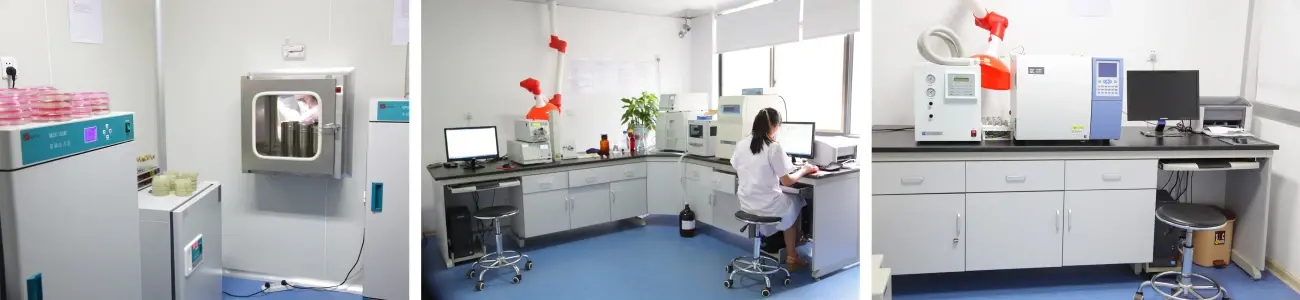
Comparing Shiitake Extract with Alternative Ingredients
When buying teams know how different ingredients work, they can make choices that balance cost, effectiveness, and the needs of the formulation. Shiitake Mushroom Extract Powder offers specific advantages in concentration and bioavailability compared to standard options.
Extract Versus Whole Mushroom Powder
Our extract has 40% bioactive polysaccharides, whereas whole mushroom powder has 1%–3%. Formulators use less extract since it takes thirteen times less to provide the same effect. This reduces capsules and simplifies customer compliance.
The body cannot break down the chitin cell walls. This may hinder the body's usage of beneficial substances. Our separation method removes this obstacle and ensures that Shiitake Mushroom Extract Powder carbs reach the circulation. This variation is particularly crucial for therapeutic doses since absorption impacts efficacy.
Despite costing more per kilogram, concentrated extracts are cheaper per active ingredient. The extra price was first justified since it was simpler to transport and required less.
Shiitake Compared to Other Medicinal Mushrooms
Ganoderma lucidum reishi extract's bioactives from triterpenes and polysaccharides make it suitable for adaptogenic formulations. Shiitake Mushroom Extract Powder contains more eritadenine than reishi; hence, its metabolism differs. This benefits heart-healthy meals.
Lion's mane, or Hericium erinaceus, contains hericenones and erinacines that may impact brain function. Shiitake Mushroom Extract Powder contains B vitamins and minerals, and is healthy. This makes it an excellent overall workout item.
Many pharmaceutical makers use mushroom extracts to develop immunological and health combinations for everyone. These mushroom mixtures utilize our Shiitake Mushroom Extract Powder as the primary ingredient since it's simple to combine and tastes mild.
Organic Certification Considerations
OHI supplies standard and organic Shiitake Mushroom Extract Powder, so clients may choose what they need. Organic approval boosts product costs by 15–20% but allows more high-end and specialty retailers to offer them.
GAP-certified Jiangxi farms provide our organic Shiitake Mushroom Extract Powder. The farms fulfill environmental and farming requirements for the USDA organic equivalent. Third-party verification maintains supply chain integrity.
Conventional grade polysaccharide criteria are the same, but the crops aren't examined. This strategy is appropriate for companies that want to conserve money or in areas where organic certification doesn't provide them an advantage.

Procurement Insights for Sourcing Premium Shiitake Extract
To make sure that supply lines work, you need to know about quality signs, licensing requirements, and sellers' skills that will help you have a good relationship for a long time. Finding a reliable Shiitake Mushroom Extract Powder manufacturer is essential for long-term consistency.
Critical Quality Specifications to Verify
Megazyme enzymatic assays should be used by procurement teams to measure beta-glucan and polysaccharides. The mushroom extract industry has several issues, and this test can distinguish starch-based fillers from fungal beta-glucans. Our analysis certifications reveal 40% polysaccharides and beta-glucans.
If the moisture level is below 5%, the item remains stable throughout storage and shipping. Controlled spray-drying keeps our brown Shiitake Mushroom Extract Powder 3–4% moist. This prevents microbial growth and adhesion. Heavy metal testing must follow USP <232>/<233> guidelines. Testing for lead, cadmium, arsenic, and mercury consistently shows minimal levels in our products.
At least as high as the added food microbiological requirements. There should be no Salmonella, Staphylococcus aureus, or E. coli, and fewer than 1,000 CFU/g of yeast and mould on the plates. Our CGMP-certified factory ensures every batch fulfills these criteria.
Essential Certifications and Regulatory Compliance
OHI makes sure that its Kosher, Halal, NSF GMP, and ISO 9001 certifications are always up to date. These meet the requirements of a lot of important markets around the world. One-time checks are not enough to make sure that these certifications are still good. Every year, a third party checks them.
This means that we can sell Shiitake Mushroom Extract Powder straight to the US market because our organic certification meets USDA NOP guidelines. Buyers don't have to pay extra for certification. The certification line goes from growing the crops to processing them, and if you ask, you can get all the paperwork you need to track the food.
For pharmaceutical-grade uses, we provide extra paperwork that includes in-depth explanations of the production process, impurity profiles, and stability data that allow for a 24-month shelf life when kept properly.
Logistics and Supply Chain Advantages
There are four well-placed OHI stores all over the United States. They can fill orders quickly because the wait time for things that are in stock is generally three to five working days. If you compare this domestic Shiitake Mushroom Extract Powder inventory to direct international shipping, it saves you money on freight costs and time waiting in customs.
Our minimum order size of 25 kg (one drum) is good for both new and well-known names. We can change the way the items are packed and ship them at times that work with your production schedules for larger orders.
When you buy more than 100 kg, 500 kg, or 1,000 kg, you save money because the prices go down. Our purchasing team gives us clear prices with no hidden fees. This lets us get a good idea of how much a product will cost while we're making it.
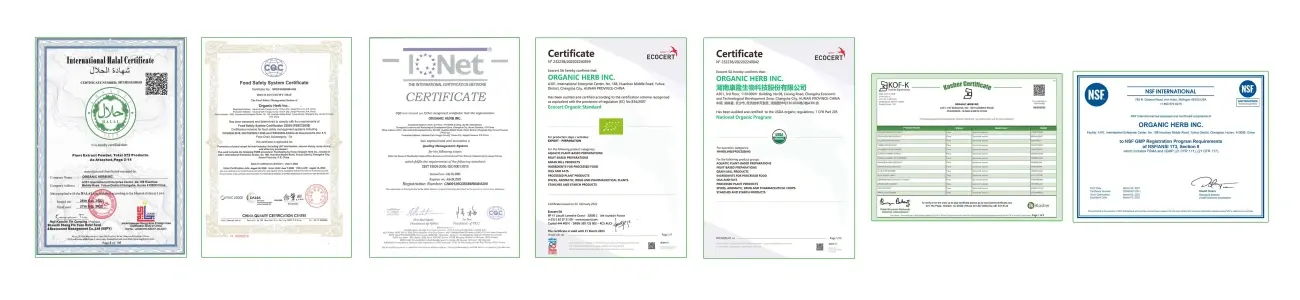
Practical Guidance for Product Formulation
To add ingredients correctly, you need to know the right amount, how to fix problems with the formulation, and how to store the product so that it stays whole while it's being made and stored. Using Shiitake Mushroom Extract Powder effectively requires understanding its physical and chemical properties.
Recommended Dosage and Application Rates
People who took 1,000 to 3,000 mg of whole Shiitake Mushroom Extract Powder per day were studied to see if it improved their health. Given that 40% of the polysaccharides are active, this means that each serving has 400 to 1,200 mg of active polysaccharides.
Based on how much carbohydrate they want to give, formulators should figure out how to back-dose. Any claims on the label can be true since a capsule with 500 mg of our Shiitake Mushroom Extract Powder gives you 200 mg of polysaccharides. Making these rules makes sure that every batch of products gives customers the same experience.
Tests on taste and smell show that adding 250 to 750 mg of Shiitake Mushroom Extract Powder per dose is the best amount to put in ready-to-drink functional drinks. It's possible to taste umami notes when the concentration is higher. If a brand wants to show that their notes are real, they might mix them with tastes that go well with them, like vanilla or cocoa.
Addressing Common Formulation Challenges
Shiitake Mushroom Extract Powder soaks up water, so it needs to be handled carefully when it's being put into capsules. When the relative humidity is below 45%, the powder can't soak up water, which could cause it to clump. It is easier to make the product when moving agents like silicon dioxide are added at a level of 0.5 to 1%. This does not change its bioactivity.
Microcrystalline cellulose and dicalcium phosphate are common fillers that work well with the extract when used in tablets. To meet standards for tablet hardness, direct compression usually needs a Shiitake Mushroom Extract Powder loading of no more than 10-15%. Higher amounts may need wet granulation to be able to be compressed well.
When mixed with the right amount of cold water in drink recipes, the extract works really well. It doesn't clump together when you add a little liquid to the main batch before you blend it. The pH range of 3.5 to 7.5 is stable for most healthy drinks and doesn't cause precipitation.
Storage and Stability Optimization
Sealed drums that are kept in climate-controlled stores (below 25°C, below 60% relative humidity) stay in good shape for 24 months after the date they were made. Putting the Shiitake Mushroom Extract Powder that is still left in airtight containers with desiccant packets will help it last longer after it has been opened.
Finished goods with Shiitake Mushroom Extract Powder should go through accelerated stability tests to make sure they last a long time. To make sure that your product development is solid, our expert team can look over your stability processes and give you test methods that show stability.
It's important to think about how the temperature will change during shipping. When we package our goods, we use drums lined with paper that are filled with nitrogen to keep the contents safe while they are shipped across the country. The careful attention to detail in the packing keeps water and rust from getting in and breaking down the polysaccharide.
Conclusion
Shiitake Mushroom Extract Powder is a sophisticated plant-based ingredient that has been used for a long time and is now scientifically proven to work. Our standardized, 40% polysaccharide product that is separated with water has a steady bioactive content and can be used in cosmetics, functional foods, and nutritional foods. Companies that buy things can find ingredients that make them work better and have clean labels if they know how to get rid of them, what makes one ingredient better than another, and how to mix the ingredients correctly. The global market for mushroom extract keeps growing as new studies back up old uses and more people look for natural alternatives. Because they are approved, you can be sure that your supply chain will work, and you can get expert help that speeds up the process of making new products.
FAQ
1. What distinguishes fruiting body extract from mycelium-based products?
The amount of sugar in the fruiting body Shiitake Mushroom Extract Powder is very low, but the amount of beneficial beta-glucans is very high. A lot of the time, mycelium grows on grain substrates, which makes a lot of alpha-glucan (starch). This makes more polysaccharides without making functional compounds that are the same. To be sure that the polysaccharides we use come from real mushrooms, we only use fruiting bodies from Lentinula edodes.
2. How should buyers verify polysaccharide authenticity?
Use the Megazyme enzymatic test to get analysis papers that show how much total polysaccharides and specific beta-glucans are present in the Shiitake Mushroom Extract Powder. This two-step test checks to see if the carbs come from fungi or from grains used as fillers. It's possible that a provider is using low-quality raw materials if they don't want to test for beta-glucan.
3. Does water extraction affect bioavailability compared to dual extraction?
The best way to get the polysaccharides and beta-glucans out of Shiitake Mushroom Extract Powder is to use water. Two types of extraction (water and alcohol) are used to target triterpenes that are more common in species like reishi. Since shiitake mushrooms don't have a lot of triterpenes, the best and most cost-effective way to get the carbohydrates out of them is to use water extraction.
Partner with OHI for Your Shiitake Mushroom Extract Powder Needs
There are many groups that have approved OHI's Shiitake Mushroom Extract Powder as safe for use in drugs. These include NSF GMP, Kosher, Halal, ISO 9001, and FSSC22000. Vertical integration makes sure that the whole supply chain is clear. It starts with GAP-certified growing bases and ends with high-tech extraction facilities. We can avoid the delays that come with shipping because our company makes Shiitake Mushroom Extract Powder and has four stores in the US. We can also give you free samples and technical help. Our 42-person research and development team, which includes researchers with Ph. D.s, helps make unique recipes and test how stable they are. We can meet your needs, whether you need 25 kg for a test run or several tonnes for production. Our 10-day wait times and changeable MOQs make this possible. Send our team an email at info@organic-herb.com to talk about your project and get full product info. Our sustainable and eco-friendly ways of getting ingredients are the same as those used by brands that want to work with responsible ingredient partners to grow in the long run.
References
1. Wasser, Solomon P. "Medicinal Mushrooms in Human Clinical Studies: Molecular and Cellular Mechanisms of Action." International Journal of Medicinal Mushrooms 19.4 (2017): 279-296.
2. Finimundy, Teresa C., et al. "A Review on General Nutritional Compounds and Pharmacological Properties of the Lentinula edodes Mushroom." Food and Nutrition Sciences 5.12 (2014): 1095-1105.
3. Xu, Xiaofei, et al. "Polysaccharides in Lentinus edodes: Isolation, Structure, Immunomodulating Activity and Future Prospects." Critical Reviews in Food Science and Nutrition 54.4 (2014): 474-487.
4. Bisen, Prakash S., et al. "Lentinus edodes: A Macrofungus with Pharmacological Activities." Current Medicinal Chemistry 17.22 (2010): 2419-2430.
5. Dai, Xiaoling, et al. "Consuming Lentinula edodes (Shiitake) Mushrooms Daily Improves Human Immunity: A Randomized Dietary Intervention in Healthy Young Adults." Journal of the American College of Nutrition 34.6 (2015): 478-487.
6. Rahman, Md Atiar, et al. "Bioactive Compounds and Medicinal Properties of Shiitake Mushroom (Lentinula edodes): A Review." Biotechnology and Biotechnological Equipment 32.2 (2018): 252-263.
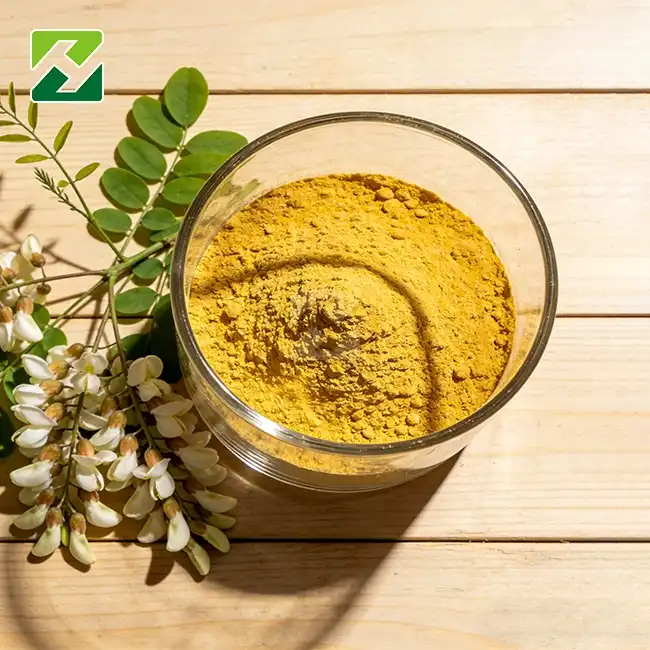
Is Sophora Japonica Extract Good For Skin?
VIEW MOREYes, there is a lot of hope for using Sophora Japonica Extract on the face. This plant ingredient comes from the flower buds of Sophora japonica L. and has a lot of rutin and quercetin, which are beneficial flavonoids known for their ability to fight inflammation and free radicals. When added to skin care products, these chemicals help fight environmental stressors, improve the function of the skin barrier, and make the skin look more even. For sourcing workers looking at natural actives, knowing the science behind this extract makes it clear how useful it is for formulating.
Understanding Sophora Japonica Extract and Its Skin Benefits
The Japanese Pagoda Tree's unopened flower buds are where Sophora Japonica Extract comes from. This plant is valuable in the cosmetic and nutraceutical industries. Using water and ethanol as solvents in the extraction process creates a yellow powder that is standardised to contain 95% rutin or 95% quercetin. This makes sure that all production runs have the same amount of strength.
Scientific Foundation of Skin Benefits
The main bioactives, quercetin and rutin, work in a number of ways that are good for skin health. As a glycoside form of quercetin, rutin acts as an antioxidant by getting rid of reactive oxygen species that are made by UV light and smog. This defence system helps keep cells healthy and lessens the damage that the environment can do. Quercetin helps reduce inflammation by changing the signalling pathways that cause skin discomfort. Multiple studies have shown that it can calm skin that is overly sensitive and help keep skin elastic by protecting collagen. These mechanisms have real-world benefits, like reducing redness, keeping moisture in the skin better, and making the texture of the skin better, all of which are highly valued in modern skin care products.
Formulation Versatility
The standardised yellow powder form works well with a wide range of delivery systems. Because of its stability profile, it can handle the normal conditions used to make cosmetics, so it can be used in creams, serums, and masks. The 95% pure requirement makes sure that formulation chemists can figure out exact inclusion rates that meet the desired levels of effectiveness while keeping the safety of the product. For B2B buying teams, knowing these basic facts helps them evaluate what suppliers say and make sure that the ingredients they choose are in line with their product development goals. Because the extract protects against free radicals and soothes sensitive skin, it can be used in a wide range of skin care products, from anti-aging lines to sensitive skin collections.
Evaluating Sophora Japonica Extract Compared to Alternative Ingredients
Comparative analysis helps procurement professionals decide which botanical actives to use in skin care products. When compared to other flavonoid-rich ingredients that are often used in cosmetics, Sophora Japonica Extract stands out.
Comparative Advantage Analysis
The whole Sophora japonica bud product contains more flavonoids than quercetin tablets. The compounds in this phytocomplex operate synergistically to outperform single-molecule techniques. The natural ratios of rutin and related flavonoids demonstrate how the plant has altered over time, making them preferable for formulation than synthetic ones. Many skin care products include ginkgo biloba extract, which has antioxidant effects but a distinct chemical composition. Standardizing rutin in Sophora Japonica Extract up to 95% makes formulation development more predictable. Oil removal using water and ethanol produces a cleaner profile with fewer tannins, reducing color disturbance in the finished product.
Form Factor Considerations
Choosing the right delivery method is part of the procurement choices that go beyond choosing the active ingredient. In large production, the 25 kg drums of yellow powder make things easier to do. Its moisture-stable packaging keeps its effectiveness while it's being stored and shipped, which is a common problem with hygroscopic botanical extracts. The 95% standardisation gets rid of the differences that come with using lower-quality materials. This makes sure that the quality is the same from batch to batch, which is very important for brands that have to stick to strict quality standards across production runs. Choosing between organic and conventional extracts has an effect on both how much they cost and how they are marketed. OHI has both standard grades and approved organic choices. This lets buying teams choose ingredients that are in line with brand values and the tastes of the target market without lowering quality standards.
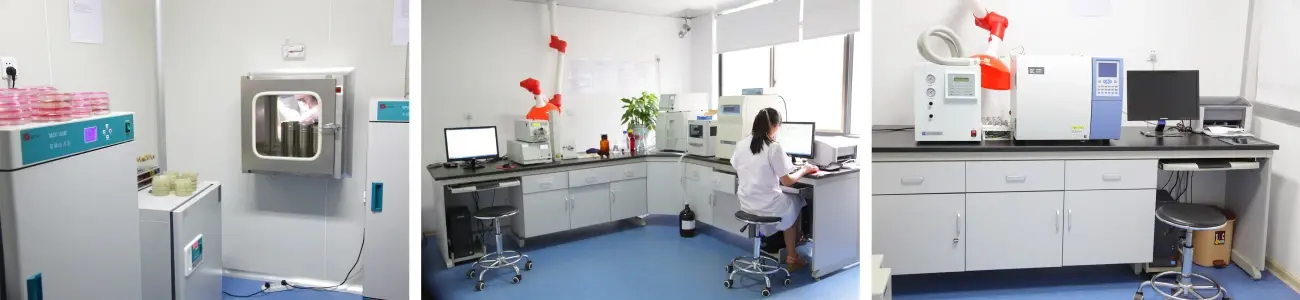
Addressing Safety, Dosage, and Usage Concerns in B2B Applications
To successfully bring botanical extract-based skin care products to market, it is important to pay attention to standardisation, usage guidelines, and regulatory compliance. Because Sophora Japonica Extract is good in these areas, it is being used more and more in markets around the world.
Standardization and Quality Markers
The quality standard of 95% rutin or quercetin is used as the main indicator, and it is confirmed by HPLC measurement. Because of this, formulation scientists can figure out exact inclusion rates, which are usually between 0.5% and 3% for topical uses and depend on how the product is positioned and what benefits are wanted. Using marker compounds makes sure that every batch meets certain levels of potency, which takes the guesswork out of formulating new drugs. Advanced extraction methods, such as low-temperature processing and nano-membrane isolation, are used in OHI's manufacturing process. These technologies keep the bioactive integrity while getting rid of unwanted parts, which makes the extract profile cleaner. The yellow powdery look means there isn't much oxidation, which shows that it was handled properly during production.
Regulatory Compliance Framework
International certificates prove that safety standards for production and ingredients are met. OHI has certifications from NSF GMP, Kosher, Halal, ISO, and FSSC22000. These credentials make it easier for regulators to approve products in a wide range of markets. The products meet FDA and cGMP standards, which is important for brands that sell in North American markets. Each box comes with a full set of paperwork, such as a Certificate of Analysis, allergen warnings, and GMO status statements. This openness helps meet regulatory filing requirements and shortens the time it takes to get new products on the market. When procurement teams work with certified suppliers, they lower the risk of not following the rules and get set quality assurance methods that meet or go beyond industry standards.
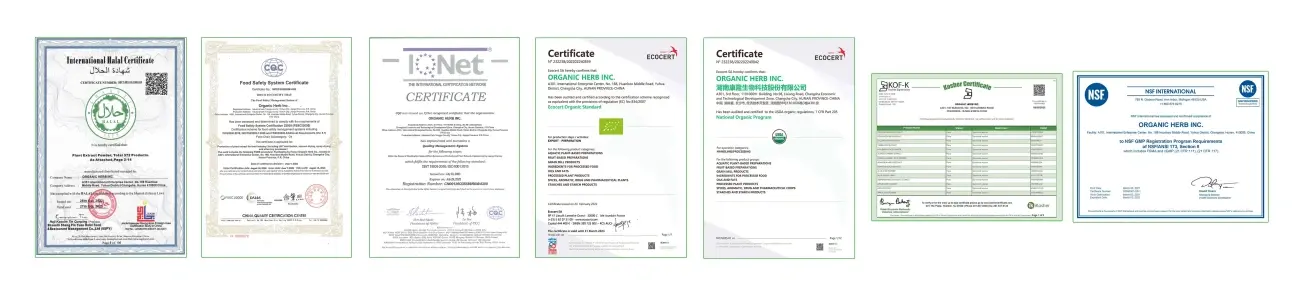
Practical Guide to Procuring Sophora Japonica Extract for Skin Care Manufacturing
To strategically source botanical extracts, you have to find a balance between quality standards, supply reliability, and cost. Learning about the best ways to buy Sophora Japonica Extract helps you build better relationships with your suppliers and get better results in the manufacturing process.
Supplier Selection Criteria
Before judging a potential supplier, you should first look at their manufacturing and quality systems. In Jiangxi Province, OHI runs CGMP-certified facilities with high-tech extraction tools worth more than $1.2 million, such as HPLC-ELSD, GC-MS, and supercritical CO2 systems. This infrastructure helps make sure that high-purity extracts that meet international pharmacopoeial standards are always made. The company has three GAP-standard planting sites that cover 8,000 acres in several provinces. This is an example of vertical integration. This control over where the raw materials come from makes it possible to track them from planting to making the final extract. This is a huge benefit for brands that want to use sustainable and clear supply chains. Technical partnerships with research institutions help to improve quality and come up with new ways to extract substances.
Procurement Logistics
The 25 kg minimum order quantity is in line with commercial-scale production while still being easy for new names to get. The usual 25 kg drum package uses materials that don't absorb water, which keeps the stability of the extract while it's being shipped internationally. With lead times of 10 days from order confirmation, OHI can plan its supplies quickly, and its four U.S. warehouses, which are run by its subsidiary Earth Made Nutritions, store goods made in the U.S. to speed up delivery. Having access to samples removes barriers to developing a preliminary formulation. Before committing to bulk purchases, R&D teams can test for compatibility and stability using free samples. This method lowers the risk of creation and speeds up the time it takes to make a product. Procurement managers should ask for samples along with scientific information such as data on solubility, recommended use rates, and preparation guidelines. The prices depend on how standardised the extract is, whether it has organic certification, and how many orders are placed. Setting up clear lines of communication with suppliers, like the dedicated contact at info@organic-herb.com, makes it easier to negotiate and get technical support throughout the lifecycle of the product.
Case Studies and Testimonials from B2B Clients Using Sophora Japonica Extract in Skincare
Real-world implementation examples demonstrate how brands have successfully incorporated Sophora Japonica Extract into market-ready formulations. These cases illustrate practical applications and quantifiable outcomes relevant to procurement decision-making.
OEM Partnership Success
A company that makes natural makeup for sensitive skin was looking for a natural antioxidant that could be used instead of manufactured ones. They looked at several sources and chose OHI's 95% rutin extract because it was certified and had the same analytical profile across all test runs. The formulation team added a 2% extract concentration to a calming serum. They made it stable by adjusting the pH and using the right storage methods. After the product came out, customers gave it high marks for satisfaction, especially when it came to how much their skin responded less to irritation and how comfortable they felt. The brand said that the success of the product was due in part to the consistent quality of the ingredients. Each production batch worked the same, so there was no need to make changes to the recipe, and quality control costs were lower.
Lessons in Supplier Management
A company that makes sports nutrition also started making skin care products in a different case. Their purchasing team gave more weight to suppliers who could provide technical support, along with providing ingredients. The 42 professionals who work at OHI's R&D center, which includes senior researchers and PhDs, gave formulation advice that cut development times by six weeks. The partnership showed how important it is to have sellers who are more like strategic partners than just business vendors. A smooth commercialisation process was helped by regular communication, proactive problem-solving during scale-up, and flexibility in how the packaging was set up. These practical benefits made it even more important to look at a supplier's skills beyond basic quality standards. Procurement professionals can learn a lot from these examples. For example, they should prioritise suppliers with strong quality systems, see technical expertise as a way to set them apart, ask for documentation that is specific to each batch, and set clear communication protocols from the first question to the support after delivery.

Conclusion
Sophora Japonica Extract is a plant active that has been proven to work by science and is a good fit for current skin care products. Its standardised rutin and quercetin content gives it soothing and antioxidant properties that address important consumer concerns while meeting the needs for stability and effectiveness in formulation. The extract has a good reputation, which is backed up by its many certifications, stable quality, and dependable supply system. This makes it a good choice for brands that want to use natural ingredients that have been shown to work. Partnering with suppliers who show technical expertise, high-quality manufacturing, and a commitment to openness is key to successful procurement. Advanced extraction technology, vertical integration, and responsive transportation work together to make a buying environment that helps both well-known brands and new companies make competitive skin care goods.
FAQ
1. What certifications should I look for when sourcing this ingredient?
Give NSF GMP, ISO, FSSC22000, and other relevant organic certifications to suppliers that you want to work with. These certificates prove that the ingredients and production standards are correct. Kosher and Halal certifications make markets more accessible, and FDA and C-GMP standards make sure that the product is safe for North American markets. Ask for copies of the most recent certifications and make sure they cover the product you're buying.
2. Can Sophora Japonica Extract be combined with other botanical actives?
The extract works very well with botanical ingredients that work well with it. Formulation scientists can mix it well with niacinamide, hyaluronic acid, and plant products like chamomile or green tea. The important thing is to keep the pH levels in the right areas and test the stability to make sure they are compatible. When compared to single-active methods, synergistic formulas often provide better results.
3. What inclusion rates are recommended for topical skincare applications?
Concentrations are usually between 0.5% and 3%, but this depends on the type of product and where it is sold. Higher concentrations can be used in leave-on products like serums and creams, while lower amounts may be used in rinse-off products. The standardisation at 95% makes it possible to accurately calculate the delivery of active compounds. Talk to formulators about how to get the best concentration for your product matrix and claims.
Partner with OHI for Premium Sophora Japonica Extract Supply
OHI can help you make skin care products with high-quality Sophora Japonica Extract that is standardised to 95% rutin or quercetin. We are a well-known manufacturer with many certifications and a history of reliable supply. We offer competitive advantages like free samples, 10-day lead times, and domestic U.S. warehousing for fast delivery. Our technical team helps with formulations and has decades of experience extracting plants using advanced research and development skills. Email us at info@organic-herb.com to get samples, talk about bulk Sophora Japonica Extract supplier prices, or look into unique specs that are made to fit your product development needs.
References
1. Chen, J., & Li, X. (2019). Flavonoids from Sophora japonica: Extraction, biological activities and applications in cosmetics. Journal of Cosmetic Science, 70(4), 245-262.
2. Kim, H.P., Son, K.H., Chang, H.W., & Kang, S.S. (2018). Anti-inflammatory plant flavonoids and cellular mechanisms in skincare applications. Phytotherapy Research, 32(7), 1275-1290.
3. Zhang, Y., Wang, D., & Liu, M. (2020). Rutin and quercetin: Antioxidant mechanisms and topical applications in dermatology. International Journal of Cosmetic Science, 42(3), 228-237.
4. Park, S.H., Jung, E., & Kim, Y. (2017). Protective effects of Sophora japonica extracts against oxidative stress in skin cells. Archives of Dermatological Research, 309(8), 631-641.
5. Thompson, R.A., & Williams, K.L. (2021). Botanical extracts in professional skincare: Standardization, efficacy and regulatory considerations. Cosmetics & Toiletries Magazine, 136(2), 34-43.
6. Martinez, L., Chen, W., & Rodriguez, M. (2020). Comparative analysis of flavonoid-rich plant extracts for anti-aging cosmetic formulations. Journal of Applied Pharmaceutical Science, 10(6), 112-120.
What are the 5 health benefits of Carrot Extract?
VIEW MOREThe plant-based concentrate called Carrot Extract comes from the root of Daucus carota ssp. It is now an important part of many products, including skincare, useful foods, pharmaceuticals, and nutritional supplements. This botanical concentrate has five major health benefits: strong antioxidant protection that helps cells fight off free radicals; improved skin vitality through provitamin A compounds; nutrition for the scalp and hair follicles; maintenance of good vision through carotenoid delivery; and nutritional support for metabolic balance. When R&D directors, formulation managers, and procurement teams know about these benefits, they can choose high-purity plant extracts that meet clean-label requirements and regulatory compliance standards around the world.
Rich Source of Antioxidants for Enhanced Well-being
There are a lot of naturally occurring antioxidants in the concentrated extract from carrot roots. These antioxidants work together to protect cells from oxidative stress. These chemicals are becoming more well-known in both the field of nutraceuticals and the field of functional food formulation.
Beta-Carotene and Its Protective Role
The most important carotene in this plant extract is beta-carotene, which works as a provitamin A compound and turns into retinol in the body. Researchers at the National Institutes of Health have shown that beta-carotene can stop reactive oxygen species from damaging cell membranes. The standardised extract has colour values (E1%, 1cm, 524±5nm) ≥60, which means that all runs of production will have the same amount of strength. This standardisation solves a major problem for formulation scientists who need ingredients to work the same way every time.
Complementary Antioxidant Compounds
Besides beta-carotene, the extract also has lutein and zeaxanthin, which work together in different ways to make the plant stronger. Lutein builds up in the body's outer layers, while zeaxanthin builds up in the body's inner organs. These carotenoids work together to make a strong defence against harmful things in the surroundings. The 4:1 concentration ratio makes sure that these bioactive substances are delivered optimally. This extract is especially useful for sports nutrition companies that are making healing products.
Whole-spectrum Carrot Extracts show better antioxidant activity compared to isolated beta-carotene supplements, according to studies published in the Journal of Agricultural and Food Chemistry. The full phytochemical profile works together to create this synergistic effect. This is good for nutraceutical companies that want to make their products stand out by adding evidence-based ingredients that are in line with natural wellness trends.
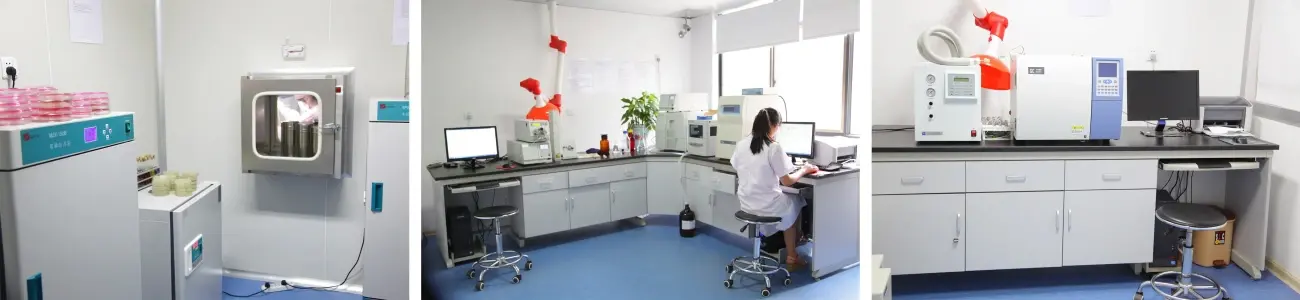
Supports Skin Health and Anti-Aging Effects
The plant concentrate made from carrot roots has become a popular ingredient in cosmetics because it improves many aspects of skin health at once, thanks to its high vitamin content and bioactive chemical density.
Vitamin A Derivatives and Skin Renewal
Compounds in the extract that are related to vitamin A help the skin's natural renewal cycle by encouraging healthy cell turnover rates. Cosmetic chemists who work with this ingredient like how stable it is when it is mixed with other ingredients in the right way. The colour ranges from light red to dark red, with purple-red undertones. This means that there are a lot of carotenoids, which means that the direct treatment will work. Synthetic retinoids can irritate the skin, but botanical retinoids are gentler and fit with the clean beauty movement.
Hydration and Barrier Function Enhancement
It helps the top layer of skin stay strong in more than one way. Carotenoids and vitamin E molecules in the full-spectrum extract stop the loss of water through the skin's surface. This is a key factor in studies that look at skin problems. Cosmetic companies that do OEM and ODM have successfully added this ingredient to serums, creams, and treatment masks. It gives them useful qualities and a nice natural color that doesn't come from dyes made in a lab.
New research in the International Journal of Cosmetic Science has shown that carotenoids from carrots can really protect skin from UV rays. The extra safety that these chemicals offer comes from the fact that they absorb certain bands of ultraviolet light. The extract is very appealing to natural beauty companies that make anti-aging goods because it can do two things. This is because more and more people want organic solutions to manufactured ingredients that have been shown to work.
Formulation Considerations for Cosmetic Applications
The extract from the root causes some formulation problems that can be easily fixed by cosmetic scientists with a lot of experience. Because carotenoids don't dissolve in oil, they need the right emulsification methods in water-based goods. Advanced spray-drying and microencapsulation technologies have made it possible to create versions that don't stick to skin, which means they can be used in more serum and toner formulations. What was used came from Daucus carota ssp. Roots stay stable when they are kept away from too much light and oxygen while they are being made and stored.
Promotes Hair Growth and Scalp Health
Carrot Extract is a valuable botanical ingredient in hair care products because it is high in nutrients. It improves both scalp health and hair fibre quality by delivering all the nutrients to the hair.
Scalp Nourishment Through Vitamin Delivery
At the follicle level, where proper nutrition controls growth rates and fibre strength, hair growth is healthy. The vitamin A precursors in the extract help keep sebum production at the right amount, which keeps the hair moist without getting too oily. This physiological support is especially useful for hair care companies that are making products to treat dry, flaky scalps or hair growth problems.
Mineral Content and Follicle Stimulation
The plant product has small minerals that help with keratinisation, the chemical process that makes hair fibres stronger and more flexible. Procurement managers who are looking for ingredients for hair supplements like the extract because it has a full mineral profile, so they don't have to buy as many different ingredients. The 25 kg drum packaging, which has a 25 kg minimum order quantity, works well for medium-sized production runs and keeps costs low.
Application Versatility in Hair Care Products
Product makers have successfully added the extract to a number of different delivery forms. Powder forms work well in dry shampoos and masks for treating the scalp, and liquid concentrate forms work well in leave-in conditioners and growth serums. The ten-day wait time allows for quick product development processes, which helps with the competitive hair care market's time-to-market issues.
According to research published in the Archives of Dermatological Research, taking extra carotenoids is linked to higher hair density measurements in controlled studies. These results back up the use of carrot-based ingredients in both topical hair care products and dietary supplements for beauty. This is an area that is growing quickly as more people realise the link between what you eat and how you look.
Enhances Vision and Eye Health
The link between eating carrots and good eye health goes back a long way in nutritional science. More recently, advances in extraction technology have made these benefits even stronger by delivering more chemicals that support eye health.
Beta-Carotene Conversion to Retinol
The body changes beta-carotene into retinol when it needs to. This makes it a self-regulating source of vitamin A that doesn't come with the risks of taking retinol supplements. The main place where this change happens is in gut cells, where enzymes cut the carotenoid molecule. The retinol that is made then goes to the liver to be stored. It is then sent to the eye tissues to help make rhodopsin, which is a light-sensitive pigment that is needed for night vision.
Lutein and Zeaxanthin for Macular Support
The extract naturally has lutein and zeaxanthin, which are xanthophyll pigments that only build up in the eye's macular cells. As blue light filters, these chemicals take in high-energy visible wavelengths before they reach photoreceptor cells. As people spend more time in front of screens, this protective process is becoming better known. This has created market possibilities for eye health supplements that target digital eye strain.
Clinical Evidence Supporting Ocular Applications
Several intervention studies published in the journal Nutrients have shown that taking carotenoid supplements raises macular pigment optical density, a measure linked to good eye health and vision over time. In these studies, people usually take 10–20 mg of mixed carotenoids every day. This can be done by taking supplements that are properly made and contain standardised Carrot Extract.
Researchers working on vision-improving supplements can use the extract's full carotenoid profile, which provides a wide range of bioactive compounds in amounts that are healthy for the body. The standard specification for the extract (Colour Value E1%, 1cm, 524±5nm ≥60) makes sure that every production batch has the same amount of carotenoids. This gets rid of the problems that come up with batch-to-batch variability that plague quality assurance departments. Being able to choose from different types of organic certification lets products stand out in high-end markets where customers value getting ingredients that are certified organic.
Supports Overall Nutritional Balance and Detoxification
In addition to its specific uses, the plant extract is good for your whole body because it has a healthy nutritional makeup and helps your body's natural metabolic processes.
Comprehensive Vitamin and Mineral Profile
Carotenoids and other nutrients that work well together, like vitamin C, vitamin E, and B-complex vitamins, are concentrated during the extraction process. Because it has a wide range of nutrients, the ingredient is useful in multivitamins and supplements for general health. To make fortified drinks and functional snacks, food technologists like natural colours, which add colour and nutrients, so they don't need to use artificial colourants. This also adds functional value.
Supporting Natural Metabolic Processes
Compounds in the extract's phytonutrient mix help phase II detoxification enzyme systems work better in liver tissue. The extract doesn't detoxify the body on its own, but it does provide nutritional cofactors that help the body's natural biological processes. This difference is important for regulatory compliance because exact language about how ingredients work is needed to back up claims correctly.
Dosage Guidelines and Safety Parameters
According to studies in clinical nutrition, the recommended daily amount of beta-carotene is between 6 and 15 mg for general health purposes. Higher amounts are used in targeted intervention programs. Standardised extract is very concentrated, which lets formulators get the potencies they want in serving sizes that aren't too big or too small. This is an important thing to think about when making tablets and capsules. For many years, people have used the material without any problems. Carotenoids from plants don't cause any of the problems that some people have with manufactured beta-carotene.
Comparison and Procurement Considerations for Carrot Extract
When choosing the right plant extracts, you need to carefully consider a number of factors that affect both the success of the product and the results for the business.
Extract Specifications and Quality Markers
Daucus carota ssp. was used to make the Carrot Extract. comes with clear instructions: a colour value (E1%, 1cm, 524±5nm) of ≥60 and a concentration ratio of 4:1 means that medicinal chemicals have been processed a lot to make them more concentrated. The colour range from red to purple-red is related to the total amount of carotenoids, which confirms the quality visually. These standards make it easy to compare different sources directly and make quality control easier within the company.
Certification Requirements and Regulatory Compliance
The material has many certifications, such as organic, Kosher, Halal, ISO, FSSC22000, and NSF GMP certifications, so it can meet the needs of a wide range of markets. Pharmaceutical research and development teams need these certifications to make sure that ingredients are safe, and international distributors need a lot of paperwork to get goods through customs and send them to regulators in many countries. The badges show that the factory follows quality standards and food safety management systems that are known all over the world.
Supply Chain Logistics and Business Terms
Some practical things to think about when buying something are the type of packaging (25 kg drums), the minimum order quantity (25 kg), and the lead time (10 days). These factors work well for both well-known brands with regular production plans and new brands that want to see how the market reacts before committing to bigger inventory positions. Since free samples are available, labs can test them before making a purchase decision, which lowers the risk of the buying process. With four warehouses spread out across the US, we can guarantee fast delivery, keep inventory costs low, and use just-in-time manufacturing methods.
Cost-Quality Balance in Ingredient Sourcing
Even though price is still important, buying workers with a lot of experience know that the cheapest option isn't always the best choice. Standardised extracts with proven effectiveness get rid of the guesswork in formulation and lower the costs of reformulation that come with using different ingredients. Investing in high-quality botanical extracts pays off in the form of consistent product performance, fewer customer complaints, and a better reputation for the brand. Cost savings can be achieved through bulk purchasing while maintaining quality standards. This is especially true when working with suppliers whose pricing structures are clear.
As part of the selection process, the supplier should be judged on more than just the ingredients. Long-term relationship success depends a lot on being able to manufacture, help with research and development, know how to deal with regulations, and provide quick customer service. Suppliers with high-tech extraction tools and skilled research and development teams can help with recipe development and speed up the time it takes to get new products on the market.
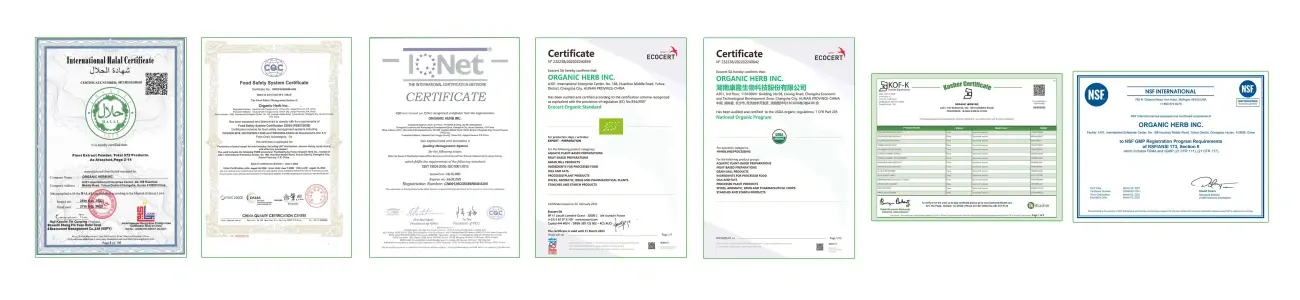
Conclusion
Carrot root extract is good for you in five ways: it fights free radicals, keeps your eyes healthy, feeds your hair and head, and keeps your nutrition balanced. Because of these five benefits, this plant material can be used in a lot of different types of products. People who work in the buying areas of pharmaceutical, nutritional, cosmetic, and functional food companies can get a competitive edge by learning about the practical problems of getting standardized plant products and how they can be used. There is a lot of competition in the market these days, but premium ingredient providers stand out because they have high standards for quality, full approvals, reliable supply chains, and technical support. When brands make strategic sourcing decisions based on ingredient standardization, supplier reliability, and proven effectiveness, they are better able to meet the changing needs of customers who want natural, science-backed products that work.
FAQ – Common Questions About Carrot Extract
1. How does carrot root extract differ from regular carrot powder?
Bioactive compounds, especially carotenoids, are separated and standardised during concentration processes on the extract. Normal carrot powder has different amounts of nutrients because it is made from whole plants, but standardised extract is always as strong as the last batch. The colour value specification (E1%, 1cm, 524±5nm ≥60) gives a number to this concentration, which makes it possible to do exact formulation calculations that would not be possible with raw powder.
2. What certifications should I look for when sourcing this ingredient?
Suppliers of good quality offer certifications like NSF GMP, ISO, FSSC22000, Kosher, and Halal. These show that the factories they work with follow global standards for quality management and food safety. Products that are aimed at the natural and organic market groups are worth more when they have organic approval. These certifications make it easier to follow the rules in many countries and on marketing platforms.
3. Can this botanical ingredient be used in both supplements and cosmetics?
Yes, the extract can be used for more than one thing, based on how it is made. Food-grade materials that have the right certifications can be used in functional foods and nutraceutical supplements. On the other hand, cosmetic-grade materials that are stable on the skin can be used in hair and skin care products. Suppliers should give documentation that matches the intended use categories and is specific to the grade.
Partner with OHI for Premium Carrot Extract Solutions
OHI can help you with your formulation needs by providing certified organic Carrot Extract from Daucus carota ssp., which is made to exacting standards in facilities that have a wide range of quality certifications. We are a Carrot Extract seller with four U.S. stores and advanced research and development facilities. We offer consistent quality and reliable lead times that work with your production plans. Our technical team can help you figure out the best way to combine ingredients to make nutritional supplements, cosmetics, functional foods, and medicines work better. Feel the difference when you work with a company that cares about the environment, quality control, and customer satisfaction. Email our team at info@organic-herb.com to get free samples, talk about your needs, and find out how our Carrot Extract can improve the way your products are made.
References
1. Fiedor, J., & Burda, K. (2014). Potential role of carotenoids as antioxidants in human health and disease. Nutrients, 6(2), 466-488.
2. Stahl, W., & Sies, H. (2012). β-Carotene and other carotenoids in protection from sunlight. The American Journal of Clinical Nutrition, 96(5), 1179S-1184S.
3. Telang, P. S. (2013). Vitamin C in dermatology. Indian Dermatology Online Journal, 4(2), 143-146.
4. Mrowicka, M., Mrowicki, J., Kucharska, E., & Majsterek, I. (2022). Lutein and zeaxanthin and their roles in age-related macular degeneration—a neurodegenerative disease. Nutrients, 14(4), 827.
5. Grune, T., Lietz, G., Palou, A., Ross, A. C., Stahl, W., Tang, G., & Biesalski, H. K. (2010). Beta-carotene is an important vitamin A source for humans. The Journal of Nutrition, 140(12), 2268S-2285S.
6. Tanumihardjo, S. A. (2013). Carotenoids and human health. Springer Science & Business Media, Nutrition and Health Series.
- 1
- 10
- 11
- 12
- 13
- 14
- 19