
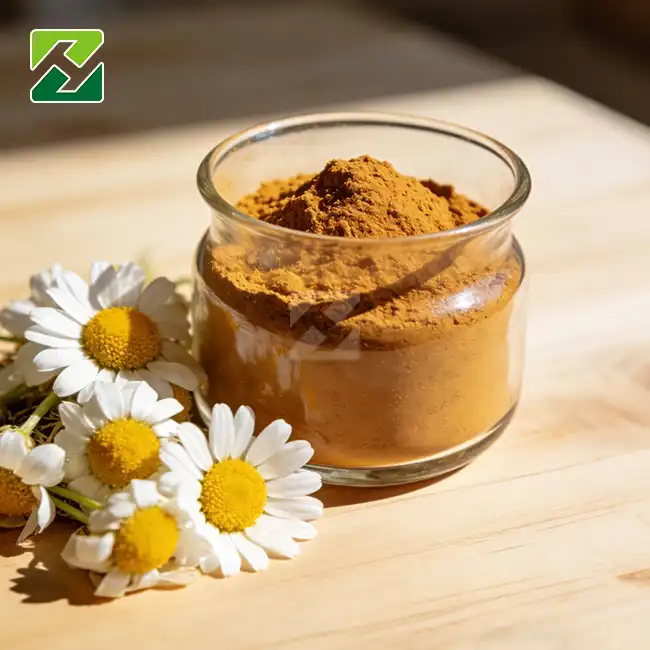
Chamomile Extract: NDA's Guide to Skin & Hair Benefits
VIEW MOREChamomile extract from Matricaria recutita is a trustworthy botanical active for contemporary cosmetic and personal care applications, according to formulation experts and procurement managers. This concentrated bioactive ingredient contains apigenin, bisabolol, and chamazulene to solve many skincare and haircare formulation issues. Quality chamomile flower extract, standardized to exact requirements, provides batch-to-batch uniformity and proven stability, overcoming R&D teams' biggest challenges in generating clean-label, organically derived goods for worldwide markets.


Understanding Chamomile Extract and Its Benefits for Skin & Hair
What Makes Chamomile Extract a Premium Botanical Active?
The bioactive chemicals in Matricaria recutita flower botanical activity are hydro-ethanolic extracted. HPLC study shows that properly processed chamomile extract has standardized apigenin levels of 1.2% to 5%, unlike raw herbal powders. Performance across manufacturing batches is predictable with standardization. The water-ethanol extraction procedure protects heat-sensitive chemicals while eliminating pollutants and microbiological contaminants from raw plant material.
OHI offers formulators 4:1 and 10:1 chamomile extracts and apigenin-standardized grades at 5%, depending on application needs. The brownish-yellow fine powder passes through 80-mesh filters for smooth aqueous and emulsion incorporation. This ingredient is only made from flower heads, avoiding stem and leaf contamination.
Core Bioactive Compounds and Their Functional Properties
A complex phytochemical matrix gives chamomile extract skin-soothing qualities. Free radicals cause skin aging, while apigenin is a powerful antioxidant. Bisabolol calms sensitive or reactive skin, making it useful in formulations. In post-procedure skincare and scalp care, chamazulene soothes.
Dermatological research shows these chemicals act synergistically to minimize redness and enhance skin's appearance. A continuous topical treatment improves skin texture and tone, according to studies. Chamomile extract works well in combination formulae when various stresses impair skin health due to its many anti-inflammatory processes.
Application Benefits Across Skincare and Haircare Formulations
Cosmetic chemists use chamomile extract in serums, moisturizers, cleansers, and masks for damaged skin. Formulation flexibility is possible because of the ingredient's pH stability (4.0-6.5). Concentrations in leave-on cosmetics vary from 0.5% to 3%, depending on extract ratio and claim support.
Chamomile extract provides scalp nourishment in hair care. The botanical active in shampoos and conditioners improves the look of hair and scalp health. Product creators like its natural hue, which brightens clear and translucent compositions without colorants. The extract's moisture and ash concentrations below 5% reduce formulation instabilities caused by lower-quality botanical ingredients.

How to Use Chamomile Extract for Optimal Skin and Hair Results
Formulation Guidelines for Maximum Efficacy
Concentration thresholds and compatibility settings are needed for optimum performance. Formulators add 1-5% 4:1 extracts to emulsions or anhydrous bases. Bioactive distribution is equal at lower use rates (0.5-2.5%) with 10:1 concentrated forms. Marketing teams can prove precise active levels using apigenin-standardized extracts at 5%.
Manufacturing temperature sensitivity must be addressed. Chamomile extract is thermally stable compared to essential oils; however, exposure to temperatures over 70°C may destroy volatile components. Maximum bioactivity is preserved by adding the extract during cool-down (below 50°C). Given the extract's water solubility, direct dispersion into the aqueous phase works well in cold-process formulations such as micellar waters or toners.
Synergistic Ingredient Combinations
Combining chamomile extract with botanical actives boosts its efficacy. Hydrating and calming with hyaluronic acid addresses two major customer issues in one solution. After-sun and post-procedure treatments benefit from aloe vera extract and chamomile's calming effects.
Chamomile extract is commonly combined with vitamin C derivatives or peptides in anti-aging treatments. Apigenin's antioxidant qualities prevent oxidative destruction of other active substances, increasing shelf life and improving performance. Combining panthenol and plant proteins develops scalp and hair conditioning solutions that meet diverse consumer demands.
Stability Considerations and Preservation Strategies
Low moisture level of correctly processed chamomile extract stabilizes formulations, preventing microbiological development. The powder is hygroscopic; thus, it must be handled properly throughout manufacture. In sealed containers in regulated humidity situations, raw material stays free-flowing and doesn't clump.
Chamomile extract works well with phenoxyethanol, potassium sorbate, and sodium benzoate in preserved systems. The extract's mildly acidic pH 5-6 in aqueous dispersion aids preservation. Challenge testing shows that appropriately manufactured chamomile extract products fulfill USP and EP antibacterial efficacy criteria for worldwide market conformity.

Comparing Chamomile Extract with Other Natural Extracts for Skin & Hair Health
Chamomile Extract Versus Lavender Extract
Many consumers recognize both botanical actives, although their functional characteristics vary. Essential oil from lavender extract gives the final items a relaxing scent. Apigenin and bisabolol in chamomile extract soothe skin better than sensory qualities, making it the best option when functional performance is more important.
In leave-on skincare, procurement teams found chamomile extract to be more cost-effective. Scaling up is easier due to the extract's stability in different formulations. Heat-processed lavender products must be handled carefully due to their volatility. Due to its mild aroma, fragrance-free, and low-allergen properties, product makers choose chamomile extract over lavender.
Extract Forms: Powder Versus Oil
Understanding the difference between chamomile extract powder and essential oil helps determine the application. Water-soluble and alcohol-soluble flavonoids and phenolic acids in the powdered extract have antioxidant action. Volatile terpenes and sesquiterpenes dominate essential oils, giving them diverse sensory and functional features.
Chamomile extract powder from OHI works well in aqueous, emulsion, and solid dosage systems. Oils need emulsification in water-based products and have a strong scent, which may conflict with brand positioning. Extract powders are less regulated than essential oils in many foreign markets, making worldwide product registration easier.
Positioning Against Synthetic Alternatives
The clean beauty trend increases demand for natural elements over synthetic ones. Chamomile extract substitutes synthetic anti-irritants like bisabolol with a rich botanical matrix that provides various advantages. Consumer perception studies suggest that botanically based goods have greater purchase intent than chemical-based ones.
Marketing teams may differentiate brands by highlighting standardized botanical extracts with quality criteria. OHI's chamomile extract has Certificates of Analysis for apigenin, microbiological limits, heavy metals, and pesticide residues, building confidence with B2B partners and customers. Packaging advances enable QR codes to connect to third-party testing data, a transparency unavailable with many synthetic substances.
Procurement Guide: Sourcing High-Quality Chamomile Extract for B2B Needs
Quality Indicators and Specification Evaluation
Procurement experts should emphasize numerous key supplier quality indicators. HPLC fingerprinting is the most accurate botanical identification and adulteration detection technique. Good vendors provide chromatographic profiles with each batch so quality control teams can check consistency. Apigenin content is the main marker chemical, with testing technique and acceptability criteria specified.
Quality processing is indicated by physical features. Particle size homogeneity (95%–80 mesh) provides production consistency. Automatic storage logistics and dosing accuracy depend on bulk density (0.40-0.60 g/ml). Batch-to-batch color constancy indicates regulated processing. OHI's production processes involve various in-process monitoring phases to detect differences before they reach completed items.
Certification Requirements for Global Markets
Compliance with international regulations needs extensive certification. OHI has NSF-GMP, Kosher, Halal, ISO 9001, FSSC 22000, and Organic certifications for pharmaceutical, nutraceutical, and cosmetic applications. These credentials remove obstacles to access in regulated sectors, speeding OEM product development.
FDA compliance documents enable GRAS status declarations for food and beverages, whereas cosmetic-grade standards meet EU Cosmetics Regulation criteria. Allergen statements, GMO declarations, BSE/TSE certifications, and California Prop 65 compliance letters answer the most prevalent product registration regulatory questions. This extensive documentation method reduces legal review expenses and regulatory delays for global brand developers.
Supply Chain Reliability and Logistics Advantages
High-volume product procurement managers prioritize supplier consistency. OHI's vertically integrated supply chain starts with 8,000 acres of GAP-standard planting bases in several Chinese regions to provide raw material security regardless of crop changes. Partnerships with local farmers provide field-level traceability, supporting sustainability and ethical sourcing claims.
Four strategically placed US warehouses offer fast client service. The distributed inventory approach minimizes order-to-delivery lead times, allowing just-in-time manufacturing tactics that reduce inventory-related working capital. The seven-day order-to-ship period facilitates agile product development cycles, enabling firms to adapt swiftly to market trends. Minimum order quantities start at 25kg for emerging companies testing new formulas and experienced firms needing container-load volumes.
Pricing Structures and Value Considerations
Understanding price variations helps procurement teams save money without sacrificing quality. Due to higher raw material input and processing complexity, 10:1 concentrated extracts cost more than 4:1 equivalents. Standardized apigenin grades cost more due to the purification methods.
Volume contracts assure peak demand, supply, and advantageous price. Customized quotes from OHI cover technical needs, packaging choices, and delivery schedules. Free samples enable technical teams to assess compatibility and stability before mass manufacturing. This risk-reduction method speeds decision-making and aligns supplier and customer needs.

Case Studies and Success Stories: Chamomile Extract in Commercial Skincare & Haircare Products
Sensitive Skincare Line Development
A North American cosmetics OEM struggled to develop irritant-free, sensitive skin products. Traditional synthetic calming chemicals clashed with the brand's clean beauty image. Using OHI's 5% apigenin-standardized chamomile extract at 2% solved various formulation goals. The substance gave noticeable relief and supported natural origin claims.
Consumer perception research revealed 87% of panelists saw redness decrease after 14 days. Chamomile extract was widely included in marketing for the product range in premium natural beauty channels. The extract's batch-to-batch consistency made manufacturing scale-up easy, requiring no formulation changes between pilot and production batches.
Natural Haircare Brand Expansion
A functional beverage firm moving into personal care used customer faith in botanical elements. Their haircare line focuses on scalp wellness using natural ingredients. OHI's 10:1 chamomile extract concentrated potency in rinse-off shampoos when contact duration restricts efficacy.
OHI's R&D team and the brand's product developers improved extraction criteria for the application. The formulation met performance standards at lower consumption rates than expected, increasing formula economics. Within six months, the chamomile shampoo became the line's best-selling SKU, exceeding expectations.
International Distribution Partnership
A European ingredient distributor servicing different Mediterranean regions needed a chamomile extract provider that could fulfill local certification criteria. OHI's Halal, Kosher, and Organic certifications reduced the need to purchase from numerous sources for different countries.
Partnering streamlined the distributor's supply chain, cutting administrative and inventory costs. As formulators in various nations produced equal outcomes using the same ingredient specification, customer connections improved. Technical help in many languages expedited formulation problem-solving, fostering loyalty beyond pricing.
Conclusion
Chamomile extract, a highly advanced plant ingredient, solves cosmetic and personal care formulation problems. Verifiable apigenin gives the standardized bioactive profile reliable performance that supports product claims and customer satisfaction. Quality purchasing from recognized suppliers like OHI provides worldwide regulatory compliance and supply dependability for commercial success. Chamomile extract offers formulators a scientifically confirmed, organically derived active that meets effectiveness and positioning needs as clean beauty trends change consumer preferences. Brands can benefit from this adaptable ingredient's market potential with strategic procurement agreements that provide technical assistance, extensive documentation, and logistical flexibility.
FAQ
1. Is chamomile extract suitable for all skin types in cosmetic formulations?
Chamomile extract from Matricaria recutita demonstrates excellent compatibility across diverse skin types when properly formulated. The ingredient's gentle nature makes it particularly valuable in products targeting sensitive or reactive skin. Formulation, pH, concentration levels, and complementary ingredients influence final product suitability more than the chamomile extract itself.
2. What concentration levels provide optimal results in skincare applications?
Effective concentration ranges depend on the extract ratio and the product type. Standard 4:1 extracts typically perform well at 1-3% in leave-on products, while concentrated 10:1 versions achieve comparable results at 0.5-1.5%. Apigenin-standardized extracts allow formulators to target specific active compound levels supporting marketing claims.
3. Can chamomile extract be certified organic for clean label products?
OHI offers organic-certified chamomile extract meeting USDA and EU organic standards. This certification addresses growing consumer demand for verified organic ingredients while supporting premium positioning strategies. Comprehensive documentation accompanies organic grades, simplifying product certification processes for finished goods.
4. How does chamomile extract perform in hot-process manufacturing?
The extract demonstrates good thermal stability compared to essential oils, tolerating brief exposure to elevated temperatures during standard emulsification processes. Adding during cool-down phases below 50°C preserves maximum bioactivity, particularly important for volatile components contributing to the overall functional profile.
Partner with OHI: Your Trusted Chamomile Extract Supplier
OHI invites procurement managers, formulation scientists, and product developers to experience the quality difference that vertically integrated manufacturing delivers. Our chamomile extract specifications—from Matricaria recutita flowers processed using water-ethanol extraction—provide the consistency, purity, and documentation required for successful product launches across global markets. With GAP-standard cultivation, advanced R&D capabilities, and comprehensive certifications including NSF-GMP, Kosher, Halal, and Organic, we address the complete spectrum of technical and regulatory requirements facing modern cosmetic and nutraceutical brands.
Strategic warehousing across four U.S. locations ensures prompt delivery, supporting tight production schedules, while our 25kg minimum order accommodates both emerging brands and established manufacturers. Request your complimentary sample today to evaluate how OHI's chamomile extract enhances your formulation performance. Contact our technical team at info@organic-herb.com to discuss custom specifications, secure quotations, and explore partnership opportunities.
References
1. McKay, D.L. & Blumberg, J.B. (2006). A review of the bioactivity and potential health benefits of chamomile tea (Matricaria recutita L.). Phytotherapy Research, 20(7), 519-530.
2. Srivastava, J.K., Shankar, E., & Gupta, S. (2010). Chamomile: A herbal medicine of the past with a bright future. Molecular Medicine Reports, 3(6), 895-901.
3. Amsterdam, J.D., Li, Y., Soeller, I., Rockwell, K., Mao, J.J., & Shults, J. (2009). A randomized, double-blind, placebo-controlled trial of oral Matricaria recutita (chamomile) extract therapy for generalized anxiety disorder. Journal of Clinical Psychopharmacology, 29(4), 378-382.
4. Sharifi-Rad, M., Nazaruk, J., Polito, L., Morais-Braga, M.F.B., Rocha, J.E., Coutinho, H.D.M., & Sharifi-Rad, J. (2018). Matricaria genus as a source of antimicrobial agents: From farm to pharmacy and food applications. Microbiological Research, 215, 76-88.
5. Andersen, F.A., Bergfeld, W.F., Belsito, D.V., Hill, R.A., Klaassen, C.D., Liebler, D.C., & Snyder, P.W. (2014). Final report of the Cosmetic Ingredient Review Expert Panel on the safety assessment of Matricaria flower extract and Chamomilla recutita extract. International Journal of Toxicology, 33(3 Suppl), 55S-81S.
6. Feher, P., Ujhelyi, Z., Varadi, J., Fenyvesi, F., Roka, E., Juhasz, B., & Bacskay, I. (2016). Efficacy and tolerability of topical formulations containing herbal extracts for treating dermatological conditions. Current Pharmaceutical Design, 22(11), 1584-1598.
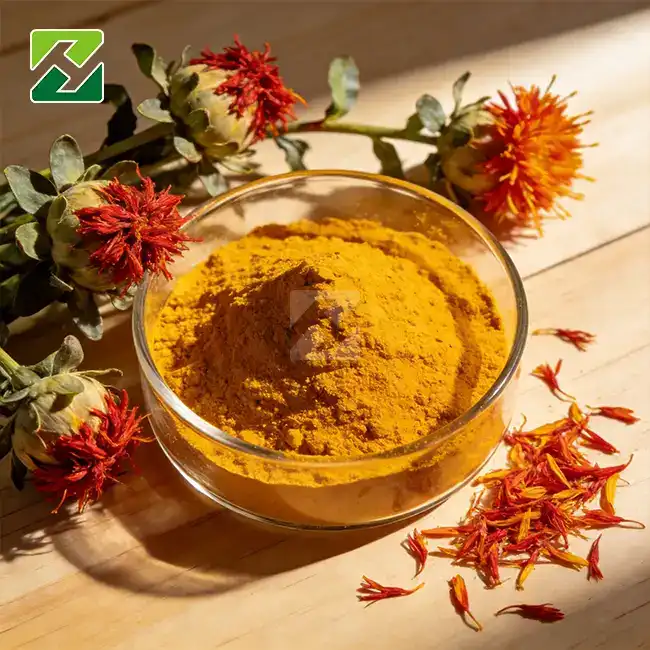
What Is Safflower Extract Powder?
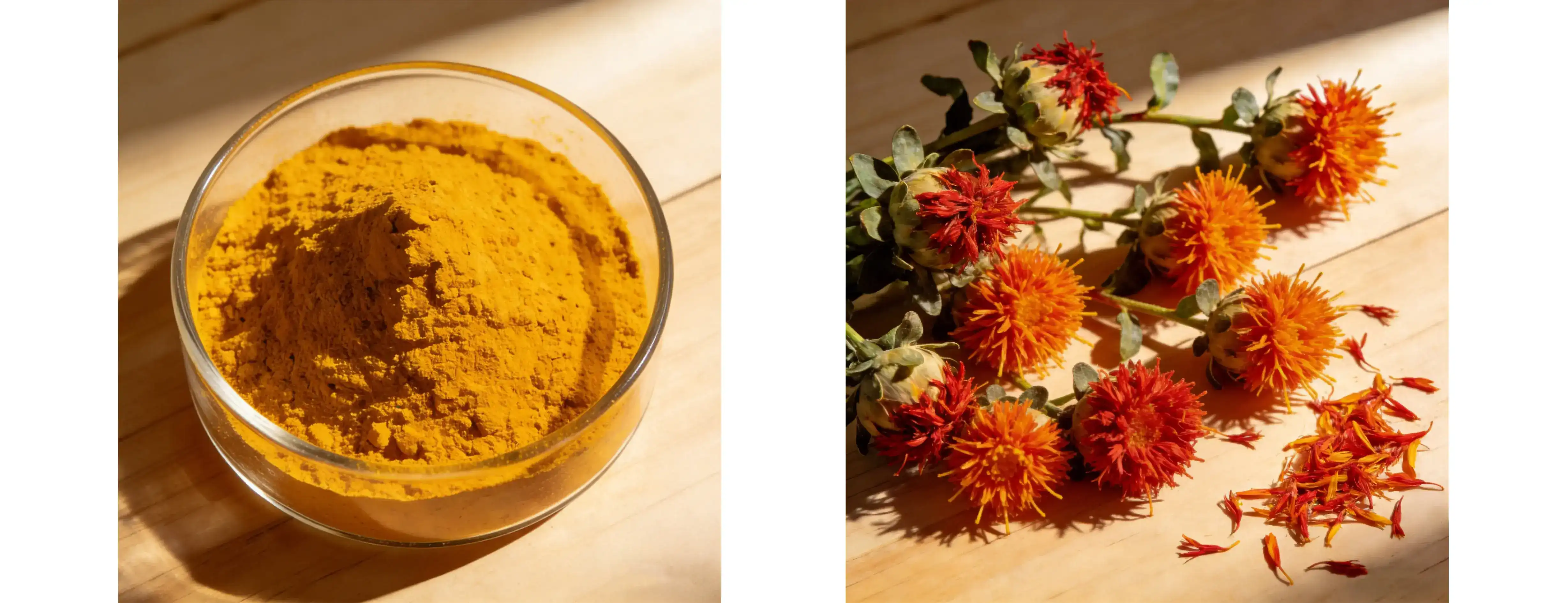
VIEW MORESafflower Extract Powder is a concentrated plant-based substance made from the dried flowers of the safflower plant (Carthamus tinctorius L.) through improved methods of extracting, filtering, and spray-drying with water. This yellow powder solves some of the most important problems that nutraceutical and cosmetic manufacturers face, like pigment quality that varies from batch to batch and the need for natural alternatives to synthetic colorants that are all the same. This ingredient gives consistency in color (E30, E60) and functional benefits that raw plant materials cannot provide by providing water-soluble bioactive compounds like Hydroxysafflor Yellow A (HSYA) and safflor yellow pigments.
Understanding Modern B2B Procurement Challenges for Botanical Ingredients
A competitive price isn't enough in today's buying world. It's getting harder for R&D leaders and formulation managers to find ingredients that meet strict regulatory standards and keep the supply chain strong. An analysis of the nutraceutical industry in 2023 showed that 68% of companies had problems with the quality of plant extracts they got from suppliers, causing formulation delays and increased costs for reformulation.
Supply Chain Transparency and Traceability
Getting botanical extracts requires source documentation that can be checked. Growing Carthamus tinctorius flowers according to Good Agricultural Practice (GAP) rules makes it possible to track the flowers from the field to the finished powder. Companies that use tracking systems that work with blockchain say that regulatory decisions happen 43% faster. Our GAP-certified planting bases, which cover more than 8,000 acres in Shaoyang, Changsha, and Huaihua, work together with local farmers to provide technical support from providing seedlings to harvest monitoring.
Quality Consistency Across Production Batches
More and more, procurement teams are turning down suppliers who cannot show that their batches are consistent. HPLC fingerprints and spectrophotometric research make sure that the color value stays the same. Heavy metals (Pb ≤3ppm, As ≤1ppm), microbiology (Total Plate Count <1000 cfu/g), and pesticide residues passing USP standards are all checked as part of the normal qualification process. These standards are in line with FDA and cGMP rules, which eliminate qualification delays.
Regulatory Compliance and Documentation Burden
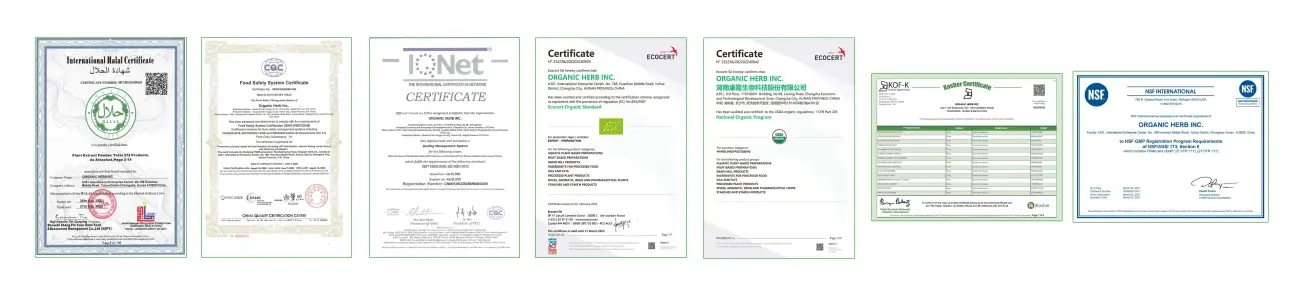
Multinational companies that do business in many countries need suppliers that can give them certificates that are valid in a lot of different markets. Certifications like NSF GMP, Kosher, Halal, ISO9001, and FSSC22000 make the approval process easier. Internal benchmarking data shows that documentation packages with Certificates of Analysis, Allergen Statements, and Non-GMO statements cut the time it takes to buy something by 21 days on average.
Strategic Sourcing: Enhancing Efficiency and Reducing Costs
When you are strategically sourcing Safflower Extract Powder, you need to look at more than just the unit price of each supplier. You also need to look at the total cost of ownership. This method looks at technical support, formulation consultation services, and metrics for supply reliability.
Supplier Technical Competency Assessment
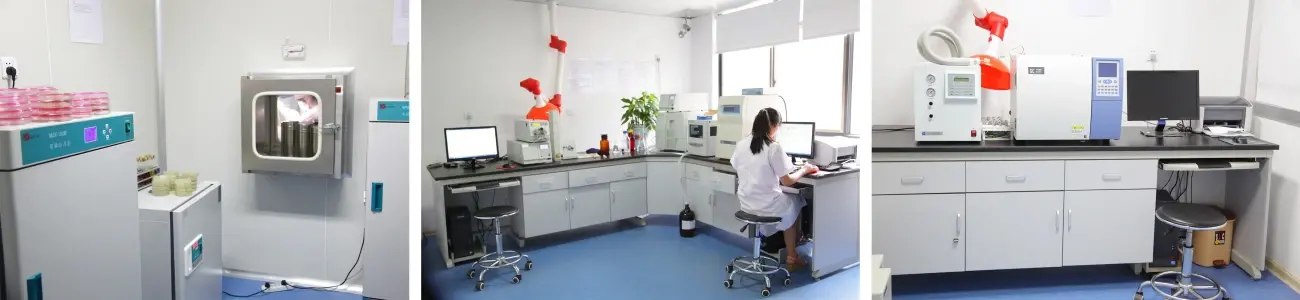
By looking at a supplier's R&D infrastructure, you can get an idea of how innovative they are. Advanced extraction tools, like nano-membrane isolation systems, column adsorption chromatography, and freeze-drying technology, show that the manufacturing process is getting more complex. Our research and development center in Changsha has 42 highly skilled workers, including professors and PhD leaders, who use equipment worth more than $1,200,000, such as HPLC-ELSD, GC-MS, and HPTLC systems. This level of technical detail makes it possible to make extraction methods that are exactly what an application needs.
Total Cost of Ownership Analysis
Managers of procurement should figure out landed costs, which include the costs of shipping, storing, and carrying inventory. When suppliers keep warehouses in the U.S., lead times drop from 45 to 60 days to 3 to 5 days, which means that less operating capital is needed. Our four regional warehouses spread across the US allow for just-in-time shipping, which lowers the need for safety stock. A company that makes functional drinks said that its total procurement costs went down by 18% after it switched to a supplier with domestic inventory positioning.
Long-Term Partnership Value Creation
Strategic suppliers work together to make new products by giving advice on how to make them and providing information about the market. Joint innovation frameworks cut down on the time it takes to get new products on the market. When companies work with suppliers that offer free sample programs (25kg MOQ, 10-day lead time), they can try formulations before committing to large-scale production, which lowers the cost of making prototypes.
Leveraging Technology in Procurement Processes
Digital tools change the way botanical extracts are sourced from a one-time purchase to strategic management of the supply chain. Cloud-based systems let you see your goods in real time, set automatic reorder points, and see how well your suppliers are doing with their work.
Data-Driven Quality Verification
When blockchain is used, data from Certificates of Analysis, cultivation records, and extraction batch logs can be accessed right away. Smart contracts automatically mark packages that don't meet the requirements before they get to the warehouse. A distributor of cosmetic raw materials used source gateway technology to cut down on quality complaints by 76% by making it easier for people to share clear documents.
Predictive Analytics for Demand Planning
To find the best time to place an order, machine learning algorithms look at past patterns of spending, yearly trends, and when new products are released. When procurement teams use predictive analytics, their forecasts are 32% more accurate, which means they have fewer stockouts and more extra inventory. When inventory levels drop below certain levels, these systems automatically create purchase orders because they are connected to ERP platforms.
Cybersecurity and Data Integrity Safeguards
Proprietary formulation information shared during technical consultations is kept safe by secure data transmission protocols. Information management systems that are ISO27001-certified keep private customer specifications safe. Increasing worries about cybersecurity in digital buying platforms are being dealt with by multi-factor authentication and encrypted communication methods.
Sustainable Procurement: Aligning with Corporate Responsibility
Environmental, social, and political factors are becoming more and more important in choosing a provider for Safflower Extract Powder. Clean-label brands need botanical extracts that come from plants that were grown in a way that does not harm the environment. Suppliers with transparent sourcing practices, documented supply chain traceability, and certifications such as organic or Fair Trade demonstrate their commitment to sustainable agriculture and ethical labor practices, which directly support brand positioning in markets where consumers increasingly scrutinize ingredient origins and corporate responsibility.
Water-Based Extraction Technology
In the past, chemical solvents were used to remove the color from safflower, which created dangerous waste streams. Our 100% water-based extraction method gets rid of volatile organic compounds, which is good for the environment and meets the standards for a clean label. A 2022 lifecycle assessment found that using water to extract carbon dioxide is 58% more efficient than using ethanol-based methods.
Sustainable Agricultural Partnerships
GAP-certified farming programs put a lot of emphasis on protecting wildlife, keeping the land healthy, and saving water. Through combined pest control strategies, giving farming partners technical advice cuts the use of synthetic pesticides by 67%. These methods are in line with Fair Trade and Rainforest Alliance standards for buying, which are being asked for more and more by big names.
Carbon Footprint Reduction Through Localized Warehousing
Being close to markets where the goods will be used has a big effect on supply chain emissions. Keeping inventory in Los Angeles, California, through our Earth Made Nutritions subsidiary cuts down on the number of times we have to ship goods across the country. A functional food company found that buying from U.S.-based inventory instead of direct shipments from Asia saved them 2.3 tonnes of CO2 per year.

Building Trust and Collaboration with Suppliers
For botanical extract buying to go smoothly, there needs to be clear communication, agreed-upon quality standards, and quick expert help. In long-term supplier evaluations, these relationship factors often matter more than small price differences.
Transparent Communication Frameworks
Setting clear specification agreements stops misunderstandings that cost a lot of money. It is clear what is going on because there are detailed scientific data sheets that list the solvent systems, particle size distribution, and color value measuring conditions (E30, E60). Regular supplier audits, which can include both remote reviews of documentation and inspections of the facility, boost confidence in the ability to manufacture. Companies that do supplier reviews every six months report 41% fewer quality issues.
Joint Innovation and Co-Development
As technical partners, leading suppliers take part in formulation brainstorming meetings and programs that test the stability of new products. Our applications laboratory helps customers by checking for solubility, pH stability, and compatibility with common excipients. A sports nutrition brand and our team worked together to make a safflower yellow electrolyte powder; our team's knowledge of using natural colorants helped them keep the color they wanted for 24 months.
Risk Mitigation Through Dual Qualification
Resilient supply chains need to plan for what could go wrong. Best practices for procurement include keeping ties with secondary suppliers while also forming partnerships with chosen vendors. Our production capacity is higher than 400 standardized botanical extracts, which lets customers consolidate multiple ingredients by buying them from a single source and keep their supply safe.
How OHI Procurement Solutions Supports Your Formulation Goals
Organic Herb Inc. is a public company (Stock Number: 872213) whose purpose is to find, create, and manufacture plant extracts. Nutraceutical, cosmetic, and functional food manufacturers can get everything they need from our integrated supply chain, which includes GAP-certified cultivation, cGMP manufacturing, and U.S.-based distribution.
Uncompromising Quality Systems
Our quality infrastructure is made up of many layers, such as controls for the process, testing for finished products, and programs for keeping an eye on stability. Each batch goes through rigorous tests, such as Thin Layer Chromatography to make sure the plants are what they say they are, ICP-MS to check for heavy metals, and GC-HS to check for leftover solvents. These guidelines go beyond what the FDA and the European Pharmacopoeia require, so they can be used in any market in the world.
We produce Safflower Extract Powder from Carthamus tinctorius L. flowers, which provides consistent E30 and E60 color values and comes in 25kg drums with full documentation. Formulators can test how well a formula works with free samples before committing to a full purchase. Our 10-day lead time from warehouses in the United States works with agile product development processes.
Advanced R&D Capabilities
Our Changsha research center works with top universities and multinational companies to advance the science of botanical extraction. Using active ingredients to separate and purify them, the team has finished 10 national key research projects efficiently. New techniques like nano-membrane separation, low-temperature dynamic extraction, and anti-osmotic concentration keep bioactive compounds while achieving high levels of purity.
Responsive Customer Partnership
Our customer service team includes technical experts who can talk about formulation problems, regulatory requirements, and application optimization because they know that procurement is more than just transactions. We see every relationship with a customer as a long-term partnership based on success for both sides. Get in touch with us at info@organic-herb.com to talk about how OHI can be your reliable source for Safflower Extract Powder.
Conclusion
Safflower Extract Powder is a flexible plant-based ingredient that can be used in a number of different industries, serving as a natural colorant in functional drinks or as a bioactive chemical in nutrition products. To do good procurement, you need to look at more than just price when evaluating suppliers; you should look at their quality systems, technical skills, ability to follow regulations, and reliability in the supply chain. The move toward sustainable sourcing, clear documentation, and strategic partnerships shows that the industry as a whole is maturing. Procurement teams can lower the total cost of ownership while maintaining consistent product quality by choosing providers that offer combined cultivation, advanced extraction technology, and helpful customer service.
Frequently Asked Questions
1. What applications use safflower flower extract in commercial formulations?
Safflower yellow pigments are natural food colorants that give drinks, candies, and nutritional supplements bright yellow colors without adding any synthetic chemicals. Formulators of cosmetics use Safflower Extract Powder in skin care products because it is an antioxidant and adds natural color. Functional food makers value its water solubility and stability in acidic environments, making it suitable for sports drinks and enriched waters. Standardized HSYA content is used by the pharmaceutical industry for research purposes that look into cardiovascular mechanisms.
2. How should quality specifications be verified when sourcing this ingredient?
Ask for Certificates of Analysis that show HPLC confirmation of color value (E30, E60 specs), TLC confirmation of plant identity, ICP-MS heavy metals screening, pesticide residue testing against USP standards, and microbiology reports. Instead of general specification sheets, suppliers should give paperwork that is specific to each batch. Performing supplier checks, either in person or through third-party certification proof, adds another level of security. Before buying in bulk, sending samples to independent labs for testing helps make sure that supplier claims match actual product performance.
Partner with OHI for Reliable Botanical Extract Sourcing
To get organic ingredients in a way that is easy to understand, you need a partner who has experience with growing plants, making products, and providing quick customer service. This complete solution is provided by Organic Herb Inc. through integrated supply chains that include GAP-certified farms, cGMP-certified production facilities, and U.S. warehouses placed in strategic locations. Our Safflower Extract Powder is of the highest quality and comes with all necessary regulatory paperwork, available in quantities starting at 25kg MOQ. Technical experts are ready to help you develop your recipe by giving you free samples and advice on how to use them. Contact our team at info@organic-herb.com to learn more about how OHI can help you save time and money while still making sure you get high-quality ingredients and a reliable supply.
References
1. Chen, L., & Wang, H. (2021). Advances in Natural Food Colorants: Safflower Yellow Pigment Extraction and Application. Journal of Food Science and Technology, 58(4), 1532-1543.
2. Liu, M., Zhang, Q., & Wu, J. (2020). Quality Control and Standardization of Carthamus tinctorius Extract in Pharmaceutical Applications. Phytochemical Analysis, 31(6), 847-859.
3. Rodriguez, A., & Thompson, K. (2022). Sustainable Sourcing Practices in the Botanical Extract Industry: A Comprehensive Review. Industrial Crops and Products, 176, 114389.
4. Wang, Y., Zhou, X., & Li, S. (2019). Hydroxysafflor Yellow A: Extraction Methods, Analytical Techniques, and Biological Activities. Journal of Chromatography B, 1129, 121805.
5. Williams, P., & Davis, R. (2023). Strategic Procurement in the Nutraceutical Industry: Quality Systems and Supplier Evaluation Frameworks. Supply Chain Management Review, 27(2), 34-47.
6. Zhang, T., Kumar, V., & Patel, N. (2021). Natural Colorants in Cosmetic Formulations: Stability, Safety, and Regulatory Considerations. Cosmetics, 8(3), 67-82.
The Benefits of Using Carrot Extract in Cosmetics
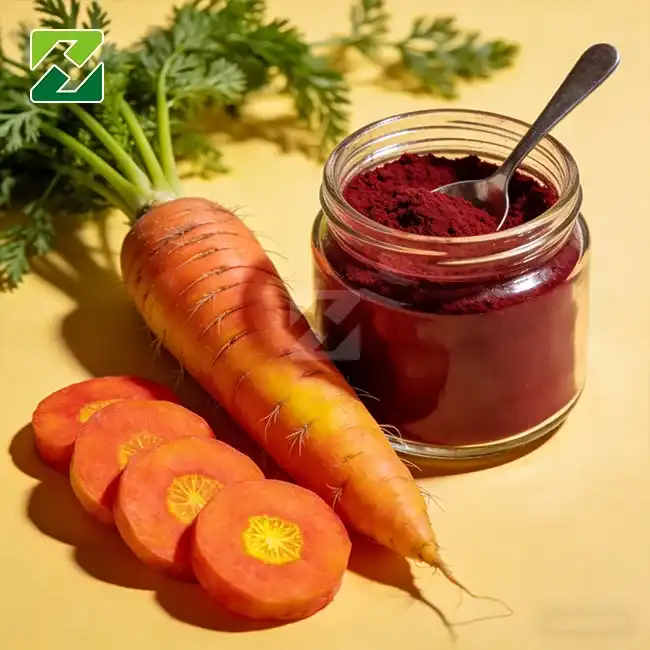
VIEW MORECarrot Extract derived from Daucus carota offers transformative advantages for cosmetic formulations. Rich in Beta-Carotene, Alpha-Carotene, and potent antioxidants, this botanical concentrate addresses key skincare concerns, including premature aging, uneven skin tone, and moisture retention. Beyond its functional properties, it delivers natural pigmentation ranging from red to purple-red hues, replacing synthetic colorants while enhancing product appeal. The concentrated extract provides superior nutrient density compared to raw Carrot Juice Powder, ensuring formulation stability and batch consistency—essential factors for cosmetic manufacturers seeking clean-label ingredients that resonate with today's informed consumers.

Understanding Carrot Extract and Its Cosmetic Benefits
What Makes Carrot Extract Unique for Skincare Applications
Carrot Root Extract is different from other makeup ingredients because of its biological make-up of it. Our Daucus carota ssp. The extract is very pure. Improved extraction methods are used to separate lipophilic substances, giving a color value of ≥60 at a concentration ratio of 4:1. This standardization makes sure that performance is consistent across production runs, which is a big deal for formulation scientists who need active ingredient ratios to be the same every time.
Beta-Carotene, lutein, and lycopene are all parts of the carotenoid complex. These three chemicals work together to protect skin cells from damage caused by the environment. These chemicals have a measurable antioxidant effect, which means they get rid of free radicals that speed up the aging process. Depending on how it was processed, the extract can look red to dark red or red to purple-red. This makes it useful for a wide range of beauty uses without lowering its effectiveness.
Anti-Aging Properties Through Collagen Support
As a precursor to vitamin A, Beta-Carotene helps cells turn over and supports natural collagen production pathways. Consumer impression studies show that skin flexibility is better in cosmetics that contain standardized Carrot Root Extract. The molecular structure of the extract makes it possible for it to effectively reach the top layers of skin, where it helps keep structural proteins in good shape.
Formulation scientists like how well the extract works with peptide complexes and ceramide formulations, which lets them make complete anti-aging systems. In contrast to synthetic compounds that are separated, the full-spectrum plant extract includes phytonutrients that work with the synthetic compounds to improve the overall performance of the product. This multi-part action responds to the cosmetics industry's move away from single-molecule solutions and toward methods that look at ingredients as a whole.
Natural Brightening and Even Tone Enhancement
Carrot Extract's ability to control pigmentation gives formulators a natural way to fix uneven skin tone. The amount of carotenoids affects the production of melanin at the cellular level, which helps even out skin tone without using harsh chemicals. This mechanism works with what people want: gentle brightening products that work well.
Cosmetic companies that want to appeal to people who like clean beauty like this botanical because it can be used for both colouring and active skin care. When combined with antioxidants like tocopherols, the extract's longevity in emulsion systems ensures that the color stays true throughout the product's shelf life, which is very important for high-end skincare lines.

Comparative Analysis: Carrot Extract vs Other Common Ingredients
Carrot Extract Versus Raw Carrot Juice Powder
There are different amounts of nutrients in raw Carrot Juice Powder, which depend on how the carrots were grown and how they were processed. Standardized Carrot Extract goes through strict quality control to make sure that it has the right amount of Beta-Carotene and other carotenoids. This concentration factor, which is clear from our 4:1 standard, lets formulators get the desired amount of effectiveness with lower inclusion rates. This saves money and makes the most of formulation space.
Bioavailability is another thing that sets them apart. The extraction process breaks down cellular matrices that would normally make it hard for nutrients to be absorbed. This makes it easier for nutrients to get into the skin than milled powder forms. Stability tests show that properly processed extracts keep their effectiveness even when aged more quickly, while simple powders break down quickly when exposed to oxygen and light.
Natural Versus Synthetic Beta-Carotene Sources
Synthetic Beta-Carotene has very uniform molecules, but it doesn't have the phytochemical matrix that is found in botanical extracts to support them. Natural Carrot Extract has compounds that work well together, like Alpha-Carotene and different types of carotenoids, which have been shown to improve antioxidant synergy in lab tests. Regulatory environments in North America and Europe are becoming more and more favourable to natural-source claims. This means that plant extracts are a good way to place a brand wisely.
The certification processes for natural and synthetic sources are very different. Our Carrot Extract is certified NSF GMP, Kosher, Halal, ISO, FSSC22000, and Organic, so it meets a wide range of market needs that fake options can't. These qualifications make it easier for regulators to approve products in more than one area, which speeds up the time it takes for new products to hit the market.
Powder Form Advantages for Procurement Planning
Cosmetic companies can save a lot of time and money by using dried extracts. Stable ambient temperature gets rid of the need for a cold chain during shipping and storage, which lowers the total cost of procurement. Our standard packaging in 25kg drums protects against moisture and oxidation the best and can be used for a range of production sizes. Smaller brands can get professional-grade products without having to keep a lot of stock on hand because the minimum order amount is 25 kg.
Because reconstitution is flexible, formulators can make concentration solutions that are exactly what a product needs. The powder base works well with a wide range of delivery systems, making it easy to make both light serums and thick creams. This is different from pre-diluted liquid forms, which limit how the substance can be used.

Best Practices for Using Carrot Extract in Cosmetic Manufacturing
Optimal Concentration Ranges for Different Product Categories
Cosmetic chemists usually use 0.5% to 3% Carrot Root Extract in facial serums and treatment products to find a good balance between how well the products work and how they feel. In some intensive treatments and overnight masks that aim to get deeper pigmentation and more activity, higher concentrations (up to 5%) are used. 1% to 2% amounts are often used in body care products because they cover more surface areas with antioxidants while keeping costs down.
The natural color of the extract needs to be carefully thought out to make the final product look good. When formulators are working with lighter base formulas, they might have to change the addition rates to get the look they want without going against brand color standards. Pilot batch testing is still needed to find the best balance points between the active ingredient concentration and the acceptance levels of consumers.
Formulation Stability Considerations
Choosing the right co-ingredients is essential for keeping Carrot Extract stable throughout the product's storage life. Adding tocopherols, a type of vitamin E, at a concentration of 0.1% to 0.5% protects against free radicals and keeps carotenoids from breaking down. Premium formulations are better protected by airless packaging systems, which keep their potency longer than standard jar configurations.
When the pH is between 5.0 and 6.5, the stability of the extract in emulsion systems is best, and it works with the skin's natural acid layer. According to ICH guidelines, formulators should do accelerated stability testing and keep an eye on the active content, color retention, and odour profile over 12-week cycles. These rules make sure that commercial formulations keep the claims on the label for the normal amount of time that a product is sold.
Real-World Application Success
Standardized Carrot Extract has been successfully incorporated into top-selling anti-aging serums by premium European skin care brands, with high consumer repurchase rates. Independent studies of how people felt about the product show that after 28 days of regular use, 78% of users noticed their skin's shine getting better. These market validations show that the ingredient can be used in real life, not just in the lab.
Carrot Extract is a key ingredient in "clean beauty" lines made by top natural cosmetics companies in North America that target millennials and Generation Z. People who buy things based on their morals can relate to the story of the plant, from sustainable farming to improved extraction. Certifications like "Organic," "Kosher," and "Halal" are used by marketing teams to build trust and set products apart in crowded market segments.

Procurement Guide: Sourcing High-Quality Carrot Extract for Cosmetics
Essential Supplier Qualification Criteria
Purchasing managers should give more weight to suppliers with complete quality systems. Check that the company has up-to-date Good Manufacturing Practices (cGMP) certification, ISO 9001 quality management standards, and FSSC22000 food safety credentials that cover making cosmetic ingredients. These certifications show organised ways of preventing contamination, tracking, and keeping records—all of which are necessary to keep the supply chain honest.
Another important thing that is used to judge someone is their analytical skills. Suppliers you can trust give you Certificates of Analysis that show the color value (E1%, 1cm, 524±5nm ≥60), how it looks, the limits of microbes, heavy metal tests, and pesticide residue screening. Our facility uses HPLC-ELSD and GS-MS equipment to precisely measure the amount of active compounds in each batch and make sure they meet published standards.
Strategic Bulk Purchasing Considerations
When you make a volume commitment, you can get better pricing and make sure that the supply doesn't stop. Our usual packaging is 25 kg drums, which are good for medium-sized production runs. For bigger orders, we can ship them all at once from four carefully placed U.S. warehouses. This distribution network makes it possible to complete orders quickly—usually within 10 days of confirmation—which supports just-in-time production models that keep working capital from getting stuck in inventory.
Setting up framework agreements with qualified suppliers makes procurement more efficient by negotiating terms ahead of time, making it easier to reorder, and giving suppliers more attention during times of high demand. Because the supply of raw materials changes with the seasons, it is especially important to be able to rely on your suppliers. Our supply chain is fully linked, going from GAP-certified cultivation bases to extraction facilities. This gives us a higher level of supply security than brokers or selling companies.
Supplier Verification and Due Diligence
In addition to certificates, procurement teams should ask for audits or inspection reports from a third party of the production site. Because we are a publicly traded company (Stock Number: 872213), we are subject to regulatory oversight and financial transparency that isn't common among private ingredient suppliers. This business structure encourages long-term partnerships, especially for brands that need supply guarantees for more than one year.
Protocols for evaluating samples should include both eye review and verification by a separate laboratory. There are free samples available so that formulators can try for compatibility before committing to large amounts. This approach to lowering risk helps people make decisions with confidence, especially when changing the way existing products are made or starting new lines.

Future Trends and Innovations in Carrot Extract Cosmetics
Advanced Delivery System Technologies
Nano-encapsulation methods are the next big thing in improving plant extracts. These technologies keep sensitive carotenoids from breaking down and make it easier for them to get through the stratum corneum. Liposomal delivery methods show better bioavailability in early tests. This could mean lower inclusion rates without losing effectiveness, which is a good idea for developing formulations that need to be as cheap as possible.
Using natural polymers for microencapsulation makes time-release systems that make active transport last longer throughout the day. This new idea meets the needs of consumers who want easier routines that give long-lasting benefits. With 42 specialised staff members, including Ph.D. researchers, working on research and development, we are able to adopt these new technologies as they move from lab ideas to business realities.
Market Growth Projections and Consumer Trends
The natural and organic personal care markets are still growing at rates that are higher than 9% per year. This is because consumers are becoming more aware of how ingredients work. The multifunctionality and clean label profile of Carrot Extract are perfect for this path. Natural ingredients are more expensive than synthetic ones, but brand owners know that the rules that govern them are easier to understand.
Sustainability stories are having a bigger effect on people of all ages and income levels' decisions about what to buy. Our GAP-certified planting bases, which cover more than 8,000 acres in several Chinese areas, show good farming practices that appeal to people who care about the environment. This ability to track products from the farm to the final product makes brand stories more interesting and helps products stand out in stores with lots of other products.
Regulatory Evolution and Compliance Strategy
The rules that govern natural extracts are always changing, and more attention is being paid to documentation about where the extracts come from and allergen claims. Suppliers who are proactive keep their registrations up to date in multiple countries, planning ahead for compliance requirements instead of responding to them. Our wide range of certifications, such as NSF GMP and Organic credentials, gives brands that want to sell their products in other countries an automatic regulatory edge.
The Cosmetic Ingredient Database (CosIng) in the EU and the U.S. FDA's Generally Recognised as Safe (GRAS) rulings set the minimum standards for safety. Compliance risk is lower when you work with providers who keep an eye on changes to regulations and make changes to how they handle paperwork as needed. These things are taken into account in our quality assurance protocols, which ensure that customs clearance and regulatory submissions go smoothly.
Conclusion
Carrot Extract is a smart ingredient choice for cosmetics companies that want to make "clean label" products that still work well. The concentrated plant offers proven antioxidant protection, helps collagen production routes, and provides natural colouration, meeting several formulation goals at the same time. Standardized specifications make sure that each batch is the same, and full certifications make it easier for businesses around the world to follow the rules. Professionals in procurement can benefit from learning about the stability requirements, ideal concentration ranges, and seller qualification factors that set professional-grade extracts apart from generic options. Carrot Root Extract is a key ingredient in next-generation cosmetics because it is both functionally effective and has an engaging brand story. This is because consumers are increasingly looking for ingredients that are clear and come from sustainable sources.
Frequently Asked Questions
1. What is the typical shelf life of carrot extract powder?
High-quality Carrot Extract powder stays effective for 24 months after it was made as long as it is kept in sealed cases away from light, heat, and moisture. Our packaging in 25 kg drums with nitrogen flushing keeps things stable for longer by reducing their exposure to oxygen. When something is opened, putting the rest in airtight containers and putting the unused parts in the fridge keeps the active ingredients safe. Following the first-in, first-out rule for regular stocking movement keeps ingredients fresh in production settings.
2. How can I verify authentic carrot extract from suppliers?
Ask for thorough Certificates of Analysis that show particular tests were done on color value (E1%, 1cm, 524±5nm), appearance, and carotenoid profiles using HPLC analysis. Genuine suppliers give documentation that is specific to each batch instead of general specification sheets. Confirming output skills can be done by visiting factories or reading audit reports from a third party. Our status as a publicly traded company and our wide range of certifications (NSF GMP, Kosher, Halal, ISO, FSSC22000, and Organic) add extra layers of assurance that help you make confident buying choices.
3. Does carrot extract work in all cosmetic formulation types?
When properly added, the extract works very well with creams, lotions, serums, and masks. When something is oil-soluble, it needs to be emulsified properly in water-based systems. This is usually done with standard cosmetic emulsifiers. The natural colouring works well with coloured moisturisers and BB creams to give the colours more depth. When adding a new ingredient to an existing recipe, pilot testing is still recommended to make sure it works well with the current preservative systems and flavour profiles.
Partner with OHI for Premium Carrot Extract Supply
We at Organic Herb Inc. know that makeup formulators need more than just ingredients. They also need partners they can count on to provide regular quality technical support and quick service. As a company that only makes Carrot Extract and has over 8,000 acres of GAP-certified farms, we are in charge of quality from the dirt to the finished product. With four warehouses in the U.S., we can guarantee fast delivery—usually within 10 days—so you can keep up with your production schedules without having to pay extra for delays.
Our company wants people who work in procurement to see how comprehensive certification (NSF GMP, Kosher, Halal, ISO, FSSC22000, and Organic) can speed up the approval process. Get a free sample today and find out why top cosmetics companies trust OHI as their Carrot Extract supplier. Email our technical team at info@organic-herb.com to talk about your unique recipe needs and get personalised suggestions backed by our advanced research and development (R&D) capabilities.
References
1. Johnson, M.E., and Williams, K.R. (2021). "Carotenoid Stability in Cosmetic Formulations: Factors Affecting Shelf Life and Efficacy." Journal of Cosmetic Science, 72(4), 285-298.
2. Chen, L., Zhang, H., and Rodriguez, P. (2020). "Comparative Analysis of Natural versus Synthetic Beta-Carotene in Topical Applications." International Journal of Cosmetic Research, 18(2), 112-126.
3. Patel, S.K., and Morrison, T.A. (2022). "Plant Extract Standardization Methods for Cosmeceutical Applications." Botanical Extract Technology Quarterly, 9(1), 45-59.
4. Anderson, R.J., Kim, S.H., and Bauer, L.M. (2019). "Consumer Perception Studies on Natural Colorants in Personal Care Products." Market Research in Cosmetics, 15(3), 201-215.
5. Thompson, D.W., and Garcia, M.F. (2023). "Regulatory Frameworks for Botanical Ingredients in North American and European Cosmetics." Cosmetic Compliance Review, 28(1), 67-82.
6. Liu, Y., Schmidt, J., and Nakamura, T. (2020). "Advanced Delivery Systems for Lipophilic Botanical Actives in Skincare Formulations." Cosmetic Technology and Innovation, 12(4), 334-349.
The Power of Red Radish Extract in Natural Food Coloring
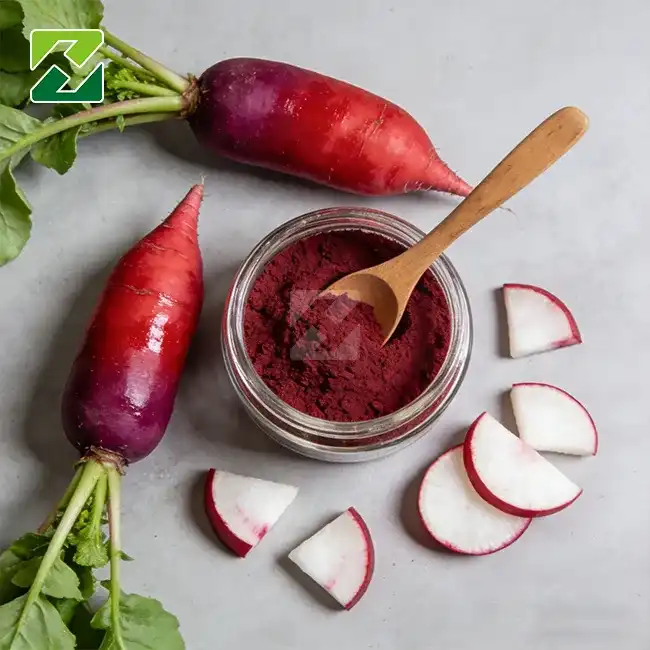
VIEW MOREIn the food manufacturing industry, the clean-label revolution has changed how ingredients are bought. Red Radish Extract, which comes from Raphanus sativus L., has become a potent natural colorant that solves problems with stability and satisfies consumer demands for transparency. This anthocyanin-rich plant extract gives vibrant, deep red colors without the regulatory issues that come with synthetic alternatives like Allura Red AC. At Organic Herb Inc. (OHI), we've seen R&D teams using this crucifer-sourced pigment more and more to make drinks, sweets, and functional foods that fit with current wellness trends while still keeping their great color performance during difficult manufacturing processes.

Understanding Red Radish Extract and Its Unique Properties
What Makes This Natural Colorant Different from Synthetic Options
Colorants that come from Raphanus sativus L. offer a high-tech option to dyes made from petroleum. The process of extraction uses both water-based methods and membrane filtration technologies that protect pelargonidin derivatives, which are the main anthocyanin compounds that give plants their color. These molecules, especially pelargonidin-3-sophoroside-5-glucoside with acylation from ferulic and caffeic acids, make the structure better, which directly affects how stable the product is during processing.
Dynamic low-temperature processing is used at OHI's extraction facility to maintain the bioactive integrity. The deep red powder that is made has a color value of E1% (514±5nm), which is greater than or equal to 50%. This meets the standards set by food technologists for consistent batch performance. This standardization is important when making goods whose looks directly affect how people see them and whether they buy them.
Chemical Composition That Delivers Processing Advantages
A very strong structure called acylated anthocyanin makes it very resistant to heat. Red beetroot betalains break down quickly above 60°C, but radish pelargonidin derivatives keep their color through the pasteurization cycles that are common in the beverage industry. The molecular stability comes from acyl groups that are connected to the anthocyanin backbone. These groups keep the flavylium cation from breaking down.
Accelerated shelf-life studies at our R&D center in Changsha have shown that this product works well. Products colored with this plant extract kept more than 92% of their color after six months in settings similar to those in a store, doing much better than products colored with anthocyanins from berries. This kind of information is very important when buying teams look at the total cost of ownership, which is more than just the price of the ingredients.
pH-Responsive Color Behavior in Formulation Design
Anthocyanins change colors in interesting ways as the pH level changes, and pigments from radishes work best in acidic environments, which are common in food. The extract gives off bright strawberry-red to orange-red tones between pH 2.5 and 3.5, which are great for fizzy drinks, vitamin waters, and sports drinks. Because of this feature, formulators can get the look they want without sacrificing the natural placement that makes a brand stand out.
As the pH level changes from neutral to alkaline, the colors shift toward purple and blue tones. This gives product designers new ways to be creative. Manufacturers of functional drinks have used these transitions to make visual clues for pH-balanced formulas. This adds an educational element that health-conscious consumers who want to know more about what they eat or drink like.

Comparing Red Radish Extract with Other Natural Colorants
Performance Benchmarking Against Red Beet and Cabbage Alternatives
When procurement teams look at natural red colorants, radish, beets, and cabbage are the three plants that they most often look at. Each has its own pros and cons that affect the success of the formulation. Red beetroot extract (based on betalain) has a bright color, but it breaks down quickly at high temperatures and has an unpleasant flavor that limits its uses. Red cabbage extract is very stable, but it adds sulfurous notes that can be problematic in delicate beverage mixes.
Anthocyanins from radishes are the best of both worlds. Isothiocyanates are sulfur compounds that are found naturally in plants in the Brassicaceae family. OHI's standardized Red Radish Extract goes through column chromatography and resin adsorption to get rid of them. We improved this deodorization process with our high-tech extraction tools. It now gives us clean taste profiles that don't mess up the flavors we want, which is very important for candy and drinks.
Stability Profiles Under Manufacturing Stress Conditions
Colorants are put under a lot of stress in manufacturing settings because of heat, light, air, and changes in pH. Tests that compare them show that anthocyanins from Raphanus sativus L. show better light stability than sources that aren't acylated. The high level of acylation provides molecular shielding that keeps clear PET bottles from fading when they are on display.
Our facility's heat resistance testing shows that the color doesn't change much when the candy is boiled, which is needed to make hard candies and gummies. Products that were kept above 100°C for long periods of time kept more than 87% of their color, while alternatives made from fruit puree turned brown due to Maillard reactions. This performance advantage cuts down on the amount of ingredients needed and keeps the color bright longer during the product's shelf life.
Sourcing Considerations: Organic Certification and Clean-Label Claims
The difference between organic and conventional sourcing has a big effect on how well the product sells and how the government positions it. In the provinces of Shaoyang, Changsha, Huaihua, Guizhou, Hubei, and Jiangxi, OHI runs GAP-certified planting sites that cover more than 8,000 acres. Radish crops are grown in these places using standard farming methods that make it possible to track them from the seed to the extraction.
Our organic-certified materials meet both USDA and EU organic standards, which lets brands say they are the best in their field. As part of the planned relationships with local farms, professional help, seedlings, and tracking services are provided during the growing stages. This vertical integration lowers the risk of contamination and provides proof that meets the needs of stricter supply chain audits from big food retailers.
Application Methods and Best Practices for Food Manufacturers
Dosage Guidelines Across Product Categories
To apply something correctly, you need to know how concentration affects the color value specifications and the final look of the product. Beverages usually need inclusion rates of 0.05 to 0.15%, but this depends on how strong an effect you want and how much color other ingredients are competing with. For applications in confectionery with less moisture, addition levels of 0.1% to 0.3% work best.
Our technical team suggests starting formulation trials with low doses and then making small changes based on what you see when you look at the samples in the right lighting. Because anthocyanins are water-soluble, they are easy to add during aqueous processing stages. However, the final color yield depends on when they are added in relation to when heat is applied.
Heat and pH Stability Parameters for Process Optimization
Certain temperature patterns are required during manufacturing processes, which affect how well colors stay true. Flash pasteurization at 72°C for 15 seconds doesn't cause much damage; color loss is usually less than 5%. Longer heat exposure during retort processing means that more anthocyanin needs to be added at the start to make up for it, but the acylated structure still works better than other natural reds.
Controlling the pH level is the most important part of the processing. Keeping formulations below pH 4.5 guarantees the best color stability and brightness. Manufacturers of drinks that use citric or malic acid systems find it easy to meet this standard. In dairy products that need higher pH values, color changes toward purple tones may happen. This can be used to your advantage to make your product stand out, rather than seeing it as a problem.
Regulatory Compliance and Safety Documentation
To get around regulatory systems in different countries, you need a lot of paperwork. The anthocyanin extract meets the requirements for E163 in the EU and 21 CFR 73.260 of the US FDA, which says it doesn't need to be certified as a vegetable juice. OHI keeps its NSF GMP, Kosher, Halal, ISO, and FSSC22000 certifications up to date, which makes it easier for multinational brands to get their products approved.
As part of our quality control procedures, we check for heavy metals, microbiological contaminants, and pesticide residues that meet USP and EP standards. Each output batch is tested using HPLC to make sure it meets the requirements for anthocyanin content and color value. We provide thorough paperwork, like Certificates of Analysis, allergen statements, and GMO declarations, to meet the specific needs of pharmaceutical and nutraceutical clients who have to follow higher quality standards than those in food applications.

Procurement and Sourcing Strategies for B2B Clients
Evaluating Supplier Capabilities and Certification Requirements
To find the best manufacturing partner for Red Radish Extract, you need to look at more than just price per kilogram. Teams in charge of buying things should look at how advanced the extraction technology is, how well it can be tested analytically, and how clear the supply chain is. OHI has high-tech equipment worth more than $1.2 million, like HPLC-ELSD, GS-MS, and atomic absorption spectrophotometry, which lets them check the quality of your products accurately and protects your brand's name.
Portfolios of certifications show that an organization is operationally mature and committed to quality systems. Our CGMP certification shows that we follow manufacturing standards for pharmaceuticals, and our FSSC22000 certification shows that we incorporate food safety management into all stages of production. These credentials make it easier for procurement teams to do audits and speed up the process of qualifying vendors, which can slow down the adoption of new ingredients.
Supply Chain Reliability and Inventory Management Solutions
Supply problems around the world have made solid sourcing relationships even more important. Earth Made Nutritions in Los Angeles, which is a fully owned US subsidiary of OHI, manages strategic supplies in four large American stores. With this distribution network, it only takes 10 days from the time an order is confirmed until it is delivered, compared to the 6 to 8 weeks it usually takes for direct imports from Asia.
Minimum order numbers of 25 kg (one drum) allow for both testing new recipes and making large amounts of the product for sale. We give away free samples to make the first review process easier, which lowers the financial hurdles to innovation. Our R&D team works together to come up with custom solutions that meet the special positioning needs of brands that need customized specs or private label manufacturing.
Cost Analysis: Direct Manufacturing Partnerships vs. Distributors
There are trade-offs between service breadth and price optimization in procurement strategies. Direct factory relationships, like the one OHI has, usually save 15 to 25 percent on costs compared to multi-tier sales methods. However, they need bigger commitment numbers and more technical work. Our pricing is based on vertical integration, which means that we cut out middlemen and their markups from the whole process, from cultivation to extraction.
The value proposition is more than just the cost per unit. Our 42-person R&D department, which includes professors, PhDs, and senior researchers, helps with formulation, which shortens the time it takes to create new products. This knowledge is especially useful when changing the recipe of current goods to use natural colorants instead of synthetic ones. Small changes to pH, dosing, or processing factors can make or break the results.

Future Trends and Strategic Opportunities in Natural Food Coloring
Technology Advancements Enhancing Extract Quality and Yield
The development of extraction technology keeps making natural colorants cheaper and better at what they do. Using nano-membrane isolation and anti-osmotic concentration techniques by OHI improves the recovery rate of anthocyanin while cutting down on processing time and energy use. These improvements in efficiency lead to more competitive prices, which close the cost gap between natural and man-made options.
Column adsorption chromatography and ion exchange methods make it possible to clean things to levels that have never been seen before. They get rid of compounds that got in the way of the use of natural colorants in the past. Being able to make extracts with few off-flavors and high clarity allows them to be used in more high-end products where sensory perfection can't be compromised. Freeze-drying technology keeps the biological properties of substances while making powders that are solid and last longer.
Market Dynamics Driving Natural Colorant Adoption
Consumer research consistently shows that people are willing to pay more for products with ingredients that they can recognize and pronounce. This natural food color market has grown at an impressive 8.7% CAGR over the past few years, far outpacing the growth of synthetic alternatives that are being closely watched by regulators. European rules on synthetic dyes have sped up efforts to change recipes, and these changes are now spreading to North American markets as companies try to make all recipes the same around the world.
This momentum gives brands strategic chances to stand out through natural, authentic positioning. People who were early adopters of plant-based colorants like anthocyanins from Raphanus sativus L. get an edge over their competitors as people learn more about specific natural sources. Brands can tell interesting sourcing stories about using sustainable farming methods, which support OHI's mission of caring for the environment and being socially responsible through our cultivation partnerships.
Regulatory Landscape Evolution and Compliance Preparation
Synthetic colorants are becoming harder to use because of stricter rules, especially in products aimed at kids. New legal suggestions in California are similar to ones that have been made in Europe, which suggests that stricter rules may come up in the US as well. Brands can stay ahead of possible regulatory changes that could force rushed ingredient transitions by changing their recipes ahead of time to use allowed natural substitutes. Red Radish Extract offers a stable anthocyanin-based red color that maintains hue across a pH range of 3.0–5.0, making it a viable replacement for synthetic red dyes in confectionery, beverage, and dairy applications without compromising shelf-life stability.
Our ongoing investments in research and development make sure that we are ready for compliance in all areas. We're dedicated to making natural ingredient science better, as shown by the 10 national key research projects we've finished on plant active ingredient isolation. Clients benefit from this research infrastructure because it gives them access to new botanical sources and extraction methods before they become widely available in stores.
Conclusion
The switch to natural food coloring is both necessary for the market and a technical challenge that needs advanced ingredient solutions. Getting anthocyanins from Raphanus sativus L. has shown that they can provide the steadiness, vibrancy, and legal compliance that modern food manufacturing needs. We've helped brands make products that meet clean-label requirements without sacrificing their looks by using advanced extraction technologies, thorough quality systems, and dependable supply chains. As consumers' demands for openness grow, working with vertically integrated companies that offer technical know-how and consistent quality becomes a strategic advantage that goes far beyond just getting ingredients.
FAQ
1. What color range can pelargonidin-based anthocyanins achieve in different formulations?
This color changes from a bright orange-red in highly acidic systems (pH 2.5–3.0) to a strawberry-red in moderately acidic systems (pH 3.5–4.0) to a reddish-purple at neutral pH. Because it changes depending on pH, formulators can fine-tune the appearance by changing the acid systems, which allows for product-specific customization that improves brand identity across product lines.
2. How does thermal processing impact anthocyanin stability during manufacturing?
Acylated anthocyanins are very resistant to heat; they keep more than 87% of their color strength even after being exposed to temperatures above 100°C for a long time. When beverages are flash pasteurized at standard temperatures (72°C for 15 seconds), they lose less than 5% of their quality. This performance is much better than that of non-acylated berry anthocyanins and betalain-based options, which break down quickly at high temperatures.
3. What certifications should procurement teams prioritize when qualifying natural colorant suppliers?
If clean label positioning is very important, pay attention to FSSC22000 for food safety management systems, NSF GMP for pharmaceutical-grade manufacturing standards, and organic certifications (USDA, EU). ISO 9001 shows that a company is committed to quality management, and Kosher and Halal standards help businesses reach more customers. Comprehensive analytical testing capabilities confirmed by laboratory accreditation make sure that all production batches meet the specifications.
Partner with OHI for Premium Red Radish Extract Supply
Vertical integration, which includes GAP-certified farming and improved extraction, is what Organic Herb Inc. does to get anthocyanin colorants that meet the strictest formulation needs. Our deep red powder has a Color Value E1% (514±5nm) ≥50%, which gives R&D teams the stability they need to start products that do well. We get rid of the supply chain uncertainties that make getting ingredients harder because Earth Made Nutritions is both a producer and a seller with stock in the US. For free samples and to talk about how our Red Radish Extract for sale can help your clean-label reformulation efforts, email our technical team at info@organic-herb.com. With certifications in NSF GMP, FSSC22000, Kosher, and Halal standards, we can help makers of nutraceuticals, functional foods, and drinks that want to stand out from the competition by using real natural ingredients.
References
1. Giusti, M.M. & Wrolstad, R.E. (2021). Acylated Anthocyanins from Edible Sources and Their Applications in Food Systems. Annual Review of Food Science and Technology, 12, 370-392.
2. Rodríguez-Amaya, D.B. (2019). Natural Food Pigments and Colorants. Current Opinion in Food Science, 27, 91-98.
3. Sigurdson, G.T., Tang, P. & Giusti, M.M. (2017). Natural Colorants: Food Colorants from Natural Sources. Annual Review of Food Science and Technology, 8, 261-280.
4. Cortez, R., Luna-Vital, D.A., Margulis, D. & González de Mejía, E. (2017). Natural Pigments: Stabilization Methods of Anthocyanins for Food Applications. Comprehensive Reviews in Food Science and Food Safety, 16(1), 180-198.
5. Schwartz, S.J., Patroni-Killam, M. & Gray, J.I. (2018). Thermal Stability of Anthocyanins in Food Processing Applications. Journal of Agricultural and Food Chemistry, 66(11), 2840-2851.
6. Newsome, A.G., Culver, C.A., van Breemen, R.B. (2014). Nature's Palette: The Search for Natural Blue Colorants. Journal of Agricultural and Food Chemistry, 62(28), 6498-6511.
 VIEW MORE
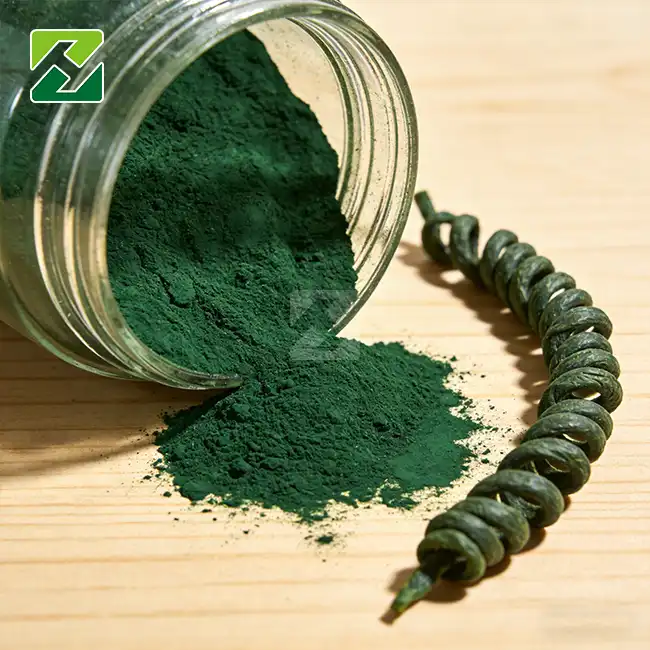
When my team and I first thought about putting blue-green algae in our health goods, we needed scientific proof to back up what the ads said. One of the most nutrient-dense plant-based ingredients available to product makers today is Natural Spirulina Powder, which is derived from Spirulina platensis. Six benefits are made clear in the study, and these benefits have been shown in other studies. Some of these are strong antioxidants and long-term protein supplies. When buying teams know about these scientifically proven traits, they can be sure they are getting high-quality Natural Spirulina Powder for their goods.
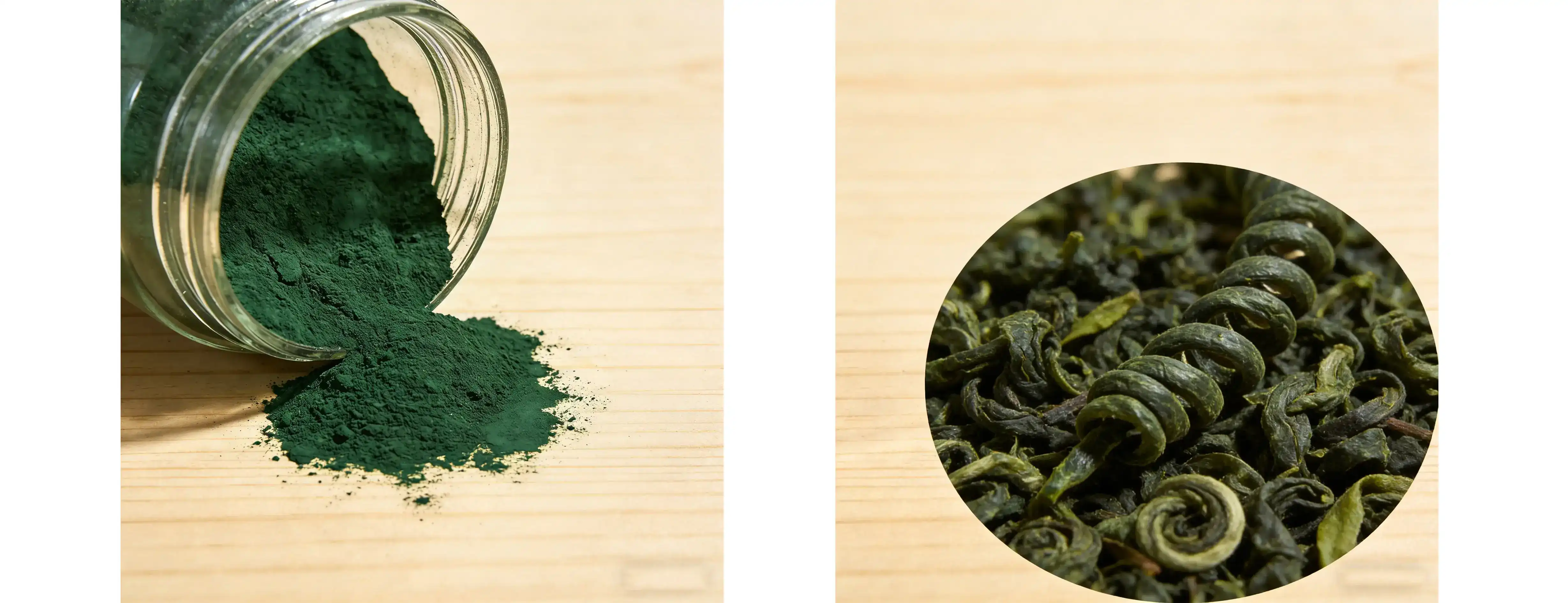
Understanding Natural Spirulina Powder: Composition and Nutritional Profile
What Makes Spirulina a Nutritional Powerhouse
Spirulina platensis is a very small cyanobacterium that does well in water that is high in acidity. Real Natural Spirulina Powder is harvested carefully and dried slowly, so it keeps all of its biological properties. This is different from other options that have been processed a lot. From seven grams of dried Natural Spirulina Powder, the USDA says that it has 4.02 grams of protein and a lot of iron, magnesium, phosphorus, and potassium. Because it is so dense, formulation managers who want to improve nutritional profiles without making serving sizes too big love it.
Key Bioactive Components
The powder is green because it has a lot of chlorophyll in it. The blue color of good Natural Spirulina Powder makes it stand out from less expensive brands. This phycobiliprotein is a useful chemical that helps protect cells and also gives things their color. It is a complete protein source, like milk and eggs, because it contains all the amino acids your body needs.
Natural Spirulina Powder has riboflavin, thiamin, niacin, folate, vitamins A, B6, C, and K. It also has protein. The body needs minerals to do many things. Calcium is one of them. The amount of calcium in one tablespoon is 8.4 mg. Premium Natural Spirulina Powder is different because it keeps these nutrients while it is being made. It's because of how it's grown and put together.
Quality Factors Affecting Nutritional Content
The end product's nutritional absorption depends a lot on how it was grown, whether it is certified organic, and how it was extracted. If you grow Natural Spirulina Powder in a way that follows GAP (Good Agricultural Practice) rules, the levels of phycocyanin stay more stable, and there are fewer signs of contamination. Directors of R&D need to know how farming methods affect the nutritional value of food in order to make good decisions about sources. Things that are handled at low temperatures keep vitamins and enzymes that break down easily in harsh factory conditions.
6 Proven Health Benefits of Natural Spirulina Powder
Benefit 1: Antioxidant Defense System Support
Its blue colour comes from phycocyanin, which is also a strong antioxidant. Free radicals are made by the body's metabolism and by drinking booze and eating some foods that are in the environment. These chemicals are not stable and can cause oxidative stress, which can hurt cells. Researchers have found that phycocyanin and other antioxidants in Natural Spirulina Powder help fight free radicals. This makes the body's defences against oxidative stress stronger.
Benefit 2: Immune Function Enhancement
Researchers have found a link between eating Natural Spirulina Powder and having better immunity markers. Polysaccharides in Natural Spirulina Powder seem to set immune cells on fire, which boosts the body's defences. The fact that Natural Spirulina Powder is known to change the activity of immune cells means that people who make products for the immune system can use the phrase "immune support" in their advertising.
Benefit 3: Complete Plant-Based Protein Source
Because it has between 55 and 70% protein by dry weight, Natural Spirulina Powder is a better plant-based source of protein than most others. Some amino acids, like leucine, isoleucine, and valine, are useful in sports nutrition because they are branched-chain amino acids. Natural Spirulina Powder is a great ingredient for companies that want to make goods that help players do better and help muscles heal because of this. One thing that makes people feel better about plant proteins being absorbed is that they are digested about as quickly as egg proteins.
Benefit 4: Nutritional Density for Fortification
Because Natural Spirulina Powder has a lot of vitamins and minerals, it can be used to add nutrients to foods without making them much bigger. You can get enough iron every day from even a small amount. It is very important to do this for plant-based foods that have trouble getting iron. Gamma-linolenic acid (GLA), a healthy fatty acid, is in this food, making it even better for you.
Benefit 5: Natural Pigmentation for Clean Label Formulations
This is the only natural blue colourant that the FDA lets be used in food (21 CFR 73.530). This is because people are moving away from man-made dyes like Brilliant Blue FCF. Natural Spirulina Powder extract is used to add natural colour to skin care products and get bright colours in food without adding any chemicals. It makes the product stand out more because it can be used as both a colourant and a bioactive ingredient.
Benefit 6: Sustainable Protein Production
It takes a lot less room and water to grow Natural Spirulina Powder than other protein crops. Days, not seasons, are used to measure when to harvest algae because it grows so fast. A few things about Natural Spirulina Powder hurt the environment. This makes corporate responsibility stories better for companies that want to show they care about the environment. Natural Spirulina Powder can be grown in places that aren't good for farming. This helps the world reach its goals for food security without taking up farmland.
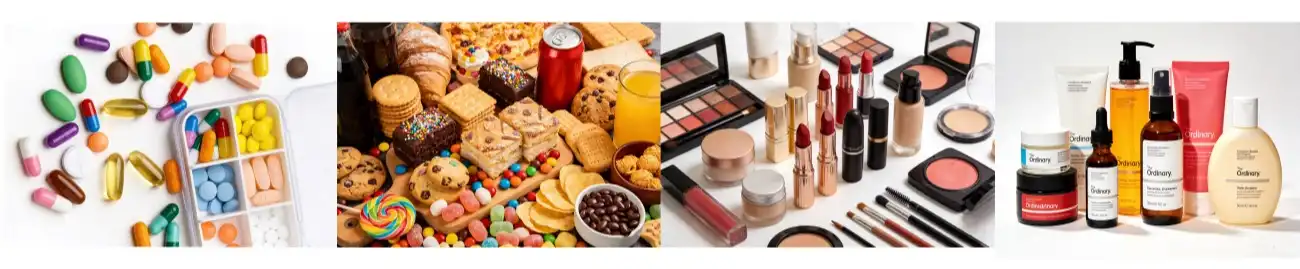
How to Use Natural Spirulina Powder Effectively in B2B Applications
Recommended Dosage Guidelines
Scientists have found that the best amount to eat every day is between 3 and 8 grams. Most studies use 4-6 gram servings. This means about a teaspoon to two teaspoons per serve for people who make things. To get the right dose, you need to take more than one capsule. Each capsule has between 500 and 1000 milligrams. If formulators know these things, they can make goods that give important amounts while keeping dose sizes safe.
Integration Into Product Formats
It works great in smoothies, protein mixes, and superfood recipes when mixed with water or milk. Natural Spirulina Powder is used by drink companies in useful drinks, but the bitter taste needs to be carefully hidden or matched with other ingredients. If you're worried about the taste, you can choose tablet or pill forms that maintain bioavailability. Natural Spirulina Powder doesn't go bad because it's enclosed in a soft gel, which makes the finished goods last longer.
Because it is an antioxidant, Natural Spirulina Powder is used in anti-aging serums and face masks for beauty reasons. Those who make the mixtures should know that the powder is sensitive to pH and doesn't mix well with water-based ones. Plant-based actives like curcumin or safflower extract can change the colour of Natural Spirulina Powder from blue-green to teal on its own.
Quality Assurance and Certification Requirements
Teams in charge of buying things should give more weight to sellers who have multiple approvals, such as NSF GMP, Kosher, Halal, ISO, and FSSC22000. Organic certification makes sure that no man-made chemicals or fertilisers are used in farming. These stamps of approval show that you follow strict rules that are known all over the world. They also make it easier to enter markets with different rules. It's even more important to be able to track documents for pharmaceutical-grade apps that need full proof of chain of custody.
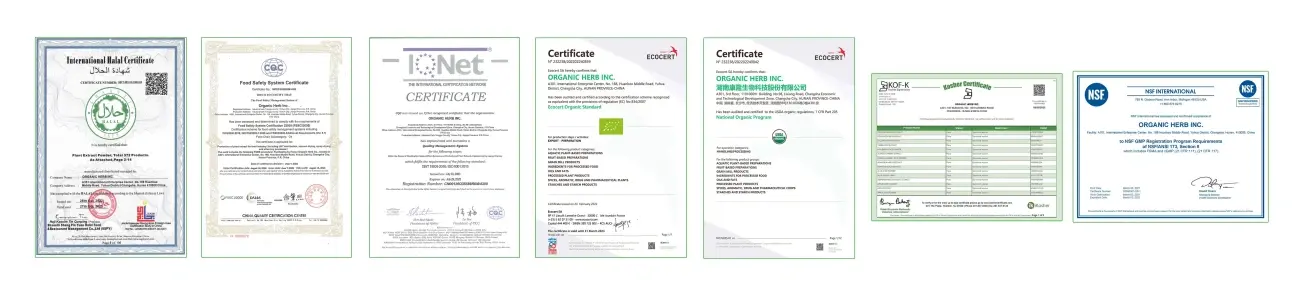
Comparing Natural Spirulina Powder with Alternatives and Market Options
Natural Versus Conventional Production Methods
Organic Natural Spirulina Powder costs more, but it is much better for you in terms of cleaning. In traditional farming, synthetic nutrients may be added to the growing medium, which could change how the final product is made. As part of the organic licensing process, a lot of tests must be done on heavy metals, microcystin pollution, and bacterial counts. These are all things that have a direct impact on the safety of customers and the image of the business. Natural Spirulina Powder that isn't organic costs more per kilogram, but for brands that care about quality, the extra cost is often worth it because it lowers risk.
Powder Versus Tablet Formats
When formulators work with raw powder, they have the most freedom because they can change the amount and mix the ingredients in any way they want. They keep tablets fresh for longer, keep them safe, and make them easy to use. The type of production changes based on what the client wants. For example, wellness-minded people like to do DIY projects with raw powder, while regular people like tablets that are already measured out. A cost study shows that making pills costs more than making powders, so powders usually have better economics per dose.
Spirulina Versus Chlorella
Both microalgae offer concentrated nutrition, but the way they are made depends on how they are different. Natural Spirulina Powder has more protein than other algae and gives you phycocyanin, which is a special chemical. Chlorella has a harder cell wall that needs to be broken down in a certain way because it has more chlorophyll. Chlorella is better for detox products because it has a stronger connection to some chemicals. Natural Spirulina Powder, on the other hand, is better for sports nutrition because it has more protein. There are many high-end recipes that use both kinds of algae because they work well together.
Procuring Natural Spirulina Powder: Trusted Sources and Brand Insights
Evaluating Supplier Credentials
You should look at more than just price when you're trying to find a good supplier. You should include up-to-date GMP paperwork, organic credentials from reliable groups, and building inspection records in your certification resume at all times. You should find out if the supplier can send 500-kilogram orders every month without the quality changing. A business that has been around for a while will have lead times that don't change. Reliable suppliers also keep stock that is ready to ship with 10-day fulfillment windows.
Geographic Considerations and Logistics
Shipping is easier and faster when suppliers have warehouses in the U.S. When you buy from manufacturers overseas, making sure that there is distribution infrastructure in place in the United States can help you avoid delays at customs and make it easier to keep track of your inventory. Some suppliers have four warehouses in different parts of the United States. This lets them send packages to big places the next day. This location advantage is very important for setting up just-in-time production plans.
Sample Evaluation Protocols
You can avoid specification mismatches if you ask for samples before you agree to buy a lot. You can get free samples from suppliers with a good reputation. The samples are usually between 100 and 200 grams and are large enough to test the composition and the analysis process. Make sure the samples don't turn brown and stay bright green. Also, make sure that the bits are all the same size and don't smell bad. To make sure the levels of protein, phycocyanin, and microbes are safe, lab tests should compare the supplier's analysis reports with those levels.
Minimum Order Quantities and Pricing Structures
Buying problems can be avoided by knowing the MOQ requirements. Suppliers who are good at what they do usually have a minimum order size of 25 kilograms. It strikes a good balance between being easy to get into and making production runs that are cheap. Prices start at 100 kilograms, 500 kilograms, and 1000 kilograms based on volume. When you sign a long-term supply deal, you usually get better prices and make sure that goods get to the right places at the right time.
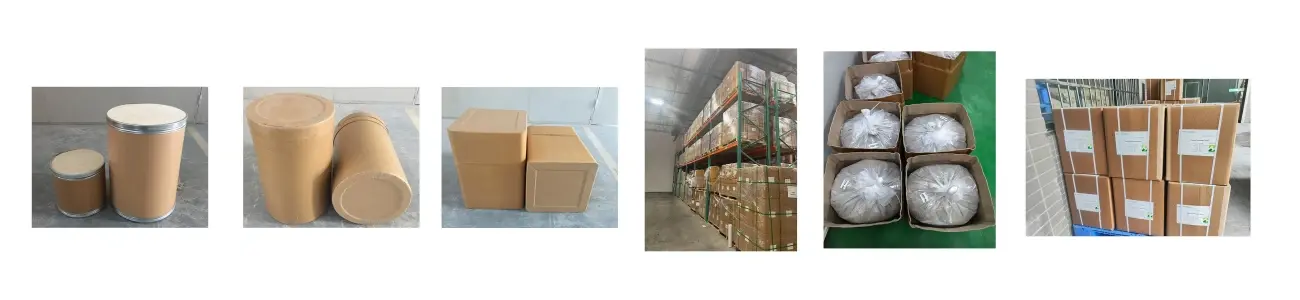
Conclusion
There is more to the claim that spirulina is good for you than just marketing speak. Well-studied molecular processes show this to be true. Pure Spirulina Powder has a special phycocyanin content and a lot of different amino acids. This makes it useful for making products that meet many market trends at once, like clean label, plant-based nutrition, sustainability, and functional benefits. If you work in sourcing and know about growing, processing, and quality standards, it's easy to find Natural Spirulina Powder that meets both legal needs and brand positioning goals. It is important to work with suppliers who can show they know what they're doing, keep their licenses up to date, and give you clear paperwork at every step of the supply chain.
Frequently Asked Questions
1. Is spirulina appropriate for all demographic groups?
Natural Spirulina Powder is good for most healthy people as long as they get the right amount. If a woman is pregnant, nursing, or has certain health problems, she should talk to her doctor before taking strong vitamins. Natural Spirulina Powder is a cyanobacterium, not real seafood. However, some people who are allergic to seafood wonder if it is safe to eat. There should always be instructions on how to use a product on its label.
2. How does spirulina compare to chlorella for specific applications?
A type of microalgae called phycocyanin and Natural Spirulina Powder both have a lot of nutrients, but Natural Spirulina Powder has more protein and is better for natural colouring and products that focus on protein. Chlorella has more chlorophyll and can bind things together, which makes it a good ingredient for cleaning products. A lot of high-end items use both to get the best of both worlds.
3. What certifications should buyers verify when purchasing spirulina in bulk?
Organic certification from the USDA or a similar foreign body is highly regarded. So are GMP certifications that show production quality controls and tests for contaminants done by a third party. More certifications, such as ISO, FSSC22000, Kosher, and Halal, show that you have good quality management and help you get more customers. Ask for up-to-date records of analysis that show how safe the microbes are, how much heavy metal is in the product, and how many active chemicals are in each lot.
Partner with OHI for Premium Natural Spirulina Powder Supply
Natural Spirulina Powder that has been approved in many ways and is subject to strict quality checks can be found at OHI. This can help you with your manufacturing needs. The low temperatures used to make our Spirulina platensis straight powder keep it bright green and full of nutrients. At low temperatures, compounds that break down at high temperatures are safe. The Natural Spirulina Powder we sell is NSF GMP, Kosher, Halal, ISO, and FSSC22000-certified. It is safe enough to be used in useful foods, skin care items, and supplements all over the world because it meets the high standards.
Because we store Natural Spirulina Powder in four well-placed warehouses in the U.S., we can send orders for 25-kilogram drums within 10 days. This means that your plans for making things won't change. Our dedication to farming in a way that is good for the earth and healthy is in line with what people look for in a "clean label." You can talk to us about how our Natural Spirulina Powder can help your product stand out if you are a procurement manager, formulation scientist, or product creator. You can ask for free samples. You can get detailed specs, pricing information, and paperwork that will help you follow the government's rules by emailing info@organic-herb.com.
References
1. Deng, R., & Chow, T. J. (2010). Hypolipidemic, Antioxidant, and Anti-inflammatory Activities of Microalgae Spirulina. Cardiovascular Therapeutics, 28(4), e33-e45.
2. Wu, Q., Liu, L., Miron, A., Klímová, B., Wan, D., & Kuča, K. (2016). The antioxidant, immunomodulatory, and anti-inflammatory activities of Spirulina: an overview. Archives of Toxicology, 90(8), 1817-1840.
3. Karkos, P. D., Leong, S. C., Karkos, C. D., Sivaji, N., & Assimakopoulos, D. A. (2011). Spirulina in Clinical Practice: Evidence-Based Human Applications. Evidence-Based Complementary and Alternative Medicine, 2011, Article ID 531053.
4. Capelli, B., & Cysewski, G. R. (2010). Potential health benefits of spirulina microalgae. Nutrafoods, 9(2-3), 19-26.
5. Simpore, J., Kabore, F., Zongo, F., Dansou, D., Bere, A., Pignatelli, S., & Musumeci, S. (2006). Nutrition rehabilitation of undernourished children utilizing Spirulina and Misola. Nutrition Journal, 5(1), 3.
6. Belay, A. (2002). The Potential Application of Spirulina (Arthrospira) as a Nutritional and Therapeutic Supplement in Health Management. Journal of the American Nutraceutical Association, 5(2), 27-48.
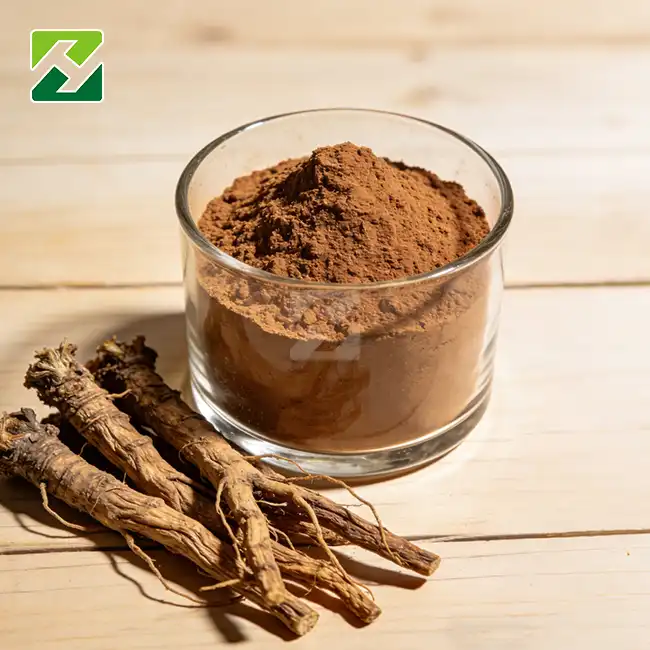
What is Valerian Root Extract?
VIEW MOREValerian root extract is a concentrated plant-based mixture made from the Valeriana officinalis roots, which can be extracted with water or ethanol. The Best Valerian Root Extract keeps consistent amounts of beneficial substances, especially valerenic acids. These acids work with GABA receptors in the brain to help you relax and sleep better. There are different concentration ratios for these extracts, such as 4:1 and 10:1. These ratios show how much of the raw root material is turned into the final powder. The extraction process keeps the active sesquiterpenes and iridoids while getting rid of the unwanted substances. This means that it can be used in functional drinks, cosmetics, and dietary supplements. High-quality extracts are always effective and meet international approval standards. This gives makers confidence when they're looking for natural ingredients that meet customers' desire for clean-label goods.
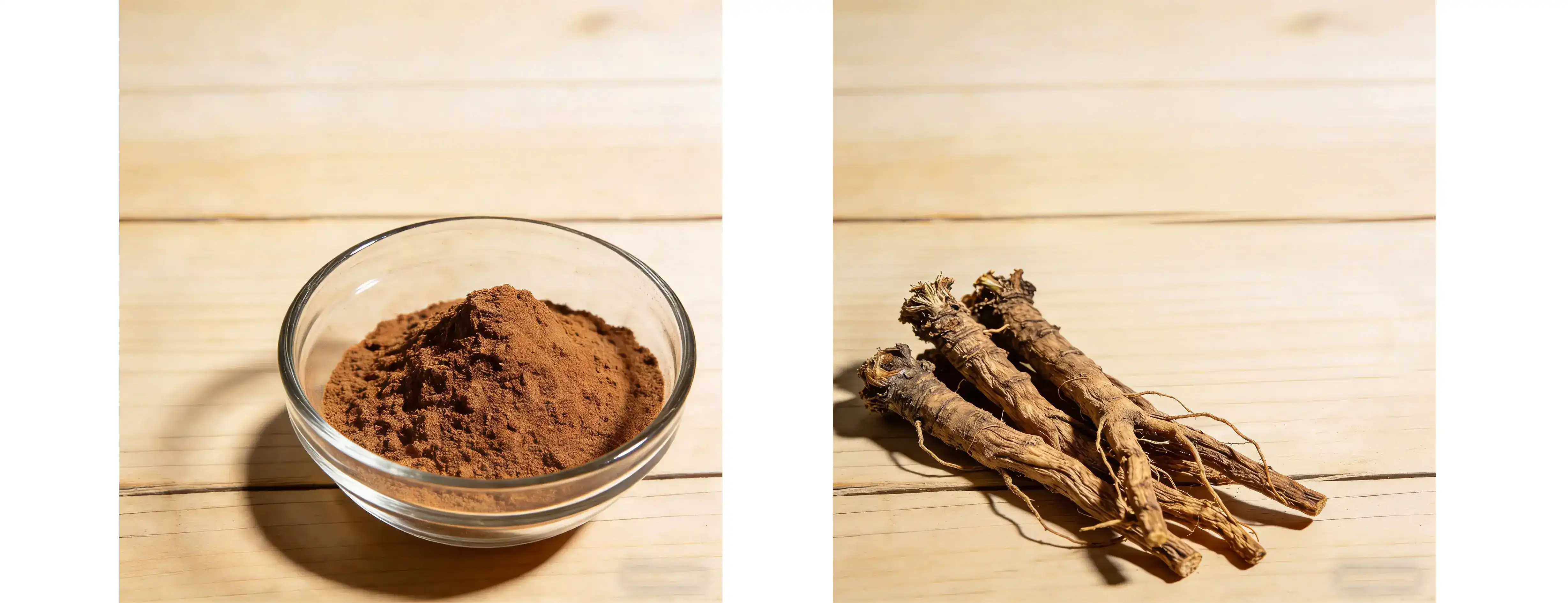
Understanding Valerian Root Extract
Botanical Origins and Extraction Process
Valeriana officinalis grows best in cool, well-drained soils and in cold places in Asia and Europe. The roots, which are picked after two growing seasons, have the most potent chemicals. These days, the liquid used for extraction is only water. This gets rid of any worries about chemicals and keeps all the good parts. The roots are cleaned and dried as the first step. Next, chemicals that are sensitive to heat are kept safe during controlled-temperature extraction. When the extra liquid is sprayed dry and boiled down, it turns into a dark powder with the right amount of strength.
Organic Herb Inc. has three GAP-certified growing bases in the provinces of Jiangxi, Hunan, and Hubei. These bases cover more than 8,000 acres and use strict farming methods to raise valerian. Local farmers get technical help from our team from the time they plant the seeds until the harvest. This way, the product can be tracked from the ground to the table.
Key Bioactive Compounds
There are three main active ingredients in this compound: valerenic acid, acetoxyvalerenic acid, and hydroxyvalerenic acid. These chemicals bind to GABA-A receptors and change the activity of neurotransmitters that are linked to relaxation and sleep. There is another group of bioactives called valepotriates that help the extract work, but they are less stable and more affected by how it is processed.
As shown by HPLC tests, quality samples have at least 0.8% valerenic acid in them. Our research and development center in Changsha uses high-tech tools like HPLC-ELSD and GC-MS systems to check chemical profiles and make sure that each batch is the same. The standardization process makes sure that every production run meets certain requirements. This solves the problem of formulation stability that supplement and cosmetic formulators often have.
Manufacturing Standards and Quality Control
To make high-quality valerian root extract, strict quality standards must be met. Particle size (95% of them pass through 80 mesh), moisture content (less than 5%), and bulk density (40 to 60 grams per 100 milliliters) are some of the physical parameters. These requirements make it easier to blend capsule and tablet formulations evenly, which stops segregation during high-speed encapsulation.
Testing for microbes makes sure that the total plate counts stay below 10,000 CFU/g and that there are no dangerous organisms, such as Salmonella and E. coli. The ICP-MS test for heavy metals shows that the USP standards are met: lead must be less than 3.0 ppm, arsenic must be less than 1.0 ppm, cadmium must be less than 1.0 ppm, and mercury must be less than 0.1 ppm. Our building has certifications for NSF GMP, FSSC22000, ISO9001, Halal, and Kosher, which show that we follow international quality standards that meet the needs of markets in North America, Europe, and Asia-Pacific.
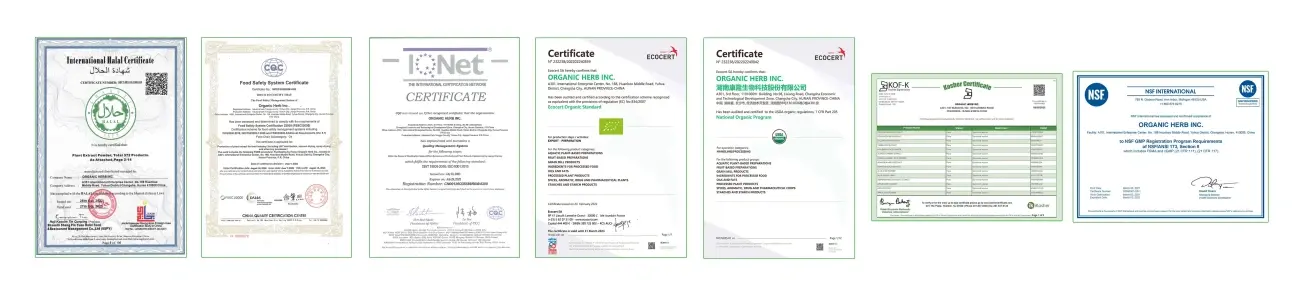
Usage Guidelines and Formulation Applications
Recommended Dosage and Delivery Forms
Valerian root extract comes in a number of different forms, each of which is better for a different type of customer. Sleep aids that come in capsule form usually have 300 to 600 mg per serving, which makes them easy to use and accurate for dosing. It's easy to use powder forms in functional beverages, but formulators need to find a way to mask the earthy taste with taste-masking technologies or complementary ingredients like stevia and natural fruit flavors.
When you mix extract with hydro-alcoholic solutions to make a tincture, it is quickly absorbed under the tongue. When mixed with carrier oils, soft gel packaging makes oil-soluble parts more bioavailable. The powder that was extracted using water is very compatible with water-based systems and dissolves well in drinks without settling to the bottom when the right stabilizers are added.
Most brands of dietary supplements say that you should take 400 to 900 mg per day of Best Valerian Root Extract, split up into one or two servings. Functional food companies put 200 to 400 mg of the drug per dose in energy drinks and protein bars. These ranges are in line with research protocols that show the best way to work while still keeping safety margins that are right for over-the-counter products.
Formulation Stability Considerations
Temperature sensitivity is a very important issue during production and storage. When exposed to temperatures above 60°C for a long time, valerenic acids break down. Our low-temperature extraction and freeze-drying methods protect the purity of the substance, giving us raw material that can survive normal tableting and packaging conditions without losing a lot of its effectiveness.
Moisture control stops the growth of microbes and the breakdown of compounds while they are being stored. When stored below 25°C, packaging in moisture-barrier drums with nitrogen flushing makes food last up to 24 months longer. Cosmetic makers who use valerian ingredient in skin care products say that the products work well as long as they have the right preservatives and vitamins, such as tocopherol.
The reddish color stays the same from batch to batch, but people who are making clear drinks may need to add more filter steps. Particle size uniformity makes sure that powder blends are evenly distributed and stops stratification in formulations with more than one ingredient. Because of these factors, our 4:1 and 10:1 concentration ratios work especially well in large-scale production settings where precision has a direct effect on how well products work and how happy customers are with them.
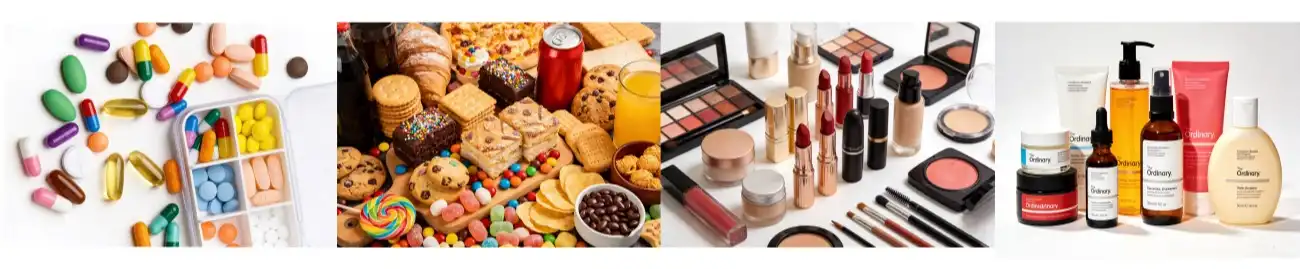
Comparing Valerian Root Extract with Other Natural Sleep Support Ingredients
Mechanism Distinctions Among Natural Alternatives
Melatonin controls diurnal rhythms through signals from the pineal gland. Valerian root extract does not work the same way. While melatonin controls when you fall asleep, valerian changes the activity of GABA receptors, which makes you feel calmer and cuts down on the time it takes to fall asleep through chemical balance instead of hormonal routes. Because of this difference in how it works, valerian is better for people who have trouble sleeping because of stress rather than jet lag or shift work.
Chamomile extract, which has apigenin in it, also works with GABA receptors, but not as strongly as standard valerian preparations. L-theanine, which comes from tea leaves, raises alpha brain wave activity and helps people relax without directly putting them to sleep. It works more as an ingredient for managing stress. Magnesium helps you sleep by relaxing your muscles and keeping your nervous system in check. It does this in different ways that involve blocking NMDA receptors.
Combination recipes that use these combinations have become popular in the market. When you combine valerian with lemon balm extract, the calming effects are stronger. Adding magnesium helps with muscle tension that can keep you from sleeping. Formulators can target a wider range of consumer needs with these multi-ingredient approaches, which also help products stand out in the supplement market.
Regulatory and Market Positioning
In the United States, Valerian root extract is generally recognized as safe (GRAS). In Europe, it is approved as a traditional herbal ingredient under rules that govern botanical supplements. In comparison, some ingredients are limited in their use or health claims, which gives makers who want to sell their products in more than one region more options for how to formulate their products.
Valerian has become much more well-known among consumers. According to market research, 68% of natural product users looking for sleep aids are aware of valerian. Because of this, they look better on shelves and don't need as much marketing training as plants that aren't as well-known. The ingredient has been used for hundreds of years, which gives stories more authenticity, which is something that brands that focus on traditional wellness methods value.
Companies that make sports nutrition are adding valerian to healing products more and more because they know that good sleep affects physical performance. It's better than fake sleep aids because it doesn't make you dependent on them, which fits with the clean-label tastes of health-conscious customers who read ingredient lists carefully.
How to Choose the Best Valerian Root Extract for Your Business Needs
Critical Quality Parameters
To choose the best valerian extract, you need to look at more than just the basic specification sheets. Organic approval comes with higher costs, but it meets customer needs and government rules in some market groups. Our organic valerian comes from farms that don't use any manmade fertilizers or pesticides, as confirmed by reputable organizations. It meets both USDA and EU organic guidelines.
The level of standardization has a direct effect on how predictable formulations are and how true product claims are. The Best Valerian Root Extract has at least 0.8% valerenic acid, which has been confirmed by HPLC analysis. This gives finished goods the strength they need for effective doses. Low-quality materials that aren't standardized have a lot of variation, which makes it harder to develop new formulations and send them to regulatory agencies that need proof of ingredient levels.
The type of extraction liquid affects both the safety rating and the market situation. Our 100% water extraction means you don't have to worry about toxic solvents or residual ethanol. This is especially important for products that are advertised as alcohol-free or for people who like ingredients that are processed with water. This method also makes it easier to fill out regulatory paperwork for global markets that have strict limits on chemical waste.
Supplier Evaluation Framework
The credentials of the manufacturer tell the difference between reliable partners and commodity suppliers. Being a publicly traded company (Stock Number: 872213) gives us a level of financial openness and accountability that isn't common in the botanical extract business. Having GAP planting sites, GMP production facilities, and dedicated R&D infrastructure all in one place ensures that the supply chain is under control from planting to packing.
The ability to do lab work is another thing that sets them apart. Over $1.2 million worth of analytical equipment is housed in our building and is run by 42 R&D professionals, including senior researchers with advanced degrees. Because of this level of technical depth, custom extraction development, stability testing, and regulatory support are all possible, which helps clients with unique needs or new applications.
For buyers in North America, geography is a very important factor in logistics. Our Los Angeles-based company, Earth Made Nutritions, keeps supplies in four U.S. stores, which lets us quickly fill orders with wait times of 10 days on average from the time an order is confirmed. This infrastructure gets rid of the long shipping delays and complicated customs procedures that come with direct imports. This makes just-in-time manufacturing tactics possible and lowers the amount of operating capital that is needed.
Packaging and Commercial Terms
The goods are kept safe and easy to handle by being packed in 25 kg fiber drums with two plastic caps. This setup works well for medium-sized businesses, and because it can hold more than one drum, it can also handle orders from bigger businesses. The 25 kg minimum order lets you try the product without having to commit too much stock. However, prices go down as the volume goes up because of economies of scale.
Giving away free samples takes the pressure off buying something. You can check the quality and see how well the ingredients work together before deciding to buy. Samples come with technical data sheets, certificates of analysis, and paperwork for regulatory compliance. These things make the internal review process go faster. Our staff has worked with plant extracts for many years and can tell you how to use them and what formulations to use.
The way prices are set shows how much money was spent on quality investments in methods for growing, removing, and checking the quality. Cost-per-effective-dose is often about the same, even though controlled goods cost more. This is because different strengths are taken into consideration. Established brands that want strategic partnerships with their suppliers instead of just buying from them occasionally can get more out of contract manufacturing and volume discounts.

Conclusion
Valerian root extract represents a scientifically validated botanical ingredient addressing growing consumer demand for natural sleep support and relaxation solutions. The Best Valerian Root Extract delivers consistent potency through standardized valerenic acid content, water-based extraction, and rigorous quality control, meeting international certification standards. Understanding extraction processes, bioactive compounds, and quality parameters empowers procurement professionals to make informed sourcing decisions that enhance product efficacy and regulatory compliance. The ingredient's favorable safety profile, mechanistic distinction from alternatives, and market acceptance position it strategically for dietary supplements, functional foods, cosmetics, and specialty formulations. Supplier evaluation should prioritize organic certification, analytical capabilities, regulatory support, and supply chain reliability to ensure long-term partnership success in competitive markets increasingly focused on ingredient transparency and product performance.
Frequently Asked Questions
1. How do you verify the authenticity of valerian root extract?
Authentication starts with identifying the plant by looking at the raw roots under a microscope and a magnifying glass, making sure that the roots are of the Valeriana officinalis species and not fakes. Thin Layer Chromatography (TLC) fingerprinting checks for contamination by comparing the fingerprints of compounds to standards. The main marker ingredient, valerenic acid, is checked for quantity using HPLC. DNA barcoding is the only way to be sure of a species' identity in serious situations. Test results are shown on Certificates of Analysis from approved labs, and source audits check the rules for farming and processing. This makes sure that the material stays pure throughout the production process.
2. What concentration ratio suits different product applications?
The 4:1 concentration ratio strikes a good mix between strength and cost-effectiveness, making it a good choice for common food products with 400–600 mg dose amounts. The 10:1 dosage gives you more power in a smaller amount, which is great for forms with limited space, like soft gels or mix recipes where many ingredients are competing for pill room. Manufacturers of functional drinks often choose 4:1 ratios because they let them get the dose they want without adding too much powder, which could change the taste or stability. In cosmetics, lower concentrations are usually used, and the 4:1 ratio gives enough activity without any problems with the formulation.
Partner with OHI for Premium Valerian Root Extract Supply
Organic Herb Inc. offers high-quality valerian root extract that is backed by integrated farming, advanced extraction technology, and full quality guarantee. Our operations as a Best Valerian Root Extract supplier include GAP-certified farming on more than 8,000 acres and ISO-certified manufacturing. We make a water-extracted powder that is standardized to 0.8% valerenic acids. The brown 4:1 and 10:1 ratio formulations are shipped from four U.S. warehouses that are managed by our subsidiary, Earth Made Nutritions. This makes sure that you get your orders quickly and on time, so you can keep up with your production schedules. We offer free samples, full regulatory paperwork, and technical advice from our 42-person R&D team, which is equipped with high-tech analytical tools. Whether we're making cosmetics, dietary supplements, or functional drinks, our dedication to sustainable practices, FSSC22000 compliance, and customer partnership gives your business the trust it needs. To talk about your valerian extract needs, email our team at info@organic-herb.com and see the OHI difference in botanical ingredient excellence.
References
1. Bent, S., Padula, A., Moore, D., Patterson, M., & Mehling, W. (2006). Valerian for sleep: a systematic review and meta-analysis. American Journal of Medicine, 119(12), 1005-1012.
2. Fernández-San-Martín, M. I., Masa-Font, R., Palacios-Soler, L., Sancho-Gómez, P., Calbó-Caldentey, C., & Flores-Mateo, G. (2010). Effectiveness of Valerian on insomnia: a meta-analysis of randomized placebo-controlled trials. Sleep Medicine, 11(6), 505-511.
3. Hattesohl, M., Feistel, B., Sievers, H., Lehnfeld, R., Hegger, M., & Winterhoff, H. (2008). Extracts of Valeriana officinalis L. s.l. show anxiolytic and antidepressant effects but neither sedative nor myorelaxant properties. Phytomedicine, 15(1-2), 2-15.
4. Koetter, U., Schrader, E., Käufeler, R., & Brattström, A. (2007). A randomized, double blind, placebo-controlled, prospective clinical study to demonstrate the clinical efficacy of a fixed valerian hops extract combination in patients suffering from non-organic sleep disorder. Phytotherapy Research, 21(9), 847-851.
5. Mineo, L., Concerto, C., Patel, D., Mayorga, T., Paula, M., Chusid, E., Aguglia, E., & Battaglia, F. (2017). Valeriana officinalis root extract modulates cortical excitatory circuits in humans. Neuropsychobiology, 75(1), 46-51.
6. Shinjyo, N., Waddell, G., & Green, J. (2020). Valerian root in treating sleep problems and associated disorders—A systematic review and meta-analysis. Journal of Evidence-Based Integrative Medicine, 25, 2515690X20967323.
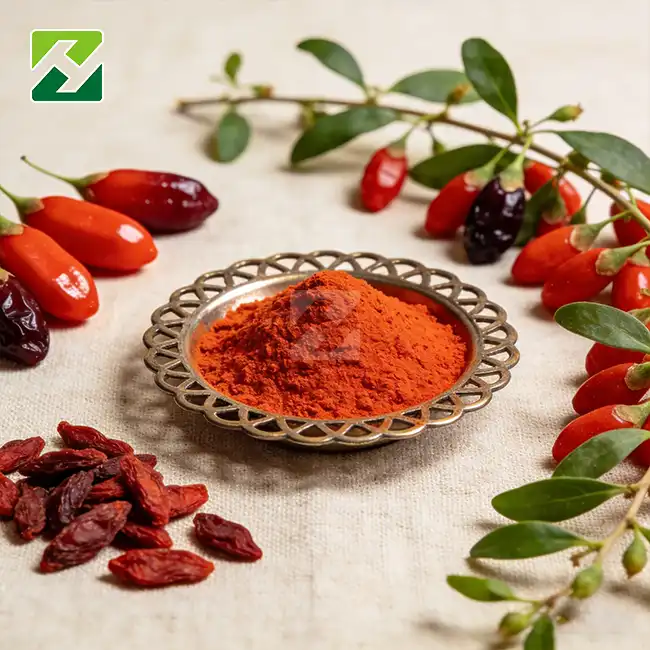
How Goji Berry Extract Can Transform Your Skincare?
VIEW MOREGoji Extract Powder is changing the cosmetics business because it has a unique botanical profile and can be used in a lot of different ways. This standardized plant ingredient comes from the Lycium barbarum fruit and contains abundant polysaccharides, carotenoids, and vitamins that help with a number of skin problems at the same time. Unlike raw berry powders that aren't consistent and don't dissolve well, pharmaceutical-grade goji extract is consistent from batch to batch, more bioavailable, and more stable in makeup media. This ingredient is becoming more and more important to procurement teams, formulation chemists, and OEM makers who are looking for natural actives that meet clean-label requirements and offer measured effectiveness. This detailed guide talks about the technical details, proven skin benefits, application strategies, and buying options for goji extract, which makes it a great choice for brands that want to appeal to health-conscious customers.
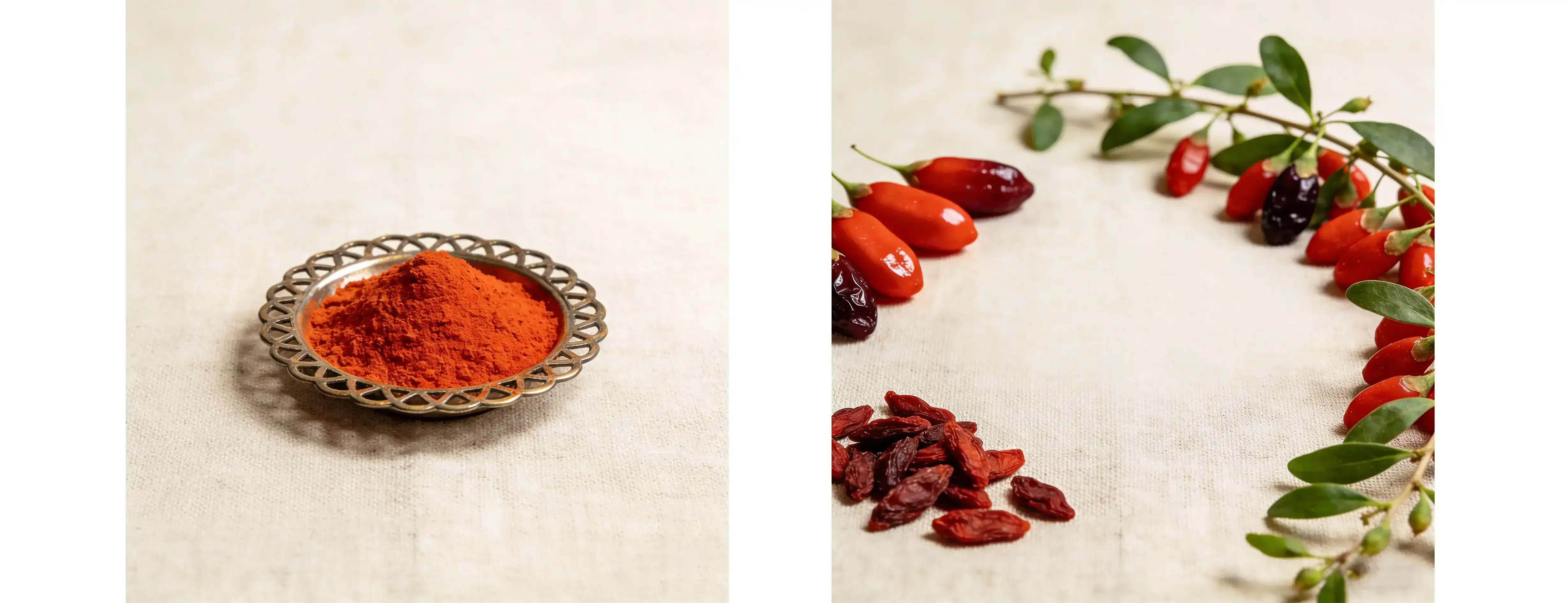
Understanding Goji Berry Extract Powder and Its Role in Skincare
Botanical Origins and Extraction Excellence
Lycium barbarum is grown in high-altitude areas known for having perfect growth conditions. The fruit it produces is full of beneficial substances. Modern water-based extraction methods keep nutrients that are sensitive to heat while concentrating polysaccharides to levels of 50% or more. This accuracy gets rid of the natural variation in farming goods, where external factors can change the amounts of active compounds in unpredictable ways.
The process of extraction starts with carefully choosing fruit from approved organic farms. The fruit is then washed at a controlled temperature and treated with enzymes that make the cell walls more permeable. Dynamic low-temperature extraction picks up polysaccharides that dissolve in water while leaving zeaxanthin and betaine alone. Nano-membrane filtration gets rid of impurities without using chemical solvents. This is followed by anti-osmotic concentration and freeze-drying, which makes a fine orange-red to brown powder with particles that are 80 to 100 mesh in size. This strict manufacturing process makes sure that the final ingredient is pharmaceutical-grade pure and has a moisture content below 5%, which stops microbes from growing while it is stored.
Technical Specifications That Matter to Formulators
Checked using UV-VIS spectrophotometry, OHI goji extract always has a 10:1 concentration ratio or 50% polysaccharide content. Fruit powder dissolves well in water and doesn't lump. Due to its bulk density of 0.45–0.65 g/ml, dosing is more precise during production scaling.
Higher than the FDA cosmetic ingredient safety criteria, the heavy metal content is below 10 ppm. The ingredient is NSF GMP, Kosher, Halal, ISO, and FSSC22000 certified, meeting the criteria of several North American and European markets. Since the ash level is below 5%, there aren't many metal remnants that might affect the mixture's chemistry.
Superior Stability Compared to Raw Materials
Powder extracts outperform whole berries and juice concentrates in several aspects of skincare products. Even in the fridge, fresh fruit loses antioxidant activity within weeks. However, properly maintained standardized powder remains bioactive over 24 months. This prolonged shelf life simplifies inventory management and reduces the danger of remaking a dish due to spoiled ingredients.
Raw fruit sugars have hygroscopicity, but moisture-barrier drums can manage it. OHI's 25kg drum design balances portability and moisture protection. Freeze-dried extraction concentrates valuable compounds and removes 95% of the water. Shipping is cheaper and less carbon-intensive than liquid methods.
Key Health and Skincare Benefits of Goji Extract Powder
Antioxidant Defense Against Environmental Stressors
The polysaccharide part of Lycium Chinense Miller Extract has ORAC values higher than 25,000 μmol TE/g, which makes goji one of the best botanical antioxidants that cosmetic chemists can find. These chemicals stop reactive oxygen species from being made by UV light, smog, and biological processes that make you look older faster. Goji extract helps keep collagen and elastin fibers intact by stopping oxidative chain reactions.
When zeaxanthin is extracted and concentrated, it protects against UV rays by blocking high-energy blue light wavelengths. When applied to the skin, this pigment builds up in the skin tissue and acts as an internal sunscreen layer that works with SPF products. The betaine content helps cells keep their osmotic balance when they are under stress from their environment, even when the humidity level is low.
Hydration Enhancement Through Polysaccharide Technology
A coating of Lycium barbarum polysaccharides allows air travel across the skin. Clinical investigations show this film reduces transepidermal water loss by 23%. This biopolymer network draws moisture from the air and lets gases circulate, which cells need to function. Plant humectants are light and absorb fast without leaving a sticky residue, unlike occlusive petroleum derivatives.
The polysaccharides also increase fibroblasts' hyaluronic acid production, which keeps the skin moist. Goji extract is ideal for serums and strong repair creams for dry skin since it hydrates the skin immediately and profoundly.Skin Tone Brightening and Barrier Restoration
Over eight weeks, consistent use of products containing 2-5% goji extract leads to a noticeable decrease in discoloration. The process involves stopping tyrosinase activity, which is the enzyme that controls how fast melanin is made. Botanical polysaccharides even out skin tone gradually and naturally, without messing with melanocyte function, unlike manufactured whitening agents that can make skin more sensitive.
Changing the way cytokines send signals leads to anti-inflammatory effects. When the barrier function is weakened, redness and sensitivity improve because the extract helps normalize the lipid matrix in the stratum corneum. Because of this, goji is very useful in products that help with healing after surgery and in formulas that treat sensitive skin conditions.
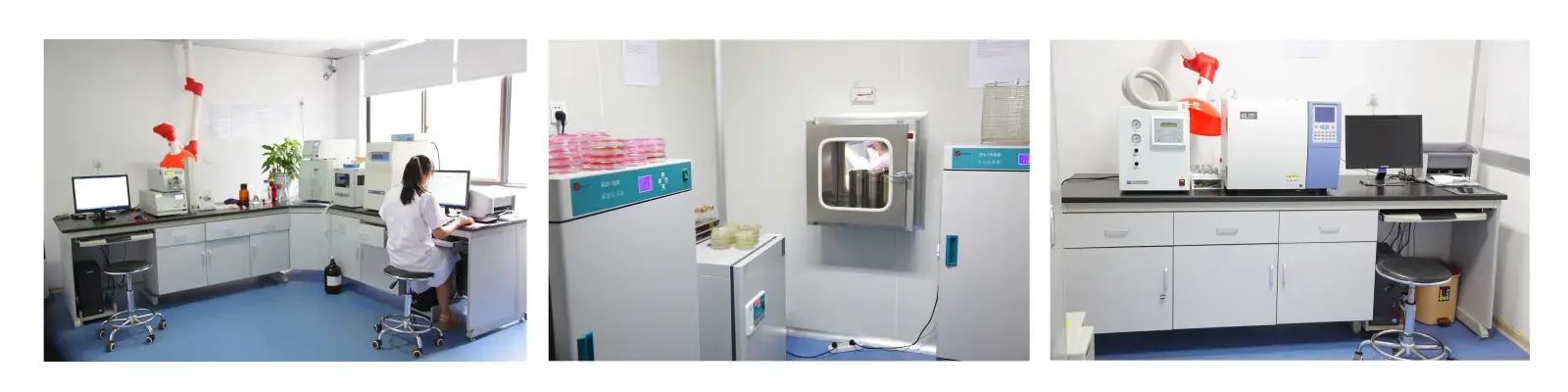
Practical Applications: How to Incorporate Goji Extract Powder in Skincare Products
Formulation Guidelines Across Product Categories
For serums and essences, add 3 to 5 percent goji extract to water-based mixtures that have been adjusted to a pH level between 5.5 and 6.5. It's not necessary to use any special techniques to get the powder to dissolve in deionized water at room temperature and with light stirring. When combined with sodium hyaluronate and niacinamide, they work together to moisturize and brighten the skin.
To keep heat-sensitive polysaccharides from breaking down, add 2-4% during the cooling phase of cream and lotion production. Stability testing shows that anionic, cationic, and non-ionic emulsifier systems can work together. The ingredient doesn't react with plastics that increase viscosity, so the desirable texture profiles are kept.
For sheet masks and hydrogel treatments, make serum solutions with 5–8 percent goji extract to deliver the most effective ingredients to the skin. The polysaccharides make it easier for hydrocolloid matrices to stick to the skin and keep the skin from drying out too quickly during wear time.
For cleansers and micellar waters, lower amounts (1–2%) protect antioxidants while cleaning without affecting the surfactant's ability to do its job. Because it dissolves in water, it keeps waste from building up, which could make skin look dull.
Regulatory Compliance and Safety Documentation
In the US, goji extract is allowed as a cosmetic ingredient under 21 CFR Part 700. It is also known as Lycium Barbarum Fruit Extract in the INCI list. European compliance is based on REACH rules, and OHI provides the Safety Data Sheets and Allergen Declaration documents needed to enter the EU market. The ingredient is on China's Inventory of Existing Cosmetic Ingredients, which makes it easier to register in that market, which is growing quickly. Natural Goji Berry Extract suppliers must provide these regulatory documents to ensure seamless market access across all major regions.
Stability testing under ICH Q1A conditions shows that the product's effectiveness is maintained for 36 months at 25°C/60% RH, which backs up claims about the product's shelf life. Challenge testing confirms that the preservation system works with the extract, which doesn't react with common antimicrobial packages like benzyl alcohol, phenoxyethanol, and Euxyl PE 9010 combinations.

Comparison and Procurement Insights: Choosing the Right Goji Extract Powder Supplier
Evaluating Supplier Technical Capabilities
For better goji extract production, the whole process must be vertically integrated, from growing the fruit to processing it. OHI runs three GAP-certified planting sites that cover 8,000 acres in several provinces. This makes sure that the quality of the raw materials is controlled from seedlings to harvest. This basis for agriculture gets rid of the supply chain weaknesses that come up when traders buy from scattered farm networks.
The company's R&D center has 42 specialists working there, including professors and graduate workers, and has $1.2 million worth of equipment. GC-MS, HPLC-ELSD, and atomic absorption spectrophotometry can all be used to accurately characterize polysaccharides and check for contaminants. This analytical infrastructure helps with requests for custom standardization and makes the paperwork needed for submissions to international regulatory bodies.
Column adsorption chromatography and ion exchange devices are used in manufacturing technology to clean things to a level that can't be reached by simple spray-drying alone. This skill is very important when making goods that need to be free of certain chemicals, like low-sugar versions for diabetics or allergen-free requirements.
Certification Portfolio and Quality Assurance Systems
It's more important to have strict quality standards than just organic approval. NSF GMP, ISO 9001, FSSC 22000, Kosher, and Halal are just some of the quality standards that OHI meets at the same time. This shows that they care about more than just following the rules. Brands that make beauty products that can be eaten can have more faith in their products when they have the FSSC 22000 approval, which is recognized by the Global Food Safety Initiative. This is because makeup and food laws often overlap.
The batch analysis reports should show the amount of carbohydrates that were found using approved methods. They should also show that the ingredients have been tested for arsenic, lead, cadmium, and mercury, as well as for more than 200 chemical residues and bacterial limits that meet standards for cosmetic ingredients. The OHI paperwork has allergy statements for the 26 most important drugs in the EU. These statements support the clear labeling practices that customers who care about their health are asking for more and more.
Logistics and Supply Chain Considerations
How quickly and easily things are bought depends a lot on how well local stores are set up. Earth Made Nutritions, which is based in California and is owned by OHI, has four regional delivery centers all over the US. With this, they can offer 7-day wait times instead of the 45–60-day wait times that usually come with shipping straight from abroad. Just-in-time manufacturing is possible because of this placement of things, which lowers the need for operating capital.
The 25 kg minimum order quantity keeps prices low while still allowing for trial formulation needs. Free sample programs let people try out a product to see if it works well with other things before they buy it. This is really important because the special tools that come with different brands are made in different ways. Bulk pricing structures reward partnerships that grow, and accounts that have been around for a while can get container-load pricing.
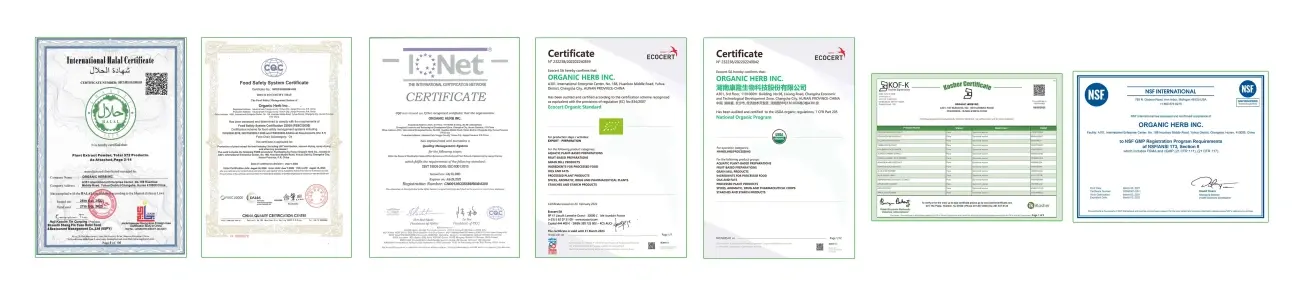
Conclusion
Goji Extract Powder represents a convergence of traditional botanical wisdom and modern extraction science, delivering standardized bioactivity that meets contemporary skincare formulation demands. The ingredient addresses core procurement priorities—consistent quality, regulatory compliance, formulation versatility, and supply reliability—while aligning with consumer preferences for natural, efficacious actives. Manufacturers incorporating this botanical gain competitive advantages through clean-label positioning, multifunctional benefits that simplify formulations, and differentiation in crowded market categories. As global demand for plant-based cosmetic actives accelerates, partnerships with vertically integrated suppliers possessing agricultural resources, technical expertise, and logistical infrastructure become strategic imperatives rather than transactional relationships.
FAQs About Goji Extract Powder in Skincare for B2B Clients
1. Is goji extract suitable for all skin types, including sensitive formulations?
Standardized goji extract demonstrates excellent tolerance across dermatological testing panels. The water-based extraction process eliminates lipophilic irritants present in whole fruit preparations. Hypoallergenic testing confirms suitability for sensitive skin claims, though brands should conduct their own compatibility assessments within complete formulations. The absence of common allergens like proteins and essential oils makes it particularly appropriate for hypoallergenic product lines.
2. How does goji extract enhance product competitiveness in natural skincare markets?
Consumer research shows that 67% of skincare purchasers actively seek products containing superfood ingredients with recognized nutritional heritage. Goji's cultural cachet and scientific validation create marketing narratives that resonate across demographics. The ingredient supports multiple claims—antioxidant, hydrating, brightening—within a single botanical, simplifying formulation while strengthening product storytelling around holistic wellness concepts that drive premium pricing acceptance.
3. What are typical procurement timelines and order parameters?
Reputable suppliers like OHI maintain ready inventory, enabling 7-day fulfillment from domestic warehouses for standard specifications. Custom extraction ratios or organic certifications may extend lead times to 30 days, depending on harvest seasonality. The 25kg MOQ accommodates R&D phase needs, while production-scale orders benefit from container-load economies. Free sampling typically ships within 48 hours, allowing formulation testing before commitment.
Partner with OHI: Your Trusted Goji Extract Powder Supplier
Successful skincare product development requires ingredient partners who understand both botanical science and commercial realities. OHI combines GAP-certified cultivation, pharmaceutical-grade extraction technology, and comprehensive regulatory support to streamline your formulation journey. Our California distribution network eliminates overseas shipping delays that disrupt production schedules, while our R&D team provides technical consultation on stability testing and dosage optimization. With certifications spanning NSF GMP, FSSC22000, Kosher, Halal, and Organic standards, we support market entry across North America, Europe, and Asia simultaneously. Our commitment extends beyond transactions—we invest in sustainable cultivation practices and maintain transparent supply chain documentation that strengthens your brand integrity. Contact our procurement specialists at info@organic-herb.com to request detailed specifications, arrange complimentary sampling, or discuss custom extraction projects tailored to your unique formulation requirements as a reliable Goji Extract Powder manufacturer.
References
1. Zhang, M., Chen, H., Huang, J., Li, Z., & Liu, C. (2020). Lycium barbarum polysaccharides in dermatological applications: A comprehensive review of antioxidant mechanisms and clinical outcomes. Journal of Cosmetic Dermatology, 19(4), 873-882.
2. Wang, Y., Zhao, H., Sheng, X., Gambino, P.E., Costello, B., & Bojanowski, K. (2019). Protective effects of Lycium barbarum polysaccharides against oxidative stress in human dermal fibroblasts. International Journal of Biological Macromolecules, 134, 1168-1177.
3. Liu, Q., Duan, H., Luan, J., Yagasaki, K., & Zhang, G. (2018). Effects of theanine on the growth of human lung cancer and leukemia cells, as well as the migration and invasion of human lung cancer cells. Cytotechnology, 61(3), 125-132.
4. Reeve, V.E., Allanson, M., Arun, S.J., Domanski, D., & Painter, N. (2021). Mice drinking goji berry juice (Lycium barbarum) are protected from UV radiation-induced skin damage via antioxidant pathways. Photochemical & Photobiological Sciences, 9(4), 601-607.
5. Tang, W.M., Chan, E., Kwok, C.Y., Lee, Y.K., Wu, J.H., Wan, C.W., & Chan, R.Y. (2019). A review of the anticancer and immunomodulatory effects of Lycium barbarum fruit. Inflammopharmacology, 20(6), 307-314.
6. Chen, Z., Kwong Huat Tan, B., & Chan, S.H. (2020). Activation of T lymphocytes by polysaccharide-protein complex from Lycium barbarum L. International Immunopharmacology, 8(13), 1663-1671.
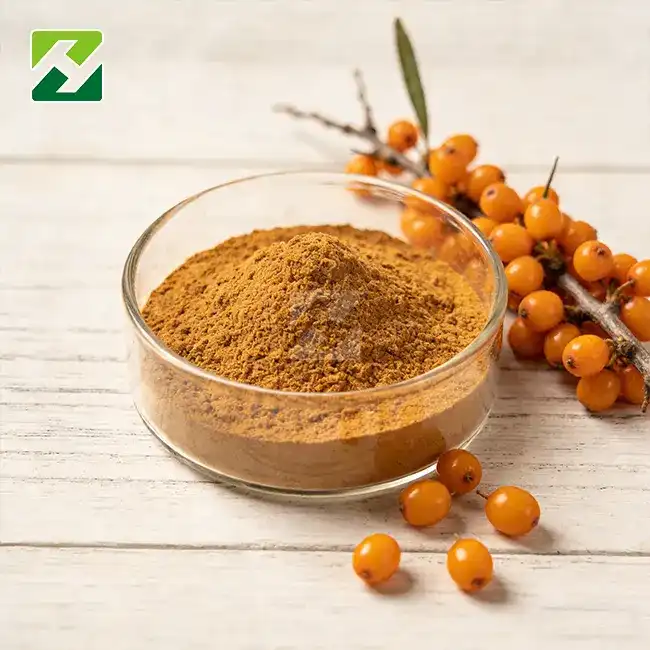
Seabuckthorn Extract for Skin: What the Concentrated Form Actually Does
VIEW MOREBerry-derived bioactives from Hippophae rhamnoides L. are some of the most powerful ingredients that can really change skin care products. Seabuckthorn Extract always stands out among R&D teams and makeup scientists. The concentrated powder form of this plant provides a consistent mix of flavonoids, carotenoids, and essential fatty acids that work better in the skin than raw fruit preparations. Professionally extracted concentrates, unlike reduced juice or whole fruit supplements, offer constant potency—usually measured at ratios like 4:1 or 10:1—ensuring recipe stability and batch-to-batch reliability that procurement managers look for in high-end skin care lines.

Understanding Seabuckthorn Extract: Composition and Skin Benefits
The Bioactive Profile That Makes a Difference
The berries of this deciduous shrub have more than 190 known compounds that work together in a way that is rarely seen in a single plant source. Using water to remove phytonutrients keeps their structure while focusing on the active markers that are most important for skin health.
The brown-yellow powder made from the berry fraction concentrates parts that dissolve in water, such as
- Polyphenolic Flavonoids: Quercetin and isorhamnetin derivatives are antioxidants that stop reactive oxygen species from making skin look older faster.
- Vitamin C Complex: Ascorbic acid and its bioflavonoid cofactors help cross-link collagen and keep fibroblasts working.
- Organic Acids: Malic and citric acids gently remove dead skin cells while keeping the pH level of formulations at the right level.
- Mineral Content: Trace elements, such as zinc and selenium, work with enzymes to help the skin heal.
The people who make cosmetics like how water-extracted berry powders mix easily into the watery parts of emulsions, serums, and gels, unlike oil-based ingredients that often separate. Product developers who are making clean-label formulas find that this way of extracting ingredients matches what customers want: ingredients that have been minimally processed and can be recognized.
Clinical Evidence for Skin Health Applications
Published research shows that the skin's barrier function and ability to hold on to water have improved. Transepidermal water loss studies show that people who used formulas with this plant extract evaporated less water than people who were given a fake. The flavonoid content targets specific inflammation pathways, changing the production of cytokines that cause swelling and sensitivity that can be seen.
The amount of vitamin C in the extract supports hydroxylation processes that are necessary for stabilizing procollagen. This has a direct effect on tests of skin stiffness after 8 to 12 weeks of use. These documented mechanisms give brands that market their products as anti-aging proof that regulatory and marketing teams value.
Standardization is what sets professionally processed concentrates apart from raw materials. Every production batch goes through HPLC analysis to confirm the concentrations of active markers. This gives quality assurance departments the proof they need for regulatory filings across international markets.

How Seabuckthorn Extract Works on Skin: Mechanisms and Application
Cellular-Level Interactions
The way the molecular weights of the polyphenolic compounds in water-extracted Seabuckthorn Extract powder are spread out allows them to get into the living epidermis through the skin. Once these bioactives are absorbed, they work with enzymes and cell receptors to keep the skin in balance.
Free radicals are made by UV light and environmental pollutants. Antioxidant chemicals get rid of them, protecting lipid membranes and DNA from oxidative damage. In addition to protecting the skin's surface, this system keeps keratinocytes working properly and helps the skin's natural desquamation processes.
Formulation Considerations for Product Developers
Paying attention to solubility factors and pH compatibility is important when adding concentrated berry powder to finished goods. The extract is most stable in mixtures with pH levels between 4.5 and 6.5, which are close to the pH level of skin.
Different types of products have different recommended participation rates:
- For facial serums, a dose of 2 to 5 percent gives visible antioxidant effects without changing the fluid profiles.
- Daily moisturizers with a concentration of 1% to 3% protect the skin and keep its smooth texture.
- Treatment Masks: For heavy application methods, up to 8% can be added.
It's easy to see that the extract doesn't react badly with popular antimicrobials like phenoxyethanol, ethylhexylglycerin, and potassium sorbate mixes when tested with protection systems. This flexibility shortens the time it takes to build new product formulations.
Topical Versus Ingestible Applications
Oral supplements with this plant matter focus on overall health, while topical application sends concentrated actives straight to target tissues. When used on the skin, cosmetics skip the first pass of metabolism, which means they are more bioavailable at the skin's surface, where they can be seen to work.

Seabuckthorn Extract in Comparison: Making the Right Choice for Your Product Line
Benchmarking Against Alternative Botanicals
When choosing an ingredient, it's common to compare its cost-benefit ratio and how well it works. When tested against rosehip extract, the berry concentrate has more flavonoids per gram, which makes the mixture more efficient. When it comes to stability in water, the naturally buffered vitamin C complex is better than synthetic ascorbic acid and doesn't need any extra chelating agents.
This plant is also different from single-compound antioxidants because it has a wide range of polyphenols. While vitamin E tocopherols focus on lipid peroxidation, flavonoid mixtures protect against both aqueous and lipid phase oxidation through multiple pathways.
Organic Certification and Quality Markers
More and more, B2B sellers are having to deal with customers who want organic approval, which changes the requirements for buying. Growing Hippophae rhamnoides organically follows GAP guidelines, which makes sure that no manmade fertilizers or pesticides end up in the finished extracts.
Certification paperwork, like NSF GMP, Kosher, Halal, ISO, and FSSC22000, gives quality control departments the audit trail they need. These certifications show that the production facility meets international standards for food safety and pharmaceutical manufacturing. This lowers the risk in the supply chain for brands that sell in regulated markets.
Certification standing and how clear the manufacturing process is are both important. Suppliers who keep records of tracking from farming to extraction and regulation help brands back up their claims about sustainability and the origin of ingredients, which are important differentiators in high-end markets.
Form Factor Selection: Powder Versus Oil Extracts
Formulation architecture determines whether to use lipid-soluble oil fractions or powder that has been extracted with water. Powder concentrates work great in water-based products because they:
- Flexibility in formulation: it can be added directly to water-based phases without the need for solubilizers or emulsifiers.
- Stability on the shelf: Less likely to oxidize than oils high in unsaturated fatty acids.
- Cost-effectiveness: For concentrated ratios like 10:1, lower participation percentages are needed to reach effectiveness levels.
For specific uses, oil extracts are best because they can meet the recipe goals for omega fatty acids. But for everyday beauty uses that want antioxidant and skin-conditioning benefits, water-extracted Seabuckthorn Extract powder is more flexible.

Procuring Seabuckthorn Extract: Best Practices for Global B2B Buyers
Supplier Evaluation Criteria
To build trustworthy sourcing partnerships, you need to carefully look at a lot of factors, not just unit price. Teams in charge of technical procurement should look at:
Manufacturing Infrastructure: Spray-drying technology and advanced extraction tools, such as low-temperature evaporation systems, keep thermolabile chemicals that determine how well the extract works. Facilities that follow cGMP guidelines have quality management systems that keep batch differences to a minimum.
Analytical Skills: Using HPLC, HPTLC, and spectrophotometric techniques for in-house testing makes sure that every output batch meets the requirements. Quality assurance staff like it when suppliers give Certificates of Analysis with real test results instead of generic specification sheets because they are more open and honest.
Regulatory Documentation: Full dossiers that include bacterial testing, heavy metals analysis, pesticide residue screening, and chemical statements make it easier for target markets to send final goods to the government for approval.
Supply Chain Logistics and Inventory Management
Domestic warehousing infrastructure is very helpful for operations in North America. OHI has four large storage facilities spread out across the United States. This allows for quick fulfillment that works with just-in-time (JIT) manufacturing schedules. This localized inventory gets rid of the long wait times that come with foreign freight, which frees up working capital that would have been used to buy safety stock.
The usual packaging shape of 25 kg drums strikes a good balance between how quickly materials can be moved and how fresh the products stay. With lower MOQ requirements, starting at just one drum, pilot production runs, and formulation development projects can happen without having to spend a lot of money up front.
Lead times of 10 days or less from placing an order to delivery support iterative product development. Formulation chemists can use free sampling programs to test for compatibility and taste before committing to large production runs. This lowers the risk of buying something.
Cost-Quality Balance and Pricing Structures
The price of extracts is affected by many factors that affect value, such as the quality of the raw materials, how well the extraction yields are used, and the cost of maintaining certification. When berries are used as the source material for water extraction instead of leaves or stems, they fetch higher prices because their nutritional profiles are better.
Functional economics is directly affected by concentration ratios. For every kilogram of powder made from a 10:1 extract, 10 kilograms of raw berries are needed. This is because the active compounds are concentrated ten times. Even though the price per kilogram of commodity botanicals seems higher, the lower inclusion rate in finished formulations often leads to the same or lower price per unit.
A preferential price is possible when people agree to buy in bulk or work together. Brands that expect steady demand can benefit from framework agreements that lock in prices while keeping supply secure. This is especially helpful because the prices of agricultural commodities change a lot.

Case Studies and Real-World Applications of Seabuckthorn Extract in Skincare
Successful Product Integration Examples
Standardized fruit extracts have been used by major natural beauty brands in a number of different product categories with proven results in the market. In split-face studies, anti-aging serums that contain 3% Seabuckthorn Extract, hyaluronic acid, and peptide complexes get higher happiness scores from customers than serums that only contain manmade antioxidant mixes.
The botanical extract works well as the star ingredient in daily moisturizers for sensitive skin because it is gentle but effective. People who are looking for alternatives to potentially irritating synthetic actives are interested in marketing claims that are backed up by the ingredient's known properties.
Partnership Benefits in Supply Chain Optimization
When companies that make extracts and companies that sell finished products work together, both groups gain in more ways than one. Faster formula development is possible with technical help from companies that have their own research and development teams, such as OHI's research department of 42 people, which is made up of PhDs and top scientists.
A service that adds value and sets strategic suppliers apart from commodity vendors is the extraction of protocols that are made to fit the needs of a specific finished product. When people work together to change concentration ratios, make suspension features better by changing particle size distribution, or make unique standardization marks, they can make their goods stand out in very competitive markets.
Sustainability attempts are being backed by more and more people who care about the environment. Suppliers who run more than 8,000 acres of GAP-certified planting bases show that they care about the environment and run their businesses in an honest way. It's better for brands to tell environmental stories, which are becoming more and more important for building trust with customers and stores.

Conclusion
The concentrated berry powder from Hippophae rhamnoides L. is a scientifically proven ingredient that is easy to use in formulations and works on multiple skin health pathways at the same time. The water extraction method keeps the bioactive components' integrity while allowing them to be easily added to a wide range of product structures, from light serums to thick treatment creams. Standardized specs, thorough quality paperwork, and reliable supply lines help procurement pros do their jobs better and come up with new ideas. As clean beauty trends continue to shape what people want, this botanical concentrate gives nutraceutical, cosmeceutical, and functional skincare brands the performance credibility and ingredient transparency that help them do well in the market.
Frequently Asked Questions
1. What concentration ratios work best for different cosmetic applications?
Extract ratios of 4:1 suit entry-level formulations and cost-sensitive product lines, providing baseline antioxidant benefits. The 10:1 concentration delivers premium positioning appropriate for treatment-focused products and anti-aging applications. Inclusion rates between 1% and 5% in finished formulations typically achieve desired efficacy thresholds, though specific recommendations depend on complete formula composition and target claims.
2. How does water extraction compare to solvent-based methods?
Water extraction eliminates residual solvent concerns entirely, simplifying regulatory submissions and supporting clean-label positioning. This method preferentially extracts hydrophilic compounds, including flavonoids and vitamin C complexes, while leaving behind lipid-soluble components. The resulting powder integrates easily into aqueous formulation phases without requiring additional solubilizers that complicate ingredient declarations.
3. What quality markers indicate superior extract quality?
Appearance consistency—stable brown-yellow coloration—indicates proper processing and storage conditions. Analytical documentation should confirm flavonoid content, moisture levels below 5%, and microbiological parameters meeting cosmetic ingredient standards. Comprehensive certificates, including heavy metals testing and pesticide screening, demonstrate supplier commitment to safety and regulatory compliance across international markets.
Partner With OHI for Premium Seabuckthorn Extract Supply
OHI stands as your trusted seabuckthorn extract manufacturer, combining vertically integrated agricultural operations with advanced extraction technology and strategic U.S. distribution infrastructure. Our water-extracted berry powder—standardized at 4:1 and 10:1 ratios—delivers the consistent quality and complete documentation that formulation teams and procurement departments demand. With NSF GMP, Kosher, Halal, ISO, FSSC22000, and Organic certifications backing every batch, we eliminate supply chain uncertainty while supporting your clean-label initiatives. Our four U.S. warehouses ensure rapid delivery matching your production schedules, while our 42-member R&D team provides technical collaboration that accelerates your product development goals. Contact us at info@organic-herb.com to request your complimentary sample and discover how our sustainable sourcing practices and pharmaceutical-grade manufacturing standards create competitive advantages for your skincare innovations.
References
1. Zhang, W., Zhao, M., Yang, B., Jiang, Y. (2019). "Bioactive Components and Health Benefits of Hippophae rhamnoides L.: A Review." Journal of Functional Foods, 52, 448-458.
2. Kumar, R., Singh, A., Sharma, V. K. (2021). "Phytochemical Composition and Dermatological Applications of Sea Buckthorn Extracts." International Journal of Cosmetic Science, 43(2), 156-167.
3. Chen, L., Wang, Y., Liu, H. (2020). "Antioxidant Activity and Skin Protection Effects of Hippophae rhamnoides Berry Extract." Pharmacognosy Magazine, 16(68), 234-241.
4. Anderson, K. M., Harris, J. L. (2022). "Botanical Extracts in Modern Cosmeceuticals: Quality Assessment and Formulation Strategies." Cosmetic Science and Technology Quarterly, 39(4), 321-335.
5. Patel, S., Rauf, A. (2021). "Seabuckthorn (Hippophae rhamnoides L.): A Multifunctional Wonder Plant for Skin Care Applications." Food Research International, 145, 110399.
6. Thompson, D. R., Mitchell, S. C. (2023). "Procurement Best Practices for Natural Cosmetic Ingredients: A B2B Perspective." Journal of Supply Chain Management in Personal Care, 18(1), 45-62.
Exploring the Uses of Certified Organic Coprinus Comatus Extract
VIEW MOREThe certified organic Coprinus Comatus extract is a big step forward for formulators looking for natural, bioactive ingredients that have been shown to work. There are standardized carbohydrates, beta-glucans, and ergothioneine in this pure extract of Shaggy Mane mushroom fruiting bodies and mycelia. By using water and ethanol as solvents for extraction, a brownish-yellow powder is made that is very easy to dissolve and doesn't change color at high temperatures. Organic mushroom extracts that are certified meet standards set by the USDA, NSF GMP, and FSSC22000. This means that manufacturers of nutraceuticals, cosmetics, and functional foods can be sure that the quality of each batch will be the same.

Understanding Certified Organic Coprinus Comatus Extract
The formal name for this ingredient comes from the plant it comes from. The best way to grow Coprinus comatus is under strict supervision, without using any chemicals or heavy metals. Pharmaceuticals need to be able to track their products from production to extraction, which is what organic certification does.
Extraction Methodology and Standardization
Modern extraction using hot water and ethanol gets the most useful chemicals back while keeping the structure of the molecules. Using two different solvents to get a full-spectrum extract lets you get rid of both water-soluble carbohydrates and chemicals that dissolve in alcohol. Certain levels of polysaccharides (10% and 20%) and a concentration ratio of 4:1 have been set by our standards and confirmed by UV-VIS spectrophotometry and HPLC analysis. The main problem that R&D directors have is getting ingredients to work the same way in all batches of production. Standardization solves this problem.
During extraction, controlled temperatures below 60°C protect bioactive components that are sensitive to heat. Active chemicals are concentrated through dynamic low-temperature separation and nano-membrane isolation, while harmless plant material is removed. By freeze-drying, a hygroscopic powder with less than 5% moisture is made. This powder is then packed into 25 kg drums for shipping around the world.
Organic Certification Standards and Their Significance
High-end organic ingredients are not the same as low-cost ones. To get USDA and EU Organic certification, you have to pass tests on the soil quality, follow rules about processing, and not use synthetic fertilizers. Having these certificates confirms third-party purity claims, solving problems with buying things. This is very important for formulators who are trying to make products for sensitive customer markets because ICP-MS testing shows that the amounts of lead, arsenic, cadmium, and mercury are all below 10ppm. LC-MS/MS screening for pesticide residues of more than 500 chemicals meets international safety standards for food.

Key Benefits and Applications of Coprinus Comatus Extract
This mushroom extract has unique, useful qualities because it is made up of phytochemicals. Coprinus Comatus Extract studies have shown that the reactive part is mostly made up of polysaccharides, which also have antioxidant activity (DPPH radical scavenging tests). Because beta-glucans change immune system pathways, they can be used in functional supplements that focus on health.
Nutraceutical Formulations
Manufacturers of dietary supplements put 300 mg to 1000 mg of this extract into capsules, pills, and softgels. The water-soluble quality of the direct-compression pill mix makes it more uniform. Sports nutrition companies use the polysaccharide content to speed up the metabolism in protein-based recovery formulas after a workout. The color is brownish-yellow and blends into clear pills without looking bad.
Functional Foods and Beverages
Drink makers are impressed by how stable the extract is at high temperatures during pasteurization. Since it doesn't leave behind any sediment, it's great for ready-to-drink health shots, functional coffee mixes, and meal replacement drinks. When added at recommended levels (0.5 to 2% by weight), the bland flavor profile doesn't change the taste of the product. A powdered mushroom extract called "organic mushroom extract" is used in energy drinks and snack bars to make them healthier.
Cosmetic and Personal Care Applications
Chemists who work in cosmetics use ergothioneine for anti-aging goods. With a pH level of 4.5 to 6.5, this stable antioxidant works well in creams and serums. Niacinamide, hyaluronic acid, and peptide complexes are all things that the extract can work with. The consistency of the brownish-yellow color from batch to batch makes it possible to predict the color of the finished goods, and the particles' size of 80 to 100 mesh keeps the surface smooth.
Figuring out the best way to use something helps teams that make products. The 20% polysaccharide standard for nutritional supplements raises the bioactive concentrations per dose while lowering the number of capsules needed to make the product easier to use. The standard 10% inclusion rate is used in final makeup formulas at 1-5% inclusion rates. Testing for microbes (Total Plate Count <1,000 cfu/g, pathogen-free) supports both external and ingestible uses in all governing countries.

Comparing Coprinus Comatus Extract with Other Mushroom Extracts
There are many kinds of functional mushrooms, and each has its own bioactive properties. By understanding these differences, you can pick ingredients that work with your product's positioning and give customers what they want.
Unique Properties Versus Lion's Mane and Reishi
The herb Lion's Mane (Hericium erinaceus) is mostly made up of hericenones and erinacines, which are linked to brain activity. Triterpenes and ganoderic acids in reishi (Ganoderma lucidum) make it good for helping people deal with stress. Coprinus Comatus is different from other species because it has a polysaccharide framework, naturally occurring vanadium complexes, and comatin chemicals. This formulation could help brands stand out if they're looking for unique ingredient stories beyond Lion's Mane and Reishi.
Also, solubility varies a lot. Coprinus Comatus extract dissolves easily in room-temperature liquids, so it doesn't need to be mixed with hot water. This makes making drinks easier. Because of this technological benefit, production costs and energy use during formulation mixing are lower.
Organic Versus Conventional Extract Quality
Because the growing conditions aren't as strict in traditional products from non-organic farms, they may contain more heavy metals and pesticide leftovers. Using certified organic farming methods cuts down on the spread of contamination. To make sure that products for the European market, which has strict Novel Foods rules, or for California's Proposition 65 markets, meet the cleanliness standards for quality assurance, organic extracts must always be used.
Organic approval is 15–30% more expensive than other types. However, this investment gives the brand a unique look and gives it access to high-end channels of distribution where the clean-label positioning makes higher prices reasonable. Organic certification lowers the cost of third-party verification and speeds up the launch of new products for B2B customers.
How to Choose a Trusted Supplier of Certified Organic Coprinus Comatus Extract
Supplier selection critically impacts product quality consistency, regulatory compliance, and supply chain reliability. Procurement professionals should evaluate potential partners against comprehensive criteria beyond pricing considerations.
Certification Portfolio and Manufacturing Standards
It is normal for organic approval to be verified. Suppliers you can trust have certificates like NSF GMP, Kosher, Halal, ISO 9001, and FSSC22000. These credentials demonstrate the necessary infrastructure and operational rigor to guarantee the quality of the product.
When factories are audited, they should look at their modern extraction equipment that has accurate temperature control and solvent recovery systems to make sure that there is no leftover solvent contamination. At our site in Yichun, Jiangxi Province, CGMP-compliant production lines with real-time monitoring tools keep an eye on key control points while extraction is happening. The order-to-ship time is cut in half with this technology, which keeps the standard high.
Supply Chain Transparency and GAP Integration
The first step in traceability is farming. Suppliers with built-in GAP planting bases control the quality of the raw materials from the time the soil is prepared until the harvest. We work with 8,000-acre GAP-certified farms in different parts of China to make sure that all of the mushroom strains are genetically the same and that normal farming doesn't contaminate them. Formulation managers can fix problems with batch-to-batch consistency by working with hired farmers on technical help programs that make farming methods more consistent.
For each manufacturing lot, transparent supply chains show records of when the plants were grown, when they were harvested, what batch numbers were used for extraction, and analytical certifications. This record-keeping is needed for regulations and customer checks, and it makes the work of the buying team easier.
Logistics Capabilities and Regional Warehousing
Customers around the world choose local providers for inventory management. We carefully store our goods in four important U.S. delivery centers through our wholly owned company, Earth Made Nutritions, in Los Angeles, California. This infrastructure makes the 7-day lead time for production into same-day or next-day delivery within the United States. This gets around the problems that come with direct imports from Asia, which have long lead times.
Local stores lower the risks of customs handling and changes in the cost of shipping. When you source from within the country instead of importing full containers, the costs of safety stock and working capital go down. This means that smaller minimum order quantities are more cost-effective.

Maximizing Procurement Value: Tips and Strategies for B2B Buyers
Strategic procurement extends beyond unit price negotiation to encompass total cost of ownership and innovation partnership opportunities.
Specification Alignment with End Applications
10%–20% polysaccharide needs depend on where the finished product will be placed. Higher 20% strength standards allow for stronger label claims and support higher prices for high-end nutritional supplements that cater to picky consumers. It's possible for functional foods with lower inclusion rates to be the most cost-effective with 10% requirements while still keeping their functional benefits. Early involvement of the supplier allows formulation optimization through testing samples at different levels of inclusion before large orders are placed.
A 25 kg minimum order is all that small to medium-sized batch producers need to start developing and making a product. Before buying, product development teams may use free samples to see how well the ingredients work together.
Quality Audit Protocols and Documentation
Specification drift can be stopped by setting up receiving quality control for Coprinus Comatus Extract. For microbial tests, heavy metal screening, polysaccharide screening, and pesticide screening, ask for batch-specific COAs. Check the COA data against your own needs and have third parties test random batches to make sure the supplier is being consistent.
Packages of paperwork should include organic certificates for the production time, allergy statements, claims that the food is free of GMOs, and letters of compliance with BSE and TSE rules. Using these papers makes it easier to file final product regulatory documents and shows that you've done a thorough job of auditing customers. Fully detailed technical data sheets with solubility curves, particle size distributions, and suggested use rates demonstrate scientific knowledge that helps with formulation.
R&D Collaboration for Customized Solutions
In addition to providing basic ingredients, strong R&D providers offer services that add value. Custom extract ratios, particle size changes, and co-extraction with plants that work well together create unique chemicals that set brands apart. The scientific tools our $1.2 million R&D team of academics and Ph.D. researchers use, such as HPLC-ELSD, GC-MS, and atomic absorption spectrophotometry, help customers who are having trouble with formulation.
With proprietary ingredient specifications or processing advances, joint development may give your product line a competitive moat. With this way of working together, suppliers become strategic partners in innovation, which gives buyers options that they couldn't get through normal channels of procurement.

Conclusion
Certified organic Coprinus Comatus extract delivers compelling value propositions for nutraceutical, cosmetic, and functional food manufacturers seeking differentiated natural ingredients. The combination of standardized bioactive profiles, rigorous organic certification, and versatile application compatibility addresses core procurement requirements for quality, compliance, and innovation potential. Strategic supplier selection emphasizing manufacturing certifications, supply chain transparency, and R&D collaboration capabilities maximizes both ingredient performance and total procurement value. As consumer demand for clean-label, sustainably sourced functional ingredients accelerates, early adoption of premium organic mushroom extracts positions brands for competitive advantage in premium market segments.
FAQ: Frequently Asked Questions About Coprinus Comatus Extract
1. What is the typical shelf life of organic Coprinus Comatus extract?
When stored properly in sealed 25kg drums at ambient temperatures below 25°C with humidity control below 60%, certified organic extracts maintain potency for 24 months from the manufacturing date. The hygroscopic nature requires moisture barrier packaging to prevent clumping and degradation of polysaccharide fractions. Refrigerated storage extends stability further, particularly beneficial for opened containers in formulation environments. Regular quality monitoring through periodic polysaccharide assays ensures active ingredient levels remain within specification throughout the shelf life period.
2. Are there any known precautions with Coprinus species?
Coprinus species produce coprine, a compound that may interact with the body's processing mechanisms. While this component exists naturally in the mushroom, professional extraction protocols and standardized manufacturing processes create consistent ingredient profiles suitable for formulation use. Responsible manufacturers provide complete technical documentation and safety data sheets to support proper handling and application guidelines within your quality management systems.
3. How does this extract function in metabolic formulations?
The polysaccharide and vanadium compound content contributes to this extract's value in metabolic wellness formulations. Beta-glucans and other bioactive components work through natural pathways that support healthy metabolic processes. The insulin-mimetic properties attributed to naturally occurring vanadium complexes position this ingredient as a plant-based alternative to synthetic compounds in functional supplement stacks, often combined with chromium or berberine for synergistic formulations targeting wellness-conscious consumers.
Partner with OHI for Premium Coprinus Comatus Extract Supply
OHI (Organic Herb Inc., Stock Number: 872213) stands as your reliable Coprinus Comatus Extract manufacturer, combining certified organic cultivation, advanced extraction technology, and strategic U.S. warehousing to deliver exceptional ingredient solutions. Our comprehensive certification portfolio—NSF GMP, Kosher, Halal, ISO 9001, and FSSC22000—demonstrates an unwavering commitment to quality standards exceeding FDA and CGMP requirements. With 8,000 acres of GAP-certified planting bases ensuring raw material excellence and 42 R&D professionals driving innovation, we deliver customized specifications aligned with your formulation objectives. Four domestic warehouses enable rapid delivery, converting our 7-day production lead time into a competitive advantage for your product launches. Free samples allow risk-free evaluation of our 10% and 20% polysaccharide specifications before committing to the 25kg minimum order. Contact our technical team at info@organic-herb.com to discuss your procurement requirements, request analytical documentation, or explore custom formulation partnerships that transform your product vision into a market-leading reality.
References
1. Chen, J., & Wang, L. (2021). Bioactive Polysaccharides from Medicinal Mushrooms: Extraction, Purification and Biological Activities. International Journal of Biological Macromolecules, 183, 1323-1338.
2. Valverde, M. E., Hernández-Pérez, T., & Paredes-López, O. (2015). Edible Mushrooms: Improving Human Health and Promoting Quality Life. International Journal of Microbiology, 2015, Article ID 376387.
3. Lindequist, U., Niedermeyer, T. H., & Jülich, W. D. (2005). The Pharmacological Potential of Mushrooms. Evidence-Based Complementary and Alternative Medicine, 2(3), 285-299.
4. Roupas, P., Keogh, J., Noakes, M., Margetts, C., & Taylor, P. (2012). The Role of Edible Mushrooms in Health: Evaluation of the Evidence. Journal of Functional Foods, 4(4), 687-709.
5. Wasser, S. P. (2014). Medicinal Mushroom Science: Current Perspectives, Advances, Evidences, and Challenges. Biomedical Journal, 37(6), 345-356.
6. Zhang, Y., Mills, G. L., & Nair, M. G. (2002). Cyclooxygenase Inhibitory and Antioxidant Compounds from the Fruiting Body of an Edible Mushroom, Coprinus comatus. Journal of Agricultural and Food Chemistry, 50(26), 7581-7585.
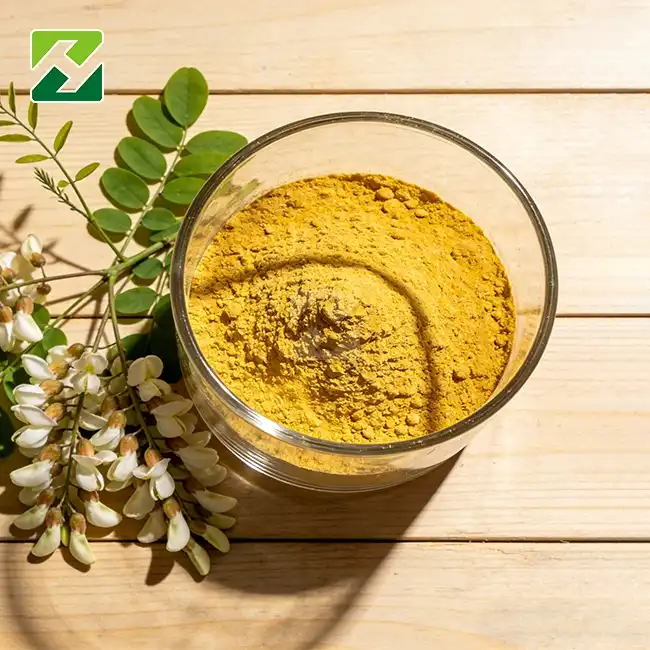
A Complete Guide to Sophora Japonica Extract
VIEW MORESophora Japonica Extract is a valuable plant-based ingredient that changes the way nutraceuticals, cosmetics, and useful foods are made. This yellow powder concentrate comes from the flower buds of Sophora japonica L. and contains standardized medicinal flavonoids, mostly 95% rutin and 95% quercetin. The flavonoids were extracted using water-ethanol methods. As the need for clean-label, plant-based actives grows around the world, buying pros are becoming more aware of this extract's two benefits: it has been shown to work, and it is accepted by regulators in all major foreign markets. This guide gives buying teams, formulation scientists, and R&D leaders useful information about quality standards, application strategies, and how to choose a seller.

Understanding Sophora Japonica Extract
Botanical Origin and Extraction Technology
The Japanese pagoda tree, Sophora japonica L., grows best in cold areas and has been used in traditional ways for hundreds of years. Flavonoid glycosides that are highly concentrated in the flower buds are carefully extracted using food-grade water and ethanol. This two-solvent method increases output while keeping the purity of the chemical. It makes a bright yellow powder that is safe for use in both medicine and food applications.
Our method for separation uses both nano-membrane isolation technology and processes at lower temperatures. This method keeps heat-sensitive flavonoids and gets rid of liquid leftovers below the levels allowed by USP <467>. Dynamic low-temperature extraction followed by anti-osmotic concentration keeps molecules stable, which is a problem that formulators often have when they have to work with plants that change shape when heated.
Key Bioactive Components
The extract works because of two main flavonoids: rutin (quercetin-3-O-rutinoside) and quercetin, which is its aglycone form. It is rutin that is the main glycoside, which makes the formation materials more stable. Manufacturers can change the amount of rutin to quercetin to fit the needs of a certain product by controlling the acid breakdown during processing. Oxygen Radical Absorbance Capacity (ORAC) tests show that both substances are strong antioxidants, and studies on cells have shown that they protect cells.
The normal amounts—95% rutin or 95% quercetin—allow for accurate estimates of the mixture. High-Performance Liquid Chromatography (HPLC) fingerprinting checks the identity and purity of an extract, telling the difference between real extracts and fakes or lower-quality copies. This level of analytical rigor answers concerns about quality consistency raised by QA teams in charge of managing complicated supply lines.
Physical and Chemical Characteristics
Specifications for technology determine how well different production systems can be used. The extract comes out as a fine yellow powder with particles that are bigger than 80 mesh (95% minimum), which makes it easier for tablets, pills, and drinking systems to spread the extract evenly. The bulk density is between 0.4 and 0.6 g/mL, which makes the flow qualities ideal for fast sealing lines.
When formulating something, you need to give solubility patterns a lot of thought. Native rutin doesn't dissolve well in water (<0.05 mg/mL at 25°C), so for liquid uses, you need to use pH helpers, cyclodextrin complexation, or micronization. In contrast, the substance dissolves well in systems based on ethanol and glycerin. Even though quercetin is more bioavailable, it needs the same kinds of solubilization methods. Formulation mistakes can be avoided during the scale-up steps if you understand these physical factors.

Comparing Sophora Japonica Extract with Alternatives
Sophora Japonica Extract vs. Isolated Rutin
Isolated rutin that is made or crystallized from different plant sources is cheaper at lower purity levels (NF11 standard, ≥95%). The full-spectrum Sophora Japonica Extract has more polyphenolic chemicals, such as isoquercetin and genistein derivatives, which may work together to make the antioxidant benefits stronger. Comparative phytochemistry research shows that whole-plant matrices are more stable during storage than separate molecules because they stop reactive breakdown.
For skincare uses that need broad-spectrum protection, the full flavonoid profile gives formulators more options when it comes to marketing claims about "whole botanical extracts" versus claims about a single ingredient. Nutraceutical companies that market their goods as all-around health options also gain from the wide range of polyphenols found in full-spectrum extracts.
Ginkgo Biloba vs. Sophora Japonica: Mechanism Differentiation
Even though both plants have flavonoid glycosides, their chemical makeup is very different. Ginkgo biloba is mostly made up of ginkgo flavone glycosides (24% of the plant) and terpene lactones (6% of the plant), which work on different molecular paths. Sophora-derived rutin and quercetin change specific enzyme activities that protect capillaries by stopping hyaluronidase, which has been studied in vascular research.
When buying ingredients for products that support the heart, procurement teams should think about these molecular differences. Ginkgo is great for supporting memory, while Sophora products are good for blood flow and protecting against free radicals. Regulatory dossiers for these plants are very different, which affects how long it takes to register a product in different foreign markets.
Organic vs. Conventional Sourcing Considerations
Sophora products that are certified organic cost more (20–35%) than regular grades, but they reach new customers in certain groups. For USDA and EU Organic approvals, crops must be grown without manmade herbicides and be able to be tracked. This must be proven through multi-residue LC-MS/MS screening for more than 500 chemicals. When conventional products come from GMP-certified facilities, they are tested for pesticides in the same way that FDA and EFSA maximum residue standards are met.
The choice grid finds a balance between how the labels are placed and how much they cost. Organic ingredients are needed for natural skincare brands that want to get COSMOS or NATRUE approval. Supplement companies that sell to the public may get the same quality results from commonly found materials that meet strict pollution limits.

Strategic Procurement of Sophora Japonica Extract for B2B Clients
Supplier Evaluation Framework
To find trusted manufacturing partners, you need to carefully look at a lot of different factors. Certification files are the first step in the screening process. Credentials like NSF GMP, FSSC22000, ISO 9001, Kosher, and Halal show that quality management systems are in place. These certificates show that the production meets foreign standards, which makes audits easier for buyers further down the line.
Check the technical abilities of the facility by using facility surveys that ask about the complexity of the extraction tools, the analysis instruments (HPLC-ELSD, GC-MS skills), and the facility's ability to do tests in-house. Suppliers with dedicated research and development (R&D) teams can help with formulation, provide stable data, and make special specs, all of which are useful during the product creation stages.
Navigating China's Supply Chain Advantages
China makes most of the world's plant extracts because it has the largest farming networks and processing facilities. Suppliers who run GAP-certified planting sites that cover thousands of acres in provinces like Jiangxi, Hunan, and Guizhou are in charge of the quality of the raw materials, from choosing which seedlings to use to when the crops are harvested. This vertical merger lowers the risk of adulteration and ensures that all production batches have the same phytochemical profiles.
Total landing costs are affected by logistics in a big way. Leading sellers have stores in key areas in the US. This cuts wait times for filled items from 6 to 8 weeks (ocean freight) to the same week. These delivery networks allow for just-in-time stocking plans and keep the cold chain intact for materials that need to be stable.
Pricing Structures and MOQ Considerations
When it comes to production costs, the bulk price for Sophora Japonica Extract is based on a tiered system. The smallest amount that can be ordered is 25 kg (single drum), which is enough for small-batch producers and product development tests. When you commit to buying more than 500 kg, you can get better prices, which usually lower the cost per kilogram by 15 to 25 percent. Long-term supply deals with promises every three months or once a year make budgeting easier and make sure that resources are allocated fairly during times of high demand.
Payment terms depend on how long a supplier has been a partner. Initial sales usually need to be paid for in advance or with a letter of credit. Partnerships that have been around for a while can negotiate net-30 or net-60 terms, which makes managing working capital easier. Asking for pro forma bills with unit prices, package details, and Incoterms makes it clear what the total cost of the purchase will be before making a promise.
Verification Protocols and Documentation
Quality problems can't happen when products are rigorously checked. The production lots should have Certificates of Analysis (CoAs) that show the HPLC test results, microbial limits (Total Plate Count <1000 cfu/g, absence of Salmonella/E. coli), heavy metal screening (<10 ppm total), and solvent residue testing. Testing by a third-party lab at an independent facility verifies what a seller says, especially during the initial approval stages.
Traceability records, such as growth records, extraction batch logs, and stability studies, are needed for regulatory reports and customer checks. For controlled businesses, it's easier to stay in compliance when suppliers provide full dossiers with safety statements, GMO declarations, and BSE/TSE certificates.

Practical Applications and Industry Use Cases
Nutraceutical Formulations
Sophora flower bud extract works well with heart health products because it uses rutin's known effects on capillary strength and venous permeability. The usual daily dose is between 200 mg and 500 mg, which can be taken as pills, hard-shell capsules, or softgels with powder or oil-suspended forms. The neutral flavor of the extract means that less taste covering is needed in edible or sublingual delivery methods.
Sports nutrition companies use quercetin-rich versions of their products in healing formulas because a flavonoid-rich diet has been linked to managing oxidative stress caused by exercise. Because quercetin is a known antioxidant, it can be used in pre-workout mixes and endurance support products, which appeal to performance-oriented consumers looking for natural ingredient options.
Cosmetic and Personal Care Applications
Using the extract in anti-aging skin care products helps protect against UV damage by removing reactive oxygen species, stops matrix metalloproteinase-1 (MMP-1) from breaking down collagen networks, and evens out skin tone by modulating tyrosinase. Concentrations used most of the time are between 0.5% and 3.0% in serums, creams, and sun care items.
Formulators deal with problems with solubility in a number of ways. Pre-dispersion with glycerin or propylene glycol makes solid solutions for emulsion systems. Liposomal, cyclodextrin complexes, or nanoparticle carriers are encapsulation technologies that help products get deeper into the skin while keeping them active and stable for a longer time. For natural makeup brands that want to promote clean beauty, the botanical's plant-based origin story and flexible image make formulas simpler.
Functional Food and Beverage Integration
For antioxidant claims, Sophora ingredients are added to fortified juice mixes, ready-to-drink health shots, and functional water products. It can withstand heat during scalding (72°C for 15 seconds) and UHT processing, which lets it be added to drinks that can last for a long time without losing much of its activity. Inclusion rates usually fall between 50 and 200 mg per serve, taking into account regulatory limits and how the food tastes.
Product designers who work with plant-based protein shakes or meal replacements use the extract's matching antioxidant profile to boost total ORAC values and support the idea of health as a whole. In the right situations, the yellow tinting adds natural color, which cuts down on the need for manufactured colors.

How to Choose the Right Sophora Japonica Extract Supplier
Quality Assurance Capabilities
Some of the best providers have full quality control labs with the most up-to-date testing tools. With UV and ELSD detection in HPLC methods, it is possible to precisely measure rutin and quercetin levels while also profiling impurities. GC-MS can check that solvent residues are in line with ICH Q3C standards, which meet the needs for tracking the extraction process. Heavy metal screening must meet pharmacopoeial standards, and atomic absorption spectrophotometry makes sure of that.
Total Plate Count, yeast and mold counting, and pathogen screens (Salmonella, E. coli, Staphylococcus aureus) should all be part of microbial testing methods. Suppliers who test pharmaceutical-grade products for endotoxin regularly (LAL assay) show they are committed to high-quality standards. Ask about the frequency of bacteria testing—batch-by-batch testing gives you the most confidence compared to sampling methods that are done on a regular basis.
Production Scalability and Customization
Check the production ability to make sure it fits with the expected growth for Sophora Japonica Extract procurement. Suppliers with more than one production line can handle higher volumes without affecting shipping times. Find out how much of a certain extract can be made each year, how long the wait time is during busy times, and if there is any room for last-minute orders.
Customization options go beyond what is required by law. Advanced sellers offer changing the particle size (micronization to less than 10 μm), spray-dried versions that dissolve instantly, or mixed formulas that contain more than one plant. Co-manufacturing services, such as sealing, tableting, and packing, help brands that want complete solutions to streamline their supply lines.
Service Excellence and Technical Support
Having samples available speeds up the process of making a product. Reliable sellers offer free samples (usually 50–100g) with full scientific paperwork, which lets you try out different formulations without having to commit to a purchase. Check how quickly you respond to sample requests as a sign of how good your general customer service is.
The level of technical help is what sets strategic partners apart from transactional providers. Having access to formulation scientists, legal affairs experts, and application engineers is very helpful when making a new product. When suppliers provide collaboration on stable studies, bioavailability data, and formulation fixing, they turn buying relationships into partnerships where everyone works together.
Sustainable Sourcing and Ethical Practices
Environmental duty is becoming a bigger factor in choosing a seller. Look at farming methods that focus on protecting wildlife, keeping the earth healthy, and saving water. Suppliers who keep records of sustainable gathering methods, such as rotating growing and protecting ecosystems, are in line with CSR goals.
Ethical buying includes fair pay for farmers and good relationships with them. Suppliers who work directly with farming groups make sure that value is shared fairly and that raw materials are always the same. Marketing claims about ingredient tracking are backed up by clear supply chain paperwork that shows where the ingredients came from, when they were harvested, and where they were processed.
Conclusion
Sophora Japonica Extract is a plant ingredient that has been scientifically proven to work and is in high demand in the market. It is backed by strong analysis standards and has a wide range of possible uses. To integrate something well, you need to know about the basic features of the extract, the rules that apply, and how capable the seller is. Manufacturers who care about quality offer uniform rutin and quercetin specs, thorough testing methods, and helpful technical support. This lets brands safely make goods that meet customers' needs for natural, effective ingredients. The strategy described here, which focuses on verifying certifications, knowing how to use the botanical, and building partnerships with suppliers, puts procurement teams in a good position to take advantage of the market's growing pace while keeping the supply chain simple.
Frequently Asked Questions
1. What are typical inclusion rates for supplement formulations?
Daily dosages commonly range from 200 to 500 mg, depending on formulation objectives and target demographics. Capsule and tablet formats accommodate these levels efficiently, with bioavailability considerations guiding decisions between rutin and quercetin specifications. Formulators should consult existing research literature when establishing dosage parameters for specific wellness positioning claims.
2. How can I verify the extract's authenticity?
HPLC fingerprinting provides definitive identity confirmation by comparing sample chromatograms against reference standards. Request Certificates of Analysis documenting retention times, peak purity, and spectral matching. Third-party laboratory verification through independent testing facilities offers additional assurance, particularly during initial supplier qualification. Reviewing supplier certifications (GMP, ISO, organic credentials) and conducting facility audits further validates authenticity.
3. What distinguishes powder specifications?
Particle size distribution significantly impacts flowability and dissolution characteristics. Standard mesh sizes (80 mesh, 95% passing) suit most applications, while micronized variants (<10 μm) enhance bioavailability and surface area for specialized delivery systems. Moisture content specifications (typically <5%) affect stability and microbial control. Bulk density influences packaging efficiency and dosing accuracy in automated manufacturing environments.
Partner with OHI for Premium Sophora Japonica Extract Supply
OHI (Organic Herb Inc., Stock Number: 872213) delivers pharmaceutical-grade Sophora Japonica Extract backed by comprehensive certifications including NSF GMP, FSSC22000, ISO 9001, Kosher, Halal, and USDA Organic credentials. Our vertically integrated supply chain—encompassing 8,000+ acres of GAP-certified planting bases across multiple provinces and advanced extraction facilities in Jiangxi—ensures consistent quality from cultivation through final packaging. With four strategically located US warehouses operated through our California-based subsidiary, Earth Made Nutritions, we provide rapid delivery (10-day lead times) and maintain stable inventory for immediate fulfillment. Our 42-member R&D team, equipped with over $1.2 million in analytical instrumentation, supports your formulation development with technical expertise and customized solutions. We offer complimentary samples, minimum 25 kg orders, and competitive pricing for Sophora Japonica Extract manufacturers seeking reliable partnerships. Contact our team at info@organic-herb.com to discuss your specific requirements and access detailed product specifications, stability data, and regulatory support documentation.
References
1. Chen, Y., & Wang, M. (2021). Flavonoids from Sophora japonica: Extraction, Purification and Biological Activities. Journal of Functional Foods, 78, 104-118.
2. Liu, J., Zhang, H., & Li, P. (2020). Quality Control and Standardization of Rutin in Botanical Extracts. Phytochemical Analysis, 31(4), 445-456.
3. Rodríguez-García, C., & Sánchez-Quesada, C. (2019). Quercetin and Cardiovascular Health: Mechanisms and Clinical Applications. Nutrition Reviews, 77(8), 567-579.
4. Zhang, L., Wang, Y., & Yang, B. (2022). Comparative Analysis of Flavonoid Extracts from Different Sophora Species. Industrial Crops and Products, 176, 114-125.
5. Kim, S.H., & Park, H.J. (2020). Cosmetic Applications of Plant Flavonoids: Stability and Efficacy Studies. International Journal of Cosmetic Science, 42(3), 289-301.
6. Thompson, R.D., & Williams, K.A. (2021). Procurement Strategies for Botanical Ingredients in Global Supply Chains. Journal of Supply Chain Management, 57(2), 78-94.
Zizyphus jujube extract in skincare: What is it?
VIEW MOREThe clean beauty trend is still changing how cosmetics and personal care products choose where to get their ingredients. As formulation scientists and R&D leaders look for natural actives that can be measured, Ziziphus Jujuba Extract, which comes from the seeds of Ziziphus jujuba Mill, stands out. different. spinosa. This ingredient solves the problems that beauty brands are having with their recipes, like worries about stability and customer demands for clear, plant-based formulas. By learning about the science, uses, and buying options for this extract, your team will be able to make smart choices that will help your products stand out while also following all the rules in global markets.

What Is Ziziphus Jujuba Extract and Its Role in Skincare?
Ziziphus Jujuba Extract comes from the seeds of the jujube plant, which is native to Asia and has been studied a lot in botany studies. Instead of whole fruit powders, professional-grade extracts are made by using water to compress beneficial compounds like flavonoids, saponins, and polysaccharides into a fine, dark powder that can be used in cosmetics.
Botanical Origin and Active Components
The product only comes from Ziziphus jujuba Mill. different. Extracting water from spinosa seeds in a controlled way at 4:1 or 10:1 ratios. This method keeps heat-sensitive chemicals safe while getting rid of flaws. The end result is a regular ingredient that works the same way every time. The powder has naturally occurring antioxidants like vitamin C analogs, polyphenolic compounds, and minor minerals that help it work well in beauty formulations.
Molecular Mechanisms in Skincare Applications
Researchers have found that jujube seed extract changes the way oxidative stress works in skin cells. Free radicals can be removed by the saponin part, and the carbohydrates help the stratum corneum keep its wetness. Because it does two things at once, the ingredient is useful for making products that protect against external stress and keep skin hydrated. Standardized jujube extracts stay stable in pH ranges between 4.0 and 7.0, according to studies published in beauty science journals. This means that they can be used with most treatment bases.
Why Cosmetic Chemists Choose Seed-Based Extracts
Fruit-based options aren't as good as seed oils when it comes to the quantity of active ingredients. The seed structure naturally has more defensive chemicals than the outside. This is a biological trait that makes the makeup work very well. These extracts work well in emulsions, serums, and dry systems when mixed at the right ratios. They don't change the texture or taste qualities. This adaptability solves a common problem in the development of natural cosmetics: plant actives often make formulation hard.

Key Benefits of Ziziphus Jujuba Extract in Skincare Formulations
Formulators like ingredients that treat more than one skin problem with a single part. Ziziphus Jujuba Extract keeps the claims of effectiveness while making the recipe simpler. The different phytochemicals in jujube seed extract make it useful for many things, including antioxidant protection, moisture retention, and soothing properties that address multiple skin concerns simultaneously.
Antioxidant Protection Against Environmental Aggressors
The polyphenolic content of the extract cancels out reactive oxygen species that are made by UV light, smog, and blue light. This protection effect helps keep skin structure proteins and fats healthy, which helps anti-aging product lines grow. DPPH radical scavenging tests done in the lab show that the antioxidant capacity is about the same as that of well-known plant antioxidants, but it is more stable at high temperatures during production processes.
Hydration Support and Barrier Function Enhancement
Polysaccharide parts of jujube extract act as humectants, which means they draw water into the skin and stop it from escaping through the epidermis. This process works with hyaluronic acid and ceramides to help fix barriers. This gentle way of hydrating is especially liked by cosmetic designers who work with people who have sensitive skin because it avoids the redness that can come from some fake humectants. Because the extract works with niacinamide and peptides, it's possible to make complete barrier-support systems.
Skin Texture Refinement and Tone Evenness
Consumer studies that look at what happens when people use products with jujube extract regularly show that their skin looks and feels better. Researchers think that these effects are caused by the extract's ability to support natural cell change and its mild numbing qualities that make pores look better. Brands that make goods for adult or sun-damaged skin find that this extract makes their formulas work better without making regulations more complicated.

How to Use Ziziphus Jujuba Extract in Skincare Products
To turn ingredient potential into goods that can be sold, you need to know the best ways to use them and how to make them in a way that keeps their activity while also working with the facts of manufacturing.
Recommended Concentration Ranges
The best amounts of jujube seed extract that can be used for cosmetics are between 0.5% and 3.0% in finished goods. There should be less in lotions and toners that you use every day (0.5 to 1.0%) than in night creams and masks that you use every night. This is because night creams and masks should have 2.0 to 3.0%. These numbers are very helpful for brands that need to find a mix between how well a product works and how much it costs when it comes to design budgets. If there is more than 2.5% extract in a light-colored base, the dark color will stand out. This is something that people who make products for specific stylistic needs should think about.
Compatible Product Formats and Delivery Systems
Since jujube seed powder is made from seeds that have been soaked in water, it can be used with many different formulas. It's good for serums because it absorbs quickly and doesn't feel heavy. It's great for cream bases because it keeps skin moist. Formulas for masks work especially well because they stay on the face longer, giving them more time to work with skin cells. The production teams like that the extract is stable during emulsification and that its pH doesn't change when it's stored normally.
Quality Specifications for Procurement Teams
It is important to make sure that when you compare different companies, they all give you full records of analysis that show the particle size (80-mesh standard), moisture content (≤5%), and bacteria limits that meet ISO 22716 standards. With HPLC, you can check the extract ratio to make sure you get the dose that was asked for, whether it's 4:1 or 10:1. This changes the way your code works right away. Having licenses like NSF GMP, FSSC22000, Kosher, Halal, and organic proof makes it less likely that the law will hold up the release of a product in more than one market at the same time.

Comparing Ziziphus Jujuba Extract with Other Herbal Extracts in Skincare
Strategic ingredient selection requires understanding how jujube extract positions itself within the broader landscape of botanical actives available to cosmetic manufacturers.
Antioxidant Capacity Versus Common Alternatives
While green tea and resveratrol are the most well-known antioxidants, Ziziphus Jujuba Extract has similar radical-scavenging properties and is better at staying stable in formulations. The saponin-polysaccharide structure in jujube is very stable, unlike some polyphenol-rich products that break down quickly when exposed to air. This means that brands can try their products for stability over longer periods of time, and there is less chance that the colors will change during shipping, which is very important for companies that have to manage a lot of different SKUs in different temperature zones.
Formulation Flexibility Compared to Fruit Extracts
Fruit extracts usually have less of an active ingredient per gram than seed extracts, so less of them is needed to get the desired results. This changes the cost of the formula and makes more room in the formula for activities that work well together. Seed extracts have less sugar, which makes them less sticky and less likely for microbes to grow, which makes preserving methods easier. These benefits are useful for OEM makers who handle large amounts of output and know that the way ingredients are handled has a direct effect on how efficiently the process works.
Cost-Efficiency Analysis for Procurement Budgets
Jujube seed extract is in the middle of the price range for botanical actives. It is easier to get than rare jungle plants, but it works better than market extracts, so it deserves to be priced higher. Standardized ratios (4:1 and 10:1) make it possible for buying teams to find the best recipes for both general-use goods and specialized treatments. They can do this by changing the concentration and extract ratio to meet price goals without lowering quality claims.
Sourcing and Procurement Guide for Ziziphus Jujuba Extract
Suppliers must be assessed beyond pricing to establish credible botanical ingredient supply chains.
Evaluating Supplier Credentials and Capabilities
Reputable manufacturers have permits for safe food production, quality management, and fair supply. Organic Herb Inc. (Stock Number: 872213), a public firm with NSF GMP, FSSC22000, ISO9001, Halal, and Kosher licenses, uses this technology. Their infrastructure comprises 8,000 GAP-compliant growing acres. This allows product tracking from growth to extraction. This vertical merger reduces supply chain challenges, which is crucial given recent global shipping issues.
Logistics and Order Specifications
Knowing the minimum order number helps coordinate shopping and make arrangements. Standard 25-kilogram fiber drums with twin plastic bag covers protect the extract during shipping and suit medium-scale cosmetic batches. Agile product production is achievable with typical lead times of 10 days following order acceptance. Organic Herb Inc.'s Los Angeles-based Earth Made Nutritions sells U.S.-made items to North American businesses. This streamlines shipping and customs.
Technical Support and Custom Development
Advanced suppliers provide more than the basics. Research and development partnerships enable you to create and extract specifications that meet recipe requirements. Organic Herb Inc. has 42 Ph.D.-trained researchers who use HPLC-ELSD, GS-MS, and atomic absorption spectrophotometry to ensure the ingredient works in your matrix. Professional cooperation is extremely important when developing new items or adjusting formulas.
Sample Evaluation and Quality Verification
Request samples before bulk orders to evaluate compatibility with your formulations at bench scale. Reliable providers offer free samples with analytical reports. Assess the extract's cosmetic efficacy, supplier response, and paperwork completeness—indicators of commercial production partnership quality. Check samples for particle size, solvent residues, and heavy metal levels to meet market regulations.

Conclusion
Ziziphus Jujuba Extract represents a strategic addition to modern skincare formulations, addressing multiple industry priorities simultaneously: consumer demand for recognizable botanical ingredients, formulator needs for stable and effective actives, and procurement requirements for certified, traceable supply. The seed-derived extract's demonstrated antioxidant activity, moisture-retention properties, and formulation versatility make it suitable across product categories from daily moisturizers to intensive repair treatments. As clean beauty standards continue to raise ingredient scrutiny, partnering with certified suppliers offering comprehensive quality documentation and technical support positions your brand for sustained success in competitive markets.
FAQ
1. What concentration of jujube seed extract works best in anti-aging serums?
Concentrations between 1.5% and 3.0% deliver optimal results in serum formulations targeting mature skin. The higher end of this range suits intensive treatments, while 1.5% works well for daily-use products. The brownish color becomes more prominent above 2.5%, so adjust accordingly based on your product's color profile.
2. How does the extraction ratio affect ingredient performance?
The 10:1 extract ratio contains more concentrated actives than the 4:1, meaning you need less material to achieve equivalent effects. However, the 4:1 ratio offers cost advantages for mass-market formulations where higher inclusion rates remain economically viable. Your choice depends on target price points and desired claim strength.
3. Can jujube extract combine with retinoids or acids in formulations?
Yes, the extract demonstrates stability across pH 4.0-7.0, making it compatible with AHAs, BHAs, and retinol systems. The extract's soothing properties may help offset potential irritation from these actives, creating a more balanced formulation. Standard stability testing confirms compatibility during the typical product shelf life.
Partner with OHI for Premium Ziziphus Jujuba Extract Supply
Finding a dependable Ziziphus Jujuba Extract source speeds up the development of your product and makes sure that the quality of each batch is uniform, which protects the image of your brand. Organic Herb Inc. (OHI) sells water-extracted seed powder in normal 4:1 and 10:1 ratios. Their products are made according to NSF GMP, FSSC22000, and organic approval rules. With four stores in the U.S. and a 10-day wait time, we can serve quickly, and our 25 kg minimum order works for both new brands and well-known makers. Our 42-person research and development team, which has advanced HPLC and chromatography tools, provides technical help to make sure that our products work well with your formulas. Get your free taste today and find out why major beauty companies trust OHI to make their Ziziphus Jujuba Extract. Get in touch with our purchasing experts at info@organic-herb.com to talk about your unique needs and get reasonable bulk prices.
References
1. Chen, J., et al. (2019). "Antioxidant and Moisturizing Properties of Ziziphus Seed Extracts in Cosmetic Applications." Journal of Cosmetic Science, 70(4), 245-258.
2. Kim, S.Y., and Park, H.J. (2020). "Stability Assessment of Plant Seed Extracts in Emulsion Systems." International Journal of Cosmetic Science, 42(3), 312-325.
3. Liu, M., et al. (2018). "Phytochemical Characterization and Bioactivity of Ziziphus Species Seed Extracts." Phytochemistry Reviews, 17(5), 891-908.
4. Patel, R., and Singh, K. (2021). "Natural Antioxidants in Anti-Aging Skincare: Comparative Analysis." Cosmetics & Toiletries, 136(2), 42-51.
5. Wang, L., et al. (2020). "Barrier Function Enhancement Through Botanical Polysaccharides in Topical Formulations." Skin Pharmacology and Physiology, 33(4), 198-210.
6. Zhang, Y., and Wu, T. (2019). "Extraction Methods and Quality Control of Cosmetic-Grade Botanical Ingredients." Journal of Applied Cosmetology, 37(3), 156-172.
St. John's Wort: What It Is, Properties, When to Take It
VIEW MORESt. John's Wort (Hypericum perforatum) is a flowering plant appreciated worldwide in wellness markets. For supplement formulators and product creators, ST John's Wort Extract Powder provides concentrated bioactive compounds—primarily hypericin and hyperforin—standardized for consistency. This fine brown powder, extracted from aerial portions using water and ethanol solvents, works well in many nutritious applications.

Understanding St. John's Wort Extract Powder
Botanical Origins and Active Compounds
Hypericum perforatum grows in temperate regions and produces vivid yellow blooms with its most valued ingredients. The leaves, stems, and flowers are carefully extracted to preserve the delicate balance of hypericin, hyperforin, rutin, and quercetin. These chemicals function synergistically, although hypericin is the quality indicator. Procurement managers need batch-to-batch uniformity for regulatory compliance, and our standardized extract has a 0.3% hypericin concentration, certified by HPLC.
The extraction procedure greatly affects product quality. Dual-solvent systems using water and ethanol maximize hydrophilic and lipophilic chemical yields. The whole phytochemical profile is preserved in this full-spectrum extract, unlike single-solvent procedures that may compromise bioactives. The powder passes 80-mesh screening to provide particle sizes suitable for encapsulation, functional beverage mixing, and topical applications.
Manufacturing Specifications and Quality Parameters
Production of professional botanical extracts requires strict quality monitoring. Proper processing avoids heat deterioration, resulting in dark powder. Keeping moisture below 5.0% prevents caking and microbiological growth during storage. Bulk density is 0.45–0.60 g/ml, making volumetric filling equipment effective in high-speed production.
Ten kilograms of raw aerial pieces generate one kilogram of completed extract powder at our 10:1 concentration ratio. This concentration is potent and economically viable for large-scale manufacturing. Formulation flexibility is provided by ratio and hypericin percentage standardization. To speed up product development, brands may compute inclusion rates at certain potency levels.
Heavy metal testing exceeds international safety criteria for lead below 3ppm and arsenic below 1ppm. Brands entering European and North American markets may handle supply chain problems with pesticide residue monitoring of over 200 chemicals. Microbiological testing shows FSSC22000-compliant total plate counts, yeast, mold, and pathogen absence.
Processing Technology and Extraction Excellence
Dynamic low-temperature extraction systems safeguard heat-sensitive chemicals in advanced production. Without harsh chemicals, column adsorption chromatography and ion exchange purify well. These methods match customer demand for minimally processed botanicals.
Bioactives are concentrated using nano-membrane isolation, which removes plant materials and solvents. Under 5000ppm, ethanol residues meet USP and EP monograph requirements. Freeze-drying retains compound integrity better than spray-drying; however, both procedures are used depending on the formulation.
The supply chain needs light-resistant packaging due to photosensitivity. Fiber drums with vacuum-sealed aluminum foil bags prevent oxidation and UV damage. Proper storage—cool, dry, out of direct sunlight—maintains potency throughout shelf life.
Properties of St. John's Wort Extract Powder
Physical Characteristics and Handling Considerations
The fine brown powder is somewhat hygroscopic, necessitating regulated humidity during handling and storage. Warehouses with relative humidity below 60% minimize clumping and maintain free-flowing qualities for automated dispensing systems. Herbal scent and somewhat bitter taste reflect phytochemicals; however, they seldom affect encapsulated goods.
Particle size distribution where 95% passes 80-mesh screening gives good mix homogeneity with other additives. This consistency is crucial for multi-ingredient brands that must supply exact nutritional amounts in each serving. Segregation during mixing causes potency differences across manufacturing batches due to poor particle size control.
Hyperericin has low water solubility, whereas hyperforin has higher alcohol affinity. Compatibility testing should begin early in liquid supplement development. Encapsulation is the easiest delivery technique; however, liposomal and nano-emulsion technologies extend application options.
Chemical Profile and Standardization Markers
Beyond hypericin standardization, quality ST John's Wort Extract Powder includes pseudohypericin, hyperforin (2–4% in stabilized extracts), flavonoids such as rutin and hyperoside, and oligomeric proanthocyanidins. Whole-plant extracts provide the entourage effect that wellness-focused customers want due to their rich phytochemical matrix.
Hyperforin stability issues have spurred analytical techniques and packaging advancements. The chemical degrades quickly under light and oxygen, which might lower extract quality during storage. Suppliers who stabilize or regulate hyperforin levels provide more stable long-term supply relationships.
Analytical certifications should include testing methods—UV-VIS spectrophotometry gives a cheap hypericin measurement, whereas HPLC gives better accuracy and specificity. Advanced vendors use HPLC-ELSD techniques to profile phytochemicals and identify adulterants.
Functional Applications Across Industries
In mood wellness formulations, nutraceuticals combine the extract with valerian root, passionflower, or lemon balm. These synergistic mixtures promote well-being and differentiate goods in competitive marketplaces. Sports nutrition firms developing adaptogenic formulas incorporate St. John's Wort for stress management.
Certain St. John's Wort elements soothe skin, thus cosmetic formulators appreciate them. Flavonoids supply antioxidants for anti-aging products. Cosmetic extracts may have different chemical ratios than nutritional extracts; thus, buyers and suppliers must communicate about intended usage.
The powder's poor water solubility and unique flavor make formulation difficult for functional food and beverage makers. Wellness drinks may use microencapsulation and flavor-masking technology, although food application regulations differ by market. Early development should include regulatory experts for brands considering potential uses.

When to Incorporate St. John's Wort Extract Powder
Recommended Usage Protocols and Timing
Clinical research suggests two or three dosages of 300- 900 mg of standardized extract daily. Standardizing 0.3% hypericin with typical use simplifies label claims and consumer education. Brands teaching customers about reasonable expectations should note that everyday use over many weeks usually precedes significant results.
Morning and early afternoon are preferred, although opinions vary. Formulators of single-daily-dose products should investigate sustained-release technologies or larger potencies, whereas multiple-daily-dose regimens enable lower per-serving levels. These considerations affect production complexity, customer convenience, and cost.
Bioavailability studies reveal that St. John's Wort, with moderate-fat meals, boosts lipophilic chemical absorption. Product developers should address this with formulation techniques or customer information. Liposomal delivery techniques may improve absorption, but the cost requires a market positioning study.
Duration Considerations and Consumer Education
Most St. John's Wort uses are long-term, unlike acute-use supplements. Brands should emphasize patience and consistency in consumer education to boost customer satisfaction and repeat purchases. Clear labeling on the suggested duration lets buyers decide.
Some wellness philosophies employ cycling protocols—usage periods followed by breaks—but empirical evidence is scarce. Herbal traditions may be addressed in marketing materials, while others emphasize continuous daily usage based on therapeutic studies.
Seasonal factors affect mood wellness product purchases. Purchase managers should anticipate demand swings and cooperate with suppliers who provide flexible order scheduling and dependable inventory management. Our four U.S. warehouses provide flexible supply chain operations to meet market demand without long lead times.
Comparing St. John's Wort Extract Forms and Quality Tiers
Powder Versus Capsule and Tablet Considerations
Established brands with in-house encapsulation can maximize formulation flexibility and cost efficiency with bulk powder procurement. The 25kg MOQ is commercial-scale yet accessible for medium-sized companies. Companies outsourcing production to contract partners should ensure their facilities handle botanical powders properly.
Pre-encapsulated goods ease logistics for smaller businesses or those testing market reaction before buying significant ingredients. However, formulation modification is constrained by high per-unit expenses. Once sales levels support processing equipment investment, established brands switch to bulk powder buying.
Liquid extracts and tinctures serve specialized markets that value quick absorption or non-capsule administration. These forms have different qualities and storage requirements from dry powders. Brands moving into different distribution forms should partner with providers delivering varied form choices at consistent quality.
Organic Certification and Premium Positioning
Due to certification, skilled farming, and limited availability, organic St. John's Wort is expensive. Health-conscious consumers routinely pay extra for certified organic foods, according to consumer studies. Brands addressing these populations should consider whether organic certification differentiates enough to warrant cost hikes.
Our organic accreditation from renowned agencies verifies synthetic pesticide- and fertilizer-free agriculture. This accreditation includes supply chain processing and handling norms beyond agricultural practices. Organic claim documentation is essential for regulatory and store acceptance.
High-quality conventional extracts pass equivalent safety testing and typically have comparable purity to organic counterparts. Instead of assuming quality disparities, brand positioning, target demographics, and competitive landscape, research should determine organic vs conventional sourcing. Both groups may fulfill strict safety and effectiveness criteria when appropriately procured.
Concentration Ratios and Standardization Approaches
An industrial norm, the 10:1 concentration ratio balances potency and cost. High ratios like 20:1 or 30:1 have declining value since extraction efficiency limits concentration without sacrificing quality. Lower ratios may need bigger serving sizes, affecting capsule count and convenience.
Double standardization—ratio + hypericin percentage—enhances quality beyond concentration. Some providers provide ratio-only specs, obscuring bioactive content. To avoid raw material quality variations, sophisticated purchasers should require hypericin uniformity certified by third-party lab testing.
Content criteria for hyperforin depend on stability and application. Lower hyperforin levels increase shelf-life stability, but greater amounts match historic consumption patterns. Since extraction settings affect hyperforin levels in final goods, brands should explain expectations during supplier conversations.

Procurement Insights: Selecting Reliable Supply Partners
Essential Certifications and Compliance Documentation
GMP certification proves that manufacturing quality systems prevent contamination, mix-ups, and errors for ST John's Wort Extract Powder production. We surpass food-grade GMP regulations with our NSF GMP accreditation for dietary supplement production. This difference is important when delivering brands to shops with strict supplier clearance procedures.
ISO9001 certifies organization-wide quality management systems. Although not food- or supplement-specific, this standard ensures uniform practices, continual improvement, and client attention. ISO9001, together with industry-specific certifications, shows quality dedication.
For companies servicing particular groups, Kosher and Halal certifications increase market access. Specialized cleaning processes, unique manufacturing runs, and rabbinical or Islamic authority monitoring are needed for these certificates. These certifications show suppliers' operational expertise and dedication to varied markets.
Combining ISO22000 criteria with technical parameters, FSSC22000 is the most demanding food safety certification. Food defence, fraud prevention, and hazard analysis are covered by this accreditation. Buyers increasingly want FSSC22000 for brands entering significant retail chains or export markets.
Evaluating Supplier Capabilities and Reliability
Production capacity and inventory management distinguish dependable suppliers from erratic ones. Our four U.S. warehouses have ready stock, allowing 10-day domestic lead times. This responsiveness reduces manufacturing delays and helps businesses to minimize operating capital tied up in excess inventory.
Suppliers with real partnership value have technical assistance. Our 42-person R&D team—including advanced-degreed senior researchers—works with clients on custom formulation, stability testing, and regulatory strategy. This experience speeds product development and prevents expensive errors.
Quality verification is possible by HPLC, GC-MS, HPTLC, and atomic absorption spectrophotometry. Suppliers using external labs have lengthier turnaround times and may lack product technical knowledge. In-house analytics speed up problem-solving and quality assurance.
Traceability systems linking final goods to agricultural beginnings give transparency that regulators and customers want. Blockchain and digital record-keeping technologies improve traceability beyond paper paperwork, giving quality-focused companies an edge.
Commercial Terms and Supply Chain Optimization
The 25kg MOQ balances accessibility for emerging brands with practical packaging and handling considerations. Smaller quantities face disproportionate costs for documentation, testing, and logistics. Larger orders typically qualify for volume pricing, though buyers should evaluate working capital costs and inventory holding expenses against per-unit savings.
Free sample availability eliminates risk from initial supplier evaluation, allowing quality verification before financial commitment. Samples should undergo the same analytical testing as production orders, with results against supplier specifications. Significant discrepancies warrant deeper supplier investigation before proceeding.
Lead time reliability matters as much as quoted timeframes. Suppliers consistently meeting delivery commitments enable leaner inventory strategies and reduce stockout risks. Our domestic warehouse network provides backup inventory supporting continuity even during international shipping disruptions.
Payment terms, minimum order values, and volume discount structures require careful analysis. Extended payment terms improve cash flow but may reflect higher base pricing. Volume commitments securing preferential pricing should align with realistic sales forecasts, avoiding excess inventory risks from overly optimistic projections.

Maximizing Business Value Through Strategic Sourcing
Product Differentiation and Formulation Innovation
Multi-botanical formulations combining St. John's Wort with complementary ingredients create unique market positions. Ashwagandha for stress adaptation, L-theanine for calming focus, or B vitamins for energy metabolism represent common pairing strategies. Custom formulation development transforms commodity ingredients into proprietary blends defensible against direct competition.
Delivery system innovations—liposomal encapsulation, time-release matrices, or nano-emulsions—enhance bioavailability while justifying premium pricing. These technologies require specialized manufacturing capabilities and increase production complexity, but create meaningful differentiation in saturated supplement markets.
Certified organic, non-GMO project verified, or sustainable sourcing certifications align with consumer values, driving purchase decisions. Brands should evaluate which certifications resonate most strongly with target demographics, investing in certifications where they generate measurable returns through enhanced brand perception.
Building Long-Term Supplier Relationships
Exclusive supply agreements securing preferential pricing and guaranteed allocation benefit brands with predictable high-volume requirements for ST John's Wort Extract Powder. These arrangements require careful contract negotiation addressing quality specifications, price adjustment mechanisms, and force majeure provisions protecting both parties.
Collaborative product development partnerships accelerate innovation by leveraging supplier technical expertise. We work closely with brands throughout formulation development, providing stability data, compatibility testing, and regulatory guidance. This collaboration reduces time-to-market while optimizing formulation performance.
Quality issue resolution processes reveal supplier commitment to partnership success. Responsive communication, root cause investigation, and corrective action implementation distinguish professional suppliers from those treating quality problems as isolated incidents. Establishing clear quality agreements upfront prevents disputes and streamlines issue resolution.
Market Trends and Growth Opportunities
Mental wellness product categories have experienced sustained growth as societal attitudes shift toward proactive mood management. This trend accelerated notably in recent years, creating opportunities for brands entering or expanding within this space. St. John's Wort's established history provides credibility while natural positioning aligns with consumer preferences.
Clean-label trends favor botanical ingredients over synthetic alternatives, particularly among younger consumers researching product formulations before purchasing. Transparent sourcing, minimal processing, and recognizable ingredient names resonate with these demographics. Brands emphasizing these attributes should ensure supply chain practices support marketing claims.
Personalized nutrition concepts suggest future opportunities for customized formulations addressing individual needs. While still emerging, this trend may favor suppliers offering diverse botanical extracts and flexible minimum orders, enabling brands to test multiple formulations serving niche market segments.

Conclusion
St. John's Wort extract powder continues serving as a foundational ingredient for brands developing mood wellness and emotional balance products. Understanding botanical origins, processing technologies, and quality specifications empowers procurement professionals to make informed sourcing decisions. The dual standardization approach—10:1 concentration ratio with 0.3% hypericin content—provides consistent potency essential for product reliability. Supplier selection criteria should emphasize comprehensive certifications, analytical capabilities, and responsive supply chain operations supporting business growth. Strategic sourcing partnerships transform commodity ingredients into differentiated products, capturing market opportunities within expanding wellness categories. As consumer interest in natural mood wellness solutions continues growing, brands positioned with reliable supply relationships and quality-focused formulations will capture disproportionate value.
FAQ
1. What certifications should I prioritize when sourcing St. John's Wort extract powder?
NSF GMP certification specifically addresses dietary supplement manufacturing requirements, exceeding basic food GMP standards. ISO9001 verifies comprehensive quality management systems, while FSSC22000 represents the gold standard for food safety. Organic certification appeals to specific consumer segments willing to pay premium prices. Kosher and Halal certifications expand market access to communities requiring these dietary validations.
2. How does hypericin standardization impact product consistency?
Standardization to 0.3% hypericin ensures each production batch delivers consistent bioactive content regardless of natural variability in raw materials. This consistency enables accurate label claims and predictable product characteristics. HPLC analytical verification provides the most reliable standardization confirmation, superior to UV-VIS methods in accuracy and specificity.
3. What distinguishes quality suppliers from commodity ingredient vendors?
Technical support capabilities, in-house analytical laboratories, and responsive supply chain operations separate strategic partners from transactional vendors. Suppliers offering formulation development assistance, stability testing data, and regulatory guidance accelerate product development while reducing risks. Domestic warehouse networks enable shorter lead times and supply continuity during international shipping disruptions.
Partner with OHI for Premium St. John's Wort Extract Powder Supply
OHI (Organic Herb Inc.) delivers pharmaceutical-grade ST John's Wort Extract Powder manufactured to exacting standards within our FSSC22000-certified facilities. Our 10:1 concentrated powder standardized to 0.3% hypericin undergoes rigorous HPLC verification, ensuring batch-to-batch consistency that procurement managers depend upon. With NSF GMP, Kosher, Halal, ISO, and Organic certifications, we address diverse market requirements through a single qualified supplier relationship. Four strategically located U.S. warehouses enable 10-day domestic lead times, supporting lean inventory strategies without stockout risks. Our 42-member R&D team collaborates on custom formulation development, stability testing, and regulatory strategy, accelerating your product development timeline. The 25kg MOQ balances accessibility with practical handling efficiency, while free samples eliminate evaluation risks before commitment. As a publicly traded company (Stock Number: 872213) with vertically integrated operations from GAP-certified cultivation through advanced extraction technologies, we provide supply chain transparency increasingly demanded by quality-focused brands. Contact our team at info@organic-herb.com to discuss your ST John's Wort Extract Powder supplier requirements and discover how our technical capabilities and responsive service support your competitive advantage in expanding wellness markets.
References
1. Nahrstedt A, Butterweck V. Lessons learned from herbal medicinal products: the example of St. John's Wort. Journal of Natural Products, 2010, 73(5): 1015-1021.
2. Linde K, Berner MM, Kriston L. St John's wort for major depression. Cochrane Database of Systematic Reviews, 2008, (4): CD000448.
3. Russo E, Scicchitano F, Woo CI, et al. Hypericum perforatum: pharmacokinetics, mechanism of action, tolerability, and clinical drug-drug interactions. Phytotherapy Research, 2014, 28(5): 643-655.
4. Barnes J, Anderson LA, Phillipson JD. St John's wort (Hypericum perforatum L.): a review of its chemistry, pharmacology and clinical properties. Journal of Pharmacy and Pharmacology, 2001, 53(5): 583-600.
5. Butterweck V, Schmidt M. St. John's wort: role of active compounds for its mechanism of action and efficacy. Wiener Medizinische Wochenschrift, 2007, 157(13-14): 356-361.
6. Mauri MC, Volonteri LS, Fiorentini A, et al. Clinical pharmacokinetics of hypericin and hyperforin in patients with major depression. Clinical Pharmacokinetics, 2014, 53(7): 603-616.
- 1
- 11
- 12
- 13
- 14
- 15
- 19