
Ultimate Guide to Reishi: Health Benefits & Uses
Aug 26, 2026
Reishi mushroom extract, scientifically known as Ganoderma lucidum, has emerged as a cornerstone ingredient across nutraceutical, cosmetic, and functional food industries. When sourcing the Best Reishi Mushroom Extract, procurement professionals prioritize formulations derived exclusively from mature fruiting bodies, standardized through dual-solvent extraction methods to concentrate polysaccharides and triterpenes. This concentrated profile addresses bioavailability challenges inherent in raw mushroom powders and eliminates concerns regarding starch-based fillers often found in mycelium-on-grain products. Understanding extraction ratios, active compound standardization, and certification compliance empowers R&D teams, formulation scientists, and procurement managers to select ingredients that enhance product efficacy while meeting clean-label consumer expectations and regulatory standards.


What is Reishi Mushroom Extract and Why It Matters
Ganoderma lucidum is the source of reishi mushroom extract. This is a polypore fungus that has been used in traditional East Asian medicine for over 2,000 years. The useful parts of the extract are the bioactive ones inside it, like polysaccharides (especially beta-glucans) and triterpenes called ganoderic acids. In raw mushrooms, these chemicals are stuck in chitin cell walls that cannot be digested. To make them bioavailable, they need to be extracted.
The Science Behind Extraction Ratios
If the extraction ratio is 10:1, it means that 10 kg of raw fruiting bodies make 1 kg of concentrated extract. First, hot water extraction is used to separate polysaccharides that dissolve in water. Then, ethanol extraction is used to separate triterpenes that dissolve in alcohol. Standardized products at 40% polysaccharides make sure that all batches have the same amount of potency. This solves a major problem for formulation scientists who need accurate activity levels for dose calculations and label claims.
Market Trends Driving B2B Demand
The global market for medicinal mushrooms keeps growing because people are interested in ingredients that help the immune system and plants that can adapt to different environments. Nutraceutical businesses use reishi in goods that help the immune system, help people sleep, and deal with stress. Cosmetic companies like its antioxidant profile for skin care lines that fight aging. Functional beverage companies put reishi in health drinks that are meant to boost energy and endurance. This use in different fields shows how versatile reishi is and how the market is moving toward natural ingredients with scientific proof.
Product Forms and Their Applications
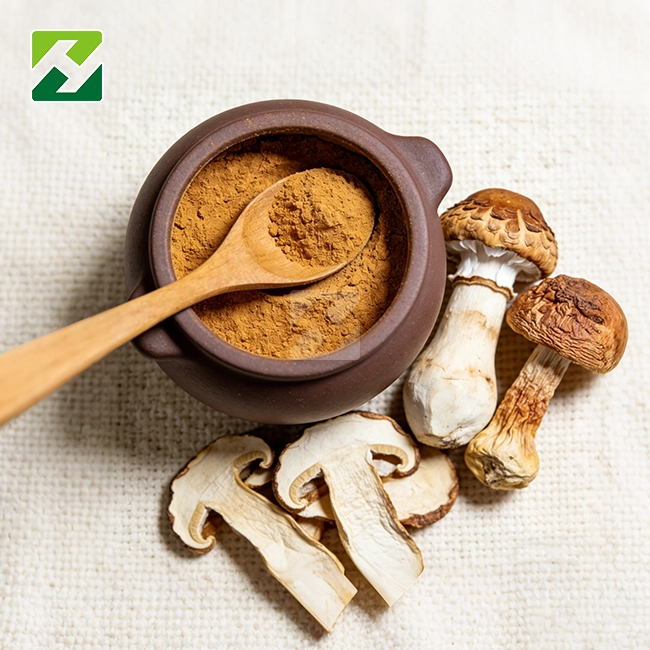
There are different kinds of reishi extract. The powdered extracts are usually brownish-yellow and have a bitter taste from the triterpenes. They can be used to make pills, tablets, and drink mixes. Liquid extracts make tinctures and ready-to-drink products easier to use. For finished supplement lines that need regular dosing, capsule forms work well. The choice is based on the intended use, the ability to manufacture, and the preferences of consumers in certain market segments.

Health Benefits of Reishi Mushroom Extract: Evidence-Based Insights
The study of Ganoderma lucidum by scientists has revealed several ways in which its active compounds affect the body's functions. These results help with the development of new products and back up marketing claims that are based on research.
Immune System Modulation
Some of the polysaccharides in reishi extract, like beta-D-glucans with (1,3)(1,6) links, interact with immune cell receptors. This could change how macrophages and natural killer cells work. Studies that have been published show that these compounds may help keep immune responses in balance. Standardized polysaccharide content is the basis for uniform product performance for nutraceutical makers making immune support formulas.
Antioxidant and Cellular Protection
Triterpenes are antioxidants because they get rid of free radicals and help cells defend themselves. This activity is important for cosmetics because oxidative stress makes skin look older. Skincare items that contain reishi Ganoderma lucidum) Extract work on this process, putting them in the anti-aging and protective skincare groups. The extract's brownish-yellow color comes from these same chemicals, though the way it looks can be changed during processing to meet the needs of a particular recipe.
Sleep Quality and Stress Response
In traditional use, reishi was valued for its ability to calm people down. A new study looks into how it affects the structure of sleep and the function of the Ganoderma lucidum Extract axis. Even though the mechanisms are still being studied, the demand for natural sleep aids has led to new products. Some supplement brands mix reishi with plants that work well together, like L-theanine or magnesium, to make synergistic mixtures that help with relaxing at night and getting a good night's sleep.
Liver Function and Detoxification Pathways
Researchers have looked into ganoderic acids to see if they can help the liver work better and make phase II detoxification enzymes work better. This application fits in with the growing category of detox and cleanse products. Functional food companies put reishi into drink mixes and wellness shots that are sold as daily detox aids, taking advantage of people's knowledge of how important liver health is.

How to Use Reishi Mushroom Extract: Dosage and Application Guidelines
To formulate something well, you need to know the right dosing levels, time issues, and bioavailability factors that are specific to the format. These criteria are used to guide both the development of finished products and materials for educating consumers.
Recommended Dosage Ranges
Based on a 10:1 extract that is standardized to 40% polysaccharides, 500 mg to 1500 mg per day is usually enough for good health. Lower doses, around 250 mg, work well in functional foods where the adaptogenic effects are seen as supporting health rather than being a focused measure. Sports nutrition brands that want to help with recovery may use doses in the middle, while supplements that focus on the immune system tend to use higher concentrations. Dosage needs to take into account the content of the extract—a lot more raw mushroom powder is needed to get the same amount of active chemical exposure.
Comparing Extract Forms
Powders that are extracted with water mix easily in drinks, but consumer goods may need to have the bitter taste of triterpenes covered up. Encapsulated powders get rid of worries about taste and make doses accurate. Liquid extracts are quickly absorbed, which is good for liquid forms that want to work quickly. When making each form, there are different things to think about when it comes to steadiness, cleanliness, and shelf life. Procurement teams have to weigh these factors against the ability to produce and the tastes of the target market.
Timing and Frequency Considerations
Due to its adaptogenic properties, reishi should be taken every day instead of in small amounts at times. Taking it in the morning works best with products designed to boost energy and stress resilience during the day, and taking it in the evening works best with sleep aids. By spreading daily doses out between morning and evening, active chemicals are exposed for a longer time. To improve the customer experience and happiness, these timing tactics should be written on the product label.
Best Reishi Mushroom Extract: Comparison and Purchasing Guide
To choose the Best Reishi Mushroom Extract, you need to look at a number of quality indicators, certification standards, and the supplier's abilities. This part lays out a strategy for a thorough evaluation of suppliers.
Organic Certification and Purity Standards
Organic approval proves that farming methods do not use synthetic fertilizers and chemicals. This is important for brands that want to position themselves as having clean labels and for people who care about the environment. Along with checking for organic state, purity tests should make sure there are no heavy metals, microbial contaminants, or adulterants present. NSF GMP, Kosher, Halal, ISO, and FSSC22000 standards show that the production quality systems reduce the risk of contamination and make sure that each batch is the same. For pharmaceutical-grade uses, these qualifications are a must. They are also becoming more and more common in the nutraceutical and cosmetics industries.
Fruiting Body vs. Mycelium-on-Grain
The main difference between fruiting body and mycelium products in the market is the amount of active compounds they contain. Fruiting body products have more beta-glucans and triterpenes that come from fungi. Mycelium-on-grain goods often have a lot of starch from the grain substrate, which makes them less powerful and means you have to use bigger doses to get the same benefits. Requesting third-party testing data for beta-glucan content and being able to tell the difference between fungal beta-glucans and starch alpha-glucans when looking at what suppliers have to offer guards against getting fake materials.
Supplier Evaluation Checklist
When looking at possible reishi providers, you need to do a thorough analysis of many factors. The following criteria make sure that procurement goals are met:
- Quality Control: Suppliers must submit batch COAs and HPLC polysaccharide, triterpene, heavy metal, and microbiological limit testing. Study ethanol Ganoderma lucidum Extraction residual solvent. Analytical and test results are reliable.
- Manufacturer certification: Factory inspection or third-party GMP. FSSC 22000 certifies food safety management systems. ISO 9001 controls quality. Kosher and Halal exports are readily available. These recognised firms value success and compliance.
- Leading suppliers employ agriculture or vertical integration. Validity is assured by tracking an ingredient from fruiting body collection to extraction and packing. Learn plant cultivation, harvesting, and storage. GAP-certified planting bases are responsibly bought by consumers and businesses.
- Technology and formulation: Formulation, extract ratio, and private label suppliers may help companies stand out. Consulting target market-savvy applications professionals aids product development. OEM features enable excellent outsourcing. New product companies benefit.
- Price and Minimum Order Quantities: Prices that emphasise quality above product positioning suggest high-quality raw materials. Cheap products use mycelium instead of grain or extract too little. Inventory management and minimum order quantity should work. For smaller organisations and product testing, 25 kg MOQ suppliers may be cheaper.

Procurement and Supply Chain Tips for B2B Clients
Choosing the right ingredients is only one part of efficient buying. Logistics, risk management, and building smart relationships with suppliers are also important. These things help lower the total cost of ownership and make sure that supplies don't run out.
Sourcing from Verified Suppliers
Buying from sellers who have a lot of different certifications and clear quality systems can lower the chance of buying something. Companies that have to follow rules, like FDA approval for U.S. goods, show that they are aware of the rules. When suppliers keep warehouses close to target markets, like the four regional warehouses in the US, they can cut down on freight costs and speed up delivery times. This infrastructure is especially important for just-in-time manufacturing or for handling sudden increases in demand.
Sample Evaluation and Testing Protocols
By asking for samples before placing a large order, you can make sure that the standards are met through independent testing. Even if suppliers give you a Certificate of Analysis (COA), you should still use third-party labs to confirm the polysaccharide percentages, triterpene content, and lack of any impurities. This will keep your specifications from changing. Sensory evaluation, such as taste testing for sharpness as a triterpene marker, gives more proof of quality. By taking initial samples and setting a default quality level, reference standards are set for accepting batches in the future.
Lead Time Planning and Inventory Management
Standard lead times of about 10 days from the time an order is confirmed allow for quick restocking. By building up smart store buffers, you can avoid supply problems during busy times or when raw materials are in short supply. Subscription or blanket purchase agreements with scheduled releases keep the costs of keeping inventory in check and the benefits of buying things in bulk in balance. Giving producers production forecasts makes it easier for them to plan their capacity and buy raw materials, which strengthens their commitment to keeping supplies flowing.
Custom Packaging and Private Label Services
Suppliers who offer a range of packaging options, such as 25 kg drums for makers and smaller pieces for finished goods, make the whole supply chain run more smoothly. Private labeling lets brands hire other companies to make their products while keeping their brand identity. Custom preparation services help businesses stand out by creating unique mixes of reishi and other ingredients that work well together. These services add value, shorten the time it takes to get a product to market, and lower the amount of money needed to build production infrastructure.
Conclusion
To find the Best Reishi Mushroom Extract, you have to weigh a lot of things, such as the standardization of active compounds, the extraction method, the supplier's certifications, and the supply chain's skills. Professionals in procurement who focus on standardizing fruiting body extracts using two-solvent methods make sure that the ingredients they use have the same bioactivity, which is necessary for the product to work. Checking the credentials of suppliers, such as GMP, organic certification, and quality management systems, lowers the risks of adulteration and specification drift. Strategic relationships with suppliers that include technical support, open minimum order quantities (MOQs), and rapid transportation give businesses a competitive edge by allowing them to come up with new ideas more quickly and ensuring they always have supplies. As the need for natural ingredients backed by science keeps growing, brands can lead the market tomorrow by making decisions about where to get their ingredients today.
FAQ
1. What distinguishes fruiting body extract from other forms?
Fruiting body extracts have more beta-glucans and triterpenes than mycelium-on-grain products because they contain more concentrated fungal biomass. These often have up to 50% starch from the grain substrate, which makes the active compounds less concentrated. To make sure they work well and consistently, professional-grade products need to contain 100% fruiting body ingredients.
2. How can bitterness indicate quality?
Bitterness is a sign of triterpenes, especially ganoderic acids. If an extract doesn't have any bitterness, the triterpene part may be greatly watered down or left out. In market goods, taste may need to be hidden, but if raw materials don't have the usual sharpness, that's a sign of quality problems.
3. What certifications should suppliers provide?
Some important certificates are ISO 9001, FSSC22000, GMP, and organic approval. Kosher and Halal licenses make it easier to sell goods in some stores. These credentials make sure that quality systems, manufacturing standards, and following the rules in different areas are all met.
4. Can samples be obtained before large orders?
Suppliers with a good reputation will usually give you samples for free or at a small cost to help you decide. This shows that you trust the quality of the goods and want all of your customers to be happy. A third party should test the samples to make sure they meet the specifications before committing to buying a lot of them.
5. What are typical lead times for bulk orders?
Most of the time, it takes 10 to 14 days to ship in-stock items from nearby warehouses. Custom formulas or special wrapping may make delivery times longer. By telling suppliers about needs early on in the buying process, buyers can work together to plan production schedules and processes.
Partner with OHI for Premium Reishi Mushroom Extract
OHI provides pharmaceutical-grade Best Reishi Mushroom Extract that is standardized to 40% polysaccharides and is extracted using only water. This ensures that the extract has full-spectrum bioactivity without using any chemical solvents. Our 10:1 extract ratio, which comes only from biological fruiting bodies, gives professional products the concentrated strength they need. We follow strict quality standards that have been proven by independent testing as a publicly traded provider (Stock Number: 872213) with NSF GMP, Kosher, Halal, ISO, FSSC22000, and organic certifications. Strategic warehousing in four U.S. locations allows for 10-day lead times, and our 25 kg minimum order quantity can be used for a wide range of procurement sizes. Samples are available to help with a thorough evaluation before committing. Our 8,000-acre GAP-certified growing bases allow us to track the origin of our raw materials and source them in a way that is good for the environment, which is in line with our business responsibility goals. Our technical specialists offer application support based on twenty years of experience extracting botanicals. They help R&D teams that are looking for unique recipes, OEM partnerships, or private label services. Email our team at info@organic-herb.com to talk about your needs and get thorough information about our products.
References
1. Wachtel-Galor S, Yuen J, Buswell JA, Benzie IFF. Ganoderma lucidum (Lingzhi or Reishi): A Medicinal Mushroom. In: Benzie IFF, Wachtel-Galor S, editors. Herbal Medicine: Biomolecular and Clinical Aspects. 2nd edition. Boca Raton: CRC Press; 2011. Chapter 9.
2. Batra P, Sharma AK, Khajuria R. Probing Lingzhi or Reishi medicinal mushroom Ganoderma lucidum: a bitter mushroom with amazing health benefits. Journal of Phytopharmacology. 2013;2(1):25-32.
3. Sanodiya BS, Thakur GS, Baghel RK, Prasad GB, Bisen PS. Ganoderma lucidum: a potent pharmacological macrofungus. Current Pharmaceutical Biotechnology. 2009;10(8):717-742.
4. Bishop KS, Kao CHJ, Xu Y, Glucina MP, Paterson RRM, Ferguson LR. From 2000 years of Ganoderma lucidum to recent developments in nutraceuticals. Phytochemistry. 2015;114:56-65.
5. Ahmad MF. Ganoderma lucidum: Persuasive biologically active constituents and their health endorsement. Biomedicine & Pharmacotherapy. 2018;107:507-519.
6. Sliva D. Cellular and physiological effects of Ganoderma lucidum (Reishi). Mini Reviews in Medicinal Chemistry. 2004;4(8):873-879.
Standard Disclaimer (DSHEA):
These statements have not been evaluated by the Food and Drug Administration.
This product is not intended to diagnose, treat, cure, or prevent any disease.

Send Inquiry
Related Industry Knowledge
- Breaking Down the Growing Trend of CoQ10
- How does Rosehip Extract Powder compare to other herbal extracts?
- How To Use Rosehips - The Only Guide You'll Ever Need
- What is the structure of gardenia blue?
- Seabuckthorn Extract: The Powerful Skin Ally You Need
- What Is Grape Powder? Benefits, Uses, How It’s Made & Top Tips
- What is a sage?
- How goji berries may benefit your skin
- Maitake Mushroom Benefits: Natural Health Boosts
- What is peony extract?