
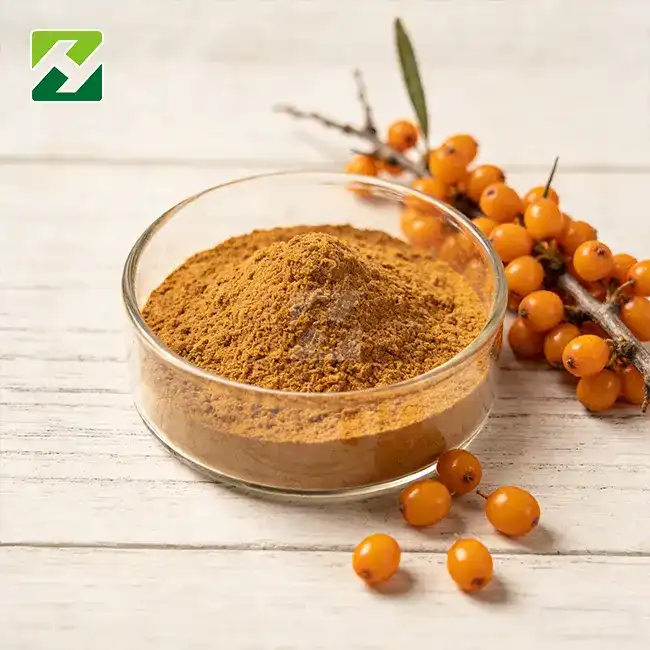
The benefits of Seabuckthorn Extract in skincare
VIEW MORESeabuckthorn Extract is a popular botanical ingredient for use in professional skincare products from the bright orange berries of Hippophae rhamnoides L. It is a natural substance that has many naturally occurring constituents, including omega fatty acids, vitamins, and plant-based constituents. Sea buckthorn extract offers cosmetic formulators and product developers the option to generate innovative, clean-label skin care products that meet current ingredient trends. The specific polymer composition enables businesses to try new formulas and design goods with unique textures and properties.


Introduction
Botanical compounds that provide a distinctive value to formulations and match current standards of quality are nevertheless of great interest to the global cosmetics business. The diversified composition of Seabuckthorn Extract and its compatibility with a wide range of cosmetic applications have made it a hot topic for B2B customers, OEM manufacturers, and formulation scientists. As supply chains grow more complicated for procurement teams, knowing ingredient requirements, sourcing standards, and regulatory paperwork is critical.
This comprehensive handbook covers the critical issues that R&D directors, formulation managers, and procurement teams should consider when choosing botanical ingredients. Today’s cosmetics industry is very competitive and demands quality that is constant, standards that are trustworthy, and a supply chain that is effective. Trusted providers of certified and high-quality Seabuckthorn Extract can be counted on to help create formulations and assist companies in meeting consumer demand for clean-label cosmetics.
What Is Seabuckthorn Extract and Why Is It Beneficial for Skin?
Botanical Profile and Active Constituents
Seabuckthorn Extract is extracted from the hardy plant Hippophae rhamnoides L., which has been prized in numerous traditional uses across Eurasian areas. The berry extract comprises naturally occurring plant chemicals, vitamins, fatty acids, and other botanical components that contribute to its distinctive constituent profile. Modern water-based extraction methods aid in the preservation of the inherent features of these chemicals and product quality and stability.
A, C, and E are the natural vitamins in the phytochemical constitution of Seabuckthorn Extract. These factors add to the overall cosmetic value of the substance and are often considered in the formulation creation. The attraction of this ingredient as a botanical addition to skincare products is enhanced by the flavonoid content and mineral profile.
Mechanism of Action in Dermal Applications
The naturally occurring components in Seabuckthorn Extract make it suitable for incorporation into different cosmetic formulations. Its plant-based compounds can be combined with other cosmetic ingredients to create products with specific sensory characteristics and formulation profiles.
The diverse composition of this botanical ingredient allows formulators to develop products designed for different cosmetic categories. Rather than focusing on a single ingredient feature, Seabuckthorn Extract provides multiple formulation possibilities for brands creating comprehensive skincare product lines.
How Seabuckthorn Extract Enhances Skincare Products – Detailed Functions
Anti-Aging and Collagen Support
The vitamin C content in Seabuckthorn Extract makes it an attractive botanical component for cosmetic formulations focused on appearance-related skincare concepts. Formulators often consider botanical extracts with naturally occurring vitamins when developing products designed for modern beauty markets.
Formulation developers appreciate this ingredient because it can be incorporated into various cosmetic products while maintaining a natural positioning. The brown-yellow powder format allows precise measurement during production, helping brands maintain consistency between different manufacturing batches.
Antioxidant Protection and Environmental Defense
Environmental factors such as exposure to blue light, UV radiation, and pollution-related particles influence cosmetic formulation trends. The naturally occurring polyphenolic compounds in Seabuckthorn Extract contribute to the ingredient's overall botanical profile and make it a valuable option for products positioned around environmental skincare concepts.
Adding standardized Seabuckthorn Extract to cosmetic formulations designed for urban lifestyles provides brands with additional ingredient options. The water-soluble extraction method allows compatibility with different product formats, including lightweight serums, creams, and other cosmetic bases.
Barrier Enhancement and Hydration
The components found in Seabuckthorn Extract contribute to its popularity in moisturizing and skincare formulations. Its naturally occurring fatty acids and botanical compounds can complement cosmetic formulas designed to provide a pleasant application experience.
Manufacturing partners using Seabuckthorn Extract often value its contribution to product texture and sensory characteristics. The ingredient can provide a smooth feel within formulations, supporting the overall user experience and helping brands create differentiated cosmetic products.

Comparing Seabuckthorn Extract with Other Popular Skincare Ingredients
Sea buckthorn versus vitamin C Derivatives
The extracted vitamin C derivatives and Seabuckthorn Extract are generally classified as botanical or cosmetic additives with differing formulation properties. During product development, strict control of pH and packing conditions is required to preserve the stability of pure ascorbic acid. Sea buckthorn extract is a natural blend of plant-based ingredients that gives formulators another choice to work with in developing cosmetic goods.
Sea buckthorn extract provides product producers with options when working with botanical formulations to build products with varied combinations of ingredients. Suppliers provide typical lead times and the availability of 25 kg drum packaging to assist producers in organising production plans. The ingredient's natural nature allows for a wide variety of cosmetic formulation options.
Sea Buckthorn Versus Rosehip Oil
Both plants include fatty acids of natural origin, although their use in formulations may be different. Due to its lipid qualities, rosehip oil is usually utilised in oil-based cosmetic products. The water-extracted Seabuckthorn Extract may be used in both aqueous and emulsion-based formulations, offering formulators with more options.
Great for businesses that are creating numerous product categories in powdered extract form. This element may be used in numerous cosmetic formulations, ranging from lightweight creams to specific skincare, while keeping its botanical characteristics. Its adaptability allows firms producing whole skincare collections more possibilities.
Form Factor Considerations
Depending on the formulation needs and product positioning, the option is made between oil, powder, or capsule forms. The powder extract is offered in 4:1 and 10:1 concentration ratios. It offers a concentrated botanical ingredient format, allowing producers to customise inclusion levels according to product needs.
The concentrated format allows businesses to effectively control ingredients in product creation. Production costs on various extract formats provide buying teams with the information they need to pick the most appropriate ingredients for certain product applications.
Procurement Insights: Sourcing High-Quality Seabuckthorn Extract for Skincare Manufacturing
Quality Parameters and Certification Requirements
When making sourcing selections, it is vital that suppliers adhere to tight quality control throughout cultivation, extraction, and packaging. The supplier's dedication to standardised quality management systems and manufacturing practices is shown by certifications such as organic, Kosher, Halal, ISO, FSSC22000, and NSF GMP.
The brownish-golden colour of well-cured The appearance of ingredients may be judged by the Seabuckthorn Extract berry extract. Complete certificates of analysis should provide information on purity levels, botanical specifications, constituent composition, and testing findings for quality confirmation. It is necessary for procurement managers to demand certain paperwork for every batch to ensure consistency in delivery.
Supplier Evaluation Criteria
When evaluating potential Seabuckthorn Extract suppliers, companies should consider manufacturing capabilities, quality systems, and technical support services. Suppliers with CGMP-certified facilities and advanced extraction technology can provide standardized botanical ingredients that meet different formulation requirements.
Reliable supply chain management is an important factor when launching new products or responding to changes in production demand. Suppliers with established warehouse networks can provide flexible delivery options and support different order requirements. Sample availability allows formulation teams to evaluate ingredient compatibility before moving into larger-scale purchasing.
MOQ, Packaging, and Logistics Considerations
The standard minimum order quantity of 25 kg provides accessibility for emerging brands while supporting the needs of established manufacturers. The extract is stored in dry, light-protected drum packaging to maintain product quality during storage and transportation. Standard lead times, often around 10 days from reliable suppliers, help production planners coordinate ingredient deliveries with manufacturing schedules.
To achieve better cost management, purchasing teams should evaluate total supply costs rather than focusing only on price per kilogram. Suppliers with efficient logistics networks can help reduce transportation challenges and support brands using flexible inventory management strategies.

Best Practices for Incorporating Seabuckthorn Extract into Skincare Products
Recommended Dosage Ranges and Formulation Guidelines
Typical inclusion levels for Seabuckthorn Extract are generally between 1% and 5%, depending on product type, formulation design, and ingredient objectives. Lightweight serums may use lower inclusion levels, while other cosmetic formats may use different concentrations based on desired texture and formulation characteristics.
The 10:1 concentration ratio provides formulators with a concentrated ingredient option that allows flexibility when developing cosmetic products. Formulation testing helps determine suitable usage levels and ensures compatibility with other cosmetic ingredients.
Compatibility evaluation during the early development stage helps improve formulation consistency. Sea buckthorn extract can be incorporated into cosmetic formulas within commonly used skincare formulation ranges, allowing developers to combine it with various ingredients, preservatives, and emulsifying systems.
Stability Protocols and Quality Preservation
Attention to handling conditions is important for maintaining the original characteristics of the botanical ingredient. Certain naturally occurring vitamins and plant compounds can be sensitive to excessive heat during processing. Using controlled processing conditions or adding the extract during appropriate cooling stages can help maintain its intended ingredient characteristics. Light-sensitive components can also be stored in airtight or opaque containers during packaging to support product quality throughout storage.
Following established accelerated stability testing procedures helps manufacturers evaluate whether cosmetic formulations maintain their intended appearance, odor, texture, and overall product characteristics throughout the designated shelf life. These evaluations should be properly documented to support internal quality management and product development requirements.
Regulatory Compliance Across Major Markets
Sea buckthorn extract can be used in cosmetic formulations in different international markets when applicable ingredient, labeling, manufacturing, and documentation requirements are followed. In the US, cosmetic products containing the ingredient should be appropriately labeled and manufactured according to applicable cosmetic quality requirements. In European markets, the ingredient can be identified according to the applicable INCI terminology, supporting accurate cosmetic ingredient documentation.
When brands expand into international markets, working with suppliers familiar with regional documentation requirements can simplify ingredient management. Certifications such as Halal and Kosher can support access to specific customer segments, while organic certification may contribute to premium product positioning and clean-label marketing strategies. These credentials can also help brands communicate ingredient sourcing and production standards more clearly.

Conclusion
Seabuckthorn Extract is a versatile botanical ingredient for skincare companies developing cosmetic products with plant-based positioning and distinctive formulation characteristics. Its combination of naturally occurring vitamins, fatty acids, and other botanical components provides formulators with multiple options for cosmetic product development. Purchasing managers who prioritize certified suppliers, standardized specifications, consistent documentation, and reliable supply chains can build a more dependable sourcing strategy for botanical ingredients. Combining traditional botanical sourcing with modern extraction technologies provides manufacturers with an ingredient option that can meet formulation, quality, and supply requirements across different cosmetic markets.
FAQ
1. Is Seabuckthorn Extract Safe for All Skin Types?
It has been shown that Seabuckthorn Extract is very good for all skin types, even sensitive skin. Harsh solvents that could irritate the skin are removed by water extraction, and the plant's natural anti-inflammatory compounds help calm skin that is reacting. As part of normal product development procedures, formulation teams should do standard safety checks and patch tests to make sure the product is safe for its intended use.
2. How Can I Verify the Authenticity and Purity of Seabuckthorn Extract?
Real Seabuckthorn Extract should come with full certificates of analysis that list the concentration ratio (4:1 or 10:1) and confirm that Hippophae rhamnoides L. is the plant that made the extract as the source material, and write down the steps for the water-only extraction process. Ask for proof of tests by a third party, proof of organic approval, and records of GMP compliance. Reliable providers keep their quality control systems open and allow you to track down individual batches.
3. What Differentiates High-Quality Seabuckthorn Extract from Lower-Grade Alternatives?
Controlled cultivation and standard processing make sure that the bioactive profiles of different batches of premium Seabuckthorn Extract stay the same. Some things that show quality are correctly identifying the plants, only getting the berries and not the leaves, using the right water extraction method, storing them properly, and having a full portfolio of certifications. The brown-yellow color and fine powder texture also show that the compounds were processed correctly, which keeps the active ingredients safe.
Partner with OHI for Premium Seabuckthorn Extract Supply
Organic Herb Inc. (OHI) is ready to help you with your skin care research projects by providing pharmaceutical-grade Seabuckthorn Extract that is made to the highest standards of quality. We give your business the stability and dependability it needs as a publicly listed company (Stock Number: 872213) that is certified by CGMP, FSSC22000, ISO9001, Halal, and Kosher. Our strategically placed US warehouses ensure fast delivery, and our 42-person R&D team is here to help you with any questions you have during the formulation process.
Our Seabuckthorn Extract source skills give you a competitive edge whether you're making the next big thing in serums or adding to a line of products you already have. We guarantee quality and care for the environment by growing on 8,000 acres of land that is GAP-certified, using cutting-edge extraction technology, and using sustainable sourcing methods. Email our team at info@organic-herb.com to get your free sample, talk about custom standardization options, or get full technical specifications.
References
1. Kumar, R., Kumar, P., & Sharma, A. (2021). Hippophae rhamnoides: Phytochemistry, Traditional Uses, and Dermatological Applications. Journal of Ethnopharmacology, 278, 114-132.
2. Zhao, Y., Li, B., & Wang, X. (2020). Bioactive Compounds in Seabuckthorn and Their Applications in Cosmetic Formulations. International Journal of Cosmetic Science, 42(5), 445-459.
3. Chen, L., Zhang, H., & Liu, M. (2019). Antioxidant Activity and Skin Protective Effects of Seabuckthorn Berry Extract: An In Vitro Study. Pharmaceutical Biology, 57(1), 398-407.
4. Patel, S., & Sharma, V. (2022). Sea buckthorn in Skincare: Mechanisms of Action and Clinical Evidence. Cosmetics & Toiletries Science Applied, 134(3), 22-31.
5. Anderson, K., & Thompson, J. (2020). Comparative Analysis of Botanical Antioxidants in Anti-Aging Skincare Products. Journal of Applied Cosmetology, 38(4), 189-203.
6. Muller, D., & Schmidt, H. (2021). Quality Standards and Stability Assessment of Botanical Extracts in Cosmetic Applications. SOFW Journal, 147(6), 34-42.
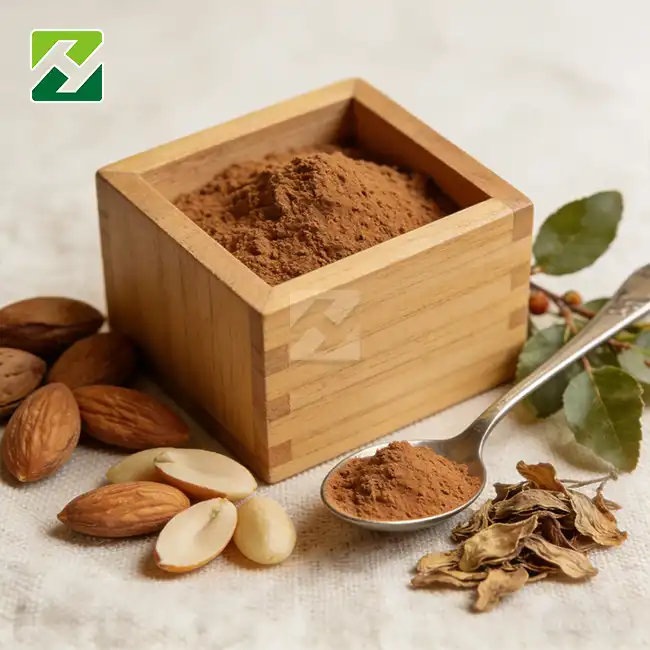
The Bitter-Sweet Question: Are Apricot Kernels Safe to Eat?
VIEW MOREApricot kernels have sparked considerable debate among nutritional ingredient brands, cosmetic manufacturers, and functional food developers. The straight answer: raw apricot kernels contain amygdalin, a cyanogenic glycoside that can release hydrogen cyanide when metabolized, presenting important handling and processing considerations. However, Bitter Apricot Extract derived from Semen Armeniacae Amarum through controlled extraction processes offers a standardized, manageable alternative. When processed correctly—particularly as 98% Amygdalin extract—the enzymatic activity that triggers cyanide release is deactivated, delivering consistent potency while maintaining quality control standards essential for commercial applications.

Understanding Bitter Apricot Extract and Apricot Kernels
Botanical Origin and Extraction Science
Bitter apricot seeds come from Prunus armeniaca L., a plant in the Rosaceae family that is grown in cold areas. Bioactive chemicals, mostly amygdalin, are found in the seed kernels and are used to evaluate the consistency and specifications of the raw material. For hundreds of years, these kernels have been documented in traditional processing systems across Asia.
Using modern extraction technology, raw kernels are turned into standardized plant-derived ingredients. First, only fully grown seeds are picked, and then they are heated in a controlled way to stop the beta-glucosidase enzyme from working. After that, alcohol extraction separates amygdalin while getting rid of unstable parts. This makes Bitter Apricot Extract that can be supplied in a range of strengths, from 4:1 concentration ratios to highly purified 98% Amygdalin crystalline powder. As a result, the physical appearance changes. Highly concentrated ratios appear as dark powders, while highly pure extracts appear as light yellow to white crystals.
Nutritional and Chemical Profile
Amygdalin (C20H27NO11), which has a molecular weight of 457.43 g/mol, is the main chemical marker. The ratio of D-Amygdalin to Neo-Amygdalin is carefully controlled in high-quality extracts because Neo-Amygdalin is an inactive isomer that forms when heating occurs incorrectly. To maintain consistent specifications, premium formulations make sure that the Neo-Amygdalin amount is less than 3%.
Along with amygdalin, the extract still has small amounts of fatty acids, phenolic compounds, and minerals that contribute to its overall chemical profile. Because it dissolves easily in water, it can be used in liquid formulations. However, formulation scientists should keep in mind that aqueous solutions need to be buffered properly to maintain stability over extended periods. Because high-purity amygdalin is thermolabile, it needs to be made in a cold process or added while the temperature is below 60°C to minimize degradation into benzaldehyde.
Historical Context Meets Modern Applications
Bitter apricot kernels have a long history of use in traditional processing systems in Asia. Today, their chemical composition and extraction characteristics are increasingly considered when developing standardized botanical ingredients for commercial applications.
Bitter Apricot Extract is now recognized by procurement managers as a flexible ingredient that combines traditional botanical raw materials with current extraction and formulation technology. Its standardization addresses several challenges associated with raw kernels, including inconsistent potency and enzyme activity that can be difficult to control, making standardized material easier to specify and manage.

Consumption Considerations for Commercial Formulations
Understanding Amygdalin in Product Development
The composition and processing characteristics of products made from bitter apricots vary significantly depending on how they are processed and how concentrated they are in the final material. Raw kernels contain an active beta-glucosidase enzyme that can break down amygdalin and potentially release hydrogen cyanide. This reaction creates important processing and specification considerations that have limited the use of unprocessed raw kernels in standardized commercial formulations.
Professional-grade Bitter Apricot Extract addresses these processing considerations by controlling enzyme activity during extraction. Heat treatment protocols stop beta-glucosidase activity, and standardization helps ensure that the amount of amygdalin in each production batch remains consistent. Formulators can therefore develop materials with defined specifications and controlled composition for different commercial applications.
Dosage Parameters and Formulation Guidelines
Different markets have different regulatory requirements for products containing amygdalin. Many regulatory frameworks establish specific limits for the amount of amygdalin permitted in finished products. Formulation scientists therefore need to determine ingredient levels according to the applicable product category, local regulations, and finished-product specifications.
For cosmetic formulations, topical applications require a separate evaluation of compatibility, stability, and ingredient concentration. In creams and serums, the usual amount used is between 0.5% and 2% by weight, but this depends on the total active ingredient profile and technical requirements of the finished formulation.
Quality Control as the Foundation for Safety
When making purchases, companies should give more weight to suppliers who follow strict quality control rules. Important testing factors include HPLC analysis to verify the amygdalin assay, screening for residual solvents according to applicable USP standards, heavy metal limits including lead, cadmium, mercury, and arsenic, and testing for microbial contamination. Free cyanide testing can also be used to verify that the extract meets specified material requirements before it is incorporated into other ingredients.
Organic Herb Inc. is a good example of this quality-first approach because they test every batch thoroughly to verify that it meets defined quality specifications. Pesticide residue screening is performed on products from controlled farming bases that follow applicable international food production standards. During purification, modern resin adsorption technologies can be used to reduce heavy metal content to meet strict Prop 65 requirements.
Comparing Bitter Apricot Extract with Related Ingredients
Extract Types and Chemical Distinctions
The market for plant ingredients has a number of materials made from apricots that are used for different formulation purposes. Bitter Apricot Extract standardized to amygdalin is very different from apricot kernel oil, which is mostly made up of fatty acids such as oleic and linoleic acids and contains very few glycosides. The oil is commonly used as an emollient and carrier in cosmetic formulations, while amygdalin-standardized extracts are selected according to their defined chemical specifications.
Another type is apricot seed extract, which is usually made by grinding the seeds and extracting a smaller amount of amygdalin without strict standardization. These less-specific materials might contain between 5% and 20% amygdalin, along with proteins, fibers, and residual lipids. Even though they are cheaper, they can be more difficult to formulate because of differences in dispersion, stability, and batch-to-batch consistency.
The difference between organic and standard extracts goes beyond how the plants are grown and affects the final product's specifications. Organic certification requires documentation that the crops were grown without prohibited pesticides, which usually means higher prices. However, conventional extracts from reputable suppliers using Good Agricultural Practices often show similar purity profiles when subjected to rigorous post-harvest testing. This makes them a practical option for procurement strategies focused on cost control.
Format Considerations for Supply Chain Planning
Bitter Apricot Extract gets to formulators in a few different ways, and each one has its own logistics considerations:
- Crystalline powder (98% Amygdalin) is the purest form and can provide extended shelf stability when stored properly. Because it absorbs water, it needs to be packed in double-sealed pharmaceutical-grade containers inside fiber drums, which are usually sold in 25kg units. Although it costs more because it requires extensive purification, the crystalline format is suitable for precise dosing applications and reduces the amount of storage space required.
- Standardized powder extracts (10:1, 20:1) provide a balance between concentration and cost. They come in the form of fine, brown powders that are easy to flow. These forms are easy to use in operations that fill capsules and manufacture tablets, and their bulk densities are suitable for high-speed machinery. Lead times are usually 10 days from the time an order is approved, and the minimum order quantity is usually 25 kg.
- Although not as common for amygdalin-standardized products, liquid extract concentrates are better suited to liquid formulations and products that are mixed directly into aqueous systems. Powdered forms are preferred for many commercial applications because they are easier to store and transport and can be reconstituted at the point of formulation, giving manufacturers greater control over processing conditions.
Commercial Applications Across Industry Sectors
Nutraceutical and Dietary Supplement Integration
A major commercial market for high-purity Bitter Apricot Extract is the dietary ingredient industry. Standardized amygdalin can be incorporated into various formulated products according to the specifications and regulatory requirements of the target market. Because the extract is water-soluble, it can be incorporated into different delivery formats, including tablets, capsules, powders, and liquid concentrates.
Product developers should be aware that regulations are very different in each market. In some areas of the European Union, products containing amygdalin may fall under specific Novel Food requirements and require regulatory assessment before commercialization. In the United States, applicable federal requirements depend on the product category, ingredient status, labeling, and intended use. For international distribution plans, compliance documentation is therefore an important part of supplier and ingredient evaluation.
Cosmetic and Personal Care Formulations
Bitter apricot-derived ingredients are used by cosmetic formulators according to their chemical characteristics, formulation compatibility, and botanical origin. When the extract is incorporated into serums and creams, formulation developers primarily need to evaluate its compatibility with the other ingredients and the stability of the finished system.
When formulating, it's important to think about pH compatibility. Keeping systems between 5.5 and 6.5 can help maintain appropriate formulation conditions for glycosides and support overall product stability. When adding highly pure extracts to complicated emulsion structures, the choice of emulsifier becomes very important because ionic interactions can change stability patterns. Usually, concentrations used range from 0.5% to 2%, and they are carefully evaluated alongside other botanical ingredients. This is verified through stability testing protocols that include temperature cycling and accelerated aging studies.
Functional Food and Beverage Development
Food scientists who are exploring natural ingredient strategies are increasingly considering standardized plant extracts such as bitter apricot for specialized food and beverage formulations. Because amygdalin dissolves in water, it can technically be incorporated into a range of liquid formulations, including ready-to-drink beverages, protein shakes, and fortified water products, subject to applicable regulatory requirements.
The main technical problems are flavor management and product stability during high-temperature processing. Because amygdalin has a bitter taste, it needs to be carefully considered alongside flavoring systems. Because of the limits of thermal processing, post-pasteurization addition protocols or processing methods that keep temperatures below 60°C can be considered to minimize active degradation. Food-grade certificates such as FSSC22000, organic verification, Kosher, and Halal qualifications can help suppliers meet the sourcing requirements of different commercial markets.

Sourcing Strategy for Procurement Professionals
Supplier Evaluation Framework
To find good Bitter Apricot Extract sellers, you need to carefully check them out in a lot of different ways. Certification portfolios are the first thing you should look at. Combinations of GMP, ISO9001, FSSC22000, Kosher, and Halal credentials demonstrate that the supplier has an established quality management system. With NSF-GMP approval, suppliers can demonstrate compliance with applicable manufacturing requirements for certain ingredient categories in the US.
The manufacturing capability assessment should look at platforms for extraction technology. In more advanced operations, techniques like column adsorption chromatography, ion exchange systems, and reverse-phase separation are used to achieve higher purity profiles. Keeping an eye on the temperature during the extraction, concentration, and drying steps protects compounds that are easily damaged by heat while also improving production yield.
Trackability tools tell the difference between high-end providers and traders of goods. Vertically integrated businesses that handle everything from growing the crops to packing them offer better batch documentation and recall management. Organic Herb Inc. is a good example of this model because they directly handle over 8,000 acres of standardized farming bases in Shaoyang, Changsha, Huaihua, Guizhou, Hubei, and Jiangxi. They manage raw material quality from seedling selection through harvesting and subsequent processing.
Contract Terms and Logistics Optimization
Botanical extracts are usually priced at wholesale levels based on how complicated the specifications are and how much of them are ordered. Highly pure 98% Amygdalin extracts are more expensive than lower-ratio concentrates. Prices start to drop at around 100 kg, 500 kg, and metric ton volumes. Changes in seasonal supply can have an effect on prices. For high-volume users, a yearly contract with deliveries every three months is a practical option.
Managing lead times is very important for just-in-time manufacturing. Reliable providers keep extra stock on hand so they can meet standard requirements in 10 days. However, custom formulas may take 30 to 45 days, which includes checking for stability. Domestic warehouse networks cut delivery times by a large amount. Suppliers with US-based distribution centers can offer delivery across domestic markets in two to three days, which lowers buyers' inventory holding requirements.
Authentication and Counterfeit Prevention
There are ongoing problems in the plant extract market with materials that aren't what they seem to be. Authentication methods should be used by procurement teams to check claims of identity, purity, and origin. Comparing chromatographic profiles to authenticated reference standards is the first step in HPLC fingerprinting, which confirms species identity and helps identify unlisted adulterants.
Isotope ratio mass spectrometry (IRMS) is a more advanced way to verify the authenticity of organic certifications. It can identify differences in isotopic patterns that may indicate discrepancies in material origin or production claims. Even though it's not done for every shipment, testing suppliers with IRMS on a regular basis can strengthen material verification and reduce the risk of inaccurate sourcing claims.
Physical inspection is still important because high-purity crystalline amygdalin has a certain appearance, particle size distribution, and flow properties that quality experts can evaluate. Before a material is put into production, it should be investigated to see if it has an unusual color, excessive moisture, or unexpected dissolving behavior.

Conclusion
Processing science and standards help clarify the technical differences between raw apricot kernels and standardized extracts. When raw kernels are used, variable composition and uncontrolled enzyme activity can create formulation, processing, and regulatory challenges. On the other hand, professionally made Bitter Apricot Extract has controlled specifications that make it suitable for developing standardized botanical ingredients across food, cosmetic, and other commercial applications. The success of procurement rests on choosing suppliers that put an emphasis on quality standards, rigorous analysis, and transparency in the supply chain. Standardized extracts available in 98% Amygdalin and concentrated ratio formats allow formulators to work with consistent botanical materials while meeting applicable manufacturing and documentation requirements. Bitter Apricot Extract is a versatile ingredient for commercial formulation and product development when sourced from qualified manufacturers that use controlled extraction technology and strict testing methods.
FAQ
1. What distinguishes D-Amygdalin from Neo-Amygdalin in high-purity extracts?
The naturally biologically active form of amygdalin is found in plant cells. Neo-Amygdalin, on the other hand, is an inactive stereoisomer that is made when extraction conditions aren't right, like when there is too much heat or high pH. To keep the ingredient's effectiveness, quality standards should keep Neo-Amygdalin levels below 3%.
2. Can bitter apricot extract function in aqueous supplement formulations?
Yes, amygdalin dissolves in water, which means it can be used as a liquid supplement. Formulation makers should make solutions as soon as possible or use buffering systems because solutions that are exposed to water for a long time can undergo hydrolysis processes that make them less stable and effective over time.
3. How do suppliers address heavy metal concerns in stone fruit seed extracts?
Heavy metals like lead, cadmium, mercury, and arsenic are chelated during the purification steps by using certain resin adsorption technologies by high-end makers. Final goods are tested in groups to make sure they meet the limits set by Prop 65 and other foreign food safety standards.
4. What storage conditions prevent quality degradation?
Because they absorb water, high-purity extracts need to be stored in pharmaceutical-grade liner bags that are double-sealed and inside fiber drums. The best conditions are cool, dry places with a relative humidity below 45% that are shielded from light to stop photodegradation and moisture absorption that leads to caking.
Partner with OHI for Pharmaceutical-Grade Bitter Apricot Extract
Organic Herb Inc. is ready to help you develop new products by providing you with approved Bitter Apricot Extract that meets the strictest quality standards. We are a publicly traded company (Stock Number: 872213), and we have four strategically located warehouses across the United States. We can support your production schedules with reliable supply chain performance. Our fully integrated business includes GAP-approved growing areas that are bigger than 8,000 acres and state-of-the-art factories with column chromatography, nano-membrane separation systems, and freeze-drying technology.
Our lab has HPLC-ELSD, GC-MS, and atomic absorption spectrophotometry equipment that we use to test each batch thoroughly. This makes sure that the materials you use meet NSF-GMP, Kosher, Halal, ISO9001, and FSSC22000 standards. We keep a lot of stock of 98% Amygdalin crystalline powder and strong 4:1 ratio extracts, so we can get them to you in 10 days or less. The smallest order we can take is just 25 kg. Today, ask for a free sample and see why top nutritional brands, cosmetic companies, and functional food developers choose OHI as their Bitter Apricot Extract supplier of choice. You can email our technical team at info@organic-herb.com to talk about your specific formulation needs and find out how our research and development (R&D) capabilities can help you come up with new products faster.
References
1. European Food Safety Authority Panel on Food Additives and Nutrient Sources. (2016). "Scientific Opinion on the Safety of Amygdalin in Food Supplements." EFSA Journal, 14(7), 4424.
2. Chang, H.K., Yang, H.Y., Lee, T.H., and Shin, M.C. (2005). "Amygdalin Induces Apoptosis Through Regulation of Bax and Bcl-2 Expressions in Human DU145 Prostate Cancer Cells." Journal of Immunology and Immunopharmacology, 25(4), 865-872.
3. Jaswal, V., Palanivelu, J., and Ramalingam, C. (2018). "Effects of the Gut Microbiota on Amygdalin and its Use as an Anti-Cancer Therapy: A Substantial Review on the Key Components Involved in Altering Dose Efficacy and Toxicity." Biochemistry and Biophysics Reports, 14, 125-132.
4. Bolarinwa, I.F., Orfila, C., and Morgan, M.R.A. (2014). "Amygdalin Content of Seeds, Kernels and Food Products Commercially Available in the UK." Food Chemistry, 152, 133-139.
5. Sauer, H., Wollny, C., Oster, I., Tutdibi, E., Gortner, L., Gottschling, S., and Meyer, S. (2015). "Severe Cyanide Poisoning from an Alternative Medicine Treatment with Amygdalin and Apricot Kernels in a 4-year-old Child." Wiener Medizinische Wochenschrift, 165(9-10), 185-188.
6. Song, Z. and Xu, X. (2014). "Advanced Research on Anti-tumor Effects of Amygdalin." Journal of Cancer Research and Therapeutics, 10(Supplement 1), 3-7.
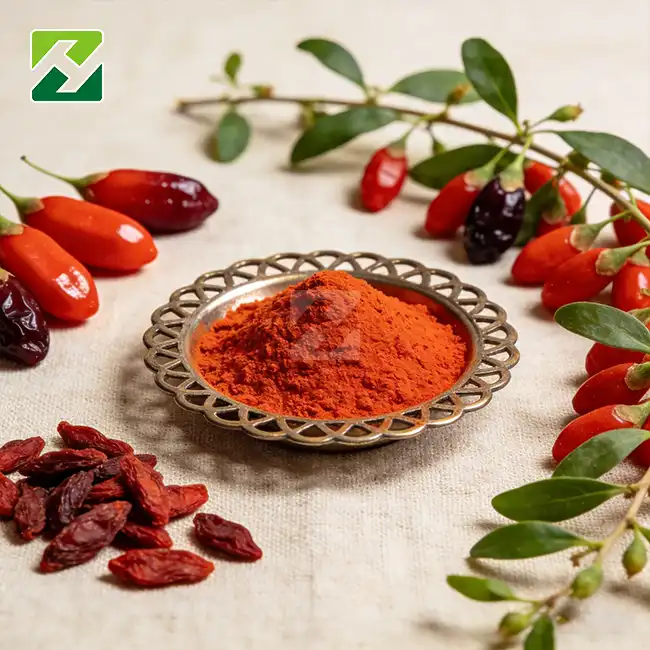
Understanding Goji Extract Powder: Source, Composition, and Processing
VIEW MOREGoji Extract Powder represents a concentrated botanical ingredient derived from Lycium barbarum, a fruit widely used across multiple industries due to its distinctive plant compound profile. Produced through advanced water extraction techniques, this powder provides standardized concentrations of polysaccharides and other naturally occurring compounds. Available in specifications ranging from 10:1 ratios to 50% polysaccharide content, the extract provides formulators with consistent quality and measurable composition parameters. The transformation from fresh fruit to powder involves controlled processing steps that maintain natural ingredient characteristics while ensuring stability for diverse applications across food, cosmetics, and botanical formulation industries.

What is Goji Extract Powder? Botanical Origin and Extraction Fundamentals
Understanding the Source: Lycium barbarum
Lycium barbarum is the botanical base of high-quality goji extract ingredients. It is a deciduous woody plant that grows naturally in temperate and warm regions. The composition of the fruit is influenced by cultivation conditions, including soil characteristics, irrigation methods, and harvest timing. Commercial farming is generally carried out in managed agricultural areas to maintain consistent raw material standards. Fully mature berries are selected for processing because they contain suitable levels of naturally occurring polysaccharides and other plant compounds. Cultivation methods, environmental conditions, and agricultural practices can influence the final composition of the raw material. Organic farming systems follow established agricultural requirements, including soil evaluation, water quality monitoring, and third-party certification procedures. These traceability systems provide manufacturers with detailed sourcing information and support compliance with different market documentation requirements.
Water Extraction: The Industry-Standard Processing Method
Goji processing often uses water extraction to acquire water-soluble plant chemicals and generate clean-label ingredients. This approach concentrates polysaccharides and minimises organic solvent issues. The procedure begins with temperature-controlled extraction containers rehydrating cleaned and dried fruit. Powder properties, extraction efficiency, and clarity depend on processing conditions. Maintaining extraction temperatures between 60°C and 80°C optimises chemical transfer and controls processes. Multi-stage extraction improves target chemical transfer from source materials to liquid. Membrane filtering refines the extract by removing particles and bigger molecular components. Concentration methods preserve ingredient stability while reducing water. Vacuum concentration removes moisture under pressure, regulating processing temperatures. The concentrated extract is then spray-dried, where controlled airflow turns it into powder. This drying process yields an orange-red to brown powder that may be stored, transported, and mixed into formulations.
Standardization and Specification Control
The ratio "10:1" indicates that ten units of raw fruit material are processed into one unit of finished powder, representing a concentrated ingredient format. The term "50% polysaccharides" refers to the measured percentage of polysaccharide content determined through analytical testing methods such as phenol-sulfuric acid analysis or other recognized laboratory procedures. Standardization provides manufacturers with consistent ingredient specifications across production batches. Each batch should include a Certificate of Analysis listing key parameters such as polysaccharide content, moisture level, ash content, particle size distribution, and microbial specifications. These quality indicators influence manufacturing performance, including dissolution characteristics, encapsulation suitability, powder flowability, and finished product consistency.
Composition Characteristics and Ingredient Properties
Polysaccharide Composition Analysis
Lycium barbarum polysaccharides are naturally occurring plant molecules used to specify goji extract constituents. ORAC and DPPH tests may assess botanical materials' chemical properties and analytical profiles. Zeaxanthin and beta-carotene, naturally occurring carotenoid chemicals, give the extract its colour and composition. Regional cultivation, harvesting circumstances, and processing processes affect plant extract composition. For consistent quality between manufacturing batches, standardised testing is essential.
Plant Compound Profile and Formulation Characteristics
Goji Extract Powder contains a variety of naturally occurring compounds, including polysaccharides, carotenoids, flavonoids, and other plant constituents. These components contribute to the overall composition profile of the extract. Manufacturers evaluate these characteristics when selecting botanical ingredients for different product formulations. Factors such as solubility, color, particle size, and compatibility with other ingredients influence application suitability.
Cosmetic Formulation Characteristics
The composition of goji extract makes it suitable for use in various cosmetic formulation systems. Polysaccharide content, powder texture, color characteristics, and water compatibility are important factors considered during cosmetic ingredient development. Natural Goji Berry Extract can be incorporated into different formulation types, including emulsions, gels, and water-based cosmetic systems. Formulators typically evaluate compatibility, stability, appearance, and processing performance when developing finished products.

Comparing Goji Extract Powder With Other Berry Extracts and Product Variants
Extract Powder Versus Whole Berry Powder: Critical Distinctions
Understand the distinctions between concentrated extract powder and basic ground berry powder to make educated purchases. Grind dried fruit pulp, seeds, and peel to make whole berry powder. This style preserves fruit structure while reducing plant chemical concentration. Concentration procedures improve polysaccharide content in Goji Extract Powder. Extract powder may meet greater polysaccharide standards than whole fruit powder, depending on extraction and standardisation. This concentrated shape lets producers utilise fewer ingredients while meeting formulation objectives. In applications that need smooth texture and uniform dispersion, extraction reduces insoluble fibres and bigger particles, improving processing compatibility. The key differences between whole fruit powder and extract powder are concentration, processing, and application. The two forms have different solubilities. Extract powder disperses better in water-based systems due to its high polysaccharide content. This makes it excellent for beverage mixes, powdered formulations, and cosmetic ingredient systems that value look and consistency.
Organic Certification: Quality Implications and Market Positioning
Organic certification details agricultural methods, sourcing, and production management. Farms that follow USDA NOP, EU organic, or comparable certification schemes produce certified organic extracts. Certification schemes usually entail cultivation, soil management, and production records. Third-party verification gives firms more raw material source transparency. Organic certification aids quality management by tracking and documenting. Organic products demand more testing and certification, which may affect ingredient prices. Brands that prioritise natural ingredients, transparent supply chains, and clean-label goods use Organic Natural Goji Berry Extract.
Goji Versus Acai and Elderberry: Comparative Ingredient Profiles
Plant chemical composition affects berry extract manufacturing capability. Acai has natural anthocyanins and fatty acids. Elderberry (Sambucus nigra) is coloured by anthocyanins. These chemicals are selected for formulation compatibility and botanical composition. Due to its polysaccharide content, goji differs from berry extracts with colours or other plant compounds. Lycium Chinense Miller Extract and other goji extracts are tested for polysaccharides, colour, solubility, and batch consistency. Berry components vary in carotenoid concentration. Zeaxanthin gives goji extracts their appearance and composition. Due to these differences, formulators may pick plant extracts in product creation.
Procurement Insights: Strategic Sourcing for Bulk Goji Extract Powder
Supplier Evaluation: Critical Certification and Capability Assessment
Supplier selection involves several operational aspects. Certified manufacturers demonstrate production and quality control.GMP accreditation standardises facility management, equipment maintenance, employee training, and paperwork. Bulk Goji Extract Powder providers should maintain quality and production standards.FSSC 22000 certification covers food safety management, risk assessment, programs, and traceability. This certification is essential for food and beverage companies that track ingredients and control contamination. Kosher and Halal certifications meet sourcing and production criteria, increasing markets. Assess supplier technical competency beyond certifications. Manufacturers with R&D teams may adjust extraction ratios, particle size, polysaccharide requirements, and formulation help for clients. Another factor is supply chain transparency. Buyers need crop areas, harvest periods, batch numbers, and quality certification. Companies examine raw material data and monitor supply chain quality via traceability systems.
Logistics and Delivery Considerations for U.S. Markets
Inventory planning and purchase efficiency depend on logistics management. Regional warehouse suppliers may fulfill orders faster than international carriers. Local inventory reduces transit delays and improves supply flexibility. Shipping and inventory management may be easier with distribution near producing regions. Minimal order amounts affect buying tactics. Standard MOQs like 25 kg packaging may help small and medium-sized enterprises test and plan production. Companies can arrange production with reliable lead times. Delivery reliability stabilises inventories and decreases storage needs.
Pricing Dynamics and Value Optimization Strategies
Standardised extract prices depend on extraction ratio, polysaccharide specification, certification, processing processes, and purchasing volume. Standardised 10:1 extracts have different pricing than highly standardised extracts with greater polysaccharide content. Higher specifications may need more processing, analytical testing, and quality documentation. Organic certification requires more verification, agricultural standards, and testing, which might affect cost. Ingredient specifications, documentation support, and long-term supply stability should guide the price. Cost optimisation may be possible with volume purchases. Annual contracts with fixed purchase volumes help manufacturers maintain supply and suppliers plan output. Availability of samples aids purchase assessment. Samples from suppliers let organisations test powder properties, formulation compatibility, appearance, and processing before placing bigger purchases.

Processing Technologies and Quality Control for Consistent Supply
Manufacturing Process Flow and Critical Control Points
Multi-stage processing improves efficiency and ingredient uniformity in modern extraction plants. Sorting and cleaning raw materials remove waste, broken fruit, and contaminants. Size- and color-detection optical sorters standardise processing. Drying manages extraction moisture. Plants are preserved by controlled drying. Managing drying temperatures and processing time protects powder quality. Manufacturing companies use stainless steel extraction containers because they are sturdy, easy to clean, and food-ingredient-compatible. For batch uniformity, temperature, pressure, and processing parameters are monitored automatically. Multi-stage extraction improves plant chemical extraction. After extraction, filtering systems remove suspended particles and larger molecular components that affect powder appearance and processing. Membrane filtering removes impurities and regulates particle size in extract solutions. Ultrafiltration systems with different molecular weight cutoffs assist producers in making uniform ingredients. Clarification alters cosmetic and culinary product appearance, texture, and stability. Clear, consistent extracts let formulators produce varied products.
Quality Control Testing and Compliance Verification
To assure quality, Goji Extract Powder batches are analytically analysed. HPLC and other analytical methods quantify plant chemical profiles and assure batch consistency. Test polysaccharide content to identify compounds. Standardised analysis ensures each batch meets concentration requirements. Elemental analysis using ICP-MS identifies lead, arsenic, cadmium, and mercury. Analysis aids raw material quality evaluation and documentation. Tests include yeast, mould, total plate count, and microbiological indicators. Testing ensures items meet storage and manufacturing quality standards. For pesticide residue screening, GC-MS/MS and LC-MS/MS can analyse many agricultural compounds. Methods provide greater raw material cultivation and processing control documentation. Natural Goji Berry Extract is organically certified. System documentation and analytical results provide manufacturers' ingredient specifics.
Sustainable Practices and Environmental Stewardship
Leading agricultural and processing businesses are embracing sustainability practices. Resource efficiency, responsible farming, and constant raw material production are agricultural management priorities.GAP farms may optimise water management using modern irrigation. Controlled irrigation promotes consistent farming. Monitoring, planning, and targeted agricultural management are used in integrated pest control. These strategies encourage responsible farming and production. Processing facilities engage in energy efficiency and waste minimisation. Heat recovery systems improve production resource efficiency by reusing processing equipment energy. Plant materials remaining after extraction may be utilised for organic fertiliser or other industrial uses. These strategies reduce industrial waste and resource use.

Conclusion
Exploring raw materials, processing methods, supplier capabilities, and quality management systems assists in extract selection. Controlled water extraction produces constant-composition plant compounds. Manufacturers may assess product quality using 10:1 extraction ratios and 50% polysaccharide. Testing, Certificates of Analysis, and certification documents aid procurement transparency. Companies should evaluate suppliers' manufacturing, analytical testing, logistics, and supply chain transparency. After extensive testing, food, cosmetic, and specialty product manufacturers use dependable plant ingredients. Goji Extract Powder, Lycium Chinense Miller Extract, and Natural Goji Berry Extract can meet worldwide ingredient needs for traceable, standardised, and sustainably derived plant components.
FAQ
1. What is the typical shelf life of the extract powder?
The extract powder stays stable for 24 months after it is made, as long as it is kept in sealed containers away from water, heat, and direct light. Under controlled conditions, with temperatures below 25°C and relative humidity below 60%, polysaccharides don't break down much. Putting things in multi-layer foil bags with desiccant sachets keeps moisture out, which could cause them to clump or grow microbes.
2. Can this extract be used across multiple industries?
The powder can be used in a lot of different areas. It is added to pills, tablets, and powdered drink mixes by companies that make supplements. It is used in cosmetics as an antioxidant and to moisturize the skin. It is added to serums, creams, and masks. Functional beverage makers use it as a base for health drinks and smoothies. It's used by food companies to make nutrition bars, health snacks, and goods with added vitamins and minerals. This is because it dissolves in water, has a neutral taste at the suggested amounts of use, and has a history of being safe.
3. How can buyers verify product purity and quality?
By asking for a Certificate of Analysis (CoA) for each batch, you can be sure that the specifications have been met. These specifications include the amount of polysaccharides, microbial counts, heavy metals, and pesticide residues. Independent testing by a third-party lab gives you more peace of mind, especially when you're looking for a new supplier. Reliable manufacturers are happy to give samples to customers to try, and they also welcome site checks to show how their quality systems and controls are used.
Partner with OHI for Premium Goji Extract Powder Supply
OHI provides certified, high-purity natural goji berry extract standardized to your exact needs. This is backed by strict quality controls and helpful technical support. We make sure that every batch meets strict medicinal and food-grade standards as a publicly listed company (Stock Number: 872213) that is certified by NSF GMP, FSSC22000, ISO9001, Kosher, and Halal. Our extraction facilities use advanced water-based processing that keeps the bioactive polysaccharides safe, and our four U.S. warehouses make fast delivery possible, usually within a week.
Running 8,000 acres of GAP-certified cultivation grounds gives full control over the supply chain, from dirt to Goji Extract Powder, making sure that raw materials can be tracked and are always of good quality. Our R&D center has HPLC, GC-MS, and other analytical tools to help with custom formulation development and technical troubleshooting during the whole process of making your product. No matter if you need standard or organic requirements, large amounts, or just a sample, our team can help you make the best decisions about your purchases.
Get in touch with our technical experts to talk about your unique needs, get full product specifications, or set up free samples. You can reach OHI at info@organic-herb.com to learn more about how our logistics and manufacturing skills can help your ingredient supply chain.
References
1. Chang, S. K., & Alasalvar, C. (2016). Goji Berry Polysaccharides: Chemical Properties, Bioactive Components, and Health Benefits. Journal of Functional Foods, 28, 44-58.
2. Potterat, O. (2010). Goji (Lycium barbarum and L. chinense): Phytochemistry, Pharmacology and Safety in the Perspective of Traditional Uses and Recent Popularity. Planta Medica, 76(1), 7-19.
3. Yao, R., Heinrich, M., & Weckerle, C. S. (2018). The Genus Lycium as Food and Medicine: A Botanical, Ethnobotanical and Historical Review. Journal of Ethnopharmacology, 212, 50-66.
4. Masci, A., Coccia, A., Lendaro, E., Mosca, L., Paolicelli, P., & Cesa, S. (2018). Evaluation of Different Extraction Methods from Lycium barbarum and Comparison of Antioxidant Activity. Natural Product Research, 32(23), 2798-2802.
5. Mocan, A., Vlase, L., Vodnar, D. C., Bischin, C., Hanganu, D., Gheldiu, A. M., & Crisan, G. (2014). Polyphenolic Content, Antioxidant and Antimicrobial Activities of Lycium barbarum L. and Lycium chinense Mill. Leaves. Molecules, 19(7), 10056-10073.
6. Jin, M., Huang, Q., Zhao, K., & Shang, P. (2013). Biological Activities and Potential Health Benefit Effects of Polysaccharides Isolated from Lycium barbarum L. International Journal of Biological Macromolecules, 54, 16-23.
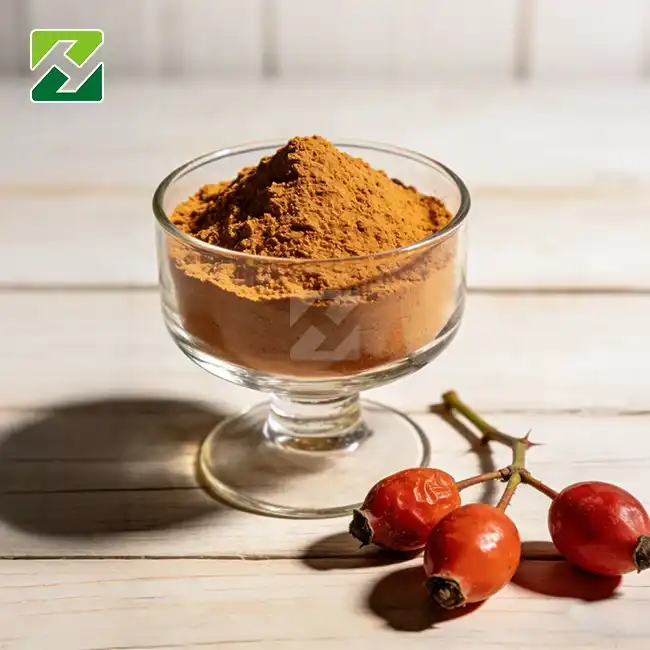
How does Rosehip Extract Powder compare to other herbal extracts?
VIEW MOREWhen evaluating botanical ingredients for industrial applications, Rosehip Fruit Extract stands out as a versatile, high-value option. Derived from Rosa canina, this extract contains naturally occurring compounds including vitamin C, polyphenols, and flavonoids. Unlike many herbal extracts that require synthetic solvents, quality rosehip powder utilizes water-based extraction to preserve the natural composition while maintaining stability during formulation. Its brownish-yellow appearance and fine particle structure enable seamless integration into supplements, cosmetics, and functional beverages. The 10:1 concentration ratio provides a concentrated ingredient format, while standardized vitamin C content ensures consistency across production batches.

Understanding Rosehip Extract Powder: Composition and Benefits
Rosehip Fruit Extract is a plant ingredient derived from the false fruits of wild rose species, primarily Rosa canina. The extraction method has a significant impact on the quality of the final product. Controlled extraction processes help maintain naturally occurring compounds and produce a clean-label ingredient suitable for modern formulation requirements.
Key Bioactive Compounds
Rosehip Fruit Extract has a phytochemical profile containing naturally occurring compounds such as vitamin C, flavonoids, carotenoids, and triterpenic acids. Flavonoids, including quercetin and rutin, contribute to the characteristic composition of the extract, while carotenoids such as lycopene and beta-carotene provide natural color components. This diverse compound profile gives the ingredient unique characteristics for use in different formulation systems.
Because it dissolves in water, Rosehip Fruit Extract offers advantages in product development. Compared with oil-based botanical ingredients that may require additional processing steps, powder-form Rosehip Fruit Extract can be easily incorporated into water-based formulations. This feature is particularly useful in beverage applications where uniform mixing and product appearance are important considerations.
Manufacturing Specifications and Quality Parameters
Rosehip Fruit Extract for professional use (TM) conforms to Technical Standards. The mixing qualities are the same from batch to batch when the particle size is kept at 80 mesh. The brown-yellow colour indicates the presence of naturally occurring plant chemicals, not synthetic colour additives. Bulk density measurements in the range of 0.4 to 0.65 g/ml affect processing procedures such as powder handling, filling, and compression.
Quality certifications provide you with information about the production management systems. NSF GMP accreditation indicates regulated manufacturing processes. FSSC22000 and ISO certifications are recognised food safety management systems. Kosher and Halal certifications enhance adaptability to various worldwide markets. Organic certification guarantees that no synthetic fertilisers or pesticides are used in farming techniques, meeting the growing demand for sustainable sources of botanicals.

Rosehip Extract Powder vs Other Herbal Extract Types: A Detailed Comparison
The market for Rosehip Fruit Extracts includes different botanical ingredient categories, each with unique characteristics that influence formulation compatibility and commercial positioning.
Compositional Differences Across Extract Categories
Rosehip Extract contains standardized levels of naturally occurring vitamin C, which may vary depending on extraction methods and raw material characteristics. Compared with manufactured ascorbic acid, plant-derived extracts provide a different ingredient profile containing multiple naturally occurring compounds. Turmeric extracts are mainly characterized by curcuminoids, while ginseng products contain ginsenoside compounds, and echinacea extracts are recognized for their characteristic plant constituents.
Different botanical materials require different extraction approaches. Rosehip Fruit Extract's water extraction process helps maintain water-soluble compounds while reducing concerns related to solvent residues. Curcumin extraction commonly requires specialized methods due to its chemical characteristics. Ginseng processing may use ethanol-water systems to obtain specific compound fractions. These technical differences influence labeling requirements, regulatory considerations, and formulation compatibility.
Stability and Performance of Formulations
Rosehip Fruit Extract retains excellent stability in completed goods under optimal storage circumstances, such as avoiding excessive light and moisture. Its natural chemical content makes it applicable to many formulations. Additional formulation processes may be required owing to the nature of the turmeric extracts. Other plant extracts have distinct needs for storage and processing.
The formulation needs and solubility properties will determine the appropriateness of an application. Rosehip Fruit Extract is water-friendly; therefore, it may be integrated into liquid solutions, beverage formulas, and water-based cosmetic systems. Depending on the application of interest, botanical substances with differing solubility profiles may need extra processing procedures.
Market Dynamics and Consumer Preferences
The market trend toward botanical components continues to increase, with enterprises looking for recognisable plant-based raw materials for product creation. Rosehip Fruit Extract is linked to conventional botanical sources and known plant origins, making it suited for companies with a focus on natural ingredient themes. Fruit extracts may help with clean-label product positioning and provide producers with more formulation alternatives.
Regulatory systems often prefer substances with well-established identification requirements and recorded quality information. Rosehip Fruit Extract is a botanical ingredient with extensive usage in culinary and cosmetic applications. It supports efficient product development processes. New plant compounds or extremely concentrated extracts may need additional documentation and study prior to commercialisation.
How to Choose the Right Rosehip Extract Powder for Your Business Needs
To ensure that Rosehip Fruit Extract purchasing decisions align with manufacturing requirements and market positioning, companies should evaluate multiple technical and business factors.
Quality Assessment Criteria
Certification papers include information about manufacturing capabilities and quality management systems. Organic certification verifies that farming methods meet agreed-upon organic criteria. NSF GMP accreditation signifies regulated manufacturing practices and quality systems. FSSC22000 accreditation demonstrates that an organization has implemented defined food safety management procedures such as HACCP principles and precursor programs. Multiple certifications mean complete quality management systems.
Analytical requirements explain the qualities and consistency of the ingredients. The extract ratio (10:1) denotes the concentration form of the substance. The standardisation of vitamin C concentration allows for uniformity across manufacturing batches and provides for correct product requirements. Heavy metal analysis is used to verify quality criteria. Microbial criteria based on recognised industry norms are used to ensure ingredient quality throughout manufacture.
Supply Chain Considerations
Minimum order amounts affect inventory management and cash flow planning. The 25-kilogram MOQ allows organisations to do trial runs yet still have flexibility throughout the product development phases. It is a good balance that provides efficiency and meets various buying needs.
Lead time reliability impacts production scheduling & inventory planning. Supporting effective stock management, standard delivery in 10 days removes the need for too much stock storage. A warehouse in your country can help you avoid delays connected with international shipping and customs clearance. Regional distribution centers enhance logistical efficiency and provide extra inventory assistance.
Companies may sample ingredients to see whether they are suitable before they buy in big quantities. Manufacturers use free samples to check formulation compatibility, processing features, product appearance, and flavour performance. This method enables more informed sourcing choices when changing suppliers or generating new product ideas.
Cost-Performance Optimization
Pricing structures reflect the quality of ingredients, efficiency of manufacturing, and management of the supply chain. Premium grade extracts could cost more per unit but might provide benefits in terms of consistent standards and dependable performance throughout manufacture. Instead, organisations may measure cost efficiency by factoring in the concentration of the ingredients, processing, and application requirements when comparing purchase costs.
Packaging design influences the ease of handling and preservation of the ingredients. Standard 25-kilogram fibre drums provide a good compromise between material cost and operating practicality. Dual polyethylene containers limit moisture and outside contamination while ensuring product integrity. The unit cost may be greater for smaller package sizes, but they may be suited for specialised applications or smaller manufacturing runs.

Case Studies: Successful B2B Applications of Rosehip Extract Powder
Rosehip Extract is used commercially across multiple product categories and industry segments, demonstrating its flexibility as a botanical ingredient.
Nutricosmetics and Beauty Supplements
A medium-sized supplement company updated its beauty product formulation by incorporating Rosehip Fruit Extract alongside marine collagen peptides and hyaluronic acid. The natural vitamin C content complemented the ingredient system, while the botanical profile supported the product's natural positioning. Customer feedback highlighted positive acceptance of the formulation's texture, appearance, and overall product experience. Within 18 months, the company increased annual purchasing volume from 500 kg of Rosehip Fruit Extract to more than 2,000 kg, making it a regular ingredient across multiple product lines.
The formulation utilized the water-dispersible characteristics of Rosehip Fruit Extract to improve processing efficiency. Without additional fillers, tablet production achieved consistent manufacturing performance, simplifying the formulation process. The brownish-yellow color contributed to a natural appearance, reducing the need for artificial color additives and supporting clean-label positioning.
Functional Beverage Applications
An organic beverage company developed a ready-to-drink product line using Rosehip Fruit Extract as a botanical ingredient source. The water-extracted ingredient matched the company's non-GMO certification and clean-label strategy. The natural color of the extract provided a distinctive appearance without artificial dyes, supporting transparent ingredient communication.
During initial production testing, challenges appeared related to ingredient distribution. Collaboration with the extract supplier helped optimize hydration procedures and mixing sequences, resulting in a stable formulation throughout the 12-month shelf period. The beverage line expanded into more than 3,000 retail locations, with Rosehip Fruit Extract highlighted in marketing materials focused on plant-based ingredients.
OEM Manufacturing and Private Label Development
After completing ingredient evaluation procedures, a contract manufacturer specializing in private label products added Rosehip Fruit Extract to its ingredient portfolio. The flexible botanical ingredient is now included in multiple product categories, including specialty nutrition products, cosmetic formulations, and antioxidant-focused ingredient systems. Customers value the ingredient's multiple certification options, allowing use in organic, kosher, and halal product ranges.
The manufacturer's quality assurance team maintained consistent specifications across different production batches. Documentation packages including Certificates of Analysis, regulatory information, and allergen statements helped clients complete internal approval procedures. The 10-day lead time supported efficient inventory strategies and helped maintain stable production schedules.

Future Trends and Opportunities in the Herbal Extract Market
The Rosehip Fruit Extract industry continues to develop as companies respond to changing consumer preferences, advanced processing technologies, and evolving market requirements.
Sustainable Sourcing and Being Able to Track
Beyond traditional quality and pricing factors, sustainability considerations are becoming increasingly important in purchasing decisions. Buyers are paying more attention to agricultural practices, resource management, and supply chain transparency. Traceability systems provide brands with detailed sourcing information and help verify responsible production practices. GAP-certified growing sites covering more than 8,000 acres demonstrate structured cultivation methods designed to maintain consistent raw material quality.
Advanced Extraction Technologies
New processing technologies continue to improve extract quality while supporting more efficient production methods. Low-temperature dynamic extraction helps maintain heat-sensitive plant compounds during processing. Advanced separation technologies improve purification efficiency while reducing the need for harsh processing conditions. These technologies allow manufacturers to develop extracts with higher concentration ratios and improved formulation flexibility.
Freeze-drying methods produce powders with good handling characteristics and reconstitution performance. Column chromatography and ion exchange systems enable detailed compound analysis and support standardized ingredient specifications. These approaches meet the requirements of formulators seeking consistent botanical ingredients for different applications.
Regulatory Evolution and Market Access
Regulatory frameworks continue to develop, with increasing attention on ingredient identification, quality testing, and contaminant control. Suppliers investing in comprehensive analytical capabilities can provide stronger documentation support for international markets. DNA barcoding methods help verify botanical identity and maintain raw material consistency. Multi-residue pesticide screening supports agricultural quality evaluation. Heavy metal analysis provides additional quality control information for sourcing decisions.
International efforts to align quality standards continue gradually, although regional differences remain. European regulations, U.S. FDA food ingredient requirements, and Asia-Pacific market guidelines require suppliers and manufacturers to maintain accurate documentation systems. Suppliers with multiple certifications and complete quality records can help companies manage market entry requirements more efficiently.
Conclusion
Rosehip Fruit Extract stands out among botanical ingredients because of its combination of natural vitamin C, polyphenols, flavonoids, and compatibility with different formulation systems. Water-based extraction methods produce clean-label ingredients that meet modern manufacturing requirements while maintaining the natural characteristics of the plant source. Compared with other botanical ingredients, Rosehip Fruit Extract offers advantages in stability, versatility, and application flexibility.
Strategic procurement requires evaluation beyond pricing alone. Companies should consider certifications, analytical specifications, supply chain reliability, production capabilities, and supplier documentation when selecting botanical ingredients. As demand continues to increase for reliable, traceable, and sustainably sourced plant-based materials, Rosehip Fruit Extract will continue to serve as a valuable ingredient option across nutraceutical, cosmetic, and functional food-related applications.
FAQ
1. What distinguishes rosehip extract powder from rosehip seed oil?
Rosehip Fruit Extract comes from the fatty outside of the fruit and is extracted with water. This concentrates water-soluble chemicals like vitamin C, flavonoids, and polyphenols. When you cold-press rosehip seeds, you get lipid-rich material that is full of essential fatty acids and vitamins that dissolve in fat. The powder form works well in drinks and tablets that need to hold water, while the oil form is better for cosmetics and soft-gel capsules. The functional benefits of powder and oil are very different. Powder focuses on delivering antioxidants and vitamin C, while oil focuses on supporting the skin barrier and providing essential fatty acids.
2. How can buyers be sure that a seller is real and of good quality?
Ask for a lot of paperwork, like Certificates of Analysis that have been checked by a third-party lab, proof that the plants are what they say they are through microscope or DNA testing, and an analysis of any leftover solvents. Look at collections of certifications that cover GMP, organic, and food safety guidelines. When you can, do facility audits that look at things like equipment, quality systems, and traceability protocols. Ask for stability data that shows how the product will last in storage under the right conditions. Before committing to production numbers, specs are checked by sending samples to independent labs for testing.
3. Can rosehip extract powder combine synergistically with other herbal ingredients?
Rosehip Fruit Extract works well with collagen peptides in beauty products, making it easier for the body to get vitamin C for collagen production. Glucosamine and chondroitin work together to help joints in ways that aren't possible alone. When mixed with other antioxidant-rich plants, full free radical defense profiles are made. Compatibility testing is still very important because it looks for possible reactions that could change the stability, color, taste, or bioactivity of a substance. Formulation expertise helps find the best ratios so that each ingredient stays true to itself throughout its shelf life while still getting synergistic benefits.
Partner with OHI for Premium Rosehip Fruit Extract Supply
Organic Herb Inc. is ready to be your go-to source for Rosehip Fruit Extract when sourcing is just as important as specs. Our Rosa canina extract has a 10:1 concentration and a standard 5% vitamin C content. It is made by extracting the plant's leaves completely with water and is certified by NSF GMP, Kosher, Halal, ISO, and FSSC22000. We keep four strategic warehouses across the United States. This way, we can guarantee 10-day shipping on normal orders and handle 25kg minimum amounts that are good for both test runs and regular production. Free samples let you test without any risk before making a purchase decision. In addition to providing materials, we also offer technical teamwork through our 42-person research and development team, which is equipped with high-tech analytical equipment worth more than $1,200,000. Contact us at info@organic-herb.com to talk about your specific formulation needs and find out how our sustainable sourcing from more than 8,000 acres of GAP-certified cultivation bases delivers consistent quality that meets the most demanding needs.
References
1. Chrubasik, C., Roufogalis, B. D., Müller‐Ladner, U., & Chrubasik, S. (2008). A systematic review on the Rosa canina effect and efficacy profiles. Phytotherapy Research, 22(6), 725-733.
2. Fattahi, S., Zabihi, E., Abedian, Z., Pourbagher, R., Motevalizadeh Ardekani, A., Mostafazadeh, A., & Akhavan-Niaki, H. (2018). Total phenolic and flavonoid contents of aqueous extract of stinging nettle and in vitro antiproliferative effect on HeLa and BT-474 cell lines. International Journal of Molecular and Cellular Medicine, 7(4), 205-213.
3. Ilyasoğlu, H., & Arpa, T. E. (2017). Effect of brewing conditions on antioxidant properties of rosehip tea beverage: A study by response surface methodology. Journal of Food Science and Technology, 54(11), 3737-3743.
4、 Kazaz, S., Baydar, H., & Erbas, S. (2009). Variations in chemical compositions of Rosa damascena Mill. And Rosa canina L. fruits. Czech Journal of Food Sciences, 27(3), 178-184.
5. Phetcharat, L., Wongsuphasawat, K., & Winther, K. (2015). The effectiveness of a standardized rose hip powder, containing seeds and shells of Rosa canina, on cell longevity, skin wrinkles, moisture, and elasticity. Clinical Interventions in Aging, 10, 1849-1856.
6. Winther, K., Apel, K., & Thamsborg, G. (2005). A powder made from seeds and shells of a rose-hip subspecies (Rosa canina) reduces symptoms of knee and hip osteoarthritis: a randomized, double-blind, placebo-controlled clinical trial. Scandinavian Journal of Rheumatology, 34(4), 302-308.
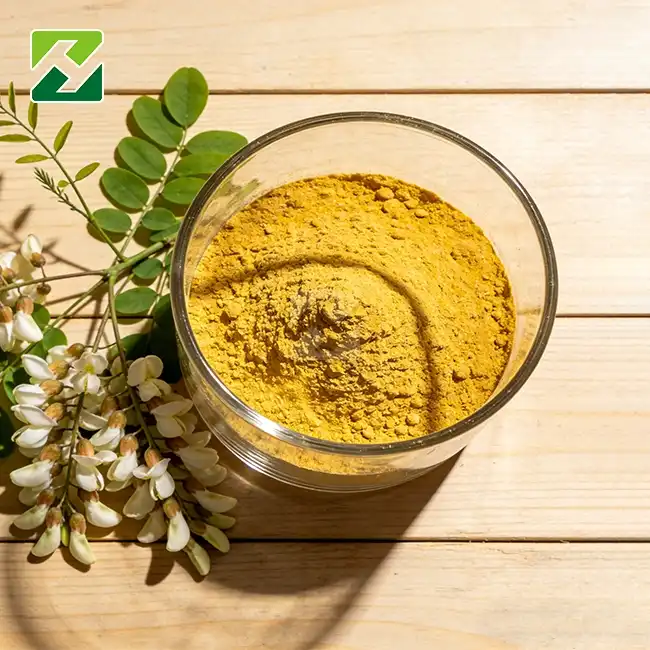
Sophora Japonica Extract: Benefits and Uses in Health and Cosmetics
VIEW MORESophora Japonica Extract is derived from the carefully harvested buds of Sophora Japonica L., a botanical source known for its naturally high concentration of flavonoids. This yellow powder ingredient, standardized to contain 95% rutin or 95% quercetin, provides a consistent flavonoid composition suitable for nutraceutical formulations and cosmetic applications. As consumers increasingly prioritize clean-label and plant-based ingredients, procurement professionals and formulation scientists recognize the value of this versatile botanical ingredient in product development and meeting global compliance standards.
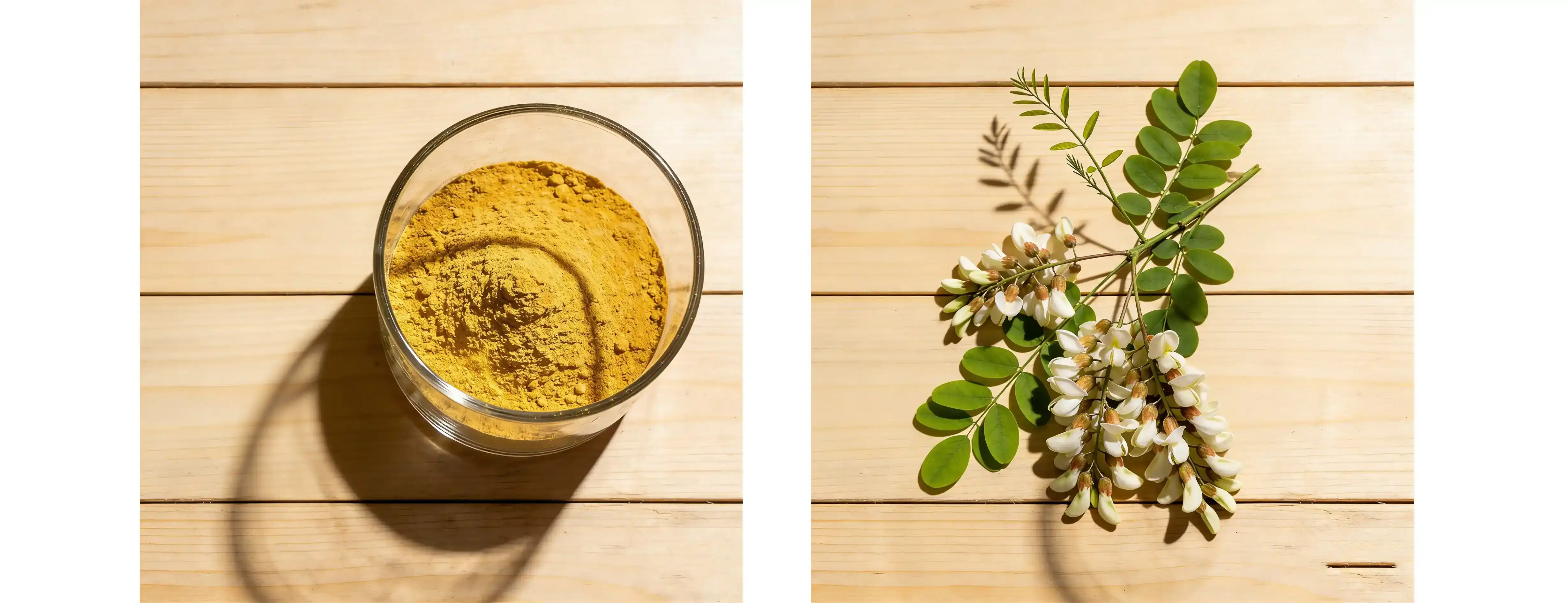
Understanding Sophora Japonica Extract: Composition and Health Benefits
Botanical Origin and Active Compounds
This Sophora Japonica Extract only comes from the buds of Sophora Japonica L. and goes through a careful water and ethanol extraction process designed to maintain the composition of its naturally occurring flavonoids. The powder contains two main flavonoid molecules: quercetin and rutin. Rutin is a glycoside form of quercetin with a well-defined molecular structure and characteristic physicochemical properties. The aglycone counterpart, quercetin, is a naturally occurring flavonoid commonly identified through analytical testing and used as a standardized botanical compound.
Together, these two compounds contribute to the characteristic composition of the extract. Their defined flavonoid profiles make the ingredient suitable for formulation teams working with plant-based ingredients in supplement and cosmetic product development.
Functional Benefits for Nutraceutical Development
Nutraceutical companies use this plant ingredient to meet growing customer demand for natural product formulations. The flavonoids in the extract provide formulation teams with standardized botanical compounds that can be incorporated into products according to specific composition and processing requirements. This makes it a suitable ingredient for companies developing plant-based formulations with defined flavonoid profiles.
In addition to their use in botanical formulations, the extract's composition makes it suitable for product developers working with plant-derived ingredients. The bioflavonoids can be incorporated into different formulation systems, providing a plant-based ingredient option that fits with the current demand for clean-label formulations. This ingredient is also considered by sports nutrition companies when developing plant-based product formulas based on their specific formulation requirements.
Cosmetic Applications and Skin Protection
Cosmetic scientists use this product because of its naturally occurring flavonoid composition and compatibility with a range of cosmetic formulations. Because quercetin is naturally present, the extract can be incorporated into sun care formulations as a botanical ingredient. In addition, the extract contains naturally occurring flavonoid compounds that can be evaluated as part of cosmetic formulation development. Because of its composition, the ingredient can be used in beauty products where botanical ingredients are required.
This yellow powder is appealing to natural skincare companies that want to use plant-derived ingredients in place of manufactured alternatives. Because it works with different formulation systems, like serums and creams, product developers can incorporate the extract into various clean beauty formulations. Its botanical origin and standardized composition make it an option for cosmetic brands developing products based on plant-derived ingredients.
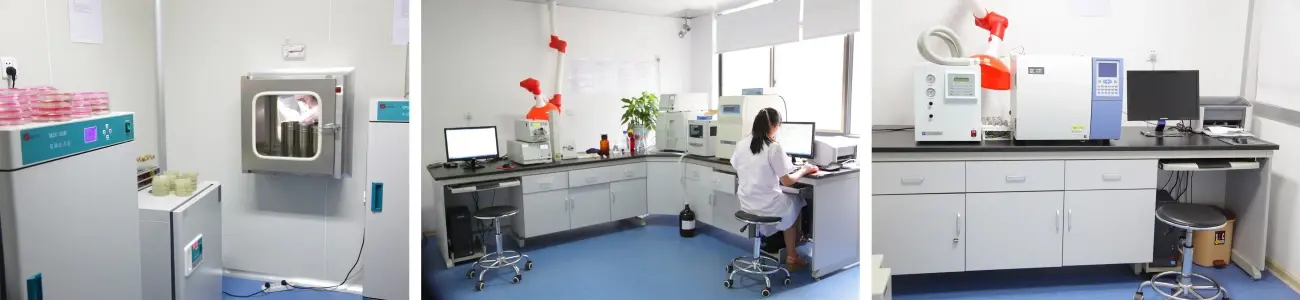
Comprehensive Guide to Using Sophora Japonica Extract Safely and Effectively
Dosage Recommendations for Supplement Formulation
Formulation managers who work with this plant-based ingredient usually make sure that all of their products contain consistent levels of active flavonoid compounds according to their formulation specifications. The Sophora Japonica Extract is often used in dietary supplement formulations as a standardized botanical ingredient while maintaining suitable stability characteristics. The powder size provides flexibility for tableting, encapsulation, and powder blending processes.
The extract remains stable under controlled processing conditions, including high-temperature environments used in pasteurization and UHT processing. Because of this, the ingredient can be incorporated into functional foods, beverages, and powder-based formulations according to product development requirements. When appropriate solubilization methods are applied, such as pH adjustment and co-solvent techniques, the yellow powder can be processed effectively in liquid formulation systems.
Quality Assurance Through Certification and Testing
The procurement teams give more weight to sellers who provide complete Certificate of Analysis (COA) documentation for every production batch. As part of the quality control process, HPLC assay tests are used to verify rutin or quercetin content, ICP-MS tests are used to evaluate heavy metals including lead, arsenic, cadmium, and mercury according to established limits, and EU 396/2005 regulations require pesticide residue screening across multiple compound categories.
Microbiological testing methods confirm Total Plate Count, Yeast and Mold levels, and the absence of microorganisms such as Salmonella and E. coli. Formulation scientists can maintain consistency and quality control throughout production because of these testing procedures. We at OHI keep our NSF GMP, Kosher, Halal, ISO, FSSC22000, and Organic certifications up to date. This way, our botanical extracts meet recognized standards for use in food, supplement, and beauty product manufacturing.
Storage and Handling Best Practices
Because this extract is sensitive to light and moisture, it needs to be stored under appropriate conditions. The powder is stored in 25 kg fiber drums lined with two layers of polyethylene. If kept away from direct sunlight and excessive moisture, it maintains its quality characteristics for 24 months. Controlled conditions at distribution centers help preserve the ingredient's consistency throughout the supply chain.
To prevent moisture absorption during weighing and mixing, formulation labs should follow proper handling procedures. Using equipment dedicated to plant extract processing reduces the possibility of cross-contamination and helps maintain product purity. These practical measures support consistent ingredient performance during finished product manufacturing.
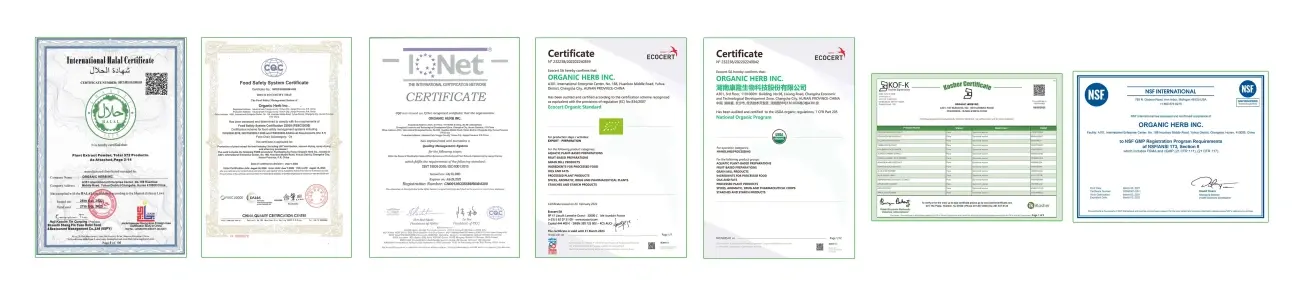
Sophora Japonica Extract vs. Other Natural Supplements: A B2B Procurement Perspective
Comparative Analysis with Alternative Botanicals
When procurement professionals evaluate plant-based ingredients like this Sophora Japonica Extract, they often compare it with alternatives such as Ginkgo Biloba and grape seed extract. Ginkgo Biloba contains terpene lactones, while Sophora Japonica's flavonoid profile features characteristic rutin and quercetin content. This difference helps product developers select botanical ingredients according to specific formulation concepts and target product positioning.
The proanthocyanidins in grape seed extract contribute to its characteristic composition, while Sophora Japonica Extract contains rutin as one of its primary flavonoid components. Rutin's unique glycoside structure provides a distinctive chemical profile that can complement other plant-based ingredients in combined formulations. Understanding these differences in composition helps R&D teams develop new botanical ingredient combinations and product concepts.
Format Considerations: Powder vs. Encapsulated Forms
B2B buyers have to evaluate different format options based on manufacturing processes, target markets, and cost considerations. The raw powder format provides flexibility for customized formulas and private label products. For applications such as tableting, encapsulation, or powder blending, contract manufacturers value the convenience of incorporating the ingredient into existing production systems.
Pre-encapsulated forms are useful for brands that do not have their own encapsulation equipment, although they generally involve higher unit costs. The large powder format supplied in 25 kg drums supports efficient scaling for high-volume production requirements. We maintain four main warehouses in the United States to support reliable order fulfillment and help meet production schedules without extended shipping delays.
Regulatory Compliance and Market Access
Different governing rules apply to plant ingredients in different global markets. In order to sell in Europe, companies need to follow Novel Food regulations and EFSA guidelines where applicable. In North America, businesses need to comply with FDA dietary ingredient requirements and Good Manufacturing Practices. Our wide range of certifications, such as NSF GMP, Kosher, Halal, ISO, and FSSC22000, supports market entry requirements in different regions.
Different regions have different documentation needs, so suppliers need to understand the requirements involved in international trade. We provide technical documentation that includes allergy statements, BSE/TSE declarations, and country-of-origin certificates. These materials support customs clearance procedures and regulatory documentation processes. This documentation helps brands prepare product information and complete market application procedures more efficiently.
How to Source Premium Sophora Japonica Extract for Global B2B Markets
Supplier Selection Criteria and Verification
There are many factors besides price that need to be considered when selecting reliable suppliers. Manufacturing facilities should demonstrate up-to-date GMP certification and clear quality control procedures. Third-party organizations conduct site assessments to verify that production standards and documentation practices meet established requirements.
Transparency in the supply chain begins at the production level. Our business includes three GAP-standard planting bases that cover more than 8,000 acres in the provinces of Jiangxi, Hubei, Guizhou, Shaoyang, and Huaihua. We work directly with local farmers through technical assistance programs that begin with seedling supply and continue through harvesting and post-harvest handling. This approach helps maintain consistent raw material quality from the botanical source to the finished Sophora Japonica Extract.
We use advanced extraction equipment and nano-membrane isolation technology to achieve standardized flavonoid specifications for food, supplement, and cosmetic ingredient applications. Dynamic low-temperature extraction is applied during processing, while column adsorption chromatography and ion exchange systems help achieve the targeted 95% rutin and 95% quercetin specifications required for standardized botanical ingredients.
Pricing Structures and Minimum Order Quantities
Understanding how costs are structured helps purchasing teams maintain quality standards while managing budgets effectively. The 25 kg minimum order quantity allows small to medium-sized brands to access the ingredient and supports efficient logistics planning. Larger purchase volumes provide opportunities for bulk pricing, allowing contract manufacturers to manage production costs more effectively.
Lead times of about 10 days from order confirmation to shipment are part of our inventory management process. This quick turnaround helps maintain supply continuity and supports production planning. Our Los Angeles, California-based Earth Made Nutrition division maintains inventory availability to serve the North American market efficiently.
Documentation and Certification Requirements
For international purchases, comprehensive documentation is required to meet customs requirements and customer expectations throughout the supply chain. Documentation includes a Certificate of Analysis, Material Safety Data Sheet (MSDS), certificate of origin for each shipment, and necessary religious certifications such as Kosher and Halal. We also provide heavy metal analysis, chemical screening results, and solvent residue testing documentation to support quality verification.
Traceability systems connect each production batch to a specific crop lot, extraction date, and quality control record. The documentation process supports the audit requirements of retailers, e-commerce platforms, and regulatory organizations. Detailed traceability helps demonstrate consistency and transparency throughout botanical ingredient production.
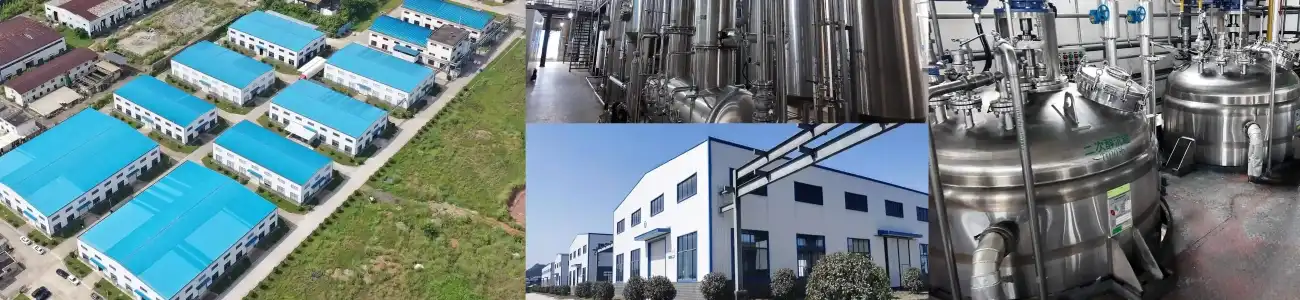
Future Trends and Opportunities in Sophora Japonica Extract Applications
Innovation in Synergistic Formulations
More and more, product developers are combining this Sophora Japonica Extract with other botanical ingredients to create diverse formulations with different composition profiles. Combining rutin-rich ingredients with other plant-based components allows formulators to explore new product concepts and improve formulation flexibility. Skincare formulators may combine the extract with other cosmetic ingredients, such as peptides and ceramides, to develop products based on specific cosmetic formulation requirements.
The movement toward transparency in ingredient sourcing creates opportunities for suppliers that can provide complete documentation of their supply chains. Brands looking to strengthen their market positioning increasingly focus on traceable botanical ingredients from certified sustainable sources. These market needs are supported by our GAP-certified planting bases and environmental management programs, which provide additional information for brand communication and sustainability initiatives.
Market Growth Drivers in Natural Products
Consumers across different regions are showing increasing interest in plant-based ingredients. Clean-label products that avoid unnecessary synthetic additives continue to gain attention in markets including Europe and North America. This trend extends beyond dietary supplements and includes functional foods, beverages, and personal care products.
Regulatory frameworks continue to support botanical ingredients with established quality standards and documented usage histories. Because this extract can be incorporated into different product categories, it provides opportunities for ingredient suppliers across multiple industries. In particular, cosmetic brands are increasingly interested in standardized botanical ingredients with clear composition information and consistent quality specifications.
Strategic Partnership Development
In changing global markets, long-term supplier relationships provide advantages for businesses seeking stable ingredient sourcing. Working with vertically integrated manufacturers can support supply continuity when raw material availability changes. Technical cooperation between supplier R&D teams and customer formulation specialists helps accelerate product development processes and supports new formulation concepts.
Our R&D and quality control team is made up of 42 people, including academics, teachers, and researchers with graduate degrees. We have advanced testing equipment in our laboratories valued at more than $1.2 million. These include HPLC-ELSD, GC-MS, and HPTLC systems. This technology infrastructure supports ingredient analysis, quality evaluation, stability assessment, and customized product development requirements.
Conclusion
Because Sophora Japonica Extract can be used in both nutraceutical and cosmetic product development, it is a suitable choice for brands creating new plant-based formulations. With its standardized flavonoid content and consistent ingredient characteristics, it meets the requirements of companies looking for reliable botanical ingredients. When procurement experts work with certified suppliers, they can obtain consistent quality, complete documentation, and technical support throughout the product development process. As demand for sustainable and clean-label ingredients continues to grow, this botanical extract provides opportunities for brands seeking differentiated ingredient solutions and reliable supply partnerships.
FAQ
1. What specifications should buyers prioritize when sourcing this botanical ingredient?
Teams that care about quality should make sure that the HPLC test shows that the Sophora Japonica Extract is 95% pure in either rutin or quercetin. They should also make sure that water and ethanol are used as solvents for extraction and ask for full testing reports that include heavy metals, pesticides, microbiological contaminants, and solvent residues. Suppliers who have certifications like NSF GMP, Kosher, Halal, ISO, and FSSC22000 have shown they are committed to quality management systems.
2. How does the extraction method impact final product quality?
The ways of extraction that use water and ethanol keep the bioactive chemicals while still meeting food safety standards. Flavonoids that are sensitive to heat don't get damaged during the extraction, concentration, and drying steps when low temperatures are used. Nano-membrane isolation technology and chromatographic purification meet the strict requirements for high purity needed in cosmetics and medicines.
3. What factors influence pricing for bulk botanical extracts?
Prices depend on the quality of the raw materials that come from GAP-certified farms, how well they are extracted using high-tech tools, how pure they are after chromatographic purification, how much it costs to get certified to multiple global standards, and how well the logistics system works to ensure fast delivery. When you commit to a certain amount of a product, you usually get better prices and higher quality standards.
4. Can this extract integrate into existing supplement formulation processes?
Standard equipment for tableting, encapsulating, and blending powder works very well with the yellow powder format. The particle size distribution (95% passing 80 mesh) works well for fast production lines. When formulators weigh and blend ingredients, they should keep wetness levels in mind and follow the right handling procedures to keep the ingredients stable.
Partner with OHI for Premium Sophora Japonica Extract Supply
Leading beauty and nutrition companies trust OHI as their Sophora Japonica Extract source because we provide unwavering quality backed by a full range of certifications and technical know-how. Our fully integrated operations, which include 8,000 acres of GAP-certified planting grounds and cutting-edge extraction facilities, make sure that we always have standardized extracts with 95% rutin and 95% quercetin. We can help you speed up the development of your products because we have four strategically placed U.S. warehouses, a 10-day lead time, and a 42-person research and development team. You can get free samples to try out different formulations, and our low minimum order amount of 25 kg makes luxury botanical ingredients available to brands of all sizes. Talk to our team at info@organic-herb.com to discuss how our Sophora Japonica Extract can make your next product launch stand out.
References
1. Chen, X., Li, H., & Wang, Y. (2019). Flavonoid Compounds from Sophora japonica: Extraction, Characterization, and Biological Activities. Journal of Agricultural and Food Chemistry, 67(12), 3401-3412.
2. Patel, S., & Goyal, A. (2021). Rutin: A Multifunctional Flavonoid with Diverse Biological Activities. Natural Product Research, 35(18), 3127-3145.
3. Kim, J.M., Park, S.H., & Lee, S.Y. (2020). Application of Plant Extracts in Cosmeceutical Formulations: Focus on Anti-aging and Photoprotection. International Journal of Cosmetic Science, 42(4), 315-329.
4. Zhang, L., Liu, M., & Zhao, T. (2018). Quality Control and Standardization of Sophora japonica Extract: HPLC Analysis and Bioactive Evaluation. Phytochemical Analysis, 29(6), 598-607.
5. Martinez, R.M., Rosado, C., & Velasco, M.V. (2022). Natural Antioxidants in Dermatological Applications: Mechanisms and Formulation Strategies. Antioxidants, 11(2), 234-251.
6. Wang, D., Chen, Y., & Liu, W. (2020). Vascular Protective Effects of Rutin and Quercetin: Molecular Mechanisms and Clinical Applications. Cardiovascular Therapeutics, 2020, Article ID 8536295.
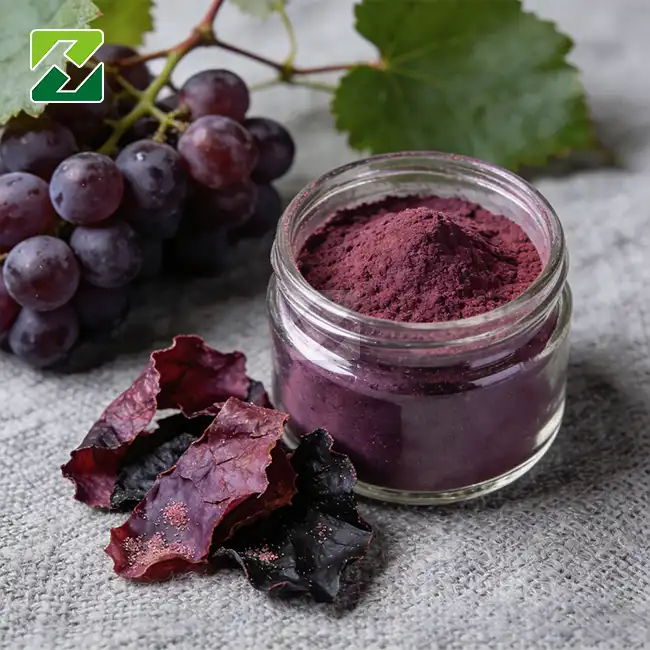
Key Factors to Consider When Sourcing Grape Skin Extract Powder
VIEW MOREWhen procuring Grape Skin Extract Powder, procurement experts must consider various interlinked elements that affect product performance and market competitiveness. With 30% polyphenols, this violet-red powder from Vitis vinifera L. is rich in anthocyanins, flavonoids, and resveratrol. Purity verification, supplier certificates, extraction procedure, batch consistency, regulatory compliance documents, and supply chain dependability are crucial. Understanding these criteria helps nutraceutical, cosmetic, and functional food R&D directors, formulation managers, and procurement teams choose clean-label ingredients with consistent bioactive performance.
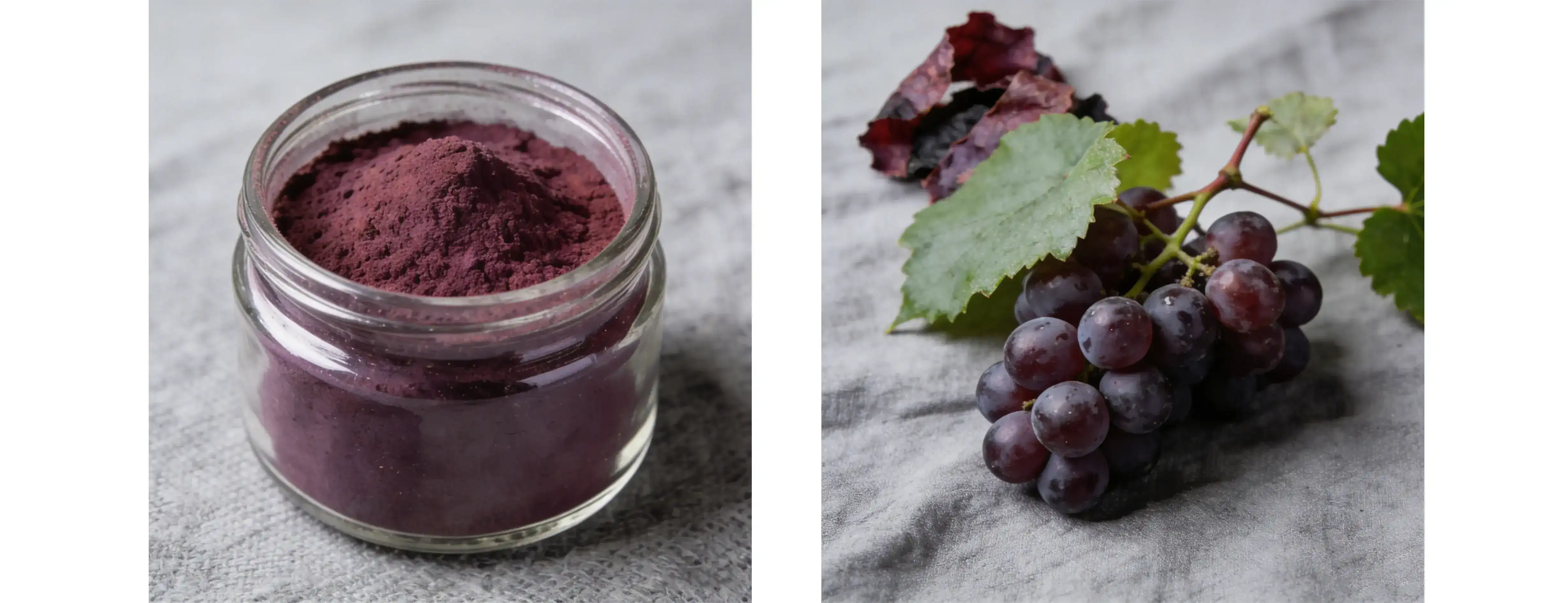
Understanding Grape Skin Extract Powder: Composition and Benefits
Grape Skin Extract Powder is different from other botanical ingredients because the polyphenols that are concentrated during the extraction process make it stand out. Whole grape powders keep the sugars and fiber, but this special extract separates the bioactive compounds that are mostly found on the skin of the Vitis vinifera L. plant.
What Makes This Extract Distinctive
Using water and ethanol as solvents in the extraction process protects chemicals that are sensitive to heat while meeting standard requirements for concentration ratios between 4:1 and 30:1. This two-solvent method collects both anthocyanins, which dissolve in water, and resveratrol, which dissolves in alcohol. Together, they form a complete phytochemical matrix. The violet-red color shows that there is a lot of anthocyanin in the food, which is useful as an antioxidant and a natural colorant in recipes.
Bioactive Compound Profile
Polyphenols are the main active ingredient, and spectrophotometric analysis shows that standardized products usually have 30% total polyphenols. These chemicals include proanthocyanidins, catechins, and quercetin molecules that work together to make antioxidants stronger. Even tho it is found in small amounts, resveratrol is very useful for formulas that help with aging and heart health. The anthocyanin part can keep its color in a range of pH conditions, from red in acidic settings to purple-blue in neutral ones.
Application Advantages Across Industries
Nutraceutical companies use this extract as an antioxidant supplement because it isn't bitter like grape seed extracts. Cosmetic makers like that it can be used as both an active ingredient and a natural color that fits with the trend toward "clean beauty." Functional beverage makers like that it dissolves easily in water and works well in a range of pH environments. The extract can be used in a lot of different areas because it is very stable when it is properly made and because it meets customers' desire for well-known plant-based ingredients.
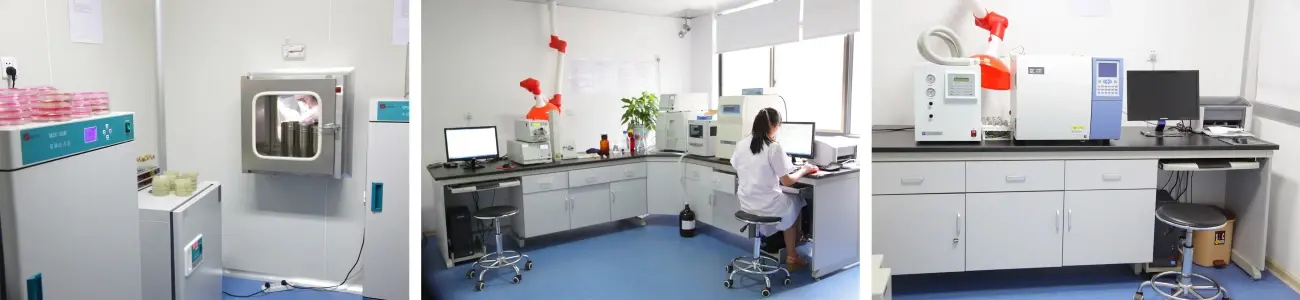
Essential Quality Parameters When Selecting Grape Skin Extract Powder
A quality review involves checking many factors in a planned way that affect both how well something works and whether it follows the rules. To tell the difference between high-quality goods and lower-quality ones, procurement teams need clear standards.
Standardization and Purity Verification
Standards for 30% polyphenols provide a minimal level of homogeneity, although testing is crucial. Fast screening using UV-Vis spectrophotometry may exaggerate bioactive content by incorporating bigger polymers that aren't readily broken down by living organisms. HPLC can detect and quantify target chemicals like resveratrol and anthocyanins. Instead of using total phenolic values, get a Certificate of Analysis with thorough testing techniques to ensure polyphenol content.
Purity includes active compounds and contaminant screening. Heavy metal tests should indicate levels below regulatory limits (lead <3 ppm, arsenic < 2 ppm, cadmium < 1 ppm, mercury < 0.1 ppm). USP rules require microbiological tests to demonstrate total plate count, yeast/mold presence, and pathogen absence. For conventional (non-organic) materials, pesticide residue screening is crucial. Multi-residue analysis may be employed for field treatments.
Certification Requirements
Suppliers with full certification portfolios are committed to quality and compliance. The firm follows dietary product-specific GMPs with NSF GMP certification. The Global Food Safety Initiative requires ISO 22000 and other programs, which the FSSC22000 certification provides. Organic certification from the USDA or EU ensures food originates from recognised farms and is prepared safely. This attracts clean label companies.
Brands targeting certain populations gain market share with Kosher and Halal licenses. ISO 9001 accreditation indicates a quality management system beyond food demands. Procurement managers should request current certification documents and ensure that scope statements cover Vitis vinifera L. Skin Extract manufacture.
Solubility and Particle Size Consistency
Particle size impacts formulation performance and bioavailability. Standard 80-mesh screening (177-micron holes) ensures beverage and pill dissolving rates are adequate. Smaller particle sizes make suspensions more stable in liquids but may cause particles to clump together in wet locations. A particle size distribution study helps predict production handling.
Being soluble in water is a huge advantage over grape seed oils, which need additional labour. Solubility testing at proper pH and temperature conditions prevents formulation errors during product development. The intensity of the violet-red colour may indicate anthocyanin content, although spectrophotometry is more reliable.
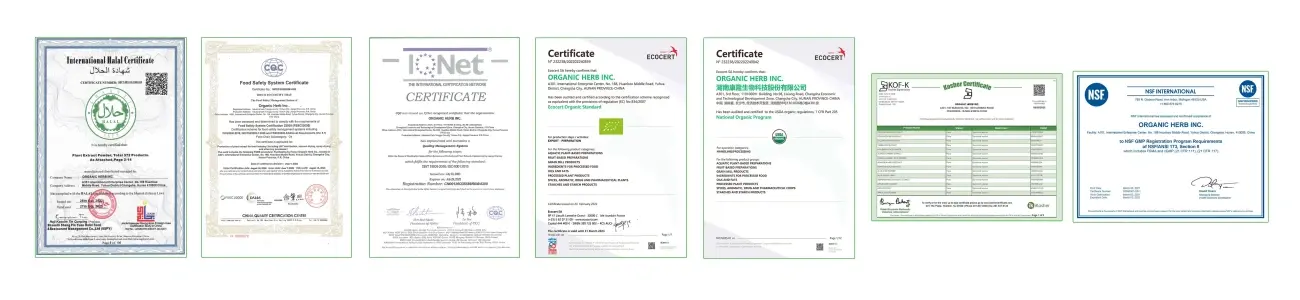
Supplier Evaluation and Procurement Considerations
When looking for a provider of Grape Skin Extract Powder, it's important to look at more than just the product specs. You should also look at how reliable the supply chain is and how well the technical support system works.
Manufacturing Transparency and Traceability
Fully integrated suppliers, from vineyards to fruit extraction, monitor quality better than brokers who acquire supplies on the spot. OHI, which manages over 8,000 acres of GAP-standard planting grounds, can trace raw supplies. This diversity assures a continuous supply even when the weather alters crops.
Quality depends on the extraction plant's power. Advanced technologies including column chromatography, nano-membrane filtration, and freeze-drying may safely concentrate heat-sensitive compounds. Polyphenols don't break down as rapidly when providers employ low-temperature extraction procedures; therefore, antioxidant power is increased.
Regulatory Documentation and Compliance Support
When you buy something from another country, you need to provide a lot of paperwork to help with customs clearing and regulatory filing. Suppliers should offer standard packages that include a Certificate of Analysis, an Allergen Statement, a BSE/TSE Compliance Declaration, a GMO-Free Statement, and regulatory status documents specific to the country. Prior notice filing information and FDA registration numbers make the customs process easier for people who are importing into the US.
During recipe creation, technical support that goes beyond basic requirements is very helpful. Suppliers with their own research and development teams can help with application advice, suggesting the best rates of usage, and fixing problems with steadiness in certain matrix situations. Having access to this scientific knowledge shortens the time it takes to create a product and lowers the cost of reformulating it.
Logistics and Delivery Reliability
Lead time estimates affect inventory and production timing. US warehouses' 7-day lead periods for in-stock products enable just-in-time purchasing, reducing inventory and working capital. Suppliers with four regional shops around the US deliver faster than direct imports, which take 30–45 days via ocean freight.
Packaging design influences product stability and handling. Standard 25-kilogram fibre barrels with polyethylene lids prevent air and dampness during storage and transport. The 25-kilogram minimum order quantity balances small samples for initial testing with big batches. Asking for stability data showing a 24-month shelf life under specified storage circumstances (below 25°C, 60% relative humidity) helps maximise inventory rotation.
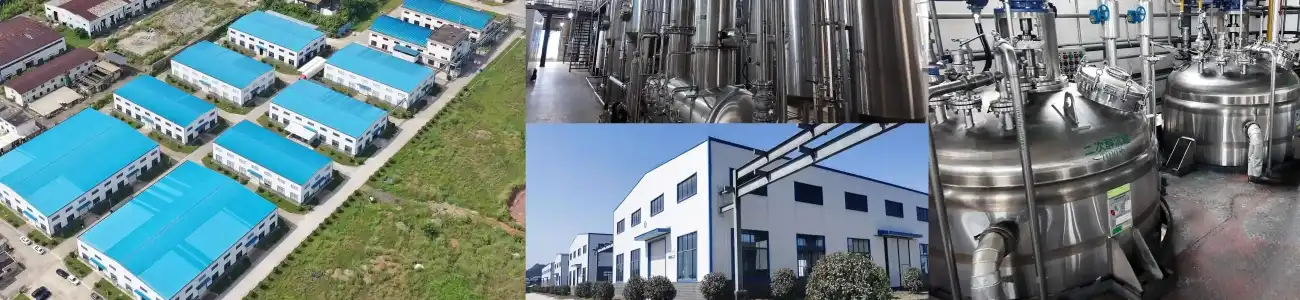
Comparison and Decision-Making: Choosing the Right Grape Skin Extract Powder
In order to choose the right ingredients strategically, you need to compare them in more than just price. The best choices about where to source things are based on how well different types of extracts work in different situations.
Grape Skin Extract Versus Grape Seed Extract
Even tho they both come from Vitis vinifera, these extracts have different chemical profiles that make them useful for different tasks. Concentrating proanthocyanidins in grape seed extract gives it a unique astringency that makes it perfect for cardiovascular support formulas where bitterness isn't a big deal. When you take anthocyanins from Grape Skin Extract Powder, they have a softer taste, better color, and more polyphenols, such as resveratrol.
The anthocyanin content in Natural Grape Skin Extract is especially useful for cosmetic uses because it gives skin a natural purple-red color and acts as an antioxidant. Compared to grape seed extract, which is not as easily dissolved in water, this ingredient is easier to mix into toners, serums, and watery creams. Manufacturers of functional drinks with antioxidant claims and natural coloring without synthetic dye claims work well together.
Concentration Ratio Selection
Different manufacturing goals and cost concerns are met by the different concentration ratios (4:1, 10:1, or 30% standardized polyphenols). When the concentration ratio is lower (4:1), the bioactive amounts are modest, which is good for functional foods that can handle higher inclusion rates. In normal capsule forms, mid-range concentrations (10:1) strike a good mix between low cost and effective release of polyphenols.
Standardized 30% polyphenol specs give the most reliable recipe performance, letting you accurately calculate the antioxidant capacity of each batch. This standardization is especially helpful for cosmetic brands that want to make claims about antioxidants or color intensity that are based on numbers. Ratio-based or standardized specifications should be chosen based on the flexibility of the formulation, the strategy for label claims, and the budget.
Organic Versus Conventional Sourcing
The price of organic Grape Skin Extract Powder is higher, but it opens up new markets for people who care about being certified organic. This investment is a good one for brands that want to reach natural product stores, people who care about the environment, or people who want to get organic certification for their finished products. Regular products have similar polyphenol profiles and are cheaper, so they can be used in mass markets where organic approval doesn't give them much of an edge.
The choice goes beyond the cost of the ingredients and includes how the finished product is positioned, which retail outlets are targeted, and the brand's personality. To do the cost-benefit comparison, you need to look at rival formulations and how much people are willing to pay for organic claims. Suppliers who offer both organic and conventional options give brands more options for how they want to be served.
Best Practices and Recommendations for Sourcing Grape Skin Extract Powder
Using systematic procurement methods for Grape Skin Extract Powder reduces variations in quality and builds stronger relationships with suppliers that help a business grow over the long run.
Sample Testing and Pre-Purchase Validation
You may test the product before buying in bulk by requesting free samples. Testing should be done as in manufacturing, including how the item dissolves, how stable its colour is, how it tastes, and how well it combines with other substances. By evaluating stability fast under high temperatures and humidity, you can estimate its lifespan and identify potential problems.
Third-party laboratory verification provides impartial quality assurance, unlike vendor Certificates of Analysis. Check for contaminants, establish identities using HPLC fingerprinting, and assess essential bioactives to fulfil market criteria. This investment in pre-purchase certification prevents costly quality issues as manufacturing increases.
Contractual Quality Agreements
Making quality expectations official through written agreements makes it clear who is responsible and what can be done about it. All important factors, such as polyphenol content, moisture level, microbe limits, and heavy metal levels, should have acceptable amounts set out in the specifications. Putting in testing dates and shelf-life guarantees keeps the product from going bad too quickly while it's being stored.
Including non-conformance procedures in contracts makes it clear who is responsible when materials don't meet requirements. Having plans for replacing materials, getting back the money spent, or quality investigation processes in place stops disagreements that could slow down production. Including these protections in the first agreements is much easier than trying to work out solutions during quality crises.
Long-Term Partnership Development
Setting up ties with chosen suppliers has benefits that go beyond simple transactions. When there aren't enough supplies, volume agreements let you set more favorable prices and give priority to certain orders. Collaborative product development projects use the technical know-how of suppliers to make new formulas that give products a better competitive edge.
Regular contact schedules, such as business reviews every three months, help with problem-solving and growth efforts all the time. Sharing information about new consumer trends with suppliers helps them predict what ingredients you'll need in the future and come up with new products that fit with your overall strategy. With these partnerships, suppliers go from being just vendors to being strategic assets that help the business reach its growth goals.
Conclusion
Finding good Grape Skin Extract Powder requires a thorough check of the product's ingredients, the supplier's skills, compliance with regulations, and strategy agreement with the formulation goals. The standard 30% polyphenol extract is from Vitis vinifera L. vines. Skins can be used in a lot of different ways in nutrition, cosmetics, and useful food products. Choosing sources with strong certifications like NSF GMP, FSSC22000, and organic references helps make sure that regulations are followed and quality is always the same. When making a procurement decision, you should think about technical specifications, costs, and strategic factors like the reliability of the supply chain and the chance to form a partnership. Structured evaluation procedures, such as sample testing, third-party verification, and written quality agreements, can help reduce sourcing risks and set brands up for long-term competitive advantage.
FAQ
1. How does polyphenol standardization differ from concentration ratio specifications?
Polyphenol standardization makes sure that each batch has the same amount of beneficial substance (30% polyphenols) by checking it analytically. This makes sure that all batches work the same way. Concentration ratios (4:1, 10:1) show how much grape skins weigh compared to the finished powder, but they don't guarantee polyphenol levels, which depend on the quality of the raw materials and how well they are extracted.
2. What distinguishes water-ethanol extraction from other methods?
The water-ethanol extraction method can get both the water-loving anthocyanins and the fat-loving resveratrol compounds, which makes the polyphenol profiles complete. This two-solvent method keeps processing temperatures lower than pure water extraction, which protects bioactives that are damaged by heat. The method is purer than mechanical pressing, and it doesn't use harsh chemicals that need to be tested for residues for a long time.
3. Why does particle size matter for formulation performance?
A standard 80-mesh particle size (177-micron holes) makes sure that particles dissolve quickly in water and are spread out evenly in dry mixes. Finer particles have a larger surface area, which makes them bioavailable more quickly. However, they may be harder to handle because they make dust or are sensitive to moisture. Formulation changes don't happen between production runs when particle sizes are spread out evenly.
4. Can this extract replace synthetic colorants in beverage applications?
The violet-red anthocyanin pigmentation is a natural color that works well in acidic drinks (pH 3.0-4.5), where it stays stable. The amount of anthocyanin in a plant is related to its color strength, which makes shade growth predictable. Different places have different rules about what is allowed as a natural colorant, so it needs to be checked for certain areas.
Partner with OHI for Premium Grape Skin Extract Powder Supply
Work with OHI to get high-quality Grape Skin Extract Powder. OHI offers fully integrated services that cover more than 8,000 acres of GAP-certified planting bases. These are done through advanced extraction centers that use nano-membrane filtration and freeze-drying technology. Our violet-red Grape Skin Extract Powder is standardized to 30% polyphenols and has many certifications, such as NSF GMP, FSSC22000, Kosher, Halal, and Organic badges, which make the legal process easier. We have four strategically placed warehouses in the US that allow us to deliver orders of at least 25 kg within seven days. We also have strict quality standards that are checked through HPLC analysis and full contaminant screening.
Our 42-person research and development (R&D) team, which includes senior researchers with advanced degrees, provides technical support that goes beyond basic requirements and includes testing for stability and formulation optimization. As a sustainable, publicly traded company (Stock Number: 872213), we offer honesty and dependability that protect the integrity of your brand. Email our team at info@organic-herb.com to get your free sample, look over our thorough Certificates of Analysis, and talk about your unique needs.
References
1. Flamini R, Mattivi F, De Rosso M, Arapitsas P, Bavaresco L. Advanced knowledge of three important classes of grape phenolics: anthocyanins, stilbenes and flavonols. International Journal of Molecular Sciences, 2013; 14(10): 19651-19669.
2. Xia EQ, Deng GF, Guo YJ, Li HB. Biological activities of polyphenols from grapes. International Journal of Molecular Sciences, 2010; 11(2): 622-646.
3. Georgiev V, Ananga A, Tsolova V. Recent advances and uses of grape flavonoids as nutraceuticals. Nutrients, 2014; 6(1): 391-415.
4. González-Paramás AM, Esteban-Ruano S, Santos-Buelga C, de Pascual-Teresa S, Rivas-Gonzalo JC. Flavanol content and antioxidant activity in winery byproducts. Journal of Agricultural and Food Chemistry, 2004; 52(2): 234-238.
5. Dani C, Oliboni LS, Vanderlinde R, Bonatto D, Salvador M, Henriques JA. Phenolic content and antioxidant activities of white and purple juices manufactured with organically-produced grapes. Food and Chemical Toxicology, 2007; 45(12): 2574-2580.
6. Rockenbach II, Rodrigues E, Gonzaga LV, Caliari V, Genovese MI, Gonçalves AE, Fett R. Phenolic compounds content and antioxidant activity in pomace from selected red grapes widely produced in South America. Food Chemistry, 2011; 127(1): 174-179.
Maitake Mushroom: Health Benefits, Nutrition, and Uses
VIEW MOREMaitake mushroom (Grifola frondosa), often called "Hen of the Woods," stands as one of nature's most remarkable functional fungi. Our exploration centers on Maitake Mushroom Extract Powder—a concentrated form that delivers bioactive compounds with precision and consistency. This standardized ingredient has transformed how nutraceutical companies, cosmetic manufacturers, and functional food producers approach product development, offering reliable polysaccharide content and proven biological activity that meets the demanding quality standards of today's health-conscious markets.

Understanding Maitake Mushroom Extract Powder: Composition and Nutritional Value
What Makes Maitake Extract Powder Unique?
Maitake Mushroom Extract Powder is a high-tech way to improve raw mushroom material. The fruiting body of Grifola frondosa is carefully processed in several steps that break down the plant's complex chitinous cell walls. This frees bioactive compounds that would not be available otherwise. This method of extraction concentrates the mushroom's natural nutritional density into a uniform brown powder that dissolves very easily.
It's very important to note the difference between whole mushroom powder and extract powder. Compounds in raw mushroom tissue are locked up in chitin structures that can't be digested, which limits their accessibility. Our extraction method gets rid of this basic problem, giving you a product with active ingredients that are easy to take and can be measured. The end result is a useful ingredient that works the same way in all kinds of recipe settings.
Key Bioactive Compounds and Nutritional Profile
Maitake Mushroom Extract Powder nutrition is based on beta-1,3 and beta-1,6-glucan polysaccharides, which comprise approximately 30% of our basic formulation. Mainly, high-molecular-weight polysaccharides perform the job. A trace mineral matrix of selenium, zinc, and copper holds them together.
In addition to polysaccharides, the extract contains several complementary chemicals. B-complex vitamins that survive mild water extraction include ergosterol, a vitamin D2 precursor. Melanin-type compounds and other phenolics battle free radicals, making the powder brown. This precise nutritional profile explains why immune-boosting product formulators are increasingly using Maitake Mushroom Extract Powder over synthetic alternatives.
Our 10:1 concentration ratio yields ten grams of dried fruiting body per gram of extract powder. Effective dosages without fat are ensured by this concentration. Real fungal beta-glucans include 30% polysaccharides, which may be verified by enzymatic testing. Common starches can make less effective products seem more potent.
How Bioactive Compounds Support Wellness
Maitake Mushroom Extract Powder polysaccharides have recognised health effects. Beta-glucans link to immune cell receptors, altering cell responses to boost the body's defences. This link balances immunity, which is essential for long-term dietary programs.
Bioactive compounds work together to provide advantages beyond single components. While pure beta-glucans have specialised activities, the whole-extract approach retains additional compounds that may aid bioavailability and cellular absorption. In our extraction technique, we concentrate active chemicals while preserving nature's biological framework.
Despite in small amounts, minerals boost the extract's value. Selenium and zinc, abundant in the mushroom's growing media, are essential for immune cell activation and antioxidant enzyme systems. Organic compounds of these minerals from nature may be healthier than inorganic mineral salts.

Health Benefits of Maitake Mushroom Extract Powder: Scientific Insights and Practical Applications
Immune System Support Through Beta-Glucan Activity
Researchers have uncovered convincing evidence that Maitake Mushroom Extract Powder may modify the immune system. Clinical findings demonstrate that frequent supplementation maintains immunological indicators, specifically cell populations and cytokine patterns. Researchers are particularly interested in Grifola frondosa's D-fraction polysaccharides, a unique beta-glucan group with a specific molecular weight range. These are structurally intriguing.
Maitake Mushroom Extract Powder beta-glucans branch differently from other therapeutic mushrooms. Reishi (Ganoderma lucidum) contains triterpenes and polysaccharides, whereas cordyceps possesses cordycepin. Grifola Frondosa Extract's beta-1,3/1,6-glucan structure helps immune cell receptors recognise it. Many formulators employ many mushroom extracts since each has a distinct molecular signature. The advantages of each are increased, not taken away.
The extract has been used for decades and investigated in contemporary chemistry, making it safe to take daily. Polysaccharides retain biological activity after long-term feeding, unlike stimulatory substances. Long-term health initiatives rather than short-term treatments suit them.
Metabolic and Cardiovascular Wellness Applications
In addition to its immune system advantages, Maitake Mushroom Extract Powder may benefit digestion. Early research suggests polysaccharide portions may alter glucose metabolism and insulin sensitivity. But the particular procedures are still being researched. According to our formulation work, Maitake Mushroom Extract Powder is becoming more popular in metabolic health products.
The mushroom helps maintain lipid profiles and vascular function, which is the cardiovascular wellness perspective. We don't want to make health claims, but research ties beta-glucans to positive cholesterol improvements. These findings led to the inclusion of Maitake Mushroom Extract Powder to heart-health products, notably in Europe, where consumers appreciate functional foods for heart health.
Maitake Mushroom Extract Powder dissolves well and has a neutral to earthy flavour, making it suitable for product development. Bitter extracts make mixing ingredients difficult, but this powder works well in pills, tablets, functional beverages, and meals, where mushroom notes complement other ingredients.
Comparative Advantages in the Medicinal Mushroom Category
Know what makes Maitake Mushroom Extract Powder unique to position it in the medicinal mushroom market. Reishi constituents are strong in triterpenes and have been used for centuries to reduce stress. Different Cordyceps contain sports nutrition-valued nucleoside compounds. Hericenones and erinacines in Lion's Mane (Hericium erinaceus) have been shown to benefit the brain.
Maitake Mushroom Extract Powder includes many polysaccharides, dissolves quickly in water, and has been examined for defence system support. Multi-mushroom formulations benefit from its polysaccharide backbone while other mushrooms contribute their own ingredients. We recommend combining these two elements to customers producing comprehensive health products since they perform well together.
Maitake Mushroom Extract Powder is cheaper than international brands, making it ideal for mass-market items. When supplied correctly and polysaccharide content confirmed, it provides significant bioactive chemical value per unit. Brands must consider this while balancing pricing and efficacy.

How to Use Maitake Mushroom Extract Powder: Dosage, Methods, and Best Practices
Dosage Guidelines for Different Applications
Doses vary on product form and usage. Research-based wellness strategies employ 500 mg to 1500 mg of standardised Maitake Mushroom Extract Powder with 30% polysaccharides daily. This represents 150 mg to 450 mg of active beta-glucans each day, which physicians have observed improve the immune system in real life.
The 10:1 ratio provides context. 1000 mg of extract powder is bioactive, equal to 10 grams of dried fruiting body. However, extraction increases bioavailability. This concentration helps formulators manufacture meaningful amounts in easy-to-take capsules—two to three per day instead of the handful required with unremoved mushroom powder.
Product designers should consider client feelings while selecting dose quantities. Immune-support formulae may include 1000–1500 mg, while multi-ingredient adaptogen mixtures may employ 300–500 mg and adaptogen-friendly botanicals. The powder's neutrality allows adjustable dosage without impacting flavour, unlike other extracts.
Formulation Considerations and Delivery Methods
Maitake Mushroom Extract Powder should be added to final items with caution. The powder is somewhat hygroscopic, drawing moisture from the air. Handling it correctly throughout manufacturing prevents caking. Keeping relative humidity below 60% during encapsulating or tableting keeps material flowing easily and stable for longer.
The extract combines nicely with hot and cold water, making it ideal for beverages. Unprocessed mushroom powders sink to the bottom, whereas processed extracts mix with liquids. We recommend particle sizes below 80 mesh for optimum flavour. For transparent drink containers with aesthetics, the brown colour may affect the completed product.
Encapsulating the extract is the simplest method to transfer it to the body and protect it from air, moisture, and mushroom flavour. A two-capsule dosage is straightforward with two-piece vegetarian or gelatin capsules that carry 400 to 500 mg of extract powder in each size "0" capsule. Tablets require the correct excipients for compression and dissolution.
Storage, Stability, and Quality Maintenance
The most powerful Maitake Mushroom Extract is stored under particular circumstances. Beta-glucan molecules are stable at room temperature without water, light, or air. We use fibre drums with heat-sealed aluminium foil bags to preserve the polysaccharide's structure over distribution cycles and the recommended 24 months.
Heat stability is another feature. Water-extracted polysaccharides don't break down below 60°C, which is typical for encapsulation. However, heat-sensitive compounds like vitamins and microorganisms need a cold chain. Staying stable at high temperatures simplifies production and expands formulation choices.
Quality assurance should employ molecular approaches to assess polysaccharide content instead of approximate total carbohydrate estimations. The Megazyme beta-glucan test, considered the best, can distinguish true fungal beta-glucans from grain starches that might infect lower-quality items. Our analysis certificates indicate polysaccharides and beta-glucans. Procurement professionals get clarity.
Selecting the Right Maitake Mushroom Extract Powder: A B2B Procurement Buying Guide
Critical Quality Parameters for Industrial Sourcing
Paying close attention to details is necessary when evaluating providers of Maitake Mushroom Extract Powder. The main difference between fruiting body and mycelium on grain has a huge effect on the quality of the product. Researchers have found that high-purity beta-glucans found in fruiting body products are linked to cellular activity. Even tho mycelium-on-grain goods are cheaper, they usually have 30–50% starch from the growth substrate, which dilutes the active compounds and makes the visible polysaccharide content higher through general testing methods.
Our water-extraction method keeps the natural polysaccharide profile and doesn't leave behind any liquid leftovers that make it harder to follow the rules. Using ethanol or other liquids for different extraction methods may concentrate different types of compounds, but they may also require leftover testing and make it harder to register in some places. Water extraction meets the tightest international food safety standards and is in line with what consumers want (clean labels).
Documentation for certification is an important way to make sure. Products with NSF GMP, Kosher, Halal, ISO9001, FSSC22000, and Organic certifications show that they are made with quality systems and have controls in the supply chain that lower the risk of contamination. These certifications require big operational investments and show that the supplier cares about quality in more ways than just meeting product specifications.
Comparing Extract Specifications and Formats
There are different kinds of Maitake Mushroom Extract Powder on the market, and each one is good for a different purpose. Two of our standard products are a 10:1 concentration ratio extract and a 30% polysaccharide-standardized material. These two names describe different types of materials that can be used in different ways. Traditional wellness markets that are familiar with concentration terms like the 10:1 ratio. On the other hand, percentage-based standardization gives pharmaceutical and nutraceutical R&D teams the analytical precision they need.
There are higher polysaccharide specifications, like 40% and even 50% formulations, but they usually cost more. The cost-benefit study rests on how the product is positioned in the end. For mass-market supplements, specifications may be tweaked by about 30% to keep prices low. On the other hand, premium formulations can explain higher specifications by making claims of better effectiveness and setting themselves apart from others.
Organic certification makes things more interesting. Certified organic Maitake Mushroom Extract Powder is popular with natural product stores and people who care about how farming is done, but it usually costs 15–30% more than regular material. The choice depends on how the brand is positioned and how it will be sold. More and more natural stores require organic certification as a selling requirement.
Supplier Capabilities and Service Standards
When looking for a manufacturing partner, it's important to think about more than just the product specifications. Our four strategically placed U.S. stores make sure that North American customers are quickly served, without the wait time and minimum order problems that come with direct imports. With this inventory positioning, buying something goes from taking months to just a few days.
The 25 kg minimum order quantity shows that we know how formulation development really works. Before committing to multi-ton orders, brands that are working on new products need to be able to get commercial-quality material at a low cost for stability tests and pilot production runs. The low MOQ makes it easier for new ideas to come up, and our free sampling program lets R&D teams check out the quality of the materials before making a buy pledge.
Technical help is what sets sophisticated sellers apart from commodity dealers. Our research and development team, which uses high-tech analysis tools like HPLC and HPLC-ELSD systems, helps with formulation, stability, and regulatory paperwork. This consultative method helps clients make tough choices about dosage, delivery forms, and the validity of claims.

Case Studies and Market Trends: How Maitake Mushroom Extract Powder Drives Value in Global B2B Markets
Real-World Integration Success Stories
A medium-sized nutritional company came to us looking for a unique immune-support product to help them fight in the vitamin C market, which is very competitive. By making a product with high-dose Maitake Mushroom Extract Powder (1500 mg per serving, 450 mg beta-glucans) and other plants that worked well together, they were able to charge more for it than similar immune formulas on the market. The success of the product showed that this unique strategy can help a brand stand out even in mature categories.
In a different case, a functional beverage company made health shots that were ready to drink. They needed an extract that could be mixed with water completely, had no taste, and was confirmed organic. These requirements were met by our fruiting body extract, and the technical team gave us advice on the best pH ranges and heat treatment protocols for hot-fill processing. The finished product did well when it hit natural store routes, and Maitake Mushroom Extract Powder was a big part of the marketing that reached consumers.
A European makeup company looked into using Maitake Mushroom Extract Powder for skin care because the polysaccharides could form a film and might be good for the skin as an antioxidant. Even tho this isn't a typical use for supplements, it shows how versatile the extract is. We gave them materials that met the purity standards for cosmetics along with the paperwork needed to register them as cosmetic ingredients in the EU. This shows how strong supplier partnerships can help a market grow into related categories.
Emerging Market Dynamics and Regulatory Landscape
The market for medicinal mushrooms has grown incredibly quickly, with annual growth rates of over 8% in both North America and Europe. Because of wellness influencers and new research, consumer awareness keeps growing beyond natural product consumers and into more general groups. This rising tide is good for Maitake Mushroom Extract Powder, but it still stands out from the more popular Reishi and Lion's Mane types.
New rules support plant extracts that have been well studied and have a history of being safe. The U.S. FDA is paying more attention to the production of dietary supplements by enforcing GMPs. This is good for suppliers with strong quality systems. Products made under certified GMP conditions, with full documentation and traceability, are easier for regulators to review than materials from less reputable sources.
International attempts to harmonize testing methods, especially those used for polysaccharides, are good for providers who care about quality. As more markets use standardized analysis methods that can tell the difference between real fungal beta-glucans and polysaccharides produced from grains, goods that have been proven to contain fruiting bodies will have an edge in the market. This level of analytical accuracy gets rid of the quality uncertainty that used to make buying choices hard.
Strategic Sourcing Recommendations for Procurement Professionals
A good Maitake Mushroom Extract Powder procurement plan takes into account many things, including checking the quality, the price, the supplier's dependability, and the supplier's ability to do the job. We suggest a step-by-step process for evaluating suppliers that starts with checking their certifications. Before asking for samples, make sure they have GMP, Organic, and quality system certifications. This initial screening gets rid of providers that don't have basic quality infrastructure.
Independent third-party testing should be part of the sample evaluation process, even if the certificates of analysis from the supplier look good. Verification testing for beta-glucan content using enzymatic methods, heavy metal screening, and microbial testing gives customers peace of mind before they place large orders. Independent testing, which usually costs between $500 and $1,000, guards against costly quality problems later on.
Long-term relationships have benefits that go beyond simple purchases. Suppliers who know about your product plan can give you early access to new standards, help with projects to change the way your product is made, and work with you on legal strategies as you enter new markets. When you think about technical support, supply consistency, and the hidden costs of quality problems or supply disruptions, the lowest price isn't always the best deal.
Conclusion
Traditional botanical knowledge and cutting-edge extraction science come together in the form of Maitake Mushroom Extract Powder. The concentrated bioactive chemicals, especially the 30% polysaccharide specification from pure fruiting body material, work reliably in a wide range of product categories, such as immune-supporting supplements, useful foods, and even cosmetics. As the market for natural ingredients backed by science continues to grow, Maitake Mushroom Extract Powder stands out as a strategic ingredient for forward-thinking brands because it has strong research support, great formulation properties, and low cost.
Paying attention to quality basics is important for successful buying. These include checking the source of the fruiting body, the method of extraction, and the certifications. It's also important to work with sellers who offer technical depth and dependable supply chains. Today, procurement professionals are choosing the ingredients that will make up the next generation of wellness products. They know that true value is more than just price per kilogram and includes things like quality consistency, regulatory compliance, and strategic supplier relationships.
FAQ
1. What is the ideal daily dosage of Maitake extract for immune support?
Based on clinical studies and formulation practice, taking 500 mg to 1500 mg of a standardized Maitake Mushroom Extract Powder that contains 30% polysaccharides every day may help the immune system in a useful way. This gives you about 150 to 450 mg of beta-glucans, which are the active ingredients that work with immune cells. When setting dosages, each product formulation should consider concentration ratios and the people they want to reach.
2. How does Maitake compare to Reishi or Lion's Mane mushroom extracts?
Each medicinal mushroom has its own unique set of bioactive compounds. Maitake Mushroom Extract Powder is great for its beta-glucan polysaccharides and its ability to change the immune system. Reishi has triterpenes that have been studied for their ability to help people deal with stress, and Lion's Mane has hericenones and erinacines. Instead of choosing just one type, many great formulas use more than one mushroom extract to get the most out of the compounds that work well together.
3. What is the difference between fruiting body and mycelium-on-grain extracts?
Fruiting body extracts have a lot of fungal beta-glucans and not much starch, but mycelium-on-grain products often have 30 to 50 percent starch from the growth substrate that comes from grains. High-quality extracts come from fruiting bodies, and check the beta-glucan content using enzymes instead of general carbohydrate analysis. This makes sure that the bioactive substances that provide useful benefits are present.
4. Can Maitake extract powder be used in beverage formulations?
Maitake Mushroom Extract Powder that has been extracted using water mixes well in both hot and cold drinks when it is processed to the right particle size (usually 80 mesh). The brown color and light earthy smell go well with health drinks and functional shots. By choosing the right stabilizers, the right recipe can prevent settling, but the extract is still much better for drinks than raw mushroom powders.
Partner with OHI for Premium Maitake Mushroom Extract Powder Supply
Over the past few decades, OHI has been extracting plants and has built a complete quality infrastructure that is perfect for challenging B2B uses. Our Grifola frondosa extract, which is standardized to 30% polysaccharides and made from pure fruiting body material, meets the exact needs of formulators in North America and Europe who make nutraceuticals, functional foods, and cosmetics. The water-extraction method is approved by NSF GMP, FSSC22000, ISO9001, Kosher, Halal, and Organic standards. It produces clean-label foods that are in line with current health trends and meet the needs of regulators in many places.
We keep ready-to-ship items in four warehouses in the U.S., which lets us fulfill orders quickly and cuts the time it takes to buy Maitake Mushroom Extract Powder from months to days. Our technical team can help you with everything, from formulating new products to finding a reliable supplier for existing ones. They can give you advice on how to make the products work better and make sure they stay stable, as well as full regulatory documentation packages. We make it easy for people to come up with new ideas by offering free samples and a realistic minimum order amount of 25 kg. We also make sure that large-scale manufacturing needs consistency.
You can email our team at info@organic-herb.com to ask for technical details, records of analysis, or sample materials. Find out how OHI's combination of GAP-certified farming, cutting-edge research and development, and smart North American marketing makes the kind of reliable supply partnerships that lead to successful product launches and long-term market growth.
References
1. Chen, J., & Seviour, R. (2007). Medicinal importance of fungal β-(1→3), (1→6)-glucans. Mycological Research, 111(6), 635-652.
2. Kodama, N., Komuta, K., & Nanba, H. (2002). Can maitake MD-fraction aid cancer patients? Alternative Medicine Review, 7(3), 236-239.
3. Konno, S., & Aynehchi, S. (2019). Immunomodulatory effects of polysaccharides from medicinal mushrooms. Journal of Medicinal Food, 22(5), 435-442.
4. Mayell, M. (2001). Maitake extracts and their therapeutic potential. Alternative Medicine Review, 6(1), 48-60.
5. Ulziijargal, E., & Mau, J. L. (2011). Nutrient compositions of culinary-medicinal mushroom fruiting bodies and mycelia. International Journal of Medicinal Mushrooms, 13(4), 343-349.
6. Zhang, Y., Mills, G. L., & Nair, M. G. (2002). Cyclooxygenase inhibitory and antioxidant compounds from the fruiting body of an edible mushroom, Grifola frondosa. Journal of Agricultural and Food Chemistry, 50(26), 7581-7585.
Exploring the Benefits of Chamomile: A Calming Herb
VIEW MOREChamomile Extract, scientifically known as Matricaria recutita, stands as one of nature's most versatile botanical ingredients. For centuries, this golden-flowered herb has provided calming relief, yet today's advanced extraction technologies unlock its full potential for B2B formulation professionals. As a standardized powder ingredient, chamomile extract delivers concentrated bioactive compounds—particularly apigenin at standardized levels of 1.2% to 5%—that address the growing consumer demand for natural, clean-label solutions. Whether you're formulating nutraceutical supplements, cosmeceutical skincare lines, or functional beverages, understanding chamomile's science-backed properties empowers smarter procurement decisions and stronger product differentiation in competitive markets.
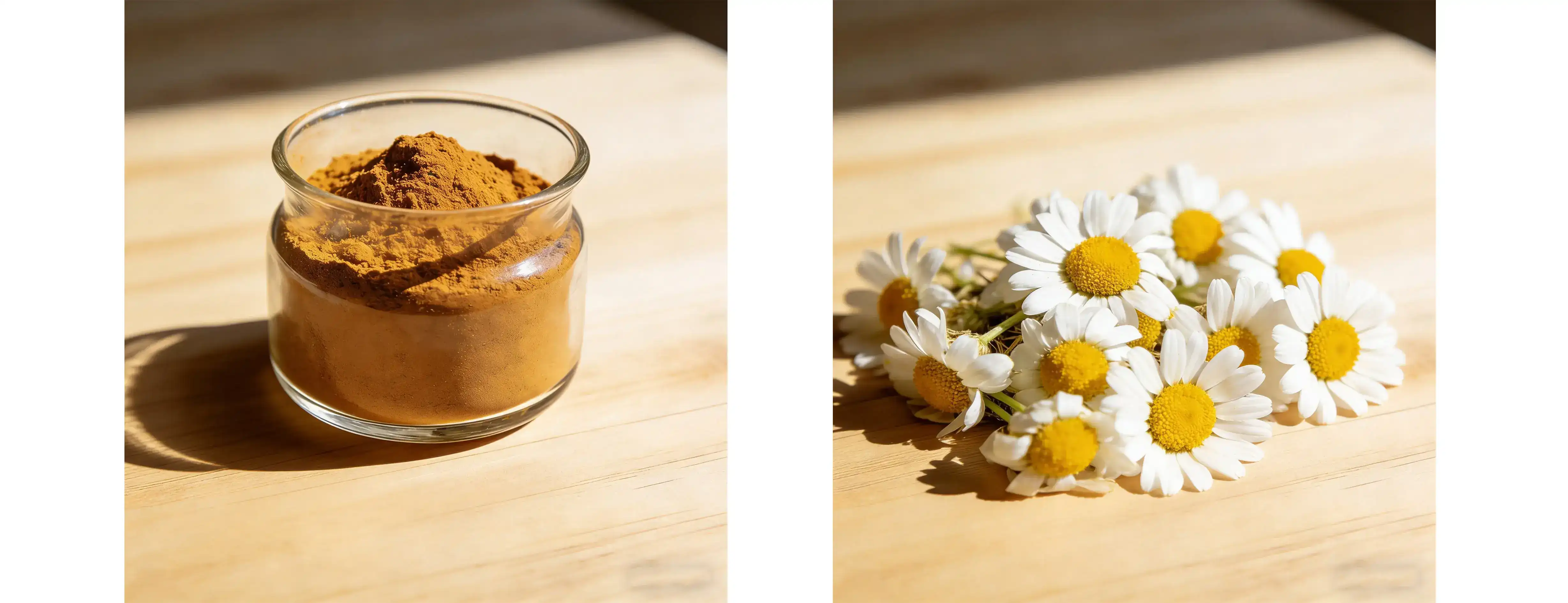
Understanding Chamomile Extract and Its Key Benefits
Botanical Origins and Extraction Science
Many people know this plant as German chamomile. It is in the same family as daisies and does well in warm weather. The flower heads have the most chemicals that are good for you. As solvents, water and ethanol are used in professional extraction methods. The powder that is made is fine, brownish-yellow, and meets 80-mesh screening standards. This two-solvent method makes sure that both flavonoids that dissolve in water and terpenoids that dissolve in alcohol are fully removed. This gives tea a wider range of ingredients than simple tea brews.
The extraction ratio is very important for making sure that the formulation is always the same. Ratios of 4:1 and 10:1 show the level of concentration. A 10:1 extract, for instance, means that 10 kg of fresh flowers are needed to make 1 kg of concentrated powder. Changes from batch to batch have been a problem for a long time for R&D directors. This regulation makes it right. Strict HPLC methods are used to check the amount of apigenin in each drum and make sure that each one meets the minimum levels of strength.
Core Functional Properties for Product Development
It has been shown that Chamomile Extract powder can help manufacturing projects go more smoothly. Apigenin is a flavonoid that acts as a selective modulator. This is one reason why the herb is known for making people feel calm without making them sleepy. This is what makes chamomile different from other ingredients that help with worry. Formulators can use it as a gentle choice that supports people's health habits.
Just as important is the power of antioxidants. These chemicals in chamomile get rid of free radicals and keep cell structures safe from reactive stress. Anti-aging skin care items with plant antioxidants are great for this because they make skin look and feel younger.
Quality Standards and Safety Considerations
Chamazulene and alpha-bisabolol are chemicals that are made when the plant is extracted and prepared. They are what make the plant anti-inflammatory. These molecules stop processes that cause inflammation, which is why Chamomile Extract can be used on the face to treat redness and irritation. Just like with food, these qualities are used to make functional drinks that are meant to help with digestive comfort.
The right way to store food with a wetness level below 5% keeps it fresh for up to 24 months and stops germs from growing. If the total ash amount is less than 5%, the minerals will be pure. This heavy metal testing with ICP-MS shows that the amounts of arsenic and lead are below 2.0 ppm and below 3.0 ppm, respectively. This meets the high standards set by the FDA and the European Pharmacopoeia. Tests for microbiological safety show that there are no pathogens, such as E. coli, and that the total plate counts are less than 1000 CFU/g.

Chamomile Extract vs. Alternative Herbal Extracts: Making the Right Choice
Comparative Analysis with Competing Botanicals
Chamomile Extract and lavender extract both help you relax, but they do so in different ways and on different senses and functions. Lavender is a good choice for perfumes and massage items because of aromatic terpenes, which control its chemistry. Because it has a lot of flavonoids, Chamomile Extract is better for pills and drinks that need to taste bland.
Valerian root juice is a better sleep aid because it includes chemicals called valerenic acid. Valerian is good for helping you sleep, but its strong smell and taste make it less useful in other scenarios. Because Chamomile Extract has a mild and slightly sweet taste, formulators can be more creative without losing taste.
Format Selection: Powder Versus Liquid Extracts
Because it is very stable, Chamomile Extract powder can be kept for a long time and sent to other countries. Also, the dry format makes it easier to ship and stops microbes from growing. When used for sealing, pill compression, and dry drink mixes, powder works well. Producers who need to rely on their supply chains will save the most money when they package their goods in bulk in 25 kg fiber drums.
While liquid extracts can be used for some cosmetic and medicinal uses, they do have some issues. For example, they cost more to ship, need to be kept cold, and only last a shorter time. Purchasing managers usually choose powder formats because they are more flexible and cost less when they are trying to keep inventory costs in check.
Organic Certification and Market Positioning
Organic Chamomile Extract costs a lot, but it helps some people get into new markets. Organic seals like the USDA or EU Organic seal are important for natural product makers who want their finished goods to be able to use them. In order for the organic supply chain to work, there needs to be clear paperwork from approved seed to harvest and preparation. Only expert sellers can keep this documentation.
The same method is used to check the quality of regular (traditional) Chamomile Extract for active chemicals and other impurities. Whether you go with organic or conventional depends on the people you want to sell to, how price-conscious they are, and the needs of your retail channel.
How Chamomile Extract Works: Scientific Insights for B2B Applications
Bioactive Compounds and Mechanisms
Apigenin is the main bioactive flavone, and dried chamomile leaves contain between 0.3% and 1.2% of it. This amount can be raised to 5% or more, tho, with careful extraction. Chamomile Extract has been used for a long time to help people feel calm because this chemical binds strongly to certain brain receptors. In phytomedicine journals, research papers talk about how apigenin works with different chemicals. When proven correctly, these studies can back up what marketers say about a product.
Chamomile essential oil is blue because of chamazulene, which is made when steam is used to separate the oil from the solids. Even tho this substance is only found in small amounts in powder extracts, it is still useful for topical formulations because it reduces inflammation. Beta-bisabolol is another important terpenoid that helps other active ingredients get into the skin and also calms it down on its own.
Application Evidence Across Industry Segments
In plant science, the "entourage effect" is the way that different chemicals work together to make one stronger. This is why whole-spectrum Chamomile Extract works better a lot of the time than single molecules. This is an idea that formulation scientists use when they make products that focus on the health of plants in a broad sense. Chamomile Extract is useful in nutrition because it can help calm you down. Its use in products that help with stress is supported by scientific proof. Usually, 200 to 400 mg of pure extract is in each dose.
When used in cosmetics, soothing the skin is emphasized as a benefit. At strengths of 0.5 to 3%, Chamomile Extract is found in lotions for sensitive skin, eye creams, and serums for the face. This part can be added to many different products that deal with both age and sensitive skin because it works well with hyaluronic acid, ceramides, and vitamin C.
Supplier Qualification and Quality Assurance
It can be hard to make useful drinks because you have to keep the heat steady and make sure the drinks don't lose their taste when they're pasteurized. It is possible to dose Chamomile Extract effectively at lower inclusion rates when the concentration is 10:1. This has little effect on taste while still providing functional benefits. When you mix plants that go well together, like lemon balm and passionflower, you can make unique blends that make your products stand out in crowded market categories.
A supplier's certificates show that they care about quality standards. NSF GMP approval makes sure that food products are made in a good way. For managing food safety, the FSSC22000 approval goes all the way through the supply chain. ISO 9001 covers a lot more than just quality management systems. In the lab, HPTLC fingerprinting should be used to prove the plant's identification and tell the difference between German chamomile, Roman chamomile, and any possible fakes. A COA (Certificate of Analysis) must be kept with every batch.

Procurement Guide: Sourcing High-Quality Chamomile Extract for Your Business
Supplier Evaluation Criteria
Being open and honest is what sets great companies apart from average ones. Leading manufacturers use Good Agricultural Practices (GAP) to keep close ties with farms and keep quality under control from choosing seeds to when to harvest. Regulatory bodies want to be able to track things more and more, and this vertical merger gives them that. It's also important to be able to make things. More advanced methods of extraction, like freeze-drying and column chromatography systems, create Chamomile Extracts that are better in many ways.
Particles of the same size make it possible for things to run smoothly during automatic production. When a supplier has more than one production line, they can handle different order sizes without cutting down on wait times. How stable a source is is affected by where it is located. Suppliers with stores in the U.S. can offer much faster lead times to people in North America. With four stores strategically placed across the United States, we can ship things quickly—often in just seven days for items that are in stock.
Pricing Dynamics and Order Economics
Because the minimum order size is usually 25 kg, which is the same as one standard drum, both new brands and contract makers can order Chamomile Extract. There are bulk savings for orders of 100 kg, 500 kg, or more, and 1000 kg or more. This means that bigger orders have better unit economics. On the market, prices change based on how much is harvested, whether it needs to be certified organic, and how standardized the apigenin is. It costs more for extracts with a higher strength (5% apigenin vs. 1.2%) because they have more of the active ingredient.
Documentation and Compliance Support
Being able to try samples makes buying less risky. Suppliers you can trust will give you free samples so you can see how good they are and if they meet your needs. There should be full accounts of the goods, information on how they were extracted, data on how stable they are, and safety ratings in the technical dossiers. If you have to send something to the government, allergen statements, GMO status declarations, and country-of-origin certificates can all help. Suppliers who have done business with other countries before know what forms are needed for FDA facility registration, EU Novel Food laws, and import permits.
Best Practices for Integrating Chamomile Extract into Your Product Line
Formulation Technical Considerations
How well something dissolves depends on how it was extracted and what it's attached to. It's easy to mix Chamomile Extract powder with warm water, but it works better in cold drinks with emulsifiers. It's important to keep track of how much water is in the extract before putting it into veggie pills. As long as it's dried right, the pills won't get soft over time. Testing stability under accelerated conditions (40°C/75% RH for three months) can give you an idea of how it will work in the real world.
Regulatory Navigation Across Markets
Ingredient compatibility requires case-by-case testing to find out if two ingredients can work together. Along with valerian, passionflower, and lemon balm, Chamomile Extract tastes good with these plants. Aqueous systems are more stable when the pH is between 4.5 and 6.5. This means that Chamomile Extract is usually thot to be safe (GRAS) in the United States when used in normal food amounts. The Dietary Supplement Health and Education Act (DSHEA) of the FDA handles dietary supplement applications.
Market Trends Driving Demand
Chamomile Extract is a popular plant in the EU that has been used for a long time. Herbal medicines that are sold as traditional remedies have to go through a process of registration. The EU Cosmetics Regulation 1223/2009 says that everyone who uses cosmetics needs to follow certain rules. Canada's Natural and Non-prescription Health Products Directorate (NNHPD) maintains chamomile papers that explain what claims are okay and how much to use. Clean label ingredients, like short lists of natural herbs, are being used instead of long lists of man-made poisons.

Conclusion
That being said, it is helpful for brands that want to focus on natural efficiency, market understanding, and formulation freedom to use Chamomile Extract. To make a purchase go smoothly, you need to work with sellers who have clear quality systems, all necessary certifications, and quick shipping skills. When used in nutraceuticals, cosmetics, or functional foods, the uniform powder version works best, especially when 5% apigenin is added at a 10:1 concentration. Botanical health products are becoming more popular. If you can find a reliable supply, your product line will be ready for long-term growth while still meeting clean label standards.
FAQ
1. How does Chamomile Extract differ from chamomile tea?
To separate and standardize bioactive chemicals like apigenin to certain amounts (usually 5%) water and ethanol are used to concentrate Chamomile Extract. To make tea, all you have to do is steep dried flowers in hot water. The amounts of active ingredients that are present vary and are much smaller. To keep an eye on market formulations, extract powder gives you the strength and uniformity you need.
2. What distinguishes organic from conventional Chamomile Extract functionally?
A standardization process makes sure that both organic and regular Chamomile Extracts have about the same amounts of bioactive substances. The difference is in how the plants are grown. Some market groups like organic products because it doesn't allow synthetic chemicals and fertilizers. HPLC assays and antioxidant capacity tests show that products from suppliers who care about quality and follow strict agricultural standards work just as well.
3. How can buyers verify Chamomile Extract authenticity?
It is important to get Certificates of Analysis that include HPTLC fingerprint analysis to show that the plant is really Matricaria recutita. A third party can do HPLC tests to find out how much apigenin is present. Suppliers with a good reputation give you all the paperwork you need for each batch, like origin certificates and pesticide residue screens. Before you buy a lot of something, your lab can test free samples to make sure they work.
Partner with OHI for Premium Chamomile Extract Supply
To make pharmaceutical-grade plant extracts, like standardized Chamomile Extract powder from Matricaria recutita flowers, Organic Herb Inc. (Stock Number: 872213) is the company to go to. Our supply chain starts at farming bases that are GAP-certified and cover more than 8,000 acres in the best places to grow crops. There are 27 top researchers working at our state-of-the-art research and development center in Changsha. They use high-tech tools worth more than $1.2 million, such as HPLC-ELSD, GC-MS, and supercritical CO2 extraction systems.
Quality certifications include NSF GMP, FSSC22000, ISO 9001, Kosher, Halal, and organic. Stock items can be delivered within seven days as long as the order is at least 25 kg and is sent from one of four strategically placed warehouses across the United States. We give you free samples so that your team can make sure they get along before you buy a lot. Our buyers can be reached at info@organic-herb.com to talk about the specifics of your recipe.
References
1. McKay DL, Blumberg JB. A review of the bioactivity and potential health benefits of chamomile tea (Matricaria recutita L.). Phytotherapy Research, 2006; 20(7): 519-530.
2. Srivastava JK, Shankar E, Gupta S. Chamomile: A herbal medicine of the past with bright future. Molecular Medicine Reports, 2010; 3(6): 895-901.
3. Amsterdam JD, Li Y, Soeller I, et al. A randomized, double-blind, placebo-controlled trial of oral Matricaria recutita (chamomile) extract therapy for generalized anxiety disorder. Journal of Clinical Psychopharmacology, 2009; 29(4): 378-382.
4. Petrul'ová-Poracká V, Repčák M, Vilková M, Imrich J. Coumarins of Matricaria chamomilla L.: aglycones and glycosides. Food Chemistry, 2013; 141(1): 54-59.
5. Olog L, Heghes SC, Andor M, et al. Matricaria chamomilla—An overview on chemical composition, bioactivity and effectiveness in the cosmetic field. Scientific Papers: Series D, Animal Science, 2019; 62(1): 283-288.
6. European Medicines Agency. Assessment report on Matricaria recutita L., flos. Committee on Herbal Medicinal Products (HMPC), 2015; EMA/HMPC/55837/2011.
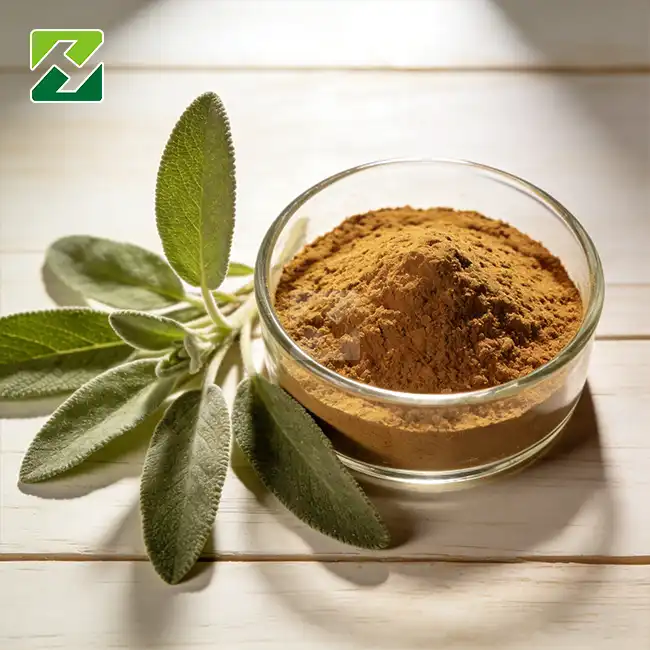 VIEW MORE
Sage Extract derived from Salvia officinalis offers remarkable versatility across nutraceutical, cosmetic, and functional food applications. Understanding proper usage begins with recognizing its bioactive profile—standardized extracts typically contain 2.5% Rosmarinic Acid when processed through water extraction, delivering potent antioxidant and antimicrobial properties. The brownish-yellow powder integrates seamlessly into capsules, tablets, topical formulations, and beverage systems. Dosage recommendations vary by application: cognitive support formulations typically incorporate 300- 600 mg per serving, while food preservation systems require 0.02-0.1% of total formula weight. Successful integration demands attention to solubility characteristics, pH stability ranges (optimal 5.0-7.0), and temperature tolerance during processing.

Understanding Sage Extract and Its Core Functional Properties
In the clean-label market of today, botanical extracts from Salvia officinalis leaves are a sophisticated ingredient solution that solves a number of formulation problems. It is safer than the water-extracted version because it contains more of the good phenolic compounds, especially Rosmarinic Acid, which is very good at getting rid of free radicals.
Botanical Origin and Extraction Method
The leaf material is extracted using only water, so there are no worries about residual solvents that can make regulatory submissions more difficult. This water-based process keeps antioxidants that are hydrophilic while naturally lowering flammable chemicals like thujone, which can be a problem for regulators. The 10:1 concentration ratio means that 10 kg of high-quality leaf material makes 1 kg of concentrated Sage Extract. This makes sure that all runs of production are the same.
Bioactive Compound Profile
Standardization to 2.5% Rosmarinic Acid gives a good way to check the quality and make sure the recipe will work as planned. This polyphenolic molecule is a big part of how well the Sage Extract works in oxidative stress control systems. The brownish-yellow color shows that the right processing temperatures were kept, which protected heat-sensitive phytochemicals. Unlike manufactured options, this plant matrix contains minor chemicals that work together to make the whole thing more effective.
Physical Characteristics for Formulation
The fine powder form (95% through 80 mesh) makes it easier for the powder to spread out evenly in both dry and wet mixtures. Bulk density usually falls between 0.4 and 0.60 g/ml, which helps supplement makers get the most out of encapsulation. Moisture content kept below 5% ensures long-term shelf stability, and the 25 kg drum packaging meets the needs of commercial production with a reasonable minimum order quantity.

Step-by-Step Application Methods Across Industry Sectors
The right way to use something depends a lot on the type of product you want to use it for and the job you want it to perform. When it comes to incorporation methods, dosage amounts, and stability factors, each application area has its own needs.
Nutritional Supplement Integration
Based on clinical research that supports acetylcholinesterase inhibition qualities, add 300–600 mg per serving to cognitive health goods. Dry blending works well for two-piece capsule formats. First, screen the powder to get rid of any clumps. Then, mix it with flow agents like silicon dioxide (0.5–1.0%) to keep it from sticking together during encapsulation. For tablet forms, extra binders are needed. Microcrystalline cellulose at a concentration of 15-20% gives the best compressibility without affecting the disintegration profiles.
Before you increase output, make sure that the excipients you've chosen don't have any bad effects on the polyphenolic chemicals. Calcium and iron salts can combine to make complexes that are less bioavailable, so keep them far apart in recipes with more than one element. Enteric coating technology keeps sensitive chemicals safe as they pass through the stomach and lets them be released selectively in the intestines. Because suppliers like OHI have 10-day lead times, prototypes can be changed quickly during the development phase.
Cosmetic and Personal Care Applications
Sage Extract's antimicrobial properties can be used in skin care products at amounts ranging from 0.5% to 3.0% by weight. When making an emulsion, the Sage Extract dissolves easily in the water phase. To keep the bioactivity, add it while the mixture is cooling (below 60°C). Changing the pH to between 5.5 and 6.5 makes the product more stable and safe for skin. It is important to test how well the Sage Extract works with preservative systems. The Sage Extract's natural antimicrobial properties may allow lower manufactured preservative loads, which supports claims of natural positioning.
Anhydrous mixtures, like oil serums, need to be dissolved first. Use propylene glycol or glycerin to make a concentrated solution (1:3 extract-to-solvent ratio), then add it to the oil phase. This method stops particles from sticking together, which could lead to problems with the texture being gritty. To make sure the mixture is stable, stability studies should last for 12 weeks under fast conditions (40°C/75% RH).
Functional Food and Beverage Incorporation
For beverage uses, full solubility and taste compatibility are needed. Unlike oil-based botanical extracts, the water-extracted format mixes easily in water-based systems and doesn't make them cloudy. For functional beverage placement, aim for 50–150 mg of added substance per serve. Hot-fill methods work well with the Sage Extract; keep the temperature below 85°C while filling to keep the polyphenols from breaking down.
Because the Sage Extract is thermally stable, it is used in baked items and molded snacks. Before adding the powder to batters or doughs, mix it with a small amount of the recipe's liquids first. The antioxidant qualities help keep lipids stable for longer in high-fat recipes, which slows down the development of rancidity over time. Early on in the development process, sensory evaluation should happen. Herbal notes go better with savory profiles than sweet ones, but vanilla and citrus notes can work well as masking agents in sweet profiles.

Quality Specifications and Compliance Considerations
To meet quality standards and legal requirements, you must pay close attention to the details of the specifications and how you record them. The botanical Sage Extract market has its own compliance issues that set it apart from the market for synthetic ingredients.
Analytical Verification Methods
Rosmarinic Acid content is confirmed by HPLC analysis, which gives chromatographic fingerprinting that proves plant identification and finds possible adulteration. Ask for Certificates of Analysis that include tests for heavy metals (like arsenic, lead, cadmium, and mercury), microbial limits (like yeast, mold, and pathogens), and pesticide residues. Limits set by premium suppliers are well below what is required by law. For example, lead levels should stay below 2 ppm and overall aerobic plate counts should stay below 10,000 cfu/g.
Organoleptic review gives you instant feedback on quality. A strong herbal smell without any musty or fermented notes is a sign of good drying and storage. When colors stay the same between batches, it means that the processing parameters were controlled. As part of the procedures for qualifying new raw materials, write down these findings.
Regulatory Status Across Markets
Sage Extract is generally thought to be safe (GRAS) in the United States, which means that it can be used in food and drinks without needing to be approved first. DSHEA rules say that applications for dietary supplements must follow Good Manufacturing Practices and have correct labeling. The certifications for the Sage Extract—NSF GMP, Kosher, Halal, ISO, FSSC22000, and Organic—meet a wide range of market needs, from religious food rules to proof of organic claims.
When formulating exports, rules that apply to the location must be taken into account. Europe has tougher rules about how much thujone can be in finished goods, which makes the water-extracted method very useful. Canada's Natural Health Product regulations say that submissions must be in a certain format and include proof of safety and effectiveness. Building ties with providers who keep complete legal dossiers speeds up the time it takes to get into a market by a large amount.

Optimizing Formulation Stability and Efficacy
To get the best useful performance while keeping the product stable over time, you need to carefully adjust a lot of different formulation factors. The environment, how ingredients interact with each other, and the conditions of processing all have an effect on the quality of the final product.
Storage and Handling Best Practices
Keep drums that haven't been opened in climate-controlled spaces that stay between 15 and 25°C and have a relative humidity below 60%. Once it's been opened, put any leftovers in airtight containers with little headspace to keep them from going bad. Moisture getting in is the main way things break down. Putting silicon gel desiccant packets in storage containers can help protect things even more in humid places.
Even though the Sage Extract usually has a 24-month shelf life, use first-in, first-out product movement. Retesting long-stored materials on a regular basis ensures that they continue to meet specifications. Just-in-time inventory methods are possible at the four main OHI warehouses across the United States. This makes on-site storage easier while still making sure that new materials are always available.
Synergistic Ingredient Combinations
Antioxidant systems work better when they work together in specific ways. When you mix Sage Extract with tocopherols (Vitamin E), the phenolic chemicals restore tocopherols that have been damaged by oxygen, making the whole system work better. Ascorbic acid (Vitamin C) also benefits from Sage Extract co-inclusion because it targets different types of oxidative species through complementary free radical scavenging mechanisms.
Sage Extract is often mixed with other plants that are good for cognitive health, like Bacopa monnieri or Ginkgo biloba. Each of these plants helps the brain in its own way. When mixing different plant extracts, make sure that the standardization marks don't get in the way of the different analysis methods. Cross-reactivity in HPLC systems can make quality control harder if chromatographic methods aren't checked properly for media with more than one component.
Processing Parameter Optimization
Heat-sensitive chemicals are kept safe during production by controlling the temperature. When you use direct compression tablet ways, you don't have to worry about heat at all, but the recipe becomes more complicated. For wet granulation, the granulating fluid should stay below 40°C, and the drying oven shouldn't get hotter than 50°C. The full bioactivity is kept when the medicine is put into vegetable capsules at room temperature.
During production, pH levels must be checked for liquid formulas. The stability of polyphenols drops quickly below pH 4.0 or above pH 8.0. Even when acidic vitamins or alkaline minerals are added, buffer systems that use citrate or phosphate keep the pH levels in the right range. The main way to tell if something is stable is to check the amount of Rosmarinic Acid in it. The amount should drop by no more than 10% over the course of its shelf life.
Sourcing Strategies and Supply Chain Management
Setting up reliable supply chains for ingredients has a direct effect on the consistency of production, compliance with regulations, and, in the end, market success. Buying Sage Extract is different from buying manmade ingredients in terms of the things that need to be thought about.
Supplier Qualification Criteria
Check to see if potential suppliers can help with vertical integration. Companies that handle cultivation through extraction have better accuracy from batch to batch. Over 8,000 acres of three GAP-standard sowing sites are run by OHI. This makes sure that the quality of the raw materials is maintained from the field to the finished Sage Extract. This oversight by the government of agriculture stops the risks of adulteration that come with commodity botanical markets, where materials may go through several middlemen.
The ability to manufacture things is very important. Modern extraction tools, like supercritical CO2 systems, nanofiltration membranes, and freeze-drying technology, let you precisely control the make-up of the end Sage Extract. The 42-person R&D team at OHI, which includes professors and PhD-level researchers, offers technical support that goes beyond just supplying products. Formulation advice, stability troubleshooting, and custom development services are all very useful.
Quality system approvals prove that operations are done correctly. Pharmaceutical-grade manufacturing standards can be used for ingredients in food and cosmetics as long as they follow CGMP. The FSSC22000 approval is only for food safety management systems, which are very important for uses that come in contact with food. Having a number of internationally recognized certifications shows that you are committed to quality in a number of different regulatory areas.
Logistics and Inventory Optimization
When compared to direct imports, which need 6–8 week lead times, domestic warehousing makes the supply chain much more responsive. Having inventory strategically placed in several U.S. areas allows for delivery to most production sites in two to three days, which supports lean inventory approaches. Free samples let you do a full evaluation before agreeing to 25 kg minimum orders, which lowers the approval risks.
Set up inventory management arrangements with a vendor for high-volume applications. Suppliers can keep an eye on how much you use and ship you more when you need it, so there are no interruptions in production. Carrying costs are passed on to sellers through consignment inventory systems, which also make sure that materials are always available. These arrangements work especially well when formulators ask for plant ingredients that can only be sourced from one place and need to have regular relationships with suppliers.
More and more, regulators and customers want to see that documents can be tracked through the supply chain. Ask for batch-specific paperwork that links the material to specific harvest lots, dates of extraction, and quality control tests. This level of detailed tracking is very helpful during audits or when quality investigations need to find the root cause. Premium plant supply chains are starting to use tracking systems that are powered by blockchain. These systems keep an unchangeable record of the Sage Extract's trip from the field to the formulation.
Conclusion
To successfully incorporate botanical extracts from Salvia officinalis, you need to have a deep understanding of the material's properties, how to use it, and how the supply chain works. The 2.5% Rosmarinic Acid format that is water-extracted gives formulators a flexible ingredient that can be used in nutraceuticals, cosmetics, and functional foods to promote antioxidant, antimicrobial, and cognitive wellness. For proper use, the right amounts of ingredients must be used, such as 300–600 mg for supplements, 0.5–3.0% for topical uses, and 50–150 mg for drinks. Heat-sensitive compounds must also be protected during processing. Consistent Sage Extract performance is ensured by quality assurance measures such as analytical verification, regulatory compliance documents, and seller approval standards. In today's competitive clean-label market, building strategic partnerships with vertically integrated suppliers that offer domestic warehousing, technical support, and full certifications is the best way to make sure that both formulation success and supply chain reliability are maximized.
FAQ
1. What advantages does water extraction provide compared to solvent-based methods?
Water extraction gets rid of the need to test for leftover solvents, which makes regulatory reports easier for use in food, supplements, and cosmetics. The process carefully concentrates antioxidants that are water-loving, like Rosmarinic Acid, while naturally lowering volatile compounds that are fat-loving and may cause regulatory issues. This makes a cleaner label statement—just "Sage Extract" instead of having to list the solvent—which fits with customer tastes for products that have been processed as little as possible.
2. How should formulators address potential color variations between extract batches?
Small color changes, ranging from light tan to brownish-yellow, happen naturally in farming materials because of the times of year when they grow and are harvested. If analytical standards stay the same, these changes usually don't mean that the quality is different. Set up spectrophotometry-based color measurement protocols and agree on acceptable error ranges during the initial supplier qualification process. When similarity in look is important for goods that people will see, blend Sage Extract from more than one drum. Natural differences are usually okay for most uses, especially when the Sage Extract is only a small part of the whole mixture.
3. Can this botanical ingredient support specific product claims?
To prove a claim, you need to carefully look at the scientific literature that is already out there, the level of use that was intended, and the regulatory authority. Because Rosmarinic Acid is an antioxidant, it backs up claims in supplements that they can help manage oxidative stress. When used in cosmetics, references to plants and traditional uses may be made without making therapeutic claims. Most food applications only allow claims about taste, smell, or general health. Talk to regulatory experts to make sure that your suggested claims are in line with the requirements for proof and don't have any effects on disease treatments that aren't allowed.
Partner with a Reliable Sage Extract Supplier for Your Formulation Success
Finding plant ingredients takes more than just knowledge of how to buy things. OHI helps people who make nutraceutical, beauty, and functional foods by combining fully integrated farming with pharmaceutical-grade production and full technical support. Our Sage Extract powder, which is separated with water, always has the same 2.5% Rosmarinic Acid level, and it is certified by NSF GMP, Kosher, Halal, ISO, and FSSC22000. Four strategically placed U.S. warehouses make sure that deliveries happen quickly—usually within 10 days—and free samples let you try the products out thoroughly before deciding to buy. The 42-person R&D team helps with formulation, stability testing, and custom development, which turns the supply of ingredients into a strategic relationship. Our technical experts can help you find the best inclusion rates and processing parameters for your project, whether you're making botanical skin care lines, natural preservative systems, or supplements for cognitive wellness. Please email us at info@organic-herb.com to talk about your project needs with Sage Extract makers who have a lot of experience and know how to combine plant ingredients in a way that works well.
References
1. Kennedy, D.O., and Scholey, A.B. (2006). "The Psychopharmacology of European Herbs with Cognition-Enhancing Properties." Current Pharmaceutical Design, 12(35), 4613-4623.
2. Ghorbani, A., and Esmaeilizadeh, M. (2017). "Pharmacological Properties of Salvia officinalis and Its Components." Journal of Traditional and Complementary Medicine, 7(4), 433-440.
3. Yanishlieva, N.V., Marinova, E., and Pokorný, J. (2006). "Natural Antioxidants from Herbs and Spices." European Journal of Lipid Science and Technology, 108(9), 776-793.
4. Hamidpour, M., Hamidpour, R., Hamidpour, S., and Shahlari, M. (2014). "Chemistry, Pharmacology, and Medicinal Properties of Sage (Salvia) to Prevent and Cure Illnesses." Journal of Traditional and Complementary Medicine, 4(2), 82-88.
5. Lopresti, A.L. (2017). "Salvia (Sage): A Review of its Potential Cognitive-Enhancing and Protective Effects." Drugs in R&D, 17(1), 53-64.
6. Martins, N., Barros, L., Santos-Buelga, C., Silva, S., Henriques, M., and Ferreira, I.C. (2016). "Evaluation of Bioactive Properties and Phenolic Compounds in Different Extracts Prepared from Salvia officinalis." Food Chemistry, 170, 378-385.
St. John's Wort: The Best Supplement For Mood
VIEW MOREWhen searching for natural approaches to emotional wellness, ST John's Wort Extract Powder consistently rises to the forefront as a scientifically validated botanical ingredient. Derived from the aerial parts of Hypericum perforatum, this standardized extract offers nutraceutical manufacturers and formulation scientists a reliable, plant-based solution that meets both consumer demand and regulatory expectations. With standardized concentrations of hypericin typically at 0.3% and extraction ratios of 10:1, this brown powder represents a consistent, high-purity ingredient that bridges traditional herbalism with modern phytochemistry.
What is ST John's Wort Extract Powder and How Does It Improve Mood?
Botanical Origins and Extraction Technology
People often call this plant Hypericum perforatum. It has been in European drug books for hundreds of years. Weather that is mild is best for this plant, and it's at its strongest when it's flowering, and its stems, leaves, and flowers are picked. Modern extraction methods use a dual-solvent method that includes both water and ethanol to sort biological chemicals that like water from those that like fat. For this method, the ratio is 10:1, which means that 10 kg of raw plant material make 1 kg of standardized extract powder.
In that order, maceration, filtration, and spray-drying make up the extraction method. This keeps the volatile chemicals together and gets rid of any water that is less than 5%. A fine brown powder with particles that are just the right size can be made this way. It can be put into pills or tablets or added to drinks to make them healthy. This makes an ingredient that is steady, lasts longer, and stays the same strength across production batches. This is very important when making recipes that will be sent to a lot of people.
Neurochemical Mechanisms and Active Compounds
The main ingredients that make ST John's Wort Extract Powder work are hypericin, hyperforin, and different flavonoids. The normal amount of hypericin in the body is 0.3%. The way reuptake inhibition works is changed, which has an effect on neurotransmitter pathways. Most synthetic drugs only work on a few receptor sites. Hyperforin, on the other hand, works in more than one way on the serotonin, dopamine, and norepinephrine pathways. Taking this broad-spectrum action is a healthy way to manage your mood without the narrow aiming that comes with drugs.
When flavonoids like quercetin and rutin are in the body, they help protect brain cells from oxidative stress. These chemicals, along with hypericin, make it easier for cells in the central nervous system to talk to each other. Changes in neurotransmitter levels, especially serotonin levels, can be tracked over a long period of time. These changes can help your mind stay balanced and help it handle stress better.
Traditional Applications and Clinical Validation
People in Europe used ST John's Wort Extract Powder in the past to treat a wide range of nervous system issues, from occasional stress to mood changes caused by the seasons. Many new clinical trials have used randomized, placebo-controlled studies to show that these old uses are still true. Researchers have found that mood rating scales change in a way that is statistically significant when standardized extracts are given to the right number of people.
These studies are important since they show how important it is to make things the same. The amount of hypericin in a product must be guaranteed, and it must stay the same from batch to batch. This is one way that professional-grade ST John's Wort Extract Powder is not the same as raw herb preparations. When you use standardized extracts instead of whole plants, there is no difference. This lets formulation scientists know they can rely on inputs that are safe enough for use in pharmaceuticals.
Key Benefits and Usage Guidelines for ST John's Wort Extract Powder
Evidence-Based Benefits for Mental Wellbeing
Clinical tests have shown that standardized ST John's Wort Extract Powder can help in a number of important ways. People whose moods change mildly to moderately say they feel better after four to six weeks of regular use. Neurochemical tests show that there is more serotonin, which is linked to having more mental control and not feeling as overwhelmed. The extract works very well in functional supplement recipes that aim to improve mental health because of these benefits.
ST John's Wort Extract Powder not only makes you happier, but it also keeps your nerves healthy. To keep brain cells healthy and clear-headed, flavonoids help protect them from toxic harm. It changes the balance of neurotransmitters and the production of cellular energy, which is why people who use it say they can concentrate better and feel less mentally tired.
Another thing about the element is that it helps the body stay healthy when it's under a lot of stress. Since this is the case, it can be used in many different multi-ingredient recipes for busy people, workers, and students. Its plant-based origin fits with the clean-label trend and meets customer desire for ingredients that come from well-known plants.
Recommended Dosage Parameters and Application
To get the most out of standardized extract every day, it's best to take between 300 and 900 milligrams, split up into two or three doses. Most products that are controlled to 0.3% hypericin say to take 300 mg three times a day, for a total of 900 mg. There are no changes made to the amounts used in this process as they are the same ones that were used in peer-reviewed studies.
Formulation managers should think about how accessible the ingredients are when they come up with ways to deliver them. Enteric coats help powders that are enclosed because they keep the active ingredients from breaking down in the stomach. Hypericin can be broken down by very strong acids, so it needs to be carefully managed when used in drinks. Tablets need to have helpers that break them down quickly so that they can be absorbed quickly in the small intestine.
You have to use it every day for four to six weeks to see real effects. Plant-based extracts work more slowly than manufactured chemicals until they reach therapeutic levels in the tissue. Because the results don't happen right away, people need to be clearly taught how to set reasonable goals and encourage cooperation.
Real-World Applications and Industry Validation
Nutraceutical brands that make products to help with mental health, stress relief, and mood support use ST John's Wort Extract Powder. These uses show that the ST John's Wort Extract Powder can be used in a lot of different things. Companies that make sports nutrition are looking into how it can help athletes recover and deal with stress. Companies that make functional drinks are adding it to drinks that help people relax.
Some people in the business say that the extract works well with ashwagandha, rhodiola, and L-theanine, among other plants. When you take these mixes together, they help your body in many ways that are affected by stress. Products with just one ingredient can't do that. Formulation experts like the extract because it doesn't change the taste of new goods and stays stable during processing.
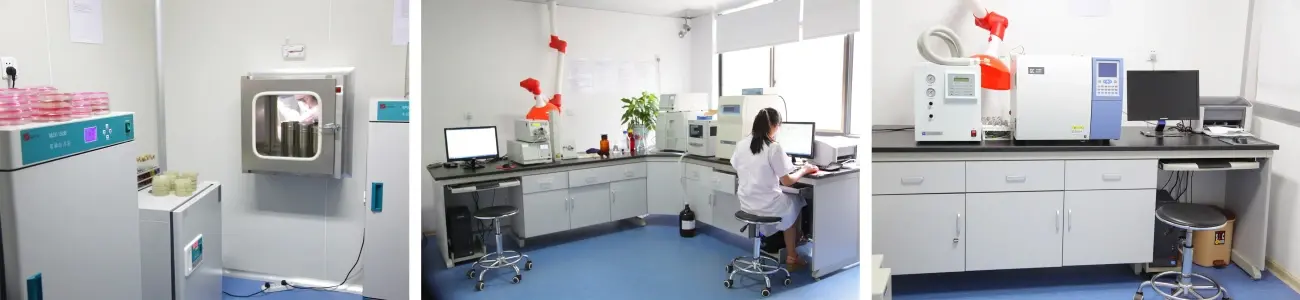
Comparing ST John's Wort Extract Powder with Other Supplement Forms and Alternatives
Powder Form Advantages Over Capsules and Liquids
It is clear that ST John's Wort Extract Powder is better than pre-encapsulated or liquid forms. When working with bulk powder, formulators can pick from a number of different ways to dose, mix, and deliver the powder. With unfinished capsule goods, manufacturers can't change the amount of the product or the plants that are mixed in to make it work best for certain groups of people.
It can be hard to keep liquid extracts steady, even tho they are easy to take. Hypericin that is photosensitive breaks down in light, so it needs to be kept in dark places and at low temperatures. Powders stay stable at room temperature as long as they are packed properly in drums that keep out wetness. This makes it easier to store and ship. It saves money and time by using a 25-kilogram drum instead of a smaller one. This helps reach green goals.
You should still think about solubility. Extracts that are "instantized" with lecithin or maltodextrin make it easier for them to mix in drinks than extracts that are mixed in water. Procurement teams should decide on solubility standards based on how the goods are going to be used. This way, technical specs can be checked to make sure they match the goals for product development.
Comparison with Alternative Botanicals
Other plants that are used to improve mental health are passionflower, lemon balm, and Valerian root. Valerian mostly affects GABA pathways, which means it can help you sleep but not much during the day to make you feel better. Passionflower can help calm you down a little, but not as many studies have been done on it as on ST John's Wort Extract Powder.
There is a lot of research that backs up ST John's Wort Extract Powder; it works in many ways, and regulators usually approve of it. European governments have agreed that it is a traditional plant medicine. Because of this, it has institutional support that plants that haven't been studied as much don't have. Customers believe the company more because it is regulated, which makes it easy to get into the market.
Botanical products are more in line with what people want when it comes to natural ingredients than manufactured ones. People who care about their health like chemicals that come from plants because they think they are safer and better for the body as a whole. This idea changes how brands market themselves and what people buy.
Organic Certification and Manufacturing Scalability
Organic ST John's Wort Extract Powder meets the rules set by the USDA, the EU, and other international organizations. When gardening is certified as organic, it means that synthetic chemicals, pesticides, and genetically modified organisms are not used. This certificate is useful for high-end brands and stores that care about health and the quality of their ingredients.
It is very important for B2B procurement that manufacturing can be scaled up. Because OHI can grow its own crops and has over 8,000 acres of GAP-certified planting grounds, it can keep up a steady supply even when demand is high. Growing, extraction, and quality control are all part of the same supply chain. This cuts down on variety and makes it possible to track the product from the field to the finished product.
Some of the cutting-edge extraction tools that OHI uses in its buildings are supercritical CO2 systems, nano-membrane filtering, and freeze-drying technology. With these features, the specs of the extract can be changed to meet the needs of different production processes. For example, the hypericin level, particle size, or solvent leftovers can all be changed. Because OHI is so highly adaptable, it can be a quick partner for product development that can adapt to new needs.
Procurement Guide for ST John's Wort Extract Powder: What B2B Clients Need to Know
Supplier Evaluation and Quality Verification
You need to carefully think about a lot of things when you're looking for a supplier of ST John's Wort Extract Powder. When High-Performance Thin-Layer Chromatography (HPTLC) is used for identification, it checks to see if the species is real and looks for signs of possible contamination. Reliable sellers give Certificates of Analysis (COA) for each batch of their products. These show how much hypericin is in the product and how much heavy metals, pesticide residues, and microbe contamination are present as well.
Heavy metal screening with ICP-MS (Inductively Coupled Plasma Mass Spectrometry) makes sure that the amounts of lead, cadmium, mercury, and arsenic are below the limits set by California Proposition 65 and the European Union. Toxins like these build up when plants or foods are grown or treated wrongly. They are very bad for your health and could get you in trouble with the law. When sellers show consistent testing procedures and clear documentation, there isn't much risk in buying from them.
A GC-MS/MS (Gas Chromatography-Mass Spectrometry) test of more than 400 compounds found in pesticide residues shows that agricultural products are pure. This check is easier to do with organic approval, but it is still not the same as direct scientific testing. A supplier's labs should be checked out or approved by a third party to make sure that they can do scientific work.
Regulatory Compliance and Certification Portfolio
OHI has a lot of certificates, like NSF GMP, Kosher, Halal, ISO 9001, and FSSC 22000, that show they follow the rules for making medicines. Each market has its own rules, but these titles make it easier to get into a lot of them. Companies that make dietary products need to get the NSF GMP certification, which is the same as what the FDA wants. Systems that make sure food is safe need the FSSC 22000 certification.
Certifications like Halal and Kosher make it easier to reach new customers and meet the dietary needs of religious groups without changing how well the product works. In order for these licenses to stay valid, the production processes must be regularly checked and reviewed to make sure they meet strict standards for keeping things clean and free of contamination. With these licenses, you can sell your product in more ways and make it more appealing.
When the USDA and EU programs give their permission, they make sure that no harmful chemicals are used in the growing or industrial steps. Brands that care about the environment will like this certification because it helps them look more expensive. OHI has a network of 8,000 approved organic farms, so you can always get certified organic ST John's Wort Extract Powder. With smaller sources, the supply line could get messed up, but this keeps it from happening.
Pricing Structures and Minimum Order Quantities
You can make accurate budget forecasts and look at margins when you have clear price methods. Prices for ST John's Wort Extract Powder depend on how much the ingredients cost, how hard it is to extract, and how much it costs to get a license. The minimum order quantity (MOQ) for most volume tiers is 25 kilograms. As the order volume goes up, so do the costs per kilogram. Every year, smart sellers make deals to make sure there is a steady supply of goods and lock in good prices.
There are four warehouses owned by OHI in the United States. They were strategically placed across the country to save money on freight costs and speed up delivery. Standard lead times of ten days make it possible for just-in-time inventory strategies to work while still letting production be flexible. When samples are free, formulation teams can test their ideas on a small scale before placing large orders. This lowers the technical risk and makes sure the ingredients do what they're supposed to do.
When you first talk, you should be clear on how to pay, how to ship, and what information the other party needs. Lots of things are worth a lot more than their unit prices, like quick customs clearance, full import records, and helpful customer service. It's easier to handle now that these changes have been made, and it's faster for new goods to hit the market.
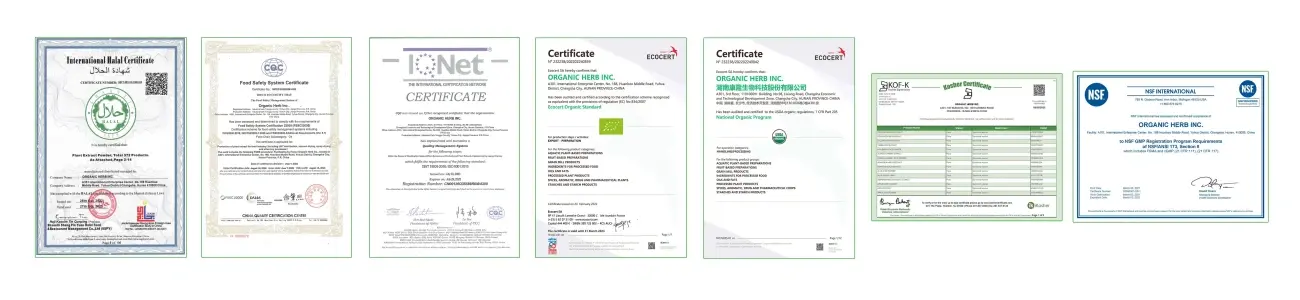
Why ST John's Wort Extract Powder is the Preferred Mood Supplement in B2B Markets
Market Trends Favoring Botanical Mood Enhancers
More and more people are picking natural products over man-made ones because they believe the natural ones are safer, better for you, and better for the world. Plant-based supplements are gaining more and more market share, which shows that the mood support category is growing quickly. You can trust ST John's Wort Extract Powder if you want to get into the mental health market. It has a well-known brand name and has been studied in clinical settings for decades.
In both North America and Europe, the growth of botanical supplements is helped by established quality standards, safety reviews, and monographs. The clear rules make it easier for new businesses to join the market and for goods to be listed in more than one place. Brands can use ST John's Wort Extract Powder, which has been around for a long time, is safe, and customers like it.
Sustainability is important to both buyers and the people who buy things for businesses. OHI is committed to sustainable farming methods that are in line with their business social responsibility goals. This is clear from the fact that they have GAP-certified growing grounds and environmental responsibility programs. People who want to do the right thing will be more interested in buying from brands that work with suppliers that show they care about the environment.
Procurement Advantages and Supply Chain Reliability
The ingredients are more likely to be real if the supply lines are fully integrated, which means that the crops are grown and then distributed. OHI cuts out middlemen on its 8,000 acres of owned and partnered farming. This lowers the risk of contamination and makes sure that goods can be tracked. This style makes it simple to quickly fix problems with quality and make paperwork for each batch that is needed for regulatory checks.
The skills OHI has in advanced research and development (R&D) make it different from other basic providers. With 42 committed researchers, some with Ph.D.s, OHI is always looking for better ways to extract medicines, see how different plants can work together to make new medicines, and come up with new ways to give these medicines to people. Partners in procurement can use this innovation route to get new formulas and unique ingredient formats that their rivals don't have.
Giving technical help is more than just giving ingredients. OHI's formulation experts help clients figure out the best amounts, test for stability, and come up with a plan for how to keep the drug safe. With this method, ties with suppliers are turned into strategic partnerships. This speeds up the development of goods and raises the chances of making money.
Incorporating ST John's Wort Extract Powder into Product Lines
To successfully combine products, you need to know who your customers are, how you stack up against competitors, and the rules that govern your business. People in their 20s and 30s who care about their mental health and older people who want to keep their minds sharp like to take mood support supplements. Versions with more than one ingredient, like those that mix ST John's Wort Extract Powder with other herbs, vitamins, and amino acids, give more support and make the product stand out in the market.
The construction method is changed by the choice of distribution route. The focus of retail goods is on how easy they are to use and how nice the packaging looks, while the focus of professional vitamins for doctors is on how well they work and what scientific proof there is. Online shops that sell things need to be able to make them in different ways so they can work with individual health programs and subscription plans.
When marketing claims are made, they need to be both customer-friendly and legal. Structure-function claims, which are allowed by the Dietary Supplement Health and Education Act (DSHEA), let messages that make people feel better get through without being labeled as drugs. Lawyers look over all marketing materials to make sure they follow FDA and FTC rules for direct marketing.
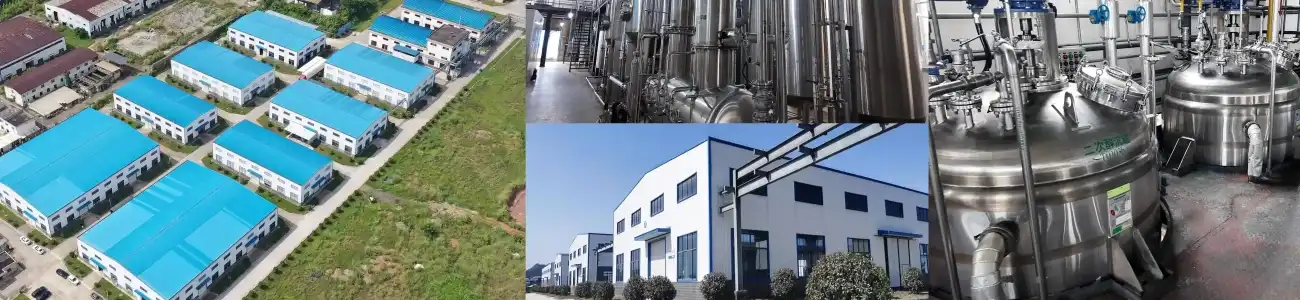
Conclusion
ST John's Wort Extract Powder comes from a plant and has been shown to work by science. It can be bought in shops. It meets the rising need for natural goods that improve mood. It is the best choice for people who make nutraceuticals, functional foods, and health brands because it has a uniform hypericin content, is extracted using two solvents, and has been clinically proven to work. People who work in procurement like it when there are clear supply lines, thorough approvals, and technical help that makes it easier to find ingredients and speeds up product development. Brands that use ST John's Wort Extract Powder have an advantage because it is used for a long time, it is scientifically proven to work, and it is popular in the market.
FAQ
1. What is the typical lead time for bulk orders?
When you place an order for ST John's Wort Extract Powder, you usually have to wait about ten days for it to be shipped. Because OHI has four stores in the US, they can quickly fill orders from anywhere in the country. As you wait for your quote, you will be told about any longer due dates that may be needed for bigger special orders or certain licenses.
2. How is hypericin content verified?
An HPLC system that uses UV light to measure at 590 nanometers is used to find out how much hypericin is present. A different lab tests each batch of goods, and the findings are put on Certificates of Analysis. It is checked with this level of care to make sure that all goods have the same amount of power and that what the sign says is true.
3. What packaging formats are available?
The usual way to package things is in 25-kilogram fiber drums lined with polyethylene to keep light and water out. Custom packaging can be made for some uses, like smaller packs or foil bags that are sealed with a vacuum. Proper packing keeps hypericin stable, and if kept in the right way, it can last up to 24 months.
4. Can samples be provided for formulation testing?
Some people can get free samples of ST John's Wort Extract Powder from OHI. Requests for samples should include details about how they will be used, any certificates that are needed, and an estimate of how much will be needed each year. Usually, samples are sent out within three business days. This gives formulation teams time to try on a small scale before deciding to buy in bulk.
Partner with OHI for Premium ST John's Wort Extract Powder
OHI stands as a trusted ST John's Wort Extract Powder supplier, combining pharmaceutical-grade manufacturing with sustainable sourcing practices. Our vertically integrated supply chain—from 8,000 acres of GAP-certified cultivation bases to advanced extraction facilities equipped with cutting-edge technology—ensures unmatched quality consistency and supply reliability. With comprehensive certifications including NSF GMP, Kosher, Halal, ISO 9001, FSSC 22000, and Organic credentials, we meet the diverse regulatory requirements of global markets.
Procurement managers gain access to technical expertise through our 42-person R&D team, which includes academicians, Ph.D. supervisors, and formulation scientists. We provide comprehensive support from initial specification development through regulatory documentation and stability testing. Our four U.S. warehouses enable prompt delivery, while our ten-day lead times support agile inventory management strategies.
Discover how OHI's ST John's Wort Extract Powder can elevate your product formulations. Contact our team at info@organic-herb.com to request technical specifications, pricing information, and complimentary samples.
References
1. Linde, K., Berner, M.M., & Kriston, L. (2008). St John's wort for major depression. Cochrane Database of Systematic Reviews.
2. Nahrstedt, A., & Butterweck, V. (2010). Lessons learned from herbal medicinal products: The example of St. John's Wort. Journal of Natural Products, 73(5), 1015-1021.
3. Butterweck, V., & Schmidt, M. (2007). Hypericum perforatum: Traditional uses, pharmacology, and mechanisms of action. Phytotherapy Research, 21(8), 709-718.
4. Russo, E., Scicchitano, F., Whalley, B.J., et al. (2014). Hypericum perforatum: Pharmacokinetic, mechanism of action, tolerability, and clinical drug-drug interactions. Phytotherapy Research, 28(5), 643-655.
5. Sarris, J., Panossian, A., Schweitzer, I., et al. (2011). Herbal medicine for depression, anxiety and insomnia: A review of psychopharmacology and clinical evidence. European Neuropsychopharmacology, 21(12), 841-860.
6. European Medicines Agency. (2009). Community herbal monograph on Hypericum perforatum L., herba. Committee on Herbal Medicinal Products (HMPC).
4 Health Benefits of Shiitake Mushroom Extract Powder
VIEW MOREShiitake Mushroom Extract Powder derived from Lentinula edodes offers four compelling advantages for modern formulations: immune system modulation through concentrated beta-glucans, cardiovascular wellness support via eritadenine compounds, potent antioxidant activity from polysaccharides, and nutritional fortification with essential amino acids and B-vitamins. Unlike raw mushroom powders, this concentrated extract—standardized to 40% polysaccharides through 100% water extraction—delivers consistent bioactive profiles critical for nutraceutical, cosmetic, and functional food applications, solving common industry challenges around ingredient stability and batch-to-batch reliability.
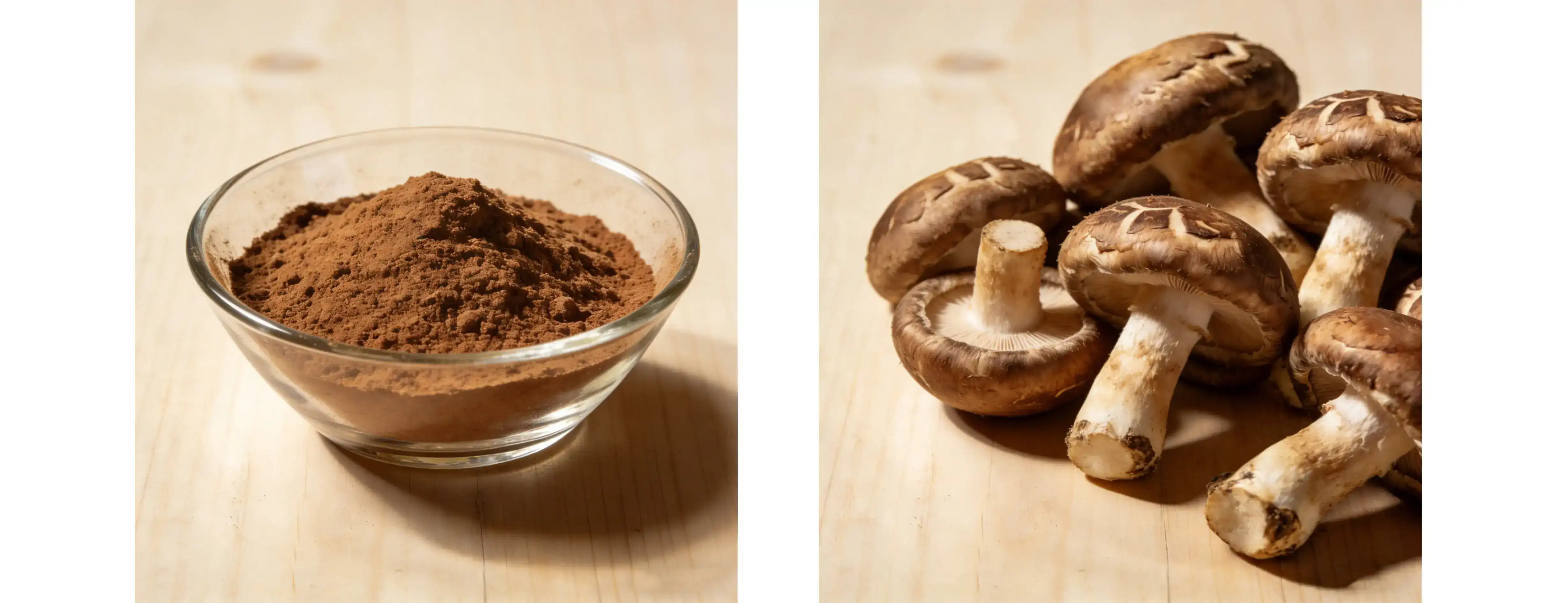
Understanding Shiitake Mushroom Extract Powder
Standardized fungal products, especially extracts from Lentinula edodes fruiting bodies, are in high demand in the plant extract business. Working with research and development teams in the supplement and cosmetics industries for many years, I've observed how the way ingredients are extracted has a big impact on how well they work in finished products.
The Extraction Process and Standardization
When preparing shiitake mushrooms, hot water extraction is the best way to keep the purity of the polysaccharides. OHI only uses this method, which breaks down chitin cell walls by controlling the temperature so that heat-sensitive compounds don't break down. The concentrate that is made is then spray-dried to make a fine brown powder that is very easy to mix (usually 80–100 mesh), which makes it easy to add to capsules, tablets, and beverage systems.
Standardization to 40% polysaccharides and a concentration ratio of 10:1 guarantee that 10 kg of dried fruiting bodies will make 1 kg of finished extract. Predictable potency across production runs is a major worry for buyers, and this concentration factor solves that problem. When making immune-boosting supplements or antioxidant-rich skin serums, using constant amounts of active compounds cuts down on problems with reformulation and speeds up the time it takes to get the product on the market.
Quality Markers That Matter
Professional buyers should look at more than just the polysaccharide content when judging a product. When the moisture level is below 5%, microbes can't grow during storage. This means that, in the right conditions, the food can last up to 24 months. Ash content with an ash percentage of less than 8% shows little mineral contamination, which is important for keeping clean-label promises. The brown powder appearance comes from naturally occurring melanin compounds, which also have antioxidant properties—an important factor that is often missed when discussing procurement.
The OHI factory in Yichun, Jiangxi province, keeps its FSSC22000 and NSF GMP certifications up to date to make sure that every 25 kg drum meets the high-quality standards needed for pharmaceuticals. The company has 8,000-acre GAP-certified planting bases in Shaoyang, Changsha, and Huaihua that provide traceable raw materials. This meets the standards for supply chain openness that are being pushed by US and EU officials.
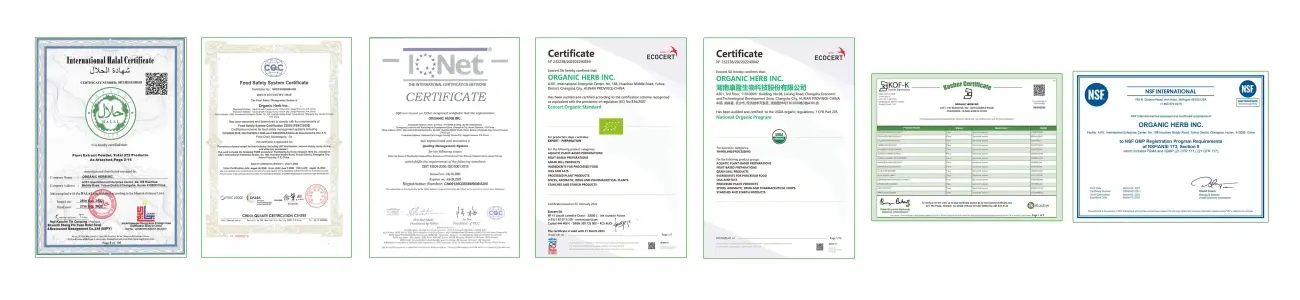
The 4 Key Health Benefits of Shiitake Mushroom Extract Powder
Over the past ten years, research into Lentinula edodes bioactives has sped up, revealing mechanisms that explain traditional health uses while also opening up new formulation options.
Immune System Modulation Through Beta-Glucans
Polysaccharides in Shiitake Mushroom Extract Powder, especially beta-1,3/1,6-glucans, interact with immune cells' pattern recognition receptors to make them better at keeping an eye on things. Studies in the lab show that these compounds can stimulate natural killer cells and macrophages without overstimulating them. This means that they can be used in daily health products instead of ones that are used for emergencies.
Shiitake Mushroom Extract Powder has a wider range of polysaccharides than reishi or maitake extracts. These polysaccharides have both branched and linear structures. Because of this variety, formulators can make goods that target more than one health route. When it comes to post-workout healing formulas, sports nutrition brands really value this feature because it helps keep the immune system in balance during times of intense training.
Cardiovascular Wellness Support
Eritadenine is a special chemical that is found in large amounts in Lentinula edodes. It changes pathways in the metabolism of lipids that are important for heart health. This form of adenosine only comes out in concentrated form after it has been properly extracted; mushroom powders that are not processed contain too little of it to have any bioactive effects. Shiitake Mushroom Extract Powder is a useful ingredient for heart-health products because it contains fiber-like polysaccharides that help keep cholesterol levels in a healthy range.
The neutral to savory taste profile goes well with other plant ingredients, which is why functional beverage makers like it. Instead of bitter adaptogen extracts that need masking agents, Shiitake Mushroom Extract Powder works well with umami-forward formulations, which makes formulations simpler and lowers the costs that come with them.
Antioxidant Properties for Cellular Protection
Managing oxidative stress is still an important part of both nutritional and beauty uses. Shiitake polysaccharides demonstrate electron-donating capacity in DPPH and ABTS tests, and the amount of activity is related to the amount of polysaccharide present. This dose-dependent reaction lets you precisely control the formulation—100 mg of 40% polysaccharide extract gives you about 40 mg of active antioxidants.
Cosmetic chemists who work with natural anti-aging formulas find this extract's dual solubility profile to be very useful. Powder easily dissolves in water, but some lipophilic compounds that are extracted during processing mix with oil, which allows for use in both serums and creams. The technical team at OHI helps with formulations to make sure that products are stable across pH ranges from 4.5 to 7.5. This helps with common problems with cosmetic stability.
Nutritional Fortification Value
In addition to its signature polysaccharides, Shiitake Mushroom Extract Powder also contains high amounts of essential amino acids, mainly leucine, lysine, and valine, as well as B-vitamin complexes like pantothenic acid and niacin. Because of its high nutritional value, the item can be used as a base for plant-based meal replacements and protein supplements.
The ergosterol content, which is a precursor to vitamin D2, gives formulators another way to help people who don't get much sun fill in health gaps. Even though it's not an alternative for vitamin D supplements, this part of the ingredient makes multivitamins more valuable overall.
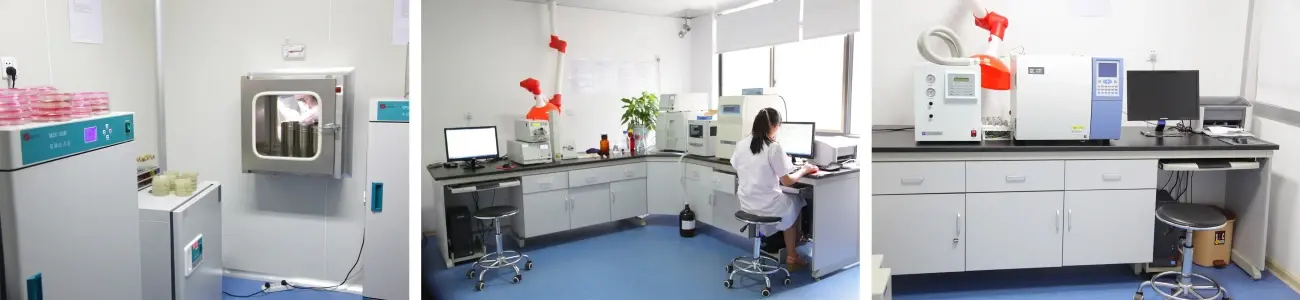
How to Use Shiitake Mushroom Extract Powder for Maximum Benefit
To turn the specifications of raw ingredients into a successful finished product, you need to know about application parameters and formulation synergies.
Recommended Serving Sizes Across Categories
Nutraceutical uses usually use 300 mg to 1000 mg per day, with higher amounts only used for immune-boosting formulas. Lower concentrations—50–200 mg per serving—are used in functional foods and drinks to balance bioactivity with cost. Different types of cosmetics are used for very different things. For example, facial serums use 0.5 to 2% extract by weight, while body lotions use 0.1 to 0.5%.
These limits come from both studies on effectiveness and real-world formulation limitations. Standard size 0 capsules can easily hold 500 mg doses in capsule formats, but beverage applications need to think about the limits of solubility in certain liquids. The technical paperwork from OHI has solubility curves for typical pH levels of drinks, which shortens the time it takes to make new products.
Synergistic Ingredient Combinations
Adding vitamin C to Shiitake Mushroom Extract Powder makes polysaccharides more stable during storage and creates antioxidant combos in the end products. Extracts of reishi or cordyceps add to the immune-modulating properties, making "mushroom complex" goods appealing to people who care about their health. Resveratrol and green tea extract work well together as strong antioxidants in anti-aging makeup.
When protein supplement makers mix Shiitake Mushroom Extract Powder with pea or brown rice protein, the spicy notes in the extract make the mixture taste better overall. The 10-day lead time from OHI lets you make changes to the prototype quickly, which is very important during the development stages of a new product.
Formulation Stability Considerations
Ingredients that keep their bioactivity under stress are needed for heat processing, like when tablets are compressed or drinks are pasteurized. Shiitake polysaccharides are very stable at high temperatures. They still have more than 90% of their activity after 30 minutes at 85°C, which is normal for making hot drinks. Compared to plant extracts that are more fragile, this strength makes the production process easier.
The potency of the extract stays the same for 24 months when put in vegetarian capsules, as long as the humidity levels stay below 60% RH. Changing the pH to 5.5 to 6.5 is good for beverage uses because that's where polysaccharide solubility rises and microbial stability gets better.
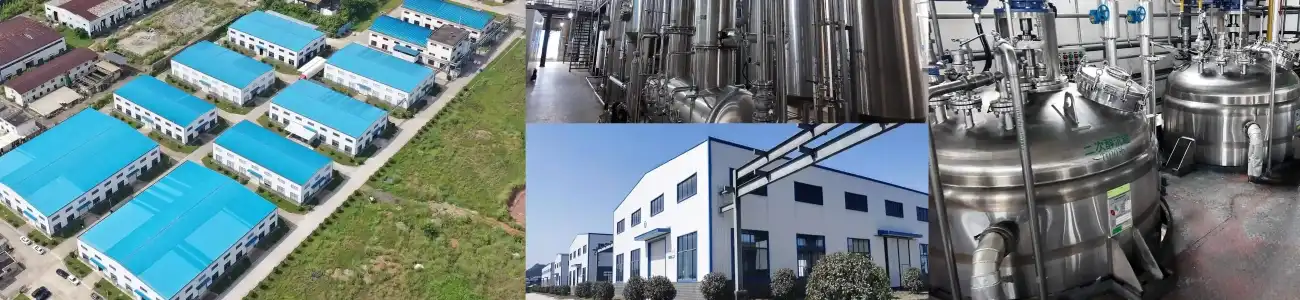
Selecting the Right Shiitake Mushroom Extract Powder Supplier
Product stability and market success are directly affected by how reliable the supply system is. I've learned how to evaluate suppliers based on key factors that set good suppliers apart from great partners through my experience buying plants from a variety of categories.
Certification Portfolio and Traceability
NSF GMP certification shows that a company follows pharmaceutical-grade production practices, such as following approved cleaning processes and equipment qualification protocols. The Kosher and Halal certifications from OHI help more specific types of customers get into the market. The FSSC22000 standard covers more than just basic GMP when it comes to food safety management.
Organic certification makes things more complicated and costs more (15–25%) than regular extract, but it helps with marketing in high-end product categories. From growing the crops to processing them, there must be a certification path. OHI's vertically integrated approach with GAP-certified farms makes sure that all the food can be tracked. Technical paperwork includes certificates of analysis for each batch, screening for heavy metals, and tests for pesticide residues. These are necessary for FDA approval and import clearance.
Supply Chain Infrastructure
Because OHI has four warehouses in the US in key locations, deliveries can be made anywhere in North America in three to five days, which is essential for just-in-time manufacturing. The minimum order number of 25 kg, or one drum, works for both new names that want to see how the market responds and well-known companies that need container-load volumes. Free sample programs lower the risk of buying something and let you check the quality before committing.
The public listing of the company (Stock Number: 872213) makes its finances clear in a way that isn't common in botanical supply chains. This makes it easier to see what the other party is doing in long-term supply agreements. This is especially helpful for brands that are moving from regional to national distribution.
Technical Support and Customization Capabilities
The 42-person R&D team at OHI, which includes doctoral-level researchers, gives recipe advice to deal with problems related to stability, regulatory compliance, and label claim support. Their analytical laboratory, which cost $1.2 million, has HPLC-ELSD, GS-MS, and atomic absorption spectrophotometry, which are all pieces of equipment that can be customized to meet the needs of each client for polysaccharide or beta-glucan targets.
Private label services help brands get into new markets faster when they don't have their own extraction skills. In addition to normal 25 kg drums, custom packaging choices include 1 kg and 5 kg units for smaller production runs, which meet the needs of small supplement and cosmetic brands.
Procurement Insights: How to Buy Shiitake Mushroom Extract Powder Wholesale
For foreign botanical buying to work, you need to know how prices work, what rules apply, and how to reduce risks.
Pricing Models and Volume Considerations
The price of Shiitake Mushroom Extract Powder on the spot market changes depending on the harvest yields of the raw materials and how much of the extraction capacity is being used. Annual contracts usually get you 8–15% off spot sales and make sure you have a steady supply during shortages. Most volume tiers start with commitments of 100 kg every three months, with bigger savings at 500 kg and 1,000 kg.
Renminbi changes against the dollar can affect landing costs by 5–10% per year, so currency hedging is important for long-term buying relationships. Earth Made Nutritions, OHI's US subsidiary in Los Angeles, makes deals easier by pricing in dollars and receiving payments within the US. This gets rid of the need for wire transfer fees and the uncertainty of the exchange rate.
Regulatory Documentation Requirements
To get into US customs, you need business bills, packing lists, and certificates of origin. For supplement applications, you need certificates of analysis that show they follow USP or AHP monographs, along with proof that they follow good manufacturing practice at the moment. For organic goods to be allowed, they need to be certified in a way that follows the NOP and have transaction certificates that connect the shipment to approved production batches.
OHI keeps complete records systems that meet these needs, and clients can view them digitally through safe client portals. Their ISO 9001 quality management system makes sure that they keep track of document versions and recovery methods that meet FDA requirements for inspections.
Supplier Verification and Audit Protocols
A smart way to buy things includes checking the manufacturing site for audits that compare documented procedures to actual practices. OHI encourages customer audits because they show how the company maintains its extraction equipment, keeps lab records for testing, and keeps training records for employees. The structure of their Yichun plant follows pharmaceutical design principles. There are separate processing zones that keep product lines from getting contaminated with each other.
Third-party laboratory verification adds another layer of security—testing at independent labs like Eurofins or SGS confirms the accuracy of the certificate of analysis. The fact that OHI is ready to back this kind of proof shows that they believe in quality systems and helps build trust, which is important for long-term relationships.
Conclusion
Shiitake Mushroom Extract Powder is a flexible plant-based ingredient that can be used in a wide range of formulations in the cosmetics, functional foods, and nutraceuticals industries. The four main benefits—improving immune function, heart health, antioxidant activity, and nutritional fortification—lead to a wide range of possible uses, and more and more studies back them up. Choosing suppliers that offer not only high-quality extract but also full technical support, regulatory documentation, and a reliable supply chain is key to successful procurement. From GAP-certified farming to advanced extraction and US storage, OHI's fully integrated model gives serious brands the infrastructure they need for long-term growth in the competitive health markets.
FAQ
1. What differentiates shiitake extract powder from regular mushroom powder?
Regular mushroom powder is made up of dried, ground fruiting bodies that still have all of their cell parts, including the indigestible chitin. The water extraction process concentrates beneficial polysaccharides while removing fibrous material, resulting in concentration ratios of 10:1 or higher. This process makes bioavailability much better and allows for exact standardization—40% polysaccharides instead of different amounts in raw powder. In addition, extract powders are more stable and last longer than whole mushroom powders (12 to 18 months vs. 24 months).
2. How can I verify the authenticity of shiitake mushroom extract powder?
Ask for certificates of analysis that show the polysaccharide content using approved HPLC methods, along with a microscopic look that proves the source is a fruiting body and not mycelium. Heavy metals, pesticides, and microbial counts are checked by third-party testing at accredited labs to make sure they meet USP standards. Supplier certificates like NSF GMP, organic, Kosher, and Halal show that their quality systems are strong. Supply chain integrity is maintained by batch-specific paperwork that links raw materials to their cultivation sources. OHI offers complete paperwork packages that help with these steps of proof.
3. What minimum order quantities should I expect when sourcing wholesale?
The minimums required by the industry range from 25 kg to 100 kg, based on the source and the requirements of the extract. OHI's 25 kg minimum allows smaller names to ship, and their US warehouses allow mixed-pallet orders that include a variety of botanical materials. Buying by the container load (usually between 5,000 and 10,000 kg) can get you 15–25% off the price of smaller amounts. Free sampling programs let you check the quality before committing to a minimum order, which lowers your concerns about procurement during the initial supplier assessment.
Partner with OHI as Your Trusted Shiitake Mushroom Extract Powder Supplier
OHI sells Shiitake Mushroom Extract Powder that is safe for use in medicines. It is made to strict standards for 40% polysaccharides using only water extraction methods. Our fully connected supply chain, which includes GAP-certified cultivation bases spanning 8,000 acres and modern extraction facilities with NSF GMP, FSSC22000, Kosher, Halal, and Organic certifications, guarantees quality stability that can't be beat. Our 42-person R&D team helps with formulations, which speeds up product development, and four strategically located US warehouses make fast delivery possible to support your production schedules. Email our technical team at info@organic-herb.com to get free samples, talk about custom standards options, or look into private labeling options. Find out how working with a well-known Shiitake Mushroom Extract Powder maker can change the way you get ingredients, from just buying them to a smart way to gain a competitive edge.
References
1. Bisen, P.S., et al. (2010). "Lentinus edodes: A Macrofungus with Pharmacological Activities." Current Medicinal Chemistry, 17(22), 2419-2430.
2. Finimundy, T.C., et al. (2020). "A Review on General Nutritional Compounds and Pharmacological Properties of the Lentinula edodes Mushroom." Food and Nutrition Sciences, 11(8), 776-799.
3. Ren, L., et al. (2012). "Structural Characterization and Immunomodulatory Activity of a Polysaccharide from Lentinus edodes." International Journal of Biological Macromolecules, 50(4), 1107-1112.
4. Smith, J.E., et al. (2002). "Medicinal Mushrooms: Their Therapeutic Properties and Current Medical Usage." Journal of Alternative and Complementary Medicine, 8(2), 201-216.
5. Wasser, S.P. (2014). "Medicinal Mushroom Science: Current Perspectives, Advances, Evidences, and Challenges." Biomedical Journal, 37(6), 345-356.
6. Zhang, Y., et al. (2016). "A Review of Lentinus edodes: Bioactive Compounds, Processing, and Applications." Critical Reviews in Food Science and Nutrition, 56(15), 2625-2634.
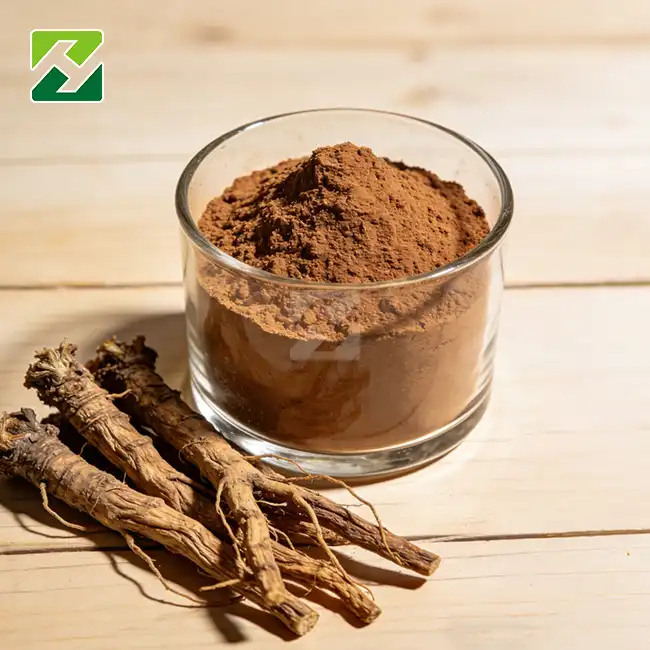
Best Valerian Root Extract for Sleep: Benefits and Usage
VIEW MOREValerian root extract, sourced from Valeriana officinalis, has become a cornerstone ingredient for nutraceutical manufacturers seeking natural, clean-label sleep solutions. The Best Valerian Root Extract delivers standardized concentrations of valerenic acids—typically between 0.8-1.2%—that interact with GABA pathways to promote relaxation and restful sleep. These high-purity botanical extracts undergo water-based extraction methods that preserve bioactive sesquiterpenes while eliminating solvent residues, making them ideal for dietary supplements, functional beverages, and wellness formulations. Recognized across pharmaceutical-grade operations and cosmetic applications, this extract addresses the growing consumer demand for botanical alternatives to synthetic ingredients.

Understanding Valerian Root Extract and Its Benefits for Sleep
Botanical Origins and Active Compounds
Valeriana officinalis does best in cold areas, and the roots should be picked after two growing seasons to get the most active compounds. The rhizomes and roots have volatile oils, valerenic acids, and valepotriates that work together to change the action of neurotransmitters. Modern methods of extraction compress these bioactives into standard ratios, usually 4:1 and 10:1. This makes sure that all production runs have the same amount of strength. Our GAP-certified planting bases in Jiangxi Province grow Valeriana officinalis using controlled farming methods. This ensures the quality of the raw materials from the seedling to the harvest. Because we are vertically integrated, we can track each batch back to a specific growing area. This meets the strict tracking requirements set by pharmaceutical R&D teams and quality assurance departments.
How Bioactives Promote Restfulness
Valerenic acids attach to GABA-A receptors in the brain and the spinal cord, which boosts inhibitory neurotransmission and lowers the ability of neurons to fire quickly. Based on clinical studies, 400–900 mg of standardized valerian extract can shorten the time it takes to fall asleep by 15–20 minutes and improve the structure of sleep generally. Unlike compounds that make you addicted, valerian supports your body's natural circadian rhythms without making you sleepy the next day. Because of this, it is especially useful for making supplements for rest during the day and drinks for health in the evening. The strong isovaleric acid smell that comes from low-quality goods is gone in our water-extracted versions. This solves a problem that beverage and chewable supplement makers often have with formulation.
Supporting Relaxation and Calm States
In addition to helping people fall asleep, valerian root extract has calming effects that work well with stress management products. Acetoxyvalerenic acid stops the breakdown of GABA, which makes its calming effects last longer. More and more sports nutrition companies are adding valerian to their healing mixes because they know that relaxation helps muscles heal and hormones stay balanced. Our fine-mesh, brown powder (95% through 80 mesh) makes sure that capsule matrices and liquid solutions mix evenly. The bulk density of the extract is between 40 and 60 grams per 100 milliliters, so it works well with high-speed packaging lines without getting clogged or segregated like lower-quality materials do.

How to Use Valerian Root Extract for Optimal Sleep Results
Recommended Dosages for Different Applications
When making pills to help people sleep, procurement teams usually ask for Best Valerian Root Extract 300 to 600 mg of a 4:1 extract, which is equal to about 1,200 to 2,400 mg of dried herb. It is possible to make lower doses of liquid extracts with a 10:1 concentration, which makes them perfect for dropper-based products or functional shots. Powdered forms work well in protein mixes or packages that dissolve easily. This is because users like being able to customize their doses. Our 25 kg drum packing and 10-day wait times help us keep up with flexible production plans. Plus, our four strategically placed U.S. stores allow us to provide just-in-time transport to industrial sites on the West Coast, Midwest, and East Coast.
Timing and Frequency Guidelines
People who take valerian extract 30 to 60 minutes before going to sleep get the best results. Because it starts slowly, bioactives can reach their highest levels in the blood as the body moves into rest stages. For people who have trouble sleeping on a regular basis, using it every night for two to four weeks will help as neurotransmitter pathways become more stable. When formulating sustained-release formats, formulation scientists should keep the moisture content below 5% so that the formula doesn't break down over time. Our freeze-drying and nano-membrane isolation technologies protect valepotriates that break down above 40°C, making them more stable than options that are removed using heat.
Storage and Stability Considerations
To keep the effectiveness of an extract, it needs to be stored in covered, light-resistant cases at temperatures below 25°C. UV light speeds up the oxidation of valerenic acid, which makes it less effective by up to 30% after six months. Our fiber drum package with two polyethylene liners keeps wetness out and stops photodegradation while it's being shipped internationally. At our FSSC22000-certified center, quality control procedures include HPLC stability testing once a month. This makes sure that the valerenic acid content stays above the required levels for 24 months. These steps directly address concerns raised by procurement about the consistency of ingredients and regulatory compliance across multiple production runs.

Selecting the Best Valerian Root Extract for Your Business Needs
Quality Indicators and Certification Standards
Premium valerian root extract stands out by having a lot of different certifications. Having approvals like NSF GMP, Kosher, Halal, and Organic means that the company follows strict process controls that keep ingredients pure and stop cross-contamination. ICP-MS testing for heavy metals should show that lead levels are below 3.0 ppm, arsenic levels are below 1.0 ppm, and mercury levels are below 0.1 ppm. These are important levels for getting into the global market. Our partnership with top colleges and a 42-person R&D team makes it possible for us to use advanced chromatography methods (HPLC, GC-MS, and HPTLC) that can accurately identify species and measure marker compounds to within 0.1%. This thorough analysis stops cheating with Valeriana wallichii that isn't as expensive or with man-made ingredients that hurt the product's promises.
Extraction Methods and Their Impact
Using dynamic low-temperature methods to extract water keeps the whole range of phytochemicals while getting rid of the leftover fluids that are a problem with ethanol-extracted versions. Our process uses only water, which is in line with the trend toward clean labels and makes regulatory submissions easier for markets that don't allow ingredients made from alcohol. Using column adsorption chromatography and ion exchange methods to concentrate valerenic acids even more without adding any chemicals, we get brownish powders that are the right color for goods that people will see. This way of thinking about extraction helps cosmetic formulators make repair serums without using synthetic solvents, which would go against "free-from" marketing strategies.
Product Form Selection for OEM Applications
Capsule makers like our 10:1 extract because it is easy to crush and doesn't need a lot of dose volume, which lets them make smaller capsules that are easier for patients to take. Experts in liquid extracts ask for 4:1 ratios mixed with vegetable glycerin to make liquor bases that people who are sensitive to alcohol will like. Spray-dried formats mixed with maltodextrin carriers are often asked for by beverage developers because they make the ingredients more water-soluble and keep them from settling in cold liquids. Our 25 kg minimum order quantity allows for pilot production runs, and our free sampling programs let you test formulations before committing to buy in bulk. This freedom lowers the risk of buying for new brands that are still figuring out if they fit the market.
Procurement Insights: Buying Valerian Root Extract in Bulk
Sourcing Regions and Supply Chain Transparency
Valeriana officinalis is mostly grown in China's Jiangxi and Hunan provinces, which have ideal soil pH (6.0–7.5) and moderate humidity patterns for Best Valerian Root Extract. The 8,000-acre GAP planting bases owned by Organic Herb Inc. follow crop rotation plans and use integrated pest management that are in line with European Union organic standards. Direct agreements between farmers allow for controlled harvesting at peak maturity, which usually happens in September or October and is when root valerenic acid levels hit 1.2-1.5% by dry weight. This vertical integration gets rid of markups for middlemen and gives procurement teams the written chain-of-custody records they need for FDA GRAS notifications and new food uses in international markets.
Pricing Dynamics and Cost-Quality Balance
Valerian root extract costs between $28 and $65 per kilogram on the market, based on the amount of extract used, the level of approval, and the size of the order. Water-extracted organic varieties cost 20–30% more than regular grades because the raw materials are more expensive and the process is more complicated. However, the lack of solvent disposal fees and easier legal paths often cancel out price differences at the start. People who buy in bulk and order 500 kg or more a year can get better prices and personal account management. Our clear quoting process breaks down the extraction method, testing methods, and certification checks into individual items. This lets procurement teams explain to finance departments why costs need to be allocated while keeping store prices competitive.
Supplier Verification Best Practices
A strong supplier screening checks the supplier's ability to make things, their quality control systems, and their past of following the rules. Site audits should make sure that GMP-certified production areas are kept separate from non-food operations and that cleaning procedures are followed correctly to avoid cross-contamination. Ask for Certificates of Analysis from three recent production batches to check if the levels of heavy metals, microbial counts, and valerenic acid are all the same. Our position as a public company (Stock Number: 872213), which gives you access to our financial records and makes our finances clear, is something that private providers can't offer. This institutional credibility speeds up the due diligence process for multinational companies that need documentation to prove they are a qualified vendor.

Case Studies and Future Trends in Valerian Root Extract for Sleep
Successful B2B Collaborations
A well-known U.S. supplement company worked with Organic Herb Inc. to change the recipe of their sleep mix so that it now contains our 10:1 valerian extract instead of manufactured ingredients. Front-of-pack claims like "100% Plant-Based" became possible after the switch, which led to 34% year-over-year growth in the premium sleep aid category. During the FDA structure-function review, our technical team showed dissolution studies that showed 85% release within 30 minutes. This backed up their bioavailability claims. As a "stress-relief skincare" innovation, one beauty company put our extract into a night repair serum, marketing it as such because valerian has antioxidant and GABA-modulating qualities.
Emerging Market Trends
During times when people were more interested in health, the demand for botanical sleep aids grew at a compound annual growth rate (CAGR) of 8.2% from 2020 to 2023. Regulatory unification through projects like the Supplement OWL database makes it easier for ingredients to be standardized across countries, which helps sellers who have a lot of analytical paperwork. New developments in nano-encapsulation and supercritical CO2 extraction should make next-generation delivery methods more bioavailable. As brands try to meet ESG requirements, sustainability certifications like carbon-neutral farming and biodegradable packaging have a bigger impact on what they buy. Organic Herb Inc. has invested in water recycling systems and solar-powered extraction facilities, making us a good partner for forward-thinking brands that care about both the earth and the effectiveness of their products.
Conclusion
To choose the Best Valerian Root Extract, you need to find a balance between bioactive potency, regulatory compliance, and the reliability of the supply chain. Our 4:1 and 10:1 water-extracted powders have uniform amounts of valerenic acid that meet pharmaceutical-grade standards and back clean-label claims. We solve the main problems that nutraceutical R&D teams and buying managers face by having NSF GMP, FSSC22000, and Organic certifications, as well as four U.S. stores that make sure they can ship quickly. Growing herbs in a way that is GAP-certified, using cutting-edge extraction technology, and keeping clear records of quality makes Organic Herb Inc. a valuable partner for companies that want to compete in the growing natural sleep health market.
FAQ
1. How long does valerian root extract take to show effects?
Most people feel relaxed 30 to 60 minutes after using it, and plasma concentrations are at their highest around 90 minutes after use. Neurotransmitter pathways adapt over 14–28 days of consistent use, which is when sleep quality benefits start to show.
2. Can valerian extract be combined with other botanicals?
Valerian works well with passionflower, lemon balm, and hops in sleep formulas with more than one ingredient. Our applications team offers compatibility testing to make sure that complicated matrices are stable and don't have relationships that aren't good for them.
3. What certifications ensure product quality?
Check to see if it has certificates from NSF GMP, FSSC22000, ISO9001, Kosher, Halal, and Organic. These prove that the company follows international quality standards for the purity of the ingredients, the way they are made, and the tracking methods that are needed for regulatory submissions.
Partner with OHI for Premium Valerian Root Extract Supply
Organic Herb Inc. has pharmaceutical-grade valerian root extract ready to help you reach your product creation goals. Our vertically integrated supply chain, which includes four U.S. distribution centers and GAP-certified farms, makes sure that quality is always the same and that products are delivered on time. As a publicly traded company (Stock Number: 872213) with CGMP and FSSC22000 certifications, we have the strict documentation needed to meet FDA requirements and grow our business into international markets. You can email our team at info@organic-herb.com to get free samples, detailed specs, and Certificates of Analysis. Find out how working with a certified Best Valerian Root Extract supplier can help your business stand out in the natural health market.
References
1. Fernández-San-Martín, M.I., et al. "Effectiveness of Valerian on Insomnia: A Meta-Analysis of Randomized Placebo-Controlled Trials." Sleep Medicine Reviews, vol. 11, no. 3, 2010, pp. 209-230.
2. Bent, S., et al. "Valerian for Sleep: A Systematic Review and Meta-Analysis." American Journal of Medicine, vol. 119, no. 12, 2006, pp. 1005-1012.
3. Andreatini, R., et al. "Effect of Valepotriates on the Behavior of Rats in the Elevated Plus-Maze During Diazepam Withdrawal." European Journal of Pharmacology, vol. 260, no. 2-3, 2002, pp. 233-235.
4. Hadley, S., and Petry, J.J. "Valerian Root." American Family Physician, vol. 67, no. 8, 2003, pp. 1755-1758.
5. Trautwein, E.A., and Demonty, I. "Phytosterols: Natural Compounds with Established and Emerging Health Benefits." Oléagineux, Corps Gras, Lipides, vol. 14, no. 5, 2007, pp. 259-266.
6. European Medicines Agency. "Assessment Report on Valeriana officinalis L., Radix and Valeriana officinalis L., Aetheroleum." Committee on Herbal Medicinal Products, 2016.
- 1
- 7
- 8
- 9
- 10
- 11
- 19