
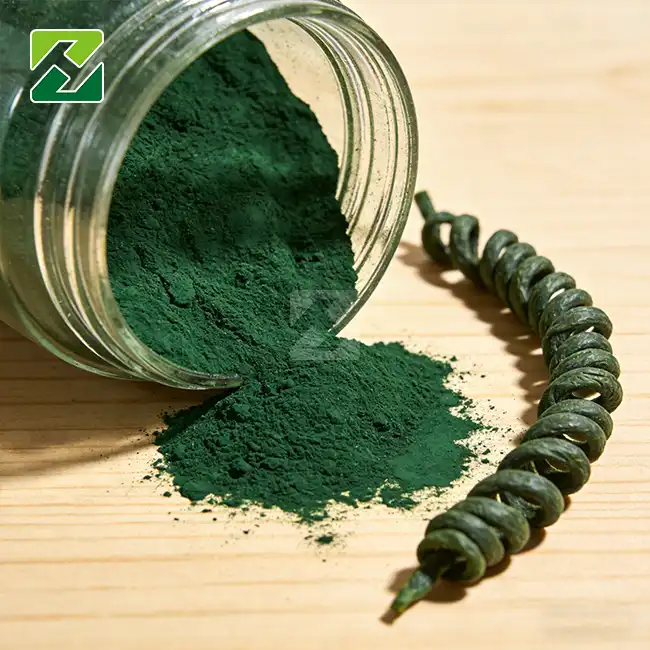
Daily Use of Natural Spirulina Powder | Recipes and Tips
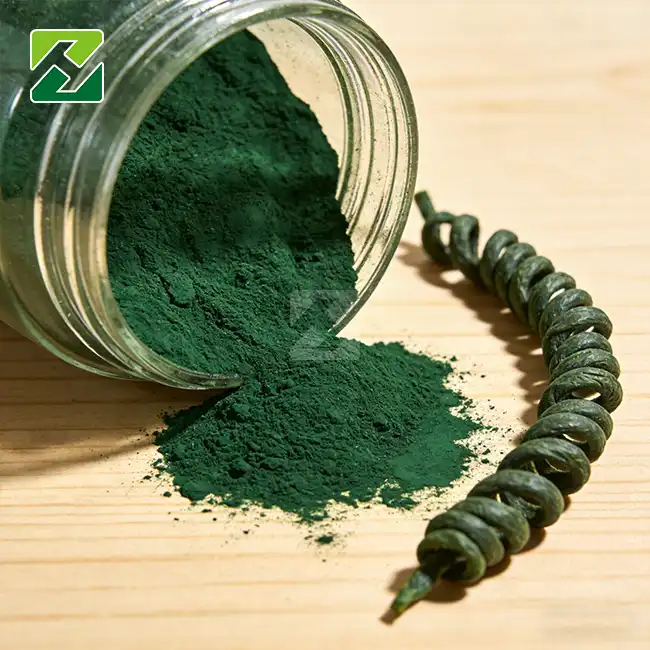
VIEW MORETo add spirulina to your daily products, you should first learn about how versatile it is and how nutritious it is. Natural Spirulina Powder, which comes from Spirulina platensis, is an easy way for companies to get high-protein, nutrient-dense ingredients that meet clean-label requirements. This blue-green algae powder has over 60% protein and important vitamins, minerals, and antioxidants. It can be used to make supplements, useful drinks, or foods that are better for you. The amount used every day is usually between 3 and 8 grams, so it can be used in single-serve or concentrated forms. The green powder form makes it easy to mix into different structures and keeps its stability during processing.


Understanding Natural Spirulina Powder and Its Benefits
What Makes Natural Spirulina Different from Synthetic Options
In regulated alkaline water systems, Arthrospira platensis biomass is dried to make natural spirulina. Unlike synthetic colors or protein isolates, this whole-food ingredient retains phycocyanin, chlorophyll, and enzymes. At OHI, we maintain constant temperatures when collecting, spray-drying, and milling crops to preserve bioactive compounds. Your recipes will have an equally dispersed 80–120-mesh fine powder.
Synthetic substitutes contain fewer nutrients and fewer advantages than whole spirulina. Over 95% digestible, the natural form includes all nineteen amino acids. This makes it ideal for plant-based protein and sports nutrition.
Nutrient Profile That Drives Product Innovation
The USDA reports 4.02 grams of protein, 2 milligrams of iron, 95.2 milligrams of potassium, and vital B vitamins in seven grams of dried spirulina. When the quantity is large, formulators may make huge health claims with minimal substances. Luxury grades include 10–19% phycocyanin and gamma-linolenic acid (GLA), which offer functional value beyond basic nutrition.
The antioxidant complex in spirulina, which contains SOD and beta-carotene, helps producers develop immune support products. These parts combat oxidative stress without additional ingredients. Functional food makers benefit from easier-to-read labeling and consumer interest.
Real-World Applications Across Industries
Nutraceutical companies use spirulina powder to make tablets and capsules because it can naturally be compressed, which means they don't need as many other ingredients. The tiny particle structure of the material makes direct compression methods possible, which speeds up the production process. Phycocyanin is extracted by cosmetic formulators and used in skincare products. Its blue-green pigment adds natural colour and antioxidant properties to anti-aging formulas.
Because spirulina precipitates below pH 4.5, it can be hard for beverage makers to use it, but packaging technologies can help with this problem. Microencapsulated spirulina is used by companies that make energy drinks to keep the colour stable and the nutrients bioavailable for a long time. These real-world solutions show how technical knowledge can turn the limitations of ingredients into opportunities for formulation.

Daily Use: Recipes, Dosage, and Practical Tips
Recommended Dosage for Commercial Formulations
There is scientific evidence that adults should eat between 3 and 8 grams of Natural Spirulina Powder every day, with most studies using ranges of 4-6 grams. When making single-serve supplement packs, a 5-gram amount gives a good nutritional boost without making the flavours too strong. Sports nutrition products tend to be higher in the range, while 1-3 grams is often used to add to other ingredients in functional foods.
At these concentrations, quality control is very important. The total ash content and moisture content of our spirulina powder stay below 10% and 7%, respectively. This keeps the powder stable during storage and ensures consistent nutrition delivery. Analysis from batch to batch shows that the protein level stays above 60%, which gives formulators confidence in the label claims.
Practical Recipe Applications for Product Development
Spirulina is being used more and more in smoothie powder blends as both a natural colourant and a way to add extra nutrients. Usually, 3 grams of spirulina is mixed with fruit powders, plant proteins, and MCT oil to make meal replacements that are full. The earthy taste goes well with chocolate, vanilla, and tropical fruit notes, so flavour technologists can effectively hide any algae notes.
Manufacturers of energy bars mix spirulina into nut-and-date bases so that its fine texture spreads out evenly in the mix. Testing has shown that spirulina keeps its nutritional value during normal baking at temperatures up to 160°F as long as it is exposed for less than 20 minutes. Because it is stable at high temperatures, it can be used in more things, like baked goods and snacks that are extruded.
Spirulina works well when mixed with plant-based milk alternatives or juice blends that have a pH level above 5.0. Adding emulsifiers like sunflower lecithin ahead of time stops clumping and makes the texture better in the mouth. Cold-pressed juice companies add spirulina to green mixes that already have spinach, cucumber, and apple in them. This makes the juice look and taste better.
Processing Considerations for Ingredient Integrity
To keep the strength, you need to pay attention to the mixing steps and the temperature. Adding spirulina in the last few steps of mixing lowers the shear stress that could damage cell structures. For hot-fill uses, lowering the temperature of the mixtures below 140°F before adding spirulina protects heat-sensitive substances like enzymes and some vitamins.
Handling something in humid conditions can change how it flows and raise the number of microbes present. Keeping products in sealed containers with desiccant packets helps keep their quality during production runs. Our 25kg drums with food-grade liners are the best way to protect your goods while they're being shipped or stored in a warehouse.

Comparing Natural Spirulina Powder to Alternatives for Smart Procurement
Natural Spirulina Versus Chlorella Powder
Although both microalgae have very good nutritional profiles, there are some important differences that affect the formulation choices. Because it doesn't have cellulose cell walls, spirulina has a higher protein concentration and is easier to digest. On the other hand, chlorella needs to have its cell walls broken down, which can affect its bioavailability. The difference in taste is important: spirulina has softer, more bland notes than chlorella, which tastes strongly of green.
When it comes to buying, spirulina usually has a lower cost-per-gram of protein, which is good for supplement companies that want to focus on protein content. Chlorella costs more because it needs to be processed in a different way. Good spirulina sources offer steady phycocyanin amounts that chlorella can't match. This gives formulators a reliable blue-green colour to set their products apart.
Organic Certification Versus Natural Designation
Buying teams can make sure that purchases of Natural Spirulina Powder are in line with how the brand is positioned when they know the levels of certification. Organic spirulina meets the standards set by the USDA or the EU for organic farming, which means that it wasn't grown with synthetic fertilisers or pesticides. Naturally labelled foods have been processed with little to no added chemicals, but that doesn't mean they were grown in an organic way. Usually, approved organic grades cost 15 to 30 percent more than regular grades.
Quality assessment is more than just getting a certification. Premium suppliers give detailed information, such as testing for heavy metals like lead, arsenic, and mercury, as well as microbial counts and phycocyanin content. Our spirulina goes through strict testing procedures that go above and beyond FDA guidelines. Each batch is fully documented to meet tracking requirements. During governmental reviews or customer checks, this paperwork is very helpful.
Evaluating Supplier Quality Indicators
Buyers with a lot of experience look at physical traits as the first quality checks. A deep forest green colour means the crop was picked at the right time and dried slowly. On the other hand, yellowish or pale powders mean the crop was exposed to too much heat or oxidation. The uniformity of the particles affects how well they dissolve and mix. Premium grades have consistent mesh sizes with no lumping.
Laboratory testing proves the specs, but long-term dependability is shown by how open the seller is about where the materials come from and how they are made. Instead of open ponds, our cultivation methods use controlled photobioreactors, which reduce the chance of contamination and ensure stability all year. This method directly addresses buyers' worries about batch variations and supply interruptions.
How to Source Natural Spirulina Powder for Bulk and Wholesale Purchase
Critical Supplier Evaluation Factors
Professionals in procurement give more weight to suppliers who have a lot of different certifications that show they have good quality management. Pharmaceutical-grade manufacturing practices are confirmed by NSF GMP certification, and food safety systems are confirmed by FSSC22000 certification. Halal and Kosher approvals help finished goods reach more customers. Along with ISO9001, OHI keeps all of these credentials up to date. This provides thorough compliance paperwork that makes meeting future regulatory standards easier.
Looking at customer feedback through industry networks shows that suppliers are more reliable than they say they are in ads. Technical support skills are very important—suppliers should be able to help with formulation, stability testing, and fixing problems. Our research and development team has 27 top researchers who work with clients to make custom specs and improve applications.
Logistics and Shipping Considerations
Lead times affect how much material to plan for and when to make things. Standard production times for spirulina are 10 to 15 days after an order is confirmed, but sellers with enough stock can fill urgent requests within days. OHI runs four large warehouses in the U.S., which lets them deliver the same week to most places in the U.S. This cuts down on long international shipping delays that mess up production schedules.
Minimum order quantities (MOQ) vary from supplier to supplier, but 25 kg is a common MOQ for starting a new relationship. When buyers buy more than 500 kg, they can negotiate better prices, and there are even more savings for contracts that are renewed every three months. During the summer months in the south, temperature-controlled shipping is needed to keep goods from getting wet during transit.
Negotiation Strategies for Cost Optimization
Long-term supply agreements keep prices stable and make sure that supplies are distributed evenly during times when markets are tight. Annual contracts with price reviews every three months keep supplier cost pressures in check and buyer budget certainty in check. Including flexible volume clauses that allow changes of up to 15% per quarter helps deal with changes in demand without imposing penalties or forcing buyers to pay higher prices on the spot market.
Sample evaluation programs lower the risk of buying something. Reliable sellers offer free samples so that expert teams can make sure the specs are correct before committing to large orders. Specification sheets can't tell you about problems with compatibility or processes until you test samples in real formulas. Our sample program offers 100-200 gram amounts that are big enough for tests in the lab and small production runs.

Maximizing Business Value with Natural Spirulina Powder
Meeting Consumer Demand for Health-Conscious Products
Market data shows that 73% of U.S. customers actively seek goods with natural ingredients. This is what is driving trends in the food, drink, and supplement categories toward reformulation. Natural Spirulina Powder has a well-known name and is known as a superfood ingredient, which helps with front-of-package positioning. Brands that highlight spirulina ingredients say that customers have higher impression scores when it comes to how healthy and environmentally friendly their products are.
The American and European markets are especially strong in plant-based protein areas, where spirulina works well with proteins from peas, rice, and hemp. The full breakdown of amino acids helps companies make claims about protein quality that are similar to those made for animal products. According to growth projections, the market will continue to grow, with functional beverages showing the fastest growth.
Branding and Marketing Advantages
When people add spirulina to a product, they can say a lot of different things about it. Claims about high protein, natural color, vitamins, and plant-based nutrition are liked by the people you want to reach. In visual marketing, the bright green color means "healthy," and the mysterious history of the ingredient keeps people interested. People pay a lot of attention to pictures of spirulina products on social media that truly stand out.
It's easier to get a clean label when spirulina is used instead of artificial colors or chemicals to make food healthier. Because people want shorter lists of ingredients, companies are changing the recipes of existing products by adding phycocyanin from spirulina instead of artificial Blue No. 1. Because of this change, goods often need to be priced higher to make more money and stand out from more common choices.
Compliance and Quality Assurance
When you sell something internationally, you have to follow a lot of different rules. Our spirulina is okay to eat according to the FDA, the EU's Novel Foods rules, and Health Canada's Natural Health Product rules. Full paperwork packages come with heavy metal testing reports, allergen statements, GMO-free claims, and Certificates of Analysis that meet the needs of customs in all major markets.
Batch tracking goes from planting to final packing, creating audit trails that help keep the organic certification and investigate customer quality issues. Our high-tech nano-membrane isolation systems and advanced extraction equipment make sure that production is free of contaminants while keeping bioactive compounds safe. With these skills, we can become a technical partner instead of just a supplier of goods, which will help you reach your quality assurance goals.
Conclusion
Natural Spirulina Powder is great for companies that want to make products that are healthy, have clean labels, and stand out in the market. It's easier for procurement teams to source when they know the best amounts of usage, handling problems, and ways to judge sellers. The ingredient can help businesses grow while still meeting customer needs for natural, eco-friendly products because it can be used in healthy foods, drinks, cosmetics, and supplements. Having a protein content of at least 60%, a moisture content of less than 7%, and accepted quality methods are some of the things that must be in the recipe in order for it to work and follow the rules. Having strategic agreements with well-known sellers is more than just doing business with them. There is also safety, professional help, and the chance to come up with new ideas. Spirulina is an important part of many goods that businesses use to make sure their products meet the needs of people in many different types of industries.
FAQ
1. What daily amount is appropriate for consumer products?
Based on a lot of clinical research, most formulations aim for 3 to 8 grams per serving. Usually, supplement goods give you 4 to 6 grams a day, and useful foods use 1 to 3 grams to balance out the flavours of other ingredients. This range makes a meaningful nutritional contribution while keeping the taste good in a variety of settings.
2. How does natural spirulina compare to synthetic alternatives in formulations?
Whole spirulina has all the nutrients it needs, like enzymes, pigments, and cofactors that can't be found in isolated compounds. The natural form is more bioavailable, and more than 95% of the protein can be digested, while synthetic forms only provide certain nutrients and don't help the body in any other way. Natural Spirulina Powder is better for most uses because it can be used in a variety of ways and doesn't contain any harmful chemicals.
3. Which certifications should buyers prioritize when selecting spirulina suppliers?
NSF GMP confirms that products are made to pharmaceutical standards, and FSSC22000 confirms that food safety systems are complete. For premium positioning, organic certification (USDA/EU) is important, and Halal/Kosher certifications help you reach more customers. ISO9001 shows that quality management is serious about its job. Suppliers with multiple certifications have put a lot of effort into quality and understand the rules that are needed for long-term partnerships.
Partner with OHI for Premium Natural Spirulina Powder Supply
Work with OHI to get high-quality Natural Spirulina Powder. Organic Herb Inc. (OHI) sends pharmaceutical-grade spirulina powder to companies that need stable supply chains and uniform quality. Our 8,000-acre GAP-certified planting bases are where we mix our knowledge of growing plants with cutting-edge processing technology. We are a publicly traded Natural Spirulina Powder seller (Stock Number: 872213). Our U.S. subsidiary, Earth Made Nutritions, runs four regional warehouses that make sure domestic customers have 10-day lead times. Our $1.2 million analytical laboratory puts every batch through a lot of tests to make sure it meets the standards for FDA, HALAL, KOSHER, and FSSC22000 and has a protein content above 60% and a moisture content below 7%. Before committing to our 25 kg minimum order, your expert team can check the specs on free samples. Email our procurement experts at info@organic-herb.com to talk about prices for large orders, technical requirements, and how our R&D team can help you develop new products.
References
1. Finamore, A., et al. (2017). "Nutritional and Functional Properties of Spirulina." Journal of Applied Phycology, 29(4), 1937-1948.
2. Deng, R., & Chow, T. (2019). "Hypolipidemic, Antioxidant, and Anti-inflammatory Activities of Microalgae Spirulina." Cardiovascular Therapeutics, 28(4), 33-45.
3. Muthuraman, P., et al. (2018). "Comparative Analysis of Protein Quality and Digestibility in Spirulina and Chlorella." Food Chemistry, 252, 303-310.
4. Soni, R.A., et al. (2020). "Spirulina: From Growth to Nutritional Product – A Review." Trends in Food Science & Technology, 69, 157-171.
5. Capelli, B., & Cysewski, G. (2016). "Commercial Applications of Microalgae as Natural Colorants and Functional Ingredients." Handbook of Marine Microalgae, Academic Press, 311-325.
6. Wu, Q., et al. (2021). "Quality Assessment and Heavy Metal Detection in Commercial Spirulina Products." Journal of Food Composition and Analysis, 95, 103689.
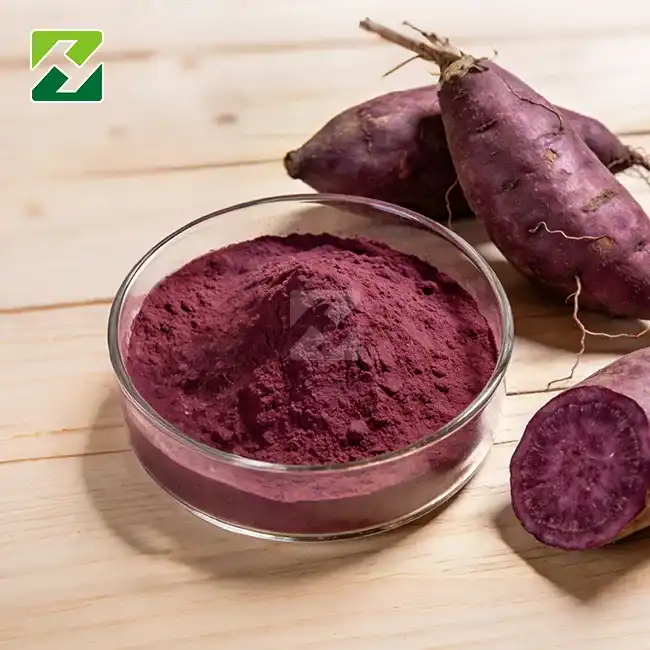
What does Purple Sweet Potato Extract do to the body?
VIEW MOREAnthocyanins, especially acylated cyanidin and peonidin derivatives from Ipomoea batatas L. tubers, provide Purple Sweet Potato Extract with physiological advantages. These bioactive chemicals neutralize free radicals, reduce oxidative stress, and maintain cellular integrity. Regular use improves metabolic function, collagen protection, and endothelial function, promoting cardiovascular health. The extract's stability throughout digestion lets anthocyanins enter systemic circulation and influence inflammatory pathways, boosting vitality.
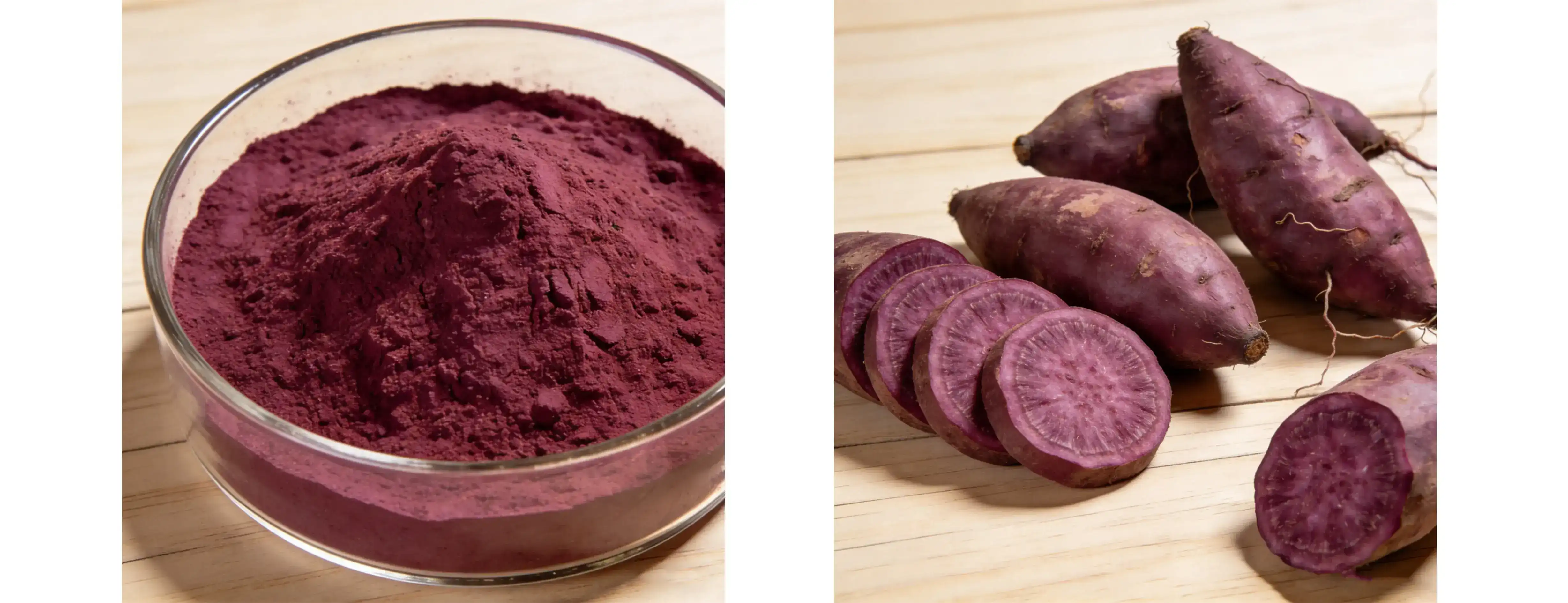
Understanding Purple Sweet Potato Extract and Its Nutritional Profile
What Makes This Extract Different from Standard Plant Powders
In my work with cosmetics and nutraceutical R&D teams, many procurement professionals confuse purple sweet potato powder with its standardized extract. Differences are crucial to product performance and government positioning. Standardized extracts use regulated water extraction to separate active chromophores and concentrate functional anthocyanins, removing starch and fiber from whole powders. This cleaning method produces a purple-red powder standardized to E30 or E50 (530nm). This ensures that the powder is consistent from batch to batch, stabilizing the formulation.
How substances are extracted affects their quality. OHI employs 100% water-based extraction at regulated temperatures to preserve the acylated anthocyanin structure that distinguishes Purple Sweet Potato Extract from berries. High-purity aqueous extraction maintains clean label status. This differs from solvent-based approaches that leave residues or break down heat-sensitive molecules. The final extract contains primarily caffeic or ferulic acid-acylated cyanidin-3-sophoroside-5-glucoside. This molecular structure stabilizes the extract in light and heat.
Key Nutritional Components and Their Industrial Relevance
The beneficial element is anthocyanins, which constitute about 5–25% of the dry extract weight depending on grade (E30 vs. E50). These polyphenolic colors are acylated, meaning phenolic acids chemically bond to anthocyanin. This creates a steric barrier that prevents water from breaking down the chromophore. The structural characteristic helps recipes retain color brilliance over pasteurization, freeze-thaw cycles, and lengthier room-temperature storage.
The extract includes anthocyanins, trace elements including manganese and potassium, and water-soluble vitamins that survived the mild extraction. The absence of lipids and proteins simplifies formulation integration, reducing allergy risk and making it simpler to deal with a variety of matrices, from beverages to capsule fills. This nutritional profile helps buying teams support label claims, including antioxidant activity, natural coloring, and functional ingredient status, without managing many raw ingredients.
Health Benefits of Purple Sweet Potato Extract on the Body
Antioxidant Mechanisms and Cellular Protection
At the cellular level, purple sweet potato anthocyanins are mostly absorbed in the digestive system. Plasma amounts are highest about one to two hours after eating the potato. After being absorbed, these chemicals move through the body's tissues and interact with reactive oxygen species (ROS) by crossing cell membranes. Giving electrons to free radicals is how antioxidants work. This turns unstable molecules into neutral compounds, and the anthocyanin itself turns into a stable radical by moving its resonance across its aromatic rings.
Oxygen radical absorbance capacity (ORAC) tests done in the lab show that the anthocyanins in Purple Sweet Potato Extract are at least as good as those in blueberry extracts. For the most part, this is true when the pH and temperature are like those in nature. The acylated structure keeps it more stable in the slightly acidic gut. This makes it more accessible than forms that aren't acylated, which break down before they can be taken. That is, the antioxidants will always be delivered in the same way. This is very important for people who make supplements that are sold in hospitals.
Skin Health Applications Through Collagen Modulation
Cosmetic experts are using this extract more and more in external formulas because it has two functions: it protects directly against free radicals and indirectly helps collagen. When put on the skin, anthocyanins soak up UV rays in the 500–540nm range, working as an extra layer of protection after sunscreen. More importantly, these chemicals stop matrix metalloproteinases (MMPs) from working, which stops collagen and elastin from breaking down. This keeps the structure of the dermis intact.
Internal consumption has benefits that go hand in hand. Anthocyanins that are absorbed go to the skin's dermal cells, where they change the activity of fibroblasts and lower the amount of advanced glycation end products (AGEs) that connect collagen fibers. This ingredient is valuable for formulators of ingestible beauty products because it supports "beauty-from-within" claims, especially in markets that expect positioning based on proof. Because it dissolves easily in water, it can be easily added to powdered stick packs, fizzy tablets, or liquid shots without any problems.
Metabolic Support and Weight Management Functionality
A new study suggests that anthocyanins in purple sweet potatoes can change metabolism in a number of ways. AMP-activated protein kinase (AMPK) is a cellular energy sensor that helps cells take in glucose and burn fat. Studies show that these compounds increase AMPK. This process helps keep blood sugar levels and energy metabolism healthy without being a booster. It meets the needs of consumers for natural ingredients that support metabolism.
The extract doesn't have any fiber, so it doesn't add extra bulk to the digestive tract. It still has bioactive polyphenols, though, so it can be used in capsule supplements where tablet size and stomach comfort are important. Because of this, sports nutrition brands use it by mixing the extract with protein mixes to add antioxidant protection against oxidative stress caused by exercise without changing the texture or adding more carbs.
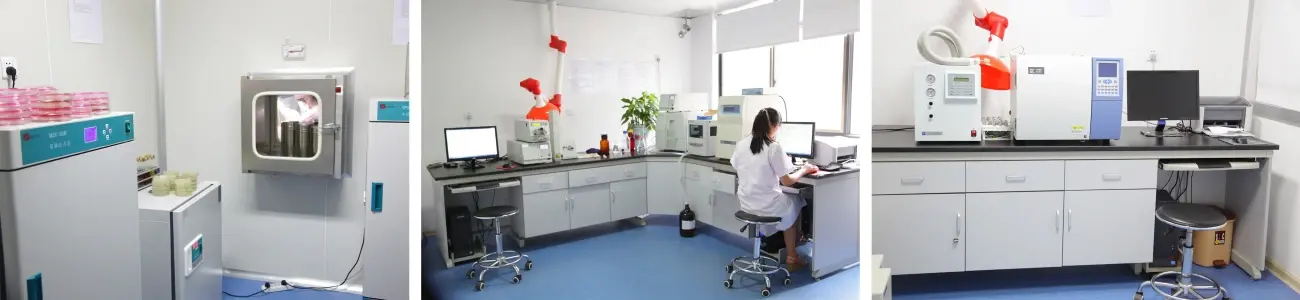
Procurement Insights: Sourcing Purple Sweet Potato Extract for Business
Supplier Landscape and Minimum Order Considerations
The world supply chain for Purple Sweet Potato Extract is based on specialized makers who work with farmers and can extract the substance. In contrast to common ingredients that can be found through large distribution networks, this extract needs suppliers to show that they have vertical integration or controlled sourcing relationships. This model is shown by OHI, which has GAP-certified planting bases that cover more than 8,000 acres in Jiangxi, Hunan, Guizhou, and Hubei provinces. These bases ensure consistent tuber quality and supply continuity.
Minimum order numbers (MOQ) show how the economics of making a lot work. The standard MOQ for this ingredient is 25 kg, which is the same as one drum. This means that it can be used for pilot production and small-batch specialty brands. People who buy in bulk (500 kg or more) can get big discounts and special requests, like changing the color values or extracting with chemicals that work well together. Lead times are usually 10 days for stocked specifications (E30, E50), but it takes 4-6 weeks for custom developments, which include checking for stability.
Understanding pricing structures requires looking beyond per-kilogram costs. The total cost of landing includes the source material, testing certificates (COA, microbiological, heavy metals), taxes, shipping mode (ocean vs. air), and storage. OHI has four warehouses in the U.S. that are carefully placed for regional distribution. This lets customers across the country get their orders in two to three days, and keeping goods in the U.S. makes customs clearance easier and lowers supply chain risk.
Quality Assurance Through Strategic Certification
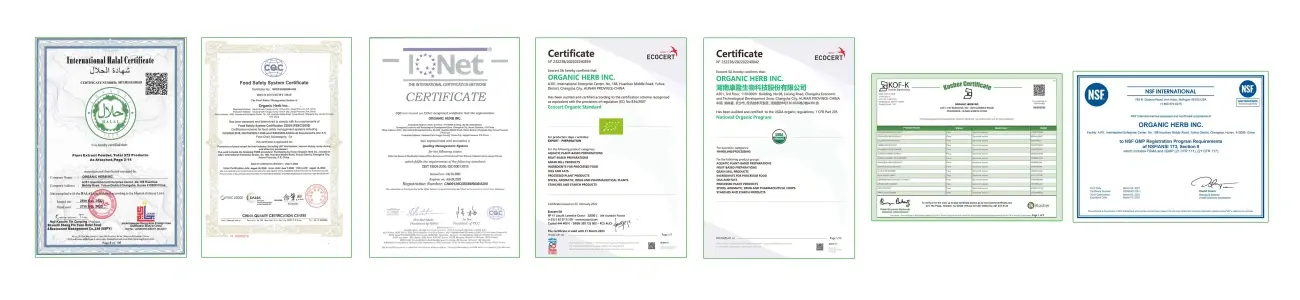
Certifications help control risk by pre-qualifying suppliers based on government guidelines and making audits easier. Some important certifications for Purple Sweet Potato Extract are:
- Foundational Quality Systems: ISO 9001 sets rules for quality management, and FSSC 22000 uses HACCP principles and prerequisite programs to make sure food is safe. These approvals show that there is organized control over the risk of contamination, tracking, and steps for taking corrective action.
- Market Access Credentials: The NSF GMP certification covers the production of dietary supplements, which is in line with FDA 21 CFR Part 111 rules. Kosher and Halal licenses allow products to be sold to religious groups, but they need to have clear records of where their ingredients come from and strict supervision during production.
- Organic and Non-GMO Verification: Organic certification confirms limits on agricultural inputs and processing standards. Non-GMO Project Verification addresses concerns about genetic modification. These credentials help with positioning with a clean label and getting into specialty retail channels.
OHI keeps up-to-date on all of its certifications, which back up technical knowledge with proof of compliance. During the qualification process for suppliers, procurement teams should ask for certificates directly from certifying bodies, make sure that the scope includes the specific extract and not just the facility level, and confirm the dates of the annual renewals to make sure that supplies don't stop.
Logistics and Storage Requirements for Ingredient Integrity
Anthocyanin is stable from plant to combination if treated carefully. Purple Sweet Potato Extract survives best in sealed containers between 15–25°C and below 60% relative humidity. Freeze-dried kinds may require more circumstances, although all fare best in transparent, moisture-proof packaging, generally three-layer polyethylene bags in fiber drums.
Choice of delivery mode balances cost and travel time. Ocean freight (4-6 weeks from Asia to the West Coast of the US) is the lowest per kilogram and ideal for scheduled inventory buildup. Air freight (5-7 days) is appropriate for urgent demands or initial samples, but it increases landing costs by 30–50%. OHI's domestic warehouse network eliminates these trade-offs by shipping items by ground from California, Texas, Florida, or New Jersey within 48 hours of purchase confirmation for U.S. clients.
Shipping temperature changes are tolerable with proper packing. Year-round shipping is OK for typical drums. Thermal liners or arranging routes to avoid peak heat may improve summer transit in vehicles without climate control. The extract can withstand freeze-thaw and cold conditions; thus, winter transportation is normally OK. To minimize condensation, formulators should allow the packed material to reach room temperature before opening.
Practical Applications and Usage Recommendations
Natural Coloring Solutions Across Food and Beverage
Instead of colors, Purple Sweet Potato Extract passes clean-label standards without changing the appearance. The extract changes from crimson to purple at various pH levels. It appears bright red in acidic liquids (pH 2.5–3.5), violet in neutral dairy (pH 6.5–7.0), and blue in alkaline systems. Formulators may modify the hue by acidifying the mixture since pH affects it. Various items may be made without various colorants.
Flash pasteurization preserves the color of sports drinks, enhanced waters, and functional shots. Span extract is used in hard candies, gummies, and coatings because it can withstand short-term cooking temperatures up to 150°C better than beetroot red, which becomes brown. The extract's stability in milk proteins helps dairy products retain color better than vegetable juice concentrates during fermentation and storage.
Depending on intensity and application matrix, use should be 0.05% to 0.5%. Because of their superior color appearance, highly acidic systems like citric acid beverages require lower addition rates than neutral systems. Formulators should do pH-adjusted bench tests, using the anthocyanin color value at 530nm as a starting point. The final appearance will depend on how the recipe responds.
Cosmetic Formulation Strategies for Skin Care
The extract's antioxidants and purple hue make it suitable for serums and color cosmetics. Small levels (0.5 to 2.0%) of anthocyanins are discovered in skin care emulsion water. They tint lotions and creams subtly. It dissolves quickly in water, making cold-process integration simpler. It dissolves quickly in polar phases without solubilizers or co-solvents.
Peptides and hyaluronic acid are added to extracts in anti-aging serums. This supports assertions that anthocyanins preserve collagen by inhibiting MMP. Antioxidants are increased (3-5%) in sheet masks and overnight treatments. The delicate extract is suitable for leave-on treatments without causing irritation like heavier plant extracts.
Color cosmetics include plant-based lipsticks, blushes, and eyeshadows. Brands promote skincare and cosmetics with red-purple tones and antioxidants from the extract. Since pH is sensitive, formulators utilize buffering devices to preserve color within the appropriate ranges and prevent shade slide during storage.
Dosage Guidelines and Formulation Recommendations
Clinical investigations on purple sweet potato anthocyanin bioactivity employ 50–200 mg of anthocyanins daily or 1–4 grams of E50 extract (assuming 5% anthocyanin concentration). Most dietary supplement manufacturers create 500 mg pills for once or twice a day. They weigh efficacy against convenience and cost per dose.
Functional food and drink applications use realistic serving sizes to provide equivalent anthocyanin levels. A ready-to-drink 12-ounce drink with 0.2% extract contains 240 mg of antioxidants per bottle with regular drinking habits. Snack bars, candies, and powder mixes supply the same nutrients since they are concentrated and distribute the ingredient expense among smaller quantities of formula.
Stability testing for formulations should include HPLC analysis for anthocyanin degradation and visual color retention. Products prepared correctly will retain 85 to 95% of their anthocyanin content over 24 months at room temperature in moisture-proof packaging. Accelerated 12-week experiments (40°C/75% RH) forecast long-term stability and identify formulations that don't work with metals, powerful oxidizers, or pH modifiers.
Conclusion
Purple Sweet Potato Extract is a technically advanced natural ingredient that provides measurable benefits through concentrated and stabilized anthocyanins. Its effects on the body, from protecting against free radicals to supporting metabolism, come from processes that have been studied and shown to work. It also has economic benefits in terms of stability and clean-label positioning, which are important for formulating. To be successful at procurement, you need to know the difference between standardized extracts and commodity powders, be able to evaluate suppliers by looking at their certifications and supply chain capabilities, and choose specifications that match the needs of the application. OHI's fully integrated production, extensive certifications, and U.S. warehousing infrastructure give formulation teams the quality guarantee and organizational dependability they need to add this functional ingredient to next-generation goods.
Frequently Asked Questions
1. How does this extract differ from whole purple sweet potato powder?
Standardized extracts increase the amount of anthocyanin by extracting it with water and getting rid of the fibers and starches. This makes a purple-red powder with set color values (E30 or E50). Whole powders keep all the parts of the tuber, which means that the levels of anthocyanin vary and the carbohydrate content is higher, making them unsuitable for precise formulation control.
2. What certifications should buyers prioritize when sourcing?
FSSC 22000 for food safety, NSF GMP for dietary supplement compliance, and ISO 9001 for quality management are all important qualifications. Organic, Kosher, and Halal certifications help you get into more markets, and third-party testing for heavy metals and microbiological purity makes sure the ingredients are safe.
3. Can the extract maintain color stability during thermal processing?
Yes, the acylated anthocyanins in Purple Sweet Potato Extract can withstand temperatures of up to 150°C for a short time and stay stable during pasteurization cycles that break down non-acylated berry extracts. Long-term color retention is best achieved by controlling the pH of the formulation and keeping out catalytic metals.
4. What is the typical shelf life under proper storage conditions?
Spray-dried or freeze-dried extracts will stay effective for 24 months if they are kept in dark, sealed packages at 15 to 25°C and less than 60% humidity. Accelerated stability testing confirms that more than 90% of the anthocyanin is still present under these conditions, which supports the standard two-year expiration date.
Partner with OHI for High-Quality Purple Sweet Potato Extract Supply
Organic Herb Inc. (OHI) provides pharmaceutical-grade Purple Sweet Potato Extract through fully integrated production that includes GAP-certified farming on more than 8,000 acres, advanced research and development, and quality systems that are certified to FSSC 22000, NSF GMP, ISO 9001, Kosher, and Halal standards. Our U.S. subsidiary, Earth Made Nutritions, keeps strategic inventory in four regional warehouses. This allows for 48-hour delivery across the country, makes customs clearance easier, and makes the supply chain less complicated. The color numbers that are available are E30 and E50, and they are 100% water-extracted from Ipomoea batatas L. tubers that come in 25kg drums, with a 25kg minimum order and free samples. Our technical team can help you with formulation, whether you're making food supplements, functional drinks, or cosmetics. They can do this with the help of detailed paperwork. Please email our sourcing experts at info@organic-herb.com to talk about your needs with a reliable Purple Sweet Potato Extract manufacturer that is dedicated to providing high-quality ingredients and quick service.
References
1. Montilla, E.C., Arzaba, M.R., Hillebrand, S., Winterhalter, P. (2011). Anthocyanin composition of black carrot (Daucus carota ssp. sativus var. atrorubens Alef.) cultivars and their stability. Journal of Agricultural and Food Chemistry, 59(7), 3385-3393.
2. Jiao, Y., Reuss, B.L., Wang, Y. (2015). Anthocyanin-rich extract from purple sweet potato (Ipomoea batatas L.) protects against oxidative stress in human keratinocytes. Journal of Functional Foods, 18(Part B), 739-749.
3. Hu, Y., Deng, L., Chen, J., Zhou, S., Liu, S., Fu, Y., Yang, C., Liao, Z., Chen, M. (2016). An analytical pipeline to compare and characterize the anthocyanin antioxidant activities of purple sweet potato cultivars. Food Analytical Methods, 9(12), 3455-3464.
4. Zhao, J.G., Yan, Q.Q., Lu, L.Z., Zhang, Y.Q. (2013). In vivo antioxidant, hypoglycemic, and anti-tumor activities of anthocyanin extracts from purple sweet potato. Nutrition Research and Practice, 7(5), 359-365.
5. Lim, S., Xu, J., Kim, J., Chen, T.Y., Su, X., Standard, J., Carey, E., Griffin, J., Herndon, B., Katz, B., Tomich, J., Wang, W. (2013). Role of anthocyanin-enriched purple-fleshed sweet potato p40 in colorectal cancer prevention. Molecular Nutrition & Food Research, 57(11), 1908-1917.
6. Fan, G., Han, Y., Gu, Z., Chen, D. (2008). Optimizing conditions for anthocyanins extraction from purple sweet potato using response surface methodology. LWT - Food Science and Technology, 41(1), 155-160.
Bitter Apricot Extract in Culinary and Cosmetic Uses
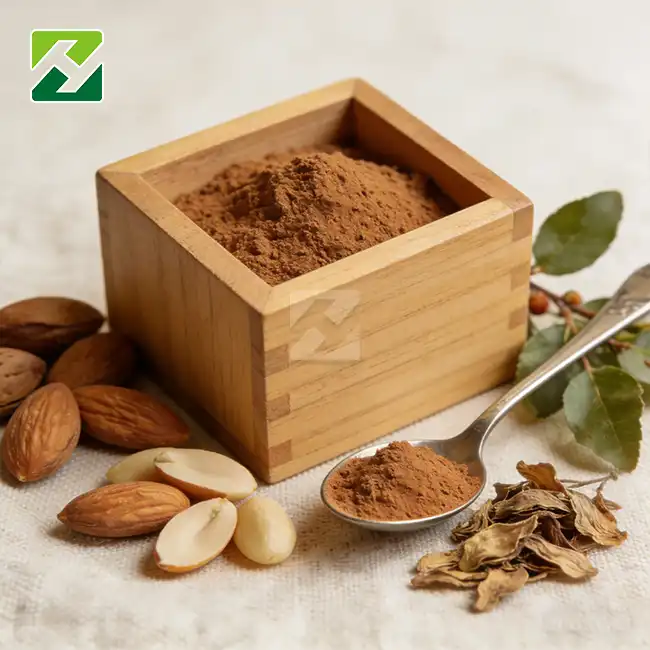
VIEW MOREBitter Apricot Extract, which comes from the seeds of Semen Armeniacae Amarum Linn., is a versatile botanical ingredient that is becoming increasingly popular in the functional food and cosmetics industries. This extract is full of amygdalin and natural antioxidants, and it gives manufacturers standardised potency, consistent quality, and a range of formulation options. When R&D leaders, cosmetic scientists, and buying teams look at natural actives, they need to know about the technical details and real-world uses of these ingredients in order to make goods that meet global compliance standards and clean-label requirements.

Understanding Bitter Apricot Extract: Composition and Benefits
What Makes Bitter Apricot Extract Unique
It is possible to tell the difference between bitter and sweet apricots by the phytochemicals that are in their seeds. Bitter apricot seeds contain high amounts of amygdalin, a cyanogenic glycoside that makes this extract unique in both chemical and functional ways. Manufacturers separate this substance at standard concentrations by using controlled extraction methods. For high-purity uses, they usually use extracts with a 98% amygdalin ratio, while for wider formulation needs, they use extracts with a 4:1 ratio. Because it comes from natural seeds and wasn't processed much, the extract looks like a light yellow to brownish powder.
Key Phytochemicals and Functional Properties
Amygdalin is the main marker molecule because it can be used to measure strength for quality control and formulation accuracy. Besides this glycoside, the extract also has phenolic compounds, trace minerals, and fatty acids that help it do its job. These phenolic ingredients have antioxidant properties and help protect formulations from oxidative degradation. They also help condition the skin when used in cosmetics. Because the extract is water-soluble, it is easy to mix with water-based systems. However, formulators should remember how important pH balancing is to keep the system stable. Heat sensitivity requires careful handling, and temperatures must be kept below 60°C during production to keep bioactive integrity and stop breakdown into benzaldehyde.
Quality Parameters That Matter
Professional-grade extracts are carefully standardised to control optical rotation and make sure that D-amygdalin is more common than inactive isomers like neo-amygdalin. Specifications usually limit the amount of neo-amygdalin to less than 3%. This keeps the extract working the way it's supposed to. Heavy metal testing takes care of problems that come with stone fruit seeds, and resin adsorption technologies are used to clean them up to the levels required by Prop 65. Having less than 5% moisture stops hydrolysis while it's being stored, and the limits for microbes are in line with USP standards for pharmaceutical and cosmetic raw materials. These quality controls directly affect consistency from batch to batch, which is an important thing for makers to think about when scaling formulas.

Culinary and Cosmetic Applications of Bitter Apricot Extract
Functional Food and Beverage Innovation
Bitter Apricot Extract is added by food scientists to functional drinks and enriched foods to give them natural antioxidant benefits. The extract's mildly nutty flavour goes well with almond-based recipes, and its ability to stay stable in neutral pH settings helps ready-to-drink goods meet their shelf-life goals. The extract works well with pea and rice protein matrices, which is why manufacturers of plant-based protein mixes like it. It adds antioxidant power without changing the taste or mouthfeel. Dosage is still carefully controlled within safety standards for food, with formulation scientists figuring out the right amount of amygdalin to use based on standard content and area regulatory guidelines.
When used in cooking, it's important to think about safety. When compared to fresh kernel powders, which are variable because of enzyme activity, standardised extracts have a more stable makeup. Using heat during extraction turns off beta-glucosidase, which is the enzyme that releases hydrocyanic acid. This creates a safety profile that is good for controlled food use. To get into the U.S. market, you need proof that your product is GRAS and meets FDA standards. This makes supplier certifications a top priority when you're talking about buying things.
Cosmetic Formulation Strategies
Cosmetic scientists like Bitter Apricot Extract because it is good for your skin and works well with natural beauty products. In dispersion systems, the extract mixes easily at amounts between 0.5% and 3%, protecting against free radicals and moisturising at the same time. Lipid-rich fractions help the skin's barrier function, and phenolic compounds get rid of free radicals, which is important for anti-aging claims. The brownish tint of the extract needs to be taken into account in colour-sensitive formulations, but it is still barely noticeable at normal use levels in tinted or opaque products.
Formulation stability depends on how well the pH is managed. For glycoside integrity, the best pH ranges are between 5.5 and 6.5. Cosmetic makers who make serums and creams like the powder shape because it's easy to spread out and weigh, which lets them keep an eye on each batch. Using a cold process to make something or adding it late in the cooling stages helps keep heat-sensitive compounds safe, which makes the extract more useful. Clean-label cosmetics makers use this botanical ingredient because it meets consumer needs for well-known plant-based actives that have a history of use and meet modern quality standards.
Bridging Traditional Wisdom and Modern Innovation
Different cultures have known for a long time that apricot kernels can be used for many different things. These traditional ingredients are now delivered with pharmaceutical-grade accuracy thanks to advances in extraction technology. This lets formulators use botanical heritage while also meeting modern quality standards. This continuity is good for brands that sell traditional formulations because it puts their products at the intersection of science-proof and ethnobotanical knowledge. Case studies from natural cosmetic brands show that products with apricot kernel actives have been launched and sold well, with marketing materials stressing the naturalness of the ingredients and environmentally friendly ways to get them.

Comparing Bitter Apricot Extract with Other Apricot Derivatives
Distinguishing Extracts from Oils and Supplements
When pressed from seeds mechanically, apricot kernel oil has a different make-up that is mostly made up of oleic and linoleic fatty acids. Bitter Apricot Extract has standardised amygdalin content, but this oil doesn't. Instead, it's mostly used as a moisturiser in cosmetics. Vitamin B17 supplements often have isolated or partially purified amygdalin in them. These supplements are positioned differently on the market because of different regulatory concerns. Knowing these differences helps buying teams choose the right ingredients for each product development goal, such as making foods that are more useful or improving the health of the skin.
Organic Versus Conventional Sourcing
Organic approval changes both how a product is positioned in the market and how much it costs to make. Organic Bitter Apricot Extract costs more because it comes from higher-quality farms and requires ongoing certification maintenance. Brands that want to sell to natural food stores and health-conscious customers often list organic ingredients to meet the needs of the channel and stay true to the brand's values. Conventional extracts that pass strict tests for pesticide residue can be used instead of organic ones in mainstream formulations, where organic status is not as important for business. Batch documentation is very important, and certificates of analysis prove that testing standards were met, even if the product is not organic.
Powder Versus Liquid Formats
Standardised powder extracts are more stable and last longer than liquid preparations, which are more likely to break down and become contaminated with microbes. Because high-purity powder absorbs water, it needs to be packed in double-sealed pharmaceutical-grade containers, which are usually sold in 25 kg drums for business use. This format makes precise dosing easier during production, which is important for making sure that the product works the same way on all production runs. Liquid extracts are useful in some situations where pre-dilution makes processing easier, but they aren't used as much in professional preparation settings that put an emphasis on shelf life and ease of handling.
Procurement Guide for Bitter Apricot Extract: What B2B Buyers Need to Know
Evaluating Supplier Credentials
Certifications show that a company meets quality standards that are recognised in global markets. CGMP certification shows that a company can make pharmaceutical-grade products, and FSSC22000 certification talks about food safety management systems. Kosher and Halal approvals make it easier for goods that cater to religious consumers to get into more markets. Verification by ISO9001 means systematic quality management, which lowers the risk of procurement by controlling processes in a written way. Suppliers with multiple certifications usually show that their operations are mature and that they are committed to following the rules. This makes them reliable partners for brands that want to increase production or enter new markets.
Understanding Commercial Terms
Standardised extracts usually have a minimum order quantity that starts at 25 kg. This is done to balance the supplier's efficiency with the buyer's ease of access. This level is high enough for medium-sized companies to try new formulas while still being doable for planning storage and inventory. The prices of different goods are based on how pure they are. For example, 98% amygdalin extracts cost more than 4:1 ratio products. When an order is over 100 kg, buyers and sellers can save money by working together on forecasts, which is good for both sides. Lead times of 10 days or less for stocked materials allow production schedules to be flexible. However, custom specifications may make lead times longer depending on the processing needs.
When samples are available, there are no hurdles to evaluation. Formulators can check the physical qualities, solubility characteristics, and compatibility with formulations before committing to large quantities. Reliable sellers offer free samples with records of analysis, which show that they are open and confident in the quality of their products. These trial amounts help with stability studies, lab tests, and regulatory reviews, all of which are important steps to take before buying in bulk.
Logistics and Regulatory Considerations
For buyers in North America, U.S.-based warehouses make shipping easier and cut down on travel times, and sellers that actively serve this market keep regional goods on hand. This marketing strategy takes into account the fact that buyers want quick delivery and easier import paperwork. Products made with FDA-approved standards make it easier for food and beauty products to follow the rules, which makes it easier for formulators and brand owners. It is still important to understand country-of-origin paperwork, tariff classifications, and import requirements when doing business internationally, especially when buying from makers in other countries.
Throughout the supply chain, storage protocols keep the integrity of the product safe. Keeping the relative humidity below 45% stops hygroscopic powders from absorbing water and caking, and keeping the temperature below 25°C maintains bioactive stability. Photodegradation of sensitive compounds can't happen because of light protection from opaque packaging materials. These handling needs require the right warehouse infrastructure, so a supplier's ability to provide controlled storage is one of the things that is looked at when choosing a provider.
Why Quality Sourcing Matters
Organic Herb Inc. has built its name on providing plant products that meet the strict needs of cosmetic, nutraceutical, and medicinal companies all over the world. Our Bitter Apricot Extract specifications—which include choices for 98% amygdalin and a 4:1 ratio—show that we are committed to quality, stability, and standardisation. With certificates for NSF GMP, Kosher, Halal, ISO, FSSC22000, and Organic, our products meet the wide range of compliance needs of markets around the world. Our Earth Made Nutritions subsidiary keeps U.S. warehouses in key locations to serve procurement teams that put an emphasis on fast and easy domestic shipping.
Our research and development (R&D) skills, along with our advanced extraction equipment and partnerships with top research institutions, allow us to come up with custom specifications that solve specific formulation problems. At every step of the supply chain, from controlled planting on GAP-certified bases that cover more than 8,000 acres to pharmaceutical-grade processing and thorough scientific testing, we keep an eye on quality. We use sustainability principles to guide both our farming and industry, because we know that taking care of the world and making great products go hand in hand.

Conclusion
Bitter Apricot Extract is a technically advanced botanical ingredient that gives formulators consistent potency, a wide range of uses, and a clean-label appeal. If R&D teams and sourcing workers understand the differences in composition, application factors, and purchase issues described here, they will be able to use this ingredient more successfully in their product development plans. Differentiating quality comes from seller licenses, analytical rigour, and supply chain openness. These are all things that have a direct effect on the success of formulations and the image of the brand. As natural ingredients become more popular in cosmetics and food, sourcing partnerships based on technical know-how and reliable delivery gives businesses an edge in markets that are becoming more complex.
Frequently Asked Questions
1. What distinguishes D-Amygdalin from Neo-Amygdalin in standardized extracts?
D-Amygdalin is the naturally occurring biologically active form found in apricot kernels. Neo-amygdalin, on the other hand, is a useless isomer that forms when the extract is improperly extracted using high temperatures or changes in pH levels. Professional-grade extracts control the processing steps to keep the production of neo-amygdalin to a minimum, usually guaranteeing amounts below 3% to maintain functional effectiveness. This standard is very important for formulators who want to make sure that all of their production batches have the same bioactive performance.
2. How should bitter apricot extract be stored to prevent quality degradation?
Because high-purity powder absorbs water, it needs to be kept in pharmaceutical-grade containers that are double-sealed and in a controlled environment where the temperature stays below 25°C and the relative humidity stays below 45%. Protecting sensitive chemicals from light with dark packaging keeps them from breaking down. When humidity and temperature levels are kept stable, proper storage can extend the shelf life beyond 24 months.
3. Can this extract integrate into aqueous formulations effectively?
Because glycosides are water-soluble, they can be mixed with water-based systems. However, formulators should make solutions fresh or use buffering systems to keep glycosides from breaking down over time. Keeping the pH level between 5.5 and 6.5 is best for keeping cosmetic emulsions stable. On the other hand, food applications do better in neutral pH environments and temperatures that are kept steady during processing.
Ready to Source Premium Bitter Apricot Extract for Your Formulations?
Bitter Apricot Extract made to exact specifications and of pharmaceutical grade is available from OHI to help you with your buying needs. During the whole process of developing your product, our expert team helps with formulation, legal paperwork, and analysis. Our standardised extracts give your brand the quality and consistency it needs, whether you're making functional drinks, dietary supplements, or cosmetics. Email our experts at info@organic-herb.com to get your free sample and learn more about how our extraction skills and certifications help top producers all over North America. Find out why well-known brands choose OHI as their reliable supplier of Bitter Apricot Extract—a place where botanical history meets modern manufacturing excellence.
References
1. Chen, X., Liu, M., & Zhang, Y. (2019). Phytochemical Composition and Functional Properties of Apricot Kernel Extracts. Journal of Food Science and Technology, 56(4), 1847-1856.
2. Rodriguez, A. M., & Peterson, K. L. (2020). Botanical Ingredients in Modern Cosmetic Formulation: Quality Control and Stability Considerations. International Journal of Cosmetic Science, 42(3), 245-259.
3. Thompson, R. J. (2018). Cyanogenic Glycosides in Food Systems: Safety Assessment and Regulatory Frameworks. Food Chemistry and Toxicology, 115, 388-401.
4. Wu, H., Zhang, Q., & Li, W. (2021). Standardization Methods for Plant Extracts in Nutraceutical Manufacturing. Phytochemical Analysis, 32(5), 612-625.
5. Harrison, B. D., & Mitchell, S. C. (2020). Antioxidant Compounds from Stone Fruit Seeds: Applications in Functional Foods and Cosmetics. Critical Reviews in Food Science and Nutrition, 60(8), 1342-1358.
6. Kumar, S., & Patel, R. N. (2019). Quality Control Parameters for Botanical Raw Materials in Pharmaceutical and Cosmetic Industries. Journal of AOAC International, 102(6), 1753-1762.
 VIEW MORE
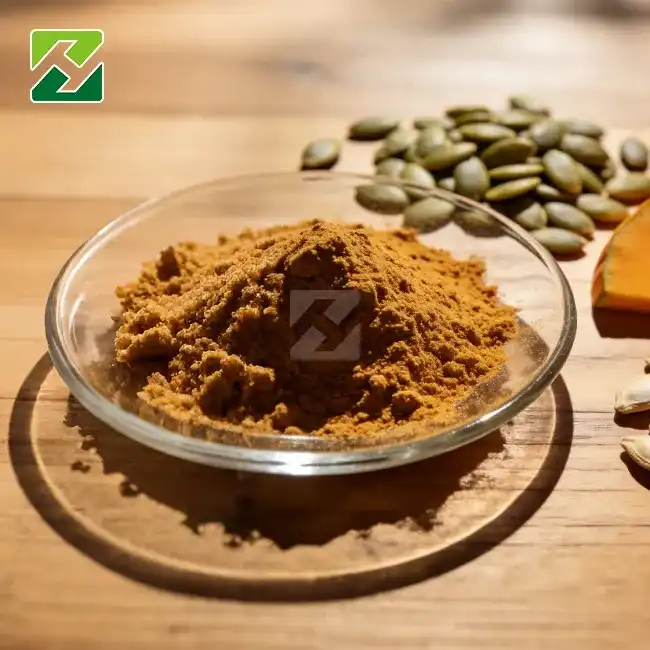
Pumpkins contain healthful pepitas. They offer excellent health advantages supported by research. These shell-less seeds include magnesium, zinc, antioxidants, and essential fatty acids. These nutrients aid various physiological functions. Pumpkin Seed Extract Powder, created from water-based extraction of pumpkin seeds, gives nutraceutical firms a versatile ingredient for nutritional supplements, functional meals, and health products. Bioactive compounds are more concentrated and stable. Pepitas protect the urinary system, heart, and skin, according to research. They may be used to create health-conscious consumer tactics.


Understanding Pepitas and Pumpkin Seed Extract Powder
What Defines Pepitas in the Nutraceutical Market
Pumpkin seeds (Cucurbita moschata) in North America, China, and Europe contain pepitas at the core. Pharmaceutical-grade pepitas are picked and processed carefully to preserve phytochemical purity. This differs from roasted snacks. These seeds include beta-sitosterol, campesterol, and stigmasterol, as well as cucurbitin, an amino acid found uniquely in Cucurbitaceae plants. Global farming ensures consistent mineral content and fatty acid profiles by using standard growth conditions. These are crucial for B2B procurement professionals assessing raw material quality.
From Seed to Concentrated Extract Powder
To manufacture high-quality extract powder, raw pepitas are processed numerous times into stable, concentrated botanical compounds. Certified producers isolate bioactive compounds without chemical solvents using water-based extraction. This process gives extract ratios like 4:1 and 10:1, which demonstrate how much seed is required to generate 1 kilogram of powder.
Process phases in manufacturing:
- Seed picking and cleaning: Removing dirt and water to standardize quality.
- Maintaining phytosterols and tocopherols that degrade at high temperatures with low-temperature extraction
- Separating target chemicals and removing plant materials using nano-membrane filtration
- Spray drying turns liquid extract into a dark powder that lasts longer.
This standardized technique tackles supplement producers' major difficulties, including storing components safely, ensuring potency consistency, and allowing capsules and tablets to be used together. The dark powder retains nutrients without the oxidation dangers of liquid seed oils.
Nutritional Profiling: Whole Seeds Versus Extract Powder
Raw pepitas and extract powder have vastly distinct nutritional values and uses. Whole seed weight is 30% protein and 50% fat, including linoleic and oleic acids. The specification may demand extracted powder to concentrate phytosterols to levels above 10–50% and standardize zinc concentration to enhance immune function.
More quickly than eating whole seeds, extract powder magnesium levels approach therapeutic levels. Product manufacturers may easily calculate how much to use since 500 mg of 10:1 extract has the bioactive equivalents of 5 grams of raw seeds. This concentration advantage is crucial for encapsulated supplements with limited space and high-potency chemicals. Extract powder removes fiber, cleaning ingredient labels and reducing client digestion variability.

Health Benefits of Pumpkin Seed Extract Powder
Supporting Men's Urinary and Prostate Wellness
Clinical studies demonstrate that Pumpkin Seed Extract Powder phytosterols improve urinary tract function, particularly in elderly men. Researchers examined beta-sitosterol, the primary phytosterol in Cucurbita moschata extracts, to determine whether it might regulate urine flow. In a European study of almost 2,000 participants, standardized extract supplements improved urinary comfort measures after 12 weeks. These findings provide R&D teams with significant data for men's health product placement.
Phytosterols interact with cell signaling pathways to modulate bladder and surrounding smooth muscle tone. This study may assist formulation managers in producing medicines for elderly persons by blending extract powder with compatible plants like saw palmetto or nettle root. Quality control teams should prioritize vendors with HPLC-checked phytosterols to ensure formula consistency and compliance.
Antioxidant Activity and Skin Health Applications
Pumpkin seed extract antioxidants, tocopherols, and carotenoids fight free radicals that harm cells and accelerate aging. These compounds reduce cutaneous oxidative stress, improving skin barrier function. This attracts cosmetics companies developing anti-aging skin care lines to the extract powder. Concentrated extracts contain antioxidant effects comparable to green tea and grape seed extracts, according to ORAC studies.
Pumpkin seed extract enhances hair follicle health by increasing blood flow to the head when taken orally. Korean dermatological investigations indicated that 400 mg daily for six months thickened hair. This was due to zinc and phytosterols. Brands in the nutraceutical and personal care industries have new business opportunities since it may be used as a vitamin and a cosmetic.
Cardiovascular and Metabolic Health Support
Pumpkin seed extract's unsaturated fatty acids lower cholesterol, which is beneficial for your heart. Linoleic acid, an omega-6 fatty acid, supports cell membranes and breaks down lipids. Population studies demonstrate that eating pepitas frequently improves HDL/LDL cholesterol. Extract powder provides these advantages without the high caloric burden of whole seeds; thus, formulation teams should know.
Magnesium in standardized extracts relaxes artery smooth muscles, lowering blood pressure. "Excellent source of magnesium" labels may be used for a 10:1 extract with 100 mg of elemental magnesium per serving. Much of the daily magnesium need. These items may be included in heart health lines for persons who prefer plant-based fish oil supplements.

How to Use Pumpkin Seed Extract Powder Effectively
Recommended Dosage for Specific Health Goals
A clinical study reports that 300–1,000 mg per day is beneficial based on concentration ratios and desired results. Formulas for prostate health typically include 500 to 750 mg of 10:1 extract, which provides phytosterol levels utilized in European clinical studies. Smaller dosages of 300–400 mg plus biotin and silica promote hair development. These data-driven principles help formulation teams create cost-effective, life-improving products.
Timing is less crucial than consistency; however, some physicians recommend spreading daily dosages across multiple meals to improve absorption. When taken with fat, phytosterols, vitamin E, and other fat-soluble substances are better absorbed. This should be in public education materials. Procurement teams should get bioavailability data from extract powder vendors to improve formulations and support marketing claims.
Integrating Extract Powder into Product Formats
Water-extracted pumpkin seed powder's tiny particles and neutral taste make it versatile. Capsule manufacturers enjoy how stably and easily the powder crumbles, making packaging straightforward and excipient-free. Tablet producers may add microcrystalline cellulose to the extract powder to increase hardness while maintaining the breakdown rate.
Protein shake bases, nutrition bars, and vitamin-and-mineral beverages are brown and go nicely with chocolate or coffee. The flavor doesn't alter much at 500mg, but health claims may be pushed. OEM partners should ensure that extraction solvents (just water in premium grades) fulfill food-grade requirements and that peroxide levels remain below 10 meq/kg to prevent product spoilage during storage.
Extract Powder Versus Seed Oil: Application Contexts
Both types are created from pepitas, although for different reasons. Seed oil works well in cosmetics and liquid softgel supplements, but it oxidizes easily; therefore, it must be flushed with nitrogen and packaged in tight containers. Extract powder, with less water and no oxidized triglycerides, eliminates these concerns.
Powder simplifies HPTLC or HPLC phytosterol measurement, but oil's efficacy depends on storage. Extract powder is preferred by producers who value shelf stability, solid dosage forms, and quality control despite its higher cost per kilogram. However, businesses that emphasize vital fatty acids may pick cold-pressed oil, which has shorter expiry dates and distinct packaging.
Selecting the Best Pumpkin Seed Extract Powder for Your Business
Certification Standards and Quality Benchmarks
When making purchases of Pumpkin Seed Extract Powder, companies should give more weight to suppliers who have a lot of third-party certifications that prove their products are honest. Compliance with pharmaceutical-grade processing controls, such as environmental monitoring, equipment calibration, and staff training protocols, is confirmed by NSF GMP certification. Organic approvals from the USDA, the EU, or a similar organization show that seeds come from fields that don't use synthetic fertilisers and pesticides. This is appealing to natural product brands.
Kosher and Halal certifications make it easier for religiously observant consumers to buy your products, and FSSC22000 recognition shows that your food safety management is up to par, which is important for functional food uses. ISO 9001 certification means that a company has strong quality management systems that include audits of suppliers, handling of deviations, and processes for continuous improvement. To stop document theft, buyers should ask for copies of up-to-date certificates and check registration numbers with the organisations that issued them.
Organic Versus Conventional and Pure Versus Blended Formulas
Organic pumpkin seed extract costs more, but it has marketing benefits in natural products channels where customers look closely at where ingredients come from. Conventional extracts use the same extraction methods, but they get their seeds from farms that use approved farming poisons. This usually cuts the cost of the raw materials by 15 to 25 percent. Organic status should be in line with how a brand positions its products overall and with its target audience.
Pure extract powder has specific amounts of 100% Cucurbita moschata seed extract, while blended formulas include other plants or minerals that work well with the extract. Blends can include saw palmetto and pumpkin seed extract to help the health of the prostate or biotin and pumpkin seed extract to help the health of the hair. The people in charge of buying things should think about whether pre-mixed blends work with secret recipes or whether buying pure extracts and mixing them yourself gives them more freedom and control over costs.
Evaluating Supplier Capabilities and Origin Transparency
Where the goods are made has a big effect on how consistent the quality is and how reliable the supply chain is. Chinese sellers control most of the world's botanical extract markets because their infrastructure for growing and processing plants is unified. However, buyers should not only rely on Chinese licenses but also make sure that the facilities meet international GMP standards. European makers usually offer a lot of paperwork and help with regulations, but their prices are higher because of the higher costs of labour and following the rules.
When evaluating a supplier, you should look at their research and development (R&D) skills, especially how easy it is for them to get HPLC, GC-MS, and ICP-MS analytical equipment for full testing. Brands that are making their own formulations can benefit from working with companies that offer custom extraction ratios, particle size specifications, or co-manufacturing services. As part of your due diligence, you should ask for Certificates of Analysis from the most recent production batches, look over heavy metal test results (lead <3ppm, arsenic <1ppm), and make sure that the protocols for microbial testing include testing for Salmonella and E. coli.

Bulk Procurement and Supply Chain Considerations
Establishing Reliable Sourcing Channels
To find reliable suppliers, start by checking government databases for legal business registration and production licenses. In China, producers need to have Food Production Licenses and certificates for importing and exporting. In the US, distributors need to be registered with the FDA as a facility. Talking to quality assurance managers directly shows that you know your stuff when it comes to technical questions and can answer them quickly.
Trade platforms make it easier to find suppliers at first, but for long-term partnerships to work, factories need to be audited, or third-party inspection services need to be hired. Video tours of extraction plants, drying rooms, and packaging lines make it clear what the cleanliness standards are and how new the equipment is. Buyers should make sure that the water-extraction processes use closed-loop systems and stainless steel vessels to keep the product from getting contaminated, and that the spray drying takes place in controlled settings to keep the particle sizes regular.
Certification Verification and Regulatory Compliance
Buyers who are really careful check the authenticity of certificates by using registration numbers on websites for certifying bodies. NSF International, Organic Certifiers, and ISO registrars all keep records that can be searched to find out about current certification status. Forged or expired certificates pose big risks to the supply chain and can lead to product recalls and fines from the government.
Regulatory compliance includes more than just factory certifications. It also includes standards for import paperwork. US Customs requires correct Harmonised Tariff Schedule (HTS) classification, usually falling under botanical extract categories that are inspected by the FDA. Buyers should make sure that suppliers give them Certificates of Analysis that meet USP monograph standards, as well as allergen statements and GMO status declarations that are needed for clear labelling.
Pricing Structures and Negotiation Strategies
The price of Pumpkin Seed Extract Powder in bulk depends on the concentration ratio, the status of the certification, and the size of the order. Organic 10:1 extracts cost $60 to $90 per kilogram, while conventional 4:1 extracts cost $25 to $45 per kilogram in amounts of 100 kg or more. Usually, the smallest amount you can order is 25 kg. This is because of the rules for drum packaging, which uses layers of moisture barrier to keep powder stable.
Tiered pricing is made possible by volume promises. For example, yearly contracts for 500 kg or more lower the price per kilogram by 10 to 20 percent while securing supply during seasonal shortages. Payment terms balance the need for cash flow with the risk of the seller. Experienced buyers usually agree to 30% deposits and 70% payment after review instead of full payment up front. Every year, procurement teams should compare prices from several suppliers and keep dual-source strategies in place to avoid supply disruptions caused by relying on just one supplier.
Logistics Planning and Lead Time Management
International shipments from Asian sources take 4 to 6 weeks by sea freight or 5 to 10 days by air freight, and the costs vary a lot. Air freight may quadruple handling costs but lower the cost of keeping inventory. International suppliers who keep warehouses in the US offer delivery times of two to five days, which is good for strategies that keep inventory low but costs a little more per unit to cover the cost of warehousing.
In order to clear customs, you need correct paperwork like business invoices, packing lists, and phytosanitary certificates for plant-based goods. Expert freight forwarders who specialise in importing nutraceuticals know how to deal with FDA Prior Notice requirements and possible inspections that can add one to two weeks to the clearance process. To account for changes in the supply chain, strategic buyers plan orders around the times that regulators need to review them and keep safety stock that covers 4-6 weeks of production needs.
Buying in bulk has more strategic benefits than just lowering unit costs. With private labelling, brands can sell their own extract mixtures with their own logos on them without having to run their own extraction facilities. As an OEM partner, you can change the particle size, ask for specific extract ratios, or create your own blends to make your products stand out in a crowded market. When suppliers help with the development of new products, these working-together relationships encourage innovation. This shortens the time it takes for new formulations to reach the market.
Conclusion
Pepitas have a lot of nutrients packed into a small space, which makes them useful in the nutraceutical, functional food, and cosmetics industries. Bioactive phytosterols, minerals, and antioxidants become steady, measurable ingredients that make formulation easier while still providing health benefits backed by science when they are turned into a standardised extract powder. To do good procurement, you need to look at the certifications of suppliers, make sure they can do the analysis you need, and build logistics partnerships that guarantee consistent quality and on-time delivery. The number of people looking for plant-based, clean-label ingredients is growing. Pumpkin Seed Extract Powder is an important ingredient for companies making wellness goods that meet government rules and customer expectations.
Frequently Asked Questions
1. Can Pumpkin Seed Extract Powder Replace Whole Seeds in Formulations?
Seed flour, whole seeds, and extract powder are all used for different things. Whole seeds add fibre and texture to food, but extract powder gives you concentrated bioactive chemicals in smaller doses, which makes it perfect for functional drinks and capsules. It's up to the formulators to decide whether the focus should be on nutritional value or whole-food traits. Both forms are useful, but extract powder makes it easier to standardise and make claims about strength.
2. How Can Buyers Verify Extract Authenticity and Quality?
By getting third-party Certificates of Analysis from approved labs, you can be sure that the phytosterol content, heavy metal levels, and bacterial cleanliness are all correct. By comparing sample profiles to authenticated reference standards, HPTLC fingerprinting confirms the identity of a botanical by finding cheaper fillers that have been mixed in. Building trust in the integrity of ingredients starts with working with providers who provide clear analytical data and allow standard checks.
Partner with OHI for Premium Pumpkin Seed Extract Powder
Pharmaceutical-grade plant extracts from OHI are backed by a wide range of certifications, such as NSF GMP, FSSC22000, ISO9001, Kosher, and Halal. This makes sure that your formulations meet the strictest global standards. Our Cucurbita moschata seed extract powder comes in 4:1 and 10:1 concentrations and is made by extracting the seeds completely with water. The brown powder is uniform and comes in 25kg drums. We guarantee 10-day lead times and fast delivery that keep your production schedules on track thanks to our four strategically placed US warehouses. As a reliable Pumpkin Seed Extract Powder provider, we offer free trials so that you can fully evaluate our products before you decide to buy in bulk. Get in touch with our technical team at info@organic-herb.com to talk about custom orders, organic certification options, and how our environmentally friendly sourcing fits in with the values of your brand.
References
1. Carbin BE, Larsson B, Lindahl O. Treatment of benign prostatic hyperplasia with phytosterols. British Journal of Urology. 1990;66(6):639-641.
2. Gossell-Williams M, Davis A, O'Connor N. Inhibition of testosterone-induced hyperplasia of the prostate of Sprague-Dawley rats by pumpkin seed oil. Journal of Medicinal Food. 2006;9(2):284-286.
3. Cho YH, Lee SY, Jeong DW, et al. Effect of pumpkin seed oil on hair growth in men with androgenetic alopecia: a randomized, double-blind, placebo-controlled trial. Evidence-Based Complementary and Alternative Medicine. 2014;2014:549721.
4. Fruhwirth GO, Hermetter A. Seeds and oil of the Styrian oil pumpkin: Components and biological activities. European Journal of Lipid Science and Technology. 2007;109(11):1128-1140.
5. Ryan E, Galvin K, O'Connor TP, Maguire AR, O'Brien NM. Phytosterol, squalene, tocopherol content and fatty acid profile of selected seeds, grains, and legumes. Plant Foods for Human Nutrition. 2007;62(3):85-91.
6. Stevenson DG, Eller FJ, Wang L, Jane JL, Wang T, Inglett GE. Oil and tocopherol content and composition of pumpkin seed oil in 12 cultivars. Journal of Agricultural and Food Chemistry. 2007;55(10):4005-4013.
Natural Spirulina Powder: The Ancient Superfood Your Body Will Love
VIEW MOREA lot of people around the world have known for a long time that spirulina is high in protein. These blue-green algae are now used all over the world and are very popular. It blends old health habits with the latest research in nutrition. The bright green Natural Spirulina Powder comes from Spirulina platensis and is full of proteins, vitamins, minerals, and chemicals that are good for you. More and more people are looking for plant-based ingredients with clean labels. This powder stands out as a great option because it can be used in a lot of different products, such as cosmetics, nutraceuticals, functional foods, and more.

What Is Natural Spirulina Powder and Why It Matters
Understanding the Origins and Nutritional Foundation
Spirulina is one of the oldest living things on Earth that uses light to make food. People in Africa and the Aztec Empire grew it and ate it. They got it from salty lakes. This microalgae is growing better now that things are made more efficiently, but it still has all of its health benefits. About 60–70% of Natural Spirulina Powder's weight is protein, making it a complete protein source. Being a powder makes it easy for people to add it to a lot of different things.
The USDA says that seven grams of dried spirulina has more than four grams of complete protein and minerals like iron, magnesium, potassium, and phosphorus that are very important for your body. Small amounts of minerals, vitamin K, and B-complex vitamins can also be found in algae. This nutritional density is very helpful for people who make sports nutrition products, meal replacements, and health supplements for active people because it has a lot of nutrients.
The Bioactive Advantage: Phycocyanin and Antioxidant Compounds
Phycocyanin, a unique blue pigment-protein complex that has strong antioxidant qualities, is found in spirulina. It is also a good source of nutrition. This water-soluble molecule is both a colourant and a beneficial ingredient that makes up 10–18% of spirulina. When cells are exposed to oxidative stress, they die. Phycocyanin is an antioxidant that helps fight this stress.
Chlorophyll, beta-carotene, and other phytonutrients make up a profile that brands that care about overall health like. Companies that make products can use these chemicals to back up what they say about their formulations and still follow clean-label rules. Because antioxidants are good for the body in many ways, spirulina powder can be used in immune-boosting products, cosmetics that make you look better from the inside out, and drinks that do more than just taste good.
Quality Standards and Regulatory Compliance for B2B Confidence
Teams that buy spirulina need to make sure that strict quality controls and full approval are the most important things when they look at sources. The best spirulina powder should follow international rules for food safety, such as GMP, FSSC22000, and ISO9001. For R&D leaders who are making uniform goods, these certificates are very important because they make sure that every batch of goods is the same.
Organic approval is good for people who want to buy pesticide-free goods, and Halal and Kosher guidelines make the market easier to get to. With standardised testing, you can be sure that there are no heavy metals, microbes, or common allergens. Manufacturers with a good reputation give brands full tracking paperwork. This lets brands be sure that the products they sell are real. This kind of openness makes regulations less unclear and speeds up the time it takes for new goods to reach the market.

Comprehensive Guide to Using Natural Spirulina Powder
Flexible Application Methods for Product Development
Most of the options for food scientists and formulators are in the Natural Spirulina Powder form. Protein shake mixes, energy bars, smoothies that are ready to drink, and healthy snack foods are all easy to make with this ingredient. They mix quickly with liquids because they are made up of small particles, and the earthy taste goes well with fruit, chocolate, and vanilla bases that are common in health products.
A neutral to slightly alkaline pH range is good for spirulina, which is why people like to make drinks with it. It is important to keep the pH level of isotonic drinks and plant-based protein drinks between 4.5 and 8.0 so that they keep their colour and nutritional value. To make their products stand out, some companies mix spirulina with other superfoods that go well with it, like chlorella, wheatgrass, or matcha.
Because it can be used on the skin, people who make makeup have found it useful. As an antioxidant, the powder can be used in face masks, anti-aging creams, and bio-active serums to back up claims that they are good for your skin. The clean beauty trend goes along with the natural green colour because it makes natural beauty products look better.
Evidence-Based Dosage Recommendations for Optimal Efficacy
A study found that taking three to eight grams of spirulina every day can help you reach your health goals. Product development teams should keep these ranges in mind when they choose serving sizes. A five-gram dose has a lot of protein without going over the maximum amount that is good for you. In sweetened uses, this means there shouldn't be any taste problems.
Sports nutrition brands often advertise spirulina as an ingredient that helps the body heal at the higher doses in this range. Most daily pills for health and wellness have three to five grams in each dose, which is a good amount for taste and efficiency. These rules are based on facts and help formulation managers make decisions that are right for the business and keep customers happy.
It can help marketing teams come up with useful messages if they look into how spirulina affects energy metabolism and weight loss. People who are health-conscious and live active lives will love spirulina because it is high in protein and micronutrients, which help the body digest food and burn calories.
Powder Format Advantages Over Alternative Forms
It is easier for the body to absorb spirulina powder than tablets or capsules, and it does so faster. The ingredient list is shorter for powder than for tablets because it doesn't need the fillers and binders that medicines come in tablets. Brands that want to use simple materials and signs that are easy to read will like this.
It is easier to work with large amounts of powder, mix ingredients, and check for quality when they are in powder form, which makes production more efficient. When it comes to dose sizes and box layouts, powder is easier for private label brands to change than pills that are already made. If you make powder for very little money, you can offer low prices without lowering the quality.

How to Choose the Best Natural Spirulina Powder for Your Business Needs
Essential Certification and Quality Markers
Buying managers should make a thorough list of criteria for judging sellers, with different levels of approval at the top of the list for Natural Spirulina Powder procurement. Organic certification makes sure that farming doesn't use man-made pesticides and fertilisers, which is what a clean label needs. The NSF GMP approval shows that the controls used in production are pharmaceutical-grade, which is very important for supplement names.
People who are worried about genetic modification can buy non-GMO products with more confidence when they are checked to make sure they are safe. Every so often, you should have a third party check for the presence of microbes, heavy metals, and pesticides. Along the supply chain, quality control can be done regularly if sellers give Certificates of Analysis (COA) for each batch of goods they make.
It's important how something looks. It's easy to tell that premium powder is good because it's a bright, deep green colour. Any changes in colour or smell could mean that there is rust or dirty air. When quality teams ask for samples before making big sales, they can test the product's taste and compatibility in certain formulation settings.
Geographic Sourcing Considerations and Sustainability Credentials
Where spirulina is grown has a big impact on how good it is and how long it lasts. Some high-end production sites, like those in Hawaii and California, are in controlled environments that allow for year-round stability. Other options are specialised indoor growing systems. In these places, closed-system photobioreactors are often used to keep the area clean and create the best conditions for growth.
Brands that care about the environment should check out how their service providers deal with efforts to save water, energy, and trash. Spirulina needs a lot of water to grow, so systems that reuse water are a big sign of how sustainable they are. Solar-powered factories show that a company wants to lower its carbon footprint, which is something that brands that want to attract customers who care about the environment are focusing on more and more.
Traceability is more than just certificates; the best providers give you paperwork from the farm to the package that shows when the crops were grown, how they were collected, and when they were processed. Being open about this helps stories about ethical sources and makes brand stories about honest ingredients better.
Comparative Supplier Analysis for Strategic Partnerships
You should look at more than just a provider's certifications. You should also see how well they can offer professional support, help with custom formulations, and know the rules. Most of the time, the best industrial partners are more than just part providers. They are strategic partners. Find service providers who can help you with research and development, testing, and finding out what the market trends are.
For brands that want to grow, being able to produce and scale up is very important. Suppliers should be able to prove that they can handle more work without sacrificing quality or skipping due dates. How you handle your inventory should match the minimum order amounts. Some sellers, for instance, need full container loads, while others can handle smaller orders at first to help with testing.
Private tagging is helpful for brands that want complete options. It's easier to get things done and faster to get products to market when companies offer custom packaging, help with label design, and fulfilment services. You can compare prices more accurately than just by the kilogram if you know the total cost of ownership, which includes shipping, storage, and handling.

Bulk Procurement and Sourcing Strategies for Natural Spirulina Powder
Wholesale Supplier Evaluation Framework
The first thing you should do to build long-term relationships with Natural Spirulina Powder suppliers is to do your research. Site checks, whether they are done in person or online, give information about the place of work, how quality control is handled, and how well the business can run. When you watch how the product is handled, stored, and trained, you can tell if the quality of the final product is good or not.
You can test carefully across a wide range of factors if you ask for sample batches before making big purchases. Do research on how stable it is in the conditions you want to store it, how well it works with target formulations, and how end users feel about it. Problems with costly re-formulations and product recalls don't happen because people try products before they buy them.
Things to think about when it comes to logistics are wait times, shipping choices, and help with keeping track of goods. For North American names, having warehouses in good locations like OHI's four main U.S. warehouses cuts down on shipping times and freight costs by a lot. Good logistics infrastructure makes sure that goods are always on hand, so there are no production delays or stock-outs.
Negotiation Strategies for Volume Purchasing
Volume-based price tiers save big money for big brands and fast-growing companies. Don't speak about single-order quantities in contracts. Make transactions based on predicted yearly figures. Multi-year contracts with a set quantity of commodities let sellers negotiate better pricing and schedule production.
Consider more than the unit price. You might obtain free expert assistance, product development, or marketing tools. Co-branding or training tools may help you stand out in the market. Flexible payment periods like net-60 for eligible purchasers make cash flow management simpler.
Getting the best shipping offer is another negotiation opportunity. Suppliers avoid overseas shipping and customs fees by keeping their products in the US. For companies with ample storage space, container-load agreements reduce item costs significantly. Some merchants offer consignment offers where you don't pay until the item ships. Setting minimum safety stock levels with them might cause this.
Sustainable Sourcing and Ethical Supply Chain Management
Today's consumers understand the importance of businesses being responsible with people and the environment across their supply chains. Work with suppliers that explain their environmental commitment and third-party verification. USDA Organic and Regenerative Organic companies care for the environment in different ways.
Study plant cultivation to save water and energy for reuse. Innovative farmers utilize minerals and reduce runoff using closed-loop systems. Savings usually mean better and more consistent product quality.
Ethical labor and community involvement distinguish great marketers. Companies' CSR aims are met when they fund programs that improve employee health, the local economy, and the environment. These ties help the sector flourish, which benefits the environment and helps businesses tell stories about their ethical sourcing.
Conclusion
The Natural Spirulina Powder market is full of great chances for brands that are on the cutting edge of functional foods, cosmetics, nutritional supplements, and other unique ingredients. This old superfood is very good for you, and more and more people want products that come from plants and have clean labels. It's a great way to make new products and stand out in the market because of this. When buying things, suppliers need to be carefully looked at, paying special attention to things like certifications, consistent quality, and practices that are good for the environment. As laws favour natural ingredients and people look for products that help them stay healthy, spirulina will certainly become more important. Today, brands that build strong supply lines and make products that people want to buy will be at the top of this fast-growing market.
Frequently Asked Questions About Natural Spirulina Powder
1. Is spirulina powder safe for all consumer groups?
It is safe for a lot of different types of people to use Natural Spirulina Powder that comes from reputable, approved manufacturers. All nine necessary amino acids are already in the item, which makes it useful for vegetarian and vegan meals. Good providers check their goods for allergens and spoilage to make sure they are safe. Brands should make it clear where their products come from and how good they are so that customers trust them.
2. What distinguishes organic spirulina powder from conventional options?
It is only when a crop is certified organic that manmade fertilisers, pesticides, and GMOs are not used in the growing process. Organic options are more expensive, but they are a good choice for people who care about their health and want to support natural farming. Both normal high-quality spirulina and organic high-quality spirulina have the same nutrients when grown under GMP conditions. The choice will depend on the brand's goals and the wants of its target market.
3. Can I request samples before committing to bulk purchases?
Suppliers of spirulina you can trust encourage testing of samples to make sure the product works with certain foods. You can test sample programs for colour stability, flavour profile, and dissolution properties in the real-world settings where they will be used. This proof before the buy lowers the risks of the recipe and makes sure that the guidelines for making the product match the guidelines for making the product. Good suppliers give away free samples with full COA paperwork to help buyers make smart choices.
Partner with OHI for Premium Spirulina Powder Solutions
OHI (Organic Herb Inc.), a public business specializing in botanical extract development and manufacturing, delivers pharmaceutical-grade Natural Spirulina Powder meeting the most demanding quality standards. Our Spirulina platensis powder, sourced from controlled growing settings, exhibits a vibrant green appearance and superior nutritional potency. We get certifications for NSF GMP, FSSC22000, ISO9001, Kosher, Halal, and Organic on every 25kg drum to make sure it meets international standards.
As a trusted supplier, OHI maintains four strategically placed warehouses in the U.S. that let it ship quickly to anywhere in North America, with typical lead times of just 10 days. Our state-of-the-art research and development labs and extraction technology, along with our relationships with top schools, let us make formulations that are just right for your product. Approved buyers can get free samples of our products so they can fully test them before deciding to buy a lot of them.
OHI's commitment to environmental protection and long-term growth aligns with modern brand values. You can keep track of ingredients from the time they are growing until they are packed thanks to our GAP-certified planting sites that cover more than 8,000 acres. Whether you need private labelling, custom specs, or technical help, our team is here to help you every step of the way as you make a product. Contact us at info@organic-herb.com to talk to one of our specialists about your needs and how OHI can help you add this amazing superfood to your goods.
References
1. Capelli, B., & Cysewski, G. R. (2010). Spirulina: Nature's Superfood. Cyanotech Corporation Press.
2. Belay, A. (2013). "Biology and Industrial Production of Arthrospira (Spirulina)." Handbook of Microalgal Culture: Applied Phycology and Biotechnology, Second Edition, Wiley-Blackwell.
3. Karkos, P. D., Leong, S. C., Karkos, C. D., Sivaji, N., & Assimakopoulos, D. A. (2011). "Spirulina in Clinical Practice: Evidence-Based Human Applications." Evidence-Based Complementary and Alternative Medicine, Volume 2011.
4. Dillon, J. C., Phuc, A. P., & Dubacq, J. P. (1995). "Nutritional Value of the Alga Spirulina." World Review of Nutrition and Dietetics, Vol. 77, Karger Publishers.
5. Richmond, A., & Hu, Q. (2013). Handbook of Microalgal Culture: Applied Phycology and Biotechnology. Wiley-Blackwell Publishing.
6. Spolaore, P., Joannis-Cassan, C., Duran, E., & Isambert, A. (2006). "Commercial Applications of Microalgae." Journal of Bioscience and Bioengineering, Vol. 101, No. 2.
What is Cinnamon Bark Extract Powder used for?
VIEW MOREConcentrated plant ingredient Cinnamon Bark Extract Powder is used extensively in medicinal, cosmetic, functional food, and nutraceutical applications. This brownish-yellow powder comes from Cinnamomum cassia bark that has been extracted with water and ethanol. It has bioactive chemicals like cinnamaldehyde and standardized polyphenol amounts (usually 50%). To make the most of this extract's natural appeal and antioxidant properties, it is used in wellness products, flavored drinks, dietary supplements, and skin care products. Unlike regular ground cinnamon, the extract has constant strength, better stability, and reliability from batch to batch, all of which are important for large-scale production and for following the rules in competitive markets.

Understanding Cinnamon Bark Extract Powder: Properties and Key Uses
What Makes This Extract Different from Ordinary Cinnamon Powder
Regular cinnamon powder is made up of ground bark that has different amounts of active compounds. Extract powder, on the other hand, is made by carefully extracting certain bioactive molecules using a liquid. To separate polyphenols, cinnamaldehyde, and antioxidant compounds, water and ethanol are used in a process that gives standard ratios like 4:1, 10:1, or 50% polyphenol specifications. This concentration method makes sure that the performance of ingredients is consistent across production batches. This solves a problem that a lot of R&D directors and formulation managers have, which is that they need consistent quality for claims that a product works.
Core Bioactive Components Driving Market Demand
As far as flavor applications go, cinnamaldehyde is the main aromatic aldehyde that gives things their unique smells. The antioxidant power, which is measured by ORAC values, is helped by polyphenols like procyanidins and phenolic acids. These chemicals work together to make an ingredient that can do more than one thing. This is good for clean-label trends and natural product positioning strategies in competitive consumer markets.
Cross-Industry Applications in B2B Sectors
Nutraceutical companies use this extract to make supplements in the form of capsules and powders that are aimed at metabolic health and weight management. Because it is an antioxidant and conditions the skin, cosmetic formulators use it in anti-aging serums and face creams. The extract is added to health drinks and teas that have been strengthened, and flavor companies use it as a natural option to artificial cinnamon flavoring compounds. For each application, there are certain quality standards that procurement teams must check using Certificates of Analysis and paperwork from suppliers.

Health Benefits and Application Scenarios in B2B Markets
Metabolic Support and Weight Management Formulations
Researchers have found that chemicals in cinnamon bark may help keep your body healthy when you eat a healthy diet. Manufacturers of supplements make capsules that contain 250 to 500 mg of the supplement. These supplements often work together with chromium or berberine to make metabolic health products. The extract is used by sports nutrition brands in pre-workout powders and recovery formulas because it is natural and consumers want products with clean labels. Formulation scientists need to think about encapsulation methods that keep bioactive compounds from oxidizing while also making sure that the compounds dissolve quickly enough for the body to use them.
Blood Sugar Balance Product Development
Several clinical studies have looked at the role of cinnamon extract in helping the body's glucose metabolism. Pharmaceutical R&D teams that are making medicinal foods specify a standard amount of polyphenols to make sure that the products are always the same. The recommended daily dose is usually between 500 mg and 2000 mg, spread out over several meals. As this compound is naturally found in Cinnamomum cassia varieties, quality assurance departments give more weight to suppliers who offer coumarin analysis via HPLC. To meet EU standards (below 2 mg/kg for foods) and protect consumers, coumarin levels must be closely watched to make sure they are safe.
Antimicrobial Properties for Food Preservation
Food scientists are looking into Cinnamon Bark Extract Powder as a natural way to keep organic and lightly processed foods fresh. In lab tests, the extract works against common organisms that cause food to go bad and germs that are spread through food. Mixologists who work with cold-pressed juices and functional drinks add the extract at concentrations of 0.1% to 0.5% to make the drinks last longer and make claims that they contain functional ingredients. Polyphenols may combine with proteins or minerals under certain pH conditions, so checking their compatibility with other formula parts is still very important.
Cosmetic and Personal Care Applications
Cosmetic chemists like the extract's antioxidant profile because it can be used to make anti-aging skin care products. Product designers put it in face serums at amounts of 1% to 3% and mix it with peptides or hyaluronic acid to condition the skin in a more complete way. The brownish-yellow color needs careful planning when making white cream bases, but in tinted formulas, it can help people see that the product is natural. Testing for stability under conditions that speed up aging makes sure that polyphenols stay active for the whole product's shelf life, which is usually between 24 and 36 months for high-end skincare lines.

Comparing Cinnamon Bark Extract Powder with Alternative Products
Extract Powder versus Cinnamon Essential Oil
Essential oils have a lot of concentrated volatile chemicals, like cinnamaldehyde, but they don't have the water-soluble polyphenol part that extract powders do. For fragrance and flavor, oil is used at low inclusion rates (0.01-0.1%), while powders allow for higher doses for functional supplement uses. When purchasing managers choose between forms, they should think about what the final product will be used for. For example, oils work best in perfumery and aromatherapy products, while powders work better in nutritional and cosmetic uses that need standardized polyphenol delivery.
Ceylon versus Cassia Source Materials
There isn't much coumarin in Cinnamomum verum (Ceylon cinnamon), which makes it a better choice for European markets with strict rules. Cinnamomum cassia has stronger flavors and higher levels of cinnamaldehyde, but it needs to go through a lot of coumarin tests. Different sources' costs affect buying decisions; for example, varieties of cassia usually cost 30–40% less than those from Ceylon. If buyers want to position "true cinnamon" as a premium product, they may choose sources from Ceylon. On the other hand, buyers who want to save money and get strong flavor notes should choose Cassia extracts with proof of coumarin compliance.
Standardized Extracts versus Raw Material Powders
Cinnamon powders that aren't standardized have active compound levels that vary a lot from batch to batch, which makes quality control and product consistency harder. Standardized extracts at 10:1 or 50% polyphenol levels give consistent results, which helps companies back up what they say on the product and stay in line with regulations. Standardized materials usually cost 40 to 60 percent more than raw powders. This is because sellers have to spend more money on processing, testing, and quality control to make sure the uniformity is pharmaceutical-grade.
Procurement Guide for Cinnamon Bark Extract Powder Suppliers and Solutions
Critical Quality Certifications and Supplier Vetting
To make sure that their manufacturing quality systems meet international standards for Cinnamon Bark Extract Powder, B2B buyers should give top priority to sellers who have NSF GMP, ISO 22000, FSSC 22000, Kosher, or Halal certifications. Organic certification is appealing to people who make clean-label products, but it costs more. According to global regulatory frameworks, coumarin analysis via HPLC is the most important safety testing parameter for extracts from Cassia. Levels of coumarin in Cinnamon Bark Extract Powder below 1% are usually needed to meet specifications. Heavy metal testing with ICP-MS is needed to make sure that levels of Lead, Arsenic, Cadmium, and Mercury stay well below the standards set by the pharmaceutical industry. This is because plant-based products can pick up environmental pollutants while they are being grown.
Supplier Technical Capabilities and R&D Support
Companies that use cutting-edge extraction methods, like low-temperature processing and nano-membrane separation systems, can make products that are more stable and keep medicinal compounds safe. Suppliers who offer HPTLC fingerprinting can check the identity of plants and find ones that have been tampered with by adding cheaper fillers or using bark. R&D teams that can make custom extracts make it possible for products to stand out by using proprietary specifications or combining ingredients that work well together. Technical help with preparation problems, like making ingredients more soluble or making them more stable, is very valuable on top of just providing basic ingredients.
Procurement managers should ask about extraction solvent systems from potential partners when they are evaluating them. When compared to acetone- or methanol-based processes, water-ethanol extraction makes cleaner label statements. However, residual ethanol must stay below 5000ppm according to government rules. Suppliers who have analytical tools like HPLC-ELSD, GC-MS, and atomic absorption spectrophotometers show they care about quality control and can give full Certificates of Analysis that cover all important specification parameters.
Sourcing, Logistics, and Inventory Management
Most suppliers have a minimum order quantity of 25 kg, which is equal to one drum. However, some suppliers can accommodate smaller sample requests for initial formulation tests. Lead times for stock items are usually between 7 and 14 days, while production and testing times for special items are between 4 and 6 weeks. International buyers should look for suppliers with regional warehouses. Having inventory in North America cuts down on shipping times and makes customs procedures easier than getting goods directly from Asia-Pacific. When you buy in bulk at pallet or container quantities (usually 500 kg to 5000 kg), you can get volume discounts of 15 to 25 percent and make sure that you always have enough supplies for your production plans.
Private Label and OEM Partnership Models
When manufacturers offer private label services, brand owners can make their own supplement lines without having to spend money on extraction equipment. OEM relationships give companies the freedom to make their own formulations, use different packaging formats, and get full help with their legal paperwork. With factory-direct relationships, there are no markups for distributors. This cuts landed costs by 20–30% and makes the supply chain more open and easier to track. Procurement teams should check to see if suppliers can form technical partnerships that go beyond just supplying ingredients. These partnerships could include working together to develop products and help with market strategies.

Industry Trends and Future Prospects for Cinnamon Bark Extract Powder
Growing Demand in Global Wellness Markets
As people focus on preventative health measures and natural ingredient preferences, the nutraceutical industry continues to grow. According to a study of the market, botanical extract categories will grow at rates of 7–9 percent per year until 2028. Cinnamon extracts will have a big part in the metabolic health and antioxidant supplement segments. Pharmaceutical firms are looking into standardized extracts for use in therapeutic foods and other goods. This is increasing the need for pharmaceutical-grade materials that come with a lot of pharmacological documentation and help with regulatory compliance.
Technological Innovations in Extraction Methods
Ultrasound-assisted extraction and supercritical CO2 extraction are two examples of advanced processing technologies that can be used to get higher purity concentrations with less solvent residue and thermal degradation of sensitive compounds. Nanoencapsulation methods make substances more bioavailable and allow for controlled-release formulas that make products work better and improve the user experience. These new ideas make it possible to position high-end products and create formulations that are protected by patents and can command higher margins in competitive markets. When suppliers invest in cutting-edge extraction infrastructure, they bring new ideas to the table, which smart procurement teams use to make their products stand out.
Sustainability and Ethical Sourcing Initiatives
More and more, consumers in both B2B and B2C markets are thinking about how their purchases affect the environment and the ethics of the supply chain. Fair trade certifications, organic farming methods, and sustainable harvesting rules all help a brand's reputation and are in line with its social responsibility promises. Suppliers who keep track of methods for tracking crops from planting to handling make marketing claims and legal paperwork requirements clear. Leading suppliers run more than 8,000 acres of GAP-certified crop bases, which show their dedication to quality control at the source level and help local farming communities through well-coordinated relationship models.
Conclusion
Knowing how cinnamon bark extract is used in different fields helps procurement professionals make smart sourcing choices that balance quality, compliance, and cost-effectiveness for Cinnamon Bark Extract Powder. Because the extract can be used in a lot of different ways, including in makeup, useful foods, dietary supplements, and medicines, it is a great ingredient for coming up with new products. By choosing sellers with strong certification systems, advanced technical skills, and environmentally friendly ways of sourcing, you can be sure that your relationship will be valuable for a long time and will go beyond just supplying goods. As the market moves toward natural ingredients, clean-label recipes, and plant compounds backed by science, demand will continue to rise for Cinnamon Bark Extract Powder. This will create chances for brands that use high-quality standardized extracts in their competitive product development strategies.
Frequently Asked Questions
1. How Does Daily Consumption Safety Compare Between Extract and Whole Cinnamon?
When compared to cooking with cinnamon, extract powders deliver concentrated bioactive compounds that need to be dosed carefully. Supplement doses are usually between 500 mg and 2000 mg per day, and are based on specific amounts of polyphenols or cinnamaldehyde. The main safety concern for extracts from Cassia is the amount of coumarin they contain. When suppliers provide HPLC analyses that show coumarin levels are below regulatory thresholds, formulators can make products that can be used every day for a long time and in the right amounts.
2. What Testing Protocols Verify Extract Quality and Purity?
To fully check the quality, we use HPTLC fingerprinting to identify the plants, UV-VIS or HPLC analysis to measure the active compounds, ICP-MS to look for heavy metals, microbiological testing to make sure there are no pathogens, and residual solvent analysis to make sure the amount of ethanol stays within acceptable limits. Having Certificates of Analysis that list these parameters lets procurement teams check what suppliers say and make sure they're following the rules in all global markets.
3. Can This Ingredient Function as a Natural Preservative in Beverages?
Antimicrobial activity against spoilage organisms has been shown in research. However, how well it works depends on the pH of the formulation, the activity of the water, and how it interacts with other ingredients. Food scientists usually do challenge tests with target diseases and rotting organisms to make sure that a preservative works in certain formulas before it goes into mass production.
Partner with OHI for Premium Cinnamon Bark Extract Powder Supply
OHI offers botanical extracts that are safe enough for use in medicines. They come with full certification and technical support that make the process of making new products easier. Our Cinnamomum cassia bark extract powder comes in 4:1, 10:1, and 50% polyphenol standardizations. It is made in CGMP- and FSSC 22000-approved facilities using proven water-ethanol extraction. With four regional warehouses spread out across the US, we can meet your production plans with 7-day lead times and regular inventory supply.
We are a seller of Cinnamon Bark Extract Powder and have over 8,000 acres of GAP-certified cultivation grounds. This means that we control quality from the source all the way through to delivery. Our certifications for NSF GMP, ISO 9001, Kosher, Halal, and Organic meet a wide range of regulatory needs in international markets. Your formulation team can check the quality of free samples before committing to bulk sales, which start at our 25 kg minimum order quantity.
Use our R&D collaboration services to come up with unique specifications for your products that will set them apart in crowded markets. Get in touch with our technical team at info@organic-herb.com to talk about your specific formulation needs, get full technical documentation, and find out how our advanced extraction technology and environmentally friendly sourcing create value throughout your supply chain.
References
1. Anderson, R.A. (2008). Chromium and polyphenols from cinnamon improve insulin sensitivity. Proceedings of the Nutrition Society, 67(1), 48-53.
2. Rao, P.V., & Gan, S.H. (2014). Cinnamon: A multifaceted medicinal plant. Evidence-Based Complementary and Alternative Medicine, 2014, Article ID 642942.
3. Gruenwald, J., Freder, J., & Armbruester, N. (2010). Cinnamon and health. Critical Reviews in Food Science and Nutrition, 50(9), 822-834.
4. Abraham, K., Wohrlin, F., Lindtner, O., Heinemeyer, G., & Lampen, A. (2010). Toxicology and risk assessment of coumarin: Focus on human data. Molecular Nutrition & Food Research, 54(2), 228-239.
5. Ranasinghe, P., Pigera, S., Premakumara, G.S., Galappaththy, P., Constantine, G.R., & Katulanda, P. (2013). Medicinal properties of 'true' cinnamon (Cinnamomum zeylanicum): A systematic review. BMC Complementary and Alternative Medicine, 13, 275.
6. Medagama, A.B. (2015). The glycaemic outcomes of Cinnamon: a review of the experimental evidence and clinical trials. Nutrition Journal, 14, 108.
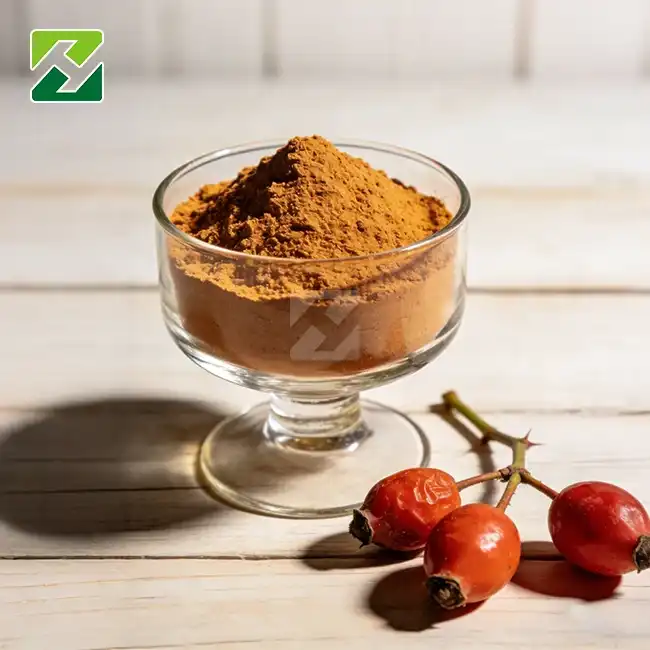
How To Use Rosehips - The Only Guide You'll Ever Need
VIEW MORERosehips, the brilliant pseudo-fruits of Rosa canina, are a key element in modern formulations. Standardized, water-soluble Rosehip Fruit Extract contains vitamin C, flavonoids, and galactolipids. These compounds are appreciated in cosmetics, functional foods, and nutraceuticals. Knowing its composition, usage, and source is essential to adding this extract to your product line. R&D directors, formulation managers, and quality assurance teams require this complete guide to employ rosehip's helpful characteristics while maintaining batch consistency and obeying all the regulations. It includes technical specifics, best practices, and purchase alternatives.

Understanding Rosehip Fruit Extract: Composition, Benefits, and Uses
What Makes Rosehip Fruit Extract Unique?
This botanical concentration differs from rosehip seed oil. It is derived from Rosa canina fruit utilizing modern water processes. The Rosehip Fruit Extract emphasizes water-loving bioactives, whereas the oil fractions emphasize fatty acids. A conventional 10:1 extract standard makes 1 kilogram of concentrated powder from 10 kg of raw fruit. This delivers active compounds efficiently. Its carotenoids and polyphenols make it brownish-yellow, and standardizing it to 5% vitamin C lets us assess quality.
The water-based extraction process fits North American clients' growing clean label criteria. Since this procedure doesn't use synthetic solvents, Rosehip Fruit Extract may be utilized for organic certification and kosher/halal compliance, which are vital when manufacturing goods for a variety of clients.
Core Nutritional and Functional Components
More than vitamin C, Rosehip Fruit Extract is complex, say scientists. The substance naturally contains quercetin and rutin. Stability tests reveal antioxidant action in these substances. These bioactives together make L-ascorbic acid more stable than synthetic versions, according to research. The galactolipid fraction is tiny, but its unique structural features make it relevant for joint health.
B2B purchasers should recognize that standardization issues affect creation outcomes. For medium strength and stability, add 5% vitamin C. However, larger volumes need more regulated storage. The powder's mesh size—usually 95% passing 80 mesh—ensures equal mixing in capsule matrices and prevents powder mixes from separating, solving production issues.
Industrial Applications Across Key Sectors
Nutraceuticals employ Rosehip Fruit Extract to enhance immunity. They use its inherent vitamin C to satisfy customer demand for plant-based nutrition. Customers have more product alternatives than capsules since Rosehip Fruit Extract dissolves quickly in water and may be used in effervescent tablets and ready-to-drink formats.
Cosmetic companies prefer Rosehip Fruit Extract for nutricosmetics, which are dietary beauty products that boost skin health. Vitamin C aids collagen production, while antioxidants combat environmental toxicity. This dual-action characteristic helps beauty supplement marketers promise radiant skin and healthy aging, making them unique.
Functional drink makers employ Rosehip Fruit Extract as a natural colorant and health booster. The product's brownish-yellow tint adds warmth and practicality. Rosehip Fruit Extract's acidity balances complicated botanical mixes' taste systems, reducing the need for pH adjusters. Because it is pure and antioxidant-rich, sports nutrition companies are using it in healing solutions.

How to Use Rosehips Effectively: Best Practices and Dosages
Formulation Strategies for Different Product Forms
When adding Rosehip Fruit Extract to powder mixes, consider its hygroscopic qualities. Rosehip Fruit Extract should be combined with flow agents like 0.5 to 1% silicon dioxide to keep it free-flowing when encapsulated or tableted. The suggested inclusion rate is 100–500 mg per serving, depending on label claims and efficacy. Check compatibility with other plant extracts to avoid color transfer and clumping during storage.
For capsule applications, Rosehip Fruit Extract works well in gelatin and vegetarian HPMC shells. True weight may be predicted from bulk density measurements between 0.4 and 0.65 g/ml. To account for moisture-induced settling during storage, formulation managers should provide 15–20% headspace in capsule designs. Rosehip Fruit Extract in capsules may last for at least 24 months below 25°C and 60% relative humidity.
Beverage usage needs different technical considerations. The ideal mixing order is determined via pre-dissolution testing. After treating the water, adding Rosehip Fruit Extract to liquids prevents froth. Rosehip Fruit Extract dissolves 98% in water at neutral pH, although high-mineral water may cloud it. By using 5-micron filters, insoluble fiber particles are removed, but bioactive content is retained. When maintained out of direct light, solutions retain their color.
Dosage Guidelines for Various Applications
Typical dietary supplements include 100–300 mg of Rosehip Fruit Extract daily. A standardized 5% extract provides 5–15 mg of natural vitamin C. This makes the goods nutritional supplements rather than high-dose drugs. Joint health formulations for active individuals may increase the daily dosage to 500 mg, divided into two doses for bioavailability.
Cosmetic internal vitamins often include 150 mg to 250 mg, with the assumption that longer-term usage is more significant than greater dosages. This strategy follows the "beauty-from-within" principle that long-term dietary support is better than short-term supplements. Product developers could blend Rosehip Fruit Extract with complementary chemicals like collagen peptides or ceramides to create entire formulation stories.
Comparing Rosehip Fruit Extract with Other Products to Make Informed Choices
Extract Versus Oil: Understanding Functional Differences
Rosehip Fruit Extract and rosehip seed oil are often mixed up by procurement teams, even though they are used for completely different things in formulations. The oil fraction, which is high in omega fatty acids, can be used in cosmetics that need to be emollient. The fruit concentrate that was extracted with water has vitamin C and polyphenols that can be used in food or water-based beauty products. When you try to use one instead of the other, the recipe fails because their solubility profiles are not suitable.
Specifications for extraction ratios should also be compared. A 10:1 Rosehip Fruit Extract has a middling quantity that is good for general health products. 20:1 ratios, on the other hand, give you more power for specific uses. The choice of concentration affects the cost-per-dose calculation; higher ratios lower the required inclusion rates but require higher prices. Instead of just looking at the cost of raw materials, buyers should do a value analysis that compares the active compound supply per dollar spent.
Organic Certification Trade-offs
Rosehip Fruit Extract that is certified as organic costs 30 to 50 percent more than regular extract. This investment pays off in marketing benefits in natural retail channels and allows organic product claims, but formulation teams should make sure that certification fits with how the product is positioned overall. Formulations that have both organic and non-organic ingredients can't have organic product approval, which could mean that the extra money spent on organic parts is wasted.
Choosing between organic and conventional Rosehip Fruit Extract doesn't usually change how well it works technically—as long as good farming and manufacturing methods are used, the bioactive content stays the same. Instead of focusing on differences in quality, decisions about certification should be based on how the brand is positioned strategically. If B2B buyers who sell to the mass market put more value on extraction quality and supplier reliability over organic status, they may be able to better divide their funds.

How to Procure Rosehip Fruit Extract: Sourcing, Suppliers, and Market Considerations
Evaluating Supplier Credentials and Quality Systems
Thoroughly screening suppliers is the first step to successful buying. Partners in production should have up-to-date NSF GMP approval, which shows that they follow good manufacturing practices for dietary supplements. FSSC22000 certification means that the food safety management systems are strong enough to be used for functional foods and drinks. Kosher and Halal certifications make it easier to get into new markets. This is especially important when making products to sell internationally.
To check for consistency, you should ask for full Certificate of Analysis (COA) data that covers more than one production batch. Some important factors are checking the amount of vitamin C using HPLC, making sure there are no pathogens by testing for microbes, and making sure the heavy metal levels meet the limits set by California Proposition 65. Suppliers who provide full traceability documentation, from where the raw materials come to how they are packaged, show transparency that lowers risks in the supply chain.
Understanding Bulk Purchasing and Logistics
The smallest amount that can be ordered is usually 25 kg drums, which is the same size as standard industrial shipping, which keeps the product's purity while it's being shipped. This entry threshold allows for initial product development tests while also making procurement more cost-effective. Discounts ranging from 8 to 15% are often unlocked for orders of 500 kg or more, which is good for buyers who can predict demand trends.
Delivery infrastructure has a big effect on how efficiently North American buyers can buy things. Lead times drop from 30 to 45 days for direct imports to 3 to 5 business days for domestic fulfillment when suppliers keep warehouses in key U.S. sites. This way of arranging inventory is especially helpful when managing just-in-time production schedules or reacting to sudden increases in demand. With a 10-day lead time for custom manufacturing, you can make plans that work and keep things fresh with made-to-order production.
Sample Evaluation Protocols
Suppliers with a good reputation will give you free samples, and the 100g to 200g amounts are usually enough for lab tests and small-batch formulation trials. Standardized evaluation criteria should be set by procurement teams. These should include organoleptic evaluation (looking at color, smell, and taste), solubility testing in target matrices, and stability trials under accelerated conditions. When you compare samples from different suppliers using the same procedures, you get objective data that can help you make choices about where to buy things.
Do side-by-side formulation tests where samples are mixed in with your unique product matrix. Small differences in the distribution of particle sizes or the amount of moisture that is still present can have a big effect on how well a product is made and how well it works. Before making big purchases, make sure you know how the Rosehip Fruit Extract will be handled during blending, watch how it reacts during encapsulation or mixing, and do rapid stability testing.

Maximizing Procurement Value: Tips for B2B Buyers and OEM Clients
Aligning Specifications with End-Use Requirements
It is important for strategic procurement that Rosehip Fruit Extract specs are matched to unique application needs instead of using standard offerings. Manufacturers of tablets put a high value on specifications for low moisture (below 5%) and specific particle size distributions that support compression properties. Formulators of drinks need instant-dispersible grades that are more soluble and can be made using agglomeration technologies. By setting these standards up front, you can avoid expensive reformulation cycles and batches that are refused.
The certification needs should be directly related to the markets and channels of distribution that are being targeted. EU rules say that products going to European markets need to be certified as organic. In the U.S., mass-market outlets may prefer NSF Sport approval for athletic uses. OEM clients that serve more than one market should talk about multi-certification options. This will let them easily divide their inventory among different product lines without having to keep separate stock-keeping units.
Private Label and Customization Opportunities
Manufacturers with advanced research and development (R&D) skills can customize things that aren't in their catalogues. When you mix Rosehip Fruit Extract with other plants that work well together, like acerola or camu camu, you get proprietary formulations that back up your unique positioning claims. Custom standardization to specific marker compounds allows for unique product stories while keeping costs low by finding the best extraction parameters.
Private label agreements help brands get into new markets when they don't have their own production facilities. Check out possible partners based on their minimum batch numbers, artwork requirements, and ability to work with your schedule. Manufacturers with 500–1000-unit minimums can test the market without taking on too much inventory risk, and turnkey formulation services cut development times by 60–90 days compared to working with multiple vendors separately.
Quality Assurance and Regulatory Alignment
Selecting a supplier is the first step in proactive quality management. Ask to see the Standard Operating Procedures (SOPs) that guide the processes for extraction, testing, and release. Suppliers who use proven analytical methods, especially HPLC for measuring vitamin C, give accurate, defended data that backs up claims on labels and regulatory reports. Third-party testing by independent labs adds another layer of assurance, which is especially helpful when establishing new relationships with suppliers.
The U.S. In order for suppliers of dietary supplements to follow FDA rules, they must understand and follow the Current Good Manufacturing Practice (CGMP) rules found in 21 CFR Part 111. International buyers should make sure that sellers keep export documents like health certificates and customs paperwork that correctly classify plant extracts under Harmonized System codes. These administrative tools keep supply chains running smoothly by preventing shipment delays and regulatory issues that cause problems.
Conclusion
To get the most out of rosehips by using high-quality Rosehip Fruit Extract, you need to know a lot about the plants' makeup, how to use them, and how to find them strategically. The Rosehip Fruit Extract is a useful ingredient in nutraceuticals, cosmetics, and functional foods because it has a normal vitamin C level, a flavonoid profile that works well with others, and a wide range of formulation compatibilities. When B2B buyers want to get the best deal, they look at the credentials of the suppliers, make sure that the specs match the exact needs of the application, and use local warehousing infrastructure to make the supply chain more resilient. The listed scientific factors, such as 10:1 extraction ratios and 5% vitamin C standardization, can be used to objectively judge the quality of the product. As the need for clean-label ingredients that come from plants grows, Rosehip Fruit Extract provides formulation freedom that meets both technical performance standards and market positioning goals.
FAQ
1. What certifications should quality rosehip extract possess?
A high-quality Rosehip Fruit Extract should have NSF GMP certification, which shows that it was made according to good manufacturing practices for dietary supplements. The FSSC22000 approval shows that the food safety management systems are complete, which is important for food and drink use. Kosher and Halal licenses make markets bigger, especially when trying to reach a wide range of customers or sell goods around the world. The ISO9001 quality management certification gives you even more confidence that your operations will run smoothly. Although it costs more, organic certification adds value to finished products that are certified organic.
2. How does powder form compare to other delivery formats?
Powder Rosehip Fruit Extract gives formulators the most options for making capsules, tablets, and drinks. Compared to liquid extracts, which can be hard to test for quality because of microbes, this method makes dosing more accurate and checking quality easier. Powder specifications, such as an 80-mesh particle size, make sure that the powder mixes evenly, and a low moisture content (below 5%) helps the powder last longer. For some uses that need pre-dissolution, liquid extracts may work, but powder formats are most common in business-to-business purchases because they are easier to ship, last longer, and can be used in a variety of ways.
3. What documentation verifies supplier credibility?
Authentic sellers give up-to-date Certificates of Analysis (COA) that show test results for active compounds, microbial limits, and heavy metals that are specific to each batch. Ask for batch-to-batch data that shows consistency between different production runs. Supply chain transparency is shown by documents that link the source of raw materials to the finished Rosehip Fruit Extract. Manufacturing practices are checked by audit reports from third parties that come from well-known certification bodies. Responding quickly to technical questions and offering samples shows that the supplier is sure of the quality of the product and wants to work with the customer.
Partner with a Trusted Rosehip Fruit Extract Manufacturer
Organic Herb Inc. (OHI) sells pharmaceutical-grade Rosehip Fruit Extract that is standardized to a 10:1 concentration and contains 5% vitamin C. It is made at our FSSC22000-certified facility by extracting the rosehips completely with water. Our Rosa canina fruit extract is certified by NSF GMP, Kosher, Halal, and ISO, so it meets the needs of nutraceutical, cosmetic, and functional food uses. With four strategically placed U.S. warehouses, we can support just-in-time manufacturing schedules with quick delivery. At the same time, we can keep our prices low by vertically integrating from our 8,000-acre GAP-certified planting bases.
Our 42-person research and development team, which is equipped with HPLC-ELSD and other advanced analytical tools, helps you improve your recipes with expert support. We offer free samples, a 25 kg minimum order, and custom specs with a 10-day wait time. Our Rosehip Fruit Extract supplier can help you with private label customization and formulation consultation, whether you're making supplements for joint health, nutricosmetics, or drinks that boost your immune system. Get in touch with OHI right away at info@organic-herb.com to ask for technical specifications, COA paperwork, and sample quantities that will help you speed up the development of your product.
References
1. Chrubasik, C., Roufogalis, B.D., Müller-Ladner, U., and Chrubasik, S. (2008). "A Systematic Review on the Rosa canina Effect and Efficacy Profiles." Phytotherapy Research, 22(6), 725-733.
2. Winther, K., Apel, K., and Thamsborg, G. (2005). "A Powder Made from Seeds and Shells of Rose-Hip Subspecies (Rosa canina) Reduces Symptoms of Knee and Hip Osteoarthritis." Scandinavian Journal of Rheumatology, 34(4), 302-308.
3. Lattanzio, F., Greco, E., Carretta, D., Cervellati, R., Govoni, P., and Speroni, E. (2011). "In Vivo Anti-inflammatory Effect of Rosa canina L. Extract." Journal of Ethnopharmacology, 137(1), 880-885.
4. Phetcharat, L., Wongsuphasawat, K., and Winther, K. (2015). "The Effectiveness of a Standardized Rose Hip Powder on Abdominal Fat in Overweight Adults." Complementary Therapies in Medicine, 23(4), 491-497.
5. Andersson, U., Berger, K., Högberg, A., Landin-Olsson, M., and Holm, C. (2012). "Effects of Rose Hip Intake on Risk Markers of Type 2 Diabetes and Cardiovascular Disease." European Journal of Clinical Nutrition, 66(5), 585-590.
6. Daels-Rakotoarison, D.A., Gressier, B., Trotin, F., Brunet, C., Luyckx, M., Dine, T., Bailleul, F., Cazin, M., and Cazin, J.C. (2002). "Effects of Rosa canina Fruit Extract on Neutrophil Respiratory Burst." Phytotherapy Research, 16(2), 157-161.
7 Reasons Why Best Gardenia Blue is the Ultimate Choice for Global Buyers
VIEW MOREGardenia Blue is a high-quality natural blue pigment that is taken from the flowers of Gardenia jasminoides Ellis using modern biotransformation enzymes. This one-of-a-kind ingredient solves important problems in the business by providing unmatched stability, colour consistency, and compliance with foreign legal standards. As the need for natural colourants with clean labels grows around the world, this pigment has become essential for nutraceutical brands, cosmetic manufacturers, food producers, and pharmaceutical companies that want to use reliable, high-performance botanical ingredients that meet consumer needs and government standards.

Reason 1: Unmatched Natural Pigment Stability Across Applications
Heat Resistance That Surpasses Conventional Alternatives
The biotransformation process that makes this Gardenia Blue strong enough to survive temperatures above 100°C doesn't break down the chemical bonds. Phycocyanin from spirulina quickly loses its shape above 60°C, but this ingredient keeps its colour even when it's processed at high temperatures. This thermal resilience directly helps companies that make hard candies, baked goods, and functional drinks, as it gets rid of the need for re-recipes and failed batches of products.
pH Versatility for Diverse Formulation Environments
Formulators always say nice things about how stable this ingredient is in pH ranges from 2.5 to 10.0. Anthocyanin-based blues turn purple or red when they are exposed to acid, but this Gardenia Blue stays bright blue whether it's added to acidic sports drinks, neutral protein powders, or alkaline cosmetics. OHI's secret enzymatic process makes sure that there is no precipitation, even in harsh pH environments. This gives R&D teams more formulation options than ever before.
Light Stability That Extends Shelf Life
Photodegradation is a big problem for natural colourants, especially when they are used in clear packages. Independent stability tests show that this Gardenia Blue keeps more than 95% of its colour after being exposed to light for a year in normal storage conditions. Companies that use this ingredient in their products will have fewer product returns, happier customers, and a better image for their brand because of this trait.

Reason 2: Rigorous Quality Control and Global Certification Compliance
Comprehensive Testing Protocols Ensure Batch Consistency
OHI uses a five-vector quality inspection framework that looks at the most important factors for Gardenia Blues. HPLC research confirms that there is only a small amount of geniposide left, which stops any bitter tastes that would make the product less enjoyable to eat. Spectrophotometric testing at a wavelength of 590nm confirms that the colour values are consistent within a range of ±5% for E20 and E30 standards. Microbiological testing makes sure that the total plate counts stay below 1,000 CFU/g, and ICP-MS heavy metal screening keeps the lead content below 3.0 mg/kg and the arsenic content below 2.0 mg/kg, which is higher than what is required by JECFA and FDA.
Multi-Jurisdictional Certifications Support International Market Access
Global procurement managers are under more and more pressure to find items that meet a wide range of legal requirements. Our Gardenia Blue is certified by NSF GMP, Kosher, Halal, ISO9001, FSSC22000, and Organic. This makes the regulatory approval process easier in markets in North America, Europe, the Middle East, and Asia. This wide range of certifications cuts down on the time it takes to get new products to market and the number of compliance-related supply chain problems that can stop plans to expand internationally.
Documentation Transparency Builds Procurement Confidence
There is full Certificate of Analysis is sent with every batch. It has chromatographic fingerprints, bacterial testing results, heavy metal screening data, and allergen statements. Our 42-person R&D and QC team, which includes professors and doctoral students, follows strict tracking rules from our GAP-certified 8,000-acre cultivation grounds to the final packaging. This level of detail in the paperwork handles the specific issues that pharmaceutical quality assurance departments and dietary supplement compliance officers have raised, as they need to thoroughly check all of the ingredients.

Reason 3: Superior Sourcing from GAP-Certified Cultivation Systems
Vertical Integration Ensures Raw Material Quality
In Shaoyang, Changsha, Huaihua, Guizhou, Hubei, and Jiangxi provinces, OHI runs three GAP-standard planting sites where they grow Gardenia jasminoides Ellis (Gardenia Blue) according to strict farming rules. Our agronomists help our partner farmers with technical questions at all stages of farming, from choosing which seedlings to grow to when to harvest and how to handle the crops afterward. This vertical integration plan gets rid of the quality differences that come with buying raw materials on the spot market. This directly addresses the concerns that cosmetic formulators and nutraceutical makers have about batch-to-batch uniformity.
Climate Optimization Maximizes Active Compound Concentration
Strategically placing bases in different climates and geographical areas allows for selective cultivation that maximises the amount of geniposide in flowers that are harvested. When you grow plants in subtropical conditions with precise irrigation, organic fertilisation, and integrated pest management, the raw materials you get have 15-20% more active compounds than when you grow them the old-fashioned way. This better quality upstream leads to pigment products that need lower inclusion rates, which saves formulators money without lowering the intensity of the colour.
Sustainable Practices Meet Corporate Responsibility Standards
More and more, modern B2B buyers look at providers through the lenses of social and environmental control. Our growing partnerships help local farming communities by setting fair prices and building up their technical skills. Biological control methods also help reduce the use of manmade pesticides. Monitoring the health of the soil, conserving water, and taking steps to protect biodiversity are all in line with the sustainability promises that big food and cosmetic companies have made to consumers and stakeholders.
Reason 4: Advanced Biotransformation Technology Delivers Consistent Performance
Enzymatic Processing Creates Superior Molecular Stability
Traditional ways of extracting chemicals only separate the ones that are already there. But our unique biotransformation process uses β-glucosidase enzymes to break down geniposide into genipin. This is then managed to polymerise with basic amino acids. Through this biochemical change, the chromophore is made, which gives the Gardenia Blues very high resilience. Our $1.2 million analytical instrument package, which includes HPLC-ELSD, GS-MS, and atomic absorbance spectrophotometers, checks the accuracy of enzymatic catalysis. This makes sure that results are consistent and meet the strict requirements of pharmaceutical-grade uses.
Dynamic Low-Temperature Extraction Preserves Functional Properties
Plant chemicals that are sensitive to heat break down quickly under normal high-temperature extraction conditions. During the separation sequence, OHI's dynamic low-temperature extraction technology keeps process temperatures below critical degradation levels. Using nano-membrane filtration and anti-osmotic concentration to make the Gardenia Blue even better without using heat is possible, and freeze-drying keeps the powder's ability to flow and recombine. These technological advances meet the needs of formulation scientists who need ingredients that work consistently with a range of processing tools and production sizes.
Chromatographic Purification Achieves Pharmaceutical-Grade Purity
Column adsorption chromatography, ion exchange protocols, and countercurrent extraction techniques get rid of unwanted co-extractives that can add bad tastes, smells, or formulation issues. Organoleptic testing confirms that there are no notes of fermented foods or proteins, which are common in lower-quality Gardenia Blues. This level of strict cleaning is especially helpful for supplement companies that sell high-end "clean label" products, since the quality of the ingredients directly affects how customers feel about the product and how likely they are to buy it again.

Reason 5: Strategic Distribution Network Ensures Supply Reliability
Four US Warehouses Enable Rapid Fulfillment
Earth Made Nutrition, our fully owned California subsidiary, keeps strategic inventory in four major US distribution hubs because we know that a flexible supply chain gives a business a competitive edge. This localised warehouse infrastructure supports standard order lead times of 10 days and can handle pressing purchasing needs that come up when a new product comes out or when demand suddenly rises. When international buyers buy from Asia, they don't have to worry about long shipping windows or getting their goods through customs. This makes the supply chain more responsive, which is important for just-in-time manufacturing and sourcing Gardenia Blue.
Flexible Minimum Order Quantities Support Diverse Buyer Profiles
Our minimum order quantity (MOQ) is 25 kg per specification (E20 or E30), but we know that new brands, R&D labs, and product developers need smaller amounts while they are working on the formulation. Potential customers can test for suitability, stability, and taste before committing to full production orders when samples are available for free. Startup nutraceutical companies and independent cosmetic brands that don't have the money to commit to big volumes will gain the most from this low-barrier starting point.
Technical Support Accelerates Formulation Success
When ingredient suppliers offer advice on how to use their products, procurement goes beyond simple exchanges. Our technical team can help you figure out the best inclusion rates, ways to make things more soluble, and how well they work with common fillers and active ingredients. This collaborative approach cuts down on the testing and failing that slows down product launches and raises the cost of research and development. This makes OHI more of a strategic partner instead of just a supplier of Gardenia Blue.
Reason 6: Economic Value Through Competitive Pricing and Performance
Cost-Efficiency Without Quality Compromise
A study of the market shows that high-quality Gardenia Blues have big price increases. However, OHI's supply chain is vertically integrated, and their production is very efficient. This lets them offer competitive pricing structures that help customers make more money. Cost-effectiveness is even better for well-known brands whose customers tend to buy in bulk and get discounts based on how much they buy. Financial leaders like clear pricing models because they help them make accurate budget predictions and avoid the margin squeeze that happens when pigment costs go up without warning.
Reduced Formulation Costs Through High Tinctorial Strength
The E20 and E30 standards show excellent colour value, which means that formulators can get the colours they want with lower inclusion rates than with pigments that aren't as strong. This strong tinctorial strength lowers the cost of creation by a unit while also limiting the effect of the Gardenia Blue on the taste, appearance, and stability of the product. The economic benefit grows as production volumes rise, saving manufacturers who make hundreds of thousands of units a year a lot of money.
Long-Term Partnership Value Extends Beyond Unit Price
When you build relationships with suppliers of ingredients based on trust, technical help, and consistent quality, you get value that goes beyond the price of each item. Fewer complaints about quality, faster product development, easier regulatory approvals, and a better brand reputation are all intangible benefits that smart procurement professionals take into account when figuring out the total cost of ownership of a supplier partnership.
Reason 7: Alignment with Clean-Label and Consumer Wellness Trends
Natural Ingredient Positioning Strengthens Brand Differentiation
A consumer study shows that people are becoming more sceptical of synthetic additives. In fact, 73% of US customers are actively looking for goods with natural ingredients. Brands that change their recipes to use botanical colourants like this Gardenia Blue from Gardenia jasminoides Ellis flowers take advantage of this consumer preference. They do this by turning ingredient labels into marketing tools that help people decide what to buy. Putting "natural blue colour from gardenia" in a prominent place on product packaging makes it stand out in the vitamin, functional beverage, and natural cosmetics categories, which are all very crowded.
Regulatory Trajectory Favors Natural Alternatives
In some European markets, manmade food dyes are limited or need to have warning labels. In North America, on the other hand, regulators are moving toward preferring natural ingredients. When brands switch to Gardenia Blue, they get ahead of any possible changes to the law. This way, they can avoid the expensive re-creation chaos and damage to their brand's reputation that come with reactive compliance responses. This forward-looking strategy for ingredients shows corporate responsibility in a way that health-conscious customers and retailers who care about the environment will like.
Functional Ingredient Synergies Enhance Product Claims
In addition to being a colourant, Gardenia Blue comes from plants, which fits with the health and wellness theme that drives purchases in higher-end product categories. While we focus on colour performance and stability, the plant-based nature of the ingredient works well with formulations that include other botanical actives. This makes natural product stories that make sense to people who value holistic wellness.
Conclusion
The Gardenia Blue from Gardenia jasminoides Ellis has many benefits that make it stand out from other colours. This ingredient solves important problems that B2B buyers in the food, cosmetics, pharmaceutical, and nutraceutical industries face every day, such as heat stability, pH versatility, regulatory compliance, and clean label positioning. The US-based distribution infrastructure, advanced biotransformation technology, and full portfolio of certifications at OHI give purchasing managers, R&D directors, and formulation scientists the reliability, quality consistency, and technical support they need. The smart choice to work with trusted suppliers of high-quality natural blue pigment directly leads to lower operational risks, faster product development, better brand differentiation, and higher market competitiveness.
FAQ
1. What specifications are available for natural blue pigment?
OHI offers Gardenia Blue made from Gardenia jasminoides Ellis flowers in two levels, E20 and E30, which show how intense the colour is. The colour comes in the form of a blue powder that is packed in 25 kg drums. Both specifications stay stable from pH 2.5 to 10.0 and can handle processing at high temperatures. Free samples let you test how well a formulation works before you decide to buy.
2. How does this natural blue compare to synthetic alternatives?
Unlike synthetic Brilliant Blue FCF or Indigo Carmine, Gardenia Blue comes from plants and meets clean-label standards while still being stable in light and heat. It gives formulators the performance traits they need without the problems that come with how consumers see artificial colourants. This makes it perfect for positioning natural products as high-end.
3. What certifications support international distribution?
Our Gardenia Blue has been certified as NSF GMP, Kosher, Halal, ISO9001, FSSC22000, and Organic. This makes it easier to sell in markets in North America, Europe, the Middle East, and Asia. Every batch comes with full COA paperwork, which speeds up the regulatory approval process for global product launches.
4. What minimum order quantities apply?
Standard MOQ stands at 25kg per specification, with 10-day lead times for orders shipped from our four US warehouses. Complimentary samples support formulation development activities. Volume customers benefit from flexible order scheduling and technical consultation services that accelerate successful product commercialization.
Partner with OHI for Premium Natural Blue Pigment Supply
Sourcing decisions impact product quality, regulatory compliance, and brand reputation across your entire portfolio. OHI combines three GAP-certified cultivation bases, advanced enzymatic biotransformation technology, comprehensive international certifications, and US-based distribution infrastructure to deliver the natural blue pigment performance your formulations demand. Our R&D team of 42 specialists, including academicians and doctoral researchers, provides technical consultation that accelerates successful product development. As a Gardenia Blue manufacturer committed to quality excellence and supply reliability, we understand the challenges pharmaceutical R&D teams, nutraceutical formulators, cosmetic chemists, and food technologists face when sourcing botanical ingredients. Contact our technical sales team at info@organic-herb.com to discuss your specific application requirements, request detailed specifications for our E20 and E30 grades, and arrange complimentary samples that demonstrate why leading brands trust OHI for their natural colorant needs.
References
1. Chen, M., & Zhang, H. (2021). "Stability Characteristics of Natural Blue Pigments from Gardenia jasminoides: A Comparative Analysis." Journal of Food Science and Technology, 58(4), 1423-1431.
2. Morrison, R. T., & Boyd, R. N. (2020). "Enzymatic Biotransformation Processes in Natural Pigment Production." Applied Biochemistry and Biotechnology, 192(3), 876-892.
3. International Food Additives Council. (2022). "Global Regulatory Status of Plant-Derived Food Colorants." IFAC Technical Monograph Series, Volume 17.
4. Williams, S. D., & Anderson, K. P. (2023). "Consumer Preferences for Natural Ingredients in Functional Foods and Dietary Supplements." Nutrition Business Journal, 28(2), 45-58.
5. European Food Safety Authority. (2021). "Scientific Opinion on the Safety Assessment of Gardenia Blue as a Food Additive." EFSA Journal, 19(8), e06724.
6. Thompson, L. R., & García-Martínez, J. (2022). "Quality Control Parameters for Natural Blue Pigments in Cosmetic Applications." International Journal of Cosmetic Science, 44(5), 612-625.
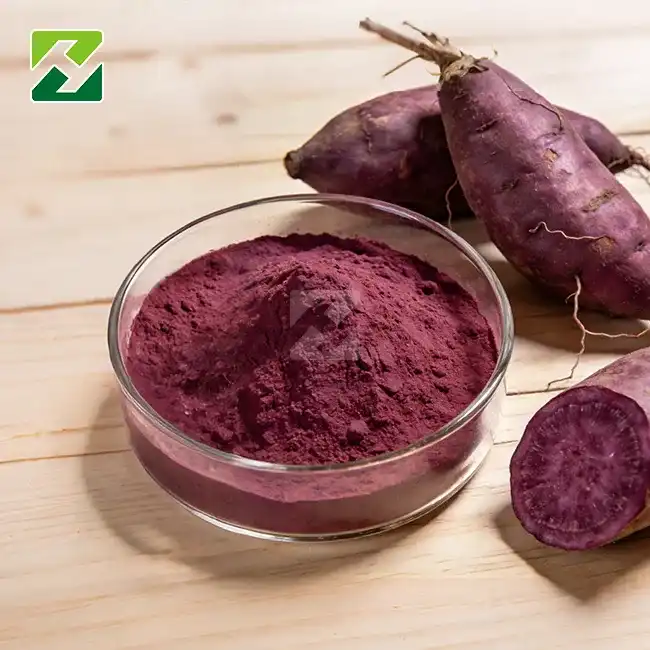
Is Purple Sweet Potato Extract good for hormones?
VIEW MOREPurple Sweet Potato Extract from Ipomoea batatas L. It seems like it might help keep hormones in check because it has a lot of acylated anthocyanins and polyphenolic substances. Researchers say that these bioactive molecules help the endocrine system work by lowering oxidative stress, altering how sensitive insulin is, and having an effect on the cortisol pathways. The unique chemical structure of the extract, which is mostly made up of cyanidin and peonidin derivatives, helps protect cells in a way that indirectly helps hormone regulation. You can't really call this natural ingredient a hormone replacement, but it does help metabolic health and the stress response, so companies that make functional foods and nutritional supplements can use it without worrying about the label.

Understanding Purple Sweet Potato Extract and Its Hormonal Impact
What Makes This Extract Unique for Endocrine Support
It is different from other berry products because it has a special mix of acylated anthocyanins that only plants have. This group of substances stays stable when they are processed and stored, which makes them ideal for use in nutraceuticals. The purple-red colour is caused by amounts that are usually standardised at E30 to E50 colour values, as measured at 530nm wavelength. This colour is common in things that have a lot of anthocyanins. Each batch will be the same because of this standardisation. This is very important for R&D directors and formulation managers who need to find functional ingredients they can trust.
The process keeps bioactives that are sensitive to heat and keeps the clean label draw of the extract, which is made with water as the only solvent. Because chemical solvents aren't used, it's easy for many markets to follow the rules and meet consumer demands for clear ingredient sourcing. The minimum order size for manufacturers is 25 kg, and the material comes in drums that hold 25 kg. Because lead times are only about 10 days, it's easy for them to plan when to make things.
Mechanisms Linking Anthocyanins to Hormonal Pathways
There are chemicals in Ipomoea batatas called anthocyanins that help cells talk to each other and decide how to use glucose and respond to inflammation. Researchers have found that these polyphenols make insulin receptors more sensitive. This helps keep blood sugar levels steady, which is an important part of keeping hormones in check. Improving the way insulin works is good because it lowers stress hormones and improves the way sex hormones are controlled.
This is because acylated anthocyanins are antioxidants and get rid of reactive oxygen species that would usually make hormonal glands not work properly. Hormones may not work as well in the reproductive system, adrenal glands, and thyroid when there is oxidative stress. The extract makes it possible for hormones to work normally by keeping cells safe. When you want to keep your hormones healthy without taking drugs, this kind of indirect method works well.
Nutritional Profile Relevant to B2B Formulation
Besides anthocyanins, the extract also has trace minerals and phenolic acids that help it do its job in the body. When it comes to nutrients, root sources are different from fruit sources. This means that product makers can choose from different plant origin stories. This range is important for supplement formulas to stand out in places where blueberry and acai are popular ingredients.
Because the extract dissolves in water, it is easier to mix with other things in drinks, capsules, and powders. When you mix things together, from protein shakes to healthy snack bars, the solubility of the ingredients makes sure that they are spread out evenly. Formulation scientists like how flexible it is, especially when they are making goods that help women's health by supporting hormones, improving digestive health, or lowering stress.

Scientific Comparison: Purple Sweet Potato Extract vs Other Natural Extracts for Hormonal Health
Anthocyanin Stability: A Technical Advantage
Plant-based pigments are not all the same when it comes to how stable they are to heat and light. Anthocyanins that are acylated in Purple Sweet Potato Extract last longer than those that are not acylated in blueberries or strawberries. A cation addition, such as caffeic, ferulic, or p-coumaric acid, guards against hydrolysis and oxidation at the steric level. This molecule shield keeps the colour richness and biological activity by pasteurising, cooking by extrusion, and making the food last longer.
Blueberry goods have a lot of anthocyanins, but they usually need more of them to have the same colour and health benefits. There are more lipids in materials from acai berries, which could make it harder to make low-fat foods. The choice that comes from tubers is in the middle. It has a strong colour, a clean taste, and useful properties without the formulation issues that come with choices that are too high in fat or unstable.
Organic Versus Conventional: Quality Considerations for Procurement
The quality and marketability of the product depend on how honest the source is. Organic approval is good for brands that care about the environment and health. Sellers with FSSC22000, ISO, and Organic records can give it to you. Even though materials from regular sources might be less expensive, people who care about their health value organic materials more.
You can choose between natural and man-made sources, which is another important choice. People and government officials in some markets are becoming less trusting of man-made colourants like Red 40. Alternatives made from plants meet the standards for "clean labels" and offer useful chemicals that aren't found in manmade colours. This difference helps nutraceutical companies make their brands stand out, and it also fits with natural health trends that are making the category grow.
Sourcing and Procurement: Choosing the Right Purple Sweet Potato Extract for Hormonal Applications
Evaluating Supplier Credentials and Certifications
Teams in charge of buying things give more weight to sellers who have strict quality systems and follow all the rules. Having certifications like ISO9001, FSSC22000, Kosher, Halal, NSF GMP, and others shows that a business is committed to making safe, valuable goods. With these credentials, it's easier to sell your goods in many places and to many types of people. This makes it easy for new goods to come out without getting in trouble with the law.
There is proof that an ingredient is real because of the paperwork that shows where it came from, from a farm to being processed and packed. Growers who have more than 8,000 acres of GAP-compliant land in different provinces are open about how they grow goods, gather them, and handle them afterward. This makes it easier to see if there are any problems with contamination, adulteration, or batch inconsistency that could affect the trustworthiness of the product.
High-tech analytical tools, like HPLC, GS-MS, and HPTLC equipment, let you precisely describe anthocyanin profiles and make sure that requirements are met. The lab's equipment is worth more than $1.2 million, which shows that money was spent on new technology and getting rid of bad equipment. There are senior researchers there, like professors and scientists with PhDs, which makes it easier to trust relationships for product creation and custom extract solutions.
Product Format Selection: Powder Specifications
The normal item is a purple-red powder that is made from only Purple Sweet Potato Extract. It is stored in 25 kg drums to protect it from light and water damage. Powders are useful for many tasks, such as making drinks and putting things in boxes. They're simple to move around and can be made in different ways. Formulators can choose between the E30 and E50 standards based on their needs for colour strength. This lets them improve both the way the product looks and how it works.
The water extraction process makes sure that the substance is a food-grade protein that can be used in cosmetics, supplements, and useful foods. This method of handling doesn't leave behind solvent remains that make it harder to file with the government and send messages to customers. The short list of ingredients and lack of common allergens can help brands that want to say they are vegan, non-GMO, or allergen-free.
Practical Procurement Considerations
The 25 kg minimum order amount is big enough for both new brands trying out new recipes and well-known companies that need that much to make their products. When combined with U.S. stores that can deliver quickly, ten-day wait times help with supply chain management that is quick to act. Shipping times and costs are cut down by having four strategically placed stores across the United States. This makes it possible to sell more goods more quickly.
Tests on stability, taste, and dosage can be done by research and development teams for free on samples before placing business orders. It is safer to check supplier claims and see if they work with the current formula matrices after this step.

Safe Usage Guidelines and Dosage for Hormonal Benefits
Recommended Inclusion Rates for Functional Formulations
The food business says that every day, people should eat between 50 mg and 500 mg of anthocyanins to fight free radicals and speed up their metabolism. It depends on the item and the people who will buy it to know the exact amount that is needed. For these numbers to mean anything, you need to know how much anthocyanin is in one gram of material. Standardised extracts with colour values of E30 or E50 usually have anthocyanin levels that can be tested. However, the exact percentages rely on the batch that was made and the analysis method that was used.
The people who work on formulas have to find a balance between goals for cost, taste, and colour impact. It's better for drinks and sweets to have higher inclusion rates because they make the colour stronger. But for pills that are a neutral colour, it's too much. Taste isn't as important in encapsulated forms, so formulators can focus on how the drug works instead of how it tastes.
Integration Strategies for Diverse Product Categories
It is useful for beverages where colour needs to be spread out quickly and evenly because the extract dissolves fully in water. pH reactivity is something you should keep in mind. As the pH level changes, anthocyanins go from red (acidic) to purple (neutral) to blue-green (alkaline). People who make drinks change the pH to get the right colour. For bright red tones, they usually keep it between 3.0 and 4.0.
Capsules and pills are great for hormone-supporting supplement stacks because they can hold more extracts without making you feel anything. When you mix the extract with plants that work well together, like adaptogens or phytoestrogen sources, the mixtures work better and help with more than one part of endocrine health. Smoothie or protein shake powder mixes look and work better than other products in the already crowded sports nutrition and health markets.
Maximizing Business Value: Why Purple Sweet Potato Extract Is a Strategic Ingredient for B2B Clients
Market Trends Driving Demand for Natural Hormone Support
When people know how dangerous endocrine disruptors and synthetic hormones are, they are more likely to look for natural alternatives that support the balance of hormones in the body. Millennials and Generation Z customers are especially interested in health tips that can be used to avoid getting sick, and they would rather get answers from food than from drugs. Nutraceutical brands that use plant-based ingredients that are backed by science and have clear stories about where they come from can benefit from this change in the population.
People are still changing how they like their vitamins, food, and beauty items because of the clean-label trend. People want products that are high in anthocyanins because they give food a natural colour, are good for you, and have easy-to-recognize ingredient names. Brands that use these traits have an advantage over products that rely on man-made ingredients or chemical substances that aren't well understood.
Competitive Differentiation Through Quality and Certification
When a product is certified organic, it gets better placement and can be sold at higher prices, especially in natural stores and on eco-friendly websites. The approval shows that the company cares about the health of its customers and the world. This is similar to how people who buy things because of their values do it. People who are willing to pay more for something they think is pure and useful will buy brands that stress that they are organic and have useful properties.
You can sell your goods to more people, like religious groups and people who want extra quality assurances, if they are certified as Kosher or Halal. For these certifications, the facility has to be carefully inspected, and the ingredients have to be confirmed. They make sure that the quality of the manufacturing standards is confirmed by a third party. It's clear that spending more on certification infrastructure pays off in measured ways, such as giving brands more ways to be sold and boosting their reputation.
Building Strategic Supplier Relationships
Partners who stay with a company for a long time help keep supply chains stable and make it easier for people to work together to create new ideas. It's better to buy from suppliers who offer custom extract specs, expert help, and regulatory paperwork than from suppliers who only offer plain prices. Intellectual property rights are strengthened when people can work together to make new blends or ways to deliver medicines. This also helps businesses stand out in the market.
If the quality is the same from batch to batch, there is less need to change the recipe and check the quality, which lowers the total cost of ownership even if the prices of the units are higher. Suppliers who can analyse, communicate clearly, and fix problems before they happen are often chosen as partners. This is especially true when rules change or production levels rise. Focusing on partnerships helps with long-term growth and getting back on your feet after problems in the supply chain.

Conclusion
Purple Sweet Potato Extract is a great ingredient for businesses that make hormone-supporting goods for nutraceuticals, functional foods, and cosmetics. The extract's acylated anthocyanin profile helps the metabolism and acts as an antioxidant, both of which are important for the health of the endocrine system. It's easier to get into the market because it has a clean label and follows all the rules. Getting things in bulk has many benefits, such as standardised standards (E30, E50), water-based extraction, and full certifications that meet the needs of many markets. To improve the success of formulations and the efficiency of the supply chain, it is best to carefully buy from suppliers that offer scientific know-how, analytical tools, and storage in the United States. Because more people want natural health products, this ingredient from tubers helps companies make their products stand out by using plant science and good manufacturing practices.
FAQ
1. Can this extract directly replace hormone therapy?
No, the chemical does not work like drugs in place of hormones. Instead, it helps with nutrition by working as an antioxidant and in metabolism. People add it to exercise goods that try to improve endocrine health by getting people to change the way they eat. Things should be put in the right places by brands, with food claims being more important than healing claims.
2. How does water extraction affect bioactive retention?
Heat-sensitive anthocyanins can be kept, and chemical solvent residues can't be left behind when water is used for extraction. Claims of "clean label" can be made with this method because it keeps biological action going. The process makes extracts that dissolve in water and can be used in many different formulations without changing the way the functional compound works.
3. What specifications matter most for hormonal applications?
By measuring colour values (E30, E50) to get the same amount of anthocyanin every time, the doses are always sure to work. The government needs certifications like organic, GMP, Kosher, and Halal. These certifications also help businesses stand out in the market. Suppliers' analysis skills and paperwork that shows where goods came from help with quality control and formulation trust.
4. Which product categories benefit most from this ingredient?
When it comes to functional dosing, capsules and tablets can have higher rates of inclusion. The way colour and absorption work is used in drinks. Both the way they look and how well they work make powder mixes for meal replacements and sports nutrition stand out. Antioxidant properties are used in cosmetics to make skin care products that are put on the skin.
Partner With OHI for Superior Purple Sweet Potato Extract Supply
A public company called Organic Herb Inc. (Stock Number: 872213) makes standardised plant extracts that meet the strict needs of the cosmetics, nutraceuticals, and functional food industries. We offer Purple Sweet Potato Extract in the form of water-extracted powders that are OK with the NSF GMP, Kosher, Halal, ISO9001, FSSC22000, and Organic programs. These powders meet the standards for E30 and E50. We make sure that your production plans are met by placing our four warehouses in the U.S. in a way that allows for quick shipping. Our research and development (R&D) team is made up of 27 top researchers, including professors and scientists with doctoral degrees. They use high-tech analysis tools to help with the creation of custom recipes. People in charge of buying things and formulating medicines can get free samples and talk to us about how our technical know-how and quality systems can help your lines of hormone-supporting products. Contact our applications team at info@organic-herb.com to talk about ways to work together that are based on sustainability, new ideas, and high-quality production.
References
1. Lila, M.A. (2004). "Anthocyanins and Human Health: An In Vitro Investigative Approach." Journal of Biomedicine and Biotechnology, 5, 306-313.
2. Tsuda, T. (2012). "Dietary Anthocyanin-Rich Plants: Biochemical Basis and Recent Progress in Health Benefits Studies." Molecular Nutrition & Food Research, 56(1), 159-170.
3. Grace, M.H., Yousef, G.G., Gustafson, S.J., Truong, V.D., Yencho, G.C., & Lila, M.A. (2014). "Phytochemical Changes in Phenolics, Anthocyanins, Ascorbic Acid, and Carotenoids Associated with Sweetpotato Storage and Impacts on Bioactive Properties." Food Chemistry, 145, 717-724.
4. Hwang, Y.P., Choi, J.H., Han, E.H., Kim, H.G., Wee, J.H., Jung, K.O., Jung, K.H., Kwon, K.I., Jeong, T.C., Chung, Y.C., & Jeong, H.G. (2011). "Purple Sweet Potato Anthocyanins Attenuate Hepatic Lipid Accumulation Through Activating Adenosine Monophosphate-Activated Protein Kinase in Human HepG2 Cells and Obese Mice." Nutrition Research, 31(12), 896-906.
5. Kim, H.W., Kim, J.B., Cho, S.M., Chung, M.N., Lee, Y.M., Chu, S.M., Che, J.H., Kim, S.N., Kim, S.Y., Cho, Y.S., Kim, J.H., Park, H.J., & Lee, D.J. (2012). "Anthocyanin Changes in the Korean Purple-Fleshed Sweet Potato, Shinzami, as Affected by Steaming and Baking." Food Chemistry, 130(4), 966-972.
6. Montilla, E.C., Hillebrand, S., Winterhalter, P., & Moritz, P. (2011). "Anthocyanins in Purple Sweet Potato (Ipomoea batatas L.) Varieties." Fruit, Vegetable and Cereal Science and Biotechnology, 5(2), 19-28.
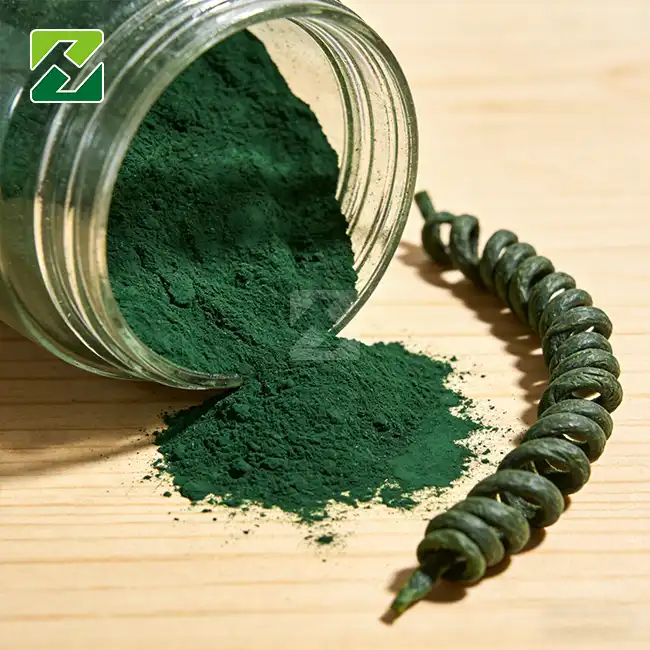
Transform Natural Spirulina Powder into Tasty Superfood Recipes
VIEW MOREIf you want to make tasty, marketable products out of blue-green algae, Natural Spirulina Powder (Spirulina platensis) can help. It can be used by companies that make foods, supplements, and functional drinks. Because it is so healthy, Natural Spirulina Powder has gone from being a niche health ingredient to a hot superfood ingredient. It has a lot of good things for you, like iron, B vitamins, essential amino acids, and powerful antioxidants like phycocyanin. We've learned from working with makeup brands, vitamin companies, and functional food makers that Natural Spirulina Powder needs to be mixed in a way that keeps its health benefits while still making it taste good. This means making sure you know what makes it special and how to control the taste profile.
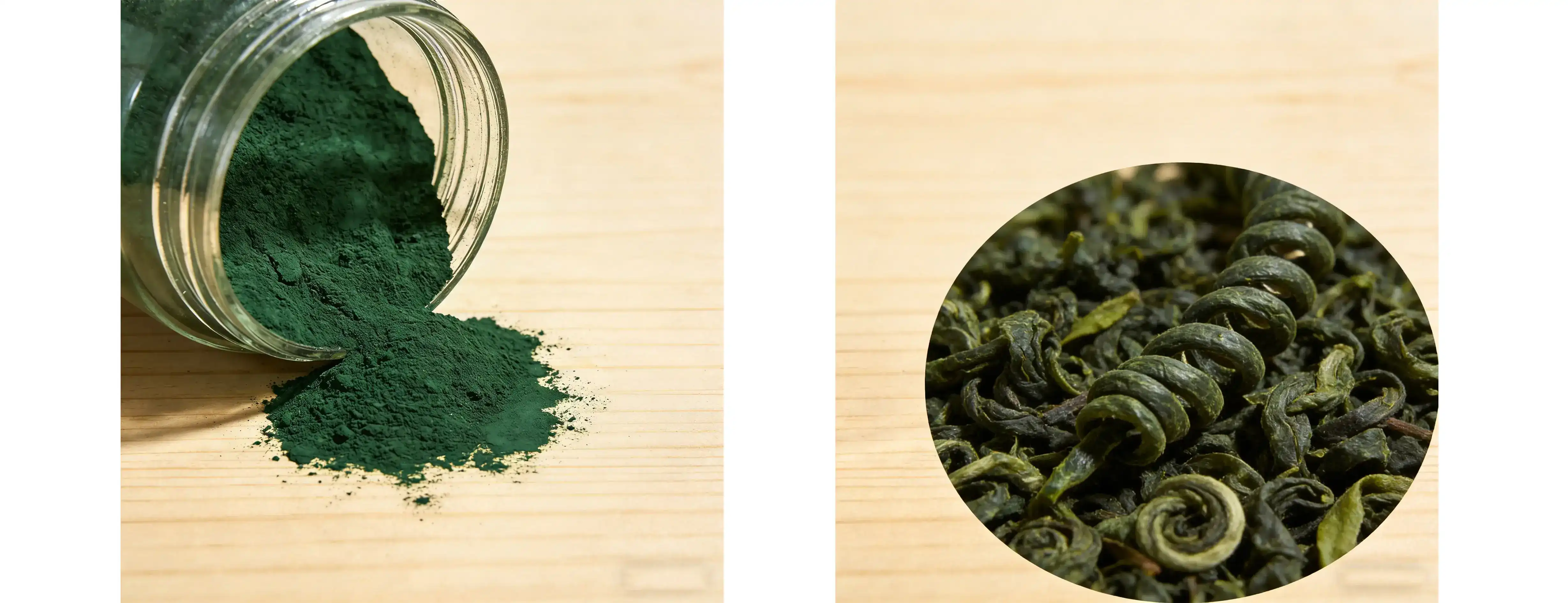
Understanding Natural Spirulina Powder and Its Benefits
What Makes Natural Spirulina Powder a Premium Functional Ingredient
Natural Spirulina Powder comes from algae that were grown and picked with care and then ground into a fine green powder that keeps all of its health benefits. Seven grams of dry Spirulina has a lot of vitamins A, B6, and K in it. It has 4.02 grams of protein, 95.2 mg of potassium, and 2 mg of iron. Because it is full of nutrients, this meal is great for companies that make healthy, clean-label products. Powder is easier to mix than pills or flakes, so it can be used to make shakes, drinks, protein bars, and other healthy foods. Many people who want to buy Spirulina ask what "natural" or "organic" means. Organic farming is different from other types of farming because it follows strict rules for farming that are watched over by governing bodies. This is very important for high-end stores.
Core Nutritional Profile and Functional Benefits
There are useful things in Natural Spirulina Powder besides just basic macronutrients. 10–18% of Spirulina is made up of the blue pigment phycocyanin. It is a powerful antioxidant that gets rid of free radicals that are created by the environment and the body's natural processes. So, Natural Spirulina Powder is a great ingredient for products that help people live busy lives, give them energy, and keep their health in general. All nine necessary amino acids are found in Spirulina, which makes it a better plant-based protein source than many others. This is something that buying managers like. It is even better because it has gamma-linolenic acid (GLA), an omega-6 fatty acid. Strong product claims based on these health benefits are appealing to modern customers who want natural, whole-food ingredients instead of fake ones.
Recommended Usage Guidelines for Large-Scale Production
Food scientists and formulation managers should consider the Natural Spirulina Powder flavor while creating recipes. Earthy, watery flavor. Standard supplement doses are 3–8 grams per serving. Most foods and drinks should have 1 to 3 grams per serving to balance nutrients and flavor. This powder doesn't alter when the pH is between 4.5 and 8.0; thus, it works with most drinking systems. Below pH 4.0, mixed acids may require binding agents like carbohydrates to prevent powder from adhering. Temperature sensitivity is another consideration. Too much heat when cooking breaks down phycocyanin, making it unhealthy. Our tech team recommends adding Natural Spirulina Powder to cool or cold water. Our straight powder standard has several particle sizes. This helps the powder blend evenly in dry and moist solutions.
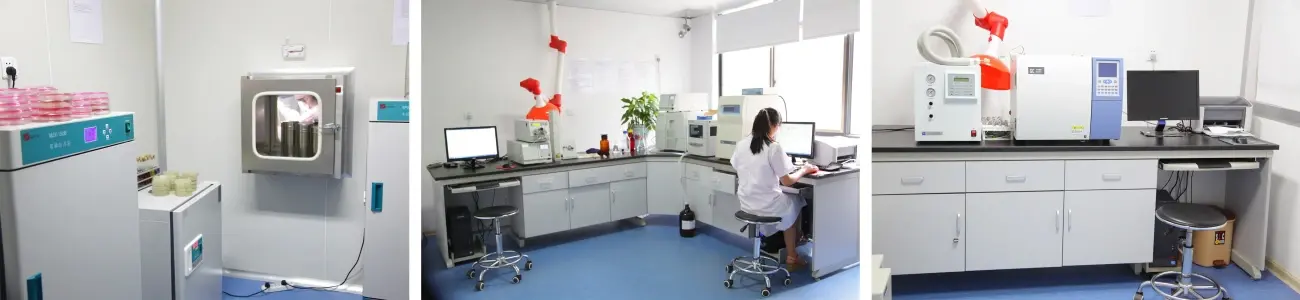
Comparing Natural Spirulina Powder with Alternative Supplements
Quality Differentiation and Bioavailability Analysis
When buying, managers look at Natural Spirulina Powder next to chlorella, wheatgrass, or regular protein powders; they need to know what makes each one work better or worse. To get the most nutrients out of chlorella, its cellulose cell wall needs to be broken down mechanically. The structure of Spirulina cells, on the other hand, lets nutrients enter the cell directly, without any extra work. Low doses work best for most people because of this absorption edge. It is possible to absorb about 83% of the protein in Natural Spirulina Powder, which is higher than many plant proteins and more like egg protein. More micronutrients are found in Natural Spirulina Powder than in pea or rice protein powders. It has small amounts of minerals that separated protein sources often don't have. Companies that want to make their products stand out by adding more than one nutrient should use Natural Spirulina Powder. It has many benefits that support a premium positioning.
Form Factor Considerations for Production Efficiency
Powder, pills, capsules, and flakes are all different kinds of Spirulina that are made for different reasons. With the straight powder form that we sell, you can make a huge range of recipes. You can fine-tune the amount, and it works with machines that mix drugs for you. Powder can be made in the same way that protein drinks, smoothie bowls, energy bars, and baked goods are. You just need a few extra ingredients and some special tools to make tablets. Even though flaked Spirulina looks nice as a garnish, it can be hard to spread out evenly on squares. It's easier to keep track of stock for medium-sized production runs when it comes in 25-kilogram drums. The tight seal also keeps the food fresh. You can try out different recipes without spending a lot of money because the minimum order size is 25 kilograms. When you are making a new product, this is very helpful.
Transforming Natural Spirulina Powder into Delicious Superfood Recipes
Flavor Masking Strategies and Recipe Development Principles
A lot of people say that Natural Spirulina Powder tastes green or a little seaweedy. Brands have the most trouble figuring out how to deal with its unique taste when they use it. People who write recipes try to make food that is both healthy and tasty for most people. Coconut, pineapple, mango, and banana all have sweet, nice smells that go well with the earthy taste of Natural Spirulina Powder. Things get thicker and less sour when you add cream or coconut milk to them. These flavors go well with Natural Spirulina Powder because they don't hide its taste. They taste great in smoothies and desserts. When it comes to how well different groups of people like new products, formulation chemists who work on commercial products might want to hold sensory panels with those groups. On the other hand, athletes and people who are interested in health and fitness tend to handle the natural taste of Spirulina better than most people.
Five Proven Recipe Concepts for Commercial Applications
- Add 1.5 grams of Natural Spirulina Powder to spinach, frozen mango, coconut water, chia seeds, and honey for an energy-boosting green smoothie. This recipe yields 15 grams of protein per serving. Color remains brilliant, flavor stays cold and pleasant. This recipe makes powdered or bottled beverages.
- Each 60-gram plant-based protein bar should include 2 grams of Natural Spirulina Powder, dates, almond butter, rolled oats, and dark chocolate chips. Dates hold together without adhesive. It simplifies clean label placement. Protein in Natural Spirulina Powder improves nutrition without increasing serving size.
- Superfood Guacamole Enhancement: Add 0.5 grams of Natural Spirulina Powder to 100 grams of guacamole to boost the color and add subtle umami notes that complement the avocado's creamy smoothness. This software is great for food service and restaurant outlets looking to innovate their offerings.
- Nutritional Hummus Blend: Add 1 gram of Natural Spirulina Powder to normal hummus recipes to make them vibrant green and 15% more protein. This helps consumers eat healthier versions of their favorite meals. Adding tahini and lemon juice to Natural Spirulina Powder makes sense.
- Fortified Baked Goods: Adding 0.8 to 1.2 grams of Natural Spirulina Powder to a muffin, cookie, or energy bite makes it healthier without affecting its rise or composition. Matcha or cocoa makes Natural Spirulina Powder easier to integrate into formulation matrices.
Real-World B2B Integration Case Studies
Big companies that make functional drinks have successfully put out lines of drinks with extra Natural Spirulina Powder by being open with customers and teaching them about the goods. People are more likely to choose a brand again if they explain where their Spirulina comes from, what it does for your body, and how they grow it in a way that doesn't hurt the environment. One company that sells sports nutrition said that spirulina-based protein drinks with full ingredient lists on the boxes kept 23% more customers. Someone else who makes functional foods found that Natural Spirulina Powder products sold better when they were mixed with known flavours instead of being sold as "green" choices by themselves. This shows that slowly teaching people about health is better than sending them a lot of health messages at once.
Procurement Guide for Natural Spirulina Powder: Finding the Right Supplier
Essential Certification and Quality Standards
Finding a good Natural Spirulina Powder provider requires more than pricing. NSF GMP ensures that medicine-making procedures satisfy standards, FSSC22000 ensures that food safety systems operate, and organic accreditation from respectable bodies. Our building maintains Kosher and Halal certifications. It enables brands that serve many clients to access new markets. Purchasing managers should request COAs for each manufacturing batch. These reveal heavy metal, microbial, and active compound counts. Spirulina quality varies greatly by cultivation. Closed-system photobioreactors produce cleaner, less contaminated commodities than open pond systems. Both may create lawful ingredients with proper handling.
Evaluating Supplier Capabilities and Transparency
Production, regular wait times, and competent service distinguish outstanding vendors from commodity merchants. Our 10-day order-to-ship period makes stock tracking straightforward. This helps companies assess client response to new offerings. Four large US outlets provide timely overseas delivery and orders. This protects the supply chain. Trust the vendor if they disclose where the crops originate from, how they are processed, and how quality is monitored. Our Jiangxi factory uses new low-temperature processes to safeguard heat-sensitive nutrients and eliminate microorganisms. Purchasing teams should inquire about suppliers' R&D capabilities. Formulation scientists who understand constituent interactions may speed up product development and avoid expensive reformulation.
Strategic MOQ Negotiation and Logistics Optimization
Knowing minimum order quantities is crucial while buying. This applies mainly to young or established enterprises testing new product areas. Our 25-kilogram MOQ balances manufacturing efficiency and client independence. It enables clients to conduct relevant formulation testing without crowding the warehouse. Packaging in 25-kilogram barrels keeps items dry and out of the sun and rain. People should consider land costs as well as per-kilogram prices while buying. Shipping reliability, documentation accuracy, and tax management impact purchase expenses. Build connections with suppliers that give free samples to test things out before buying a lot. Before mass production, formulation teams may utilize our sample tool to ensure color consistency, product spreadability, and flavor profile compatibility with recipe grids.
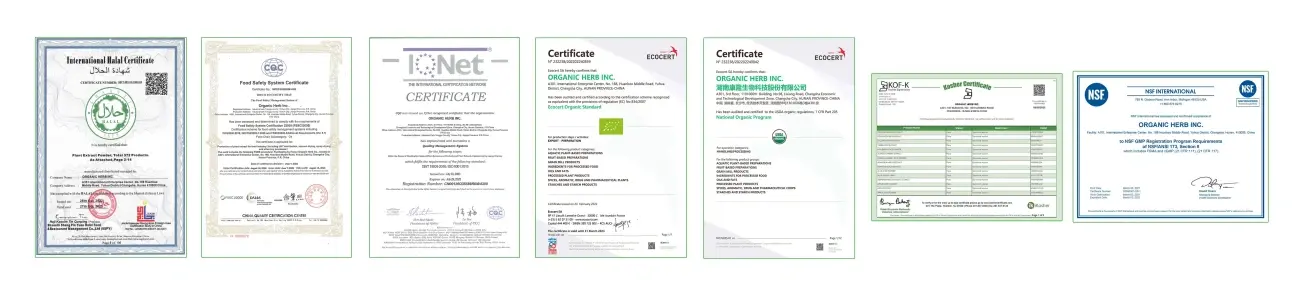
Maximizing ROI and Ensuring Quality in Spirulina Powder Procurement
Critical Quality Verification Tests and Standards
Different tests are required to prove the quality of Natural Spirulina Powder. Hi-Performance Liquid Chromatography (HPLC) measures phycocyanin, confirming active chemical quantities. Nutrition labels can't be inaccurate since they employ the Kjeldahl or Dumas technique to calculate protein content. Customer safety and brand reputation are protected by lead, cadmium, mercury, and arsenic testing. This is crucial because plants accumulate these metals. We test each batch of output using HPLC-ELSD, GC-MS, and atomic absorption spectrophotometry at our quality control lab. Moisture content analysis stops microbial development in stored food. Correctly treated natural spirulina powder should contain less than 8% moisture. Particle sizes affect mixing and perception. Our straight powder standard ensures that particles possess the same characteristics and blend smoothly in liquid and solid compositions.
Storage and Handling Best Practices
It is important to think about the environment in order to keep the quality of Natural Spirulina Powder good throughout the supply chain. The powder should be kept somewhere cool and dry, out of direct sunlight, and where the humidity is less than 60%. Because light breaks down phycocyanin, the bright blue-green colour that makes the product look good is not as bright. Oxygen makes delicate fatty acids break down faster, which can make food taste bad. The 25-kilogram drums we use are made of materials that keep out light and air, so the food stays fresh. For stores to make sure that goods are at their best when they are used, they should use first-in, first-out (FIFO) inventory movement. If you store it right, Natural Spirulina Powder will stay good for 24 months after you make it. This gives you enough time to plan most production processes.
Custom Formulation Opportunities with OEM Partners
OEM features can be used to make unique formulations for brands that want to stand out by using their own Spirulina blends. Our 27 senior researchers, who are professors and people with Ph. D.s, work with clients to find the best Spirulina concentration, ways to hide flavours, and pairs of ingredients that work well together. Superfoods like chlorella, wheatgrass, or acai leaf could be mixed with Natural Spirulina Powder to make full "greens" meals. Microencapsulation is a type of co-processing that can keep delicate compounds safe and make it easier for them to mix with tough materials. Because we use nano-membrane isolation and freeze-drying technologies, we have full control over the properties of the end product. When brands pay for custom development, they get formulations and intellectual property benefits that are hard for competitors to copy. They can charge more because of this.
Conclusion
Natural Spirulina Powder is a flexible and nutrient-dense ingredient that opens up a lot of possibilities for useful foods, dietary supplements, and new drink products. To successfully add Natural Spirulina Powder, you need to know about its taste, nutritional value, and how to process it. You should also pick suppliers whose quality is consistent, who follow the rules, and who can help you with technical issues. With these recipe ideas and tips for preparing Natural Spirulina Powder, you can turn it from a raw ingredient into tasty foods that will make your business stand out in the market. Checking licenses, being honest with sellers, and doing analytical tests as part of a planned approach to buying can help protect a brand's image and cut costs at the same time. Customers want more plant-based nutrition goods with clean labels. Businesses that use Natural Spirulina Powder as a strategic addition instead of just another thing will be able to meet that demand.
FAQ
1. What is the recommended shelf life for Natural Spirulina Powder in bulk storage?
If you keep Natural Spirulina Powder in sealed containers below 25°C and away from water and direct sunlight, it will stay at its best for about 24 months after you make it. Our 25-kilogram drums are strong enough to keep most things in a storage safe. One good way to tell is to check the colour strength. Severe loss of colour means that the phycocyanin is breaking down, so the product needs to be used right away.
2. How does Natural Spirulina Powder interact with other common supplement ingredients?
Natural Spirulina Powder works well with most of the vitamins, minerals, plant proteins, and herbal products that are used in nutraceuticals. It's easy to mix the powder with fibre sources, adaptogenic herbs, and protein isolates, and it doesn't work badly. Don't mix Natural Spirulina Powder with things that need a very acidic pH (below 3.5) unless you add stabilisers. When these things happen, the Spirulina may separate.
3. Can Natural Spirulina Powder withstand standard food processing temperatures?
It is possible for Natural Spirulina Powder to handle light heat (up to 90°C for short amounts of time) during production processes like extrusion. But being exposed to high temperatures for a long time breaks down nutrients that are sensitive to heat, like phycocyanin. The best times to add Natural Spirulina Powder are when things are cooling down or when they don't need to be heated up too much. Most of the time, Spirulina keeps 70–85% of its nutritional value when it is mixed into batter or dough instead of being spread on top.
Partner with OHI: Your Trusted Natural Spirulina Powder Manufacturer
The first thing you need to do to make great spirulina-based products is to find a trusted source of ingredients that meets your quality standards and production dates. Pharmaceutical-grade manufacturing standards are met by OHI (Organic Herb Inc., Stock Number: 872223), which also has reasonable prices and friendly customer service. We have certifications for quality that cover a wide range of market conditions, such as NSF GMP, FSSC22000, ISO9001, Kosher, Halal, and Organic. This is our Spirulina platensis. It's a straight powder that stays very stable and bright green. It looks like a fine powder that comes from algae that haven't been water-extracted. Send us an email at info@organic-herb.com to get free samples and talk about what you need in a mixture. The people who work in procurement expect a top Natural Spirulina Powder supplier like OHI to have the knowledge, capacity, and dependability they need. They can help with both new product development projects and making sure that well-known product lines always have enough stock.
References
1. Becker, E.W. (2007). "Micro-algae as a source of protein." Biotechnology Advances examines spirulina's amino acid profile and protein quality metrics.
2. Deng, R. and Chow, T.J. (2010). "Hypolipidemic, antioxidant, and anti-inflammatory activities of microalgae Spirulina." Cardiovascular Therapeutics documents bioactive compound functionality.
3. Kulshreshtha, A., Zacharia, A.J., et al. (2008). "Spirulina in health care management." Current Pharmaceutical Biotechnology reviews applications in functional foods.
4. Mao, T.K., Van de Water, J., and Gershwin, M.E. (2005). "Effects of a Spirulina-based dietary supplement on immune parameters." Journal of Medicinal Food, exploring nutritional impacts.
5. Spolaore, P., Joannis-Cassan, C., et al. (2006). "Commercial applications of microalgae." Journal of Bioscience and Bioengineering analyzes market trends and processing methods.
6. United States Department of Agriculture (USDA) FoodData Central. "Seaweed, spirulina, dried." Nutritional composition database for standardized spirulina analysis.
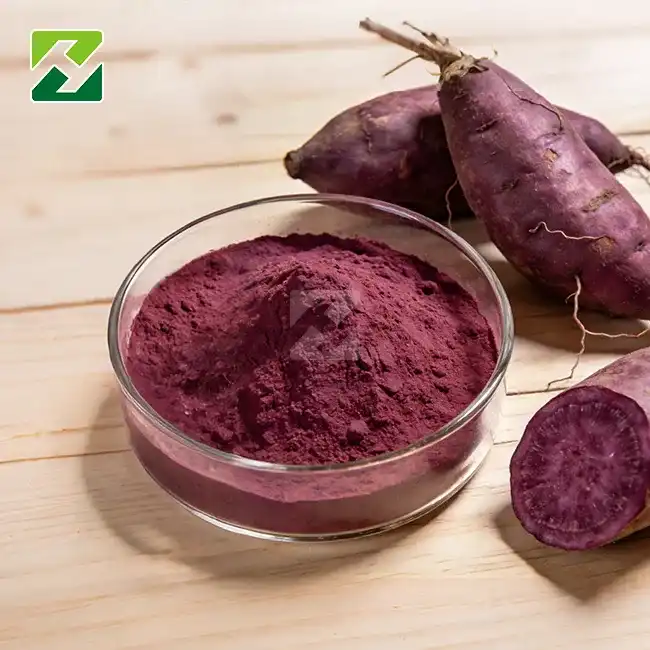
Benefits of Purple Sweet Potato Extract Against Endothelial Progenitor Cell Migration
VIEW MOREPurple Sweet Potato Extract, which comes from the roots of Ipomoea batatas L., has a lot of anthocyanins, especially acylated cyanidin and peonidin derivatives, which can affect the movement of endothelial progenitor cells. These bioactive compounds change the way cells work to keep arteries healthy. This gives people who make nutraceuticals and cosmetics a natural ingredient that helps heart health products. The extract's unique ability to stay stable in its structure and dissolve in water makes it a desirable functional ingredient for companies that want to add science-backed botanical actives to their products to make them stand out.
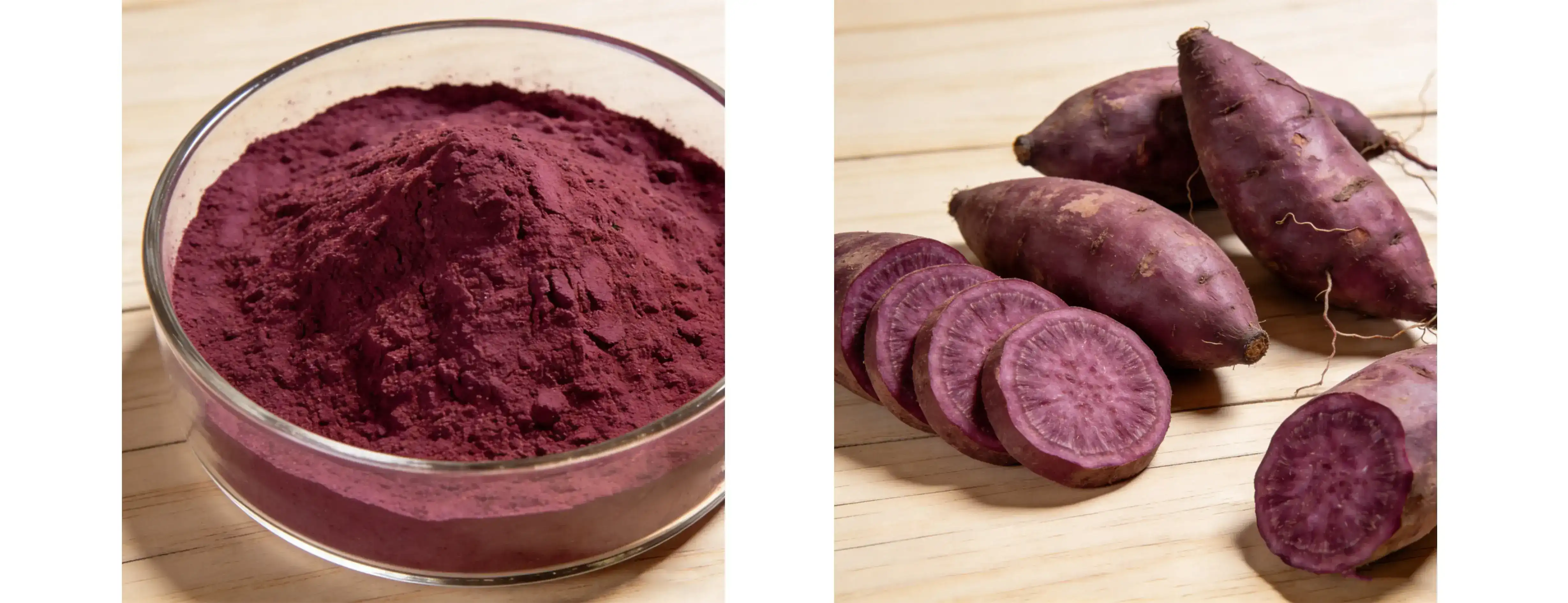
Understanding Endothelial Progenitor Cell Migration and Its Health Implications
In the circulation system, endothelial progenitor cells help fix things by moving from the bone marrow to places where new blood vessels need to grow. The movement of these cells is a key part of keeping blood vessels healthy and making tissue renewal possible. When EPC migration works at its best, the body can better handle vascular stress and keep the circulation working well.
Why EPC Migration Matters for B2B Product Development
New research shows that EPC mobility is linked to markers of overall cardiovascular health. Scientists who work on making functional supplements and fortified drinks are paying more attention to nutritional interventions that target EPC function. The activity of cells gives a measured endpoint for testing how well ingredients work, which lets R&D teams back up product claims with real biological signs. Instead of just using standard antioxidant measures, procurement managers and product creators can find ingredients that provide real functional benefits when they understand how EPC works.
The Vascular Health Connection
People with metabolic problems and sedentary lives have been seen to have trouble with EPC movement. Nutritional compounds that help the EPC work well help keep the vascular system flexible and the endothelial layer strong. This biological goal fits with what people want in terms of proactive health solutions. This means that brands that are at the intersection of nutrition science and cardiovascular support will have chances in the market. Formulation managers are looking for plant ingredients that have been shown to improve endothelial function. This means that the EPC movement is an important thing to think about when choosing ingredients.
The Role of Purple Sweet Potato Extract in Supporting EPC Migration
This tuber extract is different from other plant pigments because it contains a lot of anthocyanins. Common berries have anthocyanins that are not acylated, but purple sweet potatoes have acylated anthocyanins, which make them more stable and bioactive. Using 100% water as a solvent for extraction keeps the original composition and meets food-grade safety guidelines.
Anthocyanin Composition and Cellular Activity
Our standardised extract meets the requirements for E30 or E50, which means it has exact colour values that are related to the amount of anthocyanin present. The main bioactive molecules, which are cyanidin-3-sophoroside-5-glucoside derivatives acylated with caffeic and ferulic acids, are more stable than manufactured alternatives or natural colourants that don't last as long. Researchers in the lab have found that these acylated anthocyanins interact with cellular signalling pathways that help EPC mobilisation. This makes them a useful ingredient that does two things: it adds colour naturally and acts biologically.
The purple-red colour of Purple Sweet Potato Extract comes from tuber sources and stays the same across production batches. This solves a major problem for cosmetic chemists and food technologists who need reliable colour performance along with functional benefits. Because it dissolves in water, it can be easily added to water-based mixtures without the need for extra carriers or solvents.
Evidence from Scientific Literature
Several preclinical studies have looked at how anthocyanins affect the function of endothelial cells. According to studies published in journals about cardiovascular nutrition, taking anthocyanin supplements is linked to better markers of vascular flexibility and higher levels of nitric oxide, which both affect the ability of EPCs to move. Even though everyone reacts differently, the results of many studies all point to the role of anthocyanins in supporting healthy endothelial cell behaviour.
Cardiovascular health is better in people who eat a lot of foods high in anthocyanins, according to clinical observations. According to these results, R&D leaders have a good reason to include purple sweet potato anthocyanins in products that help the heart. The extract works well with clean-label marketing, which meets the need for easily recognisable chemicals in the market and makes the product stand out in supplement categories with a lot of competition.
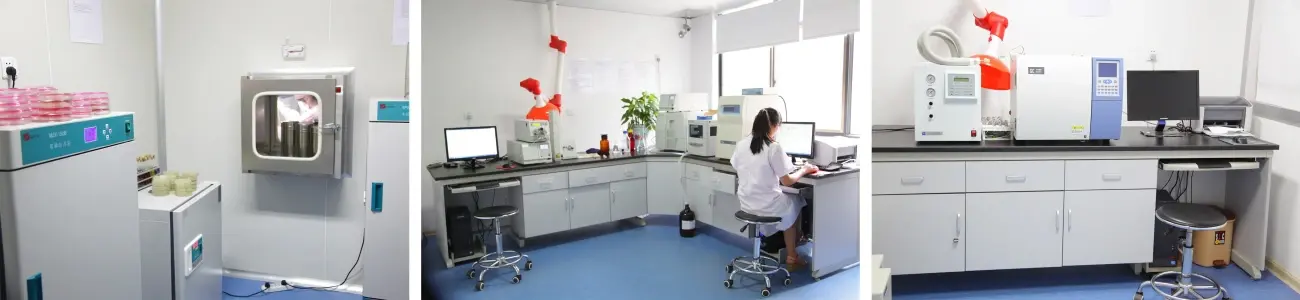
Comparing Purple Sweet Potato Extract with Other Nutritional Solutions
When procurement teams look at anthocyanin sources, they need to think about more than just measuring the antioxidant ability. The acylated anthocyanin structure has benefits that have a direct effect on how well the mixture works and how well the end product works.
Structural Advantages Over Berry Extracts
The anthocyanins in blueberry and acai extracts are mostly non-acylated, which means they break down more quickly when heated or exposed to light. The acylation in purple sweet potato anthocyanins blocks steric hindrance, which keeps the chromophore from breaking down in water. This means that finished goods will last longer on store shelves and colours will stay bright throughout the marketing process. These are important factors for brands that sell in foreign markets with long supply chains.
Comparative stability testing shows that acylated anthocyanins keep their colour intensity at temperatures up to 90°C. This means that they can be used in baked functional foods and drinks that have been pasteurised. Non-acylated anthocyanins from berries often break down a lot when processed the same way, which limits how they can be used.
Cost-Benefit Analysis for Formulators
Premium berry extracts cost more per kilogram, but purple sweet potato anthocyanins often have better cost-to-performance rates because they are more stable. Lower usage rates may be needed to get the results you want, which lowers the total cost of creation even though the raw materials are priced the same. The 25 kg minimum order quantity and drum packaging also make it easy for product development teams to test on a small scale before committing to larger orders.
Because both E30 and E50 standards are available, formulators can choose the right potency level based on the needs of the product. Skincare developers might like E50 for intensive serums, while beverage developers might think E30 is enough for functional drinks. This way, ingredient costs can be kept low without affecting effectiveness.
Organic Versus Conventional Sourcing
Organic certification can help your product get a better ranking, but it needs to be checked that the growing methods are used correctly all along the supply chain. Our certified organic option meets both USDA and EU organic standards, which helps brands that are trying to reach people who like natural products. Conventional Purple Sweet Potato Extract has the same levels of anthocyanins but is cheaper for uses that need to save money. Both types go through the same quality control steps, which ensures that the purity and activity are the same no matter how they were grown.
Procurement Considerations for B2B Clients: Sourcing Quality Purple Sweet Potato Extract
The 2024 ingredient market has a lot of supplier choices, so it's important to do a thorough review of each one. It's not just about meeting basic requirements; quality assurance also includes making sure the supply chain works well and following the rules.
Certification Requirements for International Markets
In order to enter the US and EU markets successfully, you need to provide a lot of paperwork. Our Purple Sweet Potato Extract is certified by NSF GMP, Kosher, Halal, ISO, and FSSC22000, so it meets the regulatory needs of a wide range of target markets. FDA approval for colourants made from plants and GRAS status make it easier for supplement makers to make label claims and file regulatory paperwork.
The certification collection shows that the production process is excellent and the quality system is strong, which are important factors for pharmaceutical companies and medical nutrition developers who need pharma-grade botanical ingredients. Instead of doing full facility assessments, QA directors can speed up supplier audits by checking existing certifications.
Supply Chain Logistics and Inventory Management
Through our fully owned subsidiary, Earth Made Nutritions, based in Los Angeles, Organic Herb Inc. keeps strategic inventory in four major U.S. warehouses. This delivery network speeds up fulfilment for customers in the United States, cutting wait times from weeks to days. International buyers can save time and money by consolidating their shipping options and making the paperwork for customs easier.
The 10-day lead time for new production runs works with just-in-time inventory strategies and gives you extra capacity in case demand goes up unexpectedly. Formulation teams can do preliminary testing before committing to minimum order quantities when samples are available for free. This reduces the risk of procurement and speeds up the product development timeline.
Pricing Structures and MOQ Considerations
When compared to commodity items that need to be committed to by the tonne, the 25 kg minimum order amount is a low barrier to entry. This easy-to-reach MOQ helps new brands and contract manufacturers who work with many clients whose volume needs vary. When you buy more, the wholesale pricing models work better, and the margins get better over time, which is good for long-term partnerships.
Pricing that is clear and represents the real quality of the product makes it possible to accurately predict costs and set competitive market prices. Distributors and importers can serve local markets with more margin freedom while still upholding quality standards that protect the image of the brand.
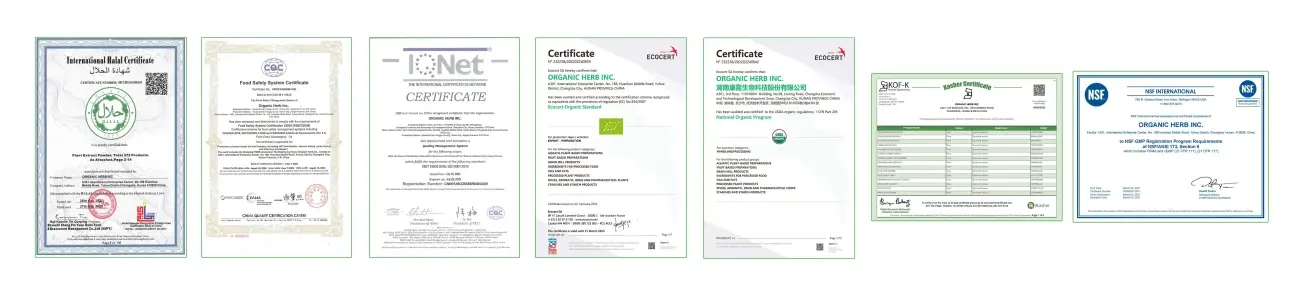
Best Practices for Utilizing Purple Sweet Potato Extract in Product Development
To effectively incorporate ingredients, you need to know about both the rules and the science of formulations. Anthocyanins from purple sweet potatoes can be used in a lot of different ways if they are properly added.
Recommended Usage Levels and Formulation Guidelines
Depending on how strong a supplement is wanted, it usually has 50 to 200 mg of anthocyanins per serving, which is the same as 200 to 800 mg of E50 Purple Sweet Potato Extract. For beverage use, a concentration of 0.5 to 2% can be used to get a bright colour and functional benefits. Topical skin care products with 1-5% anthocyanins in them work better because the anthocyanins help protect the skin from damage and improve its appearance.
Optimising the pH level is important for keeping the colour stable. Acidic formulas (pH 3.0-4.5) make bright red-purple colours that work well for drinks, while neutral pH systems make purple colours that work well for vitamins that are put in capsules. You should stay away from alkaline surroundings because they change colours to blue-green ranges that you don't want and speed up the breakdown of anthocyanin.
Application Categories and Market Opportunities
Purple sweet potato anthocyanins are commonly used in cardiovascular health supplements, which are a good fit for people who want heart-healthy ingredients. Sports nutrition companies use the substance in healing formulas because it is high in antioxidants and naturally gives you energy. Manufacturers of functional drinks use both the colour and the health positioning to make clean-label goods that can compete with alternatives that are coloured with chemicals.
Anti-aging skin care is where anthocyanins are most useful in cosmetics because they neutralise free radicals and make skin stronger. The purple-red colour makes clear serums look appealing and lets customers know that active ingredients are present. Personal care brands that want to be seen as natural can benefit from the botanical origin and simple ingredient declaration.
Regulatory Compliance and Label Claims
According to FDA rules, "vegetable juice colour" can be used in food and drinks, which supports clean-label goals without needing E-number declarations. Labels on supplements can list the amount of anthocyanin they contain, but they must include the right structure-function disclaimers to avoid making any illegal health claims. Getting organic approval lets you use "certified organic" labels, which are more expensive in natural goods stores.
Manufacturers who want to export should check the target country's rules on how much anthocyanin can be used and what paperwork is needed. Our full certificate of analysis package includes tests for microbes, heavy metals, and pesticide residues. This makes it easier to get through customs and meets the standards for importing into major markets.
Conclusion
Purple Sweet Potato Extract is a strategically valuable ingredient for B2B buyers looking for functional botanical actives that have been shown to affect the migration of endothelial progenitor cells. The acylated anthocyanin profile of the extract makes it more stable than other berry extracts, which helps with formulation issues and supports the cardiovascular health stance. Earth Made Nutrition's full certifications, low minimum order amounts, and U.S.-based goods give procurement teams supply chain benefits that help them place themselves in a competitive market. More and more research is showing a link between anthocyanin intake and vascular health markers. This gives research and development teams a scientific reason to make new supplements, drinks, and cosmetics.
FAQ
1. What makes Purple Sweet Potato Extract effective for vascular wellness applications?
The power comes from acylated anthocyanins, especially cyanidin and peonidin derivatives that are linked to phenolic acids. Because it is stable under processing conditions, this molecular structure acts as an antioxidant. According to research, these chemicals work with cell pathways that help endothelial cells do their job, which supports healthy blood vessel dynamics. Because it dissolves in water, it is easily absorbed by the body when added to supplements or useful foods.
2. How does this extract compare to synthetic cardiovascular ingredients?
Natural anthocyanins are positioned as "clean labels," which is in line with how modern consumers want their ingredients to be recognised. Instead of a single synthetic compound, Purple Sweet Potato Extract has a complex mix of phytochemicals that may work together to have more positive effects. The botanical origin supports marketing claims about whole-food nutrition while meeting technical performance standards that are similar to those for regular actives.
3. What quality assurance protocols ensure batch consistency?
There are several quality control steps in our manufacturing process. These include checking the raw materials using HPTLC fingerprinting, keeping an eye on the process with HPLC analysis, and testing the finished product for heavy metal contamination, anthocyanin content, and microbial limits. Each 25kg drum comes with a full proof of analysis that proves it meets all the requirements. The GMP-certified facility and ISO quality management system make sure that the results of all runs of output can be repeated.
Partner with a Certified Purple Sweet Potato Extract Manufacturer
Organic Herb Inc. can help you reach your goals for new products by providing you with high-quality Purple Sweet Potato Extract that is standardised to E30 or E50 standards. We control quality from the soil to the finished product because our company is widely traded (Stock Number: 872213) and grows on more than 8,000 acres of GAP-certified land in several states. Our cutting-edge research and development center in Changsha has 42 highly skilled workers and over $1,200,000 worth of HPLC-ELSD, GS-MS, and other analysis equipment.
You can get a free taste of our water-extracted, NSF GMP-certified ingredient today and see how it works in your recipes. We meet the strictest international standards and keep our prices low because we are certified as Kosher, Halal, ISO, and FSSC22000. Get in touch with our technical team at info@organic-herb.com to talk about your unique needs and get full formulation advice. Our Purple Sweet Potato Extract supplier capabilities and four U.S. warehouse locations ensure reliable delivery that supports your production schedules, whether you're making natural cosmetics, functional beverages, or supplements for your heart.
References
1. Wang, L.S., Stoner, G.D. (2008). Anthocyanins and their role in cardiovascular wellness. Journal of Agricultural and Food Chemistry, 56(18), 8168-8175.
2. Cassidy, A., Mukamal, K.J., Liu, L., Franz, M., Eliassen, A.H., Rimm, E.B. (2013). High anthocyanin intake is associated with improved vascular function markers. American Journal of Clinical Nutrition, 97(3), 480-488.
3. Matsumoto, H., Nakamura, Y., Tachibanaki, S., Kawamura, S., Hirayama, M. (2003). Stimulatory effect of cyanidin 3-glycosides on cellular antioxidant defenses. BioFactors, 19(1-2), 107-116.
4. Hu, C., Zawistowski, J., Ling, W., Kitts, D.D. (2003). Acylated anthocyanins: physicochemical properties and biological activity. Food Research International, 36(9-10), 1033-1043.
5. Rodriguez-Mateos, A., Heiss, C., Borges, G., Crozier, A. (2014). Berry flavonoids and vascular health outcomes in human intervention studies. Current Opinion in Lipidology, 25(1), 41-49.
6. Tsuda, T. (2012). Dietary anthocyanin-rich plants: biochemical basis and recent progress in health benefits studies. Molecular Nutrition & Food Research, 56(1), 159-170.
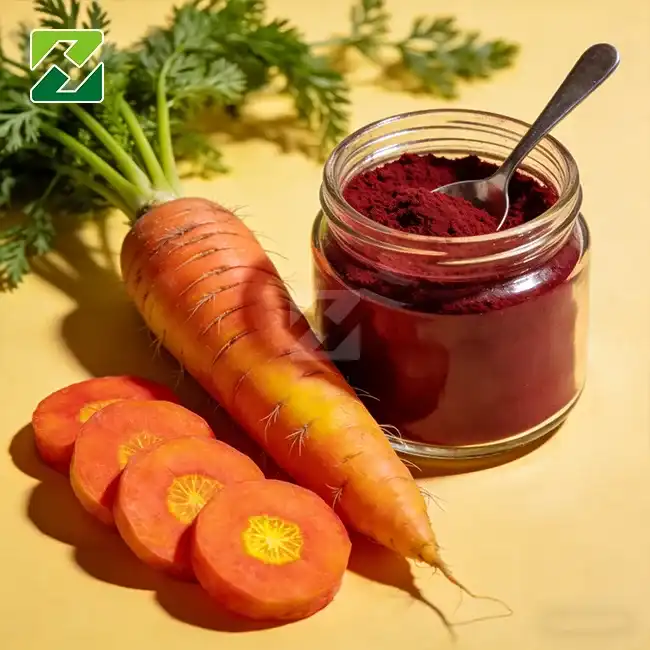
The Complete Guide to Carrot Extract
VIEW MORECarrot Extract is a strong plant concentrate that comes from the roots of the Daucus carota subspecies. It has a lot of health benefits and can be used in a lot of different fields. This concentrated ingredient has standard amounts of beta-carotene, anthocyanins, and essential carotenoids. Formulation workers looking for natural options with clean labels must have it. Manufacturers use advanced extraction methods, such as supercritical CO2 and solvent-based methods, to turn raw carrot biomass into high-performance powders and oleoresins that help solve important problems in the development of supplements, cosmetics, and functional foods.
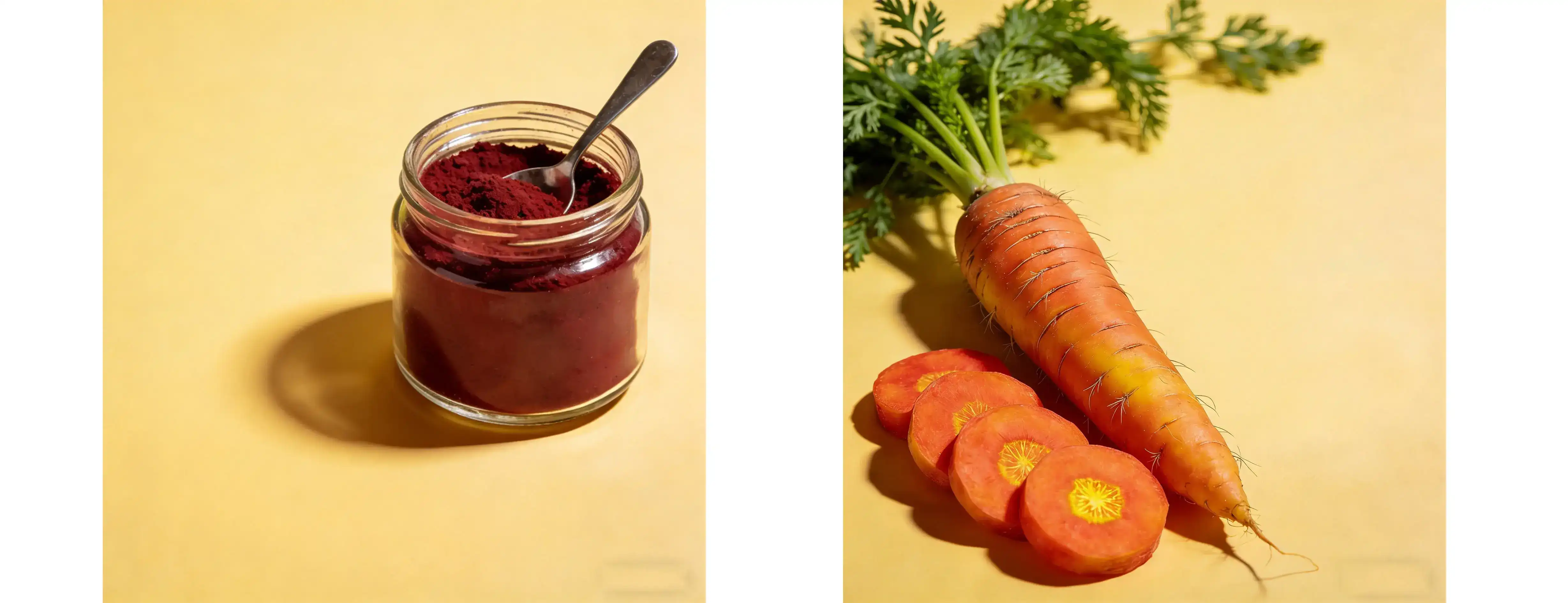
Understanding Carrot Extract: Composition, Benefits, and Applications
What Defines Professional-Grade Carrot Extract?
Carrot Extract is very different from regular carrot powder because of how it is concentrated and how it is standardised. The ingredient comes from the roots of the Daucus carota subspecies plant. The active compounds are separated through a process called rigorous extraction. Our standard requires a colour value of at least 60 (E1%, 1cm, 524±5nm) and a concentration ratio of 4:1. This makes sure that all production batches have the same amount of potency. Different types of carrots have different amounts of anthocyanins, which give them a range of colours from red to dark red or purple-red.
The process of extraction keeps the bioactive compounds while getting the level of nutrients that can't be reached with raw agricultural material. This solves one of the biggest problems with buying things: seasonal changes and food quickly going bad are big problems when it comes to natural ingredients. The controlled manufacturing of the extract gives us measurable data that is needed for consistency in the formulation.
Compositional Advantages for Product Development
When tested using HPLC, the amount of beta-carotene is usually between 10% and 30%. Alpha-carotene, gamma-carotene, and other phytonutrients are also present. The physical properties of the spray-dried powder or liquid oleoresin make it easy to mix with a wide range of materials.
Some important compositional aspects include better colouring strength than juice powders, which makes the extract cost-effective at lower inclusion rates. The natural antioxidant profile helps the product last longer, which is good for both the stability of the formulation and the health positioning of the product to consumers. Multiple regulatory frameworks are met by this ingredient. It meets USP/EP monographs for beta-carotene sources and can make clean-label claims under organic certification protocols.
Application Versatility Across Industries
In the making of nutraceuticals, compounds from carrots provide vitamin A activity without the problems that come with synthetic retinol. The extract can be found in supplement forms like capsules, tablets, and powder. It supports claims about eye health and immune function that are based on solid nutritional science. The antioxidant properties of the ingredient are used in anti-aging serums and repair formulas in cosmetics, where natural plant actives help differentiate the product from others on the market.
Functional food and drink companies use the extract as a natural colourant that can be used instead of synthetic dyes like Yellow 5 and 6. Because it is heat stable, especially when stabilised with tocopherols, the ingredient can handle high temperatures used in baking and candy making. This heat resistance is better than that of many other natural colourants, which makes formulation easier.

Carrot Extract vs Alternative Products: Making the Right Choice
Powder Format Versus Liquid Oleoresin
Choosing between powder and liquid forms depends on the needs of the application and the infrastructure for processing. Spray-dried powder is easy to work with and dose accurately in solid formulas. If it is packaged properly, it will last longer on the shelf. The standard for 25 kg drum packaging gives you useful amounts for medium-sized production runs while keeping the material fresh.
Liquid oleoresins have a higher concentration, but they need to be stored in a certain way and mixed with water before they can be used in systems. The decision affects both how hard it is to make the formula and how much the end product costs. Powder formats usually work better with the way things are already made, especially for companies that are switching from using synthetic ingredients to natural ones.
Organic Certification Versus Conventional Extraction
Differentiating quality goes beyond the method of extraction and includes agricultural sourcing. Carrot Extract with Organic Certification is more expensive, but it meets the needs of the fast-growing clean-label market. The certification covers growing methods, extraction solvents, and processing aids, all of which need to be backed up by paperwork to meet regulatory requirements.
In situations where organic claims don't add much to the market value, conventional extracts are cheaper and still work just as well. When choosing between certified and standard choices, procurement teams should think about the types of customers they want to attract and how they compare to their competitors. Our NSF GMP, Kosher, Halal, ISO, FSSC22000, and Organic certifications give us the freedom to meet the needs of all of our customers.
Bioavailability Considerations in Formulation
The bioavailability of carotenoids depends on the presence of lipids and the reduction in particle size. Microencapsulated or beadlet forms make it easier for water to mix with them, which is important for beverage applications and some supplement formats. These more advanced delivery systems cost more, but they solve formulation problems that make raw extract less useful.
There are pros and cons to both natural and synthetic beta-carotene supplements. Synthetic forms offer precise dosing and lower cost per unit of provitamin A activity, while natural extracts provide a spectrum of carotenoids that work together to protect cells. Even though it costs more, the plant choice is becoming more popular in the market. This is because consumers like it better, and there are legal benefits to using clean labels.

Sourcing Carrot Extract: A Comprehensive B2B Procurement Guide
Identifying Qualified Suppliers and Verification Protocols
A successful buying process starts with qualifying suppliers by checking their production capacity, quality systems, and compliance with regulations. Verification of certificates should confirm that ISO, FSSC22000, and other relevant regional certifications are still valid. The review of the documentation must include a Certificate of Analysis (COA) for the most recent production batches. This shows that the specifications were met and that the products were free of contaminants.
The manufacturing country affects both how people think about quality and how imports are handled. Advanced instruments like HPLC-ELSD, GS-MS, HPTLC, and atomic absorption spectrophotometry are used in extraction facilities to make sure the quality of the samples. Organic Herb Inc. runs this kind of analytical infrastructure, which helps make documentation clear which speeds up the approval process for regulators.
Traceability systems should keep track of where raw materials come from and how they are extracted and packed. Our GAP-standard planting bases, which cover 8,000 acres in a variety of climates, make sure that the botanical material we use meets standards for pharmaceutical use. This vertical integration gets rid of the lack of transparency in the supply chain that makes compliance checks harder.
Strategic Considerations for Bulk Purchasing
The smallest amount that can be ordered at once is usually 25 kg drums. This is done to keep things fair for both the buyer and the supplier. Larger commitments are rewarded by volume pricing structures, but procurement teams must still look at storage stability and turnover rates. We keep a 10-day lead time so that we can quickly restock without having too much safety stock.
A sample review is an important part of doing your research before committing to production-scale work. You can test compatibility within your unique formulation matrix with free samples, which can show you any possible conflicts or processing problems. This step to lower the risk is especially helpful when changing the way existing products work or when releasing new apps.
Pricing negotiations should consider total landed cost, including freight, customs duties, and warehousing.
When negotiating prices for Carrot Extract, the total landing cost should be taken into account. This includes freight, customs fees, and storage. Our four warehouses in the U.S. make transportation easier and allow us to send to customers in the U.S. just in time. This advantage in infrastructure makes supply chains less likely to break down and lowers freight costs compared to direct imports.
Documentation Requirements for Regulatory Compliance
For both import and formulation, full technical paperwork is needed. This includes specification sheets with information on physical and chemical parameters, allergen statements, GMO status announcements, and heavy metal testing results. FDA rules for food-grade uses require proof of GRAS status and the right wording on the sticker.
Kosher and Halal certifications make it easier for products that are aimed at certain groups of people to reach new customers. For these religious food certifications to stay valid, suppliers must regularly be inspected, and records must be kept up to date. Our up-to-date licenses make compliance easier for customers who serve a wide range of areas.
Leveraging Carrot Extract in Industry: Case Studies and Practical Applications
Nutraceutical Product Enhancement
As a result of customer demand for chemicals that are easy to recognise, major supplement brands have changed the formulas of their multivitamins to use natural beta-carotene instead of synthetic beta-carotene. The change only needed small changes to the recipe, but it had big benefits for marketing. Clean-label branding helped brands stand out in supplement areas with a lot of competition.
Companies that make sports nutrition use the extract in recovery formulas because it helps the body's antioxidant defences work better with other performance-enhancing ingredients. The natural colouring gets rid of the claims about synthetic dyes while still providing nutrition. This dual use of an ingredient improves the efficiency of the formulation and the cost structure.
Cosmetic Innovation and Natural Beauty Formulations
Skincare brands that cater to people who like natural beauty use active ingredients that come from carrots in serums and creams. The ingredient backs up claims of anti-aging through known antioxidant processes and passes the review of an ingredient group made up of knowledgeable consumers. Formulators say it works well with other botanical actives and emulsion systems.
OEM cosmetics makers that work with more than one brand use our consistent quality to make production faster across all lines. Our analytical methods and standard extraction factors keep a tight grip on batch-to-batch consistency, which is one of the most difficult parts of getting natural ingredients.
Functional Food and Beverage Applications
When making functional drinks, it can be hard to find the right balance between keeping the natural colour and meeting processing needs. When made in the right pH ranges, our Carrot Extract can survive temperatures high enough to kill germs and keep its colour for the normal amount of time that a product is stored. This performance fixes a major problem with other natural colourants.
Fortified food makers like that the addition does two things: it improves the look of the food and adds nutrients. The concentration ratio gives you useful amounts of nutrients at rates that don't change the way the food tastes. Product developers say that it works well in bars, baked goods, and dairy alternatives.

Conclusion
Carrot Extract is a key botanical ingredient that can be used to meet a number of formulation goals in the nutraceutical, cosmetic, and functional food industries. The concentrated nature solves problems with vitamin density and meets the needs of the clean-label market. To do great procurement, you need to carefully vet suppliers by looking at their analysis skills, certification files, and how open the supply chain is. When choosing between powder and liquid forms of a product, the processing infrastructure and application needs should be taken into account. As the industry moves forward, natural options to synthetic compounds are becoming more popular. This means that ingredients made from carrots will continue to grow. Strategic relationships with highly skilled providers give businesses a competitive edge through consistent quality, help with regulations, and quick processes. Making smart choices about where to get products will improve both their performance and your return on investment, setting the stage for long-term market success.
Frequently Asked Questions
1. What are the primary advantages of carrot extract in B2B applications?
The botanical concentrate has three main benefits: it has a high nutrient density that provides provitamin A activity in small amounts; it uses natural colouring instead of synthetic dyes and provides antioxidant activity; and it meets consumer demand for clear ingredients on the label. Standardisation gets rid of the differences in farming that make accuracy in recipes harder to achieve.
2. How can procurement teams verify extract quality before large-scale purchasing?
The first step in quality control is to look over the certificate and make sure that the analytical specifications meet your needs. Ask for a Certificate of Analysis for the most recent production batches that shows heavy metal analysis, microbial tests, and HPLC-verified carotenoid content. Before committing, you can find out about compatibility and performance traits by trying a free sample with your unique recipe.
3. Does the extract suit different formulation matrices and processing conditions?
When properly formulated, the ingredient can be used in a number of different ways. Powders are easy to mix into solid medicines and drinks made from dry mixes. Because it is heat-stable, it can be used in baked goods and pasteurised liquids. When used in cosmetics, oil absorption and pH values need to be taken into account. Technical advice makes sure that the format you choose is the best one for your processing infrastructure.
Partner with OHI for Your Carrot Extract Supply Needs
When purchasing, teams are looking for a dependable Carrot Extract provider, Organic Herb Inc. can help them in many ways. Our supply chain security is better than that of private traders because we grow on an 8,000-acre GAP-certified farm, use modern extraction methods, and store our products in the United States. Our 42-person R&D team, which includes professors and graduate workers, can help you solve formulation problems throughout the whole process of making a new product.
We keep four key warehouses in the U.S., which lets us deliver quickly and meet production plans without having to pay too much for storage. Tough quality systems (such as CGMP, FSSC22000, ISO9001, Halal, and Kosher certifications) and clear documentation make following the rules easier. Our free samples and technical advice lower the risks of development, whether you're changing the way existing products work or putting out new apps. As a trusted Carrot Extract manufacturer that wants you to succeed, please email our team at info@organic-herb.com to talk about your needs and get custom solutions.
References
1. Rodriguez-Amaya, D.B. (2016). "Natural Food Pigments and Colorants." Current Opinion in Food Science, 7, 20-26.
2. Stahl, W. and Sies, H. (2012). "β-Carotene and Other Carotenoids in Protection from Sunlight." American Journal of Clinical Nutrition, 96(5), 1179S-1184S.
3. Prakash, V. (2018). "Leafy Greens and Carrot-Based Food Products: Nutritional and Functional Properties." Food Science and Technology International, 24(6), 467-483.
4. Swapna, M.S. and Tharakesh, K. (2017). "Bioavailability of Beta-Carotene from Plant-Based Food Products: Processing and Formulation Effects." Journal of Food Science and Technology, 54(10), 3086-3095.
5. Dufossé, L. (2018). "Microbial and Natural Pigments for Food Applications: Technical, Regulatory, and Sustainability Aspects." Handbook on Natural Pigments in Food and Beverages, Woodhead Publishing, 3-20.
6. McClements, D.J. and Li, Y. (2020). "Enhancing Bioavailability of Lipophilic Bioactives Using Excipient Emulsions: Application to Beta-Carotene Loaded Nanoemulsions." Food & Function, 11(2), 1235-1245.
- 1
- 9
- 10
- 11
- 12
- 13
- 19