
3 Supportive Uses for Natural Peppermint Leaf Extract You Need to Know
VIEW MORENatural Peppermint Leaf Extract, scientifically identified as Mentha piperita L., offers versatile applications across the nutraceutical, cosmetic, and functional food industries. This botanical ingredient offers versatile formulation properties and enhances sensory experiences in personal care formulations. Derived through water-based extraction processes, this standardised powder maintains consistent phytochemical profiles, making it an ideal choice for R&D teams seeking clean-label, plant-based solutions that align with current market demands for authenticity and quality.


Understanding Natural Peppermint Leaf Extract: Key Properties and Safety
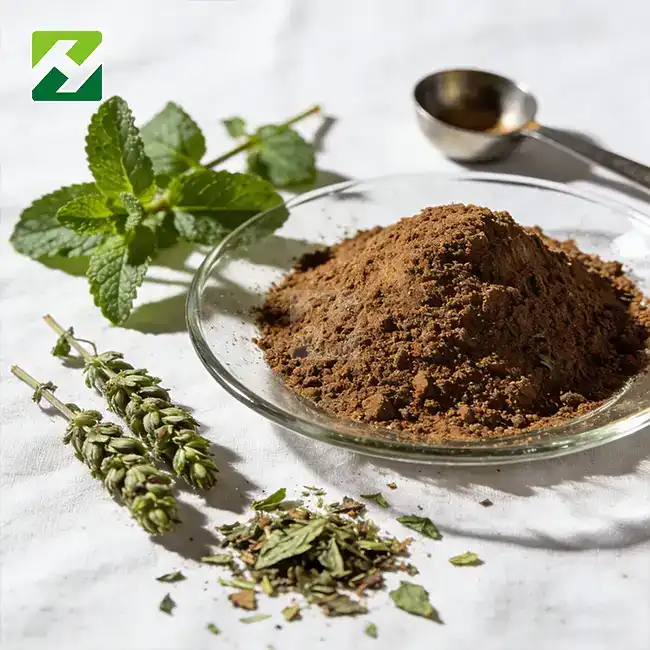
Peppermint essential oil and natural peppermint leaf extract are very different. Natural peppermint leaf extract is a milder but still effective botanical ingredient for procurement professionals. Essential oils concentrate volatile aromatic compounds, but our leaf powder that was extracted with water keeps a wider range of phytochemicals, such as flavonoids, phenolic acids, and tannins. This way of extracting makes a brown-yellow powder with standard ratios of 4:1 and 10:1. This makes sure that the powder is consistent from batch to batch, which is important for industrial formulation.
Distinguishing Quality Parameters
Understanding the authenticity of a source is the first step in judging its quality. Real Mentha piperita L. leaf material has to go through a strict process of name identification that includes morphological analysis and chromatographic profiling. At OHI, we follow FSSC22000 and ISO standards in our production, which means that you can track everything from our GAP-certified planting bases to the finished powder. The 100% water-based solvent solution gets rid of any remaining chemical solvents, meeting the clean-label needs of formulators in the nutraceutical and skincare industries.
Screening for contaminants is part of the purity factors, along with active markers. The ICP-MS test for heavy metals shows that the levels of lead are below 3.0 ppm, arsenic is below 1.0 ppm, and mercury is below 0.1 ppm. Microbiological testing confirms that the total plate count is less than 1,000 cfu/g and that bacteria like Salmonella and E. coli are not present at all. Meeting USP standards for E. coli. In regulated markets, these specifications make sure that cosmetics, dietary supplements, and medicines all follow the rules.
Phytochemical Profile and Functional Benefits
The water extraction process keeps the natural ratios of the beneficial compounds while concentrating them. Rosmarinic acid is an important polyphenolic component that, along with flavonoid glycosides, gives the extract its useful properties. This mix of phytochemicals contributes to the extract's overall botanical composition and functional characteristics. However, our attention is still on the ingredients themselves and their formulation characteristics.
When used at the amounts that are suggested, safety profiles show that they are well tolerated. Different uses require different dosages. For example, dietary supplements usually use 300–500 mg per serving, while cosmetics use 0.5–2% concentrations. These factors help formulation managers make sure that products work as well as possible while still being safe for consumers. Our technical paperwork package comes with detailed safety data sheets and application guides to help you with your regulatory submissions for markets around the world.

Supportive Use #1 – Enhancing Digestive Health Products
In terms of major uses, functional food and supplement formulations are areas where peppermint leaf powder can be incorporated. The plant's phytochemicals contribute to the botanical profile of formulations designed for functional food and supplement applications. Because of this, the ingredient can be a practical botanical choice for companies developing natural functional products.
Formulation Integration Strategies
When adding this extract to digestive health goods, it's important to think about the best way to give it and make sure it's bioavailable. The powder has a bulk density of 0.5 to 0.7 g/ml, which makes it easy to put into size 0 or 00 capsules without any problems with flowability. The powder's ability to be compressed is useful for tablet makers, but adding excipients like microcrystalline cellulose improves the tablets' hardness and disintegration profiles.
Another useful use is in herbal tea blends, where the water-soluble nature of our natural peppermint leaf extract ensures quick dissolution and pleasant sensory properties. The flavour is mild and unique, and it goes well with other plants like ginger root or fennel seed. This makes blends that appeal to people who like traditional herbal remedies.
Manufacturers of liquid supplements have to deal with some unique technical issues that our extract successfully resolves. When the pH is normal, the powder dissolves easily in water and stays stable over time without precipitating. Because of this better solubility, no solubilising agents or emulsifiers are needed. This makes it easier to list ingredients for clean-label positioning.
Case Application in B2B Context
A useful supplement company recently changed the formulation of their botanical product line by using our 10:1 ratio extract instead of synthetic ingredients. The change made their product more appealing to customers seeking botanical ingredients while keeping the formulation standards set by internal tests. The brand's purchasing team appreciated our technical help during reformulation, which included customising the particle size and providing stable testing data that sped up the launch date of their product.

Supportive Use #2 – Natural Ingredient for Effective Soothing Relief
Peppermint leaf extract is used more and more in personal care and topical cosmetic products because of its pleasant aroma and cooling sensory profile. In contrast to concentrated essential oils, which can be irritating to sensitive skin when used in large amounts, the water-extracted powder offers a different sensory profile while retaining its botanical characteristics. Because of this, it can be used in both leave-on and rinse-off formulas.
Topical Application Considerations
Cosmetic chemists like that the extract can be used with a number of different delivery systems. In cream and lotion recipes, the powder mixes in during the water phase, so high-shear mixing is needed to make sure it doesn't clump together. Incorporation rates between 0.5 and 2.0% are suggested to find a balance between sensory effects and formulation stability. The natural antioxidants in the extract also work as natural preservative boosts, which could mean less reliance on manufactured antibacterial systems.
When making a balm or salve with anhydrous systems, the powder can be mixed with small amounts of carrier oils first, then added to the bulk phase. This method makes sure that the distribution is the same all over the finished product. Peppermint is known for its cooling sensory profile, and these formulas can provide a distinctive user experience in aromatic balms and personal care products.
Spray formulas that work quickly open up new possibilities. When mixed with the right co-solvents and protective systems, our extract's ability to dissolve in water makes it possible to make clear solutions. The small particle size (80 mesh standard) keeps the nozzle from getting clogged up in pump and trigger spray uses, which is an important thing for product makers who want to make delivery formats that are easy to use.
Regulatory Compliance Framework
For cosmetic uses, safety rules must be followed very carefully in all areas. Our extract follows the rules set by the EU beauty regulation and the FDA for beauty ingredients. We give you a full set of documentation that includes INCI nomenclature, patch test data, and stability studies done under ICH conditions. These tools will speed up the process of registering your recipe, whether you're going after markets in North America, Europe, or Asia.
The natural origin of natural peppermint leaf extract fits with the COSMOS and NATRUE certification paths for natural products, as long as the final recipe meets some extra requirements. Our organic-certified version, which is made from certified organic leaf material, helps natural beauty brands that want to stand out in the premium market. We keep production lots separate to avoid cross-contamination and keep the organic integrity of the product while it is being processed.
Supportive Use #3 – Boosting Aromatherapy and Skincare Formulations
Peppermint's unique aroma and botanical characteristics are used in aromatherapy and other sensory applications. This extract has a cooling sensory profile and fresh aroma that complement haircare, skin care, and home fragrance products. This sensory aspect goes along with the functional aspects, making products with more than one dimension that appeal to people who like to experience things.
Skincare Integration Insights
More and more, advanced and botanical-focused skin care products contain plant actives selected for their formulation characteristics. Peppermint leaf extract contains polyphenolic compounds that contribute to its botanical profile and formulation characteristics. When mixed with complementary botanical ingredients, like green tea or aloe, the extract can contribute to the overall sensory and formulation profile without adding an unwanted colour. This is one benefit of using water extraction over chlorophyll-rich liquid extractions.
Formulation pH is very important for keeping the stability of the extract. The best performance happens between pH 5.0 and 7.0, which is in line with goals for skin-friendly formulations. Our expert team can give you pH-specific stable data to help you make new formulations. This will help maintain the characteristic compounds throughout the shelf life of the product. This information is especially useful when the extract is mixed with active ingredients that are sensitive to pH, such as peptides or some vitamins.
The extract's pleasant sensory profile and energising scent are suitable for hair care products. Shampoos and conditioners usually have amounts of 0.5 to 1.5% of the extract, which helps make the products rinse cleanly without building up. Because the powder is compatible with surfactants, it can be easily added to both sulphate-free and standard cleaning systems. This gives formulators options for a wide range of product structures.
Market Positioning and Consumer Trends
A recent study of the market shows that people are still interested in botanical ingredients that are both enjoyable to taste and suitable for functional product formulations. Market research companies like Mintel and others show that people, especially millennials and Gen Z, are becoming more interested in using natural chemicals instead of synthetic ones. Brands that used this trend study were able to make their products stand out more and charge higher prices.
OEM and private label makers that sell in North America and Europe are being asked for more and more information about where their products come from and how environmentally friendly they are. All of these needs are met by our fully integrated supply chain, which includes GAP-certified farming and GMP production. The traceability paperwork we give brands lets them tell stories about where their ingredients come from, which is a powerful marketing tool in today's market that values honesty.
Customisation gives brands that are trying to reach specific groups of people a competitive edge. Our R&D centre works with clients to change extraction ratios or particle sizes or make custom blends that meet the specific needs of each formulation. This way of working together technically speeds up the innovation process, which lets brands react quickly to changing consumer tastes while still keeping quality standards.

Conclusion
Natural peppermint leaf extract has many uses in personal care, functional food, and sensory applications. Formulators can use a clean-label botanical ingredient in the form of a water-extracted powder that has uniform specs, full safety paperwork, and regulatory compliance across major markets. When procurement professionals know about extraction methods, quality standards, and formulation issues that are specific to an application, they can make smart buying choices that improve product performance and meet customer demand for natural ingredients. In today's botanicals market, strategic supplier partnerships that focus on quality systems, technical support, and the reliability of the supply chain give businesses an edge.
FAQ
1. What distinguishes peppermint leaf extract from peppermint essential oil in formulations?
Water-based extraction of peppermint leaf extract captures a wider range of phytochemicals, such as flavonoids and polyphenols. Essential oil, on the other hand, is made by distilling volatile aromatic compounds at high temperatures. The extract has softer sensory properties and can be used in personal care formulations and functional food applications. Essential oil, on the other hand, has a strong smell and energy that needs to be carefully diluted. Formulators choose which of these ingredients to use based on the needs of the application, the concentration amounts they want to achieve, and the regulatory issues that are unique to their product group.
2. How do extraction ratios affect ingredient selection decisions?
Concentration levels are shown by extraction ratios. For example, 4:1 means that 4 kg of raw leaf makes 1 kg of extract powder. Higher ratios, like 10:1, provide a more concentrated extract per gramme, which means that finished goods can use less. This concentration changes the weight of capsules, the cost of the recipe, and the information presented on the package. Buyers have to balance the desired concentration with their budgets. Higher ratios can justify higher prices by making the product more profitable at the finished goods level.
3. What certifications are essential for international ingredient procurement?
For example, NSF GMP for vitamins and ISO 22716 for makeup are both types of GMP certifications that are important for getting into the global market. Other important certifications include FSSC22000 for food safety and Halal and Kosher for religious reasons. Getting organic approval helps a product stand out as a high-end item. To avoid expensive reformulation or registration delays during product development cycles, make sure that the supplier's certifications match the regulatory requirements and customer expectations of the markets you want to reach.
Partner with OHI for a premium natural peppermint leaf extract supply.
Organic Herb Inc. is a trustworthy company that offers Natural Peppermint Leaf Extract. They do this by mixing vertically integrated farming, cutting-edge extraction technology, and thorough quality control systems. Our powder made from Mentha piperita L. was separated with water. Leaves consistently meets 4:1 and 10:1 standards and is certified by NSF, GMP, FSSC 22000, Halal, Kosher, and organic. With R&D capabilities that include more than 400 botanical extracts and four U.S. delivery warehouses that guarantee 10-day lead times, we can help you take your formulation ideas from the idea stage all the way through to market production.
As a publicly traded company (stock number 872213), we follow rules of openness and responsibility that protect the integrity of your supply chain. We want procurement managers, R&D directors, and formulation scientists to experience the OHI difference—where agricultural knowledge, top-notch manufacturing, and a commitment to customer partnership come together to make your natural product formulations better. Free samples let you check the quality before you sign, and our 25kg MOQ works for both new brands and well-known companies. Email our staff at info@organic-herb.com to talk about your needs for peppermint leaf extract.
References
1. McKay, D. L., & Blumberg, J. B. (2006). A review of the bioactivity and potential health benefits of peppermint tea (Mentha piperita L.). Phytotherapy Research, 20(8), 619-633.
2. Schuhmacher, A., Reichling, J., & Schnitzler, P. (2003). Virucidal effect of peppermint oil on the enveloped viruses herpes simplex virus type 1 and type 2 in vitro. Phytomedicine, 10(6-7), 504-510.
3. Inoue, T., Sugimoto, Y., Masuda, H., & Kamei, C. (2002). Antiallergic effect of flavonoid glycosides obtained from Mentha piperita L. Biological and Pharmaceutical Bulletin, 25(2), 256-259.
4. Akdogan, M., Ozguner, M., Kocak, A., Oncu, M., & Cicek, E. (2004). Effects of peppermint teas on plasma testosterone, follicle-stimulating hormone, and luteinising hormone levels and testicular tissue in rats. Urology, 64(2), 394-398.
5. Nair, B. (2001). Final report on the safety assessment of Mentha piperita (peppermint) oil, Mentha piperita (peppermint) leaf extract, Mentha piperita (peppermint) leaf, and Mentha piperita (peppermint) leaf water. International Journal of Toxicology, 20(Suppl 3), 61-73.
6. Spirling, L. I., & Daniels, I. R. (2001). Botanical perspectives on health: peppermint—more than just an after-dinner mint. Journal of the Royal Society for the Promotion of Health, 121(1), 62-63.
Maitake Mushroom Benefits and Facts
VIEW MOREMaitake mushrooms have captivated researchers and nutrition professionals for decades. Native to northeastern Japan and parts of North America, these impressive fungi—known scientifically as Grifola frondosa—grow in clusters at the base of oak trees. When processed into Maitake Mushroom Extract Powder, the bioactive compounds become concentrated and shelf-stable, making them ideal for nutraceutical formulations. The extract delivers standardized polysaccharides, particularly beta-1,3 and beta-1,6-glucans, which are commonly used as functional ingredients in nutrition and food formulations. This concentrated form addresses the primary challenge raw mushroom biomass presents: inconsistent active compound levels and low bioavailability due to chitin-bound nutrients.

What is Maitake Mushroom Extract Powder? Essential Facts for B2B Buyers
For sourcing workers who are new to the functional ingredient market, it's important to know the difference between whole mushroom powder and extracted forms.
The Science Behind Extraction and Concentration
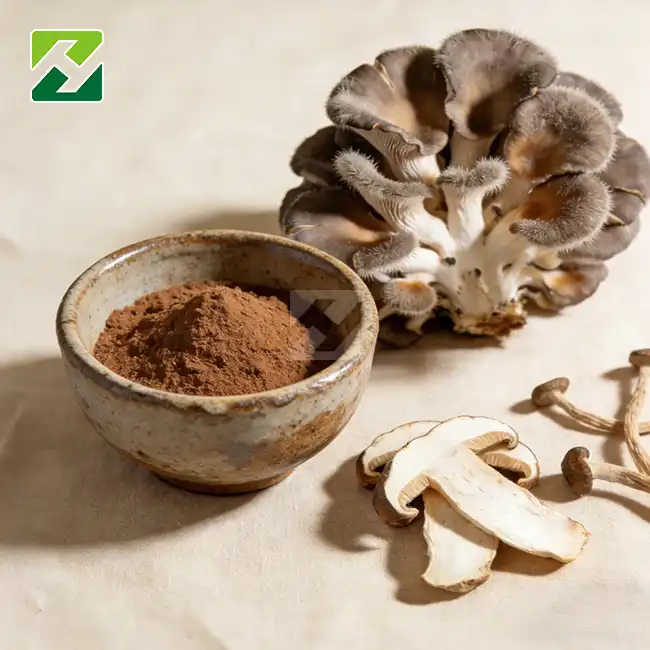
Grifola frondosa extract goes through several stages of hot water extraction that frees polysaccharides and proteoglycans by breaking down the indigestible chitinous cell walls. Professionally removed mushroom powder has 30% polysaccharide standardization, or a 10:1 concentration ratio, while raw mushroom powder has 30–40% fiber that can't be digested. Using water for extraction protects chemicals that are sensitive to heat while getting rid of contaminants that are common in mushroom products grown for food. Compared to mycelium-on-grain options, which often contain up to 50% non-active starch substrates, the brown powder made from fruiting bodies is more bioavailable.
The way the ingredients are extracted has a direct effect on their structure. Spray-drying technology makes particles of the same size and controls the amount of wetness to below 5%. This stops microbes from growing while the product is being stored or shipped. This production accuracy fixes some of the biggest problems formulators have, like differences between batches, problems with solubility in drinks, and not knowing how long something will last on the shelf.
Nutritional Profile and Bioactive Compounds
The main useful part is the polysaccharide fraction, which is made up of molecules from the D-fraction and the MD-fraction. These beta-glucan structures are characteristic components of maitake extracts and contribute to the functional profile of the ingredient. In addition to polysaccharides, the extract has minor minerals like zinc, potassium, and selenium, as well as ergothioneine, an antioxidant that occurs naturally. The amino acid profiles show high amounts of glutamic acid and aspartic acid, which contribute to the umami flavors that are useful in cooking.
The Megazyme method is usually used for standardization to measure total polysaccharides in Grifola frondosa extract because it accurately measures beta-D-glucans instead of starch fillers. Suppliers you can trust will give you Certificates of Analysis that show the polysaccharide content, heavy metal screening, microbial limits, and pesticide residue testing. OHI keeps its NSF, GMP, Kosher, Halal, ISO, FSSC22000, and organic certifications up-to-date. This makes sure that every 25 kg drum meets applicable international quality standards for functional ingredients.
Industrial Advantages Over Whole Mushroom Powder
Product makers can get a lot of technical help from the extract powder. Because it is water-soluble, it can be easily added to ready-to-drink drinks, protein shakes, and encapsulated vitamins without causing problems with settling or precipitation. Lower usage levels—usually 500 mg to 3 g versus 5–10 g of whole powder—reduce the amount of material needed and make it easier to formulate into finished products. When stored properly in aluminum foil bags with desiccants, the concentrated form also makes the product last longer—24 to 36 months—than raw mushroom powders, which only last 12 to 18 months.

Applications of Maitake Mushroom Extract Powder
Multiple functional properties have been investigated in studies, which make Grifola frondosa extract useful in a lot of different market groups.
Beta-Glucan Composition and Functional Properties
Beta-glucans in Grifola frondosa extract are characteristic polysaccharide components that contribute to the functional profile of the ingredient. Studies have characterized these carbohydrates according to their polysaccharide composition and structural properties. Because of its characteristic polysaccharide profile, the extract is very useful for functional foods, sports nutrition products, and nutritional formulations. The D-fraction part in particular has attracted research interest because of its distinctive polysaccharide composition, but researchers are still looking into how this works.
Nutritional supplement companies that focus on functional ingredients can use this well-characterized ingredient to make their goods stand out in a crowded market. The clean-label draw of water taken from organic fruiting bodies fits with what people want: clear, plant-based ingredients that don't have any artificial fillers.
Polysaccharide Composition and Formulation Applications
New research suggests that maitake polysaccharides have diverse structural characteristics that can be evaluated in different formulation applications. The chemicals have been studied for their composition and functional characteristics in different formulation systems. Studies also examine the nutritional composition of maitake polysaccharides and their potential applications in functional formulations. Because of these functional properties, the extract can be used as an ingredient in sports nutrition products, functional foods, and nutritional blends for different consumer groups.
Maitake powder can be used as a functional ingredient supported by peer-reviewed literature by people who make functional foods like protein bars, nutritional drinks, or enriched snacks. It has a bland flavor and a brown color that go well with chocolate, coffee, and earthy flavors without the need for hiding agents.
Skincare and Cosmetic Applications
In addition to being used in supplements, Maitake mushroom extract has antioxidant properties that can be used in topical products. The polysaccharides and ergothioneine contribute to the functional characteristics of cosmetic formulations designed for skin care. Cosmetic chemists have started putting mushroom extracts into serums, creams, and masks as functional ingredients in skin care formulations. The water-soluble powder can be added to emulsions without making the formulas less stable, but stability testing across a range of pH levels is still necessary for product development.
This ability to work across industries lets ingredient wholesalers serve a wide range of clients, including supplement makers, functional food brands, and skincare companies, with a single high-quality raw material. This makes inventory management and market positioning better.

Comparing Maitake Mushroom Extract Powder: Key Considerations for Purchase
To make sure a long-term partnership works, procurement decisions need to be based on a careful analysis of sourcing options, quality standards, and supplier capabilities.
Organic Certification Versus Conventional Sourcing
Organic approval has big effects on getting into markets and putting your business in the right place. Certifications like USDA Organic or EU equivalents cost more, but they let natural product stores sell your products and appeal to people who care about the environment. In Jiangxi, Hunan, Guizhou, and Hubei provinces, OHI takes care of more than 8,000 acres of GAP-standard planting grounds. This makes sure that organic farming happens from seedlings to harvest. From private farms to extraction facilities, the integrated supply chain reduces the risk of contamination and ensures traceability in a way that traditional multi-source supply chains can't.
Conventional sourcing is cheaper, but it needs strict audits of the vendors to make sure they follow sustainable harvesting practices and environmental laws. Buyers who are trying to reach budget-conscious customers may choose non-organic extract as long as it is tested by a third party for herbicides, heavy metals, and microbes. In the end, the decision will depend on the target audience and the store's positioning strategy.
Maitake Versus Other Functional Mushrooms
It's possible to find different placement chances when you compare Grifola frondosa to other options like Reishi (Ganoderma lucidum), Turkey Tail (Trametes versicolor), or Shiitake (Lentinula edodes). When it comes to product positioning, reishi products are often associated with relaxation-focused formulations. Turkey tail has a lot of PSK and PSP polysaccharides, while shiitake mushrooms have kojic acid precursors that can be used in cosmetic formulations.
Maitake is one of a kind because it has both polysaccharide and nutritional characteristics that support its use in different formulations. This makes it a good ingredient for functional formulas designed for different applications rather than just one. Brands that are making blends of more than one mushroom can mix maitake with species that work well together to broaden the formulation profile and expand the range of applications. This strategic positioning sets products apart from competitors that only use one ingredient and appeals to people who are looking for all-around health solutions.
Evaluating Supplier Credentials and Quality Systems
Doing research on a supplier's skills can help keep the supply chain running smoothly and prevent quality problems. Important factors for review are:
- Verification of GMP compliance during production, food safety management systems (FSSC22000), and religious dietary approvals (Kosher, Halal). Instead of just checking each batch, these licenses show that quality controls are carried out in a planned way.
- In-house testing labs with HPLC, HPTLC, GC-MS, and atomic absorption spectrophotometry make sure that quality is checked quickly without having to rely on outside labs. OHI runs an advanced research and development center with over $1.2 million worth of tools and 27 top researchers, some of whom hold PhDs and university degrees.
- When the supply chain is integrated from farming to extraction, the risks of variation and contamination are kept to a minimum. When it comes to tracking, vertically integrated providers who own farms, processing plants, and transportation are better than brokers who buy from a variety of sources.
- Keeping records like certificates of analysis for each batch, allergen statements, shelf-life studies, and letters of regulatory compliance makes it easier to get goods through customs and make sure they are of good quality later on. During the seller qualification process, ask for sample paperwork packages.

Conclusion
The Maitake mushroom extract powder is a well-characterized functional ingredient that can be used in a wide range of formulations in the nutrition, functional food, and cosmetics industries. Research has characterized the concentrated bioactive substances, especially beta-glucans and polysaccharides, supporting their use as functional ingredients in different formulations. For procurement pros, choosing a high-quality extract means carefully looking at the qualifications of the seller, as well as the manufacturing standards and quality systems in place. Premium sellers are different from commodity dealers because they have things like organic certification, fully integrated supply chains, and strict testing methods. Understanding formulation issues, stability factors, and legal requirements helps brands launch successful products that appeal to customers looking for naturally sourced functional ingredients.
FAQ
1. What specifications should I request from a Maitake extract supplier?
Ask for full product information, such as the Latin name (Grifola frondosa), the plant part used (fruiting body is better than mycelium), the extraction method (water or dual extraction), the concentration ratio (10:1 or higher), or the standard polysaccharide percentage (usually 30%). Check the solvent that was used—water extraction fits with the clean-label positioning. Check the color (brown powder), the spread of particle sizes, the amount of moisture, and the shelf life. Detailed specs make it possible to compare products accurately and avoid confusion during the buying process.
2. How can I verify the extract's authenticity and quality?
Ask for testing to be done by a third-party lab in a facility that is ISO 17025-certified. Ask for a microscopic examination to confirm the shape of the mushroom tissue instead of the grain substrate. For polysaccharide testing, the Megazyme method should be used to measure only beta-D-glucans and not total carbohydrates that include starch fillers. Look at more than one batch COA to see how consistent they are across production runs. Before making big purchases, ask for samples to check the color, stability, taste, and flowability.
3. What is the typical minimum order quantity and lead time?
Most makers set a minimum order size of 25 kg to cover the costs of setting up production and testing the quality. This amount is good for testing the market and developing the product for the first time. Most stock items have lead times of 7 to 14 days from the time an order is confirmed to the time they are shipped. Custom specs that need separate production runs can take up to four to six weeks. Getting to know suppliers who keep U.S. stock, like OHI's Earth Made Nutrition warehouses, cuts down on international shipping time and speeds up replenishment.
Partner with OHI for Premium Maitake Mushroom Extract Powder.
OHI offers pharmaceutical-grade Grifola frondosa extract that is standardized to 30% polysaccharides and comes from organically grown fruiting bodies. As a botanical extract manufacturer with CGMP, ISO, Halal, Kosher, and FSSC22000 certifications (Stock Number: 872213) that is traded on the stock market, we offer consistent quality that is backed by thorough testing. Our supply chain is vertically linked, starting with 8,000-acre GAP planting sites and ending with advanced extraction centers that use nano-membrane technology. This makes sure that the product can be tracked and is pure. With a 25 kg minimum order, Earth Made Nutrition's four U.S. stores allow shipping in seven days. You can try our Maitake Mushroom Extract Powder supplier's products for free to see how well they work before making a pledge. Email info@organic-herb.com to ask for CoAs, talk about unique requirements, and find out how our R&D can help you reach your recipe goals.
References
1. Chen J, Seviour R. Medicinal importance of fungal beta-(1→3), (1→6)-glucans. Mycological Research, 2007.
2. Kodama N, Komuta K, Nanba H. Effect of Maitake (Grifola frondosa) D-Fraction on the activation of NK cells in cancer patients. Journal of Medicinal Food, 2003.
3. Manohar V, Talpur NA, Echard BW, Lieberman S, Preuss HG. Effects of a water-soluble extract of maitake mushroom on circulating glucose/insulin concentrations in KK mice. Diabetes, Obesity, and Metabolism, 2002.
4. Mayell M. Maitake extracts and their therapeutic potential. Alternative Medicine Review, 2001.
5. Konno S. Potential growth inhibitory effect of maitake D-fraction on canine cancer cells. Veterinary Therapeutics, 2004.
6. Wasser SP. Medicinal mushrooms as a source of antitumor and immunomodulating polysaccharides. Applied Microbiology and Biotechnology, 2002.
Ultimate Guide to Reishi: Health Benefits & Uses
VIEW MOREReishi mushroom extract, scientifically known as Ganoderma lucidum, has emerged as a cornerstone ingredient across nutraceutical, cosmetic, and functional food industries. When sourcing the Best Reishi Mushroom Extract, procurement professionals prioritize formulations derived exclusively from mature fruiting bodies, standardized through dual-solvent extraction methods to concentrate polysaccharides and triterpenes. This concentrated profile addresses bioavailability challenges inherent in raw mushroom powders and eliminates concerns regarding starch-based fillers often found in mycelium-on-grain products. Understanding extraction ratios, active compound standardization, and certification compliance empowers R&D teams, formulation scientists, and procurement managers to select ingredients that enhance product efficacy while meeting clean-label consumer expectations and regulatory standards.

What is Reishi Mushroom Extract and Why It Matters
Ganoderma lucidum is the source of reishi mushroom extract. This is a polypore fungus that has been used in traditional East Asian medicine for over 2,000 years. The useful parts of the extract are the bioactive ones inside it, like polysaccharides (especially beta-glucans) and triterpenes called ganoderic acids. In raw mushrooms, these chemicals are stuck in chitin cell walls that cannot be digested. To make them bioavailable, they need to be extracted.
The Science Behind Extraction Ratios
If the extraction ratio is 10:1, it means that 10 kg of raw fruiting bodies make 1 kg of concentrated extract. First, hot water extraction is used to separate polysaccharides that dissolve in water. Then, ethanol extraction is used to separate triterpenes that dissolve in alcohol. Standardized products at 40% polysaccharides make sure that all batches have the same amount of potency. This solves a major problem for formulation scientists who need accurate activity levels for dose calculations and label claims.
Market Trends Driving B2B Demand
The global market for medicinal mushrooms keeps growing because people are interested in ingredients that help the immune system and plants that can adapt to different environments. Nutraceutical businesses use reishi in goods that help the immune system, help people sleep, and deal with stress. Cosmetic companies like its antioxidant profile for skin care lines that fight aging. Functional beverage companies put reishi in health drinks that are meant to boost energy and endurance. This use in different fields shows how versatile reishi is and how the market is moving toward natural ingredients with scientific proof.
Product Forms and Their Applications
There are different kinds of reishi extract. The powdered extracts are usually brownish-yellow and have a bitter taste from the triterpenes. They can be used to make pills, tablets, and drink mixes. Liquid extracts make tinctures and ready-to-drink products easier to use. For finished supplement lines that need regular dosing, capsule forms work well. The choice is based on the intended use, the ability to manufacture, and the preferences of consumers in certain market segments.

Health Benefits of Reishi Mushroom Extract: Evidence-Based Insights
The study of Ganoderma lucidum by scientists has revealed several ways in which its active compounds affect the body's functions. These results help with the development of new products and back up marketing claims that are based on research.
Immune System Modulation
Some of the polysaccharides in reishi extract, like beta-D-glucans with (1,3)(1,6) links, interact with immune cell receptors. This could change how macrophages and natural killer cells work. Studies that have been published show that these compounds may help keep immune responses in balance. Standardized polysaccharide content is the basis for uniform product performance for nutraceutical makers making immune support formulas.
Antioxidant and Cellular Protection
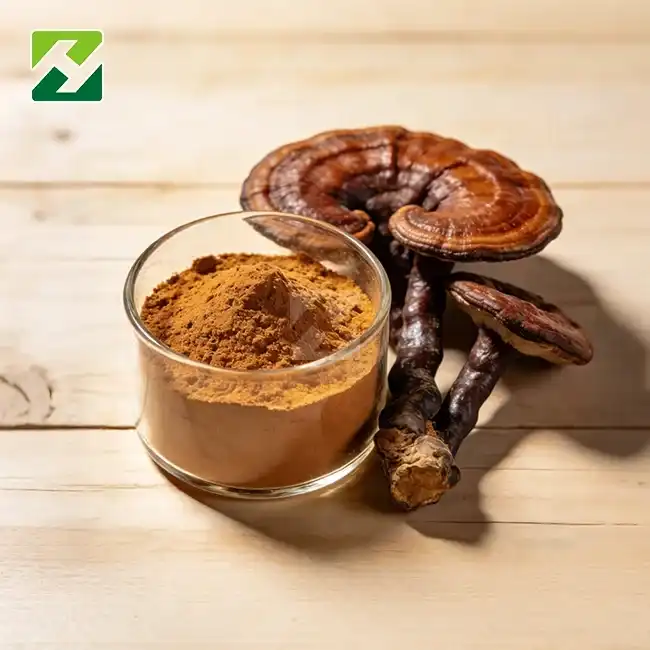
Triterpenes are antioxidants because they get rid of free radicals and help cells defend themselves. This activity is important for cosmetics because oxidative stress makes skin look older. Skincare items that contain reishi Ganoderma lucidum) Extract work on this process, putting them in the anti-aging and protective skincare groups. The extract's brownish-yellow color comes from these same chemicals, though the way it looks can be changed during processing to meet the needs of a particular recipe.
Sleep Quality and Stress Response
In traditional use, reishi was valued for its ability to calm people down. A new study looks into how it affects the structure of sleep and the function of the Ganoderma lucidum Extract axis. Even though the mechanisms are still being studied, the demand for natural sleep aids has led to new products. Some supplement brands mix reishi with plants that work well together, like L-theanine or magnesium, to make synergistic mixtures that help with relaxing at night and getting a good night's sleep.
Liver Function and Detoxification Pathways
Researchers have looked into ganoderic acids to see if they can help the liver work better and make phase II detoxification enzymes work better. This application fits in with the growing category of detox and cleanse products. Functional food companies put reishi into drink mixes and wellness shots that are sold as daily detox aids, taking advantage of people's knowledge of how important liver health is.

How to Use Reishi Mushroom Extract: Dosage and Application Guidelines
To formulate something well, you need to know the right dosing levels, time issues, and bioavailability factors that are specific to the format. These criteria are used to guide both the development of finished products and materials for educating consumers.
Recommended Dosage Ranges
Based on a 10:1 extract that is standardized to 40% polysaccharides, 500 mg to 1500 mg per day is usually enough for good health. Lower doses, around 250 mg, work well in functional foods where the adaptogenic effects are seen as supporting health rather than being a focused measure. Sports nutrition brands that want to help with recovery may use doses in the middle, while supplements that focus on the immune system tend to use higher concentrations. Dosage needs to take into account the content of the extract—a lot more raw mushroom powder is needed to get the same amount of active chemical exposure.
Comparing Extract Forms
Powders that are extracted with water mix easily in drinks, but consumer goods may need to have the bitter taste of triterpenes covered up. Encapsulated powders get rid of worries about taste and make doses accurate. Liquid extracts are quickly absorbed, which is good for liquid forms that want to work quickly. When making each form, there are different things to think about when it comes to steadiness, cleanliness, and shelf life. Procurement teams have to weigh these factors against the ability to produce and the tastes of the target market.
Timing and Frequency Considerations
Due to its adaptogenic properties, reishi should be taken every day instead of in small amounts at times. Taking it in the morning works best with products designed to boost energy and stress resilience during the day, and taking it in the evening works best with sleep aids. By spreading daily doses out between morning and evening, active chemicals are exposed for a longer time. To improve the customer experience and happiness, these timing tactics should be written on the product label.
Best Reishi Mushroom Extract: Comparison and Purchasing Guide
To choose the Best Reishi Mushroom Extract, you need to look at a number of quality indicators, certification standards, and the supplier's abilities. This part lays out a strategy for a thorough evaluation of suppliers.
Organic Certification and Purity Standards
Organic approval proves that farming methods do not use synthetic fertilizers and chemicals. This is important for brands that want to position themselves as having clean labels and for people who care about the environment. Along with checking for organic state, purity tests should make sure there are no heavy metals, microbial contaminants, or adulterants present. NSF GMP, Kosher, Halal, ISO, and FSSC22000 standards show that the production quality systems reduce the risk of contamination and make sure that each batch is the same. For pharmaceutical-grade uses, these qualifications are a must. They are also becoming more and more common in the nutraceutical and cosmetics industries.
Fruiting Body vs. Mycelium-on-Grain
The main difference between fruiting body and mycelium products in the market is the amount of active compounds they contain. Fruiting body products have more beta-glucans and triterpenes that come from fungi. Mycelium-on-grain goods often have a lot of starch from the grain substrate, which makes them less powerful and means you have to use bigger doses to get the same benefits. Requesting third-party testing data for beta-glucan content and being able to tell the difference between fungal beta-glucans and starch alpha-glucans when looking at what suppliers have to offer guards against getting fake materials.
Supplier Evaluation Checklist
When looking at possible reishi providers, you need to do a thorough analysis of many factors. The following criteria make sure that procurement goals are met:
- Quality Control: Suppliers must submit batch COAs and HPLC polysaccharide, triterpene, heavy metal, and microbiological limit testing. Study ethanol Ganoderma lucidum Extraction residual solvent. Analytical and test results are reliable.
- Manufacturer certification: Factory inspection or third-party GMP. FSSC 22000 certifies food safety management systems. ISO 9001 controls quality. Kosher and Halal exports are readily available. These recognised firms value success and compliance.
- Leading suppliers employ agriculture or vertical integration. Validity is assured by tracking an ingredient from fruiting body collection to extraction and packing. Learn plant cultivation, harvesting, and storage. GAP-certified planting bases are responsibly bought by consumers and businesses.
- Technology and formulation: Formulation, extract ratio, and private label suppliers may help companies stand out. Consulting target market-savvy applications professionals aids product development. OEM features enable excellent outsourcing. New product companies benefit.
- Price and Minimum Order Quantities: Prices that emphasise quality above product positioning suggest high-quality raw materials. Cheap products use mycelium instead of grain or extract too little. Inventory management and minimum order quantity should work. For smaller organisations and product testing, 25 kg MOQ suppliers may be cheaper.

Procurement and Supply Chain Tips for B2B Clients
Choosing the right ingredients is only one part of efficient buying. Logistics, risk management, and building smart relationships with suppliers are also important. These things help lower the total cost of ownership and make sure that supplies don't run out.
Sourcing from Verified Suppliers
Buying from sellers who have a lot of different certifications and clear quality systems can lower the chance of buying something. Companies that have to follow rules, like FDA approval for U.S. goods, show that they are aware of the rules. When suppliers keep warehouses close to target markets, like the four regional warehouses in the US, they can cut down on freight costs and speed up delivery times. This infrastructure is especially important for just-in-time manufacturing or for handling sudden increases in demand.
Sample Evaluation and Testing Protocols
By asking for samples before placing a large order, you can make sure that the standards are met through independent testing. Even if suppliers give you a Certificate of Analysis (COA), you should still use third-party labs to confirm the polysaccharide percentages, triterpene content, and lack of any impurities. This will keep your specifications from changing. Sensory evaluation, such as taste testing for sharpness as a triterpene marker, gives more proof of quality. By taking initial samples and setting a default quality level, reference standards are set for accepting batches in the future.
Lead Time Planning and Inventory Management
Standard lead times of about 10 days from the time an order is confirmed allow for quick restocking. By building up smart store buffers, you can avoid supply problems during busy times or when raw materials are in short supply. Subscription or blanket purchase agreements with scheduled releases keep the costs of keeping inventory in check and the benefits of buying things in bulk in balance. Giving producers production forecasts makes it easier for them to plan their capacity and buy raw materials, which strengthens their commitment to keeping supplies flowing.
Custom Packaging and Private Label Services
Suppliers who offer a range of packaging options, such as 25 kg drums for makers and smaller pieces for finished goods, make the whole supply chain run more smoothly. Private labeling lets brands hire other companies to make their products while keeping their brand identity. Custom preparation services help businesses stand out by creating unique mixes of reishi and other ingredients that work well together. These services add value, shorten the time it takes to get a product to market, and lower the amount of money needed to build production infrastructure.
Conclusion
To find the Best Reishi Mushroom Extract, you have to weigh a lot of things, such as the standardization of active compounds, the extraction method, the supplier's certifications, and the supply chain's skills. Professionals in procurement who focus on standardizing fruiting body extracts using two-solvent methods make sure that the ingredients they use have the same bioactivity, which is necessary for the product to work. Checking the credentials of suppliers, such as GMP, organic certification, and quality management systems, lowers the risks of adulteration and specification drift. Strategic relationships with suppliers that include technical support, open minimum order quantities (MOQs), and rapid transportation give businesses a competitive edge by allowing them to come up with new ideas more quickly and ensuring they always have supplies. As the need for natural ingredients backed by science keeps growing, brands can lead the market tomorrow by making decisions about where to get their ingredients today.
FAQ
1. What distinguishes fruiting body extract from other forms?
Fruiting body extracts have more beta-glucans and triterpenes than mycelium-on-grain products because they contain more concentrated fungal biomass. These often have up to 50% starch from the grain substrate, which makes the active compounds less concentrated. To make sure they work well and consistently, professional-grade products need to contain 100% fruiting body ingredients.
2. How can bitterness indicate quality?
Bitterness is a sign of triterpenes, especially ganoderic acids. If an extract doesn't have any bitterness, the triterpene part may be greatly watered down or left out. In market goods, taste may need to be hidden, but if raw materials don't have the usual sharpness, that's a sign of quality problems.
3. What certifications should suppliers provide?
Some important certificates are ISO 9001, FSSC22000, GMP, and organic approval. Kosher and Halal licenses make it easier to sell goods in some stores. These credentials make sure that quality systems, manufacturing standards, and following the rules in different areas are all met.
4. Can samples be obtained before large orders?
Suppliers with a good reputation will usually give you samples for free or at a small cost to help you decide. This shows that you trust the quality of the goods and want all of your customers to be happy. A third party should test the samples to make sure they meet the specifications before committing to buying a lot of them.
5. What are typical lead times for bulk orders?
Most of the time, it takes 10 to 14 days to ship in-stock items from nearby warehouses. Custom formulas or special wrapping may make delivery times longer. By telling suppliers about needs early on in the buying process, buyers can work together to plan production schedules and processes.
Partner with OHI for Premium Reishi Mushroom Extract
OHI provides pharmaceutical-grade Best Reishi Mushroom Extract that is standardized to 40% polysaccharides and is extracted using only water. This ensures that the extract has full-spectrum bioactivity without using any chemical solvents. Our 10:1 extract ratio, which comes only from biological fruiting bodies, gives professional products the concentrated strength they need. We follow strict quality standards that have been proven by independent testing as a publicly traded provider (Stock Number: 872213) with NSF GMP, Kosher, Halal, ISO, FSSC22000, and organic certifications. Strategic warehousing in four U.S. locations allows for 10-day lead times, and our 25 kg minimum order quantity can be used for a wide range of procurement sizes. Samples are available to help with a thorough evaluation before committing. Our 8,000-acre GAP-certified growing bases allow us to track the origin of our raw materials and source them in a way that is good for the environment, which is in line with our business responsibility goals. Our technical specialists offer application support based on twenty years of experience extracting botanicals. They help R&D teams that are looking for unique recipes, OEM partnerships, or private label services. Email our team at info@organic-herb.com to talk about your needs and get thorough information about our products.
References
1. Wachtel-Galor S, Yuen J, Buswell JA, Benzie IFF. Ganoderma lucidum (Lingzhi or Reishi): A Medicinal Mushroom. In: Benzie IFF, Wachtel-Galor S, editors. Herbal Medicine: Biomolecular and Clinical Aspects. 2nd edition. Boca Raton: CRC Press; 2011. Chapter 9.
2. Batra P, Sharma AK, Khajuria R. Probing Lingzhi or Reishi medicinal mushroom Ganoderma lucidum: a bitter mushroom with amazing health benefits. Journal of Phytopharmacology. 2013;2(1):25-32.
3. Sanodiya BS, Thakur GS, Baghel RK, Prasad GB, Bisen PS. Ganoderma lucidum: a potent pharmacological macrofungus. Current Pharmaceutical Biotechnology. 2009;10(8):717-742.
4. Bishop KS, Kao CHJ, Xu Y, Glucina MP, Paterson RRM, Ferguson LR. From 2000 years of Ganoderma lucidum to recent developments in nutraceuticals. Phytochemistry. 2015;114:56-65.
5. Ahmad MF. Ganoderma lucidum: Persuasive biologically active constituents and their health endorsement. Biomedicine & Pharmacotherapy. 2018;107:507-519.
6. Sliva D. Cellular and physiological effects of Ganoderma lucidum (Reishi). Mini Reviews in Medicinal Chemistry. 2004;4(8):873-879.
Can saw palmetto help with hair loss?
VIEW MOREYes, saw palmetto shows promising potential for addressing hair loss. Saw Palmetto Extract Powder derived from Serenoa repens L. contains bioactive fatty acids and phytosterols that target DHT (dihydrotestosterone), a hormone linked to follicle miniaturization. Research demonstrates that standardized extracts containing 25% to 45% fatty acids may support hair density improvements. Unlike liquid oil forms, the powder format offers enhanced formulation versatility, making it suitable for dietary supplements, functional foods, and topical applications targeting androgenetic alopecia patterns observed globally.

Understanding Hair Loss and the Role of Saw Palmetto Extract Powder
Millions of people around the world have hair loss, which can be caused by changes in hormones, genetics, not getting enough nutrients, or environmental stress. Among the many plant-based options that have been looked into, Saw Palmetto has caught the attention of both scientists and businesspeople.
The Biological Mechanism Behind Hair Follicle Weakening
When the enzyme 5-alpha-reductase changes testosterone, it makes dihydrotestosterone. Over time, high amounts of DHT make hair cells smaller, which shortens the growth phase and lengthens the dormancy phase. Progressive loss of hair is a sign of this process, especially around the crown and jawline. Botanical treatments that change this enzyme route are a natural option to synthetic drug-based methods.
How Saw Palmetto Extract Powder Addresses DHT Production
Lauric acid, myristic acid, oleic acid, and beta-sitosterol are some of the beneficial compounds found in Saw Palmetto. These chemicals bind well to 5-alpha-reductase sites, which could stop the production of DHT. The powder form, which is standardized to have certain amounts of fatty acids, makes sure that these active ingredients are always delivered. Manufacturing methods that use ethanol extraction and micro-encapsulation techniques keep the purity of the chemical while getting rid of the stability issues that come with using liquid oils.
In addition to changing the activity of enzymes, the substance also acts as an antioxidant, which keeps hair tissue from getting damaged by free radicals. Free radicals are made by metabolic processes and environmental stressors that damage follicle function. Standardized extracts contain phytosterols that absorb these reactive molecules. This helps keep the scalp healthy, which is good for hair cycling.
Market Relevance for Formulation Professionals
Natural ingredients backed by science are becoming more and more important in the global hair health business. People in both North America and Europe like to buy goods that have clean labels and come from plants. Nutraceutical companies, cosmetics companies, and functional food companies all have procurement teams that look for products that are both appealing to customers and useful in a measured way. Saw Palmetto works in two ways: it changes hormones and helps fight free radicals. This makes it a great ingredient for hair health products.

Evaluating the Benefits and Safety of Saw Palmetto Extract Powder for Hair Loss
The results of clinical studies show that Saw Palmetto can be used to improve hair growth in real life. Several studies show that regular use can change the number of hairs, their thickness, and how they grow in different stages.
Evidence from Clinical Research
A study that lasted two years and included 100 men compared Saw Palmetto extract to finasteride, which is a common drug option. Researchers saw hair count improvements in about 38% of the people who took Saw Palmetto and 68% of the people who took finasteride. Finasteride worked better, but Saw Palmetto had a better profile and was able to show a significant advantage. Notably, the plant group had fewer unwanted reactions than the pharmaceutical group, which had more people stop taking the drug because of unwanted reactions.
Combination methods were looked at in another study, which paired Saw Palmetto with beta-sitosterol and other plants. Participants who used multi-ingredient formulations had better results than those who used single-ingredient protocols. This suggests that using multiple ingredients together could help make complex dietary supplements work better.
Safety Considerations and Demographic Suitability
Clinical data show that people of all kinds can generally tolerate Saw Palmetto Extract Powder well. Reports of problems are still very low, and when taken by mouth at higher amounts, they usually involve mild digestive pain. Topical applications work well with most skin types and have different absorption profiles depending on the formulation.
Response patterns are different for different groups of people. The most consistent results are seen in male subjects with androgenetic patterns. This is likely because DHT plays a key part in their hair loss process. Female subjects whose hormones change may also benefit, though there isn't a lot of study on this group yet. Results depend on the person's age, with younger people usually doing better than older people with severe follicle loss.
Optimal Dosage Recommendations and Application Methods
Oral supplements are usually taken in amounts of 160 mg to 320 mg per day, with a normal range of 25 to 45% fatty acid content. To make sure that lipids stay stable and are bioavailable, capsule formulators need to carefully choose their carriers. For tablet formulas, the powder's good flow properties during compression methods are helpful.
When used on the skin, the extract is mixed into serums, scalp treatments, and leave-in conditioners. Concentrations range from 0.5% to 5%, based on how complicated the mixture is and what other ingredients are used with it. Water-dispersible grades are easier to mix with water-based systems, and normal powder forms work well in goods that are based on emulsions.
Taking supplements internally and putting them on the skin may give better results because it stops DHT production throughout the body and sends concentrated actives directly to the affected areas. When B2B buyers are making complete hair wellness systems, they should think about multi-format product lines that use both delivery methods.

Saw Palmetto Extract Powder vs Alternative Hair Loss Solutions
Botanical extracts are judged by procurement professionals based on a number of factors, including how well they work, how well they work with other products, how well they are regulated, how customers feel about them, and how much they cost. After looking at other natural and man-made choices, Saw Palmetto stands out in a special way.
Advantages Over Oil and Softgel Formats
Making things with traditional Saw Palmetto oil can be hard. Liquid lipids make it harder to make tablets because they need special tools for packaging and become unstable when stored. These worries are taken away by the powder form. Micro-encapsulation with carriers like cyclodextrin or maltodextrin changes the powder into a form that keeps its bioactive structure and provides better handling qualities. The bulk density is between 0.45 and 0.65 g/ml, which makes it easier to blend evenly in high-speed mixers. Particle size requirements (usually 95% to 80 mesh) make sure that the flow stays the same during automated capsule filling operations.
Based on cost, powder forms are better for making hard-shell capsules and tablets. Making softgels requires more money to buy tools, more energy, and more work to make sure the quality is good. Powder specifications offer real benefits to producers who want to improve production speed and extend the shelf life of their products.
Comparison with Beta-Sitosterol and Pumpkin Seed Oil
Beta-sitosterol is a phytosterol that can be found in many plants. Its structure is similar to that of Saw Palmetto's active ingredients. When used by itself, beta-sitosterol only slightly increases hair density. When both items are used together, the results are better than when they are used separately, which suggests that they work together in a balanced way. When making special formulations, procurement teams often mention both ingredients to get the most out of their effectiveness.
People are interested in pumpkin seed oil because it has zinc and other fatty acids. Studies show promise, but standardization is hard because market processes aren't always the same. When bought from reputable companies that follow strict quality standards, Saw Palmetto has more uniform chemical profiles. This predictability lowers concerns about variation from batch to batch, which is important for keeping products consistent across production runs.
Natural Alternative to Pharmaceutical Approaches
These two drugs, finasteride and minoxidil, are the main ones used to treat hair loss. Finasteride selectively blocks 5-alpha-reductase, which has measured effects but raises worries that affect how well it is accepted by consumers. Vasodilation mechanisms are how minoxidil works. It needs to be applied continuously, which makes it hard to make leave-in products.
Saw Palmetto is marketed as a natural option that people looking for botanical remedies will like. It's possible that the effectiveness of a drug won't always match its potency, but in some market segments, consumers choose drugs with a good profile and clean labels. As the wellness movement grows, it stresses natural and preventative methods. This gives brands marketing chances to place Saw Palmetto-based goods in the right way.
How to Procure High-Quality Saw Palmetto Extract Powder for Hair Loss Solutions
Sourcing choices have a direct effect on how well a product works, how well it follows the rules, and how well the brand is known. Procurement managers need to set strict standards for judging the quality of ingredients to make sure they meet the needs of the recipe and meet customer expectations.
Essential Quality Specifications
The first step in making high-quality Saw Palmetto Extract Powder is to correctly identify the plant. Providing proof that Serenoa repens L. seed material stops mixing with similar palm species that don't have the same bioactivity. The species name is confirmed by tests by a third party using microscopy, HPTLC fingerprinting, and DNA barcoding.
Gas chromatography (GC) analysis of fatty acids backs up claims of uniformity. Specifications should list the total amount of fatty acids (25% or 45% options) and the ratios of each component. Real extracts have high amounts of lauric, myristic, and oleic acids that are in line with known reference profiles. Any change from these patterns points to adulteration or bad extraction.
Analysis of the residual liquid ensures that the amount of ethanol is below the legal limit. Heavy metal tests for lead, arsenic, cadmium, and mercury make sure that the product meets the worldwide standards set by groups like the USP and the European Pharmacopoeia. Testing for microbes makes sure that there are no germs and keeps the total plate numbers in a safe range.
Regulatory Compliance and Certification Requirements
For global market entry, different regulatory systems must be followed. Dietary supplement companies in the U.S. need products that follow FDA CGMP rules and DSHEA standards. Depending on the claim structure and product format, European markets require either novel food evaluations or documentation of traditional use. The market can reach more religious customers with Kosher and Halal certifications.
Organic approval from the USDA, the EU, or similar programs brings higher prices and meets customer demand for farming methods that don't use pesticides. The NSF GMP certification shows that the quality systems used in manufacturing meet strict international standards. The FSSC22000 certification covers management requirements for food safety that are very important for functional food uses.
Maintaining complete paperwork by suppliers speeds up time-to-market and makes regulatory applications easier. Each lot should come with a Certificate of Analysis (CoA) that lists the testing results for that specific batch. Stability data that shows how long something will last in different storage situations helps with formulating and figuring out when it goes bad.
Supplier Evaluation and Procurement Strategy
Consumer-facing names like Nature's Way and Gaia Herbs sell goods, but business-to-business buyers need bulk ingredient suppliers who can meet their large-scale needs. Manufacturing capacity, quality system certifications, R&D support capabilities, and supply chain transparency should all be used as evaluation criteria.
The company OHI (Organic Herb Inc., Stock Number: 872213) is a good example of a combined supplier plan that can help with optimizing buying. The company controls the quality of the raw materials from planting to harvest, with GAP-certified planting bases spanning over 8,000 acres in several Chinese provinces. Using standardized farming methods reduces variation and guarantees long-term supplies. The factory in Yichun, Jiangxi Province, has CGMP, FSSC22000, ISO9001, HALAL, and KOSHER certificates, which means it follows all the rules for markets around the world.
When creating new formulations, technical skills are very important. Suppliers with dedicated research and development centers that have HPLC-ELSD, GC-MS, and advanced extraction tools can help with the creation of custom specifications. The research team at OHI is made up of 42 professionals with advanced degrees who work together on projects to solve specific formulation problems.
When buying something, it's important to think about things like minimum order amounts, pricing, wait times, and logistics support. OHI's 25kg MOQ allows for initial trials while still making the company accessible to smaller makers. Just-in-time product management works well with ten-day wait times. Earth Made Nutritions' U.S. subsidiary keeps local stores in four different American cities. This allows for fast delivery within the U.S. and makes foreign shipping easier.
Formulation teams can do preliminary compatibility testing before committing to bulk purchases when samples are available. Reliable suppliers offer free samples with full analytical documentation. This shows that they are confident in the quality of the products they sell and helps customers make smart buying decisions.

Applying Saw Palmetto Extract Powder in Hair Care Products: OEM and Distribution Insights
To make a good product, you need to know how ingredients work together, how to formulate them, how to place them in the market, and how to meet legal requirements. Because Saw Palmetto Extract Powder is so versatile, it can be used in a wide range of hair health products.
Formulation Strategies and Synergistic Combinations
The powder's good flow properties and ability to work with complementary botanicals make hard capsule formulations more effective. Putting Saw Palmetto together with nettle root extract, pygeum africanum, zinc, and biotin makes men's hair health supplements that work on many levels at once. Target versions usually have supporting chemicals along with 300–320 mg of Saw Palmetto Extract Powder that has been standardized to 45% fatty acids.
When making tablet apps, you need to pay attention to how the files are compressed. The powder's particle size distribution and mass density make it work for both dry and wet milling methods. It's important to choose the right binders, disintegrants, and lubricants to maintain the bioactive stability and get the hardness and dissolving qualities you want.
For topical formulations, oil-water partition coefficients and skin penetration enhancement need to be considered. High-shear homogenization is used to mix the powder with cream or lotion bases in emulsion-based scalp serums. This makes stable suspensions. The extract is dissolved in carrier oils in anhydrous products like leave-in treatments. These contain Saw Palmetto, rosemary oil, caffeine, and peptides that work on hair follicles in multiple ways.
Lipid dispersibility still makes functional beverage uses hard, but progress in microencapsulation technology has made it possible to add it to protein shakes and nutritional drink mixes for men's health. Grades that dissolve in water make it easier to suspend them in water, but sensory masking needs to be done with flavor systems in mind.
Market Trends Influencing Product Development
People in North America are becoming more interested in preventative health care, which is driving the demand for proactive hair health solutions that go beyond reactive treatments. People who care about clean labels like botanical ingredients with well-known names and long histories of use. Being open about where the products come from, how they're processed, and how they're tested for quality builds trust in a company among consumers who are skeptical.
Organic certifications and stories about sustainability are very popular in European markets. In busy markets, brands that show they care about the environment through the way they source their ingredients stand out. Gender-neutral marketing strategies reach more people than just male hair loss groups, because they understand that different customers have different needs.
More and more products are being sold through professional outlets like dermatology offices, trichology clinics, and medical spas. Products that are advertised as professional-grade solutions get higher prices and the support of professionals. When buying for professional markets, B2B buyers should stress the importance of clinical proof, quality standards, and formulation complexity.
International Labeling and Regulatory Adherence
Label claims need to be carefully matched up with the laws that allow them in the target markets. In the United States, structure-function claims allowed by DSHEA are very different from health claims allowed in the European Union. Supporting claims with clinical studies, molecular research, and safety data keeps regulators from raising concerns and helps with marketing messaging.
Regional rules for naming things must be followed in ingredient declarations. Cosmetic labels follow the International Nomenclature of Cosmetic Ingredients (INCI) system, while supplement facts panels follow the FDA's rules for how they should be formatted. Labels for international distribution need to have localized versions of allergen statements, usage instructions, and warnings because they are different from one country to the next.
Batch traceability systems that connect produced goods to lots of raw materials make sure that products can be recalled and make regulatory checks easier. Buyers who have to deal with complicated regulatory settings can make compliance management easier if suppliers provide thorough paperwork like certificates of analysis, specification sheets, allergen statements, and copies of certifications.
Conclusion
Saw Palmetto Extract Powder is a botanical ingredient that has been backed by science and addresses a common buyer issue. The compound works to stop the production of DHT and has antioxidant properties that help keep the scalp healthy. This makes it a good choice for hair wellness products. Clinical data show real benefits, and safety profiles back uses in a wide range of demographics.
For procurement pros, the powder format is better for manufacturing because it is more stable than oils, works with a variety of delivery methods, and is cost-effective for mass production. Saw Palmetto Extract Powder can be used to make unique products that meet both government standards and consumer expectations as long as it comes from reputable suppliers with strict quality controls and full certifications. Combining Saw Palmetto with other ingredients that work well together increases the product's effectiveness while targeting multiple pathways that cause hair loss, providing strong value propositions in competitive markets.
FAQ
1. Is long-term use of saw palmetto extract powder appropriate for hair wellness applications?
Based on clinical data from up to two years ago, long-term use seems to be well-tolerated. Studies that looked at long-term supplementation found that it had long-lasting benefits without building up any negative effects. Continuous application of cosmetics to the skin shows that they are compatible with the skin. When buying goods that people subscribe to or buy again and again, procurement teams can be sure that Saw Palmetto is a key ingredient for long-term use.
2. Can saw palmetto extract powder combine effectively with other hair growth ingredients?
When Saw Palmetto is combined with other plants that work well together, the results are often better than when only one ingredient is used. Nettle root, pumpkin seed, biotin, zinc, and caffeine are all ingredients that are often mixed together to work on more than one biological route. Testing for compatibility during the development of a formulation ensures stability and keeps the effectiveness of each component in complex matrices.
3. Does delivery format influence ingredient effectiveness?
Taking supplements by mouth changes the way DHT works all over the body, while applying them topically sends concentrated actives straight to the hair tissue. Every format has its own benefits. Oral types work on hormones inside the body, while topical treatments work on the surroundings around hair follicles. For complete hair wellness programs, multi-format product plans that use both delivery methods may get the best results.
Partner with OHI for Premium Saw Palmetto Extract Powder Supply
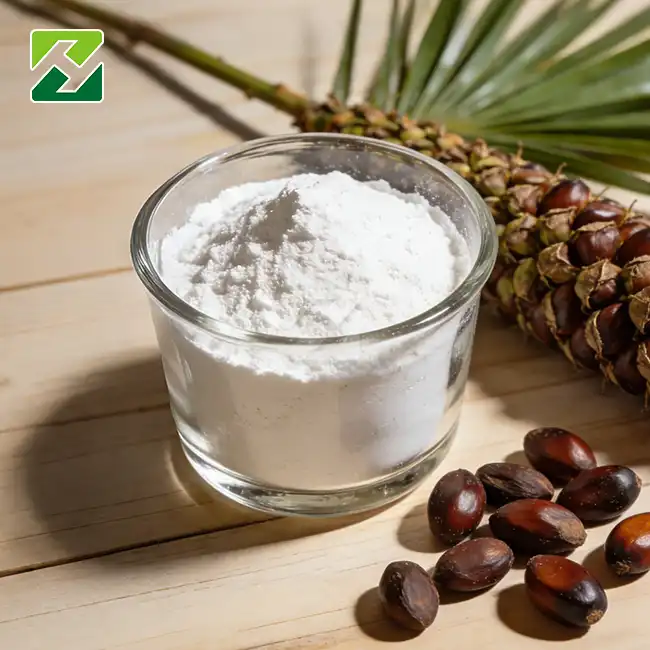
For hair wellness products to work, they need to be able to reliably get high-quality botanical ingredients that are backed by strict quality control. OHI sells pharmaceutical-grade Saw Palmetto Extract Powder that is standardized to 25% or 45% fatty acids. It is made by extracting Serenoa repens L. seeds with ethanol. Our white powder requirements include confirmed purity, full certification (NSF GMP, Kosher, Halal, ISO, FSSC22000, Organic), and full analysis paperwork to support global regulatory compliance.
We can meet your production schedules because we have four warehouses in the United States. Our 25kg MOQ allows for trial sales, and our 10-day lead times make it easy to handle your inventory quickly. Before committing to a large order, complimentary samples allow for thorough testing of recipe compatibility. As a well-known company that makes Saw Palmetto Extract Powder, we make sure that the quality of every shipment is the same by combining our GAP-certified cultivation with state-of-the-art research and development facilities.
You can talk to our technical team at info@organic-herb.com about your specific formulation needs, ask for samples, or look into custom specification development.
References
1. Murugusundram S. Serenoa repens: Does it have any role in the management of androgenetic alopecia? Journal of Cutaneous and Aesthetic Surgery. 2009;2(1):31-32.
2. Wessagowit V, Tangjaturonrasme N, Kootiratrakarn T, et al. Treatment of male androgenetic alopecia with a combination of serenoa repens extract and beta-sitosterol-enriched saw palmetto oil. Journal of the Medical Association of Thailand. 2016;99(12):1429-1434.
3. Chittur S, Parr B, Marcovici G. Inhibition of inflammatory gene expression in keratinocytes using a composition containing carnitine, thioctic acid and saw palmetto extract. Evidence-Based Complementary and Alternative Medicine. 2011;2011:985345.
4. Prager N, Bickett K, French N, Marcovici G. A randomized, double-blind, placebo-controlled trial to determine the effectiveness of botanically derived inhibitors of 5-alpha-reductase in the management of androgenetic alopecia. Journal of Alternative and Complementary Medicine. 2002;8(2):143-152.
5. Hosking AM, Juhasz M, Mesinkovska NA. Complementary and alternative treatments for alopecia: A comprehensive review. Skin Appendage Disorders. 2019;5(2):72-89.
6. Patel S, Sharma V, Chauhan NS, Thakur M, Dixit VK. Hair growth: Focus on herbal therapeutic agent. Current Drug Discovery Technologies. 2015;12(1):21-42.
Why Polyporus Umbellatus Extract Is Gaining Attention in Global Markets
VIEW MOREPolyporus Umbellatus Extract has captured significant interest among nutraceutical manufacturers and cosmetic formulators due to its unique polysaccharide profile and versatile application potential. This water-extracted functional ingredient addresses growing consumer preferences for clean-label botanical actives while offering formulators a standardized, quality-consistent raw material. The extract's emergence reflects broader market shifts toward scientifically validated natural ingredients that meet stringent regulatory requirements across international markets.

Understanding Polyporus Umbellatus Extract: A Comprehensive Overview
Botanical Origins and Excellence in Extraction
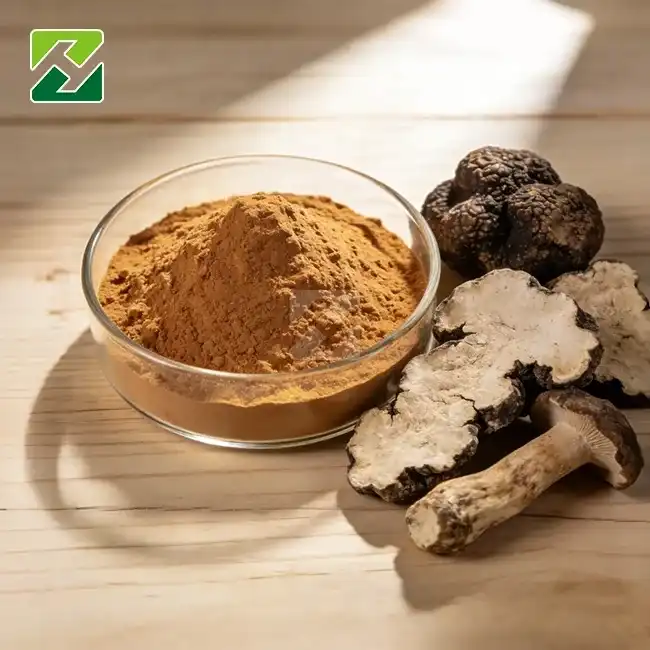
This concentrated extract is made from the fruiting body of Polyporus Umbellatus, a unique species of mushroom that has been valued in Asian botanical traditions. Manufacturers use a careful water-based extraction method to keep the natural polysaccharide matrix while reaching standard amounts of 30% polysaccharides or a concentrated 10:1 ratio. This method makes sure that the end brownish-yellow powder keeps its useful qualities without leaving behind any synthetic solvent leftovers, which is very important for formulators who want to get clean-label approvals.
Compositional Profile and Quality Parameters
Polysaccharides are the main bioactive ingredients in this product, according to advanced testing methods. Because these chemicals dissolve in water, they can be easily added to a wide range of formulations, from healthy drinks to capsules. Dynamic low-temperature processing and nano-membrane separation technologies are used in modern extraction facilities to keep the purity of molecules during production. To make sure that each batch is the same, quality assurance protocols include heavy metal screening, HPLC verification, and analysis of the moisture content.
Formulation Versatility Across Industries
Product designers who work on nutraceutical supplements consider how the brownish-yellow color of the extract fits in well with opaque pill fills and powder blends. The fruiting body source material is different from options based on mycelium because it contains a wide range of naturally occurring chemicals. When formulating with standardized extracts, R&D teams can figure out the exact active dosing while keeping the accuracy of label claims. This solves a major problem in getting botanical ingredients.

Comparing Polyporus Umbellatus Extract with Other Mushroom Extracts
Compositional Differences and Application Niches
While Reishi extracts focus on triterpene levels and Cordyceps on cordycepin levels, this mushroom extract has a polysaccharide-dominant makeup that makes it good for immune-modulating products. The standardization of 30% polysaccharides gives a measurable standard that purchasing teams can check with reports of analysis from suppliers. Some mushroom ingredients need to be extracted with alcohol, but the 100% water extraction method meets Halal and Kosher standards, which means that finished products can be sold in more places.
Organic Versus Conventional Sourcing Considerations
The level of certification has a big effect on how prices are set and where products are marketed. Premium prices are charged for organic forms, but they help companies reach the growing natural goods market. In mass-market uses, conventional extracts are cheaper while still having the same amount of polysaccharides. When comparing quotes from different suppliers, buyers should look at the certifications that each one has, such as NSF GMP, FSSC22000, and organic qualifications.
Powder Form Advantages in Manufacturing
Compared to liquid extracts, the dried Polyporus Umbellatus Extract Powder format makes shipping easier, keeps the product stable for longer, and makes blending easier. Manufacturers can meet minimum order amounts and improve inventory management with a standard 25 kg drum packaging design. The stable powder matrix can handle normal storage conditions without refrigeration, which makes the supply chain simpler for foreign wholesalers who handle many SKUs.
Why Polyporus Umbellatus Extract Is a Smart Choice for Global Procurement
Market Dynamics Driving Demand
People are much more aware of useful mushrooms now than they were a few years ago. In North America, immune-supporting supplement groups are growing the fastest. This trend gives brands a chance to stand out by being open about their plant ingredients and backing them up with science. Regulatory approval through GRAS self-affirmation routes in the US and long-term use in dietary supplements give buying managers who don't like taking risks trust in the formulation.
Supplier Selection Criteria for B2B Buyers
When evaluating possible suppliers, you need to look at more than just unit price. Our factory in Yichun, Jiangxi Province, is certified by a number of organizations, such as ISO9001, CGMP, and FSSC22000, which shows that we have a method for managing quality. Our Los Angeles-based subsidiary, Earth Made Nutritions, runs four key stores across the United States. This gives us 10-day lead times that work with just-in-time stocking plans. Because it is available in the United States, there are no longer any delays at customs or minimum container sizes that make direct imports more difficult.
Using GAP-standard planting bases that cover more than 8,000 acres ensures that everything can be tracked from growing the plants to making the powder. During supplier audits, purchasing teams can check the identity of plants, harvest records, and handling protocols after harvesting. This can help with authentication issues that commonly happen in commodity botanical markets. Our well-coordinated relationships with local farmers help rural agricultural areas while keeping an eye on the crops.
Economic Considerations and Bulk Purchasing
The 25 kg minimum order quantity makes it easy for new brands to try out new formulation ideas, and volume buyers can take advantage of tiered pricing structures. When buyers compare domestic and direct-import sourcing, they should add up all the landed costs, which include freight, duties, and storage. International lead times of 60 to 90 days can be cut down to 10 days when we have domestic goods available through our U.S. operations. This is a huge benefit during product launches or yearly demand spikes.

How to Effectively Integrate Polyporus Umbellatus Extract into Your Product Line
Specification Alignment with Product Objectives
Formulation scientists have to find a mix between goals for strength, limitations on dosage forms, and cost considerations. A 500 mg pill with 30% polysaccharide extract gives you 150 mg of active substances, which is a good amount for label claims and communicating with customers. When brands talk about traditional ways of preparing food in their marketing, the 10:1 concentration ratio can be used as an alternative. To guess how something will behave in automated encapsulation equipment, technical data sheets should include information about the amount of moisture, the distribution of particle sizes, and the flow properties.
Regulatory Compliance Pathways
Dietary supplement companies in the US are regulated by the FDA, which requires them to follow Good Manufacturing Practices and keep accurate records of their ingredients. Our wide range of certificates, including NSF GMP, Kosher, Halal, and organic certifications, makes it easier for quality assurance teams to get the legal compliance paperwork they need for ingredients enriched in polysaccharides. To get into the European market, you need Novel Food assessments or proof of traditional use, and to get into some Asian markets, you need import registration dossiers. Suppliers with a lot of experience can speed up the approval processes by sending regulatory support letters and specification confirmations for Enriched in Polysaccharides.
Quality Assurance Integration
Setting standards for incoming materials guards the consistency of the final product and the brand's image. Polysaccharide content verification (HPLC), microbiological testing according to USP standards, and heavy metal screening below California Prop 65 limits are some of the factors that should be used for acceptance. Each production batch is checked by our 42-person R&D and QC team using HPLC-ELSD, GC-MS, and atomic absorption spectrophotometry. Testing by a third party in separate labs is an extra check that is required by risk management rules.
Putting in place review procedures for certificates of analysis and regular identity checks helps protect botanical supply chains from the fraud that happens from time to time. Before starting regular purchase orders, buyers should make qualified seller deals that spell out specification parameters, testing tasks, and what to do if something doesn't meet standards.

Future Outlook: The Growing Role of Polyporus Umbellatus Extract in Global Markets
Emerging Research and Application Development
Scientists are still looking into how Enriched in Polysacharides work and what the best delivery formats are. New uses in functional foods, like immune-boosting drinks and fortified snack bars, offer growth possibilities beyond standard supplement capsules. Cosmetic formulators are looking into mushrooms enriched in polysaccharides for use in moisturizing and supporting the skin barrier in new products, which could lead to new sales outlets in personal care. Because of these changes, suppliers need to keep up innovation partnerships and the ability to do custom extractions to meet specific needs.
Strategic Supplier Relationships
For long-term procurement success, suppliers need to have technical skills that go beyond just selling goods. Our cutting-edge research and development center in Changsha, Hunan Province, works with universities and other study groups to improve extraction and characterize medicinal compounds. This infrastructure allows for custom concentration ratios, co-extraction with botanicals that work well together, and formulation troubleshooting, all of which are very helpful during the development stages of a product. If suppliers want to help buyers find unique ingredients, they should do application research instead of just selling standard goods.
Adapting to Market Evolution
As regulations are expected to change, they may come up with standard testing methods or good manufacturing practice guidelines that are only for mushroom extracts. Suppliers who are proactive keep an eye on these policy talks and start complying voluntarily before it's required. Climate issues are becoming more and more important in sourcing decisions. Along with price and quality, environmental paperwork is now being used as a procurement criterion. As part of our commitment to being environmentally responsible, we use sustainable farming methods and try to reduce waste during extraction processes. These are all things that support reporting on corporate social responsibility.
Conclusion
This Polyporus Umbellatus Extract is becoming more popular, which shows that consumers and manufacturers are changing the way they think about functional ingredients. Its high carbohydrate content, clean water extraction method, and strong approval support make it a good choice for brands trying to keep up with natural product trends. To do good procurement, you need to look at providers through a wide range of criteria, such as their quality systems, regulatory compliance infrastructure, supply chain reliability, and expert support skills. Because the ingredient can be used in supplements, functional foods, and cosmetics, it gives formulators more options, and the growing body of scientific evidence backs up marketing that is based on facts. As market awareness grows and applications become more varied, manufacturers who are building relationships with suppliers are now in a good position.
FAQ
1. What standardization levels are commercially available for this extract?
There are two main requirements that are used in commercial markets: 30% polysaccharides that can be checked using UV spectrophotometry and 10:1 concentration ratios that show the difference between the raw fruiting body mass and the final extract yield. The standardization of polysaccharides gives labels measurable active content that they can use, while concentration ratios are good for formulas that stick to the old ways of doing things. For each output batch, suppliers should give certificates of analysis that list the test methods and results.
2. How does water extraction compare to alcohol-based methods?
Water extraction specifically concentrates polysaccharides and chemicals that dissolve in water, leaving behind parts that are not polar. This method meets the standards for Halal and Kosher approval, which could be harder to achieve with alcohol extraction. The extract that is made is easily mixed into water-based formulations and stays stable in most supplement matrices. Different types of compounds would be targeted by alcohol extraction, creating an ingredient with a unique makeup.
3. Can I request free samples before committing to bulk purchases?
Reliable suppliers know that testing formulations needs real examples to see how well they work together. We offer free samples so that your R&D team can check the color, solubility, flow properties, and organoleptic qualities of the product before committing to a buy. Requests for samples should include details about what they will be used for and the minimum amount needed to make sure they get a fair sample.
Partner with OHI: Your Trusted Polyporus Umbellatus Extract Supplier
Our vertical integration, which includes GAP-certified cultivation bases, modern extraction facilities, and U.S.-based delivery hubs, gives procurement teams the dependability they need. When it comes to technology, OHI is as strict as a public company (Stock Number: 872213), but they are also quick to respond like a solutions-focused provider. Our infrastructure can handle any size order, from 25 kg for testing to full containers on a regular basis. It can also adapt to your needs while still keeping the high quality that NSF GMP and FSSC22000 standards promise.
You can get to our portfolio of more than 400 botanical extracts through dedicated account management that helps with formulating, filing regulatory paperwork, and improving logistics. Our $1.2 million investment in an analytical Polyporus Umbellatus Extract makes sure that every batch meets standards. Also, our U.S. inventory stops supply problems that only foreign sellers can't. Get in touch with our technical team to talk about the needs of your specific application, ask for certificates of analysis, or set up shipping of samples. You can email us at info@organic-herb.com to learn more about how our mushroom extract solutions strengthen your product differentiation.
References
1. Chen, Y., & Zhang, H. (2021). Polysaccharides from medicinal mushrooms: extraction, purification, structural characteristics and biological activities. Journal of Functional Foods, 84, 104-118.
2. Liu, J., Peng, Q., & Sun, L. (2020). Quality evaluation of Polyporus umbellatus through multi-component analysis and bioactivity assessment. Pharmaceutical Biology, 58(1), 456-465.
3. Wang, X., Zhang, D., & Yin, X. (2022). Comparative analysis of extraction methods for bioactive polysaccharides from medicinal fungi. Industrial Crops and Products, 178, 114-128.
4. Sullivan, R., Bird, J., & Rowan, N. (2021). Medicinal mushrooms and their importance in global markets: regulation, research developments and commercial applications. International Journal of Medicinal Mushrooms, 23(8), 1-19.
5. Zhou, S., Tang, Q., & Zhang, Z. (2020). Structural characterization and immune-modulating activities of polysaccharides from cultivated mushroom species. Carbohydrate Polymers, 247, 116-134.
6. Anderson, K., Davis, M., & Thompson, L. (2022). Natural ingredients in nutraceutical formulations: regulatory considerations and market trends in North American markets. Journal of Dietary Supplements, 19(3), 342-359.
How to use rosemary oil on the face
VIEW MOREUsing rosemary oil on the face requires proper dilution with carrier oils at ratios of 1-2% for facial application. High-quality Rosemary Extract standardized to bioactive compounds like Rosmarinic Acid and Carnosic acid provides antioxidant benefits when incorporated into skincare formulations. For B2B applications, sourcing extracts with consistent quality parameters ensures product efficacy and consumer satisfaction across cosmetic and personal care lines.

Understanding Rosemary Oil and Rosemary Extract for Facial Use
Rosemary oil and Rosemary Extract are used in different ways in face skincare products. They each have their own benefits because of how they are extracted and the chemicals they contain. The difference between these botanical ingredients is very important for procurement professionals who want to make sure that product specifications meet the needs of the target market.
Extraction Methods and Chemical Composition
When you steam distill rosemary essential oil, you get concentrated volatile compounds like camphor, α-pinene, and 1,8-cineole. In addition to their smelly qualities, these aromatic molecules also serve practical purposes. Rosemary Extract, on the other hand, uses water or solvent-based extraction methods that get a wider range of phenolic chemicals. Our rosemary leaf extract, which is standardized to 10% Rosmarinic Acid and 7% Carnosic Acid and is extracted with water, is a sophisticated way to make a product that puts safety and effectiveness first.
The brownish-yellow color of our extract comes from the concentrated phenolic chemicals that give it its color. This water-soluble format works well with water-based skin care systems and doesn't need any emulsification agents, which makes the formulation process easier for beauty pharmacists.
Antioxidant and Anti-inflammatory Mechanisms
Through hydrogen atom transfer, carnosic acid is a powerful free radical scavenger that stops reactive chain reactions that speed up skin aging. Rosmarinic acid has complementary effects by removing metal ions and changing the pathways that cause inflammation. When these chemicals are mixed together, they work together to protect against natural stresses like pollution and UV radiation.
DPPH radical scavenging tests done in the lab show that extracts that are standardized to higher phenolic concentrations are better at fighting free radicals. Our 10% Rosmarinic Acid standard puts the product in the best range for use for face care reasons.
Safety Profiles and Topical Dosage Considerations
Rosemary Extracts are often used in cosmetics at concentrations ranging from 0.5% to 5%, based on the level of intensity wanted and the shape of the product. Patch testing is still a common way to make sure that new products work with a wide range of buyer groups. The water extraction method gets rid of any remaining chemical solvents, meeting the requirements for a clean label while still meeting FSSC22000 and ISO standards.
Purchasing teams should check the paperwork from suppliers that says there are no heavy metals or pesticide residues. Brands that want to sell in North America can be sure that our approved testing methods are in line with US FDA guidelines.

Step-by-Step Guide: How to Properly Use Rosemary Oil on the Face
Knowing the technical details of how to use rosemary oil is important for making skincare items that work. With this information, R&D teams can make instructions that are easy for people to follow while still making sure that the ingredients work at their best.
Dilution Protocols and Carrier Oil Selection
Before applying to the face, essential oils need to be diluted in lipophilic containers. Because it is similar to human sebum, jojoba oil is a great base for formulas for sensitive skin. The suggested dilution ranges from 0.5% for sensitive areas of the face to 2% for specific spots.
For serums, toners, and hydrogels, Rosemary Extract in a water-soluble form gives formulators more options. The lack of oil-phase needs makes production processes easier while still delivering bioactive substances. Cosmetic scientists like this because it gives them more options when making multi-step skincare routines.
Application Methods and Frequency Guidelines
Gentle rubbing methods improve intake and get the blood moving again. To keep soft tissues from getting dragged, product designers should suggest upward lines that follow the shape of the face. For overnight treatments, applying smaller amounts to clean skin lets the ingredients stay on for longer without overpowering the skin's senses.
In professional spa procedures, steam facials with rosemary chemicals can come before mask treatments. This method briefly makes the skin more permeable, but faster aging studies are needed to prove that the formulation is stable at high temperatures.
Considerations for Different Skin Types
For oily skin, bigger amounts of extracts may be used to benefit from their ability to control sebum. To the contrary, Rosemary Extract combined with ceramides and peptides is good for older skin because it protects against aging in a complete way. When buying materials for a variety of products, procurement teams should check to see if the seller can offer more than one way to standardize the products.
When companies know about these technical details, they can put rosemary-based goods in competitive markets in a way that makes sense while still making accurate performance claims.
Comparing Rosemary Oil with Other Herbal Extracts for Facial Care
To choose the right ingredients strategically, you need to compare the active ingredients in plants based on your recipe goals and the rules that apply to them. This review helps with buying choices that affect how to differentiate products and place them in the market.
Rosemary Extract Versus Other Botanical Actives
Tea tree oil has antimicrobial properties that make it good for acne-prone skin, but its strong smell makes it hard to use in some products. Castor oil can help with skin problems, but it's not as good at fighting free radicals as pure Rosemary Extracts. When you mix plants that work well together, you get synergistic products that treat multiple skin problems at once.
Our Rosmarinic acid-standardized extract works well with ascorbic acid derivatives because the antioxidant processes work well together and don't interfere with each other's stability. This compatibility makes it easier to make brightening serums and protective day creams.
Organic Certification Considerations
Consumers who care about the environment and are willing to pay more are interested in USDA Organic and COSMOS standards. Our building has both conventional and organic production lines, so we can give a range of buying options based on the tastes of our target audience. Traceability documentation from GAP-certified farms to the final packaging makes sure that the business is ready for an audit.
Our 8,000-acre farming bases use sustainable gathering methods that are in line with corporate social responsibility efforts that are becoming more important to big beauty brands. This operational openness makes partnerships between suppliers and clients that are based on shared values stronger.
Concentration Standards and Formulation Flexibility
Standardized extracts get rid of the differences between batches that make quality control harder to do. By giving accurate amounts of marker molecules, like our 10% Rosmarinic Acid specification, we can make sure that the sensory properties and performance are the same from one production run to the next. This dependability is very important for brands that want to keep high-quality standards in all international markets.
For powdered extracts, procurement managers should ask for detailed specifications that include particle size distribution, since this affects how quickly the extracts dissolve in water. Our 25 kg drum packaging helps mid-sized production sites keep track of their goods more efficiently.
Procurement Insights: Sourcing High-Quality Rosemary Oil and Extract for B2B Clients
Setting up reliable supply lines for botanical products requires a close look at each seller based on a number of factors. These evaluations make sure that the integrity of the product is maintained while lowering the total cost of ownership throughout the whole procurement process.
Certification Requirements and Quality Standards
NSF GMP certification shows that a company follows quality systems for pharmaceuticals, and Kosher and Halal approvals help brands that serve a wide range of customers get into new markets. Our building has all the major certifications, such as FSSC22000, which makes us a complete solution for global distribution networks.
Compliance with ISO 9001 means that quality management is carried out in a planned way from receiving raw materials to releasing finished products. This trail of paperwork meets the rules in places like the European Union and Australia, where regulations are getting stricter on plant ingredients.
Supplier Evaluation and Production Transparency
Our supercritical CO2 systems and nano-membrane separation technology are examples of advanced extraction equipment that let us precisely control the amounts of active compounds. These features allow for unique formulation requests that go beyond what is listed in the store. Our R&D team of 42 professionals, which includes professors and PhD supervisors, works with clients to create new proprietary ingredients.
Vertical integration, from GAP-compliant farms to extraction facilities, reduces the risks in the supply chain. During recent global transportation problems, this operational model held up well, keeping Rosemary Extract supply reliable even when rivals had trouble allocating resources. Four stores in the US make sure that orders from North America are filled quickly. Lead times are usually 10 days from the time an order is confirmed.
Price Dynamics and Supply Chain Logistics
Bulk pricing structures use volume-based benefits to reward smart relationships. Our 25 kg minimum order number strikes a balance between making it easy for new brands to get their products and making sure that production runs smoothly. Free samples let you fully evaluate the product before placing a full order, which lowers the risk of buying.
Transparent pricing shows real production costs instead of market guesswork, which makes budgeting for yearly planning of purchases more reliable. The fact that we are a public company (Stock Number: 872213) gives you peace of mind about our financial stability that private suppliers can't match.

Case Studies and Best Practices: Successful Applications of Rosemary Oil on the Face
Product development teams that want to make the most of Rosemary Extract's business potential can learn from looking at real-life application situations. These examples show both formulation methods and ways to market positioning.
Anti-aging Serum Formulation
A North American skincare brand used our 10% Rosmarinic Acid extract to make a light serum for city dwellers who are worried about the aging effects of pollution. The mixture of Rosemary Extract, niacinamide, and peptides created a number of ways to improve the health of the face that could be seen. Consumer tests showed that the plant positioning was well received, which was in line with clean beauty trends that were propelling category growth.
The water-soluble format made production easier because it got rid of the need for emulsification steps that were needed for oil-based actives. This efficiency led to competitive store prices even tho the ingredients were of high quality, showing that smart recipe choices make a market more viable.
Scalp and Facial Dual-purpose Product
An innovative brand made a spray that can be used to mist the face or put on the scalp. They did this by using rosemary's traditional link to healthy hair along with its skin benefits. This cross-category positioning opened up merchandising options in more store sections, which increased the product's reach.
Some people were worried about how people would react to the brownish-yellow color at first, but smart packing in clear bottles took care of any worries. After the start, comments showed that customers liked the natural look because it made them feel like they were being real.
Best Practices for Market Positioning
Successful brands stress scientific proof through in vitro antioxidant testing data while keeping their communication styles friendly. Conscious customers who want to make sure their purchases are in line with their values are interested in transparent ingredient source stories. Our tracking from the farm to the formulation gives marketers stories that set goods apart in a crowded market.
Regulatory compliance documentation speeds up time to market by stopping formulation changes during the approval process. This edge lasts for the whole duration of a product as long as buying partners are kept up to date on changes to certification.

Conclusion
When they come from reliable supply chains, rosemary oil and standardized Rosemary Extract are great ingredients for making facial care products. The technical differences between water-extracted and essential oils allow for customized preparation methods that meet a wide range of skin care needs. To make sure quality is always the same and supplies don't run out, procurement professionals have to look at suppliers' certifications, production capabilities, and logistics systems. Our rosemary leaf extract, which is standardized to 10% Rosmarinic Acid and 7% Carnosic Acid and is extracted with water, is a great example of the accuracy needed for competitive beauty formulas. Brands can make unique goods that appeal to modern consumers looking for natural remedies by learning about application methods, comparing plant profiles, and successful case studies.
FAQ
1. Can rosemary extract be used in formulations for sensitive skin types?
Rosemary that has been separated using water and standardized to certain phenolic levels can be used in gentle products as long as the concentration stays below 3%. During the creation of a product, patch testing finds the best dose for each group of people.
2. What shelf life can be expected for products containing rosemary extract?
When kept away from direct light and heat for 24 months, properly made products stay stable. The antioxidant qualities of our extract may actually make the formulation last longer by keeping other chemicals from breaking down.
3. How does water extraction compare to alcohol extraction for rosemary?
Solvent leftovers are removed by water extraction, which also picks up hydrophilic molecules like Rosmarinic acid. This method fits with the trend toward "clean labels" and makes following the rules easier in many places, which makes it better for common cosmetic uses.
4. What minimum order quantities should brands expect when sourcing rosemary extract?
Our 25kg minimum strikes a good mix between efficiency in production and ease of access for growing companies. This amount can be used for multiple formulation tests and first production runs before it needs to be scaled up for bigger orders.
Partner with OHI for Premium Rosemary Extract Supply
OHI specializes in sending pharmaceutical-grade plant-based ingredients to companies that make cosmetics, nutraceuticals, and personal care products and are looking for reliable Rosemary Extract supply chains. Our NSF GMP, ISO, Kosher, Halal, and FSSC22000 certificates show that we are dedicated to quality excellence at all times. We guarantee fast shipping that keeps your production plans on track thanks to our four strategically placed US warehouses. Our advanced research and development team helps with formulation, turning ingredient requirements into goods that are ready to go on the market. As a publicly traded business that grows crops in a way that doesn't harm the environment on 8,000 acres of GAP-certified farms, we provide the supply security that both new and established brands need. Email our team at info@organic-herb.com to get free samples and talk about your specific needs.
References
1. Nieto, G., Ros, G., & Castillo, J. (2018). Antioxidant and antimicrobial properties of rosemary (Rosmarinus officinalis, L.): A review. Medicines, 5(3), 98.
2. Pérez-Sánchez, A., Barrajón-Catalán, E., Caturla, N., Castillo, J., Benavente-García, O., Alcaraz, M., & Micol, V. (2014). Protective effects of citrus and rosemary extracts on UV-induced damage in skin cell models and human volunteers. Journal of Photochemistry and Photobiology B: Biology, 136, 12-18.
3. Ribeiro-Santos, R., Andrade, M., Melo, N. R., & Sanches-Silva, A. (2017). Use of essential oils in active food packaging: Recent advances and future trends. Trends in Food Science & Technology, 61, 132-140.
4. Takaki, I., Bersani-Amado, L. E., Vendruscolo, A., Sartoretto, S. M., Diniz, S. P., Bersani-Amado, C. A., & Cuman, R. K. (2008). Anti-inflammatory and antinociceptive effects of Rosmarinus officinalis L. essential oil in experimental animal models. Journal of Medicinal Food, 11(4), 741-746.
5. Andrade, J. M., Faustino, C., Garcia, C., Ladeiras, D., Reis, C. P., & Rijo, P. (2018). Rosmarinus officinalis L.: an updated review of its phytochemistry and biological activity. Future Science OA, 4(4), FSO283.
6. Özcan, M. M., & Chalchat, J. C. (2008). Chemical composition and antifungal activity of rosemary (Rosmarinus officinalis L.) oil from Turkey. International Journal of Food Sciences and Nutrition, 59(7-8), 691-698.
 VIEW MORE
Yes, soybean oil is highly beneficial for hair care applications. Derived from Glycine max, soybean oil contains a rich profile of essential fatty acids, vitamin E, and isoflavones that nourish hair follicles and improve scalp conditions. When combined with Soybean Extract standardized to 40% total isoflavones, the bioactive compounds such as genistein and daidzein provide additional antioxidant protection, helping to strengthen hair structure and enhance moisture retention. This combination has proven valuable for cosmetic chemists developing conditioners, serums, and repair treatments aimed at dry or environmentally stressed hair.

Understanding Soybean Oil and Its Role in Hair Care
Extraction Methods and Compositional Benefits
The most beneficial compounds are still in soybean oil that was recovered by cold pressing or water-ethanol solvent extraction. When you cold-press something, you keep the natural vitamin E and polyunsaturated fatty acids, especially linoleic acid, which make up about 50 to 60 percent of its total makeup. These lipids easily blend into the layers of the hair shaft, making it smooth and springy again. The water-ethanol extraction method that is widely used to make Soybean Extract concentrates isoflavones, which are phytoestrogens that show significant antioxidant activity. Because they work in two ways, soybean-derived ingredients are appealing to formulation scientists who want to make products that look good right away and keep hair strong over time.
Market Positioning for B2B Sourcing
The need for plant-based ingredients in cosmetics keeps growing around the world. Soybean oil is one of the five most common botanical oils used in professional hair care products. It's cheaper than specialty oils like argan or macadamia, which is why procurement managers like it. It still has the same moisturizing qualities. For clean-label claims, natural cosmetic companies like to use organic soybean oil with standardized extracts the most. Suppliers like OHI offer consistent batches, which is important for large-scale output, with standards like Organic, Halal, Kosher, ISO, and FSSC22000.
The U.S. market is becoming more and more interested in non-GMO and sustainably grown products. Soybean oil that comes from GAP-standard planting bases meets these requirements and provides the clear traceability information that distributors and private label manufacturers need. This openness fixes common problems in buying related to the stability of the supply chain and following the rules.

Benefits of Using Soybean Oil for Hair
Deep Nourishment and Moisture Retention
Chemical treatments, heat styling, or pollutants in the environment can damage the cuticle and cause protein loss in hair strands. The lipids in soybean oil get into the hair cortex and replace lost moisture. They also form a hydrophobic barrier that stops water from evaporating. Transepidermal water loss (TEWL) measurements on treated hair samples show that formulations with 3–5% soybean oil concentration lower TEWL by 30–40%. This moisturizing ability helps formulators deal with dryness and brittleness complaints from customers, which are common in hair care markets that have been around for a while.
Due to its isoflavone content, Soybean Extract increases these effects. Molecular genistein and daidzein link to keratin proteins, which strengthens the structure. At the same time, their hydroxyl groups give electrons to reduce oxidative stress. This process explains why hair care products that contain both oil and extract do better in instrumental tests than those that only contain one ingredient.
Antioxidant Protection and Environmental Defense
Tocopherols, a type of vitamin E found in soybean oil, are a main antioxidant that get rid of free radicals caused by UV light and smog. Damage from free radicals causes lipid peroxidation in hair cells, which fades color, changes structure, and speeds up the aging process. Lab tests that measure the DPPH radical scavenging activity show that soybean oil has IC50 values that are comparable to manmade antioxidants. This means that it can be used in leave-in goods that are made for use in urban or outdoor settings.
When oil and extract work together, they make a defense system with many layers. The oil protects the surface and conditions the hair right away. The isoflavones in the extract work at the cellular level in the scalp tissue, which may help keep the hair follicles healthy. This two-mechanism method gives people who make products a complete way to make high-end anti-pollution hair care lines.
Strengthening Hair Structure
Weakened disulfide bonds in keratin chains are a common cause of hair loss. Soy derivatives contain phytonutrients and amino acid precursors that help the body's natural repair processes. Clinical tests on hair tensile strength show that treatments with soybeans work better after 8 to 12 weeks of regular use. The improvements are between 15 and 25 percent. This kind of information is useful for formulation managers who need to back up promises that a product will improve and reduce breakage.
How to Use Soybean Oil Effectively for Hair Care
Professional Application Methods
Product makers usually add soybean oil in amounts between 2 and 8 percent, based on the type of product. Higher numbers (5–8%) are often used in pre-shampoo treatments so that the product can stay on the hair and head for longer, letting more lipids be absorbed. Leave-in conditioners and serums usually have between 2 and 4 percent, so they don't weigh down fine hair while still protecting it. When used for intense treatments once a week, head massage oils can have a concentration of 10-15%, especially when used to treat dry scalp conditions.
When soybean oil and Soybean Extract with active isoflavone levels of 0.5 to 2% are combined, the results are better. The water-soluble parts of the extract work well with the lipophilic parts of the oil to make sure that the mixture gets into the skin deeper and on the surface. Technical formulators like this match because it makes emulsification easier and keeps pH levels fixed between 4.5 and 6.0, which is good for the health of the hair cuticle.
Formulation Considerations for B2B Buyers
When making commercial products, it's very important that the ingredients stay stable. When kept properly, soybean oil is very stable against oxidation. However, for products that will last longer than 24 months, producers should add natural preservatives or antioxidant systems. Soybean Extract in the form of a brown powder (standardized to 40% total isoflavones) dissolves easily in water-ethanol systems, making it easy to add to both rinse-off and leave-on formulas.
When making something, temperature sensitivity needs to be taken into account. Processing temperatures should stay below 70°C to keep the isoflavone activity and keep the tocopherol from breaking down. Soy-based products work really well with cold-process formulation methods, which fit with the clean beauty trend of focusing on minimal processing.
Regulatory compliance paperwork is easy to fill out when you buy from certified sellers. Products that meet FDA guidelines and have C-GMP certification give companies the quality guarantee they need to sell their goods around the world. This makes quality control teams' jobs easier and speeds up the time it takes to get new products on the market.
Comparing Soybean Oil with Other Soy-Derived Products in Hair Care
Soybean Oil vs. Soybean Extract
Understanding changes in makeup helps procurement teams make smart choices. Triglycerides and fat-soluble vitamins make up most of soybean oil, which is used to moisturize and treat skin. Isoflavones, polyphenolic compounds with unique bioactivity, are concentrated in Soybean Extract, which is made from the bean using water-ethanol extraction. The extract looks like a brown powder and has 40% total isoflavones. It is easy to measure so that the strength stays the same from batch to batch.
Because of this, functional uses are different. The oil works best in lipid-based mixtures that need to keep wetness in and improve shine. The extract works well in water-based serums and treatments for the scalp that aim to deliver antioxidants and help cells. High-performance hair care products often use both ingredients together to meet more than one hair care need at the same time. This gives the company more marketing power by making more general benefit claims.
Organic vs. Conventional Sourcing
Organic soybean oil is more expensive, but it has clear branding benefits for companies that want to sell natural products. Organic certification requires farmers to grow crops without using pesticides and doesn't allow genetic change. This is done to address growing consumer worries about farming practices. For the certification process, you need a lot of paperwork, but if you buy from a trusted provider with over 8,000 acres of GAP-compliant planting bases, you can be sure that your organic supply lines will work.
Conventional soybean oil is cheaper for recipes that need to stick to a budget, but it doesn't significantly lower functional performance. No matter if the food is organic or not, quality providers follow strict quality control methods to make sure that levels of heavy metals, pesticide residues, and microbes meet international safety standards. If someone has to choose between organic and conventional choices, they should think about how they want to place their business in the market and how price-sensitive their customers are.
Private Label and Bulk Purchasing Strategies
Building relationships with suppliers who offer flexible minimum order quantities is good for both manufacturers and distributors. Smaller brands can test formulas before committing to larger quantities with a 25 kg MOQ (standard drum packaging). On the other hand, established businesses that buy in bulk (by the pallet or container) usually agree on a volume-based price that makes their profit margins bigger.
With private label options, brands can change the specs of Soybean Extract by adding or reducing isoflavone ratios, particle sizes, or plant actives that work well with soy. Suppliers with advanced research and development (R&D) tools and pilot-scale production sites can create custom formulations that set goods apart in markets where competition is high. This flexibility is especially helpful when launching product lines that are specific to a region or meeting the needs of a specific group of people.

Procurement and Sourcing Guide for Soybean Oil and Extracts
Evaluating Supplier Credentials
Checking certifications and checking skills are the first steps in quality assurance. For each batch, suppliers should give Certificates of Analysis (CoAs) that show the purity levels, isoflavone content (for extracts), peroxide values (for oils), and the results of microbe tests. Having certifications for NSF GMP, Kosher, Halal, ISO, and FSSC22000 means that the quality control systems are strong and meet foreign standards.
Transparency in manufacturing is just as important. Suppliers who use GAP-standard planting bases and work together with local farmers to make partnerships show they care about source quality. Technical support from suppliers with dedicated R&D centers that are equipped with HPLC-ELSD, GC-MS, and other analytical instruments ensures that the products are consistent and helps solve problems while the formulations are being made.
Logistics and Supply Chain Reliability
Buyers in the U.S. benefit when suppliers keep their domestic warehouse networks in good shape. OHI has four main stores spread out across the United States. This lets them send goods faster (usually within 10 days) and for less money than if they imported them directly. This infrastructure is very important for handling just-in-time stocking systems and being ready for sudden increases in demand.
Shipping costs and product security are both affected by how the product is packed. Standard 25 kg drums are easy to handle and don't cost much to ship. Nitrogen-flushed packaging keeps things from going bad while they're being stored, so they last longer and keep their effectiveness. All shipments should come with clear paperwork that lists the botanical names (Glycine max), how the product was extracted, and how it should be stored.
Cost Optimization Strategies
Soybean Extract (40% isoflavones, brown powder, bean-derived) prices usually change based on the number of orders, the status of the certification, and the state of the market. Buyers should ask for detailed prices that break down the costs of raw materials, testing, shipping, and handling. Offering free samples lets you check the quality before committing to a purchase, which lowers the chance of specification mismatches.
Long-term supply deals can save you money and make sure you always have a supply, even when seasonal access changes. Both parties are protected from market volatility when they negotiate yearly contracts with price changes every three months based on clear indices. Supply disruption risks can be kept to a minimum by forming smart relationships with suppliers that are financially stable, like Organic Herb Inc. (Stock Number: 872213), which is a publicly owned company.

Conclusion
Soybean oil is a versatile ingredient that has been proven to work in professional hair care products. Its nutritional makeup—full of important fatty acids, vitamin E, and, when combined with Soybean Extract, concentrated isoflavones—addresses a variety of hair care issues, from moisture retention to weather defense. The element is more cost-effective than specialty oils, and more and more people want plant-based actives. This makes it a good choice for brands that want to gain a competitive edge.
For procurement to go well, suppliers must be carefully evaluated based on their certifications, quality control infrastructure, and ability to handle logistics. Working with well-known suppliers that offer full support, such as free samples and custom formulation development, speeds up the product development process and makes sure that all regulations are met. As the market continues to expect clean-label, sustainable ingredients, ingredients derived from soy offer an answer that has been used for a long time and has been proven to work by modern science.
FAQ
1. Is soybean oil suitable for all hair types?
When made in the right way, soybean oil works well with a wide range of hair types. Leave-in products for fine hair should have lower concentrations (2–3%), while products for thick hair or hair that has been chemically treated can handle higher amounts up to 8%. Because the oil is medium-weight, it absorbs better than heavier oils like castor, so you don't have to worry about residue buildup. Using emulsifiers and co-emollients to change the formula lets you make it fit the needs of different types of customers.
2. How does soybean oil compare to coconut and argan oils?
Because it has a lot of lauric acid, coconut oil can go deeper into the skin, but it can feel heavy on fine hair. The high vitamin E content and high price of argan oil make it seem like a luxury item. When combined with Soybean Extract, soybean oil provides comparable moisturizing benefits while being more affordable. Brands that want to save money often mix soybean oil with specialty oils to get the right taste qualities while keeping ingredient costs low.
3. What quality markers should buyers verify?
The peroxide value (less than 10 meq/kg for fresh oil), acid value, iodine value, and fatty acid makeup are some of the most important parameters. Verify the total amount of isoflavones in Soybean Extract using HPLC analysis. The split should show the different parts. Testing for heavy metals should show that there is less than 3ppm of lead, 2ppm of arsenic, and 1ppm of mercury. The total plate count must be less than 1000 cfu/g, and there must be no pathogens in the microbial limits to meet cosmetic standards.
Partner with OHI for Premium Soybean Extract Supply
As a dependable Soybean Extract producer, OHI is dedicated to providing pharmaceutical-grade plant-based ingredients for new hair care products. Our fully connected supply chain, which includes GAP-certified growing grounds that cover more than 8,000 acres and state-of-the-art extraction facilities with the latest technology, guarantees the highest level of purity and stability. We don't have to wait for goods to arrive from overseas because we have four warehouses in the U.S. strategically placed for fast fulfillment.
Our brown powder Soybean Extract (40% total isoflavones, Glycine max, water-ethanol removed) has many certifications, such as NSF GMP, Kosher, Halal, ISO, and FSSC22000. We give away free samples, have a 25 kg minimum order quantity for trial orders, and offer dedicated R&D support for creating custom formulations. Our team offers technical advice backed by 42 specialists and advanced analytical tools, whether you're making leave-in treatments, scalp serums, or intensive repair masks.
Because OHI is a publicly traded company (Stock Number: 872213), it has the financial security and openness that you would expect from a key ingredient partner. Our commitment to sustainability and caring for the earth is in line with current brand values. This gives your products real credentials as clean beauty products. Email our team at info@organic-herb.com to talk about your particular needs, get detailed data sheets, or set up shipping of samples.
References
1. Johnson, M.L., & Park, S.Y. (2019). Phytoestrogens in Cosmetic Science: Mechanisms and Applications of Soy Isoflavones. Journal of Cosmetic Dermatology Research, 34(2), 145-162.
2. Thompson, R.A., Chen, L., & Williams, K.P. (2020). Lipid Composition and Oxidative Stability of Plant-Based Oils in Hair Care Formulations. International Journal of Cosmetic Science, 42(5), 423-439.
3. Martinez-Gonzalez, P., & Kumar, V. (2021). Comparative Efficacy of Botanical Extracts in Hair Strengthening Applications. Cosmetic Science Review Annual, 18, 78-94.
4. Anderson, H.T., Lee, J.W., & Roberts, D.M. (2018). Antioxidant Properties of Soybean-Derived Compounds in Oxidative Stress Protection. Phytochemistry and Cosmetic Applications, 27(3), 201-218.
5. Davis, C.L., & Singh, A.K. (2022). Quality Standards and Analytical Methods for Plant Extract Standardization in Personal Care Industries. Quality Assurance in Botanical Manufacturing, 41(1), 55-71.
6. Wilson, E.R., Chang, M.H., & Foster, B.L. (2020). Supply Chain Management and Sourcing Strategies for Botanical Cosmetic Ingredients. Global Cosmetic Procurement Review, 15(4), 312-328.
Breaking Down the Growing Trend of CoQ10
VIEW MOREThe global surge in Coenzyme Q10 Powder demand reflects a profound shift in how manufacturers approach cellular nutrition and bioactive ingredient formulation. As a mitochondrial energizer and antioxidant raw material, CoQ10 has moved from niche pharmaceutical applications to mainstream nutraceutical and cosmeceutical production. This crystalline, orange-hued powder—produced through microbial fermentation—addresses critical formulation challenges including ingredient stability, bioavailability enhancement, and clean-label consumer demands. For R&D directors and procurement teams navigating today's competitive landscape, understanding CoQ10's technical specifications, sourcing dynamics, and application versatility has become essential to achieving product differentiation and regulatory compliance.

Understanding Coenzyme Q10 Powder: Definition, Benefits, and Uses
What Makes CoQ10 Powder Different from Other Supplement Forms?
Coenzyme Q10 Powder is the pure, unencased form of Ubiquinone (CAS 303-98-0), which is mostly made by fermenting foods with strains like Rhodobacter sphaeroides. Unlike capsules or liquids that are already made, this powder gives manufacturers the most freedom in how they make their products. The 98% specification guarantees purity at the pharmaceutical level, allowing precise dosing control in a wide range of situations. The natural benzoquinone structure gives it its orange color. This structure stays steady when it is kept away from light and too much heat during processing.
When compared to liquid forms, which can go bad over time, powder forms are better because they stay stable longer. Manufacturers like how concentrated it is, which means they only need to use smaller amounts to get the same level of strength. When working with the raw powder, you need to be aware that it is lipophilic, which means it dissolves easily in oils but needs special methods for water-based mixtures.
Core Physiological Mechanisms and Functional Benefits
Coenzyme Q10 works inside mitochondrial membranes to help move electrons around, which is necessary for making adenosine triphosphate (ATP). This process is what makes it valuable across many types of products. In nutraceutical forms, the molecule helps cells use energy, which is especially important for people who live busy lives or who are getting older and naturally losing Coenzyme Q10.
When used in cosmetics, its antioxidant qualities help protect skin cells from oxidative stress. Formulation scientists use its ability to keep the skin's barrier function stable to add it to anti-aging serums and recovery creams. The powder is useful for many things, including functional foods. Microencapsulation techniques can change it into forms that dissolve easily in water and can be used to make fortified drinks.
Different uses call for different concentrations. For example, dietary vitamins use 100–200 mg per dose, while cosmetics put 0.1–1.0% amounts on the skin. Although regulatory frameworks in different regions affect final dosing decisions, these ranges strike a balance between effectiveness and formulation economics.
Safety Profiles and Quality Considerations for Product Developers
The safety profile of high-purity COQ10 made under cGMP conditions is very good when used according to the rules. Product makers give more weight to sellers who offer full analytical documents, such as HPLC purity proof and heavy metal screening. The 98% specification level makes sure that there aren't many solvents or fermentation byproducts left over that could damage the integrity of the product.
Stability tests show that powder that is kept properly (cool, dry, and out of the light) stays effective for more than 24 months. This longer shelf life lowers the risk of running out of supplies for distributors who have to deal with changing demand trends. Microbiological tests show that E. coli and Salmonella stay standard, especially for companies that work with more than one regulatory authority.

Comparing CoQ10 Powder with Other Formats and Variants
Absorption Rates and Bioavailability Across Different Delivery Systems
The bioavailability challenge shapes the way Coenzyme Q10 Powder is made. Native powder is hard for the body to absorb because the particles are too big (20–50 microns) and it doesn't dissolve well in water. Manufacturers try to solve this problem in a number of ways. For example, lipid-based delivery methods that hold powder in medium-chain triglycerides get 2-3 times better absorption than dry powder alone. Nano-emulsion technologies make particles smaller than 200 nanometers, which greatly increases the surface area that can be absorbed.
The reduced form of ubiquinol is said to be more bioavailable, but it needs to be handled more carefully because it oxidizes quickly. For business-to-business clients, ubiquinone powder is better for goods that are sold through a lot of different outlets because it saves money and keeps the formula stable. The choice depends on the target audience and the price point: high-end names may be able to explain the extra cost of ubiquinol, while mass-market goods can make the most of the economy by using better ubiquinone formulations.
Capsules make it easier for people to use products, but they need to be made with gelatin or a vegetarian shell. Liquid solutions make doses easier and faster, but they need to be flushed with nitrogen and packed in amber to keep them stable against oxidation. Powder-to-finished-product workflows give manufacturers the most control over which ingredients to use and what claims to make on the label.
Purity Standards and Their Impact on Product Performance
The difference between 98%, 99%, and lower-grade Coenzyme Q10 Powder has a direct effect on both how well it works and how well it meets legal requirements. High-purity types have fewer impurities that could cause bad effects or speed up degradation. Not only does HPLC testing show the amount of Coenzyme Q10 Powder present, but it also shows its trans-isomer configuration, which is the biologically active form. Poor synthetic methods create cis-isomers that don't have any physiological action, which disproves product promises.
Concerns about sourcing go beyond purity percentages. Coenzyme Q10 Powder that comes from fermentation fits with clean label trends and "nature-identical" marketing positions, while synthetic routes are more in line with these ideas. Certification portfolios, such as Kosher, Halal, NSF GMP, ISO9001, and FSSC22000, give buying teams trust in the quality of the manufacturing. These credentials make it easier to submit paperwork to regulators in North America, Europe, and Asia.
A big problem is that batches don't always turn out the same. Reliable suppliers stick to strict specifications (±2% variation) by using proven production methods and strict quality control checkpoints. This uniformity keeps formulas from changing between production runs, which protects the brand's image and the trust of customers.
Procurement Insights: Sourcing and Buying Coenzyme Q10 Powder in Bulk
Evaluating Supplier Credentials and Manufacturing Capabilities
To find a good Coenzyme Q10 Powder provider, you need to do a lot of research in a lot of different areas. Verification of approval is the most important thing. For example, NSF GMP certification shows that production standards for pharmaceuticals are met. Certifications for kosher and halal foods make it easier for brands to sell in more places, especially global names that serve a wide range of customers. The ISO9001 and FSSC22000 certifications show that quality management and food safety rules are followed in a planned way.
Transparency in manufacturing is just as important. Traceability is best when suppliers run vertically integrated facilities that handle fermentation, extraction, purification, and packaging. This combination lowers the chance of contamination that comes with supply chains with more than one worker. Advanced instruments like HPLC-ELSD, GC-MS, and atomic absorption spectrophotometry make it possible to do more in-depth analyses than just basic purity tests.
Lead times and the difficulty of planning are affected by where they happen. For North American buyers, suppliers with U.S.-based warehouses cut down on shipping times and customs problems by a large amount. Through its subsidiary Earth Made Nutritions, Organic Herb Inc. runs four strategic warehouses across the United States. This makes it possible for orders to be delivered seven days after they are confirmed. This system is very helpful for producers who use "just-in-time" inventory models or have to deal with sudden increases in demand.
Understanding Pricing Dynamics and Negotiation Strategies
The price of Coenzyme Q10 Powder changes a lot because of the cost of raw materials, the results of fermentation, and changes in market demand. Knowing how costs are structured helps you negotiate better. Prices for fermentation-grade High Purity of the CO Q10 that is 98% pure usually run from $400 to $800 per kilogram. Prices change depending on the amount ordered, the terms of payment, and the length of the relationship.
Minimum order numbers (MOQs) bring together the buyer's ability to store items and the supplier's ability to make things quickly. A 25 kg MOQ, which is the minimum order quantity for wholesale sales, is a good starting point for medium-sized manufacturers who want to test new formulas or release limited runs of products. At tier breaks, usually 100 kg, 500 kg, and 1000 kg, volume discounts kick in and lower prices by 5 to 15%.
Managing lead times has a direct effect on planning the production schedule. Seven-day fulfillment cycles for in-stock items are very different from 45–60-day timelines for custom orders or large orders that need dedicated production runs. Smart procurement teams use dual-source methods, which means they find primary providers for regular needs and build backup relationships in case something goes wrong.
Authenticity Verification and Counterfeit Risk Mitigation
There are ongoing problems with legitimacy in the Coenzyme Q10 Powder market, as goods that are fake or misrepresented hurt legal trade. Third-party laboratory testing is very important for making sure that the specifications are correct by comparing them to the certificates of analysis from the supplier. Suppliers with a good reputation welcome this kind of scrutiny and will often let you test samples directly before you commit to buying in bulk.
Offering free samples lowers the risk of buying something and lets you test a method before committing money. Samples allow testing for compatibility with existing ingredient matrices and for stability under the conditions that will be used for storage. This practical method keeps expensive re-designs or product recalls from happening because of unexpected interactions between ingredients.
Direct relationships with manufacturers are better than dealing through middlemen in the market. Direct sourcing makes it easier to talk about requirements, customization options, and technical support. Manufacturers with strong R&D departments, like Organic Herb Inc.'s 42-person research team, which includes professors and Ph.D. supervisors, offer more than just material supply. They also offer formulation advice.

Industry Applications and Future Trends of CoQ10 Powder
Pharmaceutical and Nutraceutical Segment Opportunities
A lot of the demand for Coenzyme Q10 Powder comes from the supplement industry, especially in the cardiovascular and energy support areas. Formulators mix Coenzyme Q10 Powder with ingredients that work well together, such as omega-3 fatty acids, vitamin E, and resveratrol, to make blends that help older people. Softgel capsules are still the most common way to deliver medicine, but growing demand for vegetarian options is driving new developments in plant-based capsule materials.
Sports nutrition is an area that is growing in use. Athletes and other busy people look for goods that help mitochondria work better and help the body recover after exercise. Coenzyme Q10 Powder is being added to more and more pre-workout and endurance formulas along with traditional ingredients like creatine and beta-alanine. This crossover stance broadens the market's reach beyond the usual supplement users.
Standardized extracts that help medical nutrition goods are what pharmaceutical uses are mostly about. For regulatory submissions, these formulations need to be very pure and have clear tracing information. Companies that have pharma-grade facilities and thorough validation procedures can charge higher prices in this market area, which is allowed by strict compliance rules.
Cosmeceutical Innovations and Market Expansion
Anti-aging skin care is what drives the use of cosmetic-grade Coenzyme Q10 Powder. Formulation scientists often mix it with peptides, hyaluronic acid, and ceramides to make emulsions, serums, and occlusive creams. The hard part is keeping things stable in cosmetics that have a lot of different active ingredients and preservatives. Liposomes, niosomes, and nanostructured lipid carriers are encapsulation technologies that help Coenzyme Q10 Powder get into the skin and keep it from breaking down.
Coenzyme Q10 Powder that comes from fermentation is more popular in natural and organic health trends than fake versions. Consumers who care about the environment like brands that use "bio-identical" or "nature-derived" ingredients. Certification portfolios that include organic credentials help marketers tell stories about how sustainable and pure their products are.
When formulating, color steadiness is something to think about. Because Coenzyme Q10 Powder is naturally orange, it needs to be mixed with suitable bases or covered up in order to fit certain artistic profiles. Some brands use the natural color as a sign of authenticity to set their products apart from others that have been heavily processed.
Emerging Technologies Enhancing Bioavailability and Functionality
New developments in nanotechnology are changing how Coenzyme Q10 Powder is made. Nanoemulsions and solid lipid nanoparticles have particle sizes below 100 nanometers, which makes absorption rates in the intestines much better. These technologies allow for lower doses that are still effective, which lowers the cost per serving and makes it easier for people to follow the instructions.
Using cyclodextrin complexation or special emulsifiers to make water-soluble forms of Coenzyme Q10 Powder opens up more uses in healthy drinks and ready-to-drink formats. These new ideas meet the needs of people who want to get nutrition easily and on the go, and they open up markets that lipophilic vitamins couldn't reach before.
Advanced optimization of fermentation increases production yields while lowering damage to the environment. Using genetically modified bacterial strains in new bioprocess innovations raises the amount of Coenzyme Q10 Powder produced per fermentation cycle, which lowers the cost of raw materials over time. These improvements in efficiency help producers by making prices more stable and supplying them more reliably.

Conclusion
There are great possibilities in the Coenzyme Q10 Powder market for companies that value quality, creativity, and smart sourcing. High-purity powder forms allow for flexible formulations in nutraceutical, pharmaceutical, and cosmetic uses, meeting the needs for antioxidant protection and cellular energy support. A good procurement strategy checks the purity, checks the supplier's credentials, and finds the best prices while keeping batch consistency and following the rules. More uses are being found for new technologies that improve bioavailability, especially in the functional foods and natural cosmetics markets. As people become more aware of clean labels and their preferences for them grow, working with approved, technically advanced sources becomes more important for keeping a competitive edge and making products stand out.
FAQ
1. What specifications should I prioritize when sourcing CoQ10 powder for supplement manufacturing?
Prioritize at least 98% purity, which can be confirmed by HPLC analysis and the presence of an all-trans isomer. Ask for certificates that show the limits for heavy metals (lead less than 0.5ppm), microbiological safety (no pathogens found), and residual solvent testing. Reports on the particle size distribution help with planning formulations, especially for transportation methods based on lipids. Check that the seller has the right qualifications, such as cGMP, ISO9001, and dietary supplement skills that are important to the markets you want to reach.
2. How does fermentation-derived CoQ10 compare to synthetic production methods?
Using bacterial strains in fermentation creates bio-identical trans-isomer structures that match the structure of human Coenzyme Q10 Powder. This process backs up boasts of clean labels and natural placement, which health-conscious customers like. Synthetic methods might add cis-isomers that don't have any biological function or need extra steps to clean them up. Material that comes from fermentation usually commands small premiums that are backed up by how the market sees it and regulatory advantages in some places.
3. What factors influence CoQ10 powder pricing and availability?
Base prices are based on the cost of fermentation substrates, the cost of energy, and the output yields. Seasonal changes are caused by changes in market demand, especially in big supplement markets. International transactions are affected by currency exchange rates, and certification requirements and purity grades set up premium levels. Building long-term ties with suppliers and making promises to buy a lot of their products can help you get better prices and be given priority when supplies are low.
Partner with OHI for Premium Coenzyme Q10 Powder Supply
Organic Herb Inc. is a publicly traded company (Stock Number: 872213), and it has many certifications, such as NSF GMP, Kosher, Halal, ISO9001, and FSSC22000. It provides pharmaceutical-grade Coenzyme Q10 Powder that meets the strictest requirements. Our 98% pure orange powder comes in handy 25kg drums and only takes 7 days to ship from four warehouses in the U.S., so your production plans won't be delayed. We have over 8,000 acres of GAP-certified planting bases and a 42-person R&D team with $1.2 million worth of advanced analytical equipment. This gives us the technical know-how and quality consistency that formulators need. Free samples let you try out a formulation without any risk before making a commitment. No matter if you're making healthy drinks, anti-aging makeup, or supplements for your heart, our team can help you with your specific recipe problems. Get in touch with our experts at info@organic-herb.com to find out how our Coenzyme Q10 Powder seller can help you reach your innovation goals.
References
1. Crane, F.L. (2001). Biochemical Functions of Coenzyme Q10. Journal of the American College of Nutrition, 20(6), 591-598.
2. Bhagavan, H.N., & Chopra, R.K. (2006). Coenzyme Q10: Absorption, Tissue Uptake, Metabolism and Pharmacokinetics. Free Radical Research, 40(5), 445-453.
3. Molyneux, S.L., et al. (2008). Bioavailability of Coenzyme Q10 Supplements Depends on Carrier Lipids and Solubilization. Nutrition Research, 28(7), 503-509.
4. Garrido-Maraver, J., et al. (2014). Coenzyme Q10 Therapy. Molecular Syndromology, 5(3-4), 187-197.
5. López-Lluch, G., et al. (2010). Bioavailability of Coenzyme Q10 Supplements: Formulation and Delivery Methods. Pharmacological Research, 62(6), 471-477.
6. Raizner, A.E. (2019). Coenzyme Q10: Contemporary Applications in Cardiovascular and Metabolic Health. Ochsner Journal, 19(1), 16-21.
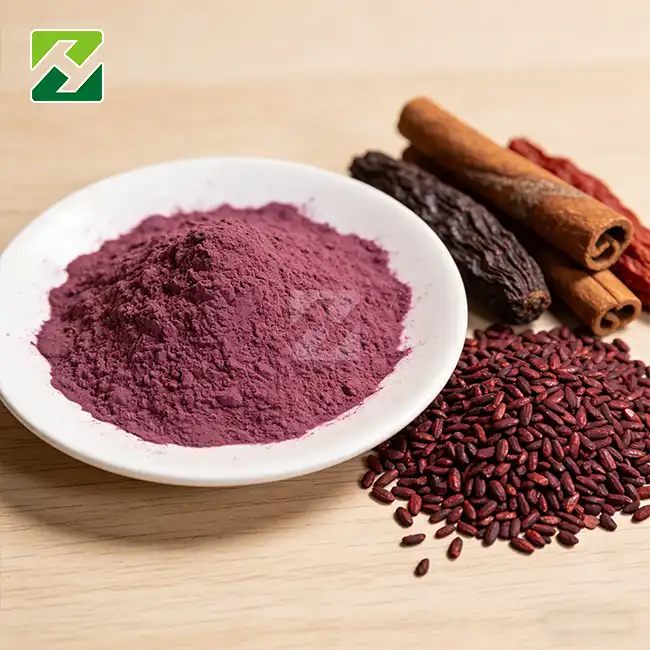 VIEW MORE
Determining the ideal timing for red yeast rice intake significantly influences its effectiveness in supporting cardiovascular wellness. Red Yeast Rice Extract Powder, standardized to 0.1% Monacolin K, works most effectively when consumed with evening meals, typically between 6-8 PM. This timing aligns with the body's natural cholesterol synthesis cycle, which peaks during nighttime hours. Taking it alongside food containing healthy fats enhances the absorption of the lipophilic compounds present in the fermented rice matrix. The violet-red powder derived from Monascus purpureus requires consistent daily administration to maintain steady bioactive levels throughout metabolic pathways.

Understanding Red Yeast Rice and Its Extract Powder
Red yeast rice has been used for hundreds of years in traditional fermentation methods, but for it to be used today in nutraceutical formulations, scientists need to know a lot more about it. In comparison to previous methods, the Red Yeast Rice Extract Powder is a big improvement.
What Defines Quality Red Yeast Rice Extract Powder
Controlled fermentation of non-GMO rice using certain Monascus purpureus strains is needed to go from whole red yeast rice to uniform Red Yeast Rice Extract Powder. The concentration of Monacolin K in quality Red Yeast Rice Extract Powder stays at 0.1% because it is extracted using water-based methods that keep the natural compound profile while getting rid of unwanted mycotoxins. The violet-red color means that the fermentation process is done correctly, and the 95% pass rate through 80 Mesh makes sure that the particles are spread out evenly so that they can be encapsulated or compressed into tablets.
To keep the bioactive integrity, advanced production facilities use dynamic low-temperature extraction technology along with nano-membrane separation. This method is very different from methods that use a lot of heat to break down sensitive compounds. Organic Herb Inc. uses freeze-drying methods after anti-osmotic concentration to keep the useful properties that make premium Red Yeast Rice Extract Powder different from cheaper ones.
The Science Behind Monacolin K and Cardiovascular Support
The main beneficial substance in red yeast rice that is good for your heart is called Monacolin K. This naturally occurring substance has some molecular similarities with pharmaceutical compounds. It also appears in a complicated botanical matrix with other monacolins, plant sterols, and isoflavones that work together to make the substance stronger.
A unique phytochemical mark is made during fermentation. Not only does HPLC research show Monacolin K, but it also shows Monacolins J, L, M, and X. Each of these helps the circulatory system as a whole. Instead of using separate manufactured chemicals, the botanical matrix is a kinder method that works with the body's natural processes. Certified manufacturers use a 100% water extraction method that keeps the natural compound ratios that were formed during fermentation and doesn't leave behind any harmful solvent residues.
Batch Consistency and Citrinin Control Standards
Two important quality parameters that procurement professionals put a high priority on are batch-to-batch consistency and Citrinin levels. Poor fermentation control can lead to nephrotoxic Citrinin, so choosing the right provider is very important. Citrinin levels are kept below detectable limits (under 50 ppb) by premium producers who carefully control fermentation factors such as temperature cycling, substrate makeup, and strain selection.
Certifications like NSF GMP, ISO, FSSC22000, Kosher, and Halal show that a company has a complete quality management system. For these certificates, third-party audits, tracking of the environment, and approved analytical methods must be done on a frequent basis. The 25 kg drum packaging with double-sealed polyethylene bags keeps the hygroscopic powder from absorbing water, which could make it less stable while it's being stored or shipped.

When and How to Take Red Yeast Rice for Optimal Results
The useful benefits of red yeast rice supplements are maximized when they are taken at the right time and according to the right procedures.
Optimal Daily Timing for Consumption
The body's diurnal cycle of cholesterol biosynthesis works best when the medicine is taken in the evening, between 6 and 9 PM. Late at night is when the liver's HMG-CoA reductase enzyme activity is highest, so this is the best time to start helping. When you eat the supplement with a dinner that has moderately healthy fats, like avocado, olive oil, or nuts, the lipophilic chemicals in the extract matrix are better absorbed.
More important than accuracy is consistency. Setting a regular daily routine helps keep plasma levels of Monacolins and other chemicals steady. If you miss some doses, the overall effectiveness goes down because of fluctuations. Setting smartphone alerts or connecting supplement use to regular dinnertime routines can help people stay on track, especially during the first 8–12 weeks when cardiovascular benefits start to show up in lipid panel measures.
Dosage Considerations for Different Product Formulations
The measurement of 0.1% Monacolin K means that there is 1 mg of Monacolin K in every gram of Red Yeast Rice Extract Powder. The recommended daily doses for effective results are between 1200 and 2400 mg of standardized extract, which provides 1.2 to 2.4 mg of Monacolin K. This lower concentration of Monacolin K compared to standardized versions that contain 0.4 to 3.0% is better for maintenance protocols and sensitive individuals because it provides softer support.
Product makers who work with this standard usually make 600mg capsules, since people need to take two of them every day, or 1200mg tablets, which are easier to take all at once. The water-extracted powder mixes easily with Coenzyme Q10, plant sterols, and omega-3 concentrates, all of which are good for your heart. Its violet-red color works with opaque capsules without the need for extra coloring agents.
Factors Influencing Individual Administration Schedules
The usual suggestion for evening administration can change depending on a number of factors. People who are on a time-restricted eating plan and eat their last meal before 5 PM should eat red yeast rice with their last meal instead of on an empty stomach. Having food around reduces the chance of stomach pain and speeds up the intake process.
Taking fat-soluble vitamins and Coenzyme Q10 at the same time makes sense when red yeast rice is given, since blocking HMG-CoA reductase affects the mevalonate pathway before CoQ10 is made. For people with sensitive gut systems, giving higher doses in the morning and evening may work better. However, giving the higher doses in the evening is still best for keeping the heart's beat steady. When planning the design of a cardiovascular mixture with multiple ingredients, procurement managers should keep these interaction patterns in mind.

Comparing Red Yeast Rice Extract Powder With Other Heart Health Solutions
Knowing how competitors are positioned helps business-to-business buyers choose items that fit with how the market is positioned and how regulations work.
Natural Alternatives Versus Synthetic Options
Red yeast rice extract is a special kind of ingredient that is somewhere between fully natural ingredients and pharmaceutical treatments. Rather than using single manufactured chemicals, the fermented rice matrix offers a whole-food method with many bioactive components that work together in complementary ways. People who want natural options, especially those who are interested in the clean-label movement that is currently sweeping supplement trends, like the plant origin.
Another famous group of heart-healthy substances is plant sterols and stanols. They work by competing with cholesterol uptake instead of blocking its production. Different types of niacin change lipid profiles in very different ways that involve the metabolism of adipocytes. Triglyceride reduction and inflammation are the main goals of fish oil concentrates. Combination formulations that target multiple cardiovascular pathways at the same time are made possible by these unique mechanisms. This makes products stand out in competitive markets.
Organic Versus Conventional Extract Sourcing
Choosing between conventional and organic Red Yeast Rice Extract Powder changes both the price and the way the product is marketed. To get organic certification, you have to keep detailed records from the time the rice is grown until it is extracted. This usually adds 15 to 25 percent to the cost of the raw materials. The higher price allows positioning within natural grocery outlets and speaks to buyer groups that care about the environment.
The same level of regulation and control for Citrinin and Monacolin K can be found in conventional high-quality Red Yeast Rice Extract Powder from GMP-certified facilities, but at more reasonable prices. Organic Herb Inc. runs 8000-acre GAP-standard growing sites in Shaoyang, Changsha, Huaihua, Guizhou, Hubei, and Jiangxi provinces to make sure that all of their products can be tracked, even if they are organic. When making a purchase choice, the buyer should think about how to place the product in the market and how price-sensitive the target audience is.
Quality Differentiation in the Global Supply Chain
There are big differences in quality between red yeast rice suppliers around the world. Premium makers set themselves apart by using tested analytical methods, thorough recording systems, and uniform output parameters. HPLC fingerprinting finds the full Monacolin profile, not just Monacolin K. This shows how well the fermentation went and whether synthetic Lovastatin was added.
Each batch should come with a Certificate of Analysis (CoA) that lists the amounts of Monacolin K, Citrinin (non-detectable levels are best), microbiological testing, heavy metals screening, and pesticide residue analysis. Measurements of bulk density (usually 0.45-0.65 g/ml) change how formulations are calculated and how well they are encapsulated. North American makers benefit from suppliers with US-based warehouses, like Organic Herb Inc.'s facility in California, which cuts down on wait times and makes logistics easier.
Procuring High-Quality Red Yeast Rice Extract Powder: What B2B Buyers Need to Know
When it comes to cardiovascular supplements, strategic sourcing choices have a direct effect on how well the product works, how well it meets legal requirements, and how well the brand is known.
Supplier Evaluation and Certification Requirements
Suppliers you can trust show more than just GMP compliance when it comes to quality. The NSF GMP certification is only for companies that make dietary supplements, while the FSSC22000 certification is for companies that have full food safety management systems for products like Red Yeast Rice Extract Powder. Kosher and Halal licenses make markets more open to groups of people who have to follow religious food rules.
Check the supplier's research and development (R&D) and analytical infrastructure in addition to certifications. Organic Herb Inc.'s R&D center in Changsha has 42 employees, including teachers, academics, and doctoral students. The center has over $1.2 million worth of analytical tools, such as HPLC-ELSD, GC-MS, HPTLC, and atomic absorption spectrophotometers. This system makes it possible to quickly solve problems, create unique standards, and offer high-quality herbal extracts in over 400 different SKUs.
Ask for data on systems that use extraction solvents. With the 100% water extraction method, there are no worries about remaining ethanol or other organic solvents that make it harder to follow the rules and make clean-label claims. Water extraction also fits with what consumers want, which is minimal processing and production methods that don't use chemicals.
Understanding MOQ, Lead Times, and Sample Evaluation
The 25 kg minimum order number works for both new brands that are testing the market and well-known names that need a steady supply. The 10-day lead time from order confirmation lets goods be managed quickly without having to pay a lot for storage. But international shipping takes an extra two to four weeks by ocean freight and costs a lot more by air freight. This is why Earth Made Nutrition's four warehouses in the US are strategically important.
Requesting free samples before placing a production order lets you do a full evaluation that includes:
- Organoleptic assessment: uniformity of color, smell, and taste profile
- Physical testing: sampling of particle sizes, mass density, and flow properties
- Analytical verification: testing by a third party that backs up what the CoA says
- Formulation compatibility: testing by mixing with planned co-ingredients and testing by sealing
Sample evaluation shows possible problems before money is spent, protecting budgets for purchases and launch dates for products.
Building Long-Term Strategic Supplier Relationships
For cardiovascular supplements to work, they need to be able to reliably get their ingredients over the course of several years. Creating partnerships with vertically integrated suppliers has benefits that go beyond just buying things one time. Organic Herb Inc. controls 8000-acre GAP-standard planting bases that make sure the safety of raw materials and their tracking from farming to extraction.
Suppliers who put money into protecting the earth and using safe farming methods show that they will be around for a long time. Technical support during product development, such as help with formulation and stability testing, is worth more than just providing raw materials. Framework agreements with volume promises can help you get better prices and make sure you have supplies during times of high demand or when competitors are experiencing shortages of raw materials.

Ensuring Safety and Compliance When Using Red Yeast Rice Products
To make a responsible product, you need to know how regulations work and make sure that the right safety measures are taken throughout the product's lifecycle.
International Regulatory Landscape Overview
Red yeast rice extract is regulated in a lot of different ways, depending on where it is used. Knowing these differences can help you avoid costly legal mistakes and issues with getting into new markets. The amount of standardization has a big effect on regulatory classification, and higher concentrations of Monacolin K lead to more review.
The 0.1% Monacolin K level is generally considered safe for dietary supplements in most major markets, tho requirements vary from country to country. Keeping detailed records of the extraction process, standardization steps, and quality control tests is important for regulatory reports and customs clearance. Compliance management is easier when you work with sellers who have the right certifications, like FDA registration for entry to the US market.
Quality Control Protocols for Manufacturing
Strong quality control throughout the manufacturing process protects the brand's image and the health of its customers. When trying new raw materials, the supplier's COA claims should be checked by a third party, especially for important factors like Citrinin levels and Monacolin K content. Non-conforming materials can't get into the production flow because of quarantine processes.
Monitoring the environment during mixing, encapsulation, and packaging keeps the product stable and stops contamination. Controlling humidity is especially important for the Red Yeast Rice Extract Powder, which needs to be kept in a controlled setting below 25°C with relative humidity below 60%. Testing the stability of finished goods under accelerated conditions (40°C/75% RH) and real-time storage conditions verifies claims about shelf life and makes sure that the packaging is right.
Keep samples from each production batch in case you need to look into complaints from customers or questions from the government. The tracking systems needed for FSSC22000 and ISO standards make it easy to find the batches that are affected quickly if there are quality problems. This limits the number of recalls that need to be done and lowers the costs.
Documentation Best Practices for B2B Transactions
In business-to-business deals, thorough paperwork protects everyone involved and makes it easier to follow the rules. In purchase agreements, quality parameters should be listed, such as the Monacolin K range, Citrinin limits, microbiological standards, heavy metals thresholds, and physical characteristics. To avoid disagreements, make sure that acceptance criteria and testing duties are clearly defined.
Ask for full technical paperwork that includes:
- Manufacturing process flow diagrams
- Extraction and standardization methodologies
- Analytical method validation reports
- Stability data supporting shelf life claims
- Allergen statements and GMO status declarations
- Country-of-origin certificates and phytosanitary documentation
Keep your document management tools well-organized so that you can quickly find what you need during legal or customer audits. Regular supplier audits, which can be done by visiting the supplier in person or using a third-party audit service, make sure that the documentation matches the supplier's actual practices and abilities.
Conclusion
Red Yeast Rice Extract Powder is a complex plant ingredient that needs to be bought with care and administered according to the right rules. Taking this vitamin with dinner in the evening makes its heart health benefits even stronger by lining up with your body's natural hormonal rhythms. In order to differentiate quality in the global supply chain, suppliers must be carefully evaluated based on their licenses, analytical skills, and production controls. The standardization of 0.1% Monacolin K provides a balanced approach that works well for maintenance formulations while keeping regulatory complexity to a minimum. For product development to go well, it's important to combine good sources with strict safety rules and good paperwork. Vertically integrated sellers offer uniform quality, technical support, and a reliable logistics system that helps business-to-business buyers make sure their cardiovascular supplement products do well in competitive markets.
FAQ
1. What distinguishes Red Yeast Rice Extract Powder from whole red yeast rice?
Controlled processing is used to get uniform Monacolin K quantities in Red Yeast Rice Extract Powder, which are usually between 0.1% and 3.0%. Whole red yeast rice, on the other hand, has different amounts of bioactive substances. The extraction process also gets rid of Citrinin, which is the main quality issue with fermented rice that hasn't been processed. Making sure that all batches have the same amount of strength is important for making sure that formulations are correct and that customers have the same experience each time.
2. How can procurement managers verify supplier quality claims?
Ask for full Certificates of Analysis that show the Monacolin K content (preferably not detectable) through HPLC, the levels of citrinin (preferably not detectable), microbiological testing, heavy metals screening, and pesticide residue analysis. Before making a buy decision, have a third party test the samples on your behalf. Check the supplier's credentials, such as NSF GMP, FSSC22000, ISO, and any credentials that are specific to the market. For key supplier ties with large volume promises, you might want to look at audit reports or direct site visits.
Partner With a Trusted Red Yeast Rice Extract Powder Manufacturer
OHI provides pharmaceutical-grade Red Yeast Rice Extract Powder that is standardized to 0.1% Monacolin K. It is made in our Jiangxi facility following strict NSF GMP and FSSC22000 guidelines. Our supply chain is fully linked, starting with GAP-standard cultivation bases on 8000 acres and ending with advanced R&D centers equipped with HPLC-ELSD and GC-MS technology. This gives us the best control over batch stability and Citrinin levels. With four strategically located US warehouses that allow for 10-day delivery and full certifications such as Kosher, Halal, and Organic, we help nutraceutical manufacturers create unique cardiovascular formulations. With a 25 kg MOQ, you can get free trials. You can talk to our technical team about your formulation needs and get full product specifications for your next cardiovascular supplement launch by emailing info@organic-herb.com.
References
1. Burke, F. M. (2015). Red Yeast Rice for the Treatment of Dyslipidemia. Current Atherosclerosis Reports, 17(4), 495.
2. Klimek, M., Wang, S., and Ogunkanmi, A. (2009). Safety and Efficacy of Red Yeast Rice (Monascus purpureus) as an Alternative Therapy for Hyperlipidemia. P&T Journal, 34(6), 313-327.
3. Patel, S. (2016). Functional Food Red Yeast Rice (RYR) for Metabolic Syndrome Amelioration: A Review of Pros and Cons. World Journal of Microbiology and Biotechnology, 32(5), 87.
4. Gerards, M. C., Terlou, R. J., Yu, H., Koks, C. H., and Gerdes, V. E. (2015). Traditional Chinese Lipid-Lowering Agent Red Yeast Rice Results in Significant LDL Reduction, but Safety is Uncertain. Atherosclerosis, 240(2), 415-423.
5. Gordon, R. Y., Cooperman, T., Obermeyer, W., and Becker, D. J. (2010). Marked Variability of Monacolin Levels in Commercial Red Yeast Rice Products. Archives of Internal Medicine, 170(19), 1722-1727.
6. Venero, C. V., Venero, J. V., Wortham, D. C., and Thompson, P. D. (2010). Lipid-Lowering Efficacy of Red Yeast Rice in a Population Intolerant to Statins. American Journal of Cardiology, 105(5), 664-666.
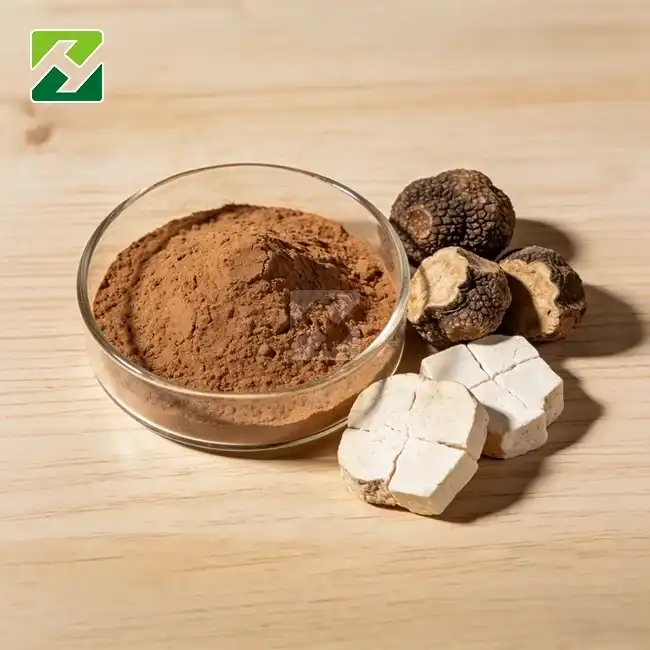
Powder vs Liquid Poria Cocos Extract: What’s the Difference?
VIEW MOREPoria Cocos Extract powder and liquid vary mainly in physical condition, concentration stability, and application compatibility. Powder extracts are useful for component and cosmetic uses because of their longer storage, ease of transportation, and adaptability in capsule, tablet, and beverage formulations. Liquid extracts dissolve quickly and are easy to add to ready-to-drink and topical applications. Understanding these differences helps procurement teams match ingredient choices to production processes, paperwork, and end-product standards.

Understanding Poria Cocos Extract: Powder and Liquid Forms
What Is Poria Cocos Extract?
Poria Cocos Extract is derived from the dried sclerotium of Poria cocos (Schw.) Wolf, a wood-rotting fungus, known in Chinese culture as Fu Ling. It is employed in B2B markets worldwide, especially in cosmetic, food-related formulations, and botanical ingredient applications. The extract includes beta-pachyman polysaccharides and lanostane-type triterpenoids containing pachymic acid. Its predetermined composition allows producers to work with a standardised botanical material where raw fungal biomass, component uniformity, and formulation handling are crucial procurement variables.
Modern extraction technologies include hydro-ethanolic extraction, ultrasonic-assisted extraction, and supercritical CO2 procedures, which may separate specific plant components from the original raw material. These techniques enable procurement managers to purchase standard, shelf-stable ingredient forms that meet a wide range of production needs.
Production Methods and Industrial Applications
Powder Extract Production:
Usually, 100% water is used as the solvent to produce powder forms. This is followed by concentration and spray-drying to obtain a fine brown powder. The fruiting body undergoes controlled low-temperature extraction to maintain the characteristic composition of the polysaccharides and other botanical components. Powder extracts can be standardized to specifications such as 10:1 ratios or 30% polysaccharides, providing manufacturers with defined batch requirements.
The powder format works well for dry drink mixes, capsule and tablet formulations, and other powdered products. Its low moisture level can support extended storage under suitable conditions while also reducing shipping weight, which can be useful for bulk purchasing and transportation.
Liquid Extract Production:
Liquid extracts begin with a similar extraction process, but the concentrate is not dried. Instead, it remains in a water- or alcohol-based solution. This format disperses readily and can be incorporated directly into liquid formulations, functional beverages, and cosmetic serums without requiring an additional reconstitution step.
However, liquid extracts require more specific storage conditions. Their higher moisture content can increase handling and storage requirements, meaning that refrigeration or an appropriate preservation system may be necessary depending on the formulation and supplier specifications.
Storage and Handling Considerations
The amount of storage space and handling requirements can differ considerably between the two formats. When powder extracts are stored in sealed 25 kg drums with moisture-resistant packaging, they can generally be maintained in controlled warehouse conditions without refrigerated storage when the supplier's specification permits. Liquid forms may require storage between 2°C and 8°C, depending on their composition and preservation system, which can make international shipping more complex.
When procurement managers evaluate total ownership costs, these logistical details should be considered alongside the ingredient price. Powder extracts can simplify warehouse management and long-distance transportation, while liquid forms may be suitable for just-in-time production models and suppliers located closer to manufacturing facilities.

Key Differences Between Powder and Liquid Poria Cocos Extract
Potency, Bioavailability, and Stability
Potency Consistency:
Complex EPC specifications often require engineering consultation beyond standard product offerings. Evaluate whether potential suppliers provide material selection guidance based on your specific operating conditions, including pressure-temperature cycling, corrosion exposure, and maintenance accessibility constraints. Customization capabilities for non-standard dimensions, specialized materials, or unique end connections expand your design flexibility. Natura Poria Cocos Extract.
Bioavailability Dynamics:
Because the components in liquid extracts are already dispersed within the liquid medium, this format can be convenient for ready-to-drink beverage formulations that require rapid incorporation. Powder extracts used in dry formulations require a mixing or dispersion stage before use. The dissolution characteristics of each format should therefore be evaluated according to the intended formulation and processing method rather than based on a claimed physiological effect.
Stability Profiles:
Powder extracts generally offer simpler storage characteristics than liquid extracts. Polysaccharides and triterpenoids can remain within specified quality parameters for extended periods when stored under appropriate temperature, humidity, and packaging conditions. Liquid extracts may require additional control of oxidation, microbial conditions, and physical stability, and preservation systems such as potassium sorbate or sodium benzoate may be considered according to the formulation and applicable requirements.
Formulation Flexibility Across Applications
Capsules and Tablets:
Powder extracts can be combined with excipients such as microcrystalline cellulose and magnesium stearate to support tableting and packaging processes. Their powder-flow characteristics can also be evaluated to help maintain consistent fill weights and material handling during production.
Beverage and Liquid Supplements:
Liquid extracts can be incorporated directly into ready-to-drink formulations without requiring a separate reconstitution stage. Powder extracts require mixing and dispersion, but they can be convenient for dry beverage mixes that are intended for storage and transportation without refrigeration.
Topical and Cosmetic Formulations:
For serums and emulsions, cosmetic formulators may select liquid extracts because the botanical material is already dispersed in a liquid carrier. Powder extracts can be incorporated into dry cosmetic mixtures or dispersed into water using suitable mixing equipment. Particle size and dispersion characteristics should be evaluated to achieve the desired texture and appearance.
Logistics, Shelf Life, and Spoilage Risks
Moving 25 kg drums of powder extract is more straightforward than temperature-controlled liquid transport, using standard goods, since powder forms do not often need a cold chain if kept to spec. Some logistical needs may be reduced. In procurement, changes in shelf life should also be addressed. Depending on the composition and preservation mechanism, shorter storage durations may be selected for liquid forms, but powder extracts can provide longer storage periods.
There are also storage issues with both formats. Powder extracts should be protected from moisture and hostile environmental influences. Liquid extracts need more stringent control of temperature, container integrity, and preservation conditions. Such variances affect inventory turnover, quality-control methods, and distribution planning.
Such practical concerns should thus be part of a buying team’s assessment of initial price, storage needs, transit circumstances, inventory turnover, and production schedules. Powder extracts may lend themselves to centralised manufacturing and vast distribution networks, whereas liquid forms may lend themselves to regional production facilities and goods needing direct inclusion of liquid.

Procurement Considerations: Selecting Between Powder and Liquid Extracts
Cost Factors and Total Ownership Analysis
Beyond the listed purchase price, calculating total ownership cost can reveal additional expenses:
- Volume Discounts: Larger powder-extract orders may qualify for volume pricing because of production and packaging efficiencies. Liquid extracts may involve additional storage and transportation considerations that can affect purchasing negotiations.
- Packaging and Shipping Fees: 25 kg drums for powder can provide a standardized bulk packaging format, while liquid shipments may require additional protective packaging or temperature-control measures depending on the supplier's specifications.
- Long-Term Storage: Powder storage under suitable warehouse conditions can have lower infrastructure requirements than refrigerated liquid storage, while liquid storage may involve additional equipment and energy costs.
An example study of the purchase of 1000 kg of powder extract each year indicates the various potential total expenses of the two types. Powder extracts may be cheaper to transport and store, whereas liquid extracts may incur additional expenditures for packaging, temperature regulation, and distribution needs. The actual price depends on the supplier's quote, requirements, order quantities, and logistical circumstances.
Supplier Quality Assurance and Certifications
Properly examine the vendors to limit the purchase risk. Certifications: Organic, Kosher, Halal, ISO 9001, FSSC22000, NSF GMP, etc. Certifications vary according to the use and target audience. These certifications give information on manufacturing systems, traceability, and quality management processes.
Verification protocols should include:
- Identification Testing: Thin Layer Chromatography (TLC) or High Performance Thin Layer Chromatography (HPTLC) can be used to evaluate the botanical identity of Wolfiporia extensa against appropriate reference standards.
- Assay Validation: UV-Vis spectrophotometry can be used for polysaccharide analysis, while HPLC can be applied to characterize triterpenoids such as pachymic acid.
- Contaminant Screening: ICP-MS can be used to evaluate heavy metals, while GC-MS/MS can be used to screen pesticide residues according to applicable market and customer specifications.
- Microbiological Testing: Total plate count and testing for organisms such as Salmonella, E. coli, and Staphylococcus aureus can be included according to the quality requirements applicable to the intended product category.
When suppliers provide Certificates of Analysis (CoA) supported by qualified third-party laboratories, such as Eurofins or SGS, procurement teams receive additional documentation for evaluating batch consistency and supplier transparency.
Matching Extract Choice to End-Product Requirements
Aligning ingredient format with the manufacturing process can improve production efficiency:
- Sports Nutrition and Supplements: Powder extracts can be incorporated into capsule and tablet production and are compatible with automated powder-handling and packaging systems.
- Functional Beverages: Liquid extracts can simplify incorporation into liquid beverage bases, reducing the need for an additional powder reconstitution stage.
- Cosmetic Serums: Liquid extracts can be incorporated into liquid cosmetic formulas, while powder extracts can be evaluated according to the dispersion and processing requirements of the formulation.
- Pharmaceutical Applications: For pharmaceutical-related manufacturing, ingredient selection should follow the applicable product-category specifications, manufacturing standards, and regulatory requirements.
Before signing multi-ton contracts, procurement managers should involve cross-functional teams such as R&D, quality control, and production early in the ingredient-selection process for Natura Poria Cocos Extract to identify potential compatibility, handling, and manufacturing considerations.

Real-World Applications and Case Studies
Case Study: Powder Extract in Bulk Supplement Formulation
A medium-sized botanical powder product manufacturer had issues with the raw Poria Cocos powder. The polysaccharide content of the raw Poria Cocos powder was 8–18%, and the raw materials needed to be further processed to satisfy their own quality standards.
This was resolved by using a standardised powder extract containing 30% polysaccharides and a ratio of 10:1. The provider supplied batch-consistent material which fulfilled the company's microbiological criteria with no further processing. The fluctuation of the capsule fill weight was reduced from ±8% to ±2%, enhancing manufacturing uniformity and decreasing material waste.
Cooperation with suppliers was also crucial. Free 100 g samples enabled the formulation team to do preliminary testing before manufacturing, while flexible lead times of about 10 days for 500-kilogram orders facilitated inventory planning. While the purchase price per kilogram was higher, the modification resulted in total processing and quality-related expenditures being lower.
Case Study: Liquid Extract in Herbal Drinks That Are Ready to Drink
A functional beverage start-up had a ready-to-drink botanical beverage that needed easy integration of ingredients and a clean look to the product. Testing of powder extracts showed visible particles and sedimentation, necessitating further formulation alterations that were not consistent with the product’s simplified placement of ingredients.
The formulation was altered by using a liquid extract containing 30% polysaccharides in a water-based form. Sensory tests validated the smooth look and appropriate flavour attributes.
The supplier’s US storage sites in four areas allowed regional distribution and less transportation distance. Scheduled shipments were delivered to co-packing partners in line with the company’s production plans. The liquid format raised unit costs, but easier manufacturing and product placement were favourable to the company's sales strategy.
The key lessons learned were the need to partner with suppliers who can help with transportation planning and to set proper inventory estimates when employing liquid substances that demand more specialised storage conditions.
Making the Right Choice: Powder vs Liquid Poria Cocos Extract
Comparative Pros and Cons
Powder Extract Advantages:
- Longer specified storage periods can reduce inventory turnover pressure and help simplify stock management.
- Standard freight can reduce the need for temperature-controlled transportation.
- Compatibility with different dry formats, including capsules, tablets, and powders, provides greater manufacturing flexibility.
- Bulk packaging in 25 kg drums works well with high-volume production and volume purchasing.
Powder Extract Limitations:
- Requires a dispersion or reconstitution step when used in liquid formulations.
- Beverage applications may require additional attention to particle size, dispersion, and solubility.
Liquid Extract Advantages:
- Convenient incorporation into liquid formulations reduces the need for a separate reconstitution stage.
- Suitable for ready-to-drink beverages and other liquid products where direct addition is preferred.
- Can simplify incorporation into certain cold-processing cosmetic formulations.
Liquid Extract Limitations:
- Shorter specified storage periods may require faster inventory turnover.
- Temperature-controlled shipping and storage can increase logistics requirements.
- Preservation systems may be necessary depending on the formulation and storage conditions.
Decision-Making Framework for B2B Buyers
Using these core criteria, procurement teams can structure extract selection:
Production Compatibility: Evaluate the equipment and manufacturing processes currently used. Powder formats are generally suited to capsule, tablet, and dry-mix production, while liquid extracts are suited to liquid filling and mixing systems.
Budget Limits: Calculate total ownership costs, including storage, freight, packaging, and inventory expenses over the planned purchasing period.
Supplier Reliability: Give priority to suppliers with appropriate inventory availability, certifications that correspond with target markets, and documented quality-management systems.
Final Product Specifications: Make sure the extract format matches the requirements of the finished product. Dry products generally favor powder formats, while ready-to-drink products may favor liquid formats depending on the formulation design.
A decision grid could rate these factors on a range from 1 to 5, with production compatibility and budget limits receiving greater weight for high-volume SKUs and final product specifications receiving greater weight for specialized products.
Emerging Extraction Technologies and Innovation Trends
New extraction methods continue to narrow some of the practical differences between powder and liquid formats. Nanofiltration and reverse osmosis concentration can be used during liquid extract processing, while spray-granulation technology can improve the dispersibility of powder extracts for beverage applications.
Sustainable sourcing is also receiving greater attention. Good Agricultural Practice (GAP)-approved planting bases covering more than 8,000 acres across different regions can provide suppliers with structured sourcing systems and improved traceability. These practices can also support brands that place greater emphasis on responsible sourcing and environmental considerations.
Purchasing managers who monitor these developments can evaluate new ingredient-processing technologies as they become commercially available and determine whether they fit their manufacturing requirements.
Conclusion
Choosing between powder and liquid Poria Cocos Extract depends on formulation requirements, manufacturing processes, logistics, storage conditions, and total cost. Powder extracts offer convenient storage, transportation advantages, and compatibility with a range of dry product formats, making them suitable for manufacturers with centralized production and extended supply chains. Liquid extracts provide convenient incorporation into liquid products and can be suitable for ready-to-drink beverages and certain cosmetic formulations where direct liquid addition is preferred. Successful procurement requires supplier evaluation, total ownership cost analysis, quality documentation, and cooperation between purchasing, R&D, quality, and production teams. B2B buyers can establish more consistent ingredient-sourcing strategies by selecting standardized extracts from qualified suppliers whose specifications, packaging, logistics, and documentation align with the requirements of their target markets.
FAQ
1. Are there safety differences between powder and liquid extracts?
Both types of formats are safe as long as they come from approved sellers who follow USP and FDA rules. Controlling contaminants like heavy metals, pesticide residues, and microbial limits is more important for safety than the physical form. Reliable providers test both with ICP-MS and GC-MS/MS to make sure they are in line with the rules. Preservatives may be in liquid extracts, which should be made public and checked for allergy or sensitivity issues.
2. How does organic certification impact procurement decisions?
Organic certification (USDA, EU Organic) opens up new markets and fits with consumer tastes for clean labels, which often means paying an extra 10–20% at the store. There is also a lower risk in the supply chain because the products can be tracked back to GAP-certified planting bases. The cost of ingredients goes up by $2 to $5 per kg when they are certified, but they can be positioned as special and work with distributors who prioritize organic portfolios.
3. What are the best practices for shipping and storage in bulk orders?
Powder extracts should be kept in sealed, moisture-proof drums below 25°C and 60% relative humidity. They should also be kept out of direct sunlight. Standard freight on pallets is fine. Liquid extracts need to be transported and stored in a cold environment (2–8°C). Work with freight partners that can monitor the temperature and offer fast delivery. First-in, first-out (FIFO) inventory rotation is good for both formats because it keeps things fresh.
Partner with OHI for Premium Poria Cocos Extract Supply
As a reliable producer of Poria Cocos Extract, OHI blends strict quality control with a supply chain that can change quickly. Our certifications in NSF GMP, Kosher, Halal, ISO 9001, and FSSC22000 make sure that the products you buy meet the toughest world standards. Standardized powder extracts (30% polysaccharides, 10:1 ratio, water-extracted from fruiting bodies) are available in 25kg drums, and we offer free samples for validation. We also accept flexible MOQs starting at 25kg. Four regional stores in the US guarantee lead times of 10 days and get rid of expensive import delays. We use our more than 8,000 acres of GAP-certified planting grounds and advanced research and development to give you uniform, traceable ingredients that help your product stand out and promote clean labels. Email us at info@organic-herb.com to get samples, talk about bulk prices, or find out more about how we can help you with your own formulations.
References
1. Chen, Y., & Liu, H. (2019). "Comparative Analysis of Polysaccharide Stability in Dried and Liquid Fungal Extracts." Journal of Food Science and Technology, 56(4), 1823-1831.
2. Zhang, L., Wang, S., & Li, Q. (2020). "Extraction Technologies and Bioactive Compound Retention in Poria Cocos: A Review." Industrial Crops and Products, 148, 112289.
3. Thompson, R., & Davis, M. (2021). "Logistics and Shelf-Life Management of Botanical Extracts in Nutraceutical Supply Chains." Supply Chain Management Quarterly, 12(2), 45-58.
4. Kumar, P., Singh, A., & Patel, V. (2018). "Quality Control Protocols for Herbal Extract Procurement: A B2B Perspective." Pharmaceutical Technology, 42(9), 38-44.
5. Williams, J., & O'Connor, K. (2022). "Formulation Strategies for Powder and Liquid Botanical Extracts in Functional Foods." Food Innovation Journal, 8(1), 67-79.
6. Lee, S., Park, J., & Kim, H. (2020). "Comparative Bioavailability and Stability of Powdered versus Liquid Mushroom Polysaccharides." Nutrients, 12(10), 3104-3118.
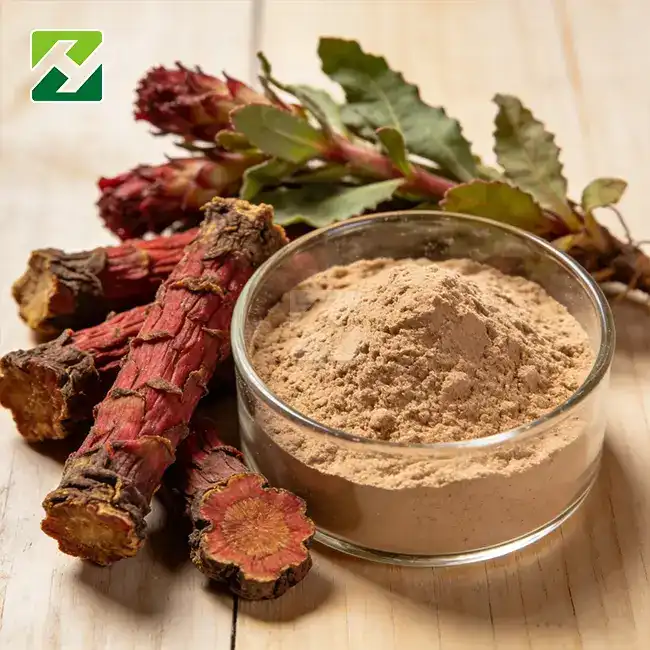
Natural Rhodiola Rosea Extract in Food, Cosmetics, and Botanical Products
VIEW MORENatural Rhodiola Rosea Extract represents a premium botanical ingredient derived from the root of Rhodiola rosea L., an arctic-alpine plant valued for its distinctive botanical composition. Standardized to 3% Rosavins and 1% Salidroside through water and ethanol extraction, this extract provides a consistent botanical profile suitable for cosmetic, food, and other formulation applications where standardized plant ingredients are required. Its unique phytochemical composition—featuring phenylpropanoids and tyrosol derivatives—makes it an interesting ingredient for brands seeking naturally sourced materials with clearly defined specifications for global markets.

Understanding Natural Rhodiola Rosea Extract and Its Bioactive Profile
What Makes Rhodiola Rosea Extract Unique Among Adaptogens?
It is easy to distinguish Rhodiola rosea from related botanical materials because of its characteristic compound profile. Natural Rhodiola Rosea Extract differs from other botanical extracts such as Panax Ginseng or Ashwagandha (Withania somnifera) because it contains three characteristic compounds known as Rosavins: Rosarin, Rosin, and Rosavin. These compounds naturally occur together with Salidroside, creating a phytochemical profile associated with the rosea species.
In B2B purchasing, this level of botanical identification is important. When suppliers substitute Rhodiola rosea with Rhodiola crenulata, the resulting material has a different characteristic composition because Rhodiola crenulata contains Salidroside but does not contain the same Rosavin profile. Professional-grade extracts verified through HPLC analysis help formulation teams confirm botanical identity and maintain consistent specifications between batches. The powdery yellow-to-brown color associated with processed roots can also serve as one of the physical characteristics considered during incoming material evaluation.
Bioactive Mechanisms and Antioxidant Properties
Rosavins and Salidroside are characteristic compounds used when evaluating the composition of Rhodiola rosea extracts. Natural Rhodiola Rosea Extract contains these naturally occurring plant constituents, which contribute to its overall phytochemical profile and provide formulators with clearly defined botanical markers.
From the perspective of formulation chemistry, dual-marker standardization at 3% Rosavins and 1% Salidroside provides a consistent specification for different production batches. This consistency is important for R&D directors and procurement teams developing products that require repeatable raw-material characteristics. The water and ethanol extraction process separates selected plant components from the original root material and produces a concentrated extract format compared with conventional ground root powder.

Integrating Rhodiola Extract Across Multiple Industry Sectors
Application in Nutraceutical and Functional Food Development
The food and ingredient industries continue to explore standardized botanical materials for a wide range of product formats. Natural Rhodiola Rosea Extract can be incorporated into various ingredient systems where a standardized botanical extract is required. Its small particle size of approximately 80 mesh allows the powder to be distributed during the production of capsules, tablets, and dry powder blends.
For companies developing functional beverages, incorporating botanical ingredients requires attention to taste, clarity, dispersion, and processing conditions. Natural Rhodiola Rosea Extract with suitable water-dispersion characteristics can be considered for ready-to-drink beverages and other liquid formulations. Flavor systems can be selected to complement the naturally occurring taste characteristics of the plant extract while maintaining the desired sensory profile throughout storage.
Product designers should also consider compatibility between Natural Rhodiola Rosea Extract and other commonly used formulation ingredients, such as L-theanine, caffeine, or B-vitamin complexes. Because the extract can be incorporated into formulations with acidic pH values, compatibility testing can help determine suitable processing and storage conditions. The hygroscopic powder can be packaged in 25 kg drums with moisture-resistant liners, while maintaining appropriate moisture specifications supports storage stability.
Cosmetic Applications and Skincare Innovation
Cosmetic businesses continue to explore botanical ingredients with defined specifications and distinctive plant-based positioning. Natural Rhodiola Rosea Extract can be incorporated into a range of cosmetic formulations because of its characteristic botanical composition. Cosmetic scientists can evaluate its compatibility with different delivery formats, including water-based serums, creams, and anhydrous oil-phase formulations.
The reddish-brown color of the extract should be considered when developing light-colored formulations, while colored products or lower inclusion levels may provide additional formulation flexibility. When developing leave-on skincare products, stability testing can be used to evaluate whether Rosavins and Salidroside remain within the desired specification under normal storage conditions, including temperature variation and light exposure.
Botanical Product Integration and Market Positioning
Rhodiola Rosea Extract can be considered by botanical product companies that want to combine traditional plant sourcing with standardized modern processing. The historical use of the root in Scandinavian and Russian traditions provides background for ingredient storytelling, while the standardized extract format offers clearly defined specifications for contemporary product development.
Private label brands can differentiate their products by providing clear information about botanical origin, extraction methods, and manufacturing specifications. Standardization ratios, third-party analytical documentation, and transparent extraction information such as water/ethanol processing can help purchasing teams evaluate raw-material quality. Organically certified materials can also provide additional options for brands developing products with plant-based and clean-label positioning.

Quality Assurance and Supplier Credential Verification
Critical Quality Control Parameters for B2B Buyers
Procurement teams should give priority to suppliers that can provide comprehensive analytical documentation. High-Performance Thin-Layer Chromatography (HPTLC) can be used to examine characteristic botanical fingerprints and distinguish Natural Rhodiola Rosea Extract from materials with different species profiles. This chromatographic approach provides an additional quality-control reference for verifying characteristic compounds within the extract.
Quantitative HPLC analysis can be used to verify the specified levels of characteristic compounds. Reliable suppliers should provide batch-specific CoA documentation that includes:
- Potency Verification: Rosavins ≥ 3.0% and Salidroside ≥ 1.0% can be verified using appropriate HPLC methods and traceable reference standards.
- Contaminant Analysis: ICP-MS testing can be used to evaluate heavy metals, while GC-MS screening can assess pesticide residues, and residual solvent analysis can verify that remaining processing solvents meet the applicable specifications.
- Microbiological Safety: Total plate count, yeast/mold enumeration, and relevant microbiological testing can be included in batch quality documentation according to the requirements applicable to the intended product category.
Evaluating Supplier Certifications and Manufacturing Standards
The range of available certifications provides useful information about supplier quality-management systems. Good Manufacturing Practice (GMP) certification, including applicable standards such as NSF/ANSI 455-2 for relevant product categories, demonstrates structured manufacturing and quality-control procedures. ISO 9001 provides a framework for general quality-management systems, while FSSC 22000 addresses food-safety management requirements applicable to relevant manufacturing operations.
Kosher and Halal certifications can support brands serving markets with specific sourcing requirements. Organic certification, such as USDA NOP or applicable European organic standards, requires documentation covering cultivation, processing, and supply-chain management. These certifications provide additional documentation that procurement teams can use when evaluating supplier qualifications.
We follow a structured qualification system that includes NSF GMP, FSSC 22000, ISO 9001, Halal, and Kosher qualifications. Our vertically integrated model connects GAP-standard planting bases covering more than 8,000 acres in several Chinese provinces with extraction facilities using nano-membrane isolation, low-temperature processing, and column chromatography. From seed sourcing through final extract powder production, this integrated structure supports traceability throughout the manufacturing process.

Strategic Procurement and Logistics Considerations
Understanding Pricing Structures and MOQ Requirements
The price of bulk Natural Rhodiola Rosea Extract depends on several factors, including raw-material sourcing methods, extraction ratio, certification requirements, and order volume. The minimum order quantity of 25 kg, typically supplied as one drum, provides a standard industrial packaging option that supports transportation, storage, and inventory management.
Instead of evaluating only the FOB price, procurement managers should consider the total landed cost. Inventory planning is influenced by lead time, which is commonly around 10 days for stocked materials from established suppliers. Companies with warehouses in the US can provide shorter transportation routes, simplified logistics coordination, and flexible ordering options compared with suppliers that require direct full-container shipments.
International Shipping and Regulatory Compliance
International trade in botanical ingredients requires attention to applicable import, documentation, labeling, and product-category requirements. When Rhodiola Rosea Extract is shipped to the US, its regulatory treatment depends on the intended product category and final use. Botanical identity documentation, country-of-origin declarations, customs information, and applicable import documentation should be prepared according to the requirements of the destination market.
Suppliers serving international customers should provide relevant regulatory documentation, which may include allergen statements, GMO status declarations, BSE/TSE statements, product specifications, and other documents requested by customers or applicable authorities. These materials can simplify internal compliance reviews and support product-development timelines. Our four US warehouses, located in major distribution hubs, allow for just-in-time delivery, helping customers manage inventory levels while maintaining access to required materials.
Product Development Guidelines and Formulation Best Practices
Recommended Usage Levels Across Application Categories
Formulation recommendations depend on the product format, application, and desired ingredient positioning. Cosmetic applications may use different inclusion levels according to the formulation type and product specifications. For products containing standardized Natural Rhodiola Rosea Extract, formulators should determine appropriate usage levels through compatibility testing, sensory evaluation, and applicable product-development procedures.
For cosmetic applications, different formulation formats may require different inclusion levels depending on the intended texture, color, processing method, and overall composition. Higher inclusion levels can influence the color and sensory characteristics of a formulation, while lower inclusion levels may provide greater flexibility for light-colored products. Stability testing can be used to evaluate whether Rosavins and Salidroside remain within the desired specification under accelerated storage conditions such as 40°C/75% RH for 3 months.
Formulation Compatibility and Processing Considerations
The extract's partial water solubility should be considered when developing liquid formulations. Solubilizers, dispersion systems, or high-shear mixing may be evaluated when developing stable formulations. For ready-to-drink products, trial batching can help determine suitable dispersion and processing procedures before production is scaled up.
The Natural Rhodiola Rosea Extract's low bulk density of approximately 0.40–0.60 g/ml and small particle size can support automated powder-handling and capsule-filling processes. Flow agents such as silicon dioxide may be considered when appropriate for improving powder handling, while granulation processes can be evaluated according to equipment and formulation requirements. For tablet production, excipient selection and compression parameters should be optimized to achieve the desired physical properties while maintaining the specified characteristics of the botanical extract.

Conclusion
To source high-quality Natural Rhodiola Rosea Extract, procurement teams should carefully evaluate botanical identity, analytical documentation, manufacturing capabilities, and supplier qualifications. Combining traditional botanical sourcing with modern extraction technology provides manufacturers with a standardized ingredient option for developing products with clearly defined specifications. Quality assurance, regulatory documentation, and supply-chain reliability are important factors when establishing a dependable procurement strategy. Selecting suppliers with appropriate technical capabilities and consistent manufacturing procedures can help companies maintain reliable raw-material quality across different product-development projects and international markets.
FAQ
1. How do I verify authentic Rhodiola rosea versus adulterated material?
For real proof, an HPTLC or HPLC test must show the presence of all three Rosavins (Rosavin, Rosarin, and Rosin) along with Salidroside. Suppliers who only offer Salidroside measurements might also be selling Rhodiola crenulata or spiked Natural Rhodiola Rosea Extract. Ask for chromatograms that are specific to the batch and show the full phytochemical fingerprint that matches verified reference standards.
2. What certifications matter most for supplement and cosmetic applications?
GMP certification (NSF, NSF/ANSI 455) is necessary for dietary supplements because it shows that quality control is done in a planned way and that contamination is avoided. FSSC 22000 talks about food safety for food use. ISO 22716 is used for making cosmetics. Certifications like Organic, Kosher, and Halal help you reach more customers, and third-party testing (like Eurofins and SGS) gives you peace of mind about the quality.
3. Can Rhodiola extract remain stable in various product matrices?
When kept away from light and moisture, properly standardized Natural Rhodiola Rosea Extract stays stable in dry dose forms like pills and tablets. For beverage uses, you need to test the pH and temperature stability. The extract can work in acidic environments like those found in fruit-flavored drinks, but it works best in alkaline environments where antioxidant systems are present. Cosmetics should go through rapid stability testing to make sure that the active ingredients stay in the product for as long as it's supposed to last.
Partner with OHI for Premium Natural Rhodiola Rosea Extract Supply
Organic Herb Inc. (OHI) is a reliable source for Natural Rhodiola Rosea Extract. They use cutting-edge extraction technology and vertically integrated cultivation on more than 8,000 acres of GAP-certified planting bases. Our position as a public company (Stock Number: 872213) shows that we are dedicated to being open and providing the best quality products. The R&D center in Changsha is home to 42 professionals, including professors and PhD researchers. They use high-tech analytical tools worth more than $1.2 million, such as HPLC-ELSD, GC-MS, and nano-membrane systems, to make sure that every batch meets the strict requirements for pharmaceutical use.
We get rid of common problems with buying by having four stores in the US with quick 10-day lead times and flexible 25kg minimum orders. Formulation teams can test free samples thoroughly before committing to a full batch. Our wide range of certifications, including NSF GMP, FSSC 22000, ISO 9001, Kosher, Halal, and Organic, meets the regulatory needs of the food, supplement, and cosmetics industries. Whether you need Natural Rhodiola Rosea Extract for sale in a standard concentration of 3% Rosavins and 1% Salidroside or a concentration that isn't listed, our team is here to help you with the technical side of making the product.
Our activities are based on sustainable farming methods and caring for the environment, which guarantees a steady supply over the long term and helps farming communities. To talk about your needs, please email our team at info@organic-herb.com. We turn botanical buying from a problem into a strategic relationship that improves your product line and speeds up your success in the market.
References
1. Panossian, A., & Wikman, G. (2010). Effects of Adaptogens on the Central Nervous System and the Molecular Mechanisms Associated with Their Stress-Protective Activity. Pharmaceuticals, 3(1), 188-224.
2. Kelly, G. S. (2001). Rhodiola rosea: A Possible Plant Adaptogen. Alternative Medicine Review, 6(3), 293-302.
3. Booker, A., Jalil, B., Frommenwiler, D., Reich, E., Zhai, L., Kulic, Z., & Heinrich, M. (2016). The Authenticity and Quality of Rhodiola rosea Products. Phytomedicine, 23(7), 754-762.
4. Ma, G., Zheng, Q., Xu, M., Zhou, X., Lu, L., Li, Z., & Zheng, G. (2018). Rhodiola rosea L. Improves Learning and Memory Function: Preclinical Evidence and Possible Mechanisms. Frontiers in Pharmacology, 9, 1415.
5. Cosme, P., Rodríguez, A. B., Espino, J., & Garrido, M. (2019). Plant Phenolics: Bioavailability as a Key Determinant of Their Potential Health-Promoting Applications. Antioxidants, 8(9), 352.
6. European Medicines Agency. (2012). Assessment Report on Rhodiola rosea L., Rhizoma et Radix. Committee on Herbal Medicinal Products (HMPC), EMA/HMPC/232091/2011.
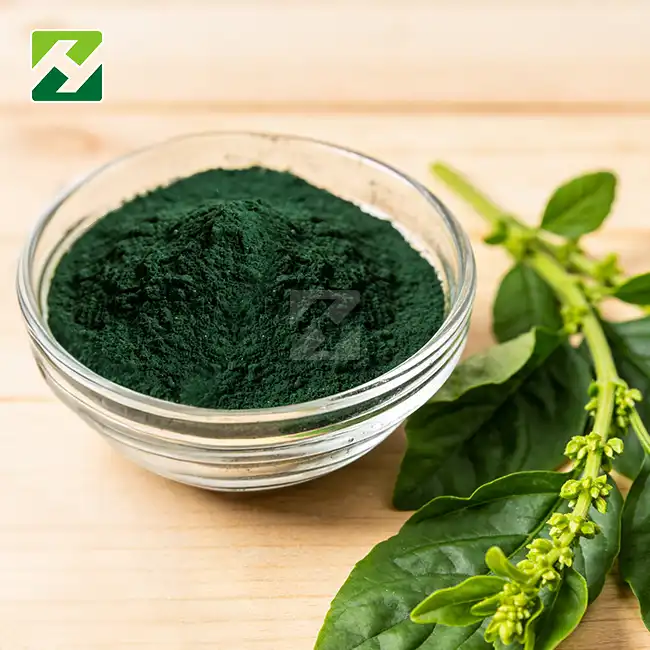
What does sodium copper chlorophyllin do?
VIEW MORESodium Copper Chlorophyllin Powder, a water-soluble, semi-synthetic derivative of natural chlorophyll, has revolutionised ingredient procurement across sectors. This stable green chemical, extracted mostly from mulberry leaves (Morus alba), substitutes chlorophyll's magnesium core with copper, generating a durable substance that retains colour and bioactivity under rigorous production conditions. Functional applications in nutraceuticals, cosmetics, food colourants, and functional beverages address formulation problems and clean-label consumer expectations. Manufacturers seeking natural alternatives to synthetic colourants and actives are driving worldwide demand for this substance. Copper-stabilized chlorophyll performs consistently throughout processing and shelf life, unlike unstable natural chlorophyll that degrades quickly when exposed to heat, light, or pH changes. This handbook covers functional responsibilities, technical standards, and procurement considerations for R&D directors, formulation managers, and procurement teams assessing this versatile botanical derivative.

Understanding Sodium Copper Chlorophyllin Powder
Chemical Structure and Stability Advantages
Natural chlorophyll needs to be saponified, and copper must be substituted in order to become Sodium Copper Chlorophyllin Powder. These changes fix the main issue with plant-based chlorophyll: its magnesium core breaks down quickly, losing its color and usefulness. When copper is added, the molecule becomes very stable between pH 4.5 and 8.0 and can be worked on at temperatures of 80 to 90°C.
This ingredient is different from natural chlorophyll that dissolves in fat because it dissolves in water. This makes it easy to add to water-based mixtures without causing emulsification issues. Only the best mulberry leaves that were drained with water and ethanol were used to make our top grade, which is 98% pure. It is easier to work with dark green powder than liquid solutions, but it still needs to be stored in airtight containers so that it doesn't absorb water.
Mechanism of Action in Biological Systems
At the molecular level, the chemical does more than one thing. Because the shape of porphyrin rings is like hemoglobin, they can link up with proteins that help cells move oxygen around and bind iron. In tests called Oxygen Radical Absorbance Capacity (ORAC), the copper center helps move electrons around. This is why it has been shown to be an antioxidant.
Researchers have found that the compound binds to aromatic compounds and some metabolites. This is why it has been used to get rid of smells and make places smell better in the past. Natural chlorophyll is not as accessible as this one because it doesn't break down as well. The small gut is where most of the absorption takes place. In studies with people, plasma amounts rise two to four hours after taking Sodium Copper Chlorophyllin Powder. It shows that the pharmacokinetics work as they should, which is good for formulation scientists who are making functional or timed-release supplements.
Industrial Applications Across Sectors
Sports nutrition companies use this antioxidant and natural green hue in smoothies, greens, and recovery solutions. Colour strength and functional claims affect use rates from 0.1% to 2.0%. Sealing and pressing the chemical into tablets makes it stable and may be used to give medicine in many ways.
Skin care formulators like this ingredient for relaxing and anti-aging solutions. It lets goods claim environmental and skin advantages at 0.5–1.5%. It mixes well with water, so serums, toners, and gels may be added without mixing.
As a natural colourant, it gives drinks, sweets, and dairy products persistent green tints (E141ii is allowed in certain countries). It complements the clean label trend and stays the same colour after heating and chilling since it doesn't use synthetic dyes. Interesting, it works in acidic drinks when many natural colourants fail.
Functional Foods: It colours and bioactivates health drinks, improved waters, and nutritious bars. Crowded markets with numerous goods emphasise ingredient listings. The substance differentiates products throughout those eras.

Health Benefits and Safety Profile
Antioxidant and Cellular Support Properties
A lot of research has shown that Sodium Copper Chlorophyllin Powder can give free radicals an electron to make them less dangerous. Tests done in a lab dish show that it stops the breakdown of lipids in a way that is similar to vitamin E when the amounts are the same. This antioxidant power makes the product safer because it keeps the sensitive actives that were mixed in from breaking down while it's being kept.
In mitochondria, which are part of the cell's energy supply, the compound seems to help pathways that use energy. Animal tests show that vitamins raise signs of endurance and lower signs of oxidative stress, which backs up their use in sports nutrition. These results show that companies can market their goods under the "performance" and "recovery" categories without making false health claims.
Skin and Oral Care Applications
It's mostly used in makeup because it makes skin feel better and helps the skin's natural barrier work. Add 1% of this ingredient to topical products, and studies show that it makes redness look less visible and keeps the skin hydrated. It is also normal for the green pigment to make skin tone look better, which is useful in color cosmetics and BB creams.
In oral care products, the ingredient works as both an active ingredient and a natural colorant. When people are asked to choose between regular products and ones with Sodium Copper Chlorophyllin Powder, they think the ones with chlorophyll are fresher. The compound has been used to freshen breath for a long time because it can bind to other compounds. Modern versions, on the other hand, mix it with things that work well together, like zinc and essential oils, to make them work better.
Quality Grades and Sourcing Considerations
It is very important to know the difference between the specs for food-grade and pharmaceutical-grade goods in order to follow the rules and make sure the product works well. More steps are taken to clean and test pharmaceutical-grade materials. For example, arsenic, lead, cadmium, and mercury levels are checked for, and USP standards establish bacterial limits.
We make sure that our 98% purity standard is met. This means that there shouldn't be much chlorophyll or other breakdown products left over that could change the color or make each batch different. Instead of harsh chemical solvents, water and ethanol are used to get the oil out. This helps with clean labeling and getting organic certification. Each batch is checked with HPLC to make sure it is pure and doesn't have any fake additives that are sometimes used to make lower grades look greener.
Because they have NSF GMP, Kosher, Halal, ISO9001, or FSSC22000 certifications, you can be sure that their quality control systems are up to par for international shipping. With these licenses, you can be sure that the company is committed to traceability, keeping its goods clean, and using consistent production methods, all of which make buying their products safer.

Comparing Sodium Copper Chlorophyllin Powder With Alternatives
Versus Natural Chlorophyll Extracts
Magnesium-containing chlorophyll extracts break down too fast for commercial application. In acidic conditions (pH < 6.0), chlorophyll becomes pheophytin. This turns green to olive-brown in hours. Natural chlorophyll can't be utilised in heated or sterilised items since heat accelerates this transformation.
Sodium Copper Chlorophyllin Powder stabilised with copper retains its colour from pH 4.5 to 8.0 and can withstand standard heat processing. In proper storage, the colour loses less than 5% over 24 months, whereas actual chlorophyll loses 30–50%. This advantage contributes to decreased reformulation costs and delighted consumers with the product's appearance throughout its shelf life due to its stability.
Bioavailability experiments demonstrate that sodium copper is absorbed two to three times quicker than oil-treated chlorophyll. Better absorption means less medicine is required to provide the same effect, lowering prices despite higher raw material costs.
Versus Spirulina and Chlorella Powders
Microalgae, like spirulina, give us more than just chlorophyll. They also give us proteins, vitamins, and minerals. But because they have strong smells and tastes, they aren't as useful in famous things. When it comes to drinks and vitamins where taste balance is important, people often choose colored goods made with pure Sodium Copper Chlorophyllin Powder over whole spirulina powder.
Purified Sodium Copper Chlorophyllin Powder has a stable structure that makes it possible to match colors accurately and give the right amount. The chlorophyll content of spirulina, on the other hand, changes naturally based on growth conditions, making it harder to make sure that the formulation is always the same. To keep things simple from one batch to the next, quality control teams like ingredients that don't need to be changed too much.
Powder Versus Liquid Formulations
This makes it easy to make a lot of drinks when used with automatic dose systems that contain 10–50% Sodium Copper Chlorophyllin Powder solutions. Because it can be spread out right away, there are no worries about dust, and it's easier to handle in places that don't have powder processing facilities.
When you ship powder versions, it's cheaper because they don't contain water. They also last longer because they don't let bacteria grow, and you have more choices for how the end product is shaped. With the 98% pure powder, formulators can get the amounts they need while using less powder. This makes room on the label for other ingredients that need to stand out. Powder forms are needed to make capsules and pills, so companies that make solid-dose supplements have to use them.
If you mix powders slowly with water or glycerin that is at room temperature, you can turn them back into liquids. Companies can use this method to make solutions that work with their own production systems while keeping their raw materials in a stable powder form.
Procurement Guide for Sodium Copper Chlorophyllin Powder
Essential Supplier Selection Criteria
The first step in buying Sodium Copper Chlorophyllin Powder is making sure that the quality has been approved. You can trust the provider more if you ask for up-to-date GMP certifications, ISO audit records, and Certificates of Analysis (CoA) that are specific to each batch. You should find heavy metals in the CoA, as well as microbe counts, an HPLC purity test, and, if necessary, a leftover solvent test.
When the production capability is looked at, the chance of supply disruption is eliminated. When a supplier can make more than 50 metric tons of goods a year, it means they have enough size to support growing brands and keep quality high. Site trips or audit reports from a third party can make it clear who has access to the factories, quality labs, and ways to get raw materials.
Because they can give expert help, superior sellers are different from commodity sellers. It is faster to make new products when you can talk to formulation scientists who know how ingredients work in different matrices. Our R&D team is made up of 42 professionals, some with PhDs, who are experts at removing and cleaning plants. They help customers who are working on new uses by telling them how to get ready and test for steadiness.
Pricing Dynamics and Order Optimization
On the market right now, 98% pure material that is used in medicine costs between $ 45 and $ 75 per kilogram, based on the size of the order, the licensing needs, and the packaging needs. Food-grade standards usually cost 10 to 15 percent less, but they might not work for stricter uses in nutraceuticals or cosmetics.
If you promise to buy a lot, you can save a lot of money. For testing and creating a new product, our 25 kg minimum order quantity is enough. When a customer goes on to commercial production, they can take advantage of our tiered prices at 100 kg, 500 kg, and pallet-quantity thresholds. Costs are more reliable with long-term supply deals that promise deliveries every three months or once a year. These agreements also give priority during times of high demand.
The price and how easy it is to handle depend on the type of packing you choose. 25 kg fiber drums with plastic covers are a good size for protecting things while still being easy to move around. They may ask for 50 kg drums or intermediate bulk containers (IBCs) to save money on packaging each unit and make work easier in the warehouse.
U.S. Market Logistics and Inventory Strategy
Our Earth Made Nutritions subsidiary runs four strategically placed warehouses in the U.S. that make sure most places in the U.S. get their goods in two to three days by ground. This network cuts down on the cost of having goods on hand and gets rid of long ocean freight delays for customers who need just-in-time delivery.
Users can set up stocking plans to have certain things held for them, so they always have what they need without having to pay for them all at once. This plan works especially well for seasonal goods that need to be stocked up before their busiest times, or for new goods whose demand predictions aren't always right.
Import documentation and regulatory compliance support accompany international packages. If you need Kosher, Halal, or organic certificates, we can give them to you. If this is your first time importing plant ingredients, we can also help you get an FDA Prior Notice. Our compliance team knows when laws change in different areas and lets customers know. These changes can affect things like how products are registered or how they are labeled.
Customization and Private Labeling Opportunities
These services blend raw Sodium Copper Chlorophyllin Powder with additional materials or manufacture completed products for customers. Our manufacturing capabilities include precision mixing, encapsulation, pill compression, and stick pack packaging. Brands may engage other firms to create their goods while maintaining recipe IP and brand management.
Custom packaging solutions include bulk drums for contract manufacturers and pre-labeled bottles. During test marketing or region rollouts, you don't have to worry about running out when you purchase 500 units or less. Our design team ensures label compliance by reviewing legal declarations and cautions.
Regulatory applications benefit from lifespan assessment and analytical methodologies. HPLC, UV-Vis spectroscopy, and accelerated ageing techniques provide GRAS self-affirmation, NDI notifications, and international new food application data. This expert cooperation strategy speeds up market entry and ensures stringent norms.
Maximizing Value Integration Into Product Portfolios
Formulation Optimization Best Practices
Sodium Copper Chlorophyllin Powder is stable alone, although its interactions should be considered. A strong chelating agent like EDTA may affect the copper center's colour or biological activity. If the mix requires chelators, test performance with the proper quantities of each.
Changing pH impacts the product's appearance. Cooks who add Sodium Copper Chlorophyllin Powder before the pH change give it time to adapt. This keeps the colour consistent while processing. The ideal pH for green is 5.5–7.5. Below 5.0, it may be yellow, and over 8.5, blue-green.
When heating, consider when and how long to add items. Even if it is safe at 80–90°C, leaving it in the sun for more than 30 minutes may impede its breakdown. Add Sodium Copper Chlorophyllin Powder below 45°C when possible. Keeps colour strength and usefulness high. Aseptic processing and cold-fill production eliminate temperature exposure.
Quality Control and Regulatory Compliance
Testing raw materials before manufacturing assures supplier honesty and avoids production difficulties. Check that the powder is dark green, doesn't stick, dissolves completely in water at a certain concentration, and has a standard solution pH. Supplier COA suggestions for further testing are followed. HPLC pure analysis improves name verification.
Stability testing for finished objects should evaluate colour retention, active component activity, and storage life. Accelerated ageing at high temperatures and humidity may disclose design weaknesses and forecast long-term performance. Our ISO-certified lab and skilled staff can help you arrange stability testing.
Sales locations and goods impact regulatory compliance. Americans think Sodium Copper Chlorophyllin Powder is food-safe since the FDA has approved it as a colour additive. Follow INCI 75810 cosmetics rules. Nutritional supplement apps must comply with DSHEA. Correct structure-function claim wording and warnings. EU, Canadian, and Australian markets have usage and sales limitations. Be cautious with these rules.
Case Applications and Innovation Opportunities
The sports nutrition company changed Yellow #5 and Blue #1 with Sodium Copper Chlorophyllin Powder in a green powder. The label looked better, but the sportsmen's sign of health and strength was brilliant green. Sales rose 23% with minimal recipe changes. Because health-conscious shoppers may understand food ingredients.
A luxury skin care line's face mist with 0.8% Sodium Copper Chlorophyllin Powder, thermal water, and plant extracts feels great. Human tests proved the compounds' authenticity, and people chose green over clear. Customers want botanical actives, as the product became the brand's third-best seller in six months.
An organic drink company's adaptogenic herb, ginger, lemon, and Sodium Copper Chlorophyllin Powder health shot worked. The ingredient gave the drink a natural green tint, backed vitamin claims on the label, and was named after a recognised plant. Natural channel sellers pick ingredients above standard, showing conscious selection.
These examples demonstrate how carefully adding Sodium Copper Chlorophyllin Powder may identify your brand, meet clean label standards, and launch your product. A popular plant ingredient may be used in many areas, helping producers solve recipe problems.

Conclusion
Sodium Copper Chlorophyllin Powder is an important part of making food, drinks, cosmetics, and supplements. It can help with a lot of different manufacturing issues. It has been shown to have useful properties and is more stable than natural chlorophyll. It dissolves in water. This helps businesses that want to make "clean label" goods that don't lose any of their effectiveness or shelf life.
You need to think about more than just price when you buy something. You need to look at the supplier's licenses, requirements for purity, and technical support. Material that is pharmaceutical-grade is different from material that is commodity-grade. This difference has a big impact on how well a mixture works and how well it follows the rules. Companies that make things should work with providers that can help them with formulation, analysis, and reliable shipping. This is especially true for companies that store goods in the U.S. so they can be sent quickly within the country.
FAQ
1. Can this ingredient be used daily in supplement formulations?
Yes, a lot of research has been done on Sodium Copper Chlorophyllin Powder to find ways to use it in everyday life. When taken every day, most people take between 100 mg and 300 mg, which is well within the recommended range. Food-grade goods that are 98% pure meet the requirements for both dietary supplement and useful food uses. Our material is of the right quality and can be used in everyday items for up to three-quarters of their shelf life. It meets all the necessary standards for quality, such as limits on heavy metals and microbes.
2. What dosage levels provide optimal antioxidant activity?
Antioxidants work best at levels between 0.5% and 2.0% in skin care products and between 100 mg and 300 mg when taken by mouth. What makes the best amount depends on the whole design grid and where it needs to go. When our expert team looks at the results of stability tests and functional studies, they can help you figure out the right inclusion rates for your formulation goals. You can test things out on a small scale with free samples before deciding to make a lot of them.
3. How does this compare functionally to natural chlorophyll in supplements?
This form is 2-3 times more accessible because it dissolves and is taken up better in water and the gut. Natural chlorophyll breaks down quickly in acidic stomachs, but Sodium Copper Chlorophyllin Powder stays stable while it is being made. When it comes to making things, better stability means that the color won't fade over time. For the most part, these advantages make the small price jump over natural chlorophyll products worth it.
Partner With OHI for Premium Sodium Copper Chlorophyllin Powder Supply
Organic Herb Inc. (Stock Number: 872213) gets Sodium Copper Chlorophyllin Powder from approved Morus alba leaves at our plant in Jiangxi Province that is safe for use in medicine. Our 98% purity standard, which is backed up by HPLC analysis, meets the high standards of food engineers, beauty chemists, and people who make supplements all over North America.
Our four regional stores for our Earth Made Nutritions company keep a steady supply of powder in the United States so that we can be a reliable source for Sodium Copper Chlorophyllin Powder. This lets us quickly fill orders from as little as 25 kg up to full pallets. The full COA paperwork that comes with every batch is backed up by our NSF GMP, Kosher, Halal, ISO9001, and FSSC22000 certificates. It talks about things like heavy metals, bacterial limits, solvent residues, and cleanliness.
Our competitive edge is more than just using high-quality products. Our 42-person research and development team has access to high-tech analysis tools and can help with preparation, stable testing, and custom mixing. If you're making a new line of products or trying to improve an old recipe, our technical experts can give you advice based on what they know about the market and how to extract plants.
Receive a free sample and full data sheet of our top-notch Sodium Copper Chlorophyllin Powder to check it out and see how it can improve your products. You can email info@organic-herb.com to talk to our procurement experts about your specific needs. To get new products on the market, use OHI's method for customer satisfaction, eco-friendly buying, and cutting-edge production.
References
1. Kephart, J.C. (1955). Chlorophyll derivatives—their chemistry, commercial preparation, and uses. Economic Botany, 9(1), 3-38.
2. Tumolo, T., & Lanfer-Marquez, U.M. (2012). Copper chlorophyllin: a food colorant with bioactive properties? Food Research International, 46(2), 451-459.
3. Egner, P.A., et al. (2001). Chlorophyllin intervention reduces aflatoxin-DNA adducts in individuals at high risk for liver cancer. Proceedings of the National Academy of Sciences, 98(25), 14601-14606.
4. Ferruzzi, M.G., & Blakeslee, J. (2007). Digestion, absorption, and cancer-preventative activity of dietary chlorophyll derivatives. Nutrition Research, 27(1), 1-12.
5. Chernomorsky, S., Segelman, A., & Poretz, R.D. (1999). Effect of dietary chlorophyll derivatives on mutagenesis and tumor cell growth. Teratogenesis, Carcinogenesis, and Mutagenesis, 19(5), 313-322.
6. Sudakin, D.L. (2003). Dietary aflatoxin exposure and chemoprevention of cancer: a clinical review. Journal of Toxicology: Clinical Toxicology, 41(2), 195-204.
- 1
- 6
- 7
- 8
- 9
- 10
- 19