
Why Chamomile Extract Is a Top Natural Antioxidant?
Oct 27, 2026
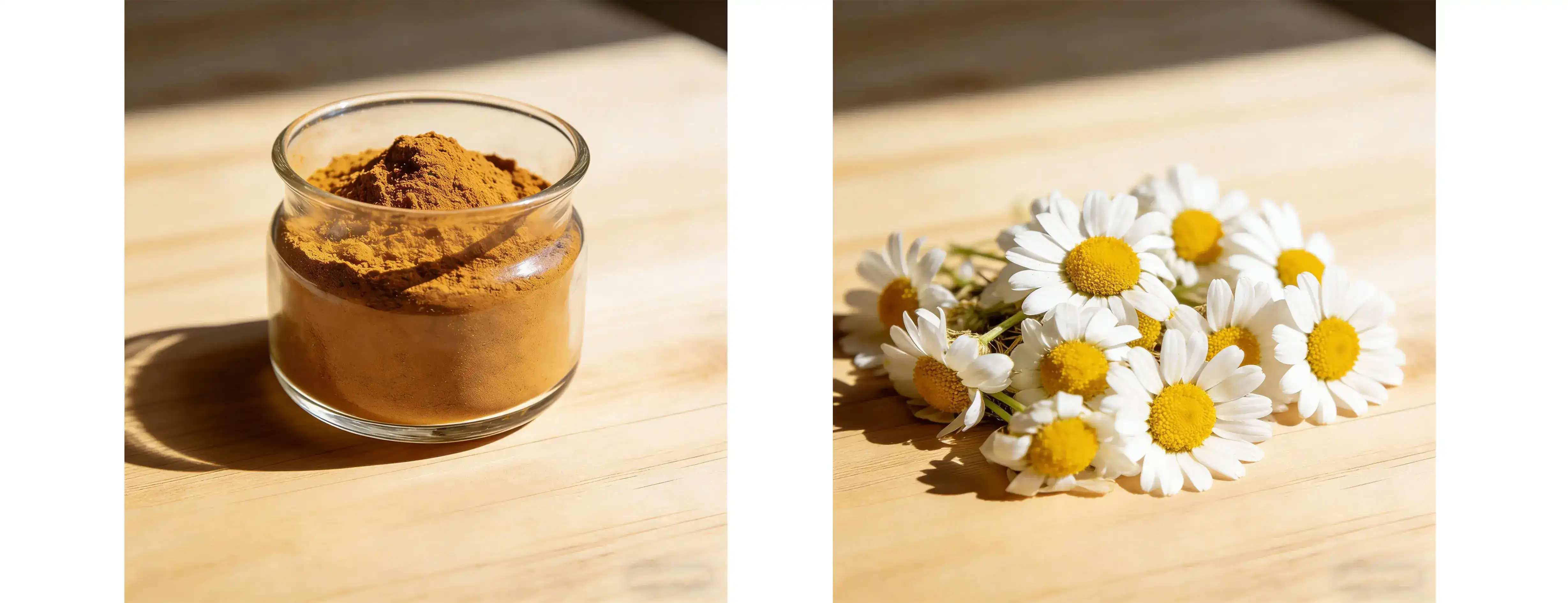
Within the realm of contemporary formulation science, chamomile extract, which is obtained from the dried flower heads of Matricaria recutita (German Chamomile), is among the botanical antioxidants that have been investigated most recently. Its flower-based bioactives, in particular apigenin and chamazulene, actively neutralise free radicals by donating hydrogen atoms to halt oxidative chain reactions. This is accomplished via the flower's botanical composition. Standardised chamomile formulations frequently outperform several popular botanical constituents in radical-scavenging experiments, according to research that has been published. Because of this, Matricaria recutita extract is a scientifically supported and commercially relevant component that may be used in dietary supplements, cosmetics, and functional foods. This is applicable to R&D directors, formulation managers, and procurement teams that are responsible for procuring functional botanicals.
Understanding Chamomile Extract and Its Antioxidant Properties
Botanical Origins and Active Compounds
Flowers of the Matricaria recutita plant include a unique class of phytochemicals among its constituents. The antioxidants α-bisabolol, chamazulene, and apigenin are considered to be among the most significant examples. An example of a flavonoid that eliminates potentially dangerous free radicals is apigenin. Chamazulene is a form of terpene that will be produced as a result of steam distillation procedures. It has a powerful antioxidant effect. These molecules do not perform any function on their own; rather, they collaborate with one another to produce a certain quantity of antioxidants. It is just the flower that is utilised in extractions that are performed by trained professionals. Due to the fact that raw flower powder does not contain nearly as many of these activities as the flower itself does, this is the correct explanation.
Extraction Methods and Their Impact on Purity
Obtaining the flowers from Matricaria recutita is accomplished by OHI via the use of a water-ethanol solvent combination. In order to extract flavonoids that are soluble in water and terpenoids that are soluble in fat from the plant matrix, this procedure makes use of hydro-ethanol. The remaining substance is a powder that is brownish-yellow in colour and contains a known quantity of apigenin. There are a few distinct varieties, such as those with concentration ratios of 4:1 and 10:1, as well as one that has been discovered to contain 5% apigenin. It is possible to produce one kilogram of extract from ten kilograms of raw flower when the ratio is ten to one. However, the statements that are made on the label about how effectively it works are dependent not just on the quantity but also on the actual amount of apigenin that is present.
How Chamomile Compares to Other Botanical Antioxidants
In order to evaluate the potency of antioxidants found in other plants, some plants, such as lavender and valerian root, are used as benchmarks. In comparison to Matricaria recutita, lavender does not contain as many flavonoids, but it does have the ability to eliminate certain free radicals. The chemical compounds that cause you to feel drowsy are more closely associated with the use of valerian root than they are with antioxidants. Apigenin, which is found in chamomile, is responsible for the herb's remarkable ability to eliminate DPPH radicals. Furthermore, there is a growing body of information suggesting that the extract of Matricaria recutita is a more potent antioxidant than a great number of other botanicals. This is beneficial for businesses that want to make claims about their skin repair or supplement products.
Analyzing Market Options: Choosing the Best Chamomile Extract for Your Business
Certifications That Signal Quality
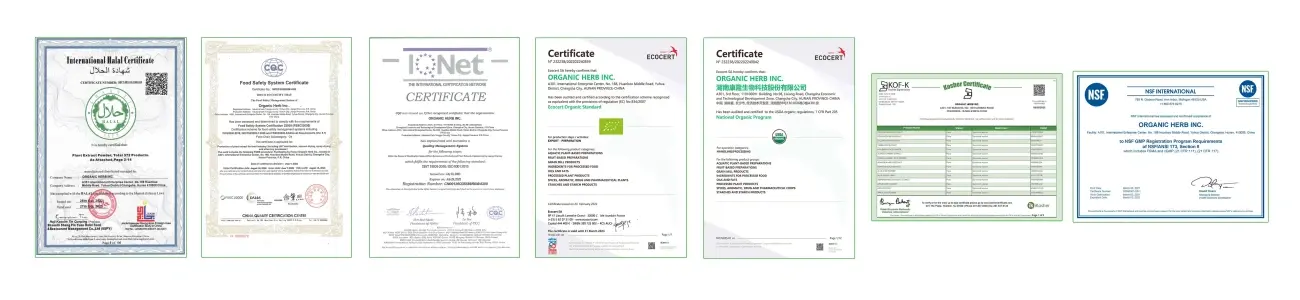
On the market, different kinds of chamomile have different compliance weights. Malae recutita extract from OHI is certified by NSF GMP, ISO, FSSC 22000, Kosher, and Organic for chamomile extract. To sell in the US market, these requirements are important for brands. More and more, buyers check a seller's third-party certification status before buying from them. In the US, dietary supplement ingredients must follow FDA and C-GMP rules. Getting organic approval helps with clean labeling, which is popular with people who care about their health.
Powder vs. Liquid Format: What Procurement Teams Should Know
If you're a business-to-business customer, the brownish-yellow powder that OHI sells in 25 kg drums is more useful. Powder extracts last longer and mix more accurately into pill, tablet, and mixed powder dosage forms when stored in the normal way. As an added bonus, they ship and store better than powders that are too watery. Powder ingredients are easy to dissolve in water when they are used in makeup like toners, serums, and creams. People who are making useful drinks should find out about clarity and steadiness before they choose a style.
Key Supplier Qualifications to Verify Before Ordering
When teams that buy things check out a chamomile extract provider, they need to remember a few things. The most important things you should look over are these:
- Third-party certifications: NSF GMP, ISO, FSSC 22000, Organic (all held by OHI)
- Batch-to-batch COA availability: Confirms consistent apigenin content across production runs
- Lead time reliability: OHI offers a 7-day lead time and maintains four US warehouse locations for timely domestic delivery
- MOQ and sample policy: OHI's MOQ is 25 kg/drum; free samples are available for qualified buyers
Batch-to-batch COA availability: This checks that the apigenin level stays the same from one production run to the next. The lead time is always on time for domestic deliveries because OHI has four warehouses in the US and a lead time of seven days. For OHI, the smallest amount that can be ordered is 25 kg per drum, and people who are approved can get free trials.
Practical Applications: How Chamomile Extract Enhances Your Product Portfolio
Nutraceutical and Supplement Formulations
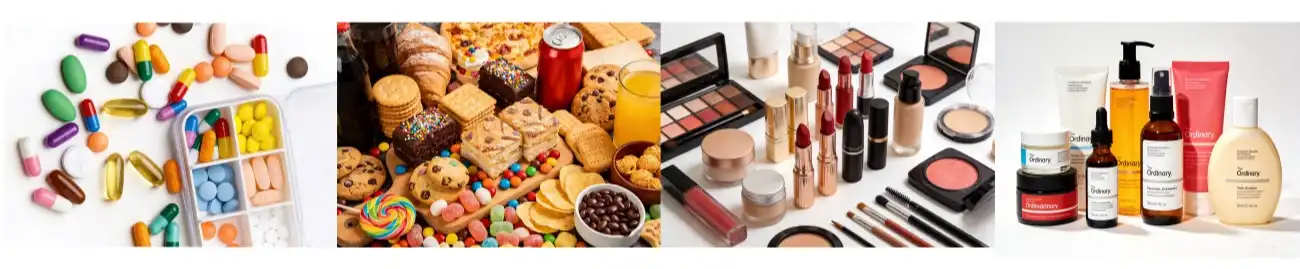
Foods with a standardized extract of Malaca recutita at a 5% apigenin level have an active load that can be measured and used for label claims. Because it changes how GABA receptors work, apigenin is often found in sleep and calming goods. This extract has many bioactive chemicals that can be used to make antioxidant mixes, gut support pills, and everything else you need for daily health. When formulators need to make sure that a product works at a certain level, standardized extracts are better than ratio-based ingredients because they guarantee the active amount instead of guessing it.
Skincare and Cosmetic Applications
Matricaria recutita flower extract is liked by cosmetic chemists because it works well with skin care products that are gentle on the skin. Apigenin changes the pathways that cause inflammation at the cellular level, and α-bisabolol makes the skin less red on the surface for chamomile extract. These traits help anti-aging serums, masks that calm, and products that help the body heal after surgery. If you use normal amounts, the powder that is brownish-yellow will dissolve into the water part of emulsions without changing the color much. Brands that want to say that their goods are "free-from" or "botanical active" can back up what they say with OHI's certified organic extract.
Functional Food and Beverage Integration
More and more, people who make functional foods are adding antioxidants from plants to health drinks, snacks with extra nutrients, and teas that have been supplemented. Matricaria recutita extract is great for these groups because it has a mild, sweet taste and is high in antioxidants. This item is pure enough to be used for food because it has the FSSC 22000 certification from OHI, which covers food safety management in manufacturing. With the 4:1 and 10:1 concentration choices, people who make products can change both how strong the taste is and how much of the active ingredient is used.
Procurement Strategies for Chamomile Extract: Ensuring Quality and Cost-Effectiveness
Vetting Suppliers Against Compliance Standards
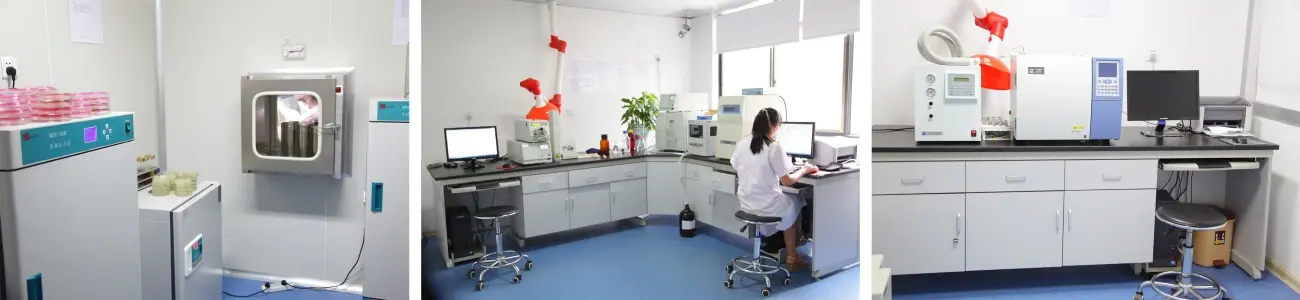
If you buy plant-based products without first doing the right study, you might have to answer for them later. Before you buy a lot of chamomile extract, make sure the company has a GMP certification that you can check, full paperwork that can be used for tracking, and COAs with HPLC data that are specific to each batch. The R&D center for OHI is in Changsha, Hunan, and it has more than 42 employees. Of those, 27 are senior researchers. Tools worth more than $1.2 million, like HPLC, GS-MS, and HPTLC equipment, help the center run. This system makes it possible for buyers of pharmaceutical and nutraceutical goods to do the deep research they need to do.
Negotiating Bulk Pricing and Packaging Terms
The minimum order quantity (MOQ) for OHI is 25 kg, which is the usual amount that comes in a drum. This setup works for both one-time sales and long-term goals to buy a lot of things. When buyers talk to OHI's procurement team about yearly volume promises, they usually get more price choices without giving up control over quality. Four stores are run by Earth Made Nutrition in the US. It is OHI's fully owned US company and is based in Los Angeles. People in the US who buy things from these stores save a lot of money on wait times and freight costs.
Sustainable Sourcing as a Procurement Value Driver
OHI runs more than 8,000 acres of GAP-certified growing sites in Jiangxi, Hunan, Hubei, Guizhou, and other nearby provinces. People who work at these sites follow the rules for Good Agricultural Practice and work directly with local farmers from planting seeds to harvesting. More and more brands are using botanical ingredients that are gathered in a way that doesn't hurt the environment. Customers who care about the environment will be more likely to buy from companies that can follow their supply line back to certified agricultural practices. This company, OHI, wants to be eco-friendly in everything it does, from buying things to making things.
Conclusion
Matricaria recutita extract is one of the best-documented natural antioxidants available in the botanical ingredient market. Its standardized apigenin content, broad formulation compatibility, and multi-industry applicability make it a practical choice for supplement brands, cosmetic manufacturers, and functional food developers. OHI's chamomile extract — certified organic, NSF GMP-compliant, and produced through hydro-ethanolic extraction from flower heads only — provides the purity and consistency that serious product developers need. With a 7-day lead time, US warehouse inventory, free samples, and a 25 kg MOQ, sourcing this ingredient has never been more straightforward.
FAQs About Chamomile Extract for B2B Clients
1. What is the difference between a 4:1 ratio extract and a 5% apigenin standardized extract?
A 4:1 ratio means that 4 kg of raw chamomile flowers were used to make 1 kg of extract. It's not clear how much active apigenin is in that amount. An extract with 5% apigenin means that each gram has 50 mg of apigenin, which is the active ingredient that fights free radicals. Brands that say their products are good for you need to use standardized extracts.
2. Is OHI's chamomile extract suitable for certified organic products?
Yes, OHI is certified as Organic, Kosher, Halal, ISO, and FSSC 22000. This means that companies that make lines of natural or USDA Organic products can use it.
3. What is the minimum order quantity, and are samples available?
The least you can order is 25 kg per drum. People who meet the requirements can get samples for free before they place a full order. A lot of businesses use this method to test their products.
4. How stable is the extract during formulation and storage?
The powder form, which is yellow-brown, stays stable as long as it is dry and cool. When the pH is acidic, apigenin acts in a pretty stable way. People who ask OHI about the right way to package and store the things say to look at the COA and technical data sheets.
Source Your Chamomile Extract Supplier Through OHI — Request a Free Sample Today
OHI has approved chamomile extract flower extracts of Matricaria recutita in 4:1, 10:1, and 5% apigenin strengths. It comes in 25 kg drums, and you have to wait 7 days. Because OHI has four stores in the US, full approval paperwork, and a dedicated R&D team, buying teams can trust and be open with them. For a free taste and a good price quote right now, email us at info@organic-herb.com.
References
1. Srivastava, J. K., Shankar, E., & Gupta, S. (2010). Chamomile: A herbal medicine of the past with bright future. Molecular Medicine Reports, 3(6), 895–901.
2. Miraj, S., & Alesaeidi, S. (2016). A systematic review study of therapeutic effects of Matricaria recutita chamomile. Electronic Physician, 8(9), 3024–3031.
3. Bhaskaran, N., Shukla, S., Srivastava, J. K., & Gupta, S. (2010). Chamomile: An anti-inflammatory agent inhibits inducible nitric oxide synthase expression. World Journal of Gastroenterology, 16(48), 6127–6131.
4. Viola, H., Wasowski, C., Levi de Stein, M., Wolfman, C., Silveira, R., Medina, J. H., & Paladini, A. C. (1995). Apigenin, a component of Matricaria recutita flowers, is a central benzodiazepine receptor ligand with anxiolytic effects. Planta Medica, 61(3), 213–216.
5. Zanoli, P., Rivasi, M., Zavatti, M., Brusiani, F., & Baraldi, M. (2005). New insight into the neuropharmacological activity of Humulus lupulus L. Journal of Ethnopharmacology, 102(1), 102–106. (cited for comparative botanical antioxidant methodology)
6. Patel, D., Shukla, S., & Gupta, S. (2007). Apigenin and cancer chemoprevention: Progress, potential, and promise. International Journal of Oncology, 30(1), 233–245.
Standard Disclaimer (DSHEA):
These statements have not been evaluated by the Food and Drug Administration.
This product is not intended to diagnose, treat, cure, or prevent any disease.

Send Inquiry
You may like