
What are the uses of saw palmetto?
Oct 29, 2026
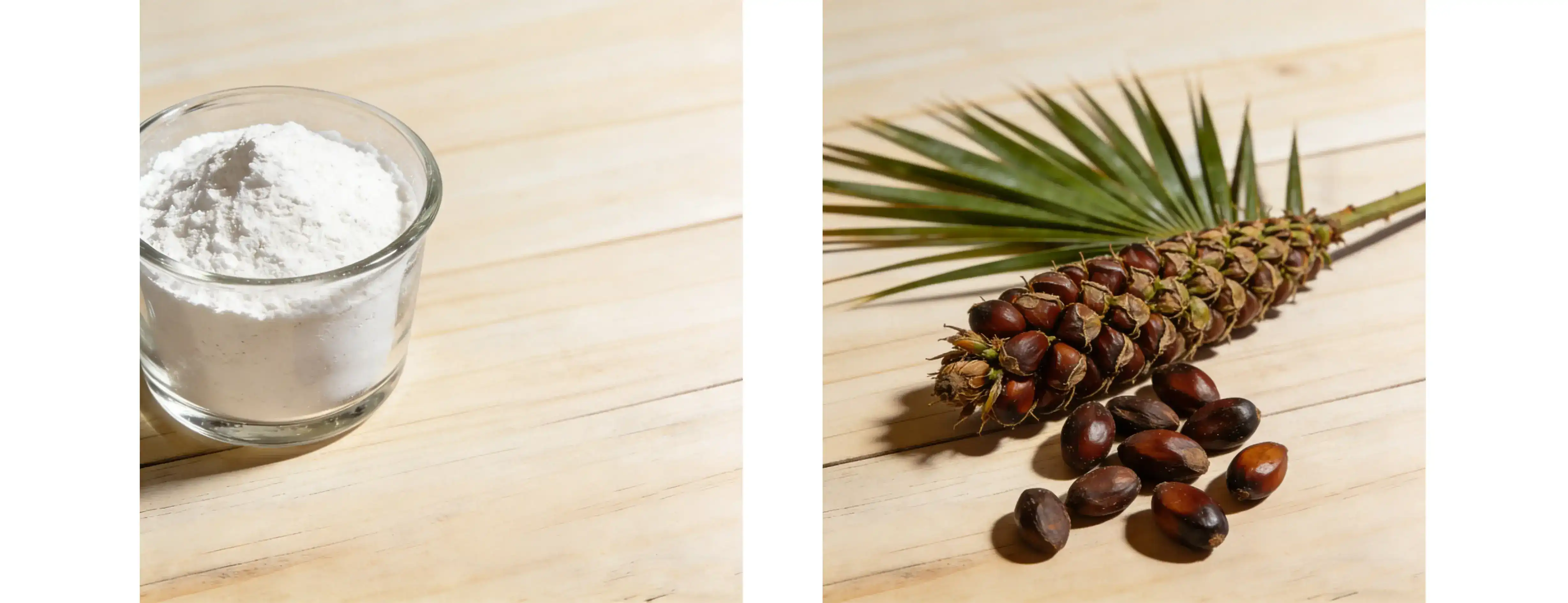
Saw palmetto is mostly employed as a botanical ingredient in men's wellness dietary supplements, in hair support products, and in private label plant blends. Manufacturers frequently choose saw palmetto extract powder because it provides them with a standardized, free-flowing version of the berry's lipid-rich extract that is easier to handle in capsules, pills, sachets, and dry mixes than oil. The plant, Serenoa repens, is indigenous to the southeastern United States. This guide was written for supplement companies, OEM teams, distributors, and buying managers wanting to compare formats, verify specs, and source with confidence.
You will find it on the market in three forms: a whole berry powder, a standardized extract powder, and as saw palmetto oil. Each one has a different dose, management, and cost per service. Labeling, dosage, claims, and market authorizations vary from country to country; therefore, check them for each destination prior to launch.
What Are the Main Uses of Saw Palmetto?
Dietary Supplements and Men's Wellness Formulas
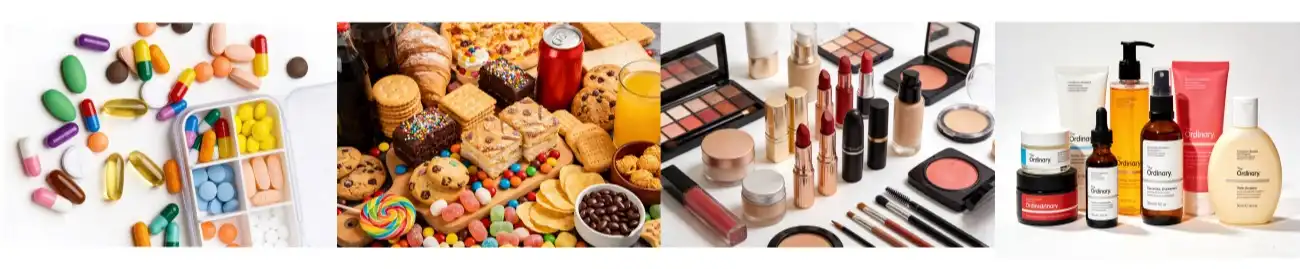
The most famous commercial usage is for dietary supplements. Brands have included saw palmetto in men’s health products, usually with zinc and pumpkin seed extract. Dry mixing is effective because powders flow smoothly. This format works for two-piece capsules, pills, sachets, and gummies. Typically, softgels need oil. Saw palmetto has a lengthy history in the American market, with Bennett and Hicklin (1998) documenting traditional and commercial usage of saw palmetto in Florida. In the U.S., the Dietary Supplement Health and Education Act (1994) dictates how the claims on supplements function; thus, I recommend that each customer evaluate label language with regulatory counsel before printing.
Hair-Support and Personal Care Applications
Saw palmetto also occurs in hair-support supplements when it’s mixed with biotin and nettle root. Cosmetic chemists may potentially try saw palmetto actives in scalp-care ideas, but each composition needs its own stability work. Sterols and fatty acids are soluble in oil rather than water, so before you scale up, be sure they’re compatible with your base. For ingestible hair products, a powder enables formulators to incorporate many actives in one capsule or stick pack. All hair claims must comply with the target market’s standards, so have language approved early with your regulatory team. Color and odor are also an important consideration in personal care job so ask for a sample and compare both to your scent system.
Botanical Blends, Private Label, and OEM Programs
Botanical mixes combine saw palmetto with plant sterols, pumpkin seed extract, or nettle root in one complete dosage. This versatility is attractive to private label companies since one ingredient may be used for numerous products. OHI’s OEM help includes formulation development, dosage form selection, packaging, documentation and market-specific compliance. Here, the practicalities count. The dosage form alters the odor, taste, dispersibility and stability. Gummies and sachets require additional work to hide the taste, but capsules can typically handle harsher notes from the basic ingredient. I propose a small pilot batch before a big production run. Our free samples make that first testing easy. Please tell us your goal dosage form we will propose a grade.
Saw Palmetto Extract Powder Active Ingredients and Functional Characteristics
Fatty Acids, Phytosterols, and Other Lipid-Soluble Compounds
The saw palmetto has economic potential in its lipid content. The fatty acid profile is mostly composed of lauric, oleic, myristic, and palmitic acids and is also represented by phytosterols, such as beta-sitosterol. There may also be lower quantities of carotenoids and other fat-soluble substances. Penugonda and Lindshield (2013) studied commercial saw palmetto supplements and concluded that fatty acid and phytosterol levels vary across brands. That’s why I encourage purchasers to ask for a measured profile, rather than rely on a label alone. All of these molecules dissolve in lipids, not water, and that feature drives every formulation option that follows.
What 25% and 45% Fatty Acid Grades Mean
OHI provides saw palmetto extract powder with two specifications: 25% fatty acids and 45% fatty acids. Consider both numbers as formulation parameters, not as ranks. The 45% grade offers more fatty acids per milligram and may help lower the fill weight in a small capsule. A 25% grade is fine for a sachet or a dry mix if space is not an issue and the label quantity asks for a lesser concentration. The best decision relies on the desired label quantity, dosage form, and budget. Both grades are white powders, and the decision is based on finished-product requirements and not appearance. We can work out full weight with you.
Standardized Versus Non-Standardized Powders
A standardized powder has a confirmed fatty acid value, so you regulate quantities on the label from batch to batch. A non-standardised powder does not have such an anchor, and testing and label control become more difficult. Gas chromatography and NMR profiling of different saw palmetto products showed compositional variances (Booker et al., 2014). That finding suggests a standard grade with established analytical procedures. Formatting is important, too. Softgels and emulsions work well with oil-soluble components, whereas beverages and instant powders work with water-dispersible and water-soluble systems. Our specified grades are white granules extracted with ethanol; therefore, I would propose doing dispersion testing in your base before scaling up.
How Is Saw Palmetto Berry Extract Powder Produced?
Raw Material Identification and Screening
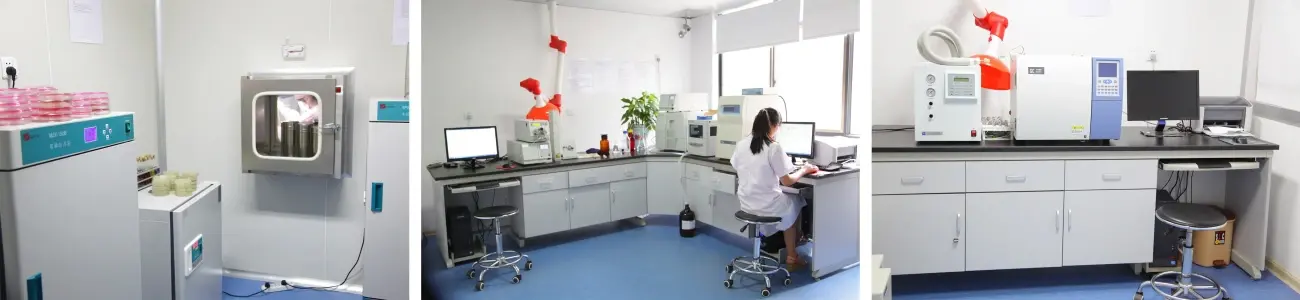
Quality starts with verified Serenoa repens. The producer checks the botanical identification, provenance, the ripeness of the berries, and the absence of foreign matter, and tests for pesticide residues and heavy metals before the material goes into manufacturing. Gas chromatography can see the whole fatty acid pattern rather than just one number. Identity checks are crucial since cheaper oils might skew the fatty acid profile. OHI’s R&D and QC center in Changsha has 42 professional people, and its laboratory has HPLC, GC-MS, HPTLC, and atomic absorption spectrophotometers. They facilitate identification, fatty acid and contaminant testing those equipment. Origin documentation allows purchasers to follow each lot. The portion of the plant that is employed in our requirements is the seed.
From Cleaning to Powder Formation
After examination, the raw material undergoes washing, drying, and grinding. It is then extracted, concentrated, standardized, and dried to a free-flowing powder. Ethanol is the extraction solvent for this product. OHI employs low-temperature processing, nano-membrane isolation, and column adsorption chromatography across its extract lines, accompanied by HPLC-based analysis. Standardization is the phase that adjusts a batch to the target of 25% or 45% fatty acids; thus, the final adjustment is based on analytical data. Our facility, located in Yichun, Jiangxi, is specialized in standardized plant extracts. Our production is according to cGMP and FSSC22000 standards. We record every step and can track each batch back through the process.
Extraction Methods and Batch Release Testing
The yield, fatty acid profile, residual solvents, flavor, color, and solubility of the finished material are affected by the solvent, hydroalcoholic, and CO2 techniques. We do not utilize organic solvents for CO2 extraction, and ethanol extraction is a typical, well-established path and the one we employ for our product. Each batch is release tested after extraction for identity, fatty acid content, moisture, microbiological limits, pesticides, heavy metals, residual solvents, and aflatoxins as appropriate. Results are reported on a batch-specific certificate of analysis (COA). Release testing is when a supplier's assertions are backed by quantifiable evidence. Buyers must check the COA with the specification line by line before accepting a shipment.
How to Choose the Best Saw Palmetto Extract Powder for Supplements
Compare Berry Powder, Extract Powder, and Oil
Whole berry powder contains the least actives and fluctuates the most from lot to lot, therefore you need to take bigger amounts and undertake more tests each serving. The standardized extract powder is a concentration of the lipid fraction, so you can determine the cost per serving from a known active quantity. Oil is most concentrated, usually 85–95% fatty acids, but is susceptible to oxidation and best used in softgels. Oil may be messy when filling pills or two-piece capsules and can spill. Ship powder, drum, consistent fill, dry mix. » First choose the format that matches your equipment. For hard capsules and tablets, I often suggest the saw palmetto extract powder.
Match the Grade to Your Finished Product
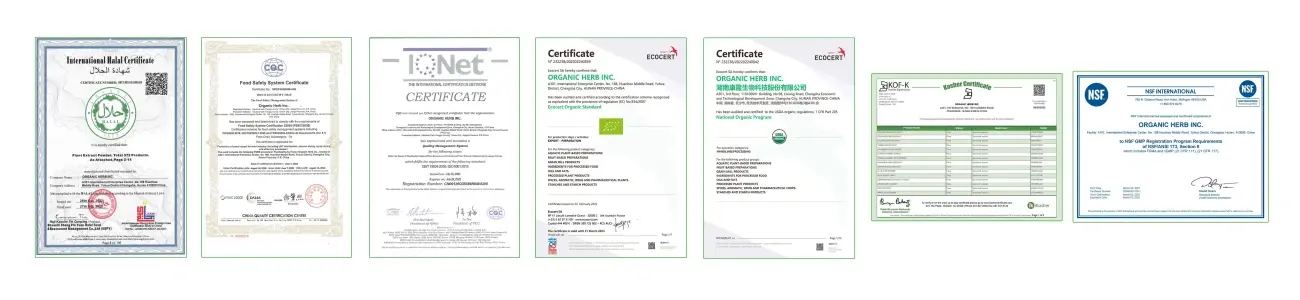
Dosage form: capsule, tablet, sachet, gummy, liquid, or dry mix. Then determine the percentage of fatty acid, particle size, moisture, flowability, microbiological limits, residual solvents, GMO status, and certification. Select 25% or 45% depending on the strength indicated and the capsule/tablet size—not the biggest figure. OHI mentions Organic among its credentials for clean-label programs together with NSF GMP, Kosher, Halal, ISO, and FSSC22000. Check which certificate is for the particular quality you want to purchase and what your target market accepts. Ask for the allergy statement and any carrier disclosure to keep your label correct.
Documents to Request Before You Buy
Request product specification, batch-specific COA, SDS, allergy declaration, GMP evidence, stability data, and traceability records. Please verify the following on the COA: Product name, botanical name (Serenoa repens L.), batch number, dates, limitations, real results, test methods, and permission. Habib and Wyllie (2004) analyzed several brands of Serenoa repens extract and identified variances in selected components, which demonstrates why the documentation is important. In addition to price, consider supplier capacity, export expertise, and supply continuity, since a cheap item that fails in your recipe costs more in the end. Include impartial third-party testing for a new supplier or sensitive market. Keep each COA with your lot records for audit purposes.
Bulk Procurement Guide for Saw Palmetto Extract Powder
Define Demand and Compare Landed Cost
Know your yearly need, trial amount, delivery schedule, packaging, and target specification before asking for quotations. Our product is classified as Serenoa repens L. extract, 25% or 45% fatty acids, extracted with ethanol, delivered as a white powder, with seed as the plant portion. Tell us your grade and volume, and we’ll meet them. Then evaluate offers by total landed cost, fatty acid grade, extraction process, certifications, testing, packaging, Incoterms, freight, customs, and import requirements. A low price per kg might be negated when freight, customs, and extra tests are taken into account. Obtain quotes from each source on the same basis so that the comparison is fair.
MOQ, Packaging, Samples, and Lead Time
MOQ is 25kg; packaging is a 25 kg drum. Free samples are offered for formulation teams to assess flow, blending, and taste before ordering. Lead time is 10 days. Our completely owned subsidiary, Earth Made Nutritions of Los Angeles, California, has a steady inventory and four US local warehouses for prompt delivery. Berries are seasonal crops; therefore, before you go commercial, I would advise you to arrange safety stock and a back-up timetable. The initial commitment is kept low via a controlled trial order. Our staff is available to discuss private label and bespoke packaging requirements at the quotation stage.
Supplier Support and Final Validation
A good supplier is a technical partner. OHI is a public business (stock number 872213) having cGMP, FSSC22000, ISO9001, Halal and Kosher certifications. Our goods meet the criteria of US FDA and cGMP standards. Our experts can assist you with sample selection, matching specs, pilot trials, dosage-form compatibility, and scale-up. OEM customers require guidance with formulation; distributors normally want planned delivery and paperwork. Whether you’re comparing manufacturers, ask who checks each batch, whether they maintain retained samples, and if they can track a lot to its source material. Then, qualify your desired supplier via sample testing, pilot production, documentation review, packaging evaluation, and stability testing before signing a long-term contract. The 21 CFR Part 111 regulation (2007) explains what cGMPs are expected for US supplements. Ask each firm how they comply with these.
Conclusion
Primary uses for saw palmetto extract powder are in men’s health supplements, hair support formulas, botanical blends, and private label/OEM programs. Published analyzes have shown that the economic value lies in a lipid fraction of fatty acids and phytosterols that may change across goods. That's why formulators have greater label control with standardized extract powder that has a verified fatty acid value, compared with whole berry powder, whereas oil is best used for softgels. The 25% and 45% grades are formulation parameters; therefore, the decision should be determined by the completed dosage form. Consistency is ensured by production controls, testing of individual batches, and good documentation. Buyers who examine landed cost, MOQ, lead time, certifications, and supplier support and check samples first make more steady sourcing judgments.
FAQ
1. What is the difference between whole berry powder and saw palmetto extract powder?
Whole berry powder is ground berry with a lower and more variable concentration of actives. Extract powder is standardized to a tested fatty acid value, such as 25% or 45%. That standardization supports label control, dose calculation, and cost-per-serving planning, so it suits most capsule, tablet, and sachet programs.
2. Is 45% fatty acid content always better than 25%?
No. The better grade is the one that fits your finished product. A 45% grade reduces fill weight in a compact capsule, while a 25% grade can suit a larger sachet or dry blend. Decide based on the target label amount, dosage form, and budget instead of choosing the highest number.
3. Which documents should I request, and what is the MOQ?
Request the product specification, a batch-specific COA, an SDS, and GMP evidence. Our MOQ is 25 kg, and free samples are available. Ask our team for storage and shelf-life data for your grade. Because regulations differ by country, confirm claims, labeling, and import conditions in your destination market before launch.
Request a Saw Palmetto Extract Powder Specification or Bulk Quote
Contact OHI at info@organic-herb.com to match the right saw palmetto extract powder specification to your formulation or OEM program. Send your target fatty acid grade, application, estimated volume, target market, and documentation needs, and our team will reply with a specification, batch-specific COA, free sample details, MOQ, and lead time. As an experienced saw palmetto extract powder supplier with US warehouses, we support your project from first sample to bulk order.
References
1. Bennett, B.C., and Hicklin, J.R. Economic Botany, 1998. "Uses of Saw Palmetto (Serenoa repens, Arecaceae) in Florida."
2. Habib, F.K., and Wyllie, M.G. Prostate Cancer and Prostatic Diseases, 2004. "Not all brands are created equal: a comparison of selected components of different brands of Serenoa repens extract."
3. Penugonda, K., and Lindshield, B.L. Nutrients, 2013. "Fatty acid and phytosterol content of commercial saw palmetto supplements."
4. Booker, A., et al. Journal of Pharmacy and Pharmacology, 2014. "A phytochemical comparison of saw palmetto products using gas chromatography and 1H nuclear magnetic resonance spectroscopy metabolomic profiling."
5. U.S. Food and Drug Administration. Current Good Manufacturing Practice in Manufacturing, Packaging, Labeling, or Holding Operations for Dietary Supplements (21 CFR Part 111), 2007.
6. U.S. Congress. Dietary Supplement Health and Education Act, 1994.
Standard Disclaimer (DSHEA):
These statements have not been evaluated by the Food and Drug Administration.
This product is not intended to diagnose, treat, cure, or prevent any disease.

Send Inquiry
You may like