
Revitalize Your Routine with Coenzyme Q10
Oct 24, 2026
You already know that the selection of ingredients is what determines the success or failure of a product, whether you operate in the manufacture of nutraceuticals, skincare products, or functional foods. Coenzyme Q10 powder has gained a reputation for being one of the most sought-after active ingredients in a variety of B2B markets, and there is a solid reason for this perception. This fat-soluble molecule, which is created by the fermentation of microorganisms, has a structure that is one hundred percent all-trans isomeric and is a reflection of what the human body naturally generates. Understanding how to obtain and use this ingredient is what differentiates excellent goods from outstanding ones. This is true whether you are developing a functional beverage, a cardiovascular supplement, or an anti-aging serum (all of which are examples of functional beverages).
Understanding Coenzyme Q10 Powder and Its Benefits
The powdered form of CoQ10 is not only another antioxidant. As a result of its direct involvement in the generation of ATP by mitochondria, it is an essential component in the maintenance of cellular energy. Prior to evaluating other forms and sourcing alternatives, it is helpful to have a clear understanding of the specific factors that contribute to the powdered format's exceptional suitability for B2B production settings.
What Is Coenzyme Q10 Powder Chemically?
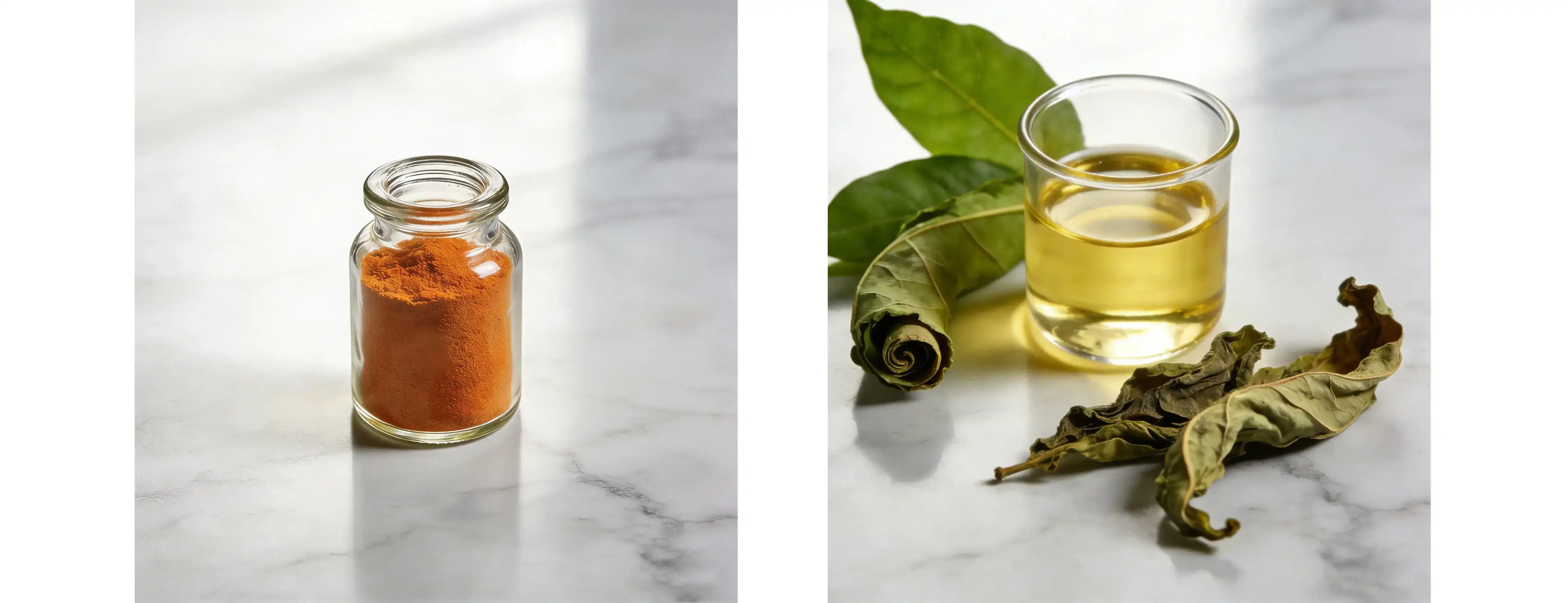
The lipid-soluble benzoquinone known as coenzyme Q10 (also known as ubiquinone-10, CAS number 303-98-0) has a molecular weight of 863.34 grams per molecular unit. Utilising strains such as Rhodobacter sphaeroides, high-grade material is produced by the process of microbial fermentation. This material exclusively includes the all-trans isomer, which is the configuration that is physiologically active. In addition to having a minimum order quantity of 25 kilograms, the CoQ10 powder that OHI offers has a specified purity of 98%. It is presented as a distinctive orange crystalline powder and is packed in drums of 25 kilograms each.
Key Functional Benefits Supported by Science
The effect that CoQ10 plays in lowering oxidative stress indicators in persons aged 40 and older was validated by research that was published in Biofactors (2021). Its dual function, which includes acting as both an electron carrier in the mitochondrial electron transport chain and a lipid-phase antioxidant, puts it in a position to be a high-value ingredient for the support of energy metabolism, formulations for cardiovascular health, and topical skin healing treatments. These advantages, which are supported by scientific evidence, provide formulators with compelling and substantiable claims.
Dosage Guidelines and Compliance Considerations
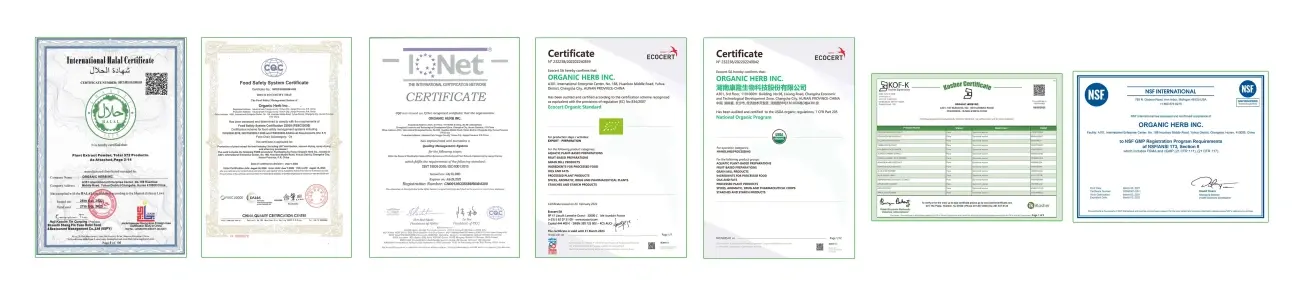
When it comes to nutraceutical formulations, the standard supplementary doses normally range from 100 mg to 300 mg per serving. However, functional food and beverage applications sometimes employ inclusion rates that are lower. The Kosher, Halal, NSF GMP, ISO, FSSC22000, and Organic certifications that OHI's CoQ10 powder has make it acceptable for clean-label, vegan-friendly, and globally conforming product lines without the need for extra reformulation responsibilities.
Comparing Coenzyme Q10 Powder with Alternative Forms
Choosing the right CoQ10 format is a procurement decision that directly affects cost, shelf life, and manufacturing flexibility. The powder form offers distinct advantages over softgels, capsules, and liquid preparations—advantages that matter most at scale.
Powder vs. Softgels and Capsules
With powder format, producers are able to combine CoQ10 into tablets, sachets, stick packs, and topical bases without being constrained by pre-formed delivery methods. Powder format also allows for more flexibility. It also enables accurate dosage changes to be made throughout the blending process, which helps to reduce waste. Pre-encapsulated forms have much higher per-unit costs than bulk powder procurement at the 25 kg/drum level, which is a considerable benefit for large-scale production runs. Bulk powder procurement offers significantly cheaper per-unit prices.
Ubiquinone vs. Ubiquinol: What Formulators Should Know
As a result of its improved stability and longer shelf life, ubiquinone in its oxidised form is the raw material that is often used in the majority of business-to-business supply chains. The reduced form of ubiquinol has a greater initial bioavailability, but it degrades more quickly and is more costly to supply regularly. The cost-to-performance ratio of ubiquinone powder is superior to that of tablets, powder blends, and topical treatments for the majority of uses, particularly when the powder is 98% pure. The absorption characteristics of final goods may be further improved by the process of micronization.
Organic vs. Synthetic CoQ10: Market Trends
Demand for organically certified and fermentation-derived CoQ10 is increasing in the United States as a result of the clean-label movement. This is in contrast to competing synthetic alternatives that are generated from petroleum. There is a possibility that synthetic CoQ10 contains cis-isomer impurities, which diminish its impact on biological processes. In order to provide manufacturers with a legitimate and market-aligned narrative to tell customers who are increasingly reading ingredient labels attentively, OHI's fermentation-derived CoQ10 powder satisfies the criteria for organic certification.
Procurement Insights: How to Source High-Quality CoQ10 Powder
When it comes to acquiring CoQ10 for mass manufacturing, it is not sufficient to just search for the lowest price. It is of utmost significance to maintain a consistent level of quality, demonstrate compliance with rules, and ensure the reliability of the supply chain. At a CoQ10 powder supplier, the following are the primary considerations that purchasing teams want to take into account:
Ask for evidence that the product is at least 98% pure and has an all-trans isomeric structure. This is an important step in the testing process for purity and isomers. The HPLC analytical method is able to do this.
- Through high-performance liquid chromatography (HPLC) analysis, you should request certifications that demonstrate a purity level of 98% or more and an all-trans isomeric configuration.
- Confirm that the certifications you have obtained are appropriate for your target markets. The NSF GMP, ISO, FSSC22000, Halal, and Kosher certifications jointly cover the majority of the regulatory requirements in the United States and internationally.
- It is non-negotiable for pharmaceutical-grade applications to request multi-batch certificates of analysis (COAs) in order to demonstrate that test findings stay similar across manufacturing batches. Batch-to-batch consistency is an important aspect of this.
- In terms of logistics and lead time, a supplier that has warehouse inventory located in the United States may drastically cut down on lead time. When it comes to domestic deliveries, OHI's four warehouse facilities in the United States provide a normal lead time of seven days.
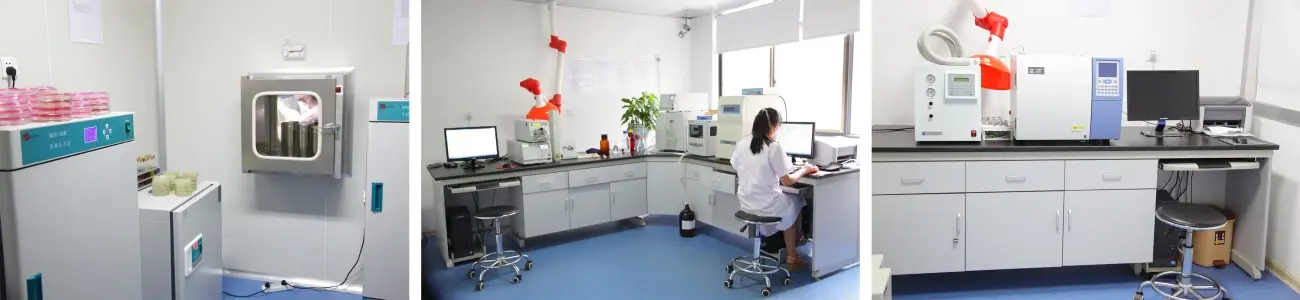
All of these things work together to get rid of sellers who can't meet the standards for quality and paperwork that US markets that are controlled by the FDA need for high purity of the COQ10. Following C-GMP rules, the OHI factory in Yichun, Jiangxi, can fully trace its goods, from the plants it uses to the finished extract. As part of the in-house QC process, tools like HPLC, HPTLC, and GC-MS are used to test the products.
Practical Applications of CoQ10 Powder in B2B Markets
Because of how it's made, CoQ10 powder is one of the best active ingredients that makers can get right now. It can be used in nutraceuticals, topical cosmetics, and functional foods, but the way it is mixed is different for each.
Nutraceuticals and Dietary Supplements
CoQ10 powder is easy to mix into tablet and capsule forms when making supplements. Because it likes fat, it is often mixed with vitamin E or omega-3 fatty acids to make it easier for the body to take in. CoQ10 made from fermentation has been a main ingredient in brands that target the energy metabolism and heart health markets. It has a strong brand name and a high rate of repeat purchases.
Cosmetic and Skincare Applications
People who study the skin have looked into how applying CoQ10 to the skin can help skin cells grow back and make fine lines look less noticeable. A lot of the time, cosmetic scientists who work on anti-aging serums, eye creams, and face oils ask for 0.1% to 1% of CoQ10 powder to be added. The 98% purity requirement by OHI makes sure that activity levels are the same in each batch. This is important for proving claims in regulated markets.
OEM and Private Label Formulation Support
For OEM clients and private label brands, OHI can mix and handle CoQ10 powder with other ingredients that work well with it. Less work needs to be done on the inside, so brands can make formulas faster that are ready for the market. At OHI, 42 skilled researchers and developers work together with cutting-edge extraction tools to meet unique development needs. The company has a high level of scientific knowledge.
Conclusion
One of the best ingredients for B2B formulators to use right now is still coenzyme Q10 powder, which is backed by science and can save them money. Plus, it helps cells make energy, is an antioxidant, and is good for the skin, so it works well in functional foods, makeup, and nutraceuticals. This will protect both the quality of your formula and your reputation with the government. Make sure you get 98% pure ingredients from a licensed source that uses fermentation and has a history of batch consistency. Work with a supplier that has NSF GMP, ISO, FSSC22000, Kosher, Halal, and Organic certifications and can deliver from US warehouses within 7 days. This will lower the risk in the supply chain and help your product do better in the market.
Frequently Asked Questions
1. Is CoQ10 powder suitable for vegan product formulations?
Yes. Fermentation-derived CoQ10 powder does not involve animal byproducts in its production process. OHI's CoQ10 carries Kosher and Halal certifications, which also support vegan-friendly positioning in most international markets.
2. What is the difference between fermentation-derived and synthetic CoQ10?
Fermentation-derived CoQ10 produces exclusively the all-trans isomeric form, which is identical to the CoQ10 found naturally in the human body. Synthetic production may yield cis-isomer impurities that reduce biological activity. For B2B quality assurance, fermentation-derived material with HPLC-verified purity is the preferred standard.
3. What certifications should I look for in a CoQ10 powder supplier?
For the US market, look for NSF GMP, ISO 9001, and FSSC22000 at a minimum. Halal and Kosher certifications expand your addressable market internationally. Organic certification supports clean-label claims. OHI's CoQ10 holds all of the above.
4. How is CoQ10 powder best stored to maintain potency?
CoQ10 is sensitive to light and temperatures above 48°C. It should be stored in sealed, opaque containers in a cool, dry location. OHI packages its CoQ10 in 25 kg/drum format designed to protect against light and moisture during transit and storage.
Request a Sample from OHI — Your Trusted CoQ10 Powder Supplier
The coenzyme Q10 powder that OHI makes through fermentation is 98% pure and is given away for free. Customers get stock from US warehouses in 7 days. OHI has an in-house R&D team of 42 experts and is certified in NSF GMP, ISO, FSSC22000, Kosher, Halal, and Organic. For FDA-regulated markets, they provide consistent quality with full documentation. You can email us at info@organic-herb.com to get detailed datasheets, bulk prices, or help with making your own formulas.
References
1. Bhagavan, H. N., & Chopra, R. K. (2006). Coenzyme Q10: Absorption, tissue uptake, metabolism and pharmacokinetics. Free Radical Research.
2. Ernster, L., & Dallner, G. (1995). Biochemical, physiological and medical aspects of ubiquinone function. Biochimica et Biophysica Acta.
3. Littarru, G. P., & Tiano, L. (2007). Bioenergetic and antioxidant properties of coenzyme Q10: Recent developments. Molecular Biotechnology.
4. Pravst, I., Zmitek, K., & Zmitek, J. (2010). Coenzyme Q10 contents in foods and fortification strategies. Critical Reviews in Food Science and Nutrition.
5. Saini, R. (2011). Coenzyme Q10: The essential nutrient. Journal of Pharmacy and Bioallied Sciences.
6. Zozina, V. I., et al. (2018). Coenzyme Q10 in cardiovascular and metabolic diseases: Current state of the problem. Current Cardiology Reviews.
Standard Disclaimer (DSHEA):
These statements have not been evaluated by the Food and Drug Administration.
This product is not intended to diagnose, treat, cure, or prevent any disease.

Send Inquiry
You may like