Reishi Mushroom Extract Comparison: Liquid vs Powder vs Capsules
Oct 26, 2026
When it comes to logistics, one of the most important considerations that a procurement or formulation team will have to make is selecting the appropriate type of Ganoderma lucidum extract. Whether you are designing a supplement to strengthen the immune system, a functional beverage, or a cosmeceutical serum, the format—liquid, powder, or capsule—has a direct impact on the bioavailability, processing compatibility, shelf life, and cost structure of the product. This comparison provides a comprehensive breakdown of each alternative, allowing you to align your sourcing strategy with the objectives you have set for your product. This article will provide you with a clear understanding of both the scientific and commercial aspects that you want if you are looking for the best reishi mushroom extract in bulk.
Understanding Reishi Mushroom Extract and Its Benefits
Polysaccharides, which include beta-glucans, and triterpenes, which include ganoderic acids, are the two primary categories of bioactive chemicals that are of the greatest significance to formulators who work in the business-to-business environment. When it comes to traditional Chinese medicine, Ganoderma lucidum, often known as the "mushroom of immortality," encompasses both of these categories of mushrooms. Both of these classes of chemicals, which may be used in a wide range of industries, have an effect on the functional profile of the extract.
Why Full-Spectrum Extracts Matter
The composition of full-spectrum Ganoderma lucidum extract does not consist of isolating a single molecule; rather, it contains the whole complement of polysaccharides and triterpenes. The presence of both chemical classes in synergy leads to a more consistent level of biological activity than isolated fractions would generate on their own, according to research that was published in the International Journal of Medicinal Mushrooms. This was shown by the findings of the research that was conducted during the course of the study. As a consequence of this, there are fewer cycles of reformulation, and the performance of the product is more predictable for formulation managers and directors of research and development.
Key Functional Attributes Across Industries
There are a number of reasons why Ganoderma lucidum extract is highly respected in the nutraceutical, cosmetic, pharmaceutical, and functional food sectors. Some of these reasons include adaptogenic properties, antioxidant activity, and support for the immune system's response. Individuals who work in the cosmetics business use it in anti-aging formulations; individuals who work in the food sector incorporate it into fortified beverages; and supplement firms promote it as a main immune-supporting component.
The Importance of Fruiting Body Sourcing
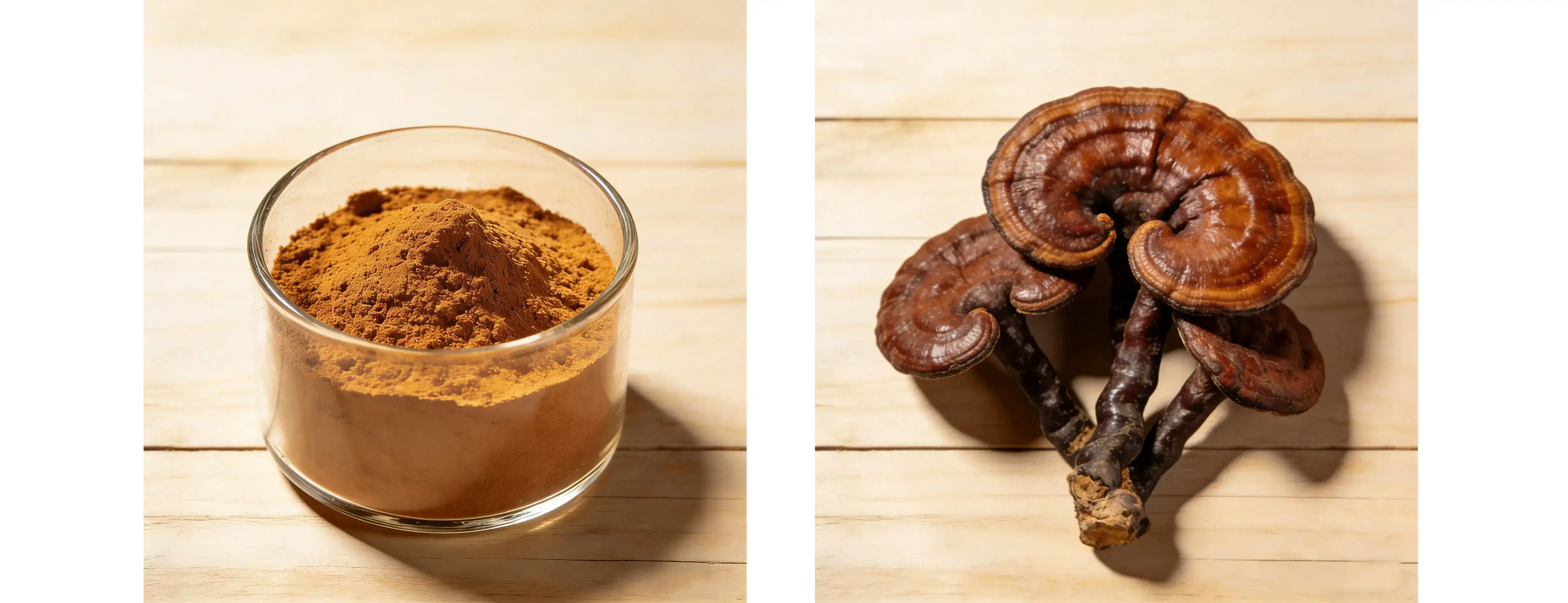
In contrast to mycelium that is grown on grain substrate, products that are created from the fruiting body have a standardised phytochemical profile that is free of starch fillers. This is because the fruiting body is the source of the mycelium. It is only possible to acquire Ganoderma lucidum extract from OHI by obtaining it from the fruiting body. This results in a powder that is brownish-yellow in colour and contains forty percent polysaccharides at a concentration ratio of ten to one. at the process of processing the extract, water is used as the solvent at exactly one hundred percent.
Liquid vs Powder vs Capsules – Form Comparison for Bulk Procurement
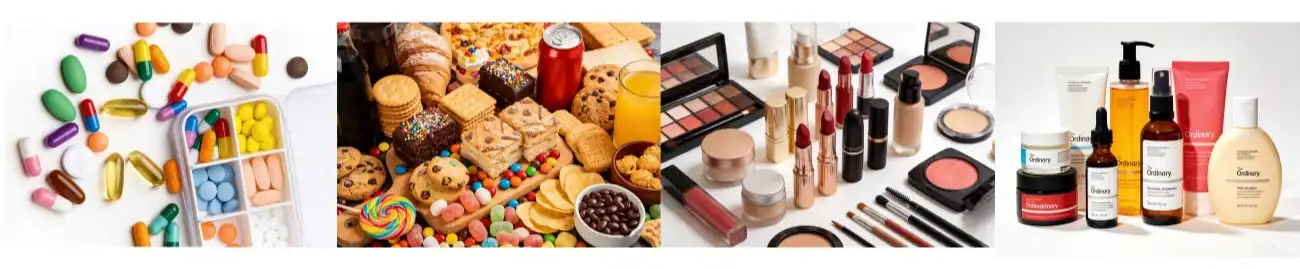
Technically and practically, each way of transporting the best reishi mushroom extract is different. It is important to know these trade-offs before making big sales plans. The people who buy things often want to know which style will give them the best return on their money. In reality, it depends on your program, how it's processed, and how it's sent out. Here is a breakdown in a logical way:
- Liquid Extracts: Liquid forms allow quicker absorption when measured in consumer-facing goods and integrate well into drinks and topical cosmetic formulations. Liquid extracts are also a good choice for skincare products. However, they need cold-chain logistics, amber glass or high-density packing, and shorter shelf-life management—typically between 12 and 18 months, as opposed to between 24 and 36 months since powders have a longer shelf-life. The use of liquid Ganoderma lucidum extract may minimise the number of processing stages required by cosmetic producers and functional drink companies; however, it can also raise the costs of packing and freight.
- The format that is most often mentioned in business-to-business contracts is powder extracts, namely standardised Ganoderma lucidum powder. Excellent solubility in aqueous systems, stable storage at ambient temperatures, and direct compatibility with capsule filling, tablet compression, and sachet packing are all characteristics of a powder that has been extracted from water at a ratio of 10:1 and contains forty percent polysaccharides. Due to the fact that OHI's powder is packaged in barrels weighing 25 kilograms, has a minimum order quantity of 25 kilograms, and has a lead time of ten days, it is suited for both trial runs and large-scale manufacturing.
- Structures of Capsules: Supplement companies that need to manufacture their goods under their own private label or under a white label prefer to use pre-encapsulated Ganoderma lucidum products because they provide exact dosage on a per-unit basis. At the level of completed products, capsules offer value; nevertheless, they also impose regulatory paperwork obligations (label claims, NDI filings) that powder customers may delay until the stage of their own manufacturing.
Companies that manufacture dietary supplements are required to provide their own private-label or white-label goods, such as pre-encapsulated Ganoderma lucidum products, since these products provide an accurate dosage per unit. Finished items are made more valuable by capsules; nevertheless, capsules need regulatory documentation (label claims, NDI files), which individuals who purchase powder may put off until they are in the manufacturing stage of their own product.
How to Choose the Best Reishi Mushroom Extract for B2B Needs
There is more to selecting a Ganoderma lucidum extract that works consistently throughout manufacturing batches than just comparing the price per kilogram. The following is a decision-making structure that may be used by R&D and procurement teams.
Match the Format to the Application
For a coffee blend to be functional, it must have a powder that is water-soluble and does not leave sediment behind. It's possible that a cosmeceutical serum will need an extract that contains lipid-compatible fractions. A standardised, low-moisture powder that is accompanied by a certificate of analysis that contains particular test values for beta-glucans is required for the production of a softgel that is for the pharmaceutical industry.
Verify Standardization and Analytical Testing
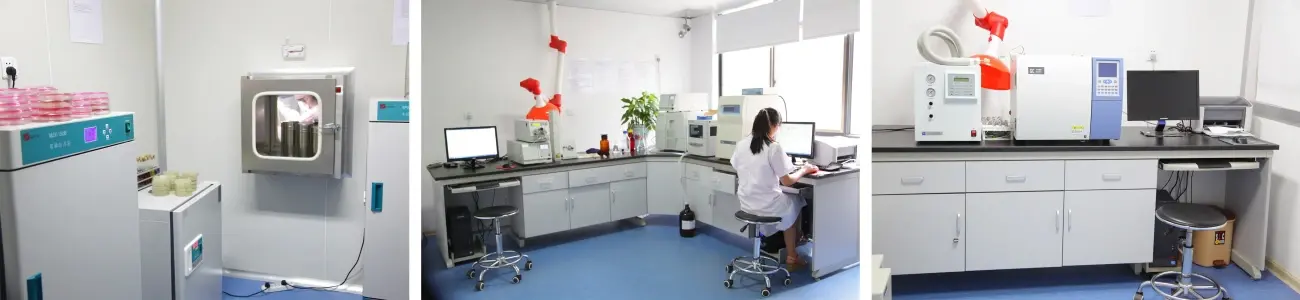
Any reputable provider of Reishi mushroom extract should be able to give information on the polysaccharide content, moisture %, heavy metal testing findings, and microbiological count statistics. The laboratory staff at OHI performs HPLC, HPTLC, and HPLC-ELSD analysis on each batch in order to verify that the polysaccharide content is forty percent and that it complies with the standards set out by the US FDA and C-GMP.
Evaluate Certifications and Compliance
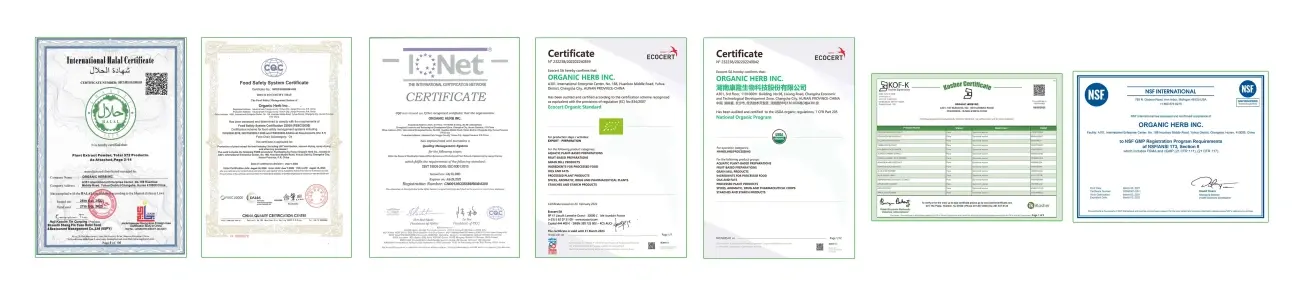
Certifications are required for admission into the market in the United States. Certifications such as NSF GMP, Kosher, Halal, ISO 9001, FSSC 22000, and Organic are all included in the Ganoderma lucidum extract that is offered by OHI. These certifications cover both dietary supplement and food ingredient regulatory tracks. These certifications lessen the load of paperwork that importers have to deal with and speed up the process of auditing suppliers' qualifications.
Market Insights and Brand Comparison: Leading Reishi Mushroom Extract Suppliers
The US market for ganoderma lucidum extract is competitive, with suppliers ranging from commodity brokers to vertically integrated manufacturers. The distinction matters significantly for B2B buyers.
What Separates Commodity Suppliers from Integrated Manufacturers
It is common for commodity brokers to get their supplies from a number of different third-party firms that use different extraction procedures. Control of the supply chain is exercised by integrated manufacturers such as OHI, beginning with GAP-certified planting bases and continuing through extraction, quality testing, and export paperwork. Good Agricultural Practice standards are applied to the growth of Ganoderma lucidum at OHI's planting base, which spans over 8,000 acres and is located in the provinces of Jiangxi, Hunan, and Guizhou.
US Warehouse Availability and Logistics
Earth Made Nutritions, the United States affiliate of OHI, has its headquarters in Los Angeles, California. The company manages inventory throughout four regional warehouses located around the United States. Unlike straight import orders, which often experience a delay of thirty to forty-five days due to ocean freight, this arrangement enables rapid delivery. A tangible benefit in terms of operations is the availability of local stock for procurement teams who are responsible for managing tight production timelines.
Pricing, MOQ, and Sampling
The minimum order quantity (MOQ) for OHI is 25 kilograms, and the lead time is ten days from the moment the order is confirmed. OHI provides free samples for qualification testing. Pricing for larger quantities is available, and the technical staff is ready to facilitate the creation of private-label packaging or individualised formulas.
Procurement Tips and Risk Mitigation When Buying Reishi Mushroom Extract
There are genuine dangers involved in obtaining Ganoderma lucidum extract on a large scale, and purchasers who are diligent learn to identify these dangers early on in the process of evaluating potential suppliers.
Watch for Adulteration and Mislabeling
The replacement of mycelium-on-grain biomass for real fruiting body extract is a typical quality issue that arises in the market for reishi mushroom ingredients. Mycelium products often include high quantities of starch and a low quantity of triterpenes, which causes the extract to be functionally diluted. Make a request for the results from the HPLC test, and expressly enquire as to whether or not the product is produced from the fruiting body. A taste that is bitter is a good sensory signal of the existence of triterpenes, while a taste profile that is neutral or sweet provides evidence of dilution.
Request Third-Party Testing Before Bulk Commitment
When it comes to responsible procurement, the standard method is to first seek a Certificate of Analysis from the internal laboratory of the supplier, and then independently validate it via a third-party laboratory such as Eurofins or NSF. This procedure is supported by the documentation package provided by OHI, which allows for comprehensive traceability records to be maintained from cultivation to export.
Understand Import and Regulatory Requirements
In the United States, imports of botanical extracts in bulk are subject to the provisions of the FDA Bioterrorism Act, which include registration, the filing of a prior notice, and labelling requirements under 21 CFR Part 111. Working with a supplier that already has an FDA facility registration in the United States and has previous experience with US Customs documents, such as OHI, may help lessen the amount of friction that occurs at the port of entry when it comes to compliance.
Conclusion
The extract of Ganoderma lucidum should come in the form of a drink, a powder, or a tablet. Which form you use should depend on your purpose, how you plan to process it, and how you plan to sell it. When it comes to cost and flexibility, powder is still the best option for most B2B producers seeking the best reishi mushroom extract. No matter what style works best for your production line, you need to make sure that certifications, standards, and the supply chain are always there. These standards have been met by OHI's 10:1 water-extracted Ganoderma lucidum powder, which has 40% polysaccharides. It is also Kosher, Halal, ISO 9001, FSSC 22000, and Organic. It gives US producers a choice that is both technically sound and good for business.
FAQ
1. What is the polysaccharide content in OHI's Reishi mushroom extract?
OHI's Ganoderma lucidum extract is standardized to 40% polysaccharides at a 10:1 extraction ratio, verified by HPLC analysis on each production batch.
2. Is the extract derived from the fruiting body or mycelium?
OHI's product is sourced exclusively from the fruiting body of Ganoderma lucidum, ensuring a full triterpene and polysaccharide profile without starch fillers.
3. What certifications does OHI's Ganoderma lucidum extract carry?
The extract holds NSF GMP, Kosher, Halal, ISO 9001, FSSC 22000, and Organic certifications, meeting both dietary supplement and food ingredient regulatory requirements for the US market.
4. What is the minimum order quantity and lead time?
The MOQ is 25 kg, packaged in a 25 kg drum. Standard lead time is 10 days. Free samples are available for pre-purchase evaluation.
Partner with OHI — Your Trusted Ganoderma lucidum Extract Manufacturer
The stock market trades OHI, a company that makes plant extracts (Stock Number: 872213). It has certified factories, a warehouse in the US for stock, and a technical team that works only on that product. Brands of supplements, cosmetics, and functional foods from all over the United States buy our best reishi mushroom extract in bulk. Find out how much it costs to buy in bulk or get a free sample right now. Email us at info@organic-herb.com to get in touch.
References
1. Wachtel-Galor, S., et al. Herbal Medicine: Biomolecular and Clinical Aspects — CRC Press, 2011.
2. Boh, B., et al. "Ganoderma lucidum and Its Pharmaceutically Active Compounds." Biotechnology Annual Review, 2007.
3. Bishop, K.S., et al. "From 2000 Years of Ganoderma lucidum to Recent Developments in Nutraceuticals." Phytochemistry Reviews, 2015.
4. Ferreira, I.C.F.R., et al. "Compounds from Wild Mushrooms with Antitumor Potential." Anti-Cancer Agents in Medicinal Chemistry, 2010.
5. Sanodiya, B.S., et al. "Ganoderma lucidum: A Potent Pharmacological Macrofungus." Current Pharmaceutical Biotechnology, 2009.
6. Lull, C., et al. "Anti-inflammatory and Immunomodulating Properties of Fungal Metabolites." Mediators of Inflammation, 2005.
Standard Disclaimer (DSHEA):
These statements have not been evaluated by the Food and Drug Administration.
This product is not intended to diagnose, treat, cure, or prevent any disease.

Send Inquiry
You may like