
Red Yeast Rice: Safety and Health Claims
Nov 5, 2026
Three criteria are critical to red yeast rice safety and health claims: the monacolin K level, the citrinin test result, and the label language. Red yeast rice extract powder is made from rice that has been fermented with Monascus purpureus, and its monacolin K is chemically similar to lovastatin; hence, it is carefully watched by regulators. In the US, a supplement company may only make claims that match the supplement standards and cannot utilize illness terminology. I prepared this guidance for formulators and purchasers who desire precise requirements, batch-specific testing, and compliance claims before making a first order with OHI or any other supplier.
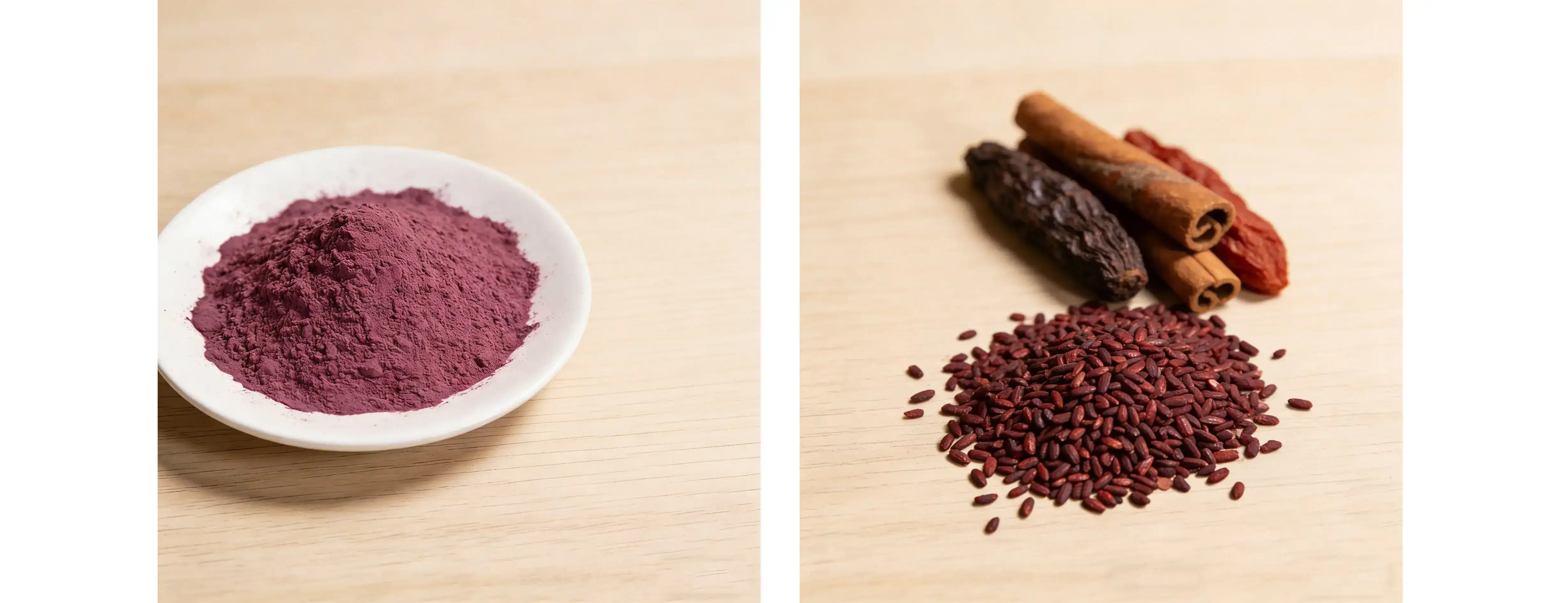
What Red Yeast Rice Extract Powder Is and How It Is Made
Extract Powder Versus Ordinary Red Yeast Rice Powder
Milled red yeast rice powder is fermented rice, but in a powdered form. Red yeast rice extract powder does one better. The manufacturer extracts fermented rice and dries the extract, so that marker substances such as monacolin K and pigments are brought to a set, standardized level. This discrepancy has implications for dose calculation, label claims, solubility, and quality control. A brand that just substitutes one for the other, without altering the recipe, will lose its desired potency. I ask formulators what shape the completed product has to be in before I talk about anything else when I’m counseling them, since that response dictates the testing techniques, the serving size, and the claim approach.
Fermentation, Water Extraction, and Drying
It starts with the inoculation of rice with Monascus purpureus and solid-state fermentation. The strain and temperature of fermentation also affect the profile of monacolins and the amount of citrinin produced; thus, it is important to monitor these factors closely to ensure that each batch is consistent. For the ingredient in this instruction, the plant part employed is rice, and the extraction solvent is 100% water. OHI’s manufacturing technique also incorporates low-temperature processing, nano-membrane isolation, and freeze-drying, which protects heat-sensitive chemicals. The resulting powder has a violet-red color. A little difference in time, temperature, or moisture may vary the outcome; therefore, I'll try a few batches instead of one sample.
Specifications That Define the Ingredient
The ingredient is defined by five measurements: monacolin K, citrinin, moisture, microbiological limits, and heavy metals. Always inquire whether the lab is reporting on an as-is basis or a dry basis. For example, 0.1% as-is result with 5% moisture is around 0.105% dry basis. The gap is not big, but it opens when vendors quote various bases. Our red yeast rice extract powder is standardized to 0.1% monacolin K for precise control of the final serving amount for formulators. Put the reporting basis in the buy spec so all batches use the same arithmetic.
Red Yeast Rice Health Claims: What the Evidence and Regulations Support
Monacolin K and Cholesterol Biosynthesis
Monacolin K is a potent inhibitor of HMG-CoA reductase, an enzyme in the body’s cholesterol synthesis process. That’s why scientists are studying red yeast rice. There are various studies on the substance, including a 2009 randomized study in Annals of Internal Medicine. But laboratory proof, historic usage of food in Asia, and allowed commercial claims are three different things. I portray the ingredient as a fermented botanical, never as a medicinal, and I urge purchasers to maintain their marketing the same.
Red Yeast Rice Versus Prescription Statins
Lovastatin is a prescription medicine and has a set dosage, to be used under professional supervision. Red yeast rice products are dietary supplements, and the amount of monacolin they contain might vary. A 2010 study in Archives of Internal Medicine discovered that monacolin levels vary widely across commercial medications. The FDA has said that goods containing monacolin K might be considered drugs; thus, US brands should seek the advice of regulatory counsel on how their completed serving should be classed. The two groups have different regulatory status, different consistency in doses, different monitoring, and different oversight. That’s why a supplement should never be touted as a statin substitute.
Claim Review for the US Market
The Dietary Supplement Health and Education Act permits supplements to make structure and function claims that need a disclaimer mandated by the FDA. The brand must also inform the FDA within 30 days of first marketing the claim. Claims of disease are prohibited. Also, words like “guaranteed safe” or “statin replacement” need to be examined carefully. Some products also combine red yeast rice and CoQ10. The combination does not alter the monacolin K content; therefore, the formula still requires the same specification, testing, and claim evaluation. I urge that all claims, images, and testimonials be reviewed by the relevant regulatory authorities in each target market prior to launch.
Red Yeast Rice Extract Powder Safety: Limits and Quality Controls
Monacolin K Level and Serving Size
Daily intake of monacolin K is calculated by multiplying the monacolin K percentage of the ingredient by the serving size. A 0.1% standard means that a 1 g serving of powder has 1 mg of monacolin K and a 3 g serving contains 3 mg. Regulators think of products as daily totals, not percentages. In 2018, EFSA assessed monacolins in red yeast rice and, subsequently, the EU established a restriction of less than 3 mg of monacolins per day in food supplements with Regulation (EU) 2022/860. Rules vary throughout the US, so perform the calculation early, record it, and check with your regulatory counsel what the intended serving is.
Citrinin Limits and Testing
Citrinin is a mycotoxin that can be produced by certain strains of Monascus; hence, any serious specification will establish a limit. In the EU, Regulation (EU) 2019/1901 specifies a limit of 100 µg/kg for dietary supplements based on rice fermented with Monascus purpureus. “A lot of US brands look at that number as a benchmark.” OHI employs Monascus strains selected for low citrinin, regulates fermentation temperature, and uses post-extraction purification. Instead of taking a “citrinin-free” assertion at face value, ask any provider what the test procedure is, the detection limit, and batch results.
Contaminant, Storage, and Shelf-Life Controls
Heavy metals demand consideration since rice takes up elements from the soil. Ask for ICP-MS findings for arsenic, lead, cadmium, and mercury, and for total plate count, yeast and mold, E. coli, Salmonella, and Staphylococcus aureus. In this technique, no organic solvent is used since the extraction solvent of this red yeast rice extract powder is water. We do not utilize irradiation, since it may destroy monacolin K, and we employ steam sterilization or heat treatment to lower the microbial burden. The powder is supplied in 25-kilogram barrels. Store in a sealed, cold, dry place and get stability data before assigning a shelf life to your completed product.
How to Evaluate Quality and Choose a Supplier
Reading a Batch-Specific COA
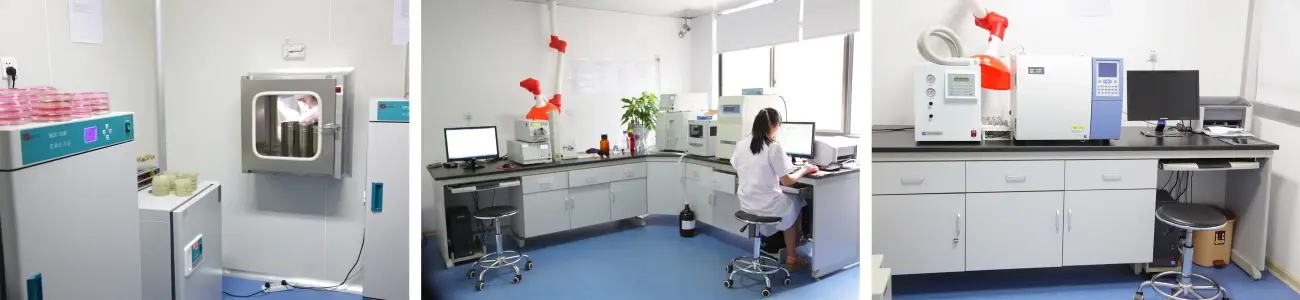
A generic certificate tells you not much. A helpful Certificate of Analysis will provide batch number, test method, acceptability limit, and result for identification, monacolin K, citrinin, moisture, microbiology, and heavy metals. Ensure that the tests were performed by a certified lab and that the report shows as-is or dry basis. Be sure to inquire whether the monacolin K is from fermentation rather than added synthetic lovastatin, to ensure authenticity. A carbon-14 study can demonstrate its naturalness. Compare each COA line by line to your purchase specification. Reject any report without a method or limit. Retain the files for audits.
Physical Properties and Certifications
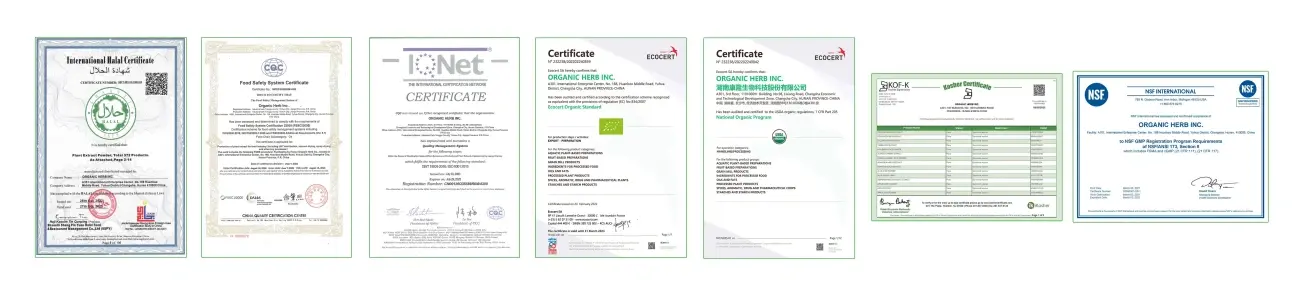
Physical data tells you how the powder performs on your line. Ask about particle size, bulk density, flowability, hygroscopicity, color, and odor, and determine an acceptable color range since fermentation batches vary somewhat in shade. Native monacolin K has low water solubility and stability; therefore, beverage producers may use water-dispersible grades or encapsulation. This substance has documentation with NSF GMP, Kosher, Halal, ISO, FSSC22000, and Organic certifications. Check the scope on each one, including product, location, and expiration date; a wide ISO or GMP logo does not establish coverage of your ingredient.
Supplier Qualification Pathway
First check whether you are talking to a manufacturer, a trade business, or a distributor. Factory ownership, control of fermentation, traceability, lab resources, complaint management, recalls, MOQ, Incoterms, and customs paperwork. Organic Herb Inc. is a public business (stock number 872213) with a plant in Yichun, Jiangxi, and an R&D center in Changsha with 42 specialists in R&D and QC. Then a clear route. Ask for a sample. Test it yourself. Do formulation experiments. Audit the site. Place a controlled first order.
Buying Guide: Bulk Red Yeast Rice Extract Powder From OHI
Product Specifications at a Glance
Here are the confirmed specifications for our ingredient, so you can compare them with your own requirements.
| Item | Detail |
|---|---|
| Latin name | Monascus purpureus |
| Specification | 0.1% Monacolin K |
| Solvent | 100% water |
| Appearance | Violet red |
| Plant part | Rice |
| Package | 25 kg/drum |
| MOQ | 25 kg |
| Sample | Free sample available |
| Lead time | 10 days |
| Certificates | NSF GMP, Kosher, Halal, ISO, FSSC22000, Organic |
These details give your R&D and procurement teams a clear starting point. Four major local warehouses in the United States support timely delivery, and our cGMP quality system follows US FDA requirements.
Comparing Formats and Calculating Landed Cost
Finished capsules are dosage forms ready to market. Extract powder allows firms with their own production greater control over dosing, mixing, and private-label design. Ordinary red yeast rice powder has lower, less distinct marker levels. Not all high-monacolin K products are superior, and “natural” does not inherently equal safer or higher quality. Compare cost per unit of active chemical; add testing, freight, tariffs, inventory, and rejection charges for total landed cost. Many times a cheap estimate with an inadequate spec ends up costing more.
Implementation Steps and Common Mistakes
Then you validate identification, look for impurities, test excipient compatibility, execute a pilot blend, check dose consistency and put the completed product on a stability study. Request the technical data sheet, batch COA, safety data sheet, certifications, allergy and organic records. Common blunders include purchasing based on price alone, accepting a generic COA, believing an unsubstantiated “citrinin-free” claim, and drafting health claims prior to legal scrutiny. Buyers shorten trials and delivery with OHI’s R&D team and US warehouses. A quality agreement with change-control provisions ensures consistency of subsequent batches with the authorized sample, and post-launch monitoring of complaints and supplier changes completes the process.
Conclusion
The value of red yeast rice extract powder, a fermented rice product, is based on explicit specifications and meticulous claims. Monacolin K ties up cholesterol production in the laboratory. But science, tradition, and permissible marketing language are not the same, and prescription statins have a distinct regulatory position. Safety control relies on daily total monacolin K, verified citrinin testing, contaminant screening, and stable storage. Batch-specific COAs, uniform analytical basis, and validated certificates allow buyers to evaluate providers on a level playing field. Format selection determines effective pricing and total landing cost. These points illustrate that compliance product development in the US begins with clear data, disciplined supplier qualification, and claims assessed prior to launch.
FAQ
1. What separates red yeast rice powder from extract powder?
Red yeast rice powder is milled fermented rice. Extract powder is concentrated or standardized for marker compounds such as monacolin K, so it allows more precise dosing and quality control. Dose, label declarations, and solubility differ between the two forms.
2. How can I verify citrinin testing?
Request the batch COA with the method, detection limit, and result. Ask whether an authorized laboratory ran the test, and compare the figure with the EU limit of 100 µg/kg.
3. What are the MOQ, lead time, and sample terms?
The MOQ is 25 kg, packed in 25 kg drums. Lead time is 10 days, and free samples are available. Share your target volume and destination so we can confirm packaging and shipping.
4. Can I use the powder in beverages?
Native monacolin K dissolves poorly in water and loses stability in aqueous solutions, so beverage brands should consider water-dispersible grades or encapsulation. Our team can discuss trial options.
Request Red Yeast Rice Extract Powder Samples From OHI
Looking for a red yeast rice extract powder supplier with US inventory? OHI offers free samples, a 25 kg MOQ, a 10-day lead time, and certificates including NSF GMP, Kosher, Halal, ISO, FSSC22000, and Organic. Send your target market, serving size, annual volume, and documentation needs to info@organic-herb.com, and our team will recommend a suitable specification. For details.
References
1. Annals of Internal Medicine, 2009. Red Yeast Rice for Dyslipidemia in Statin-Intolerant Patients: A Randomized Trial.
2. Archives of Internal Medicine, 2010. Marked Variability of Monacolin Levels in Commercial Red Yeast Rice Products.
3. EFSA Journal, 2018. Scientific Opinion on the Safety of Monacolins in Red Yeast Rice.
4. Official Journal of the European Union, 2019. Commission Regulation (EU) 2019/1901 amending Regulation (EC) No 1881/2006 as regards maximum levels of citrinin in food supplements based on rice fermented with red yeast Monascus purpureus.
5. Official Journal of the European Union, 2022. Commission Regulation (EU) 2022/860 amending Annex III to Regulation (EC) No 1925/2006 as regards monacolins from red yeast rice.
6. United States Public Law 103-417, 1994. Dietary Supplement Health and Education Act.
Standard Disclaimer (DSHEA):
These statements have not been evaluated by the Food and Drug Administration.
This product is not intended to diagnose, treat, cure, or prevent any disease.

Send Inquiry
You may like