
Red Yeast Rice Extract: Natural Cholesterol Control
Nov 4, 2026
Red yeast rice extract: natural cholesterol control describes a group of ingredients made from rice fermented with Monascus purpureus. Red yeast rice extract powder concentrates the naturally occurring monacolins, mainly monacolin K, into a standardized form that brands can use in cholesterol-focused wellness products. Our OHI grade contains 0.1% monacolin K, uses 100% water as the extraction solvent, and ships in 25 kg drums. In this article, I explain what the ingredient is, how it is made and tested, how to choose a grade, and how to verify a supplier before you place a bulk order.
What Is Red Yeast Rice Extract Powder?
From Fermented Rice to a Standardized Ingredient
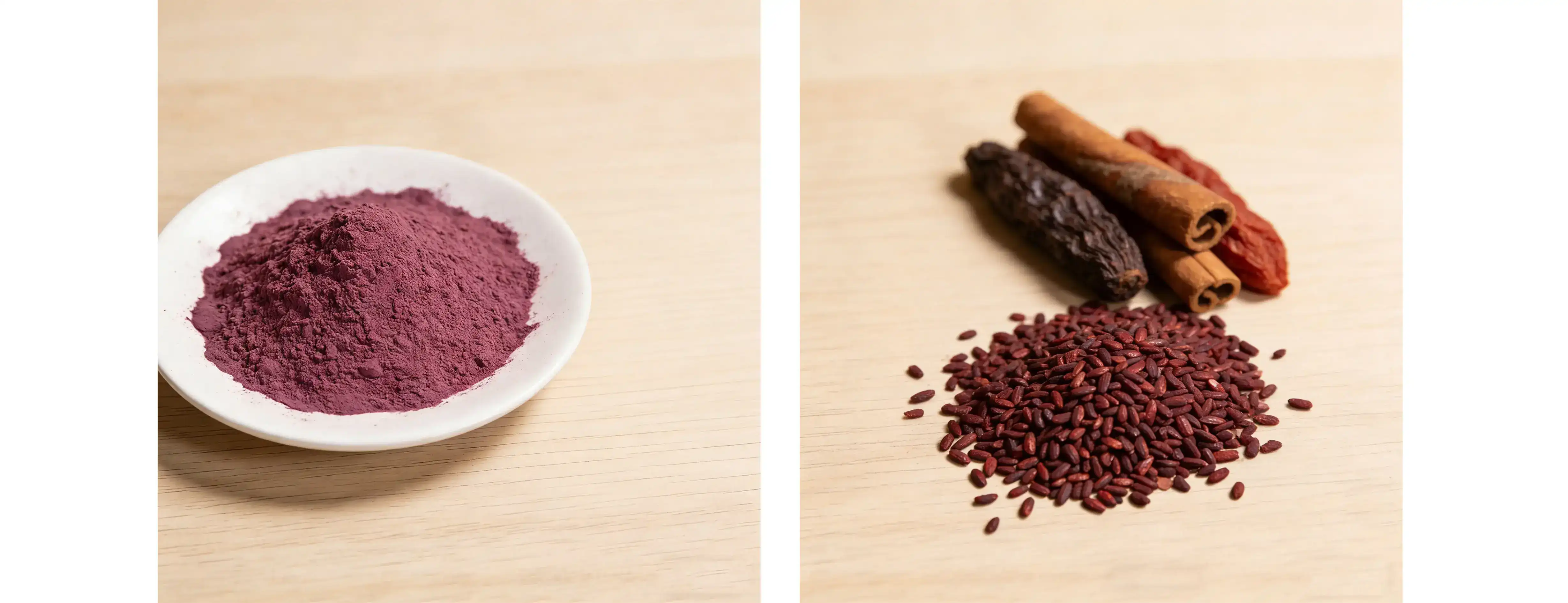
Over the past few hundred years, Asian foods have used the fungus Monascus purpureus to process rice. To make red yeast rice extract powder, start with this step. Some ground red yeast rice still has the fungus on it. This is called whole fermented red yeast rice. This rice's monacolin K level can change from one batch to the next. It's one step further in writing. It is mixed with a solvent, and then the liquid is sucked up and dried. This makes it possible to find the active marker in a smaller area. It is easier to control markers, make the food, and make batches that are more stable when you use extracts. This is why supplement and functional food makers choose them. There are standardized and non-standardized grades. Types that dissolve in water are used for beverage projects.
Monacolin K and Other Naturally Occurring Compounds
Monacolin K is the main ingredient in red yeast rice that most people know about. This is why formulators link it to cholesterol-lowering products. There are special rules in the US and EU about it because it is chemically the same as lovastatin. I always tell people who want to buy something to check the product's limits, labeling, and claims that are allowed for the people they want to buy it for. There are more people in the area than just Monacolin K. A paper from 2000 in the Journal of Agricultural and Food Chemistry found that red yeast rice has other monacolins and sterols. The fermented stuff also has fats and colors in it. The final profile is different based on the strain, the rice substrate, the conditions of fermentation, and the cleaning process. This is why the HPLC proof and the dose that was given are important.
Where Brands Use Red Yeast Rice Extract
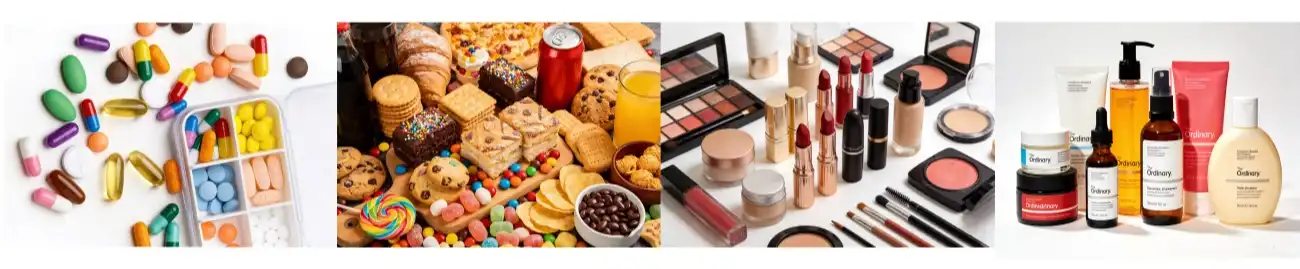
In health mixes that are meant to lower cholesterol, red yeast rice extract is used by people who make capsules and tablets. Functional food and drink teams put it in powders, sticks, and quick mixes when the grade spreads out well. These brands like it when the same item can be used for more than one SKU under different names. This is because each format has different needs when it comes to taste, color, flow, and moisture. I think you should name the end dose form before you ask for a standard. This one step cuts down on the grades that can be given and the rounds of sampling that need to be done.
How Red Yeast Rice Extract Powder Is Made and Tested
From Rice Preparation to Dried Powder
Picking the strain and washing the rice are the first steps in making it. They clean and prepare the rice, add the Monascus purpureus, and make sure the temperature and humidity stay the same while it ferments. The color and amount of monacolin K made by the rice depend on how long it ferments, its pH, and how much water it has. There was a study in the Journal of Industrial Microbiology & Biotechnology in 2013 that talked about how strain and conditions can change these secondary molecules. As soon as the fermented rice is stable, it is extracted, concentrated, filtered, dried, milled, packaged, and finally packaged. Low-temperature processing, nano-membrane separation, and freeze-drying are all things that OHI does to make things. Our team can check to see what steps need to be taken for each grade.
Citrinin Control and HPLC Verification
Ensuring the quality of red yeast rice extract powder is the most important consideration. Citrinin limits for red yeast rice food supplements in the EU are subject to applicable regulatory requirements, including Commission Regulation (EU) No 212/2014. Certain Monascus strains can produce citrinin as a byproduct. Therefore, a product should not be described as "citrinin-free" without a batch-specific analytical report stating the test method, detection limit, and acceptance criteria. HPLC is commonly used to measure monacolin K and verify whether the powder meets its labelled specifications. Market studies published in Archives of Internal Medicine (2010) and the European Journal of Preventive Cardiology (2017) found substantial variations in monacolin content among commercially available products. This is why buyers should request verified analytical results rather than rely solely on supplier claims.
Contaminant Testing and Purchasing Documents
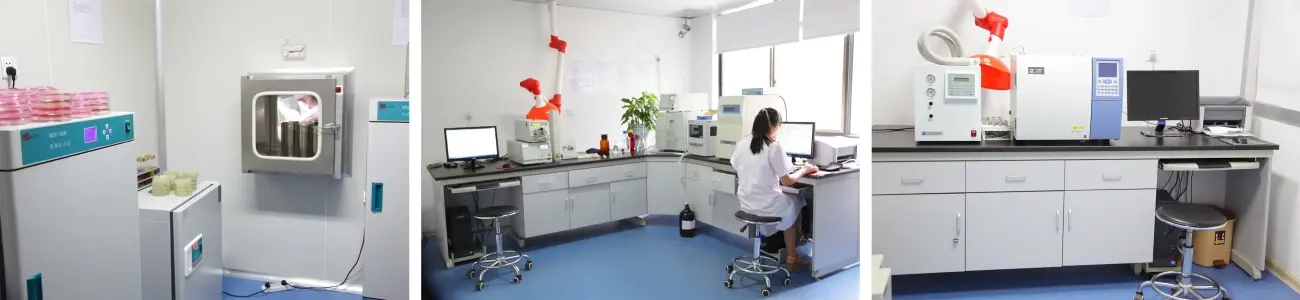
As an additional component of a comprehensive test strategy, heavy metals, microbiology, aflatoxins, pesticides, and residual solvents are included in the event that they are required. In order to ensure that there is no residual organic solvent, the extraction phase for this grade is carried out only with water. A specification sheet, a certificate of analysis for each batch, lab reports, non-GMO and allergy declarations, certifications, information on where the goods originated from, and information on the packaging should all be provided to the purchasing team before they give their approval to anything. In our research and quality control department, there are 42 individuals who work with various instruments such as GC-MS, HPTLC, atomic absorption, HPLC-ELSD, and others. To ensure that each batch is identical, we choose things at random and put them through a series of tests at regular intervals.
Choosing the Right Red Yeast Rice Extract Grade
Dosage, Labeling, and Regulatory Review
It is never a good idea to replicate a dosage from another product since the serving size changes depending on the quantity of monacolin K that is included in the product, the form of the product, and the regulations that govern the market that the product is intended for. According to the monacolin K concentration, there are 0.1 mg of monacolin K in every 100 mg of powder when the level is 0.1%. By using this number, I was able to make arrangements. How much should be served, what kinds of claims may be made for each nation, and what kinds of labelling can be used should be decided by your regulatory team. In order to do this, they need to get assistance from qualified attorneys and medical professionals. Companies that manufacture dietary supplements in the United States also adhere to 21 CFR Part 111, which is the most effective method of production at the moment. Please do not mix the powder with water, and double-check that the packets are properly packed. Determine the duration of each grade by enquiring with your provider.
Extract, Whole Powder, and Water-Soluble Grades
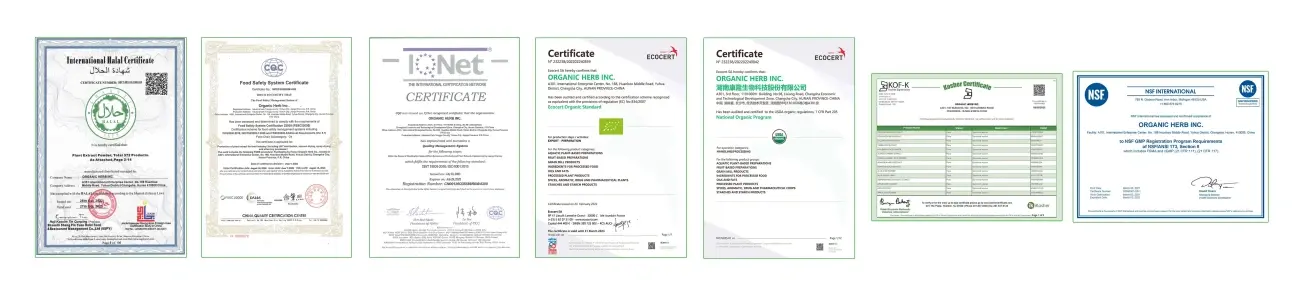
Whole fermented red yeast rice powder may be used in traditional dishes and in situations when a smaller quantity of the ingredient is required. By using extract powder, you will have a better understanding of the active ingredient and will have an easier time selecting the appropriate serving size. Certain grades of material do not have a monacolin K range, whereas other grades do include such a range. Soluble grades have the potential to improve beverages; however, they must first be tested to see how well they combine, what kind of ingredients they include, how they taste, what colour they are, and how well they operate with pH. It is not the citrinin or monacolin K level readings that demonstrate the method of production of the food; rather, it is the organic certification. Several certifications, including Organic, NSF GMP, Kosher, Halal, ISO, and FSSC22000, have been awarded to our product, among others. A unique response is required for each of the questions in your approval file.
A Simple Selection Process
To begin, you should compile a list of your target market, dose type, monacolin K range, certification requirements, yearly volume, and private-label plans. After that, evaluate the suppliers based on the amount of expertise they have with fermentation, how effectively they are able to create goods, how well they are able to monitor products, how good they are at lab work, how long they have been exporting, and how well they can assist with packing. Examine each individual line of the standard to determine its appearance, the degree of moisture it contains, the size of the particles, the presence of heavy metals and bacteria, the shelf life, and the proper way to store it. Enquire about the location where the product is manufactured and tested, the manner in which the supplier manages modifications, and whether or not samples are stored or delivered prior to the shipment of the order. If you are able to get straightforward responses to these enquiries from a source, it will be much simpler to engage with them once the first purchase has been placed.
Red Yeast Rice Extract Powder for B2B Applications
OHI Product Specification
Here is a list of everything we have to offer. This red yeast rice extract powder comes from Monascus purpureus that was grown on rice, washed with only water, and checked to make sure it has 0.1% monacolin K. The powder looks like it's a violet-red color. We pack it in 25 kg drums and say the wait time is 10 days. The minimum order quantity is 25 kg. You could get some for free. For help, we have four local stores in the US and Earth Made Nutrition in Los Angeles. This means we can always meet our targets.
Capsule, Tablet, and Beverage Considerations
Each style asks of the powder different things. If you are making pills, you should check the bulk density, flowability, fill weight, ability to keep moisture out, and how it works with other ingredients. The people who make tablets should think about how stable it is, how easy it is to break, and how hard it is to squeeze. Teams that work on drinks and useful foods should test how well they mix, taste, smell, handle heat, work with different pH levels, and keep their color. The reason for this is that a violet-red powder can change the color of the finished item. Most of the time, a data sheet takes longer to answer these questions than a small test batch. You can try it out on your own gear with a free sample before you decide to buy a lot of it.
OEM Support and Company Strength
OHI is a public company with the stock number 872213 that makes plant-based ingredients that are used in beauty products, supplements, and medicines. Our R&D center in Changsha, Hunan, has 27 top researchers and tools worth more than $1,200,000. There are now more than 400 plant-based products, and 100 of them have been standardized. Our quality control is based on rules like those set by the US FDA and cGMP. For private label and OEM projects, we can talk about label languages, batch codes, packaging formats, serving sizes, and export documents. We make products to order. Being socially and environmentally responsible is very important to us when we think about sustainability.
Procurement Planning for Red Yeast Rice Extract
Price, MOQ, and RFQ Questions
Make sure that the specs, not just the price per kilogram, match when you compare quotes. The final price is based on how much monacolin K is ordered, how it is extracted, the citrinin controls, the certificates, the test scope, the package, the amount, the modification, the freight, and the location. The MOQ is also different for powder that is made to order, powder that is in bulk, and private label packaging. Our MOQ is 25 kg most of the time. It's best to try samples, make sure the seller is qualified, place a pilot order, keep an eye on the batches, and sign a long-term contract once the needs are clear and the paperwork is looked over. In your RFQ, you should ask about testing, lead time, packaging, payment terms, and shipping terms all at the same time.
Verifying a Supplier and Avoiding Common Mistakes
What kind of business are they before you talk to them? Are they a straight maker, an ingredient expert, an OEM/ODM producer, a distributor, or a trading company? Any plan will do as long as it's clear who is in charge of making it, testing it, writing it down, and helping people after the sale. Folks often make mistakes, like picking a product based only on price, believing claims that it is "citrinin-free" without proof, not following the rules in their area, and picking a red yeast rice extract powder that doesn't work with the dosage form. This COA should have the lot number, the production date, the test date, the results, and the signature of the person who approved the batch. Definition changes, early notice, the right to retesting, how to handle complaints, and who is in charge of recalls should all be spelled out in supply agreements.
A Practical Buying Checklist
This list lets you compare sellers who offer the same terms:
- Technical checks: Look at the type of product, where it was fermented, the monacolin K range, the HPLC method, the citrinin result, the heavy metals, the microbes, the moisture, the particle size, the shelf life, and the conditions of storage. You should match each number to your method and the people you want to sell to. Because the ranges are written down in the specification, they will be used to judge every new batch.
- Supplier checks: Find out about the company's role in production, quality systems, certificates, batch-specific COA, sample availability, export experience, minimum order quantity (MOQ), ability to do private marking, and expert support. Make sure you know who is in charge of testing, complaints, and materials that don't meet standards. You can ask to see the site or get information about the audit. When there is a question after delivery, it saves time to know who is responsible ahead of time.
- Commercial checks: Once you've found things that meet your needs at different prices, you should compare them. Then you should look at how they are packaged, shipped, paid for, annual volume plans, regulatory duties, and long-term supply conditions. Both sides should agree on the rules before the first business batch goes. Everyone will know how to handle changes to the specs, the right to test again, and the duty to return.
The teams in charge of purchasing, technology, quality, and regulations can all agree on these checks before they give their approval.
Conclusion
Monascus purpureus can be used in the same way that red yeast rice extract powder is used in supplement and functional food brands. I learned from this piece that it is easier to manage a concentrated extract than whole cooked rice. The final profile is shaped by the strain, the fermentation process, and the extraction process. HPLC results and batch-specific citrinin reports confirm the quality. There are different rules for monacolin K in each market, so it's important to carefully read the label, the amount that is given, and any claims that are made. The grade should be based on the form of the medicine, like a pill, capsule, or drink. If you want to find the best supplier, don't just look at price. You should also look at specs, certificates, documents, MOQ, and lead time. When buyers look at both scientific evidence and supply terms at the same time, they are more likely to make stable long-term choices.
FAQ About Red Yeast Rice Extract Powder
1. What is the difference between red yeast rice extract powder and whole fermented rice?
Dried rice is ground up to make whole powder. The extract is standardized and concentrated, which means that the monacolin K level stays in a certain range.
2. How do you confirm monacolin K content?
The usual way to do this is with HPLC. For each batch, ask for a COA that lists the lot, test date, method, and results.
3. Is the powder suitable for capsules and tablets?
Both kinds of powder are used by formulators. Getting a free taste lets you check the tools' ability to flow, squeeze, and hold water.
4. Which certificates and order terms apply?
The items have proof that they are NSF GMP, Kosher, Halal, ISO, FSSC22000, and organic. The lead time is 10 days, and the smallest amount you can buy is 25 kg.
Request Red Yeast Rice Extract Powder Samples and Quotes from OHI
OHI has four warehouses in the US and makes red yeast rice extract powder. You can get samples for free too. Get in touch with us at info@organic-herb.com with information about your product, quantity, target market, and paperwork needs. Our team will find a standard that works with your formula and let you know in 10 days.
References
1. Official Journal of the European Union, 2014: Commission Regulation (EU) No 212/2014, Maximum Levels of Citrinin in Food Supplements Based on Rice Fermented with Red Yeast Monascus purpureus.
2. Archives of Internal Medicine, 2010: Marked Variability of Monacolin Levels in Commercial Red Yeast Rice Products.
3. European Journal of Preventive Cardiology, 2017: Variability in Strength of Red Yeast Rice Supplements Purchased from Mainstream Retailers.
4. Journal of Agricultural and Food Chemistry, 2000: Constituents of Red Yeast Rice, a Traditional Chinese Food and Medicine.
5. Journal of Industrial Microbiology & Biotechnology, 2013: Monascus Secondary Metabolites: Production and Biological Activity.
6. U.S. Food and Drug Administration, 2007: 21 CFR Part 111, Current Good Manufacturing Practice for Dietary Supplements.
Standard Disclaimer (DSHEA):
These statements have not been evaluated by the Food and Drug Administration.
This product is not intended to diagnose, treat, cure, or prevent any disease.

Send Inquiry
You may like