
Pumpkin Seed Extract Powder vs. Pumpkin Flour: Which Is Best for You?
Nov 5, 2026
In the event that your formulation requires a botanical component that is both concentrated and quantifiable, pumpkin seed extract powder is the superior replacement. Whenever you are looking for a whole-food protein, fibre, and texture, pumpkin seed flour is the preferable option. The two cannot be substituted for one another. A small amount of the seed's specified chemicals may be delivered via the use of an extract. The lipids, fibre, flavour, and colour of the seed are preserved in flour because it is milled. The term "pumpkin flour" may also refer to dried pumpkin flesh; however, the focus of this article is on seed flour. To facilitate a more expedient decision-making process for your team, I analyse the following factors: nutrition, active-compound concentration, solubility, application performance, documentation, cost, and supply consistency.
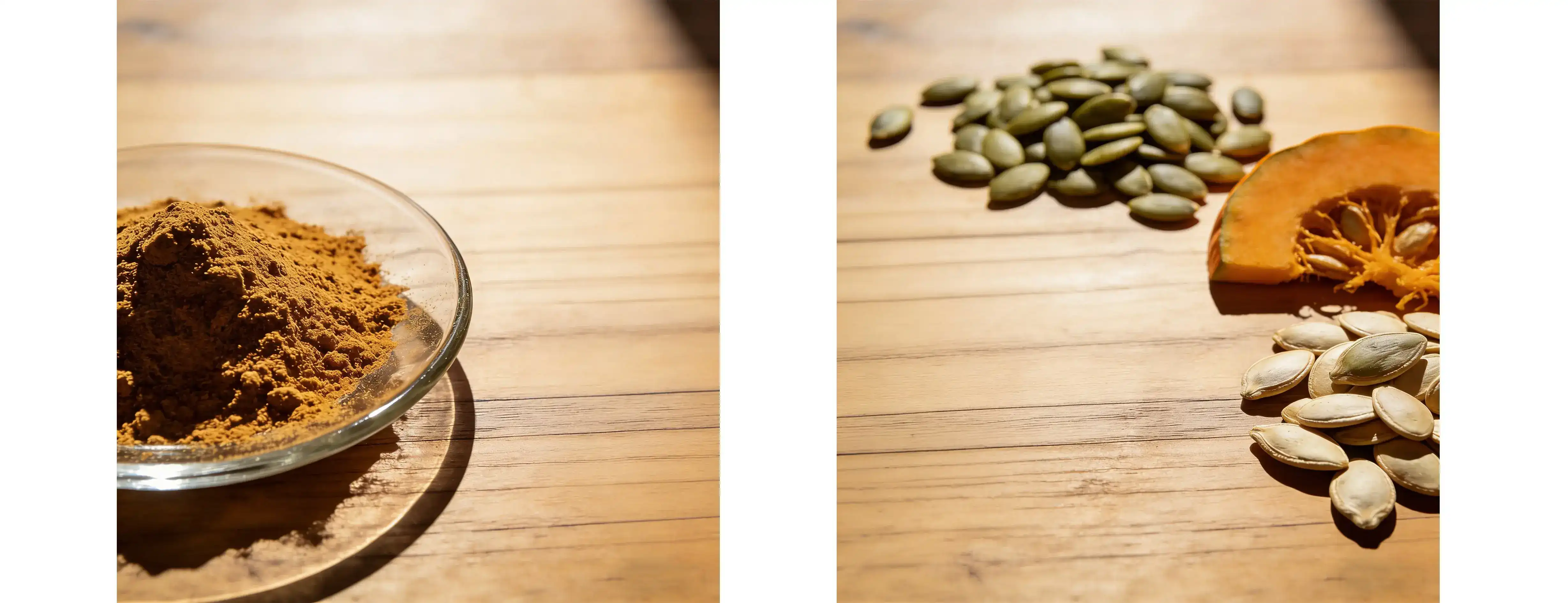
Pumpkin Seed Extract Powder vs. Pumpkin Flour: What Is the Difference?
Defining the Terms Clearly
It is not uncommon for people to be unfamiliar with the term "pumpkin flour" while they are out shopping. This might be chunks of pumpkin seeds or ground-up dry pumpkin flesh. Both of these options are possible. It is not even close to being the same. On the other hand, seed flour is mostly composed of lipids and proteins, while flesh flour is primarily composed of carbohydrates and natural colourants. Assign each supplier the responsibility of naming the component of the plant on the specification sheet. An entirely distinct category is comprised of pumpkin seed extract powder. If you wish to explain it, you should use the extract ratio rather than the whole-food quantity. For the purpose of production, the seed is first dried out and then crushed into a powder. We know that it is the plant portion since it originates from the seeds of the Cucurbita moschata plant.
How Each Ingredient Is Made
After having part of their fat removed, pumpkin seeds are typically washed, dried, and processed into seed flour. This process is the standard procedure. No matter what happens, the powder will not change in terms of its flavour, colour, the amount of protein, fibre, fats, minerals, or colours. There are portions that may be completed in a variety of ways. The solids are first combined with a solvent, and then the solvent is removed from the mixture, which results in the formation of an extract. Following this, the liquid is concentrated and then dried. A review that was published in the Journal of Food Engineering (2013) demonstrates that the manufacture of the extract may have an effect on the final result. To put it another way, the requirements vary based on the trace compounds, transporters, standards, extraction ratio, and liquid. It is important to be aware of this fact in order to maintain a clean environment: the sole component of our extract is water.
Side-by-Side Comparison
So that buying teams can see the big picture quickly, they can look at this table first.
| Factor | Pumpkin seed extract powder | Pumpkin seed flour |
|---|---|---|
| Ingredient type | Concentrated botanical | Milled whole food |
| Nutrition | Depends on ratio and carrier | Protein, fiber, lipids, minerals |
| Solubility | Designed for dispersion; confirm by test | Particles stay suspended and may settle |
| Flavor | Varies by grade | Nutty seed flavor |
| Typical uses | Capsules, pills, drink powders | Bakery, smoothies, snacks |
| Spec priorities | Ratio, markers, COA | Protein, fat, particle size |
| Cost drivers | Raw material per kg of extract, testing | Seed cost, milling, defatting |
Pumpkin Seed Extract Powder Nutrition and Active Compounds
Why Whole-Seed Data Does Not Apply
USDA FoodData Central says that 100 grams of dried pumpkin seed kernels have 559 calories, 30 grams of protein, and 49 grams of fat. Those figures show more than just a part of the seed. Carriers may be added to separate many of the parts by concentration and speed up the drying process. When someone wants to buy something, I always tell them to read the seller's own specification sheet. Add up the food's calories, carbs, fiber, water, ash, and carriers to find out how many there are. There might be a mistake on the label if the nutrition facts are based on the wrong numbers or if a 10:1 powder was made with water instead of dried corn.
What Shapes the Final Composition
There are four main factors that influence the composition and quality of pumpkin seed extract powder. First, the seed variety affects its protein, oil, and nutrient content. Second, the extraction method determines which compounds enter the final extract, as water-based solvents preferentially extract water-soluble components. Third, the concentration ratio, such as 4:1 or 10:1, indicates the amount of starting seed material used to produce a given quantity of extract. Finally, drying technology influences moisture content, particle size, and flowability. When evaluating extract strength, avoid general descriptions such as "high potency." Instead, request specific marker-compound data and the analytical method used to measure it. Without identifying what is being tested, a potency claim does not provide a meaningful technical specification.
Where Pumpkin Seed Flour Fits
There are a lot of whole foods in seed flour, which are what make you feel full. According to Scientific African (2020), pumpkin seeds are loaded with beneficial components for your body, including an abundance of fat, protein, and fibre. When you mill them, everything that is beneficial to you is conserved in a single batch. The addition of flour to the seeds improves not only their appearance but also their flavour. In situations when the food label states "pumpkin seed" and the dish tastes delicious and is beneficial for you, this is definitely useful. On the other hand, the concentration of each chemical per gram is reduced as a penalty. In the event that you are looking for a clear quantity that can be measured out in a modest portion, the pumpkin seed extract powder is the superior option.
Which Ingredient Performs Better in Different Applications?
Where Extract Powder Performs Well
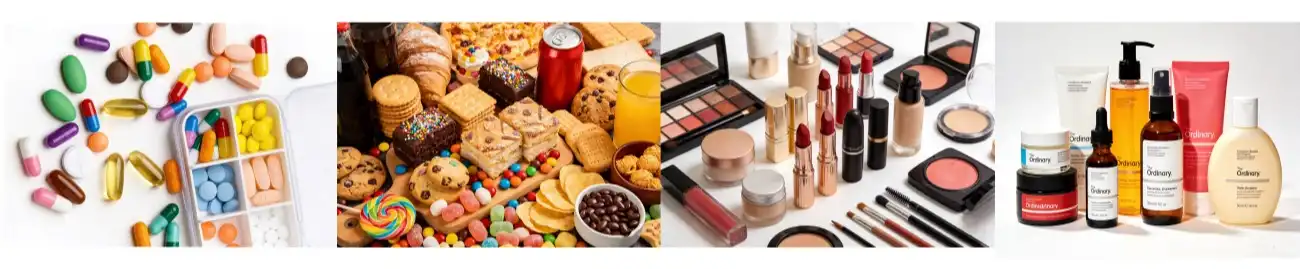
The use of pumpkin seed extract powder is beneficial in situations where each serving requires a certain amount of space. This is something that is often found in functional drink mixes, pills, tablets, and other packs. On account of the fact that thick powder does not mix well with other substances, it frees up space in a pill for other components. The most essential aspect of the beverages to be aware of is the manner in which they are distributed. Check to see whether your foundation is beginning to settle or if it is beginning to stay together. Other kinds of cosmetics make use of plant extracts when they need an ingredient that is water-based. These cosmetics are also available. This is dependent on the regulations and the mechanisms that are in place in your area. With our 4:1 and 10:1 grades, you will be able to test two different concentration points. Before you do a test run, you need to have an understanding of how the material moves and how thick it already is.
Where Flour Performs Well
The use of seed flour is recommended if meals need more flavour, energy, or bulk. Drinks, baked products, snack bars, protein meals, and meal replacements are all potential applications for this ingredient. It is common knowledge that pumpkin seeds have a flavour that is both delicious and beneficial to one's health. You may anticipate that beverages will have a harsh flavour, and water will separate. Be cautious to check both the packaging and the shelf life to ensure that you are storing it correctly. Unless you do anything about it, the fat in it can separate or go rancid. The colour of the majority of meals may change when they are cooked at high temperatures; however, this is not always the case. Due to the fact that it is derived from whole foods, flour is less than ideal for clear beverages.
Test Before You Buy
You should do a few preliminary experiments to see how well an ingredient functions in your grid before purchasing a large quantity of it. Behaviour cannot be predicted just based on specifications. Make a note of the amount of time it took for the oil to dissolve, the manner in which it separated, the flavour it had, the colour it had, and the degree to which the pH remained constant after 24 hours when you combined each candidate with your actual base. Ensure that you pay attention to the weight, flow, and compression while you are making solid dosages. It is important to pay attention to the texture of the dough, how it spreads, and how it is handled when it comes to baked items. You should take notes on each lot to see how consistent they are. You won't have to spend much money on this stage since we will give you a free sample of our pumpkin seed extract powder that has been extracted using water.
How to Choose Between Pumpkin Seed Extract Powder and Pumpkin Flour
A Step-by-Step Selection Path
You should jot down the first thing that you want the object to accomplish. To begin, you should determine which nutrients or chemicals you need from whole foods. This should be your initial step. In the next step, it is necessary to determine if the item, such as capsules, drinks, or bakery goods, is compatible with the format. Lastly, it is important to verify the statistics that have an impact on the output. These include the dosage, the extract ratio, the water content, the protein content, the fibre content, the oil content, the particle size, the solubility, the flowability, and the marker compounds. Fourth, conduct a trial before a judge with two or three potential applicants. After that, before you make your purchase, be sure you have properly read the documents. When people choose anything, they often do so primarily on the price, only to later discover that the powder does not fit the format. Because of this order, such issues are avoided.
Cost per Effective Serving and Regulations
The price per kilogram of pumpkin seed extract powder can be misleading. A 10:1 extract may cost more per kilogram than ordinary pumpkin seed flour, yet its inclusion rate may be considerably lower. Therefore, buyers should compare costs based on the quantity required per serving rather than the unit price alone. Additional expenses for testing and packaging should also be included. Regulatory requirements must be considered in the same calculation. In the United States, the FDA regulates dietary supplement manufacturing under 21 CFR Part 111 cGMP requirements. A Nutrition Facts panel is not interchangeable with a Supplement Facts panel. Before purchasing, verify that the documentation, labelling requirements, and relevant authorisations are appropriate for the target market. Our team can provide a standard specification sheet and batch documentation for review.
Quick Decision Matrix
First, you should use this matrix, then confirm with samples.
| If your formula needs... | Choose |
|---|---|
| Concentrated, measurable content at a low inclusion rate | Pumpkin seed extract powder |
| Positioning as a supplement or cosmetic | Pumpkin seed extract powder |
| Dispersion in a drink mix | Pumpkin seed extract powder (test first) |
| Whole-food protein and fiber | Seed flour |
| Seed flavor in baked goods, smoothies, and snacks | Seed flour |
| High-inclusion formulas | Seed flour |
Some brands use both at the same time. Flour supplies nutrition and texture, while the extract adds a concentrated functional position. You should test any mix to see if it stays stable, tastes good, is labeled correctly, and follows the rules.
Pumpkin Seed Extract Powder Quality Checks and Supplier Guide
Quality Checks on Every Lot
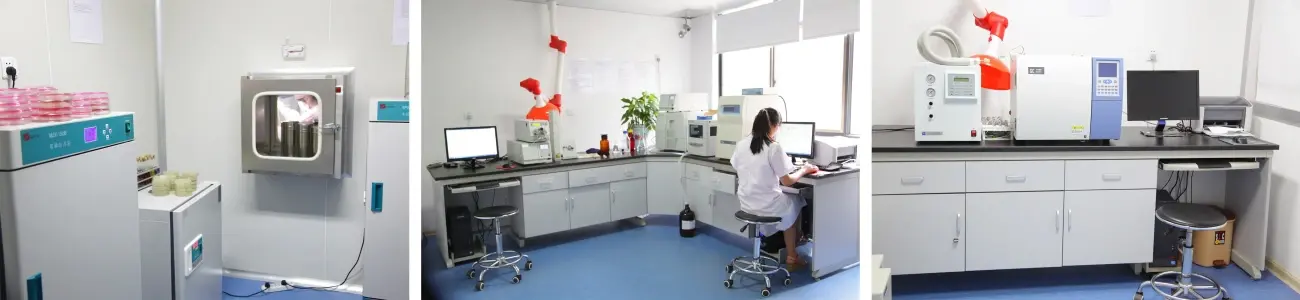
When it comes to quality, identity is the first step. Obtain information on the name of the plant, the origin of the seeds, the method by which they were gathered, and the traceability of the lot. Discuss how the extraction was carried out, how it was dried, the carrier system, the regulations for cross-contamination, and the hygiene procedures that were followed. Request a current Certificate of Analysis that is specific to the batch and includes a list of the identification, assay or marker chemicals, moisture, microbiology, heavy metals, pesticides, and residual solvents. Be sure to ensure that the certificate is current. Obtain information on the solubility, shelf life, oxygen exposure, packaging barriers, and storage conditions of the substance. If powders are exposed to air and moisture, they will deteriorate more quickly. You are able to verify claims made about organic goods by looking at certifications that are appropriate for the market you wish to sell them to. Through the use of our comprehensive files, you will be able to monitor each and every stage of the production process.
Supplier Types and Purchasing Questions
People who sell products are all unique in their own ways. A direct manufacturer is in charge of the testing and extraction processes. A processor could only be able to handle a portion of the chain. Stock is supplied by traders and distributors, who may have a limited understanding of the process. Private-label support and customisation are available from OEM and ODM firms. Evaluate each one based on their capacity to manufacture, their consistency, their expertise in exporting, their technical support, and their documentation. The next step is to enquire directly about the botanical source, the ratio of extraction, the grade, the certifications, the packaging, the minimum order quantity (MOQ), the lead time, and the capacity for private labelling. Once concentration, standardisation, testing, certification, packing, and volume have been completed, bulk price may then be determined. It is important to compare the whole landed cost of the trial, pilot, and commercial bids, which includes the costs of freight, customs, testing, and paperwork.
Common Mistakes to Avoid and Our Product Details
Those who make purchases are the ones who suffer the greatest losses when they make these four mistakes. The fact that they consider extract and flour to be interchangeable results in modifications to the dose, nutrition data, texture, and labelling of items. The price per kilogram is the criterion that they use, and they ignore the active content and yield. Solubility, oxidation stability, packaging, and shelf life are not taken into consideration by them. Instead of batch-specific documentation, they accept generic certificates or certificates that have become obsolete. All four are prevented by doing technical reviews and pilot testing.
Here are the specifics of what we have to offer:
- The seed known by its Latin name, Cucurbita moschata
- Particulars: 4:1 and 10:1 respectively
- 100% water is the solvent.
- Appearance: a powdery brown colour
- Package: 25 kilograms per drum, with a minimum order quantity of 25 kg
- It takes ten days to produce, and there is a free sample available.
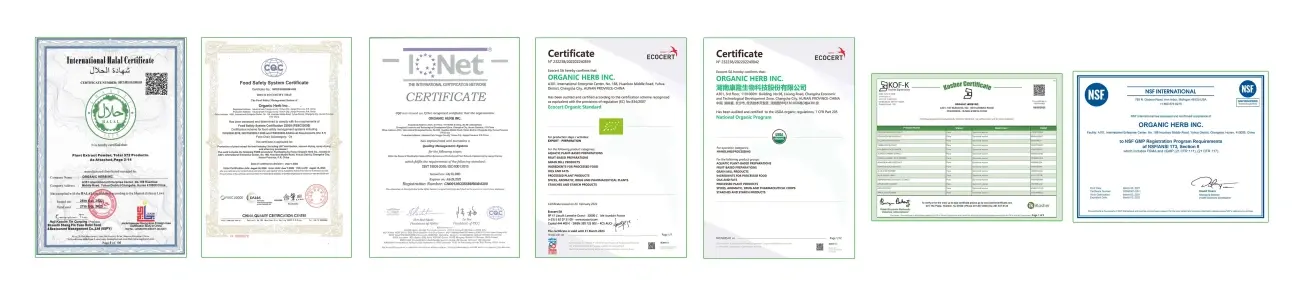
- NSF GMP, Kosher, Halal, ISO, FSSC22000, and Organic certifications are all available.
For the purpose of ensuring that our products are in compliance with FDA and cGMP regulations, we keep them in four different warehouses located in the United States.
Conclusion: Select the Ingredient Based on Product Objectives
There isn't a clear winner between pumpkin seed flour and pumpkin seed extract powder because they do different jobs. An extract is a concentrated, ratio-based ingredient, like a 4:1 or 10:1 powder. It works with capsules, tablets, drink powders, and other formats that need a set amount and a low inclusion rate. Seed flour keeps the protein, fiber, fat, flavor, and color of the whole kernel, which suits bakery items, smoothies, and nutrition-focused foods. The nutrition facts of the whole seed cannot describe the extract. Specification sheets, marker data, and batch-specific COAs are the best ways to compare them. Cost per effective serving, destination-market rules, solubility tests, and pilot trials complete the decision.
FAQ: Pumpkin Seed Extract Powder and Pumpkin Flour
1. Can I use pumpkin seed extract powder in smoothies?
Often yes, but taste and dosage vary by grade, so test your recipe. Flour adds body and nutty flavor, while extract works at lower amounts.
2. Is pumpkin seed extract powder water soluble?
Our extract is made with water as the solvent. Dissolving behavior still depends on the ratio, carrier, and your formula, so run a dispersion test.
3. How should I store it, and what is the shelf life?
Keep it sealed and dry, away from air and water. Check the specification sheet to be sure, because the shelf life depends on the type and how it is packed.
4. How much should I use?
Dosage depends on extract ratio, formula, intended use, and destination-market regulations. Plan it with your formulation and regulatory teams.
Request a Pumpkin Seed Extract Powder Sample or Quotation from OHI
OHI helps you match a grade to your formula. If you are looking for a pumpkin seed extract powder supplier, our team can send a free sample, specifications, COAs, MOQ details, and lead-time estimates. Tell us about your application, ratio, annual volume, destination country, and private-label needs. Four US warehouses support delivery. Email info@organic-herb.com.
References
1. Journal of Food Engineering (2013): Techniques for Extraction of Bioactive Compounds from Plant Materials: A Review
2. Scientific African (2020): The Potential of Pumpkin Seeds as a Functional Food Ingredient: A Review
3. Mediterranean Journal of Nutrition and Metabolism (2013): Pumpkin (Cucurbita sp.) Seeds as Nutraceutical: A Review on Status Quo and Scopes
4. Plant Foods for Human Nutrition (2006): A Review on Pharmacological Activities and Utilization Technologies of Pumpkin
5. USDA FoodData Central (2019): Seeds, Pumpkin and Squash Seed Kernels, Dried
6. U.S. Food and Drug Administration, Code of Federal Regulations (2007): 21 CFR Part 111, Current Good Manufacturing Practice for Dietary Supplements
Standard Disclaimer (DSHEA):
These statements have not been evaluated by the Food and Drug Administration.
This product is not intended to diagnose, treat, cure, or prevent any disease.

Send Inquiry
You may like