
Pineapple extract benefits for skin: enzyme exfoliation and soothing support
Nov 4, 2026
Products for the skin that attempt to make the skin seem smoother and more refreshed may benefit from the use of pineapple extract. Bromelain, which belongs to a group of proteolytic enzymes, is the most well-known relationship between it and enzyme exfoliation formulations. Bromelain allows for the loosening of dead surface cells. There is a possibility that chemicals originating from pineapples might enhance the calming and antioxidant properties of cosmetic formulations. Every extract has to be tested before the final formula is created since the results are dependent on the plant part, the extraction process, the concentration, the pH, and the design of the completed product. How to obtain pineapple extract for cleansers, masks, serums, and creams is explained here, along with what to search for, how to evaluate different possibilities, and how to buy pineapple extract.
Formulators, distributors, procurement teams, and private-label enterprises are the target audience for this handbook, which was designed specifically for cosmetic manufacturers. Every product claim needs to be based on appropriate testing and conform to the regulations of the target market, which should include the standards of the United States.
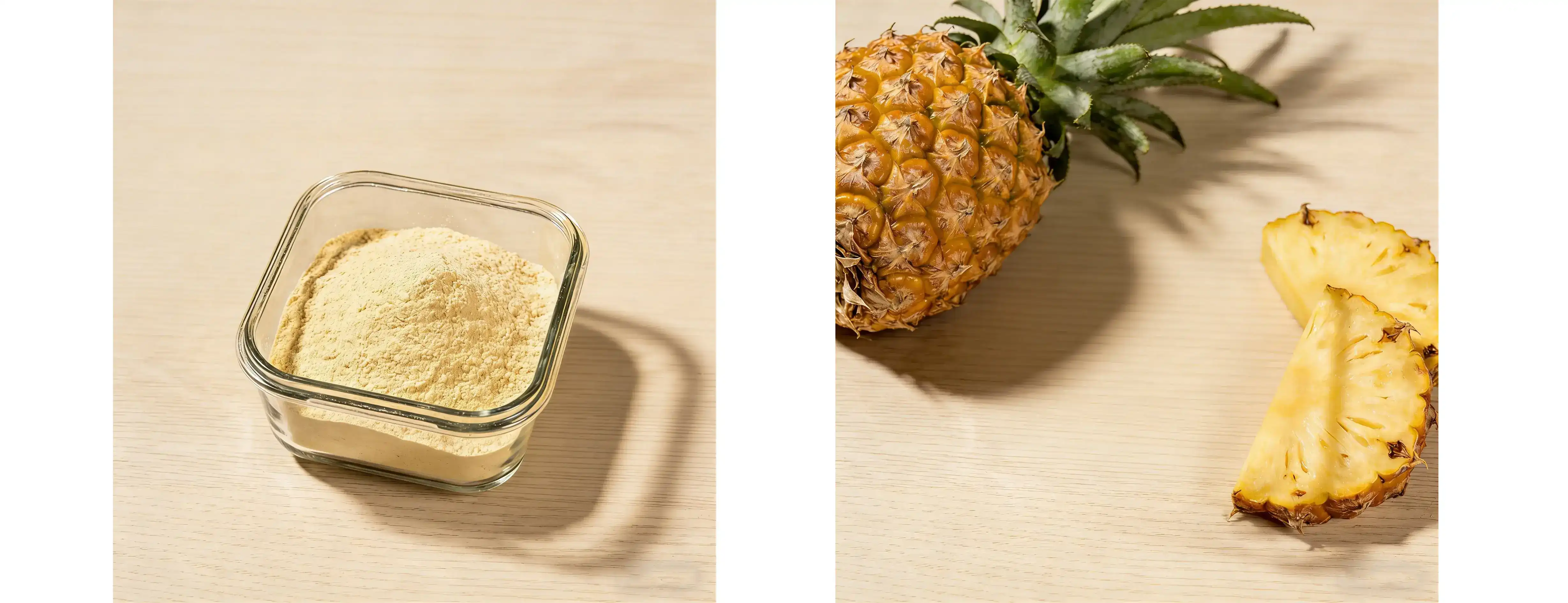
What Is Pineapple Extract and Which Components Matter for Skin?
Botanical Identity and Composition
According to the Ananas comosus plant, there is more than one kind of substance that may be found in the plant. This particular source is the one from which pineapple extract is recovered. If the plant part and the production process are taken into account, it is possible for it to have a range of colours, phenolic compounds, flavonoids, organic acids, sugars, and aroma compounds. This is the case given that the plant part is taken into consideration. There are considerable amounts of cysteine proteinases that may be found in the pineapple plant. Stem bromelain (EC 3.4.22.32) and fruit bromelain (EC 3.4.22.33) are the two bromelains that are the most well-known in terms of their origin and activity profile. All of these bromelains are distinct from one another. Because the content of a formula may vary based on the raw material, it is conceivable for two goods that are sold under the same brand to behave differently in a formula. This is because of the fact that the composition might alter. For this specific reason, I often advise buyers to study the data sheet before the pricing list. This is because the data sheet contains relevant information.
Powder and Liquid Formats
One may choose from a wide variety of options, including but not limited to juice powder, fruit extract, enzyme-rich extract, bromelain concentration, and botanical mixes. The powder and liquid versions of these substances are distinct from one another in a number of respects, including their strength, the amount of money they cost to transport, how easily they dissolve, the microorganisms they need, and how simple they are to use. Powdered pineapple extract is convenient for shipping in large quantities and may be stored in a compact manner. When it comes to preservation, liquid formats often need more care. When compared to raw pineapple, which varies depending on the season and the level of ripeness, processed pineapple extract offers superior control over concentration, microbiological purity, and batch uniformity. Several plant parts, including the peel, the core, and the crown, have been shown to be potential sources of enzymes, according to research conducted on pineapple processing residues. The format that you choose should correspond to the manufacturing line and delivery plan that you have.
Information to Request Before Comparing Suppliers
Request the INCI name, botanical identification, plant part, extraction process, activity data, storage conditions, and a Certificate of Analysis before comparison shopping. This will allow you to make an informed decision. This allows you to examine what is truly contained inside the drum. Because a statement such as "high potency" does not provide any information regarding performance, a chemist should enquire about the method by which the supplier assesses activity or marker compounds. Also, be sure that the grade is appropriate for use in cosmetics. Since bromelain that is manufactured for oral supplements adheres to various documentation regulations, it could not be suitable for topical applications. The clearance process for quality assurance teams is sped up by a clear document set, which also speeds up lab experiments.
Pineapple Extract Benefits for Skin: Enzyme Exfoliation and Soothing Support
How Enzyme-Assisted Exfoliation Works
Enzyme exfoliation relies on proteolytic enzymes that help loosen the surface proteins holding dead skin cells together. Unlike granular scrubs, this approach works through chemistry instead of friction, which many consumers associate with a softer feel. Formulators often position pineapple extract as a botanical partner or alternative to alpha hydroxy acids. The visible goal is a smoother sensory result and a fresher look on dull or uneven skin. Performance varies with enzyme activity, concentration, pH, contact time, preservation, and packaging. Rinse-off products give a practical starting point, while leave-on formulas call for longer stability and compatibility studies.
Soothing and Antioxidant Positioning
Flavonoids and phenolic compounds, both of which are found in pineapple, are often used by companies in order to create storylines that are relaxing and antioxidant in character. Pineapple is a source of both of these chemicals. Because these benefits are based on the whole formulation and not just the raw ingredient, I highly advocate backing any claim with testing of the finished product. This is because the raw ingredient is not the only factor that determines these effects. When the extract is combined with humectants or botanicals that have a calming effect, it has the potential to have an effect on the overall experience of the skin. Use the phrase "a product makes the skin feel smooth, pleasant, and rejuvenated" to describe yourself. It is essential to be consistent with the term "cosmetic." As a consequence of the Modernisation of Cosmetics Regulation Act of 2022, which is the legislation that controls cosmetic products in the United States, the first claim review needs to take place at an earlier point in the project.
Comparing Pineapple Extract with Other Exfoliants
Pineapple extract is a botanical way of exfoliation; nevertheless, it should not be regarded as a substitute for any of the other solutions that are now accessible. pH is the driving force behind the chemistry of glycolic, lactic, and salicylic acids, and in order for them to work effectively, they need certain acidic conditions from their environment. Enzymes that are produced from pumpkin and papain are two other alternatives, and each of these enzymes has its own distinct activity profile. In the case of physical exfoliants, the use of particles and friction is absolutely necessary. Regarding the evaluation of each choice, it is important to take into account the mechanism, the pH tolerance, the expectations of the client, and the marketing attitude. An enzyme that is produced from pineapple is suited for clean-label and fruit-forward storylines, in addition to being a natural complement to masks that are rinsed off. There is a possibility that another consumer is more at ease with acids. Many businesses investigate and evaluate two or three distinct options before settling on a choice that will ultimately be implemented.
Pineapple Extract Applications in Skincare and Cosmetic Formulation
Rinse-Off Products and Masks
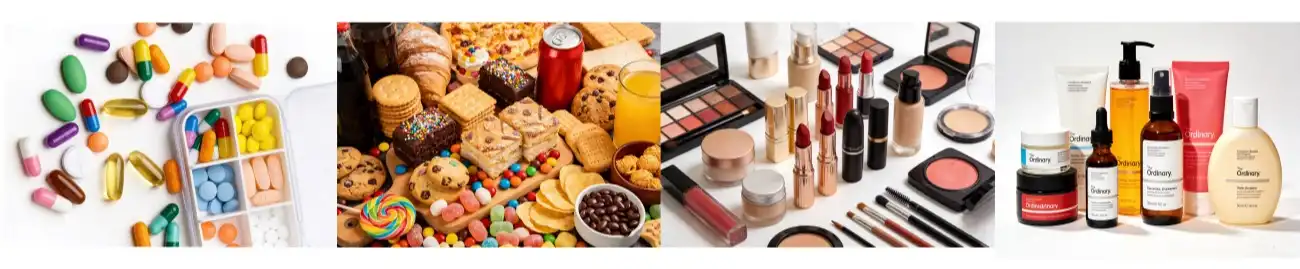
Products that are fantastic alternatives include natural face cleansers, exfoliating washes, powder masks, crème masks, and enzyme peels. All of these products are wonderful options. Rinse-off products have a short contact period, which makes it much simpler to do early testing on them. Dry mask systems retain the enzyme's activity while it is being kept by keeping the enzyme from coming into contact with water until the customer mixes the product. This helps to ensure that the enzyme remains active. When constructing masks, it is essential to offer clear instructions for the length of time that the wearer will be exposed to the substance and to manage the activity of enzymes. In addition, it is possible to conduct an analysis of body care products, haircare formulations, and particular formulations for the scalp. It is my suggestion that you start with a single rinse-off prototype, check to see whether the activity is kept, and then go on to developing and developing into more intricate forms.
Serums, Toners, and Creams
Serums, toners, and creams are examples of products that need a more precise design since they are going to be administered directly to the skin. The ability to dissolve a chemical that has been extracted from water is a characteristic of systems that are based on water, and the incorporation of liquid forms may be more straightforward. It is essential to assess the solubility, odour, colour, compatibility with surfactants, interactions with preservatives, and pH drift of the substance. When the final formula has been stored, it is important to determine the quantity of enzyme that has been preserved in the formula. In order to accurately forecast the behaviour of the finished product, the criteria for the raw materials alone are not adequate. If you start with a low concentration, gradually raise it as you go through the process. The use of this approach reveals the equilibrium that exists between the activity, the feeling of the skin, and the stability. As an additional requirement, leave-on formulations must undergo longer stability testing and be accompanied by more detailed directions for their use.
Formulation and Stability Considerations
A reduction in enzyme activity may be caused by a number of factors, including an excessive quantity of heat, an incorrect pH, or preservatives that are incompatible with one another. The cooling process involves the addition of sensitive components by a large number of chemists; nonetheless, laboratory tests are necessary to ensure that the appropriate technique is being followed. Bromelain in topical carriers has been the subject of study that has been published. This research reveals that the carrier has an influence on attributes such as antioxidant activity and stability. It is necessary to assess finished products based on a wide range of properties, such as their appearance, odour, colour, pH, microbiological stability, enzyme activity, preservative efficiency, phase separation, and compatibility with packaging. There are a number of kinds of stability solutions that may be used, such as airless pumps, opaque tubes, sachets, and pouches that are resistant to moisture. Before the launch, it is essential that all of the investigations, including those that are rapid and real-time, as well as patch testing and safety assessments, are finished.
How to Choose a High-Quality Pineapple Extract Supplier
Documents and Quality Systems to Verify
Start with your application, target market, product format, and claim strategy when evaluating pineapple extract. Then ask suppliers for documents covering botanical identity, INCI name, plant part, extraction process, active or marker compounds, microbial limits, heavy metals, pesticides, residual solvents, GMO status, and storage conditions. Verify organic certification separately rather than relying on general "natural" claims. Look for GMP or equivalent quality controls, batch consistency data, and traceability records. A reliable supplier should address these requirements with clear technical documentation rather than general brochures. A complete documentation package also helps your QA team review and approve materials more efficiently.
A Practical Procurement Workflow
Through the use of a systematic process, both technical and commercial issues are reduced. The first step is to compose a specification that addresses the application, format, activity, organic status, contaminant limitations, packaging, and shelf life of the product. The next step is to make a request for samples, a Certificate of Analysis, specific use levels, and safety data. After that, the samples are put through a series of tests in the laboratory to determine their solubility, odour, colour, pH compatibility, activity, skin feel, and stability. Following that, the supplier should be qualified by carrying out an examination of their capacity, traceability, quality systems, and export documentation. Make sure that the minimum order quantity, pricing tiers, Incoterms, delivery timetables, and scale-up assistance are all confirmed.
Common Buying Mistakes and Different B2B Needs
When people make the assumption that every pineapple extract contains bromelain, they are making a common error. In addition to the batch parameters, the activity level and the testing procedure should be confirmed. As a result of factors such as poor solubility, inconsistent batches, short shelf life, or further testing, the lowest price may also conceal additional expenses. Needs vary from buyer to buyer. There is a common need among brand owners for clear INCI data and consistent supply. Pilot-scale assistance, activity, and solubility are what OEM teams are looking for. The paperwork, shelf life, and flexible packaging are all things that distributors require. Instead of focusing just on the unit price, evaluate each offer based on the supplied performance and the overall cost of ownership.
OHI Pineapple Extract Specifications and Supply Advantages
Product Specifications
Our pineapple extract is derived from Ananas comosus, and the solvent that we utilise makes up one hundred percent water. In addition to having a light yellow appearance, it is available in extract ratios of 4:1 and 10:1, and the seed is the plant portion that is used. The minimum order quantity is 25 kilograms, and the packaging is 25 kilograms per drum. The lead time is ten days, and there are free samples available for purchase. Due to the fact that bromelain is most often recognised from the stem and fruit, we recommend that you examine the Certificate of Analysis and conduct your own activity tests in order to ensure that the extract is suitable for the formulation objectives you have set.
Quality Control and Certifications
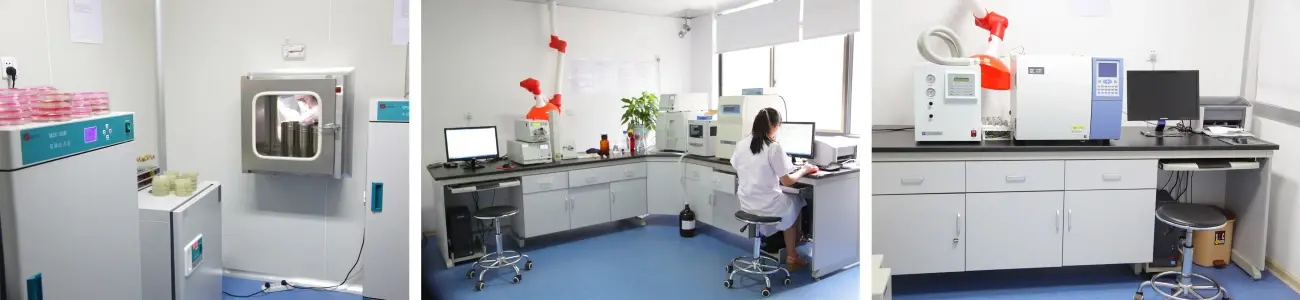
One of the companies that develops and produces botanical extracts is Organic Herb Inc., which is a publicly traded corporation with the stock number 872213. Our pineapple extract is certified as NSF GMP, Kosher, Halal, ISO, FSSC22000, and Organic. Additionally, our goods are in accordance with standards such as those set out by the United States Food and Drug Administration and the C-GMP criteria. Products are chosen at random for frequent testing in order to maintain batch consistency, and our documentation ensures that every stage of the production process can be traced back to its own origin. Internationally recognised Good Manufacturing Practices (GMP) or comparable criteria are followed at our plant in Yichun, Jiangxi. For the purpose of quantitative analysis, the research and development center in Changsha utilises HPLC, HPLC-ELSD, GC-MS, and HPTLC.
R&D Strength and U.S. Warehouses
There are 42 individuals working in our research and quality control department; 27 of them are senior researchers. Over four hundred herbal extracts have been created by our company, and one hundred of them have been standardised. The preservation of function is facilitated by our techniques, which include the use of low temperatures throughout, dynamic low-temperature extraction, nano-membrane isolation, and freeze-drying. Our completely owned subsidiary, Earth Made Nutritions, is located in Los Angeles, California. It provides assistance to four main local warehouses in the United States, ensuring that clients in the United States get their orders in a timely manner. In addition to this, we adhere to a concept of sustainable development, which places an emphasis on conservation of the natural environment and social responsibility.
Conclusion: Turning Pineapple Extract Benefits into a Sound Product Concept
Pineapple extract from Ananas comosus can support skincare concepts built on enzyme-assisted exfoliation, a smoother skin feel, and antioxidant or soothing positioning. Composition varies by plant part, process, and format, so activity data and documentation matter more than the name alone. Compared with acids, papain, and physical scrubs, it offers a botanical option that suits rinse-off cleansers, masks, and carefully tested leave-on products. Heat, pH, preservatives, and packaging all affect finished-formula performance, which makes stability studies and realistic cosmetic claims necessary. Clear specifications, sample testing, supplier qualification, and total cost review lead to a sound sourcing decision, and validating both the raw material and the finished product remains the practical path to a lasting product concept.
FAQ: Pineapple Extract for Skin
1. What can pineapple extract do in skincare?
It may support cosmetic exfoliation, a smoother skin feel, and botanical antioxidant or soothing properties. Results depend on the extract, formula, concentration, skin type, and usage conditions.
2. Does every pineapple extract contain bromelain?
No. Content depends on the plant part and process, so ask for measurable activity or marker data before you buy.
3. Is powder or liquid better?
Powder generally offers logistics and storage advantages. Liquid may simplify use in selected water-based formulas.
4. Can supplement-grade material go into cosmetics?
Not automatically. Confirm that the grade and documents suit topical use.
Request Pineapple Extract Samples from OHI
Looking for a pineapple extract supplier with free samples, a 25 kg MOQ, and a 10-day lead time? Contact OHI at info@organic-herb.com. Share your application, target market, format, and annual volume, and we will prepare a specification and quotation. Our Los Angeles subsidiary, Earth Made Nutritions, supports four U.S. warehouses.
References
1. Biotechnology Research International, 2012: review of bromelain properties and sources.
2. Cellular and Molecular Life Sciences, 2001: bromelain biochemistry.
3. Biochemical Journal, 1990: the cysteine proteinases of the pineapple plant.
4. Food and Bioproducts Processing, 2012: pineapple wastes as a source for bromelain extraction.
5. Scientific Reports, 2017: bacterial nanocellulose loaded with bromelain.
6. Modernization of Cosmetics Regulation Act, U.S. Congress, 2022.
Standard Disclaimer (DSHEA):
These statements have not been evaluated by the Food and Drug Administration.
This product is not intended to diagnose, treat, cure, or prevent any disease.

Send Inquiry
You may like