
Pineapple Extract and How It Helps Acne
Nov 3, 2026
The use of pineapple extract in acne-prone skin care procedures may, to a limited extent, be considered a supportive function. It is derived from Ananas comosus and has the potential to transport antioxidant plant chemicals as well as enzymes like bromelain, in accordance with the plant part and the procedure. Products that are aimed at attractiveness, skin rejuvenation, and relaxation are being researched by various brands. Because the research that is now available does not demonstrate that pineapple extract is effective as a single acne treatment, product claims have to be considered limited and evidence-based. Formulators, procurement teams, and distributors who are looking for clear information about how the ingredient works, how to specify it, and how to get it are the target audience for this reference guide that we have written.
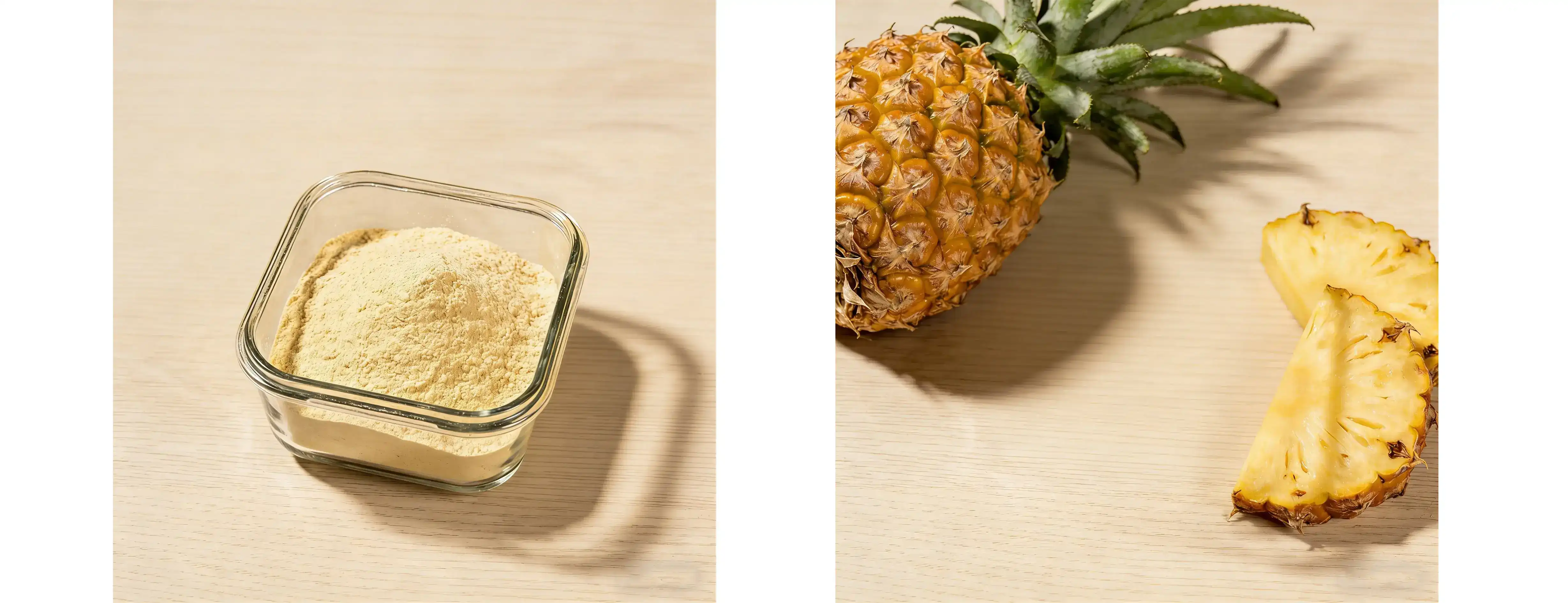
What Pineapple Extract Is and Why It Comes Up in Acne Talks
Where Pineapple Extract Comes From
Pineapple extract, which is a strong nutrient, comes from the Ananas comosus plant. If you buy from the right company, it could be fruit, stem, juice, or something else from the plant. It might be a liquid or a powder when it's done. What changes is the source, the liquid, and the amount that is taken out. Food Research International's review from 2020 says that flavonoids, phenolic substances, organic acids, and vitamin C make up pineapple.
There are different spices for pineapple. An extract is used because its parts are easy to find, and it gives the food color and smell. It's okay to use that line as long as it's not dark.
Why Bromelain Gets So Much Attention
Most people know pineapple for the chemical bromelain. It's made up of enzymes that break down proteins. Most of the time, you can find it on the stem and fruit. Maurer wrote about its biology in Cellular and Molecular Life Sciences in 2001. Their article about what it could do came out in Biotechnology Research International in 2012.
Many parts of that study aren't really about skin; they're mostly about food and health in general. That space is important when writing claims about acne-clearing products. There are three ways to figure out how much pineapple extract there is: the extract ratio, the enzyme activity, and the amount of bromelain. Not much can be learned from the words "pineapple extract" on the package.
What the Evidence Supports Today
Over-the-counter acne medicines can clog hair shafts, make acne worse, and cause the skin to swell. A lot of people know that benzoyl peroxide and external retinoids can help clear up acne. The 2016 acne guidelines published in the Journal of the American Academy of Dermatology back this up. This isn't one of their main drinks: pineapple extract.
It's fun to work in the lab on bromelain and plant vitamins, but the results of tests done in the lab, on animals, and on people don't always match up. Because of this, we see pineapple extract as a plant-based part of natural health and beauty goods, not as a replacement for what a doctor tells you to do. If your acne hurts or is very bad, you should see a doctor.
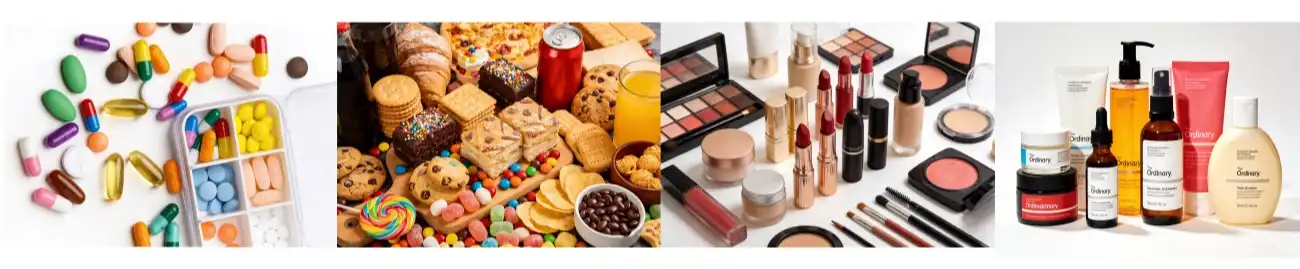
How Pineapple Extract May Fit Acne-Prone Skin Care
Antioxidant and Soothing Potential
Day after day, dirt and UV light can affect the skin. Skin prone to acne often looks red and bumpy. Plant compounds called flavonoids and phenolics have been studied for their ability to protect cells from damage in laboratory settings. This is why manufacturers developing wellness and skincare products consider botanical ingredients such as pineapple extract.
Bromelain has also been studied in terms of how it changes signs of inflammation. That work was looked at by Rathnavelu and his coworkers, who wrote about it in Biomedical Reports in 2016. A lot of it comes from tests on lab animals or people. The part might make the skin look and feel better. For the US market, what you said is still true, even though we don't promise that the sores will get better.
Gentle Surface Renewal in Cosmetic Formulas
Masks with enzymes that break down proteins and cleanse can get rid of dead skin cells on the surface of the skin. As long as the recipe is correct, it will stay mild. The effects, on the other hand, depend on how active the enzymes are, the pH, the contact time, and any other actives in the mix.
The amounts are kept low, and the finished products are tested on skin to make sure they are safe. A lot of cleaning products have sun safety tips on the box. The amount of extract we use from the seed tells you what it is. Find out how active the enzymes are before you choose a formula if your main goal is to renew the surface.
Topical Use Versus Oral Supplements
You can put cleansers, masks, serums, creams, and balms on your skin. But you should test each one to make sure it is safe, strong, stable, and lasts a long time. You can chew or swallow pills, capsules, powders, or sachets. Brands usually talk about gut health or health in general instead of acne.
In the US, laws about food, supplements, and cosmetics are all different, so don't mix them up when you make claims. There's not just one amount of pineapple extract that can help scars. Do what it says on the label and follow the tried-and-true method to get the right amount. It depends on how much extract is used, how active the enzymes are, and the type of regulation. Those that make vitamins should also check that they follow good production practices (21 CFR Part 111).
Quality and Formulation Factors B2B Buyers Should Check
Extract Ratio, Marker Compounds, and Enzyme Activity
The amount of plant matter used to make one part of the finished extract is shown by this number, like 4:1 or 10:1. It doesn't say how much enzyme activity, phenolics, or bromelain there is. For those, you need different tests, so ask the doctor what signs they use and how they measure them.
It's possible for different parts of the fruit and stems to taste, smell, look, and be stable at different levels. Parts of seeds are the same way. You should write down all the information you need and then use that information to contrast different providers. If you don't, two prices for pineapple extract might mean very different things.
Stability Under Heat, Moisture, and pH
Plants use enzymes and phytochemicals to react to the world around them. You can change how stable something is or how well it works by adding or taking away acids, buffers, emulsifiers, minerals, heat, or water. It's important to know how to store and package water-extracted ingredients, so make sure you ask your supplier about both.
Before you put it on the market, you should test it for speed, compatibility, taste, and packaging. Color is another thing you should look at. It is a light yellow color that can show up in clear bases or serums. You can make a small test batch to see how the ingredient works in your recipe, in the jar, and for as long as you need it to.
Documents to Request Before You Buy
Paper can't tell you anything, though. Get a list of what you need, an analysis certificate, bacterial results, heavy metal and particle tests, stability data, and records of how each batch was made. Make sure the part of the plant you use comes from Ananas comosus.
Add information about allergens and GMOs to your label when it asks for it. Also, show proof that the food is healthy. Each license should match the real place where the goods are made. Make sure that the supplier's quality system meets FDA standards if you want to ship to the US. When you have good paperwork, it takes less time to review, and your QA team will have a clean file.
Pineapple Extract Compared With Other Options
Fresh Pineapple Versus Extract
What fresh pineapple is made of changes depending on the type, when it's picked, and how ripe it is. It is controlled and made to do a certain job. It has a known amount that has been tried to show that it does that job.
Since raw pineapple extract can't be stored, tested, or changed, it's not a designed product. Fruit changes a lot from one batch to the next, but an extract doesn't. But an ingredient for cooking doesn't give you a written place to start when you're reviewing the label, working on stability, or making regulatory files.
Powder, Liquid, and Finished Dosage Forms
They can be put in sachets, pills, dry mixes, and tablets. Liquids are things like drinks, syrups, and skin care items. Each type of dose can be made in a different way. For instance, the excipients and how they compress affect the flow and fill weight of capsules. Pills, on the other hand, break down in liquids.
Ingredients that come from food, extracts that come from water, and supplements all work in different ways and for different amounts of time. Don't pick a style based on who or how it will be used. Think about what you want to do instead. How does the item melt and taste? This will help you be sure that it will work with your process.
Organic Versus Conventional Material
These products come from different places, cost different amounts, and have different approvals. The organic stuff needs to have papers that show where it came from and how it got to the drum. Chemical lists are very important to people, which is why clean-label names often do better. However, lines that want to save cash might do better with normal stuff.
An Organic certificate is something that people who want to buy from OHI can ask for. If you wait too long to decide, you might have to take more tests, fill out more forms, and change the titles.
Sourcing Pineapple Extract From OHI
Product Specifications at a Glance
Pineapple extract is made from the seeds of the Ananas comosus plant. Four to one and ten to one, and it's all water. It's a pale yellow color. It will take 10 days to get as little as 25 kg. The goods are packed in drums that hold 25 kg. It's possible to get it for free.
Let our team know right away if your project needs a certain type of marker content or bromelain action. After that, we can make sure that the information you need fits your plan before you place your order.
Quality Systems and Certificates
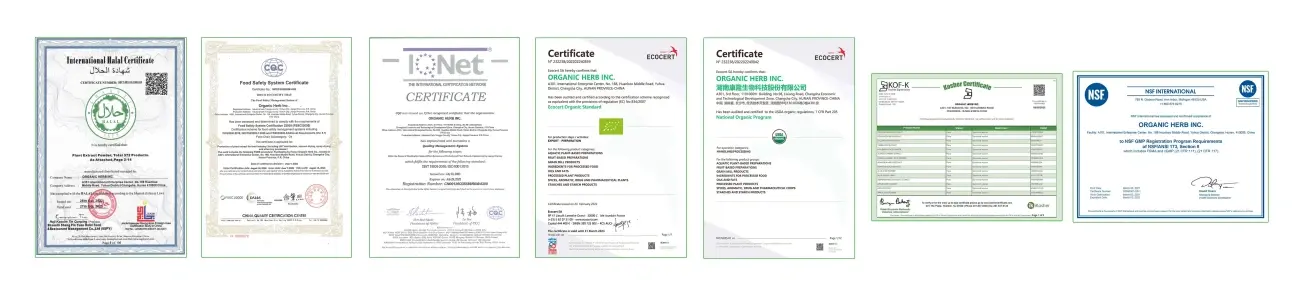
OHI is a public company with the stock number 872213. Its factory is in Yichun, Jiangxi, and it makes goods in its plants. The following groups have given their approval to this extract: NSF GMP, Kosher, Halal, ISO, FSSC22000, and Organic. We follow strict rules, such as those set by the US FDA and C-GMP, to make sure the work we do is good.
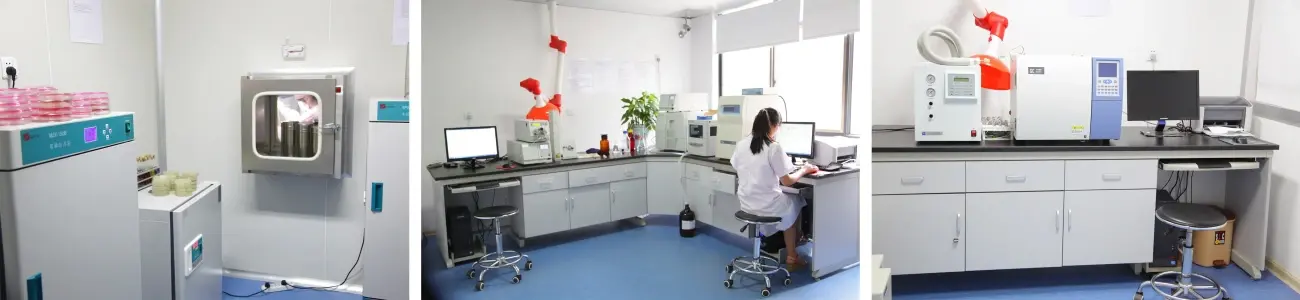
We pick batches at random to try every once in a while, and our records show us every step of the way they are made. The 42 people who work at our R&D center in Changsha include 27 of the best researchers in the world. An atomic absorption spectrometer, HPLC, HPTLC, and GC-MS are some of the tools in the lab.
US Warehouses and Project Support
The store in Los Angeles, California, that we own keeps stable stock so that orders can be sent out quickly. We also have four big stores in the US, which helps customers there plan for faster shipping times.
The people who work on research and development and the extraction tools we have can help you with projects that are made just for you. Low-temperature extraction, nano-membrane isolation, and freeze-drying are some of the things that OHI does to make things. We can talk about the things that need to be done for your order. Besides that, we care a lot about being good citizens and protecting the environment, and we follow the ideas of sustainable development.
Conclusion
Pineapple extract, which comes from the plant Ananas comosus, is an organic ingredient that brands should think about adding to skin care and health products that target acne. But there isn't enough proof to say that pineapple extract can get rid of acne by itself. Boswellia, phenolics, and antioxidants are what make it interesting to people. But most of the proof for these claims comes from lab work or uses besides skin, so they should be kept low. Extract ratio, enzyme activity, and marker content can be found in a number of different ways. Buyers should look at each one with a specification and certificate of analysis. How stable an item is, what types of claims it can make, and how it is organized can all change how well it works in a finished product. A vague ingredient name can be turned into something clear and useful with the right paperwork and a test sample.
FAQ
1. Can pineapple extract replace an acne routine?
No, there isn't enough proof to say that pineapple extract can get rid of acne on its own. The 2016 AAD standards are mostly about other ideas that are already well known. But brands shouldn't say too much about it. They can say that it comes from plants and might make skin feel and look better.
2. Which pineapple extract ratios does OHI offer?
It comes in 4:1 and 10:1 extracts that are based on water and the Ananas comosus seed. It's bright yellow and comes in 25 kg drums. If you ask our team for a research proof, you can look at the data.
3. Does the extract ratio show bromelain content?
Not at all. To get a certain amount of extract, you need to know how much plant matter was used. Before you make a decision, you need to know the numbers for the tests that check the level of bromelain and the activity of enzymes.
Request Pineapple Extract Samples and Specifications From OHI
Are you making a natural beauty line or one that treats acne? OHI is where you can get pineapple extract. They have certificates for NSF GMP, Kosher, Halal, ISO, FSSC22000, and Organic, and they offer free samples. They have four warehouses in the US as well. You have to wait 10 days and place an order of at least 25 kg. Email info@organic-herb.com with how much you want and what you plan to do with it to learn more.
References
1. Cellular and Molecular Life Sciences, 2001 – Maurer HR, "Bromelain: biochemistry, pharmacology and medical use."
2. Biotechnology Research International, 2012 – Pavan R, et al., "Properties and therapeutic application of bromelain: a review."
3. Biomedical Reports, 2016 – Rathnavelu V, et al., "Potential role of bromelain in clinical and therapeutic applications."
4. Journal of the American Academy of Dermatology, 2016 – Zaenglein AL, et al., "Guidelines of care for the management of acne vulgaris."
5. Food Research International, 2020 – Ali MM, et al., review of pineapple nutritional values, volatile compounds, and health benefits.
6. U.S. Code of Federal Regulations, Title 21, Part 111, 2007 – Current Good Manufacturing Practice for dietary supplements.
Standard Disclaimer (DSHEA):
These statements have not been evaluated by the Food and Drug Administration.
This product is not intended to diagnose, treat, cure, or prevent any disease.

Send Inquiry
You may like