
Peony Extract: Nature's Answer to Radiant Skin
Nov 3, 2026
Peony extract is a mild, plant-based substance that helps maintain a radiant-looking complexion. It is a response to the need for such products. Paeoniflorin, a marker ingredient that is used to determine quality, is delivered by a standardised peony extract, which is made from the root of Paeonia lactiflora. Additionally, phenolic compounds that are suitable for antioxidant, conditioning, and brightening principles are also carried by the extract. Companies place a high value on it because of its clean-label positioning and quantifiable capabilities. In this tutorial, I explain what the ingredient is, how to choose a grade, how to test it in a recipe, and what purchasers in the United States should check before placing an order. In addition, I provide an overview of OHI's Paeonia lactiflora root extract and explain how to sign up for a free sample.
Understanding Peony Extract and Its Skincare Appeal
What Peony Extract Is and Is Not
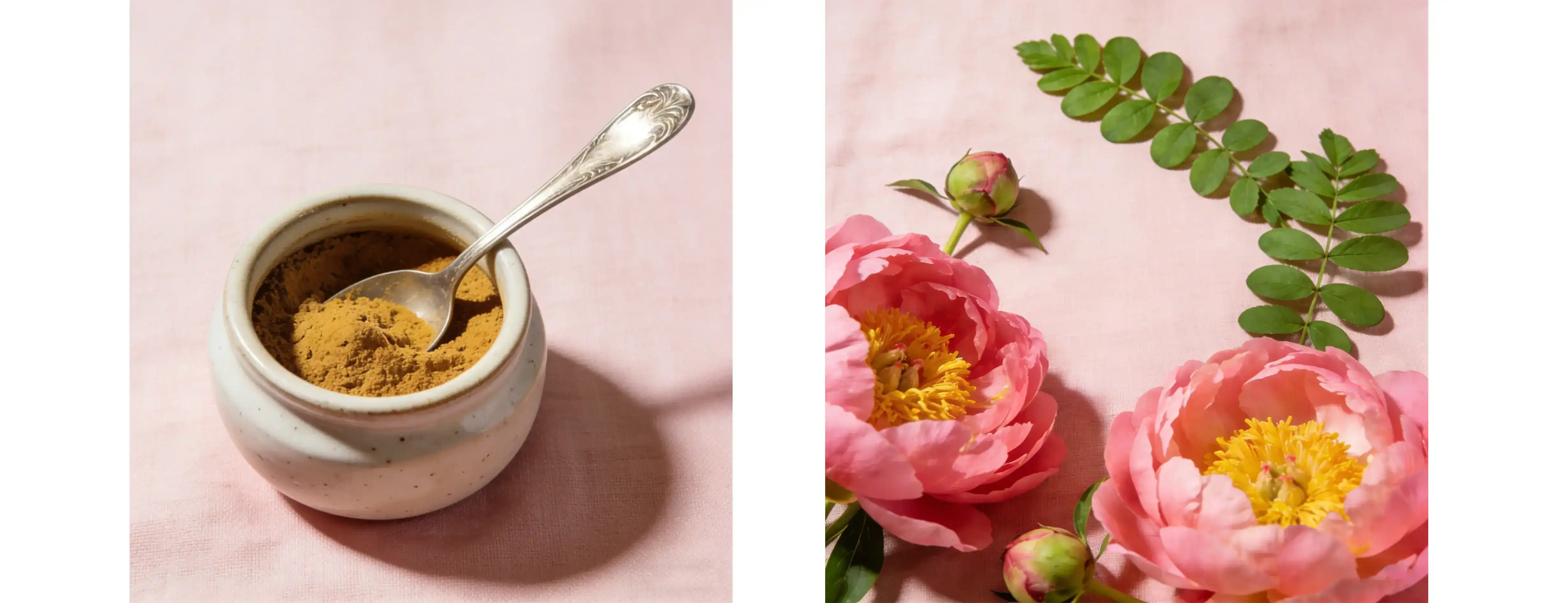
An extract of peony is a processed organic ingredient that is manufactured from certain varieties of peonies and various parts of the plant, such as the roots, the bark of the roots, the flowers, the seeds, and the complete plants. In order to extract the material from the ground, a fluid is used. Once the liquid has been filtered, it is typically dried and then turned into a powder. Other names for it include hydrosol, essential oil, smell, and peony flower water. These are only some of the more common names. There aren't any similarities between them, and each one serves a distinct purpose. If someone is interested in purchasing, they should examine the specification sheet to ensure that the plant part, solvent, botanical source, and marker chemicals are all accurate. Using these four factors, we are able to determine whether or not two items with the name "peony" would behave in the same manner when applied to a formula.
Paeoniflorin and White Peony Root
In China, the root of the white peony is referred to as baishao, which is a drug. A plant known as Paeonia lactiflora Pall. is the source of this substance for humans. An example of it that is particularly well-known is a monoterpene glycoside that has the chemical formula number 23180-57-6. The compound known as paeoniflorin is mentioned in the Pharmacopoeia of the People's Republic of China. The stems of white peonies are also known as this. It was shown to be an essential component of the root in two separate studies published in Phytotherapy Research in the years 2020 and 2016. The phenolic compounds and monoterpene glycosides found in the genus Paeonia were the subject of an article that was published in the year 2010 in the journal Chemistry & Biodiversity. This allows users to link each batch to a number rather than simply a plant name, which is made possible by the fact that HPLC can be used in laboratories to test paeoniflorin.
How Peony Extract Supports Radiant-Looking Skin
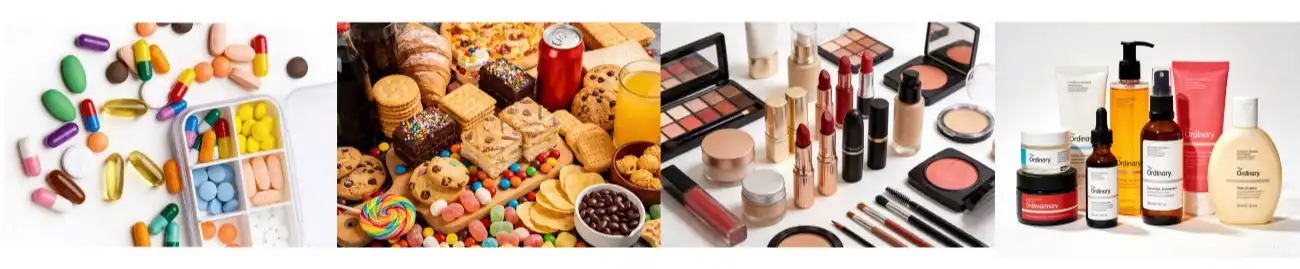
The addition of peony powder to skincare products helps to combat free radicals, which in turn improves the appearance of the skin and makes it shine more. The presence of these plant substances may make it easier to combat oxidative stress, which may be caused by being outdoors. Paeoniflorin is a useful tool for formulators in determining the level of oxidative stress that is present. That is the only thing I ever say about it; it makes your face seem nicer and more even. Under no circumstances do I assert that they will always lighten your skin. When something is being made, the individuals who are producing it should test it to ensure that it functions properly. Because the outcomes are dependent on the degree to which the components interact with one another, the degree to which the formulation is concentrated, and the manner in which it is kept and packaged. It is possible that those who like reading ingredient lists will be interested in serums, lotions, masks, toners, and after-sun treatments that have plant tales accompanying them.
Choosing the Right Peony Extract for Your Formula
Root, Flower, or Seed
Consider first what it is that you want the thing to do. Products derived from roots are beneficial to groups who need all of the plant compounds and peony-related compounds to be identical. Flowers are often employed to promote high-end, floral, or sensory notions, which are situations in which the scent and colour of the flowers are more essential than the worth of the markings. Various portions of seeds may be used in a variety of specialist or lipid-focused applications. The roots and stems of plants that are offered for use in gardens or bouquets are not suitable for use in beauty products, even if they are from the same species. The root of Paeonia lactiflora is something that I recommend to formulators very often when they are producing creams and serums that are intended to help the skin seem more radiant. This is due to the fact that its characteristics may be used many times.
Powder or Liquid, Standardized or General
Water-based and liquid peony extract blends are generally easy to mix. Because they may contain glycerin, water, or preservatives, these formulations can be bulkier and more expensive to ship. Powder extracts are easier to store, transport, and measure accurately, which is helpful for large-scale production. A 10:1 extract ratio indicates that 10 parts of raw plant material were used to produce one part of extract. For example, standardising an extract to 5% paeoniflorin provides a defined target range that supports batch-to-batch consistency. However, non-standardised extracts offer greater flexibility for different formulations. Purchasing teams should evaluate packaging, moisture content, odour, colour, shelf life, certifications, and batch-to-batch variation before selecting a supplier.
Comparing Peony with Rose, Green Tea, and Licorice
A lot of people already know what green tea, licorice, and rose taste like. Rose often makes people think of perfume, being soft, and having a lot of money. If you want to get vitamins and keep your oil in check, you might think of green tea. When it comes to skin care, licorice is often found in items that calm it down and make it more even. This plant's history comes from Asian beauty rituals. Want some thoughts about pure, expensive, and gentle skin? Those ideas are in this story. You can use these other things with the same recipe as well. Think about what the customer wants and what the target market says. This will help you decide what to do. After that, check to see if it works. When you say peony works better than another ingredient, you need to back it up with proof for either the ingredient or the whole thing.
Formulating and Testing Peony Extract
Development Trials and Stability Checks
Before you make pilot batches or full batches, you should do controlled tests in the lab. First, make sure you stick to the dose range your seller gives you. Next, check your serum, emulsion, mask, or cleanser's pH, color, smell, texture, ability to kill microbes, and ability to keep things fresh. Light exposure, faster aging, and tests for packaging compatibility can all help find weak spots early on, when they're still cheap to fix. A bright yellow powder can be used to color clear gels. Write down how they look at each point in time and then compare them to the one you chose. It is also simple for the quality and regulatory teams to find results after writing them down.
Processing Conditions and Compatibility
It's important to do the step of adding. Depending on what the supplier tells you, add the extract after emulsification, while the mixture is cooling down, or during the water phase. You can see that OHI's extract is already mixed with water when you start with the water step. You should check to see if it disappears and is clear in your way. Writing down the mixing, temperature, shear, yield, and processing loss for each pilot batch in the right order is important. The color or thickness can change if you make small changes to these choices. It's easy to make the same thing more than once if you write down the steps. To keep the powder safe from light, heat, humidity, and spills, it is best to weigh it in a dry place and quickly close the drums again.
From Cultivation to Consistent Raw Material
You have to go to the field to get good raw products. The type of plant, the land, the temperature, the amount of water used, the harvest's maturity, how quickly it is dried, and how quickly it is processed all affect how thick or thin an extract is. Find out if the roots you want to buy came from a farm or the wild, how the farming process is controlled, and if different plant types or parts of plants are mixed. GAP standard planting bases are used by OHI for their work. These bases cover more than 8,000 acres and a wide range of soil types and landscapes. They help with everything, from getting seeds ready to packing, and they keep track of everything. I think you should ask for proof of origin if you buy a bunch of peonies. Being able to keep track of flowers from planting to picking makes sure they are identified and avoids running out.
Quality, Safety, and Compliance for U.S. Buyers
Documents a Supplier Should Provide
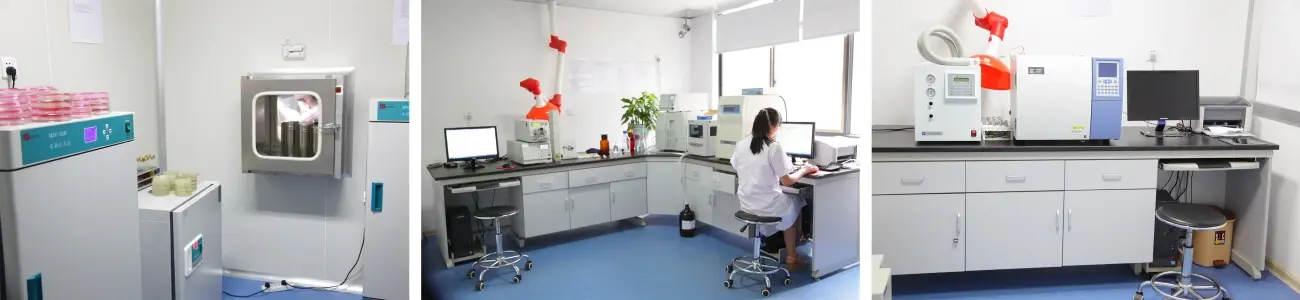
You'll get more than just a paper from a good service. What should you ask for? The safety papers, the INCI name, information on the extraction, the recommended use level, the batch COA, and the specification sheet. You can use a solid COA to check for heavy metals, herbicide residues, solvent residues, solubility, pH, wetness, microbial limits, and marker compound concentrations. It looks at and smells at things too. Also, make sure you know how to handle issues, keep samples, and keep track of changes. That being said, OHI picks random items every day to test with HPLC and HPTLC, and it keeps track of the whole process of making them. The world supply is secure not just because of one accepted sample, but also because of proof at the batch level.
Safety Assessment and Claims Wording
The safety of peony extract depends on the plant species, plant part, extraction method, and exposure conditions in the finished product. Before a product goes on sale, brands should obtain technical and toxicological information from the supplier and have qualified professionals assess the safety of the final formulation. Marketing claims require the same level of care. Beauty brands should use wording such as "supports a radiant complexion" or "conditions the skin" only when supported by appropriate evidence. Avoid medical, anti-inflammatory, or long-lasting skin-lightening claims unless they are legally permitted and adequately substantiated. As with formulation quality, clear and evidence-based language helps protect both consumers and businesses.
Regulatory Considerations for the U.S. Market
MoCRA gave the FDA more power over makeup in the US by requiring sites to register, goods to be listed, and safety claims to be backed up by proof. Brand names should have the right INCI name. This is Paeonia Lactiflora Root Extract, which is a root extract. GMP rules, like ISO 22716, can help people who make cosmetics figure out how to make their products. The safety files, certificates, and specs that suppliers give should be right for the market where the goods are going. Food and supplement brands have to follow different rules when it comes to chemicals and labels. The rules for each group should be gone over by each team.
Sourcing OHI Paeonia Lactiflora Root Extract
Product Specification at a Glance
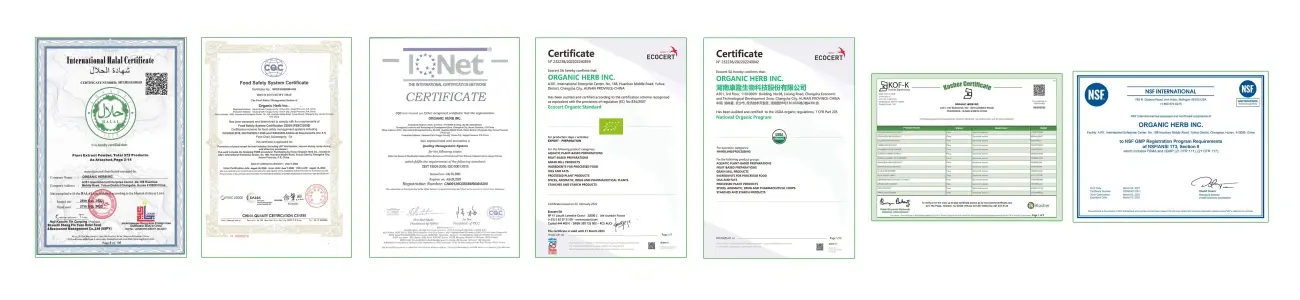
A powder called OHI is made with water and is a brownish-yellow color. The root extract of Paeonia lactiflora is in this powder. There is 5% paeoniflorin if it says 10:1. You can get a sample for free if you buy at least 25 kg. The lead time is seven days. The certificates shown are NSF GMP, Kosher, Halal, ISO, FSSC22000, and Organic. The stock number for this public company is 872213. Its factory in Yichun, Jiangxi, makes standard plant extracts for the skin care, body care, and health food industries.
Why Buyers Work with OHI and Earth Made Nutritions
Businesses that buy things often look at things with other people in the business. People in the U.S. care most about these things:
- Local inventory: The US company Earth Made Nutrition Inc., which is based in Los Angeles and is owned by OHI, keeps stable stock in four large US stores. A lot of brands can't wait for ocean freight to make every sale. This network helps them get better replacements and get their goods on time.
- Quality system: When it comes to safety, products must follow strict rules, such as those set by the US FDA and GMP. OHI is a company that has CGMP, FSSC22000, ISO9001, HALAL, and KOSHER stickers on its wall. They also keep very detailed records of every step of the production process. Because of this, they can be used for checks and to help customers.
- R&D capability: In Changsha, Hunan, there is an R&D center with more than $1,200,000 worth of tools and 42 employees, 27 of whom are senior researchers. OHI has made more than 400 plant products based on the idea of good growth. One hundred of these products have been standardized.
It's usually safe for people to buy because there is a steady supply, the quality can be checked, and experts can help with the recipe.
From Free Sample to Commercial Production
In order to prevent objects from becoming lost, there is a path that is well recognised. The first thing you should do is examine the information you have on file in relation to the free sample. Take a look at how it seems, how it feels, how it functions, and what its specifications are. Following that, the extract will be put through a series of tests consisting of conventional mixes that are blended more quickly and with varying degrees of light, heat, and packaging. While you are mixing the test batch, you should make sure that the cut, addition stage, processing temperature, and output are all accurate measures. What standards are acceptable, where the items will be manufactured, how to handle things that do not meet the criteria, how to make a complaint, and when to replenish should all be made abundantly clear in the supply agreement. If a team places an order for at least 25 kg and waits seven days for it to arrive, they are able to transition from try-out orders to repeat orders without needing to retain any excess.
Conclusion
Products that cleanse, brighten, and fight free radicals use peony extract from the root of Paeonia lactiflora, a plant-based ingredient. It's worth more than just what its name says. The type of plant, the liquid, how well it is standardized, and how well the recipe works all play a role. Powders are easier to store and dose, and root extracts work well with standard formulas. Stability tests have shown that all of them can be used together. Quality is kept high with paperwork like COAs, safety files, and notes of where things came from. Because of U.S. laws and terms for cosmetic claims, like MoCRA, a brand can only say and file certain things. If they take a step-by-step approach from the sample to the test to the market supply, they will always get the same results.
FAQ
1. What is peony extract used for in skincare?
Peony extract is added to serums, lotions, masks, toners, and after-sun products to help make the skin look healthy and glowing by making it more conditioned and lighter.
2. How do root and flower extracts differ?
There are standard recipes that use paeoniflorin that work well with root extracts. Flower goods are often used for fancy or sensory ideas that focus on color and smell.
3. What are the specifications of OHI's Paeonia lactiflora root extract?
A brownish-yellow powder with a 10:1 ratio (5% paeoniflorin) was made by mixing the root with water. MOQ means that you can only order 25 kg at a time, and you have to wait 7 days.
Request a Peony Extract Sample or B2B Quotation from OHI
Want to get peony extract from a source you can trust? For free, you can try OHI's Paeonia lactiflora root extract. They have stock in four U.S. stores, and the least you can order is 25 kg. Send us an email at info@organic-herb.com with the type of plant, how much you need, how you'd like it packaged, and what kind of certification you need. We'll get back to you with more information and a quote.
References
1. Phytotherapy Research, 2016 – A Pharmacological Review of Bioactive Constituents of Paeonia lactiflora Pallas and Paeonia veitchii Lynch
2. Chemistry & Biodiversity, 2010 – Chemical Constituents and Bioactivity of Plants from the Genus Paeonia
3. Pharmacology & Therapeutics, 2020 – Anti-inflammatory and Immunoregulatory Effects of Paeoniflorin and Total Glucosides of Paeony
4. Pharmacopoeia of the People's Republic of China, 2020 – Radix Paeoniae Alba monograph
5. U.S. Food and Drug Administration, 2022 – Modernization of Cosmetics Regulation Act of 2022 (MoCRA)
6. International Organization for Standardization, 2007 – ISO 22716, Cosmetics: Good Manufacturing Practices (GMP) Guidelines
Standard Disclaimer (DSHEA):
These statements have not been evaluated by the Food and Drug Administration.
This product is not intended to diagnose, treat, cure, or prevent any disease.

Send Inquiry
You may like