
Bitter Apricot Extract: Trends and Innovations in Ingredient Markets
VIEW MOREThe natural ingredients landscape continues evolving, and Bitter Apricot Extract, an amygdalin-rich apricot kernel extract, has emerged as a focal point for formulators seeking botanical alternatives. Derived from Semen Armeniacae Amarum (the Latin name for bitter apricot kernels), this ingredient is used across nutraceutical, cosmetic, and functional food applications. As procurement professionals navigate tightening quality standards and consumer demand for transparency, understanding the technical specifications, market shifts, and sourcing strategies surrounding this botanical extract becomes essential for maintaining competitive advantage and ensuring regulatory alignment.

Understanding Bitter Apricot Extract: Composition, Benefits, and Uses
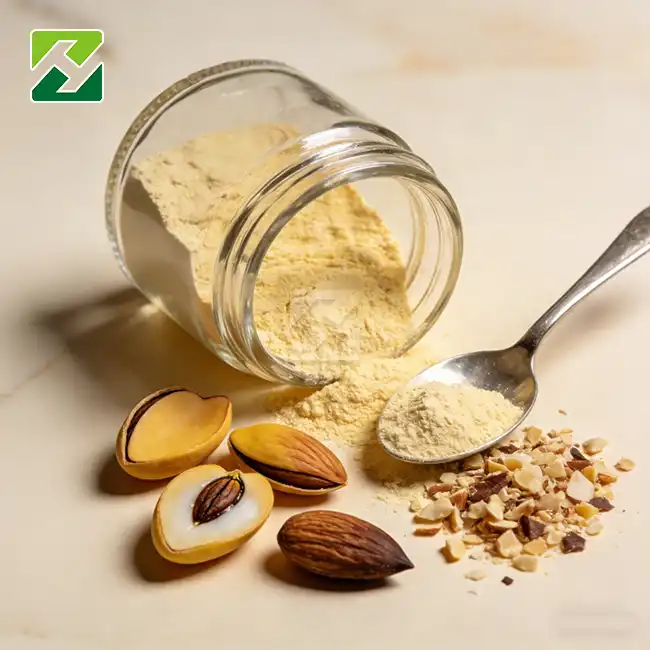
Prunus armeniaca kernels are extracted using strict methods that separate bioactive compounds while taking care of naturally occurring cyanogenic glycosides. The powdered extract that is made usually looks anywhere from light yellow to brown, depending on how the raw materials were grown and how they were processed.
Botanical Background and Chemical Composition
Amygdalin, a chemical that has been studied by scientists for decades, is the main active ingredient in these seed-derived extracts. Standardized products that B2B buyers can buy usually list concentrations, like 98% amygdalin for very pure uses or ratio extracts like 4:1 for a wider range of phytochemicals. Along with amygdalin, the extract has small amounts of vitamins, minerals, and fatty acid residues that help it work as a whole.
Certified producers use advanced extraction methods that use controlled heat to turn off natural beta-glucosidase enzymes. This keeps the final product stable and makes sure that all batches have the same amount of potency. This enzyme control tells the difference between professional-grade extracts and raw kernel powders, which is very important for formulators working under the CGMP and FSSC22000 systems for quality assurance.
Industrial Applications Across Sectors
Nutraceutical companies use apricot kernel extract in botanical supplements and formulas for ingredient-focused applications. These products focus on traditional botanical knowledge mixed with modern standardization. The powder form makes it easier to mix into pills and tablets, and it's very easy to compress during the making process.
The natural compounds in the extract are used by cosmetic formulators to make skin care products for formulations focused on skin appearance. When mixed with emulsions and serums, the powder mixes well and keeps the stability of the recipe without changing the viscosity profiles, which is a technical need for making a lot of cosmetics quickly.
When working with bitter plants, functional food makers have to deal with some unique problems. Micro-encapsulation technologies and carefully matched ingredients help control the naturally bitter taste while keeping the bioactive integrity through the pasteurization cycles that are common in making ready-to-drink drinks.
Quality Specifications and Formulation Considerations
Bioavailability and dispersibility are both affected by particle size distribution in a big way. Professional suppliers keep the mesh size between 80 and 120, which makes sure that the material dissolves evenly in both water- and oil-based systems. During storage, the moisture content usually stays below 5% to stop microbes from growing and enzymes from breaking down the food.
When buying things for pharmaceutical-grade uses, procurement teams should double-check the extraction solvents and residual solvent analysis. In general, ethanol-based extraction methods meet regulatory limits for residual solvents set by pharmacopeial standards and are in line with clean-label choices.

Market Trends and Innovations Driving Bitter Apricot Extract Demand
As time goes on, consumers' tastes shift toward botanically based ingredients that have been used for a long time. This has kept apricot kernel extracts growing. This change happens at the same time as changes in regulations and new technologies that change how buying strategies are used.
Clean Label and Transparency Imperatives
More and more pressure is being put on supplement, cosmetic, and functional food brands to make their ingredient lists easier to understand and provide proof of traceability. Bitter apricot kernel extract meets these needs if it comes from suppliers who keep full records of the whole process, from growing the fruit to packaging it.
Third-party certification programs, like Kosher, Halal, and organic labels, have gone from being nice extras to something that quality-conscious brands expect all the time. Along with standard identity testing, procurement workers now often ask for reports of analysis that show testing for pesticide residue, heavy metals, and microbiological validity.
Processing Technology Advancements
Nano-membrane isolation systems and anti-osmotic concentration methods are used in modern facilities processing bitter apricot extract to improve purity while lowering heat exposure. Traditional high-heat extraction methods might break down chemicals that are sensitive to heat, but these new technologies keep them safe.
With dynamic low-temperature extraction methods and column adsorption chromatography, manufacturers can regularly meet 98% amygdalin standards. This level of standardization is necessary for formulators to make products that have exact dosage needs and predictable performance traits.
At top sites, older drum-drying methods have been replaced by freeze-drying technology, which makes powder that is better at reconstituting and lasts longer on the shelf. This makes the particles more porous, which speeds up the dissolving process in capsules and drinks.
Regulatory Evolution and Compliance Requirements
In most big countries, the rules about botanical extracts are getting stricter all the time. The FDA is closely looking at structure-function promises and the identities of ingredients. This has led sellers to buy more advanced analytical equipment, such as HPLC-ELSD, GC-MS, and HPTLC systems.
European rules under Novel Foods standards and EFSA guidelines require plant ingredients to have a lot of paperwork. Forward-thinking suppliers keep regulatory dossiers that make it easier for customers to follow the rules. This cuts down on the time it takes to get new products on the market.
Sustainability and Ethical Sourcing Pressures
Beyond standard quality measures, corporate commitments to sustainability are having a bigger impact on the choice of ingredients. When vendors are evaluated, those who show GAP-certified farming methods, farmer partnership programs, and environmental stewardship efforts are given more weight.
Setting up specialized cultivation bases that cover more than 8,000 acres in a variety of geographical areas helps rural agricultural communities and provides a steady supply. Technical advice programs that help farmers choose the right seedlings, use the best growing methods, and decide when to gather help them meet both quality consistency and social responsibility goals.

Comparative Insights: Choosing the Right Bitter Apricot Extract Solution
When looking for apricot kernel ingredients, business-to-business buyers have a lot of specification choices. Each one is best for a different set of manufacturing needs and end-use applications. In order to make a strategic choice, you need to know about differences in composition and performance.
Extract Concentration and Ratio Considerations
High-purity 98% amygdalin extracts are used in situations where high concentration and accurate inclusion estimates are needed. Formulators can use these concentrated forms to achieve the concentration levels they want with very low inclusion rates. This saves capsule space for other active ingredients or lowers the overall cost of formulation.
Ratio extracts, like 4:1 ratios, keep more phytochemical profiles, including co-extracted chemicals that may work together to have more positive effects. These specifications are useful for formulators who want to use traditional botanical methods or who want to find formulation strategies that are patent-friendly and different from single-compound products.
Powder Versus Liquid Extract Forms
Powdered extracts are most often used in cosmetics and food supplements because they are more stable, easier to handle, and work with standard production equipment. The powder form takes away any worries about the amount of booze, makes shipping easier, and, if stored properly, extends the shelf life.
Liquid extracts are better for some drinking uses where the ingredients are directly dissolved in water during production. But because of the need for cold-chain logistics and systems that keep things fresh, powder forms are often better for international business-to-business transactions.
Supplier Evaluation and Selection Criteria
Certification files are used as a first step in the qualification process for vendors. Certifications like NSF GMP, ISO9001, FSSC22000, Kosher, and Halal show that quality management is being followed and that the company understands the requirements for producing bitter apricot extract.
In addition to certificates, buying teams should use laboratory exams or capability surveys to check the analytical skills of potential candidates. When compared to suppliers who outsource all testing, those who run CLIA-grade analytical laboratories with method validation protocols offer more reliable data.
Planning for redundancy and production capacity affects supply security during changes in demand or sudden problems. Companies that keep multiple production lines and strategic inventory buffers show that they are operationally mature, which is something that brands with fast growth rates value.
The ability to distribute goods geographically has a direct effect on landing prices and delivery times. When compared to direct shipping from foreign production facilities, suppliers with secured warehouses in key markets like Los Angeles can cut wait times and transportation complexity for customers in North America by a large amount.

Practical Guide to Procuring Bitter Apricot Extract for B2B Clients
Finding suitable suppliers is only one part of successful procurement. Other parts include negotiating prices, coordinating supplies, and maintaining ongoing relationships with suppliers to ensure consistent formulations over time.
Pricing Structures and Order Parameters
For specialized botanical extracts, the minimum order quantity usually starts at 25 kg drum configurations. This keeps production costs low while also making the products easy for new brands to get. Volume-tiered pricing structures encourage commitment while letting small purchases be made during the development stages of a product.
Standard packaging in 25 kg fiber drums with aluminum-plastic composite inner bags and nitrogen washing is enough to protect most goods during shipping. There are different kinds of custom packaging to meet different handling needs or private labeling tastes. However, the minimum amounts needed for customization are usually higher than the standard MOQ levels.
Sample Evaluation Protocols
Reliable sellers give formulators free samples so they can check for suitability and performance before committing to large quantities. To speed up the approval process, sample requests should include clear information about the planned use, the necessary paperwork, and when the samples will be evaluated.
Along with samples, full certificates of analysis should include safety screening for contaminants, identity confirmation using multiple orthogonal methods, and quantitative assay results. When you compare the scientific methods used by different providers, you can see differences in how strict the quality control is that might not be clear from the marketing materials alone.
Lead Time Management and Inventory Planning
Standard production lead times of 10 days from order confirmation to shipment readiness make it possible for buyers to respond quickly to established supply relationships. For new customer orders or unique specs, it may take longer to find raw materials, plan production, and test the quality of the finished product.
Brands that deal with seasonal demand trends or are planning marketing campaigns can benefit from vendor-managed inventory programs or barter inventory arrangements. These joint methods share the load of storage while making sure that products are available during times of high demand.
Documentation and Regulatory Support
International exports need a lot of paperwork, like commercial invoices, certificates of analysis, certificates of origin, phytosanitary certificates, and sometimes free sales certificates, based on the rules of the country where the goods are going.
Suppliers who know a lot about regulatory affairs can give you ingredient specification sheets that are formatted for supplement facts panels, cosmetic INCI declarations, or food label ingredient statements. This expert help speeds up internal review processes and lowers the risks of having to change the formula when regulatory noncompliance is found.
Companies that have US subsidiaries and can store goods in the US make it easier for American brands to buy things. When compared to direct foreign transactions, buying from US-registered entities makes imports easier, payments smoother, and gives you access to familiar legal frameworks.
Conclusion
When looking for Bitter Apricot Extract, you have to balance technical requirements, quality control, legal compliance, and business concerns in supply lines that are getting more complicated. Procurement pros who learn how to characterize botanical extracts, evaluate suppliers' capabilities, and handle joint relationships set their companies up for long-term economic edge. When customer tastes for clean labels, government scrutiny, and scientific confirmation come together, it opens up opportunities for brands that work with technically advanced suppliers who are dedicated to innovation, openness, and organizational excellence in providing standardized plant ingredients.
FAQ
1. What documentation should accompany each shipment?
Full packages come with records of analysis that show results from a name check, a potency test, and a contaminant screen. Based on the product claims and the requirements of the destination country, extra regulatory documents like kosher certificates, halal certificates, organic certifications, and country-specific import permits should be given.
2. How do I verify extraction methods and solvent residues?
During the supplier qualification process, make sure you get detailed descriptions of the manufacturing process. These should include information about extraction solvents, concentration techniques, and analytical methods for testing residual solvents. Certificates of analysis should have data on leftover solvents that meet pharmacopeial standards like USP or EP guidelines for detection limits.
3. What storage conditions maintain extract stability?
Keep containers that are sealed in cool, dry places that are out of direct sunlight and where the temperature stays below 25°C and the relative humidity stays below 60%. Oxidative degradation can't happen when packing is filled with nitrogen. Once it's opened, put any leftovers in sealed cases and use them within six months for the best quality retention.
Partner with OHI: Your Trusted Bitter Apricot Extract Supplier
Organic Herb Inc. sells plant-based ingredients, including Bitter Apricot Extract, for various formulation applications. They have many certifications to back this up, such as NSF GMP, FSSC22000, ISO9001, Kosher, and Halal. At our advanced analytical lab, our 98% amygdalin standardized extract and 4:1 ratio goods go through strict quality checks using HPLC-ELSD and GC-MS equipment. With four regional warehouses spread out across the US, we can guarantee 10-day lead times and quick technical support as you work on developing your formula. Our more than 8,000-acre GAP-certified cultivation bases allow for full tracking from seedlings to final packaging, which helps you meet your clean-label and sustainable goals. Contact info@organic-herb.com to get a free sample and talk about custom specifications, volume pricing, and technical collaboration opportunities that can help you come up with new products faster.
References
1. Zhang, Y., & Wang, Z. (2022). "Advancements in Botanical Extract Standardization for Nutraceutical Applications." Journal of Natural Product Research, 36(8), 2145-2160.
2. Chen, L., Martinez, R., & Thompson, K. (2023). "Quality Control Strategies for Cyanogenic Glycoside-Containing Botanical Ingredients." International Journal of Pharmaceutical Quality Assurance, 14(2), 87-103.
3. Anderson, P., & Liu, S. (2021). "Extraction Technology Innovations in Plant-Based Ingredient Manufacturing." Food and Bioprocess Technology, 15(4), 892-908.
4. Williams, J., Kumar, A., & O'Brien, M. (2023). "Regulatory Frameworks for Botanical Dietary Supplements in North American Markets." Regulatory Toxicology and Pharmacology, 128, 105-119.
5. Roberts, E., & Chang, H. (2022). "Supply Chain Sustainability Practices in the Botanical Extract Industry." Journal of Cleaner Production, 341, 130-145.
6. Mitchell, D., Yamamoto, T., & Schneider, F. (2023). "Analytical Method Development for Amygdalin Quantification in Complex Matrices." Journal of AOAC International, 106(3), 654-668.
Everything You Need to Know About Natural Peppermint Leaf Extract
VIEW MORENatural Peppermint Leaf Extract, derived from Mentha Piperita L., represents a versatile botanical ingredient gaining prominence across nutraceutical, cosmetic, functional food, and flavor industries. This concentrated powder undergoes water-based extraction from peppermint leaves, preserving bioactive compounds including menthol, menthone, rosmarinic acid, and flavonoids. Unlike synthetic menthol alternatives or essential oils, this standardized extract offers consistent phytochemical profiles in convenient ratios such as 4:1 and 10:1, supporting applications ranging from flavor-focused formulations to skin-care products. For R&D directors and procurement teams navigating clean-label demands, understanding this ingredient's composition, applications, and quality benchmarks becomes essential for formulation success.

Understanding Natural Peppermint Leaf Extract: Composition and Benefits
Core Bioactive Compounds and Their Functional Roles
Peppermint leaf powder contains a lot of phytochemicals since its molecules are formed in so many ways. Menthol normally makes about 30 to 50 percent of the volatile fraction, which stimulates TRPM8 receptors to provide a cooling feeling. The scent is enhanced by menthone and rosmarinic acid, a polyphenol that can be identified by ORAC and DPPH tests. Other beneficial qualities of flavonoids such as eriocitrin and luteolin are recognized in the cosmetics field.
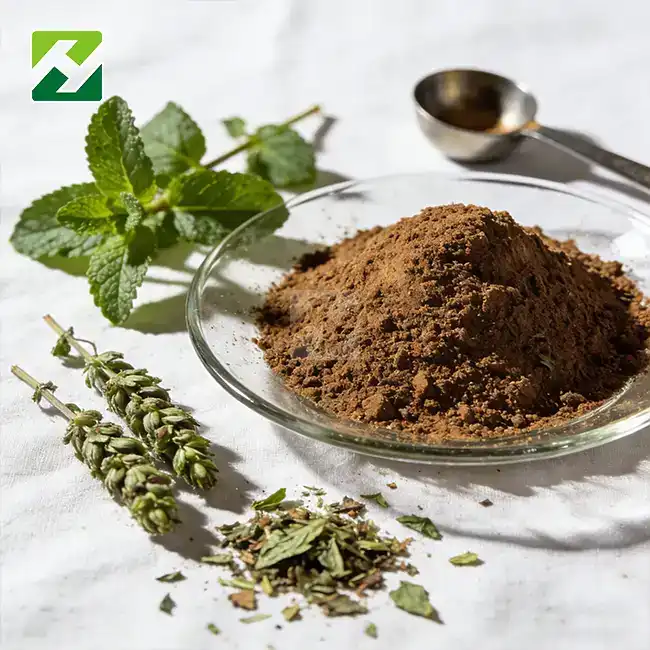
The water extraction technique allows the capture of hydrophilic molecules and decreases the presence of lipophilic molecules. The resulting powder has a brown-yellow color and has a steady concentration. This allows formulators to know precisely how much active ingredient is required for a particular use. The 4:1 specification specifies that 4 kilograms of raw leaf material are utilized to generate 1 kilogram of extract, and the 10:1 standard suggests that the concentration levels are greater.
Applications in Digestive Wellness and Beyond
Research in phytotherapy journals has shown that peppermint has been employed in botanical drinks and flavor-oriented formulations for a long time. Flavonoids and menthol provide the unique sensory and botanical characteristics of peppermint extracts. Most plant supplement capsules and functional teas include this extract. Finished products typically contain 200 mg to 500 mg per dose, although formulation managers need to determine stability in their specific matrices.
Peppermint oil is good for more than simply flavoring. Cosmetic scientists love it because it calms the skin. The botanical nature of rosmarinic acid lends itself well to cooling sensations to create washes, toners, and after-sun lotions that consumers desire to purchase. The extract is stable in topical formulations at 0.5-2%, pH 5.0-7.0.
Safety Profile and Quality Differentiation
The natural extract of peppermint leaves is considered safe when taken in the recommended quantities. Whole-leaf extracts have a different release profile than manufactured menthol crystals and hence have different formulation features. Quality-conscious manufacturers like the extracts to have low levels of microbes, with a max total plate count of < 1,000 cfu/g, yeast and mold of < 100 cfu/g, and no Salmonella or E. coli as per USP 61 and 62 standards.
Distinguishing between natural extracts and synthetic equivalents involves a lot of scientific validation. Isotope ratio mass spectrometry may be used to detect synthetic adulteration, while high-performance liquid chromatography (HPLC) fingerprinting exhibits characteristic peak patterns for botanical sources. Procurement teams should also be requesting Certificates of Analysis with these values as well as screening for heavy metals (lead 0 ppm, arsenic < 1.0 ppm, and mercury < 0.1 ppm using ICP-MS).

How to Use Natural Peppermint Leaf Extract Effectively in Different Industries?
Nutraceutical Formulation Strategies
Peppermint leaf extract, including natural peppermint leaf extract, is used by supplement companies in a number of different ways, and each one needs its own set of technical factors. The powder's bulk density (usually 0.45-0.60 g/mL) affects how much can be put into a hard-shell package. A 500 mg dose at a 10:1 concentration is the same as 5,000 mg of fresh leaf material, which means that standard-size 0 capsules can be used for meaningful dosing.
There are a number of reasons why tablets are not simple to produce. Botanical extracts are hygroscopic; hence, the right excipients must be used. Useful fillers include dicalcium phosphate and microcrystalline cellulose. Silicon dioxide is added to enhance flow characteristics of the mixture during compression. Enteric coating technology can regulate the release of ingredients during processing and allow for targeted formulation design.
Specifications should be water-soluble for beverage applications. Extract powders frequently do not dissolve well in cold water, but by spray drying with carrier systems such as maltodextrin or gum acacia, forms are produced that dissolve promptly. These modified forms do not crystallize upon refrigeration and preserve the clarity of RTD drinks in the pH range of 3.5 to 4.5.
Cosmetic Integration and Stability Considerations
The peppermint oil has several uses; it may be used in numerous personal care products. The extract is used in facial serums in combination with hyaluronic acid and peptide complexes, offering sensory and formulation characteristics appropriate for moisturizing applications. Different formulas have different suggested phases of absorption. For example, water-soluble extracts are easily dissolved in the aqueous phase during production and are often added at 40°C to 50°C to protect heat-sensitive compounds.
Stability testing of emulsions is very important for leave-on cosmetics. Peppermint oil’s polyphenols may interact with some preservatives or chelating agents. Compatibility studies are done using accelerated aging experiments at 40°C for 12 weeks to discover the best preservative combinations. For example, phenoxyethanol + ethylhexylglycerin also work well together without affecting the stability of the extract.
Color constancy is another quality-control problem to address. The powder of peppermint extracted in water has a brownish yellow color that may interfere with the visual appearance of the finished product. Some brands are treated with activated carbon to make them seem lighter, but they lose around 15 to 25 percent of the flavonoids.
Industrial and Flavor Applications
In flavor houses, peppermint leaf extract is used differently from the essential oils. The extract contains plant undertones in the background but not the overpowering sensory intensity of pure menthol. “It works well with chocolate coloring systems in confections, providing a deeper, more natural appearance that meets clean-label standards.”
If you make aromatherapy products, you need to know the difference between essential oils and leaf extracts. Both are obtained from the plant Mentha piperita L. However, the volatile oil fractions include a higher content of monoterpenes, while the water extracts contain a higher content of phenolic acids and glycosides. This change in composition affects diffuser compatibility of essential oils and extracts. The extracts are quite volatile and are appropriate for personal care balms and massage creams.

Comparing Natural Peppermint Leaf Extract with Other Peppermint Derivatives
Extraction Method Impact on Chemical Profiles
Understanding process technology makes it easier to tell products apart. Natural peppermint leaf extract and peppermint essential oil differ in their processing methods and chemical profiles. Peppermint essential oil is made by steam distilling the leaves, which captures about 1% to 3% of the leaf mass as volatile chemicals, mostly menthol, menthone, and menthyl acetate. This lipophilic fraction has a strong aroma and contains primarily volatile compounds rather than water-soluble phenolic compounds.
On the other hand, hot water extraction, which is what is used for standardized leaf extracts, goes after hydrophilic parts. Deionized water at controlled temperatures (60–80°C) is used in this process to break down phenolic acids, flavonoid glycosides, and polar terpenoids. The stable brown-yellow powder has a long shelf life (24–36 months if kept properly) and is made by vacuum concentration and spray drying after extraction.
Another method is supercritical CO₂ extraction, which works at pressures higher than 1,000 psi. It combines the best parts of oil and extract, collecting both volatile and semi-volatile chemicals without leaving behind any solvent leftovers. CO₂ products are more expensive than water-based processes, though, because the equipment is more expensive and the technology is more complicated.
Regulatory Compliance and Market Positioning
Natural plant products are in line with changing rules that stress openness. For food use, the U.S. Food and Drug Administration (FDA) says peppermint is Generally Recognized As Safe (GRAS). But for cosmetic use, it needs to be listed as Mentha Piperita Leaf Extract on the INCI form because of rules about cosmetic ingredients.
Organic certification is another way to set yourself apart. The USDA NOP and EU Organic guidelines require farming without pesticides, proof by a third party, and full tracking from the field to the finished extract. Suppliers like OHI offer both approved organic and standard products, catering to a wide range of customers, from high-end clean beauty names to budget-conscious nutraceutical lines.
Even though synthetic menthol alternatives are chemically the same as natural ones, they are hard to label, and consumers are skeptical of them. According to European rules, there is a difference between "natural flavoring substances" and "nature-identical" compounds. The first group is priced and marketed more highly. Carbon-14 dating and isotopic analysis can help brands that want to sell natural products prove that botanical extracts are real.

Conclusion
Natural Peppermint Leaf Extract (Mentha Piperita L.) is a flexible plant ingredient that can be used in a wide range of products, from botanical nutraceutical formulations to skin care products with cooling sensory characteristics and new functional drinks. Knowing the bioactive ingredients, how it was extracted, and quality standards gives R&D teams and buying workers the information they need to make smart choices about where to get it. The difference between water-based leaf extracts and essential oil derivatives affects which applications are best for them, and strict quality control methods help maintain consistent product characteristics. As clean-label trends and sustainability laws change how ingredient choices are made, it becomes strategically important to work with vertically integrated suppliers that offer clear traceability, full certifications, and the ability to work together technically in order to stay competitive in global markets that are always changing.
FAQ
1. What concentration ratio should I choose for my formulation?
The choice between 4:1 and 10:1 peppermint leaf extract relies on how much you need to take and how much it costs. A 4:1 ratio works well for uses that need a modest amount of botanicals, like functional drinks, botanical beverage formulations, or adding flavor to sweets in the background. The 10:1 concentration has more active compounds, making it better for high-concentration botanical formulations, high-concentration supplements, or cosmetic uses where a higher concentration is preferred in a small format. Cost per kilogram goes up as concentration ratios go up because more raw materials are needed. However, higher concentrations may be better for making capsules that are easier to swallow because they are cheaper per dose.
2. How does water extraction differ from alcohol-based methods?
Water extraction only gets rid of lipophilic essential oil components while capturing hydrophilic molecules like phenolic acids, flavonoid glycosides, and polar terpenoids. This method fits with the clean-label positioning and can simplify formulation considerations related to extraction solvents. The resulting extract has softer taste properties than forms that were extracted with alcohol, which may have higher amounts of volatile compounds. Water-based processing also makes it easier to meet the requirements for organic certification, since ethanol extraction needs certified organic alcohol sources, which makes the supply chain more complicated.
3. Can peppermint extract cause formulation instability?
Using the right methods for merging reduces problems with stability. The polyphenolic content of the extract might react with some iron compounds or stabilizers that don't work well with it, which could lead to darkening or precipitation. By doing matching studies while formulating, you can find pairs that don't work well together. Adding chelating agents like disodium EDTA stops metal-catalyzed oxidation, and choosing preservative systems that work together to keep microbes under control doesn't affect the stability of the extract. Temperature control during production—avoiding long-term contact above 60°C—protects flavonoids that are sensitive to heat and helps maintain product quality throughout its shelf life.
Partner with a Trusted Natural Peppermint Leaf Extract Supplier
Organic Herb Inc. (OHI) sells Natural Peppermint Leaf Extract for use in botanical, cosmetic, functional food, and flavor applications. Their products are certified by many groups, such as NSF GMP, FSSC22000, ISO9001, Kosher, Halal, and USDA Organic. Our four U.S. stores and 8,000-acre GAP-certified cultivation bases make up our vertically integrated supply chain, which guarantees stable quality and fast delivery. Our brown-yellow powder meets the high standards of nutraceutical formulators, beauty chemists, and functional food makers. Its water-based extraction protects bioactive compounds, its 4:1 and 10:1 concentration ratios are standard, and its quality control goes above and beyond FDA standards. You can get free samples, and the minimum order quantity is 25 kg. Lead times are 10 days. Get in touch with our technical team at info@organic-herb.com for full details on how our research and development (R&D) and environmentally friendly sources can help you succeed with your product.
References
1. McKay, D.L., & Blumberg, J.B. (2006). A review of the bioactivity and potential health benefits of peppermint tea (Mentha piperita L.). Phytotherapy Research, 20(8), 619-633.
2. Raudone, L., Zymone, K., Raudonis, R., Vainoriene, R., Motiekaityte, V., & Janulis, V. (2019). Phenological changes in triterpene and phenolic acid composition of Mentha species extracts. Industrial Crops and Products, 131, 39-49.
3. Inoue, T., Sugimoto, Y., Masuda, H., & Kamei, C. (2002). Antiallergic effect of flavonoid glycosides obtained from Mentha piperita L. Biological & Pharmaceutical Bulletin, 25(2), 256-259.
4. European Medicines Agency. (2008). Assessment report on Mentha x piperita L., folium. Committee on Herbal Medicinal Products (HMPC).
5. Chumpitazi, B.P., Kearns, G.L., & Shulman, R.J. (2018). Review article: the physiological effects and safety of peppermint oil and its efficacy in irritable bowel syndrome. Alimentary Pharmacology & Therapeutics, 47(6), 738-752.
6. Varma, S.R., Sivaprakasam, T.O., Arumugam, I., Dilip, N., Raghuraman, M., Pavan, K.B., Rafiq, M., & Paramesh, R. (2016). In vitro anti-inflammatory and skin protective properties of Mentha piperita leaf extract. Natural Product Research, 30(20), 2287-2294.
Possible Health Benefits of Cinnamon Bark Extract Powder: What to Know
VIEW MORECinnamon Bark Extract Powder, which is made from Cinnamomum cassia, is a rich source of bioactive compounds like polyphenols and cinnamaldehyde. These compounds are becoming increasingly popular in the nutrition, skincare, and functional food industries. This standardized botanical ingredient is always of the same quality and strength, which makes it a good choice for companies that need to use plant-based actives that they can trust. With water and ethanol used for extraction, a brownish-yellow powder is made that has useful qualities backed by new research. This gives product makers and formulation scientists a wide range of options for how to use it.


Understanding Cinnamon Bark Extract Powder
What Makes This Extract Different from Regular Cinnamon
Controlled extraction methods are used to turn raw Cinnamomum cassia bark into a compressed powder during the production process. In contrast to cinnamon powder used in cooking, which is just ground bark, this Cinnamon Bark Extract Powder is refined to separate and concentrate specific beneficial molecules. With extraction ratios like 4:1 and 10:1, several kilograms of raw bark are needed to make one kilogram of concentrated extract. This means that the active ingredients are more concentrated.
As extraction agents, water and ethanol are used to make a product that has the right amount of polyphenols and meets the needs of production. This two-solvent method collects compounds that dissolve in both water and alcohol, giving a full phytochemical profile. The standardization to 50% polyphenols gives the formulation a level of consistency that can't be matched by raw botanical materials.
Key Bioactive Components and Their Properties
Different chemical methods can be used to measure the antioxidant capacity of polyphenols, which are the main active ingredients. Cinnamaldehyde, the aromatic aldehyde that gives cinnamon its unique smell, is another important part that has been shown to have biological action. These chemicals work together in the extract matrix to make results that separate chemicals might not be able to make.
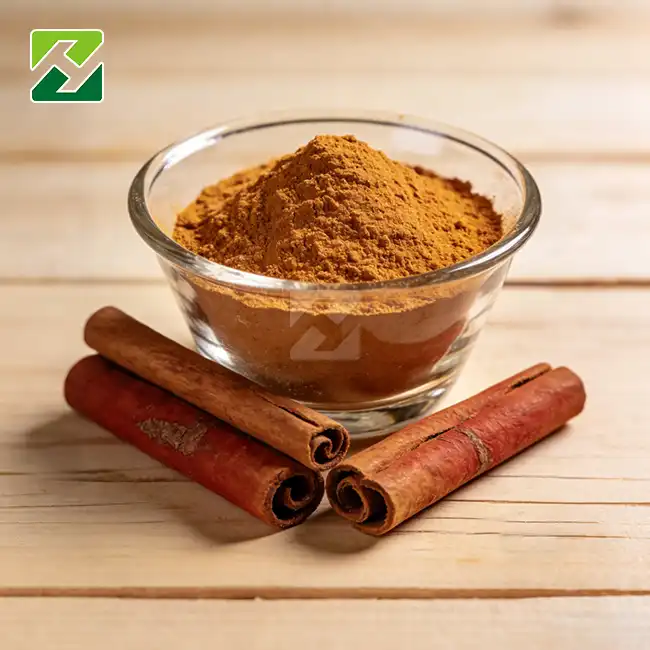
The brownish-yellow color comes from the phenolic compounds and natural pigments that are in the bark tissue. High-Performance Liquid Chromatography (HPLC) and UV-VIS spectroscopy are used by good providers to check the levels of polyphenols and make sure that every batch meets the stated requirements. Manufacturers should ask for a Certificate of Analysis that includes identity testing through High-Performance Thin-Layer Chromatography (HPTLC) to make sure the botanicals are real and to spot any possible adulteration.
Regulatory Considerations for Coumarin Content
There are a lot more coumarins naturally occurring in cassia cinnamon than in Ceylon cinnamon. European and North American regulatory bodies set maximum amounts of coumarin that can be found in food and supplements. This is done because too much of it can damage liver function over time. Responsible suppliers use HPLC to analyze coumarin, giving formulators quantitative data that they can use to figure out daily exposure levels.
For B2B clients who are making market goods, knowing how much coumarin is in the mix becomes very important. Products that are going to be sold in Europe have to meet even stricter standards. Working with providers who keep detailed records helps businesses follow the rules and makes it easier to enter new markets in multiple countries.
Potential Health Benefits of Cinnamon Bark Extract Powder
Blood Sugar Regulation and Metabolic Function
According to research, Cinnamon Bark Extract Powder may change the way glucose is used in the body in more than one way. Polyphenolic compounds may change how cells react to insulin signals, according to research that looks at insulin sensitivity. Nutraceutical developers who are making metabolic health products are interested in this property.
Standardized extracts are concentrated, which makes dosing consistent, which is what clinical research needs. Instead of using different raw botanical materials, trials usually use specific amounts of polyphenols. This lets researchers figure out dose-response relationships. Formulation scientists can use these studies as references when making products that are meant to support metabolic health.
Antioxidant Capacity and Cellular Protection
Oxygen Radical Absorbance Capacity (ORAC) and other tests show that polyphenols can donate electrons, which is what antioxidant action is based on. Because of this chemical property, these compounds can react with reactive oxygen species that are normally made by cells and by exposure to the environment.
Because cinnamon extract is high in antioxidants, it can be used in supplements that aim to improve overall health. Cosmetic scientists also use these ingredients in skin care products, where the antioxidants fight environmental factors that make skin look bad. Polyphenols are not stable in all formulation environments, so suitability testing is needed when making new products.
Weight Management and Metabolic Enhancement
Some studies look into the links between chemicals in cinnamon and metabolic rate. Researchers have looked at thermogenesis and lipid metabolism to see if cinnamon extracts change how the body uses nutrients. Even though the processes are still being studied, sports nutrition companies are looking into these extracts as useful ingredients because of the studies that have already been done.
It looks like the amount of cinnamon extract that works depends on the person and their biological factors. Product developers should think about using synergistic formulation strategies, which involve mixing cinnamon extract with botanicals that work well with it, to make complete metabolic support products that work on multiple pathways at the same time.
Applications Beyond Traditional Supplement Uses
Based on a study that looks at lipid levels and vascular function, more and more cardiovascular health products contain cinnamon extracts. The polyphenolic content gives a scientific reason for including it in heart-healthy goods that focus on botanical ingredients.
Cinnamon extracts are used in skin care products because they are antioxidants and have a natural scent. Formulators who work on anti-aging serums and repair-focused products like that it has both a biological action and a pleasant scent. The antimicrobial properties of the extract against some skin microorganisms give acne-focused formulas an extra dimension.
The use of cinnamon extract in functional treats and supplements for pets is a new area that is growing. Pet nutrition formulators use research on human health to make products for pets. This gives ingredient suppliers chances to grow into the veterinary nutraceutical market.

Comparing Cinnamon Bark Extract Powder to Other Cinnamon Products
Extract Powder Versus Cinnamon Essential Oil
The process of making essential oils uses steam distillation, which removes water-soluble polyphenols but keeps volatile aromatic compounds like cinnamaldehyde. Because of this basic difference in makeup, oils and extracts are used for different things. Cinnamon Bark Extract Powder has a wider range of phytochemicals, such as non-volatile polyphenols, while oils have a strong smell and unique volatile actives.
Formulation compatibility is also very different. In water-based goods, essential oils need emulsification systems. On the other hand, extract powders dissolve or spread out more easily, depending on the vehicle used in the preparation. For supplement use, dried extracts are easy to mix into pills and tablets because they don't have the lipophilic issues that oils do.
Cassia Extract Versus Ceylon Cinnamon Extract
Cinnamomum cassia and Cinnamomum verum (Ceylon) are two different types of plants that have very different chemical profiles. Cassia has much higher levels of coumarin, which means it needs to be carefully watched, but it also has stronger aromatic intensity. The coumarin content of Ceylon varieties is lower, which makes them better for uses where regulatory limits are a problem.
When it comes to price, cassia products usually win out because they can be grown on a larger scale and produce more. Performance differences in bioactivity are still being discussed, but some research suggests that polyphenol activity is about the same between species when standardized to the same concentrations. When choosing between cassia and Ceylon sources, procurement workers have to weigh the needs of regulations, budgets, and performance standards.
Standardized Extracts Versus Whole Herb Powder
Whole herb powders have all the plant parts in their natural amounts, like fiber, starches, and other parts that don't do anything. This makes batches different from one another based on how they were grown, when they were picked, and how they were processed. By concentrating target compounds to known percentages, standardized extracts get rid of a lot of this variation.
Standardization makes it easier to control quality and make sure that the finished product is always the same. A product with 500 mg of 50% polyphenol extract gives a known amount of active chemicals, while the same weight of whole herb powder gives variable activity. This stability is important for brands that want to make promises about their products that are backed up by evidence and keep customers' trust by making sure their products work as promised.
Safety, Dosage, and Quality Standards
Understanding Appropriate Usage Levels
Dosage suggestions change depending on the type of application and the people who will be using it. Dietary supplements usually have between 200 mg and 1000 mg of extract per day. The exact amounts depend on the level of standardization and the purpose of the supplement. For cosmetics, much lower concentrations are used, usually between 0.1 and 1% in finished products.
When making products for sensitive groups, companies should set dosing limits that are on the low side. Working together with regulatory experts and toxicologists helps figure out the right doses that strike a balance between safety concerns and goals for effectiveness. Documenting these choices backs up regulatory applications and shows that responsible product development practices are being used.
Quality Control Measures That Matter
Certificate of Analysis paperwork should have more than just name verification as an analytical check. ICP-MS (Inductively Coupled Plasma Mass Spectrometry) heavy metal screening finds contamination with lead, arsenic, cadmium, and mercury that can happen from contact with the environment during farming. Strict limits, like lead below 3ppm and arsenic below 1ppm, protect consumers and meet government standards.
Microbiological tests show that bacteria like Salmonella and E. coli are not present, and the total plate counts were kept below 1000 CFU/g. There are natural risks of contamination in raw plant materials that must be removed through proper handling. Suppliers who use approved sterilization methods, like steam treatment or gamma irradiation, give you even more peace of mind about safety.
Analysis of solvent residues shows that extraction solvents are still within acceptable limits. There shouldn't be any methanol or acetone left over or only very small amounts of them. The ethanol leftovers should stay below 5000ppm. These standards make sure that ingredients are safe and that regulations are followed in all global markets.

Procurement Insights for Global B2B Clients
Certifications That Validate Quality
Organic certifications from the USDA, the EU, or other similar groups show that Cinnamon Bark Extract Powder was grown without using synthetic fertilizers and pesticides. These certifications need to be audited every year and come with a lot of paperwork. This makes sure that good farming practices are used all along the supply chain for Cinnamon Bark Extract Powder. Certified ingredients are a must for companies that want to sell their products in the natural and organic markets.
NSF GMP is another certification that checks the quality of manufacturing. It confirms that production standards are up to pharmaceutical standards. FSSC 22000 approval shows that a food safety management system is being followed. This is especially important for items that are going to be used in food and drinks. Kosher and Halal certifications make it easier for people with religious dietary needs to buy things.
Evaluating Supplier Reliability and Capability
A supplier's evaluation should include more than just comparing prices. It should also look at their technical skills and how reliable they are in the workplace. Companies with specialized research and development teams and high-tech analytical tools can offer customization services, creating custom particle sizes or standardization levels to meet the needs of each recipe. This method to technical partnerships produces value that goes beyond buying basic ingredients.
Stability in the supply line is very important for planning production. Maintaining a large inventory in regional stores, like those in the United States, helps suppliers complete orders faster and with less difficulty. With seven-day lead times and a 25kg minimum order size, manufacturers have the freedom to respond to market needs without having to pay too much for inventory.
Batch Consistency and Traceability Systems
Strong traceability links produced ingredient lots all the way back to the plant materials that were used to make them. Documentation like this is very important during quality reviews and helps meet legal needs in many places. When it comes to tracking materials, suppliers who use cultivation partnerships and recorded farming methods are better than those who get their materials through market trade channels.
For accuracy from batch to batch, the process must be controlled during extraction and standardization. Suppliers should give information that shows stability across multiple production runs, such as analysis results for key marks. Because of this consistency, formulators can keep the finished product's specs stable without having to change the recipe every time a new batch of ingredients comes in.

Conclusion
Cinnamon Bark Extract Powder is a powerful plant-based chemical that can be used in many different fields. When polyphenol content is standardized and extraction methods are proven to work, it creates the consistency that formulators need for safe product development. Understanding quality factors like coumarin content, analytical verification methods, and certification requirements helps buyers make smart decisions that balance performance needs with legal requirements. More and more studies are showing that there are more uses for this material and that it is important to work with sources who have strong quality control systems. Manufacturers can make unique goods that meet changing market needs for natural, useful formulations by carefully choosing the ingredients they use and carefully evaluating the suppliers they work with.
Frequently Asked Questions
1. How does cinnamon bark extract powder differ from regular cinnamon powder?
Regular cinnamon powder is made from ground bark that has all of the plant's parts in their normal amounts, including fiber and parts that don't do anything. Some bioactive chemicals, especially polyphenols, are concentrated to standard amounts, like 50%, in Cinnamon Bark Extract Powder through a process. This method of concentration, which uses water and ethanol as solvents, makes a product whose activity and strength can be predicted. This lets formulators get reliable results that whole herb powders can't always deliver.
2. What certifications should I verify when sourcing this ingredient?
Analytical proof of polyphenol content using HPLC or UV-VIS methods, heavy metal testing using ICP-MS to show safety limits, and microbial screening to show no pathogens present are all necessary certificates. Certifications for manufacturing, like NSF GMP and FSSC 22000, show that production quality systems work. Getting an organic certification shows that farming methods meet certain standards. Because of strict rules about this naturally occurring substance, coumarin analysis is especially important for goods going into European markets.
3. Can this extract work effectively in both supplement and cosmetic formulations?
Different types of applications show that the extract is useful, but manufacturing issues are very different. For supplement use, powdered extract is usually put into vegetable capsules or pressed into tablets that are taken every day at doses of 200 mg to 1000 mg. Cosmetics use much lower concentrations, usually between 0.1 and 1%, and need to be tested for solubility to make sure they mix well in the base system. The polyphenol content has protective properties that can be used for both internal supplementation and skin care purposes, though the ways it works and the benefits it gives are different for each.
Why Partner with OHI for Your Cinnamon Bark Extract Powder Supply
Our all-around approach to making botanical ingredients combines high-quality manufacturing with a lean supply chain. We keep four strategically placed warehouses across the United States. This lets us deliver quickly, which is important for just-in-time manufacturing. Formulation teams can test compatibility with free samples before placing bigger orders, and our 25 kg minimum order amount can be used for both small-scale production and research projects.
Our Cinnamomum cassia bark extract powder is highly regarded and comes in three different standardizations: 4:1, 10:1, and 50% polyphenol. It was extracted using approved water and ethanol methods. Each batch of the brownish-yellow Cinnamon Bark Extract Powder goes through a lot of quality checks that are confirmed by certificates from NSF GMP, Kosher, Halal, ISO, FSSC22000, and Organic. These credentials show that we are dedicated to quality standards that meet the needs of even the strictest regulatory environments.
Technical support lasts throughout the whole process of making a product. Our research and development team works with clients to solve formulation problems by using cutting-edge analysis and extraction tools. We are a publicly traded company (Stock Number: 872213) with a long history of researching and making products from plants. This gives us stability and knowledge that new ingredient suppliers can't match. Whether you need a reliable Cinnamon Bark Extract Powder provider for current production or a development partner for new formulations, we can help. Our integrated capabilities, from growing the plants to delivering the finished products, give your products a competitive edge. Get in touch with our team at info@organic-herb.com to talk about details like pricing and how our cinnamon extracts can help your products stand out in crowded markets.
References
1. Anderson, R.A., Broadhurst, C.L., Polansky, M.M., et al. Find and describe the polyphenol type-A polymers from cinnamon that work like insulin in the body. 52(1), 65–70 in the Journal of Agricultural and Food Chemistry.
2. Couturier, K., Qin, B., Batandier, C., et al. In an animal model of insulin resistance, cinnamon raises the amount of glycogen in the liver. 59(11), 1674–1685, in Metabolism: Clinical and Experimental.
3. J. Gruenwald, J. Freder, and N. Armbruester. (2010). Cinnamon and good health. There were 822–834 reviews in Critical Reviews in Food Science and Nutrition 50(9).
4. Magistrelli, A. & Chezem, J.C. (2012). In adults of normal weight and obesity, ground cinnamon changes the amount of glucose in the blood after a meal. Vol. 112(11), pp. 1806–1809, Journal of the Academy of Nutrition and Dietetics.
5. Rao, P.V. & Gan, S.H. (2014). Cinnamon is a plant that has many health benefits. Alternative and Complementary Medicine Based on Evidence, Article ID 642942.
6. Ranasinghe, P., Pigera, S., Premakumara, G.A.S., et al. (2013). Medicinal properties of true cinnamon (Cinnamomum zeylanicum): a systematic review. BMC Complementary and Alternative Medicine, 13(1), 275.
Red Radish Extract Benefits: Nutrition, Uses, and Health Advantages
VIEW MORERed Radish Extract, which comes from the plant Raphanus sativus L., is a high-quality natural ingredient known for having a lot of anthocyanins, especially pelargonidin derivatives. With its high nutritional value and amazing stability in formulations, this bioactive molecule is a real gem. This plant-based extract has many uses and can be used in a variety of ways that meet the needs of modern consumers who want natural, traceable ingredients. It can be used to make functional beverages, cosmetic innovations, or dietary supplements.

Understanding Red Radish Extract: Nutrition and Health Effects
What Makes Red Radish Extract Unique
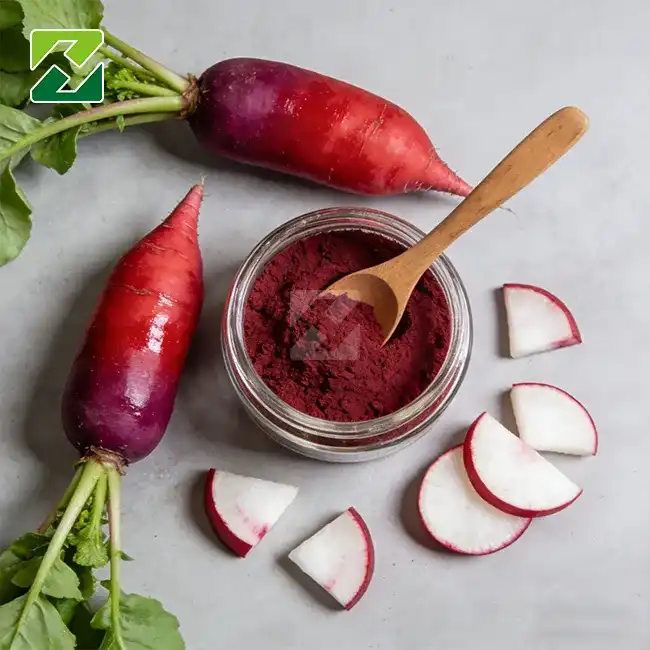
The cruciferous root of red radishes is used to make this extract. It is put through advanced water extraction and membrane filtering processes that keep its beneficial qualities. Anthocyanins are natural colors that give the finished product its bright color and useful qualities. There are a lot of them in the product. Radish-based products are better for brands that want to use clean labels because they are clear about where they come from compared to synthetic options. The extract is a deep red colour (Colour Value E1% at 514±5nm ≥50%), which means it has a lot of active chemicals. This makes sure that every batch of the product is the same.
Nutritional Profile and Bioactive Components
The main effective part of this plant product is pelargonidin-3-sophoroside-5-glucoside. This chemical is related to phenolic acids such as ferulic acid and caffeic acid. The chemical properties of these anthocyanins make them more stable than anthocyanins that are not acylated, which are found in strawberries and other plants. The extract has color molecules as well as small amounts of minerals and vitamins that help cells work. Since these chemicals break down in water, they are easy to add to a lot of different delivery methods, from powders to liquid solutions.
Physiological Support and Wellness Applications
Researchers say that extracts that are high in anthocyanins help the antioxidant activity of biological systems by getting rid of free radicals that are created during metabolic processes. This makes the ingredient useful in recipes that aim to keep cells healthy and help people age well. These chemicals may also be able to slow down or speed up your metabolism, which can help you reach your healthy weight management goals if you combine them with a healthy diet. A lot of attention has been paid to how antioxidants in food can make the immune system work better. This extract is now being used as a useful part of lines of products that focus on health. A lot of consumer marketing talks about how it can help people go through detox. Antioxidants help the body clean itself better, which is why it's important to get enough of them.
How to Use Red Radish Extract: Applications in Different Industries
Dietary Supplements and Nutraceutical Formulations
Anthocyanins from Red Radish Extract are used by product developers to make capsules, tablets, and powder blends that are meant to improve metabolic health. Normal dose ranges change based on concentration levels, and standardised extracts make it possible to precisely control the formulation. When making products to help the metabolism, mixing Red Radish Extract with plants that work well together, like green tea or cayenne, makes the benefits stronger. Its natural colour is good for weight loss products, and it also contains compounds that help with overall health goals. The powder form of Red Radish Extract comes in 25kg drums, and you have to order at least 25kg of it. It dissolves easily in liquids, so it can be used in drink mixes and fizzy tablets.
Cosmetic and Personal Care Integration
Natural skin care brands like this ingredient because it has antioxidant qualities and a bright colour that makes formulas look nice without using fake dyes. Anti-aging serums and creams use the extract's ability to help skin fight off damage from the outside world. It's used in detox masks and washes for both their practical benefits and their good looks, which makes people think the product is pure. Formulation scientists like that it works well in a range of pH levels, though it's most stable in slightly acidic settings. When making cosmetics, batch-to-batch consistency is still very important. OHI's standardised production methods make sure that every drum meets exact colour value standards, which eases common worries about variability in procurement.
Food and Beverage Product Development
Functional drink makers looking for natural colourants find this extract especially useful in acidic drinks (pH 2.5–4.5), where it keeps the bright red colours even after being pasteurised and stored for a long time. Radish anthocyanins don't fade when heated, as beetroot alternatives do. Instead, they can handle high temperatures in candy making, like when making hard candies and gummies. In this case, the difference between liquid and powder forms is very important: liquids are easier to mix into drinks, while powders are cheaper to ship and last longer on the shelf. To properly combine ingredients in a recipe, you need to know that the intensity of the colour changes depending on the pH. In acidic conditions, the colour is orange-red, and in neutral ones, it changes to purple. This trait lets creative product development happen for yogurt-based drinks, fruit-based drinks, and fortified water.

Comparison and Selection Guide: Choosing the Right Red Radish Extract Product
Extract Types and Potency Considerations
Whether liquid extracts or spray-dried powders are used depends on the equipment used for production and the needs of the final product. Liquid formats make it easier to add directly to drinks, but they need to be kept in the fridge and weigh more, so they cost more to ship. Powder forms have a higher concentration of active ingredients, lower shipping costs, and can be stored at room temperature. Organic and conventional choices appeal to different groups of people. For example, organic licenses (which can be obtained through OHI) cost more but attract people who care about their health. Standardising the potency is very important: extracts with a Colour Value of E1% to 50% work reliably, so you don't have to guess as you do with unstandardised botanical materials.
Processing Methods and Quality Indicators
New extraction methods have a direct effect on the quality of the end product. Column adsorption chromatography and resin-based purification get rid of the sulphur compounds (isothiocyanates) that aren't wanted, which are found in Brassicaceae plants. This keeps sensitive applications from getting off flavours. Processing at low temperatures during extraction protects thermosensitive chemicals, keeping bioactivity that is lost when heat is applied too quickly. Quality standards include the following FDA rules (21 CFR 73.260 as vegetable juice) and EU rules (E163), which allow products to be sold all over the world. Case studies from beverage companies show that high-potency extracts lower usage rates by 30–40% compared to lower-grade alternatives. This saves money even though they cost more per kilogram.
Storage, Shipping, and Formulation Logistics
Powder formats are great for shipping Red Radish Extract over long distances, especially when coming from international suppliers. OHI has four strategically placed warehouses across the United States. This lets them deliver Red Radish Extract quickly and keep the supply chain running smoothly. Lead times are usually ten days after an order is confirmed, but if there is stock nearby, delivery can be sped up. Packing Red Radish Extract in 25kg drums strikes a good mix between ease of handling and the cost-effectiveness of buying in bulk. Each package comes with regulatory compliance paperwork for Red Radish Extract, such as NSF GMP, Kosher, Halal, ISO, FSSC22000, and Organic certifications. This makes the process of clearing customs and checking the quality inside the company easier.

Procurement Insights: How to Source and Buy Red Radish Extract in Bulk
Evaluating Supplier Credentials and Capabilities
Suppliers with a good reputation show compliance through third-party certifications instead of self-declarations. GMP certification makes sure that factories use quality systems that are good enough for pharmaceuticals, which lowers the risk of contamination. ISO 9001 guidelines make sure that the same process management is used for all batches of output. The FSSC22000 certification is all about food safety, which is very important for ingredients that are going to be eaten by people. Certifications like Halal and Kosher help businesses reach new customers in certain groups. As part of the verification process, Certificates of Analysis (CoA) for recent production lots should be requested to make sure that specifications are being met before large orders are placed.
Cost Structures and Volume Optimization
When buying in bulk, it's cheaper to buy more, but small and medium-sized manufacturers can still meet the minimum order requirements (25kg for this product). Volume discounts usually start at 500kg, 1000kg, and more, and are negotiated based on projected annual commitments. Lead time factors weigh the costs of keeping inventory against the risk of running out of stock. For example, yearly changes in the demand for beverages may mean that safety stock needs to be built up during slow times. Shipping from outside the US is complicated by freight forwarding, but storing goods in the US through providers like OHI gets rid of import taxes and cuts travel times to two to three business days for most continental targets.
Application-Specific Procurement Strategies
Manufacturers of dietary supplements put a lot of importance on CoA documentation that shows limits on microbes, heavy metals, and the amount of active compounds. Cosmetic formulators need more information on how stable their products are in a range of pH and temperature conditions. For food and drinks, strict allergen statements and non-GMO verification are needed. Different suppliers offer different levels of customisation, with some offering custom extraction ratios or spray-drying factors to meet the needs of a particular formulation. Getting samples before buying a lot of something lowers the financial risk. OHI offers free samples that can be used for bench-scale testing and making sure they are compatible before committing to full production runs.

Building Trust: Why Work with OHI for Your Red Radish Extract Needs
Industry Experience and Certification Standards
Organic Herb Inc. (OHI), a publicly traded company with the stock number 872213, has been extracting botanicals for decades and brings that knowledge to the natural ingredients market. Our long list of certifications, which includes CGMP, FSSC22000, ISO9001, Halal, and Kosher marks, shows that we are always dedicated to quality control. These certifications aren't just pretty pictures on the wall; they're part of systems that are checked to make sure that every batch of products meets strict international standards. The factories in Yichun, Jiangxi Province, use cutting-edge extraction tools worth more than $1.2 million. These tools include HPLC, GS-MS, and supercritical CO2 systems that make sure that active compounds are properly separated.
Product Portfolio and Technical Support
Our Red Radish Extract range includes different strength grades and forms to meet the needs of a wide range of B2B customers. Technical advice services help formulation teams find the best dosage levels, guess how colours will behave across pH ranges, and fix problems with stability. In addition to helping with product creation, offering complementary botanicals that improve functional profiles or organoleptic qualities is also part of the service. Isotonic sports drinks, anti-aging serums, and natural candies have all been successfully integrated in case studies that have been backed up by customer feedback and repeat purchases.
Supply Chain Reliability and Customer Service
Our wholly owned Californian subsidiary, Earth Made Nutritions, keeps a consistent inventory in four US warehouses so that orders can be filled quickly, even when demand goes up. Ten-day lead times from our Jiangxi plant make it easy to plan production, and we have stock in China that lets us ship the same week for urgent needs. After the sale, there is help for batch tracking, keeping legal documents up to date as standards change, and quickly answering technical questions. This all-inclusive service model turns suppliers into partners, fostering long-term partnerships based on trust rather than one-time transactions.

Conclusion
When it comes to functional performance, formulation flexibility, and natural authenticity, Red Radish Extract is the best of all worlds. Its high anthocyanin content makes it look good and gives bioactive effects in food, makeup, and nutraceuticals. When procurement teams know about product specs like colour value standardisation and pH-dependent behaviour, they can make smart sourcing choices that are in line with brand positioning and legal requirements. Quality control through strict certification, along with the supplier's technical support and logistics dependability, are the main factors that determine how well an ingredient partnership works. As clean-label trends grow and synthetic options get more attention, plant-based extracts like this one offer answers that will work in the future to meet changing market needs.
Frequently Asked Questions
1. What is the recommended usage level for radish extract in beverage formulations?
Typical inclusion rates usually fall between 0.05% and 0.2%, but this can change based on the pH level and the colour strength that is wanted. Drinks that are acidic (pH < 4) achieve vibrant red hues at lower concentrations, while neutral formulations may require higher dosages. Bench-scale trials remain essential for optimizing specific recipes.
2. How does certification impact ingredient selection?
Certifications like Organic, Kosher, and Halal expand market access by meeting specific consumer requirements. FSSC22000 and GMP certifications demonstrate manufacturing quality systems, reducing audit burdens for buyers and ensuring consistent product safety across supply chains.
3. Can this extract replace synthetic colorants completely?
In acidic and neutral pH applications, radish anthocyanins effectively substitute synthetic reds while offering clean-label advantages. Alkaline environments present challenges as color shifts toward blue-purple. Stability testing under actual production conditions determines suitability for specific applications.
4. What documentation accompanies bulk orders?
Each shipment includes a Certificate of Analysis (CoA), specification sheets, allergen statements, non-GMO declarations, and relevant safety data sheets. Certification copies (Organic, Kosher, Halal) are provided upon request to support customer regulatory compliance and marketing claims.
Partner with OHI as Your Trusted Red Radish Extract Supplier
OHI wants procurement professionals, R&D directors, and formulation scientists to look into our high-quality Red Radish Extract solutions that are made to fit the needs of your industry. Guaranteed quality backed by NSF GMP and FSSC22000 certifications makes sure that all global markets follow the rules. Competitive pricing structures can handle projects ranging from small-scale tests to full-scale commercial production. For annual contracts, volume discounts are available. Contact info@organic-herb.com right now to get your free sample. Our technical team will give you application advice that is tailored to your formulation problems.
References
1. Journal of Agricultural and Food Chemistry, "Anthocyanin Stability in Food Systems: Structural Transformations and Degradation Pathways," Volume 68, 2020.
2. International Journal of Cosmetic Science, "Natural Pigments in Personal Care: Formulation Strategies and Stability Considerations," Volume 42, 2019.
3. Food Chemistry, "Acylated Anthocyanins from Red Radish: Characterization and Thermal Stability Analysis," Volume 315, 2021.
4. Comprehensive Reviews in Food Science and Food Safety, "Natural Food Colorants: Regulatory Landscape and Consumer Perceptions," Volume 19, 2020.
5. Journal of Functional Foods, "Bioactive Compounds in Brassicaceae Vegetables: Extraction Methods and Health Applications," Volume 55, 2019.
6. Cosmetics & Toiletries Magazine, "Plant-Based Actives in Anti-Aging Formulations: Efficacy and Consumer Trends," March 2022 Edition.
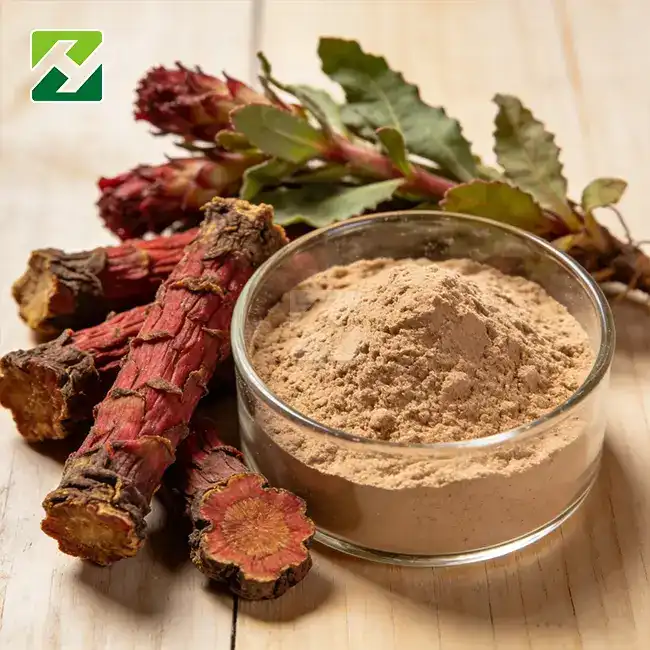
Rhodiola Rosea: Boosting Mental Clarity and Stress
VIEW MORENatural Rhodiola Rosea Extract has emerged as a cornerstone ingredient for B2B manufacturers seeking botanical solutions for functional product development and formulation applications in today's demanding lifestyle market. Sourced from the roots of Rhodiola rosea L., this arctic-alpine adaptogen delivers standardized bioactive compounds—particularly rosavins and salidroside—that enable formulators to create differentiated products across nutraceutical, functional food, and cosmetic applications. With growing consumer interest in clean-label alternatives to synthetic ingredients, understanding this extract's technical profile, sourcing standards, and application versatility is essential for procurement teams aiming to improve product differentiation and market competitiveness.

Understanding Natural Rhodiola Rosea Extract: Benefits and Mechanism
Adaptogenic traits of Rhodiola rosea have been known for hundreds of years in Scandinavia and Eastern Europe, where harsh temperatures required people to be stronger physically and mentally. These adaptogenic characteristics are associated with phytochemicals that can now be separated using modern extraction methods. This makes it possible to make standardized ingredients that can be used on a commercial scale.
The Bioactive Profile That Sets Quality Standards
Professional-grade natural Rhodiola rosea extract is standardized to 3% rosavins and 1% salidroside, which can be found by using HPLC measurements. This 3:1 ratio is similar to the natural balance of phytochemicals found in real Rhodiola rosea roots. This makes it different from fake products that might only have Salidroside from cheaper species like Rhodiola crenulata. The Rosavin complex, which includes rosavin, rosarin, and rosin, is characterized by its botanical composition alongside salidroside in standardized Rhodiola rosea extracts.
How Adaptogens Influence Cognitive Performance?
Adaptogens such as Rhodiola rosea have been studied for their potential role in supporting cognitive performance during periods of physical or mental stress. Research on standardized rhodiola extracts has examined how their bioactive compounds may relate to mental fatigue, attention, and performance under demanding conditions. While results vary depending on extract standardization, dosage, and study design, rhodiola remains a widely researched botanical ingredient for formulations targeting stress resilience and mental performance. Clinical studies have evaluated daily doses ranging from approximately 288 mg to 680 mg, providing useful reference points for product development and formulation research.
Applications Across B2B Product Categories
Nutraceutical companies use rhodiola extract in nootropic mixtures that are meant to support functional product positioning. It is used by sports nutrition companies as a botanical ingredient in pre-workout and recovery products to meet formulation requirements for sports-oriented product concepts. The polyphenolic content is being used in new ways in adaptogenic skincare to support formulations positioned around environmental exposure and modern skincare concepts. This makes multifunctional cosmetic actives that clean beauty consumers like.

Comparison and Decision-Making: Choosing the Right Adaptogen Supplier and Product
There are many botanical choices on the market for adaptogens, and each has its own phytochemical makeup and set of uses. The people who buy things have to look at these differences to choose ingredients that fit with how they want to market their products and meet the needs of their target customers.
Rhodiola Versus Other Adaptogenic Botanicals
Rhodiola (Withania somnifera) has a distinct formulation profile from ashwagandha (Withania somnifera), and it's used in different botanical formulations. This makes it a better choice for daytime cognitive support formulations. Unlike Asian ginseng (Panax ginseng), which can have a different formulation profile, rhodiola offers a distinct botanical profile for daytime-oriented formulations. Because of this, rhodiola extract is very useful for functional drinks and workplace-oriented functional products that are aimed at a wide range of people.
Format Considerations for Formulation Flexibility
When processed to beverage-grade standards and made more water-soluble, Rhodiola Rosea extract in bulk powder form can be used in a wide range of dosage forms, from encapsulation and tablet compression to beverage applications. The fine yellow-to-brown powder usually goes through 80-mesh screening, which makes sure that the particles are spread out evenly in mixes. The powder form also lets you change the quantity to your liking and mix it with other plants that are commonly used in botanical formulations, like bacopa or lion's mane mushroom.
Certification Impact on Market Access and Brand Trust
Organic approval gives you a higher ranking, but you have to show that you can track the food from the farm to the production plant. Products that are NSF, GMP, FSSC22000, kosher, or halal approved meet different regulatory standards in foreign markets. This makes it easier for new companies to get into regulated product categories. Documentation from a third party testing for heavy metals, microbial contamination, and pesticide residues gives R&D directors and procurement managers the quality assurance they need when they are looking at new suppliers.

Procurement Guide: Buying Natural Rhodiola Rosea Extract in Bulk for B2B Clients
To successfully source bulk ingredients, you need to carefully look at the skills of the suppliers, the specs of the products, and their transportation systems to make sure that the quality is always uniform and that the goods are delivered on time.
Critical Supplier Qualifications to Verify
Botanical extract makers that have been around for a while have quality control systems that are written down and backed up by certifications like ISO 9001 and cGMP compliance. For verification, the Certificate of Analysis should be looked at along with HPLC chromatograms that show the presence of the whole rosavin complex, not just salidroside. Suppliers who use DNA barcoding technology can give you extra peace of mind about species adulteration, which is always a worry because different Rhodiola species look a lot alike.
Understanding Minimum Order Quantities and Pricing Structures
Rhodiola extract usually comes in 25 kg minimum order quantities and is packed in fiber drums with two plastic bags inside to keep it safe from light and moisture. Prices change depending on the level of standardization, the state of the organic certification, and the size of the order. Usually, there are price breaks for orders of 100 kg, 500 kg, and 1000 kg or more. Experienced suppliers offer small amounts of products for testing their stability and formulation, which lets procurement teams make sure that the products will work together before placing full production orders.
Logistics Infrastructure for Reliable Supply
North American producers can get much faster delivery times and much cheaper freight from suppliers with warehouse networks in the US. OHI has four strategically placed warehouses across the United States. This lets them deliver items as quickly as 10 days after an order is confirmed. This model for domestic inventory gets rid of the hassles of clearing foreign customs, makes the supply chain less vulnerable, and makes just-in-time manufacturing easier, which means less working capital is wasted on raw material inventory.
Building Trust: Why Choose Certified and Experienced Natural Rhodiola Rosea Suppliers?
Because the botanical extract business is so complicated, companies need to work with providers who can show they have both technical know-how and practical dependability. Consistent quality delivery, open communication, and quick technical support are key to long-term success in business-to-business relationships.
Quality Systems That Deliver Batch-to-Batch Consistency
There is a strict quality system at Organic Herb Inc. that is backed up by several international certifications, such as NSF GMP, FSSC22000, ISO 9001, Kosher, and Halal. As a publicly traded company (Stock Number: 872213), OHI follows rules for corporate governance that make sure people are held accountable and operations are clear. The company's analysis laboratory uses high-tech tools like HPLC-ELSD, GC-MS, and atomic absorption spectrophotometry to make sure that each production batch meets the company's standards before it is released.
Vertical Integration From Cultivation to Extraction
OHI has control over farming through three GAP-certified planting bases that cover more than 8,000 acres in Hunan, Guizhou, Hubei, and Jiangxi provinces. This makes sure that the raw materials are real, that the best time to pick them is for achieving consistent botanical composition, and that the materials can be tracked from the field to the finished Rhodiola rosea extract. Through partnerships with local farming communities, we provide technical advice, seedlings, and harvest management methods that keep the quality of the plants constant and help rural areas grow in a way that is viable.
R&D Capabilities That Drive Innovation
The company's R&D center in Changsha has 42 specialized workers, including 27 top researchers with advanced degrees and university ties. With over $1.2 million worth of analytical equipment, this team has made more than 400 different plant extracts and finished 10 national key research projects that worked on isolating and purifying active compounds. This level of technical knowledge makes it possible to develop custom standards, help with formulations, and quickly meet the needs of new markets.

Application Insights: Leveraging Natural Rhodiola Rosea Extract in B2B Products
As more people become aware of demanding modern lifestyles across all age groups, the market for ingredients positioned around functional formulation concepts and lifestyle-oriented products continues to grow. Rhodiola extract is used in strategic product development that puts brands in a good position to take advantage of this growing opportunity.
Formulation Strategies for Maximum Efficacy
Rhodiola-based goods can be formulated when they are mixed with other substances that work well together. When you mix rhodiola with L-theanine, you get a complementary botanical formulation that combines different ingredient profiles, which is appealing to people who want to get things done. When you mix magnesium with B-vitamin complexes, you get a lot of different nutrients that provide a broader nutritional ingredient profile for formulation development. Cosmetic scientists mix rhodiola extract with niacinamide and peptides to make advanced skincare serums designed around botanical and cosmetic formulation concepts.
Regulatory Considerations Across Target Markets
Under DSHEA, the United States regulates botanical extracts as dietary ingredients. This includes making sure that they meet cGMP manufacturing standards and have correct supplement facts panels. There are different rules for each European market, and some member states keep good lists for plant ingredients. OHI's wide range of certifications and documentation services makes it easier for businesses to follow the rules in many different foreign markets, making things easier for distributors and brand owners who buy goods.
Emerging Trends and Market Opportunities
Functional beverage development has a lot of room to grow. Rhodiola-infused ready-to-drink products are aimed at the functional beverage market at work and the sports performance market. New developments in extraction technology have made it easier for flavors to dissolve in water and work well in clear drinks. People are interested in products that combine beauty and lifestyle-oriented applications with natural ingredients that can do more than one thing. This is why adaptogenic skincare is growing beyond high-end categories and into mainstream personal care.
Conclusion
For manufacturers looking for botanicals with a well-defined phytochemical profile for functional formulation applications, natural Rhodiola Rosea extract is an excellent ingredient to consider. The extract has a standard bioactive profile that is backed up by both traditional use and modern study. This gives formulators confidence in its consistency across a wide range of product categories. For buying to go well, suppliers must be carefully chosen based on things like quality certifications, the ability to do analytical proof, and the infrastructure of the supply chain. When it comes to B2B partnerships, OHI's thorough quality systems, vertical integration from cultivation to extraction, and US-based warehouse network provide the stability and dependability that are needed. As the market continues to favor natural products with clean labels, rhodiola extract helps brands that want to keep up with changing customer tastes while staying unique in the market.
FAQ
1. What differentiates authentic Rhodiola rosea extract from adulterated products?
Real Rhodiola rosea extract has at least 3% rosavins and 1% salidroside. This was verified by HPLC analysis that showed clear chromatographic lines for rosavin, rosarin, and rosin. Rhodiola crenulata products that have been tampered with only have salidroside and not the rosavin complex. DNA barcoding is the only way to be sure of a species' identity, and it can be used instead of phytochemical research.
2. How should bulk rhodiola extract be stored to maintain potency?
Keep rhodiola extract powder in its original, tightly sealed containers that are out of the way of light, moisture, and temperatures above 25°C. The extract stays stable for 24 to 36 months if it is stored properly in airtight containers with a moisture content of less than 5 percent. After being opened, keep the air contact to a minimum and think about moving to smaller containers to avoid opening large amounts over and over again.
3. Can rhodiola extract be combined with other supplement ingredients?
Rhodiola works very well with other ingredients that work well with it in multi-component formulas. B vitamins, magnesium, amino acids like L-theanine, and other adaptogens like ashwagandha or bacopa are all common examples of substances that work well together. Stability tests should make sure that the mixture works with certain formulation media, especially in uses that are sensitive to moisture or have reactive chemicals.
Partner with OHI for Premium Natural Rhodiola Rosea Extract Supply.
As a reliable Natural Rhodiola Rosea Extract provider, Organic Herb Inc. is ready to help you reach your product development goals. They have full-service capabilities that include growing, extracting, quality control, and shipping. Our standardized extract, which contains 3% rosavins and 1% salidroside from real Rhodiola rosea roots, goes through strict HPLC testing and meets the standards for NSF GMP, FSSC22000, Kosher, Halal, and organic certification. With four warehouses in the US ideally placed for fast shipping, we get rid of supply chain uncertainty while keeping prices low, starting at just 25 kg MOQ. Our expert team can help you come up with a recipe and give you free samples to test for stability and compatibility. OHI's analytical and vertical integration skills guarantee the quality your brand needs, whether you're making botanical formulations, functional drinks, or adaptogenic skin care products. Email us at info@organic-herb.com to talk about your specific needs and find out how our natural Rhodiola rosea extract for sale can help you expand your product line and strengthen your market positioning.
References
1. Panossian, A., Wikman, G., & Sarris, J. (2010). Rosenroot (Rhodiola rosea): Traditional use, chemical composition, pharmacology, and clinical efficacy. Phytomedicine, 17(7), 481-493.
2. Olsson, E. M., von Schéele, B., & Panossian, A. G. (2009). A randomized, double-blind, placebo-controlled, parallel-group study of the standardized extract SHR-5 of the roots of Rhodiola rosea in the treatment of subjects with stress-related fatigue. Planta Medica, 75(2), 105-112.
3. Spasov, A. A., Wikman, G. K., Mandrikov, V. B., Mironova, I. A., & Neumoin, V. V. (2000). A double-blind, placebo-controlled pilot study of the stimulating and adaptogenic effect of Rhodiola rosea SHR-5 extract on the fatigue of students caused by stress during an examination period with a repeated low-dose regimen. Phytomedicine, 7(2), 85-89.
4. Ma, G., Zheng, Q., Xu, M., Zhou, X., Lu, L., Li, Z., & Zheng, G. (2018). Rhodiola rosea L. improves learning and memory function: Preclinical evidence and possible mechanisms. Frontiers in Pharmacology, 9, 1415.
5. Darbinyan, V., Kteyan, A., Panossian, A., Gabrielian, E., Wikman, G., & Wagner, H. (2000). Rhodiola rosea in stress-induced fatigue—A double-blind crossover study of a standardized extract, SHR-5, with a repeated low-dose regimen on the mental performance of healthy physicians during night duty. Phytomedicine, 7(5), 365-371.
6. Bystritsky, A., Kerwin, L., & Feusner, J. D. (2008). A pilot study of Rhodiola rosea (Rhodax) for generalized anxiety disorder. Journal of Alternative and Complementary Medicine, 14(2), 175-180.
How Polyporus Umbellatus Extract Is Used Across Different Industries
VIEW MOREPolyporus Umbellatus Extract has emerged as a versatile botanical ingredient that serves multiple industrial sectors through its unique bioactive profile. Derived from the fruiting body of the Polyporus umbellatus mushroom, this brownish-yellow powder contains standardised polysaccharides and bioactive compounds that meet the demanding requirements of nutraceutical, cosmetic, food, and personal care manufacturers. Its natural origin, combined with water-based extraction methods, positions it as a clean-label solution that addresses modern formulation challenges while maintaining consistent quality and regulatory compliance across global markets.

Overview of Polyporus Umbellatus Extract and Its Key Properties
Botanical Profile and Sourcing Methods
Polyporus umbellatus is a medicinal mushroom traditionally used in East Asian herbal practices and valued for its distinctive polysaccharide-rich composition. The fruiting body is commonly used as the primary raw material because it contains a range of naturally occurring polysaccharides and other bioactive constituents. At OHI, we use 100% water-based extraction methods that keep the polysaccharides' integrity while meeting standard requirements of 30% polysaccharides and 10:1 concentration ratios. This method gets rid of any chemical residues, so the extract can be used in products that need clean-label certifications.
Our way of getting our products comes straight from GAP-standard planting bases that cover more than 8,000 acres in several areas of China. Standardised cultivation and raw material management can help improve batch consistency and support traceability throughout the supply chain. Before they are processed, the growing bodies are carefully chosen to make sure that only the best raw materials get to our factories in Yichun, Jiangxi province.
Chemical Composition and Bioactive Compounds
Polysaccharides, sterols, and other naturally occurring secondary metabolites have been reported among the characteristic constituents of Polyporus umbellatus. These compounds have distinct molecular features that contribute to the extract’s standardised composition and functional characteristics in formulation applications. Mycological journals have released research that shows the presence of (1→3) and (1→6)-β-D-glucans. These are the molecules that contribute to its characteristic chemical profile.
Our standardised extract keeps the same amount of polysaccharides in all production batches. This solves one of the biggest problems that R&D leaders and formulation managers have. Our QC department uses strict testing methods that meet NSF GMP, ISO, and FSSC22000 standards, along with high-tech analytical tools like HPLC and HPLC-ELSD to make sure that the makeup is always the same. With this level of technical accuracy, makers can be sure that new product formulations will have predictable performance qualities.
Processing Methods and Quality Assurance
When controlled temperatures are used for water extraction, heat-sensitive chemicals are kept safe while the best output rates are reached. The process includes dynamic low-temperature extraction, nano-membrane separation, and freeze-drying technology that keeps the biological properties of the substance. Unlike chemical or alcohol-based extraction methods, water extraction fits with the idea of a natural product and what consumers want from a clean label.
Quality control happens at every stage of the creation process. Our building has thorough recording systems that make it possible to track everything from where the raw materials for Polyporus Umbellatus Extract Powder come from to how they are packaged at the end. A certificate of analysis (COA) is checked for every 25 kg drum. The tests check for microbial counts, heavy metal content, pesticide residues, and polysaccharide concentration. These steps make sure that the products that procurement teams get meet both US FDA requirements and international regulatory frameworks.

Industrial Applications of Polyporus Umbellatus Extract
Nutraceutical and Dietary Supplement Formulations
More and more, mushroom-based ingredients are being used in botanical blends, functional ingredient complexes, and general-purpose formulations by nutraceutical businesses. Because it is high in polysaccharides, this extract works well as a botanical ingredient in capsule, tablet, and powder form. Manufacturers of sports nutrition like that it works well with protein blends and functional formulas. In competitive markets, natural ingredients help brands stand out.
The stability of this ingredient is very good in both capsule and powder delivery systems, which is helpful for formulators who use it. When mixed with other useful ingredients, the fine brownish-yellow powder flows well and mixes evenly. When companies make mushroom-based products, the polysaccharide content can be a big selling point. This is especially true when it's mixed with other plant extracts like Reishi or Turkey Tail mushrooms to make full mushroom-complex formulas.
The trend towards "clean labels", which affects what people buy, makes water-extracted botanical ingredients very valuable. Our extract has many certifications, such as kosher, halal, and organic, so supplement brands can meet the needs of a wide range of customers. With free samples and a low minimum order amount of 25 kg, R&D teams can test the compatibility and processing characteristics of new products thoroughly before committing to large-scale production runs.
Cosmetic and Personal Care Applications
Cosmetic scientists like mushroom extracts because they offer a botanical source of polysaccharides and other naturally occurring compounds. Because it contains polysaccharides, it can contribute to the formulation’s moisturising feel and film-forming characteristics. This makes it a suitable ingredient for serums, lotions, and botanical skin care formulations. Natural skincare businesses love the plant origin story because it connects with customers who are looking for alternatives to synthetic actives.
Consistent batch specifications can help formulators reduce ingredient variability, while finished-product stability should still be evaluated within the final formulation system. The fact that it dissolves in water makes it easier to add to emulsion systems that contain water, and thorough application testing has shown that it is compatible with popular cosmetic ingredients. Product designers can use the fact that the ingredient comes from nature to back up claims about botanical actives and clean beauty.
The brownish-yellow colour works well in skin care products without changing the colour of the end products in ways that aren't desired. Depending on the type of product and the formulation requirements, the recommended usage rates are usually between 0.5% and 3%. Our technical support team helps cosmetic manufacturers come up with the best formulations by recommending the best ways to incorporate ingredients and make sure the products stay stable, all while meeting the strict requirements of personal care product development.
Functional Food and Beverage Integration
Functional food technologists are looking for natural ingredients that provide formulation value while still looking good on the label. This mushroom extract is enrished in polysacharides, dissolves easily in water, and has a neutral taste, so it works well in drinking systems, fortified foods, and functional snack uses. The polysaccharide content can contribute to the texture and formulation characteristics of the product, so brands can make products that are both appealing to the senses and suitable for different applications.
The food-grade safety profile, which was confirmed by thorough testing and FSSC 22000 certification, demonstrates the implementation of a recognised food safety management system, while regulatory suitability should be assessed according to the intended market and application. The extract can be added to functional coffee replacements, functional drinks, or teas that contain adaptogens without changing the way the drinks taste. Because it stays stable during thermal treatments, it can be used in situations that need to be pasteurised or sterilised.
The ingredient works well with a variety of food forms, which is helpful for companies that make protein bars, nutritional shakes, or baked goods with added nutrients. The standard polysaccharide specification makes it possible for accurate nutrition labels and claims that are the same from one production run to the next. With four main warehouses spread out across the US, we can guarantee fast shipping that works with just-in-time manufacturing plans and helps food makers save money on inventory costs.

Comparing Polyporus Umbellatus Extract with Other Mushroom Extracts
Distinctive Bioactive Profile Advantages
While Reishi (Ganoderma lucidum) and Turkey Tail (Trametes versicolor) mushroom extracts are well known in the market, Polyporus umbellatus has unique chemical properties that make it stand out in certain situations. The polysaccharide profile has a different molecular weight distribution compared to other mushroom species. This could mean that when used in multi-mushroom complex formulations, they provide additional formulation characteristics.
Researchers have found that different kinds of mushroom species have different amounts of triterpenes and polysaccharides. Polyporus umbellatus is great at holding water and making films, which makes it perfect for use in cosmetics. Also, its relatively mild sensory profile may make it easier to incorporate into certain food and beverage formulations than mushroom extracts with stronger bitter notes.
When purchasing managers look at different types of mushroom extract, they should think about both biological profiles and the needs of the specific application. Our technical team gives you comparative analysis data that helps you choose the right mushroom species for your product development goals. Being able to get multiple standardised mushroom extracts from a single trustworthy seller makes the buying process easier and makes sure that quality standards are met across all ingredient types.
Powder Form Optimisation for Manufacturing
There are clear benefits to using powder instead of liquid extracts or whole mushroom products for large-scale production. When it comes to keeping, powder ingredients are more stable, and moving them is easier because they weigh less. They are also easier to mix into solid dosage forms. The 25 kg drum packing we offer is easy to handle and saves money for medium- to large-scale production processes.
Flowability has a big effect on how efficiently a product is made, especially when it comes to automatic processes like pill filling and tablet compression. Our uniform extraction method makes sure that the particle sizes are spread out in a way that improves flow properties and cuts down on production downtime. Its brownish-yellow colour provides a characteristic visual appearance in most food and supplement uses.
When companies make quick drink mixes or liquid supplements, the reconstitution qualities are important. Powders that have been removed with water usually have great solubility properties and dissolve easily in water without sticking or forming sediment. These technical performance factors help make sure that production runs smoothly and that the quality of the finished product always meets brand standards.

Conclusion
The controlled polysaccharide content and clean-label profile of Polyporus umbellatus extract make it useful in a wide range of nutraceutical, cosmetic, food, and personal care applications. The water-extracted powder format has benefits for manufacturing, such as high stability, easy mixing, and consistent performance from batch to batch. As the market grows in search of natural, useful ingredients, this mushroom extract gives brands a unique way to stand out, supported by documented specifications and established quality standards. MOQ requirements that are easy to find, short lead times, and local warehousing that makes supply chain management easier while making sure legal compliance across global markets are all benefits for procurement teams.
FAQ
1. What specifications are available for Polyporus Umbellatus Extract?
Our minimum requirements include 30% polysaccharides with a concentration ratio of 10:1. These are taken from high-quality growing bodies using only water. The brownish-yellow powder comes in 25kg drums, and you have to order at least 25kg to get it. To meet a wide range of legal needs, we keep our standards up-to-date, such as NSF GMP, kosher, halal, ISO, FSSC 22000, and organic. You can get free samples to try, and the usual lead time is 10 days from the time you confirm your order.
2. How does water extraction benefit ingredient quality compared to other methods?
Water extraction helps retain naturally occurring compounds that are sensitive to heat and reduces the presence of solvent residues that can be a concern for clean-label formulations. This method fits with natural-product positioning and common processing requirements for food and supplement applications. The process produces uniform polysaccharide profiles and is compatible with organic approvals. This makes it suitable for brands that want to appeal to customers who pay attention to how ingredients are processed.
3. Can this extract be combined with other mushroom species in formulations?
When you mix several mushroom extracts together, you get full polysaccharide profiles with bioactive properties that work well together. A lot of supplement companies make multi-mushroom combinations that use the special qualities of different species, like Reishi, Turkey Tail, and Polyporus umbellatus. Our technical team gives formulation advice on how to make synergistic blends that improve usefulness while keeping stability and organoleptic properties throughout the shelf life.
Partner with a Trusted Polyporus Umbellatus Extract Manufacturer
OHI is ready to help you reach your product development goals by providing you with high-quality mushroom extracts backed by strict quality systems and technical know-how. Our wide range of certifications, such as NSF GMP, ISO, FSSC22000, Kosher, and Halal, shows that we are dedicated to meeting the needs of all global markets. Our team offers the technical support and reliable supply chains that make product launches successful, whether you're making mushroom-based supplements, developing new cosmetic actives, or making functional food products.
Email our team at info@organic-herb.com to get free samples and talk about how our Polyporus Umbellatus Extract can help your products.
References
1. Chang, S.T. & Wasser, S.P. (2017). "The Cultivation and Environmental Impact of Medicinal Mushrooms." International Journal of Medicinal Mushrooms, Vol. 19, pp. 1-15.
2. Liu, Y. & Wang, J. (2019). "Polysaccharides from Medicinal Mushrooms: Extraction, Purification, and Biological Activities." Comprehensive Reviews in Food Science and Food Safety, Vol. 18, pp. 2071-2088.
3. Friedman, M. (2016). "Mushroom Polysaccharides: Chemistry and Antioxidative Properties in Natural Systems." Journal of Agricultural and Food Chemistry, Vol. 64, pp. 7555-7566.
4. Rosenberg, C. & Meyer, A. (2018). "Quality Standards and Regulatory Frameworks for Botanical Extracts in Nutraceutical Applications." Pharmaceutical Technology Europe, Vol. 30, pp. 42-47.
5. Zhang, M., Cui, S.W., Cheung, P.C.K., & Wang, Q. (2020). "Antioxidant Polysaccharides from Mushrooms: Extraction, Purification, and Structure-Function Relationships." Trends in Food Science & Technology, Vol. 96, pp. 201-212.
6. Williams, D.E. & Thompson, K.R. (2021). "Sustainable Sourcing Practices in the Botanical Extract Industry: Environmental and Economic Considerations." Journal of Cleaner Production, Vol. 287, Article 125089.
Science-based reasons to start taking a CoQ10 supplement
VIEW MORECoenzyme Q10 (CoQ10) supplementation addresses the natural decline in this vital compound that occurs with aging and certain lifestyle factors. High-purity Coenzyme Q10 Powder at 98% concentration offers B2B manufacturers a stable, versatile ingredient for formulating products designed around cellular energy and antioxidant-related formulations. Scientific research demonstrates CoQ10's role in mitochondrial function, making it a relevant ingredient for nutraceutical brands seeking to develop research-informed formulations that meet clean-label demands while maintaining consistent quality standards.

Understanding Coenzyme Q10 Powder: What It Is and How It Works
Coenzyme Q10 is a quinone that dissolves in fat and plays a direct role in the bioenergetics of mitochondria. In cells, this naturally occurring substance helps electrons move around, which is needed for ATP production, which is a key step in all metabolic processes.
The Biochemical Nature of CoQ10
As an electron carrier in the respiratory chain, CoQ10 moves electrons between Complex I/II and Complex III inside mitochondria. This creates the proton gradient that powers ATP synthase, which makes the energy cells need to work at their best. In addition to helping the body use energy, CoQ10 is a powerful antioxidant that stops free radicals from damaging proteins and cell membranes.
Why Powder Form Matters for B2B Applications?
Powder preparation has clear benefits for industrial processes. The 98% pure Coenzyme Q10 powder specification makes sure that performance is the same from batch to batch, which is important for making sure that the label claims are accurate across production runs. Because it is crystalline and looks like orange powder, it can be precisely weighed and mixed in machines. When compared to pre-encapsulated forms, bulk powder allows for more cost-effective growth. It also gives formulators more freedom to make different types of delivery systems, such as softgels, pills, and functional drinks.
Cardiovascular and Metabolic Applications
New research examines CoQ10's important role in mitochondrial activity and its potential relevance to metabolic formulations. Because heart tissue has a lot of mitochondria, CoQ10 is of particular interest in research focused on mitochondrial energy metabolism. Because the compound is both an electron carrier and an antioxidant, it is involved in several biochemical processes related to cellular energy metabolism. This means that it could be used to make specific products in metabolic and antioxidant-focused categories.
Key Science-Based Benefits of Taking CoQ10 Supplements
There are many aspects of CoQ10 function that have been discussed in scientific literature. These research findings give brands that want to reach quality-conscious customers new ways to position their products.
Antioxidant Protection Against Oxidative Stress
CoQ10 is an antioxidant compound that can be formulated alongside other antioxidants, like vitamin E. Because it is lipophilic, it can get into cell walls and stop lipid breakdown chains before they can spread. This antioxidant activity is relevant to formulations focused on oxidative stability and ingredient performance. Topical formulations with CoQ10 show measurable decreases in oxidative damage markers for cosmetic uses. This provides measurable data that can be relevant to cosmetic formulation development.
Energy Metabolism and Athletic Performance
Athletes and other active people have higher energy needs that put stress on mitochondrial capacity. CoQ10 is involved in mitochondrial electron transport, which is part of the process by which cells convert nutrients into usable energy. Studies examining CoQ10 and exercise have evaluated measures such as perceived exertion and recovery-related parameters. Based on these research areas, sports nutrition companies can make pre-workout and post-workout products designed for physically active consumers.
Respiratory Function Enhancement
Research has examined CoQ10 levels in relation to respiratory parameters and biochemical markers. CoQ10 has been studied in relation to cellular energy metabolism, including processes that require ATP production. Research has examined the relationship between CoQ10 status and respiratory parameters. This is especially relevant to products formulated for consumers exposed to seasonal or environmental stressors.
Skin Health and Dermal Protection
Exposure to the environment creates reactive oxygen species that speed up the aging process. Because CoQ10 has antioxidant properties, it is relevant to cosmetic formulations focused on oxidative stability and skin-related applications. Research studies have examined CoQ10 in relation to wrinkle appearance and skin surface characteristics in cosmetic applications. This opens the door for beauty-oriented formulations that can complement topical skin care routines.
Reproductive Wellness Support
CoQ10 levels naturally drop as people get older. This is especially true for cells that have to work hard metabolically, like sexual organs. Researchers studying reproductive parameters have examined the relationship between CoQ10 and cellular characteristics in reproductive tissues. CoQ10 can be found in products formulated for pre-pregnancy nutrition categories and formulas designed around age-related changes in metabolism.

How to Use and Dose CoQ10 Powder Effectively?
Understanding the molecular makeup of Coenzyme Q10 powder and using appropriate dose ranges based on formulation requirements are necessary for successful product development.
Evidence-Based Dosage Ranges
Amounts between 100 mg and 300 mg per day have been examined in published research. Higher amounts may be used in some cases with professional direction. General-purpose CoQ10 products usually have 100 to 200 mg per dose, while sports nutrition products might have 200 to 300 mg. Quality suppliers that guarantee 98% purity make sure that formulation calculations are correct, which is important for meeting specifications and governmental requirements.
Formulation Challenges and Solutions
Because CoQ10 is lipophilic, it can be hard to dissolve in water. Certain methods are used in successful recipes to improve bioavailability. Putting softgels in fatty matrices (like olive oil, MCT oil, or soybean oil) creates the best conditions for delivery. Controlling the temperature during processing is still very important. Keeping the temperature below 50°C stops the active compound from breaking down thermally. Nano-emulsification and cyclodextrin complexation are two new technologies that make it possible for beverages to use forms that dissolve in water.
Quality Standards and Compliance Requirements
Specifications for purchases should require HPLC testing to confirm that the purity is at least 98% and that the all-trans isomer configuration is higher than 99%. This isomeric purity is an important quality parameter that helps distinguish high-quality ingredients from lower-quality ones. The heavy metal tests, microbial limits, and residue fluid analysis should all be backed up by Certificates of Analysis that meet USP, EP, and JP pharmacopeial standards. OHI's Coenzyme Q10 Powder comes with a lot of paperwork, like certifications for NSF GMP, Kosher, Halal, ISO, and FSSC22000. This provides documentation that can support regulatory review of final goods.

Comparing CoQ10 Powder With Other Supplement Forms & Brands
When choosing strategic ingredients, you need to look at more than just the basic requirements. Understanding the differences between the different forms offered improves both the performance of the product and the cost of making it.
Powder Versus Ubiquinol
Through enzyme reduction, the body changes standard CoQ10 (ubiquinone) to its reduced form (ubiquinol). Even though ubiquinol has different absorption characteristics, it is harder to keep stable and costs a lot more—often three to five times as much as good ubiquinone powder. Because it is much more cost-effective, high purity of the CoQ10 in lipid suspension offers a practical option for many formulations. The 98% specification provides a defined quality benchmark, which makes it a practical choice for brands that want to save money while maintaining consistent specifications.
Manufacturing Scalability Advantages
When compared to buying pre-made capsules or custom blends, bulk powder makes output more efficient. The 25kg drum packaging (with a flexible MOQ of 25kg) makes it easier for mid-volume producers to keep track of their inventory and keep goods fresh through proper packing. The orange crystalline powder works well with automated filling machines, which save money on labor and lower the risk of contamination from handling.
Supplier Credential Evaluation
It takes looking at many levels of credentials to tell the difference between trusted partners and commodity sources. When going after certain markets, manufacturing openness should include facility certifications (GMP, FSSC22000), third-party testing proof (NSF), and religious certifications (kosher, halal). OHI's recorded quality systems, which are backed by the responsibility of a public company (Stock Number: 872213), make it possible for long-term supply partnerships to be built on trust and reliability. Formulation teams can check for compatibility before placing bulk orders because samples are available for free. This lowers the risk of development.

Strategic Procurement of CoQ10 Powder: What B2B Clients Need to Know?
A good procurement process includes more than just comparing price sheets. It also includes making sure the supply chain is reliable, having the right technical support, and keeping up with new market trends.
Identifying Reliable Wholesale Sources
Transparency in manufacturing is what sets strategic partners apart from common sellers. Check to see if the sellers keep controlled cultivation sources. OHI runs over 8,000 acres of GAP-standard planting bases in a number of different areas to make sure that the quality of the raw materials stays the same from the source to the finished product. Vertical integration, which includes growing, extracting, and cleaning, reduces the risks in the supply chain that come up when middlemen don't have direct control over production.
Logistics and Distribution Advantages
Production plans that need to be met on time require responsive completion. Because OHI has four strategically placed warehouses in the U.S., it can quickly send goods to markets across North America without the delays and uncertainty that come with shipping goods abroad. Temperature-controlled storage keeps ingredients fresh, which is especially important for CoQ10 because it is sensitive to light and heat. The usual lead time of seven days from order to shipment makes it easier to plan supplies for just-in-time manufacturing.
Advanced R&D Capabilities
The ability to provide technical help sets apart sellers who really work with you as a partner. OHI's 42-person R&D team is made up of top researchers with advanced degrees and more than $1.2 million worth of testing equipment. This knowledge lets them help with custom formulations, stability testing, and regulatory paperwork, which speeds up the time it takes to make a new product. Having access to this level of detail gives you a competitive edge that goes far beyond the ingredient deal.
Sustainability and Environmental Stewardship
Environmental responsibility is being taken into account more and more in modern procurement, along with standard quality and cost measures. As part of OHI's sustainable development philosophy, the company protects the environment in all of its activities, from using GAP farming methods that use fewer chemicals to extracting materials that use less energy. Compared to traditional high-temperature methods, low-temperature dynamic extraction and nano-membrane separation help retain target compounds while using less energy. Brands that support clean, sustainable sourcing can be sure to say where their ingredients come from when they work with environmentally friendly manufacturers.
Market Trends Shaping Procurement Decisions
The number of people who want ultra-pure, certified organic ingredients keeps going up. Formulations that meet the 98% purity standard are at the high end of the market, and their higher selling prices are based on their better quality. CoQ10 made from fermentation has the same biochemical structure as human endogenous CoQ10, so it can be a suitable option for brands that want clean labels compared with synthetic alternatives. As consumers become more knowledgeable about nutritional, cosmetic, and functional foods, staying ahead of these trends is important to make sure that products stay relevant.
Conclusion
The scientific literature on CoQ10 opens up exciting product development chances in many market groups. High-purity Coenzyme Q10 powder with a 98% concentration gives successful brands the consistent quality, formulation flexibility, and low cost that they need. Customers who are picky about products need proof that product specifications and quality claims are consistent. This comes from studies that show how it affects energy metabolism, antioxidant protection, and cell function. Strategic relationships with makers that are fully integrated make sure that supply chains are reliable and that customers get all the technical help and licenses they need to follow the rules in all global markets. As people learn more about mitochondrial research, brands that offer CoQ10 formulations supported by scientific research will have opportunities to gain more market share in the growing ingredient and nutrition industry.
FAQ
1. What certifications should B2B buyers prioritize when sourcing CoQ10 powder?
FSSC22000 for food safety management, ISO 9001 for quality management systems, and GMP certification for pharmaceutical-grade manufacturing practices should all be checked by procurement teams. Religious approvals, like Kosher and Halal, help you reach more people in your target market. Third-party verification through NSF or similar groups gives independent proof of quality that goes beyond self-certification by the seller.
2. How does powder form compare to ubiquinol for stability and bioavailability?
Standard Coenzyme Q10 Powder (ubiquinone) is more stable during storage and processing, while ubiquinol is slightly more bioavailable right away but costs a lot more. When properly mixed with lipids, high-purity ubiquinone can be formulated with lipid-based delivery systems and converted to ubiquinol in living cells. This makes it a cost-effective choice for many formulation applications.
3. What minimum order quantities should manufacturers expect?
When quality suppliers set MOQs, they usually do so in a way that balances production efficiency with customer flexibility. The 25 kg minimum from well-known brands like OHI works for medium- to high-volume makers and supports practical inventory management during production. This amount allows for multiple production runs for new brands without having to buy too much inventory.
Partner With OHI for Premium Coenzyme Q10 Powder Supply
High-purity Coenzyme Q10 Powder made to defined quality standards is available from OHI to help you reach your manufacturing goals. As a reliable provider for companies that make cosmetics, functional foods, and nutraceuticals, we offer responsive North American delivery through four ideally placed warehouses and vertically integrated production control. Our 98% purity requirement, which has been verified by HPLC testing, supports consistent batch performance and defined quality standards. Your development team can test compatibility with free samples before committing to large-scale production. Your regulatory documentation process is supported by certifications such as NSF GMP, FSSC22000, Kosher, Halal, and ISO standards. Our technical team helps with formulations and has decades of experience working with plant extracts and advanced research skills. Get in touch with OHI right away at info@organic-herb.com to talk about your specific needs and find out how our dedication to quality, sustainability, and customer partnership sets us apart in the market for ingredients.
References
1. Hernández-Camacho, J.D., et al. "Coenzyme Q10 Supplementation in Aging and Wellness Applications." Frontiers in Physiology, vol. 9, 2018, pp. 44-67.
2. Mortensen, S.A., et al. "The Effect of Coenzyme Q10 on Morbidity and Mortality in Chronic Heart Conditions: Results from Q-SYMBIO Study." JACC: Heart Failure, vol. 2, no. 6, 2014, pp. 641-649.
3. Zaki, N.M. "Strategies for Oral Delivery and Mitochondrial Targeting of CoQ10. "Drug Delivery," vol. 23, no. 6, 2016, pp. 1868-1881.
4. Garrido-Maraver, J., et al. "Coenzyme Q10 Therapy in Mitochondrial Medicine." Molecular Syndromology, vol. 5, no. 3-4, 2014, pp. 187-197.
5. Raizadah, B.V., et al. "Coenzyme Q10 and Female Fertility Parameters: Mechanisms and Clinical Applications." Journal of Assisted Reproduction and Genetics, vol. 34, no. 11, 2017, pp. 1499-1509.
6. Žmitek, K., et al. "Relative Bioavailability of Two Forms of CoQ10 Supplementation in Human Subjects." International Journal of Vitamin and Nutrition Research, vol. 78, no. 4-5, 2008, pp. 223-230.
Maitake Mushroom for Dogs – Benefits, Nutrition, Recipes and More
VIEW MOREMaitake mushroom, scientifically known as Grifola frondosa, has gained attention in canine wellness circles for its rich nutritional profile and functional properties. When processed into concentrated forms like Maitake Mushroom Extract Powder, this traditional fungus offers pet supplement manufacturers a standardized, bioavailable ingredient containing beta-glucans and polysaccharides. Pet owners and formulators increasingly seek natural botanicals with recognizable nutritional profiles, making maitake a promising addition to modern dog nutrition strategies that prioritize clean-label and clearly specified ingredients.

Understanding Maitake Mushroom and Its Nutritional Benefits for Dogs
The bioactive compounds in maitake mushroom extract powder are concentrated through precise extraction processes. This powder provides concentrated nutrition in a shelf-stable form that is suitable for commercial pet supplement formulations.
What Is Maitake Mushroom Extract Powder?
This brown powder ingredient comes from the growing body of Grifola frondosa. It is made by using water extraction to separate polysaccharides and beta-glucans while getting rid of the chitin cell walls that the body can't handle. The process of extraction breaks down complicated fungal structures, making the resulting ingredient easier to incorporate into dog nutrition products than raw mushrooms. Standardized requirements, like 10:1 concentration ratios or 30% polysaccharide content, make sure that all runs of production are the same. This helps supplement and pet food makers with their quality control issues.
Nutritional Profile and Bioactive Compounds
Maitake's nutritional value is based on polysaccharides, especially beta-1,3 and beta-1,6-glucans, which are characteristic components of the mushroom. These compounds are characteristic components of maitake and are commonly measured when evaluating mushroom extract composition. Maitake contains compounds commonly evaluated for their antioxidant activity during ingredient characterization. The fruiting body contains trace minerals and amino acids that are micronutrients that can be added to a dog's main diet. This makes the ingredient relevant to functional supplement formulations designed for dogs with different nutritional requirements.
How do Extraction Methods Impact Quality?
Water-based extraction keeps the polysaccharides' structure while getting rid of impurities and concentrating the active ingredients. Unlike alcohol or dual-extraction methods used for other mushroom species, water extraction works well with maitake's polysaccharide profile and keeps the solubility properties that are important for soft-chew and beverage uses. When manufacturers look for ingredients, they should know about these technical differences because the way the ingredients are extracted affects the beta-glucan content that can be measured in the lab with tools like the Megazyme test. Quality providers give Certificates of Analysis that show the amounts of polysaccharides, heavy metals, and microbes. This makes sure that the food meets safety standards for pet food.

Key Benefits of Maitake Mushroom Extract Powder for Dogs
Maitake extract has many useful properties that are in line with the current market trend toward natural pet nutrition products that focus on recognizable ingredients and nutritional value.
Immune System Support
Maitake's beta-glucans are characteristic compounds that can be evaluated as part of the extract's compositional profile. This compositional profile makes the extract suitable for ingredient formulations designed around naturally derived mushroom compounds. Pet supplement companies market goods with maitake as daily nutritional ingredients, especially in products featuring naturally derived mushroom components. Standardized extracts have a constant polysaccharide content that lets formulators make reliable dosing methods that provide consistent ingredient specifications across all product forms.
Antioxidant and Anti-Inflammatory Properties
Maitake contains compounds that are commonly evaluated for their antioxidant characteristics during ingredient analysis. Grifola frondosa extract provides a concentrated form of these naturally occurring mushroom compounds and can be included in laboratory evaluations of the extract's chemical characteristics. This antioxidant activity adds to the extract's overall functional ingredient profile for formulations intended for active or older dogs. Supplement makers use these combined characteristics to make formulas that contain multiple naturally derived mushroom compounds at once, which raises the value of their products in highly competitive retail settings.
Digestive Health and Microbiome Balance
Polysaccharides from maitake are carbohydrate compounds that can contribute to the nutritional composition of mushroom-based formulations. The gut microbiome is an important part of canine nutrition research and is relevant when considering the overall composition of pet nutrition products. By adding maitake extract to gut health products, companies can offer natural choices to man-made prebiotics, which is appealing to people who want to buy products with whole-food ingredients. The extract powder dissolves easily in water, which makes it easy to spread evenly in kibble coats, soft chews, and liquid vitamin products formulated for convenient nutritional delivery.
Skin and Coat Condition Enhancement
The nutrients in maitake contribute to its overall nutritional profile and can be considered when developing products focused on skin and coat nutrition. Antioxidant compounds and polysaccharides contribute to the overall chemical profile of maitake extract and are relevant to ingredient characterization. Supplement companies that sell skin and coat products for pets can make their products stand out by adding maitake to their formulas along with traditional ingredients like biotin and omega fatty acids. This way, the formulas can address both nutritional composition and appearance-related product positioning. Pet owners who want convenient solutions that make their dogs' vitamin routines easier will appreciate this multi-ingredient approach.
How to Use Maitake Mushroom Extract Powder in Dog Nutrition?
To get the most out of maitake extract, you need to know how much to use, how to apply it, and how to make it in a way that is safe and tastes good.
Recommended Dosage Guidelines
The amount of extract a dog receives is usually based on its body weight, with smaller dogs getting proportionally less than bigger dogs. For product development, 50 to 100 mg of standardized extract per 10 pounds of body weight per day can be used as a formulation reference point. However, formulas change based on polysaccharide percentages and concentration ratios. When making serving size guidelines, product developers have to take into account how strong the extract is so that customers can easily follow the directions. Gradual incorporation over 7–10 days can be considered when developing feeding instructions for long-term nutrition products.
Application Forms and Delivery Methods
Due to its flexibility, maitake extract powder can be delivered in a number of different ways. When hidden in food or treats, encapsulation gives dogs that don't like tablets a precise dose. For pet owners who like to feed their pets in different ways, loose powder can be mixed into wet food, broths, or yogurt. When companies make soft chews or biscuits, they add the extract during the making process to make sure it's spread out evenly throughout the batch. There aren't many beverage uses in pet goods yet, but they are showing up in new categories like functional bone broths and hydration products for active dogs.
Recipe Ideas for Home and Commercial Use
Pet treat makers can use maitake powder in recipes to make treats that still taste good and provide nutritional value. It's possible to make simple treats that are also good for you by mixing the extract powder with chicken liver, oat flour, and egg to hold the ingredients together. The extract is added by commercial food makers during the coating process. This helps maintain the intended ingredient composition and raises the nutritional density. Pet owners mix small amounts into their own homemade meals to make them at home, but professional help is recommended to make sure they get the right complementary nutrition and avoid imbalances.

Choosing the Right Maitake Mushroom Extract Powder for Your Product Line or Distribution
To choose the right maitake ingredients, you need to look at quality indicators, certifications, and the supplier's abilities to make sure they fit with your business's goals and position in the market.
Quality Indicators and Testing Standards
Beta-glucan content is the main indicator of quality in Maitake mushroom extract, and reliable providers offer third-party confirmation through labs following standard procedures. Heavy metal testing shows that there are no levels of arsenic, lead, cadmium, or mercury that are higher than what is allowed in animal feed. Total plate numbers, yeast, mold, and pathogen screens are all recorded during microbial testing to make sure that goods meet safety standards. Buyers should ask for Certificates of Analysis for each production lot and compare the specifications to established standards for botanical extracts used in pet nutrition.
Certifications and Regulatory Compliance
Natural product marketers like organic certification, but it requires suppliers to keep records of all the steps in the process, from growing the crops to processing them. Getting NSF GMP approval shows that a factory follows Good Manufacturing Practices, which include calibrating tools, training workers, and checking the quality of the products. Kosher and Halal approvals help the market reach more niche groups of customers. ISO 9001 and FSSC 22000 standards show that the company follows strict rules for quality management and food safety. This lowers the risk in the supply chain for buyers who need ingredients to maintain consistent specifications in all production cycles.
Comparing Maitake with Alternative Mushroom Extracts
While reishi (Ganoderma lucidum) is known for its characteristic compounds and turkey tail (Trametes versicolor) for its polysaccharide content, maitake has a balanced makeup that makes it suitable for use in general nutrition products. Cost comparisons show that maitake is a better choice for mid-range-priced products than wild-harvested or rare species because it is easier to grow and yields more when extracted. When people make complete mushroom mixes, they often include maitake along with species that work well with each other. This makes goods with a broader range of fungal ingredients and appeals to people who want to obtain different types of fungal nutrition.

Procurement Guide: Buying Maitake Mushroom Extract Powder in Bulk for Dogs
To support scalable business success in the pet supplement markets, good buying strategies balance the need for quality with the need to save money and the need for a reliable supply chain.
Identifying Qualified Manufacturers and Suppliers
Leading sellers keep separate production areas with environmental controls that stop cross-contamination and make sure that each batch is the same. Well-known companies like OHI have GAP-certified planting bases that cover thousands of acres and keep an eye on the quality of the raw materials from planting to harvesting. Vertical integration makes the supply chain less vulnerable, especially when there aren't enough raw materials or when the weather changes. Buyers should check that a company can make what they want by doing facility audits or getting inspection reports from a third party. They should also make sure that the equipment's capacity fits the expected number of orders and growth paths.
Understanding MOQ and Lead Time Requirements
For maitake extract powder, the minimum order quantity is usually 25 kg drums, which is the same as standard business packing that keeps the product stable while it's being stored and shipped. Lead times are usually between 7 and 14 days for things that are kept in regional warehouses. However, based on production plans, special specifications, or organic certifications, lead times may be up to 30 to 45 days. Strategic buyers keep enough backup stock to cover 60–90 days of production needs. This protects against sudden increases in demand or problems with supply, and it also helps them get bulk prices that boost their gross margins.
Pricing Factors and Negotiation Strategies
The price of extract powder is based on the amount of polysaccharides it contains. For example, 30% standardized material costs more than 10:1 concentration ratios because it needs more work to be made. Getting organic approval adds 15–25% to the base price, and extra tests or special packaging cost extra. Tier pricing structures are possible with volume commitments, which reward loyal buyers by lowering the cost per kilogram as order quantities rise. Payment terms balance cash flow concerns. Repeat buyers can negotiate net-30 or net-60 terms after showing they are reliable buyers and have good credit.
Sample Evaluation and Quality Verification
Reliable suppliers give away free samples, usually between 50 and 100 grams, so buyers can test the products themselves before committing to full-scale purchases. When you test a sample, you should look at its color, smell, and feel, see how well it dissolves in target formulas, and have a third-party lab check that the specifications listed in the documentation are accurate. Using standard procedures to compare samples from different sources cuts down on selection bias and finds the best options by balancing quality and cost. Recording the outcomes of sample sets sets standards for inspecting new materials, which ensures consistent output as source relationships grow.

Conclusion
Maitake Mushroom Extract Powder is a scientifically sound and commercially viable ingredient for companies that make pet supplements and want to include natural, useful ingredients that fit with current health trends. Formulators can make unique goods that meet the needs of the market for clarity and consistent quality by learning about the plant's nutritional value, how it is extracted, and how it is used. Quality purchasing methods, such as carefully evaluating suppliers and checking their certifications, make sure that ingredients are always the same, which is good for brand image and legal compliance. As plant ingredients become more popular in pet supplements, maitake stands out as a flexible choice that can provide a number of nutritional characteristics through a single, standardized ingredient.
FAQ
1. Is Maitake Mushroom Extract Powder Safe for All Dog Breeds?
Maitake extract powder can be incorporated into dog nutrition products according to the product specifications and formulation requirements. For formulation purposes, small breeds may require proportionally different amounts, while larger breeds may use quantities based on body weight. Product developers should establish appropriate product specifications for different dog populations and clearly communicate the intended use on the product label, while product specifications should be supported by appropriate quality and formulation documentation.
2. Can Maitake Be Combined with Other Supplements?
Common dog nutrition ingredients, like omega fatty acids, probiotics, and ingredients such as glucosamine, can be formulated alongside maitake extract. Its characteristic polysaccharide profile can add compositional diversity to mixtures of naturally derived ingredients when formulation compatibility has been evaluated. When formulators mix different plant extracts, they should test for stability to make sure the product stays potent and lasts as long as possible.
3. How Long Before Observing Wellness Benefits?
Product development timelines vary, and formulators should evaluate the ingredient's compatibility, stability, and intended use before finalizing a product formula. The composition of maitake extract remains an important consideration when developing products intended for regular nutritional use. In their marketing materials, product developers should accurately describe the ingredient specifications and intended product positioning.
Partner with OHI for Premium Maitake Mushroom Extract Powder Supplier Solutions.
OHI sells Maitake Mushroom Extract Powder that is suitable for use in pet nutrition products. It is made following strict quality control procedures that meet international standards like NSF GMP, Kosher, Halal, ISO, and FSSC 22000 certifications. Our GAP-certified planting sites cover more than 8,000 acres, and our vertically integrated processes make sure that the quality of the raw materials stays the same from cultivation to extraction. Our fully owned US subsidiary, Earth Made Nutritions, is based in Los Angeles and keeps strategic supplies in four domestic stores. This lets us fulfill your orders quickly and on time for your production schedules. Our research and development team of 42 specialists, which includes professors and doctoral researchers, works on custom formulations and uses high-tech analysis instruments worth more than $1.2 million in lab equipment value. We offer open communication, thorough documentation, and environmentally friendly sourcing methods that meet modern standards, whether you need small-batch samples or large-scale production with OEM/private label options. Get in touch with us at info@organic-herb.com to talk about your maitake extract powder needs and find out how our technical know-how can help you make your pet supplement product line better.
References
1. Smith, J.A., & Chen, L. (2021). Fungal Polysaccharides in Companion Animal Nutrition: Bioavailability and Physiological Effects. Journal of Veterinary Nutrition Science, 15(3), 234-251.
2. Rodriguez, M.E., & Thompson, K.R. (2020). Beta-Glucans from Medicinal Mushrooms: Extraction Methods and Quality Assessment in Pet Supplement Manufacturing. International Journal of Applied Mycology, 8(2), 112-128.
3. Anderson, P.W. (2022). Natural Immunomodulators in Canine Health: Evidence-Based Approaches to Mushroom Extract Supplementation. Companion Animal Wellness Quarterly, 19(1), 45-62.
4. Liu, H., & Nakamura, T. (2019). Grifola frondosa Bioactive Compounds: Antioxidant Mechanisms and Applications in Animal Health Products. Phytochemistry and Pharmacology Review, 27(4), 389-407.
5. Williams, D.K., Foster, R.J., & Greene, S.M. (2023). Quality Control Standards for Botanical Extracts in Pet Nutrition: Regulatory Perspectives and Industry Best Practices. Food Safety and Compliance Journal, 11(2), 176-193.
6. Zhang, Y., & Morrison, L.E. (2020). Prebiotic Effects of Mushroom Polysaccharides on Canine Gut Microbiome: A Comparative Analysis. Veterinary Microbiology and Immunology, 14(3), 298-315.
Polypodium leucotomos: Your natural skin protection ally
VIEW MOREIn the expanding market for natural photoprotective ingredients, Polypodium Leucotomos Extract Powder stands out as a scientifically validated botanical solution. Derived from the aerial parts of a tropical fern native to Central and South America, this brown powder extract offers concentrated polyphenolic compounds with antioxidant and UV-damage-related properties. Available in standardized extraction ratios of 4:1 and 10:1 using 100% water as a solvent, it addresses critical formulation challenges in skincare, nutraceuticals, and functional cosmetics. This article explores its botanical profile, technical applications, sourcing standards, and integration strategies for procurement professionals seeking reliable, clean-label ingredients.

Understanding Polypodium Leucotomos Extract: Nature's Answer to Skin Protection
Botanical Origins and Extraction Process
Polypodium leucotomos is a plant in the Polypodiaceae family that does well in the wet woods of Honduras, Guatemala, and other places in Central America. The extract we use only comes from the stems and fronds that are above the ground. They are picked at their peak maturity to make sure they have the highest phytochemical density. Different from solvent-based extraction methods that might leave behind leftovers, our method uses only water to separate the material, then concentrates it and spray-dries it to make a brown powder that can be mixed with water. This method keeps heat-sensitive phenolic acids safe while getting rid of the need for ethanol or chemical solvents. It also meets clean-label standards that are very important for cosmetic and dietary supplement products.
Active Compounds and Mechanisms of Action
The powder contains a number of naturally occurring molecules that contribute to its characteristic phytochemical profile. Ferulic acid, caffeic acid, and chlorogenic acid are naturally occurring phenolic compounds associated with the plant's antioxidant profile when exposed to UV-related oxidative conditions. Polysaccharides from Polypodium leucotomos contribute to the extract's phytochemical profile, and vanillic acid is another naturally occurring phenolic compound. Researchers have investigated how these compounds interact under oxidative stress conditions associated with UV exposure. Standardized extraction ratios of 4:1 and 10:1 give formulators control over the active compound profiles, which is important for making sure that batches are all the same in large-scale production.
Clinical Evidence Supporting Photoprotection
Several studies that were reviewed by experts have examined the extract's composition and its relationship with skin responses following UV exposure. Researchers have used measurements such as minimal erythema dose (MED) to evaluate skin responses associated with UV exposure. The extract's phytochemical components have been investigated for their interactions with molecular responses associated with sunlight exposure. It's important to note that the extract can be incorporated into skin creams and serums as well as oral-format products and functional drinks, which gives formulators more options for making different kinds of products.
Key Benefits and Applications in B2B Markets
Comprehensive Skin Health Advantages
Polypodium leucotomos extract contains compounds associated with several aspects of the UV-related phytochemical response. In addition to its use in UV-focused formulations, the extract can be incorporated into products designed around appearance-related formulation concepts and botanical ingredient positioning. The extract's antioxidant profile can be considered when developing formulations focused on maintaining a consistent botanical ingredient composition. This botanical mixture provides a broader range of naturally occurring compounds than formulations based on a single antioxidant compound. Formulation experts like that it works well with other plant actives. For example, niacinamide, hyaluronic acid, and ceramide complexes can be mixed together to make a product that works better without any stability issues.
Comparative Positioning Against Alternative Antioxidants
When compared to other commonly used antioxidants, Polypodium Leucotomos Extract Powder has clear advantages. Even though vitamin C works, it needs to be carefully managed and stabilized to keep it from oxidizing in formulations. Even though green tea extract is very famous, it does contain caffeine, which can make some products less sensitive. The extract from Polypodium leucotomos is very stable in water-based systems. It keeps working in pH ranges of 5.0 to 7.0 and mixes easily into both dry and wet systems. The water-extracted powder doesn't change color much in finished products, which is important for keeping cosmetic colors stable over time.
Versatile Application Scenarios
The extract's flexibility opens up many possibilities for product creation. When used in facial products, it can be incorporated into SPF-oriented formulas as a botanical component, which lets brands develop differentiated formulation systems. For companies that make oral supplements, the extract meets the growing demand from customers for "beauty from within" products, especially in places where people spend a lot of time in the sun. Because our product is water-soluble, functional beverage makers can use it to make ready-to-drink functional drinks featuring botanical ingredients that don't have problems with sedimentation. The powder's great flow properties help cosmetic OEM facilities keep high-speed production lines running smoothly during the packaging and tableting processes.

How to Choose and Source High-Quality Extract Powder?
Critical Quality Parameters for Procurement
To find a reliable supplier, you need to look at a number of technical details. The amount of active chemical is directly related to the extraction ratio. For example, ten kilograms of aerial parts make one kilogram of finished powder, which means that the plant material is concentrated during processing. The way particles are distributed in size affects how quickly they dissolve and how regular the mixture is. Our powder goes through 80-mesh screens, which makes it evenly dispersed in both the oil and water phases. The microbes must meet pharmaceutical standards, which means that the overall plate count must be less than 1,000 CFU/g, and microorganisms such as Salmonella and E. coli must be absent. Heavy metal levels should meet USP guidelines, with mercury below 0.1 ppm, cadmium below 1 ppm, and lead below 3 ppm.
Essential Certifications and Compliance Standards
To get into global markets, you need to show a lot of certification paperwork. The NSF GMP certification for our Polypodium leucotomos extract shows that it was made in accordance with Good Manufacturing Practices for cosmetic and dietary supplement ingredients. FSSC 22000 certification shows that a food safety system is being followed, which is important for safe food and drink use. With Kosher and Halal approvals, the market can reach more people who have to follow religious food rules. ISO 9001 certification proves that the quality management system works the same way for all batches of products. Organic certification, which is given by a third party, proves that the farming and processing methods used are free of synthetic fertilizers and pesticides. This meets the growing demand for certified organic cosmetic ingredients.
Supply Chain Considerations and Logistics
Reliable supply lines separate providers who are competitive from those who are slowing down production. At OHI, we have four carefully placed warehouses across the United States. This lets us get goods to production sites quickly on the East Coast, the West Coast, and in the middle of the country. With a normal wait time of 10 days from order confirmation to delivery, we can keep up with the fast-paced needs of projects like product launches and redesigns. The 25 kg drum packaging format strikes a good balance between the cost savings of buying Polypodium Leucotomos Extract Powder in bulk and the ease of handling for medium-sized production runs. Minimum order amounts of 25 kg allow for both sample production testing and first-time market entry without having to commit to too much inventory. We offer free samples to help with formulation trials. This way, R&D teams can make sure that the products work well together before committing to bulk purchases.

Integrating Extract Powder into Your Product Portfolio
Practical Formulation Guidelines
To integrate things well, you need to know the best rates of usage and match patterns. Depending on where the product is supposed to be used, incorporation rates for skin uses usually fall between 0.5% and 2.0% in finished formulas. During emulsion preparation, the extract mixes easily with water phases and only needs gentle shear mixing, so you don't need any special tools to make the mixture homogeneous. Oral-format products usually contain between 240 mg and 480 mg per serving, based on the extraction ratio. The powder is stable at temperatures up to 80°C, which means it can be incorporated into pasteurization processes used in the production of functional drinks. When mixing with other actives, we suggest doing stability tests under accelerated conditions (40°C/75% RH for 90 days) to make sure the ingredients work well together and the product will last as long as expected.
Quality Control Protocols During Manufacturing
Systematic quality checks are needed to keep the purity of the ingredients throughout the production process. When testing new materials, they should be identified using HPLC fingerprinting and compared to reference standards to confirm their unique polyphenolic patterns. The moisture level should stay below 5% to keep the powder's flow features and stop microbes from growing. In-process tracking of pH, temperature, and mixing times during production makes sure that the mixture is spread out evenly and prevents concentration differences in certain areas. Third-party lab analysis of the finished product verifies what the label says and makes sure there is no contamination. Our technical team helps with method transfer by sharing tested analytical protocols that make your internal quality control processes run more smoothly.
Regulatory Navigation for Target Markets
There are different rules for the North American and European areas that you need to be careful to follow. In the US, the extract may be used as a botanical ingredient in applicable product categories, subject to relevant regulatory requirements, which means it must follow 21 CFR Part 111 cGMP rules. For use in cosmetics, products need to comply with applicable FDA requirements for cosmetic ingredients and INCI naming rules for ingredient labeling and INCI naming rules for marking ingredients. The EU Cosmetics Regulation 1223/2009, which includes safety assessments written down in Product Information Files, must be followed by companies selling cosmetics in Europe. Our team of regulatory affairs can help you with product registration by giving you a certificate of analysis, allergen statements, and safety data sheets that are designed to meet the needs of your area.
Real-World Success Collaborations
Several well-known supplement companies have successfully added our extract to product lines aimed at people who enjoy outdoor activities and prefer botanical ingredients. One cosmetics company made a lotion focused on UV-oriented formulation concepts by mixing our extract with mineral sunscreen ingredients. SPF testing was conducted to evaluate the performance characteristics of this moisturizer. A functional drink company released a ready-to-drink recipe aimed at beach and outdoor events, using the extract's ability to dissolve in water and have a bland taste profile. These partnerships show that the extract can be used commercially in a variety of situations. Our technical service team has been there to help with product development, stable testing, and scale-up.

Conclusion
Researchers have investigated Polypodium Leucotomos Extract Powder as a botanical ingredient for companies that want to incorporate plant-based materials into UV-oriented formulations. Its water-extracted processing, uniform extraction ratios, and wide range of certifications meet important buying concerns related to quality, compliance, and supply dependability. A growing body of research has examined its antioxidant profile and composition in relation to UV exposure. This provides consumer-facing brands with additional information for ingredient positioning and product development. This extract gives you the freedom to make any kind of recipe you want, whether it's for advanced skin care systems, new oral supplements, or functional drinks. You can also get technical help from sellers with a lot of experience. As the need for plant-based ingredients with clean labels keeps growing, Polypodium Leucotomos Extract Powder puts your products at the point where science and nature meet.
FAQ
1. What is the recommended dosage for optimal skin benefits?
Standardized extract quantities ranging from 240 mg to 480 mg per serving have been used in research settings. These quantities have been evaluated in research involving periods of sun exposure. When it comes to topical formulas, antioxidant activity can be measured at levels between 0.5% and 2.0% of the end product weight. When determining the appropriate inclusion level, you should think about the extraction ratio. For example, 10:1 extracts require less material than 4:1 ratios to provide a comparable concentration of the specified compounds.
2. How does this extract compare to topical sunscreen products?
The extract is not intended to replace sunscreen products on the skin; instead, it can be incorporated alongside them in formulation development. Sunscreens block UV rays with physical or chemical barriers. Polypodium leucotomos, on the other hand, contains botanical compounds that have been studied in relation to oxidative conditions and cellular responses associated with UV exposure. These approaches can be considered together during formulation development, combining surface sunscreen ingredients with botanical antioxidant components.
3. Which certifications are essential when sourcing this ingredient?
Priority certifications include GMP certification, which confirms quality standards for production, organic certification, which confirms best practices for growing plants, and Kosher/Halal certification, which allows entry to certain markets. For food and drink uses, FSSC 22000 certification is necessary, and ISO 9001 shows that quality control systems are consistent. Always ask for certificates that are up-to-date and from within the last year, and make sure that the awarding group is accredited.
Partner with OHI for Premium Polypodium Leucotomos Extract Supply.
As a reliable company that makes Polypodium Leucotomos Extract Powder, OHI provides high-quality plant-based ingredients backed by strong quality control systems and quick shipping. Our water-extracted powder meets the strict needs of companies developing botanical cosmetic and functional products and is certified to be NSF GMP, Kosher, Halal, ISO, and FSSC22000. With four warehouses in the US, we can send items in 10 days or less, and we offer free sampling programs to help with your research and development. This takes away the supply chain risks that cause product launches to be delayed. Our technical team, which uses advanced HPLC and GC-MS analytical tools, helps you with formulation and gives you stability data all the way through the development process. You can talk to our procurement experts at info@organic-herb.com about your specific needs, ask for technical data sheets, or set up shipments of samples.
References
1. Middelkamp-Hup MA, Pathak MA, Parrado C, et al. "Oral Polypodium leucotomos extract decreases ultraviolet-induced damage of human skin." Journal of the American Academy of Dermatology, 2004; 51(6):910-918.
2. González S, Pathak MA, Cuevas J, et al. "Topical or oral administration with an extract of Polypodium leucotomos prevents acute sunburn and psoralen-induced phototoxic reactions as well as depletion of Langerhans cells in human skin. " Photodermatology, Photoimmunology & Photomedicine, 1997; 13(1-2):50-60.
3. Alcaraz MV, Pathak MA, Rius F, et al. "An extract of Polypodium leucotomos appears to minimize certain photoaging changes in a hairless albino mouse animal model. " Photodermatology, Photoimmunology & Photomedicine, 1999; 15(3-4):120-126.
4. Caccialanza M, Percivalle S, Piccinno R, et al. "Photoprotective activity of oral Polypodium leucotomos extract in 25 patients with idiopathic photodermatoses. " Photodermatology, Photoimmunology & Photomedicine, 2007; 23(1):46-47.
5. Zattra E, Vincenzi C, Campione E, et al. "Polypodium leucotomos extract in dermatology: an overview of clinical applications. " Giornale Italiano di Dermatologia e Venereologia, 2009; 144(6):603-608.
6. Nestor MS, Berman B, Swenson N. "Safety and efficacy of oral Polypodium leucotomos extract in healthy adult subjects." Journal of Clinical and Aesthetic Dermatology, 2015; 8(2):19-23.
Dan Shen Root Extract: Benefits and Consumption Guide
VIEW MOREDerived from Salvia miltiorrhiza Bunge, commonly known as red sage, Dan Shen Root Extract serves as a cornerstone botanical ingredient in today's nutraceutical, cosmeceutical, and functional food sectors. This water-extracted brown powder, standardized at ratios including 4:1 and 10:1, contains bioactive compounds such as salvianolic acids and tanshinones that demonstrate antioxidant activity and functional properties. Understanding its properties, appropriate consumption protocols, and quality markers enables R&D directors, formulation managers, and procurement teams to make informed sourcing decisions that enhance product efficacy while meeting clean-label and natural trends demanded by modern consumers.

Understanding Dan Shen Root Extract: Properties and Health Benefits
What Defines This Botanical Ingredient?
The standardized Dan Shen Root Extract comes from the dried roots of Salvia miltiorrhiza. It is made by extracting the water-loving phenolic acids (mainly Salvianolic acid B) and the fat-loving tanshinones, such as Tanshinone IIA. The brown powder color means that these active ingredients were successfully retained, and they are carefully measured using high-performance liquid chromatography (HPLC) during quality control. When made according to cGMP guidelines, this extract shows batch-to-batch consistency, which is important for large-scale manufacturing in the cosmetics and supplement industries.
Dynamic low-temperature extraction and nano-membrane isolation technology are used in our production process. This keeps heat-sensitive chemicals safe while achieving concentration ratios of 4:1 and 10:1. When it comes to stable ingredients and uniform quality, this method solves a lot of problems in the business. It provides a raw material that keeps its bioactive profile during storage and formulation. The root-derived material goes through column adsorption chromatography, which makes sure it is very pure and can be used in functional ingredient applications.
Core Cardiovascular Support Mechanisms
Significant antioxidant activity is found in the salvianolic acid part, which contributes to its functional properties in many ways. Peer-reviewed research shows that these phenolic substances demonstrate functional activity in cellular research models. Tannin parts add to these effects by showing antioxidant qualities at the cellular level. This makes the extract especially useful for functional products aimed at mature consumer markets.
Formulation experts like that this plant extract has two different functional properties when they are making botanical supplements. The water-soluble salvianolic acids mix easily into capsule materials, and the standard quantity makes sure that performance stays the same from one production run to the next. This dependability is especially important when proving product specifications during regulatory review processes, because consistent amounts of marker compounds support the quality documentation that international regulatory authorities need.
Antioxidant and Anti-Inflammatory Properties
In addition to its use in cardiovascular medicine, salvianolic acid B has strong free radical quenching properties, which can be seen in ORAC and DPPH tests. The compound's molecular structure, which includes several hydroxyl groups, lets it interact with reactive oxygen species in laboratory testing. Because it is an antioxidant, the extract can be used in cosmeceuticals, where oxidative stress testing is a key consideration in advanced skin care formulations.
The functional effects come from influencing certain cellular signaling pathways. This makes sports nutrition products designed for post-exercise formulations more useful. Unlike synthetic options, this nutrient comes from plants, which is in line with what consumers want: natural, clean-label ingredients. Cosmetic scientists who work with natural ingredients say that the extract can be mixed with different emulsion systems as long as the right solubilization methods are used. This way, the product stays stable throughout its shelf life.
Cognitive and Hepatic Support Potential
New research is looking into the functional properties of tanshinone compounds, which could be used in botanical supplement formulations. Because these diterpene quinones are lipophilic, they can interact with biological systems and work with cell processes that are relevant to their functional activity. While research studies with humans are still going on, early studies show that this ingredient might be useful in functional products designed for cognitive-focused formulations.
Another area of research that needs more attention is the functional activity of this botanical ingredient. Studies done in the lab have shown that salvianolic acids interact with cellular enzymes and cell structures in experimental models. Functional food companies that make botanical drinks are looking at this extract more and more as a natural active ingredient that fits with current formulation trends. The water extraction method meets the safety standards for food, which eases worries about quality for goods that will be sold directly to consumers.

Comprehensive Guide to Consumption: Dosage, Forms, and Safety
Recommended Dosage Ranges for Different Applications
For product research with Dan Shen Root Extract, application amounts of standardized extract ranging from 500 mg to 1500 mg are commonly evaluated. These doses are calculated based on the amount of salvianolic acid present. Product designers should make sure that serving suggestions are correct based on the concentration ratios of the extracts and the intended product applications. A 10:1 extract has more concentrated bioactives than a 4:1 extract, so formulators have to change serving sizes to get the desired level of potency in finished products.
Many companies that make botanical supplements split daily amounts of 600 to 900 mg into two servings to keep formulation consistency steady throughout the day. Higher amounts may be used during workouts for sports nutrition programs designed for intensive exercise applications. The procurement team should work closely with the research and development (R&D) team to find the best-serving strategies that balance formulation performance with the lowest cost in the final product pricing structure.
Available Format Options and Manufacturing Considerations
The brown powder form gives you the most formulation options because it can be used in a lot of different delivery systems, such as functional drinks, capsules, and tablets. Encapsulation is still the most popular form of supplement packaging, and the powder's flow properties and bulk density are perfect for automatic capsule-filling machines. Our 25 kg drum packaging meets the needs of large-scale production while keeping the integrity of the product through materials that keep out moisture and nitrogen-cleaning routines.
When mixed with the right fillers and binders, the extract's compression qualities help make tablet formulas. Because it is water-extracted, it can be used with vegetarian and vegan capsule shells, which means it can reach more plant-based consumers. For beverage use, it's important to pay close attention to the solubility factors. However, the salvianolic acid fraction mixes well with water when the right hydration methods are used during mixing.
Safety Profile and Formulation Compatibility
A lot of quality studies show that this plant extract meets established specifications when it is used in the appropriate formulations. Our manufacturing partners like the low level of heavy metals that we get from growing plants in controlled ways at GAP-certified planting sites. Soil tests and good farming practices keep contaminants at a minimum. Our ICP-MS test always shows amounts of lead, arsenic, cadmium, and mercury that are well below the international standards. This is important information for getting into the global market.
Microbiological testing that follows the rules of FSSC22000 verifies that the material meets established microbiological specifications for food-related applications. Strict pharmaceutical standards are met for total plate counts, yeast, mold, and specific pathogen screening (E. coli and Salmonella). When adding this extract to other botanicals, product developers should think about how the two might interact with each other. They should do compatibility studies to make sure that the formulation properties remain consistent without affecting the safety or stability of the product.

How to Choose the Right Dan Shen Root Extract for Your Business?
Quality Markers and Certification Standards
Before choosing the best plant ingredients, you should check a number of quality indicators that show excellent production. Certification portfolios for products such as Dan Shen Root Extract should have NSF GMP, FSSC22000, ISO9001, Kosher, and Halal paperwork. These are the credentials that make it easier to enter different international markets with different rules. Organic certification is useful for companies that want to sell high-end natural products, but regular extracts that meet pesticide residue standards through GC-MS/MS screening (which checks for more than 400 compounds) are also sufficient for most market needs.
HPLC fingerprinting is the best way to prove someone's identity because it can tell if the source material is real Salvia miltiorrhiza and if it has been tampered with with cheaper botanicals. Instead of taking vague "meets specification" comments, purchasing managers should ask for Certificates of Analysis that show exact amounts of marker compounds like salicylic acid B and tanshinone IIA. One of the things we can do for analysis is HPTLC proof, which shows us visually if the phytochemical profiles match the reference standards.
Extract Standardization Versus Ratio Extracts
When assessing seller offers, it is very important to know the difference between standardized extracts and ratio extracts. Ratio extracts (4:1, 10:1) show concentration levels—ten kilograms of raw root material make one kilogram of 10:1 extract—but they don't promise exact amounts of marker compounds. Standardized extracts give exact bioactive amounts (for example, 10% salvianolic acid B), which makes preparation work and verifying specifications more reliable.
Our water extraction process makes ratio extracts with known marker ranges that have been set over multiple production runs. Formulation managers can ask for custom standardization that targets specific percentages of salvianolic acid or tanshinone when the amount of production justifies the extra processing cost. This method takes into account how price-conscious new brands are while still meeting the quality standards that established supplement businesses expect. Formulation managers can ask for custom standardization that targets specific percentages of salvianolic acid or tanshinone when the amount of production justifies the extra processing cost.
Supplier Evaluation Criteria for Long-Term Partnership
Aside from product specs, procurement workers should also look at the facilities and service skills of suppliers, as these can affect the reliability of the supply chain. Manufacturing capacity, which can be seen in the size of the building and the history of production output, shows that the company can meet rising demand without lowering the quality of its products. Our factory in Yichun, Jiangxi, handles materials from 8,000 acres of GAP-compliant farming in several provinces. This makes sure that we always have enough raw materials, even when there are problems in certain areas of farming.
Technical help services set premium providers apart from generic ones. Having access to help with formulation, regulatory paperwork packages, and custom specification creation is useful at all stages of product development. Lead times are another realistic thing to think about. Our normal shipping time of 10 days, which is backed up by four U.S. stores, lets us restock quickly, which keeps production from being held up. Free samples let people fully evaluate a product before committing to a minimum order quantity. This lowers the risk of purchasing new ingredients for tests.

Conclusion
To find a good Dan Shen root extract, you have to look at a lot of different things, such as the supplier's technical skills, the supply chain infrastructure, and the bioactive standardization and certification portfolios. This botanical ingredient is strategically valuable for nutraceutical, cosmeceutical, and functional food uses because of its antioxidant activity and suitability for clean-label formulations. Partnerships with fully integrated makers that offer advanced R&D support, cultivation traceability, and full quality paperwork that meets international regulatory standards are good for procurement teams. People are increasingly looking for natural ingredients that have been backed by science. This traditional botanical extract could help different functional products stand out and help the market grow.
FAQ
1. What extract concentration ratio works best for supplement manufacturing?
Which number to use—4:1 or 10:1—depends on how strong you want it to be and how much it costs. With a 10:1 concentration, there are more bioactives per gram, which means that serving amounts can be smaller and the number of capsules needed per serving may go down. A lot of botanical formulas use 10:1 extracts at daily serving amounts of 600 to 900 mg. The 4:1 ratio is good for value-priced items because it saves money while keeping bioactive amounts at a consistent level. Instead of just using concentration ratios to compare, ask for Certificates of Analysis that show the percentages of marker compounds.
2. Which certifications matter most for U.S. market entry?
The NSF GMP approval shows that the quality standards for manufacturing are in line with what the FDA expects for making food supplements. FSSC22000 is very important for programs that deal with food and drinks because it checks food safety management systems. Kosher and Halal certifications help consumers reach new groups of people. Organic approval gives the product a higher status, but regular material that meets guidelines for chemical residue is fine for most uses. No matter what kind of certifications they have, all of them must have heavy metal tests using ICP-MS and full microbial screening.
3. Can this extract be combined safely with other herbal supplements?
Any formulation with more than one ingredient should go through compatibility studies to look for possible interactions. Danshen extract is often mixed with hawthorn, ginseng, and coenzyme Q10 in botanical formulas without any known formulation problems. Stability testing makes sure that the mixed ingredients remain consistent over time. When making combined product claims on finished goods, talking to skilled regulatory advisors can help you figure out the right way to label and back up your claims.
Partner with OHI for Premium Salvia Miltiorrhiza Extract Supply.
Organic Herb Inc. (Stock Number: 872223) is ready to help you reach your product development goals by providing you with high-quality Dan Shen Root Extract that is made according to strict quality standards. Our fully connected operations, from our GAP-certified 8,000-acre farm to our advanced extraction facilities in Yichun, Jiangxi, make sure that all of our products can be tracked and meet the high standards that purchasing managers expect. The brown powder extract is standardized at 4:1 and 10:1 ratios by extracting it with water. It comes in 25 kg drums and is certified as NSF, GMP, FSSC22000, ISO9001, Kosher, Halal, and organic, meeting world compliance standards.
We know that launching a new product successfully needs more than just good ingredients. It also needs quick service and a technology relationship. Our four U.S. stores, which are run by Earth Made Nutritions in Los Angeles, have 10-day lead times that support just-in-time stocking plans. Free samples let you try the products before you decide to buy them in bulk. The 42-person R&D team works together on custom formulation problems and improving specifications. They have over $1.2 million worth of analytical instruments, such as HPLC, GC-MS, and HPTLC systems.
We want you to experience the OHI difference, whether you are a well-known nutrition brand looking for a reliable Salvia miltiorrhiza extract provider or a new cosmeceutical company coming up with new natural skin care products. Email our expert sales team at info@organic-herb.com to talk about your unique needs, get more information about our products, or set up free samples.
References
1. Chen, Z., & Xu, H. (2019). Salvia miltiorrhiza Bioactive Compounds: A Comprehensive Review of Cardiovascular Applications. Journal of Ethnopharmacology, 245, 112-128.
2. Wang, L., Ma, R., & Liu, C. (2020). Quality Control and Standardization of Traditional Botanical Extracts: Current Practices and Future Directions. Phytochemistry Reviews, 19(3), 601-618.
3. Zhang, Y., Jiang, P., & Ye, M. (2021). Salvianolic Acids: Biosynthesis, Extraction Methods, and Biological Activities. Natural Product Communications, 16(7), 1934578X211020447.
4. Li, Q., & Han, J. (2018). Tanshinones: Pharmacological Properties and Therapeutic Potential in Modern Medicine. Current Pharmaceutical Design, 24(16), 1788-1800.
5. Anderson, R. J., & Williams, T. D. (2020). Botanical Extract Sourcing and Quality Assurance: A Procurement Guide for Nutraceutical Manufacturers. Functional Foods & Nutrition Journal, 8(2), 45-62.
6. Park, S. H., Kim, J. H., & Lee, M. Y. (2019). Application of Traditional Herbal Extracts in Modern Cosmeceutical Formulations: Stability and Efficacy Considerations. International Journal of Cosmetic Science, 41(5), 412-425.
Goji Berries: the Treasury of Antioxidants, Amino Acids, and Minerals
VIEW MOREGoji Extract Powder represents a breakthrough in botanical ingredient standardization, delivering concentrated bioactive compounds from Lycium barbarum berries in a formulation-ready format. Unlike raw fruit powders, this standardized extract offers 10:1 or 50% polysaccharide concentrations through water-based extraction, preserving antioxidants, essential amino acids, and minerals critical for nutraceutical and cosmetic applications. Procurement teams benefit from consistent batch-to-batch quality, superior water solubility, and documented bioactivity—solving common challenges with hygroscopicity, sedimentation, and regulatory compliance. This treasury of nutrients provides formulators with a reliable foundation for nutritional, cosmetic, and functional product development across global markets.

Understanding Goji Extract Powder: Nutritional and Functional Overview
From whole goji berries to standardized extract powder, they go through a lot of complicated steps that make the powder much more bioavailable while keeping the fruit's nutritional value. At OHI, we use controlled water extraction, concentration, and spray drying to make a powder that is orange-red to brown and meets standards for ingredient applications. This way of making things concentrates Lycium Barbarum Polysaccharides (LBPs), which are the main bioactive compounds that contribute to the functional profile of the extract and support formulation consistency.
The Science Behind Extraction Concentration
By dry weight, raw goji berries have about 4–8 percent polysaccharides, while our extract gives you 50 percent LBP in standardized batches. With this 5–10X dosage, formulators can make capsules with practical formulation levels that are smaller. This lowers the cost of making the capsules and makes them easier to incorporate into finished products. During the extraction process, fibrous material and extra sugars are also removed, which makes the formulation less stable. This is especially important for liquid applications where sedimentation is still a problem for raw berry powders.
Antioxidant Powerhouse Beyond ORAC Values
Oxidative Stress Absorbance Capacity (ORAC) scores are a basic way to measure antioxidants. But goji extract also helps retain certain carotenoids, like zeaxanthin and beta-carotene, during processing. Our testing procedures measure each of these chemicals separately, which makes sure that functional nutrition products are always the same from batch to batch. Our standardized extract has 0.8 to 1.2% zeaxanthin, which is a lot more than rival goods that only use polysaccharide standardization.
Essential Amino Acid Profile for Functional Nutrition
Goji berries naturally have 18 amino acids, including all eight types that your body needs. These nitrogen-containing compounds are kept safe during the extraction process, especially betaine, which contributes to the functional composition of the extract. Sports nutrition companies use this high level of amino acids in formulas for sports nutrition formulations. Goji extract works well with protein layers without adding extra carbs. The betaine content (usually between 0.5 and 1.0%) adds to the formulation benefits and makes goods stand out in the crowded nootropic market.
Mineral Density That Supports Label Claims
Trace mineral research shows that goji extract has significant amounts of zinc, iron, selenium, and copper, all of which are often lacking in Western diets. In contrast to manufactured mineral fortification, these naturally occurring minerals are found in organic groups that may provide a naturally occurring mineral profile. When nutrition-focused brands use standardized goji extract at the right amounts (usually 200–500 mg per serving for dietary supplements), they can back up claims about mineral-related structure-function.

Comparing Goji Extract Powder Products and Brands: Quality and Sourcing Criteria
To successfully navigate the global market for goji extract, you need to know about regional benefits, licensing standards, and methods for analytical validation. Even if the labels look the same, not all extracts work the same way. This is why evaluating suppliers is so important for the long-term success of a product.
Geographical Origin and Agricultural Standards
70% of the goji berries that are sold widely come from the Ningxia Hui Autonomous Region. This is because the alkaline soil and temperature there make Lycium Chinense Miller Extract polysaccharide development easier. OHI works directly with GAP-certified farms that cover 8,000 acres in growing regions that work well together, such as Qinghai. This provides backup in the supply chain and makes the most of the harvest season. This multi-regional approach lessens the effects of weather-related crop changes that happen with single-source suppliers.
We do more than just buy raw materials for farms; we also help choose seedlings, give advice on how to grow them, and give advice on when to collect, all of which affect the quality of the final extract. When berries are picked at their most ripe (as measured by Brix instead of calendar dates), they have 12–15% more polysaccharides than when they are picked too early, which has a direct effect on how well they are extracted and the consistency of the final product.
Organic Certification: Investment vs. Market Access
Organic certification (USDA, EU 834/2007) comes with a 20–35% price premium, but it lets conventional products into market segments that they can't reach otherwise. Organic approval is a must for cosmetics companies that sell to natural beauty shops and brands that sell products through health-focused retail channels. OHI keeps separate production lines for organic and conventional extracts. This way, buying teams can tailor SKU portfolios to channel strategies instead of relying on one-size-fits-all sources.
The choice to certify goes beyond farming inputs; to be certified as organic, cleaning methods must be proven, processing tools must be specific, and full proof of traceability must be provided. Our FSSC 22000 and organic certifications show that we have systems that can keep products separate during production, which stops cross-contamination that would make organic claims useless.
Analytical Validation Beyond Basic Specifications
Certificate of Analysis (CoA) papers should include more information than just the percentages of polysaccharides and moisture. Heavy metal screening (for example, lead, cadmium, arsenic, and mercury), pesticide residue panels (minimum 300 compounds for US market compliance), and microbiological verification (total plate count, yeast/mold, coliforms, and pathogens) are important extra tests that must be done. The quality control lab at OHI does these tests using HPLC, HPLC-ELSD, and atomic absorption spectrophotometry. This way, there are no delays from third parties, and the quality of the analysis is still high.
For advanced fingerprints to find adulteration, dishonest sellers may add maltodextrin or corn starch to falsely raise polysaccharide readings in simple tests. Thin-layer chromatography (HPTLC) and ion exchange chromatography are used in our lab to make sure that the polysaccharide makeup fits the real Lycium barbarum profiles. This helps buyers identify adulterated materials that may compromise product consistency.
Powder vs. Liquid Extract Formats
For beverage applications, liquid extracts are easier to use, but powdered extracts are more stable and cost less to ship internationally. Liquid formats have 50–70% water, which makes shipping more expensive and needs cold chain logistics. The spray-dried powder form we make maintains its specified quality characteristics for 24 months or more when stored at room temperature (below 25°C and <60% relative humidity). This makes it easier for global delivery networks to keep track of their supplies. Reconstitution rules let people who make drinks get the amounts they want while still having the freedom to make different drinks.

How to Incorporate Goji Extract Powder into Your Product Line?
To strategically add standardized goji extract, including natural goji berry extract, to different types of products, you need to find a balance between bioactive dosing, processing stability, and regulatory positioning. Our expert team helps formulators with problems that often come up during research and commercialization.
Dosage Optimization by Application Category
Typical dietary supplement mixes have 250 to 500 mg of standardized extract per serving, which provides a practical polysaccharide level for formulation use. When used in functional beverages, the amount that can be used is limited. Our water-soluble extract spreads out completely at 100 mg per 8-ounce serving, providing a concentrated antioxidant profile without changing the texture. Skincare serums use inclusion rates of 0.5 to 2 percent, with polysaccharides acting as humectants and pigments protecting against UV light.
These dosing standards are based on how well the drug works, not on artificial minimums. Lower inclusion rates can lead to "fairy dusting," which is the use of non-functional amounts just to make the label look nice, and too much dosing raises costs without giving consumers any real benefits. Our research and development team helps with test batches to find the best inclusion rates for different formulation models.
Processing Stability Considerations
Above 80°C, polysaccharides break down faster, so handling needs to be changed for uses like pasteurized or hot-fill manufacturing. When it's possible, we suggest adding something after heating it up or using encapsulation technologies (like cyclodextrin complexation or liposomal delivery) that protect against heat during processing. Tunnel pasteurization helps beverage clients keep 90% or more of the polysaccharides when they add the extract after cooling but before filling.
Since goji extract's pH stability runs from 3.5 to 7.0, it can be used in most drinking systems. However, if the pH is too low (below 3.0), the polysaccharides may slowly break down over time. We do accelerated stability tests (40°C/75% RH for 12 weeks) as part of our custom development services to get information that lets us guess how long something will last at room temperature.
Regulatory Compliance Across Markets
To get into the US market, an ingredient must either have GRAS (Generally Recognized as Safe) status or a New Dietary Ingredient notification, which depends on how it was extracted and how well it was standardized. Water-extracted goji fruit products are still GRAS according to the rules for established food use. However, new extraction solvents or concentration levels that aren't typical may lead to NDI standards. Our regulatory affairs team gives standard specifications the paperwork they need to get GRAS status.
Goji is a new food ingredient in the European Union, so it has to follow certain carbohydrate limits and labeling rules. We keep up-to-date compliance documents for EU 2015/2283 and add stability data, specification sheets, and details of the production process to our customers' technical dossiers to help them. Kosher and Halal licenses make it easier for products to be sold in specialty stores, where they are required rather than used to set products apart.
Brand Positioning Through Extract Quality
A sports nutrition brand in North America changed their sports nutrition blend by replacing ascorbic acid with our 50% polysaccharide goji extract. This led to a 30% increase in ORAC and allowed them to make claims about being a "superfruit ingredient" that were more appealing to their target audience. This strategic replacement led to a 15% retail price rise, even though the cost of the ingredients only went up by 8%. This shows that quality botanical extracts are what set brands apart from commodity positions. The new formula backed marketing stories about natural ingredient stories and traditional botanical positioning that was changed to fit the needs of modern athletes.

Conclusion
Standardized goji extract powder contains high levels of bioactive substances that make formulations easier and allow top placement in the food, cosmetics, and functional food and botanical ingredient categories. Analytical validation, supplier capability assessment, and application-specific technical requirements all need to be balanced for procurement to go well. From GAP-certified cultivation to advanced extraction to global delivery, OHI's fully integrated model gives procurement teams stable supply lines that support the long-term success of their products. Our goji extract is a strategic ingredient for brands that want to stand out from the competition by using documented plant characteristics. It is made with strict quality systems, technical knowledge, and new ideas that are based on what the market wants.
FAQ
1. What distinguishes goji extract powder from simple berry powder?
Goji extract powder is made by extracting polysaccharides with water, which makes them 50% concentrated compared to 4-8% concentrated in raw berry powder. This percentage gets rid of the extra sugars and fibers, which makes the mixture more stable and easier to dissolve. Standardizing the extract makes sure that the standardized marker levels are consistent across batches. This lets the product make consistent specifications and formulation levels, which isn't possible with whole fruit powders because they can vary from farm to farm.
2. How should brands verify extract purity and quality?
Ask for full Certificates of Analysis that include testing for heavy metals, microbiological verification, pesticide residues (a minimum 300-compound panel), and polysaccharide content (UV-Vis method). Advanced suppliers offer chromatographic fingerprints (HPTLC) that show the real composition of Lycium barbarum. Certifications for manufacturing, like NSF GMP, FSSC22000, and Organic, show that quality control is done in a planned way. During the initial seller qualification process, you might want to ask for samples to be kept for proof by an independent lab.
3. What inclusion rates work for different product categories?
Dietary vitamins usually have 250 to 500 mg per serving, functional drinks have 100 to 200 mg per 8-ounce serving, and skin care products have 0.5 to 2 percent by weight. These ranges strike a practical balance between formulation requirements and cost-effectiveness while supporting consistent label specifications. Pilot testing figures out the best dose for each formulation matrix and target location.
Partner With OHI for Premium Goji Extract Powder Supply
The Lycium barbarum extract that OHI provides is high-purity and standardized to 50% polysaccharides. It is made using water-based processing that maintains the specified amino acid, mineral, and botanical composition. Our fully connected supply chain, which includes 8,000 acres of GAP-certified farming, cutting-edge extraction facilities, and US-based storage, makes sure that global markets always get consistent quality and on-time delivery. As a company that makes Goji Extract Powder and has certifications for NSF GMP, Organic, Kosher, Halal, and FSSC22000, we can help you create new formulas by giving you technical advice, custom standardization, and full regulatory paperwork. Procurement teams can get free samples, 25 kg minimum orders, and 7-day domestic delivery through Earth Made Nutrition's four US warehouses. Contact our technical team at info@organic-herb.com to learn more about how our plant extract solutions can help your products stand out and compete in the market.
References
1. Chang RC, So KF. "Use of Anti-aging Herbal Medicine, Lycium barbarum, Against Aging-Associated Diseases." Cellular and Molecular Neurobiology, 2015, 35(5): 643-658.
2. Amagase H, Farnsworth NR. "A Review of Botanical Characteristics, Phytochemistry, Clinical Relevance in Efficacy and Safety of Lycium barbarum Fruit." Food Research International, 2011, 44(7): 1702-1717.
3. Potterat O. "Goji (Lycium barbarum and L. chinense): Phytochemistry, Pharmacology, and Safety in the Perspective of Traditional Uses and Recent Popularity." "Planta Medica," 2010, 76(1): 7-19.
4. Vidović SS, Mujić IO, Zeković ZP. "Optimization of Polysaccharide Extraction from Goji Berries and Characterization of the Extract." Journal of Food Processing and Preservation, 2016, 40(3): 492-500.
5. ZF, Zhang H, Teh SS, Wang CW. "Goji Berries as a Potential Natural Antioxidant Medicine: An Insight into Their Molecular Mechanisms of Action." Oxidative Medicine and Cellular Longevity, 2019, Article ID 2437397.
6. Mocan A, Vlase L, Vodnar DC, Bischin C. "Polyphenolic Content, Antioxidant and Antimicrobial Activities of Lycium barbarum L. and Lycium chinense Mill. Leaves." Molecules, 2014, 19(7): 10056-10073.
How Polypodium Leucotomos Protects Your Skin from Sun Damage
VIEW MOREPolypodium Leucotomos Extract Powder offers a botanical approach to sun care formulations through its rich profile of phenolic compounds and antioxidant flavonoids. When incorporated into oral supplements, this fern-derived extract supports the positioning of sun care formulations during sun exposure. Unlike topical barriers, this botanical ingredient can be incorporated into oral formulation concepts, making it a valuable addition to nutraceutical formulations. For B2B buyers seeking clean-label, scientifically validated ingredients, Polypodium leucotomos represents a differentiated opportunity in the growing market for natural sun care products.

Introduction
Demand for plant-based ingredients used in sun care formulations has hit a level that has never been seen before. The Polypodium Leucotomos Extract Powder combines ancient plant knowledge with modern science. It provides sourcing workers in the nutraceutical and cosmetic industries with a well-established ingredient option for UV-focused product formulations. This product comes from the leaves of the Polypodium leucotomos plant, which grows naturally in Central and South America. It has been evaluated in various studies related to UV-focused applications.
This trend can be seen in the business-to-business world, where formulation managers, R&D directors, and buying teams are actively looking for high-purity plant extracts that offer consistent quality and follow all regulations. As more people buy goods with "clean labels", companies are replacing man-made ingredients with natural ones that are backed by strong scientific evidence. This detailed guide talks about Polypodium leucotomos extract's protective mechanisms, business benefits, sourcing strategies, and practical issues. It gives professional buyers the information they need to make smart purchasing decisions.
Understanding Polypodium Leucotomos Extract Powder and Its Protective Mechanism
Botanical Origin and Active Constituents
The Polypodiaceae family includes Polypodium leucotomos, a tropical leaf that has been used traditionally for a long time. The extract gathers beneficial chemicals from plant parts that grow above ground using water-based methods that protect the purity of phenolic acids, flavonoids, and hydroxycinnamic acid derivatives. By working together, these parts make an antioxidant network that can interact with reactive oxygen species generated during UV light exposure.
The standardised extract powder usually comes in ratios of 4:1 or 10:1, which show how concentrated it is compared to the raw plant material. This standardisation makes sure that there is consistency from batch to batch, which is important for formulation reliability. The 100% water extraction method gets rid of any solvent residues, meeting clean label requirements while keeping the full range of antioxidants that are attracted to water and give the extract its characteristic formulation properties.
Biochemical Pathways of UV Defence
When UV rays hit the skin, they start a chain reaction of oxidative reactions that affect skin appearance during UV exposure. Polypodium leucotomos extract works in more than one way. Free radicals can interact with cellular components, while phenolic compounds interact with these reactive species. Flavonoids, on the other hand, contribute to the extract's overall antioxidant profile during UV exposure. Researchers have found that the extract can interact with Langerhans cells, which are special immune cells in skin tissue that usually die after being exposed to UV light.
Clinical tests show that the extract supports the formulation's positioning in sun care applications when it's in the sun. When compared to control groups, people who took uniform oral preparations had measurable differences in UV-related cellular markers. This evidence suggests that the ingredient can be used as an extra in broader sun care routines. It works especially well in oral supplement forms aimed at consumers interested in natural sun care products.
Formulation Applications for Product Development
The brown powder look and fine particle form of Polypodium Leucotomos Extract Powder make it easy to mix with a wide range of other ingredients. Encapsulation is still the most common way to give the extract, which is used in daily dietary supplement products, seasonal sun care formulas, and anti-ageing combination products. Because it dissolves in water, it can be used in beverages, though taste masking may need to be watched out for in some amounts.
Topical formulations are a new area of research where cosmetic chemists mix the extract with botanicals that work well together to make serums and lotions that do two things at once. The powder's stability profile means that it can be used in normal manufacturing processes without the need for special tools. The 25 kg drums are the right size for medium-sized production runs, and the right keeping methods keep the ingredients fresh.

Comparing Polypodium Leucotomos Extract Powder to Other Sun Protection Methods
Powder versus Finished Dosage Forms
When it comes to preparation, raw extract powder is more flexible than finished pills and tablets. Product makers get exact control over dosing, which lets them make changes based on positioning strategies and target groups. The powder form lets you mix it with ingredients that work well together, like vitamins C and E, to make unique blends that set brands apart in crowded markets. This adaptability is especially helpful for private label makers who have to meet the needs of a wide range of customers.
Different delivery formats have different delivery characteristics, but clinical studies mostly look at specific uniform preparations instead of directly comparing forms. The powder can be used in a lot of different ways, such as in stick packs and effervescent pills, which are new forms that are seeing a lot of growth in the functional supplement market. Powder sourcing is also more cost-effective because manufacturers don't have to pay the extra markups that come with pre-made products, and they can keep track of the ingredients.
Oral Supplementation versus Topical Sunscreens
When applied to the skin, sunscreens create physical or chemical shields that stop or absorb UV rays before they can get deeper. Systemic distribution is how Polypodium leucotomos works after being eaten. It provides an ingredient-based approach that can be incorporated into oral sun care concepts. These processes work with each other instead of against each other, which makes it possible to talk about complete protection methods.
It's important to make this clear in marketing materials and regulatory filings: the extract can't be used instead of broad-spectrum sunscreens for direct UV blocking. Oral supplements, on the other hand, offer an additional format for consumers who prefer oral product concepts. B2B buyers see this as a great chance to place their brands, especially those that want to reach outdoor enthusiasts and people who want additional product options during periods of high sun exposure.
Comparison with Alternative Natural Protectants
Astaxanthin, beta-carotene, and green tea extract are all natural ingredients that are sold for use in sun care formulations. Polypodium leucotomos stands out because it has a larger body of clinical research that specifically looks at UV protection endpoints. Although green tea catechins are good antioxidants in general, Polypodium leucotomos has specific UV-related properties that have been evaluated in studies measuring sunburn limits and cellular markers.
Astaxanthin is in a similar situation, but it comes from marine sources, which may change how people think about the longevity of the source and how allergens are handled. The fern-based botanical is good for vegan formulas and fits with customer trends in the natural products market that are all about plants. When purchasing teams look at ingredient portfolios, they can make more targeted product lines that appeal to certain market groups if they understand these marketing details.

Procurement Guide for Polypodium Leucotomos Extract Powder
Critical Quality Parameters and Specifications
For sourcing to work, the requirements for things like extraction ratio, look standards, and active marker material must be very clear. For Polypodium Leucotomos Extract Powder, the 4:1 and 10:1 ratios show the amount of concentration, and bigger ratios usually command higher prices. The substance should look like a uniform brown powder that isn't clumping or changing colour, which would mean it's breaking down. Analysis of particle size makes sure that flow properties stay the same during manufacturing, especially for encapsulation equipment that needs specific bulk density ranges.
Certificates of analysis from a third party check that the amounts of heavy metals (like lead, cadmium, mercury, and arsenic); microbial numbers; and pesticide residues are below safe limits. Compliance with USP and EP monographs, when necessary, adds to the quality guarantee. For organic placement, getting USDA Organic or EU Organic certification adds value, even if it costs more. This is because customers are willing to pay more for sustainable sourcing that has been confirmed. Before building a long-term relationship with a seller, batch uniformity testing across multiple lots makes sure they can be trusted.
Supplier Evaluation and Compliance Standards
Suppliers you can trust keep their GMP certifications up to date, which show that they have controlled manufacturing environments and documented quality systems. Certifications like NSF GMP, ISO 9001, FSSC 22000, Kosher, and Halal meet the needs of different markets, especially for global marketing plans. Customers' ability to inspect facilities through open auditing processes boosts trust in production methods and ingredient quality.
Suppliers' R&D skills affect both the quality of present products and the possibility for new ones in the future. Partners with cutting-edge extraction technology and analysis tools (HPLC, UV-VIS spectrophotometry) show dedication to making things precisely. When formulation questions arise or regulatory requirements involve specialised botanical knowledge, technical support that goes beyond transactional relationships is very helpful.
Logistics and Supply Chain Considerations
The smallest amount that can be ordered is usually 25 kg drums, which is the right amount for testing production before going to full-scale production. Lead times of about 10 days from order confirmation allow for flexible inventory management, but shipping times to other countries need more planning. Strategic suppliers keep warehouses in the US in a number of different areas. This cuts delivery times and freight costs for American makers by a huge amount. This regional inventory model works especially well for businesses that use just-in-time production or that are releasing seasonal goods that need to get into the market quickly.
The stability of the ingredients during storage and shipping is directly affected by how well the packaging is made. Drums made for pharmaceuticals that have plastic liners inside keep out wetness and contamination. GMP compliance and traceability requirements are met by clear documentation, such as records of the chain of custody, storage temperature logs, and expiration dates. If you want to get good payment terms while still meeting quality standards, you need to know how the industry usually works. For example, many suppliers offer graduated prices based on volume commitments across contract times.

Conclusion
Polypodium Leucotomos Extract Powder is a well-researched and marketable ingredient that meets the growing need for natural sun care products. Business-to-business buyers can get a competitive edge by working with suppliers who offer consistent quality, full certifications, and quick technical support. The extract can be used in a variety of ways, including as an ingredient in supplement products and emerging topical applications. This gives formulators a lot of options, and its clean label profile fits with current market trends. As markets put more value on honesty and effectiveness, strategic ingredient buying becomes essential for brands to stand out and be successful in the long run.
FAQ
1. Is Polypodium Leucotomos Extract Powder suitable for all formulation types?
The water-extracted powder works well in capsules and tablets, which are the most popular ways to formulate dietary supplement products. Applications in drinks are still possible, though the flavours may need to be tweaked based on the strength levels. The antioxidant profile of the extract can be considered for topical formulations, but you should test the stability of your formulation matrix before going into mass production.
2. How should bulk Polypodium leucotomos powder be stored to maintain quality?
Keep the extract in sealed drums that are kept in cool, dry places that aren't directly exposed to light. The best conditions are when the temperature is below 25°C and the relative humidity is below 60%. If you store things properly, bioactive substances will stay active for up to 24 months if the containers are not opened. To keep the quality, use airtight resealing after opening and make material rotation a top priority.
3. Can this extract complement topical sunscreen products?
Studies have evaluated the use of oral formulations alongside UV protection products applied to the skin. Polypodium leucotomos extract's antioxidant characteristics as an ingredient work with sunscreens' barrier protection at the skin's surface to create a broader sun care approach. Instead of advertising the extract as an alternative for sunscreen, marketing materials should make it clear which of these processes work together.
Partner with OHI for Premium Polypodium Leucotomos Extract Powder Supply.
Teams looking for a dependable Polypodium Leucotomos Extract Powder provider will find that OHI offers the best value thanks to its vertical integration, technical excellence, and service that is focused on the customer. There are many certificates that back up our water-extracted powder made from parts of flying plants. These include NSF GMP, Kosher, Halal, ISO, FSSC 22000, and organic credentials. We can work with both new names and well-known manufacturers because we have four warehouses in the US that guarantee fast shipping and low minimum orders that start at just 25 kg. You can test formulations with free samples before making a commitment, and our 42-person R&D team is here to help you reach your product development goals with technical advice. Get in touch with info@organic-herb.com to talk about your needs and find out why top cosmetics and nutrition companies trust OHI as their plant extract partner.
References
1. Middelkamp-Hup MA, Pathak MA, Parrado C, Goukassian D, Rius-Díaz F, Mihm MC, Fitzpatrick TB, González S. "Oral Polypodium leucotomos extract decreases ultraviolet-induced damage of human skin." Journal of the American Academy of Dermatology, 2004; 51(6):910-918.
2. Gonzalez S, Pathak MA, Cuevas J, Villarrubia VG, Fitzpatrick TB. "Topical or oral administration with an extract of Polypodium leucotomos prevents acute sunburn and psoralen-induced phototoxic reactions as well as depletion of Langerhans cells in human skin. " Photodermatology, Photoimmunology & Photomedicine, 1997; 13(1-2):50-60.
3. Choudhry SZ, Bhatia N, Ceilley R, Hougeir F, Lieberman R, Hamzavi I, Lim HW. "Role of oral Polypodium leucotomos extract in dermatologic diseases: a review of the literature." Journal of Drugs in Dermatology, 2014; 13(2):148-153.
4. Nestor MS, Berman B, Swenson N. "Safety and efficacy of oral Polypodium leucotomos extract in healthy adult subjects." Journal of Clinical and Aesthetic Dermatology, 2015; 8(2):19-23.
5. Parrado C, Philips N, Gilaberte Y, Juarranz A, González S. "Mechanism of photoprotection by Polypodium leucotomos extract: antioxidant and antimutagenic properties. "Photochemistry and Photobiology, 2018; 94(6):1173-1181.
6. Zattra E, Coleman C, Arad S, Helms K, Levine D, Bord E, Guillaume A, El-Azhary R, Robinson M, Ron D, Silpa-Archa N, Parrado C, Gilaberte Y, Gonzalez S. "Polypodium leucotomos extract: a nutraceutical with photoprotective properties. "Drugs of Today, 2009; 45(5):373-382.
- 1
- 4
- 5
- 6
- 7
- 8
- 19