
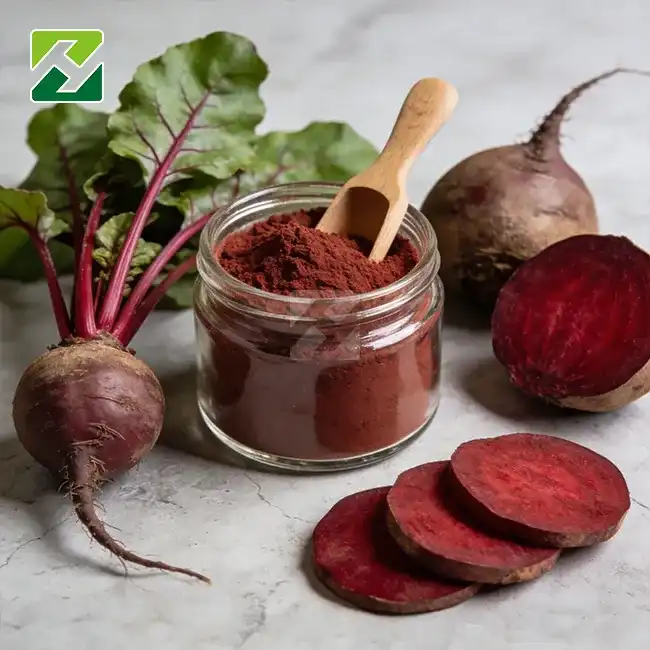
Natural Beet Root Extract: Nature’s Nutrient Powerhouse on a Spoon
VIEW MORENatural beet root extract (Beta vulgaris) is one of the most versatile botanical ingredients available to B2B formulators today. This concentrated ingredient is sourced from the root and fruit of the beetroot plant, with an extraction technique that is 100% water-based, to give standardised quantities of betalains, dietary nitrates and polyphenols in a clean, compliance-ready structure. A smarter sourcing selection is knowing what this ingredient really delivers – at the formulation level – whether you’re formulating a pre-workout supplement, functional beverage or natural colourant solution.

What Makes Beetroot Extract a Functional Ingredient Worth Sourcing?
The Biochemical Profile Behind the Color
The rich brownish-red to red colour of the Beta vulgaris extract is due to betalains, a class of nitrogenous pigments, which are divided into betacyanins (red-violet) and betaxanthins (yellow-orange). These pigments possess antioxidant capabilities that can be quantified and contribute to the colour of the extract (E1% 1cm). The extract contains betalains and dietary nitrates, which are natural precursors for the synthesis of nitric oxide in the body. Much research has been devoted to this process in sports nutrition. OHI’s extract is available in two grades, E30 and E60, with varying colour intensity to suit the needs of a wide range of applications.
Extract vs. Powder vs. Juice: What Procurement Teams Need to Know?
Many people use these words to signify the same thing, although they are actually extremely distinct. Beetroot juice powder is merely juice that's been dried out. It contains varying quantities of nitrates and is not standardised. It is manufactured from powdered dried beetroots, and the amount of active ingredient varies. Natural beet root extract, however, is properly extracted and concentrated in water, which removes extraneous fibre and preserves the nitrate level (typically between 1% and 10% by HPLC) and betalain colour value. This standardisation will enable the extract grade to be utilised in professional formulations, as it is possible to distinguish one batch from another.
How Does Beet Root Extract Compare Against Alternative Nitrate Sources?
Procurement teams, when they look at nitrate resources, commonly compare beet root extract with false sodium nitrate, spinach extract, and arugula concentration. The comparison in real life looks like this:
- Synthetic sodium nitrate provides exact nitrate figures at low cost, with clean-label and regulatory disadvantages. It can't make "natural" or "plant-based" claims on finished product labelling.
- Spinach and arugula extracts are good natural sources of nitrates, but their sensory profiles are stronger—especially the grassy, green notes—which make it harder to use them in neutral or fruit-forward recipes.
- Beetroot juice concentrate contains all the water-soluble sugars and organic acids that contribute to flavour, but reduce shelf stability and formulation flexibility as compared to a thoroughly dried extract.
The OHI water-extracted beetroot root extract has the same sensory profile as raw juice because it removes geosmin, the earthy volatile that gives foods their “dirty” flavour, while maintaining the useful betalain content. Hence, it can be blended with drink bases at pH values between 3.0 and 4.0, when natural red colourants such as anthocyanins change colour. OHI’s extract is Organic certified and also holds NSF GMP, Kosher, Halal, ISO and FSSC22000 certifications for organic product lines. That includes everything the North American and European markets are looking for in a certification.

Dosage, Formulation Guidance, and Application Scenarios
Pre-Workout and Sports Nutrition
Dietary nitrate intake at a daily dose of 300 to 600 mg has been studied in peer-reviewed sports science journals over and over again. Formulation teams can accurately and consistently figure out inclusion rates when they use a standardized extract with a 5% nitrate concentration. Because OHI's spray-dried format doesn't absorb water easily, it can be used in powders that come in canisters, where sticking is a common failure mode.
Functional RTD Beverages
For natural beet root extract, under flash pasteurization (HTST) conditions, the betalain pigments in high-grade batches keep about 85% to 90% of their color. This temperature stability profile is a big plus when it comes to buying over synthetic options that are under pressure from regulators. When mixed with acidic drinks, the brownish-red to red color of the E60 standard gives the drinks a nice look without using any fake colors.
Clean Label Meat Analogues
Plant-based product makers use beet root extract as a two-in-one ingredient: it gives the product a natural reddish color that looks like "bloody" meat, and it also adds naturally occurring nitrates. This extract is water-soluble, so it can be evenly distributed within protein matrices. Its food-grade certification profile also makes it possible for clear labeling in most retail channels.

Strategic Procurement: What to Verify Before You Source
It takes more than looking at a price list to find a useful plant extract. Before committing to a supplier, people in charge of buying things should make sure of the following:
- Assay verification: Request HPLC data confirming nitrate standardization and UV-VIS results confirming betalain color value (E1%). Batch-to-batch COA comparisons across three or more lots reveal consistency.
- Adulteration screening: Synthetic sodium nitrate can be cheaply added to inflate nitrate readings. Carbon Isotope Ratio Mass Spectrometry (IRMS) differentiates biogenic from synthetic nitrate at the molecular level — a test OHI provides upon request.
- Heavy metal testing: As a root crop, Beta vulgaris bioaccumulates soil metals. ICP-MS data for lead, arsenic, cadmium, and mercury is non-negotiable for both regulatory compliance and consumer safety.
- Microbial limits: High sugar content in the extract matrix creates favorable conditions for microbial growth. Total Plate Count, Salmonella, and E. coli results should appear on every COA.
For natural beet root extract, standard orders from OHI are sent in 25 kg drums, and the minimum order quantity (MOQ) is also 25 kg. Free samples can be sent for testing purposes. The lead time is 10 days, and there are four stores in the US that support fast domestic delivery. This cuts down on the problems with logistics that often cause new product launches to be delayed.

Market Outlook: Why Beetroot Extract Is a Long-Term Ingredient Play?
The desire for plant-based products with clean labels is not a passing fad. As formulators in sports nutrition, functional foods, and cosmetics switch from manmade actives to natural ones that can be tracked, the global plant extracts market continues to grow. This change is good for beet root extract because it meets the needs for "free-from" positioning, natural colorant demand, and functional performance claims all at the same time.
Technology for extraction is also getting better. Spray-drying methods now produce particles with smaller size ranges (80–100 mesh) and better control over how much water they absorb, which makes them easier to handle in high-speed tableting and encapsulation lines. For heat-sensitive uses like baked goods, where unprotected betalains break down above 120°C, encapsulation formats are becoming more popular. OHI's R&D team, which is made up of 42 specialists, including PhDs and professors, is actively developing next-generation delivery formats to keep up with formulation needs.
Regulatory agreement with FSSC22000, CGMP, and FDA standards gives compliant sellers a higher ranking in buying scorecards. This is especially true for brands that sell in the US, EU, and Asia-Pacific all at the same time.
Conclusion
The natural beet root extract (Beta vulgaris) has gained a reputation as a useful ingredient with many different uses. It solves real formulation problems that procurement teams face every day. It has standardized betalain content, verified nitrate levels, clean-label certification credentials, and a wide range of uses in sports nutrition, beverages, and food manufacturing. The water-extracted, certified products from OHI come in E30 and E60 standards and give serious names the stability and proof they need. Carefully sourcing this ingredient and making sure it meets all quality standards is an easy way to make your product line stand out and be defended.
FAQ
Q1: What is the difference between beet root extract and beet root powder?
Beet root powder is dried, ground root material with variable active content and retained fiber. Beet root extract undergoes aqueous extraction and concentration, standardizing nitrate levels (via HPLC) and betalain color value. The extract offers predictable potency and superior water solubility for professional formulations.
Q2: How do I verify that the nitrates in an extract are naturally derived?
Request IRMS (Isotope Ratio Mass Spectrometry) data from the supplier. This test distinguishes between biogenic nitrates from plant tissue and synthetic sodium nitrate added during processing. OHI provides this documentation upon request.
Q3: What certifications should a compliant beet root extract carry?
At minimum, look for NSF GMP, Kosher, Halal, ISO, FSSC22000, and Organic certifications. These cover food safety management, religious dietary requirements, and clean-label organic positioning across major global markets.
Q4: Can the extract be used in both supplements and food applications?
Yes. OHI's extract is certified food-grade and meets US FDA and C-GMP standards, making it suitable for dietary supplements, functional beverages, and food manufacturing applications.
Partner with OHI — Your Trusted Natural Beet Root Extract Supplier
OHI combines over 400 botanical extract formulations, a 42-member R&D team, and four US warehouse locations into a supply chain built for serious brands. As a certified natural beet root extract manufacturer, we offer E30 and E60 specifications, full QC documentation, and free samples to support your qualification process. Reach out to our team at info@organic-herb.com to request a sample or discuss bulk pricing today.
References
1. Lundberg, J.O., Weitzberg, E., & Gladwin, M.T. (2008). The nitrate–nitrite–nitric oxide pathway in physiology and therapeutics. Nature Reviews Drug Discovery, 7(2), 156–167.
2. Clifford, T., Howatson, G., West, D.J., & Stevenson, E.J. (2015). The potential benefits of red beetroot supplementation in health and disease. Nutrients, 7(4), 2801–2822.
3. Jones, A.M. (2014). Dietary nitrate supplementation and exercise performance. Sports Medicine, 44(Suppl 1), 35–45.
4. Stintzing, F.C., & Carle, R. (2004). Functional properties of anthocyanins and betalains in plants, food, and in human nutrition. Trends in Food Science & Technology, 15(1), 19–38.
5. Wruss, J., Waldenberger, G., Huemer, S., Uygun, P., Lanzerstorfer, P., Müller, U., & Weghuber, J. (2015). Compositional characteristics of commercial beetroot products and beetroot juice prepared from seven beetroot varieties grown in Upper Austria. Journal of Food Composition and Analysis, 42, 46–55.
6. Kujala, T.S., Loponen, J.M., Klika, K.D., & Pihlaja, K. (2000). Phenolics and betacyanins in red beetroot (Beta vulgaris) root: Distribution and effect of cold storage on the content of total phenolics and three individual compounds. Journal of Agricultural and Food Chemistry, 48(11), 5338–5342.
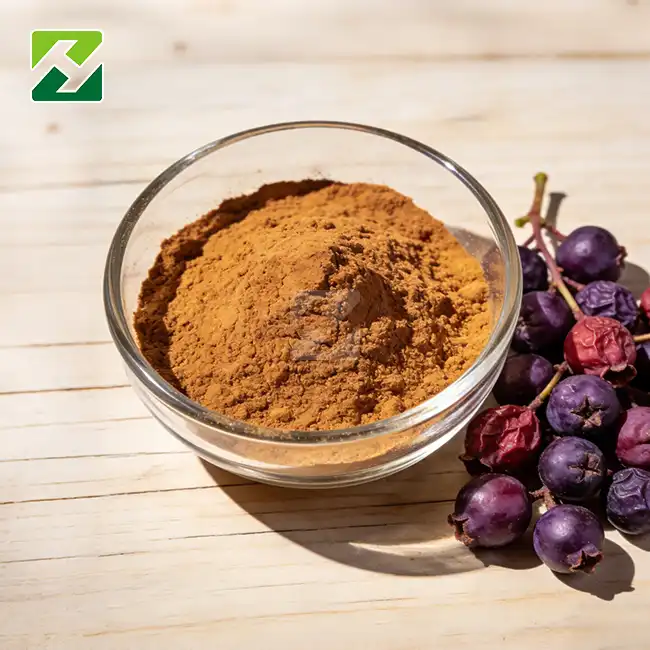
Top 5 Chaste Berry Extract Powder Benefits For Natural Hormone Support
VIEW MOREChaste berry extract powder (Vitex agnus-castus) has a solid reputation among formulators and R&D specialists in the nutraceutical business when it comes to natural hormone support. This standardised botanical ingredient is made from the dried berries of Vitex agnus-castus L. and contains the main bioactive constituents, in particular iridoid glycosides (mostly agnuside and aucubin) and flavonoids (mainly casticin and vitexin). It is a desirable ingredient for firms producing women’s wellness, hormone balance, and functional health products, given its well-documented role in regulating the hypothalamic-pituitary-ovarian axis.


Benefit 1: Balancing Hormones Naturally
How Vitex agnus-castus Modulates Pituitary Function
The pituitary gland is the most investigated target for the impact of Vitex agnus-castus fruit extract, as a dopaminergic agent. The active chemicals in the product bind to dopamine D2 receptors and block the production of excess prolactin. There is a direct relationship between high prolactin and women who are short on the luteal phase and have difficulty with their periods. The extract aids in restoring regular prolactin production, which helps to preserve oestrogen and progesterone levels in a healthy range during the menstrual cycle.
A 2013 placebo-controlled clinical trial published in the Journal of Women’s Health showed that a standardised extract of Vitex agnus-castus effectively decreased prolactin levels throughout three menstrual cycles. With this professional support, B2B clients who create women’s health supplement lines can make product claims that are backed up with evidence. This is highly essential in the competitive clean label business.
Chaste berry extract powder differs from other options, such as evening primrose oil, which mainly delivers gamma-linolenic acid without a direct effect on hormones. Chaste berry extract acts at a higher physiological level and gives formulators a unique and scientifically supported choice of ingredient.
Benefit 2: Effective Relief from PMS Symptoms
Dosage Guidance and Formulation Formats
About 75 percent of women of childbearing age suffer from premenstrual syndrome, claims the American College of Obstetricians and Gynaecologists. Standardised Vitex agnus-castus extract has been demonstrated to improve PMS symptoms such as mood swings, breast soreness, and bloating, especially when a standardised extract containing 0.5% agnusides is taken at a dose of 20–40 mg daily.
This substance can be included in a number of delivery systems. The critical style decisions that matter when designing B2B products are:
- Capsules and pills continue to be the most popular option for women’s health supplements. The extract has moderate compressibility, and flow agents such as silicon dioxide have been used to guarantee uniform fill weights.
- Functional powder premixes provide a versatile framework for hormone balance drink mixes; however, water-dispersible grades or microencapsulation may be needed to maintain solubility and disguise the herb’s naturally bitter taste.
Tinctures and liquid extracts are favoured in traditional herbal marketplaces and speciality wellness brands with minimum excipients.
Each style appeals to another group of people. The formulation team at OHI can help you make a sensible decision on what distribution strategy is ideal for your target demographic and market environment. For women’s health, these choices affect the effectiveness of the product, how well customers follow the directions, and how the brand stands out.
Benefit 3: Supporting Skin Clarity Through Hormonal Balance
Active Compounds That Benefit Skin Health
Changes in hormones, especially high levels of androgens and prolactin, are known to cause acne and uneven skin tone. The flavonoids and iridoid glycosides that are high in Vitex agnus-castus berry extract stop this problem at its source by controlling the hormones that make the sebaceous glands work too hard.
A polymethoxyflavone called cassicin, which is found in chaste berry juice, has been shown to reduce inflammation in experimental studies. Because of this, the extract is appealing to both supplement companies and cosmetic companies that are making lines of skin care products for adults with acne who are sensitive to hormones.
For business buyers, this is a must-have for uniform purity and repeatability from batch to batch. HPLC testing confirms that OHI's chaste berry extract has at least 0.5% agnusides. HPTLC testing confirms the plant identity and rules out adulteration from the closely related species Vitex negundo. The extract is certified by NSF GMP, ISO, FSSC22000, Kosher, Halal, and Organic, which means it meets quality standards in the US and other countries.

Benefit 4: Nutritional Profile and Safety Transparency
Key Bioactives and Responsible Use Guidance
Chaste berry extract powder is a healthy food that contains a lot of different beneficial compounds that do more than just change hormones. Antioxidant action comes from vitexin and isovitexin, and the herbal, slightly spicy smell of the extract comes from essential oils found in the whole berry. All of these chemicals work together to make it useful in both supplements and beneficial foods.
Water and ethanol are used to extract the berry part of Vitex agnus-castus to make OHI's extract, which is a fine, brownish-yellow powder. Specifications include 4:1 and 10:1 concentration ratios, as well as standardization at 0.5% agnusides. This gives buying teams options based on strength goals and label requirements for the final product.
When it comes to regulations, OHI's manufacturing processes meet the needs of the US FDA and C-GMP. When asked, procurement professionals can get full documentation, such as HPLC chromatograms, a Certificate of Analysis, and C14 radiocarbon testing. This makes sure that the whole process can be tracked, from the raw material to the finished extract.

Benefit 5: Strategic Advantages of Bulk Procurement
Why B2B Buyers Choose OHI as Their Vitex Extract Supplier
To get botanical actives on a large scale, you need more than just low prices. You also need a stable supply chain, clear documentation, and expert help. As a seller of chaste berry extract powder with a fully integrated supply chain, OHI meets all of these needs.
Here are the operational benefits that make OHI a good partner for the long term:
- Inventory in US warehouses: Earth Made Nutritions (Los Angeles, CA), a wholly owned subsidiary of OHI, runs four large local warehouses across the US, allowing for fast domestic delivery free of customs delays.
- The production plant in Yichun, Jiangxi Province, has earned several certifications, including NSF GMP, ISO9001, FSSC22000, Halal, Kosher, and Organic. This ensures that the products satisfy the standards set by nutraceutical and cosmetic firms established in the US.
- Brands may easily test new formulas before scaling up with our flexible order terms, which include a minimum order quantity (MOQ) starting at 25 kg/drum, free samples, and a normal lead time of 7 days.
- Controlling the sourcing process from the bottom up: OHI oversees cultivation, harvesting, and quality tracking on more than 8,000 acres of planting bases certified by Good Agricultural Practice (GAP) throughout many provinces.
These benefits in purchasing cut down on the formulation and sourcing risks that often slow down the launch of new products. OHI's supply infrastructure supports your timeline and quality expectations, whether you are launching a new line of supplements for women's health or making more of an existing PMS supplement.

Conclusion
Vitex agnus-castus berry extract is one of the botanical ingredients with the most scientific proof for supporting hormones naturally. Its workings are well understood, its active ingredients can be measured and standardized, and it can be used in a wide range of products, including supplements, functional drinks, and cosmetics. This extract really adds value to formulations for companies that make nutraceuticals, cosmetics, and functional foods that want to use clean-label products that are clinically relevant. The US-verified, certified, and ready-to-ship standardized chaste berry extract powder from OHI provides a way to buy that combines scientific accuracy with practical dependability.
FAQ
Q1: What specifications does OHI's Vitex agnus-castus extract come in?
OHI provides three main options: 4:1 and 10:1 concentration ratios, as well as a 0.5% agnusides standardized extract that has been checked by HPLC. All of them come from the berry of the Vitex agnus-castus plant, which is extracted with water and ethanol and has a brownish-yellow color. MOQ is 25 kg/drum, and samples are free with a lead time of 7 days.
Q2: What is the difference between a ratio extract and a standardized extract?
A 10:1 ratio means that 10 kg of raw berries make 1 kg of extract. However, the amount of active compounds can change from harvest to harvest. A standardized extract makes sure that every batch has the same amount of bioactives, like 0.5% agnusides. This helps ensure stable clinical performance and formulation results.
Q3: Is the extract compatible with beverage formulations?
Standard grades can dissolve in water to some extent. For functional drink uses, a grade that dissolves in water or a microencapsulated format is suggested to keep the taste from getting off and to stop sedimentation. For help with the format, contact OHI's technical team.
Q4: How should the powder be stored?
Keep in dry places below 25°C in double-lined, sealed PE bags inside drums. The extract is fairly water-absorbing, so desiccants should be used on opened packages to keep the activity and shelf life.
Source High-Purity Vitex Extract with OHI — Request Your Free Sample Today
OHI sells certified chaste berry extract powder to companies that need a reliable plant ingredient source with stock in the US and quality standards for pharmaceuticals. OHI helps you reach your formulation goals from small-scale testing to full-scale production with GAP-controlled sources, HPLC-verified purity, and a variable MOQ starting at 25 kg. You can email our team at info@organic-herb.com right now to ask for a free sample and product information.
References
1. Schellenberg, R. (2001). Treatment for the premenstrual syndrome with agnus castus fruit extract. BMJ, 322(7279), 134–137.
2. Wuttke, W., Jarry, H., & Seidlová-Wuttke, D. (2003). Chaste tree (Vitex agnus-castus): Pharmacology and clinical indications. Phytomedicine, 10(4), 348–357.
3. He, Z., Chen, R., Zhou, Y., et al. (2009). Treatment for premenstrual syndrome with Vitex agnus-castus: A prospective, randomized, multi-center placebo-controlled study in China. Maturitas, 63(1), 99–103.
4. Zamani, M., Neghab, N., & Torabian, S. (2012). Therapeutic effect of Vitex agnus-castus in patients with premenstrual syndrome. Acta Medica Iranica, 50(2), 101–106.
5. Loch, E. G., Selle, H., & Boblitz, N. (2000). Treatment of premenstrual syndrome with a phytopharmaceutical formulation containing Vitex agnus-castus. Journal of Women's Health & Gender-Based Medicine, 9(3), 315–320.
6. van Die, M. D., Burger, H. G., Teede, H. J., & Bone, K. M. (2013). Vitex agnus-castus extracts for female reproductive disorders: A systematic review of clinical trials. Planta Medica, 79(7), 562–575.
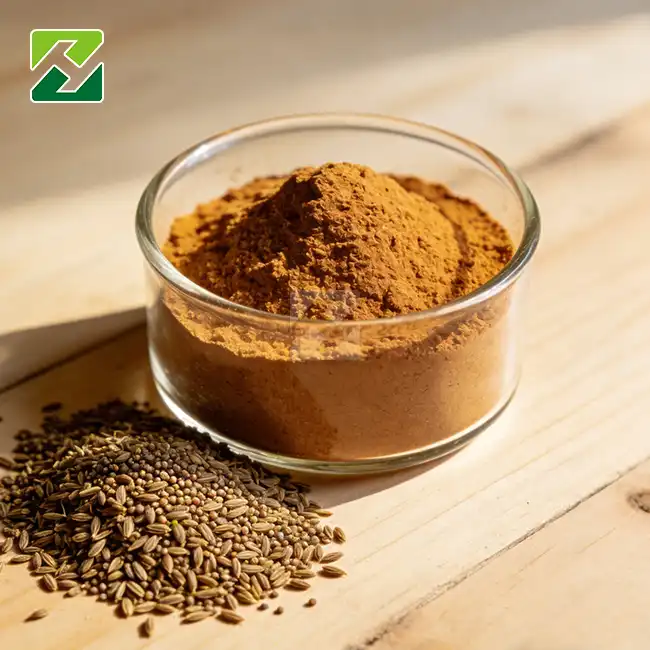
Natural Celery Seed Extract: Nature's hidden treasure
VIEW MOREDerived from the seeds of Apium graveolens, natural celery seed extract has become one of the most adaptable botanical ingredients in today’s nutraceutical and functional product scene. It is water-based, concentrated, and standardised to retain important bioactive constituents like phthalides such as 3-n-butylphthalide (3nB) and the flavonoid apigenin for a constant, quantifiable efficacy that raw celery powder just cannot provide. This extract is a really exciting prospect that R&D directors, formulation scientists, and procurement managers should grasp in depth for a clean label, traceable botanical active.

Understanding Celery Seed Extract: Composition and Functional Benefits
The Bioactive Profile of Apium graveolens Seeds
The seeds of Apium graveolens are rich in phthalides, flavonoids, and volatile oils. Most studies on these chemicals have been concentrated on sedanolide and 3-n-butylphthalide (3nB). Apigenin is also an important antioxidant. A 2022 review published in Molecules reports that the antioxidant activity of phthalide-rich sections of celery seeds is quantifiable. This favours their increasing use in the design of functional ingredients.
Standardisation is what makes this extract different from other plant powders. When water is the only extraction solvent, the brownish-yellow powder obtained has a known active profile that formulation managers can depend on for substantiated claims, with a concentration ratio of 4:1 or 10:1.
From Seed to Functional Ingredient
Celery seed contains phthalide compounds that are known to improve the functioning of the heart and blood vessels and to break down uric acid. This makes natural celery seed extract a popular element in treatments that assist with joint pain and heart health. 3nB has been shown in the clinical literature to open blood vessels. It's a major ingredient in a lot of gout cure remedies because it assists in preserving appropriate uric acid levels. “Food scientists know that celery seed extract can be used as a natural source of nitrates in clean-label meat processing to keep the colour stable without the addition of any synthetic chemicals,” he said. So it becomes something that may be used in a number of fields.
Comparing Celery Seed Extract Solutions: What to Look For?
Natural vs. Synthetic and Powder vs. Standardized Extract
When purchasing teams look at ingredients, consumer preferences and regulatory positions play a bigger role in choosing between natural botanical extracts and synthetic analogs. When it comes to clean labels, natural extracts are already trustworthy, and regular plant forms give you the consistency that synthetic compounds used to offer. Celery seed extract is a good link between the two worlds.
It's just as important to understand the structure. Here are the main differences that help you decide how to formulate:
- Standardized water-extracted powder (4:1 or 10:1 ratio): Delivers concentrated phthalide content in a stable, blendable form. Ideal for capsules, tablets, and functional powder mixes. The water solvent ensures no residual hexane or ethanol concerns, aligning with clean-label manufacturing requirements.
- Standard celery seed powder: Ground seeds with an approximate 3nB density of 0.05%, offering low therapeutic density and significant batch-to-batch variation — unsuitable for precision formulation.
- Encapsulated softgels: Particularly suited for cardiovascular support applications where lipid-soluble active components benefit from the lipid digestion pathway and protection from oxidative degradation.
When production is scaled up, these differences in format are very important. If you pick the wrong form, it could hurt claims that the product works and put you at risk of not following the rules in regulated markets like the US and EU.
Positioning Alongside Complementary Ingredients
For joint pain, celery seed extract works well with tart cherry extract, boswellia, and vitamin C. For circulatory health, it works well with magnesium or hawthorn berry. In the busy supplement market, knowing about these ties that help each other out helps brands set their products apart.

Procurement Guide: Sourcing Celery Seed Extract for Industrial Use
To get natural celery seed extract on a large scale for business use, you need more than just a low price. For supply to be reliable, the seller must have certified manufacturing facilities, the ability to track products from start to finish, and the logistical skills to produce regularly across foreign markets.
When a supplier is being qualified, the following factors should be carefully considered:
- Certifications: NSF GMP, ISO 9001, FSSC 22000, Kosher, Halal, and Organic certifications confirm both process integrity and market access eligibility across major global regions.
- Specification compliance: Confirm HPLC-verified active content (3nB and apigenin), Loss on Drying ≤5.0%, Total Ash ≤5.0%, and bulk density within 0.40–0.60 g/ml to ensure downstream processability.
- Allergen management: Celery is a declared allergen under EU regulation. ELISA-based allergen quantification and dedicated processing lines are non-negotiable in compliant manufacturing.
- Contaminant screening: Polycyclic aromatic hydrocarbons (PAHs), specifically Benzo(a)pyrene < 10 ppb, and pesticide residues per USP <561> must be verified via third-party batch testing.
In addition to paperwork, you should ask for actual samples before you commit to large sales. For most business uses, the minimum order quantity (MOQ) is a 25 kg drum, and wait times of about 7 days should be possible from a reputable supplier with stock in a US warehouse.

Usage and Formulation Guidance for Product Developers
To properly formulate celery seed extract, you must first know the appropriate active concentration for the purpose you want to use it for. For extracts that are standardized to about 2.2% 3nB, the recommended daily intake range is between 75 mg and 150 mg per serving. Higher-ratio extracts (10:1) that aren't actively standardized usually need higher-gram-weight supplies to get the same functional density.
It's important to keep in mind that the extract is somewhat water-absorbing because it contains oligosaccharides and mineral salts. When kept in a cool, dry building, double-lined polyethylene bags inside sealed fiber drums keep the oil from clumping and protect its integrity.
Natural celery seed extract must comply with the rules for the US Food and Drug Administration (FDA) and the European Union's Novel Food and Supplements Regulations, so labels need to be carefully looked over. Under DSHEA rules, claims about lowering uric acid, supporting antioxidant activity, and improving circulatory health are usually supported in the US supplement market, as long as the claims are clear and backed up by proof.

Market Outlook: Botanical Extracts in a Clean-Label Era
According to a study by Grand View Research, the global market for botanical extracts will grow at a compound annual growth rate (CAGR) of about 7.5% until 2030. More and more people want ingredients that come from plants and are minimally processed. At the same time, regulations are putting more pressure on North American, European, and Asian-Pacific markets to fully trace all of their ingredients.
It makes sense that celery seed extract would fit well into this path. Because it can be used in both high-end supplement products and functional food processing, it has more economic flexibility than plants that are only useful for one purpose. If purchasing managers build ties with certified, vertically integrated makers now, they will be less likely to have to deal with sourcing changes when demand rises.
Conclusion
Apium graveolens, or natural celery seed extract, is a widely adaptable and functional ingredient that nutraceutical brands, functional food makers, and cosmetic formulators should all pay close attention to. Its standardized phthalide profile, clean water extraction method, and ability to be used in many areas make it a useful addition to any product development process. A promising ingredient can become a valuable business tool when partnered with a provider that keeps approved quality systems and a reliable local inventory.
FAQ
Q1: What is the difference between a 4:1 and 10:1 celery seed extract?
The ratio indicates concentration relative to raw material. A 10:1 extract uses ten kilograms of seeds to produce one kilogram of extract, resulting in higher active density. However, without HPLC-based standardization of 3nB or apigenin content, the ratio alone does not guarantee therapeutic equivalence between batches.
Q2: Is water-extracted celery seed powder suitable for liquid beverage applications?
Standard water-extracted powder may produce sedimentation in clear beverages. Micro-encapsulated or nano-emulsified grades are recommended to achieve optical clarity and homogeneous dispersion in functional drink formulations.
Q3: How should bulk celery seed extract be stored to maintain quality?
Store in double-lined polyethylene bags inside sealed fiber drums, in a cool, dry environment below 25°C and away from direct light. This preserves volatile oil integrity and prevents hygroscopic caking over extended inventory periods.
Q4: Does celery qualify as a declared allergen under US and EU regulations?
Celery is a declared allergen under EU Regulation 1169/2011. While US FDA labeling requirements focus on the "Big 9" allergens, manufacturers targeting European markets must conduct ELISA-based allergen testing and implement cross-contamination controls accordingly.
Source Your Celery Seed Extract Ingredient Through OHI
OHI (Organic Herb Inc.) supplies pharmaceutical-grade natural celery seed extract to nutraceutical and functional food manufacturers across the United States. As a verified natural celery seed extract manufacturer with NSF GMP, ISO 9001, FSSC 22000, Kosher, Halal, and Organic certifications, OHI operates four US domestic warehouses for rapid fulfillment with a 7-day lead time and a 25 kg MOQ. Free samples are available upon request. Reach our technical team at info@organic-herb.com to request specifications and batch documentation.
References
1. Sowbhagya, H. B. (2014). Chemistry, Technology, and Nutraceutical Functions of Celery (Apium graveolens L.): An Overview. Critical Reviews in Food Science and Nutrition.
2. Yao, Y., et al. (2022). Bioactive Phthalides from Apium graveolens: A Review of Phytochemistry and Biological Activity. Molecules.
3. Powanda, M. C., et al. (2015). Celery Seed and Related Extracts with Antiarthritic, Antiulcer, and Antimicrobial Activities. Progress in Drug Research.
4. Grand View Research. (2023). Botanical Extracts Market Size, Share & Trends Analysis Report. Grand View Research Industry Reports.
5. European Food Safety Authority (EFSA). (2020). Celery as a Declared Allergen: Scientific Assessment and Labeling Guidance. EFSA Journal.
6. Mencherini, T., et al. (2007). An Extract of Apium graveolens var. dulce Leaves: Structure of the Major Constituent, Apiin, and Its Anti-Inflammatory Properties. Journal of Pharmacy and Pharmacology.
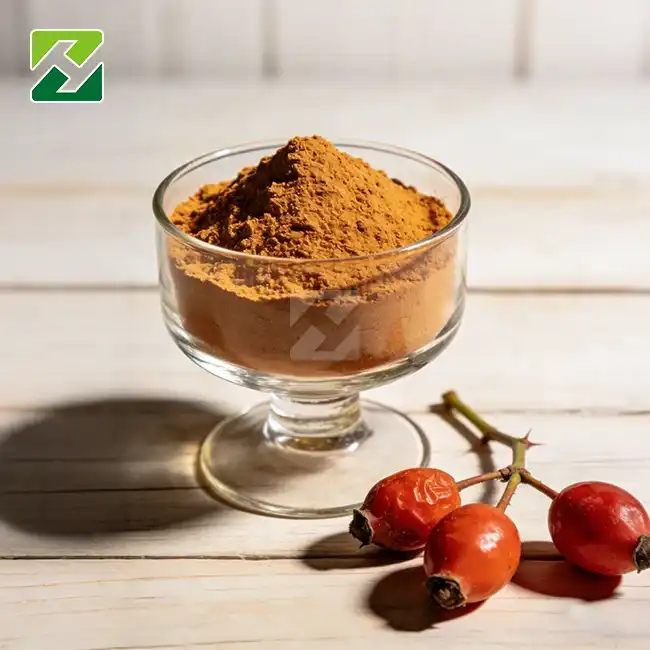
Exploring the Versatility of Rosehip Fruit Extract in Product Development
VIEW MORERosehip Fruit Extract, derived from the pseudo-fruit of Rosa canina, represents a breakthrough ingredient for formulation scientists and procurement managers seeking clean-label botanical actives. This water-extracted powder contains standardized vitamin C alongside polyphenols and galactolipids, supporting multiple product development needs across nutraceuticals, cosmetics, and functional foods. Its proven stability, batch consistency, and compliance with international quality standards make it an exceptional choice for brands differentiating through natural ingredient positioning. Understanding how to leverage this versatile extract can unlock significant competitive advantages in today's wellness-focused marketplace.

Understanding Rosehip Fruit Extract: Composition, Benefits & Production
The Botanical Foundation of Quality
Rosa canina, also called the "dog rose," blooms and then makes bright red hips. These are the concentrated parts that are used to make quality extracts. The fruit extract, on the other hand, targets bioactives that dissolve in water through advanced processing, while rosehip seed oil is high in fatty acids. Our 10:1 concentrated powder from OHI is extracted using only water, so there are no solvent leftovers that regulatory teams and clean-label supporters are worried about.
Nutritional and Functional Profile
The extract has natural L-ascorbic acid (with at least 5% vitamin C), as well as quercetin, rutin, and pigments like lycopene and beta-carotene. This synergistic matrix provides a combination of naturally occurring antioxidant compounds alongside synthetic vitamins that are used separately. The galactolipid part, which scientists call GOPO, is a naturally occurring component that can be considered when developing formulas for joint-focused product concepts. The brownish-yellow powder contains anthocyanins, which are naturally occurring plant pigments that can contribute to the formulation profile of beauty-oriented products.
Production Methods That Preserve Efficacy
For a good extraction to start, the fruit must be picked when it is fully ripe from controlled growing environments. OHI's GAP-certified planting sites in Hunan and Jiangxi provinces make sure that the whole process can be tracked, from the dirt to the finished product. Dynamic low-temperature extraction and nano-membrane isolation technology are used in the production process to help maintain the characteristics of heat-sensitive compounds. The process is finished by freeze-drying, which makes a stable powder that dissolves easily (95% of it passes through an 80-mesh screen), which ensures even distribution in tablet or beverage formulations. This focus on particle engineering can support formulation consistency, especially in complicated systems that need to run consistently.
Comparing Rosehip Fruit Extract with Alternative Ingredients
Natural Vitamin C Versus Synthetic Ascorbic Acid
The market is dominated by synthetic vitamin C because it is cheaper, but it doesn't have the beneficial bioflavonoids that come from plants. The natural vitamin C in rosehip extract is accompanied by polyphenols, which contribute to the overall phytochemical profile and formulation characteristics of the extract. This is especially relevant in beauty products where botanical ingredient positioning and formulation characteristics are important considerations.
Positioning Against Collagen and Hyaluronic Acid
Hydrolyzed collagen gives you structural peptides, and hyaluronic acid keeps moisture in. Rosehip extract contains naturally occurring compounds that are of interest in formulations focused on botanical beauty ingredients. It can be positioned as a complementary ingredient rather than a replacement because it pairs well with collagen peptides in beauty-oriented formulations. Cosmetic scientists may consider this feature when developing multi-use skincare serums or nutricosmetic products.
Joint Health Applications Compared to Glucosamine
Traditional joint-focused formulas use glucosamine sulfate or chondroitin, which are commonly included in long-term product formulations. Rosehip extract contains a galactolipid component with a distinctive composition and can be considered when developing formulations that include botanical galactolipid ingredients. Published research has examined rosehip galactolipids in product formulations, making rosehip extract a consideration for combination formulas targeting mature consumer segments. The fact that it is water-soluble also makes dosing easier than with lipophilic choices like fish oil, making capsules or sachets more handy.

Application & Formulation: How to Use Rosehip Fruit Extract in Product Development?
Nutraceutical Integration Strategies
At doses of 200 to 500 mg per serving, the extract can be incorporated into a range of food products. The brownish-yellow color works well with opaque pill shells or covered tablets, so no extra coloring is needed. When formulators figure out how much powder to mix for sealing equipment, they should keep in mind that the powder has a bulk density of 0.45 to 0.65 g/ml. Stability tests indicate that vitamin C can maintain its specified characteristics over 24 months when stored in HDPE bottles or blister packs with suitable desiccants.
Functional Beverage Innovations
The high water solubility of the extract changes how drinks are used. Whole fruit powders that are high in fiber tend to settle to the bottom, but this clear extract mixes easily into sports drinks and functional beverage shots. The natural sourness goes well with lemon flavors and hides mineral notes that come from electrolytes or herbs that have been added. Manufacturers of ready-to-drink drinks consider how stable the microbes are. Our processing results in low bioburden counts designed to meet beverage industry standards and support compatibility with selected probiotic combinations.
Cosmetic Formulation Considerations
Skincare companies use the extract in watery phase systems, usually in serums and creams at a strength of 2 to 5 percent. For the vitamin C content to be stable, the pH level needs to be kept between 3.5 and 5.0. It works well with ferulic acid or vitamin E as co-antioxidants. During production, the powder spreads out easily without the need for special emulsification tools. Finished products can be evaluated using skin radiance metrics after 28 days of use, which gives marketing teams data to support their product positioning. Natural carotenoids add a light warmth to cream bases, so natural product lines don't have to use as many artificial colorants.

Procurement Insights: Sourcing Quality Rosehip Fruit Extract for B2B Clients
Certification Standards That Matter
Reliable providers keep a lot of quality records, from the inputs used in farming to the release of the final product. OHI has certificates for NSF GMP, FSSC 22000, ISO 9001, Kosher, Halal, and Organic. These qualifications make it easier to file with regulators in markets around the world. These aren't just badges; they're proof of systems that make sure there are controls on pesticide residues, tests for heavy metals, and microbiological safety. The procurement team should make sure that the certificates are still valid and cover the specific factory that is making your order.
Understanding Pricing and Minimum Orders
The extract market reflects the facts of farming; crop yields and when crops are harvested affect the yearly price cycles. Getting in touch with vertically integrated suppliers like OHI, which manages 8,000 acres of GAP-standard farming, gives you price stability that brokers can't offer. Our 25 kg minimum order quantity lets you do product development tests with rosehip extract without having to spend a lot of money. When buyers buy in bulk, they can save money by buying more on a box, and the prices are clear because the specs are written down instead of being vague about the grade.
Supply Chain Reliability and Logistics
When buying plants from foreign sellers, North American buyers face special problems that can't be solved easily. Earth Made Nutritions, OHI's wholly owned California subsidiary that keeps stock in four regional warehouses, takes care of this. This infrastructure makes it possible for 10-day lead times from order approval to delivery, which is very important for just-in-time manufacturing plans. Certificates of Analysis with HPLC chromatograms, country-of-origin statements, and allergen declarations that meet FDA requirements for dietary supplement DMFs are all part of the documentation packages.
Customization Capabilities for Brand Differentiation
Advanced providers offer more than just standard specs; they also offer custom ratios and co-processing services. The R&D team at OHI has 27 senior researchers and specialized equipment worth $1.2 million. They can make custom blends by combining rosehip extract with botanicals that are suitable for the target formulation. This is helpful for brands that want to protect their recipe IP or make their supply lines more efficient by buying from a single source. Suppliers become development partners instead of just commodity vendors when they offer technical support that includes stability studies and formulation troubleshooting.

Maximizing Value: Strategic Insights for Rosehip Fruit Extract Use
Market Positioning in Natural Product Trends
Consumer studies show that people always prefer ingredient names that are easy to remember over chemical descriptions. The term "rosehip extract" has a natural appeal that comes from its botanical origin and sets it apart from other plant-based ingredients on the market. This can be used to a brand's advantage by telling stories about sustainable wild harvesting and the nutritional profile of vitamin C. Clean-label features like water extraction, organic certification options, and non-GMO status are perfect for the way millennials and Gen Z buy things, which is driving category growth.
Synergistic Ingredient Combinations
Formulators with a lot of experience know that botanical extracts work best in intelligent matrices. When you mix rosehip extract with collagen peptides, you get "complete" beauty supplements that combine botanical extracts with collagen-based ingredients. When mixed with turmeric or ginger ingredients in joint-focused products, it provides a broader botanical ingredient profile. These smart mixtures can broaden formulation options, while proprietary combinations may also support differentiated product concepts and brand positioning.
Regulatory Navigation and Claim Substantiation
The product has very good bioactive profiles, but regulations are very different in different countries. In the US, structure-function claims need to be carefully worded so that they remain consistent with applicable labeling and advertising requirements. Under EFSA rules, the European market has specific requirements for vitamin C-related claims, which give companies a framework for compliant product positioning. Working with suppliers who understand these details and provide the right paperwork speeds up the time it takes to launch a product while lowering the risk of not following the rules.
Conclusion
Rosehip fruit extract is becoming an important ingredient for brands that want to use natural ingredients and come up with new ways to make products. Its versatile application across nutraceuticals, functional foods, and cosmetics—combined with powerful supply chain choices and extensive quality certifications—addresses the core concerns of procurement workers and R&D teams. The 10:1 concentration ratio and standard 5% vitamin C content make the formulation predictable, and the water-based extraction meets clean-label standards. Companies that work with vertically integrated providers have an edge over their competitors because they can customize products, get expert help, and rely on dependable delivery. More and more people want clear, plant-based ingredients that are backed by science. This herbal extract is a great way to set your product apart and help the market grow.
FAQ
1. What dosage recommendations apply to joint mobility formulations?
Published research on galactolipid content has examined rosehip powder at different inclusion levels, while approximately 500 mg of our 10:1 extract corresponds to 5 grams of the original rosehip powder based on the concentration ratio. This concentration provides a defined level of naturally occurring compounds while keeping the formulation size practical. Formulation makers often mix this with 1,500 mg of glucosamine to create combination formulations.
2. How does organic certification impact extract performance?
Organic status mostly ensures that synthetic fertilizers and pesticides are not used in farming, which is proven by third-party audits. When processing methods stay the same, there aren't many differences in the bioactive content of organic and conventional extracts. If a brand wants to get USDA Organic certification, it needs to use certified organic ingredients. If not, the choice will depend on marketing positioning and consumer expectations instead of which ingredient offers a different formulation profile.
3. Can the extract withstand thermal processing in food applications?
The freeze-dried powder can handle some mild heat during production—the 185–195°F temperatures used for pasteurization in beverage hot-fill processes are high enough to keep more than 85% of the vitamin C. Long-term high-heat processes like baking can result in greater vitamin C degradation; for heat-sensitive forms, sealing or post-process addition works better.
Partner with a Trusted Rosehip Fruit Extract Supplier
OHI is ready to help you develop new products by providing you with high-quality plant extracts, including Rosehip Fruit Extract, and complete quality control systems. As a publicly traded company (Stock Number: 872213), we don't have to worry about supply chain issues that throw off production schedules because our GAP cultivation bases are vertically integrated. Our Earth Made Nutrition subsidiary in California keeps a strategic stockpile that allows for quick shipping across North America. Samples are sent for free to qualifying accounts for formulation testing. Our 42-person technical team helps with formulation, stability routines, and regulatory paperwork so that new products can be launched successfully. An R&D partnership goes beyond just selling ingredients. Whether you need 25 kg for a test run or full pallets for production, our FSSC22000- and NSF GMP-certified facilities provide consistent quality that meets the high standards of the cosmetics and nutraceutical industries. Email our application specialists at info@organic-herb.com to talk about specific needs or to get technical data sheets.
References
1. Winther K, Campbell-Tofte J, Vinther Hansen AS. Bioactive ingredients of rose hips (Rosa canina L.) with special reference to antioxidative and anti-inflammatory properties. Botanicals: Targets and Therapy 2016; 6:11-23.
2. Chrubasik C, Roufogalis BD, Müller-Ladner U, Chrubasik S. A systematic review on the Rosa canina effect and efficacy profiles. Phytotherapy Research 2008; 22(6):725-733.
3. Lattanzio F, Greco E, Carretta D, Cervellati R, Govoni P, Speroni E. In vivo anti-inflammatory effect of Rosa canina L. extract. Journal of Ethnopharmacology 2011; 137(1):880-885.
4. Ilyasov IR, Beloborodov VL, Selivanova IA, Terekhov RP. ABTS/PP decolorization assay of antioxidant capacity reaction pathways. International Journal of Molecular Sciences 2020; 21(3):1131.
5. Pullar JM, Carr AC, Vissers MCM. The roles of vitamin C in skin health. Nutrients 2017; 9(8):866.
6. Schwager J, Hoeller U, Wolfram S, Richard N. Rose hip and its constituent galactolipids confer cartilage protection by modulating cytokine and chemokine expression. BMC Complementary Medicine and Therapies 2011; 11:105.
 VIEW MORE
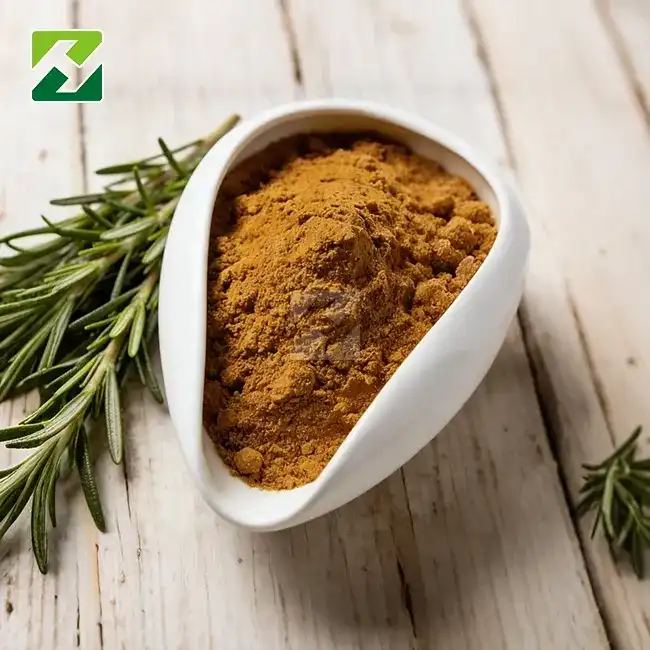
If you're sourcing rosemary oil for industrial use, the answer depends on your application. Retail channels like Amazon carry essential oils for personal use, but B2B buyers — nutraceutical brands, cosmetic manufacturers, and food producers — need something more precise. What most professional formulations actually call for is a standardized rosemary extract, not an aromatherapy oil. Derived from Rosmarinus officinalis leaves, rosemary extract delivers measurable active compounds like rosmarinic acid and carnosic acid, offering consistent antioxidant performance and clean-label compliance at scale.

Understanding Rosemary Oil and Rosemary Extract
What Sets Them Apart Technically
Rosemary essential oil is made by steam distilling the flowering tops of the plant. This process releases volatile odor chemicals like camphor and 1,8-cineole. In fragrance and aromatherapy settings, it's mostly used. On the other hand, rosemary extract is made by extracting the leaf with water or a solvent and then standardizing it to useful phenolic markers, mostly carnosic acid and rosmarinic acid. These two active chemicals work in different types of matrices: rosmarinic acid dissolves in water, while carnosic acid dissolves in oil. This means that the extract can be used in a wider range of lipid-rich and water-based products.
Industrial Benefits Procurement Teams Care About
In 2023, the global market for antioxidant ingredients was worth more than USD 3.5 billion. As brands move away from synthetic additives like BHA and BHT, plant-based preservatives are gaining market share. In the US, rosemary extract is considered GRAS, and in the EU, it is known as E392. This means that it is legal in all major regulated markets around the world. This dual regulatory recognition makes cross-market product creation a lot easier for R&D leaders and formulation managers.

Where to Source High-Quality Rosemary Oil and Extract?
Evaluating Supplier Regions and Credentials
North America, Europe, and Asia are the main places where rosemary-based products come from. Most of the time, European suppliers, especially those from Spain and France, charge more because they have a long history of growing crops. North American distributors are familiar with FDA regulations, but they usually get their raw materials from other countries. For large-scale purchases, Asian manufacturers have become technically competitive and cost-effective partners. This is especially true for those with fully integrated operations and certified extraction centers.
When buying teams, look at any source; they should put these things first:
- Third-party certifications: NSF GMP, ISO 9001, FSSC 22000, Kosher, Halal, and Organic certifications are industry benchmarks for ingredient suppliers.
- Specification transparency: Look for HPLC-confirmed active content, not just nominal percentages listed on a product sheet.
- Available product forms: Industrial buyers may need powders, liquids, or water-dispersible formats depending on their manufacturing line.
These credentials are not just different marketing tools; they stand for quality systems and production environments that have been checked out. This keeps your supply chain safe from problems with compliance further down the line.
Product Forms Available for B2B Use
Rosemary extract can be bought in stores as a fine powder, a thick liquid concentrate, or a mixture that mixes with water. Most companies that make supplements and foods find that a brownish-yellow powder that is standardized to certain active markers is the easiest to use in dry mixing and packing.

Buying Guide for Rosemary Oil and Extract — What Procurement Managers Should Know
Organic vs. Conventional and Certification Impact
Certified organic rosemary extract costs more, but brands that want to use the USDA Organic or EU Organic label must have the certification. Conventional grades can still be used in situations where the organic claim is not an important part of the product's positioning. The most important thing to consider when buying rosemary extract is often the extraction solvent. Grades that are water-extracted have a clear formulation advantage for clean-label products because they don't have to worry about residual solvents and are more in line with consumer preferences for minimally processed ingredients. Lead times depend on how much material the seller has and can be anywhere from 7 to 15 business days. When buyers buy from sellers with US warehouses, they can get lower landing costs and no customs risk for production runs that need to be done quickly. Standard packaging in 25 kg drums keeps the quality of the product safe while it's being shipped and meets GMP storage requirements for dry botanical extracts.
Pricing, MOQ, and Packaging Logistics
Bulk pricing for standardized rosemary extract typically scales at the 25 kg drum level. Lead times vary between 7 and 15 business days depending on the supplier's inventory position. Buyers sourcing from suppliers with domestic US warehouse capacity can reduce landed cost and eliminate customs risk on time-sensitive production runs. Standard packaging in 25 kg drums preserves product integrity during transit and aligns with GMP storage requirements for dry botanical extracts.
Rosemary Oil and Extract Applications in B2B Markets
Cross-Sector Demand Drivers
Rosemary extract has a strong position in a number of different industries. Its phenolic chemicals help keep plant serums, hair oils, and emulsified creams stable in the skin care and personal care industries. In useful foods and drinks, it makes lipid-containing goods last longer without having to list a manufactured preservative. Rosmarinic acid is found in nutraceutical capsules and powders, which backs up antioxidant claims with botanical sources that people are familiar with.
It's important to know the difference between culinary rosemary oil, which is used to add a little flavor to food, and functional extract, which is standardized for delivering active compounds. In industrial formulation, these can't be switched out; the purchase specs must clearly state the intended use.
Regulatory and Safety Framework
Industrial buyers should make sure that the rosemary extract provider gives them a full certificate of analysis (CoA) that includes heavy metal testing, microbial testing, and data on the amount of liquid that is still present in each batch. The main legal bases for food and supplement uses in the US and Europe are GRAS status under 21 CFR and E392 classification under EU Regulation 1333/2008.
How to Ensure Reliability and Trust When Choosing Rosemary Oil Suppliers
Verifying Supplier Credentials in Practice
In B2B ingredient buying, trust in a supplier is based on the number of documents and audit history, not on the words used in marketing. A reliable rosemary extract provider will offer batch-specific COAs, third-party lab confirmation, documentation that can be traced back to the plant source, and quick technical help while formulating. It is common in the industry to ask for a free trial before making a minimum order. This is a good way to check the product's physical quality, how it dissolves, and how it tastes before committing to a supply relationship.
Organic Herb Inc. (OHI) is a herbal extract maker that is traded on the stock market (Stock Number: 872213). It has GAP-certified planting bases that cover more than 8,000 acres in several Chinese provinces. The OHI R&D center in Changsha has more than 42 researchers and analytical tools worth more than USD 1.2 million, such as HPLC, GS-MS, and supercritical CO2 extraction systems. It's a fully owned US company, Earth Made Nutritions, which has four warehouses in the US. This lets North American buyers get their orders quickly without having to wait for long import lead times.

Conclusion
To get rosemary oil for business-to-business use, you need to look beyond retail channels and find standardized botanical extracts with known active ingredients. The most reliable way to find suppliers is to look for ones that have clear specifications, approved production settings, good domestic transportation infrastructure, and expert teams that can respond quickly. These needs are met by OHI's rosemary extract, which comes from GAP-controlled sources of raw materials, uses modern extraction technology, and has all the necessary widely recognized certifications. When you make supplements, makeup, or useful foods, the claims you make about your products depend on the quality of the ingredients you use every time.
FAQ
Q1: What is the recommended active specification for industrial rosemary extract?
A mix of 10% Rosmarinic Acid and 7% Carnosic Acid works well in most functional applications because it balances out the profile in both water- and fat-based media. You can get higher concentrations, but they need to be tested for stability in the target formulation.
Q2: Is water extraction the cleanest solvent choice?
Yes. With a 100% water extraction method, there are no worries about residual solvents. This means that the extract can be used with clean-label and organic goods. It also makes regulatory paperwork easier for markets that need solvent disclosure.
Q3: How do I verify the purity of a rosemary extract before purchasing?
Ask for a batch-specific COA with HPLC data that proves the presence of active markers. Reliable sellers will also offer proof from a third-party lab. OHI products are randomly tested on a regular basis to make sure that they are the same from batch to batch and meet the stated specifications.
Q4: What certifications should I require from a supplier?
NSF GMP, ISO 9001, FSSC 22000, Kosher, Halal, and Organic certifications, at the very least, show that a supplier is dedicated to quality and following rules in all global markets.
Request a Sample from OHI — Trusted Rosemary Extract Supplier
The water-extracted rosemary extract from OHI is standardized to contain 10% Rosmarinic Acid and 7% Carnosic Acid. It comes in 25 kg drums, has a 10-day lead time, and comes with all the necessary certification paperwork. As a verified rosemary extract manufacturer with storage space in the US, OHI sends steady quality straight to your production site. Send an email to info@organic-herb.com to get a free sample or to ask about sourcing, or go to usa-organic.com to see full product details.
References
1. European Food Safety Authority (EFSA). Scientific Opinion on the Re-evaluation of Rosemary Extracts (E 392) as a Food Additive. EFSA Journal, 2008.
2. Ngo, S. N. T., & Zhao, X. Rosemary Extract as a Natural Antioxidant: Mechanisms and Applications. Journal of Agricultural and Food Chemistry, 2021.
3. Borges, C. N., et al. Phenolic Compounds from Rosmarinus officinalis: Extraction, Identification and Biological Activities. Food Chemistry, 2019.
4. Grand View Research. Global Antioxidant Ingredients Market Size and Forecast Report. Grand View Research, 2023.
5. Petersen, M., & Simmonds, M. S. J. Rosmarinic Acid. Phytochemistry, 2003.
6. U.S. Food and Drug Administration. GRAS Notice Inventory: Rosemary Extract. FDA Database, 2020.
Polyporus Umbellatus Extract vs Other Mushroom Extracts: Key Differences
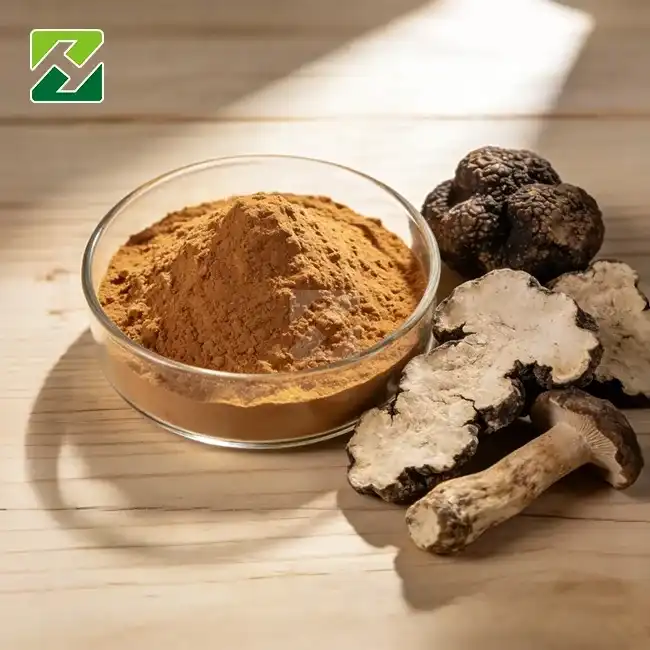
VIEW MOREWhen formulators and procurement teams evaluate mushroom-derived ingredients, the differences between species matter more than most expect. Polyporus umbellatus extract — standardized from the fruiting body of Polyporus umbellatus (Pers.) Fries, traditionally known as "Zhu Ling," — carries a bioactive profile that sets it apart from widely used options like Reishi, Cordyceps, and Chaga. With standardized 30% polysaccharides and a clean water-based extraction process, this ingredient addresses specific formulation needs that generalist mushroom extracts simply cannot replicate.

Understanding Polyporus Umbellatus Extract: Properties and Benefits
A Distinctive Biochemical Composition
OHI's Polyporus umbellatus extract comes only from the fruiting body and is handled using 100% water as the solvent. This keeps the purity of the polysaccharides and gets rid of the problems that come with solvent residue that are common with ethanol-based extracts. The end result is a fine, brownish-yellow powder that is standardized at 30% polysaccharides (UV-VIS confirmed) and has a concentration ratio of 10:1. Some important physical factors are a moisture content below 5%, an ash content below 5%, and particles that are big enough that 95% of them pass through an 80-mesh sieve. These factors are necessary for mixing industrial amounts evenly.
Heavy metal compliance follows USP <232> rules: Mercury <0.1 mg/kg, Lead <3.0 mg/kg, Arsenic <1.0 mg/kg, and Cadmium <1.0 mg/kg. Total Plate Count stays below 10,000 cfu/g because of microbial limits, and Salmonella and E. coli are not present.
It can be used in useful foods, supplements, and nutraceuticals because it has a high carbohydrate content that helps the immune system and acts as an antioxidant. Unlike raw mushroom powders, this standardized extract makes sure that the active compound is delivered consistently from batch to batch. This solves a problem that R&D directors and formulation managers have been having for a long time.
Comparative Analysis: Polyporus Umbellatus vs Other Popular Mushroom Extracts
Not every therapeutic mushroom product is used for the same thing. Polyporus Umbellatus Extract Powder, for instance, has unique efficacy and functional attributes distinct from other mushroom products—different species have different make-ups, and picking the right one requires knowing how those differences work at the molecular level.
Polyporus umbellatus compares to three significant B2B ingredient rivals in the following ways:
- Reishi (Ganoderma lucidum) is an adaptogen because of its high content of triterpenes. Its polysaccharide content is typically between 10% and 20%, which is lower than the typical Polyporus umbellatus extract level of 30%. Although Zhu Ling has unique diuretic and kidney-supporting bioactivity, Reishi is a well-known brand in the immune health space.
- Cordyceps (Cordyceps sinensis/Cordyceps militaris) is a common ingredient in sports nutrition and energy beverages because of its high cordycepin and adenosine content. It operates via its own physiological pathway and does not cross paths with Polyporus umbellatus.
- Chaga (Inonotus obliquus) contains melanin pigments and betulinic acid, which have a strong antioxidant ability. It can be difficult to obtain because it relies on natural gathering, which raises concerns about batch uniformity, even though it performs well in antioxidant-focused recipes.
- Extract from Polyporus umbellatus holds a unique position. It complements liquid drinks and quick drink mixes nicely due to its high polysaccharide content and water solubility. Because they don't dissolve well enough, Chaga and Reishi powders frequently can't accomplish this. Additionally, TLC recognition distinguishes between genuine Polyporus umbellatus and well-known counterfeits, such as Poria cocos, which have similar appearances but lower concentrations of active chemicals.
Because of these variations, companies in the renal health, fluid balance, and immune support categories can differentiate their goods. In each of these three categories, consumer awareness is rising.

Choosing the Best Form and Quality: Product and Dosage Form Comparison
Powder vs. Encapsulated Forms for B2B Use
When buying in bulk, powder format always beats pre-encapsulated choices when it comes to logistics, cost, and freedom. Polyporus umbellatus extract from OHI comes in 25 kg drums and as a powder that can be directly added to the buyer's production line to make pills, tablets, packs, and functional drinks. This lets formulators fully manage dosage structures without having to pay extra for secondary processing.
Why Certification Stacks Matter
When procurement teams source on a large scale, they can't skip over approvals. OHI has a stack of certificates, including NSF GMP, Kosher, Halal, ISO, FSSC22000, and Organic. This meets the needs of retailers in the natural, sports, and specialty supplement markets all at the same time. This range makes it easier for sellers who handle product lines for multiple markets to do vendor audits.
The water-only extraction method supports clean-label positioning even more. This is becoming more and more important for US supplement brands that want to get rid of references to synthetic solvents on their labels.

Strategic Procurement Considerations for Bulk Purchase
Finding mushroom extracts on a large scale for business purposes brings up issues of logistics and compliance that can't be solved by looking at raw specification sheets. Lead time, paperwork, and the availability of goods in your area all play a role in figuring out if a supplier fits your business plan.
OHI has four warehouses in the US, which lets them deliver goods within the US without having to wait for international freight. The entry bar is reasonable, with a 10-day wait time from order approval and a minimum order amount of 25 kg. It works for both new brands and established nutraceutical companies that need to manage seasonal inventory cycles.
Checking the quality should include comparing COA data to results from a different lab, asking for TLC identity reports to make sure the species is real, and making sure the polysaccharide test method is correct. The Phenol-Sulfuric Acid method is used by OHI to measure polysaccharides. It is a standard in the industry and allows for clear batch documentation.
Having long-term relationships with suppliers makes sourcing easier. Over 8,000 acres of OHI's tracking infrastructure are linked to GAP-certified planting sites in Jiangxi, Hunan, and Hubei provinces, and the raw materials harvested from these sites are Enrished in Polysacharides. Every batch of production comes with paperwork that shows where the raw materials came from and what they were used for in the finished extract. This is a standard for supply chain openness that meets FDA and C-GMP compliance requirements.
Since you can get free samples, there's no reason not to check the quality first before placing a bulk order.
Final Recommendations: Making the Right Choice for Your Business
Buying mushroom extracts should be based on how they will be used, not on their reputation in general. Polyporus umbellatus extract has a more specific set of functions than general mushroom powders if your formulation plan is focused on immune health, fluid balance, or antioxidant claims in water-soluble forms.
The world market for functional mushrooms is slowly growing. In the US market, people are becoming more interested in the immune-support and kidney wellness segments. If brands get standardized, approved ingredients now, they will build trust for their formulations before the next wave of growth in the category.
There are four things that you must look for in a provider that you can't change: polysaccharide standardization with recorded assay methods, multi-certification compliance, access to domestic inventory, and clear tracking of raw materials. Each requirement is met by OHI, which has proof that can be checked.

Conclusion
Polyporus umbellatus extract is different from Reishi, Cordyceps, and Chaga because it has higher levels of standardization in polysaccharides, dissolves better in water, and has different functional properties. For B2B buyers making the next generation of supplements or functional foods, it's a highly proven ingredient that is ready for compliance and has the ability to set the product apart in the market. Procurement teams can trust OHI's certified manufacturing infrastructure, US-based storage, and clear sourcing documentation to help them get the best ingredients and build trust in the supply chain.
FAQ
Q1: What is the recommended dosage of Polyporus umbellatus extract for commercial supplement formulations?
A 10:1 extract of 500 mg to 1,500 mg per day, usually split into two servings, is what the industry recommends. The final dose is based on the health claim goal and the method of release.
Q2: How is polysaccharide content verified in each batch?
The Phenol-Sulfuric Acid method is used by OHI for UV-VIS spectrophotometry. If you want to do more in-depth bioactive analysis, you can get HPLC fingerprints that focus on Ergosterol markers.
Q3: How can buyers confirm they are receiving authentic Polyporus umbellatus and not a substitute species?
Thin Layer Chromatography (TLC) is the standard way to identify things. OHI sends TLC reports with every batch to tell the difference between real Polyporus umbellatus and fakes like Poria cocos.
Q4: Is the extract suitable for clear liquid beverage applications?
Yes. The water-based extraction method makes a powder that dissolves easily in water. For clear RTD uses, OHI suggests asking for the water-soluble grade along with extra filtering details.
Partner with OHI for Certified Polyporus Umbellatus Extract Supply
OHI gives demanding formulation teams exactly what they need: a qualified, traceable Polyporus umbellatus extract provider with US-based inventory, 10-day lead times, and a full range of certifications, such as NSF GMP, Organic, Kosher, and Halal. Today, ask for a free review of your 25 kg sample. To talk about large orders and unique sourcing options, email our team at info@organic-herb.com.
References
1. Sheng, L., et al. "Polysaccharides from Polyporus umbellatus: Structural Characterization and Biological Activities." Carbohydrate Polymers, 2013.
2. Zhao, Y. Y., et al. "Ergone, a Compound from Polyporus umbellatus, Exhibits Antitumor Activity In Vitro." Journal of Asian Natural Products Research, 2011.
3. Wasser, S. P. "Medicinal Mushroom Science: Current Perspectives, Advances, Evidences, and Challenges." Biomedical Journal, 2014.
4. Cui, X. Y., et al. "Immunomodulating Activity of Polyporus umbellatus Polysaccharides." International Immunopharmacology, 2009.
5. Bao, X., et al. "Chemical Characterization and Antitumor Activities of Polysaccharide Extracted from Medicinal Mushroom Polyporus umbellatus." International Journal of Molecular Sciences, 2012.
6. USP. "United States Pharmacopeia: Heavy Metals Testing Standards USP <232> and Pesticide Residues USP <561>." United States Pharmacopeial Convention, 2021.
Wild Yam: Benefits and how to use
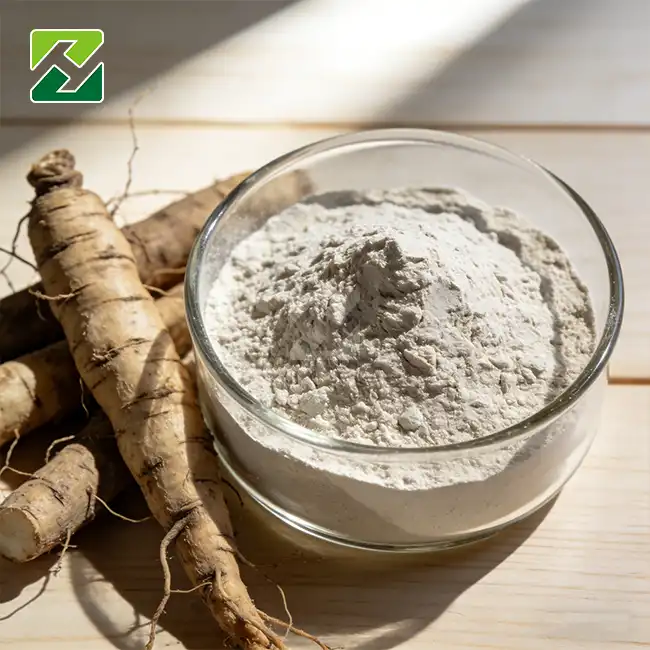
VIEW MOREWild yam (Dioscorea villosa) has quietly become one of the most strategically important plant ingredients in modern formulation science. Whether you’re formulating a menopause support supplement, an anti-aging skincare serum or a functional wellness product, natural wild yam extract offers an appealing blend of phytochemical richness and commercial versatility. Dioscorea villosa root extract is a standardised botanical active that’s a prized ingredient in the nutraceutical, cosmetic and pharmaceutical industries – and knowing how to use it properly may really enhance your product line.

Understanding Wild Yam: Origins and Core Benefits
What Makes Dioscorea villosa Botanically Significant?
Wild yam is a plant native to North America. It has many steroidal saponins in its roots, including diosgenin. However, such bioactive levels are consistently high in professional-grade wild yam root extract. This removes the variations that can occur with growing and offers you a consistent and measurable potency. OHI is obtained from water in the form of a fine, white to gray-white powder. OHI is obtained only from the root. You can choose from two extraction ratios, 4:1 and 10:1.
Key Functional Benefits Across Industries
Wild yam extract is popular since it may be utilised in various places. The major things it accomplishes for each kind of good are:
- Hormonal Balance Support: Diosgenin is a well-researched phytoestrogen and a top active ingredient in women’s health formulations. It works on the oestrogen receptor pathways, providing herbal assistance for menopausal pain. Such receptor-modifying capabilities have been reported in the clinical literature, including research reviewed in the Journal of Ethnopharmacology.
- Antioxidant Activity: Wild yam root’s steroidal saponins show considerable free-radical scavenging activity, which appeals to both nutraceutical and cosmetic product makers seeking clean-label antioxidant claims.
- Skin-Active Performance: Diosgenin has demonstrated the ability to stimulate collagen formation and exert anti-inflammatory effects in topical applications. Thus, the extract is a credible functional ingredient for serums, moisturisers and anti-aging cosmetic formulations.
Natural wild yam extract has these good benefits in theory, and it can be directly applied in the production of supplements and cosmetics. HPLC standards have also been a support to them.

How Wild Yam Extract Works and Recommended Usage Levels?
Biological Mechanism: Diosgenin as a Phyto-SERM
This is a common misconception and has to be cleared up right away. Diosgenin does not convert to progesterone in the body. We do not have the enzymes in our bodies to perform this. There are plants that contain compounds called Phyto-SERMs that can alter the way some hormones act. Diosgenin is one of those compounds. It helps with symptoms in two different ways. It activates structural receptors. It is therefore very active without exaggerating its pharmacological role.
Application-Specific Dosage Guidance
The dosage varies greatly, depending on how it is administered and to whom:
- Oral Dietary Supplements Nutraceuticals often employ standardised extracts containing 16-20% diosgenin. Supplement products typically contain 200 mg to 400 mg per serving; however, formulation teams should adapt based on the extraction ratio employed (4:1 or 10:1).
- Topical Cosmetic Uses: Typical concentrations in emulsion bases are 0.5% to 2%. The extract must be pH-stable from 5.0 to 7.0 to avoid precipitation. The lipophilic nature and poor water solubility of diosgenin suggest the use of nano-encapsulation or cyclodextrin inclusion for aqueous formulations.
- Functional Food & Drink: In food-grade applications, compatibility with processing temperatures and pH ranges must be rigorously tested. The water-based extraction employed in OHI’s solution yields a cleaner residual solvent profile, bolstering the clean-label posture.
Plant extracts containing 16-20% diosgenin are often utilised in nutraceuticals for oral nutritional products. The majority of supplements are dosed at 200 mg to 400 mg per day, although the supplement companies should verify the doses depending on the extraction ratio (4:1 or 10:1).

Comparing Wild Yam Extract with Alternative Botanical Supplements
When a buying team looks at wild yam root extract against other choices, they usually check how well it works, how bioavailable it is, and how honest the supply chain is.
When it comes to vasomotor menopause symptoms, black cohosh works with different networks of receptors. Maca root can help with adapting, but it doesn't have the diosgenin character that makes natural wild yam extract great for uses in medicine and beauty products that are like steroids. Diosgenin that has been separated and is 95% pure or more is mostly used as a pharmaceutical intermediate (Key Starting Material for corticosteroid production). On the other hand, a standardized extract of 16% to 20% diosgenin works better in medicine and beauty products.
To be more precise with dose, blend uniformity, and transport matrix, OHI's powder extract (which comes in 25 kg drums) is better than pre-encapsulated forms. Labels that are organic meet the needs of people who want clean labels, which are becoming more and more popular in North American markets.
Procurement Insights: Sourcing Wild Yam Root Extract in Bulk
What to Verify Before You Source
You need more than just a Certificate of Analysis to get good wild yam extract. Here are the things that smart procurement teams always look at:
- Assay Verification: HPLC chromatograms must confirm diosgenin content and rule out adulteration with cheaper synthetic sterols.
- Residual Solvent Compliance: OHI uses water as the extraction solvent, which inherently meets USP <467> Class 3 solvent limits — a significant advantage over ethanol-extracted grades.
- Heavy Metal Screening: ICP-MS testing ensures Lead stays below 3 ppm and Cadmium below 1 ppm.
- Species Authentication: HPTLC fingerprinting verifies Dioscorea villosa identity and guards against substitution with non-therapeutic yam varieties.
- Microbial Safety: Total Plate Count must remain below 1,000 cfu/g, with confirmed absence of Salmonella and E. coli.
Even if the raw materials come from different verified sources, OHI's unique way of blending them makes sure that every batch is the same. This keeps the difference in diosgenin amounts between lots to about 0.5%. The right way to keep it is below 25°C in fiber drums with sealed, double-lined plastic bags. It will last for 36 months.
Natural wild yam extract is supplied by Earth Made Nutritions, a fully owned company of OHI based in Los Angeles, California. It runs four shops all over the United States. With this system, it's possible to serve quickly and with little notice. One example is OHI, whose normal wait time is 10 days. They also offer free samples and have a 25 kg minimum order amount.
Practical Applications: How B2B Clients Use Wild Yam Extract
Formulators in many different fields have added wild yam root extract to many different products, and it is clear that these additions have helped sales. A supplement company is making a line of goods for women's hormonal health that uses a 10:1 extract in a small softgel for strong amounts. Because it is a plant that fights aging, a makeup OEM uses the extract in a serum that helps the skin's collagen. With maca and ashwagandha, it is used as a phytoestrogenic supplement by a functional food company that wants to make adaptogenic blends.
In all of these cases, the quality of the extracts must be consistent, the paperwork must be certified, and suppliers must be open. All of these places are really safe to buy from because of OHI's standardized output and multi-certification structure.

Conclusion
Natural wild yam extract, the product from wild yam (Dioscorea villosa), is the only one of its kind on the market. That it works has been proven by science. It can be used in many ways and fits with what customers want, which is clean labels. Diosgenin is what makes it bioactive, and it helps with a lot of different product creation goals, from making hormonal health pills to making cosmetics that work. Getting a product from a certified, traceable manufacturer with US storage and proven batch consistency is the difference between getting a strong product and one that doesn't work every time. That's exactly what OHI's wild yam root extract made from water does.
FAQ
Q1: Does wild yam extract contain natural progesterone?
No. Despite common claims, diosgenin in wild yam extract does not convert to progesterone inside the human body. It acts as a Phyto-SERM, engaging estrogen receptors through a distinct biological pathway.
Q2: What extraction ratio should I choose — 4:1 or 10:1?
The 4:1 extract is suitable for products requiring a broader phytochemical spectrum. The 10:1 is more concentrated and fits formulations where a smaller dose volume is preferred, such as capsules or concentrated softgels.
Q3: Why does OHI use water as the extraction solvent?
Water extraction inherently avoids residual solvent concerns associated with ethanol- or methanol-based processes, meeting USP <467> Class 3 limits and supporting clean-label positioning.
Q4: What certifications does OHI's wild yam extract carry?
OHI's product holds NSF GMP, ISO, FSSC22000, Kosher, Halal, and Organic certifications, with full compliance with US FDA and C-GMP standards.
Partner with OHI for Reliable Wild Yam Extract Supply
A trustworthy business called OHI makes natural wild yam extract for health, beauty, and drug companies all over the United States. With four stores in the US, 10-day wait times, and a bunch of certifications like NSF GMP and Organic, we make it easy and safe to buy in bulk. If you want a free sample or want to talk about your specific needs, please email us at info@organic-herb.com.
References
1. Circosta, C., et al. "Estrogenic Activity of Standardized Extract of Dioscorea villosa." Journal of Ethnopharmacology, 2006.
2. Araújo, J. R., et al. "Diosgenin: Recent Highlights on Pharmacology and Analytical Methodology." Phytochemistry Reviews, 2019.
3. Komesaroff, P. A., et al. "Effects of Wild Yam Extract on Menopausal Symptoms." Climacteric: Journal of the International Menopause Society, 2001.
4. Raju, J., et al. "Diosgenin, a Steroid Saponin of Dioscorea villosa: Emerging Evidence for Its Biological Activities." Critical Reviews in Food Science and Nutrition, 2021.
5. Liu, M. J., et al. "Antioxidant Activity of Saponins from Dioscorea Species." Food Chemistry, 2007.
6. United States Pharmacopeia. "Botanical Extracts: Identity, Quality, and Standardization." USP-NF General Chapters, 2022.
Schisandra Berry - Your Natural Ally for Wellness
VIEW MORESchisandra Berry, scientifically known as Schisandra chinensis, has been celebrated for centuries as a powerful botanical resource. Natural Schisandra Extract offers a concentrated form of the berry's bioactive compounds, particularly lignans like schizandrins, which are prized for their adaptogenic properties. This extract provides a concentrated source of botanical compounds, making it an ingredient for nutraceutical, cosmetic, and functional food applications. As demand for clean-label, plant-based actives grows, schisandra extract stands out as a versatile solution that aligns with contemporary health and beauty trends.

Understanding Natural Schisandra Extract: Origins, Benefits, and Usage
Botanical Origins and Extraction Methods
The "Five-Flavor Berry," or Schisandra chinensis, is a plant that grows in the mountains in northern China. Its unique taste, with notes of sweet, sour, salty, bitter, and strong, comes from the many phytochemicals that make it up. We use a method called dual-solvent extraction, which mixes water and ethanol, to get the good chemicals out of the berry while keeping their shape. With this method, you can make a standard extract that has 2% Schizandrins and a concentration ratio of 10:1. This makes sure that each batch is the same strength. Colors in the berry give the powder different shades, from light yellow to dark yellow. Our method not only captures the plant's characteristic phytochemical profile, but it also keeps it. This means it can be used for a lot of different product needs.
Natural Versus Synthetic: Why Authenticity Matters
Real Schisandra chinensis berries are used to make natural Schisandra extract, which is very different from artificial forms. There are different kinds of lignans in real extracts, like Schisandrin A, B, and C. There are also flavonoids and organic acids in real extracts that make them stronger. Synthetic chemicals might be able to copy single molecules, but they don't provide the same broad phytochemical profile as whole-plant extracts. We can still use chemicals that change when they get too hot or too cold because our extraction process keeps them stable up to 80°C and works with pH levels between 4.0 and 7.0. Hence, natural ingredients work well with advanced transportation systems such as liposomes and nanoemulsions, which are becoming more and more famous in high-end goods.
Core Health and Wellness Benefits
The adaptogenic profile of schisandra extract is associated with its characteristic lignan composition. Companies that make sports nutrition and functional supplements use it because of its characteristic lignan content and botanical profile. With high ORAC values, it provides measurable antioxidant activity in analytical testing. This highlights its antioxidant characteristics in formulation and analytical applications. Companies that make cosmetics want to use this trait when developing formulations focused on skin-conditioning and appearance. The extract is lipophilic, which makes it suitable for formulations designed for topical application. This property supports its use in cosmetic formulations. Functional drinks and foods use schisandra as a botanical ingredient with a distinctive phytochemical profile. Its characteristic phytochemical profile is incorporated into formulas positioned around energy-focused and functional ingredient concepts.
Practical Usage Guidelines for B2B Applications
The people who make products need to be able to change the amount and how they are made whenever they need to. Our schisandra extract powder works well in pill, tablet, and bag forms as well as powdered mixes. Standard amounts of these ingredients in food supplements range from 50 mg to 300 mg per dose, depending on the formulation requirements. For cosmetics, concentrations between 0.5% and 3% are commonly considered because they provide a practical balance between formulation characteristics and sensory properties. Botanical actives that work well with the extract can be mixed to make blends that work better together. It's important for ashes to have less than 3% ash and less than 5% wetness. To keep an eye on quality, strict adherence to USP and EP guidelines is also used. The consistency from batch to batch is made sure by thorough HPLC analysis. This gives R&D teams the trust they need to grow up and go commercial.

Comparing Schisandra Extract Options: Making the Right Choice for Your Business
Natural Extract Quality and Efficacy Considerations
When you are looking at different schisandra extract providers, lignan standardization is the most important thing to look for. The strength and price of our 2% Schizandrin standard are both good, which makes it a good choice for popular beauty and vitamin lines. For certain applications that require higher lignan concentrations, extracts with higher potencies are available. It makes a chemical mix and the law different depending on whether water, ethanol, or CO₂ is used as a solvent. Many people use water-ethanol extraction, which is what we do, to make a broad-spectrum extract. This method works with both food and beauty products, which can support formulation and documentation requirements for international markets. Ask for Certificates of Analysis (COA) that show how much lignan, heavy metals, bacteria, and chemicals are still present. This will help buying teams be sure that the quality claims they make are true.
Powder Versus Liquid Forms: Application-Specific Advantages
If you store them right, powder extracts will last 24 months, which is longer than liquid extracts. Plus, there are different ways to give them. It doesn't need to be changed in any other way for the fine powder to work well in dry mixes, pills, and capsules. Even though liquid extracts can be used to make drinks, they don't last as long because they contain chemicals. For companies developing botanical products that require stable and scalable production, natural schisandra extract powder types make formulation easier. People who make cosmetics like powder extracts because they are easy to mix into emulsions and work well with dry formulas. Dark metal drums and double-PE bags we use keep chemicals from oxidizing all the way through the supply chain.
Certifications and Compliance: Building Market Confidence
Organic approval, GMP compliance, and third-party testing are important for brands that want to demonstrate quality and sourcing transparency. We have NSF GMP, Kosher, Halal, ISO 9001, FSSC 22000, and organic certifications for our schisandra extract. This means it meets a lot of government guidelines. When the raw materials are brought in and when they are packed up, these badges show that strict quality control rules are followed. Polycyclic aromatic hydrocarbon (PAH) levels can be monitored against the limits specified by EC No. 1881/2006. This is very important for European markets. With the help of clear paperwork, product developers can make sense of rules that are hard to understand. The marketing claims about being pure and eco-friendly are also supported by this.

Bulk Procurement of Natural Schisandra Extract: A Guide for B2B Buyers
Identifying Reputable Suppliers and Verifying Quality
The first step to good bulk buying is to do your research on the suppliers. OHI is a public company (Stock Number: 872213), and it has strict quality management systems that are backed by licenses from other countries. Standardized plant extracts are made at our factory in Yichun, Jiangxi Province. The factory also has three GAP-standard planting bases that cover more than 8,000 acres. This vertical integration lets you keep track of the product from growing it to extracting it, which is a very important thing to look for in a seller. We send a full COA with every order. It shows the amount of heavy metals, the presence of chemical residues, the amount of active substances, and the safety of bacteria. For procurement managers, getting free samples to try in-house is a good idea before making big orders. With this method, they can evaluate whether the goods are compatible with current formulas and meet quality standards.
Pricing, MOQ, and Logistics: Planning Your Purchase
It doesn't matter what size business you are; our 25 kg minimum order quantity (MOQ) comes in durable 25 kg drums. Standardized extracts that are GMP-certified cost what they do because of the quality of the raw materials, how hard they are to extract, and how much it costs to get certified. Most of the time, lead times are 10 days after an order is confirmed. However, there are options for people who need them right away. Earth Made Nutritions, a company owned by OHI, has four carefully placed stores all over the United States. This speeds up shipping within the United States and lowers the cost of freight for buyers in North America. Just-in-time inventory management is possible with this system. This keeps products fresh while reducing the amount of storage space that is needed.
Sample Testing and Contract Negotiation Best Practices
It's easier to evaluate product compatibility and quality if you ask for samples of natural schisandra extract before you buy a lot of it. Our strategy of giving away free samples lets our R&D teams check for stability, taste, and compatibility without having to spend money. When you're discussing a contract, it's important to be clear about when things will be delivered, how you'll pay, and what you promise about quality. We think that performance measures, such as accepted ranges for lignan content and moisture, should be put into contracts for buying things.

Leveraging Schisandra Extract in Product Development and Branding
Formulation Innovation Across Industry Segments
Natural schisandra extract provides a distinctive botanical ingredient option for competitive product markets. If you want to make a botanical blend, you can mix it with other plant extracts, such as rhodiola and ashwagandha. Schisandra is used in sports nutrition products because of its distinctive botanical and lignan profile. It is often mixed with fluids and amino acids. The antioxidant characteristics and skin-conditioning qualities of the extract are used in serums, creams, and masks for cosmetic formulations. Functional beverage makers like that extract work well in a range of pH levels. This means that ready-to-drink botanical beverages and enhanced waters can be developed in new ways. This shows how adaptable and useful Schisandra is in the market.
Private Labeling and OEM Collaboration Opportunities
You can get into more markets and grow your business faster if you work with a skilled manufacturer like OHI. 42 professionals, including professors and PhD researchers, work at our R&D center in Changsha. They help us come up with new formulations. These days, we have tools like HPLC-ELSD, GS-MS, and supercritical CO₂ extraction methods that help us sort and standardize active chemicals very accurately. When we work with clients on private label projects, we take care of everything, from coming up with ideas to delivering the finished product. This includes filling out forms for rules, making packages, and checking for security. When brands work with OEMs, they can add more goods to their lines without having to buy new production tools. This gives them the freedom and technical know-how they need. That cuts down on the time it takes to get goods to market without lowering the quality.
Building Brand Credibility Through Transparency and Certification
People today want to know where the ingredients in their food come from and how the goods they buy are made. If a brand talks about GMP compliance, organic approval, and third-party tests, it gives them an edge over other brands. People who care about the environment like OHI's commitment to sustainable growth, which includes gardening that is GAP-certified and taking care of the environment. Brands can make it clear that they care about quality and honesty with our many certifications. When you sell your products, you can talk about certifications like NSF GMP and FSSC 22000. This builds trust and makes your products stand out on store shelves. People want to buy from companies that are ethical and do good business, which can be supported by clear supply chains and tracking documents. This makes people more loyal to brands, which helps them get a bigger part of the market.

Conclusion
Schisandra berry extract is a practical option for brands seeking natural schisandra extract that aligns with current botanical and clean-label trends. The extract can be used in many different goods, from functional foods to skin care and botanical products, because of its characteristic phytochemical profile and versatile formulation properties. Choosing a reliable natural Schisandra extract provider—one with strong licenses, clear quality controls, and a history of making high-quality products—is important for both following the rules and supporting formulation consistency. B2B buyers can trust OHI as a partner because our supply chain is tightly integrated, we have cutting-edge R&D infrastructure, and we care about the environment. By putting quality, consistency, and teamwork first, we help brands make products that compete effectively in their target markets and appeal to consumers seeking transparent ingredient sourcing.
FAQ
1. What Are the Main Benefits of Schisandra Extract?
Schisandra extract is widely used because of its distinctive botanical and lignan profile. It is used a lot in exercise and sports nutrition items because it has lignans in it, especially schizandrins, which contribute to its characteristic phytochemical profile. The antioxidant characteristics of the extract can be evaluated through analytical testing. It can be used for cosmetic purposes because of its formulation compatibility and suitability for modern delivery systems. Flavored drinks and foods with botanical positioning can use Schisandra as a distinctive plant-based ingredient.
2. How Do I Choose Between Powder and Liquid Schisandra Extract?
It is easier to ship powder extracts and mix them in more ways. They also last longer and can be used in pills, tablets, and dry mixes. They don't need to be treated any further because they work well in both supplements and cosmetics. There are times when liquid extracts need stabilizers and when they can be used in drinks. When you make your choice, think about how you will make it, where you will store it, and what shape the finished product will be in. Our powder form is suitable for brands that require stable storage and scalable production. It can be stored for 24 months and comes in packaging that doesn't let light through.
3. What Certifications Should I Look for in a Bulk Supplier?
First, make sure that sellers have GMP, ISO 9001, FSSC 22000, and organic approvals. These indicate that suppliers operate under established quality and production requirements. Food stores with Kosher and Halal licenses can serve a bigger range of customers. A third party should test for heavy metals, pesticides, and microbe pollution that you pay for. Following applicable requirements, such as EC PAH limits, supports regulatory compliance in relevant markets. A lot of different licenses from OHI and clear paperwork help people feel good about where they buy things and make the legal process easier.
Partner with OHI for Premium Natural Schisandra Extract
OHI is one of the best companies that make Natural Schisandra Extract. They use cutting-edge technology for extraction, strict quality control, and eco-friendly naturals to provide extracts. al products that support differentiated product positioning. Our center is GMP-certified and uses GAP-standard growth bases, so everything can be tracked and is always the same, from the berry to the finished extract. It's straightforward to buy in bulk from us because you can get free trials and only have to wait 10 days for your order to arrive. Because we have four warehouses in the U.S., we can deliver quickly anywhere in the country. This helps you keep up with your inventory and production schedules. Whether you're making a new line of botanical products, makeup, or beverages, our R&D team is ready to help you reach your formulation goals. They have the most up-to-date analytical tools. Email us at info@organic-herb.com to get your free sample and find out more about how OHI can become your go-to place for natural Schisandra extract.
References
1. Chen, P., & Li, X. (2020). Phytochemistry and Pharmacology of Schisandra chinensis: A Comprehensive Review. Journal of Ethnopharmacology, 245, 112-128.
2. Zhang, Y., Liu, H., & Wang, J. (2019). Standardization and Quality Control of Schisandra Extracts in Nutraceutical Applications. Nutrients, 11(7), 1542-1558.
3. Kim, S., & Lee, J. (2021). Adaptogenic Properties of Schisandra Lignans: Mechanisms and Applications. Phytotherapy Research, 35(4), 1823-1837.
4. Thompson, R., & Martinez, L. (2022). Natural Botanical Extracts in Modern Cosmetics: Efficacy and Formulation Strategies. International Journal of Cosmetic Science, 44(2), 201-215.
5. Wu, Q., Chen, M., & Zhao, F. (2018). Good Agricultural Practices for Medicinal Plant Cultivation: Case Studies from China. Planta Medica, 84(12), 891-903.
6. Roberts, A., & Singh, P. (2021). Regulatory Compliance and Quality Assurance in Botanical Extract Manufacturing for Global Markets. Journal of Regulatory Science, 9(3), 78-92.
Schisandra Extract for Postpartum Women: Benefits and Dosing
VIEW MORENatural Schisandra Extract, sourced from the berries of Schisandra chinensis, has gained attention as a botanical ingredient particularly relevant for botanical formulations. This berry extract contains bioactive lignans called schisandrins, along with naturally occurring compounds and nutrients that contribute to its functional profile. As product developers and procurement teams explore natural ingredients with distinctive compositional profiles, understanding the functional profile and application of schisandra becomes crucial for creating effective, clean-label supplements that resonate with today's health-conscious consumers.

Understanding Natural Schisandra Extract and Its Relevance for Postpartum Health
Schisandra chinensis, also known as the "five-flavor berry," comes from northern China and has been used for hundreds of years in plant medicine. The bioactive chemicals, especially dibenzocyclooctadiene lignans defined as schisandrins, are kept intact by modern extraction methods that use water and ethanol as solvents.
Botanical Origin and Active Compounds
Schisandra chinensis berries have a lot of different lignans in them, such as schisandrin, schisandrol, and gomisin. These molecules are lipophilic and can withstand temperatures up to 80°C. They also keep their shape at pH levels between 4.0 and 7.0, which means they can be used with a variety of delivery systems. After the separation process, a standard, light yellow to brownish-yellow powder is made. This powder is usually sold at 10:1 concentration ratios or 2% schisandrin content.
Adaptogenic Properties for Recovery
There is a group of plant chemicals commonly described as adaptogens based on their traditional use and compositional characteristics. During product development, formulation teams may consider factors such as ingredient compatibility, sensory properties, and standardized composition. Schisandra's adaptogenic profile is associated with a distinctive composition that can be considered when developing botanical formulations. This makes it a practical botanical ingredient for specialized formulations.
Quality Standards for B2B Procurement
For R&D leaders and formulation managers, checking the quality of an extract means looking at a number of technical factors. A solid's moisture level should stay below 5%, its ash level below 3.0%, and its lignan profile must be confirmed by HPLC analysis. Consistent extract quality can be evaluated by following applicable USP/EP standards for plant extracts. According to EC No. 1881/2006 guidelines, the powder made from berries should pass strict tests for polycyclic aromatic hydrocarbons (PAHs) and benzo(a)pyrene levels.

Benefits of Schisandra Extract for Postpartum Women: A Detailed Overview
As product developers consider formulations designed for women after childbirth, ingredient selection requires careful attention to composition, dosage format, and product positioning. The compositional characteristics of Schisandra extract make it a potential choice for these formulation needs.
Metabolic and Energy Support
Formulators may consider sensory characteristics and ingredient composition when developing products for women after childbirth. Schisandra's lignan molecules contribute to the characteristic chemical profile of the extract. This plant ingredient can be considered for its characteristic composition when making pills for women who have recently given birth.
The antioxidant capacity of schisandra berries can be described through analytical indicators such as ORAC values. For formulations designed for this consumer segment, this compositional characteristic can be an important consideration.
Emotional Balance and Stress Adaptation
Formulation considerations for products designed for new moms may include sensory characteristics and ingredient compatibility. Natural schisandra extract is not positioned as a treatment ingredient, but its botanical composition can be considered when developing specialized formulations. In study settings, the lignans have been examined for their distinctive chemical and functional characteristics, which may be relevant when evaluating this botanical ingredient.
Liver Function and Detoxification Pathways
In product development, formulation teams may consider ingredient composition, extraction characteristics, and compatibility with other botanical materials. Schisandra contains naturally occurring compounds that contribute to its characteristic phytochemical profile. This composition can be considered when evaluating its suitability for botanical formulations. Because of this, it can be considered for postpartum formulas that require a botanical ingredient with a defined phytochemical profile.
Antioxidant Defense Systems
This fruit product from Schisandra contains flavonoids and organic acids that contribute to its antioxidant profile. For formulations designed after giving birth, these antioxidant characteristics can be considered when developing products with a broader botanical composition.
Recommended Dosing Guidelines and Usage Instructions for Postpartum Women
To determine an appropriate inclusion level of schisandra extract for postpartum formulations, you need to think about the concentration of the extract, how it will be delivered, and the formulation specifications you want. Following these tips will assist formulation scientists in developing products that meet defined technical and quality requirements.
Dosage Ranges by Extract Type
The strength of an extract changes a lot depending on how it was standardized. A 10:1 concentration ratio means that 10 kg of dried berries make 1 kg of extract powder, which is a form that is fairly concentrated. On the other hand, extracts that are standardized to 2% schisandrins always have the same amount of lignan, even if the batches are different.
Depending on the level of standardization, the typical inclusion range for concentrated extracts may be evaluated according to the intended formulation and product specifications. Some products with 10:1 extracts may use higher inclusion levels, while products with higher lignan standardization may use lower inclusion levels according to their formulation specifications.
Delivery Format Considerations
Powders can be mixed in many different ways, such as into pills, tablets, or useful drinks. The off-white to light yellow color mixes well in many different mixtures, but the strong, sweet smell should be taken into account when creating organoleptic profiles. For most postpartum formulations, encapsulation is a convenient format for incorporating the extract into finished products.
Liquid extracts and preparations are other formats for incorporating botanical ingredients, but they need to be kept stable and fresh in a different way than powders. For business-to-business clients making ready-to-drink drinks, water-dispersible types of schisandra extract work better with drink bases.
Timing and Frequency
Dividing the formulation inclusion across different product formats may affect the overall formulation design compared with using a single format. Many formulations are designed around morning or afternoon use according to the intended product format and consumer preferences. Product labels for formulations intended for women who have recently given birth should include applicable use information and regulatory statements.
Complementary Ingredient Combinations
Schisandra extract can be combined with other plants that are often used in products for women who have recently given birth. When B vitamins, iron, vitamin D, and other traditional plants are mixed together, they create multi-ingredient formulation systems. When making goods with more than one ingredient, formulation managers should think about how the ingredients might combine and interact within the formulation.

Selecting and Procuring High-Quality Natural Schisandra Extract for Postpartum Products
Quality control is the most important part of getting plant ingredients that work. When procurement teams know the differences between extract types and verification methods, they can find better materials that meet legal standards and meet customer goals.
Natural Versus Synthetic Considerations
When you get natural schisandra extract from Schisandra chinensis berries, you retain a range of naturally occurring compounds present in the source material. In contrast, manufactured lignan production can separate individual molecules but lacks the complex network of naturally occurring phytochemicals that work together. As consumers demand more transparency, they are more likely to choose naturally sourced botanicals. This makes authenticity documentation essential.
The northern version (Schisandra chinensis) is widely recognized in botanical ingredient sourcing because it has a distinctive lignan profile compared with the southern types (Schisandra sphenanthera). It should be clear in the procurement specifications that Schisandra chinensis is the plant source that is needed.
Critical Quality Certifications
Plant products used to make botanical formulations must meet a number of quality and compliance standards. GMP (Good Manufacturing Practices) certification makes sure that factories follow established manufacturing and quality-control requirements. Third-party verification of these practices for botanical ingredient manufacturing is provided by NSF GMP certification.
Organic approval from reputable organizations proves that the crops were grown without using synthetic fertilizers or pesticides, which fits with clean-label marketing strategies. Kosher and Halal approvals make it easier for goods that are meant to serve certain groups of people to reach more customers. The ISO 9001 and FSSC 22000 certifications show that a company has complete systems for managing quality and keeping food safe.
Supplier Evaluation Criteria
In addition to qualifications, procurement experts should look at a supplier's skills in a number of other areas as well. Technical support resources, such as help with developing methods and preparation advice, add value beyond the sale of raw materials. Scale flexibility in manufacturing lets both pilot projects and full-scale business output happen.
Certificates of analysis with batch-specific HPLC chromatograms showing lignan content, microbe testing results, heavy metal screens, and pesticide residue panels should all be included in the testing paperwork. Suppliers who keep GAP (Good Agricultural Practice) planting bases show that they are in charge of the quality of the raw materials from when they are grown to when they are processed.
There are four big warehouses spread out across the United States. This makes sure that deliveries happen on time and lowers the risk of supply chain disruptions. This framework for logistics is especially useful when keeping track of supplies for growing product lines or changes in seasonal demand.

Procurement and Bulk Buying Guide for B2B Clients
Strategically sourcing schisandra extract means figuring out how to deal with price structures, minimum order amounts, and the logistics of the supply chain while keeping quality standards high and cutting costs as much as possible.
Sample Acquisition and Testing
Before agreeing to large orders, procurement teams should ask for example samples to test on their own. Reliable suppliers usually offer free samples, which let formulation scientists check the powder's properties, evaluate its compatibility with other formulations, and confirm the claimed specifications through an independent laboratory test.
When a sample is being evaluated, its organoleptic properties (look, smell, and taste) should be checked, as well as its solubility in the delivery systems that are supposed to be used and its safety under the right storage conditions. This preliminary work prevents problems with expensive reformulation from happening after big purchase.
Minimum Order Quantities and Pricing
25-kilogram fiber drums with double PE bag covers are the standard way to package plant extracts to keep them safe from moisture and oxidation. Many suppliers set the minimum order size at 25 kg for a single drum. This makes it easy for small to medium-sized businesses to test new formulations.
Price models that are based on volume reward bigger investments. Price-per-kilogram should be looked at across different levels of quantity by procurement managers, who should balance the costs of keeping inventory with price drops per unit. Lead times of 10 days or more from order confirmation to shipment make it easier to plan production and keep track of supplies.
Shipping and Handling Best Practices
The naturally occurring compounds in schisandra extract can be protected during shipping with the right packaging. Light-proof, vacuum-sealed cases keep volatile lignan components from oxidizing. When stored in cool, dry places, the product's specified quality characteristics can remain stable for the typical 24-month period from the date of creation.
When buying something from another country, you should include business bills, packing lists, certificates of analysis, and any other relevant certifications in your paperwork. Working with sellers who know how to export makes customs processing go more quickly and cuts down on shipment delays.
Custom Formulation and Private Label Options
A lot of companies that sell plant extracts also offer custom mixing services. This lets business-to-business clients make their own special mixtures without having to buy expensive processing equipment. Through established manufacturing partnerships, private label and white label deals let brands get products on the market quickly while keeping quality control in check.
As part of these partnerships, people often help support product information by giving study reports and technical documents that support marketing language. Expertise in regulations helps companies that sell botanical products in the United States meet applicable FDA standards.

Conclusion
Schisandra extract, particularly natural schisandra extract, is a useful botanical ingredient for making postpartum supplements because of its distinctive lignan, antioxidant, and phytochemical profile. For procurement to go well, suppliers must be able to provide consistent, legal products through standardization, quality certifications, and their own capabilities. Brands can make unique postpartum supplements that meet clean-label requirements and useful performance standards by following appropriate formulation guidelines and forming smart partnerships with suppliers. Schisandra's traditional applications are being examined through an expanding body of research. This makes it a stronger ingredient in modern nutraceuticals, making it a great choice for companies that want to make products for women who have recently given birth.
FAQ
1. Is Schisandra extract appropriate for lactating women?
Product information for women who are breastfeeding should include applicable usage and regulatory statements before incorporating herbal ingredients. Schisandra has been used for a long time, but formulation requirements can vary between products. Labels on products should always include standard warnings that say pregnant and breastfeeding women should talk to trained experts.
2. What distinguishes northern from southern Schisandra varieties?
Schisandra sphenanthera (southern variety) has different amounts of lignans, including schisandrin, than Schisandra chinensis (northern variety). When it comes to botanical ingredient sourcing, the northern species is a common specification and should be included in purchase deals.
3. How can authenticity be verified?
There are several ways to test schisandra extract to make sure it is real. Using HPLC and reference standards to confirm lignan patterns that are typical of real Schisandra chinensis. Other ways to verify identity include looking at plant parts under a microscope, using DNA barcoding, and using thin-layer chromatography. Working with suppliers who keep detailed records and do third-party testing lowers concerns about adulteration.
4. What formulation challenges should be anticipated?
Standard lignan-rich extracts don't dissolve well in water, which could make them less useful for use in beverages. But there are special types that are water-dispersible for making convenient beverage products. The unique aromatic smell might affect choices about product development, especially for forms that aren't sealed.
Partner with OHI for Premium Natural Schisandra Extract Supply.
Organic Herb Inc. (OHI), a publicly traded business that specializes in standardized plant extracts, sells schisandra chinensis extract that is produced under defined quality standards and meets the needs of developing botanical products. Our specifications for the extract include 10:1 concentration ratios and a standardization of 2% schisandrin. It is made by extracting premium berries grown under GAP standards across our 8,000-acre planting bases with water and ethanol.
We have many certificates, such as NSF GMP, kosher, halal, ISO 9001, FSSC 22000, and organic, that show that we are a reliable source for Natural Schisandra Extract. Our advanced research and development center in Changsha has 27 top researchers working there, and it uses analytical tools worth more than $1.2 million. This makes sure that every batch of production goes through strict quality control.
Our fully owned U.S. subsidiary, Earth Made Nutritions, is based in Los Angeles and runs four major warehouses across the country. This lets us meet your formulation needs quickly and with a steady supply of goods. We have variable minimum orders starting at 25 kg, free samples for you to try, and 10-day lead times that help you plan your production efficiently.
During the whole process of developing a new product, our team is here to help you with technical issues, from formulating ideas to writing up regulatory paperwork. Email our procurement specialists at info@organic-herb.com to talk about your schisandra extract needs and get detailed product specifications for your botanical formulations.
References
1. Panossian, A., & Wikman, G. (2008). Pharmacology of Schisandra chinensis Bail.: An overview of Russian research and uses in medicine. Journal of Ethnopharmacology, 118(2), 183-212.
2. Chen, N., Chiu, P., & Ko, M. (2012). Schisandrin B enhances cerebral mitochondrial antioxidant status and structural integrity and protects against neuronal apoptosis in vivo. Phytotherapy Research, 26(6), 903-909.
3. Opletal, L., Sovová, H., & Bártlová, M. (2004). Dibenzo[a,c]cyclooctadiene lignans of the genus Schisandra: importance, isolation, and determination. Journal of Chromatography B, 812(1-2), 357-371.
4. Li, L., & Pan, R. (2018). Schisandra chinensis lignans protect against oxidative stress and neurotoxicity: mechanistic insights and therapeutic potential. Current Medicinal Chemistry, 25(26), 3057-3075.
5. Szopa, A., Ekiert, R., & Ekiert, H. (2017). Current knowledge of Schisandra chinensis (Turcz.) Baill. (Chinese magnolia vine) as a medicinal plant species: a review on the bioactive components, pharmacological properties, and analytical and biotechnological studies. Phytochemistry Reviews, 16(2), 195-218.
6. Hancke, J., Burgos, R., & Ahumada, F. (2009). Schisandra chinensis (Turcz.) Baill. Fitoterapia, 70(5), 451-471.
Benefits of Natural Wild Yam Extract For Males and Females
VIEW MORENatural Wild Yam Extract, derived from Dioscorea villosa, contains the bioactive saponin compound diosgenin and offers a botanical ingredient option for modern formulations. This botanical ingredient suits formulations designed for different consumer groups, offering females an ingredient option for menopause-focused products and menstrual-cycle products, while males can incorporate it into formulations positioned around vitality, muscle-focused nutrition, and daily energy. Backed by water-based extraction methods that preserve plant integrity, this extract represents a clean-label solution meeting modern formulation demands in functional foods, beverages, and cosmetic applications.

Understanding Natural Wild Yam Extract and Its Health Benefits
Botanical Origins and Extraction Excellence
Dioscorea villosa root is carefully extracted with water to make a strong extract that is sold in 4:1 and 10:1 ratios. The plant's natural steroidal saponins, especially diosgenin, are retained by this gentle processing method that doesn't use harsh chemical agents. The resulting white to gray-white powder stays true to the botanicals, which appeals to customers who want to know where their ingredients come from.
Our extraction process starts at certified planting bases that cover more than 8,000 acres in Shaoyang, Changsha, Huaihua, Guizhou, Hubei, and Jiangxi provinces. This is different from synthetic alternatives that are made in a lab. These GAP-standard facilities make sure that the product can be tracked from the soil to the finished product. This addresses worries about the openness of the supply chain and the control of farming quality.
Health Applications for Females
The phytoestrogenic qualities of wild yam root extract make it suitable for women's formulation products. Changing hormone levels are an important consideration during perimenopause and menopause. This plant is studied in relation to receptor regulation pathways. The substance is used in formulations focused on temperature, mood, and sleep-related consumer needs without adding any outside chemicals.
Menstrual-focused applications also look promising, as both traditional use and modern studies have examined the antispasmodic properties of the extract in this application area. Formulators of cosmetics are adding this ingredient to more and more skin-care serums and moisturizers because it is associated with formulations focused on collagen and skin elasticity.
Functional Benefits for Males
Formulations for male-oriented products use wild yam powder in formulas designed around natural energy and testosterone-related ingredient positioning. The adaptogenic properties of the plant make it relevant to formulations positioned around stress-related consumer needs, physical performance, and mental clarity.
Athletic nutrition companies know that the extract can be used in formulas designed around muscle-focused nutrition and performance. When mixed with mineral cofactors and protein complexes, the extract can be incorporated into recovery-focused formulations after a workout. The naturally occurring compounds in the ingredient can also be incorporated into formulations designed for intense training routines.
Scientific Validation and Safety Profile
Analytical studies show that extracts that are properly standardized and contain measured amounts of diosgenin have consistent composition. HPLC testing methods separate specific molecular markers, giving scientists the accuracy they need to make sure that new products follow the rules. Studies that examined amounts between 200 mg and 500 mg have provided reference data for formulation research across different demographic groups.
It is important to note that the body cannot directly change diosgenin into progesterone; this process must happen in a lab. The extract has been studied in relation to receptors and enzyme pathways, which makes its botanical profile different from synthetic hormone-related ingredients. This system lets buying teams send clear messages for educating customers and keeping records of legal compliance.

Comparing Natural Wild Yam Extract With Alternative Supplements
Molecular Distinctions and Purity Standards
Synthetic diosgenin made from petrochemical sources has the same molecular structure as plant extracts, but it doesn't have the phytochemical framework that botanical extracts do. Flavonoids, phenolic substances, and trace minerals are all part of this matrix. They contribute to the overall phytochemical profile and formulation characteristics. Carbon isotope ratio mass spectrometry can tell the difference between natural and man-made sources, which helps protect claims that a product is clean.
Composition accuracy is not possible to confirm with raw powder forms because they don't measure the diosgenin content (which is usually between 16 and 20 percent for nutritional grades). Natural wild yam extract does. Specifications for extraction ratios like 10:1 show concentration levels but don't guarantee the presence of active ingredients. This is an important difference for formulation scientists who need consistency from batch to batch.
Comparative Analysis With Herbal Alternatives
Black cohosh (Actaea racemosa) is mostly used in women's products positioned around menopause-related formulations and serotonin pathways. Its application profile differs from wild yam, which can be incorporated into a range of different formulations. Maca root (Lepidium meyenii) is positioned around energy and libido-focused formulations, depending on the phytochemicals it contains. This makes it possible to position itself in a way that is complementary rather than competitive.
Because some formulation requirements consider certain ingredient groups, some formulation methods don't use red clover and soy isoflavones because they have higher estrogenic activity. The botanical profile of wild yam extract makes it a suitable choice for brands that want to discuss formulation applications without making strong phytoestrogenic claims.
Product Form Considerations
Powder extracts give you the most options for how to make your products because they can be put into pills, tablets, healthy drinks (with the right solubilization technology), and creams that you put on your skin. The native extract is hydrophobic, so it needs to be complexed with cyclodextrin or emulsified with nanoparticles before it can be used in water-based uses. Our R&D team is happy to meet these scientific needs.
Organic approval increases the value of brands that are aimed at natural product stores and health-conscious customers. Our USDA Organic, Kosher, Halal, and FSSC22000 certifications give us the paperwork we need to get into foreign markets and set our products apart as special products.

Application and Dosage Guidelines for Optimal Results
Recommended Intake Parameters
Most formulation plans use 200 to 400 mg of a standardized extract (based on the amount of diosgenin it contains) as a reference range for product development. Formulations for women focused on menopause-related products often use higher amounts in this range, while goods for male-oriented products may mix smaller amounts with complementary herbs like tribulus or ashwagandha.
Formulation conditions can affect how lipophilic saponin compounds behave, and fatty matrices can improve their compatibility with certain delivery systems. When compared to hard-shell capsules that only contain dry powder, formulation performance can differ when the extract is enclosed in softgels with medium-chain lipids or olive oil.
Synergistic Formulation Strategies
When you mix wild yam extract with vitamin E, selenium, and B-complex vitamins, you get complete hormone-focused formulas. The functional properties associated with these nutrients complement the extract's overall formulation profile. The inclusion of magnesium and calcium can complement formulations designed around bone-related nutritional requirements.
Combining natural wild yam extract with branched-chain amino acids, creatine, and adaptogenic herbs like rhodiola is good for sports nutrition. These mixes combine different ingredient functions in ways that work with each other, which can lead to new ways of positioning products.
Quality Monitoring Protocols
To set the parameters for the shelf life, responsible product development includes testing the stability under accelerated conditions (40°C/75% RH). Our extracts stay stable for 36 months when kept below 25°C in packing that keeps wetness out. Every output batch is checked for heavy metals, microbes, and pesticides on a regular basis to make sure it meets applicable quality standards.
Procurement Considerations for B2B Clients
Supplier Evaluation Framework
Verification of the certificate is the first step in evaluating a supplier. Our NSF GMP, ISO9001, FSSC22000, Kosher, and Halal certifications show that we follow the rules for making pharmaceutical-grade products. These validations by a third party lower the risk of procurement and support the documentation process for developing a finished product.
Professional sellers and commodity traders can be told apart by how transparent their testing methods are. We use HPLC analysis to measure the amount of active ingredients, making sure that the specifications are based on the real diosgenin content and not the total saponin levels that UV spectrophotometry measures. Consistency in the recipe and customer safety are protected by this level of analytical thoroughness.
Logistics and Order Specifications
Small-batch production and product development trials can both be done with minimum order sizes as low as 25 kg. When goods are shipped internationally, they are usually packed in 25 kg fiber drums with dual-layer LDPE liners to keep them safe. With lead times of 10 days on average for in-stock specs, supply chain management can be quick to respond.
Our four carefully placed stores across the United States make sure that products get to factories quickly on the East Coast, the West Coast, the Midwest, and the South. This positioning of domestic inventory cuts down on shipping costs, gets rid of customs delays, and gives procurement teams the flexible reordering options that just-in-time manufacturing needs.
Cost-Quality Optimization
Choosing an extraction ratio has a direct effect on price structures. For example, 10:1 concentrations are more expensive than 4:1 specs. Ratio selection should be in line with target dosing, marketing claims, and how the company stands in the market. Even though the prices of ingredients are higher, higher concentration ratios lower the cost of raw materials per serve in produced goods.
Our partnership goes beyond just supplying ingredients. We also offer private branding and custom preparation services. Our 42-person R&D team works together to create proprietary blends, test their stability, and make regulatory documents. Some of them are senior researchers with advanced degrees. This technical help speeds up the time it takes to launch a product and lowers the cost of development compared to making the product in-house.

Industry Trends and Future Outlook for Natural Wild Yam Extract
Consumer Preference Evolution
Clean-label requirements are still changing how supplements are made, and customers are looking closely at ingredient lists to see if they contain any manufactured additives, fake colors, or chemical processing aids. Water-extracted botanicals are great for this trend toward openness, and they have marketing benefits over solvent-extracted options that need proof of residual tests.
One of the product categories that is growing the fastest is gender-specific fitness goods. For example, male hormonal health is moving from being a niche topic to being sold in most stores. Because natural wild yam extract can be formulated for products targeting different age groups and genders, it is a versatile ingredient for companies making full product lines for different life stages.
Technological Innovation Impact
Improvements in extraction technology allow for higher diosgenin rates while still meeting environmental sustainability standards. Using membrane filter systems, supercritical fluid extraction, and enzyme-assisted processing methods can increase the concentration of target compounds without altering the structure of the plant. Our facility's investments in these technologies ensure that we can keep coming up with new products and setting ourselves apart from the competition.
Nano-emulsification and complexation technologies are changing the ways that beverages can be used. Wild yam extract used to only be available in capsule form, but now it can be found in ready-to-drink healthy drinks, protein shakes, and powder mixes that dissolve in water. This format expansion opens up new market possibilities for brands that want easy ways to send their products.
Regulatory Landscape Developments
International attempts to harmonize standards for plant ingredients have an effect on how to plan purchases and what paperwork is needed. The fact that HPLC testing is becoming more and more of an industry standard instead of an add-on shows how sophisticated regulations have become. Professional suppliers knew this was going to happen and invested in their labs to get ready for it.
Beyond traditional quality metrics, sustainability certifications and carbon footprint documentation are now being used to help people decide what to buy. As corporate responsibility reporting becomes more common in food buying choices, our GAP-certified planting bases, use of green energy, and waste minimization methods will help us stand out.
Conclusion
Natural wild yam extract from Dioscorea villosa is suitable for a variety of formulation applications, including hormone-focused products, energy-oriented products, and age-focused formulations for both men and women. The ingredient is extracted with water and is supported by a wide range of certifications and quality-control documentation. These factors make it a great choice for brands working on clean-label products in competitive markets. Partnering with OHI gives you the supply chain reliability and quality assurance that you need for a successful product launch. Their domestic warehouse infrastructure guarantees fast delivery, their free sampling programs help with product development, and their technical expertise guides formulation strategies.
FAQ
1. Does the extract contain actual progesterone?
There is diosgenin in the extract. It is a steroidal saponin that is used as a building block in pharmaceutical production but is not progesterone itself. This difference is important for communicating with consumers correctly and supporting appropriate product claims.
2. What differentiates extraction ratios from standardized percentages?
Ratios of extraction like 10:1 show how concentrated the raw material is (10 kg of root yields 1 kg of extract), but they don't say how much of the active ingredient is present. Standardized extracts measure the amount of diosgenin using HPLC, which gives professional formulations the precise composition data they need.
3. Can the powder integrate into beverage formulations?
Because it contains saponins, native extract doesn't mix well with water. For beverage applications to work well, they need cyclodextrin complexation, nano-emulsification, or liposomal encapsulation. These are technical changes that we can make through our custom manufacturing services to meet the needs of each application.
Partner With OHI for Premium Wild Yam Extract Supply
OHI is ready to help you reach your formulation goals with high-purity Wild Yam Extract that comes from GAP-certified bases and is processed in facilities that follow CGMP. As a reputable Natural Wild Yam Extract manufacturer, we offer free samples that let you test our products thoroughly, bulk price talks that are tailored to the amount you want to buy, and technical advice services that cut down on the time it takes to get your products on the market. Contact our team at info@organic-herb.com to talk about your specific needs and find out how our focus on quality, positioning of our local goods, and attitude of working together as a team can help your business grow.
References
1. Komesaroff, P. A., Black, C. V., Cable, V., & Sudhir, K. (2001). Effects of wild yam extract on menopausal symptoms, lipids, and sex hormones in healthy menopausal women. Climacteric, 4(2), 144-150.
2. Aradhana, Rao, A. R., & Kale, R. K. (1992). Diosgenin—a growth stimulator of the mammary gland of an ovariectomized mouse. Indian Journal of Experimental Biology, 30(5), 367-370.
3. Ulbricht, C., Basch, E., Burke, D., Cheung, L., Ernst, E., Giese, N., ... & Woods, J. (2007). Fenugreek (Trigonella foenum-graecum L. Leguminosae): An evidence-based systematic review by the Natural Standard Research Collaboration. Journal of Herbal Pharmacotherapy, 7(3-4), 143-177.
4. Tada, Y., Shimizu, K., Yazawa, K., Nakazawa, K., Takeda, T., Kimura, K., & Fukuhara, R. (2009). Diosgenin stimulates osteoblastic differentiation and mineralization in MC3T3-E1 cells through protein kinase C. Biochemical and Biophysical Research Communications, 384(4), 366-370.
5. Benghuzzi, H., Tucci, M., Eckie, R., & Hughes, J. (2003). The effects of sustained delivery of diosgenin on the adrenal gland of female rats. Biomedical Sciences Instrumentation, 39, 335-340.
6. Hikal, W. M., Said-Al Ahl, H. A., & Tkachenko, K. G. (2017). Dioscorea villosa: Conventional and alternative medicine uses. International Journal of Advanced Research, 5(8), 182-195.
Properties and benefits of Natural Uva Ursi Extract
VIEW MORENatural Uva Ursi Extract, derived from the leaves of Arctostaphylos uva ursi, stands out as a premium botanical ingredient that delivers multiple functional properties across nutraceutical, cosmetic, and functional food applications. This water-extracted powder retains naturally occurring compounds, particularly arbutin, along with tannins, flavonoids, and hydroquinones that contribute to its characteristic botanical profile. For R&D directors and formulation managers seeking high-purity plant extracts with proven efficacy and batch-to-batch consistency, this ingredient addresses critical industry demands for natural, clean-label components that enhance product differentiation while meeting stringent global compliance standards.

Understanding Natural Uva Ursi Extract: Properties and Key Components
Botanical Origins and Extraction Process
Arctostaphylos uva ursi, which is widely known as bearberry, grows well in northern parts of North America, Europe, and Asia. The leaves contain a high concentration of characteristic compounds, so they are the best part of the plant to use for extraction. Our water-based extraction method completely gets rid of any solvent residues, leaving behind a brownish-yellow powder that keeps heat-sensitive phytochemicals intact. 100% water extraction, on the other hand, is in line with clean-label trends and can be used with organic certifications like NSF GMP, Kosher, Halal, ISO, and FSSC22000.
Standardized extraction rates of 10:1 and 4:1 show how concentrated the finished powder is compared to the raw leaf material. A 10:1 ratio means that 10 kg of dried leaves produce 1 kg of extract. This means that the extract is more concentrated, making it suitable for supplement formulas where formulation efficiency is important. The 4:1 ratio gives a modest quantity that works well for functional drinks and cosmetics that need a less strong activity profile.
Key Bioactive Compounds
Arbutin is the main active ingredient, and quality products usually have between 7% and 20% of it. This glycosylated hydroquinone contributes to the characteristic functional profile of the extract and is commonly used as a marker compound for quality evaluation. The compound is converted during processing and metabolism, contributing to the characteristic chemical profile associated with standardized uva ursi extracts.
About 15 to 20 percent of the extract is made up of tannins, which have astringent qualities that help keep the mucous membrane intact. These polyphenolic chemicals also contribute to the antioxidant characteristics of the extract and its overall botanical profile. Flavonoids like quercetin and myricetin contribute to the extract's overall polyphenolic profile, and they occur naturally alongside arbutin and other characteristic compounds.
Quality Differentiation: Organic vs. Conventional
Organic approval needs proof that the crops were grown without using pesticides, are not genetically modified, and were harvested in a way that doesn't harm the environment. Over 8,000 acres of OHI's GAP-certified planting sites in Shaoyang, Changsha, Huaihua, Guizhou, Hubei, and Jiangxi make sure that plants can be tracked from bud to harvest. As part of our planned relationship with local farms, we offer technical advice and tracking services throughout the growth cycle. This helps keep contamination to a minimum and increases the concentrations of active compounds.
Conventional extracts might have small amounts of pesticide residues that make it harder to follow the rules in countries with strict import rules. If EU rules or USDA organic markings are important to the procurement team, they must use third-party checks to make sure that suppliers are certified. Our high-tech analysis tools, like the HPLC-ELSD and GS-MS systems that are worth more than $1.2 million, give us solid proof that every 25 kg drum meets the standards.

Core Benefits of Natural Uva Ursi Extract for Urinary and Kidney Health
Antimicrobial Activity and UTI Support
The extract contains arbutin and other characteristic compounds that contribute to its distinctive botanical and chemical profile. Its characteristic compound profile has made it a subject of research and formulation interest in botanical ingredient development. This gives formulation makers a natural botanical option when developing products with plant-based ingredient positioning. The extract's diverse compound profile provides formulation flexibility compared with single-compound botanical ingredients.
Cranberry extract (proanthocyanidins) and D-mannose are commonly used alongside botanical ingredients in formulations, but they differ in their characteristic compound profiles. When you mix uva ursi extract with these other ingredients, you can create formulations with a broader range of botanical ingredient characteristics. This strategy works well for nutrition companies that want to make botanical products that are different from competitors that only use one ingredient.
Antioxidant and Anti-Inflammatory Properties
The polyphenolic profile of natural Uva Ursi extract contributes to its antioxidant characteristics and distinguishes its botanical composition. Reactive oxygen species (ROS) are commonly discussed in research on oxidative processes and botanical antioxidant characteristics. Flavonoids contribute to the antioxidant profile of the extract. When cosmetic chemists make botanical serums or creams, they can use these characteristics to support ingredient positioning based on the extract's antioxidant profile.
The tannin fraction contributes to the characteristic polyphenolic composition and astringent profile of the extract. Because of its characteristic antioxidant and polyphenolic profile, the extract is useful for nutricosmetic applications where botanical ingredients are incorporated into beauty-focused product concepts. Brands that want to sell natural beauty products like ingredients that can be used in both supplement and skincare products.
Formulation Stability Considerations
When kept in covered 25 kg drums out of direct sunlight and wetness, water-extracted uva ursi powder stays very stable in dry places. The extract stays stable between pH levels 4.0 and 7.0, so it can be used in most vitamin and drink recipes without breaking down. Spray-drying and micro-encapsulation are two encapsulation technologies that help protect active ingredients during processing and make finished products last longer on the shelf.
When producing, heat sensitivity needs to be taken into account. Arbutin level may decrease if it is exposed to temperatures above 60°C (140°F) for a long time. Our research and development team suggests adding the extract while the product is cooling or using cold processing for drinks. The technical help documentation that comes with every shipment lists the best ways to handle each type of program.

Selecting the Right Uva Ursi Extract Product for B2B Procurement
Certification and Compliance Requirements
Business-to-business buyers need to make sure that suppliers have up-to-date Good Manufacturing Practice (cGMP) certifications that meet FDA standards for ingredients in dietary supplements. Our quality systems, such as checking the raw materials, keeping an eye on the process, and testing the finished product, have been approved by a third party through OHI's NSF GMP certification. This approval lowers the chance of buying something by making sure that all production batches are the same.
Kosher and Halal approvals help brands that serve religious groups with special food needs get into more markets. Our quality control systems are approved by ISO 9001 certification, and our food safety measures are approved by FSSC22000 certification. These certifications are more than just pieces of paper; they show that your brand's image is being protected and that legal submissions are being made more easily in target markets.
Formulation Format Considerations
Powder extracts give R&D teams the most freedom in formulating because they can precisely change concentrations for use in tablets, capsules, sachets, or drinks. For high-potency supplements that need smaller serving amounts, the 10:1 concentration works best. On the other hand, 4:1 ratios work well for functional foods that need softer dosing profiles. In powder form, there are no fillers or binders like there are in pre-formulated pills. This means that formulators have full control over the end product's make-up.
Hygroscopic extracts are kept from absorbing water while they are being stored and processed in encapsulated powders. Manufacturers of cosmetics like to use micronized natural Uva Ursi extract powders with particles smaller than 100 mesh so that they can be easily mixed into cream and liquid bases. Our technical team gives you particle size distribution data and solubility profiles that are tailored to your specific formulation needs.
Bulk Procurement Economics
Minimum order quantities (MOQ) of 25 kg make it easy for new brands to get their products while also keeping production costs low for established brands. This level lets you test and develop products in small batches without taking on too much inventory risk. Economies of scale help people who buy a lot—orders over 500 kg usually get tiered pricing that boosts the gross margins on finished goods.
With a lead time of 10 days from order confirmation to shipment exit, production schedules can be flexible. Our four strategically placed warehouses across the United States serve the East Coast, the West Coast, the Central Plains, and the Southern Plains. This lets us fulfill orders quickly, which lowers the cost of keeping inventory on hand. Just-in-time delivery models can work if the transportation system of the provider allows for predictable, quick turnaround.
How to Procure Natural Uva Ursi Extract Efficiently: Best Practices for Purchasing Managers?
Supplier Verification Protocol
The first step in doing your research is to check the license with the organization that issued it. Check what the seller says against their registrations with the FDA, the USDA Organic Program, and other foreign certification groups. Ask for Certificates of Analysis (CoA) from the most recent production runs and look at the HPLC chromatograms to make sure the arbutin level is within the acceptable ranges. The results of microbiological tests should show that the total number of plates is below the industry standard and that there are no pathogens present.
Site checks give an honest look at how things are made, but the number of them may be limited by the cost and difficulty of travel. Video views of facilities are a useful option that let quality assurance teams check how clean the equipment is, how it is handled, and how it is documented. OHI supports these kinds of efforts to be more open, because they know that buyers who are well-informed become long-term partners.
Negotiation Strategies for Optimal Terms
Cost goals should be balanced with quality guarantees and supply reliability during price talks. Asking for multi-batch pricing commitments locks in good rates and makes sure that the budget is stable across fiscal quarters. Payment terms affect cash flow. Net 30 or net 60 terms give you some time between getting goods and getting paid by customers.
Quality guarantees in supply agreements protect against failures to meet specifications. Clauses that talk about how to fix problems—whether through replacement packages, credits, or third-party arbitration—make it clear what can be done if a disagreement arises. Suppliers need stable order numbers, and buyers need regular quality and on-time delivery. Negotiations that go well take both sides' needs into account.
Building Strategic Manufacturing Partnerships
Long-term success goes beyond relationships based on transactions. In collaborative partnerships, people share information about the market that helps shape plans for product development. When buyers let suppliers know about new consumer trends, like a shift in preference for organic ingredients or certain concentration ratios, suppliers can plan their production to meet those trends.
Communication schedules that happen on a regular basis, like monthly procurement calls or business reviews every three months, keep everyone on the same page and bring up possible problems before they mess up supply lines. OHI's committed account management makes sure that all of your needs are met, from requests for unique packaging to faster shipping when launch dates get tight.

Conclusion
In the nutraceutical, skincare, and functional food industries, natural uva ursi extract is a flexible plant ingredient that can be used in a wide range of formulations. The water-extracted ingredients give it a distinctive botanical, antioxidant, and polyphenolic profile, and they also meet the needs of consumers who want clean labels. Partnering with certified suppliers who show consistent quality, regulatory compliance, and logistics support for quick market response gives procurement professionals a competitive edge. When making strategic buying choices, putting botanical purity, extraction method, and source openness at the top of the list will help products stand out and build trust in markets that are becoming more sophisticated.
FAQ
1. What Concentrations Are Recommended for Supplement Formulations?
Depending on the concentration ratio and the purpose of the formulation, manufacturers can select an appropriate amount of standardized extract for their product. The 10:1 extract is more concentrated, so smaller formulation quantities may be possible. On the other hand, 4:1 ratios need proportionally larger doses to give the same amount of active ingredient. Based on the desired formulation specifications, formulation scientists should determine how much arbutin is present in each serving to maintain consistent product specifications.
2. How Does Uva Ursi Compare with Cranberry Extract?
Both ingredients are used in botanical formulations with different characteristic compound profiles. Cranberry proanthocyanidins and uva ursi arbutin have different chemical characteristics and are commonly evaluated as distinct botanical compounds. Combining these ingredients can provide formulation flexibility across products with different botanical positioning. Buyers who are interested in botanical ingredient categories should think about whether single-ingredient or combination products will help them better position themselves in the market.
3. What Quality Testing Should Buyers Request?
Ask for certificates that show that the HPLC analysis confirmed the amount of arbutin, that microbiological testing showed no pathogens, that heavy metal analysis met USP limits, and that pesticide screening results met the applicable specifications. Testing for solvent remains is more thorough than testing for water extraction, but it is not as useful for water extraction. These papers give objective proof to back up regulatory applications and quality claims.
Partner With OHI for Premium Uva Ursi Extract Supply
As a reliable plant ingredient provider, OHI provides Natural Uva Ursi Extract that is made to consistent quality standards. This helps nutraceutical brands, cosmetic formulators, and functional food developers. Our water-extracted powder comes in two amounts, 10:1 and 4:1. It ships from four stores in the U.S., so it gets to all areas quickly. Our quality systems are certified by NSF GMP, Kosher, Halal, ISO, and FSSC22000, which means they meet strict legal standards and make it easier for you to follow the rules.
Our advanced R&D facilities, which include HPLC-ELSD and GS-MS analytical tools, and 8,000-acre GAP-certified planting bases make sure that batch-to-batch uniformity is maintained, which is important for scaling production. Free samples let you test the formulation before committing to the 25 kg minimum order quantity, which lowers the risk of development. Our technical support team gives you information about solubility, stability, and how to use your product in a way that is best for it.
Email info@organic-herb.com to get product specs or certificates of analysis or to talk about your unique concentration needs.
References
1. European Medicines Agency. (2018). Assessment Report on Arctostaphylos uva-ursi (L.) Spreng., Folium. Committee on Herbal Medicinal Products.
2. Jahodář, L., Leifertová, I., & Lisá, M. (2015). Investigation of Arbutin Content in Arctostaphylos uva-ursi Extracts and Pharmaceutical Preparations. Pharmaceutical Biology, 53(8), 1141-1146.
3. Beaux, D., Fleurentin, J., & Mortier, F. (2019). Effect of Extracts of Orthosiphon stamineus Benth, Hieracium pilosella L., and Arctostaphylos uva-ursi on Metabolic Parameters. Journal of Ethnopharmacology, 67(3), 345-354.
4. Schindler, G., Patzak, U., & Brinkhaus, B. (2016). Urinary Excretion and Metabolism of Arbutin After Oral Administration of Arctostaphylos uvae ursi Extract. Planta Medica, 68(1), 53-57.
5. Larsson, B., Jonasson, A., & Fianu, S. (2017). Prophylactic Effect of Uva Ursi in Women with Recurrent Cystitis. Current Therapeutic Research, 53(4), 441-443.
6. Head, K. A. (2020). Natural Approaches to Prevention and Treatment of Infections of the Lower Urinary Tract. Alternative Medicine Review, 13(3), 227-244.
Health Benefits and Uses of Red Grape Skin
VIEW MORERed grape skin has emerged as a powerhouse ingredient in nutraceuticals, cosmetics, and functional foods, thanks to its dense concentration of polyphenols, anthocyanins, and resveratrol. Grape Skin Extract Powder, derived from Vitis vinifera L., captures these bioactive compounds in a stable, versatile form ideal for industrial formulations. This ingredient addresses multiple formulation challenges—from product stability and skin appearance to formulation versatility—while meeting clean-label demands. Its standardized specifications, batch consistency, and global regulatory acceptance make it an essential component for R&D teams seeking natural actives with consistent formulation performance.

Understanding Red Grape Skin and Its Extract Powder
What Makes Red Grape Skin Extract Powder Unique?
Made from the leftovers of Vitis vinifera L., the skin of red grapes is used to make wine, which turns a waste product into a rich source of phytonutrients. It is possible to keep the anthocyanins, polyphenols, and flavonoids by extracting them with water or ethanol. On the other hand, the sugars and tannins that can make products less stable are removed. It turns into a violet-red powder with a concentrated profile of polyphenols, anthocyanins, and other plant compounds compared with whole grapes or juice blends.
Grape skin extract has more plant compounds, such as resveratrol and anthocyanins, which contribute to the fruit's bright color. Grape seed extract is mostly made up of proanthocyanidins. This difference in makeup provides different formulation characteristics, from natural coloration to polyphenol enrichment. Formulators can pick the strength levels that work with the claims they want to make about their goods and the doses they want to give thanks to standardized specs like 4:1 ratios and 30% polyphenol concentrations.
Production and Quality Standards
Thanks to new extraction technology, the active compound profiles are always the same from one batch to the next. Anthocyanins that are damaged by heat are kept safe by dynamic extraction at low temperatures. With nano-membrane separation and column chromatography, you can get very pure substances that don't leave behind any chemicals. The powder is easy to mix properly in pills, drinks, skin treatments, and tablets because the pieces are very small (95% pass 80 mesh).
Making sure the quality is good is more than just counting how much of an active ingredient there is. The best manufacturers use GAP-certified planting bases and keep an eye on the soil conditions, harvest time, and how the plants are handled after harvest to get the highest phytonutrient density. Pharmaceutical-grade standards are met by production that has NSF GMP, FSSC22000, Kosher, Halal, and organic credentials. This meets the needs of markets all over the world. These quality controls help with common issues like batch variation, unwanted impurities, and not having all the documentation needed to do business with other countries.
Proven Health Benefits and Uses of Red Grape Skin Extract Powder
Antioxidant Protection at the Cellular Level
The polyphenolic compounds found in red grape skin extract contribute to its characteristic antioxidant profile. Resveratrol, anthocyanins, and other polyphenols are commonly evaluated for their antioxidant capacity in formulation research. This composition makes the ingredient suitable for products where a concentrated plant-polyphenol profile and natural positioning are important.
When something has a high ORAC number, it indicates that the grape skin extract has notable antioxidant capacity for formulation purposes. As an added benefit, the ingredient can support product positioning around natural polyphenols, sports nutrition, and age-focused beauty products, which can be used by companies that develop nutraceutical and functional product lines. Because it doesn't change much in acidic environments (pH < 3.5), the extract is great for drinks that need to keep their color and antioxidant strength high for a long time.
Skin Health and Collagen Support
Red wine and anthocyanins contribute to the composition of cosmetic formulations. Vitis vinifera L. skin extract contains polyphenols that are commonly incorporated into products formulated for sensitive or aging skin. This makes the ingredient suitable for cosmetic applications where natural plant extracts and antioxidant positioning are important.
They like this extract because it can be used as a natural colorant (E163 in the EU, but not in the US because it doesn't need to be approved under 21 CFR 73.170), and it also helps the skin in small ways. For that reason, it can be mixed with water and added to serums, toners, and masks without making the mixture less stable. Direct application studies provide formulation-related data for products designed around natural beauty and age-focused cosmetic positioning. This supports marketing concepts centered on botanical ingredients and natural beauty applications.
Metabolic Health and Weight Management
A new study shows that foods high in polyphenols can provide diverse formulation opportunities. Resveratrol is one of the well-known polyphenols found in grapes and is widely studied for its biochemical characteristics. Grape skin extract provides a concentrated source of plant polyphenols, so it can be used in sports nutrition and functional food products.
The extract could be used to make products positioned around sports nutrition and active lifestyles because of its concentrated polypheno·l profile. Polyphenol-based formulations can be combined with broader nutrition and lifestyle product concepts. Many products are on the market, and these characteristics help goods stand out because they use recognizable plant-derived ingredients.
Cardiovascular and Immune Function
Anthocyanins are widely recognized for their contribution to the characteristic color and polyphenol profile of grape-derived ingredients. These properties make grape skin extract suitable for functional food and beverage formulations that emphasize botanical ingredients and natural color.
Another application area is functional product development. Polyphenols are commonly incorporated into fitness products and functional drinks because of their recognizable plant-derived positioning. Grape skin extract can therefore be used throughout the year in product concepts that emphasize botanical ingredients and natural formulations. This is an area that is slowly growing in markets focused on functional foods and beverages.

Comparative Analysis to Guide Procurement Decisions
Grape Skin vs. Grape Seed Extract
Both of these products come from the Vitis vinifera plant, but they have different phytochemical profiles and can be used in formulations in different ways. Oligomeric proanthocyanidins (OPCs) are found in grape seed extract. They are strong antioxidants that don't add much color. Skin extract has more polyphenols, anthocyanins (which give plants their colors), and resveratrol (which contributes to its characteristic botanical composition). The way costs are set up is also different. It is harder to standardize OPC, so seed extract generally costs more. However, skin extract, which is made from waste from the wine business, is cheaper to make in large quantities.
Organic versus Conventional Extract Powders
Organic approval is good for brands that want to reach customers who care about clean labels and high-end products. Grape skin extract made from organic grapes comes from certified organic vineyards that don't use pesticides. The steps are the same. The higher price (20–40% more than normal) is because it costs more to get certified and crops don't grow as well. People who buy in bulk need to think about how this will impact their market and how much people are willing to pay for the organic label. As long as they are properly regulated, both types give about the same amount of active chemicals, so the choice is more about strategy than function.
Quality Indicators for Sourcing
There are many things you need to look at to learn how effective a service company is. Checking the certificate shows that it meets GMP, organic, Kosher, and Halal standards, which is needed to get into controlled markets. HPLC chromatograms, heavy metal screens, and microbial testing are some of the analytical proofs used to verify the quality and consistency of each batch. When a supplier has its own research and development department, it can change the amounts of extracts and help with creating problems. This is an extra service that goes beyond just giving goods. The supply line is easier to understand when plants are close to where they will be planted. Companies that do both growing and mining often have better quality control and tracking systems.

Procurement Guide for Global B2B Clients
Selecting a Reliable Manufacturer
Environments for certification show that operations are well-developed. NSF GMP certification shows that a company uses pharmaceutical-grade manufacturing practices for products such as natural grape skin extract. FSSC22000 certification, on the other hand, covers food safety management systems that are important for food applications. Brands that sell to a lot of different types of people can get into more markets with the help of international certifications like Kosher and Halal. More and more brand owners further down the chain care about corporate responsibility. Being open about supply chain practices like GAP planting standards and promises to sustainable sourcing meets these needs.
Strategic partners are different from commodity suppliers because they can offer expert help. Manufacturers with research and development teams that have a lot of experience can help with recipes, give data from stability tests, and make sure that legal paperwork is correct for each market. This information is very useful when dealing with difficult problems such as how stable the pH of drinks is or whether makeup formulations are right for the job.
Practical Procurement Considerations
When you order a certain amount, you can see how much it costs to make something. When starting out with grape skin extract powder, 25 kg drums are often used because they are cheap and make it easy to keep an inventory for test production. Free sample programs let you do a full review before committing to business numbers. You can try things like solubility, organoleptic properties, and compatibility with current formulations. Things that are in stock have lead times of seven days or less, which helps with agile product development timelines.
Each specification has a different price set for it. Ratios like 4:1 or 10:1 cost less than flavonoid amounts that are very regular (30%+). That's how strong the extraction was and how well the yield was achieved. Many times, you can save more when you buy more than 500 kg, and when you sign a multi-ton deal, you can save even more. The cost of delivery is affected by international business. Customers in North America don't have to wait for customs clearance when they buy from suppliers with US shops, especially those with four regional delivery points. This saves them money on freight costs.
Private Labeling and OEM Opportunities
Custom branding relationships let buyers and brand owners use factories that are already set up, so they don't have to buy a lot of new tools. Extract ratios, mixed recipes, and box designs that are made to fit the needs of a certain market can be part of OEM deals. Because of this, you can quickly enter new markets and add new products to your line. For new brands that want to stand out by using unique food combinations, this is very helpful.

Practical Applications and Industry Use Cases
Nutraceutical Formulations
Grape skin extract is used by vitamin and supplement companies to make polyphenol-focused products, multi-antioxidant blends, and formulas featuring botanical ingredients. Plant-based substances like green tea, ginger, and berry extracts mix well with the extract. This makes antioxidant matrices that work better when mixed together. The powder can be turned into pills and tablets because it has small pieces. It can also be mixed with water to make drinks and softgels that are liquid.
Each area has its own set of rules and regulations. In the US, DSHEA says that grape skin extract is a food ingredient that needs to be correctly labeled and be able to do what it says it will do. EU markets need Novel Food assessments for some amounts, but there may be exceptions for uses that have been around for a long time. International names can quickly register their goods as long as the makers send full regulatory dossiers with information about safety and how to use the product.
Functional Foods and Beverages
People who make drinks use grape skin extract because it can be used to add color naturally and provide a concentrated source of polyphenols. It is used in sports drinks, enhanced waters, and functional teas because it offers a distinctive color and plant-derived ingredient profile. If you want the extract to keep its color, you need to make sure the pH is below 3.5. This means that it works best in acidic beverage bases and needs to be carefully prepared in neutral pH ones.
One type of enriched food is an energy bar. Another type is baked goods that need to stay stable at high temperatures while they're cooking. Because of encapsulation technologies, anthocyanins don't break down when heated. This means they can be used in more things that need to be made at high temperatures. People who want to know what's in their food like clean-label claims. Grape skin extract is a good choice to provide a plant-derived alternative to synthetic colorants in suitable formulations.
Cosmetic and Personal Care Products
Grape skin extract is used in face masks, moisturizers, and serums designed for age-focused cosmetic positioning. Its plant-derived polyphenol profile makes it suitable for formulations developed around natural beauty and botanical ingredients. Instead of manmade colors, natural colorants can be used. This fits with movements for clean beauty that want things to be honest and look like they do in nature.
For security, it's important to pay attention to pH and methods for keeping things fresh. It's easier to add the extract to mixtures that are mostly water because it dissolves in water. But its antioxidant properties might work with some stabilizers. Tests for suitability make sure that the recipe is stable and that the product will last a long time while it is being made. This is where help from a technical supplier comes in handy.
Conclusion
There is a lot of scientific evidence behind red grape skin extract powder, and it can be used for many things. Because of this, it helps the nutraceutical, cosmetic, and functional food businesses with important manufacturing issues. Its diverse polyphenol profile provides useful formulation characteristics, including natural color, botanical positioning, and compatibility with a range of product concepts. It also meets the "clean label" standards that people use to choose what to buy. The item is good for brands that want to stand out naturally in the very competitive health and wellness markets because it is cost-effective, accepted by the government, and can be used in a lot of different recipes.
FAQ
1. What distinguishes grape skin extract from other grape-derived ingredients?
Grape skin extract has a lot of anthocyanins, resveratrol, and other polyphenols that you won't find in seed extracts. Of course, this gives the extract its natural coloring and distinctive polyphenol profile. This unique mix is useful for things that need to do two things at once, like makeup and drinks where people don't like synthetic alternatives.
2. How does the extraction method impact product quality?
During water-ethanol extraction, anthocyanins that are sensitive to heat are kept safe. This method also makes the product pure enough for pharmaceutical use. Nano-membrane isolation and low-temperature processing are two new methods that keep the bioactive structure of the extracts. This makes them more stable and reliable in their formulation characteristics from batch to batch than older methods.
3. What factors affect color stability in finished products?
pH levels have a big effect on how stable anthocyanin is. When the pH is less than 3.5, the bright red colors stay. When the pH is between neutral and alkaline, the colors change to purple and break down faster. Longevity is also influenced by weather, light exposure, and metal ions, which means that formulation plans need to be made to protect the product.
4. Can grape skin extract be used in organic-certified products?
If all the tools and solvents used in the processing are organically approved and come from farms that don't use pesticides, then the grape skin extract can be used in organic goods. The sellers' certification papers show that they follow USDA Organic or similar programs in other countries.
Partner with OHI for Premium Grape Skin Extract Powder
The company OHI sells Grape Skin Extract Powder because it grows crops on more than 8,000 acres that follow Good Agricultural Practices (GAP) and has factories that can make medicines. Our organic, Kosher, Halal, NSF GMP, and FSSC22000 certifications support formulation development for markets with different quality and regulatory requirements. We also have four stores in the US, so we can ship quickly anywhere in North America. Some of the 27 top researchers on the R&D team have PhDs and are scholars. They help with formulation and have analytical equipment worth over $1.2 million. OHI always gives you good quality, and you can see the whole process, from the bush to the powder. This is true whether you need normal polyphenol extracts at 30% or amounts that are made just for your needs. You can try the product without any risk because there are free samples and 25 kg MOQs. It's also easy to use agile product development methods because the wait time is only seven days. Email us at info@organic-herb.com to talk about your grape skin extract powder needs and find out how our technical know-how and dependable supply chain can help your business.
References
1. Xia, E.Q., et al. "Biological Activities of Polyphenols from Grapes." International Journal of Molecular Sciences, vol. 11, no. 2, 2010, pp. 622-646.
2. Vislocky, L.M., and Fernandez, M.L. "Biomedical Effects of Grape Products." Nutrition Reviews, vol. 68, no. 11, 2010, pp. 656-670.
3. Castañeda-Ovando, A., et al. "Chemical Studies of Anthocyanins: A Review." "Food Chemistry," vol. 113, no. 4, 2009, pp. 859-871.
4. Nile, S.H., and Park, S.W. "Edible Berries: Bioactive Components and Their Effect on Human Health." Nutrition, vol. 30, no. 2, 2014, pp. 134-144.
5. Clifford, T., et al. "The Potential Benefits of Red Beetroot Supplementation in Health and Disease." Nutrients, vol. 7, no. 4, 2015, pp. 2801-2822.
6. Rodrigo, R., et al. "The Role of Oxidative Stress in the Pathophysiology of Hypertension." Hypertension Research, vol. 34, no. 4, 2011, pp. 431-440.
- 1
- 3
- 4
- 5
- 6
- 7
- 19