
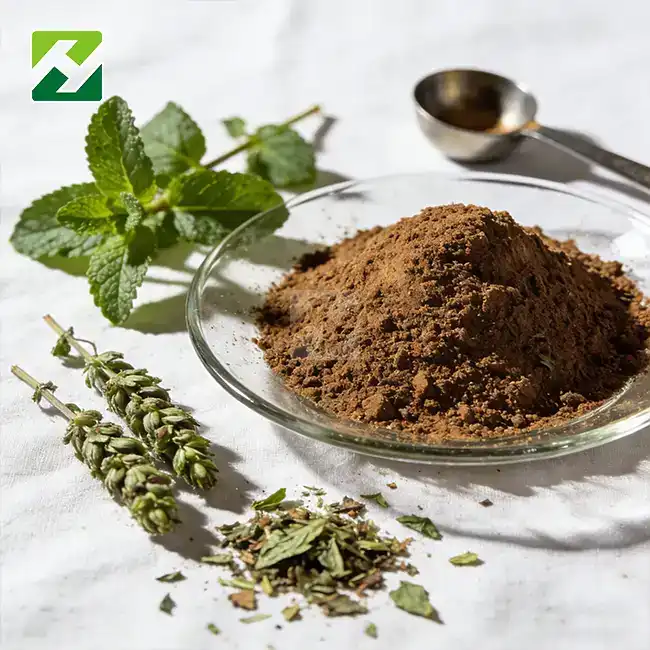
How to Make Natural Peppermint Leaf Extract
VIEW MORETo make natural peppermint leaf extract (Mentha piperita L.), manufacturers typically wash and dry the leaves, then submerge them in a solvent — water, ethanol, or a combination — under controlled temperature and pressure. The resulting liquid undergoes filtration, concentration, and spray-drying to yield a standardized botanical powder. At Organic Herb Inc. (OHI), we produce water-extracted peppermint leaf powder in 4:1 and 10:1 ratios, delivering a brown-yellow powder with consistent potency, verified by HPLC. This guide walks procurement professionals through every stage of that process.

Understanding Natural Peppermint Leaf Extract
Peppermint essential oil and peppermint leaf extract are not at all connected. Only the flammable aromatic chemicals are added to the oil during the steam process. On the other hand, the leaf extract keeps more phytochemicals that oils can't, like rosmarinic acid, flavonoids, and polyphenols. This difference is very important when a business talks to another business.
What Makes This Extract Commercially Valuable
Because peppermint extract dissolves in water, it is easy to add to drinks, oral care gels, and tablet formulas that are based on water. Oil-based ingredients can make it hard for the mixture to mix, but this one doesn't. Companies that make nutraceuticals, cosmetics, and functional drinks that taste like herbs can all use it because it has a lot of phytochemicals. These chemicals can be used to make botanical skincare actives, nutraceutical products, and functional drinks that taste like herbs.
When evaluating natural peppermint leaf extract, one of the most important things that sourcing teams should look at is the particle size (≥95% passing 80 mesh), the amount of active chemicals (rosmarinic acid, flavonoids), the extraction ratio (4:1 or 10:1), and the solubility profile. Because of this, you need certificates like NSF GMP, Kosher, Halal, ISO, FSSC22000, and Organic to sell your goods in the US and the EU.

Step-by-Step Process to Make Natural Peppermint Leaf Extract
In the past twenty years, there have been big changes in how Mentha piperita leaf is extracted for industrial use. Early ways of maceration produced quantities and active compound ratios that were not always reliable. Dynamic low-temperature extraction and nano-membrane separation are used in modern facilities to keep heat-sensitive polyphenols safe while they are being processed.
The Core Extraction Sequence
At OHI, we have very strict rules about how we extract things so that every batch meets the standards that have already been set. One way to look at how the process works on a large scale is like this: Telling the leaves to get ready: Only leaves picked from growing bases that are GAP-certified can be used. TLC/HPTLC fingerprinting is used to make sure that the raw material is what it says it is and not a cheaper mint species like Mentha arvensis.
- Leaf selection and preparation: Only leaves harvested from GAP-certified planting bases are accepted. Raw material undergoes identity verification via TLC/HPTLC fingerprinting to rule out adulteration with cheaper mint species like Mentha arvensis.
- Aqueous extraction: OHI's peppermint extract uses 100% water as the sole solvent, eliminating residual solvent concerns entirely. Dynamic low-temperature extraction preserves thermolabile compounds that would degrade under conventional heat-based methods.
- Filtration and membrane concentration: After extraction, the liquid passes through nano-membrane systems that concentrate active compounds without excessive heat, retaining the full polyphenol matrix.
- Spray-drying: The concentrated extract is spray-dried into a fine brown-yellow powder, yielding the 4:1 and 10:1 ratios we offer commercially.
- Quality verification: Each batch undergoes HPLC assay for active marker content, ICP-MS heavy metal screening (Lead <3.0 ppm, Arsenic <1.0 ppm), microbiological control (Total Plate Count <10,000 cfu/g), and identity confirmation before release.
"Concentration by filtering and membrane": Once the oil is extracted, it is put through nano-membrane devices that concentrate the active chemicals without using too much heat. The polyphenol matrix is still present.
The concentrated extract is spray-dried to make a fine brown-yellow powder. This gives us the 4:1 and 10:1 amounts that we sell in shops.

Choosing the Right Peppermint Leaf Extract for Your Business
You don't just buy something; you make a technical choice that impacts how stable your product is, how well it fits on the label, and how customers see it.
Extraction Ratio: 4:1 vs. 10:1
For natural peppermint leaf extract, one kg of finished extract is made for every kg of dried leaf that is used. If the number is 10:1, it means that there is more extract. When a lower dose is preferred, like in capsule formulas, the 10:1 option works best. The 4:1 choice, on the other hand, is usually chosen for healthy drink mixes that want a more herbal taste. The right amount depends on your goal dose, how well the two methods work together, and what the label says.
People who want to buy peppermint oil should also think about whether natural leaf extract or peppermint oil is better for their needs. It is better for drinks, mouth gels, and powder sachets that are made with water because water-extracted leaf extract mixes and stays stable better than oil. The oil might still be useful in topical products that want to cool things down a lot, but in many markets, the extract is a better way to get things approved.
When you judge a supplier, it's important to make sure that the quality of each batch is the same as the last. There should be clear testing by a third party, supporting papers, and the ability to go from small sample amounts to full production numbers without changing the plan.
Practical Tips for Using Peppermint Leaf Extract in Product Development
You can't just mix the powder into finished goods to add Mentha piperita leaf extract. How well something works is based on its formulation settings.
Application-Specific Guidance
Enteric-coated transport methods are often used by companies that make supplements for digestive health to make sure that the peppermint extract gets to the right place. The extract adds antimicrobial properties to toothpastes and mouthwashes that fight Streptococcus mutans. It also cools the mouth without making surfactant-based emulsions less stable. Ingredients that are based on peppermint oil often cloud clear drinks. In healthy beverage powders, however, water-soluble extract stops this from happening.
When sourcing, thermal stability is an important benefit that is often forgotten. OHI's spray-dried extract can handle temperatures up to 120°C, while volatile oils break down at temperatures above 40°C. This means it can be used in more baked goods, hard candies, and hot drinks.
In the U.S. market, botanical products like natural peppermint leaf extract must have both their common name and their Latin name on the packages of foods and supplements. When the FDA or a store partner checks your product, writing down the extract ratio and liquid identity (Mentha piperita L. leaf extract, aqueous, 10:1) will help keep it safe.
Sourcing and Procurement Strategy for Natural Peppermint Leaf Extract
The way the suppliers are set up is the first step in making a strong supply chain. OHI has four stores in different parts of the United States. And because they only do business overseas, they don't have to worry about lead times, which lets them ship quickly within the country. As a general rule, it takes 10 days to get an order, and the smallest order size is 25 kg per drum. Before you decide to buy, you can get free samples to see if they meet your needs.
NSF GMP, Kosher, Halal, ISO, FSSC22000, and Organic are some of the certifications that OHI has. This paperwork is needed by people who buy things in stores, companies that make things on contract, and government inspectors in both the EU and the US markets. We can keep track of each batch from the GAP-certified growing places in Jiangxi, Hunan, and Guizhou provinces to the extraction, testing, and final packing.
Over 400 plant products are listed in the OHI store, and 100 of them have been tested and proven to work. This helps purchasing teams work with more than one source without sacrificing the range of ingredients or quality standards.

Conclusion
Natural peppermint leaf extract comes from the plant Mentha piperita L. It is used in cosmetics, functional foods, mouthwash, and nutraceuticals. If you know about the different ways to extract the material, the concentration ratios, and the requirements for suppliers, you can turn buying from a cost exercise into a strategic benefit. There are two different amounts of OHI's water-extracted, spray-dried peppermint powder: 4:1 and 10:1. It is fully certified and kept in a U.S. warehouse. It's made to meet the strict needs of B2B manufacturing today.
FAQ
Q1: How does peppermint leaf extract differ from peppermint essential oil?
The oil captures only volatile lipophilic compounds. The leaf extract retains water-soluble polyphenols, flavonoids, and rosmarinic acid alongside aromatic compounds, making it more compatible with aqueous matrices like beverages, tablets, and gels.
Q2: What solvent does OHI use in its peppermint extract?
OHI uses 100% water as the extraction solvent, eliminating residual solvent concerns and making the finished powder inherently compliant with the strictest clean-label requirements.
Q3: What is the recommended usage range in digestive support formulations?
For a 10:1 extract, industry practice typically places effective dosage between 200 mg and 500 mg daily in divided servings for digestive support applications. Formulation-specific guidance is available from OHI's R&D team upon request.
Q4: Can this extract withstand high-temperature processing?
Yes. OHI's spray-dried extract tolerates processing temperatures up to 120°C — a meaningful advantage over volatile oils in confectionery, baking, and hot-fill beverage applications.
Q5: How do I verify botanical identity and rule out adulteration?
OHI performs HPTLC fingerprinting on every incoming batch to confirm Mentha piperita L. identity and detect substitution with Mentha arvensis, providing documentation in the batch CoA.
Request a Free Sample of OHI's Peppermint Leaf Extract Today
You can trust OHI to give you natural peppermint leaf extract. They have a center in the U.S., wait times of 10 days, and many standards, such as NSF GMP, Kosher, Halal, and Organic. We offer free samples and can help with unique requirements, so your R&D team can try the ingredient before placing a big order. You can ask for a sample and start a conversation with our formulation experts by emailing info@organic-herb.com.
References
1. McKay, D. L., & Blumberg, J. B. (2006). A review of the bioactivity and potential health benefits of peppermint tea. Phytotherapy Research, 20(8), 619–633.
2. Mimica-Dukić, N., & Božin, B. (2008). Mentha L. species (Lamiaceae) as promising sources of bioactive secondary metabolites. Current Pharmaceutical Design, 14(29), 3141–3150.
3. European Medicines Agency. (2020). Assessment report on Mentha piperita L., folium. EMA/HMPC/732065/2019.
4. Shen, D., Pan, M. H., Wu, Q. L., Park, J. H., Juliani, H. R., Simon, J. E., & Ho, C. T. (2012). LC-MS method for the simultaneous quantitation of the anti-inflammatory constituents in peppermint. Journal of Agricultural and Food Chemistry, 60(16), 4303–4310.
5. Singh, R., Shushni, M. A. M., & Belkheir, A. (2011). Antibacterial and antioxidant activities of Mentha piperita L. Arabian Journal of Chemistry, 8(3), 322–328.
6. Tschiggerl, C., & Bucar, F. (2010). Investigation of the volatile fraction of rosmarinic acid-enriched extracts from Mentha species. Phytotherapy Research, 24(8), 1127–1132.
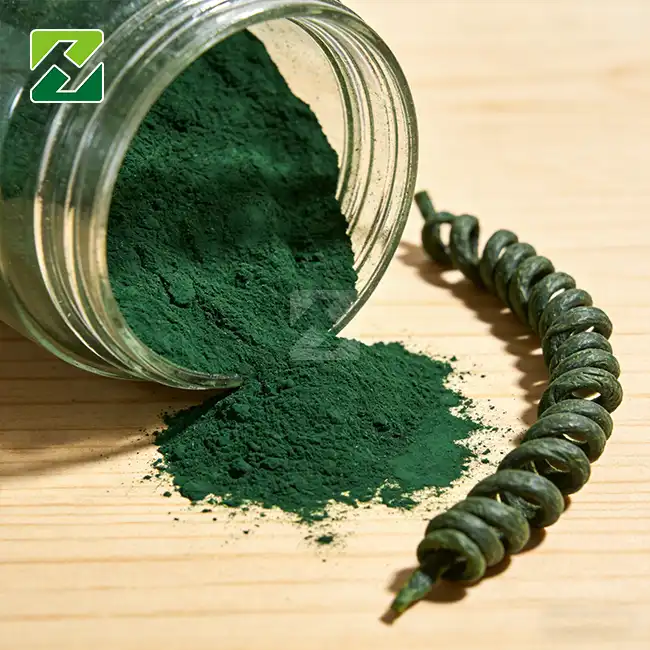
Does Natural Spirulina Powder lower CRP?
VIEW MORENatural spirulina powder does appear to lower CRP levels, based on a growing body of clinical and nutritional research. Derived from Spirulina platensis (also known as Arthrospira platensis), this nutrient-dense blue-green alga has drawn serious attention from R&D teams and formulation managers across the nutraceutical, functional food, and wellness industries. For procurement professionals seeking clean-label, efficacy-backed ingredients, understanding how spirulina interacts with inflammatory biomarkers like C-reactive protein is no longer a bonus — it's a competitive necessity.

Understanding CRP and Its Impact on Health
This is a protein called CRP that the liver makes when there is inflammation all over the body. High levels of CRP are linked to problems with the immune system, hormonal imbalance, and stress on the heart. People, doctors, and people who make goods all pay close attention to CRP because it has become a standard measure in the health and exercise market.
Why CRP Matters to Product Developers
There's more to the CRP number than meets the eye for businesses that make functional foods and supplement brands. You can make your goods stand out. As more people in the U.S. look for anti-inflammatory supplements, ingredients that have good proof of changing CRP are worth more. They can make sure their businesses are focused on the health areas that will grow the fastest in 2024 and beyond by putting CRP-relevant ingredients at the top of their list.
Market Demand Behind Inflammation Management
Grand View Research said that the global market for anti-inflammatory supplements was worth more than $14 billion. The largest market was in North America. In shops and during business-to-business demand cycles, anti-inflammatory ingredients like natural spirulina powder always do better than synthetic ones. This is especially true for those that come from natural sources instead of manufactured ones.
Natural Spirulina Powder and Its Anti-Inflammatory Properties
Spirulina platensis is not merely a novel health food. It is a biochemically distinct raw material, which is distinguished by its structure. The algae biomass contains phycocyanin – a pigment-protein combination known to help reduce inflammation and protect cells from harm. It is also a source of beta-carotene, gamma-linolenic acid (GLA), chlorophyll a, and a complete amino acid profile that is over 95% digestible.
Phycocyanin: The Primary Anti-Inflammatory Driver
Good spirulina powder has 10 to 19 percent phycocyanin. Generally, this molecule inhibits processes involved in inflammation, such as NF-κB signalling. The study was reviewed by specialists and published in 2016 in the journal Nutrients. It was found that it significantly reduced CRP and interleukin-6 levels in persons with elevated systemic inflammation when supplemented with phycocyanin. So spirulina high in phycocyanin is an excellent thing to use to produce products that reduce inflammation.
Spirulina vs. Competing Algae Ingredients
This form of Spirulina platensis has a more powerful chemical cocktail than chlorella or wheatgrass powder. Chlorella is a fantastic detoxifying diet, yet it has no phycocyanin. Wheatgrass isn’t as protein-dense as some of the other greens I’ve reviewed. Spirulina contains antioxidant pigments, GLA, and all nine amino acids. All these operate well with each other. This makes it more beneficial in food, beauty, and health products.

Practical Application and Dosage of Natural Spirulina Powder for CRP Reduction
Researchers have found that taking 1 to 8 grams of spirulina every day can change signs of inflammation in a way that can be measured. A study published in 2013 in the Journal of the Science of Food and Agriculture found that CRP levels dropped significantly in older people who ate 8 grams of spirulina every day for 12 weeks. Usually, 2–4g of the drug is put into pills, tablets, or functional drinks by the preparation teams.
Here are some important file types for applications that are used in many places today:
· Supplement capsules and tablets: High compressibility makes spirulina powder ideal for direct compression tableting without denaturing heat-sensitive enzymes like SOD.
· Functional beverages: When used in neutral-to-alkaline formulas, spirulina blends well and maintains its green hue and bioactivity. Note that phycocyanin is pH-sensitive below 4.5.
· Skincare and cosmetic actives: As a botanical active in topical formulas, spirulina extract contributes to antioxidant skin protection claims aligned with natural beauty trends.
Natural spirulina powder is easy to pack down into pills and tablets, which makes it great as a supplement. This keeps enzymes like SOD that are sensitive to heat from getting hurt.- Drinks that do something: The green color and bioactivity stay the same when mixed with neutral to alkaline ingredients. Remember that phycocyanin doesn't like pH levels below 4.5.Ingredients for beauty and skin care: As a plant-based ingredient in beauty products, spirulina extract helps back up claims that antioxidants protect the skin, which is in line with natural beauty trends.

Procurement Insights: Sourcing High-Quality Natural Spirulina Powder
Spirulina powder comes in a number of different types. When business-to-business buyers buy in bulk, they need to see more than just the price per kilogram. The way spirulina is grown, the way it is dried, and finally, careful testing by a third party are all parts of making sure it is good.
Critical Quality Benchmarks to Verify
Before selecting a seller of spirulina powder, teams should make sure they have proof of the following:
- At least 60% of the dry weight must be protein.
- 10 to 19% phycocyanin (C-PC) for anti-inflammatory uses
- Mercury (<0.1 ppm), lead (<3.0 ppm), arsenic (<1.0 ppm), and cadmium (<1.0 ppm) were found using an ICP-MS.
- The total plate count was less than 100,000 cfu/g, and Salmonella and E. coli were not found.
- Microcystins: less than 1 µg/g, proven by ELISA or HPLC—must be met for safety reasons
- Moisture content: less than 7% to stop the growth of microbes
- It has been certified by NSF GMP, Kosher, Halal, ISO, FSSC22000, and Organic proof.
These standards make sure that your formula doesn't get messed up and that the claims you make about how well your product works can be checked by regulators and customers.

Case Studies and Industry Applications: Natural Spirulina Powder in Action
A number of functional supplement companies in the U.S. have been able to use natural spirulina powder to make anti-inflammatory lines of products that sell well. One well-known example is how sports nutrition companies use spirulina in their recovery formulas after a workout. They do this because spirulina has a lot of antioxidants, which support their claims that it helps muscles recover and lowers CRP.
Supplement companies that make their own brands have also added Spirulina platensis powder to immune-support mixes for older people, who are one of the healthiest groups in North America and are growing the fastest. People in the U.S. aged 45 and up who care about their health want to buy expensive spirulina powder because it is organic, doesn't have GMOs on the label, and has clean labels.
Spirulina is naturally colored and full of antioxidants, which is why OEM companies have added it to anti-aging serums and repair masks in the beauty business. Spruce is a useful ingredient that can be used for many things, as shown by these different uses.
Conclusion
You can make it work in more than one area and be safe for clean labels by adding natural spirulina powder to the list of ingredients. It will also help reduce inflammation better. It is useful for business, and there is good evidence that it is linked to CRP regulation. High-purity spirulina has a lot of bioactives and is clear about the rules, which is something that not many single products can do. It's great for making a healthy drink, a sports nutrition product, or a plant skin care line.
FAQ
Q1: Is natural spirulina powder a substitute for pharmaceutical anti-inflammatory agents?
Not at all; spirulina is not a drug. It is found in foods that are good for you. As part of a healthy, well-balanced diet, it might help lower CRP levels and improve health in general, but it doesn't replace medical help.
Q2: What form of spirulina offers the most reliable CRP-related activity?
Standardized pure powder from Spirulina platensis that has a proven phycocyanin content (10–19%) and low levels of heavy metals always works best in recipes.
Q3: How long does it typically take to observe CRP changes with spirulina supplementation?
CRP levels can change after 8–12 weeks of taking supplements at doses that are clinically useful (2–8g/day), but the effects may be different for each person.
Q4: What certifications should a B2B buyer require from a spirulina powder supplier?
If not these, at least they should be certified NSF GMP, Organic (USDA or EU), Kosher, Halal, FSSC22000, and ISO. These make sure that the product is stable from batch to batch and follows all world rules.
Partner with OHI for Trusted Natural Spirulina Powder Supply
This company, Organic Herb Inc., sells certified natural spirulina powder (straight powder, Spirulina platensis, green powder look, 25 kgs/drum, MOQ 25 kgs). They let you try it for free, but you have to wait 10 days. OHI is a real company that makes natural spirulina powder. They have four stores in the U.S. and follow all FDA and C-GMP rules. They offer large-scale, ingredient-grade dependability. Email us at info@organic-herb.com right away to get a sample or a large-order price.
References
1. Deng, R., & Chow, T. J. (2010). Hypolipidemic, antioxidant, and antiinflammatory activities of microalgae spirulina. Cardiovascular Therapeutics, 28(4).
2. Park, H. J., Lee, Y. J., Ryu, H. K., Kim, M. H., Chung, H. W., & Kim, W. Y. (2008). A randomized double-blind, placebo-controlled study to establish the effects of spirulina in elderly Koreans. Annals of Nutrition and Metabolism, 52(4), 322–328.
3. Selmi, C., Leung, P. S. C., Fischer, L., German, B., Yang, C. Y., Kenny, T. P., & Gershwin, M. E. (2011). The effects of spirulina on anemia and immune function in senior citizens. Cellular & Molecular Immunology, 8(3), 248–254.
4. Mazokopakis, E. E., Papadomanolaki, M. G., Fousteris, A. A., Kotsiris, D. A., Lampadakis, I. M., & Ganotakis, E. S. (2014). The hepatoprotective and hypolipidemic effects of spirulina (Arthrospira platensis) supplementation in patients with nonalcoholic fatty liver disease. Annals of Gastroenterology, 27(4), 361–364.
5. Juturu, V., Raju, J., Gao, W., & Bhaskaran, S. (2016). Spirulina supplementation and inflammation: a review of clinical trials. Nutrients, 8(12), 797.
6. Karkos, P. D., Leong, S. C., Karkos, C. D., Sivaji, N., & Assimakopoulos, D. A. (2011). Spirulina in clinical practice: evidence-based human applications. Evidence-Based Complementary and Alternative Medicine, 2011, 531053.
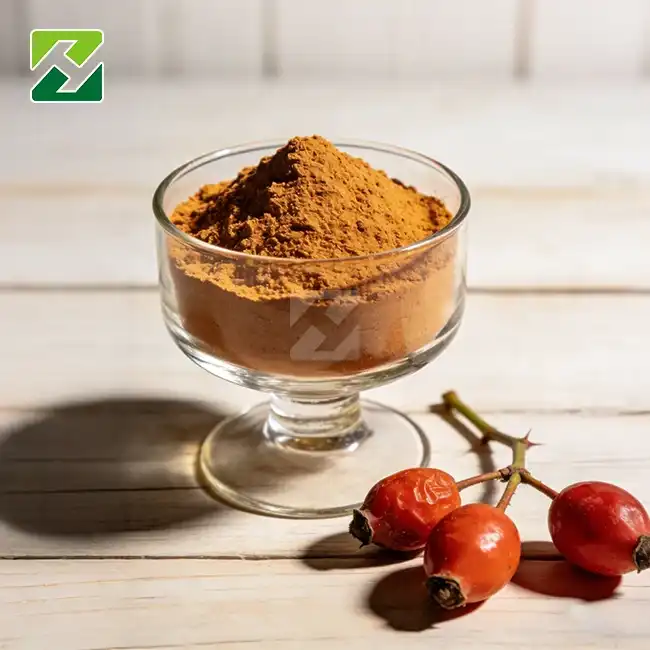
How to Choose High-Quality Rosehip Fruit Extract for Your Business
VIEW MOREChoosing the right rosehip fruit extract for your business starts with understanding what separates a premium ingredient from a substandard one. Sourced from Rosa canina fruit, high-quality rosehip extract delivers a standardized profile of natural Vitamin C, polyphenols, and carotenoids that your formulations depend on. Whether you manufacture dietary supplements, functional beverages, or skincare products, the extract's purity level, extraction method, certifications, and supplier reliability all directly shape your final product's performance and marketability. This guide walks you through every key consideration so your procurement decisions are grounded in both science and business strategy.

What Is Rosehip Fruit Extract and Why Does It Matter for B2B Buyers?
Botanical Origin and Bioactive Profile
Rose canina L., which is also known as the dog rose, has pseudo-fruits called hips that are very high in bioflavonoids (like quercetin and rutin), anthocyanins, and carotenoids (like lycopene and beta-carotene). Rosehip seed oil is a fat that you put on your skin. What about the fruit extract? It's a water-soluble mix that can be eaten, added to functional foods, or used in beauty products. This difference is very important when your R&D team is making a formula that needs to be bioavailable in a certain way.
Industrial Applications Across Sectors
Rosehip fruit powder and rosehip fruit extract are hydrophilic, which means they work well in many different types of products, like skin serums, hard pills, and effervescent tablets. Food and drug companies use their antioxidant properties to make immune system-boosting products, and cosmetics companies use them to make "beauty-from-within" serums that keep collagen in good shape. Because they are naturally acidic and a source of vitamin C, functional beverage makers like them. They also add flavor and hide the bad tastes of minerals.

Core Criteria for Evaluating Extract Quality
You can't tell the quality of plant raw materials. Things that can be measured and checked must be in place before even one kilogram is made.
For every buying team to look at, these are the most important signs of quality:
- Standardization and Assay Verification: Look for extracts standardized to a defined Vitamin C percentage (e.g., ≥5% via HPLC) or a confirmed extraction ratio such as 10:1. HPLC quantification removes guesswork and proves potency claim accuracy.
- Identification (ID) Testing: HPTLC fingerprinting against a certified reference standard confirms botanical identity and rules out species adulteration — a genuine concern with Rosa species, where Rosa laevigata substitution has been documented.
- Contaminant Screening: Credible suppliers provide full heavy metals data (Lead <3.0 ppm, Arsenic <1.0 ppm per USP limits) and multi-residue pesticide screening covering 500+ compounds via GC-MS/LC-MS.
- Microbiology Compliance: Total Plate Count must stay below 1,000 CFU/g, with zero tolerance for Salmonella and E. coli to meet food-grade safety thresholds.
- Solvent Transparency: Water-only extraction is the cleanest and safest method, avoiding Class 1 or Class 2 solvent residues and satisfying clean-label expectations in regulated markets.
Screening for contaminants in rosehip fruit extract: It is important to get heavy metals data from sources you can trust, like lead levels below 3.0 ppm and arsenic levels below 1.0 ppm, as well as multi-residue herbicide screening using GC-MS/LC-MS to look at more than 500 chemicals.

How to Match the Extract to Your Specific Business Application?
You can't just look at a spec sheet and do strategic sourcing. It is important that the extract's chemical and physical properties match how you plan to use it.
Extraction Ratio and Concentration
It means that 10 kg of raw rosehip fruit make 1 kg of concentrated powder if the extract is 10:1. Supplement makers can get the clinical equivalent of 5 grams of raw powder per dose with a 10:1 extract that is 500 mg per capsule. It is a double-checked ingredient when the 10:1 ratio is added to a measurement of 5% vitamin C. Both the concentration and strength have been proven.
Organic vs. Conventional and Format Selection
Rosahip powder that is organic costs more, but clean-label vitamin brands and natural makeup lines that sell in natural and organic stores love it. Spray-dried powder with a bulk density of 0.45 to 0.65 g/ml will always blend the same way for people who are making healthy drinks and need stable processing. It is important to know how the solubility will behave at the temperatures you will be using if you need a high water solubility with little precipitation, like for clear RTD drinks.
Comparing Market Offerings and Cost Considerations
The market for rosehip extract is split up. It will make a big difference in quality, meeting requirements, approval coverage, and providers' willingness to help you.
If you want to compare different goods, the logistics and reliability of the supply chain are just as important as the technical description of an ingredient. Companies that don't get their roses from a variety of sources have trouble getting enough because the raw rose yields change with the seasons. If your supplier has more than one warehouse in the US, they can handle these issues and keep lead times the same. This is an important structural benefit that keeps your production schedule safe.
Prices should be set so that the number of features and the cost per unit are both fair. It could cost less, but if it doesn't have HPLC-verified Vitamin C content or pesticide screening data that hasn't been checked, it could cost you your business. If the quality fails, it's not worth the extra money saved on raw materials because you'll have to redo the recipe, wait for officials to act, or return the product.
Avoiding Common Pitfalls in Bulk Procurement
Even purchase experts with a lot of experience make mistakes when they should not when they are buying plant extracts. Most of the time, the rosehip group still has problems with adulteration, which means mixing inactive fillers with active ingredients. Before you buy a lot, you should always ask for a sample before the shipment and make sure that your lab can independently recreate the COA values given by the seller.
Claims of safety that sound too good to be true are another worry. Outside, vitamin C doesn't like it when it's hot. It is best to leave 15–20% extra in the formula when pasteurizing a product so that it keeps its potency over time. If you can trust the seller, they will tell you about this before the sale happens, not after the fact.
Everyone is on the same page when it comes to the contract's limits on batch-to-batch consistency, re-testing procedures, and replacement terms for material that doesn't meet specifications. This keeps your supply chain safe in case something goes wrong.

Conclusion
You need to look at a lot more than just the price per kilogram to find a rosehip fruit extract that is botanically real and meets your needs. Every choice you make affects the quality of the product, its reputation with regulators, and the trust that people have in your brand. For example, you should make sure that the HPTLC is what it says it is and that the HPLC checks the Vitamin C level. You should also be clear about the extraction method and make sure that the operations are solid. These things can help your R&D, QA, and procurement teams confidently find suppliers and build long-term partnerships with ingredient providers.
FAQ
Q1: What is the difference between rosehip fruit extract and rosehip seed oil?
They're not really the same. Rosehip seed oil is a type of fat that is extracted from seeds and is mostly applied to the skin. The fruit juice is made from the juicy hip and can be mixed with water. Because of this, it is a good choice for use as a supplement or in functional foods that need Vitamin C and polyphenols.
Q2: Which format works best for skincare formulations?
Spray-dried powder works well in capsules and serums that you put on your skin. The small size of its particles (95% passing 80 mesh) makes sure that everything mixes well. Each meal with healthy foods that have a 10:1 ratio and at least 5% Vitamin C is a real antioxidant boost.
Q3: How do I verify extract authenticity in bulk procurement?
Ask for COAs that are specific to a batch and are backed up by HPLC patterns and test results. Before you accept the whole batch, you should have a test done at a different place. You can try them out before you buy from sellers you can trust by getting free samples.
Q4: Does rosehip extract contain allergens?
Pure Rosa canina fruit powder made from water doesn't have any allergens that we know of. But you should always get a full list of what's in something and check to see if there are any carriers that could spread allergens.
Partner with OHI for Certified Rosehip Fruit Extract Supply
FDA-approved rosehip fruit extract from OHI is certified by NSF GMP, ISO, Kosher, Halal, FSSC22000, and Organic. It has a 10:1 ratio of rosehip fruit to water and 5% vitamin C. We ship from four stores in the US, and the minimum order size is 25 kg. The lead time is 10 days. You could get some for free. Send us an email at info@organic-herb.com right away to get your specification sheet.
References
1. Chrubasik, C., Roufogalis, B. D., Müller-Ladner, U., & Chrubasik, S. (2008). A systematic review on the Rosa canina effect and efficacy profiles. Phytotherapy Research, 22(6).
2. Nyboe Andersen, N., & Thøgersen-Ntoumani, C. (2016). Rosehip supplementation and its antioxidant properties. Journal of Nutrition & Food Sciences, 6(4).
3. Mármol, I., Sánchez-de-Diego, C., Jiménez-Moreno, N., Ancín-Azpilicueta, C., & Rodríguez-Yoldi, M. J. (2017). Therapeutic applications of rose hips from different Rosa species. International Journal of Molecular Sciences, 18(6).
4. Phetcharat, L., Wongsuphasawat, K., & Winther, K. (2015). The effectiveness of a standardized rose hip powder on osteoarthritis patients. Clinical Interventions in Aging, 10.
5. United States Pharmacopeia (USP). (2023). General Chapter <561>: Articles of Botanical Origin. USP–NF.
6. European Food Safety Authority (EFSA). (2017). Guidance on the risk assessment of substances present in food. EFSA Journal, 15(5).
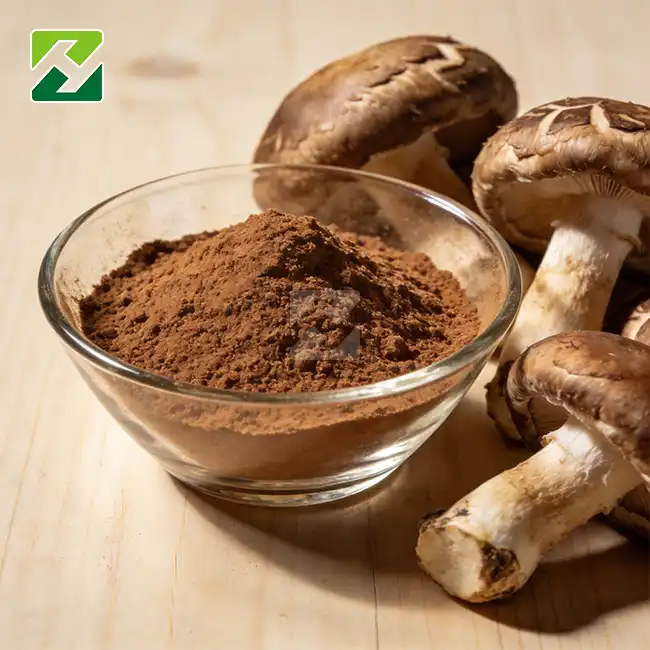
How to use Shiitake Mushroom Extract Powder?
VIEW MOREShiitake mushroom extract powder (Lentinula edodes ) is a standardised, water-extracted material from the fruiting bodies, concentrated to 40% polysaccharides in a clean brown powder structure. It is used in capsules, skin care serums and functional/fortified drinks by B2B professionals in the nutraceutical, cosmetic and functional food industries. Usage is in line with suppliers’ dosage range, protocols for pre-blending to ensure homogeneous dispersion, and batch-level certificates of analysis are checked prior to production runs. The 10:1 ratio of concentration of the extract allows for accurate and reduced volume inclusions and provides for constant bioactive administration in large-scale industrial systems.

What Is Shiitake Mushroom Extract Powder and Why Does It Matter for Your Formulation?
The fruiting bodies of Lentinula edodes have been well studied due to their high contents of polysaccharides such as beta-glucan, ergosterols (a type of vitamin D2), important amino acids such as lysine and leucine, and other naturally occurring antioxidant chemicals. The difference is the extraction procedure, and that is what makes a standardised extract different from plain dry mushroom powder.
The Science Behind the Extract
The distinction is that the liquid in OHI’s shiitake extract is 100% water, which is critical for firms that wish to be able to market themselves as clean label. Hot water extraction works by dissolving the indigestible chitin cell walls of the fungal matrix. Raw biomass does not necessarily provide available beta-(1,3)/(1,6)-D-glucans. The end product is a dark powder at a concentration of 10:1, with a 40% uniformity of polysaccharide and a regular mesh size for simple mixing with liquids and solids.
Why Procurement Teams Prioritize Standardized Extracts
One of the most common issues in sourcing botanical substances is that they can differ from batch to batch. A measured supply of shiitake mushroom extract powder takes care of this straight away. If every single shipment COA displays a consistent 40% polysaccharide content for this ingredient, your formulation team can design products that can be used again and over again without reformulation. This is the real-world advantage that makes R&D heads and purchasing managers pick concentrated extracts over whole-food powders.

How to Properly Use Shiitake Mushroom Extract Powder in B2B Settings?
The right way to use this ingredient needs both expert knowledge and process focus. Because the extract is hygroscopic, it is important to keep the moisture level under control when handling it. Standard practice is to store it in a sealed, dry environment below 25°C.
Dosage and Application Guidelines by Industry
This ingredient is used at different levels in different end markets:
Capsules and pills for dietary supplements: Depending on the polysaccharide goal listed on the label of the finished product, the amount of inclusion is usually between 250 mg and 1,000 mg per dose. When standardization is set at 40%, formulators can make clean-label claims about strength while using less raw material than when standardization is set at 10% or 20%.
- Dietary supplement capsules and tablets: Typical inclusion ranges from 250 mg to 1,000 mg per serving, depending on the polysaccharide target stated on the finished product label. At 40% standardization, formulators can achieve clean-label potency claims with lower raw material volume compared to 10% or 20% grades.
- Functional food and beverage applications: The hot-water extraction origin of OHI's extract supports near-complete solubility in aqueous systems, which is critical for functional drink formulations where undissolved sediment is commercially unacceptable.
- Cosmetic and personal care formulations: Active polysaccharides from Lentinula edodes have documented utility in hydration-matrix formulations. Cosmetic chemists typically incorporate the extract at 0.5–2% w/w in serums, masks, and repair creams targeting barrier function support.
These kinds of applications are just starting points. Always work with your own formulation team and ask for OHI's technical data sheet to make sure that the levels of inclusion in your product meet all of its performance and regulatory requirements.
Blending and Handling Protocol
Spreading the shiitake mushroom extract powder out in a small amount of the carrier before adding the whole batch stops it from clumping and makes sure it's spread out evenly. Because of the standard for 25 kg drum packaging, production teams should treat each drum as a standard unit and match lot numbers to COA records to make sure everything can be tracked.

How Shiitake Extract Powder Compares to Alternatives?
Knowing where this ingredient fits in with other forms helps buying teams make decisions about where to get things that they can defend.
Whole dried mushroom powder has a range of active chemical concentrations and still has chitin in it, which makes it less bioavailable. There is a common type of mushroom supplement called "mycelium-on-grain," but it often has a lot of starch in it from the growth substrate, which lowers the percentage of functional compounds. The extract from OHI comes only from growing bodies, and an iodine starch test shows that the finished powder does not contain any grain-based fillers.
Shiitake extract has a different set of functions based on its beta-glucan carbohydrates and ergosterol content compared to reishi or lion's mane extracts. The Lentinula edodes extract is a scientifically proven ingredient that works for both educated consumers and retail buyers who are making immune-boosting or skin-conditioning products.
Capsule formats are convenient for the end user, but they make it harder for formulators to use the ingredient in more than one product format. When manufacturers buy shiitake mushroom extract powder in bulk, they can use the same standard material for capsules, drinks, powdered sticks, and topical bases. This saves a lot of money and time when they make a lot of them.
How to Source and Procure High-Quality Shiitake Mushroom Extract Powder?
It takes more than just getting the cheapest unit price to get plant extracts on a large scale. Whether an ingredient gets to the production floor on time and passes quality control depends on how reliable the supply chain is, how accurate the paperwork is, and how well the certifications match up.
When expert procurement managers look at a shiitake extract source, these are the main things they look at:
- Certification stack: OHI's extract carries NSF GMP, Kosher, Halal, ISO, FSSC22000, and Organic certifications — covering the primary compliance requirements for US, EU, and Middle Eastern market access within a single supplier relationship.
- Domestic inventory and lead time: OHI operates four regional warehouses across the United States through its US subsidiary Earth Made Nutritions, based in Los Angeles, California. Standard lead time runs 10 days, with US warehouse stock available for accelerated delivery when production timelines are tight.
- Minimum order quantity and sampling: MOQ is 25 kg per drum, which aligns with pilot production and initial market launch volumes. Free samples are available for R&D evaluation prior to commercial commitment — a low-friction entry point for formulation testing.
- Traceability and R&D depth: OHI's R&D center in Changsha, Hunan, employs 42 professionals including PhDs and senior researchers, supported by analytical equipment including HPLC, GC-MS, and HPTLC systems valued at over $1.2 million. Every production batch is traceable back to source material through documented GMP records.
These benefits can directly fix the problems that buying teams have with less structured sellers, like not being able to keep up with supplies and not having enough paperwork. The two biggest problems with buying can be solved at the same time by a certified, fully integrated seller with US warehouses.

Conclusion
Shiitake mushroom extract powder, standardized at 40% carbohydrates from the fruiting bodies of Lentinula edodes, is a technically strong ingredient that can be used in a variety of different products, including skincare, functional foods, and nutraceuticals. Because it is extracted with water, has a clean label, and has a consistent bioactive profile, it is a good choice for manufacturers who need reliable performance on a large scale. When you pair that formulation value with a provider that has the right licenses, keeps goods in the US, and offers real R&D support, it takes the guesswork out of both the lab and the buying process.
FAQ
Q1: What is the polysaccharide content of OHI's shiitake extract?
OHI's shiitake mushroom extract is standardized at 40% polysaccharides, derived from a 10:1 concentration ratio using 100% water extraction from Lentinula edodes fruiting bodies.
Q2: Is this extract suitable for vegan and clean-label products?
Yes. The water-only solvent, fruiting body source material, and Organic, Kosher, and Halal certifications make it compatible with vegan, clean-label, and natural product positioning.
Q3: What is the minimum order quantity, and are samples available?
The MOQ is 25 kg per drum. OHI offers free samples for R&D evaluation with a standard lead time of 10 days.
Q4: How should this extract be stored to maintain stability?
Store in a sealed container in a cool, dry environment below 25°C, away from direct light and moisture. The hygroscopic nature of the powder requires careful packaging management between production runs.
Partner with OHI — Your Trusted Shiitake Mushroom Extract Powder Supplier
OHI offers pharmaceutical-grade shiitake mushroom extract powder (Lentinula edodes extract) that is certified as Organic, Kosher, and Halal by NSF GMP. They also have four stores in the US to ensure reliable domestic shipping. Our research and development team can help you come up with unique specifications, and we offer free samples so that your formulation team can check the quality before making a business promise. Send an email to info@organic-herb.com right now to get a quote or a technical data sheet.
References
1. Wasser, S. P. (2002). Medicinal mushrooms as a source of antitumor and immunomodulating polysaccharides. Applied Microbiology and Biotechnology.
2. Bisen, P. S., Baghel, R. K., Sanodiya, B. S., Thakur, G. S., & Prasad, G. B. K. S. (2010). Lentinus edodes: A macrofungus with pharmacological activities. Current Medicinal Chemistry.
3. Hobbs, C. (2000). Medicinal value of Lentinus edodes (Berk.) Sing. International Journal of Medicinal Mushrooms.
4. Finimundy, T. C., Dillon, A. J. P., Henriques, J. A. P., & Ely, M. R. (2014). A review on general nutritional compounds and pharmacological properties of Lentinula edodes. Food and Nutrition Sciences.
5. Chang, S. T., & Buswell, J. A. (1996). Shiitake production and research. World Journal of Microbiology and Biotechnology.
6. Cheung, P. C. K. (2010). The nutritional and health benefits of mushrooms. Nutrition Bulletin, British Nutrition Foundation.
 VIEW MORE
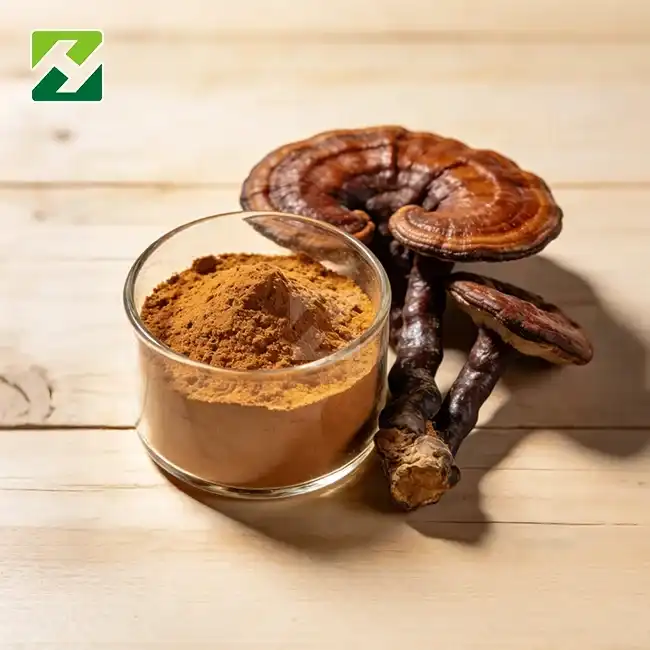
Reishi mushroom (Ganoderma lucidum) is now among the most researched useful mushrooms in the natural ingredient business. If you’re creating a daily wellness pill, functional beverage, or botanical skincare line, knowing what the best reishi mushroom extract can do for your product is a good place to start. Ganoderma lucidum extract has been consistently shown to have bioactivity associated with polysaccharides, triterpenes, and beta-glucans in a number of peer-reviewed studies, making it a key ingredient for brands that focus on efficacy and clean label credibility.

Understanding Reishi Mushroom Extract and Its Core Bioactives
There are different kinds of reishi goods. A standardized extract from the fruiting body is much more effective than raw mushroom powder. This is because extraction breaks down the chitin cell walls and concentrates the active ingredients your formula needs.
What Makes a High-Quality Extract Stand Out
Our Ganoderma lucidum Extract from Organic Herb Inc. comes from the fruiting body only and is made using a 100% water-based extraction process. There are no spores or grain fillers in our extract. The result is a brownish-yellow powder that is standardized to 40% carbohydrates at a 10:1 concentration ratio. It has a low moisture content and a constant mesh size, making it good for capsules, tablets, or mixing drinks.
The three main types of compounds that make the following perks possible are
- Beta-glucan polysaccharides — the primary immunomodulatory agents
- Triterpenes (ganoderic acids) — responsible for adaptogenic and antioxidant activity
- Peptidoglycans — supporting cellular signaling pathways
R&D leaders and formulation chemists can choose ingredients that are in line with product claims and market positioning when they understand this bioactive profile.

Benefit 1 – Strengthening Immune Resilience
Reishi's renown for changing the immune system is backed up by science. A study from 2006 in the Journal of Ethnopharmacology confirmed that beta-glucans from Ganoderma lucidum increase the activity of natural killer (NK) cells and macrophages, which are important parts of the body's first line of defense.
Why This Matters for Supplement Manufacturers
Standardized beta-glucan quantity is the most important thing for companies making daily immune-support products. Our 40% polysaccharide standard makes sure that every batch has the same ability to activate NK cells. This gives formulation managers the consistency they need to keep label claims and avoid expensive re-formulations.
Nutraceutical companies should market reishi extract as a premium ingredient because of this benefit alone. This is because measurable bioactivity, not just marketing language, builds trust with customers.
Benefit 2 – Supporting Restful Sleep and Stress Adaptation
Reishi affects the quality of sleep because it contains certain triterpene chemicals that change adenosine receptors without making you sleepy as manmade sleep aids do. A study published in 2012 in the journals Pharmacology, Biochemistry, and Behavior showed that Ganoderma lucidum Extract shortened the time between waking up and falling asleep and increased the length of non-REM sleep in animals.
Adaptogens and the Modern Wellness Consumer
Unlike synthetic versions, reishi is a real adaptogen that helps the body control how it reacts to physiological load instead of forcing a single biochemical outcome. This makes it work well with stress-relief supplements, mushroom coffee blends, and evening wellness formulas that appeal to the growing group of people who want natural support for mental clarity.
Benefits 3–6: Antioxidant Protection, Liver Support, Anti-Inflammatory Activity, and Skin Health
In addition to helping with sleep and health, reishi extract has four other benefits that make it more useful in a wider range of products.
Here is a more in-depth look at each benefit and how it applies to the formulation:
- Antioxidant power: Ganoderic acids fight free radicals and lower the amount of toxic stress on cells. A 2010 study in Food Chemistry found that G. lucidum fruiting body extracts had a lot of DPPH radical scavenging activity. This is a property that can be used directly in supplements and skin care serums that fight oxidative ageing.
- Help for the liver: Polysaccharide fractions from reishi have been looked at to see how they can help liver cells work. Because of this, reishi is a valuable ingredient in liver-health supplements and nutraceuticals made for people whose metabolisms are very fast.
- Anti-inflammatory effects: Triterpenes in reishi stop pathways that cause inflammation, mainly by decreasing the action of some cytokines. Developers of functional foods that aim to reduce inflammation are using standardised reishi extract as a scientifically proven active ingredient more and more.
- For skin health and cosmetic use, reishi extract's antioxidant and water-soluble polysaccharide profile means it can be used with anti-aging serums, moisturising creams, and botanical skin care lines. Cosmetic scientists like how it can be mixed into water-based emulsions and support bioactivity claims.
Ganoderma lucidum Extract has these four benefits, making it easier for any brand to sell more products that contain it, whether they are health supplements, personal care products, or functional drinks. Purchasing teams that work with a lot of different types of products can really benefit from this single ingredient that can be used for a lot of different things.

Choosing the Best Reishi Mushroom Extract for Your Business Needs
It's not enough to have a certificate on file to say that an ingredient is good; it's about the whole process, from growing the plant to delivering it. Before you decide on a supplier, here are some important things you should think about:
- Source: only the fruiting body, no mycelium fillers
- Standardisation: Polysaccharide and triterpene amounts must be confirmed, preferably with HPLC or HPTLC documentation
- Method of extraction: using water or two different methods of extraction with full solvent disclosure
- Certifications: NSF GMP, ISO, FSSC22000, Kosher, Halal, and Organic certifications show that the product meets quality standards and can be sold in a variety of markets.
- Consistency in batches: a COA for each batch with lot numbers that can be tracked
These requirements have a direct effect on your ability to back up what's written on the label, pass testing by a third party, and meet regulatory requirements in markets like the US.
OHI's reishi extract is packed in 25kg drums and has a 10-day lead time. You can request a free sample, and the company has stock in four US warehouses so that it can be delivered quickly within the US. Our products meet the standards set by the US FDA and C-GMP, and our R&D team in Changsha, Hunan, can help with requests for custom specifications.

Conclusion
It is clear that Ganoderma lucidum Extract is one of the most useful and highly proven plant-based products on the market right now. It has been shown to help the immune system, improve sleep quality, protect against free radicals, support liver function, reduce inflammation, and improve skin health. This makes it a rare ingredient that can be used in a variety of product types. To find the best reishi mushroom extract, you need to do more than just compare prices. You also need clear quality paperwork, standardized bioactive content, and a source with the systems to deliver on time every time. OHI gives you all of that and more.
FAQ
Q1: What is the standard dosage for reishi extract in supplement formulations?
A standardized extract of between 500 mg and 1,500 mg is used in most end products. Our extract has a 10:1 concentration ratio and 40% carbohydrates. It has a high bioactive density per gram, which means that effective dosing is usually successful.
Q2: How does reishi compare to other functional mushrooms like Lion's Mane or Chaga?
Reishi is mostly linked to changing the defense system and making the body more adaptable. Chaga is known for having antioxidants, while Lion's Mane is more studied for how it affects brain function. A lot of brands mix all three to make a "broad-spectrum" mushroom mixture.
Q3: Is water-extracted reishi suitable for beverage applications?
Yes. An extraction using only water makes a powder that is very water-soluble and mixes well into functional drinks, coffee blends, and ready-to-mix formulas without any problems with sedimentation.
Q4: What certifications does OHI's reishi extract carry?
Our Ganoderma lucidum extract is certified by NSF GMP, ISO, FSSC22000, Kosher, Halal, and Organic, which helps it meet the rules in North American and international markets.
Source Certified Reishi Mushroom Extract from OHI — Trusted Supplier for B2B Buyers
Organic Herb Inc. (Stock No. 872223) is a company that makes plant extracts and is open to the public. They sell high-purity Ganoderma lucidum Extract that is standardized to 40% polysaccharides. We make it easy to work with the best reishi mushroom extract suppliers by having four stores in the US, a 10-day lead time, and free trials. Get in touch with us today at info@organic-herb.com to ask for a sample or bulk price.
References
1. Boh, B., Berovic, M., Zhang, J., & Zhi-Bin, L. (2007). Ganoderma lucidum and its pharmaceutically active compounds. Biotechnology Annual Review.
2. Gao, Y., Zhou, S., Jiang, W., Huang, M., & Dai, X. (2003). Effects of Ganopoly (a Ganoderma lucidum polysaccharide extract) on the immune functions in advanced-stage cancer patients. Immunological Investigations.
3. Huang, S., Mao, J., Ding, K., Zhou, Y., & Zeng, X. (2012). Polysaccharides from Ganoderma lucidum promote sleep behavior in rats. Pharmacology, Biochemistry and Behavior.
4. Wachtel-Galor, S., Yuen, J., Buswell, J. A., & Benzie, I. F. F. (2011). Ganoderma lucidum: Standardization and quality assurance. In Herbal Medicine: Biomolecular and Clinical Aspects (2nd ed.). CRC Press.
5. Zhu, M., Chang, Q., Wong, L. K., Chong, F. S., & Li, R. C. (1999). Triterpene antioxidants from Ganoderma lucidum. Phytotherapy Research.
6. Liu, X., Yuan, J. P., Chung, C. K., & Chen, X. J. (2002). Antitumor activity of the sporoderm-broken germinating spores of Ganoderma lucidum. Cancer Letters.
What Makes Poria Cocos Extract Unique Among Plant-Based Ingredients
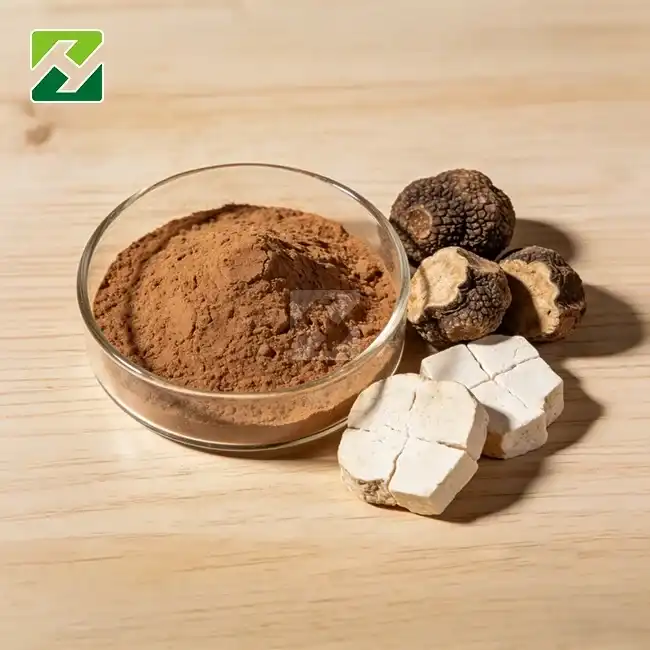
VIEW MOREWith its unique mix of bioactive depth, formulation versatility, and centuries of proven use, Poria cocos extract stands out in the market for botanical ingredients. As Fu Ling is a name in Traditional Chinese Medicine for a type of wood-decaying fungus, this brown powder concentrate comes from its dried fruiting body. It contains standardised beta-glucan polysaccharides and lanostane-type triterpenoids in a way that regular mushroom powder just can't. Specifically, that means that performance can be repeated in supplements, functional foods, and skin care products for R&D directors, cosmetic chemists, and procurement teams.

Understanding Poria Cocos Extract: Origin, Composition, and Traditional Uses
A Fungus With a 2,000-Year Track Record
Fu Ling has been in Chinese medicine books for over 2,000 years. It has been used for a long time to help the digestive system work better, calm the mind, and make the body's natural defences stronger. Many of the old ideas about how these things work have been proven wrong by modern phytochemistry. The past is still useful for business today. Beta-pachyman polysaccharides and pachymic acid are the main bioactives. They have been studied a lot because they work directly on the immune system and reduce inflammation.
From Raw Sclerotium to Standardized Extract
When OHI makes something, the liquid used for extraction is only water. This only focuses on the polysaccharide part and doesn't leave behind any solvents, which can happen with ethanol-based methods. A clean label and 30% polysaccharides (UV method) at a 10:1 concentration ratio are made from this. The powder is brown. But it only comes from the fruiting body of Poria cocos (Schw.) Wolf, not from the mycelium biomass, which is very different and usually has less bioactive density.
There is a 95% pass rate through 80-mesh that makes sure all pills, capsules, and powder sachets are mixed the same way. Less than 5% is lost when it dries, which stops microbes from growing and keeps the product from caking while it's being moved or stored.
The Unique Health and Functional Benefits of Poria Cocos Extract
Multi-Industry Functional Value
The real business benefit of Fu Ling extract is that it can be used in many different fields. In contrast to single-target botanicals, it provides useful functions for three separate industry sectors at the same time. Poria cocos extract delivers meaningful functionality across distinct industry verticals simultaneously.
Here are the main uses for this extract that make it different from similar mushroom ingredients:
- Nutraceutical immune support: Beta-pachyman polysaccharides use toll-like receptor pathways to start the responses of macrophages and NK cells. The high bulk density of the extract makes it easy to mix with other immune-supporting ingredients like Reishi or Cordyceps in capsule settings. Its natural ability to make you pee more often also helps with kidney health.
- Functional beverages and sachets: Since OHI's extract is made by extracting water from plants, it dissolves easily in liquids with a pH range of 3.5 to 6.0 and can withstand high temperatures used for pasteurization. Because of this, it is a reliable ingredient for ready-to-drink teas and powdered drink mixes that aim to promote calm and good sleep.
- Cosmeceutical formulations: Triterpenoid compounds lower important skin inflammatory mediators and change the way aquaporins work to keep the skin moist. Formulators in the business-to-business cosmetics industry use Fu Ling extract in sensitive skin serums and barrier-repair creams because they need to be stable against oxidation and compatible with emulsifiers.
These properties collectively position Poria cocos extract as a truly multifunctional raw material — a rarity in plant-based ingredient procurement.

Comparing Poria Cocos Extract With Other Popular Mushroom Extracts in B2B Markets
Some great herbs are Lion's Mane, Chaga, Reishi, and Cordyceps. For adaptogen recipes high in triterpenes, everyone knows the name Reishi. Chaga is the leader in sports nutrition that focuses on antioxidants, Cordyceps is the leader in energy and endurance, and Lion's Mane is the leader in brain support. Being the only major medicinal fungus that has been shown to moisturise the skin, boost the immune system, and calm the mind, Natura Poria Cocos Extract is in a different key area. For companies that make both supplements and personal care items, this makes it the perfect ingredient.
OHI's standard has a water-extracted polysaccharide profile that mixes well with water-based makeup systems without the need for emulsifying agents. Triterpene-heavy Reishi grades that are extracted with ethanol can't compare in terms of this technical benefit. The versatility of a single ingredient cuts down on the number of sources that are needed. It also makes it easier for procurement teams that are in charge of portfolios with many SKUs to keep track of all the compliance paperwork.
Procurement Insights: How to Source High-Quality Poria Cocos Extract for Global B2B Needs
When looking for a seller, it's important to look for quality marks that can be checked and reliable logistics. The Poria cocos extract from OHI is certified by NSF GMP, ISO 9001, FSSC 22000, Kosher, Halal, and Organic. This stack of certifications meets the documentation needs of the US FDA, the EU, and major Asian regulatory agencies all at the same time.
For OHI's standard offering, the following are the practical sourcing criteria:
- Latin name: Poria cocos (Schw.) Wolf
- Specification: 10:1 concentrate; 30% polysaccharides
- Solvent: 100% water
- Plant part: Fruiting body
- Appearance: Brown powder
- Package: 25 kg/drum
- MOQ: 25 kg
- Lead time: 10 days
- Free sample: Available upon request
These standards get rid of two of the biggest problems with buying things: it's not clear where to get plant parts, and liquid residues have to be followed. Because Earth Made Nutritions, OHI's fully owned company in Los Angeles, runs four warehouses across the United States, local delivery times are stable and don't depend on changes in international shipping times. One important quality control measure that should be mentioned is that OHI tests all of its raw materials for SO₂ residues (limit <10 ppm) to make sure that they weren't sulfur-fumigated during harvesting. This is a key compliance point for both EU and US import requirements that many smaller suppliers miss.

Strategic Recommendations for Integrating Poria Cocos Extract in B2B Product Lines
A clean-label edge that is getting harder to copy is gained by brands that add Natura Poria Cocos Extract to their formulas early on. The ingredient has two certifications: one for halal/kosher and one for USDA Organic. This lets it be sold in markets where products with only one certification can't compete.
OHI helps with custom-spec development with a 42-person R&D and QC team in Changsha, Hunan, who use HPLC, GC-MS, HPTLC, and SFE-CO₂ instruments. If procurement teams need non-standard polysaccharide ratios, particle-size changes, or co-extracted blends, they can work directly with OHI's R&D team to create formulation-ready solutions without having to hire a separate contract research organization.
OHI has three GAP-compliant farming bases spread out over 8,000 acres in Hunan, Guizhou, Hubei, and Jiangxi provinces. These bases help keep the supply chain running smoothly. This model is vertically integrated, so it is possible to track the product from the seedling to the finished extract. This level of source openness meets the audit standards of big supplement and cosmetic stores.

Conclusion
Poria cocos extract is a unique plant-based ingredient because it is bioactively specific, can be used in a wide range of formulations, and has a supply chain that is designed to meet world standards. OHI's water-extracted, fruiting body-derived, 30% polysaccharide specification gives nutraceutical brands, cosmetic manufacturers, functional food developers, and international distributors the consistency and level of documentation that modern ingredient procurement needs. The time it takes to go from review to integration is faster than most procurement teams think because there is stock in US warehouses, a 10-day lead time, and free samples.
FAQ
Q1: What is the difference between Fu Ling powder and standardized poria cocos extract?
The fungal chitinous cell wall that is still in raw Fu Ling powder makes it harder for the body to use the active ingredients. A 10:1 extract gets rid of indigestible cellulose and concentrates polysaccharides and triterpenoids, giving finished products more functional power per gram.
Q2: Is OHI's extract water-soluble?
Yes. Because OHI only uses water for the extraction process, the polysaccharide-rich powder that is made mixes easily in water-based systems. This makes it perfect for drinks, packs, and skincare serums that are made with water.
Q3: Does the extract contain sulfur residues?
No, OHI has to test all incoming raw materials for SO₂ residues (limit <10 ppm) to make sure that no sulfur fumigation happened. This is required for both US and EU regulatory submissions.
Q4: How should the extract be stored to prevent clumping?
Maintain a temperature below 25°C and a dry, closed space. The controlled mesh size and vacuum-drying process used by OHI lower the surface-area tension, which makes it much less likely that the product will clump while being stored and handled.
Partner With OHI — Your Trusted Poria Cocos Extract Supplier
OHI offers certified poria cocos extract that is safe for use in medicine. They have a 10-day lead time, a warehouse in the US, and free samples that are ready for your formulation team. Our research and development team can help you with your development process, whether you need a standard 30% polysaccharide spec or a solution that is made just for you. Get in touch with us right away to ask for a sample, look over our certifications, or talk about your formulation needs. You can email us at info@organic-herb.com.
References
1. Chen, H., & Zhang, M. (2004). Polysaccharides from Poria cocos: Isolation, structural analysis, and immunological activities. Carbohydrate Research.
2. Rios, J. L. (2011). Chemical constituents and pharmacological properties of Poria cocos. Planta Medica.
3. Gapter, L., Wang, Z., & Bhatt, D. (2007). Induction of apoptosis in prostate cancer cells by pachymic acid from Poria cocos. Biochemical and Biophysical Research Communications.
4. Zheng, Y., & Yang, X. (2015). Immunomodulatory effects of beta-glucans derived from medicinal fungi: A comparative review. Journal of Ethnopharmacology.
5. Lee, K. Y., & Jeon, Y. J. (2003). Macrophage activation by polysaccharide isolated from Poria cocos. International Immunopharmacology.
6. Nishitoba, T., Sato, H., & Sakamura, S. (1987). Triterpenoids from the fungus Ganoderma and Poria cocos. Phytochemistry.
Centella Asiatica for Skin: 6 Benefits of Natural Centella Asiatica Extract
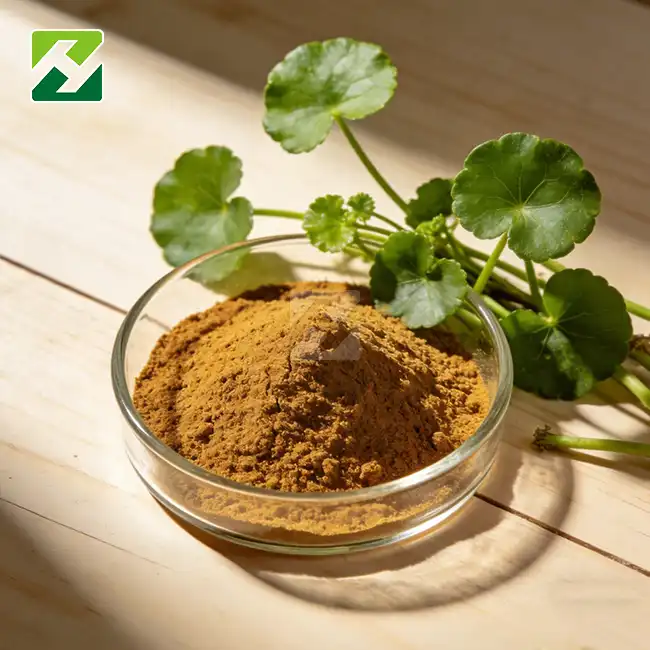
VIEW MOREIf you work in skincare formulation, nutraceutical development, or cosmetic ingredient sourcing, you've likely noticed Centella asiatica L. appearing across more product labels than ever before. Natural centella asiatica extract — derived from the whole plant using water and ethanol — has earned its place as one of the most sought-after botanical actives in the global market. Standardized to contain key triterpenoid saponins including Asiaticoside and Madecassoside, this brownish-yellow powder delivers measurable, reproducible results. Here's what B2B buyers need to know about its skin benefits and procurement value.


What Is Natural Centella Asiatica Extract and Why It Matters
Centella asiatica (L.) Urb. is a small grass plant that Asian botanists have known about for a long time. Because it has been standardized to its healthy triterpenoids, mostly Asiaticoside, Madecassoside, Asiatic Acid, and madecassic acid, the extract is now used in beauty and health goods. This mix is known as TECA, which stands for "Titrated Extract of Centella asiatica."
Natural vs. Synthetic: A Procurement Distinction That Matters
The way a uniform plant extract looks is different from how a copy that was made looks. It's possible for natural products to work with other phytochemicals in more ways on the skin because they have a wider range of them. This means that labels on items will show a better value, and customers will trust them more, which is good for buying teams and stores alike.
The Centella asiatica L. extract, a natural centella asiatica extract made by OHI, is mixed with water and ethanol. This ensures that the liquid profiles are clean and up to the standards set by international regulators. We offer different amounts of the extract, such as 4:1, 10:1, 10% Asiaticoside, and 30% Asiaticoside. This means it can be used in many cosmetics, functional foods, and nutraceuticals.

6 Major Benefits of Natural Centella Asiatica Extract for Skin
A lot of studies have been done on how Centella asiatica changes the face. These qualities have been used for years by formulators and product makers to make one-of-a-kind, high-performance goods. This ingredient is worth putting first because it has six main skin benefits:
- Accelerated Skin Repair: Asiaticoside helps the skin heal faster by making more Type I and Type III collagen and stopping enzymes called matrix metalloproteinases (MMPs) that damage skin structure. The two parts of this system work together to help the skin heal itself. People who have had bio-cellulose masks or laser or microneedling treatments on their skin have found that Centella extract speeds up epithelialization without hurting skin that has lost its protective role.
- Antioxidant Activity: This chemical protects cells from damage. Centella asiatica powder has triterpenoids in it that help get rid of reactive oxygen species (ROS), which can make you look younger. Studies in the Journal of Ethnopharmacology have shown that it can get rid of free radicals. This makes it a good ingredient for serums that fight aging.
- Soothing Sensitive Skin: This ingredient calms sensitive skin. Centella extract is often found in skin care products for sensitive, damaged, or red skin. The fact that it can calm without using steroids makes it very useful in situations where corticosteroid-based treatments wouldn't work.
- Improved Skin Hydration and Barrier Function: It helps the body make ceramide and strengthens the top layer of skin. Because of this, it works well with hyaluronic acid in barrier-repair emulsions and serums that keep the skin wet.
- Calming Visibly Stressed Skin: Madecassoside, one of the main active glycosides, helps calm skin that is red from the weather and skin stress. For a long time, it has been used in makeup as a natural option to chemicals that are used to calm the skin.
- Clean-Label Compatibility: More and more people in the U.S. want ingredient lists that are natural and easy to understand. Centella asiatica extract is a plant that works well and meets the standards for clean labels.
Because of these six things, Centella asiatica extract is a useful item that can be used for many tasks. With just one ingredient, companies can back up a lot of different claims, from healing and soothing to slowing down aging and making the skin stronger.
How to Use Centella Asiatica Extract Effectively in Formulations?
Concentrations and Delivery Systems
Asiaticoside and Madecassoside are two glycosides that dissolve in water and work well in the water-based parts of emulsions and hydrogels. Some very pure lipophilic grades, like the 30% Asiaticoside standard, need to be dissolved in glycols or ethanol at 50–60°C before they can be added to the oil phase. Most of the time, levels between 0.1% and 2.0% are recommended, but this can change depending on the use and the level of standardization.
Synergistic Pairings
Aloe vera, niacinamide, and panthenol all work well with natural centella asiatica extract to make healing mixes. When you mix it with hyaluronic acid, it makes its barrier-repair role stronger. By putting the extract inside tiny capsules, the serum can get deeper into the skin more easily, and the triterpenoid content won't break down from air while it's being stored.
People who make medicines should know that temperatures above 80°C for a long time can damage glycosidic bonds. A technique called lower-temperature dynamic extraction and freeze-drying is used by OHI to make sure that the bioactivity of their products stays the same throughout the whole process.
Centella Asiatica Extract vs. Other Botanical Actives
How It Differs From Gotu Kola Powder
It is not the same to have ground Gotu Kola herb powder as standardized Centella asiatica extract. The process of separation and splitting takes the useful cellulose and chlorophyll away from the active triterpenoids. The end product is 50–100 times stronger than raw plant powder, and HPLC tests have shown that this is true. When it comes to quality assurance (QA) teams and legal paperwork, this is a big difference.
Centella extract works in a more complicated way and is labeled more clearly than painkillers made by humans. Compared to aloe vera, it gives more structural support instead of moisturizing the skin's surface. This means they work together instead of against each other.

Where to Source Centella Asiatica Extract for Your Business?
One can be sure that the quality of natural centella asiatica extract has been verified by five different tests. These tests include the GC-HS liquid residue analysis, the ICP-MS heavy metal testing (Lead <3ppm, Arsenic <2ppm, Cadmium <1ppm), the pesticide residue screening, and the bacterial plate counts (<1000 CFU/g).
Standard Centella asiatica L. extract is sold by Organic Herb Inc. (Stock No: 872223), and all of the information is clear. Here are the main things that must be met in order to buy:
- Latin Name: Centella asiatica L.
- Specifications: 4:1, 10:1, 10% Asiaticoside, 30% Asiaticoside
- Solvent: Water and Ethanol
- Plant Part: Whole plant
- Appearance: Brownish-yellow powder
- Packaging: 25 kgs/drum | MOQ: 20 kgs
- Lead Time: 7 days
- Certifications: NSF GMP, Kosher, Halal, ISO, FSSC22000, Organic
These rules are in line with international rules set by the European Union's Cosmetics Directive, the U.S. Food and Drug Administration (FDA), and quality standards for medicines. OHI has four stores in the U.S., which means that local deliveries can be made quickly. This keeps American customers from having to wait a long time.

Conclusion
Researchers have shown that natural centella asiatica extract works and is used in many goods, from high-end skin care to useful nutraceuticals. It is no longer just a trend. It is one of the best plant actives formulators can use right now because it can both boost collagen and stop MMPs from doing their job. It is also clean-label compatible. The most important things for procurement professionals are sources that have been shown to work, formal paperwork, and the ability to offer consistency on a big scale.
FAQ
Q1: Is Centella asiatica extract suitable for all skin types?
Yes. The plants in it don't combine with other skin types, so it's good for dry, sensitive, combination, and aging skin. It's often used in recipes that are made for daily use or for getting better after surgery.
Q2: How does the 10% Asiaticoside grade differ from the 30% Asiaticoside grade?
Things that don't need much work get a 10% grade. The 30% grade is best for focused serums, scar control ointments, and high-concentration cosmetics that need stronger triterpenoid work.
Q3: Does decolorized extract retain efficacy?
Full effectiveness is retained if chlorophyll and tannins are removed during decolorization while the Asiaticoside and Madecassoside tests are kept. This can be proven by HPLC. No changes were made to the way the recipe works; it just looks better.
Q4: What INCI name should appear on product labels?
The "Centella Asiatica Extract" is a full-spectrum mix we recommend. It is possible for one molecule, like Madecassoside, to be separated and found to be at least 95% pure. This means that it can be listed under its own INCI number. This also lets regulatory bodies make claims about structures in some places.
Partner With OHI — Your Trusted Centella Asiatica Extract Supplier
OHI sells natural Centella asiatica extract that is safe for use in medicine and is certified by NSF GMP, Kosher, Halal, ISO, and FSSC22000. They also have four offices in the U.S. to make sure that shipping is quick and safe. Our 7-day wait time and free sample program make it easy to judge. We can help you with your recipe whether you need 10% or 30% Asiaticoside. Send us an email at info@organic-herb.com right now to get your free sample.
References
1. Bylka, W., Znajdek-Awiżeń, P., Studzińska-Sroka, E., & Brzezińska, M. (2013). Centella asiatica in cosmetology. Postępy Dermatologii i Alergologii, 30(1), 46–49.
2. Gohil, K. J., Patel, J. A., & Gajjar, A. K. (2010). Pharmacological review on Centella asiatica: A potential herbal cure-all. Indian Journal of Pharmaceutical Sciences, 72(5), 546–556.
3. Hashim, P., Sidek, H., Helan, M. H. M., Sabery, A., Palanisamy, U. D., & Ilham, M. (2011). Triterpene composition and bioactivities of Centella asiatica. Molecules, 16(2), 1310–1322.
4. Lu, L., Ying, K., Wei, S., Fang, Y., Liu, Y., Lin, H., Ma, L., & Mao, Y. (2004). Asiaticoside induction for cell-cycle progression, proliferation and collagen synthesis in human dermal fibroblasts. International Journal of Dermatology, 43(11), 801–807.
5. Ratz-Łyko, A., Arct, J., & Pytkowska, K. (2016). Moisturizing and anti-inflammatory properties of cosmetic formulations containing Centella asiatica extract. Indian Journal of Pharmaceutical Sciences, 78(1), 27–33.
6. Shukla, A., Rasik, A. M., Jain, G. K., Shankar, R., Kulshrestha, D. K., & Dhawan, B. N. (1999). In vitro and in vivo wound healing activity of asiaticoside isolated from Centella asiatica. Journal of Ethnopharmacology, 65(1), 1–11.
6 Surprising Benefits of Natural Celery Seed Extract
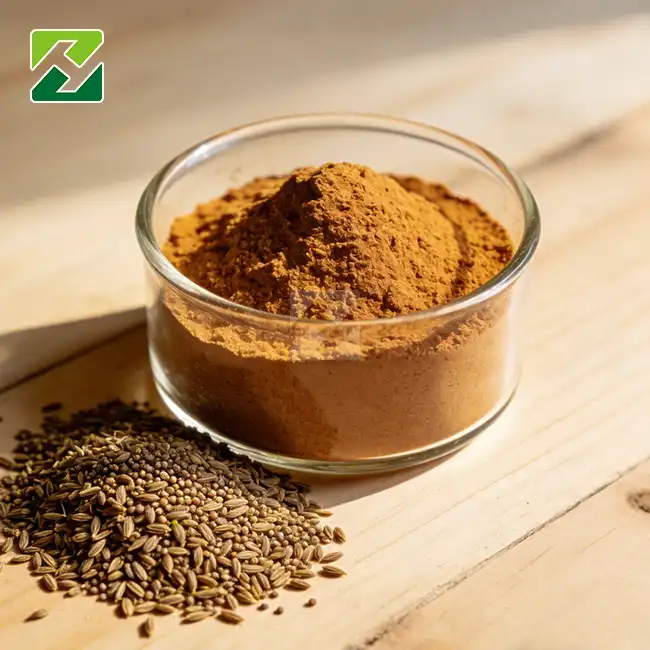
VIEW MOREIn the nutraceutical, functional food, and cosmetic businesses, natural celery seed extract (Apium graveolens) is quickly rising to the top of the most sought-after botanical ingredients. This concentrated extract from celery seeds has a wide range of bioactive compounds, such as phthalides, flavonoids, and apigenin, that raw celery can't match in terms of strength or consistency. Understanding what this extract really does can help R&D leaders, formulation managers, and procurement teams come up with new ways to differentiate their products and come up with clean-label innovations.

What Is Natural Celery Seed Extract and How Is It Made?
Bioactive Compounds That Drive Its Value
The extract comes from two main types of chemicals: flavonoids, such as apigenin, and phthalides, such as 3-n-butylphthalide (3nB). Celery stems and leaves don't have a lot of these chemicals in them. The seed has a lot of medicine in it. It is proven by the HPLC test that the 3nB level is between 1% and 5%. So, instead of a vague botanical claim, formulators can use a label-backed active ingredient.
Since OHI's celery seed extract is made with water, there are no worries about solvents that might be left behind, and the product can be labelled as clean. 95% of the time, an 80-mesh sieve can separate the brownish-yellow powder that comes out of the process. You can use this powder to make capsules, tablets, or powder mixes.
How It Differs from Celery Seed Powder and Oil
It is just ground celery seeds that have about 0.05% 3nB in them, which is not enough to provide any health benefits. There are flammable flavour molecules in celery seed oil, so it needs to be packaged in a certain way to keep it from going bad. Standardised extract has a high concentration of active ingredients (up to 20 times higher than raw powder), stays stable in solid dosage forms, and can be checked with a batch certificate. This is the best of both worlds.
6 Surprising Benefits of Natural Celery Seed Extract for Health and Wellbeing
Most formulators know that natural celery seed extract can help with joint pain. A lot of procurement workers are surprised by how many proven uses this one ingredient opens up.
- Assistance with Uric Acid and Joint Pain: 3nB has been researched for its ability to help maintain normal uric acid metabolism. Ethnopharmacology released research on the use of Apium graveolens seed preparations in traditional uric acid management. This is similar to how modern gout-relief supplements combine this extract with vitamin C and tart cherry.
- Heart Health: Phthalides calm arterial smooth muscle, which makes blood vessels wider. Blood pressure levels dropped significantly in people who supplemented with celery seed extract, according to a study published in 2013 in the journal Alternative Therapies in Health and Medicine. This makes it an appealing ingredient for circulatory health products.
- Cellular Antioxidant Protection: Apigenin, a flavone that is found in large amounts in the extract, can scavenge free radicals in a test tube setup. Celery seed extract can be used as an antioxidant in both anti-aging supplements and useful foods.
- Traditional botanical medicine has long used Apium graveolens seed as a laxative and cleanser to help the kidneys and get rid of toxins. Modern formulators are adding water-soluble celery seed extracts to kidney health and detox supplements. The clean aqueous extraction profile also meets the regulatory standards for functional foods.
- Painless digestion and good gut health: Phthalides and volatile seed compounds help relax the smooth muscles in the digestive tract. As the market for digestive health products that target bloating and slow gut motility grows, celery seed extract provides strong botanical support.
- Cosmetic Uses and Skin Formulations: Cosmetic chemists are interested in apigenin because it contains anti-inflammatory and antioxidant properties. Standardised celery seed extract is being added to repair creams and serums by skin care companies. It works with ceramides and other botanical actives in anti-aging combinations.
The ingredient is becoming more popular in supplement, functional food, and personal care product lines because of these six application pillars.

Comparing Celery Seed Extract with Other Herbal Alternatives
When procurement teams compare celery seed extract to other common botanical actives, they find a number of differences. In the anti-inflammatory supplement market, turmeric powder is the leader, but its bright color makes it hard to make pills and drinks. The bland brownish-yellow color of celery seed extract completely avoids this.
Boswellia serrata is another rival in the joint health market, but because it is resinous, it needs special grinding technology. Celery seed extract, especially grades that are extracted with water, like OHI's 4:1 and 10:1 ratios, works well in normal production equipment and doesn't need any extra steps to be processed.
For natural celery seed extract, the axis of organic and natural certification: buyers must be able to tell the difference between "natural" (meaning no synthetic processing tools) and approved organic (requiring confirmed farming practices). OHI has certifications for Kosher, Halal, NSF GMP, ISO, FSSC22000, and Organic, so there is no confusion in source approval paperwork.

Practical Procurement Guide for Celery Seed Extract
To find botanical extracts on a large scale, you need to do more than just compare prices. When procurement teams look at Apium graveolens seed extract suppliers, these are the main things they always look at:
- Specification Clarity: OHI offers 4:1 and 10:1 extract ratios, both water-extracted, with clearly documented HPLC profiles and COA packages covering heavy metals, pesticide residues, PAHs, and microbial limits.
- MOQ and Lead Time: With an MOQ of 25 kg per drum and a standard lead time of 7 days, OHI supports both pilot batch development and full-scale commercial orders without extended waiting periods.
- U.S. Warehouse Availability: Through Earth Made Nutritions, OHI's wholly owned U.S. subsidiary located in Los Angeles, California, inventory is maintained across four domestic warehouse locations—ensuring timely domestic delivery that avoids customs delays.
- Private Label and OEM Flexibility: Formulation teams can request custom specifications, including blended extracts, encapsulated formats, and co-developed product concepts supported by OHI's R&D team of 42 specialists.
Formulation teams can ask for custom specifications, such as blended extracts, encapsulated formats, and co-developed product ideas with the help of OHI's 42-person research and development team.
Why Source Celery Seed Extract from OHI?
Organic Herb Inc. (Stock No. 872223) grows celery seeds on more than 8,000 acres of land in China's Jiangxi, Hunan, and Guizhou provinces in a way that follows good agricultural practices (GAP), and these seeds are used to produce natural celery seed extract. The company's R&D center in Changsha has more than $1.2 million worth of technology, such as HPLC-ELSD, GC-MS, and HPTLC platforms, which make sure that every standard is analytically confirmed and not just taken as truth.
The factory has licenses for NSF GMP, ISO 9001, FSSC22000, Kosher, Halal, and Organic, which means it meets FDA and C-GMP standards for bringing goods into the U.S. market. Water-based extraction technology keeps the seed's full range of active compounds while keeping solvent waste levels well below what is allowed by international law.
Procurement pros always like OHI because it is consistent from batch to batch, has clear documentation, and can go from a sample to industrial quantities without having to change the recipe. Buyers who meet the requirements can get free samples to try out before committing.

Conclusion
Few plant actives can match the combination of functional flexibility, clean label credentials, and formulation compatibility offered by natural celery seed extract (Apium graveolens*) at this price. This extract meets real market needs in many product categories, from lowering uric acid and improving circulatory health to protecting against free radicals, helping the kidneys, making digestion easier, and using it for beauty purposes. If buyers and product creators want an ingredient that is stable, certified, and well-documented, OHI's celery seed extract gives them the technical base and supply reliability they need to confidently move from idea to market launch.
FAQ
Q1: What extract ratios does OHI offer for celery seed extract?
OHI makes celery seed extract with water as the extraction agent in two different concentrations: 4:1 and 10:1. Depending on the active density needed, these ratios can be used for capsule supplements, functional food applications, and cosmetic formulations.
Q2: How should celery seed extract be stored to maintain stability?
Keep in cool, dry places away from direct light, in double-lined, sealed plastic bags inside fiber drums. The gaseous active chemicals don't clump or oxidize when they are stored correctly.
Q3: Is OHI's celery seed extract suitable for use in beverages?
For use in water-clear drinks, standard extract powder might need to be microencapsulated or nano-emulsified. Talk to OHI's technical team about what grades are right for your application style.
Q4: What certifications support regulatory compliance for U.S. import?
There are certifications for me from NSF GMP, ISO 9001, FSSC22000, Kosher, Halal, and Organic. All of our products meet the standards set by the U.S. Food and Drug Administration (FDA) and the Good Manufacturing Practices (GMP). If you need more proof, just let us know.
Partner with OHI for Premium Celery Seed Extract Supply
OHI offers Apium graveolens seed extract that has been checked and is backed by approval to meet the needs of serious formulators. As a reputable company that makes natural celery seed extract, OHI uses cutting-edge extraction technology, U.S. warehouse facilities, and flexible minimum order quantities (MOQs) to help you meet your production schedule. You can ask for a free sample at info@organic-herb.com to talk about bulk purchasing options that fit your formulation goals.
References
1. Yao, Y. et al. — "Phytochemical and pharmacological review of Apium graveolens." Journal of Ethnopharmacology, 2020.
2. Madhavi, D. et al. — "Celery seed extract for hypertension: A clinical evaluation." Alternative Therapies in Health and Medicine, 2013.
3. Sultana, S. et al. — "Apigenin: A flavone with diverse pharmacological activities." Journal of Natural Products, 2016.
4. Mencherini, T. et al. — "An extract of Apium graveolens var. dulce leaves: Structure of the main constituent, apiin, and its anti-inflammatory properties." Journal of Pharmacy and Pharmacology, 2007.
5. Zhou, K. et al. — "Antioxidant activities of Apium graveolens extracts by multiple methods." Food Chemistry, 2009.
6. Powanda, M. C. & Whitehouse, M. W. — "Celery seed and related extracts: Pharmacological overview and usage considerations." Progress in Drug Research, 2011.
What is Natural Centella Asiatica Extract? A Skincare Essential You Need
VIEW MORENatural Centella asiatica extract is a standardized botanical active derived from the whole plant of Centella asiatica L., processed using water and ethanol extraction to concentrate its key triterpenoid compounds — asiaticoside, madecassoside, asiatic acid, and madecassic acid. In the B2B skincare ingredient space, this extract has moved from a traditional herbal remedy to a scientifically validated cosmetic active. Its ability to stimulate collagen synthesis, support skin barrier integrity, and deliver antioxidant activity makes it a compelling ingredient for formulators, product developers, and procurement teams across the personal care industry.

Understanding Natural Centella Asiatica Extract
What Sets It Apart from Generic Herbal Powder
In contrast to raw gotu kola powder, a titrated centella extract is fractionated to separate and concentrate active triterpenes while getting rid of inactive cellulose, chlorophyll, and tannins. This makes an ingredient that is 50–100 times more powerful per gram, has a clear HPLC-verified assay, and is consistent from batch to batch. These are all things that raw botanical materials can't do on a large scale.
We have different kinds of Centella asiatica L. extracts at OHI. We have 4:1 and 10:1 concentration ratios, as well as 10% and 30% asiaticoside standardized grades. The extract comes from the whole plant and is a brownish-yellow powder. Water and ethanol are used as solvents, which give the powder a clean solvent profile that fits with the natural and organic product positioning.
The Science Behind Its Skin Benefits
According to studies published in reputable dermatology journals, asiaticoside and madecassoside change the activity of fibroblasts, which makes more Type I and Type III collagen while decreasing the activity of an enzyme called matrix metalloproteinase (MMP), which breaks down the skin matrix. This two-way action is what makes centella asiatica extract so useful for anti-aging serums, recovery products after surgery, and scar management formulas.
Natural centella asiatica extract contains glycoside compounds, like asiaticoside and madecassoside, that dissolve in water, while their genins, like asiatic acid and madecassic acid, dissolve in alcohol. Formulators who are making emulsions, anhydrous serums, or capsule delivery methods need to know about this difference in solubility.
How to Use Natural Centella Asiatica Extract in Skincare?
To add centella asiatica extract to a finished product, you need to be very good at math and know exactly what your customers want. It works well in a number of different delivery forms for formulators of cosmeceuticals, over-the-counter skin care, and medical esthetics.
When it comes to the main types of uses where this extract works best, they are:
- Post-procedure recovery products: In bio-cellulose masks and sterile hydrogels used after laser or microneedling sessions, the extract accelerates epithelialization and visibly reduces erythema. Its non-stinging profile makes it well-suited for compromised barrier conditions where synthetic soothing agents often fall short.
- High-end anti-aging serums: When formulated into nano-encapsulated or anhydrous delivery systems, centella triterpenes reach deeper epidermal layers. Its capacity to improve microcirculation makes it particularly relevant for eye contour products targeting structural laxity and vascular dark circles.
- OTC scar management ointments: In silicone-based scar gels, the extract modulates fibroblast proliferation, helping regulate the ratio of collagen types in the wound bed — a validated botanical approach to scar remediation.
High-end serums that fight aging: Centella triterpenes can reach deeper layers of the epidermis when they are put into nanoparticles or dry transport methods. Because it can improve microcirculation, it is especially useful for eye contour products that target structural laxity and dark circles under the eyes.

Comparing Natural Centella Asiatica Extract with Alternatives
Aloe vera extract and gotu kola powder are often put up against centella asiatica extract when procurement experts look at botanical actives for collagen support and skin soothing. Each has a unique set of functions.
Aloe vera is known for its ability to cool and hydrate the skin's surface, but its ability to stimulate collagen at the molecular level is not as well understood. The full plant matrix retained in gotu kola powder leads to variable active compound content and inconsistent appearance, while natural centella asiatica extract, especially when it comes in standard TECA grades, provides a measurable triterpene assay that supports consistent clinical results.
When it comes to formulation, pure extract concentrates are better than mixed plant powders because they have clearer INCI labels and better quality control. Organic-certified centella extract also helps brands in the premium or clean-label market make stronger claims on the package, which builds trust with customers.
Procurement Guide for Natural Centella Asiatica Extract
It takes more than just comparing prices to find a trusted source of centella asiatica powder. Every purchase decision should be based on these five COA factors:
- HPLC Assay: Verifies the percentage of total triterpenes and the specific ratio of asiaticoside to madecassoside — non-negotiable for efficacy confirmation.
- Solvent Residue Analysis (GC-HS): Certifies absence of toxic residues; ethanol-extracted grades should show <5000 ppm for ethanol with no methanol or benzene detected.
- Heavy Metal Testing (ICP-MS): Lead <3 ppm, Arsenic <2 ppm, Cadmium <1 ppm — critical given centella's bio-accumulative nature.
- Pesticide Residue Screening: A minimum 500-substance panel to satisfy EU and US export regulatory requirements.
- Microbiological Control: Total plate counts <1000 CFU/g, essential for preservative-free and natural product formats.
Logistics are just as important. The integrity of the extract is protected during transport by drum packaging in 25 kg units with controlled storage conditions. Working with providers whose warehouses are located in the US gets rid of the doubt about lead times that can throw off production plans.

Building Trust with Your Centella Asiatica Extract Supplier
For natural centella asiatica extract, the licenses of a seller are just the beginning of figuring out how trustworthy they are. Getting NSF GMP, ISO 9001, FSSC 22000, Kosher, Halal, or organic approval all at once shows that a company has strict quality control. But what sets reliable partners apart from commodity traders is the ability to track goods from the planting base to the finished drum.
In the provinces of Jiangxi, Hunan, Guizhou, and Hubei, OHI takes care of GAP-compliant planting sites that cover more than 8,000 acres and grow 12 types of plants. Our research and development center in Changsha has 42 expert staff members, such as Ph.D. managers and senior researchers. It also has equipment worth more than $1.2 million, such as HPLC-ELSD, GC-MS, and SFE-CO₂ systems. This system makes sure that every batch of our centella extract has a unique identification number that can be checked and tracked from the soil to the shipment.
Earth Made Nutritions, our fully owned US company, is based in Los Angeles and has four warehouses in the US to ensure fast shipping within the country. The lead time is seven days after the order is confirmed. Businesses that meet certain requirements can get free samples, but they must order at least 25 kg per drum.

Conclusion
Natural centella asiatica extract has established itself as a key ingredient in modern skincare formulations, alongside its oil derivative. Its triterpenoid chemistry delivers versatile benefits across a wide range of product types by regulating collagen synthesis, repairing skin barriers, and protecting against free radical damage. When R&D leaders, formulation chemists, and procurement managers develop diverse product lines, the quality of the extract — including its assay purity, source transparency, and regulatory compliance — has a direct impact on product efficacy. Choosing a provider who can back up every claim with verifiable proof is not a discretionary choice; competitive brands demand it.
FAQ
Q1: What is the difference between centella asiatica extract and plain gotu kola powder?
Centella asiatica extract undergoes fractionation to isolate and concentrate active triterpenes, removing inactive cellulose and chlorophyll. This produces an ingredient with measurably higher potency and formulation stability compared to unprocessed gotu kola powder, where active compound levels vary significantly between batches.
Q2: Which specification should formulators choose — 10% or 30% asiaticoside?
The 10% asiaticoside grade suits water-based or leave-on formulations targeting sensitive skin, while the 30% grade is preferred for high-performance serums, eye contour products, and OTC scar management applications where a stronger triterpene concentration is needed.
Q3: How should high-purity centella extract be dissolved in formulations?
Glycoside-dominant grades dissolve in warm water. For higher-purity grades with significant genin content, pre-dissolving in propylene glycol or butylene glycol at 50–60°C before incorporation into the oil phase is advisable.
Q4: What certifications should I verify before procurement?
Prioritize NSF GMP, ISO 9001, FSSC 22000, Kosher, Halal, and Organic certifications. Request a full COA that includes HPLC assay, heavy metal testing, pesticide screening, solvent residue analysis, and microbiological results.
Partner with OHI — Your Trusted Natural Centella Asiatica Extract Supplier
OHI provides certified, standardized natural centella asiatica extract with a confirmed HPLC assay, a source that can be tracked, and a US warehouse that is open for quick shipping. If you need a 10% or 30% asiaticoside grade, you can get free samples. The wait time is 7 days, and the first order must be 25 kg. Get in touch with our expert team to talk about your recipe needs and ask for paperwork. You can email us at info@organic-herb.com.
References
1. Bylka, W., Znajdek-Awiżeń, P., Studzińska-Sroka, E., & Brzezińska, M. (2013). Centella asiatica in cosmetology. Postępy Dermatologii i Alergologii, 30(1), 46–49.
2. Paocharoen, V. (2010). The efficacy and side effects of oral Centella asiatica extract for wound healing promotion in diabetic wound patients. Journal of the Medical Association of Thailand, 93(Suppl 7), S166–S170.
3. Hashim, P., Sidek, H., Helan, M. H. M., Sabery, A., Palanisamy, U. D., & Ilham, M. (2011). Triterpene composition and bioactivities of Centella asiatica. Molecules, 16(2), 1310–1322.
4. Ratz-Łyko, A., Arct, J., & Pytkowska, K. (2016). Moisturizing and anti-inflammatory properties of cosmetic formulations containing Centella asiatica extract. Indian Journal of Pharmaceutical Sciences, 78(1), 27–33.
5. Kimura, Y., Sumiyoshi, M., Samukawa, K., Satake, N., & Sakanaka, M. (2008). Facilitating action of asiaticoside on collagen production in wound healing in mice. European Journal of Pharmacology, 584(2–3), 415–423.
6. James, J. T., & Dubery, I. A. (2009). Pentacyclic triterpenoids from the medicinal herb, Centella asiatica (L.) Urban. Molecules, 14(10), 3922–3941.
Chaste Berry Extract Powder Benefits: The Hormonal Herb Every Woman Needs
VIEW MOREIn women's health products all over the world, chaste berry extract powder, which is made from the dried berries of Vitex agnus-castus, has gained respect. Standardised to 0.5% Agnusides, this plant-based ingredient impacts the pituitary gland to support progesterone balance. This helps with the hormonal changes that come with menstruation. A consistent, high-purity vitex extract is what makes the difference between a product that works and one that just makes claims for nutraceutical brands, supplement formulators, and functional food developers. It tells your buying team everything they need to know.

Understanding Chaste Berry Extract Powder: What It Is and How It Works
The Science Behind Vitex agnus-castus
Berries from the Vitex agnus-castus plant have a unique mix of medicinal substances, such as iridoid glycosides (Agnuside, Aucubin) and flavonoids (Casticin). At OHI, water and ethanol are used as solvents for the extraction. This keeps the phytocompounds safe and meets the standards for clean label production. The powder that is made is a fine, brownish-yellow substance that has a herbal flavor. It can be used in pill, tablet, and functional mix forms.
Dopaminergic activity on the pituitary gland is the main way that the extract works. This activity helps control the release of prolactin. Normalizing prolactin helps with the luteal phase of the monthly cycle. This is why this ingredient is used over and over again in products for reproductive health, fertility support, and PMS.
Why Powder Form Outperforms Other Formats in B2B Applications?
A standardized extract, on the other hand, guarantees a constant amount of actives in every batch, unlike tinctures or chaste berry extract powder. OHI has standards for 4:1, 10:1, and 0.5% Agnusides (HPLC-verified), which give buying managers accurate data that can be checked. A 10:1 concentration ratio means that 10 kg of raw berry gives you 1 kg of extract. However, the standardized 0.5% Agnusides grade adds an extra level of effectiveness assurance that ratio extracts alone can't give you. This is an important difference to keep in mind when marketing a product with clinical claims.

Key Benefits of Vitex Extract for Women's Hormonal Health
Researchers keep finding that chaste berry is important for women's health. A 2017 study in the Journal of Women's Health found that women who took Vitex agnus-castus supplements had significantly fewer PMS symptoms over three menstrual cycles compared to women who took a placebo. A separate meta-analysis in the journal "Phytomedicine" confirmed its role in lowering breast pain and mood swings during the luteal phase.
This chemical has been shown to be useful for product makers in the following main areas:
- Hormonal Cycle Regulation: The extract promotes the regulation of the progesterone-to-oestrogen ratio, helping with the normalisation of cycle length and reducing irregularity, a key claim in reproductive wellness SKUs for women aged 25-45.
- PMS Symptom Relief: It is a key element in combination PMS products, frequently used with magnesium and Dong Quai, with documented reductions in bloating, breast tenderness, and mood swings.
- Fertility Support: It has a clear purpose in preconception supplement lines as it supports proper ovulatory function by stabilising the luteal phase and lowering prolactin levels.
- Mood Stabilisation: The indirect effect on dopamine pathways has been connected with better mental health throughout the premenstrual period, boosting its possibilities in stress- and mood-related product lines.
With peer-reviewed evidence to back up these functional claims, your marketing and regulatory teams can tell health-conscious customers about your product in a way that is believable.
Usage Guidelines and Dosage Recommendations for B2B Clients
Typical Dosage Ranges Across Product Formats
Standardized Vitex agnus-castus extract is usually added to solid dosage forms for oral use at a dose of 20 to 40 mg per day, assuming that the extract is standardized to 0.5% Agnusides. The ratio extracts (4:1 or 10:1) are used with bigger weights. When the tablets are compressed, the powder mixes well with fillers like microcrystalline cellulose. However, flow aids like silicon dioxide are suggested to improve the speed of production.
To deal with the partial hydrophobicity of chaste berry extract powder, functional beverage and powder blend uses need water-dispersible grades or encapsulation technologies. Micro-encapsulation also lessens the bitter and sour taste of the ingredient without changing its biological effectiveness, which is important for getting people to like it in drink mixes.
Formulation Compatibility and Storage Requirements
The extract works well with plants that work well together, such as Black Cohosh, Evening Primrose Oil, and B6. This lets formulators make complete women's health complexes. Powder that absorbs some water must be kept in double-lined polyethylene bags inside drums that can't be opened. These bags must be kept in places below 25°C where the humidity is controlled. When packages are opened, desiccant plugs help keep the powder moving and stop it from caking.
OHI's Vitex agnus-castus extract comes in 25 kg drums, and you have to buy at least 25 kg to get it. The usual lead time is 7 days. You can get free samples to check the quality before you decide to buy.
Choosing the Right Chaste Berry Extract Powder Supplier and Quality Considerations
When choosing a Vitex agnus-castus provider, you need to look closely at a number of factors. The biggest quality risk is that the species is real. Mixing with Vitex negundo is the most common problem in this area, and HPTLC fingerprinting can find it. Reliable sellers provide full chromatographic paperwork, such as HPLC assay results and HPTLC identification verification, to prove both the botanical's potency and authenticity.
OHI has certificates for NSF GMP, Kosher, Halal, ISO 9001, FSSC 22000, and Organic. These meet the needs of the US FDA, the EU EFSA, and clean-label markets around the world. A cGMP-compliant plant in Yichun, Jiangxi, makes the products. An R&D center is located in Changsha, Hunan, and is run by 42 experts, including PhDs and senior researchers, and is equipped with HPLC, GC-MS, and HPTLC analytical tools.
For procurement teams in the US looking to source chaste berry extract powder, OHI's subsidiary Earth Made Nutrition in Los Angeles, California, runs four regional warehouse hubs that allow fast shipping within the US without having to wait longer for foreign lead times. Concerns about the reliability of the supply chain come up a lot when buying ingredients for businesses. This infrastructure directly addresses those concerns.

Market Trends and Future Outlook for Vitex agnus-castus in B2B Procurement
Over USD 40 billion was spent on women's health supplements around the world in 2023. Ingredients that support hormones in plants grew at a rate of over 7% per year, mostly because people want plant-based, clean-label options. The Vitex agnus-castus plant is where these two needs meet.
Nano-membrane isolation and low-temperature dynamic extraction are two new methods that are improving bioavailability and active output while lowering solvent leftovers. OHI already uses these methods. Standardized botanical extracts are becoming more competitive with synthetic hormone ingredients thanks to these advances. This is a trend that procurement managers in North America and Europe are closely watching. If you align your sourcing strategy with sellers who spend in both research and development (R&D) and sustainable farming methods, your brand will be able to meet the needs of consumers and regulators who are demanding more openness.

Conclusion
Chaste berry extract powder has been shown to be helpful for pregnancy support, managing PMS, and reproductive health. The market for plant-based hormonal ingredients doesn't seem to be slowing down either. Finding a recognized, confirmed Vitex agnus-castus extract is important for supplement brands, cosmetic formulators, and functional food makers who want to stand out with botanicals that have been shown to work in clinical trials. OHI gives procurement teams the trust they need to make products that really work by combining scientific rigor with traceable agricultural sourcing and US-based logistics.
FAQ
Q1: What is the difference between a 10:1 extract and 0.5% Agnusides standardization?
A 10:1 number shows the concentration factor, which means that 10 kg of raw berries make 1 kg of extract. But potency changes depending on how good the harvest is. A standardized extract of 0.5% Agnusides ensures that every batch has the same amount of the main bioactive substance, which is important for reliable product performance and label claims that can be backed up.
Q2: Is this extract suitable for beverage applications?
Standard Vitex extract doesn't dissolve completely in water. For drink or drink mix forms, ask for a grade that dissolves in water or use micro-encapsulation technology to stop sedimentation and make the product more appealing to customers.
Q3: How do I verify botanical identity and avoid adulteration?
Ask for an HPTLC identity report along with the HPLC strength test. HPTLC fingerprinting can tell the difference between Vitex agnus-castus and Vitex negundo, which is the main species replacement problem in industrial supply chains.
Q4: What certifications should a qualified supplier hold?
To make sure a product is safe for sale in the US and EU, look for approvals like NSF GMP, Organic, Kosher, Halal, ISO 9001, and FSSC 22000. All of these are held by OHI.
Partner with OHI — Your Trusted Chaste Berry Extract Powder Supplier
OHI provides pharmaceutical-grade Vitex agnus-castus extract, also known as chaste berry extract powder, with full analytical paperwork, compliance with multiple certifications, and support for US local warehouses. Our team is ready to help you develop your product, whether you need standardized 0.5% Agnusides for making clinical-grade supplements or a 10:1 ratio grade for useful mixes. To get your free taste today, email us at info@organic-herb.com or go to usa-organic.com.
References
1. Schellenberg, R. (2001). Treatment for the premenstrual syndrome with agnus castus fruit extract. BMJ, 322(7279), 134–137.
2. He, Z., Chen, R., Zhou, Y., et al. (2009). Treatment for premenstrual syndrome with Vitex agnus-castus. Maturitas, 63(2), 99–103.
3. Wuttke, W., Jarry, H., & Seidlova-Wuttke, D. (2003). Chaste tree (Vitex agnus-castus)—pharmacology and clinical indications. Phytomedicine, 10(4), 348–357.
4. Dante, G., & Facchinetti, F. (2011). Herbal treatments for alleviating premenstrual symptoms. Journal of Psychosomatic Obstetrics & Gynecology, 32(1), 42–51.
5. Loch, E. G., Selle, H., & Boblitz, N. (2000). Treatment of premenstrual syndrome with a phytopharmaceutical formulation containing Vitex agnus castus. Journal of Women's Health & Gender-Based Medicine, 9(3), 315–320.
6. van Die, M. D., Burger, H. G., Teede, H. J., & Bone, K. M. (2013). Vitex agnus-castus extracts for female reproductive disorders. Planta Medica, 79(7), 562–575.
Centella Asiatica for Skin: Benefits, Uses, Results
VIEW MOREIf you are considering botanical actives for skincare formulations, natural centella asiatica extract is worth serious consideration. This standardised extract of the plant Centella asiatica L. (Gotu Kola) provides a concentrated mix of triterpenoid saponins, including Asiaticoside, Madecassoside, Asiatic Acid and Madecassic Acid, to aid collagen synthesis, antioxidant protection and strengthening of the skin barrier. For R&D directors, cosmetic chemists and procurement teams riding the clean-label wave, knowing what this extract can do – and how to acquire it sustainably – is a true competitive edge.

Understanding Natural Centella Asiatica Extract: Composition and Benefits
What Makes the Natural Extract Different from Synthetic Alternatives?
When talking to business people, the term “natural centella asiatica extract” carries a lot of technical weight. A standardised extract differs from manufactured analogues or a generic herbal powder in that the active triterpene fraction is separated from the whole plant through controlled water and ethanol extraction. This removes the inactive cellulose and chlorophyll but retains the exact phytochemical ratio that helps the extract work. This separation renders the medication 50 to 100 times more potent than the raw ingredient. The glycosides (asiaticoside and madecassoside) are water soluble; the genins (asiatic acid and madecassic acid) are alcohol soluble. This variation has a direct impact on the choice of solvent in formulation.
Key Skin Benefits Supported by Clinical Evidence
These are widely recognised benefits, and Gotu Kola extract is one of the plant active formulations teams can employ currently that has been scientifically confirmed to work.
- Antioxidant protection: Free radical scavenging accelerating visual ageing and barrier impairment
- Anti-inflammatory modulation: No profile problems of corticosteroids, suppressing pro-inflammatory cytokines, making it a go-to for post-procedure skincare
- Barrier reinforcement: Boosting ceramide production and transepidermal water retention for impaired and sensitive skin types
- Scar remodelling: Regulation of fibroblast proliferation to modify the collagen type ratios in wound beds. Silicone gels commonly used in OTC scar management
These confirmed processes make natural centella asiatica extract one of the most scientifically validated botanical actives on the market for formulation teams today.
Practical Applications: How to Use Centella Asiatica Extract in Skin Care Products?
Formulation Formats and Recommended Use Levels
Centella asiatica extract can be used in a lot of different types of products, like creams, serums, bio-cellulose masks, dry stick formulas, and sterile hydrogels. Active use amounts usually fall between 0.1% and 2.0%, but this depends on the requirements and the intended use. Before being added to the water phase of an emulsion, high-purity grades (30% Asiaticoside) need to be dissolved in glycols like propylene glycol or butylene glycol at 50–60°C. Lower potency ratios, like 4:1 or 10:1, work well with more things and are good for mass-market rinse-off and leave-on products.
Synergistic Pairings and Safety Considerations
Using centella extract with hyaluronic acid makes the skin more hydrated and full, while the triterpenes repair the skin's structure. When mixed with niacinamide, it helps lighten the skin and improve the barrier. Aloe vera blends help soothe lines on sensitive skin in a complementary way. According to the EU Cosmetics Regulation and the US Food and Drug Administration, formulators should check allergen claims and make sure the INCI listing is correct. For example, full-spectrum extracts are listed as "Centella Asiatica Extract," while isolated Madecassoside that has been purified to ≥95% has its own INCI designation.

Comparing Natural Centella Asiatica Extract with Alternatives and Market Options
Natural vs. Synthetic: What B2B Buyers Need to Know
There are synthetic triterpene analogs, but they always have problems with how people see them and how the government classifies them. TECA (Titrated Extract of Centella Asiatica), which comes from nature, has a cleaner label story, is more likely to be accepted by natural and organic standards, and fits better with the clean-beauty image that drives higher prices in the US market. Bioavailability data also support the natural phytochemical matrix, where triterpenes working together seem to improve skin uptake compared to synthetic counterparts that are used alone.
Supplier Selection Criteria That Actually Matter
Picking the right natural centella asiatica extract (Gotu Kola extract) provider is about more than just price. Five important things must be confirmed by the Certificate of Analysis (COA): We did an HPLC test to find out the total amount of triterpenes and the ratio of Asiaticoside to Madecassoside. We also did a GC-HS solvent residue analysis (ethanol ≤5000 ppm), an ICP-MS heavy metal test (Lead <3 ppm, Arsenic <2 ppm, Cadmium <1 ppm), a pesticide residue screen across 500+ substances, and a microbiological control with a total plate count of less than 1000 CFU/g. You should give the most weight to certifications like NSF GMP, ISO 9001, FSSC22000, Halal, Kosher, and Organic.

Procurement Insights: Buying Natural Centella Asiatica Extract in Bulk
Product Specifications and Sourcing Logistics
The whole plant of Centella asiatica L. is used to make OHI's Centella asiatica extract. Water and ethanol are used as extraction solvents. The extract is a brownish-yellow powder that comes in four common sizes: 4:1 ratio, 10:1 ratio, 10% Asiaticosides, and 30% Asiaticoside. The minimum order size is 25 kg, and the lead time is usually 7 days. The packaging is 25 kg/drum. Free samples are available for qualified buyers so they can check the quality before committing fully.
Purchasing teams can use OHI's US-based inventory, which is kept in four regional stores run by Earth Made Nutritions, the company's fully owned Los Angeles division. This model for domestic stock gets rid of the usual 4–6 week international transit window that delays production schedules.
Here are the main ways that OHI's procurement is better than that of generic ingredient brokers:
- US domestic warehousing: Four strategically located facilities enabling rapid fulfillment and reduced logistics complexity for North American buyers
- Multi-certification compliance: NSF GMP, ISO 9001, FSSC22000, HALAL, KOSHER, and Organic certifications cover diverse market requirements simultaneously
- Traceable supply chain: OHI's 8,000+ acres of GAP-standard planting bases in Jiangxi, Hunan, Guizhou, and Hubei provide verified source traceability from seedling to shipment
- Advanced extraction technology: Low-temperature dynamic extraction, nano-membrane isolation, and freeze-drying preserve bioactive integrity across every batch
The advanced extraction method of low-temperature dynamic extraction, nano-membrane separation, and freeze-drying for natural centella asiatica extract ensures that the bioactive integrity of every batch is maintained.

Results and Case Studies: Real-World Impact of Centella Asiatica in Skincare
Extract from Centella asiatica is no longer just a trend. In clinical cosmetic settings, it has shown measurable improvements in skin firmness scores and a decrease in redness after laser treatments. Skincare brands that use fixed Gotu Kola extract in healing serums regularly lead to higher product review scores and higher customer retention rates compared to formulas that use synthetic soothing agents. When it comes to business, the ingredient's clean-label draw and strong clinical support give product makers a compelling story to tell both store buyers and regulatory reviewers.
The OHI R&D center in Changsha, Hunan, has 42 employees, including PhD supervisors and senior researchers. The center has over $1.2 million worth of HPLC-ELSD, GC-MS, and HPTLC equipment. This infrastructure helps clients who are making their own blends with actives derived from centella come up with new formulas, check for safety, and make changes to the specifications.
Conclusion
Natural centella asiatica extract is a plant active that has been used for a long time in skincare, cosmetics, and after surgery. It is backed by science and can be sold professionally. It is one of the most useful plant-based skin products because it can both stimulate collagen and stop MMP from working. Choosing a supplier with verifiable certifications, domestic US inventory, and source-to-shelf traceability is what separates a reliable ingredient partnership from a quality management problem that never goes away. This is especially true for procurement professionals and formulation teams that want consistency, detailed documentation, and regulatory alignment.
FAQ
Q1: What specifications of Centella asiatica extract does OHI supply?
OHI has four standard specifications: 4:1, 10:1, 10%, and Asiaticosides, and 30% Asiaticoside were all taken from the whole plant with ethanol and water. It looks like brownish-yellow powder. MOQ is 25 kg, and it comes in 25 kg drums. Lead time is 7 days.
Q2: Can I verify quality before placing a bulk order?
Yes. OHI gives free samples to B2B buyers who meet certain requirements. There is a full COA for each batch that includes an HPLC test, a heavy metal test, a solvent residue test, a pesticide screening test, and a microbiological count.
Q3: What certifications does OHI's Centella extract carry?
The extract is certified by NSF GMP, ISO 9001, FSSC22000, Halal, Kosher, and Organic, which means it meets the standards for the US, EU, and other major markets around the world.
Q4: How should high-purity grades be incorporated into emulsions?
Mix with propylene glycol or butylene glycol first at 50–60°C before adding to the water phase. To keep the glycosidic link intact, don't expose the material for long periods of time above 80°C.
Partner with OHI — Your Trusted Natural Centella Asiatica Extract Supplier
OHI offers pharmaceutical-grade natural centella asiatica extract that is certified by NSF GMP, Kosher, Halal, ISO, and Organic. They also have stock in their US warehouse that can be shipped quickly within the US. We can help you reach your formulation goals from the smallest sample to the largest scale. We have over 400 developed herbal extracts, GAP-certified sourcing bases, and 42 in-house R&D specialists. Send us an email at info@organic-herb.com to get your free sample right away.
References
1. Bylka, W., Znajdek-Awiżeń, P., Studzińska-Sroka, E., & Brzezińska, M. (2013). Centella asiatica in cosmetology. Postepy Dermatologii i Alergologii, 30(1), 46–49.
2. Hashim, P., Sidek, H., Helan, M. H. M., Sabery, A., Palanisamy, U. D., & Ilham, M. (2011). Triterpene composition and bioactivities of Centella asiatica. Molecules, 16(2), 1310–1322.
3. Ratz-Łyko, A., Arct, J., & Pytkowska, K. (2016). Moisturizing and anti-inflammatory properties of cosmetic formulations containing Centella asiatica extract. Indian Journal of Pharmaceutical Sciences, 78(1), 27–33.
4. Somboonwong, J., Kankaisre, M., Tantisira, B., & Tantisira, M. H. (2012). Wound healing activities of different extracts of Centella asiatica in incision and burn wound models. BMC Complementary and Alternative Medicine, 12, 103.
5. Lu, L., Ying, K., Wei, S., Fang, Y., Liu, Y., Lin, H., Ma, L., & Mao, Y. (2004). Asiaticoside induction for cell-cycle progression, proliferation and collagen synthesis in human dermal fibroblasts. International Journal of Dermatology, 43(11), 801–807.
6. James, J. T., & Dubery, I. A. (2009). Pentacyclic triterpenoids from the medicinal herb Centella asiatica (L.) Urban. Molecules, 14(10), 3922–3941.
The Closest Thing to a Sunscreen Pill: Polypodium Leucotomos
VIEW MOREIf you’ve been hunting for the next star ingredient in oral photoprotection, polypodium leucotomos extract powder is one to consider seriously. This brown powder concentration is made from the aerial sections of the tropical fern Polypodium leucotomos and provides systemic antioxidant defence that works in concert with (not in lieu of) topical sun care. Nutraceutical, cosmetic and functional food R&D directors, formulation scientists and procurement teams are increasingly obtaining this botanical active to produce differentiated, science-backed solutions to suit the growing consumer desire for “beauty from within.”

Understanding Polypodium Leucotomos Extract Powder: Science and Benefits
Botanical Origin and Extraction Process
Polypodium leucotomos (also known as Phlebodium aureum) is a fern native to Central and South America. OHI takes care of the flying bits with an extraction process that is 100% water-based. This results in a nice brown powder that can be concentrated 4:1 or 10:1. This solvent choice maintains purity for thermally sensitive phenolic compounds and aligns with clean label production standards. The end product is a water-loving extract with 95% of its particles less than 80 mesh. This allows for quick and smooth blending for encapsulation or powder applications.
How It Works at a Cellular Level
The significant polyphenolic content, namely ferulic acid, caffeic acid, p-coumaric acid, and vanillic acid in this fern extract, makes it a potential candidate for photoprotection. These substances neutralise Reactive Oxygen Species (ROS) and prevent the damage that UV-A and UV-B rays inflict on the cells. The extract also blocks the action of matrix metalloproteinases (MMPs), the enzymes that tear down collagen and create the outward indications of ageing. A study published in Photodermatology, Photoimmunology & Photomedicine found that oral supplementation groups receiving doses of 240 mg to 480 mg per day were able to dramatically minimise UV-induced erythema.
Skin Architecture Protection
Polypodium leucotomos extract powder gets rid of free radicals and also preserves the Langerhans cells in the skin. UV light typically kills off these immunological sentinel cells, decreasing the skin’s immunity. And while external sunscreens cannot work systemically, the extract helps bolster the skin’s inherent defence system by keeping the cell density high. This makes it a prominent ingredient of usage for businesses looking to reach photo-sensitive consumers, athletes, and city workers exposed to blue light and other contaminants in the air.
Comparing Polypodium Leucotomos Extract Powder with Other Sun Protection Solutions
Powder vs. Capsule vs. Topical: Choosing the Right Delivery Format
Each delivery method has its own benefits for preparation. For business-to-business purchases, these are the most important differences:
- Powder (bulk extract): Highest formulation flexibility; ideal for custom encapsulation, blended drink mixes, or nutricosmetic sachets. Bulk purchasing from 25 kg drums allows precise dose control and cost-per-serving optimization.
- Encapsulated supplements: Ready-to-consumer format; slightly higher processing cost but faster time-to-market for supplement brands.
- Topical creams: Provide barrier-level protection but lack systemic distribution; prone to wash-off in athletic or outdoor use scenarios.
For business-to-business buyers who want to position overall skin health, the bulk powder version always provides the most cost-effectiveness and formulation flexibility. Because it is extracted with only water, it can be used with water-based nutritional systems without leaving behind any solvent residue.
Positioning Against Traditional Sunscreens and Other Oral Actives
Mineral and chemical sunscreens have only been used on the skin's surface for a long time. Polypodium leucotomos extract powder and other oral photoprotectants work from the inside out to fight oxidative stress caused by UV light at the cellular level. Compared to other plant sunblocks or astaxanthin, like the fern extract vs. Fernblock or astaxanthin, the fern extract has a wider range of phenolic compounds and has been shown to work in dermatology research. Its GRAS-adjacent safety rating and ability to work with a wide range of formulas make it an easier ingredient for new product development teams to invest in.

Procurement Guide: Sourcing Polypodium Leucotomos Extract Powder for B2B Clients
Evaluating Supplier Quality Standards
To get this ingredient in large quantities, suppliers must be carefully evaluated. HPLC fingerprinting for phenolic acid ratios, microbiological compliance (Total Plate Count <1,000 CFU/g), and ICP-MS heavy metal testing (Pb <3.0 ppm, Hg <0.1 ppm) are some of the quality standards that every procurement team should check. Loss on drying should stay below 5% to keep the product from caking while it's being shipped or stored. All of these requirements are met by OHI's product, which has NSF GMP, Kosher, Halal, ISO, FSSC22000, and Organic certifications, which is one of the most complete sets of certifications in the business.
OHI Product Specifications at a Glance
Parameter Detail Latin Name Polypodium leucotomos Specification 4:1 / 10:1 Solvent 100% Water Appearance Brown Powder Plant Part Aerial Part Package 25 kg/drum MOQ 25 kg Lead Time 10 days Sample Free sample available Details Logistics, OEM, and Private Label Considerations
For polypodium leucotomos extract powder, OHI has four warehouses in the United States, which lets them fulfill orders quickly without the lead-time uncertainty that comes with buying directly from overseas. All of our goods meet FDA and C-GMP standards, and you can get full batch traceability paperwork if you ask for it.

Why Choose Polypodium Leucotomos Extract Powder: Strategic Advantages for B2B Buyers?
A Phytochemical Profile Built for Market Differentiation
There is more and more competition in skin-health supplements. Brands that use naturally derived active ingredients that have been studied in clinical trials get more trust from customers and can charge more for the sale. The Polypodium leucotomos extract fits in with a number of fast-growing trends, including oral beauty supplements, clean-label formulation, and photoprotection backed by science. Its known polyphenol content gives a real, label-friendly functional story—something that synthetic UV filters in the supplement aisle just can't do.
The 42 experts on OHI's research and development team, along with over $1.2 million worth of analytical instruments like HPLC, HPTLC, and GC-MS, make sure that every batch has the same amount of active ingredients. The company has three GAP-certified planting bases that cover more than 8,000 acres. These bases make the supply chain even clearer, from the roots to the drums. All of these benefits lower the risk of the ingredients and boost the credibility of the brand for buyers entering the competitive global markets.

Conclusion
No longer a niche idea, oral photoprotection is a growing category based on good science and changing customer habits. The polypodium leucotomos extract powder gives formulators a plant-based, multi-mechanism active that protects against free radicals, stops MMP from working, and protects skin cells all in one ingredient. This ingredient has never been easier for nutraceutical and beauty brands that want to lead in the functional skin-wellness area to get. OHI's approved supply chain, U.S. warehouse infrastructure, and free sample program make it possible.
FAQ
Q1: What daily dosage is supported by clinical data?
Dermatology research that has been published supports a daily dose of 240 mg to 480 mg taken by mouth before going outside in the sun.
Q2: How do you verify extract authenticity and prevent adulteration?
To make sure the phenolic acid profile is correct, OHI compares the HPLC fingerprint to approved plant reference standards.
Q3: Is this extract suitable for functional beverage applications?
The spray-dried extract can dissolve in water to some extent. To keep things clear, a water-soluble grade with nano-dispersion processing is best for clear beverage systems because it stops sedimentation.
Q4: Does a higher extraction ratio mean higher efficacy?
Not all the time. The standard ratio is 10:1, but OHI prefers to standardize by active chemical percentage—especially total polyphenol content—rather than raw reduction ratios alone. This makes sure that the biological activity is the same from batch to batch.
Source Your Next High-Performance Botanical Active with OHI
OHI is a reliable company that sells polypodium leucotomos extract powder. They have warehouses in the United States, a full list of certifications, and an R&D team ready to help you reach your formulation goals. Get a free taste right now and see for yourself how much better the quality is. You can email our buyers directly at info@organic-herb.com. We'd love the chance to work with your brand on a long-term supply basis.
References
1. Middelkamp-Hup, M. A., et al. "Oral Polypodium leucotomos extract decreases ultraviolet-induced damage of human skin." Journal of the American Academy of Dermatology, 2004.
2. Gonzalez, S., et al. "Topical or oral administration with an extract of Polypodium leucotomos prevents acute sunburn and psoralen-induced phototoxic reactions." Photodermatology, Photoimmunology & Photomedicine, 1997.
3. Nestor, M., et al. "Use of oral Polypodium leucotomos extract in the photoprotection of patients with Fitzpatrick skin types I–II." Skin & Aging, 2014.
4. Zattra, E., et al. "Polypodium leucotomos extract decreases UV-induced Cox-2 expression and inflammation." American Journal of Pathology, 2009.
5. Aguilera, P., et al. "Oral Polypodium leucotomos extract photoprotective activity." Photodermatology, Photoimmunology & Photomedicine, 2012.
6. Choudhry, S. Z., et al. "Use of oral Polypodium leucotomos extract in dermatology." Journal of Drugs in Dermatology, 2014.
- 1
- 2
- 3
- 4
- 5
- 6
- 19