
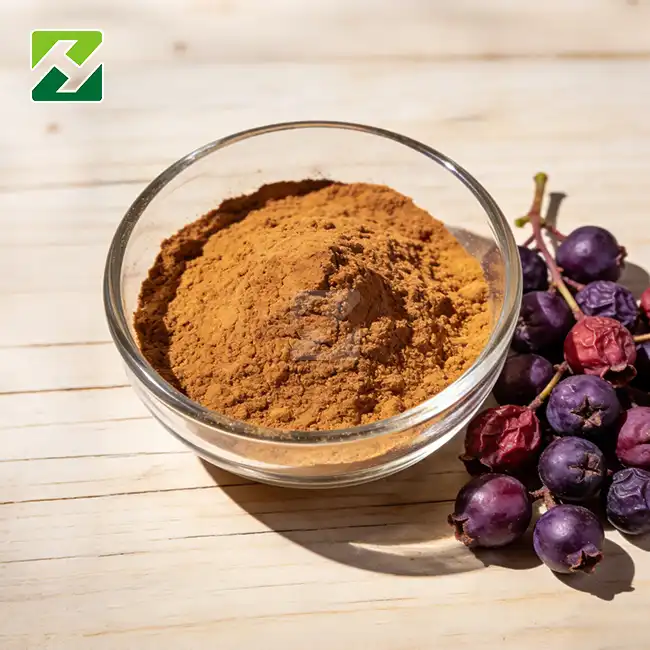
Chaste Berry Extract Powder: Traditional Uses, Research, and Safety
VIEW MOREChaste berry extract powder, derived from the dried berries of Vitex agnus-castus, has earned a respected place in botanical medicine. Standardized to bioactive compounds like Agnusides and Casticin, this concentrated extract delivers far more consistency than raw fruit powder alone. Formulators across nutraceutical, cosmetic, and functional food sectors rely on it for hormonal balance support, cycle regulation, and skin wellness applications. Understanding its history, clinical backing, and sourcing standards helps procurement teams make smarter, lower-risk ingredient decisions in an increasingly competitive natural products market.

Understanding Chaste Berry Extract Powder: Traditional Uses and Benefits
Centuries of Traditional Application
Vitex agnus-castus has been used in herbal medicine since ancient times. For example, Dioscorides wrote about it as a plant that could help women's health. During the Middle Ages, herbalists in Europe used the dried berries to treat irregular periods and painful breast cycles. This story has been passed down for a long time and gave early support to what modern science would later confirm through structured clinical observation.
Why Standardized Extract Outperforms Raw Powder
Raw chaste berry powder contains the whole fruit, but the amounts of phytochemicals vary from batch to batch. Standardized extract powder, on the other hand, guarantees a constant amount of beneficial substances, usually 0.5% Agnusides that can be proven by HPLC analysis. Agnuside is the iridoid glycoside that gives this plant its dopaminergic action and sets it apart from other herbal powders.
In business-to-business settings, the change from raw material to controlled extract is very important. When a formulation manager wants the same level of effectiveness across 50,000-unit production runs, differences from batch to batch are not an option. Standardized Vitex agnus-castus extract solves that problem with accuracy that can be measured.
These days, chaste berry extract powder is used for more than just women's health; it is also used to treat hormonal acne, help women's moods during perimenopause, and even feed horses that show signs of Pituitary Pars Intermedia Dysfunction (PPID).

Scientific Evidence and Dosage Guidelines
Key Clinical Research Findings
There is evidence that Vitex agnus-castus extract can help with premenstrual syndrome (PMS) and hormonal changes that happen during the cycle. A randomized, double-blind study published in BMJ (2001) showed that women who took a standardized chaste tree extract had significantly fewer PMS symptoms than women who took a placebo. Dopaminergic modulation at the pituitary level is thought to be responsible for this action. This normalizes prolactin production and supports luteal phase sufficiency.
In 2009, the Journal of Alternative and Complementary Medicine published a review of several clinical trials that found consistent evidence supporting cycle regulation and PMS relief across standardized extract formulations.
Dosage Reference for Formulators
Doses of a standardized extract that have been tested in clinical settings usually run from 20 mg to 40 mg per day, which is equal to 4:1 to 10:1 concentration ratios. OHI provides standards at 4:1, 10:1, and 0.5% Agnusides to work with a range of product structures, from softgel fill systems to mixed functional powders. When this ingredient is put into pills, it is often mixed with other plants that work well with it, like dong quai or magnesium glycinate, to target women's overall health.
For use in drinks, water-dispersible or microencapsulated forms are best because the flavonoid content of the extract makes it moderately hydrophobic, which can cause it to settle to the bottom of liquids.
Comparing Chaste Berry Extract Powder with Other Forms
Before making a decision about where to get something, B2B buyers often compare extract powder to capsule blends, tinctures, and raw fruit powders. Each version gives you a different choice between processing options, shelf life, and potency density.
Here's how the main forms relate in areas that matter for procurement:
- Extract Powder (Standardized): Offers the highest formulation flexibility, guaranteed bioactive concentration, and compatibility with both solid dosage and premix formats. The 0.5% Agnusides specification allows verified label claims. OHI's brownish-yellow powder meets USP/EP pesticide residue standards and is tested via HPTLC to exclude species adulteration with Vitex negundo.
- Tinctures and Liquid Extracts: Convenient for end consumers but present concentration variability, shorter shelf life, and logistical complexity in bulk B2B shipments. They are less suitable for tablet compression or large-scale powder blending.
- Raw Fruit Powder (Non-Standardized): Lower cost entry point but lacks the verified Agnuside content essential for efficacy-driven formulations or clinical-referenced labeling.
These differences make it easy for buying teams to decide which form of chaste berry extract powder best fits the placement of their product and the rules that govern it. Organic-certified chaste berry extract powder, like OHI's certified version, is another way that clean-label supplement lines stand out on the shelf.

Procurement Guide for Chaste Berry Extract Powder
Sourcing Channels and Supplier Criteria
Global B2B buyers can get the goods they need from a number of trustworthy sources, such as direct ties with manufacturers, ingredient sellers, and certified wholesale platforms. If you care about wait time and paperwork continuity, it's best to buy directly from a manufacturer with U.S. warehouses.
When choosing a Vitex agnus-castus extract powder supplier, some important things to look at are:
- Purity verification: Require HPLC certificates of Agnuside content per batch, not per product line.
- Authentication of Species: Botanical identity to be confirmed using HPTLC fingerprint data.
- Certification portfolio: NSF GMP, ISO9001, FSSC22000, Kosher, Halal and Organic certifications provide a traceable, audited supply chain.
- Packaging integrity: The extract is moderately hygroscopic. Double-lined PE bags inside 25 kg drums prevent moisture infiltration.
- MOQ and sampling policy: A supplier who can provide a free sample with an MOQ of 25 kg and a lead time of 7 days is operationally ready and buyer-friendly.
These standards directly lower the risk of getting tampered with or wrongly labeled goods when buying them.

Ensuring Quality and Safety in Your Chaste Berry Extract Powder Supply
Testing Protocols and Certifications That Matter
Quality methods that have been proven to work are needed for botanical extract supply lines, such as those for chaste berry extract powder, to be reliable. HPLC quantification of Agnusides is the standard way to check their effectiveness in the industry. GMP-certified factories make sure that the processes of extraction, drying, and packing happen in approved, germ-free settings.
All of Organic Herb Inc.'s production processes are certified as NSF GMP, ISO9001, FSSC22000, Kosher, Halal, and organic. The company's extraction process uses water and ethanol, which are the two most common solvent systems in international food and drug safety standards. It also uses dynamic low-temperature extraction and nano-membrane isolation to maintain bioactive integrity.
Another quality factor is being able to track the supply line. The OHI factory in Yichun, Jiangxi, follows C-GMP rules, and each batch is tied to a source of tracked raw materials that come from GAP-compliant plantations. Earth Made Nutritions, a U.S. subsidiary based in Los Angeles, keeps goods in four local warehouses so that orders from North America can be filled quickly without having to wait for longer foreign lead times.

Conclusion
Vitex agnus-castus chaste berry extract powder combines centuries of traditional use with modern, fact-based formulation science. It is a helpful ingredient for nutraceutical and health brands, as it has a normal agnuside concentration, may be concentrated in several ways (4:1, 10:1, or 0.5%), and can be utilised in capsules, powder blends, and functional meals. With a clean label-driven market, the best method to protect the purity of the formula and the brand image is to choose a certified, well-documented provider.
FAQ
Q1: What is the difference between a 4:1 and a standardized 0.5% Agnusides extract?
4 kg of raw berries make 1 kg of extract by mass, which is called a 4:1 ratio. Harvest quality still affects how strong something is. A standard specification for 0.5% Agnusides ensures a constant bioactive concentration per batch, which is checked by HPLC. This is necessary to make sure that the product always works and that the label is correct.
Q2: Is this extract suitable for functional beverage formulations?
Standard extract powder doesn't dissolve completely in water. For use in drinks, water-dispersible grades or carrier encapsulation systems keep the extract from settling to the bottom of the bottle and hide its naturally sour taste.
Q3: How should bulk extract powder be stored?
Keep in dry places below 25°C in double-lined PE bags inside drums that can't be opened. Desiccant sachets should be in opened containers. The extract is moderately hygroscopic, so it can cause clumping if it is not stored properly.
Q4: What certifications should I request from a supplier?
The main quality, safety, and market-access standards for U.S. and foreign sales are met by NSF GMP, ISO9001, FSSC22000, Organic, Kosher, and Halal certificates.
Partner with OHI for Premium Chaste Berry Extract Powder Supply
The company OHI makes Vitex agnus-castus chaste berry extract powder and has a 7-day wait time, multi-certification quality systems, and warehouses in the United States. Standardized extract from our plant (0.5% Agnusides, 4:1, 10:1) comes in 25 kg drums and comes with all the paperwork you need. If you ask, you can get free samples. You can reach our business-to-business team at info@organic-herb.com to talk about bulk pricing and help with custom formulations.
References
1. Schellenberg, R. (2001). Treatment for the premenstrual syndrome with agnus castus fruit extract. BMJ, 322(7279), 134–137.
2. Wuttke, W., Jarry, H., & Seidlová-Wuttke, D. (2003). Chaste tree (Vitex agnus-castus) pharmacology and clinical indications. Phytomedicine, 10(4), 348–357.
3. Dante, G., & Facchinetti, F. (2011). Herbal treatments for alleviating premenstrual symptoms. Journal of Psychosomatic Obstetrics & Gynecology, 32(1), 42–51.
4. Loch, E. G., Selle, H., & Boblitz, N. (2000). Treatment of premenstrual syndrome with a phytopharmaceutical formulation containing Vitex agnus castus. Journal of Women's Health & Gender-Based Medicine, 9(3), 315–320.
5. van Die, M. D., et al. (2009). Vitex agnus-castus extracts for female reproductive disorders: A systematic review of clinical trials. Planta Medica, 75(08), 835–840.
6. Roemheld-Hamm, B. (2005). Chasteberry. American Family Physician, 72(5), 821–824.
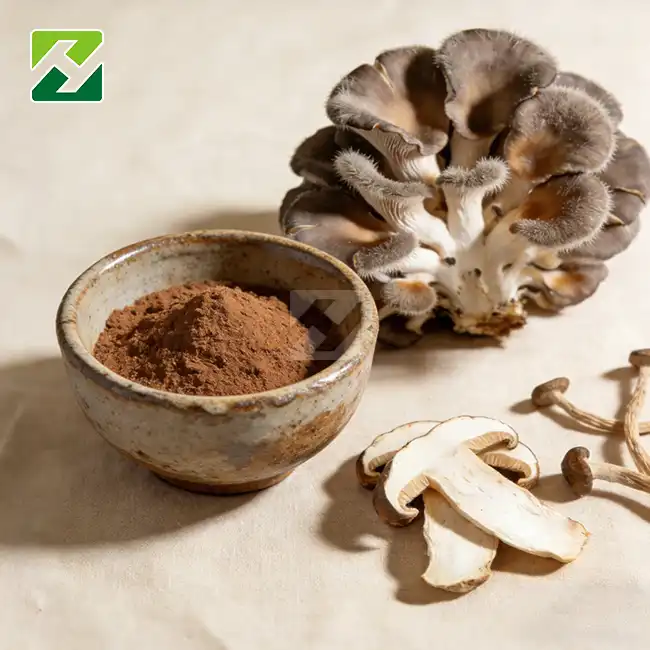
Understanding the Composition of Maitake Mushroom Extract Powder
VIEW MOREMaitake mushroom extract powder, made from the fruiting body of Grifola frondosa, is one of the most functionally appealing botanical compounds available to formulators today. It naturally concentrates beta-glucans, polysaccharides, ergosterol, and trace bioactives for constant potency that raw mushroom powder simply can't match, using a standardised hot water extraction technique. For R&D directors, formulation managers and procurement teams working in the nutraceutical, functional food or cosmetic ingredient spaces, knowing exactly what this extract is made up of – and why those elements are important – is the basis for every sensible sourcing decision.


What Is Maitake Mushroom Extract Powder?
The fruiting body of the mushroom Grifola frondosa (Hen-of-the-Woods) is exceptionally rich in highly branched (1→3, 1→6)-beta-D-glucans. If the mushroom is not properly processed, the chitin cell walls are still intact, and the bioavailability of the compounds is lower. Proper processing involves breaking down the chitin cell walls via aqueous extraction to release the active chemicals and concentrate them to a level that is useful clinically.
Fruiting Body vs. Mycelium: Why Source Matters
True beta-glucans are always present in higher concentrations in fruiting body material than in mycelium growing in grain. Mycelium produced on rice or maize substrate may contain alpha-glucan starches from the growing media. This leads to an increase in total polysaccharide values, without providing the correct bioactivity. We at OHI exclusively use the growing body for our extract of Grifola frondosa. To guarantee purity and the absence of any substrates in each production batch, we perform an iodine starch test and a quantitative alpha-glucan analysis.
Our Standard Specifications
Our Grifola Frondosa Extract comes in two major forms: a 10:1 and a standardised 30% polysaccharide grade. Both are extracted with water and are a fine brown powder with a distinctive earthy umami profile. As long as you order 25 kg of each drum, you can obtain free samples. The minimum order quantity is 25 kg, and the lead time is 7 days.
Key Components and Their Functional Roles
There are more layers to the bioactive structure of Griffola frondosa extract than just one simple story. Procurement pros who understand the whole compositional picture can better judge COA claims, discuss specs, and create unique formulas.
Here is a list of the main parts and what they do in end product applications:
- Beta-glucans [(1→3, 1→6)-linkage] were found to be the main bioactives and were tested using the Megazyme enzymatic assay to rule out starch interference.
- Their highly branched structure is being studied for its ability to affect the immune system, and the fact that they dissolve in water means they can be used in capsules, drinks, and powders without any extra help.
- Polysaccharide-protein complexes (D-Fraction / MD-Fraction): These special proteoglycans are only found in maitake mushrooms and make them stand out from other functional mushrooms. They are also the ingredient's biggest benefit when used in high-end supplements.
- Ergosterol, a vitamin D2 precursor, is found naturally in the growing body. When exposed to UV light, ergosterol changes into vitamin D2. It makes the nutritional labelling more useful and supports the ingredient's clean-label stance.
- Trace minerals and B vitamins: Copper, potassium, and niacin are naturally found in useful amounts, which makes the ingredient appealing in both whole-nutrition and fortified food settings.
These are the trace elements and B vitamins: Copper, potassium, and niacin are found naturally in useful amounts, which makes the ingredient appealing in both whole-nutrition and enriched food settings.

Comparing Maitake Extract with Other Functional Mushroom Extracts
The category of useful mushrooms has grown quickly, and buyers often compare Maitake Mushroom Extract to shiitake (Lentinula edodes), reishi (Ganoderma lucidum), and lion's mane (Hericium erinaceus). Each one has its own unique bioactive signature.
What Sets Maitake Apart
People like lion's mane for its hericenones and erinacines, which help neurotrophins work, and shiitake for its lentinan polysaccharide. No other common species has the D-Fraction proteoglycan complex or beta-glucans that have the high-branching shape that maitake does. As a result, it is the best choice for formulators who want strong polysaccharides and clean water absorption.
Organically approved maitake extract is becoming more popular around the world as the US supplement market pushes for clearer labels and more access. With NSF GMP, Kosher, Halal, ISO, FSSC22000, and organic certifications, our extract meets the requirements of almost all major marketing channels.

Procurement Considerations for Maitake Mushroom Extract Powder
Finding a useful mushroom extract on a large scale for business use requires looking at a lot more than just price per kilogram. Whether an ingredient works as advertized and passes regulatory scrutiny depends on how reliable the supply chain is, how accurate the documentation is, and how consistent the analysis is from batch to batch.
What to Verify Before Placing a Bulk Order
Procurement teams should make sure of the following before agreeing to a maitake mushroom extract powder supplier:
- Certificate of Analysis (COA) with specific beta-glucan values confirmed via Megazyme assay, not just total polysaccharides
- Heavy metal testing results (Lead <2.0 ppm, Arsenic <1.0 ppm per recognized limits)
- Moisture content below 5.0% to prevent hygroscopic caking during storage and transit
- Microbial load data confirming food-grade safety standards
Not just total polysaccharides, but also specific beta-glucan values proven by Megazyme test on a Certificate of Analysis (COA).
The OHI factory in Yichang, Jiangxi Province, follows CGMP guidelines and has a QA/QC team of 27 senior researchers who work solely on that task. Our research and development lab has HPLC, GC-MS, HPTLC, and atomic absorption spectrophotometry tools, which means that every detail on the COA is checked using science and not guesswork.

How to Use and Dose Maitake Extract Powder in Product Formulations?
G. frondosa powder that has been extracted using water mixes easily into pill fills, stick-pack blends, functional drinks, and enriched food matrices. Because it was extracted using hot water, the beta-glucans have already been through heat processing and are still safe in market uses that involve boiling water, like teas and broths.
Formulators often mix maitake with cordyceps or turkey tail to make broader-spectrum immune-support blends by pairing ingredients that work well together. The 30% polysaccharides grade works well for high-potency supplement forms, while the 10:1 ratio is flexible and can be used in a variety of functional food and drink situations where a lighter botanical profile is preferred. It is very important to keep the powder dry while it is being handled and stored. Double-layer PE bags inside fiber drums with built-in desiccant packs keep the powder's integrity throughout the supply chain.
Conclusion
Figurola frondosa extract chemical depth is not just a technical matter; it gives you a competitive edge. Each part of this ingredient's profile is different, from the specific beta-glucan linkage structure to the unique D-Fraction proteoglycans. Each part helps make formulations smarter and product claims more believable. When combined with strict quality paperwork, certified supply chains, and US-based logistics, the right provider of maitake mushroom extract powder turns into a real strategic partner instead of just a source of raw materials.
FAQ
Q1: Is fruiting body extract genuinely superior to mycelium-based powder?
Yes. There are a lot more (1→3, 1→6)-beta-D-glucans in the body tissue of fruiting plants. When mycelium grows on grain substrates, it often holds on to alpha-glucan starch from the growth medium. This makes polysaccharide numbers higher without changing the bioactivity in a proportional way. Every batch goes through a quantitative alpha-glucan study to make sure the growing body is whole.
Q2: How do I distinguish total polysaccharides from actual beta-glucan content on a COA?
Starches are in the group of molecules called polysaccharides. Bioactive beta-glucans are a certain type. The Megazyme enzymatic test will confirm the beta-glucan readings given by a reputable provider. High carbohydrate numbers and no beta-glucan numbers are often signs of adulteration with fillers.
Q3: What is the shelf life and recommended storage condition?
The extract can be kept for 24 months in its original, sealed package in a cool, dry place away from direct light and water. For bulk storage, desiccant packs should be put inside fiber drums with double-layer PE bags to keep the bags from caking.
Q4: Are free samples available before committing to a bulk order?
Yes. People who qualify can get free samples from us. For business orders, our normal lead time is 7 days.
Partner with OHI — Your Trusted Maitake Mushroom Extract Powder Supplier
OHI has a fully approved quality system that is NSF GMP, Kosher, Halal, ISO, FSSC22000, and Organic, along with more than 20 years of experience extracting plants. This means that your recipes will be ready to go from the start. As a certified producer of maitake mushroom extract powder, we offer standardized Grifola frondosa extract in 25 kg drums with a wait time of 7 days and US inventory through Earth Made Nutritions in Los Angeles. Contact us at info@organic-herb.com right now to get a free sample or bulk quote.
References
1. Nanba, H. (1993). Activity of Maitake D-Fraction to Inhibit Carcinogenesis and Metastasis. Annals of the New York Academy of Sciences, 768, 243–245.
2. Wasser, S. P. (2002). Medicinal Mushrooms as a Source of Antitumor and Immunomodulating Polysaccharides. Applied Microbiology and Biotechnology, 60(3), 258–274.
3. Kodama, N., Komuta, K., & Nanba, H. (2002). Can Maitake MD-Fraction Aid Cancer Patients? Alternative Medicine Review, 7(3), 236–239.
4. Mayell, M. (2001). Maitake Extracts and Their Therapeutic Potential. Alternative Medicine Review, 6(1), 48–60.
5. Megazyme International Ireland. (2020). Total Starch and Beta-Glucan Assay Procedures — Enzymatic Method. Megazyme Technical Report.
6. Stamets, P. (2005). Mycelium Running: How Mushrooms Can Help Save the World. Ten Speed Press.
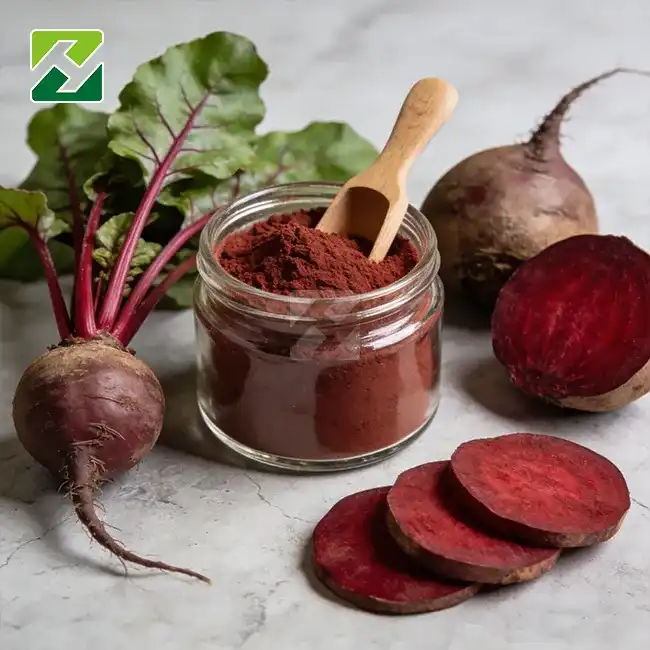
Natural Beet Root Extract: Fuel Your Performance & Heart Health
VIEW MORENatural beet root extract (Beta vulgaris) has earned a strong reputation in the functional ingredient space. Derived from the root and fruit of the beet plant using a 100% water-based extraction process, this concentrated ingredient delivers standardized levels of dietary nitrates, betalain pigments, and polyphenols that raw beet juice simply cannot match. For nutraceutical brands, sports nutrition manufacturers, and functional food developers, sourcing a high-purity beetroot extract means gaining a clean-label, plant-derived ingredient that supports cardiovascular wellness and athletic endurance — backed by science and driven by real market demand.

Understanding Natural Beet Root Extract: Composition and Benefits
Dietary nitrates, betalains (especially betanin and isobetanin), and polyphenolic antioxidants are the three main bioactive groups that make beet root extract concentrate valuable. There are different jobs that each one does in the body and in products.
What the Bioactives Actually Do
The nitrate-nitrite-nitric oxide (NO) route changes dietary nitrates into nitric oxide (NO), which helps blood flow and vasodilation. Betalains, the pigments that give beets their bright red color, are very good at fighting inflammation and free radicals. According to a study published in the Journal of the Academy of Nutrition and Dietetics in 2017, adding nitrates from beets to your diet significantly lowered your blood pressure within hours of eating them. This is the reason why beet juice is so common in products for heart health.
Extract vs. Beet Juice: A Formulator's Perspective
Different types of land, seasons, and crops can cause nitrate amounts in raw beet juice powder to be different. A standardized extract, on the other hand, meets a set of criteria. For example, OHI's product line comes in E30 and E60 grades, which means that every batch has a consistent, measurable color value. For formulation scientists who need consistent performance across production runs, this level of consistency is a must. Concerns about residual solvents are also taken care of by the water-based extraction method, which makes it fully compatible with clean-label placement.
Aside from how well natural beet root extract works, the sensory advantage is very important in beverage applications. A good extraction process gets rid of the earthy "geosmin" taste that many people don't like in beet-flavored products while keeping all of the active ingredients.

Comparing Natural Beet Root Extract to Other Beet Supplements
Not all ingredients made from beets work the same way in recipe settings. The procurement and research and development teams can make better decisions when they understand the technical differences.
Purity, Format, and Stability Compared
Here is how the primary beet ingredient formats compare across key parameters:
- Beet Root Powder: Roots that have been dried out and ground up. While it keeps the fiber, the amount of nitrates it gives is not always the same, and it is not standardized. The shelf life is good, but it doesn't work very well for sports nutrition.
- Synthetic Beet Extracts: In the case of synthetic beet extracts, Sodium nitrate is often added to meet cheap standard goals. Buyers can't be sure if nitrates are biogenic or synthetic without isotope ratio mass spectrometry (IRMS) confirmation, which is a major clean-label compliance issue.
- Natural Beet Root Extract (Standardized): Extracted with water, concentrated, and tested using HPLC to see how much nitrate it contains and UV-VIS to see how much betalain it has. The bioavailability is the best, the label is the cleanest, and the performance is the most steady in complicated formulations.
When it comes to ready-to-drink drinks, these differences are most important because the betalain needs to be stable during HTST pasteurization (keeping 85–90% of its color) and acidic beverage bases (pH 3.0–4.0). How good a product is and how appealing it looks on the shelf depend on the style you choose. Natural beet root extract selection directly impacts formulation success.
Organic vs. Non-Organic Sourcing
Organic-certified natural beet root extract gives brands that want to sell natural products more compliance value. OHI has certifications from the USDA for Organic, Kosher, Halal, NSF GMP, ISO, and FSSC22000. These help with global distribution and regulatory acceptance in North American and European markets.

Procurement Guide for Natural Beet Root Extract: Bulk and Wholesale Insights
It takes more than checking prices per kilogram to find natural beet root extract on a large scale. Teams in charge of buying things have to look at a supplier's reliability, quality paperwork, and ability to handle operations as a whole.
How to Evaluate a Supplier's Technical Credibility
Reliable suppliers stand out by being clear about their documents and tests in depth. Before giving a vendor the go-ahead, procurement managers should ask:
- Certificates of Analysis (COA) that show the nitrate assay and betalain color value for each batch have been checked by HPLC.
- Heavy metal testing results via ICP-MS (lead, arsenic, cadmium, and mercury)—especially important for root crops that can store metals in their bodies.
- Pesticide residue screening by GC-MS/LC-MS to satisfy USP and organic certification requirements.
- IRMS (isotope ratio mass spectrometry) data to confirm whether the nitrate came from nature or was made in a lab.
These tests are the norm for careful buying in the business world. If a provider can't give them when asked, they shouldn't be considered. Long-term buying risk can also be lowered by checking a supplier's quality infrastructure. A developed and reliable business will have consistent batches, production records that can be tracked, and the ability to do analysis in-house.
OEM, Private Label, and MOQ Considerations
If you want to buy OHI's natural beet root extract, you need to order at least 25 kg per drum, and the lead time is usually 10 days. Buyers who meet certain requirements can get free samples. Depending on the standard (E30 or E60), the product comes in 25 kg drums that look anywhere from brownish yellow to brownish red to deep red. The technical team at OHI can change the extraction grades and carrier systems to meet the recipe goals of brands that want to do private label or OEM customization.
Why Choose OHI's Trusted Natural Beet Root Extract for Your Business?
Organic Herb Inc. (Stock Number: 872213) is a public company that has been extracting plants for more than 20 years. Its U.S. branch, Earth Made Nutritions, is based in Los Angeles, California, and has four strategically placed warehouses across the country to make sure delivery is quick and reliable.
What Sets OHI Apart as a Supplier
The OHI R&D center in Changsha, Hunan, has 42 specialists working there, including PhD researchers and senior scientists. They use $1.2 million worth of analytical equipment, such as HPLC, GS-MS, HPTLC, and nano-membrane systems. This infrastructure is not something to strive for; it is already in place and important for every batch that leaves the plant.
Low-temperature dynamic extraction is used throughout the whole production process. This saves heat-sensitive beads and keeps the functional integrity. Anti-osmotic concentration and freeze-dry technology make ingredients even more stable without changing how they work. The company follows C-GMP guidelines set by the FDA and has licenses for NSF GMP, Kosher, Halal, ISO9001, and FSSC22000.
OHI also gets its materials from three GAP-compliant growing bases that cover more than 8,000 acres in several provinces. This makes sure that the raw materials can be tracked from the seed to the extract. Few global suppliers can offer this level of accountability from farm to formula on such a large scale.

Conclusion
Beta vulgaris natural beet root extract has a well-deserved place in the portfolios of high-performance functional ingredients. It can be used in sports nutrition, functional drinks, and heart health goods because it has a normal amount of nitrates, natural betalain coloring, and a clean label. A premium product is different from a commodity because it comes from a seller that has strict quality control, sustainable sourcing, and global approval coverage. All of these things are met by OHI, which has the infrastructure, paperwork, and technology to help back up every shipment.
FAQ
Q1: What is the MOQ and lead time for OHI's beet root extract?
In order to place an order, you must have at least 25 kg of goods in each drum, and the lead time is usually 10 days. You can get free samples to try before you place a large order.
Q2: How do I confirm the nitrates are naturally sourced, not synthetic?
OHI gives full COAs for each batch, and IRMS testing data is available upon request, definitively proving biogenic nitrate origin for clean-label compliance.
Q3: What specifications does OHI offer?
OHI offers E30 and E60 grades of natural beet root extract, which is extracted with 100% water and has a color range from brownish yellow to brownish red to red. Fruit and roots are both used to provide food for plants.
Q4: Can this extract handle pasteurization conditions?
High-grade natural beet root extract keeps about 85–90% of its betalain structure during HTST flash pasteurization. This keeps the color stable in acidic beverage mixtures (pH 3.0–4.0).
Partner with OHI — Your Trusted Natural Beet Root Extract Supplier
OHI uses knowledge of plants, cutting-edge extraction technology, and quality standards with multiple certifications to give you natural beet root extract that you can trust for your products. With goods in a U.S. warehouse, a 10-day wait time, and free samples, it's easy to get started. You can email our technical and sales team at info@organic-herb.com to get a catalog of our products, COA paperwork, or information on how much they cost in bulk.
References
1. Larsen, F.J., et al. — Acta Physiologica, 2011.
2. Hord, N.G., Tang, Y., & Bryan, N.S. — The American Journal of Clinical Nutrition, 2009.
3. Clifford, T., et al. — Advances in Nutrition, 2015.
4. Jones, A.M. — Applied Physiology, Nutrition, and Metabolism, 2014.
5. Hobbs, D.A., et al. — Journal of the Academy of Nutrition and Dietetics, 2012.
6. Vulić, J.J., et al. — Food Chemistry, 2014.
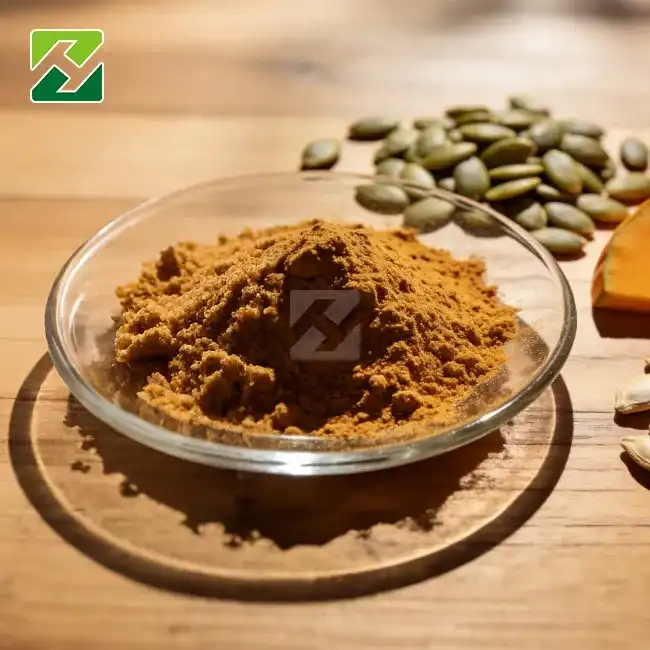
Are pumpkin seeds a good source of protein?
VIEW MOREIn terms of plant-based energy, pumpkin seeds are superb. The protein content of 100 grammes of dried pumpkin seeds is about 30 grammes, making them one of the highest protein-loading seeds you can find. Furthermore, pumpkin seed extract powder (Cucurbita moschata) concentrates these health benefits into a standard, shelf-stable form that is great for use in supplements, functional foods, and personal care products. For business-to-business purchasing teams looking for a flexible, clean-label botanical ingredient, this extract powder is a great way to improve product performance and make it stand out.

Understanding Pumpkin Seeds and Pumpkin Seed Extract Powder
There are a lot of health benefits to pumpkin seeds (Cucurbita moschata). Within 100 grammes, they contain around 30 grammes of protein, 49 grammes of healthy fats, 6 grammes of nutritional fibre, and large amounts of magnesium, zinc, iron, and manganese. They are very appealing to formulators who are making health products with more than one use because they have a lot of micronutrients.
From Seed to Standardized Powder
To make pumpkin seed extract powder, water is used as the solvent for aqueous extraction, which is followed by concentrating and spray-drying. By doing this, the bioactive chemicals in the seed are retained, and the doubt that comes from water is removed. The seeds of the Cucurbita moschata plant are used to make a brown powder that mixes easily. It is available in 25 kg drums and is standardised at 4:1 and 10:1 extract ratios. Keeping pumpkin seed oil steady against oxidation can be hard when you make solid doses of it. On the contrary, the powder form works well in pills, tablets, protein mixes, and beauty products.
Why Extract Ratio Matters in Procurement?
Four kilograms of raw seed material are needed to make one kilogram of extract powder. When the ratio is 10:1, the bioactive content is even higher. Product developers need to know this if they want to meet dosage goals for active ingredients. Fewer doses of higher-ratio extracts are needed, which lowers the cost of preparation and makes the label clearer, which are two very important factors in today's clean-label market.
Is Pumpkin Seed Extract Powder a Reliable Protein Source?
Pumpkin seed protein continues to hold its place when compared to other plant proteins. It has a lot of arginine, glutamic acid, and leucine, which are amino acids that are important for making muscle protein, breaking down nitrogen, and supporting connective tissue. The USDA FoodData Central database says that pumpkin seeds, hemp, peas, and soy are some of the best plant-based sources of protein.
How It Compares to Pea and Soy Protein
The protein content in pea protein is usually between 80 and 85% per measured extract. The amounts of soy protein isolates are about the same. Using measured extract grades of pumpkin seed protein concentrate gives you a different mix of amino acids, with more arginine and less lysine. Because of this, it is a valuable addition to mixed plant protein solutions rather than a replacement on its own. Formulation teams with a lot of experience use this difference to make their products stand out.
Bioactive Compounds That Add Functional Value
The water extraction method keeps phytosterols, tocopherols, and cucurbitacins in the powder matrix along with the protein. This ingredient is popular in men's health, hair care, and weight loss supplements because it contains these compounds. Pumpkin seeds have about 7.8 mg of zinc per 100 grams, which makes them even better for skin and immune health recipes. With this multifunctional profile, procurement teams can get one ingredient, pumpkin seed extract powder that can work with more than one product line.

How to Optimize Usage and Dosage in Your Formulations?
Adding botanical powders to commercial products requires more than just picking the right ingredient. It also needs careful consideration of how the product will be processed, how it will taste, and how it should be dosed according to regulations.
When procurement teams work with this ingredient, these are the main application parameters they should look at:
- Supplement capsules and tablets: Ratios of 4:1 to 10:1 for extracts support useful fill weights. The bland, slightly nutty flavor of the brown powder makes it easy to hide tastes in hard capsule forms without the need for extra ingredients.
- Functional protein blends and bars: Water-extracted pumpkin seed extract powder works well in dry-blend mixes. Its low moisture content (below 5%) keeps microbes from growing and keeps finished goods fresh longer on the shelf.
- Cosmetic and personal care formulations: The powder contains lipid-associated bioactives that support claims of scalp health and sebum regulation. These bioactives can be mixed into emulsion systems using the right dispersion protocols.
Because of these factors, the ingredient works well for companies that make both nutraceutical and functional foods and have strict quality control systems in place.
For general health purposes, clinical nutritional studies suggest taking 1–4g of standardized pumpkin seed extract every day. However, the exact amounts rely on the recipe and the health claim that is being made. Organic Herb Inc. (OHI) has research and development teams that can help you with formulating products that fit your needs.
Comparing Pumpkin Seed Extract Powder with Market Alternatives
Professionals in procurement often compare botanical ingredients to the closest competitors in the market. Knowing how pumpkin seed extract powder stacks up against other options like flaxseed powder and saw palmetto extract can help you make better choices about where to get your supplies.
People like flaxseed flour because it has a lot of fiber and omega-3s (mostly ALA), but it doesn't have as much protein as pumpkin seeds do—only 18–20g per 100g. Flaxseed's mucilage content also makes it hard to make tablets with a good texture. Saw palmetto extract, which is often found in men's wellness products, doesn't have the same protein profile and is placed differently in functional supplement stacks.
Organic vs. Non-Organic: What Procurement Teams Need to Know
Certified organic pumpkin seed extract costs more but has benefits for regulatory and market positioning, especially for brands that want to sell natural products in the US. The pumpkin seed extract powder from OHI is certified by NSF GMP, Kosher, Halal, ISO, FSSC22000, and Organic. This is a full set of compliance standards that makes it easier for international buyers to find the right paperwork.
Key Criteria for Supplier Evaluation
When judging suppliers, put these things in order of importance:
- HPLC and GC measurements prove uniformity from batch to batch
- An explanation of the solvent (100% water extraction is best for clean label compliance)
- Tests for heavy metals show that Lead is less than 3.0 parts per million and Arsenic is less than 1 part per million.
- Certifications that meet the needs of the target market
- A low minimum order number and lead time that work with your production plan

Where and How to Procure High-Quality Pumpkin Seed Extract Powder?
The speed of finding and the accuracy of the paperwork are just as important to B2B buyers in the US as the quality of the ingredients. OHI has four warehouses in the US, which allows for quick delivery within the country without the uncertainty of wait times that comes with shipping directly from abroad. The standard wait time from the time an order is confirmed is 10 days, and the minimum order quantity is 25 kg per drum.
Prices depend on the amount of extract, the status of the certification, and the volume commitment. Because more raw materials are needed for a 10:1 extract, it costs more per kilogram than a 4:1 extract. However, the lower rate of use per finished product serving makes up for this. The sales team at OHI can work with procurement teams to set prices that are fair for annual volume commitments.
Qualified buyers can get free samples, which lets your R&D and QA teams check them out on their own before committing to bulk orders. OHI's manufacturing follows US FDA and C-GMP standards, and if you ask, you can see full documentation that shows how the pumpkin seed extract powder was made.

Conclusion
One of the most protein-dense plant-based products that supplement and functional food makers can get today is pumpkin seeds. When you switch from raw seeds to standardized extract powder, like the aqueous-extracted Cucurbita moschata powder from OHI, this nutritional asset becomes an element that is ready to be used in formulations and has constant potency, clean label credentials, and a wide range of uses. This pumpkin seed extract powder should be carefully considered in your buying process, whether your team is making protein blends, men's health capsules, or herbal personal care products.
FAQ
Q1: Is pumpkin seed extract powder safe for daily use in supplement products?
Yes. Pumpkin seed extract powder (Cucurbita moschata) that is water-extracted and made in a way that is NSF GMP- and FDA-compliant is safe for food use. Before it is released, OHI's extract goes through strict heavy metal tests and microbe screening.
Q2: What dosage should manufacturers target for functional supplement applications?
The dose is based on the extract ratio and the purpose of the use. In general wellness formulas, 2 to 4 grams of a 4:1 extract is a good place to start. When it comes to 10:1 extracts, lower volumes work just as well for active delivery. The technical team at OHI gives advice that is specific to each application.
Q3: How does pumpkin seed extract powder differ from pumpkin seed oil?
Pumpkin seed oil is a liquid lipid that can go bad quickly due to oxidation and is hard to mix into solid dosage forms. It turns many bioactive parts, like proteins, phytosterols, and tocopherols, into a stable, free-flowing brown powder that can be used in pills, tablets, and dry-blend formulas.
Q4: What certifications does OHI's pumpkin seed extract carry?
OHI has certifications for NSF GMP, Kosher, Halal, ISO, FSSC22000, and Organic, which help them follow the rules in the US, EU, and other markets around the world.
Partner with OHI for Premium Pumpkin Seed Extract Powder
OHI offers certified, water-extracted pumpkin seed extract powder of a quality that meets the needs of manufacturers. They have four warehouses in the US, lead times of 10 days, and a full suite of compliance certifications. Samples are free for buying teams that meet the requirements. Add a plant protein ingredient that is made for commercial use to your next recipe to make it better. You can email info@organic-herb.com right now to ask for prices and detailed information.
References
1. USDA FoodData Central. Nutritional Composition of Pumpkin Seeds (Dried). U.S. Department of Agriculture, 2023.
2. Glew, R.H., et al. "Amino Acid, Fatty Acid, and Mineral Composition of 24 Indigenous Plants." Journal of Food Composition and Analysis, 2006.
3. Gossell-Williams, M., et al. "Improvement in HDL Cholesterol in Postmenopausal Women Supplemented with Pumpkin Seed Oil." Climacteric, 2011.
4. Nishimura, M., et al. "Pumpkin Seed Oil Extracted From Cucurbita maxima Improves Urinary Disorder in Human Overactive Bladder." Journal of Traditional and Complementary Medicine, 2014.
5. Makni, M., et al. "Fatty Acid and Amino Acid Composition of Pumpkin Seeds." Journal of the American Oil Chemists' Society, 2008.
6. Rezig, L., et al. "Pumpkin (Cucurbita maxima) Seed Proteins: Extraction, Physicochemical, and Functional Properties." LWT – Food Science and Technology, 2012.
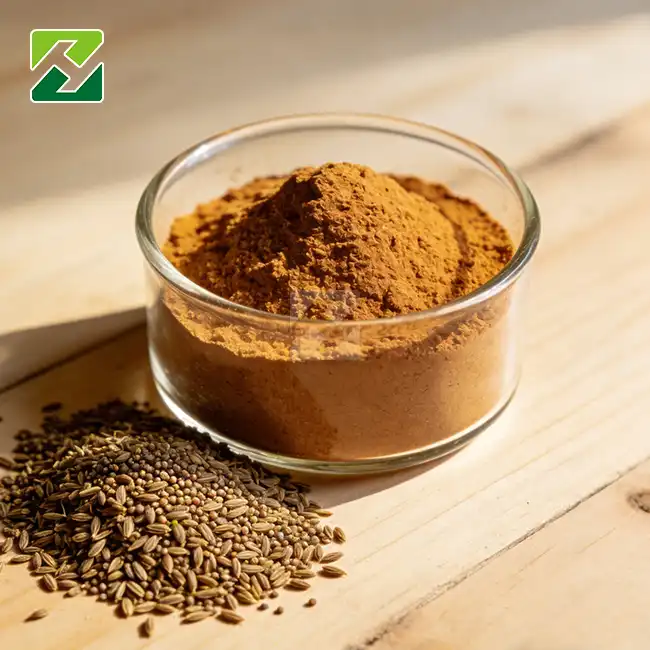
Natural Celery Seed Extract: Joint & Blood Pressure Support
VIEW MORENatural celery seed extract (Apium graveolens) has earned a strong reputation among nutraceutical formulators and supplement brands seeking clean-label botanical actives. Derived from the seeds of the celery plant using water-based extraction, it delivers a concentrated profile of phthalides, flavonoids, and apigenin — bioactive compounds that underpin its functional value in joint comfort and circulatory wellness formulations. As demand for transparent, plant-derived ingredients intensifies across North American markets, this extract offers a scientifically grounded, commercially viable option for brands looking to differentiate their product lines with proven botanical actives.

Understanding Celery Seed Extract: Composition and Functional Benefits
The seeds of Apium graveolens have a unique set of bioactive compounds that make this plant extract very appealing for the development of functional products. Knowing what makes it work helps buying teams make more informed decisions about where to get things.
Key Bioactive Compounds
The main active markers are apigenin, a flavonoid with antioxidant properties that has been studied a lot, and 3-n-butylphthalide (3nB) and sedanolide, which are volatile phthalide compounds linked to relaxing blood vessels and changing the levels of uric acid. Both polar and semi-polar components are retained when extraction is done with water. This results in a better, full-spectrum profile with no worries about leftover solvents.
Nutritional and Functional Profile
Standardized natural celery seed extract samples have known amounts of 3nB and apigenin, which were confirmed by HPLC research. Up to 20 times more active substance is in the extract than in raw celery seed powder when the concentration ratio is 10:1. A published study backs up the idea that phthalides help keep vascular tone healthy and control inflammation pathways that affect joint relief. A study in the Journal of Ethnopharmacology confirmed that preparations made from Apium graveolens seeds have strong anti-inflammatory effects in preclinical models. This supports the use of this ingredient in both joint health and circulatory support products.

Comparing Celery Seed Extract with Alternative Botanical Ingredients
When purchasing botanical pain relievers, procurement teams often compare celery seed extract to raw celery seed powder, fish oil (omega-3s), and turmeric extract (curcumin). Each has its good points, but there are big differences in how well they work and what kinds of formulations work best.
Raw celery seed powder has about 0.05% 3nB, which is much less than what is needed for healing purposes. Adding 10 times as much celery seed extract to that quantity increases it in a way that can be predicted, which allows for true label promises. Turmeric and fish oil both do similar things, but they have different problems when it comes to preparation. For example, curcumin isn't very well soluble in water, which limits its absorption, and fish oil can oxidize and cause problems with how it tastes when it's put into capsules. Many of these problems can't happen with celery seed extract because it's made with water as the only solvent. This gives it a clean label benefit that appeals to people who buy supplements today.
Why Certification Standards Matter
For corporate buyers, the extract's certification footprint is just as important. OHI's celery seed extract has NSF GMP, Kosher, Halal, ISO, FSSC22000, and Organic certifications, which means it meets the standards for marketing outlets in North America, Europe, and the Middle East all at the same time.

Procurement Insights: Sourcing Celery Seed Extract at Scale
When buying natural celery seed extract as a nutraceutical ingredient, decisions are made about more than just price per kilogram. When it comes to production timelines and legal standing, batch-to-batch consistency, the quality of the paperwork, and the dependability of logistics all play a direct role.
When shortlisting celery seed extract sources, these are the most important things to look at:
- Specification options: Available in 4:1 and 10:1 concentration ratios, both produced using water solvent extraction to ensure a solvent-residue-free, food-grade profile suited for clean-label formulations.
- Appearance and physical properties: Brownish yellow powder with a characteristic aromatic odor; bulk density between 0.40–0.60 g/ml; Loss on Drying (LOD) ≤ 5.0%; and Total Ash ≤ 5.0% — parameters consistent with USP/EP benchmarks.
- Packaging and MOQ: Standard packaging is 25 kg per drum (double-lined polyethylene bags within fiber drums), with a minimum order quantity of 25 kg. This structure accommodates both initial validation batches and full-scale production runs.
- Lead time and sampling: A 7-day lead time supports agile procurement cycles. Free samples are available for analytical verification before commitment.
Collectively, these factors lower the uncertainty of procurement and help formulators make goods that are compliant and work well. Proper storage in cool, dry conditions stops moisture absorption and protects the volatile phthalide fraction from oxidative degradation. OHI's standard packaging protocol takes this into account.
Application Scenarios in Functional Product Development
Apium graveolens seed extract is a great ingredient for many high-growth product categories because it can be used in many ways. Real-world use with OEM clients and private label brands shows that the formulation can be changed easily.
Joint Comfort Supplement Formulations
Vitamin C, tart cherry extract, and natural celery seed extract are often found together in joint health SKUs that aim to balance uric acid and ease inflammation. The 10:1 extract at doses of 75–150 mg per day, which equals 2.2% 3nB content, is in line with published clinical reference points. This lets brands make claims about their products that are backed up by evidence. The water-extracted powder mixes well in pill and tablet forms and doesn't need any extra ingredients to make them dissolve.
Circulatory Wellness and Blood Pressure Nutraceuticals
When people make supplements to help the heart, they often put celery seed extract in softgels to keep the phthalide part from oxidizing and to help the body absorb it better through the lipid digestion pathway. When mixed with magnesium or old garlic extract, celery seed extract improves a product's claim of good vascular tone, which is a claim that people aged 40 and up want more and more.
Clean-Label Functional Foods
Water-extracted celery seed extract is also used as a natural source of nitrate in functional meat preparation, where it replaces artificial curing agents to keep the color stable and the shelf life of the product high. This cross-category usefulness makes it more useful for food technology teams in the business world.

Conclusion
Apium graveolens, the plant that grows celery seeds, has a unique place in the world of organic ingredients. It has a high concentration of phthalides and apigenin, and the water extraction process makes it easy to use in formulations. This makes it a safe active for joint comfort and circulation health products. It's a smart investment in ingredients for procurement teams that care about clean labels, proven effectiveness, and the reliability of the supply chain. OHI's approved, standardized natural celery seed extract, along with its advanced R&D infrastructure and U.S.-based stock inventory, gives brands the trust they need to go from idea to commercial production.
FAQ
Q1: What is the difference between 4:1 and 10:1 celery seed extract?
The ratio shows how concentrated something is compared to raw seed material. A 10:1 extract needs ten kilograms of seeds to make one kilogram of extract. This type of extract has more active chemicals, such as 3nB and apigenin. The 10:1 ratio is better for goods that claim to be more potent or have lower pill fill weights.
Q2: How should celery seed extract be stored to maintain stability?
Keep in sealed, double-lined plastic bags inside fiber drums, out of direct sunlight and water. Keeping the warehouse cool and dry stops hygroscopic caking and keeps volatile phthalide compounds from going bad.
Q3: What certifications should I require from a supplier?
Give more weight to suppliers who have certifications for NSF GMP, ISO, FSSC22000, Kosher, Halal, and organic products. These cover systems for making sure food is safe, the needs of religious markets, and how to position natural products all at the same time.
Q4: Can this extract be used in liquid beverage applications?
Standard powders that are removed from water mix pretty well with water, but nano-emulsified or micro-encapsulated grades are better for clear drinks because they are clearer.
Partner with OHI — Your Certified Celery Seed Extract Supplier
OHI offers high-quality natural celery seed extract with six foreign certifications, a 7-day wait time, and four warehouses in the U.S. for quick shipping within the country. You can trust us to make natural celery seed extract because we offer free samples, a 25 kg minimum order quantity, and full COA paperwork. Email our team at info@organic-herb.com to get a sample or talk about prices for large orders right now.
References
1. Momin, R. A., & Nair, M. G. (2002). Antioxidant, cyclooxygenase and topoisomerase inhibitory compounds from Apium graveolens Linn. seeds. Phytomedicine.
2. Tsi, D., & Tan, B. K. H. (1997). Cardiovascular pharmacology of 3-n-butylphthalide in spontaneously hypertensive rats. Clinical and Experimental Pharmacology and Physiology.
3. Sowbhagya, H. B. (2014). Chemistry, technology, and nutraceutical functions of celery (Apium graveolens L.): An overview. Critical Reviews in Food Science and Nutrition.
4. Cai, Y., Luo, Q., Sun, M., & Corke, H. (2004). Antioxidant activity and phenolic compounds of 112 traditional Chinese medicinal plants associated with anticancer. Life Sciences.
5. Al-Howiriny, T., Al-Sohaibani, M., El-Tahir, K., & Rafatullah, S. (2010). Prevention of experimentally-induced gastric ulcers in rats by an ethanolic extract of celery (Apium graveolens). American Journal of Chinese Medicine.
6. Yao, Y., Sang, W., Zhou, M., & Ren, G. (2010). Phenolic composition and antioxidant activities of 11 celery cultivars. Journal of Food Science.
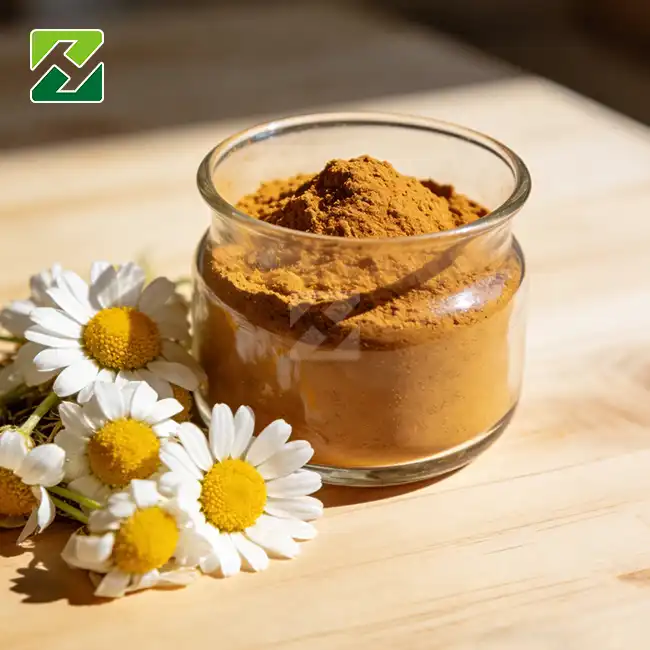
Chamomile Extract for Skin: Guide to Soothing, Healing, and Rejuvenation
VIEW MOREOne of the most beneficial botanical compounds in modern skin care is chamomile extract, which has a fantastic reputation. This brownish-yellow powder is made from the flower heads of Matricaria recutita, or German camomile. It is rich in potent phytochemicals including Apigenin, α-Bisabolol, and Chamazulene that have been shown to calm, cure, and revitalise the skin. It doesn't matter if you are a formulation scientist producing a serum for delicate skin, or a procurement manager looking for big numbers of high-purity plant actives. The biggest issue is understanding what makes this substance distinctive.

What Is Chamomile Extract and Why Is It Valued in Skincare?
For hundreds of years, Matricaria recutita flower extract has been used in skincare products. The standardised, high-purity versions that are now available are a big improvement in the quality of the ingredients and the way the products are made.
How It Is Extracted and What It Contains
The camomile flower extract made by OHI is stored in a system of water and ethanol. This method gets rid of as few useless substances as possible while still getting the full range of bioactive chemicals. A brownish-yellow powder is made that is standardised to certain amounts, like 4:1 or 10:1 ratio extracts or 5% Apigenin. This ensures that each batch gives the same amount of work to do. These are some important compounds:
- Apigenin (flavonoid): Changes the immune reaction on the skin's surface, which helps calm skin types that are sensitive.
- The chemical α-bisabolol, which is a sesquiterpene alcohol, is directly linked to less swelling and faster wound healing.
- Chamazulene is a strong free radical scavenger that gives some grades their distinctive blue tint.
- There are two more flavonoids, luteolin and quercetin, that work to boost antioxidant defences at the cellular level.
In terms of its bioactive makeup, chamomile extract is much more balanced than plants like lavender or green tea extract. One ingredient can reduce inflammation, protect cells from damage, and help the skin's defences all at the same time. This means that there will be fewer trade-offs between ingredients, and it will be easy for R&D directors and formulation managers to make labels.
Key Skin Benefits of Chamomile Extract: Soothing, Healing, and Rejuvenation
The economic attraction of this plant-based active is based on well-established phytochemical science. A review published in 2010 in Molecular Medicine Reports confirmed that Apigenin and α-Bisabolol have anti-inflammatory effects on the skin. This means that they can be used in products for sensitive or environmentally stressed skin.
Soothing Reactive and Sensitized Skin
Chamomile flower extract works especially well at reducing redness and irritation that you can see. Apigenin changes the activity of the skin's immune system on the surface, and α-Bisabolol stops inflammatory mediators from doing their job. This makes the two together a great combination for formulas that aim to treat sensitive skin. These qualities have been used successfully in the marketing of products like barrier-repair moisturizers, redness-relieving serums, and creams for after surgery.
Antioxidant Defense and Skin Rejuvenation
A group of flavonoids and chamazulene in the extract work together to make it a powerful antioxidant. Free radicals are made by UV light and smog. These chemicals help keep collagen strong and support long-term skin protection by getting rid of them. In the clean-beauty market, it's a big plus for formulators who add this extract to anti-aging serums to say that the serums are full of antioxidants.
Hydration and Accelerated Repair
In addition to making you feel calm, chamomile has properties that help protect your skin and keep moisture in. And because of this, the ingredient works well in barrier creams, hydrating sheet masks, and overnight healing products. Case studies from the industry show that skin repair was better with products that combined chamomile extract with hyaluronic acid or ceramides than with products that only contained one active ingredient.

How to Use Chamomile Extract in Skincare Products: Formulations and Dosage Guidance
As important as it is to know the benefits of this plant activity, it is also important to know how to use it correctly. Performance in the end product is affected by concentration, compatibility, and the legal environment.
Recommended Usage Levels by Product Type
The normal amount of inclusion in professional cosmetic formulas varies by product type. Here are the main guidelines that formulators should follow:
- Rinse-off products (cleansers, toners): 0.5–1.0% of standardized extract
- Leave-on products (serums, creams): 1.0–3.0%, with higher concentrations appropriate for targeted repair claims
- Masks and concentrated treatments: Up to 5.0%, where dwell time amplifies bioavailability
These ranges are in line with cosmetic formulation databases that are used by the industry and let you follow the rules in most markets. Formulators should always test for stability, especially for products that will be exposed to high temperatures or UV light, since Apigenin can break down after being exposed to light for a long time. It is highly recommended that products be packaged in amber or opaque materials.
The extract works well with lavender extract, niacinamide, and panthenol because they all work in ways that complement each other. People who make medicines shouldn't mix it with strong oxidizing agents because they could damage the flavonoid makeup.
Certifications and Compliance Considerations
For brands that want to sell in the US, ingredient approval status is a must-have requirement. The chamomile flower extract from OHI has been certified by NSF GMP, Kosher, Halal, ISO, FSSC22000, and Organic. This means that it meets the paperwork needs of supply chains controlled by the FDA and C-GMP. The regulatory review process is easier for product developers with this certification portfolio, and it cuts down on the time it takes to get a product to market.

Choosing the Best Chamomile Extract Supplier for Your Skincare Line
It takes more than just comparing price sheets to find large amounts of standardized botanical actives. The things that set trusted chamomile extract sellers apart from commodity vendors are the depth of the supply chain, the clarity of the technical information, and the consistency of the quality of each batch.
Why OHI Is a Trusted Chamomile Extract Manufacturer
Organic Herb Inc. (Stock No. 872213), a public company that makes botanical extracts, has a dedicated R&D center in Changsha with 42 specialists working there, including PhDs, professors, and senior researchers. The company has GAP-certified planting bases that cover more than 8,000 acres in Jiangxi, Hunan, Guizhou, and Hubei. Earth Made Nutritions, the company's US subsidiary, runs four stores in the US, which makes fast shipping possible across all domestic markets.
The benefits that directly meet the needs of B2B buying are:
- Batch consistency: Every lot is validated through HPLC, HPTLC, and HPLC-ELSD instrumentation to confirm active content before dispatch.
- Flexible specifications: 4:1, 10:1, and 5% Apigenin grades accommodate both ratio-extract and standardized-active formulation requirements.
- Procurement efficiency: MOQ of 25 kg per drum (25 kg/drum packaging), with a 7-day lead time and free samples available for qualification testing.
- US-compliant documentation: Full certificate packages covering NSF GMP, Kosher, Halal, ISO, FSSC22000, and Organic are provided with every order.
These features make it easy for procurement teams to quickly check out OHI's chamomile flower extract and add it to production schedules without the delays that often come with getting ingredients from other countries.

Future Trends and Innovations in Chamomile Extract Skincare
Botanical actives are a market that is changing quickly. In the US skincare market, consumers want ingredients that are clearly sourced and certified organically. Clean-label formulation is no longer a premium differentiator, but a standard expectation.
New methods of extracting plants, like nano-membrane isolation and freeze-drying, are making botanical powders more bioavailable and better at staying fresh for longer. Dynamic low-temperature extraction and anti-osmotic concentration are two of the advanced processes that OHI has already added to its production process. These techniques protect the thermolabile chemicals in chamomile flowers that would be destroyed by normal processing.
Traceability based on blockchain and digital certification management are also becoming common tools for foreign wholesalers who want to see the whole supply chain. These tools make auditing much easier and improve compliance documentation a lot for procurement managers who are in charge of networks of suppliers in multiple regions.
Conclusion
Chamomile extract from Matricaria recutita is one of the most scientifically proven plant actives in skin care products. Apigenin, α-Bisabolol, and flavonoid antioxidants provide soothing, protective, and rejuvenating benefits for clean-beauty customers. Finding a properly recognised, routinely standardised ingredient is the most critical recipe choice for businesses looking to differentiate out. OHI is a reliable partner for any procurement demand due to its vertical integration, innovative extraction technology, and US warehouses.
FAQ
Q1: What is the difference between a 10:1 extract and a 5% Apigenin extract?
A 10:1 ratio means 10 kilograms of raw camomile flower generated 1 kg of extract, but it cannot guarantee active content. 5% Apigenin standardised extracts have a set flavonoid content, making them better for formulations with efficacy claims. Standardised grades enable formulation certainty for functional cosmetics and nutraceuticals.
Q2: Do synthetic cosmetics work with camomile flower extract?
Mostly. Most emollients, humectants, and film-forming polymers work with the extract. Apigenin can degrade and lose potency in strong oxidizers and high-alkalinity conditions; thus, formulators should avoid these.
Q3: How should I verify a supplier's organic certification?
Compare the supplier's original certificate to the certification body's database. Please request Organic, Kosher, Halal, NSF GMP, ISO, and FSSC22000 certificates traceable to the production lot from OHI.
Q4: How should powder be stored?
Cool, dry, and away from direct light and moisture. The product stays stable for its shelf life when sealed in the 25 kg drum.
Partner with OHI — Your Trusted Chamomile Extract Supplier
OHI's standardized chamomile extract is available in 4:1, 10:1, and 5% Apigenin specifications, with a 7-day lead time, 25 kg MOQ, and free samples for qualification. With four US warehouses, full NSF GMP, Kosher, Halal, ISO, FSSC22000, and Organic certifications, and a publicly listed supply chain you can verify, OHI delivers both quality and confidence. Contact our team at info@organic-herb.com to request your sample today.
References
1. Srivastava, J.K., Shankar, E., & Gupta, S. — Chamomile: A herbal medicine of the past with bright future — Molecular Medicine Reports, 2010.
2. Della Loggia, R., et al. — Topical anti-inflammatory activity of chamomile extracts and flavonoids — Planta Medica, 1990.
3. Gupta, V., et al. — Apigenin: A promising molecule for skin care — Journal of Cosmetic Dermatology, 2020.
4. McKay, D.L., & Blumberg, J.B. — A review of the bioactivity and potential health benefits of chamomile tea — Phytotherapy Research, 2006.
5. Bhaskaran, N., et al. — Apigenin inhibits UVB-induced skin inflammation — Molecular Carcinogenesis, 2017.
6. Jarrahi, M. — An experimental study of the effects of Matricaria chamomilla extract on cutaneous wound healing — Natural Product Research, 2008.
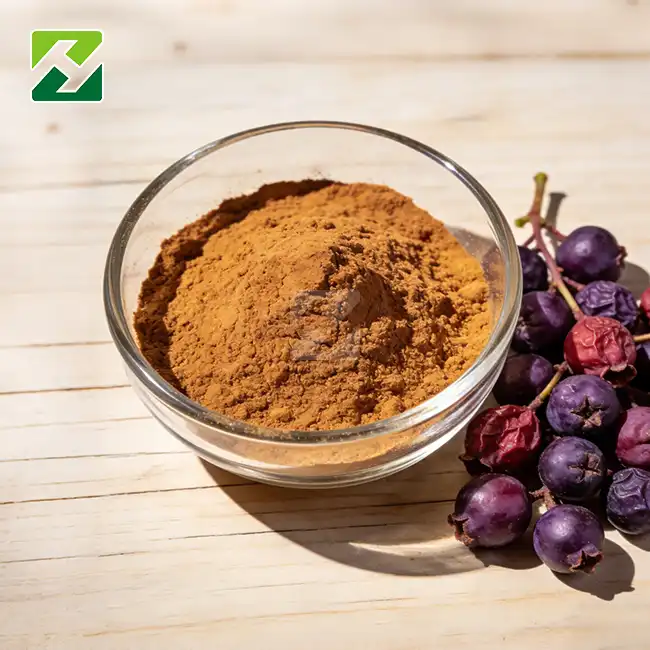
Chaste Berry Extract Powder for Perimenopause: Benefits, Dosage & Safety
VIEW MOREChaste berry extract powder, obtained from the berries of Vitex agnus-castus L., is receiving increasing attention in the nutraceutical area as a botanical ingredient for women in perimenopause. This brownish-yellow powder is standardised for important bioactive ingredients – mainly iridoid glycosides such as agnuside and flavonoids such as casticin – and acts through a dopaminergic mechanism on the pituitary gland to support progesterone equilibrium. For R&D directors and formulation teams seeking clean-label ingredients, knowing their functional profile, suitable usage criteria, and procurement requirements is vital for designing differentiated women’s health products.

Understanding Chaste Berry Extract Powder and Its Role in Perimenopause
For ages, societies around the world have employed the chaste tree or monk's pepper (Vitex agnus-castus) to help promote female hormonal balance. The plant material employed in extraction is the berry, and the standardised powder concentrates two main groups of beneficial compounds: iridoid glycosides (agnuside, aucubin) and flavonoids (casticin, penduletin).
How It Works at the Hormonal Level
The extract acts via a dopaminergic route by interacting with D2 receptors of the anterior pituitary gland. This relationship controls prolactin secretion, which in turn helps to normalise the luteal phase and the progesterone-to-estrogen ratio – a hormonal axis that becomes progressively irregular throughout perimenopause. In a randomised controlled trial published in the British Medical Journal (2001), Vitex agnus-castus was found to considerably improve PMS-related symptoms such as mood abnormalities, breast soreness, and monthly irregularity compared to placebo.
Why It Outperforms Generic Botanical Alternatives
Compared to medicines like evening primrose oil or black cohosh, chaste berry extract powder has a more specific method of action. Evening primrose oil supplies gamma-linolenic acid for overall hormonal modulation, while chaste berry operates with specificity at the pituitary level. This precision translates to more predictable product performance, stronger claims, and greater on-shelf component distinction for nutraceutical formulators.
Dosage Guidelines and How to Use Chaste Berry Extract Powder Safely?
Standardised extracts of Vitex agnus-castus are usually dosed from 20 mg to 40 mg daily for extracts standardised to 0.5% agnusides, which is ~4 mg to 20 mg of agnuside per daily serving depending on concentration ratios. Higher gram-level doses are utilised to attain equal potency with whole-fruit ratio extracts (4:1 or 10:1).
Formulation and Timing Considerations
Chaste berry extract powder is moderately compressible, and use of flow agents such as silicon dioxide is beneficial in preventing capping during compression for capsule and tablet applications. Morning administration, preferably consistent from day to day, is congruent with circadian hormonal patterns and reinforces product compliance messaging. Formulators who combine chaste berry with complementary botanicals such as dong quai or magnesium glycinate should know that the extract is chemically stable in such combinations under regular manufacturing circumstances.
Practical Safety Parameters
The extract has a well-documented tolerability profile in non-pregnant adult women. Pregnancy and lactation: Use is not suggested during pregnancy and lactation. Formulation labelling should include advice to consumers currently taking hormonal or dopaminergic drugs to check with a healthcare provider. Standard shelf-life - when stored under suitable storage circumstances (cold, dry temperatures below 25°C in a sealed moisture-barrier package) 24 months from date of manufacture.
Comparing Chaste Berry Extract Powder with Other Forms and Brands
The market is segmented into three major forms of chaste berry extract powder such as standardised extract powder, capsules/tablets and liquid tinctures. Each has its own advantages based on the end-use application.
Here is a useful comparison to help with your purchasing decisions:
- Standardised extract powder (e.g., 0.5% agnusides by HPLC) is the best for consistency from batch to batch and is the ideal form for B2B bulk ingredient delivery. Precise dosage in capsule, tablet, and functional food applications. Water and ethanol are extraction solvents providing a clean profile without residue
- Ratio extracts (4:1 or 10:1): Concentrated forms of the whole berry without active-standardization. Inexpensive when a variety of phytochemicals are desired over accuracy for marker compounds.
- Tinctures: Liquid preparations based on alcohol, which are suitable for consumer tincture lines but not for industrial-scale powder blending or tablet compression.
- Each of these 3 forms is designed for a different situation in product development, and the correct one to use relies on the sort of formulation you have, where you intend to place the product from a regulatory perspective, and who your target consumer is. For producers seeking clean-label claims and clinical credibility, standardised powder remains the most viable option.
Organic vs. Conventional Extract
The extract of chaste berry that is certified organic, grown in areas that are proven to be GAP-compliant, and free from synthetic pesticides or herbicides carries a premium, but it also opens the door to clean-label, USDA Organic and EU Organic certified product lines. The ability to source is a significant market difference for brands who are positioned in premium natural wellness channels.

Procurement Insights: Buying Chaste Berry Extract Powder in Bulk
Bulk buying of Vitex agnus-castus extract is about more than just haggling over price. Full considerations for nutraceutical manufacturers' procurement teams on supplier profile include agricultural traceability, production certifications, accuracy of documentation, and logistics capabilities.
Key Supplier Qualifications to Evaluate
The below parameters should form the basis of your due diligence when vetting a chaste berry extract powder supplier:
- Certification stack: NSF GMP, ISO 9001, FSSC 22000, Kosher, Halal, and Organic certifications are indicators that a supplier is working within globally recognised quality management systems. For U.S. supplement makers regulated by the FDA, these certifications are an absolute must.
- Packing and MOQ: Industrial bulk shipment in a 25 kg drum, double-walled with a PE bag and desiccant to avoid moisture absorption during transportation. The standard minimum order quantity for initial procurement evaluation is 25 kilograms.
- Lead time and warehousing: Having a U.S. warehouse means a 7-day domestic lead time, a big operational plus as compared to direct international shipment times.
- Documentation: With every batch, the standard deliverables must include Certificate of Analysis (CoA), HPLC chromatograms, heavy metal testing reports, and species verification by HPTLC.
Combined, these certifications mitigate supply chain risk and remove the worry about your finished product meeting regulatory scrutiny at every step.

Trust & Verify – Building Confidence in Your Vitex Extract Supplier
Without transparent data, a supplier’s wall of certifications is meaningless. Third-party lab verification is the highest standard when selecting partners for continued supply of Chaste berry extract powder.
What Verified Quality Looks Like in Practice
Agnuside assay data for 0.5% standardisation with each batch (Request HPLC). HPTLC fingerprinting was used as a method for species authenticity to detect legitimate Vitex agnus-castus from adulterant species such as Vitex negundo. Pesticide residue panels and heavy metals screening (Lead, Arsenic, Mercury, Cadmium) shall be under USP and EU Pharmacopeial standards.
Suppliers with in-house R&D capabilities, such as modern instruments like HPLC-ELSD, GC-MS and HPTLC, bring a level of analytical rigour that contract manufacturers seldom attain through third-party testing alone. This internal capability reduces enquiry timeframes when quality deviations occur and develops a more responsive technical cooperation.

Conclusion
Chaste berry extract powder (standardised to 0.5% agnusides, also referred to as Vitex agnus-castus extract) is a science-driven, formulation-ready ingredient for women’s hormonal health products in the perimenopause market. From the formulation of capsule lines, functional powder blends, or clean-label supplement portfolios, your most important purchasing decision will always be the selection of a certified, traceable, and analytically confirmed supply partner. Competitive differentiation starts with matching ingredient quality with product ambition.
FAQ
Q1: Does chaste berry extract interfere with hormonal medications?
Due to its dopaminergic activity at the pituitary level, Chaste berry extract powder may interact with dopamine-receptor antagonists. Finished product labels should recommend that consumers using hormonal or dopaminergic medications consult a healthcare provider before use.
Q2: How long does it take to observe noticeable effects in formulated products?
Clinical literature, including a 2001 BMJ study, used intervention periods of three menstrual cycles (approximately 90 days) before measuring outcomes. Formulators should align product usage guidelines with this timeline.
Q3: What distinguishes a 10:1 ratio extract from a 0.5% standardized extract?
A 10:1 ratio indicates concentration of raw material, not guaranteed bioactive content. A 0.5% agnuside standardization, confirmed by HPLC, guarantees fixed marker compound levels in every batch — essential for reproducible product performance.
Q4: Is the extract water-soluble?
Standard Chaste berry extract powder has limited aqueous dispersibility due to lipophilic flavonoid fractions. For beverage or liquid supplement applications, a water-dispersible grade or encapsulation system is recommended to prevent sedimentation.
Partner With OHI — Your Trusted Chaste Berry Extract Powder Supplier
OHI (Organic Herb Inc.) delivers pharmaceutical-grade chaste berry extract powder for manufacturers who demand consistency, traceability, and speed. With NSF GMP, ISO, FSSC22000, Kosher, Halal, and Organic certifications, plus four U.S. warehouses supporting a 7-day lead time, OHI removes the friction from B2B sourcing. Free samples are available with an MOQ of 25 kg. Contact our team at info@organic-herb.com to request specifications and initiate your sourcing evaluation.
References
1. Schellenberg, R. (2001). Treatment for the premenstrual syndrome with agnus castus fruit extract. British Medical Journal, 322(7279), 134–137.
2. Wuttke, W., Jarry, H., & Seidlová-Wuttke, D. (2003). Chaste tree (Vitex agnus-castus) – pharmacology and clinical indications. Phytomedicine, 10(4), 348–357.
3. He, Z., Chen, R., Zhou, Y., et al. (2009). Treatment for premenstrual syndrome with Vitex agnus-castus: A prospective, randomized, multi-center placebo controlled study in China. Maturitas, 63(1), 99–103.
4. van Die, M. D., Burger, H. G., Teede, H. J., & Bone, K. M. (2013). Vitex agnus-castus extracts for female reproductive disorders: A systematic review of clinical trials. Planta Medica, 79(7), 562–575.
5. Meissner, H. O., Reich-Bilinska, H., Mscisz, A., & Kedzia, B. (2006). Therapeutic effects of pre-gelatinized organic Lepidium peruvianum chacon (Maca) used as a non-hormonal alternative to HRT. International Journal of Biomedical Science, 2(2), 143–159.
6. European Medicines Agency. (2018). Assessment report on Vitex agnus-castus L., fructus. EMA/HMPC Committee on Herbal Medicinal Products (HMPC).
Is Purple Sweet Potato Extract good for you?
VIEW MOREIpomoea batatas L. tubers are used to make purple sweet potato extract, which is something you should really pay attention to. This concentrated botanical ingredient contains an extensive profile of acylated anthocyanins, the pigments responsible for its deep purple-red colour, as well as polyphenols and other phytochemicals. The extract has a far higher density of antioxidants per gram than entire sweet potatoes. If you are a formulator, brand creator or procurement specialist, the evidence for its functional value in food, supplement and cosmetic applications is credible and financially compelling.

What Is Purple Sweet Potato Extract and Its Nutritional Value?
The Science Behind the Color
Its vibrant colour isn’t just for show; it means this extract is packed with beneficial components. The major compounds are acylated anthocyanins, mainly cyanidin and peonidin derivatives esterified to phenolic acids. Its intricate structure is what makes it different from simpler anthocyanins, like grape skin or black carrot. Acylation adds higher resistance to the molecule against light, heat, and pH fluctuations, making it a better alternative for working environments that are difficult on technology.
Regulated extracts have a substantially better nutritional profile and are characterised by a significantly higher polyphenol content than raw potatoes. Bioactive chemicals are preserved and can be quantified by dynamic extraction and nano-membrane isolation at low temperatures. OHI uses 100% water as the solvent in the extraction procedure. It gives you a clean product that is free of sulphite and doesn't leave any organic solvents behind. This is a hugely crucial aspect for both clean label brands and regulatory teams.
It comes in two different colours, E30 and E50 (Colour Value E^2 %_1cm at 530nm). It is a purple-red powder that is readily soluble in water. This allows it to be easily added to water-based combinations without any additional processing.
Health Benefits of Purple Sweet Potato Extract
Antioxidant Capacity and Cellular Protection
Much research has demonstrated that extracts of plants rich in anthocyanins contribute to reducing indicators of oxidative stress in cell models. ORAC (Oxygen Radical Absorbance Capacity) values for concentrated purple sweet potato extract anthocyanins are extremely high among botanical colourants and functional substances used in foods and other products. The extract can thus be a reliable component in supplement mixes targeting antioxidants, eye health formulas, and anti-aging nutraceuticals.
Skin and Cosmetic Applications
Polyphenols from Ipomoea batatas tubers have been studied for their use in topical and cosmetic applications due to their ability to improve skin resistance to environmental stressors. This extract is favoured by cosmetic manufacturers as it may preserve its colour and combat free radicals simultaneously. It can be utilised as a natural colourant and helpful element. It is very crucial that the colour value (E30 or E50) be held constant from batch to batch, and standard extraction guarantees that every drum fulfils the same specifications.
Functional Food and Beverage Performance
The extract is resilient in acidic drink combinations (pH 2.8-3.5) and remains a brilliant red-pink without dropping to the bottom. It is resistant to short term heat in ovens to 180°C for baking purposes and will not allow for colour migration in high-sugar sticky constructions. Plant-based food experts have also investigated its use as a colour alternative for raw meat. It turns red to violet-brown on heating, similar to the colour change of myoglobin.
With these performance characteristics, brands moving away from synthetic colours like FD&C Red No. 40 or carmine have less of a chance of needing to reformulate.

Comparing Purple Sweet Potato Extract with Other Superfood Extracts
Blueberry, acai berry, grape skin, and purple carrot are often on the short list when R&D teams look at natural colorants and functional actives. This is where the acylated anthocyanin makeup of purple sweet potato extract makes a big difference in terms of science.
- Heat stability: Grape skin and black carrot anthocyanins are non-acylated and more thermally susceptible than red beetroot, which degrades rapidly above 60°C. Purple sweet potato extract di-acylated anthocyanins can withstand pasteurisation and UHT without losing colour.
- Light resistance: Non-acylated sources fade within weeks in clear bottles exposed to UV. Acylated anthocyanins retain colour over similar shelf-lives.
- pH behaviour: The extract turns vivid red below 3.0. It turns purple at pH 4.0–6.0. A defined colour spectrum lets formulators create applications without guesswork.
- Labeling flexibility: In the US, it is declared as "Vegetable Juice (Color)" or "Purple Sweet Potato Extract (Color)." In the EU, it falls under E163. Neither designation triggers clean-label concerns — a meaningful advantage over synthetic alternatives.
Because of these benefits, it makes sense to use it instead of more expensive or hard-to-get superfood extracts, especially for brands that need a steady supply of large amounts.
How to Procure Quality Purple Sweet Potato Extract for Your Business?
It takes more than reading a data sheet to find a standardized botanical ingredient. Purchasing teams should give more weight to sellers who can show that their products can be tracked from the time they are grown to the time they are packaged.
When choosing a purple sweet potato extract supplier, it's important to look at things like certifications, extraction technology, inventory infrastructure, and the ability to make changes to the minimum order. OHI's product has been checked and found to meet the following standards: Organic, Kosher, Halal, ISO, FSSC22000, and NSF GMP. These goods also meet the standards set by the US Food and Drug Administration (FDA) and the Canadian Good Manufacturing Practices (C-GMP). This gives buyers from other countries the proof they need to enter multiple regulatory markets.
This item is shipped in 25 kg drums, and the minimum order quantity is 25 kg. The lead time is 10 days. Free samples can be used in the lab to test the product before placing a large order. This is an easy way to start testing new formulations.

Why Source Purple Sweet Potato Extract from OHI?
Organic Herb Inc. (Stock No. 872223) is a fully integrated company that grows plants on more than 8,000 acres in Jiangxi, Hunan, Guizhou, and Hubei. It makes herbal extracts. With this farm-to-extract model, tracking is built into the supply chain from the start, not added on later.
Here are the main reasons why OHI is a trustworthy source for purple sweet potato extract:
- US-based inventory: Four regional warehouses across the United States, operated through Earth Made Nutritions (Los Angeles, CA), enable prompt domestic delivery without international shipping delays.
- Advanced extraction technology: OHI uses dynamic low-temperature extraction, nano-membrane isolation, and freeze-drying to preserve anthocyanin integrity and deliver consistent E30/E50 color values across batches.
- Dedicated R&D team: 42 professionals, including PhD researchers and senior scientists, operate from OHI's R&D center in Changsha, supported by over $1.2 million in analytical instrumentation, including HPLC, GC-MS, and HPTLC systems.
- Sustainable sourcing: OHI works directly with local farming communities under technical guidance programs, reducing supply chain risk while supporting responsible agricultural practices.
These features take care of the main procurement issues that R&D directors and QA teams always bring up during the ingredient selection process: formulation stability, batch consistency, and regulatory documentation.

Conclusion
Purple sweet potato extract (Ipomoea batatas L.) is a very advanced ingredient for food, cosmetics, and nutraceuticals. Its acylated anthocyanin profile provides stability benefits that are unmatched by most other natural colourants. It’s a tried-and-true, well-studied option manufacturers can tap into to make clean-label items or replace synthetic hues. For procurement teams who are buying from a reputable, fully integrated company like OHI, there is peace of mind in the quality of the ingredients they purchase.
FAQ
Q1: What is the recommended usage level in beverage applications?
Dosage ranges from 0.05% to 0.2% w/w, depending on the E-value (E30 or E50) and the color intensity that is wanted. Before you go big, do some small tests to make sure that the grid is stable and clear.
Q2: Why did my formulation turn blue after adding the extract?
A change in pH can damage anthocyanins. If your formula has alkaline ingredients, like sodium bicarbonate, or a pH level above 6.5, the color will change to blue.
Q3: Is this extract sulfite-free?
There are no sulfites in OHI's purple sweet potato extract because it has been prepared. Check this on the Certificate of Analysis (COA) every time you buy something from a seller.
Q4: How does it compare to grape skin or red beet in stability?
It works better than both. Red beet breaks down quickly above 60°C. The acylation in grape skin is missing, which is what makes it resistant to heat and light. The di-acylated structure of this product makes it much more resistant to damage during processing.
Request a Free Sample from OHI — Your Trusted Purple Sweet Potato Extract Manufacturer
OHI gives away free samples of our certified purple sweet potato extract (E30/E50). The samples can be sent anywhere in the US through our Los Angeles warehouse and take 10 days to arrive. Our extract meets the standards for proof that your QA team needs because it has NSF GMP, Kosher, Halal, ISO, FSSC22000, and Organic approvals. You can email our team at info@organic-herb.com to get a bulk price, specs, or a certificate of analysis (COA).
References
1. Stintzing, F. C., & Carle, R. (2004). Functional properties of anthocyanins and betalains in plants, food, and in human nutrition. Trends in Food Science & Technology, 15(1), 19–38.
2. Huang, W. Y., et al. (2018). Characterization and antioxidant activity of anthocyanins from purple sweet potato. Food Chemistry, 239, 632–639.
3. Terahara, N., et al. (1999). Acylated anthocyanins from the storage roots of purple sweet potato. Phytochemistry, 52(3), 511–514.
4. Zhao, C., et al. (2017). Stability of purple sweet potato anthocyanins under food processing conditions. Journal of Agricultural and Food Chemistry, 65(18), 3737–3745.
5. He, J., & Giusti, M. M. (2010). Anthocyanins: Natural colorants with health-promoting properties. Annual Review of Food Science and Technology, 1, 163–187.
6. Surgeonor, G., & Clifford, M. N. (2013). Stability and bioavailability of acylated anthocyanins in plant-based functional ingredients. Food & Function, 4(9), 1364–1374.
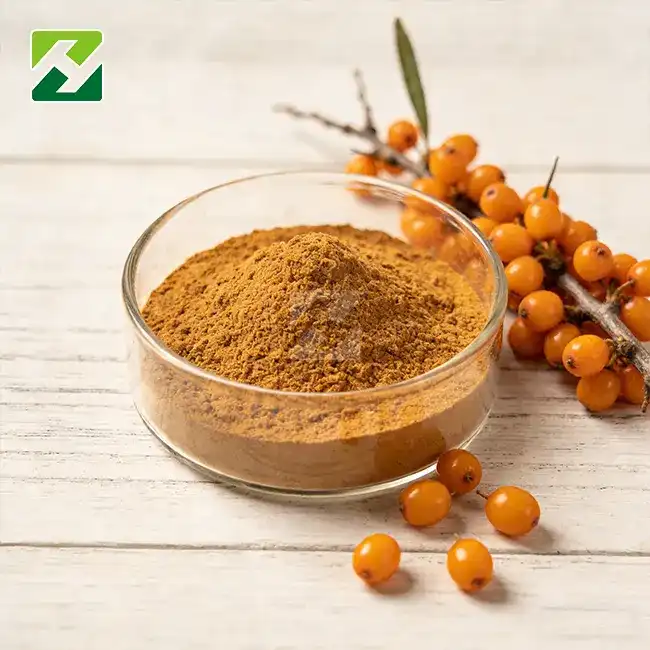
What is Seabuckthorn Extract good for?
VIEW MORESeabuckthorn extract, made from the berries of Hippophae rhamnoides L., has received a lot of attention in the nutraceutical, cosmetic, and functional food sectors. Derived from nutrient-rich berries and concentrated with only water as the solvent, this botanical ingredient offers an impressive range of bioactives — vitamins C, E, and A, flavonoids including isorhamnetin and quercetin, and the uncommon Omega-7 fatty acids. Its broad spectrum of benefits, from immune support formulations and skin-repair cosmetics to functional beverages, makes it one of the most adaptable plant-derived ingredients available to B2B formulators today.

Understanding Seabuckthorn Extract: Composition and Nutritional Value
A Phytochemical Profile Worth Knowing
The nut of Hippophae rhamnoides L. is indeed unusual among plants. According to a study published in the Journal of Ethnopharmacology, Seabuckthorn berries contain over 190 bioactive chemicals. These include tocopherols, beta-carotene, organic acids, and a very small amount of Omega-7 (palmitoleic acid). This is what makes the extract so beneficial in advanced formulation settings: it’s incredibly complex.
OHI's water-extracted seabuckthorn berry powder (4:1 and 10:1) is obtained as a clean brown-yellow powder with the phytochemical richness of OHI. With water being the sole solvent used, there are no concerns over residual chemicals, and it supports “clean label” positioning, which is increasingly crucial for North American supplement and beauty care products.
Skin Hydration and Anti-Aging Applications
Research on the preparation of cosmetics supports its use. Berry extracts are rich in palmitoleic acid, the major fatty acid, which is similar to the lipid composition of human sebum and helps to maintain the skin barrier. Similarly, some in vitro studies have demonstrated that flavonoids such as isorhamnetin can eliminate free radicals, which makes serums and night creams more antioxidant.
Seabuckthorn extract is a wonderful functional component for anti-aging, post-procedure repair, or skin barrier products since it supports structural lipid replacement and the protective antioxidant action in one ingredient.

Health Benefits of Seabuckthorn Extract for Immune Support and Inflammation
Bioactives That Support Natural Defenses
There is one plant ingredient called seabuckthorn berry that stands out from the others used in immune-supporting products. If you look at different kinds, it's said to have 4 to 100 times more vitamin C than oranges. Together with flavonoids and carotenoids, these chemicals create an antioxidant environment that supports the body's natural defense systems.
Turmeric's main active ingredient is curcumin. Seabuckthorn, on the other hand, uses fatty acids, antioxidants, and vitamins together to work in more than one way. This range of bioactivity is helpful for companies making health goods with more than one use that need to make claims on the label that are backed up by evidence.
Clinical researchers have demonstrated measurable anti-inflammatory and antioxidant effects of two flavonoids in seabuckthorn, quercetin and kaempferol, in peer-reviewed trials. That’s why the standardised extract can be utilised as a reliable component in products fighting oxidative stress and improving overall health.
When B2B formulators select this component, below are the top biological benefits they consistently mention:
- Flavonoid abundance: The total flavones (isorhamnetin, quercetin, kaempferol) are linked to established antioxidant action, supporting the claims of formulation effectiveness.
- Vitamin C Levels: Positioning for immune function in labelling of dietary supplements, especially in markets requiring vitamin C from natural sources.
- Carotenoid content: Provides demonstrable antioxidant activity and can be directly used for skin health and immune supplement uses.
The advantages of seabuckthorn extract enable formulation teams to develop supplements that have various therapeutic claims supported by proven phytochemistry. It is a big way to make supplements stand out in a very competitive market.
Choosing the Right Seabuckthorn Extract: A B2B Procurement Perspective
Organic vs. Standard, Powder vs. Oil
It's not just a matter of marketing whether to buy organic or regular seabuckthorn oil. Organically approved extracts get the best shelf space and are very popular with the clean-label customer group that runs U.S. health stores. OHI has certificates for Organic, Kosher, Halal, NSF GMP, ISO, and FSSC22000. This stack of credentials meets the needs of both retail and private-label brands at the same time.
When comparing formats, OHI's 4:1 and 10:1 ratios of water-extracted berry powder are clearly better than oil-based forms for certain uses. The powder form works well with water-soluble functional beverage systems and can be easily mixed into solid dose forms like pills, tablets, and sachets. On the other hand, lipid-based cosmetics work well with oil products. This difference helps buying teams match the format of the ingredient to the design of the final product.
Why Seabuckthorn Stands Apart from Fish Oil and Vitamin C Alone
Formulation managers often ask me how seabuckthorn is different from fish oil or synthetic vitamin C. Its complete phytonutrient structure is what makes it different. Omega-3s are found in fish oil, but seabuckthorn has more flavonoids and carotenoids than fish oil. Isolated vitamin C doesn't do anything with fatty acids. Seabuckthorn berry extract is a plant ingredient that can be used in many ways. It makes supply lines easier and lets products make more claims.

Practical Guide to Using and Purchasing Seabuckthorn Extract
Dosage, Integration, and Quality Verification
Usually, 250 mg to 500 mg of seabuckthorn extract powder per serving is used in dietary supplement capsules. However, the exact formulation goals depend on the extract concentration (4:1 or 10:1) and the claims that the product is meant to make. The extract is usually used in cosmetics at a concentration of 0.5% to 2% of the total weight of the mixture to act as an antioxidant and moisturize the skin.
Quality verification is a must for purchase teams looking at bulk buying choices. Before choosing a seabuckthorn extract seller, every buyer should make sure that the following quality standards are met:
- Third-party lab testing: Fatty acid profile via GC, total flavones via HPLC, and heavy metals via ICP-MS should all be independently verified per batch.
- Certification compliance: GMP, ISO, Halal, Kosher, and Organic certification should be current and documentable, not just claimed.
- Solvent transparency: 100% water extraction (as used in OHI's product) eliminates toxic solvent residue risk and supports clean-label positioning.
Adhering to these criteria is precisely what the U.S. Food and Drug Administration (FDA) and Good Manufacturing Practices (GMP) advocate. This ensures that the substance will pass regulatory evaluation with no trouble when a product is registered or the label is validated. OHI offers a free sample, lead time is 10 days and the minimum order quantity is 25 kg per drum. That way, you can try the quality without committing to a large purchase.

Conclusion
Today, seabuckthorn extract (berry type) is one of the most nutritionally complex and formulation-flexible botanical products on the B2B market. Its recognised phytochemical composition includes flavonoids, carotenoids, vitamins, and uncommon fatty acids and makes it beneficial for numerous goods, from functional drinks and nutraceuticals to skin care and cosmetics. It works effectively and meets the regulatory standards that serious companies expect, as long as it’s from a clean extraction procedure from a certified, honest supplier.
FAQ
Q1: What is the difference between seabuckthorn extract and seabuckthorn oil?
Seabuckthorn oil is extracted from the seeds or berry pulp via CO2 or cold-press methods, yielding a lipid-rich fraction ideal for cosmetic formulations. Seabuckthorn extract powder, like OHI's water-extracted berry concentrate, is a water-soluble botanical standardized for flavonoids, vitamins, and organic acids. The choice between them depends on your formulation system — oil suits lipid-based products, while powder integrates into capsules, tablets, and functional beverages.
Q2: Is seabuckthorn berry extract compliant for use in dietary supplements sold in the U.S.?
Yes. When sourced from a supplier holding NSF GMP, ISO, and Organic certifications — and produced under U.S. FDA C-GMP-aligned protocols — seabuckthorn extract is fully compliant for dietary supplement use in the United States.
Q3: How do I verify the quality of a seabuckthorn extract supplier before purchasing?
Request a Certificate of Analysis (COA) with HPLC-verified total flavone content, GC-confirmed fatty acid profiling, ICP-MS heavy metal screening, and evidence of certified extraction protocols. Ask specifically about solvent residue testing and batch-to-batch consistency documentation.
Q4: What certifications should a reliable seabuckthorn extract manufacturer hold?
Look for NSF GMP, ISO9001, FSSC22000, Organic, Kosher, and Halal certifications at minimum. These credentials reflect both manufacturing quality and market reach across the U.S., EU, and Middle East channels.
Request a Sample from OHI — Trusted Seabuckthorn Extract Supplier
OHI sells high-quality Hippophae rhamnoides L. berry seabuckthorn extract (4:1, 10:1) that is made with only water and is approved by NSF GMP, ISO, Kosher, Halal, Organic, and FSSC22000 standards. With four warehouses in the U.S. and a wait time of 10 days, we can safely meet your formulation deadlines. You can get free samples. To get details or start a bulk question right away, email our team at info@organic-herb.com.
References
1. Zeb, A. (2004). Important Therapeutic Uses of Sea Buckthorn (Hippophae): A Review. Journal of Biological Sciences, 4(5), 687–693.
2. Olas, B. (2016). Sea Buckthorn as a Source of Important Bioactive Compounds in Cardiovascular Diseases. Food and Chemical Toxicology, 97, 199–204.
3. Suryakumar, G., & Gupta, A. (2011). Medicinal and Therapeutic Potential of Sea Buckthorn (Hippophae rhamnoides L.). Journal of Ethnopharmacology, 138(2), 268–278.
4. Beveridge, T., Li, T. S. C., Oomah, B. D., & Smith, A. (1999). Sea Buckthorn Products: Manufacture and Composition. Journal of Agricultural and Food Chemistry, 47(9), 3480–3488.
5. Cenkowski, S., Yakimishen, R., Raghavan, G. S. V., & Muir, W. E. (2006). Quality of Extracted Sea Buckthorn Seed and Pulp Oil. Canadian Biosystems Engineering, 48, 3.9–3.16.
6. Christaki, E. (2012). Hippophae rhamnoides L. (Sea Buckthorn): A Potential Source of Nutraceuticals. Food and Public Health, 2(3), 69–72.
Carrot Extract: Beta‑Carotene Brilliance for Skin & Hair
VIEW MORECarrot extract, sourced from the root of Daucus carota ssp., has become one of the most adaptable botanical actives in contemporary B2B formulation. This extract is standardised to a high level of beta-carotene and supporting carotenoid content and provides quantifiable antioxidant activity and natural colour, both of which are sought after by cosmetic chemists, nutraceutical formulators and functional food makers. Carrot root-derived beta-carotene presents a scientifically validated, regulatory-compliant alternative to synthetic colourants and isolated provitamin A molecules in a world where clean label is redefining procurement priorities across the United States and abroad.

Understanding Carrot Extract and Its Key Component: Beta‑Carotene
Composition and Industrial‑Grade Variations
The root of Daucus carota ssp. contains many different kinds of carotenoids, mostly beta-carotene but also alpha-carotene, gamma-carotene, and lycopene. We at OHI make sure that our carrot root extract has a Color Value (E1%, 1cm, 524±5nm) of at least 60 at a 4:1 concentration ratio. The color changes from red to dark red and from red to purple-red, which shows that each batch has a lot of carotenoids locked in it. Professional extraction methods, such as Supercritical CO₂ and advanced solvent techniques, can precisely separate these lipophilic actives in a way that plain carrot juice powders can't.
Beta-carotene is an antioxidant for vitamin A, and the body can change it into retinol when it needs to. It is this conversion pathway that makes natural beta-carotene from carrot root so much better than preformed synthetic vitamin A, since the body controls its own uptake based on its own needs.
Stability and Bioavailability Considerations
Carotenoids naturally react badly to UV light and oxidative stress. Tocopherols (Vitamin E) are added as stabilizers to high-quality carrot extract to deal with this problem, greatly increasing its useful strength. Water-dispersible emulsion or microencapsulated bead grades are available for aqueous-based products like serums or healthy drinks. These grades keep the solubility and shelf stability of the product. Formulation managers can avoid a lot of extra work later on by understanding these technical differences up front.

The Skin and Hair Benefits of Beta‑Carotene from Carrot Extract
Antioxidant Protection and Skin Renewal
Beta-carotene gets rid of reactive oxygen species that speed up the aging process and the breakdown of collagen. A review article from 2012 in the journal Nutrients showed that both dietary and topical carotenoids cluster in skin tissue and offer measured sun protection. For people who make skin care products, this means they can make claims about increased radiance, even skin tone, and fewer obvious signs of age that are backed up by science—all without using synthetic actives.
Hair Follicle Nourishment and Scalp Health
Getting enough vitamin A is important for the health of your scalp and hair follicles. Beta-carotene from carrot root concentrate helps keratinocyte activity, which is the process by which healthy hair shafts are made. Botanical actives that are high in carotenoids are being used more and more in high-end haircare serums and scalp oils because customers are paying more attention to what ingredients are in the products they buy. Natural beta-carotene has both the health advantage and the "clean label" story.
Because of these known effects, carrot root extract is a two-in-one ingredient that helps skin cells deal with oxidative stress and hair structures get the nutrients they need. This evidence base gives B2B buyers the confidence to back up product claims without exaggerating results.
How to Choose High‑Quality Carrot Extract for Your Products?
The plant-buying decisions that are high in carotenoids have substantial impacts on the quality of the ultimate result. An organised screening technique prevents you from making buying mistakes that will have a negative impact on effectiveness, safety and shelf life.
Here are the top evaluation criteria that all procurement experts must use:
- HPLC Beta-carotene assay: Confirm standardised carotenoid concentration according to Certificate of Analysis requirements. For cosmetic and nutraceutical applications, consistent HPLC results across batches are a must.
- Heavy metal compliance: ICP-MS testing shall indicate Lead < 1ppm, Arsenic < 1ppm, Cadmium and Mercury within globally approved levels.
- Residual solvent testing: GC-HS (Headspace Gas Chromatography) guarantees that solvent levels are within the limits prescribed by USP <467>, a critical test for ingestible and topical applications.
- Pesticide residue screening: Root-derived materials can acquire soil pollutants, and multi-residue screening is mandatory for exports into U.S. and EU markets.
- Certifications stack: Baseline compliance signals include NSF GMP, Kosher, Halal, ISO, FSSC22000, Organic certifications.
- Authenticity testing: C14 Carbon Isotope testing differentiates between true plant-based beta-carotene and synthetic substitutes that are falsely promoted as natural.
Applying carrot extract supply chain standards consistently reduces risk in the supply chain and provides the paperwork for tracking and audits. The vendors that openly disclose this information demonstrate integrity, which is a must-have for any professional procurement team.

Optimal Formulation and Integration of Carrot Extract in Skin and Hair Products
Concentration, Compatibility, and Shelf‑Life Management
The trick is getting the right balance of the chemistry of the mixture and the strength of the carotenoid actives for proper mixing. Beta-carotene concentrations of between 0.1 and 0.5% can provide skin care products with colour and protective power but without compromise to the stability of emulsion systems. The inclusion of antioxidants, such as Vitamin C compounds or Vitamin E, in the mix increases the resistance of the combination to oxidative damage during manufacture and storage.
Microencapsulated bead grades offer improved antioxidant protection and controlled bioavailability for edible applications such as capsules, softgels and healthy drinks. OEM partners who have used OHI’s carrot root extract in supplement formulations report the colour value remains consistent from batch to batch, which fulfils both internal quality control standards and retailer audits.
Storage methods are another consideration. For example, sealed containers, nitrogen flushing, temperatures below 20°C, and UV-protective packaging can all allow the colour to remain at least 60 for 24 months. Incorporating these factors into their manufacturing SOPs helps formulators maintain the investment in ingredients and the integrity of the end product.
Future Trends and Innovations in Beta‑Carotene and Carrot Extract Applications
The market for natural carotenoids is expected to grow a lot until 2030. This is because of government pressure on manufactured colorants and customer desire for ingredient clarity. In this case, beta-carotene derived from carrot extract (sourced from carrot root) is the perfect material because it can be used as both a natural colorant (E160a) and an antioxidant (functional antioxidant).
New tools for mining are changing what is technically possible. As a result of green solvent systems, supercritical CO₂ optimization, and nano-encapsulation platforms, bioavailability profiles are getting better while environmental impact is decreasing. This is a great match for the sustainable sourcing requirements that are now being included in major store source codes. The research and development team at OHI uses SFE CO₂ systems and Nano Membrane isolation technology to create new carotenoids that meet these changing needs.
Strategic buying teams that build ties with suppliers now, before demand spikes, put their brands in a position to get a steady supply and work together technically as formulations get more complicated.

Conclusion
For skin, hair, nutraceutical, and functional food uses, carrot extract standardized from Daucus carota ssp. root is a scientifically sound, commercially useful, and clean-label ingredient. Its high Color Value (E1%, 1cm, 524±5nm ≥ 60), multi-certification compliance, and proven carotenoid bioactivity make it a great choice for formulation teams working in a market that is becoming more focused on openness. Carrot root extract is a safe main ingredient that can be used in many types of products. Its purity, traceability, and technical ability of the seller are all things that procurement professionals look for.
FAQ
Q1: What beta-carotene concentration is suitable for skincare formulations?
When used on the skin, concentrations usually range from 0.1% to 0.5%. This range gives a natural warm color and measurable antioxidant activity without affecting the stability of the emulsion.
Q2: How does natural carrot-derived beta-carotene differ from synthetic versions?
Natural beta-carotene from carrot root has alpha-carotene, gamma-carotene, and lycopene that work together, but these are not found in manufactured isolates. Label claims like "natural" or "plant-derived" are also supported, which is something that clean-label shoppers really like.
Q3: What regulatory frameworks apply in the U.S. market?
The U.S. Food and Drug Administration (FDA) and C-GMP production standards are met by I's carrot root extract. Certifications like NSF GMP, FSSC22000, ISO, Kosher, Halal, and Organic help with the paperwork needed to enter the U.S. market.
Q4: Is the extract water-soluble for beverage or toner applications?
Native oleoresin dissolves in oil. There are water-dispersible types made with emulsion technology that can be used in aqueous systems, like healthy drinks and cosmetics that are made with water.
Partner with OHI — Your Trusted Carrot Extract Supplier
With over 400 botanical extract formulations, four warehouses in the U.S., and a 42-person research and development team, OHI can give you carrot extract that meets all of your strict requirements. You can get free trials with a 10-day wait time. You can email our procurement team at info@organic-herb.com to get technical information and start the sourcing process right away.
References
1. Stahl, W., & Sies, H. Nutrients, 2012.
2. Fiedor, J., & Burda, K. Nutrients, 2014.
3. Bohn, T. et al. Molecular Nutrition & Food Research, 2017.
4. Grune, T. et al. Molecular Nutrition & Food Research, 2010.
5. Couteau, C., & Coiffard, L. Cosmetics, 2016.
6. Milani, A. et al. EXCLI Journal, 2017.
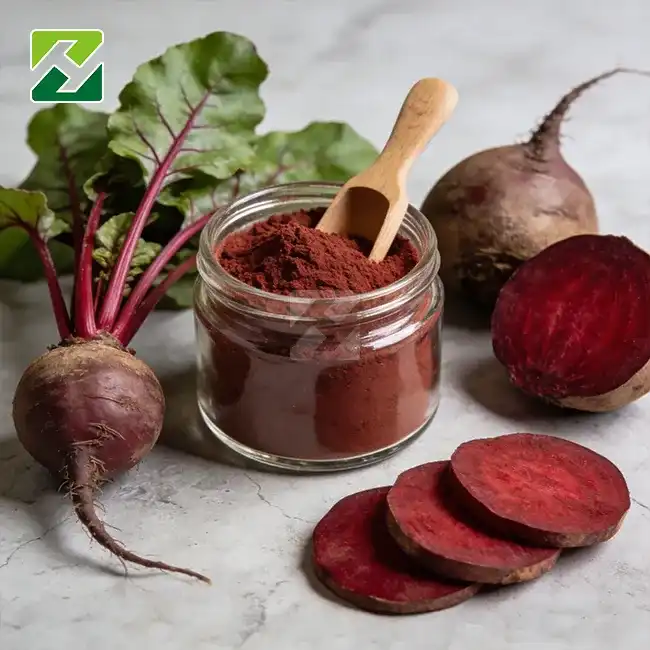
Beetroot Powder: Boost Endurance, Energy & Health Benefits
VIEW MOREIf you're developing a sports nutrition line, a functional beverage, or a clean-label supplement, you've likely noticed how much attention beetroot ingredients are getting right now. Natural beet root extract — derived from Beta vulgaris — has become one of the most sought-after plant-based actives in the nutraceutical and functional food space. Concentrated in dietary nitrates, betalain pigments, and antioxidant polyphenols, it delivers measurable physiological support for endurance, energy metabolism, and overall vitality. For B2B formulators and procurement teams, understanding what separates a high-performance extract from a generic powder is the foundation of a competitive product.

Understanding Beetroot's Bioactive Composition and Health Benefits
There are three main active ingredients in standardized beet root extract that make it different from whole beet juice or dried root powder. These are inorganic nitrates (NO₀⁻), betalains (mainly betanin and isobetanin), and flavonoids. Food nitrates turn into nitric oxide through the nitrate-nitrite-NO route. This keeps blood vessels healthy and gives working muscles oxygen. Betalains fight free radicals and inflammation, which helps your skin stay healthy, your liver work well, and your cells stay strong. Extracts that have been standardized are always better than raw ingredients for formulators in the nutraceutical, functional food, and sports nutrition businesses because they have a more accurate molecular profile.
23 randomized controlled trials were looked at in a 2019 study released in Nutrients. The results showed that dietary nitrate supplements from beet sources greatly improved exercise performance, especially in tasks that needed a lot of endurance. When you put claims on the label and want your product to stand out in a crowded market, that kind of proof that has been reviewed by other experts is important.
Comparative Analysis: Extract vs. Powder vs. Juice vs. Other Nitrate Sources
Natural beet root extract is among the different types of beet products that are very important at the preparation bench. It's easy to see how the most popular options are different from each other:
- Beetroot juice contains naturally occurring nitrates but suffers from batch-to-batch inconsistency because nitrate levels in raw beets vary by soil, season, and geography. It is also difficult to incorporate into solid dosage forms without significant processing losses.
- Beetroot powder (whole root) retains dietary fiber and whole-food nutrients but offers low and variable nitrate concentrations, typically between 0.1% and 0.3%, making it unsuitable for precise functional dosing.
- Standardized natural beet root extract resolves both problems. Using water-based extraction (100% water solvent), the process concentrates bioactives to defined specifications — such as E30 or E60 color value — while removing excess fiber and reducing the earthy geosmin note that limits beverage applications. Solubility is excellent in aqueous systems, making it ideal for RTD beverages, stick packs, and capsule fills.
- Spinach or arugula extracts are sometimes used as nitrate alternatives, but they lack the betalain pigment system and the dual function of natural colorant plus functional active that beet root extract delivers.
Synthetic sodium nitrate is cheap, but it doesn't meet the standards for clean labels or organic positioning, and it has to deal with regulatory attention in food uses that natural sources that come from plants don't have to.

How to Use Beetroot Extract Across B2B Product Categories?
This standardized beetroot extract works well with many different kinds of goods. The extract comes out as a fine powder that ranges from brownish yellow to brownish red to red, depending on the grade (E30 or E60). The fruit and root of Beta vulgaris are used to make it, and water is the only liquid used. This is a clean method that supports natural and organic positioning.
Here are the main use cases that B2B clients find most useful:
- Pre-workout and endurance supplements: The extract blends with citrulline, creatine, and electrolytes without clumping issues when stored at controlled humidity (<60% RH, <25°C). Its low-temperature spray-drying profile protects nitrate and betalain integrity during manufacturing.
- Functional RTD beverages: High-grade extract retains approximately 85–90% of betalain pigment through flash pasteurization (HTST) and demonstrates color stability in acidic beverage bases (pH 3.0–4.0), outperforming anthocyanin-based reds that shift hue under these conditions.
- Clean-label meat analogues and plant-based products: The extract serves dual functions — providing natural color analogous to a meat-like appearance and contributing plant-derived nitrates that support curing chemistry, replacing synthetic sodium nitrite where formulation allows.
These tools make it possible to do real work. A functional beverage brand can make a true "natural energy" claim and meet consumer expectations for clean labels by adding standardized natural beet root extract to a daily endurance drink. This is what is driving category growth.
Procurement Guide: Sourcing Premium Beet Root Extract in Bulk
You need more than a good price to buy a lot of beet items. You can keep your business, your customers, and the people who watch over you safe by checking the quality at the source. A procurement-grade rating is based on these things:
- Active ingredient assay: HPLC verification of dietary nitrate concentration and UV-VIS spectrophotometry for betalain color value. Specifications E30 and E60 define color intensity and indicate concentration tier for formulation targeting.
- Adulteration screening: Some suppliers inflate nitrate readings with synthetic sodium nitrate. Request Isotope Ratio Mass Spectrometry (IRMS) data to confirm biological origin — this is non-negotiable for clean-label and organic certification compliance.
- Heavy metal testing: Beets are root crops with documented capacity to bioaccumulate soil metals. ICP-MS testing for lead, arsenic, cadmium, and mercury is standard for USP/EP compliant ingredients.
- Microbial limits: High sugar content in beet extracts creates favorable conditions for microbial growth during storage. Verify Total Plate Count, Salmonella, and E. coli limits against your target market's regulatory requirements.
HPLC tests are used to find out how much dietary nitrate is present, and UV-VIS spectrophotometry tests are used to find out how much betalain is present. The concentration level for making is given by E30, and the color strength is given by E60.

Why Source Your Beet Root Extract Through OHI?
A public company called Organic Herb Inc. (OHI, Stock: 872213) makes and sells natural beet root juice and natural beet root extract. In Yichun, Jiangxi Province, it makes things, and in Changsha, Hunan, it does research and development. Your products can be sold in all kinds of places around the world that follow different rules because OHI is certified for NSF GMP, Kosher, Halal, ISO 9001, FSSC 22000, and Organic.
New low-temperature extraction and nano-membrane concentration technology is used to make the extract. This keeps the betalain and nitrate intact while the process is going on. There are 27 top researchers on the R&D team. They use more than $1.2 million worth of analysis tools, such as HPLC, GC-MS, HPTLC, and others, to make sure that every batch is quality-checked before it is sent out.
The U.S. branch of OHI, Earth Made Nutritions, is based in Los Angeles and has four area stores spread out across the country. This lets goods be sent quickly within the country, without having to worry about lead times like with supply lines that only work abroad. The products follow the rules set by the US FDA and C-GMP.
OEM and private label services are also offered by OHI. These help make unique formulas for customers who need to keep certain details, mixes, or concentration levels hidden. As a partner, OHI brings a lot of experience in making medicines from plants. They are making more than 400 plant extracts and 100 regular extracts.

Conclusion
Natural beet root extract, derived from Beta vulgaris, has proven to be a useful and valuable ingredient. Because it has nitrates and betalain in it, it can be used in vitamin recipes, clean-label foods, functional drinks, and sports nutrition. For business-to-business buyers, the most important things are standardization, purity verification, and a stable supply. A skilled and careful maker makes a big difference in all of these areas in terms of how well your product works and how trustworthy it is in the market.
FAQ
Q1: What is the difference between beet root powder and beet root extract?
Beet root powder is simply dehydrated, ground root — it retains fiber but contains variable and generally low nitrate levels. Standardized extract uses water-based concentration to remove fiber and deliver defined active levels, such as E30 or E60 color values, suitable for precision dosing.
Q2: What solvent is used in OHI's beet root extract production?
OHI uses 100% water as the extraction solvent — no organic solvents — which supports clean-label and organic certification positioning.
Q3: How do I verify that dietary nitrates are naturally occurring and not synthetic?
Request Isotope Ratio Mass Spectrometry (IRMS) data from your supplier. OHI provides complete COA documentation and can supply IRMS results upon request.
Q4: What are the MOQ and lead time?
The minimum order quantity is 25 kg (one drum), with a standard lead time of 10 days. Free samples are available for qualification testing before commitment.
Request a Sample or Bulk Quote from OHI Today
All over the US, brands of personal care products, functional foods, and supplements trust OHI to make certified natural beet root extract. If you need a qualification sample, a price for a large order, or help with your OEM recipe, our team is ready to help. To start a conversation, email info@organic-herb.com. There is a steady supply from OHI, and the quality has been checked. They also offer quick technical help.
References
1. Lundberg, J.O., Weitzberg, E., & Gladwin, M.T. Nature Reviews Drug Discovery, 2008.
2. Jones, A.M. "Dietary Nitrate Supplementation and Exercise Performance." Sports Medicine, 2014.
3. Clifford, T., et al. "The Potential Benefits of Red Beetroot Supplementation in Health and Disease." Nutrients, 2015.
4. Domínguez, R., et al. "Effects of Beetroot Juice Supplementation on Cardiorespiratory Endurance in Athletes." Nutrients, 2017.
5. Cermak, N.M., & van Loon, L.J.C. "The Use of Carbohydrates During Exercise as an Ergogenic Aid." Sports Medicine, 2013.
6. Siervo, M., et al. "Inorganic Nitrate and Beetroot Juice Supplementation Reduces Blood Pressure in Adults." Journal of Nutrition, 2013.
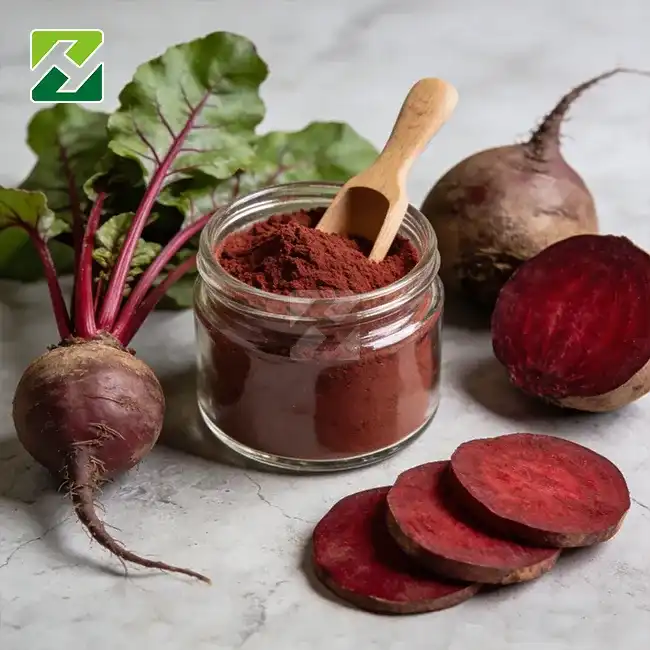
The Midlife Health Benefits of Beetroot
VIEW MOREBeetroot has quietly become one of the most compelling functional botanicals in the modern wellness conversation. As adults move through their 40s and 50s, they begin seeking natural, clean-label ingredients that genuinely support vitality. Natural beet root extract—derived from Beta vulgaris root and fruit through water-based extraction—delivers a concentrated profile of dietary nitrates, betalain pigments, and polyphenols that whole beet juice simply cannot match in consistency or potency. For nutraceutical brands, functional beverage companies, and supplement formulators, understanding what makes this ingredient so relevant for midlife health is the starting point for building products that actually resonate.

What Is Natural Beet Root Extract, and Why Does It Matter?
From Root to Concentrated Functional Ingredient
The same thing as dried beet powder is natural beet root extract. Using a precise water extraction method (100% water as a solvent), the bioactive compounds in Beta vulgaris are concentrated and standardized to certain activity levels. These compounds are mostly nitrates, betanin, and isobetanin. According to OHI's product specs, the E30 and E60 types come as a brownish yellow to brownish red or deep red powder that comes from both the plant's fruit and root.
This uniformity is very important. The amount of nitrate in raw beet crops changes a lot based on the land, the season, and where they grow. That difference is taken away by a standardized extract, which gives formulators a reliable, measurable active ingredient for every production batch.
How It Compares to Beet Juice
People like beet juice, but it's hard to make because it has a high water activity, a short shelf life, and nitrate levels that change over time. In business-to-business settings, a concentrated natural beet extract has a number of measurable benefits, including:
- Higher active compound density — Standardized nitrate content (typically expressed as E30 or E60 color value) means predictable performance in finished products.
- Superior shelf stability — Powder form with controlled moisture content supports longer shelf life when stored below 25°C and 60% relative humidity.
- Versatile application formats — Compatible with capsules, functional drink mixes, RTD beverages, and fortified food matrices.
- Cleaner sensory profile — Aqueous extraction minimizes the earthy geosmin notes that make raw beet difficult to use in flavored applications.
Natural beet root extract, a standardized extract, is the best ingredient for R&D teams making supplement lines for people in the middle of life for these reasons.

Midlife Challenges Where Beetroot Extract Delivers Measurable Value
Supporting Cardiovascular Wellness Naturally
A lot of research has been done on the nitrate-to-nitric oxide pathway. Nitrates from beetroot are turned into nitric oxide in the body. Nitric oxide is a molecule that helps blood vessels work well and keep circulation healthy. A groundbreaking study published in the journal Hypertension in 2015 found that adults who took dietary nitrate supplements had better blood pressure outcomes. This finding has sparked a huge interest from supplement brands aimed at people aged 40 to 60.
Energy and Physical Performance in Midlife Adults
Physiology changes around midlife, including mitochondrial function going down and oxygen use going down. Oxygen gets to working muscles better when betalains and nitrates in beet root extract work together. One reason why standardized beet root has always been a main ingredient in pre-workout and endurance supplements is because of this process. This means that brands that want to reach active people over 40 need to make strong product claims that are backed up by facts.
Antioxidant Activity and Metabolic Support
Betalains, the pigments that give beets their bright red color, are very good at fighting free radicals. A study in the Journal of Agricultural and Food Chemistry shows that betanin can get rid of free radicals at about the same rate as a number of well-known plant antioxidants. Adults in midlife deal with a lot of oxidative stress, which is why health brands are putting a lot of effort into plants that are high in antioxidants. In the functional food market, another product angle that has become popular is one that supports detox by focusing on liver and metabolic function.
Selecting the Right Beet Root Extract: What Procurement Teams Should Evaluate?
Quality Parameters That Define a Superior Ingredient
Not all natural beet root extract products work the same way in preparation. When procurement managers and R&D directors look at suppliers, they should look at the following factors before placing a large order:
- Standardization method and assay documentation — HPLC verification of nitrate content and UV-VIS spectrophotometry for betalain color value (E1% 1cm) are non-negotiable baseline requirements.
- Adulteration testing — Advanced suppliers use Isotope Ratio Mass Spectrometry (IRMS) to confirm that nitrates are biologically derived, not synthetically spiked. Request COA documentation for every batch.
- Heavy metal screening — Root crops bioaccumulate soil metals. ICP-MS testing for lead, arsenic, cadmium, and mercury should be part of any quality dossier.
- Microbial profile — High sugar content in beet extract creates a potential microbial growth medium. Total plate count, Salmonella, and E. coli testing are essential for food-grade and supplement-grade applications.
Certifications as a Baseline for Global Compliance
Supplier certifications are not a way to stand out in the U.S. market; they are a basic requirement. At the very least, any company that makes beet root extract for food, cosmetics, or nutraceuticals should be certified by NSF GMP, ISO, FSSC22000, Kosher, Halal, and Organic. Procurement teams in regulated markets need these qualifications to make sure that the food meets the standards set by the FDA, cGMP, and other foreign organizations for food safety.

Procurement Strategies for Scaling Beet Root Extract Supply
It takes more than just finding a low price to get a lot of a useful plant. Those in charge of handling supply lines for beet root extract need to be aware of a few operational realities:
- MOQ and batch consistency — A minimum order quantity of 25 kg (one drum) is standard for professional-grade extract. Importantly, batch-to-batch consistency must be verified through COA comparison across multiple lots before committing to long-term contracts.
- Lead time and inventory positioning — A 10-day lead time is achievable with a supplier holding domestic U.S. warehouse stock. Delayed supply directly impacts launch timelines and retailer commitments.
- Regulatory documentation — For import into the U.S. and EU, suppliers must provide complete documentation including country of origin, extraction solvent declaration, and third-party testing results.
For natural beet root extract, it is much more cost-effective to build long-term relationships with suppliers based on regular quality audits than to switch vendors all the time. Consistency in the supply chain of ingredients protects the quality of the end product and the image of the brand.
Integrating Beet Root Extract into Your Product Lines
The midlife wellness segment is one of the fastest-growing in the U.S. supplement market. People between the ages of 40 and 65 are the ones who are buying natural, functional ingredients that have been proven to work in clinical studies. Beet root extract works well in a number of high-growth product types, including
- Pre-workout and endurance capsules targeting adults over 40 who train recreationally
- Functional RTD beverages leveraging betalain color stability at pH 3.0–4.0
- Clean-label meat analogue products using the extract's natural color and nitrate content as a synthetic-free curing alternative
- Daily wellness powder blends combining beetroot with complementary botanicals like Panax notoginseng or astragalus for a synergistic cardiovascular and energy support profile
OHI's beet root extract (E30/E60) comes in 25 kg drums and has a wait time of 10 days. Free samples can be used to test the product. OHI is ready to help with both small-scale product development and large-scale commercial production. They have four main warehouse locations in the U.S. and follow all FDA, cGMP, and international food safety standards.

Conclusion
Adults in their 40s and 50s are one of the most important wellness groups for businesses in the U.S. right now. They are smart, deliberate, and becoming more and more interested in natural ingredients that have been shown to have health benefits. Standardized, water-extracted, natural beet root extract that is verified gives brands a clean-label ingredient that is based on science and talks directly to this audience. There are many health benefits, such as supporting the heart, fighting free radicals, and improving physical stamina. The market is real and growing. Partnering with a seller who guarantees uniform quality, full traceability, and compliance with regulations is what separates a product that makes a claim and one that can be defended.
FAQ
Q1: Is beet root extract safe for daily use in midlife adults?
Yes. In the dose ranges used in food supplements, standardized beet root extract from Beta vulgaris that is extracted with water is well accepted. As with any functional ingredient, formulators should follow the recommended use levels and test the ingredient's stability in the form it will be delivered in.
Q2: What is the difference between E30 and E60 specifications?
The color value grades of the extract, E30 and E60, show how much betalain pigment is present. Because E60 has a higher pigment density, it can be used in situations where a stronger color or more antioxidant activity per gram is needed.
Q3: How quickly can I receive samples for evaluation?
OHI gives away free samples, and the usual wait time is 10 days.
Q4: What certifications does OHI's beet root extract hold?
The company OHI has certifications for NSF GMP, ISO, FSSC22000, Kosher, Halal, and Organic. All goods meet U.S. FDA and cGMP standards, and each production batch comes with full COA paperwork to back this up.
Partner with OHI for Premium Natural Beet Root Extract Supply
Natural beet root extract (Beta vulgaris, E30/E60) from U.S. warehouses that is certified and standardized comes from OHI. There is full tracking, free samples, and a 10-day wait time. Natural beet root extract from our company is certified by NSF GMP, ISO, FSSC22000, Kosher, Halal, and Organic. We work with nutritional, food, and skincare brands of all sizes. You can get your free sample today by emailing info@organic-herb.com.
References
1. Webb, A.J., et al. "Acute blood pressure lowering, vasoprotective, and antiplatelet properties of dietary nitrate via bioconversion to nitrite." Hypertension, 2008.
2. Clifford, T., et al. "The potential benefits of red beetroot supplementation in health and disease." Nutrients, 2015.
3. Hobbs, D.A., et al. "Blood pressure-lowering effects of beetroot juice and novel beetroot-enriched bread products in normotensive male subjects." British Journal of Nutrition, 2012.
4. Krajka-Kuźniak, V., et al. "Betanin, a beetroot component, induces nuclear factor erythroid-2-related factor 2-mediated expression of detoxifying/antioxidant enzymes." Toxicology in Vitro, 2013.
5. Jones, A.M. "Dietary nitrate supplementation and exercise performance." Sports Medicine, 2014.
6. Siervo, M., et al. "Inorganic nitrate and beetroot juice supplementation reduces blood pressure in adults: a systematic review and meta-analysis." Journal of Nutrition, 2013.
- 1
- 2
- 3
- 4
- 5
- 6
- 19