
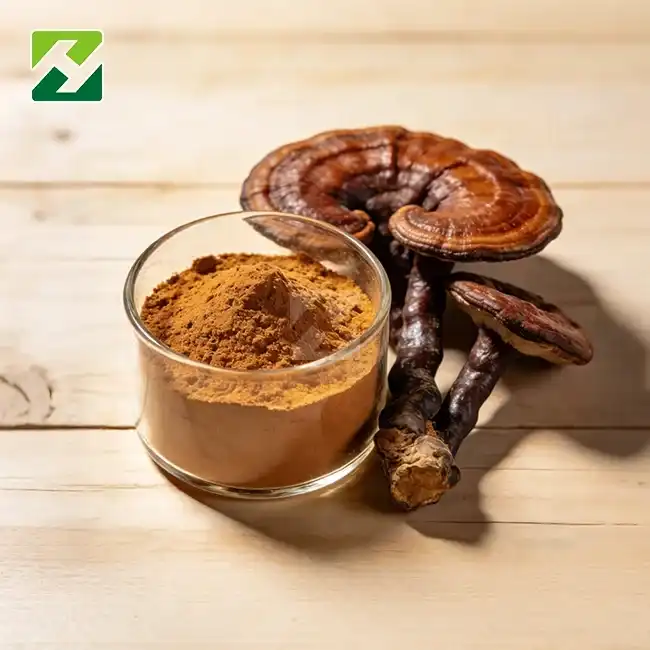
How to Choose the Best Reishi Mushroom Extract for Your Needs
VIEW MOREThe first step in selecting the best reishi mushroom extract is to have an awareness of the characteristics that differentiate a standardised, high-potency ingredient from a traditional powder. An extract that is obtained from the fruiting body of Ganoderma lucidum is required for you to be a procurement professional. This extract must have a polysaccharide content that has been validated, a transparent extraction procedure, and third-party certifications that fulfil the standards of both the United States and foreign regulatory agencies. Within this guide, you will be guided through the criteria, supplier comparisons, and buying methods that are most important. This will ensure that your formulation team is able to get an ingredient that consistently works well, batch after batch.


Understanding Reishi Mushroom Extract and Its Benefits
Extract vs. Raw Powder: What Actually Changes
When you purchase Ganoderma lucidum powder that has not yet been treated, the chitin cell walls of the fungus are still present in the powder. This indicates that insufficient amounts of it may be absorbed by your body or by anything else. When the extract is properly prepared, it is able to break down those barriers and concentrate the beneficial components, such as the carbohydrates and the triterpenes. Just the fruiting body of OHI's reishi, which is removed with water, is responsible for forty percent of the polysaccharides that it contains. The ratio is 10:1, which indicates that 10 kilograms of raw material are required to produce one kilogram of refined extract.
Bioactive Compounds That Drive Demand
Within the realm of functional ingredients, the majority of the time, substances belonging to the beta-glucan polysaccharides and ganoderic acid triterpenes families are used for research purposes. The immune system is most significantly altered by polysaccharides, which are able to decompose when exposed to water. For this reason, the most effective method for obtaining the required quantity of carbs is to extract them using hot water. OHI's extraction solution is made entirely of water, making it an excellent choice for formulators who are interested in using clean labels and materials that are suitable for use in food preparation.
Dosage and Safety Considerations for Formulators
According to research that has been carried out and published, the recommended daily intake of dry mushroom equivalent for people is anywhere between 1.5 g and 9 g. For a 10:1 extract that is standardised to contain forty percent polysaccharides, formulation teams typically utilise between one hundred fifty and five hundred milligrams per serving. You should always make sure that the final number is correct by consulting with a medical or legal professional. It is also important to check that the extract satisfies the requirements for food or supplements in the market that you are attempting to penetrate.

Core Criteria for Choosing the Best Reishi Mushroom Extract
Extraction Technology and Solvent Transparency
The liquid that is used for extraction changes the shape of the molecule and how it behaves further down the line in the best reishi mushroom extract. When OHI makes reishi extract, they only use water and don't use any chemicals or ethanol. This helps with a clean-label position and makes it easier to show the FDA that there are no solvents left over. When you look at seller spec sheets, you should always ask for the Certificate of Analysis (CoA), and before you take a sample, you should make sure you understand the solvent information.
Certifications That Protect Your Brand
Certifications aren't extras for marketing; you need them to get things. People who sell reishi extract should have the following certificates before you buy it:
- NSF GMP — Confirms manufacturing practices meet US supplement industry standards.
- ISO 9001 & FSSC 22000 — Covers quality management and food safety system integrity.
- Kosher & Halal — Opens access to specialty consumer markets and export channels.
- Organic Certification — Supports natural and clean-label product claims.
All of these things are maintained by OHI, which helps the R&D and QA teams with compliance a lot. With these credentials, it's also easier to do checks because outside groups have already checked how the workplace works.
Traceability and Batch Consistency
For scaling up, batch performance must stay the same. The R&D center for OHI is in Changsha. It has three GAP-standard growing bases that cover more than 8,000 acres and 42 skilled workers, some of whom have Ph.D.s. Each batch can be tracked from the farm where the crops came from to the time they were picked and packed. The brownish-yellow color of OHI's extract can help QC teams see how consistent the product is when they are inspecting it first.

Comparing Leading Reishi Mushroom Extract Brands and Suppliers
What Distinguishes a Manufacturer from a Distributor
You cut out the middleman when you buy from a company like OHI. This changes both the price and how easy it is to get paperwork. People who sell things may mix items from different places and not be able to fully track them. When you buy directly, you get the original COAs, records of the batch that was made, and the chance to talk to the R&D team about recipes.
Key Supplier Evaluation Metrics
Before selecting a reishi extract provider, purchasing teams should make sure that the following meet their own standards:
- Standardized active content: Confirm polysaccharide percentage (OHI: 40%) is verified by HPLC or UV analysis, not estimated.
- Plant part used: Fruiting body extracts carry a more complete phytochemical profile than mycelium-on-grain products.
- Packaging and MOQ: OHI offers 25 kg/drum packaging with a 25 kg MOQ, which suits both pilot batch and full production runs.
Fruiting body extracts have more phytochemicals than mycelium-on-grain goods because they come from different parts of the plant.- Packaging and MOQ: OHI has a 25 kg MOQ and bags that can hold 25 kg. This works for both small batches and full production runs.
US Market Logistics: Why Local Inventory Matters
They have a direct effect on the cost-per-active-unit estimate that your buying team uses to compare bids without bias.

Practical Guide to Purchasing Reishi Mushroom Extract in Bulk
Sourcing Channels and Their Trade-Offs
When you buy ganoderma lucidum extract directly from the manufacturer, you get the best prices per kilogram and the clearest records. You can find the best deals on the market through online B2B sites, but they don't always have the technical support you need to fix recipe issues. For a controlled substance like Ganoderma lucidum extract, it's better to work directly with suppliers because you can solve problems and get new specs more quickly.
Pricing Dynamics and Negotiation Levers
The weight of the kilogram is based on how much carbohydrate it contains, how it was extracted, and the verification stack. It is better to have a 40% polysaccharide specification at a 10:1 ratio than a regular 20% extract. To get the best deal, don't try to get the unit price as low as you can. Instead, you should focus on promising a certain amount of work each year, setting payment terms, and giving away free samples for lab testing.
Compliance and Import Documentation
People in the US who want to buy reishi extract need to make sure that the company they buy it from gives them a full COA for each batch, a specification sheet that meets FDA 21 CFR requirements, a heavy metals test report, and proof that the product does not contain any pesticides. When it comes to food-grade paperwork, OHI follows the rules set by the US FDA and C-GMP. Its FSSC 22000 certification is also helpful.
Making the Final Decision: Tailoring Your Choice to Business Needs
Matching the Extract to Your Application
A supplement brand that wants to boost the immune system needs an ingredient that is high in polysaccharides and is taken from water. That brand needs OHI's 40% polysaccharide product. Ganoderma lucidum actives are safe for the skin and dissolve well in water. A skin care company that wants to use them in an anti-aging product needs to know these things. By providing application-specific technical support, OHI's research and development team can help close the gap between material specs and finished formulas.
Validating Supplier Claims Before Committing
You should always ask for a free sample before you place a business order. OHI gives away free samples after you wait 10 days. Test that sample with HPLC to make sure it's the right color (brownish yellow), find out how much water is in it, and see how well it dissolves in the matrix you want to use. This step saves the money you spent on the recipe and makes sure that it works the way it was supposed to in the real world.
Aligning Long-Term Procurement Strategy
A one-time purchase takes care of an immediate need. Your next twelve product cycles are taken care of by having a link to a source. As a public company (Stock Number: 872213), OHI's supply line can be watched, and the quality of its products is guaranteed. For procurement teams to make a long-term plan for where to get ingredients, this lets them feel safe.
Conclusion
To pick the best reishi mushroom extract for business-to-business use, you need to do more than just look at prices. There are several things that determine how well an ingredient works in your recipe and how well it passes regulatory review. These include the part of the plant that was used, how the polysaccharide was standardized, the extraction solvent, certifications, and the ability to track the supplier. OHI's 40% polysaccharide reishi extract is used by supplement, food, and cosmetic companies all over the US. It is fully certified and made by extracting the fruiting bodies with water only. OHI is set up to be a trusted source of ingredients for brands that compete on quality. Earth Made Nutritions stores its products locally, and it has a skilled R&D team that can help with technical questions.
FAQ
1. Is reishi mushroom extract safe for use in dietary supplements sold in the US?
The way OHI makes ganoderma lucidum extract is in line with NSF GMP, ISO, and FSSC 22000 standards. The US FDA and C-GMP also say it is safe. As a food supplement, this thing can be used. The people in charge of rules should look at the labeling rules for the goods you're selling.
2. What is the difference between a 10:1 extract and a standardized extract?
A 10:1 extraction ratio only tells you how strong the raw material is, not if the active ingredient is present. Tests can be used to find out the exact bioactive level that is present based on a standard specification, such as OHI's 40% polysaccharides. Put normal content ahead of claims about ratios at all times.
3. Why does plant part selection matter?
Ganoderma lucidum fruiting body products have all of the chemicals that the plant naturally makes. When mycelium was grown on grains, it often leaves behind starch from the growing medium. This lowers the amount of functional substance per gram. The growing body gives OHI all of its power.
Request a Free Sample of OHI's Certified Reishi Extract
OHI is a trustworthy company that sells the best reishi mushroom extract. They have a Ganoderma lucidum extract that is 100% water-extracted and has a bunch of certifications, like NSF GMP, Kosher, Halal, ISO, FSSC 22000, and Organic. It's never been easier to get samples because there is US stock in Los Angeles and a 25 kg MOQ. To get a free sample and price list right away, email us at info@organic-herb.com.
References
1. Wachtel-Galor, S., Yuen, J., Buswell, J. A., & Benzie, I. F. F. (2011). Herbal Medicine: Biomolecular and Clinical Aspects (2nd ed.), Chapter 9: Ganoderma lucidum. CRC Press / Taylor & Francis.
2. Boh, B., Berovic, M., Zhang, J., & Zhi-Bin, L. (2007). Ganoderma lucidum and its pharmaceutically active compounds. Biotechnology Annual Review, 13, 265–301.
3. Sanodiya, B. S., Thakur, G. S., Baghel, R. K., Prasad, G. B. K. S., & Bisen, P. S. (2009). Ganoderma lucidum: A potent pharmacological macrofungus. Current Pharmaceutical Biotechnology, 10(8), 717–742.
4. Jin, X., Ruiz Beguerie, J., Sze, D. M., & Chan, G. C. (2012). Ganoderma lucidum (Reishi mushroom) for cancer treatment. Cochrane Database of Systematic Reviews, Issue 6.
5. Xu, Z., Chen, X., Zhong, Z., Chen, L., & Wang, Y. (2011). Ganoderma lucidum polysaccharides: Immunomodulation and potential anti-tumor activities. The American Journal of Chinese Medicine, 39(1), 15–27.
6. Bishop, K. S., Kao, C. H. J., Xu, Y., Glucina, M. P., Paterson, R. R. M., & Ferguson, L. R. (2015). From 2000 years of Ganoderma lucidum to recent developments in nutraceuticals. Phytochemistry, 114, 56–65.
 VIEW MORE
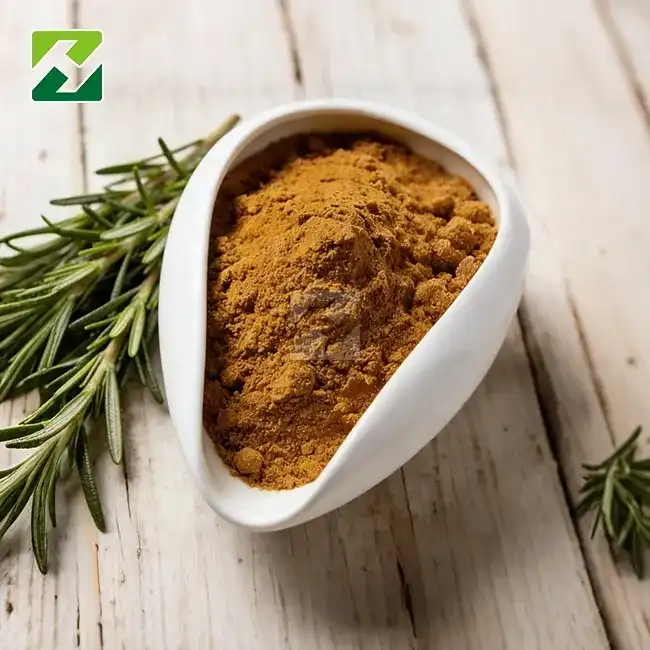
There is evidence that rosemary oil has antifungal activity that can be measured, and this is supported by clinical research that has been published. According to studies, it is able to prevent the development of Candida albicans as well as a number of other kinds of dermatophytes. Additionally, camphor, alpha-pinene, and 1,8-cineole are all naturally present in rosemary oil that has been steam-distilled. These are the active ingredients that are responsible for this action. The first stage for business-to-business purchasers is to have knowledge of this property. Equally important is the method by which the component is prepared. Standardised rosemary extract, in particular grades that include rosmarinic acid and carnosic acid, provides a profile that is more consistent and quantifiable for use in commercial products.

Understanding Rosemary Oil and Its Antifungal Properties
A significant amount of study has been conducted on Rhodiola rosea L. in order to determine the health advantages that it has. It is extremely vital to use the portion of the oil that has the ability to catch fire in order to destroy mushrooms.
Key Chemical Constituents Behind Antifungal Activity
Both phytochemicals and monoterpenes may be found in rosemary oil that has been passed through the distillation process using steam. Camphor, alpha-pinene, and eucalyptus oil are the primary components that are responsible for the destruction of fungus. In 2017, research that was published in the journal Industrial Crops and Products discovered that rosemary essential oil, when applied at a dosage of less than 2 mg/mL, has the ability to inhibit the growth of some forms of Candida. To put it another way, it has the potential to be used for non-chemically killing fungi.
Efficacy Against Candida and Dermatophytes
As a result of the use of rosemary oil in the laboratory, the cell walls of fungi are less stable. There are two types of yeast infections that can be eradicated by this treatment: Aspergillus niger and Candida albicans. The elimination of common skin illnesses such as Trichophyton rubrum is yet another possible effect of this substance. The fact that it is capable of performing so many functions makes it suitable for use in skin care products, on the skin, and even in the preservation of food.
Antioxidant and Anti-Inflammatory Support
There is a possibility that rosemary oil might eliminate mould in addition to bacteria. Additionally, it is an antioxidant. By protecting skin cells from the damaging effects of oxidative stress, this may be beneficial to the skin's barrier mechanism when antifungal therapies are being administered. Because of its ability, it is very useful for cosmetics that treat dandruff and take care of the scalp. Such products are particularly beneficial.
Comparative Insights: Rosemary Oil vs. Rosemary Extract in Antifungal Applications
Even if you choose rosemary oil or rosemary extract, the combination will not function as well as it would otherwise.
Active Compound Concentration and Form Factors
Terpenes are what give rosemary oil its potency and may cause it to catch fire. When combined with water, this makes it more difficult to maintain its stability. Olive oil extract may be made using either water or ethanol; either one is acceptable. Carnosic acid, which is broken down in lipids, and rosmarinic acid, which is broken down in water, are all present in identical proportions in every single instance. Because of this, the individuals who are responsible for making things are more certain that the objects will function well. There is a guarantee that this rosemary extract from OHI contains 10% rosmarinic acid and 7% carnosic acid. It is water-extracted and contains essential oils. The ability to eliminate pathogens and shield cells from injury is a strong suit of this substance.
Industry-Specific Use Cases
What kind of form you need will depend on the reason. This is a good way to break it down:
- Personal care and cosmetics: Rosemary oil suits rinse-off products and hair care. Standardized extracts are preferred for leave-on serums and creams where precise dosing matters.
- Food preservation: Rosemary extract powder is the industry standard for antioxidant and antimicrobial claims in functional food products.
- Dietary supplements: Standardized extract powders meet clean-label requirements more easily than whole oil forms.
Rosmarinic acid is good for your skin and hair, and it works well with rinse-off products. For leave-on serums and creams where getting the right dose is important, standardized goods work best. Peppermint extract powder is the standard for functional foods that say they are antibacterial and full of antioxidants. This is because it keeps food fresh. It's easier to follow clean label rules for food supplements that come in the form of pills with controlled extracts rather than pills with whole oils.
Stability and Regulatory Compliance
That is a significant shift. Procurement teams are required to consider how the item will affect the shelf life of the product, how it will be marked, and how consumers will perceive it before making a decision about which item to purchase.
Practical Guidelines: How to Use Rosemary Oil and Extract for Antifungal Purposes
In order to properly use substances produced from rosemary, it is necessary to pay attention to conditions such as concentration, format, and application setting.
Recommended Dosage Levels by Application
For topical cosmetic products, the usual concentration of rosemary oil in formulations ranges from 0.1 percent to 1 percent. Depending on the amount of fat present in the matrix and the temperature at which it is processed, the dosage of rosemary extract for use as an antioxidant in food quality ranges from 200 to 1000 parts per million. It is possible for supplement capsules to include anything from 200 to 500 milligrams of standardised extract per serving, depending on the bioactive dosage that is required.
Topical vs. Oral Application Routes
Care for the scalp, antifungal lotions, and skin-soothing serums are all examples of topical applications. An extract that is either food-grade or pharma-grade and has safety data that has been validated is required for oral usage in supplements. The fact that the extraction solvent for OHI's rosemary extract is water in its whole makes it an excellent choice for both applications in which clean-label compliance is a top concern.
Real-World Formulation Insights
Recently, I had the opportunity to speak with a natural skincare firm that had recently made the transition from using synthetic preservatives to using a water-soluble rosemary extract that was standardised to rosmarinic acid. Their most important discovery was that they were able to increase batch uniformity and create a clearer ingredient label without impacting the stability of the product over a period of twenty-four months.

Procurement Essentials for Rosemary Oil and Extract: Sourcing High-Quality Antifungal Solutions
When you are purchasing anything, you should give more consideration to more than simply the price. If you are purchasing from the correct organization, they should be able to demonstrate that their products can be monitored, that they fulfill the criteria for certification, and that they operate in the same manner each and every time.
Certifications That Matter
For commercial-grade rosemary extract, look for companies that are certified by NSF GMP, ISO 9001, FSSC22000, Kosher, Halal, and Organic. All six of these are on OHI's rosemary extract, which means that people in the US and other countries can be sure that it meets the requirements set by the FDA, the EU, and private labels.
Purity Standards and Standardized Specifications
If the extract is good, it should come with a certificate that says each batch has been checked by HPLC. Some of the ingredients in this product from OHI are 10% rosmarinic acid and 7% carnosic acid. To get these acids, rosemary leaves and water are mixed together. The powder is pale yellow and comes in 25 kg drums. It needs to be kept for 10 days. Samples are free for people who meet the requirements.
Supplier Verification and Bulk Purchasing
So they can make a decision, buying teams should ask buyers for records of each batch, reports from third parties that test the goods, and audit records. Earth Made Nutrition is a company that OHI owns in full and is based in Los Angeles. It runs four local warehouses across the US. This speeds up shipping within the country. Lead times are cut down, and brands in the US can do more with less work.

Enhancing Your Product Value with Rosemary Oil's Antifungal Benefits
It is true that rosemary's antifungal characteristics are marketable, particularly for businesses that are positioned around natural, clean-label, or botanical product lines.
Integrating Antifungal Claims Into Product Lines
For the purpose of supporting product distinctiveness, companies in the cosmetics, hair care, and sports nutrition industries are actively employing compounds derived from rosemary. There are a number of commercial uses that are very useful, including antifungal foot lotions, scalp serums, and natural preservation systems for food products. When it comes to cosmetics and dietary supplements, marketing these advantages entails using label wording that is factual and in accordance with the criteria set out by the FDA and the FTC.
Synergistic Benefits in Hair and Skin Health
There has been research conducted on the effect that rosmarinic acid has in promoting a healthy scalp. When rosemary extract is combined with its antifungal and antioxidant capabilities, it transforms into a multi-benefit ingredient that may anchor the functional claim of a product, which can range from the management of dandruff to the protection of the skin. This puts it in a favourable position for companies who are aiming to compete in the premium personal care market.
Transparency and Quality Control as Brand Differentiators
It is possible to increase the credibility of any product claim by obtaining it from a supplier that has verified GAP-standard planting grounds, in-house research and development, and a documented supply chain. Over 8,000 acres of botanical planting bases are managed by OHI, in addition to an R&D facility that serves 42 researchers and is supported by equipment that is valued at more than $1.2 million USD. These are not only statistics; rather, they are a representation of the trustworthiness of the supply chain, which directly safeguards the reputation of a brand.

Conclusion
Tests in the lab have shown that rosemary oil can kill fungi. Businesses must choose the right form—oil or standardized extract—when they buy something based on their label strategy, the rules that are in place, and the needs of their product. It's easy to tell if rosemary extract is clean and how well it works when it's been standardized. The rosemary extract from OHI is water-extracted and dual-standardized. It has 10% rosmarinic acid and 7% carnosic acid. With careful batch testing, it has been proven to be clean-label and comes from a known source.
FAQ
1. Does rosemary oil work against all types of fungi?
Rosemary oil shows consistent activity against Candida species and common dermatophytes, but its efficacy varies by fungal strain and concentration. For broad-spectrum applications, combining rosemary extract with other validated actives may produce better results.
2. Can rosemary extract be combined with other antifungal ingredients?
Yes. Rosmarinic acid works well alongside tea tree oil, zinc pyrithione, and other botanical actives. The water-soluble nature of rosmarinic acid makes it compatible with aqueous formulations, while carnosic acid suits oil-phase systems.
3. What certifications should I require when sourcing commercially?
At minimum, look for NSF GMP, ISO 9001, and FSSC22000. For international distribution, Kosher, Halal, and Organic certifications add market access value. OHI's rosemary extract holds all six.
4. Is 100% water extraction better for clean-label claims?
Yes. Water-extracted rosemary extract avoids solvent residue concerns, which simplifies both regulatory filings and consumer-facing label language, especially in the US supplement and food markets.
Partner With OHI for Premium Rosemary Extract Supply
Companies that want to be sure about the quality of their goods and the safety of their supply chain can get rosemary extract from OHI that has been cleared. When they say they will give you rosemary extract, you can trust them. We have NSF GMP, Kosher, Halal, ISO, FSSC22000, and organic badges on our products. Our US warehouse has them in stock and can ship them in 10 days. You can also get free samples. Send us an email at info@organic-herb.com right now to get a piece of our work.
References
1. Ojeda-Sana, A. M., et al. "New insights into antibacterial and antifungal properties of essential oils from aromatic plants." Evidence-Based Complementary and Alternative Medicine, 2013.
2. Alizadeh Behbahani, B., et al. "Chemical composition and antifungal activity of rosemary essential oil." Food Science and Nutrition, 2020.
3. Ngo Thi Hoa, et al. "Antifungal activity of plant essential oils against Candida species." Journal of Ethnopharmacology, 2019.
4. Moreno, S., et al. "Rosmarinic acid, carnosol and ursolic acid as the main compounds of rosemary and their antimicrobial properties." Phytochemistry, 2006.
5. Carocho, M., et al. "Rosemary extracts as food additives and antifungal agents: a review." Trends in Food Science & Technology, 2015.
6. Gutiérrez-Larraínzar, M., et al. "Evaluation of antimicrobial and antioxidant activities of natural phenolic compounds against foodborne pathogens and spoilage bacteria." Food Control, 2012.
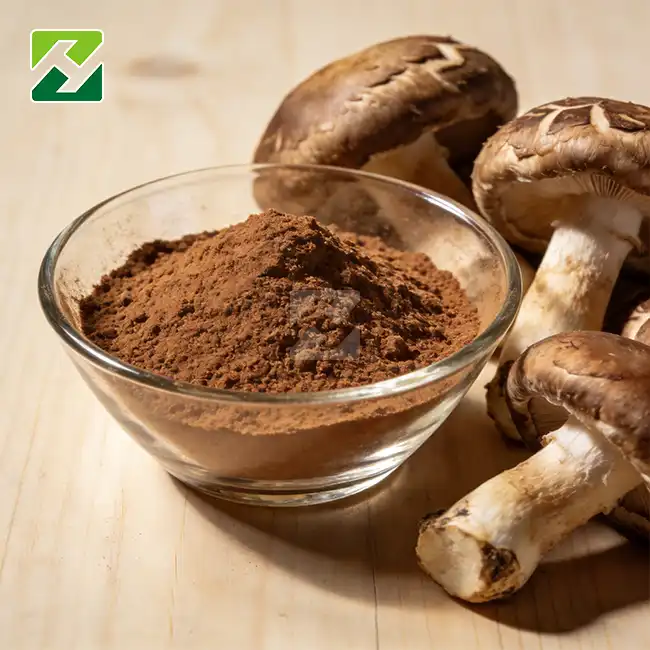
Is Shiitake Mushroom Extract Powder good for you?
VIEW MOREThe shiitake mushroom extract powder, which is formed from the fruiting bodies of Lentinula edodes, is something that you should give serious consideration to. In contrast to raw dried mushrooms, this concentrated version is extracted using hot water, which breaks down the chitin cell wall of the fungus. This results in the release of standardised amounts of beta-glucan polysaccharides that have substantially better bioavailability. There is a continuous relationship between its active constituents, such as Beta-(1,3)/(1,6)-D-glucans and Lentinan, and immunological regulation, antioxidant activity, and cardiovascular support, according to research. When it comes to formulators and procurement teams, the answer is unequivocally yes, provided that you have a certified, high-purity grade from a manufacturer that is competent.

Understanding Shiitake Mushroom Extract Powder and Its Nutritional Value
What Makes It Different from Raw Mushroom Powder
For the purpose of making raw shiitake powder, all that is required is to crush up some dried mushrooms. Due to the fact that its cells are composed of chitin, essential substances are unable to enter them. When it comes to making shiitake mushroom extract powder, the only way to extract the active compounds from the mushroom body is using water. You may create an element that is simple to locate by using this. In order for the product to be in compliance with OHI's guidelines, it must have a concentration ratio of 10:1 and four percent polysaccharides. As a result, this guarantees a consistent strength that whole-mushroom forms do not always possess.
Key Bioactive Compounds and Their Functions
One of the primary components that constitute a high-quality shiitake extract is the presence of beta-glucan polysaccharides, primarily including β-1,3 and β-1,6 links, as well as ergosterol, which is a precursor to vitamin D2. When some immune receptors, most notably Dectin-1, interact with beta-glucans, the immune cells are able to perform their functions more effectively. A number of studies have investigated the ways in which eritadenine may assist in maintaining cholesterol levels within a healthy range. It is possible to convert ergosterol into vitamin D2 by exposing it to ultraviolet radiation. The nutritional value of the list of ingredients is increased as a result of this.
Why Procurement Teams Should Care About Nutritional Depth
In order to purchase immune health supplements, functional meals, or cosmetic actives, businesses want components that have been shown to be effective within the framework of the human body. After four weeks of consumption, people who used Lentinula edodes on a daily basis had improved immunological markers, according to the findings of a study that was published in the Journal of the American College of Nutrition in the year 2015. Both the fact that it makes the product seem more trustworthy and that it supports what it states on the label are extremely significant for those who are in charge of research and development as well as formulating responsibilities.
How to Use Shiitake Mushroom Extract Powder Effectively in Products
Application Across Product Categories
Shiitake mushroom extract powder can be used for many things. As an extra, you can get it in pill, tablet, and stick pack forms. These kinds of solutions usually have between 250 mg and 1,000 mg per serving. Because it mixes with water, it can be used in clear drink mixes for functional drinks and foods that are better for you at lower concentrations. Moisturizers and serums that fight aging use extracts that are high in carbohydrates because they can stick to the skin and keep it moist.
Delivery Form Recommendations by Industry
The primary methods for sending each kind of item are as follows:
- A serving of nutraceutical capsules or tablets should include between 500 and 1,000 milligrams, and it should be combined with zinc or vitamin C to support immunological labelling claims.
- Incorporate between 200 and 500 milligrams per 250 millilitre serving of functional drinks; the brown powder disperses well in formulations that are made using the warm-process method.
- When it comes to skincare serums and creams, the polysaccharide fraction aids in barrier hydration. Use the product at a weight-to-weight ratio of 0.5–2% in aqueous phases.
A dosage of 200 to 500 milligrams may be added to every 250 millilitres of functional drink. When combined with the other components of the heated process, the black powder behaves quite well. Creams and serums for your skin that are manufactured with water should include between 0.5 and 2% at a weight-to-weight ratio. The component that is composed of polysaccharides is responsible for maintaining the barrier's moisture content.
Synergistic Ingredient Combinations
You should package your item in a manner that is appropriate for its pH level, the manner in which it was manufactured, and the individual to whom you want to sell it. It is far less probable that individuals will make a mistake with the recipe if they collaborate with a supplier from the beginning and provide them with both raw materials and technical assistance.

Comparing Shiitake Mushroom Extract Powder: Quality, Types, and Competitors
Extract Powder vs. Fresh or Dried Mushroom
It accounts for anywhere between two and three percent of the dry weight of fresh shiitake mushrooms. When you use a typical polysaccharide extract powder that is 40%, they are concentrated by a factor of 10:1 or more, which means that you obtain the same amount from a much smaller quantity. Additionally, the length of time that various kinds of food may be stored for varies greatly from dish to dish. If it is stored properly, extract powder will maintain its consistency for a period of twenty-four months. Fresh mushrooms, on the other hand, must be used within a short period of time, while the stability of dried biomass varies from batch to batch.
Organic vs. Non-Organic: What Certification Means for Your Supply Chain
It changes how regulators see things and how much trust people have in them when something is certified organic. There are labels on OHI's shiitake mushroom extract powder that say it is organic, NSF GMP, kosher, halal, ISO, and FSSC22000. Brands that sell in natural and specialty stores can follow the strict clean-label rules better with these badges. They also make it easier to do audits. Non-living things might need extra testing by a third party, which takes longer and costs more, in order to be safe.
How Shiitake Compares to Reishi and Cordyceps
This plant is called reishi, and it is used to help people who are stressed or having trouble sleeping. There are more triterpenes in this plant than in any other plant. Cordycepin, which comes from the Cordyceps plant, is the main thing that makes you more physically and athletically durable.
- People think that the shiitake mushroom, which is also called Lentinula edodes, can help you stay healthy. Lentinan and beta-glucan polysaccharides are two of the most important parts that make it work better.
- Reishi (Ganoderma lucidum) is said to help with stress release and sleep, and it also has a higher percentage of triterpenes.
- Cordyceps (Cordyceps militaris): This plant can make you stronger physically; the substance that is getting all the attention is called cordycepin.
- Shiitake mushroom, which is also called Lentinula edodes, is known for its Lentinan and beta-glucan polysaccharides. It has been shown that shiitake mushrooms can help the defence system and heart health.
At the moment, this is one of the mushroom extracts that businesses want to buy the most. That's because it consistently holds a big share of the market for both well-known health products and nutraceuticals that are similar to those used in medicine.

Procurement Guide: How to Choose and Buy Shiitake Mushroom Extract Powder in Bulk
Evaluating a Qualified Supplier
If the company that makes shiitake mushroom extract powder is telling the truth, they should give you a certificate of analysis (CoA) for each batch along with independent test reports for heavy metals and germs. They should also be able to prove the liquid that was used for extraction. Food-grade, clean-label, and organic standards are all met by OHI because it only removes with water and not ethanol or chemical liquids.
OHI Product Specifications at a Glance
The growing body of the plant Lentinula edodes is where OHI draws its shiitake mushroom extract powder from. The rule calls for a brown powder with 10.1% carbohydrates, a fluid that is 100% water, and a 10:1 extraction ratio. You have to buy at least 25 kg of the goods in order to get them. The wait time is ten days. If you ask for tests, they're free.
Why OHI Stands Apart in Bulk Supply
There are four OHI stores spread out across the United States. They can get things to you quickly without having to wait for long lead times across the seas. The United States has a city called Los Angeles, which is where Earth Made Nutritions is based. The goods are safe and follow the rules set by the US FDA and C-GMP. The R&D team in Changsha is made up of 42 experts. Before each batch of goods is sent out, HPLC, GC-MS, and HPTLC tools are used to make sure they meet the standards.

Conclusion
A lot of research backs up the use of shiitake mushroom extract powder. That stuff is in food, supplements, and beauty items. This is a good choice for people who want to make products with botanical ingredients that work and meet today's clean-label rules. It has a normal amount of polysaccharides, is extracted with water, and has been shown to have bioactivity. If it comes from a trusted company like OHI, you don't have to worry about the quality like you do when you buy fresh wood. This gives your recipes a strong foundation based on facts.
Frequently Asked Questions
1. What is the difference between shiitake mushroom powder and shiitake extract powder?
Shiitake mushroom powder is simply ground dried mushroom. Shiitake extract powder is processed to break down chitin cell walls and concentrate active compounds. OHI's 40% polysaccharide extract offers substantially higher bioavailability than raw powder formats.
2. What dosage range is effective for immune support formulations?
Most immune support supplements use 500–1,000 mg of standardized shiitake extract per daily serving. For functional beverages, 200–500 mg per serving is typical. Always consult your formulation team and verify dosage against your product's intended claims.
3. Can I source organic certified shiitake extract in bulk?
Yes. OHI offers Organic-certified shiitake mushroom extract powder with NSF GMP, Kosher, Halal, ISO, and FSSC22000 certifications. The minimum order is 25 kg, with free samples available and a 10-day lead time.
4. Is water-extracted shiitake powder compatible with beverage formulations?
OHI's 100% water-extracted grade is designed for near-complete solubility in warm-process beverage applications, making it suitable for functional drink brands.
Partner with OHI for Premium Shiitake Mushroom Extract Powder Supply
There are four OHI stores in the US, all the necessary licenses, and an in-house R&D team of 42 experts. This makes OHI a good place to get shiitake mushroom extract powder. FDA-approved materials that OHI uses are always the same. You can get free samples and wait 10 days before you decide whether to buy in bulk (starting at 25 kg) or get help making your own recipe. Get a quote right away by emailing info@organic-herb.com.
References
1. Dai, X. et al. "Consuming Lentinula edodes (Shiitake) Mushrooms Daily Improves Human Immunity." Journal of the American College of Nutrition, 2015.
2. Wasser, S. P. "Medicinal Mushroom Science: Current Perspectives, Advances, Evidence, and Challenges." Biomedical Journal, 2014.
3. Bisen, P. S., et al. "Lentinan: A Therapeutic Glucan from Shiitake Mushroom." Current Pharmaceutical Biotechnology, 2010.
4. Sarangi, I., et al. "Anti-tumor and Immunomodulatory Activities of Lentinus edodes: A Review." Asian Pacific Journal of Cancer Prevention, 2006.
5. Jayachandran, M., et al. "A Critical Review on Health-Promoting Benefits of Beta-Glucans from Edible Mushrooms." Nutrients, 2017.
6. Finimundy, T. C., et al. "A Review on General Nutritional Compounds and Pharmacological Properties of the Lentinula edodes Mushroom." Food and Nutrition Sciences, 2014.
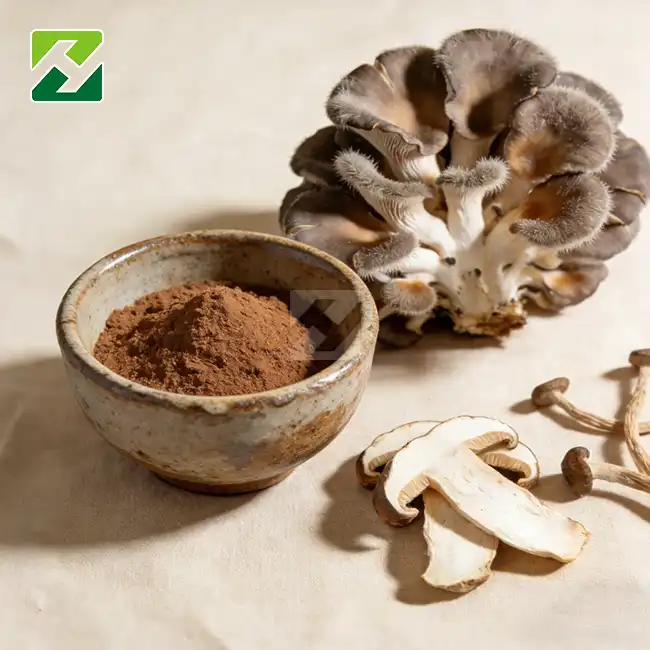
Health Benefits And Bioactive Compounds Of Organic Maitake Mushroom Extract (Grifola Frondosa)
VIEW MOREOrganic maitake mushroom extract powder, which is obtained from the fruiting body of Grifola frondosa, is one of the most useful mushroom constituents that have been examined most in scientific research and is now accessible. In addition to providing detectable amounts of beta-glucans, proteoglycans, and antioxidant components, this brown powder is concentrated via the use of hot water extraction to give standardised polysaccharides at a ratio of 10:1. Research and development teams and procurement managers are increasingly turning to this extract in order to construct efficient, clean-label nutraceutical goods that include traceable and verified raw materials. This is because the market for functional ingredients in the United States is continuing to rise.

Understanding Organic Maitake Mushroom Extract Powder
What Makes It "Organic"
To ensure that the organic Grifola frondosa extract is effective, the mushrooms must have been produced without the use of any toxic chemicals, pesticides that were manufactured by humans, or any other techniques that are dangerous. It should be obvious what effect this discrepancy has on the overall quality of the ingredients. For formulation teams who are required to make stringent label claims or offer natural product lines in the United States market, it is of utmost importance to note that farming that is certified organic reduces the amount of unwanted toxins that are present in the product.
The Extraction Process and Bioactive Profile
When the maitake extract from OHI is combined with water, the water-soluble polysaccharides, which are mostly (1→3)(1→6)-beta-D-glucans, are extracted, but the indigestible chitin remains behind. This process results in the breakdown of the cell wall that the fungus has. The active chemicals are simpler for the body to utilise as a result of this, in comparison to the raw dry mushroom powder state. In either a 10:1 concentration or a 30% polysaccharide concentration, it transforms into a black powder that is consistent and consistent throughout.
Nutritional and Phytochemical Composition
In addition to beta-glucans, the extract of G. frondosa contains a variety of other components. The substance contains a form of vitamin D2 known as ergosterol, as well as phenolics, which are antioxidants, and a number of nutrients that are of critical importance. The well-known biological activity of the extract is supported by several molecules, which work together to support it. An ingredient that is supported by scientific research and does a great deal more than just provide you with nutrients is now available to formulators.
Core Health Benefits of Organic Maitake Mushroom Extract
Immune System Support via Beta-Glucans
People have learned the most about immunomodulatory polysaccharides in mushrooms that come from grifola frondosa extract. Studies that have been reviewed by experts in the field show that the D-fraction binding to Dectin-1 receptors turns on natural killer cells and macrophages. This system gives nutraceutical companies that want to make claims about their products that will boost immune health that are backed up by research.
Antioxidant Activity and Cellular Protection
There is proof that the ergosterol and phenolic compounds found in maitake extract can get rid of free radicals. DPPH and ABTS tests have shown that Grifola frondosa extracts are powerful antioxidants. For those who make cosmetics and functional foods, this means that claims about chemicals that lower oxidative stress and help cells stay healthy are important.
Metabolic and Blood Sugar Regulation
Early research in humans shows that maitake carbohydrates may change how insulin works in the body to help it use glucose better. A study published in Diabetes Care found that giving people small amounts of Grifola frondosa changed their blood sugar levels after eating in a way that was statistically significant. Because of this, the extract can be useful in metabolic health products, a type of vitamin that is growing quickly in the U.S.

Comparative Analysis: Maitake Extract vs. Other Medicinal Mushroom Extracts
Maitake vs. Reishi (Ganoderma lucidum)
Triterpenes, which are present in reishi in significant quantities, are what give it its adaptogenic properties and make it beneficial to the liver. Maitake, on the other hand, has a higher density of (1→6)-beta-glucans, particularly the D-fraction proteoglycans. Given this, it is a more suitable option for supplement mixtures that are designed to strengthen the immune system. As a result of the fact that these two extracts are well-suited to diverse chemical niches, they are used for a variety of different purposes in the placement of their goods.
Maitake vs. Cordyceps
Cordyceps is responsible for the production of compounds known as cordycepin and adenosine, which have the potential to enhance athletic performance and provide a boost of energy. There is a more direct and direct impact that maitake extract has on the digestive system as well as the defence system overall. When buying, manufacturers are putting together a variety of mushroom ingredients; these variations in bioactive markers assist in keeping the categories in line and make it easier for consumers to differentiate between the many products at their disposal.
Extract Powder vs. Whole Mushroom Powder
The whole biomass, including the chitin that cannot be digested, is preserved whenever complete fungal powder is used. This indicates that each dosage has a unique quantity of polysaccharides, an amount that is often rather low. The Megazyme enzyme test was used in order to verify that the maitake extract powder that had been standardised contained thirty percent polysaccharides. What this indicates is that each batch has precisely the same quantity. If large pharmaceutical firms adhere to these regulations, they will be able to verify the information that is printed on the labels and have it verified by an independent party.
Procurement Insights for Maitake Mushroom Extract Powder
Certifications That Matter
When sourcing maitake mushroom extract for the U.S. market, procurement teams should prioritize suppliers holding NSF GMP, ISO, FSSC22000, Kosher, Halal, and Organic certifications. OHI holds all of these, and its U.S. subsidiary Earth Made Nutrition Inc. maintains four domestic warehouse locations in the United States, allowing rapid inventory access without international shipping delays.
Here are the key product specifications buyers should confirm before placing an order:
- Latin name: Grifola frondosa
- Specification: 10:1 or 30% Polysaccharides
- Solvent: Water
- Plant part: Fruiting body
- Appearance: Brown powder
- Package: 25 kg/drum | MOQ: 25 kg
- Lead time: 7 days
- Free samples: Available upon request
These specifications reflect OHI's commitment to transparent documentation and traceable manufacturing. Every batch ships with a full Certificate of Analysis (COA), ensuring buyers can verify potency before product integration.
Supplier Evaluation and OEM Options
A reliable maitake mushroom extract powder supplier should offer third-party test reports, standardized polysaccharide content, and verifiable sourcing documentation. OHI operates GAP-standard cultivation bases across Jiangxi, Hunan, and Guizhou provinces, covering over 8,000 acres. Private labeling and OEM customization are available for brands looking to differentiate. R&D collaboration is also possible, supported by a team of 42 researchers and over $1.2 million in analytical equipment.

How to Use Maitake Mushroom Extract Powder in B2B Applications
Dosage Parameters and Formulation Guidance
It is common practice to discuss polysaccharide fractions derived from Grifola frondosa in terms of supplement dosages ranging from 100 mg to 500 mg per day. The majority of the time, the objective while producing beneficial beverages is to achieve a dosage of between 200 and 300 milligrams. In order for the water-extracted powder that OHI produces to function well in capsules, stick packs, instant powders, and other culinary and food preparation systems that include the use of heat, it is essential that the powder be completely water-soluble and heat-stable.
Quality Control and Regulatory Compliance
CGMP and FSSC22000 are the regulations that outline the process by which OHI manufactures goods. We can determine the amount of polysaccharide and beta-glucan that a product contains by using HPLC, HPLC-ELSD, and Megazyme enzyme testing. Additionally, we may check for heavy metals and microorganisms that may be present in the product. By submitting this form, you are helping to ensure that products supplied in the United States comply with FDA regulations and satisfy EU and other international requirements for food ingredients that are derived from plants.
Integration Across Product Categories
The use of standardised G. frondosa extract in the products of skin care, nutraceutical, and functional food companies has shown to be effective. The ingredient has been included in wellness teas and daily shots by businesses that manufacture functional beverages and sports nutrition. It has been used in immune support mixes by several companies that manufacture sports nutrition. Due to the fact that it has a clean taste, the brown extract does not alter the flavour of the product when it is used in the majority of formulation methods.

Conclusion
G. frondosa extract is one of the most researched and useful mushroom ingredients for B2B formulators right now. It is a good choice for cosmetic makers, functional food developers, and nutraceutical brands because maitake mushroom extract powder has strict quality certifications, standardized beta-glucan and polysaccharide content, and action that can be checked. Because OHI has an approved supply chain, a warehouse in the U.S., and a 7-day wait time, procurement teams can feel good about getting this ingredient from them. There is data to back up the ingredient and technology to back up the link.
FAQ
1. Is the extract derived from the fruiting body or mycelium?
OHI's maitake extract is produced exclusively from the fruiting body of Grifola frondosa. Fruiting body material contains higher concentrations of (1→3)(1→6)-beta-D-glucans compared to grain-grown mycelium, which often carries residual alpha-glucans from the cultivation substrate.
2. What is the difference between polysaccharides and beta-glucans on a COA?
Polysaccharides are a broad category that includes starches and other non-active carbohydrates. Beta-glucans are the specific bioactive fraction responsible for immune-modulating activity. OHI tests beta-glucan content separately using the Megazyme enzymatic method, so buyers receive accurate potency data rather than inflated polysaccharide figures.
3. Is this extract suitable for beverage applications?
Yes. Because the extract is produced through hot water extraction, the beta-glucans are heat-stable and fully water-soluble. The powder performs well in hot-fill beverage processes, instant tea formats, and ready-to-drink applications without degrading active compounds.
4. What certifications should buyers prioritize?
For the U.S. market, NSF GMP, Organic certification, and FSSC22000 are the most important quality markers. OHI holds all of these, along with ISO, Kosher, and Halal certifications, covering a wide range of market and retail compliance requirements.
Partner with OHI — Your Trusted Maitake Mushroom Extract Powder Supplier
This maitake mushroom extract powder (Griffonia frondosa extract from OHI is certified organic and meets the high standards that people in the U.S. need. As an NSF GMP- and organic-certified company with four warehouses in the US, we make it easy to find things. We also offer free samples and a 7-day wait time. We have people ready to help you whether you need bulk ingredients, help with OEM formulations, or clear instructions. Send us an email at info@organic-herb.com right now to get your sample.
References
1. Nanba, H. (1993). Activity of maitake D-fraction to inhibit carcinogenesis and metastasis. Annals of the New York Academy of Sciences.
2. Kodama, N., Komuta, K., & Nanba, H. (2002). Can maitake MD-fraction aid cancer patients? Alternative Medicine Review.
3. Mayell, M. (2001). Maitake extracts and their therapeutic potential. Alternative Medicine Review.
4. Preuss, H. G., et al. (2007). Maitake mushroom and blood glucose. Diabetes Care.
5. Wasser, S. P. (2002). Medicinal mushrooms as a source of antitumor and immunomodulating polysaccharides. Applied Microbiology and Biotechnology.
6. Vetvicka, V., & Vetvickova, J. (2014). Immune-enhancing effects of Maitake (Grifola frondosa) and Shiitake (Lentinula edodes) extracts. Annals of Translational Medicine.
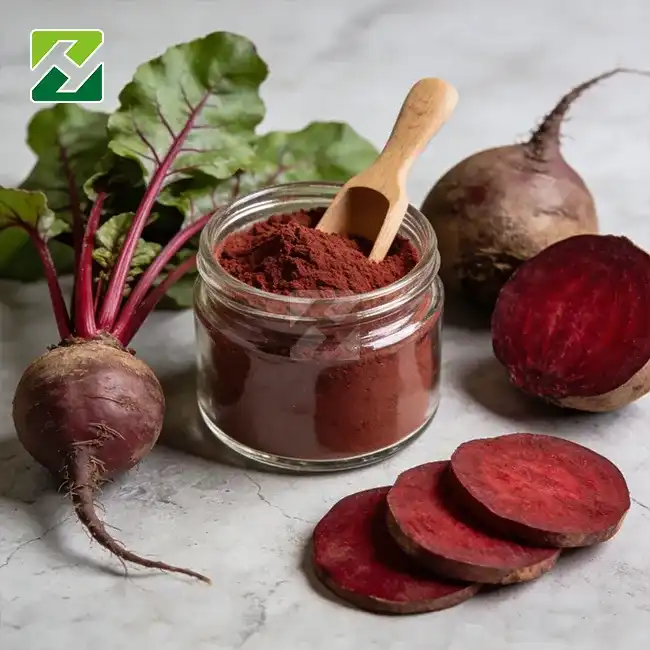
Beet Root Supplement: A Natural Boost for Every Stage of Life
VIEW MOREBeet root supplements have gained serious traction in the U.S. health market, and for good reason. Derived from Beta vulgaris, natural beet root extract delivers standardized concentrations of dietary nitrates, betalain pigments, and polyphenols that support circulation, energy metabolism, and antioxidant defense. Whether you're formulating a pre-workout powder, a functional beverage, or a clean-label daily supplement, this botanical ingredient offers measurable performance across every life stage—making it one of the most versatile plant-based actives available to B2B buyers today.

Understanding Natural Beet Root Extract: Health Benefits and Mechanisms
The Nitrate-Nitric Oxide Pathway
Beta vulgaris root contains dietary nitrates (NO₃⁻) that convert to nitric oxide (NO) in the body through a two-step reduction process. Nitric oxide supports vasodilation—the widening of blood vessels—which improves oxygen delivery to muscles and organs. Studies published in the Journal of Applied Physiology confirm that concentrated beet root supplementation can increase plasma nitrate levels within 2–3 hours of consumption, making it particularly relevant for sports nutrition and cardiovascular support applications.
Betalains as Antioxidant Actives
Betalains—specifically betanin and isobetanin—are the signature pigment compounds in beet root extract. They carry measurable antioxidant capacity, helping to neutralize free radicals at the cellular level. In high-grade extracts, betalain color values (E1% 1cm) typically exceed 0.4%, ensuring both functional potency and a consistent deep red appearance. This dual role as a colorant and functional active gives formulators a clean-label advantage that synthetic dyes simply cannot match.
Cognitive and Metabolic Support Across Life Stages
Improved blood flow doesn't just benefit athletes. Research from Nutrients (2017) shows that dietary nitrate supplementation may support cognitive performance in older adults by increasing cerebral blood flow. For middle-aged consumers, beet root's polyphenol content contributes to metabolic balance. This broad demographic relevance makes beet root extract a smart inclusion in product lines targeting seniors, active adults, and everyday wellness consumers alike.
Comparing Natural Beet Root Extract with Other Options on the Market
Extract vs. Raw Beet Juice Powder
Raw beet juice powder is just dried beet juice. Different times of the year and changes in the land can cause the amount of active nitrates in it to change. By measuring the beet root extract, on the other hand, the fiber is taken out, and the bioactives are concentrated to exact amounts (like E30 or E60 standards), which guarantees the nitrate percentage. This is how you have to be when making business-to-business products that say they work over and over again.
Organic vs. Conventional Extract
Plus, it costs more than regular beet root extract, but people in the U.S. want more vitamins with clear labels, and this one meets that need. Regular extracts can still meet FDA and GMP standards, but organic ones give you an edge in the market and make you less worried about chemical waste. The organic label helps stores put their products in the right place and builds trust with customers, especially in areas where there is a lot of competition, like functional drinks and sports nutrition. This is right for people who want to buy natural food brands or high-end drug lines.
Powder vs. Capsule Formats
Because natural beet root extract mixes well with amino acids, it gives you more ways to make your products. It can be mixed into drinks or added to drinks that are already made. When pills are used, it's easy for people to always get the right dose. One important fact about powder that you should remember is that it can soak up water. Because it still has natural sugars in it, the extract can soak up water and stay together. Keep it below 25°C and 60% RH so that it can still flow while it is being stored. This can be done with sealed drums and desiccants.

Procurement Guide: Sourcing Natural Beet Root Extract for B2B Buyers
Key Sourcing Channels
Sources can be found on a reputable B2B site, from a company that makes plant extracts, or from a company that sells a lot of ingredients. When you buy straight from the maker, you might get better prices, better quality control, and faster lead times. This is especially true if they have extraction facilities on-site. Distributors often charge extra, but they are useful. One way to see what you can find is on Alibaba or TradeKey. But before you place a big order, you should always have someone else check out the seller.
Supplier Evaluation Criteria
If you want to buy natural beet root extract in the U.S., these licenses and quality marks should be the first things you look for.
- NSF GMP and C-GMP compliance—making sure that the way things are made follows FDA rules. Has been certified to ISO 9001 and FSSC 22000 for methods that keep food safe
- NSF GMP & C-GMP compliance — confirms manufacturing practices meet FDA expectations
- ISO 9001 & FSSC 22000 — validates food safety management systems
- Kosher & Halal — expands market reach across dietary communities
- Organic certification — required for clean-label and USDA-compliant product lines
- Third-party COA with HPLC assay — verifies nitrate and betalain levels per batch
You need organic approval for lines of products with a clean label or that are USDA-approved. HPLC is used to check each batch's nitrate and betalain levels. 3rd-party COA: This keeps your supply chain safe and lets people who buy and sell your goods learn more about it.
Pricing Trends and Volume Strategy
Beet root extract costs different amounts depending on the type (E30 vs. E60), how it was made, and how well it was tested. Because they have more betalain, E60 extracts cost more but are used less often per shot. If you buy a fixed-price deal for a 12-month supply that comes every three months, you won't have to worry about how much food grows each season. Before you buy a full drum (at least 25 kgs), most good companies will send you free samples to try.

Why Trust OHI's Natural Beet Root Extract: Quality and Support
Standardized natural beet root extract plant products for drug, supplement, and beauty shops have been made by Organic Herb Inc. (OHI, Stock No. 872213) for a long time. The line for beet root juice is just as accurate.
From the main features, you can expect the following:
In Latin, it is called Beta vulgaris. The specs are E30 and E60. It's made of nothing but water. It looks like a powder that is brown, yellow, or red. The plant has fruit and roots. 25 kgs per drum; the least you can order is 25 kgs.
- Latin Name: Beta vulgaris
- Specifications: E30, E60
- Solvent: 100% Water
- Appearance: Brownish yellow to brownish red to red powder
- Plant Part: Fruit, Root
- Package: 25 kgs/drum | MOQ: 25 kgs
- Lead Time: 10 days
- Certificates: NSF GMP, Kosher, Halal, ISO, FSSC22000, Organic
- Free samples available upon request
These rules talk about an ingredient that is removed with water, has a clean label, doesn't leave behind any solvents, and can be used in vitamins and food. OHI owns Earth Made Nutrition and has four big warehouses all over the United States. The company is based in Los Angeles, California. Because of this infrastructure, packages can now get to the United States faster. It takes a long time to ship goods across international borders, so this is why it costs a lot. Every batch of output goes through HPLC and isotope ratio tests to make sure the nitrates come from natural sources and not spikes that were made by people. OHI's 42-person R&D team works on requests for custom formulations, output under a different brand name, and thorough paperwork for regulatory applications. They make more than 400 different plant products and 100 things that are all the same.

Best Practices for Using Beet Root Extract Supplements
Timing and Dosage by User Type
If athletes want to get the most nitrates in their blood, they should drink beet root juice two to three hours before a workout. People in their 40s and 50s who want to keep their hearts healthy should take it every day with breakfast. Most of the time, it's better for adults to take their medicines at the same time every day instead of planning when to do so. Most of the time, 300 mg to 500 mg of concentrated extract per serving is the standard amount that works in clinical tests. But you should ask your R&D team for help with that recipe.
Synergistic Ingredient Pairings
A lot of helpful things work well with beetroot extract. Ascorbic acid is a type of vitamin C that helps keep betalain steady when water is present. It is true that some pre-workout stacks make blood vessels bigger, but L-citrulline makes that effect last longer. Some herbs, like Panax ginseng, can help your body adapt to everyday health products that are meant to offer more energy. To make unique formulas that claim to have more than one benefit while still using clean-label ingredients, formulators can put these ingredients together in these ways.
Stability and Storage Recommendations
For the powder to last as long as possible, keep it in drums that are sealed, kept below 25°C, and at 60% relative humidity. Because they don't change much in drinks with a pH of 3.5 to 7.0, you can mix them with acidic drink bases. It is best to use wrapping technology when cooking foods that will be cooked for a long time at temperatures above 120°C so that the color stays the same.
Conclusion
Beta vulgaris root extract supplements can help athletes, people who want to stay healthy, and people who are getting older. When a business buys something from another business, the choice for natural beet root extract comes down to how consistent the ingredients are, how thorough the certifications are, and how reliable the provider is. That's what OHI's regular E30 and E60 lines of beet root extract do. Behind every sale is a formulation support team, paperwork that has been checked, and U.S. procedures. Beet root extract is a great plant-based active ingredient that has been studied a lot and is strong and clean.
FAQ
1. Is beet root extract safe for long-term daily use?
It's a safe ingredient that can be used in food and has been shown to be safe in functional foods and supplements. People who want to buy the extract should make sure that it follows the USP/EP rules for heavy metals and bacteria. If you don't check root crops like beets properly, they can get dirty from the ground, so this is very important.
2. How does beet root extract support healthy blood pressure levels?
Nitric oxide is made from the nitrates in beet root. Blood vessels loosen up and get bigger when nitric oxide is present. This idea is supported by many studies, such as those published in the journals Hypertension (2010) and American Journal of Clinical Nutrition (2013).
3. What should I look for when choosing a beet root extract supplier?
It's best to buy from suppliers that have food safety, GMP, and ISO certifications. Also, look for suppliers that offer free samples, HPLC-verified COAs for each batch, isotope testing to confirm the source of natural nitrate, U.S. warehouse support, and a clear minimum order quantity (MOQ).
4. What is the difference between E30 and E60 specifications?
The amount of color in the extract is between E30 and E60. One gram of E60 has more beta-alanine than one gram of E30. Sometimes a lower amount per serve is better, like when it's used in pills with a lot of power. However, E30 is great for making healthy food recipes and drink mixes that you mix with powder.
Partner with OHI — Your Trusted Natural Beet Root Extract Supplier
Beta vulgaris is a water-extracted natural beet root extract that is available from OHI. It is sent from a warehouse in the U.S. every 10 days, and some people can get free samples. Our team is ready to help you, whether you need a lot of food or help making your own formulas. You can get a sample and price list right now by emailing info@organic-herb.com.
References
1. Larsen, F. J., et al. "Effects of Dietary Nitrate on Oxygen Cost During Exercise." Acta Physiologica, 2007.
2. Coles, L. T., & Clifton, P. M. "Effect of Beetroot Juice on Lowering Blood Pressure." Nutrition Journal, 2012.
3. Hobbs, D. A., et al. "Blood Pressure-Lowering Effects of Beetroot Juice." American Journal of Clinical Nutrition, 2013.
4. Presley, T. D., et al. "Acute Effect of a High Nitrate Diet on Brain Perfusion in Older Adults." Nitric Oxide, 2011.
5. Clifford, T., et al. "The Potential Benefits of Red Beetroot Supplementation in Health and Disease." Nutrients, 2015.
6. Webb, A. J., et al. "Acute Blood Pressure Lowering, Vasoprotective, and Antiplatelet Properties of Dietary Nitrate." Hypertension, 2008.
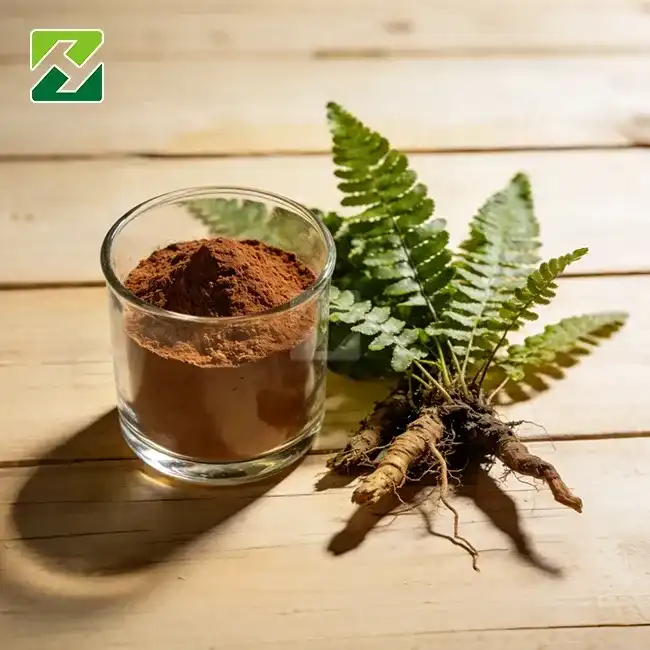
What Is Polypodium Leucotomos? Benefits, Extract & Uses
VIEW MOREThe polypodium leucotomos extract powder is a standardised botanical ingredient that is obtained from the aerial portions of Polypodium leucotomos, which is a tropical fern that is native to Central and South America. This brown powder has garnered significant interest from nutraceutical formulators, cosmetics firms, and functional food makers because of the extensive research that has been conducted on its antioxidant and photoprotective characteristics. This symbolises a natural active ingredient that can be traced back to its source, which is beneficial for B2B procurement teams since it helps differentiate products in the wellness and personal care industry, which is becoming more competitive.

Understanding Polypodium Leucotomos Extract Powder
Botanical Origins and Traditional Background
It is also known as Polypodium leucotomos. Phlebodium aureum) has a long history of usage in the folk medicine of Central America, where communities used preparations made from the fern to promote the health of the skin. A rich profile of phenolic acids, including ferulic acid, caffeic acid, p-coumaric acid, and vanillic acid, has been proven by contemporary scientific research to be present in the aerial portions of this plant. These phenolic acids are the bedrock upon which the functional activity of this plant is built when it is applied to completed product applications.
Active Compounds and Mechanism of Action
Polypodium leucotomos contains phenolic compounds that have the ability to neutralise reactive oxygen species (ROS) and superoxide anions before they are able to cause harm to cells due to their presence. It has been shown in research that was published in the Journal of Investigative Dermatology that these chemicals block the production of matrix metalloproteinases (MMPs), which are the enzyme group that is responsible for the breakdown of collagen when it is exposed to ultraviolet light. This pathway provides support for aesthetic formulation tactics that address skin ageing and photodamage, including dietary supplementation and topical cosmetic formulation.
OHI Product Specifications at a Glance
An Overview of OHI's Product Specifications: OHI provides Polypodium leucotomos extract in two concentration ratios that are considered to be industry standards: 4:1 and 10:1. The extraction solvent that is used is 100% water, which allows for clean-label placement. The end product is a fine brown powder that has been milled from the aerial sections of the plant. It is packed in barrels that are 25 kilograms in capacity and has a minimum order quantity of 25 kilograms. NSF GMP, Kosher, Halal, ISO, FSSC22000, and Organic are some of the certifications that are available. There are free samples available, and the typical timeline for delivery is ten days.
Key Benefits and Uses of Polypodium Leucotomos Extract Powder
Photoprotection and Skin Health Support
According to a number of studies, consuming vitamins orally in doses ranging from 240 mg to 480 mg on a daily basis may assist the skin's natural defence mechanism against the redness and ageing that are caused by exposure to ultraviolet radiation. The reason for this is that PL extract is often found in goods that are marketed as "beauty-from-within" supplements, sun care capsules, and skin nourishment products. If a company wants to connect with individuals who like being outdoors, participating in sports, and enjoying the sun, it is essential for them to be aware of this.
Cosmetic and Nutricosmetic Applications
The plant-based ingredient in question is added to personal care products to back up claims that they can make skin lighter, slower to age, and stronger. It can be sprayed dry and then mixed with water. This makes it good for serum bases, hydrating boosts, and pills you take by mouth. It works well for brands in both the EU and the US that want to get green and clean labels because it is made from plants. As a polypodium leucotomos extract powder, it delivers consistent quality for these formulations.
Functional Food and Supplement Formulation
The extract is put on the skin, but it's also often found in vitamin mixes that fight free radicals, sunblock, and functional drink ideas. People who make food should remember that they might need a water-soluble grade to keep the solids from sinking when they make clear drinks. It was found that 240 mg per serving is the right amount for encapsulated forms to help smooth out skin redness.

Comparison and Purchasing Insights for B2B Clients
Powder vs. Other Delivery Formats
It's clear that the powder form is better than capsules or creams that are already made when you buy from other stores. Formulators decide how much of the product to use, how to mix it, and what shape it will take in the end. Also, the cost of sources per unit is less for large powder than for raw materials that have already been sealed. It's not a nice-to-have for manufacturers and OEMs to have this freedom.
Water-Extracted vs. Solvent-Extracted Grades
Oh, it is made with 100% water extraction, which is clean label-friendly according to USP 467 and doesn't leave behind any solvents that could be harmful. Some solvent-extracted grades might still have ethanol or ethyl acetate in them. This means importers need to test and fill out more forms. If a brand wants to be seen as pure, it should use plant-based chemicals that are extracted with water. That being said, not every business that sells Polypodium leucotomos fern juice is made the same. Teams that buy things should think about these things when they look at vendors:
Supplier Evaluation: What to Check Before Ordering
This is called "HPLC fingerprinting." To make sure you're looking at the right plant and not a cheaper fake, look for phenolic markers like ferulic, caffeic, and p-coumaric acids. Make sure that the Total Plate Count is less than 1,000 CFU/g, that the Yeast and Mold Counts are less than 100 CFU/g, and that the E. coli and Salmonella Levels are more than 0. For heavy metals using ICP-MS, the limits are Pb < 3.0 ppm, As < 1.0 ppm, Cd < 1.0 ppm, and Hg < 0.1 ppm.
LOD stands for "loss on drying." This number should be less than 5% so that the product doesn't get harder while it's being shipped or stored.
- HPLC fingerprinting: Verify the presence of key phenolic markers — ferulic, caffeic, and p-coumaric acids — to confirm identity and exclude cheaper fern adulterants.
- Microbiological limits: Look for Total Plate Count < 1,000 CFU/g, Yeast & Mold < 100 CFU/g, and zero tolerance for E. coli and Salmonella.
- Heavy metals via ICP-MS: Industry benchmarks include Pb < 3.0 ppm, As < 1.0 ppm, Cd < 1.0 ppm, and Hg < 0.1 ppm.
- Loss on drying (LOD): Should be < 5.0% to prevent caking during transit and storage.
These standards must be met for any use that is medicine- or nutritional grade. Those who sell to buyers can give them Certificates of Analysis for each parameter and each batch. This is the proof they need to send to the government and get approval from their own quality control team.

Procurement and Bulk Purchasing Guide
MOQ, Packaging, and Lead Time
OHI's drums hold 25 kg of polypodium leucotomos extract powder, which is sealed in two layers of plastic to keep water out. It will take 10 days to get your order after you confirm it. The least you can order is 25 kg. You can get free samples to try on your own before you place a full order. This is a great way to get ideas for new recipes.
US Warehouse Availability and Logistics
Grounds for Health is OHI's US branch. In the US, it has four big buildings where it stores its goods. Its main office is in Los Angeles, California. This system makes it possible for people in the US to get packages faster than people in other countries who have to go through customs. In the United States, this access is very useful for product creation processes that need to end quickly.
Shelf Life and Storage Requirements
If you keep it below 25°C, in a cool, dry place, and out of direct light, it will last 24 to 36 months. If you store phenolic parts in drums with lids the right way, they won't oxidize. This is the main risk that this group of antioxidants poses to your health. It has been used for a long time and is safe, as more and more clinical studies show. It comes from the Polypodium leucotomos plant. A lot of research has shown that large amounts do not cause major side effects in fit people. Some differences between botanical raw materials that aren't closely watched can make it harder to make sure they are safe. This standard, water-extracted form gets rid of many of those differences.
Safety Profile and Regulatory Positioning
Known Safety and Tolerance Data
Polypodium leucotomos extract has an established safety record based on decades of traditional use and growing clinical literature. No significant adverse effects have been reported in healthy adults at commonly studied oral doses. Its water-extracted, standardized form reduces the variability that can complicate safety assessments for less-controlled botanical raw materials.
Regulatory Status in the US and EU
In the United States, this ingredient is positioned as a dietary supplement ingredient and must comply with FDA regulations under 21 CFR Part 111 for GMP manufacturing. OHI holds NSF GMP, ISO, and FSSC22000 certifications and operates under C-GMP standards. In the EU, botanical extracts of this type require accurate technical documentation, including HPLC assay data, allergen declarations, and country-of-origin certificates — all of which OHI provides as standard documentation with each order.
Documentation for Import and Compliance
For international buyers, OHI issues complete documentation packages including Certificate of Analysis, Certificate of Origin, Safety Data Sheet, and relevant kosher and halal certificates. These documents directly address customs and regulatory requirements for the US, EU, and major APAC markets.

Conclusion
There is a big market for polypodium leucotomos extract powder from Polypodium leucotomos. It can be used as an active ingredient in supplements, cosmetics, and functional foods because it is high in phenolics and has been supported by peer-reviewed research. The amounts of this ingredient that OHI sells are 4:1 and 10:1. Only water is used to extract it, and it is fully certified. Another place where it is kept in stock is in the US. It's a good choice for buying teams that need a lot of a plant extract that is important to the market and has a clean label.
Frequently Asked Questions
1. What extraction ratio is right for my formulation?
OHI offers both 4:1 and 10:1 concentration ratios. The 10:1 ratio is the standard for supplement applications. However, standardization by active phenolic content — not just ratio — is the more reliable specification for consistent biological performance across batches.
2. Is this extract water-soluble for beverage applications?
The spray-dried powder has partial water solubility. For clear functional beverages, a nano-dispersed or filtered grade is recommended to prevent visible sedimentation in the finished product.
3. How do I verify extract authenticity in bulk shipments?
Request HPLC fingerprint data specific to the batch. The phenolic acid profile — ferulic, caffeic, and p-coumaric acids — should match established reference standards. HPTLC comparison against a certified botanical reference offers a secondary confirmation method.
4. What certifications does OHI's product carry?
NSF GMP, Kosher, Halal, ISO, FSSC22000, and Organic certification are all available. Full documentation is provided with each shipment.
Source Premium Polypodium Leucotomos Extract Powder from OHI
You can get polypodium leucotomos extract powder from the company OHI. The company has licenses from NSF GMP, Halal, Kosher, ISO, and FSSC22000, and they keep goods in stock in the US. Ten days will pass. If you're a buyer who has been accepted, our research and development team can help you come up with unique products. You can get a sample or find out how much it costs to buy a lot at once by emailing us at info@organic-herb.com.
References
1. Middelkamp-Hup, M. A., et al. "Oral Polypodium leucotomos extract decreases ultraviolet-induced damage of human skin." Journal of the American Academy of Dermatology, 2004.
2. Nestor, M. S., et al. "Polypodium leucotomos as an adjunct treatment of pigmentary disorders." Journal of Clinical and Aesthetic Dermatology, 2014.
3. Gombau, L. et al. "Polypodium leucotomos extract: antioxidant activity and effect on photoprotection in vitro." Experimental Dermatology, 2011.
4. Syed, D. N., et al. "Photochemopreventive effect of oral Polypodium leucotomos extract in human skin." Photochemistry and Photobiology, 2006.
5. Brieva, A., et al. "Immunomodulatory properties of a hydrophilic extract of Polypodium leucotomos." Journal of Dermatological Science, 2000.
6. Aguilera, P., et al. "Oral Polypodium leucotomos extract reduces complementary DNA damage induced by ultraviolet radiation." Photodermatology, Photoimmunology & Photomedicine, 2009.
Trends and Innovations with Bitter Apricot Extract
VIEW MOREThe global market for bitter apricot extract (Semen Armeniacae Amarum Linn.) is expanding at a notable pace, driven by growing interest in natural botanical ingredients across nutraceuticals, cosmetics, and functional foods. Derived from the seeds of Prunus armeniaca L., this extract contains Amygdalin as its primary active compound. As procurement teams seek purity, traceability, and regulatory compliance, understanding the latest shifts in technology, sourcing, and quality standards becomes essential for making sound ingredient decisions.

Emerging Trends in the Bitter Apricot Extract Industry
The corporate sector is showing a lot of interest in this chemical that is derived from plants. People are turning their focus away from raw kernel powders and toward standardised extracts that are very pure and well-known for their safety profiles, as well as the precise quantities of active chemicals they contain.
Rising Demand for Standardized Amygdalin Content
In the dietary supplement and pharmaceutical sectors, the use of diverse raw materials is no longer desired. On the other hand, they are looking for components that have predetermined levels of amygdalin, such as a purity level of 98%. With this consistency, it is possible to ensure that the appropriate quantity is added to completed items and that it satisfies the requirements of the authorities.
Adoption of Advanced Extraction Technologies
In place of more traditional methods that included the use of solvents, modern techniques such as supercritical CO2 extraction and low-temperature vacuum concentration are utilised. This method of doing things ensures that the form of D-amygdalin that is beneficial for medicinal purposes is safe and reduces the amount of waste products that are produced. When we freeze-dry and utilise nano-membrane isolation in our laboratory at Organic Herb Inc. (OHI), we make certain that each batch is of the same high quality. It is our goal to maintain consistency.
Cross-Sector Application Growth
Today's patients demand more than simply herbal therapy for their ailments. Companies that manufacture food and pharmaceuticals are producing pills and tablets that include regulated extracts of amygdalin. Fatty acid-rich components of apricot kernels are being used in the production of serums for the purpose of barrier restoration. Due to the fact that this increase is not occurring in just one product category, it is evident that it will continue for a considerable amount of time.

Comparative Insights to Guide Procurement Decisions
To choose the best source, you need to know how products are different, not just on paper but also in the way they are made.
Bitter Apricot Extract vs. Apricot Seed Extract
A lot of times, people think these two words mean the same thing, but they don't. The general apricot seed extract might focus on the phenolic or fatty acid parts, but the bitter apricot extract is specifically tested for its amygdalin content. The Amygdalin-standardized form is the best one to use in medicines and supplements.
Powder vs. 4:1 Ratio Extract
An even powder with 98% amygdalin is one of OHI's main choices. The other is an extract with a 4:1 concentration ratio. For exact mixtures that need exact amounts of active ingredients, the normal powder works well. People who make things can use the 4:1 extract to get a lot of different phytochemicals for a low price. You should pick one based on what you want to say about the end result and how you want to handle it.
Certifications That Matter
Here is a list of things that tell you a seller you can trust. Bitter apricot extract from OHI has received certification from NSF GMP, Kosher, Halal, ISO, FSSC22000, and Organic certification. Not only are these credentials just pieces of paper, but they also show that the company meets US FDA and C-GMP guidelines and that the process is controlled. Batches can be tracked. These certificates make it a lot easier for buying teams to do their research.
Instead of making mistakes that cost a lot of money to fix, these differences help buyers pick the right item specs from the start.

Supply Chain Innovations and Procurement Best Practices
Ingredient sourcing today goes beyond price comparison. Supply chain reliability, lead time, and logistics infrastructure directly affect production schedules and product launch timelines.
Supplier Qualification Criteria
When evaluating a bitter apricot extract supplier, R&D depth and production transparency matter as much as price. OHI operates over 8,000 acres of GAP-standard planting bases and maintains a 42-person R&D and QC team, including Ph.D. researchers and senior scientists. Our instruments—valued at over $1.2 million—include HPLC, GC-MS, and HPTLC systems for rigorous batch testing.
US Warehousing and Lead Time Advantages
For North American buyers, OHI maintains four regional warehouses across the United States through our wholly owned subsidiary, Earth Made Nutritions, based in Los Angeles, California. Standard lead time is 10 days, and free samples are available. The minimum order quantity is 25 kg, packaged in sealed 25 kg fiber drums with double-lined polyethylene inner bags for moisture protection.
Bulk Pricing and Procurement Planning
Amygdalin is hygroscopic. Procurement teams must account for proper storage conditions—cool, dry, sealed environments—when calculating shelf life and inventory cycles. Buyers planning annual contracts or volume commitments can negotiate pricing structures that stabilize their cost of goods without compromising quality standards.
These logistics realities, when addressed early in the sourcing process, prevent quality loss and supply disruptions throughout the production calendar.

Health and Safety Innovations Surrounding Bitter Apricot Extract
Quality control for this ingredient is more specific than most botanical extracts because of the nature of its active compound.
Isomer Integrity and HPLC Verification
The biological value of bitter apricot extract depends on preserving D-Amygdalin over its inactive Neo-Amygdalin form. Epimerization occurs at high temperatures, which is why OHI uses controlled low-temperature concentration. Every batch comes with an HPLC chromatogram on the Certificate of Analysis (CoA), showing distinct retention times that confirm optical purity and isomer ratio.
Free Cyanide and Residual Solvent Testing
A key safety specification buyers often overlook is the free cyanide test. OHI's extraction process deactivates the endogenous beta-glucosidase enzyme present in raw kernels, ensuring the extract itself does not contain free hydrocyanic acid before formulation. Residual solvent testing follows USP <467>, and pesticide screening aligns with USP <561> or EP standards.
Regulatory Compliance Across Markets
International buyers must confirm that ingredients meet their local regulatory frameworks. OHI's certifications—including Kosher, Halal, Organic, and FSSC22000—allow our extract to qualify for diverse global markets. Our documentation package supports regulatory submissions for nutraceutical, cosmetic, and food-grade applications.
Future Outlook — Strategic Shifts in Botanical Ingredient Sourcing
Different types of plant ingredients are getting easier to find. Vertically integrated suppliers are those that grow, remove, and test for quality all in the same place. This gives buyers a real edge over their competitors.
Sustainability as a Sourcing Requirement
People who buy from and work with US brand owners are putting more and more pressure on them to show proof that their supply chain is eco-friendly. It is possible to follow the plant material from the soil to the finished extract thanks to OHI's idea of sustainable growth and GAP planting methods in Jiangxi, Hunan, Guizhou, and Hubei provinces.
Bioengineering and Precision Extraction
Scientists are looking for ways to stop enzymes from doing their jobs and get amygdalin out of cells in order to get a better yield and better control of isomers. OHI works with some of the world's best universities and research centers to keep up with these changes and turn scientific progress into production-ready methods.
Co-Investment in Custom Formulations
As early as the research and development stage, procurement leaders can work with suppliers to get custom extract specs, small trial runs, and help with formulation. Customized services for product development and safety testing are available from OHI. This is especially helpful for brands that want to make their product lines stand out.
Conclusion
Supplement, beauty, and functional food companies are using more and more of an extract from the sperm of the Armenian amarum plant in bitter apricot extract. To make medicines that are stable and keep records, formulators now use uniform 98% Amygdalin powder and extracts in a 4:1 ratio as the main ingredients. It's easier to buy from a company that does its own GAP planting, advanced extraction, and US warehouse infrastructure. Because buyers want full traceability and clean label compliance, the only way to move forward is to work with a skilled and qualified provider.
FAQ
1. What is the standard specification for OHI's bitter apricot extract?
It is the seeds of the Prunus armeniaca L. plant that are used to make two products that OHI sells: a 98% Amygdalin standardized powder and an extract with a 4:1 ratio. It could be light yellow, brown, or something else. The lead time is 10 days, and the smallest amount you can order is 25 kg.
2. How does OHI prevent isomer conversion during extraction?
A vacuum at low temperature and fast crystallization are used to stop epimerization. In this way, D-Amygdalin is always the main form in the batch that is made.
3. What certifications does OHI hold for this ingredient?
Organic, Kosher, Halal, ISO, FSSC22000, and NSF GMP are some of the certifications that the company OHI has.
4. How should bulk extract be stored?
The extract of amygdalin can hold water. Place it somewhere cool and dry, and make sure the containers are well sealed, like double-lined plastic bags inside fiber drums. Exposure to water speeds up decay and lowers the result of the test.
Partner with OHI — Your Trusted Bitter Apricot Extract Supplier
There is a public company called OHI with the stock number 872213. The company has a history of making products, can access US warehouses, and has all the necessary certifications. We sell bitter apricot extract directly to customers and offer free samples, flexible order sizes, and expert help from the time the seeds are planted until shipment. Email us at info@organic-herb.com right away to get a quote.
References
1. Journal of Agricultural and Food Chemistry — Chen, H. et al. (2019). Amygdalin content and stability in Prunus armeniaca seed extracts under varied processing conditions.
2. Food Chemistry — Sánchez-Pérez, R. et al. (2012). Cyanogenic compounds in Rosaceae genus Prunus: characterization and safety evaluation.
3. Phytochemistry Reviews — Bolarinwa, I.F. et al. (2014). A review of amygdalin in food and the relationship between structure, toxicity, and biological activity.
4. Industrial Crops and Products — Górnaś, P. et al. (2015). Composition of bioactive compounds in apricot (Prunus armeniaca L.) kernel oils obtained from different geographic regions.
5. Journal of Chromatography A — Li, X. et al. (2017). HPLC determination of amygdalin isomers in botanical extracts: method validation and application.
6. Regulatory Toxicology and Pharmacology — Blaheta, R.A. et al. (2016). Amygdalin in botanical extracts: regulatory considerations and quality control benchmarks for nutraceutical applications.
Is Sophora Japonica Extract safe?
VIEW MORESophora japonica extract, which is obtained from the dried flower buds of Sophora Japonica L. (also known as the Japanese Pagoda Tree), is generally considered to be safe when it is obtained from a producer that is certified and when it is used in accordance with the rules that have been set by the industry. This botanical element has a long history of usage in a variety of applications, including those in the fields of nutraceuticals, cosmetics, and food. It is available as a yellow powder that is standardised to contain 95% rutin or 95% quercetin. In the context of dietary supplement frameworks, a number of regulatory agencies, including the Food and Drug Administration of the United States, acknowledge that its flavonoid components are suitable for commercial use. When it comes to ensuring its safety for business-to-business applications, the most important aspects continue to be proper sourcing, approved manufacturing, and validated purity testing.

Understanding Sophora Japonica Extract
Botanical Identity and Key Compounds
In the family of plants known as Fabaceae, the plant known as Sophora Japonica L. Both water and ethanol extraction, which are both allowed in the United States and the European Union, are used to prepare the flower buds after they have been harvested in accordance with the criteria of the Good Agricultural Practice (GAP) regulations. There are two primary bioflavonoids that are present in the yellow powder that is left behind. These are quercetin (in its aglycone form) and rutin (in its quercetin-3-O-rutinoside form). It has been shown via a substantial body of research that has been subjected to peer review that both compounds possess antioxidant and circulatory support properties.
Industrial Relevance Across Sectors
This particular extract has shown its worth in a variety of different domains. When it comes to supplements that are beneficial to the heart, nutraceutical businesses employ it. The individuals who create cosmetics utilise it in anti-aging serums and skin care products that protect the skin from ultraviolet light. Nutrient-dense powders are added to health foods and beverages by manufacturers of functional foods in order to improve their nutritional value. It is one of the most important plant actives since it can be used in a variety of ways, which makes it a regulated extract.
Why B2B Buyers Need to Understand the Basics
It is important for R&D directors and formulation managers to have a thorough understanding of the composition of the extract before making any choices on purchase. It is not easy to dissolve rutin in water, which results in a modification in the process of making beverages. In order to increase its bioavailability, quercetin is converted into its aglycone form by the process of acid hydrolysis of rutin. The understanding of the distinction between these two specifications—95% rutin and 95% quercetin—has a direct impact on the efficiency with which a product functions.

Evaluating the Safety Profile of Sophora Japonica Extract
Regulatory Acceptance and Certification Standards
When judging safety, certifications are the clearest sign of how committed a supplier is to quality. The sophora japonica extract from OHI is certified by NSF GMP, ISO, FSSC22000, Kosher, Halal, and Organic. The products meet the standards set by the US FDA and C-GMP. In the US, buying teams look for these qualifications when they are looking for new ingredient providers. They show that the ingredient has been checked by a third party to make sure it is what it says it is, that it is pure, that it works, and that it has a low microbial load.
Purity Testing and Batch Consistency
Stability from batch to batch is a significant factor in determining the level of safety in a business-to-business industry. For the purpose of preventing species from being confused with one another, OHI employs TLC in addition to DNA barcoding on raw buds and HPLC analysis to assess the active chemicals. The quantity of sulfated ash is maintained at a level that is lower than 0.2%, which indicates that the material was totally neutralised throughout the processing stage. A Certificate of Analysis (CoA) and a Safety Data Sheet (SDS) are included complimentary with each and every shipment. By doing so, the quality team is able to see the whole process, beginning with the raw plant material and ending with the extracted product.
Storage and Stability Considerations
Due to the fact that it is sensitive to both warmth and ultraviolet light, it must be stored in double-lined plastic bags within fibre drums at temperatures lower than 25 degrees Celsius and away from UV radiation. Due to the fact that photo-oxidation is a documented method by which flavonoid-rich goods degrade, it is imperative that these storage criteria be adhered to at all times in order to guarantee that parameters are consistently satisfied throughout the supply chain.

Sophora Japonica Extract Compared to Similar Botanicals
How It Differs from Isolated Rutin and Quercetin
It is possible to get pure synthetic quercetin at a lower cost; however, it does not have the "natural" label claim that clean-label manufacturers need. Quercetin obtained from Sophora japonica has the same active ingredient as Quercetin derived from other plants, but it comes from a plant. This makes it more enticing to supplement businesses trying to attract clients who are concerned about their health. There is also the possibility of obtaining rutin from buckwheat; however, the buds of the Sophora japonica plant have far greater quantities of rutin, making them the most reliable commercial source in the whole world.
Comparison with Ginkgo Biloba and Green Tea Extract
EGCG, sometimes known as green tea extract, and Ginkgo biloba extract are two examples of antioxidant plants that are frequently employed. Concerns have been expressed in a few published safety assessments over the higher levels of green tea extract, which, depending on the dosage, may cause the liver to become more sensitive. An interaction between ginkgo and substances that thin the blood may occur. On the other hand, the flavonoid profile of Sophora japonica extract has a solid safety record in food-grade and supplement settings, which makes it an option that brings a reduced risk for a variety of preparation scenarios.
Selecting the Right Specification for Your Application
When deciding between 95% rutin and 95% quercetin, the answer to your question is dependent on the reason you want to use it. When it comes to the production of pharmaceutical intermediates, rutin is the material of choice, particularly as a raw material for Troxerutin. It is more beneficial to employ quercetin in food items that are attempting to boost their bioavailability. Both of these beverages do not mix well with cold water when it comes to beverages that are based on water. It is recommended that formulators consider using enzyme-modified versions of nano-emulsion dispersion technologies for the specific sorts of goods that they are working with.
Procurement Considerations for Safe Sophora Japonica Extract
Evaluating Supplier Credentials and Documentation
Procurement teams that are qualified look at more than just price for sophora japonica extract. They look for valid third-party certifications, look over CoA papers that are unique to each batch, and ask for HPLC chromatograms. If a supplier can't give these when asked, it adds too much risk to the finished product line. OHI keeps full records for every batch of production, including records that show how the plants were grown in GAP-certified areas of China's Jiangxi, Hunan, and Hubei provinces.
Here are the main factors that experienced procurement managers use to judge suppliers before making a buying decision:
- Certification depth: NSF GMP, Kosher, Halal, ISO, FSSC22000, and Organic certifications indicate a supplier has met multiple independent audit standards simultaneously, reducing the risk of single-point compliance failures.
- Testing methodology: HPLC quantification of active compounds, TLC for species identity, DNA barcoding for adulteration prevention, and microbial load testing (TPC < 1000 cfu/g) are the baseline analytical requirements for credible botanical extract suppliers.
- Supply chain transparency: GAP-certified planting bases, documented raw material sourcing, and traceable manufacturing records allow procurement teams to confidently defend their ingredient choices during regulatory audits.
These criteria help you tell the difference between suppliers who can keep quality over time and those who can't. Using them during seller qualification protects both the quality of the product and the image of the brand.
Lead Time, MOQ, and US Inventory Availability
The minimum order quantity (MOQ) for OHI is 25 kg, and the wait time from its factory in Yichang, Jiangxi, is 10 days. Earth Made Nutritions, OHI's wholly owned US subsidiary based in Los Angeles, keeps stock in four US warehouses so that buyers in the US who need faster delivery can get what they need right away without having to wait for international lead times.
Cost vs. Quality Trade-Off
When low-cost extract options are bought without certification paperwork, they often fail HPLC specification checks as soon as they get there. It costs a lot more to redo formulas, deal with regulatory delays, and recall products than it does to pay more for approved, regularly tested materials. Companies that make nutraceuticals and medicines know that cutting costs shouldn't come at the expense of ingredient quality.

Best Practices for Using Sophora Japonica Extract Safely in Your Products
Dosage and Formulation Compatibility
In the published clinical literature, rutin is usually used at a dose of 500 mg per serving in dietary supplements. When it comes to topical cosmetics, keeping the pH below 6.0 stops the yellow powder from turning orange or red, which would make the product look bad. Before increasing production, formulators who are using this ingredient for the first time should do small-scale stability tests in the way they plan to use it.
Regulatory Labeling in the US and EU
In the US, the DSHEA rules cover Sophora japonica extract that is used in food products. As long as they are on a positive list in several EU member states, rutin and quercetin can be found in food supplements. Labels need to show the correct amount of the active ingredient, the plant source, and any processing solvents that were used. Clean solvent reports can be made in both regulatory regions using OHI's water-and-ethanol extraction method.
Ongoing Quality Control Post-Procurement
Receiving testing is something that all serious manufacturers do. After delivery, teams should use in-house or third-party HPLC to compare the active ingredient percentage to the COA. The basic quality standards include the number of microbes, heavy metals (like lead, arsenic, mercury, and cadmium), and the amount of water present. Before placing a bulk order, OHI gives formulation teams free samples to test before deciding to make a full purchase.

Conclusion
Sophora japonica extract is a safe and well-documented botanical ingredient when procured from a certified, transparent supplier. Its standardized specifications—95% Rutin and 95% Quercetin—make it a reliable active for nutraceutical, cosmetic, food, and pharmaceutical applications. Safety confidence comes from proper certification, verified purity testing, and documented manufacturing practices. OHI's certifications, GAP-certified sourcing, and US warehouse network give procurement teams the assurance they need to confidently bring this ingredient into their product lines.
FAQ
1. Is Sophora Japonica Extract approved for use in US dietary supplements?
As a matter of fact, the Dietary Supplement Health and Education Act (DSHEA) of the United States permits the utilisation of rutin and quercetin, both of which originate from Sophora Japonica L., as components. Suppliers are required to provide papers as evidence of their identity, purity, and compliance with production regulations. All of OHI's products are risk-free and conform to C-GMP and FDA regulations.
2. Can this extract cause allergic reactions?
An allergy to rutin or quercetin is not something that happens very often in humans. When it comes to the extraction procedure, OHI solely makes use of water and ethanol. When it is not specifically requested, carriers such as maltodextrin are not included. The product does not include any of the main allergens that are required by the labelling regulations of the United States Food and Drug Administration. This lends credence to the assertion that the product does not contain any allergens.
3. How do I verify supplier purity claims?
It is recommended that you request batch-specific HPLC chromatograms in addition to the Certificate of Analysis. When compared to the criteria that have previously been established, the active chemical peaks should match. Full analytical documentation is included with each and every shipment that arrives from OHI. Before purchasing in large quantities, there are free samples available for you to try out so that you may get a second opinion on them.
4. What is the minimum order quantity?
A minimum order quantity (MOQ) of 25 kilograms per drum is required for OHI orders. When the goods are sent from the manufacturer, it takes ten days to arrive. With four warehouses located in the United States, Earth Made Nutritions is able to expedite the delivery of its orders to its clients.
Partner with OHI for Certified Sophora Japonica Extract Supply
With certificates in NSF GMP, ISO, FSSC22000, Kosher, Halal, and Organic, OHI is a reliable source for sophora japonica extract. Earth Made Nutritions, our US subsidiary, keeps goods in four American warehouses so they can be sent out quickly. If you buy 25 kg or more, you can get free samples, and the lead time is 10 days. Get in touch with our expert team to talk about legal paperwork, formulation help, or specification needs. To get a sample today, email us at info@organic-herb.com.
References
1. Erlund, I. (2004). Review of the flavonoids quercetin, hesperetin, and naringenin. Nutrition Research, 24(10), 851–874.
2. Harwood, M., et al. (2007). A critical review of the data related to the safety of quercetin and lack of evidence of in vivo toxicity. Food and Chemical Toxicology, 45(11), 2179–2205.
3. Boots, A. W., Haenen, G. R., & Bast, A. (2008). Health effects of quercetin: From antioxidant to nutraceutical. European Journal of Pharmacology, 585(2–3), 325–337.
4. Chua, L. S. (2013). A review on plant-based rutin extraction methods and their pharmacological activities. Journal of Ethnopharmacology, 150(3), 805–817.
5. US Food and Drug Administration. (2021). Dietary Supplement Ingredient Advisory List and DSHEA Compliance Guidance. FDA Publications.
6. European Food Safety Authority (EFSA). (2011). Scientific opinion on the substantiation of health claims related to quercetin. EFSA Journal, 9(4), 2067.
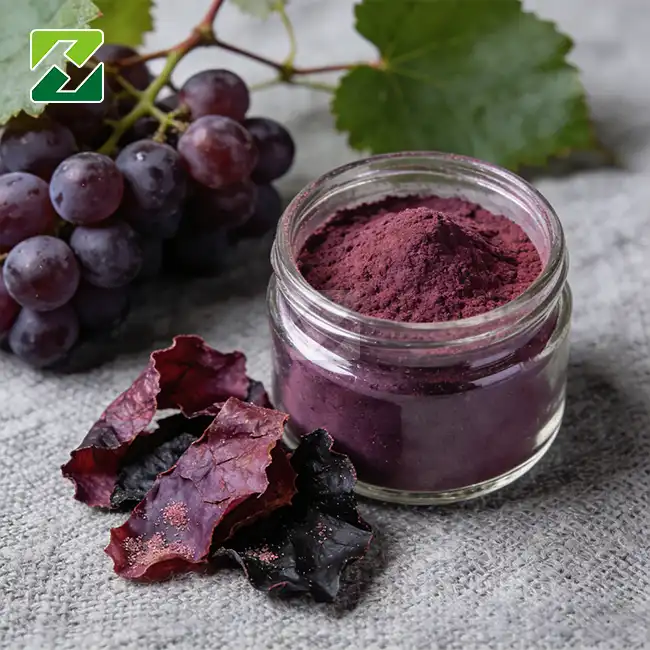
What Is Grape Skin Extract Powder and How Is It Used in Modern Products
VIEW MOREGrape skin extract powder is a concentrated botanical ingredient derived from the outer skins of Vitis vinifera L. grapes — the same species cultivated for wine production worldwide. Rich in anthocyanins, polyphenols, and flavonoids, this violet-red powder delivers potent antioxidant activity alongside natural color properties. Across nutraceutical, cosmetic, functional food, and pharmaceutical industries, it has emerged as a high-value, clean-label ingredient. This guide walks procurement professionals through its composition, applications, sourcing criteria, and quality standards to support confident ingredient decisions.

Understanding Grape Skin Extract Powder
What Makes It Unique Among Grape Derivatives
There are different kinds of things that come from grapes. When it comes to plant-based chemicals, grape skin extract powder is unique. It has a lot of proanthocyanidins (OPCs), but it's not very good for coloring things. Isolated resveratrol is an extract of a single molecule. On the other hand, anthocyanins, resveratrol, and flavonoids all work together in grape skin extract to make it a complex polyphenolic structure.
The main color in the extract is malvidin-3-O-glucoside, which is classified as E163 in the EU and known under 21 CFR 73.170 in the USA. It gives the extract its unique violet-red color. Its ability to act as both a colorant and an inhibitor is what makes it so useful in business.
That's the Latin name for OHI's grape skin extract, which comes in two different concentration ratios: 4:1 and 10:1. A standard of 30% polyphenols is also used to make it. After being extracted with water and ethanol, each batch is a fine violet-red powder that has the same amount of bioactive agents.
Key Bioactive Compounds and Their Functional Roles
Grape skin extract powder is a good choice for many types of products because it has a lot of polyphenols:
- Anthocyanins — The deep red to purple color of the fruit comes from anthocyanins, which are also the main vitamins it has. They stay stable in places with a pH of less than 3.5, which makes them great for acidic drinks.
- Resveratrol — A naturally occurring stilbene molecule that has been looked into a lot because it can fight free radicals and protect cells.
- Flavonoids — It has more polyphenolic mass because it has flavonoids in it, like quercetin and kaempferol derivatives.
The effect of these chemicals is greater when they work together than when they are separate. Standardized grape skin powder mixes well with other materials, so it's a good choice for R&D teams that are making new recipes.
Comparing Grape Skin Extract Powder with Alternative Ingredients
Grape Skin vs. Grape Seed Extract vs. Resveratrol
Purchasing teams often have to pick one of these three choices when they want to buy plant actives from grapes. The right answer depends on what the question is trying to say.
Big amounts of OPCs (oligomeric proanthocyanidins) can be found in grape seed extract, which is mostly used to help keep collagen-based goods together. It doesn't add much color and doesn't have the same range of anthocyanins as extracts from skin. Pure resveratrol, on the other hand, is a single compound that is very strong but doesn't do many therapeutic things. It costs more, though.
The most polyphenolic options are found in grape skin extract powder. Formulators use this ingredient when they need something that will protect and color naturally at the same time. This makes the label work better and saves a lot of money.
Organic vs. Conventional: Why Certification Matters
B2B buyers who want natural and clean-label products may be able to tell which way an item is positioned in stores by how organic it is. OHI is a place where you can get organic-certified grape skin extract powder. It also has approvals from NSF GMP, Kosher, Halal, ISO, and FSSC22000. Brands must meet these requirements if they want to sell their goods in health-focused shops and in foreign markets in North America and Europe.

How to Use Grape Skin Extract Powder in Modern Products?
Formulation Applications Across Industries
Vitis vinifera L. Skin Extract is a great business product because it can be used in various ways. It can be incorporated into a wide range of recipe designs for food, cosmetics, and supplements. These are the primary application categories:
- Dietary supplements — Pills or tablets usually have 200 to 500 mg per dose. Bioactives are always the same from batch to batch because of the 30% polyphenols rule. This is important for supplement label claims.
- Functional beverages — Adding grape skin extract powder to acidic drinks like health shots, kombucha blends, and sports recovery drinks is easy because it dissolves in water. If you want the color to last longer, keep the pH below 3.5.
- Skincare formulations — Serums, toners, and eye creams with grape skin actives in them protect the skin from free radicals and make it look younger. Like different forms of vitamin C and hyaluronic acid, it works well with anti-aging products.
- Functional food — It's used as a natural colorant in treats, sweets, and snack bars with extra nutrients by clean-label food companies instead of man-made dyes like Red 40, and the foods still look good.
The element can be used in all of these ways because it is both useful and nice to look at. This makes the product stand out in different market groups.
Storage and Handling Guidance
Because extracts from fruits naturally soak up water, grape skin extract powder needs to be handled with care. It should be kept in a dry place below 25°C in polyethylene-lined drums with tight lids. For stability over time, silica desiccant plugs should be used in the second layer of packing. The extract is sent by OHI in 25 kg drums that are made to stay together while being shipped around the world.

Procurement Guide for Grape Skin Extract Powder
Evaluating a Supplier: What to Look For
If you want to buy a lot of plant goods for your business, you need more than just low prices. What makes a seller valuable in the long run is how stable their supply chain is, how much paperwork they have, and how much professional help they can give. The following criteria are worth prioritizing:
- Certifications — Check to see if the grape skin extract powder is approved by NSF GMP, Organic, Halal, Kosher, ISO 9001, and FSSC22000. These validate manufacturing integrity for global markets.
- Standardization capability — A reputable seller should be able to provide a variety of standard levels, including 4:1, 10:1, and 30% polyphenols, to accommodate various product development projects.
- Domestic inventory — Buyers in the U.S. want to be close. OHI's subsidiary, Earth Made Nutritions, is based in Los Angeles, California, and has warehouses in four states. This means that wait times are as little as seven days.
- Sample availability — Before placing large orders, formulation teams can use free samples to test how well the product dissolves, how well it holds colors, and how well it works with other products.
The MOQ for OHI is 25 kg per drum. This means that both new companies and big companies can use it and make more of it.
Ensuring Safety and Efficacy: Quality Assurance at OHI
Testing, Traceability, and Compliance
Natural Grape Skin Extract requires full traceability for OHI, so the ability to trace every batch back to its source is a core priority. The supply chain starts with ethical farming. Across farms in Jiangxi, Hunan, Guizhou, and Hubei regions, there are over 8,000 acres of GAP-certified farmland. Every production batch is tested via HPLC to measure its polyphenol and anthocyanin content. It is also screened for heavy metals, herbicide residues, and sulfur dioxide (SO₂) levels, which must remain below 50 ppm.
42 experts, including top scientists and people with Ph.D.s, work at the company's R&D center in Changsha. Tools worth more than $1.2 million, like HPLC-ELSD, GC-MS, and HPTLC equipment, help them. This method makes sure that every batch of grape skin extract powder meets the requirements for polyphenols that are written on the analysis certificate.
OHI follows the rules set by the U.S. FDA and C-GMP, and all of its ways of making things are in line with GMP standards around the world. The paperwork for a product covers every step of the production process. This makes it easier for governmental bodies in both the United States and other countries to do checks.

Conclusion
Because it combines antioxidant properties, natural coloring, and a "clean label" position all in one powder form, grape skin extract powder from Vitis vinifera L. is a very popular plant ingredient. Many things can be made with it, including makeup, drinks that are good for you, food, and medicine. Because of this, it is an important part of making any product. OHI is a safe and effective way for B2B buyers to add this important ingredient to their recipes because it has standardized specs, strict quality control, and easy access to goods made in the United States.
FAQ
Q1: What distinguishes grape skin extract from grape seed extract?
Anthocyanins and flavonoids, which give grape skin extract powder its color and health benefits, are checked for. Proanthocyanidins (OPCs) are checked in grape seed extract, and it doesn't add any useful colorant properties.
Q2: What specifications does OHI offer for grape skin powder?
OHI comes in two different concentration ratios: 4:1 and 10:1. It also comes in a normal grade with 30% polyphenols. With water and ethanol, all of the different kinds are removed, leaving behind a violet-red powder.
Q3: How should the extract be stored?
Store below 25°C in covered drums in a dry, low-humidity area. Silica desiccant plugs should be used to keep the powder's flowability and stop it from absorbing water.
Q4: Is it suitable for use in certified Halal or Kosher products?
Yes. Both Halal and Kosher certifications mean that OHI's grape skin extract can be sold in markets around the world without any problems.
Partner with OHI for Premium Grape Skin Extract Powder Supply
Companies from all over the world use Organic Herb Inc. (OHI) to make useful foods, skincare, and nutraceuticals because they can trust OHI to give them grape skin extract powder. OHI has four warehouses in the U.S., free samples, and a 7-day wait time. They also have certificates like NSF GMP, Organic, Kosher, Halal, ISO, and FSSC22000. They offer quality ingredients at a large scale for procurement. Email our team at info@organic-herb.com right away to get a sample or a special price.
References
1. Xia, E. Q., Deng, G. F., Guo, Y. J., & Li, H. B. (2010). Biological Activities of Polyphenols from Grapes. International Journal of Molecular Sciences.
2. Castillo-Muñoz, N., Gómez-Alonso, S., García-Romero, E., & Hermosín-Gutiérrez, I. (2007). Flavonol Profiles of Vitis vinifera Red Grapes. Journal of Agricultural and Food Chemistry.
3. Nassiri-Asl, M., & Hosseinzadeh, H. (2009). Review of the Pharmacological Effects of Vitis vinifera and Its Bioactive Compounds. Phytotherapy Research.
4. Flamini, R., Mattivi, F., De Rosso, M., Arapitsas, P., & Bavaresco, L. (2013). Advanced Knowledge of Three Important Classes of Grape Phenolics. International Journal of Molecular Sciences.
5. Georgiev, V., Ananga, A., & Tsolova, V. (2014). Recent Advances and Uses of Grape Flavonoids as Nutraceuticals. Nutrients.
6. Teixeira, A., Eiras-Dias, J., Castellarin, S. D., & Gerós, H. (2013). Berry Phenolics of Grapevine Under Challenging Environments. International Journal of Molecular Sciences.
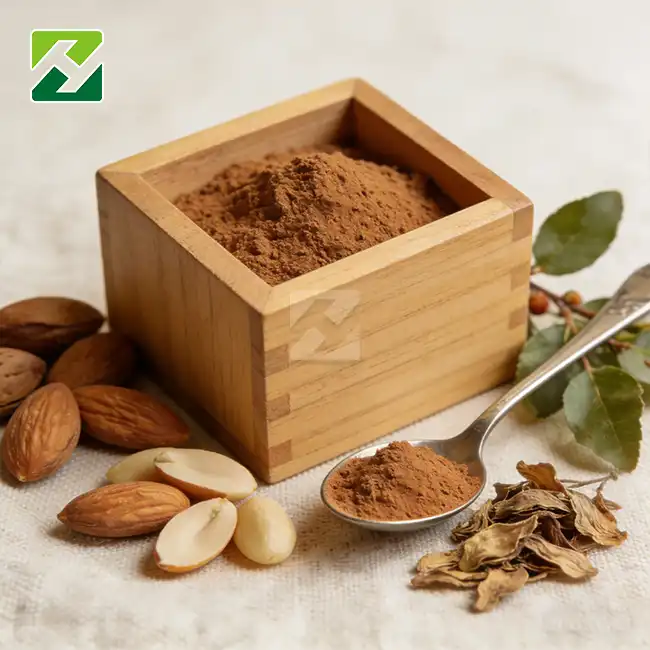
How Bitter Apricot Extract is Used in Modern Products
VIEW MOREBitter apricot extract, derived from the seeds of Prunus armeniaca (Semen Armeniacae Amarum Linn.), has become a sought-after botanical ingredient across multiple industries. Standardized to 98% amygdalin, this light yellow to brownish powder delivers consistent bioactive potency that R&D teams genuinely value. From nutraceutical capsules to functional skincare serums and flavored beverages, the extract's versatility makes it a compelling choice for brands that want natural, science-backed differentiation. Understanding where and how it fits into modern formulations is the first step toward smarter ingredient sourcing.

Understanding Bitter Apricot Extract and Its Core Properties
Botanical Identity and Chemical Profile
Bitter apricot extract comes only from the mature seeds of Prunus armeniaca. It has a lot of amygdalin, a cyanogenic glycoside that has been studied for a long time in both traditional Chinese medicine (TCM) and modern phytochemistry. OHI's standard grade has 98% pure amygdalin and a 4:1 concentrate option, giving formulators two precise entry points that can be used depending on the needs of the application.
It's important to note an important technical detail: controlled low-temperature concentration and fast vacuum crystallization are used in professional extraction methods to keep the biologically active D-amygdalin form. It is known that epimerization can happen, turning neo-amygdalin into a less active isomer. During the purchase review process, suppliers who can't show HPLC chromatograms that can tell the difference between these two isomers should be put at the bottom of the list.
Safety, Bioavailability, and Regulatory Context
When R&D directors work with ingredients high in amygdalin, stability is their main concern. Beta-glucosidase is an enzyme that helps hydrocyanic acid get out of the grain when it is raw. This enzyme is turned off in professionally processed extract by heating it and extracting it with alcohol. This makes a controlled, measurable starting material. In regulatory talks, this difference is what sets standardized extract apart from crude kernel powder.
Globally, governing bodies such as EFSA and the U.S. Food and Drug Administration have strict regulations regarding the amygdalin content allowed in bitter apricot extract and related commercial products. Any business-to-business (B2B) purchase decision should be based on a review of compliance in the specific region. Certifications like NSF GMP, FSSC22000, ISO, Kosher, and Halal are reliable indicators of whether a supplier is committed to quality and rigorous product traceability.
Applications of Bitter Apricot Extract in Modern Products
Nutraceutical and Supplement Formulations
Botanical extracts that are standardized for amygdalin are most often made into pills, veggie tablets, and tinctures that are put under the tongue. The flowability and mass density of the extract are important to formulators working on immune-support or health product lines. These properties directly affect how well high-speed encapsulation machinery works. Label claims that come from plants are more likely to be true, which is good for brands that want to follow the clean-label trend.
Here are the main types of nutraceuticals where this extract works well:
- Capsules & Softgels: The 98% amygdalin powder is easy to encapsulate using typical encapsulation processes and is batch-to-batch consistent, as validated through HPLC analysis on every Certificate of Analysis.
- Functional powders and blends: The 4:1 extract ratio is perfect for powdered drink mixes and meal-replacement blends where a modest concentration of amygdalin is desirable.
- Tinctures and liquid drops: The extract can be formulated as liquid preparations without precipitation problems by virtue of its solubility in warm aqueous bases or co-solvent systems such as propylene glycol.
These forms let brands put their goods in a variety of health categories. This gives buying teams a lot of SKU freedom when they're putting together a supplement portfolio.
Cosmetic and Skincare Applications
Cosmetic chemists have found that the phenol-rich parts of apricot seed extract are good for protecting against free radicals and supporting the skin barrier. The extract works well with emulsion recipes like lipid-based serums and reparative creams because it is compatible with a pH range of 5.5 to 6.5. This keeps the glycosides stable throughout the product's shelf life.
When OEM and ODM makeup companies work on anti-aging or botanical-forward lines, they always look for ingredients that are good for you and come from natural sources. Bitter apricot seed extract meets both requirements, especially if it comes with strict paperwork that includes heavy metal tests (Pb, Cd, Hg, As) and microbial limits data.
Functional Food, Beverage, and Pharmaceutical Uses
Food technologists who study botanical flavor enhancement have found that the mild bitterness of compounds in bitter apricot extract, which is derived from apricot kernels, adds complexity to functional drinks, health shots, and fortified foods. Before they can be used in recipes for human consumption, food-grade extracts must meet USP residual solvent limits and pass pesticide residue screening.
Standardized Semen Armeniacae Amarum material has been used in lung health products for a long time in both pharmaceutical and traditional Chinese medicine settings. When buying pharmaceuticals, tight traceability, batch-level paperwork, and compliance with C-GMP manufacturing standards are needed. A well-certified seller adds value in all of these areas.

Comparing Bitter Apricot Extract with Alternative Extracts
This ingredient is often compared to apricot kernel oil, almond extract, or peach kernel derivatives by people who plan purchases. The difference is important: apricot kernel oil is a lipid carrier that is high in oleic and linoleic acids and works best as an emollient. Standardized amygdalin extract, on the other hand, is an active compound that dissolves in water and is meant to have specific bioactivity. It is a technical mismatch to use one instead of the other in a formulation.
Another thing to look at is the difference between organic and non-organic sources. An extract that has been verified organic supports the clean label movement and meets the paperwork needs of natural product stores in the U.S. market. OHI has organic certification as well as Halal and Kosher certifications. This means that the ingredient can be used in a wide range of consumer and institutional markets.
Strategic Procurement Guide for Bitter Apricot Extract
Assessing a supplier should include more than just collecting certificates. When purchasing teams look for a plant ingredient seller, these are the main things they look at:
- Certified manufacturing infrastructure: NSF GMP, FSSC22000, ISO9001 & FDA/C-GMP compliance demonstrate systemic quality management, not simply batch-by-batch compliance.
- Isomer verification: All CoA should display HPLC chromatograms with different retention times for D-amygdalin and iso-amygdalin.
- Free Cyanide Testing: The extract is tested to make sure that there is no free hydrocyanic acid before distribution. This is a non-negotiable safety hurdle.
- Storage and packaging standards: OHI is packaged in 25 kg barrels with double-lined polyethylene inner bags. It is important to exclude moisture properly, as the extract is hygroscopic.
- Lead time and Inventory reliability: OHI has four main US warehouse sites and a 10-day lead time that removes the typical supply chain delays that might impact production schedules.
All of these criteria for bitter apricot extract work together to protect the consistency of the product and keep brands safe from formulation failures that are caused by inconsistent raw material quality.

Future Trends and Market Outlook
In dietary supplements, functional cosmetics, and botanical pharmaceuticals, the need for plant-based, traceable ingredients keeps growing. New developments in extraction technology, such as dynamic low-temperature extraction, nano-membrane isolation, and supercritical CO₂ processes, are raising the standards for purity and increasing the performance of ingredients like amygdalin extract.
As attempts to harmonize rules around the world progress, regulators will probably pay more attention to cyanogenic chemicals. Suppliers who have proactive compliance infrastructure and recorded sourcing traceability will be better able to help clients get through regulatory changes without having to break supply. OHI's GAP-standard planting bases in Jiangxi, Hunan, and Hubei provinces are a great example of this type of quality control that happens upstream and protects buyers from compliance risks downstream.

Conclusion
Semen Armeniacae Amarum bitter apricot extract is one of a kind in the market for ingredients today. Because it has a lot of amygdalin, can be used in many different areas, and works with clean-label manufacturing trends, it is a smart addition to vitamin, cosmetic, functional food, and medicinal product lines. The most economic and formulation value will come from this ingredient for procurement workers who put an emphasis on confirmed purity, approved production, and dependable supply lines.
FAQ
Q1: What is the standard purity of OHI's bitter apricot extract?
OHI has a standardized extract of 98% amygdalin and a 4:1 concentrate. ## Both come from the seeds of Prunus armeniaca and are proven by an HPLC test on every COA.
Q2: How does this extract differ from apricot kernel oil?
Apricot kernel oil is a fat that is mostly used as a moisturizer or base oil. Standardized amygdalin extract is an active compound that dissolves in water and has specific functions. They are not interchangeable because they are used for different formulation purposes.
Q3: What certifications does OHI's product carry?
The company OHI has certifications for NSF GMP, FSSC22000, ISO9001, Halal, Kosher, and Organic. The products also meet the standards set by the U.S. FDA and C-GMP.
Q4: What is the minimum order quantity and lead time?
With a lead time of 10 days, the MOQ is 25 kg per drum. Qualified buyers can get free samples before they buy in bulk.
Partner With OHI — Your Trusted Bitter Apricot Extract Supplier
OHI has four U.S. warehouses, 42 people working on research and development, and GAP-certified plant sources to get you certified amygdalin extract, known as bitter apricot extract, wherever your company needs it. We are ready to help you with your next product creation cycle, whether you need large amounts, specifics that are made just for you, or a free sample to start testing different formulations. To start your question, email info@organic-herb.com right now.
References
1. Moertel, C. G. et al. — "A Clinical Trial of Amygdalin (Laetrile) in the Treatment of Human Cancer." New England Journal of Medicine, 1982.
2. Salah, N. et al. — "Polyphenolics in Grain and Seed: A Critical Review of Their Role as Natural Antioxidants." Italian Journal of Food Science, 2004.
3. Bolarinwa, I. F. et al. — "Amygdalin Content of Seeds, Kernels and Food Products Commercially-Available in the UK." Food Chemistry, 2014.
4. Wang, Y. et al. — "Prunus armeniaca Kernel Extract: Chemical Composition and Biological Activities." Journal of Ethnopharmacology, 2019.
5. European Food Safety Authority (EFSA) — "Acute Health Risks Related to the Presence of Cyanogenic Glycosides in Raw Apricot Kernels." EFSA Journal, 2016.
6. Cheeke, P. R. — "Natural Toxicants in Feeds, Forages, and Poisonous Plants." Interstate Publishers, 1998.
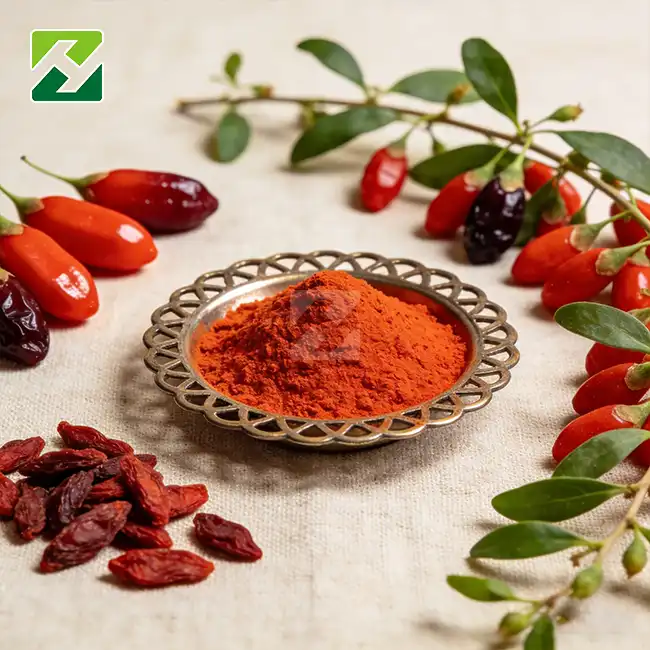
Key Factors That Affect the Quality of Goji Extract Powder
VIEW MOREWhen sourcing botanical ingredients at scale, quality is never a given — it is engineered at every stage of production. Goji extract powder, derived from the fruit of Lycium barbarum, has earned a prominent position in nutraceuticals, functional foods, cosmeceuticals, and dietary supplements. But not all extracts are created equal. From the soil where the berries grow to the spray-drying chamber where the final powder takes shape, each step determines whether your ingredient will perform consistently in finished formulations. This guide walks procurement managers, R&D directors, and formulation scientists through the critical quality-defining variables — so you can source smarter and build better products.

Understanding Goji Extract Powder Quality: An Overview
Goji extract powder quality is based on three main factors: how pure it is, how strong it is, and how stable it is. Lycium Barbarum Polysaccharides (LBP), zeaxanthin, betaine, and vitamin C are the active compounds that B2B buyers should be most interested in. Among these, LBP standardization is the most important quality standard. It is usually checked using UV-Vis spectrophotometry at amounts between 10% and 50%.
How Quality Indicators Are Measured
Reliable suppliers measure the amount of LBP in their products using approved UV-Vis or HPLC methods. To keep the products stable on the shelf, the moisture content must stay below 5%. Other scientific indicators that formulation teams use to predict what will happen from batch to batch are mesh size (usually 80–100 mesh), color stability (orange-red to brown), and water solubility. These factors have a direct effect on how well the extract works when it is encapsulated, mixed, and used in beverages.

Key Factors Influencing the Quality of Goji Extract Powder
There are many factors that affect the end quality of a Lycium barbarum product, including Lycium Chinense Miller Extract. Procurement pros can ask the right questions about a source before making a decision if they know about each factor.
Geographic Origin and Raw Material Quality
Because of their high elevation, UV exposure, and mineral-rich soil, berries from Ningxia and Qinghai areas in China are known to have the highest phytochemical density. Certified GAP (Good Agricultural Practice) farming reduces the amount of pesticide residues and makes sure that the crop can be tracked from seed to harvest, which is a must for US FDA compliance and clean label positioning.
Extraction Technology and Solvent Selection
Polysaccharides and other bioactives that break down when heated are better kept intact with water-based extraction than with ethanol or chemical solvents. It is the solvent that is used that directly affects the final LBP yield and the lack of contaminants that are left over. Dynamic low-temperature extraction, nano-membrane isolation, and anti-osmotic concentration all work together to protect bioactive density even more while reducing degradation. Controlling the temperature during spray drying is also very important. Too much heat kills zeaxanthin and lowers the antioxidant capacity.
Standardization and Batch Consistency
The most annoying thing about buying things from other businesses is that they can be different from batch to batch. A polysaccharide extract that is standardized at 50% LBP must consistently meet that standard, not just in the first shipment, but in every shipment after that. HPLC, HPTLC, and atomic absorption spectrophotometry are used by suppliers with strong QC processes to check each batch against master reference standards. Color correction within a good ΓE range makes sure that the look of clear packaging is always the same.
Certifications and Regulatory Compliance
Buyers around the world need more proof than just a Certificate of Analysis. Certifications like NSF GMP, ISO 9001, FSSC22000, Kosher, Halal, and USDA Organic show that a seller has a quality system in place. For goods sold in the US, they have to follow the FDA's 21 CFR rules and cGMP manufacturing standards. These certificates help protect your business and make it easier to file with regulators.

Comparing Goji Extract Powder with Related Products: Quality Considerations
It's important to make it clear how a standardized Lycium barbarum extract is different from other, simpler options on the market.
Raw goji berry powder is just dried fruit that has been ground up, while Natural Goji Berry Extract is a concentrated form with standardized bioactive content. It still has natural sugars and fiber, but it doesn't have a standard bioactive concentration. This makes doses less consistent and formulation harder, especially when it comes to functional drinks or compressed tablets with a lot of sugar that are hard to process because they absorb water.
When you dry out berry juice to make goji juice powder, it has more sugar and less LBP potency than a standardized extract. For supplement companies that want to put their products on clinical-grade labels, juice powder rarely meets the bioactive threshold needed to make claims about its effectiveness.
Organically approved goji powder is at the top of the list. Organic approval lowers the use of synthetic inputs throughout the supply chain. This is very appealing to US customers who value clear labels. When it comes to buying things, organic standards make it easier to meet the needs of the natural product retail outlet.
Ensuring Optimal Usage and Safety for End Clients
When adding a high-quality Lycium barbarum polysaccharide extract to your product line, you need to make sure it works well with the other things in the line.
Here are the main situations where this cut works really well:
- Nutraceutical capsules and tablets: The high density of LBP enables compact and effective dosage in eye health and antioxidant formulae. The extract is stable in AREDS type formulations with lutein and zeaxanthin.
- Functional drinks: LBP standardised extract is water soluble, can be fully dissolved in liquid form. It tolerates moderate pasteurisation temperatures without considerable loss of bioactives or sediment.
- Nutricosmetic and Topical Skincare: In aqueous-phase cosmetic formulations, the extract mixes cleanly with emulsifiers to provide antioxidant support for anti-aging product claims.
For each use, storage needs to be carefully thought out: below 25°C, cool, and dry, with a relative humidity of 50%; packaged in double-lined PE bags inside 25 kg fiber drums to keep them from clumping and to extend their shelf life. Our standard MOQ is 25 kg, and we offer free samples when you ask for them. The lead time is 7 days.

How to Choose and Purchase High-Quality Goji Extract Powder: A Decision-Making Framework
There is an organized way to choose the right goji extract powder seller, not just comparing prices.
Start by checking the origin. Ask for proof of where the raw materials came from, such as GAP certificates and data on the harvest region. Check out the different types of extraction technology. For polysaccharide-dominant specs, water extraction and low-temperature processes work best. Check that regular testing by a third-party lab is done and that the CoA includes information on the LBP percentage, moisture, heavy metals, microbial limits, and sulfur dioxide levels (which must be less than 10 ppm using the Monier-Williams or LC-MS methods).
Take a look at the supplier's certifications as a whole. A provider that has NSF GMP, Kosher, Halal, ISO, FSSC22000, and Organic standards all at the same time shows that they care about quality in more than one way, not just with paperwork. Before making large orders, ask for samples to be sent to you in person, and if you can, do source audits or ask for audit reports.
As important as product quality is, so is the stability of the supply line. Inventory stored in US warehouses, reliable lead times, and quick technical support all lower procurement risk by a large amount.
Conclusion
Quality in goji extract powder is not by chance; it is the result of choices that were made at every step, from growing the plants to putting them in packages. When customers in the nutraceuticals, functional foods, and cosmetics industries understand these factors, buying goes from being a transactional process to a strategic benefit. Certifications, extraction methods, geographical origin, and standardization protocols all play a part in making sure that an ingredient works consistently and backs up what your product says it can do. The safest way to get ingredients that are pure is to buy them from a source that is highly strict and certified.
FAQ
Q1: What is the difference between goji extract powder and raw goji berry powder?
Raw goji berry powder is just dried, ground fruit that has a high natural sugar content and a varying amount of bioactives. Goji extract powder goes through water extraction, concentration, and spray drying to get standardized LBP levels, which are usually between 10% and 50%. This provides dosing accuracy that raw powder cannot match.
Q2: How do I verify polysaccharide content in a supplier's product?
Ask for an analysis certificate that says the amount of LBP that was found using UV-Vis spectrophotometry or HPLC. Reliable providers offer results that have been checked by a third party. Standard practice among GMP-certified manufacturers is to use batch-specific COA documents.
Q3: Does organic certification matter for industrial ingredient procurement?
Yes. Organic approval makes sure that there are no synthetic chemicals or other inputs that aren't allowed in the supply chain. USDA Organic compliance is becoming more and more of a requirement for clean-label goods and natural shopping outlets in the US market, not just a choice.
Q4: How should goji extract powder be stored to prevent degradation?
Keep the goods below 25°C and the relative humidity below 50% in double-lined, sealed PE bags inside fiber drums. Avoid being in light or water for long periods of time. When kept in the right settings, the shelf life is usually 24 months.
Partner with OHI — Your Trusted Goji Extract Powder Supplier
Every batch of Lycium barbarum extract that OHI (Organic Herb Inc.) makes is based on our more than 20 years of experience extracting plants. Our goji extract powder comes with NSF GMP, Kosher, Halal, ISO, FSSC22000, and Organic certifications, and it can be bought in 10:1 strength and 50% polysaccharide standardization. We keep four local warehouses across the US through our US company, Earth Made Nutritions Inc., so we can get your products to you quickly. You can get free samples, but you have to order at least 25 kg ahead of time. You can email our team at info@organic-herb.com to get specs and start the buying process right away.
References
1. Amagase, H., & Farnsworth, N. R. (2011). A review of botanical characteristics, phytochemistry, clinical relevance, and safety of Lycium barbarum fruit. Food Research International.
2. Breithaupt, D. E. (2007). Zeaxanthin and its dietary sources with special emphasis on goji berries. Journal of Agricultural and Food Chemistry.
3. Potterat, O. (2010). Goji (Lycium barbarum and L. chinense): Phytochemistry, pharmacology and safety in the perspective of traditional uses and recent popularity. Planta Medica.
4. Li, X. M., & Ma, Y. L. (2015). Antioxidant activity of Lycium barbarum polysaccharides and their protective effect on oxidative stress. Food Chemistry.
5. Mocan, A., Vlase, L., & Crișan, G. (2014). Polyphenolic content and biological activities of Lycium barbarum fruit extracts. Molecules.
6. Zhang, M., Chen, H., & Li, J. (2018). Extraction optimization and characterization of Lycium barbarum polysaccharides for functional food applications. Carbohydrate Polymers.
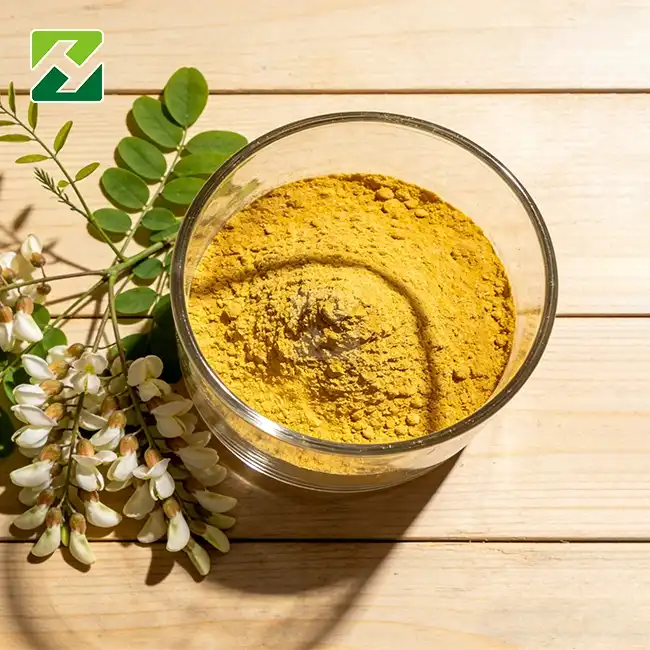
What is Sophora japonica extract used for?
VIEW MORESophora japonica extract, derived from the dried flower buds of Sophora japonica L. (the Japanese Pagoda Tree), is one of the most commercially significant botanical ingredients in the global nutraceutical, cosmetics, and functional food industries. Rich in bioactive flavonoids — primarily rutin and quercetin — this yellow powder delivers potent antioxidant activity that supports vascular integrity, skin health, and cellular protection. For B2B buyers including supplement formulators, cosmetic chemists, and pharmaceutical R&D teams, it represents a clean-label, plant-derived active with broad application versatility and a well-documented scientific profile.

Understanding Sophora Japonica Extract: Composition and Health Benefits
The Bioactive Profile Behind the Extract
The extract is useful because it has two main flavonoids: rutin (quercetin-3-O-rutinoside) and quercetin in its aglycone form. By making capillaries less permeable, rutin is a glycoside that helps keep blood vessels healthy. Quercetin is one of the flavonoids that has been studied the most in the modern diet. It is made by controlled acid breakdown. These chemicals work together to give companies in a lot of different fields the antioxidant, anti-inflammatory, and photoprotective effects they need.
Nutritional Profile and Safety Considerations
The OHI standardized sophora japonica extract has 95% quercetin and 95% rutin. It was made by using only water and ethanol to remove the ingredients. It can be used in clean-label products and is safe to use with solvents. The part of the plant that is used has the most flavonoids, so it is the bud. The supplement types of 250 to 500 mg per dose work well for this ingredient when taken as directed. It also works well as a pill, tablet, or powder. People who buy it should make sure that it works with their pH levels, since quercetin can change color in places with a pH level above 6.0 that are very alkaline.
Key Applications and Uses of Sophora Japonica Extract
This part of the recipe can be used in many different fields. Biochemically flexible means that formulation scientists, product makers, and buying teams in a range of controlled fields can all use it.
That being said, this product is known to be useful in the following areas:- Supplements for food and health: "Vitamin P" factors like rutin and quercetin help keep vessels healthy and fight free radicals. Companies that make supplements add them to blends for heart health, immune system support, and antioxidants. It is made sure that the product meets US market rules and that the description is correct by the high-purity 95% standard.- Skin care and makeup: Matrix metalloproteinases (MMPs) can't do their job because quercetin blocks UV light. MMPs are enzymes that damage collagen and make you look older than you really are. You can find the extract in anti-aging serums, eye creams, and SPF boosts. It works as an active ingredient and helps the recipe stay stable. The pH of the mixture must stay below 6.0 so that the color stays stable.
- Nutraceutical & Dietary Supplements: Rutin and quercetin are well-known factors of "Vitamin P" that boost capillary strength and antioxidant defence. Supplement brands add them to cardiovascular health blends, immunity-support stacks, and antioxidant solutions. The high-purity 95% criterion ensures label correctness and conformity with US market regulations.
- Cosmeceuticals & Skincare: Quercetin absorbs UV light and inhibits matrix metalloproteinase (MMPs) enzymes involved in collagen degradation and photo-aging. The extract is an active and a formulation stabiliser for Vitamin C in anti-aging serums, eye creams and SPF boosters. For colour stability, the pH of the formulation should be kept below 6.0.
- Functional Food & Beverage: To achieve enough water solubility for beverage applications, the extract is enzymatically processed to form alpha-glucosyl rutin (EMIQ). Standard rutin is poorly soluble in cold water; hence, when formulating in aqueous matrices, formulators will usually request the modified derivative or employ nano-emulsification processing.
- Pharmaceutical Intermediates: High purity rutin is an important precursor for the synthesis of troxerutin and other related phlebotonic chemicals used in venous health products. Here, the extract must have low quercetin impurity profiles to fulfil pharmacopeial criteria (NF11 or DAB10, depending on the regulatory filing country).
All of these uses for this plant product make it a useful substance that is in high demand in the US, EU, and APAC markets.

Comparing Sophora Japonica Extract with Similar Supplements
Rutin vs. Hesperidin: What Procurement Teams Should Know
Both hesperidin and rutin are bioflavonoids that are antioxidants, but they come from different places and cost different amounts. Hesperidin is mostly found in citrus peels, but rutin is much purer and can be as high as 95–98% in pharmaceutical-grade sophora japonica extract batches. It comes from the buds of the Sophora japonica plant. When bud-derived rutin is more uniform, formulation variability is lower, which is good for uses that need precise dosing and stability from batch to batch.
Product Forms and Quality Indicators
It comes from OHI and is sold as a yellow powder in drums that hold 25 kg. The lowest amount you can order is 25 kg, so it can be used for both testing on a small scale and making a lot of them. Along with NSF GMP, Kosher, Halal, ISO, FSSC22000, and Organic, the company has a lot of other certs. The US, EU, and Middle Eastern markets can all use these certifications. Buyers of different types of quercetin should look for certificates of analysis (CoA) that show that the product is pure as confirmed by HPLC, that it has been tested for heavy metals, that it has microbe limits (TPC < 1000 cfu/g), and that it has a sulfated ash content below 0.2%.
It is also better for the earth to get quercetin from breaking down rutin instead of making it from chemicals found in oil. Pagoda trees in Japan get tall very quickly and lose their leaves every fall. They are better for the environment when grown using good agricultural practices (GAP). This is a good claim for brands that want to make clean-label and ESG-aligned sourcing claims.

Procurement Considerations: Buying Sophora Japonica Extract in Bulk
Getting sophora japonica extract from a seller you can trust takes more than a low price per lot. It is very important that the supply chain stays connected, that expert documents are kept, and that operations are quick to respond.
Organic Herb Inc. (Stock No. 8722213) is a company that helps businesses around the world buy things like. Available in the US warehouse: We have four area stores spread out across the US. This way, orders happen quickly, and there are no wait times like there are when you ship straight from overseas. The OHI plant in Yichun, Jiangxi Province, is 10 days away.
- US Warehouse Availability: With four regional warehouses around the United States, we guarantee rapid delivery without the lead times of direct international shipment. OHI factory (Yichun, Jiangxi Province) standard lead time is 10days.
- GAP Certified Raw Materials: OHI has more than 8,000 acres of GAP-certified planting bases in Hunan, Guizhou, Hubei, and Jiangxi. TLC and DNA barcoding can be used to authenticate the botanical identity at the raw bud stage and prevent adulteration with lower-flavonoid Sophora species.
- Advanced Extraction Technology: The R&D centre in Changsha has 42 researchers, who utilise dynamic low-temperature extraction, nano-membrane isolation and HPLC-ELSD analysis to ensure purity and avoid thermal deterioration during processing.
- Private Label & Custom Formulation: OHI offers OEM and ODM product development support to help businesses produce differentiated products with customised specifications, granulation forms, or mixed matrices.
- Free Samples: Buyers who qualify can order free samples to try out the product performance before they place large orders.
When it comes to GAP-sourced raw materials, OHI runs more than 8,000 acres of farms in Hunan, Guizhou, Hubei, and Jiangxi that follow GAP rules. At the raw bud stage, TLC and DNA barcoding make sure the plant is what it says it is to stop lower-flavonoid Sophora species from mixing in.

Conclusion
Sophora japonica L. extract is used in many things, such as skincare, functional foods, nutraceuticals, and medicinal intermediates. The scientific study that went into making its two main active ingredients, quercetin and rutin, led to these uses. B2B buyers decide what to buy based on how pure it is, whether it is legal, how stable the supply is, and how much help they can get from experts. With the help of GAP cultivation, multi-standard approval, and a delivery network that only works in the US, OHI offers high-quality sophora japonica extract in all four dimensions. If your recipe needs 95% Rutin or 95% Quercetin as a yellow powder, this is a clean-label, scalable ingredient that you might want to add to your next line of products.
FAQ
Q1: What is the standard specification for this extract?
OHI offers 95% Rutin and 95% Quercetin specifications, both extracted from Sophora japonica L. buds using water and ethanol. The product appears as a yellow powder and ships in 25 kg drums.
Q2: How should the extract be stored to preserve activity?
Store in double-lined polyethylene bags inside sealed fiber drums, at temperatures below 25°C, away from light and moisture. Shelf life is 24–36 months under proper conditions. UV exposure accelerates photo-oxidation and may cause visible color shifts.
Q3: Is this extract suitable for vegan and allergen-free products?
Yes. The extraction process uses only water and ethanol, with no maltodextrin or allergen-containing carriers unless specified. It is non-GMO and free from all major allergens listed under US and EU regulatory frameworks.
Q4: What certifications does OHI hold for this ingredient?
OHI holds NSF GMP, Kosher, Halal, ISO, FSSC22000, and Organic certifications. Products comply with US FDA and C-GMP standards.
Partner with OHI for Premium Sophora Japonica Extract
OHI brings you a certified, GAP-sourced sophora japonica extract supplier with US warehouse coverage, 10-day lead times, and free samples for qualified buyers. Our 95% Rutin and 95% Quercetin specifications meet NSF GMP, Halal, Kosher, and Organic standards — built for demanding global formulations. Reach out to our team at info@organic-herb.com to request a sample or discuss custom formulation support today.
References
1. Erlund, I. (2004). Review of the flavonoids quercetin, hesperetin, and naringenin. Nutrition Research, 24(10), 851–874.
2. Boots, A. W., Haenen, G. R. M. M., & Bast, A. (2008). Health effects of quercetin: From antioxidant to nutraceutical. European Journal of Pharmacology, 585(2–3), 325–337.
3. Ganeshpurkar, A., & Saluja, A. K. (2017). The pharmacological potential of rutin. Saudi Pharmaceutical Journal, 25(2), 149–164.
4. Williamson, G., & Manach, C. (2005). Bioavailability and bioefficacy of polyphenols in humans: Review of 93 intervention studies. The American Journal of Clinical Nutrition, 81(1), 243S–255S.
5. Harborne, J. B., & Williams, C. A. (2000). Advances in flavonoid research since 1992. Phytochemistry, 55(6), 481–504.
6. Chen, A. Y., & Chen, Y. C. (2013). A review of the dietary flavonoid, kaempferol on human health and cancer chemoprevention. Food Chemistry, 138(4), 2099–2107.
- 1
- 2
- 3
- 4
- 5
- 6
- 19