
Is chamomile extract good for sleep?
Nov 2, 2026
Chamomile extract may support a calm evening routine, but it is not a guaranteed sleep solution. The main compound studied is apigenin, a flavonoid found in German chamomile (Matricaria recutita) flowers. Laboratory work suggests apigenin interacts with receptors linked to relaxation, while human trials show mixed results. One small pilot study found no significant change in its main sleep measure, and another trial in older adults reported better sleep quality scores. I see chamomile extract as a promising ingredient for relaxation-focused products, and I judge it by the evidence, the specification, and the supplier.
Understanding Whether Chamomile Extract Supports Sleep
What Chamomile Extract Actually Is
Chamomile extract comes from the flower heads of the Matricaria recutita plant, which is a type of German chamomile. Some sources say that this plant is the same as Matricaria chamomilla. This is chamomile, and it is also called Chamaemelum nobile. It is used for some things. They are both plants in the family Asteraceae.
You get the plant as it is when you use whole flowers and tea. One of the best things is the extracts. A solvent, such as water or ethanol, is used by people who make things to get rid of the unwanted ingredients. After that, the liquid is either dried out to make powder or left as a liquid. Blenders get a better part that way instead of using loose flowers.
What the Research Says About Apigenin and Sleep
There is a chemical in chamomile called apigenin that may help you calm down. In the lab, it was discovered that apigenin could connect to benzodiazepine receptors and make mice less stressed. The study was written up in 1995 in Planta Medica.
It's not as easy to get information about people. This pilot study looked at people over the age of 18 who had long-term insomnia. The results were published in 2011 in the journal BMC Complementary and Alternative Medicine. In the study, plain chamomile extract was used. It didn't find a big difference in the main result of the sleep log, but it did say that people who worked during the day did a little better. Supplementary Therapies in Medicine published a study in 2017 that found older people who used alternative therapies slept better. Most of these numbers seemed good to me. Plant-based ingredients shouldn't be the only thing that helps you sleep if you have trouble sleeping all the time. You need to see a doctor.
Why Standardization Changes Extract Strength
How does an extract get its strength? The type of plant, the part of the plant being drained, the liquid, the amount of extraction compared to the plant part, and the goal of making everything the same. What does 10:1 mean? It means that 10 kg of flower is needed to make 1 kg of extract. It's not clear from that number how much apigenin is in the powder.
In the lab, HPLC or another method is used to show that a standard extract gives a marker amount, such as 5% apigenin. One 10:1 powder mixed with another can act in very different ways if it is not marked. That's why I always ask the seller for both the number and the marker at the same time.
Chamomile Extract Benefits, Uses, and Dosage
Evening Relaxation and Wellness Products
Chamomile extract is often found in things that help you sleep. It usually comes in tablets, pills, chews, powdered drink mixes, and herbal tea blends. A lot of these things have chamomile mixed with L-theanine or magnesium.
The name is mostly about being calm and relaxed in the evening, not getting better sleep. In the US, what you write about vitamins has to follow certain rules set by the FDA. This means it matters how you write them.
It's helpful to have extra-strong extracts because they let you check how much of the marker compound is in each serving. But loose flowers change based on the season and crop. Still, I believe it is important to check each detail against a batch-specific certificate of analysis.
Applications Beyond Supplements
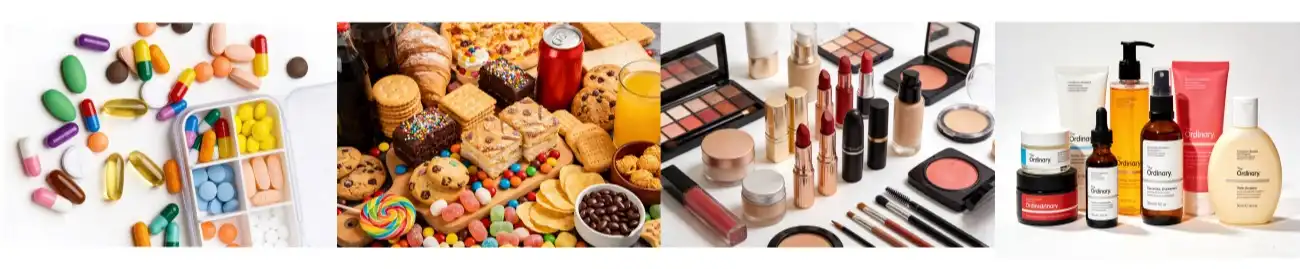
You can find chamomile extract in more than one place besides the supplement aisle. It's in healthy snacks, useful drinks, and teas made by teams that work on food and drinks. Scientists who study cosmetics use it in hair care, skin care, and soap because it has chemicals in it like chamazulene and alpha-bisabolol. Chamomile is found in some items used to clean pets.
There are different rules for each type of item, so a mark made for a pill might not work for a clear drink or butter. Which way it settles, what color and smell it has, and whether or not fillers or carriers like maltodextrin are used all play a role. When I add drinks and gummies, I wonder how solid they are and how well they cover up tastes. Before you buy a lot of the extract, I think you should mix it with your own base first.
Why Dosage Varies by Product
There isn't just one way to take chamomile extract, but a lot of people want to know what works best. You can get different amounts of flower material and marker chemical per gram with a 4:1 powder, a 10:1 powder, or a 5% apigenin mixture. There are more things that can go wrong with liquid extracts, teas, and beverage premixes, such as the amount of carrier and the plate size.
I think you should use the finished product's specs, the marker goal, and the market's marking rules to figure out the dose instead of just looking at the weight. The people who make drugs should look at the other things and see how they taste, look, break down, and stay stable. When someone needs help, they should read the product label and talk to a trained professional.
Comparing Chamomile Extract Options for Sleep Products
Tea, Extract, and Essential Oil
A lot of people enjoy the plant itself as much as they enjoy making chamomile tea before bed. Chamomile extract is good for brands that need to make the serving size clear because they are like writing on a package.
Other oils are not the same as essential oils. It will become less stable if you mix it with an extract that you can eat. It is distilled with steam and is mostly used in scented and skin care products. The chemicals, the amount, and the ways they can be used are all different. When I compare these sleep aids side by side, I start with the format that the customer will use at home. Afterward, I return to the part.
Liquid vs. Powder and German vs. Roman Chamomile
When making drops and drinks, bulk ingredients work best. Powders, on the other hand, make it easier to make pills, tablets, and dry starter mixes. Drums can also be used to store and send powder.
A lot of research has been done on the species Matricaria recutita to find out how much apigenin and alpha-bisabolol it has. There are a lot of extracts made from German chamomile. Roman chamomile has a softer smell and is used in a lot of drinks and perfumes.
For the best choice, you should think about the type of plant, how it feels, the chemicals that mark it, the papers, the supply, and how well it knows how to follow the rules. If the Latin name isn't written on the specs sheet, you might want to think again.
Specifications to Verify Before Comparing Quotes
Get ready before you look at the quotes. Check the Latin name, the part of the plant it comes from, the solvent, the amount used, the label size, and the shipping material. It looks like a quote for a 4:1 water-ethanol flower extract and a quote for a 5% apigenin standardized extract cover about the same amount of weight, but they don't.
You should ask for stability data if you are going to heat or store your package for a long time. Also, as many stores in the U.S. do, look for signs that say anything about GMOs or allergens. The best extract is made to do a certain job. They're not the best or cheapest, but they all work with your formula.
Buying Chamomile Extract Wholesale and Verifying Quality
Understanding the Wholesale Market
Wholesalers, OEM partners, and brands of vitamins, tea, and makeup are some businesses that buy chamomile extract in bulk. First, you need to choose who you want to talk to. Someone who trades or exports sells goods that were made somewhere else. A manufacturer, on the other hand, decides what goes in and what goes out. If you want to know about the process or the batch records, it's best to talk to the maker.
Raw materials come from different places and are organic or not. How much is taken out compared to what is put in is also different. There is also testing, order numbering, and customization. I think you should get a written price that breaks down the costs of the goods, shipping, tests, licenses, and packing into different lines. You can then see both the highest price and the price per pound.
The Quality Control Pathway
To get consistent quality, you must first find the right raw materials. The next steps are to dry, mix, package, and put the product on the market. A trained person checks the product at each step to make sure it is what it says it is, how it looks and feels, how much water it has, the size of the particles, and the presence of heavy metals, pesticides, solvents, and microbes.
Make sure you know what you need before you ask for samples. There are different rules for different places and types of goods. The first step in getting approval is to look over the papers. Lab tests, formulation trials, an audit of the seller, a sample order, validation of the first batch, and ongoing tracking are some of the other steps. Traceability records make it easy to connect any test result to a certain lot.
A Practical Buyer Checklist
Before they ask for a quote, I give this short list to the procurement teams.
- Describe the thing. Write down the type of plant, the extract's format, what it will be used for, where it will be sold, the necessary certificates, how it will be packed, how long it will last, the minimum order quantity (MOQ), and how long it will take to ship. They can quote the right grade the first time if you give them a clear plan. It also stops practice rounds that don't work with your formula, which could cause your start date to be pushed back.
- Talk to the supplier. Find out how production is going, what the most recent batch COAs look like, how much experience they have with exporting, if they can help you with paperwork, if they can make private labels, how much they can produce, and how they make sure that every batch is the same. Forget about getting a one-off lab prototype. Instead, ask for a first-batch proof plan and a sample that is the same as the lot that will be sold.
- Look at the big picture from a distance. Don't just look at the price per kilogram if you want to get the best deal. Quality, how quickly technology responds, shipping speed, and the total cost of landing the goods are also things you should think about. A seller who responds quickly to technical questions and keeps stock close to your facility may be worth more over the course of a year than one who charges less but causes delays, extra work, or lost paperwork.
These three things make it easier to buy things and compare what different sellers say.
OHI Chamomile Extract Specifications and Supply Advantages
Product Specifications
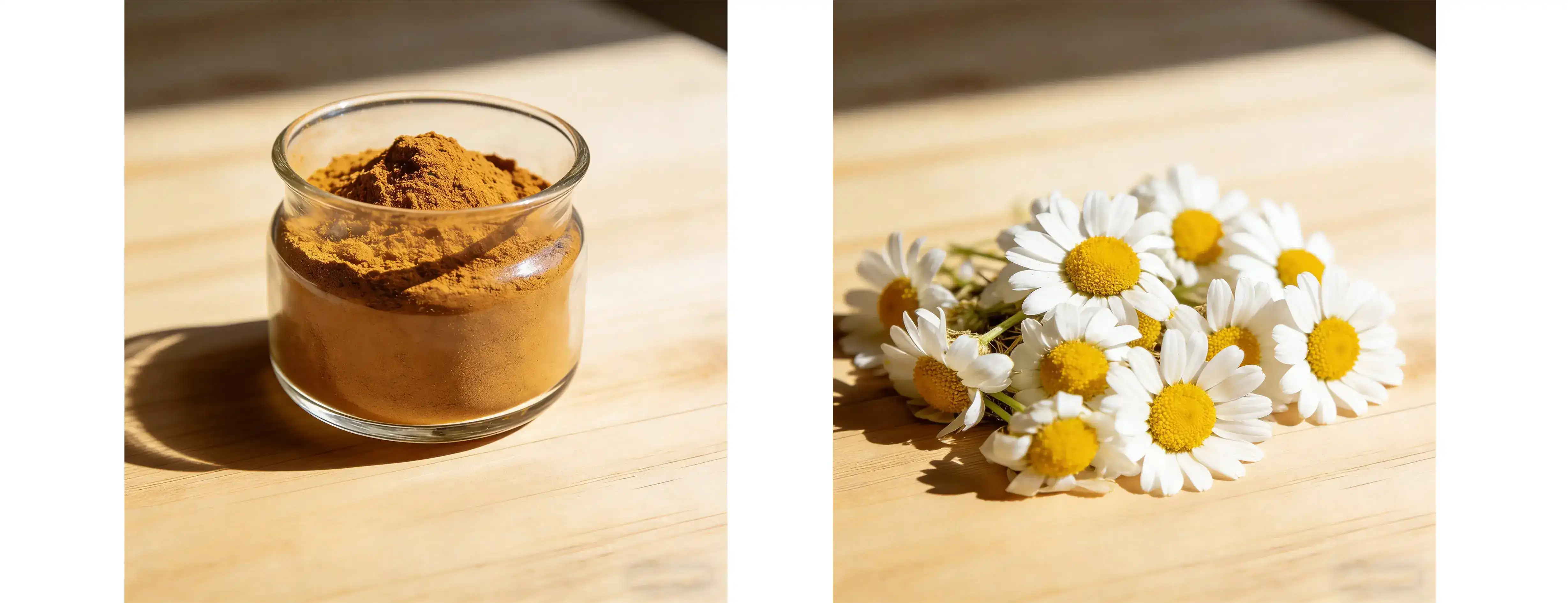
This is a flower extract from the Matricaria recutita plant that we sell. It is made from ethanol and water. Chamomile extract comes in three different strengths: 4:1, 10:1, and 5%. The powder looks like it's a mix of brown and yellow. It takes at least 25 kg to place an order, which is also how much is in a drum. You have to wait 7 days to get free samples.
Since each mark is different, I think you should put it in the right place. When you want a certain amount of flower in your tea or mix, one-to-one extracts work well. When you get the grade with 5% apigenin, it works for supplements that list a name for an ingredient. They can look at your goal grade and tell you which grade is most like it.
Quality Control and Certification
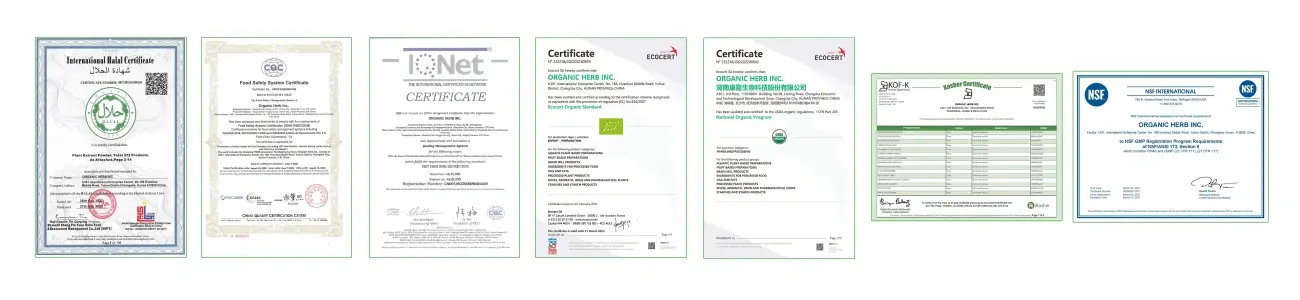
Plant-based products made by Organic Herb Inc. (OHI) are made in a workshop in Yichun, Jiangxi. This business's stock number is 872213. Organic, Kosher, Halal, NSF GMP, and ISO are all marks on our chamomile extract. We make sure that our products follow strict rules, like those set by the US FDA and cGMP.
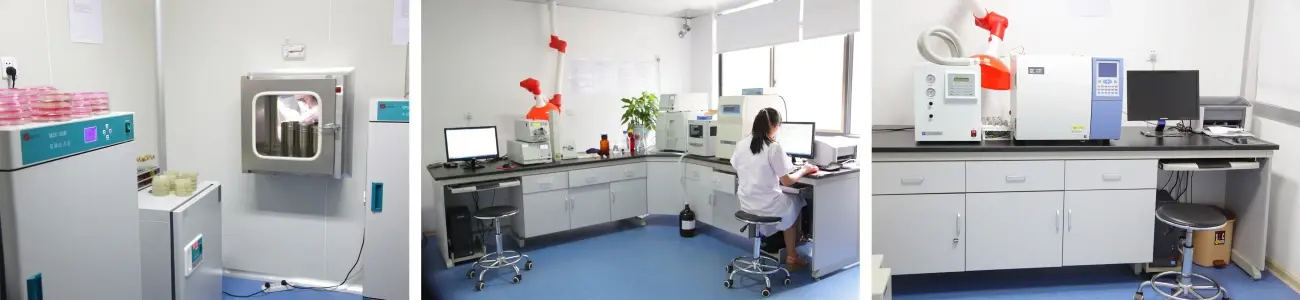
We try different things at different times to make sure that every run is the same. Because we keep track of things, we can see every step of the process. We use GC-MS, HPLC, HPTLC, and atomic absorption spectrophotometry to test things in our R&D and QC lab in Changsha. These records give the expert team all the information they need to look over the specs.
R&D Strength and U.S. Supply
There are 42 people working in our R&D and QC area, and 27 of them are top researchers. There are now more than 400 plant-based goods on the market, and 100 of them have been made the same way. When the temperature is low, we use freeze-drying, nano-membrane separation, and column chromatography to make things. All of them are meant to keep compounds safe, so they work.
We own Earth Made Nutrition in the United States, and it is based in Los Angeles, California. They keep stable stock on the supply side. People in the US can help make sure packages arrive on time at four big stores. The OHI company also cares about the environment and being socially responsible. They also believe in long-term growth.
Conclusion
Chamomile extract works well in products that help you relax, but not so much in products that help you sleep, so it's better to add it to other products than use it on its own. The chemical that has been looked into the most is apigenin. The extract's strength is based on the plant type, the part of the plant used, the solvent, the amount, and how it was standardized. Every label should be made based on what the end product needs and how it should be made in that area, since each style has different needs. Tea, extract, and essential oil can all be used in different ways. German chamomile is the type of chamomile that is most often used in extracts. Before you buy something, you should look at clear specs, batch-specific COAs, quality control, formulation samples, and the net cost. It's most likely to go well from the sample to the launch if the grade fits the style of the product.
FAQ
1. Is chamomile extract better than chamomile tea for sleep products?
By setting a regular ratio or line, the chamomile extract gives a more stable concentration. Things that most people do in the evening go well with tea. Based on the style of your goods and how most people buy from you, choose.
2. What dosage of chamomile extract should a product use?
Every person needs a different dose to work. It depends on the form, the amount of apigenin, the carriers, and the extraction ratio to decide how much it goes into each serving. Check the labeling rules in your area and make sure you follow the instructions that come with the ad.
3. Is German or Roman chamomile better?
This plant, Matricaria recutita, is used most of the time. Roman chamomile can also be used for other things. Look at the Latin name and the forms you need to fill out.
4. What does OHI offer for chamomile extract orders?
It comes in three different types: 4:1, 10:1, and 5%. Our minimum order quantity is 25 kg, and it takes 7 days to get your order. Here you can get free stuff. Tech experts and lawyers need to look at it to make sure it is safe to use in drinks, vitamins, makeup, and goods for pets.
Request a Chamomile Extract Sample from OHI
OHI has four warehouses in the U.S., and it takes seven days to get chamomile extract. Email them at info@organic-herb.com to get a free sample, a list of their products, or a quote for buying in bulk. If you tell us your goal ratio, target market, and how the apigenin will be used, we can help you find a grade that works with your formula.
References
1. Planta Medica, 1995: Viola H. et al., "Apigenin, a component of Matricaria recutita flowers, is a central benzodiazepine receptor ligand with anxiolytic effects."
2. BMC Complementary and Alternative Medicine, 2011: Zick S.M. et al., "Preliminary examination of the efficacy and safety of a standardized chamomile extract for chronic primary insomnia: a randomized placebo-controlled pilot study."
3. Complementary Therapies in Medicine, 2017: Adib-Hajbaghery M. and Mousavi S.N., "The effects of chamomile extract on sleep quality among elderly people: A clinical trial."
4. Molecular Medicine Reports, 2010: Srivastava J.K., Shankar E., and Gupta S., "Chamomile: A herbal medicine of the past with bright future."
5. Phytotherapy Research, 2006: McKay D.L. and Blumberg J.B., "A review of the bioactivity and potential health benefits of chamomile tea (Matricaria recutita L.)."
6. European Medicines Agency, 2015: "Assessment report on Matricaria recutita L., flos."
Standard Disclaimer (DSHEA):
These statements have not been evaluated by the Food and Drug Administration.
This product is not intended to diagnose, treat, cure, or prevent any disease.

Send Inquiry
You may like