
How to use rosemary for memory loss
Oct 22, 2026
Memory and mental clarity have been connected with rosemary for a very long time; Shakespeare even made a reference to those qualities. Science has finally caught up to tradition in today's world. In the nutraceutical and functional food industries, rosemary extract that has been standardised for active ingredients such as rosmarinic acid and carnosic acid is gaining significant amount of momentum. Whether you are a director of research and development, a formulation manager, or a procurement professional looking for ingredients for cognitive support, this guide will bring you through all you need to know, from the science behind the substances to selection of suppliers.
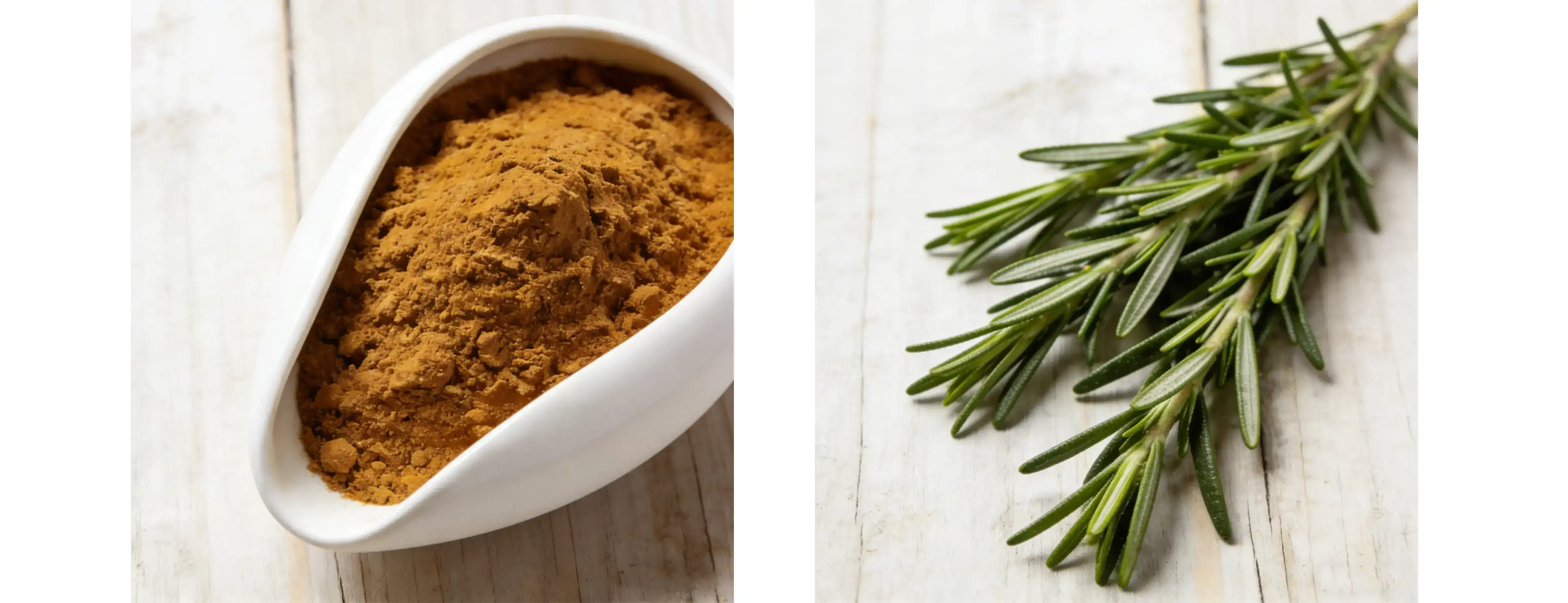
Understanding Memory Loss and the Role of Rosemary Extract
Many millions of individuals in the United States endure a decline in their cognitive abilities on an annual basis. According to estimates provided by the Centers for Disease Control and Prevention (CDC), around 16 million people in the United States are affected by some kind of cognitive impairment. As a consequence of this, the demand from consumers for natural compounds that provide cognitive support and are backed by research has greatly expanded across the categories of dietary supplements, food, and personal care products.
Why Natural Cognitive Support Ingredients Are in High Demand
As of the year 2022, the global market for brain health supplements was predicted to be worth 7.6 billion United States dollars, and according to Grand View Research, it is anticipated that it would reach 13 billion United States dollars by the year 2030. Buyers in the business-to-business sector of the cosmetics, nutraceuticals, and functional beverage sectors are actively searching for plant-based actives that are able to convey real cognitive claims while retaining a clean label. This is a need for the buyers.
What Makes Rosemary a Neuroprotective Botanical
Among the many phenolic compounds that are found in rosemary, the most significant ones are rosmarinic acid, carnosic acid, and carnosol. Rosemary, which is also known as Rosmarinus officinalis L., is a plant that includes a range of phenolic compounds. Free radicals may also be neutralised by these chemicals, which have the potential to do so. The findings of a study that was published in the journal Therapeutic Advances in Psychopharmacology revealed that those who took part in the study and were exposed to the aroma of rosemary saw a significant enhancement in both the speed and accuracy of their mental calculations.
How Rosemary Extract Fits Into B2B Product Development
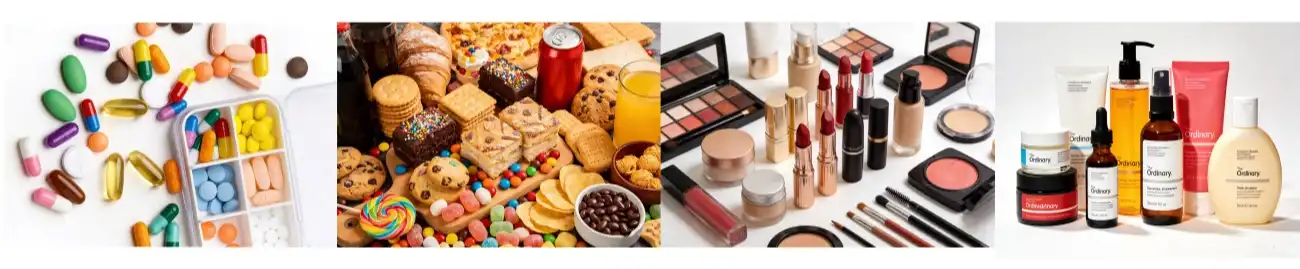
In order to bridge the gap between the science behind functional ingredients and the wellness trends that consumers are interested in, the use of rosemary extract is helpful. It is possible that it is naturally included in the formulas of dietary supplements in tablet form, nootropic mixtures, functional teas, and even topical scalp lotions. With its dual-phase action, which contains both oil-soluble carnosic acid and water-soluble rosmarinic acid, formulators have the potential to design a broad range of delivery forms that are more versatile. This is because the dual-phase action includes both of these acids.
Quality Matters: Choosing the Right Rosemary Extract for Memory Support
Each and every rosmarinic acid extract is unique in its own way. Standardisation is of utmost significance when it comes to applications that involve cognitive processes. In the event that the extract is not standardised, it is possible that various batches may have varying quantities of active compounds. People are less inclined to believe the product as a result of this circumstance since it contradicts what the corporation claims about the product.
Organic vs. Conventional: What It Means for Formulation
Clean labels are gaining popularity in a number of nations, and organic rosemary extracts have improved source documentation. This trend is expected to continue. Additionally, it is simpler to keep track of them, which is an essential aspect of the legislation that applies to other countries. The initial cost of conventional extracts could be lower, but quality control teams examine them more thoroughly than they do conventional extracts.
Extract Forms and Their Application Fit
Different kinds of products need various kinds of extract files. Rosmarinic acid makes up most of this water-soluble powder, which works best in pills, tablets, healthy drinks, and fizzy drinks. 100% water is the answer for OHI's rosemary extract. If you mix this with water, you'll get a brownish-yellow powder that works well in water-based recipes.
Oil-compatible powder (mostly carnosic acid): It works better with soft creams, oil-based topicals, and high-fat food matrices. There is also 7% carnosic acid in the OHI extract, so it can be used in two different ways. Liquid or oil extracts: These are often found in aromatherapy products, makeup, and some healthy foods.
- Water-soluble powder (rosmarinic acid-dominant): Best suited for capsules, tablets, functional beverages, and effervescent formats. OHI's rosemary extract uses 100% water as the extraction solvent, yielding a brownish-yellow powder with 10% rosmarinic acid — ideal for water-based applications.
- Oil-compatible powder (carnosic acid-dominant): Better for soft gels, oil-based topicals, and fat-rich food matrices. OHI's extract also carries 7% carnosic acid, providing dual-phase utility within a single ingredient.
- Liquid or oil extracts: Typically used in aromatherapy products, topical cosmetics, and select functional food formats.
These changes in structure are very important when formulating. If companies choose the wrong form, it could lead to issues like instability, poor bioavailability, or precipitation, which can delay product launches and cost them time and money.
Certifications to Require From Your Supplier
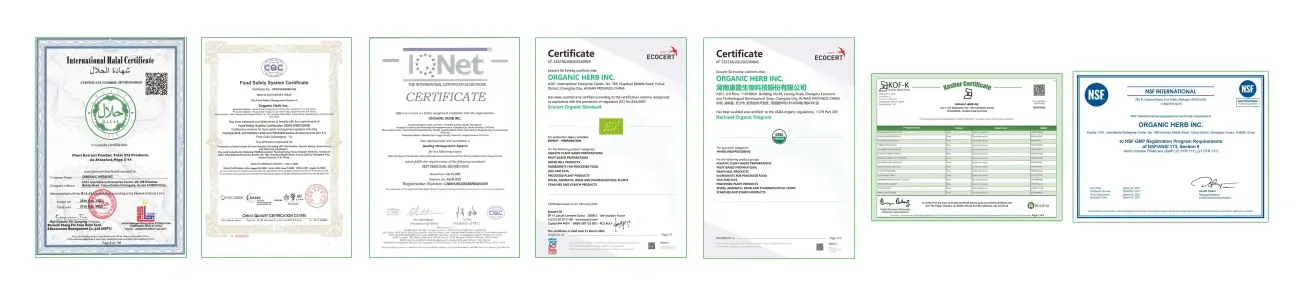
Companies that offer plant-based products that are beneficial to the brain should have third-party certifications that have been verified before they can be considered trustworthy. If you are interested in purchasing rosemary extract from a corporation, consider looking for certificates such as NSF GMP, ISO, FSSC 22000, Kosher, Halal, and Organic. These certifications are the very minimum. Considering that this demonstrates that the product is of high quality, you are able to sell it in any market in the world.
How to Use Rosemary Extract Effectively for Memory Loss
Let's begin by ensuring that the mixture is correct. In the second phase, you will need to ensure that your product line makes appropriate use of it.
Dosage Ranges Supported by Clinical Evidence
According to the findings of research, the optimal dosage of rosmarinic acid to be taken as a vitamin is somewhere between fifty milligrams and seven hundred and fifty milligrams per dose. For the purpose of assisting the brain, a great number of commercial products make an effort to include between 200 and 500 milligrams of standardised rosemary extract in each daily dose. When it comes to dosage, it is essential to always adhere to the recommendations made by your regulatory and clinical review teams.
Administration Methods by Product Format
There are a number of excellent applications for rosemary extract, including the following:
Both capsules and pills are included here. It is most convenient to use a standard powder that contains ten percent rosmarinic acid. This powder functions well and maintains its stability for the appropriate period of time when it is combined with other substances. Utilise extracts that are rich in rosmarinic acid and dissolve in water for the purpose of producing functional beverages. This will ensure that the drinks remain clear and free of sediment. In devices that employ water, the OHI powder that was extracted with water dissolves much more rapidly than other powders.
- Applications on the skin and scalp: The use of carnosic acid in some head serums is intended to increase blood flow and hair health; however, these claims are not related to medical; rather, they are related to cosmetics.
- Tablets and capsules are the most basic formats; a standardised powder containing 10% rosmarinic acid combines well with excipients and maintains its stability over the typical shelf-life periods.
- Functional drinks include: To prevent cloudiness or precipitation, one should make use of water-soluble extracts that are dominated by rosmarinic acid. The water-extracted powder that OHI produces dissolves without any residue in aqueous systems.
- Carnosic acid-containing extracts are utilised in various scalp serum formulations connected with circulation and hair health. However, this comes under the category of cosmetic claims rather than drug claims. Examples of these types of applications are topical and scalp applications.
These methods of producing additives have been tried and tested, and they have been shown to be effective for original equipment manufacturers in both the United States and Europe.
Synergistic Herbal Combinations
It is a good idea to combine rosemary oil with other herbs that are beneficial to your brain. Quite often, active herbs such as ginkgo biloba, ashwagandha, and lion's mane mushroom are combined with one another. A great number of nootropic stacks are already available on the market, and they make use of these combinations to assist with memory, attention, and mental stamina.
Procurement Insights: Acquiring High-Quality Rosemary Extract for Your Business
In the world of business, it may be challenging to locate the best product at the right time and at the appropriate price. We seek these aspects with groups of buyers that have a lot of experience.
Bulk Purchasing and Packaging Options
The rosemary extract that you can buy from OHI comes in 25 kg drums, which is a good size for both small and large production runs. It takes 10 days to make the product, which helps meet tighter deadlines for product development. Before you decide to buy, you can get free samples to try in the lab.
Global Sourcing Landscape
Products with rosemary mostly come from the US, Europe, and Asia. Asian manufacturers are getting more and more competitive on price and quality. This is especially true for Chinese manufacturers who have GAP-certified planting bases and up-to-date infrastructure for extraction. One of the things that OHI does is keep four warehouses in the US so that orders can be sent out quickly and without having to wait for long delays in international shipping.
Quality Verification Protocols
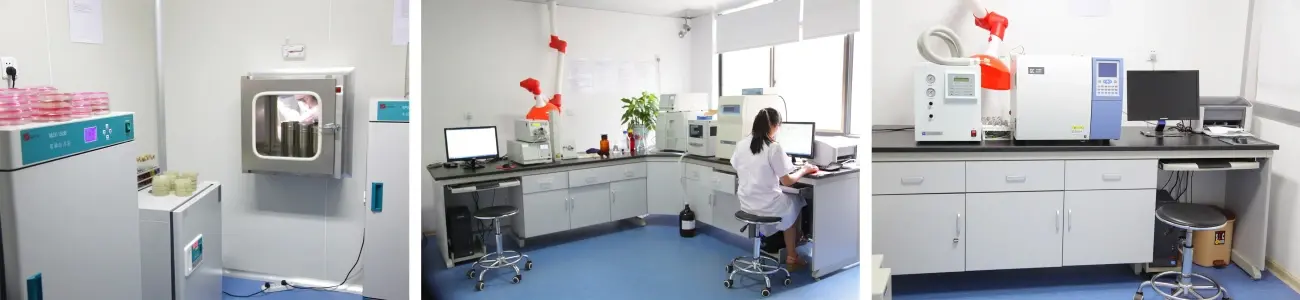
Before you choose a rosemary extract supplier, make sure you get HPLC-verified active compound percentages, heavy metal testing results, microbial testing certificates, and data on how consistent batches are with each other. Every step of the way, OHI's 42-person R&D team uses HPLC, GS-MS, and HPTLC to make sure the product is pure and strong.
Case Studies and Practical Examples of Rosemary Extract Use for Memory Enhancement
Real-world results offer the clearest picture of ingredient value.
Nutraceutical OEM Integration
A U.S.-based nutraceutical OEM sourcing rosmarinic acid-standardized rosemary extract was able to add a "supports memory and focus" structure/function claim to their cognitive supplement line. By switching to a supplier with FSSC 22000 and NSF GMP certifications, they cleared FDA documentation reviews faster and reduced formulation rework by nearly 30%.
Functional Beverage Innovation
A functional drink brand incorporated water-soluble rosemary extract into a ready-to-drink nootropic beverage. The clean extraction process — using 100% water as solvent — meant the final drink carried no residual solvent concern, supporting both consumer safety positioning and cleaner label language.
Overcoming Common Sourcing Challenges
B2B buyers frequently encounter issues around batch consistency, documentation gaps, and lead time uncertainty. Working with a vertically integrated supplier — one that controls planting, extraction, and testing under one quality system — significantly reduces these risks.
Conclusion
Rosemary extract offers real, documented value for cognitive wellness product development. From standardized active compound profiles to versatile delivery formats, it's an ingredient that earns its place in memory support formulas. For procurement and formulation teams, the key is sourcing from a verified supplier with strong certification infrastructure, consistent batch quality, and transparent documentation. Whether you're building a new nootropic supplement line or expanding a functional beverage portfolio, rosemary-derived actives are worth serious consideration.
FAQ
1. What is the difference between rosmarinic acid and carnosic acid in rosemary extract?
Rosmarinic acid is water-soluble and works well in aqueous formulas like beverages and capsules. Carnosic acid is oil-soluble, making it better suited for fat-based matrices and topicals. A dual-standardized extract — like OHI's 10% rosmarinic acid / 7% carnosic acid product — offers versatility across both formats.
2. What certifications should a rosemary extract supplier hold?
At minimum, look for NSF GMP, ISO 9001, FSSC 22000, Kosher, and Halal. Organic certification adds clean-label credibility. These credentials confirm both production quality and readiness for global market entry.
3. Is water-extracted rosemary extract safe for food and beverage applications?
Yes. A 100% water extraction process eliminates residual solvent concerns, supporting food-grade safety and clean-label positioning. It also aligns with FDA GRAS status requirements for rosemary-derived ingredients.
4. What is the minimum order quantity for B2B procurement?
OHI's rosemary extract is available with an MOQ of 25 kg, packaged in drums. Free samples are available for testing prior to any bulk order commitment.
Partner With OHI — Your Trusted Rosemary Extract Supplier
OHI makes rosemary extract that is safe for use in medicine and food (10% rosmarinic acid, 7% carnosic acid). It is certified by NSF GMP, Kosher, Halal, ISO, FSSC 22000, and Organic. We make it easy to buy things by having free samples, four shops in the U.S., and a lead time of 10 days. Send our team an email at info@organic-herb.com right now to get your sample and more information about our products.
References
1. Moss, M., & Oliver, L. (2012). Plasma 1,8-cineole correlates with cognitive performance following exposure to rosemary essential oil aroma. Therapeutic Advances in Psychopharmacology.
2. Pengelly, A., Snow, J., Mills, S. Y., Scholey, A., Wesnes, K., & Butler, L. R. (2012). Short-term study on the effects of rosemary on cognitive function in an elderly population. Journal of Medicinal Food.
3. Grand View Research. (2023). Brain Health Supplements Market Size, Share & Trends Analysis Report. Grand View Research.
4. Bhatt, S., Bhatt, D. K., & Bhatt, R. S. (2020). Neuroprotective potential of rosmarinic acid: A review. Journal of Functional Foods.
5. Centers for Disease Control and Prevention. (2022). Subjective Cognitive Decline — A Public Health Issue. CDC.
6. Habtemariam, S. (2016). The therapeutic potential of rosemary (Rosmarinus officinalis) diterpenes for Alzheimer's disease. Evidence-Based Complementary and Alternative Medicine.
Standard Disclaimer (DSHEA):
These statements have not been evaluated by the Food and Drug Administration.
This product is not intended to diagnose, treat, cure, or prevent any disease.

Send Inquiry
You may like