
Grape Skin Extract: A Small Addition For Big Impact
Oct 20, 2026
When formulators and product developers look for ingredients that deliver both function and clean-label appeal, grape skin extract powder consistently rises to the top of the shortlist. Derived from the skins of Vitis vinifera L. grapes, this violet-red powder carries a concentrated load of polyphenols, anthocyanins, and resveratrol. For nutraceutical brands, cosmetic manufacturers, and functional food producers, it is the kind of ingredient that pulls double duty — adding visual appeal and measurable antioxidant activity within a single, natural raw material.
Understanding Grape Skin Extract: Composition, Benefits, and Industry Uses
What Is It Made Of?
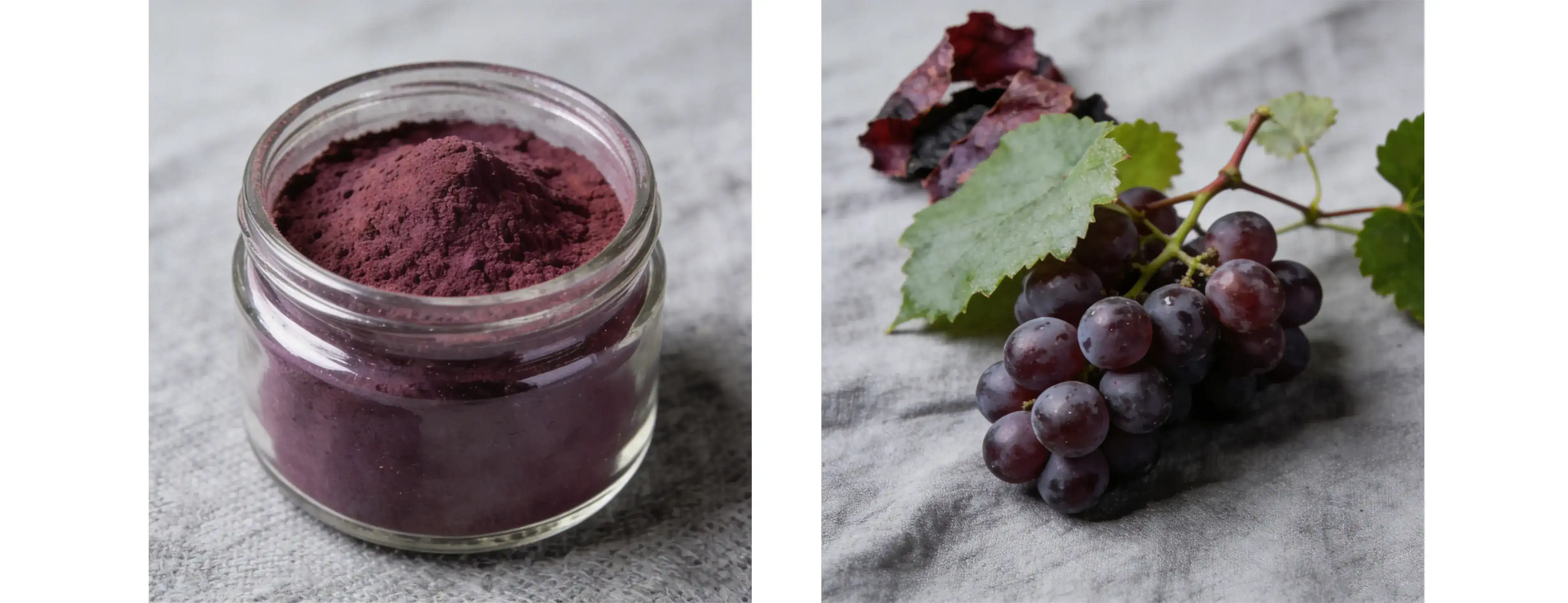
Citrus vinifera L. grapes are used to make grape skin extract powder, which is a powder that is manufactured from the skins of grapes. For the production of the powder, a water-ethanol extraction process is used, which ensures that the whole polyphenolic profile is preserved. Anthocyanins, resveratrol, and flavonoids are the primary components that are responsible for its effectiveness. Malvidin-3-O-glucoside is the primary pigment that gives it its colour. At OHI, you may get concentration ratios of 4:1 and 10:1, respectively. There is also a regular grade that contains thirty percent polyphenols. All of them are powders that are very fine and violet-red in colour, and they are quite simple to combine with water.
Key Functional Benefits
Polyphenols, which are present in grape skin, have been the subject of a great deal of research due to the fact that they have the ability to protect skin cells, assist the heart, and combat free radicals. In addition to being natural colourants, they are bioactive substances. The European Union refers to them as E163, whereas the United States of America refers to them as 21 CFR 73.170. When resveratrol is used in anti-aging skin care products and antioxidant pill lines, the effectiveness of these products is enhanced.
Usage Across Industries
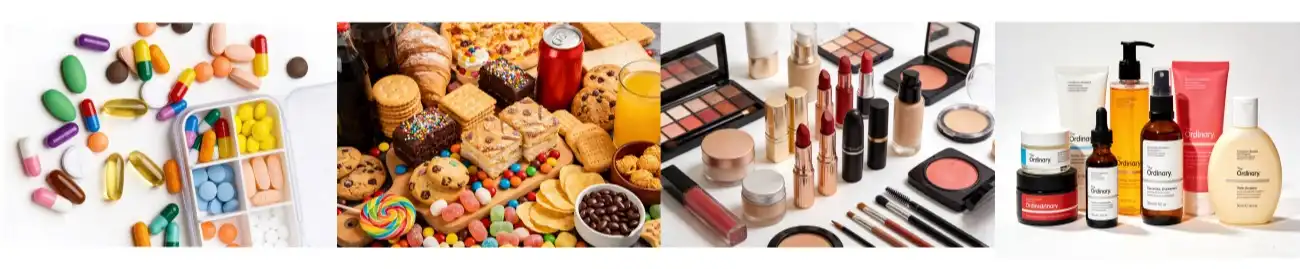
It is possible to put this extract to use in a variety of different contexts. When it comes to business-to-business buyers, these are the primary uses that they consistently rely on:
- When it comes to supporting antioxidant and cardiovascular health positions, nutraceuticals are used in the form of capsules, tablets, and functional powders, among other forms.
- Because of their polyphenol-rich and skin-protective properties, they are used in cosmetics, namely in serums and creams.
- Foods and drinks that are functional: it functions as a natural colourant and a functional active in beverages that are kept at a pH level lower than 3.5 to provide the best possible colour stability.
Those businesses that are interested in producing a wide range of natural plant-based products that they may offer in a number of locations will find it valuable for the reasons stated above.
Grape Skin Extract vs. Related Products: Making the Right Choice
How It Differs from Grape Seed Extract
A lot of buyers want to know what the difference is between grape seed extract and Vitis vinifera L. skin extract powder. Proanthocyanidins (OPCs) are found in grape seed extract, which makes the difference clear. It doesn't add any useful color. Grape skin extract is both colored and good for you because it has a lot of anthocyanins and resveratrol. Apple companies that want to use a natural red colorant that also makes health claims should choose grape skin extract.
Organic vs. Non-Organic: Certification Matters
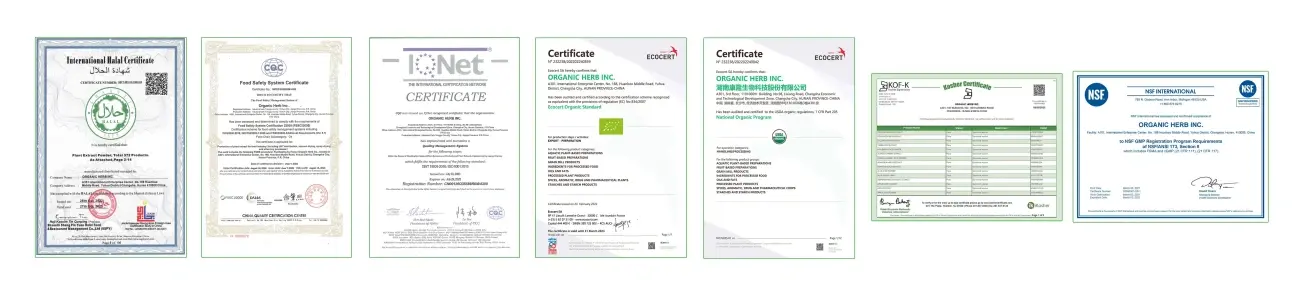
People who want to buy clean-label goods should check to see if the products are approved. It is more likely that people in North America and Europe will believe grape skin extract that has been certified organic. OHI has certifications for a lot of different standards, such as Organic, Kosher, Halal, NSF GMP, ISO, and FSSC22000. These standards are needed by buying teams around the world. It is easier to send documents to regulators when you have these certifications.
Pricing and Market Positioning
Because they are more consistent from batch to batch, standardized extracts with 30% polyphenols cost more than ratio extracts. This isn't always possible with bulk ratio grades. By investing in a standard grade, brands can avoid quality-related recalls and losing customer trust. This is because their reputations are built on label promises that are kept.
How to Source High-Quality Grape Skin Extract Powder
Supplier Vetting Criteria
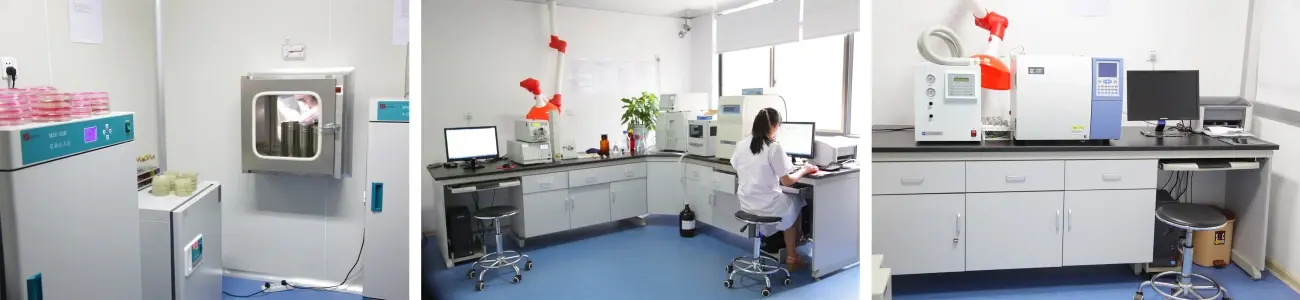
When you compare sites for this item, you need to look at more than just price. The most important things to look for are GMP compliance, third-party certification, documentation for traceability, and extraction technology. The factory where OHI makes its products in Yichun, Jiangxi Province, follows C-GMP rules and can keep full records on every batch. About 42 people work at our R&D center in Changsha; 27 of them are top researchers. The center also has over $1.2 million worth of analytical tools, including HPLC, GC-MS, and HPTLC systems.
Purchasing Terms and Lead Times
It's important for procurement teams that manage inventory rounds to know how the source works. OHI always talks about grape skin extract powder in these ways:
- Specifications: 4:1, 10:1, 30% Polyphenols
- Solvent: Water/Ethanol
- Appearance: Violet Red
- Plant Part: Skin (Vitis vinifera L.)
- Package: 25 kgs/drum
- MOQ: 25 kgs
- Lead Time: 7 days
- Sample: Free sample available
Polyphenols make up 4:1, 10:1, and 30% of the mix.— Ethanol or water as a solvent-- It looks like violet red skin (Vitis vinifera L.) is a part of a plant.
Why Supplier Partnerships Outperform Spot Buying
When brands buy something one-time, they leave themselves open to batch differences and supply gaps. When a company like OHI (Stock: 872213), which is publicly traded and manages over 8,000 acres of GAP-compliant planting bases, works with a brand, the brand can be sure that they will always have a steady supply of ingredients that their R&D teams can use to make formulas.
Integrating Grape Skin Extract Into Your Product Line
Formulation Considerations
Pay attention to the pH, how well it dissolves, and how it is stored if you want to use natural grape skin extract in a mix. Anthocyanins give things a stable red color when the pH level is less than 3.5. Since it's harder to tell what color something will be when the pH level goes above 4.0, it turns purple. The powder should be kept in double-lined, tightly sealed plastic bags inside drums below 25°C. Silica desiccant inserts should be used to control how much water the powder soaks up for the best results.
Regulatory Compliance Pathways
In the US market, 21 CFR 73.170 says that grape skin extract does not need to be color-certified. Brand names for it include "Grape Skin Extract" and "Enocianina." Companies that use it as an active ingredient in supplements can claim that it works as an antioxidant. Any brands that sell their products in the EU need to follow E163 and make sure that the sulfite residue levels stay below 50 parts per million (ppm).
Differentiation in a Crowded Market
When it comes to polyphenol supplements, companies fight by saying where their products come from. If the grape skin extract comes from a certified supplier whose farming practices can be tracked, the people who make the products can tell a good story about the whole process, from the vine to the capsule. People who care about their health will relate to this story, and it supports premium pricing strategies in specialty retail.
Future Trends and Market Outlook
Growing Demand for Natural Colorants
Around the world, the market for natural food dyes is steadily growing. Data from companies that keep an eye on the industry shows that the move in North America toward synthetic dye replacement is picking up speed. This is especially true as more and more people want brands to get rid of fake ingredients like Red 40. Anthocyanin-based grape skin colorants are a good way to meet this need on a big scale.
Clean-Label and Traceability Requirements
It's being asked of buying teams more and more to show that all products can be tracked from the farm to the table. The combined supply chain at OHI meets this requirement for tracking. It has GAP-certified planting bases, advanced extraction, and certified end goods. This can be done without extra paperwork from auditors from outside the company.
Technology-Driven Quality Improvements
Over at OHI, they use dynamic low-temperature extraction, nano-membrane isolation, and freeze-drying technology to make grape skin extract. These methods are better than regular high-heat processing at keeping the biological integrity. This means that more polyphenols are retained and the requirements are met more consistently from one production run to the next.
Conclusion
This grape skin extract powder made from grape skin is a real functional ingredient that can be used in functional foods, skin care products, and supplements. It can help with real formulation problems because it has a natural color, a lot of polyphenols, and doesn't cause problems with clean labels. R&D leaders and buying managers who want a plant-based activity that is both scientifically sound and good for business should give this extract from Vitis vinifera L. a lot of thought. It's easy to do if you find the right supplier, and the product works well enough that the cost is worth it.
Frequently Asked Questions
1. What is the difference between grape skin extract and grape seed extract?
Grape skin extract is standardized for anthocyanins and resveratrol, which provide both natural color and antioxidant activity. Grape seed extract is standardized for proanthocyanidins (OPCs) and has no significant colorant function. They serve different formulation goals.
2. What pH level is best for using grape skin extract in beverages?
Anthocyanins from grape skin remain color-stable and vivid at pH below 3.5. Above pH 4.0, the pigment shifts toward purple and degrades more readily. For functional beverages and clear drinks, keeping pH below 3.5 is the standard recommendation.
3. Is this extract suitable for cosmetic formulations?
Yes. The polyphenol-rich profile supports anti-aging and skin-protective product claims. It works in water-based serums and emulsions where plant polyphenols are used for their antioxidant properties.
4. What certifications should I request from my supplier?
At minimum, request GMP, ISO, and Organic certifications. For international distribution, Kosher, Halal, and FSSC22000 documentation are commonly required. OHI holds all of these.
Partner with OHI for Your Grape Skin Extract Powder Supply
OHI: If you need approved grape skin extract powder, this is a good company that keeps stock in the US. There is a seven-day wait. Our technical team can help you source 30% Polyphenols that are standardized for a line of supplements or natural anthocyanin colorants for functional drinks. They can do this from the design stage all the way through delivery. You can email us at info@organic-herb.com right now to get your free sample and learn more about our products.
References
1. He, J., & Giusti, M. M. (2010). Anthocyanins: Natural Colorants with Health-Promoting Properties. Annual Review of Food Science and Technology.
2. Xia, E. Q., Deng, G. F., Guo, Y. J., & Li, H. B. (2010). Biological Activities of Polyphenols from Grapes. International Journal of Molecular Sciences.
3. Castilla, P., et al. (2006). Consumption of Grape Products and Cardiovascular Risk Factors. American Journal of Clinical Nutrition.
4. Nassiri-Asl, M., & Hosseinzadeh, H. (2009). Review of the Pharmacological Effects of Vitis vinifera and Its Bioactive Constituents. Phytotherapy Research.
5. Tseng, A., & Zhao, Y. (2013). Wine Grape Pomace as Antioxidant Dietary Fiber for Enhancing Nutritional Value. Food Chemistry.
6. Georgiev, V., et al. (2014). The Polyphenols of Grape Seeds — an Evolving Story. Industrial Crops and Products.
Standard Disclaimer (DSHEA):
These statements have not been evaluated by the Food and Drug Administration.
This product is not intended to diagnose, treat, cure, or prevent any disease.

Send Inquiry
You may like