
Does red yeast rice lower blood pressure?
Oct 20, 2026
Red yeast rice extract powder — derived from rice fermented with Monascus purpureus — has attracted growing attention in the cardiovascular supplement space. The short answer is yes, though indirectly. Its primary bioactive compound, Monacolin K, works by inhibiting HMG-CoA reductase, an enzyme central to cholesterol synthesis. By reducing LDL cholesterol and supporting vascular health, it may contribute to healthier blood pressure readings over time. For B2B buyers formulating heart-health products, this mechanism represents a scientifically grounded reason to consider this natural fermentation-derived ingredient.
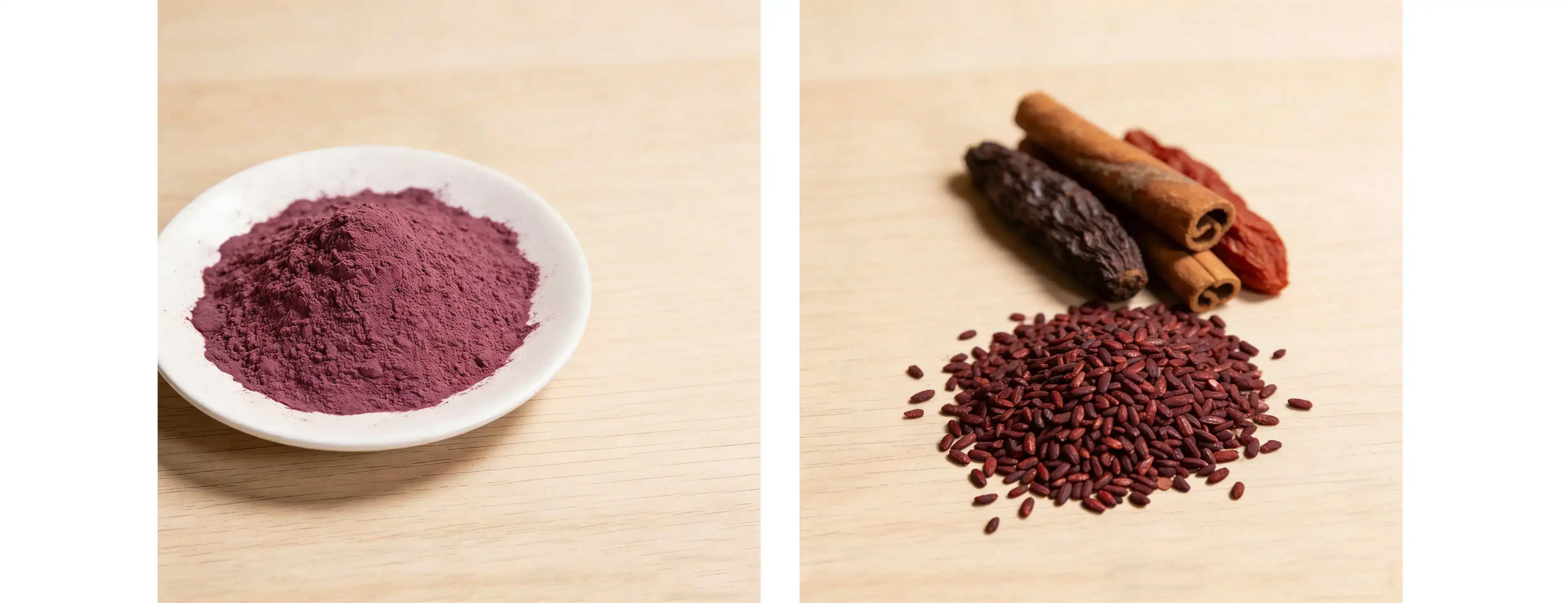
Understanding Red Yeast Rice Extract and Its Cardiovascular Profile
What Makes This Extract Unique
Non-GMO rice is fermented by Monascus purpureus, which produces a group of bioactive monacolins. Monacolin K is the most important of these. This fermentation method makes a natural mix of monacolins, sterols, and isoflavones that support lipid metabolism. This is different from manufactured choices.
How Monacolin K Influences Lipid Metabolism
It's the same way that lovastatin works: it stops the part of cholesterol biosynthesis that makes it go more slowly. Tests on people have shown that standardized red yeast rice products can lower LDL cholesterol by 15–25% over 8–12 weeks. This keeps arteries flexible, which helps keep blood pressure in check.
Why B2B Formulators Value This Ingredient
It is easy to understand why formulation managers and people in charge of R&D would be interested. It has been shown in studies that a normal, naturally fermented ingredient lowers the chance of growth. There is a clean label on OHI's red yeast rice extract powder (0.1% Monacolin K, water-extracted, violet red color), and it is known to work well, which is important in a market where products are competing.
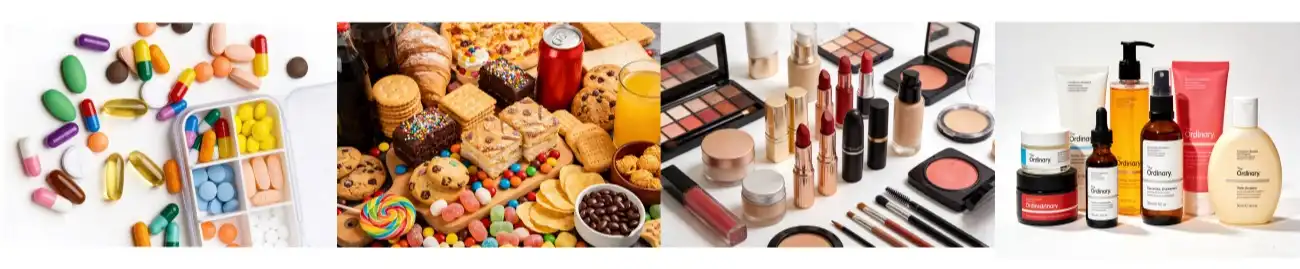
Red Yeast Rice Extract and Blood Pressure: Cause-Effect Analysis
The Cholesterol–Blood Pressure Connection
When you have high LDL cholesterol, plaque builds up in your arteries. This makes the walls of your blood vessels stiffer and raises your systolic blood pressure. Monacolin K may help make vessels more flexible by lowering the amount of LDL in the blood. It may also lower blood pressure over time. It's not a direct link, but this link is well known in the circulatory literature.
Comparing Effects to Conventional Antihypertensives
ACE inhibitors and calcium channel blockers change the tone of the blood vessels directly. Red yeast rice, on the other hand, treats one of the main reasons why blood vessels get tight by working upstream. Because of this, it is a functional ingredient that works with other ingredients instead of going in place of them. In terms of both science and the law, this difference is important for supplement makers when it comes to labeling.
Dosage, Safety, and Long-Term Use Considerations
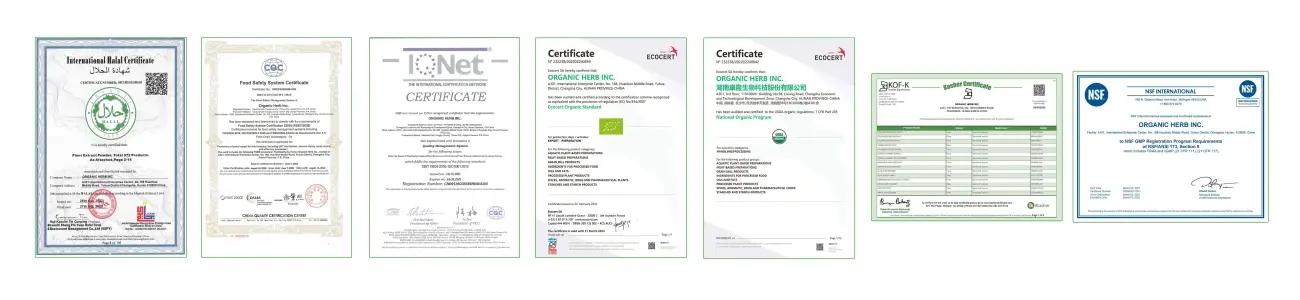
It is standardized to 0.1% Monacolin K and was made with only water as a solvent, so there are no worries about solvents that might still be there in red yeast rice extract powder. This item has tags that say it is NSF GMP, Kosher, Halal, ISO, FSSC22000, and Organic. It's safe for the buying teams to know that the ingredient they want meets US FDA and C-GMP standards and doesn't have more than 100 µg/kg of citrinin, which is the EU's limit.
Comparing Red Yeast Rice Extract with Other Cardiovascular Ingredients
Red Yeast Rice vs. Berberine and CoQ10
Berberine and CoQ10 both help the heart muscle cells use energy. Berberine works on AMPK pathways to help balance blood sugar and fats. HMG-CoA can't work when you eat red yeast rice, but other foods can. For companies that make recipes with more than one ingredient, putting these ingredients together can help heart health in a number of different ways that work together.
Powder Form vs. Capsule Formats for Production
Powder can be used in capsules, softgels, stick packs, and functional food matrices, so when companies buy it in bulk, they have more things to choose from. From OHI, red yeast rice extract comes in drums that hold 25 kg. To get it, you only need to order 25 kg. Because of this, it can be used for both small and big production runs. You can get free samples, and the lead time is 10 days.
Organic vs. Conventional Extracts: What Buyers Need to Know
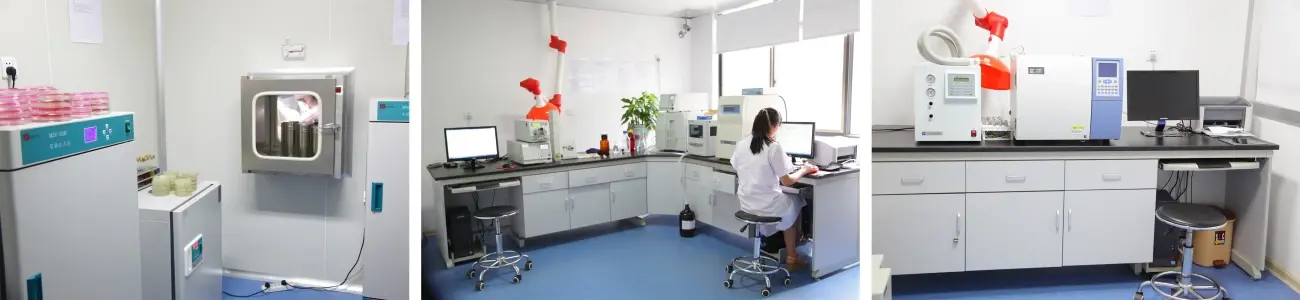
More and more clean-label brands are choosing organic-certified red yeast rice extract. The product from OHI is certified as Organic, Kosher, and Halal. There are a lot of ways that formulators can place the product in the market because of this. The consistency of one batch to the next is checked by using HPLC to measure the amount of Monacolin K and ICP-MS to look for heavy metals.
Procurement Insights: Sourcing High-Quality Red Yeast Rice Extract Powder
Quality Markers Every Buyer Should Verify
You need more than just a proof of analysis to get any standardized plant extract. The most important things to look for in red yeast rice are these:
- Citrinin testing (HPLC-FLD): Citrinin is a nephrotoxic mycotoxin produced during fermentation. Confirm batch-level testing below 100 µg/kg per EU standards. OHI uses proprietary Monascus purpureus strains selected for low citrinin output.
- Monacolin K fingerprinting (HPLC): Validate total Monacolin K and the ratio of acid form to lactone form. The acid form is immediately pharmacologically active; the lactone form requires hepatic conversion. This ratio reflects fermentation quality.
- Heavy metal profile (ICP-MS): As a rice-derived ingredient, arsenic levels demand particular attention. Testing for As, Pb, Cd, and Hg is mandatory to meet US and EU food safety thresholds.
- Adulteration screening (Carbon-14 testing): Confirm that Monacolin K is naturally fermented and not spiked with synthetic lovastatin — a regulatory violation in dietary supplement markets.
- Running an HPLC-FLD test for citrinin: Because it is a carcinogen, citrinin is made during fermentation. According to EU rules, testing at the batch level must be less than 100 µg/kg. OHI uses certain kinds of Monascus purpureus that were picked because they don't make a lot of citrinin.
- HPLC analysis of micromolecules K: Check the amount of total Monacolin K and the amount of acid form to lactone form. Acid works as a drug right away, but the liver has to change the lactone form before it can work. This number tells you how well the fermentation went.
Take a look at this heavy metal profile (ICP-MS) for red yeast rice extract powder. The arsenic levels need extra attention since it comes from rice. To meet EU and US food safety rules, food has to be checked for As, Pb, Cd, and Hg.
As part of the Carbon-14 test for adultery, make sure that Monacolin K is naturally fermented and not spiked with synthetic lovastatin, which is against the rules in the supplement market.
OHI's Supply Chain and US Logistics
There are four OHI shops all over the United States. This means that deliveries happen quickly, without the wait times that can happen when shipping directly from another country. Organic Herb Inc. (Stock: 872213), the main business, is based in Yichang, Jiangxi Province. The main office of Earth Made Nutrition in the US is in Los Angeles, California. The way it's set up, procurement managers can work with a person in the US and use OHI's manufacturing knowledge.
Pricing, MOQ, and Lead Time Transparency
OHI's MOQ is 25 kg per drum, which is the same amount that it needs for a standard test run. The lead time is 10 days, and samples are free for people who qualify. With this much information about the supply line, buying teams can plan ahead for what goods they will need and keep production from stopping too often.
Strategic Recommendations for B2B Buyers
Aligning Ingredient Claims with Market Demand
People in the US want sustainable ways to lower their blood pressure and cholesterol even more. Because it comes from plants and has a clean label, red yeast rice extract is just what supplement brands need. So that they can follow US rules, R&D teams should say that their products lower cholesterol instead of blood pressure.
OEM and Private Label Opportunities
OEM and custom formulation projects are both things that OHI can help with. In OHI's R&D and QC team of 42 people, there are PhDs, professors, and young experts. The company also has more than 400 different kinds of herbal extracts. They can help with product creation from the thought of the raw material to the finished recipe because of this.
Regulatory Trends and Forward-Looking Sourcing
The FDA is paying more attention to red yeast rice products that have the same amount of Monacolin K as a drug. C-14 isotope testing is the only way for buyers to be sure that the product came from natural fermentation. Because OHI only required 0.1% Monacolin K and the process used was water-only, the product falls within a legal range that allows it to be used as a supplement.
Conclusion
Red yeast rice extract powder has been shown to lower cholesterol naturally. This may also protect against high blood pressure in a roundabout way. Supplement brands, food makers, and nutraceutical developers can use this ingredient because it comes from a clean source, has regulatory paperwork, and works in a way that is known to work. Because it comes from the US and is fully certified, OHI's standard extract from Monascus purpureus L. is always of the same high quality. This is a good option that is ready to go on the market for purchasing teams looking for a natural ingredient for heart health that can be tracked and sent directly to businesses.
Frequently Asked Questions
1. Does red yeast rice directly lower blood pressure?
It works indirectly. Monacolin K reduces LDL cholesterol, which supports arterial health. Improved vascular flexibility may contribute to lower blood pressure readings over time, but it does not act like a direct antihypertensive agent.
2. What is the citrinin risk, and how is it managed?
Citrinin is a mycotoxin produced during fermentation. OHI controls this through proprietary low-citrinin Monascus purpureus strains and post-extraction purification, with every batch tested to confirm levels below the EU limit of 100 µg/kg.
3. Is the Monacolin K natural or synthetic?
OHI's extract is produced through controlled fermentation, and its natural origin is verifiable via Carbon-14 isotope analysis — the accepted standard for distinguishing fermentation-derived from synthetically spiked Monacolin K.
4. What certifications does OHI's extract carry?
NSF GMP, Kosher, Halal, ISO, FSSC22000, and Organic. The product also complies with US FDA and C-GMP standards.
Partner with OHI for Certified Red Yeast Rice Extract Powder Supply
Supplement brands and nutraceutical companies can trust OHI to supply them with red yeast rice extract powder. They have warehouses in the US, cover all certifications, and have 10-day lead times. OHI offers quality that has been checked at the B2B level. They have a skilled research and development team and more than 400 controlled products. Today, you can get a free sample or talk about prices for big orders. Send us your questions at info@organic-herb.com to begin.
References
1. Heber, D. et al. — American Journal of Clinical Nutrition, 1999.
2. Liu, J. et al. — Chinese Medicine, 2006.
3. Cicero, A.F.G. & Brancaleoni, M. — Atherosclerosis Supplements, 2005.
4. Becker, D.J. et al. — Annals of Internal Medicine, 2009.
5. Gerards, M.C. et al. — European Journal of Preventive Cardiology, 2015.
6. Pirro, M. et al. — Pharmacological Research, 2016.
Standard Disclaimer (DSHEA):
These statements have not been evaluated by the Food and Drug Administration.
This product is not intended to diagnose, treat, cure, or prevent any disease.

Send Inquiry
You may like