
Best Time to Consume Natural Celery Seed Extract for Health Benefits
Oct 21, 2026
When to take natural celery seed extract depends on your health objective and the way you choose to take it. In general, the consumption of it with food enhances the uptake of the major bioactives, 3-n-butylphthalide (3nB) and apigenin, by mixing it with dietary fats that facilitate the absorption of lipophilic compounds. Morning dosing is a common option for joint comfort support as it corresponds to the body’s natural inflammatory cycles. Taking the supplement in the evening may help you with your relaxation aims. For B2B formulators, knowing these temporal dynamics enables more persuasive, evidence-backed product messaging that resonates with today’s health-conscious consumers.
Understanding Natural Celery Seed Extract and Its Health Benefits
Apium graveolens seeds have been utilised in traditional medicine for hundreds of years, and now contemporary technology for extracting them has made them much more helpful. Natural celery seed extract turns the most valuable compounds from the seeds into a stable, measured material that supplement and functional food producers can count on.
Key Bioactives and What They Do
3-n-butylphthalide (3nB), sedanolide, and apigenin are the main marker compounds in the extract. The antioxidant and anti-inflammatory effects of these nutrients are increased when they are combined. It has been shown that 3nB is what makes the ingredient help keep uric acid metabolism and arterial tone healthy. Apigenin is a part of the extract's flavonoid-driven antioxidant power, which has been studied in terms of protecting cells and keeping the blood flowing well.
Dosage and Administration Basics
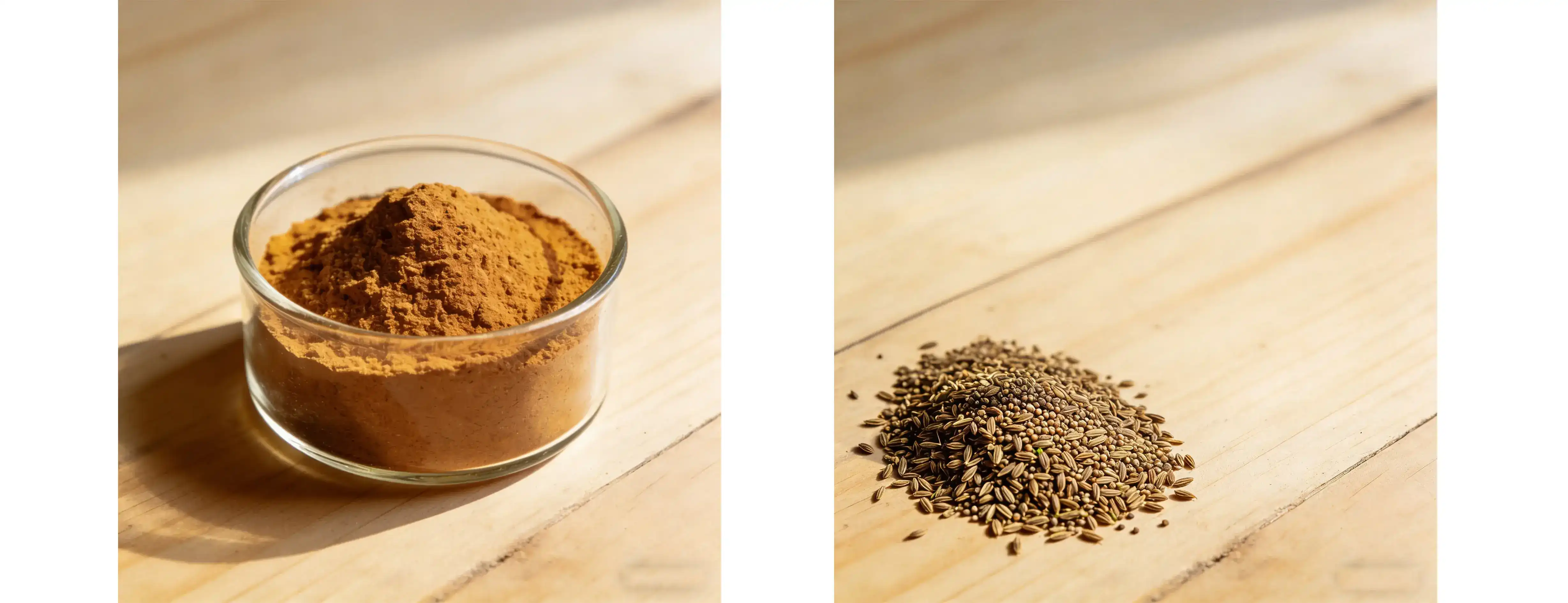
If you take a product with natural celery seed extract that is standardized to about 2.2% 3nB, you should be able to take 75–150 mg every day, according to clinical data. If you aren't sure how much of a higher-ratio extract, like the 10:1 concentration, you need to take more than 500 mg. OHI provides 4:1 and 10:1 water-extracted specifications, and the brownish-yellow color shows that the material comes from real seeds.
Why Timing Matters: Best Time to Consume Natural Celery Seed Extract
The time you take something is just as important as what you take. When taken, the volatile phthalide compounds in celery seed extract act in different ways depending on how the digestive system is working.
Morning Intake With Breakfast
Most experts in the field of nutrition say that taking the extract with breakfast is the best way to do it. Lipophilic parts like 3nB are easier to dissolve when taken with food, especially food with a moderate amount of fat. It's also best to eat in the morning because that's when the body naturally makes the most pro-inflammatory cytokines. Using antioxidant-rich plants to target this window is a formulation strategy that many top supplement brands now stress in their clinical message.
Evening Dosing for Relaxation and Uric Acid Support
Some doctors say that the daily dose should be split in half and one half should be taken in the evening. Since uric acid levels in the blood tend to rise at night, taking a supplement in the evening would make sense in addition to taking it in the morning. This method of split-dosing also lowers gastric sensitivity in people who are sensitive to concentrated extracts.
The next generation of nutraceutical products will be based on circadian biology. Brands that put time-specific dosing instructions on their packaging and marketing are more likely to be trusted by customers and be taken seriously by doctors.
Comparing Natural Celery Seed Extract Forms and Their Timing Considerations
The format of delivery affects both the rate of absorption and the freedom of time. Here are the three main types of styles and how they work:
- Capsules (hard-shell or softgel): Softgels are particularly effective for oil-soluble phthalides, protecting volatile compounds from oxidation. Absorption begins in the small intestine, typically 30–60 minutes post-ingestion. Capsules offer excellent dose consistency and are the preferred format for standardized 3nB products. Their timing flexibility makes them ideal for both morning and split-dose protocols.
- Water-soluble powder (encapsulated or beverage-ready): OHI's water-extracted celery seed powder blends well in functional drink formats. Standard lipophilic extracts can cause sedimentation in beverages; micro-encapsulated or nano-emulsified grades solve this. Beverage delivery typically has faster gastric transit, so consumption with or just before a meal is advisable to extend absorption time.
- Liquid extracts: Fast-acting but more challenging to standardize for retail. Absorption begins sublingually and continues through the GI tract. Timing flexibility is high, but stability is lower compared to encapsulated formats.
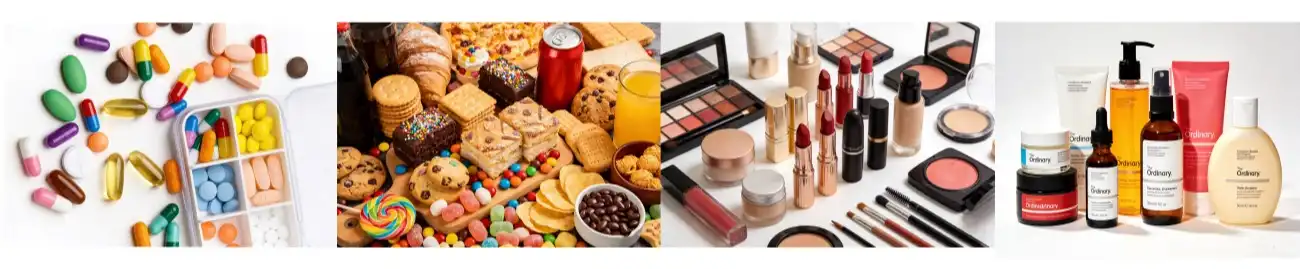
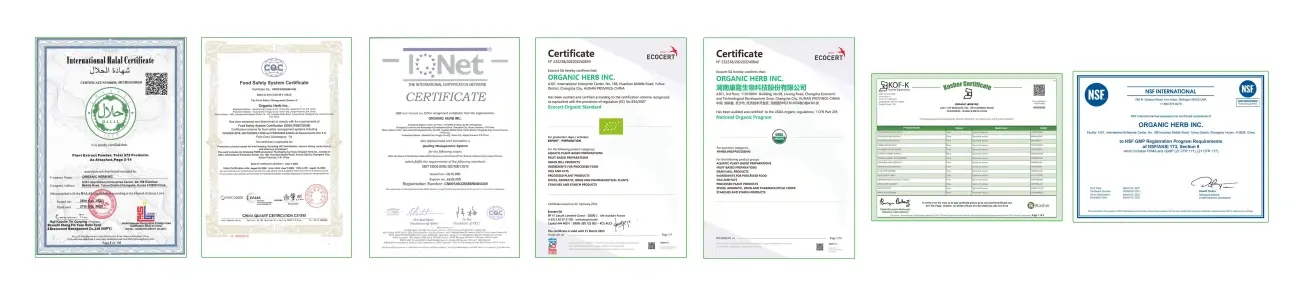
Organic products that are approved to NSF GMP, Kosher, Halal, ISO, and FSSC22000 standards always do better in purity tests than regular grades. When the purity is greater, it's easier to predict how much of the active ingredient will be in each amount. This directly supports claims that the product works. Compared to artificial anti-inflammatory options, natural celery seed extract has a clean-label botanical positioning that strongly resonates with today's consumer preference for ingredients that can be tracked back to nature.
Procurement Insights: Sourcing High-Quality Natural Celery Seed Extract
Good vitamin products start with getting their ingredients from good sources. Celery seed extract on the market varies a lot in terms of how pure it is, how it is extracted, and whether it meets certification requirements. This means that procurement teams have to carefully evaluate suppliers.
OHI's Apium graveolens seed extract is made with water as the only solvent for extraction. This is good for clean labels because it means there are no worries about leftover organic solvents. Our minimum order quantity (MOQ) for this item is 25 kg, and the lead time is 7 days. It ships in 25 kg drums. You can get free samples to check the quality before you decide to buy.
Here are the most important things for buying managers to look for in a supplier:
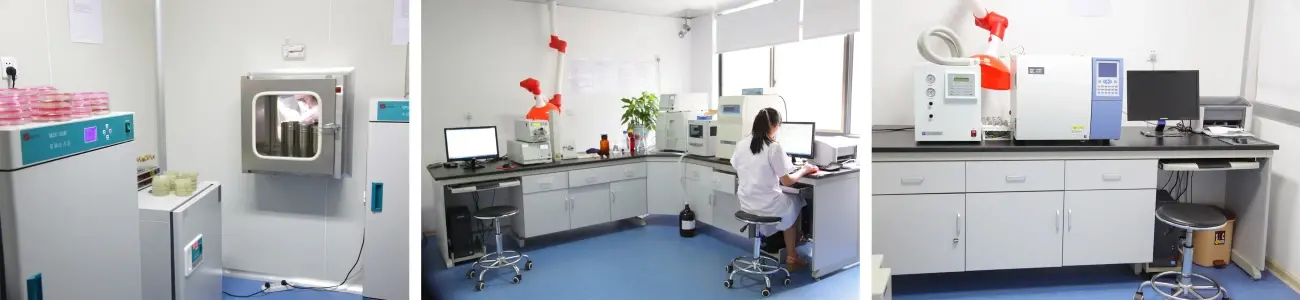
- Active ingredient verification: HPLC testing for 3nB and apigenin content is mandatory. Certificates of Analysis should specify marker compound percentages, not just extraction ratios.
- Allergen documentation: Celery is a major allergen under EU food law. Suppliers must provide ELISA allergen testing data to satisfy regulatory requirements in international markets.
- Contaminant controls: PAH levels (Benzo[a]pyrene < 10 ppb) and pesticide residue compliance with USP <561> or EU 396/2005 are non-negotiable for pharmaceutical-grade applications.
- Certifications: NSF GMP, ISO 9001, FSSC22000, Organic, Kosher, and Halal certifications signal a supplier's commitment to auditable quality systems.
All of these factors, including the procurement of reliable natural celery seed extract, work together to protect your business from problems with quality and legal trouble. Through its Los Angeles, California-based subsidiary Earth Made Nutritions, OHI maintains four warehouses across the United States. This makes sure that domestic deliveries are made on time and that international shipments don't get held up.
Practical Guide: How to Integrate Celery Seed Extract into Your Product Line?
Understanding your target customer group is the first step to a successful merger. A simple way to start taking vitamins for joint health is in the morning with a pill containing 150 mg of a 4:1 extract. A water-soluble, packed grade is best for useful drinks that aim to improve heart health.
Labels should make it clear what time to do things. Use of phrases like "best taken with food" or "take with breakfast for optimal absorption" can help people follow through with their plans and see the value of the product as higher. Regulatory copy should match the health claim standards in your market. For example, in the US, structure/function claims don't need to be approved by the FDA first, but they do need to be true and backed up by evidence.
Adding educational notes or QR codes that lead to recaps of clinical studies can help build trust in a brand. More and more, people want to know about the science behind the supplements they buy, and brands that are open about this get more loyal customers.
The research and development team at OHI can help with custom formulation development, co-extraction projects, or making changes to specifications for certain uses. OHI brings a lot of technical know-how to every partnership. They have created more than 400 botanical extracts and are currently making 100 standardized grades.
Conclusion
Timing natural celery seed extract consumption thoughtfully—with meals, in the morning, or split across the day—can meaningfully enhance its functional impact. For B2B buyers, this knowledge translates into stronger product claims, better consumer outcomes, and clearer market differentiation. Choosing a verified, certified supplier with water-based extraction and standardized active markers is the first step toward building a product that performs consistently. OHI's Apium graveolens seed extract delivers on every one of these requirements, backed by transparent documentation and US-based inventory.
FAQ
Q1: Is it safe to consume celery seed extract daily?
Published studies and normal dosages used in the industry both support daily use as long as the product comes from a trusted seller that has been checked for contaminants. Always make sure that the daily dose matches the amount of active marker listed on the Certificate of Analysis.
Q2: Can celery seed extract interact with other supplement ingredients?
The extract has been shown to be stable when mixed with Vitamin C and Tart Cherry Extract in complex mixtures like gout relief products. But before going into mass production, formulation suitability should always be checked with bench-scale stability testing.
Q3: How should bulk celery seed extract be stored?
The extract is not very water-absorbing. It is packed by OHI in 25 kg fiber drums with double-lined plastic bags. Keep in a cool, dry place out of direct light to keep the volatile oil's structure and stop it from caking.
Q4: What is the difference between a 4:1 and a 10:1 extract?
It takes four kilograms of raw seed to make one kilogram of extract in a 4:1 extract. A 10:1 is more dense in terms of mass. Neither ratio can promise a certain 3nB percentage without active marker standardization. Ask for HPLC-verified active amount at all times.
Partner With OHI for Premium Celery Seed Extract Supply
OHI is a reliable source for natural celery seed extract. They store their products in the US and offer free samples for you to try. Our Apium graveolens ingredient that is extracted using water, is certified by NSF GMP, Kosher, Halal, ISO, and FSSC22000, which means it meets the toughest world standards. Our team is ready to help you reach your recipe goals, whether you need a 4:1 or 10:1 grade for a vitamin, food, or cosmetic use. To get a sample right away, email info@organic-herb.com.
References
1. Powanda, M. C., Whitehouse, M. W., & Rainsford, K. D. (2015). Celery seed and related extracts with antiarthritic, antiulcer, and antimicrobial activities. Progress in Drug Research, 70, 133–153.
2. Moghadam, M. H., et al. (2013). Antihypertensive effect of celery seed on rat blood pressure in chronic administration. Journal of Medicinal Food, 16(6), 558–563.
3. Mencherini, T., et al. (2007). An extract of Apium graveolens var. dulce leaves: Structure of the major constituent, apiin, and its anti-inflammatory properties. Journal of Pharmacy and Pharmacology, 59(6), 891–897.
4. Yao, Y., et al. (2010). Antioxidant activity of flavonoids and their structure-activity relationship. Food Chemistry, 120(4), 1109–1116.
5. Graf, B. L., Raskin, I., Cefalu, W. T., & Ribnicky, D. M. (2010). Plant-derived therapeutics for the treatment of metabolic syndrome. Current Opinion in Investigational Drugs, 11(10), 1107–1115.
6. Heinrich, M., & Prieto, J. M. (2008). Diet and healthy ageing 2100: Will we globalise local knowledge systems? Ageing Research Reviews, 7(3), 249–274.
Standard Disclaimer (DSHEA):
These statements have not been evaluated by the Food and Drug Administration.
This product is not intended to diagnose, treat, cure, or prevent any disease.

Send Inquiry
You may like